Samsung launched its Galaxy Note 8 smartphone in India back in September. Now, the company has introduced a new Orchid Grey color variant in India, which is priced at Rs. 67,990 — similar to the pricing of other variants.
This new Orchid Grey color variant of Galaxy Note 8 will be available in India from April 17 across India and offline retail stores. Recently, the company had launched Burgundy Red color variant of the Galaxy S9 in India.
The Galaxy Note 8 comes with a 6.3-inch Infinity Display, a Super AMOLED screen with Corning Gorilla Glass 5 protection on top. Under the hood, the device is powered by Samsung’s own Exynos 8895 processor, which is clocked at 2.3GHz.
In India, the device packs 6GB RAM and 64GB of onboard storage. There’s also an option to expand the phone’s storage capacity up to another 256GB through a microSD slot.
Coming to the camera department, the device comes with a 12-megapixel + 12-megapixel dual-rear camera at the back with dual OIS. Both come with f/1.7 aperture with Dual Pixel technology and also supports 2x optical zoom. On the front side, there’s an 8-megapixel snapper for taking selfies and video calling.
One of the phone’s highlights is the S Pen, which is a stylus that enhances writing and other functions on this phone. This phone also receives the support of Samsung’s digital assistant — Bixby.
The device, which is water and dust resistant with IP68 certification support Bluetooth 5.0, Wi-Fi 802.11 a/b/g/n/ac, NFC, GPS, and GLONASS as connectivity options. Sensors on the phone include a rear-mounted fingerprint sensor, gyroscope, accelerometer, proximity sensor, ambient light sensor, barometer, and Iris scanner.
The smartphone runs on Android Nougat operating system out-of-the-box and the company has recently started rolling out Android Oreo update. It drives power from a 3,300mAh battery.
Xiaomi is expected to launch the Mi 6X midrange smartphone on April 25 in China. Before now, the Chinese giant has shared a number of pictures and video of the real Mi 6X machine showing us the design which looks very similar to the Redmi Note 5X, including a vertically aligned dual camera lens. We have also seen some official sample photos captured by the Mi 6X rear cameras. The latest official promotional material we are getting is a couple of selfie camera samples which reveal the capabilities of the selfie camera to capture stunning portrait shots.
The sample photos clearly indicate the ability of the front camera to capture portraits with a bit of blur in the background. This is the Portrait mode. The quality of the picture looks like what was shot using an SLR camera but of course not on the same level. Xiaomi chose to go with a 20MP Sony IMX376 sensor with a f/2.2 aperture on the front camera and it looks like that isn’t a bad idea. The front camera may likely come with a selfie flash.
The rear cameras are also engineered to provide stunning photos which explain why Xiaomi promotes the Mi 6X with the slogan “shoot more beautiful”(sic). As a reminder, the Xiaomi Mi 6X is equipped with a 12MP Sony IMX486 primary sensor with f/1.8 aperture and a secondary 20MP Sony IMX376 sensor with f/1.8 aperture. The phone will support 4K resolution video shooting at 30 fps.
Other specifications of the Mi 6X include a 5.99-inch display that will carry support for Full HD+ resolution of 2160 x 1080 pixels. It is speculated to be powered by an underclocked Snapdragon 660 chipset that may deliver a processing speed of 2.0 GHz. It will come preloaded with Android 8.1 Oreo-based MIUI 9 and it could feature a 2,910mAh battery. The device is expected to be available in three models such as 4 GB RAM + 32 GB storage, 6 GB RAM + 64 GB storage and 6 GB RAM + 128 GB storage, all expandable storage.
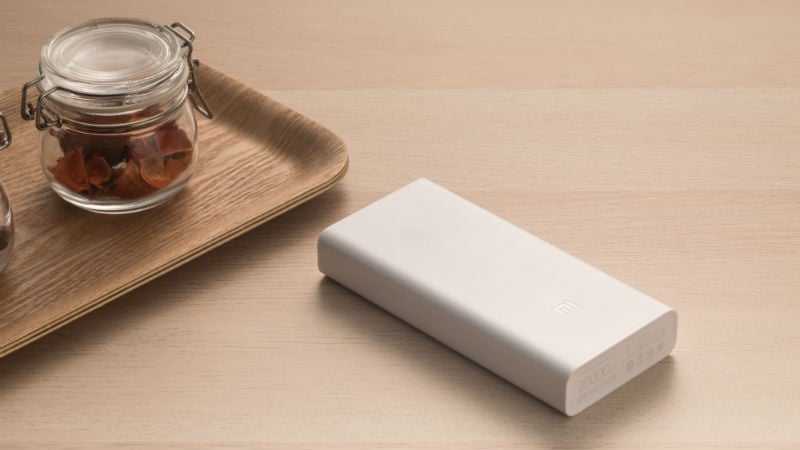
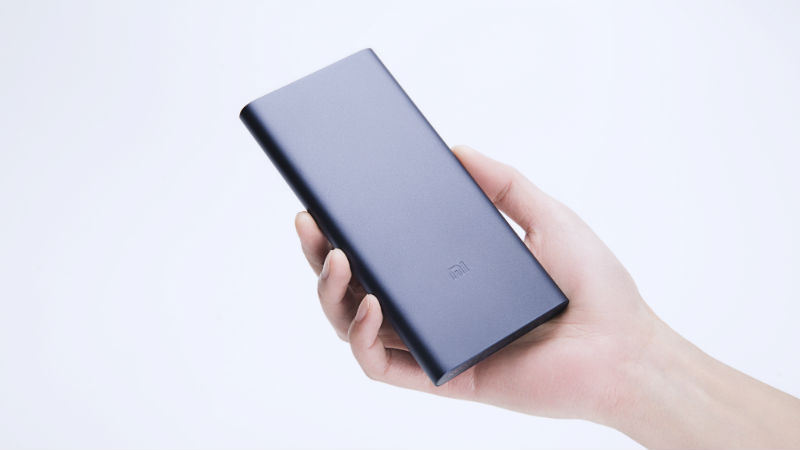
Xiaomi Mi Power Bank 2i was released back in November 2017 on Mi.com and Mi Home stores. There are two variants of Power Bank 2i: a 10,000 mAh one and a bigger one with a capacity of 20,000 mAh.
Xiaomi has just decided to raise the price of both the battery packs in India. On Mi.com and Amazon India, the price has been increased to Rs. 899 for the 10,000 mAh version and Rs. 1,599 for the 20,000 mAh variant. It is Rs. 100 more than the official launch price. Here is how Xiaomi India spokesperson justified the new price hike:
Due to the change in tax structure we’ve had to marginally revise prices for our Mi Power Bank 2i series. This was done to ensure that Mi Power Bank 2i is still the high-quality product that buyers have come to expect from Xiaomi.
According to Xiaomi India chief Manu Kumar Jain, the sales of Xiaomi Mi Power Banks have been great last year. The company has been able to sell four times more units than its main competitor Lenovo. The 20,000 mAh version of Xiaomi Mi Power Bank 2i features a metal design with a thickness of 14.2 mm and a weight of 245 grams, while its bigger sibling has a polycarbonate body and a weight of 358 grams.
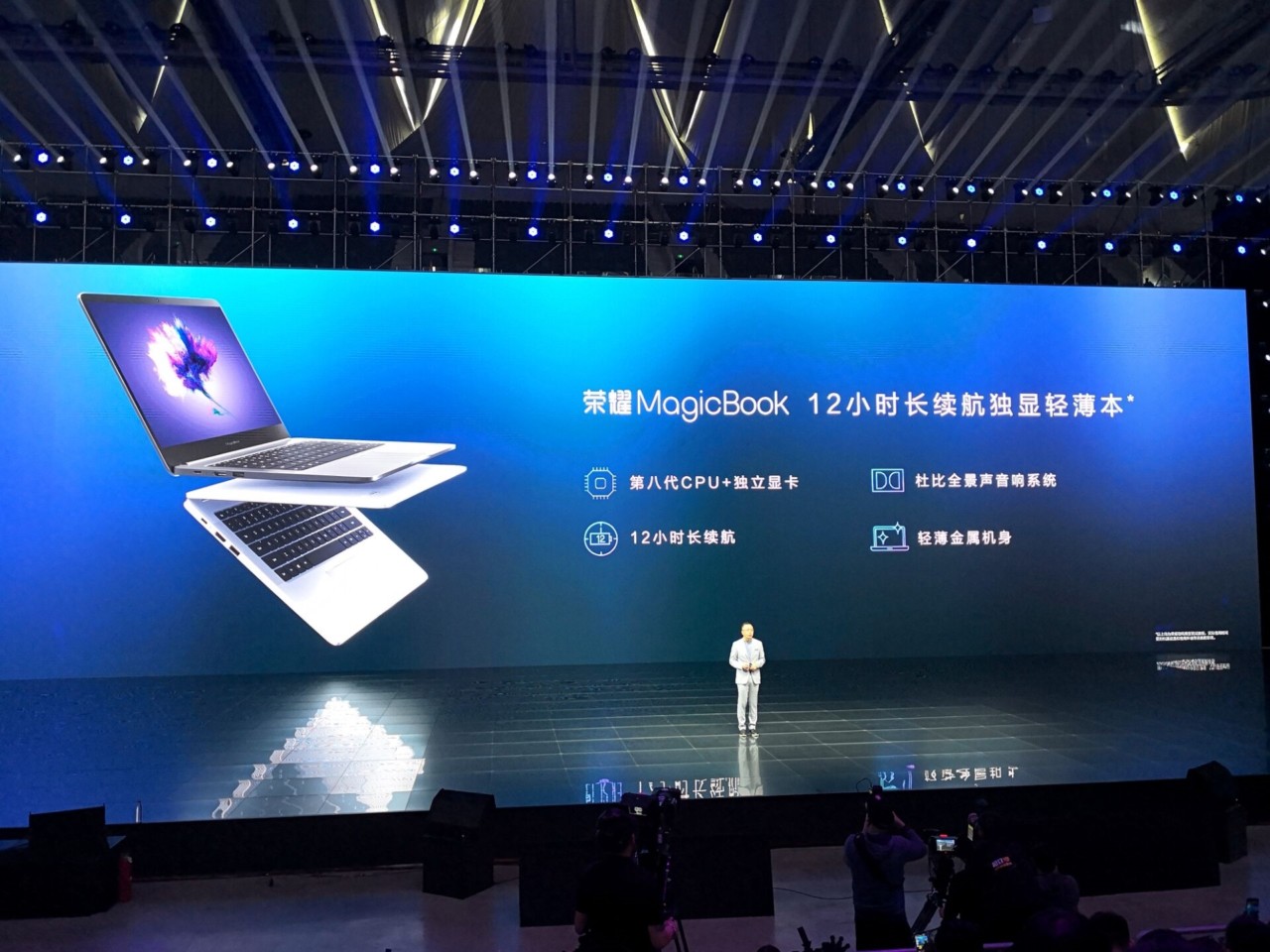
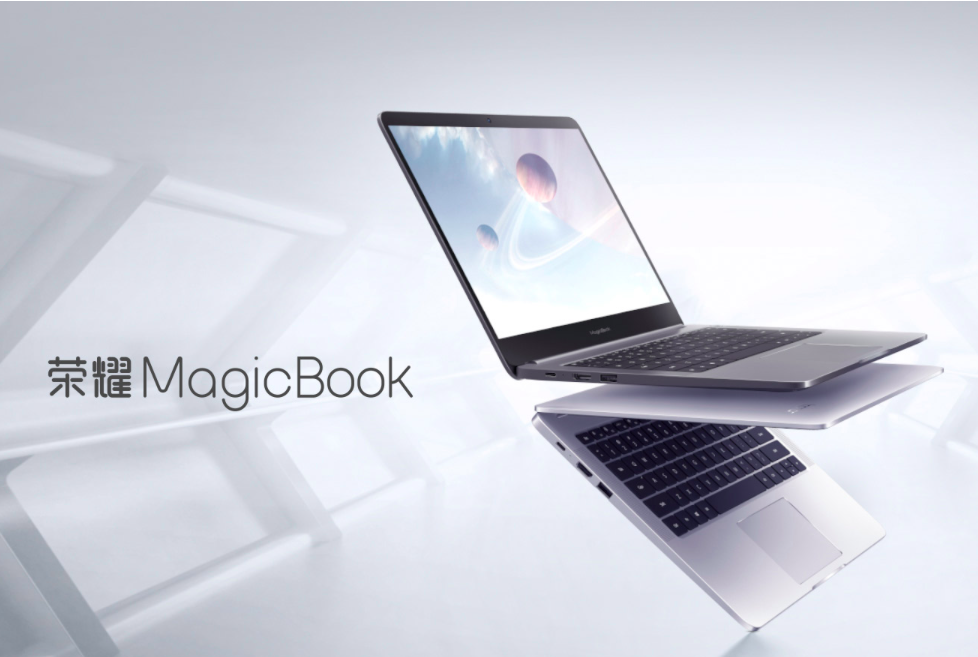
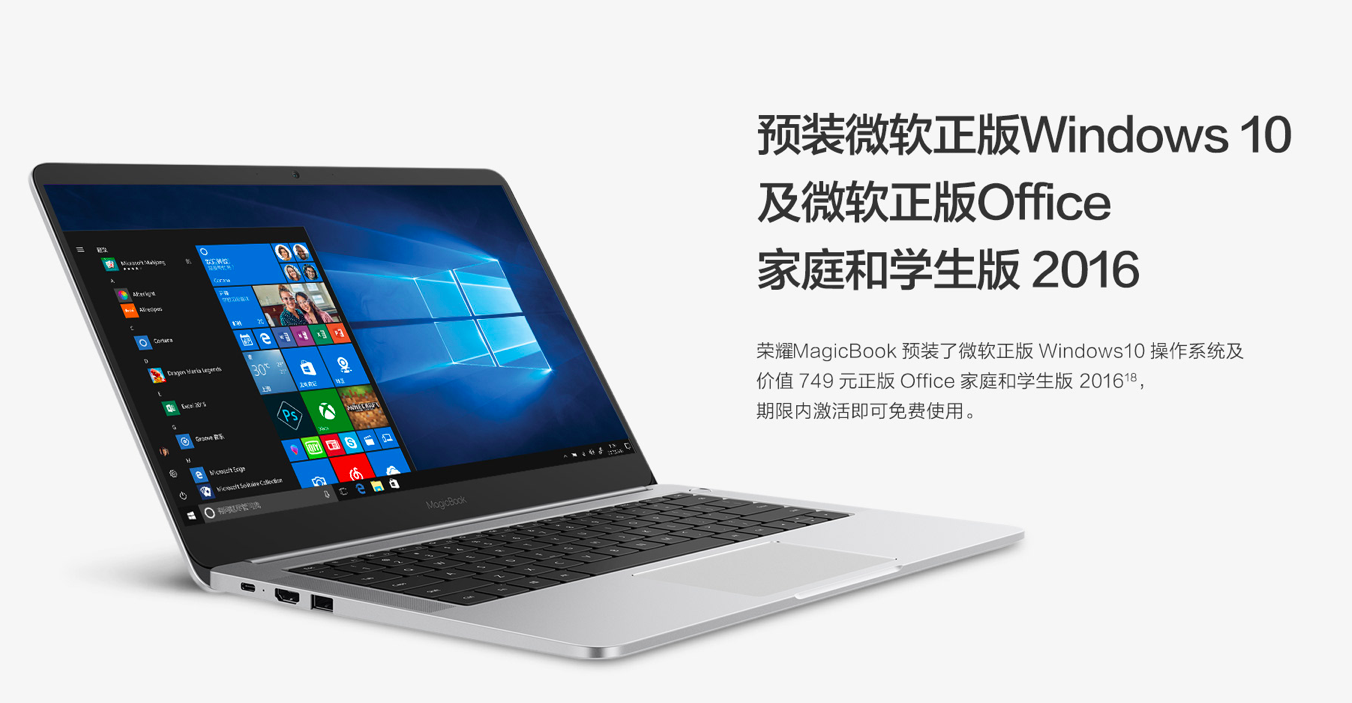
Along with its flagship smartphone Honor 10, China-based Huawei‘s sub-brand Honor also launched its new notebook — Honor MagicBook. One of the highlights of the notebook is that it can provide up to 12 hours of work time on a single charge.
According to the company, the Honor MagicBook has been built on the philosophy and attitude of a mobile smartphone. Further, the company said that it has been designed to be trendy and offer powerful performance, smart experience, and reliable quality.
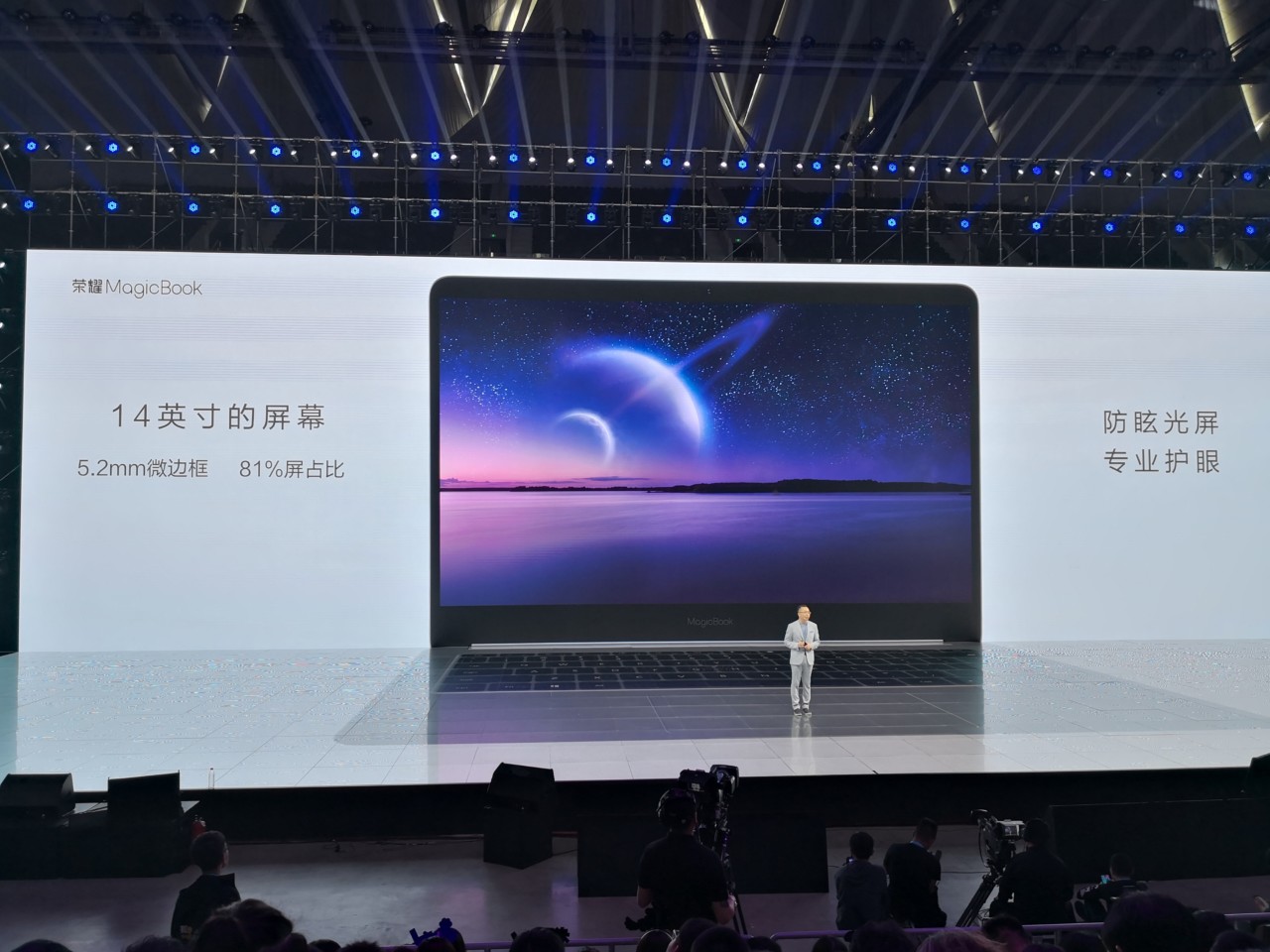
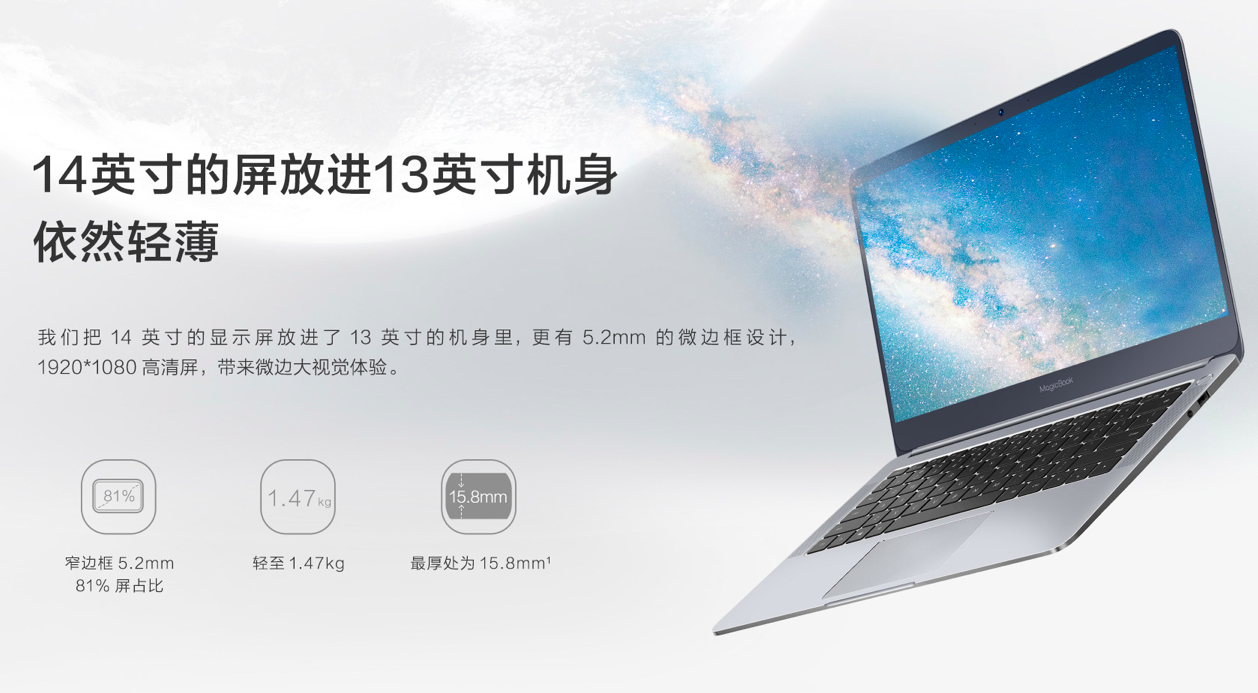
It features a 14-inch anti-glare display with a screen-to-body ratio of 81 percent and a border of just 5.2mm. There’s also something called professional eye mode, which is aimed at professionals.
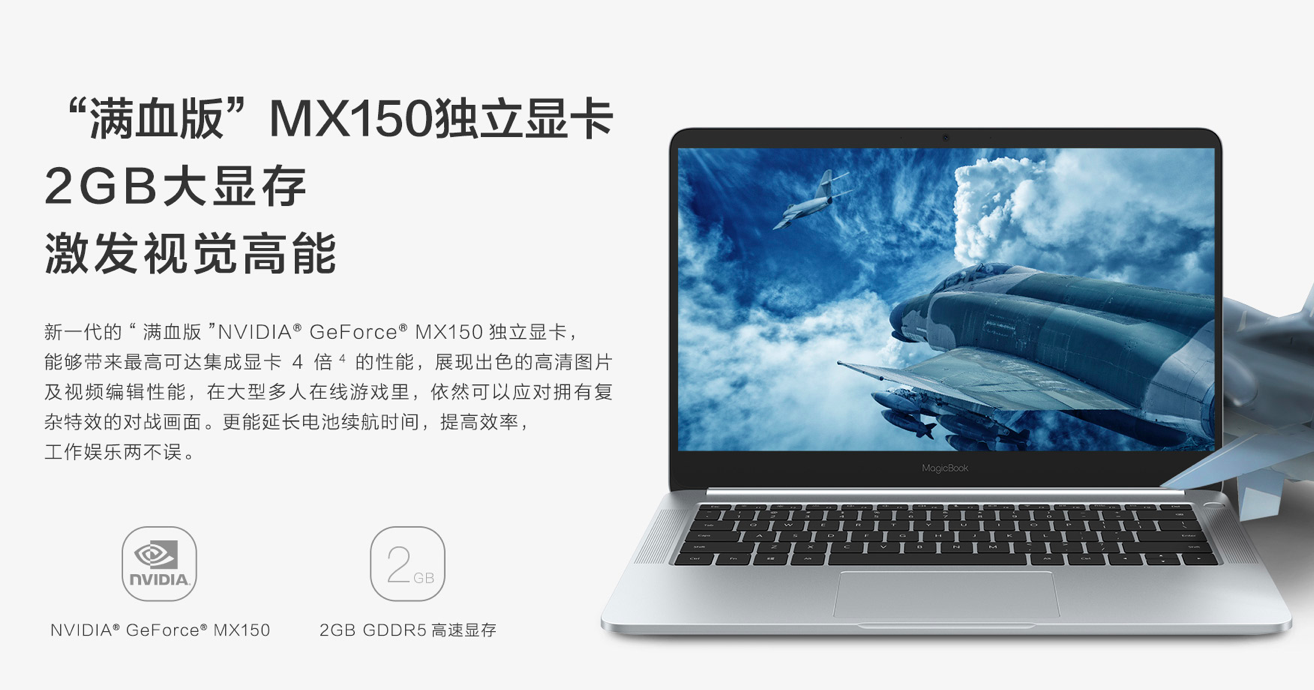
The laptop comes powered by Intel‘s eight-generation Core i7 -8550U processor, which is said to offer 40 percent better performance compared to the seventh-generation chipset. There’s also Nvidia MX150 2GB GDDR5 graphics processor.
There’s also another variant of the laptop which comes with Intel Core i5 processor along with Nvidia MX150 2GB GPU. While the Core i7 variant comes with 8GB RAM and 256GB SSD, the Core i5 model packs 4GB RAM and 256GB SSD.
The notebook also supports 180-degree angle opening and closing of the lid and comes equipped with a full-size custom keyboard. It has 1.3mm key-range as well as a three-level backlight. There’s also customized mic mute switch, custom shortcuts, Wi-Fi switch, and independent Fn Lock key.
As said, one of the highlights of the Honor MagicBook is that it comes with a 57Wh battery which the company says can provide 12 hours of native 1080p video playback, 12 hours of web browsing, and 13 hours of document processing.
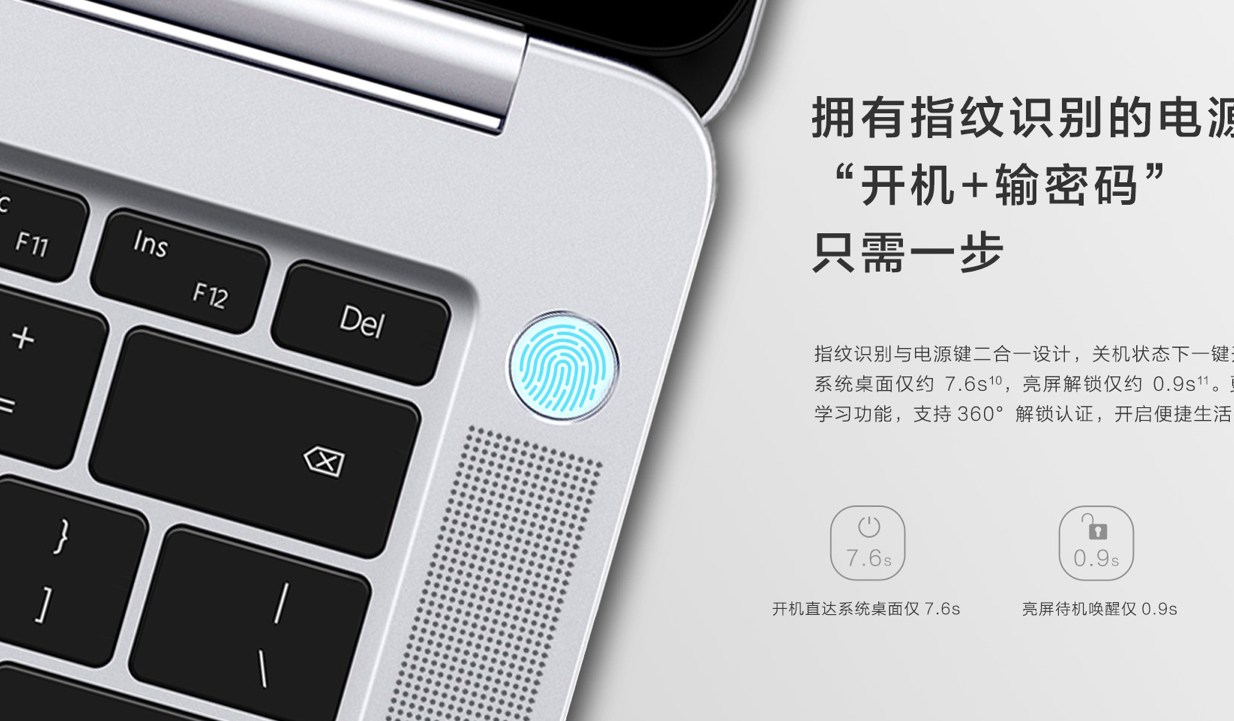
The device also comes equipped with four speakers with high-bass that also supports the Dolby Sound System. It comes with built-in 2×2 MIMO dual-antenna Wi-Fi and supports 360-degree shielding interference. There’s a fingerprint reader placed on the right side of the keyboard. According to the company, it can unlock the laptop in 0.9 seconds.
The Honor MagicBook will be available in three color options — Glacier Silver, Star Grey, and Nebula Violet. The company has promised to offer a 2-year warranty on the purchase of this laptop. While the Core i7 model is priced at 5,699 Yuan (approximately $908), the Core i5 variant is priced at 4,999 Yuan, which roughly converts to $796.
The laptop will be available for pre-orders starting today at 05:00 PM local time in China and will go on sale from 23rd April. The company is offering a discount of about 200 Yuan (~ $32) for the first sale. Currently, there is no information available regarding the availability of Honor MagicBook in other regions.
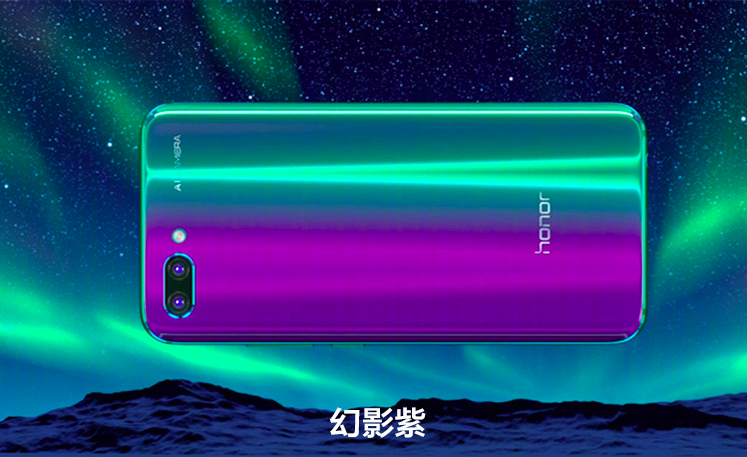
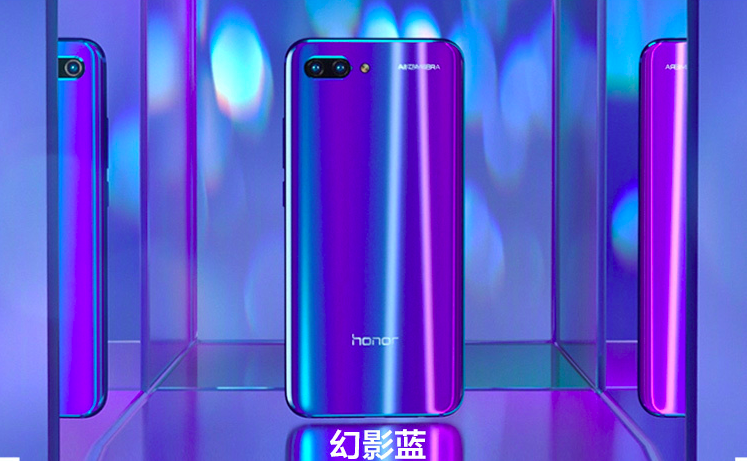
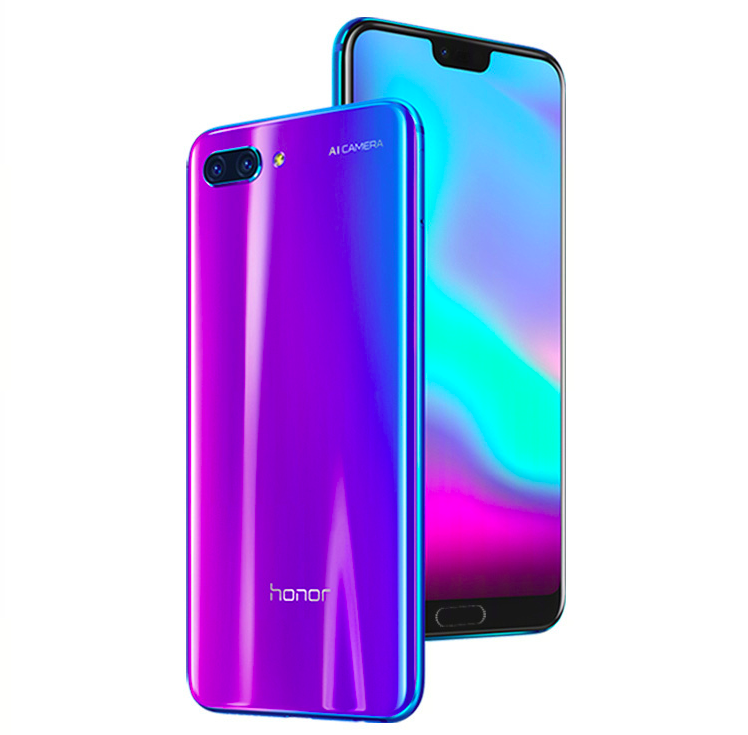
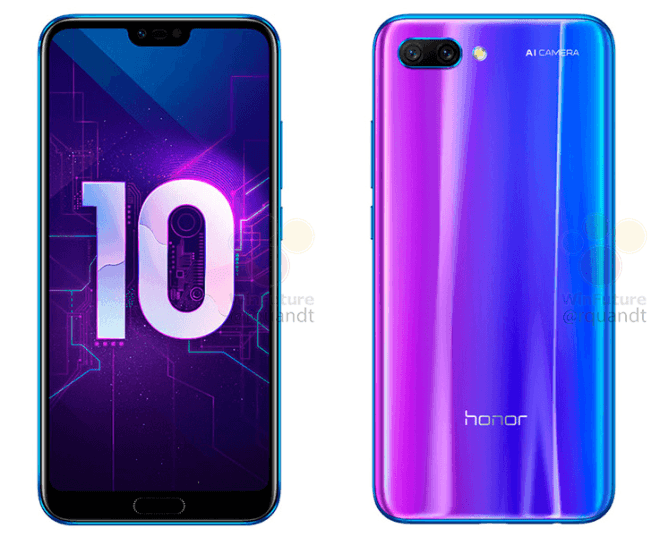
The Honor 10 features a very impressive glass chassis that has the ability to show different colors when it is viewed from different angles. It is equipped with a notched display that offers a large screen space. Some of the other attractive features of the Honor 10 include improved AI 2.0, 6 GB RAM, 128 GB storage, AI driven dual cameras and more.
Design
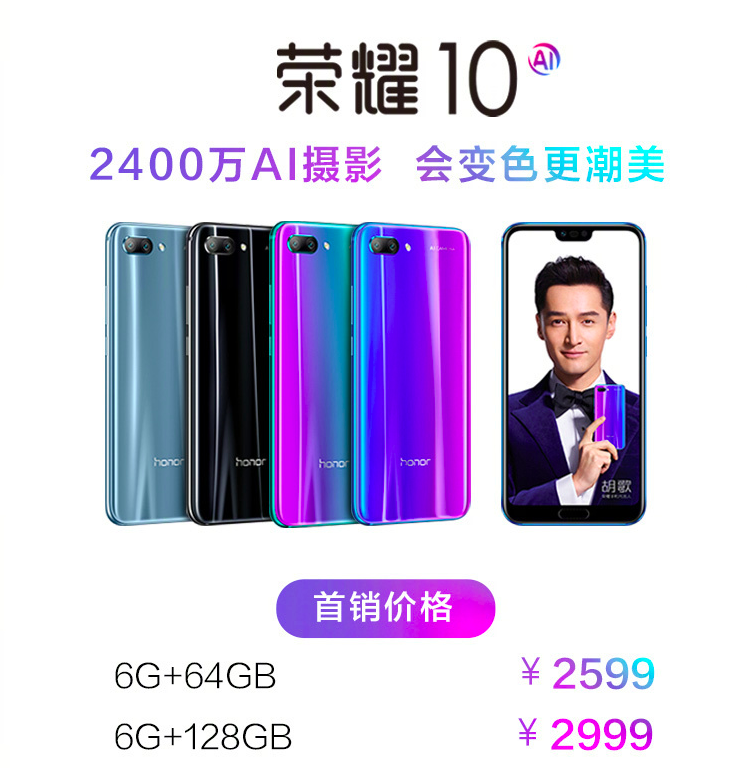
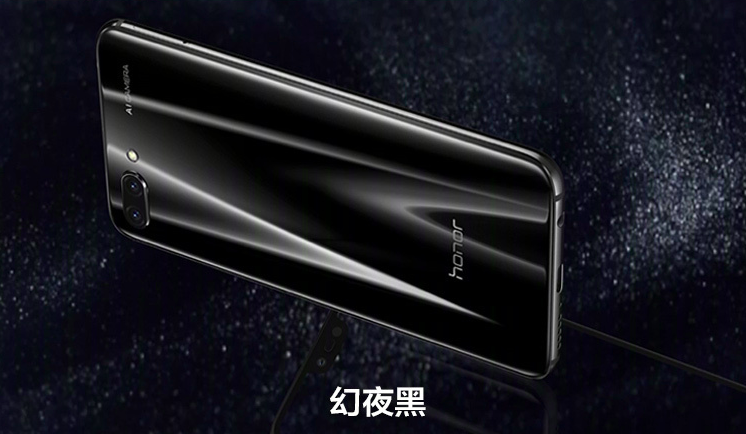
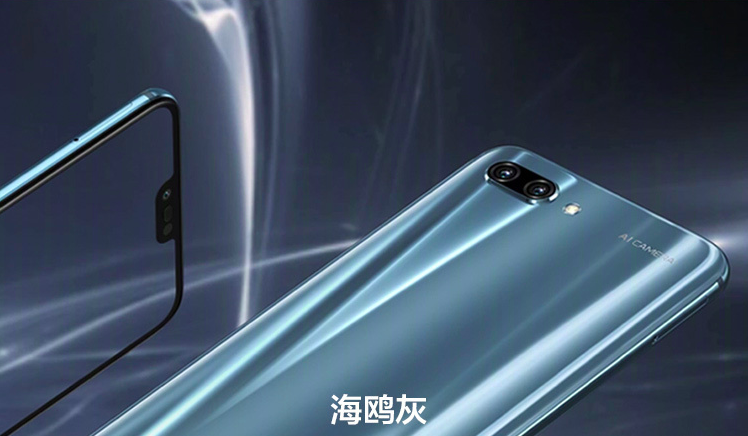
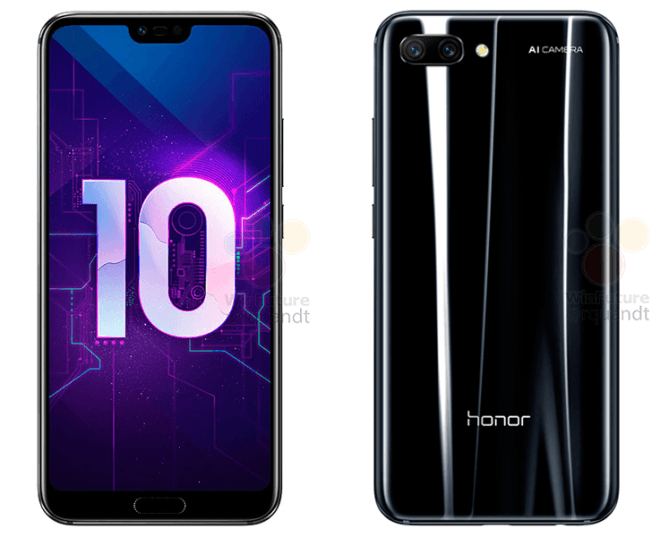
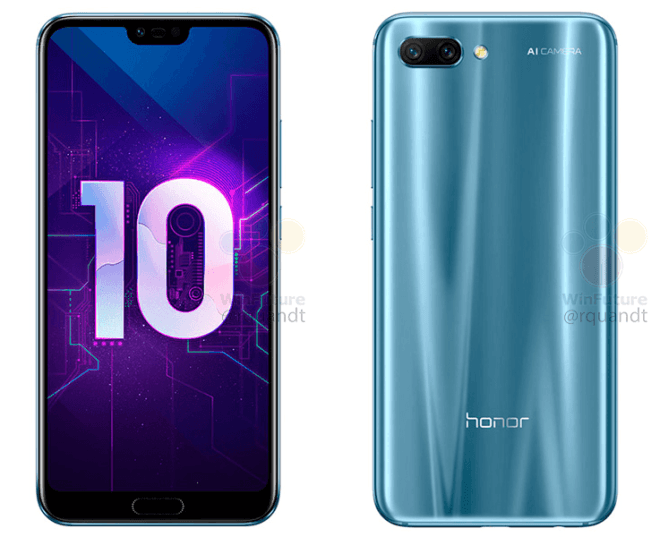
The Honor 10 has an aluminum frame that is flanked with glass panels on both sides. The device measures 149.6 x 71.2 x 7.7 mm and weighs 153 grams. The Honor 10 uses a biaxial curved glass design that allows it to show off endless colors when it is viewed from different angles. In addition to Phantom Purple and Phantom Blue color variants that produce infinite colors, the Honor 10 will be also available in regular colors like Seagull Gray and Midnight Black in China.
Display
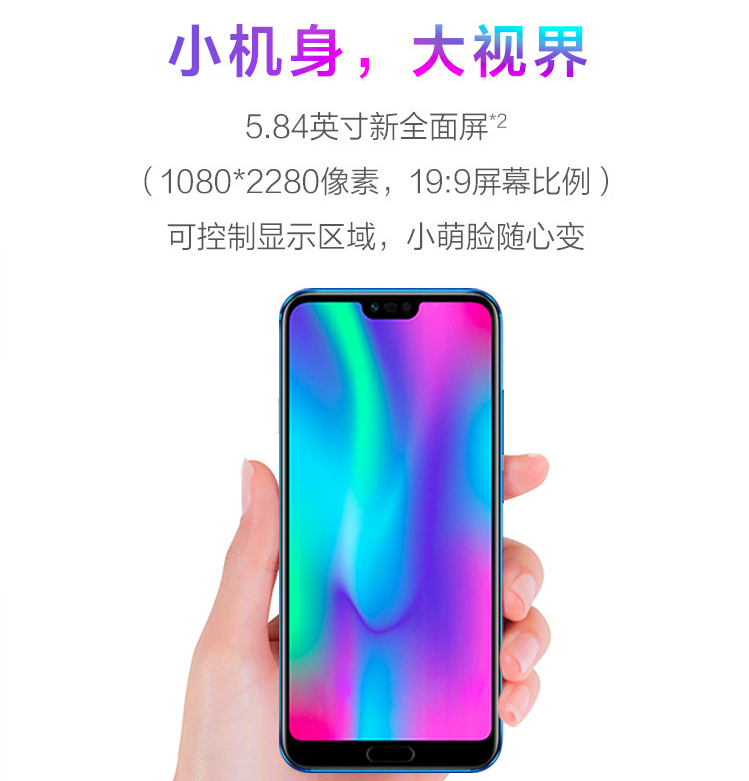
Like the P20, the Honor 10 features a notched display. It is fitted with a 5.84-inch LTPS IPS LCD screen that offers screen resolution of 2280 x 1080 pixels along with an aspect ratio of 19:9.
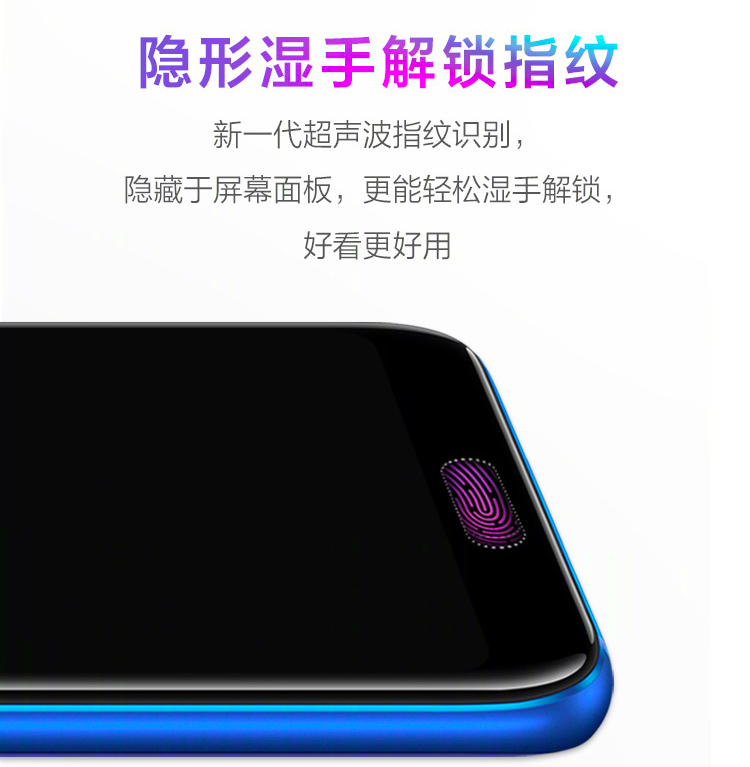
The handset also provides an option to hide the notch by blackening the areas that are present on its either sides, similar to what we saw on the P20 Pro. The home button placed on the bottom bezel of the Honor 10 is integrated with an ultrasonic fingerprint scanner. The Ultrasonic fingerprint sensor offers better security than a traditional sensor. Further, it can be used to unlock it even with wet fingers.
Performance
The Kirin 970 chipset brings along its NPU unit for handling AI tasks. Unlike the P20 that comes in a single option of 4 GB RAM + 128 GB storage, the Honor 10 comes in multiple variants. The different models of the Honor 10 are 6 GB RAM + 64 GB storage and 6 GB RAM + 128 GB storage. The 3,320mAh battery of the phone is enabled with support for SuperCharge 5V/4.5A fast charging technology. It allows the phone to gain 50 percent of power by charging it only for 25 minutes.
The Android 8.1 Oreo that is overlaid with EMUI 8.1 is available on the Honor 10. The handset includes AI 2.0 through which it can accurately identify dynamic pictures and it can process image effects twice as fast as iPhone X. AI 2.0 can also designed to deliver better work efficiency in while working on productivity apps. AI 2.0 has also learned different kinds of photography skills for capturing enhanced shots of people, pets, and landscapes.
Cameras
When it comes to photography, the Honor 10 offers its users with f/1.8 aperture 16-megapixel + f/1.8 aperture 24-megapixel dual camera setup. There is no Leica or SUMMILUX branding for the dual rear cameras that can be found on Huawei P20 and P20 Pro smartphones.
With AI 2.0, the horizontally arranged dual camera sensors carries support for scene recognition like food, scenery, and so on. When there are a lot of people in the scene, the Honor 10 can precisely blur others in the background and focus more on the subject. The smart fill light effect can automatically lighten up the face of the user according to the lighting of the surroundings in order to capture enhanced shots. The AI album available on the Honor 10 can smartly classify the images in different folders which makes it easier to find them.
The Honor 10 houses the same Sony IMX578 24-megapixel selfie camera that is available on the P20 series smartphones. Whether it is day or night, the selfie snapper is optimized to capture excellent photos in any lighting conditions. It can apply different optimization for hair, face, and background for shooting perfect selfie shots. It can also identify facial features and accordingly enhance specific areas like eyes and nose.
The front camera of the Honor 10 can be also used for facial recognition. It also carries support for AR stickers.
Other Features
The Honor 10 is packed with other usual features such as dual band Wi-Fi 802.11ac, 4G VoLTE, Bluetooth 4.2, NFC, USB-C port, GPS, and GLONASS. The handset lacks support for 3.5mm audio jack which means there is only one port that can be used for charging as well as for connecting a wired headphone. For enhanced audio experience, it features an AK4376A Hi-Fi chip that carries support for 7.1 multi-channel immersive sound output.
Pricing
The pre-orders of the Honor 10 will begin later today in China and its official sales will start on April 27 at 10:08 AM (local time). The 6 GB RAM + 64 GB storage and 6 GB RAM + 128 GB storage variants are respectively priced at 2,599 Yuan (~$414), 2,999 Yuan (`~$477). It will be available for purchase at Huawei Mall, Official Honor stores at Jingdong, Tmall and Suning.
At the Honor 10 launch event, the company also introduced accessories like Honor Moonlight Stick worth 139 Yuan (~$22), Honor Multi-Port Charger priced at 149 Yuan (~$23), Honor Monster headphones (2nd gen) wroth 249 Yuan (~$39). These accessories will be available at aforementioned stores starting from 10:08 AM (local time) on April 27. We’ll cover them in a separate article soon.
In the last month, Huawei had launched the Huawei P20 and P20 Pro flagship phones through an unveil event in Paris. In the previous week, the P20 duo were launched in China and today, the Chinese firm has introduced them in Taiwan.
Huawei P20 Pro and P20 Specifications and Features
One of the most striking feature of the Huawei P20 Pro is that it features a 6.1-inch AMOLED display that supports 2240 x 1080 pixels resolution and an aspect ratio of 18.7:9. It offers a screen-to-body ratio of 82 percent. The bezel lying the display features a fingerprint senor enabled home button.
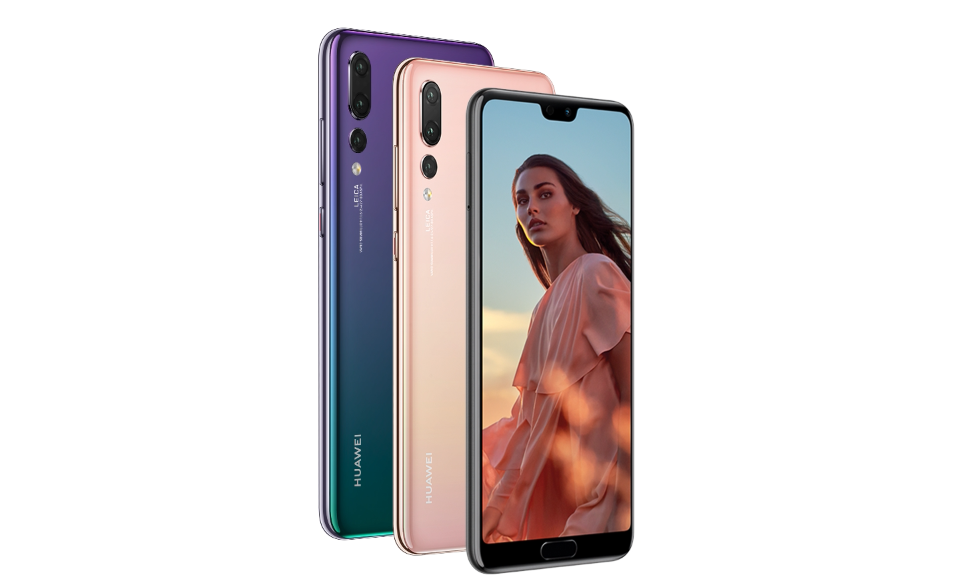
The Huawei P20 Pro is the first smartphone ever to feature a triple camera setup that includes a 40-megapixel RGB sensor, an 8-megapixel telephoto sensor and a 20-megapixel monochrome sensor. The P20 Pro is currently leading the list of best smartphones for photography on DxOMark benchmarking platform. The Leica certified triple camera system offers features like phase detection, laser autofocus, 4K video shooting and LED flash. It has a selfie camera of 24-megapixel.
The Kirin 970 chipset is present under the hood of the P20 Pro. The SoC is coupled with 6 GB of RAM and it features an inbuilt storage of 128 GB. It does not feature a microSD card. The handset is loaded with Android 8.1 Oreo and the latest EMUI 8.1 skin. It has a big battery of 4,000mAh capacity that is assisted with 4.5V/5A fast charging technology.
On the other side, the Huawei P20 has a 5.8-inch LTPS IPS LCD screen that offers the same resolution and aspect ratio like P20 Pro. It features Kirin 970 SoC, 4 GB of RAM, 64 GB of storage, dual camera setup featuring 12-megapixel RGB sensor and 20-megapixel monochrome sensor, 24-megapixel front camera and 3,400mAh battery.
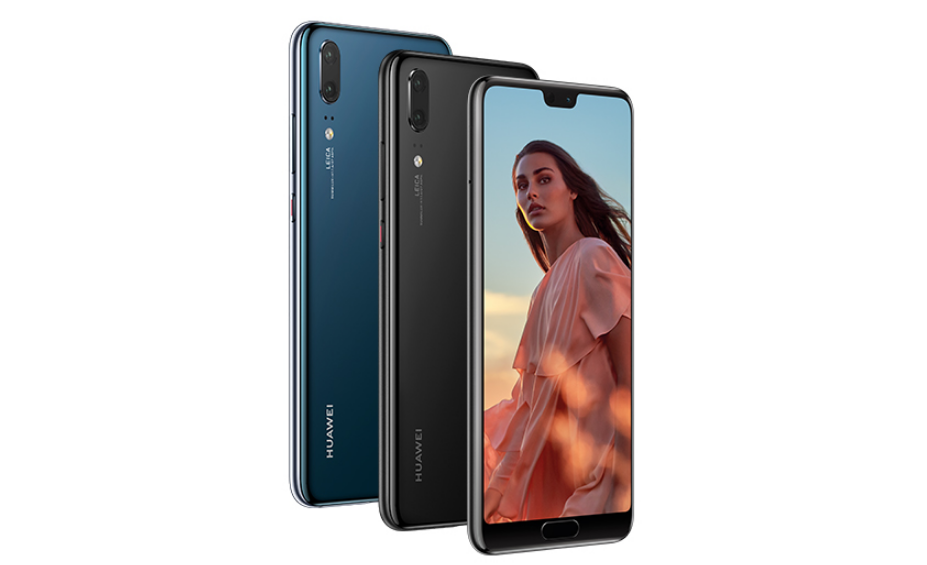
The Huawei P20 and P20 Pro were introduced in Europe with respective pricing of 649 euros (~$805) and 899 euros (~$1,114). These phones have respectively arrived in Taiwan for 20,900 (~$712) and 26,900 (~$916). The official sales of the phone will begin in Taiwan from May 1. The P20 comes in Twilight, Pink and Black color options whereas the P20 is available in Black and Midnight Blue. Customers who pre-order it will be able to take advantage of one-time screen replacement service for free.
Huawei is working on bringing its P20 and P20 Pro smartphones in wider markets. It has recently confirmed that it will be debuting the P20 series in India on April 24.
Notch is the new trend in the market and there’s no denying that the Apple iPhone X popularised the design. Soon after the iPX launch, Android manufacturers started to imitate the notch up front, and this included the world’s number three smartphone company, Huawei. However, turns out, Huawei could have considered using the notch design way before Apple and its iPhone X.
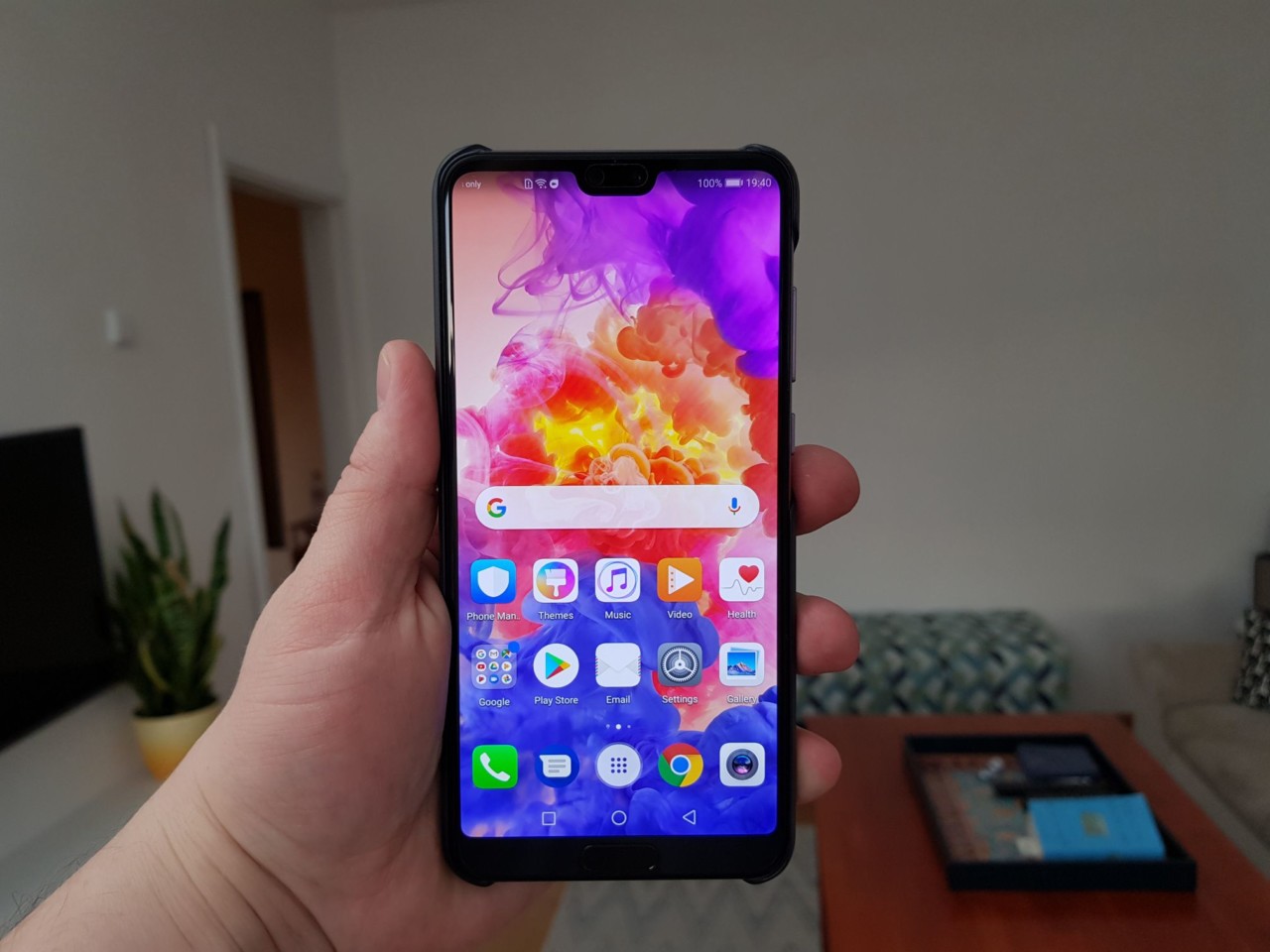
Huawei P20 Pro with a Case
In an interview with Forbes’ Ben Sin, Huawei’s Mobile Head, Li took some time to talk about the notch design on the Huawei P20 series. He said that the company had conceptualised this design “three to four years ago”, however, Huawei decided to play it safe. With a notch up front, the symmetrical design that’s usually seen on most smartphones and loved by Chinese customers, would be ruined. This is why the company thought it was not the right time to release a flagship with a notch up front.
However, seeing the success of the notch-equipped iPhone X, Huawei realised that it played too safe. Li adds that the company missed their chance to pioneer the notch design.
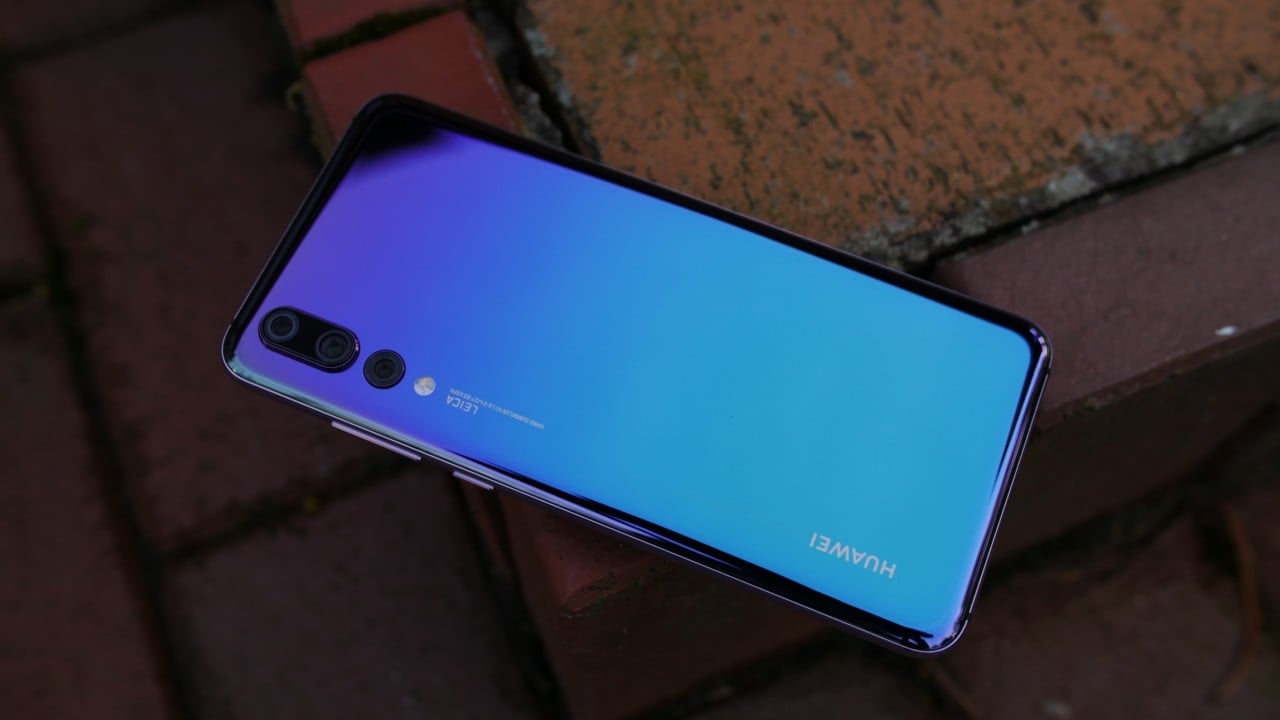
Huawei P20 Pro Twilight Color
Li further said that the gradient twilight color for the P20 Pro almost didn’t materialise as many considered it to be a bit ‘too much’. However, Huawei decided to take a chance with this color and it definitely paid off, considering how this variant is a consumer favourite today.
End of the day, it’s not about who thought of the idea first but who managed to get it right and present it to the public on a commercial product. Clearly, Apple got it right with the notch and it looks like more and more smartphones will catch on with the trend in the coming months.
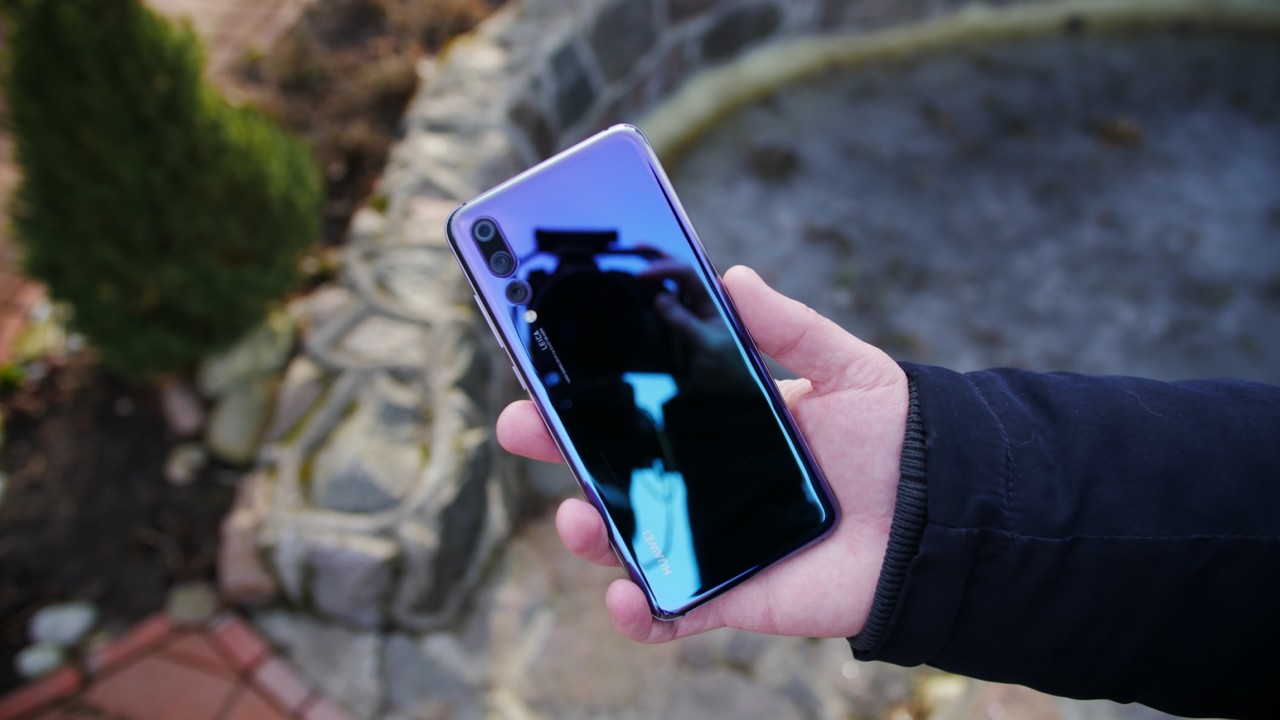
Huawei P20 Pro Has 3 Cameras At The Back!
But one things’ for sure, the billion of dollars being spent on Huawei’s R&D department is paying off. The three camera design is no gimmick and it delivers a stunning smartphone camera experience. The gradient back is nothing like we’ve seen before and gives the P20 Pro a unique identity. I’m sure in the coming months, more phone makers will try to release their own version of a gradient back as well as a triple camera setup. But we’ll always remember, Huawei was the first to pioneer both these elements in a smartphones.
Earlier in this week, Meizu had confirmed that it will be introducing the Flyme 7 Android skin alongside the Meizu 15 series smartphones on April 22. The company is now in the process of recruiting beta testers to iron out the bugs and other issues from Flyme 7 before it is officially made available to wider audience. As of this writing, Meizu is yet to confirm on the list of the smartphones that will be receiving the new Flyme 7 UI. Since it has made the beta version available for the older Meizu PRO 5 phone, it seems that plenty of Meizu phones will be treated with Flyme 7.
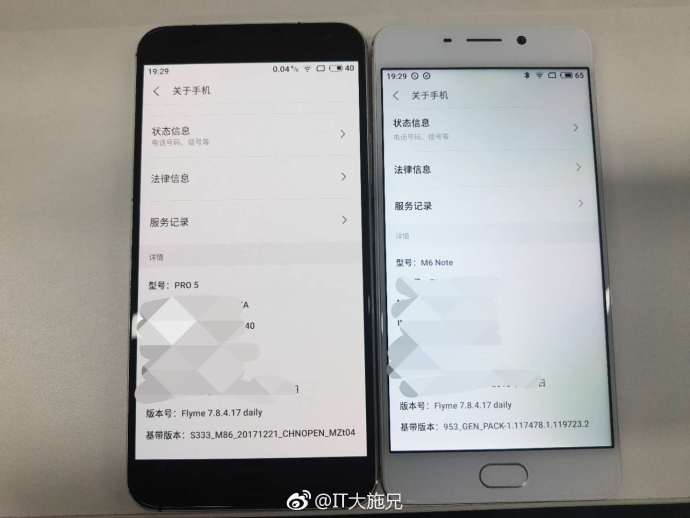
The below shown image reveals that the Flyme 7 is now available for beta testing on two devices such as Meizu PRO 5 and Meizu M6 Note. As mentioned above, the Chinese manufacturer is yet to confirm on the list of supported Meizu phones for Flyme 7. The Meizu PRO 5 smartphone was launched in September 2015 and it is fueled by Exynos 7420 SoC. This indicates that apart from 2018 Meizu phones, the Flyme 7 could be available to all the Meizu devices that were launched in 2016 and 2017.
Hence, some of the popular Meizu phones from the past two years that are expected to receive the Flyme 7 include Meizu M5, M5 Note, M3, M3 Note, M3 Max, M3x, M3s, M3e, Pro 6, Pro 6 Plus, Pro 6s, and MX6. The 2017 Meizu phones such as Meizu PRO 7, PRO 7 Plus, M6, M5c, Meizu M5s and Meizu E2 are also expected to receive the Flyme 7 update. It goes without saying that this year’s Meizu M6s and Meizu E3 phones will also receive the Flyme 7 update.
The above shown leaked photo reveals that the Meizu PRO 5 and M6 Note has received the Flyme 7.8.4.17 daily edition. The version number suggests that it is a day-to-day test version that is being rolled out on a daily basis.
In order to try the beta version of the Flyme 7, one can enroll through the Flyme Community app. One should be aware of the fact that the beta edition may contain bugs. Hence, users who are interested to try the beta version are suggested to perform a backup of the device before installing it.
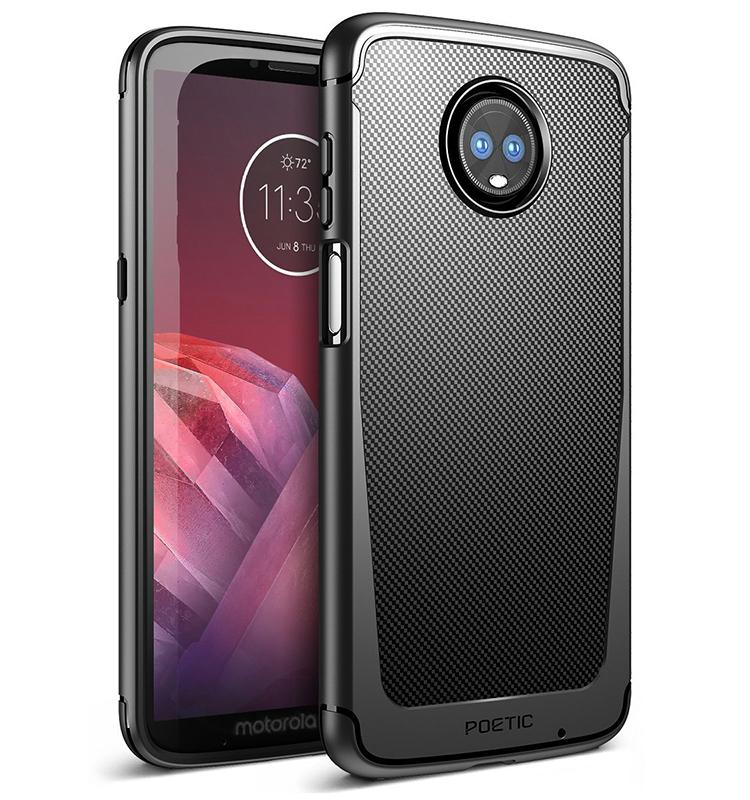
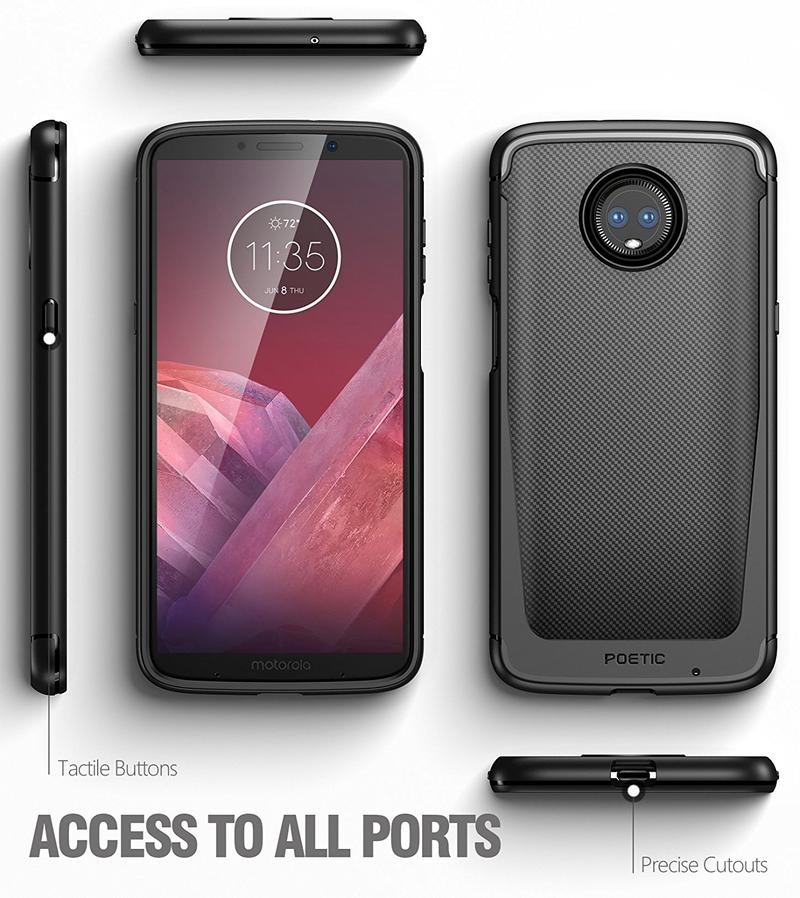
Later today, Motorola will be holding its first launch event of the year. The Lenovo-owned company is expected to debut Moto G6 series phones such as Moto G6, Moto G6 Plus and Moto G6 Play. Some sources have claimed that it will be also launching Moto E5 series which includes Moto E5, Moto E5 Plus and Moto E5 Play. Apart from these phones, the company is also pegged to launch Moto Z3 series and Moto X5 in this year. Since the Moto Z2 Play and Z2 Force were launched in June last year, their successor models are expected to break cover by June this year. The CAD renders of Z3 Play that were released at the beginning of this month had revealed the presence of a side-mounted fingerprint scanner. Poetic Cases have already listed some renders of Z3 Play wearing its Karbon Shield case.
The below image shows that the Z3 Play will be featuring an 18:9 aspect ratio screen, but the exact size is not known. The reduced top bezel has an earpiece, a selfie camera and other sensors. The bottom bezel only houses a microphone and the company’s name.
The rear side of the Moto Z3 Play seems to be made out of glass. Hence, there is a possibility that it may include support for wireless charging. The round-shaped camera housing at the top features horizontally arranged dual cameras along with dual-tone LED flash. There is no cutout for the fingerprint scanner on the backside of the device. Also, the frontside of the phone does not feature a fingerprint sensor enabled home button. The below image shows the presence a large cutout for a side-mounted fingerprint scanner below the volume rocker on the right edge of the phone.
The power key is located on the left side of the Z3 Play. The bottom side has a USB-C port and the 3.5mm audio jack could not on the phone.
Previous leaks have revealed that depending on the market, the Moto Z3 Play will be available in single-SIM and dual-SIM editions. Also, some markets will be receiving its 4 GB RAM + 64 GB storage variant while others will get its 4 GB RAM + 32 GB storage model. The appearance of the Z3 Play at the Federal Communications Commission (FCC) has revealed that it will be powered by Snapdragon 636 SoC. The rumor mill has revealed that the handset will be featuring a 6.1-inch Full HD+ screen and it will be packed with a 3,000mAh battery.
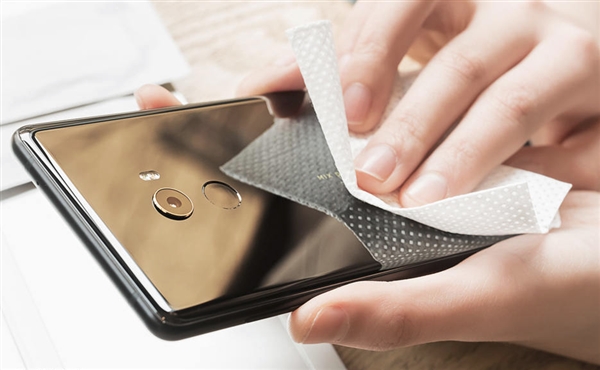
One of the attractive designs on flagship mobile phones lately has been the use of glass body on the back and front. This has often received criticism as a result of its fragility and also the penchant of the glass to gathering fingerprint stains and smudges. In this regard, Xiaomi has launched a product that helps you take care of smudges on your smartphones and other gadgets that can get stained easily.
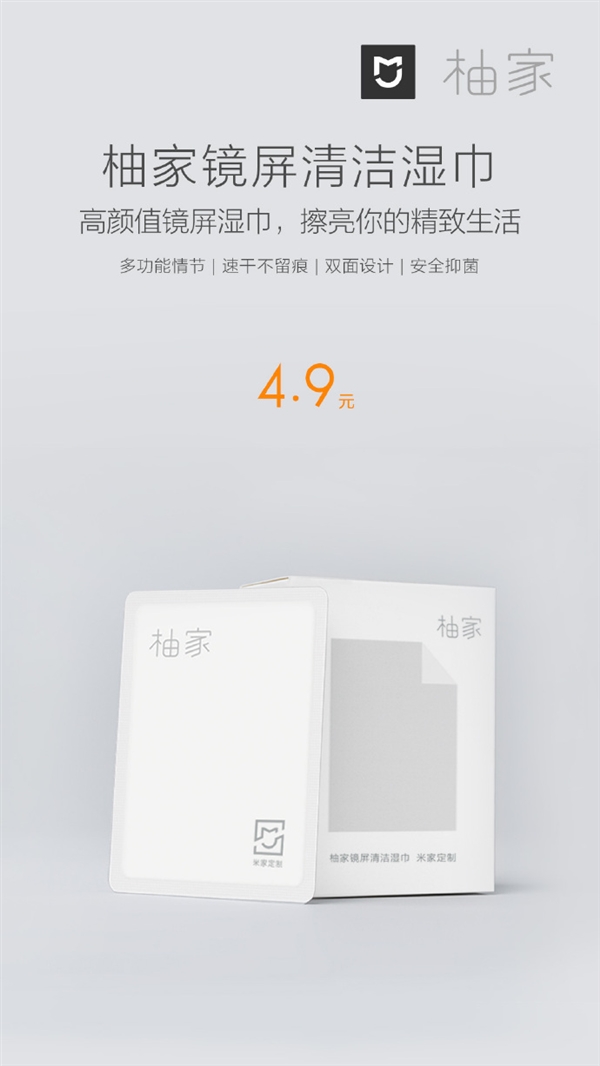
The Xiaomi Screen cleaning wipe, as it is known, comes in a box of 15 wipes and is priced at just 4.9 Yuan ($0.78) per box. The wipes has multiple functions and can be used for the computer screens, eyeglasses, smartphone screen, laptops, tablets and PC monitors. It is quick-drying, non-flaking and both sides can be used. The wipes also have anti-bacterial property. Each piece of the wipes is 12.5cm long and 10cm wide and each is packaged singly inside the box of 15 wipes.
The wipes are efficient and effective in bacteriostasis and do not leave traces of debris on the surface. It has better softness than the regular wipes and is laced with edible alcohol and surfactant which can effectively remove dust and grease. The pack of screen wipes is presently available to buy on Mi Home for 4.9 Yuan ($0.78) which is cheap. Of course, there are tons of alternatives to this product that are available in other regions so, it is unlikely this is a product meant for export.
The Porsche Design Huawei Mate RS is the first and only Huawei phone to come with an in-display fingerprint scanner. It may not be the only one for long. There are reports the soon-to-be-announced Honor 10 may join it.
According to a Twitter post from @HonorNews, a trusted source said at least one model of the Honor 10 will have its “fingerprint sensor on display”. It also adds that there will be several variants of the Honor 10.
The tweet was quoted by popular leaker Roland Quandt and he says that a trusted source has corroborated the rumor about a model having an in-display scanner. Notwithstanding, he is sure there is a model without the fingerprint in the display.
We was just informed by a trusted source that at least one model of the upcoming honor 10 will have the fingerprint sensor on display. Accordingly, there will be several variants of the #honor10.
Looks a lot like Honor will have more than one version of the #honor10 – trusted source corroborating rumors about a variant with in-screen fingerprint reader. (I know for a fact, that there will be a model without this) https://t.co/hL6LyPCdme
We won’t be surprised if Honor releases multiple models with the scanner in different positions. Vivo did the same with the X21 which has a version with an in-display fingerprint scanner called the Vivo X21 UD.
The Honor 10 launches tomorrow, so we will not have to wait for long to confirm if the above is true. Leaked renders already show that the fingerprint scanner is on the chin in one variant.
The Honor 10 will have a 5.84” FHD+ display with a notch at the top. The Kirin 970 will be the chipset of choice and it will be paired with 4GB or 6GB of RAM. Storage should also reach 128GB depending on the variant.
After teasing a ‘big’ announcement related to smartphones, India’s homegrown eCommerce marketplace announced its long-term partnership with Taiwan-based smartphone manufacturer Asus to launch products specially designed for Indian customers.
With an aim to help Asus reach the right audience and penetrate deeper in the Indian market, Flipkart will become the company’s premier partner and seller for smartphones. Along with being the primary sales channel for Asus Zenfones, and helping in sales and marketing, both the companies will collaborate for co-creating new Indian consumer-centric products.
Commenting on this partnership, Flipkart CEO Kalyan Krishnamurthy said, “Flipkart has driven the adoption of smartphones in India, and grown the market, through innovations and a deep sense of knowing what consumers want. With this partnership with Asus, we are multiplying those efforts to build smartphones truly customized for India.”
Flipkart, talking about its future plans as a platform for selling smartphones in India, said that it aims to own 40 percent of smartphone sales in India by 2020 and believes that the Asus partnership is a step in that direction.
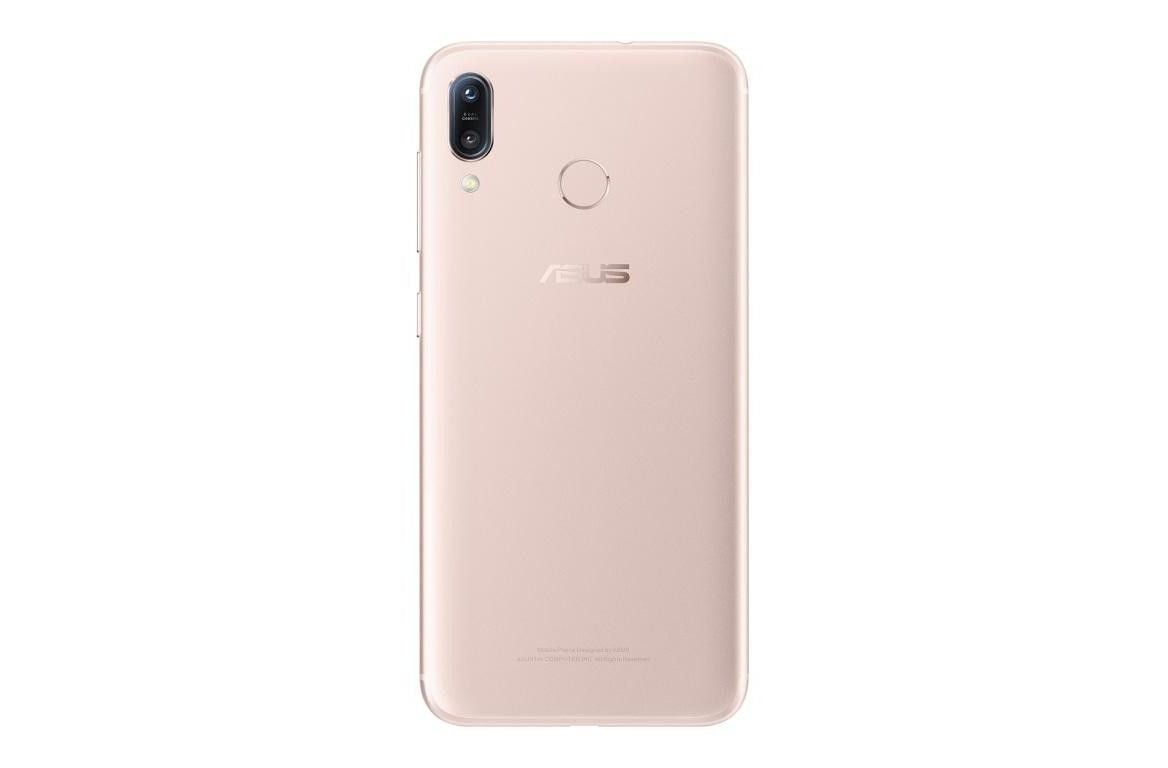
As a part of this agreement, the first smartphone from Asus that will launch on Flipkart is Zenfone Max Pro M1, which will go on sale from April 23rd. While the company has not revealed much information related to the smartphone, it is known that the phone is powered by Qualcomm‘s Snapdragon 636 processor. However, the phone’s specifications have leaked online, revealing what to expect from the device.
The upcoming Zenfone Max Pro is said to be the successor of Zenfone Max Pro which was launched in August last year. It comes with a 5.5-inch LCD IPS display and is powered by Qualcomm’s Snapdragon 430 processor paired with Adreno 505 GPU graphics. It packs 3GB RAM and 32GB expandable storage. There’s a dual camera setup at back featuring 16MP + 5MP camera sensors and a front-facing snapper of 16MP. The phone is powered by a massive 5,000mAh battery.
China-based Huawei recently hosted Huawei Global Analyst Conference in Shanghai, marking it as the fifteenth consecutive conference from the company. During the conference, the company talked about various topics, ranging from its abandoned deal with the likes of AT&T to the issues being faced by Chinese companies in doing business in the United States.
During the Q&A session in the conference, the company was asked if it plans to export its mobile chipsets and sell it to other manufacturers. In response, Huawei said that it is not positioning its chipset business as an independent business and does not aim to generate income by selling it to other manufacturers.
The company further emphasized that it manufacturers its own chipset to carry out its own hardware architecture and to offer a differentiating factor to its products compared to other offerings in the market.
Elaborating more on this topic, the company clarified that it’s not that it will only use its own Kirin chipset in its devices. Qualcomm and MediaTek — two of the largest mobile chipset manufacturers are also suppliers for Huawei.
The China-based company recently launched its latest flagship smartphones — Huawei P20 and P20 Plus. Both the devices are powered by the company’s own HiSilicon Kirin 970 octa-core processor with Mali-G72 MP12 graphics processor. As of the pricing, the Huawei P20 starts at 3700 Yuan while the P20 Pro starts at 4000 yuan. Both devices were sold out within 10 seconds in the first sale, generating revenue of 100 million Yuan, which roughly converts to $15 million.
On the other hand, the company’s sub-brand Honor is gearing up to launch its own flagship smartphone — Huawei 10. It is expected to get launched at a press event on 19th April where the company will also launch Honor MagicBook.
Through a press event yesterday, Indian e-commerce site Flipkart confirmed that it has entered a long-term relationship with ASUS to sell its smartphones in India. The ZenFone Max Pro M1 is the first phone to be born through ASUS-Flipkart partnership. The smartphone is slated to get announced on April 23. Fresh information on the specifications of the upcoming ZenFone Max Pro M1 have surfaced online.
Leaked information reveals that the ZenFone Max Pro M1 will be featuring a 6-inch Full View display that will deliver an aspect ratio of 18:9. The Snapdragon 636 chipset that powers the ZenFone 5, Redmi Note 5 Pro and Meizu E3 will be present under the hood of the upcoming ASUS phone. The handset will be running on “pure” version of Android Oreo. However, there is no confirmation on whether it will be an Android One device or not.
It is expected to be available with up to 6 GB of RAM and a storage of up to 64 GB. This suggests that the handset could be available in 4 GB RAM + 32 GB storage model. It will feature a dedicated slot for microSD card apart from the dual-SIM slots.
The vertical dual camera setup of the ZenFone Max Pro M1 is expected to include dual 16-megapixel sensor. For selfies, it is expected to feature a Softlight LED flash equipped front-facing camera of 16-megapixel. The front camera is expected to carry support for facial recognition. The back panel of the phone houses a fingerprint scanner that can unlock it just 0.3 seconds. The Max Pro M1 will be also arriving with a 5-magnet speaker along with NXP smart amp.
A behemoth battery of 5,000mAh capacity is expected to power the phone. Hopefully, it will also include support for fast charging. There is no information on its pricing. However, it could be competitively priced to take on 4 GB RAM + 64 GB Redmi Note 5 Pro that is selling with a price tag of Rs. 13,999 (~$213) in India.
Apart from India, the ASUS ZenFone Max Pro M1 will be also landing in Indonesia on April 23. In India, it will be exclusively available through Flipkart.
Huawei’s sub-brand Honor will be debuting the Honor 10 flagship phone tomorrow. The handset borrows specs and features from the Huawei P20 flagship that was unveiled at the end of the previous month. However, there are some differing features on the Honor 10 that makes it an affordable phone compared to the P20. Here is a rumor roundup on the specs, features and pricing of Honor 10.
Honor 10 Launch Event
Honor will be launching the Honor 10 smartphone at the Shanghai Oriental Sports Center tomorrow. The Chinese manufacturer is also expected to Honor Magicbook notebook alongside the Honor 10 phone. However, there is no information available on its specifications. The launch event will begin at 2:30 PM local time. Its livestream will be available through this link.
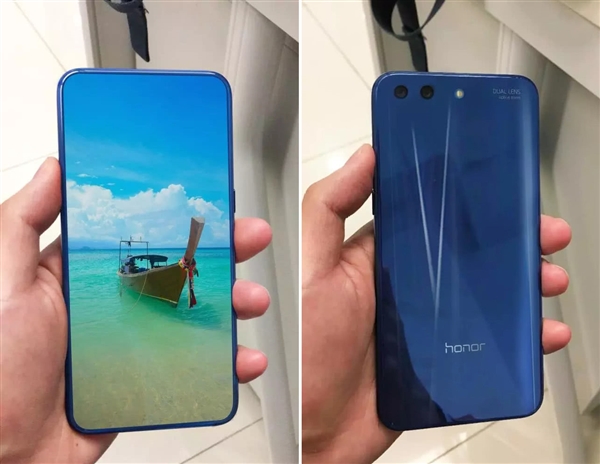
Leaked information has revealed that the Honor 10 features a glass and metal combination body that measures 149.6 x 71.2 x 7.7 mm and weighs 153 grams. It will be available in color options such as Black, Teal and Bluish-pink
The TENAA listing of the phone has revealed that it is fitted with a 5.84-inch notch enabled LTPS IPS panel like the P20 Lite phone. It carries support for Full HD+ resolution of 2280 x 1080 pixels. Rumors have it that it may feature an LCD panel from China’s BOE. Its fingerprint scanner is integrated in the home button present on the bottom bezel.
The Kirin 970 chipset will be powering the phone. It will be hitting the Chinese market in RAM variant of 4 GB and 6 GB as well as storage editions of 64 GB and 128 GB. Rumors have it that the Honor 10 will be equipped with eMMC 5.1 storage, and not UFS 2.1 storage found on Huawei P20. It is unlikely to feature a microSD card slot.
Rumors have it that the Honor 10 is speculated to arrive with a 20-megapixel + 24-megapixel dual camera, albeit Leica and SUMMILUX branding found on Mate and P series flagship phones from Huawei. However, the TENAA listing has revealed that it features 16-megapixel + 24-megapixdel dual camera setup. Also, unlike the P20 phone, the Honor 10 will have horizontal arrangement for the dual lenses.
Thanks to Kirin 970’s NPU unit, dual rear cameras are expected to carry support AI driven advanced scene recognition. It is expected to feature the same 24-megapixel front-facing camera that is available on the Huawei P20 series smartphones.
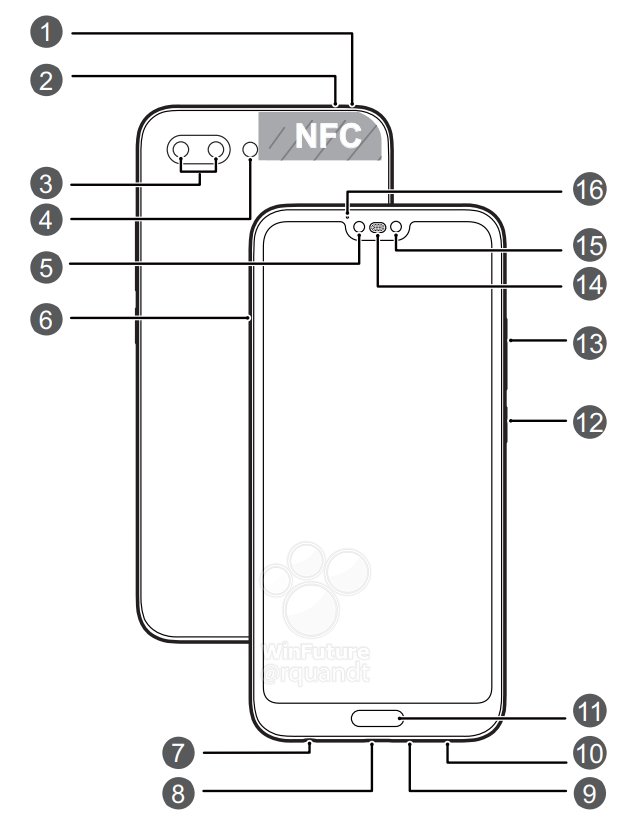
The handset will come loaded with Android 8.1 Oreo that could be overlaid with the latest EMUI 8.1 skin. It is expected to receive power from 3,320mAh battery that is pegged to carry support for fast charging. Apart from revealing the leaked press renders of the Honor 10, popular leakster Roland Quandt has shared its schematics found on its manual. It reveals that the handset will include a 3.5mm audio jack and it will carry support for NFC connectivity.
The 4 GB RAM + 64 GB storage, 6 GB RAM + 64 GB storage and 6 GB RAM + 128 GB storage variants are expected to be respectively priced at 2,699 Yuan (~$429), 2,999 Yuan (`~$477) and 3,599 Yuan (~$573). It is pegged to be officially available for buying in China from April 27 at 10:08 AM (local time).
Just a few hours after the Meizu 15 Plus was seen on AnTuTu and confirmed to be powered by an Exynos 8895 processor, the Meizu 15 has also appeared on Geekbench and now we know the processor powering it.
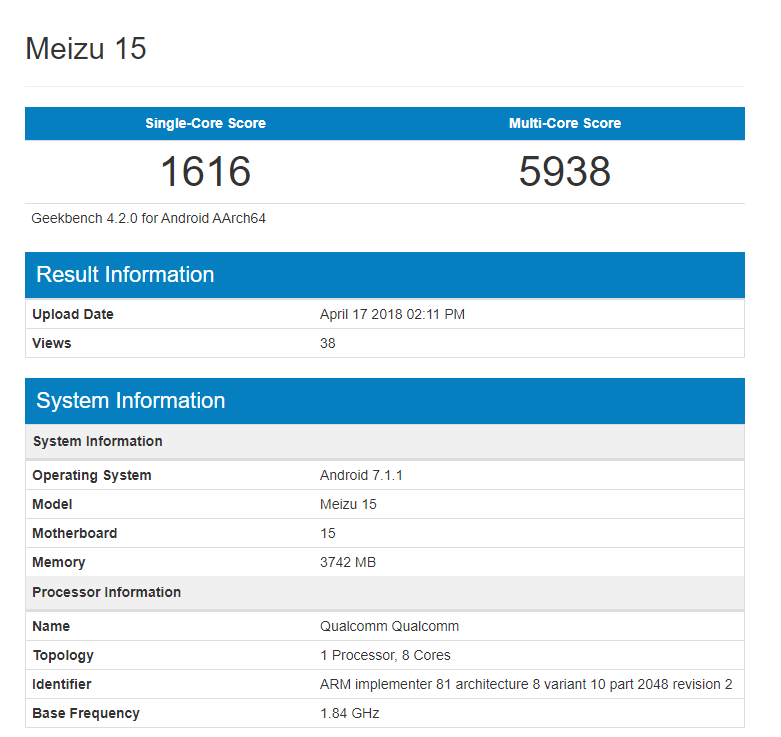
The Meizu 15 was benchmarked yesterday. It is running Android 7.1.1 and has 4GB of RAM. The exact processor is not mentioned but it is from Qualcomm, has eight cores, and is clocked at 1.84GHz. It scored 1616 points in the single-core test and 5938 points in the multi-core test.
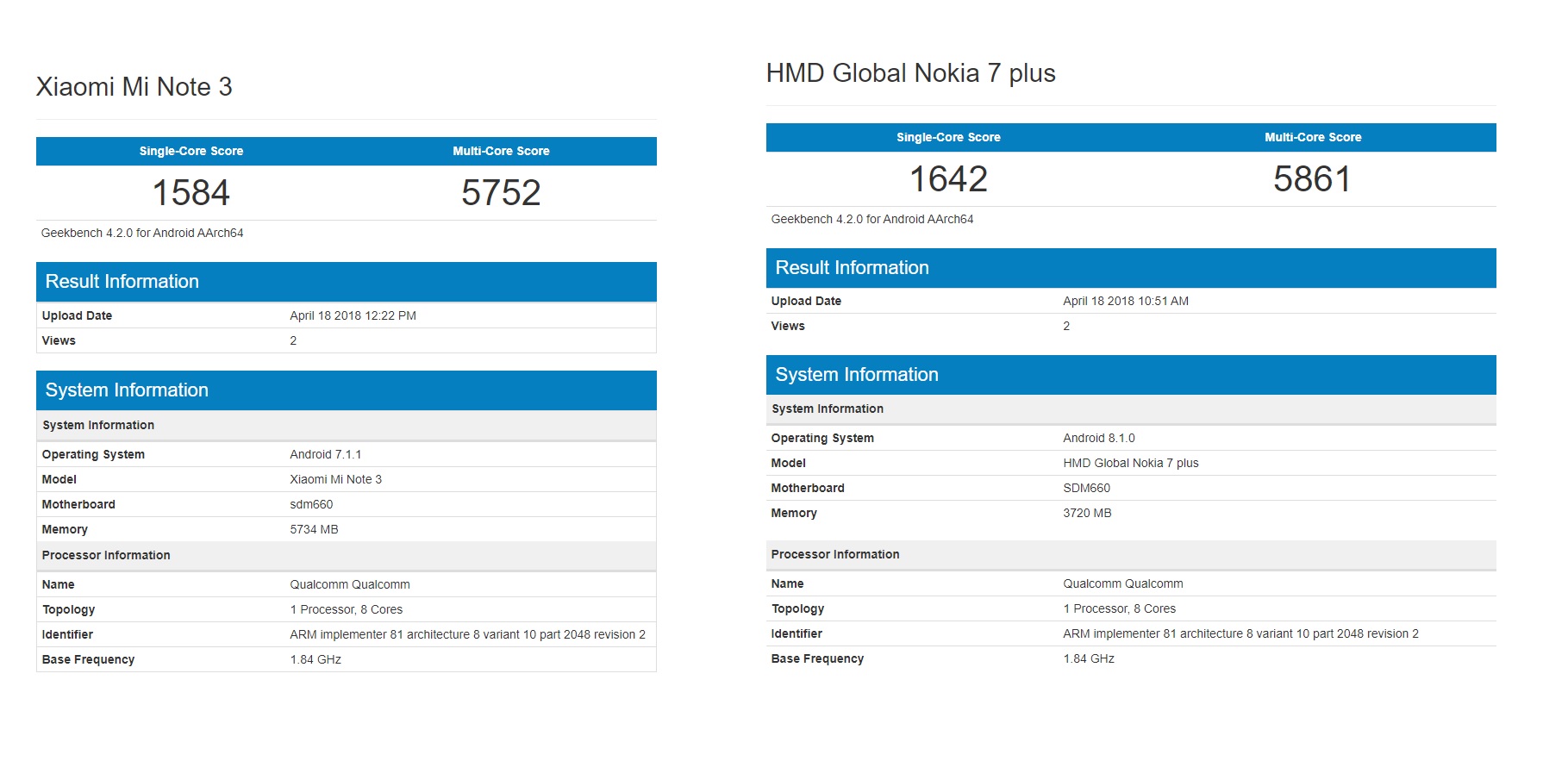
So how do we know which chipset it is? Since there have been unconfirmed rumors it is powered by a Snapdragon 660 processor, we decided to compare it to other devices powered by the same processor like the Xiaomi Mi Note 3 and Nokia 7 Plus.
All three devices have similar scores, identical identifiers, and have their processors clocked at 1.84GHz. This can only mean the Meizu 15 is also powered by the Snapdragon 660.
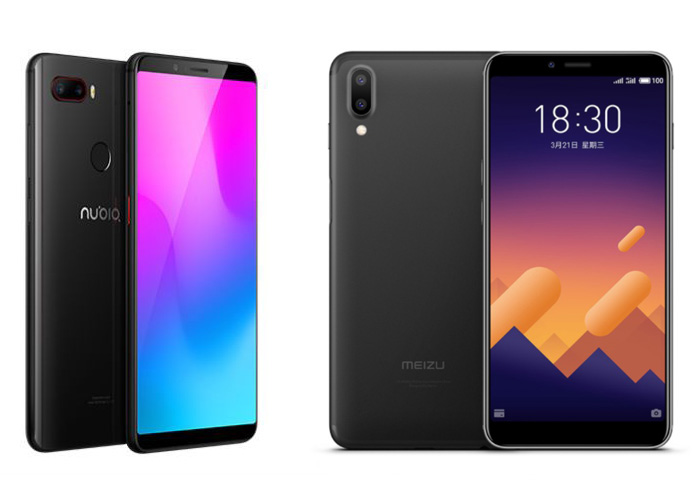
Nubia Z18 Mini and Meizu E3 are powerful and attractive midrange phones and if you purchase one of them you will bring home a device with great performance at a modest price. Unfortunately, these devices can actually be ordered in Asia only, so if you are from Europe or the U.S. you can only import them. But if you are from China they are among the most convenient handsets you can actually find in the market, and this is a Nubia Z18 Mini vs Meizu E3 specs comparison in which will try to let you know which one is the best for you according to your specific needs.
Dual 12 + 20 MP f/1.9, f/2.6
8 MP f/2.0 front camera
BATTERY
3450 mAh
Fast charging 5V / 2A
3360 mAh
Fast charging mCharge 3.0
ADDITIONAL FEATURES
Hybrid Dual SIM slot
Hybrid Dual SIM slot
If you are looking for the most beautiful smartphone, then you have to choose Nubia Z18 Mini. Its design is amazing thanks to its glass back creating suggestive light waves and its aluminum frame. Meizu E3 is a full metal device with anonymous aesthetics and, even though it is more solid and resistant than its opponent, it is far from having the best design. Nubia Z18 Mini also has a higher screen-to-body ratio and smaller dimensions. The Nubia mid-ranger wins even when it comes to hardware, as it has a more powerful chipset. But do not expect a huge difference in performance as they both have 6 GB of RAM and their processors are not much different.
Even the cameras should offer a similar photo quality. While Nubia Z18 Mini has a brighter aperture, its opponent has dual pixel technology which allows for a better autofocus. The batteries are similar as well (3360 mAh vs 3450 mAh), so we do not expect a big difference in terms battery life. Meizu E3 is the only one to support the mCharge 3.0 technology which can make the battery charge up to 53 percent in just 30 minutes. In its base version, Nubia Z18 Mini costs about $286/€230, while Meizu E3 costs $233/€189. We would go for the Nubia Z18 Mini due to its better design and its more powerful SoC, but Meizu E3 still remains a valid choice for every kind of user, and it is cheaper.
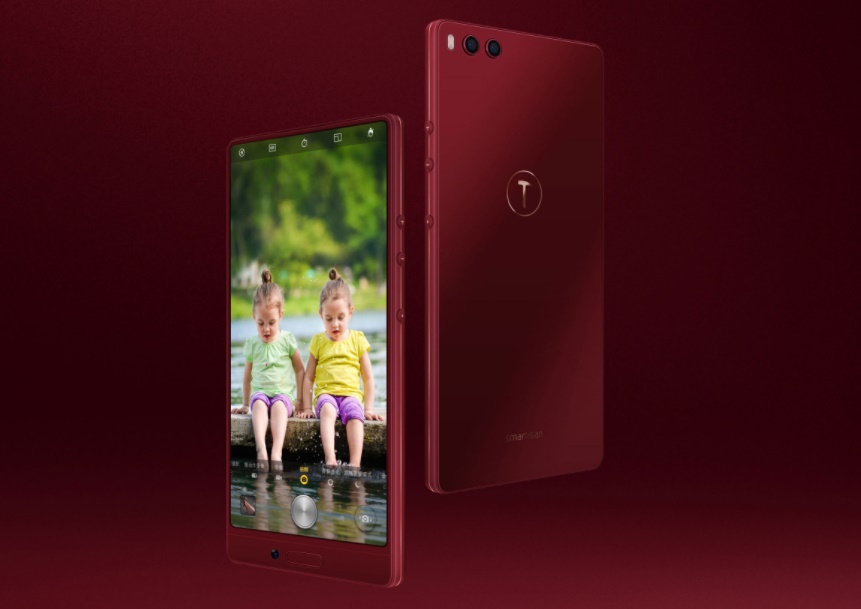
Smartisan is known for the premium design of its phones irrespective of the price. However, you can only purchase a Smartisan phone if you are living in China or you are willing to import. That may be changing soon for those living in North America.
ECoinmerce, the world’s first decentralized and tokenized marketplace, has signed a deal with Smartisan to sell the recently announced Smartisan Nut 3 in North America.
Ecoinmerce has also signed deals with about five other manufacturers and retailers to offer their products on the site for sale. The retail platform has a lot of benefits for users (buyers and sellers).
It will allow users buy in groups for larger discounts, grant tokens for buying and writing reviews; charge sellers as low as 0.1% and grant them full ownership of stores. There are many more benefits listed on the official website. The first ICO will take place later this year.
The Smartisan Nut 3 is a mid-range phone powered by a Snapdragon 625 processor. It has a 5.99” FHD+ display, 4GB of RAM and up to 128GB of storage. There are dual 13MP sensors on the rear, an 8MP selfie camera, and a front-mounted fingerprint scanner.
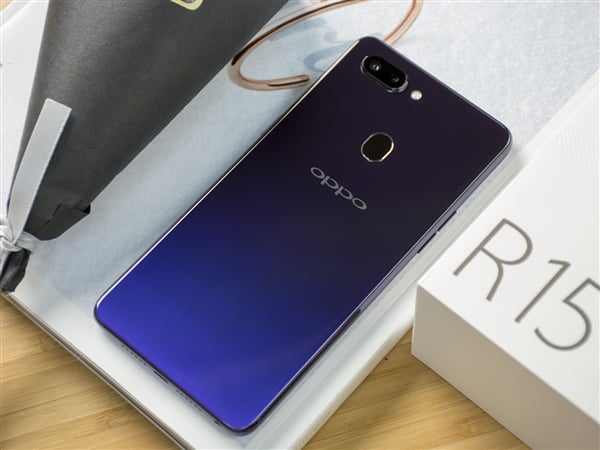
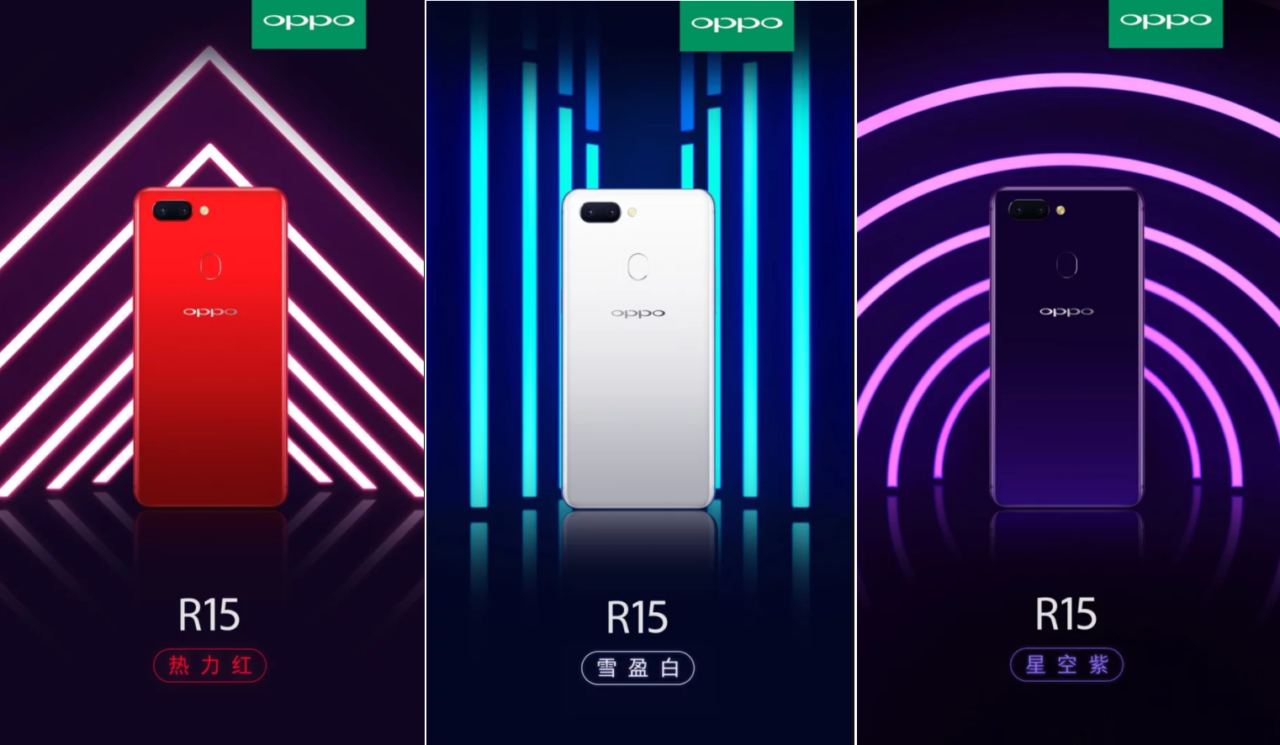
Oppo R15 has been launched in a new stylish color variant in China. It is called Star Purple and it is a gradient color which is darker on the upper part and lighter on the lower one: it reminds me of the Huawei P20 and P20 Pro in the Twilight color variant. The new color version has just made available to pre-order on the famous Chinese store JD.com and it will start shipping from April 23, a day earlier than the regular buyers. From April 24, the device will be officially available to purchase from the store with immediate shipping.
The list price of this version is 2,699 Yuan, which roughly translates into €347/$428. In terms of specs, this color variant is exactly the same as the standard R15 version. In case you do not remember, Oppo R15 boasts a full metal unibody design and a front panel with an incredibly high screen-to-body ratio, especially if we consider that it is a mid-ranger. The company adopted a tri-bezel-less design with a small notch on the upper part and a thicker bezel on the lower part (its thickness is 1.78 mm). Its display has a size of 6.28 inches, the AMOLED technology, and it shows images with a Full HD+ resolution of 1080 x 2280 pixels.
On the hardware side, it features an octa-core Helio P60 SoC by MediaTek (with similar performance to Qualcomm Snapdragon 660), 6 GB of RAM and 128 GB of internal storage. Oppo R15 also has a dual camera on its back, with resolutions of 16 + 5 MP and a f/1.7 aperture for the primary sensor. Its front camera has a 20 MP resolution and it features AI for selfie beautification. The battery has a capacity of 3450 mAh and it supports VOOC fast charging technology. The operating system installed out of the box is Android 8.0 Oreo customized with ColorOS 5.0. Besides the Star Purple version, Oppo R15 is also available in China in the colors variants Hot Red and Snow White.
After the Galaxy A series, even the J series is going to get the Infinity Display, just like the best Samsung flagships from the S series. Samsung Galaxy J6 has just been certified by the American FCC, which revealed the presence of an Infinity Display on the upcoming affordable handset. According to the FCC listing, the device rocks a display with an 18.5:9 aspect ratio and a size of 5.6 inches. Given that this info pertains to an Infinity Display, we assume that there will be no Home key on the front side, so the fingerprint reader should be placed on the back.
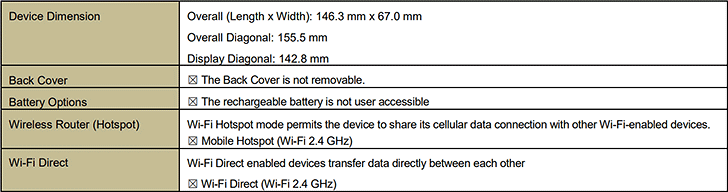
FCC has also revealed the dimensions of Samsung Galaxy J6: 146.3 x 67 mm. The phone is smaller than Samsung Galaxy A8 (2018) which measures 149.2 x 70.6 mm, even though the A8 has a display with exactly the same size. This makes us understand that the J6 may have a higher screen-to-body ratio, even though it will be a lower-end phone. Further, FCC lists a 1A battery charger and a micro USB cable as the accessories included in the box of this device. According to FCC, the handset boasts a dual SIM slot and a 3.5 mm audio jack for standard headphones.
From what FCC is showing, Samsung Galaxy J6 should be a very interesting phone, especially if we consider that it will be sold at an affordable price. The rest of the specs are still shrouded in the mystery, but the device has recently been spotted on Geekbench, which revealed its main hardware components. According to Geekbench, Samsung Galaxy J6 will be powered by an octa-core Samsung Exynos 7870 which is already present on several mid-range phones by Samsung. The processor will be paired with 2 GB of RAM and the operating system installed will be Android 8.0 Oreo, obviously customized by Samsung Experience. The model number of the device is SM-J600F.
We use cookies on our website to give you the most relevant experience by remembering your preferences and repeat visits. By clicking “Accept”, you consent to the use of ALL the cookies.
This website uses cookies to improve your experience while you navigate through the website. Out of these, the cookies that are categorized as necessary are stored on your browser as they are essential for the working of basic functionalities of the website. We also use third-party cookies that help us analyze and understand how you use this website. These cookies will be stored in your browser only with your consent. You also have the option to opt-out of these cookies. But opting out of some of these cookies may affect your browsing experience.
Necessary cookies are absolutely essential for the website to function properly. This category only includes cookies that ensures basic functionalities and security features of the website. These cookies do not store any personal information.
Any cookies that may not be particularly necessary for the website to function and is used specifically to collect user personal data via analytics, ads, other embedded contents are termed as non-necessary cookies. It is mandatory to procure user consent prior to running these cookies on your website.