Smartisan is known for the premium design of its phones irrespective of the price. However, you can only purchase a Smartisan phone if you are living in China or you are willing to import. That may be changing soon for those living in North America.
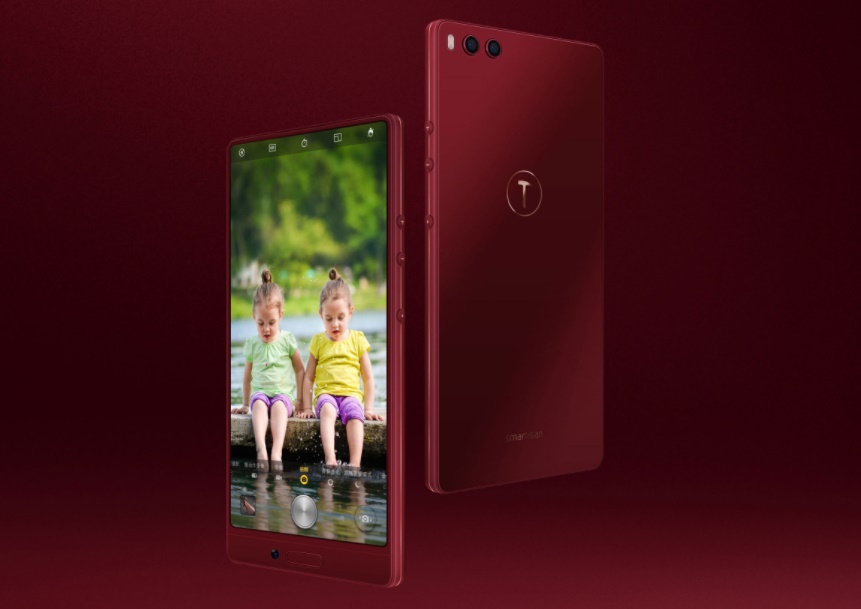
ECoinmerce, the world’s first decentralized and tokenized marketplace, has signed a deal with Smartisan to sell the recently announced Smartisan Nut 3 in North America.
Ecoinmerce has also signed deals with about five other manufacturers and retailers to offer their products on the site for sale. The retail platform has a lot of benefits for users (buyers and sellers).
It will allow users buy in groups for larger discounts, grant tokens for buying and writing reviews; charge sellers as low as 0.1% and grant them full ownership of stores. There are many more benefits listed on the official website. The first ICO will take place later this year.
The Smartisan Nut 3 is a mid-range phone powered by a Snapdragon 625 processor. It has a 5.99” FHD+ display, 4GB of RAM and up to 128GB of storage. There are dual 13MP sensors on the rear, an 8MP selfie camera, and a front-mounted fingerprint scanner.
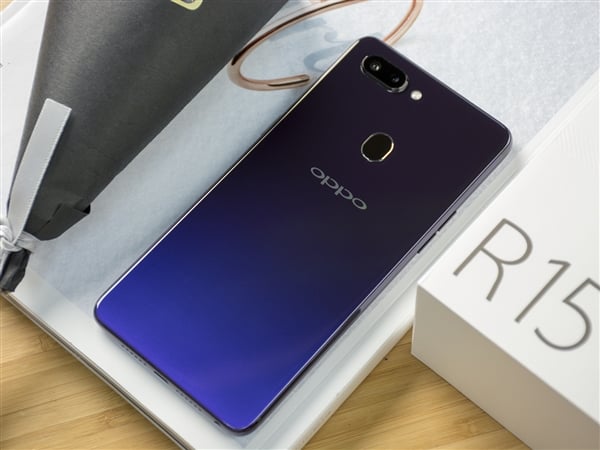
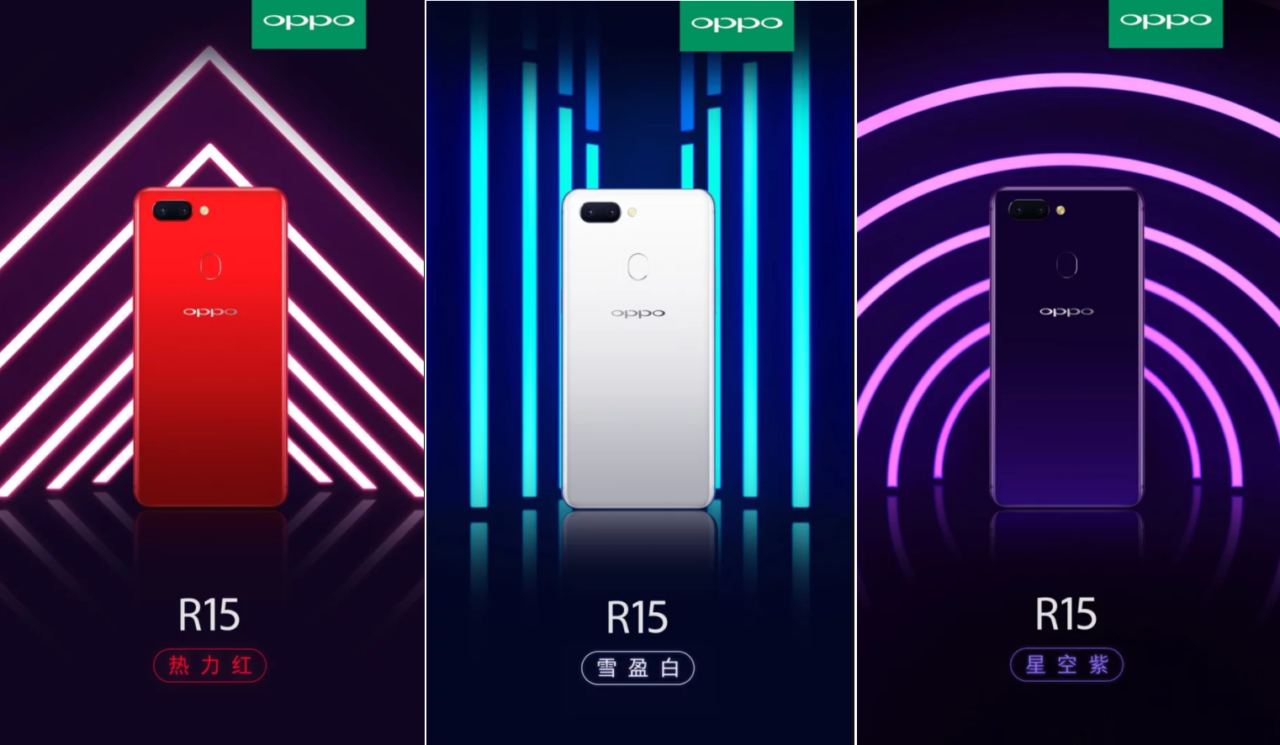
Oppo R15 has been launched in a new stylish color variant in China. It is called Star Purple and it is a gradient color which is darker on the upper part and lighter on the lower one: it reminds me of the Huawei P20 and P20 Pro in the Twilight color variant. The new color version has just made available to pre-order on the famous Chinese store JD.com and it will start shipping from April 23, a day earlier than the regular buyers. From April 24, the device will be officially available to purchase from the store with immediate shipping.
The list price of this version is 2,699 Yuan, which roughly translates into €347/$428. In terms of specs, this color variant is exactly the same as the standard R15 version. In case you do not remember, Oppo R15 boasts a full metal unibody design and a front panel with an incredibly high screen-to-body ratio, especially if we consider that it is a mid-ranger. The company adopted a tri-bezel-less design with a small notch on the upper part and a thicker bezel on the lower part (its thickness is 1.78 mm). Its display has a size of 6.28 inches, the AMOLED technology, and it shows images with a Full HD+ resolution of 1080 x 2280 pixels.
On the hardware side, it features an octa-core Helio P60 SoC by MediaTek (with similar performance to Qualcomm Snapdragon 660), 6 GB of RAM and 128 GB of internal storage. Oppo R15 also has a dual camera on its back, with resolutions of 16 + 5 MP and a f/1.7 aperture for the primary sensor. Its front camera has a 20 MP resolution and it features AI for selfie beautification. The battery has a capacity of 3450 mAh and it supports VOOC fast charging technology. The operating system installed out of the box is Android 8.0 Oreo customized with ColorOS 5.0. Besides the Star Purple version, Oppo R15 is also available in China in the colors variants Hot Red and Snow White.
After the Galaxy A series, even the J series is going to get the Infinity Display, just like the best Samsung flagships from the S series. Samsung Galaxy J6 has just been certified by the American FCC, which revealed the presence of an Infinity Display on the upcoming affordable handset. According to the FCC listing, the device rocks a display with an 18.5:9 aspect ratio and a size of 5.6 inches. Given that this info pertains to an Infinity Display, we assume that there will be no Home key on the front side, so the fingerprint reader should be placed on the back.
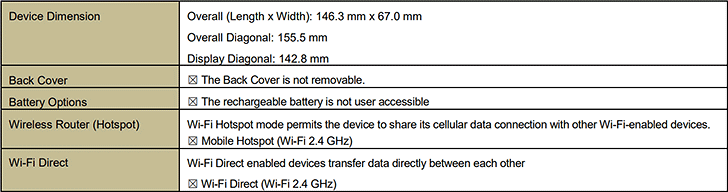
FCC has also revealed the dimensions of Samsung Galaxy J6: 146.3 x 67 mm. The phone is smaller than Samsung Galaxy A8 (2018) which measures 149.2 x 70.6 mm, even though the A8 has a display with exactly the same size. This makes us understand that the J6 may have a higher screen-to-body ratio, even though it will be a lower-end phone. Further, FCC lists a 1A battery charger and a micro USB cable as the accessories included in the box of this device. According to FCC, the handset boasts a dual SIM slot and a 3.5 mm audio jack for standard headphones.
From what FCC is showing, Samsung Galaxy J6 should be a very interesting phone, especially if we consider that it will be sold at an affordable price. The rest of the specs are still shrouded in the mystery, but the device has recently been spotted on Geekbench, which revealed its main hardware components. According to Geekbench, Samsung Galaxy J6 will be powered by an octa-core Samsung Exynos 7870 which is already present on several mid-range phones by Samsung. The processor will be paired with 2 GB of RAM and the operating system installed will be Android 8.0 Oreo, obviously customized by Samsung Experience. The model number of the device is SM-J600F.
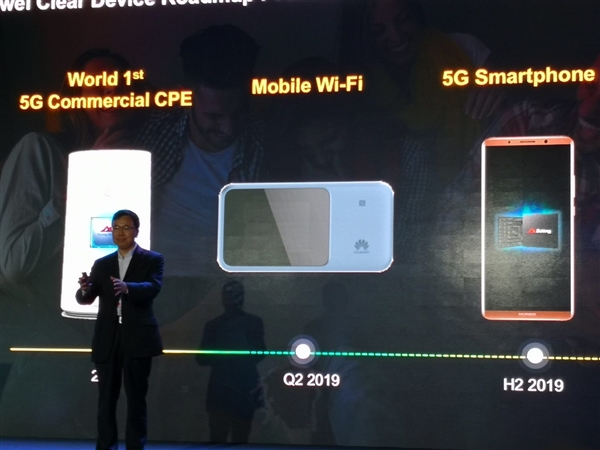
Huawei is presently holding its Global Analysts Conference in Shenzhen, China. During the event, the Chinese tech giant unveiled its roadmap for 5G technology. Accordingly, the company will launch its first 5G smartphone in the second half of 2019.
No doubt, the smartphone will be a flagship model but no mention was made of the actual name. We expect the model to be the Huawei Mate 30 which may likely be the next model after the Mate 20 which is expected to launch this year. A picture of the Powerpoint presentation reveals Huawei’s 2019 timeline to include the release of the world’s first 5G Customer-premises equipment or customer-provided equipment (CPE) in the first quarter of 2019. That would be followed by the launch of a 5G Mobile WiFi modem in Q2 2019. The big one is the launch of Huawei’s 5G smartphone in H2 2019.
The smartphone used to represent Huawei’s 5G phone seems to be the Mate 10 Pro with its bezel-less design. The device is also shown to have a Kirin chip integrated with a Balong baseband. Huawei plans to increase its 5G connection services to 1.1 billion users by 2025. This isn’t limited to smartphone users but also to vehicles which integrate 5G technology.
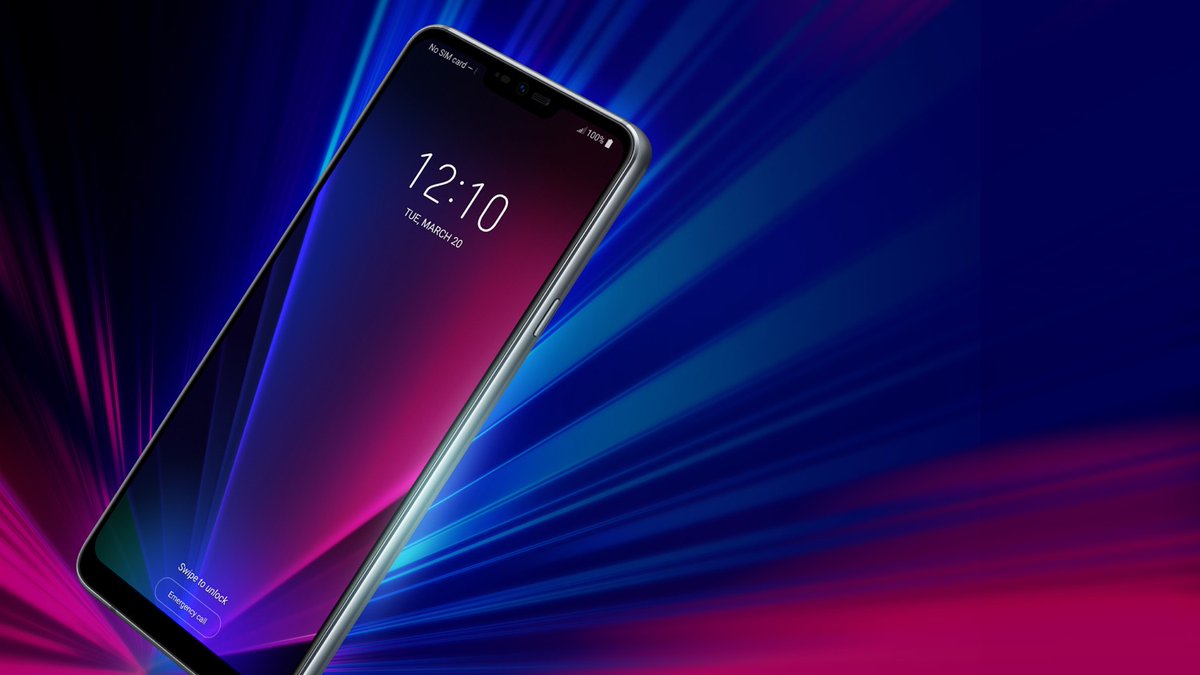
As the launch date of LG G7 ThinQ nears, several leaks and reports are surfacing every day. After Evan Blass published the first promotional image of the handset, it has been certified in Russia by the EEC (European Economic Commission). Alongside the upcoming flagship, another LG phone has been certified as well: the Q7. Given that the Q6 is a sort of affordable version of the G6, we are assuming that Q7 will be a cheaper variant of the G7. Unfortunately, the EEC did not release any of the specs of the two devices.
It was just mentioned that they both run Android 8.1 Oreo, the latest version of the operating system currently available. The launch date of LG G7 has been set for May 3 and, according to the above-mentioned press render, it will have a very high screen-to-body ratio and an iPhone X-like notch. Its frame will be made of metal and on the right side there will be just a power key, so the volume rocker has been probably placed on the left. According to reports, LG G7 ThinQ will boast a 6-inch display with a 19:9 aspect ratio and a QHD+ resolution. On the hardware side, there will be an octa-core Qualcomm Snapdragon 845 SoC.
The rear side will house a dual camera setup with a resolution of 16 MP and a f/1.5 aperture. The camera will surely support scene recognition and other smart features coming from its AI engine. The battery is rumored to have a capacity of 3000 mAh, which is under-average for a 2018 flagship, especially with a 6-inch QHD+ display. Rumors have also suggested that the handset may come in two variants: one with an LCD screen and one with an OLED panel which will consume less energy. The specs sheet of LG Q7 is still totally unknown, but we expect it to have a Snapdragon SoC from the 4xx or 6xx series.
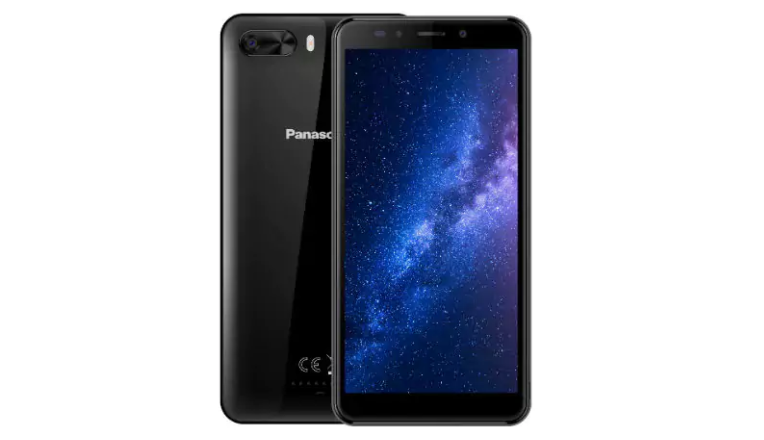
A few months ago, Panasonic released the P100, an entry-level smartphone for the Indian market. It has been followed by a newer model called the Panasonic P101.
The P101 comes with a 5.45” screen with a 1440 x 720 resolution. This is the first of the P-series with an 18:9 aspect ratio and Panasonic has termed it “Big View”.
It is powered by a MediaTek MT6739 processor paired with 2GB of RAM and 16GB of storage. It also has support for storage expansion (128GB max.).
It has a single 8MP rear camera with dual LED flash and a 5MP front-facing camera with its own flash. There is no fingerprint scanner but it has Bluetooth, WiFi, and an FM radio. It also runs Android 7.1 Nougat and packs a 2,500mAh battery.
Huawei P20 Pro is the best smartphone from the Chinese giant. The phone has almost everything that you would expect in a top-end device, making it one of the best choices in the premium segment. However, the phone isn’t without flaws. There are a few things that we would have loved to see on the device, and in this article, we try to pick the four major drawbacks of the P20 Pro. While these flaws aren’t exactly deal breakers, but for a flagship that costs more than $1000, we would have expected to see them on board.
Notch Front Design
Huawei isn’t new to designing beautiful smartphones. The Huawei Mate series and even the Honor 8 models have simple yet elegant designs. However, with the P20 Pro, the company decided to follow the crowd. Hence the notch up front. This makes the phone just another model in the crowd. I agree that the gradient back looks beautiful but most users are likely to cover that up with a case. So the front design doesn’t do justice to the real flagship that the P20 Pro is. We could have definitely used a better front design.
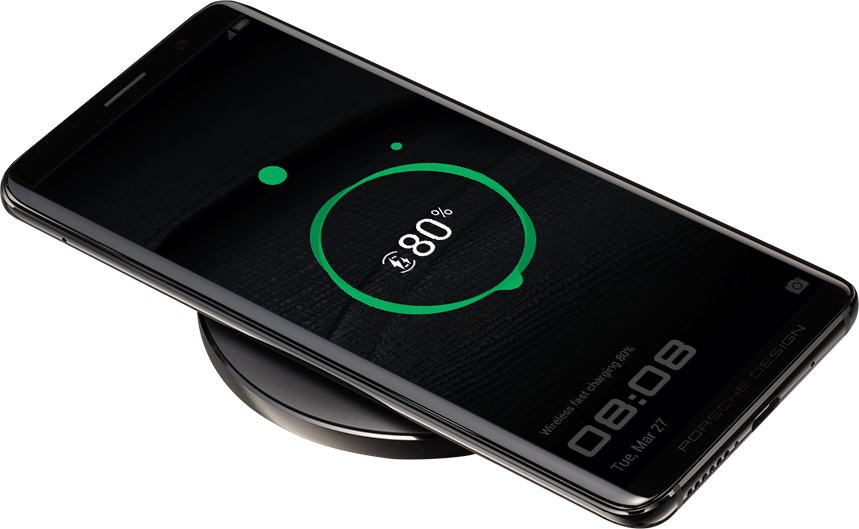
No Wireless Charging
Wireless Charging is a feature that has been around for years now, but its adoption hasn’t been widespread. That’s going to change in the coming months, especially after Apple added Wireless Charging support to its premium iPhone X model. Most flagships, including Xiaomi Mi Mix 2S, Xperia XZ2 Premium, Galaxy S9, support Qi based Wireless Charging standard. So, the P20 Pro misses out on this premium feature.
No 4K OIS
The Huawei P20 Pro is a great camera flagship. In fact DxOMark rates it as the best smartphone camera in the market right now. The phone is an amazing video shooter too. In our review of the P20 Pro, we found that the phone manages to capture great 1080p and 4K videos. However, there was one major feature missing in 4K video shooting mode — stabilisation. Despite the powerful camera hardware, the Huawei P20 Pro doesn’t have stabilisation while shooting in UHD resolution. This is really a shame as more often than not, the 4K videos from the P20 Pro would turn out to be shaky, ruining the experience. Competitors like Samsung and Sony have made sure to add stabilisation to their flagships even at 4K, so this is definitely a drawback of the device. Check the 4K video sample down below.
No Headphone Jack
By now, customers have started to realise that headphone jack may not last the next few years. However, there is still a section of the population who can’t live without their wired headphones. They love the vanilla audio experience without any add-on adapters or bluetooth headphones. Considering that companies like Samsung and LG still provide 3.5mm headphone jacks on their premium flagships, the lack of this port on the P20 Pro looks like a drawback to a potential customer.
So these were the major drawbacks of the Huawei P20 Pro that we could think of. Nevertheless, the P20 Pro is one of the best smartphones that you can buy today.
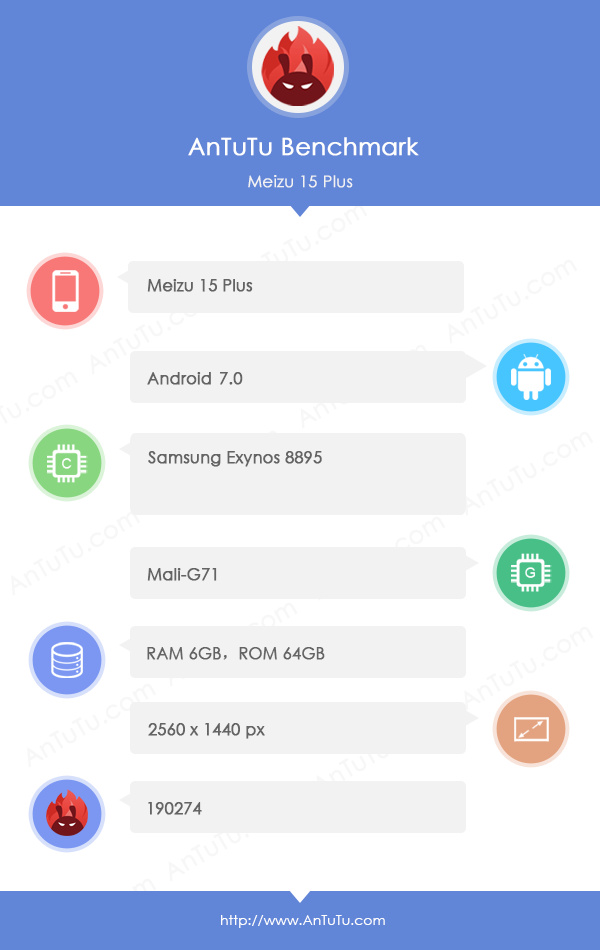
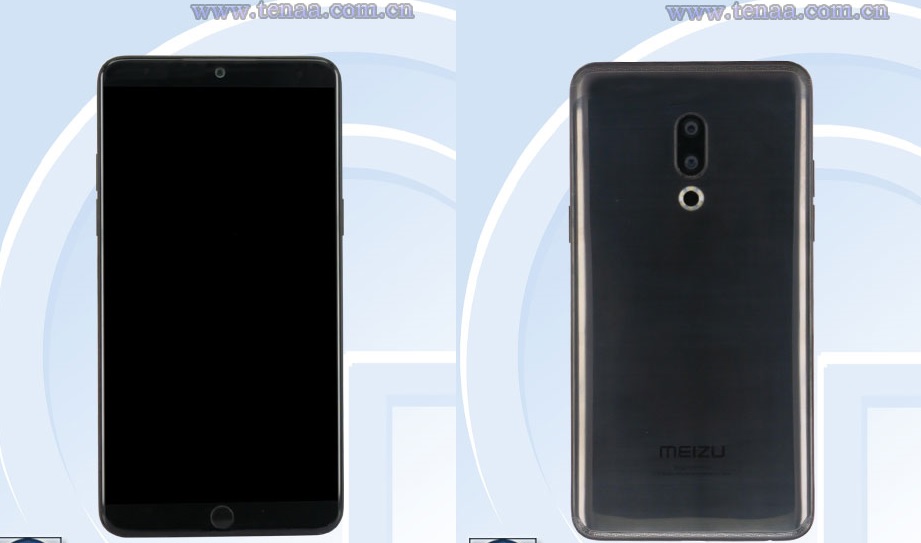
Meizu will be launching the Meizu 15 Plus, Meizu 15 and Meizu 15 Lite smartphones on April 22 to mark the 15th anniversary of the company. It is speculated that the Meizu 15 trio will be available for reservations from April 18 and the official sales will be begin from April 29. The entire specs of the Meizu 15 series have been revealed through their TENAA listing. Rumors have it that the high-end Meizu 15 Plus will be fueled by Samsung’s Exynos 8895 chipset that powers the Galaxy S8, Galaxy S8+ and Galaxy Note 8 smartphones. The Meizu 15 Plus handset has appeared on AnTuTu today. It suggests that Meizu could be testing performance of the smartphone before its official launch as it has been found listed on the benchmarking platform. The AnTuTu listing confirms that it will be driven by the Exynos 8895 SoC.
As the TENAA listing of the Meizu 15 Plus had revealed, it features a display that produces QHD screen resolution of 2560 x 1440 pixels and it offers a conventional aspect ratio of 16:9. The Exynos 8895 SoC that includes Mali-G71 graphics powers the phone along with 6 GB of RAM. It has an internal storage of 64 GB. The device is loaded with Android 7.0 Nougat, but recent reports claim that it will be customized with the all new Flyme 7 UI. The Meizu 15 Plus has scored an average benchmarking score of 19,027 on AnTuTu.
As far as other specs of the phone are concerned, its TENAA listing had revealed that it could be available in 4 GB RAM option and 128 GB of storage. For photography, it is likely to include 12-megapixel + 20-megapixel dual camera setup and a front-facing snapper of 20-megapixel. The dual rear cameras of the 15 Plus are rumored to support 3x loseless zoom.
The Meizu 15 is also expected to arrive with same rear-mounted and front-facing cameras. Meizu has already teased the photography prowess of the Meizu which indicates that the Meizu 15 Plus will be also delivering a similar photography experience. The handset will be arriving with a huge AMOLED display of 5.95 inches.
The 15 Plus may feature a 3,430mAh battery. It is expected to arrive in multiple color choices like matte black, matte gold, brushed black and white. As of this writing, there is no information available on its pricing.
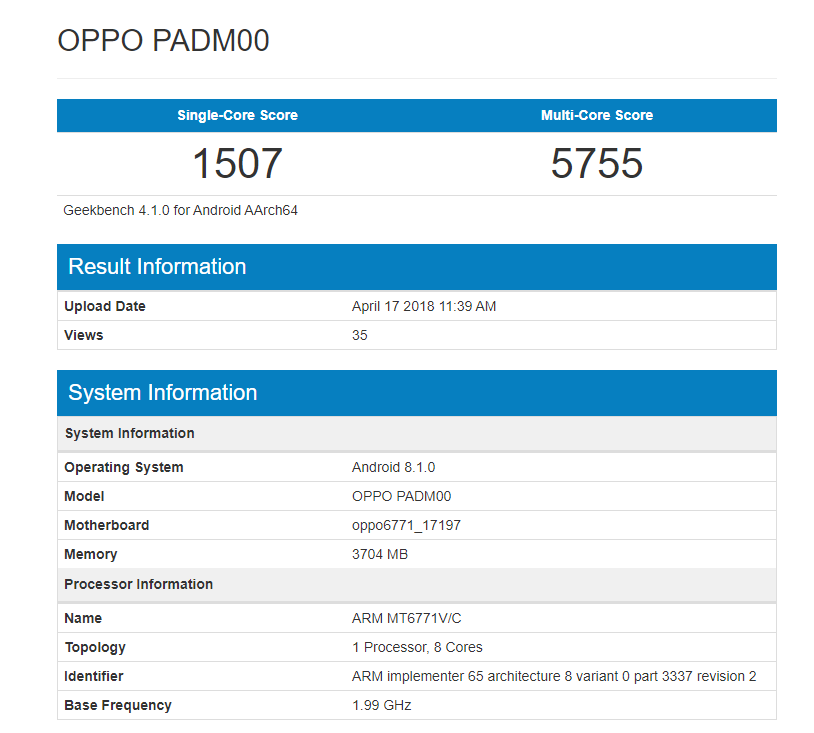
A few days ago, full details of the OPPO A3 surfaced online. The mid-range phone has now been spotted on Geekbench and it confirms some of the specs from the leak.
The OPPO A3 was benchmarked yesterday as the OPPO PADM00. It is running Android 8.1 Oreo and has 4GB of RAM on board. Just as the leak revealed, the OPPO A3 is powered by a MediaTek MT6771 octa-core SoC A.K.A. Helio P60 with a 1.99GHz clock-speed.
The device scored 1507 points in the single-core test and 5755 points in the multi-core test.
The OPPO A3 will come with a 6.2-inch notched display, 4GB of RAM and a 3,300mAh battery. It will come with a triple-card slot but lack a fingerprint scanner. A single 16MP rear camera will grace its back and an 8MP rear camera will sit inside the notch.
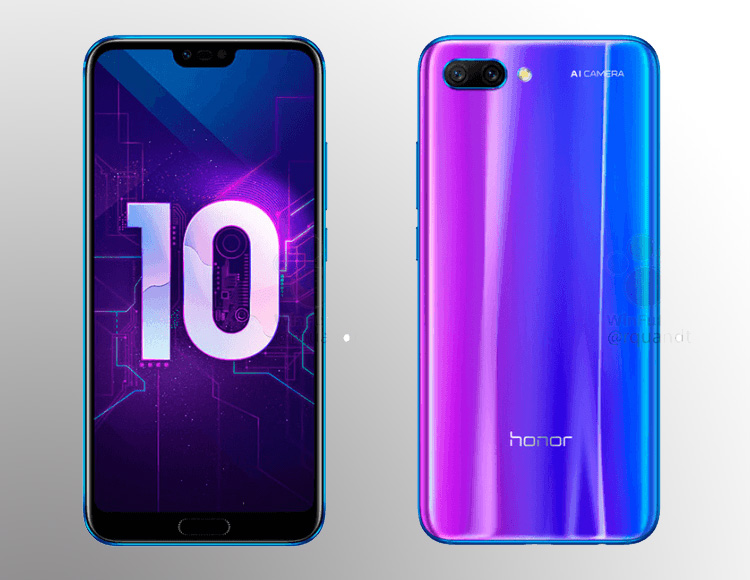
On 19th April, i.e. tomorrow, Honor is holding a launch event where the company is expected to launch its new smartphone — Honor 10 along with Honor MagicBook. Now, ahead of the launch, pricing and availability information of the smartphone has been leaked online.
The Honor 10 is said to be available in three variants on the memory configuration — 4GB RAM + 64GB internal storage, 6GB RAM with 64GB internal storage and a top-end variant having 6GB RAM and 128GB internal storage. The report suggests that the smartphone will be available for purchase from 27th April.
Along with this, the phone’s pricing information has also been leaked. The 4GB RAM mode is said to cost 2,699 Yuan (~$429) while the 6GB RAM + 64GB ROM model and the 6GB RAM + 128GB ROM model are priced at 2,999 Yuan (~$477) and 3599 Yuan (~$573). This new pricing information is different than what we reported earlier.
Earlier, based on the speculation of Chinese media, we reported that the 4GB RAM model will cost 2,499 Yuan (~$398), while the 6GB RAM + 64GB ROM variant will be priced at 2,899 Yuan (~$461) and the 6GB RAM + 128GB model will cost 3,399 Yuan (~$541).
The smartphone is expected to be available in three colors — Black, Teal and a special Bluish-pink variant that shows off a different shade depending on the viewing angle. Leaked images of the Honor 10 confirmed that it will come with a notched screen and a fingerprint scanner enabled home button on the bottom bezel.
It features a 5.84-inch IPS LTPS LCD display that with 2280 x 1080 pixels screen resolution with a layer of 2.5D glass on top. Under the hood, the device is expected to be powered by the company’s own Kirin 970 chipset.
While some reports indicate that the device will come equipped with 20-megapixel + 24-megapixel dual camera setup, the TENAA listing had revealed that it features 16-megapixel + 24-megapixel dual rear cameras. On the front side, it comes with the same 24-megapixel front facing camera that can be found on the Huawei P20 series phones.
The Honor 10 will be running Android 8.1 Oreo operating system out-of-the-box with the company’s own EMUI 8.0 on top. The smartphone is expected to pack 3,320mAh battery.
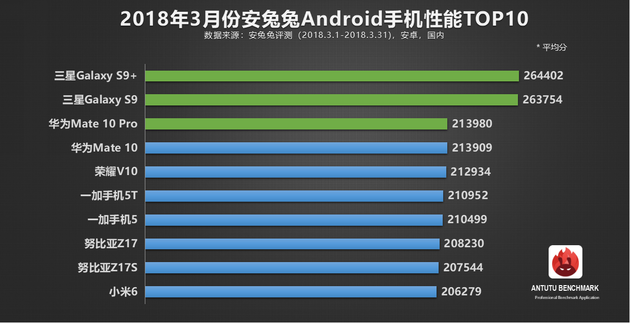
It has become a tradition for AnTuTu to release the top phones for each month in terms of popularity or performance. The list of the top performing Android phones for the month of March has been released and it is not surprising that it is headed by a new flagship.
At the top spot is Samsung’s Galaxy S9+. This is the Snapdragon 845-powered variant with a clock-speed of up to 2.8GHz. It scored 264,402 points on AnTuTu and is followed closely by the Galaxy S9 with 263,754 points.
Next on the list is Huawei’s Mate 10 Pro and Mate 10. Both are powered by Huawei’s own Kirin 970 SoC. This is the first mobile chipset with a dedicated NPU. Although both phones are powered by the same SoC, the Mate 10 Pro has a higher score (213,980) than the Mate 10 (213,909). This is likely due to the larger RAM on the Pro, though it also has a 4GB RAM variant.
Huawei is again on the list but it is its sub-brand, Honor, taking the fifth spot with the Honor V10. Just like the Mate 10 duo, this is also powered by the Kirin 970 but it sells for much less than both. It scored 212,934 points on the benchmark site.
OnePlus clinches the sixth and seventh positions with the OnePlus 5T and OnePlus 5 respectively. Both devices are powered by the Snapdragon 835.
The Nubia Z17 and Z17s follow and they are also powered by the Snapdragon 835. Xiaomi’s Mi 6 closes the list.
Through its forums and YouTube ads, OnePlus has been consistently expressing that it has always listened to the suggestions of its valued community. Now, the Chinese firm is looking for ideas for advertising the upcoming OnePlus 6 smartphone.
OnePlus has shared a “bare bones” commercial and is asking its fans to tell them what they would like to see in it. This can be done by sharing ideas on the forum site, by posting comments on YouTube video, or other social platforms such as Facebook and Twitter with the #NeverSettleFilm hashtag.
Each time OnePlus decides to add ideas of its fans, it will release a new version of the ad. Hence, the above video is captioned as “The Never Settle Film: Version 1.” The credits that will show up at the end of the successive videos will include the names of the people whose ideas are used. The final version of the ad will be aired at the launch of the OnePlus 6.
Recent reports have revealed that the OnePlus 6 would be fueled by Snapdragon 845 and 8 GB of RAM. It would be also available in 6 GB RAM model. The handset is expected to be arrive in storage sizes like 64 GB, 128 GB and 256 GB. It is rumored to include the improved Dash Charge V2 fast charging technology. Also, the device will be featuring a notched AMOLED screen of 6.28 inches that may produce a screen-to-body ratio of 90 percent. A recent teaser has confirmed that it will be the first phone from the company to arrive with a waterproof chassis.
On Monday, the U.S. Commerce Department ordered American companies to not to sell its components and software to ZTE for seven years. The reason behind imposing such a ban on ZTE is that it was found guilty of illegally selling U.S. good to countries like Iran and North Korea. Instead of reprimanding the staff and senior officials who were involved in the illegal conduct, ZTE had reportedly rewarded them with full bonuses and kept its practices secret to the U.S. authorities. Citing an unnamed source, Reuters has reported the recent ban could also prevent Google from licensing its Android OS to ZTE.
According to the U.S. order, ZTE won’t be able allowed to get involved in the exporting of any commodity, software or technology from the U.S. It also includes licenses of software. ZTE lawyers are in talks with Google officials. However, both the companies have declined to comment on the issue.
One should be aware of the fact that the ban can’t prevent ZTE from launching phones with Android since it is an open source OS. What may likely happen is ZTE may end up selling phones with modified version of Android without the Google Mobile Services (GMS) package. In other words, future ZTE phones with forked Android version may not include any of the apps and services by Google, including the Play Store.
ZTE smartphones feature components from major U.S. companies like Qualcomm and Dolby. The ban prevents these companies from supplying components to the Chinese firm. ZTE ships nearly 45 million phones and nearly half of them are powered by Qualcomm. Preventing it from launching phones with Android OS and GMS could be a bigger blow for the company.
Meizu has announced that it is holding a press conference on Wuzhen on April 22nd where the company will launch its Meizu 15 smartphone lineup which includes Meizu 15, 15 Plus and 15 Lite.
Now, ahead of the official launch, the China-based company has shared a photo on microblogging platform Weibo which is a camera sample of the Meizu 15 smartphone. The image shows Meizu 15 watermark on the bottom-left corner. The watermark also confirms that the device will come with a dual camera setup on the back.
The image shows off the camera’s night shooting capabilities and reveals that the camera also supports long exposure mode. The sample image shows that the camera captures a good amount of details and the image also appears sharp.
Earlier, the specifications of all three upcoming smartphone models were leaked online. Meizu 15 will come with a 5.46-inch AMOLED Full-HD display with 1920 x 1080 pixels screen resolution. Under the hood, there will be an octa-core Qualcomm Snapdragon 660 processor, paired with either 4GB or 6GB of RAM depending on the configuration which you choose to buy.
On the other hand, the Lite and the Plus variant of the smartphone will feature a 5.5-inch and 6-inch display respectively. The 15 Lite will pack 4GB RAM and will have two variant based on the internal storage — 32GB and 64GB, whereas the 15 Plus will come with 6GB RAM and 64GB/128GB internal storage.
Instead of the trendy notched display, the company has opted to offer a traditional 16:9 aspect ratio display with minimal bezels on the sides of the display. There’s also a circular home button below the display, which resembles home button on Apple iPhone.
While the smartphones are scheduled to get launched on April 22nd in China, the company has announced that it will start taking pre-orders for the Meizu 15 series from today, i.e. 18th April. Previously leaked pricing details suggest that the Lite variant will cost 1699 yuan (approx. $270) while the Meizu 15 and the Plus variant will be priced at 2499 yuan (~ $397) and 2999 yuan (approximately $477) respectively.
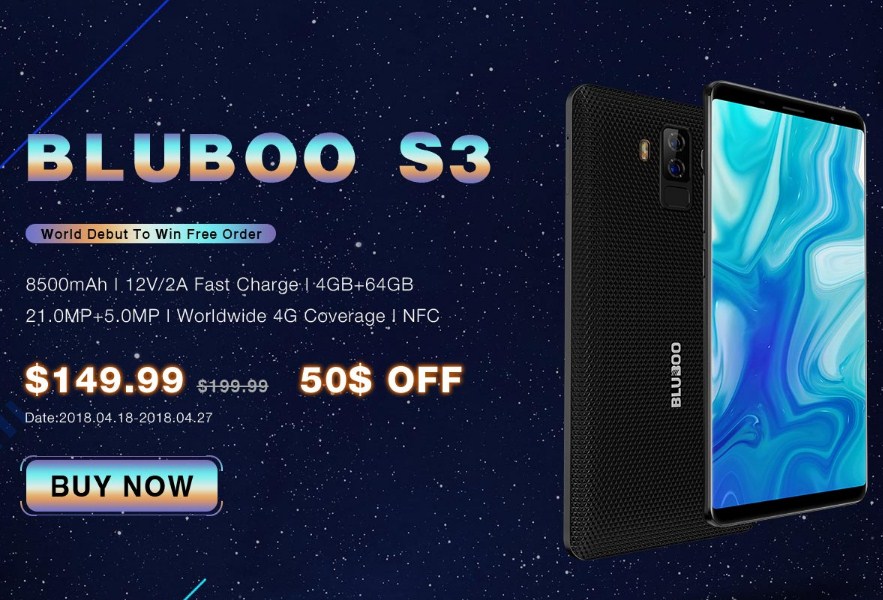
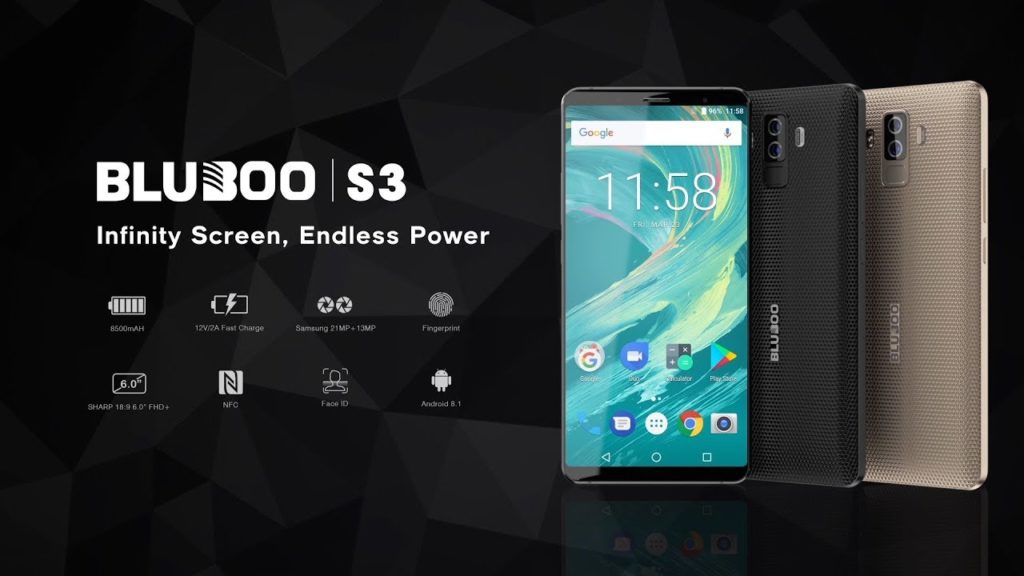
The Bluboo S3 is expected to propel straight to skyrocketing popularity among smartphone enthusiasts after hitting the store shelves this month. On the downside, the S3 is highly unlikely to sweep budget-conscious buyers off their feet despite boasting an array of exciting specs and features.
Taking that into consideration, Banggood is giving buyers an opportunity to preorder the Bluboo S3 at a considerably lowered price. The site is giving 25% off on the recently announced smartphone’s original asking price of $199.99.
The discount is valid for black and gold color versions of the Bluboo S3 smartphone. The first 999 pieces will be up for grabs for only $149.99, while the other 1999 pieces will sell for $179.99.
The Bluboo S3 is a bargain under $150, given that it dons a big 6.0 inches IPS FHD+ G+FF display with a screen resolution of 1080 x 2160 pixels. The phone is housed in a robust metal body that further enhances the display made by Sharp.
Furthermore, the S3 is powered by a MediaTek MT6750T, 64-bit processor and it uses an ARM Mali-T860 MP2, 650 MHz, 4-Cores GPU, under the hood. It offers 4GB of LPDDR3 RAM and 64GB of internal memory that can be expanded up to 256GB via SIM 2 slot.
On the photography front, the Bluboo S3 smartphone sports a 16-megapixel + 5-megapixel dual camera setup on the back and an 8-megapixel front shooter for selfies. Moreover, it comes with a hybrid dual-SIM (Nano+ Nano/microSD) slot with dual standby.
The phone draws its juices from a massive 8,500mAh Lithium-Polymer battery that delivers up to 900 hours of standby time and up to 60 hours of talk time. It runs on Android 8.1 Oreo operating system.
You can visit this link in order to check out the full specification and take advantage of the promotion before it ends on Friday, April 27.
A fresh report on a South Korean publication has revealed that Samsung has finalized on the design of the upcoming Galaxy S10 flagship that may debut in the first quarter of 2019. Citing industry sources, the publication also claims that the 10th anniversary Galaxy S series phones arriving next year will be equipped with under-display fingerprint scanner and 3D sensing camera like the iPhone X.
The report claims that the Galaxy S10 and S10 Plus will be featuring 18.5:9 Infinity Display design like their predecessor. The South Korean company had introduced it first on the Galaxy S8 and Galaxy S8+ phones that were launched last year. The upcoming Galaxy S series phones are expected to arrive with slightly larger display. The Galaxy S9 and Galaxy S9+ respectively feature 5.77-inch and 6.22-inch display. The report reveals that the Galaxy S10 could sport a 5.8-inch display whereas the larger Galaxy S10+ may arrive with 6.3-inch display.
The Galaxy S10 and S10+ may feature 3D facial recognition feature. This function will be reportedly made possible through Samsung’s partnership with Mantis Vision, an Israeli startup and Woodgate, a local camera component manufacturer. The 3D facial identification feature on the Galaxy S10 duo could be as advanced as the iPhone X.
One of the major changes that could be seen in the Galaxy S10 and S10 Plus is the removal of the physical fingerprint scanner as the company is speculated to embed it under the display. Samsung is reportedly working with Qualcomm and Synaptics to bring the under-display fingerprint scanner feature on the Galaxy S10 and S10+. The Taiwan-based Aegis Tech is expected to supply components for it.
A recent report had revealed that the Galaxy S10 and Galaxy S10+ could be fueled by Exynos 9820 chipset. The SoC is also expected to first debut on the Galaxy Note 9 this year. The Snapdragon 855 powered Galaxy S10 duo could be aimed towards market like the U.S., Canada, Mexico and China and the rest of the world may receive their Exynos 9820 variants.
The production of the Infinity Display for the Galaxy S10 duo is expected to begin by November this year. Since Samsung is known for announcing its Galaxy S series of phones around the Mobile World Congress (MWC), it is likely that the Galaxy S10 and S10+ may get unveiled around MWC 2019 in February next year.
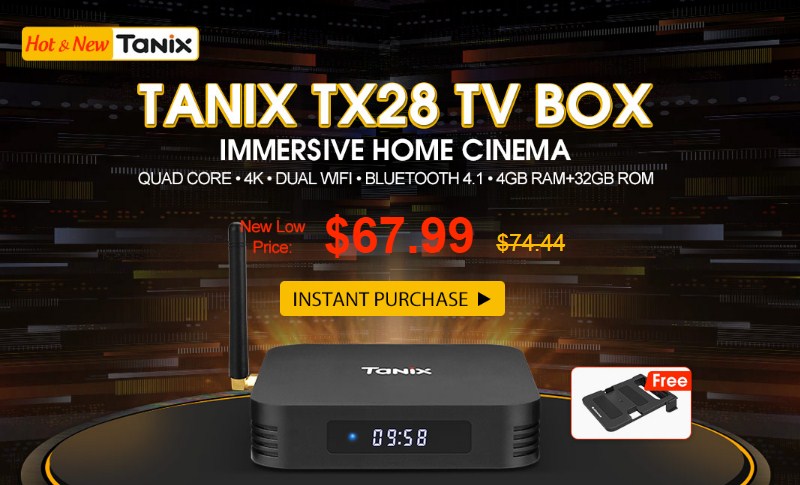
Equipped with a powerful RK3328 CPU and a Mali-450 MP2 graphics processing unit that concocts data in a flash, the Tanix TX28 TV box is capable of delivering unparalleled performance. Furthermore, the device runs on Android 7.1 Nougat operating system that helps it work unwaveringly.
On the downside, the TX28 doesn’t come cheap. The Tanix-branded TV box would usually set you back $74.44 on GearBest, but if you’re not willing to spend that kind of money, we have good news for you.
GearBest is currently selling the black-tinted Tanix TX28 TV box at a heavily discounted price of $67.99. This is a noteworthy 7% reduction in the device’s retail price. On top of that, you also get Alfawise DY – 1 TV Box Bracket Wall Mounting Holder for absolutely free. The TX28 is crammed with an array of awe-inspiring features such as 100M ethernet network, Bluetooth 4.1, and dual-band WiFi that allows it to access the network at a relatively higher speed. Moreover, it offers 3GB of LPDDR3 RAM and 32GB of onboard storage.
You can even stay entertained with online movies, Facebook, Picasa, Youtube, Flicker and keep in touch with your friends and family through Skype chat. It comes with a remote control that draws its juices from two AAA batteries.
You can click here to avail the deal and check out other Tanix Exclusive Deals. There were only 47 pieces of the Tanix TX28 TV box left for the Flash Sale price at the time of writing. The promotion ends in 4 days.
GeekBuying is offering a broad range of devices at a discounted price this month. As part of its Teclast April Promotion, GeekBuying has reduced the retail price of Teclast-branded tablets and laptops. The products have further been divided into multiple categories to facilitate the search process.
Flash Deals
This category features a slew of tablets including the Teclast F7 business laptop that can now be yours if you’re willing to shell out just $299.99. Note that the device would normally set you back $ 421.99 on GeekBuying.
The site is offering a noteworthy 29% off on the 6GB RAM/128GB ROM version of the Teclast F7. Alternatively, you can go for the 6GB RAM/64GB ROM version of the laptop which bears a 34% discount and is up for grabs for only $265.99.
The discount will be valid for just 4 days. It’s worth noting that the Teclast F7 laptop will go back to its retail price once the promotion concludes.
More Teclast
This section is brimming with Teclast-branded laptops and tablets that you can buy without burning a hole in your pocket. Lining with this, you can get 16% off on Teclast F6 Pro notebook which usually bears a price tag of $680.69 on GeekBuying.
The coveted F6 Pro notebook is available at a slashed price of just $569.99 for 4 days. Alternatively, you can go for the Teclast X10 3G phablet and get 38% discount on its original asking price of $129.66.
Thanks to the aforesaid discount, the F6 Pro is now up for grabs for only $79.99 On GeekBuying. Note that the promo was on the verge of wrapping up at the time of writing.
Other Offers
Apart from handing out big discounts on tablets and laptops, GeekBuying is selling a myriad of other devices at a massively lowered price. You can buy the GPD XD Plus Gamepad tablet PC for just $222, which is a 12% reduction in its retail price of $251.99.The above-mentioned discount will be valid for the black color version of the GPD XD Plus for 3 days. This category also includes phablets, laptops, and Xiaomi-branded notebooks.
You can head straight to this link to check out all the products and take advantage of the promotion before it comes to an end.
Vernee took the wraps off its long-awaited X1 smartphone earlier this month. The phone boasts an array of exciting specs and features that make it a bargain under $300.
On the downside, the Vernee X1 is unlikely to garner popularity among tech buffs that aren’t willing to shell out that kind of money on a smartphone. If you’ve been looking to get your hands on a high-end smartphone without emptying your pocket, look no further.
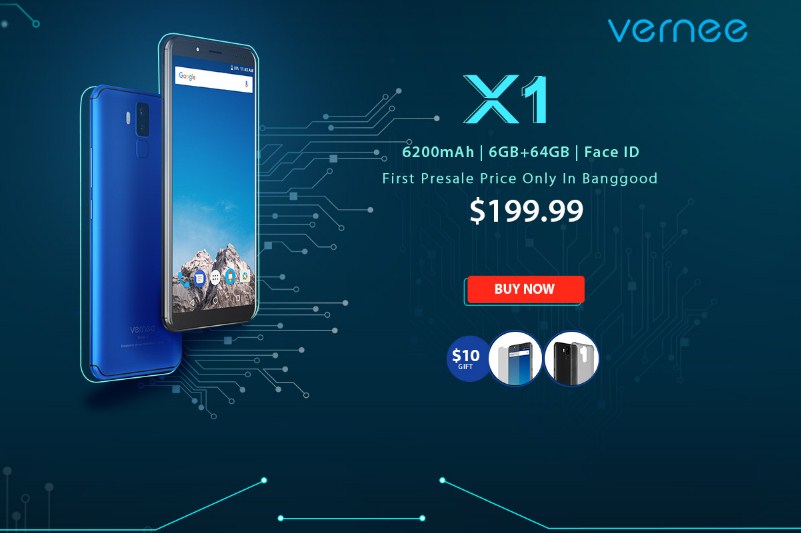
The Vernee X1 4G smartphone is currently up for preorder at a discounted price of just $199.99 for a limited period of time on Banggood. Note that the device would normally set you back $299.99 on the site.
This is a considerable 33% reduction in both black and blue color versions of the Vernee X1 smartphone. The aforesaid price will only be valid for 999 pieces, while 1999 other pieces will be up for preorder for $219.99.
The remaining pieces will come bearing a relatively steeper price tag of $249.99. In other words, the sooner you preorder the Vernee X1 smartphone on Banggood, the bigger discount you get.
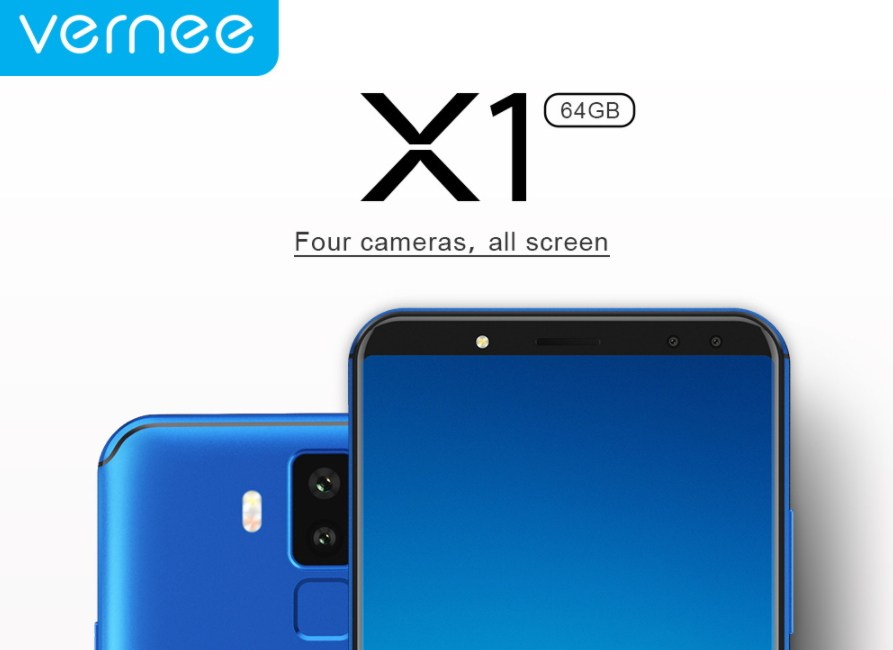
The Vernee X1 is an irresistible smartphone, given that it sports a big 5.99-inch in-cell AUO display with a screen resolution of 1080 X 2160 pixels. The phone is housed in a metal and glass body, and it features an eye-catching tri-bezel-less design.
The X1 packs a powerful MT6763 Octa Core 2.0GHz processor along with an equally robust ARM Mali-G71-MP2; 700MHz graphics processing unit, under the hood. It offers 6GB of RAM and 64GB of onboard storage that can be expanded up to 128GB using SIM 2 slot.
The hybrid dual-SIM smartphone sports a 16-megapixel + 5-megapixels dual camera setup with dual-LED flash and AF on the back. A fingerprint scanner has been mounted on the backside of the device. Up front, it has a 13-megapixel + 5-megapixel dual cameras for selfies.
You can check out the full specification and avail the deal simply by following this link. Note that the Vernee X1 smartphone will go back to its retail price as soon as the promotion concludes.
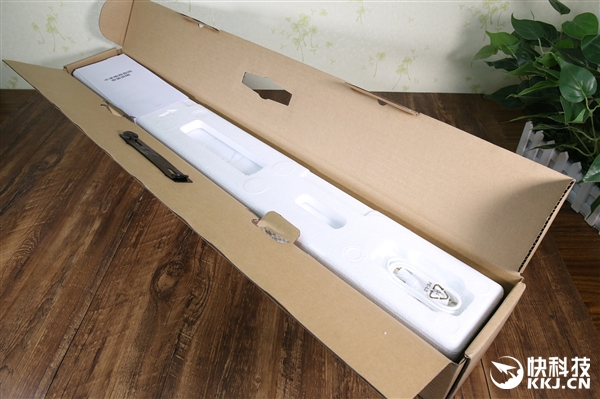
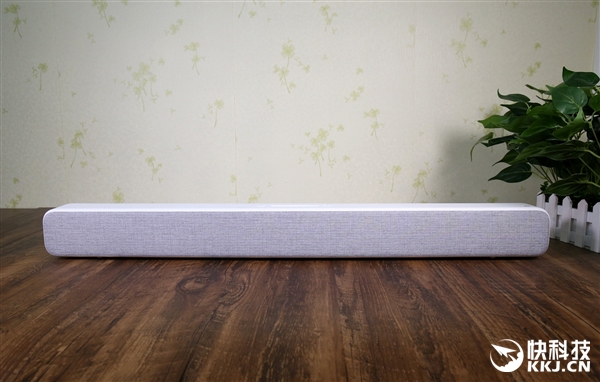
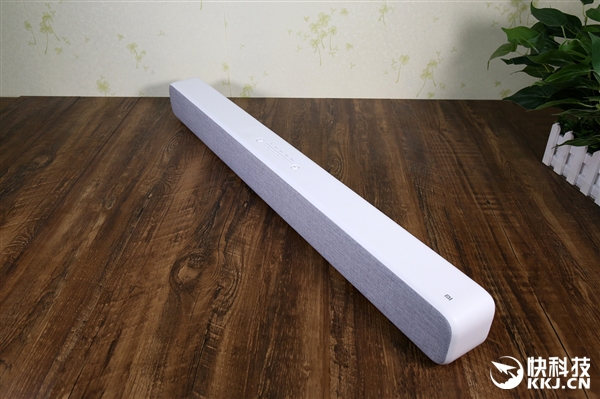
Xiaomi took its fans by surprised when it announced an amazing product that would be paired with its growing range of smart TVs. The Xiaomi TV Speaker, as it is called, comes with a simple design but its build has all the attributes of a quality product for which Xiaomi is known. Here are the unboxing pictures of the Mi TV Speaker culled from Chinese blog –Mydrivers.
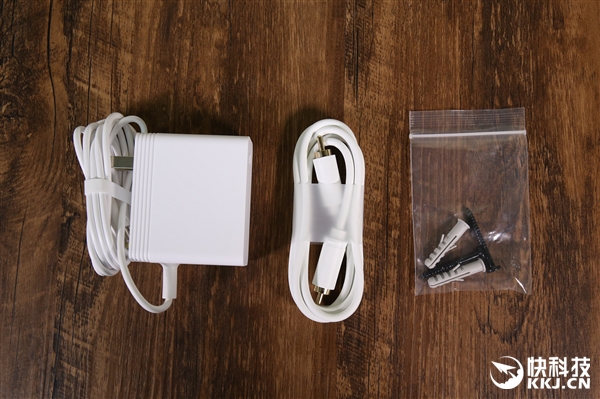
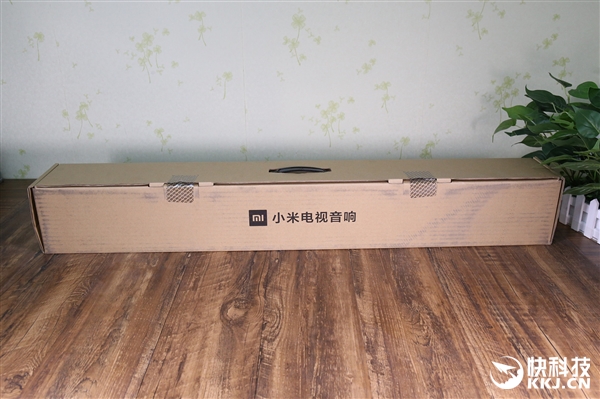
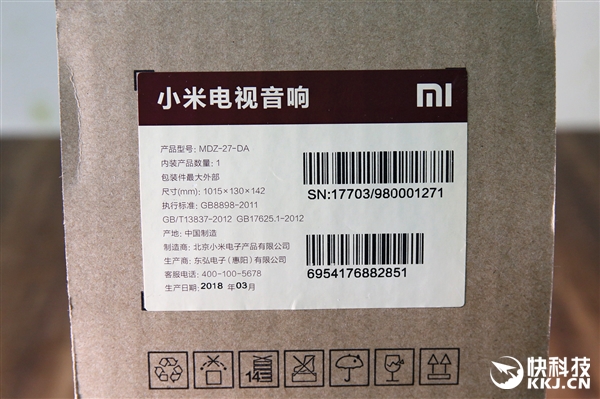
The Xiaomi TV Speaker comes in a brown packaging box complete with its accessories which include a user manual which should be expected to be written in Chinese, a power adapter, an AV cable and two plastic anchors and screws for mounting the speaker on the wall for those who wish to do so. The Mi TV Speaker also comes with anti-slip pads at the bottom which makes it fit to be placed on a table or shelf without the fear of the device slipping off especially when the speaker is working.
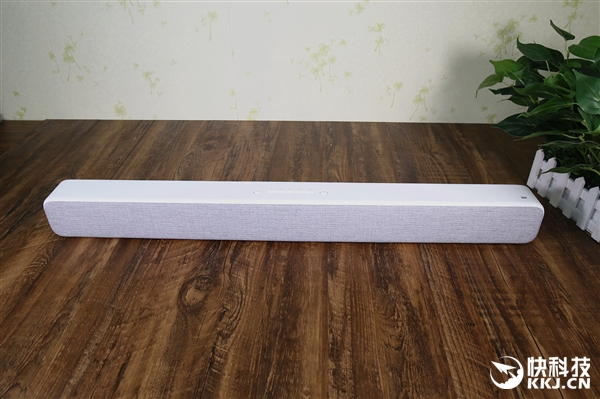
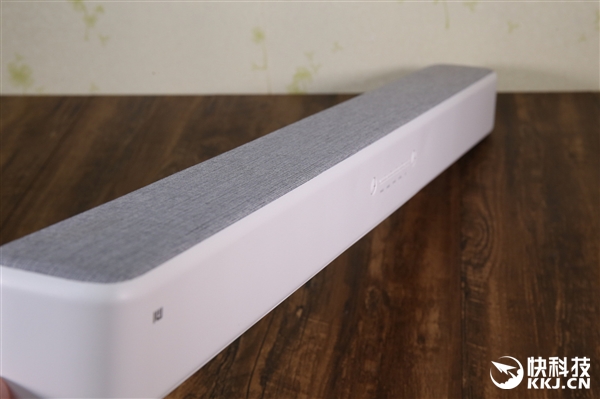
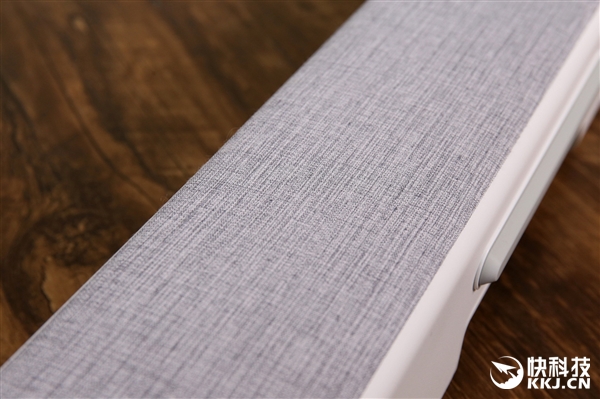
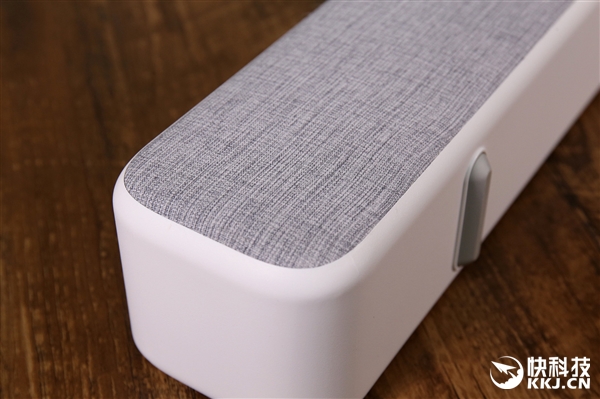
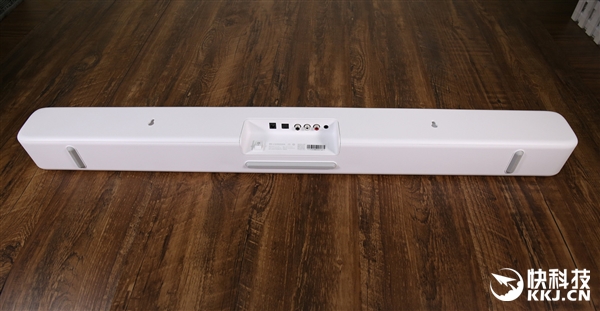
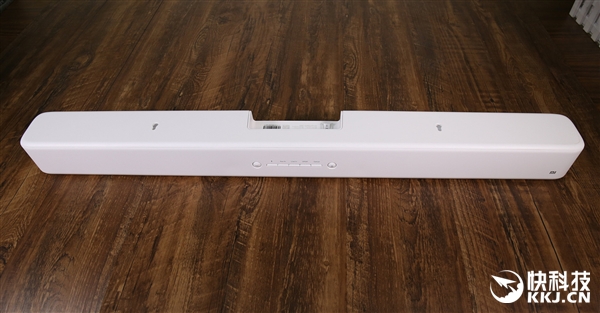
The Mi TV Speaker has a white long stripe design which is simple. The front of the speaker is covered with a fabric material. The design also blends with the TV and all styles of home decor as a result of its simplistic outlook. The Mi TV Speaker has to holes at the back for mounting the device on the wall using the plastic anchors and screws provided in the box.
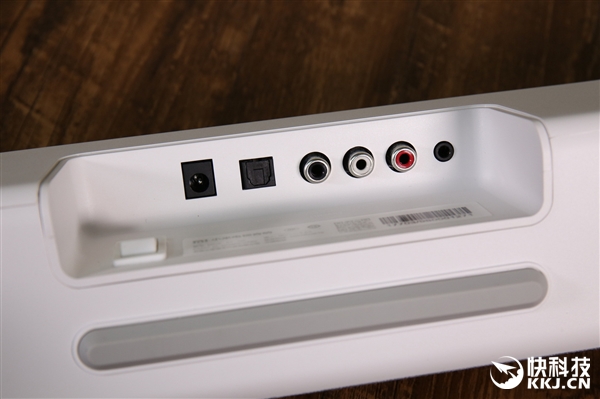
Also, at the back, the speaker houses a host of ports for connectivity. Aux-in (3.5mm audio), Line in (AV audio), SPDIF (SONY, PHILIPS digital audio interface), Optical (Optical fiber) and a port for the power adapter to be connected to the speaker. The power on/off button is also housed inside the small cutout which houses these ports.
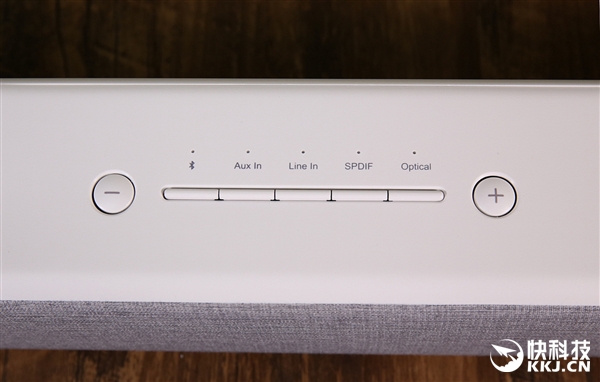
While at the top of the Mi TV Speaker are the control buttons. There are seven buttons, two round and bigger buttons which are the volume control buttons are located at both extreme end. The other buttons which are all similar in their designs include the Bluetooth, Aux-in (3.5mm audio), Line in (AV audio), SPDIF (SONY, PHILIPS digital audio interface), Optical (Optical fiber) buttons. The buttons specify the different modes via which the device can be used.
In terms of operation, the Xiaomi TV Speaker is designed to be simple and practicable. In addition to being used for the Mi TV and other smart TVs and even older TV models, the Mi TV Speaker can be used while connected to a mobile phone, computer, projector and many other electronic devices.
On the internal aspect, the speaker comes with built-in 8 sound units and this includes two 20-ball dome tweeters, two 2.5-inch subwoofers and four passive radiators. The sound frequency response ranges between 50GHz – 2500GHz. The output is clear and the sound is natural.
This compact and sleek TV Speaker is already available on Xiaomi Mall and Mi Home. It comes priced at 399 Yuan ($63). We don’t have any idea as to when the gadget will be available to buy outside China but GearBest presently sells for a premium price. Meanwhile, find more unboxing pictures from below.
We use cookies on our website to give you the most relevant experience by remembering your preferences and repeat visits. By clicking “Accept”, you consent to the use of ALL the cookies.
This website uses cookies to improve your experience while you navigate through the website. Out of these, the cookies that are categorized as necessary are stored on your browser as they are essential for the working of basic functionalities of the website. We also use third-party cookies that help us analyze and understand how you use this website. These cookies will be stored in your browser only with your consent. You also have the option to opt-out of these cookies. But opting out of some of these cookies may affect your browsing experience.
Necessary cookies are absolutely essential for the website to function properly. This category only includes cookies that ensures basic functionalities and security features of the website. These cookies do not store any personal information.
Any cookies that may not be particularly necessary for the website to function and is used specifically to collect user personal data via analytics, ads, other embedded contents are termed as non-necessary cookies. It is mandatory to procure user consent prior to running these cookies on your website.





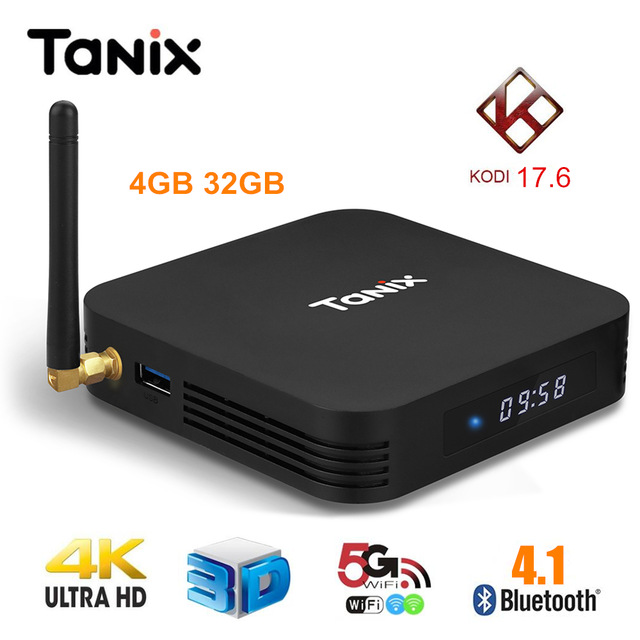 The TX28 is crammed with an array of awe-inspiring features such as 100M ethernet network, Bluetooth 4.1, and dual-band WiFi that allows it to access the network at a relatively higher speed. Moreover, it offers 3GB of LPDDR3 RAM and 32GB of onboard storage.
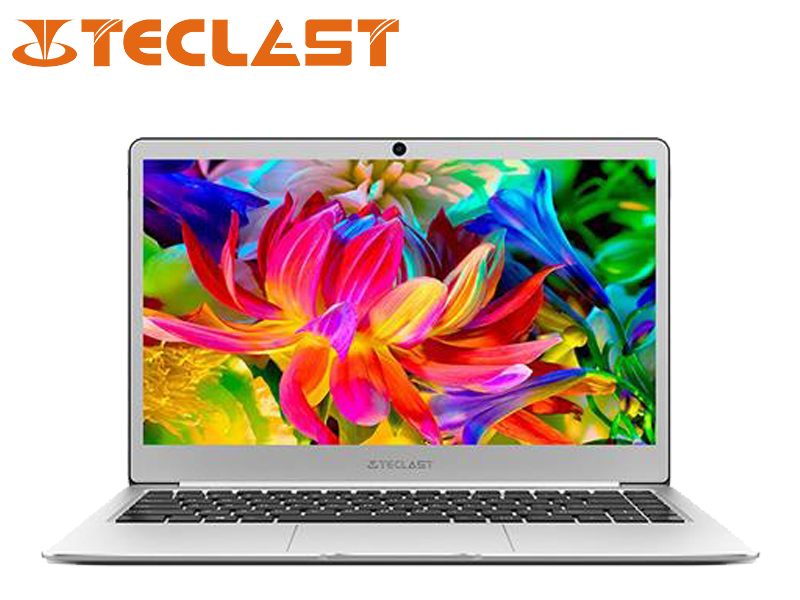 GeekBuying is offering a broad range of devices at a discounted price this month. As part of its Teclast April Promotion, GeekBuying has reduced the retail price of Teclast-branded tablets and laptops. The products have further been divided into multiple categories to facilitate the search process.
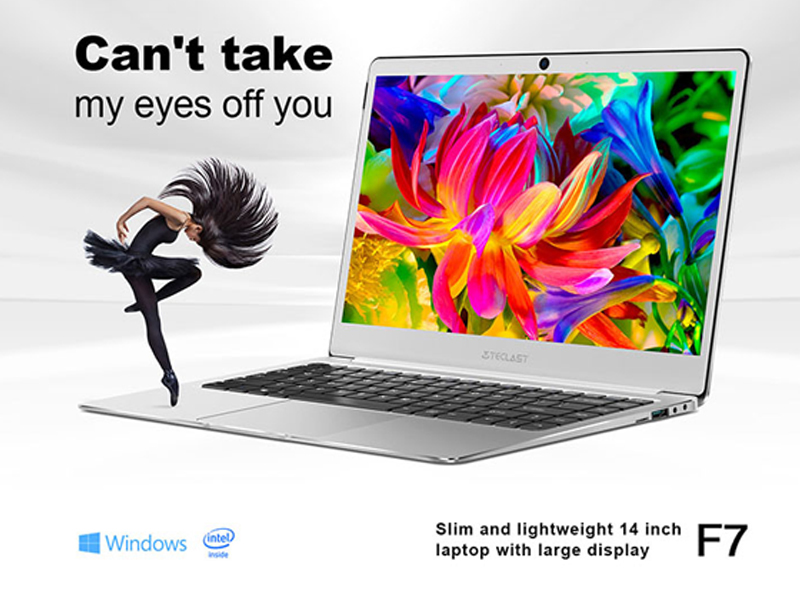 The site is offering a noteworthy 29% off on the 6GB RAM/128GB ROM version of the Teclast F7. Alternatively, you can go for the 6GB RAM/64GB ROM version of the laptop which bears a 34% discount and is up for grabs for only $265.99.
 The above-mentioned discount will be valid for the black color version of the GPD XD Plus for 3 days. This category also includes phablets, laptops, and Xiaomi-branded notebooks.