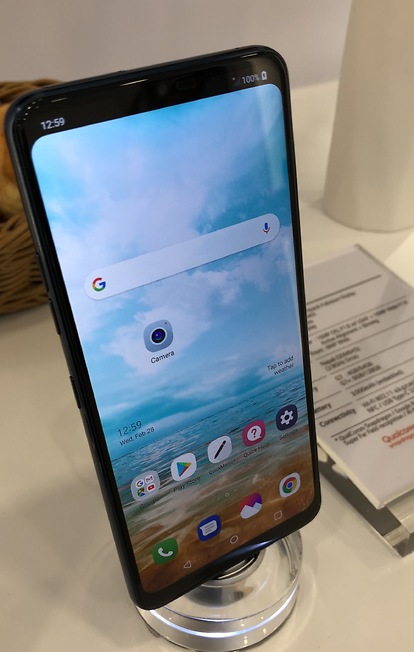
The LG V30S ThinQ was the phone LG unveiled at MWC this year but the V30 ThinQ wasn’t the only device the manufacturer took to the show. Images and photos of a phone called the LG G7 Neo have been posted online by an Israeli publication that got to spend some time with the device.
The LG G7 Neo is said to have a 6” display with a new OLED technology. The screen also has a 3120 x 1440 resolution and a 19.5:9 aspect ratio. Yes, that aspect ratio is as a result of a notch in the display.
If you watch the video below below, the phone is shown to sport a notch in some scenes and doesn’t have one in others. Even in the image above, you can’t see the notch. But can you see the clock, network, and battery icons are positioned above the “rest of the display”? Confused? Don’t be.
The notch sort of “hides” on the homescreen too just like it happens when you are playing a video on a device with a notch like the iPhone X, Essential PH-1 or the new ASUS Zenfone 5. It sure is a pretty neat trick. It is said that an 8MP wide-angle camera resides within the cut-out.
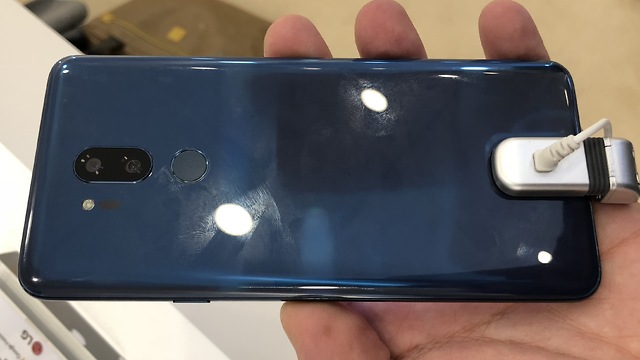
On the rear, the LG G7 Neo has dual cameras. Both are 16MP sensors but one has a F/1.6 aperture with OIS while the other is a wide-angle lens with a F/1.9 aperture. Below the setup is a fingerprint scanner but this doesn’t double as a power button like in the LG G6.
The LG G7 Neo is said to be powered by a Snapdragon 845 processor and has 4GB of RAM and 64GB of storage. It also has a 6GB RAM + 128GB ROM variant. The battery capacity is said to be 3000mAh and there are other features like BoomBox Audio™ and DTS-X.
Little bird told me that in the same venue that this G7 was being shown, there was also a Q7 and V35. And a new watch.
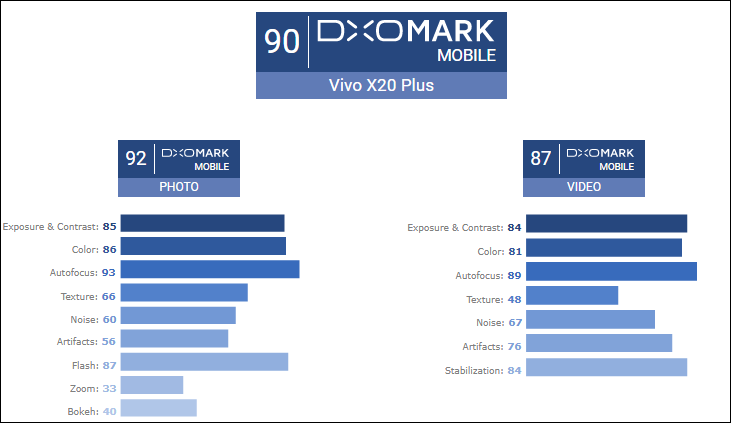
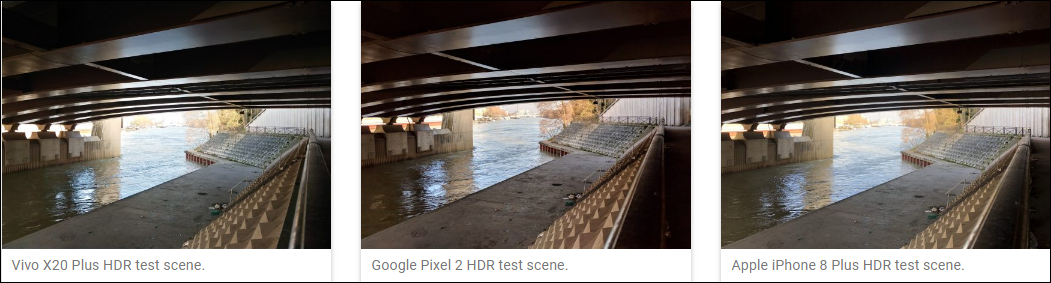
Vivo X20 Plus UD version has gone through DXOMark test and its overall score is pretty impressive. The X20 Plus UD version had a total of 90 points, the same score with the Google Pixel, HTC U11 and Mi Note 3. Google Pixel 2 remains the highest rated phone camera according to DXOMark’s rating where it got a score of 90. This score shows that the X20 Plus has the potential of being an outstanding smartphone for photography enthusiasts
Of course, the Vivo X20 Plus UD version comes with the same specification as the regular X20 Plus so the camera rating is expected to cut across all models of the X20 Plus. The X20 Plus comes with an attractive design which includes a dual camera setup at the rear. The rear cameras include a f/1.8 aperture 12-megapixel sensor that is coupled with a secondary sensor of 5-megapixel. For snapping selfies, the handset is equipped with f/2.0 aperture 12-megapixel camera.
The summary of the DXOMark test shows that the Vivo X20 Plus’ camera performed better in still photography than in the video aspect. The X20 Plus recorded a sub-score of 92 points in the aspect of photos. The key attributes which give the X20 Plus camera its outstanding rating include its good exposures, particularly in indoor conditions; a very good wide aperture mode, which produces a mild, but attractive bokeh effect with few artefacts; and outstanding autofocus performance. The device also packs a capable video mode with a sub-score of 87 points and should be an amazing one for photography enthusiast.
Early this month, Xiaomi launched the Redmi Note 5 and Redmi Note 5 Pro in India. The former is already available in China as the Redmi 5 Plus but the Note 5 Pro is expected to launch soon. The phone has now appeared on TENAA ahead of its official release.
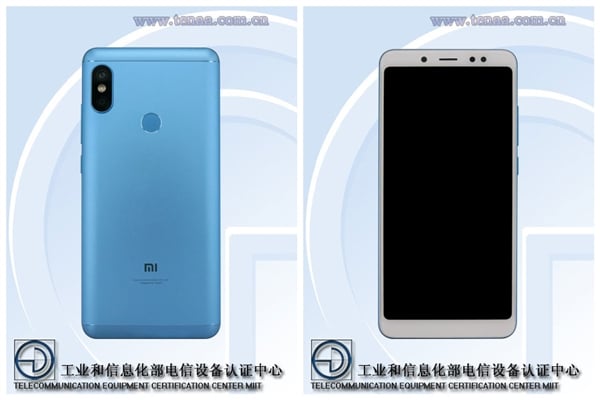
According to TENAA, the Redmi Note 5 Pro’s model number is MEC7S. The pictures provided on TENAA are of the Lake Blue variant but it will launch in champagne gold, rose gold and black too. The Redmi Note 5 Pro has a metallic rear but the top and bottom where the antennas are housed are actually made of plastic.
There are dual rear cameras positioned on the left corner and a fingerprint scanner that sits in the middle. Up in front is an 18:9 display with slightly reduced bezels at the top and bottom.
The phone has a 5.99” 2160 x 1080 display. It comes in 4GB and 6GB variants and is powered by the Snapdragon 636 processor with an Adreno 509 GPU.
At Mobile World Congress in Barcelona, China-based Coolpad Group, a mobile manufacturer, has announced that select phones of the company will now receive the Amazon Alexa voice service in India.
The company has announced that the Coolpad Cool Play 6, Note 5, and Note 5 Lite will get Amazon Alexa through an over-the-air (OTA) update, while the future Coolpad devices will include this feature out-of-the-box.
With this Amazon Alexa integration, users of Coolpad’s devices will be able to perform certain tasks such as play their favorite music tracks or shop from Amazon.in using voice commands. They will also be able to access information about weather, calendar, and to-do lists, or listen to the latest news briefings directly using the Alexa app.
Notably, the similar Alexa integration is already available in the United States. However, Coolpad has become the first Amazon Exclusive smartphone brand in India to natively offer Alexa on its devices. Commenting on this development, Syed Tajuddin, CEO of Coolpad India, said in a statement:
We are working to immerse more AI and tech into smartphones to make the experience more intelligent, friendly, and beneficial for the customers. Incorporating Alexa in Coolpad smartphones is one such step in that direction.
Recently, Amazon Alexa app introduced voice command support to Android devices in several markets, including the US, UK, Germany, and Austria. While the introduction of this new feature brought voice commands, it didn’t include support for “Alexa” hotword functionality.
The latest offering from Coolpad in India is the Cool Play 6 which was launched last year. It comes with a 5.5-inch Full HD display and a 64-bit octa-core Snapdragon 653 processor with 6GB RAM and 64GB of storage space. It packs a 13MP rear camera and an 8MP front-facing snapper. The phone comes with Coolpad’s Journey UI based on Android Nougat operating system out-of-the-box and is powered by a 4,060mAh non-removable battery.
HMD Global is very optimistic about the future of Nokia. At MWC 2018, the Finnish giant who acquired the former leader of the smartphones market, has declared that it is aiming to enter the top 5 smartphones brands in the world in the next 3-5 years. It is a huge ambition if we consider that it’s been just over a year since the brand is back in the smartphones market. But the company’s strategies seem to be working so far, so we can’t really say that it won’t happen.
The announcement comes from the HMD Global President and CEO Florian Seiche who has just released an interview to CNET. In the same interview, the CEO said that even though HMD Global is aiming to join the top 5 smartphones brands in the coming years, not any Nokia phone will be launched in the U.S. in 2018. The U.S. customers will not be able to get the new Nokia 8 Sirocco, Nokia 7 Plus and Nokia 1 in their country. Even some of the previously announced models won’t make it to the US shores.
According to the CEO, the company is putting its efforts on Asian and European markets in which it has already established a great image in just a year. Further, according to an HMD executive, the new feature phone Nokia 8110 4G (a revamped version of the old 8110 feature phone with the LTE connectivity) will not be launched in Australia. Until now, only some of the 2017 devices have been launched in the U.S. For now there is no plan to bring new handsets in the country, but this does not mean that HMD Global will abandon the U.S. market. This just means that the presence of Nokia in the U.S. with new devices has just been delayed.
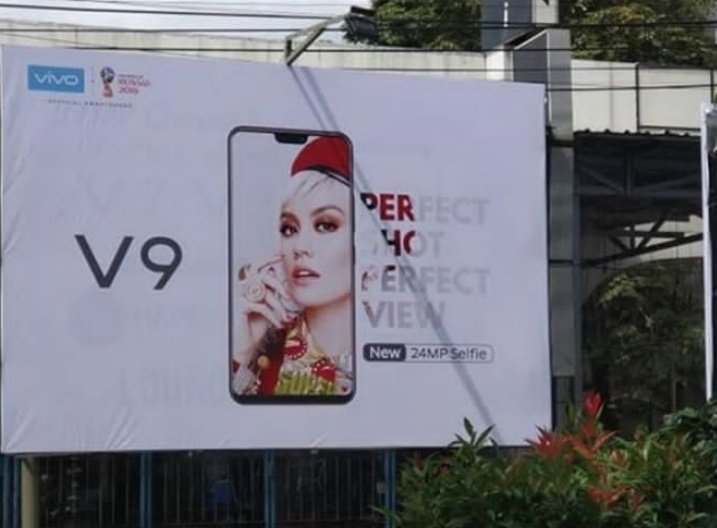
Vivo stole the show at MWC 2018 with its APEX concept phone. With a launch scheduled for next week, Vivo sure has been busy. But it appears that is not the only device they have been working on. A billboard for the Vivo V9 was recently seen and it hints at a launch happening soon.
We guess Vivo is skipping the number 8 for the V-series and jumping straight to 9. We have no idea why Vivo would do this since the Chinese culture considers 8 to be the luckiest number.
The Vivo V9 is shown on the billboard rocking a display with a notch just like that of Apple’s iPhone X. The bezels on the sides are quite thin and the bottom bezel is smaller than that of the Vivo V7.
The Vivo V9 also comes with a 24MP selfie camera like its predecessors but it may not be the exact sensor as the billboard says it is “new”.
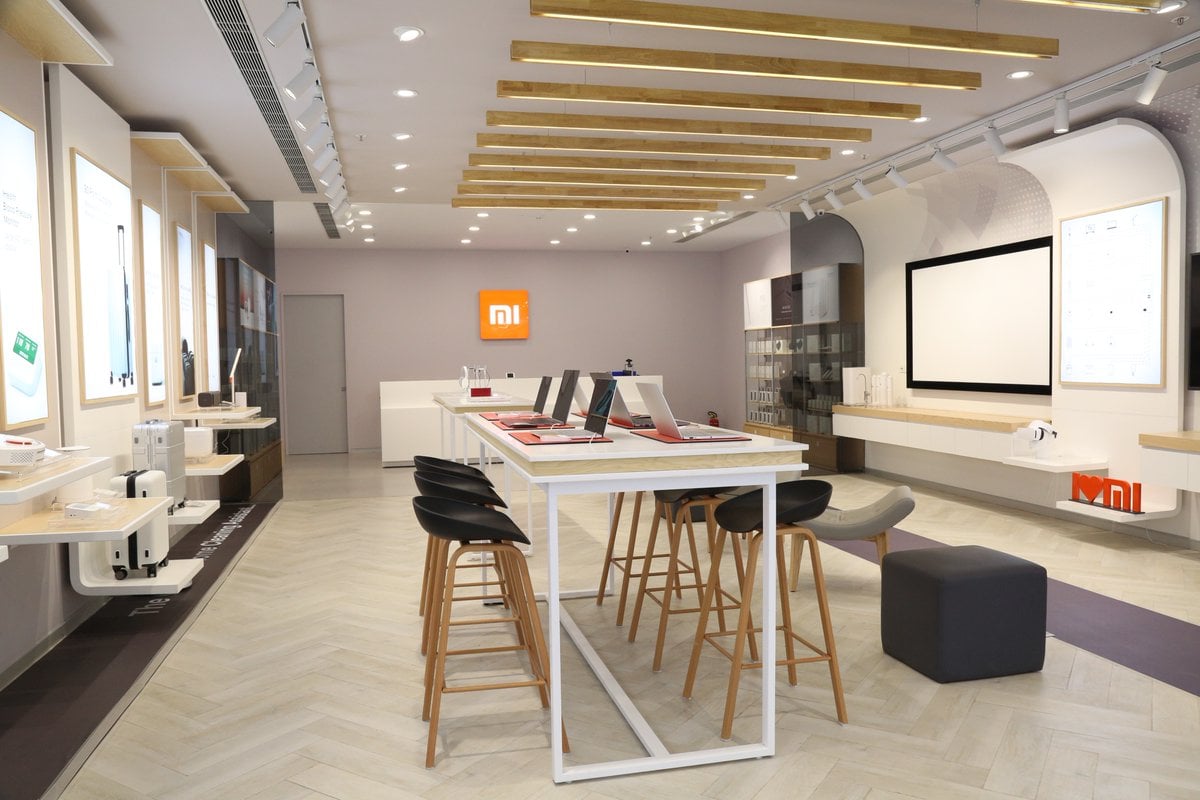
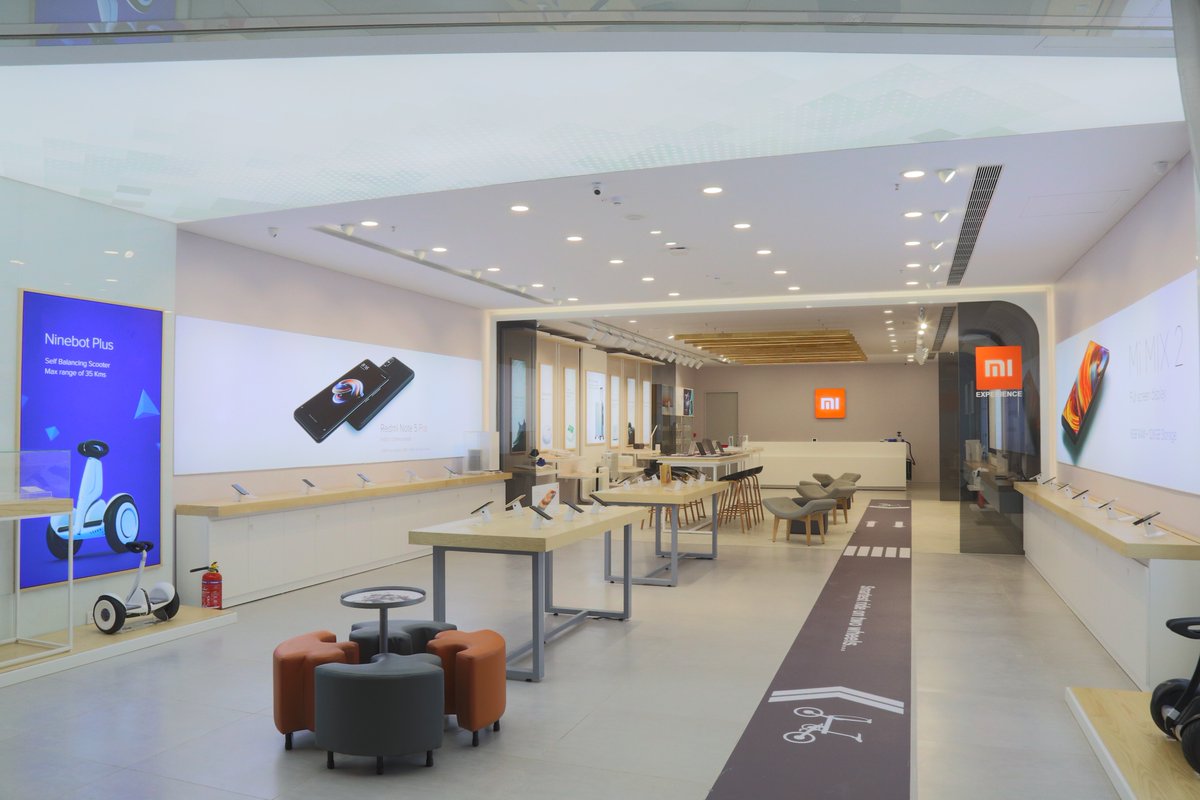
Xiaomi has opened its first Mi Home Experience Store in Chennai, located at Phoenix Market City Mall in Velachery. This marks the company’s 25th Mi Home store in the country and will be open for customers from March 1, 2018.
The aim of this experience store is to showcase products from the company that has not been launched in India, and not just the products that have been launched in India. The China-based company says that it is on track to open its 100th store in India by the end of this year.
Manu Kumar Jain, Xiaomi India’s MD and Xiaomi’s Global Vice President said, “think of this as a flagship Mi Home, where we will show not just the products that we have already launched in India, but also the ones that we want to bring to the market.”
This new Mi Home Experience Store in Chennai is divided into three parts – the first showcases products such as the Ninebot Plus “hoverboard”, and the Mi Robot Builder. The second part showcases different phones that the company is selling and products such as the Mi Air Purifier. The third part again shows products that are not yet available in India, such as the company’s laptops, its rice cooker, and water purifier, among others.
Manu Kumar Jain adds, “most people think of Xiaomi as only a phone brand, but actually, there are a host of products that we have that are not being sold in India. We have a portable air purifier that you can take in a car, smart scooters, laptops, robot vacuum cleaners, our electric toothbrush, and more.”
According to Xiaomi, the idea behind showcasing these products to Indian consumers is to gauge interest in bringing them to the country and to work out how to customize these products to make them successful in India.
The company is also planning to open at least one Mi Home Experience Store in the major cities of India, and after Chennai, the next two planned cities are Delhi and Mumbai. In India, the company has recently launched Mi Smart LED TV 4 and two new smartphones — Redmi Note 5 and the Note 5 Pro.
Essential Phone has received several updates improving the camera performance and functionality and now, the company has released yet another update pertaining camera features. The new camera update for the Essential PH-1 brings selfie flash, stability fixes, and a beta version of a ‘Tiny Planet’ mode.
The Tiny Planet is one of the most exciting features coming to the phone. If you have the Essential 360 Camera accessory, Tiny Planet allows you to capture 360-degree photos and videos, which it displays as if on its own planet.
The Tiny Planet creations can be edited directly within the Essential Camera application and everything making the changes, users can share it on the social media platform of their choice.
The other feature that comes with this update is selfie flash. It works by turning the screen bright white as the selfie is taken in order to illuminate the faces of the people in the picture. While it’s not as powerful as a dedicated hardware flash, it can still be useful for lighting up a dark environment.
The camera updates for the Essential Phone have become a regular thing. It’s good to see that the company is focusing on improving the camera performance after it was heavily criticized upon the phone’s release, with several issues, including poor processing and slow speeds.
Previous camera update from the company, which was released a few weeks ago, introduced features such as Auto-HDR, along with stability fixes, and boosted capture speeds.
Recently, reports emerged suggesting that the company could soon launch its Essential Phone Halo Gray variant in India, which is one of the largest smartphone markets in the world, for a price of about Rs. 24,999 (approximately $388). This has led many to believe that the company is looking to clear stocks before it starts working on the successor of Essential PH-1.
Following the launch of the Galaxy S9 and Galaxy S9+, it appears Samsung’s next product launch will be targeted at the entry-level/mid-range category. In the last few weeks, there have been a number of J-series phones showing up across benchmarking sites. Today, its the Galaxy J8 that has been seen on Geekbench.
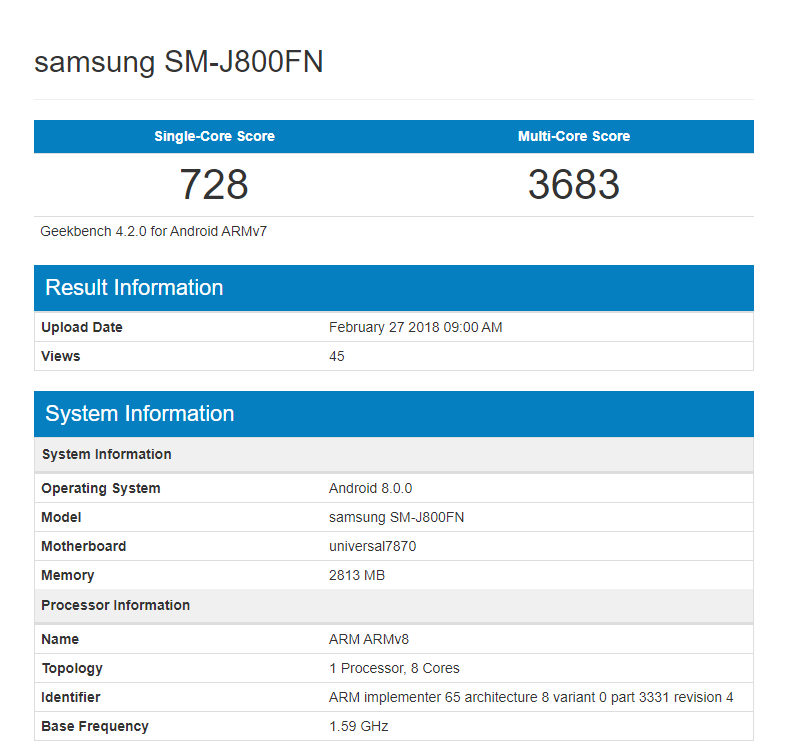
The Samsung Galaxy J8 is benchmarked as the samsung SM-J800FN and like the SM-J600F, it is powered by an Exynos 7870 chip.
The 14nm octa-core chip is clocked at 1.59GHz (1.6GHz) and paired with 3GB of RAM. The device is also running Android 8.0.0 Oreo.
The benchmark scores are also similar to that of the Galaxy J6 seen on the site yesterday. The single-core score is 728 and the multi-core score is 3683 points.
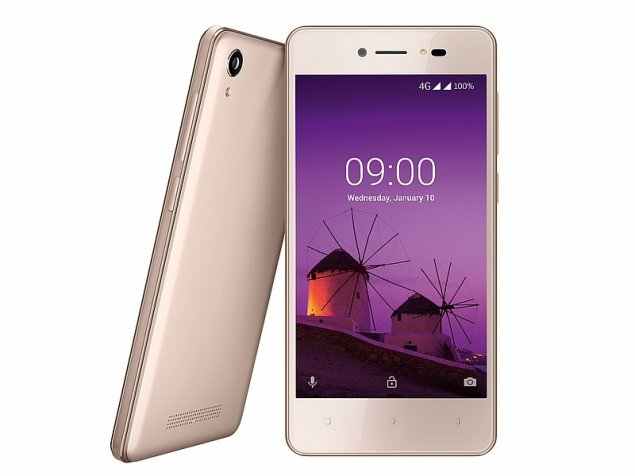
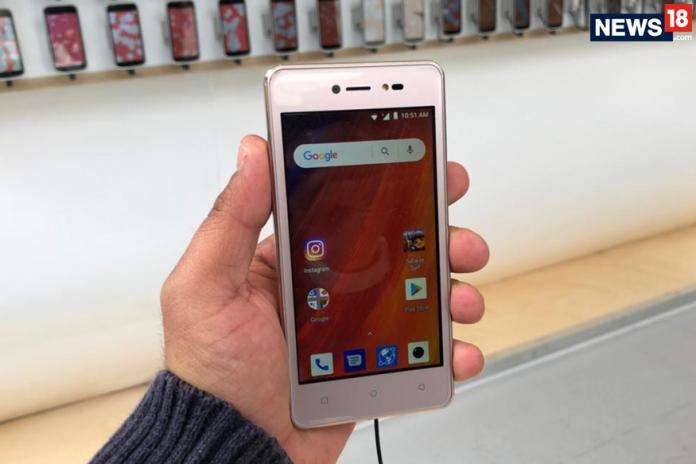
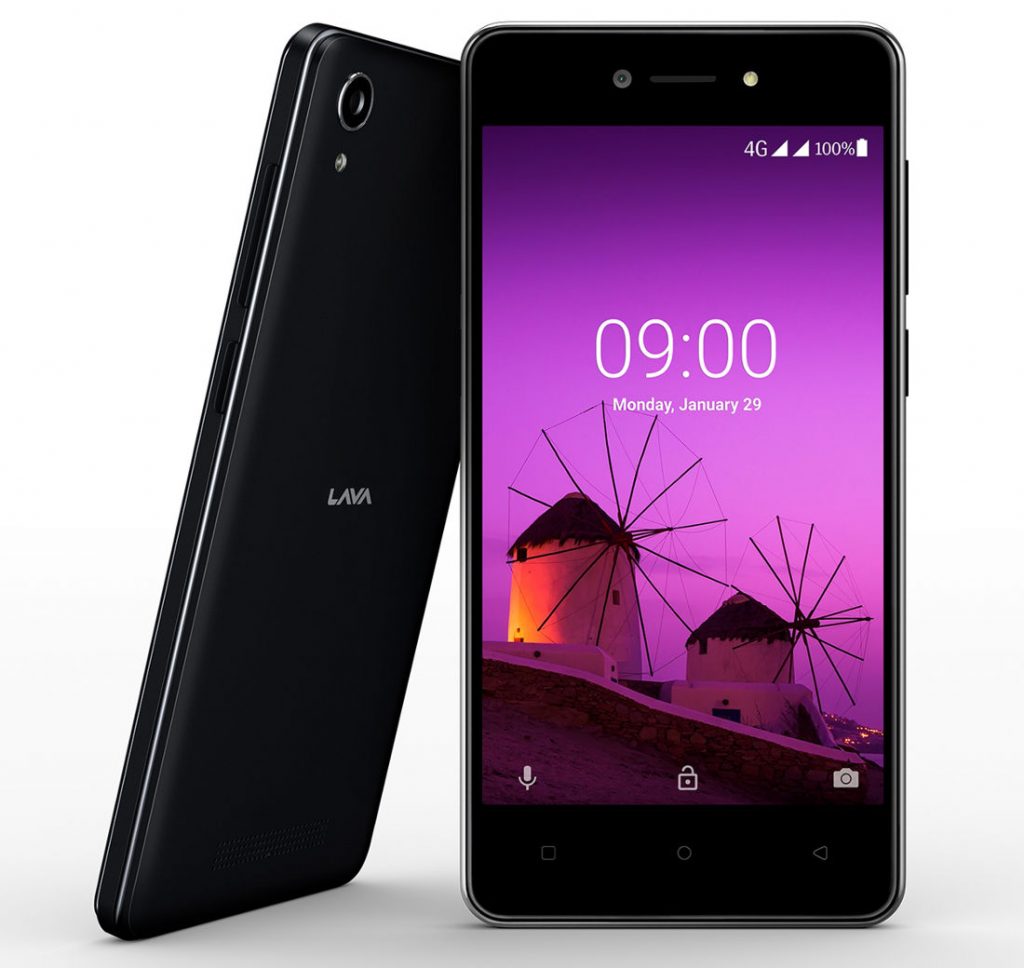
Indian smartphone maker Lava has joined the fast-growing train of Android phone makers who are embracing Google’s Android Go platform. The company Tuesday announced its first smartphone running Android Ore0(Go edition) also known as Android Go. The model is christened Lava Z50 was showcased at the ongoing MWC 2018 and will go on sale in mid-March across stores in India.
The Lava Z50 is the product of a collaboration between Lava and Airtel as part of the telecom giant’s Mera Pehla Smartphone initiative. So, the device comes with an Rs. 2,000 cashback courtesy of Airtel. It also offers 2 years warranty just like other smartphones in Lava’s Z series.
Lava Z50 features a 4.5-inch FWVGA display with 2.5D Corning Gorilla Glass for protection but a resolution of 480×854 pixels. The device is also powered by a 1.1GHz quad-core MediaTek MT6737M SoC paired with 1GB of RAM. There is also an 8GB native storage onboard the device.
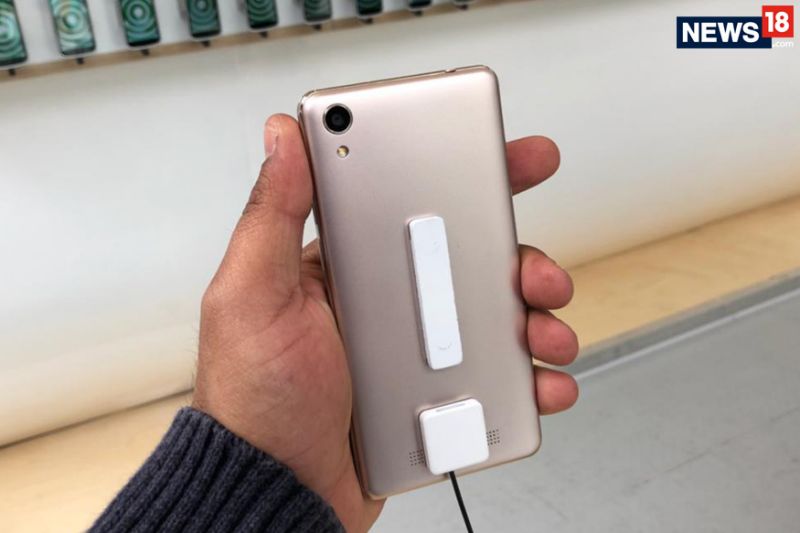
On the camera aspect, the Z50 packs a 5MP camera both at the front and rear. The front and rear camera are also accompanied by LED flashlights. Lava said the Z50 will offer a Bokeh mode. As stated earlier, the device runs Android 8.1 Oreo (Go edition). The version of Android has been optimised to provide a smooth experience on low-end handsets with less than 1GB of RAM. It comes preloaded with apps such as YouTube Go and others. The device will be available in Black and Gold colour variants.
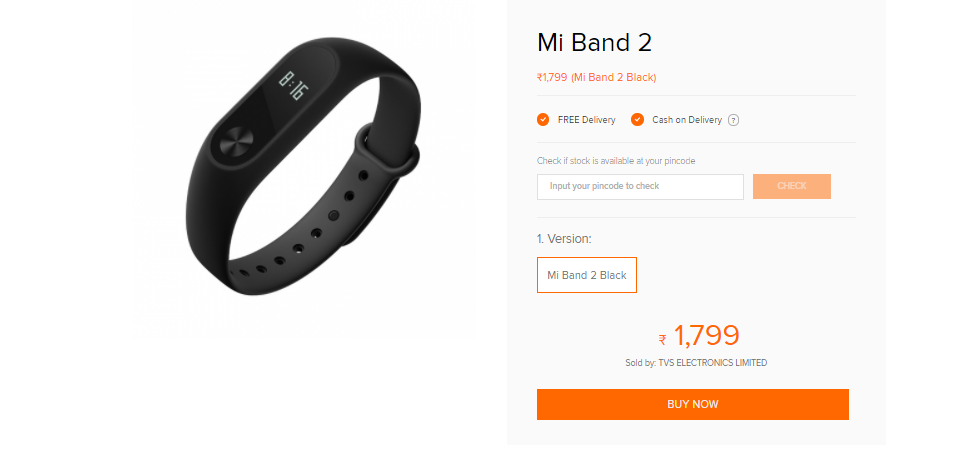
Xiaomi is already working on the Mi Band 3 but we still don’t know when it would launch. If you live in India and can’t wait, you can buy the Mi Band 2 as it is now back in stock.
The Mi Band 2 has been out of stock for months before Xiaomi released the Mi Band HRX Edition specifically for India about 5 months ago. However, the HRX Edition lacks a heart rate sensor but it sells for less.
Xiaomi has not only restocked the Mi Band 2 but has also dropped the price. Instead of its original Rs. 1,999 (~$31) launch price, the Mi Band 2 now sells for Rs 1,799 (~$28) with free delivery. The specs remain the same though.
There is an 0.42-inch OLED display, Bluetooth 4.2 LE, a 70mAh battery and its IP67 rated. The straps are also replaceable and the Mi Band 2 works with Android devices running Android Kitkat and up and iOS devices running iOS 7.0 and above.
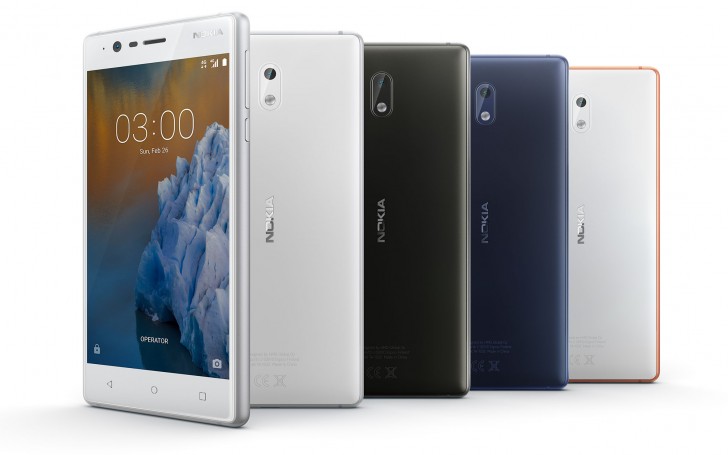
HMD Global has now started rolling out Android Oreo beta update for its Nokia 3 phone, which was launched in February 2017. The long-delayed update was announced last month and now, HMD Global’s Chief Product Officer Juho Sarvikas took to Twitter to announce this update rollout.
Users of Nokia 3 can sign up for the beta on the company’s site to get access to the Android Oreo update preview. After registering with device’s IMEI number and confirming mobile operator, users will get Android Oreo software update notification.
This new version of the Android operating system, Android 8.0 Oreo is around 1.6GB in size and brings a ton of new features to the Nokia 3, including Picture-in-Picture mode, notifications dots, adaptive icons, notification channels, system optimizations, and performance improvements.
The Beta Labs Program, under which users get access to the beta build of the upcoming software updates from the company, was started with Nokia 8 and later, it was extended to the Nokia 6 and the Nokia 5 as well.
To recall, the Nokia 3 comes with a 5-inch display having a screen resolution of 1280 x 720 pixels. Under the hood, it is powered by 1.3GHz quad-core MediaTek 6737 processor and it comes with 2GB of RAM. The phone packs 16GB of internal storage that can be expanded up to 128GB through a microSD card.
As far as the cameras are concerned, the device features an 8-megapixel primary camera on the rear and an 8-megapixel front-facing shooter for selfies and video calling. The device runs Android 7.0 Nougat operating system out-of-the-box and is powered by a 2,630mAh non-removable battery.
At the ongoing Mobile World Congress in Barcelona, HMD Global has launched five new phones, which includes the Nokia 8 Sirocco, Nokia 7 Plus, Nokia 1 with Android Oreo (Go Edition), Nokia 6 (2018), and the reincarnated version of Nokia 8110.
CES 2018 may not have been as great as we expected, but MWC 2018 definitely didn’t disappoint. Despite the fact that majority of the manufacturers (Huawei, LG, HTC, Xiaomi) decided to skip this event to unveil their big guns, the event currently going on in Barcelona still managed to keep us all interested with launches like the Vivo Apex and the Matebook X Pro.
So, let’s take a look at the top launches from MWC 2018.
DAY ZERO:
Sunday was an exceptionally busy day for tech enthusiasts given that three major manufacturers had lined up announcements one after the other. And yes, there was the LG announcement too, launching the LG V30S ThinQ model, but to be honest, that wasn’t the highlight of the day.
The following were the top products announced on Sunday.
HUAWEI MATEBOOK X PRO
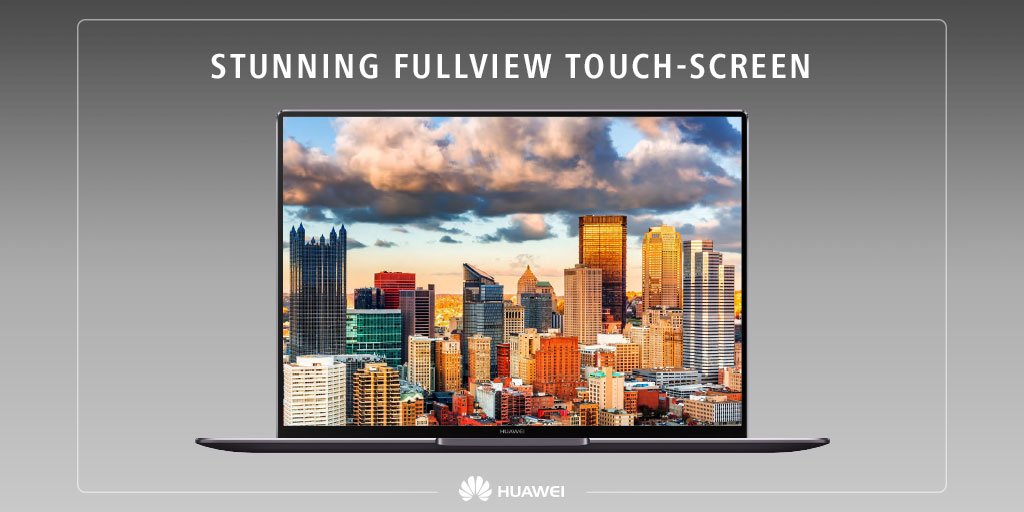
Huawei kicked off MWC 2018 with its amazing Matebook X Pro. There’s no doubt that the new laptop is inspired by the bezel-less design of the Dell XPS 13 but the company has taken things to another level. The company has integrated the web camera as a pop up component on the keyboard, ensuring you are away from prying eyes when the camera is not in use. Not only that, the Matebook X Pro features a 3:2 aspect ratio that enables more pixels on the screen with a resolution of 3000 x 2000. Coming from a company that entered the laptop market just a couple of years ago, the Matebook X Pro is definitely a product worthy of your attention.
Nokia managed to impress us with its strategy last year, slowing gaining ground in the ever competitive smartphone market. The company used the event on Sunday to unveil a number of new smartphones for the global market. First of all, the Nokia 6 2018 model is finally coming to markets outside of China. It’s a great phone (our hands on here!) in the budget segment.
Nokia 8 Sirocco
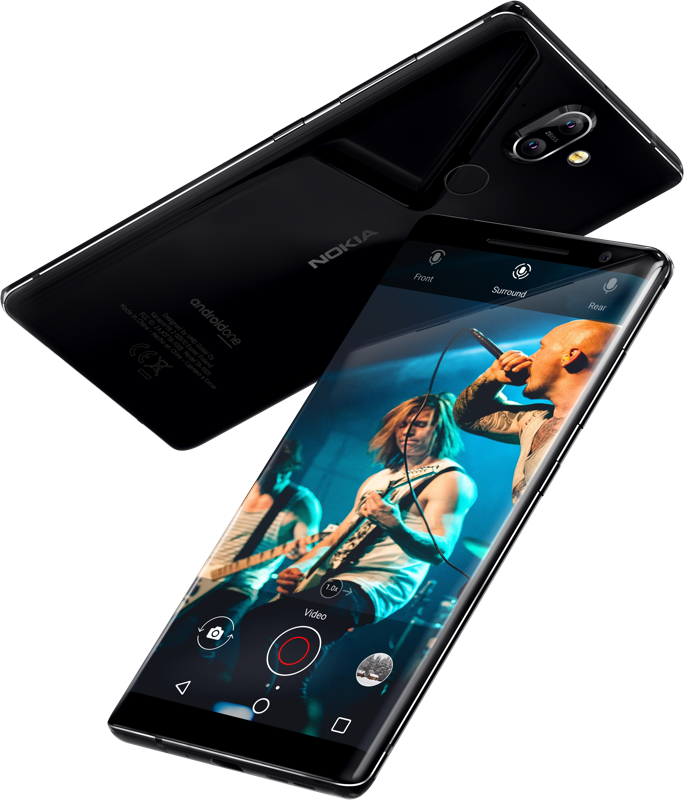
New announcements of the day included the Nokia 8 Sirocco edition with upgraded features and specs. Basically, the Sirocco is what the Nokia 8 should have been and with Snapdragon 835 inside, the phone could have been a great option back in 2017. But it might be a little too late to the party in 2018, especially with its costly price tag.
Nokia 7 Plus
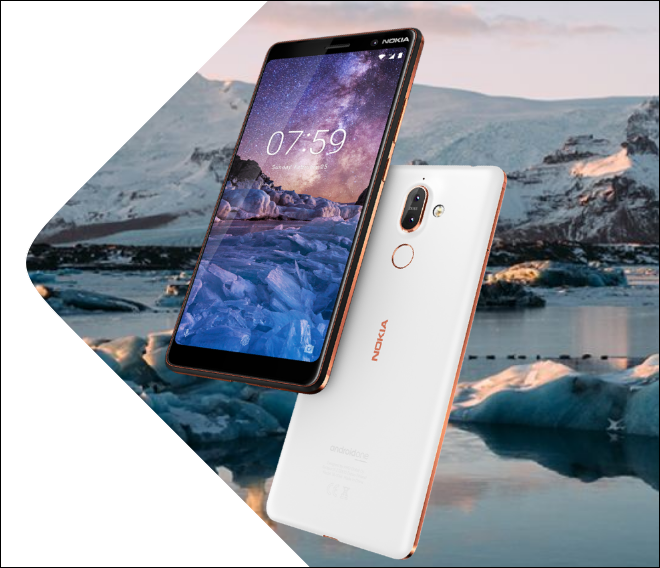
The Nokia 7 Plus is actually the most interesting smartphone of the lot. The phone features the powerful Snapdragon 660 chipset with dual cameras and 2X optical zoom. It’s being marketed as a premium mid-ranger and also adopts the current trend of 18:9 aspect ratio for its display, which is something that the Nokia 6 2018 model skipped. For less than $400, the phone offers pretty amazing value. Read more about the model here! Note that there’s a Nokia 7 Plus China edition too, which is cheaper by the way.
Nokia 8110
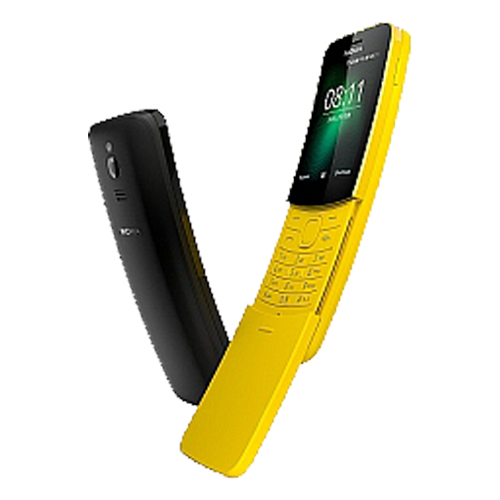
The new Nokia 8110 Slider refreshes the iconic banana phone. With a banana yellow shade, the company is definitely trying to bring back the trend to current market. However, apart from the looks, the phone has nothing extraordinary. So, we wonder who will end up buying this one, despite its iconic design. More about the phone here.
Samsung Galaxy S9 & S9+
Galaxy S9+
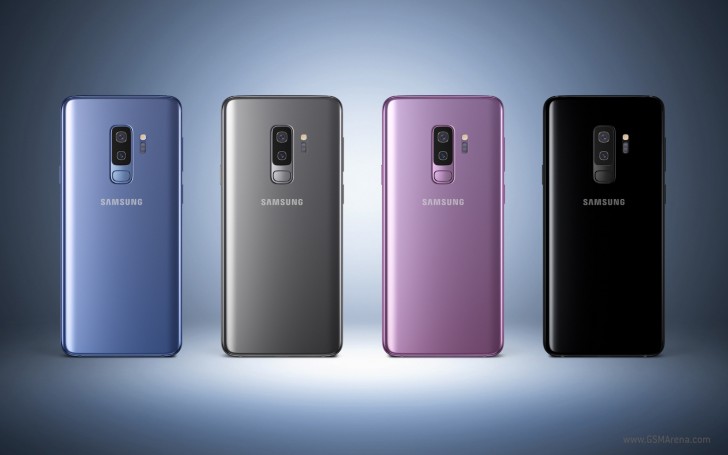
The Samsung Galaxy S9 and S9+ unveil were the two most powerful launches on Sunday. The South Korean giant has retained what was good about the S8 and made some minor yet necessary upgrades in the new S9 & S9+ models. Powered by SD845 (in US and China) and Exynos 9810 in other markets, the phone is the most powerful flagship from Samsung till date. The camera gets a super slo-mo bump at 960 fps at 720p among other upgrades. The S9 keeps a single camera module, while the S9+ gets the expected dual camera upgrade.
The first official day of the MWC 2018 saw Sony & Vivo grab all the attention.
Vivo Apex
Vivo Apex
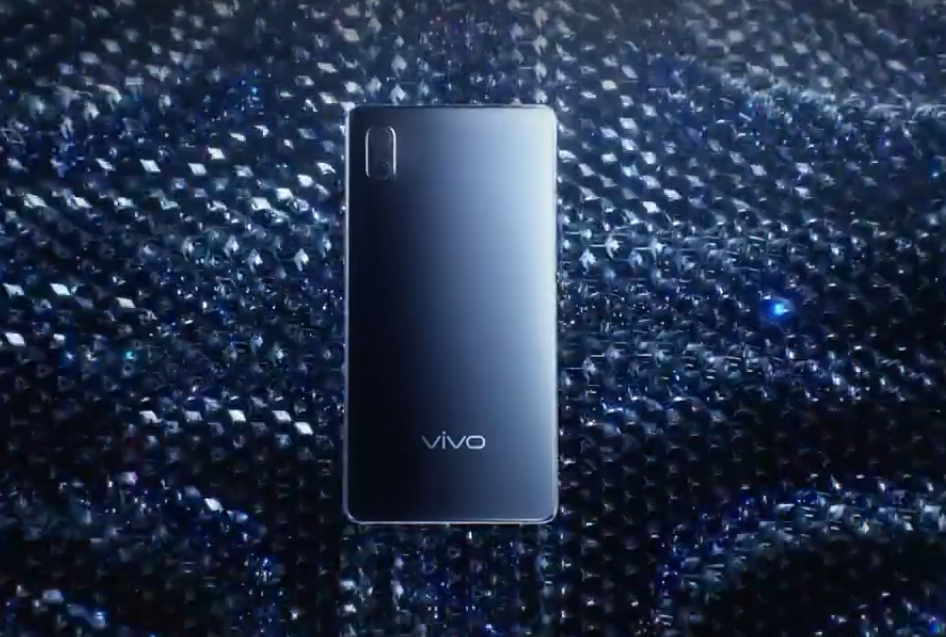
Vivo surprised us all by revealing the Vivo Apex Concept smartphone on Monday. It is definitely one of the most interesting smartphone concepts that we have seen lately. The phone features a nearly 98% screen to body ratio, which is insane for a smartphone. The company reportedly made this possible by integrating the microchips directly into the flexible circuit board. Further, the phone features a unique pop up periscope front camera, which enabled the company to limit the front bezel to a bare minimum. Further, there are other high-end tech for its speakers and ear piece.
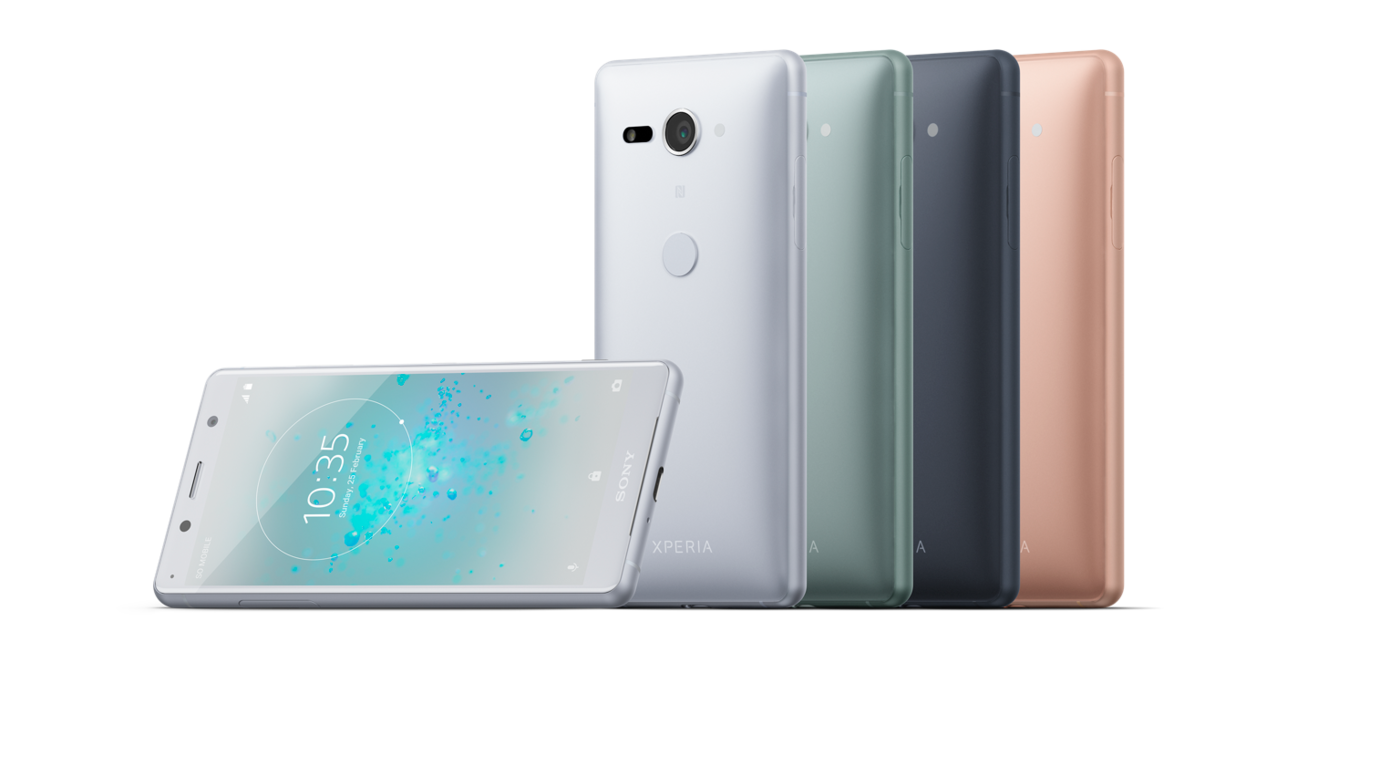
Sony’s smartphone department wasn’t doing so well in the past few years. Some of its phones have been promising, but as an overall package, the Japanese giant often failed to impress. However, with the XZ2 series, the company is hoping to change some things. First of all, it has ditched the omnibalance design and now, the new models feature an 18:9 aspect ratio display along with a revamped ‘ambient flow’ design. The XZ2 flagship features wireless charging as well.
Overall, if priced correctly the Sony Xperia XZ2 series could be a game changer for the company. You can read all about these two models from here.
Helio P60
Mediatekhas given up on its flagship X series chipsets but that doesn’t mean that the company is out of the smartphone market. MTK unveiled the brand new Helio P60 chipset on Monday at MWC 2018, featuring promising specs that can take on the SD660 chip. The company plans to compete in the premium mid-range segment with its new chipset and comes with the new NeuroPilot AI processing tech along with Mali-G73 MP3 GPU to ensure it can handle the premium features of a flagship grade smartphone.
The second day at MWC 2018 saw Nubia and ASUS revealing its top phones for the year.
NUBIA’s First Gaming Phone
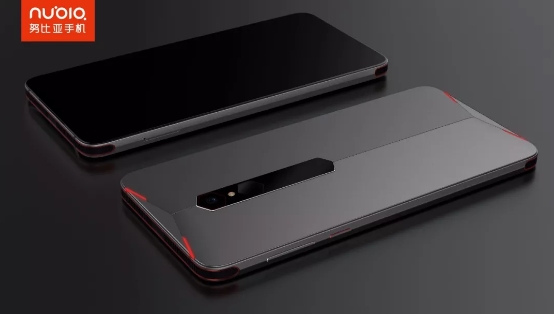
nubia gaming phone concept
Smartphone manufacturers seem to be interested in the concept of gaming phones and Nubia is the first Chinese smartphone company to reveal details about its new Gaming phone. Inspired by a super car design, Nubia’s gaming flagship concept features several cuts and creases at the back with the camera module arranged vertically. The design retains its symmetry and Nubia seems to have done a fine job in making this smartphone design.
The phone is confirmed to launch in China sometime in the coming months, so it’s not just another concept that may never see the light of the day. You can read more about the company’s gaming concept here.
ASUS Zenfone 5Z and Zenfone 5
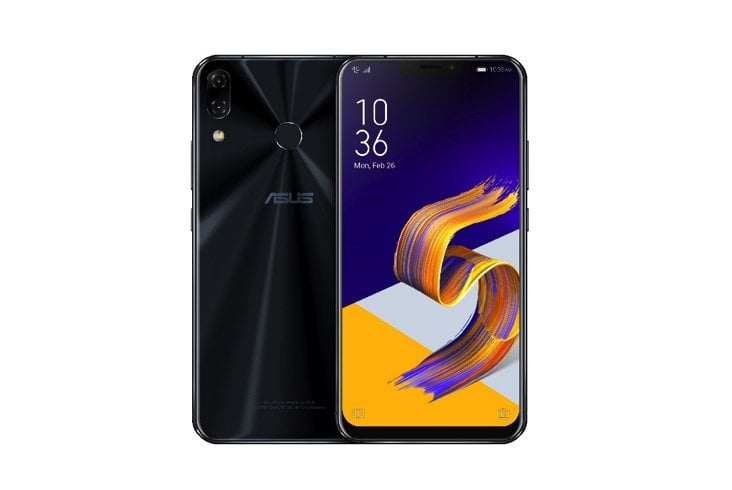
ASUS Zenfone 5Z
ASUS unveiled its big guns yesterday, announcing the Zenfone 5 and the Zenfone 5Z models. The Zenfone 5Z is the pick of the lot featuring SD845, 6GB RAM, a 6.2-inch FHD+ display with 90% screen to body ratio — in under $500! But the Zenfone 5 is also a great smartphone, differing from the 5Z model in the processor department (SD636) and memory (4GB RAM).
ASUS isn’t ashamed to accept that the two phones are iPhone X inspired, but it does add that their notch is smaller.
While everyone seems to have jumped on the notched display bandwagon, a new patent shows that LG will be taking a different approach.
The display arm of the Korean electronics giant has had one of its patents published that shows a new take on its FullVision full-screen displays. The patent was filed in September last year and was published on Friday, February 23.
[envira-gallery id=”176201″]
The display has rounded corners like we have seen on LG’s recent releases. However, what catches your attention is a hole within the display, positioned just a few mm to the top. Our guess is that the hole will house the earpiece, sensor, and possibly the front camera too.
Is this a better take on full-screen displays? Maybe not, as we can already think of how distracting the hole can be like a bunch of dead pixels on the screen. Nevertheless, we are still eager to see how the user interface works with the display.
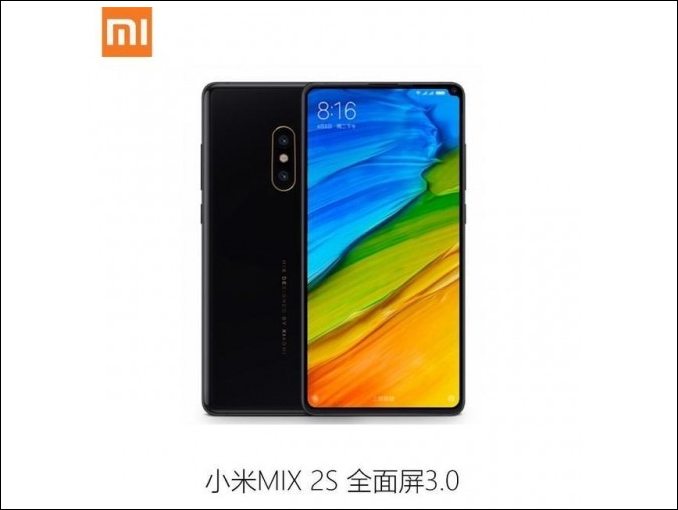
Recent reports have revealed plenty of information about the upcoming Xiaomi Mi MIX 2S smartphone that is slated to get unveiled on March 27. Fresh information suggests that Xiaomi has been ordering 6.01-inch OLED panels from Samsung Display since December. Hence, it is speculated that the upcoming Mi MIX 2S and Mi 7 flagship phones may feature 6.01-inch OLED screen.
New information that has appeared on Weibo states that Xiaomi and Samsung Display had entered a deal for 6.01-inch OLED last year. The consignment reportedly began in December with a shipment of around 1.1 million units in the first month and 2.2 million units in the second month. Hence, it seems that this deal will ensure steady supply of OLED panels for upcoming Xiaomi smartphones. Recent leaks suggest that the Mi MIX 2S and Mi 7 may both feature 6.01-inch sized display.
The original Xiaomi Mi MIX 2 came with 5.99-inch IPS LCD panel. Since the Mi MIX 2S is expected to arrive as an improved version of the original phone, it was expected that it will continue to sport same-sized IPS LCD display but may come with in departments like chipset and camera. However, a freshly spotted leaked image of the About Phone page of the alleged Mi MIX 2S had revealed that it would arriving with a 6.01-inch display.
A report from six months ago had claimed the Xiaomi Mi 7 would be equipped with an OLED panel supplied by Samsung. Also, it was recently revealed through the alleged firmware files of Mi 7 that it would be coming with an OLED panel to carry support for Always-On Display feature. And the fresh information on the deal between Xiaomi and Samsung Display suggests that the Mi 7 could be arriving with a 6.01-inch OLED screen. It may carry support for FHD+ resolution.
A recent report had revealed that the Mi 7’s display will sport a notch like iPhone X. Also, the Chinese manufacturer is speculated to introduce in-screen fingerprint scanner on this phone. It will be fueled by Snapdragon 845 chipset and it may come in 6 GB and 8 GB RAM options. It is expected to arrive with 3,170mAh battery that will carry support 7.5W wireless charging. The handset is expected to debut in June this year.
Do you think that Mi MIX 2S and Mi 7 will both feature 6.01-inch OLED panel? Share us your views by posting your comments below.
Huawei P20 is slated to get announced on March 27. While briefing with media at the launch event of Matebook X Pro laptop at the Mobile World Congress (MWC) 2018, Huawei CEO Richard Yu not only claimed that the upcoming P20 will be better than iPhone X, but also stated that the company would leapfrog Apple in a year or two.
Talking about the Huawei P20, he said that it will be better than the iPhone X that is priced at $999. It indicates that the Huawei P20 could be an affordable device compared to the iPhone X.
“We will have some very big, bold, big innovation on camera technology. It will be much much better than all the phones,” Yu said. By this he could be talking about the triple lens camera setup that is rumored to arrive on the alleged Huawei P20 Plus/Pro smartphone. He further stated that, “Maybe I’m not humble, but ours is better, it’s not just a little bit better, but much better.”
In a short span of time, Huawei has managed to become the third-largest smartphone manufacturer in the world. Currently, Samsung is leading the pack while is holding on to the number second spot. Yu is of the view that Huawei will soon surpass Apple.
Yu said to the media that within or two years, it will become the top smartphone manufacturer. It aims to dethrone Samsung from its numero uno position in four to five years. Unlike Samsung and Apple, Huawei is yet to popular brand across the world. Yu said that the company will be working on making Huawei a trusted brand among consumers.
Xiaomi had rolled out Android 8.0 Oreo beta update for Mi 6 users in the previous month. Today, the company has rolled out the latest MIUI 9.2.3 Global Stable ROM that brings along the Android 8.0 Oreo OS. The update can be installed through OTA update as well as by manually installing the ROM. The Chinese manufacturer has also released the kernel source code to the public.
Xiaomi has confirmed on the arrival of the MIUI 9.2.3 flavored Oreo update for Mi 6 through an official announcement on MUI Official Forum. By this, it becomes the first Xiaomi phone to be blessed with Oreo update.
As of this writing, Xiaomi has not confirmed on the other phones that will be getting the MIUI 9.2.3 update. However, it is speculated that the Mi MIX 2 smartphone may receive it in the near future. The upcoming Xiaomi Mi MIX 2S and Xiaomi Mi 7 flagship phones are rumored to come pre-installed with Android 8.0 Oreo OS.
Compared to other smartphone OEMs, Xiaomi is usually slow at releasing kernel source codes for its smartphones. It has recently released Android Nougat based kernel source codes for Mi A1 and Redmi 4X. Now that the Oreo kernel source code has been released for Mi 6, developers will soon release custom software builds for it.
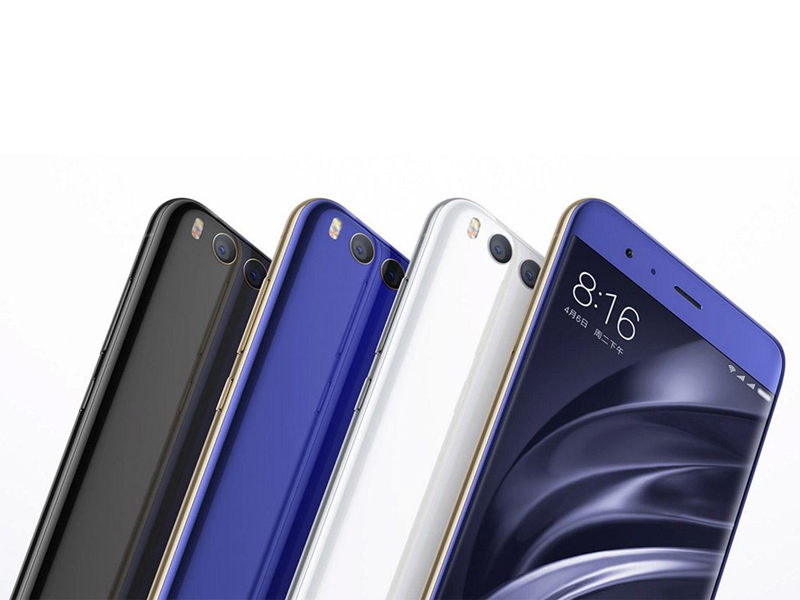
The Xiaomi Mi 6 was launched with MIUI 8 based Android 7.1.1 Nougat. It features 5.15-inch FHD display. It is powered by Snapdragon 835. It comes in 64 GB and 128 GB storage options and 4 GB and 6 GB RAM options. It includes 12-megapixel camera sensors on its rear whereas its frontside is flanked with 8-megapixel selfie camera. It includes 3,350mAh battery.
MIUI 9.2.3 Update Changelog:
Here is the changelog of MIUI 9.2.3.0 update for Xiaomi Mi 6:
Highlights
Optimization – Android 8.0 update (02-12)
Optimization – Protection from unintentional tapping for Dial pad (02-12)
System
Optimization – Android 8.0 update (02-12)
Fix – Apps changed Wi-Fi connection status without the user’s permission (02-12)
Fix – Apps stopped working in the background (02-12)
Fix – WhatsApp force closed in Split screen (02-12)
Phone
Fix – DTMF issues after pausing VoLTE video calls (02-12)
App Lock
New – Added the App lock step before unlocking using a new fingerprint for the first time (02-12)
Contacts
New – Improved layout and readability for search results in Contacts (02-12)
Optimization – Protection from unintentional tapping for Dial pad (02-12)
Fix – Contact search didn’t work properly for Russian and Ukranian (02-12)
Messaging
Fix – OTP messages were grouped with notification SMS (02-12)
Fix – Time in Messaging didn’t change when the system was switched to 12-hour format (02-12)
Fix – Messages with one-time passwords disappeared (02-12)
Delete – Adjustments for Messaging: service and promo SMS, scheduled SMS, and group messages. (02-12)
Lockscreen, Status Bar, Notification Bar
Optimization – Vibration for notifications during calls (02-12)
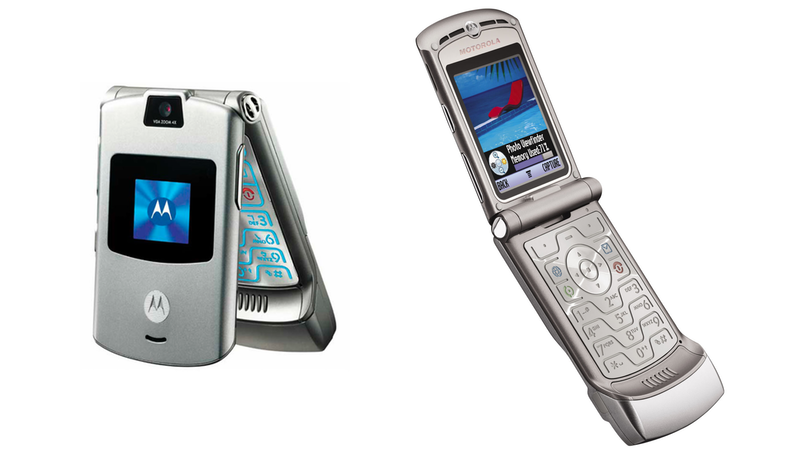
In May 2016, Lenovo had released a teaser that suggested that it will be bringing back the older Motorola RAZR flip phone. It did not happen so as the company had unveiled the Motorola Moto Z with modular capabilities. During a press meet at the Mobile World Congress (MWC) 2018, Lenovo CEO Yang Yuanqing hinted that the company may relaunch the RAZR phone with foldable design.
HMD Global has so far launched revamped edition of older phones like Nokia 3310 and Nokia 8110. It appears that Lenovo too will resurrect some of the phones that were released in the past. When Yuanqing was asked whether the company would be reviving the Motorola RAZR, he responded by saying, “With the new technology, particularly foldable screens, I think you will see more and more innovation on our smartphone design. So hopefully what you just described (referring to the Moto RAZR brand) will be developed or realized very soon.”
When he was specifically asked whether he was talking about the Motorola RAZR, he said, “I think I have already answered the question.” This is clear indication that the new Motorola RAZR will be announced in the near future.
Motorola RAZR is one of the popular phones from the company as it had sold 130 million units since its launch in 2004. Shown above is the teaser that the firm had released in May 2016 that hinted a future return of the RAZR phone. There is a possibility that the company may bring back only the RAZR branding to launch its foldable smartphones.
Motorola is expected to soon debut the Moto G6 and G6 Plus smartphones. It is also rumored to release Moto Z3, Z3 Play and Z3 Plus in summer year. The company will be also releasing Moto X5 this year.
Do you think that the new RAZR phone will be an updated edition of the older phone or a new branding for Lenovo-owned Motorola’s foldable phones? Shar us your views by posting your comments below.
Looks like Xiaomi fans are in for a treat. The Beijing-based online retail company, LightInTheBox is currently offering considerable discounts on the original asking price of two well-received Xiaomi-branded smartphones. Let’s check out the details.
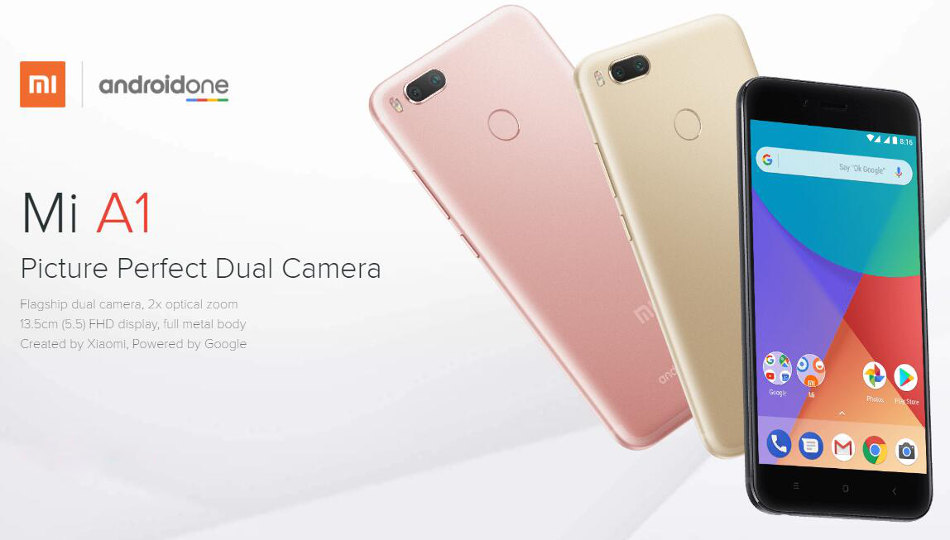
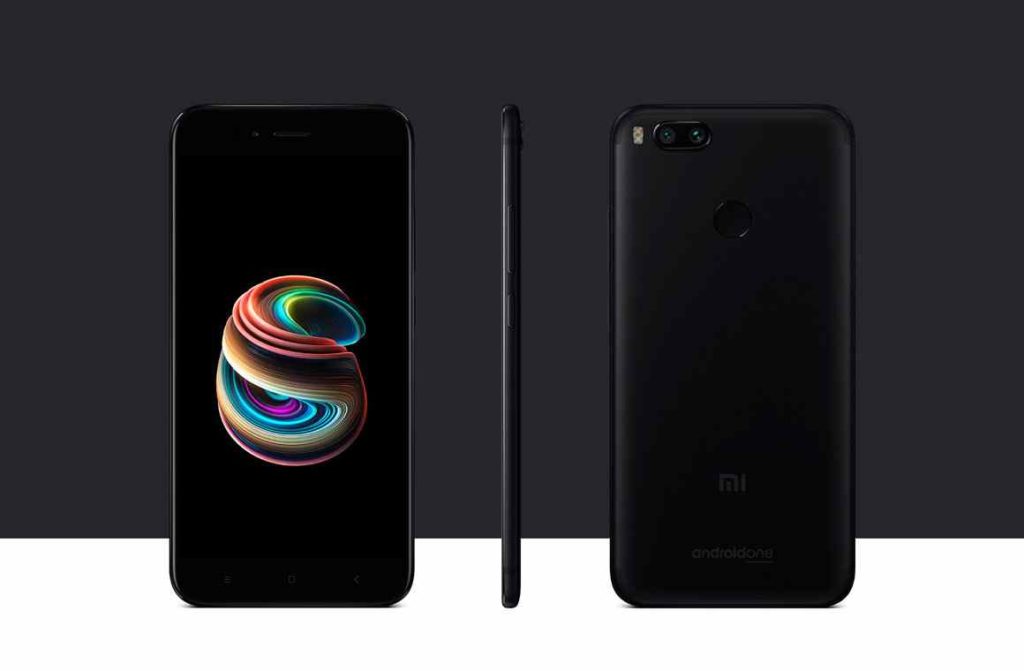
Xiaomi MI A1
The MI A1 is up for grabs for only $197.99 on LightInTheBox. This is a significant 34% reduction in the phone’s actual selling price of $299.99.
The MI A1 garnered huge popularity among smartphone lovers after hitting the store shelves in September, last year. The phone sports a 5.5 inches LTPS IPS LCD capacitive touchscreen with a resolution of 1080 x 1920 pixels.
Under the hood, it packs 4GB of RAM, 64GB of onboard storage and a powerful Qualcomm MSM8953 Snapdragon 625 processor. It runs on Android 7.1.2 Nougat operating system with MIUI 9 on top.
On the back, it sports 12 megapixels + 12 megapixels dual camera setup and a 5 megapixels camera with LED flash and 1080P in the front. It is backed by a built-in 3,080mAh Lithium-ion battery.
You can click here to buy the gold or black color version of the Xiaomi MI A1 4G smartphone. It’s worth noting that the promo is slated to end soon.
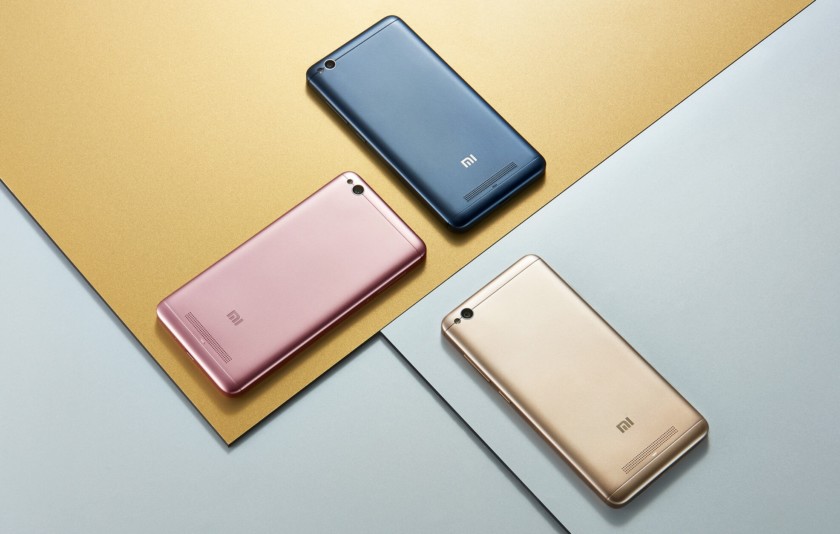
Xiaomi Redmi 4A
The equally-coveted Xiaomi Redmi 4A smartphone was launched in November 2016. As expected, it swept smartphone lovers off their feet straight away.
Much to the delight of budget-conscious buyers who have restlessly been waiting to get their hands on the Redmi 4A without emptying their pockets, LightInTheBox is giving a massive 58% off on the phone’s original asking price of $212.33.
You can now buy the Redmi 4A 4G smartphone by shelling out only $89.09. However, the promo will be ending soon.
The Redmi 4A sports a 5.0 inches IPS LCD capacitive touchscreen display with a resolution of 720 x 1280 pixels at a pixel density of 296 PPI (pixel per inch). The phone is housed in a plastic body.
It is powered by a robust Qualcomm MSM8917 Snapdragon 425 processor and it runs on Android 6.0.1 Marshmallow operating system with MIUI 8 on top. Under the hood, it offers 2GB of RAM and 16GB ROM.
On the photography front, the Redmi 4A features a 13 megapixels camera on the back and a 5-megapixel front snapper for the selfie addicts. The hybrid dual-SIM smartphone comes with Adreno 308 GPU (graphics processing unit). You can click here to buy the Xiaomi Redmi 4A 4G smartphone without shelling out a fortune.
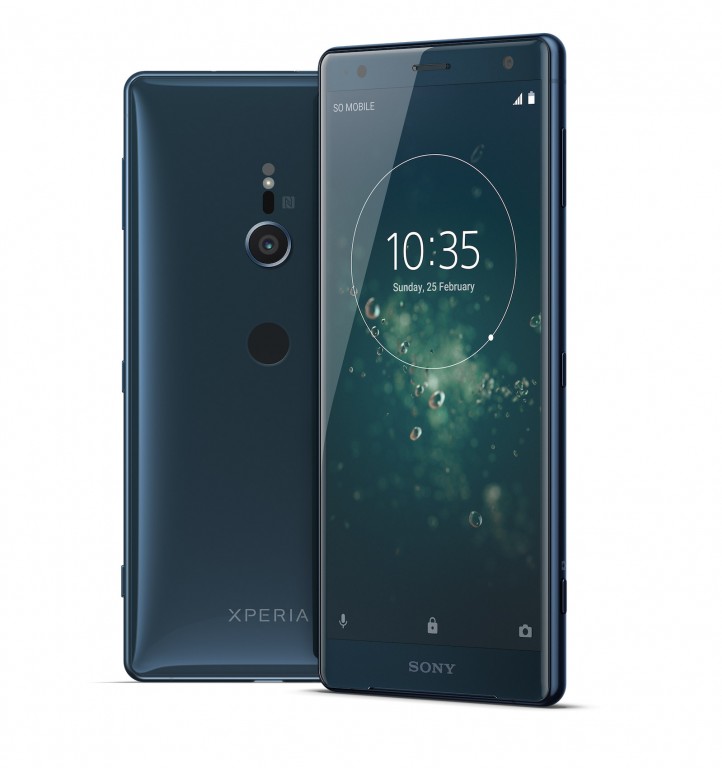
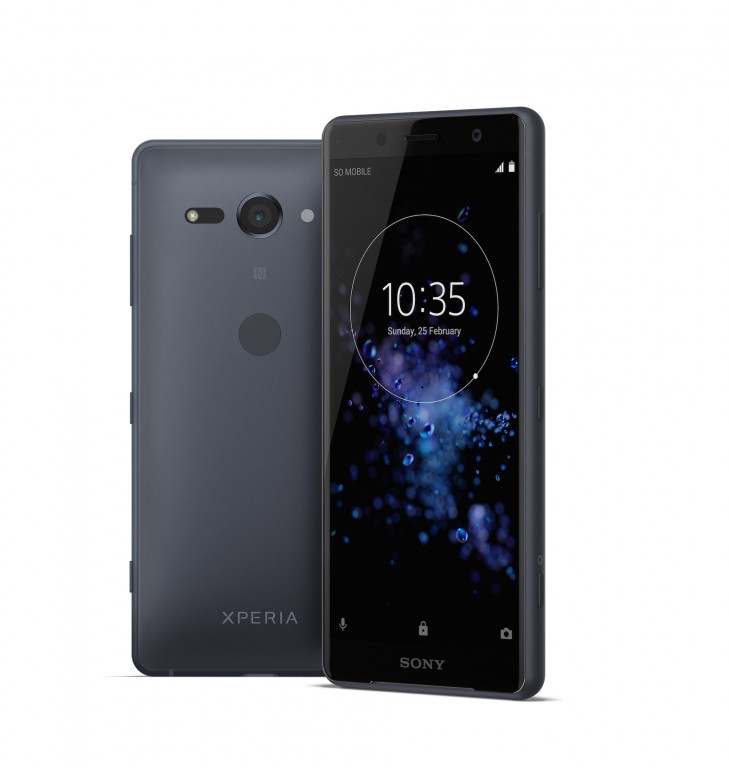
The Sony Xperia XZ2 and Xperia XZ2 Compact were unveiled with new full screen design at the Mobile World Congress (MWC) 2018 earlier this week. Sony did not confirm on the official pricing of these phone at the launch event. However, it has no revealed the pricing of XZ2 and XZ2 Compact for Germany.
In Germany, the Xperia XZ2 will be selling with a pricing of 800 euros (~$978). It will be costing 100 euros (~$122) more than the Xperia XZ1 smartphone that was unveiled in August last year. This indicates that the Xperia XZ2 may arrive in the U.S. with a price tag of $800 for the unlocked model.
The Xperia XZ2 includes 5.7-inch Full HD+ display and it is powered by Snapdragon 845 chipset and 4 GB of RAM. It has an internal storage of 64 GB. It features a 19-megapixel rear camera and 5-megapixel selfie snapper. It runs on Android 8.0 Oreo and is packed with a 3,180mAh battery.
On the other side, the Xperia XZ2 Compact will be available for 600 euros (~$733) in Germany. The predecessor phone was launched with the same pricing. This indicates that the unlocked Xperia XZ2 Compact may arrive in the U.S. with the same pricing as predecessor model. Hence, it is speculated to hit the U.S. market with a price tag of $600.
The Xperia XZ2 Compact features the same chipset, RAM, storage and cameras that are present on the Xperia XZ2 handset. It features a 5-inch display that offers FHD+ resolution and it is powered by 2,870mAh battery.
The Xperia XZ2 and Xperia XZ2 Compact are slated to release in the market by the second quarter of this year. It is likely that the XZ2 duo may become available by June.
We use cookies on our website to give you the most relevant experience by remembering your preferences and repeat visits. By clicking “Accept”, you consent to the use of ALL the cookies.
This website uses cookies to improve your experience while you navigate through the website. Out of these, the cookies that are categorized as necessary are stored on your browser as they are essential for the working of basic functionalities of the website. We also use third-party cookies that help us analyze and understand how you use this website. These cookies will be stored in your browser only with your consent. You also have the option to opt-out of these cookies. But opting out of some of these cookies may affect your browsing experience.
Necessary cookies are absolutely essential for the website to function properly. This category only includes cookies that ensures basic functionalities and security features of the website. These cookies do not store any personal information.
Any cookies that may not be particularly necessary for the website to function and is used specifically to collect user personal data via analytics, ads, other embedded contents are termed as non-necessary cookies. It is mandatory to procure user consent prior to running these cookies on your website.





 Looks like Xiaomi fans are in for a treat. The Beijing-based online retail company, LightInTheBox is currently offering considerable discounts on the original asking price of two well-received Xiaomi-branded smartphones. Let’s check out the details.