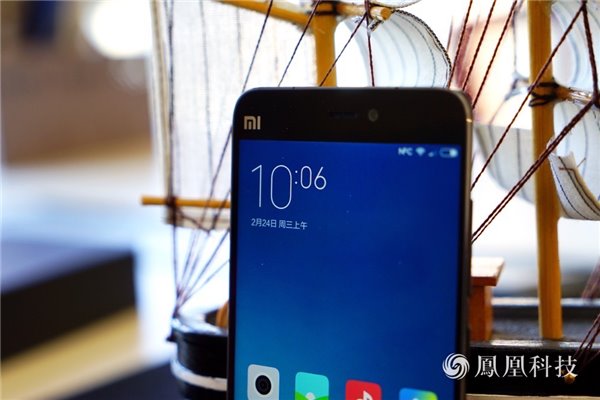
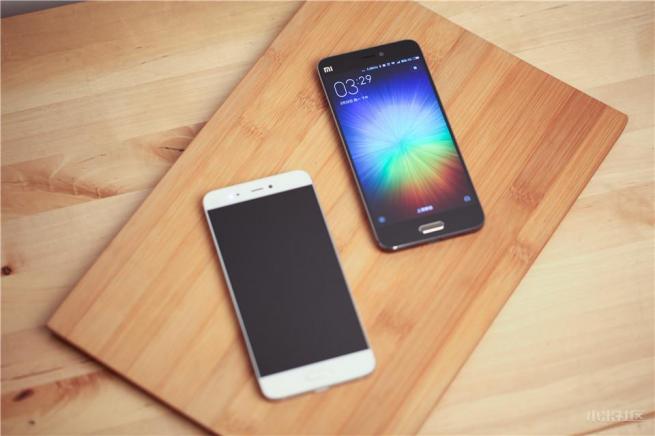
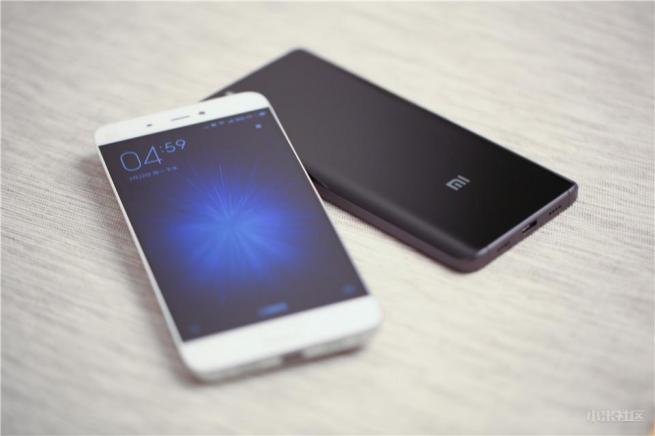
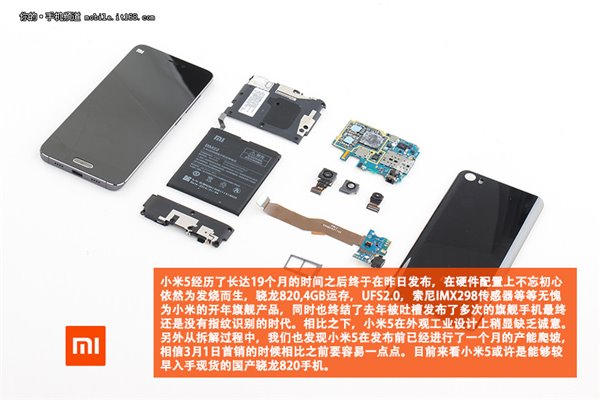
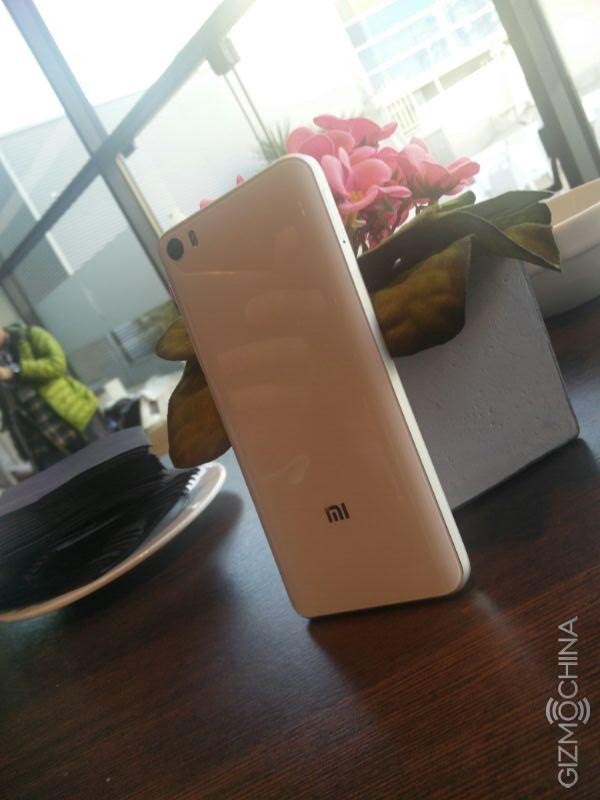
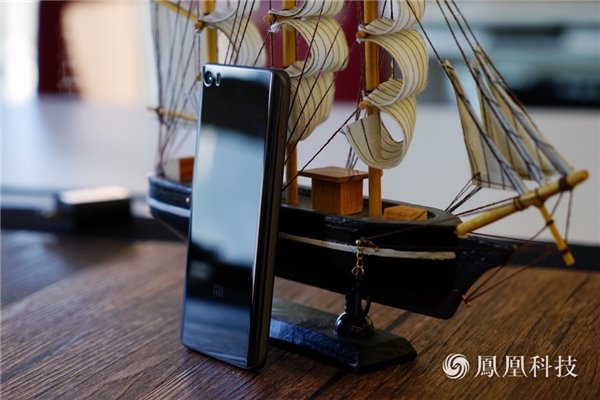
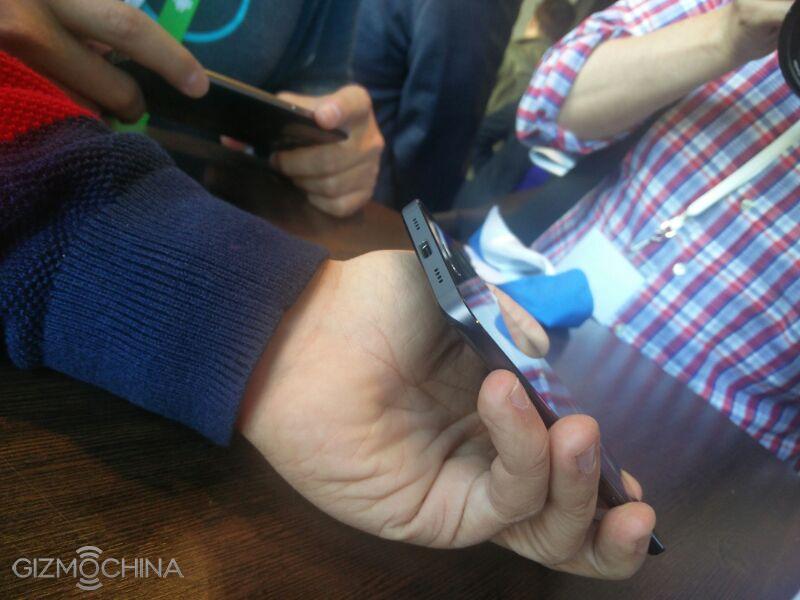
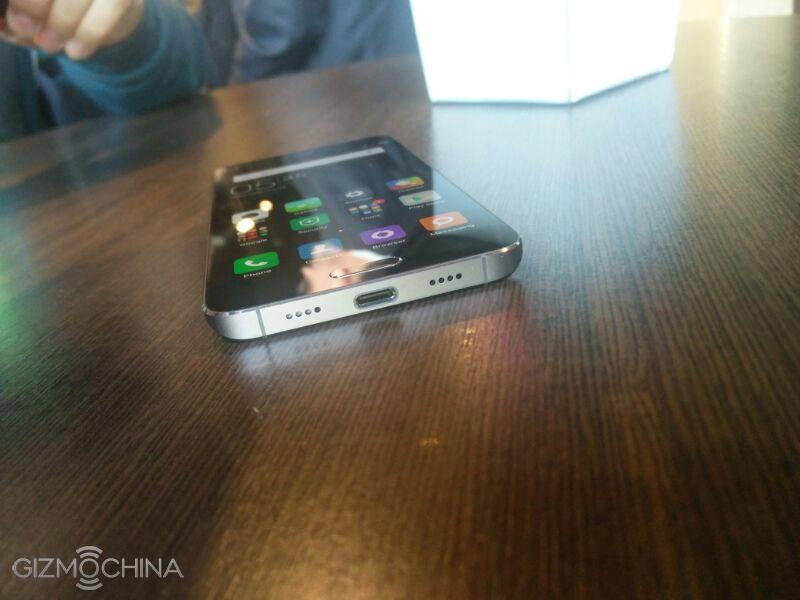
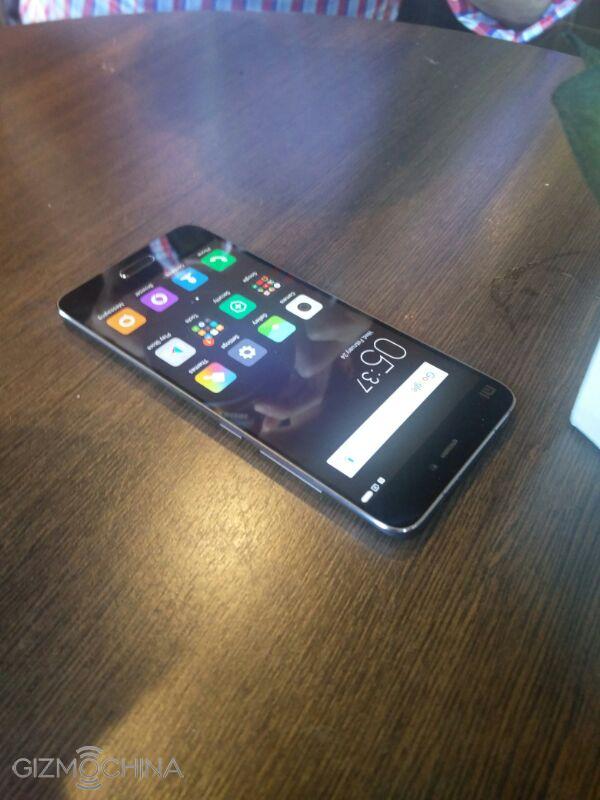
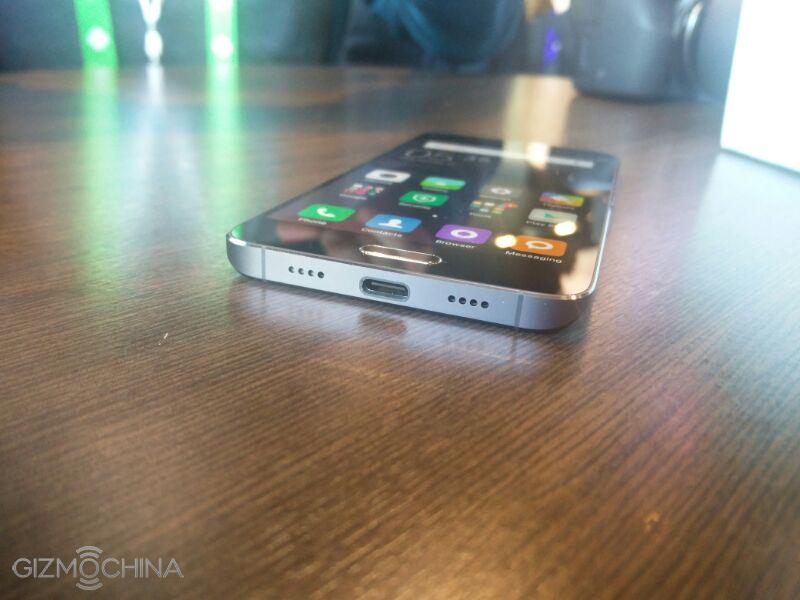
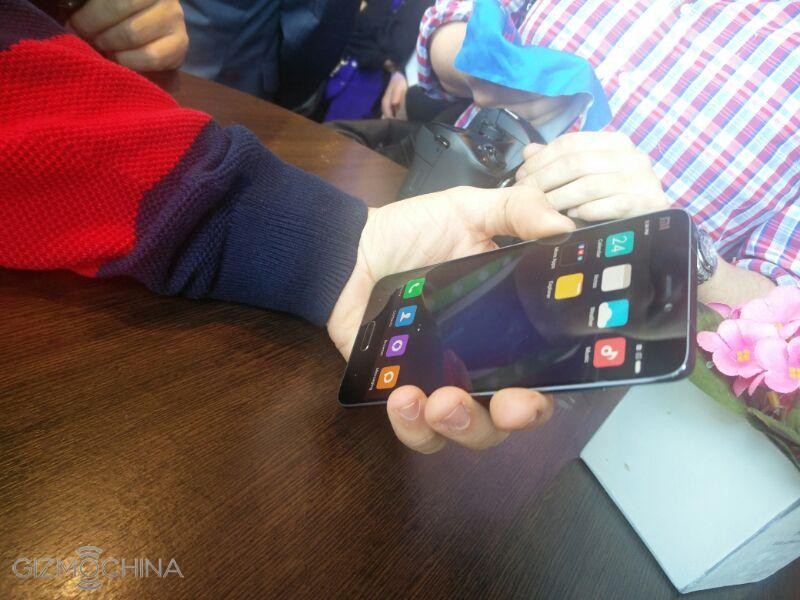
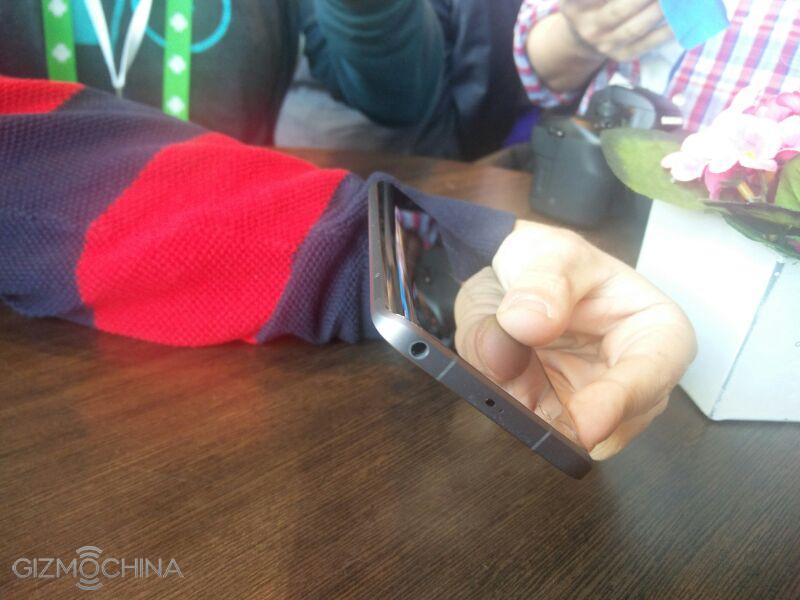
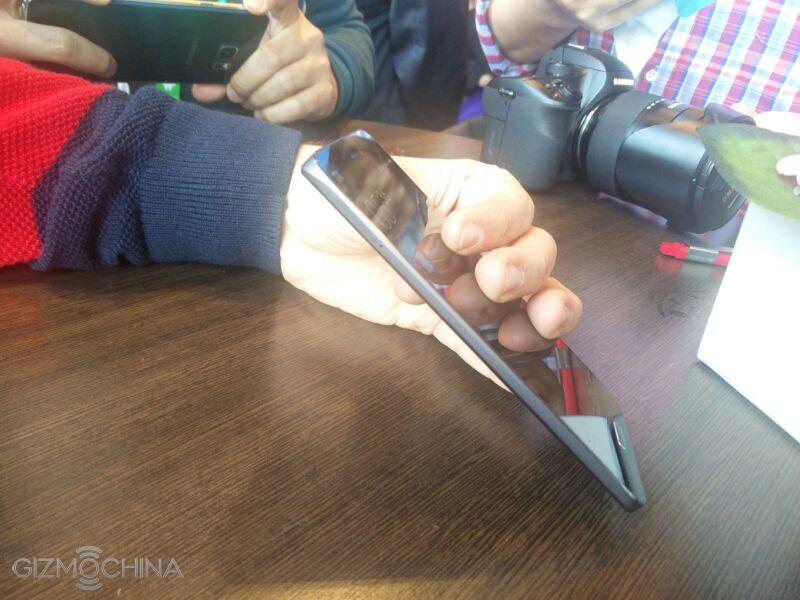
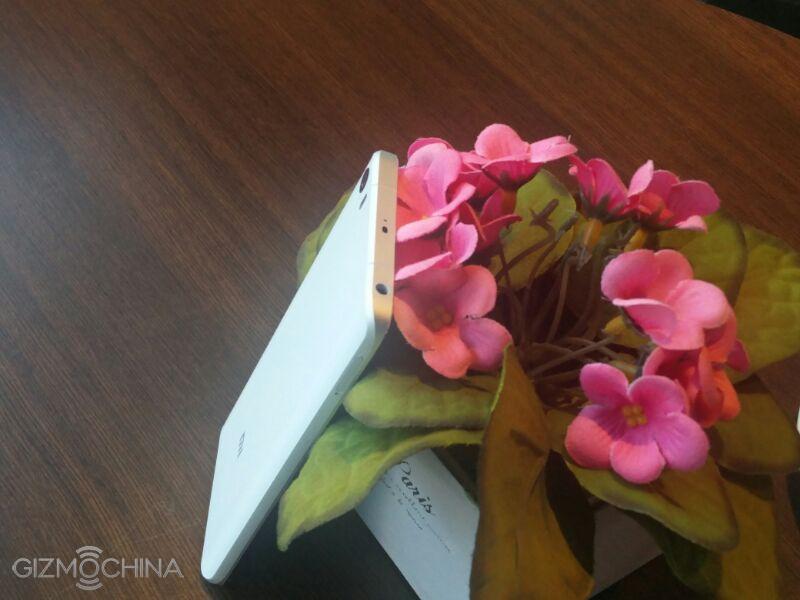
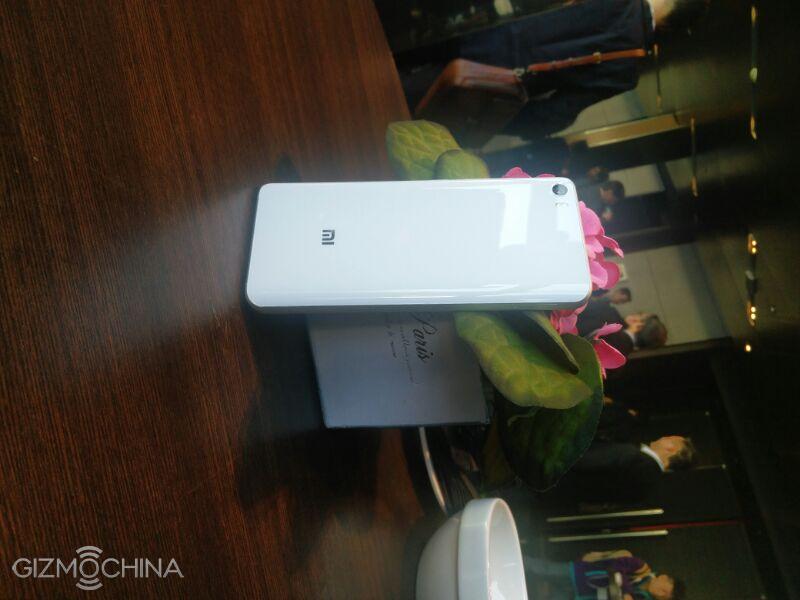
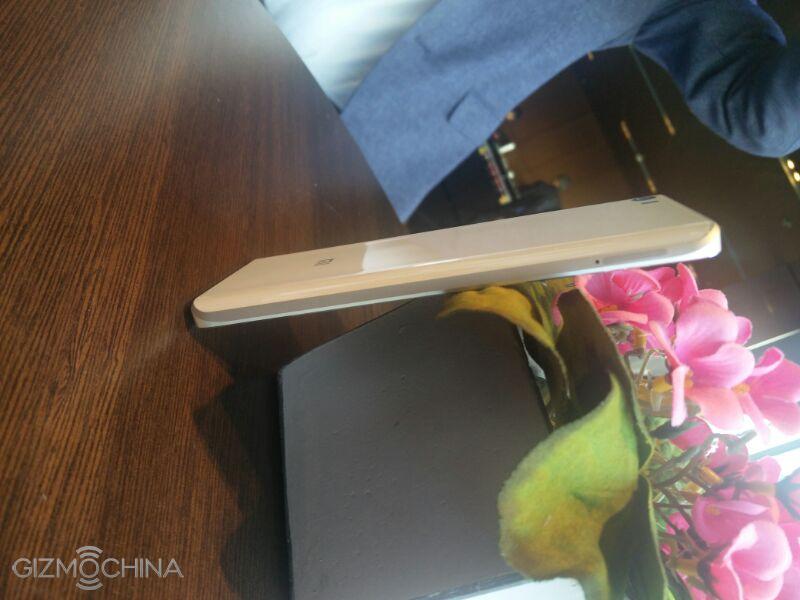
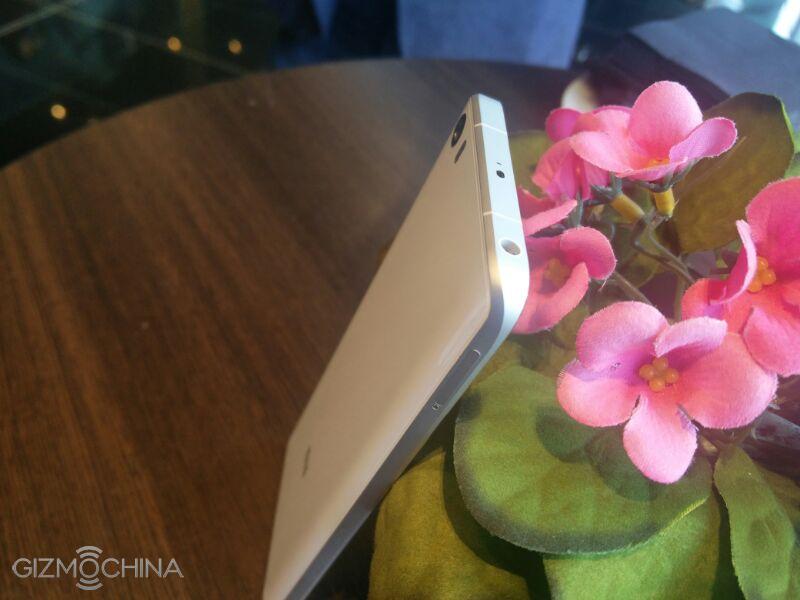
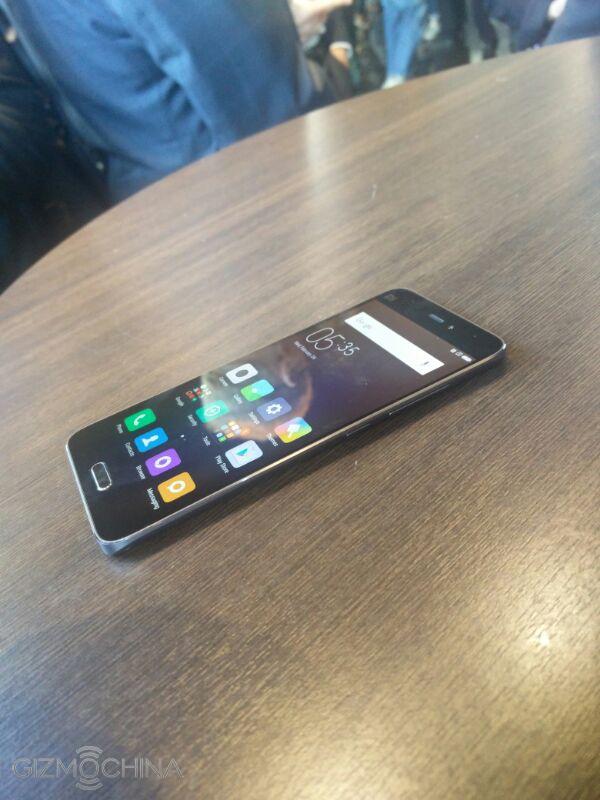
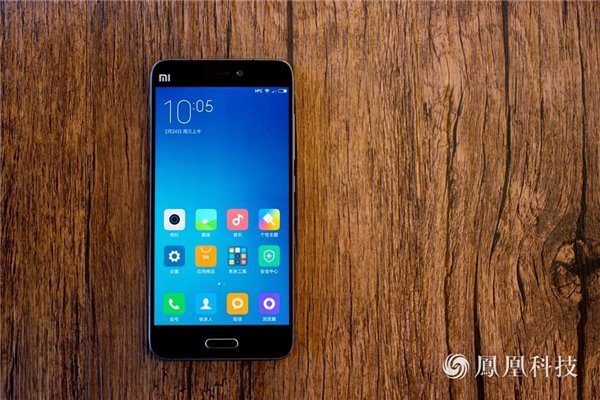
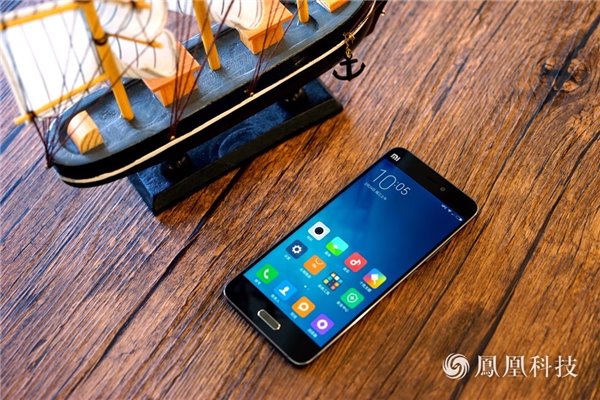
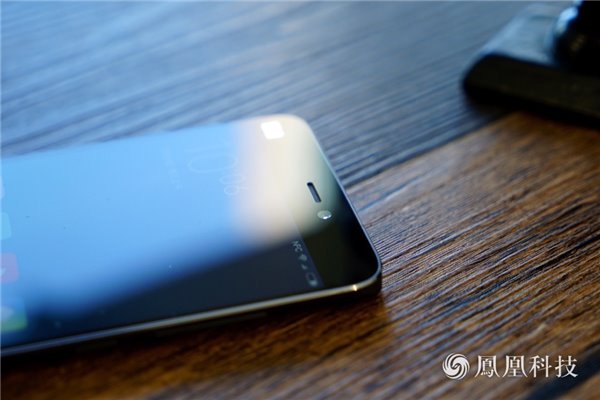
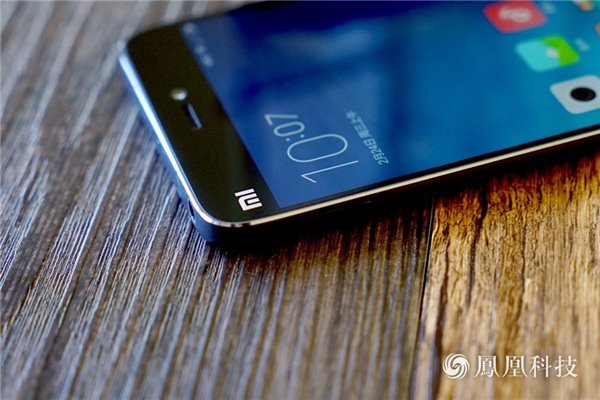
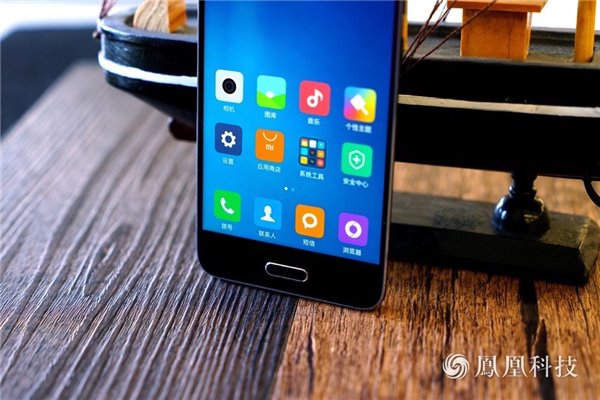
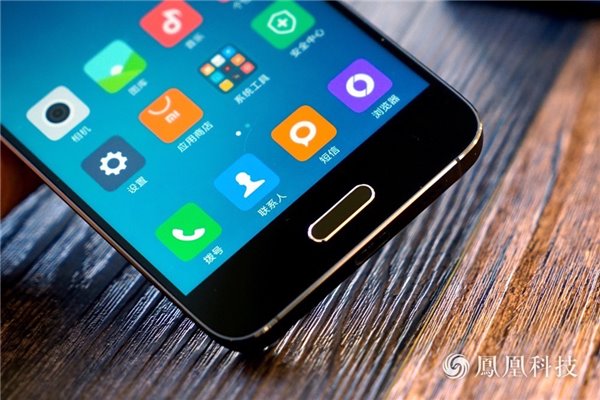
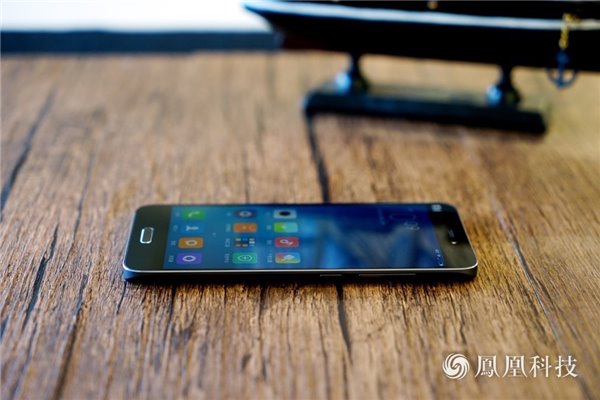
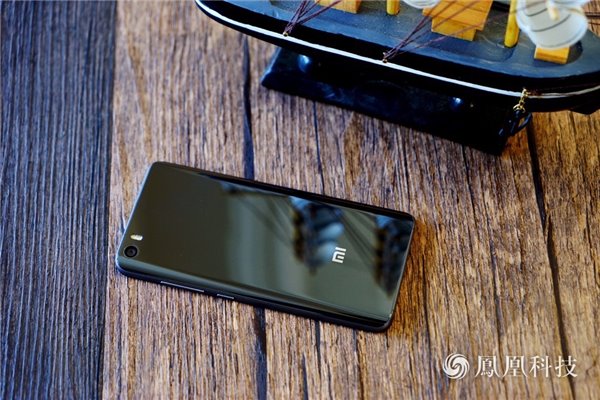
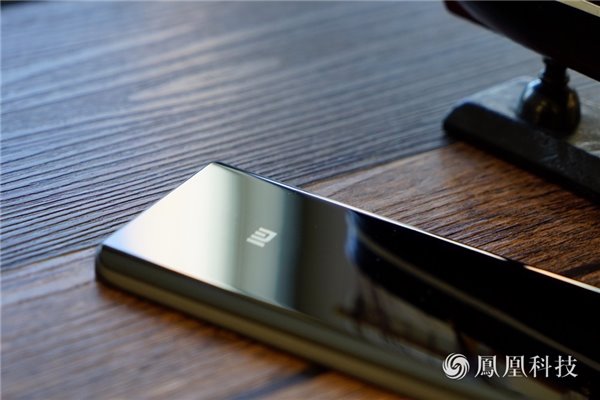
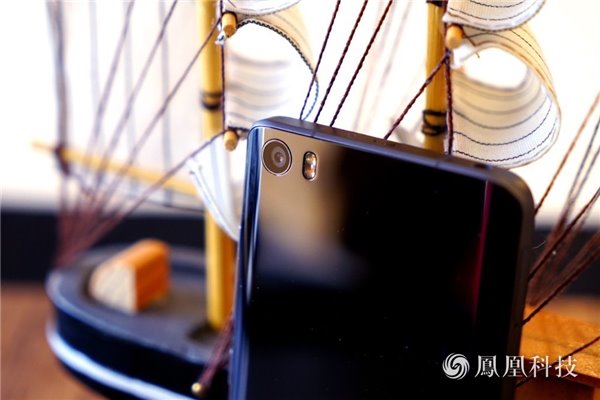
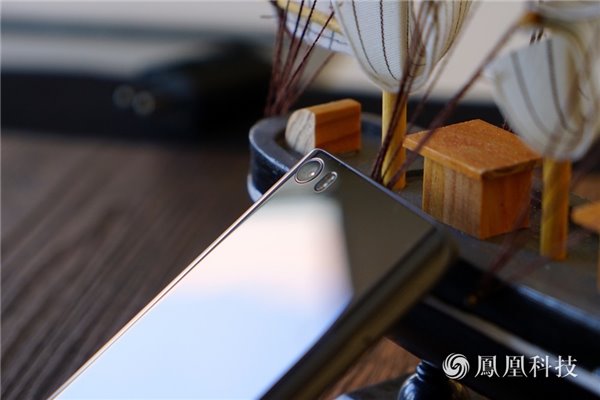
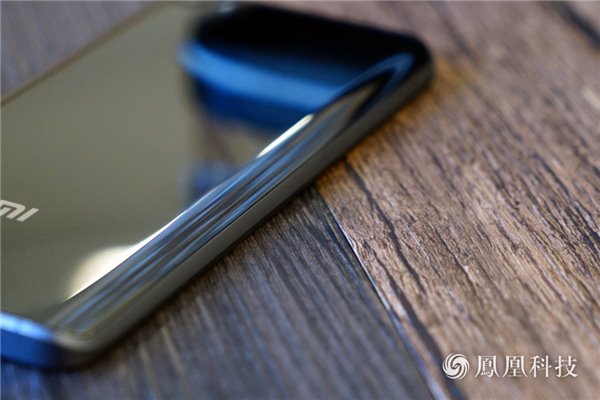
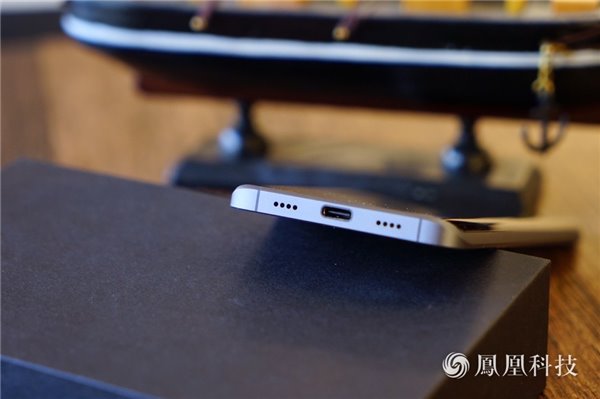
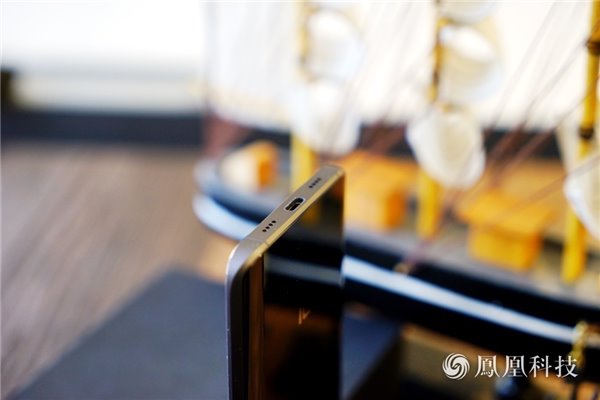
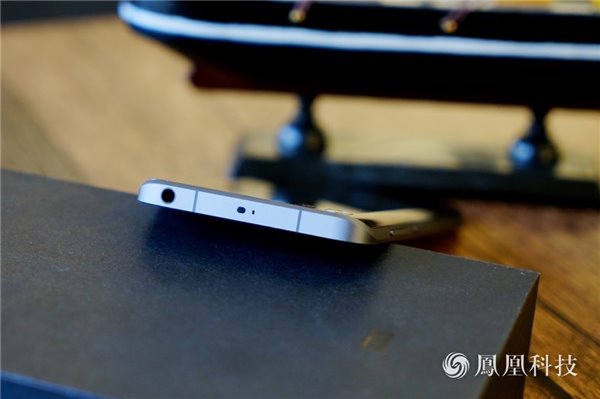
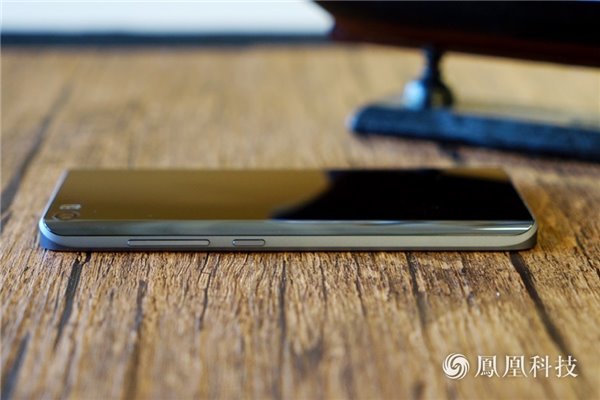
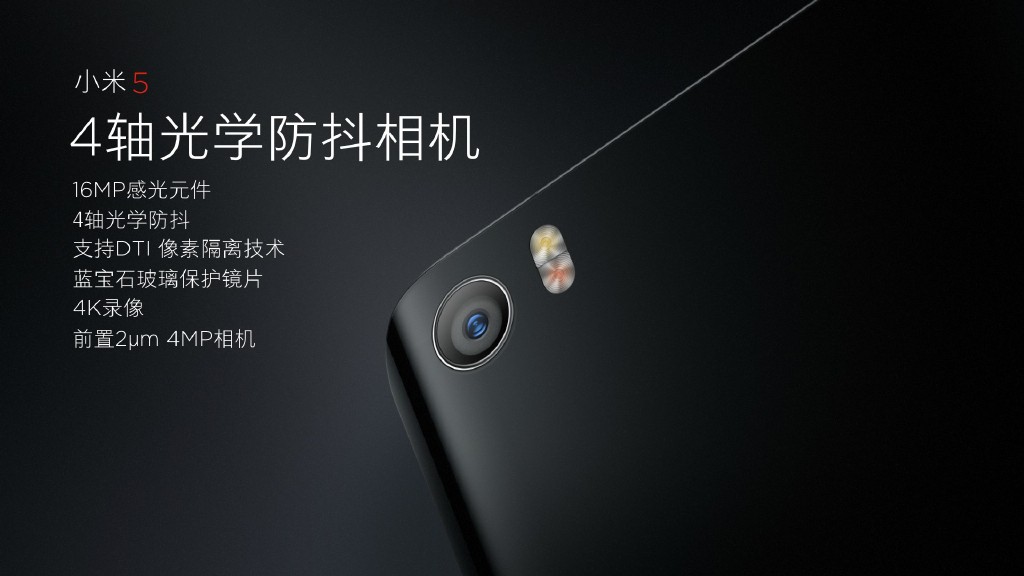
Xiaomi Mi 5 pretty much broke every record out there when it received more than 16.8 million registrations for the first flash sale that happened today at 10AM Beijing time. And as expected, the phone was sold out pretty quickly. So, despite the company’s efforts to stock up the device in plenty, it looks like users will still have a hard time getting hold of the Mi 5.
The company didn’t officially announce how soon the flash sale got over, nor did it reveal the number of Xiaomi Mi 5 units that were offered for sale today. But hopefully, we can expect these details soon. As for today’s sale, the Xiaomi Mi 5 3GB RAM + 32GB / 64GB storage editions were made available for purchase in China. The Mi 5 Pro with 128GB storage, ceramic body and 4GB RAM was still not available today. In fact, the company is yet to reveal a sale day for this special edition model.
The next flash sale is exactly a week after, on March 8 at 10 AM Beijing time. It is said that this could be an open sale, but we are not yet sure about it. Anyways, even if its open sale, don’t expect the stocks to last long as there are millions of users who are still looking to grab the device.
As for the international customers, you may have to wait for some more time for the Mi 5 to reach your market.
So, which model(s) are you planning to buy? The 3GB + 32GB / 64GB version with a glass body? Or are you waiting for the 3D ceramic body variant?
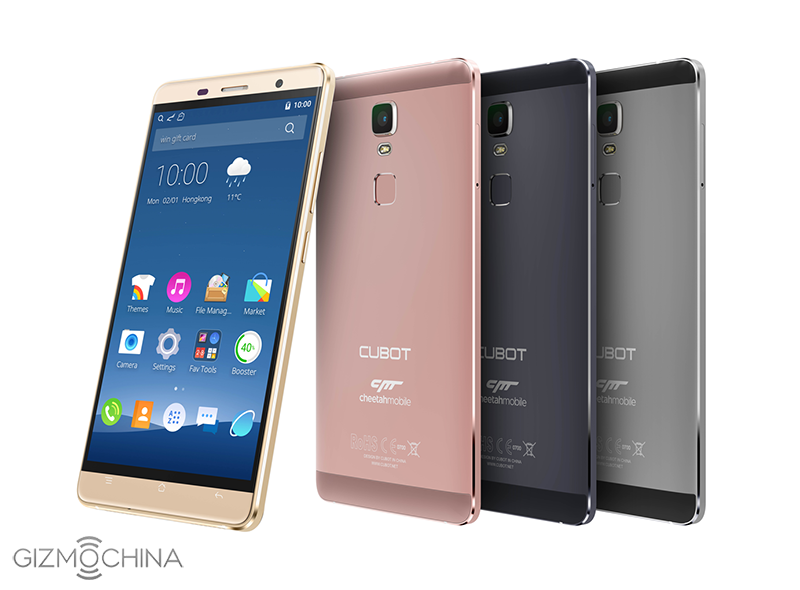
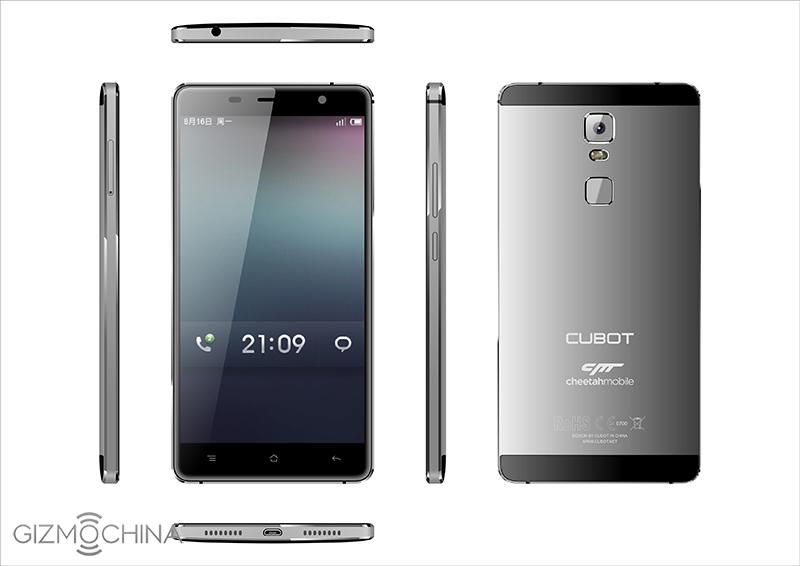
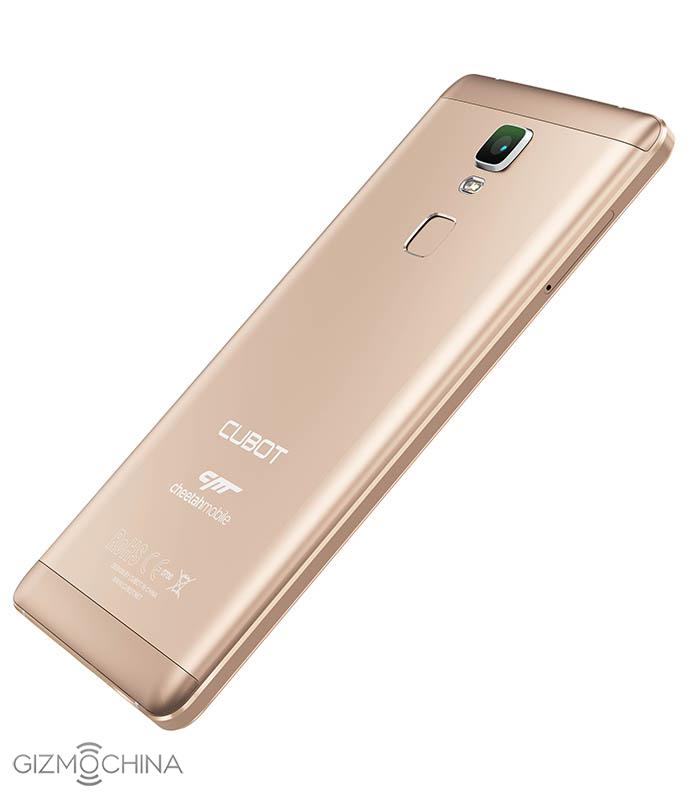
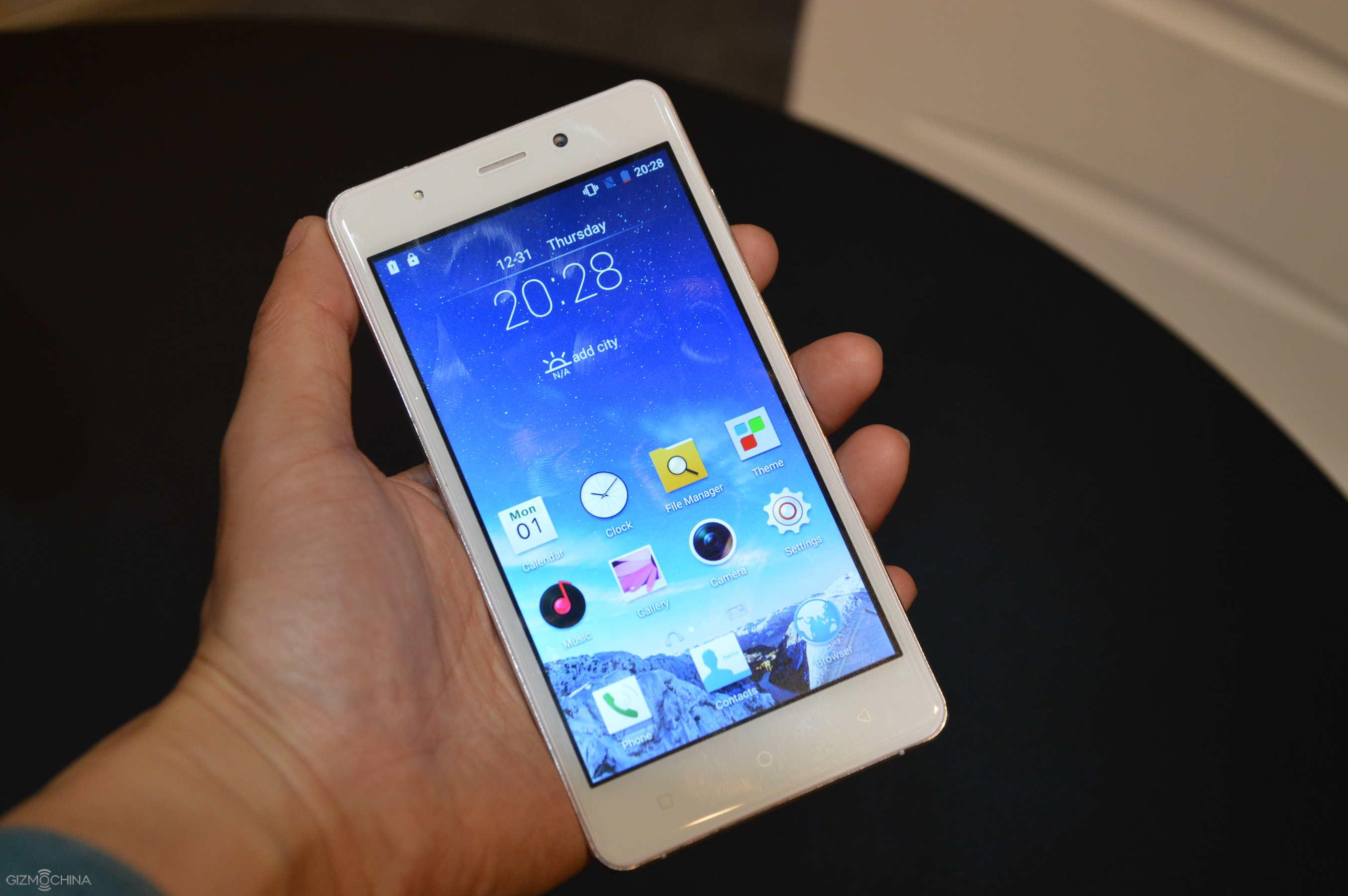
In a one of a kind partnership, Cubot and Cheetah mobile jointly released the Cubot CheetahPhone at MWC 2016 in Barcelona, Spain. This is the first time these two Chinese companies have come together to release a smartphone with Cheetah’s branding.
To remind you, Cheetah Mobile is the same company who’s the maker of popular utility apps like Clean Master and CM Security. So, this tie-up would mean that you would get lots of utility apps from Cheetah integrated into the device. Thanks to the apps like Clean Master, the company states that CheetahPhone lasts up to 38% longer on a single charge than traditional phones running stock Android 5.1.1.
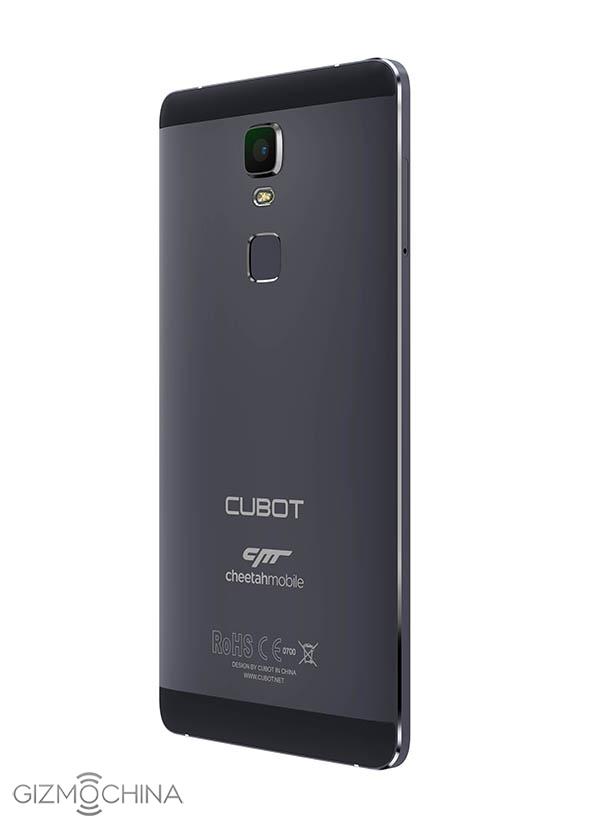
As for the specs, the CheetahPhone comes with the MT6753 octa-core chip under the hood clocked at 1.5GHz with 3GB of RAM and 32GB of internal storage. Further, you get 10GB of free and permanent cloud storage on the device. The phone sports a 5.5-inch display with 1080p resolution. At the back, it comes with a 13MP Samsung camera while up front, you have an 8MP selfie camera. Besides the rear camera, you get a fingerprint sensor as well.
The CheetahPhone runs on Android 6.0 Marshamallow OS out of the box with some customizations and in built apps. You get software features like Cubot Gallery transfer and also 50 exclusive Cheetah Phone HD wallpapers and themes.
The phone is made out of metal and looks good. It features a body which measures just 7.95mm in thickness. You can choose between three colors namely gold, rose gold and space grey.
The phone will be available in the European Union for 199 Euros ~ $220 and pre-orders start from March 20. Shipping starts in April. Later, the phone is also expected to hit the African markets.
OPPO’s first flagship smartphone for 2016 will meet us on March 17, but it’s not what we expected. As reported yesterday, the company has confirmed that it will launch the OPPO R9 flagship later this month. So, there’s still no sign of the rumored OPPO Find 9 flagship yet.
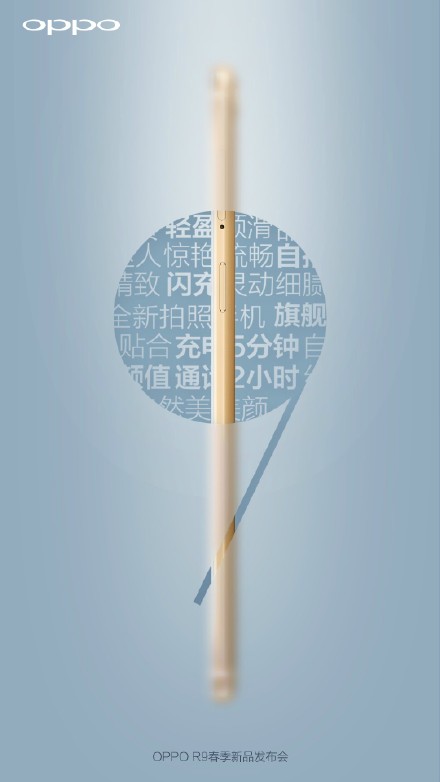
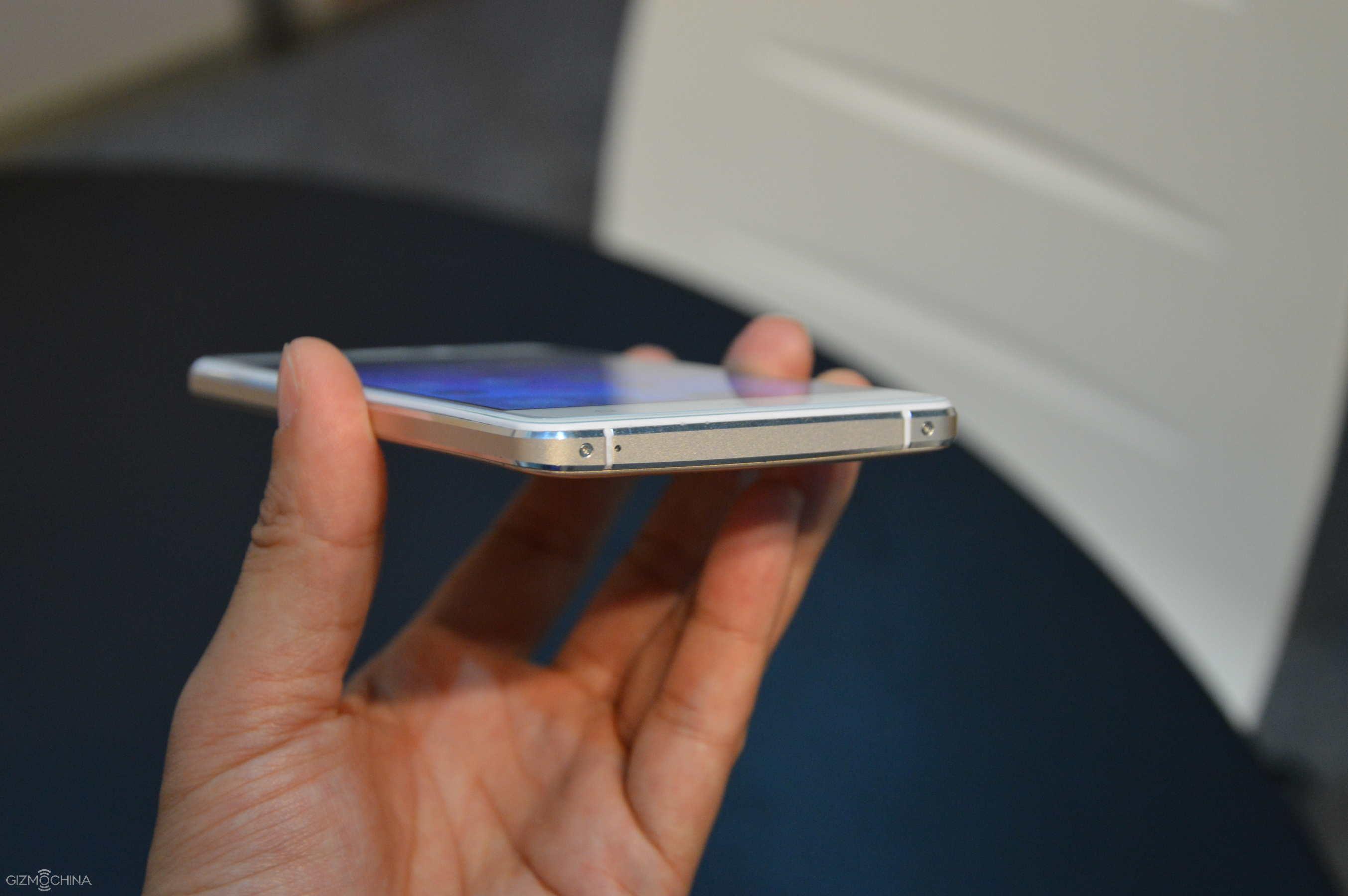
As for the OPPO R9, the company has started teasing the device via its official weibo page. The latest teaser gives us a glimpse of the upcoming smartphone for the first time. The image confirms that the phone will come with a smooth design in gold. You will find the power button on the right side along with a MicroSD / SIM card slots just above it.
The image also kind of confirms that the phone is going to be slim. The previous generation OPPO R7 was quite thin, measuring just 6.3mm and the R5 even thinner with a 4.9mm frame. So, it’s quite likely that the upcoming OPPO R9 continues with the lineup’s tradition of offering a slim metallic body.
As for the specs, it’s still too early to say anything about the device. Traditionally, the OPPO R series have been mid-range offerings with a great design. However, this could change with the OPPO R9, given the amount of focus the lineup has started getting. Rumors state that the phone could end up as a powerful device, featuring the best SoC right now namely the Snapdragon 820. However, the company is yet to confirm the internal specs of the device.
What we can be almost sure of is the presence of the company fast charging VOOC technology on the device. Given that the R9 is rumored to feature powerful specs, is it that OPPO replaced the Find series with the R series?
We haven’t heard anything concrete about the mighty OPPO Find 9 in the past few weeks and the company sure isn’t giving out any indications that the lineup is still alive.
Let’s hope that the company clears out these doubts in the next few weeks.
Vivo is all set to announce its XPlay 5 flagship today evening at Beijing’s Water Cube Convention center. Thanks to the numerous leaks and rumors that have been going around on the internet, we have a fair idea as to what to expect from this device. It’s going to be the world’s first 6GB RAM smartphone and we can expect some great specs to go along with it.
Now, according to the analyst Pan Jiutang, Vivo may also announce other products at the event, alongside the XPlay flagship. He says that the company will most likely announce a low-end version, called the XPlay 5 Mini at the launch event today. We still don’t have any details on the Mini version, but things should be clear by evening.
As for the XPlay 5 flagship, you can expect two different versions of the device. The top end model will reportedly come with Snapdragon 820 chipset with 6GB of RAM while the slightly lower end version will feature Snapdragon 652 chip and 4GB of RAM. Other features as leaked by a couple of posters yesterday include 16MP rear camera, 8MP front-facing shooter and 128GB internal storage. The screen should be a 5.43-inch Super AMOLED display with 2K resolution. Other features include a rear placed fingerprint sensor, split screen multi-tasking, CS4398 + AS45257 Hi-Fi chip and dual SIM dual standby support.
Pricing is still a mystery, but the analyst hints that the top-end version with 6GB of RAM may set a new record for domestic pricing of a smartphone. Well, if that’s the case, then the XPlay 5 top-end version will be out of the reach of most users. Considering the hints, the phone could retail upwards of 5000 Yuan which is almost $765.
So, what do you think? If the price is indeed this much, then is $700 a bit too much even for a Vivo device with 6GB RAM?
There’s no doubt that VR is the future. We have seen some great headsets from companies like HTC, Oculus and even Sony. But they are quite costly and are easily priced upwards of $400. So, what about those who are looking for a cheap product that can still provide a good VR experience?
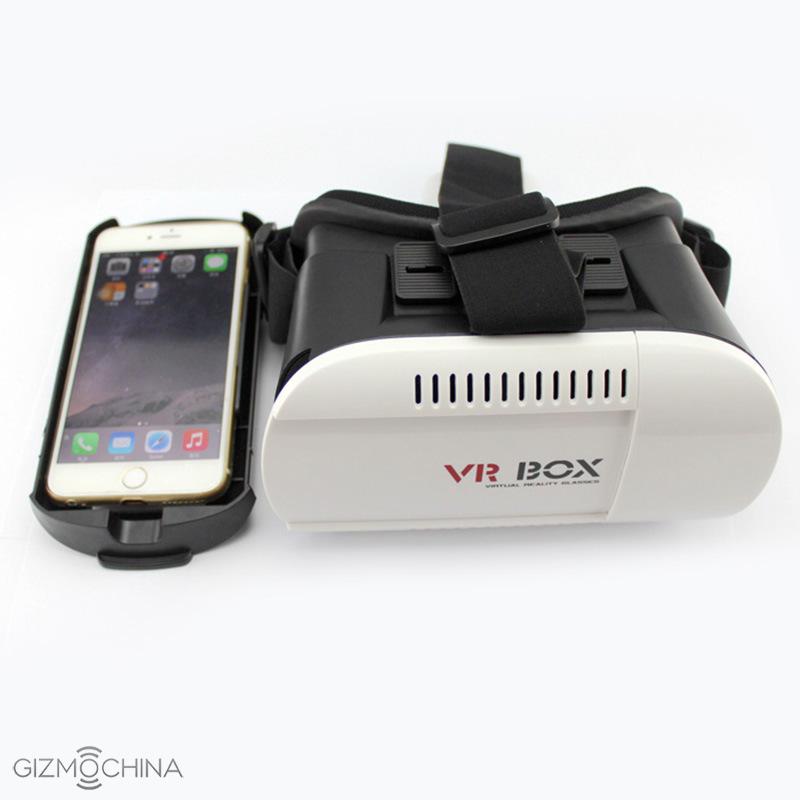
For them, you have the Google Cardboard. But the cardboard is pretty basic and its material is not really ideal for long term use. This is where devices like the VR Box comes into the picture. For a few dollars more, you can get an enhanced version of the device. The VR Box is made out of plastic ensuring that it lasts a whole lot longer than the cardboard.
From what I see, there are a lot of benefits of using the VR Box instead of the much simpler Google Cardboard. It’s water proof and wear resistant to some extent. Plus, it’s adjustable as well. You can adjust the lens sideways or even to the front / back. The VR Box can reportedly use smartphones from anywhere between 3.5-inch to 6-inches. Make note that the length and breadth of the smartphone that you wish to use inside the headset should be less than 163mm and 83mm respectively.
It’s pretty easy to insert the smartphone inside the VR Box, as the holder comes out sideways. Plus, you get lots of padding up front, so that it’s comfortable watching something in VR for some time. There’s a section up front, which can be removed if need be, exposing the camera on your smartphone for things like augmented reality. Finally, there are openings on both the sides of the device for your headphones.
The VR Box is actually quite a handy gadget for your first VR experience. You don’t have to spend a lot to get a good VR experience as even devices like these can fulfill your needs.
The Glasses just cost $30.99 and with it you also get a free smart bluetooth wireless mouse. Check out the listing on lightinthebox from the link below.
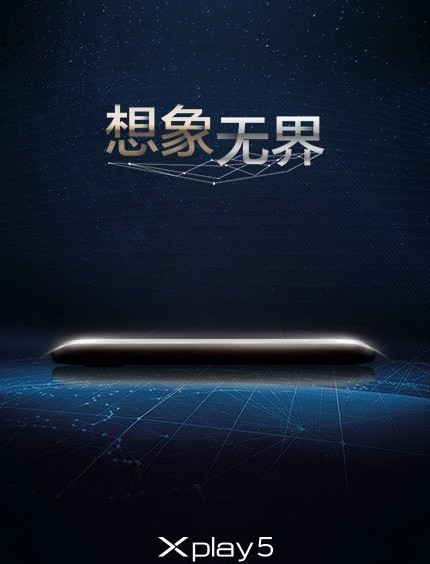
We all are excited for tomorrow, where we will meet the world’s first 6GB RAM smartphone, the Vivo XPlay 5. The company has confirmed that the phone will release tomorrow with a dual edge curved design, similar to the Galaxy S6 Edge. So, it will really be interesting to see what other specifications the phone features.
Although, officially, we have to wait for about 24 hours to get these details, thanks to a new leak which shows off various Vivo XPlay 5 posters, we have most of the information that we need.
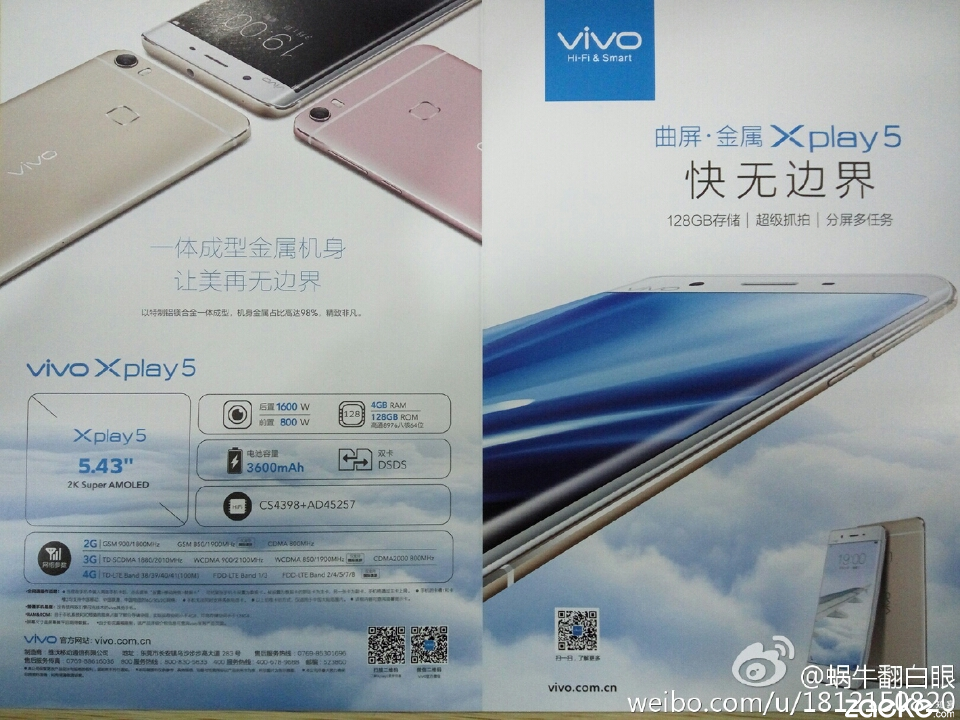
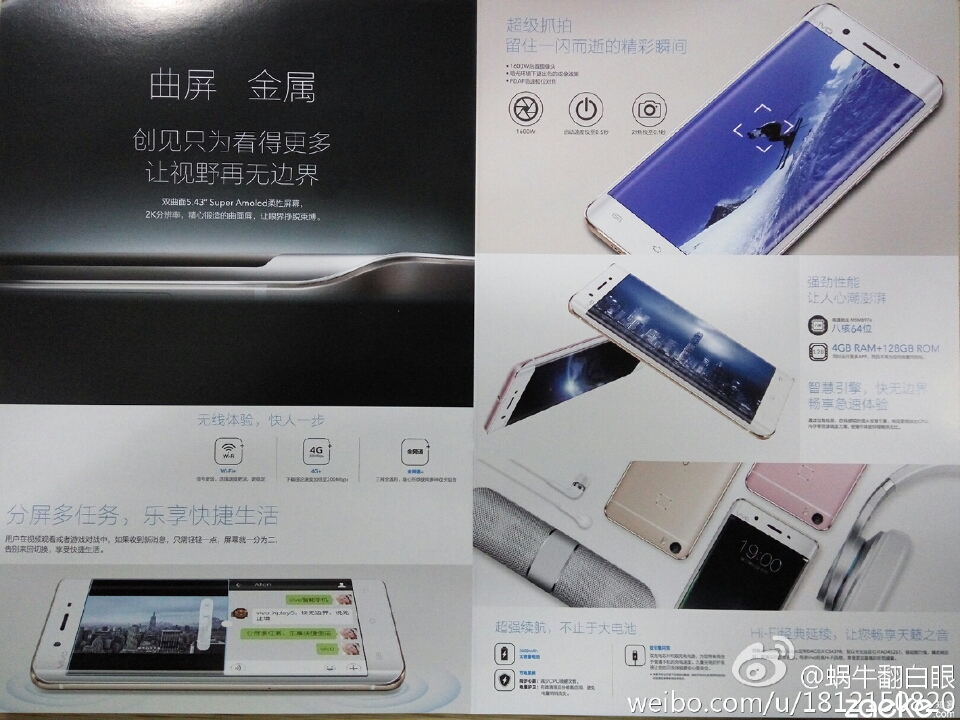
First of all, as you can see in the images, the XPlay 5 flagship looks similar to the Galaxy S6 Edge smartphone. The display is curved at the edges on both the sides. Along with this peculiar design, Vivo is said to use an integrated metal body accounting for 98% metal. There will also be a rose gold color option available for the device, in addition to the white and gold colors.
As for the specs, the posters confirm that the Vivo XPlay 5 will feature a 5.43-inch Super AMOLED display with 2K resolution. There will be two versions available, one powered by the Snapdragon 652 octa-core chip with 4GB of RAM and the higher-end model featuring the much more powerful Snapdragon 820 quad-core chipset with a whopping 6GB of RAM. There will be 128GB storage available on the device.
As for the camera, the Vivo XPlay 5 comes with a 16MP rear-facing shooter and an 8MP front facing camera. If you remember, these were the specs confirmed by GFXBench listing a couple of hours back. Further, the phone will come with a decent 3600mAh battery with fast charge support.
There will also be a fingerprint sensor located at the back of the device. Other features include a built-in Hi-Fi CS4398 + AS45257 chip for superior audio quality and dual card dual standby support. VIvo may also announce a couple of accessories for the device, like a Bluetooth speaker or headphones.
Thankfully, we don’t have to wait too long to get these specs confirmed. The phone is launching tomorrow, so make sure you tune to gizmochina for more updates of the XPlay 5 flagship.
Although the two major tech events of the year, namely the CES 2016 and MWC 2016 are over, we didn’t see an OPPO flagship smartphone in the first two months.
We expected to see a phone like the OPPO Find 9 at Barcelona this year, however, the company decided to just focus and unveil its Super VOOC fast charging tech which charges a phone in just 15 minutes at the event.
But now, OPPO is teasing the release of its newest flagship device. It looks like we still won’t be seeing the OPPO Find 9 anytime soon, as advertisements all over the subway and bus stations in China reveal that the company will be launching the OPPO R9 flagship instead, on March 17. The new OPPO R9 will reportedly come with a powerful camera and is being dubbed as the new camera phone from OPPO. We can also expect the newly unveiled Super VOOC fast charging technology to end up on the device.
Although we haven’t seen any rumors or leaks about the OPPO R9, there have been reports which say that the phone will come with much better specs than its predecessors. Traditionally, OPPO’s R series smartphones could never boast of high-end specs, with last year’s R7 powered by the mid-range Snapdragon 615 chipset and 3GB of RAM. But this year, with the R9, things could be different, with potential specs that include 4GB RAM and 32GB of internal storage with the latest VOOC tech.
The adverts in China suggest that Li YiFeng, a famous Chinese actor and singer will most likely be present at the Spring Conference event in March.
Now, we just hope that the R9 features powerful specs and retails for a relatively affordable price tag. Anything less than $400 can be considered as competitive for OPPO.
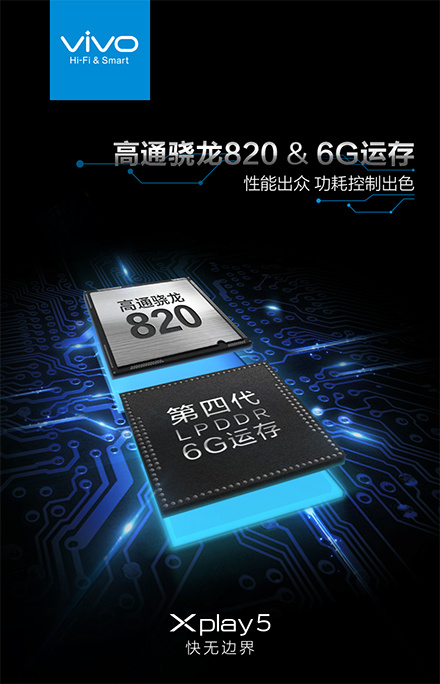
Vivo has been teasing a lot of features about the upcoming Vivo XPlay 5 flagship. The phone is going to come with a whopping 6GB of RAM on board, along with the powerful Snapdragon 820. Now, the same phone has been spotted on the benchmarking website GFXbench as well as Geekbench.
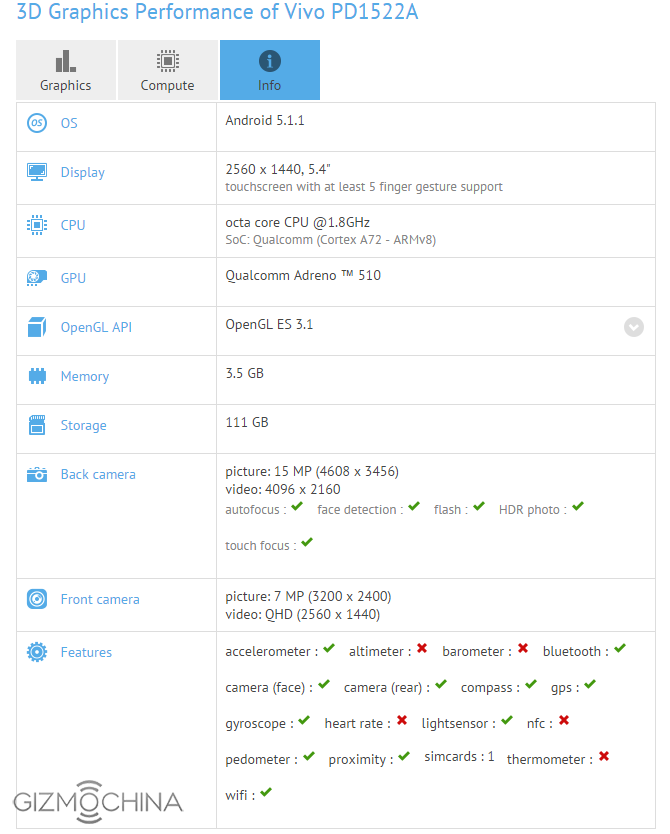
The GFXBench listing reveals that the Vivo PD1522A, most likely the XPlay flagship will feature a 5.4-inch 2K display (2560 x 1440p). However, benchmarking apps often mistake the screen size of the device, so let’s wait for an official confirmation. As for the other specs, the phone features a Snapdragon octa-core chipset clocked at 1.8GHz (most like SD 652) with 4GB of RAM on board. Yes, this seems to be the low-end version, as the company has confirmed a high-end 6GB RAM model of the device which ships with Snapdragon 820.
Vivo has been quite generous with the on board storage, providing a massive 128GB ROM. So, even if there’s no MicroSD card slot (currently we can’t confirm it), storage space won’t be an issue. Other specs as revealed by GFXBench include 16MP rear camera with 4K support and an 8MP front facing shooter with 2K video support. This seems to be a single SIM model without NFC.
So, it looks like there will be two version of the XPlay 5, one with SD652 and 4GB and the other with SD820 and 6GB of RAM. Recently, two Vivo XPlay 5 models passed 3C certification in China, namely Vivo XPlay 5 A and XPlay 5 L further adding to its possibility.
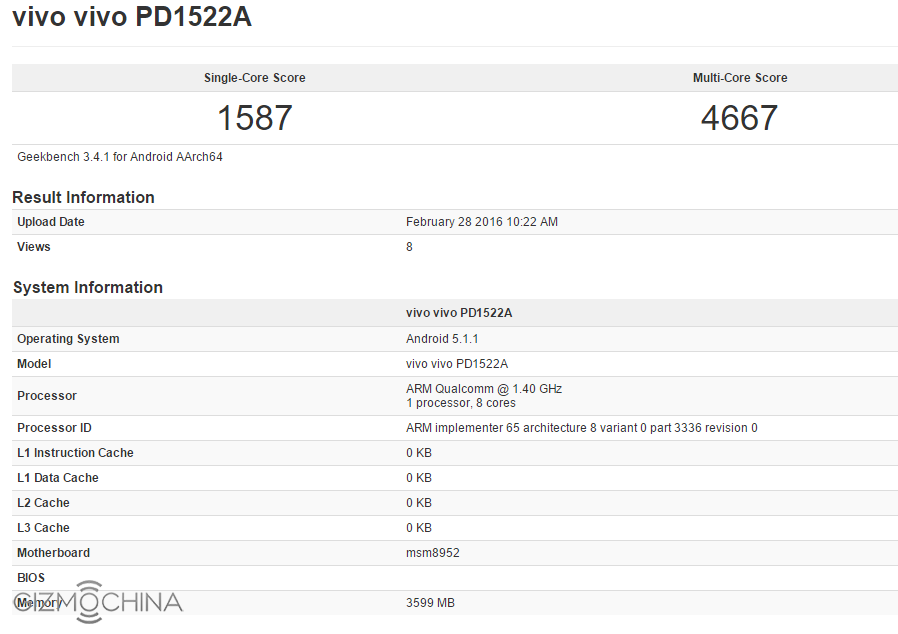
Moreover, the same model was spotted on the Geekbench website, revealing decent scores. The device was running on an underpowered variant of the Snapdragon 615 clocked at just 1.4GHz with 4GB RAM on board. So, it managed to score just 1587 and 4667 in the single and multi-core tests respectively.
We will have to wait for the performance of the high-end variant with 6GB of RAM. AnTuTu benchmark showed that the phone was going to be powerful, so it’s only a matter of time that the true power of this SD820 device is confirmed again on apps like Geekbench and GFXBench.
Come March 1, we will meet the world’s first 6GB RAM smartphone. The company has even released a video to show how fast it is as compared to the iPhone 6S powered by the powerful Apple A9 chipset. You can check out that video from here.
When the registrations closed at 6PM today in China, over 16.8 million users had registered for tomorrow’s flash sale.
Xiaomi announced the Xiaomi Mi 5 flagship on Wednesday last week. Since then, the company opened up registrations for the sale of the device on March 1. Given the aggressive pricing and the powerful specifications, we expected a lot of registrations for the first sale of the device.
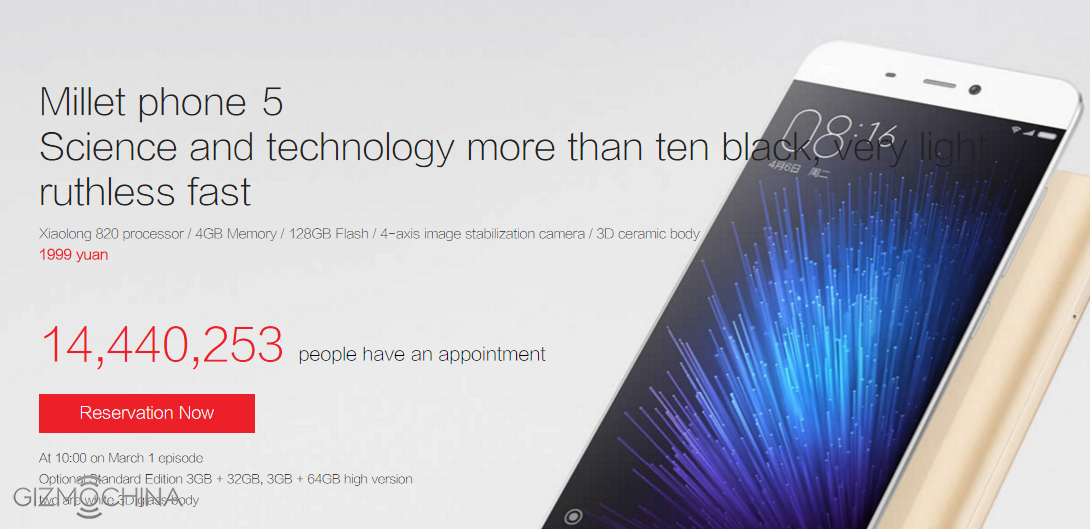
Now, the company has revealed that more than 14.4 million registrations have been received for the sale of the device till now. This is a new record for the company, achieving these many reservations in just a matter of 5 days. However, it’s not really surprising. Fans have been waiting for the Mi 5 flagship for more than 18 months. And Xiaomi, as expected delivered what its fans wanted to see. A powerful smartphone offered at an affordable price tag.
The first sale is one March 1, where the company will make two variants available for sale. At 10 AM tomorrow, the company will offer the standard 3GB RAM + 32GB ROM and 3GB RAM + 64GB ROM versions to the registered users for sale. Interestingly, according to the official company website, only the white version will be sold tomorrow. So, no word on the black edition or even the exclusive top-end ceramic version for now.
Given the tremendous response for the sale, we can expect the first batch to go out of stock within minutes. So, if you are in China, planning to get hold of the Mi 5 early, you better hurry up on the purchase.
The Xiaomi Mi 5 comes with the powerful Snapdragon 820 quad-core chipset on board with 3GB / 4GB RAM and 32GB / 64GB / 128GB ROM options. There will be a powerful 16MP camera at the back with DTI technology, 4-Axis OIS and PDAF along with dual LED flash. Up front, there is a 4MP Ultrapixel camera. The display is of 5.15-inches with 1080p resolution and the battery is of 3000mAh capacity with Quick Charge 3.0. Overall, the phone is a quite a steal at the starting price tag of $305 (1999 Yuan).
Although Meizu constantly tries to compete with Xiaomi in terms of smartphone models, the company’s phone lineup is quite limited as compared to the latter. Last year, we saw a few handsets from the company like the Meizu M2 Note, Pro 5 and the MX5 but as compared to other top Chinese companies, it was far less. This year too, we haven’t seen a new launch from this Chinese phone maker, with the only announcement at MWC being the Pro 5 Ubuntu Edition in partnership with Canonical.
But there was a good reason for the company to not launch anything this early in the year. According to various leaks and information, Meizu was supposed to release its Helio X20 powered Pro 5 Mini handset sometime in the March – April period. However, due to the Taiwan earthquake that happened in early February and the supply chain loss incurred (particularly by the phone’s display manufacturer), Meizu officially announced that it had to drop plans for the release of the Pro 5 Mini. This meant that the next powerful smartphone from the company was going to be none other than the rumored Meizu MX6.
Now, industry insider, Mocha RQ (translated) has revealed new information about the Meizu MX6. He says that the MX6 flagship should be launched earlier than usual this year, sometime around May. Further, he adds that the phone will most likely come with a pressure sensitive display. The company is reportedly taking some time for the phone’s development because it decided to use a pressure sensitive display inside the new device.
Launching the phone a couple of months early (traditional launch period should be June-July) period actually makes sense now that the Pro 5 Mini is out of the picture. As for the pressure sensitive display, it’s not a new feature and many Chinese manufacturers like ZTE, Huawei and Gionee have phones with this technology. However, we are yet to utilize the full potential of 3D touch as apps and features have to be developed more based on this tech.
Huawei has been aggressively investing in its smartphone division in the past couple of years. This has helped the company surpass a number of famous manufacturers like Lenovo, Sony, LG etc to become the world’s third-largest smartphone maker. From a brand known only in a handful of markets ouside of China a couple of years back, to a company that’s present in almost all major markets (including US), Huawei has established itself as a powerful smartphone maker in recent times.
The company’s CEO, Richard Yu, has repeatedly stressed that unlike other Chinese smartphone makers, Huawei wants to compete with the likes of Apple and Samsung. And the company has managed to do that successfully in the past one year. But Huawei’s plans are big. According to Chinese media, Richard has revealed that Huawei plans to surpass Apple within the next 2-3 years and then Samsung in the next five years, making it the top smartphone manufacturer in the world by 2021.
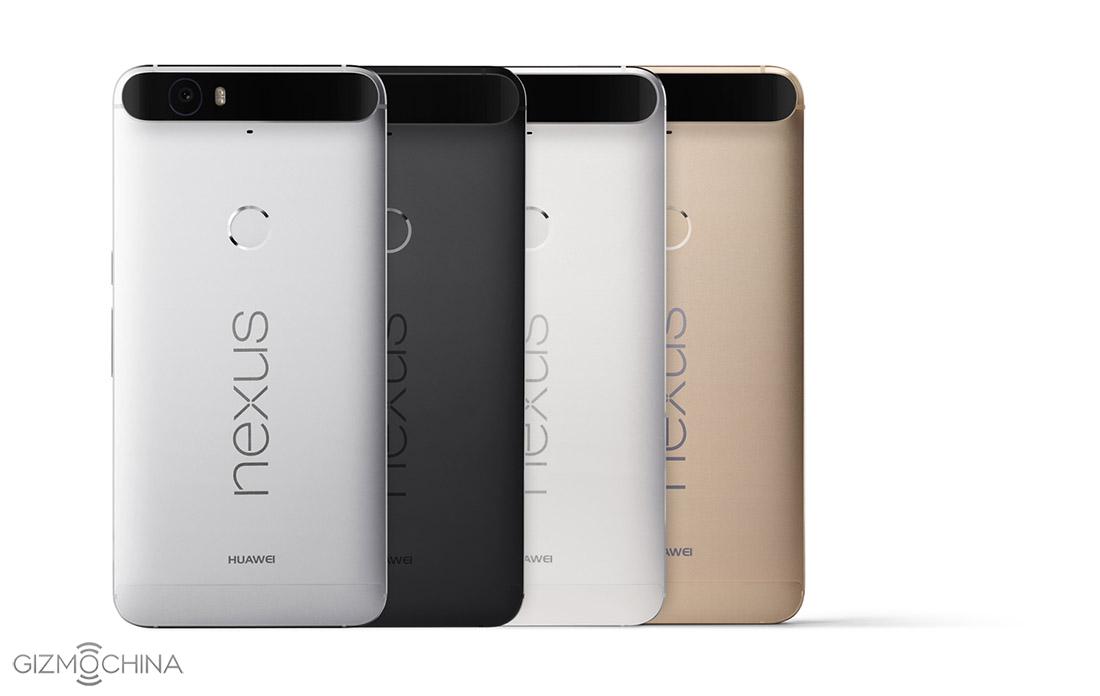
Huawei has shown a keen interest in the US market. The company improved its brand image in the country through the Nexus 6P smartphone. Recently, phones like Honor 5X have been launched in the region and now, the company is seeking tie-ups with carriers in the country to improve market share, reveals a report from Digitimes.
Its still too early to predict whether Huawei can achieve this huge challenge, but one things for sure, the company may soon give Apple and Samsung some tough competition in this industry.
What do you think? Can Huawei surpass the mighty Apple in the next couple of years?
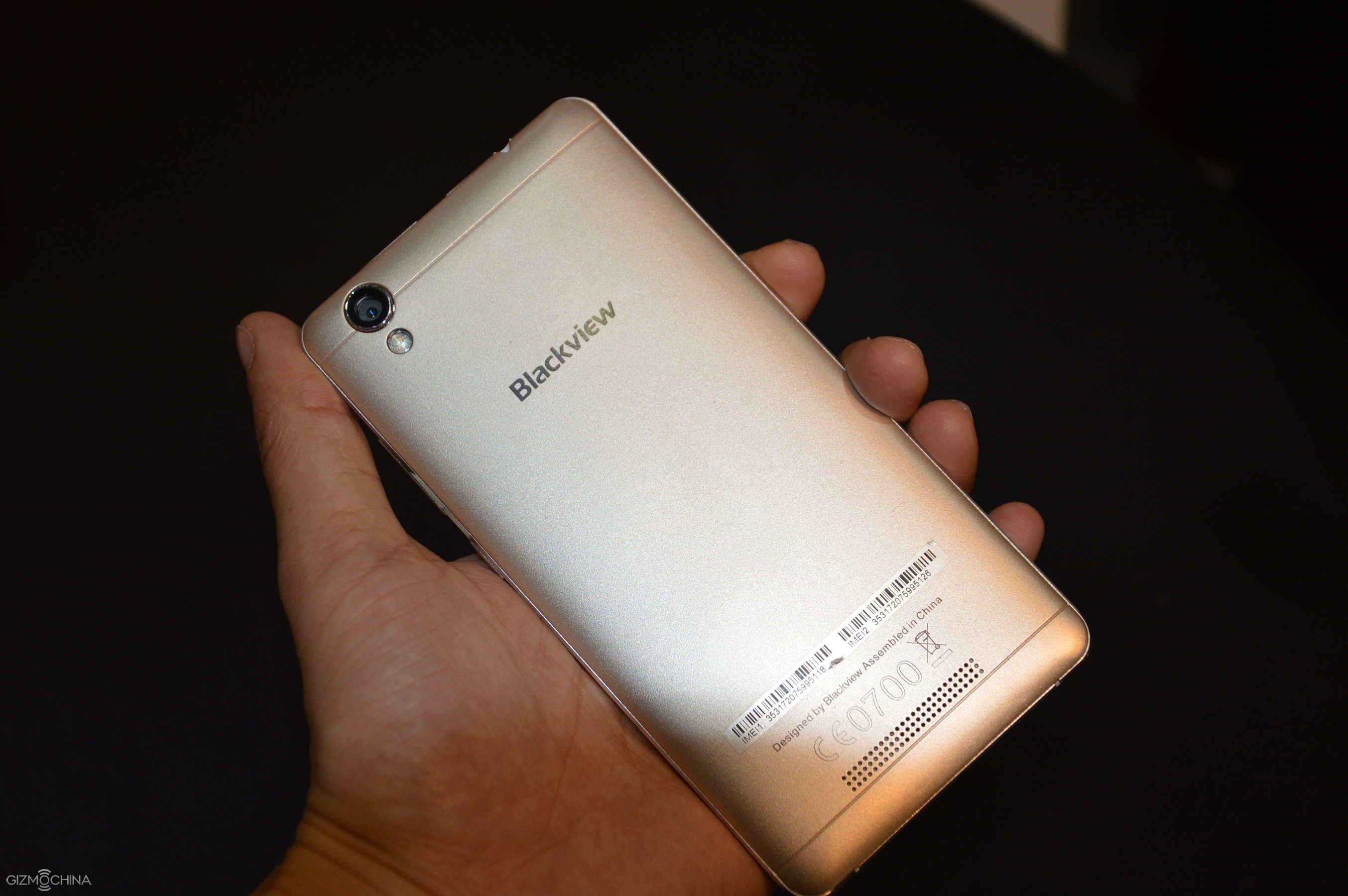
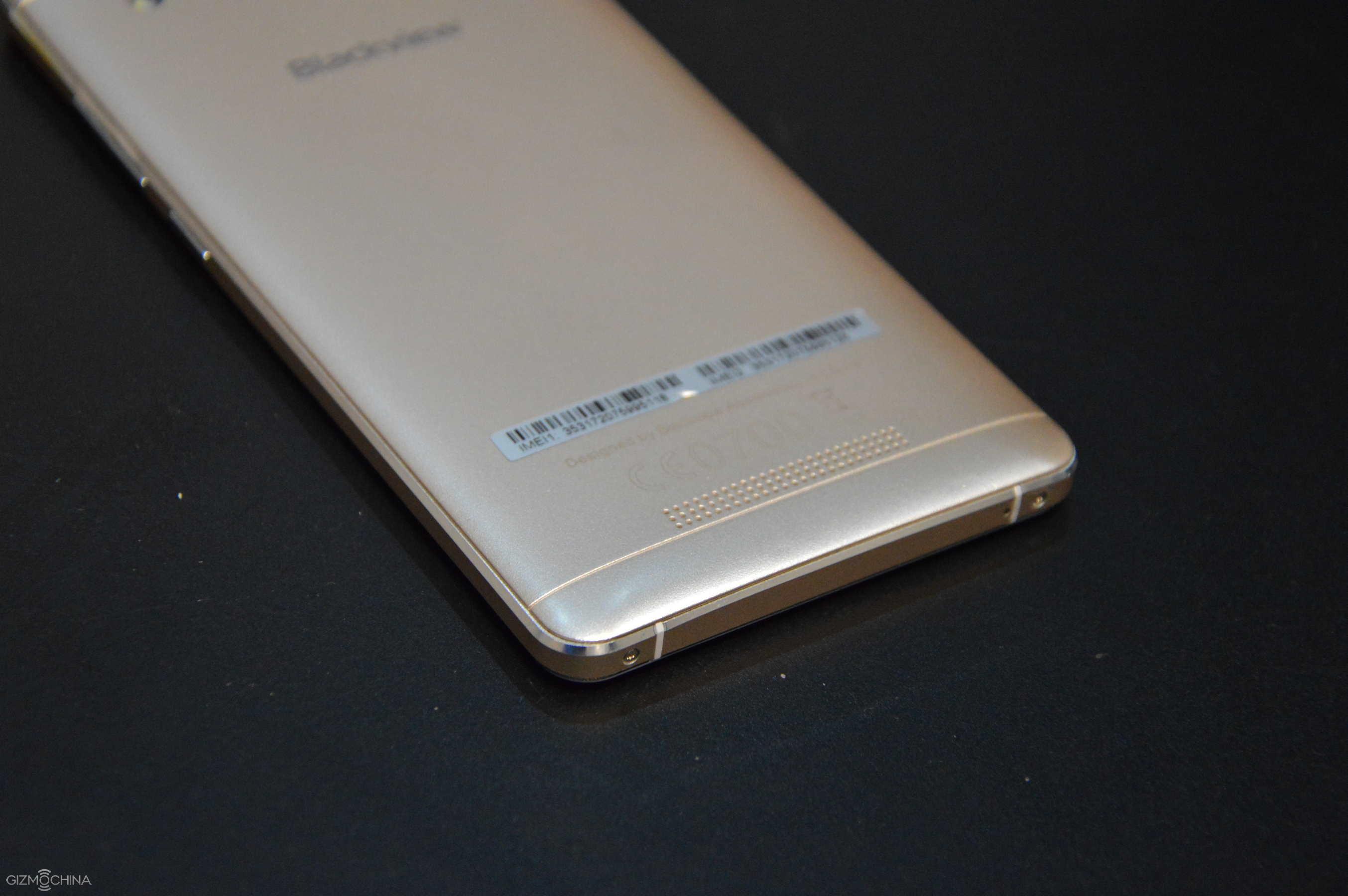
This year at MWC 2016 in Barcelona, Spain, there were a number of local Chinese manufacturers including Blackview. The company is known for its low cost budget smartphones and it did showcase one such device at the event, namely the Blackview A8. The company has kept the price of the device ultra-cheap, costing just $44. At this price, you get pretty decent specs.
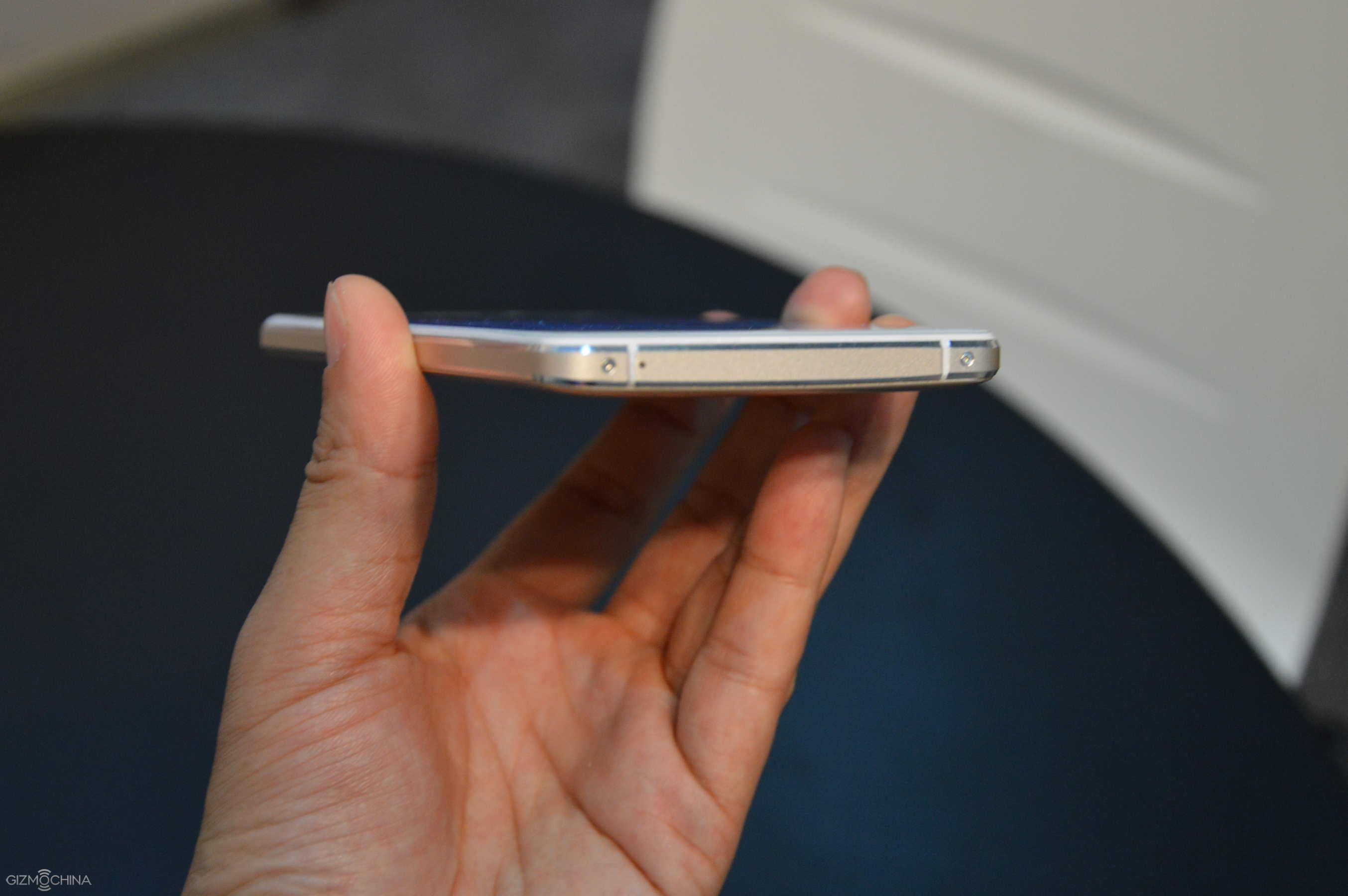
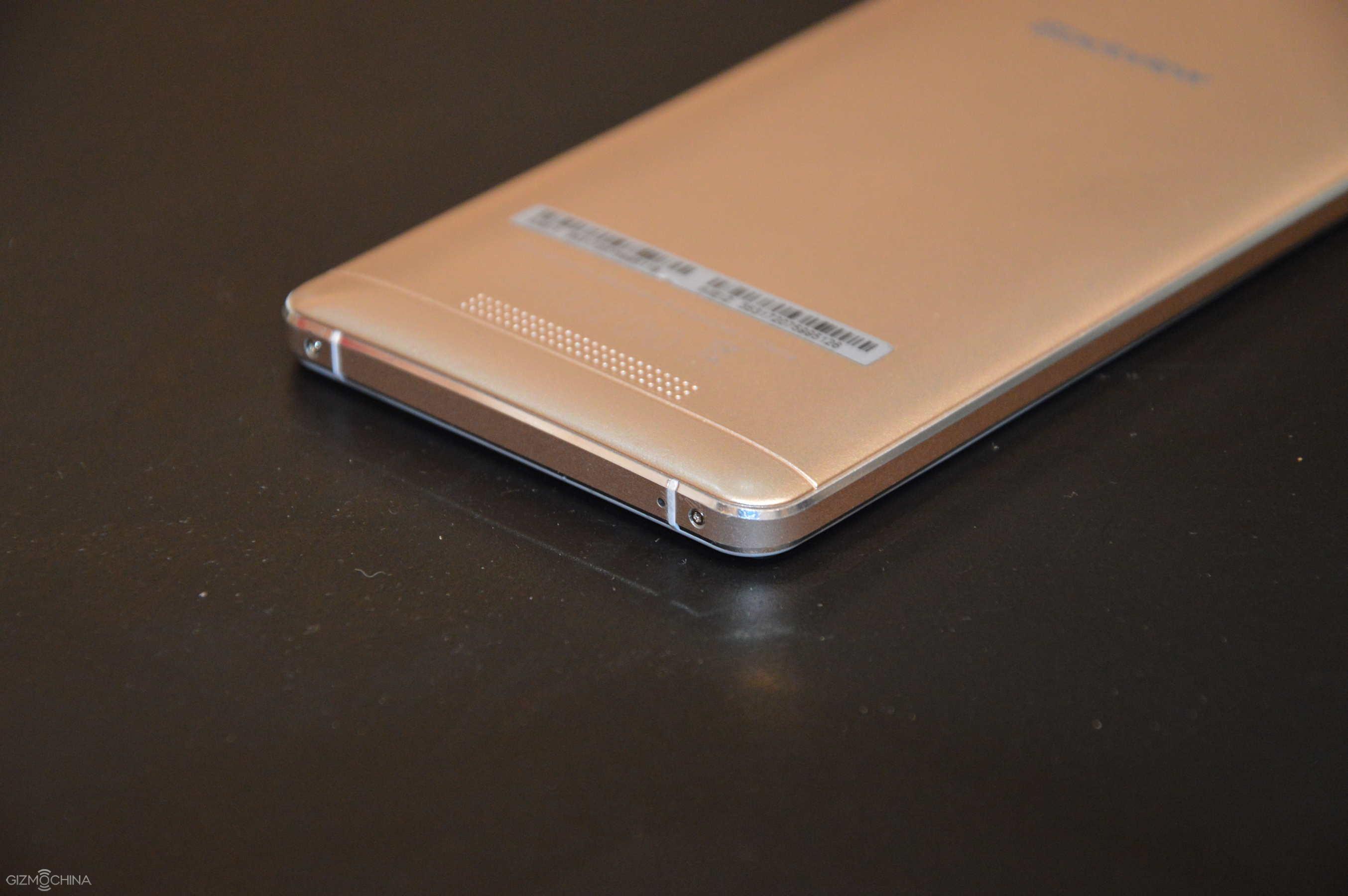
The Blackview A8 comes with a 5-inch HD display which is pretty usual for its price. The phone is well built, featuring a silver colored metal chassis at the back, with a metal frame that goes around the body. Interestingly, for an additional $1, you can get a version which features jewels in the frame, that is, if you are into that kind of design.
As for the specs, the Blackview A8 is powered by the quad-core MT6580 chipset with 1GB of RAM and 8GB of internal storage. Not at all bad for $43. Further, you get 8MP cameras on the back as well as front, which is pretty good as well. Other specs include LED flash on both front as well as the back, dual SIM card support, MicroSD expansion, 3G and 2000mAh removable battery.
These specs are decent for its price and it looks like Blackview has done a good job with its A8 budget smartphone.
Mediatek has been teasing its deca-core chipset, namely the Helio X20 since the second half of last year. But it took more than six months for the first smartphone with this chip to be actually announced. And we were all surprised to see that it was a local brand, ZOPO who could boast of this feat.
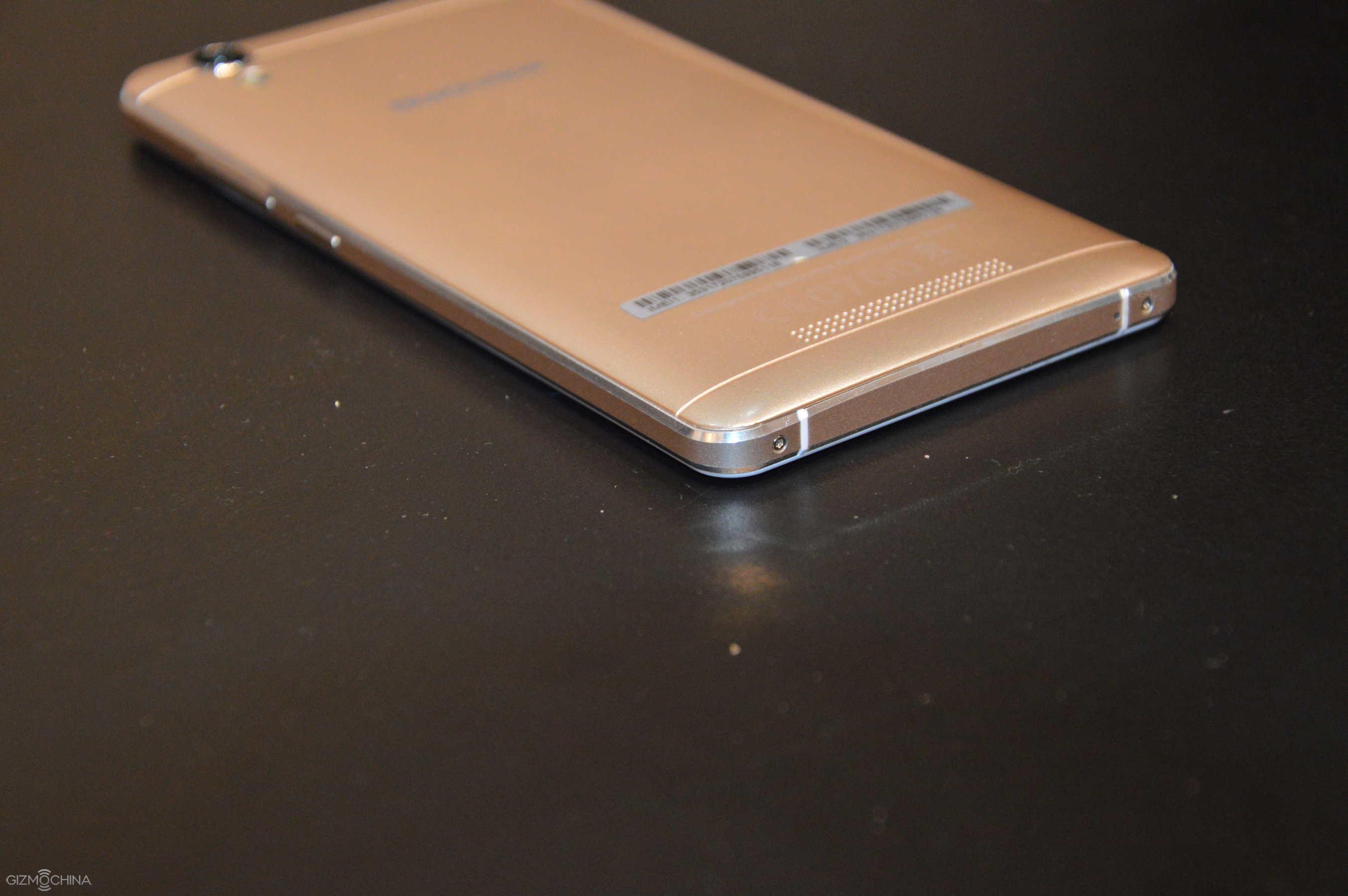
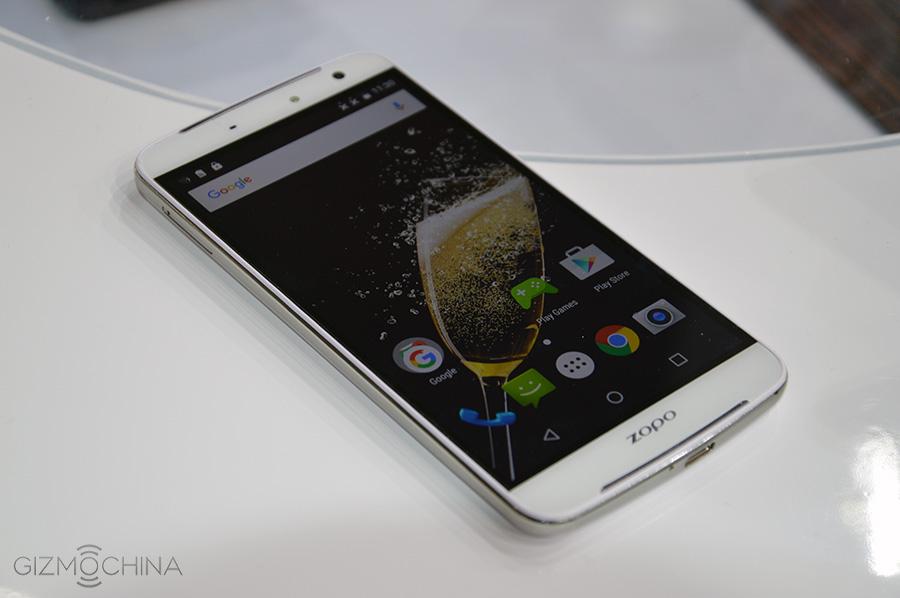
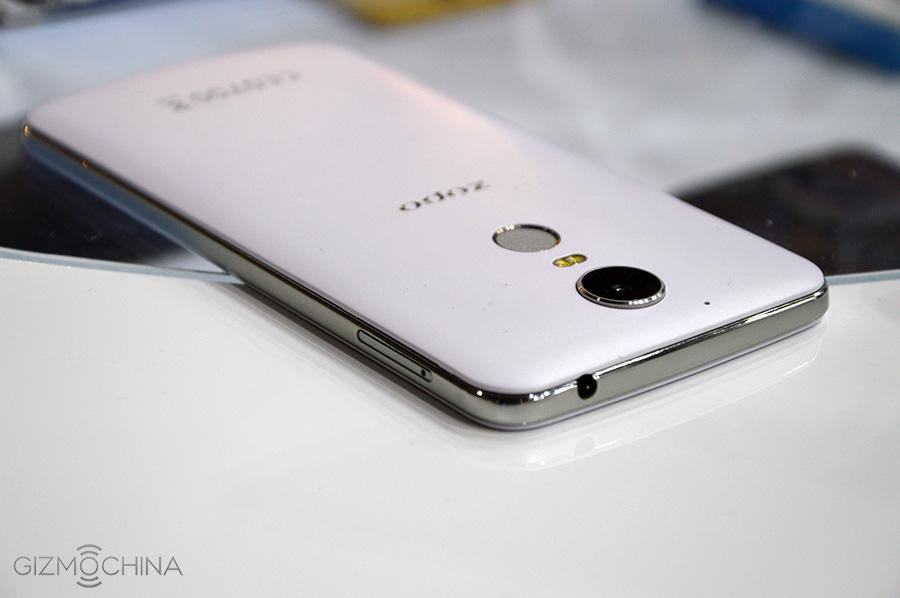
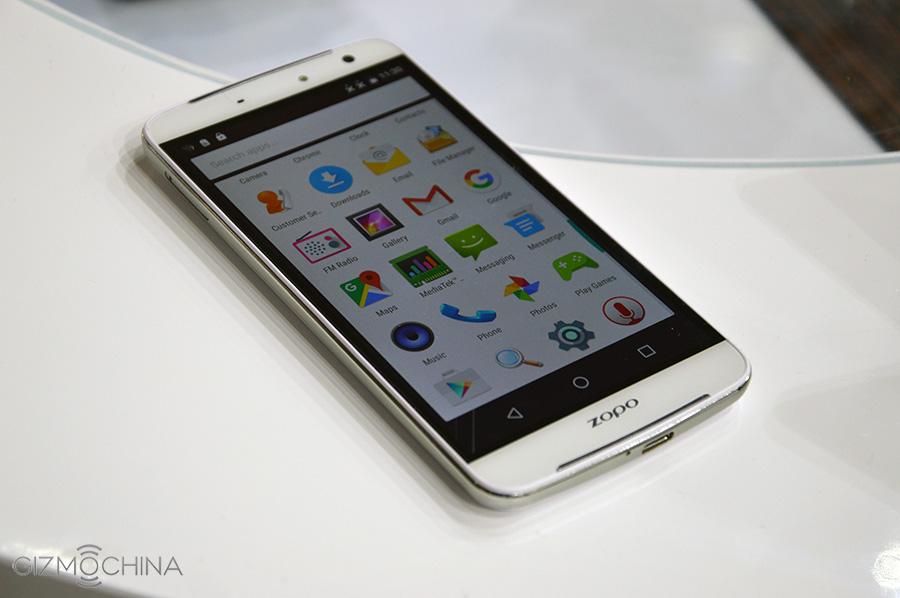
ZOPO Speed 8 became the first Helio X20 deca-core powered smartphone in the world. We were at ZOPO’s booth at MWC 2016 and got a quick hands on with the device.
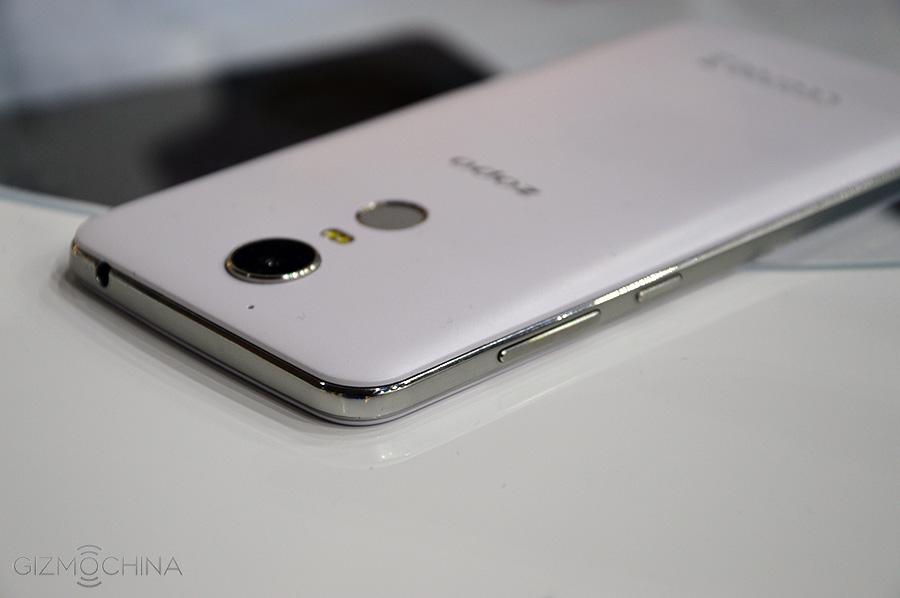
Unlike other flagship smartphones, ZOPO has decided to go with a plastic body on its ZOPO Speed 8. The back is matte plastic which means you don’t have to worry about it being a fingerprint magnet. Further, the texture helps you to get a good grip on the device, even while holding it with one hand.
The frame that goes around the body looks like metal, but its actually plastic. Despite the plastic body, the overall built is sturdy.
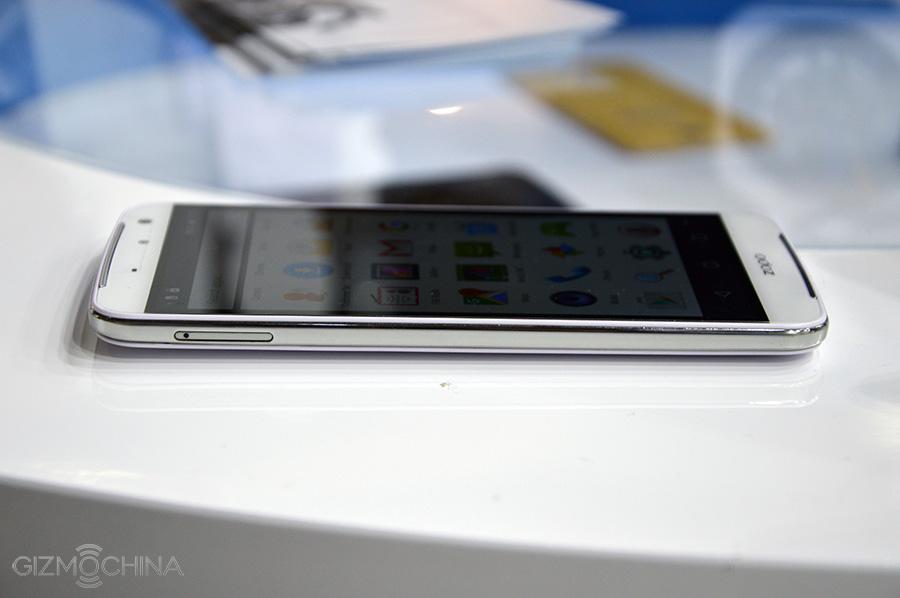
Both the power button and the volume buttons are located on the right side of the device. While on the left, you have the dual SIM card slot.
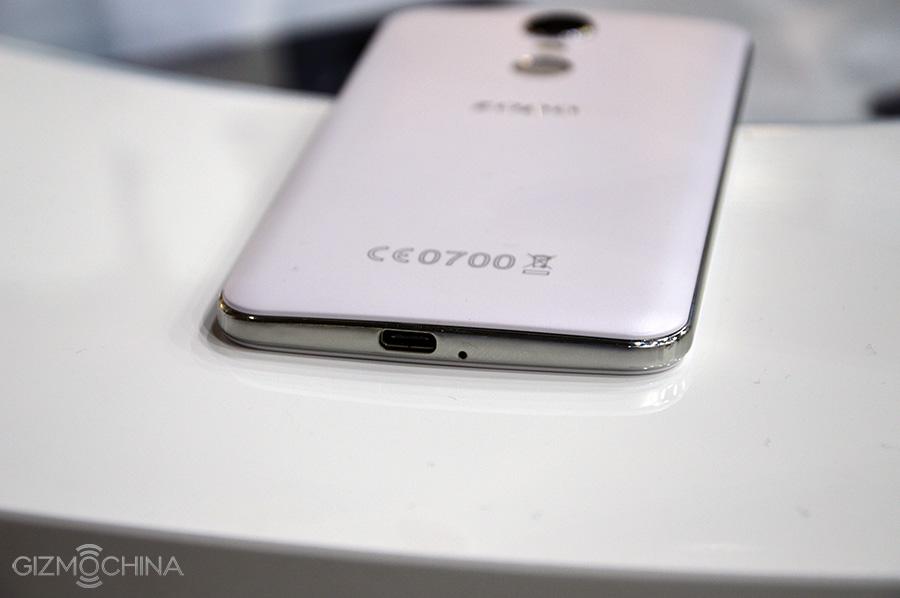
The bottom features the new-age USB Type-C port, along with an opening for microphone.
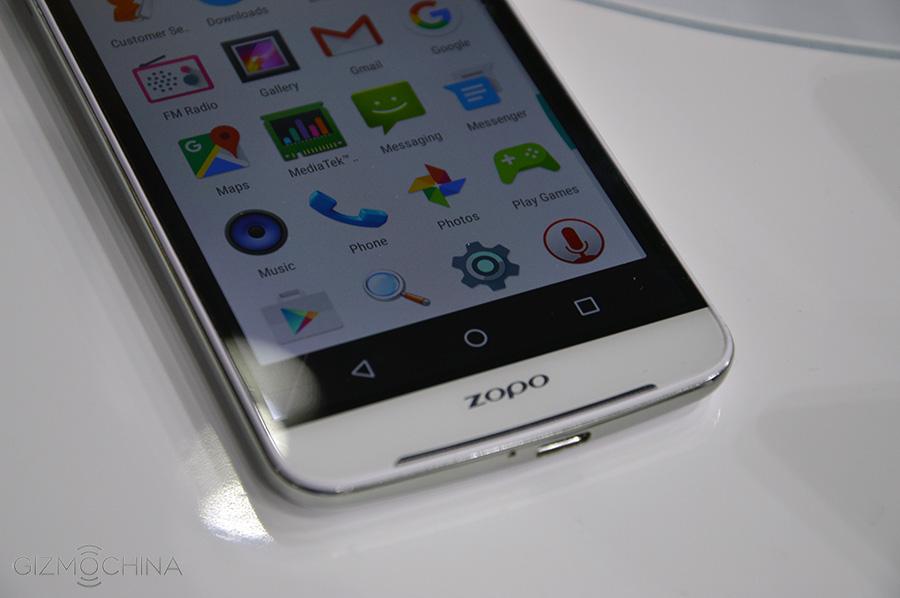
The top is rather clean, with just a 3.5mm headphone jack. At the back, you have the 21MP camera sensor with dual tone dual LED flash. You will also find the fingerprint just below the rear camera sensor, which is placed well for your index finger. The speakers are located up front, as you can see in the picture down below.
As for the specs, apart from the powerful deca-core Helio X20 and 4GB RAM, the phone features a 5.5-inch IPS LCD display with FHD 1080p resolution. At the back, there is a 21MP Sony IMX230 camera with PDAF and dual tone LED flash. Up front, you have an 8MP selfie camera, with an LED flash as well. Under the hood, there’s a decent 3600mAh battery. Other features include USB Type-C, 4G LTE support and fast charging. As for software, the phone runs on Android 6.0 which gives you almost stock like experience.
Pricing is yet to be confirmed, but it is rumored that the ZOPO Speed 8 will retail for less than $300. As for the availbility, the device will go on sale globally in April.
The benchmark results for the Helio X20 inside the device haven’t been impressive. From the initial tests, AnTuTu scores were below 90K, but it could be because the app is not customized for its tri-cluster architecture. So, we will have to wait and see whether there is any change to the score after an update.
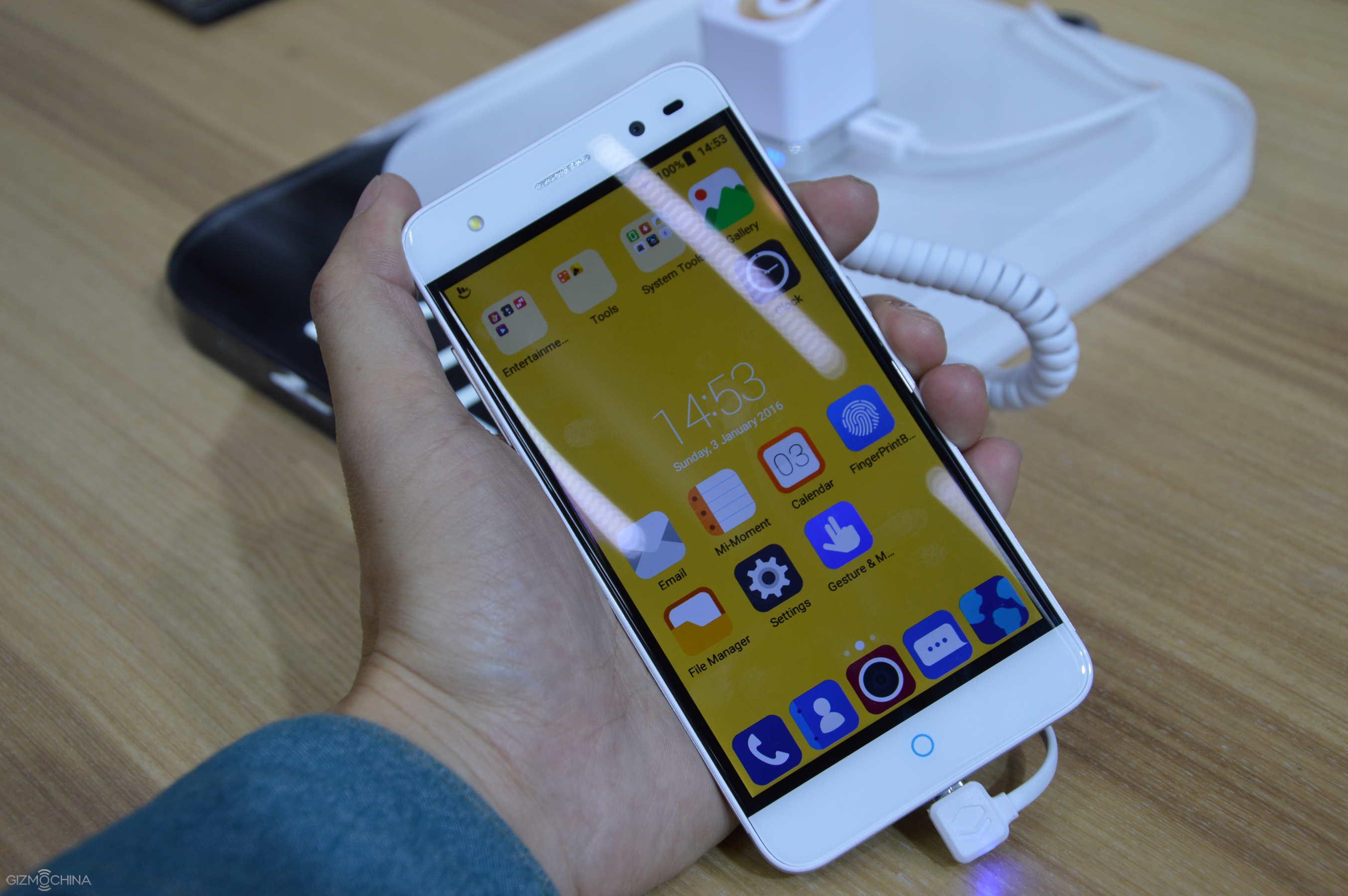
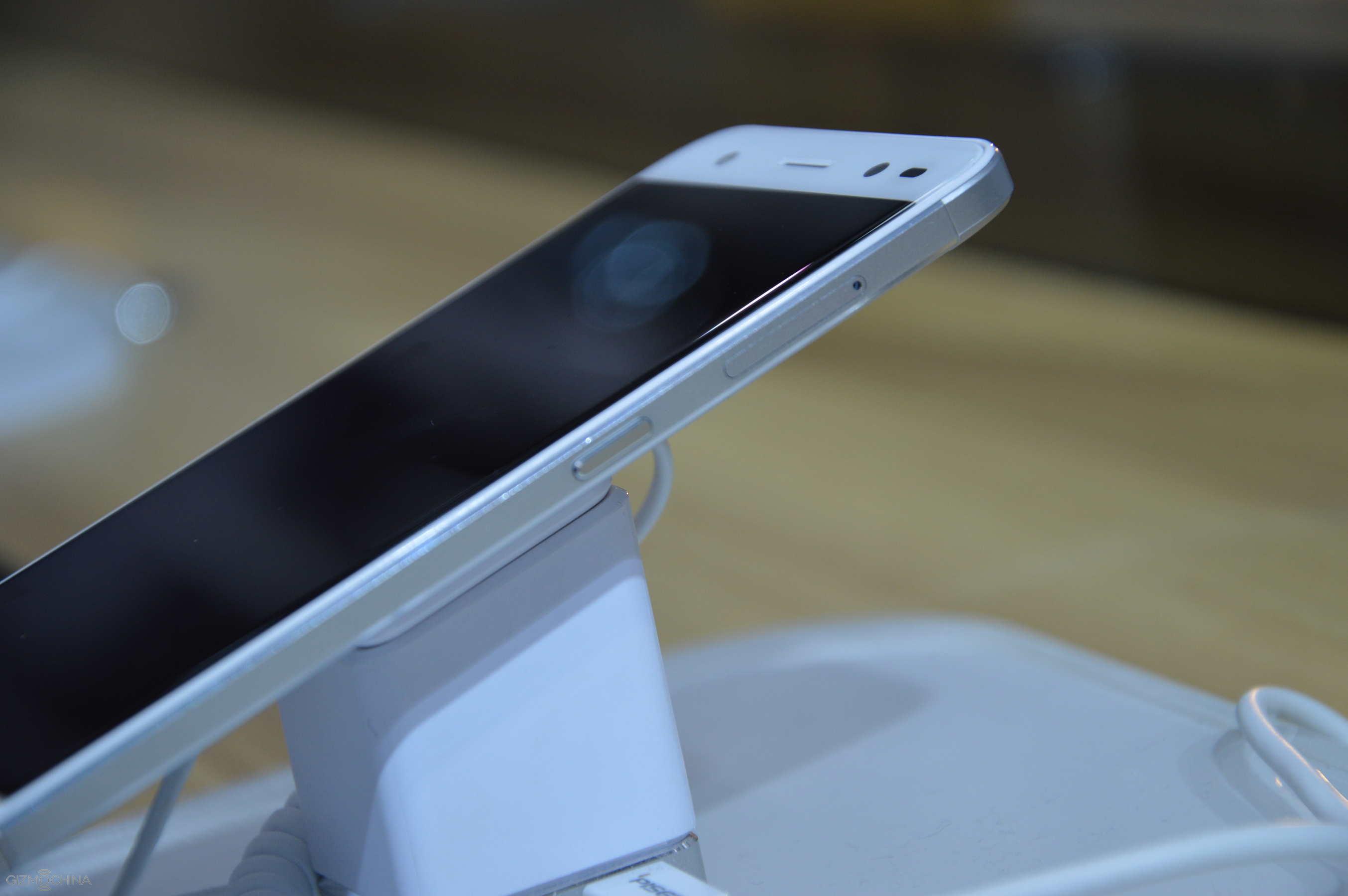
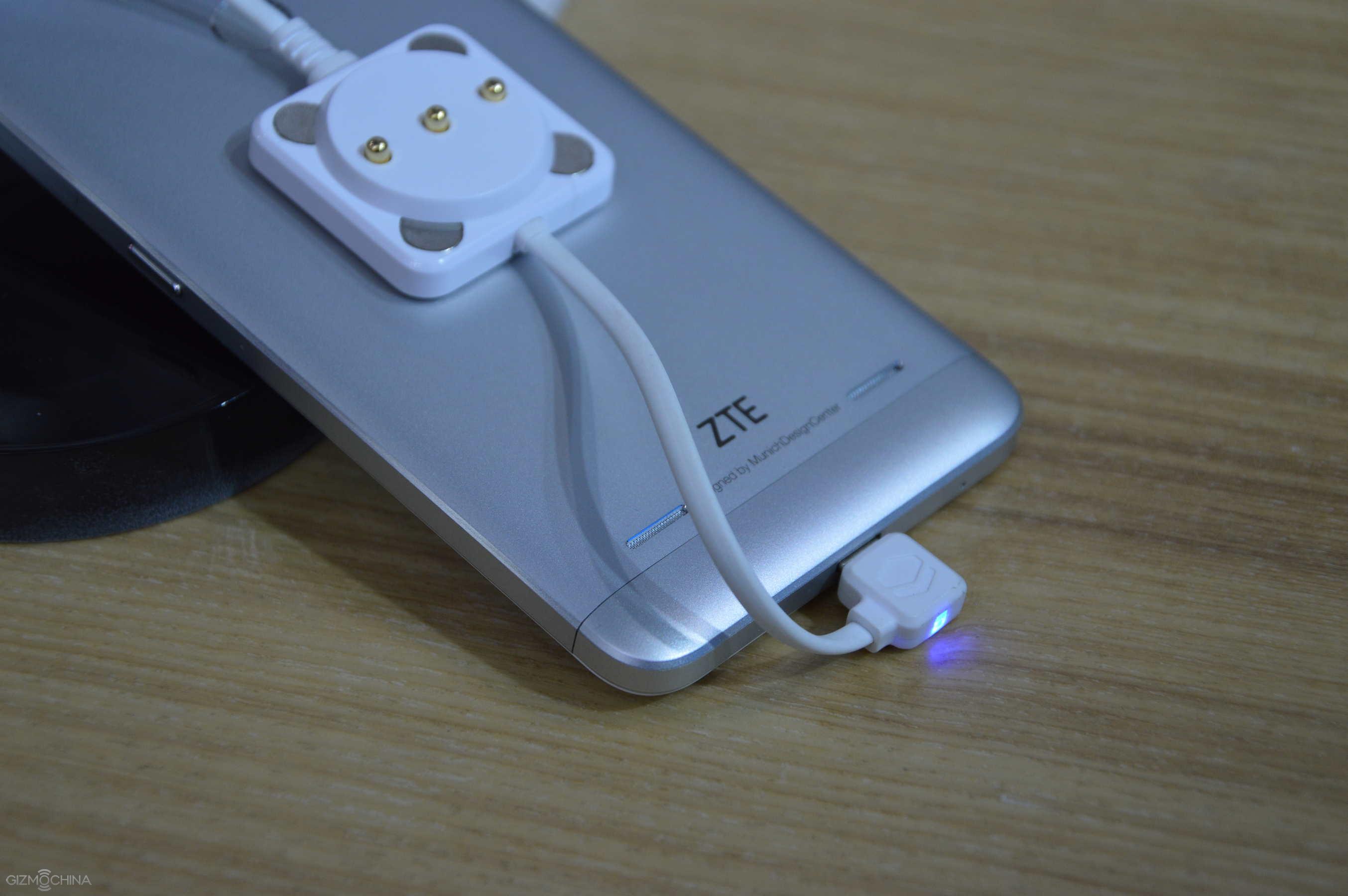
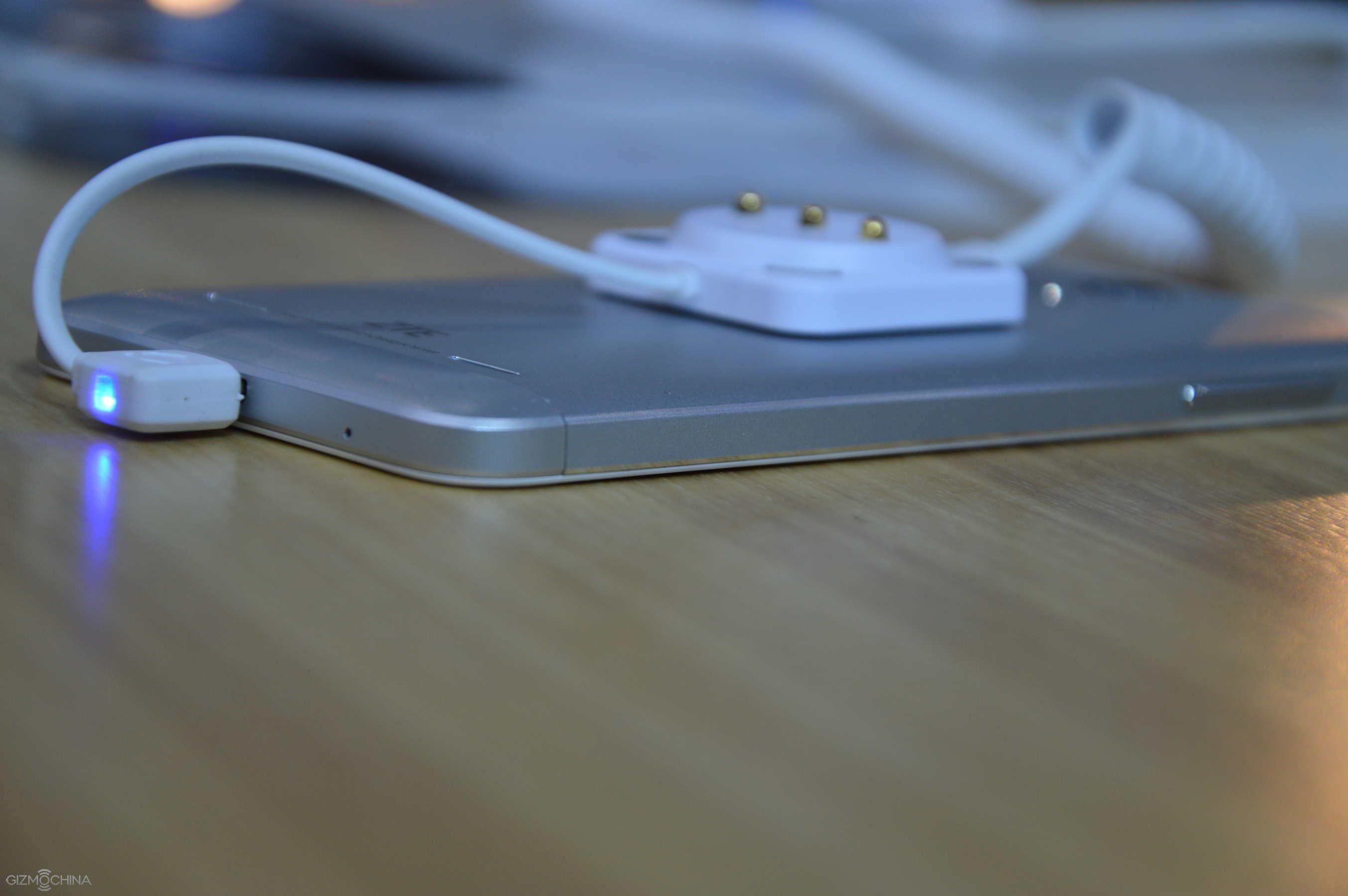
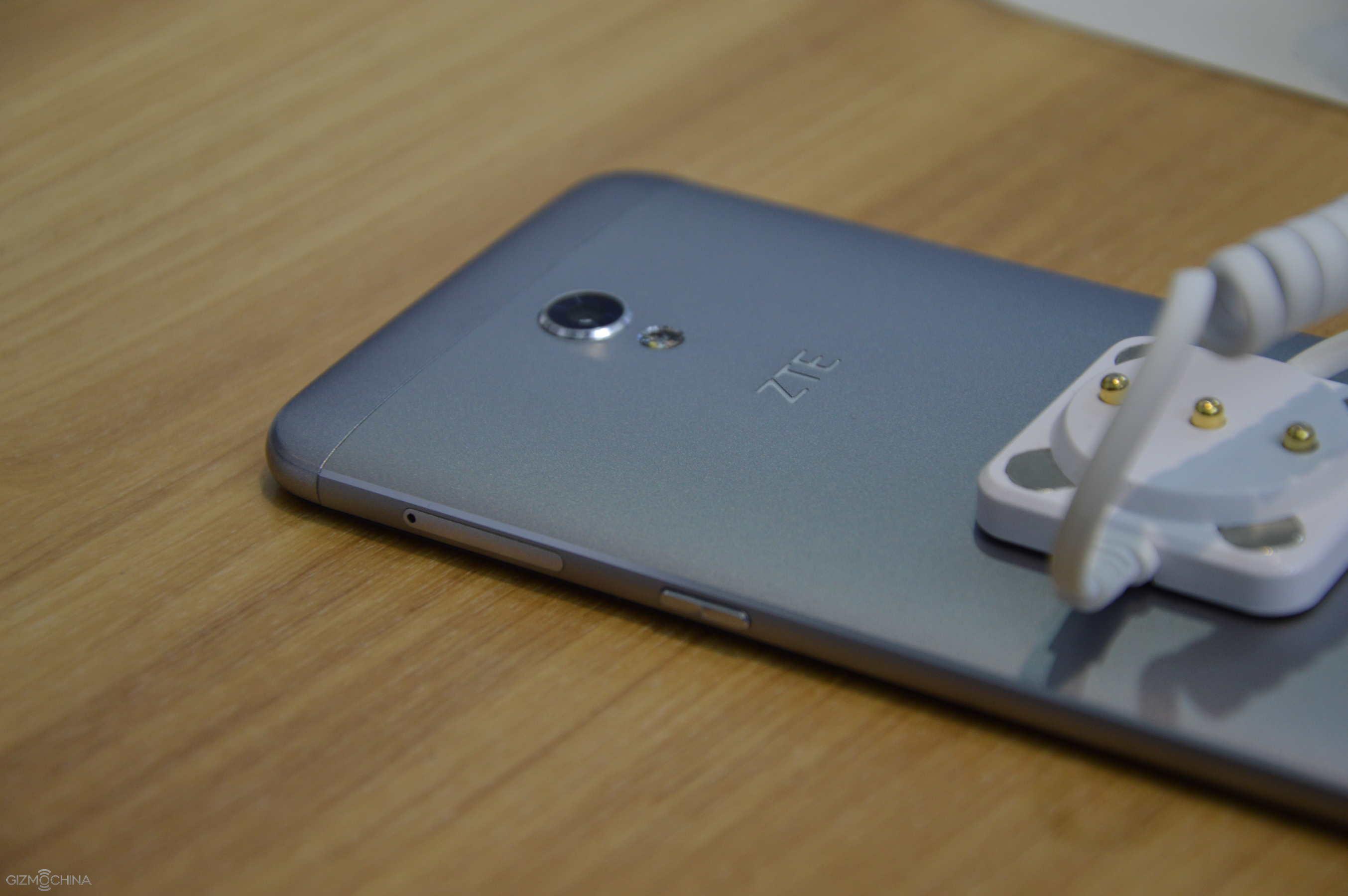
Apart from the ZTE Blade V7, the company announced a cheaper version of the device with less powerful specs, called as the ZTE Blade V7 Lite. The phone comes with a metal design and has an 8MP camera up front with LED flash for selfie lovers So, it looks like ZTE is targeting selfie lovers who are looking for a cheap smartphone to fulfill their needs.
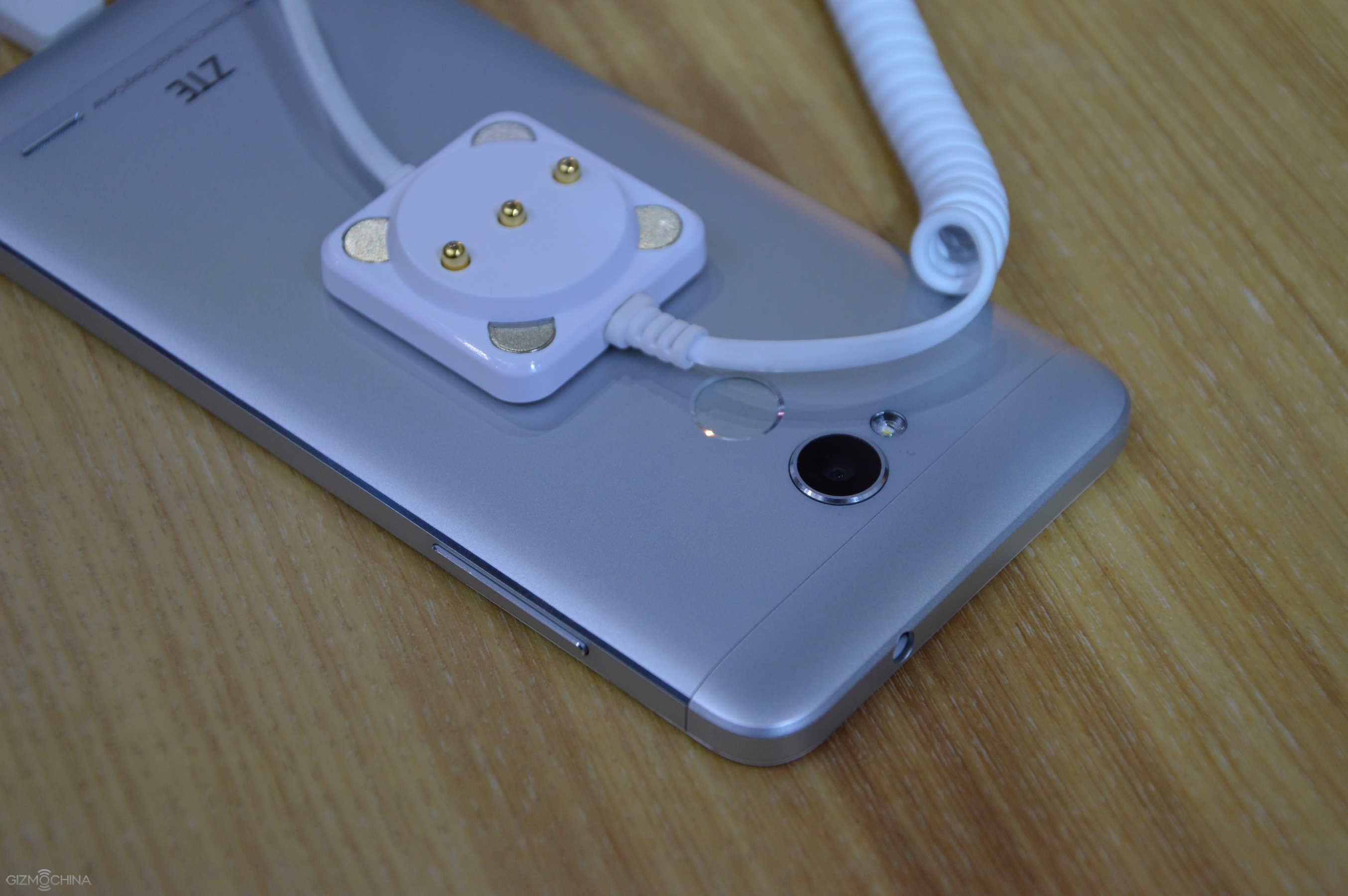
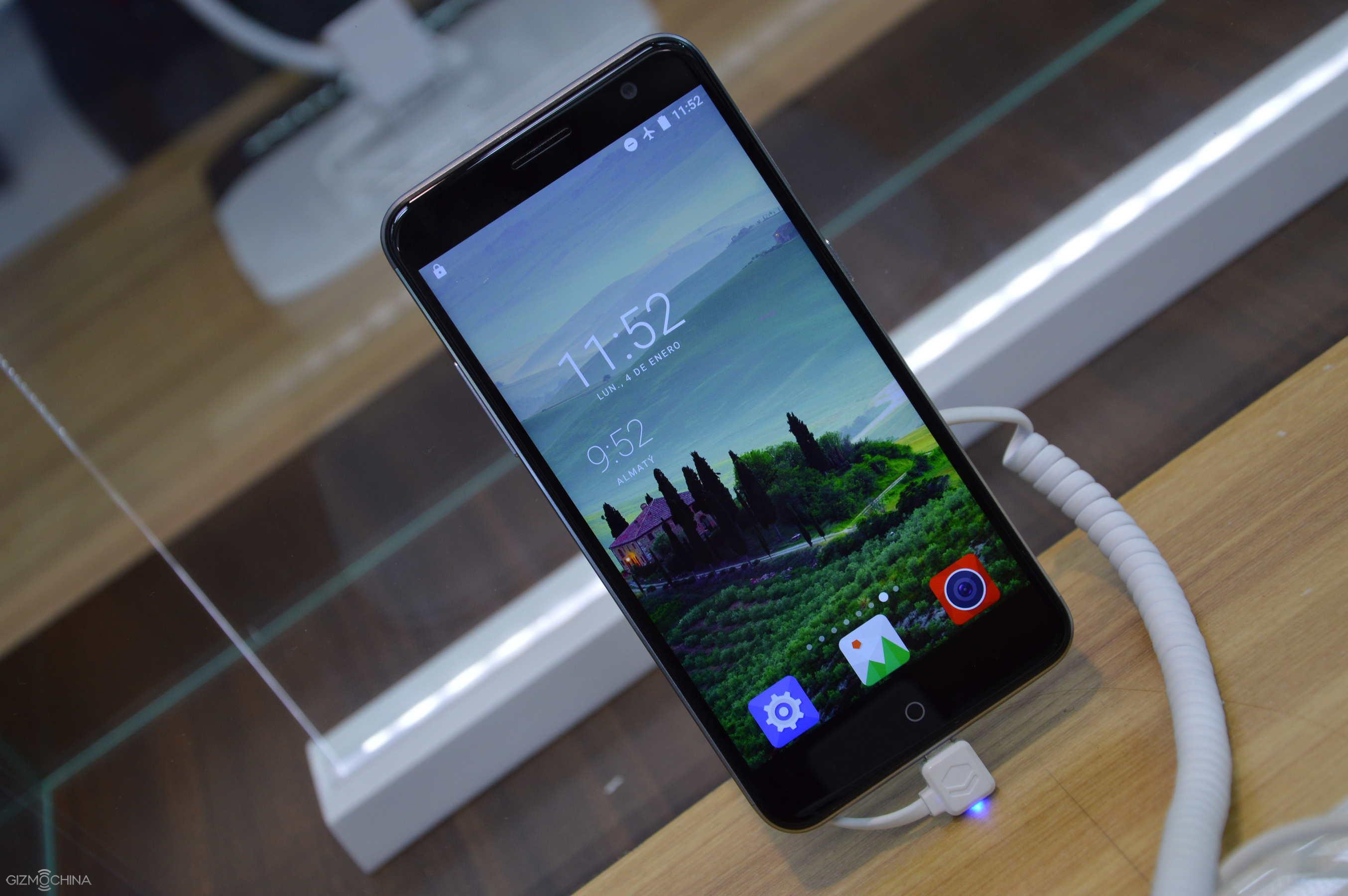
The phone is quite decent looking and takes some design cues from its elder brother, the V7. So, it features a 5-inch display with 2.5D curved glass. Like with other budget phones, the V7 Lite features just a 720p HD resolution screen.
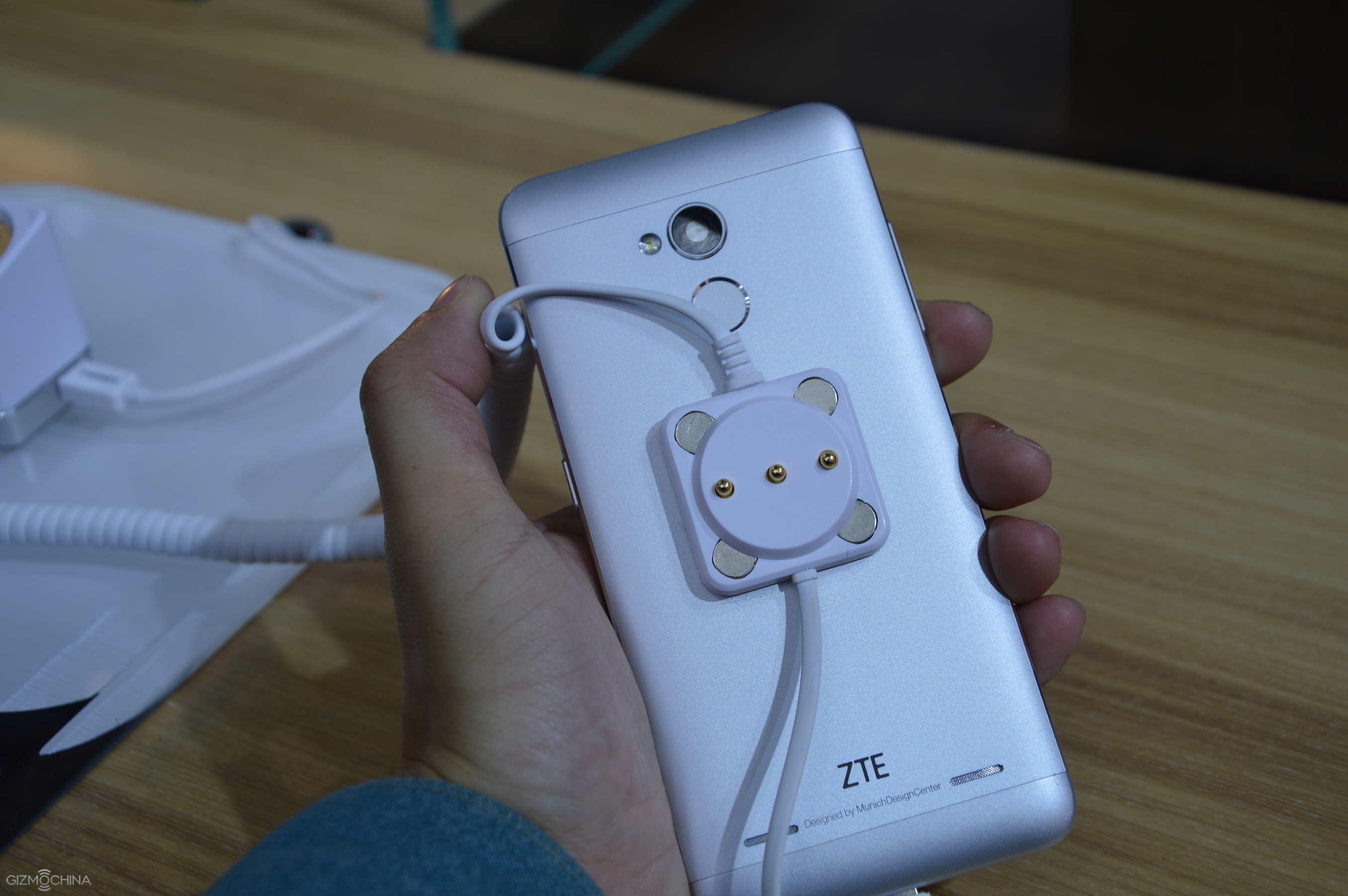
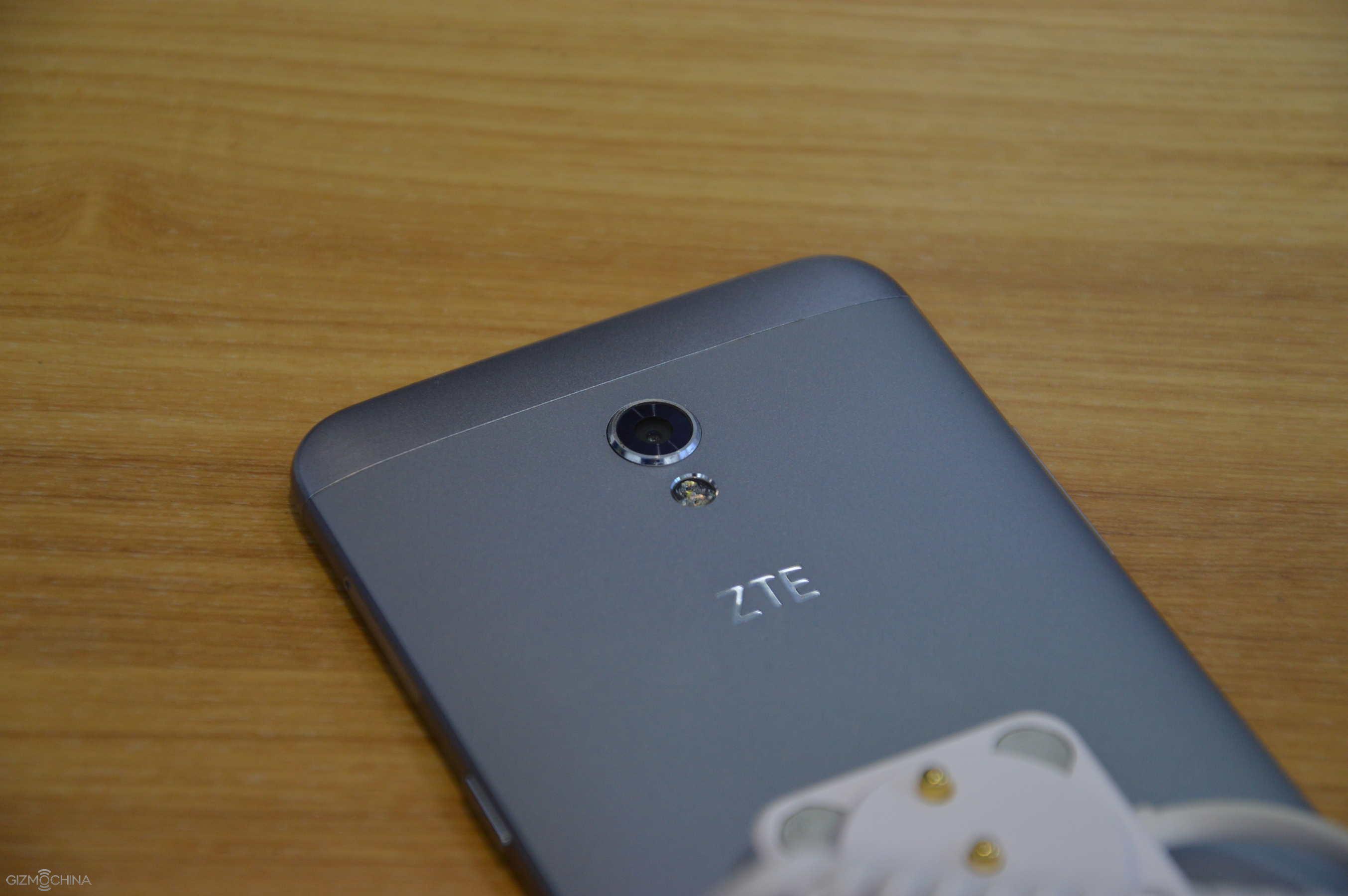
One of the interesting features of the phone is the fingerprint sensor located at the back. The V7 lacked this feature, but ZTE for some reason decided that the V7 Lite should have it. The camera at the back is of 8MP with single LED flash.
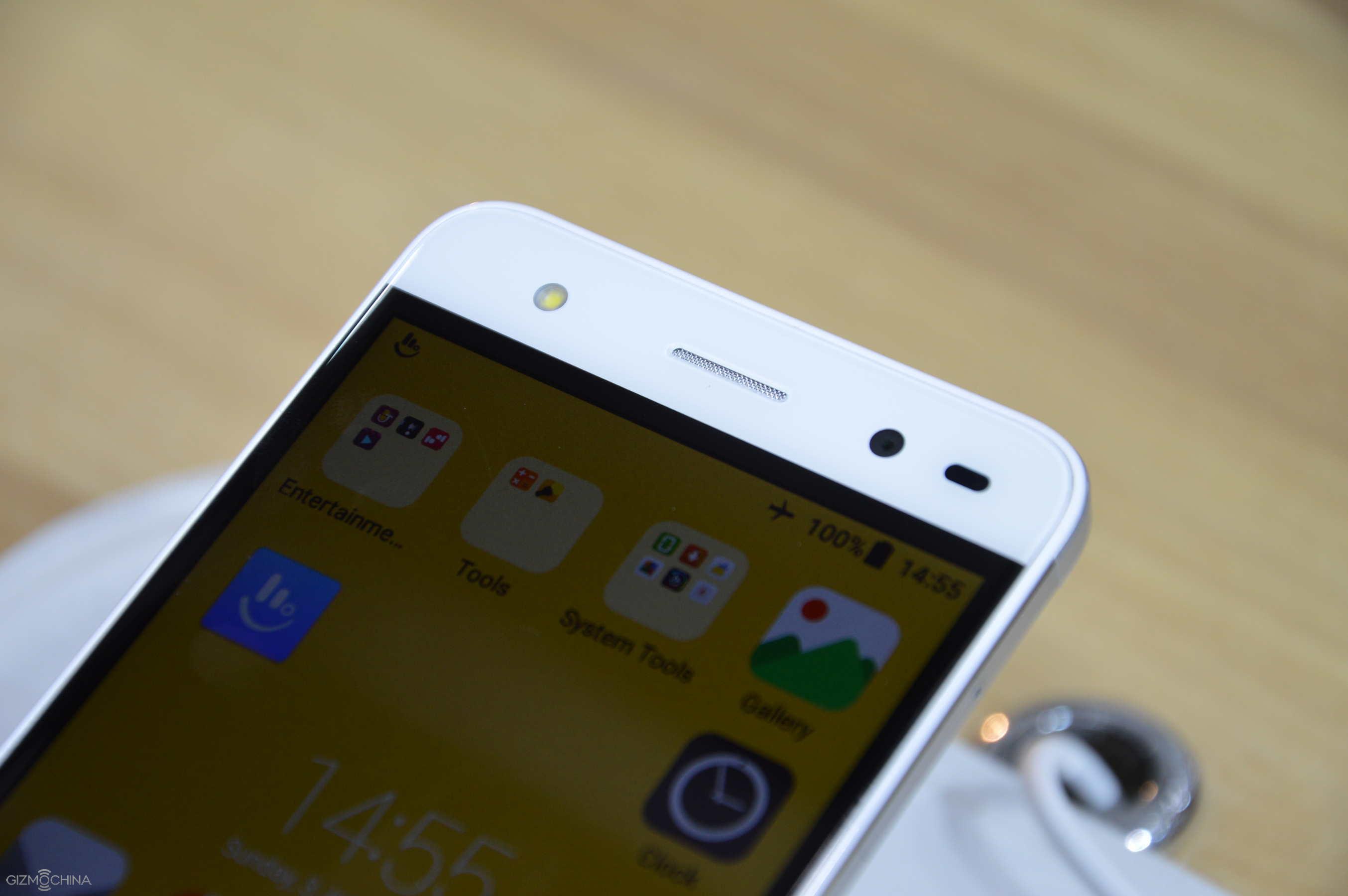
Up front, the company has used the same setup. So, you get a 8MP shooter as well as a single LED flash among other sensors, just above the display.
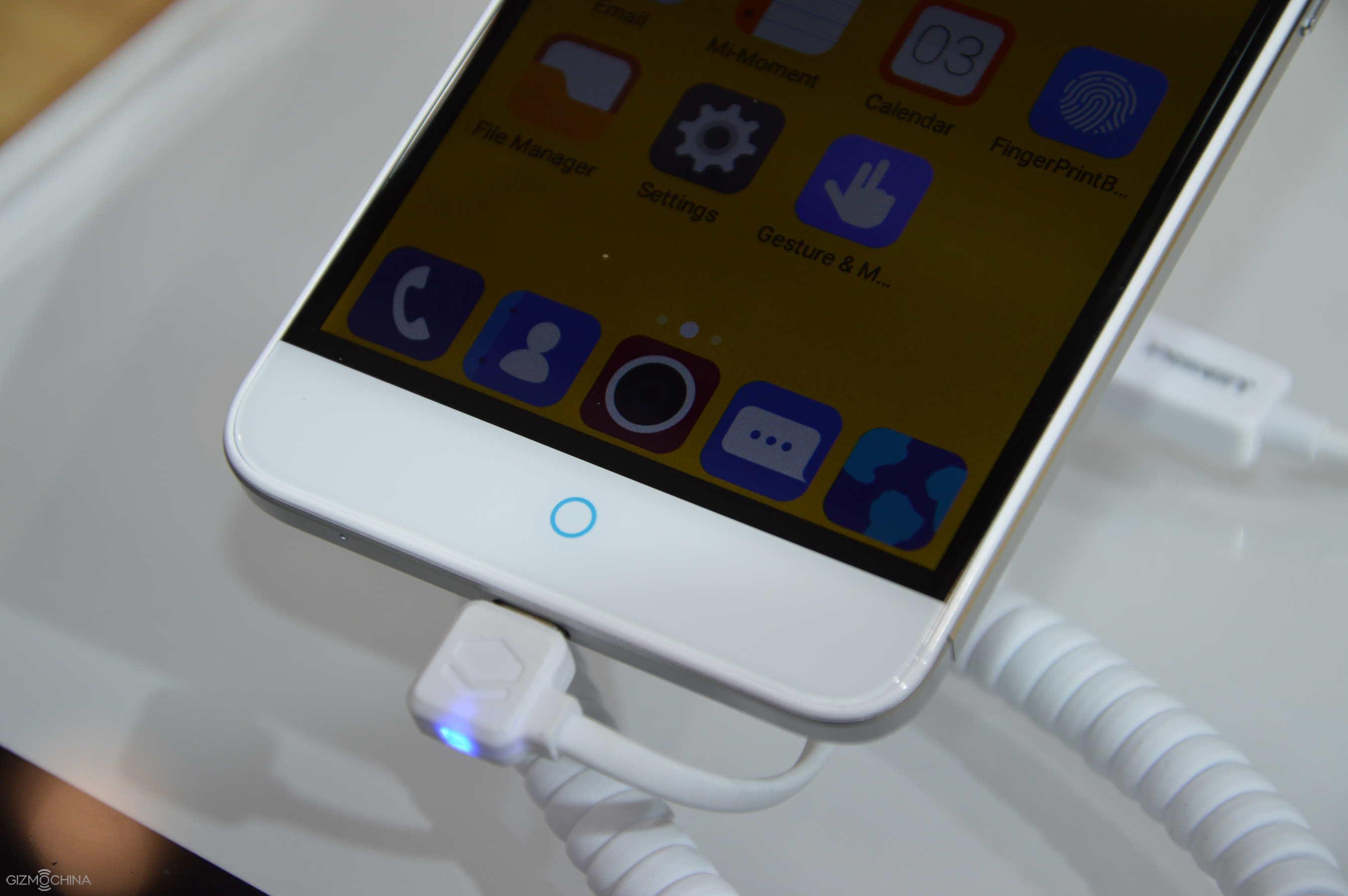
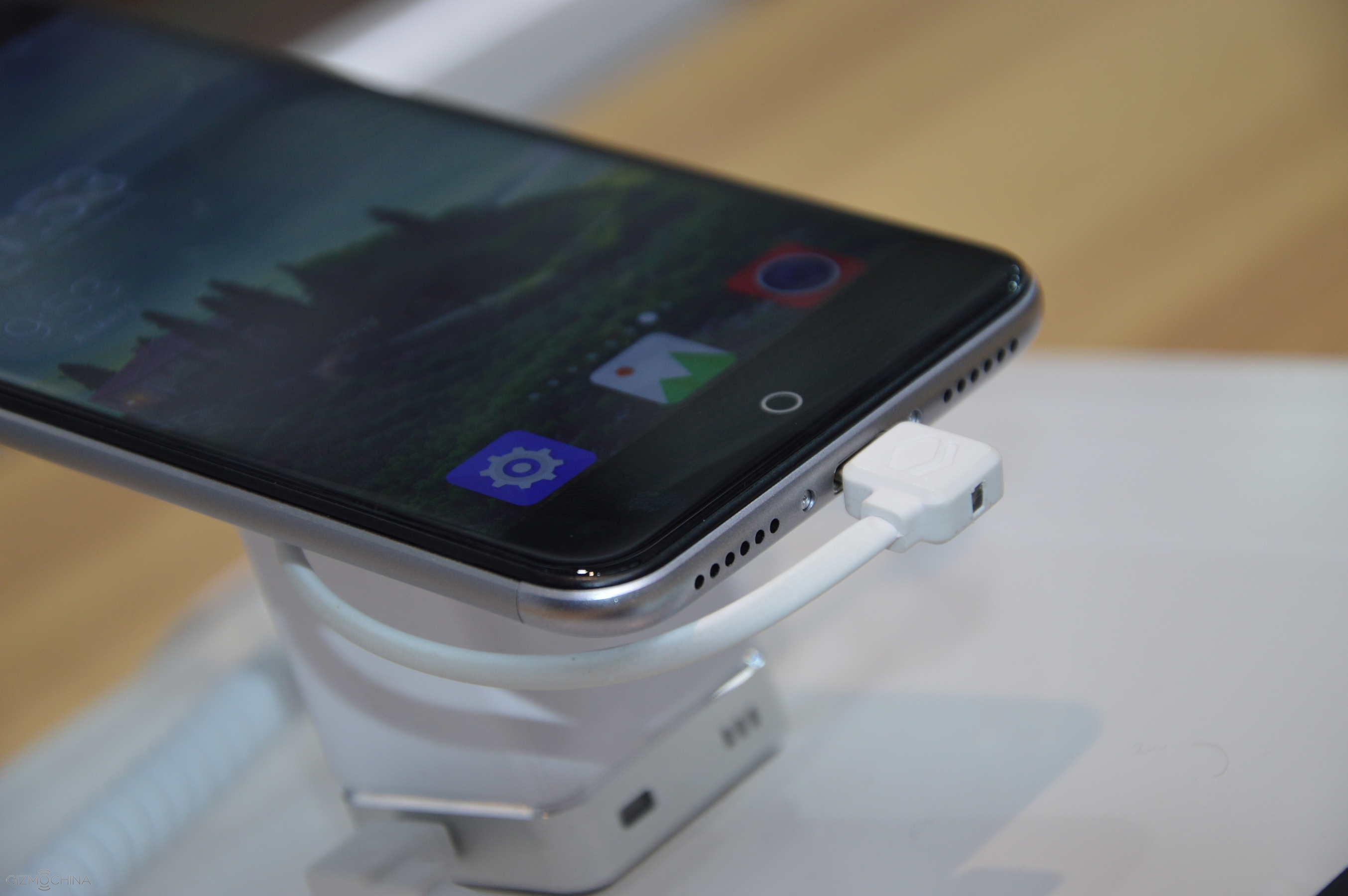
Below the display, you can see the trademark ZTE circular home button (still capacitive) along with the two other keys, back and multi task.
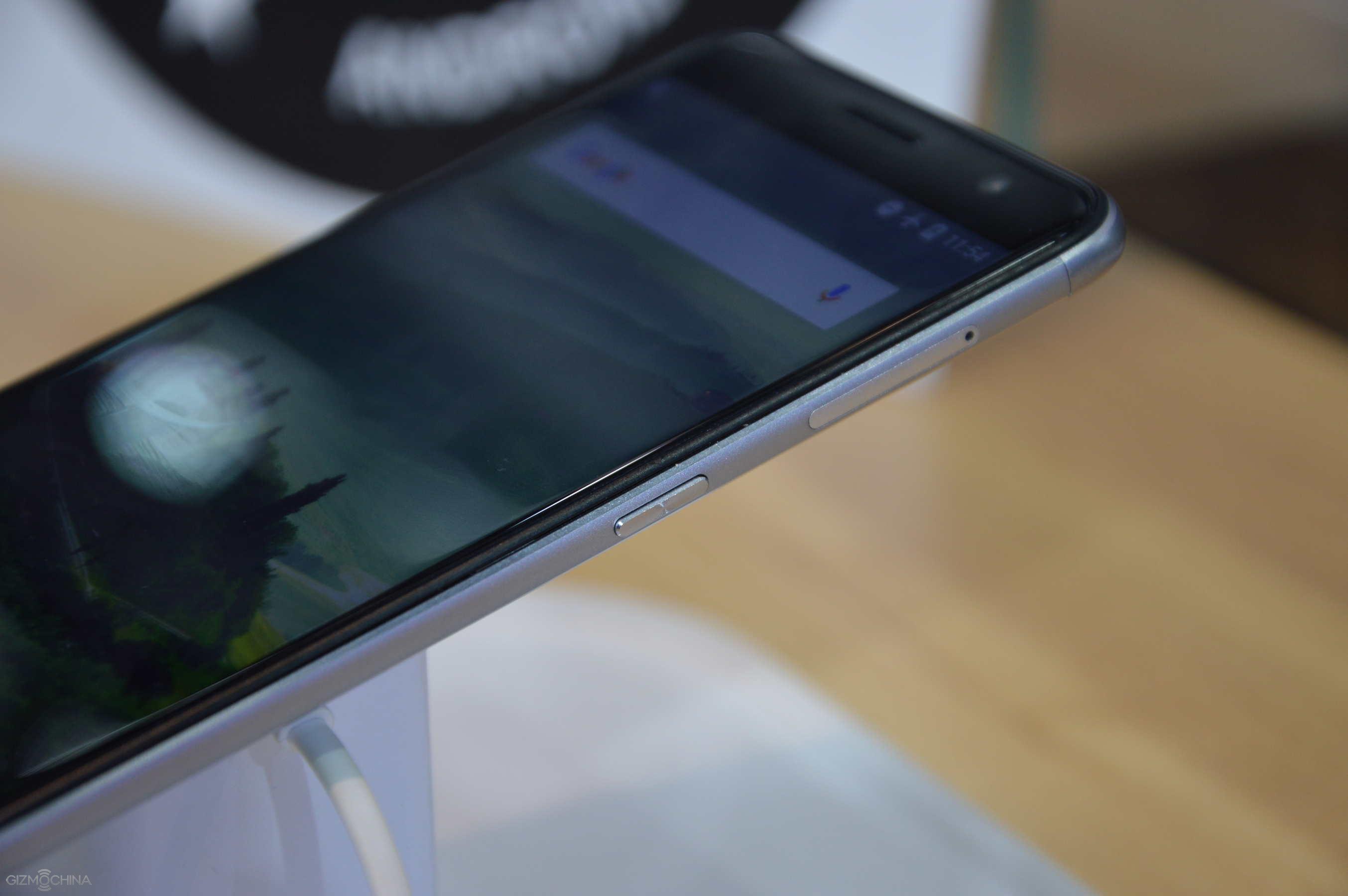
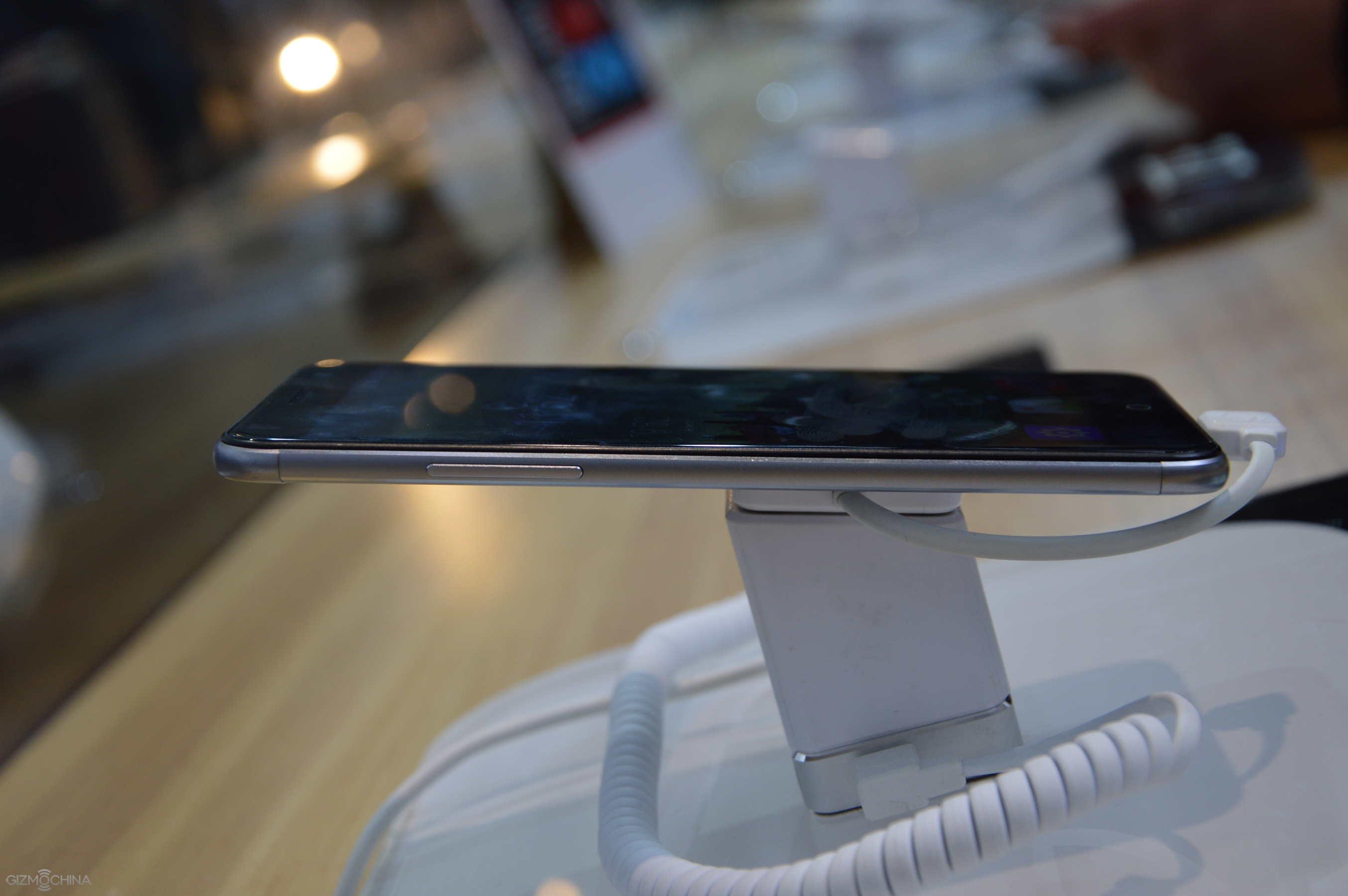
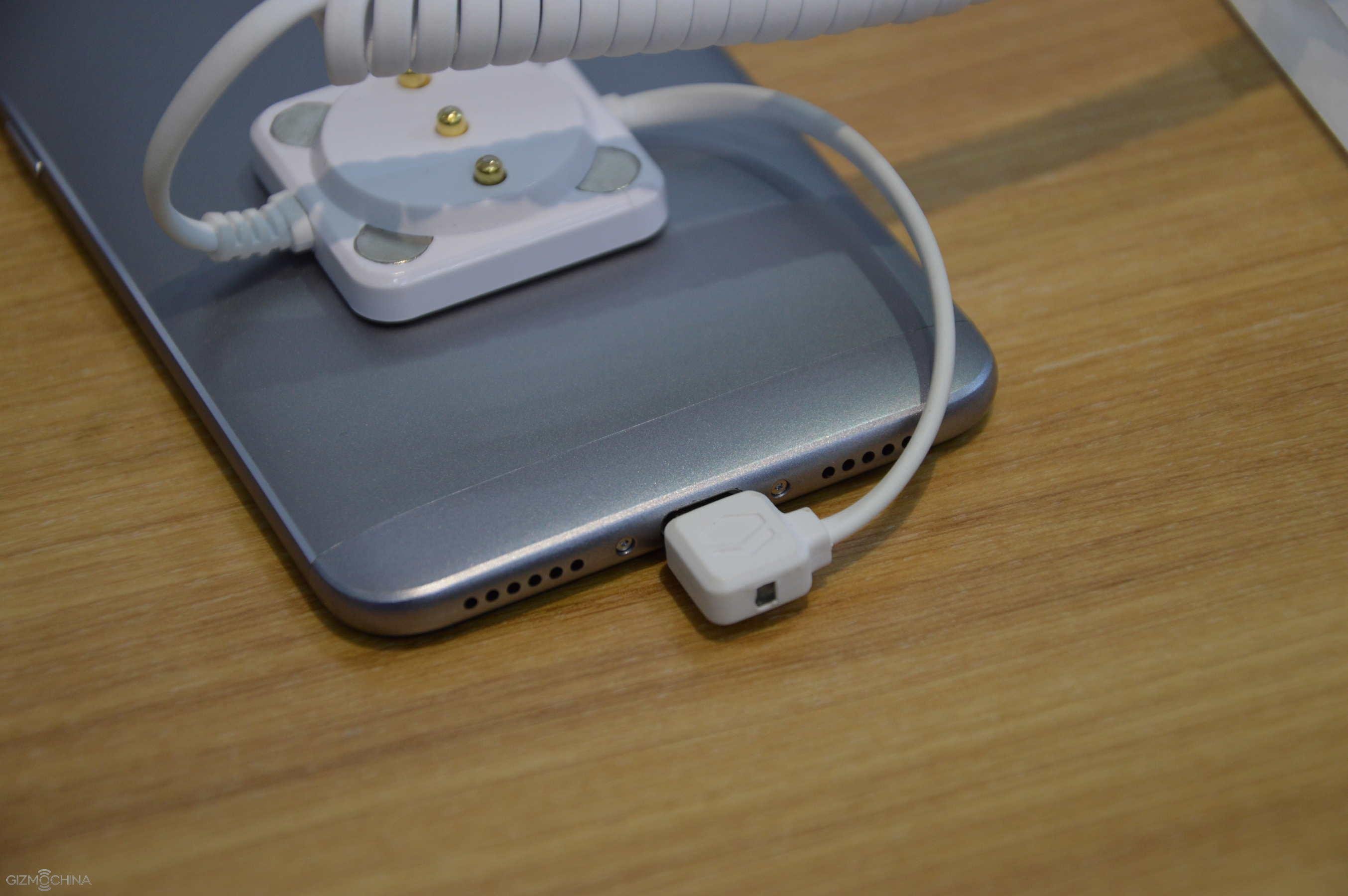
On the right, you have the power button with the hybrid dual SIM card slot.
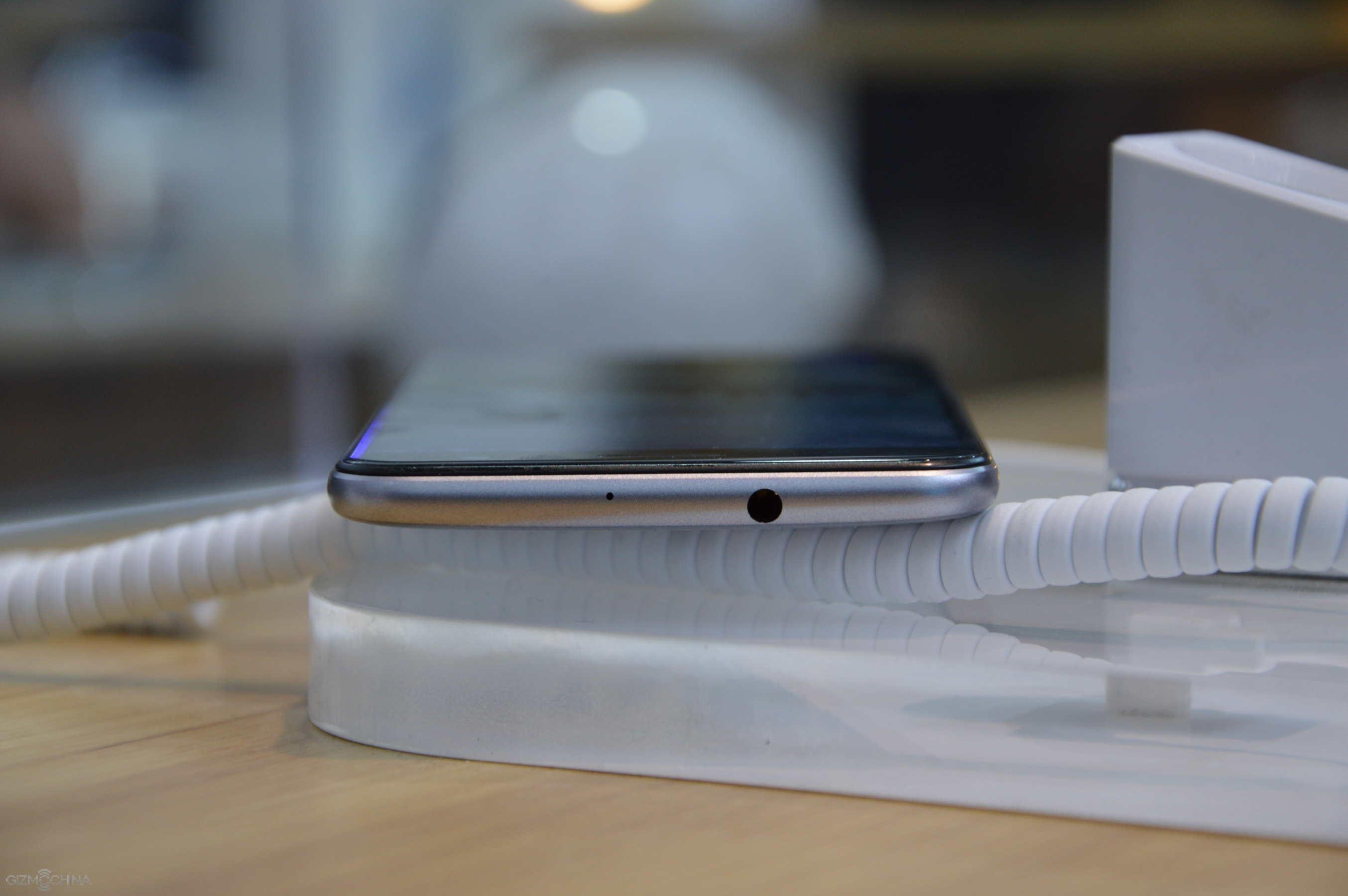
The volume buttons lie on the right and the headphone jack rests on top of the phone.
Inside, the phone Blade V7 Lite comes with the quad-core MT6735P processor clocked at 1.3GHz. There will be 2GB of RAM on board along with 8GB of expandable storage. Under the hood, you will find a 2500mAh battery.
The Blade V7 Lite is all set to launch in a number of countries including Russia, Mexico, Spain, Germany and Thailand. The company is yet to announce the exact price tag or availability schedule for the device, but expect more details soon.
We were expecting a flagship smartphone from ZTE at MWC 2016, but the company surprised us all by unveiling two new mid-rangers in its popular Blade series. Like the other models in the lineup, the ZTE Blade V7 comes with mid-range specs with a premium design, attracting customers who are looking for a good looking, value for money smartphone.
We had the opportunity to get our hands on the ZTE Blade V7 at MWC 2016 and here’s our initial impressions.
The first thing you notice when you take the Blade V7 in your hands is that the phone looks strikingly similar to the new iPhone models. It comes with 2.5D curved screen up front, with a slightly curved back as well. Further, the positioning of the speakers and microphones gives it a similar look to the new iPhone 6S Plus.
Don’t get me wrong, the phone is well built and fits well in your hand, but its just that it reminds you that the design is not exactly original. But once you get over it, the device as a whole starts to impress.
The power button is located on the right side and the SIM card slot lies on this side as well. The slot is hybrid which means you can insert a MicroSD card in one slot, which transforms your phone into a single SIM device.
The Blade V7 comes with a compact 5.2-inch display with FHD 1080p resolution. Under the hood, the company went with the MT6753 octa-core chipset clocked at 1.3GHz. This is a tried and tested processor, that powers most Chinese mid-rangers in the market. There’s 2GB of RAM on board, 16GB storage and 13MP rear camera with PDAF and dual LED flash. You get a 5MP front facing shooter as well. The phone comes with the latest version of Android 6.0 Marshmallow and features 2500mAh battery.
Xiaomi announced the Mi 5 flagship yesterday. Its an amazing value for money smartphone, featuring powerful specs, all at an impressive price tag of less than $300. While the Mi 5 will first go on sale in China only, fans from other markets can also get hold of this device via third party retailers. Like expected, even Giztop has made the Xiaomi Mi 5 flagship available for pre-order on its website. So, even users outside of China can purchase the device.
As always, the pricing is higher than the retail price of the Mi 5. You can get the base version with 3GB of RAM and 32GB of storage from $399 on the website. There are three colors available for pre-order, namely white, black and gold.
If you are looking to get hold of the 4GB RAM + 64GB ROM version, you will have to shell out $100 more for its pre-order. This version is available in three colors as well and will cost you $499 in all for pre-order. Finally, the top end version, namely the Xiaomi Mi 5 Pro with a faster chipset, and larger 128GB storage can be pre-ordered for $599.
The first batch of Xiaomi Mi 5 units is expected to ship in March. The order shipping dates will be based on the rank of your order. Early orders will get their shipments in the first batch itself.
Specs wise, the Mi 5 turns out to be a powerful flagship. It comes with Qualcomm’s Snapdragon 820 chipset on board with 3GB / 4GB RAM options depending on the variants mentioned above. There’s 32GB / 64GB / 128GB storage options available, and there’s no MicroSD card slot, so you will be limited to the storage that the phone comes with.
Other features includes a powerful 16MP Sony IMX298 sensor with DTI technology, 4-axis OIS and PDAF. Front features a 4MP Ultrapixel camera. There’s a 5.15-inch display on board with FHD resolution. Inside, you get as 3000mAh battery with QC 3.0 which provides up to 2.5 hours of talktime in just 5 minutes of charging. Full specs of the Xiaomi Mi 5 can be check out from here.
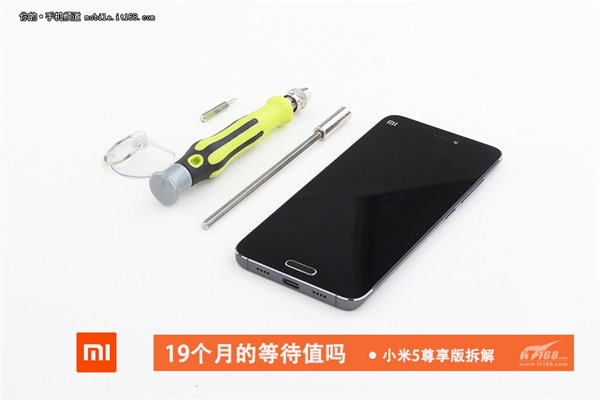
Xiaomi launched the Xiaomi Mi 5 flagship yesterday, and since that time, we have come across lots of coverage about the device. In fact, a few hours ago, we revealed the real world benchmark results of the Mi 5 and they were quite good. And now, the Xiaomi Mi 5 is getting the teardown treatment. Yes, less than 24 hours after the phone was launched, someone decided that a Xiaomi Mi 5 teardown was necessary.
This is the ceramic version (top end) of the flagship, and not the 3D glass back version. So, let’s take a look what the company has used inside its newest flagship smartphone.
We have added comments wherever possible to ensure that you understand what’s going on in the pictures given below.
Xiaomi Mi 5 Teardown
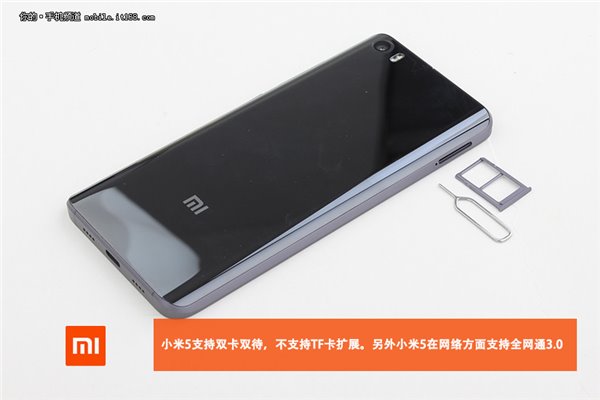
First of all, this teardown confirms that there is no MicroSD card slot on the device. As for connectivity, the phone supports dual SIM 4G+ (LTE A) SIM cards.
Starting with the teardown, the Mi 5 doesn’t come with a removable back. So, you will have to use a suction cup to remove the back cover from the overall body.
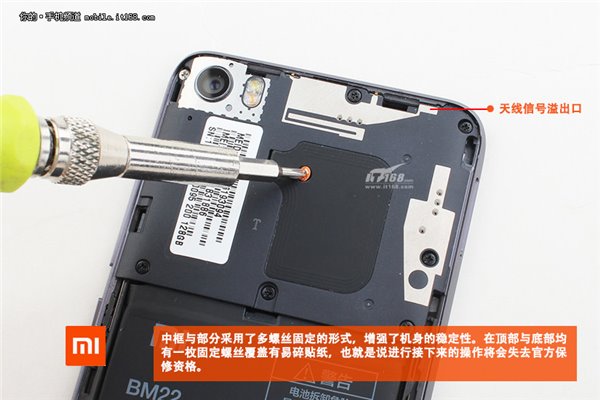
Once you remove the 3D ceramic back cover, you will find a number of screws. These screws are covered with stickers, which means you will lose official warranty once they are removed.
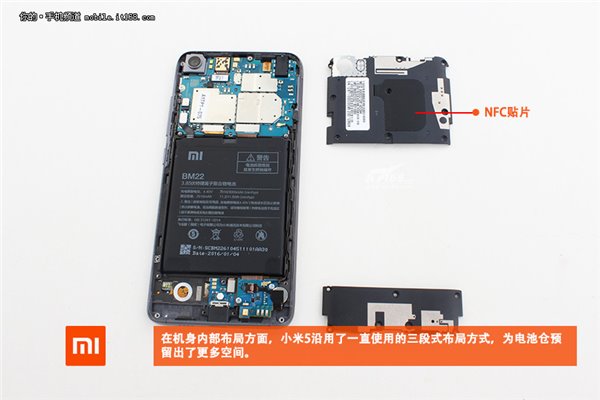
The inside of the Mi 5 uses a three-stage layout. The portion above the battery and below it can be taken off, once the supporting screws are removed. And yes, there’s NFC (as labelled in the image).
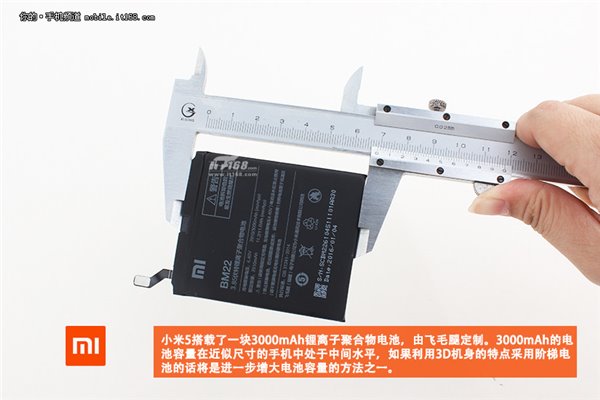
Like mentioned in the specs, the phone comes with a compact 3000mAh lithium ion polymer battery inside. You could replace it without much hassle, but that will void your warranty.
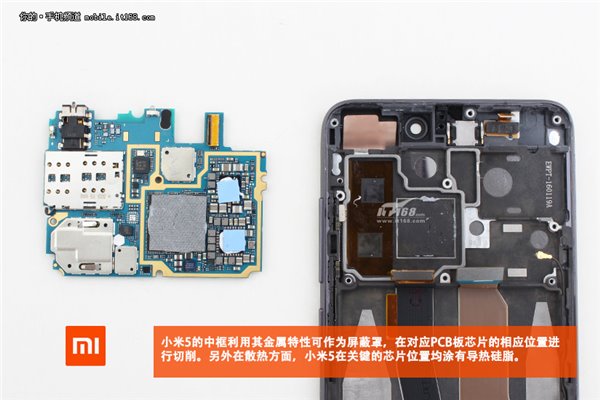
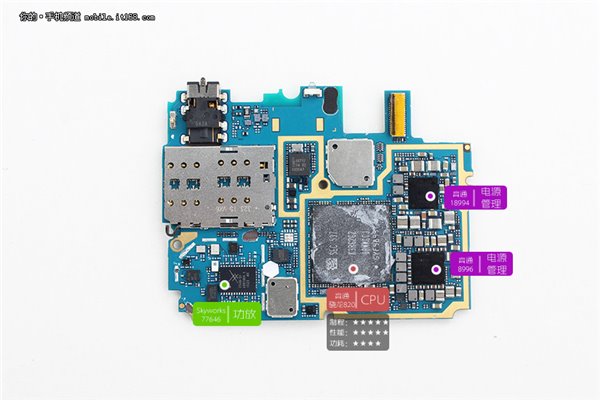
The top PCB board is supported by a metal frame wherever needed. The chipset is coated with thermal grease / gel. But there doesn’t seem to be any other equipment for cooling the CPU. So, looks like Qualcomm did a good job with Snapdragon 820 in terms of heat efficiency.
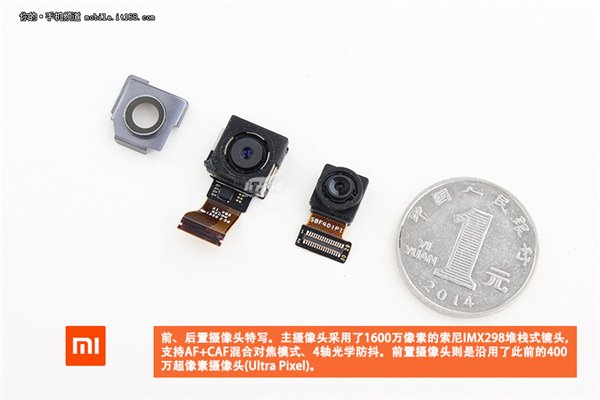
So, these are the camera units. On the left is the 16MP Sony IMX298 sensor with 4-Axis Image Stabilization which is the rear camera. On the right is the 4MP Ultrapixel sensor used on the front.
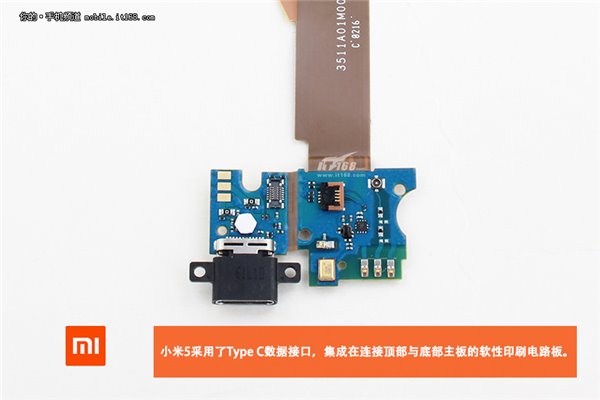
This is the USB Type-C data interface from the Mi 5.
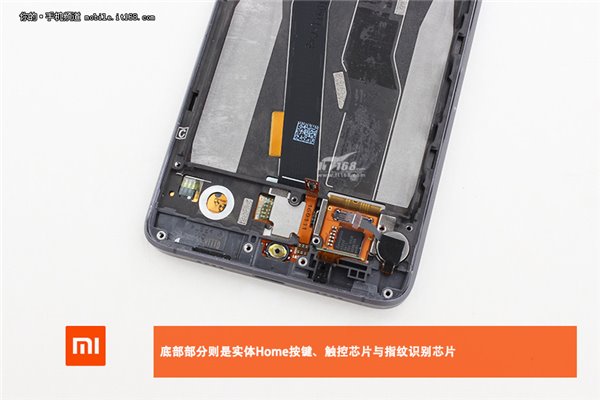
Next up is the physical home button, integrated with a fingerprint sensor. Unfortunately, the picture doesn’t reveal the maker of the fingerprint sensor on the device. So, its confirmed that the FPC 1245 fingerprint sensor is inside.
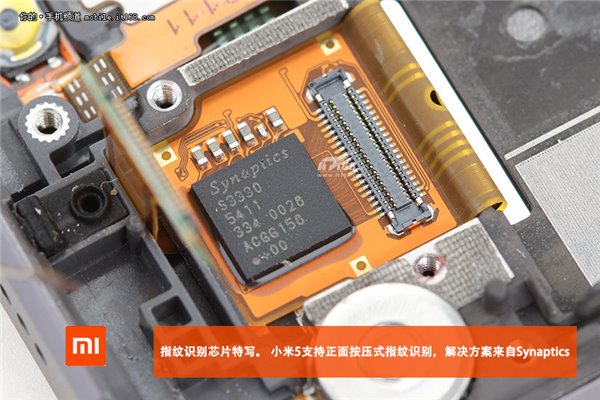
This picture shows us the closeup of the Synaptics IC. It says that this is the fingerprint sensor, but I believe that the chip is actually the touch controller.
The mighty Snapdragon 820 chipset above along with the 4GB RAM module.
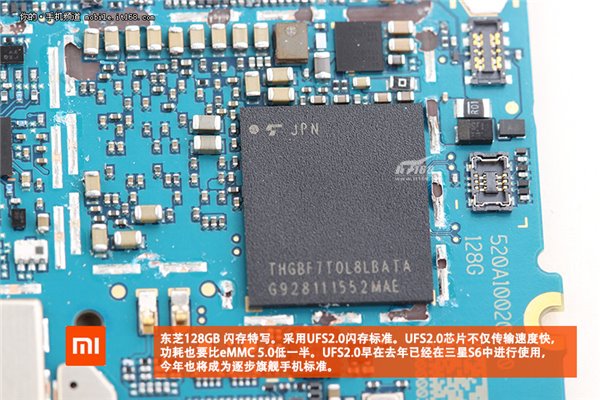
The 128GB flash memory on board the Mi 5, which is using the latest UFS 2.0 standard, faster as well as more efficient than eMMC 5.0.
So, this was the Xiaomi Mi 5 teardown. To be honest, I didn’t expect to see someone teardown this beast so fast.
Like you can see in the pictures above, the Mi 5 teardown reveals how well the company has placed all the components inside its thin 7.25mm body.
Xiaomi Mi 5 was just announced a couple of hours and we are all now excited to see a hands-on with the device. We were present at MWC 2016 in Barcelona, Spain where the company showcased its newest device. Luckily, among the hundreds of attendees, we got a short time with the Xiaomi Mi 5 and the experience was quite good.
The phone features a similar 3D back design as the Mi Note, but its better in many ways. There’s a ceramic version of the phone as well, which boasts of up to 9H Mohs hardness. It super thin, measuring just 7.25mm in thickness and lightweight as well, weighing just 129 grams. The overall size is compact, thanks to its small 5.15-inch display with thin bezels.
Under the hood, the phone features SD820 with 3GB / 4GB RAM, 32/ 62GB /128GB storage options. There a powerful 16MP Sony IMX298 with DTI pixel isolation tech, PDAF and 4-Axis Image stabilization (OIS). Other notable features include a 3000mAh battery with QC 3.0, 4G LTE, VoLTE USB Type-C, Infrared, and NFC.
We have added some images that we managed to capture at the event as well as hands on images from Pheonix technologies from China. The latter seems to be the best hands-on images of the Mi 5 available right now, so it’s definitely worth checking out. You can check them all from down below.
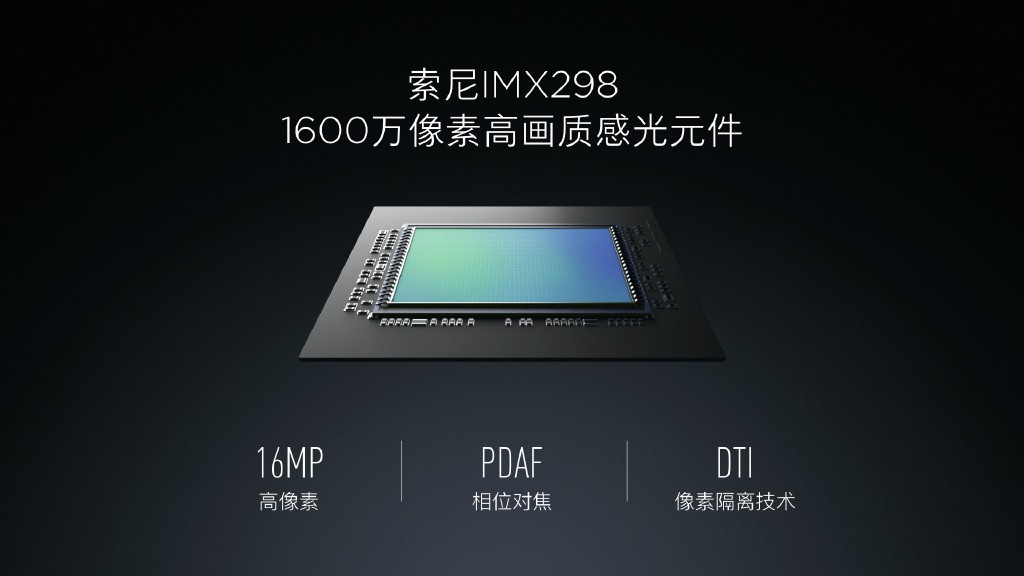
Xiaomi announced the Xiaomi Mi 5 flagship with much fanfare at its Spring Conference in Beijing China. The phone comes with powerful specs, but the company has paid special attention to one particular area — its CAMERA. The 16MP sensor at the back will come with DTI technology which will reportedly help the sensor to utilize more light and reduce noise and blur. Further, the presence of 4-axis OIS helps in making sure that all the pictures turn out to be clear and crisp, even when you are taking a shot of an object in motion.
The Sony IMX 298 16MP sensor at the back will come with DTI technology which will reportedly help the sensor to utilize more light and reduce noise and blur. Further, the presence of 4-axis OIS helps in making sure that all the pictures turn out to be clear and crisp, even when you are taking a shot of an object in motion.
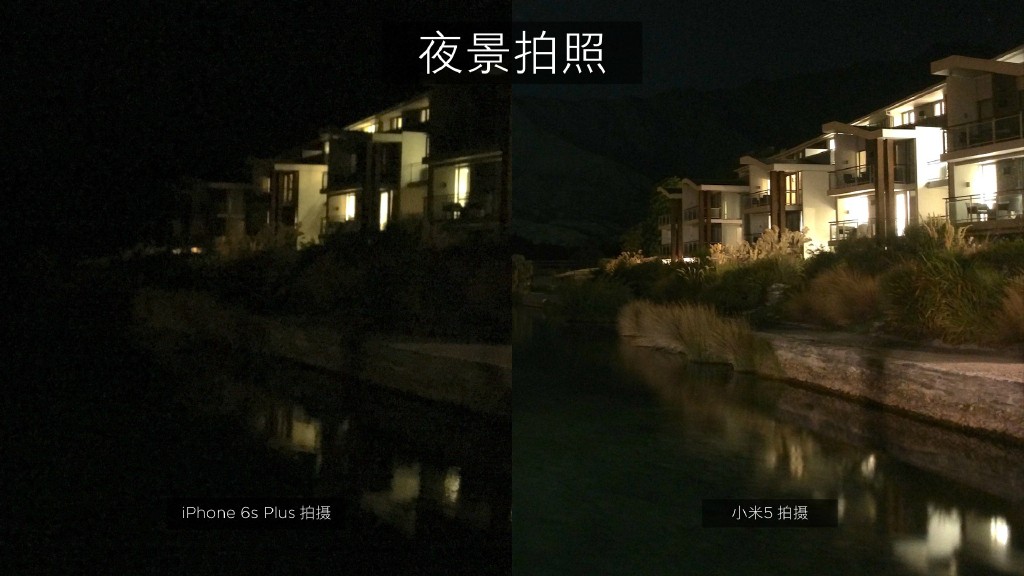
During the conference, Xiaomi didn’t waste any opportunity to compare its new flagship, the Mi 5 with Apple’s most recent handset, the iPhone 6S Plus. In terms of weight, dimensions, and even camera, the company tried to prove that the Mi 5 is better than the iPhone model.
In fact, in the conference, the company shared some samples of the Xiaomi Mi 5 directly compared with the same shot taken by the iPhone 6S Plus. In a couple of pictures, the Mi 5 does take pictures with better light as well as richer colors. So, there seems to be a visible improvement in the quality of pictures taken with the Mi 5, but we will reserve that judgement for later.
Meanwhile, you can check out these images. What do you think? Which ones better?
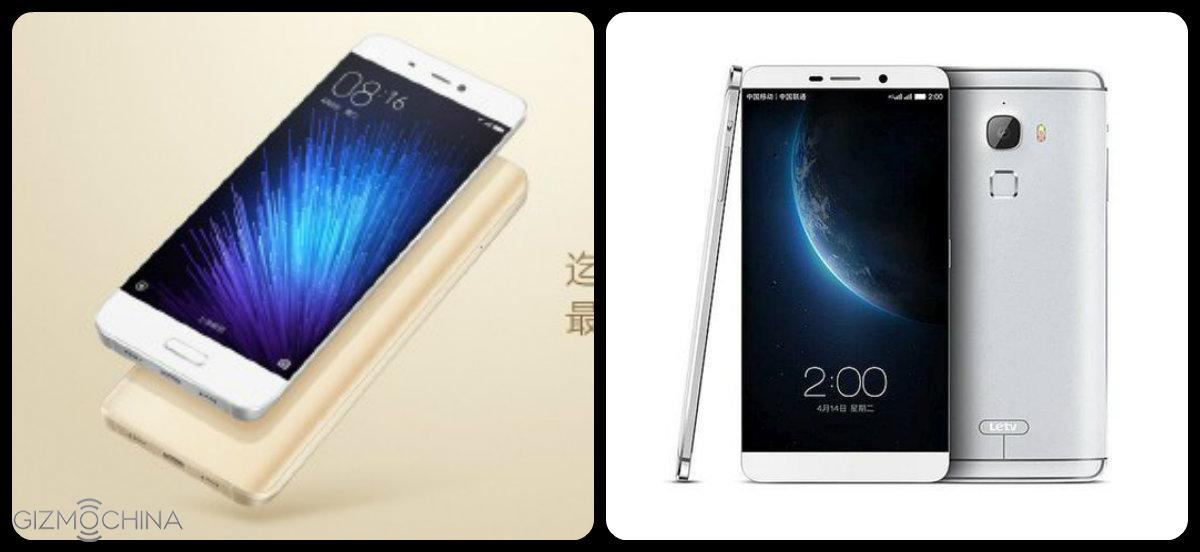
Now that the Xiaomi Mi 5 is officially announced, its time to look at how it compares with the LeEco Le Max Pro which was announced back in January. The new Xiaomi flagship comes with plenty of innovative features meant to disrupt the industry. However, what really is the highlight of the phone is the price tag. Xiaomi has always been aggressive with its pricing and slapping a price tag of just 1999 Yuan for the device is just amazing.
But given that the Le Max Pro comes with 4GB of RAM, we will compare the top end version of the Xiaomi Mi 5 also coming with 4GB of RAM. So, without wasting any more time, let’s look at a quick Xiaomi Mi 5 vs Le Max Pro comparison.
DISPLAY:
Both the companies are targeting different consumers with its flagships. The Le Max Pro comes with a massive 6-inch display with 2K resolution while the Xiaomi Mi 5 comes with a much more compact 5.15-inch LCD display with FHD 1920 x 1080p resolution. As you can see, if you are looking for a compact flagship, Mi 5 is your best bet. But if you want something big that can fulfill all your entertainment needs, the Le Max Pro is the one for you, with a large 6.3-inch panel.
PROCESSOR & MEMORY:
Not much is different in this category, both featuring Snapdragon 820 chips. The SD820 inside Mi 5 is clocked at 2.15GHz, while the one inside Le Max Pro is clocked at a slightly higher 2.2GHz. As for the GPU, both have Adreno 530. Again, both feature 4GB of LPDDR4 RAM and UFS 2.0 storage. While the LeEco flagship comes with 64GB of storage, the high-end variant of the Mi 5 comes with a whopping 128GB storage.
Xiaomi Mi 5 vs Le Max Pro – CAMERAS:
We can’t usually judge the camera performance just on the basis of specs, so we leave that for later during our review. But for specs, the Le Max Pro comes with 21MP sensor with f/2.0 aperture, OIS, PDAF and dual LED flash. On the other hand, the Xiaomi Mi 5 comes with a 16MP sensor with DTI technology (better light utilization), four axis OIS, PDAF and dual LED flash.
As for the front camera, you get a large 4MP with 2-micron pixels on the Mi 5. Similarly, the Le Max Pro also comes with a 4MP front camera.
BATTERY:
The Battery is a bit larger on the Le Max Pro, with a capacity of 3400mAh and it supports QC 3.0 as well. On the other hand, the Xiaomi Mi 5 comes with a slightly smaller 3000mAh capacity battery.
To be honest, the Mi 5 should have a better battery owing to the FHD resolution vs 2K on Max Pro and a smaller and compact display measuring just 5.15-inches. But we will have to wait and see, how much screen on time both the devices can provide.
CONNECTIVITY & MISC:
So, for connectivity, both feature dual SIM Dual standby, 4G LTE, VoLTE, USB Type-C port. We are not quite sure whether Le Max Pro has NFC (probably not), but the Xiaomi Mi 5 has this feature.
Both have fingerprint sensors on board. But they use different sensors. While the Le Max Pro comes with Qualcomm’s new Ultrasonic 360 degrees sensor, we are not quite sure what sensor is inside the Mi 5.
PRICING & AVAILABILITY:
Le Max Pro recently went on sale at 1999 Yuan ($305) but only 1000 engineering units were made available for sale. The open sale date or pricing is yet to be announced, but it’s going to be much costlier than this figure.
On the other hand, the Xiaomi Mi 5 is confirmed to go on sale from March 1, i.e next week at a starting price tag of 1999 Yuan ($305). If you are looking to purchase the prestige edition (most powerful version), i.e. the one compared in this article, then it will cost you 2699 Yuan ($413).
COMPARISON: Xiaomi Mi 5 vs Le Max Pro
No.
SPECS
Le Max Pro
Xiaomi Mi 5
1
DISPLAY
6.33-inch LCD
2560 x 1440p (464 ppi)
5.15-inch LCD
1920 x 1080p
2
CPU
Qualcomm Snapdragon 820
@2.2GHz
Qualcomm Snapdragon 820
@ 2.15GHz
3
GPU
Adreno 530
Adreno 530
4
RAM
4GB LPDDR4
4GB LPDDR4
5
STORAGE
64GB UFS 2.0
NO MicroSD slot
128GB UFS 2.0
6
CAMERAS
21MP f/2.0 6P Lens
OIS
PDAF
dual LED color temp flash5MP Secondary
81 degrees wide angle
16MP 6P Lens
4 Axis OIS
PDAF
dual LED color temp flash4MP Secondary
2-micron pixel
7
BATTERY
3400mAh (non-removable)
3000mAh
8
OS
Android M + EUI
Android 6.0 + MIUI 7
10
FEATURES
4G LTE, VoLTE
USB Type-C
QC 3.0
Hi-Fi, Dolby Atmos
Ultrasonic Fingerprint ID
4G LTE, VoLTE
USB Type-C
QC 3.0
Fingerprint ID
11
PRICE
TBA
$413 (128GB)
So, that was it. Xiaomi Mi 5 vs Le Max Pro. As you can see, this is not an extensive comparison, rather it’s just a quick specs comparison. It helps you to figure out what each model offers to the consumers.
Which one would you pick? Although I know what’s the answer going to be for most of our readers.
We use cookies on our website to give you the most relevant experience by remembering your preferences and repeat visits. By clicking “Accept”, you consent to the use of ALL the cookies.
This website uses cookies to improve your experience while you navigate through the website. Out of these, the cookies that are categorized as necessary are stored on your browser as they are essential for the working of basic functionalities of the website. We also use third-party cookies that help us analyze and understand how you use this website. These cookies will be stored in your browser only with your consent. You also have the option to opt-out of these cookies. But opting out of some of these cookies may affect your browsing experience.
Necessary cookies are absolutely essential for the website to function properly. This category only includes cookies that ensures basic functionalities and security features of the website. These cookies do not store any personal information.
Any cookies that may not be particularly necessary for the website to function and is used specifically to collect user personal data via analytics, ads, other embedded contents are termed as non-necessary cookies. It is mandatory to procure user consent prior to running these cookies on your website.