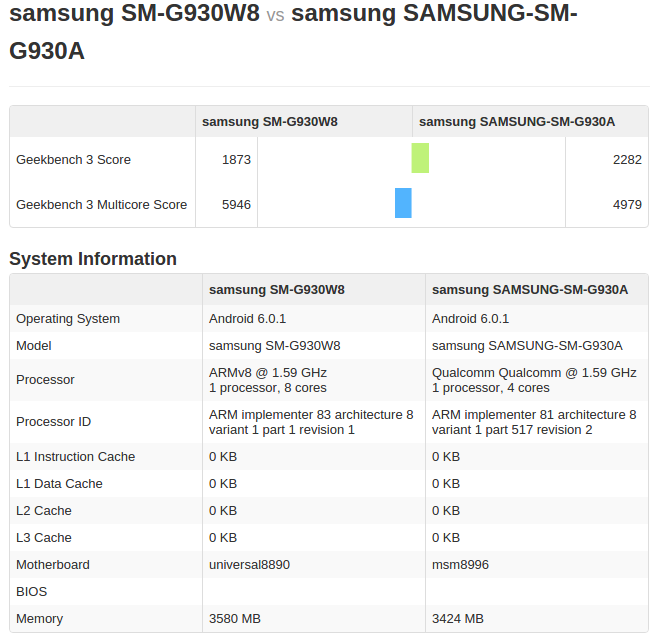
Once again, this year, Samsung is expected to release two different variants of the Galaxy S7 flagship smartphone, one with the quad-core Snapdragon 820 chipset and the other with the octa-core Exynos 8890 chipset. Both the versions are going to be powerful, according to the benchmark scores posted previously. A few days back, we saw the Snapdragon 820 powered Galaxy S7 on AnTuTu and now, the Exynos 8890 powered variant has just been spotted on Geekbench. Given that we have also seen the SD820 variant on the same benchmarking app, we can compare both the scores directly.
The Exynos 8890 powered Galaxy S7 managed to score 1873 in the single-core test, and 5946 in the multi-core test. In comparison, the Snapdragon 820 powered variant scores 2282 in the single-core test and 4979 in the multi-core test. These results are actually not surprising given that both the chipsets have posted similar scores in these tests earlier.
As for the specs, they are identical except for the CPU. So, for now, it looks like the Exynos 8890 variant will be slightly more powerful than the former. Unfortunately, the chip is yet to hit AnTuTu, so we can’t compare the results there directly. The SD820 Galaxy S7 managed to score an impressive 125K in the AnTuTu test, even surpassing Apple A9 to become the best chipset. We have a feeling that the Exynos 8890 may be a tad faster in the test. But let’s see.
As for the other specs, the Galaxy S7 is expected to feature 4GB RAM, 5.2-inch QHD Super AMOLED display 2560 x 1440p, Android 6.0.1 Marshmallow and 64GB of storage.
The company will launch the flagship on February 21 at its Unpacked 2016 event.
Just before I finish up testing the device, I took the camera for a spin, took quite a few pictures and as always, I am asking you to share your opinion in the comment section below the video.
The Galaxy A5 uses a 13MP shooter with OIS and a bright f/1.9 aperture. However, the sensor has a 4:3 aspect ratio if you want to take pictures at the maximum resolution.
Just before we start with the actual camera samples, let’s take a look at the camera app as a lot of people have requested this in the previous reviews.
What you are getting is a typical Samsung camera app we’ve seen on lots of phones. On the left there is settings and options toolbar and everything is pretty much self-explanatory.
On the right side you can access your recent photos, shoot videos, take pictures, switch cameras and last but not least select different modes. Also, you can download a few extra ones but what I actually missed was the slow-motion video mode.
Finally, the shutter speed is really fast even in lower-lit situations.
Allright, let’s take a look at the camera samples. I’m going to tell what I think about the image quality in the full review, so you may want to wait for that. As always, sit back, relax and see you soon.
We are just three weeks away from the official launch of the Xiaomi Mi 5 flagship. There are a lot of features that we already know about the device, thanks to the confirmations from the company executives. However, some specs like the screen size or the body material are still unclear. Earlier Xiaomi Mi 5 leak and rumors have said that the phone will come in two variants, a low-end variant with 3GB RAM and 2.5D glass body and a high-end variant with an all metal body.
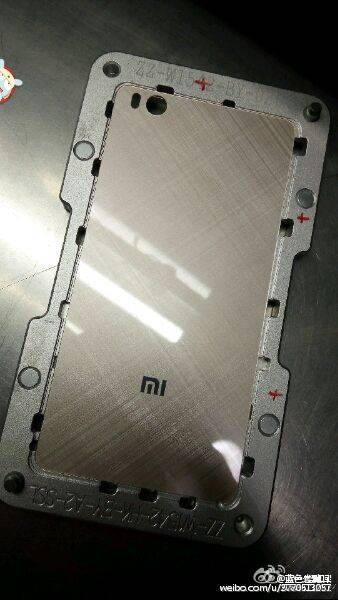
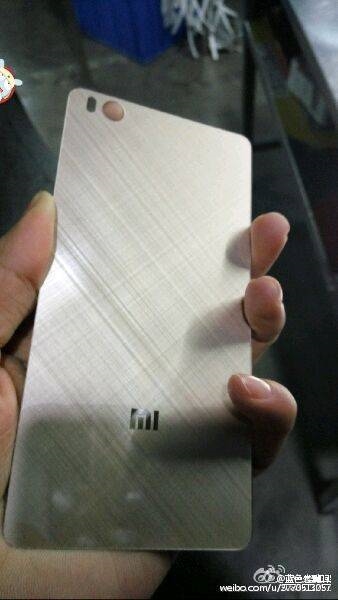
Looks like we have got the first glimpse of the rear of the low-end model. This alleged Xiaomi Mi 5 leak reveals a back cover with a glass-like material. There are two openings on the top left corner for the camera sensor and the dual LED flash, while at the center, you have the traditional Mi logo. As you can see, the rear shell is not plain, but rather textured.
So, like the Redmi 3, the company could be planning to release a textured pattern variant of the Mi 5. Personally, the back cover looks quite premium. So, I wouldn’t mind if this is the final design in one of the variants of the flagship.
From today’s leak, the phone looks quite compact. So, as rumored, the display size could be limited to 5.2-inches. If true, then it would completely make sense why Xiaomi decided to stick with a 1920 x 1080p display panel on the device as even with this resolution, the pixel density easily goes over 400ppi.
Xiaomi Mi 5 is confirmed to launch on February 24, which is just a few weeks away. Like tradition, Xiaomi and its executives have taken turns to reveal some of the features of the flagship, essentially confirming the specs that we will find on the device.
Today, we take a look at those specs, which have been officially confirmed by them. So, when the Xiaomi Mi 5 launches on February 24, we know what to expect from the smartphone. Given that its executives have teased various features from the start of the year, we know quite a bit about the upcoming device.
1. CPU: Snapdragon 820
Before January, we hoped that the Xiaomi Mi 5 came with the latest quad-core Qualcomm Snapdragon 820 processor, which has managed to impress us so far in terms of performance.
Thanks to its Senior Vice President, Liwan Jiyang, we now know for sure that we will see this high-end chipset inside the device. Early January, he confirmed the CPU, which was soon reconfirmed by the CEO Lei Jun.
2. Screen Resolution: 1920 x 1080p
Yesterday, Liwang confirmed yet another feature on the Mi 5 flagship, i.e. the screen resolution. Stating that 2K displays use up a lot of battery, he revealed that the company has decided to stick with FHD 1920 x 1080p resolution for the upcoming flagship smartphone. This is actually a great decision in my opinion since the screen size (not confirmed yet) is said to be only around 5-5.2-inches. Also, the phone will come with some high-end technology for its display, according to Liwang.
3. NFC
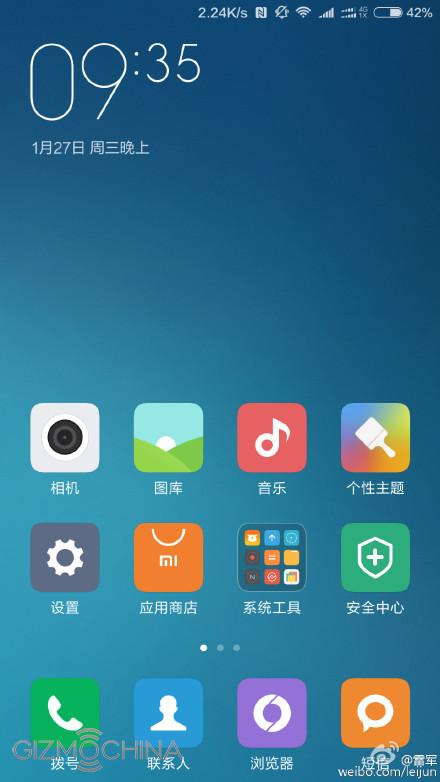
Xiaomi has finally decided to bring back NFC on its new flagship. In a screenshot posted by Lei Jun a few days back, we could see a large N symbol on the taskbar which basically confirms NFC on the device. Today, Liwang further confirmed NFC on the Xiaomi Mi 5 flagship via his official Weibo page.
Although not a surprise, but we know for sure that the Xiaomi Mi 5 will feature dual SIM, thanks to the screenshot posted by the CEO.
5. Launch Date: February 24
Well, this is not exactly a feature, but we know for sure that we will meet the Xiaomi Mi 5 flagship on February 24 at the company’s Spring Launch event.
So, these were all the features and information that we know about the Xiaomi Mi 5 confirmed by the company. Expect a lot more information about the flagship in the coming weeks before the official launch on February 24.
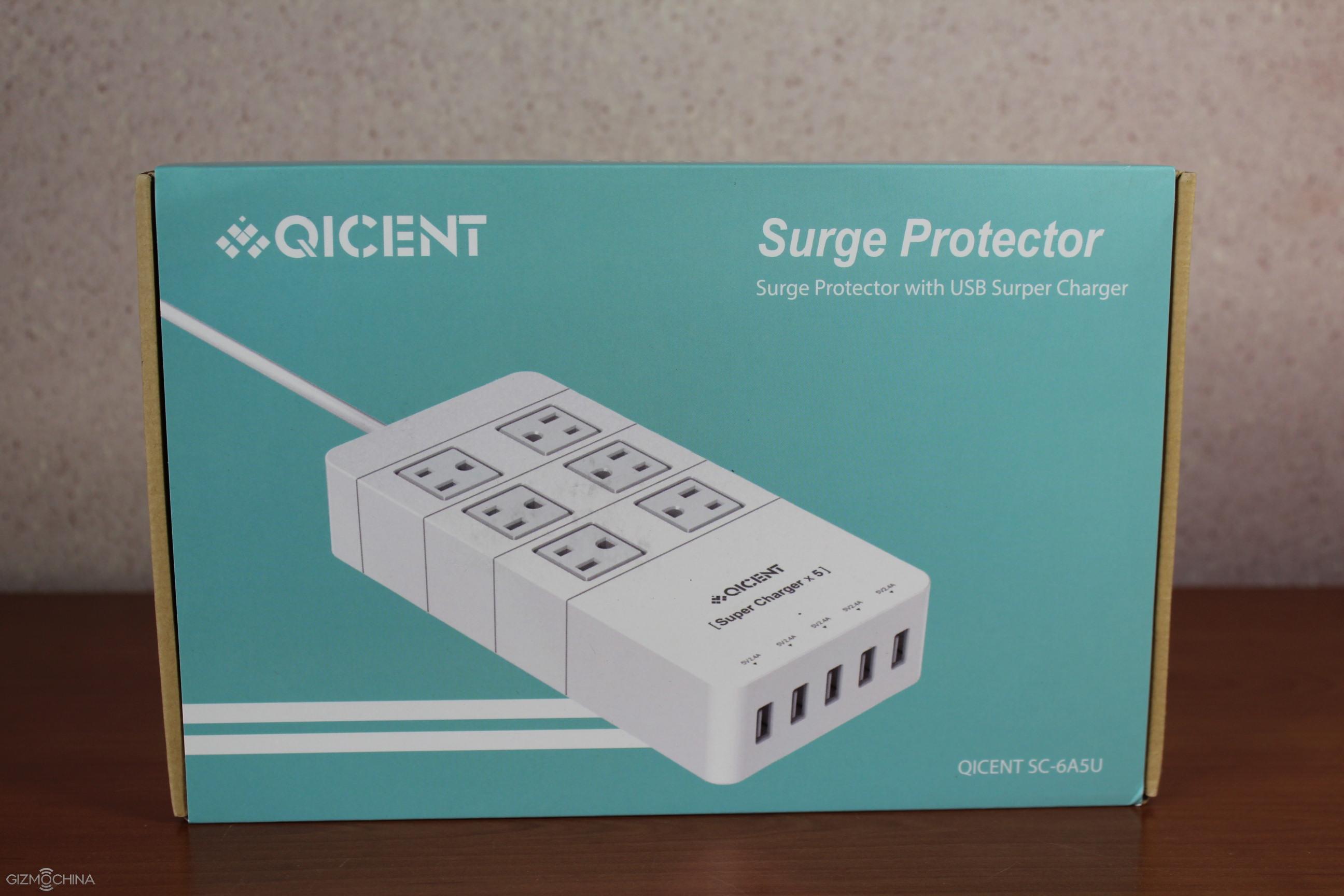
The market is full of power strips as a lot of manufacturers produce them. Thus, it may be hard to choose one and we are here to help you decide. Find out more in a QICENT 6 outlet power strip & surge protector with 5 smart USB ports review.
Unboxing
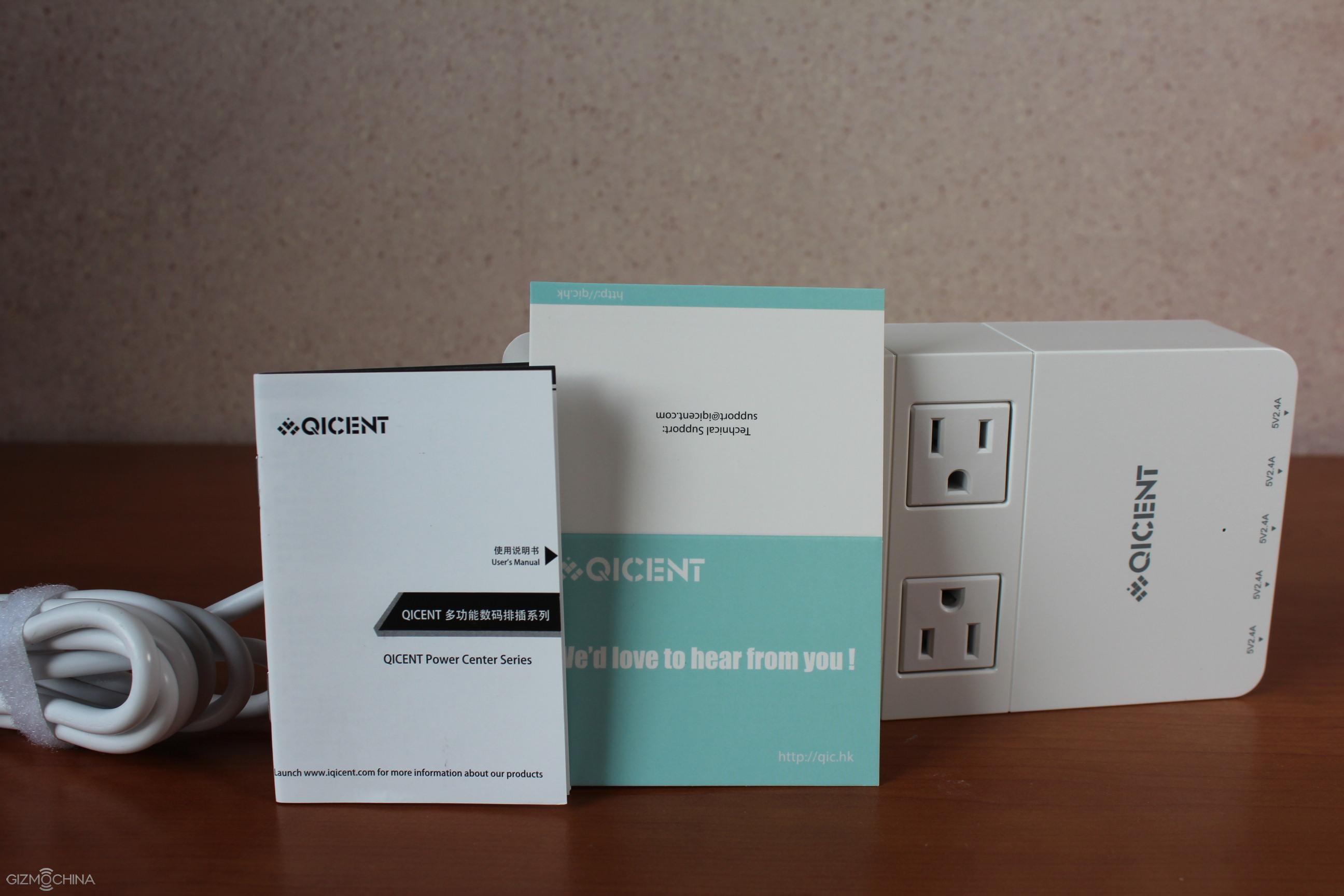
The device comes in a neat packaging and all you are getting is the power strip itself and some instruction manuals.
Design and Features
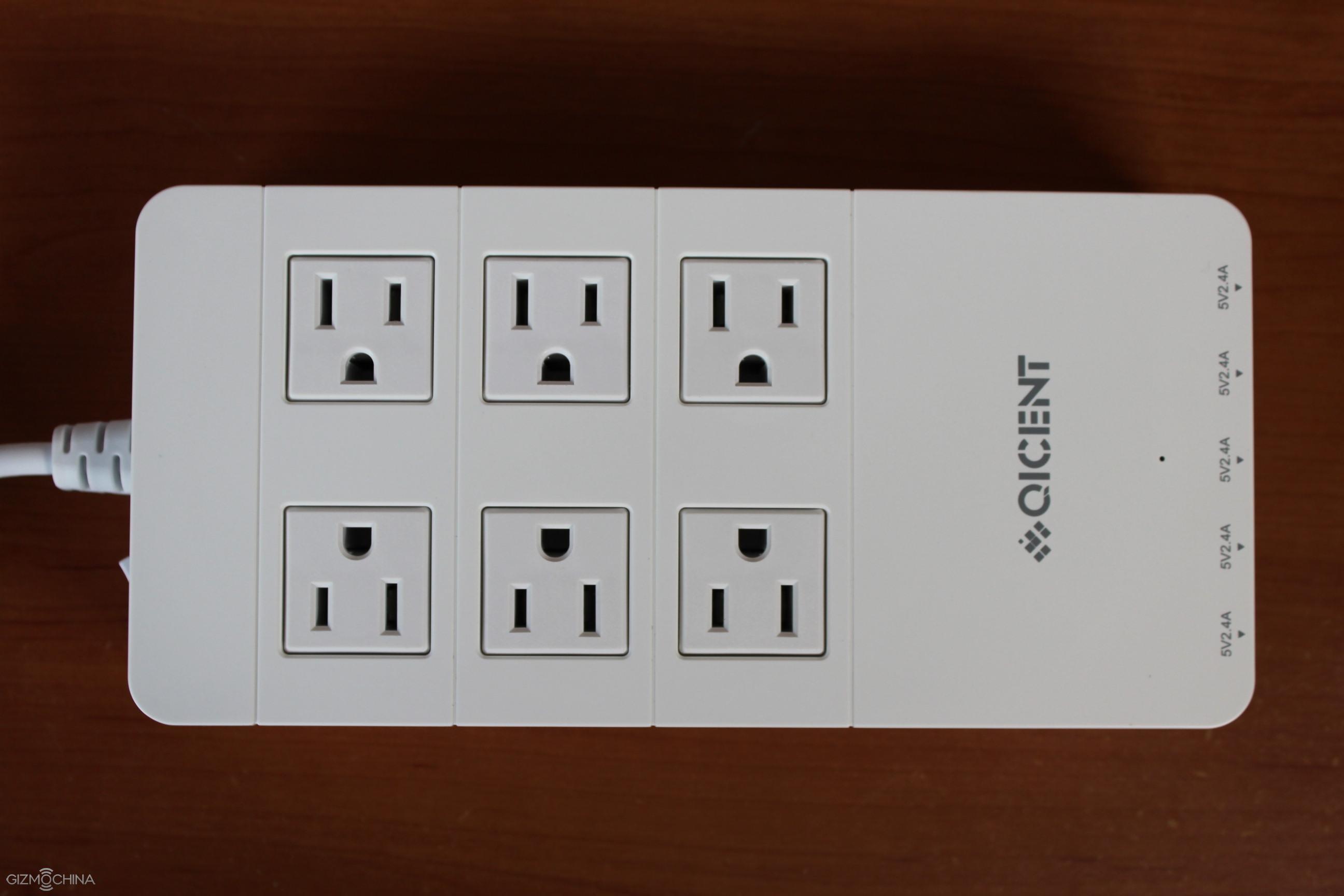
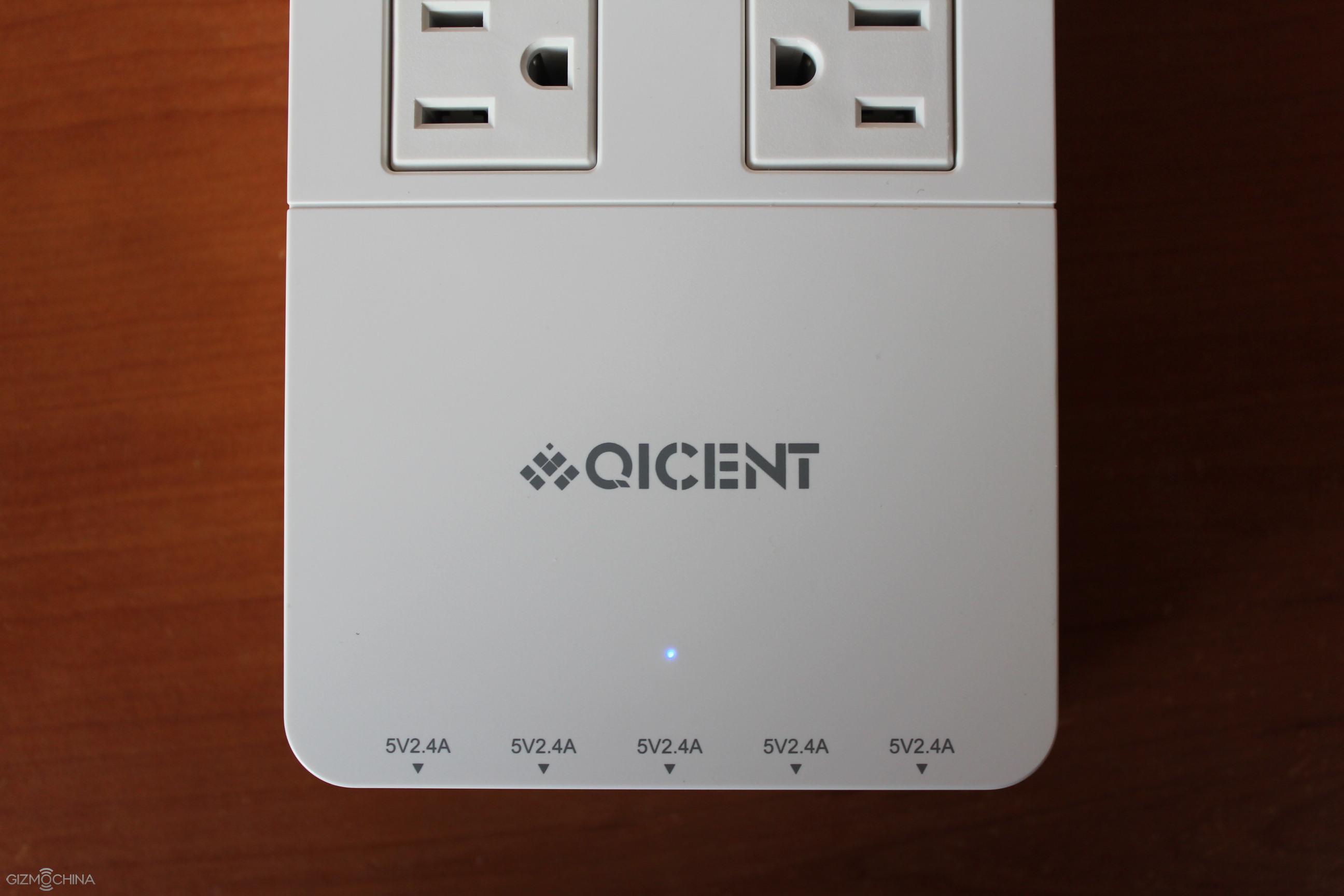
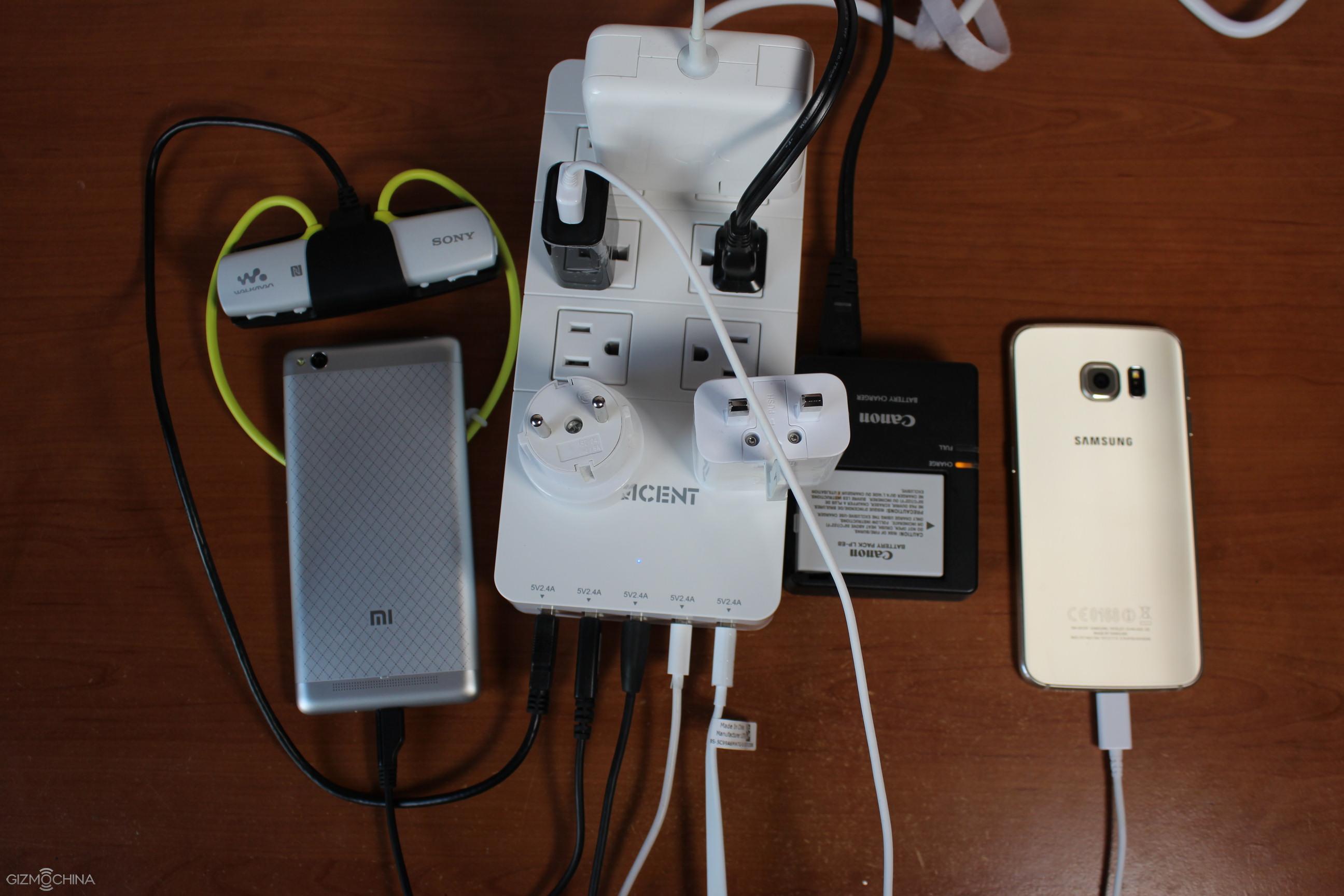
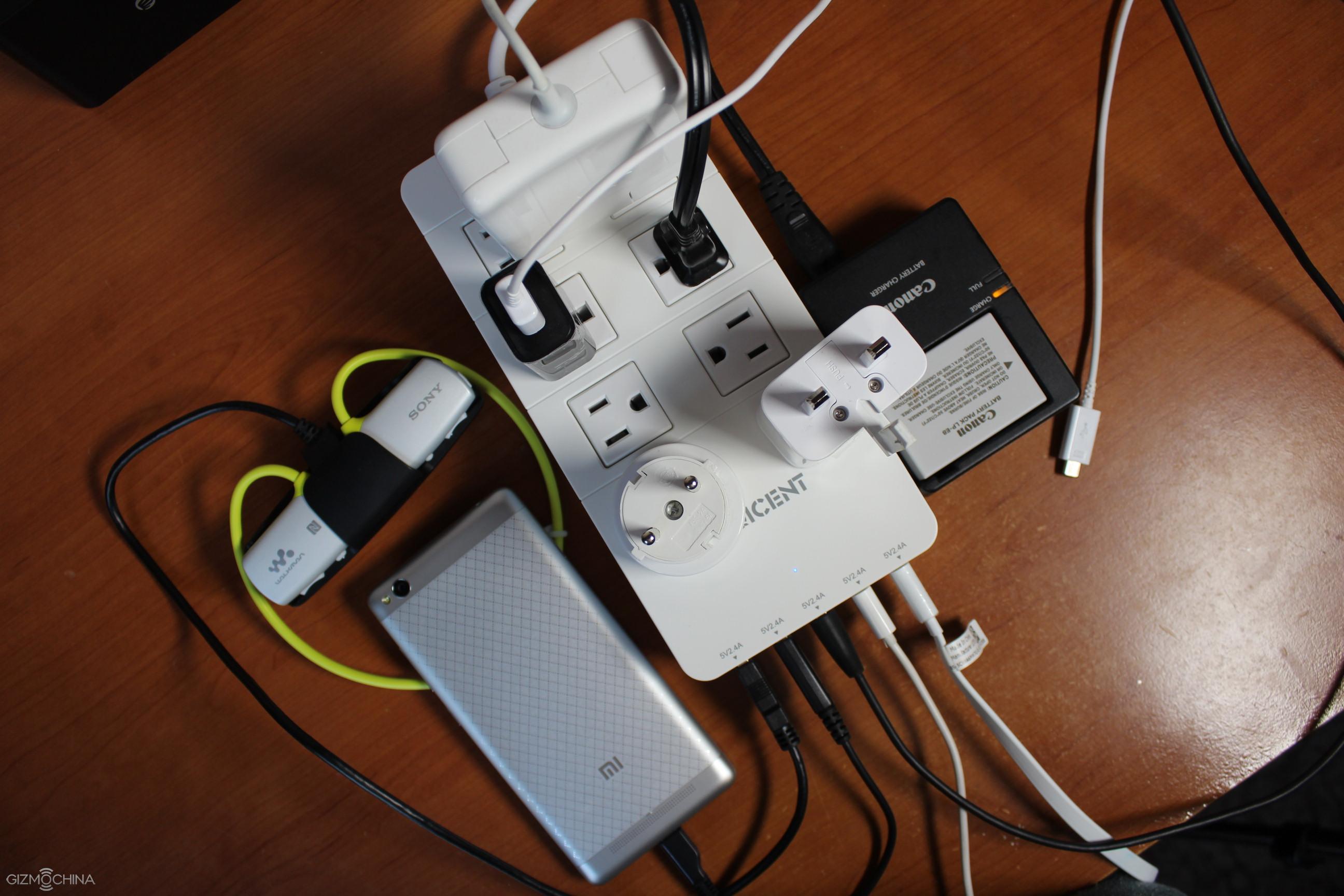
The Qicent power strip is made of quality plastic and it sports excellent build quality. Here in the top side we have 6 US/China type power outlets.
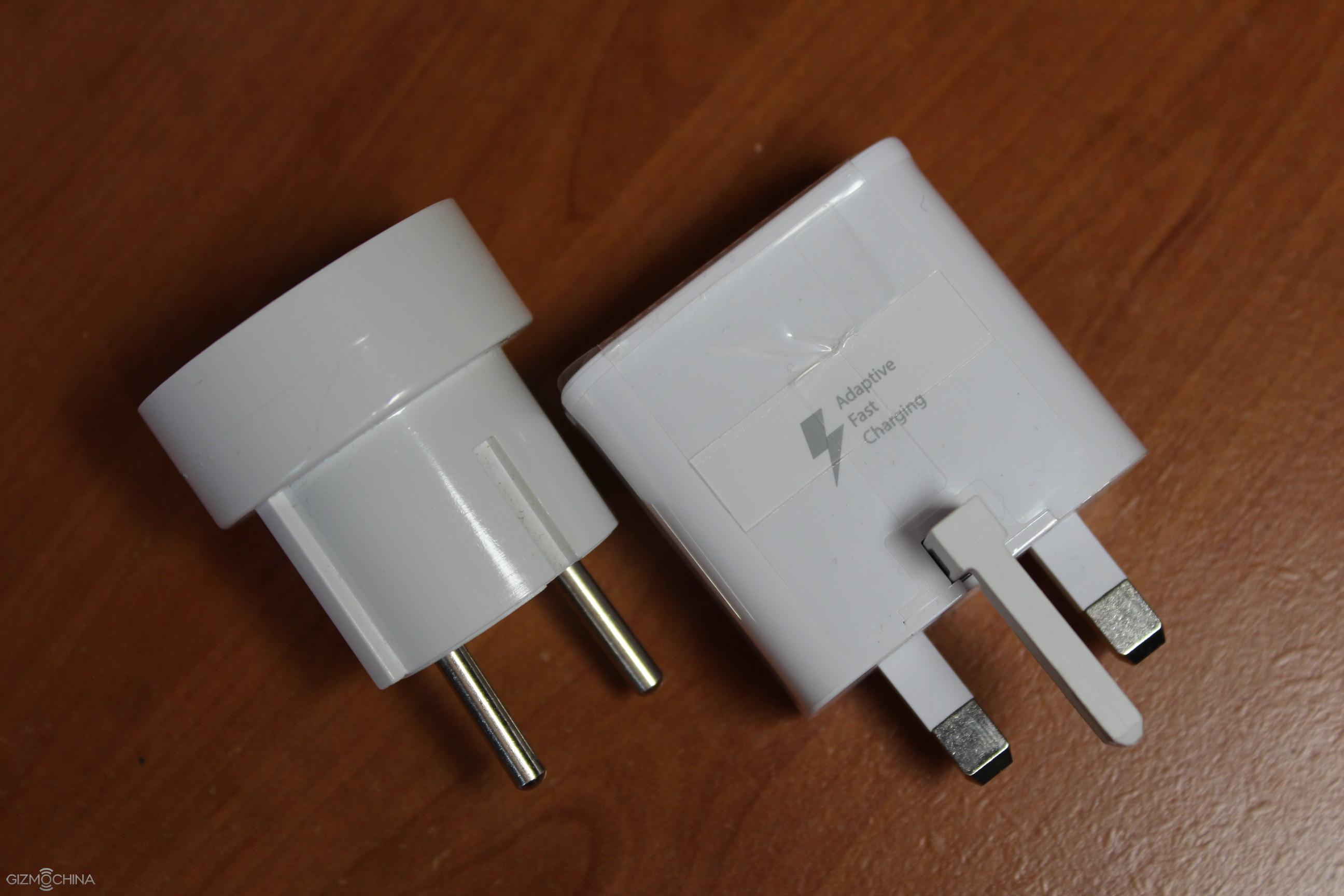
That means that you can only use it with the devices bought from the U.S or China, or if you live in these countries. The more versatile power outlets that could accept EU and UK chargers would have made this power strip near perfect device.
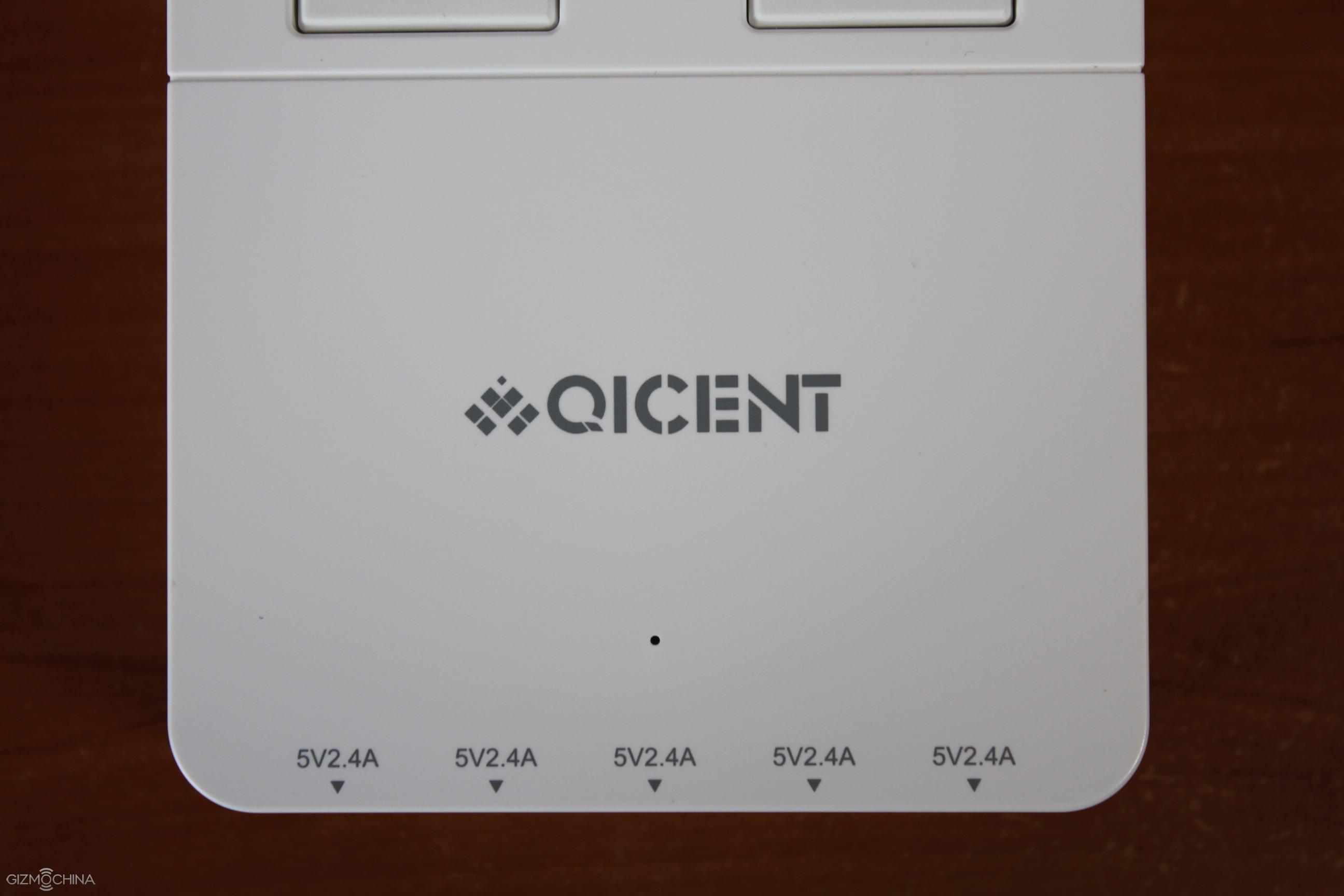
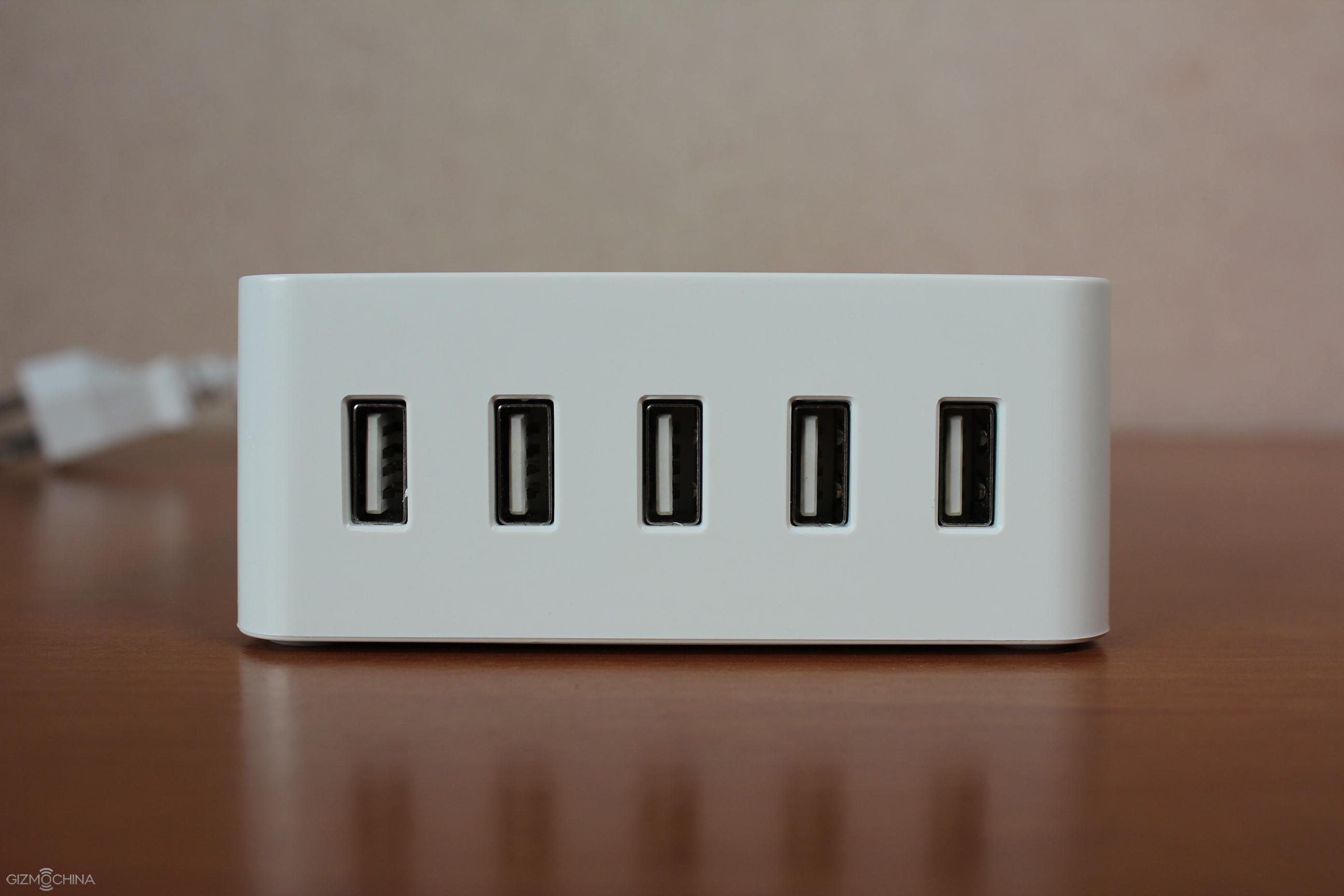
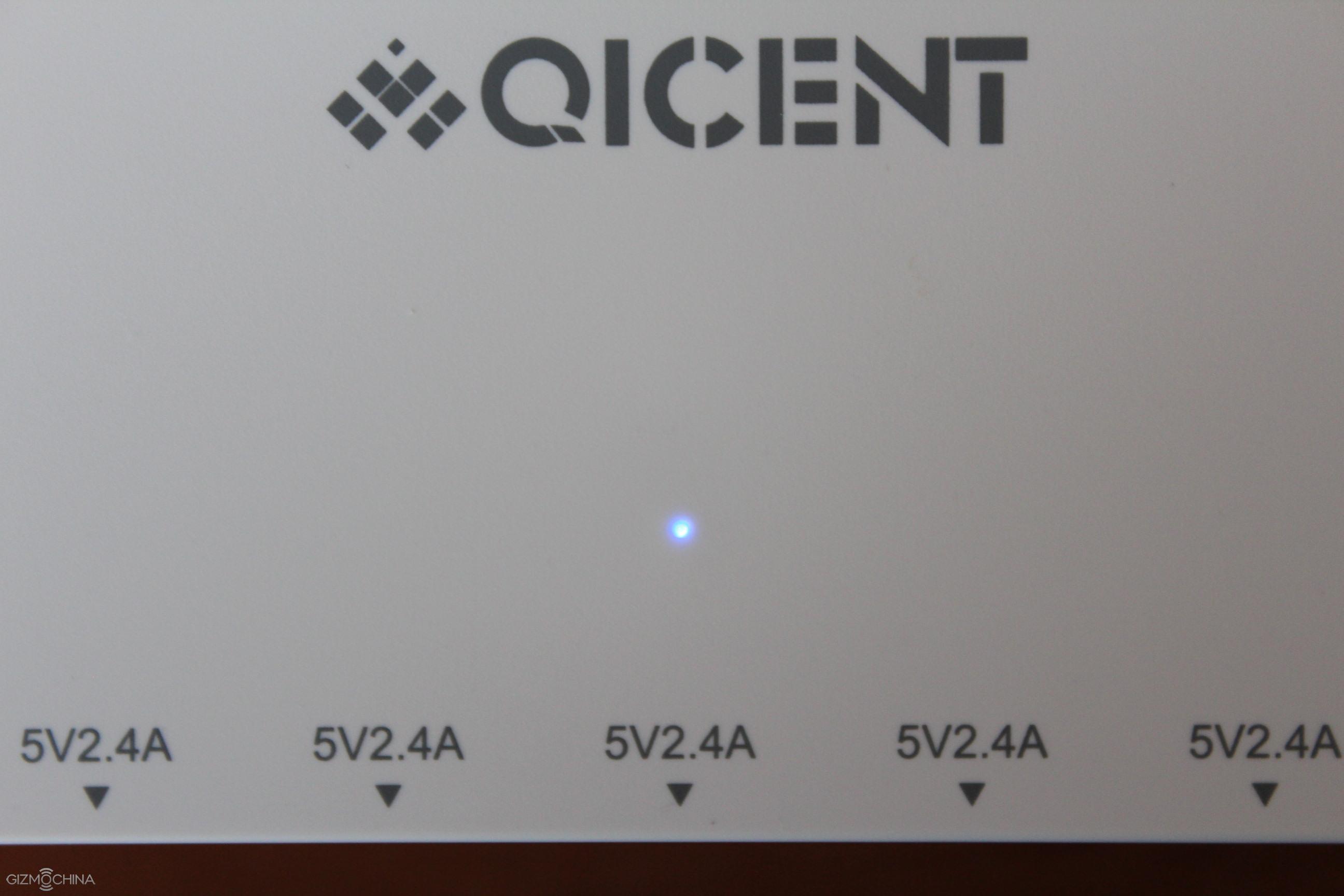
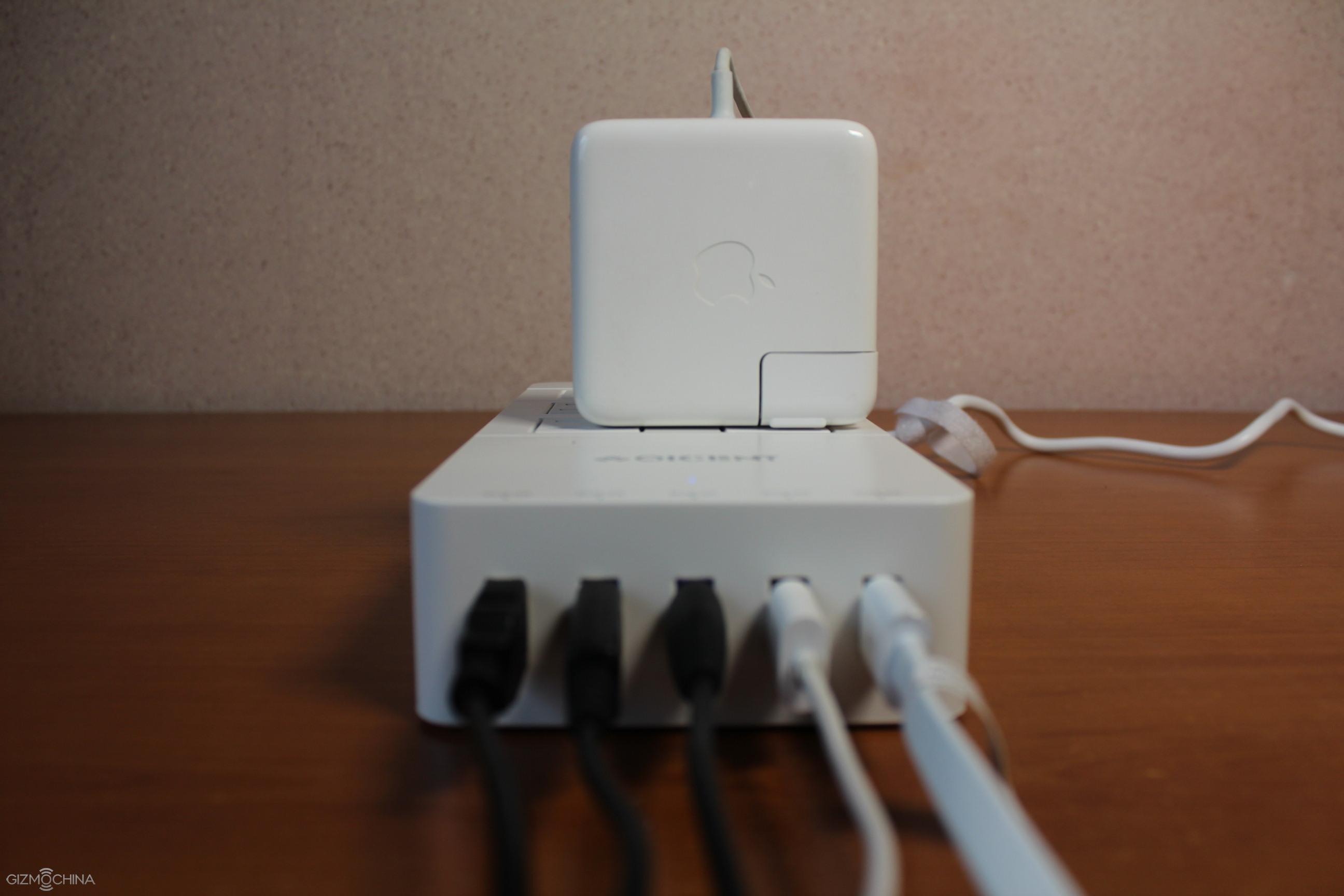
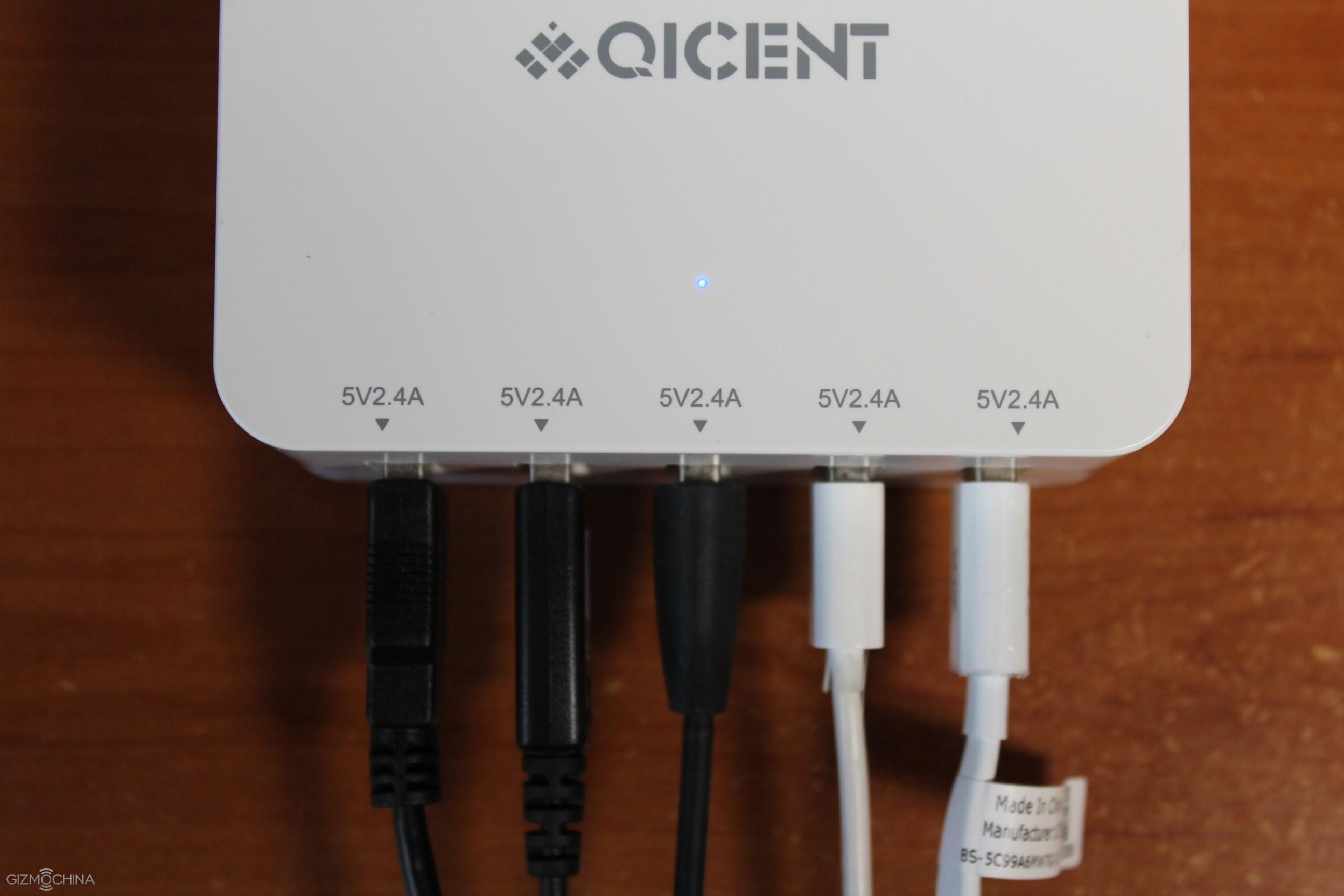
On the other hand, we have another set of ports – 5 USBs that are each capable of providing up to 2.4A of power output per port. In addition, each of the port uses some smart chips that automatically detect the device you plug in to charge it at the maximum possible speed.
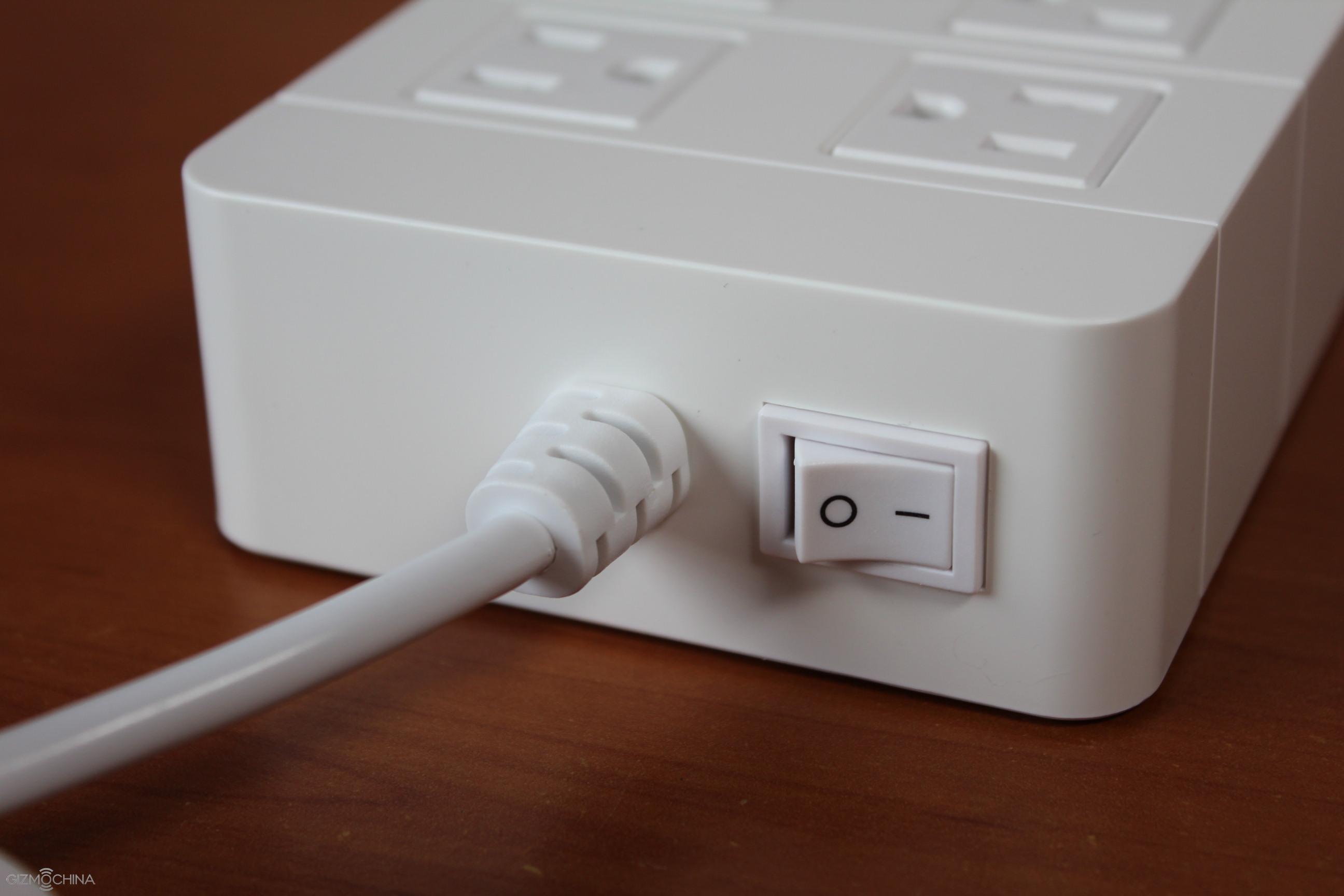
A really nice addition is the power on/off switch. It may not be a big deal for a lot of users but I actually used it every evening before going bed as I like to fully power off the devices that are connected to a power strip in a quick way.
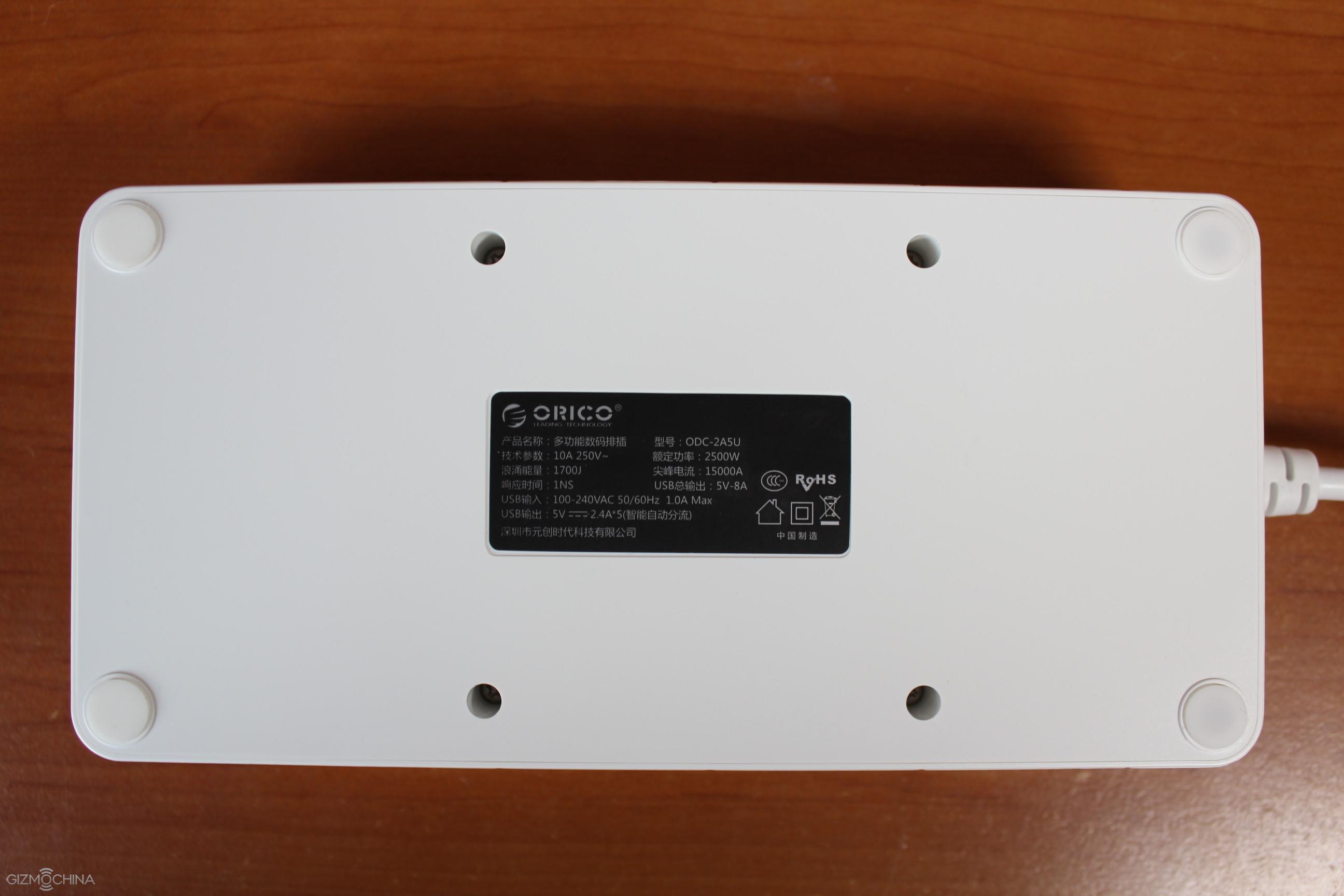
On the bottom there are 4 silicone pads to prevent the power strip from sliding on the table.
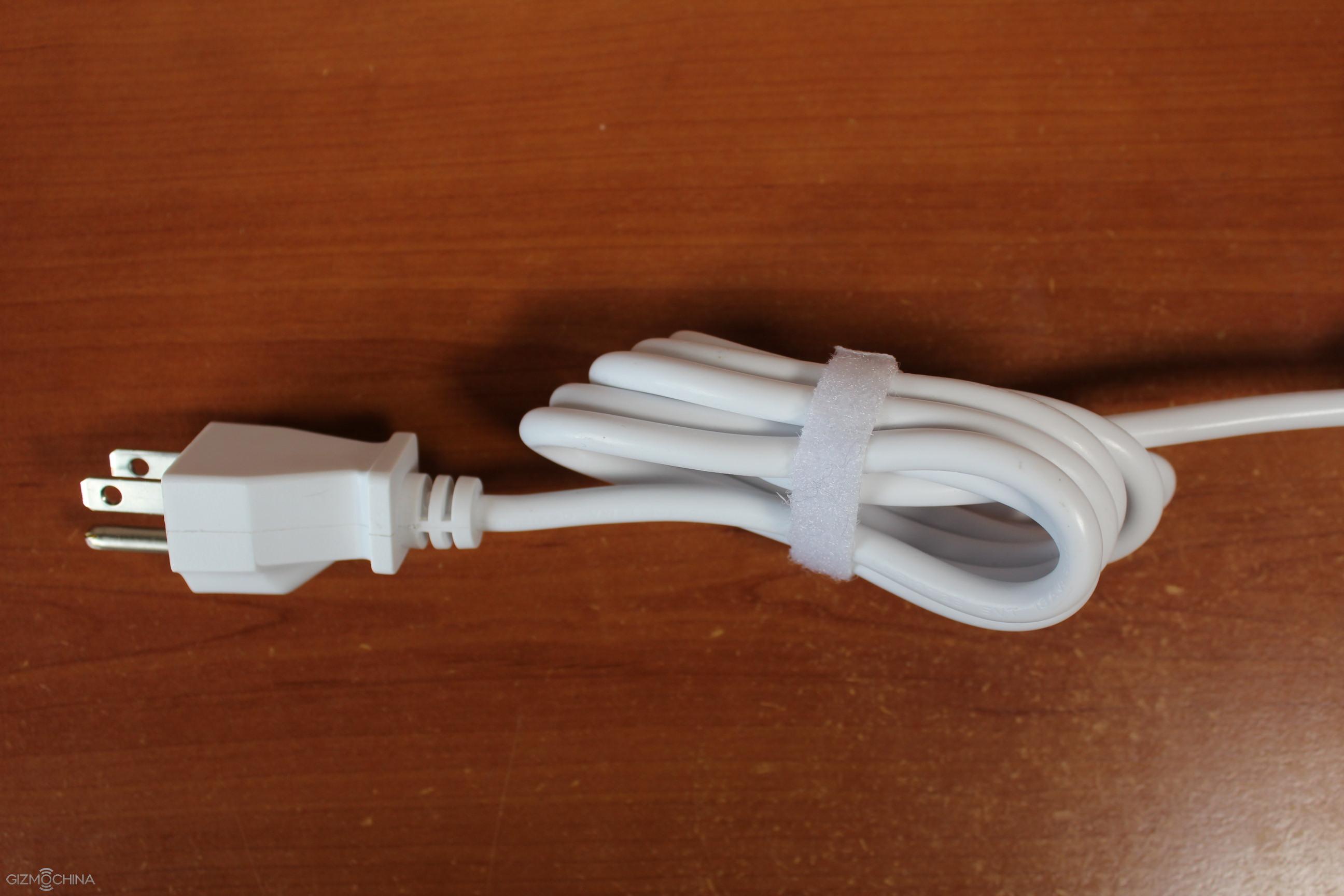
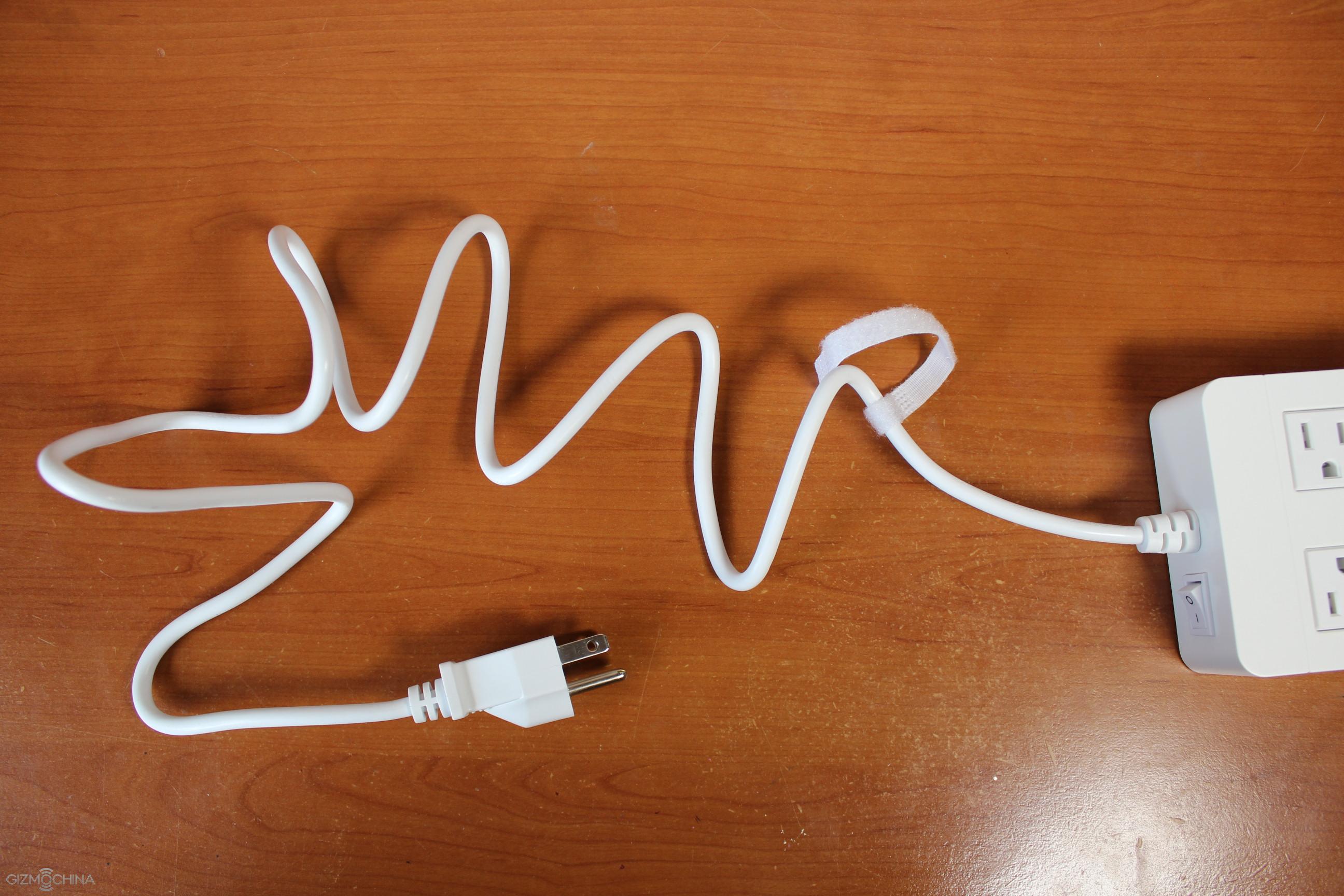
The built-in 1.5m cable is long enough for convenient use and it also has a velcro strap which allows to fold the cable neatly.
As soon as you power up the power strip, a blue LED lights up.
I have tested this power strip with numerous devices and each port/outlet is working absolutely fine. Also, the USB ports are indeed charging the devices fast, e.g. I was able to fully charge my Samsung Galaxy S6 edge in around 2 hours.
Conclusions
The Qicent power strip may not be the only option available on the market but it is indeed a great choice if you are looking for a lot of power outlets and USB ports in one package.
Also, the power strip is well made, it has a power on/off switch and 1 week long test results suggest that it works absolutely fine.
Finally, the Qicent power strip costs less than $28, which is really a great price for what it has to offer.
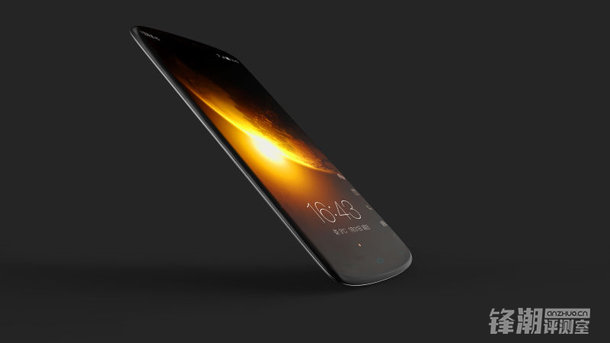
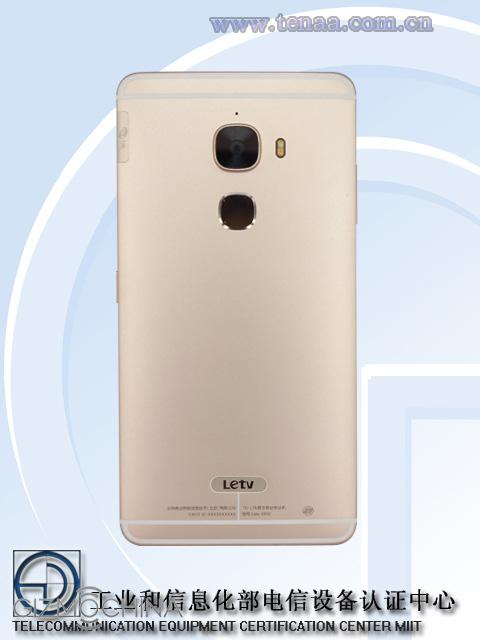
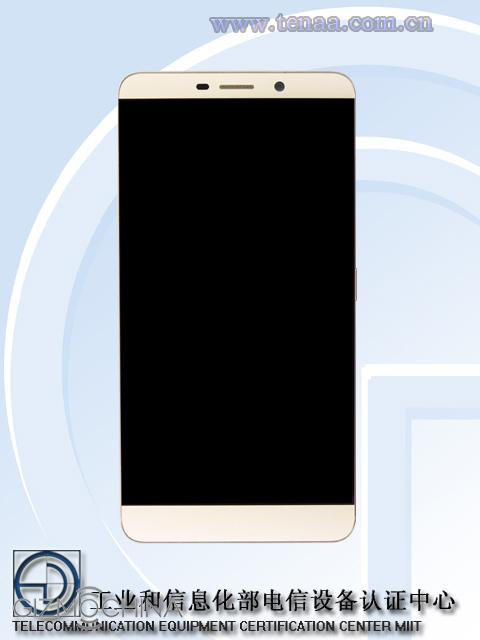
LeTV which was recently rebranded as LeEco is going to be quite busy this year. The company announced the world’s first Snapdragon 820 powered smartphone, namely the Le Max Pro. Now, it looks like LeEco is all set to announce another powerful device in the market, which goes by the name Le 2. From the naming scheme, this will probably be the successor to the Le One series that was announced in April last year.
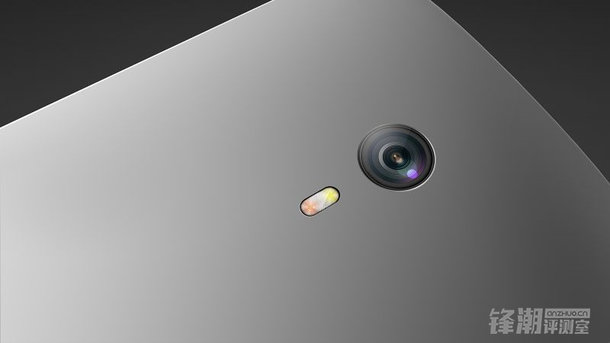
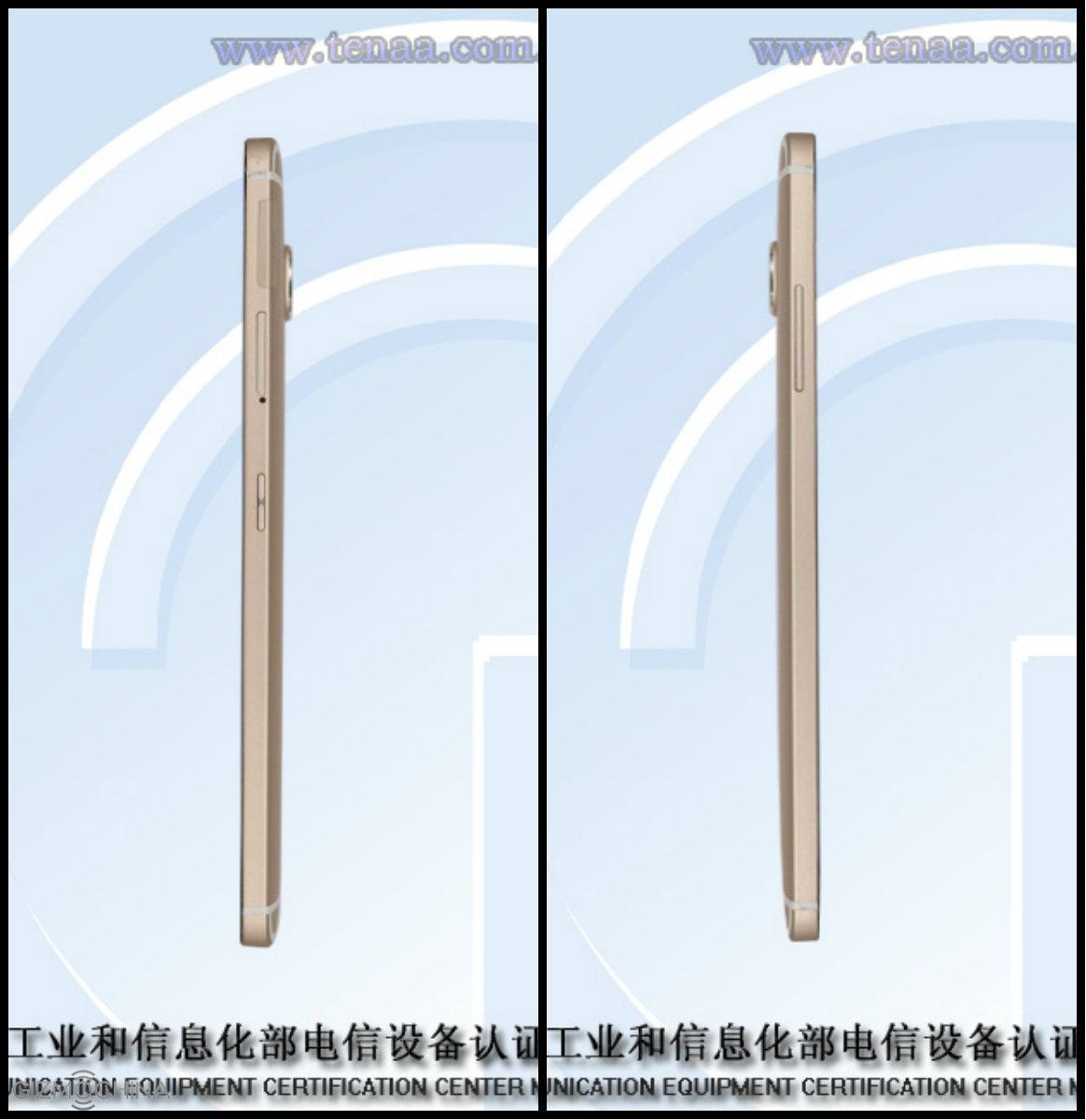
A set of renders of the Le 2 smartphone have been leaked and they look quite good. LeEco has been praised for its super value for money smartphones with good design and it seems that the Le 2 continues with that tradition. According to the renders, the phone will feature a simple yet elegant body, with 2.5D glass up front on a curved metal body. As you can see in one of the images, the phone seems to be quite thin as well. At the back, there’s a flat camera sensor that blends well with the overall design along with dual tone dual LED flash. The bezels on the sides of the display look super slim as well with various functions available at on the side.
As for the release, according to sources, the phone could meet us sometime late February. Specs wise, the Le 2 is said to come with the 10-core Helio X20 chipset based on Cortex A72 and Cortex A53 cores. The screen size is said to be of 5.5-inch with 2.5D glass on top. There could be a lot of high-end features such as fingerprint sensor under the screen, iris recognition, and long lasting battery life.
The design looks super cool and the specs listed are also pretty high-end. However, we have to remember that LeEco hasn’t revealed anything about its new Le 2 smartphone yet. So, do take this news with a pinch of salt.
Meanwhile, let us know whether you like the design shown in the pictures above.
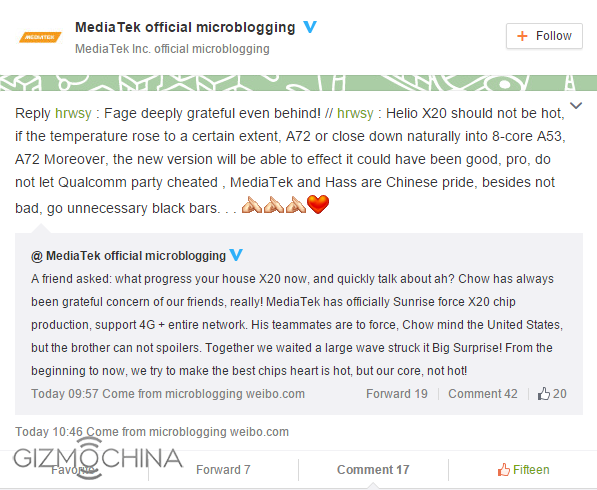
Yesterday, a new rumor cropped up on the internet saying that Mediatek’s upcoming chipset, Helio X20 has overheating issues. Because of this, the source added that many top manufacturers like Xiaomi, Lenovo and HTC have abandoned Helio X20 based projects. Many major media outlets, both in China as well as internationally posted this news, which has forced Mediatek to comment on the rumor (which usually manufacturers avoid). Earlier today, Mediatek via its official Weibo page stated that it’s upcoming Helio X20 chipset does not overheat.
The company further added that Helio X20 overheating issues shouldn’t be a concern given that in the case of an increase in temperature, the chip will use only eight Cortex A53 based cores. The two Cortex A72 cores will be shut down. Mediatek said that the new Cortex A72 cores are quite energy efficient as well. The mass production of the chipset has already started and hence, we should be seeing the first X20 powered smartphones real soon.
To recap, Helio X20 is the world’s first 10-core chipset with a tri-cluster design. It features 2x Cortex-A72 @ 2.5GHz, 4x Cortex-A53 @ 2.0GHz and 4x Cortex-A53 @ 1.4GHz. The chip supports LPDDR3 RAM and Cat. 6 4G LTE networks.
The Helio X20 is an important chip for the company, which is probably why it was quick to refute claims about overheating. Remember last year, it was around the same time that rumors about Snapdragon 810 being super hot surfaced online. Even Qualcomm denied the rumors, but later it turned out to be true. But hopefully, since the chip uses the much more efficient Cortex A72 and A53 cores, we won’t have to see such an issue with Helio X20.
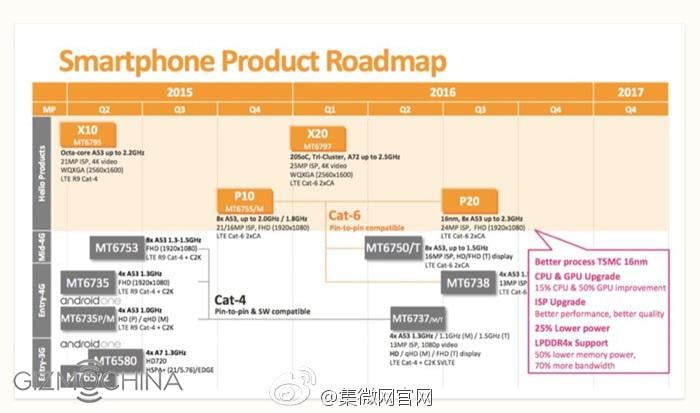
Mediatek will be unveiling its brand new Helio P20 SoC later this year and details about the chip have already leaked out. According to the leak, the Helio P20 will be the first Mediatek chip to use TSMC’s 16nm process. Up till now, the semiconductor company used TSMC’s 28nm and 20nm processes for its mid-range and high-end chipsets. Even the world’s first deca-core CPU, Helio X20 uses a 20nm process. So, this will be the first time the company is moving forward to the much more efficient 16nm process.
Unlike previous rumors, which stated that the Helio P20 will come with a 10-core architecture, the new leak reveals an octa-core Cortex A53 design. The cores will be clocked at 2.3GHz instead of 2.0GHz on the Helio P10. The Helio P20 will support FHD 1920 x 1080 pixel resolution screens, 24MP cameras and Cat. 6 LTE networks.
Further, the image reveals that the new chip will enhance CPU performance by up to 15 percent and GPU performance up to an impressive 50 percent. Also, the power consumption will be down by 25 percent, which is logical given that the chip is manufactured using a more efficient process. This means that the chip will bring higher performance with reduced power consumption on mid-range phones launching in the coming months.
Given that rumors about the Helio X20 overheating blame TSMC’s 20nm process for the issue, it’s good to see that MTK is finally moving on to a much smaller node. Both Samsung and Qualcomm had moved to the 14nm manufacturing process for its top chipsets last year when Mediatek decided to stick with the 20nm process even for its deca-core chip.
As for the release, the image shows that the Helio P20 will be released sometime in the Q3 2016 period. So, hopefully, we will be able to see smartphones powered by this chip before the end of 2016.
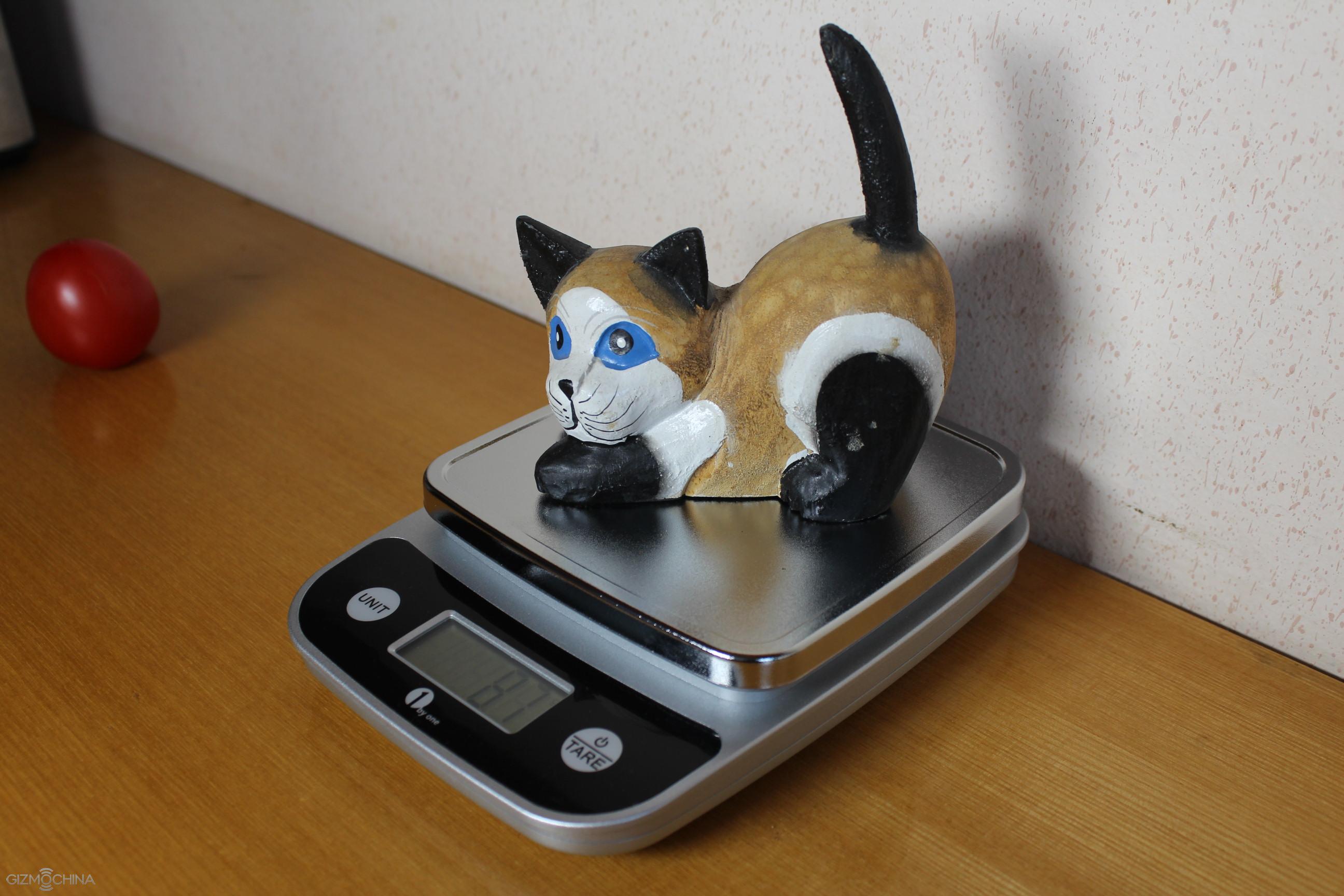
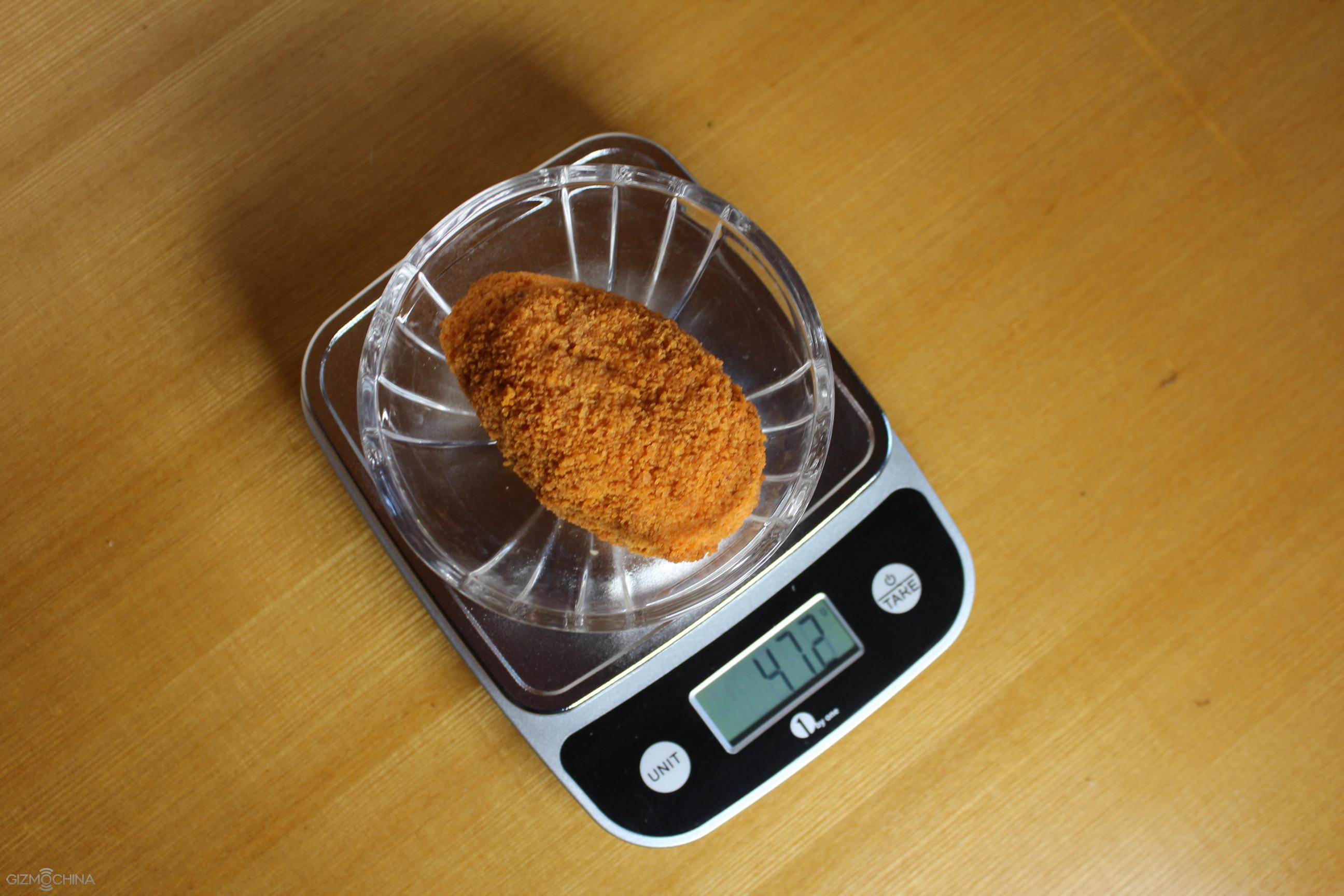
It is not every day I review kitchen scales but I decided to do that since I actually needed (not really for kitchen but for weighing smartphones and some packages before shipping, to be honest). Find out more in the full 1byone digital display kitchen scale review.
Unboxing
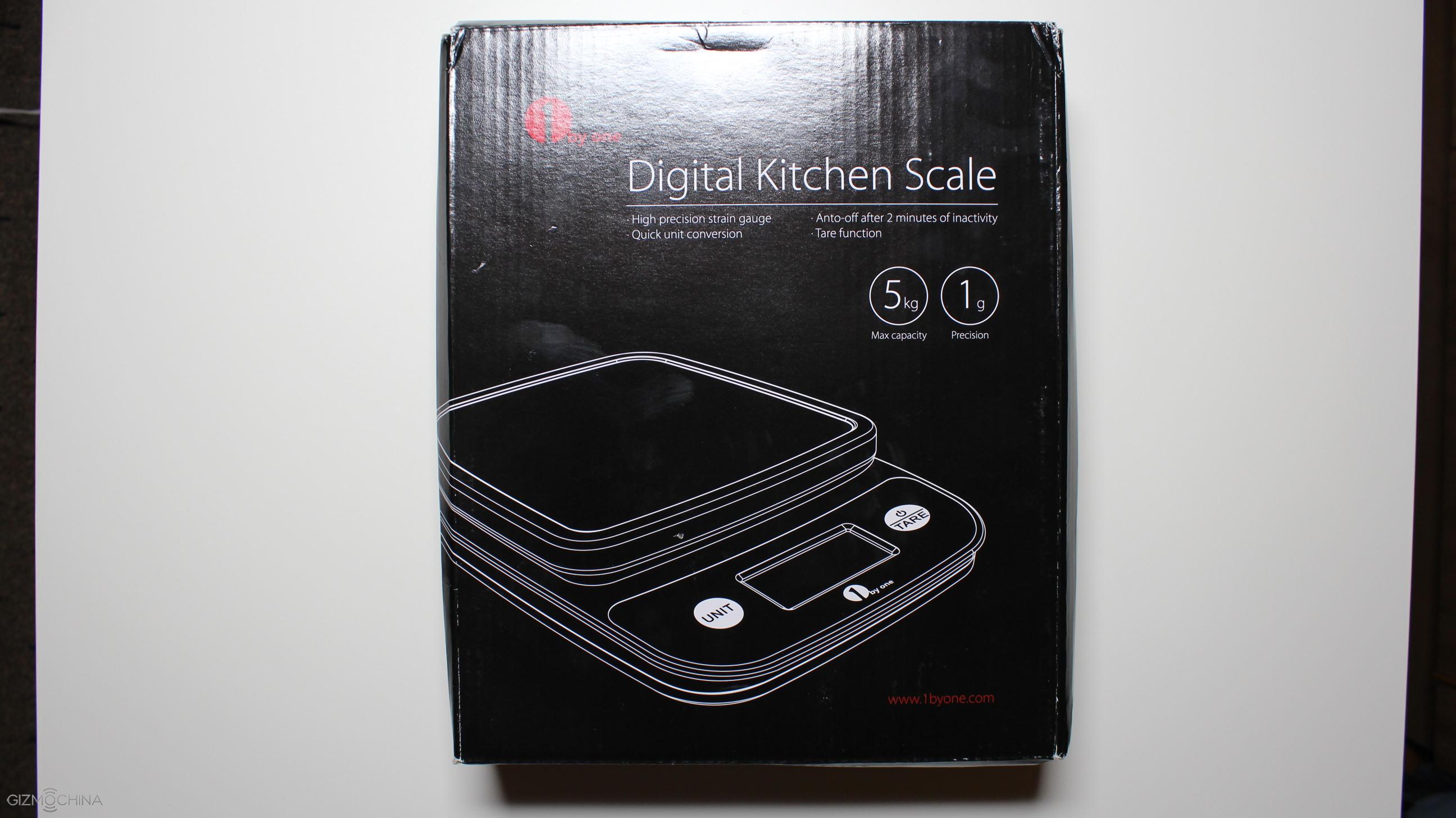
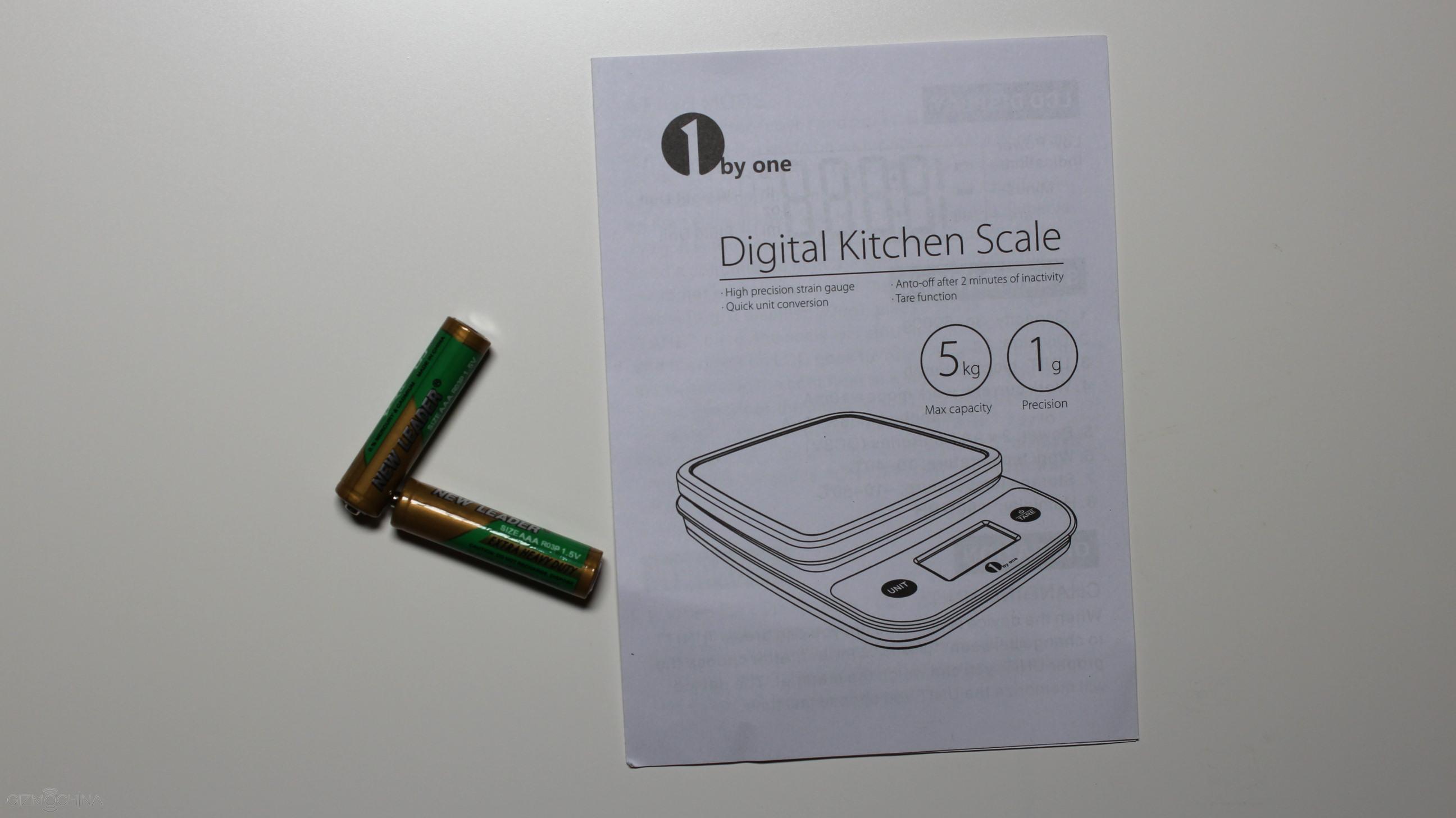
The 1byone kitchen scales come in a simple box and what you are getting inside of it include the scale itself, some documentation and a set of batteries.
Design
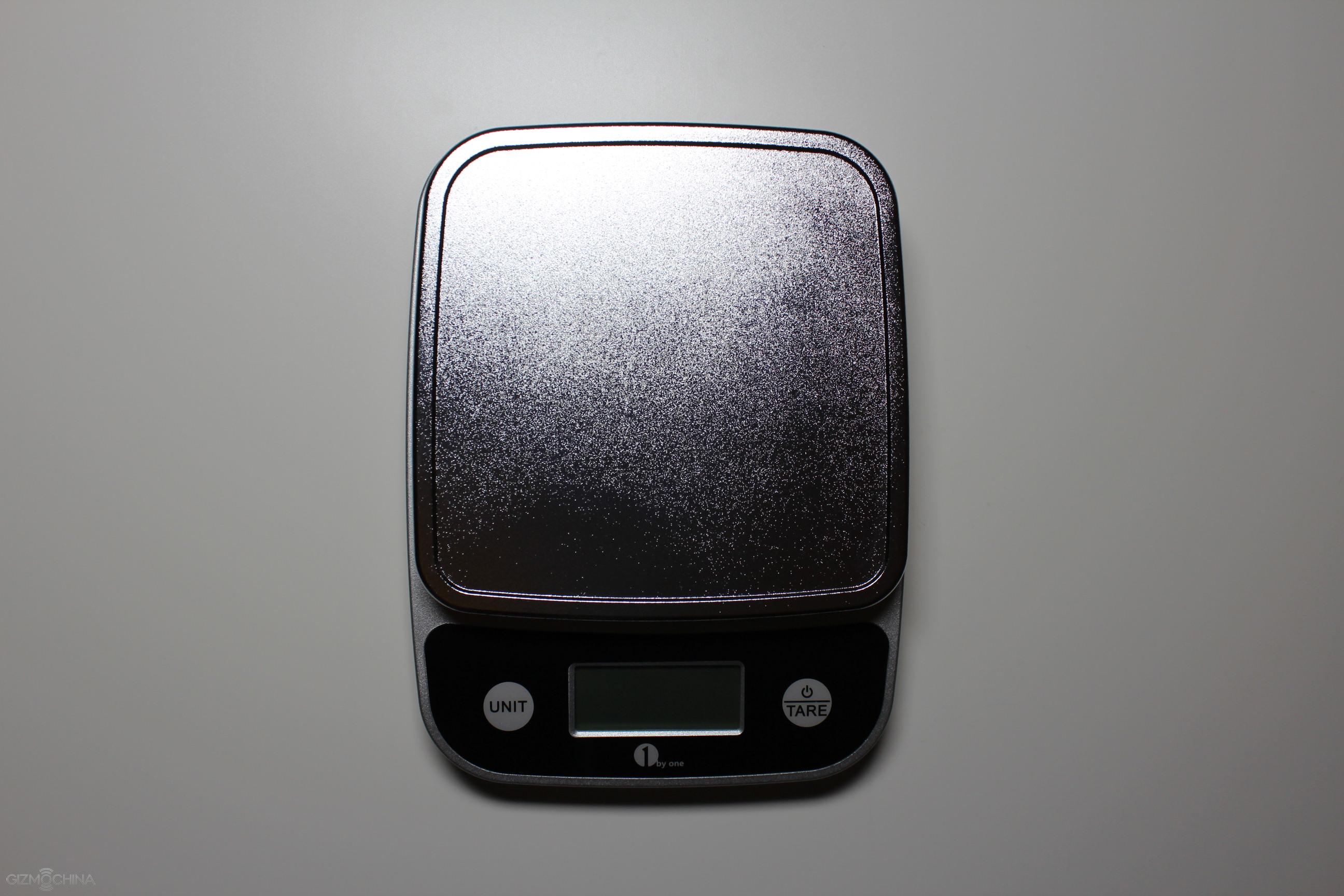
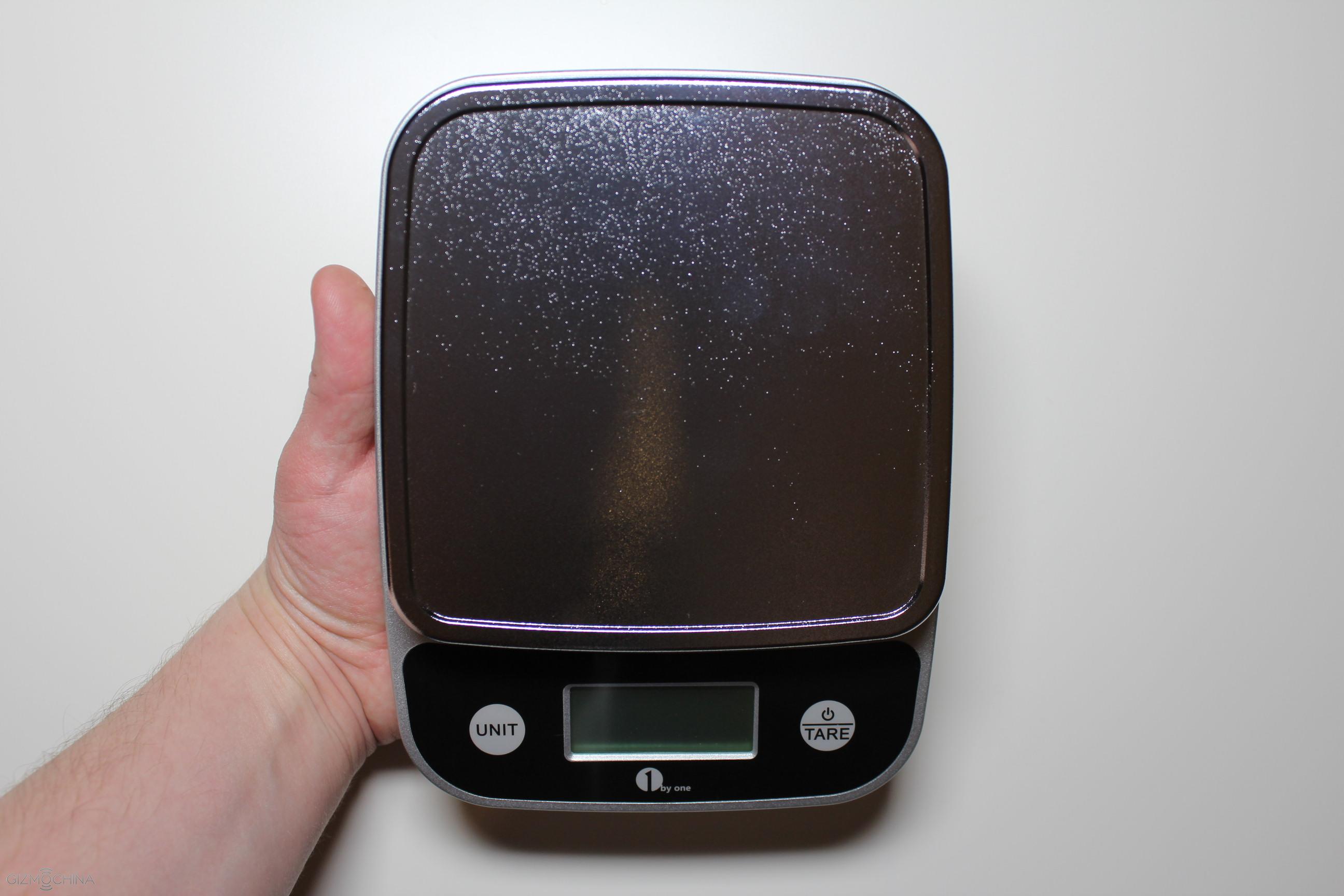
The scale is made of high quality materials that include metal and quality plastic. However, the weighing part is made of metal, which is prone to fingerprints and smudges.
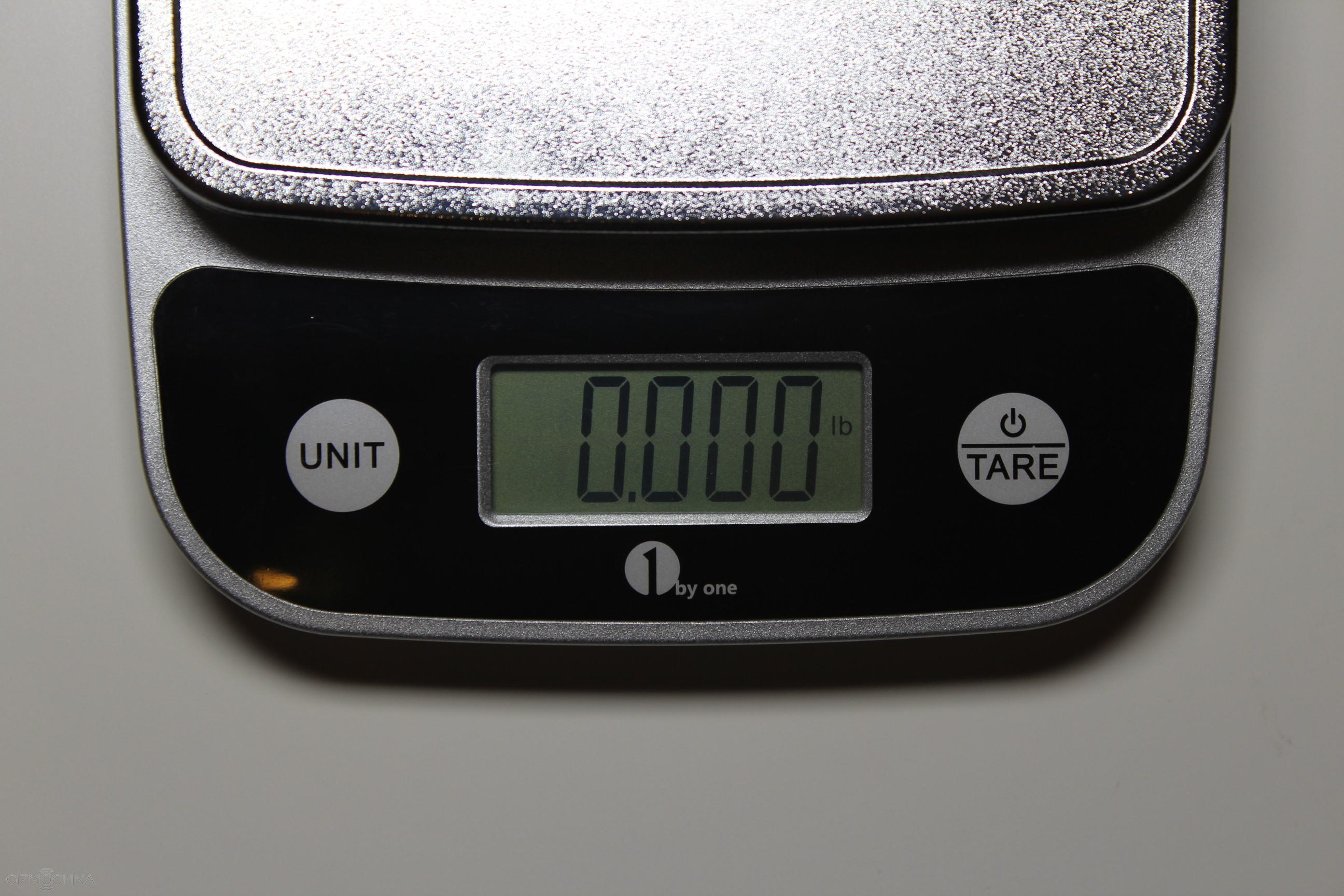
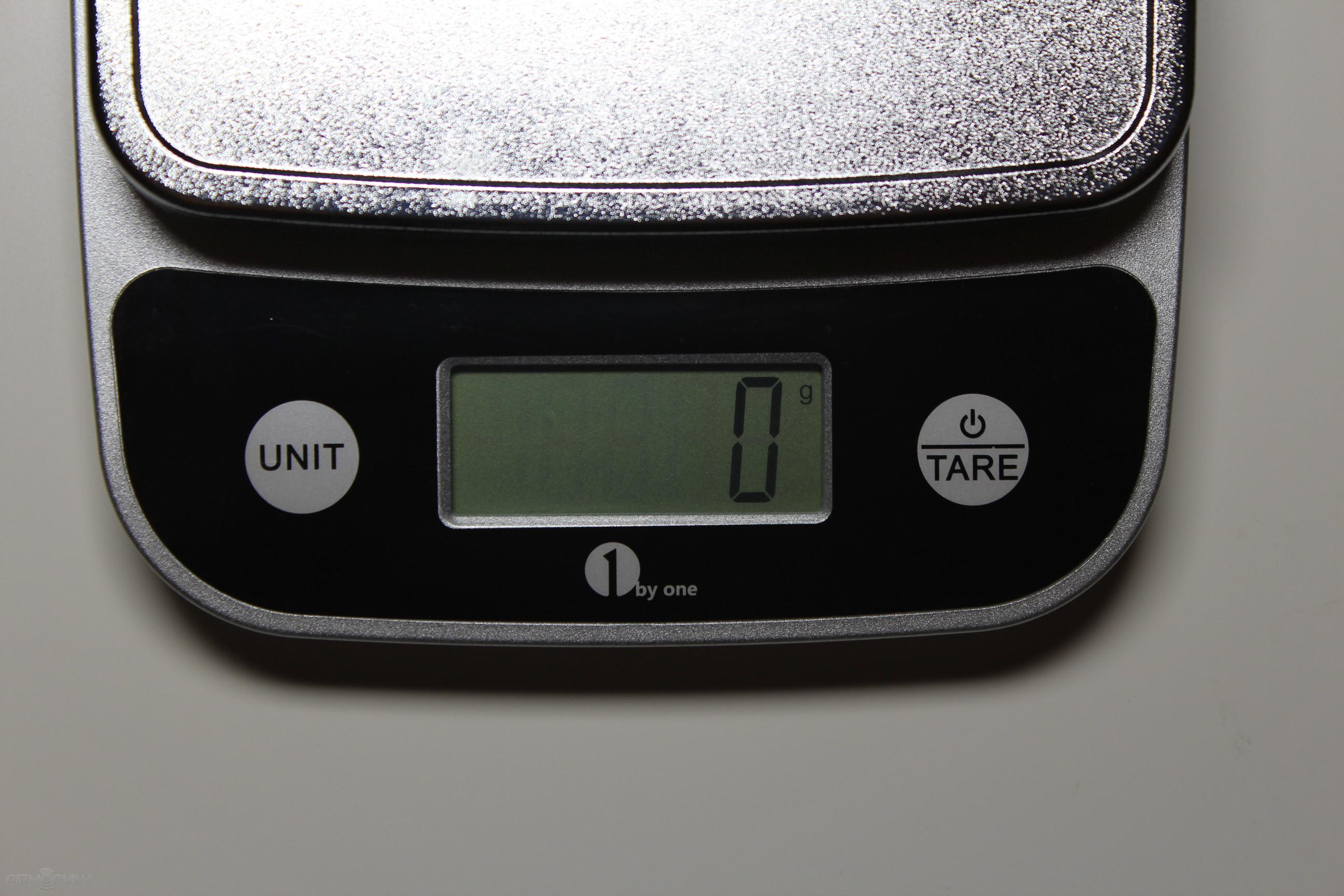
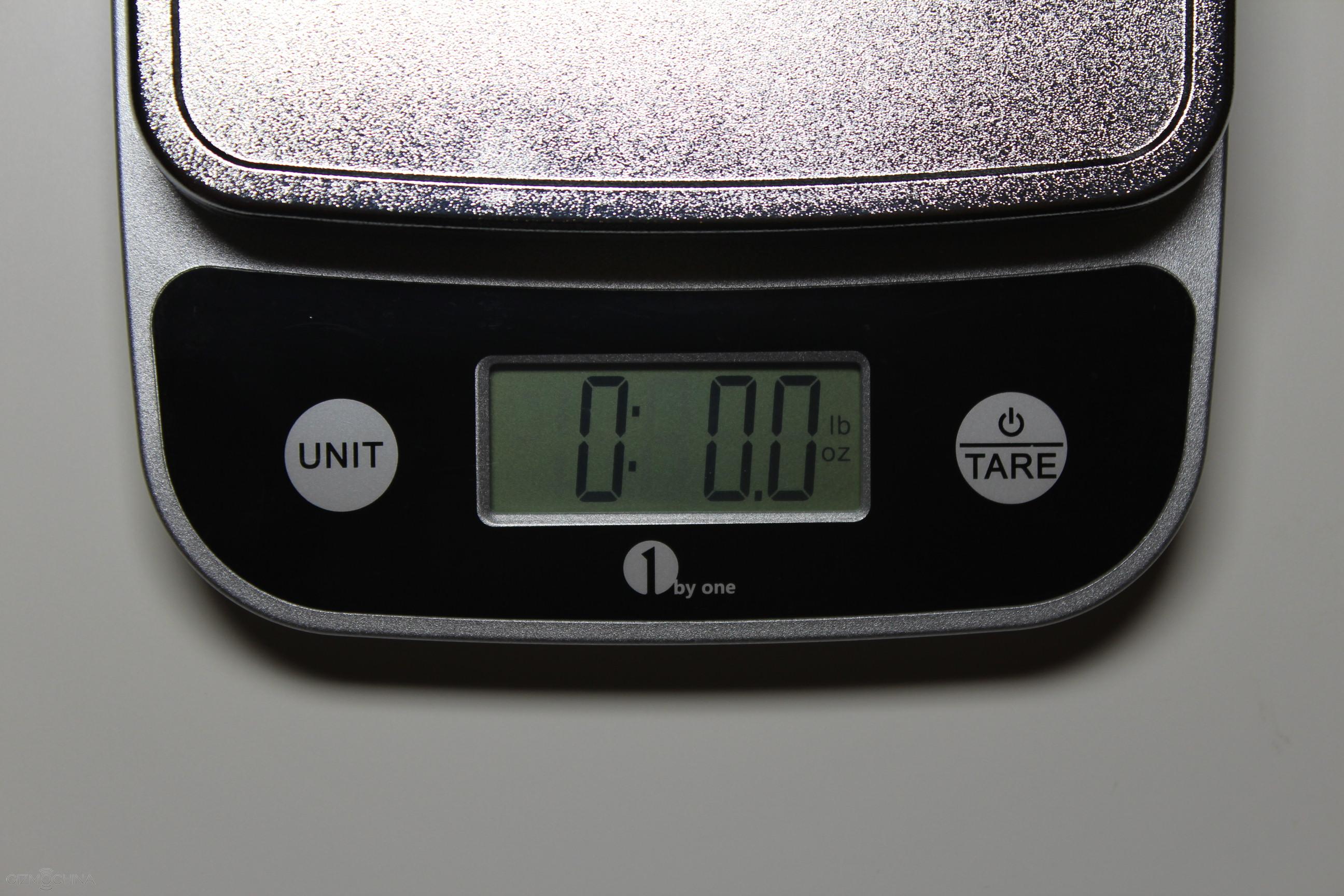
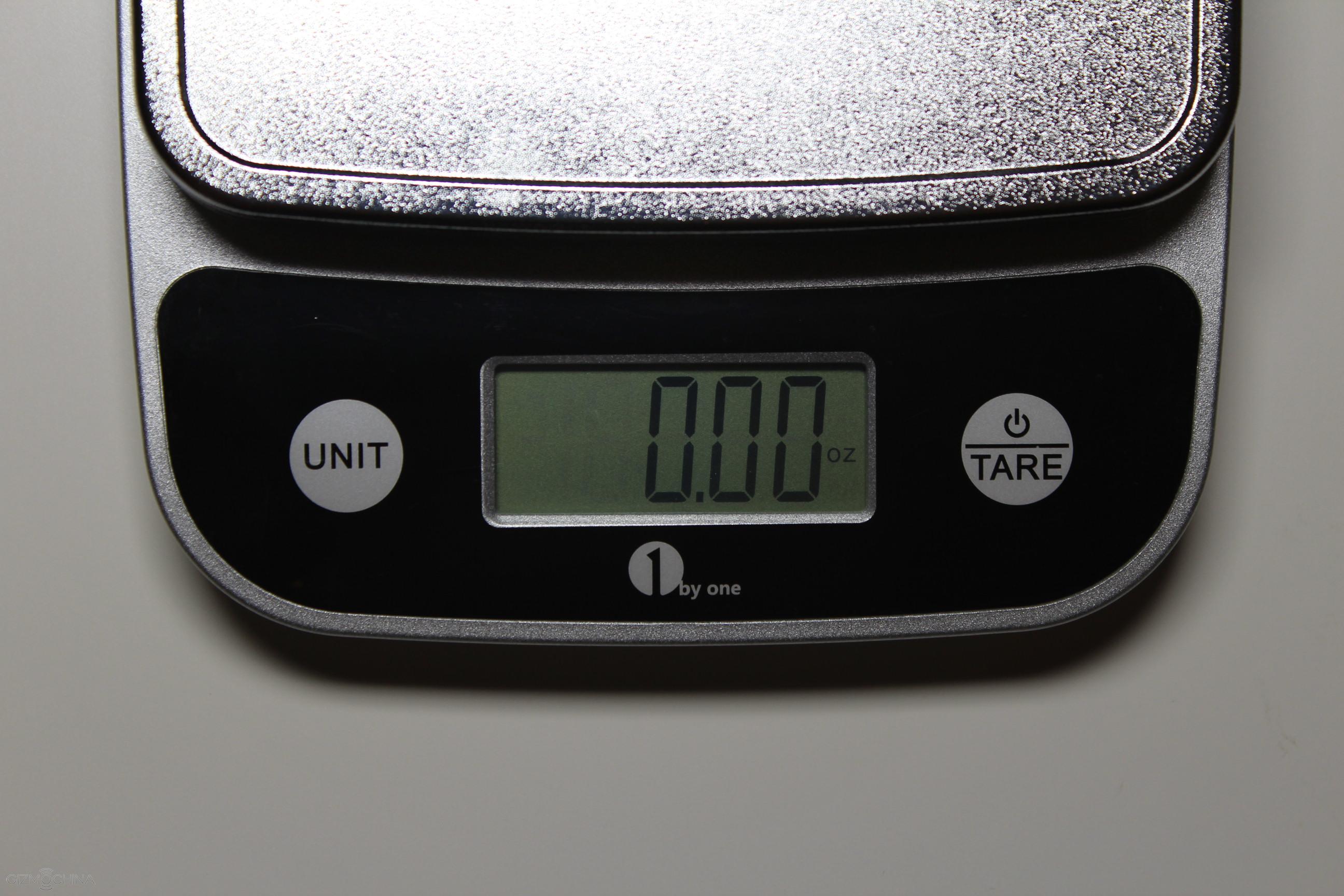
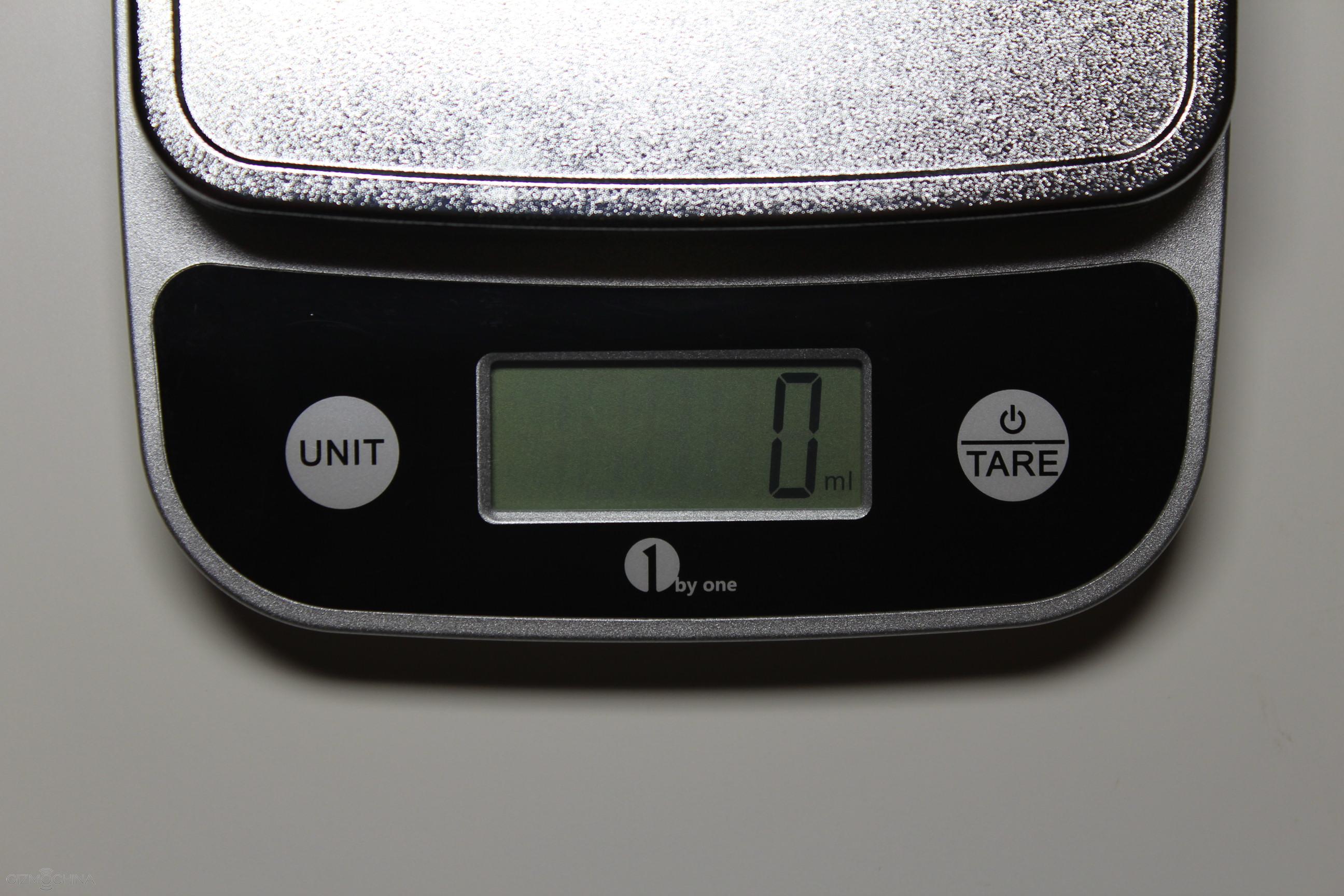
The scale has a little LCD screen, where it shows the weight in different units (lbs, grams, ml, oz etc.) and they can be simply changed with the “Unit” button. A great feature is that the unit conversion is seamless once you press the button. On the right side, there is a power on/off switch.
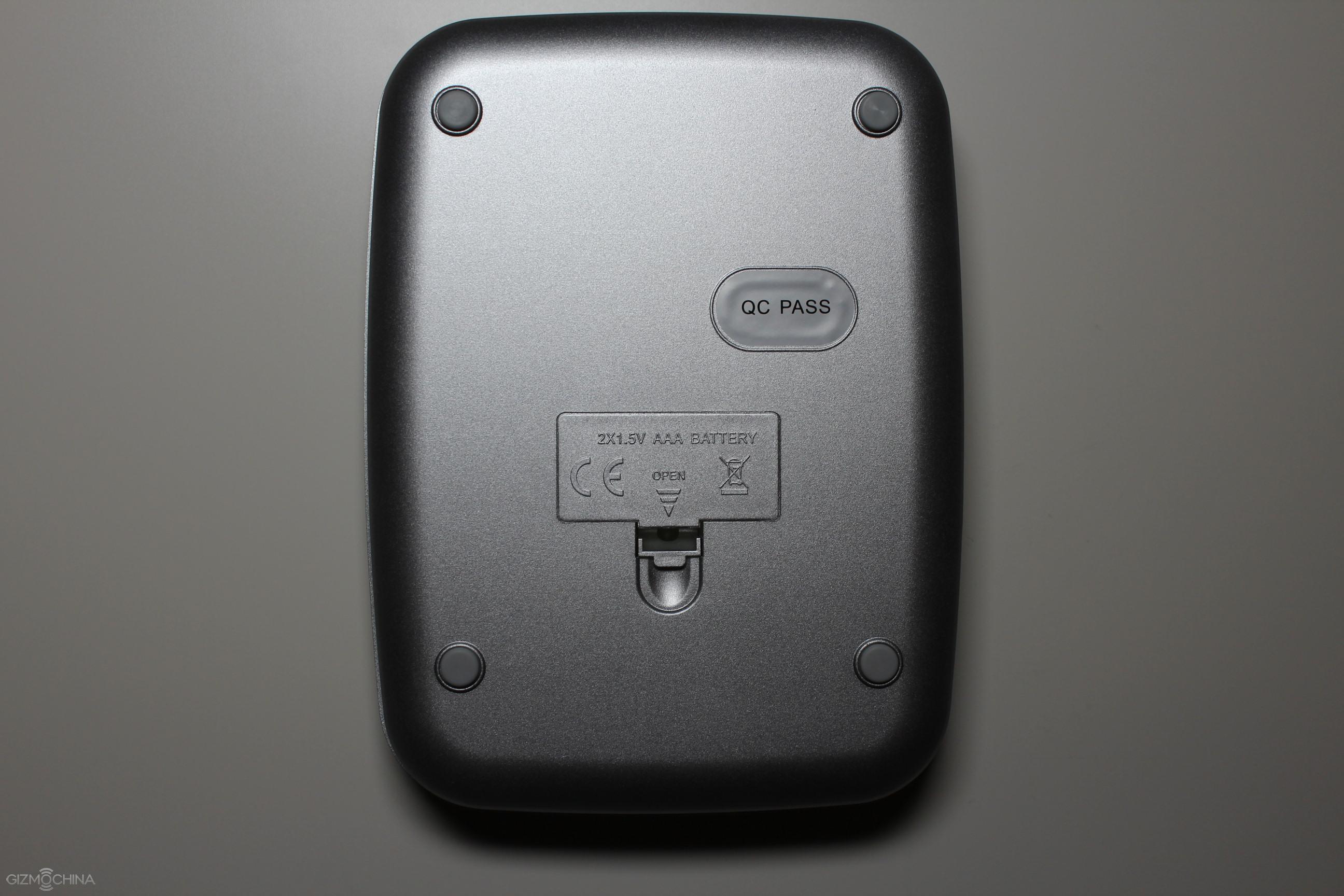
On the bottom there are 4 silicone pads to prevent the scale from sliding on the table.
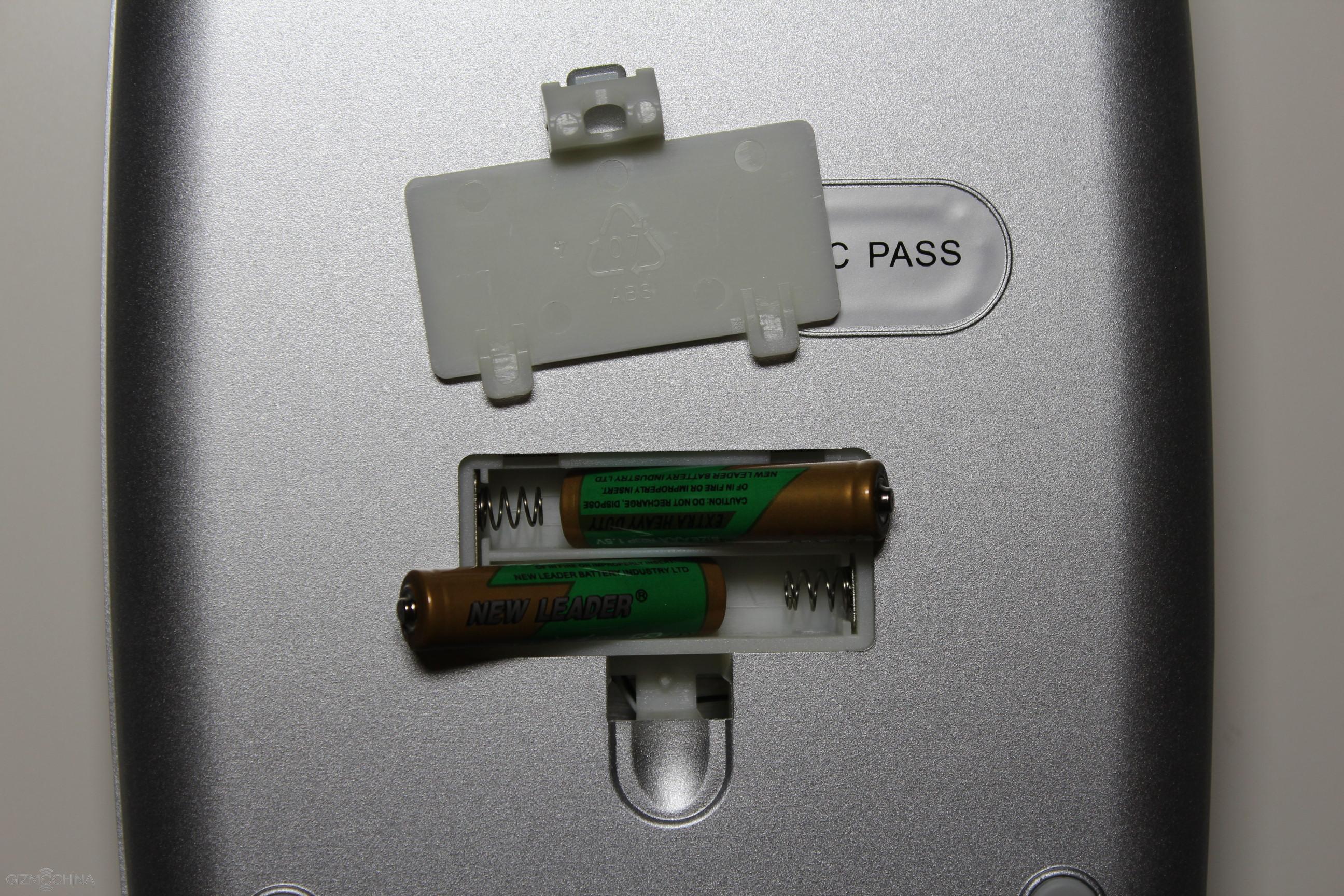
It is great that the scale uses conventional 2 AAA type batteries and that manufacturer has even included them in the packaging.
Overall, the scale is well built and it does not seem to break anytime soon.
Features and Functionality
So what can the scales do? Weigh stuff! It is really easy to use the scale, they are ready to go in less than a second after you power it on.
I compared the 1byone scale with some old one I had and there were either no difference in weight at all or the difference was 1-2g. Thus, I believe that the scale is precise.
Conclusions
The 1byone kitchen scale is not the only option available on the market but my testing results suggest that the device is high quality.
For the price of less than $18 you are getting a well-made device that also has a high quality strain gauge, which allows precision range from 0.01oz / 1g up to 11lbs / 5kg.
In addition to this, it sports ultra-low power consumption tech and overload indication, and it ships with batteries included for immediate use out of the box.
The scale does not seem to break anytime soon, buttons have a good tactile feedback and I am happy with this device.
The only complaint would be that the actual scale part attracts fingerprints and smudges but this shortcoming is far from the dealbreaker.
We all know that Samsung will officially release the Galaxy S7 flagship on February 21 at the Unpacked 2016 event. One of the versions of the device will be powered by the powerful Snapdragon 820 chipset.
A few week back, we saw the first AnTuTu performance of the custom Kryo powered chip, which was pretty impressive as it crossed the 131K mark. But that was just a development prototype, hence, we didn’t know whether the chip would be this powerful in commercial smartphones.
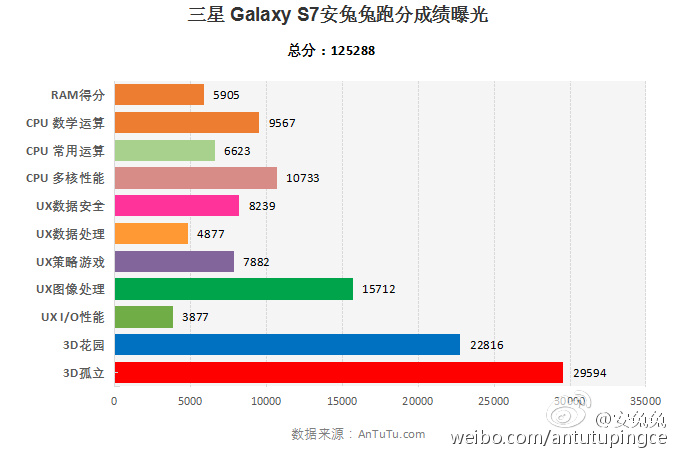
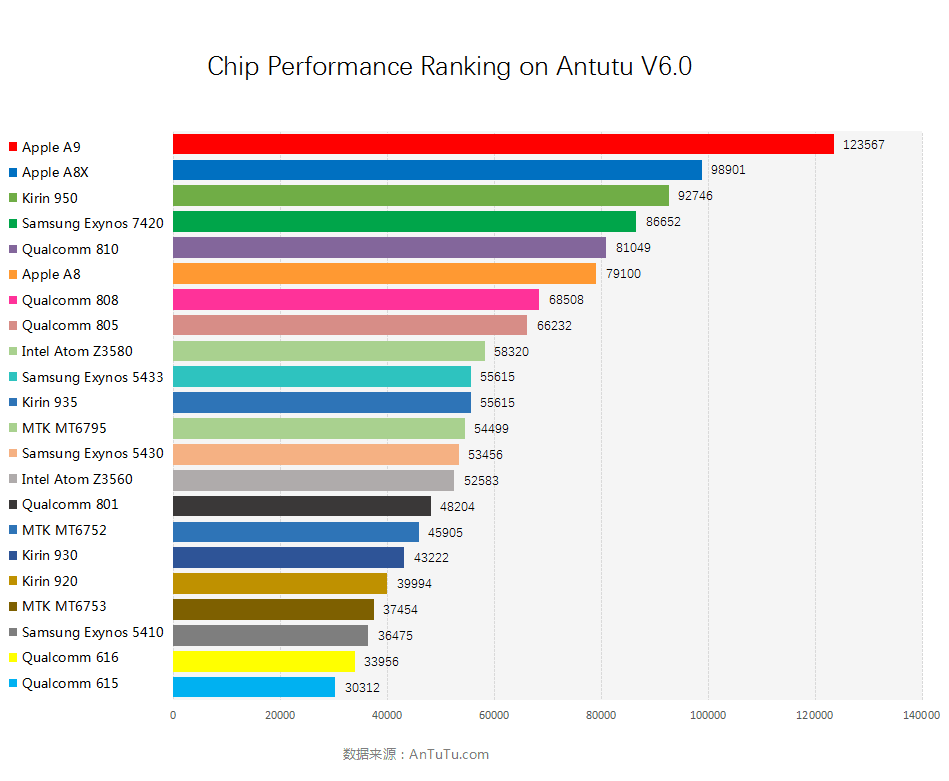
Now, we can be almost sure of this, as the upcoming Galaxy S7 model with the powerful quad-core Snapdragon 820 chipset has just been spotted on AnTuTu. Even now, the chip managed to blow away the competition by scoring an impressive 125,288 points. This makes it the best smartphone chip in the market, even above Apple’s A9 chipset which held the top position till now with 123,567 points.
In comparison, the rival chipsets such as Kirin 950 and Exynos 7420 manage to score only about 92,746 points and 86,652 points respectively. So, clearly, Snapdragon 820 is in a totally different performance segment. However, we still have to see the performance of Exynos 8890 which hasn’t been benchmarked on AnTuTu yet. At least one S7 model is expected to feature the new Exynos chip and it should also score pretty high in the test.
Thanks to today’s AnTuTu listing, we also know the specifications of the Galaxy S7. The phone is said to come with a 5.1-inch 2560 x 1440 pixel resolution display with 4GB of RAM and 64GB of internal storage. At the back, there will be a 12MP camera sensor, while up front, a 5MP shooter. For software, the S7 will run on the latest Android 6.0.1 OS.
Looks like the Snapdragon 820 will be one of the most powerful chipsets of 2016.
It’s been quite some time since we have been waiting for Mediatek’s Helio X20 chipset. Apart from being the world’s first 10-core processor, recent benchmarks have shown impressive performance from the chip, at least on paper. So, we are all excited to see the chip in action, in order to catch a glimpse of its real world performance. However, we may have to wait for a few more months more to see Helio X20 powered device. According to the latest rumors, the smartphone powered by the chip could have been delayed because of overheating issues.
Overheating is not something that either Mediatek or everyday consumers would like to hear about the world’s first 10-core chip. However, according to a source from Weibo, Helio X20 has some overheating issues and many notable manufacturers have dropped projects based this chipset. The source has mentioned three big names, Xiaomi, HTC and Lenovo who have cancelled Helio X20 based smartphones.
Since this could turn out to be potentially disastrous for Mediatek, we would like to advise you to take this rumor with a pinch of salt. Although the source has given us some good information in the past, we can’t be entirely sure of this rumor. So, before making conclusions, it’s always better to wait for more concrete information.
Coming back to the issue, we would like to note that Helio X20 uses TSMC’s 20nm process. In case you remember, even Snapdragon 810 was using this process, which was plagued with the same overheating issue. Could there be a connection? We can’t be sure of that yet. Another thing to note is that this is the world’s first chip with a tri-cluster design. This is something that hasn’t been tried on a smartphone chip yet, so it would be interesting to see how well the chip is optimized to prevent overheating and improve efficiency.
Anyways, we will be keeping a close watch on the upcoming Helio X20 smartphones. And we are hoping that it doesn’t overheat like the Snapdragon 810!
We may probably see the first Helio X20 powered smartphone at MWC 2016, so stay tuned.
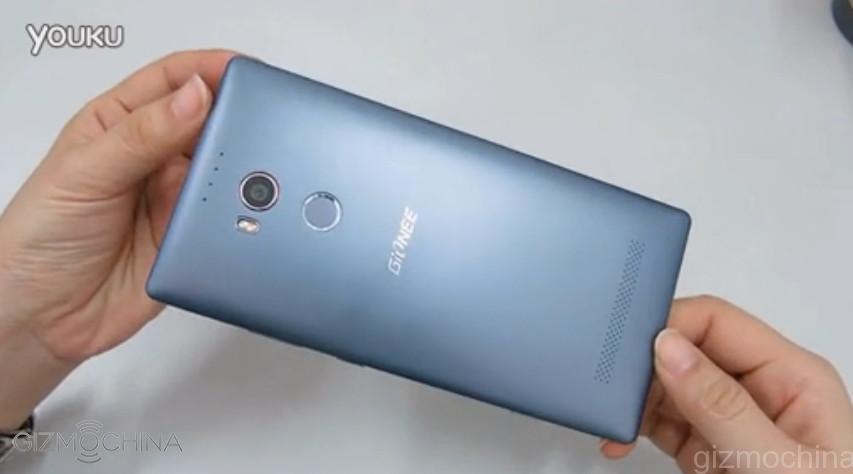
After announcing a couple of devices in the Marathon series, Gionee has revealed that it will be present at the world’s greatest tech event, MWC (Mobile World Congress) 2016 to launch the brand new Gionee S8 flagship smartphone. The launch will take place on February 22 at 2 pm in Hall 8, Theater C at MWC 2016 in Barcelona, Spain.
Unlike the other smartphones released by the company, the Gionee S8 will pack in high-end specs. The company has revealed two important features of the device. First of all, the S8 will come with a pressure sensitive display, much like the Huawei Mate S and the ZTE Axon Mini. Even the new iPhone 6 models have similar 3D Touch technology, which only proves that we will probably see more phones with this tech in the coming months.
The second feature revealed by the company is “hassle free photo shooting” experience. At this moment, we don’t know what exactly to expect, but hopefully, the company will make things clear in the coming days. To recap, the Elife S7 had a pretty good 13MP rear camera with a number of software options like magic focus mode and professional mode which gives you some great manual controls. So, we can expect the new Gionee S8 to feature even better camera functions.
Gionee S8 leaked
About six months back, a leaked video had shown off the Gionee S8 in all its glory, but later rumors and leaks about the device died down. While we still don’t know whether the final design will be same as before, the earlier leak had revealed some high-end specs for the device. You can check out that article from here.
We will keep you guys updated with more details about the Gionee S8 in the coming days. So, stay tuned!
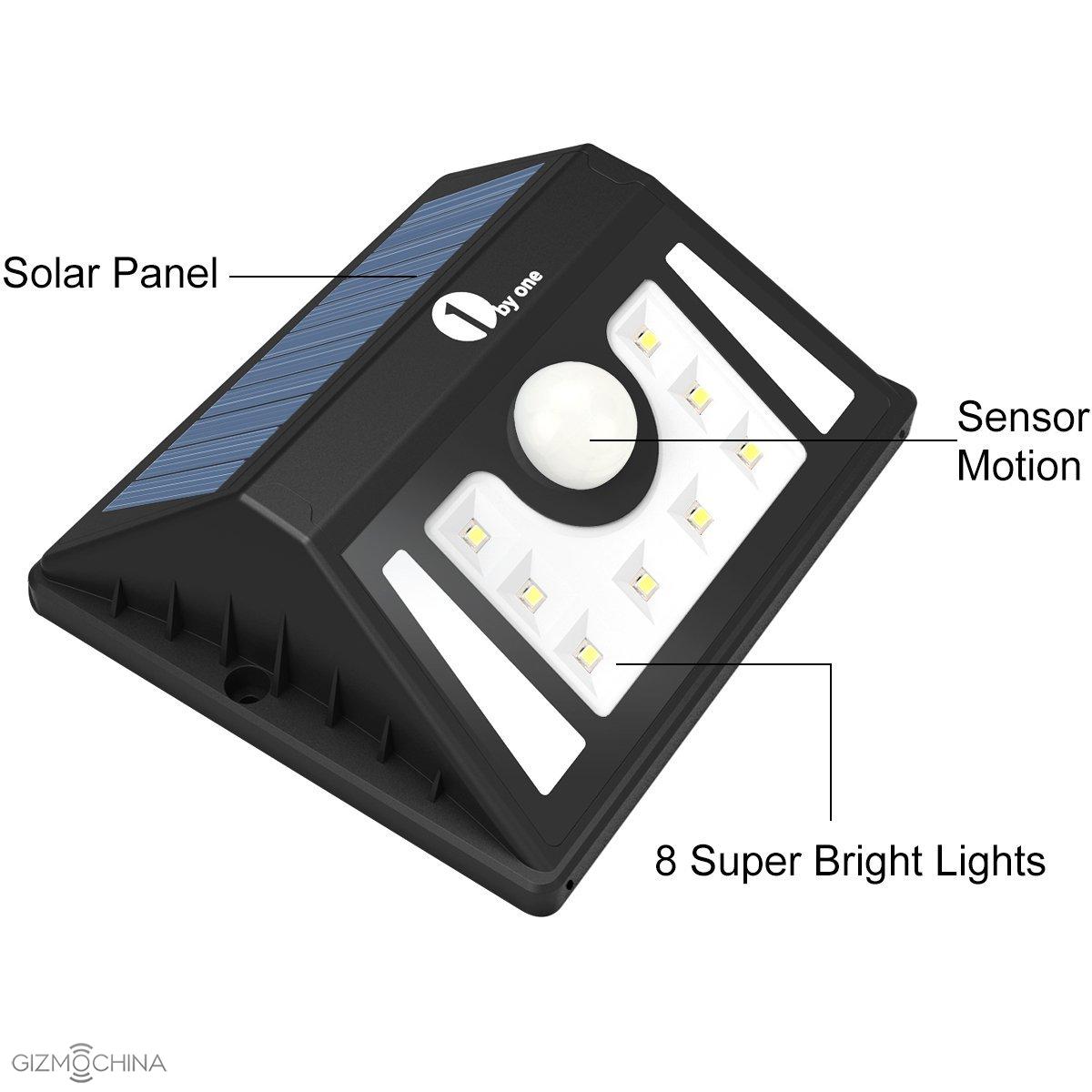
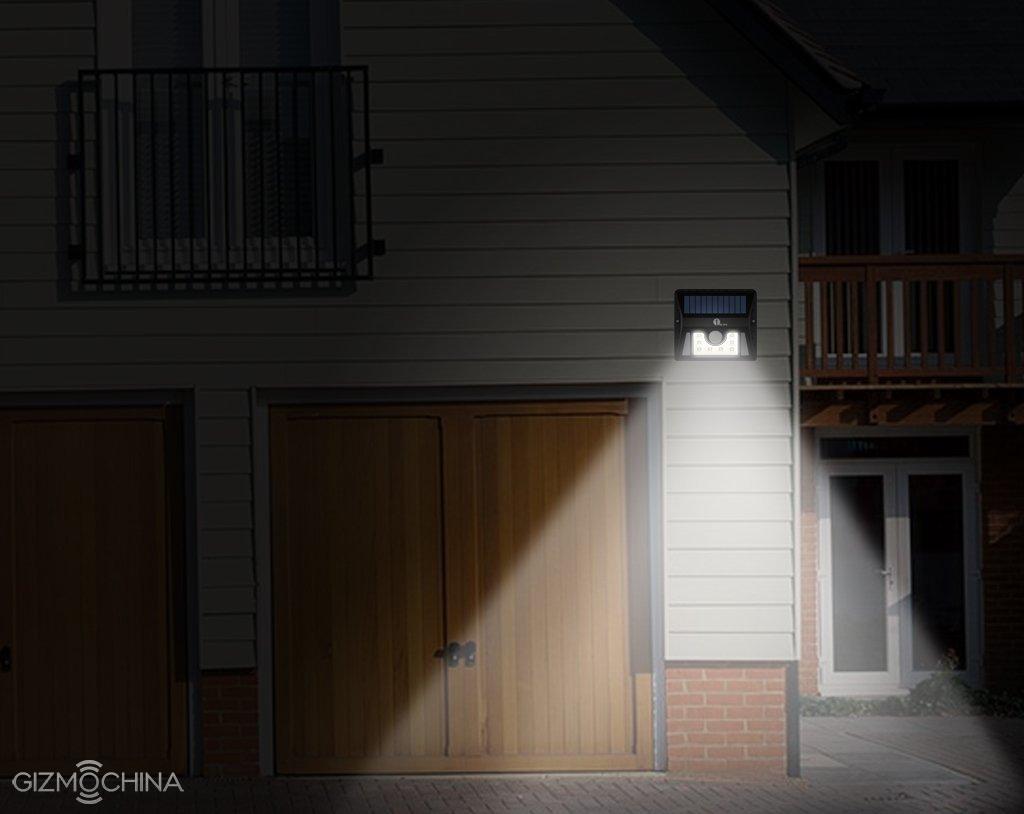
1byone has a wide range of products and we have reviewed a lot of them. They vary from car jump starters to video intercom doorbells, LED lamps and much more. At the moment, 1byone has some discounts for the gadgets they sell on Amazon and the weatherproof solar-powered outdoor LED light is one of them.
As the name implies, this lamp is solar-powered meaning that you do not need any extra source of electricity. It has a very efficient solar panel, which charges the internal 1500mAh battery. Thus, the lamp can work even at night when there is not enough light.
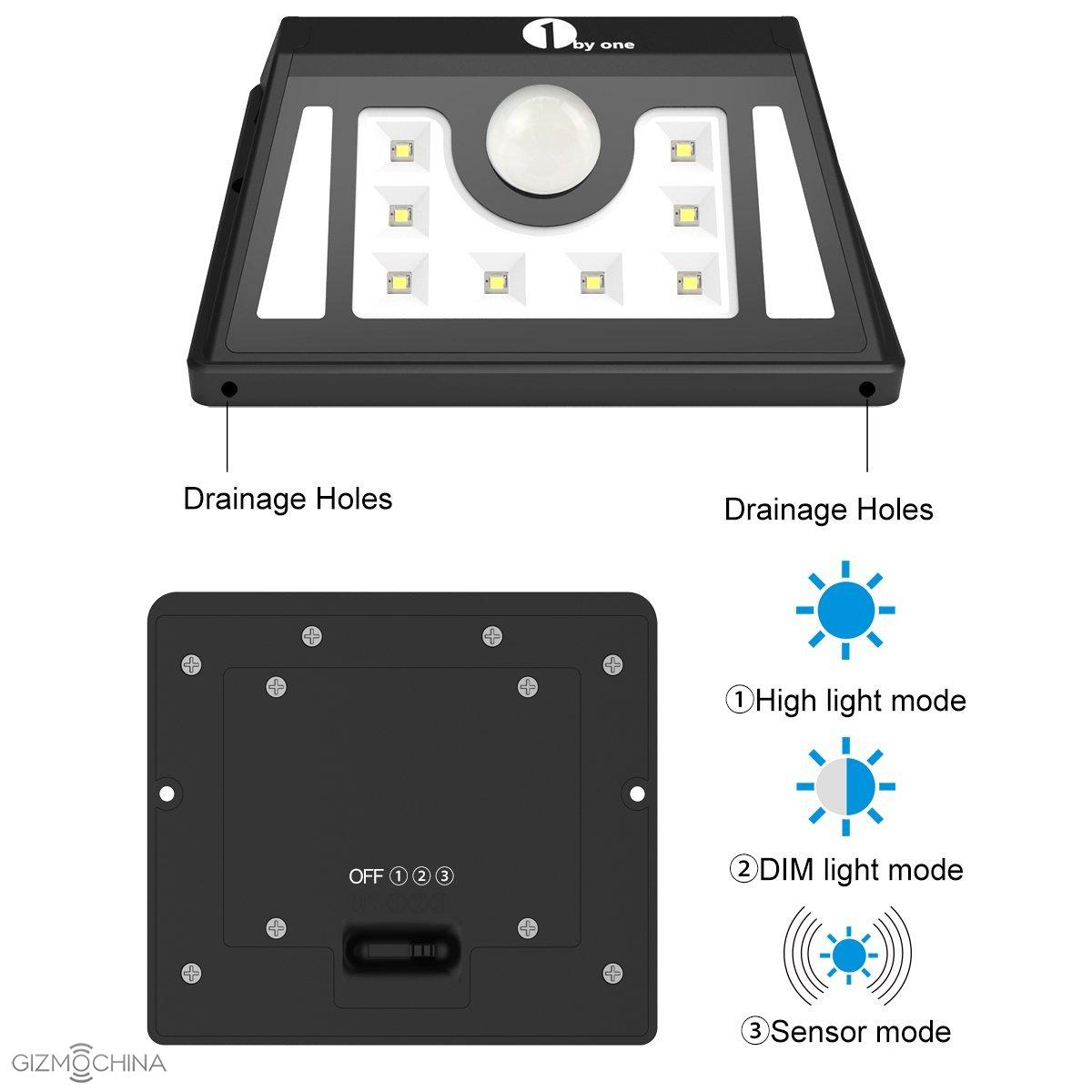
In addition to this, the 1byone lamp has 3 different modes – high light, dim light and sensor mode.
Also, the lamp is fully weatherproof – it can survive rain, temperature drops and windy conditions. When it gets wet, the drainage holes at the bottom will drain any water inside the light to guarantee the interior body keeps dry
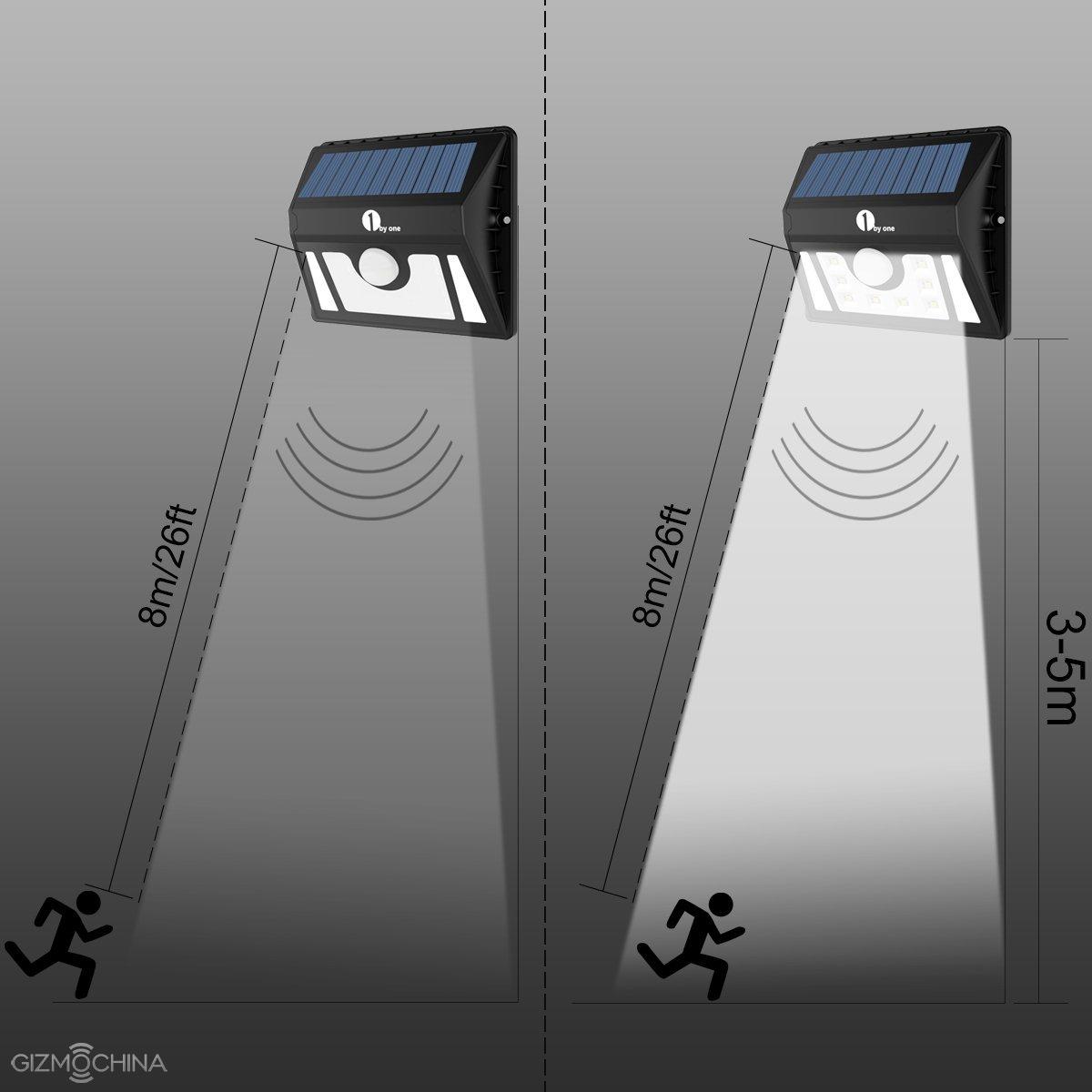
The embedded motion sensor detects movement of object and turns the light on automatically (motion distance is 8m).
Usually, the 1byone weatherproof solar-powered outdoor LED light retails for $16.99, which is already a great price for the feature set you are getting. What is more important, however, is that you can get $3 OFF for a limited time.
Last year, Doogee unveiled a new brand of smartphones called as the HOMTOM which focused on large batteries. Given that phones which can last for a couple of days on a single charge are popular among customers, the HOMTOM smartphone lineup seems like a practical brand at the moment.
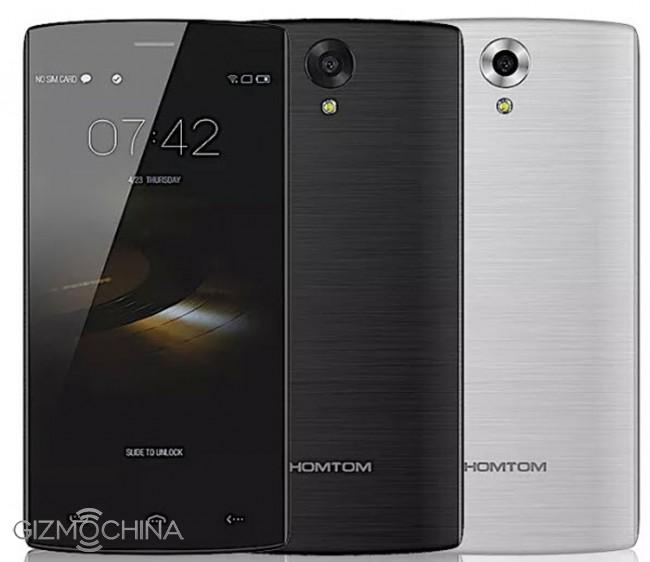
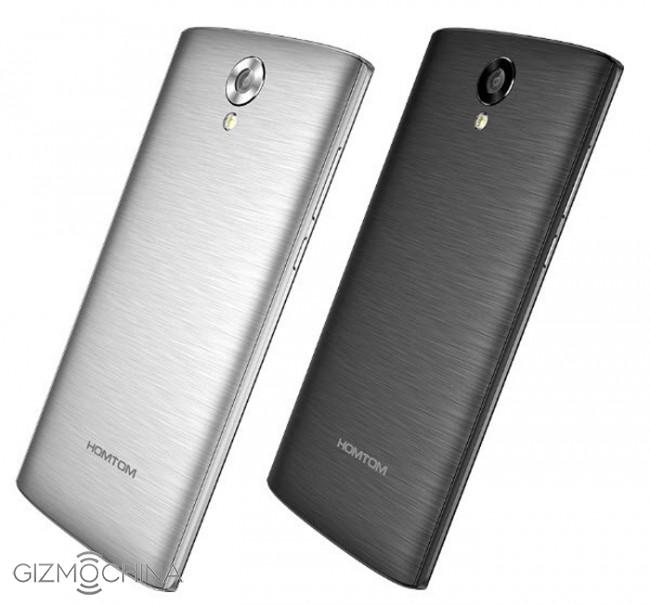
The latest smartphone model in the lineup is the new HOMTOM HT7 Pro which brings pretty good specs and value for its super cheap $89.99. Even the overall design is pretty good for a budget phone, featuring a classic brushed metal back cover. The phone’s also thin, measuring just 7.9mm in thickness.
As for the specs, the HOMTOM HT7 Pro comes with the decent MT6735 64-bit quad-core processor under the hood with 2GB of RAM and 16GB of expandable internal storage. These are good specs for a sub $100 device. As for the display, you have a large 5.5-inch IPS screen with 1280 x 720 pixel HD resolution.
Cameras are also standard, featuring a 13MP sensor at the back and a 5MP sensor up front. Connectivity features include 4G LTE support, Wi-Fi, Bluetooth, and GPS. Also, you get Android 5.1 Lollipop OS out of the box.
Finally, for battery, which is the highlight of the device, you get a large 3000mAh capacity battery pack on board, which should power the device for a couple of days easily. As you can see, the specs are pretty good and the overall design is also attractive. Looks like you have got yet another good looking budget smartphone to consider.
Check out more details like supported bands and shipping from the link given below. The phone is currently up for pre-order at lightinthebox for $89.99 in black and silver color options.
As we near the launch of the Xiaomi Mi 5 flagship, which is on February 24, more and more details about the device are getting clear. We already know that the phone will use Snapdragon 820 quad-core chipset on board, thanks to the confirmation from the company’s Senior VP, Liwan Jiang. Now, it looks like the same executive has revealed another important feature of the device, namely the display resolution.
Liwan revealed via his official Weibo page that the upcoming Xiaomi Mi 5 flagship will come with an FHD 1080p resolution display. This contradicts previous rumors which stated that the flagship will have at least one variant with Quad HD 2K resolution. But given that Liwan has confirmed this today, it looks like Xiaomi has decided not to use 2K on its upcoming device.
While some fans may be disappointed to hear this news, it kind of makes sense. From what we have seen till now, the Xiaomi Mi 5 flagship is expected to come with a compact 5 / 5.2-inch display. Considering these two possibilities, the pixel density of the device goes up to 445 ppi in case of a 5-inch display and 424 ppi in case of a 5.2-inch display. In both the cases, the pixel density is quite impressive and given the right panel, the phone’s screen should be sharp and clear.
Plus, 2K displays take up much more power than 1080p panels, which means you get better battery life on the phone. So, sticking with an FHD display on a compact phone is actually not a bad idea. Remember what Huawei CEO Yu Chengdong had to say about 2K displays last year?
Also, Liwan adds that it won’t be a regular 1080p panel, so we can expect something new on the device.
Other features such as dual SIM dual standby, 4G LTE support and NFC have been confirmed so far. As for the other specs that are yet to be confirmed, it is said that the phone will feature 3GB + 32GB and 4GB + 64GB memory options, 16MP rear camera with PDAF and Laser Autofocus, 8MP front-facing camera, front placed fingerprint sensor and a large 3600mAh battery.
Stay tuned as we bring new information about the Mi 5 in the coming days.
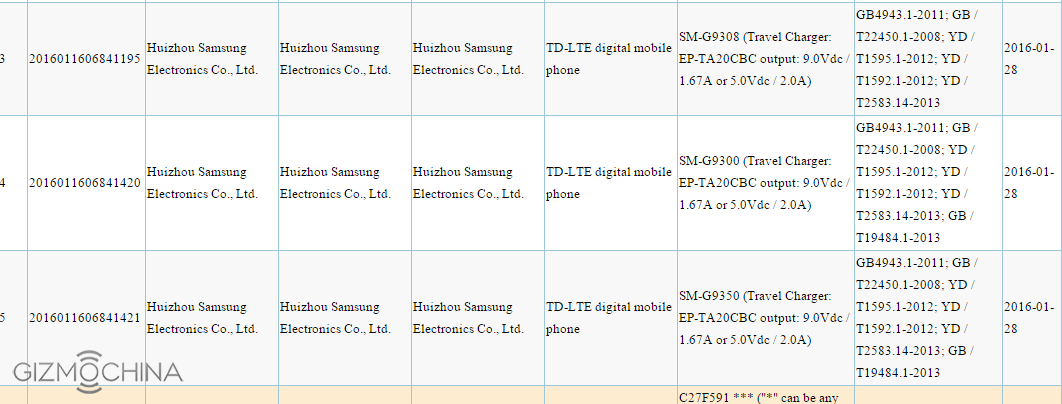
Samsung has confirmed that the Galaxy S7 launch is scheduled for February 21. While rumors have given us a fair idea about the device, earlier today we spotted three new variants of the Galaxy S7 flagship on the Chinese 3C certification website. While 3C certification tells us very little about the phone’s specifications, it confirms different variants of the device as well as the potential launch in China. Once a model passes 3C and TENAA certifications, it’s only a matter of time until the phone goes on sale in the country.
The three models namely Galaxy S7 model SM-G9308, SM-G9300, and Galaxy S7 edge model SM-G9350 are confirmed for now. All the three phones support fast charging at 9V 1.67A and 5V 2A. Unfortunately, nothing more can be confirmed about the S7 models from this certification. But hopefully, a TENAA listing will reveal most of the specs of these devices.
https://www.youtube.com/watch?v=3g3O94WALV8
The company has also released a teaser video for the Galaxy UNPACKED 2016 event to be held on February 21. Even the video is uninformative to a large extent, with the only feature that we can take from it is VR. So, it looks like the upcoming Galaxy S7 models could have some special VR-centric feature.
Anyways, since the models have passed 3C certification, we hope to see more details in the coming days. So, stay tuned.
LeTV, now known as LeEco showcased its new flagship smartphone, the Le Max Pro at CES 2016. It is the first Snapdragon 820 powered smartphone to be launched in the market. However at the event, the company failed to give out details about the phone’s availability or market release.
Now, it looks like, Le Max Pro is all set to enter the Chinese market as it has passed through TENAA, the Chinese equivalent of US’s FCC. Once a device gets TENAA certification, you can expect it to be available in China pretty soon.
TENAA listing reveals that the Le Max Pro will be powered by the quad-core 2.2GHz Snapdragon 820 chipset with 4GB of RAM on board and 64GB of internal storage. There will be a massive 6.3-inch display with 2K resolution. At the back, you will find a 21MP camera, while up-front, there’s a 4MP Ultrapixel camera.
Apart from being the first phone with Snapdragon 820, the phone also boasts of being the first smartphone with Qualcomm’s Ultrasonic fingerprint sensor, Sense ID. The sensor is located at the back of the device. Inside, you will find a decent 3400mAh battery on board with fast charging.
Other features include dual SIM dual standby, bezelless design, 167×93.4×8.95mm dimensions, and Android 6.0 Marshmallow OS out of the box. As for the design, its almost similar to the design philosophy of the previous generation LeTV smartphones with an all metal body.
As you can see, the phone is quite powerful. But we will have to wait and watch whether upcoming smartphones like Xiaomi Mi 5 and the Samsung Galaxy S7 beat the Le Max Pro in terms of performance. Both the devices are expected to be unveiled in the second half of February with Snapdragon 820 chip on board.
Pricing is still unclear, but rumors say that the Le Max Pro will be priced around 3499 Yuan ($535) which is actually quite costly for a Chinese flagship. But this information is not official yet, so we better wait for some concrete details.
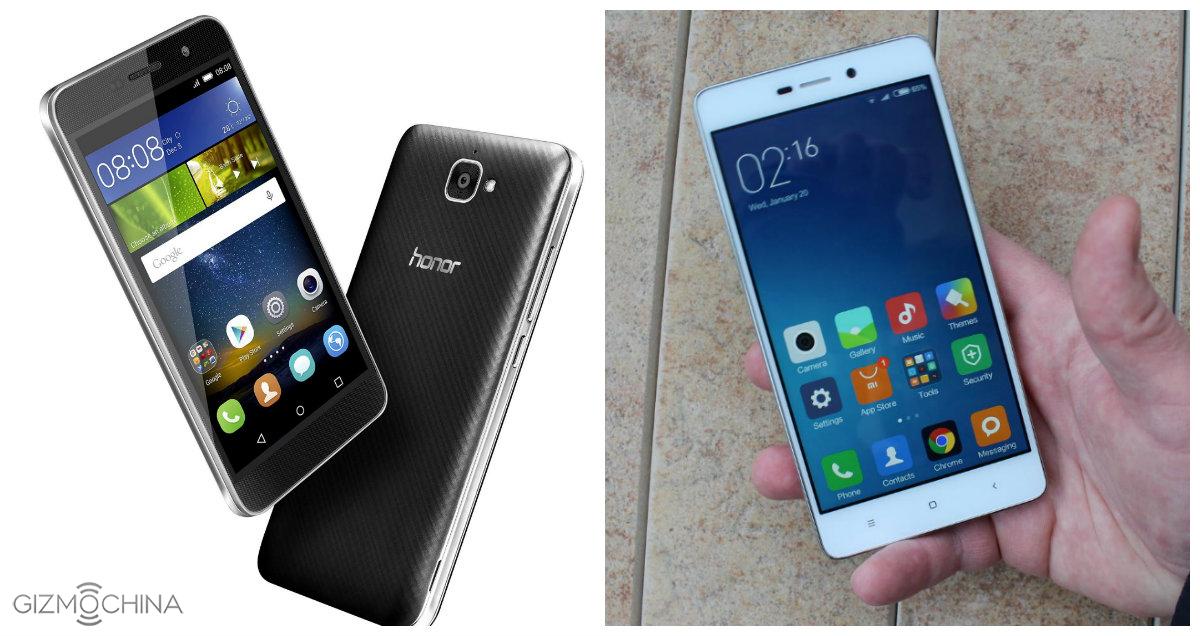
Huawei recently unveiled the Holly 2 Plus smartphone in India for a competitive price tag of Rs. 8499. It’s actually a pretty good phone for its price, with decent specs and a large battery. However, when we have a smartphone like Redmi 3 that was launched recently, it becomes necessary to compare the new model from Huawei to see how it fares against the powerful Redmi 3. So, without wasting anymore time, let’s move on to the Holly 2 Plus vs Redmi 3 comparison.
Holly 2 Plus vs Redmi 3
DISPLAY:
In the display department, there are hardly any surprises. You get the usual 5-inch 1280 x 720 pixel resolution IPS LCD screens on both the devices. So, the display quality should be more or less similar.
CPU & MEMORY:
In the CPU department, there’s actually one major difference. The Huawei Honor Holly 2 Plus comes with a modest MT6735 quad-core chip, which currently powers other low-end Chinese smartphones. On the other hand, Xiaomi has impressed us by using a much more powerful Snapdragon 616 processor with eight cores. This chip with Adreno 405 GPU will any day blow away Holly 2 Plus in performance.
As for the RAM, both the phones come with 2GB RAM on board. You get 16GB storage on both the devices, and both are expandable. However, the Holly 2 Plus is only expandable up to 32GB while the Redmi 3 can be expanded up to 128GB. There’s another catch, unlike the Huawei model, the Redmi 3 uses SIM 2 slot for MicroSD, so you will lose dual SIM function if you want to expand storage.
CAMERA:
We can’t really judge the camera quality without actually testing it in real life conditions. You can check out our Redmi 3 review for camera samples, but for the Holly 2 Plus, you will have to wait for some time.
On paper, Redmi 3 seems to have a better setup with PDAF (Phase Detection Autofocus). Both come with a 13MP rear sensor with LED flash. As for the front camera, you get 5MP shooters on both the models.
BATTERY & SOFTWARE:
In the battery department, both Huawei and Xiaomi have done a great job. The Honor Holly 2 Plus comes with a large4000mah battery and the Redmi 3 comes with an even larger 4100mAh battery. So, both the models should easily give you a couple of day’s battery life. Another thing to note is that both models support fast charging.
As for connectivity, you have the usual 4G LTE, dual SIM dual standby, Wi-Fi, Bluetooth etc. And for software, both come with Android 5.1 but with their respective manufacturer skins on top i.e. EMUI 3.1 for Huawei and MIUI 7 for Xiaomi.
PRICING & AVAILABILITY:
Honor Holly 2 Plus is priced at Rs. 8499 in India which comes to $125. On the other hand, the Redmi 3 is officially priced at $106 in China, but its launch in international markets is still unclear.
So, the Huawei model does have an edge as it is available to pre-order right now in India. On the other hand, you may have to wait for a few months more to get your hands on Redmi 3 officially. But then, if you are impatient, you have the option of third-party retailers as well.
To make the Holly 2 Plus vs Redmi 3 comparison easier, check out the table down below.
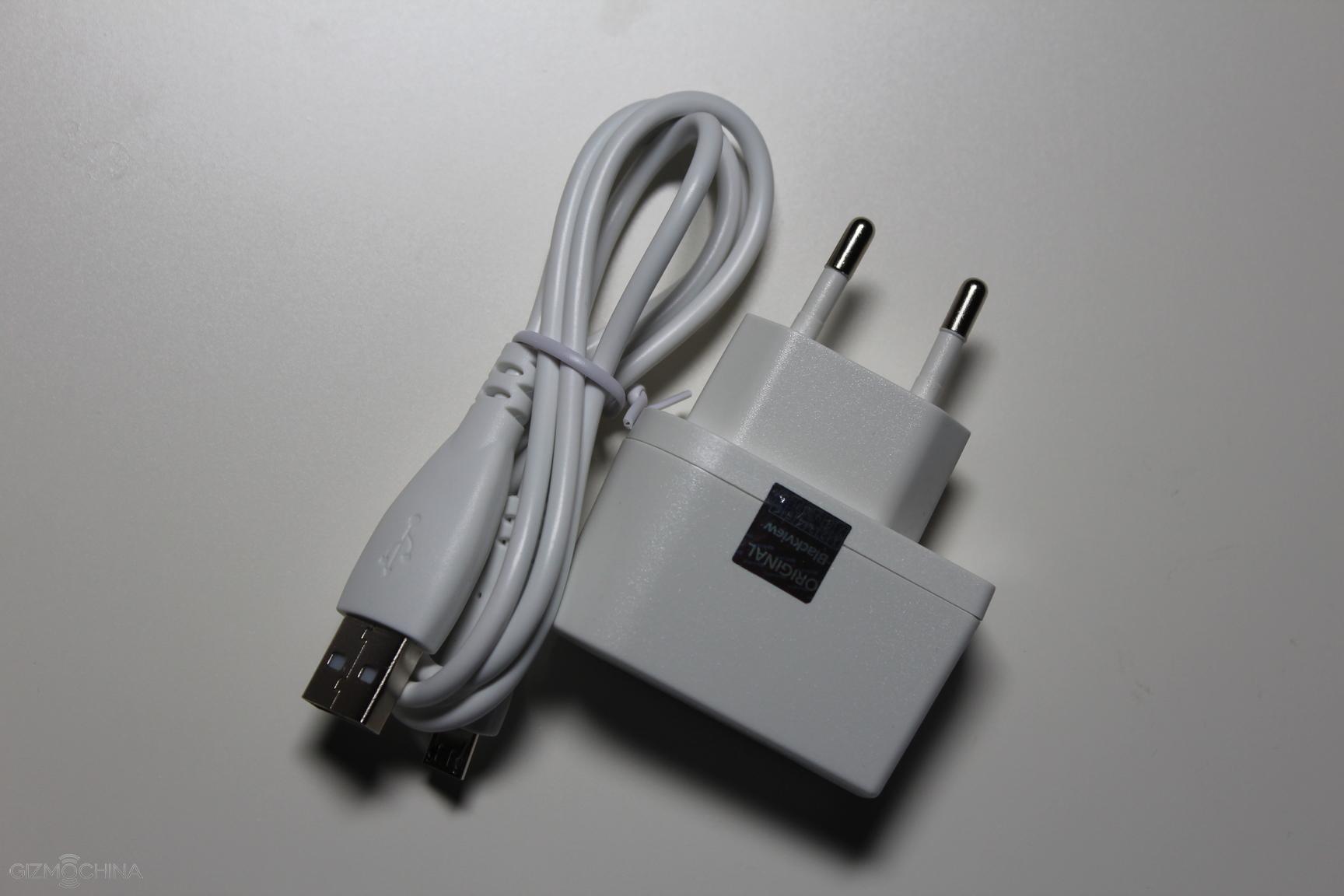
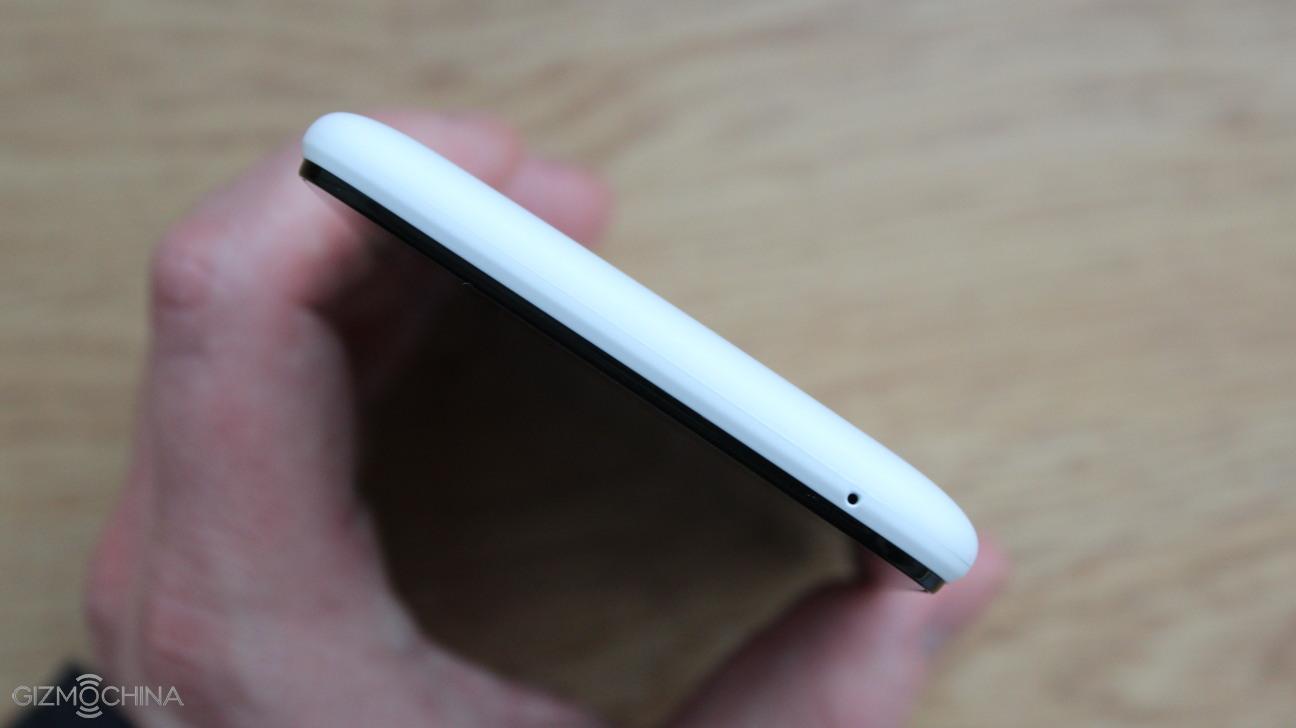
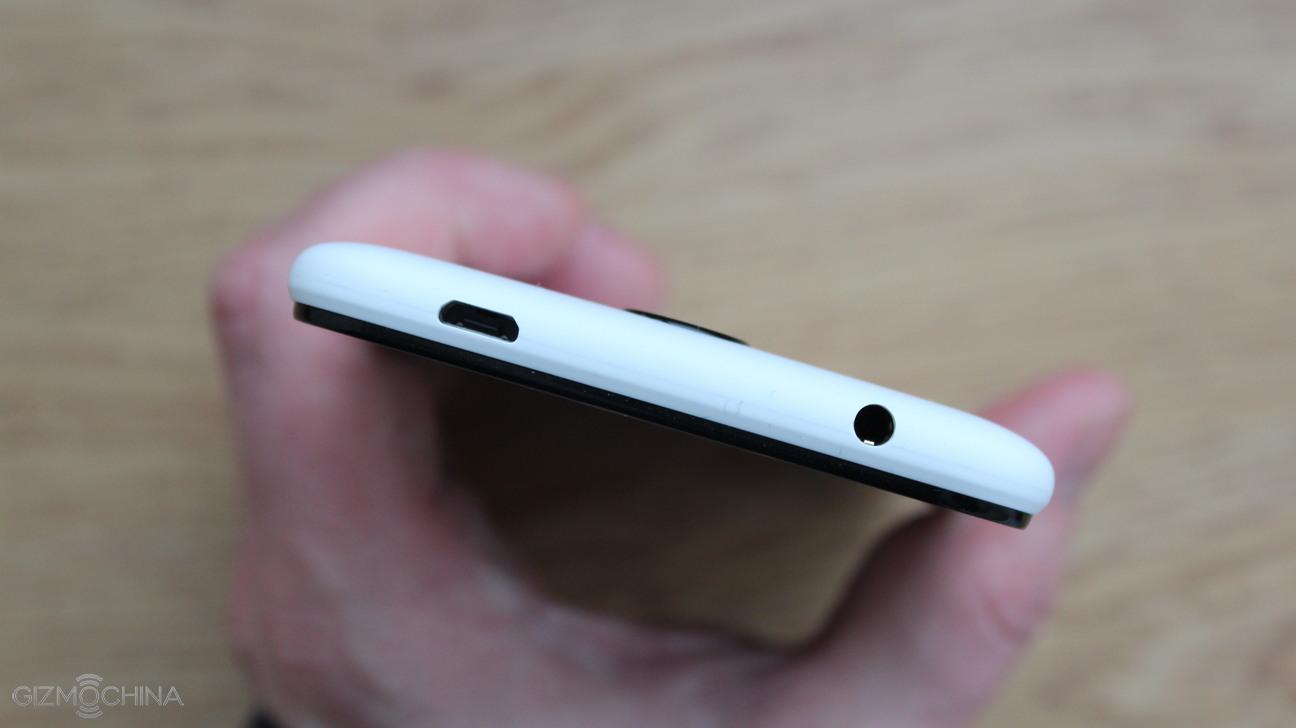
The phone comes with just a power plug and the USB cable.
Blackview BV2000s: DESIGN
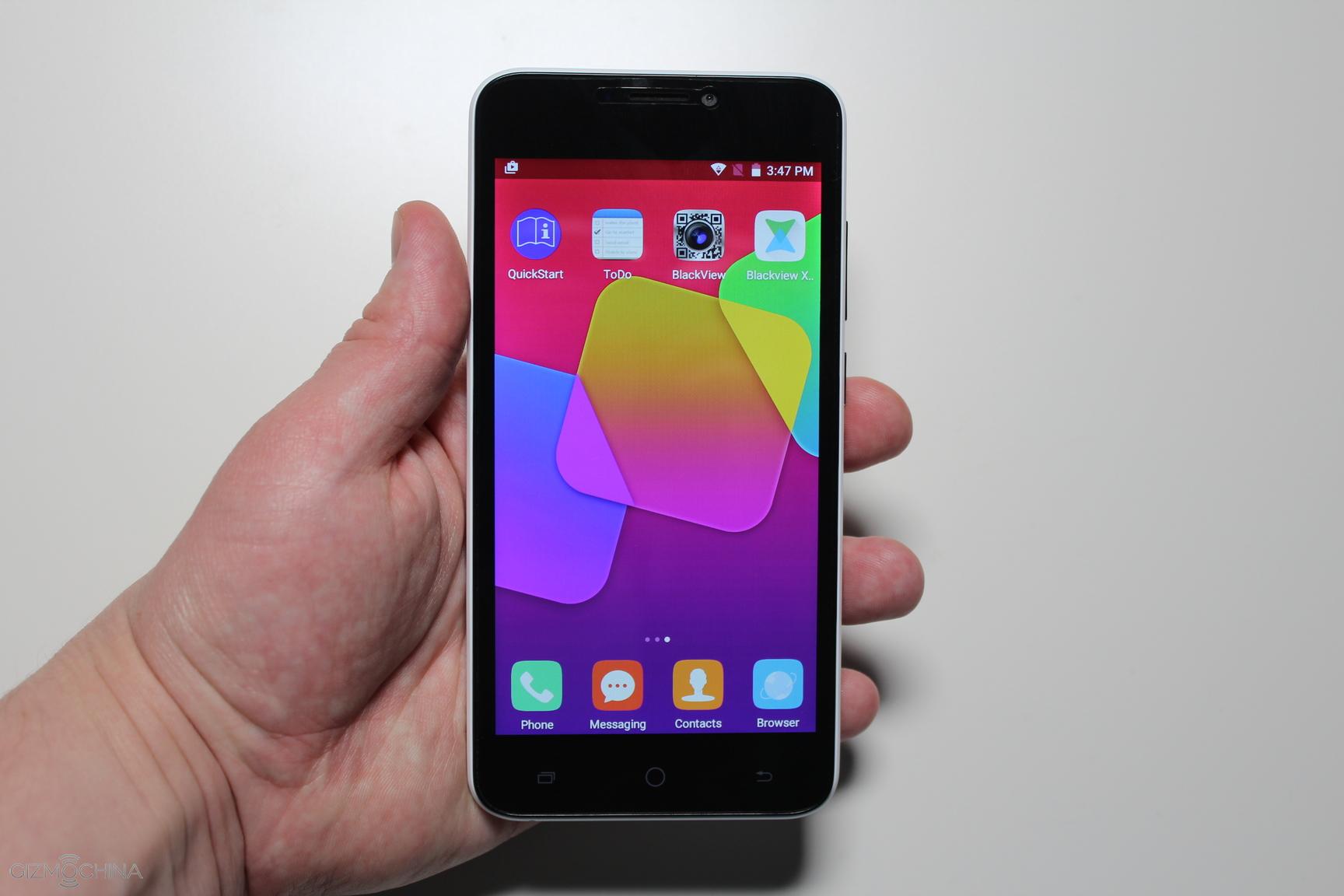
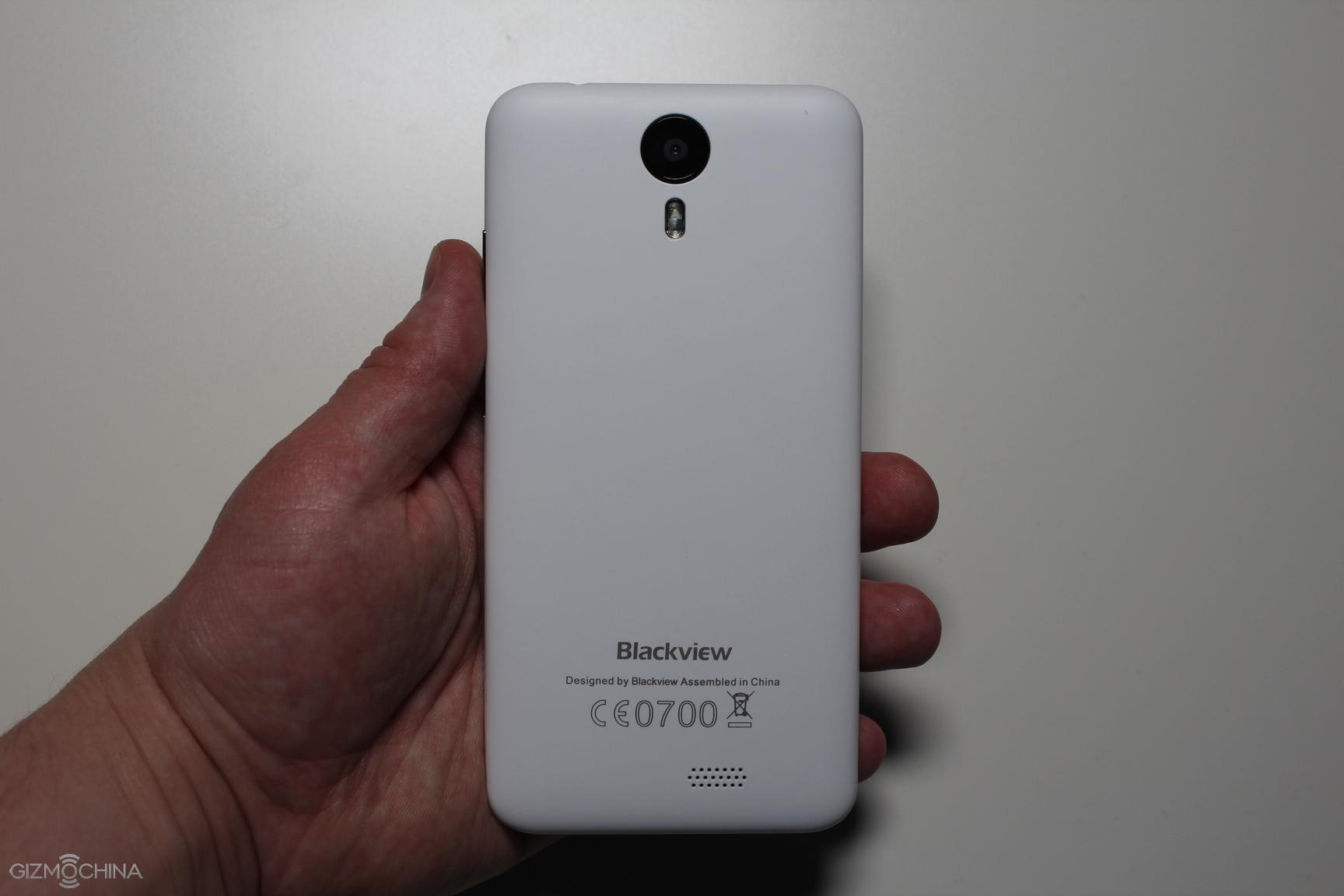
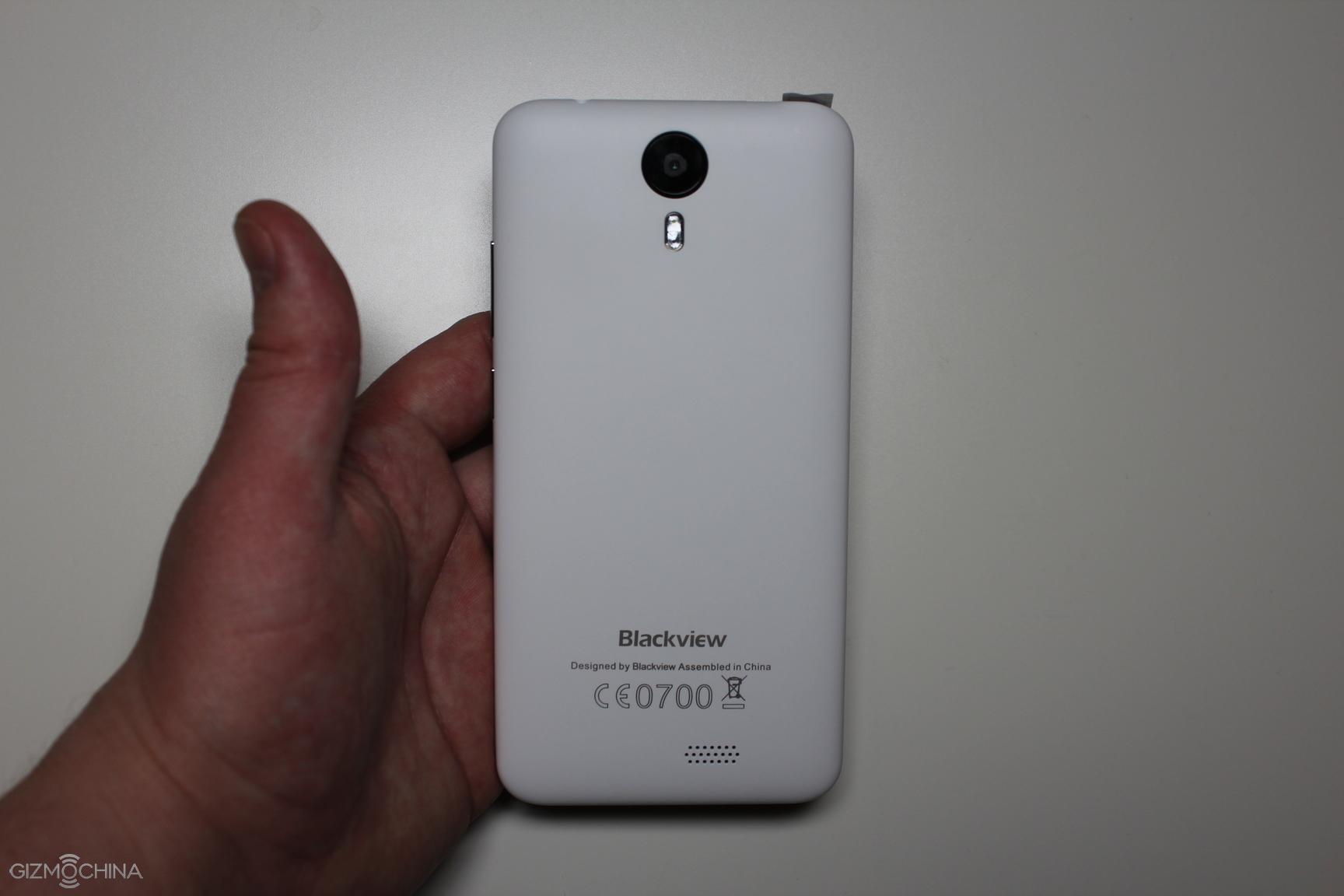
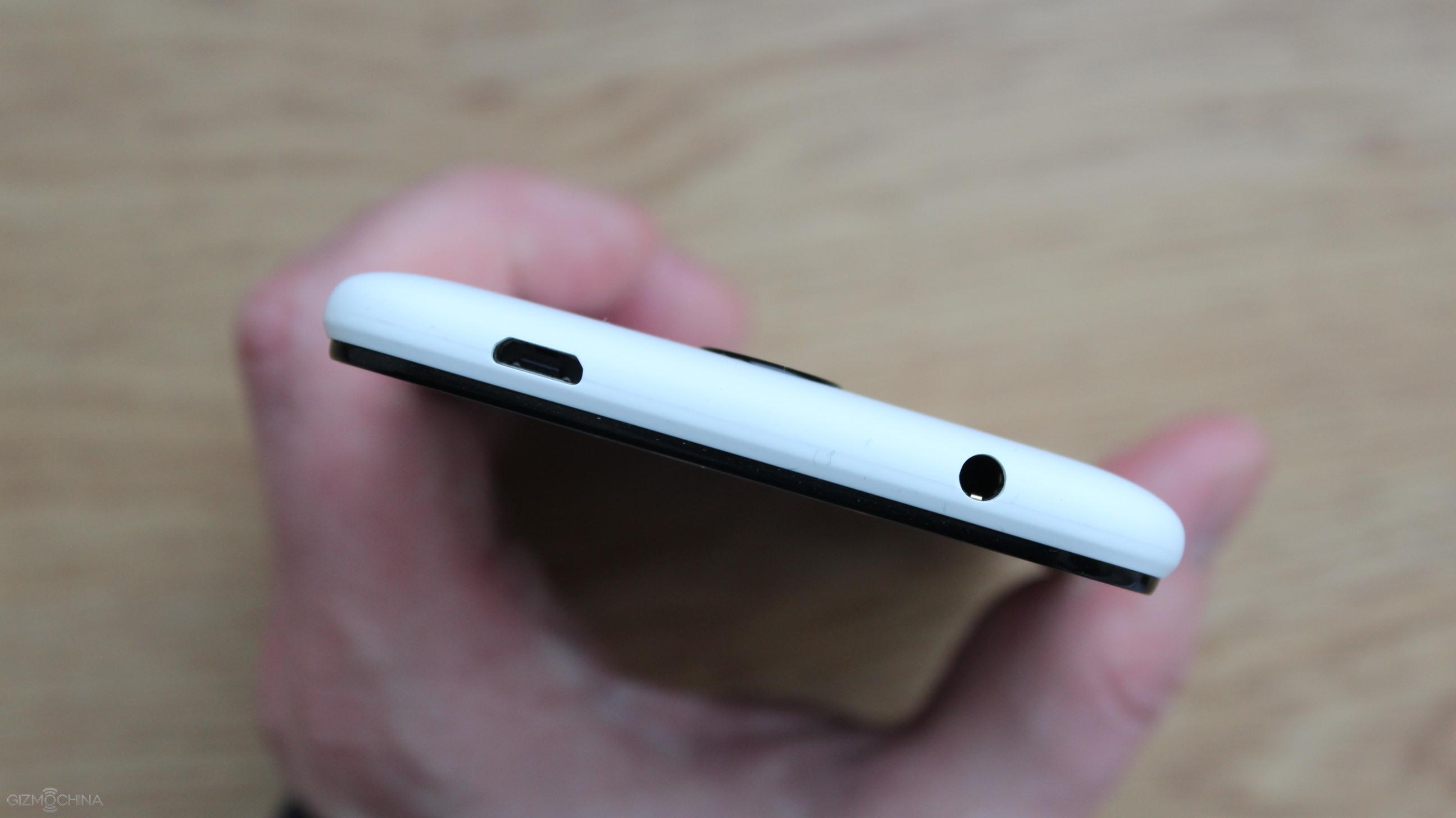
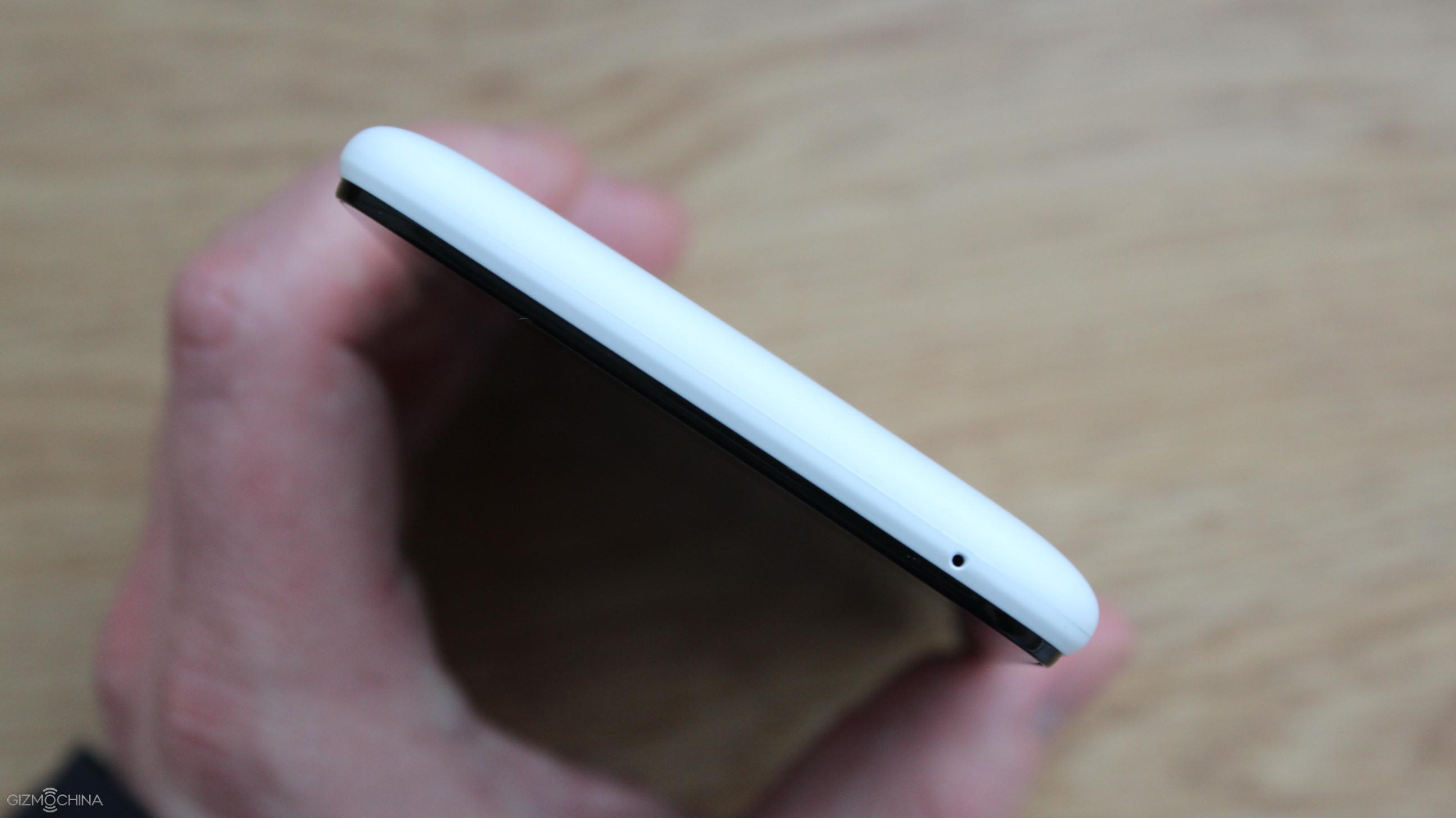
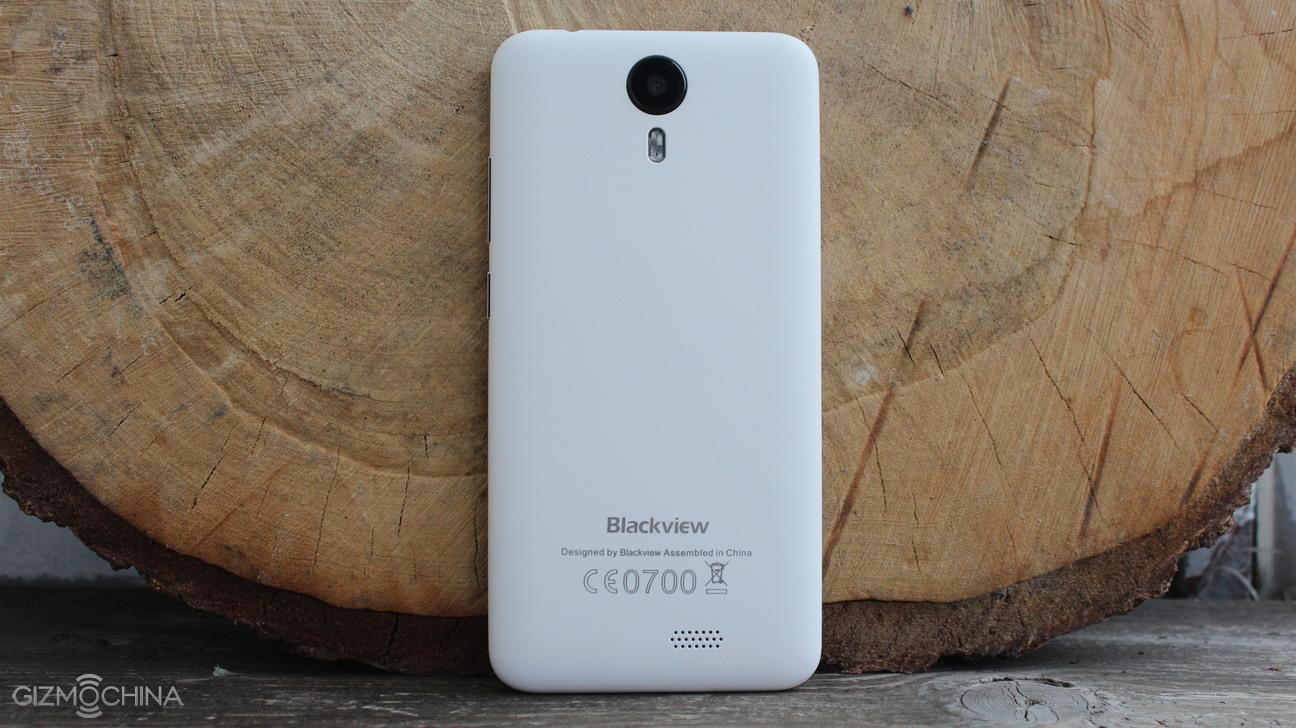
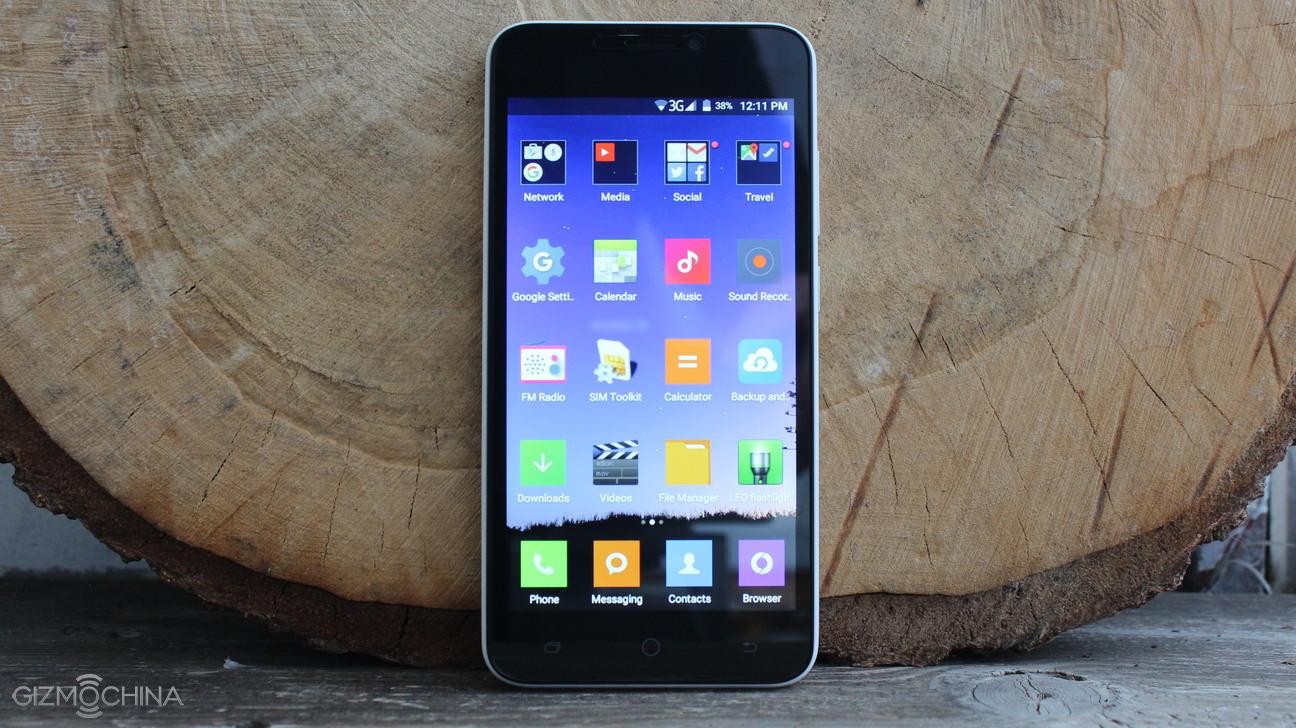
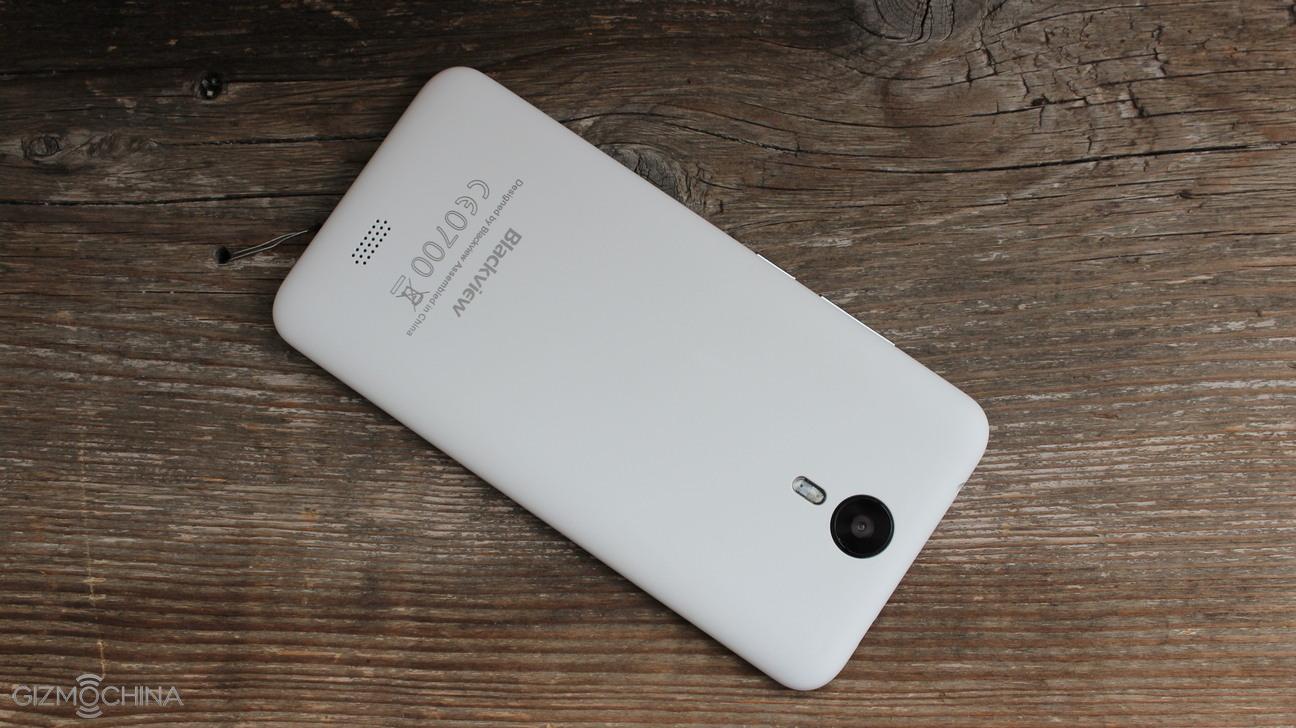
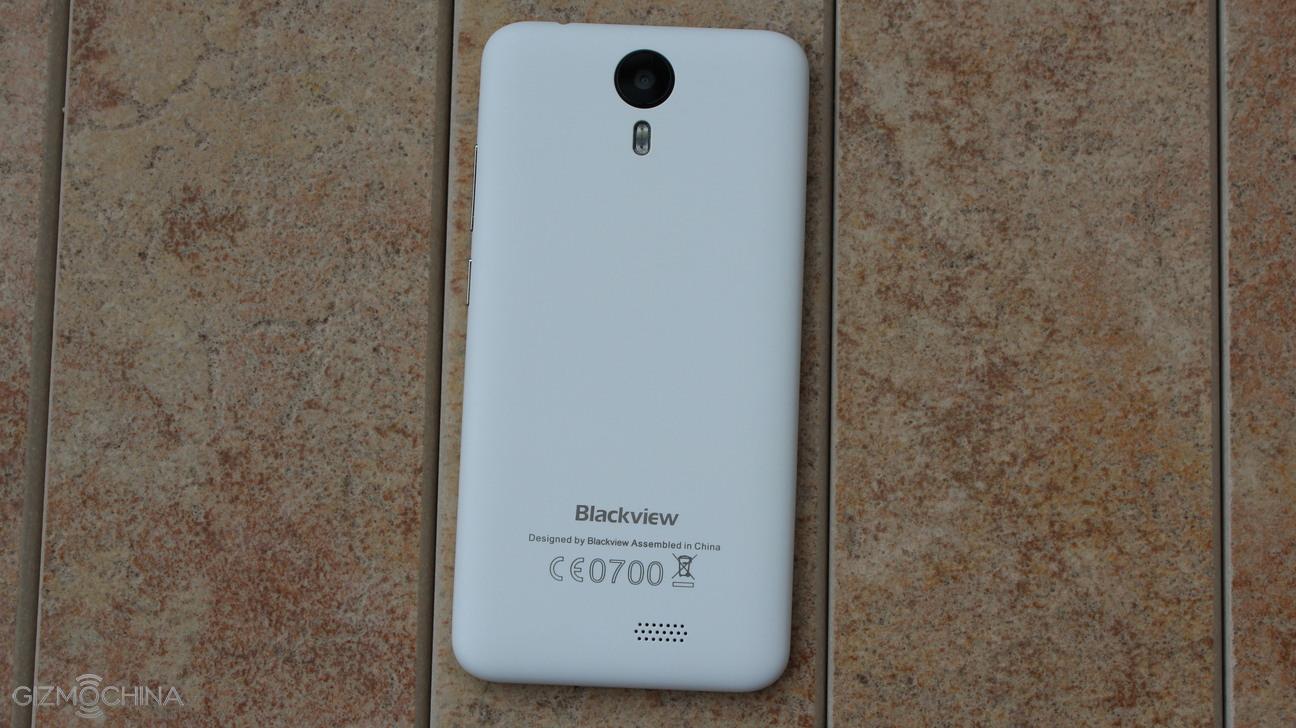
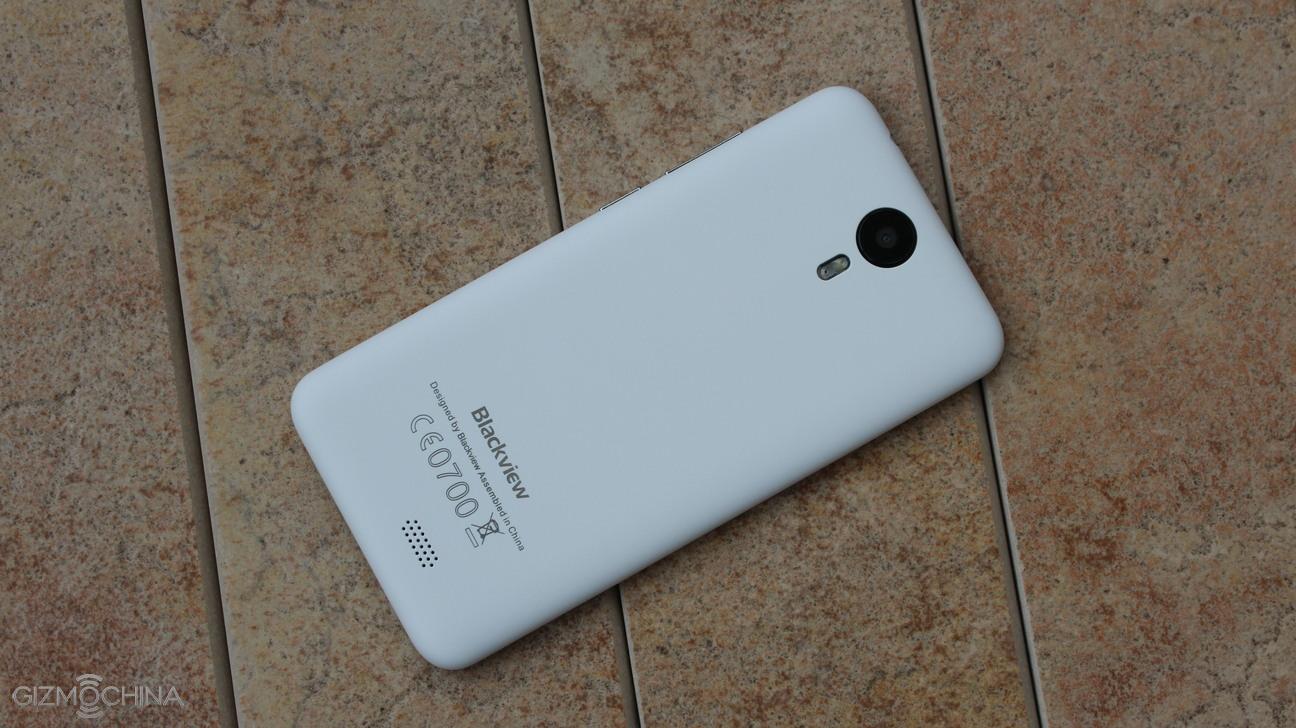
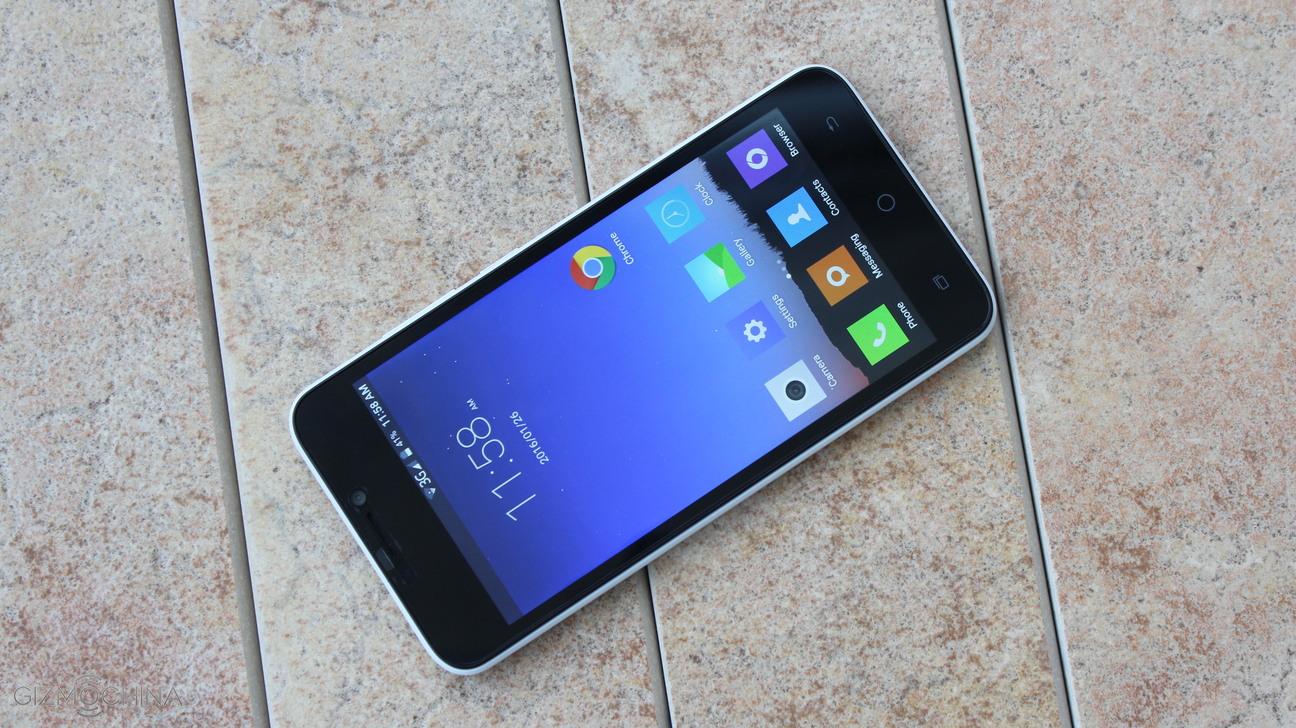
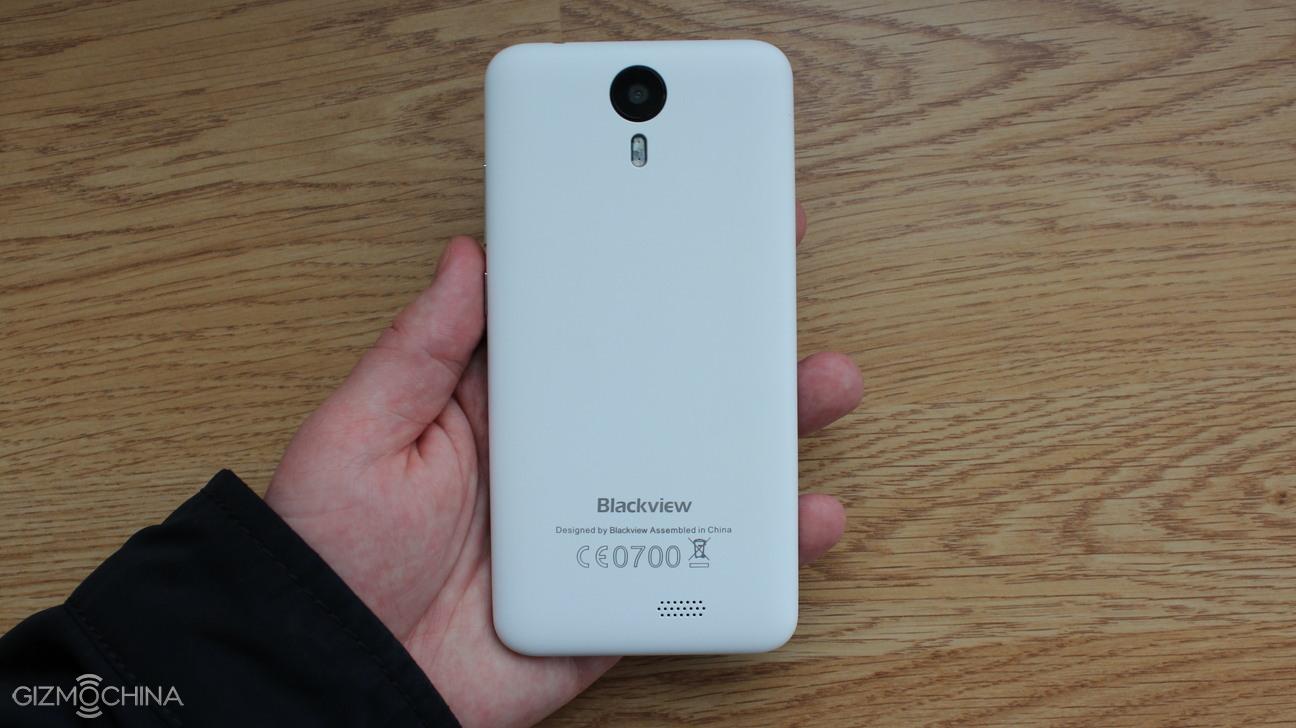
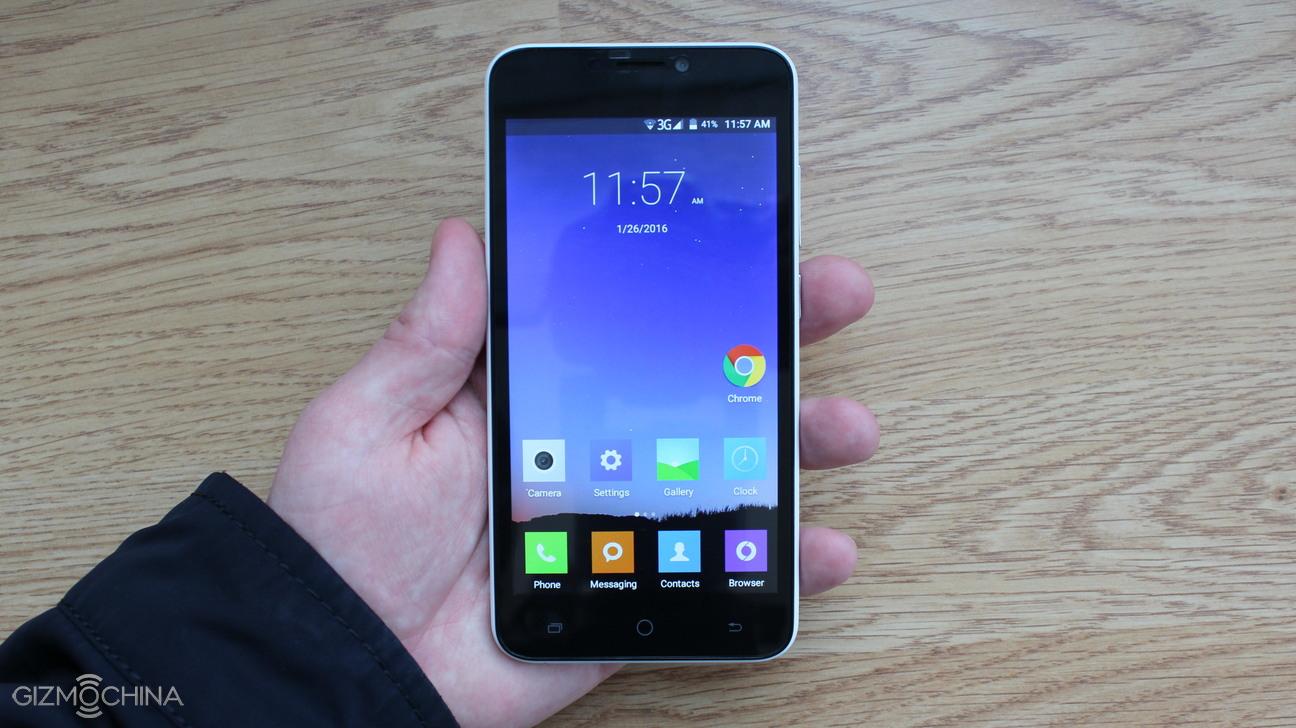
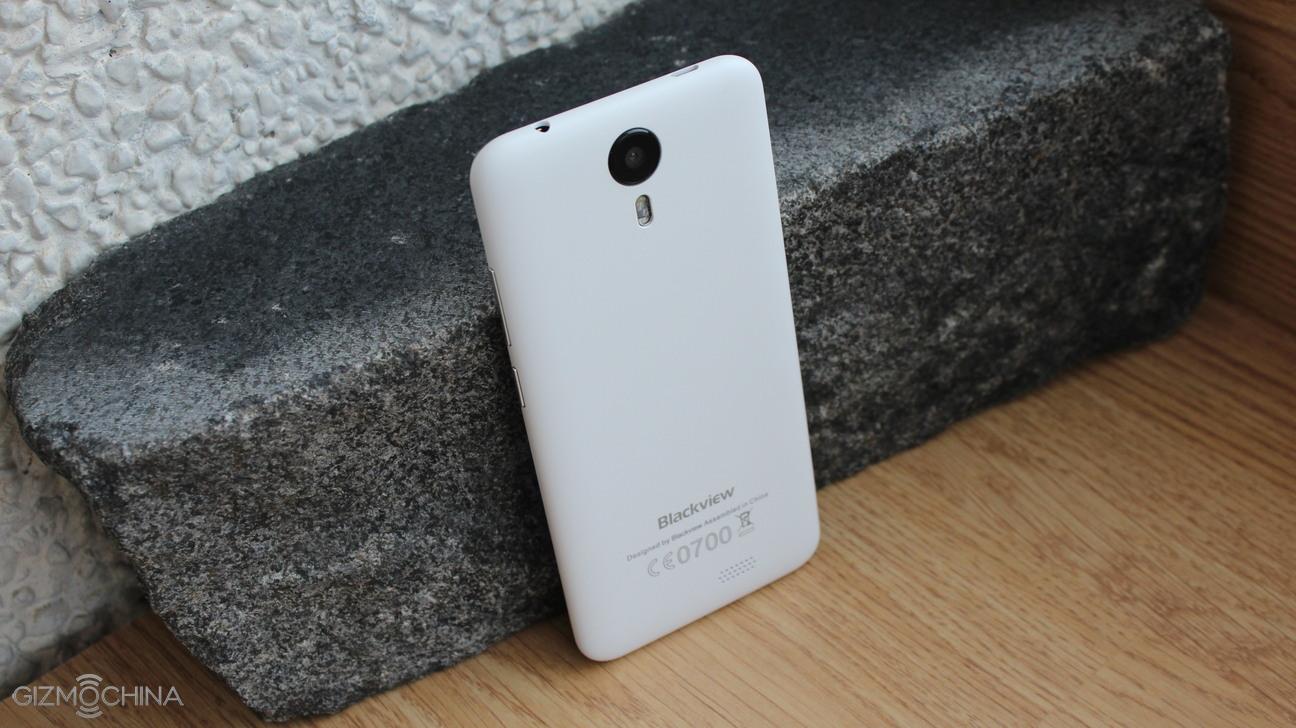
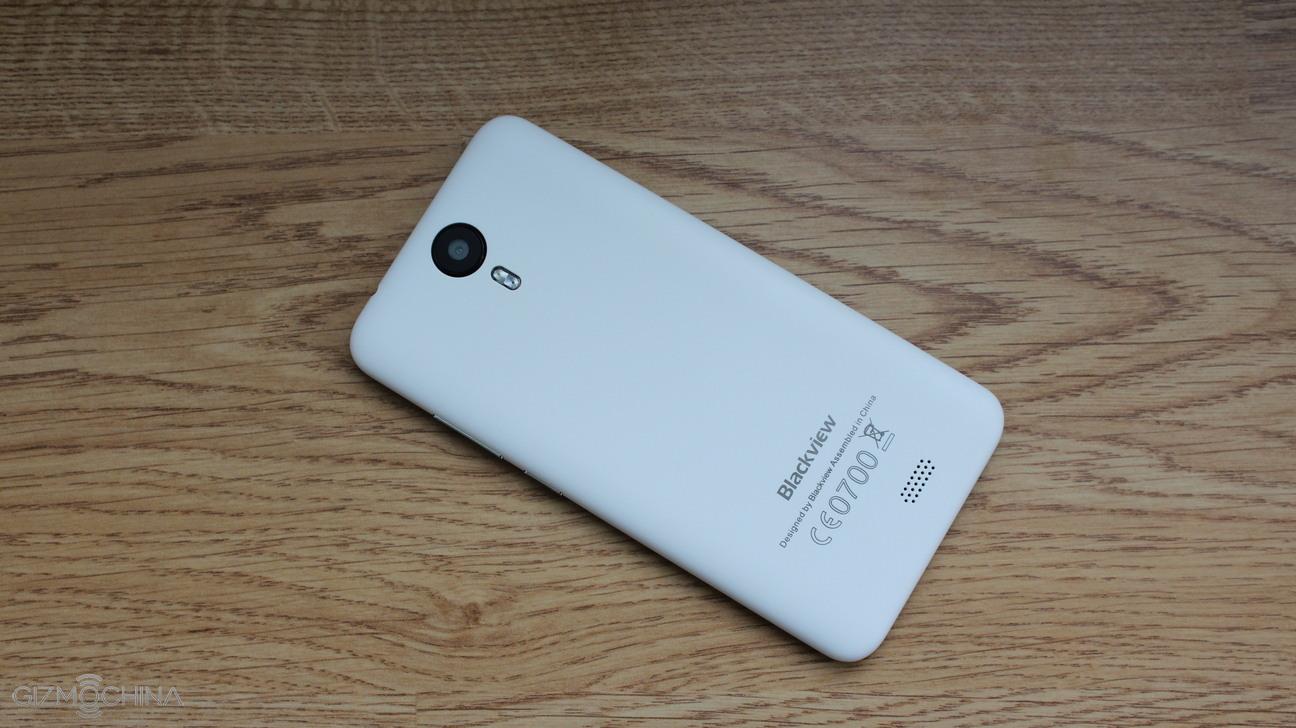
The device is very compact as it has a 5” display and the phone is made of plastic. My review unit comes in white colour but it has a lot more other colour options.
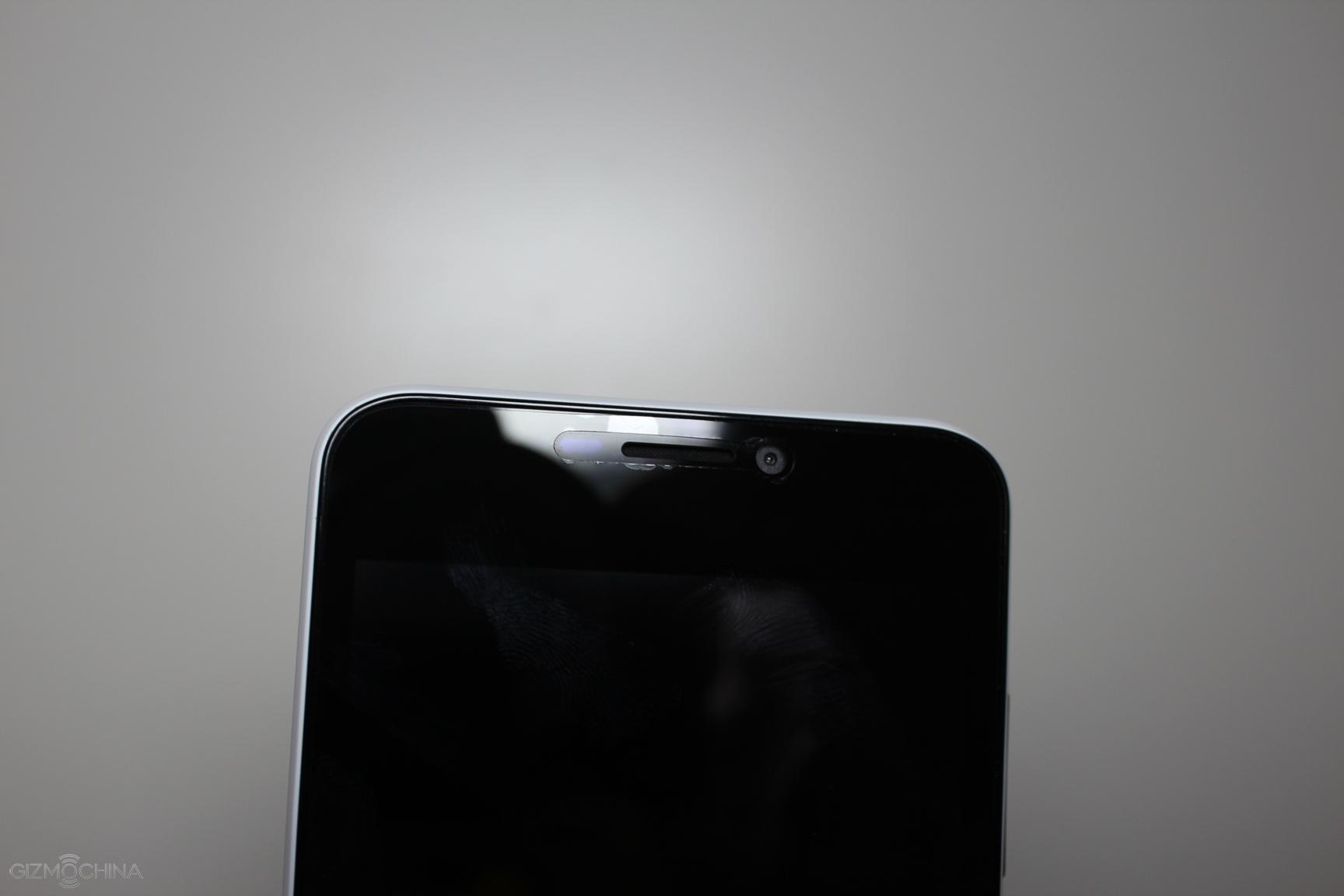
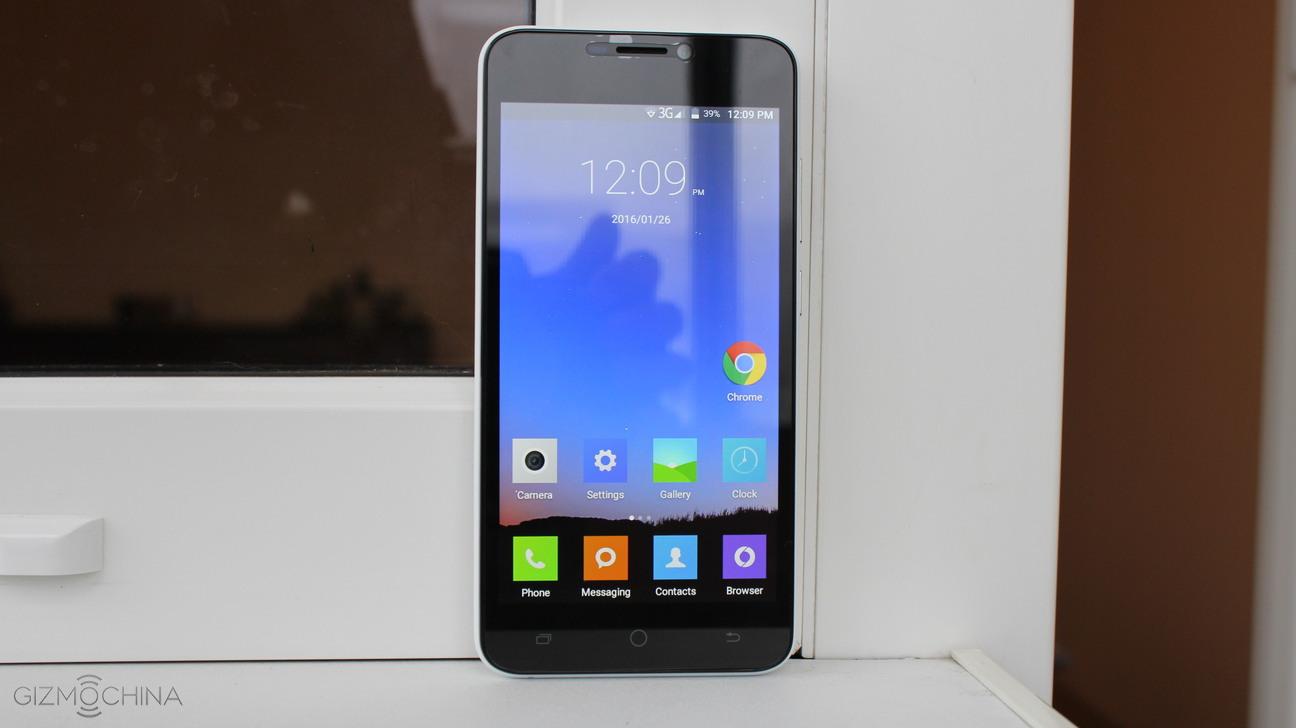
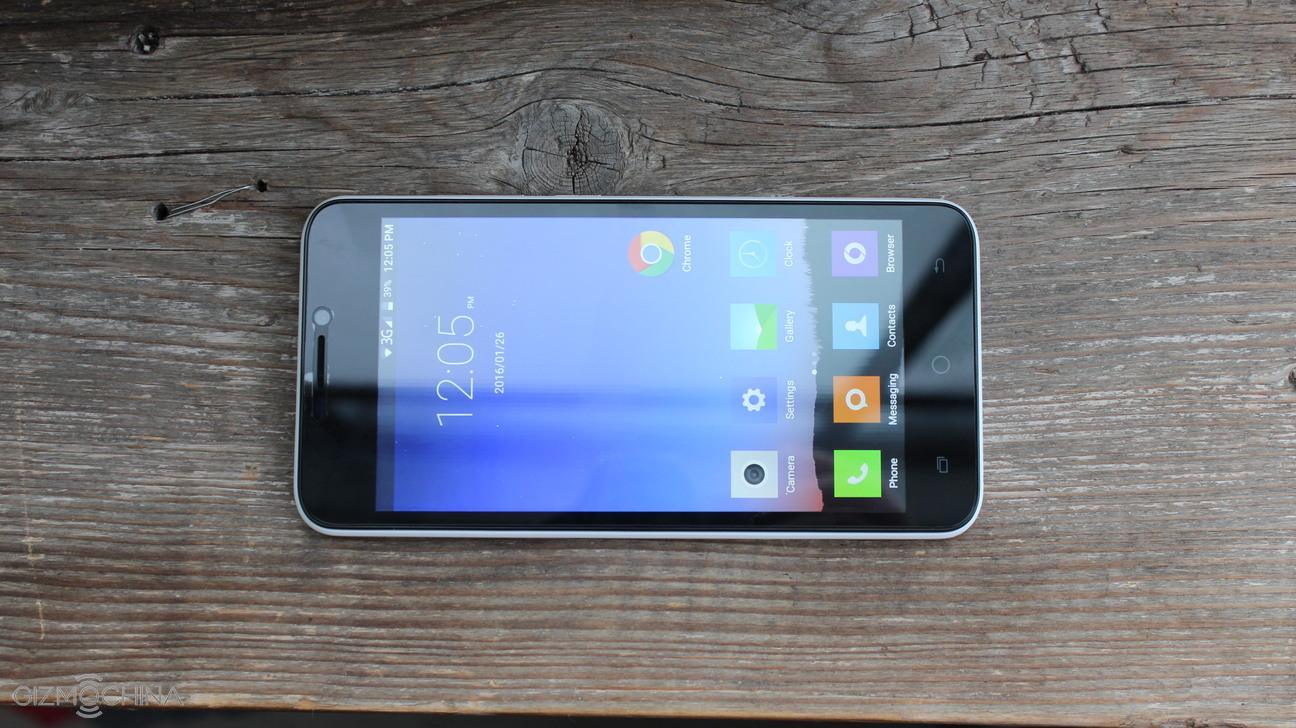
On the front top there is a 2MP snapper along with other usual stuff. On the bottom you can find a physical home button and non-backlit capacitive keys.
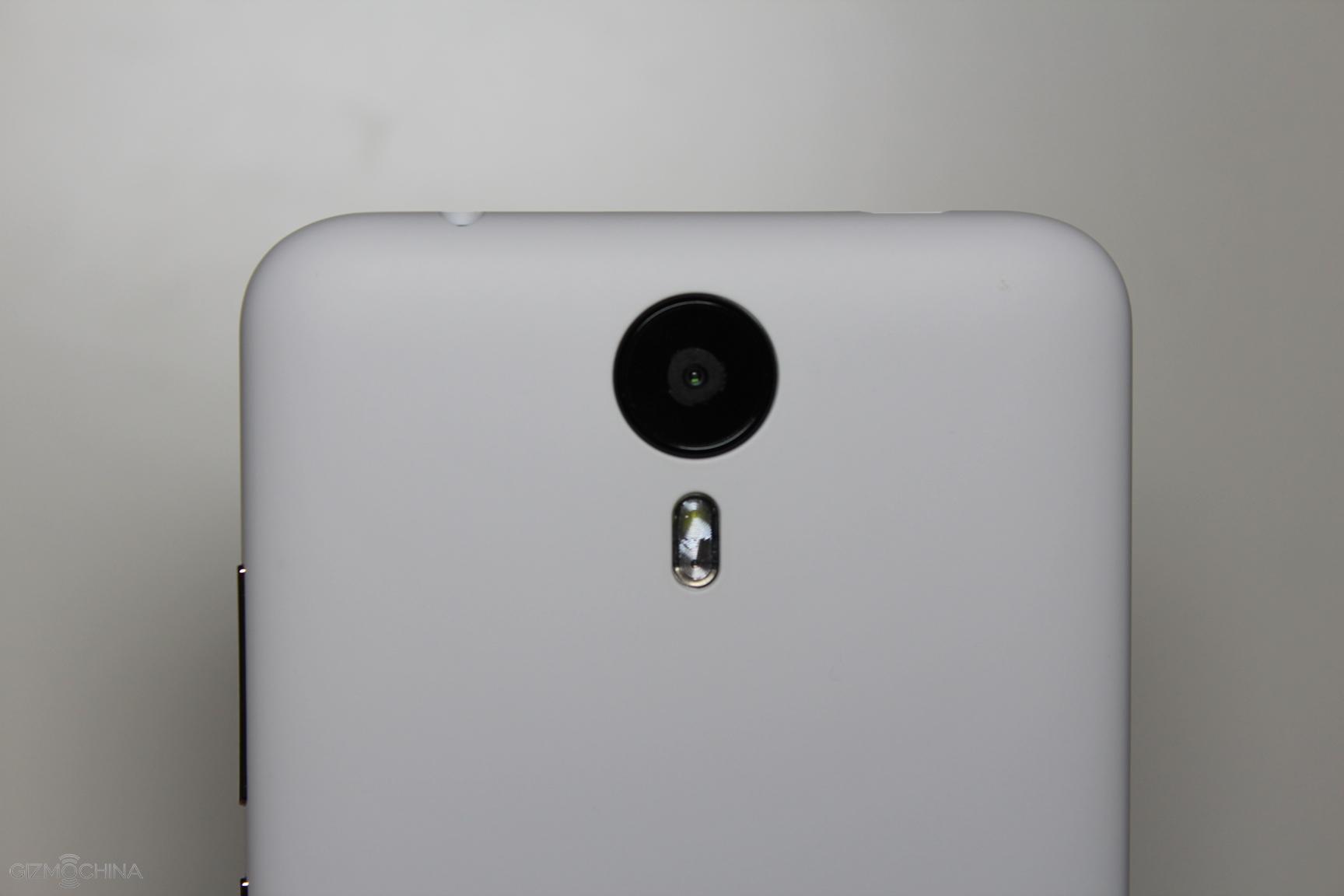
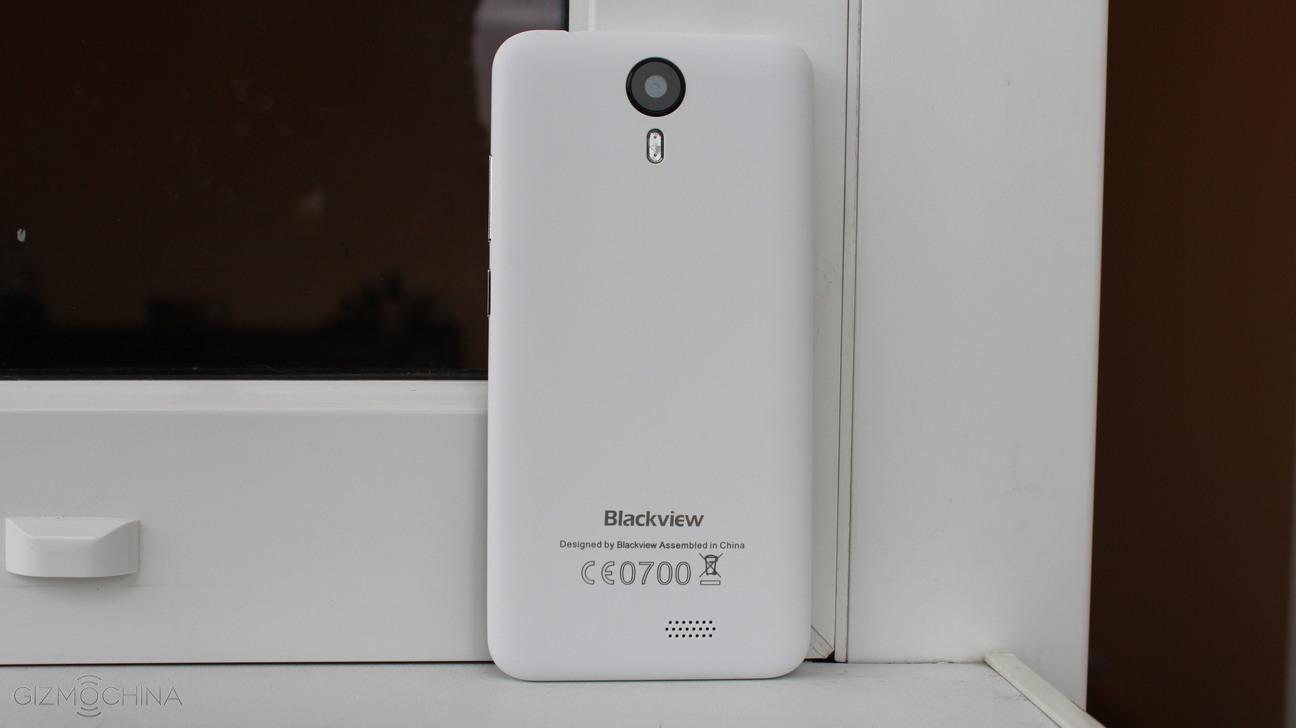
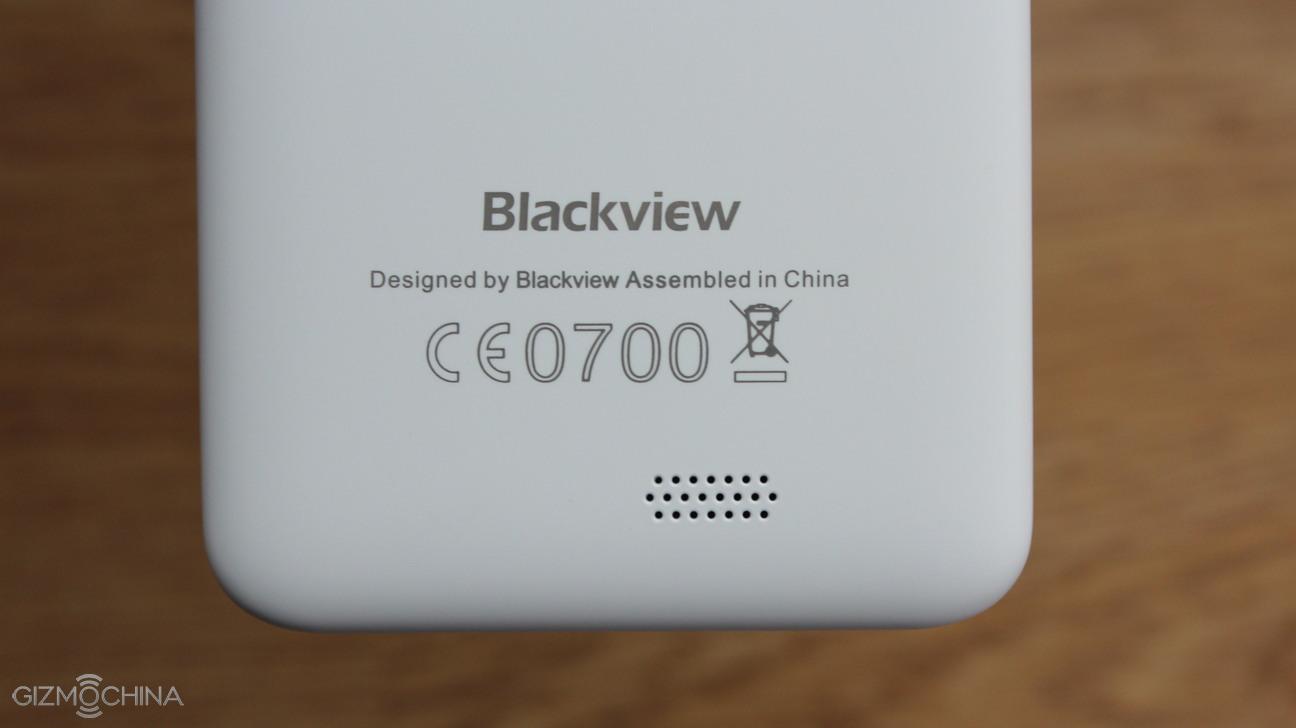
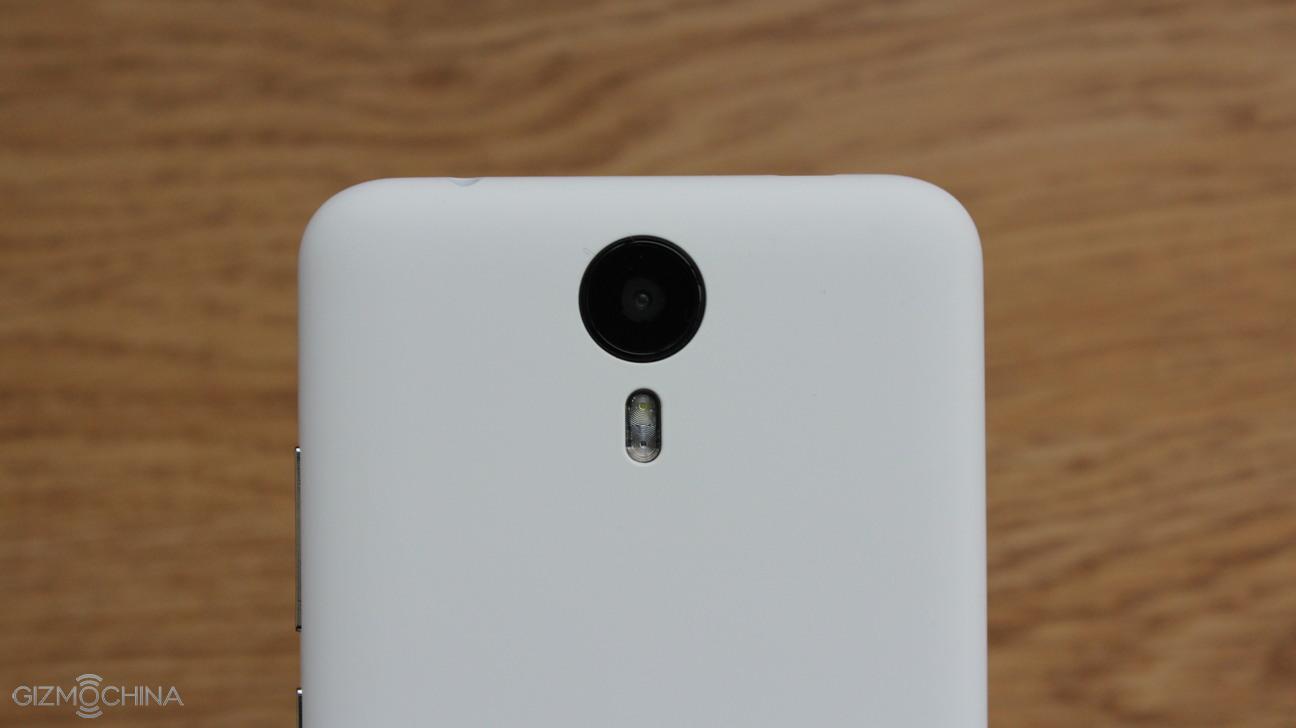
On the back you can find an 8MP shooter with dual LED flash and the speaker grill.
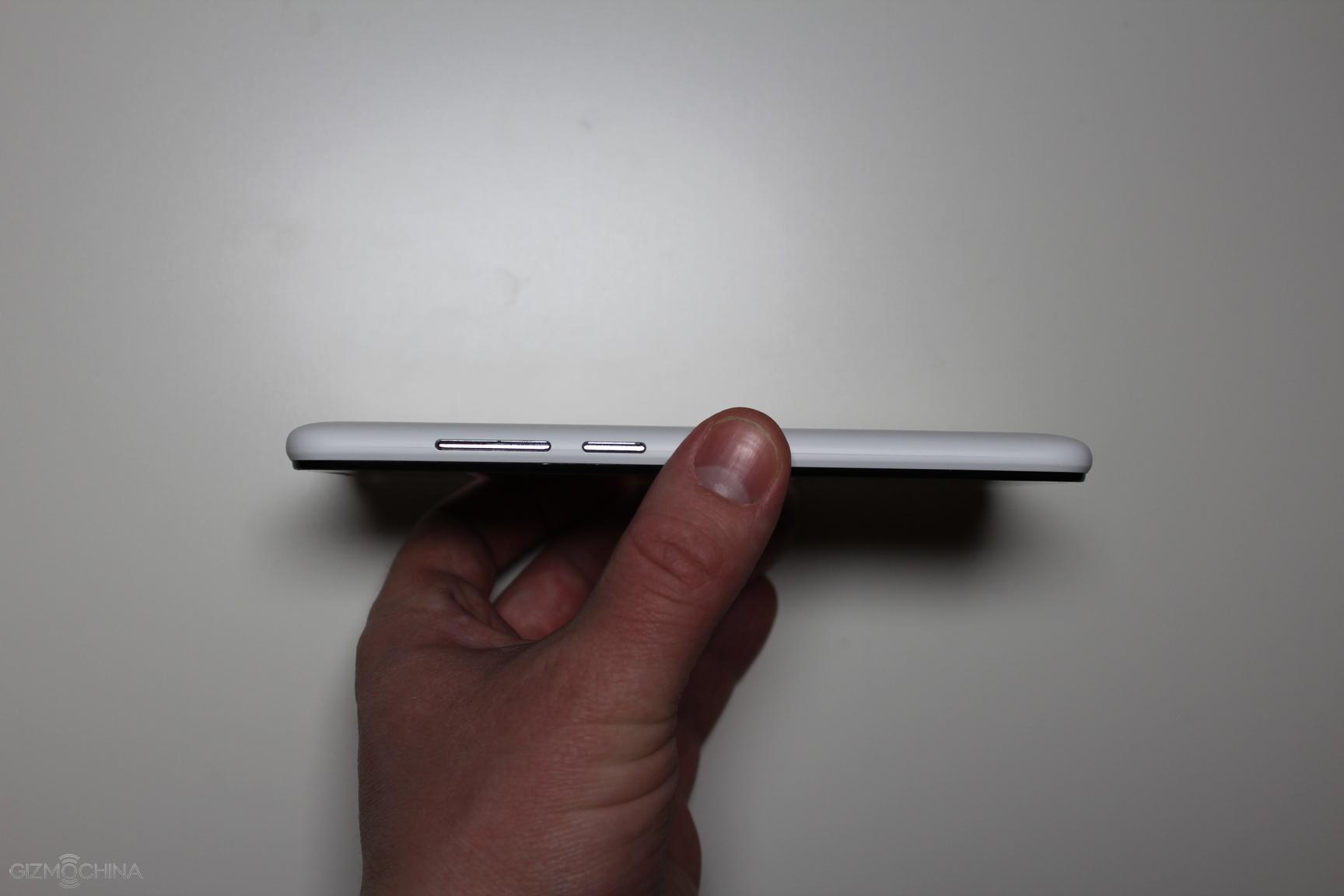
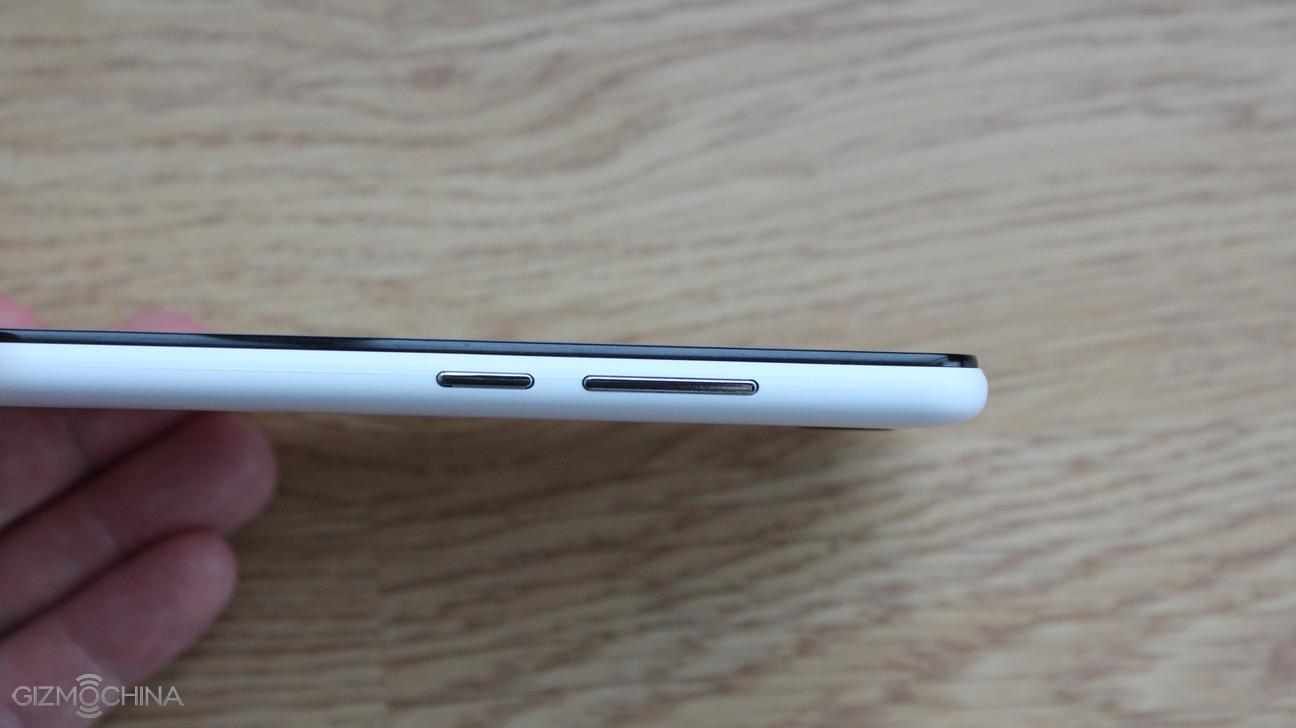
The buttons are located on the right side and they have a great tactile feedback.
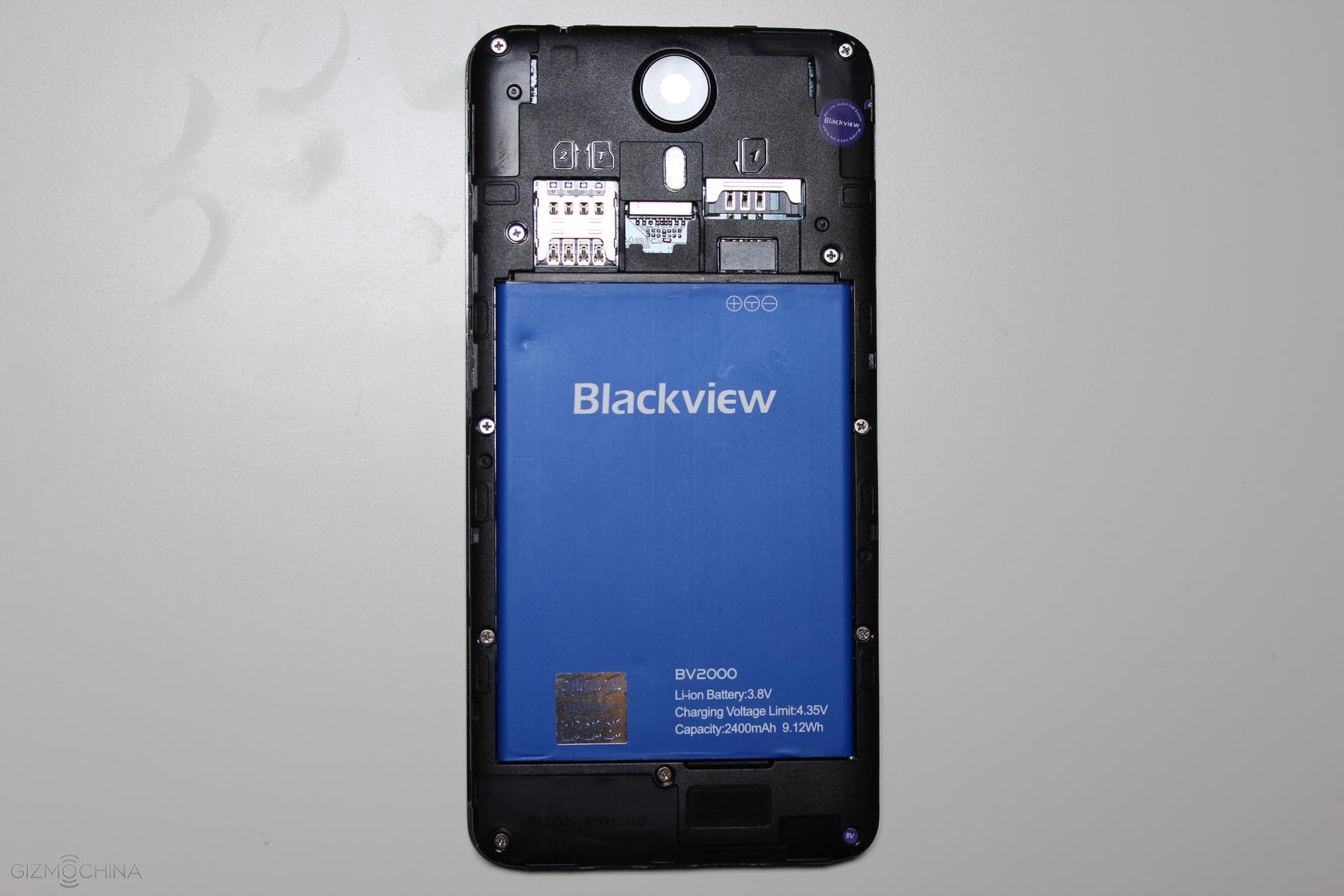
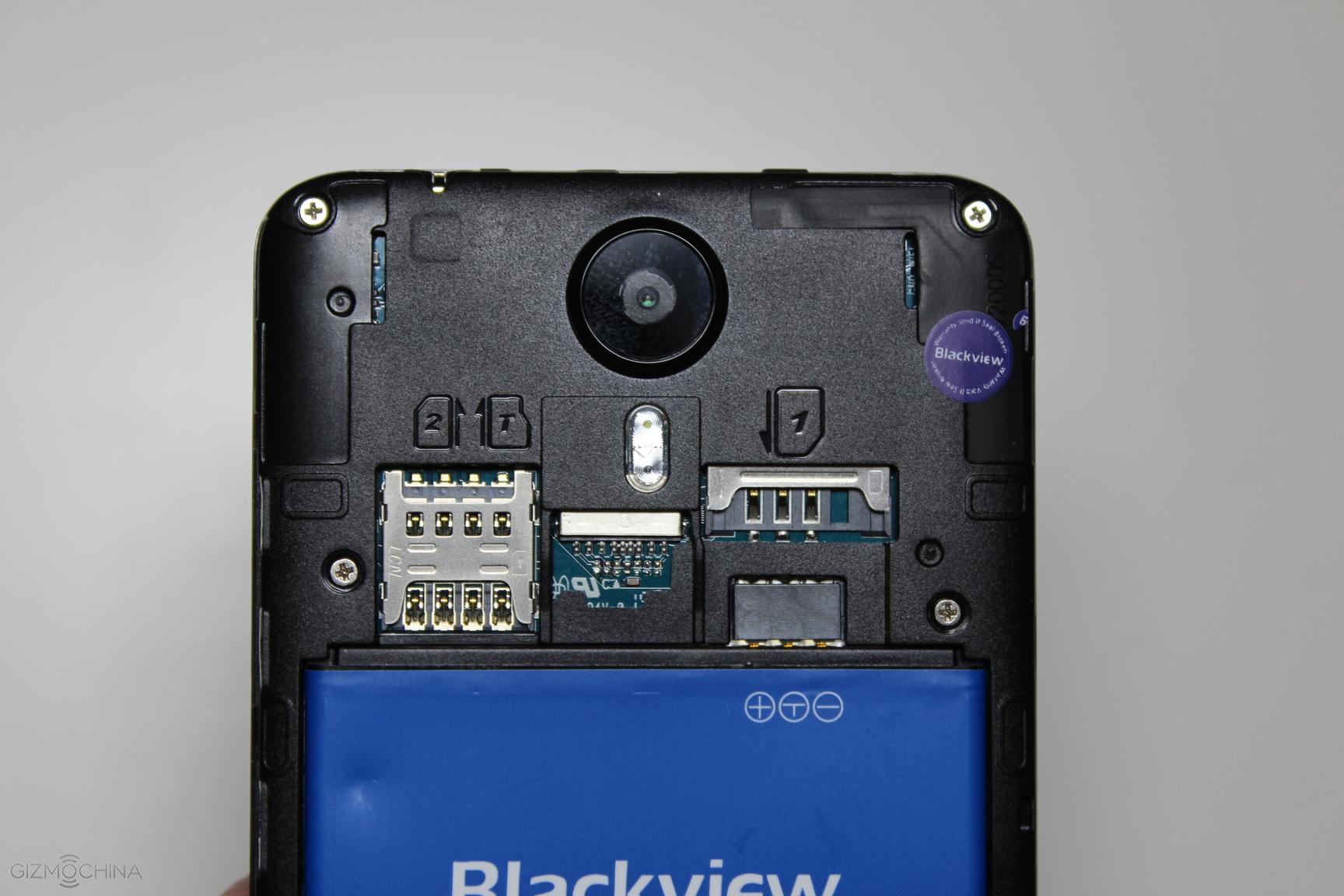
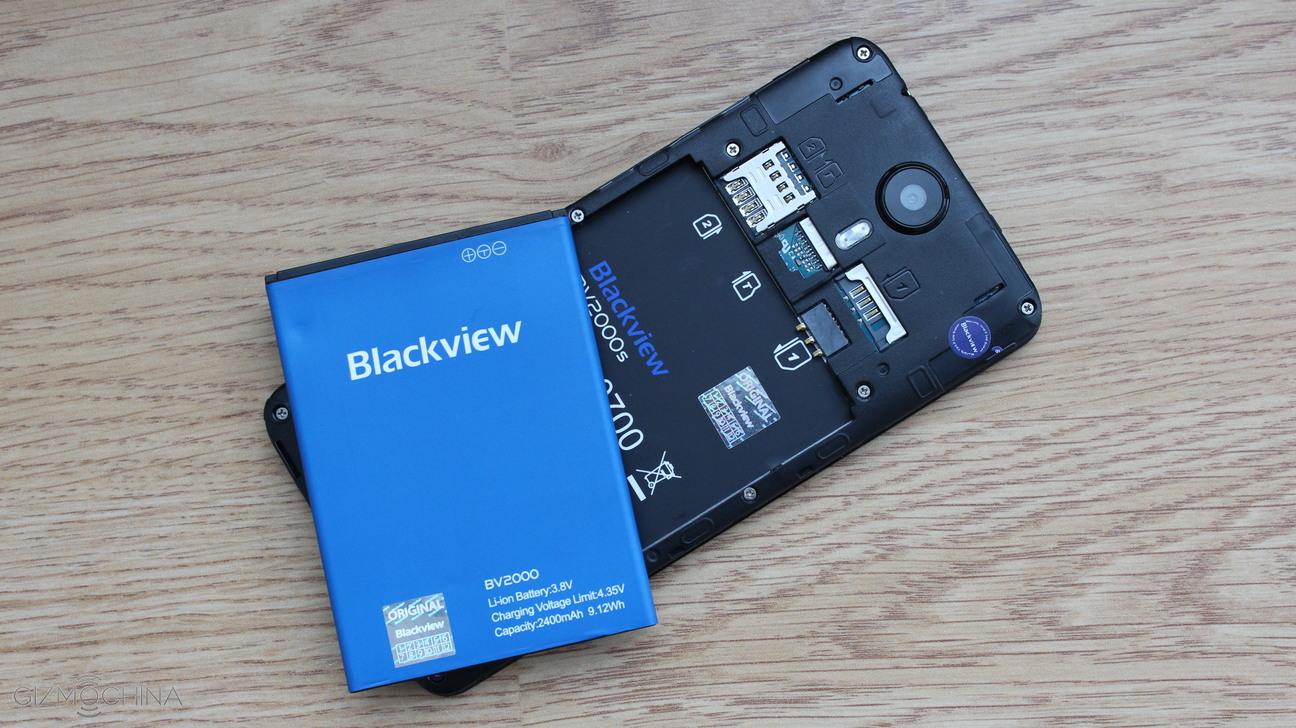
Under the hood, there is a removable 2400mAh battery, two SIM card slots and the microSD card slot.
Overall, the phone is well built and I have no complaints at all.
Blackview BV2000s in pictures:
1 of 23
Blackview BV2000s: DISPLAY
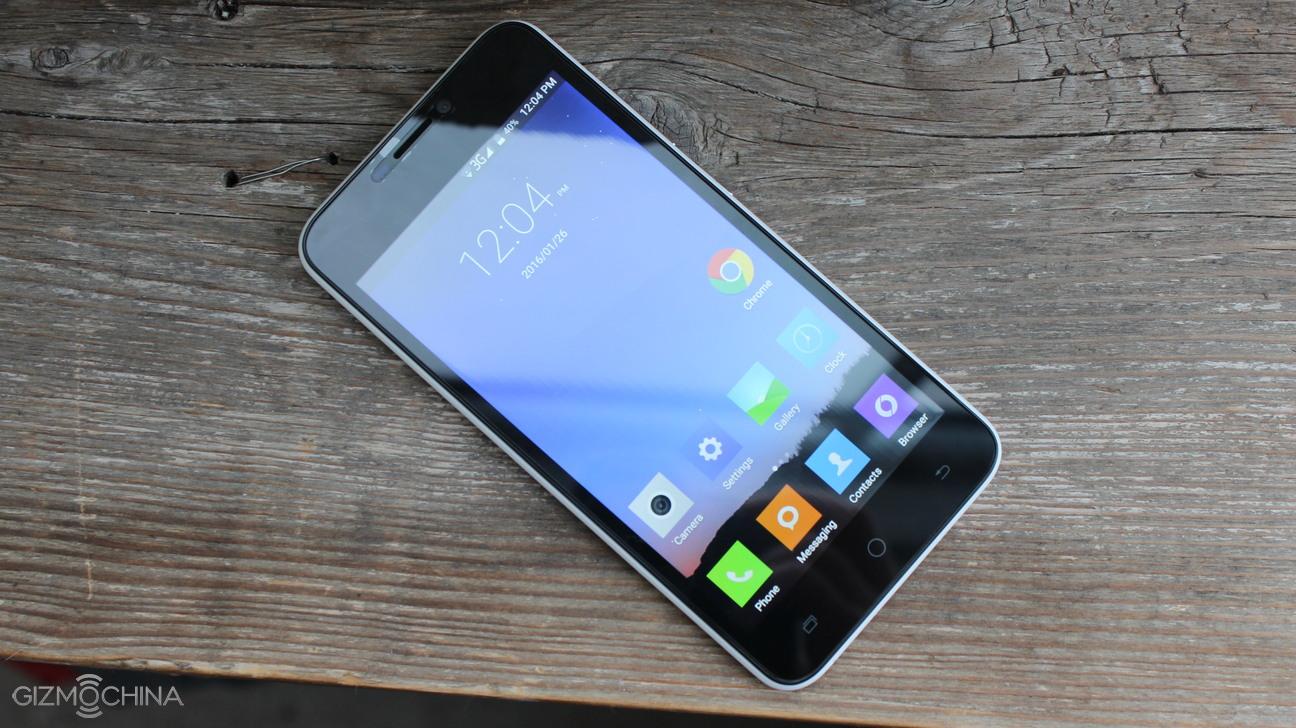
The Blackview BV2000s has a 5” 720p panel, which is pretty sharp, it has decent colour reproduction and it is a good display overall for such a cheap phone.
Blackview BV2000s: UI
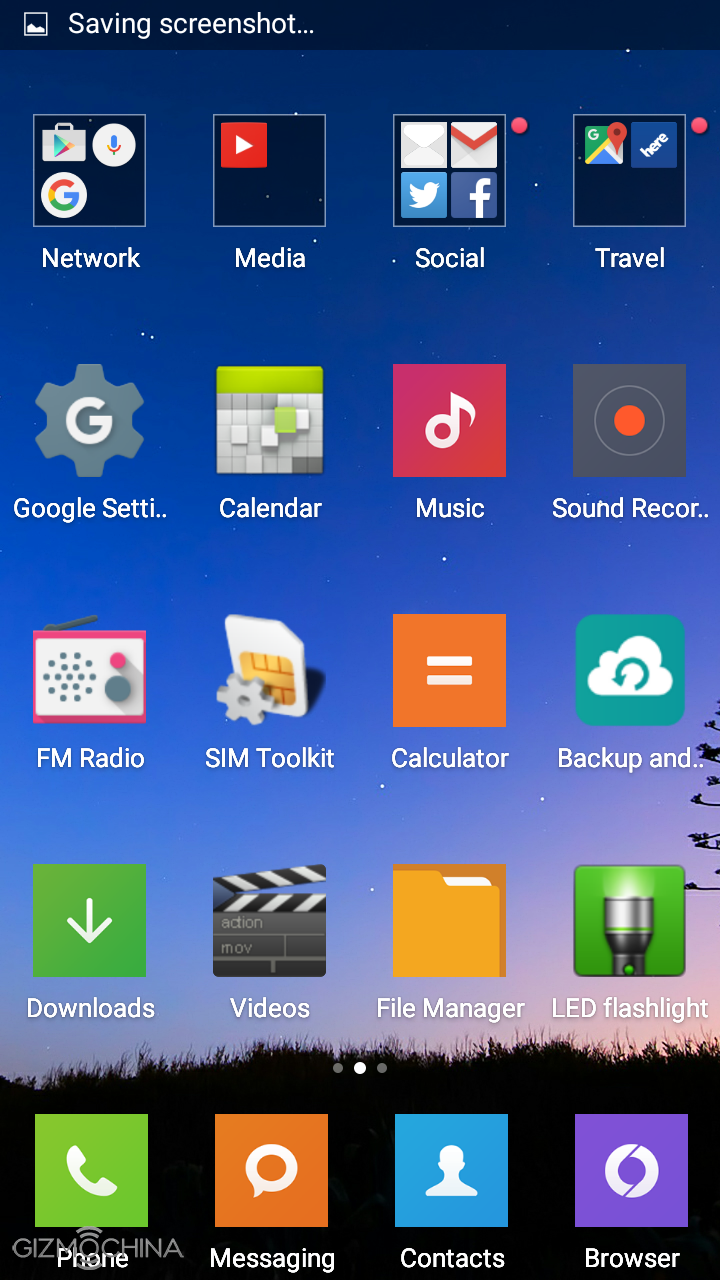
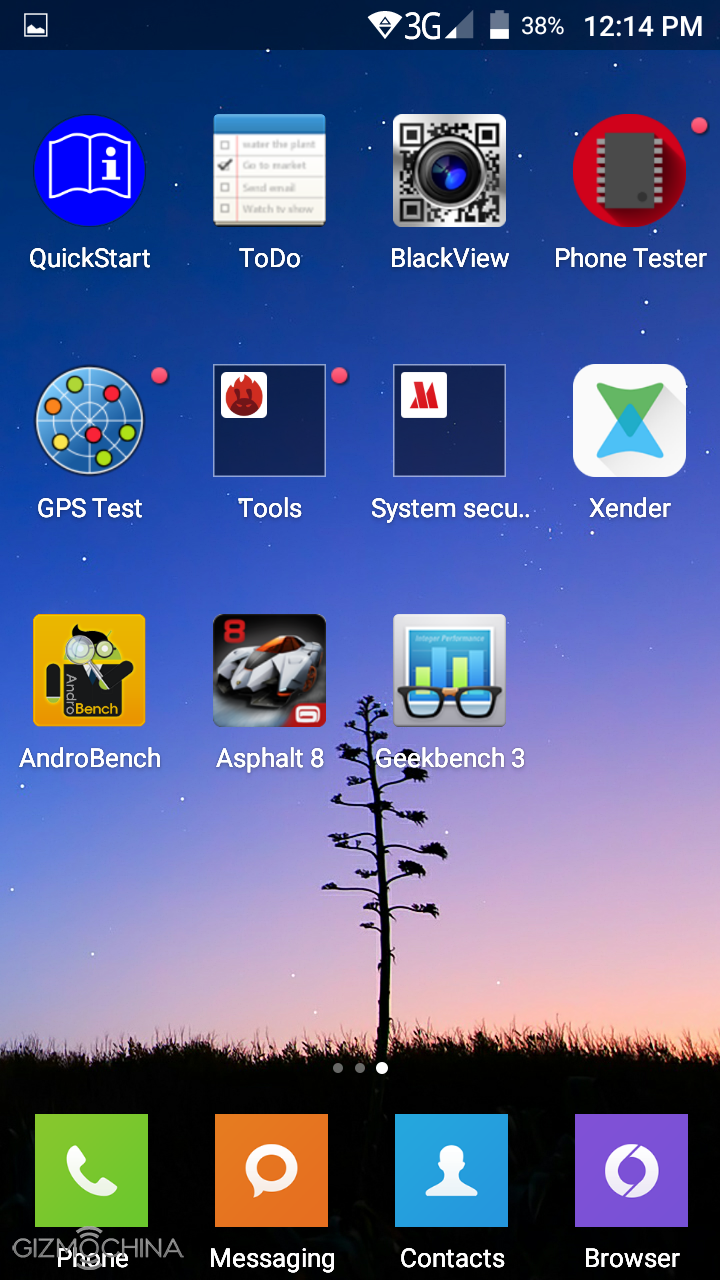
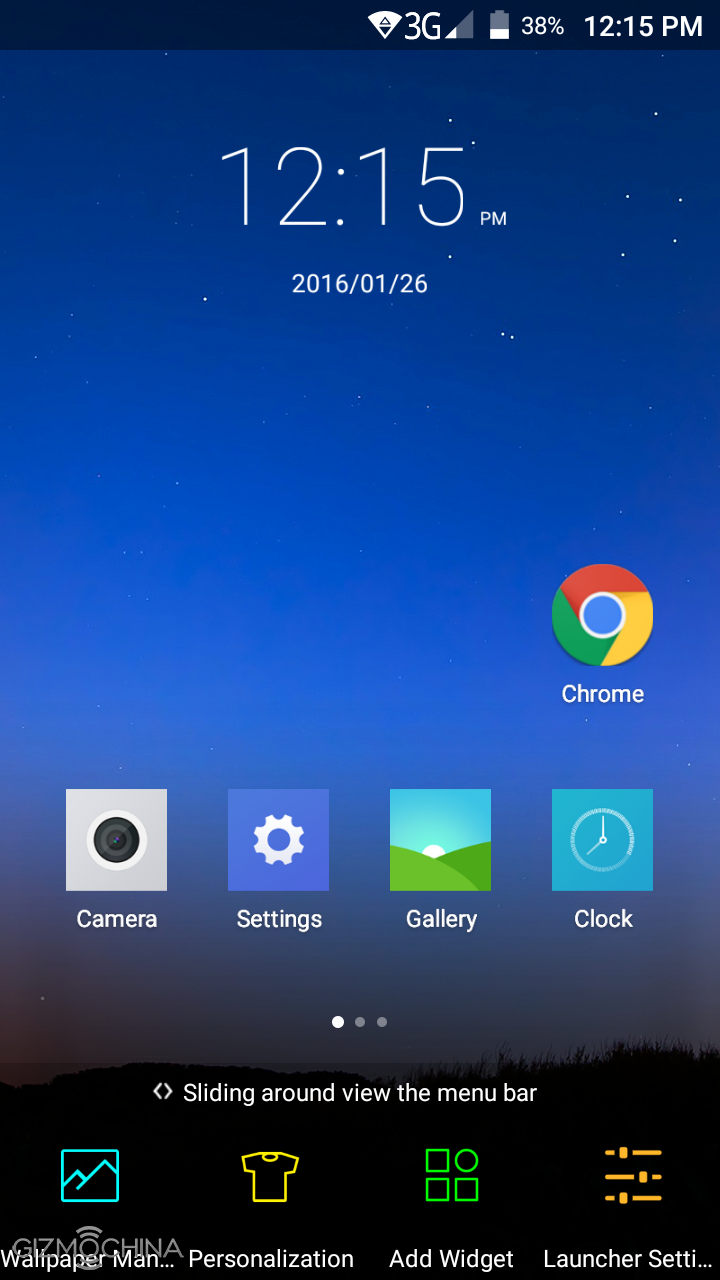
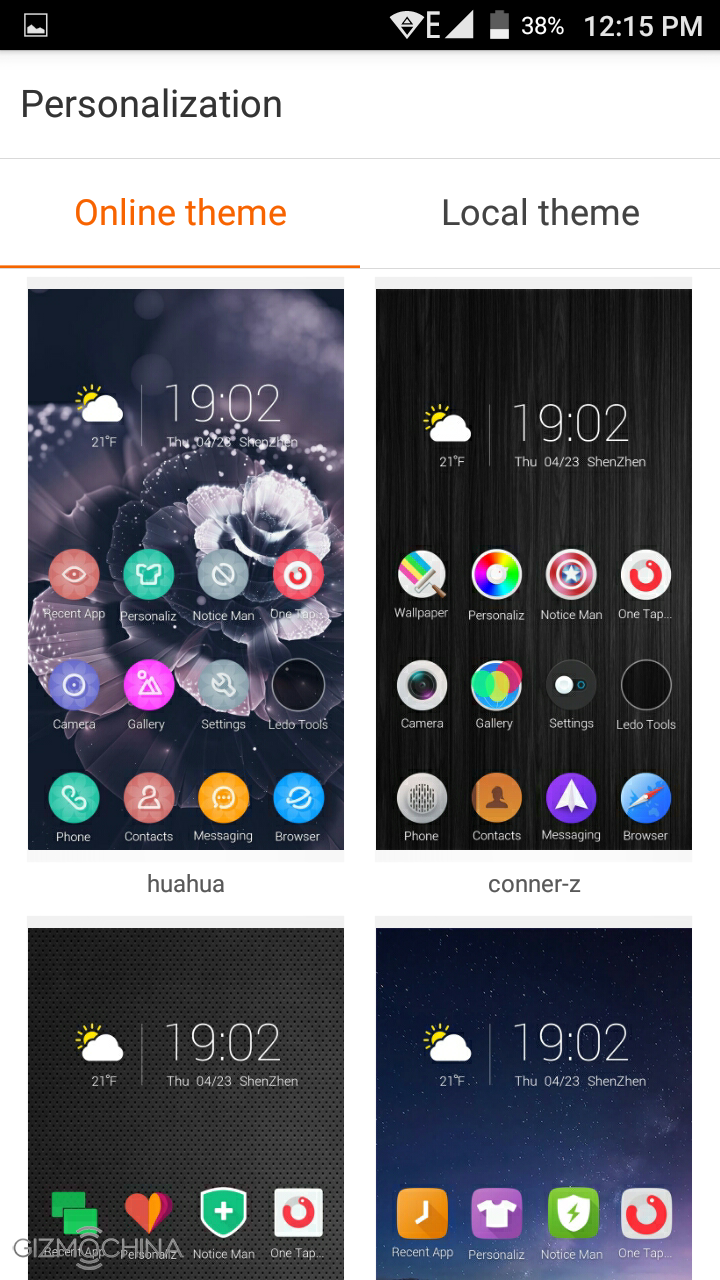
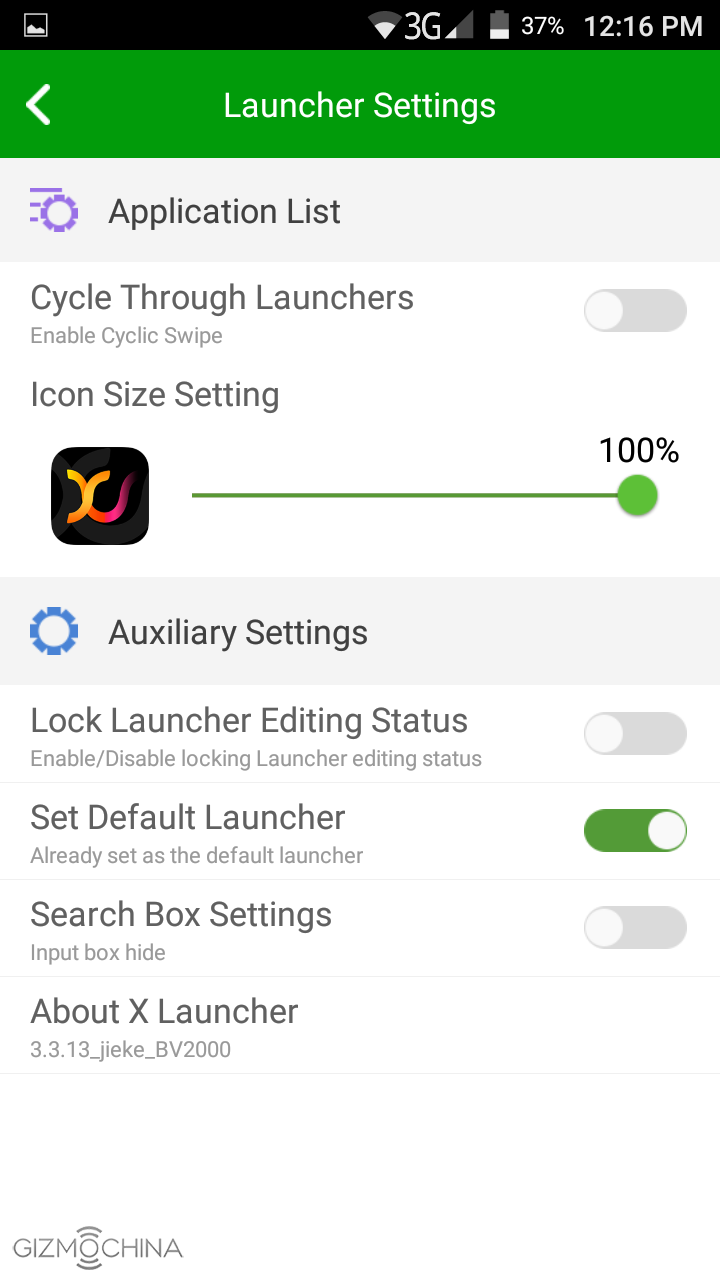
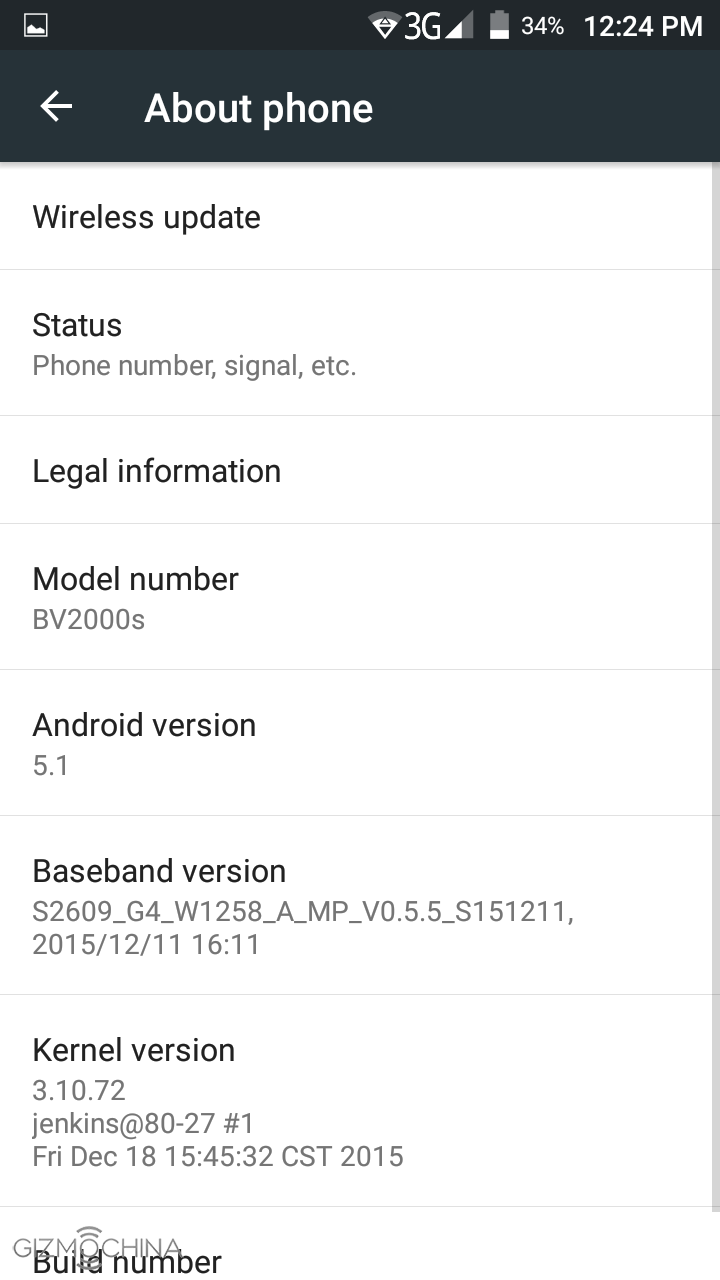
The phone runs on Android 5.1 with the Blackview’s skin on top of it, which removes the app tray without any reason but it adds a lot of customisation options and other features for a budget phone.
You can customise the device using the dedicated theme store, change wallpapers, adjust launcher settings and so on.
1 of 6
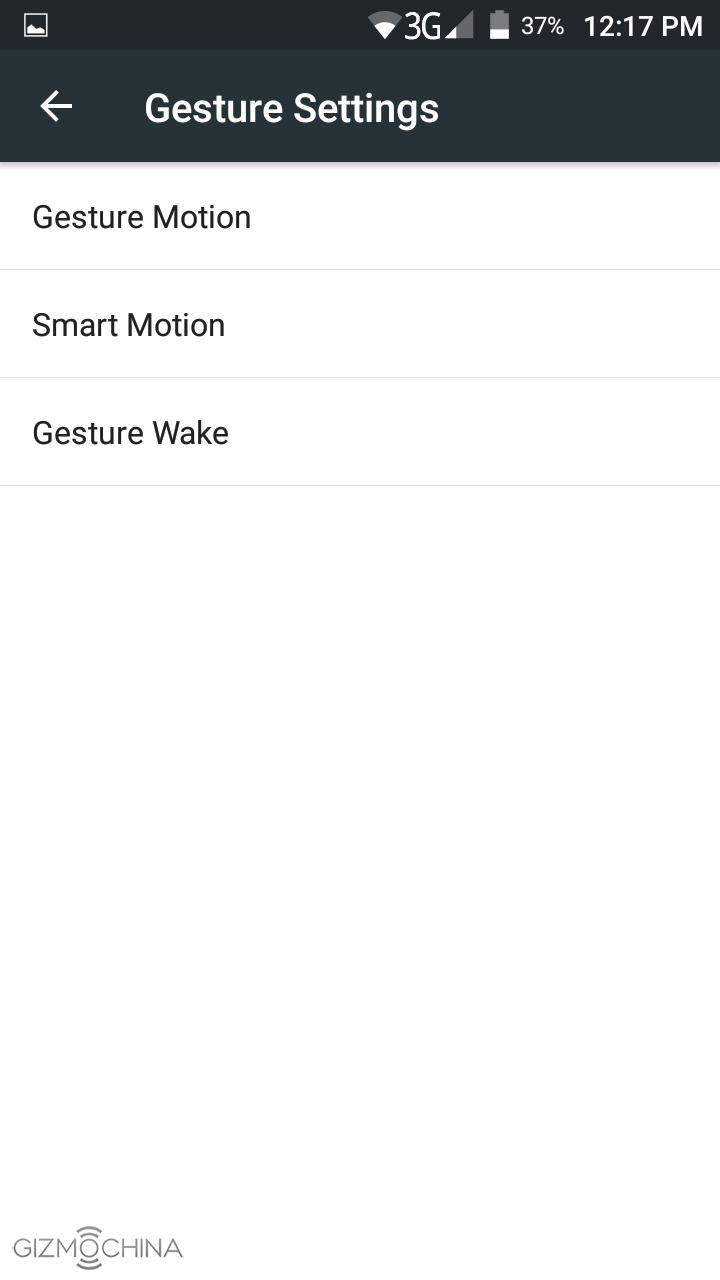
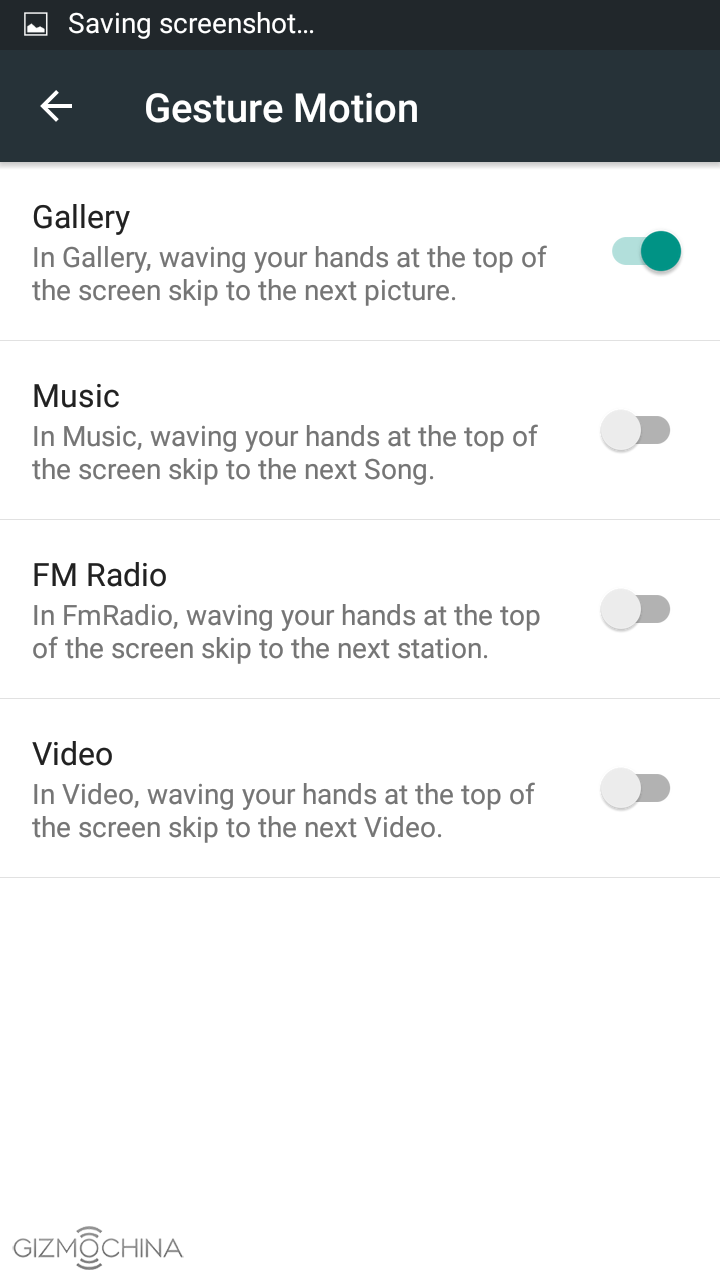
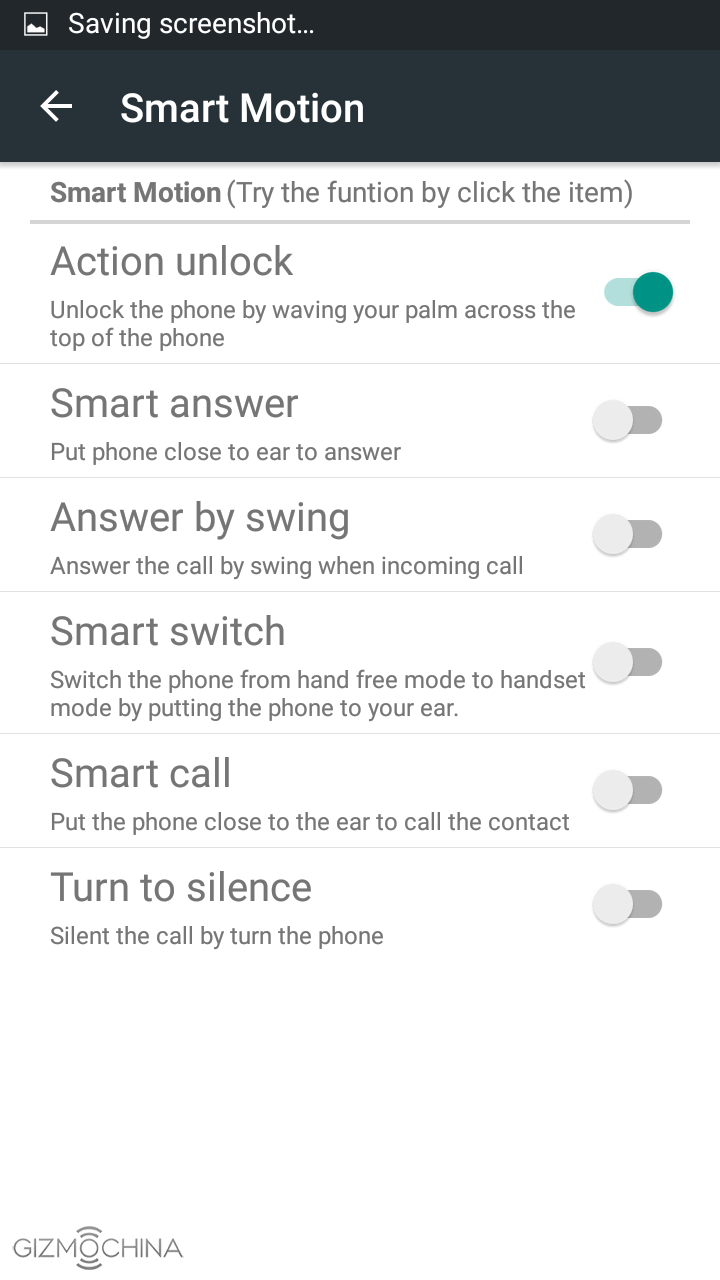
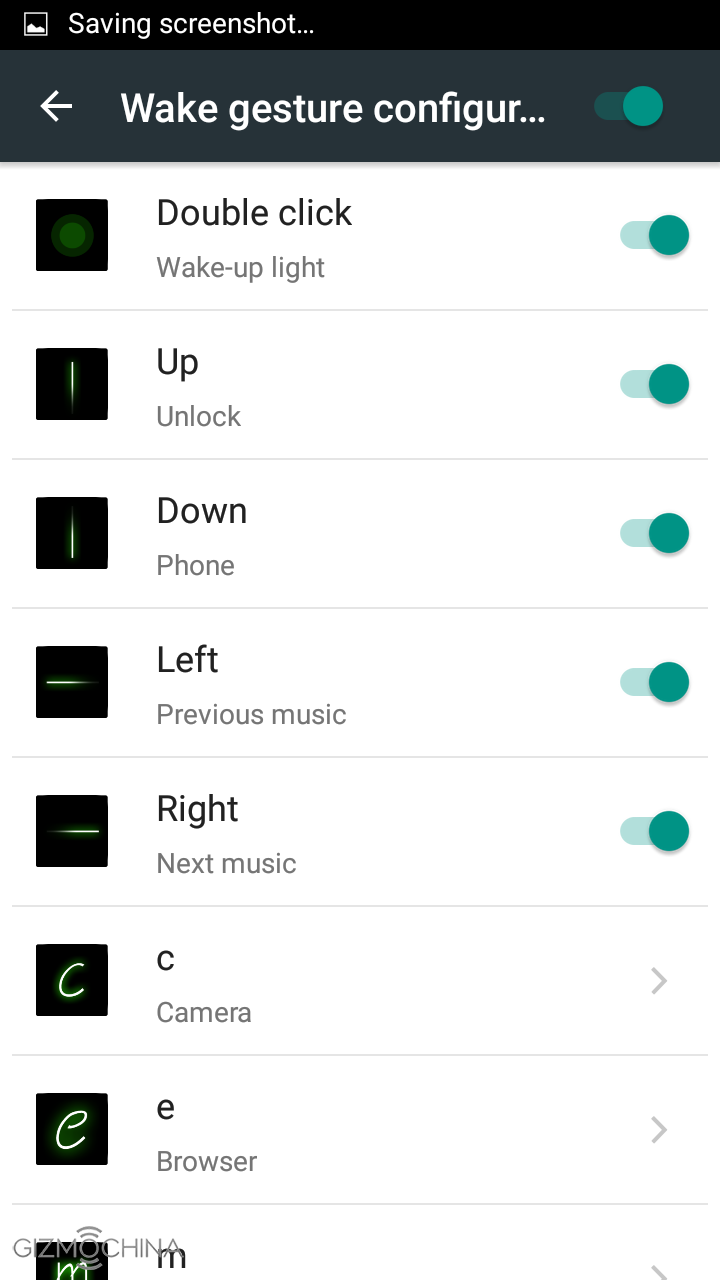
As far as extra features go, you have some typical gesture and motion controls. They all work okay and gesture recognition is pretty accurate. However, I found them to be kind of slow to work.
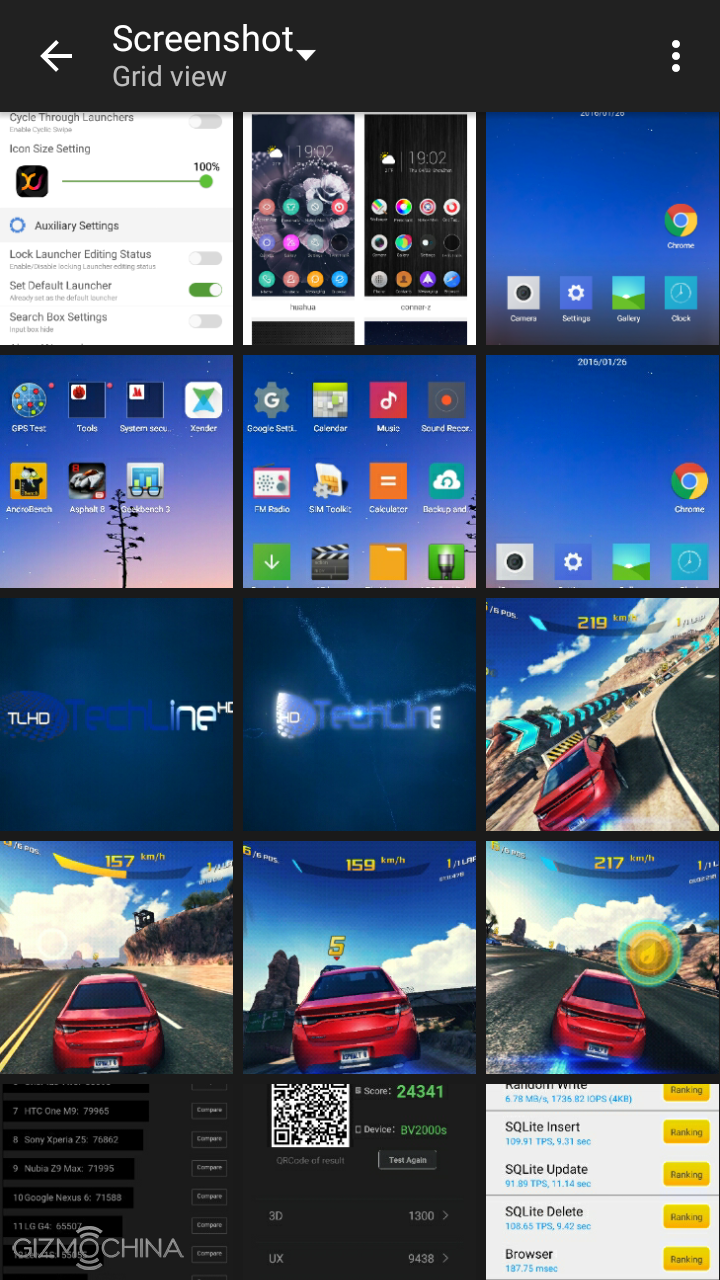
When it comes to day-to-day performance, it is pretty good and I can see a significant improvement over the regular BV2000. The UI is running smoothly most of the times. There were just a few times when some stutter kicked in but there is nothing to be worried about.
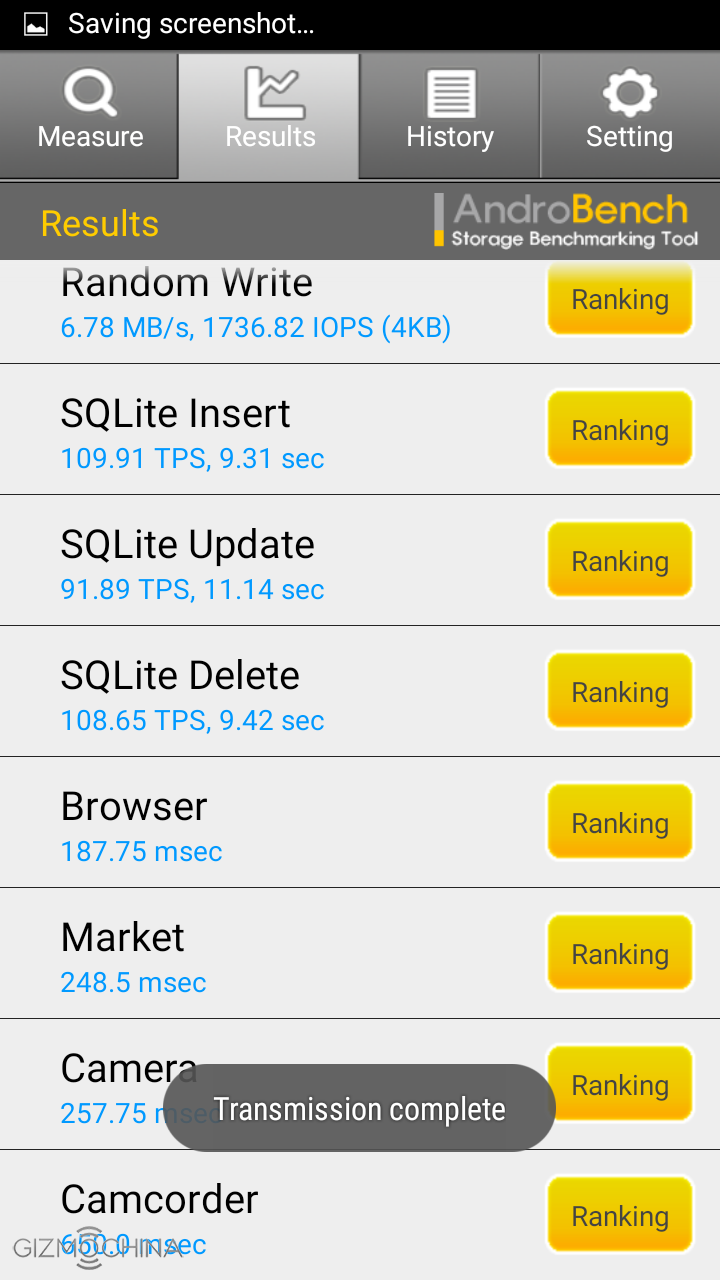
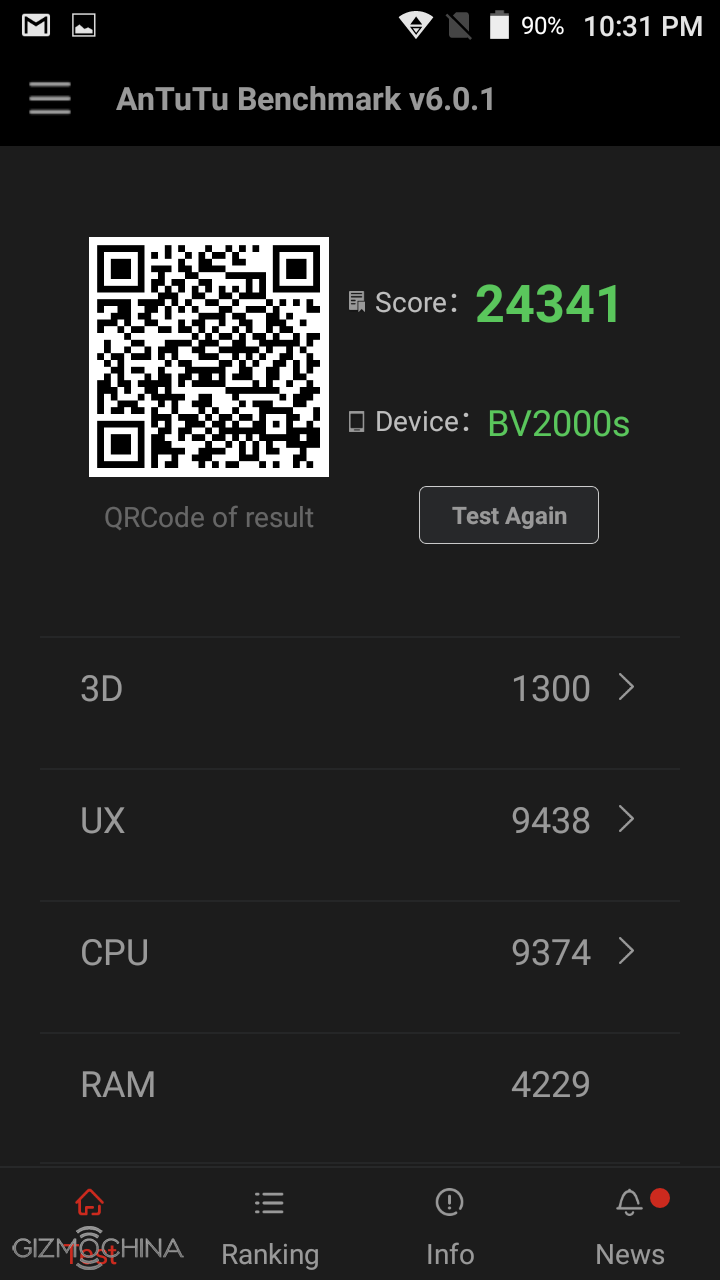
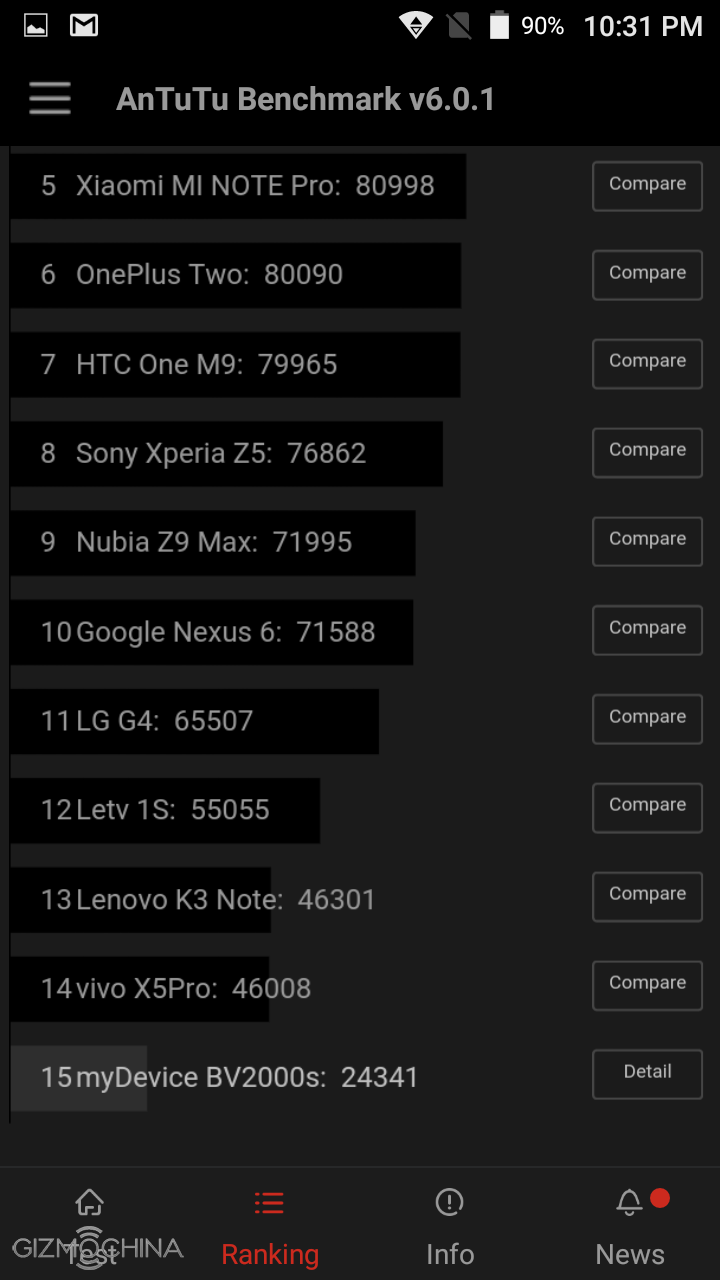
Blackview BV2000s: BENCHMARKS
1 of 7
Blackview BV2000s: HARDWARE and PERFORMANCE
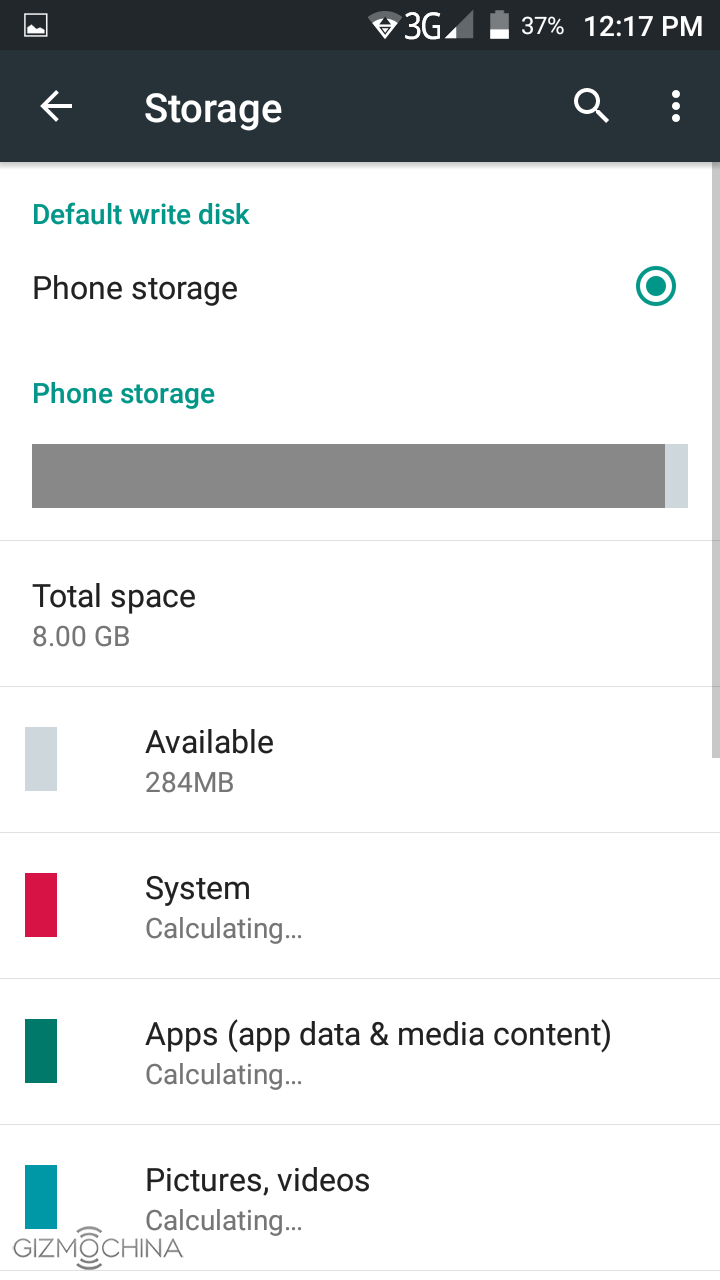
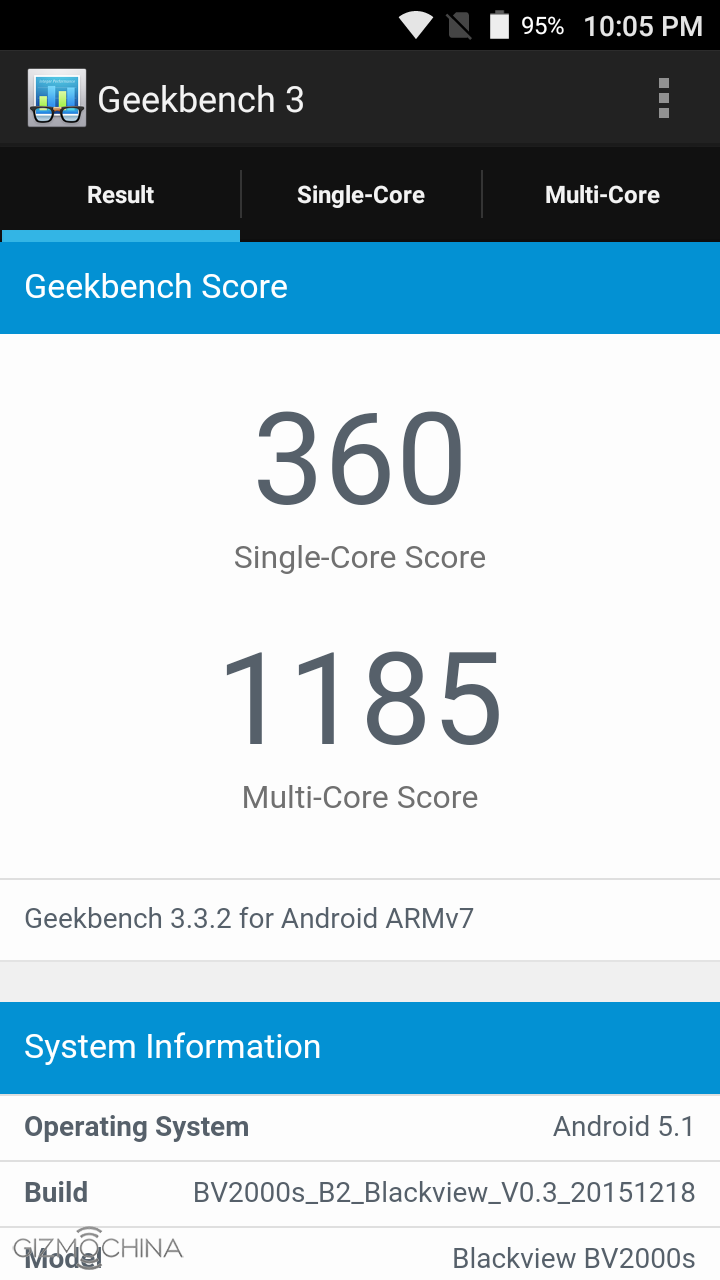
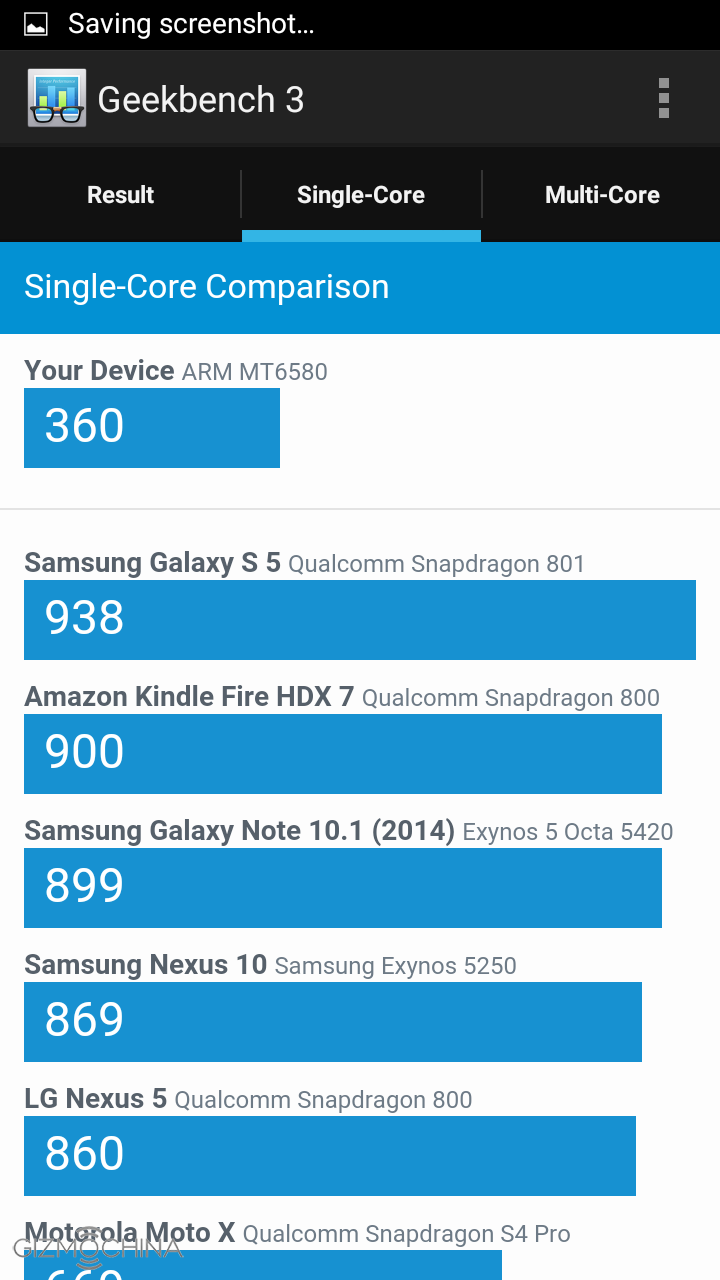
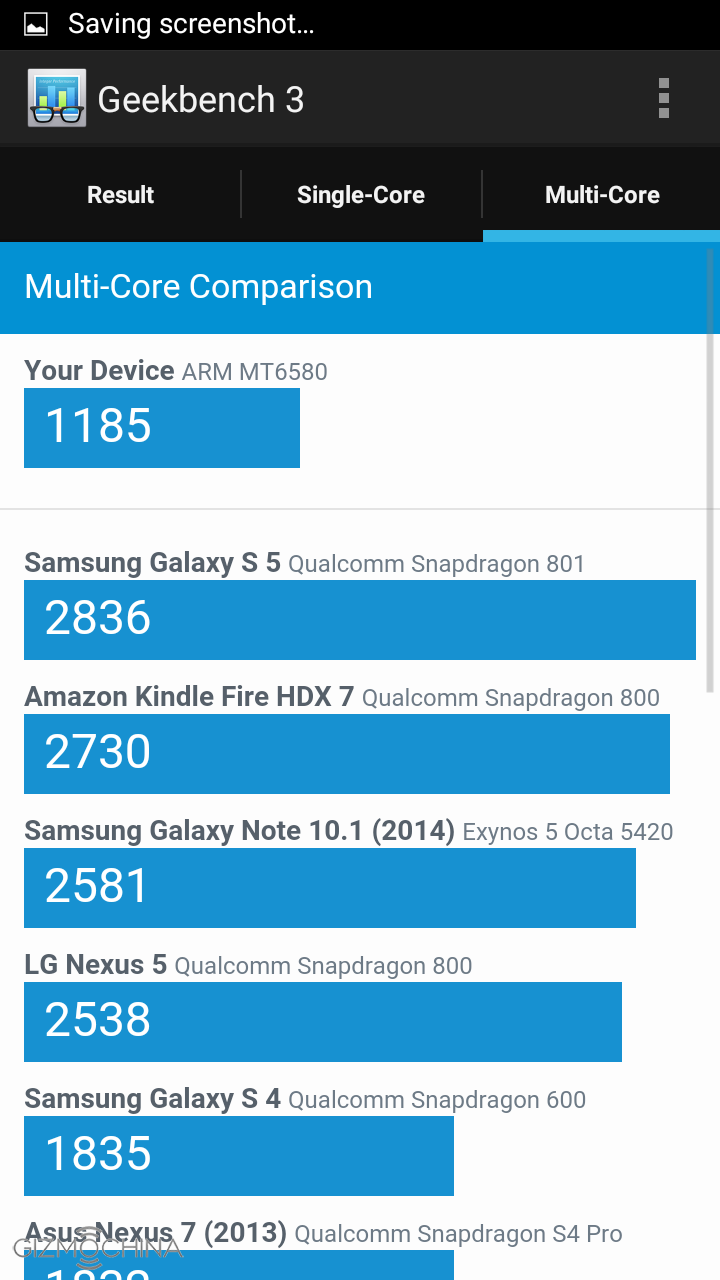
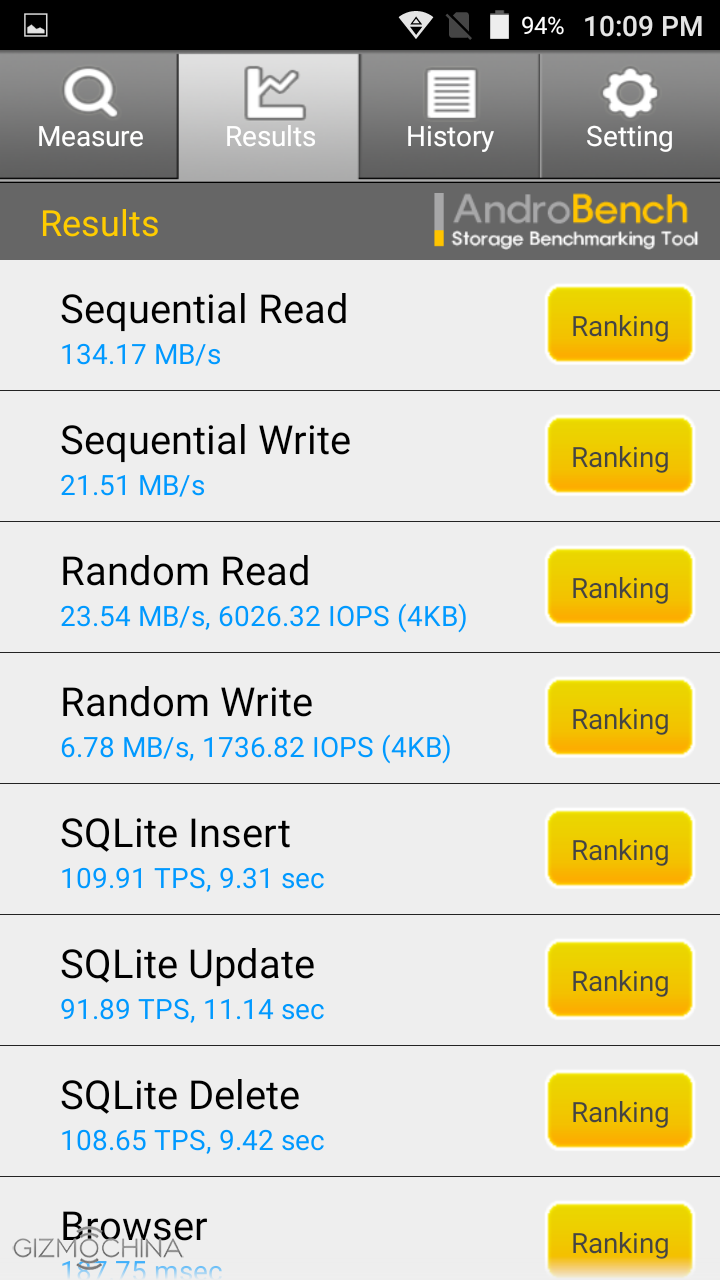
The Blackview BV2000s is not going to be your next powerhouse device. It has an MTK6580 64bit Quad Core 1.3GHz CPU, 1GB of RAM and just 8GB of expandable storage.
The 3D gaming experience is actually no bad. I played Asphalt 8 for extensive period of time on medium graphics settings. I didn’t have lags and there were just a few skipped frames. Still, I would say that the Blackview BV2000s is a good performer for the phone this cheap.
Blackview BV2000: CAMERA and IMAGE QUALITY
As far as camera, the 8MP shooter does not impress. Even the daylight shots don’t look good. There is a low amount of details, there are some focusing issues and the images will not impress you.
The low-light shots…. They do not impress either as the images lack in every aspect you can imagine.
Same can be said with the 720p video quality.
Blackview BV2000: MULTIMEDIA
Consuming HD content is an okay experience as the playback is smooth. However, the sound that is coming out of the rear mounted speaker is kind of tinny. Well, this is what you should expect from such a cheap phone.
Blackview BV2000: CONNECTIVITY
As far as connectivity, everything is working fine as I had no issues with the Wifi, GPS, Bluetooth, call quality or signal reception.
Blackview BV2000s: BATTERY LIFE
1 of 2
When it comes to the battery life, it is pretty good. The 2400mAh unit can last you a full day and you will get around 4 hours of screen-on time on light usage.
Blackview BV2000s: CONCLUSIONS
The Blackview BV2000s is indeed a cheap phone and you can get it for less than $70. It has a decent design and good build quality, and a pretty good display for such a low price.
Also, the UI and even gaming performance is pretty good and I can see a noticeable upgrade over the previous BV2000 model.
However, the camera is kind of disappointment but this is what you get with the phones this cheap.
All in all, Blackview BV2000s is a pretty good offering for a very low price of just below $70. While it is not perfect as the camera does not impress but it does other things pretty much right and you simply cannot expect more for the price.
Huawei broke its own record last year when it sold more than 107 million smartphones worldwide. And more than 40% of its sales were in markets other than China, which shows the company’s hold in international regions. India is one of the important markets for this Chinese giant, and the company just recently unveiled the two budget models in the country, namely the Huawei Honor 5X and the Holly 2 Plus models. These two devices are decently priced and come with pretty good specs. In India, it goes on sale in February at Rs. 12,999 and Rs. 8,499 respectively. However, if you were to directly compare these models to the recently unveiled Xiaomi Redmi 3 and the Redmi Note 3 (new version), you would realize that these models are still way behind the new Redmi series, which features better specs and cheaper price tags.
Since we expect both, the Redmi 3 and the Redmi Note 3 to hit the Indian subcontinent in the next few months, it becomes necessary for us to compare which offers more value for money. So, if you are willing to wait for a couple of months more, you may end up with a better deal.
Hence, let’s take a look how these newly announced Honor models stand up against the new Redmi series. In this first article, we will compare the Honor 5X vs Redmi Note 3 (Snapdragon version).
Honor 5X vs Redmi Note 3
Huawei’s Honor 5X is a pretty good smartphone, featuring an all-metal body and mid-range specifications. It comes with a 5.5-inch IPS LCD display with FHD 1080p resolution. Under the hood, the phone houses the mid-range Snapdragon 615 octa-core 64-bit chipset with 2GB / 3GB RAM options. As for storage, you get 16GB on both the RAM variants. The camera is of 13MP but without PDAF. The front camera is of 5MP. The battery on board is pretty large, of 3000mAh capacity. Other features include a fingerprint sensor, Android 5.1 with EMUI 3.1 skin on top, 4G LTE support and dual SIM dual support. All these specs for Rs. 12,999 is pretty aggressive.
However, when directly compared to the cheaper Redmi Note 3, the phone looks under-powered. As you can see the comparison below, the Redmi Note 3 is powered by the powerful Snapdragon 650 processor with a newer and faster Adreno 510 GPU. You have a larger storage option (3GB RAM + 32GB storage) as well as a better camera (16MP) on board. Plus, you get the fast PDAF for the rear shooter. Now, coming to the best part, the Redmi Note 3 beats the Honor 5X in the battery department, thanks to its massive 4000mAh capacity battery. Also, if you are searching for a phone with an infrared port, the Redmi Note 3 has this port as well.
While Xiaomi hasn’t officially unveiled the Redmi Note 3 in India, this Snapdragon 650 powered device is expected to hit the market in the next couple of months. When it does, it will probably be cheaper than Huawei’s Honor 5X, making it a much better deal. However, if you can’t wait for that long and are looking for a good smartphone, the Honor 5X is quite decent too. Well, end of the day, its your personal choice.
To make this comparison easier, check out the table below.
We use cookies on our website to give you the most relevant experience by remembering your preferences and repeat visits. By clicking “Accept”, you consent to the use of ALL the cookies.
This website uses cookies to improve your experience while you navigate through the website. Out of these, the cookies that are categorized as necessary are stored on your browser as they are essential for the working of basic functionalities of the website. We also use third-party cookies that help us analyze and understand how you use this website. These cookies will be stored in your browser only with your consent. You also have the option to opt-out of these cookies. But opting out of some of these cookies may affect your browsing experience.
Necessary cookies are absolutely essential for the website to function properly. This category only includes cookies that ensures basic functionalities and security features of the website. These cookies do not store any personal information.
Any cookies that may not be particularly necessary for the website to function and is used specifically to collect user personal data via analytics, ads, other embedded contents are termed as non-necessary cookies. It is mandatory to procure user consent prior to running these cookies on your website.