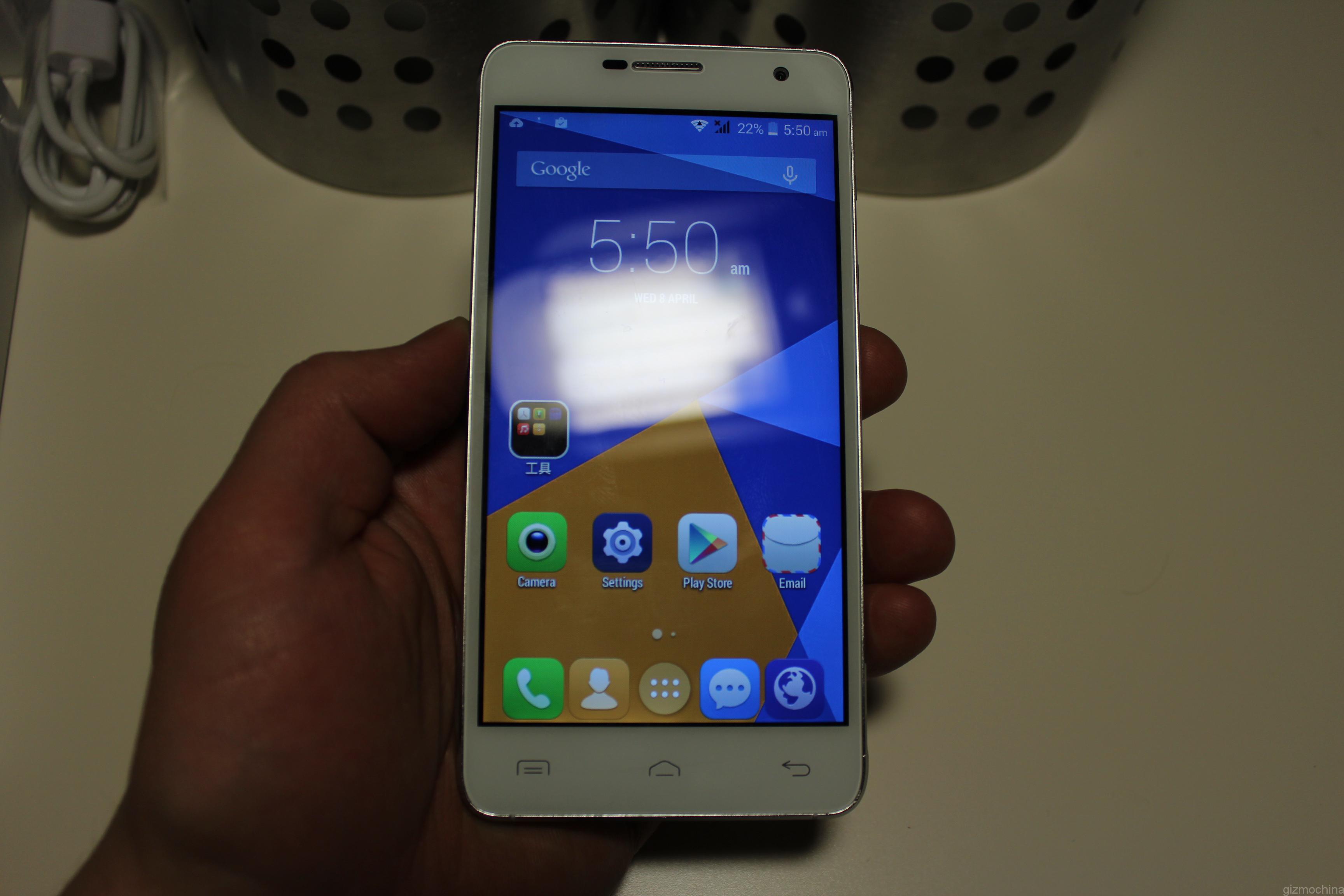
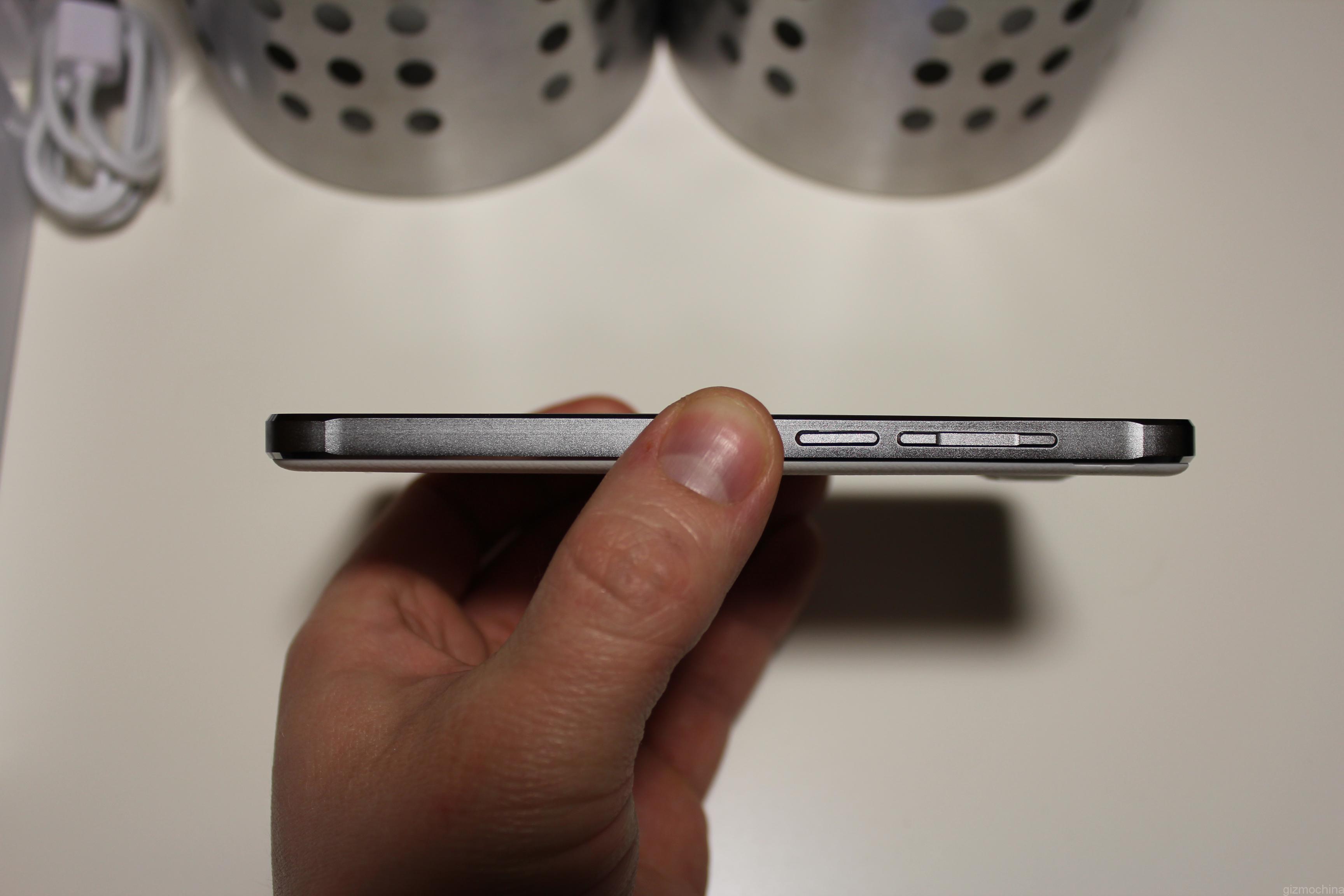
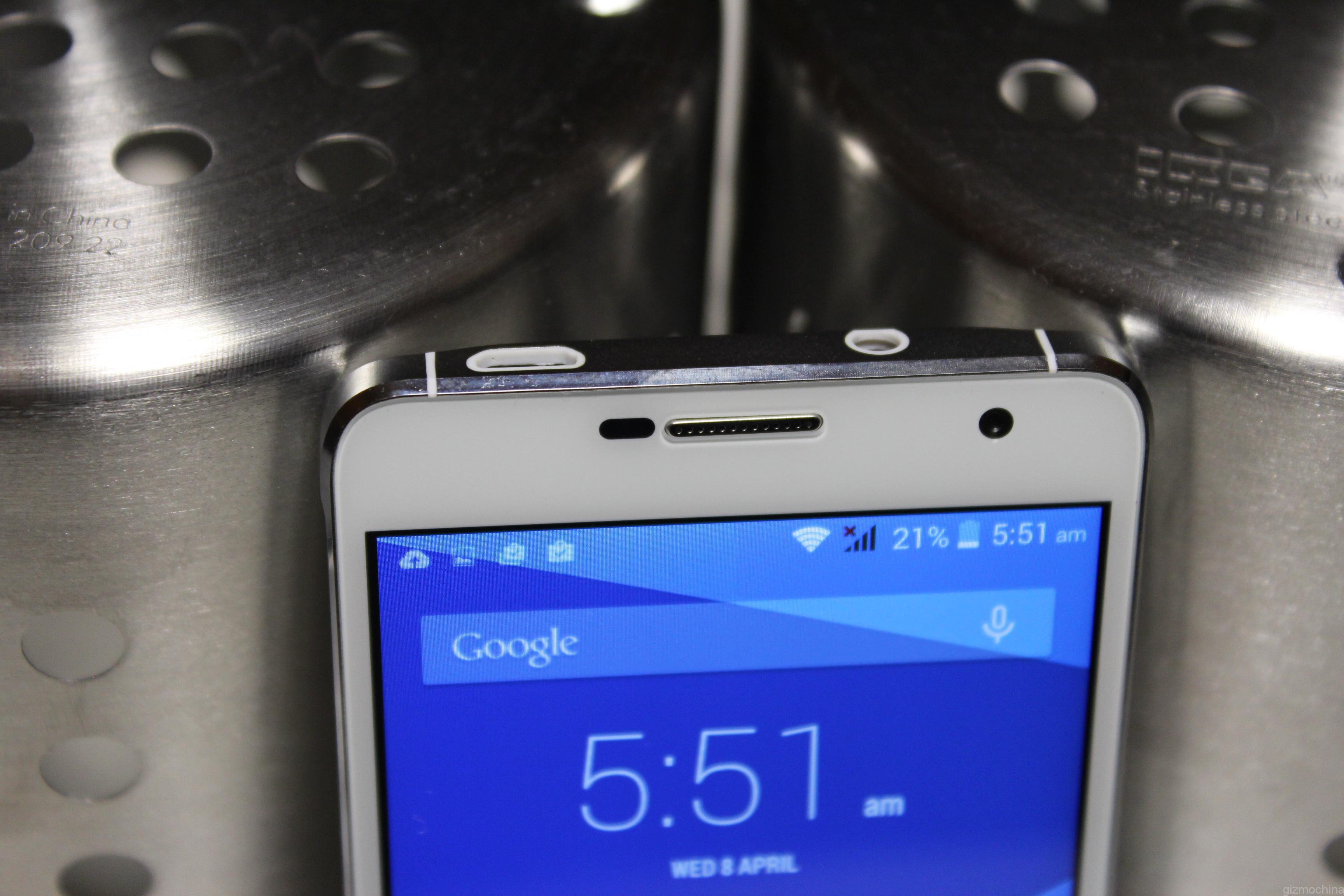
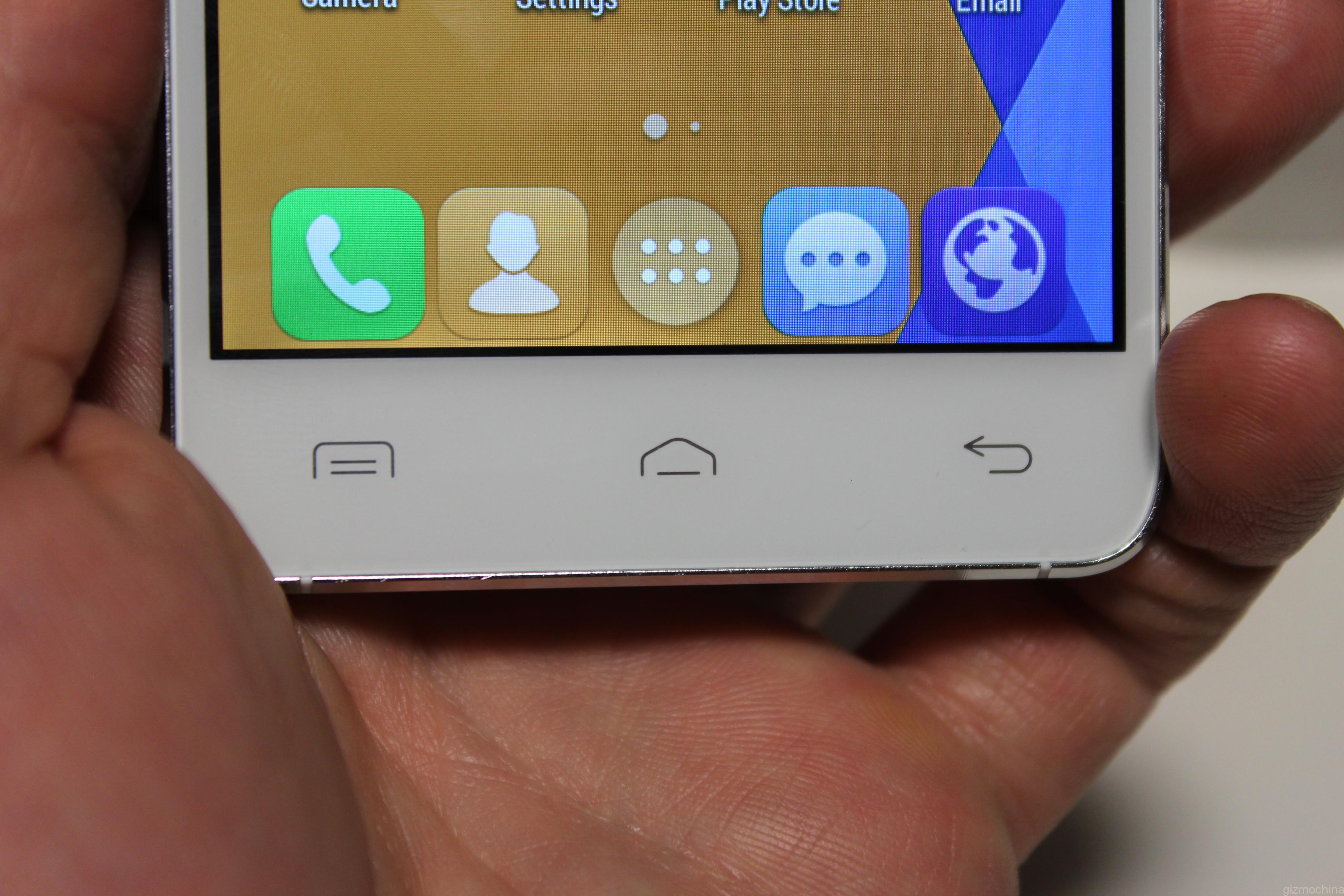
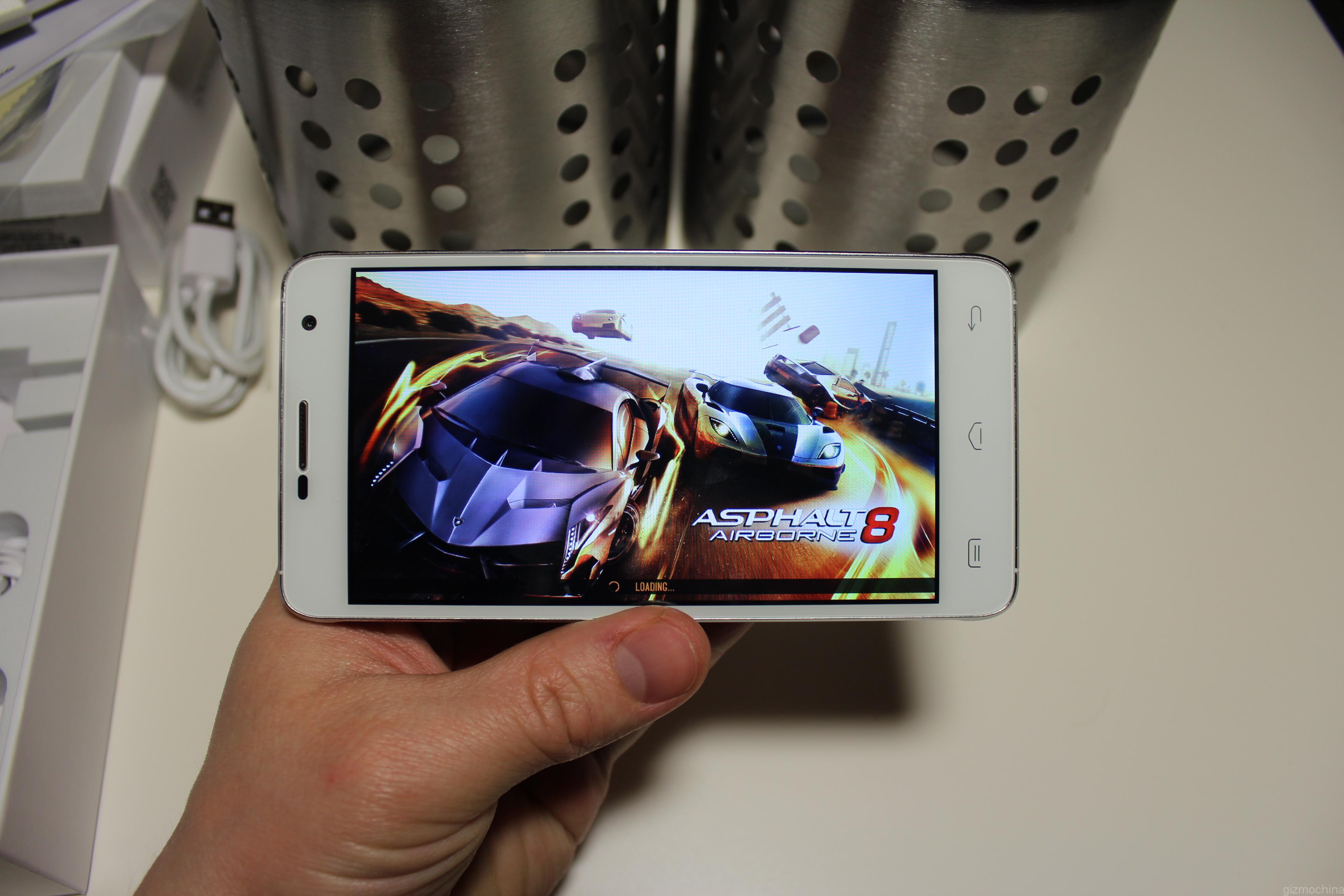
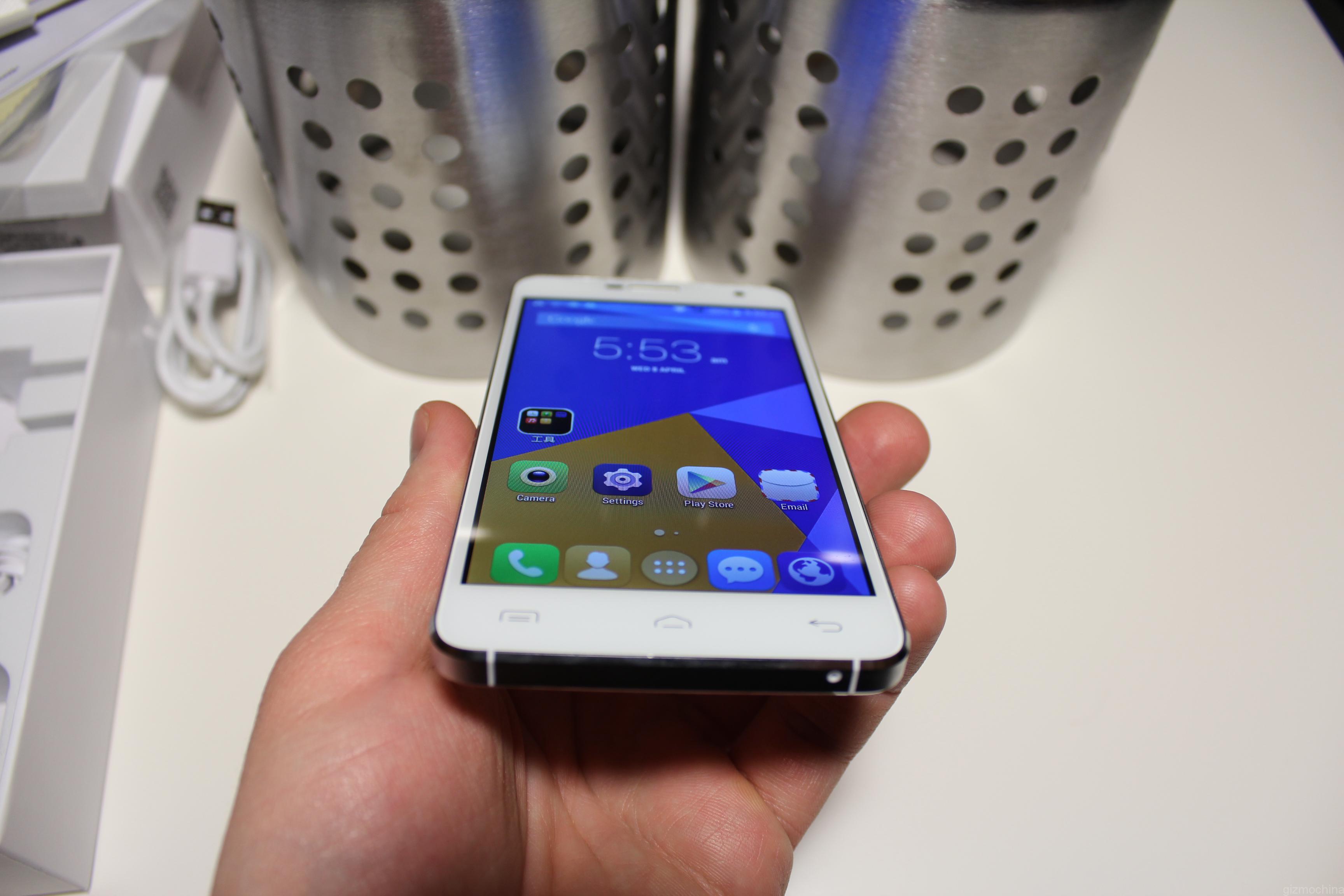
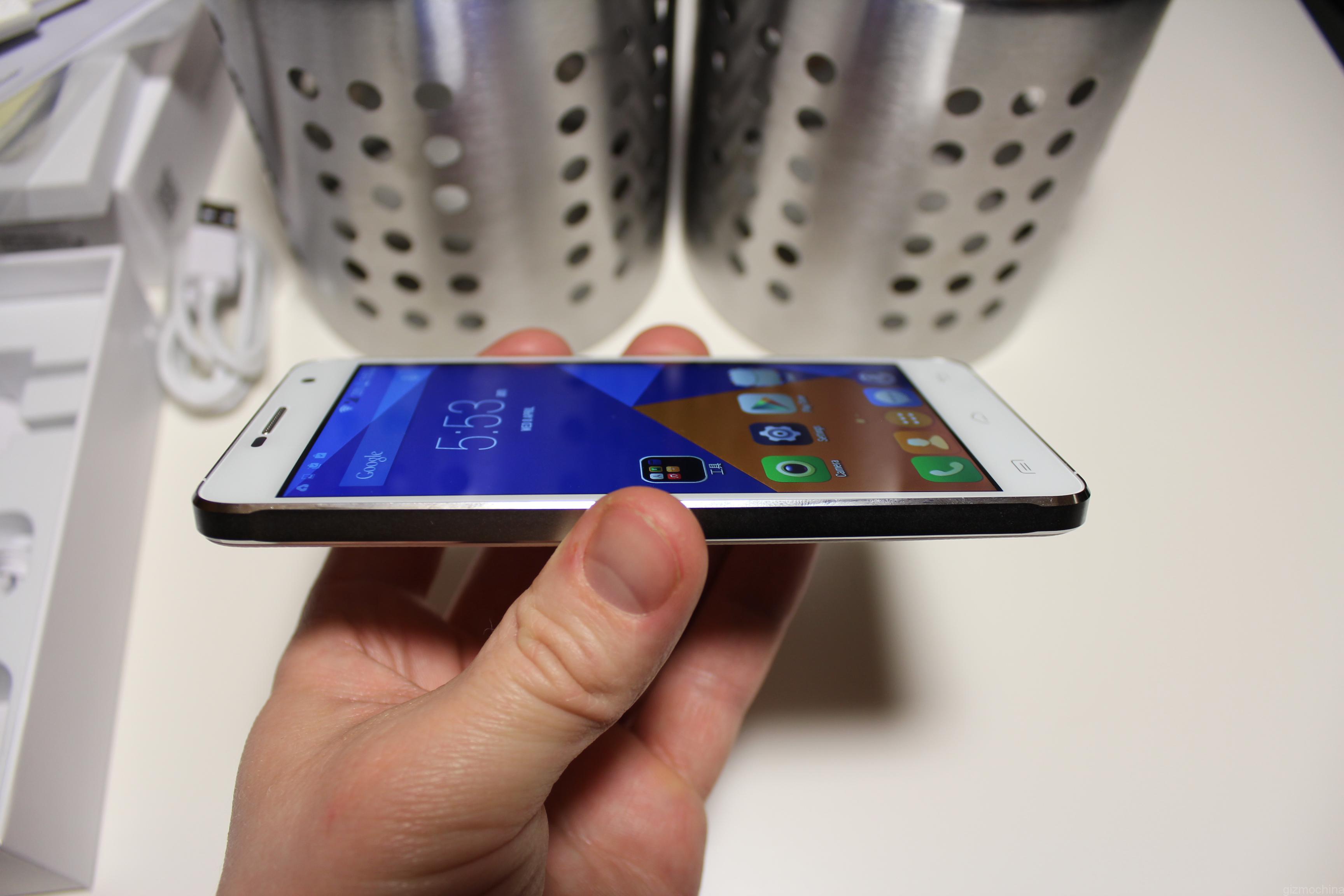
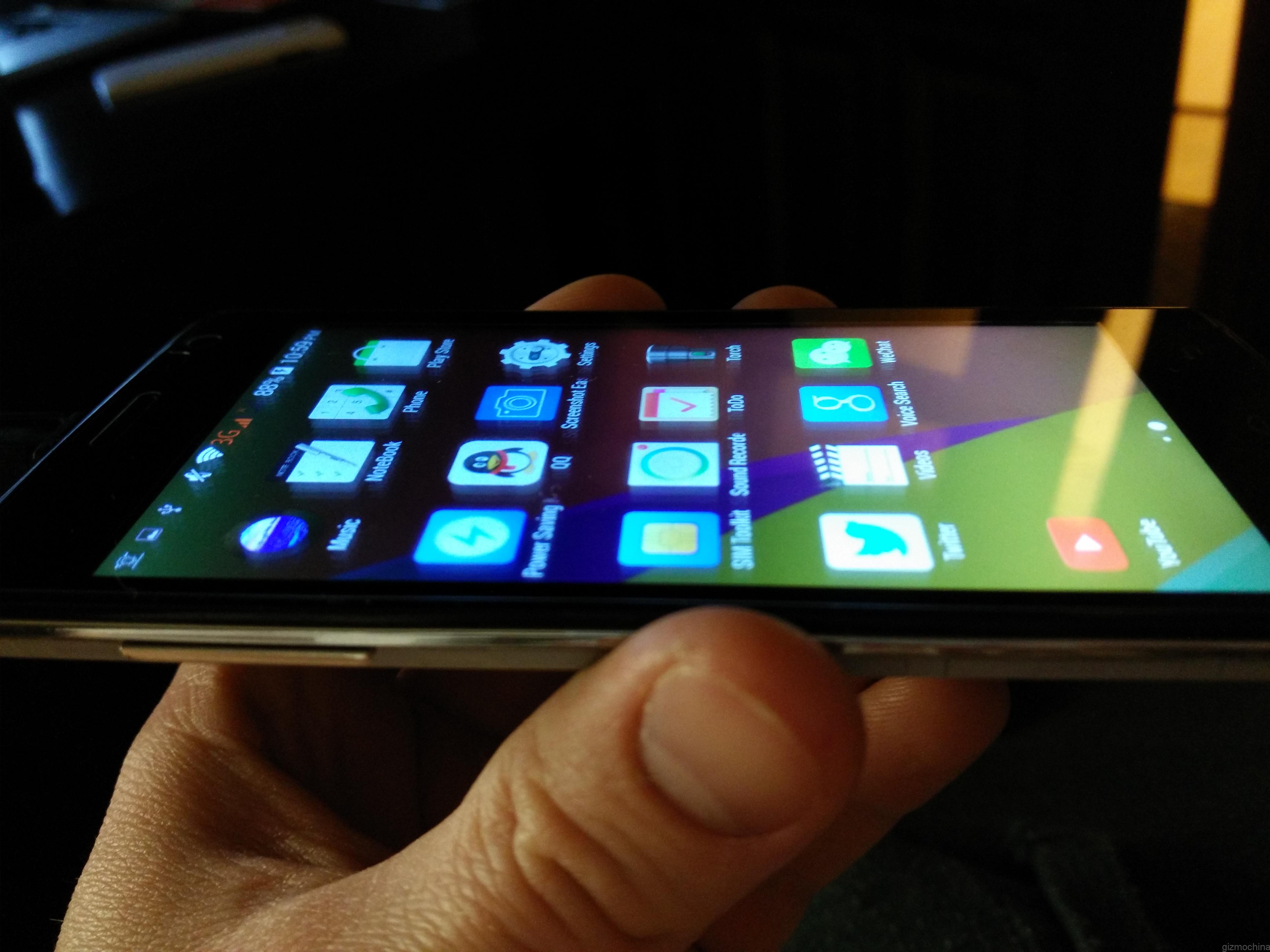
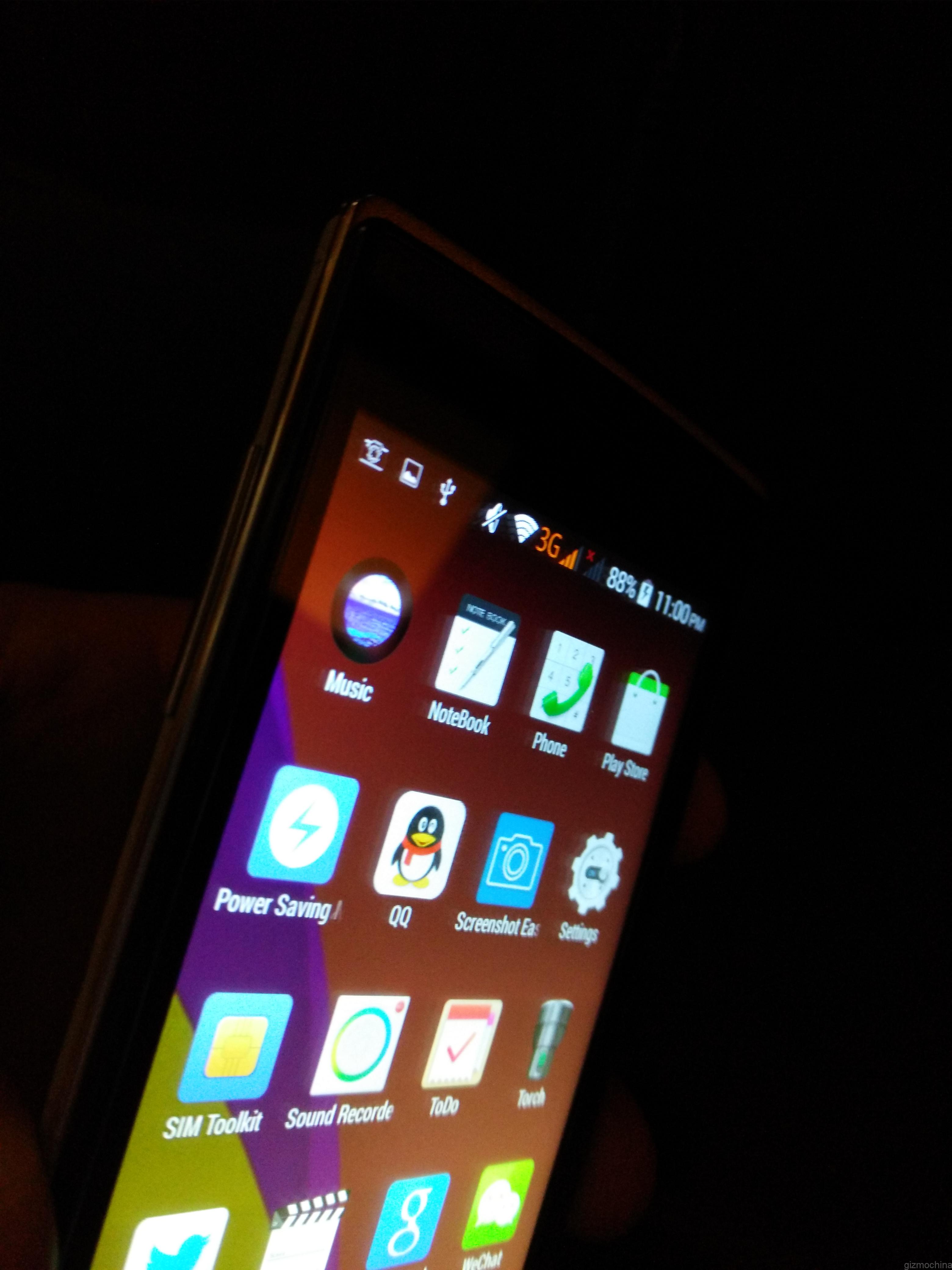
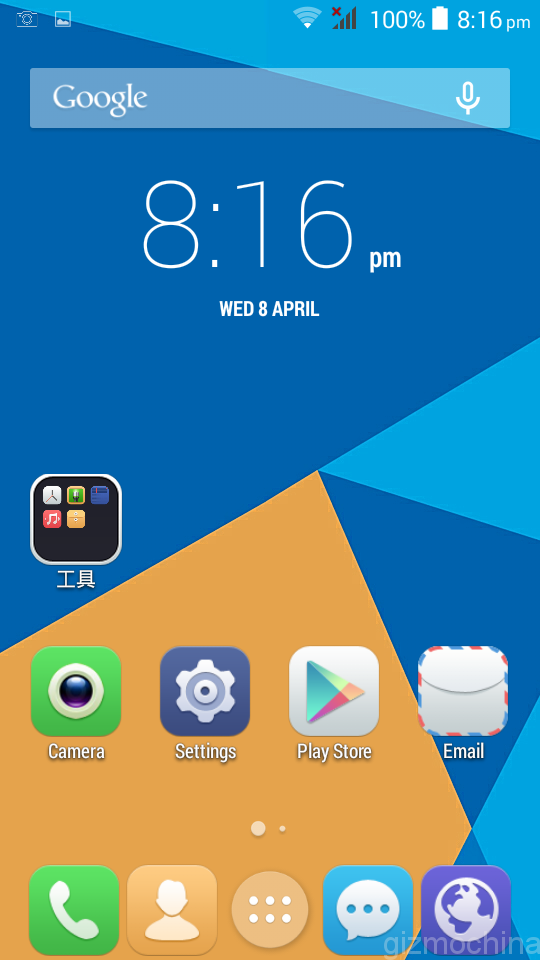
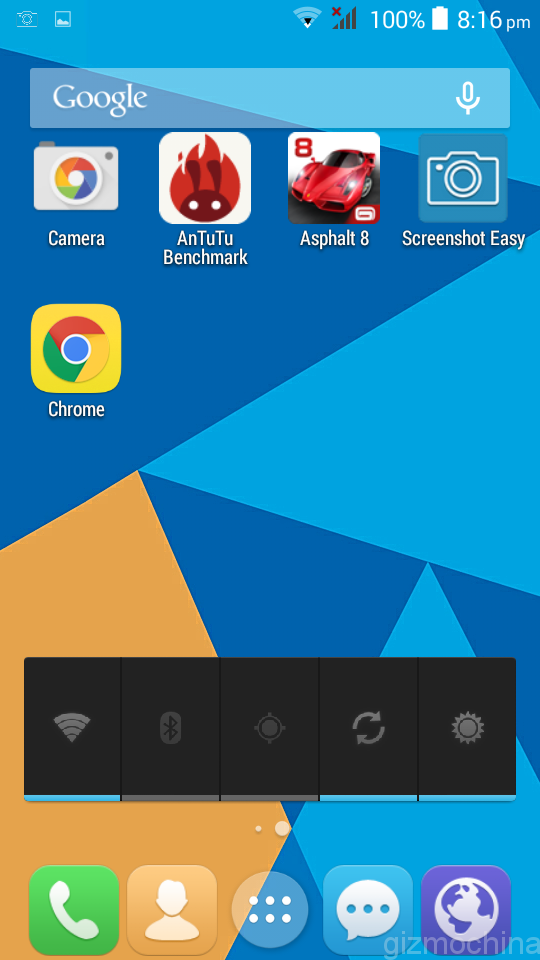
Meizu has been quite for the past few months regarding its new smartphones. The latest we heard from the company was about its special limited edition headphones in partnership with bayerdynamic. Now, it looks like we have some initial information about the upcoming Meizu MX5 flagship smartphone.
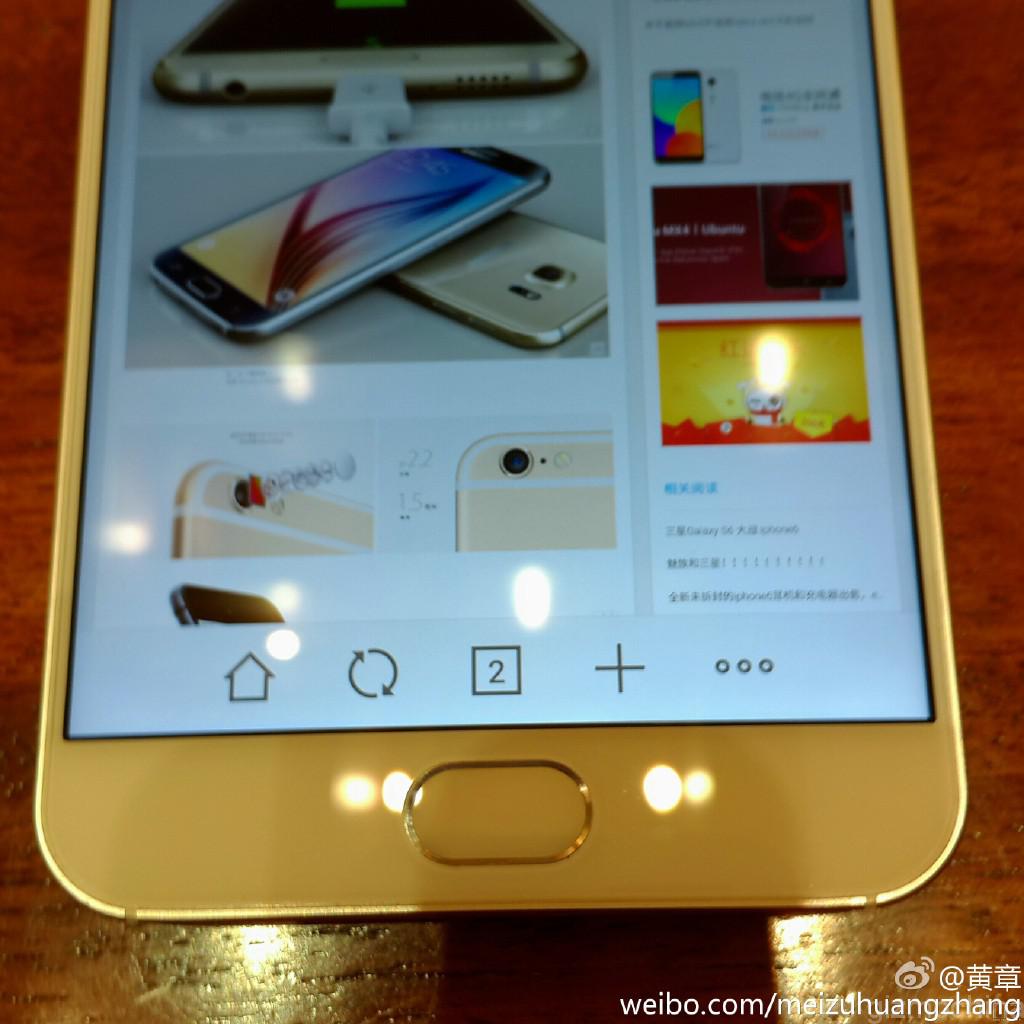
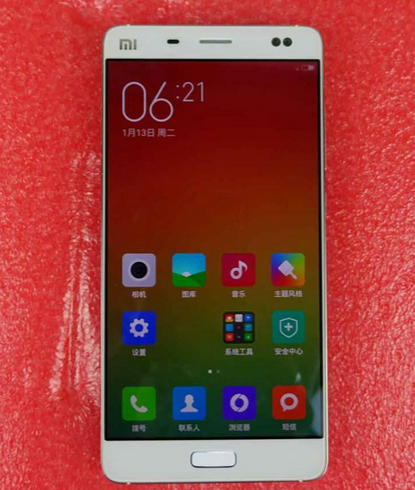
Earlier last month, a new image was revealed by the Chairman and CEO of Meizu, Huang Zhang. The picture showed us a new smartphone with a physical home button. While Mr. Zhang didn’t reveal the name of the device, it was said that the uploaded image was of the new Meizu MX5 flagship.
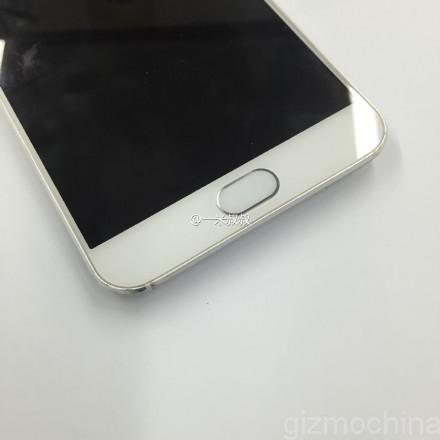
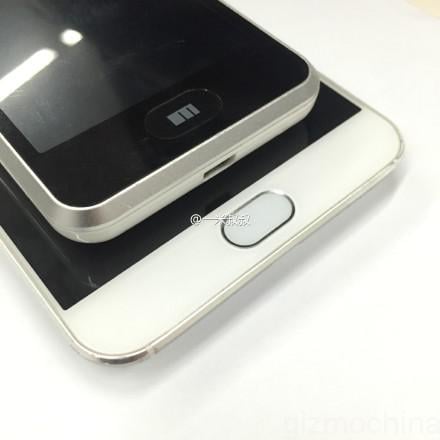
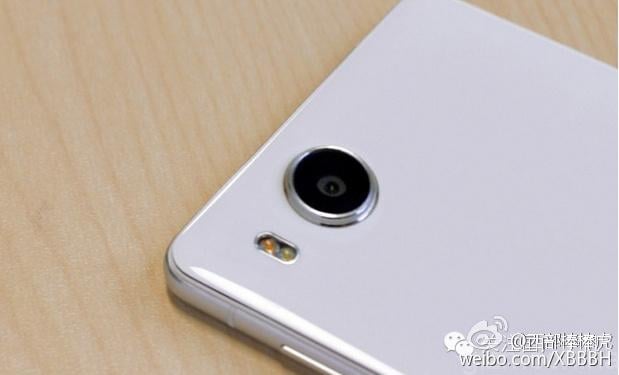
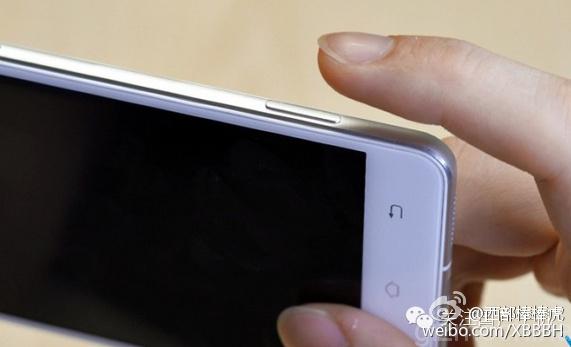
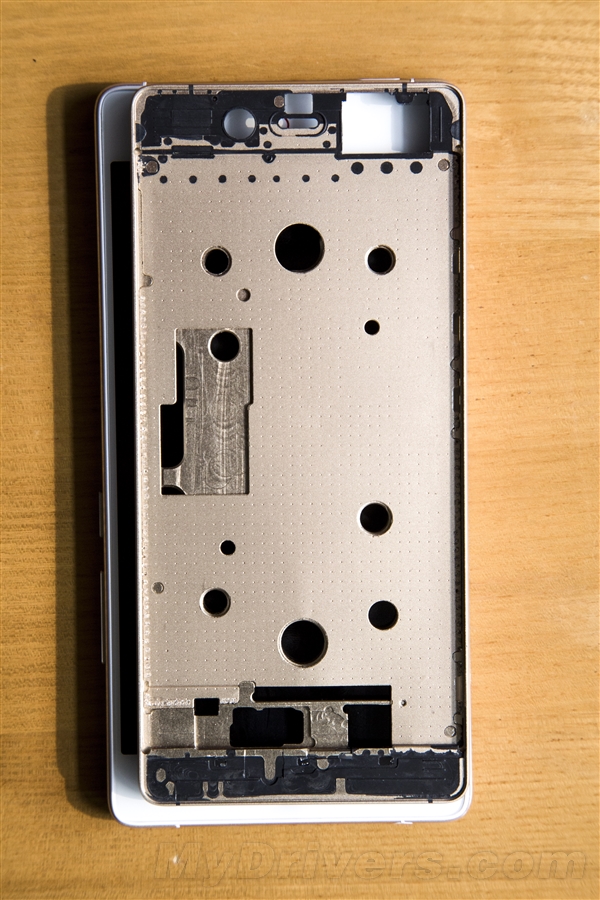
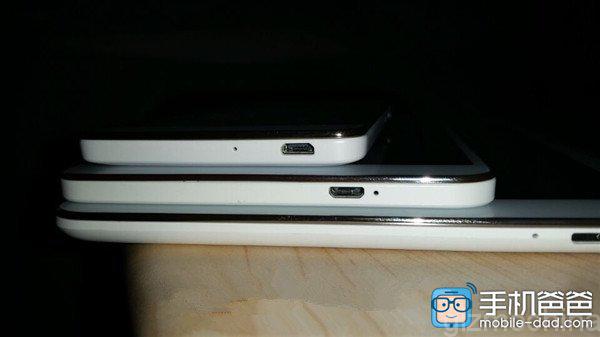
Now, two similar images have been leaked online. These images show off a similar design as the phone shown in March, which makes us believe that this could be the MX5.
The company is due to announce the MX5 model in the coming months and given that the MX4 Pro came with a physical home button, its likely that the new MX5 too could feature such a similar design. But there are a few subtle changes in the button, like now its more oval rather than rectangular, which to be honest looks better than the one on the MX4 Pro. Also, almost every time we see a manufacturer fit a physical home button on its flagship, its for a fingerprint sensor and hence, this particular model too could come with the sensor.
It looks like the rest of the design will be similar to the Meizu MX4, with rounded corners and thinbezels. Unfortunately, at this moment, we have very little idea about the specifications of the device. But we hope to see more leaks in the coming weeks, so stay tuned!
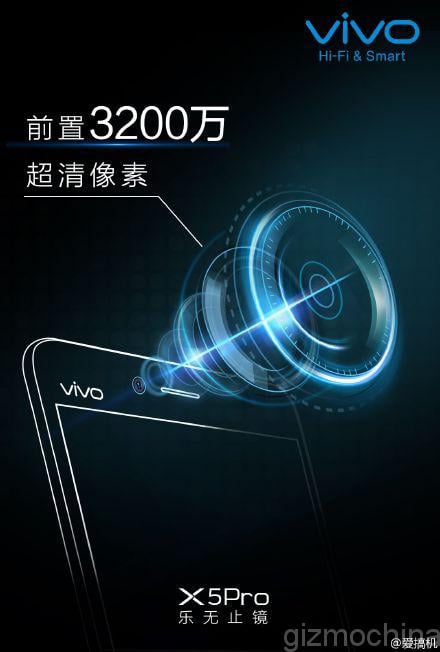
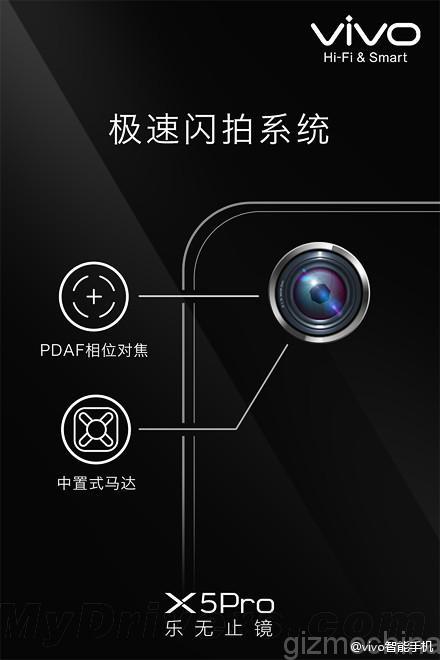
We all know that Vivo is all set to unveil its flagship, the Vivo X5Pro on May 7. We already know some of the features of the device like 2.5D glass design. 6-inch display and Snapdragon 615, however just a few minutes ago, Vivo revealed a very important feature of its upcoming device, the front camera.
It looks like Vivo X5Pro will come with the most powerful frontcamera on a smartphone. As you can see in the image above, the phone is said to be capable of taking highly detailed 32MP resolution images, which should produce extremely good selfies. This will be great news for all selfie lovers.
However, remember that the 32MP images that will be captured by the front camera will most likely be the result of digital stitching wherein software algorithms produce such high resolution images from just a regular camera sensor. We have seen a similar tech on OPPO Find 7 which produces 50MP pictures. So, expect something similar on the upcoming Vivo device. The actual front camera sensor should be of 13MP or 8MP resolution.
One of the most anticipated phones in recent times has been the ZTE Nubia Z9. While the phone is expected to feature top-end specs, including the octa-core Snapdragon 810, the highlight of the phone will be its bezelless display. This could be the first true bezelless phone from a well known smartphone manufacturer and the company has already confirmed its bezelless design.
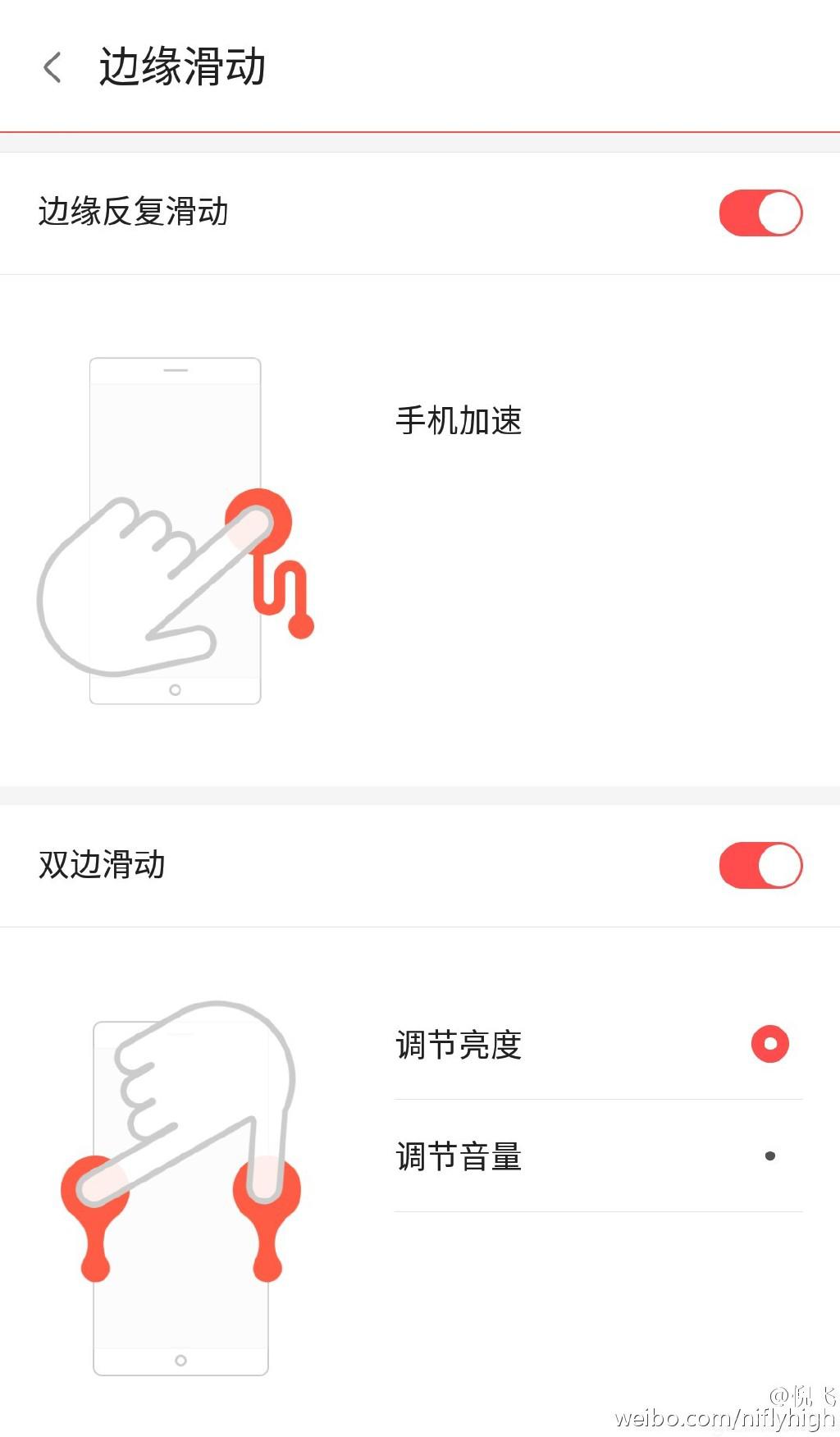
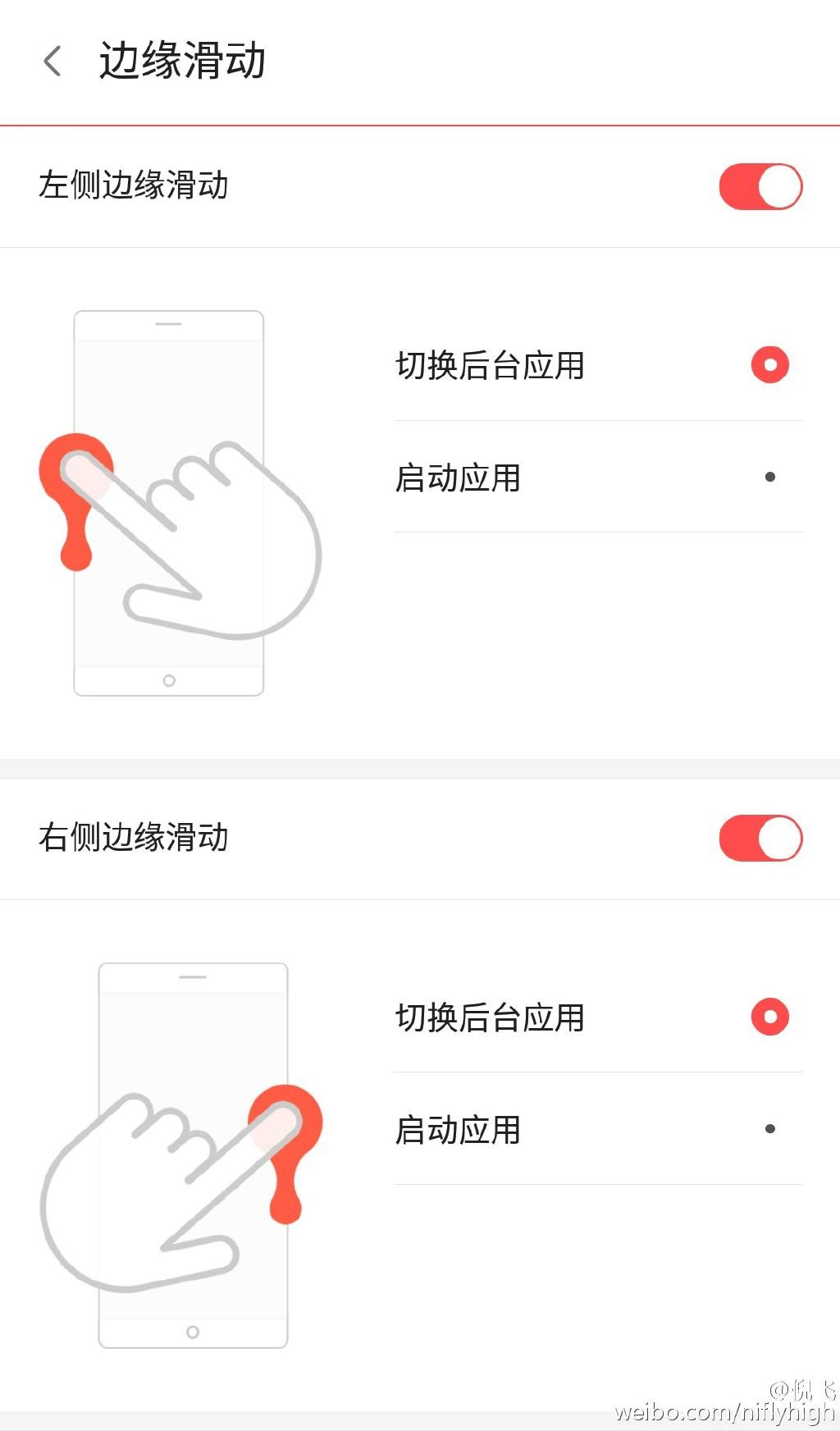
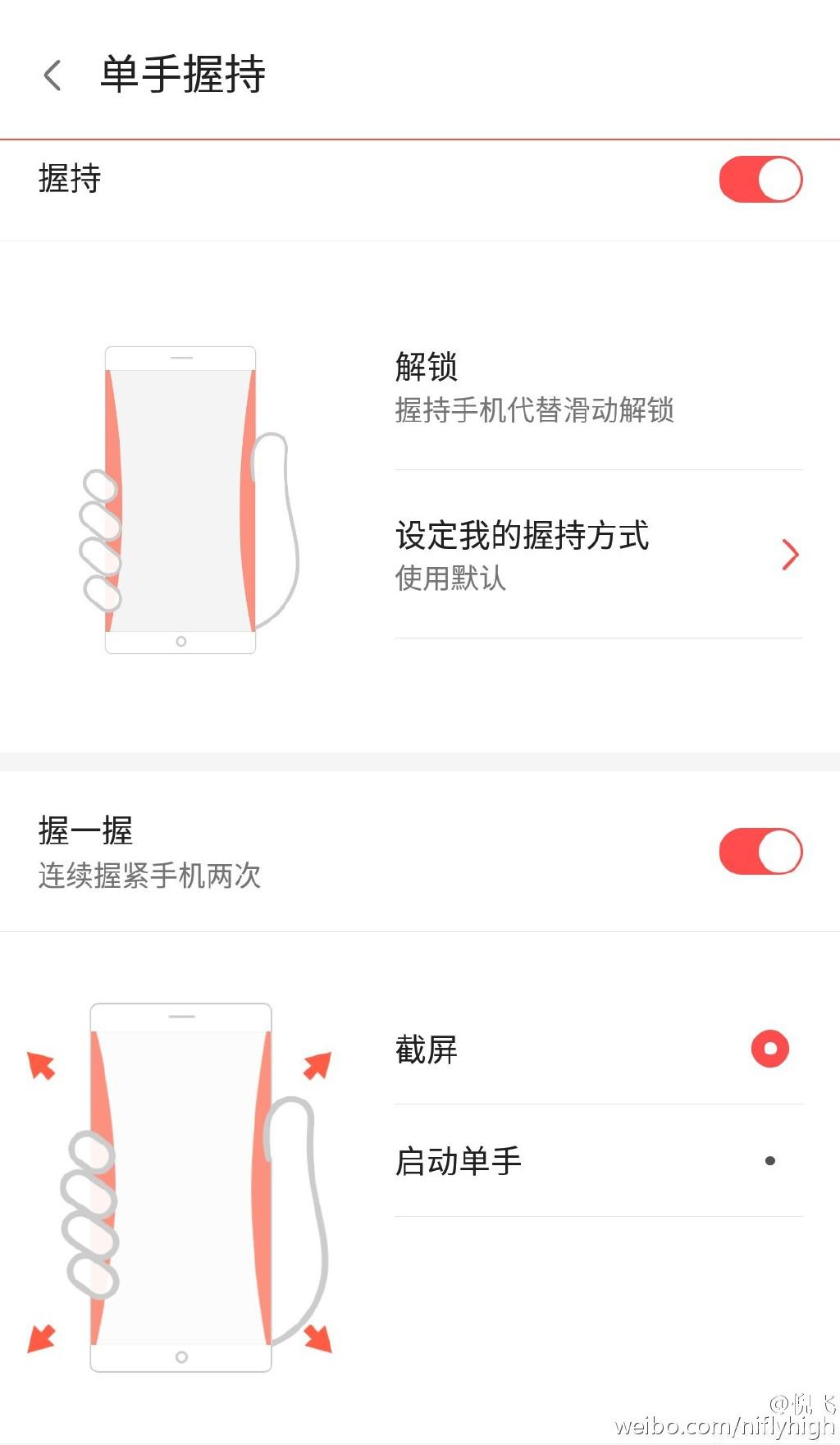
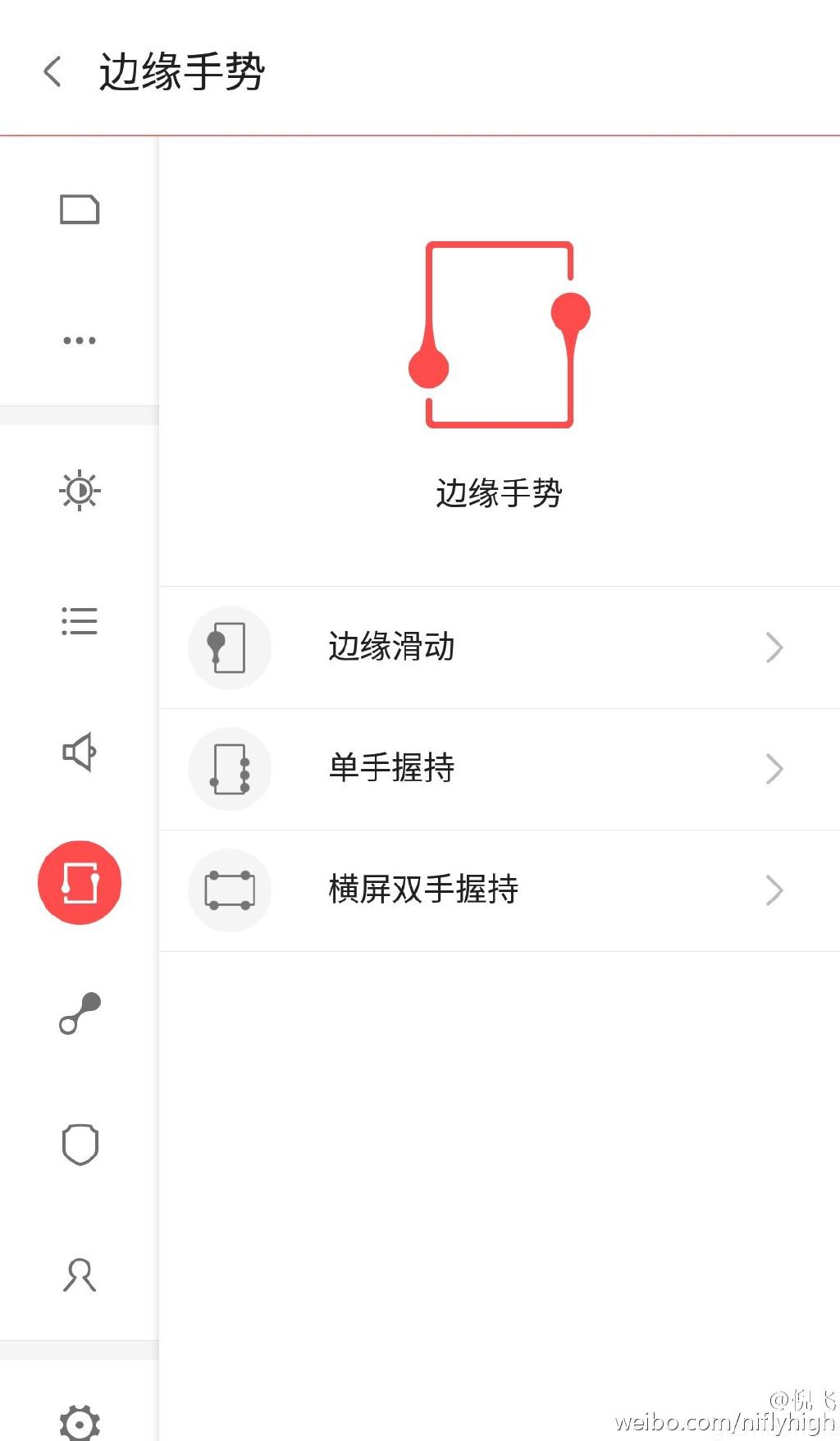
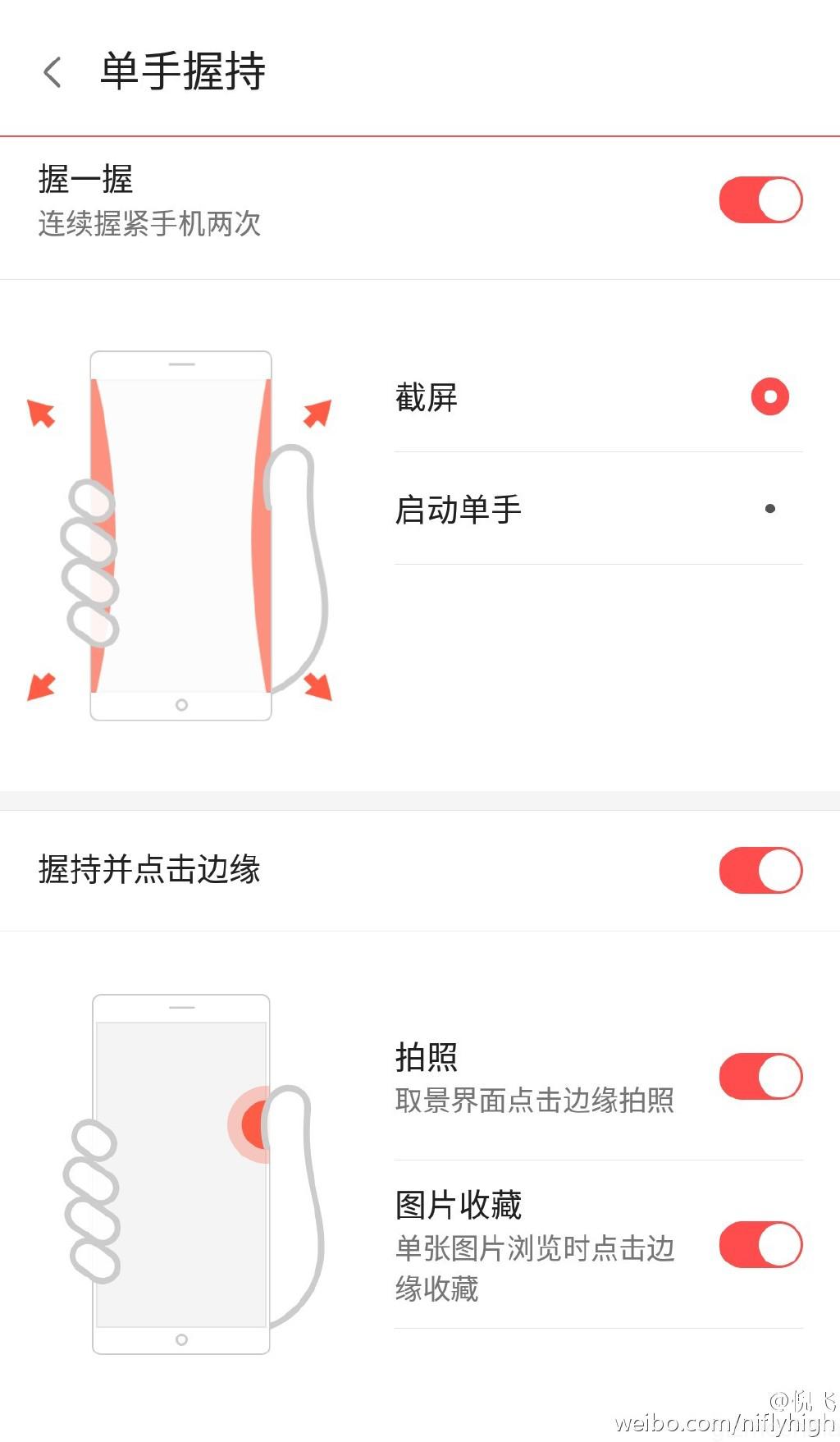
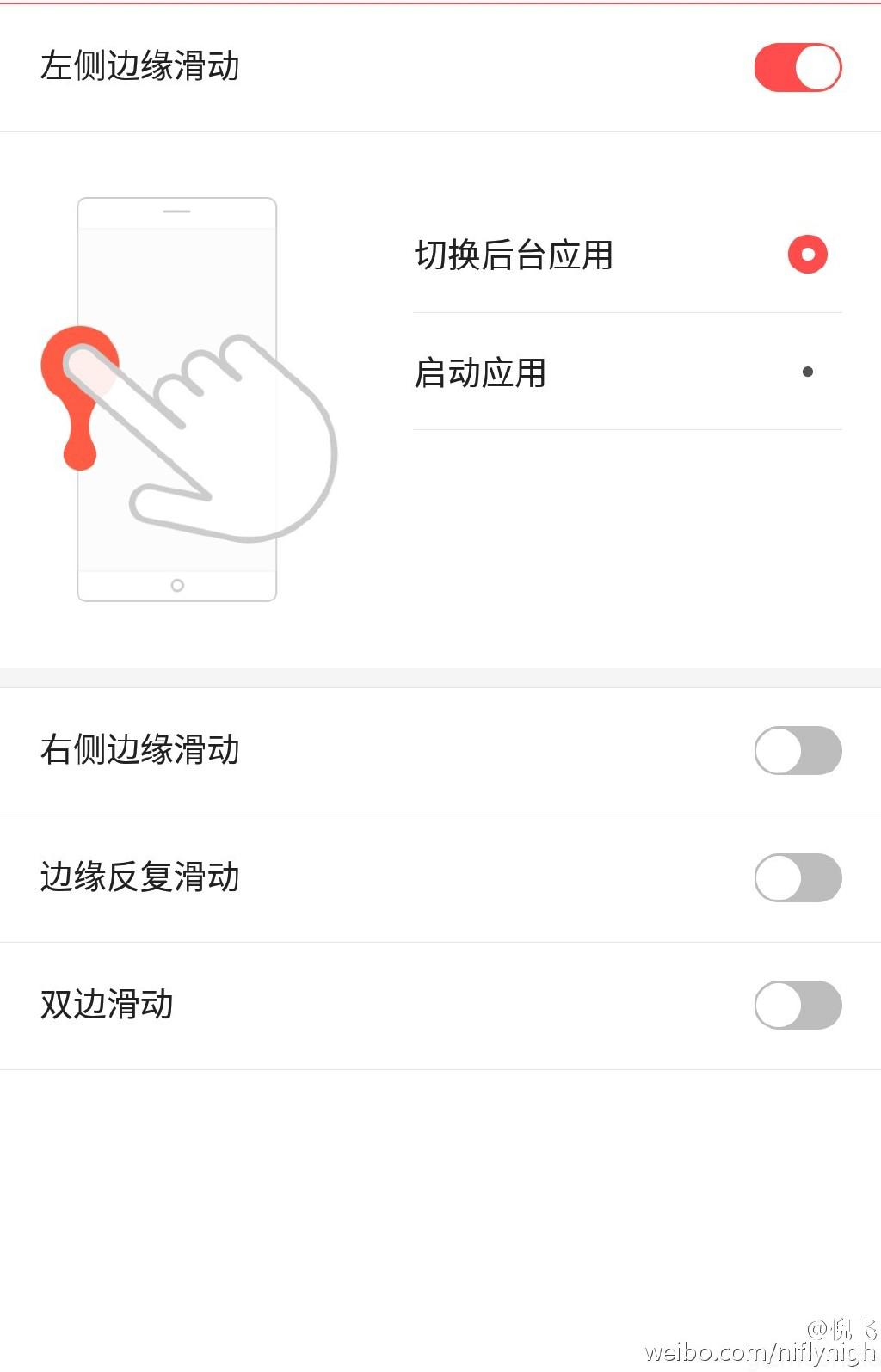
The phone will be launched officially on May 6, which is now only about 10 days away . Ni Fei, the General Manager of Nubia smartphones has revealed a new interesting feature of the device. It looks like the bezelless display on the Nubia Z9 will be put to good use, thanks to a new technology which the company is calling as FiT (Fringe Interactive technology). This particular tech will bring a lot of innovative functions to its bezelless sides, thereby improving the overall user experience.
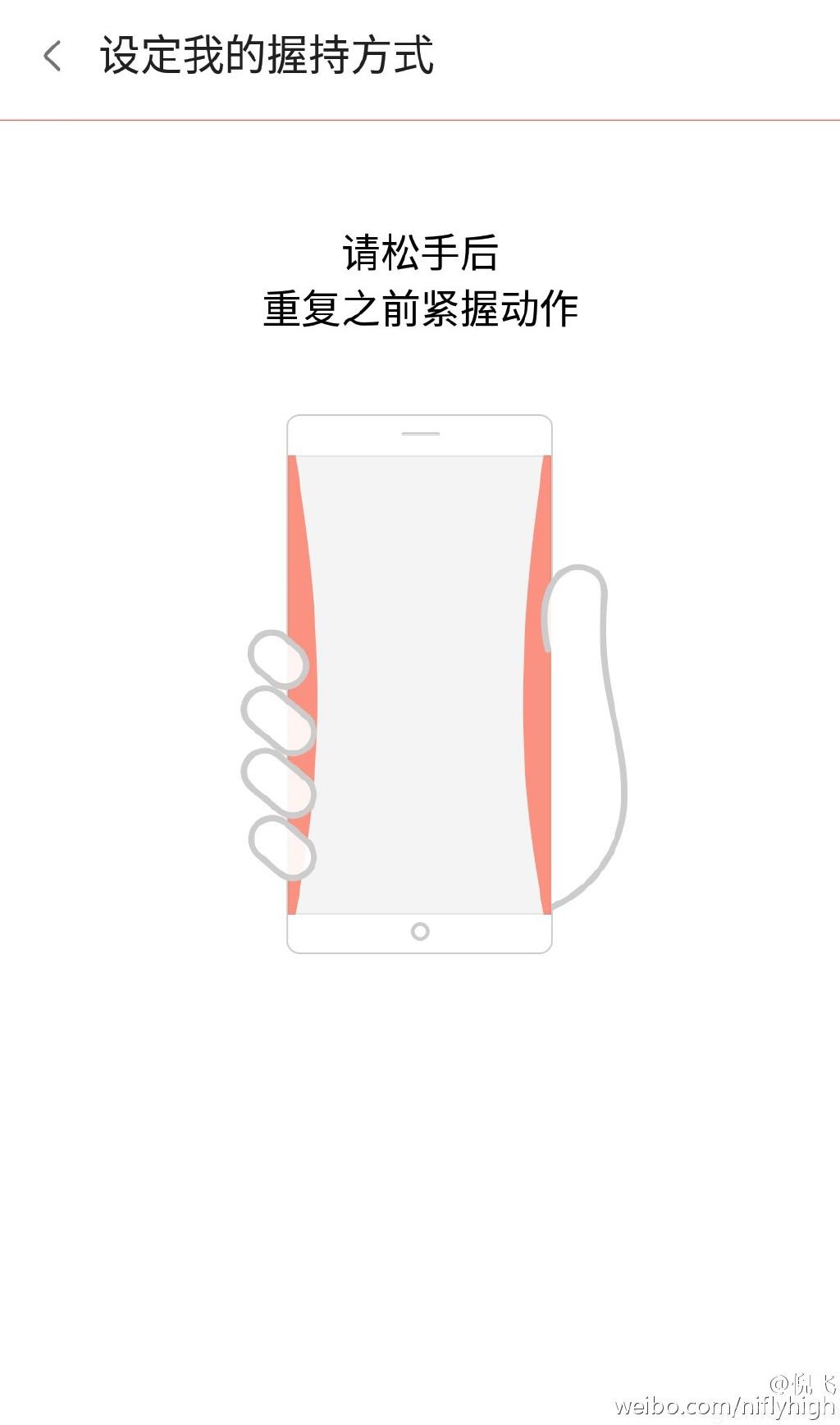
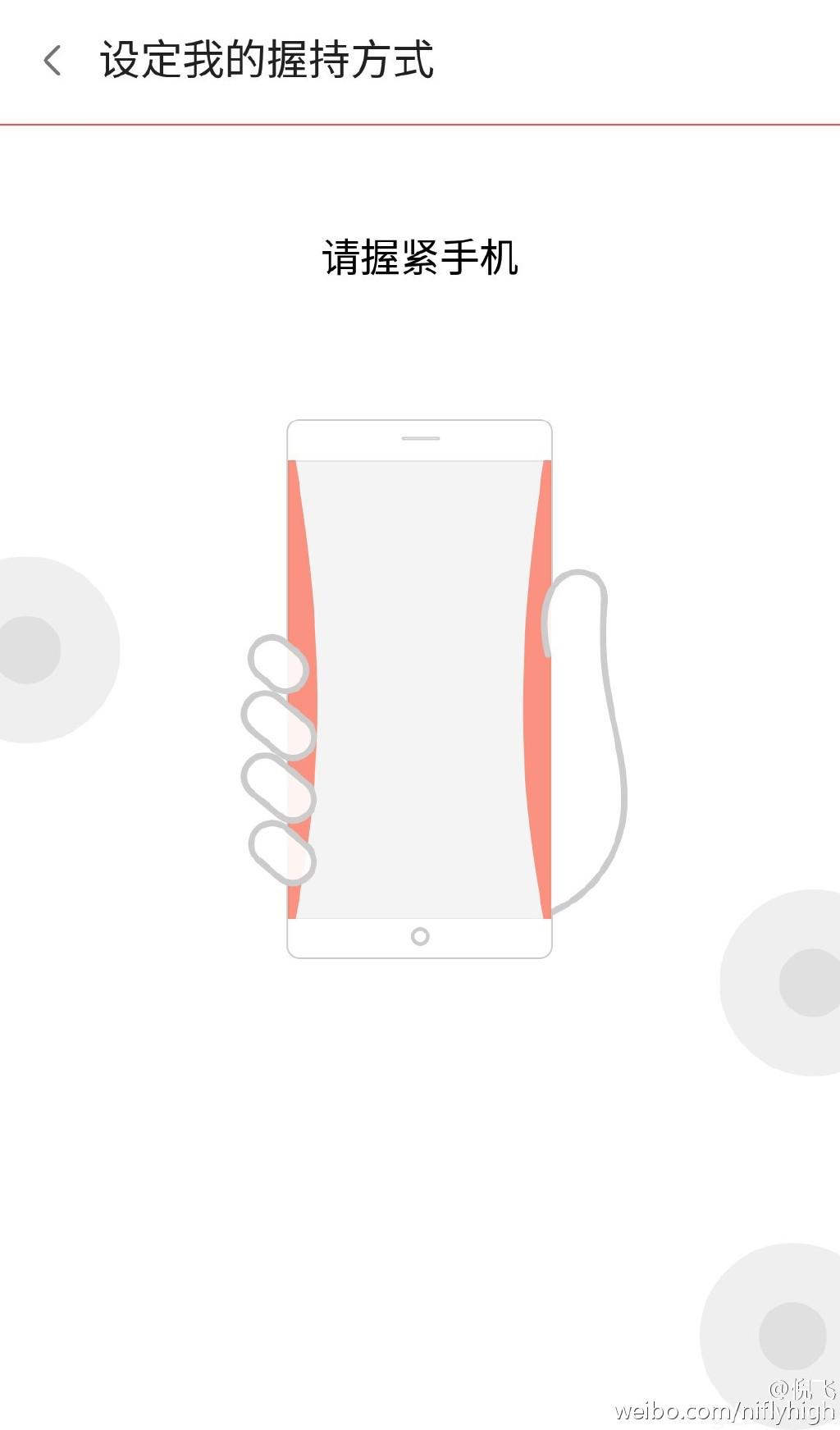
Ni Fei released a number of interesting pictures which give us an idea what to expect from the new FiT. It looks like the display edges will accept a number of gestures and each gesture will perform a different function. From the images, we could make out quite a number of different features such as launching a new application or switching to another app from the left egde. There are also other functions such as simultaneous sliding of the left and right edges could adjust the brightness or even the device volume.
1 of 9
This seems to be a very handy feature for controlling various aspects of the device. We hope that ZTE allows a number of customization options for these gestures. Another important aspect which is almost confirmed by these images is the compact size. The images reveal that a user should be able to hold and operate the device with just one hand, so the rumored 5.2-inch display size seems to be right, at least for now.
Anyways, it looks like ZTE is all set to unveil an interesting device on May 6. We expect a lot more information to be revealed in the coming week, so stay tuned!
Vivo has managed to generate a buzz among the tech crowd in the past few days with a number of contests and teasers about its upcoming Vivo X5Pro flagship. It looks like we may finally have a launch date of the device, thanks to a new report.
The Vivo X5Pro is now said to be launching on the same date as the Vivo Xshot debuted, i.e. May 7. We already know quite a bit about the upcoming smartphone, thanks to a several leaks and even official teasers from the company.
The phone is said to feature a beautiful 2.5D glass arc design with rounded corners and a metal frame. We recently saw a leaked image which showed off its textured body in a beautiful black shade. Another render that cropped up online yesterday, revealed the device in full glory. The design is in line with what we saw earlier, so it could be the real deal. From the picture, it looks like the device will retain the super slim profile as other Vivo devices.
As for the specs, the phone is said to feature a Snapdragon 615 octa-core processor with 3GB RAM on board. There will be a massive 6-inch display up front with a possible retina scanner on top. The phone is said to run on the Android 5.0 Lollipop version with the company’s own Funtouch UI on top and will most likely come with a 3500mAh battery.
Vivo devices are known for their Hi-Fi Audio chips inside, and the Vivo X5Pro model too is expected to feature this chip. One of the highlights of the device is said to be the Phase Detection Focus on the rear camera unit which can focus in on an object in less than 200 milliseconds.
Well, it looks like the Vivo X5Pro will turn out to be a great flagship. Another device, the Vivo XShot 3S is rumored to debut alongside the X5Pro, so we may see both the smartphones on May 7 this year.
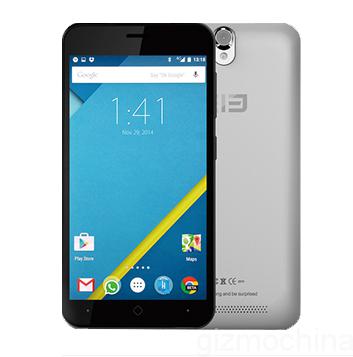
Elephone recently unveiled the new Elephone P5000 with a massive 5350mAh battery. Now, the same company is all set to release a phone will global network connectivity and a large battery.
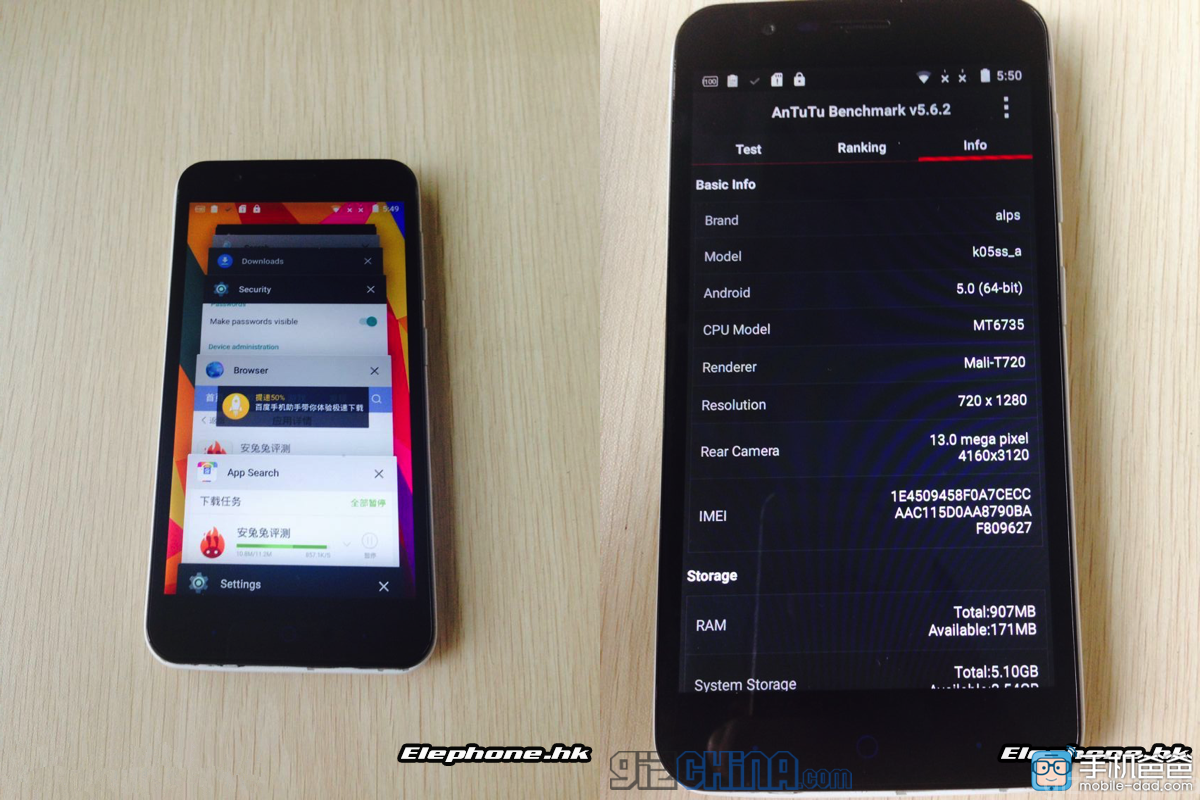
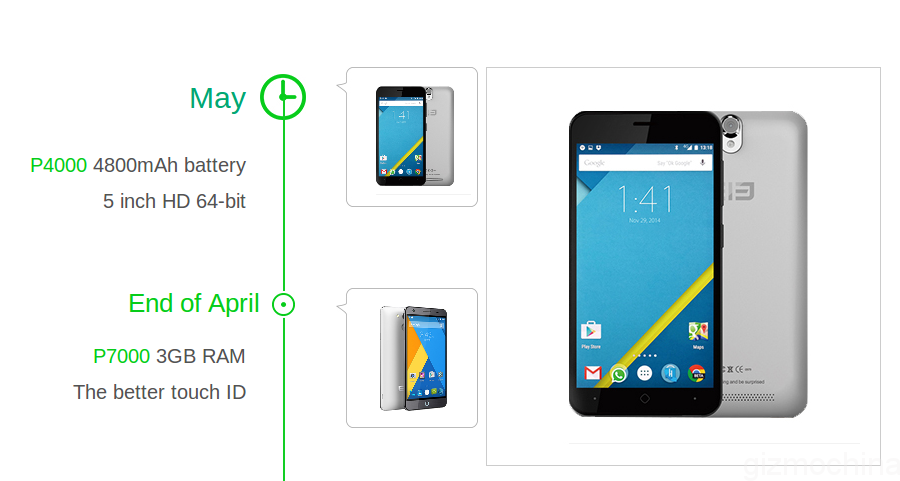
Earlier today, the specifications of the Elephone P4000 model were leaked online. The phone is said to come with the new MT6735 64-bit quad-core processor. The highlight of this chip is its full network connectivity, which should definitely attract some user attention. Another big feature of the new Elephone P4000 is its massive battery. Similar to the P5000, this particular model will feature a 4800mAh high-density battery. Further, it will be equipped with Quick Charge technology to make sure that you don’t have to wait for more than a few hours to charge the device completely.
Other tech specs of the device are pretty decent. The Elephone P4000 is said to come with a compact 5-inch display with 720p resolution. There will be 1GB RAM on board along with 8GB of internal storage. Finally, a 13MP camera unit will be located at the back. The phone is said to run on the new Android 5.0 Lollipop OS right out of the box.
Since MT6735 supports full network connectivity, you can use this phone on practically any network. These are the supported connectivity options: Cat. 4 LTE (FDD & TDD), DC-HSPA +, TD-SCDMA, CDMA2000 1x / EVDO Rev. A and EDGE network.
As for the price tag, Elephone is known for its affordable phones, so expect the P4000 to retail for less than 1000 Yuan ($161). The phone is scheduled to release in May.
Huawei has been quite busy the last few weeks, especially since it announced its flagship smartphone for the year, the Huawei P8 which sports a sleek and premium design with top-end specs. But just a few days after this big launch, the company will unveil another flagship product in its mid-range Honor lineup.
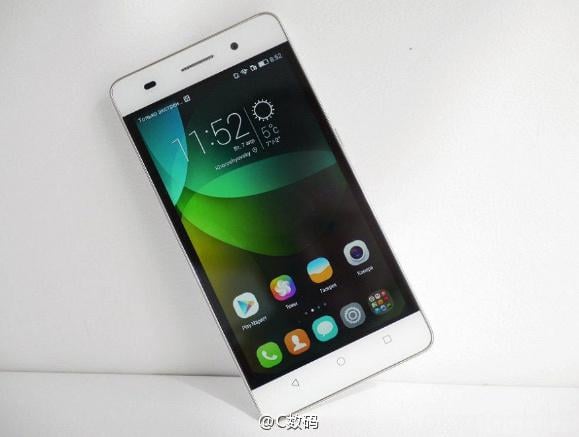
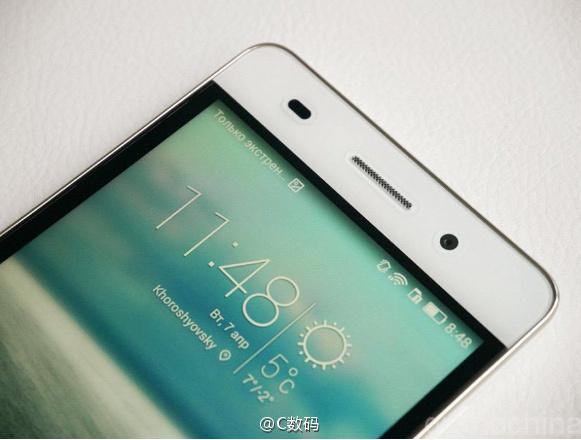
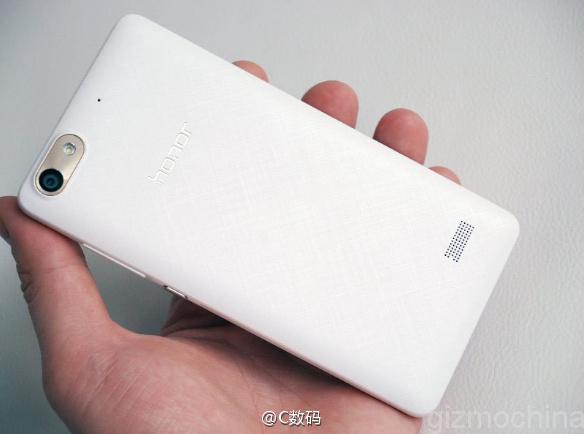
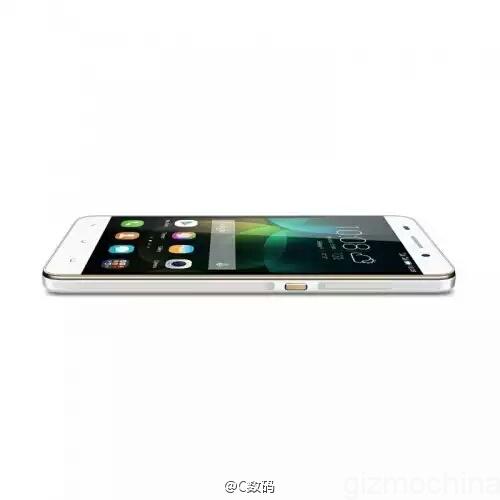
The last few days have been flooded with Huawei Honor 4C leaks and it looks like more leaks will follow until the phone is launched on April 28. A few hours back, we saw a whole new set of images of the Huawei Honor 4C model on the internet. The images are similar to the ones that we have seen earlier, but we get to see the phone in a bit more details this time.
One of the interesting aspects revealed by this new leak is the bezels. If you look closely, the phone comes with super thin metal bezels around the sides. However, the display doesn’t extent up to that. In fact, you can see that there is a thick black border which kind of ruins the thin bezel design.
The images also show that the Honor 4C will come with a metal frame and a plastic back. The speakers are located at the bottom, while the camera unit lies on the top left corner. Being a mid-range flagship, the company has not incorporated the dual camera setup that we saw on the Honor 6 Plus.
As for the tech specs, earlier leaks have confirmed that the phone will feature a Kirin 620 64-bit octa-core processor with 2GB RAM and 8GB of internal storage. The display will be of 5-inches with a resolution of 1280 x 720 pixels. As for the camera, there will be a 13MP unit at the back and a 5MP shooter up front. Finally, the phone will run on Android 5.0 Lollipop OS out of the box and will come with a 2550mAh battery.
The company is said to unveil three new devices at the April 28 event namely the Huawei Honor 4C Play, 4C Max and 4C Note.
You can take a look at the images from down below.
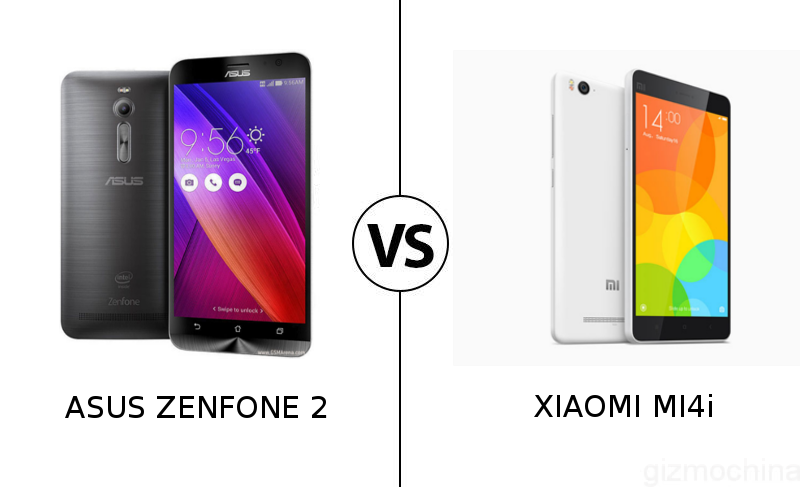
Finally, we will get to see a showdown between two powerful, but affordable, Smartphones. The Chinese brand showed guts going up against ASUS, unveiling itself in one of the biggest Smartphone markets, India. Both bring to the table some powerful specs and full HD display. However, despite their obvious similarities, big differences can make one superior to the other.
First of all, the Mi4i has beaten ASUS, hands down, being the cheapest full HD LTE enabled flagship. While being the lighter one of the two flagships, in terms of weight and price, the Mi4i offers no less than the Zenfone in terms of power and speed. Mi4i bears a Snapdragon 615 octa-core processor at heart, whereas ASUS shows hardcore loyalty to Intel Chipset. Moreover, Xiaomi’s 3120 mAh battery is more powerful than ASUS’s 3000mAh while the latter’s processor is more battery consuming; it is clear who the winner is in this round (1). However, the Zenfone has a better front camera and more storage, with 16GB (non-expandable) on Mi4i against the 16GB expandable memory on the Zenfone.
Currently, the price stands at $200 for the Mi4i which is the same price as the ASUS Zenfone 2 (2GB model). However, depending on the RAM and other specs, prices can vary. With hardcore specs like that, it’s quite a sweet deal don’t you think?
You can compare every specs of the devices in details from the table below.
[NOTE: In the table, GREEN one indicate the better specs]
SPECS
XIAOMI MI4i
ASUS ZENFONE 2ZE550ML
Dimensions
138.1 x 69.6 x 7.8 mm
152.5 x 77.2 x 10.9 mm
Weight
130 grams
170 grams
Display
5-inch 1080p (441ppi)
5.5-inch 720p (267ppi)
Processor
1.7GHz Qualcomm Snapdragon 615 octa-core chip
1.8GHz Intel Atom Z3560 quad-core chip
RAM
2GB
2GB
Storage
16 (non-expandable)
16 (expandable)
Camera
13MP primary5MP secondary
13MP primary5MP secondary
Battery
3,120mAh
3,000mAh
Connectivity
LTE, Wi-Fi, Bluetooth, Dual-SIM Dual Standby (Both SIMs support 4G)
LTE, Wi-Fi, Bluetooth, Dual-SIM Dual Active (only one SIM supports 4G)
It has been quite a while since we reviewed these devices, but since there were a lot of readers, who engaged in the reviews, and a few request to compare these devices, we decided to make a comparison article for you.
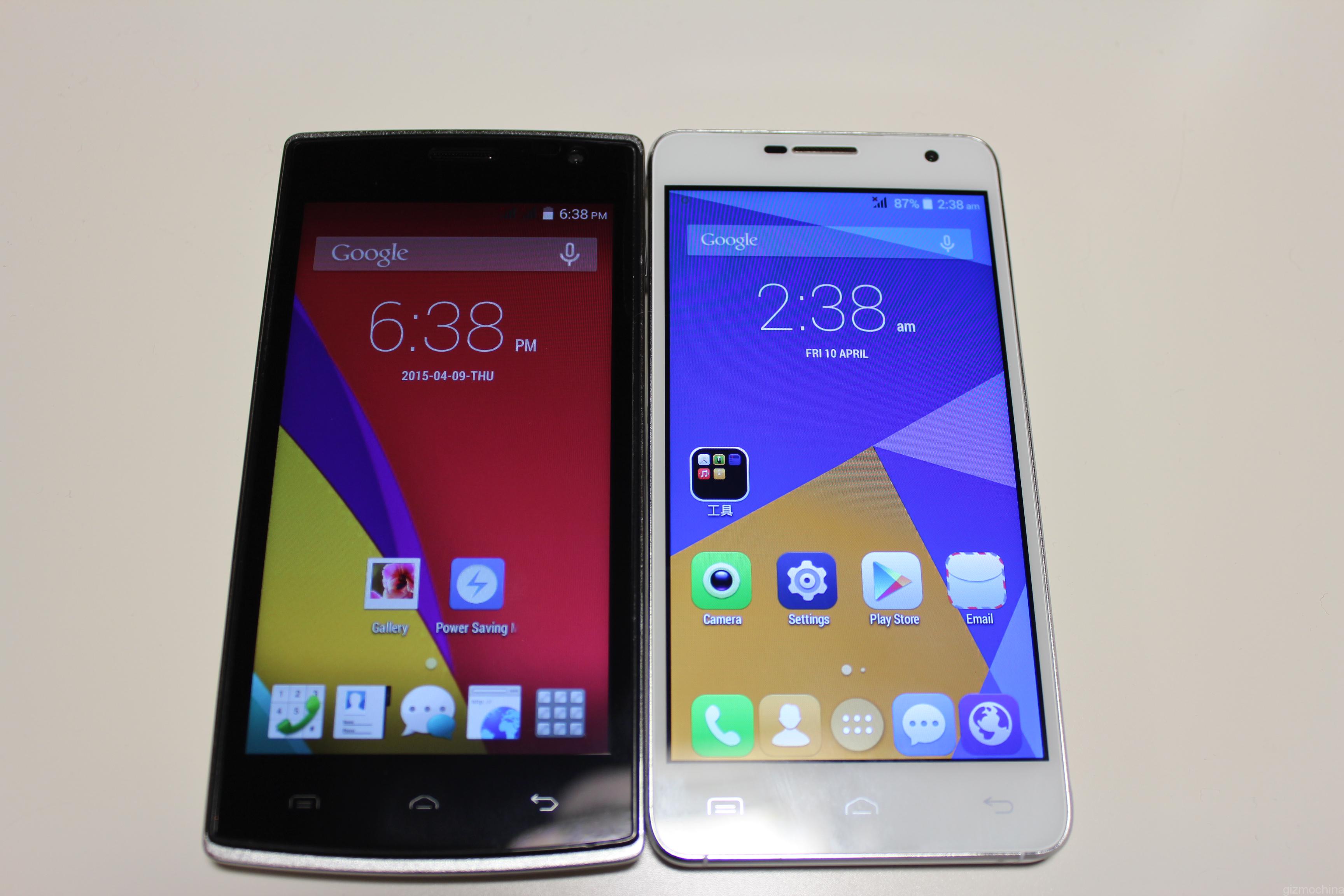
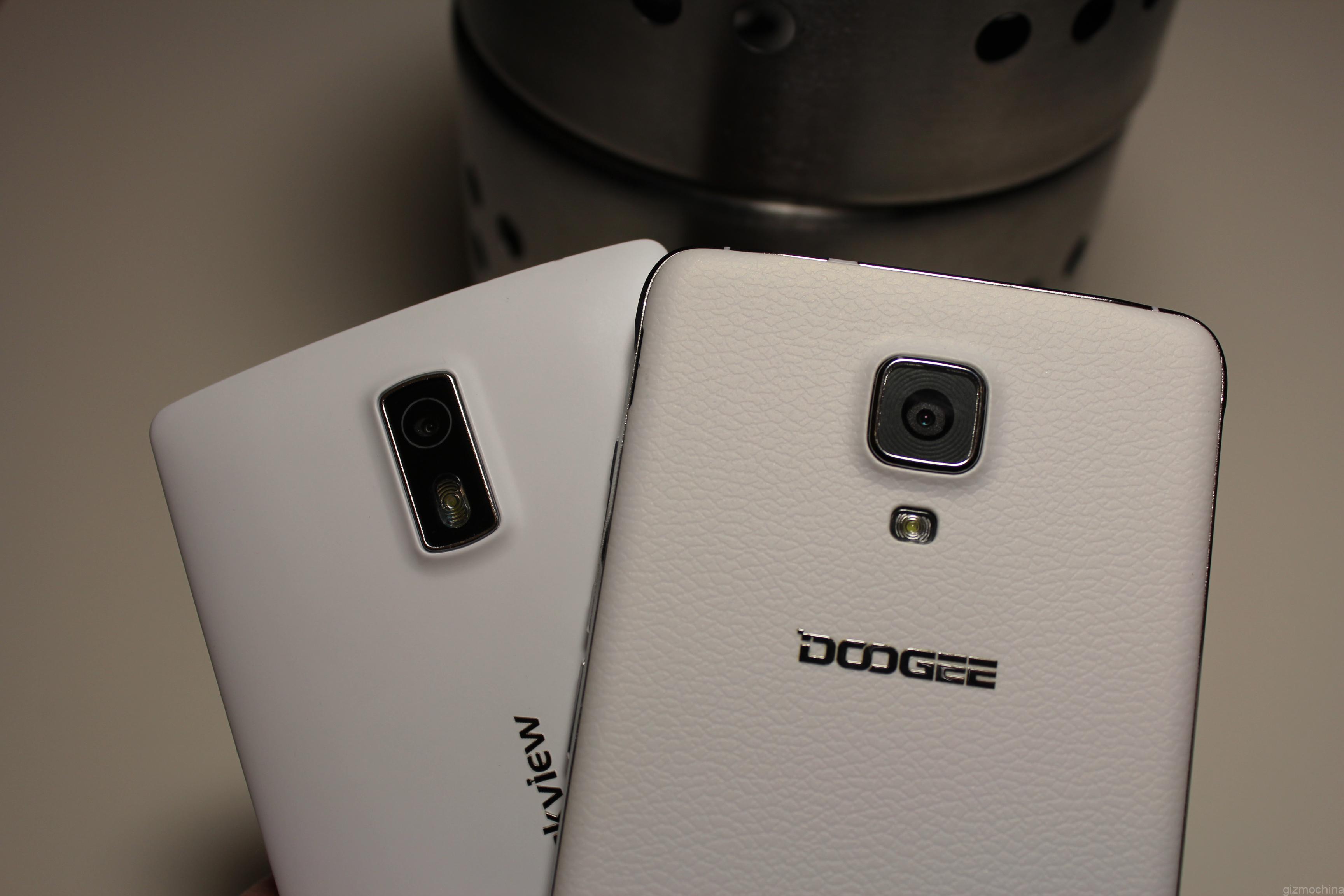
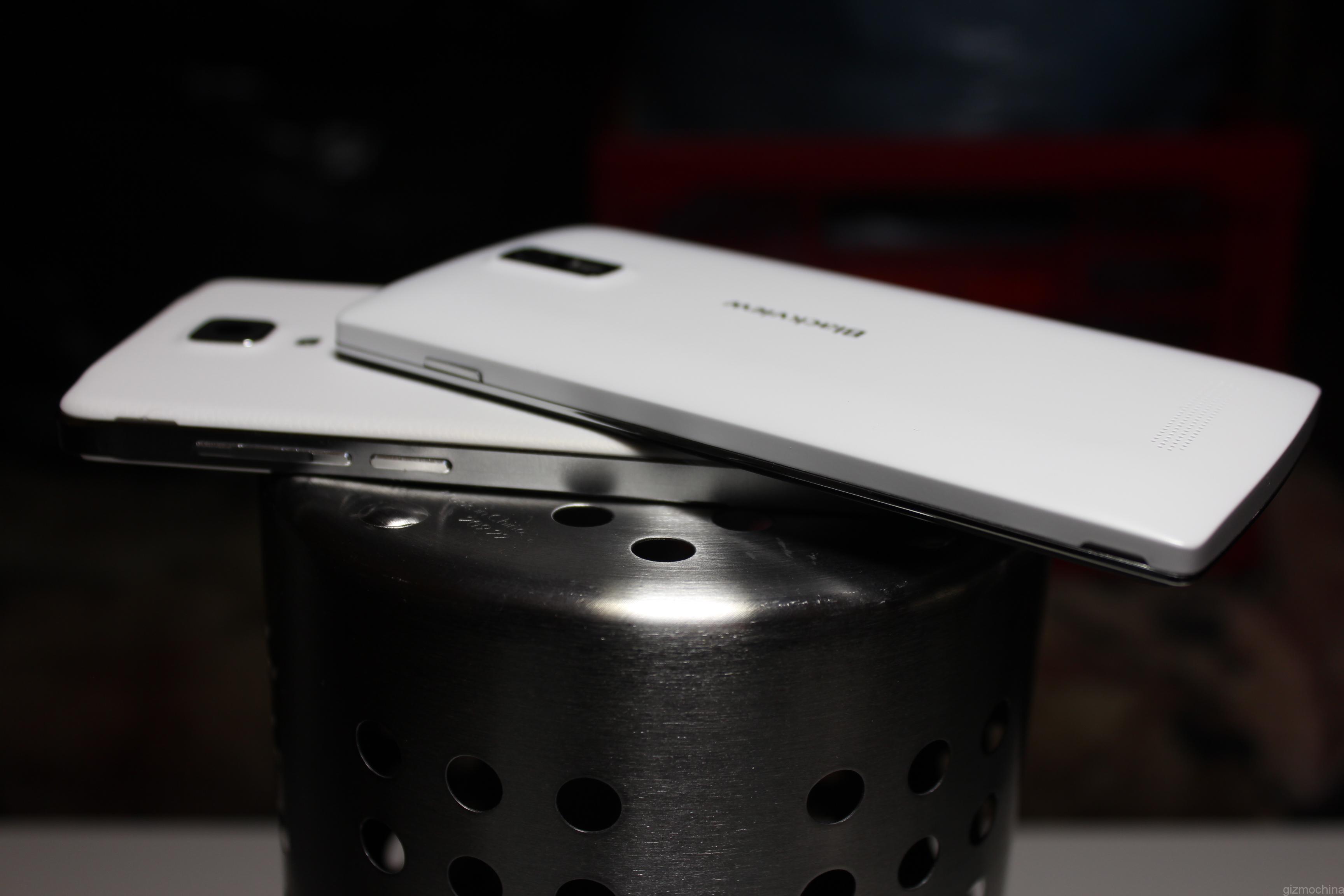
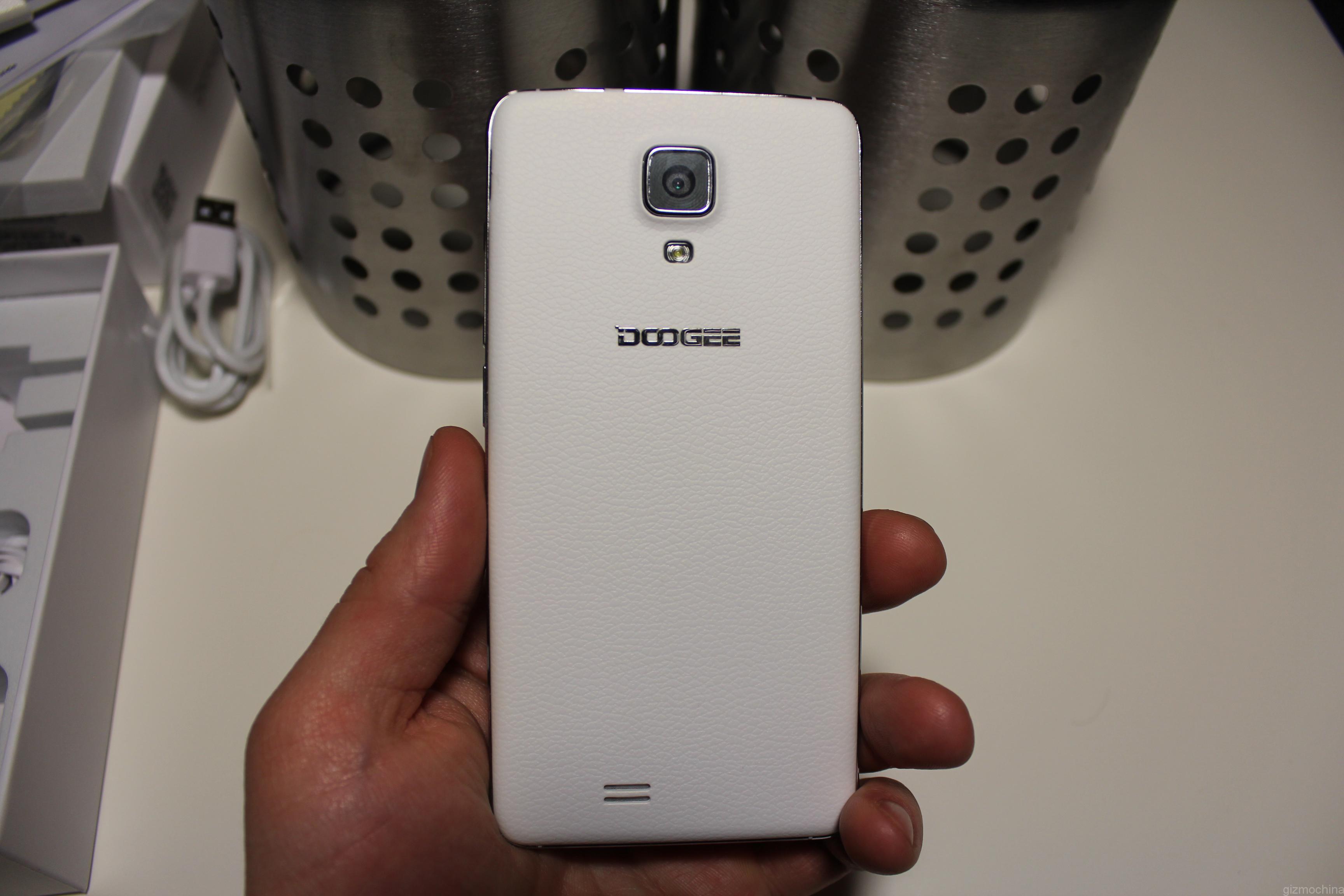
Both Doogee Iron-Bone DG750 and Blackview Breeze fall into sub-$100 devices category, so this comparison may be helpful if you are on the tight budget or simply do not want to spend money on expensive flagship devices and still want to enjoy an Android experience. In case you feel that you want to read a more in-depth analysis of each device, we suggest you taking a look at full Doogee Iron-Bone DG750 Review and Blackview Breeze review.
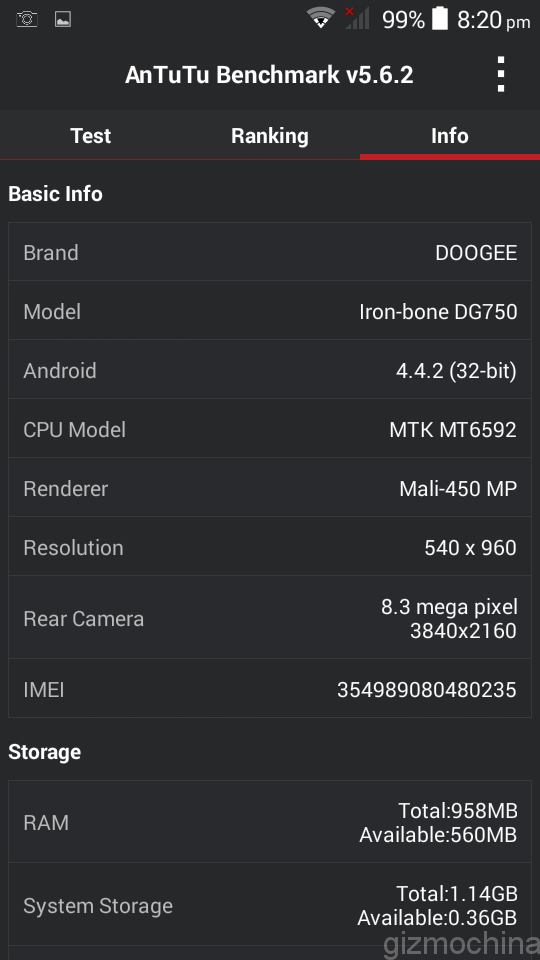
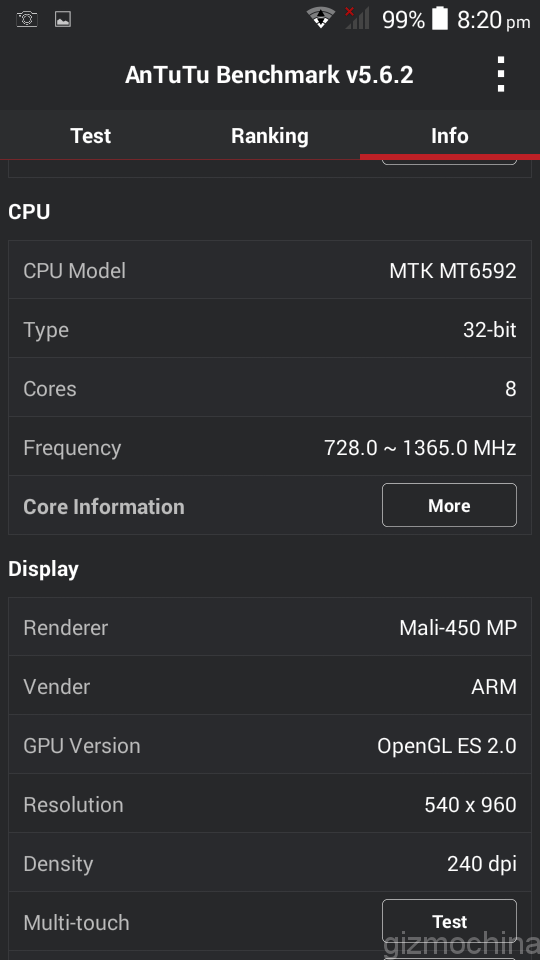
Verdict: tie. Both devices have pretty much similar specs. However, Doogee excels here with a bit newer MTK chip. Still, we do not see a significant edge over the Blackview Breeze.
DESIGN
1 of 10
Doogee Iron-Bone DG750
1 of 14
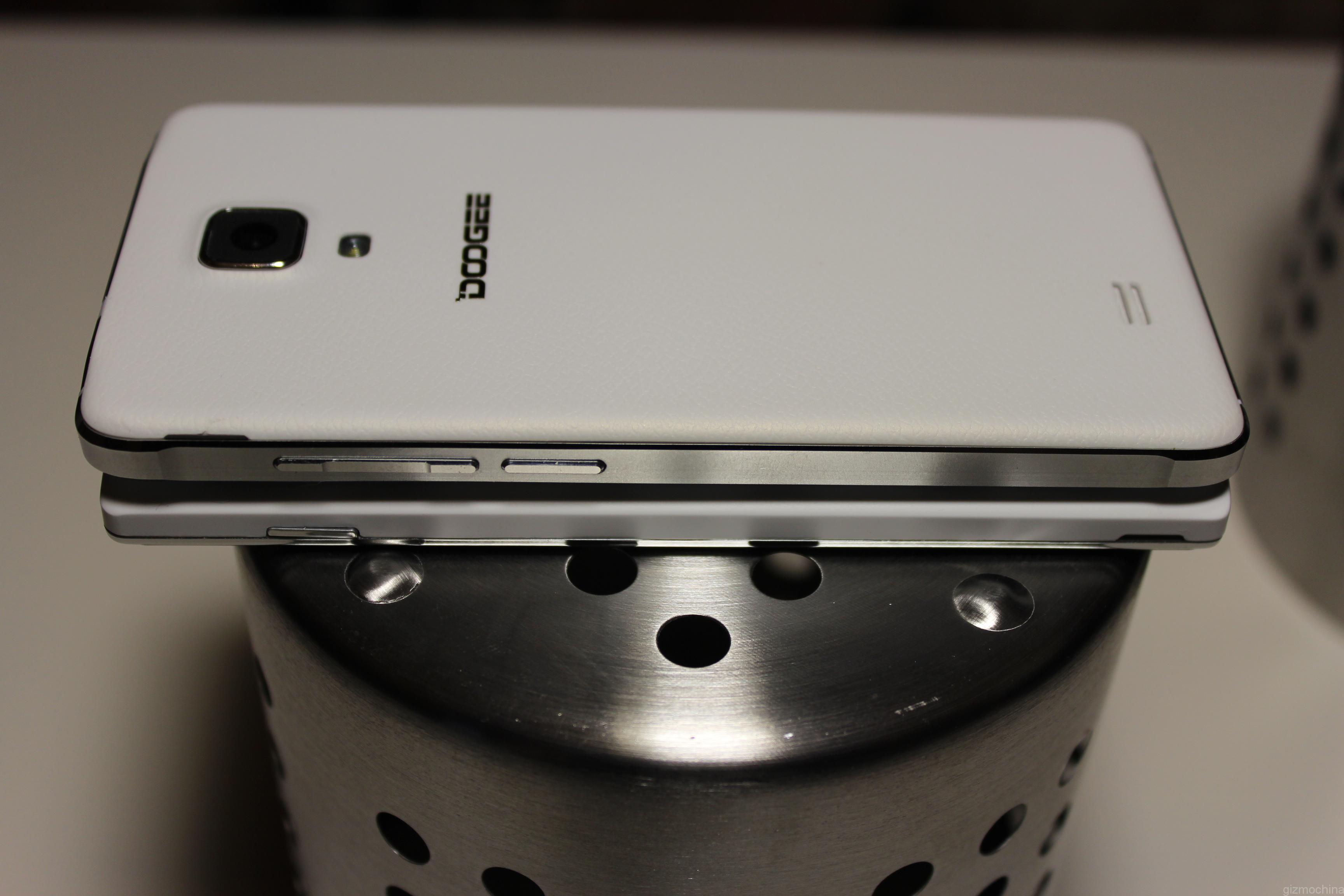
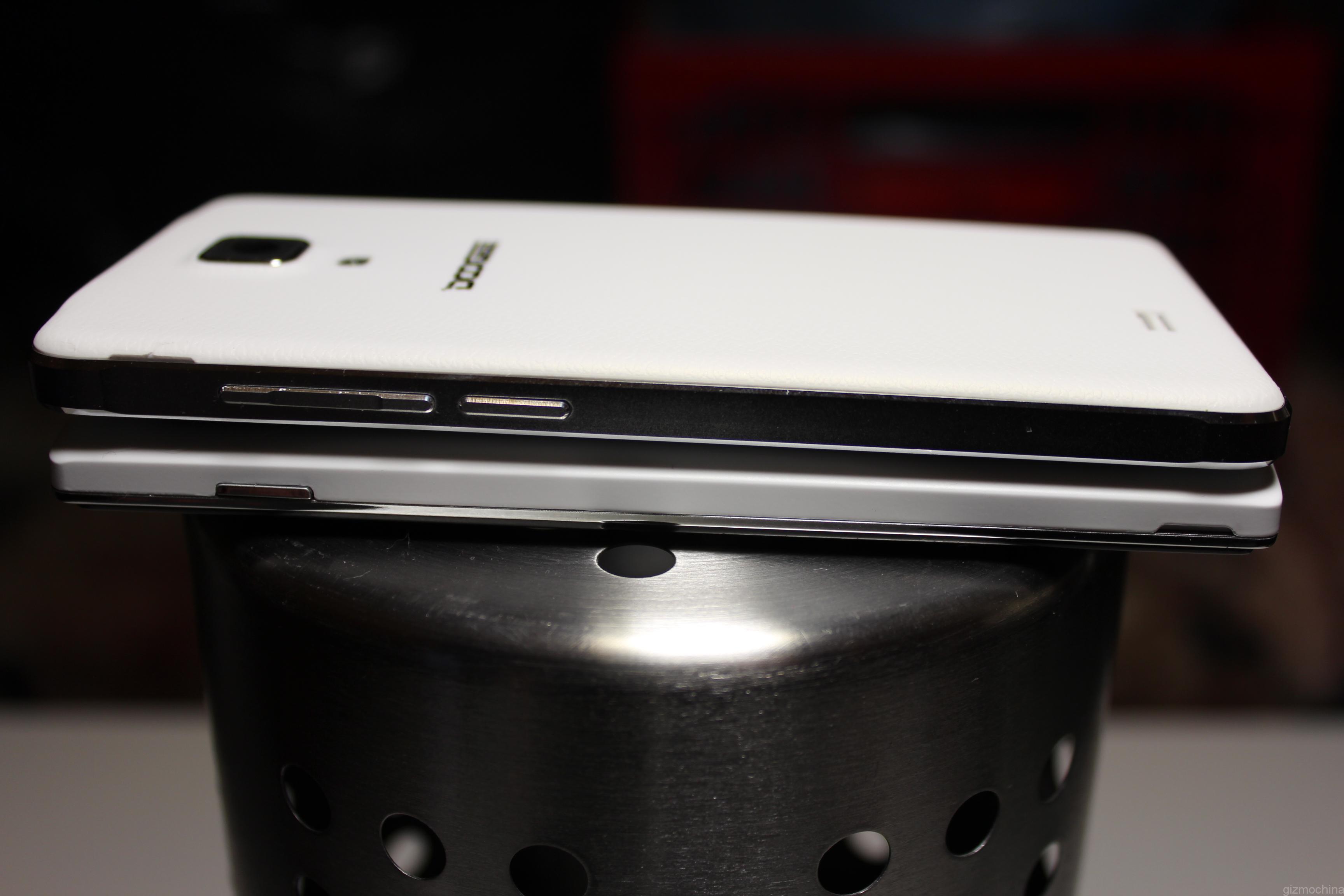
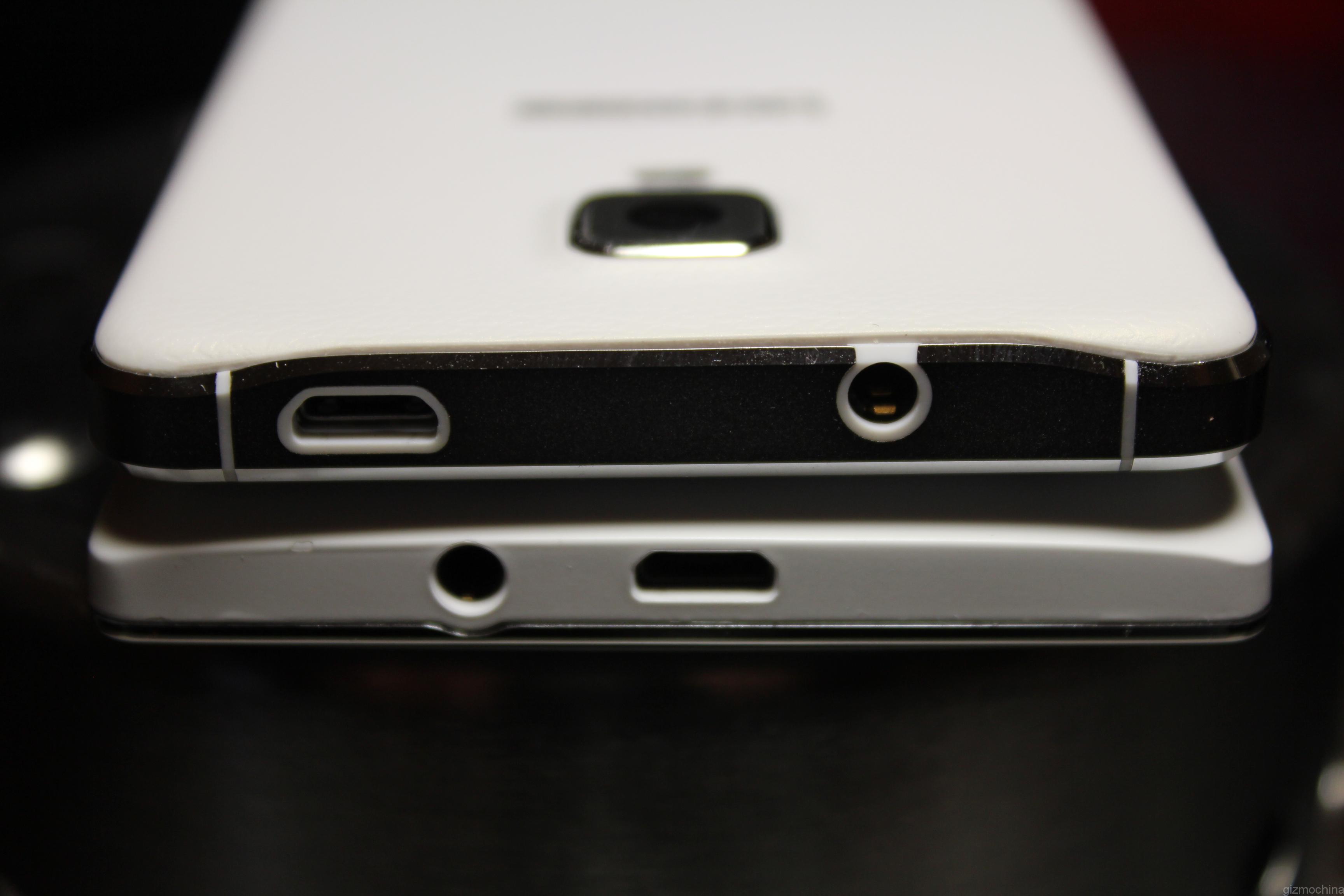
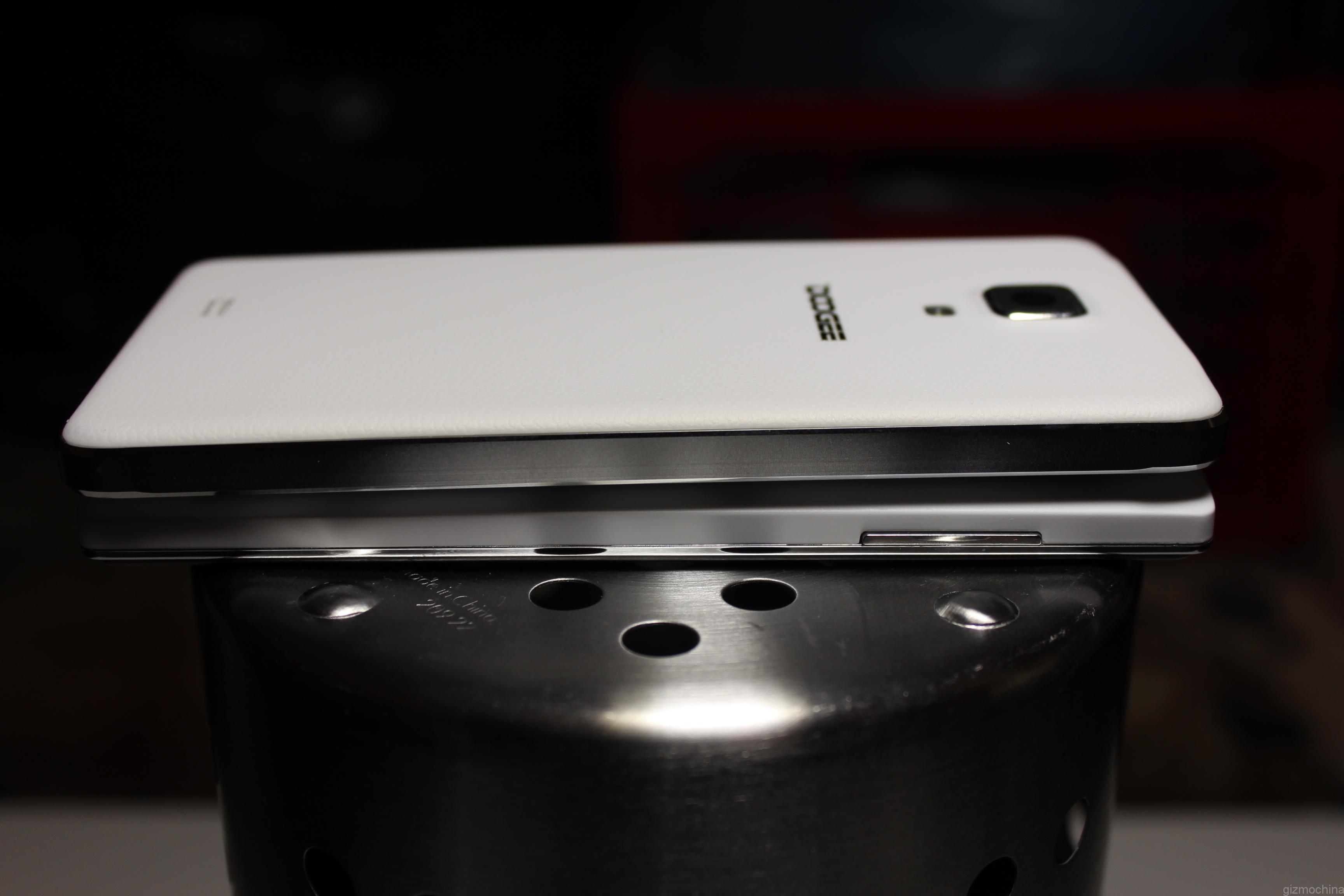
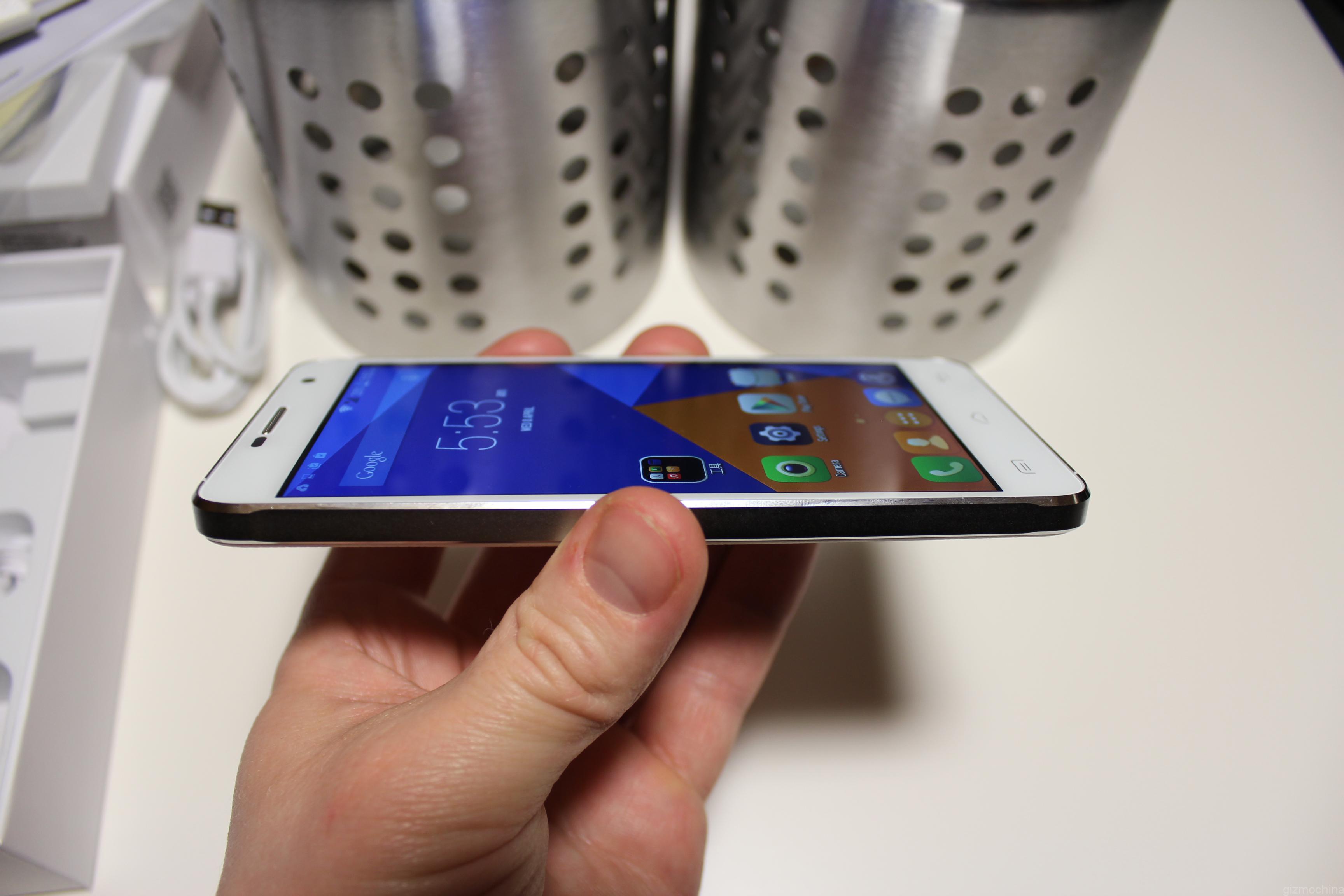
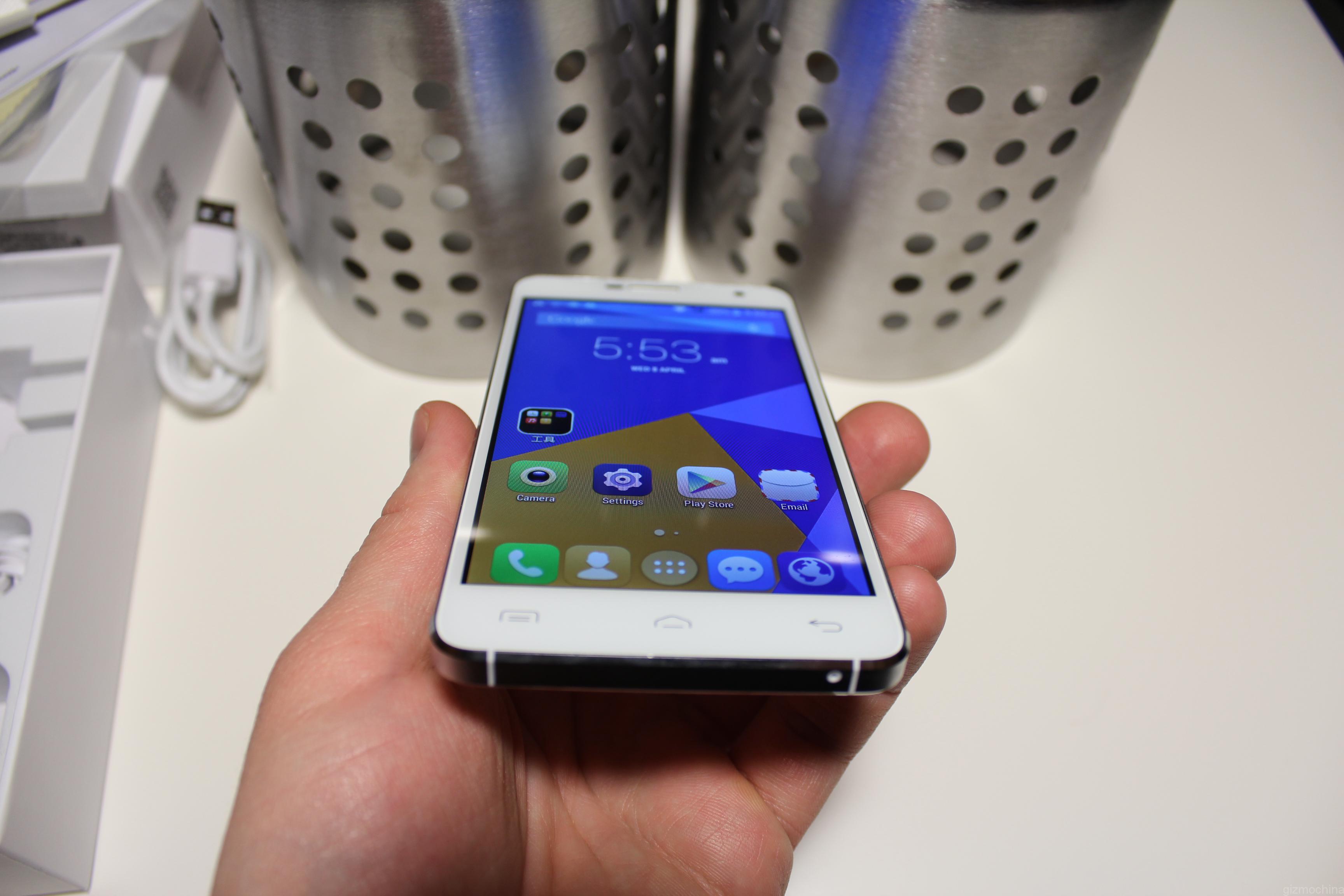
The initial impression is that the device is well made. It spots a metal-zinc alloy frame and metal buttons. Also, there is a textured plastic removable cover.
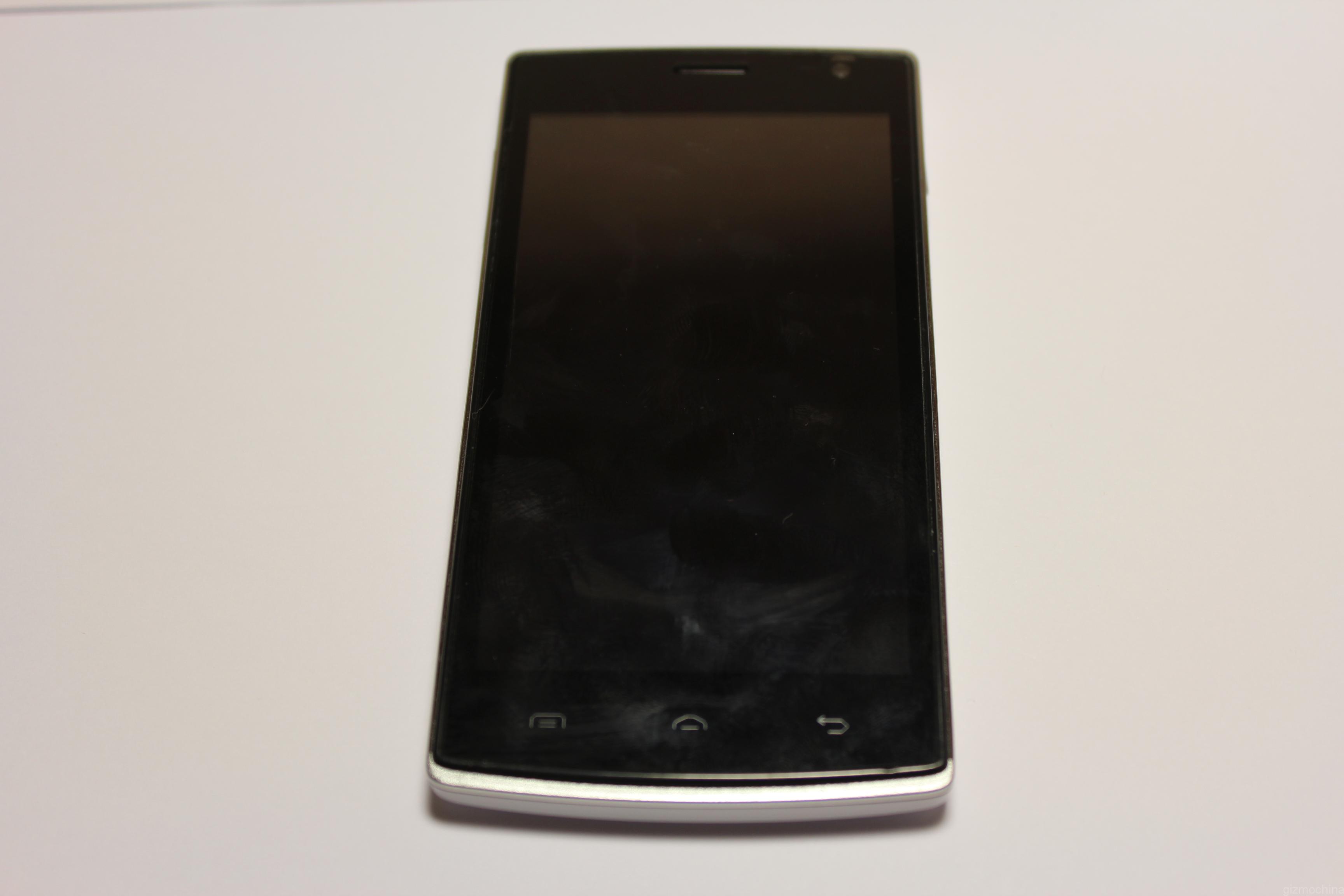
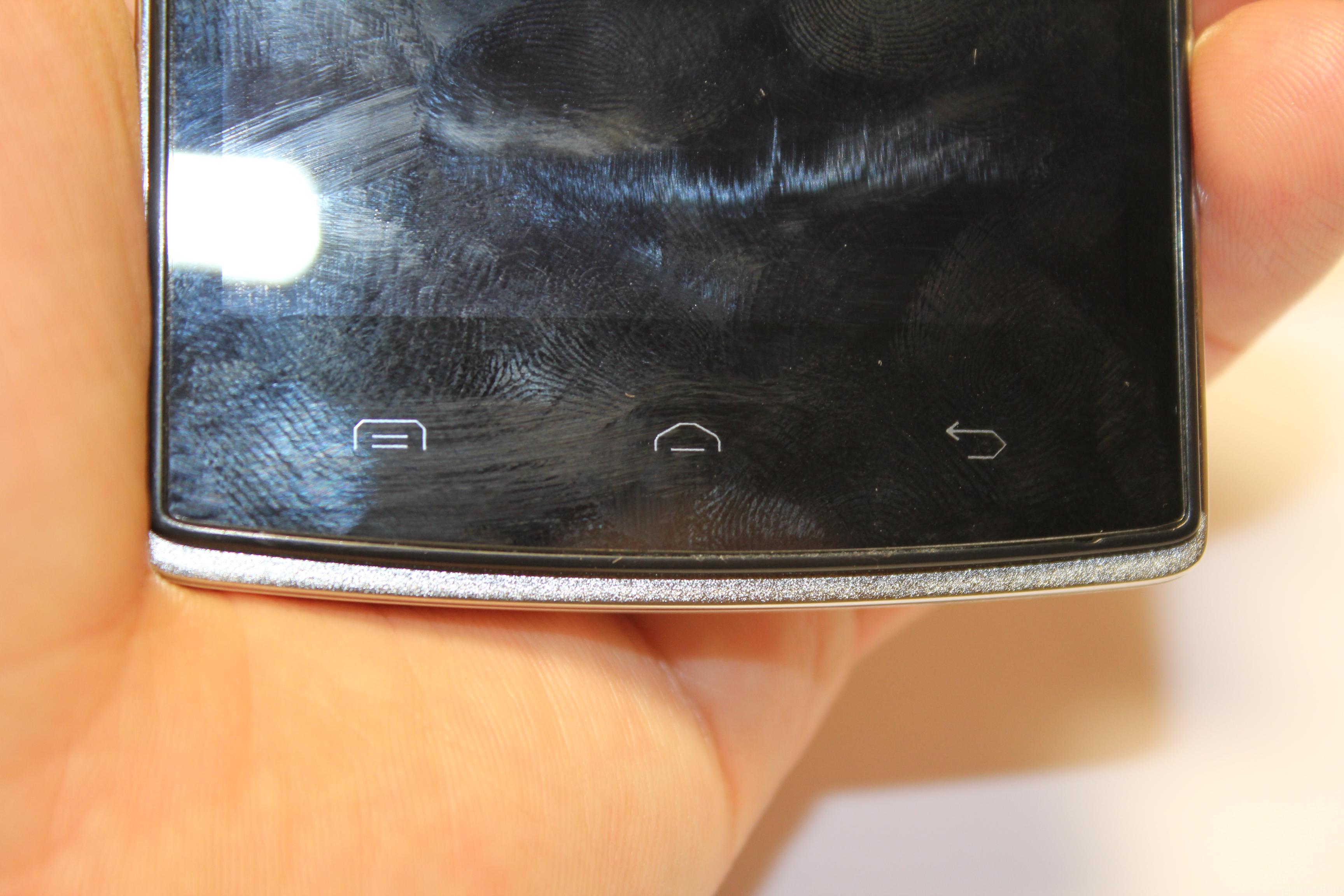
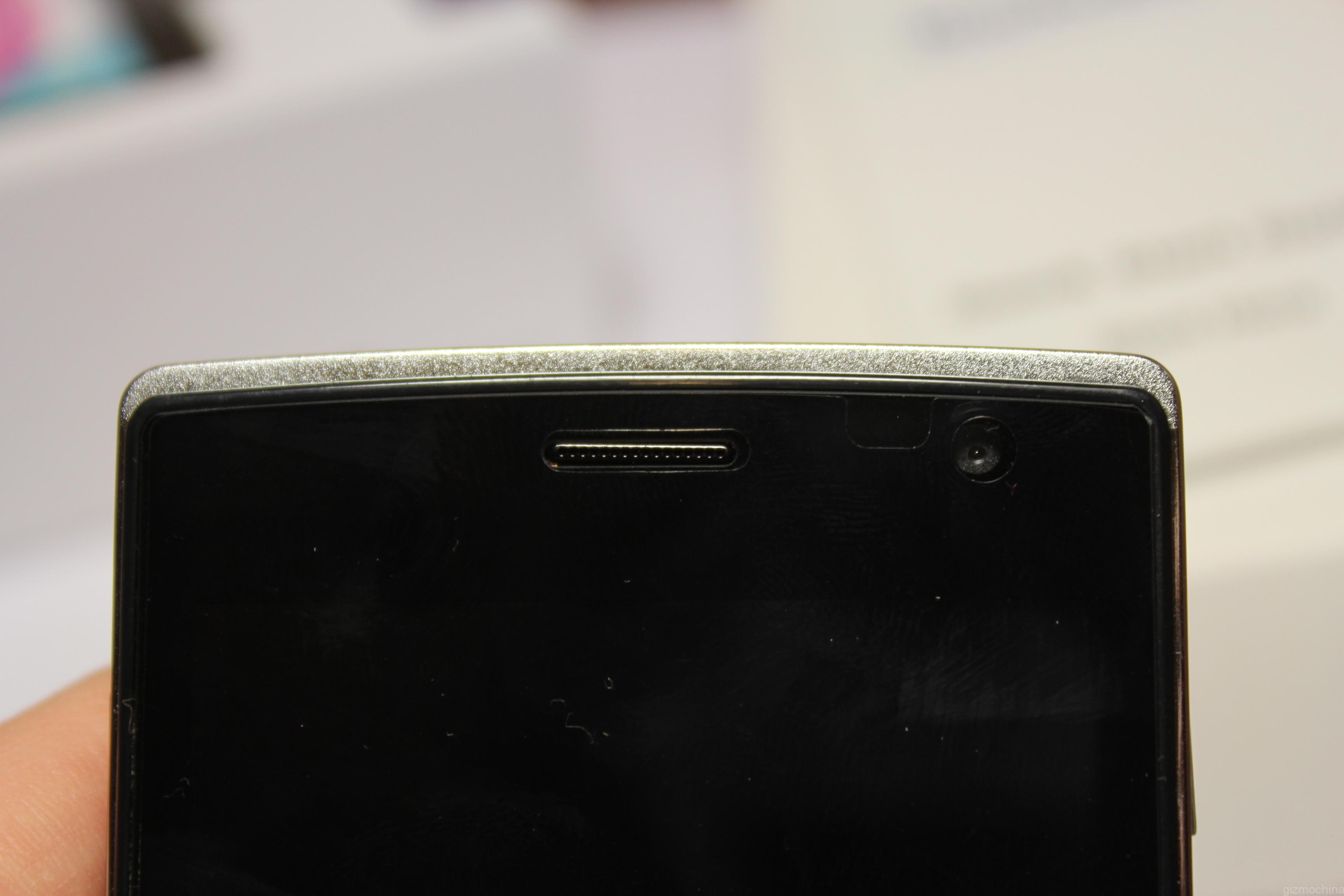
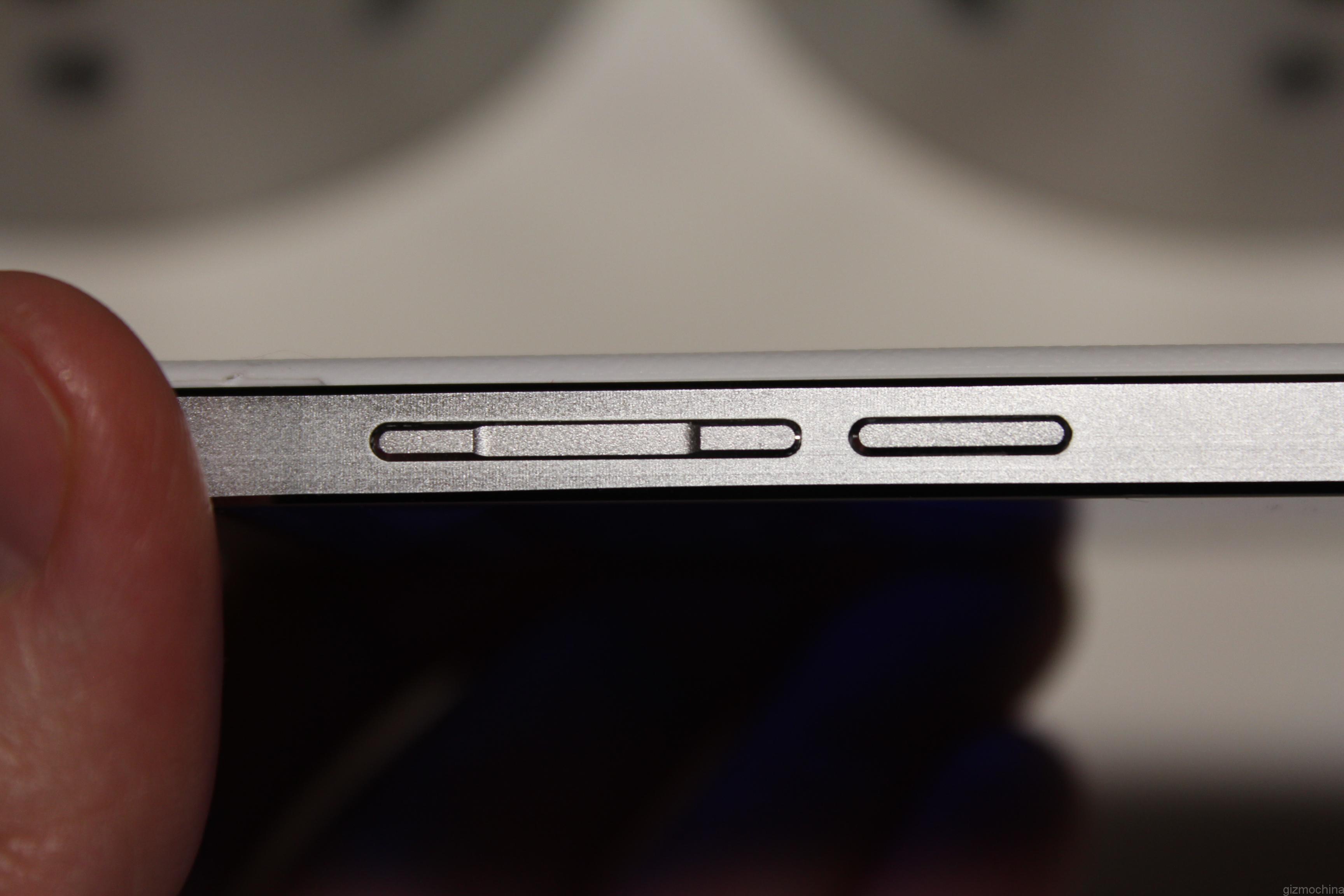
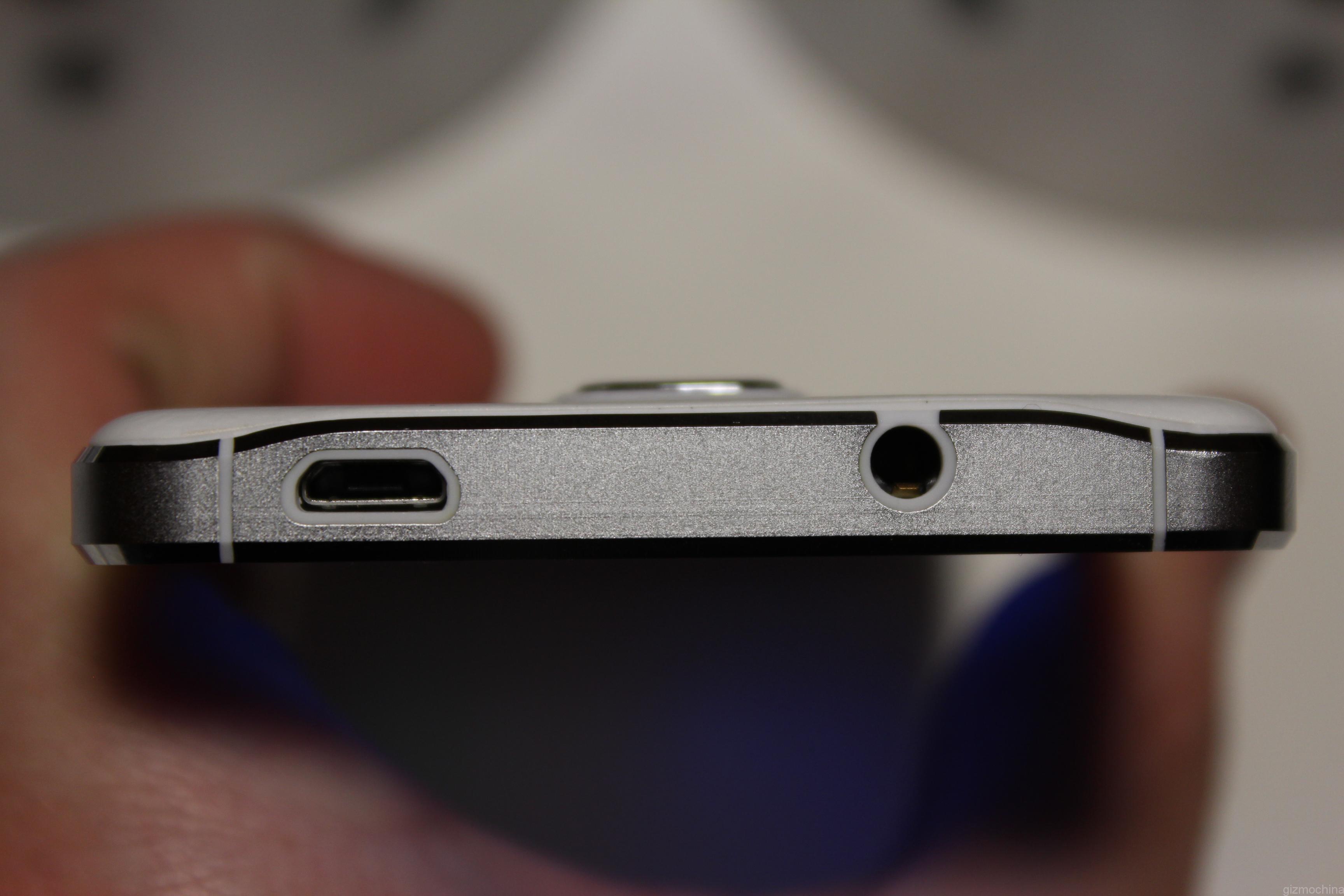
The device has the 5mp snapper on the front along with the 3 capacitive keys on the bottom. They are not backlit, however. Taking a look at the right, you will find a metal volume rocker and power on/off key. On the top of the device there is a micro USB port and a headphone jack.
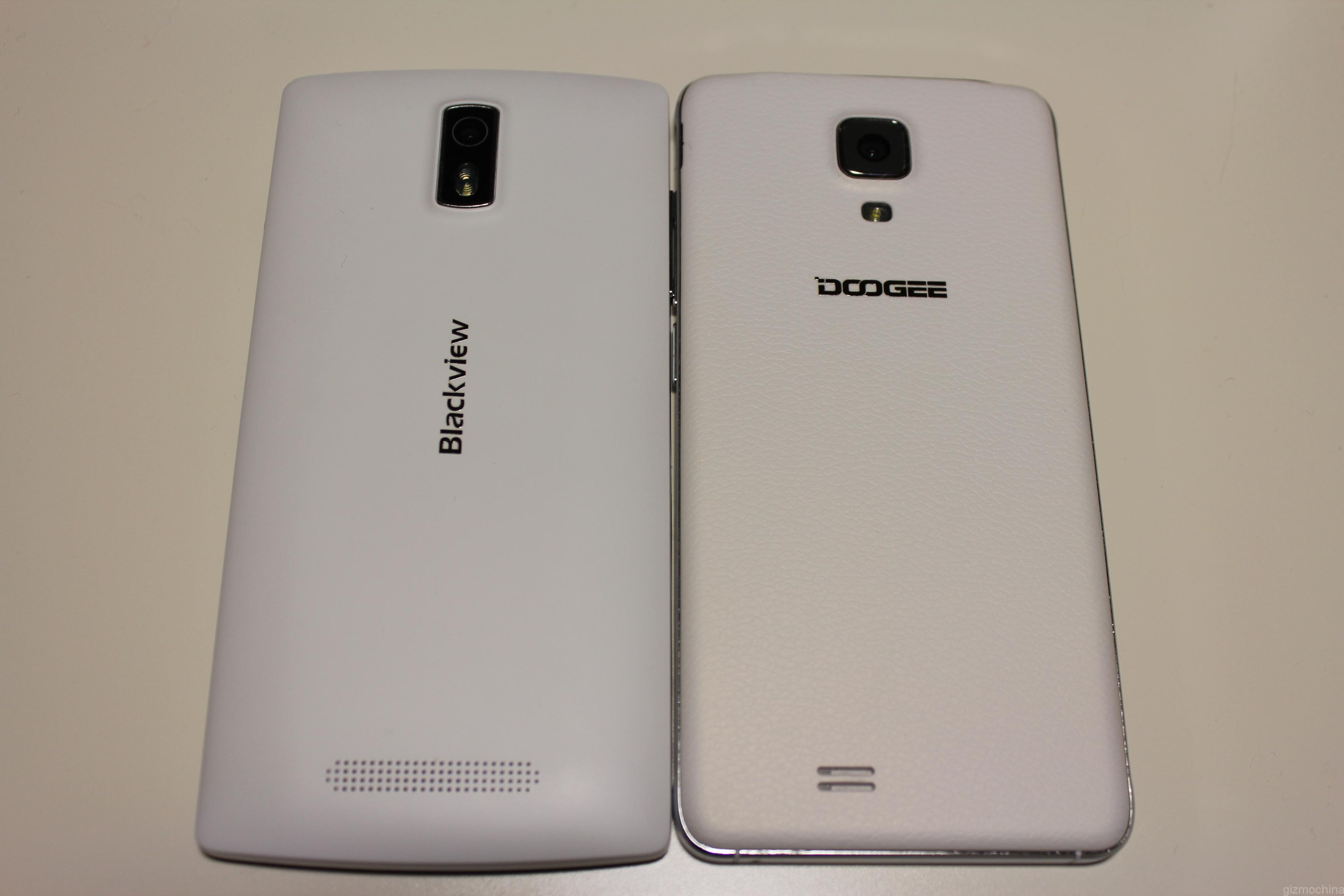
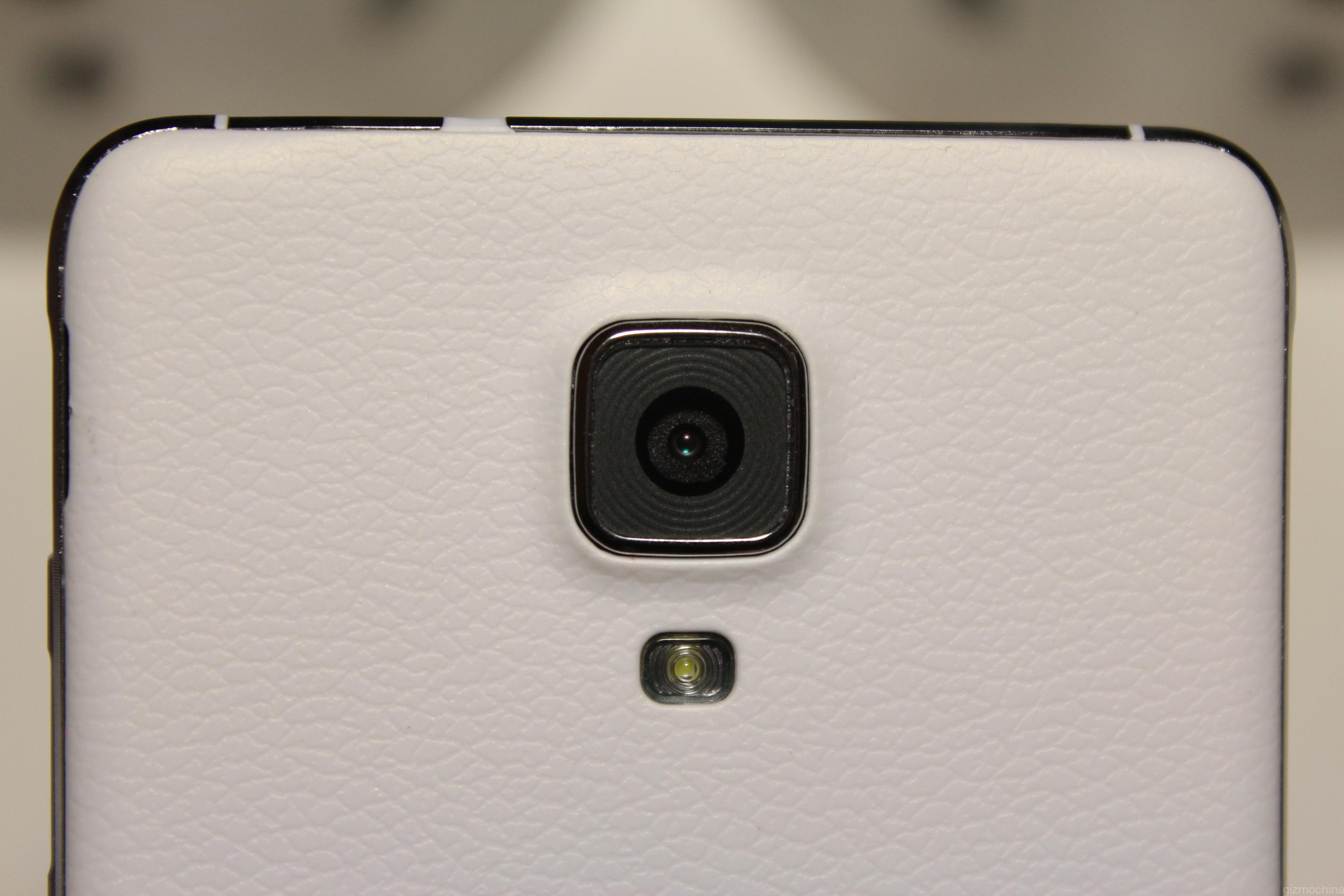
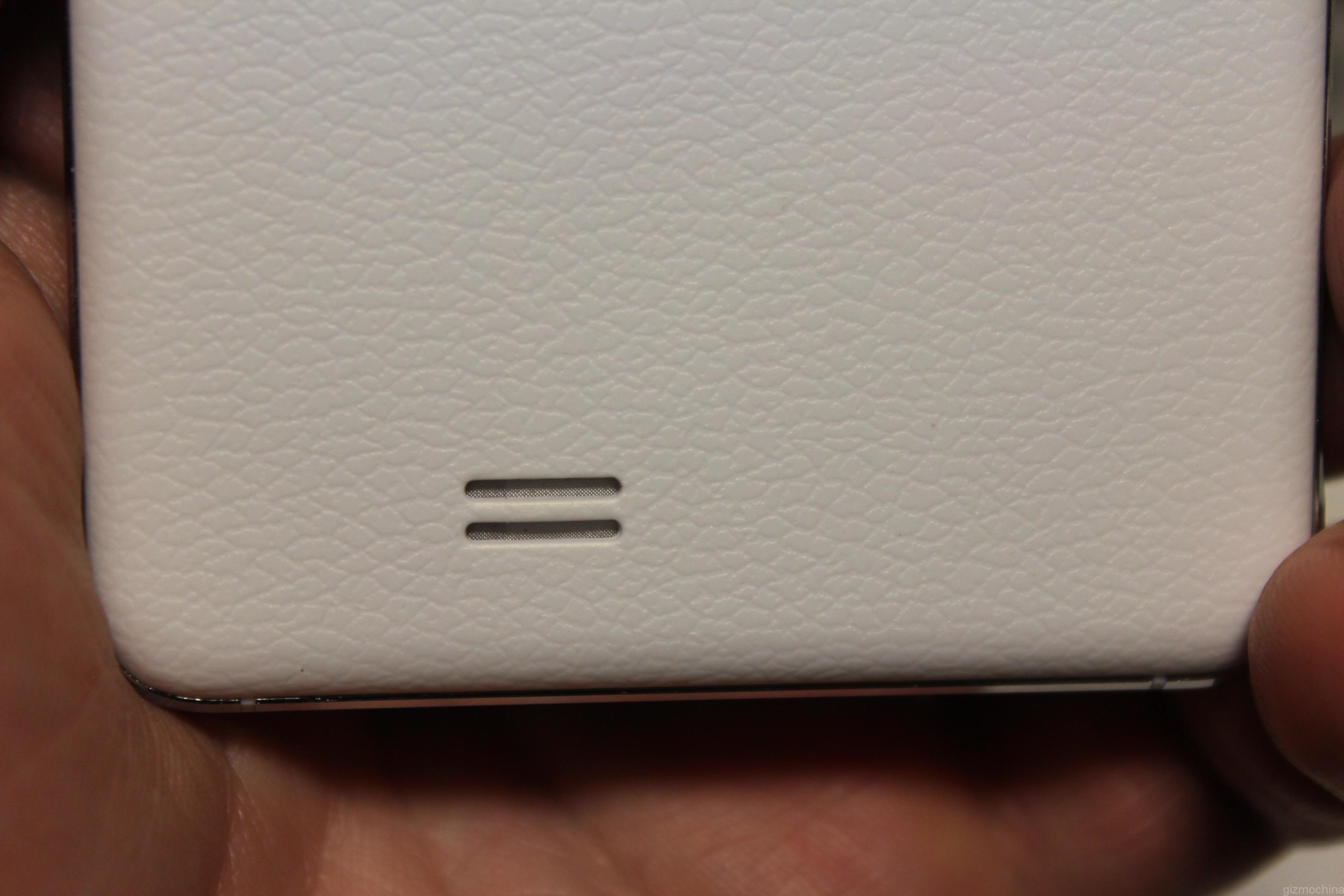
If you flip the device to the back, you may find a familiar textured plastic finish. It is a copy of Samsung Galaxy Note 3’s white faux leather finish, which is actually a plastic. We actually like it as it gives a comfy grip in your hand. Also, it does not attract fingerprints and smudges like glossy plastic. The cover sits ridiculously tight, so you don’t want to take it off very often unless you want to break your nails.
Blackview Breeze
1 of 12
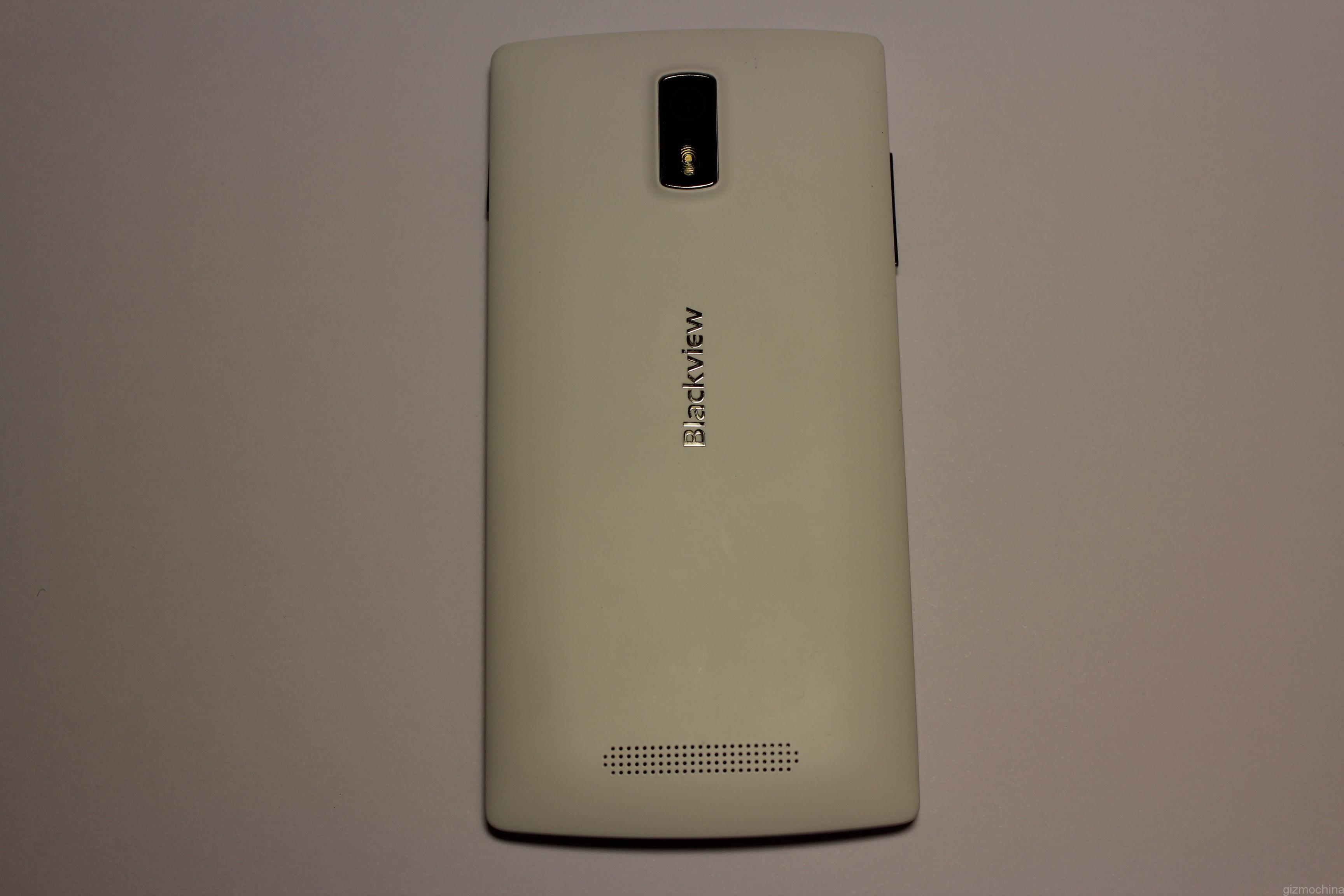
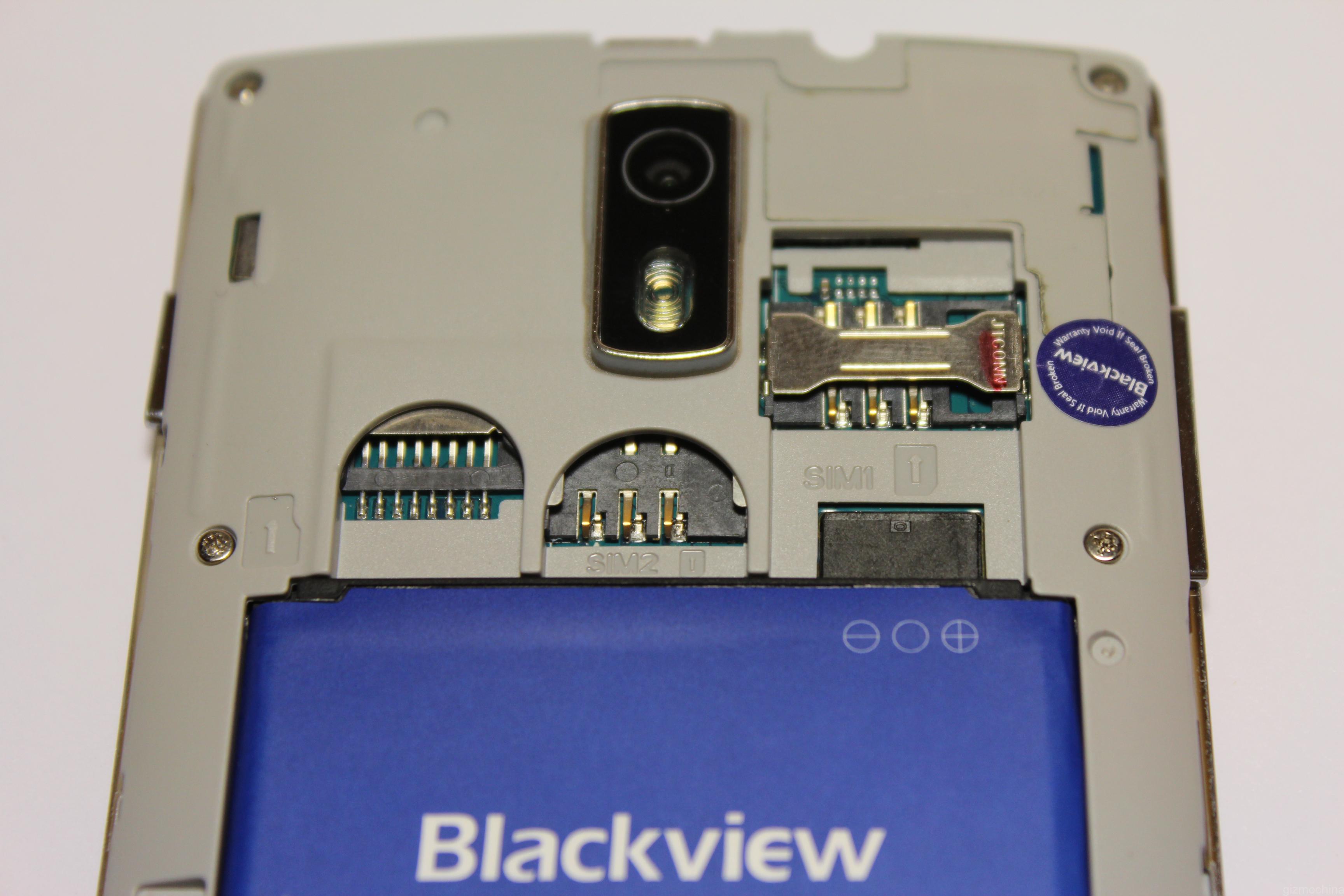
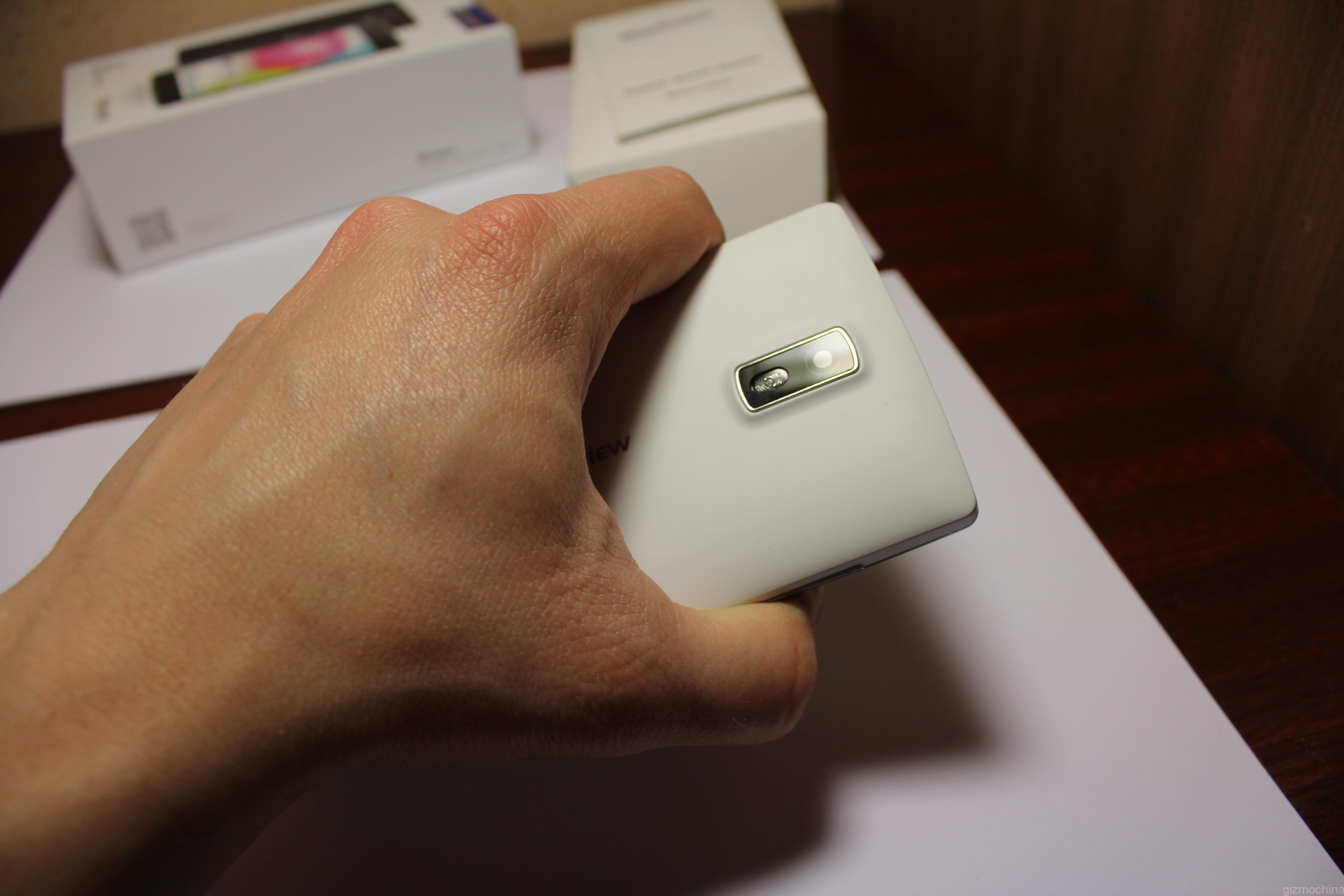
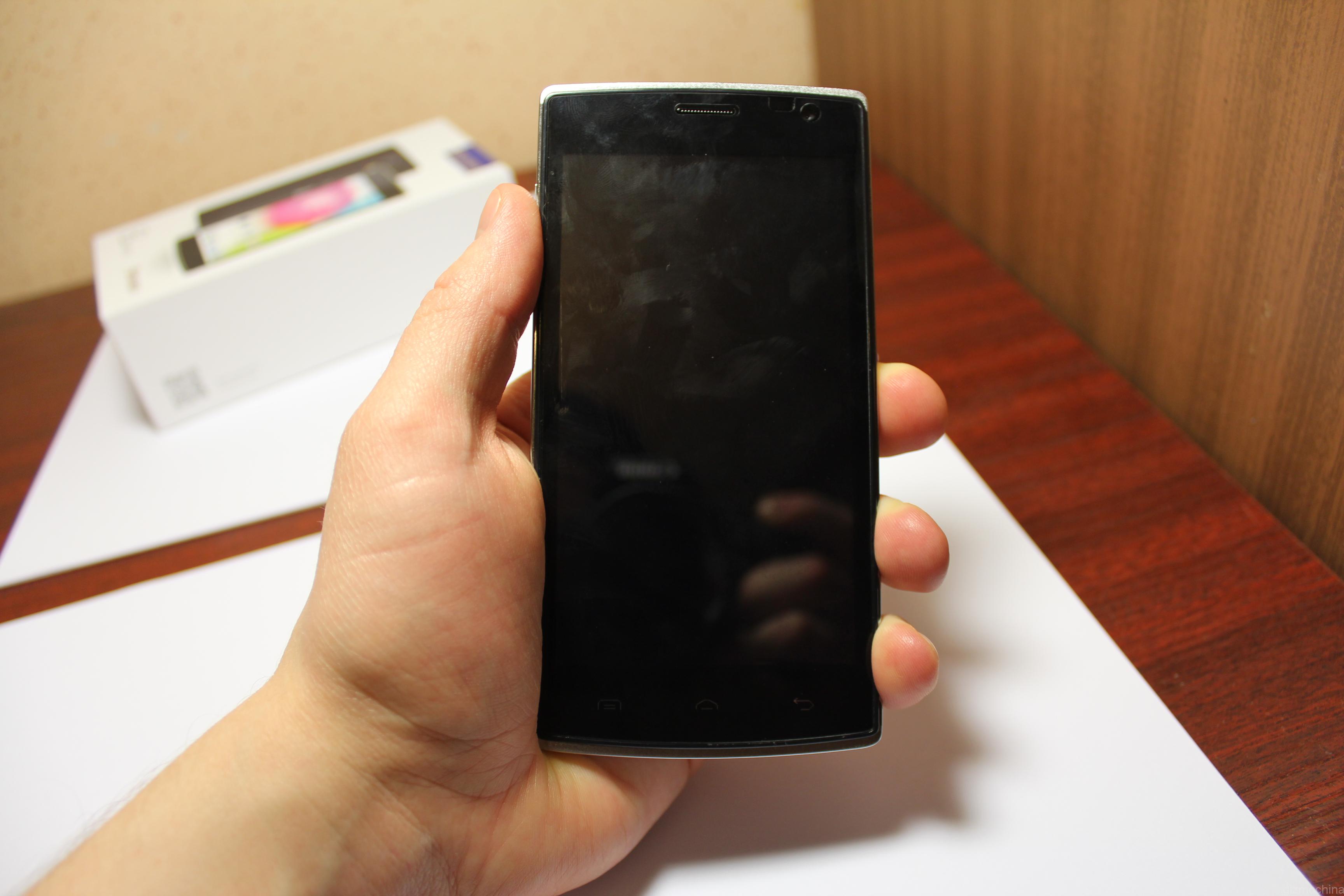
The first thing that comes to your mind is that the device looks very similar to the OnePlus One in terms of design and choice of materials. However, it is much smaller since it spots only 4.5 inch display in comparison to 5.5 inches.
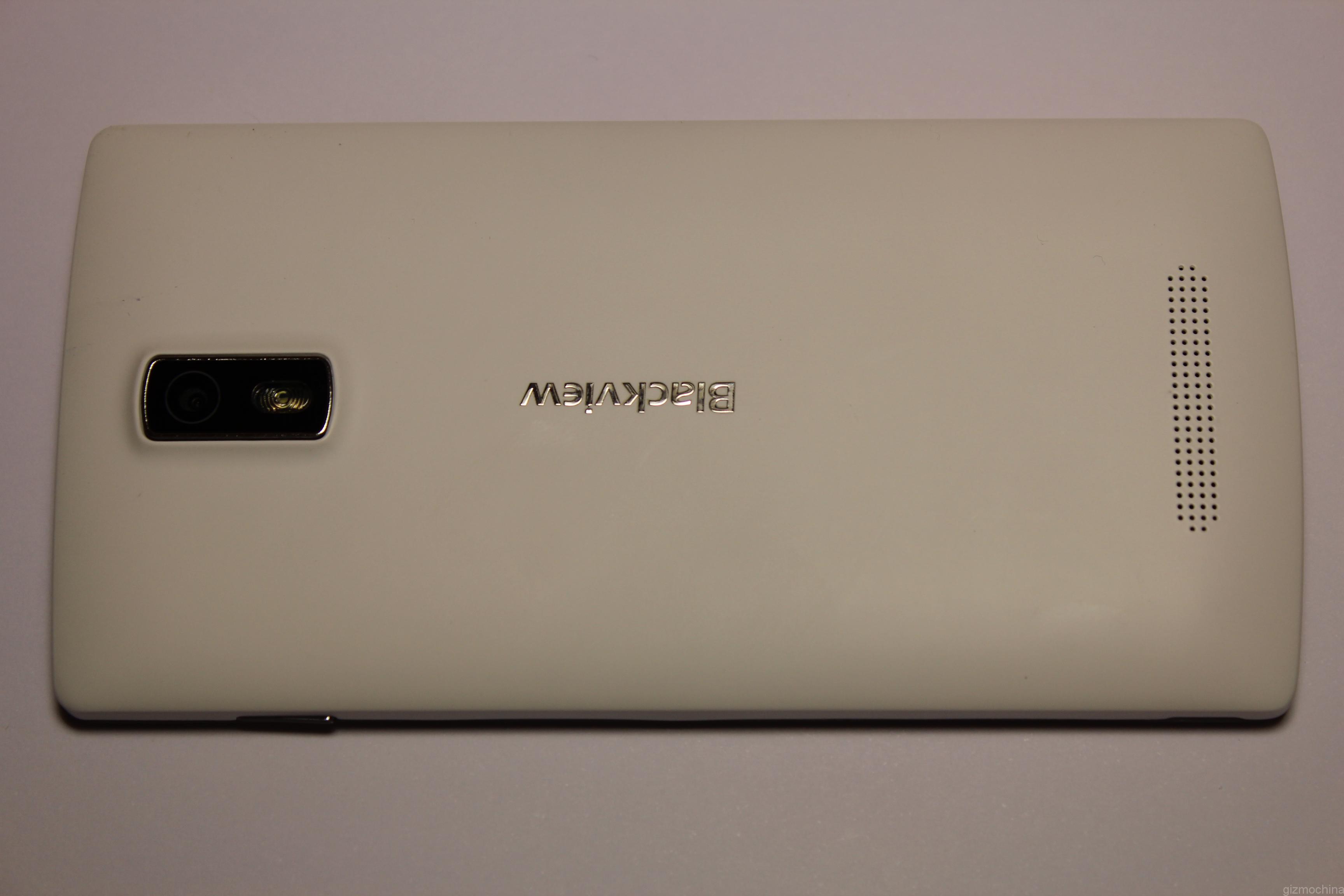
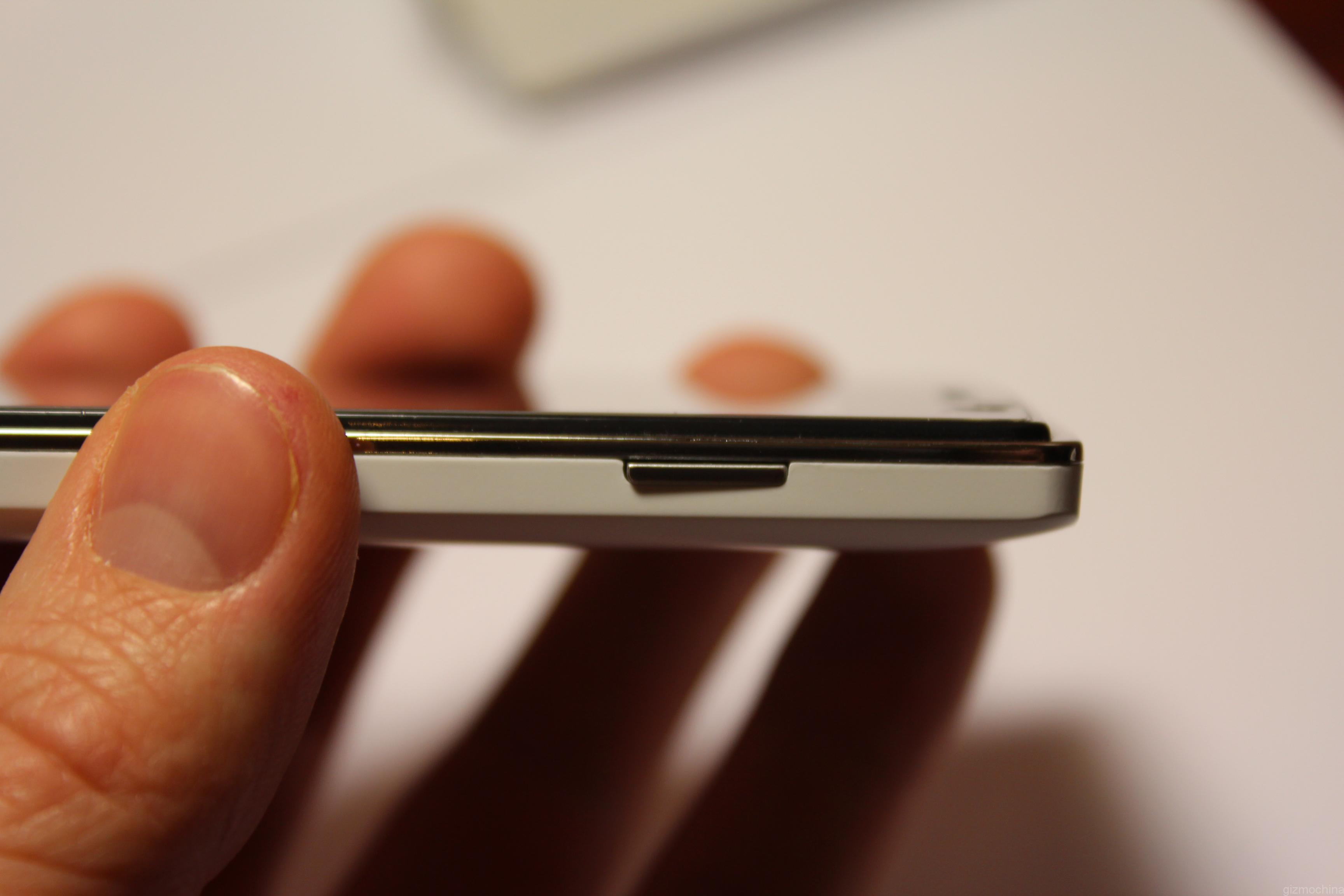
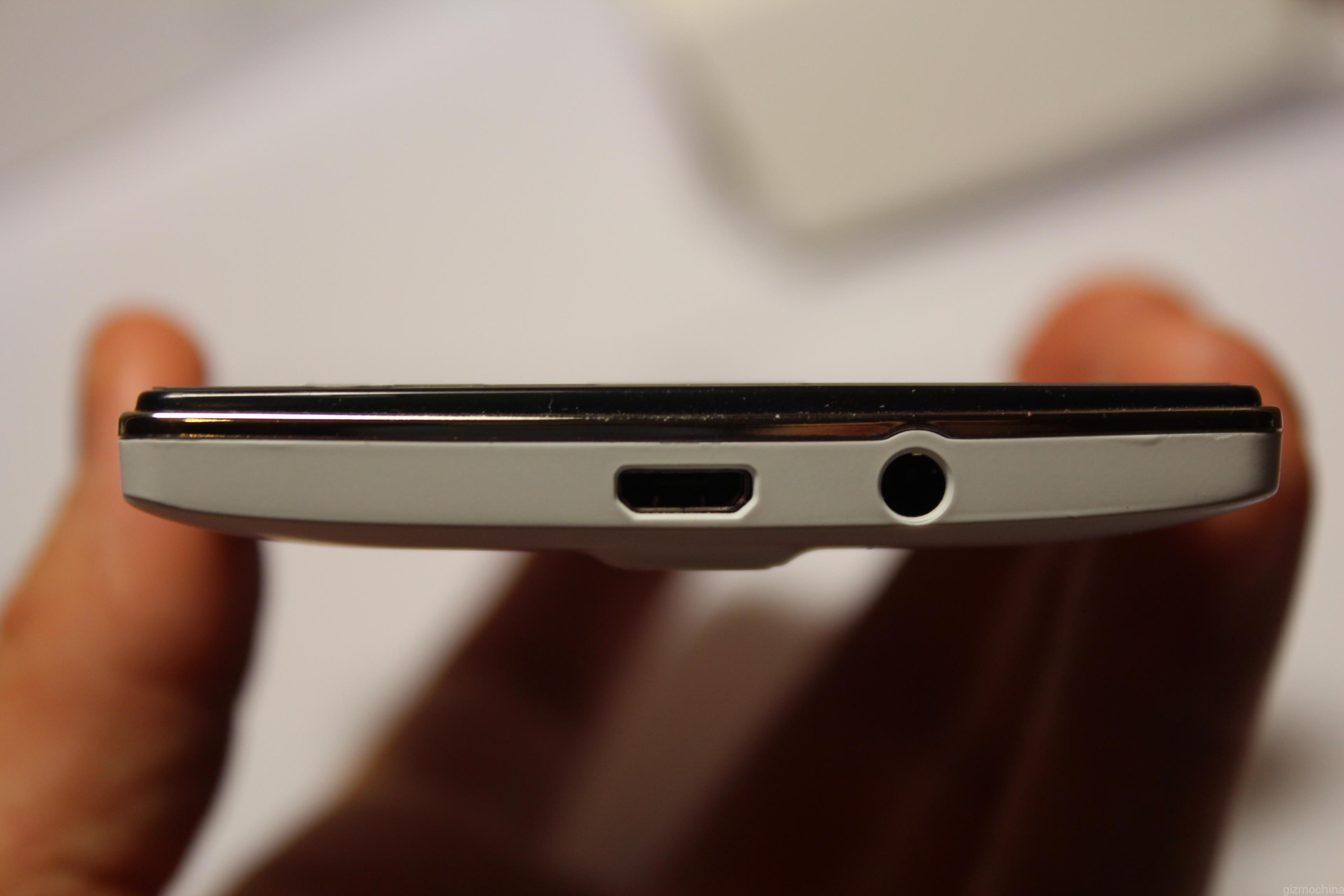
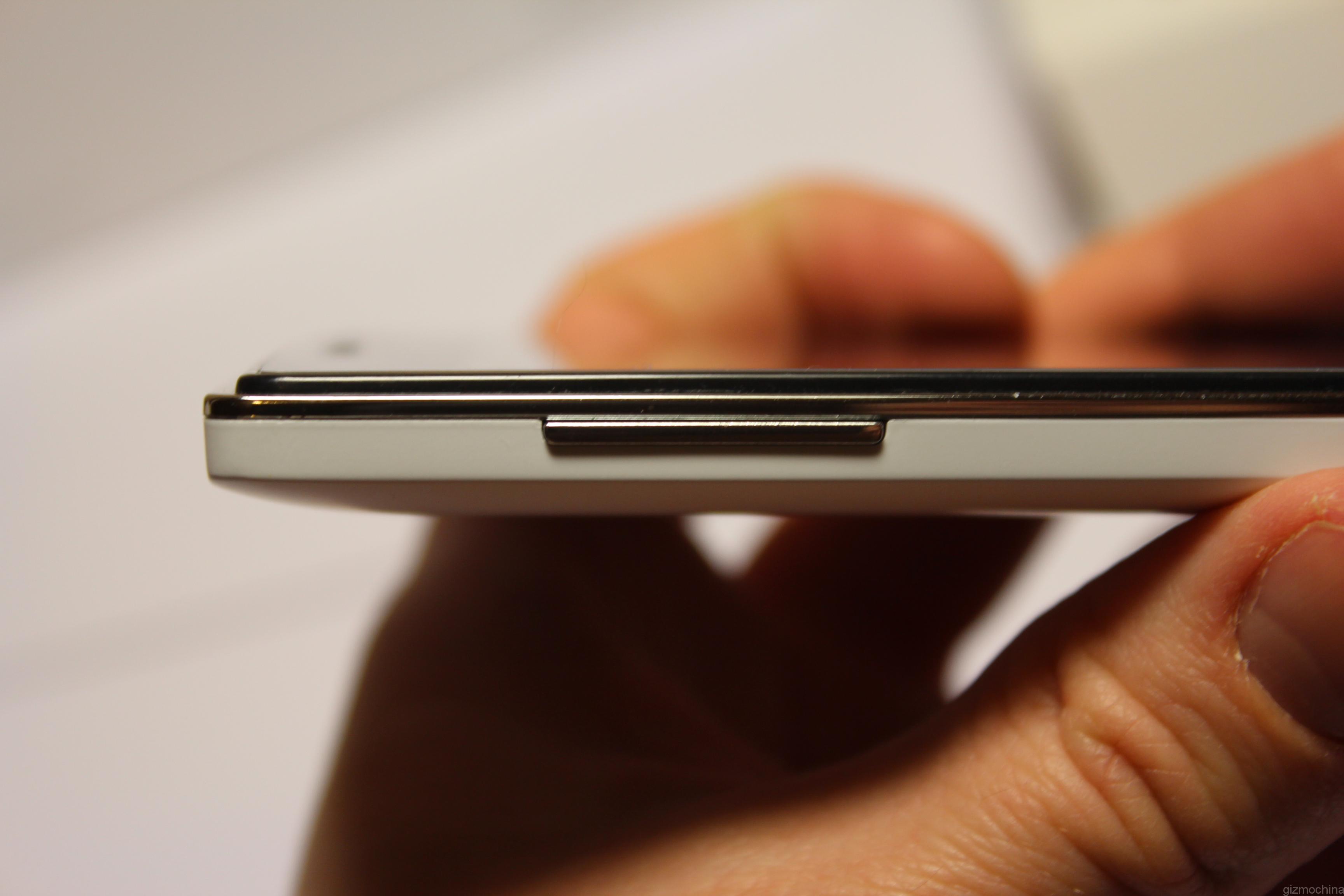
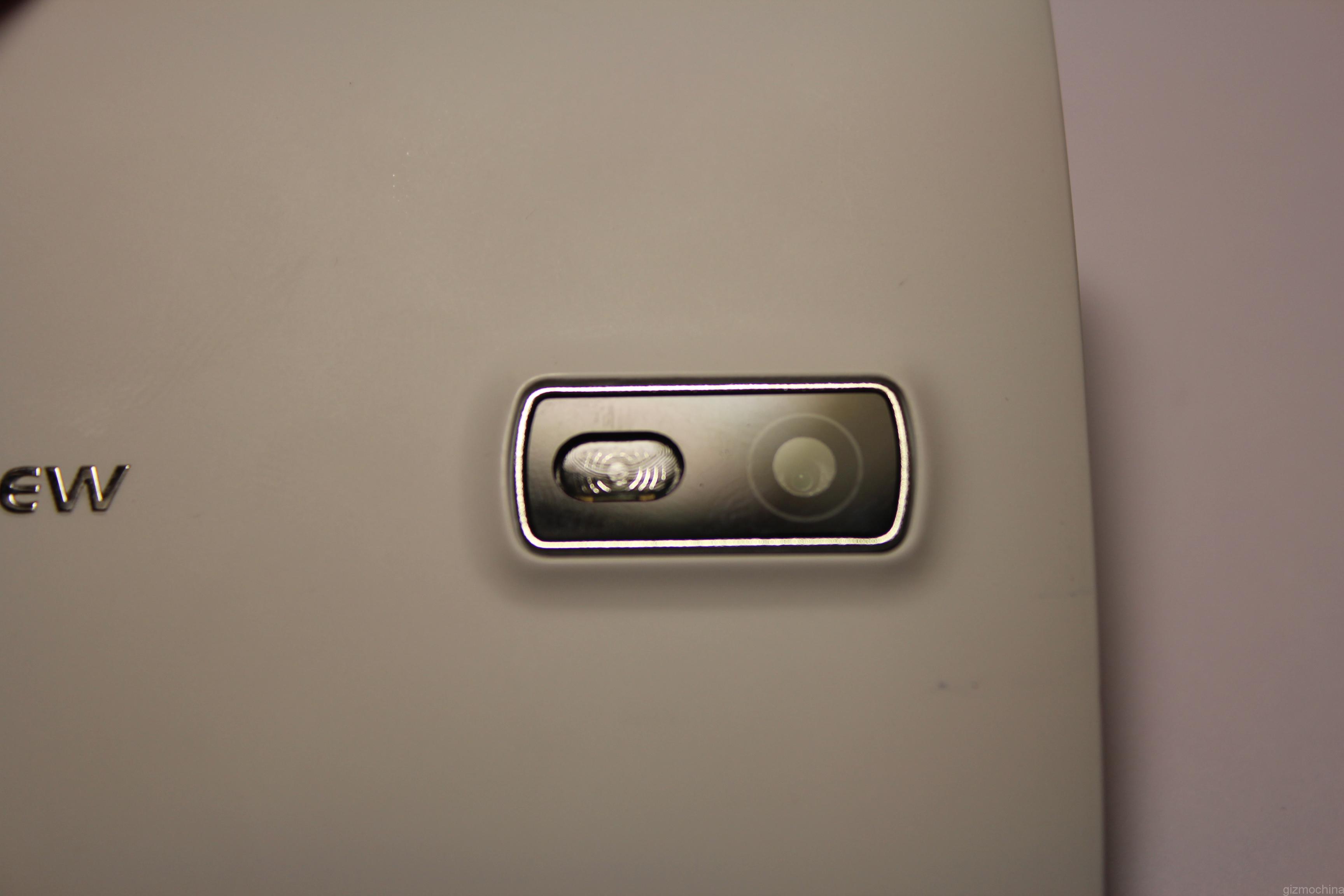
On the back there is a camera sensor with dual LED (single tone) flash. Also, there is a Blackview logo and the speaker grill on the bottom. On the right, there is a power key. It is made out of plastic. It is not bad, but we’ve seen some better ones with a greater tactile response. On the top side, there is a micro USB charging port and the 3.5mm auxiliary input. On the left, there are volume up/down keys. The capacitive keys on the bottom work well, but they are not backlit.
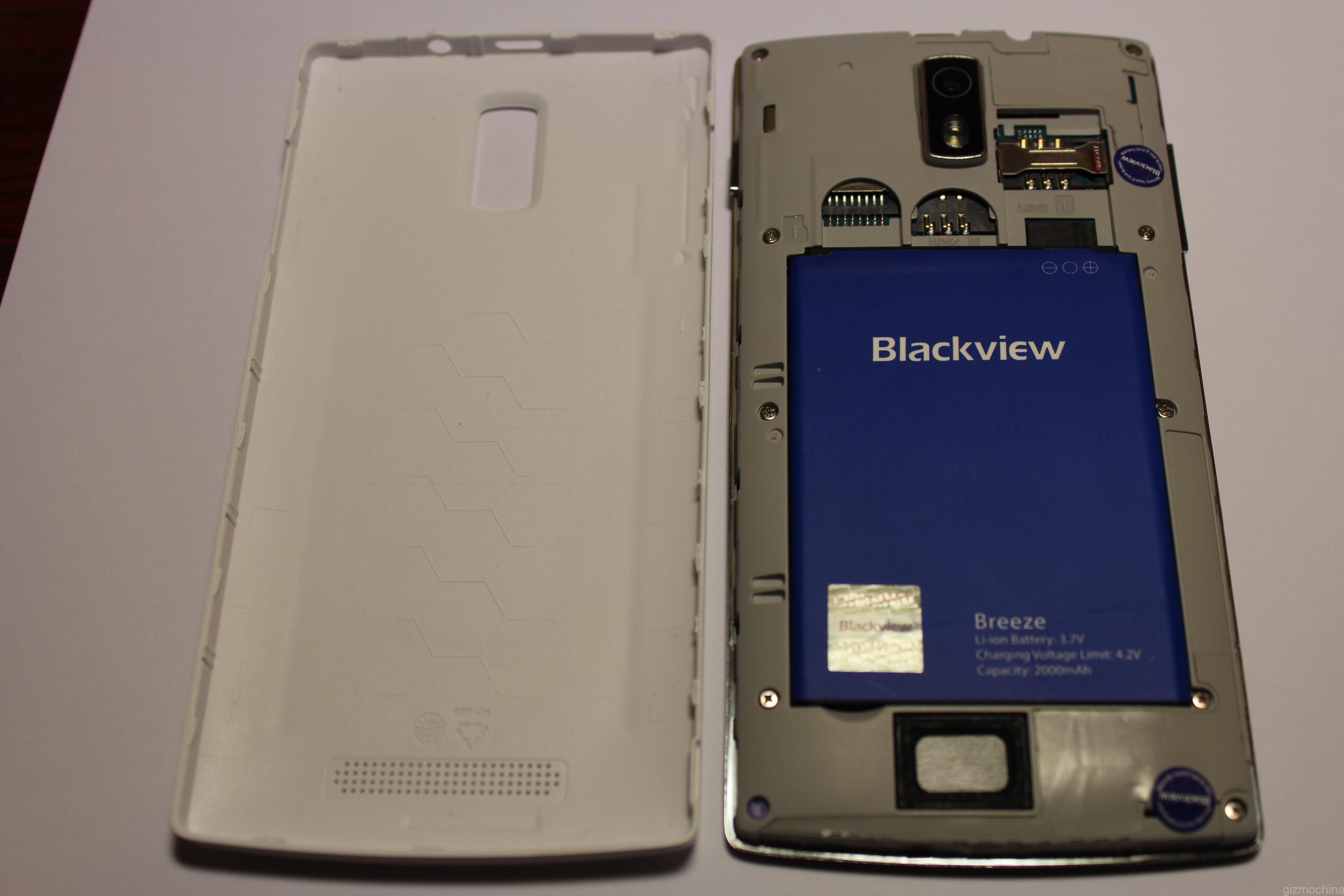
Overall, the Blackview Breeze looks very similar to the OnePlus One and the materials used in its design are very similar. Also, the device seems to be quite well made, but it spots only plastic materials. However, you can’t get a metal frame for such low price. In addition, the phone is very compact and is easily manageable with one hand, which is becoming a rare thing these days. In the end, you are getting a nice compact smartphone with a decent built quality.
VERDICT:Doogee Iron-Bone DG750 wins. We are not saying that Blackview Breeze spots a bad design, but it is not original whatsoever since it is a OnePlus One ripoff. However, since many Chinese manufacturers get “inspiration” from other companies, that is not the main point here. We prefer the metal frame on the Doogee device, which gives a premium look and feel. It definitely makes you think that this is more than a sub-$100 device.
DISPLAY
Doogee Iron-Bone DG750
1 of 3
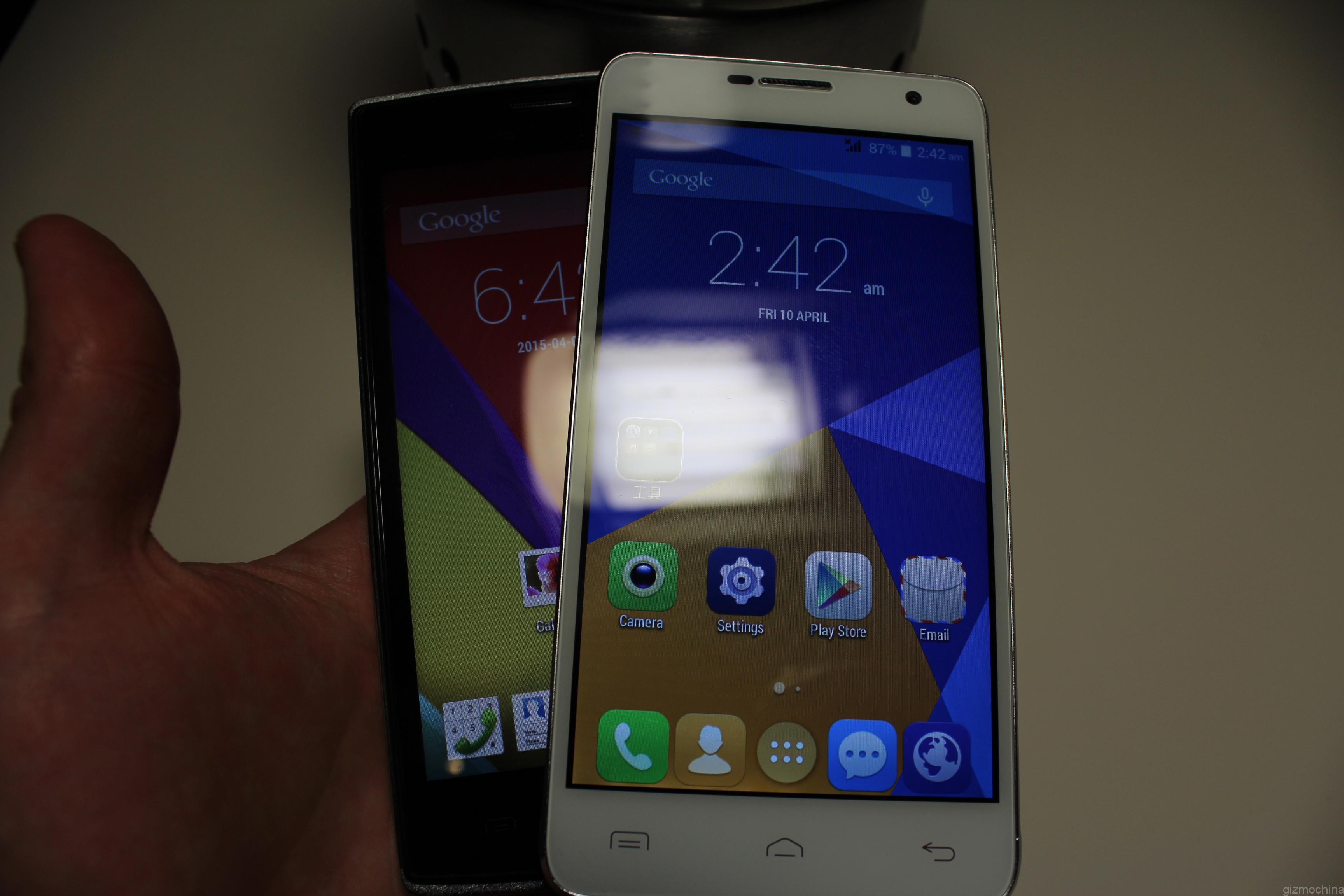
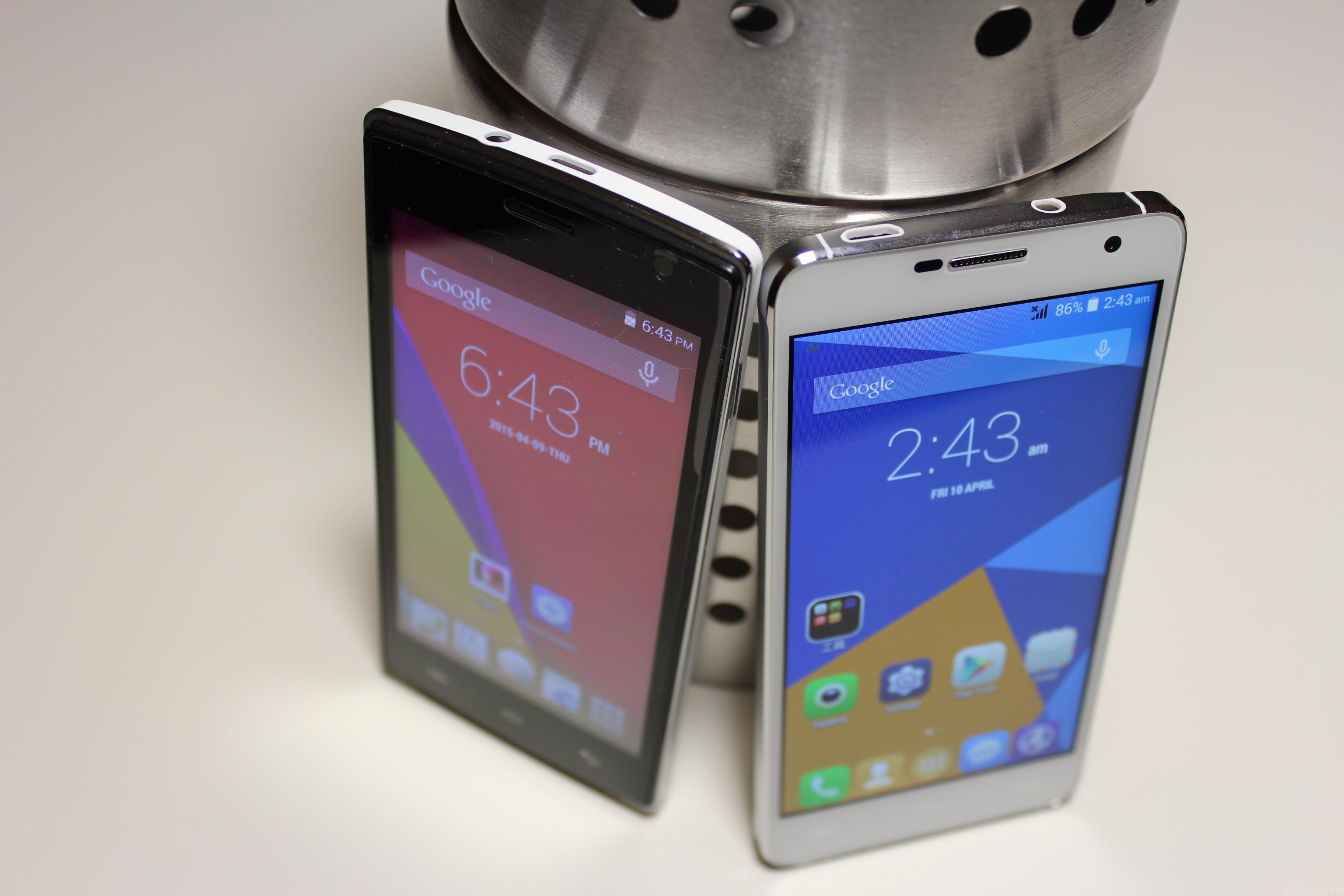
The screen is 4.7 inches in size, but the resolution is just 960X540, which is below HD. The display seems to be pretty good for a budget device. It spots decent colour reproduction, but they are very cold. Still, the panel is bright and sharp enough for daily tasks. Anyway, we have to judge it according to the low price.
Blackview Breeze
1 of 3
The display is quite low resolution (480ⅹ854), which does not reach HD quality. Still, it is decent looking with great viewing angles and colour reproduction. Moreover, it is bright enough, so you can see what’s on your screen even in direct sunlight. Also, the touchscreen responsiveness is great and I didn’t notice any issues. In the end, you are paying just over $70 and for this price, the display is very good.
VERDICT: Blackview Breeze. Although both panels do not even reach the HD quality, but the Blackview smartphone looks more pleasing to the eye and somewhat sharper. Also, the the colours are more accurate and vivid, and the contrast levels are better.
UI, Functionality, Performance
Doogee Iron-Bone DG750
1 of 6
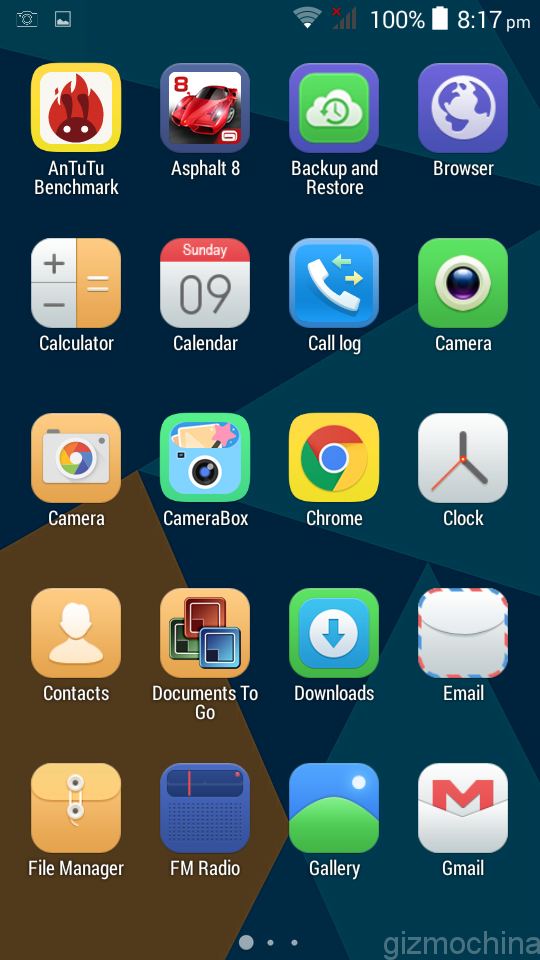
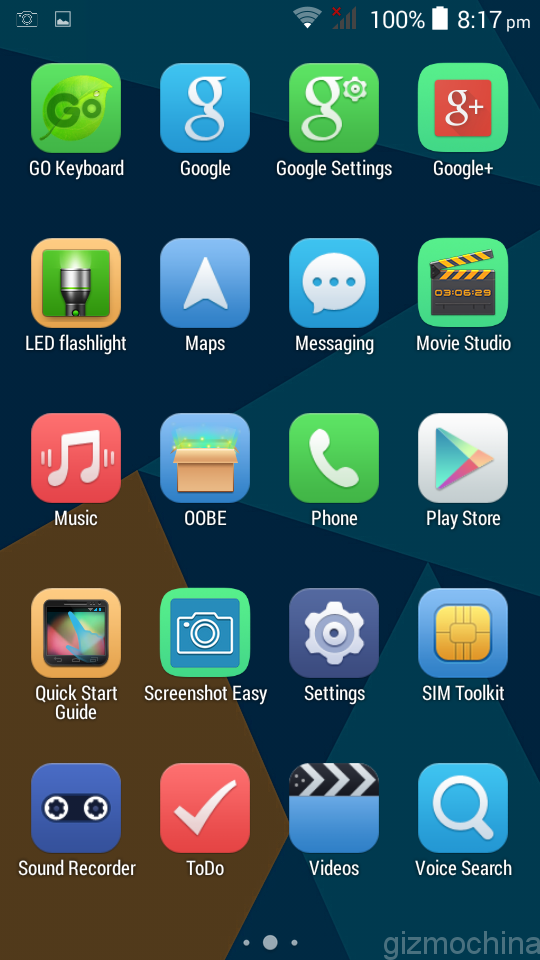
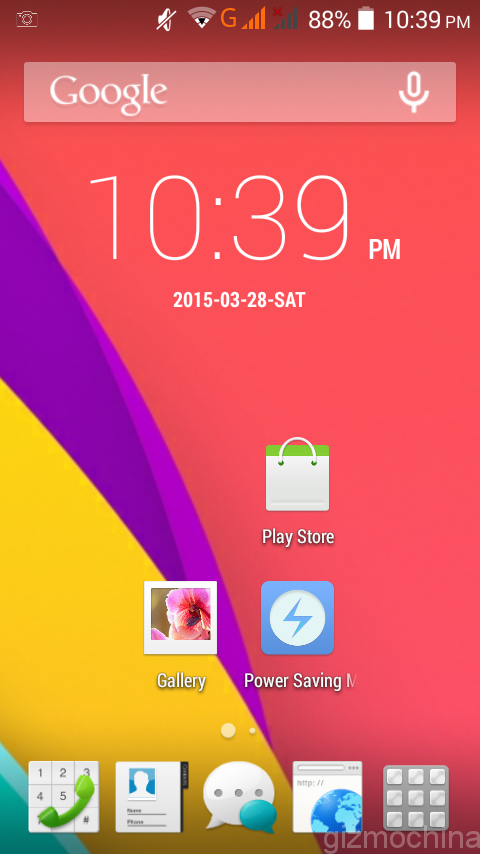
The device is running Android 4.4.2 Kitkat out of the box. The UI looks to be pretty simple with just some Doogee icons and most of the time runs smoothly. In general, it is very close to the stock Android experience. However, after using it a bit longer, I had a few hiccups there and there. They are far from the deal breaker, but I have to let you know that it is not as smooth the Blackview Breeze.
BENCHMARKS
1 of 4
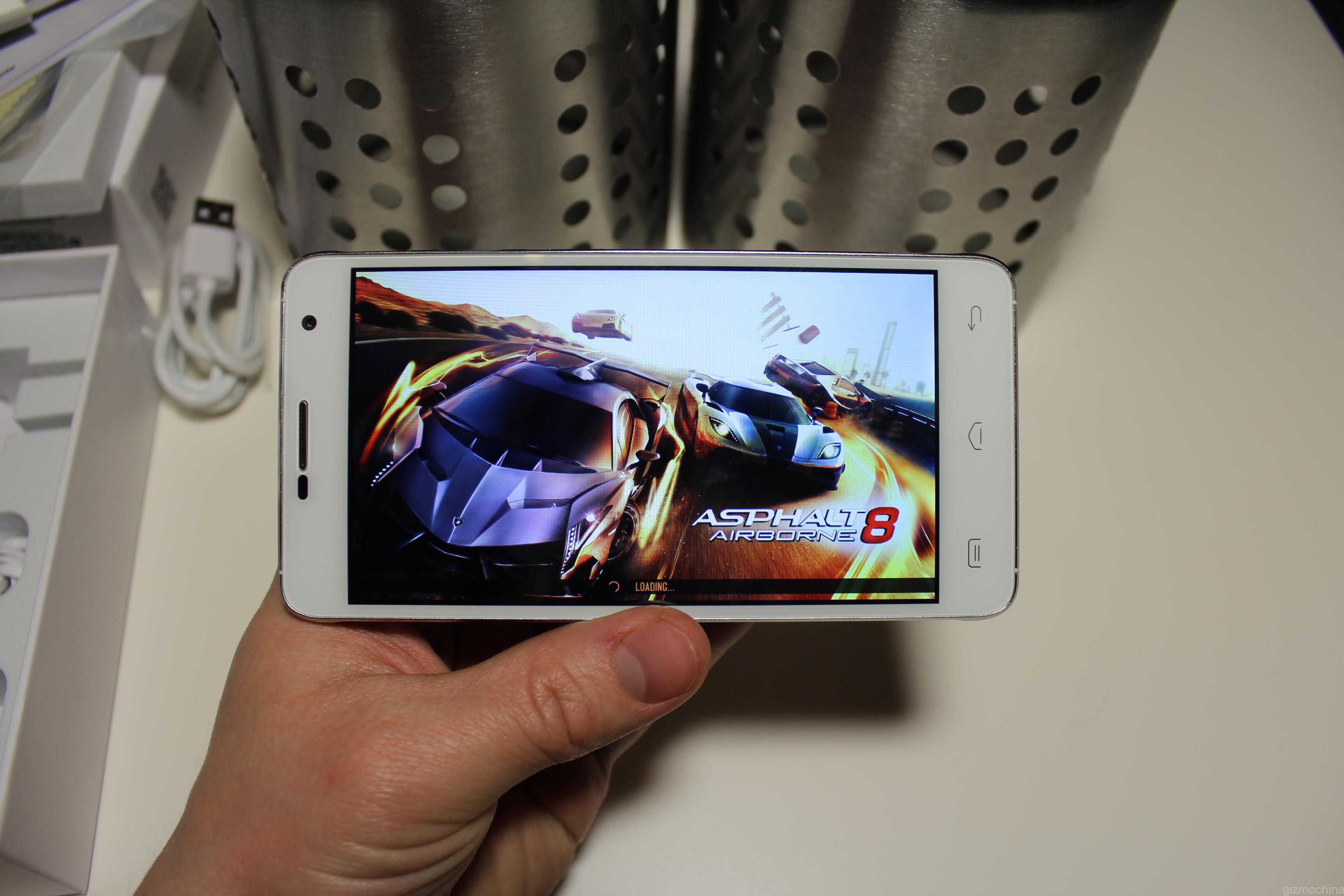
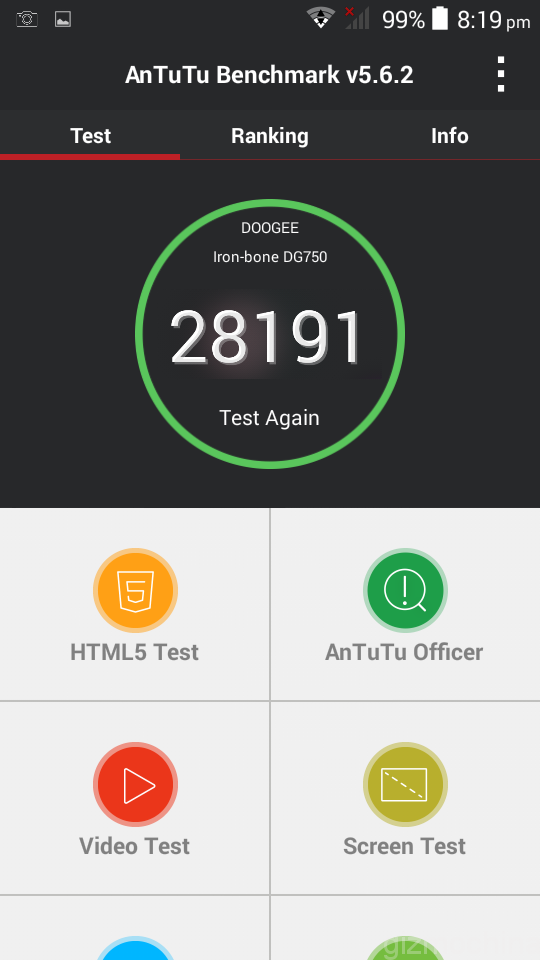
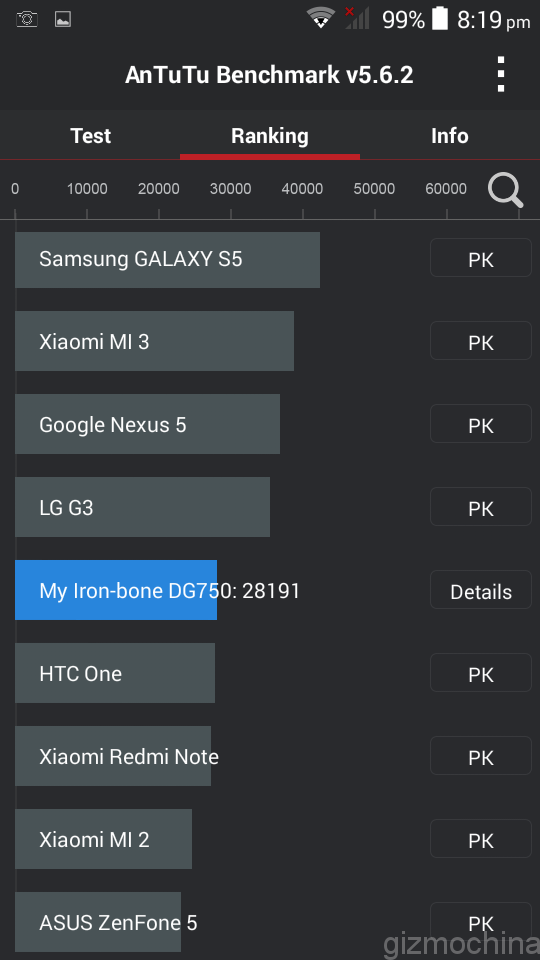
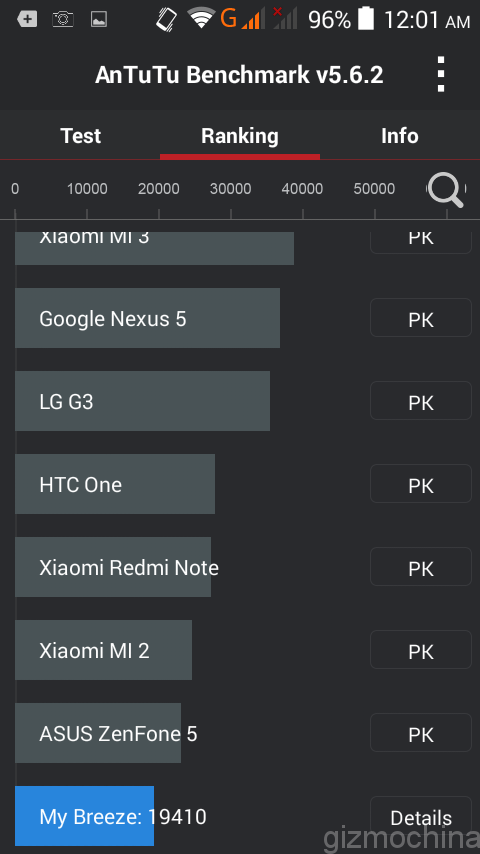
I may sound that I’m repeating myself, but I never care about any synthetic benchmarks. Still, I know that some of you guys are interested in it, so I ran through the Antutu benchmark test. I have to say that the Doogee managed to score a very respectable score, which is close to the LG G3. For the device that costs $100 it is very good.
In the end, who knows – who is cheating and who is not in the benchmark tests?
Blackview Breeze
1 of 5
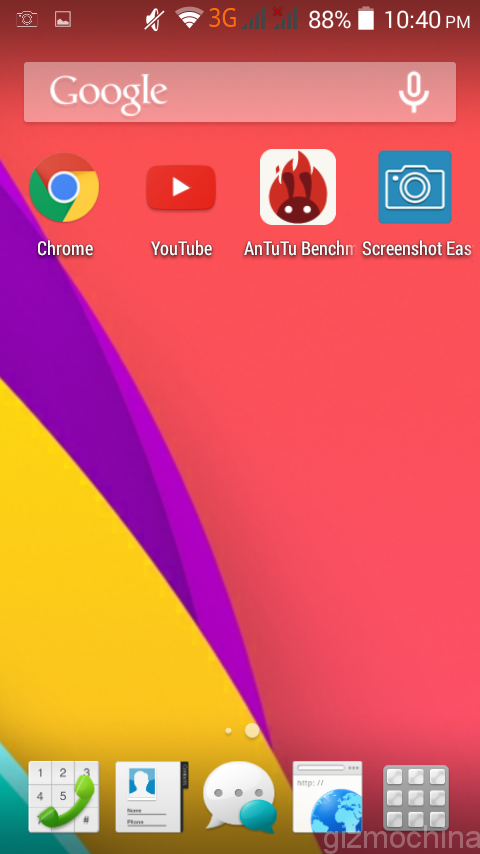
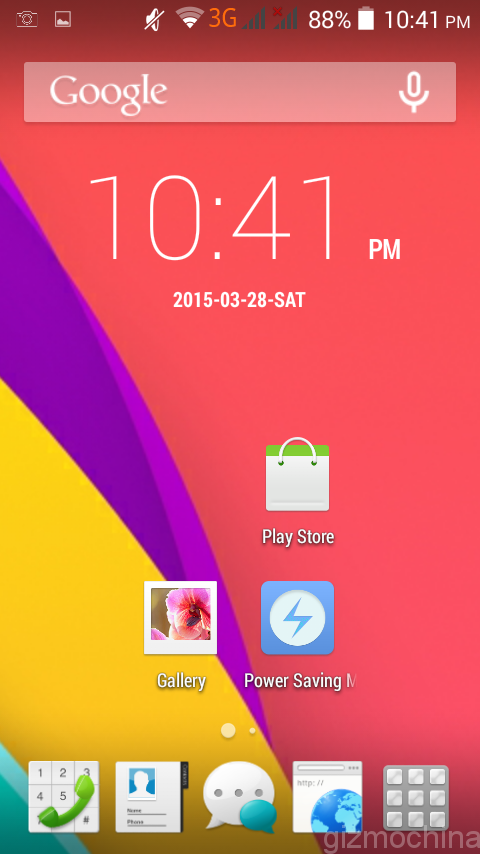
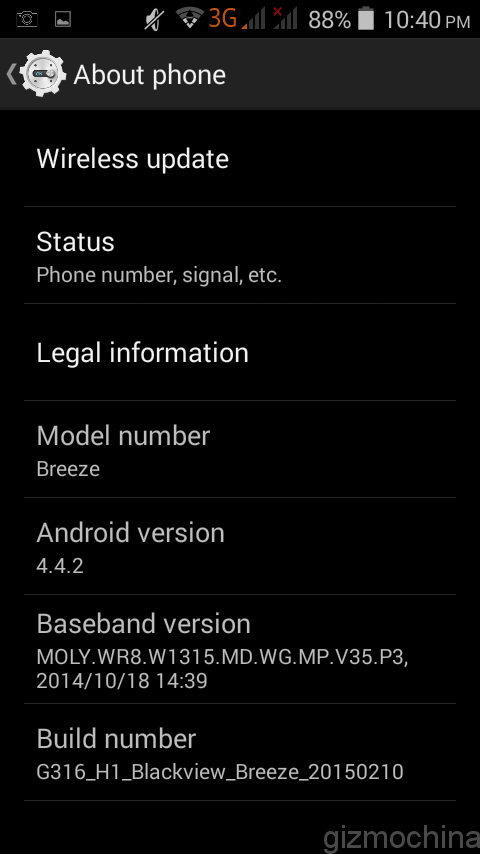
The device is running Android 4.4.2 Kitkat and the UI is clean, simple as it is almost stock Android with just a few added features by Blackview. Overall, scrolling through menus is smooth and responsive, I did not get any lags. Also, multitasking is decent as I had tons of apps running in the background, but could still do stuff without a lag.
BENCHMARKS
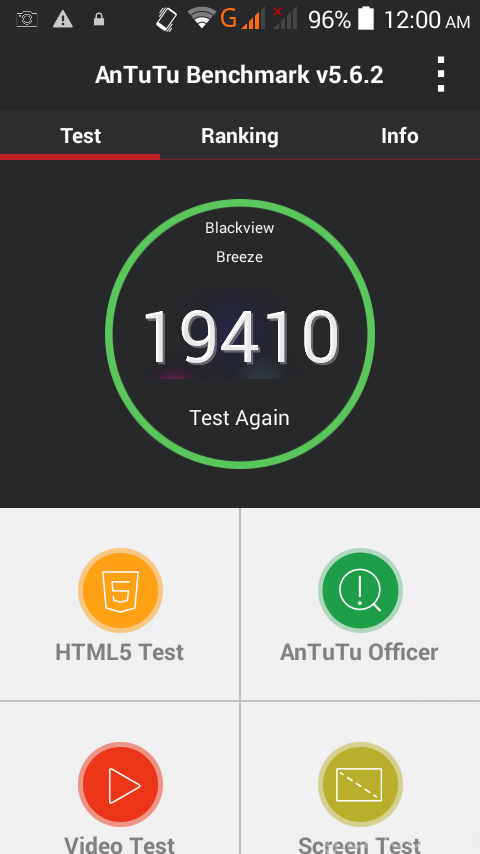
1 of 2
The Blackview Breeze scores a respectable 19410, which is pretty decent for a $70 smartphone.
VERDICT:Blackview Breeze. After using the devices for quite a while not, the Blackview Breeze does not suffer from as many hiccups as the Doogee smartphone does. The lags or not that significant though, but noticeable once compared to the Blackview’s performance.
CAMERA
Doogee Iron-Bone DG750
1 of 11
The daylight pictures have average quality. Sometimes you can a decent looking photo, but it is a hit or miss. The white balance and exposure settings are not stable, thus it may not give natural looking results. The colour reproduction is also a hit or miss. In general, the device tends to capture colder looking images, but sometimes it manages to take some images with natural looking colours. If you take the smartphone inside, situation gets worse. The shutter speed becomes slower and you have to keep your arm steady. Otherwise, you may get a blurry picture, which is unusable. In the end, this is just average shooter and it is far from being on par with the flagship or even decent midrange devices.
Blackview Breeze
1 of 26
We have to say that the picture quality is good for a $70 device as it captures a decent amount of details for the 8mp shooter. We may want to a bit better auto saturation levels adjustment, but it is not that bad. Also, the exposure tends to lock in (we mainly used tap to focus technique) on the darker side, so the pictures came out a bit darker. Still, the 8mp shooter gets the job done for a low-end smartphone very well.
Once you take the device inside, the shutter speed becomes significantly slower. Also, you have to make sure to stand still as the sensor is prone to the camera shake. Still, if you are holding the camera tight, you can produce some okay looking images, which spot the quality, which is clearly enough for social media (When was the last time you printed out the picture out of your smartphone?).
Finally, the device has a capable shooter and we haven’t seen anything better in the sub $70 price range.
VERDICT:Blackview Breeze. It may not be a great all-around shooter, but it is performs better than the one found on the Doogee device.
BATTERY LIFE
Doogee Iron-Bone DG750
1 of 7
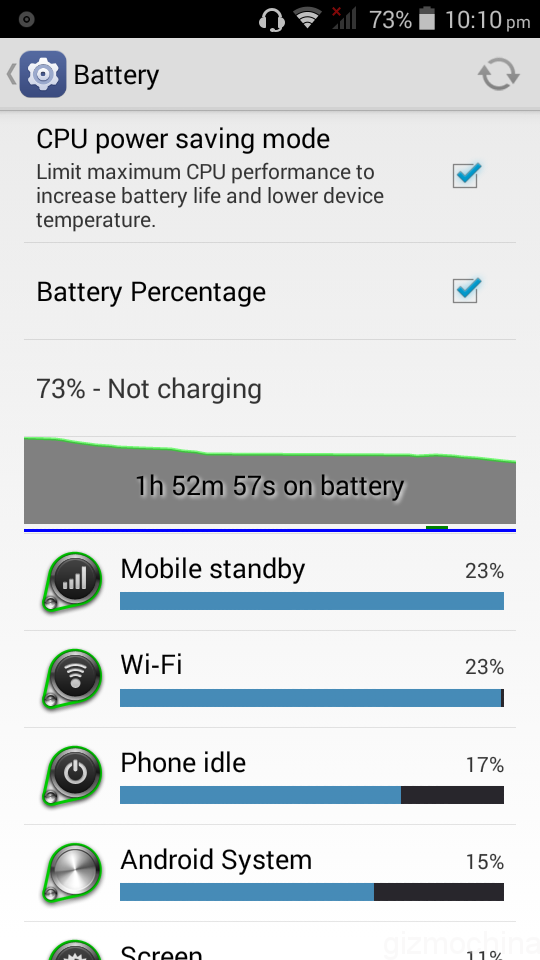
This may not be the best screenshot as the device was just roughly 2 hours off the charger, but the smartphone tends to take a lot of juice for no reason. I’m talking about “mobile standby” here. The thing is that the SIM card was even taken out for a day, but it seems that the device is still looking for a network coverage.
Having said that, Doogee DG750 manages to last a full day on an average use. If you do too many intensive tasks, it may die much earlier though.
Blackview Breeze
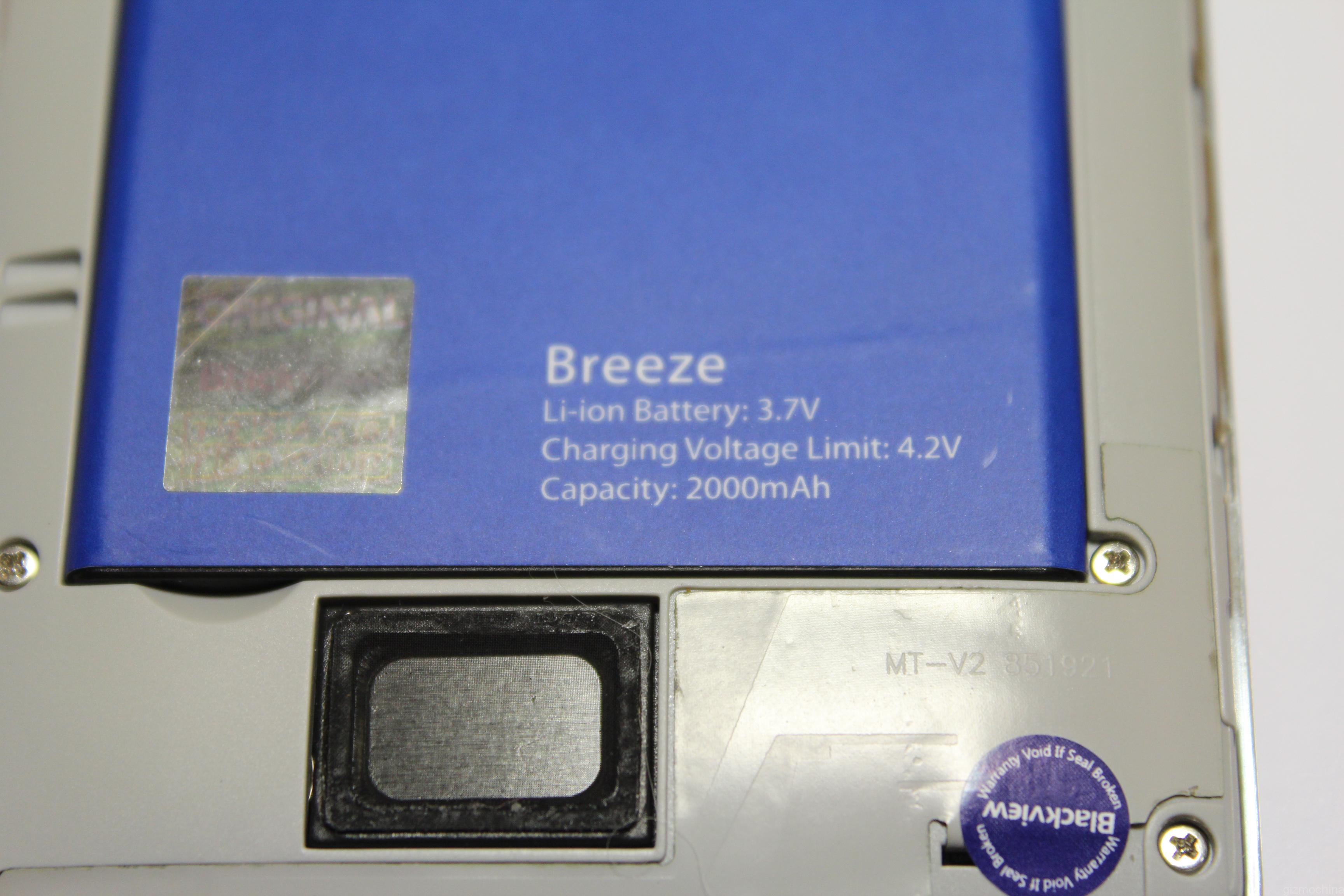
Since we have a pre-production model, the device seems to be taking a bit too much of juice on the standby mode. Still, during our testing, we managed to go through the day, which consisted of using either 3G or Wifi all the time, watching Youtube, a bit of gaming and browsing the web. Not bad at all. What is more, the battery is user replaceable and the rear cover is easy to remove.
VERDICT:tie. Both devices have similarly decent battery life for its price category. Don’t expect anything spectacular, but it should get you through the day on an average use.
CONCLUSIONS
Both devices can work for you if you are on the tight budget. One thing that makes us like Doogee DG750 more is its design and built quality. It spots a metal frame along with the metal buttons, which gives a feeling that device costs more than it is. However, we think this is the only significant advantage over the Blackview Breeze.
Major departments like the display, camera, UI and performance leads us to believe that the Blackview Breeze is a better device since it manages to deliver better results.
Also, if you consider that both devices fall to the low-end devices category, but the Blackview Breeze has significantly lower price tag (as low as $68) in comparison to Doogee DG750’s $99 price, that shows a clear winner here.
Xiaomi has made all the right moves in the past two years, now transforming itself as a global tech company. The Xiaomi Mi4 sold pretty well in China as well as international markets and it looks like its successor, the Xiaomi Mi5 could integrate a fingerprint sensor on its home button, much like the iPhone 6 and the Samsung Galaxy S6.
The news comes directly from the State Intellectual Property Office website of China wherein Xiaomi technology Limited Liability company has registered a patent for a touch buttons and fingerprint implementation method, device and mobile device. So, it looks like the company is all set to its own fingerprint tech on its upcoming devices.
The patent application (No. 2015100507538) says that the primary purpose of the patented technology is to integrate fingerprint recognition into the touch button. So, instead of a rear sensor that we have seen on many Chinese phones, Xiaomi could be looking for a user friendly home button based fingerprint recognition sensor. Also, there seems to a layer of glass on top of the button, probably for improved asthetics and solid built (these two points were highlighted in the patented application as well).
Rest of the details from the application (Application Publication No. CN104537365A) are given below translated from Chinese to English.
“The device comprises a bottom fingerprint sensors and optical sensor provided in the terminal equipment of the cover glass; fingerprint identification circuit connected fingerprint sensor for fingerprint recognition sensor and the fingerprint information analysis and processing, obtain fingerprint analysis ; host processor, and an optical sensor and fingerprint identification circuit connections for the monitored optical sensor light information received to determine whether cover glass touch button operation; identity authentication based on fingerprint analysis results obtained fingerprint identification circuit.”
So what do you think? Will the Mi5 come with this fingerprint tech?
After several months of silence, it looks like Vivo is preparing itself for the launch of multiple devices. Earlier this week, the company confirmed that the upcoming Vivo X5Pro flagship will feature a beautiful 2.5D glass. But Vivo may have another device in store for us.
A new leak on Weibo has revealed another Vivo device called as the Vivo XShot 3S. This particular phone could be unveiled alonside the Xshot Pro and is said to feature high-end specs.
The phone is rumoured to come with a 5.5-inch full HD 1080p display with a powerful Snapdragon 810 octa-core processor underneath. However, the real highlight of the phone will be its 4GB RAM and 64GB ROM which could be expandable.
Like most Vivo devices, this phone is said to be targeted at camera lovers as it will feature a 16MP OIS Rear camera with an 8MP front facing selfie shooter. Finally, the cherry on the top is the laser focus which should definitely improve the focus times.
The phone seems to be using 2.5D glass much like the Vivo X5Pro. At the back, you can see the large sensor, which protrudes from the overall body. Besides it, there’s a dual tone color temperature flash. The picture also reveals that the Vivo XShot 3S will feature a dedicated camera button, which isn’t surprising given that its a camera centric device. Also, the speakers are located at the bottom instead of the tradition rear placement.
The phone is said to be unveiled alongside the Vivo X5Pro in May, which is hardly a few weeks away. So, stay tuned to GizmoChina in the coming days for more news about these two upcoming devices.
A few days back, Xiaomi’s CEO Lei Jun criticized LeTV’s claim that their smartphones were bezelless. In reality, the phone did have super thin black borders which is why Mr. Lei joked on Weibo that if thin black borders equals to bezelless display, then even the Xiaomi Mi Note is bezelless.
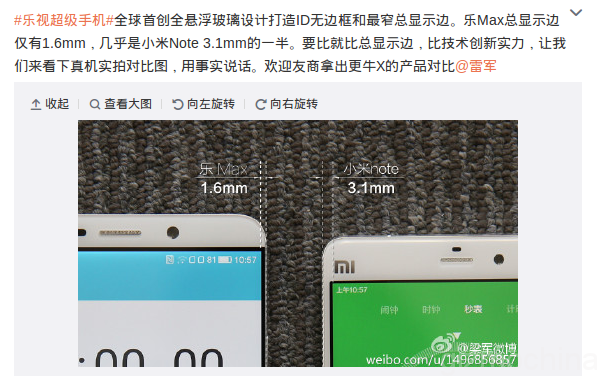
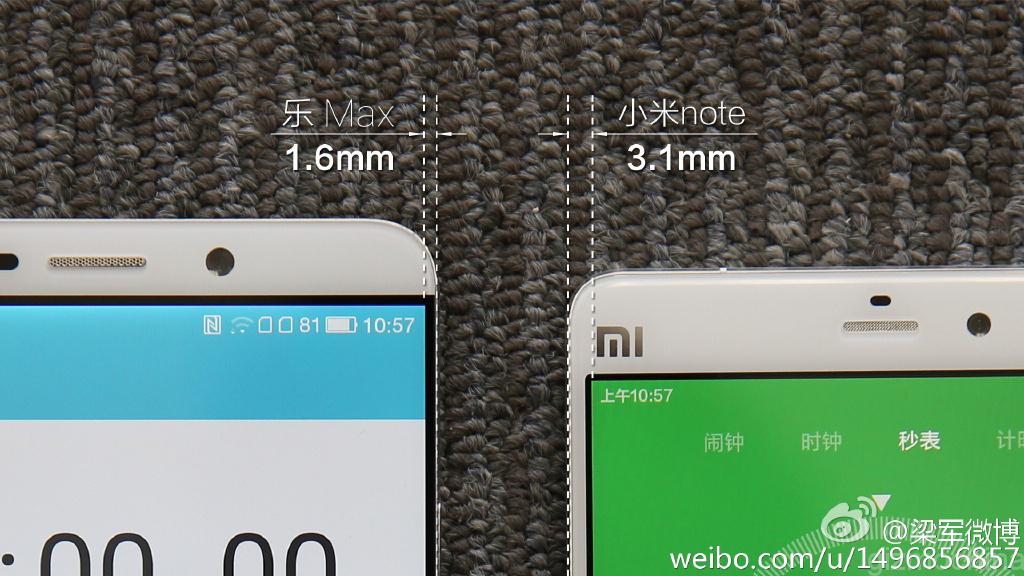
However, it looks like LeTV COO is not happy with Lei’s comments. Earlier today, COO Liang Jun took to Weibo to explain that LeTV has used full suspension glass design to make sure that there are hardly any bezels on the display. In fact, he says that the company has managed to reduce the bezels to just 1.6mm in thickness, which is way thinner than Xiaomi Mi Note.
To make things clear, he also posted an image on his account comparing the bezels of both the smartphones. In the picture, you can see that the LeTV Max features a super thin 1.6mm bezels, while the Xiaomi Mi Note bezels size is almost double, i.e. 3.1mm. Alongside the picture he also invited (tagged him) in the post to see the real product comparison.
He further added, “We have the courage to challenge the limits, the future will continue to pursue show more narrow black border, until no display side face of challenge, we speak with the facts, who can find the super phone before publishing, display side than the world total. Le Max narrowest show narrower edge of 2K genuine phone, we award one million dollars! “
Meanwhile, you can check out the bezel size of famous competitors in the picture below.
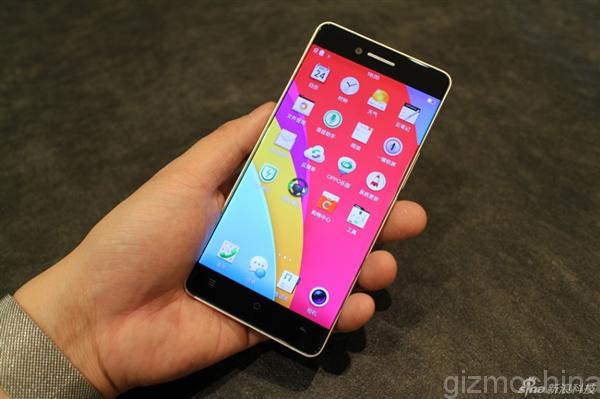
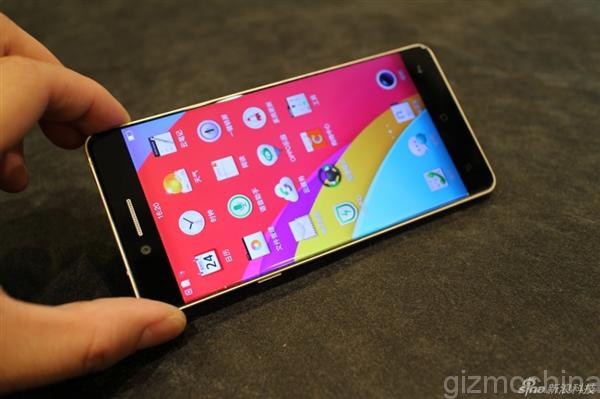
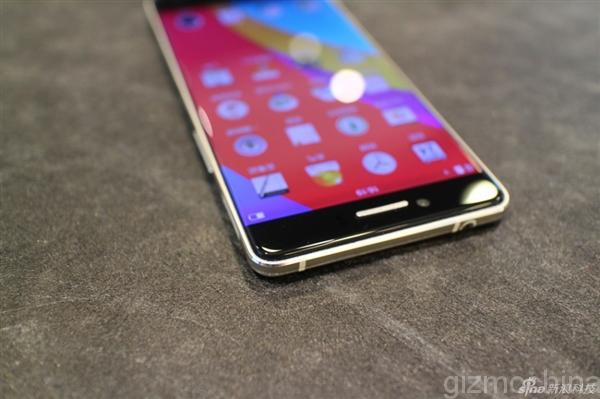
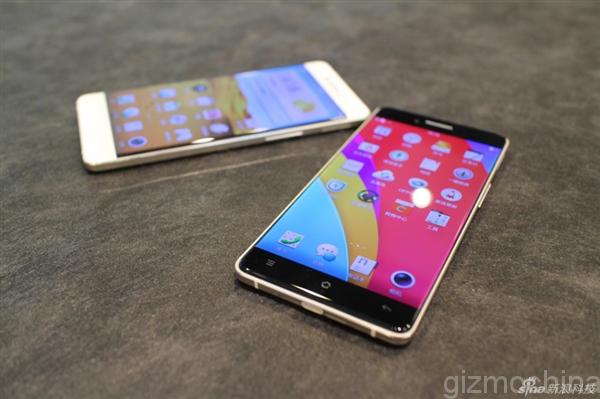
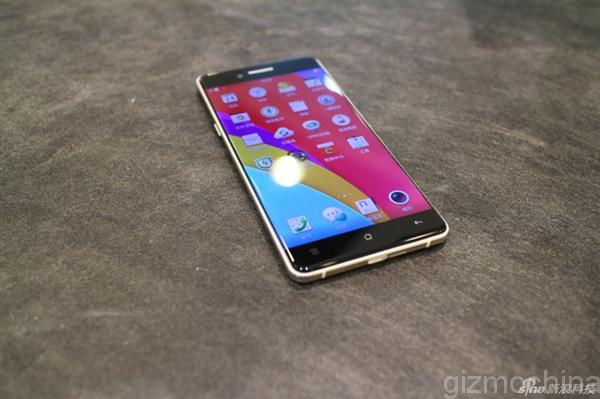
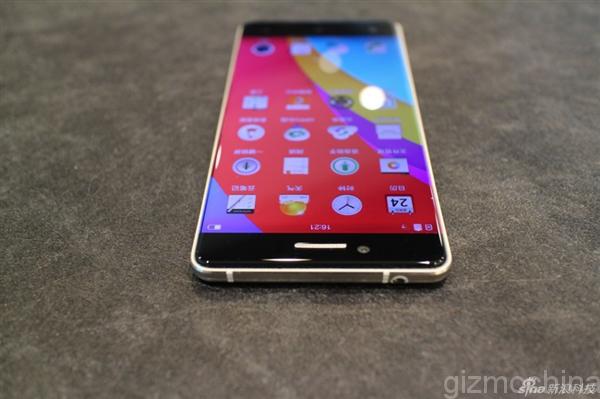
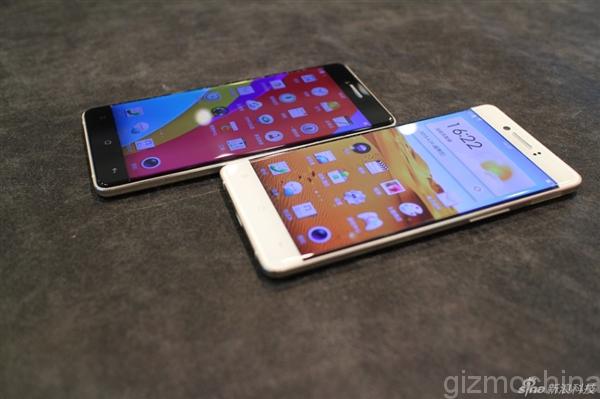
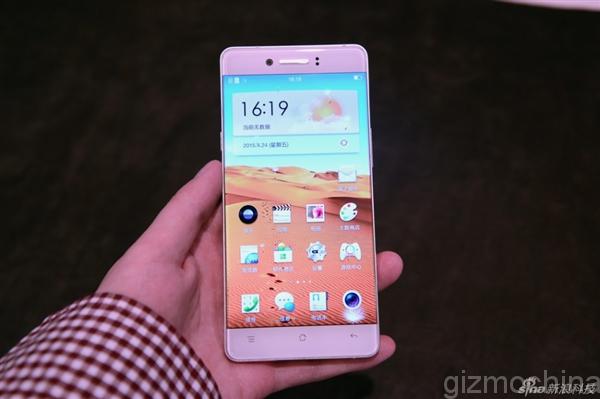
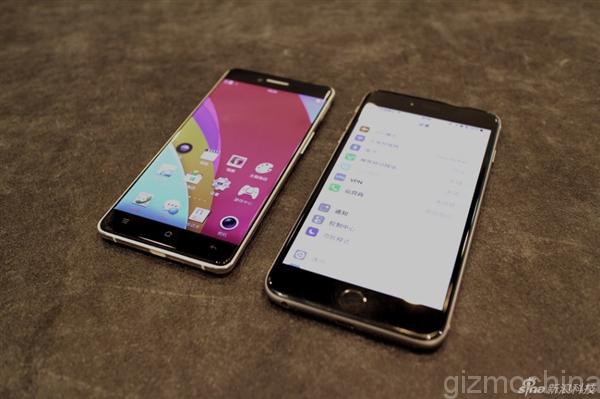
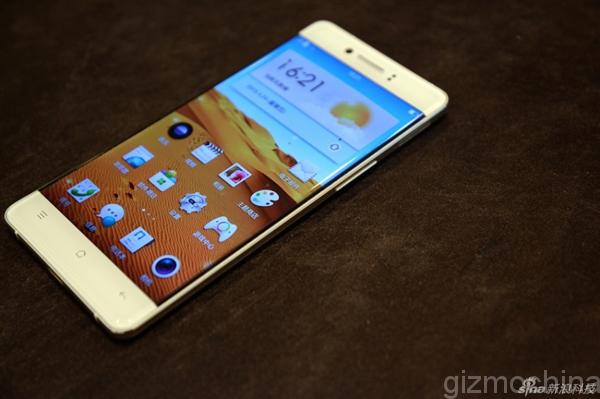
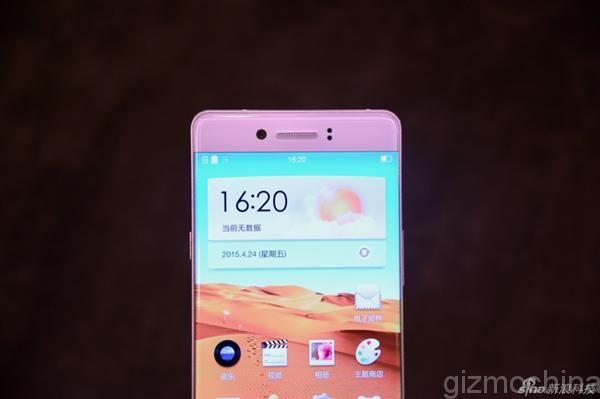
If you thought that you would have to wait for an official announcement from OPPO to know about its new bezelless smartphone, then it looks like you were wrong. A few minutes ago, Sina tech revealed the upcoming bezelless OPPO smartphone in full glory, giving us a clear look at its beautiful design and form.
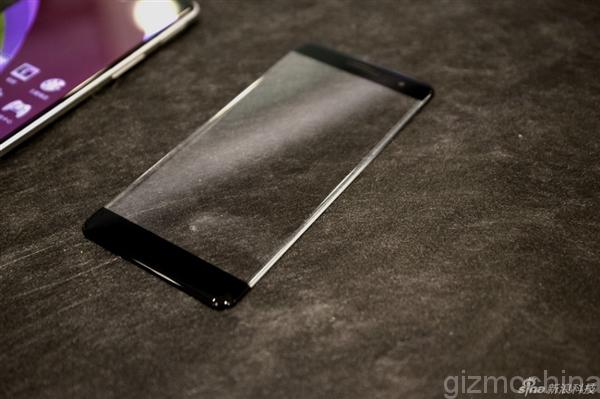
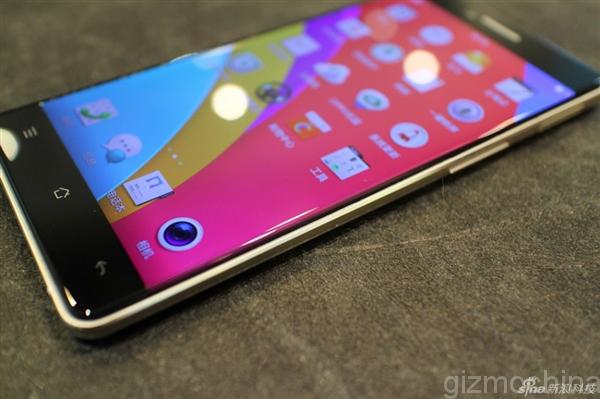
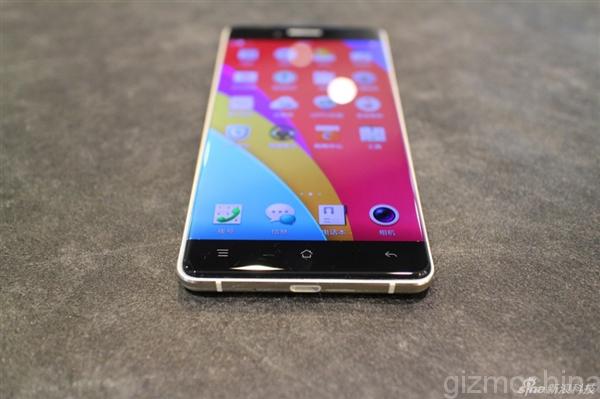
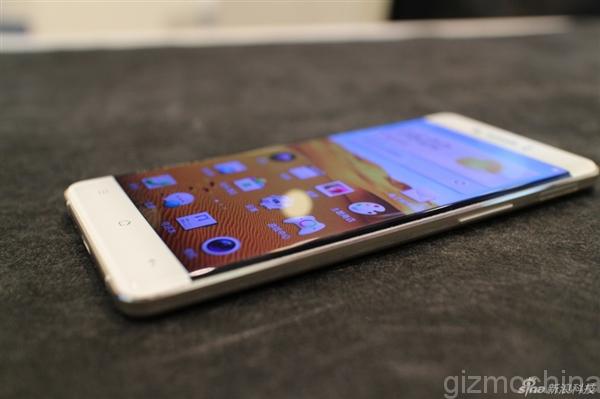
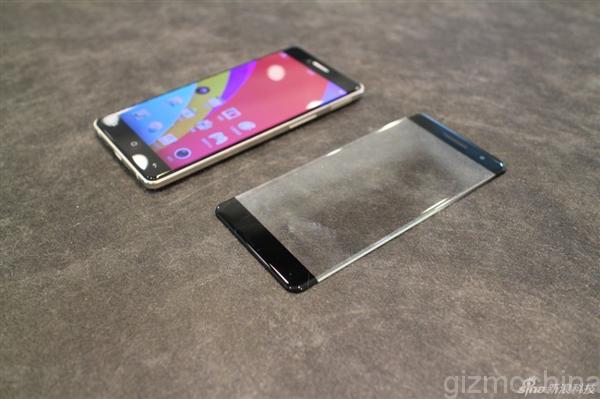
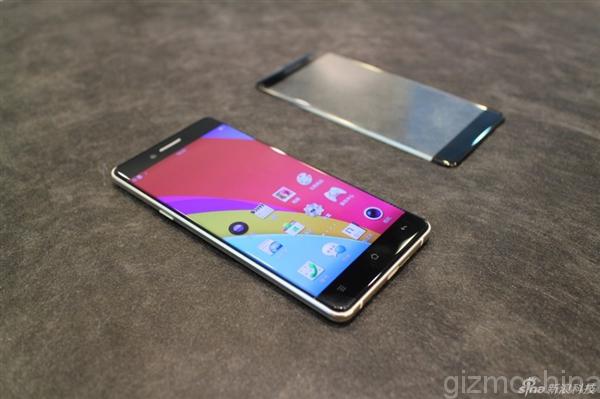
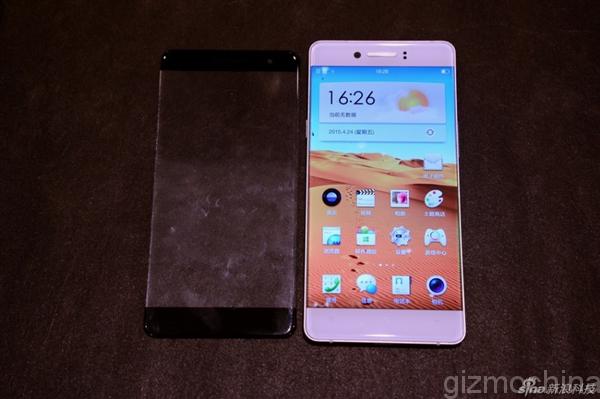
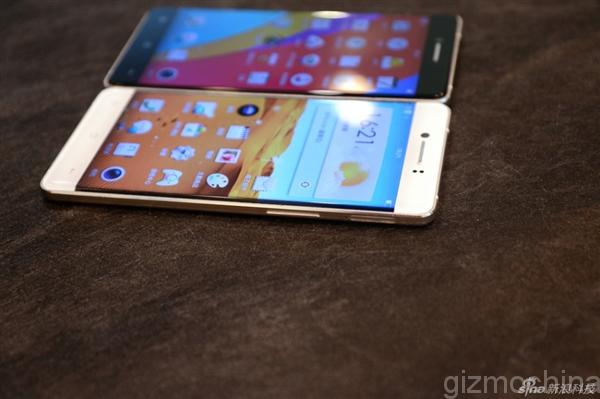
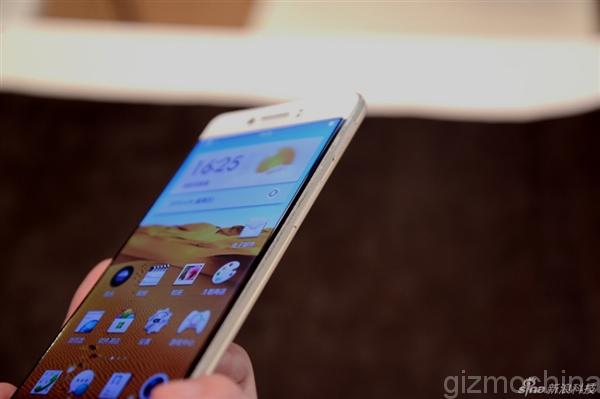
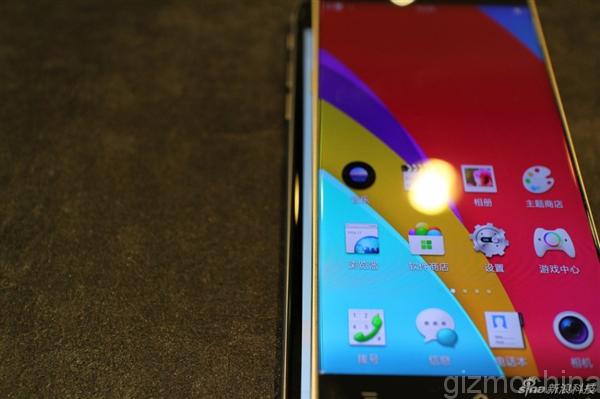
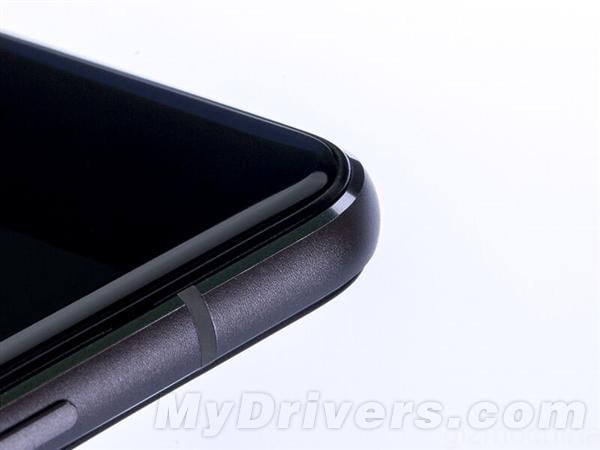
We can see that the phone is showcased in the video given below in detail. It looks like the phones has no borders at all, but on closer inspection, we can see that this is infact a visual trick, thanks to the glass which covers the front. There are bezels on the side, but the raised glass display gives it a bezelless look. From the initial looks, it seems that the new OPPO phone has taken some inspiration from the Galaxy S6 Edge. But, you can clearly see the metal bezels on the side, lying slightly below the display.
To make things a lot more clear, the video shows the front glass of the device. You can see that the sides are curved, which is responsible for its bezelless look.
Sina Tech also reveals that this OPPO model is an early prototype for showcasing the bezelless display technology developed by the company. As a result, there may be a lot more changes in the final design and we probably have to wait for a few months more to take a look at the device officially.
Check out the full gallery down below!
1 of 21
Anyways, what do you think about this bezelless OPPO smartphone showcased in the pictures and video? The device looks bezelless (although it isn’t in the true sense), but overall, the phone looks beautiful and well built.
Meanwhile, you can check out the video from down below!
Around May this year, Chinese mobile phone makers Vivo are going to launch a new mobile phone, the X5Pro. With further details and reports, surfacing online, we come to know that the device is a very sleek one and is able to intrigue the people with its sophisticated looks. Though, the final device is still in the last stages of the development, we present you a brief report of the features of this device.
The device incorporates a 2.5D six sided glass corners and features phase detection autofocus function in the camera, which is usually present in the iPhone and Samsung Galaxy series. Furthermore, the device supports the latest Android 5.0 Lollipop, adding to the attraction of the device. Whereas regarding the appearance of the device, it supports a striking black body, and a very elegantly textured metal frame. All in all, captivating the onlookers.
It is said that the Vivo X5Pro will feature a Snapdragon 615 processor with 3GB RAM and a massive 6-inch display. We may also see a new retina scanning technology on the new device. And finally, it is rumored that the phone will come with a 3500mAh battery to power all these specs. Of course, these are not yet confirmed so make sure you take it with a pinch of salt.
Regarding the price, many experts believe that it would be placed competitively, to woo a large number of customers.
ZTE hasn’t managed to keep its flagship device a secret. We have already seen plenty of leaks about the upcoming ZTE Nubia Z9 smartphone and every single leak till now has confirmed that the new device will come with a borderless design. However, apart from that we haven’t really managed to get more info about the device till now.
However, earlier today, Chinese Media released a new alleged picture of the Z9. Thanks to this new leak, we now have some idea about its design and screen size.
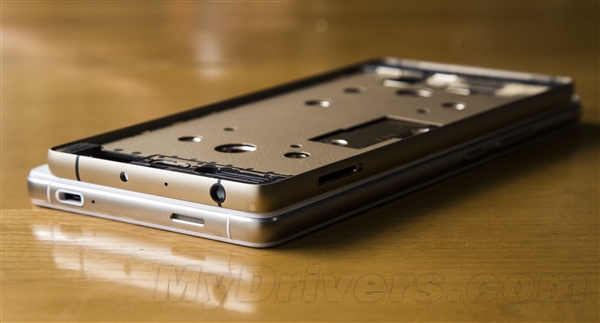
In the pictures, the ZTE Nubia Z9 was compared alongside the Z9 Max, which features a 5.5-inch display. The metal frame of the Z9 which as you can see is lying on top of the Z9 Max is a bit smaller. This means that the new ZTE flagship could come with a 5.2-inch display. This seems to be the ideal screen size for many phone makers these days as even the Huawei P8 comes with the same size screen.
As for the body, the pictures confirm a metal body with a similar design as the earlier released models. Another interesting thing is the color as the one shown in the picture comes in a beautiful gold shade.
With this design and a bezelless display, it looks like ZTE is all set to unveil a premium device on May 6. But even before that, we expect more concrete details about the ZTE Nubia Z9 like the specs and other features. So stay tuned for more information.
A few days earlier, a listing on the official website of Huawei Russia revealed the upcoming Huawei 4C mid-ranger in full glory. Judging from the specs and the pricing, it looks like the device is targeted to compete with the Redmi series as well as the Meizu Blue Charm series.
However, earlier today, we found a new picture which reveals that the company may have more than one device in store for us at the April 29 launch event. The picture shows us three new devices, and says that the three devices are Honor 4C, Honor 4C Note and Honor 4C Max. Yes, it looks like the company may launch three devices in the new Honor 4C Play lineup.
The picture isn’t very clear and just gives us a glimpse of these devices. It looks like the phone will differ in terms of display sizes, with the largest one, probably the 4C Play Max having a display as big as a tablet.
Of course, this is based on a single leak, so its always better to take the news with a pinch of salt. Earlier leaks have revealed that the Honor 4C Play will feature a 5-inch 720p display and Kirin 620 octa-core processor. There will be 2GB RAM on board along with 8GB of expandable memory. At the back, there will be a 13MP camera and an 5MP shooter up front. The phone will feature a 2550mAh battery and will support 4G LTE networks. For software, it will run on Android 5.0 Lollipop.
Pricing is still not confirmed, but the entire lineup could be conviniently priced as 599, 899 and 1099 Yuan. Well, we don’t have to wait too long to get more details as the event kicks off on April 28 at the Beijing National Convention Center.
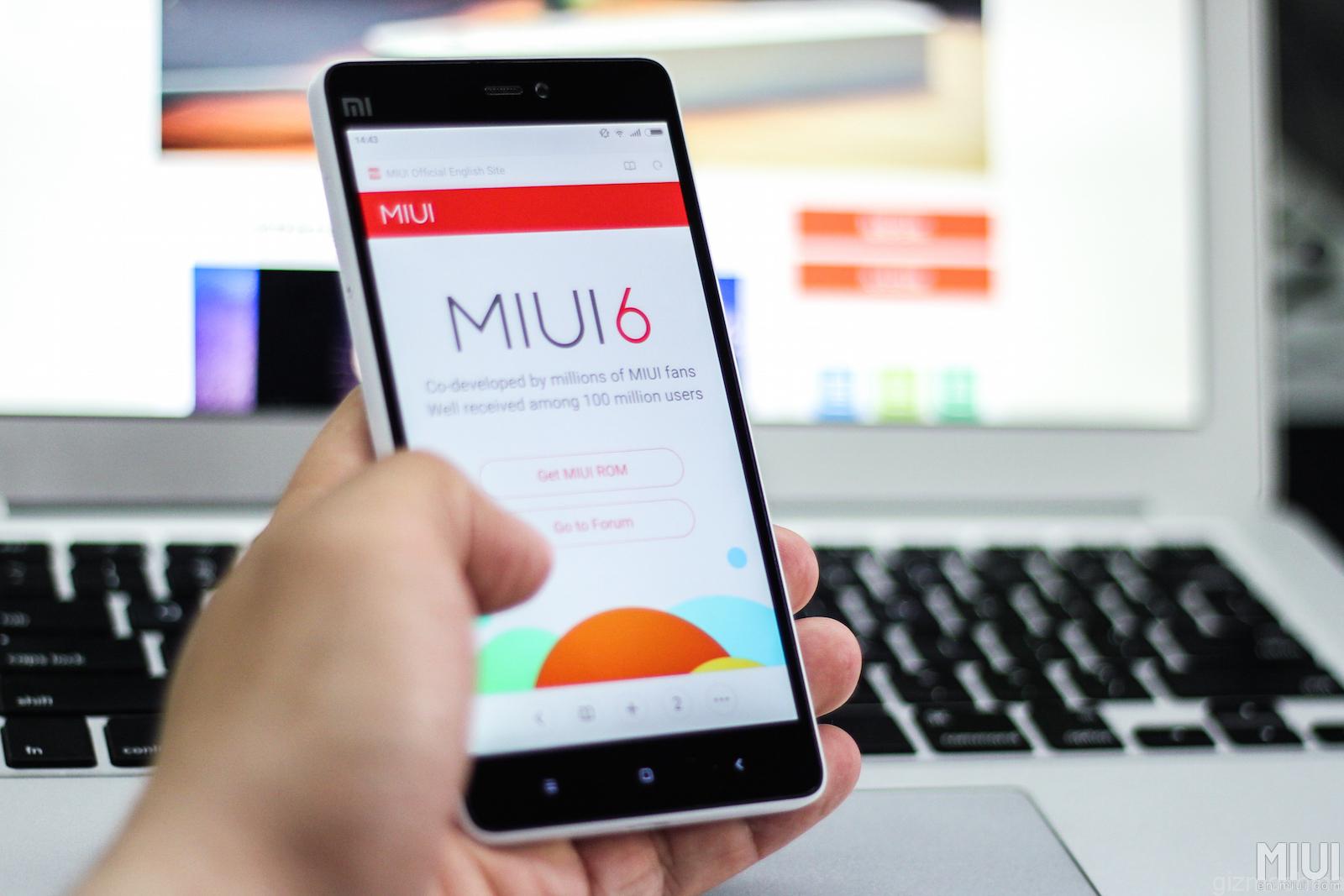
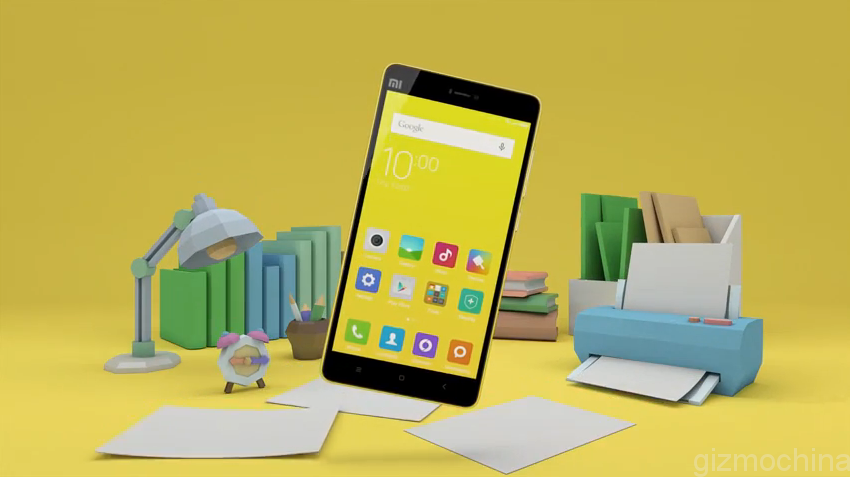
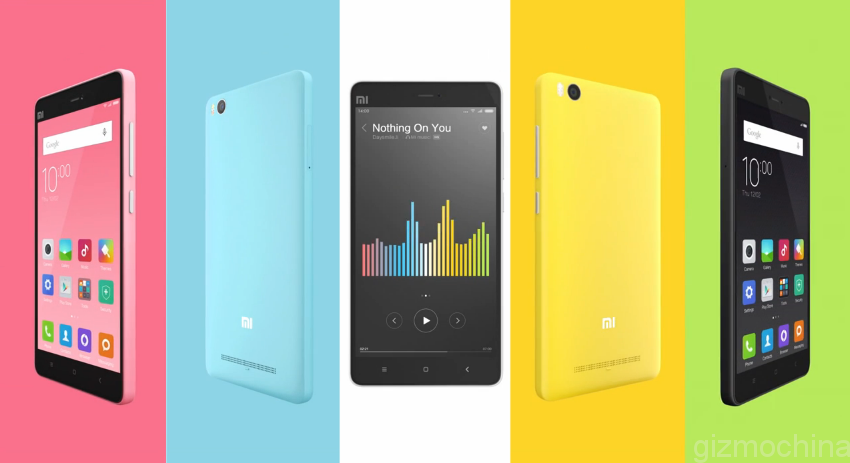
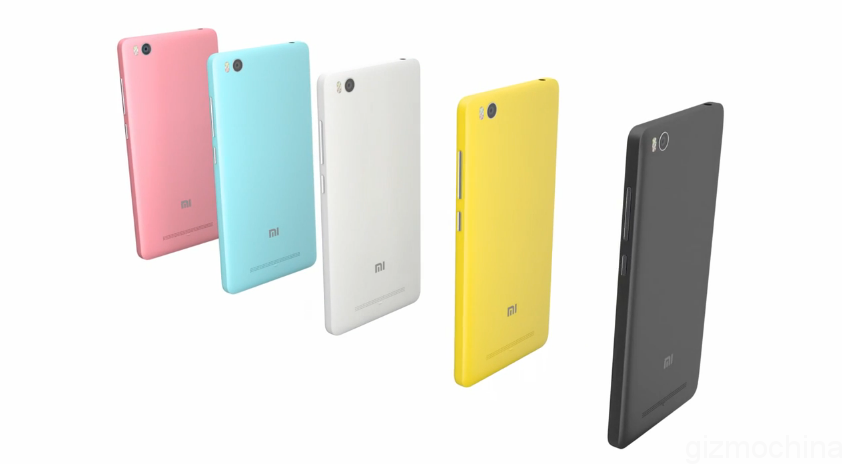
Xiaomi just unveiled the brand new Xiaomi Mi4i flagship. The device comes with a beautiful unibody polycarbonate body in over 5 different colors including white, black, blue, yellow and pink. The Mi4i boasts of an amazing cost to hardware ratio, which is why we feel Xiaomi has launched a winner today.
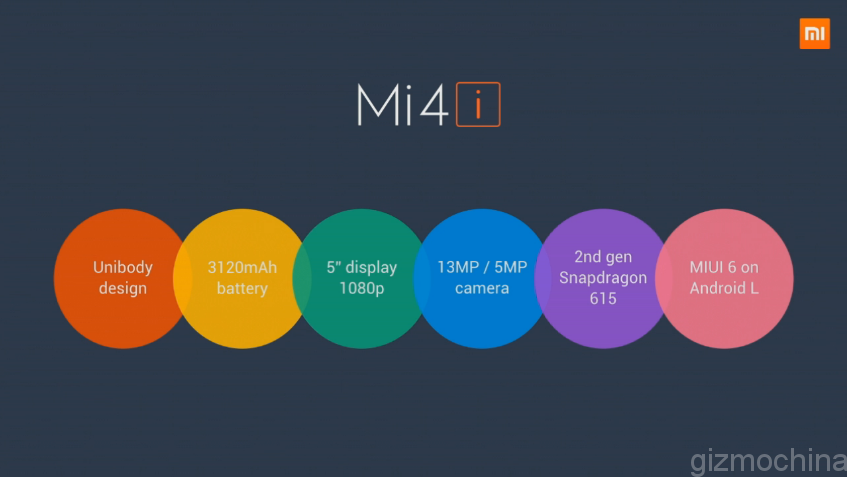
The phone comes with a full HD 1080p 5-inch display with Snapdragon 615 and 2GB RAM. There will be a 13MP rear camera with dual tone flash and a 3120mAh battery from Sony.
We have already written a detailed post on the features, pricing, specs and availability of the device. If you haven’t seen that yet, you can check it out from this link.
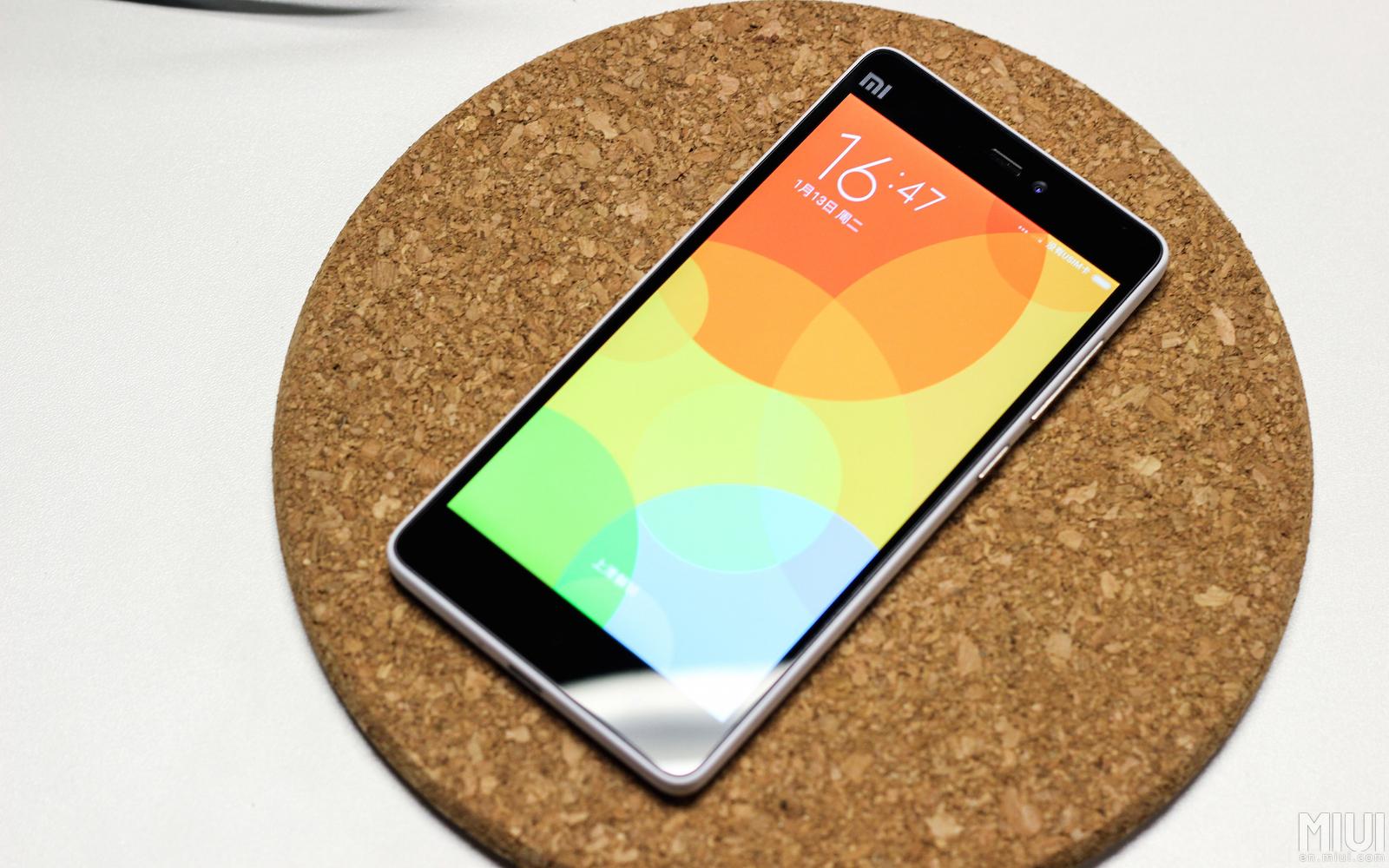
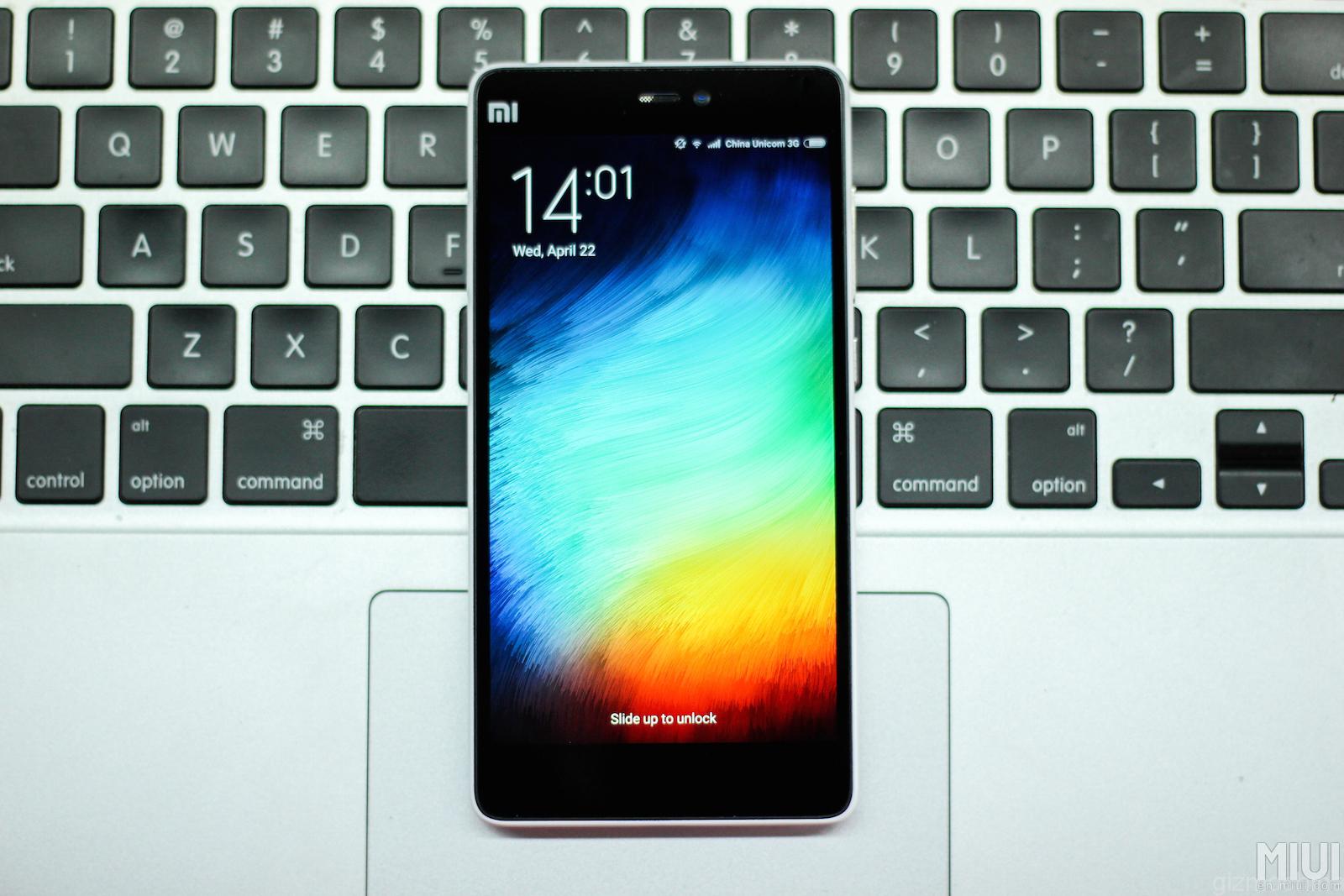
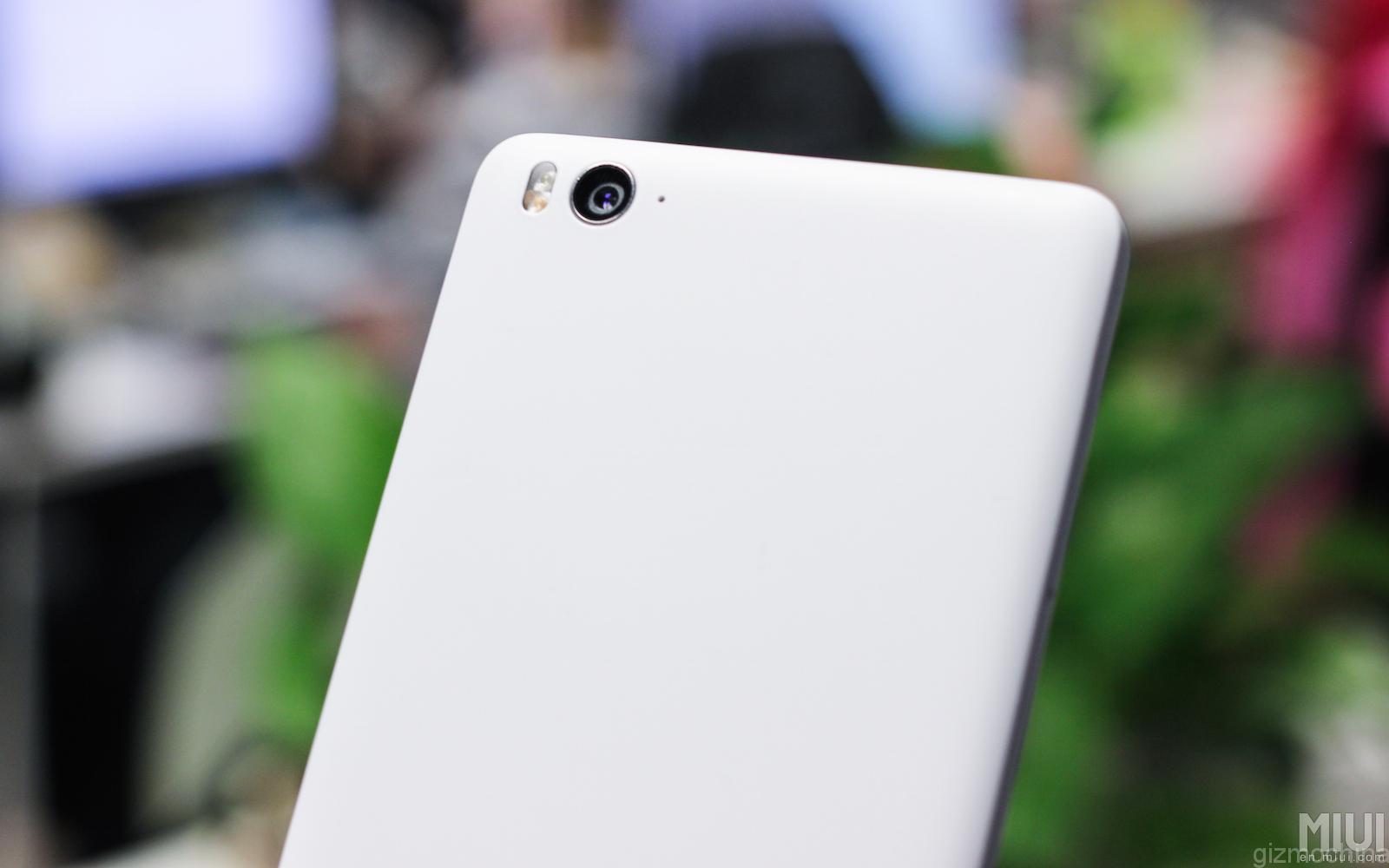
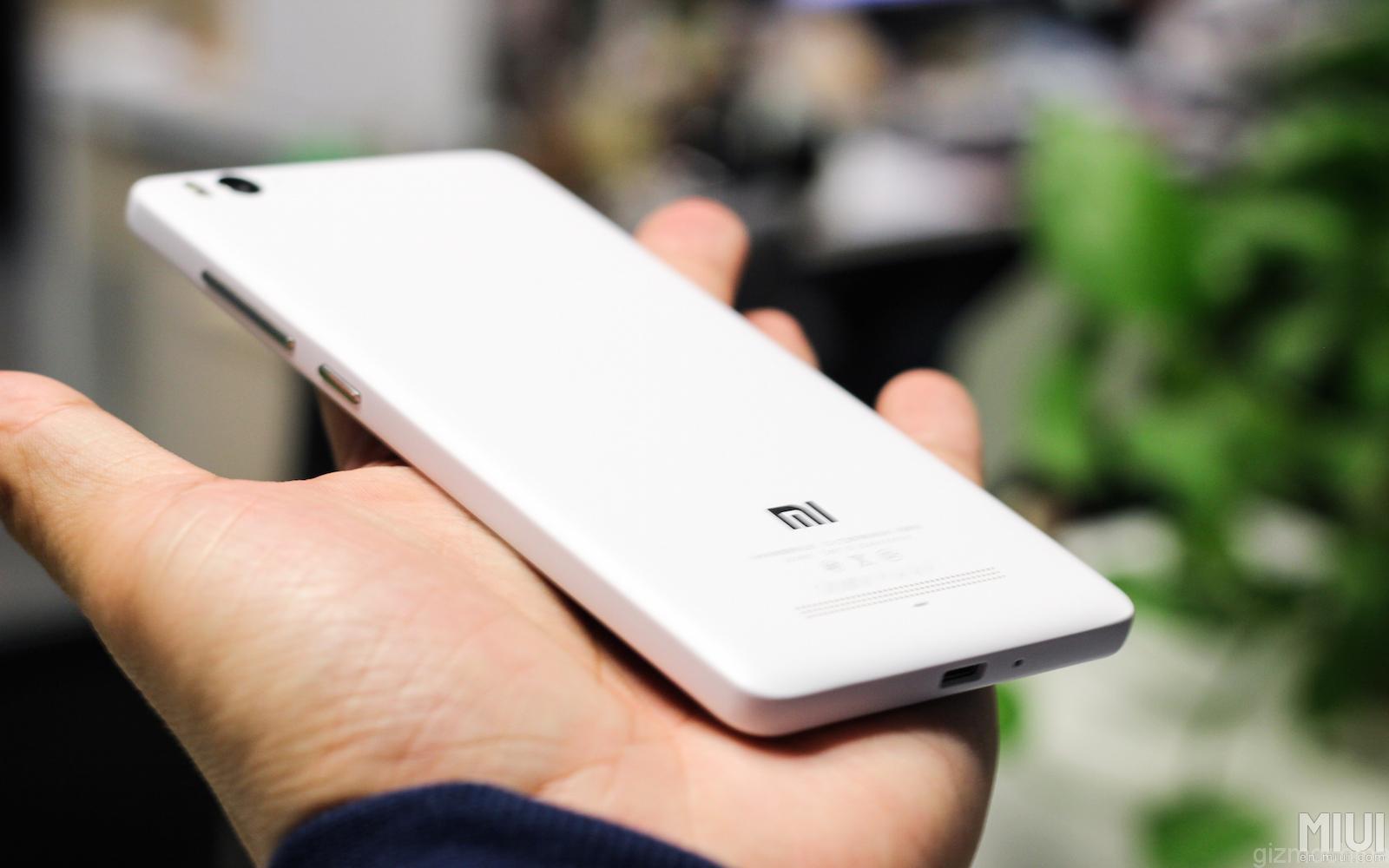
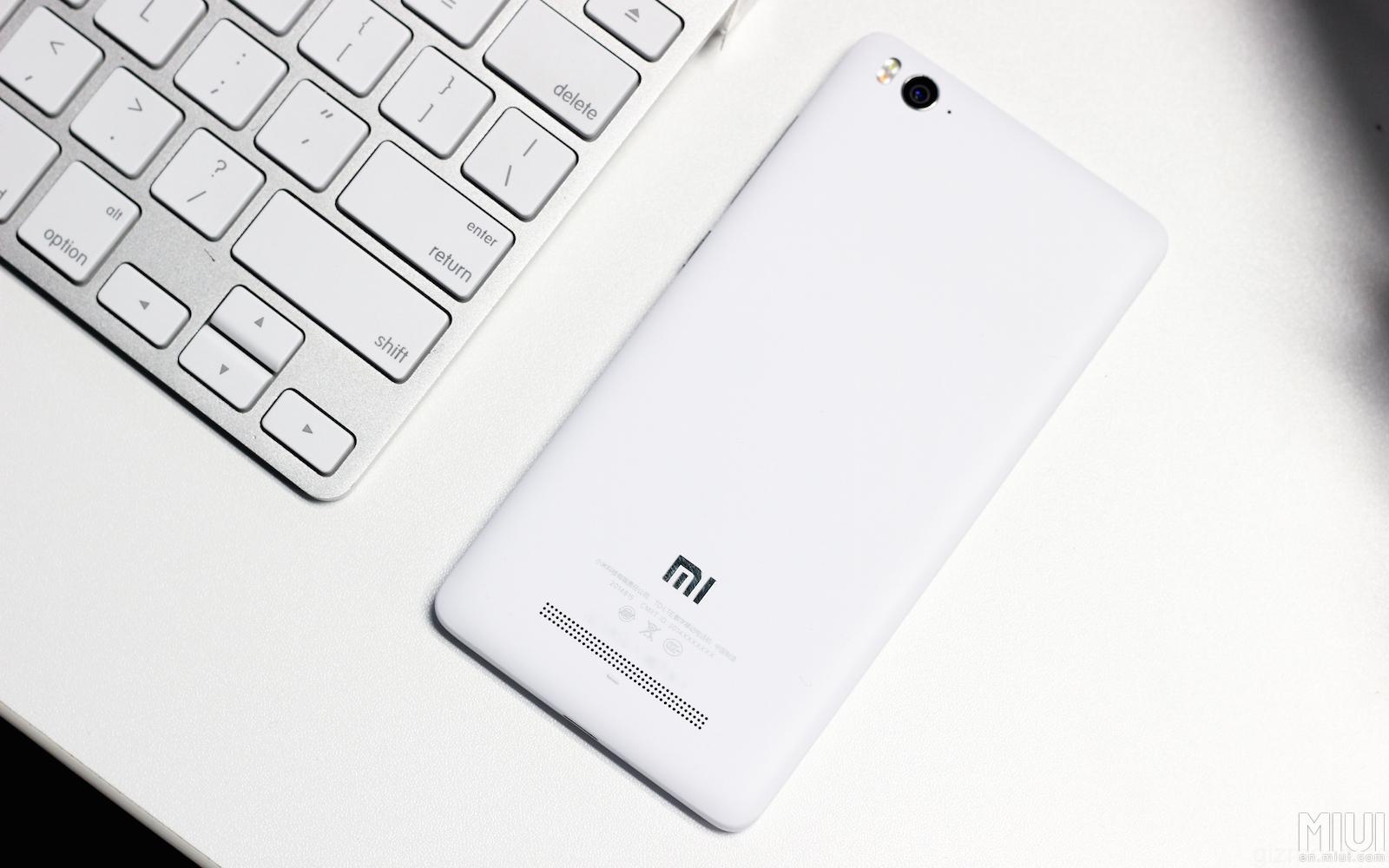
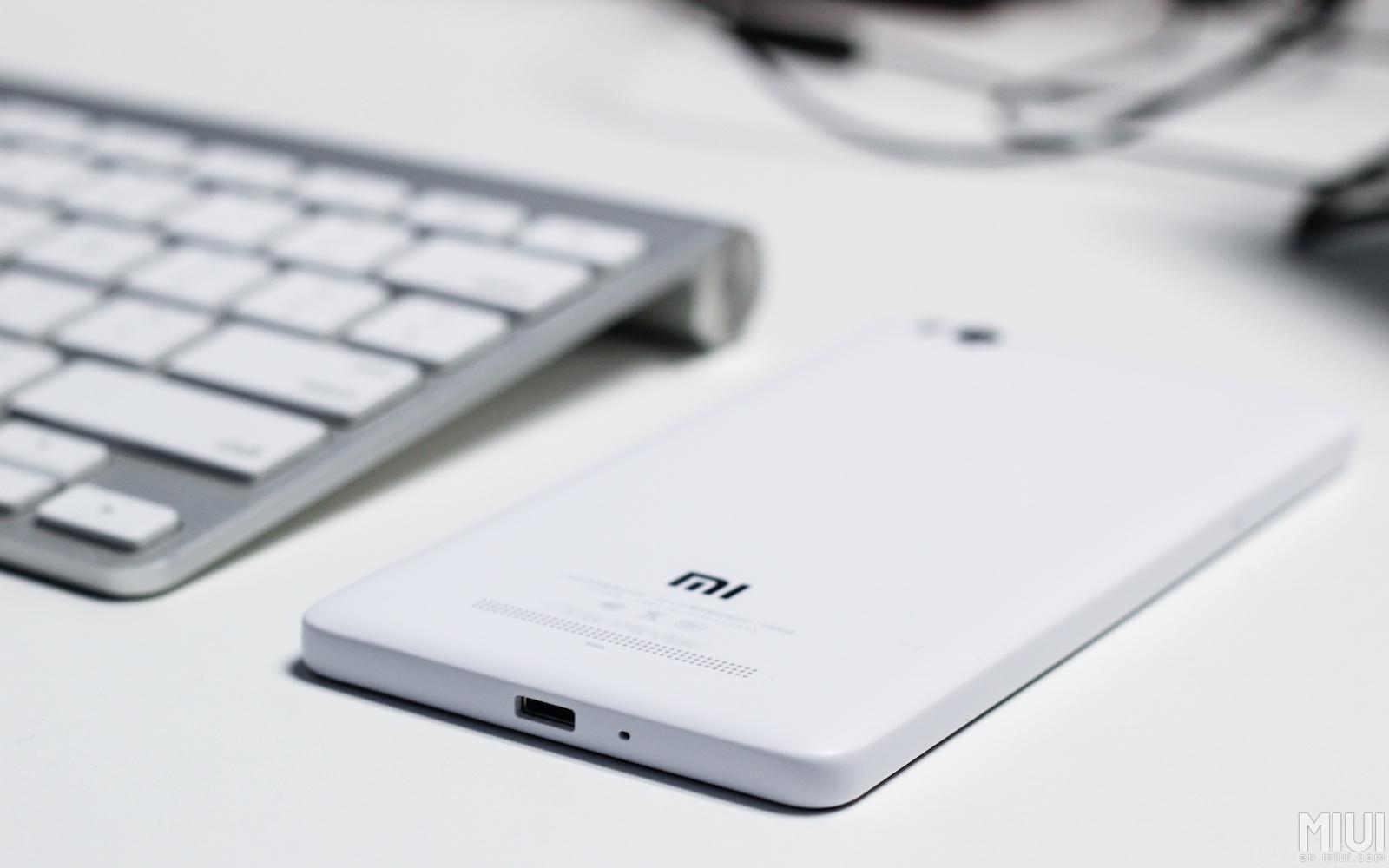
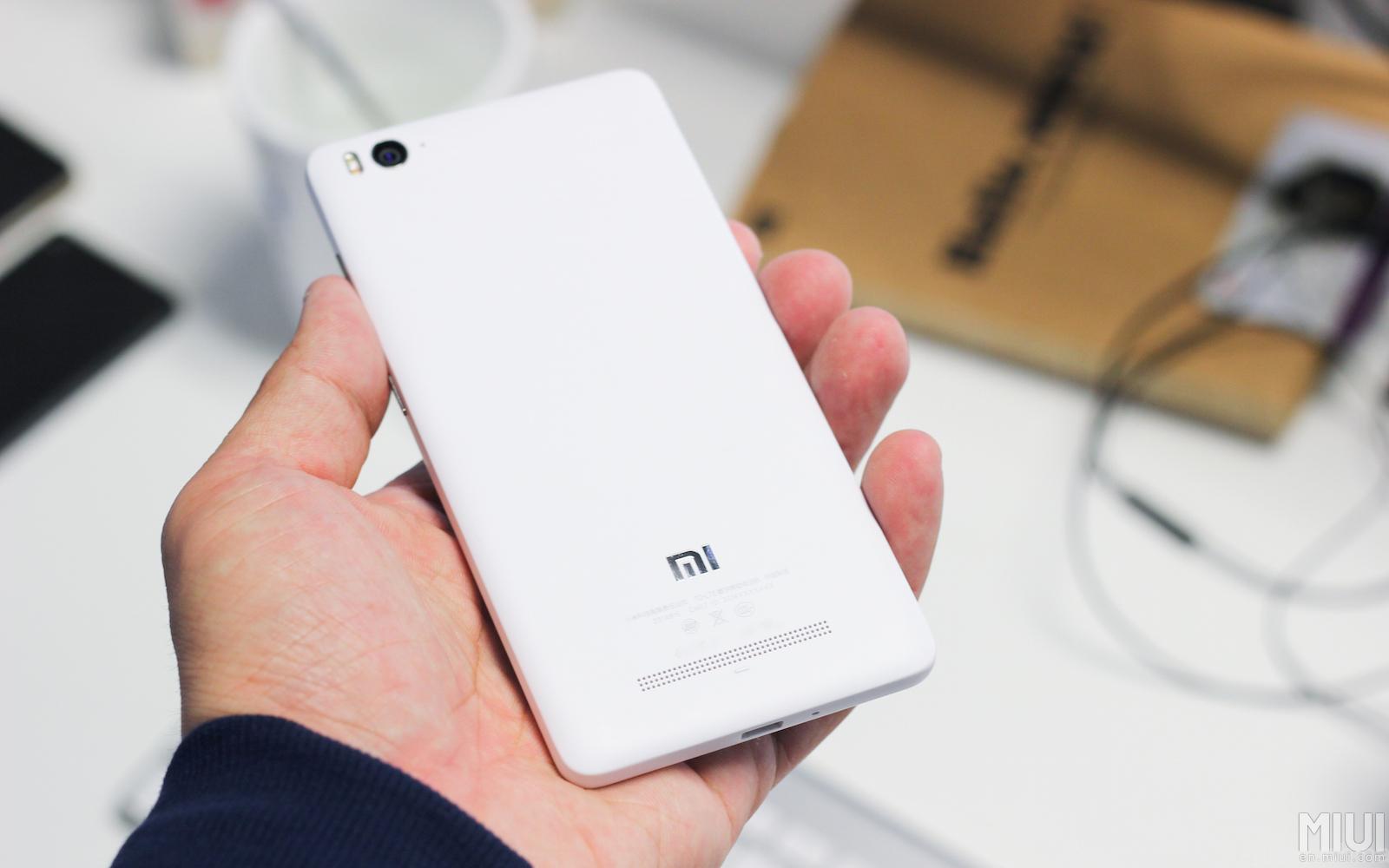
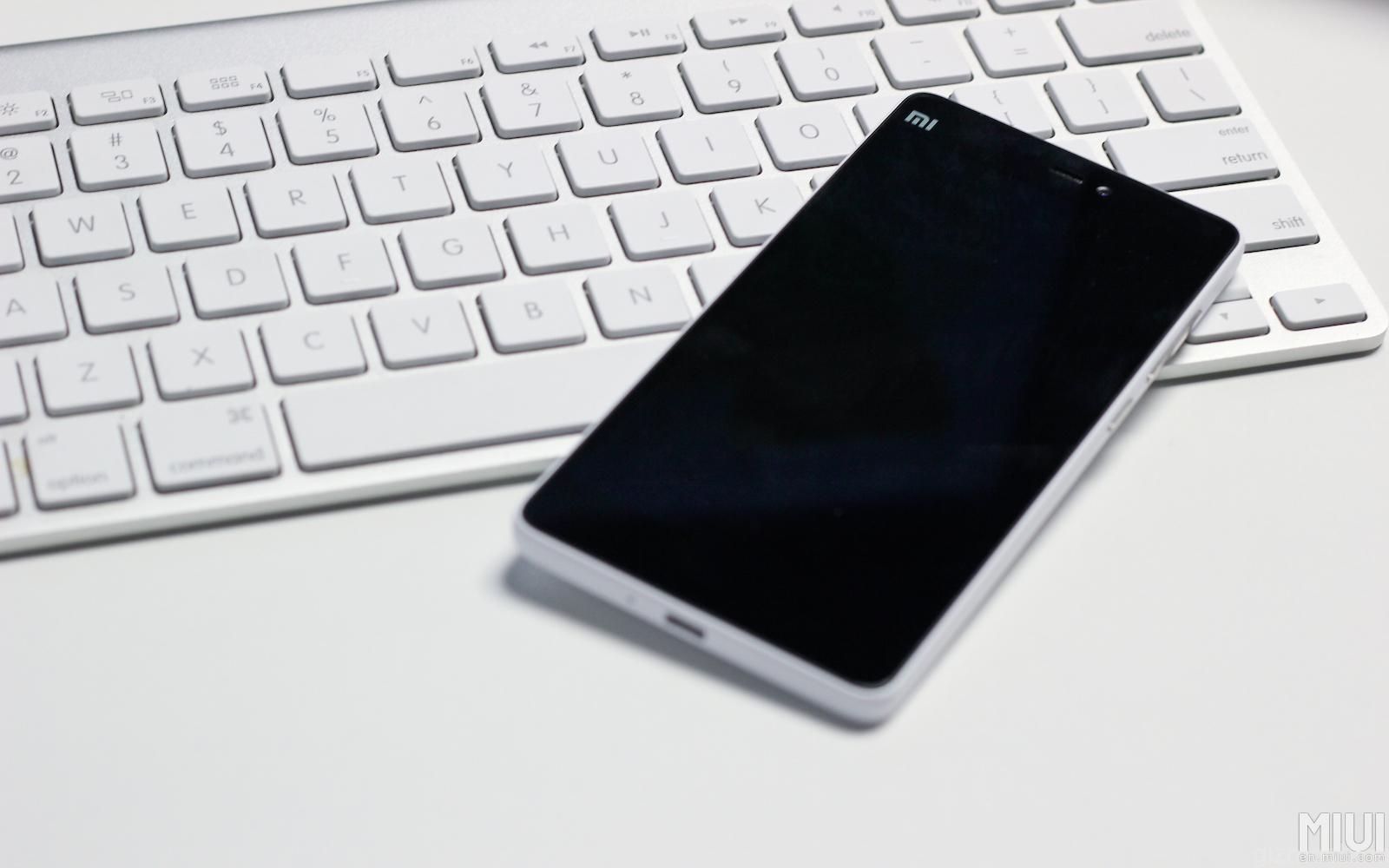
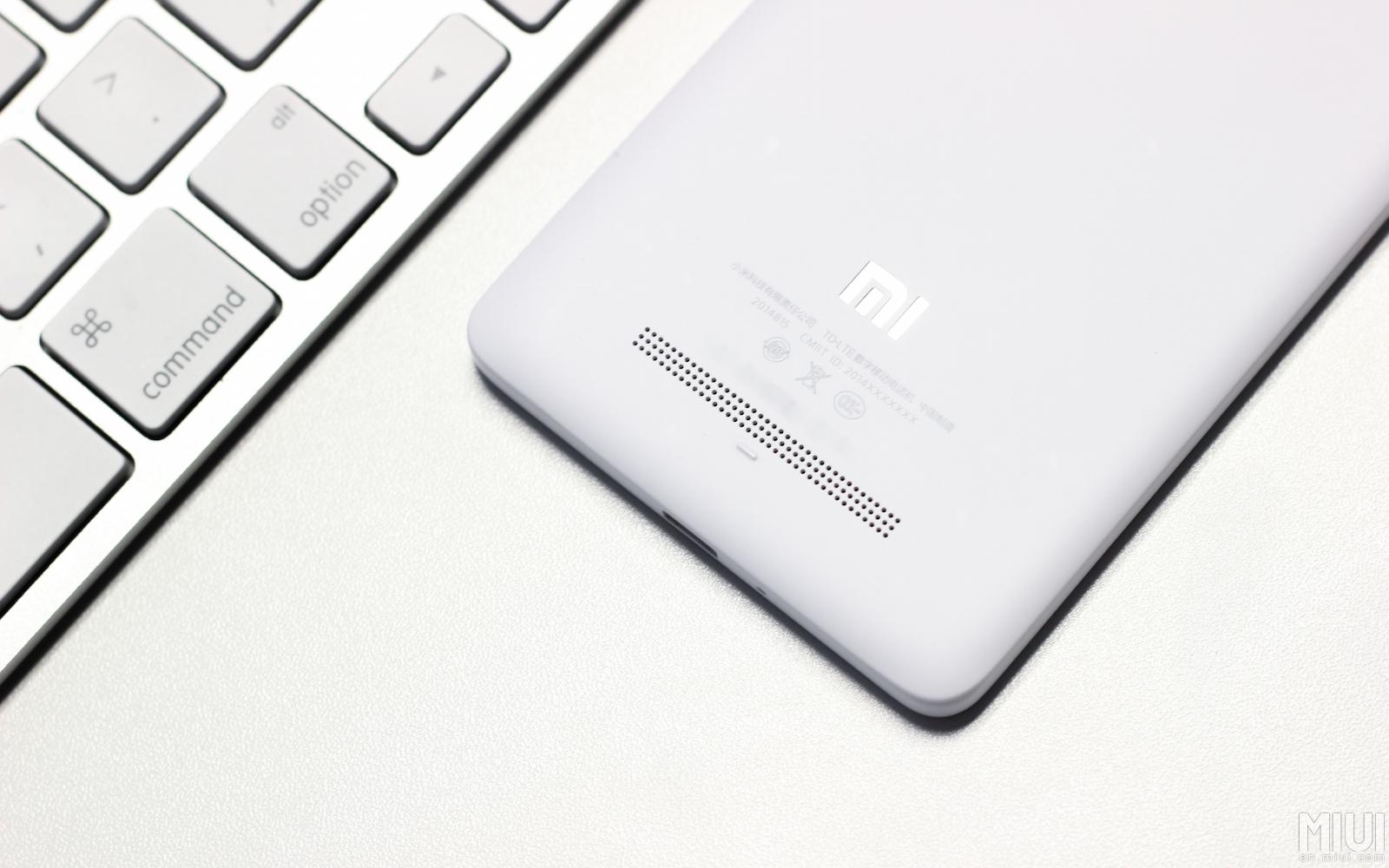
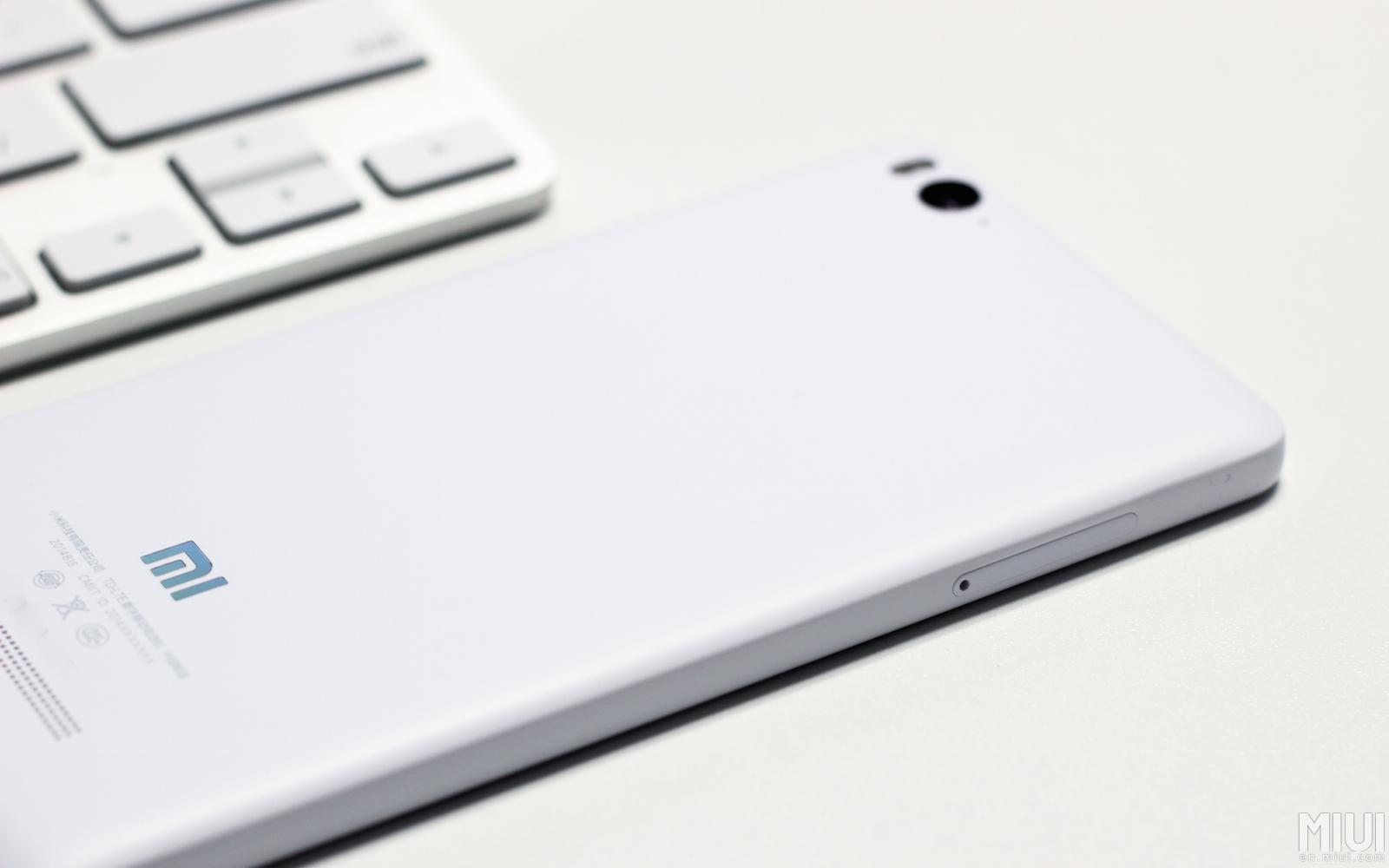
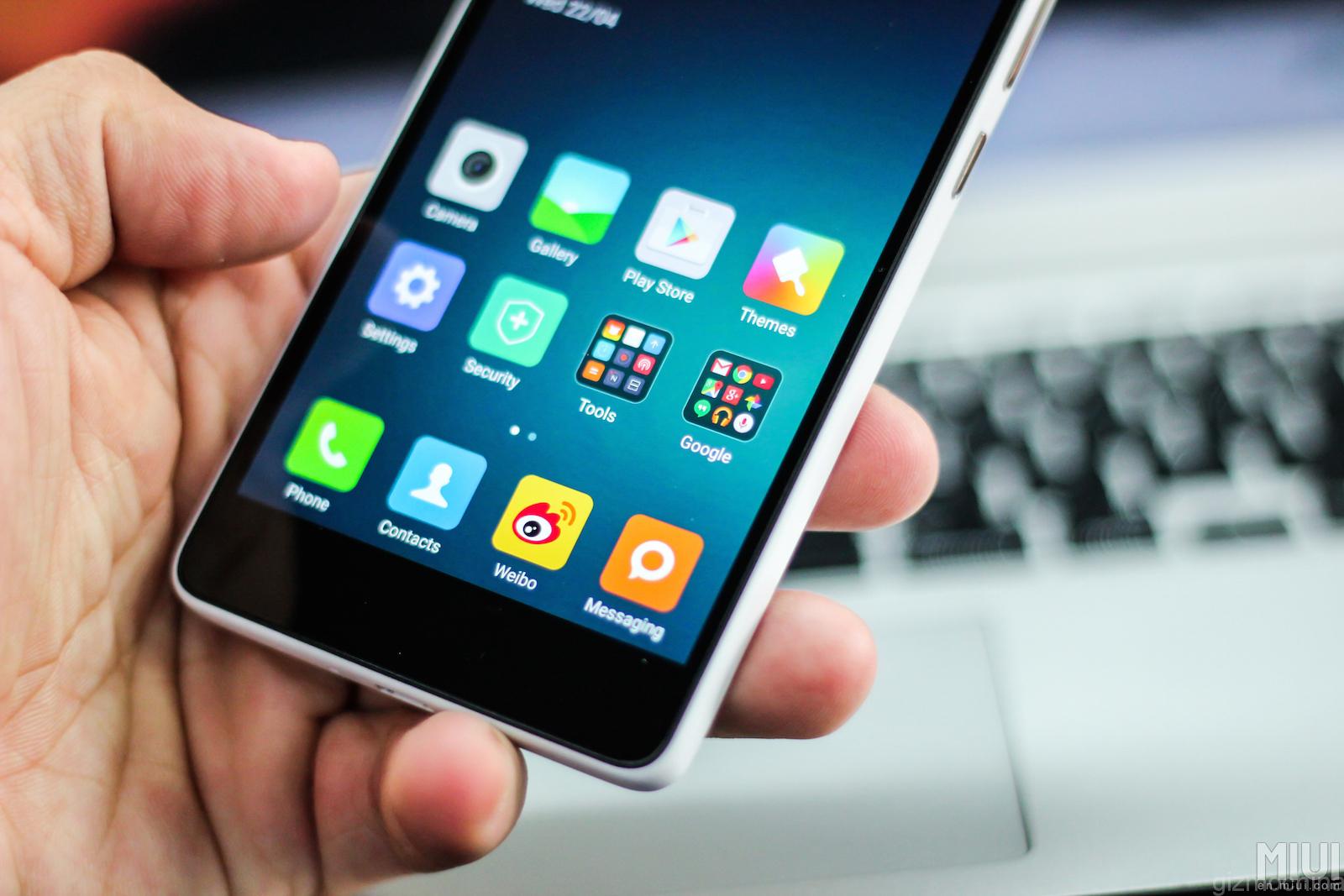
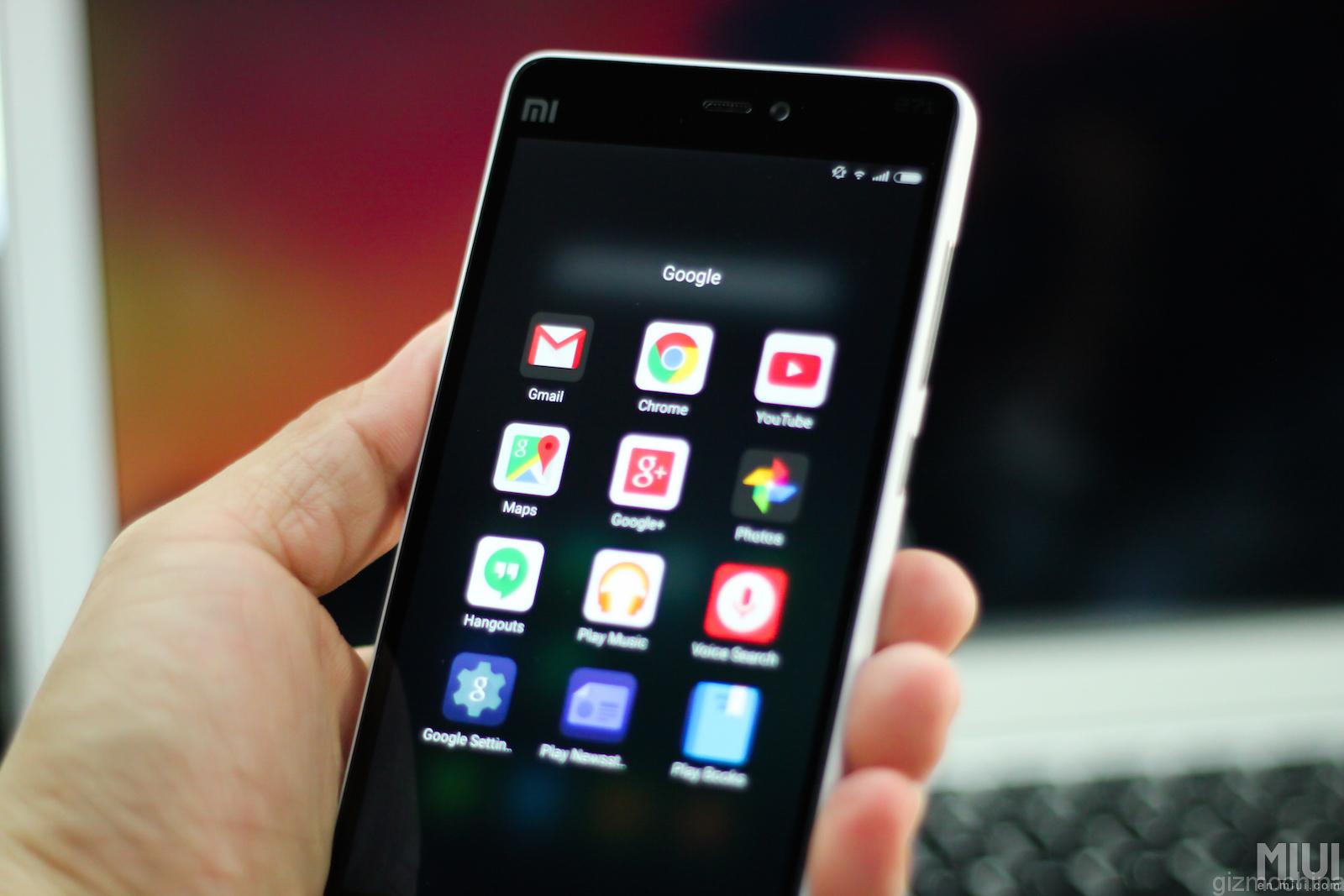
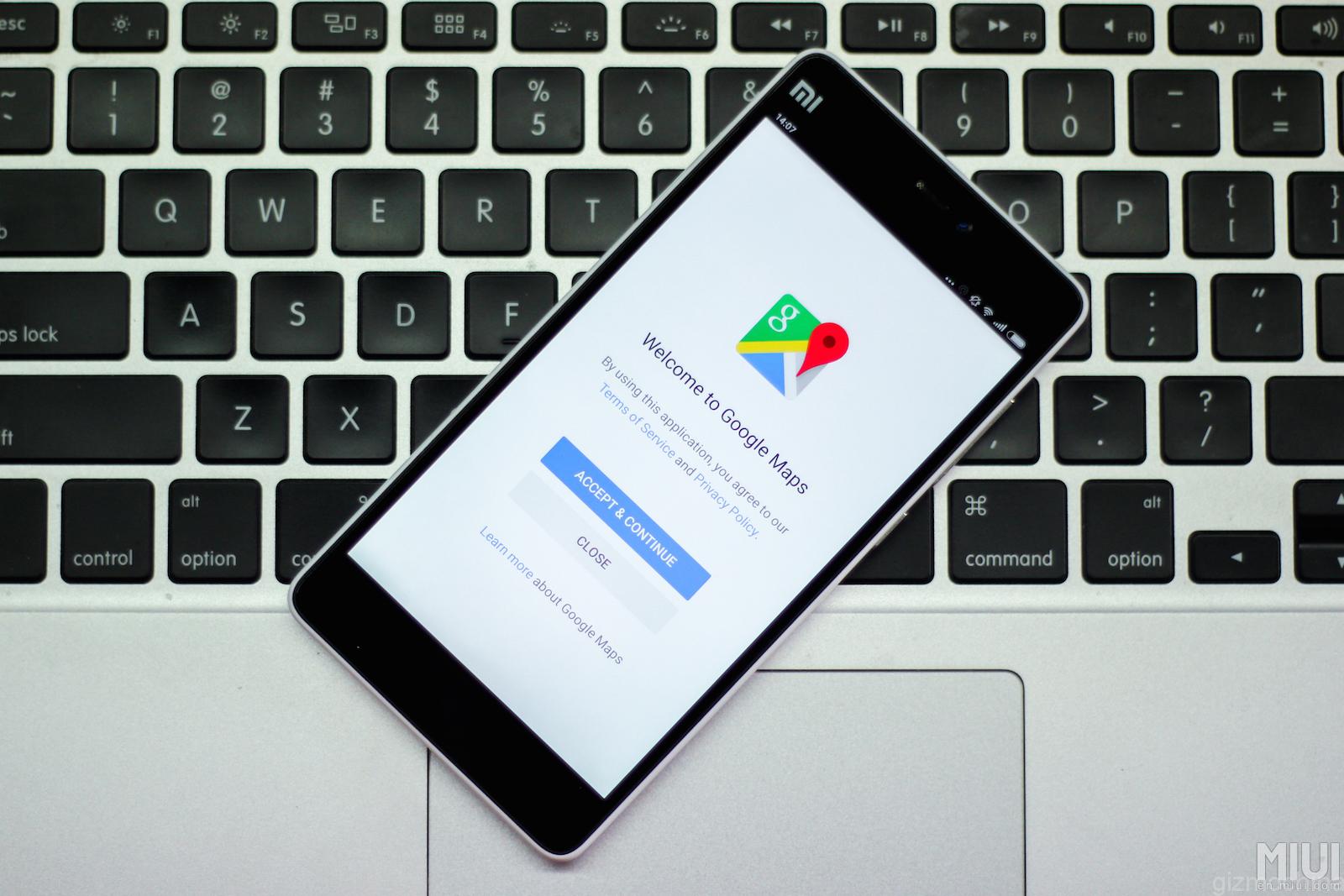
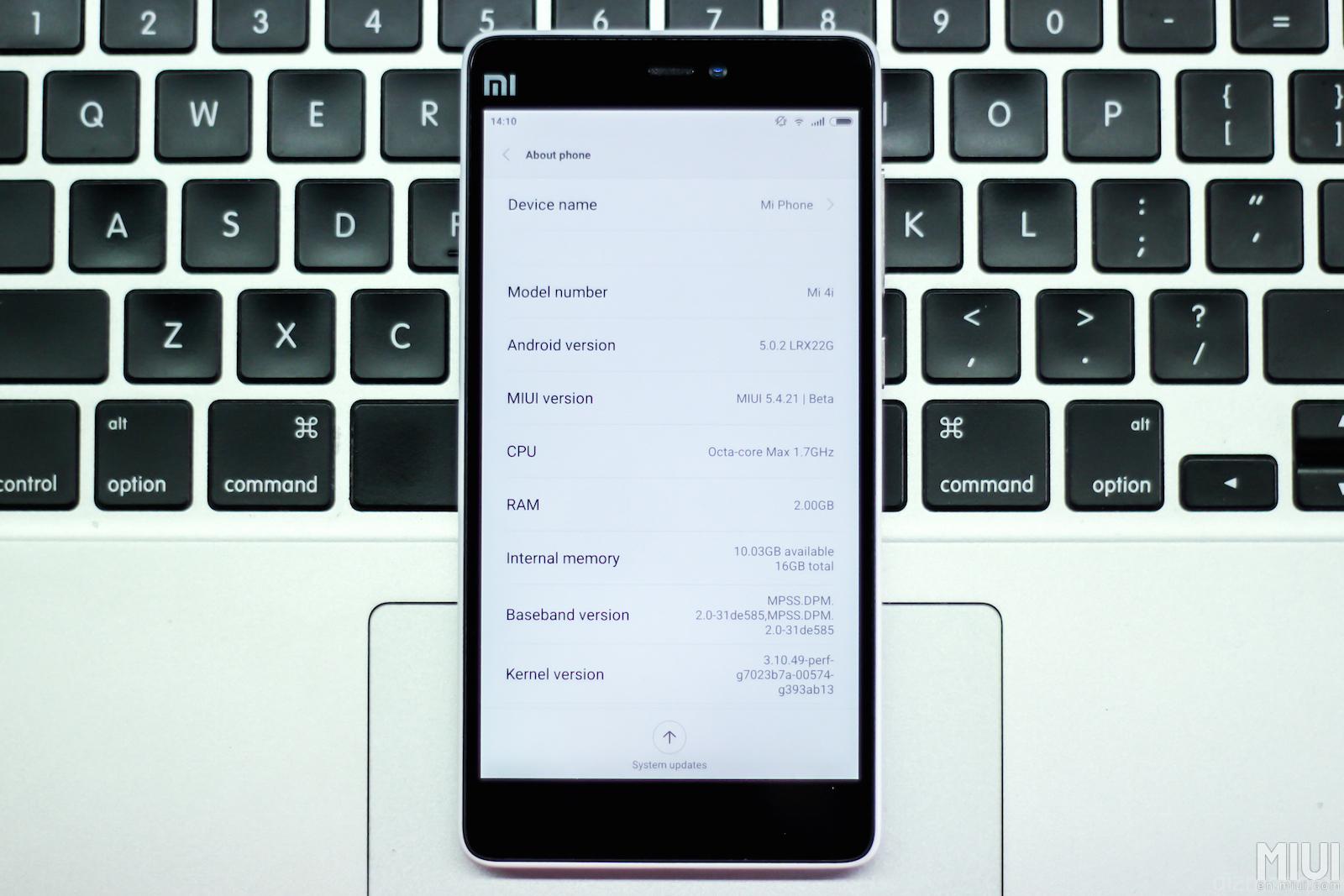
The phone looked beautiful in pictures and now its time to see some hands-on pictures of the device. The unibody design especially gives it a solid and premium look much like the Lumia series, but the overall design language is similar to the earlier Xiaomi Mi series smartphones.
Anyways, take a look at the hands-on pictures of the Xiaomi Mi4i and let us know what you think about the new device.
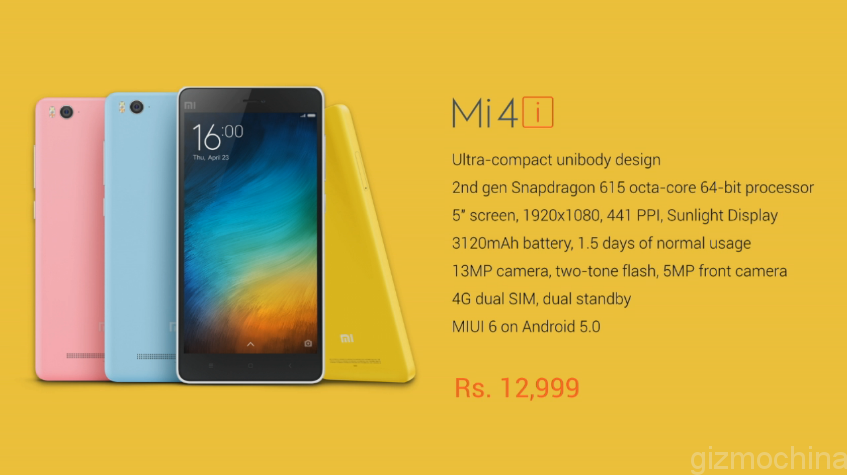
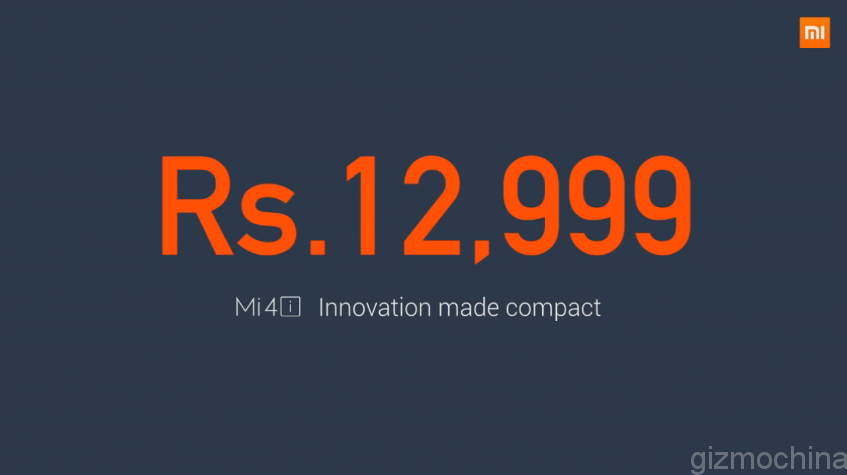
Xiaomi Mi4i is finally official. The company has managed to nail it once again with this brand new offering. The phone provides one of the best cost to hardware ratio, making it truly a flagship for masses. The best part of the device is its price tag, as Xiaomi will start selling the Xiaomi Mi4i from April 30 for an amazing Rs. 12,999 i.e. $205 price tag. So, its even cheaper than the Xiaomi Mi3 with much advanced specs.
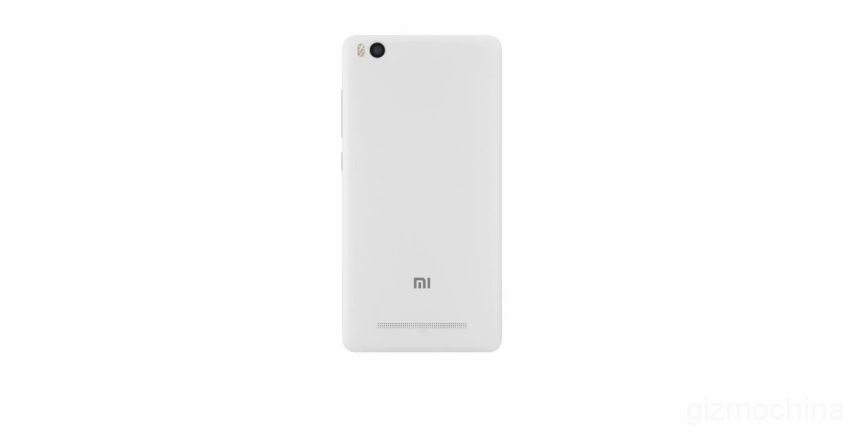
At the start of the event, the company said that the Xiaomi Mi4i was heavily inspired by India. The phone will feature a unibody polycarbonate body with soft touch matte finish with anti-grease coating. The polycarbonate body wraps the entire device giving it a premium look.
The phone will have the same height as the 4.7-inch iPhone 6, but it will feature a larger 5-inch display. The body is quite thin too measuring just 7.8mm and the phone weighs just 130 grams.
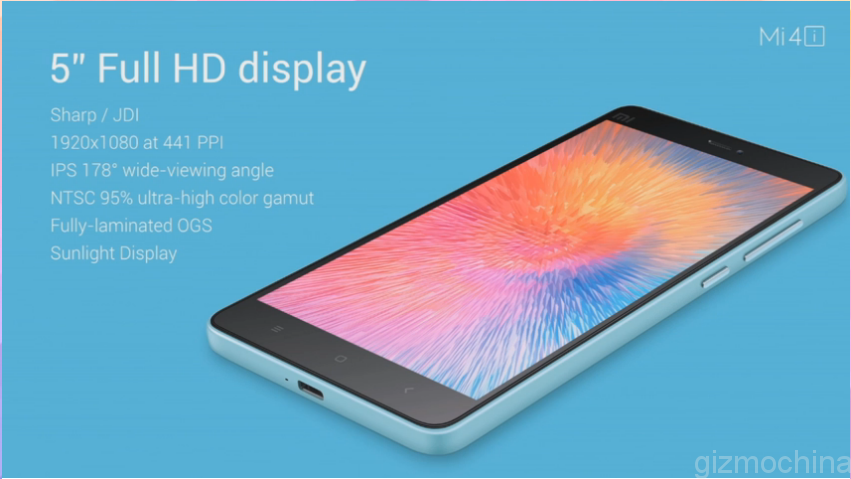
The Mi4i comes with a unique 5-inch sunlight fully laminated OGS display with full HD 1080p resolution. This translates into a pixel density of a whopping 441 ppi. The sunlight display uses dynamic tone mapping which keeps the image quality balanced even in bright sunlight. This in turns helps to improve display visibility under sunlight. The display is 30% more battery efficient than competitors and comes with NTSC 95 percent color gamut and 178 degrees wide viewing angles.
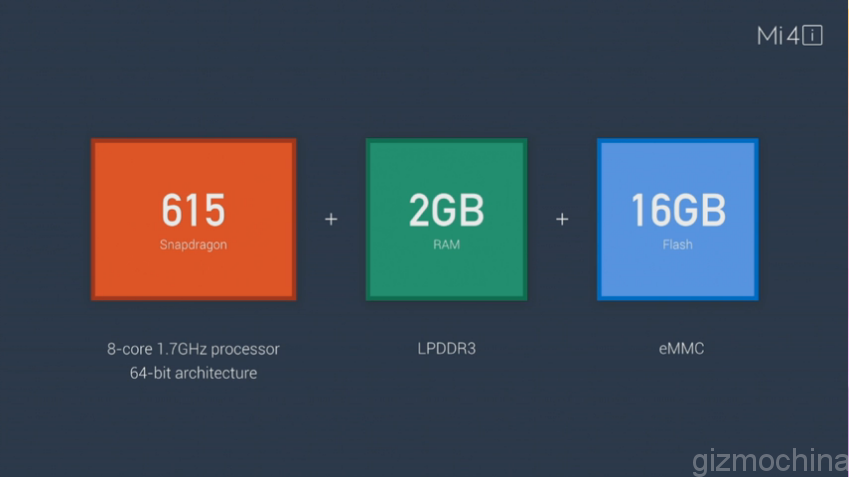
Coming to the performance, the phone will feature Qualcomm’s 64-bit octa-core Snapdragon 615 processor with 2GB LPDDR3 RAM and 16GB ROM. The company also reveals that the Snap 615 was created by Qualcomm India. Although Qualcomm’s new chipset hasn’t really impressed us, Xiaomi claims that the Mi4i scores above 40,000 points on AnTuTu. The phone features all the standard connectivity functions such as Wi-Fi, Bluetooth, OTG, dual SIM dual Standby etc.
Coming to the main area, i.e. camera, the Mi4i comes with a 13MP Sony CMOS sensor at the back with f/2.0 aperture and 5 element lens. Besides the camera unit, you will find a two-tone flash, with a cold white LED and a warm yellow LED. The company claims that the combination of these two colored lights brings out the best picture. Moreover, when the room is too dark, you have a feature inbuilt in the camera UI which can turn on the integrated flash. This will lit up the object in focus and will result into better pictures even in low light conditions.
As for the front camera, there will be a 5MP shooter with f/1.8 aperture and 80 degrees wide angle lens. The phone will have a number of interesting camera functions such as beautify and improved HDR. The beautify is turned on as default on the front camera and is ideal for taking beautiful selfies. At the event, Barra noted that the software uses 12 different profiles (6 Males and 6 Females) to improve the image captured. Finally, in the camera department, Barra said that Xiaomi’s HDR is one of the best in the market right now.
You can check out a few samples from the test units down below to judge the camera performance.
1 of 2
Coming to the battery, Xiaomi has made no cost cuttings in this area. The Xiaomi Mi4i gets a generous 3120 mAh battery which the company claims is good enough for around 1.5 days of regular usage. The cherry on top is the Quick Charge support which will speed up the charging process.
Finally, coming to the software, you don’t have any surprises here. The phone will run on Android 5.0 Lollipop version along with MIUI 6 on top. The company notes that the new MIUI version features a lot of interesting features. One of the highlighted ones was the Visual IVR (Interactive Voice Response). This particular options helps you bypass the boring and long IVR calls by giving you preset options in menu format. So, you can directly select these options manually from the drop down menu instead of waiting for operator to hand it out to you.
The company claims that the Mi4i is made from the materials supplied from the best companies in the world. To name a few, Corning, Sony, Samsung, Qualcomm, Panasonic have all supplied parts for the new phone.
Given the hardware and the features, the Xiaomi Mi4i turns out to be a great phone for $205 (Rs. 12,999). It will go on sale in India from April 30 on Flipkart, Snapdeal, Airtel and other stores in a number of different colors. The phone will also make it outside of India from May in countries like Hong Kong, Malaysia, Taiwan, Indonesia and Singapore.
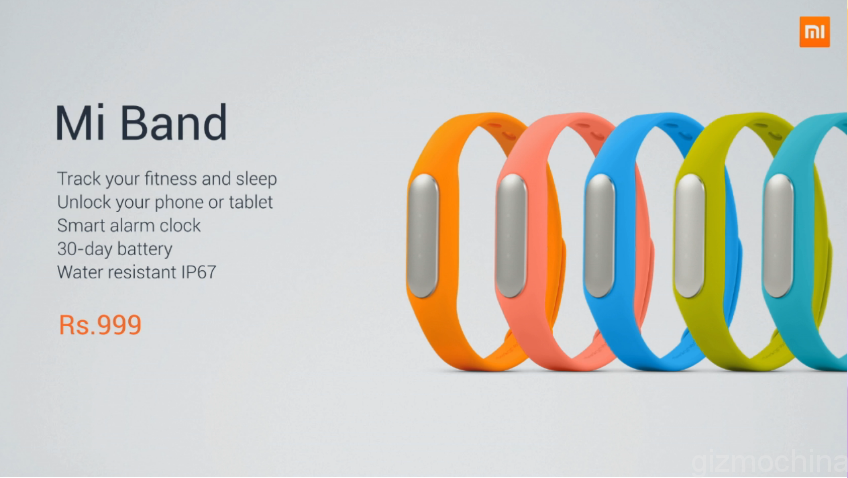
The company also unveiled the Xiaomi Mi Band in India today for Rs. 999 ($18). But more details on that later.
Xiaomi Mi4i is coming and we are just hours away from the official launch event. For the first time, Xiaomi has decided to launch the device first in India, which clearly shows that the company is eager to establish its brand in international markets. Given that there are millions of Xiaomi fans in India and the immense potential for growth, its not surprising that the Xiaomi Mi4i is launching in the country first.
If you are interested in seeing the event live, you can do so from the link given below. The company has decided to stream it live to fans all over the world, that too in English. So, you can head over to the link below to check out what the company has in store for us today.
A few weeks back, we came to know that Qualcomm has no plans to release Snapdragon 815 chipset. The company confirmed this news, which meant that the next flagship chipset would probably be the Snapdragon 820.
But today, our source reveals that the upcoming Snapdragon 620 chipset could be using a 14nm FinFet LPE process instead of the 28nm process that was rumored earlier. This news is a bit hard to swallow because even the latest Qualcomm Snapdragon 810 chipset is using the less efficient 20nm processs. And the upcoming Snapdragon 820 flagship SoC is expected to use the same 14nm process.
So, it would really be surprising if both the mid-range Snapdragon 620 and the flagship high-end Snapdragon 820 use the same 14nm FinFet manufacturing process. However, our source claims that although the Snapdragon 620 will use 14 FinFet, it will be on the LPE (Low Power Enhanced) process. On the other hand, the Snapdragon 820 will most likely use the 14nm FinFet LPP (Low Power Plus) process which is much more power efficient than the LPE.
While our source is not exactly sure why Qualcomm decided to go with the same manufacturing node for both the 620 and 820 processors, it could be probably because Samsung made the first move way earlier than Qualcomm by announcing its 14nm chipset. Also, the company could be confident in the custom cores that will be used in the Snapdragon 820 to differentiate itself as the true powerful flagship.
So to sum up, this is what the new chipset looks like: SD620 with Adreno 510 on 14nm FinFet LPE node (Samsung/GloFo).
Remember that some of this information could turn out to be different, according to company decisions. So, make sure you take this news with a grain of salt.
Chinese tech giant Xiaomi, is going to launch a new powerful mobile phone device known as the XiaomiMi4i, in a conference to be held in India, today. The upcoming device will boast of impeccable features and specifications, including a 5 inch 1080p display screen, 5 megapixels primary and 13 megapixels secondary camera. Other than that, the device is powered by a strong Snapdragon 615 Qualcomm processor, to handle all your multitasking needs. Furthermore, the device has a 2GB RAM, with a storage capacity of 16 gigabytes. Hence, you won’t have to worry too much about your device running out of memory, soon enough. Regarding the firmware, this device would run on Android 5.0 Lollipop, the latest Android version in the market.
In addition to that, the most captivating point of this gadget is its price tag, which is only 1300 Yuan ($210 approx). Besides, this will be the first model from Xiaomi to be launched outside China. As previously it has been seen that, all their device launches had been occurring in China only. It looks to be a great step by Xiaomi to increase their stature outside their own country as well. While India has a very big market for mobile phones and electronic devices, it is a convincing approach by the company to woo Indian customers. On the other hand, this strategy shows a sign of eagerness by Xiaomi to enhance their influence in foreign markets as well.
We use cookies on our website to give you the most relevant experience by remembering your preferences and repeat visits. By clicking “Accept”, you consent to the use of ALL the cookies.
This website uses cookies to improve your experience while you navigate through the website. Out of these, the cookies that are categorized as necessary are stored on your browser as they are essential for the working of basic functionalities of the website. We also use third-party cookies that help us analyze and understand how you use this website. These cookies will be stored in your browser only with your consent. You also have the option to opt-out of these cookies. But opting out of some of these cookies may affect your browsing experience.
Necessary cookies are absolutely essential for the website to function properly. This category only includes cookies that ensures basic functionalities and security features of the website. These cookies do not store any personal information.
Any cookies that may not be particularly necessary for the website to function and is used specifically to collect user personal data via analytics, ads, other embedded contents are termed as non-necessary cookies. It is mandatory to procure user consent prior to running these cookies on your website.