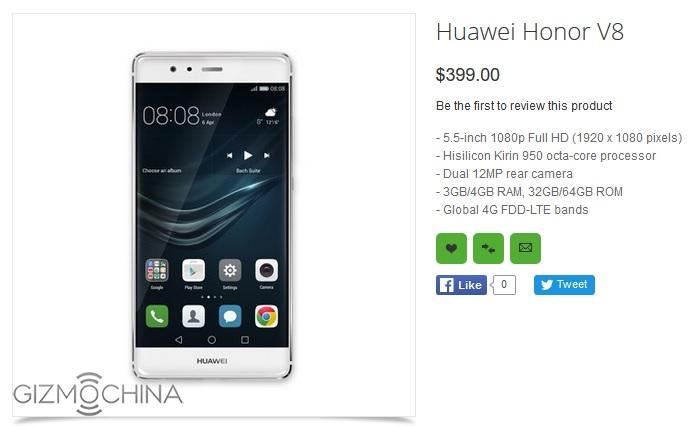
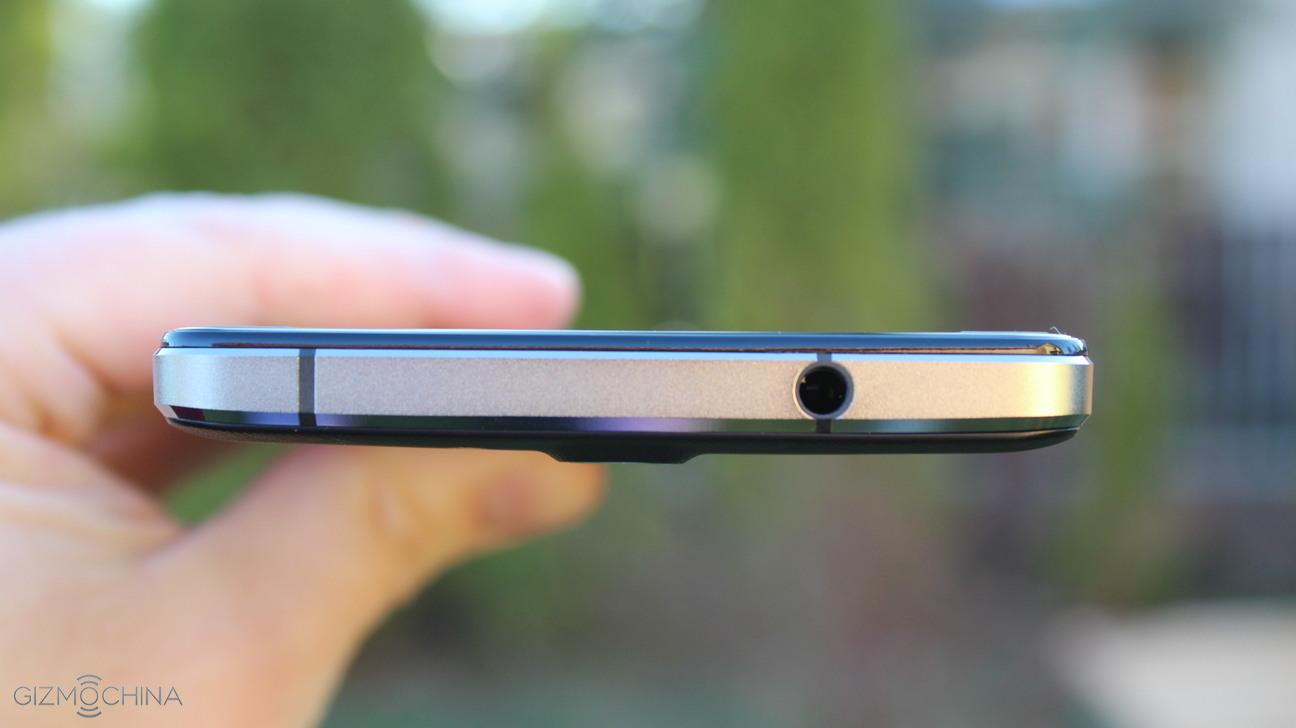
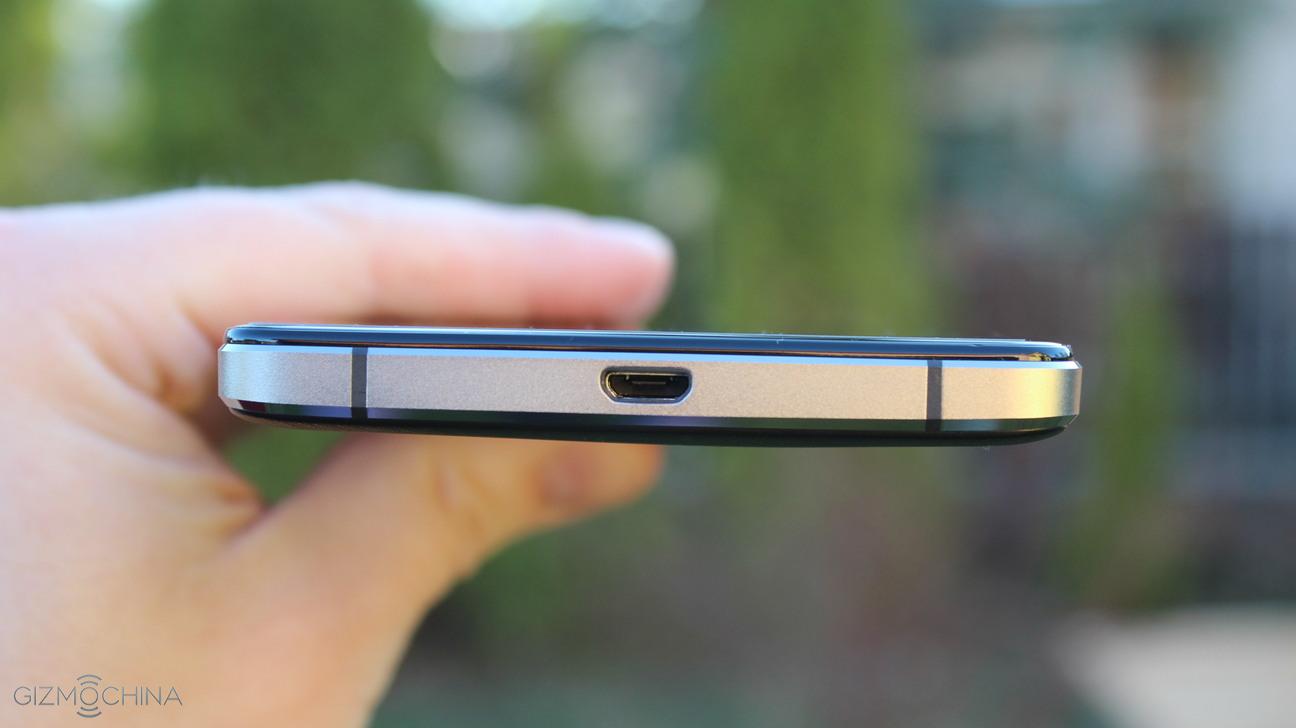
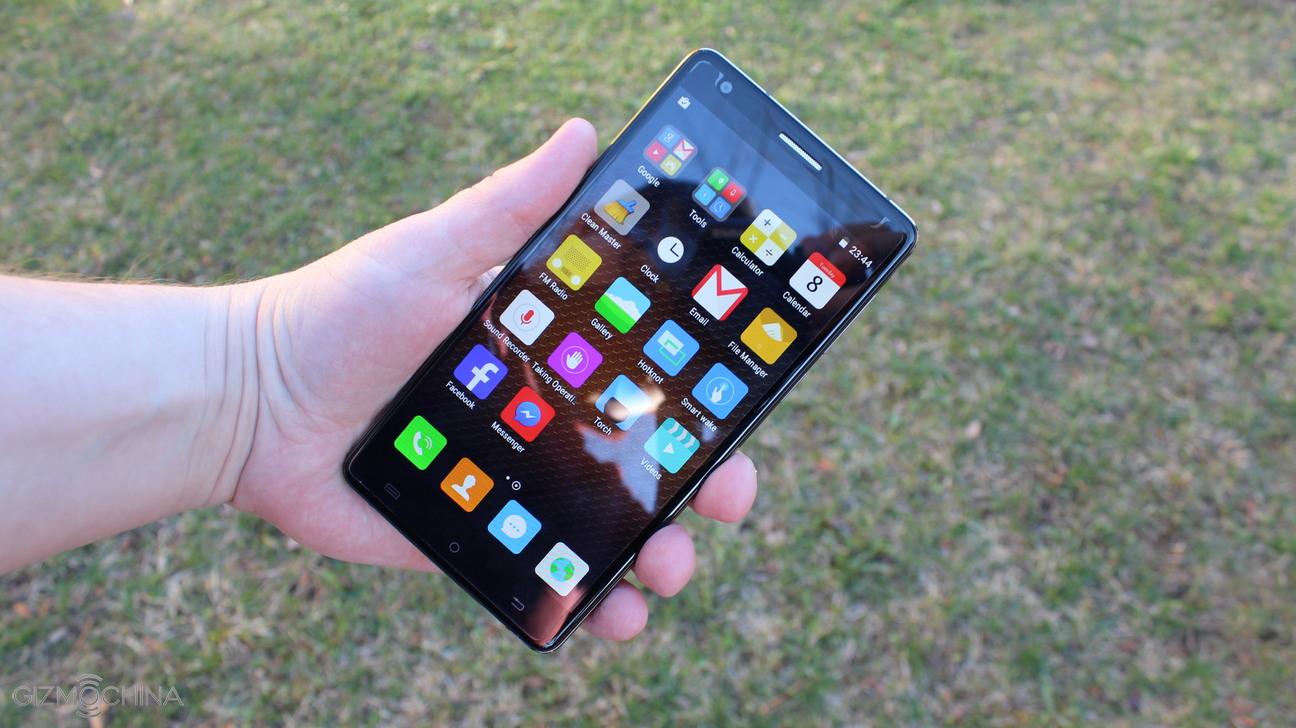
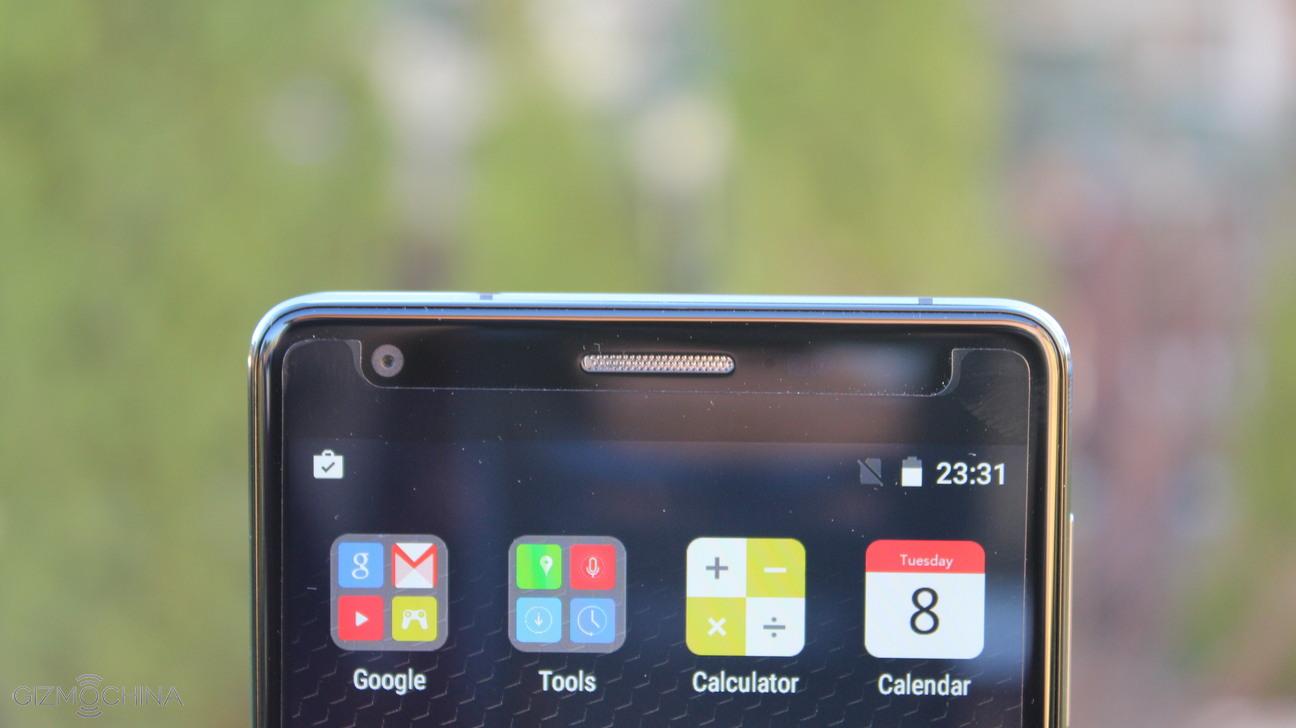
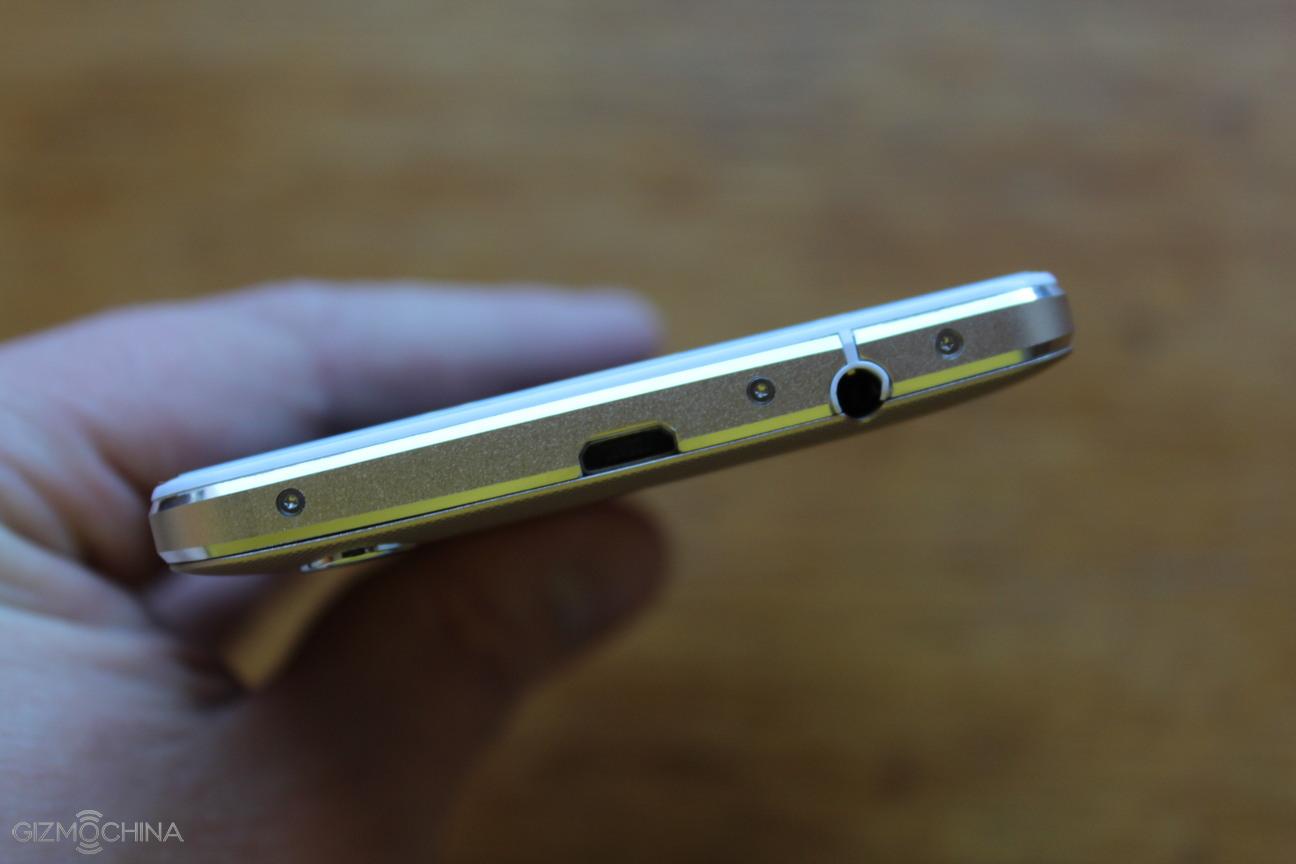
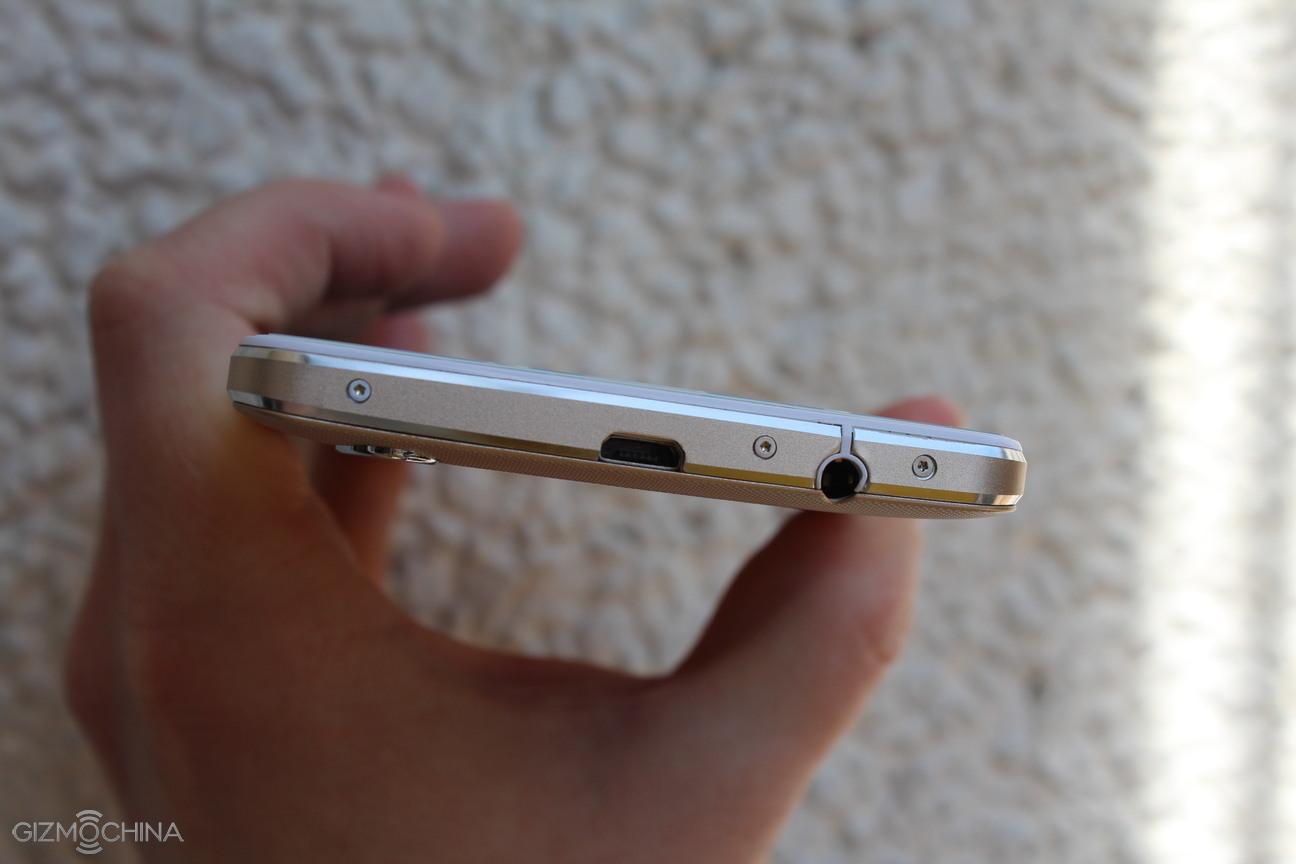
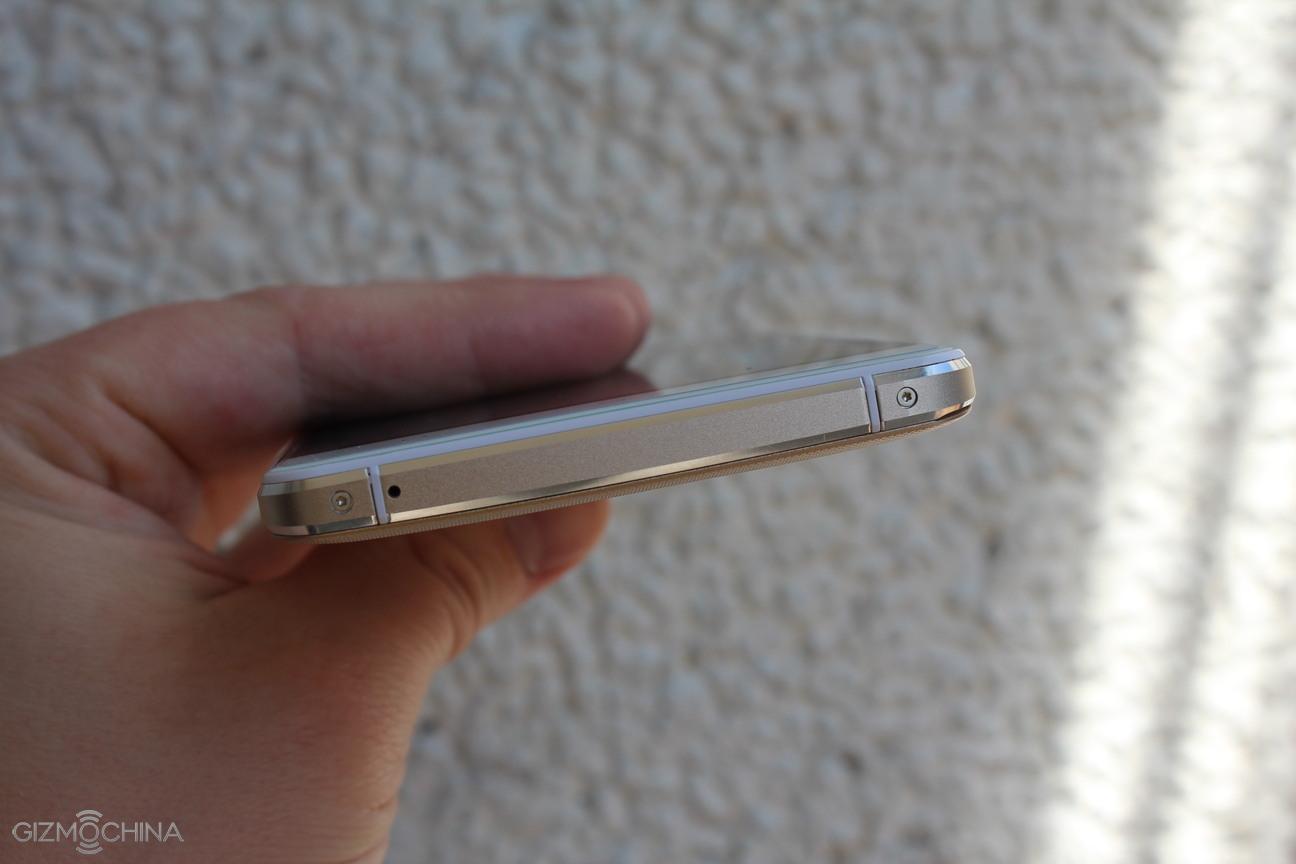
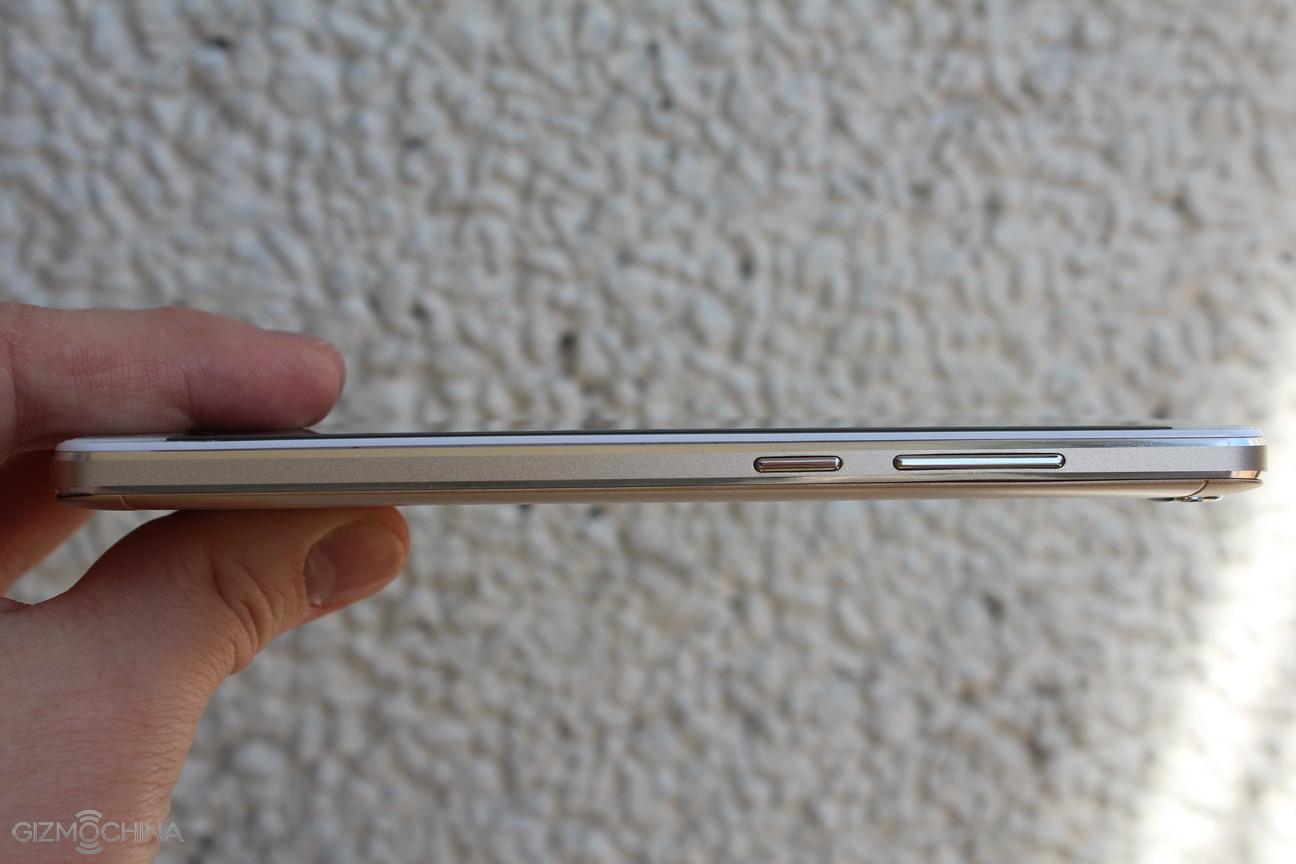
Huawei’s Honor is going to release their first flagship phone, Huawei Honor V8 this year, and it will come with dual cameras.
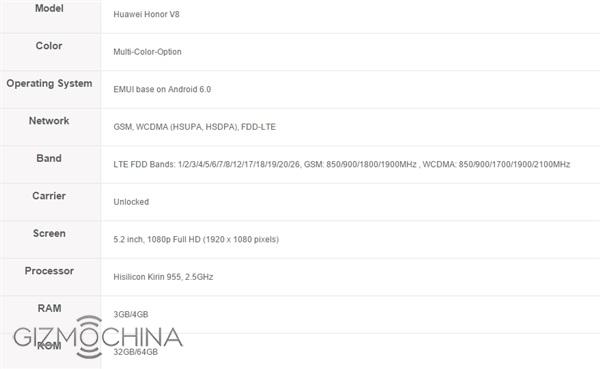
A few e-commerce sites have gone ahead and listed the device with full specifications and to be honest, the specifications and the images posted there, look very similar to the details already leaked out.
Although there is some variance in the description of a couple of the sites as one of the mentions that the V8 has 5.2” screen while the other one states that it will come with a 5.5-inch screen. Rest all the specifications remain the same.
It will be equipped with a 2.0GHz Kirin 950 processor and dual 12MP rear cameras. Huawei P9 also is coming with the same pair of cameras, however if you just remove Lecia certification, camera features should be exactly the same in both the devices.
The front-facing camera on the Huawei V8 is an 8 million pixel shooter, it comes with a 3000mAh battery and dual SIM card connectivity. The device is 6.95mm thick, weighing around 144g and runs on Android system 6.0 with Huawei’s EMUI on top.
The Huawei V8 will come in two variants 3GB RAM/32G ROM and 4G RAM/64G ROM (LPDDR4 1866MHz memory and eMMC 5.0 storage) and the price will be starting at $399 or 2590 yuan. As far as the accuracy of this leak is concerned, we will have to wait till the May 10 launch
We saw a white version of the device listed on one of the websites and it looked beautiful. It is built with a three-stage design, the middle is metal, and the front panel is covered with 2.5D glass with a bezel-less screen.
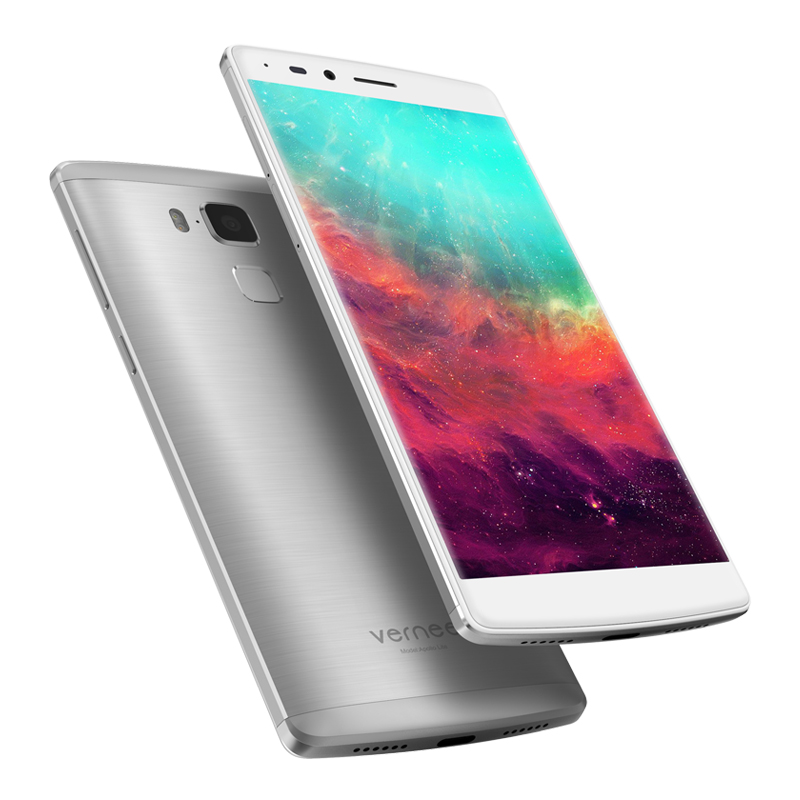
Vernee recently came into the limelight for its 6GB RAM smartphone, the Vernee Apollo. Since the reveal of the device, we have seen a few more flagships featuring 6GB RAM, making things even more competitive. But apart from the Apollo, the company has another smartphone in the pipeline, the Vernee Apollo Lite version which will feature slightly toned down specs for a cheaper price tag of $199.99. Today, Vernee has released more details about the phone’s battery.
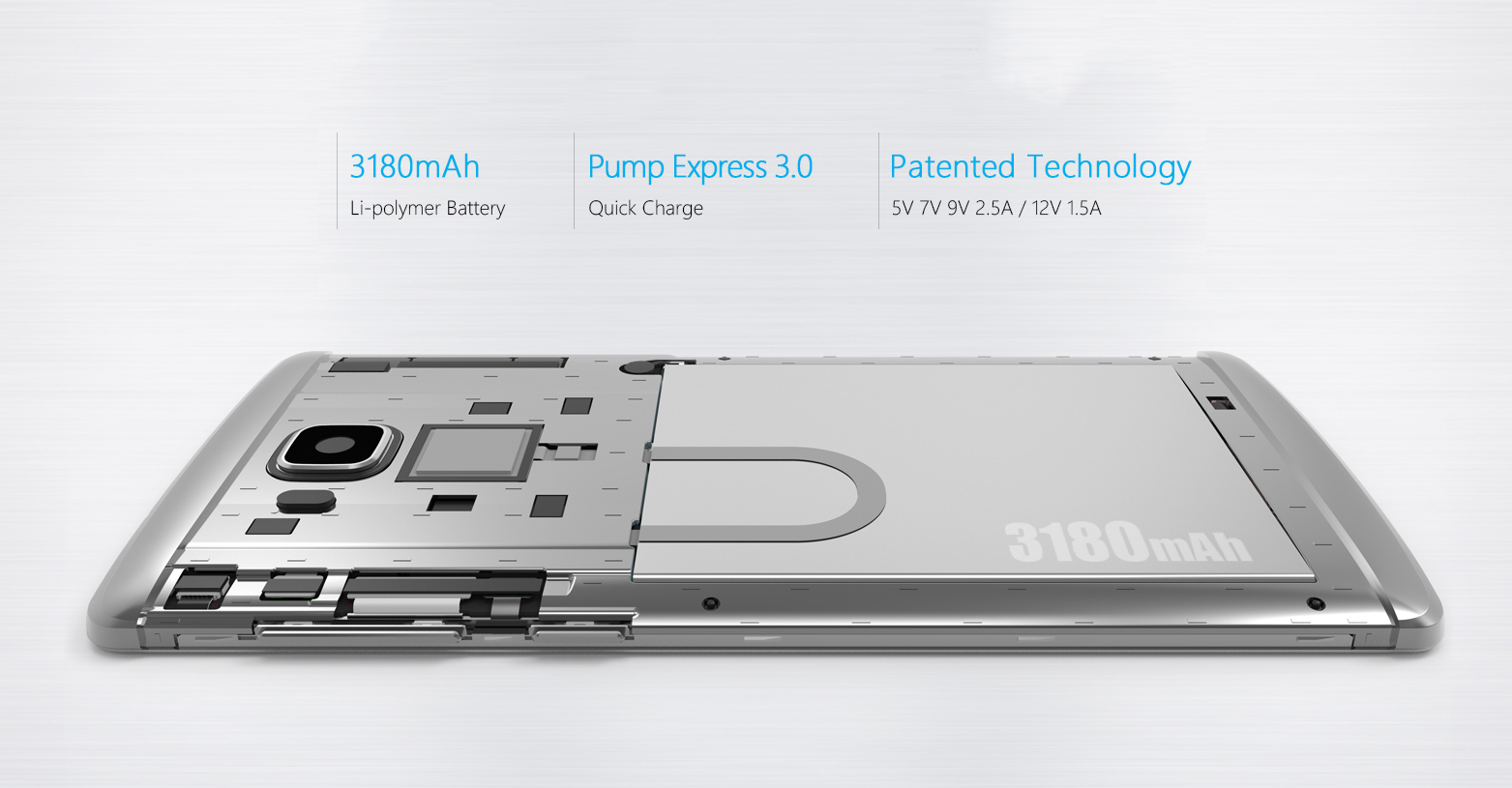
Vernee reveals that the Apollo Lite will come with a 3180mAh battery which is pretty much standard among flagship these days. What’s more, the phone will come with Mediatek’s Pump express 3.0 fast charging feature which the company claims charges the phone from 0 to 75% in under 30 minutes.
The company also reveals that the phone comes with a brushed metal unibody design to make sure that it looks premium. Further the specs ensure that the phone will be quite competitive in today’s market.
To recap, the Vernee Apollo Lite comes with the Helio X20 deca-core chip under the hood with a 5.5-inch FHD arch display. Inside, you get 4GB of RAM and and 32GB of internal storage as standard. At the back, you have a 16MP camera, while on the front, there will be a 5MP shooter. Finally, the phone will run on the latest Android 6.0 Marshmallow OS out of the box. Other features of the phone include dual SIM, 4G LTE, compass, Gyroscope and USB Type-C port.
As you can see, despite its “Lite” name, the specs are pretty powerful. The company will officially unveil the device in May for $199.99. So stay tuned for more details in the coming weeks.
UMi seems to be doing things right this year, releasing some pretty good handsets in the market. UMi Touch can definitely be considered one of the best mid-rangers from the company this year, and the company now wants to know that the phone is as beautiful on the inside as it looks on the outside.
As you can see in the teardown video above, which the company released recently UMi seems to have done a good job with the inside of the device. Check out the video above for the complete teardown of the device.
The UMi Touch comes in a full metal unibody design with CNC cutting edge. The phone features a front facing fingerprint sensor, embedded into the home button. There will be three color options on this metal body, gold, silver and dark grey. Inside, you get a large 4000mAh battery which should be enough for a couple of days. This is fitted inside a slim 8.5mm body.
Inside, the phone features the MT6753 octa-core processor with Mali-T720 GPU. Up front, you get a 5.5-inch 1080p display. At the back, the phone comes with a 13MP camera with Sony IMX328 camera sensor, while up front, you get a 5MP shooter.
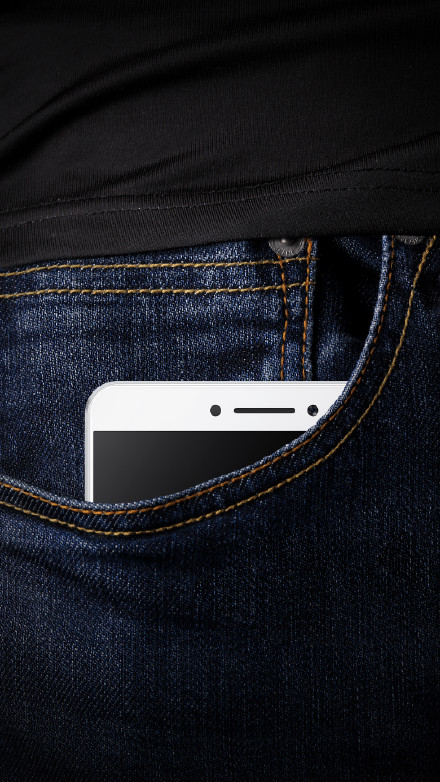
Xiaomi is all set to announce a new smartphone in its phablet lineup called as the Xiaomi Max. The company has been teasing about this phone for the past few days, but now, we have the first real life image of the Xiaomi Max. We can only see a part of the front of the Max, however, it looks like the earlier leaked front panel of the device was indeed of the new Xiaomi phablet.
From the new image, we can see that the company is going to use a symmetrical front design. The sensors are placed on the either side of the ear piece and looks much better than the previous placement of the sensors. This also kind of confirms that the earlier leaked front panel, which had the same design is indeed of the Xiaomi Max. I have added the panel down below, and you would immediately see the similarity.
Xiaomi’s SVP had earlier said that Xiaomi Max is not just a large screen phablet, but it would be designed keeping in mind the user experience of the customer. So, it looks like there would be a few changes in the design of the device, to make it more attractive and user friendly. Judging from the size of the phone in the picture, we can say that it should be of more than 6-inches. We can also see something shining on the sides, which could hint that the phone comes with a metal frame and back. But until we see the back of the device, we can’t be sure.
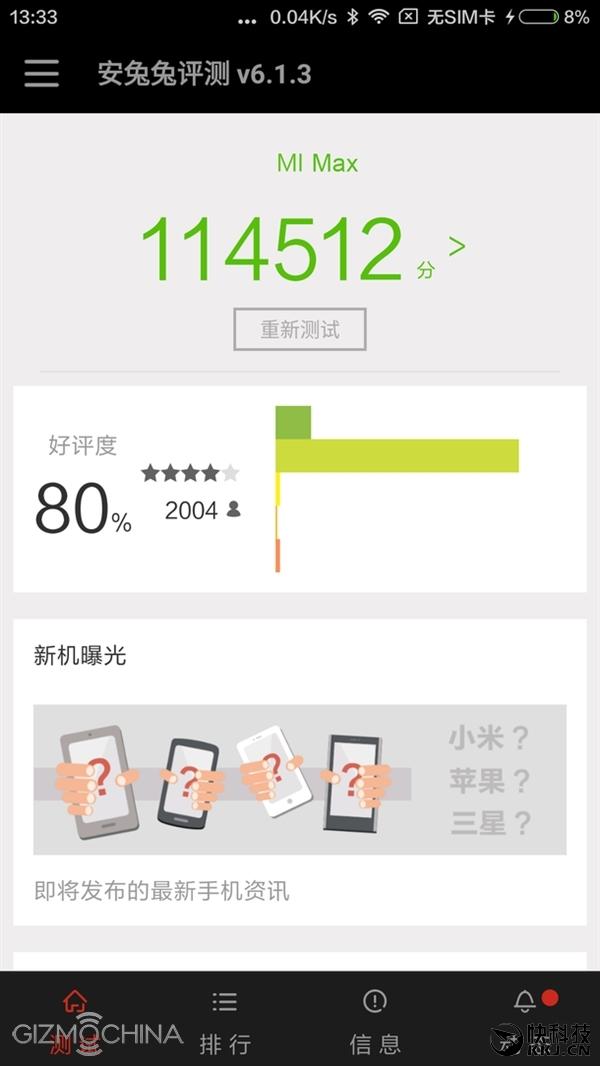
Recently, we came across the alleged benchmark results of the Mi Max model and it is said that the phone could be using a custom processor made by the company. Xiaomi is expected to release the handset in May this year, so expect more details in the next couple of weeks.
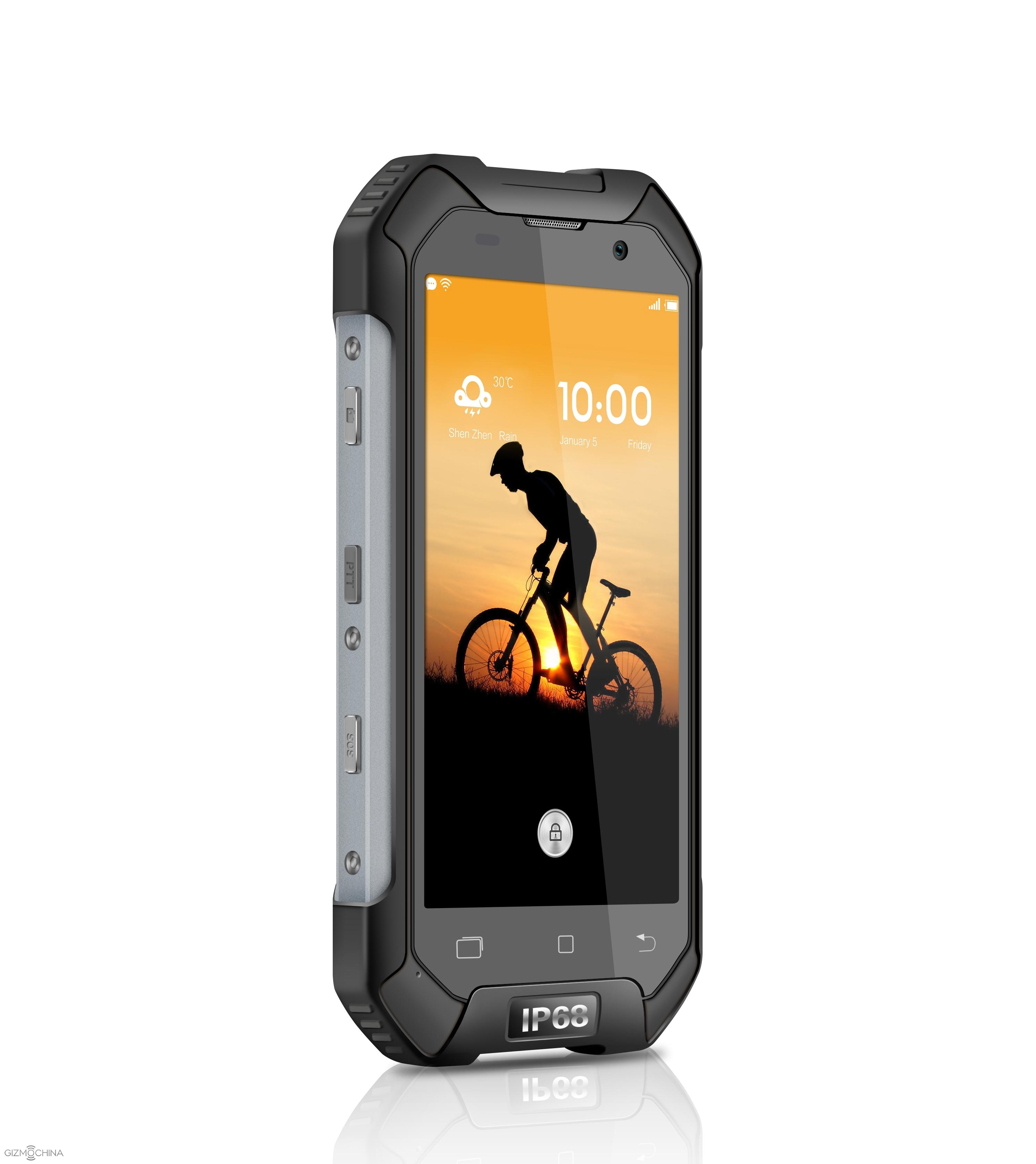
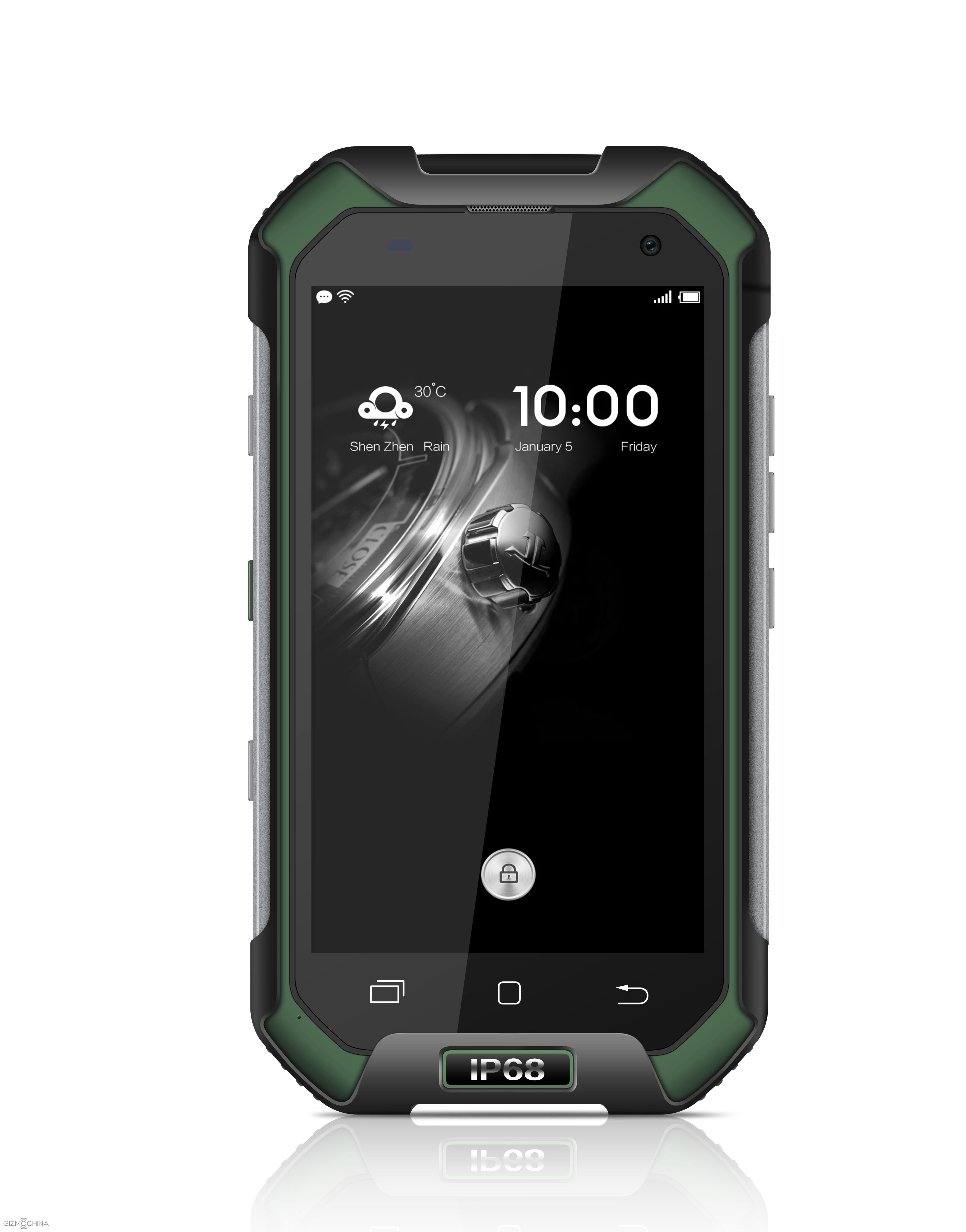
We had reported a few days back that Blackview was upgrading its rugged ‘BV’ smartphone lineup with a new model soon called as the Blackview BV6000. Unlike other rugged handsets which come with mediocre hardware, Blackview has made sure that its new rugged smartphone is not just about durability but also about performance. This is why you get the latest Helio P10 octa-core chipset that powers flagships such as OPPO R9 inside the BV6000.
However, since Blackview BV6000 is basically a rugged smartphone, the company showcased the device in a unique manner at the recent Global Sources Mobile Electronics HK 2016 event. The phone is IP68 certified, so it’s waterproof, dust proof and even shock proof to some extent.
This is why the company showed the device under water in a special setup. The phone seemed to work perfectly well even inside water. You can check out the video from above.
Coming to the BV6000’s specs, apart from the MT6755 octa-core chip, the phone features 3GB of RAM and 32GB of expandable internal storage. You get Android Marshmallow inside, another plus point for the phone. At the back, you have a 13MP f/2.0 aperture OV sensor and up front, there will be a 5MP OV 85 degrees wide angle shooter. Since this is an outdoor-centric device, the company has used a large 4500mAh battery inside to make sure that it lasts for more than a day. Given the 4.7-inch HD display protected by Gorilla Glass 3, you need not worry about the battery life of the phone.
Other special features of the phone include Wi-fi, NFC, Snapshot button, SOS button, 4G LTE, dual SIM dual standby and double click to wake. The phone will be launched sometime in May 2016 for less than $200. Stay tuned for more details.
The news that Xiaomi seems to have been discreetly developing its own processor has been doing rounds for some time. The question, however, is, will the first processor they develop be a high-end processor?
As per the sources, Mi developed processor codenamed Rifle, is ready and may be used in the upcoming device, Max. A benchmark leak also confirmed the same and the benchmark score of the device is also above 110,000.
However, Mobile China Alliance (MCA) Secretary-General, Lao Yao, recently said that Mi Max won’t be using this chipset. Also, if the other leaks are to be believed, Mi is still using a Qualcomm Snapdragon 820 processor in Mi Max and it will be a full metal 6.4” phablet, with Mi logo and fingerprint scanner located at the back. It may come with a 4GB ram and may be priced at 3000+ RMB ($462).
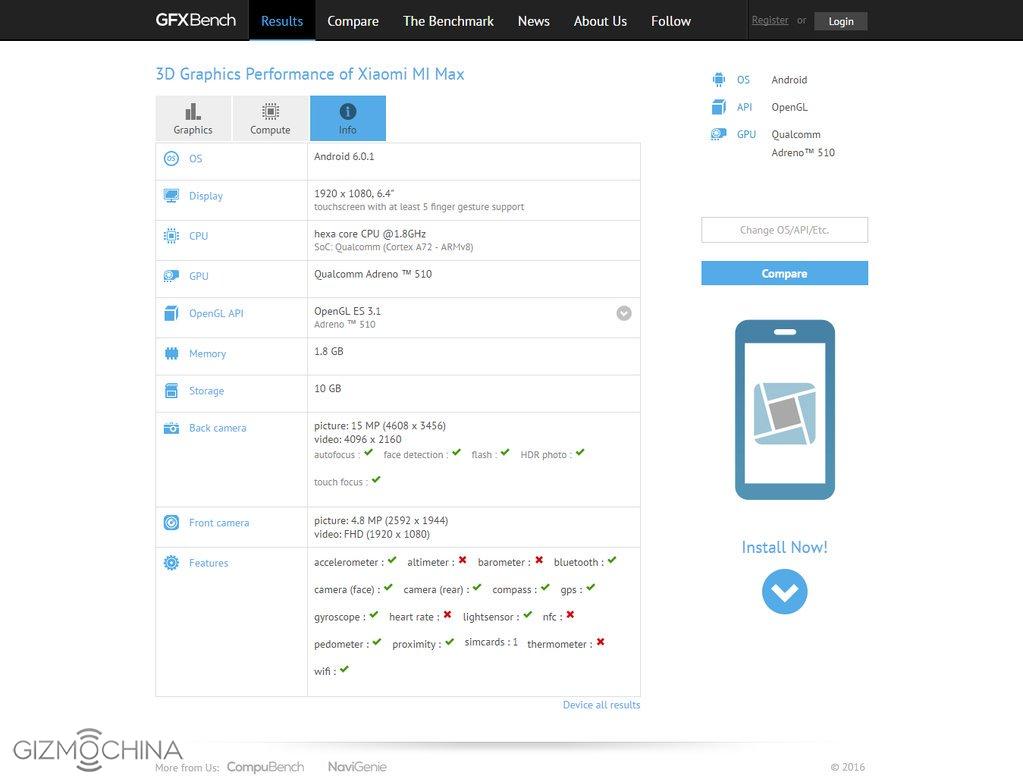
We also have another leak from GFXBench that confirms other specifications listed above but mentions a Qualcomm Hexa-Core processor clocked at 1.8 GHz coupled with Adreno 510 GPU and 2 GB ram along with 16 GB internal memory.
We should not be surprised if the largest phone in Mi history, Mi Max, gets released next month itself. We, definitely, are looking forward to this launch, are you ?
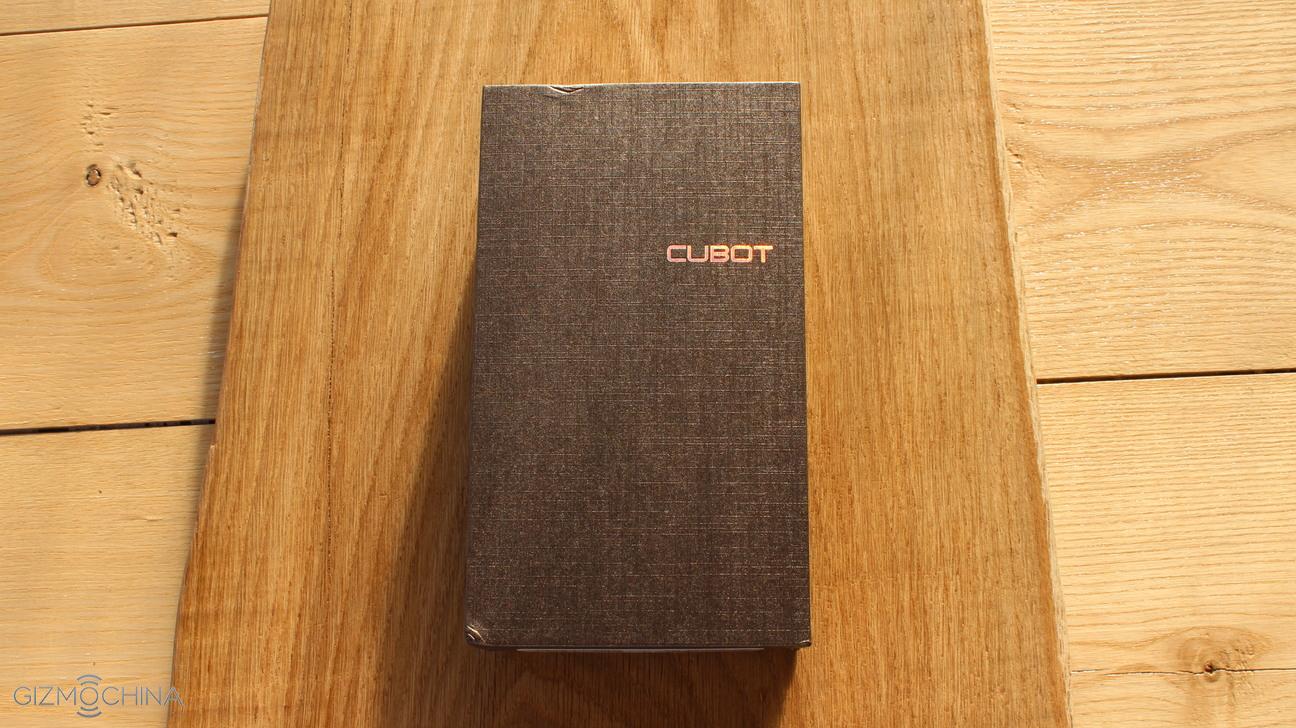
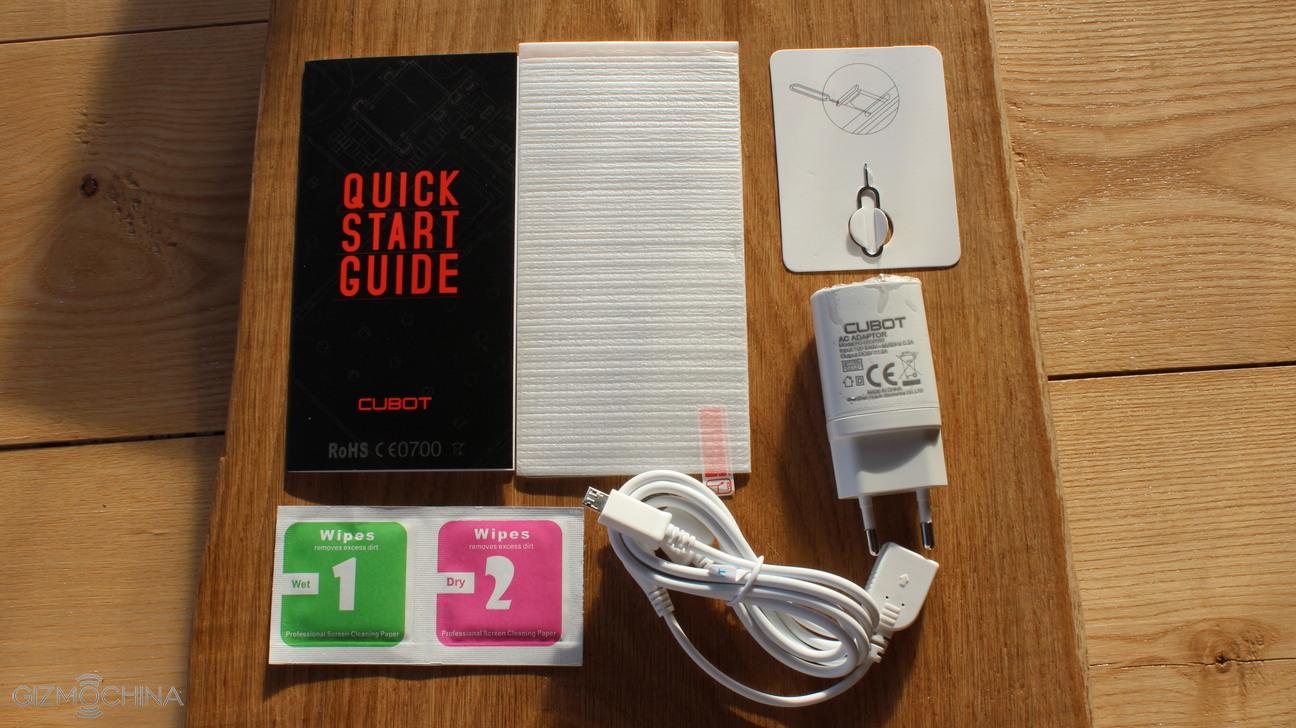
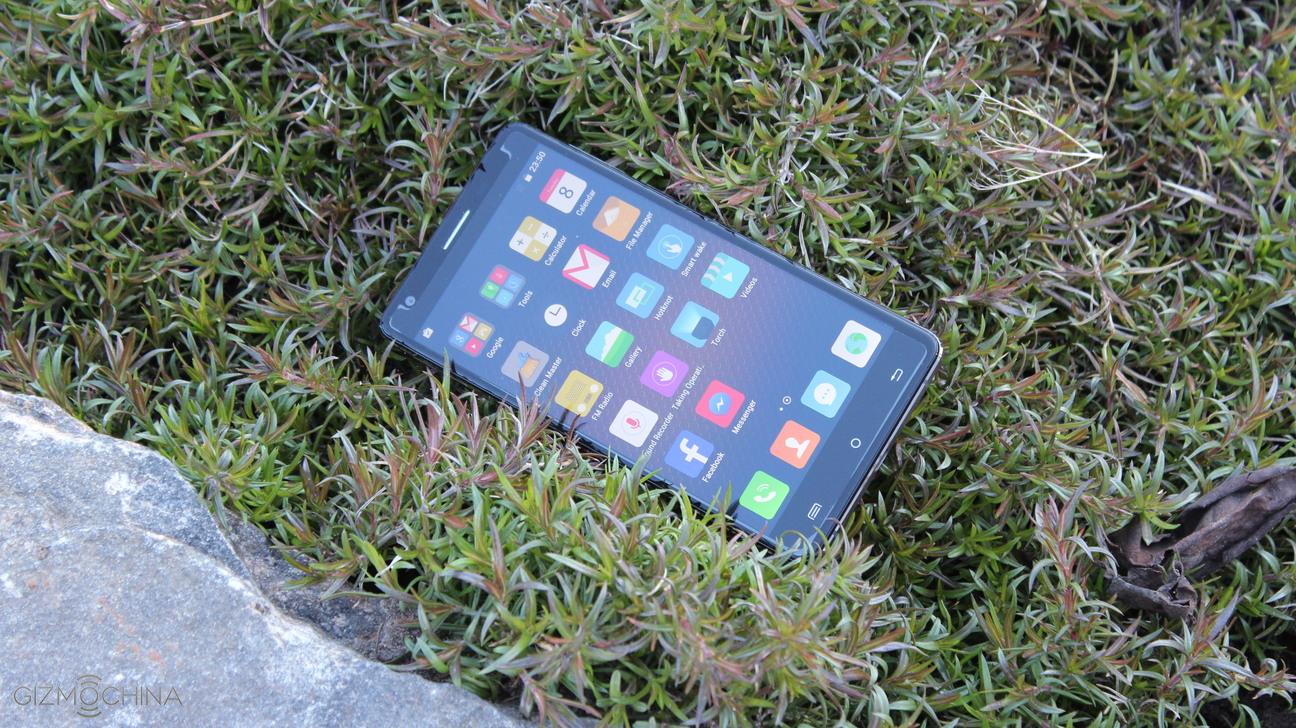
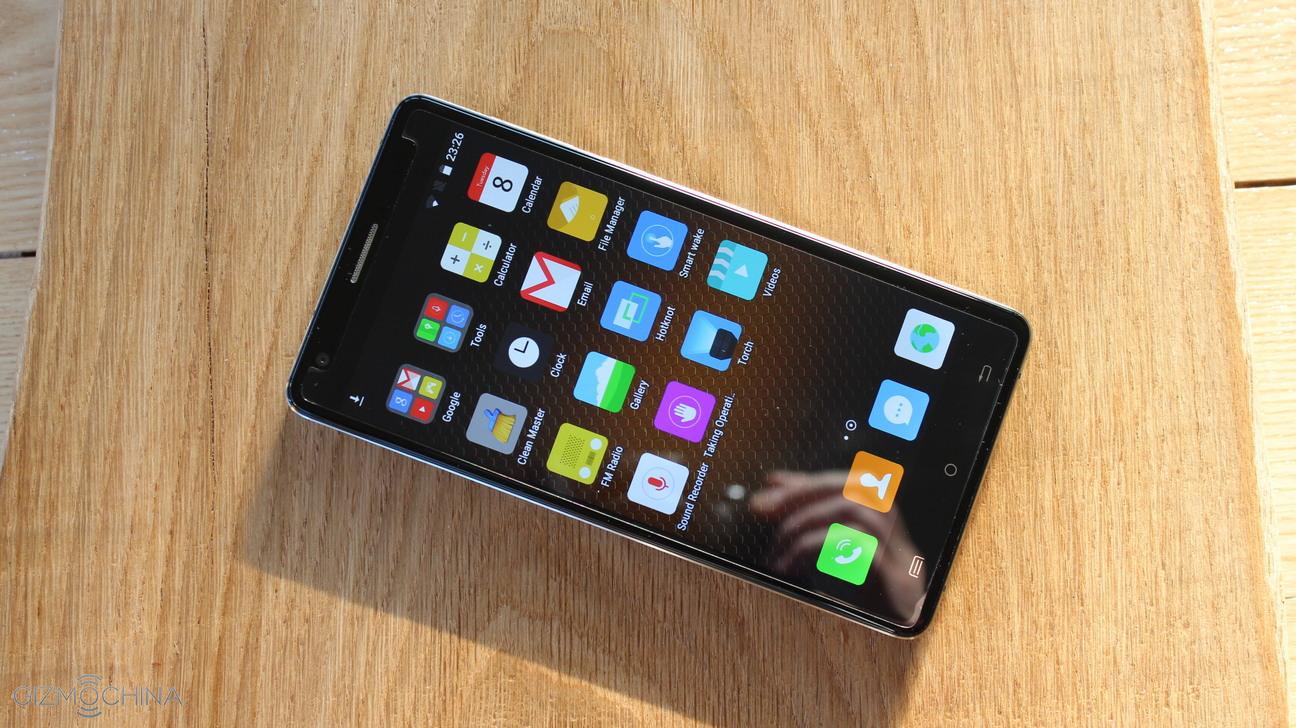
The battery life is one of the key features of each phone and a lot of Chinese manufacturers try to solve that issue by producing phones with huge batteries. Cubot H2 is one of them and it is an affordable solution. Learn more in a full review.
16GB (expandable via microSD card slot up to 32GB)
Cubot H2 Review: DESIGN and DISPLAY
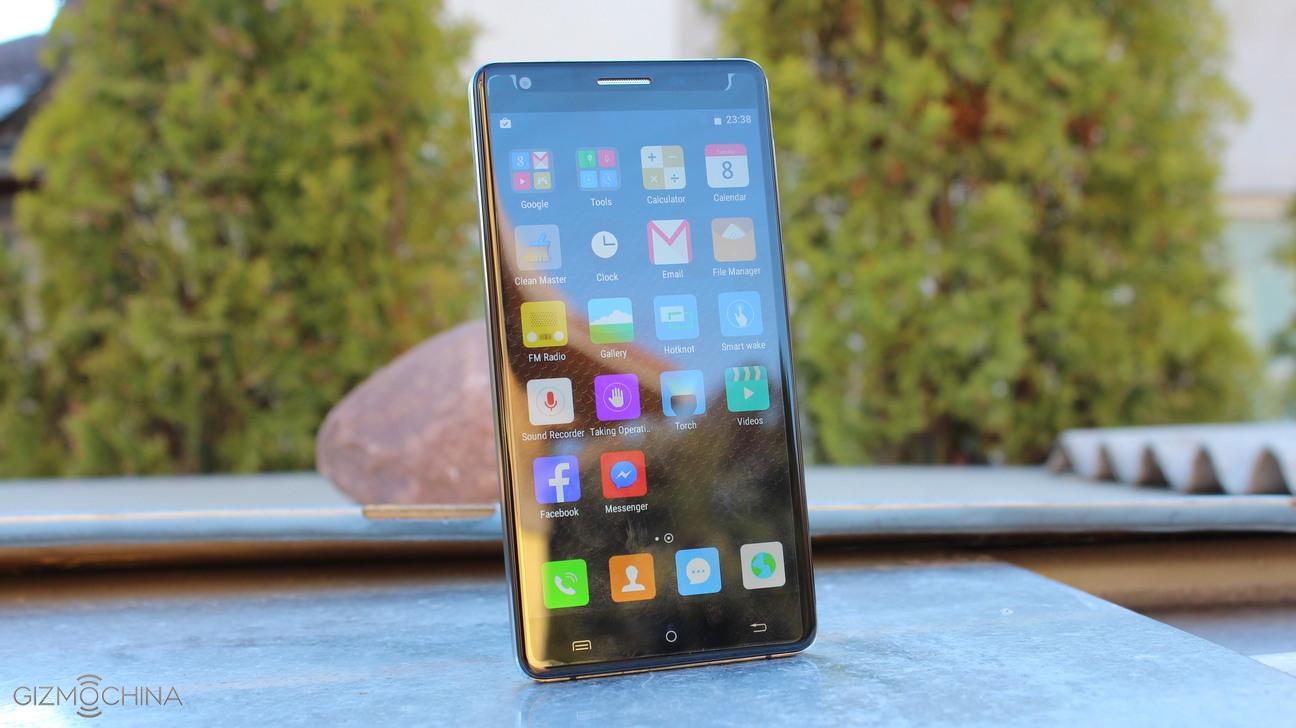
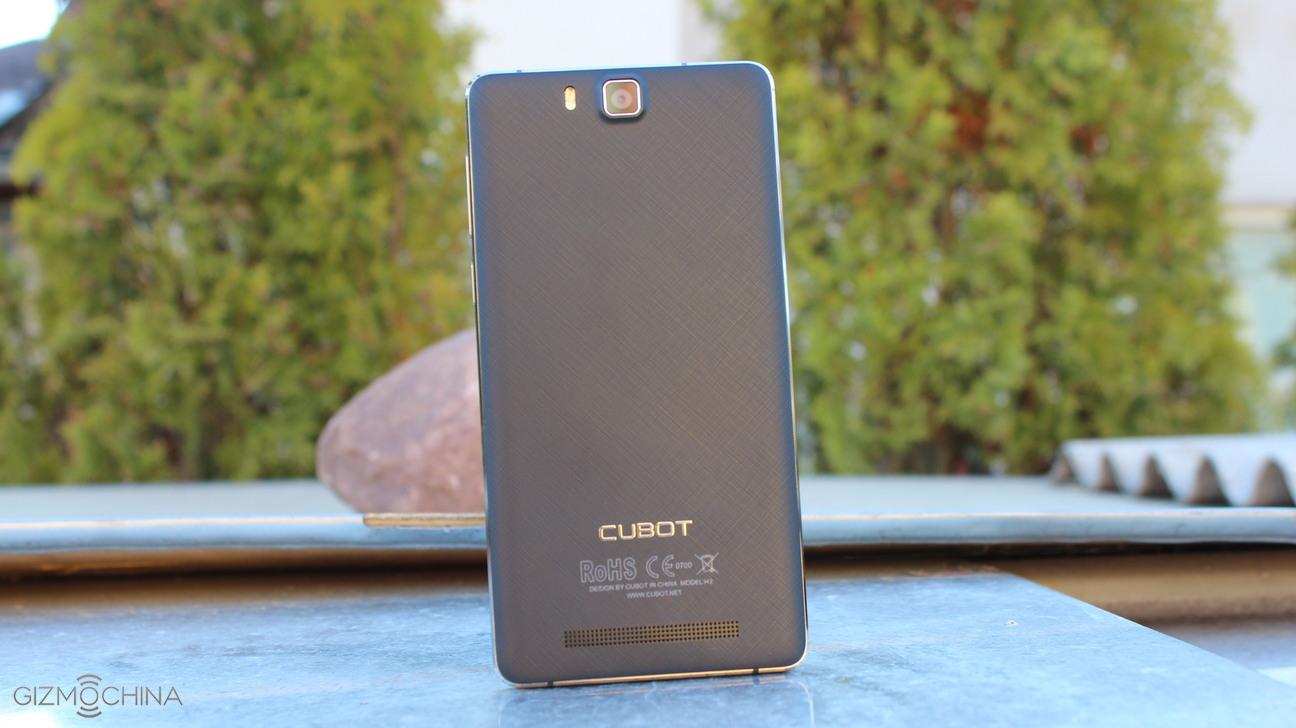
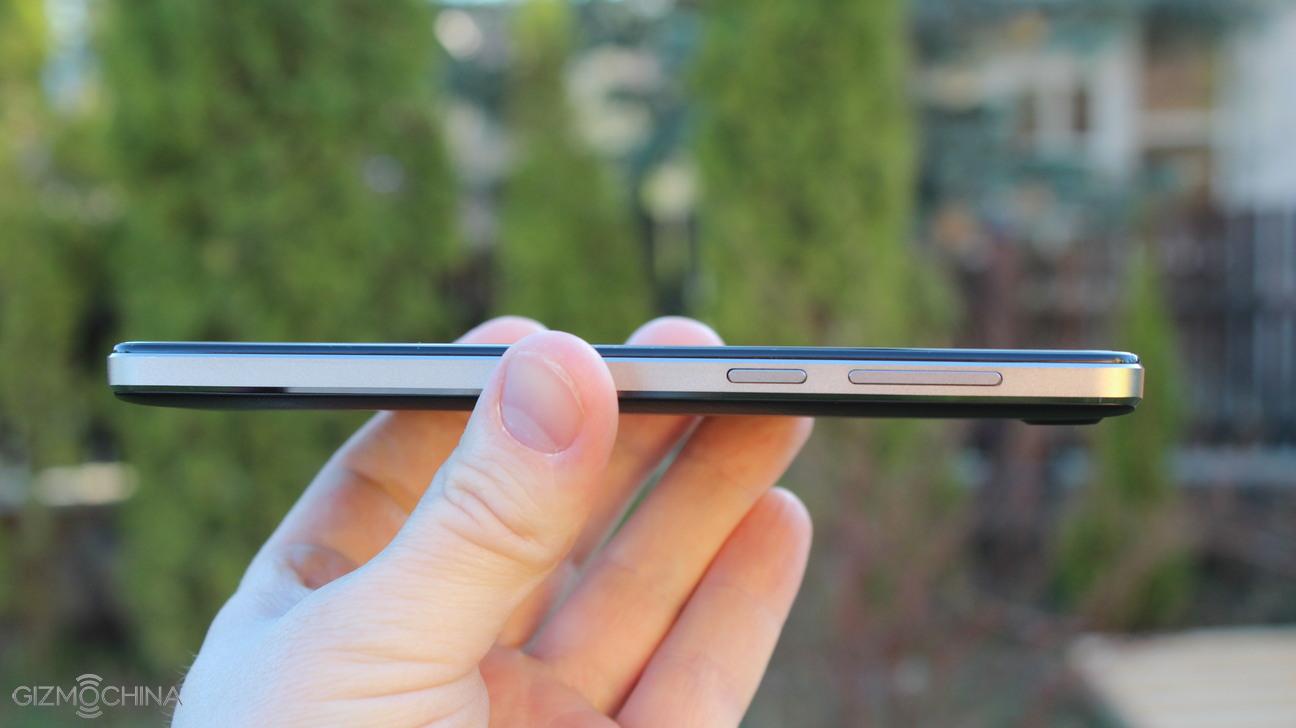
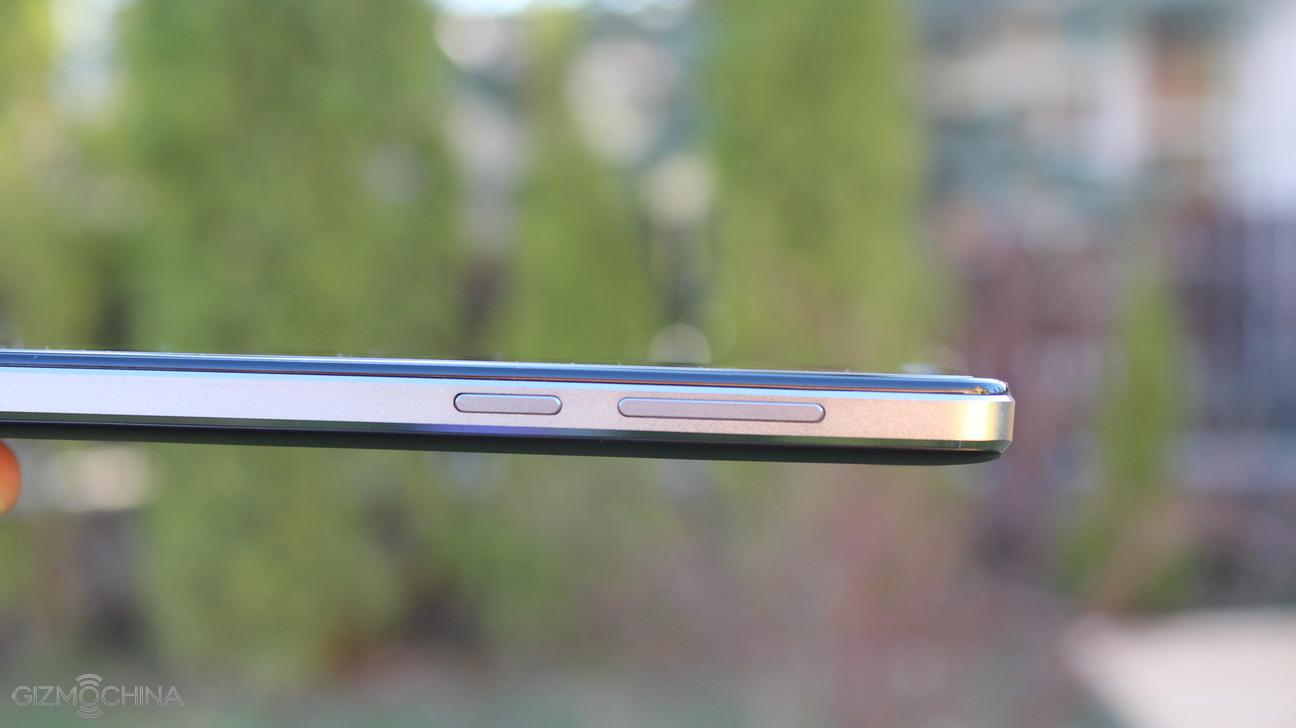
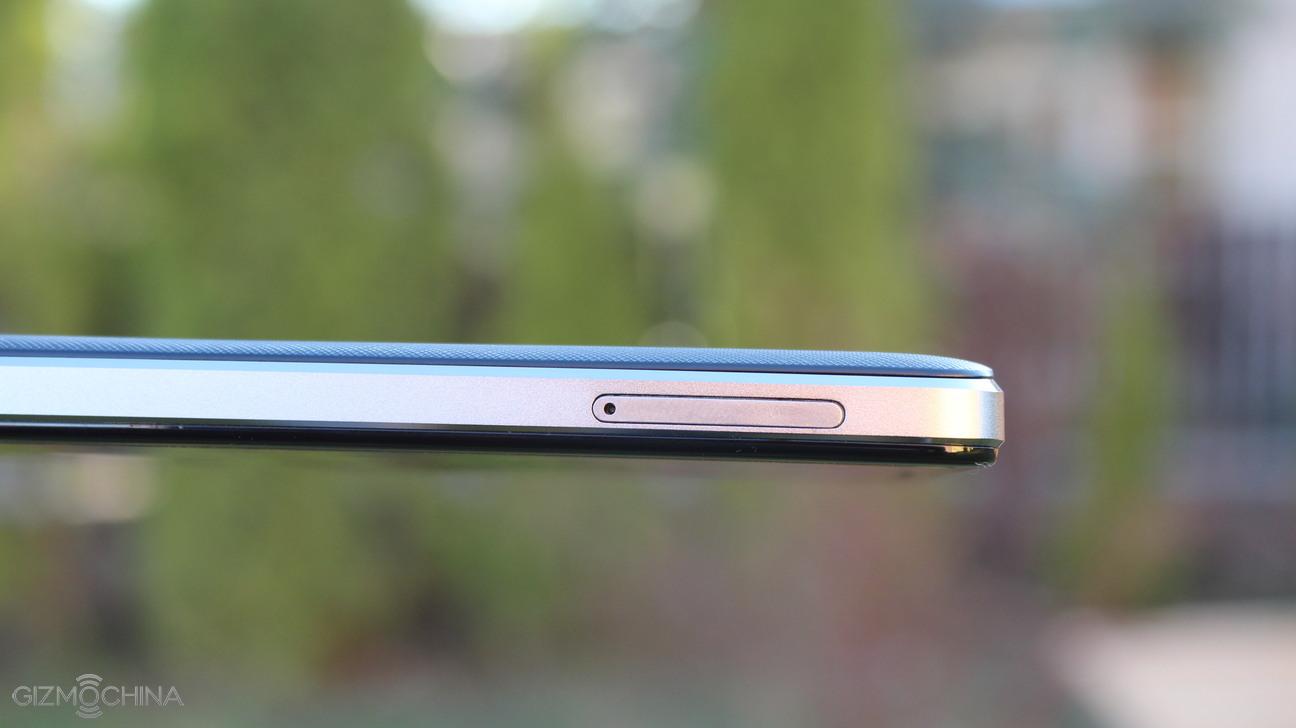
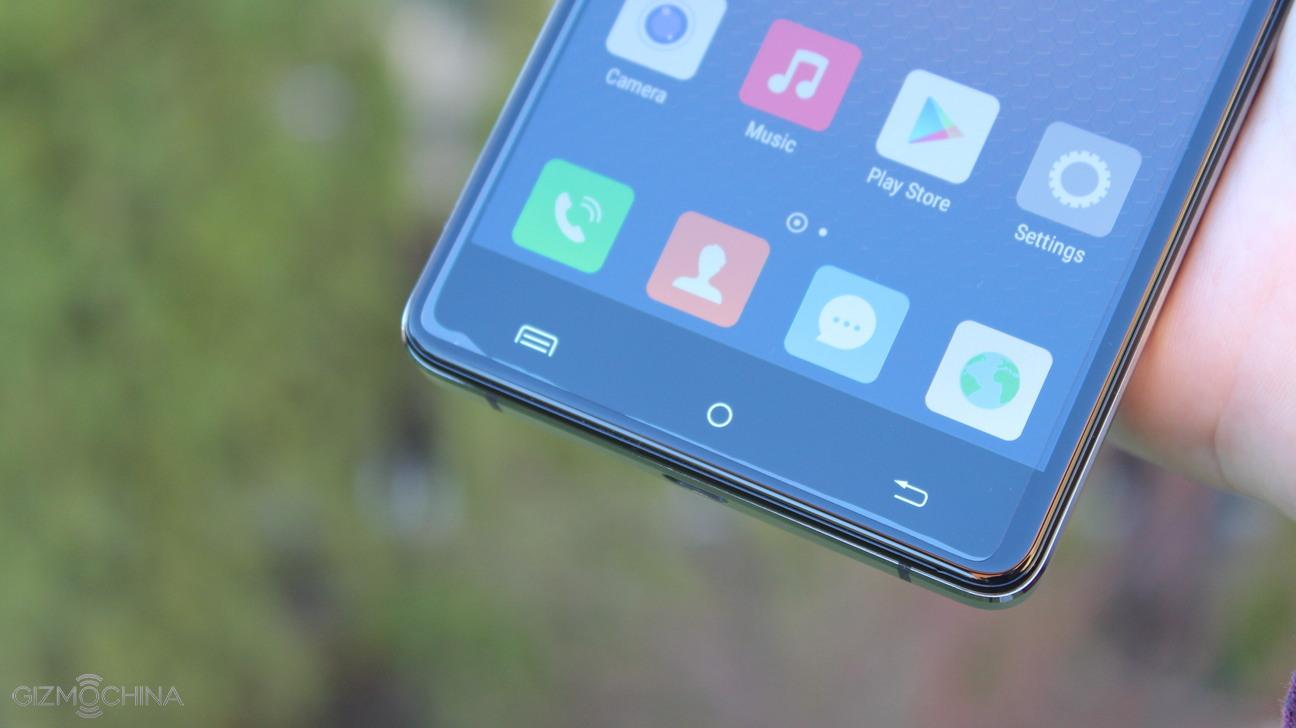
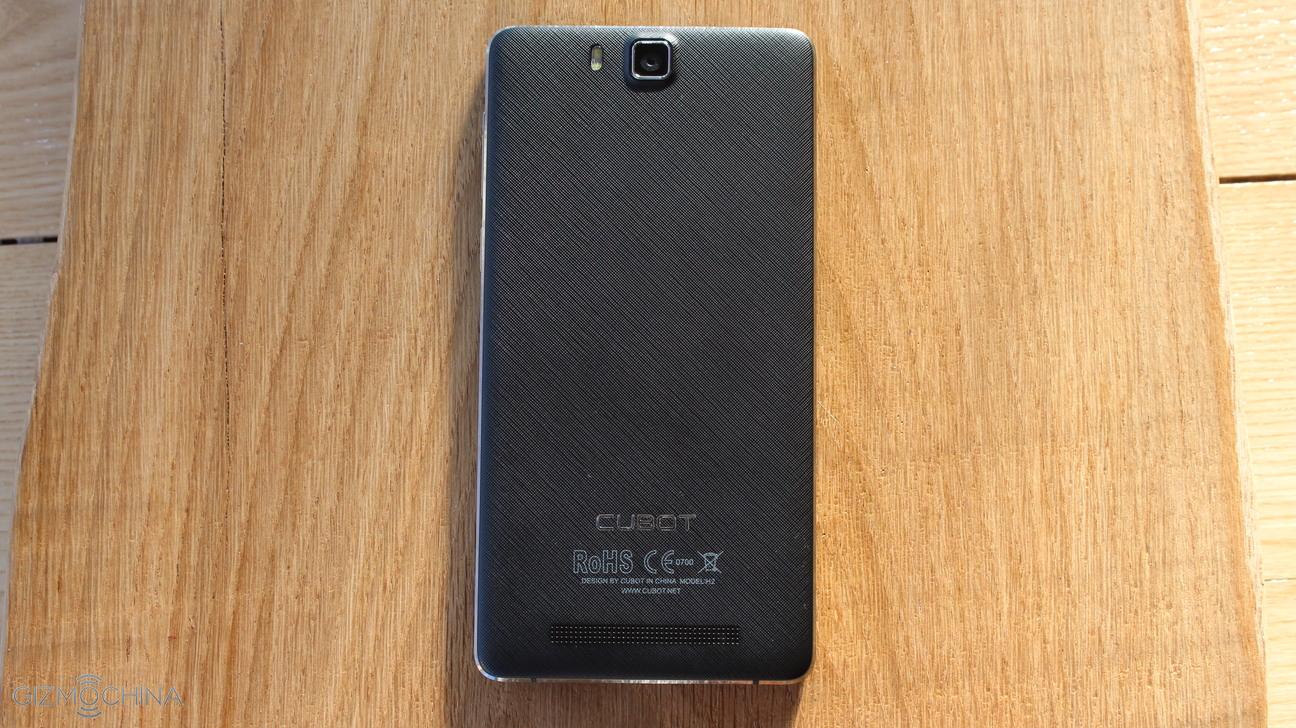
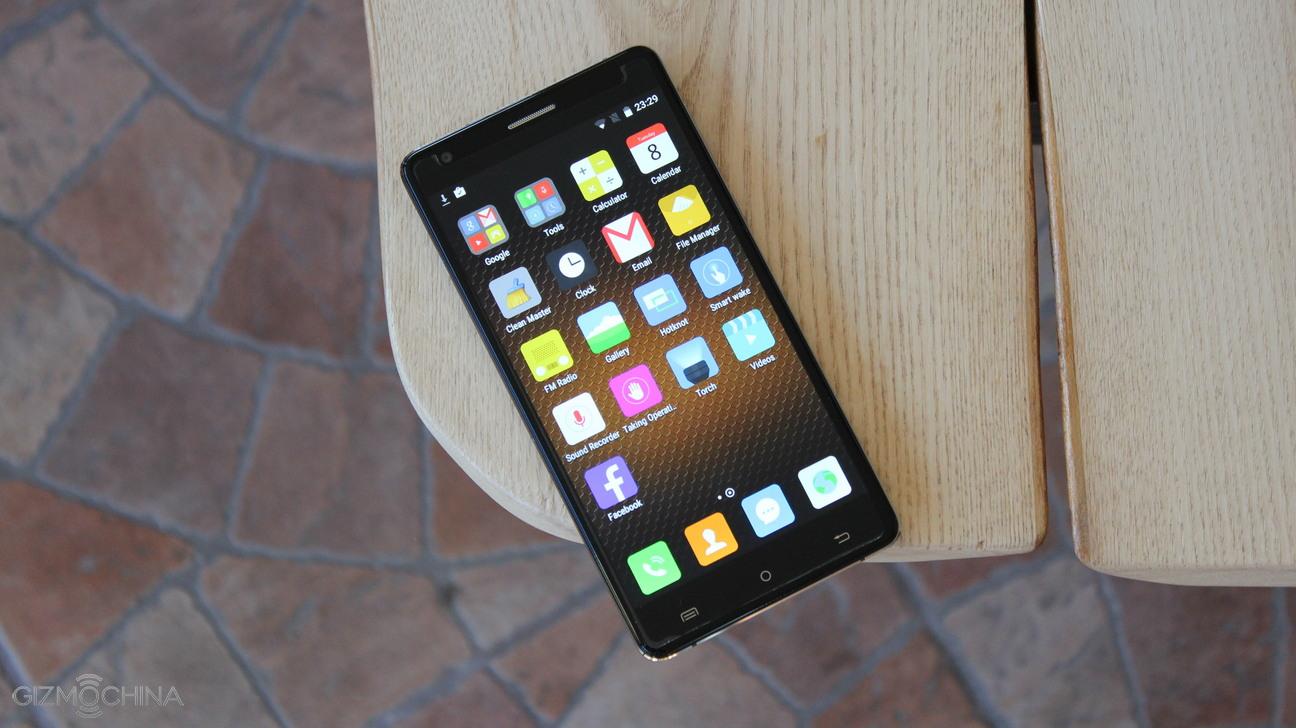
The design of the phone is pretty simple but I was really impressed with the build quality. A sturdy metal frame goes all around the device, the buttons have a great tactile feedback and the phone is really well-made.
One of the highlights is a huge 5000mAh battery inside the phone, which results in a total weight of 230g of the device.
Cubot H2 has a 5.5” 720p display, which is pretty good for an HD panel. It is quite sharp, the colours look nice and it is quite bright.
On the front we have an 8MP shooter and a customisable LED light. However, the capacitive buttons do not have a backlight.
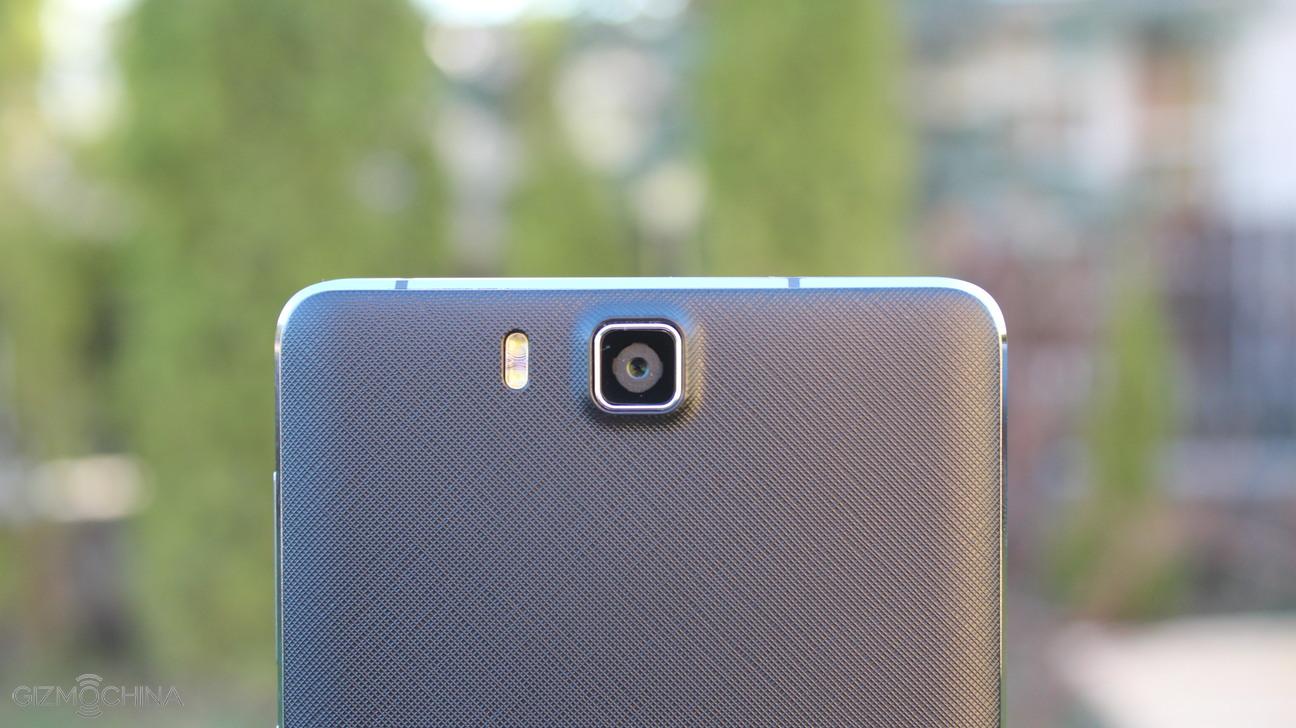
The back is made of textured plastic, which is actually nice to the touch. We have a 13MP camera with a dual LED flash for photos.
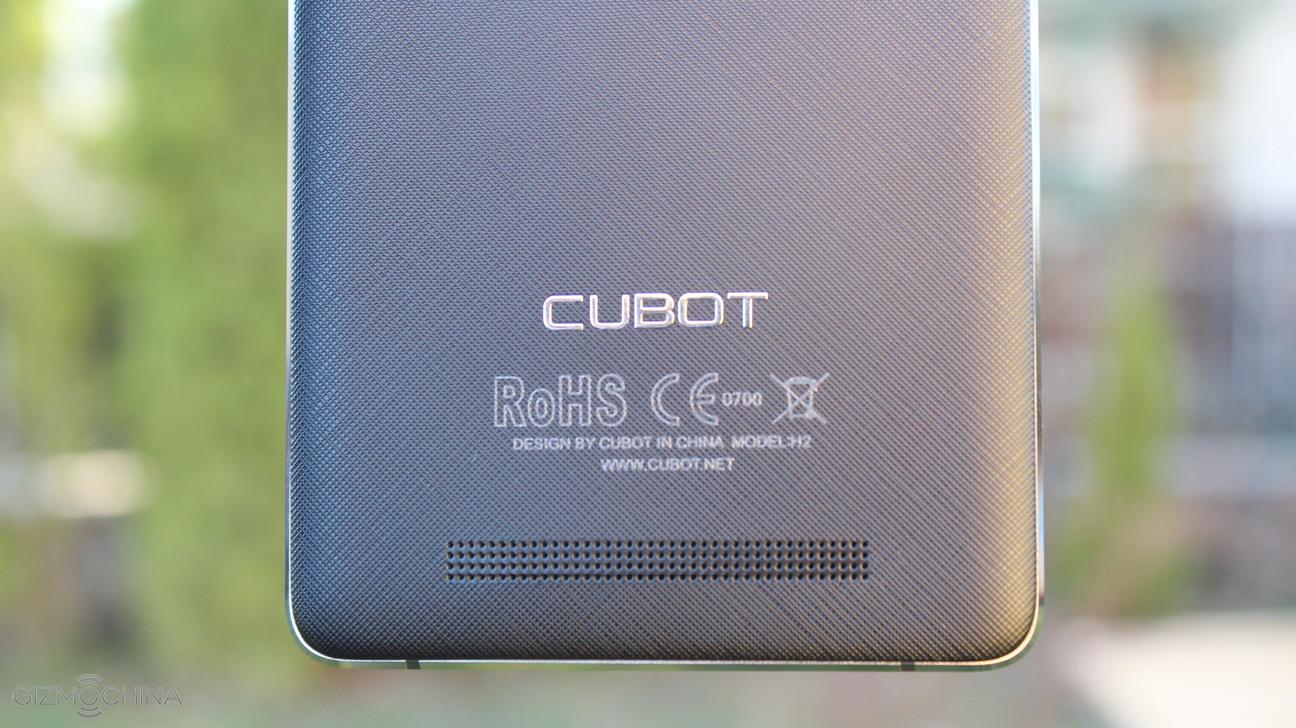
The loudspeaker is placed on the back and the sound quality of it is average. It is pretty loud but, as usual to all budget phones, it lacks depth and the sound is tinny.
Overall, I’m really happy with the way this phone is built and a great choice of materials.
Cubot H2 Review: HARDWARE and PERFORMANCE
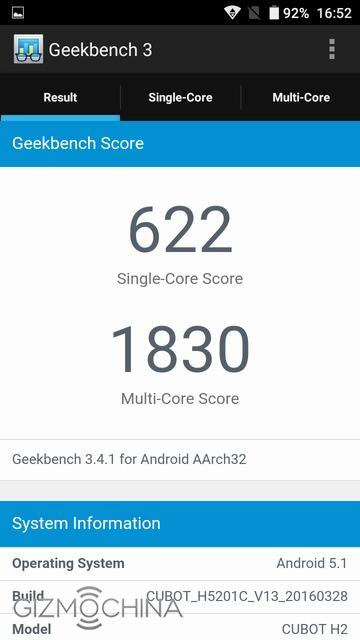
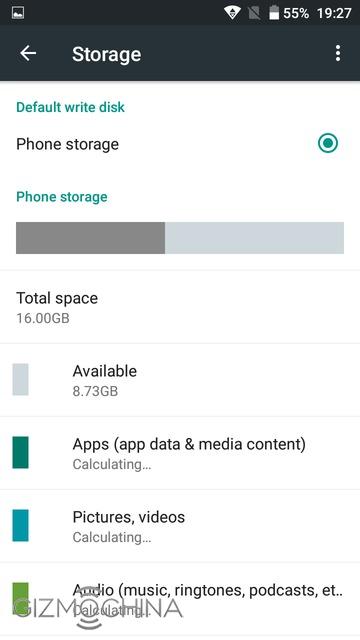
When it comes to hardware, Cubot H2 sports a quad-core MTK6735 chip with the clock speed of up to 1.3GHz, 3GB of RAM and 16GB of expandable storage.
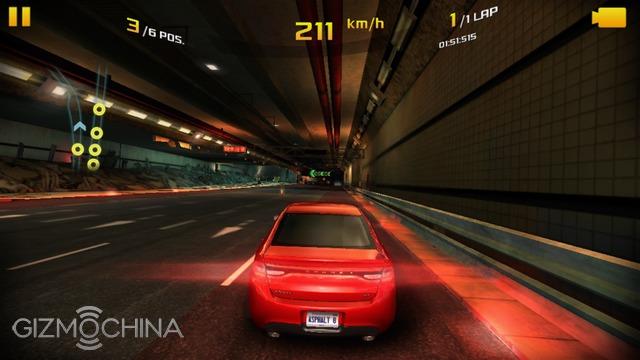
3D games like Asphalt 8 run fine on medium graphics butsome stutter kicks in if you set graphics to the highest level.
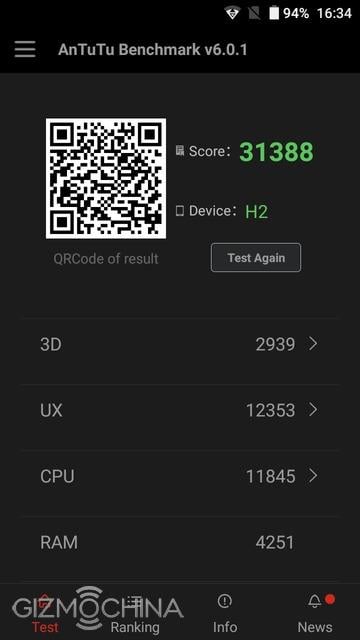
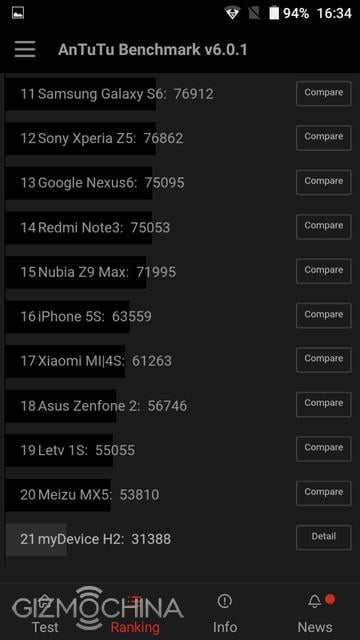
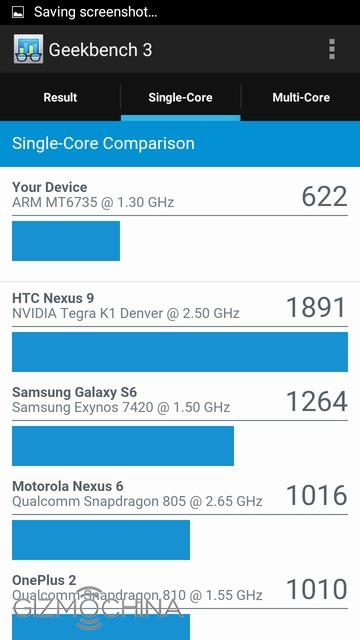
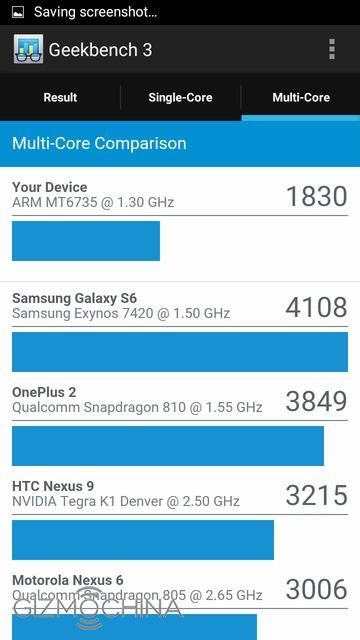
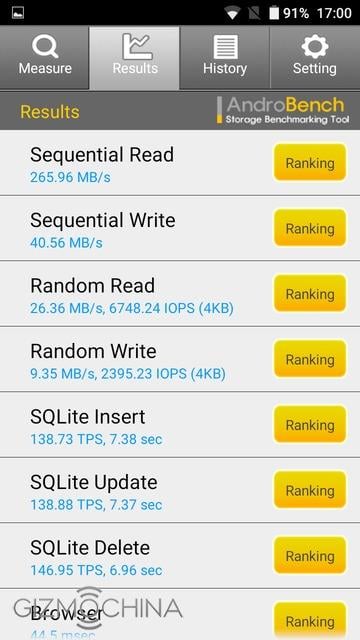
Cubot H2 Review: BENCHMARKS
Cubot H2 Review: UI
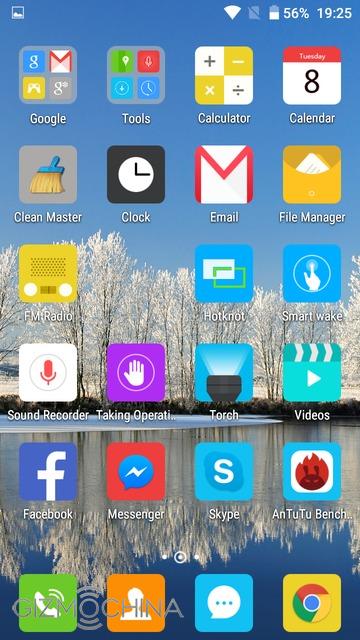
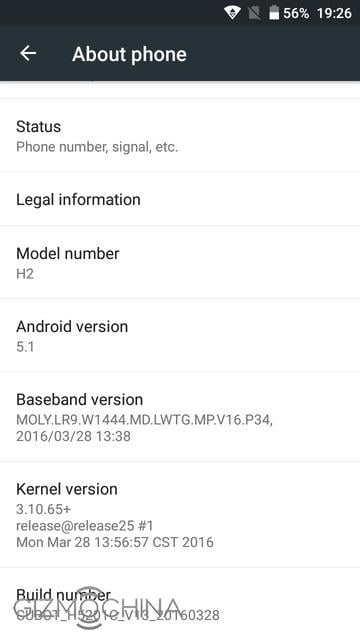
Cubot H2 ships with Android 5.1 but the company added some changes to it.
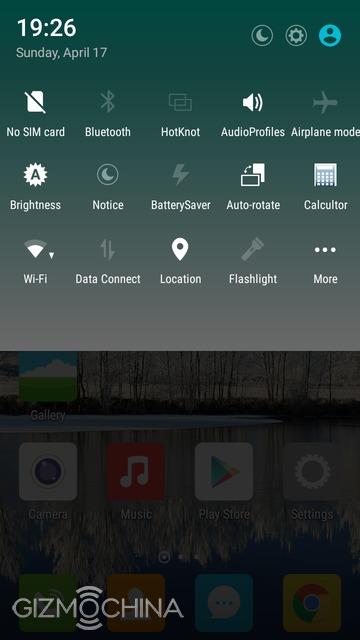
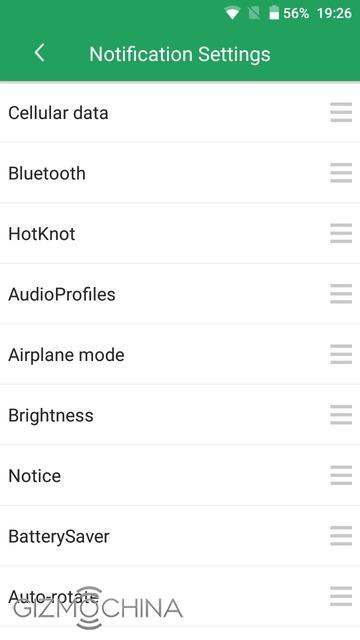
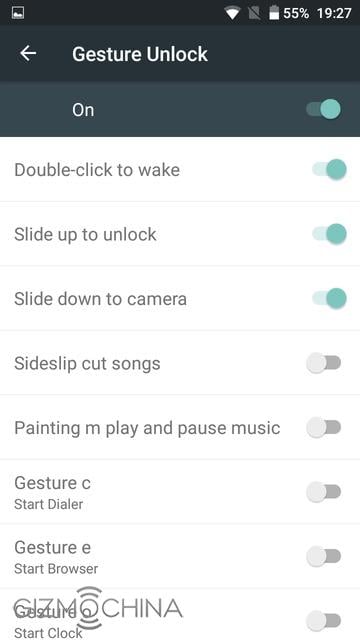
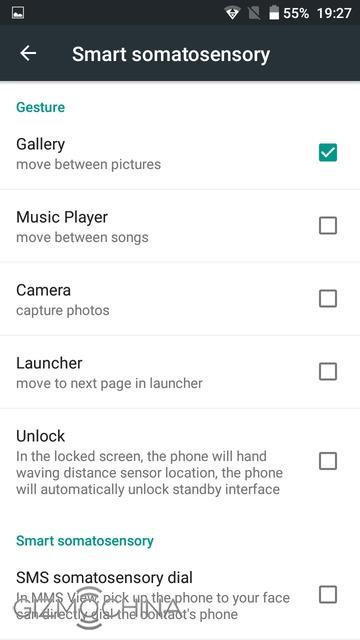
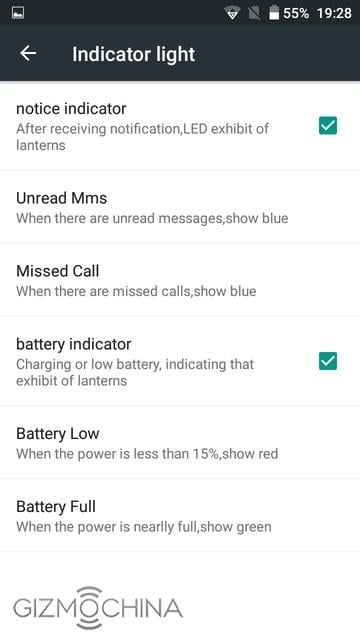
For example, the app tray has been removed but we have some customisation options, gesture and motion controls and so on.
The most important thing is that the phone is very fast and responsive no matter what you do with it.
We reviewed a bunch of Cubot phones and they were all fast but the H2 has never had a stutter no matter what I did. That is really impressive for a budget device like this.
Cubot H2 Review: CAMERA
The picture quality is pretty good for the phone of this price category but it is not perfect as you may have expected. When there is a lot of light, you can take some nice looking images with a decent amount of detail. However, the camera struggles with dynamic range and some images have more noise than expected.
Naturally, the quality decreases with a lower amount of lighting.
As for selfie camera, it is not bad and it will definitely do the trick for social media needs.
The video quality is mediocre as the footage could look sharper. There is a continuous auto-focus feature but it is very slow to react. See a video review for a video sample or download it from the link below.
Call quality and signal reception are good and other connectivity options work fine.
Cubot H2 Review: BATTERY LIFE
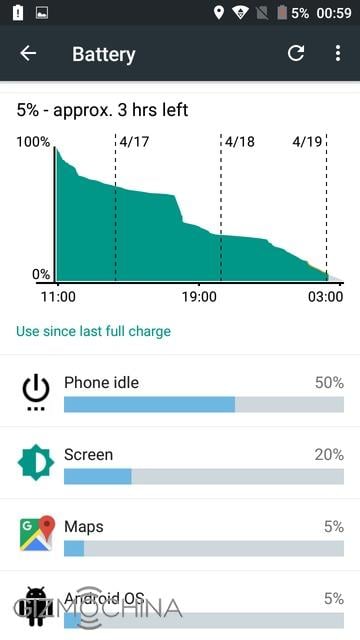
A huge battery is one of the highlights of the phone and it performs great. I usually achieved over 6 hours of screen-on time while using the phone quite intensively. I could get over 7 hours of SOT on a light usage.
Cubot H2 Review: CONCLUSIONS
Cubot H2 costs over $130 and we need to answer if it is worth the money.
First, you may want to check this phone out if you need an affordable device with a great battery life, very good build quality, buttery smooth user interface and a pretty good display.
On the other hand, the camera is pretty good but it has some shortcomings. Also, the loudspeaker quality could be better and the capacitive buttons are not backlit.
All in all, Cubot H2 is a decent offering for the price and you may want to check it out if you don’t mind a few shortcomings.
Just when we thought things couldn’t get any better, ZUK Z2 Pro came into the picture. Chinese smartphone manufacturers are really trying to beat the competition by offering powerful specs at an affordable price tag that puts other flagships to shame. Le Max 2 was a powerful flagship coming with 6GB of RAM and Snapdragon 820 for just $386. But today, after ZUK Z2 Pro was announced, it looks like an even better deal. It may be slightly costlier than the Max 2, but it comes with so many features inside, that it actually brings a lot of value to the $416 price tag.
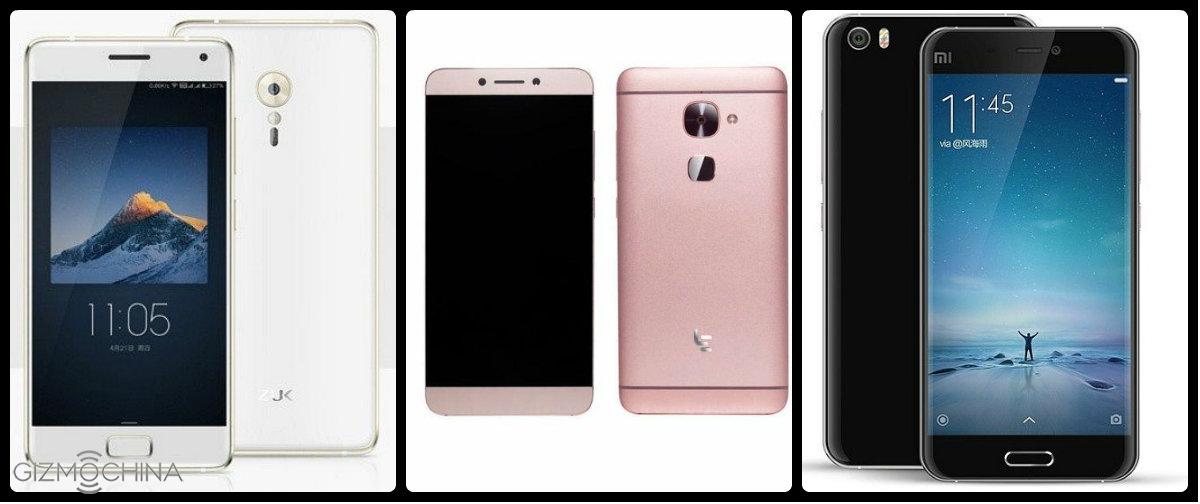
So, let’s take a look at the three major Chinese Snapdragon 820 powered flagships in the market today.
ZUK Z2 Pro vs Le Max 2 vs Xiaomi Mi 5
We are not going to take a look at the design of the three phones because that’s going to be a personal choice. Some like the Mi 5’s design while some like the ZUK Z2 Pro better. So, we leave it up to you to decide which has the best design.
Moving on, let’s look at the specs.
SCREEN:
ZUK Z2 Pro and Xiaomi Mi 5 fall in the category of compact flagships. So, if you are in the market for a small sized device, any of these two could be your best bet. Both come with 1080p resolutions. The Z2 Pro has a 5.2-inch screen while the Mi 5 has a 5.15-inch screen. On the other hand, the Le Max 2 is made for phablet lovers coming with a massive 5.7-inch display with 2K resolution.
SPECS:
All three have Snapdragon 820 chipsets under the hood, making the comparison fair. However, I would like to note that ZUK claims that the Z2 Pro comes with the best version of Snapdragon 820, taking its performance to a 100%. While we aren’t sure how significant will be the performance difference as compared to the other two, we will have to wait for a good review to reserve our judgement.
Coming to the memory department, let’s take a look at the best versions of the three models. The Mi 5 seems a bit left out, coming with just 4GB of RAM on board. So, it has begun, I just said — “just 4GB of RAM“! This is because the other two offer even more, a whopping 6GB of RAM. Both the Z2 Pro and Le Max 2 can make this claim which is really impressive. In the storage department, Mi 5 and Z2 Pro are the real winners with a massive 128GB ROM option. The Le Max 2 comes with a maximum of 64GB, even on the 6GB RAM model.
Now, coming to the camera, the ZUK Z2 Pro features a 13MP rear shooter with f/1.8 aperture lens, 1.34 microns pixel size and pixel isolation tech. You get both OIS and EIS (electronic image stabilization) on the device. Up front, you get an 8MP 1.4micron sensor. As for the Le Max 2, you will find a 21MP Sony IMX230 sensor with OIS and PDAF. Up front, there is an 8MP sensor. Finally, on the Xiaomi Mi 5, you have a 16MP camera, with 4-axis image stabilization tech and PDAF. On the front, it will have a 4MP Ultrapixel camera.
Both the Z2 Pro and Le Max 2 have 3100mAh battery inside. Mi 5 comes with a 3000mAh battery. All three support Quick Charge 3.0 standard, so you can charge your phone in almost an hour. With the larger display and the 2K resolution, the Le Max 2 should be the worst performer of the lot in terms of battery, at least on paper. But let’s wait for an actual review to confirm this.
As for the fingerprint sensor, the Mi 5 comes with a traditional one. The Le Max 2 features Qualcomm’s Ultrasonic sensor, while the Z2 Pro comes with an FPS sensor which works even with wet hands.
Coming to software, all three run on Android 6 Marshmallow on their respective skins. The MIUI is the most popular one, but the EUI isn’t too bad either. What we really want to see is the ZUK 2.0 software on the new flagship as we haven’t tested it out yet to see the features of the new UI.
When it comes to the additional features, the ZUK Z2 Pro does have an edge with 10 different professional sensors including blood oxygen, UV ray and heart rate sensor. You can read more about the unique features of the Z2 Pro from here. Another thing to note is that the Le Max 2 doesn’t come with a 3.5mm headphone jack, instead uses its USB Type-C port for connecting headphones.
PRICING:
All three are priced very close to each other. The new ZUK Z2 Pro 6GB RAM + 128GB storage variant will go on sale for an amazing $416. On the other hand, the 6GB RAM + 64GB ROM version of the Le Max 2 is even cheaper at $386. The Xiaomi Mi 5 looks like the less value for money option right now, coming with 4GB RAM + 128GB ROM for $417.
So, which one of these are you going to pick? In yesterday’s comparison poll, the Le Max 2 was winning quite easily, but I have a feeling that’s going to change after Z2 Pro’s entry.
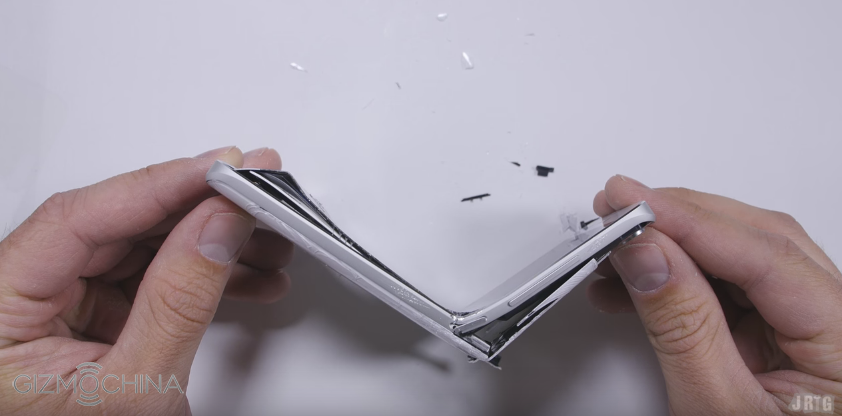
Xiaomi Mi 5 is currently one of the popular Chinese flagships in the market and even after nearly two months of its release, the phone is not yet readily available for sale. The phone is made out of a combination of glass and metal which should essentially make it sturdy. However, if you think that the phone can take some beating, then you’ll be probably disappointed to see the video down below. In a video, it was seen that the Mi 5 easily bends and even breaks given the right pressure.
The video starts off with a basic scratch test and as we can see, the phone does well in this test. Gorilla glass on both the front as well as the back does a good job of protecting the phone to a great extent. Even the metal frame on the side isn’t affected much by some scratches. Next up was the heat test in which, the phone managed to perform well. Initially, we did see a few dead pixels on the screen but as soon as the heat source was taken away, the pixels came back to life. So, no real problems in this area.
However, when it came to the bend test, it was surprising that the Xiaomi Mi 5 turned out to be so easy to break. Given the right amount of pressure, you can easily break the phone into two pieces with your bare hands. As the reviewer claims, this is because the company has used an ordinary aluminum body and not the high-grade one used by other manufacturers. Also, there is just a single frame which doesn’t help the cause. Most manufacturers use double frame design which improves the rigidity of the device.
So, what does it tell you about the phone? Well, it looks like the company might have used cost effective materials on the device. However, this isn’t necessarily a big drawback given that your phone hardly will come under such kind of pressure. So, for most users, this shouldn’t be a big worry.
Still, after seeing this video, what are your thoughts on the Mi 5’s body?
We have today recieved a video from Elephone that shows off some of the Elephone P9000’s Hidden Features, Tips and Tricks
Allowing you to get the most from your shiny new Elephone P9000 handset.
The video shows off some of the great new features that are now available thanks to Android 6 Marshmallow, as well as some of the tweaks that Elephone have added to the phones UI.
Surprisingly, ZUK Z2 Pro turned out to be a pretty powerful handset. Last year’s Z1 was not a powerhouse, instead the company offered great performance at an affordable price tag. With the Z2 Pro, the strategy is a bit different, with ZUK trying to incorporate as many high-end features inside the device as possible. In fact, in our launch article, we had mentioned that the Z2 Pro boasts of being first in a number of features.
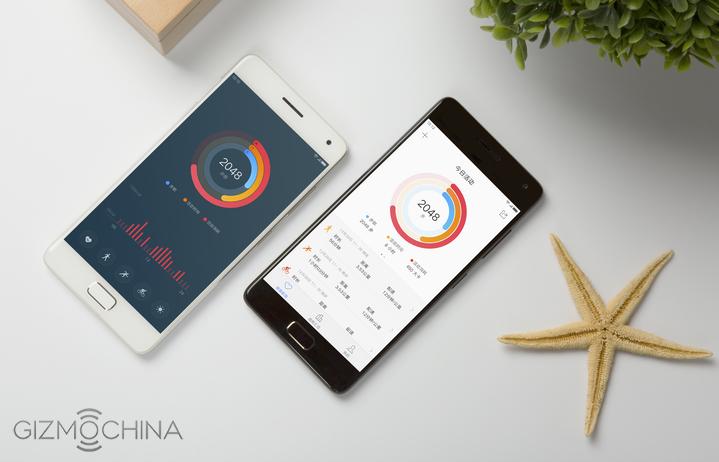
For example, it is the first phone with a full 3D mirror body design. The phone is also the first one to feature a front camera that can detect the heart rate of a person. There are a lot more features that can be considered as cool for a flagship smartphone of 2016, so let’s look at the top key features of the new ZUK Z2 Pro flagship smartphone.
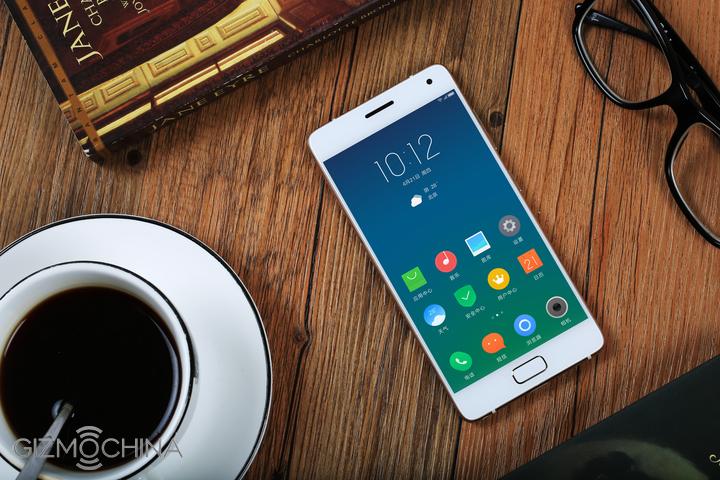
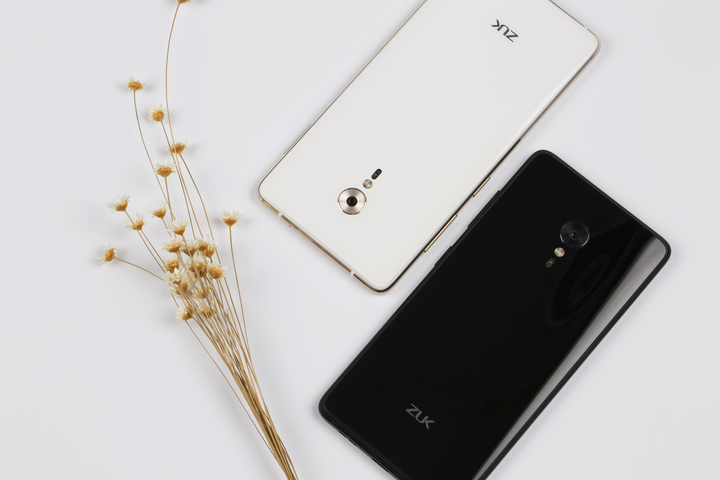
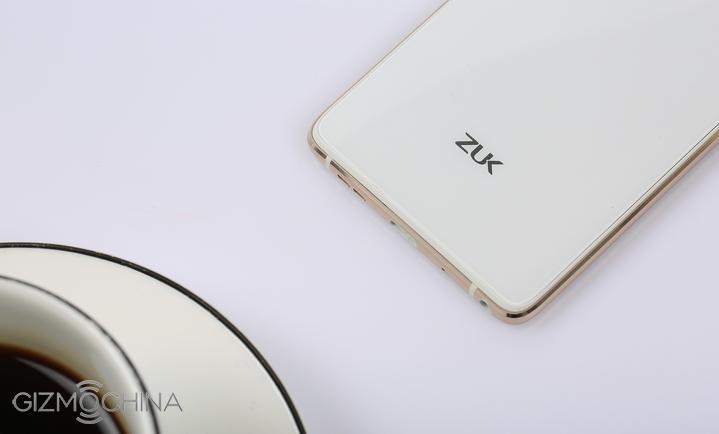
The ZUK Z2 Pro is the first smartphone to use a full 3D Mirror glass body. You can check out some of the pictures from above to see what is meant by this design.
The flagship phone boasts of being the first one that comes with a heart rate monitor on the front camera. So, when you are taking selfies, it can display your heart rate besides the photo. Depending upon the situation and the person you are with, the heart rate will change. The company had shown this feature during the announcement event.
ZUK claims the Z2 Pro is the first smartphone to actually come with a fingerprint sensor that will work even with wet hands. So, if you want to use the phone besides a pool or after a workout, the phone will be ready for you. The sensor unlocks in 0.1 seconds.
Now, coming to an interesting feature. The phone boasts of being the first one with over 10 professional sensors inside. Here’s the entire list of the sensors found inside the flagship: gravity sensor, 3-axis gyroscope, three-axis magnetic sensor, proximity sensor, ambient light sensor, heart rate, blood oxygen sensor, a pressure sensor, ultraviolet sensors, and Hall effect sensor.
The new flagship also boasts of being the first phone to fully utilize the power of the Snadpragon 820 chipset. With the help of optimizations, the company claims that it could utilize 100% power from the quad-core chipset, which helps it score nearly 145K on the AnTuTu benchmarking app.
You can easily sync the data on your Z2 Pro onto the iCloud. So, if you ever have to restore the contents on your device, just restore it directly from the cloud.
So, that was all the important features of the newly announced ZUK Z2 Pro. Just when we thought that the Le Max 2 with its 6GB RAM and Snapdragon 820 chipset was going to rule the market for some time, the Z2 Pro has arrived. It would be interesting to see how these two phones compare against each other. You can read more about the specs of the device from here.
A ZUK Z2 Pro vs Le Max 2 comparison article is coming your way as we speak, so stay tuned!
Lenovo today announced Zuk Z2 Pro in Beijing’ Capital Gymnasium. However, in addition to the announcement of Zuk Z2 Pro and pricing details, Lenovo revealed some information about Motorola’s upcoming device.
Yang Yuanqing, Lenovo’s CEO, said Motorola will be releasing a new device on June 9, but the model name and other details have not been revealed yet. Mr. Yang added that the new product will be nothing less than “exciting”.
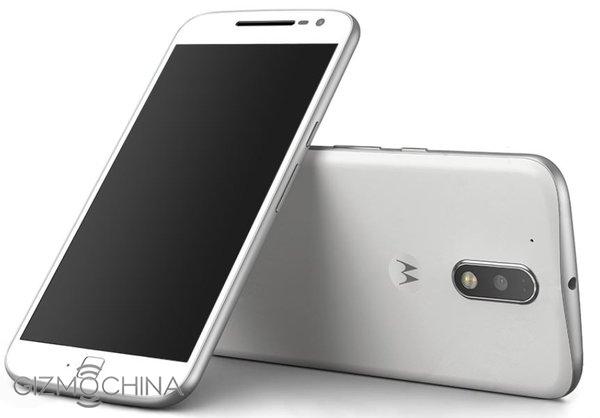
Going by the recent leaks, Motorola currently seems to be working on two new devices, the Moto G4 as well as Moto G4 Plus. A leaked hands-on video of the former has already been doing rounds since a few days.
The overall design still carries the classic style of Motorola cell phones. It may come with a metal frame and a squarish fingerprint sensor housed in a home button on the front panel of the device, is the biggest change.
However, Moto G series has always been positioned for the low-end market segment, such products would hardly be regarded as “exciting”.
At CES earlier this year, Lenovo had teamed up with Google and displayed a mysterious new Project Tango project based device, which sported an augmented reality interactive 3D scene scanner. Are we about to see this device as Motorola’s new product? For a change, a launch date and time has been declared. It’s going to be an exciting time as we wait for the specific details.
In an event yesterday, a first of its kind in the Industry, LeEco, announced four products from four different segments. The company launched Mobile Phones, VR Headset, Televisions and a Car. LeEco announced Le 2, Le2 Pro and Le Max 2 at a very pocket-friendly price of 1099 yuan, 1399 yuan, and 2099 yuan, respectively.
As the press conference drew to the end, Feng Xing, President of Mobile Business at LeEco, said that at the time of joining the company in 2014 he wanted to take the mobile business from scratch to 3 Million handset sales within the first year. Within first seven months itself, they were able to sell 4 Million handsets.
Feng Xing said with at the current pace and the recent developments at LeEco, the overall mobile phone sales will soon exceed 10 million units, and this year’s goal is 15 million units sale.
He mentioned that, after seeing the performance of sales of Le 1S, channel partners trust has been strengthened and they feel that the second generation phones will sell like hot cakes. China Unicom itself sees a case of selling 6 million phones instead of 3 Million.
As per the last release yesterday, within 3 hours of the launch event 4 million people had registered for the second generation superphone’s first sale.
It is also reported that the 1st sale of the 3 recently released superphones will be held at 10:00am on April 26. However, the company is planning to sell only 1 Million phones in this sale, which means only 1 out of 4 people who registered for the sale will be lucky enough to get the device.
April has been the month of the Chinese flagships. We have seen so many powerful devices in the past 21 days that it has become hard to keep a track of all the smartphones announced recently. Now, add ZUK Z2 Pro to the list as the company calls it the true flagship smartphone of this year. Why this sudden claim? Well, the phone comes with so many powerful features that it can claim to be the ‘first’ in a lot of things. For example, the phone is reportedly the first on to use a “true 3D mirror body design”. There are a bunch of other firsts, but more about that later.
First up, the phone’s design is unique because of its 3D mirror design. The 3D glass body comes with an arch design. The frame in the middle has gone through 10 processors and 260 steps to ensure durability. Further, it uses a roll cage design for addition protection.
Coming to the screen, the ZUK Z2 Pro will limit the black borders to mere 0.05mm, which is pretty impressive. There will be a Super AMOLED 5.2-inch display with 1080p resolution. Like the Le Max 2, the screen has a maximum brightness of 500 nits and minimum brightness of 1 nit.
Like mentioned above, the phone can boast of a lot of firsts, and among them being the first one to come with 10 different professional sensors. Wondering which are these 10 sensors? Here’s the list: gravity sensor, 3-axis gyroscope, three-axis magnetic sensor, proximity sensor, ambient light sensor, heart rate, blood oxygen sensor, a pressure sensor, ultraviolet sensors, and Hall effect sensor. With the help of the company’s health app, you should be able to keep a thorough check on your body.
Under the hood, the ZUK Z2 Pro comes with the powerful Snapdragon 820. But there’s more, the company claims that this is the first phone to utilize 100% performance from the chipset. Still doubtful? Well, the company has released the AnTuTu score of the device and it gets a good 144,939 on the benchmarking test. One of the best we have seen till date.
But SD820 isn’t just the pick of the hardware. The Z2 Pro comes with a 6GB RAM version as well, joining the likes of Le Max 2 and Vivo XPlay 5 Premium. You get a large 128GB ROM on this version, making sure you never have to worry about storage. There’s another version, 4GB RAM and 64GB ROM, i.e. for those, who want to save a few hundred bucks.
Coming to the camera, there’s serious technology being used inside the Z2 Pro. The phone comes with both OIS and EIS, so dual image stabilization. There is a 13MP rear camera sensor with f/1.8 aperture, 1.34 micron pixel size and pixel isolation technology support. The rear cam supports 4K video recording. As for the front camera, you get an 8MP 1.4 micron sensor with f/2.0 and support for heartrate check. Yes, this is not a mistake, as the ZUK Z2 Pro is probably the first smartphone that can identify your heart rate using the front camera. So, next time you are with a girl for a selfie, make sure you turn this feature off, or else, she’ll know you are nervous.
Now, moving on to the fingerprint sensor, the Z2 Pro claims to be the first fingerprint-enabled phone to work with wet hands. The company has used a self-learning algorithm to ensure that recognition improves with time. You can unlock the device in just 0.1 seconds. As for the connectivity features, the phone supports USB Type-C 3.1, QC 3.0, full netcom 3.0 standard, 4G+ VoLTE, and international roaming. The phone will run on the new ZUK 2.0 system with iCloud which can backup all your data for safe restore at a later time.
Inside, you have a 3100mAh capacity battery with Qualcomm’s Quick Charge 3.0 support.
Now, coming to the most interesting part of the device, the pricing. ZUK Z1 was an affordable device and the company has priced the Z2 Pro on the same lines. The 6GB + 128GB ROM variant will go on sale for just 2699 Yuan ($416). Registrations start on April 22 from 10 AM in China. No word on the pricing of the 4GB + 64GB ROM version yet.
So, what do you think about the phone? Will you pick the Le Max 2 or the ZUK Z2 Pro?
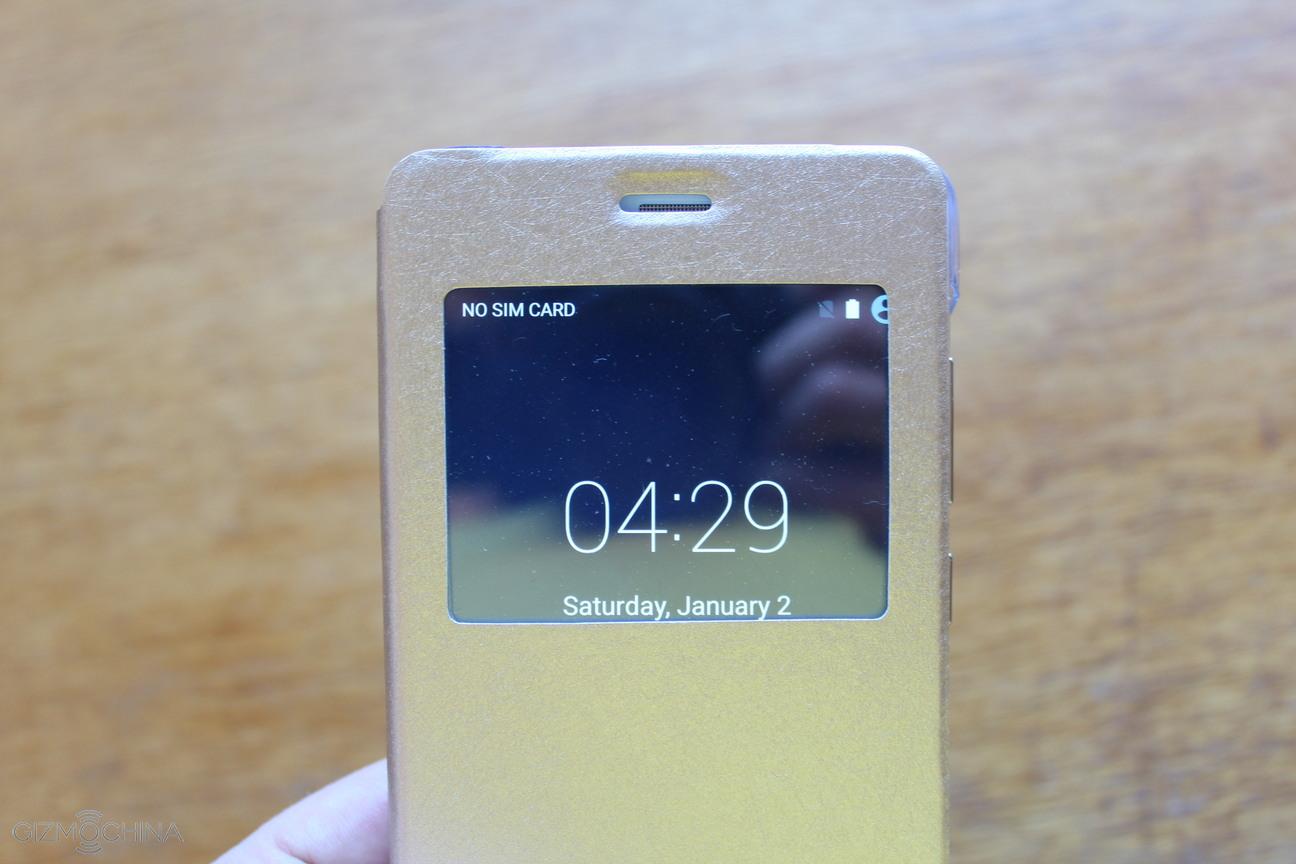
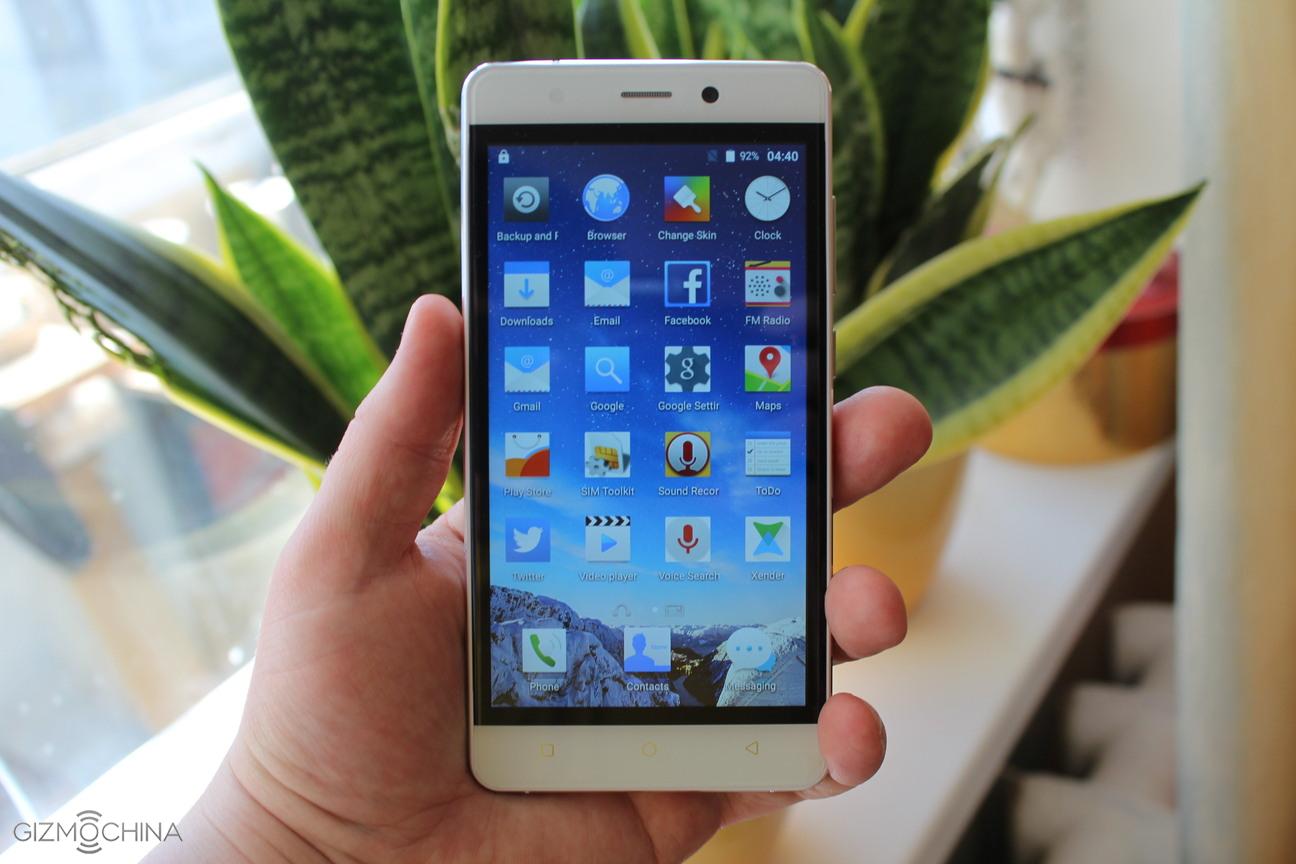
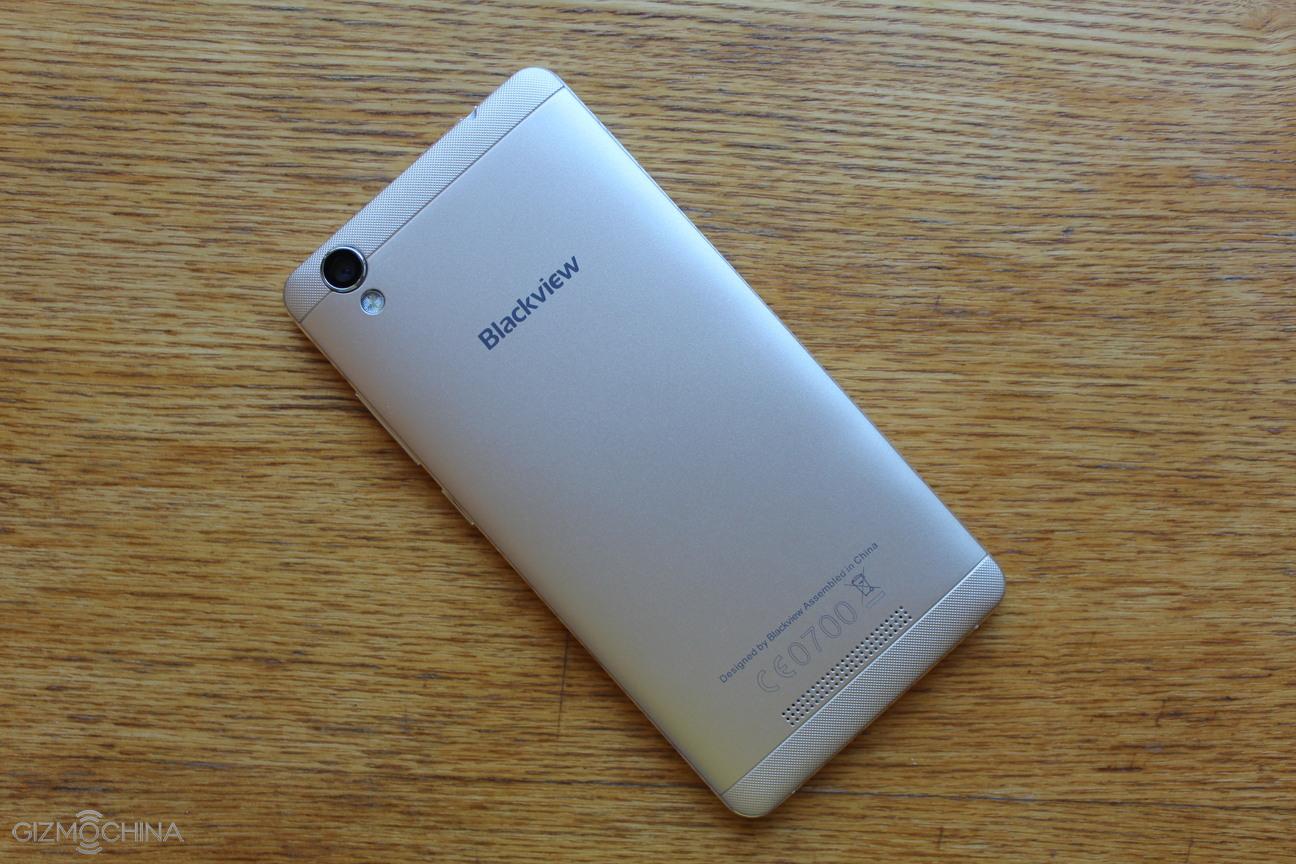
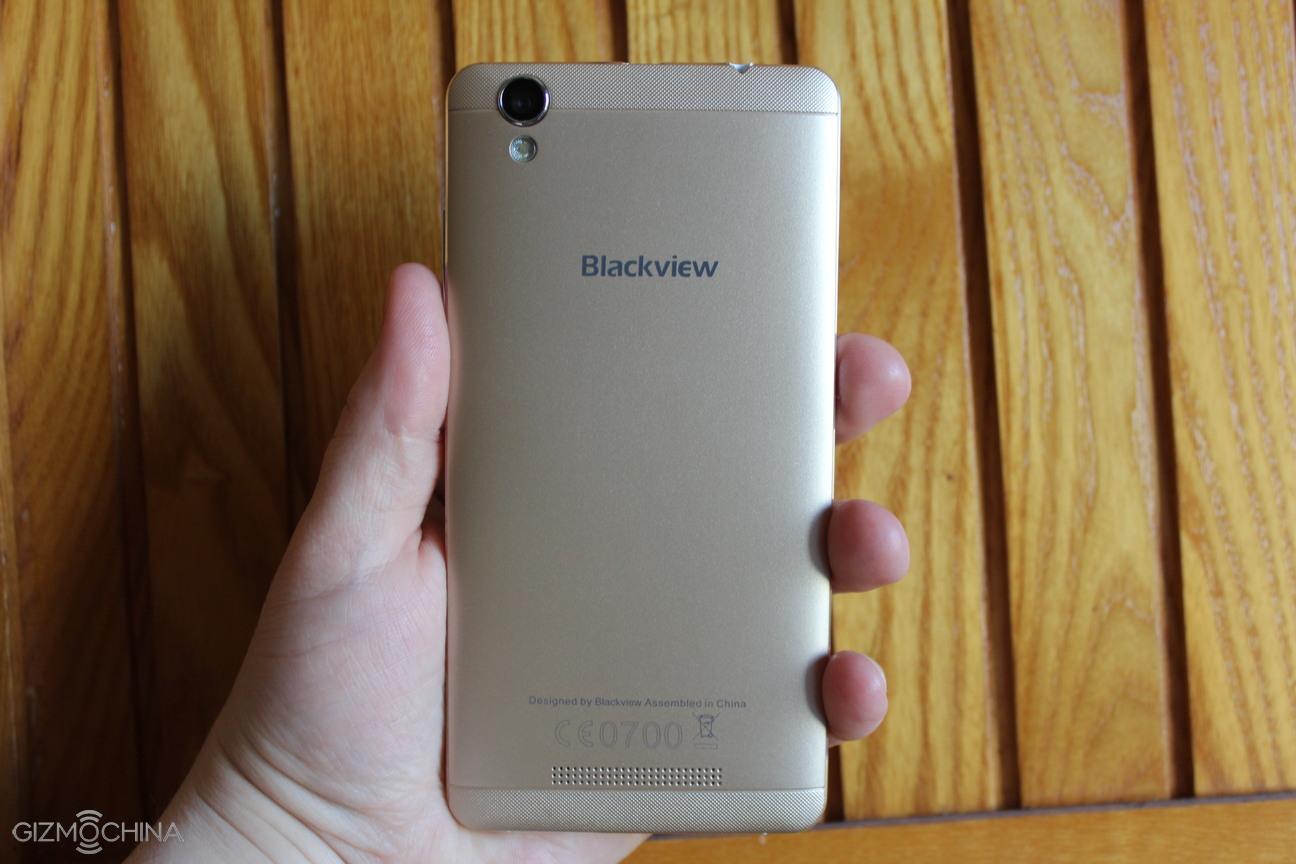
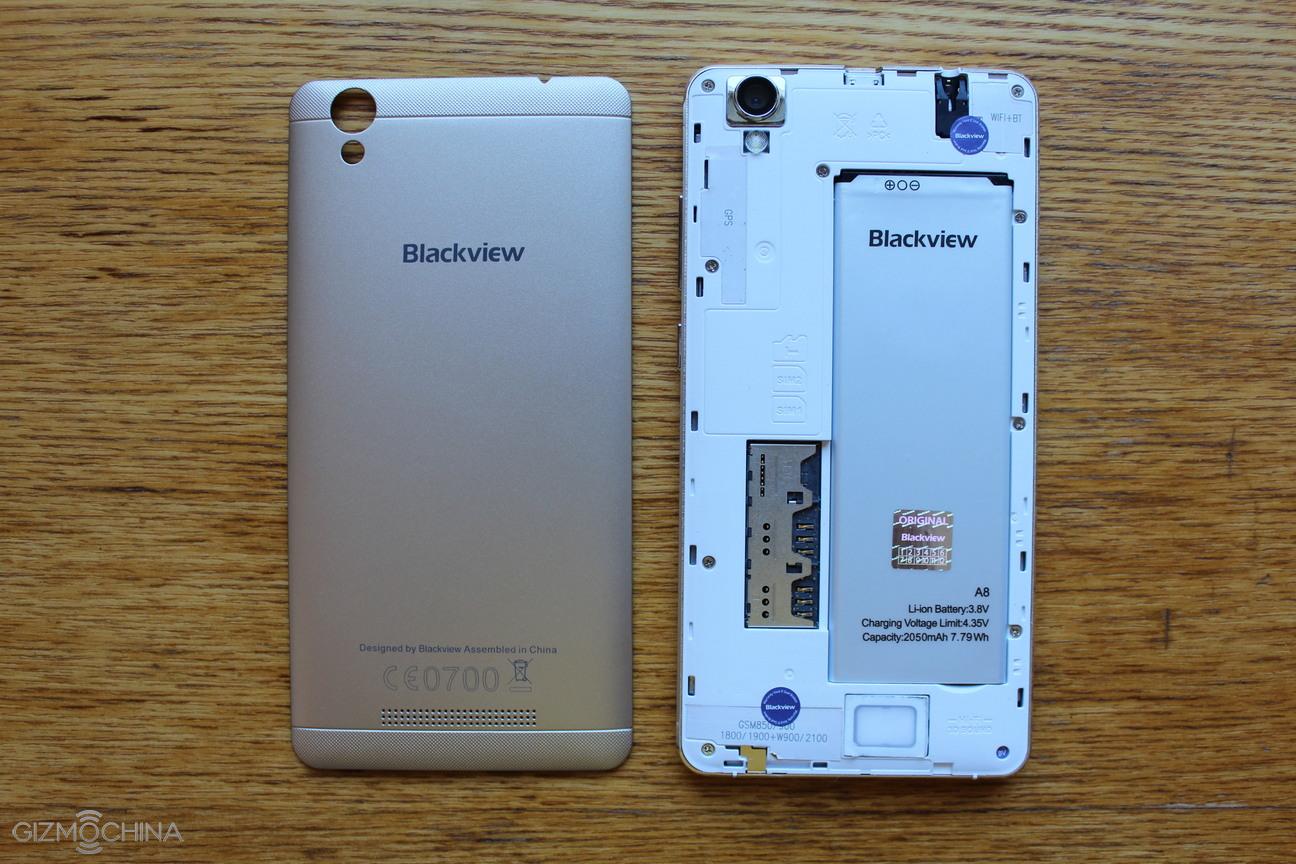
Blackview has been known to produce a lot of very cheap phones and the A8 is no exception. The device costs just around $50 but is it any good? Learn more in our unboxing and first impressions article.
Blackview A8: UNBOXING
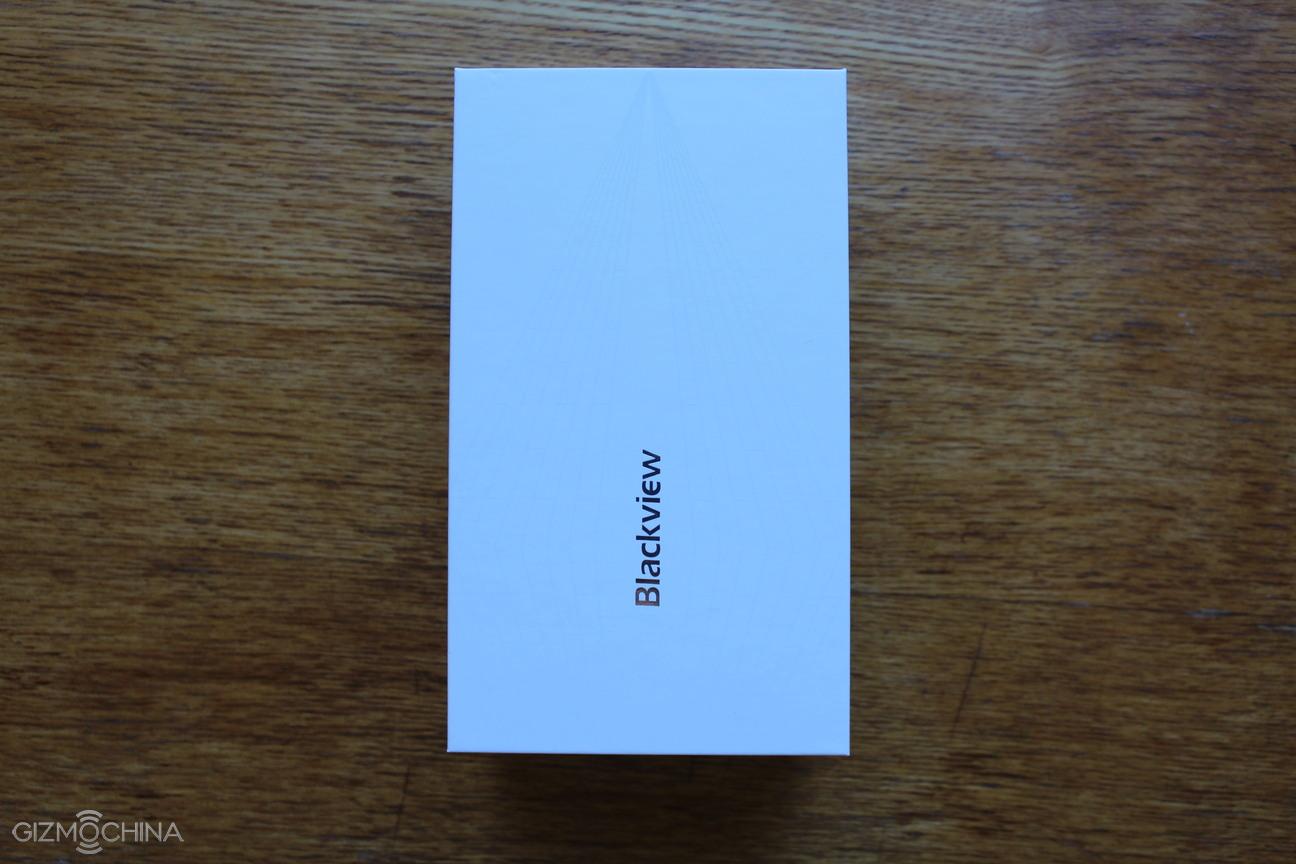
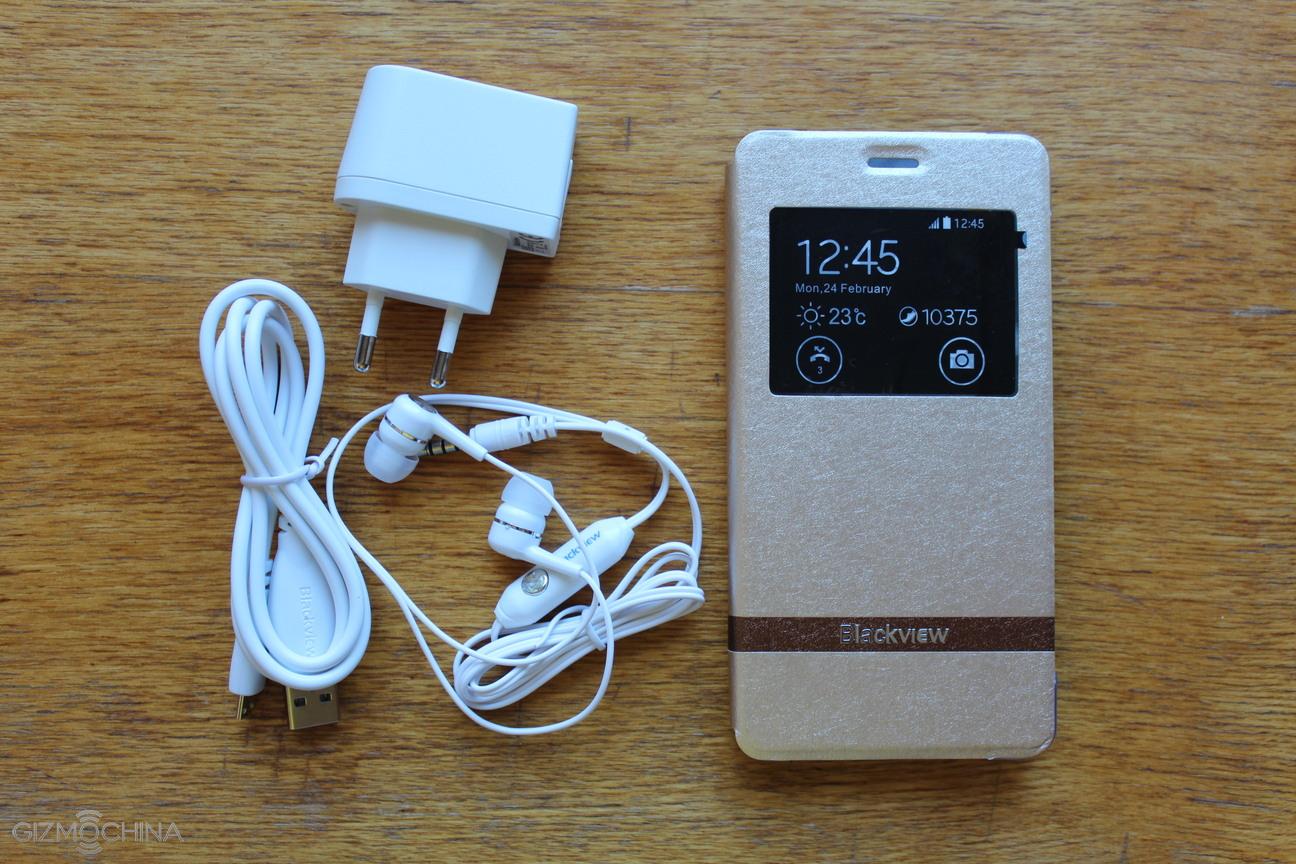
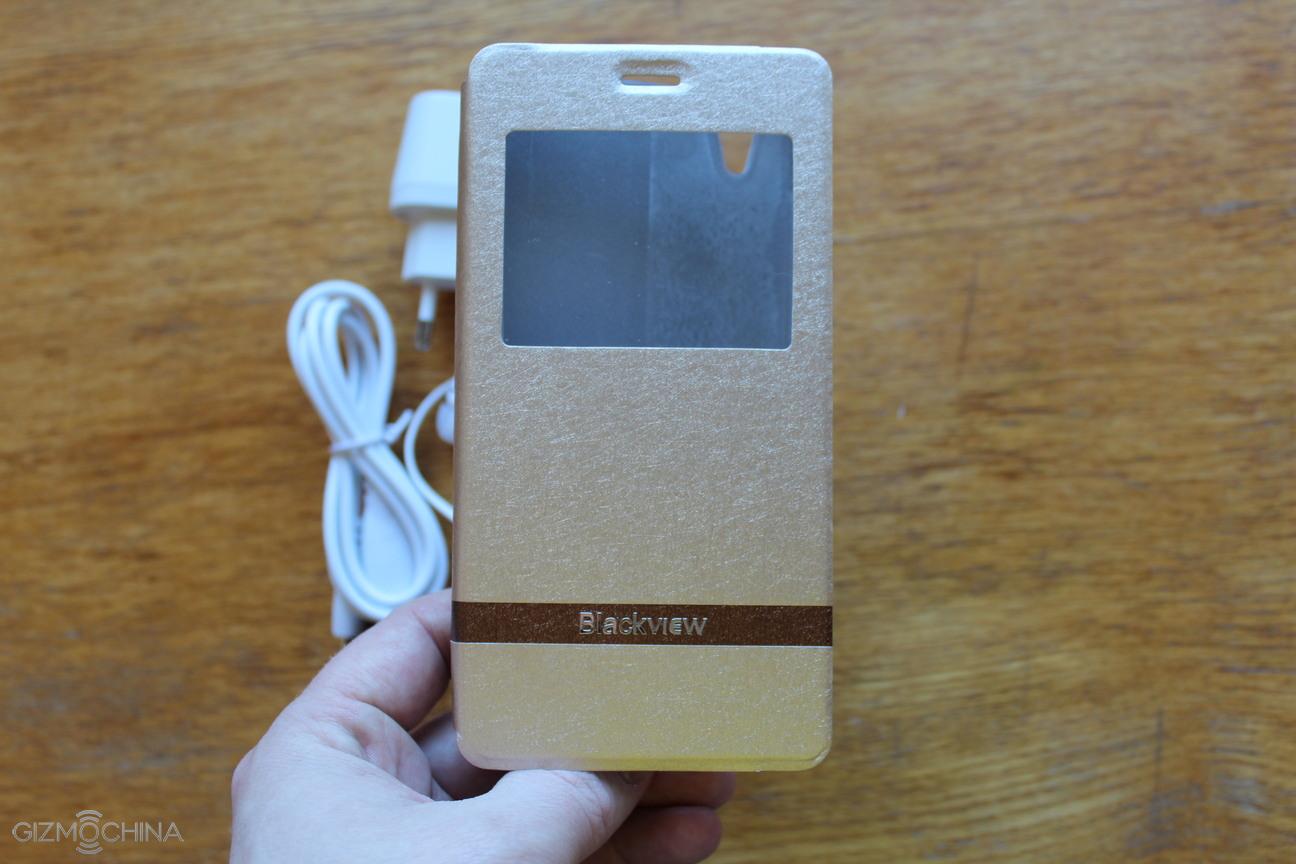
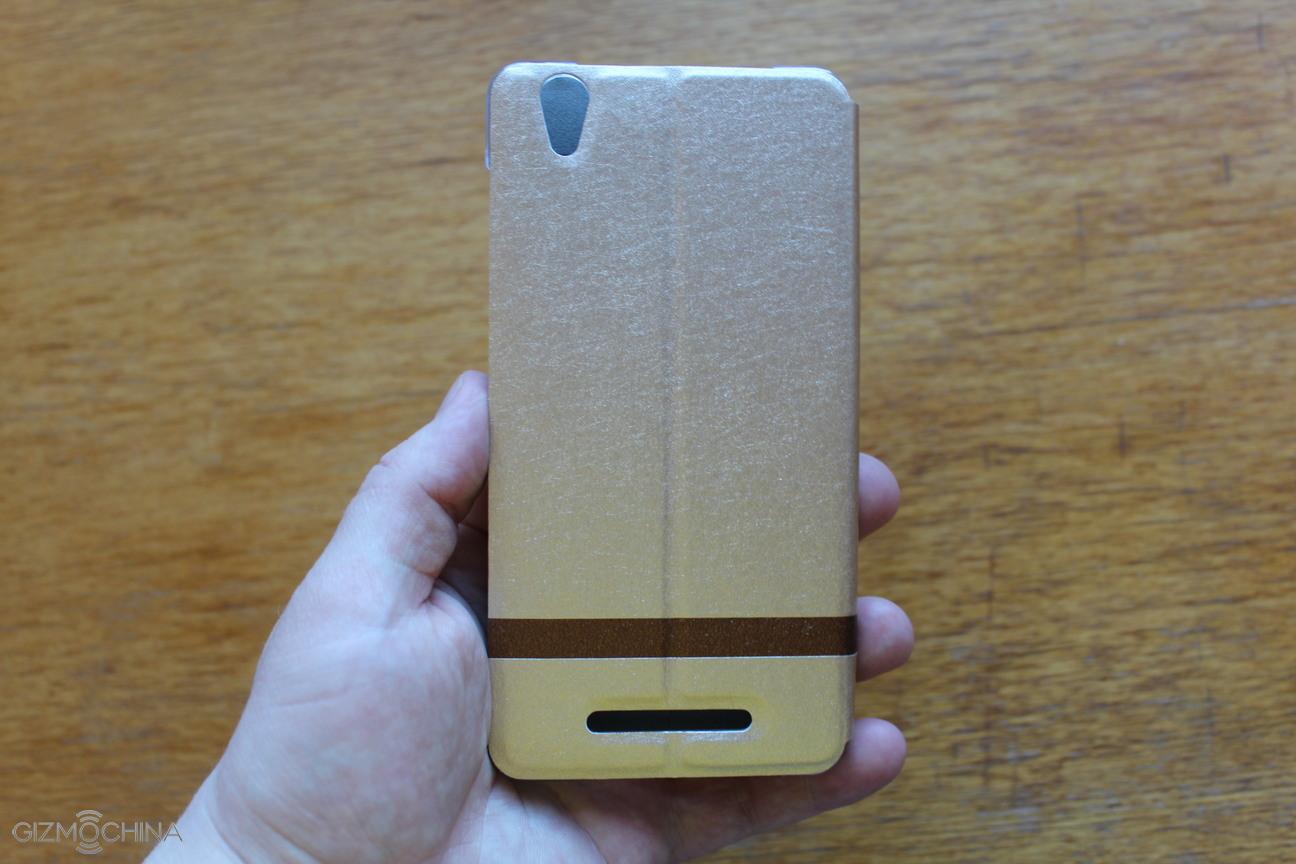
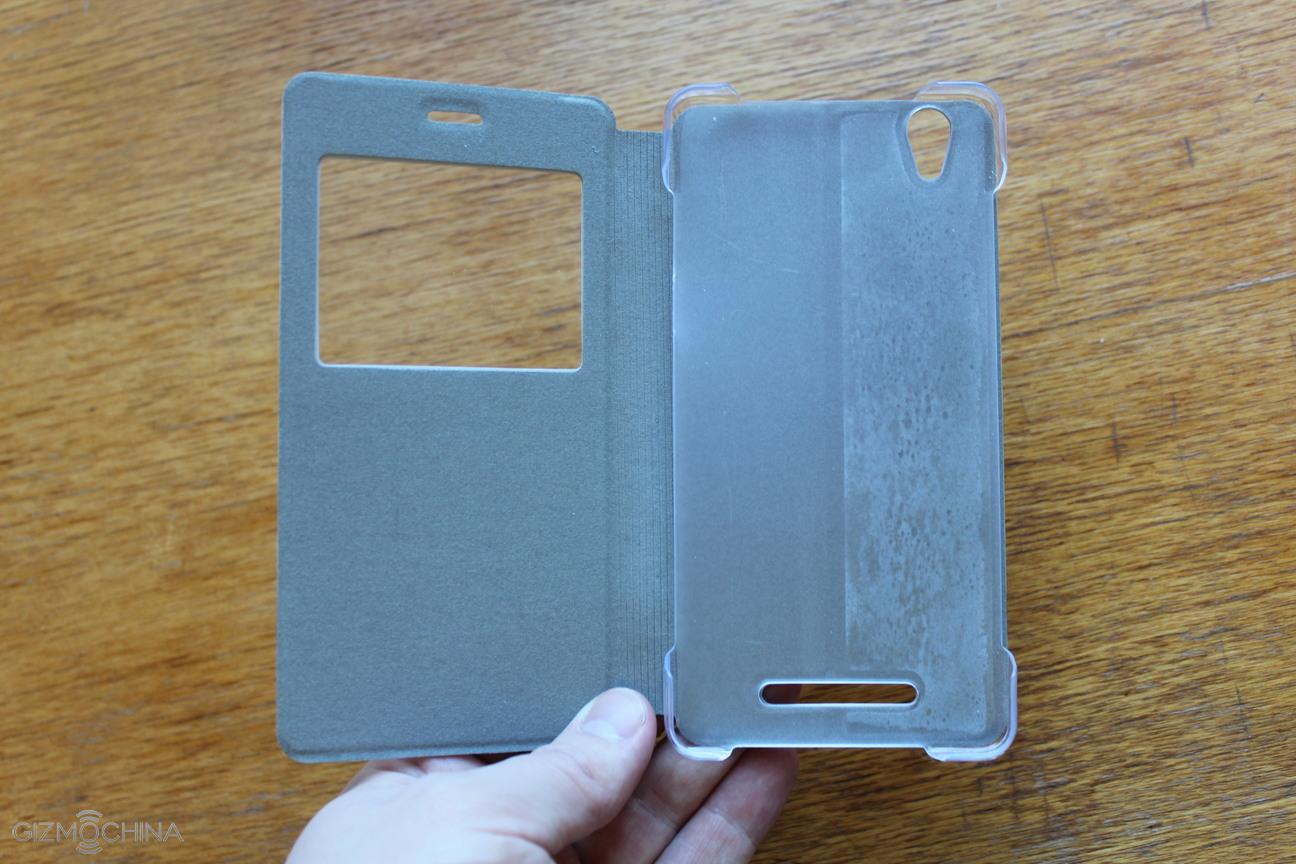
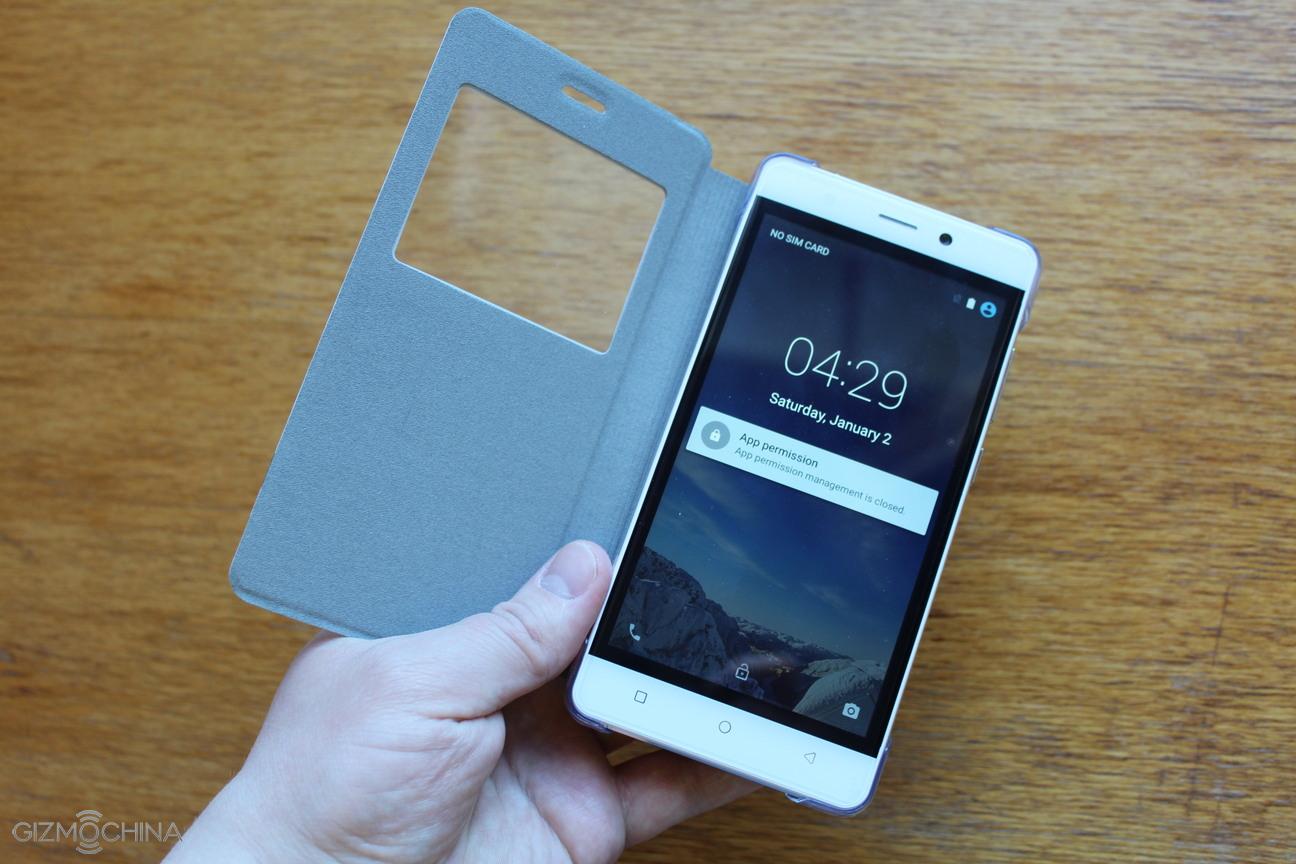
The phones comes with a standard packaging and besides all the usual stuff there are some extras like the pair of earphones and a flip-style case.
Blackview A8: DESIGN and FIRST IMPRESSIONS
The device has a quad-core MTK6580A chip (1.3GHz), 1GB of RAM, 8GB of storage (with a microSD card slot), 5.0″ 720p Screen, 8MP/2MP cameras on the back and front, respectively; a 2000mAh removable battery. It sounds like a pretty decent sheet of specs for a phone this cheap.
I have to tell you that I was initially impressed with the design and build quality of the Blackview A8. I’ve reviewed a bunch of very cheap phones but the A8 definitely shapes up to be one of the best.
The phone feels sturdy and well-made. We have an 8MP camera on the back and the plastic backplate itself is removable.
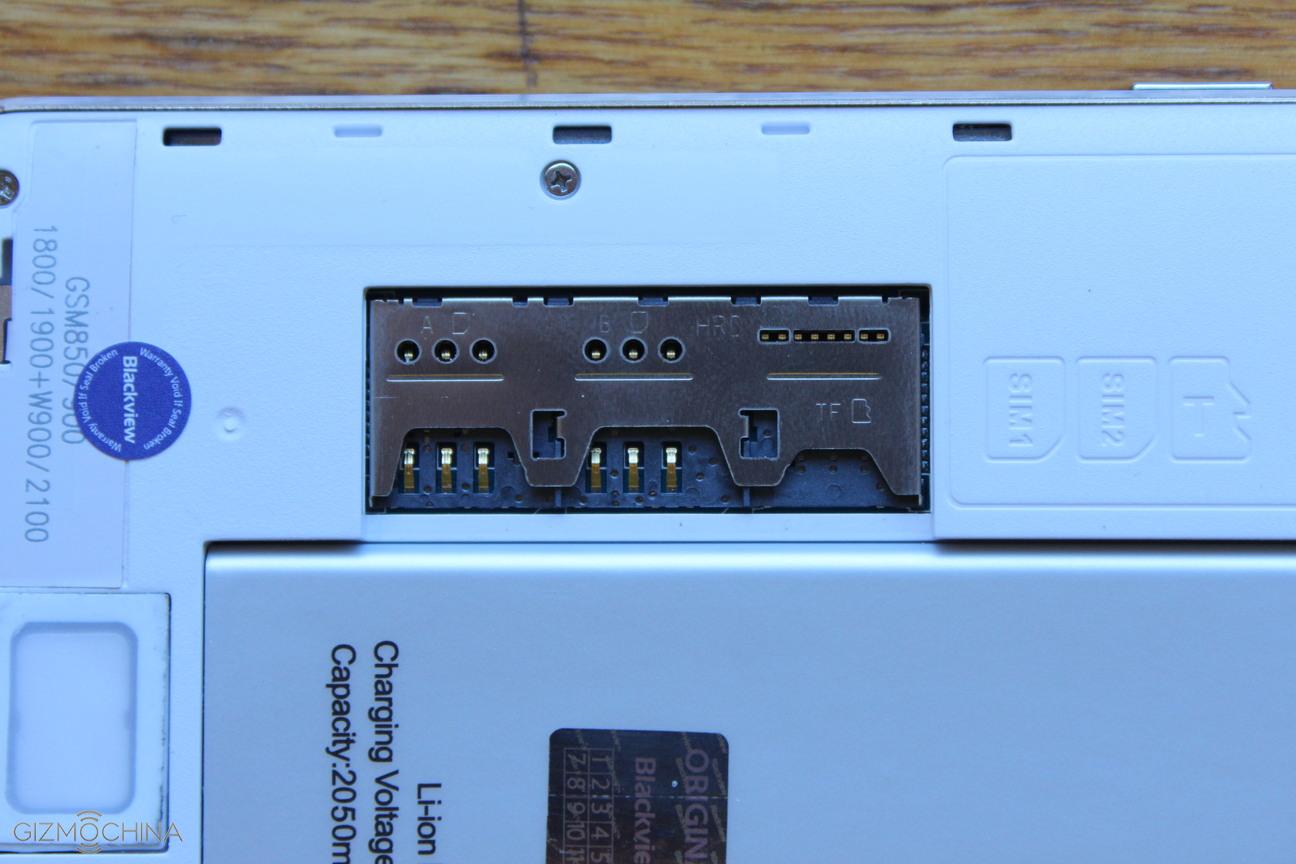
Under the hood we have two SIM card slots, a microSD card slot and a removable 2000mAh battery.
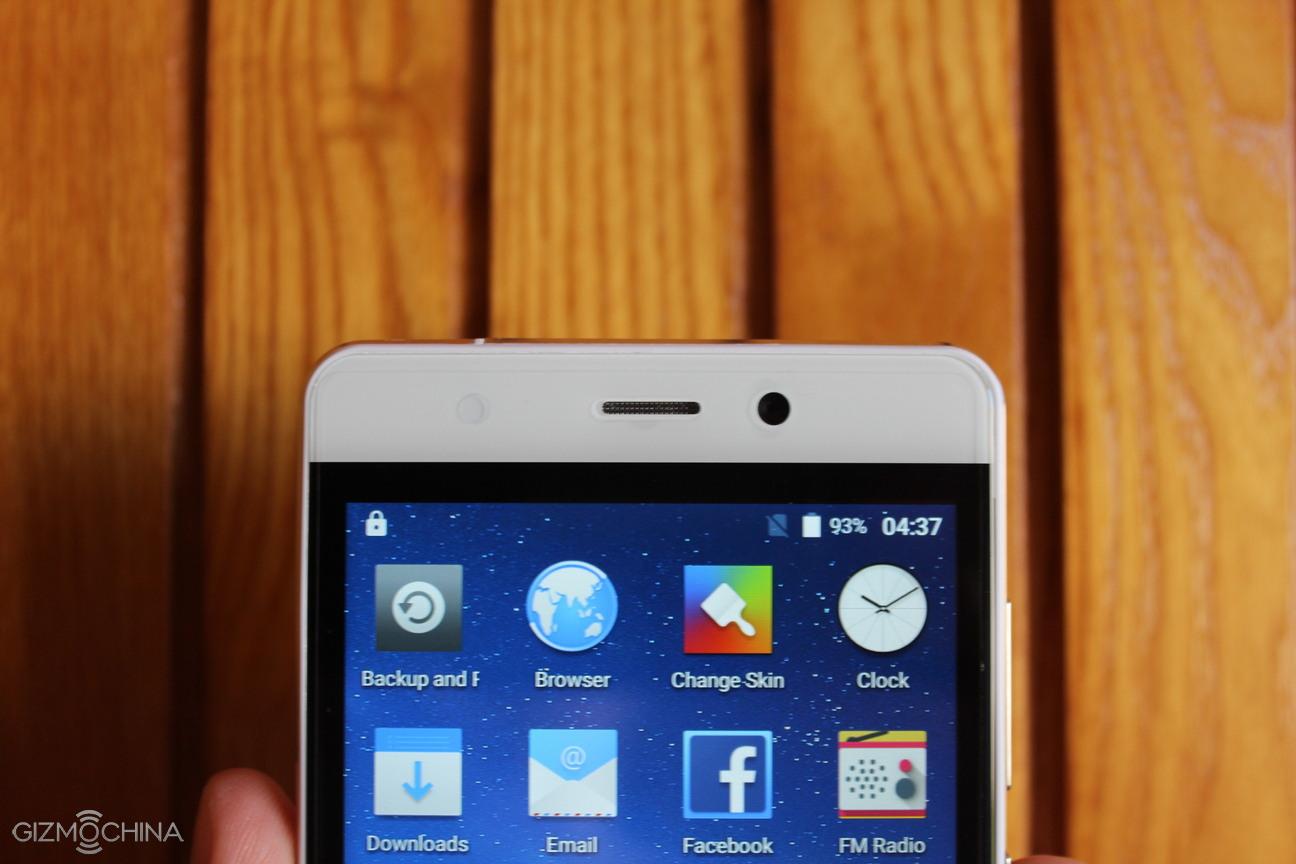
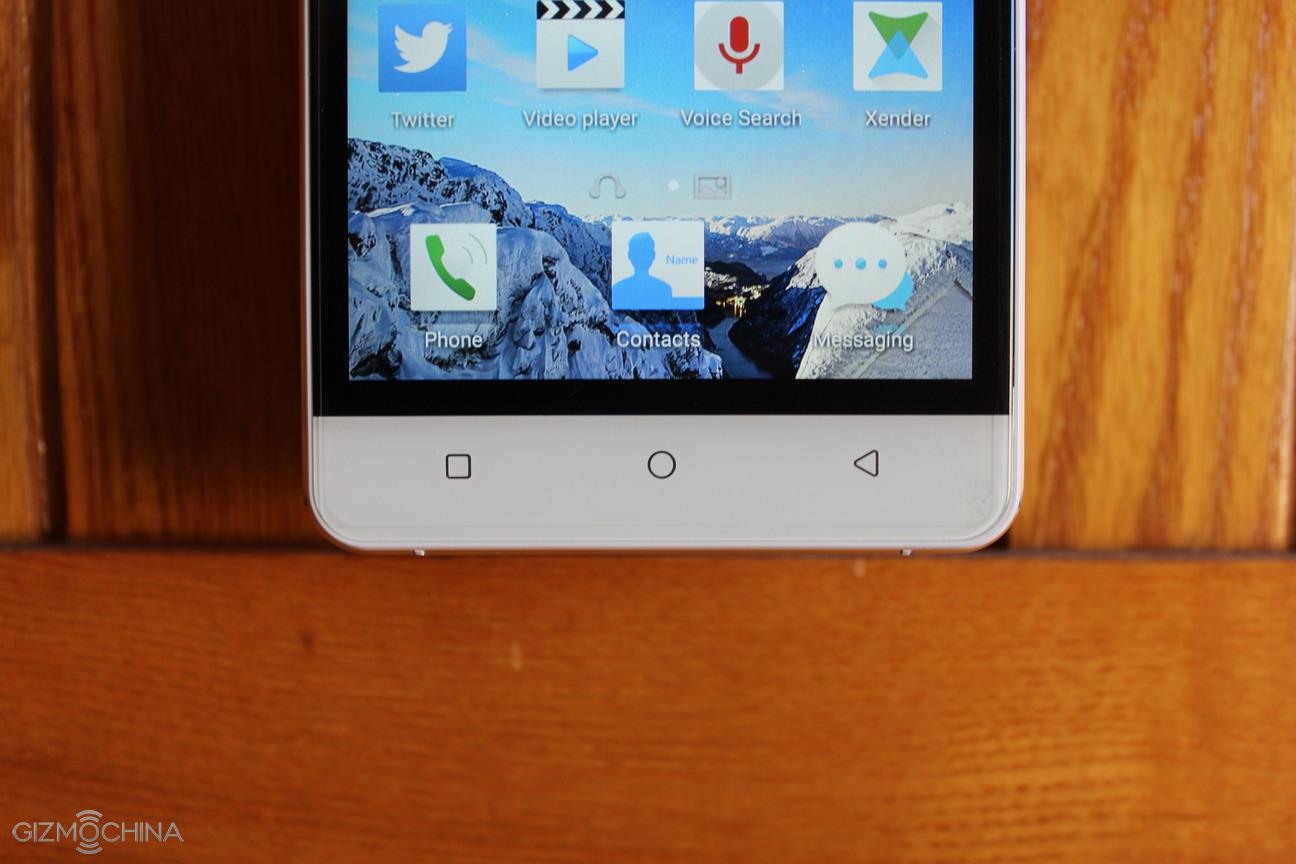
We have a 2MP selfie snapper and non-backlit capacitive buttons on the front. However, there is no LED notification light.
The metal CNC frame adds some premium look and feel to the device. The buttons have a decent tactile feedback but they are made of plastic.
Overall, the first impressions are positive. The phone has a build quality of a $100 phone, it sits comfortably in the hand so far the UI has been running smoothly. As usual, we need to spend some more time with the device to give you a full and honest review.
Although Xiaomi has a lot of products in the market, mainly smartphones targeted at different user segments, the company is yet to release a true phablet. Looks like that’s going to change soon as the company has confirmed that the Xiaomi Max is going to be the first large screen smartphone from the company. The closest thing to a phablet till now was the Xiaomi Mi Note, so this should come as good news to all phablet lovers.
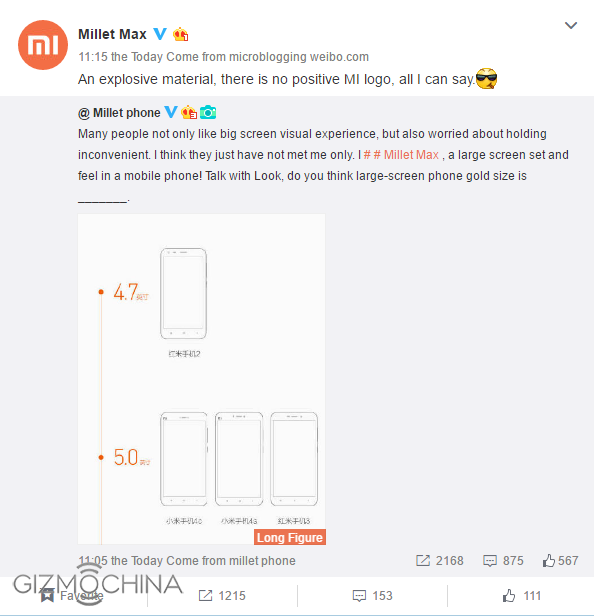
Now, Xiaomi has just revealed more details about the Xiaomi Max. The official weibo account of the smartphone revealed that the Max won’t come with the traditional Mi logo on the front. So, it looks like the company is trying to differentiate the Max from the other Mi series smartphones. The Redmi series doesn’t have this Mi logo up front, so it’s no surprise that the Max is also not going to come with the logo on top of the display.
Another interesting feature revealed by the company is the size of the screen. Xiaomi released a long image (added at the end of the post) wherein it showcased the screen sizes of its products in the increasing order of size. Naturally, with the Xiaomi Max still not released, there was a large gap between the Xiaomi Mi Note and the Xiaomi Mi tab. Although it was obvious that the Max was going to feature a display upwards of 5.7-inches, the company just confirmed this today. Also, it looks like the phone could feature a 6-inch+ display, which would be in line with recent rumors which state that the phone comes with a 6.4-inch screen.
Remember the render we had seen yesterday? That didn’t have the Mi logo on top and still looked like an enlarged version of the Mi 5. You can read more about that from here.
Moving on, latest news suggests that the phone will come with Snapdragon 820, 6.4-inch display, fingerprint ID and full network support. You can expect the Max to launch sometime in May for a price tag of around 3000 Yuan ($463). Stay tuned for more details.
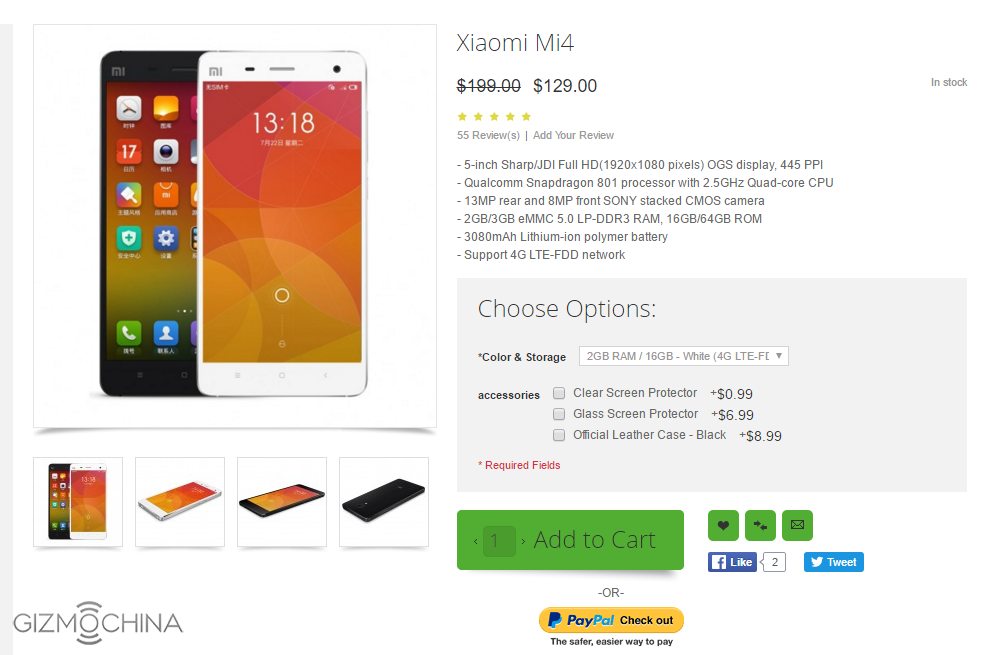
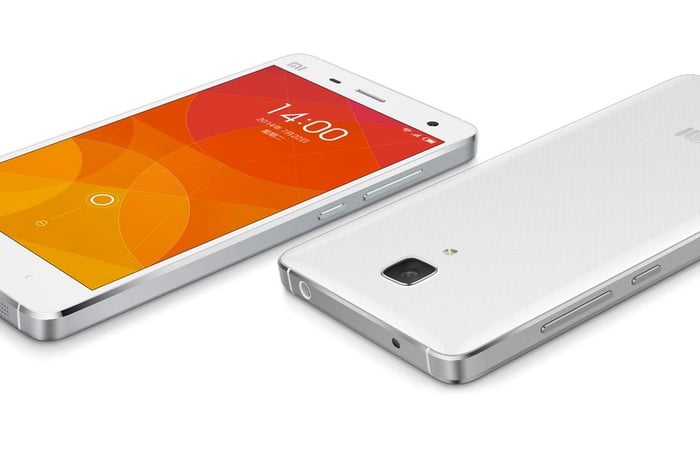
If you are looking for a flagship smartphone for the cheap, now might be a good time to take a look at the Xiaomi Mi 4 flagship. Agreed, the phone is now 2 years old, but it still has a pretty good hardware to act as your daily driver. And when you can get the phone for just $129, you may feel that this turns out to be a better deal than the numerous other budget handsets out there in the market right now.
It’s possible that you might have forgotten the specs inside the Xiaomi Mi 4. So, here’s a recap on the hardware. The phone comes with the Snapdragon 801 chipset that currently powers the OnePlus X smartphone clocked at 2.5GHz. Despite being old, this was one of the best chipsets from Qualcomm at that time and still packs enough punch to get through your everyday needs. There will be 2GB of RAM on board along with 16GB of internal storage.
The Mi 4 comes with a beautiful 5-inch JDI Full HD 1080p display which translates into a pixel density of 445 ppi. Even the camera on the device is good, featuring a 13MP rear camera sensor from Sony and an 8MP front facing shooter. Under the hood, the phone comes with a decent 3080mAh battery which should easily last an entire day with the compact display and efficient processor.
The phone supports 4G LTE networks (LTE-FDD: 1800/2100MHz (B1/B3)). In case, you are wondering, there are a few drawbacks of the device, like the absence of a MicroSD card slot and only single SIM support. But if you want a cheap flagship and can ignore these two drawbacks, then the Mi 4 can turn out to be a good option for you.
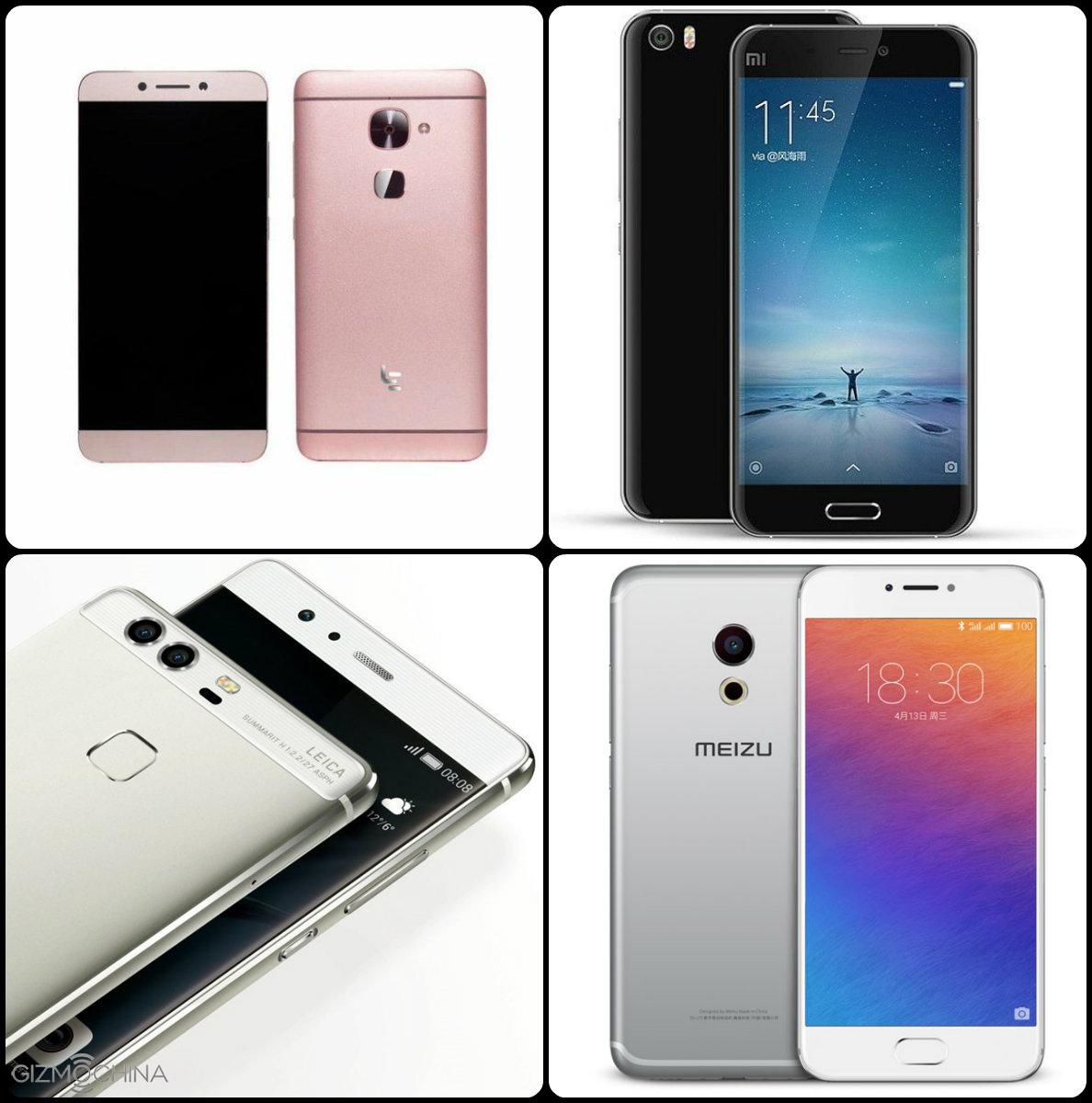
LeEco announced three new devices in its second generation smartphone lineup and without any doubt, the Le Max 2 is the flagship model in the series. This puts it in direct competition with the numerous other Chinese flagships in the market today, like the Xiaomi Mi 5,Huawei P9 and even the recently announced Meizu Pro 6. Today, we decided to compare the hardware of these four smartphones to see which one has an edge over the other. So, without wasting any more time, let’s take a look at the Le Max 2 vs Xiaomi Mi 5 vs Huawei P9 vs Meizu Pro 6 comparison.
We will be essentially comparing the hardware of the four devices in question.
SCREEN:
The Le Max 2 has entered the phablet category by featuring a large 5.7-inch 2K display. On the other hand, the other three handsets have a compact screen with 1080p resolution. The Pro 6 and Huawei P9 both feature 5.2-inch displays while the Mi 5 comes with an even smaller 5.15-inch screen.
If you are looking for something compact, the above three devices should be perfect. But if you want something large, look no further than the Le Max 2 and its 2K screen.
SPECS:
So, for CPU, there’s no doubt that Le Max 2 and Mi 5 rule the market with Snapdragon 820 under the hood. On the other hand, the Pro 6 comes with the Helio X25 chipset that isn’t too bad, while the Huawei P9 comes with its own Kirin 955 chipset. The last two chipsets manage a score of about 95K on AnTuTu.
As for the memory, the Le Max 2 comes in three versions, 4GB RAM + 32GB / 64GB storages and 6GB RAM + 64GB storage. The Mi 5 comes in three variants as well, 3GB + 32GB, 3GB + 64GB and 4GB + 128GB. The Huawei P9 flagship has two versions, 3GB + 32GB and 4GB + 64GB. Finally, the Pro 6 comes in 4GB RAM + 32GB / 64GB versions.
As for the camera, the Le Max 2 comes with a 21MP Sony IMX230 sensor with OIS and PDAF. Up front, you get an 8MP shooter. Even the Pro 6 features a 21MP sensor with PDAF and Laser Autofocus. The highlight of the phone is the 10 LED ring flash at the back. Up front, you get a 5MP shooter. On the other hand, the Mi 5 comes with a 16MP rear shooter with 4-axis stabilization and PDAF. Up front, it comes with a 4MP Ultrapixel camera.
The Huawei P9 probably has the best camera of the lot, thanks to the dual 12MP sensors with Leica setup. We have seen some samples which were good and the performance of the phone especially in low light should be impressive. On the front, you have an 8MP selfie camera.
Another important feature of the phone is the battery. The Le Max 2 is the one with the largest battery, but not by a big margin. It comes with a 3100mAh capacity battery with Quick Charge 3.0. On the other hand, the Mi 5 and the Huawei P9 both have 3000mAh batteries with fast charging. What’s really disappointing is the battery inside the Pro 6, which is just 2560mAh. Agreed that it features a 1080p screen, but we would have definitely loved a bigger battery inside.
The Le Max 2, despite having a slightly larger battery, the battery life should be the same as others or even less, thanks to its larger 5.7-inch screen and 2K resolution.
Other features are pretty much similar such as VoLTE support, fingerprint sensor (although Le Max 2 has an ultrasonic sensor), thin bezels etc.
PRICING:
Apart from the Huawei P9, all the three other phones are affordable flagships. The P9 starts at 2988 Yuan ($461) for the 3GB + 32GB version and goes up till 3688 Yuan ($569) for the 4GB RAM + 64GB version.
The 4GB RAM + 64GB storage version of the Le Max 2 costs just 2299 Yuan ($355) while the top-end 6GB RAM + 64GB storage costs just 2499 Yuan ($386) which is one of the best deals we have seen in the market.
Mi 5 starts at 1999 Yuan for the 3GB + 32GB version ($308) and goes up to 2699 Yuan ($417) for the 4GB + 128GB version. Finally, the Meizu Pro 6 starts at 2499 Yuan ($386) for the 4GB + 32GB version and goes up to 2799 Yuan ($432) for the 4GB + 64GB varaint.
The Le Max 2 announced today seems like a powerful package at a wonderful price. Getting 6GB RAM for just $386 is just amazing.
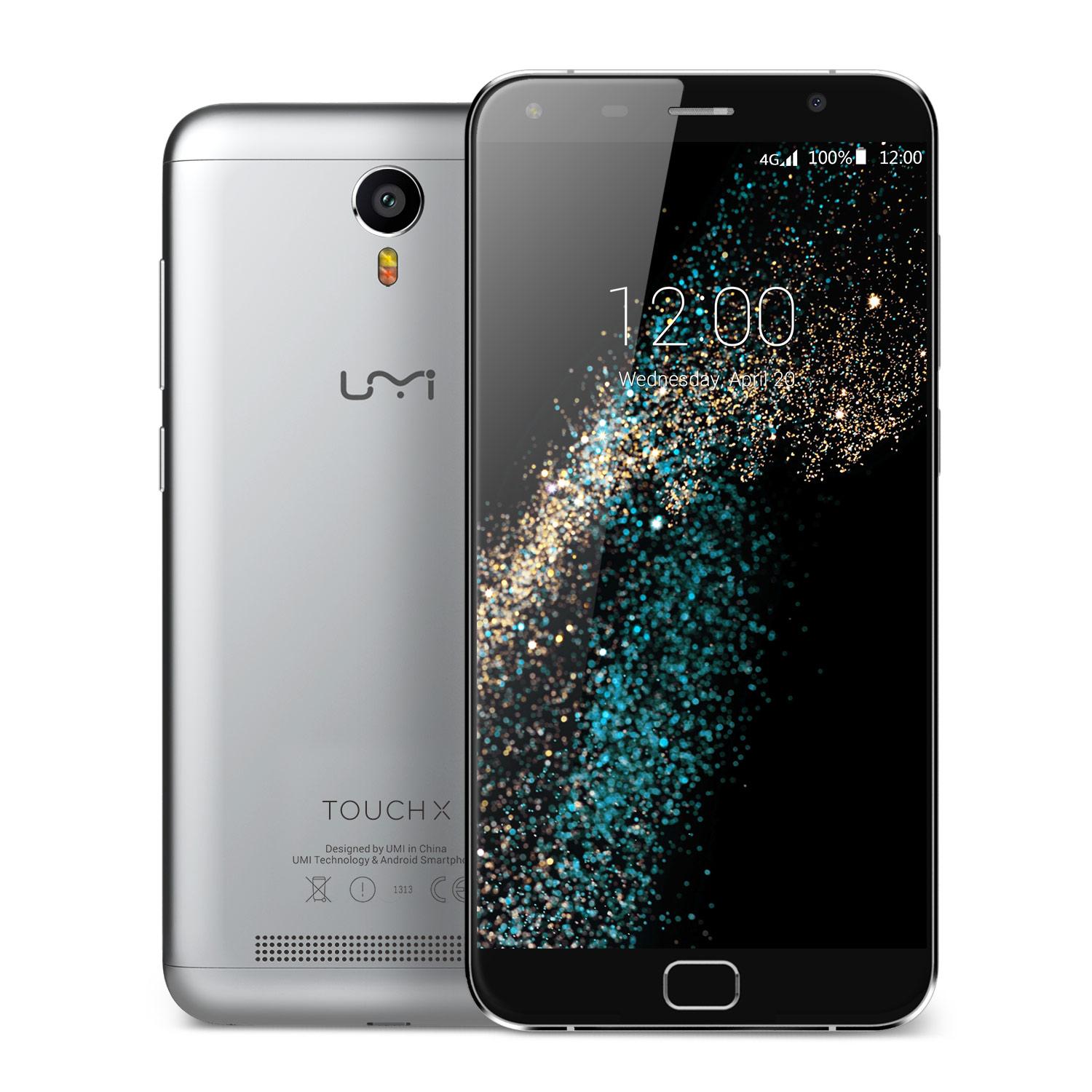
UMi seems to be doing well with its new smartphones. The UMi Touch was a pretty good mid-range device, with powerful features and a large battery that gave it an edge over others. Now, the company has announced a toned down version, called the UMi Touch X which aims to satisfy the needs of the budget large battery lovers.
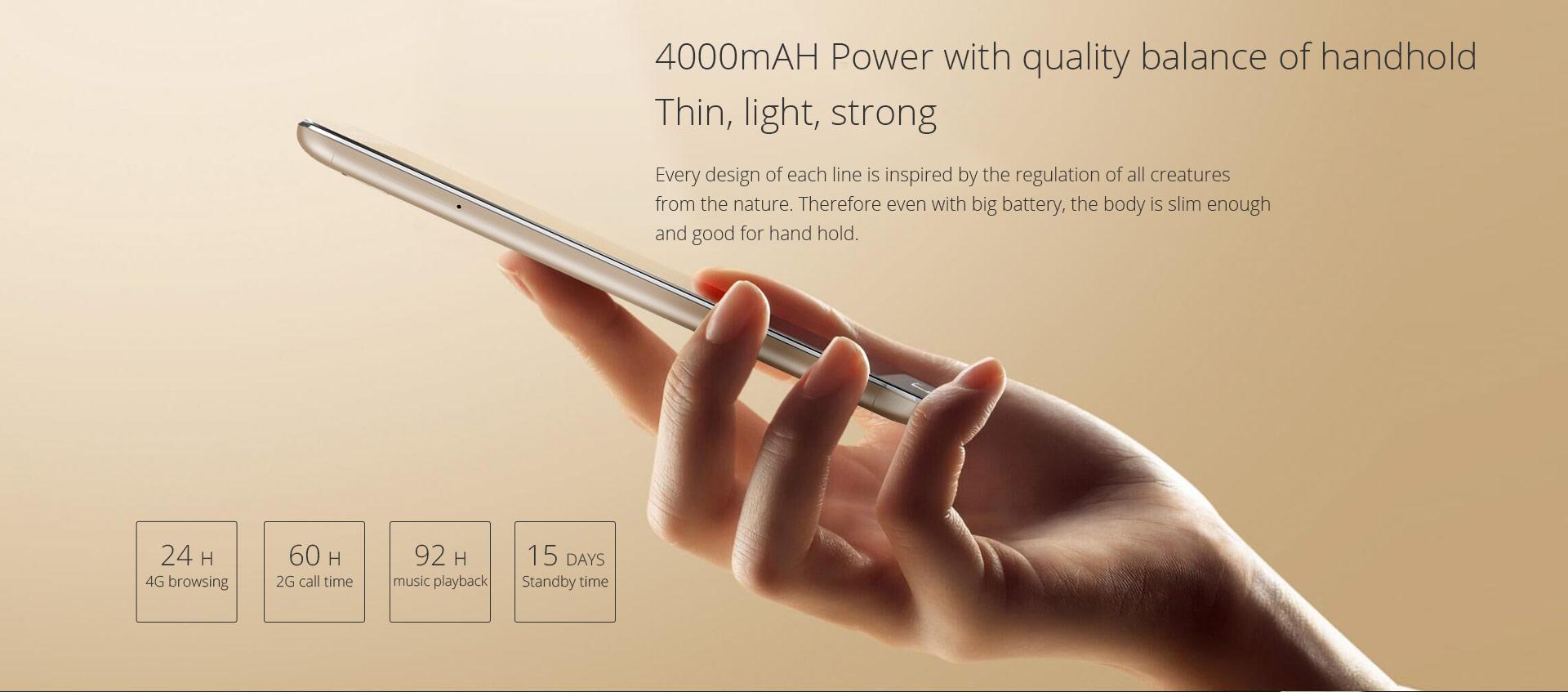
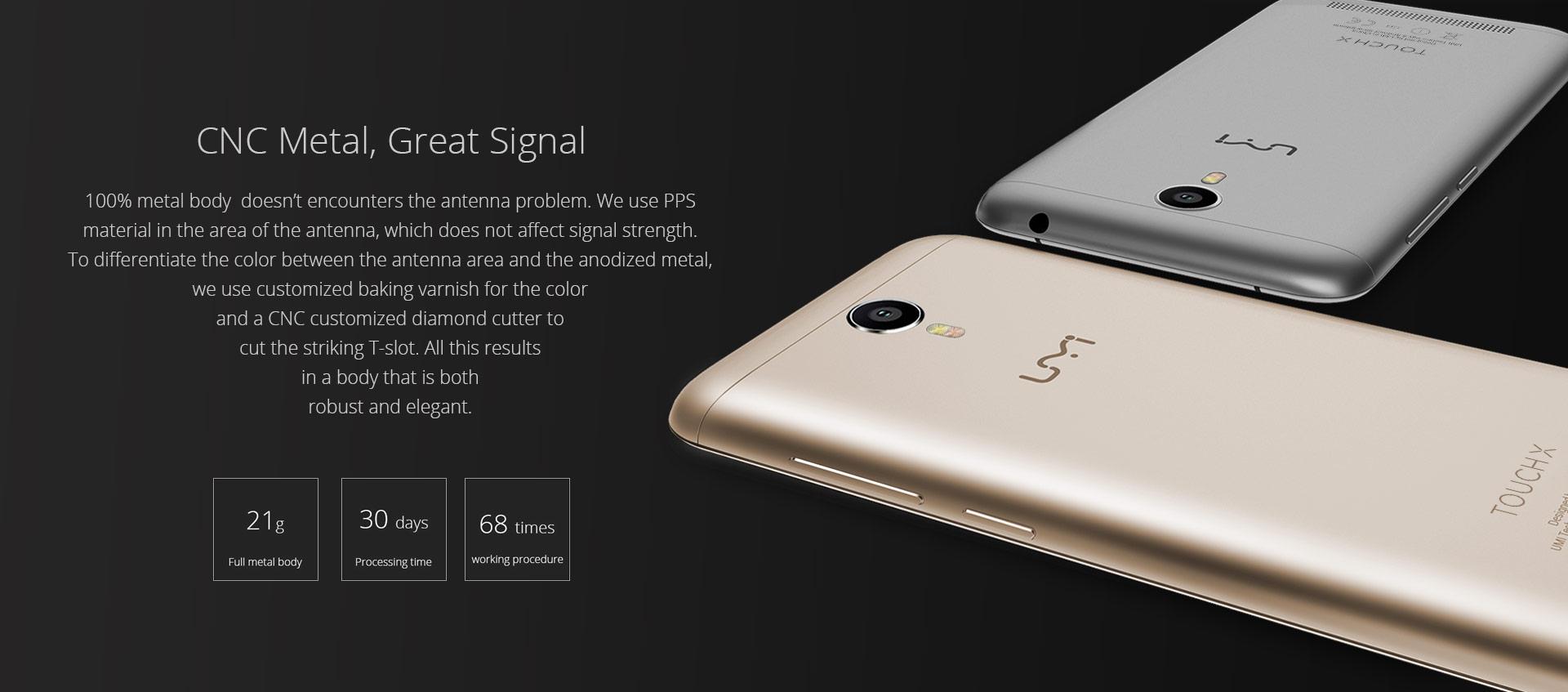
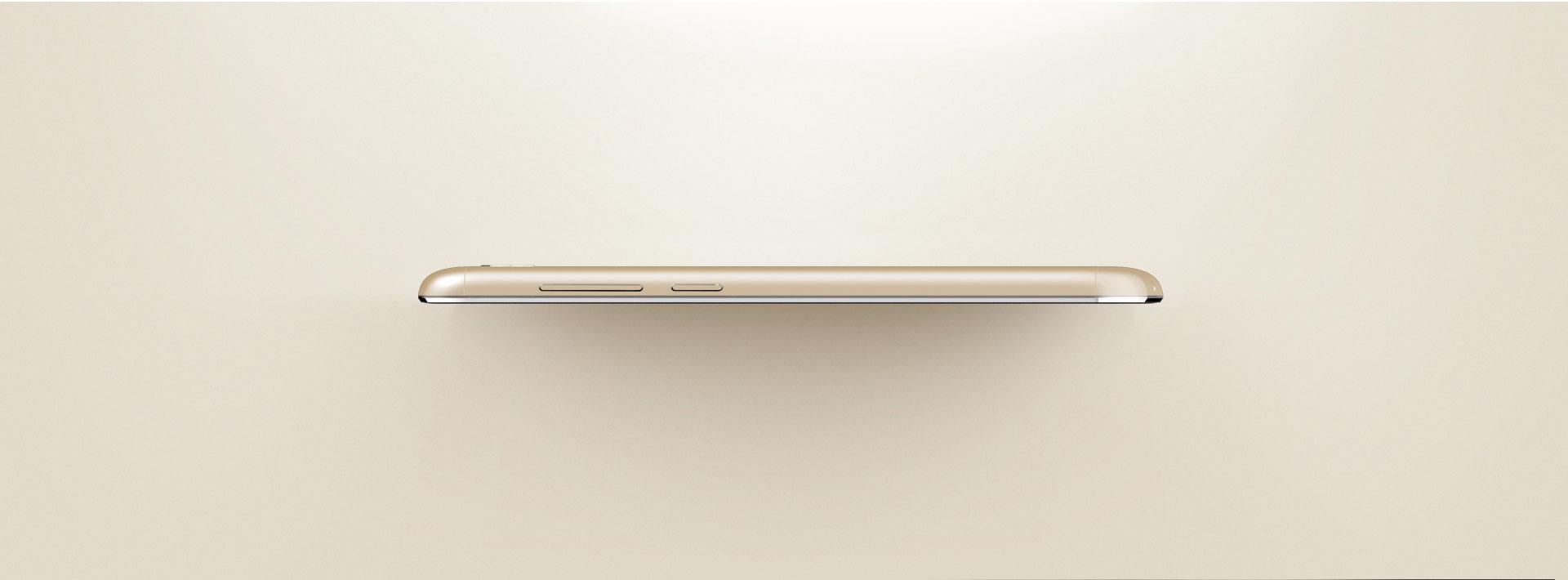
The UMi Touch X brings the same metallic design of the Touch, featuring up to 95% CNC Cut aluminum metal. It features smooth curves to make sure that the phone fits well in hand. This design particularly comes in handy because of the large battery inside. The Touch X comes with a 4000mAh battery which could increase the weight, but the overall 8.5mm thin body and curved design help in the ergonomics.
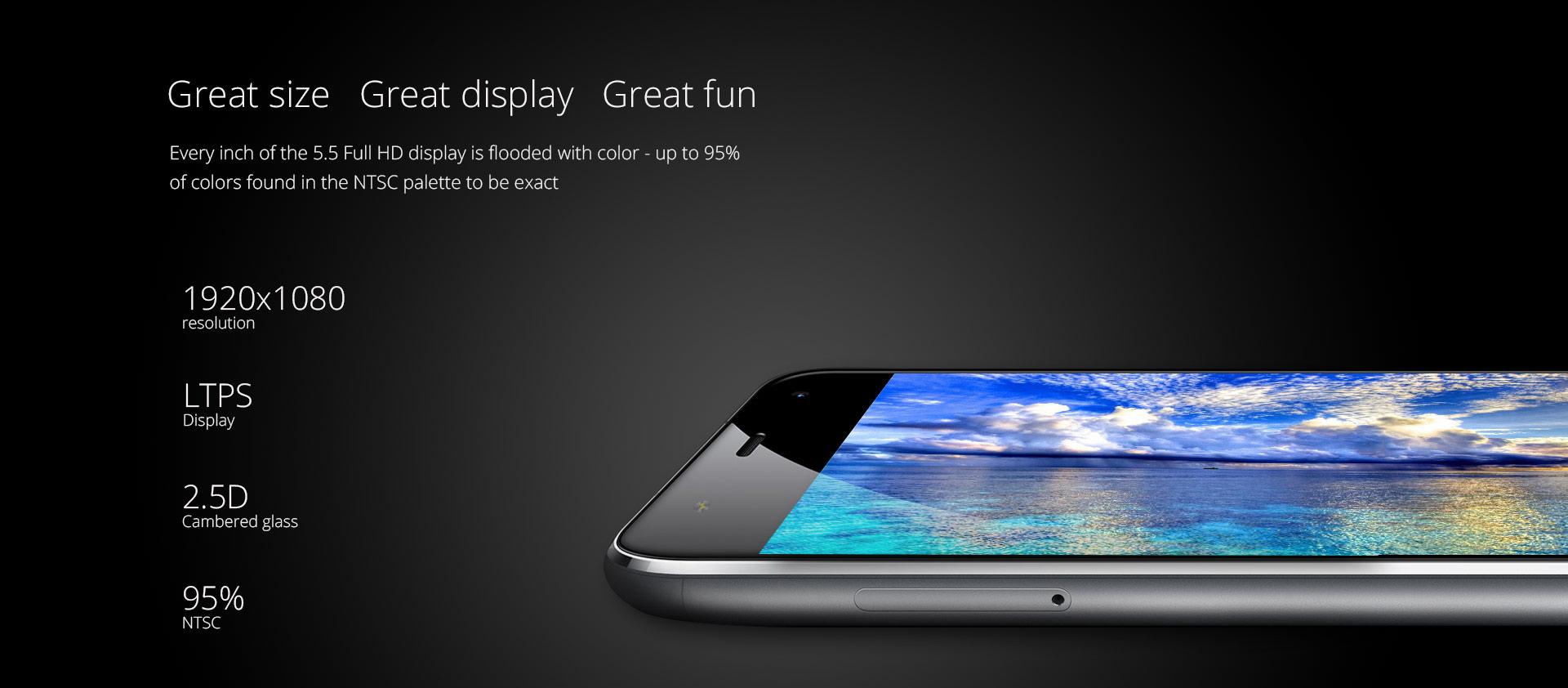
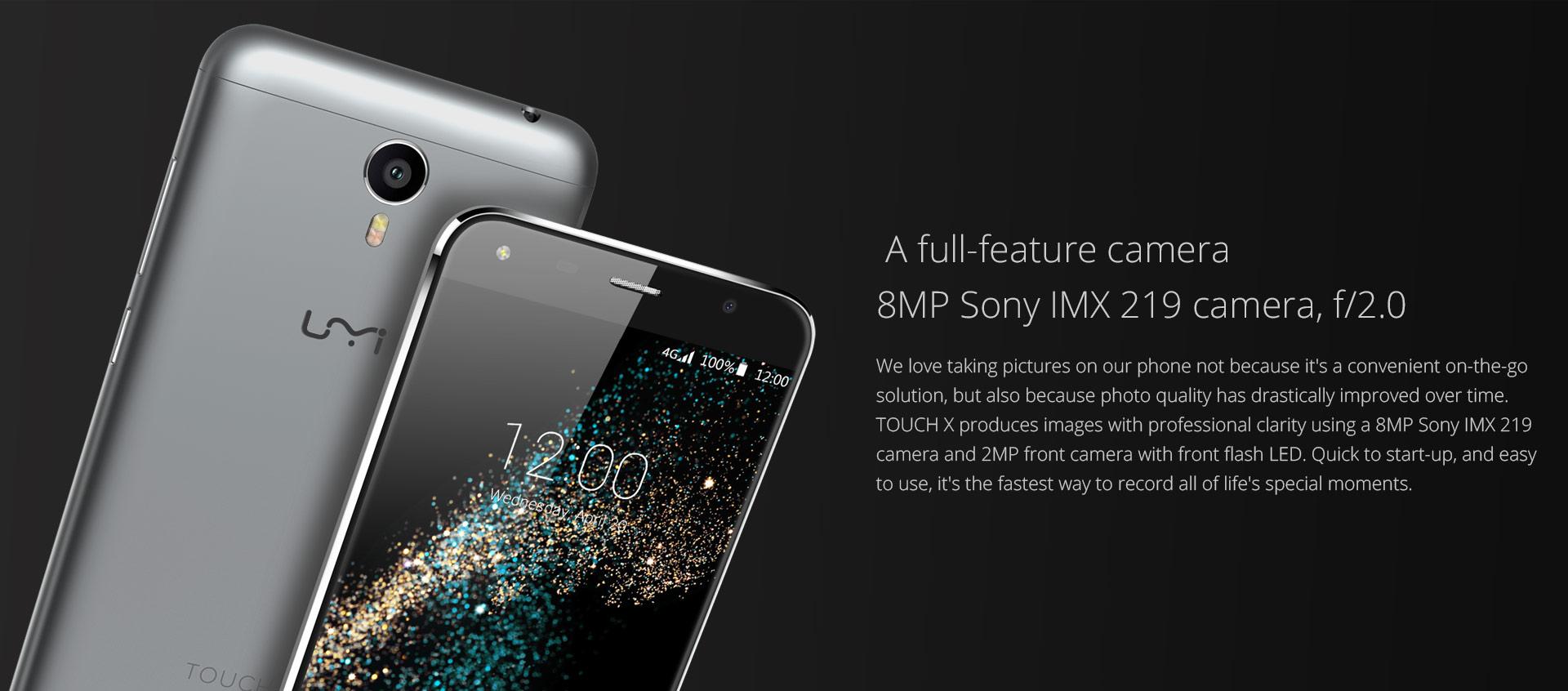
Another highlighted feature of the UMi Touch X is the FHD display. Yes, the phone sports a 5.5-inch FHD 1080p panel with 2.5D arch corning gorilla glass 3 for the best viewing experience in the segment. At the back, the phone comes with an 8MP Sony IMX 219 camera sensor, which the company claims is better than most 13MP cameras. Plus, given that the sensor has been in the market for quite some time, it’s easier for the company to optimize the software for the maximum performance.
Another highlighted feature of the Touch X is the Android 6.0 Marshmallow OS on board. It’s good to see the new OS inside the device when there are still companies releasing Android lollipop powered flagships this time of the year. Other features of the phone include MT6735A quad-core processor, 2GB of RAM, 16GB ROM, 4G LTE support and dual SIM dual standby.
The UMi Touch X goes on sale for a special pre-order price of $119.99 from April 21. After the pre-sale period, the price will go back to $129.99.
It’s been exactly one year since the Chinese media giant LeEco (formerly known as LeTV) entered the smartphone market. But during this time, the company has managed to get the attention of millions of fans, both in China and worldwide, thanks to its revolutionary smartphones. Last year, the company entered the industry with three great devices in the Le 1 series. Now, it’s time for a new generation of products, namely the Le 2 series. And guess what, once again, LeEco has surprised us all by announcing three powerful smartphones in the new Le lineup, namely the Le 2, Le 2 Pro and the flagship Le Max 2. Want to know more about these products? Read on!
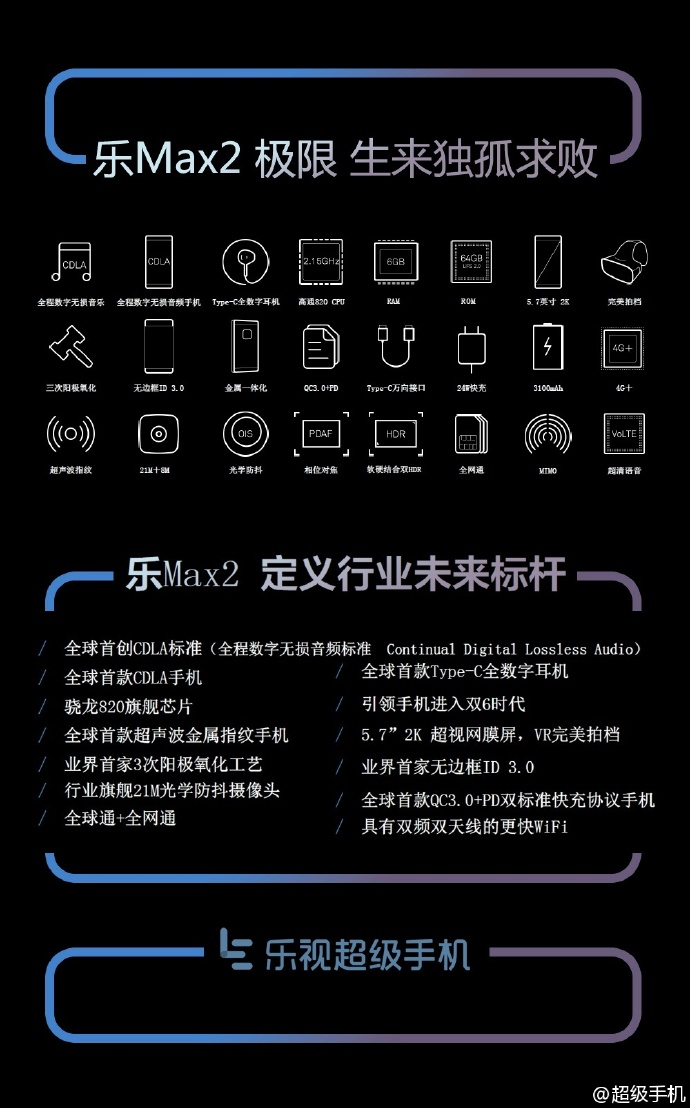
First of all, looks wise, these three phones look identical. They come with a metal body and a fingerprint sensor at the back. So, no real surprises here. However, the company is using its borderless ID 3.0 design which makes these three phones look like they feature a bezel-less display.
Another important selling point for these three models is the absence of a standard 3.5mm headphone jack. Apparently, LeEco believes this is the direction to go, with USB Type-C and their own CDLA (continuous digital lossless audio) standard reportedly delivering better audio output than a traditional headphone jack.
Rest of the specs are a bit different on each of the device, so here are all the details.
Le 2
Le 2 will be the least powerful smartphone in the series and will be the direct successor to the Le 1S model that was announced in the second half of last year. The phone comes with much better hardware and looks than the previous generation making it a true successor.
The phone comes with the Helio X20 chipset under the hood, that powers some mid-range flagships in the market. This is actually a pretty good upgrade from last year’s Le 1S which featured Helio X10. There will be 3GB of RAM on board and 32GB of internal storage. This will be eMMC 5.1 storage standard. With these specs on board, LeEco claims that the phone manages to score a good 97,336 point on AnTuTu, which is pretty impressive.
As for the display, the phone comes with a 5.5 in-cell display 1080p display. The brightness of the screen can reportedly go up to 500 nits and come down to as low as 1 nit. As for the camera, you get a 16MP sensor at the back, with PDAF and f/2.0 aperture. The setup can reportedly focus in just 0.09 seconds. This is good upgrade from the 13MP sensor on the Le 1S. The front camera is also better, now featuring an 8MP sensor. Other features of the phone include a 3000mAh battery with fast charge, EUI with Android 6.0, VOLTE and 4G LTE support.
Le 2 Pro
Le 2 Pro is a slightly upgraded version of the Le 2, featuring the new Helio X25 chipset clocked at 2.5GHz. Yes, it’s really surprising to see this inside the new LeEco device since Meizu had said that it would be exclusive to the Pro 6 for a few months. The phone features 4GB of RAM and 32GB of eMMC 5.1 storage that helps it reach 103,322 on the AnTuTu benchmark. At the back, you get a powerful 21MP Sony IMX230 sensor while up front, there’s the same 8MP shooter. The display remains the same, a 5.5-inch panel with 1080p resolution. Other features include USB TYpe-C, VoLTE and 3000mAh battery.
Le Max 2
Moving to the pick of the announcements today, the Le Max 2 is a real powerhouse featuring the Snapdragon 820 chipset clocked at 2.15GHz. What’s more, you get a massive 6GB RAM module inside with 64GB of UFS 2.0 storage. That’s some pretty powerful stuff. The display is larger, measuring 5.7-inches with 2K resolution. This makes it quite ready for VR headsets. With these specs on board, it’s not surprising that the phone managed to score 143,408 on AnTuTu. At the back, the phone comes with a 21MP camera with OIS, 6P lens and f/2.0 aperture. Up front, you get the same 8MP shooter. The Le Max 2 also features the new Ultrasonic fingerprint sensor from Qualcomm. Other features include dual band Wi-F0, VoLTE, full network support (works in over 200 countries) and 3100mAh battery with QC 3.0.
Pricing is yet to be revealed, but we will update the article with more details soon.
So what do you think about these three smartphones?
UPDATE: Pricing revealed!
Le 2RMB1099 ($170),
Le 2 ProRMB1499 ($232),
Le Max 24GB RAM RMB2099 ($324)/
6GB RAM RMB 2499 ($386)
* Update: Le 2, Le 2 Pro, Le Max 2 are available for pre-order at Oppomart now, please click here.
We use cookies on our website to give you the most relevant experience by remembering your preferences and repeat visits. By clicking “Accept”, you consent to the use of ALL the cookies.
This website uses cookies to improve your experience while you navigate through the website. Out of these, the cookies that are categorized as necessary are stored on your browser as they are essential for the working of basic functionalities of the website. We also use third-party cookies that help us analyze and understand how you use this website. These cookies will be stored in your browser only with your consent. You also have the option to opt-out of these cookies. But opting out of some of these cookies may affect your browsing experience.
Necessary cookies are absolutely essential for the website to function properly. This category only includes cookies that ensures basic functionalities and security features of the website. These cookies do not store any personal information.
Any cookies that may not be particularly necessary for the website to function and is used specifically to collect user personal data via analytics, ads, other embedded contents are termed as non-necessary cookies. It is mandatory to procure user consent prior to running these cookies on your website.