Skyworth has introduced its new A4F series Mini LED TVs in China, offering a 4K 144Hz experience with “hundred-level” local dimming. Available in 75 and 85-inch sizes, the A4F series starts at a first-sale price of 3499 yuan (around $480), expanding Skyworth’s growing Mini LED portfolio after the earlier launch of the A5F Pro lineup.
Skyworth A4F Series Specifications
The A4F series features a 4K UHD (3840 x 2160) resolution panel with Mini LED backlighting, designed to deliver deeper blacks, higher peak brightness, and stronger contrast control compared to standard LED TVs. While Skyworth has not specified the exact number of dimming zones, it promises enhanced precision through a “hundred-level” local dimming system. It also supports a 144Hz refresh rate, making it well-suited for smooth sports, action movies, and gaming.
In terms of color accuracy, the 85-inch model features 130% coverage of the sRGB color gamut, while the 75-inch variant covers 100%, ensuring vibrant and lifelike visuals across a wide range of content. Both panels come calibrated for high color accuracy, achieving a Delta E (ΔE) value of less than or equal to 0.87 for more precise and natural color reproduction.
Under the hood, it equips 4GB of RAM along with 32GB of storage on the 75-inch model and 64GB on the 85-inch variant. It comes with the CoolOpen operating system, which offers an AI-powered interface, intuitive navigation, and personalized content recommendations. It also supports a voice assistant capable of understanding over 23 dialects, expanding its accessibility across different regions.
In terms of connectivity, it sports two HDMI 2.1 ports, dual-band Wi-Fi, an Ethernet port, a USB-A 3.0 port (exclusive to the 85-inch model), and multiple USB-A 2.0 ports. It also provides options for Android screen mirroring, Apple AirPlay, HDMI projection, and app-based wireless casting, making it a flexible choice for modern home setups.
For audio, it features a 2.2-channel, ten-unit, three-way speaker system with a maximum output of 150W. The setup includes dedicated bass drivers, aiming to deliver a fuller and more immersive sound experience without needing external speakers. It also comes with MEMC (Motion Estimation, Motion Compensation) technology to ensure smoother motion during fast-paced scenes.
The A4F series prioritizes viewer comfort by featuring a dedicated Comfort Mode and four levels of eye protection, including low blue light emission, flicker-free backlighting, and dynamic brightness adjustment. It also meets China’s new Level 1 energy efficiency standards, promoting lower power consumption while maintaining high brightness and vivid colors.
Pricing and Availability
The Skyworth A4F series is available now on JD.com, priced at 3699 yuan (around $510) for the 75-inch version (first-sale 3499 yuan, around $480) and 5299 yuan (around $730) for the 85-inch version (first-sale 4999 yuan, around $690).
In related news, Huawei recently launched the Vision Smart Screen 5 SE TVs featuring a 240Hz Mini LED display and HarmonyOS AI, while TCL has introduced the new T6C-UK QLED Fire TVs in the UK with 4K HDR support and 120Hz gaming capabilities.
For more daily updates, please visit ourNews Section.
OnePlus has started rolling out OxygenOS 15.0.0.801 for the OnePlus Pad 2. The update is live in India (IN), Europe (EU), and global (GLO) regions, with the build number OPD2403_15.0.0.801(EX01). It is rolling out in batches and will reach more users over the next few days.
The update adds partial screen recording, letting users record a selected part of the screen instead of the whole display. The Calendar, Notes, and My Files apps get a refreshed UI to show more information and make drag-and-drop actions easier.
On the system side, new clock widgets are now available for the Home screen, showing weather conditions and local time. Super Power Saving mode has a revised set of default apps and a better process for adding more apps. Gesture recognition for closing floating windows has been improved, and the shadow effects around floating windows have been enhanced. Quick Settings and the notification drawer now appear stacked vertically instead of side by side when opened together. The update also brings the April 2025 Android security patch to improve system security.
As usual, the OTA rollout is incremental. Only a small percentage of users will get it initially, and a wider rollout will follow soon. To check for the update manually, go to Settings > System > System Updates.
For users in India, OnePlus has made it easier to report bugs. You can send a report through the OnePlus Community App under the “Bug Report” section in your profile or dial *#800# to open the feedback tool.
For more daily updates, please visit our News Section.
Honor officially announced that the Honor Magic 7 series will see a price reduction during the May Day holiday in China. With the addition of national subsidies, the entire series will receive an immediate discount of up to 800 yuan, with the final price starting at just 3,799 Yuan (~$521). The series includes three models: Honor Magic 7, Honor Magic 7 Pro, and Honor Magic 7 RSR Porsche Design. Here’s a look at the revised pricing of each phone.
Honor Magic 7 series price cut
Honor Magic 7
12GB + 256GB: Original price: 4499 Yuan (~$616), Price cut of 700 Yuan (~$96), revised price: 3799 Yuan (~$521)
12GB + 512GB: Original price: 4799 Yuan (~$657), Price cut of 800 Yuan (~$110), revised price: 3999 Yuan (~$548)
16GB + 512GB: Original price: 4999 Yuan (~$685), Price cut of 800 Yuan (~$110), revised price: 4199 Yuan (~$575)
16GB + 1TB: Original price: 5499 Yuan (~$754), Price cut of 800 Yuan (~$110), revised price: 4699 Yuan (~$644)
Honor Magic 7 Pro
12GB + 256GB: Original price: 5699 Yuan (~$781), Price cut of 800 Yuan (~$110), revised price: 4899 Yuan (~$671)
16GB + 512GB: Original price: 6199 Yuan (~$849), Price cut of 800 Yuan (~$110), revised price: 5399 Yuan (~$739)
16GB + 1TB: Original price: 6999 Yuan (~$959), Price cut of 800 Yuan (~$110), revised price: 6399 Yuan (~$876)
Honor Magic 7 RSR | Porsche Design
16GB + 512GB: Original price: 7999 Yuan (~$1095), Price cut of 500 Yuan (~$69), revised price: 7499 Yuan (~$1027)
24GB + 1TB: Original price: 8999 Yuan (~$1232), Price cut of 500 Yuan (~$69), revised price: 8499 Yuan (~$1164)
At present, the price cut is only restricted for the Chinese variants. It is unclear whether the brand will also soon announce price cuts for the global Honor Magic 7 series variants.
For more daily updates, please visit our News Section.
Last year, Vivo unveiled the Vivo Y37 and Y37m, equipped with the Dimensity 6300, in July in China. Later, the brand announced the Snapdragon 4 Gen 2-powered Y37 Pro. Now, the brand has silently unveiled the Y37c in its home market. Here’s a look at the specifications, features, and price of the device.
Vivo Y37c specifications and features
Vivo Y37c
The Vivo Y37c features a large 6.56-inch waterdrop notch LCD screen with an HD+ resolution, a 90Hz refresh rate, and up to 570nits of brightness. It also supports eye protection features to reduce blue light emissions and improve viewing comfort. Additionally, the Vivo Y37c is IP64-rated for dust and water resistance, enhancing its durability for everyday use.
For photography, the Vivo Y37c offers a 5-megapixel front-facing camera for selfies and video calls. On the back, it houses a 13-megapixel rear camera paired with an LED flash, offering a simple setup for casual photography. The device also comes equipped with a side-mounted fingerprint scanner and runs on OriginOS 4-based Android 14.
Vivo Y37c
Under the hood, the Vivo Y37c is powered by a Unisoc T7225 chipset. It comes with 6GB of LPDDR4x RAM and 128GB of eMMC 5.1 storage, with additional virtual RAM support to enhance multitasking performance. It’s packed with a 5,500mAh battery with 15W charging. On the connectivity front, the device offers dual SIM 4G, Wi-Fi 5, Bluetooth 5.2, USB-C, and a 3.5mm audio jack. It measures 167.30 x 76.95 x 8.19mm and weighs 199 grams.
Vivo Y37c price and availability
The Vivo Y37c is priced at 1,199 Yuan (~$275) for the 6GB RAM + 128GB storage variant. It is currently available for purchase in China. The device comes in two options: Dark Green and Titanium. Vivo has not yet confirmed if or when the Y37c will be launched in other markets outside of China.
For more daily updates, please visit our News Section.
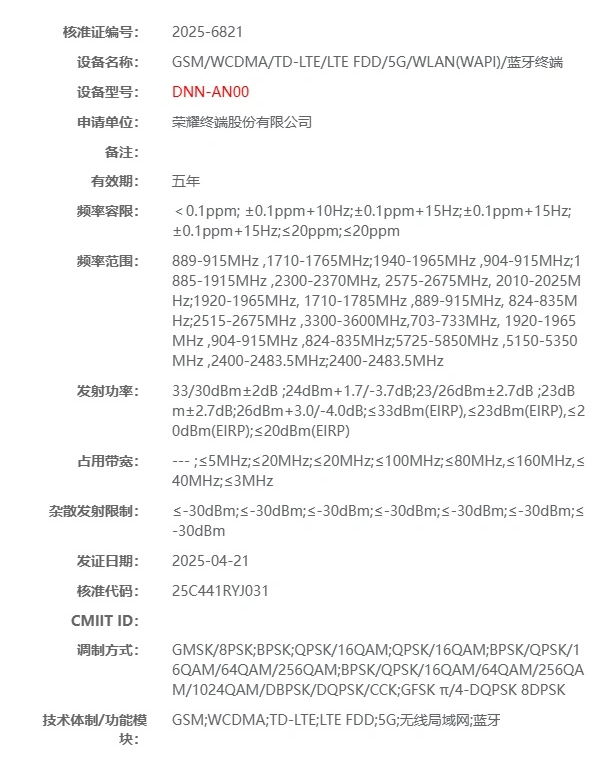
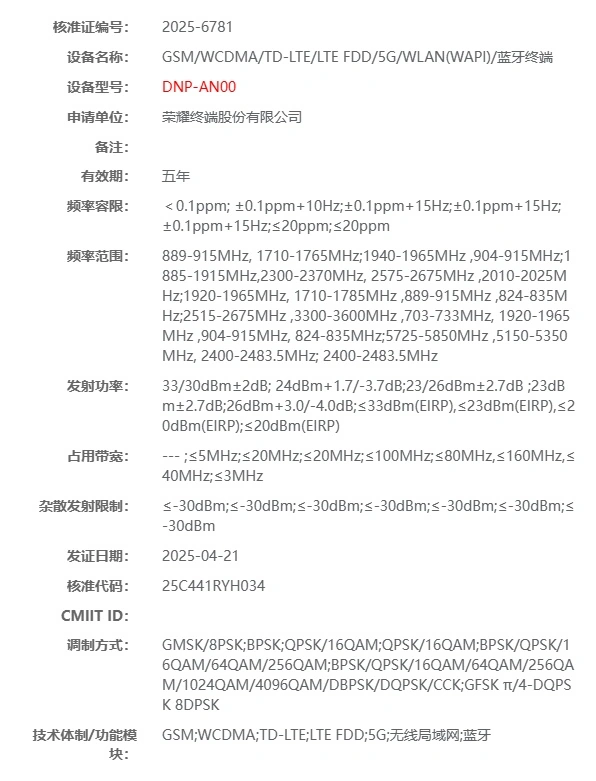
Honor is reportedly working on the Honor 400 series of smartphones for China as well as other markets. Recent reports have already leaked the specifications of the Honor 400 and 400 Pro for the global market. However, there is no clarity on whether the global and Chinese editions will pack the same specs. A new development reveals that the Honor 400 and 400 Pro have received approval from China’s radio certification platform, indicating that the two phones may launch in May.
Honor 400 series receives radio certification
As can be seen above, two upcoming Honor devices with model numbers DNN-AN00 and DNP-AN00 have received radio certification from the CMIIT authority in China. These are said to be the Honor 400 and 400 Pro smartphones, respectively.
Reliable tipster Digital Chat Station has previously revealed that the Honor 400 will have a 6.55-inch OLED panel that offers a 1.5K resolution and the upcoming Snapdragon 7 Gen 4 (SM7550) chipset. On the other hand, the Honor 400 Pro will have a larger 6.69-inch OLED panel that produces a 1.5K resolution. It is expected to feature the Snapdragon 8 Gen 3 chipset. The Honor 400 lineup may also include the Honor 400 Ultra model. However, there is no information about its existence.
Recent reports surrounding the global versions of the Honor 400 series have claimed that the 400 will have the Snapdragon 7 Gen 3 and the Pro edition will feature the Snapdragon 8 Gen 3. Camera-wise, the standard model is expected to feature a 200-megapixel primary camera with OIS support, a 12-megapixel ultra-wide lens, and a 50-megapixel front camera. On the other hand, the 400 Pro is said to have the same set of cameras as the standard, including an additional 50-megapixel telephoto camera.
The Honor 400 and 400 Pro may pack a 5,300mAh battery. While the standard model will feature 66W charging, the Pro edition may support 100W charging. In Europe, the Honor 400 is likely to be priced at 468 euros.
For more daily updates, please visit our News Section.
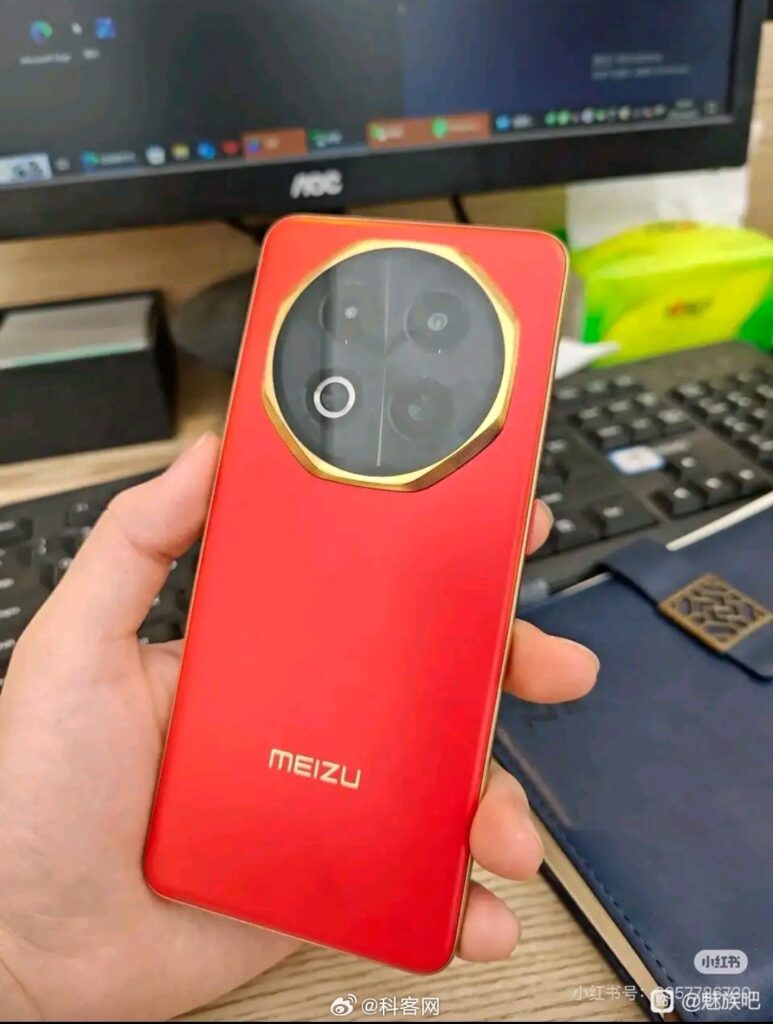
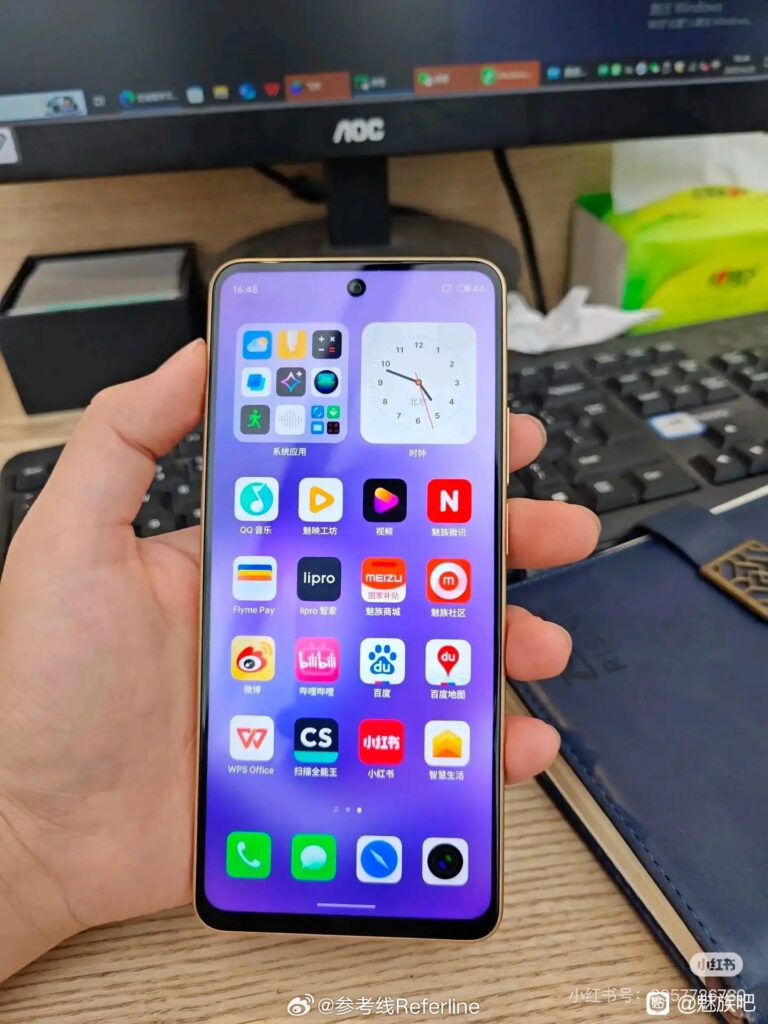
Official teasers released by Meizu back in March confirmed that it would unveil the Meizu Note 16 series of smartphones in April in China. However, recent reports have suggested that its arrival has been delayed to May. Now, live shots of the device, along with key specifications, have emerged on Weibo. Here’s a look at what to expect from the device.
Meizu Note 16 design
Meizu Note 16
Starting with the design of the Meizu Note 16, the live image reveals a flat display on the front and an octagonal-shaped camera island with a gold finish. The rest of the back panel features a plain orange leather texture. The design seems to take inspiration from the flagship styling of the Honor Magic 7 series. Although the image gives the impression of a triple-camera setup with a ring-shaped LED flash, the Meizu Note 16 actually features only a dual-camera system.
Meizu Note 16 specifications (rumored)
Meizu Note 16
The leak reveals that the Meizu Note 16 will feature a 6.78-inch LCD panel that offers an FHD+ resolution of 2460 x 1080 pixels. On the front, it will feature an 8-megapixel camera for selfies and video calls.
The rear camera setup features a 50-megapixel primary camera and a 2-megapixel auxiliary lens. The device runs on Android 15 with a layer of Flyme 12 AI OS on top.
Meizu Note 16
Under the hood, the Meizu Note 16 has the Unisoc T765, a 5G-enabled chipset. It is equipped with 12 GB of RAM and 256 GB of bult-in storage. It packs a 6,550mAh battery with 40W fast charging. Overall, it feels like it belongs to the 999 Yuan (~$140) price range.
Considering this design and these specifications, it is difficult to understand why Meizu delayed its arrival. Now that Meizu is part of DreamSmart Meizu, a Geely-backed smartphone company. For Geely, Flyme’s importance lies more in enhancing in-car experiences than in supporting Meizu’s mobile business.
For more daily updates, please visit our News Section.
The Honor 400 series is nearing its launch, and new leaks have revealed key information about the standard Honor 400 model for Europe. The device is reported to arrive with an 8GB RAM and 512GB storage variant priced at EUR 468.89. Buyers will have three color options to choose from: Black, Gold, and Silver.
Image via TheTechOutlook
Leaked specifications suggest the Honor 400 will feature a 6.55-inch AMOLED display with a 120Hz refresh rate and peak brightness of up to 5,000 nits. It is expected to support eye-care features like Dynamic Dimming, AI Circadian Night Display, AI Defocus EyeCare, and Ultra Dark Mode. Powering the device could be the Snapdragon 7 Gen 3 chipset, backed by a 5,300mAh silicon-carbon battery with 66W wired charging.
For photography, the phone is rumored to offer a 200MP main camera with OIS, a 12MP ultra-wide lens, and a 50MP front-facing camera. It may run on Android 15-based MagicOS 9.0, offering AI features like AI Summary, AI Subtitles, and AI Recorder. Other expected features include NFC, stereo speakers, an IP65 rating, and an in-display fingerprint sensor. The device could weigh 184 grams and measure 7.3mm thick.
The Honor 400 Pro, meanwhile, is expected to feature a 6.7-inch curved AMOLED display, a Snapdragon 8 Gen 3 chipset, a triple-camera setup with a 50MP telephoto lens, and 100W fast charging capable of reaching 50% battery in 15 minutes. It may offer enhanced durability with IP68/IP69 ratings and include additional AI features, including Google Gemini integration.
The Honor 400 series is likely to debut in China this May, with a global launch expected soon after.
For more daily updates, please visit our News Section.
Xiaomi launched the Pad 7 and Pad 7 Pro tablets globally back in March. But at the time, the company didn’t spell out how many years of software updates each device would get.
Now, things are a bit clearer. Xiaomi has quietly added both models to its Product Security Center, revealing how many years of platform updates and security patches each device will receive. And there’s a surprising disparity between the two.
Xiaomi Pad 7 Pro will get two less Android updates
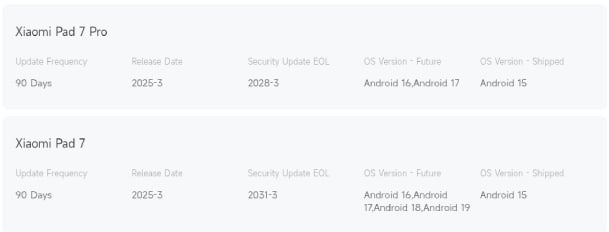
As expected, the Pad 7 Pro is the more expensive model with a Qualcomm Snapdragon 8s Gen 3 chipset. Surprisingly though, it’s Xiaomi confirms Pad 7 Pro gets 3 years of less software update than the Pad 7only promised to get two major Android updates (up to Android 17) and security patches through 2028.
Meanwhile, the more affordable Pad 7 has a much longer runway. It will receive four Android updates through Android 19 and security support lasting until 2031.
Xiaomi Pad 7 Pro versus Pad 7 software update promise
In other words, the Pad 7 will get four years of software updates and six years of security patches, while the higher-end Pad 7 Pro is only guaranteed two years of software updates and three years of security patches.
It’s not clear why there’s such a stark difference between the two and why the more premium device is getting less support. We’ll update this article if Xiaomi issues an official comment.
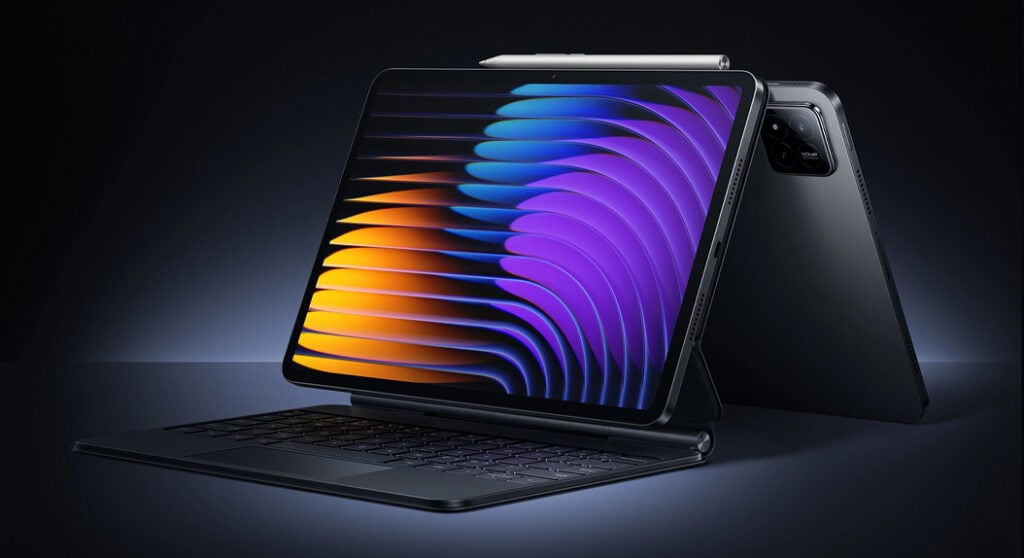
Initially launched in October 2024 in China, both tablets feature an 11.2-inch display with a 3.2K resolution, 144Hz refresh rate, 3:2 aspect ratio, and up to 800 nits of peak brightness
The standard Pad 7 is powered by a Snapdragon 7+ Gen 3 processor and offers an 8MP front camera, a 13MP rear shooter, Wi-Fi 6E support, and a sizable 8,850mAh battery with 45W fast charging.
The Pad 7 Pro steps things up with a Snapdragon 8s Gen 3 chip, a 32MP selfie camera, a 50MP primary camera, Wi-Fi 7 connectivity, and faster 67W charging. However, it has the same 8,850mAh battery capacity as the base model.
For more daily updates, please visit our News Section.
Xiaomi is expanding its smart home lineup with the launch of the Mijia Wireless Floor Washer 4 Pro, now available for pre-order on Xiaomi Youpin in China. The new model boasts 21,000Pa of suction power, an upgraded anti-tangle system, and a first sale price of 1,999 yuan (about $275), with official sales kicking off on April 29.
Xiaomi Mijia Floor Washer 4 Pro Specifications
The Mijia Floor Washer 4 Pro features a high-performance motor that delivers 134AW of suction and 23N of ground pressure, providing strong cleaning performance across hard floors. It comes with a five-level water control system designed to speed up floor drying and reduce slipping hazards.
It sports a newly designed high-density roller brush paired with a floating metal scraper bar. This combination evenly scrapes off dirt and moisture, improving water absorption efficiency by 23% and scraping efficiency by 255% over previous models. Xiaomi claims that drying time is reduced by 39%, while water residue marks are cut down by 41%.
It equips an upgraded anti-hair-entanglement system certified by TÜV Rheinland. Using a shark tooth comb structure and powerful suction, the washer can handle up to 3,000 strands of hair without clogging, making it a reliable choice for homes with pets or long-haired residents.
For hygiene, the device features a full-path sterilization system. It combines 100°C hot water cleaning, electrolyzed water sterilization, 90°C hot air drying, and antibacterial roller materials. Xiaomi states that the sterilization rate can reach up to 99.999% for common pathogens like E. coli and Candida albicans. It also comes with a 120°C heat press to maintain brush softness and further enhance cleanliness.
The Mijia Floor Washer 4 Pro comes with a large 4000mAh battery that provides up to 40 minutes of runtime on a single charge, covering about 336 square meters. It sports a 1000mL clean water tank and a 700mL dirty water tank, allowing for longer cleaning sessions without interruption.
The cleaner features smart dirt detection via a high-precision sensor, automatically adjusting suction power based on the detected level of dirt. An LED display and voice prompt system help users monitor cleaning modes and maintenance needs in real time.
The dirty water tank equips a solid-liquid separation system for easier maintenance. Meanwhile, the roller brush uses an antibacterial high-density material with a 17% density improvement for greater durability.
For flexibility, it comes with a reinforced scratch-resistant body using IML brushed metal-style panels and supports 180° flat laying to reach under beds and sofas easily.
In related news, Xiaomi recently developed a vacuum that detects mites and eliminates them using heat and UV light. The company has also launched a new air conditioner featuring upward airflow and human-sensing mmWave radar technology.
For more daily updates, please visit our News Section.
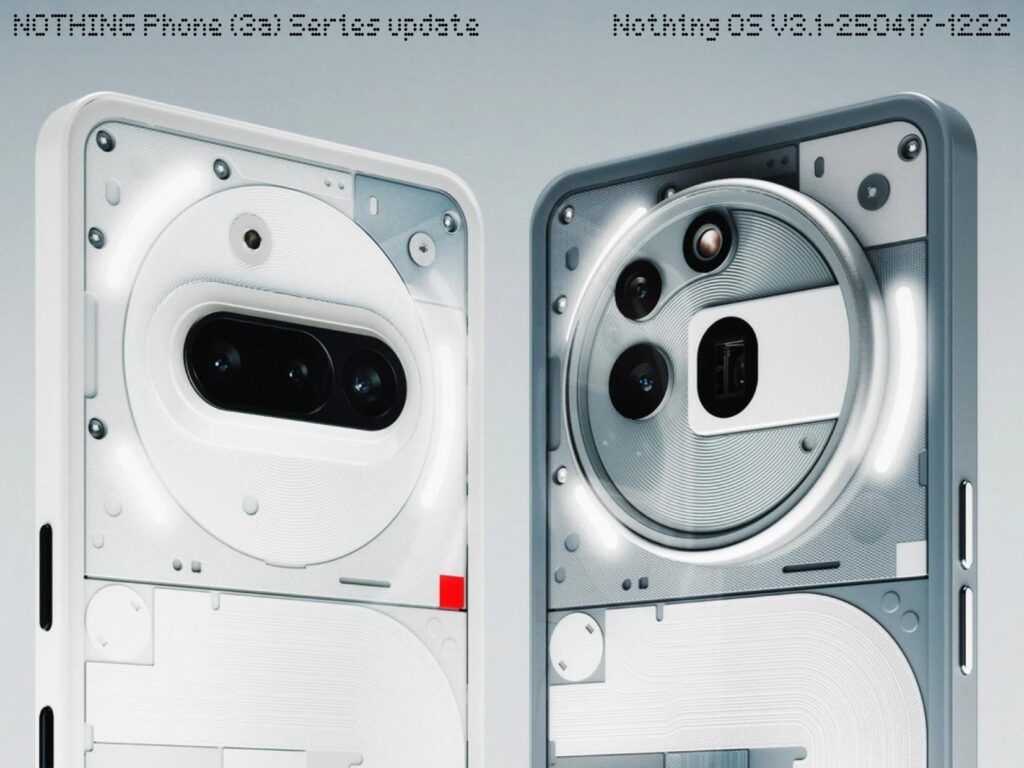
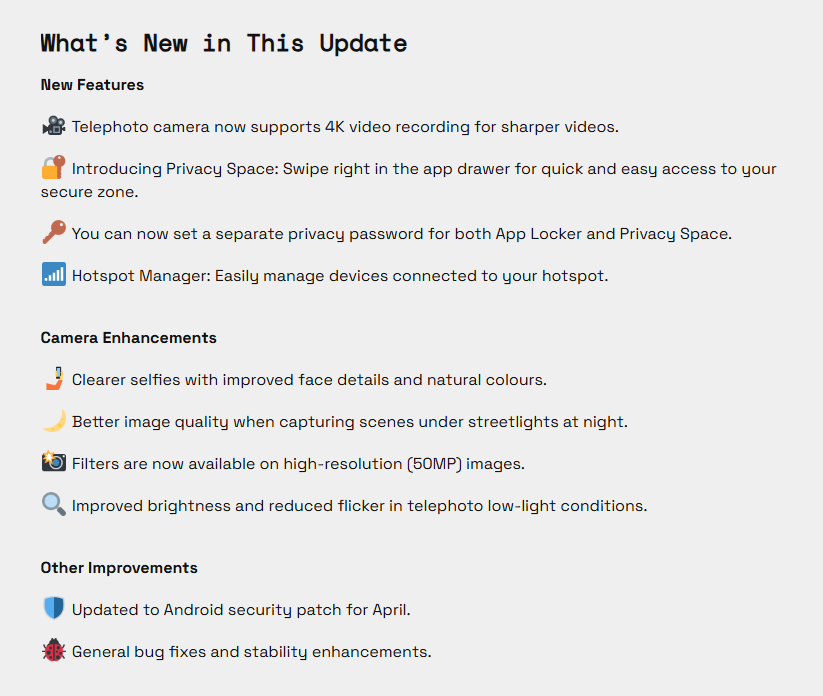
The update adds 4K video recording support for the telephoto and periscope cameras, giving users sharper video quality. A new Privacy Space feature has been introduced. Users can now swipe right in the app drawer to quickly access a secure area. There is also an option to set a separate privacy password for App Locker and Privacy Space.
The update adds a Hotspot Manager, which makes it easier to manage devices connected to the phone’s hotspot. Camera improvements include clearer selfies with better face detail and more natural colors. Night shots under streetlights have been enhanced for better image quality. Filters can now be used on high-resolution 50MP photos. The update also improves brightness and reduces flicker when using the telephoto camera in low-light conditions.
The update brings the April Android security patch, along with general bug fixes and stability improvements. The rollout is happening in phases and will reach more Nothing Phone (3a) users soon.
For more daily updates, please visit our News Section.
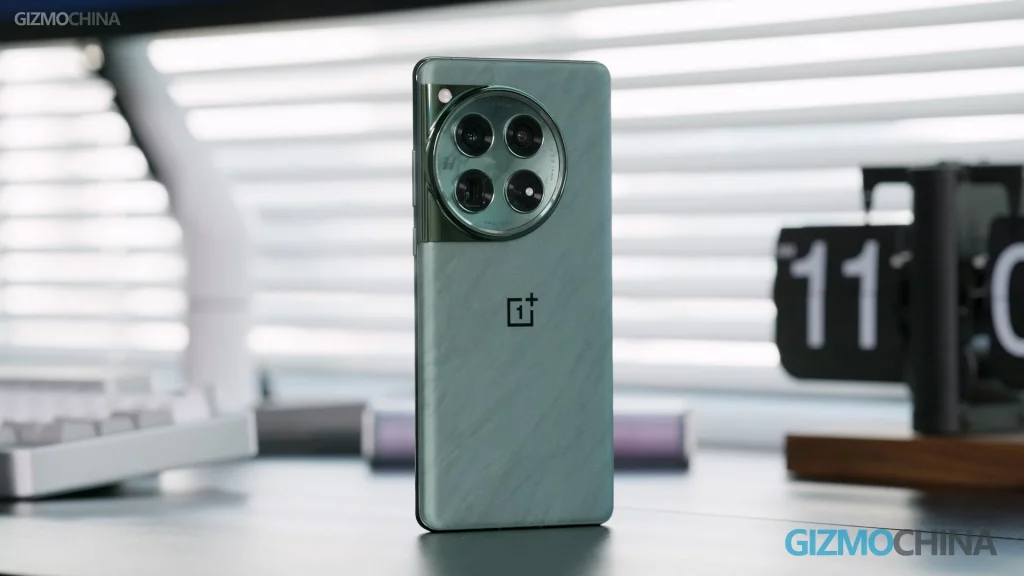
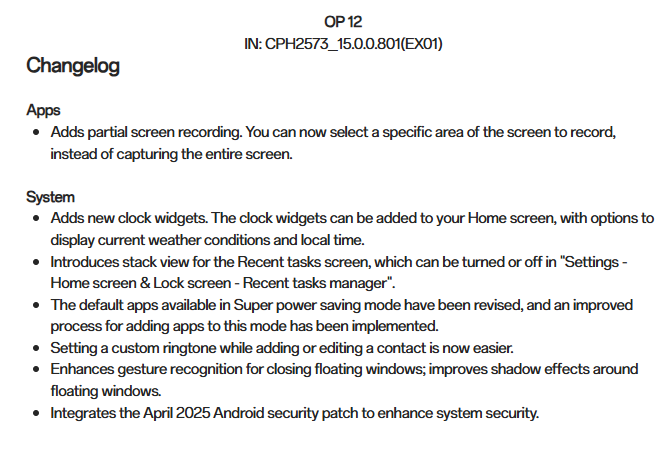
OnePlus has started rolling out the OxygenOS 15.0.0.801 update for the OnePlus 12 in India. The build version is CPH2573_15.0.0.801(EX01). It is being pushed out in batches and will reach more users in the coming days.
The update adds partial screen recording, allowing users to select and record only a specific part of the screen instead of the full display.
There are also changes to the system. New clock widgets are now available for the Home screen, showing local time and current weather. A stack view option has been added to the Recent Tasks screen, which can be turned on or off through “Settings – Home screen & Lock screen – Recent tasks manager.”
In Super Power Saving Mode, the list of default apps has been updated, and the process to add apps has been made simpler. Setting a custom ringtone when adding or editing a contact is now easier.
The update also improves gesture recognition for closing floating windows and refines shadow effects around them for smoother interaction. For security, the April 2025 Android security patch has been added.
OnePlus has also made it simpler for users in India to report problems. Bugs can be reported directly through the “Bug Report” section in the OnePlus Community App profile. Users can also dial *#800# to access the feedback tool.
Since this is an incremental rollout, only a small group of users will get the update first, with a broader rollout planned after a few days.
For more daily updates, please visit our News Section.
Huawei has launched its latest addition to the smart TV lineup in China, the Vision Smart Screen 5 SE, now available for pre-sale on JD.com. Succeeding the Vision Smart Screen 4 SE, it comes in 55, 65, and 75-inch sizes, combining premium MiniLED display technology with Huawei’s HarmonyOS smart platform and AI-driven features, bringing high-end experiences closer to mainstream users. Well, let’s check out its key specs.
Huawei Vision Smart Screen 5 SE Specifications
The Vision Smart Screen 5 SE comes with a 4K Ultra HD MiniLED panel that supports a 240Hz refresh rate. It delivers a peak brightness of 1000 nits and achieves a dynamic contrast ratio of 125,000:1.
It is powered by Huawei’s self-developed Honghu chipset, which equips the TV with 20-bit precision light control, MEMC motion compensation, HDR enhancement, and dual noise reduction combined with SR super-resolution technology. It also covers 130% of the BT.709 color gamut and undergoes factory gamma calibration to ensure better out-of-the-box color accuracy.
The Vision Smart Screen 5 SE sports a high-strength unibody metal frame and reaches an impressive 98% screen-to-body ratio, delivering a near bezel-less viewing experience. It also comes with flagship-grade local dimming algorithms, allowing for better brightness management and color consistency.
For smart features, the TV equips a new-generation HD AI camera with an f/2.0 aperture. The camera supports video calls, remote home monitoring, posture detection, and AI-powered body motion recognition for gesture-based gaming. It runs on Huawei’s HarmonyOS, offering quick AI search for movies and TV shows, interactive educational apps, karaoke modes, and customizable photo walls and art galleries.
The Vision Smart Screen 5 SE supports 4K Super Casting and Tap-to-Cast, enabling users to project content from popular platforms like Tencent Video, Bilibili, Youku, and iQIYI without needing to open the corresponding apps. It supports HDMI 2.1 inputs and comes with Huawei’s HyperHold memory expansion technology, providing an equivalent of 4GB RAM for improved multitasking performance.
On the audio front, the larger models come with a 2.1-channel sound system. Huawei claims bass can extend down to 65Hz, with enhanced vocal clarity thanks to its voice optimization technology. Virtual surround sound expansion is also supported to deliver a more immersive listening experience.
Pricing and Availability
The Huawei Vision Smart Screen 5 SE is now available for pre-sale in China. The 55-inch model is priced at 2,599 yuan ($364), the 65-inch version is priced at 2,999 yuan ($420), and the 75-inch model costs 3,999 yuan (~$560). Official sales are scheduled to begin on May 8 at 10:08 AM.
In related news, TCL recently launched its new T6C-UK QLED Fire TVs in the UK, featuring 4K HDR, 120Hz gaming support, and Freely live TV. Meanwhile, Samsung introduced its QN90F and QN80F Mini LED TVs, offering 4K 165Hz displays, Dolby Atmos audio, and up to seven years of software updates.
For more daily updates, please visit our News Section.
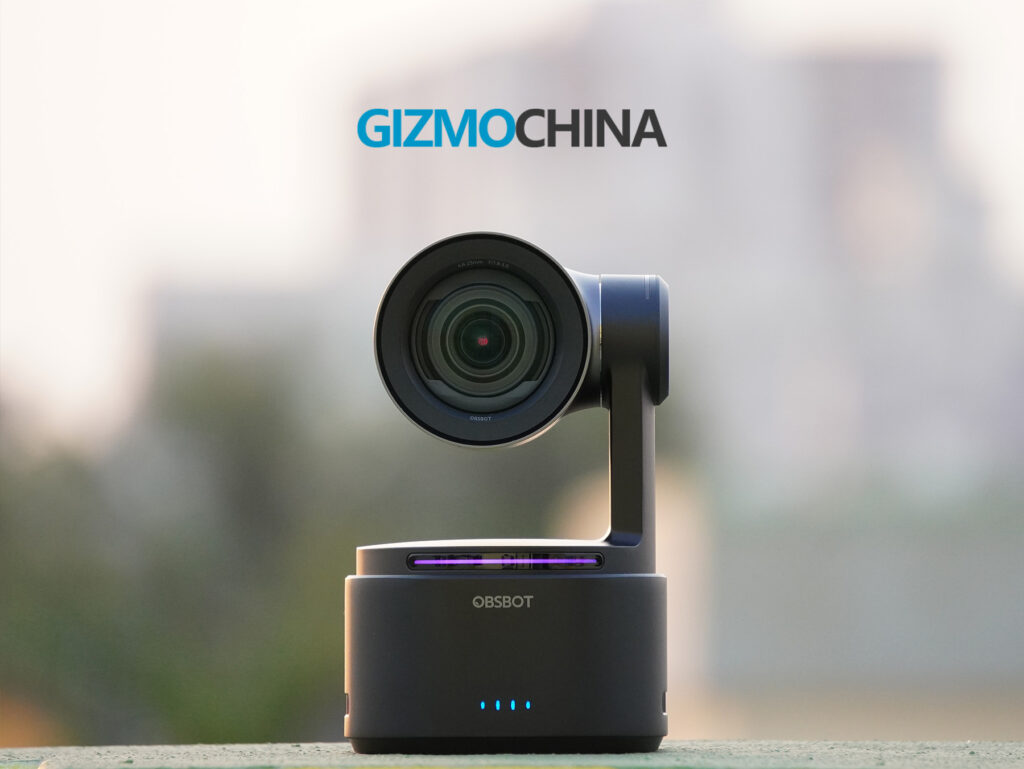
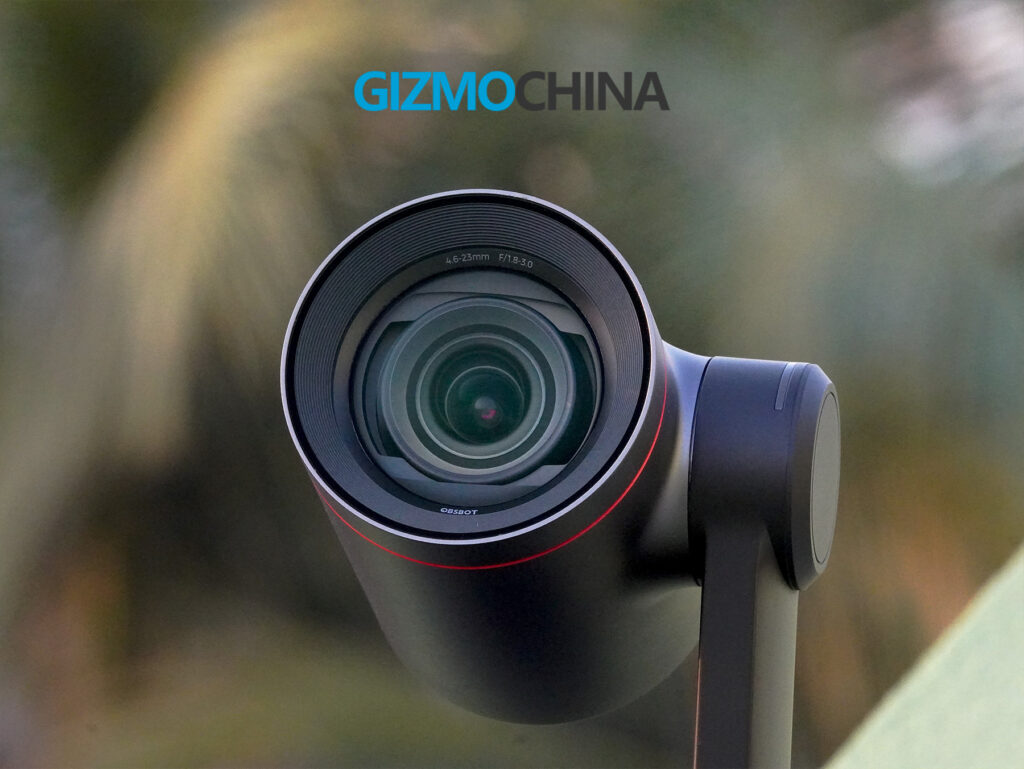
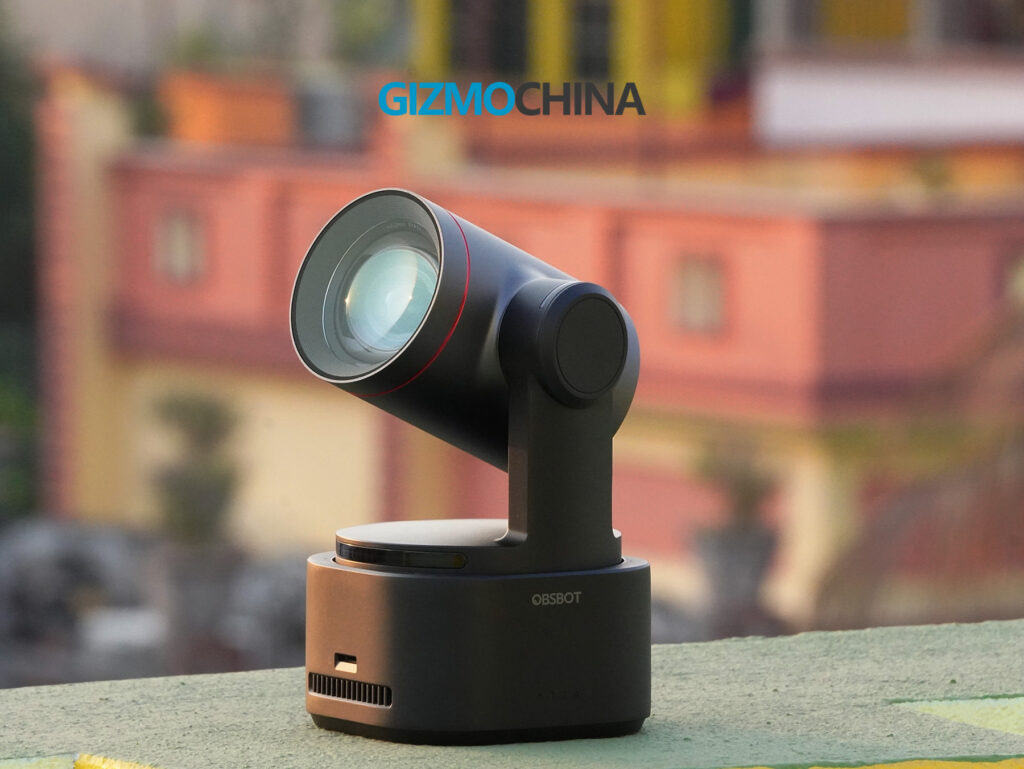
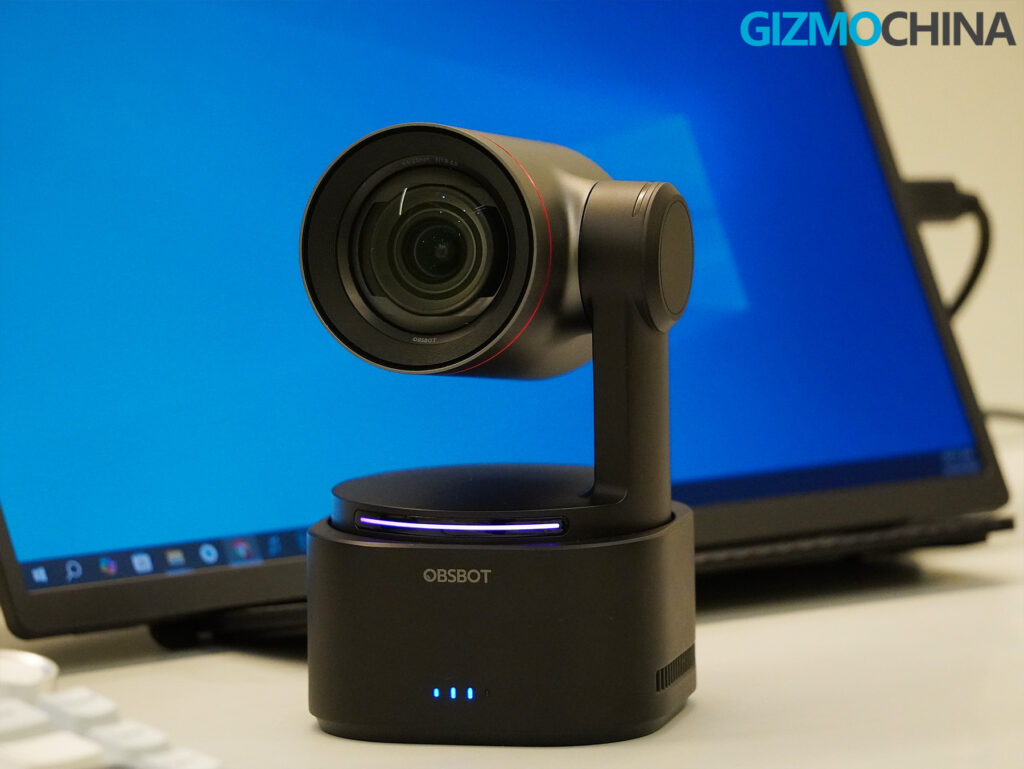
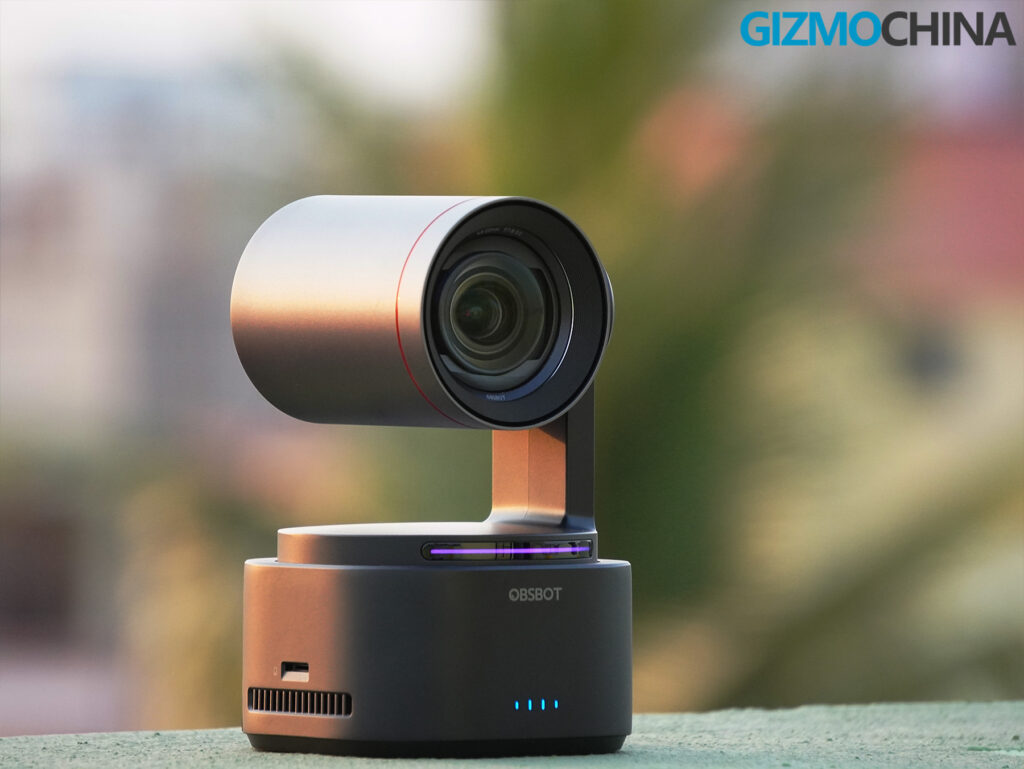
I’ve used my fair share of PTZ cameras over the years, but the Obsbot Tail 2 is the first one that made me pause and think, “Wow, this might actually replace having someone behind the lens.” It’s a bold claim for a camera that costs $1,199, nearly double the price of its predecessor, the Tail Air.
But the Tail 2 also brings a host of serious upgrades: optical zoom, a larger sensor, AI tracking that borders on uncanny, and a new fourth axis of movement: Rotate. The result is a device that, in the right hands (or even solo hands), can turn everyday video recording into something that looks professionally directed.
PTZR in Practice: Camera That Physically Adapts
The “R” in PTZR stands for Rotate, and it’s not just a gimmick. Being able to flip the lens into portrait orientation opens up more flexibility for shooting vertical content. I don’t shoot much for YouTube or Instagram personally, but I did try the vertical shooting mode during my tests, and it worked flawlessly.
The camera physically rotated itself into 9:16 without needing to remount it, and the framing stayed level and stable the whole time. If you’re making content for Reels, TikTok, or Shorts, this is an incredibly useful feature that saves time and keeps resolution intact.
The build is solid, about 1.06 kg, so not featherweight but still portable. I carried it to my office for controlled tests and also to the playgrounds where I filmed local cricket, football, and basketball matches. In every environment, the Tail 2 felt confident and stable on a tripod, handling movement and light changes smoothly.
Tracking on the Field
Where the Tail 2 really impressed me was in its ability to track live sports. I tested it extensively during local cricket, football, and basketball sessions. In cricket, the Tail 2 tracked the bowler’s run-up and the batsman’s movements with near-perfect consistency. The ball’s path was a bit fast to track precisely, but the human subjects stayed perfectly in frame throughout.
In football, the experience was slightly more mixed but still largely positive. When the player with the ball stayed within the camera’s view, the Tail 2 tracked beautifully. However, footballers tend to move unpredictably and quickly, often into blind spots or out of the gimbal’s view. In those moments, the camera briefly lost the subject. But what stood out to me was how quickly it reacquired tracking the moment the player re-entered the frame. That sort of recovery speed is crucial in fast-paced environments.
Basketball was a more limited test. I only had one player to follow, and it was shot outdoors. Even so, the Tail 2 handled the movement quite well, tracking the player consistently as they dribbled and made moves across the court. Occasionally, when the ball or player moved too quickly or jumped high out of frame, tracking would drop momentarily, but as soon as the subject came back into view, the camera locked back on without delay. It worked well for this type of solo training scenario.
I also experimented with object tracking, focusing specifically on the football and basketball. The Tail 2 was able to lock onto the ball and follow it for most of its journey, until the ball went too high or out of frame. Again, the camera picked it back up as soon as it came into view, but you do notice the brief interruption. If you’re using zoom to frame in tighter, you’ll feel those lapses more. But in ultrawide framing, tracking was much more consistent, making it better suited for general action coverage.
That said, even while zoomed in, I was surprised by how sharp the focus remained. The Tail 2’s autofocus locked on confidently, and there was very little breathing during tracking, which is often a weakness in many PTZ systems. It made zoomed-in subject shots feel professional and deliberate, not jittery or reactive.
In normal conditions though, especially in office or studio setups, the tracking has been absolutely flawless. During testing indoors, I walked out of the frame and the camera paused, patiently waiting. As soon as I re-entered the room, it immediately picked me up again and resumed tracking without delay. Just to check its loyalty, I sent someone else into the frame while I stayed out, and the Tail 2 ignored them completely. It’s impressively selective and really lives up to its “Only Me” tracking feature. In controlled environments, it performs like a tireless, focused camera operator that doesn’t get distracted.
I wasn’t able to record any full-scale event sessions with the Tail 2 yet, but based on how it handled different conditions in my testing, I don’t see any reason it wouldn’t perform well. The tracking, framing, and reliability all give me confidence that it could be used for weddings, seminars, stage performances, or other live events without much issue.
Check out the camera samples:
Basketball Test
Football Test
Cricket Test
Zoom Test
Optical Zoom That’s Actually Useful
The zoom performance on the Tail 2 genuinely surprised me. One evening, I was recording a sunset and decided to zoom in on a group of birds flying near the horizon. Even though I wasn’t using tracking at that moment, the camera’s autofocus nailed the shot. The detail was impressive, and focus remained locked on the birds without any noticeable hunting or lag. It gave me a real sense of how stable and refined the optics are, even without AI assistance.
I also tested local short-format cricket games while zoomed in from the boundary, and the Tail 2 handled it like a champ. Whether I focused on the batsman, the wicketkeeper, or any fielder in the frame, the autofocus stayed fast and accurate. It never felt like the camera was second-guessing or slipping focus, which made those tight shots usable and sharp. That made it feel like using a proper prosumer camcorder, not just a webcam on a motorized head.
For general-purpose filming or interviews, the Auto Zoom feature is a lifesaver. It maintains consistent framing as you move closer or farther from the camera.
Image Quality
The Tail 2 sports a 1/1.5” CMOS sensor and a fast f/1.8 to f/3.0 lens, giving it excellent low-light handling and a cinematic look in well-lit scenes. In my office tests, the footage looked crisp even under ambient lighting. On the playground, harsh daylight and shadow zones didn’t throw it off. Exposure was even, colors were balanced, and highlights weren’t blown.
I also toggled HDR for some sunset shots and was impressed by how much detail it preserved in both sky and foreground. There’s little to no oversaturation, and Obsbot’s default color profile is quite natural. You can tweak sharpness and saturation in the app if you like, but most people won’t need to touch it.
Connectivity and Power
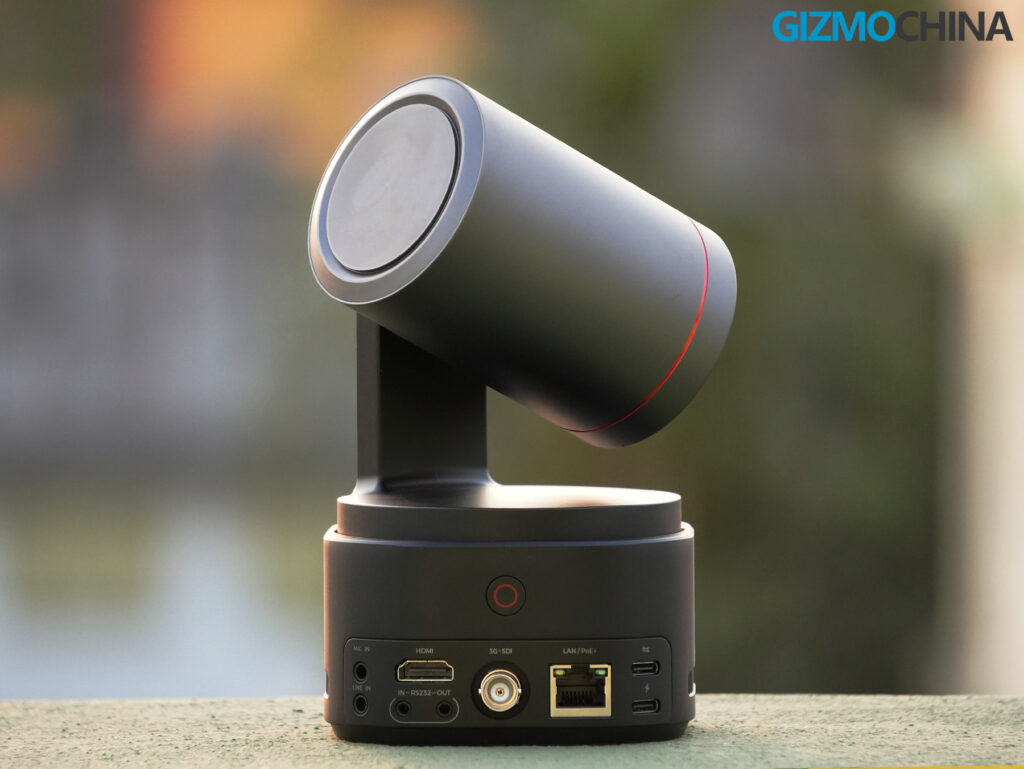
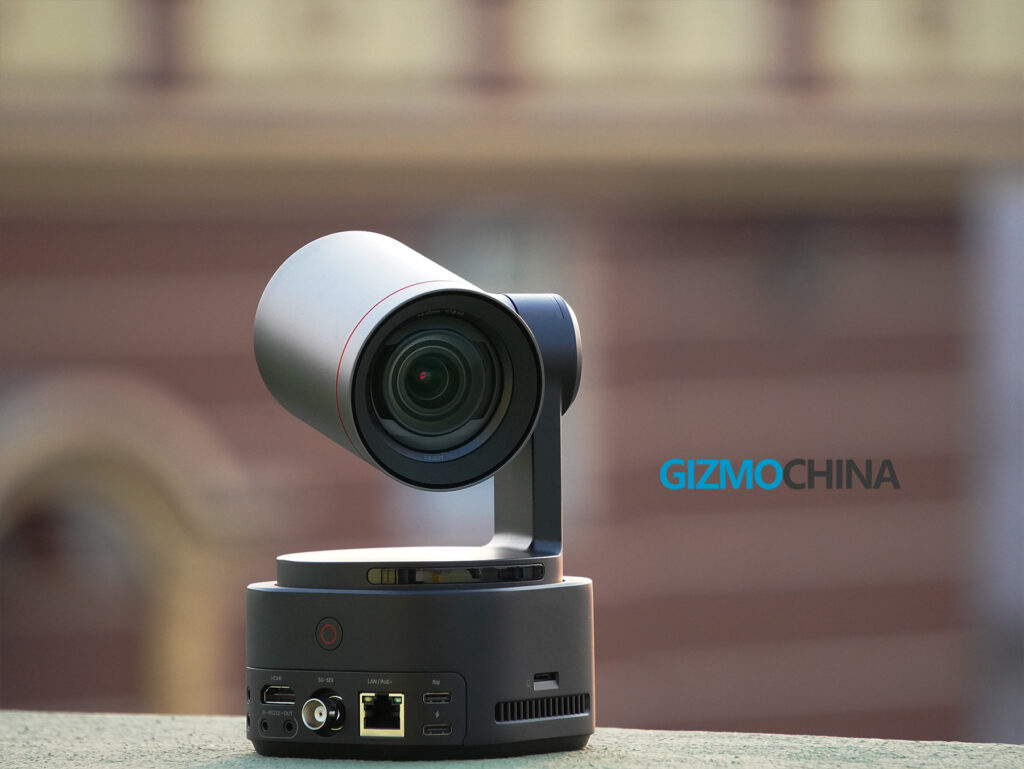
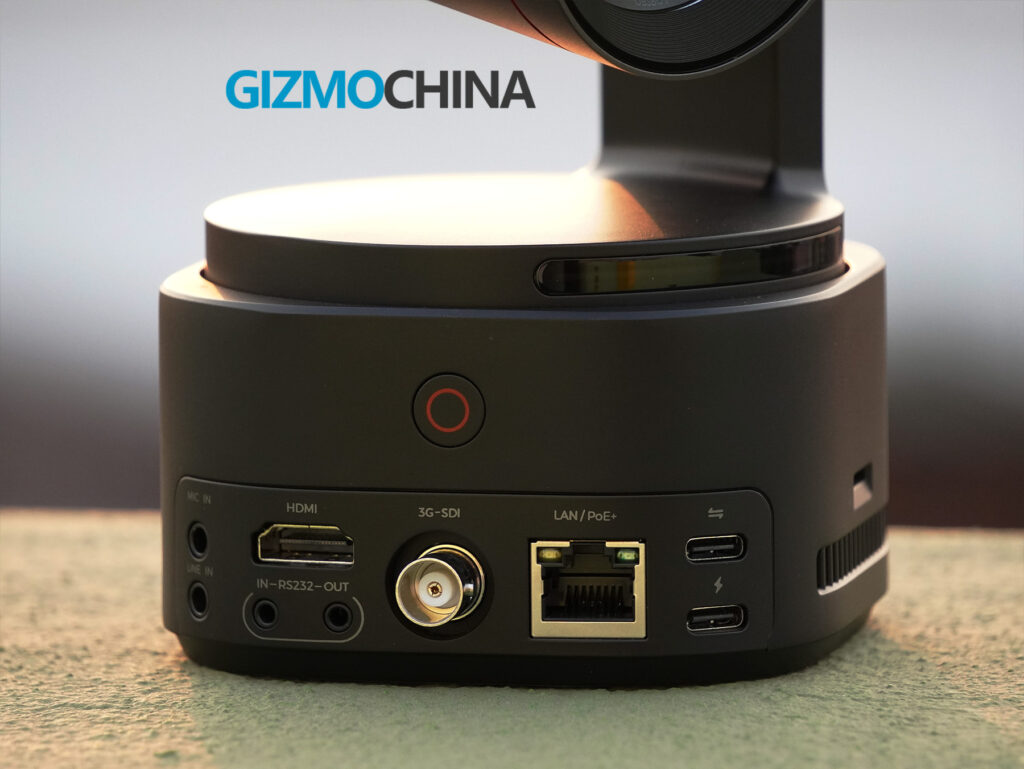
The Tail 2 is just as strong on the hardware front. I mostly used USB-C and HDMI outputs for recording and streaming tests. It also supports 3G-SDI and NDI|HX3 over Ethernet, which opens the door for more advanced multi-cam setups. If you’re running a production from a central console, this camera can slot right in with minimal friction.
Battery life holds up well. I consistently managed around 5 hours, enough to cover a full football or basketball match without issues. If you need extra time, using a power bank is always an option. The device can get noticeably hot during outdoor use though.
Audio-wise, there’s no internal mic, so you’ll need an external source. I plugged in a lapel mic and got good, clean sound. Line-in from a recorder or mixer also worked without latency. It’s a fair trade. No built-in mic means no scratch audio, but you get far better input options for proper production.
Control and Software
The Obsbot Start app makes setup and control intuitive once you’ve done it a couple of times. The mobile app lets you adjust exposure, focus, tracking mode, and even steering the gimbal manually. I saved a few presets for different camera angles during sports, and switching between them with the remote was seamless.
That said, there is a learning curve, especially if you want to dive into manual settings or network streaming. For casual users, it might feel like a lot, but for creators and event professionals, it’s worth the time investment.
The software overall is reliable with the features it offers, though it is not without flaws. Obsbot has made significant improvements over the past year, yet some basic connection issues remain. In my experience, the camera would not connect directly via Wi-Fi. I had to first use Cellular mode by connecting to the device’s hotspot and then manually switch to my own Wi-Fi network. After that, the Wi-Fi search started working, but the underlying problem persists. The camera often fails to detect networks, and the Wi-Fi search screen can freeze. This feels like something that could be resolved with a future OTA update.
There is also a small glitch when playing back recorded videos through the app. Occasionally, after a video ends, the back button does not show up. I noticed this happening on iOS, though I am not sure if Android devices face the same issue. From what I have seen, most of Obsbot’s software bugs seem to affect iOS more than Android.
Final Verdict
The Obsbot Tail 2 is a powerful and flexible tool for content creators, educators, and event videographers. It doesn’t just follow you. It frames you smartly, adjusts focus like a proper camera, and brings genuinely useful hardware connectivity that most consumer devices ignore. My field testing in cricket, football, and basketball scenarios showed me both the limits and the promise of AI tracking in a production-grade camera. It isn’t flawless. Fast action and blind spots still challenge it, but its recovery and adaptability are impressive.
If you’re filming dynamic content solo and want results that look directed without hiring a crew, this camera is an easy recommendation. It might be overkill for casual users, but for those who care about sharp, intelligent video without the hassle of manual camera work, the Tail 2 is worth the investment. And if you’re someone who covers live events like weddings, seminars, church services, or stage shows, this is an excellent piece of gear to have in your kit. It gives you the freedom to capture pro-level footage without needing a full production team.
Pricing and Availability
The Obsbot Tail 2 starts at $1,199 for the standard pack, which includes the camera, USB-C cables, and RS232 serial cables. It’s available via the official Obsbot website and Amazon.
Bundle options like the Remote Combo ($1,309–$1,377), PowerUp Combo ($1,709–$1,804), and Multicam Combo ($3,779–$3,973) cater to different production needs. Optional accessories include an NDI License Key ($99), ND Filters Set ($149), and a PD 3.0 GaN Quick Charger ($39.90).
For more daily updates, please visit our News Section.
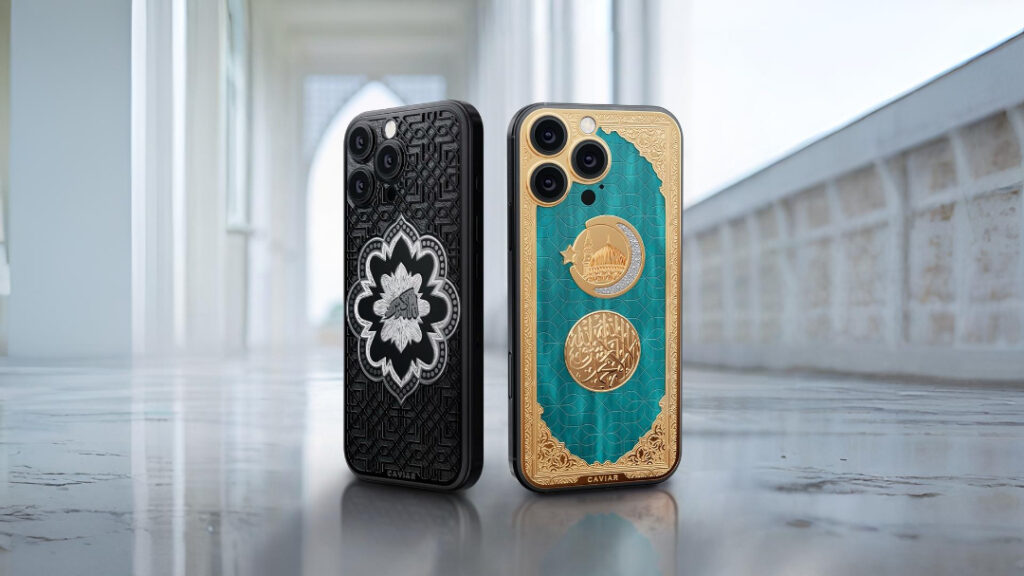
Caviar, the Dubai-based luxury brand, is back with a striking new lineup that turns Apple’s latest iPhone 16 Pro and Pro Max models into limited edition works of spiritual symbolism.
Dubbed the Spiritual Heritage Collection, this series introduces three ultra-premium designs: Reverence, Medina, and OM, each rooted in sacred traditions and crafted with high-end materials like 24K gold, garnets, and fine enamel. As always with Caviar, these aren’t just phones; they’re statements. And they don’t come cheap, starting at $8,340.
Design Details
The Reverence edition is a bold black and silver homage to Islamic divine presence, featuring ornate enamel work over a geometric titanium medallion. Its design draws heavily from Eastern motifs, and the repeating patterns evoke a sense of harmony and infinity. The contrast of silver and matte black gives it a quietly powerful feel, almost like a religious artifact reimagined in futuristic armor.
The Medina variant pays tribute to traditional Middle Eastern Islamic art and architecture, featuring a sculpted gold relief framed by a botanical pattern and finished with turquoise composite stone. The design leans heavily into symbolism and sentiment, crafted for those who appreciate cultural depth and intricate craftsmanship.
The OM edition explores themes of balance and mindfulness, inspired by elements of Buddhism and Hinduism. It comes with an orange symbol at the center, set within a three-dimensional lotus motif and surrounded by 32 tiny garnets embedded into a silver titanium back. The design draws from geometric patterns often associated with meditation and inner clarity, giving the device a calm, introspective feel meant to inspire focus and self-reflection.
This collection is an extension of Caviar’s broader Credo series, which also includes phones featuring Christian and Jewish iconography, like the St. Peter’s Basilica, Mogen David, and Cathedral of Christ the Savior editions.
Pricing
Caviar’s Spiritual Heritage Collection is available now, with pricing that varies by design: $8,340 for Reverence, $8,910 for Medina, $9,200 for OM, and up to $9,630 for special editions like St Peter’s Basilica.
After a frustratingly long wait, Samsung finally started rolling out the stable One UI 7 update on April 7. The rollout was initially limited to the latest premium phones — the Galaxy S24 series, Galaxy Z Fold 6, and Galaxy Z Flip 6. Soon, it gradually started rolling out to more Galaxy phones and tablets.
We’ve created a list of all Galaxy phones and tablets that are getting the stable One UI 7 update. This list will make it easier to keep track of the rollout and know when to hit the update button on your Samsung device (if you haven’t already).
These Samsung devices are getting the stable One UI 7 update
Galaxy S24
Galaxy S24+
Galaxy S24 Ultra
Galaxy S24 FE
Galaxy S23
Galaxy S23+
Galaxy S23 Ultra
Galaxy S23 FE
Galaxy S22
Galaxy S22+
Galaxy S22 Ultra
Galaxy S21
Galaxy S21+
Galaxy S21 Ultra
Galaxy Z Fold 6
Galaxy Z Flip 6
Galaxy Z Fold 5
Galaxy Z Flip 5
Galaxy Z Fold 4
Galaxy Z Flip 4
Galaxy Z Fold 3
Galaxy Z Flip 3
Galaxy Tab S10+
Galaxy Tab S10 Ultra
Galaxy Tab S9
Galaxy Tab S9+
Galaxy Tab S9 Ultra
Galaxy Tab S8
Galaxy Tab S8+
Galaxy Tab S8 Ultra
These Samsung phones and tablets have started getting the Android 15-based One UI 7 update. Keep in mind that the updates are gradually rolling out across the globe, so it may take a few days to a few weeks to show up on your device.
If your Samsung device is on the list, go to Settings > Software updates and tap on Download and install button to check if the update is available for your device.
Samsung needs to quickly wrap up the One UI 7 rollout
With One UI 7, Samsung has lost the trust of many Galaxy fans. The brand has consistently provided timely software updates for years, but the One UI 7 rollout has been a complete disaster so far.
The beta program arrived with a delay, followed by a lengthy beta testing, only to test the patience of Galaxy fans. After a long wait, the stable rollout started earlier this month, with the latest premium phones getting the first bite.
The rollout will be completed by July 2025, as per the timeline published by Samsung. But by that time, Google would have released Android 16. According to the official timeline, the stable version of Android 16 will be released by June 2025, leaving Samsung little time to prepare for One UI 8.
One UI 7 is already too delayed, and another delay might push Samsung fans to choose a different brand. In fact, many Galaxy users have already made the switch, as per conversations on Reddit (1, 2, 3, 4). Samsung, however, wouldn’t want that to happen on a larger scale, and hence, we’re already seeing signs of One UI 8 internal testing. You can read more about One UI 8 on this page.
Now that Vivo has wrapped up its regular flagship cycle for the year, the company’s next big launch is expected to be a foldable. It’ll follow the X Fold 3, and depending on Vivo’s naming strategy, it could be called the X Fold 4 or possibly Fold 5, since the number 4 is often skipped due to cultural superstitions in China.
Reliable leaker Digital Chat Station has now hinted that a new foldable is on track for a Q3 launch. While they didn’t name the device outright, all signs point to an upcoming Vivo foldable.
According to the tipster, the device will be powered by the Snapdragon 8 Gen 3. This will be an expected jump from the Snapdragon 8 Gen 2 found in the current X Fold 3.
Vivo X Fold 4 Specifications (Rumored)
There’s no mention of the Pro variant yet, but if Vivo sticks to its usual playbook, the X Fold 3 Pro successor could pack the more powerful Snapdragon 8 Elite.
Other early details suggest the foldable will feature a side-mounted fingerprint scanner, a periscope-style telephoto camera, and support for wireless charging. As with the previous leak, the launch is expected sometime in Q3.
Likewise, a previous report claims the foldable will have a large AMOLED display with a high refresh rate and minimal bezels. The device is also expected to use a sophisticated hinge design to reduce the crease and improve durability.
In terms of cameras, the X Fold 4 is rumored to include a primary 50-megapixel sensor, a 50MP periscope telephoto lens, and an ultra-wide shooter. It’s also expected to pack a 6,000mAh battery and offer an IPX8 rating for water resistance.
For more daily updates, please visit our News Section.
Vivo has launched FunTouch OS 15, built on Android 15, making it one of the first companies to move to the new platform. FunTouch OS has steadily improved with each update, and version 15 focuses on making smartphones smoother, faster, and more useful for daily life. It also stays in line with Vivo’s goal of blending camera features, simple design, and smarter software.
The update brings a cleaner interface and new AI features that aim to make tasks faster and easier without needing extra apps or complicated steps.
Better Photos with AI Erase and AI LIVE Cutout
AI Erase allows users to remove unwanted objects from photos with a tap or swipe. Whether it’s a tourist in the background or a streetlight spoiling a sunset, users can clean up images quickly.
AI LIVE Cutout lets users isolate people or objects in a photo by long-pressing them. This makes it easy to create clean cutouts for work presentations, creative projects, or personal keepsakes without using other editing tools.
Voice Recordings Turned into Text with AI Transcript Assist
The Recorder app now comes with AI Transcript Assist. It automatically converts voice recordings into written text and smart summaries. Users can also search by keywords to find important parts of long recordings without listening to everything. This helps for meetings, interviews, or saving ideas on the go.
Real-Time Translations with AI Screen Translation and AI Call Translation
AI Screen Translation allows users to translate entire screens instantly. Whether reading an article in a different language or browsing international websites, users can get translations without switching apps.
AI Call Translation lets users talk across different languages in real time during a call. It listens, transcribes, translates, and shows the translated text on the call screen, making cross-language conversations smoother without pauses or misunderstandings.
Improve Photos with AI Photo Enhance
AI Photo Enhance helps fix photos that are blurry, too dark, or missing details. It sharpens faces, brightens low-light shots, and brings out missing details so that every photo looks sharper and more vivid. It works automatically, saving users from editing manually.
Search Smarter with Circle to Search
Circle to Search allows users to look up information by simply circling text, objects, or images on their screen. This triggers an instant smart search with results based on what was circled. It speeds up looking for product prices, definitions, or background details without needing to type anything.
Extract Text from Images with AI Live Text
With AI Live Text, users can take a photo of a document, flyer, or page from a book and instantly pull the text from the image. The extracted text can then be copied into notes, messages, or emails. It removes the need to type out information manually and cuts down errors.
Organize Notes Automatically with AI Note Assist
AI Note Assist makes unstructured notes better. It organizes text into clean formats, summarizes important points, extracts to-do lists, and even translates notes if needed. Whether taking meeting minutes or drafting weekly plans, users can turn rough drafts into usable documents faster.
It is worth pointing out that these new features will be coming to select models only, and availability may vary by device and region.
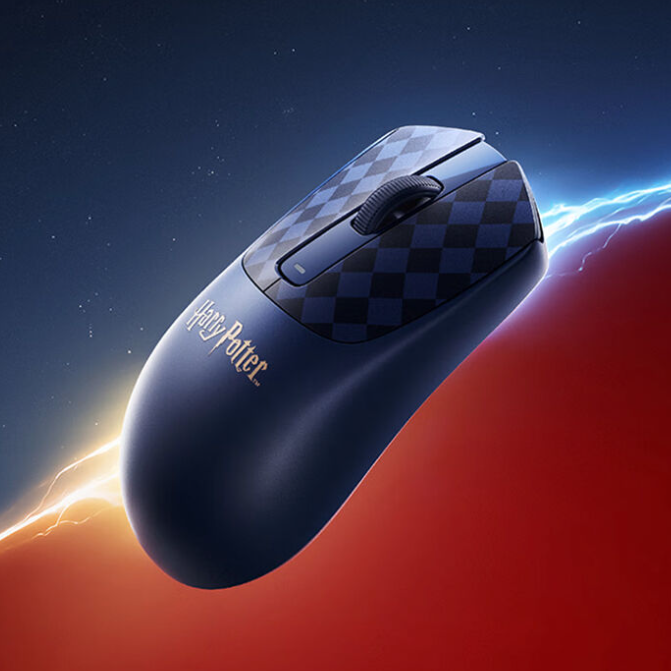
Xiaomi Mechanical Keyboard MK71 Pro and Mouse X1 Harry Potter Edition set is a stylish and high-performance combo designed for gamers and fans of the wizarding world. With advanced features, excellent build quality, and magical design touches, this bundle offers both form and function. Whether you’re gaming, working, or just showing off your setup, you can get this combo for just $199.99 at Giztop.
Premium Compact Keyboard Design
The MK71 Pro features a compact 71-key layout that saves desk space without sacrificing functionality. It’s built with a solid aluminum alloy frame, giving it a premium feel and lasting durability. The keyboard uses a gasket mount structure, which provides a soft, cushioned typing experience with less noise and more comfort. On top of that, it supports full RGB lighting with 16.8 million colors and multiple lighting effects, adding a vibrant touch to any setup.
Custom Typing Experience
One of the highlights of the MK71 Pro is its hot-swappable switch design. It supports TTC Gold switches in Red (linear), Brown (tactile), and Blue (clicky) variants, so users can pick their preferred typing feel. The PBT double-shot keycaps offer a textured surface for better grip and are resistant to wear and fading. A 1.14-inch color LCD screen shows connection status, battery life, and customizable animations, adding a modern touch to the keyboard.
Flexible Connectivity and Long Battery Life
The keyboard supports triple-mode connectivity, Bluetooth 5.1, 2.4GHz wireless, and USB-C wired. You can switch between devices seamlessly and enjoy low-latency performance. Its 7800mAh battery ensures long usage times, perfect for extended gaming sessions without constant charging.
Harry Potter-Themed High-Performance Mouse
The Mouse X1 Harry Potter Edition stands out with its magical design. It likely includes iconic Harry Potter symbols, appealing to fans of the franchise. Despite the themed look, the mouse is a serious gaming tool. Weighing just 65 grams, it supports all grip styles and ensures comfort during long use.
Advanced Sensor and Superfast Response
Inside, the mouse features the powerful PAW3395 sensor, which offers up to 26,000 DPI, fast tracking speeds of 650 IPS, and 50G acceleration. It also supports an impressive 8,000Hz polling rate, delivering lightning-fast response times. This makes it ideal for fast-paced gaming where every millisecond counts.
Reliable Switches and Dual Connectivity
Equipped with TTC Gold microswitches rated for 80 million clicks, the mouse ensures crisp and reliable button presses. It supports both wired and 2.4GHz wireless connections and comes with an 8KHz wireless receiver. The built-in 530mAh battery can run for up to 110 hours at 1,000Hz, so you won’t be charging it often.
Key Specs:
Keyboard:
Keyboard Layout: 71-key compact with aluminum alloy frame
Switches: TTC Gold Red, Brown, Blue (hot-swappable)
Mounting: Gasket structure
Keycaps: PBT double-shot
Backlighting: RGB, 16.8 million colors
Screen: 1.14” TFT color LCD
Connectivity: Bluetooth 5.1, 2.4GHz wireless, USB-C
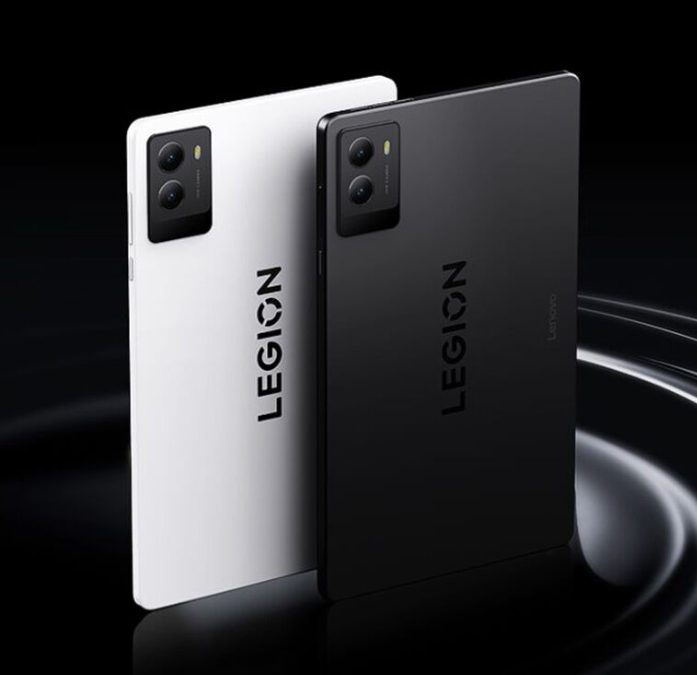
The new generation Lenovo Legion Y700 2025 is set to launch in May 2025 and will soon be available for purchase on Giztop. This powerful compact tablet is built for gamers, multimedia users, and performance lovers, offering an ideal balance of speed, portability, and vibrant visuals. With major upgrades in performance, display quality, and storage options, it continues the Legion series’ reputation for delivering strong Android gaming tablets.
Display and Design
The Legion Y700 2025 comes with an 8.8-inch IPS LCD display offering a sharp 3K resolution of 2560 x 1600 pixels. The 16:10 aspect ratio is ideal for both reading and gaming. With features like a 165Hz refresh rate, 500 nits brightness, DC dimming, Dolby Vision, and full DCI-P3 color gamut support, the display delivers fluid visuals with vibrant colors. The tablet’s compact size makes it easy to carry while still providing a rich visual experience.
Performance and Storage
Powering the device is the Qualcomm Snapdragon 8 Elite processor, which is one of the most advanced chipsets for mobile gaming and multitasking. It’s paired with either 12GB or 16GB of LPDDR5X RAM, and storage options include 256GB or 512GB of fast UFS 4.0 memory. Storage can be further expanded up to 1TB using a microSD card, giving users ample room for games, apps, and media.
Battery and Charging
The Legion Y700 2025 packs a 7600mAh battery which is supported by 68W super-fast charging. This ensures minimal downtime and long hours of usage. It also includes an Ultra Power Saving mode to extend battery life further when needed.
Camera and Connectivity
The tablet features a 13MP rear camera and an 8MP front camera with face support unlock. While not designed for heavy photography, these cameras are great for video calls, quick snapshots, and unlocking the device securely. For connectivity, it supports dual-band Wi-Fi (802.11a/b/g/n/ac), and Bluetooth 5.4, and comes with two USB Type-C 3.1 Gen 2 ports for fast data transfer and charging.
Audio and Multimedia
Dual JBL speakers with Dolby Atmos deliver rich and immersive sound, ideal for gaming or watching movies. Combined with the high refresh rate screen and powerful processor, the Y700 2025 provides a top-tier multimedia experience in a compact design.
DJI might be bringing multiple upgrades to its next gen compact drones. The DJI Mini 5 has just been leaked, revealing a couple of upgrades over its predecessor, the DJI Mini 4 Pro. So here’s everything you need to know about these upcoming improvements.
DJI Mini 5 Leak: New LiDAR & Stronger Motors
DJI Mini 4 Pro
The popular drone maker’s Mini 5 was just spotted being tested in the public streets in China, with images being shared by DroneXL. In the article from Jasper Ellens, a known drone industry source, the low quality image of a quadcopter shared online is the Mini 5. It appears similar to the Mini 4 Pro in terms of design, but we can see a larger front camera lens and what appears to be a pair of LiDAR sensors on the top.
In other words, there could be a camera upgrade along with the new LiDAR sensors. Back in December 2024, Ellens also shared a tweet that talks about how the new DJI Mini 5 will offer LiDAR sensors along with stronger motors. To recall, LiDAR sensors on the front are used on drones as a collision avoidance system. This allows for better obstacle navigation in low light situations as well.
DJI Mini 5 Leak
Considering how the DJI Mini 5 may weigh under 250 grams, this small drone could be the first of its category to offer this technology. Based on recent rumors, the Mini 5 may pack a 1-inch sensor and promise a flight time of up to 50 minutes. Both of these are major upgrades over the 1/1.3-inch sensor and 34 minute flight time over the DJI Mini 4 Pro.
For more daily updates, please visit our News Section.
We use cookies on our website to give you the most relevant experience by remembering your preferences and repeat visits. By clicking “Accept”, you consent to the use of ALL the cookies.
This website uses cookies to improve your experience while you navigate through the website. Out of these, the cookies that are categorized as necessary are stored on your browser as they are essential for the working of basic functionalities of the website. We also use third-party cookies that help us analyze and understand how you use this website. These cookies will be stored in your browser only with your consent. You also have the option to opt-out of these cookies. But opting out of some of these cookies may affect your browsing experience.
Necessary cookies are absolutely essential for the website to function properly. This category only includes cookies that ensures basic functionalities and security features of the website. These cookies do not store any personal information.
Any cookies that may not be particularly necessary for the website to function and is used specifically to collect user personal data via analytics, ads, other embedded contents are termed as non-necessary cookies. It is mandatory to procure user consent prior to running these cookies on your website.