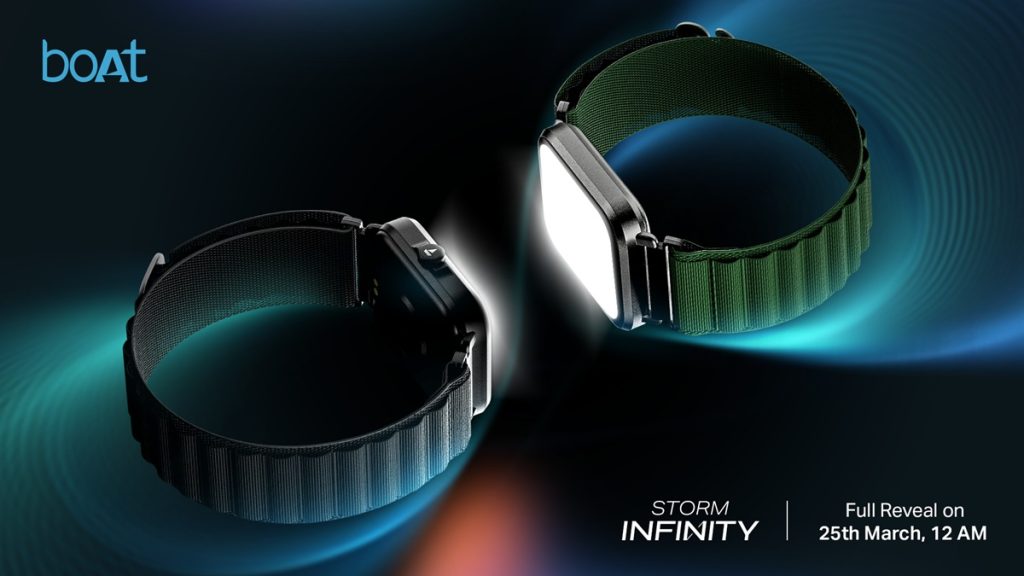
boAt has just announced the launch date for an upcoming smartwatch in the Indian market. The boAt Storm Infinity is the latest model that will be unveiled next week with a fresh teaser confirming some of the key details of this smart wearable. So here are all the details.
boAt Storm Infinity India Launch Date
The teaser of the upcoming smartwatch was shared on Amazon India, confirming its 25th March 2025 launch date as well as some of its key specifications. boAt Storm Infinity’s Amazon landing page states “Notify Me” at the moment, but confirms that it will offer up to 15 days of battery life thanks to its sizeable 550mAh battery pack. This smartwatch model also supports ASAP fast charging, which promises to offer 15 days of power with just one hour of charging.
boAt Storm Infinity Smartwatch
That’s not all, the boAt Storm Infinity sports a tall 1.82-inch display along with eight strap color options as well. Buyers are also getting Bluetooth calling, sleek design, and various health related trackers. Unfortunately, this was all the information that was revealed on the platform. However, it is confirmed to launch on March 25 from the brand’s official website and Amazon India. So stick around for more as we will be covering the Storm Infinity’s launch.
Alongside the A5, Oppo today also announced the A5 Vitality Edition in China. It is an even more affordable variant of the two, so there are some pretty apparent differences between them.
Oppo A5 Vitality Edition Overview
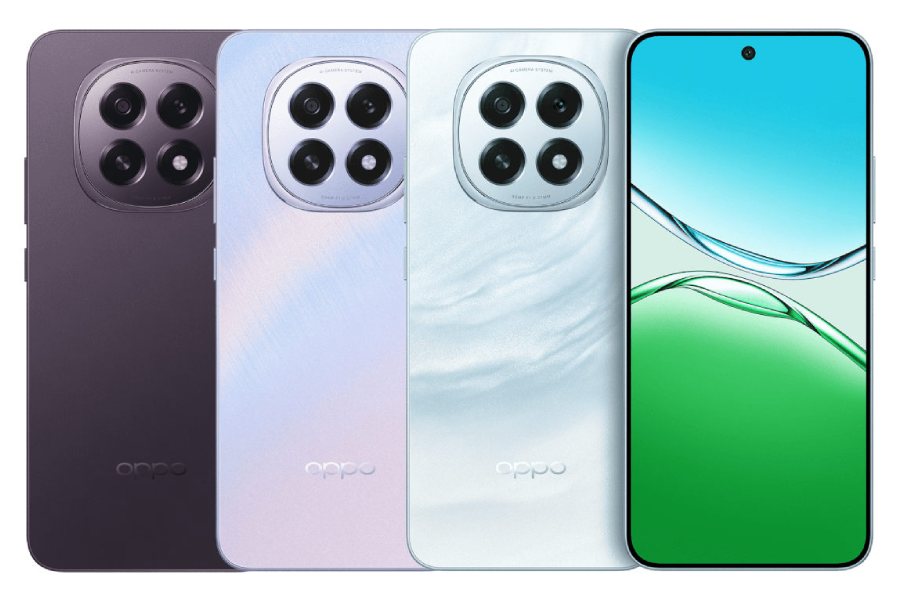
That starts with the design itself. The Vitality Edition features a left-aligned camera module and comes in Agate Pink, Jade Green, and Amber Black color options.
The display also takes a hit compared to the standard A5. Instead of the A5’s AMOLED display, this version has a 6.67-inch IPS LCD panel with HD+ resolution. But Oppo is keeping the 120Hz refresh rate here for a smooth experience despite the downgrade in panel tech.
The camera setup stays the same—a 50MP main sensor, a 2MP secondary lens, and an 8MP selfie camera. The phone is also IP69-rated for dust and water resistance and features Oppo’s Crystal Shield display protection. And if you’re worried about durability, Oppo says it has passed 14 military-grade tests.
Under the hood, the device runs on MediaTek’s Dimensity 6300 processor, paired with up to 12GB of LPDDR4X RAM and 512GB of UFS 2.2 storage. It’s powered by a 5,800mAh battery which sure is smaller than the A5’s 6,500mAh unit but still respectable for a budget phone. And it charges via a 45W adapter, with support for 13.5W of PD charging as well.
Oppo A5 Vitality Edition Price and Availability
The Oppo A5 Vitality Edition starts at 1,199 yuan ($170) for the 8GB/256GB model, while the 12GB/256GB variant costs 1,399 yuan ($200). The top-tier version (12GB/512GB) is priced at 1,599 yuan ($225).
The device will go on open sale in China on March 21. Whereas, there’s no word on global availability yet.
For more daily updates, please visit our News Section.
Caviar has once again pushed the boundaries of luxury with its new Horizon Collection, a lineup of custom-made smartphones inspired by some of the world’s most iconic cities. Each piece is more than just a phone; it’s a handcrafted work of art, blending architectural beauty with fine craftsmanship. The collection uses only the most premium materials, including 24-karat gold, aviation-grade titanium, natural stone, and colorful jewelry enamel.
Tribute to Global Icons in Gold and Titanium
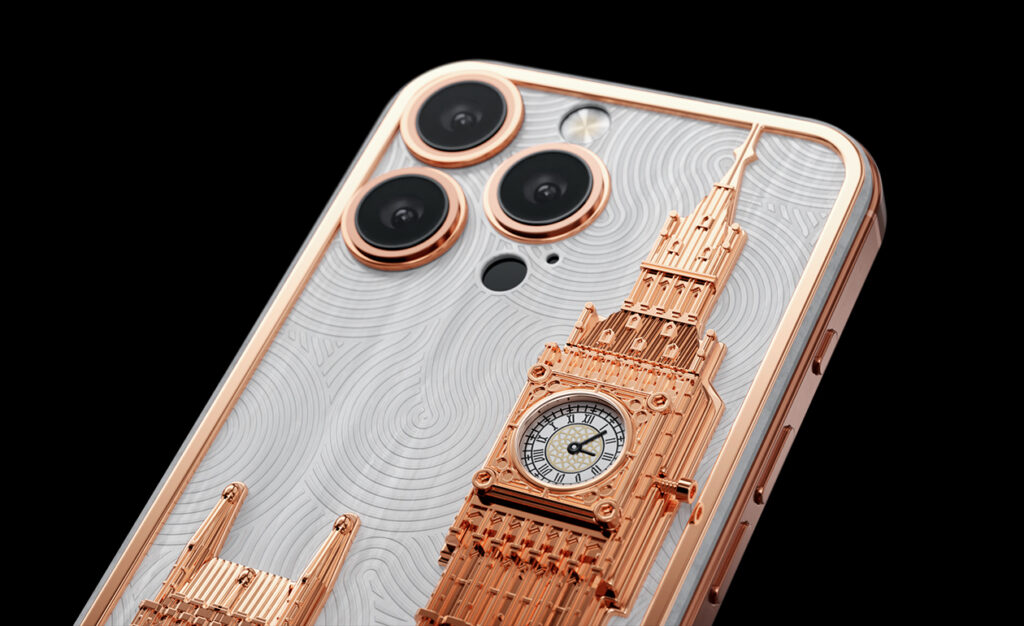
The London edition is perhaps the most striking. Designed for the iPhone 16 Pro and Pro Max, it features a detailed three-dimensional bas-relief of Big Ben, made from a jewelry alloy and finished in 24K pink gold. In the center sits a real mechanical clock with a manual winding mechanism, an elegant fusion of old-world tradition and modern design. Only ten of these will ever be produced, making it incredibly exclusive.
The Gibraltar edition takes inspiration from the Mediterranean. Crafted from aviation-grade titanium with a smooth white finish, it features intricate engravings of the island’s famous Barbary macaques, gold palm trees, and emerald green enamel leaves. Like the London model, only ten units exist.
For something more tropical, the Bahamas edition brings the warmth of island life into the design. It features delicate floral engravings of the national yellow elder flower on a pristine white stone body, framed by soft rose gold. Just ten of these will be made as well.
The Shanghai edition, based on the Huawei Mate X6 foldable, pays tribute to the city’s futuristic skyline. Landmarks like the Shanghai Tower and the Oriental Pearl Tower are engraved in gold, all wrapped in aviation-grade titanium with a satin black finish. This one is a little more accessible, with 99 units available.
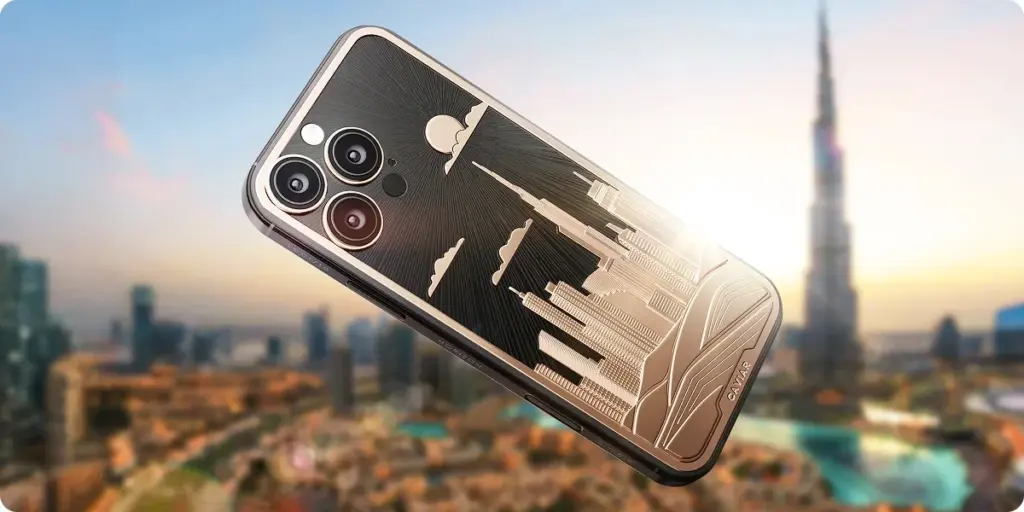
Finally, the Dubai edition is all about modern luxury. Its design features a gold-plated three-dimensional cityscape with landmarks like the Burj Khalifa and Palm Jumeirah, set against a black titanium body with subtle radial satin textures. Like Shanghai, it is limited to 99 units.
Prices for the Horizon Collection start at $8,900 for the Gibraltar edition of the iPhone 16 Pro, with the Dubai edition for the iPhone 16 Pro Max topping the line at $13,700. For those who want something even more exclusive, Caviar also offers fully custom designs based on any city or landmark of the client’s choosing, turning personal dreams into golden reality.
The Vivo V50 debuted in India last month, with the company also working on the Vivo V50 Pro and a V50 Lite model as well. But ahead of any official announcement, another leak has just surfaced confirming the design and India launch timeline of a new Vivo V50e model. So here are all the details.
Vivo V50e arriving in India soon
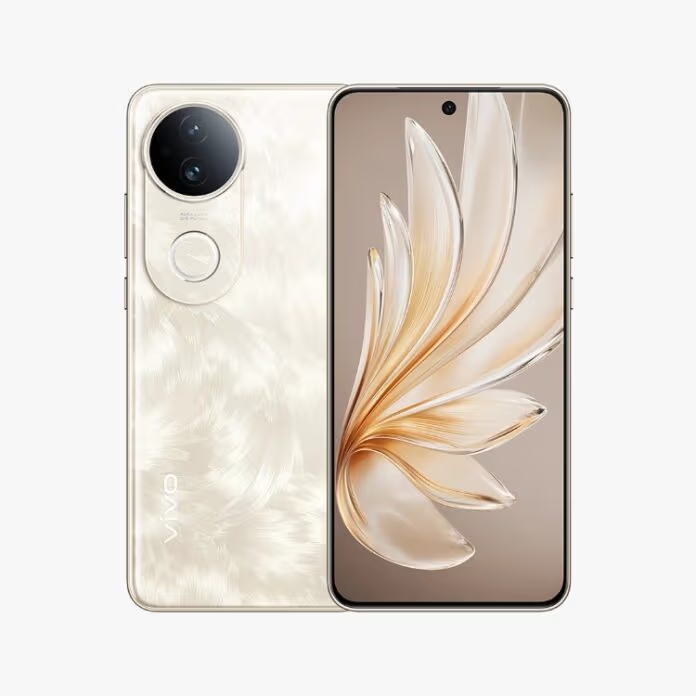
The Chinese brand’s upcoming Vivo 50e model had its entire design just revealed thanks to an industry insider, who shared the render with 91Mobiles. Just like the Vivo V50, the new V50e model also has a similar design profile as the base model. So the rear packs a pill shaped module for the dual camera system along with LED ring lighting. The report further adds that this smartphone will be launching in the Indian market sometime in April 2025.
Vivo V50e
Thanks to the GeekBench AI sighting in February, we know that the Vivo V50e that is equipped with the MediaTek Dimensity 7300 SoC. This chipset is paired with 8GB of RAM and it runs on the Android 15 OS based FuntouchOS 15 custom skin out of the box. On the front, it sports a tall 6.77-inch quad curved AMOLED display with a 1.5K resolution, a 120Hz refresh rate, and a 50MP selfie shooter. Meanwhile, the rear packs a 50MP Sony IMX882 primary camera and an 8MP ultra wide angle lens.
A sizeable 5,600mAh battery pack is expected to power this device, which may support 90W wired fast charging. The Vivo V50e is set to debut in two color option, namely Sapphire Blue and Pearl White. Other notable features include an in display fingerprint scanner and an IP68/69 rating for water and dust resistance. This is all the information we have at the moment, so stick around for more.
For more daily updates, please visit our News Section.
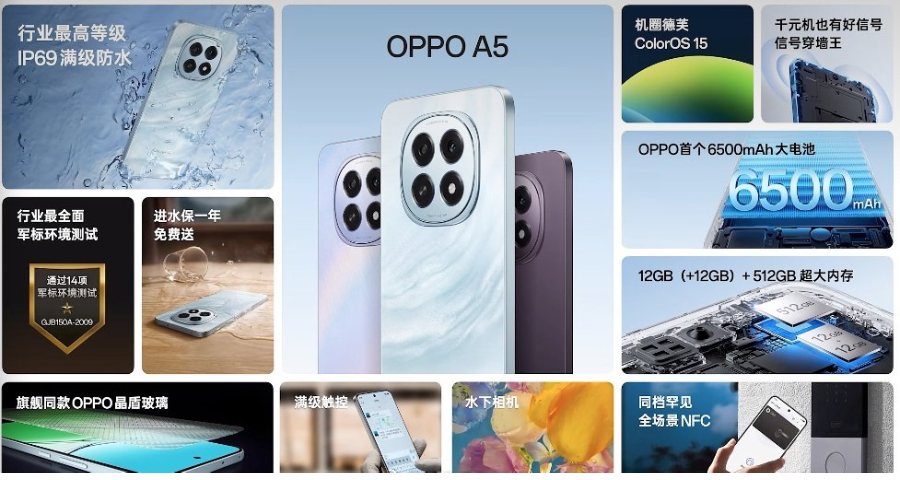
Oppo has a new budget smartphone in China, the Oppo A5, which succeeds last year’s A3. The company is skipping the A4 model as the number four is considered unlucky in China.
The biggest upgrade on the A5 is its AMOLED display—a 6.7-inch Full HD+ screen with a 120Hz refresh rate. It’s also a 10-bit panel with 1200 nits of peak brightness, protected by Oppo’s Crystal Shield Glass. That’s a solid step up from the A3’s IPS LCD display, which had a lower HD+ resolution and 1000 nits of brightness.
The company has also upgraded the 5MP front camera to 8MP, while the rear camera setup remains the same, featuring a 50MP main sensor and a 2MP secondary lens.
A bigger battery, but the same charging speed
The A5 also packs a bigger battery, jumping from 5100mAh to 6500mAh. The charging is the same at 45W, but despite the bigger battery, the phone still manages to stay relatively slim at 7.65mm and 189 grams.
Under the hood, the A5 is powered by the Snapdragon 6 Gen 1 processor, paired with 8GB or 12GB of LPDDR4x RAM and 128GB, 256GB, or 512GB of UFS 3.1 storage. Unfortunately, there’s no microSD card slot, so you’re stuck with the built-in storage.
On the software side, the phone runs ColorOS 15 based on Android 15. It also features NFC for contactless payments and an IP69 rating, meaning it’s well-protected against dust and water.
Oppo A5 pricing and availability
The Oppo A5 comes in three colors—Diamond Pink, Mica Blue, and Zircon Black—and in four storage configurations:
8GB RAM + 128GB storage – 1,299 yuan (~$180)
8GB RAM + 256GB storage – 1,499 yuan (~$210)
12GB RAM + 256GB storage – 1,799 yuan (~$250)
12GB RAM + 512GB storage – 1,999 yuan (~$280)
For more daily updates, please visit our News Section.
After months of waiting, Samsung has finally announced the One UI 7 rollout details. The brand has previously confirmed that the rollout will begin in April; now, it has revealed the exact rollout date and the device list that will get it first, along with details on major changes to One UI 7.
In a blog post published on the official website, Samsung revealed that the stable One UI 7 rollout will begin from April 7. The Galaxy S24, Galaxy S24+, Galaxy S24 Ultra, Galaxy Z Fold 6, and Galaxy Z Flip 6 will be the first to join the party. These devices will most likely get the update on the same day — April 7. However, because of incremental rollout, it can take a few days to reach all the regions.
The rollout will then expand to more Galaxy S and Tab series models in the following weeks. These devices include:
Galaxy S24 FE
Galaxy S23
Galaxy S23+
Galaxy S23 Ultra
Galaxy S23 FE
Galaxy Z Fold 5
Galaxy Z Flip 5
Galaxy Tab S10+
Galaxy Tab S10 Ultra
Galaxy Tab S9
Galaxy Tab S9+
Galaxy Tab S9 Ultra
Samsung hasn’t revealed the One UI 7 rollout details about other Galaxy devices. Well, that doesn’t make them ineligible for this upgrade. Perhaps those devices will get the update in the second wave, which will most likely begin in May. You can check the full list of One UI 7 eligible devices here.
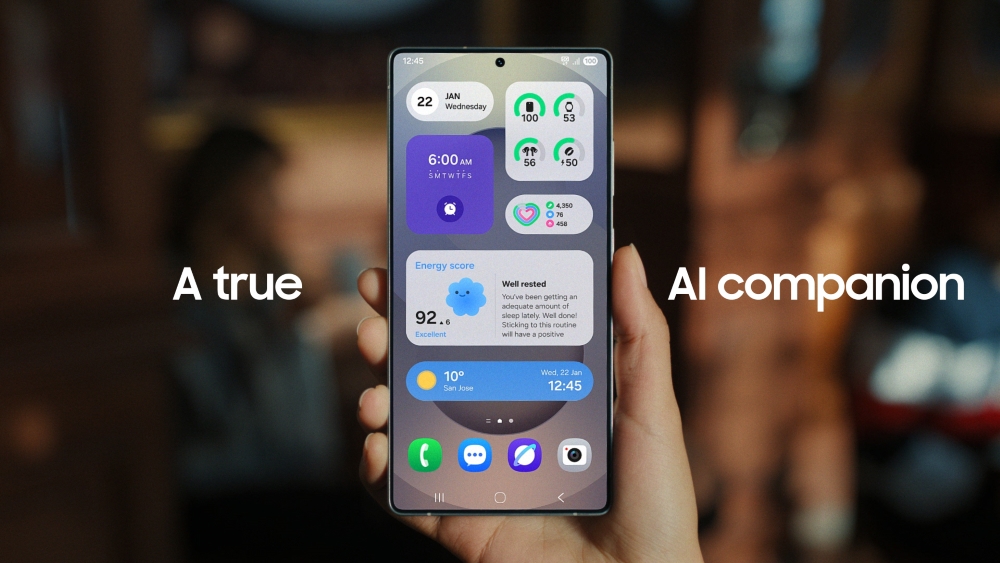
According to Samsung, One UI 7 brings a bold new design for greater personalization and control to the user experience. The new interface, built for AI, allows users to interact with their Galaxy devices more naturally than ever before. Samsung says One UI 7 comes with a “simple, impactful and emotive design” for a streamlined experience.
The update, based on Android 15, brings a simplified home screen, redesigned One UI widgets, and a lock screen that allows seamless customizations. There’s also the all-new Now Bar, a pill-shared UI element that provides quick access to useful information such as ride status, the current playing song, delivery updates, timers, and more—all with a simple swipe, without unlocking the phone.
One UI 7 also brings several new features and enhancements to existing ones for seamless integration and better productivity. The new AI Select feature allows users to convert portions of videos into GIFs in just a few taps. Then there is Writing Assist for fixing grammatical mistakes or improvising your texts. It’s there in One UI 6.1 as well, but in One UI 7, it works with every app, no matter which keyboard you’re using (previously restricted to Samsung Keyboard).
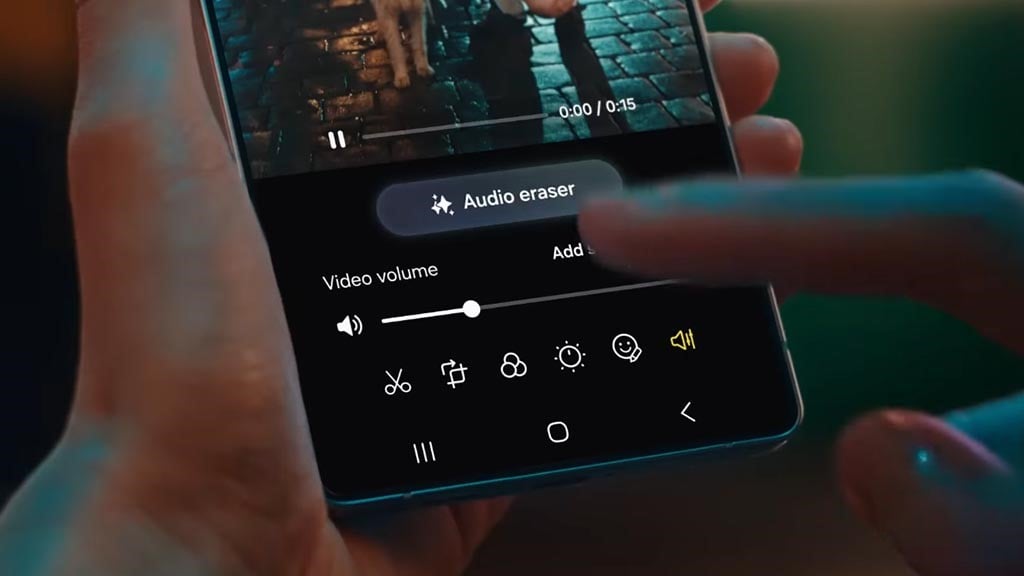
Drawing Assist is a cool AI feature that helps bring ideas to life. This feature now accepts more than a single input, including combinations of text prompts and images or sketches. One UI 7 also introduces Audio Eraser, an AI tool to remove unwanted noise in videos. It’s a useful feature, but not many Galaxy devices will have access to it. The Audio Eraser works only on the Galaxy S25 series, S24 series (S24 FE included), Galaxy Z Fold 6, Flip 6, and Galaxy Tab S10 series.
Samsung says One UI 7 has deeper Google Gemini integration for a more intelligent voice assistant. Long-pressing the side button opens Google Gemini assistant, which can answer your queries and show recommendations in seamless interaction. The natural language search is now coming to Settings. That means you no longer need to remember the settings name; simply type what you want, and the Settings app will present relevant options on the screen. For example, if you ask “my eyes are feeling tired,” the Settings app will recommend options such as adjusting brightness or turning on Eye comfort shield.
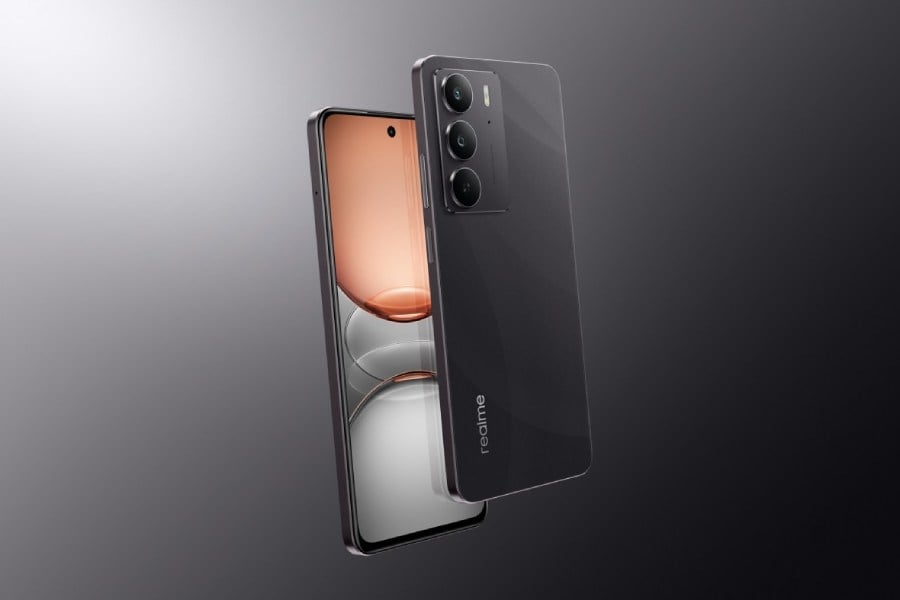
Realme is apparently planning on launching two new budget smartphones from its C series in India soon. But ahead of any official announcement, the launch date for the Realme C75 and Realme C71 has just been revealed. We also got more details regarding the storage configurations and color options of the C75 as well, so let’s check it out.
Realme C75 and C71 India Launch Date
According to a 91Mobiles report, sources close to the matter have revealed that the Chinese smartphone maker might be planning on launching the Realme C75 and Realme C71 on 25th March 2025. If this is true, the latest Realme C75 and C71 are arriving mere days after the Realme P3 and Realme P3 Ultra‘s launch, which is set for March 19.
Realme C75
The report further adds that the Realme C75 carries the RMX3943 model number. This model will also launch in two storage configurations, namely 4GB + 128GB and 6GB + 128GB variants. The Realme C75 will also be available in multiple color options, which include Midnight Lily, Purple Blossom, and Lily White. On the other hand, there is not a lot of information available regarding the Realme C71 model.
To recall, the company announced a Realme C75 model in the Vietnamese market back on 27th November 2024. This model sports a tall 6.72-inch IPS LCD panel with an FHD+ resolution and a 90Hz refresh rate. Under the hood, it is equipped with the MediaTek Helio G92 Max chipset. A massive 6,000mAh battery pack powers this device, which supports 45W wired fast charging. The rear features a 50MP main camera with the front housing an 8MP selfie shooter. Other notable features include MIL-STD-810H certification, IP69 rating, and Android 14 OS based Realme UI 5.
For more daily updates, please visit our News Section.
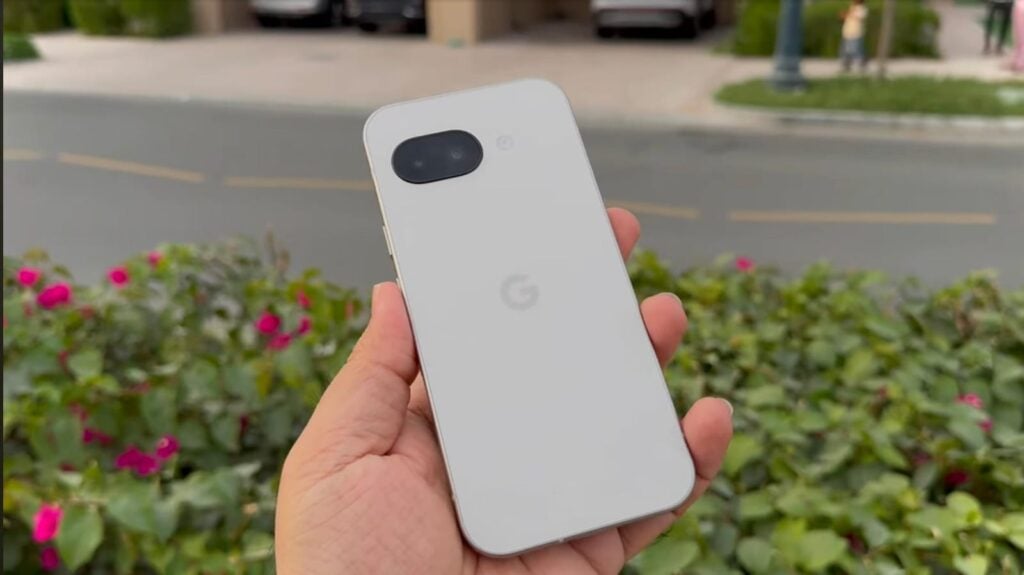
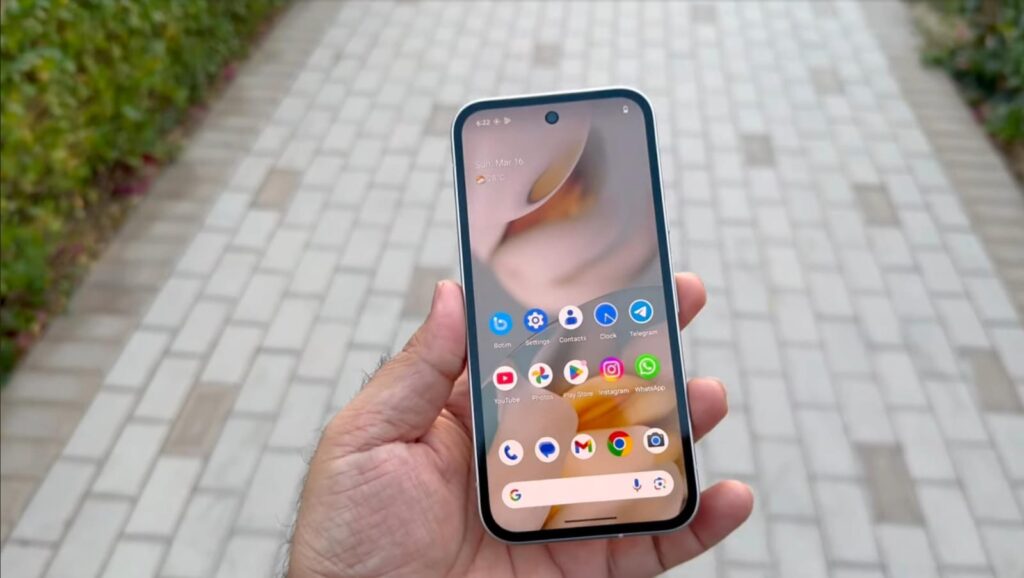
The Google Pixel 9a, expected to be officially announced in a few days, has already been extensively leaked. Now detailed reviews of the phone are live and the phone is yet to get an official launch date. This follows a long-standing tradition of Google’s Pixel launches being preceded by a flood of leaks. The early reviews not only provide a comprehensive look at the device but also highlight some of its strengths and weaknesses.
Finally, a phone without a camera bump
The Pixel 9a features an almost flush camera island on the back, which eliminates the wobble issue almost every other phone suffers from in 2025. However, the front of the phone is not as impressive. The chunky bezels make it look somewhat like an entry-level phone from the front, at least when the phone is locked.
The device is expected to retail for $500/€550/£500 for the 128GB variant and $600/€650/£600 for the 256GB model, which matches the pricing of its predecessor, the Pixel 8a. While these prices position the Pixel 9a as a premium mid-ranger, some may find them steep for the specifications and features offered.
The camera system has received praise for its accurate color rendering, particularly in capturing natural skin tones. However, it lacks a telephoto lens, which its competitors like the S24 FE or the Nothing Phone 3a have. The low-light video capability is also relatively inferior to many of its competitors.
Pixel 9a daylight samplePixel 9a lowlight sample
This phone is powered by a 5,100mAh battery, which, according to the reviewer, comfortably lasts a full day. It’s running on the Tensor G4 chip, which manages to achieve promising results in some benchmarks, but struggles a bit in sustaining heavy workloads like high-end games.
But the specs aren’t something Google is trying to impress the industry with. It offers a clean software experience, which often matters more than raw performance or an extra camera. Overall, the navigation through the UI seemed very smooth and enjoyable. The bezels are thicker than almost all its competitors, but it’s possible to get used to it unless you’re exclusively looking for a device that stands out visually, in every possible way.
One UI 7 brings a fresh UI design and deeper customization options to Galaxy owners. And, of course, it’s packed with AI-powered features. But one of those features won’t be making its way to the Galaxy S23 series.
That missing feature is Audio Eraser, Samsung’s AI-powered tool that removes background noise from recorded videos.
Image: Samsung
According to the company’s latest press release, Audio Eraser will be available on the Galaxy S24 series, Galaxy S24 FE, Galaxy Z Fold 6, Galaxy Z Flip 6, and the Galaxy Tab S10 series. But notably, the list does not include the Galaxy S23 lineup or the Galaxy Tab S9 series.
The good news though, Samsung confirmed that other AI-powered tools like Drawing Assist and Writing Assist will be available across all Galaxy S23 models, including the S23 FE and the Tab S9 series.
What is Audio Eraser in Samsung phones?
Samsung’s Audio Eraser is a smart noise-removal tool within the Gallery app that lets users clean up background sounds — like wind or chatter — from recorded videos.
If you are into vlogging or frequently shoot videos on your phone, Audio Eraser could come in really handy. But you will need a Galaxy S24 or newer device to use it.
It is not necessarily a hardware limitation, as the Galaxy S23 series have the power to handle it. Instead, Samsung could be reserving some AI features for newer models — or it might expand support in a future update.
One UI 7 will roll out to the eligible phones starting April 7.
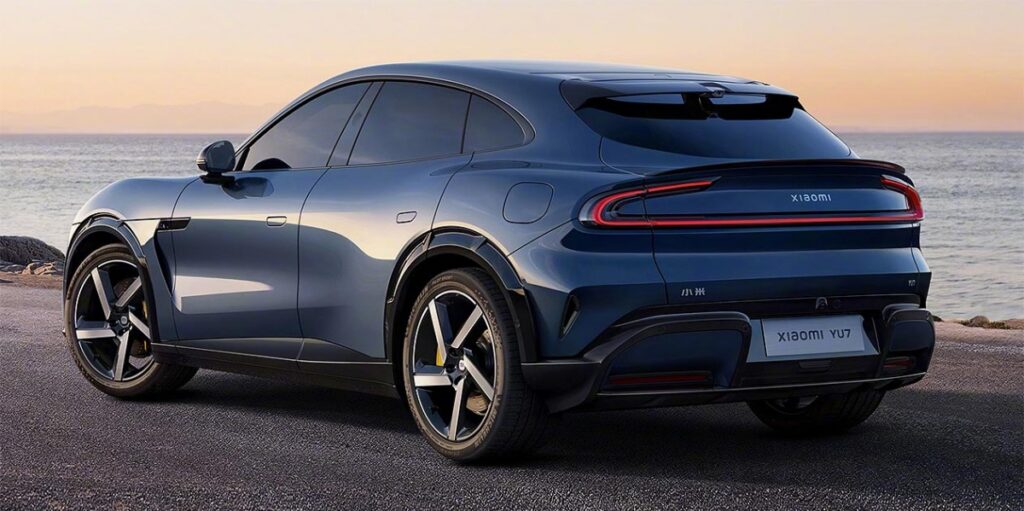
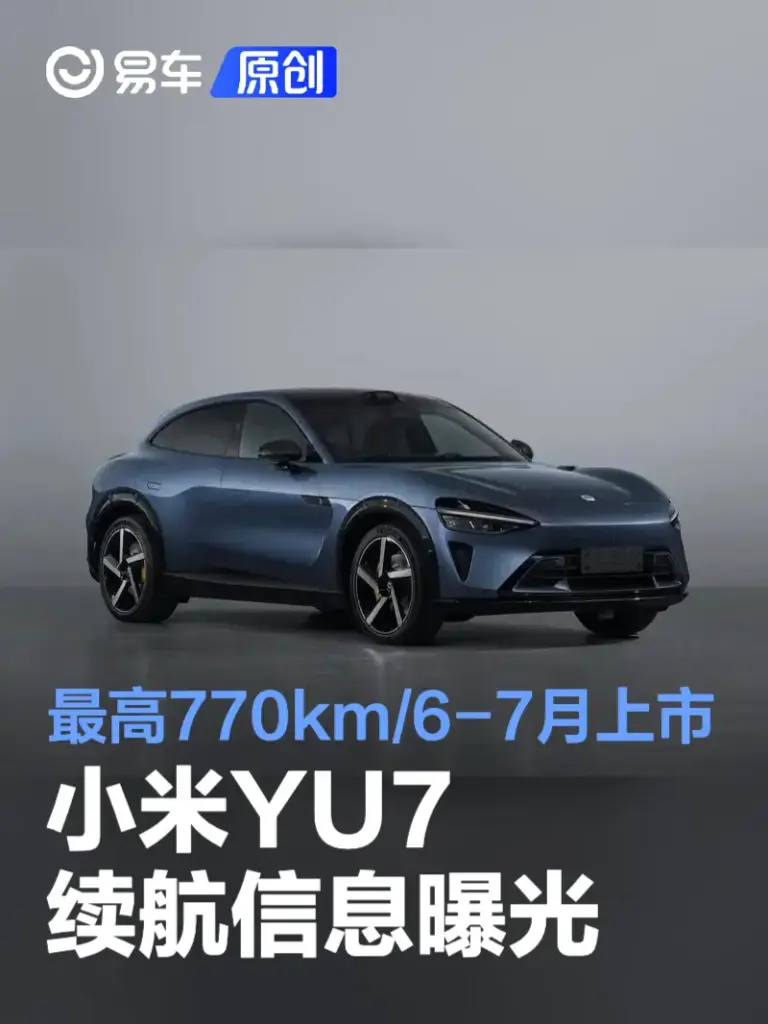
Xiaomi’s upcoming sporty crossover, the YU7, is shaping up to be a formidable contender in the EV market, with recent certifications from China’s MIIT platform revealing a couple of impressive details. The YU7, set to launch between June and July, will reportedly offer a top-tier trim with a remarkable 770 km range.
The YU7 inherits its design language from the Xiaomi SU7
This crossover features sleek “teardrop” headlights, a streamlined front bumper, and an aerodynamic profile. Semi-concealed door handles, frameless mirrors, and a ducktail spoiler with distinctive “halo” taillights further enhance its modern aesthetic. Measuring 4,999 mm in length, 1,996 mm in width, and 1,608 mm in height, with a 3,000 mm wheelbase, the YU7 promises ample interior space for comfort.
On the inside, the YU7 breaks away from traditional designs with an ultra-wide dashboard screen that displays all essential driving information, including range, speed, and navigation. As a cherry on top, a roof-mounted LiDAR sensor hints at advanced autonomous driving capabilities. However, versions without LiDAR will still feature self-driving technology.
The YU7 will be available in single and dual-motor configurations. The top-tier dual-motor all-wheel-drive variant delivers a combined 508 kW (691 horsepower), which enables a top speed of 253 km/h. A lower-powered dual-motor option offers 365 kW, while the single-motor rear-wheel-drive version produces 235 kW and reaches 240 km/h.
Battery options include a 96.3 kWh NMC pack with ranges of 770 km, 760 km, and 675 km, and a larger 101.7 kWh NMC pack offering 670 km, 750 km, and 760 km. An LFP battery is also reportedly available for the single-motor variant.
The starting price of the Xiaomi YU7 crossover is expected to be around RMB 250,000, which is roughly around USD 34,562.
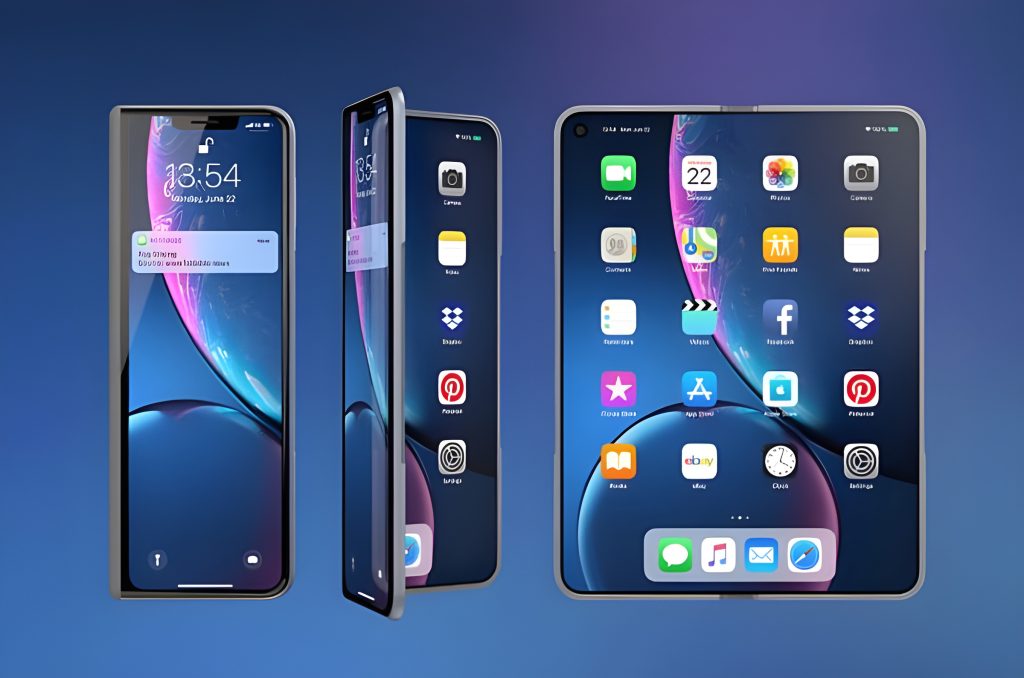
Apple‘s first ever foldable iPhone has been making the rounds online. While we have covered rumors regarding its possible launch timeline, a new report has revealed some details regarding the production of the brand-new iPhone. This hints at its announcement window and more, so here’s what we know.
Apple Foldable iPhone Production Timeline Revealed
In our last report, we talked about how the foldable iPhone is expected to debut sometime in Q4 2026. This claim came from known Apple analyst Ming-Chi Kuo. But a new report from another analyst Jeff Pu has stated otherwise (Via MySmartPrice). The Cupertino based giant’s upcoming foldable iPhone might be entering mass production in the second half of next year. It is worth noting that it isn’t clear if this is actually a foldable iPhone.
Apple Foldable iPhone
This might be a brand new lineup or possibly a foldable iPad. Jeff Pu adds that Apple’s first two foldable devices has officially entered the New Product Introduction (NPI) phase at Foxconn, the biggest supplied from Apple’s supply chain. He states that mass production is also expected to kick off in H2 2026. If this report is true, the first foldable iPhone might not be unveiled till 2027.
Based on what we know so far, the first foldable Apple product may sport a tall 7.74-inch inner folding primary display along with a 5.49-inch cover screen. Meanwhile, the larger foldable model could be a foldable iPad Pro that may sport a massive 19-inch primary screen. Keep in mind that this is still just an unconfirmed report, so take this news with a pinch of salt and stick around for more.
For more daily updates, please visit our News Section.
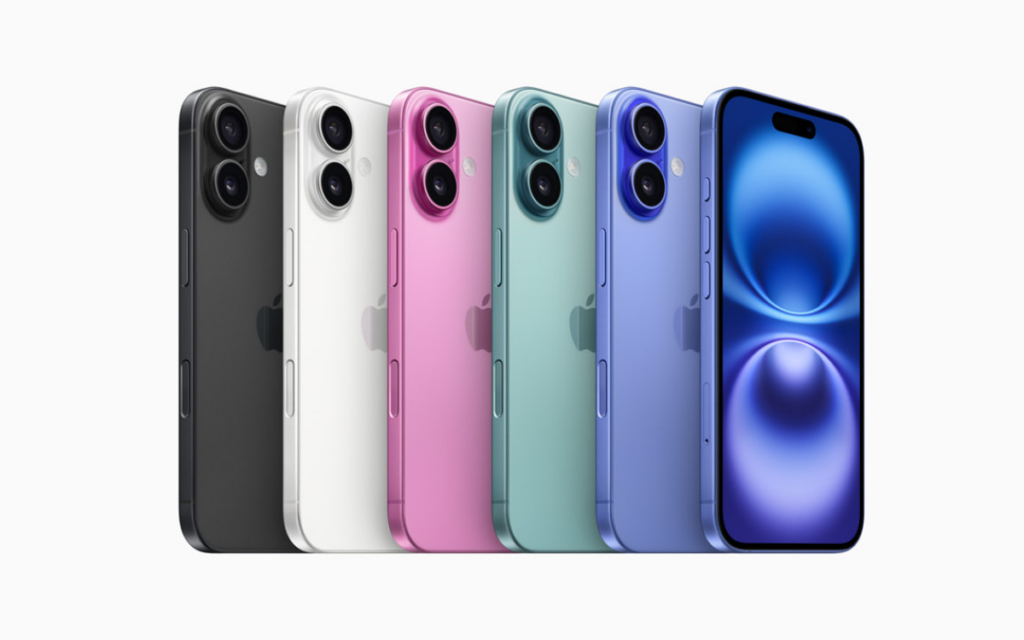
Apple‘s latest iPhone 16 is currently on sale for an attractive deal on Amazon India. The base model of the brand’s 2024 flagship series is on discount and can be purchase for under Rs 70,000. So here’s everything you need to know to avail this lucrative deal.
Apple iPhone 16 Amazon India Sale
The Cupertino based giant’s iPhone 16 model has a starting price tag of Rs 72,900 for the 128GB storage option. This is down from its original Rs 79,900 price. But it is worth noting that this deal is only available on the White, Teal, and Ultramarine color variants. So if you want the more popular Black or even Pink, you’d have to spend slightly more as they cost Rs 73,400. Apart from this, there are also offering bank offers on Amazon, which includes a Rs 4,000 instant bank discount to SBI, ICICI, and Kotak Bank card holders.
Apple iPhone 16
Buyers can even avail a 5 percent cash back with the Amazon Pay ICICI Bank credit card as well as no cost EMI options. So this can effectively bring down the cost of the iPhone 16 to just Rs 68,900. Last but not least, Amazon India has an exchange offer for older smartphones, which can get customers a discount of up to Rs 22,800. Meaning, the iPhone 16 can be purchase for as low as Rs 46,100.
Please Note: When you buy something using the links in our articles, we may earn a small commission at no cost to you.
To recall, the iPhone 16 sports a 6.1-inch Super Retina XDR OLED display. It is equipped with the Apple A18 chipset and is powered by a 3,561mAh battery pack. This model also supports 45W wired fast charging and 25W wireless fast charging. The rear packs a 48MP (Main) + 12MP (Ultra Wide) dual camera setup, while the front houses a 12MP shooter for selfies and video calls.
For more daily updates, please visit our News Section.
The upcoming Google Pixel 9a has made its way to Geekbench and AnTuTu, ahead of its official launch. The results reveal that the mid-range Pixel device delivers performance comparable to its flagship siblings, the Pixel 9 series. It even outperforms its close competitor, the Galaxy A56.
Google Pixel 9a
According to leaks shared by Sahil Karoul, the Pixel 9a, powered by Google’s Tensor G4 chipset, achieved a single-core score of 1,530 and a multi-core score of 3,344 on Geekbench 6. On AnTuTu, the device achieved a total score of 1,049,844, with a CPU score of 260,567 and a GPU score of 434,441.
But remember, benchmarks do not tell the whole story
While these results are slightly lower than the Geekbench scores of the more expensive Pixel 9 model (which averaged 1,925 single-core and 5,674 multi-core), it’s important to note that the tested Pixel 9a was running pre-launch software. It also likely has a slightly less effective cooling system, which could explain the difference.
For context about the performance, the Galaxy A56 (a similarly priced mid-range) scored 1,364 and 3,899 on the Geekbench single and multi-core tests respectively. Its AnTuTu composite score of 908,689 also falls short of the Pixel 9a’s performance. So, the Pixel 9 Pro does not exactly lack raw performance capability for its price. On top of that, the clean and lightweight UI will also serve as an edge.
However, we should also consider the fact that all of Google’s Tensor chips have underperformed both in terms of raw performance and power efficiency as compared to the rival chipset from Qualcomm. The benchmark tests do not really speak about sustained performance, which is what actually matters. After all, you may want to play the game you are excited about for more than 3 minutes and you may record at 4K 60 for more than a couple of minutes.
While the benchmark shows promising results, it remains to be confirmed whether the thermal control or the performance tuning will allow the phone to sustain some of the day-to-day activities. More information will likely surface as we inch closer to the launch.
Realme announced the Realme Neo 7x 5Gv last month in China. It debuted as the world’s first smartphone powered by the all-new Snapdragon 6 Gen 4 chipset. A rebranded version of the phone with the Realme P3 marketing name has just gone official in India. Now, the brand has confirmed that the Realme 14 5G will be unveiled next week in Thailand. Reports have claimed that this device will also be a rebadged edition of the P3.
Realme 14 5G launch date
Realme 14 5G launch date
On March 27, Realme will unveil the Realme 14 5G in Thailand. The official poster, which teases its rear design, confirms that it will be sold in grey, pink, and silver colors. At present, there is no information about the price of the device. It could be positioned similarly to the Realme P3, which is priced at around $200 in India.
Realme 14 5G specifications (expected)
The Realme 14 5G is likely to feature a 6.67-inch AMOLED display with a 120Hz refresh rate, FHD+ resolution, up to 2,000 nits of peak brightness, and an in-screen fingerprint sensor. Under the hood, the smartphone is expected to pack the Snapdragon 6 Gen 4 chipset, with configurations offering up to 8 GB of RAM and 256 GB of internal storage.
Powering the device could be a 6,000mAh battery, supported by 45W fast charging. For photography, it may house a 50-megapixel primary camera accompanied by a 2-megapixel secondary sensor, while a 16-megapixel front-facing camera will likely handle selfies.
The Realme 14 5G will ship with the Android 15 OS with a layer of Realme UI 6 on top. Additional highlights may include dual stereo speakers, an advanced cooling system with a 6,050mm² VC heat dissipation unit, and an IP68/69-rated build, enhancing its durability.
For more daily updates, please visit our News Section.
Oppo has started teasing the launch of the Find X8 Ultra, which is set to debut in April in China. However, none of the teasers have fully revealed the phone’s design. Back in February, live images showcasing both the front and rear of the device surfaced on Chinese social media platforms. Now, a new image has emerged, offering another look at the device.
Oppo Find X8 Ultra live shot reveals new smart key
Oppo Find X8 Ultra live shot
The leaked image matches with the previously seen live shot of the Find X8 Ultra. It can be seen sporting a flat-edged frame with a slightly curved transition between the back panel and the sides, designed for a more comfortable grip. While the screen is not visible in this image, the brand has already confirmed that it will be equipped with a flat display.
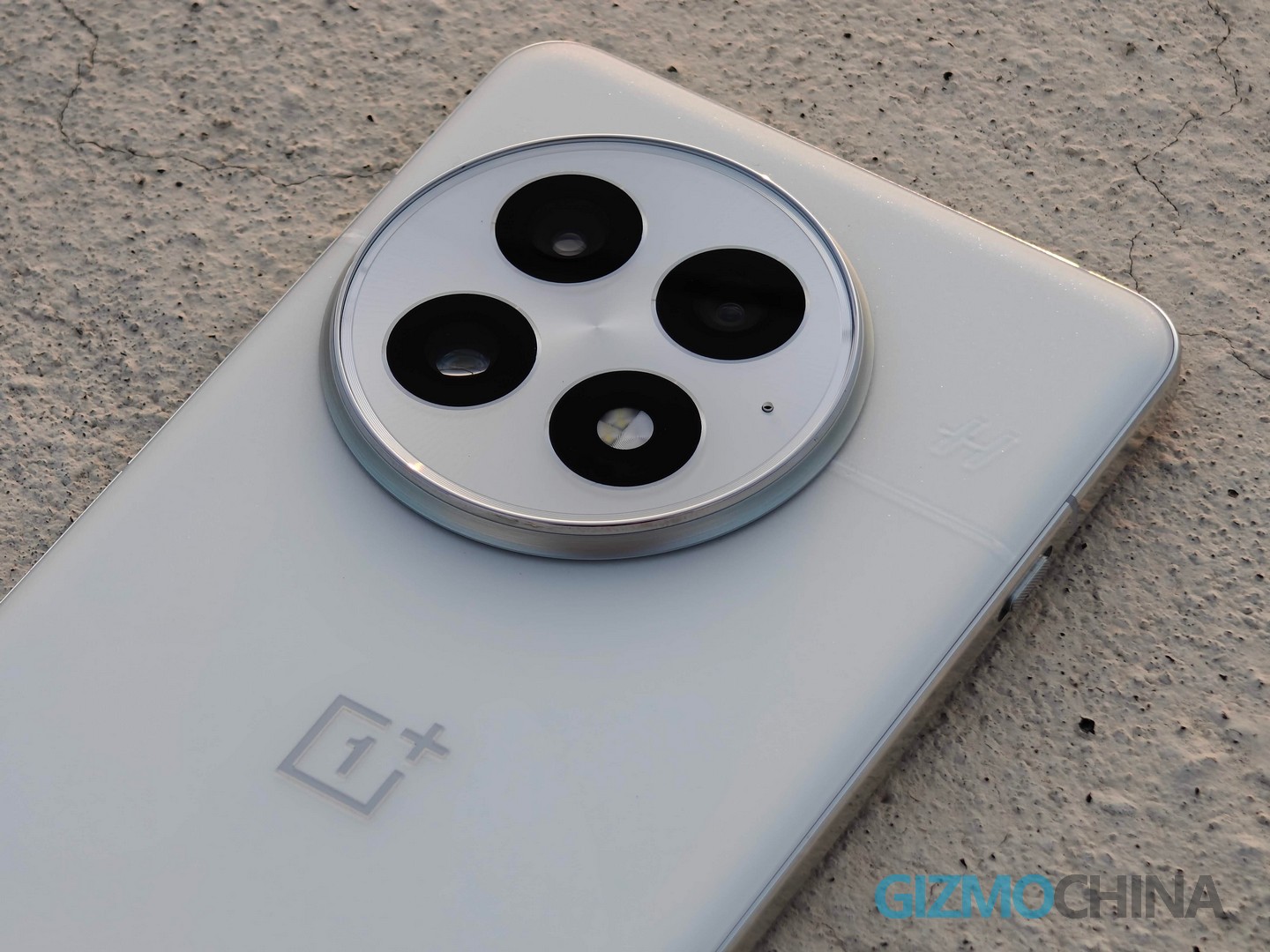
A large circular camera module is prominently visible, protruding significantly from the back and surrounded by a metallic ring. The camera setup, which houses multiple sensors, includes what seems to be a Hasselblad-branded multispectral lens. However, the module design is likely disguised, as the phone is enclosed in a confidentiality case to conceal its final look.
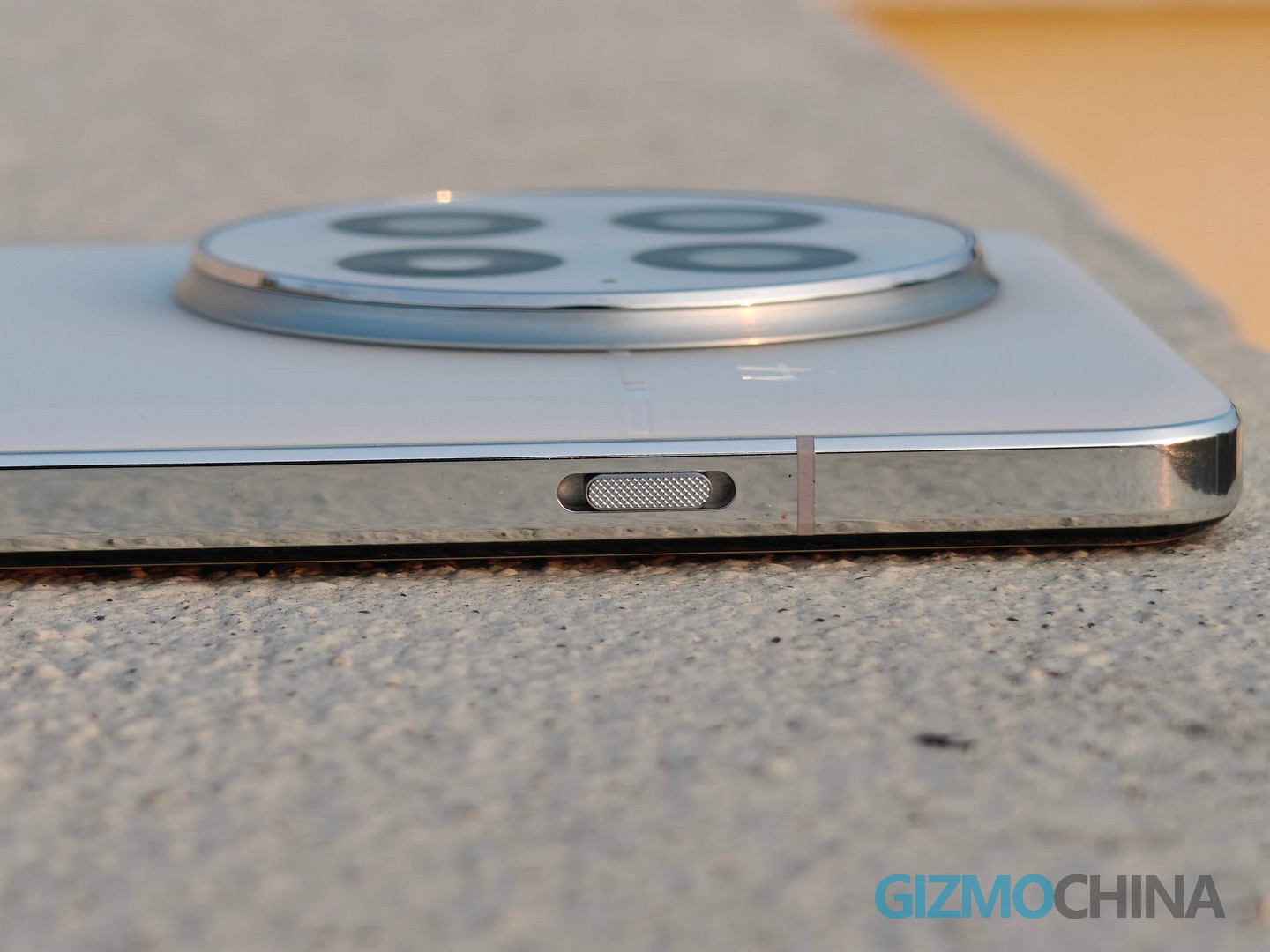
A noticeable change on the Find X8 Ultra is that the Alert Slider has been removed in favor of a pressable smart key. This new button is expected to offer more customization options, providing users with enhanced functionality. Additionally, the image raises speculation about the phone’s width, with some wondering whether it is slightly narrower than the Find X8 Pro, potentially improving one-handed usability.
The new Magic Cube button will also be seen on Find X8s, Find X8S+, and high-end OnePlus phones. OnePlus CEO Pete Lau clarified in a recent community post that while the Alert Slider has been a signature feature, it is restricted to a single function—switching sound profiles. The company has been exploring improvements for three years but found it impossible to customize due to its fixed physical position.
The new button will allow better space utilization, structural improvements, and user customization, similar to Apple’s Action Button on the iPhone 15 Pro series. While details on its functionality remain unclear, Lau assured that users could still change sound profiles and invited feedback on additional features.
For more daily updates, please visit our News Section.
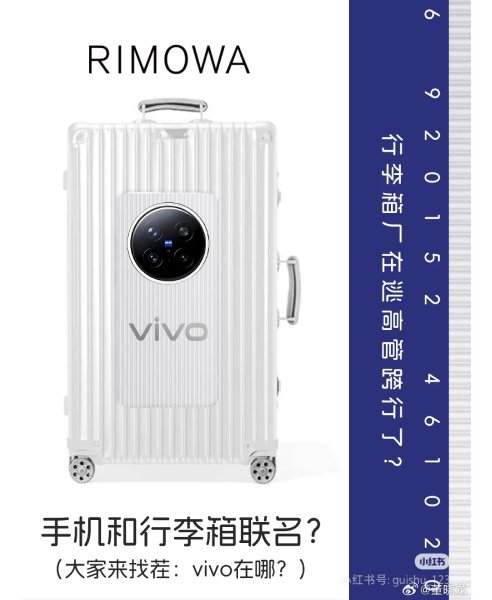
Vivo seems to be forming multiple partnerships for its X200 Ultra smartphone. We already know about its collaboration with Zeiss for the cameras, and a report last month suggested that the brand might also tie up with Fujifilm to enhance image processing.
Now, there’s a new name in the mix—Rimowa.
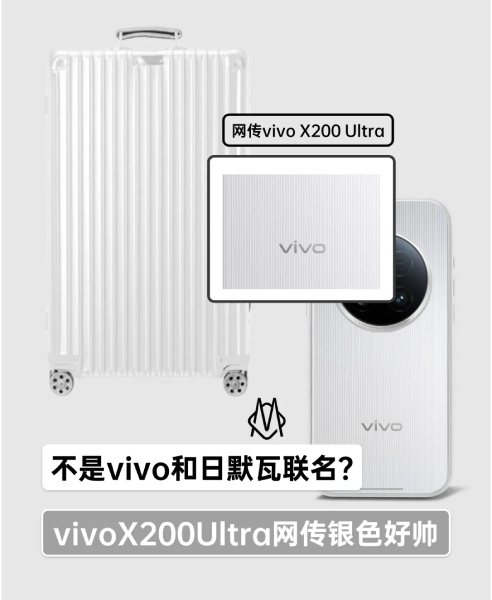
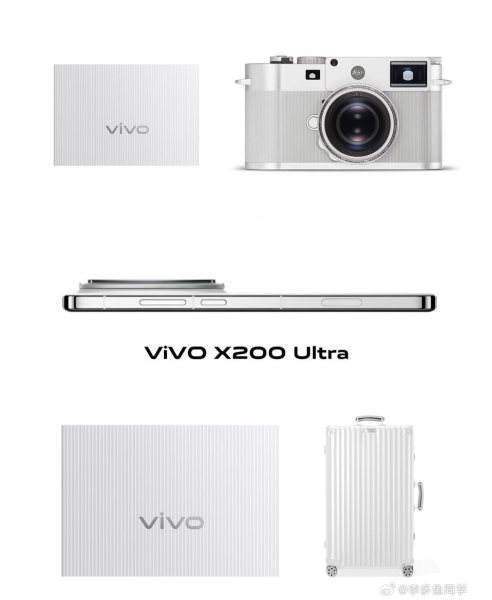
According to X user Johnny Manuel, Vivo is working with the premium German luggage brand for a special edition of the X200 Ultra. Rimowa, known for its iconic grooved aluminum suitcases, might be bringing its signature design to Vivo’s latest flagship.
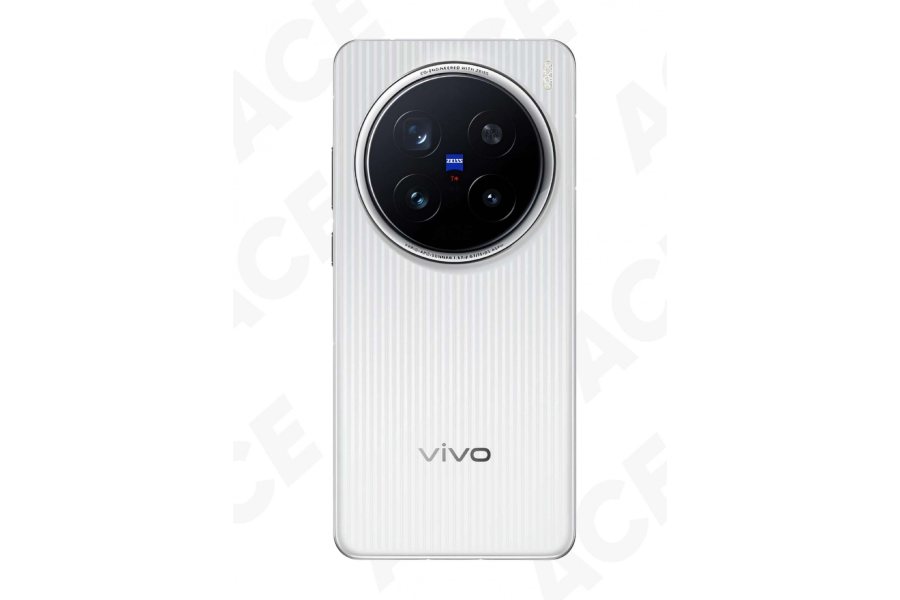
The X user has shared a few renders of the Vivo X200 Ultra and its packaging. And as expected, the phone and its box feature the signature vertically striped design.
However, the partnership has not been officially confirmed by any party. So stay tuned for updates.
Vivo X200 Ultra: Specs and What to Expect
The regular X200 Ultra is rumored to come in three colors: wine red, black, and white, and might feature an AG glass back.
Under the hood, Vivo is reportedly opting for Qualcomm’s Snapdragon 8 Elite instead of the MediaTek Dimensity 9400 on the X200 and X200 Pro. The phone is also expected to feature a 2K micro-quad-curved display with ultra-narrow bezels.
Vivo X200 Ultra render
On the camera front, Vivo is going all-in with a 50MP Sony LYT-818 primary sensor, a 200MP telephoto lens with an 85mm focal length, and a 50MP macro telephoto lens. You’ll get a 50MP front shooter for selfies.
To keep things running, the X200 Ultra is rumored to pack a 6,000mAh battery with 100W wired and 50W wireless charging. It’s a bump from last year’s X100 Ultra, which had a 5,500mAh battery with 80W wired and 30W wireless charging.
The X200 Ultra is expected to launch this month or in April. However, it might remain a China-exclusive device just like its predecessor.
For more daily updates, please visit our News Section.
Choosing between the iPhone 16e and the iPhone SE 3rd Gen comes down to balancing budget and features. The SE 3rd Gen remains a popular low-cost option, while the 16e brings modern upgrades at a mid-range price. This comparison is crucial for buyers deciding whether to invest in the latest technology or save money with an older design.
With differences in display, performance, camera, and battery life, understanding what each phone offers will help determine the better long-term choice.
The iPhone 16e boasts a more modern design with a nearly bezel-less 6.1-inch Super Retina XDR OLED display, making it far superior to the compact and outdated 4.7-inch Retina LCD screen on the iPhone SE 3rd Gen. The OLED panel offers higher brightness, richer colors, and better contrast, while the SE’s LCD is more basic. The 16e also has a Ceramic Shield for better durability, whereas the SE has ion-strengthened glass.
Additionally, the iPhone 16e features Face ID with a sleek notch, while the SE retains the older Touch ID home button, making the design feel dated.
Overall, if a larger, more immersive display and modern aesthetics matter, the 16e is the clear winner.
Please Note: When you buy something using the links in our articles, we may earn a small commission at no cost to you.
2. Specifications
iPhone SE 3 Gen
The iPhone 16e is significantly more powerful, running on the Apple A18 chip, while the SE 3rd Gen uses the older A15 Bionic. With 8GB RAM versus the SE’s 4GB, the 16e ensures smoother multitasking and longevity for future iOS updates. The 16e also has a much larger 4005mAh battery, compared to the SE’s 2018mAh, providing better endurance.
Both support wireless charging, but the 16e charges faster via USB-C, unlike the SE’s outdated Lightning port. If longevity, performance, and battery life are priorities, the 16e is far ahead.
3. Camera
The iPhone 16e leaps ahead in camera technology, featuring a 48MP main sensor compared to the SE’s 12MP. This results in sharper images, better low-light performance, and more advanced video recording. The 16e also supports 3D spatial audio, improving video playback. The SE’s camera is decent but lacks the versatility and detail of the 16e.
Even in selfies, the 16e’s 12MP front camera with Face ID-based depth sensing outshines the SE’s basic 7MP shooter.
If photography is important, the iPhone 16e is undeniably the better choice.
4. Pricing
The iPhone 16e is priced at $599, while the iPhone SE 3rd Gen is much cheaper, often found around $125. The SE is clearly the budget-friendly option, but it comes at the cost of a dated design, weaker hardware, and an inferior display.
For those looking for a capable iPhone at a low price, the SE is a good deal, but the 16e offers far better value for its price with premium features and better future-proofing.
5. Conclusion
iPhone 16e
A few key features set the iPhone 16e apart. It has IP68 water resistance, making it more durable than the SE’s IP67 rating. The 16e’s use of USB-C makes it more future-proof, while the SE still relies on Lightning. Additionally, the 16e supports advanced satellite communication, which the SE lacks.
If future-proofing and modern features are priorities, the iPhone 16e is the better investment. However, for users who just need a basic iPhone with Apple’s ecosystem at the lowest cost, the SE remains an option.
Hisense continues to elevate its position in the television industry with its latest lineup of ULED and OLED models. Featuring Mini-LED technology, Quantum Dot color, and advanced HDR support, the brand’s 2025 offerings cater to both high-end enthusiasts and those seeking premium features at a more accessible price. Here’s a look at the best Hisense TVs available in the US and Europe this year.
1. Hisense 110UX ULED X (110-inch Flagship Mini-LED)
The Hisense 110UX ULED X sports an impressive 110-inch 4K display, equipped with next-generation Mini-LED backlighting. It comes with over 40,000 local dimming zones and delivers an astonishing 10,000 nits of peak brightness, ensuring exceptional contrast and minimal blooming.
This model features Quantum Dot color technology, IMAX Enhanced certification, Dolby Vision IQ, and HDR10+ Adaptive, offering a highly immersive viewing experience. It also equips a 120Hz/144Hz refresh rate, VRR, and HDMI 2.1 ports, making it ideal for gaming. Additionally, it includes a built-in 4.2.2-channel Dolby Atmos sound system, enhancing the audio experience. Priced between $15,000 and $20,000, this model is designed for home theater enthusiasts who demand top-tier performance.
2. Hisense 98UX ULED X (98-inch Flagship Mini-LED)
The Hisense 98UX ULED X features a 98-inch Mini-LED panel with 10,000+ local dimming zones and a peak brightness of 5,000 nits. It comes with Dolby Vision IQ, HDR10+ Adaptive, and IMAX Enhanced support, ensuring outstanding HDR performance.
This TV sports a 144Hz refresh rate, Game Mode Pro, and HDMI 2.1 connectivity for seamless gaming. It also includes a Dolby Atmos sound system and a premium design. Priced at around $8,000–$10,000, it offers flagship-grade performance without the scale of the 110UX.
The Hisense U9N equips a Mini-LED panel with between 2,900 and 5,000 local dimming zones, delivering deep blacks and a peak brightness of 5,000 nits for stunning HDR visuals. It comes with the Hi-View Engine X processor, optimizing picture quality, and supports Dolby Vision IQ and HDR10+ Adaptive for superior HDR playback.
Unlike many competing models, it sports a built-in 4.1.2 Dolby Atmos sound system for immersive audio. Its gaming capabilities include a 4K 144Hz refresh rate, VRR, and HDMI 2.1, though its latency performance slightly trails behind some rivals. The U9N is priced at approximately $2,999 for the 75-inch model and $3,999 for the 85-inch variant, striking an excellent balance between price and premium features.
The Hisense U8N comes with a Mini-LED backlight system featuring up to 2,000 local dimming zones, ensuring impressive contrast and peak brightness of 3,000 nits. It equips a Quantum Dot panel for vibrant colors and supports Dolby Vision IQ and HDR10+ Adaptive.
For gaming, it sports HDMI 2.1, a 4K 144Hz refresh rate, VRR, and low input lag, making it one of the best gaming TVs in its class. It runs on the Google TV interface, providing a smooth and feature-rich user experience. With pricing starting at around $1,299 for the 75-inch model, the U8N stands out as a high-value premium TV.
The Hisense U7N features Mini-LED technology but with fewer dimming zones compared to the U8N. It still delivers strong black levels and contrast, though some minor blooming may be noticeable.
It comes with Dolby Vision IQ, HDR10+ Adaptive, and a 4K 120Hz refresh rate with VRR, making it a solid option for budget-conscious gamers. With pricing between $799 and $1,000, the U7N delivers strong performance at an affordable price.
6. Hisense A85N OLED (55-inch & 65-inch – Europe Only)
The Hisense A85N OLED features LG’s latest WOLED panel, delivering perfect blacks, infinite contrast, and a peak brightness of 1,000 nits. It supports Dolby Vision IQ and HDR10+, making it one of the few OLEDs to handle both formats.
Gaming performance is top-tier, with 4K 120Hz, VRR, and ultra-fast response times. It sports a 60W built-in Dolby Atmos sound system and comes with a unique swivel stand. Priced at around £1,499 (€1,700) for the 55-inch model, the A85N is an excellent alternative to LG‘s C4 OLED at a slightly lower cost.
For more daily updates, please visit our News Section.
A recent leak revealed that China will receive two Snapdragon 8 Elite-powered tablets in the first half of 2025. These include the Oppo Pad 4 Pro and the OnePlus Pad 2 Pro. The former has surfaced on Geekbench, confirming that it will indeed feature the said chipset.
Oppo Pad 4 Pro Geekbench appearance
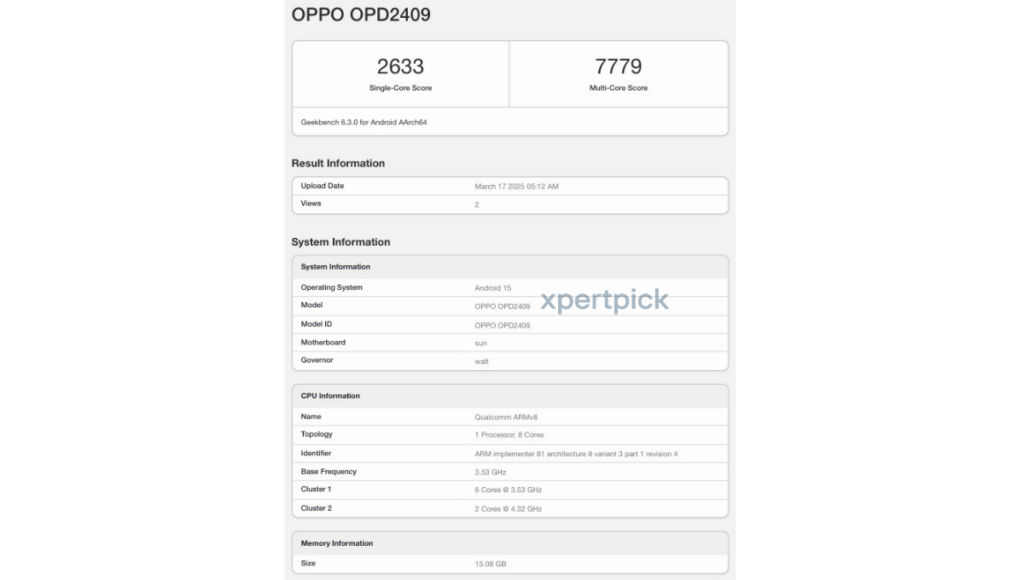
As seen above, a new Oppo tablet with the model number OPD2409 has emerged in Geekbench’s database. This same device was spotted with an 80W fast charger at China’s 3C certification platform earlier this month. Reports suggest that the Oppo OPD2409 will be marketed as the Oppo Pad 4 Pro when it launches in China.
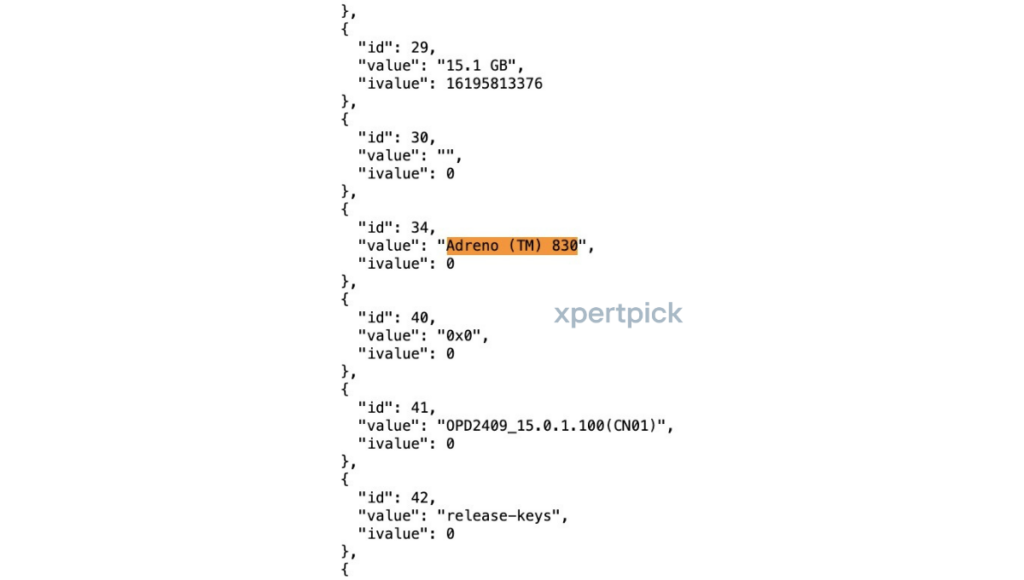
The Geekbench listing reveals that the Oppo Pad 4 Pro is equipped with the Snapdragon 8 Elite. Although the chipset’s name is not explicitly mentioned in the listing, the CPU details and GPU information confirm that it is the SD8E.
Rumors suggest that the Oppo Pad 4 Pro will debut alongside the new Find X8 series devices, which are expected to launch in April in China. Hence, it appears that the Pad 4 Pro may launch as the world’s first Snapdragon 8 Elite-powered tablet.
Coming back to the Geekbench listing, it reveals that the tablet is equipped with 16GB of RAM and runs Android 15. In the single-core test, it achieved 2,628 points, and in the multi-core test, it scored 7,892 points.
According to reports, the Oppo Pad 4 Pro will feature a 13.2-inch LCD panel that supports a 3.4K resolution. The SoC is likely to be accompanied by a 12,000mAh battery with support for 80W charging. The other details of the tablet remain under wraps.
For more daily updates, please visit our News Section.
The Indian smartphone market is currently undergoing premiumization. According to Counterpoint Research, the market’s value is projected to exceed $50 billion by 2025.
As a result, we are witnessing more premium offerings from brands than ever before. Almost all phone companies with a presence in India now sell expensive handsets.
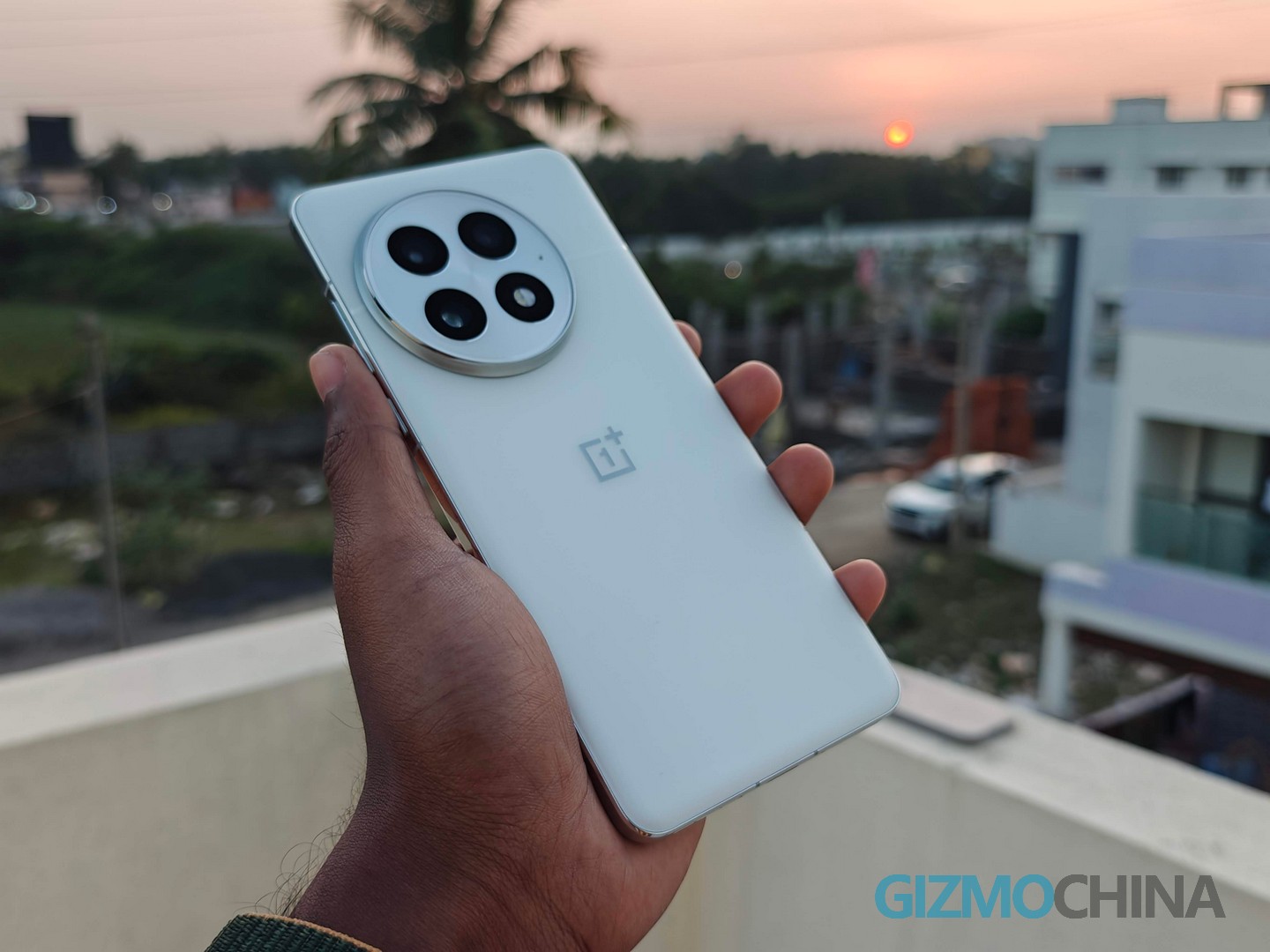
OnePlus is no exception. The brand has been a key player in this category for quite some time. With increasing competition, OnePlus has been improving its flagship smartphones methodically.
Having used the OnePlus 12 for over a year and the latest OnePlus 13 for more than a month, here are my thoughts on the brand’s latest flagship smartphone.
OnePlus transitioned to offering a single flagship model a few generations ago. The brand dropped the ‘Pro’ variant, effectively replacing it with the standard model in all but name.
Although the price has gradually increased with newer generations, it remains lower than what Apple and Samsung charge for their baseline flagship models, let alone their Pro and Ultra versions. For a lower price, the OnePlus 13 offers a superior feature set compared to the iPhone 16 and Galaxy S25.
However, the OnePlus 13’s notable competitors come from fellow Chinese brands, namely the Vivo X200, Xiaomi 15, and Oppo Find X8. While these three smartphones excel in their ways, I believe the OnePlus 13 is a compelling option for most consumers (more on this later).
2. Design that’s Functional and Durable
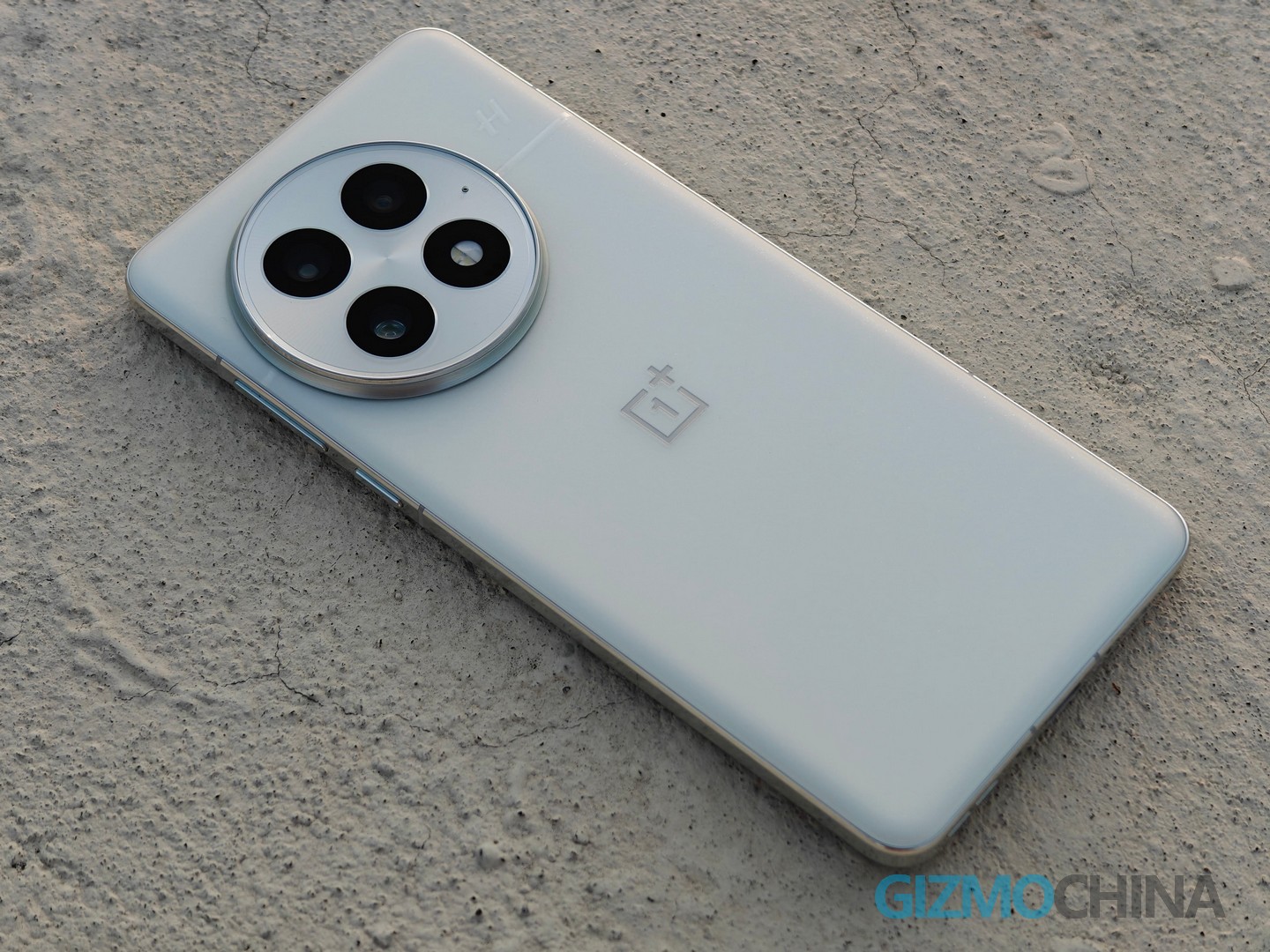
When I first picked up the OnePlus 13, I was skeptical about its in-hand feel due to the flat frame. But, to my surprise, I got used to it after a few days of use.
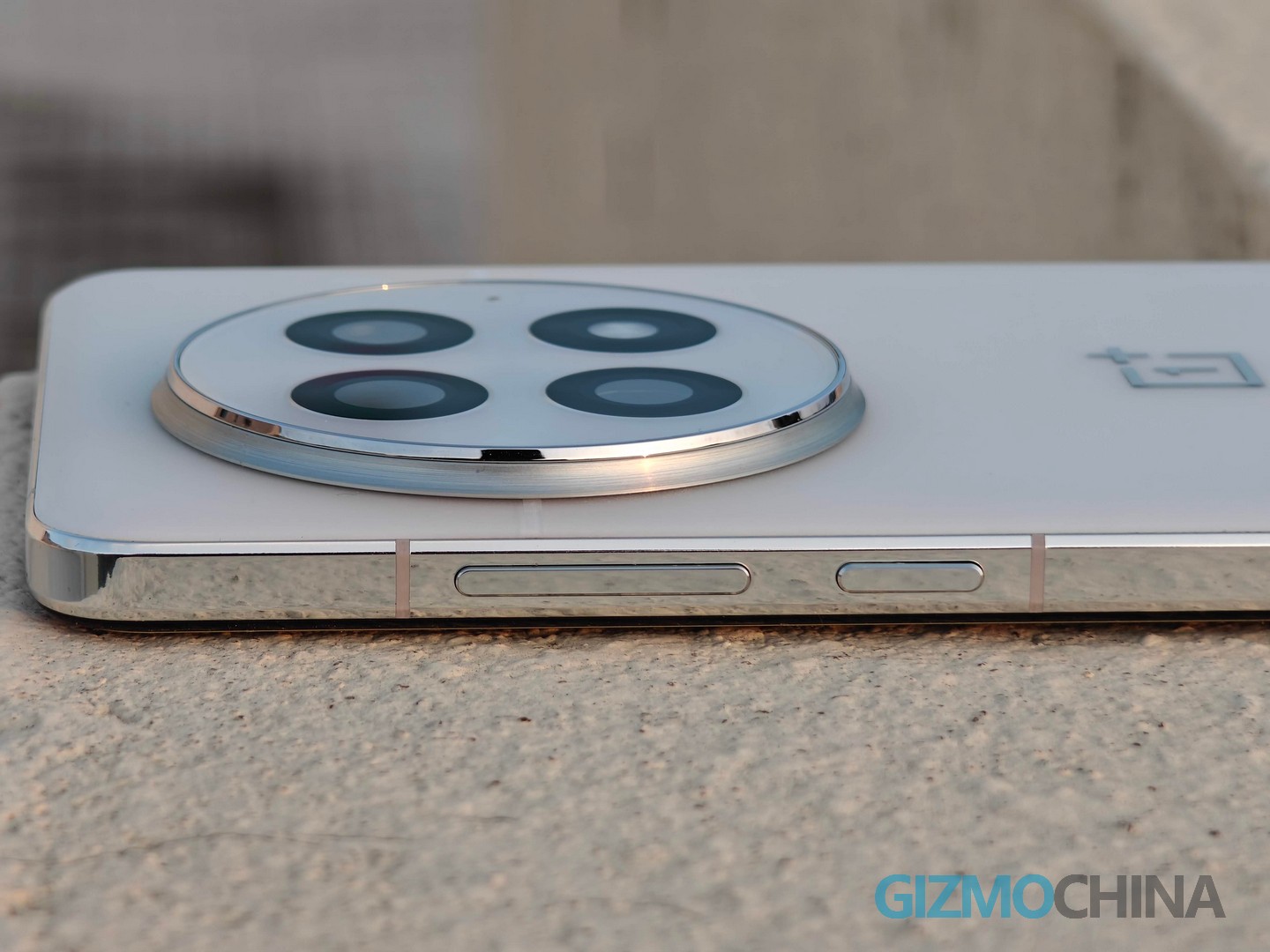
Though it isn’t as cozy as the OnePlus 12 (thanks to its curved display), the flat frame makes the phone feel more grippy. The best part of this change is the reduction in accidental touches—hallelujah!
Additionally, the 6.82-inch QHD+ 120Hz screen is a visual treat. Although it’s not the brightest display in this price range, it performs well in both HDR and non-HDR scenarios and is complemented by loud dual stereo speakers.
I received the Arctic Dawn version of the handset. While I like this hue, I prefer the Midnight Ocean variant, as it features a vegan leather back, which is less slippery than the frosted glass found on Arctic Dawn and Black Eclipse.
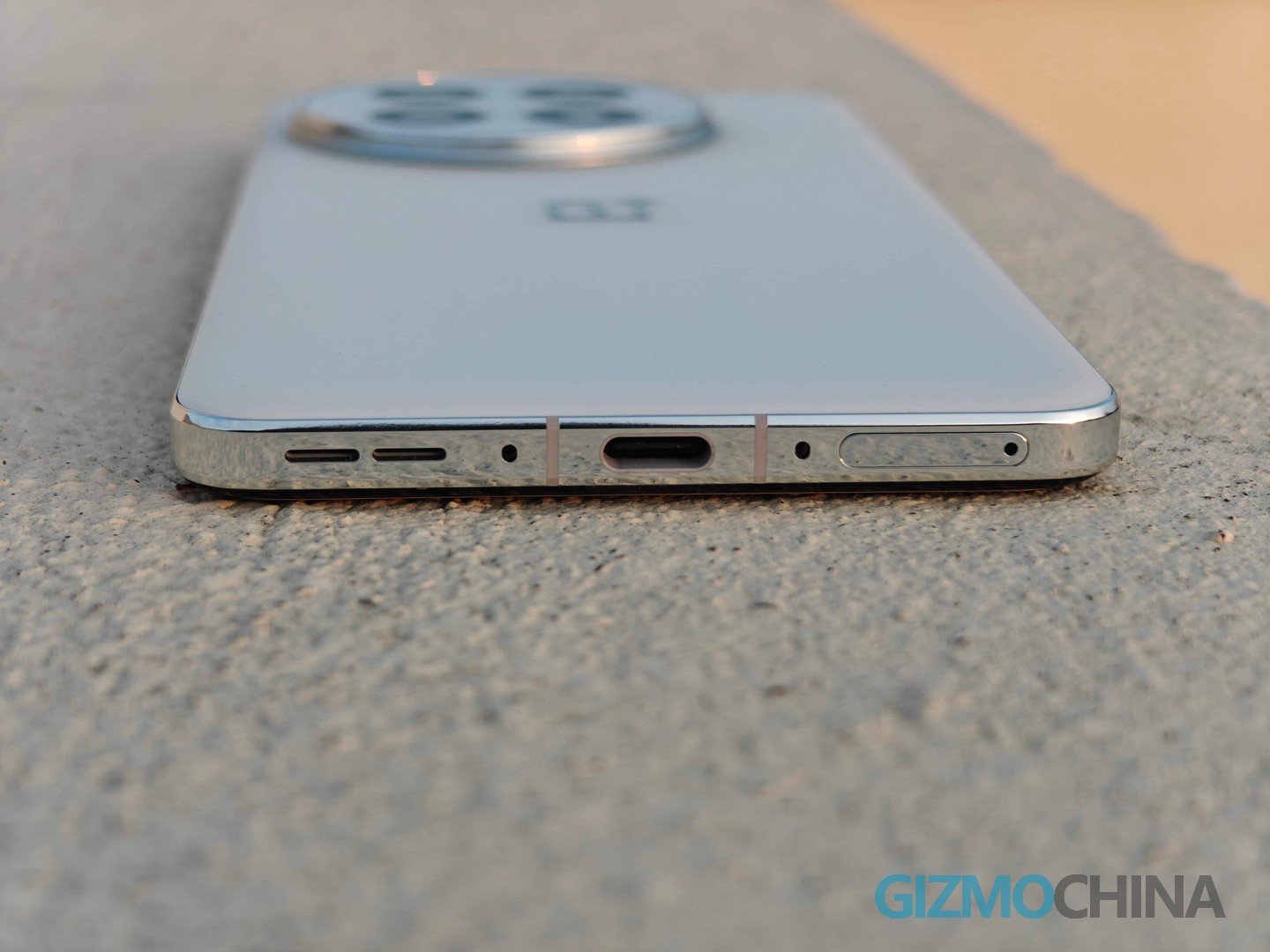
Interestingly, the OnePlus 13 comes with an improved alert slider compared to the OnePlus 12. It feels sturdier and more tactile. The phone also boasts better ingress protection ratings (IP68 and IP69), making me feel more at ease using it during rain or even shower sessions.
3. Power that Goes the Distance
The unique selling proposition (USP) of OnePlus flagships has always been smoothness. The OnePlus 13 takes this even further. I was amazed to find that the phone feels snappier than the already fast OnePlus 12, even though they run the same software (OxygenOS 15 based on Android 15).
The Snapdragon 8 Elite powering the OnePlus 13 is a significant upgrade compared to previous Snapdragon 8 series chips. It not only delivers better raw performance than the Snapdragon 8 Gen 3 in the OnePlus 12, but it does so with improved power efficiency.
During my weeks of usage, I consistently experienced better battery life, thanks to the new chipset and a larger 6,000mAh battery (compared to 5,400mAh on the OnePlus 12). The 100W SuperVOOC charger fully recharges the phone in around 40 minutes, and a quick refill suffices in case of low battery.
Wireless charging support (up to 50W) adds convenience, although you’ll need to invest in the proprietary magnetic charger to achieve maximum speed.
4. Subtle Camera Upgrades with Some Trade-offs
The cameras on the OnePlus 13 are not significantly improved compared to the OnePlus 12. While image processing differs slightly, the difference is not substantial.
The camera hardware has been upgraded, featuring a new 50MP Sony LYT-600 3x periscope telephoto lens and a 50MP Samsung JN5 ultrawide unit with autofocus. The main sensor, however, remains the 50MP Sony LYT-808.
All three rear cameras deliver detailed images with excellent dynamic range in good lighting conditions. Color reproduction is consistent across all cameras. Even under low-light scenarios, performance is relatively stable.
Video recording sees minor improvements over the OnePlus 12. However, the selfie camera remains virtually unchanged and could benefit from autofocus.
Although the new zoom camera hardware is technically better, I personally prefer the older one. The newer module struggles with a high minimum focus distance, making macro photography difficult. It also faces challenges focusing on very distant objects, and extreme zoom shots are overly processed, resulting in artificial-looking images.
5. Why the OnePlus 13 is an Easy Recommendation
The OnePlus 13 is a smartphone that can be recommended to a vast majority of people, especially in India. It positions itself as a worthy alternative to the iPhone 16 and Galaxy S25.
Unlike Apple and Samsung’s handsets, the OnePlus 13 isn’t compact. It’s a large phone that competes with the Pro and Ultra models of the aforementioned brands at a more affordable price.
Spec and price-wise, the Vivo X200, Xiaomi 15, and Oppo Find X8 are more direct competitors to the OnePlus 13. These three smartphones excel in camera performance, an area where OnePlus has improved but still doesn’t lead.
If camera performance is your sole focus, you may want to explore these alternatives. However, a good flagship should be an all-rounder—and the OnePlus 13 fits that definition perfectly.
Please Note: When you buy something using the links in our articles, we may earn a small commission at no cost to you.
The OnePlus 13 offers top-notch performance, a smooth UI, long battery life, fast charging, excellent build quality, and good cameras. Its software caters to a global audience better than other Chinese brands. OnePlus also promises 4 Android updates and 6 years of security updates.
Moreover, consumers can opt for OnePlus ecosystem products like smartwatches, tablets, and earbuds to enhance their overall experience—a feature that other Chinese brands often lack in global markets.
Finally, OnePlus is the only smartphone brand that provides a lifetime warranty for green-line display issues, a problem currently affecting the industry at large.
For more daily updates, please visit our News Section.
We use cookies on our website to give you the most relevant experience by remembering your preferences and repeat visits. By clicking “Accept”, you consent to the use of ALL the cookies.
This website uses cookies to improve your experience while you navigate through the website. Out of these, the cookies that are categorized as necessary are stored on your browser as they are essential for the working of basic functionalities of the website. We also use third-party cookies that help us analyze and understand how you use this website. These cookies will be stored in your browser only with your consent. You also have the option to opt-out of these cookies. But opting out of some of these cookies may affect your browsing experience.
Necessary cookies are absolutely essential for the website to function properly. This category only includes cookies that ensures basic functionalities and security features of the website. These cookies do not store any personal information.
Any cookies that may not be particularly necessary for the website to function and is used specifically to collect user personal data via analytics, ads, other embedded contents are termed as non-necessary cookies. It is mandatory to procure user consent prior to running these cookies on your website.