Advertisement

Huawei’s tri-fold smartphone to be released this year

The patent of Huawei’s smartphone with a tri-fold display has emerged. It is not yet known when Huawei will unveil its tri-fold smartphone, but the patent provides some interesting details about the design of the phone. Additionally, rumors suggest that the trifold phone might be released by the end of this year.

Huawei gears up to reveal a trifold smartphone

Samsung previously showcased its tri-fold display smartphone at the CES event but did not release it for sale. We may see both Huawei and Samsung releasing phones with tri-fold displays in 2024.
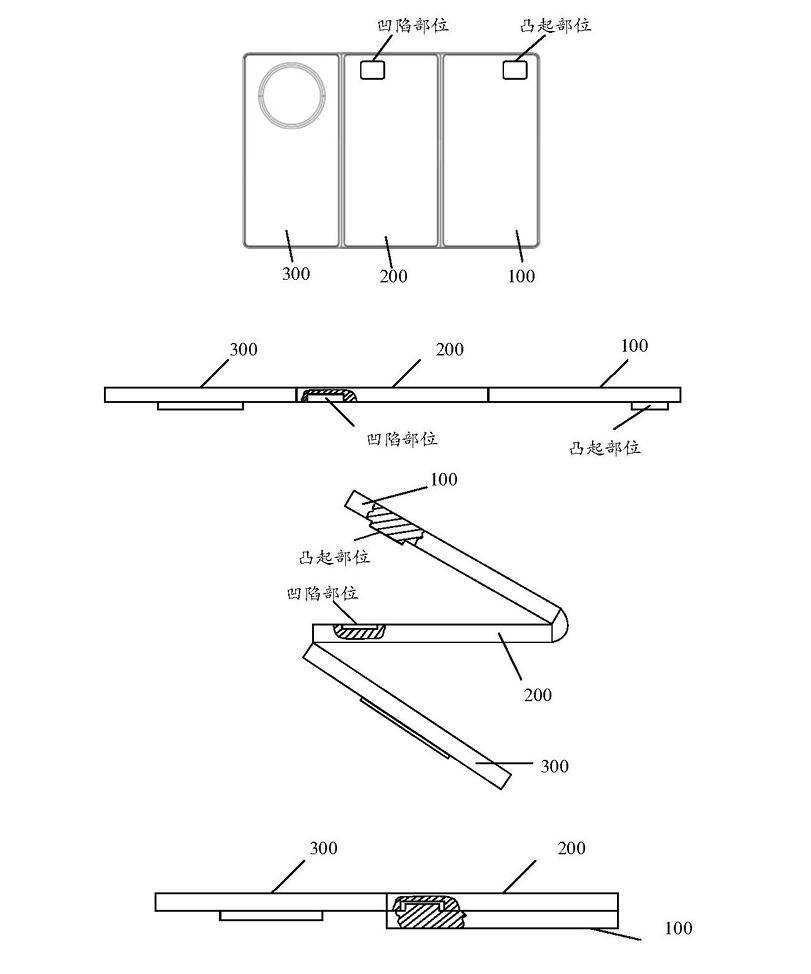
ITHome has recently posted the Huawei’s patent, the upcoming smartphone appears to take the shape of the “Z when folded, and the device features two different hinges. One of the most useful aspects of a tri-fold device is that the screen connected to the second hinge can fold outward, allowing the third part of the screen to be used as a fully functional display when the device is folded. While flip-style foldable devices also have an outer screen, rear cameras create a significant interruption on the screen.

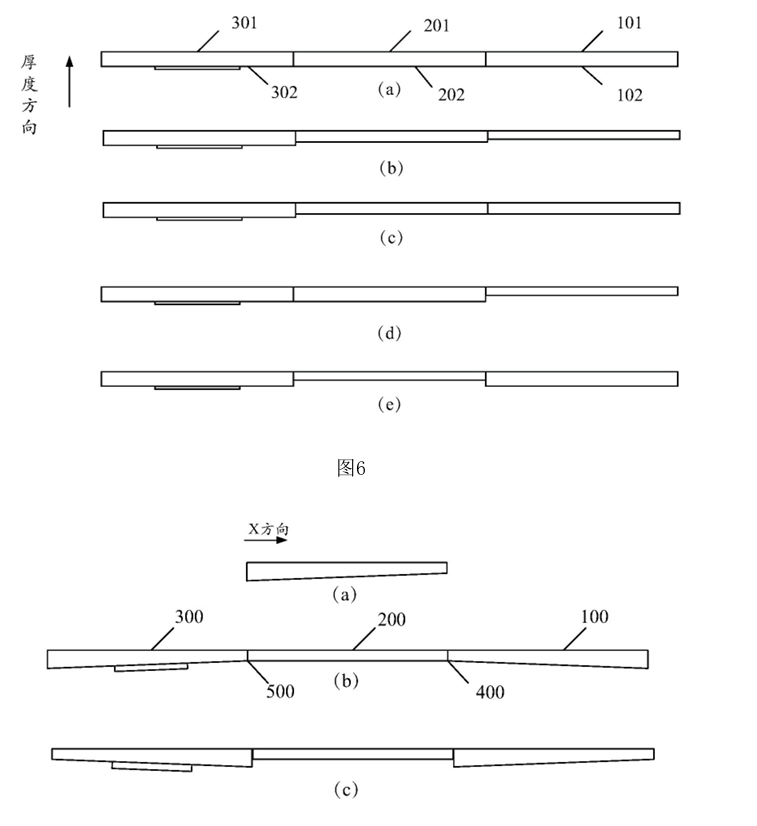
Tri-fold devices have never been introduced to the market, but the biggest challenge seems to be the design, as a device with two different hinges would contain complex parts and be quite heavy. However, in Huawei’s patent, each part of the display has a different thickness, which should reduce the weight.
Whether it will be practical or not remains unknown since no company has introduced a tri-fold smartphone yet. Although rumors are not definitive at the moment, you can expect some phone manufacturers to introduce tri-fold smartphones in 2024.

Related:

Honor MagicBook X14/X16 Pro 2024 laptops now available on Amazon India

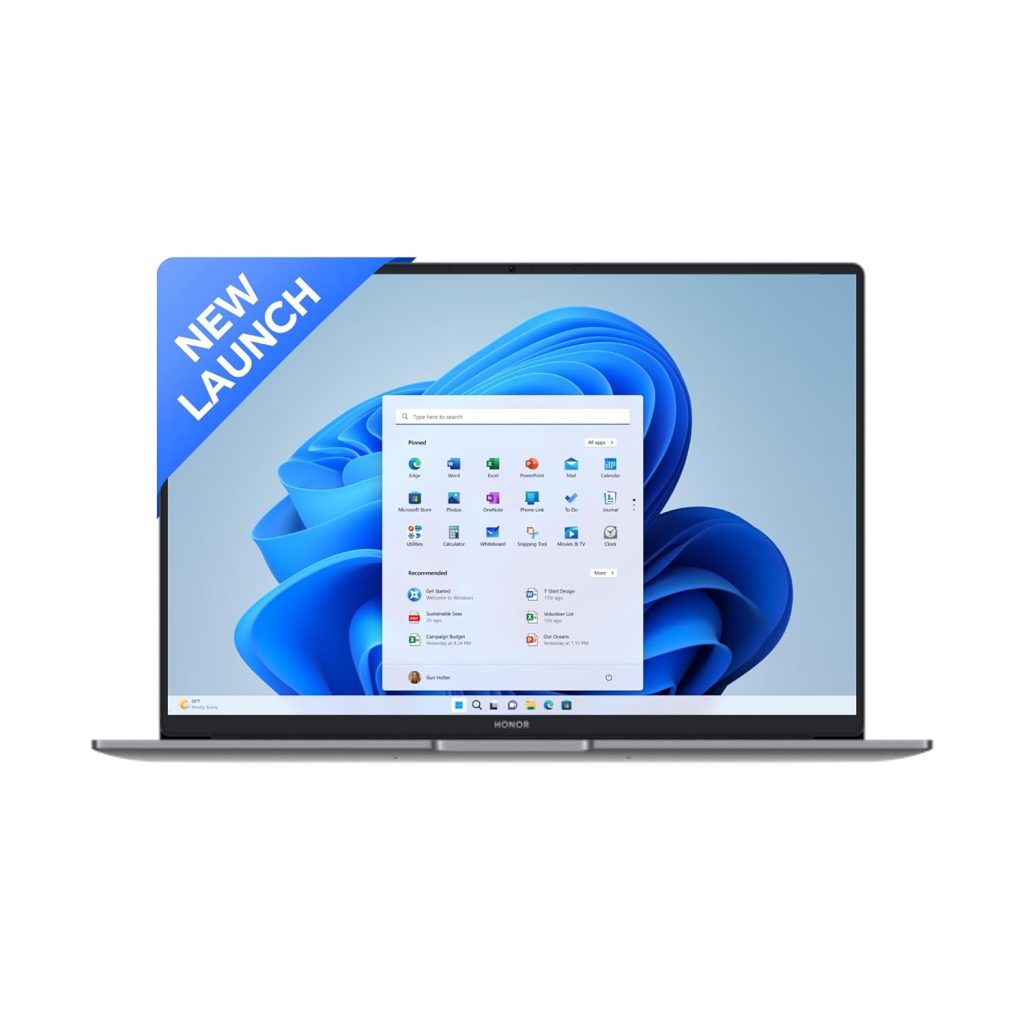
Honor has released two new laptops in India, the MagicBook X14 Pro and X16 Pro 2024, available now on Amazon. These laptops come with a range of offers that make them a good deal for people looking for a new device.

HONOR MagicBook X16 Pro 2024

Honor MagicBook X14/X16 Pro 2024 specs:

Both the X14 Pro and X16 Pro are made from aluminum, making them light but sturdy. The X14 Pro is just 1.4 kg and 16.5mm thick, while the X16 Pro is slightly heavier and thicker at 1.7 kg and 17.9mm. Inside, they’re powered by the 13th Gen Intel Core i5-13420H processor, so they should run smoothly.

For visuals, the X14 Pro has a 14-inch FHD screen and the X16 Pro has a 16-inch FHD screen, both with thin bezels for a better viewing experience. They come with up to 16GB of RAM and a 512GB SSD, and run on Windows 11 Home. They’re designed to stay cool with a special cooling fan, and the 60Wh battery promises up to 12 hours of use. They also have several ports, including USB-C, HDMI, USB-A, and a headphone/mic jack.

Pricing & availability

Prices start at Rs 54,490 for the MagicBook X14 Pro with 8GB of RAM and a 512GB SSD, and go up to Rs 58,490 for the X16 Pro with 16GB of RAM and a 512GB SSD. Customers can take advantage of an exchange offer that could knock off up to Rs 16,900 from the price. There’s also a Rs 5,000 discount for those who pay with HDFC or SBI credit cards, and EMI options start from Rs 2,642 per month.

RELATED:

Xiaomi has No Plans to Sell the SU7 Outside of China, At Least Not Yet

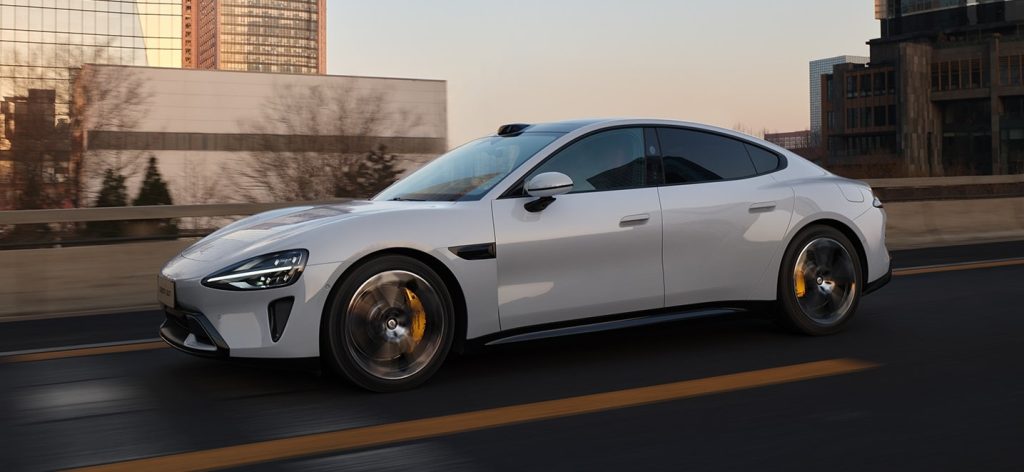
Post unveil, Xiaomi is addressing customer questions about their newly launched electric car, the SU7. However, one of the most polarizing news coming from the company states that they currently have no plans to sell the SU7 outside of China, but for those in China, local Xiaomi stores can advise on any purchase subsidies that might be available in their regions.

Consumers can visit local Xiaomi stores to get more info on purchase subsidies

If you’re looking for charging options, Xiaomi offers home charging piles in two models: 7kW and 11kW, with the higher-powered option recommended for the SU7 Max. Their home charging package includes the equipment and basic installation services within 30 meters of cables (limited to mainland China).

Xiaomi SU7

Answering some connectivity-centric questions, it was explained how connecting phones to the car is pretty straightforward. Most Android phones can connect via CarLink, allowing you to use navigation, music, phone calls, and other features on the car’s central control screen. Android phones can also wirelessly stream audio and video using DLNA. For iPad users, a special expansion bracket allows you to mount the iPad on the back of the front seat. By downloading the “Xiaomi Auto Expansion Screen” app, you can control car features like seat climate control, multimedia adjustments, and entertainment options directly on your iPad.

Xiaomi clarifies that the industry standard for measuring 0-to-100 km/h acceleration excludes starting time, while media outlets may include it in their measurements. This can lead to slight variations in the numbers you see reported. They provided an example where the SU7 Max measured 3.09s in media testing (compared to the official 2.78s). Warranty coverage is not limited to the first owner, and maintenance costs are estimated to be around 480 yuan for the first year/20,000 kilometers, increasing to 750 yuan and 1400 yuan for the second and third years respectively.

RELATED:

(Via)

OpenAI’s New Voice Engine can Clone Your Voice in Merely 15 Seconds

OpenAI is churning up the AI news sector again, this time turning heads with a new tool called Voice Engine, which may sadly never see the light of day. This impressive tech can generate realistic synthetic voices after being trained with just a 15-second audio sample. That opens up a whole new world of possibilities, one straight out of some action-spy movie scenario.

Unfortunately, the company has no intentions of making Voice Engine public anytime soon

Imagine a tool that can read any text in a natural-sounding voice, even mimicking emotions. That’s the potential of Voice Engine, currently being used in a limited preview for OpenAI’s ChatGPT app’s read-aloud function. Beyond entertainment, the applications are vast. Voice Engine could revolutionize education, translate podcasts into new languages, and provide communication assistance for those who are non-verbal.

OpenAI

However, the power of this technology comes with responsibility. OpenAI acknowledges the potential for misuse, such as spreading misinformation or impersonating someone’s voice. For this reason, Voice Engine remains under wraps for now. OpenAI aims to address these concerns through research and open discussion. They hope to determine the best way to deploy this powerful tool and prepare society for this new AI-oriented era.

This focus on responsible development is crucial. With deepfakes and other AI-generated content becoming more believable, the ability to discern real from artificial is becoming increasingly difficult. OpenAI acknowledges the challenges, including potential issues with voice authentication and phone scams. Finding solutions to these problems will be critical as synthetic voice technology advances. We will have to wait and watch.

RELATED:

(Via)

Huawei defies the odds and shows impressive financial performance in 2023: the best since 2019

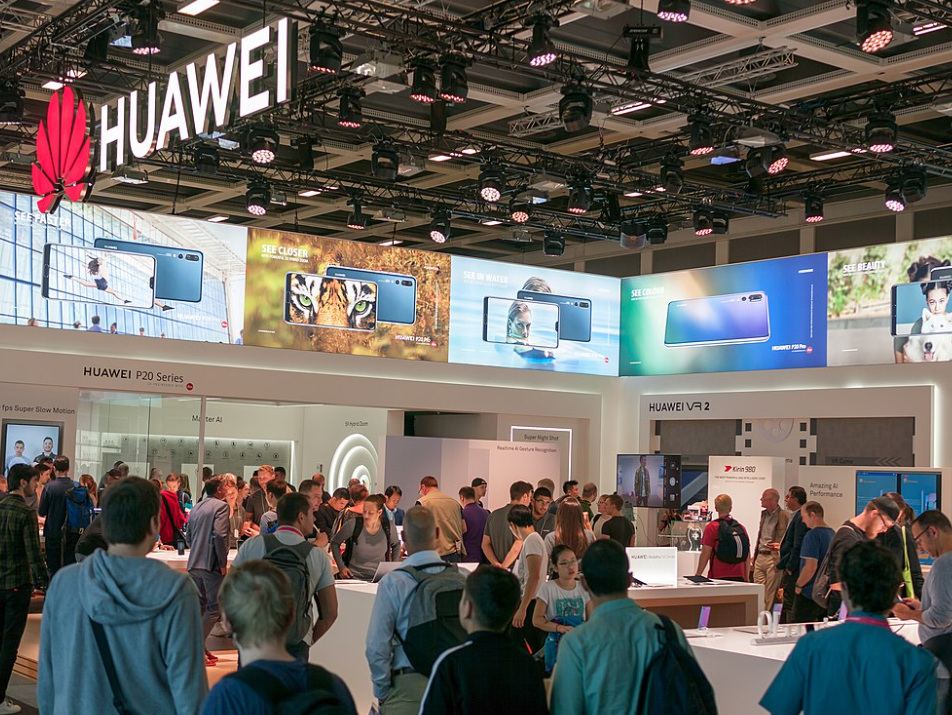
Huawei, the Chinese tech giant, has reported impressive financial results for the year 2023, showcasing resilience in the face of ongoing challenges. Despite facing U.S. sanctions and a volatile market, the company’s revenue soared by nearly 10 percent, reaching a substantial 704.2 billion yuan ($97.4 billion). This growth was largely attributed to the consumer business segment, which experienced a significant 17.3 percent increase, driven by strong sales in the handset division, particularly the Mate 60 in the 5G smartphones market.

Since 2019, Huawei has been grappling with strict U.S. restrictions, limiting its access to essential technology and software. However, the company’s ability to overcome these obstacles has been commendable, as evidenced by its remarkable financial performance. Net profit surged by an impressive 144.5 percent to 87 billion yuan ($12 billion), buoyed by robust sales and ongoing payments from the sale of the Honor smartphone brand.

source: Wikipedia

Huawei’s diversified business segments also played a crucial role in driving growth. The cloud computing business witnessed a substantial 22 percent year-on-year increase, generating revenue of 55.3 billion yuan ($7.7 billion). Furthermore, the smart car software and components business saw an astounding 128.1 percent year-on-year growth, reflecting Huawei’s strength in emerging sectors.

In response to its financial achievements, Huawei’s leadership, led by Rotating Chairman Ken Hu, emphasized the company’s resilience and ability to navigate challenges. Despite the complexities of the current landscape, Huawei remains committed to investing in research and innovation, allocating 23.4 percent of its annual revenue to R&D efforts. Looking ahead, the company expressed optimism for the future, aiming to create greater value for customers and society through open collaboration and innovation.

Huawei’s remarkable performance in 2023 underscores its position as a global leader in technology and highlights its capacity to thrive in adverse conditions.

Related:

(via)

Microsoft & OpenAI planning $100 billion supercomputer Stargate AI

According to a report by The Information, Microsoft and OpenAI are reportedly planning a joint data center project that could reach $100 billion in cost. The project is said to culminate in the launch of a massive artificial intelligence supercomputer named “Stargate” by 2028.

Supercomputer

Supercomputer “Stargate” Planned for 2028 as Part of AI Data Center Initiative

This ambitious plan comes amid a growing need for AI data centers that can handle increasingly complex tasks. The rise of generative AI technology is a major driver behind this demand.

Microsoft is expected to shoulder the majority of the financial burden for the project, according to sources familiar with the discussions. The project’s budget is estimated to be 100 times more expensive than current data center operations.

The supercomputer, to be located in the United States, would be the centerpiece of a multi-phase initiative spanning six years. The project is reportedly divided into five phases, with Stargate representing the final stage. Currently, Microsoft is developing a smaller supercomputer for OpenAI, slated for release in 2026.

Acquiring the necessary AI chips is expected to be a significant expense for the project’s later phases. These specialized chips can cost between $30,000 and $40,000 each, as indicated by Nvidia CEO Jensen Huang.

Microsoft has already shown its commitment to advancing AI capabilities by designing its own custom computing chips. The new data center project is designed to work with chips from various suppliers, according to the report.

The Information reports that the project’s projected expenditures could surpass $115 billion, exceeding Microsoft’s prior year’s capital spending on infrastructure by a considerable margin.

Last month, OpenAI CEO Sam Altman also revealed insights about the upcoming model GPT-5 during the World Government Summit in Dubai, stating that it will surpass its predecessors in all aspects. The upcoming model is anticipated to be a significant leap forward in AI capabilities, potentially approaching human-level intelligence, with early testing showcasing its ability to decipher ancient languages. GPT-5 is expected to incorporate features such as image generation via DALL-E and video generation via Sora, with a tentative release sometime in 2024.

RELATED:

(Source)

Save upto 43% on Echo smart speaker deals at Amazon Spring Sale

There have been massive discounts on the Amazon since the commencement of the Spring Sale a week ago. The retailer is offering great deals on electronic items such as smartphones, tablets, smartwatches, wearables and their own smart product lineup, including Amazon Fire TV Sticks, and Echo smart speakers. Apart from single product discounts, the sale is now broadened to the Echo smart speaker bundles too. The user can save upto 43% while buying the smart devices in bundles. Below are more details:

echo show 15 inch

Amazon Spring Festival: Full Overview of Deals

Echo smart speakers deals on Amazon Spring Sale: Decoded

There are multiple Echo smart speakers available with different use cases, and for varied requirements. The users can also choose the Echo smart speaker that matches the décor. These affordable speakers could be quite useful in day-to-day life. We are listing all the bundles below, and the interested users should grab them before they get out of stock or the price elevates.:

Amazon Echo Dot w/ Amazon Basics Smart Color Bulb( 4th Gen)

Price: $99.99 $64.99 at Amazon

Launched in 2022, the Echo Dot 4th Gen offers great value for money at this price. It offers good sound experience, and the 3.5mm support makes it compatible with almost any external speaker. The Echo Dot adorns the classic sphere design with LED light at the bottom. It can be your bundle of joy that supports music streaming, voice commands, etc. the deal could be more effective if you grab it with another smart device (bundle).

Amazon Echo Pop w/ Amazon Basics Smart Bulb

Price: $52.98 $22.99 at Amazon

Just looking to try the Alexa environment, then the Echo Pop could be the finest option that you start with. The product offers easy Alexa integration. A smart LED on the top makes the product lively. It is the cheapest smart speaker that can extend the smartness in your home. Along with the speaker, the Amazon has bundled a free Amazon basics Smart Bulb under the same price tag.

Amazon Echo Dot (5th Gen) w/ Amazon Basics Smart Bulb or 4M Amazon Music Unlimited Free Subscription

Price: $49.99 $34.99 at Amazon

The latest Echo Dot is also available in a bundle with Amazon Basics Smart Bulb ($49.99). The new Echo Dot offers better integration and improved sound quality. Moreover, the LED display is much better which can show weather, alarms and song titles along with the time. It is available in two color options of Cloud Blue and Glacier White. It’s worth considering deal, as the user is getting either free Smart Bulb or 4 Months Amazon Music Unlimited.

Echo Show 8 (3rd Gen) w/Smart Bulb:

Price: $149.99 $99.99 at Amazon

Amazon Echo Show 8 3rd Gen is retailing at the discounted price of $99.99. In addition, the user can grab Amazon basic Smart Bulb with bundle at the same price of $99. Along with the speaker, the Amazon Echo Show offers 8 inch display which can be quite useful for the selfies, video calls, intuitive viewing experience, etc. There’s over 33% discount on the Echo Show 8.

Along with the Amazon Echo deals, there are some good discounts on the Amazon Fire TV Sticks too.

Related:

PUBG Mobile to receive 120fps mode in upcoming update

Krafton, the developer of PUBG Mobile, has announced that the popular battle royale game will soon receive a 120fps mode. This new mode will be available in the upcoming version 3.2 update, offering players a smoother and more responsive gameplay experience.

PUBG Mobile 120fps mode

PUBG Mobile Will Get 120fps Mode in v3.2 Update

Previously, PUBG Mobile offered a maximum of 90fps for a smoother experience. Now, they’re pushing the boundaries for mobile gaming by introducing 120fps. However, there’s no official confirmation yet on whether this feature will be available for both Android and iOS devices.

The 120fps mode will likely be optimized for high-end and upper mid-range smartphones due to the demanding nature of rendering the game at a higher frame rate. Entry-level devices may struggle to maintain consistent performance at 120fps, even with lower graphics settings. And most entry-level devices also don’t feature the 90fps yet.

The news also extends to BGMI (Battlegrounds Mobile India), the Indian version of PUBG Mobile. BGMI is also expected to receive the 120fps treatment in the coming days, aligning it with the global version.

Beta testing is currently underway. Some beta testers of both PUBG Mobile and BGMI are currently experiencing the 120fps mode firsthand. They’ve reported warnings from the game about potential heating issues and increased battery consumption when using this mode.

For the 120fps mode to truly shine, smartphone manufacturers will also need to optimize their devices to take full advantage of this feature.

Users with the latest flagship smartphones with powerful processors like the Snapdragon 8 Gen 2 are expected to experience the 120fps mode without issues. Similarly, iPhones with 120Hz displays are also likely to support the new mode.

pubg mobile 3.1 update

The announcement of the 120fps mode comes shortly after the release of PUBG Mobile version 3.1 update. The 3.1 update introduces several notable features, including the new themed mode “Skyhigh Spectacle” set in the skies with unique modes of transport and strategic items.

Additionally, the “Home” gameplay mode allows players to customize and build their own homes, explore others’ homes, and engage in various activities, enhancing social interaction. Furthermore, updates to Miramar, WOW gameplay, and Metro Royale add new elements like urban areas, creative possibilities, and firearm attachments, enriching the overall gaming experience.

RELATED:

Huawei and PetroChina Collaborate for Intelligent Energy Solutions

In a rare public meeting held in Shenzhen, China, Ren Zhengfei, the CEO of Huawei Technologies, engaged in discussions with senior executives from PetroChina, led by Dai Houliang, the chairman of China National Petroleum Corp (CNPC) and PetroChina. The meeting, which also coincided with Dai Houliang’s visit to Huawei’s Computing Innovation Lab, focused on key agendas concerning corporate governance, digital transformation, and scientific innovation.

One of the primary discussion points revolved around PetroChina’s initiatives in low-carbon energy, highlighting their progress towards peak carbon emissions and their ambitious goals for doubling the contribution of low-carbon energy to their total output capacity within the next two years.

Ren Zhengfei – Huawei

The collaboration between CNPC and Huawei has yielded significant advancements, particularly in the development of a cognitive computing platform named E8. This platform leverages AI technologies to provide intelligent analyses for oil and gas exploration and production, marking a pivotal step towards modernizing operations in the energy industry.

Past collaborations between Huawei and PetroChina were also highlighted, including their joint efforts in building PetroChina’s first comprehensive energy service station in Beijing, integrating various energy services with non-energy businesses.

Ren Zhengfei’s recent public appearance highlighted Huawei’s financial performance in 2023, with profits doubling year-on-year despite US sanctions. Growth sectors for Huawei included cloud computing, with operations spanning over 170 countries and regions, encompassing digital transformation initiatives across industries, including energy.

The meeting between Huawei and PetroChina signifies a significant step towards fostering collaboration between technology and energy sectors, aiming to drive innovation and sustainability in the global landscape. As both entities continue to pursue digital transformation and scientific innovation, their partnership holds promise for addressing pressing challenges in the energy industry while unlocking new opportunities for growth and development.

Related:

(via)

Xiaomi reveals hefty repair costs for Xiaomi 14 Ultra Titanium Edition

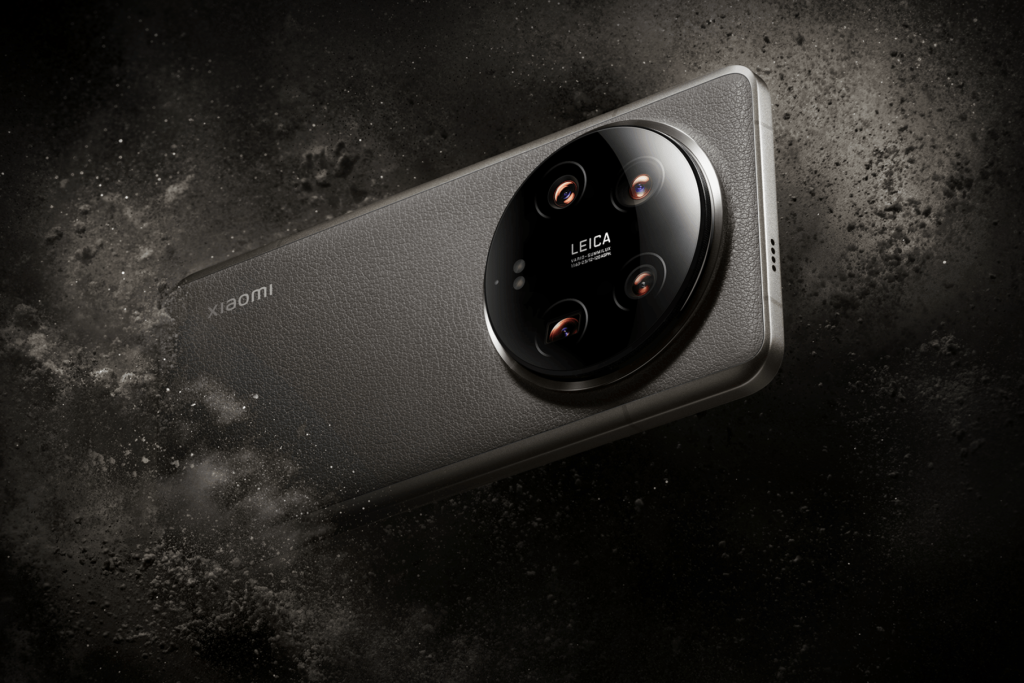
Tech giant Xiaomi has recently unveiled the official repair part prices for their top-of-the-line Xiaomi 14 Ultra Titanium Edition (Check out our full review of Xiaomi 14 Ultra). While the phone itself boasts impressive features like satellite communication and a luxurious design, getting it fixed out of warranty might burn a hole in your pocket.

Xiaomi-14-Ultra-Titanium-Special-Edition

Xiaomi 14 Ultra Titanium Edition Repair Costs

The most eye-watering cost comes from the motherboard replacement, clocking in at a staggering 3030 Yuan ($426). A cracked screen replacement isn’t much cheaper either, sitting at 1690 Yuan ($238). This is slightly steeper than the standard Xiaomi 14 Ultra’s screen repair cost of 1350 Yuan ($190).

Thankfully, other components like the battery and rear camera modules are more wallet-friendly. These prices only reflect the material cost, with an additional standard labor fee of 40 Yuan ($6) tacked on for each repair.

For those seeking a more granular breakdown, here’s a glimpse into the individual component costs:

  • Motherboard: 3030 Yuan ($426)
  • Sub-board: 50 Yuan ($7)
  • Display screen: 1690 Yuan ($238)
  • Rear Camera (Ultra-wide): 490 Yuan ($68)
  • Front Camera: 60 Yuan ($8)
  • Rear Camera (Wide-angle): 1000 Yuan ($139)
  • Speaker: 30 Yuan ($4)
  • Battery: 179 Yuan ($25)
  • Rear Camera (Telephoto): 180 Yuan ($25)
  • Back Cover: 290 Yuan ($40)

It’s important to note that if a single repair requires multiple parts, you’ll only be charged the highest labor fee once.

So, what justifies the premium on the Titanium Edition’s screen? While Xiaomi hasn’t explicitly stated the reason, it likely boils down to the phone’s luxurious build materials. Unlike the standard version, the Titanium Edition boasts a “higher-grade titanium” mid-frame for enhanced durability and a tech nano-leather back cover that’s supposedly six times more wear-resistant.

Xiaomi 14 Ultra debuted in China on February 22. Priced at 8799 Yuan ($1228), this special edition offers 16GB RAM, 1TB storage, and satellite communication support. It went on sale earlier this month.

RELATED:

Redmi Watch 4 gets voice assistant support with new update

Xiaomi’s Redmi Watch 4, released earlier this year, has gained an update that adds support for the Amazon Alexa voice assistant. The update (version 2.2.80) was first brought to our attention by a user on the Xiaomi subreddit.

With Alexa integration could enable Redmi Watch 4 users to perform various tasks through voice commands.  Users may be able to set timers and alarms, control compatible home automation devices, set reminders, and more.

Importantly, the discussion on Reddit suggests Alexa support on the Redmi Watch 4 may have regional restrictions. A user from the USA commented that despite receiving the update, the Alexa feature remains unavailable, prompting a message stating “not available in your region.”

Comment
byu/slimgus from discussion
inXiaomi

To test if Alexa works on your Redmi Watch 4, update the device software and attempt to use voice commands. If you’re unable to access the feature, it’s possible Alexa is not yet supported in your location.

Redmi Watch 4 Specifications

The Redmi Watch 4 features an aluminum alloy frame, accompanied by a stainless steel crown and a quick-release strap for user convenience.

The device is equipped with a 1.97-inch rectangular AMOLED display. Its LTPS 5Hz screen has a refresh rate of 60Hz and reaches a peak brightness of 600 nits. 

Redmi Watch 4 Amazon Alexa

The watch includes a 4-channel PPG sensor to monitor heart rate and blood oxygen. Additionally, it contains an accelerometer, gyroscope, and GPS functionality for tracking over 150 sports activities.

You get standard smartwatch features on the wearable, such as sleep monitoring, stress tracking, weather updates, a stopwatch, app notifications, and more. The watch also has a microphone and speaker for Bluetooth calling.

The device has a water resistance rating of 5 ATM. It houses a 470mAh battery with an estimated lifespan of up to 20 days under typical usage scenarios.

Related:

Watch: Compact Flagship ASUS Zenfone 10 Survive Durability Test

The ASUS Zenfone 11 launched globally earlier this month. With the latest offering, the Taiwanese brand moved away from the compact flagship, the Zenfone 10. Unless it is the standard iPhone, not many Android OEMs offer a compact device with top-of-the-line specifications. So, the Zenfone 10 remains your only option. If you are thinking about getting it, popular YouTuber JerryRigEverything (aka Zack Nelson) has done an intense durability test on the smartphone. 

ASUS Zenfone 10 survives durability test

The ASUS Zenfone 10’s display is equipped with Gorilla Glass Victus. It gets scratched at level 6 with deeper grooves at level 7 on the Mohs hardness scale. The device has an aluminium frame on all sides and it gets scratched in the scrape test. The back panel on the Zenfone 10 features a rubberized textured plastic that offers a good grip. However, it is easily prone to scratches with sharp objects. 

In the burn test, the Zenfone 10’s display withstands flame for about 30 seconds after which it succumbs to dead pixel. The YouTuber says that the damage is permanent. The side-mounted fingerprint scanner after getting additional scratches works slowly. 

Coming to the bend test, the ASUS Zenfone 10 survives getting snapped. However, we could notice a slight flex when it was bent from both sides with ample pressure. Notably, this is where the ROG Phone 8 Pro failed as its back glass panel was shattered completely. Zack adds that the Zenfone 10 could be the contender for the most repairable smartphone of the year because the plastic back panel is easier to open with a razor knife. 

Related:

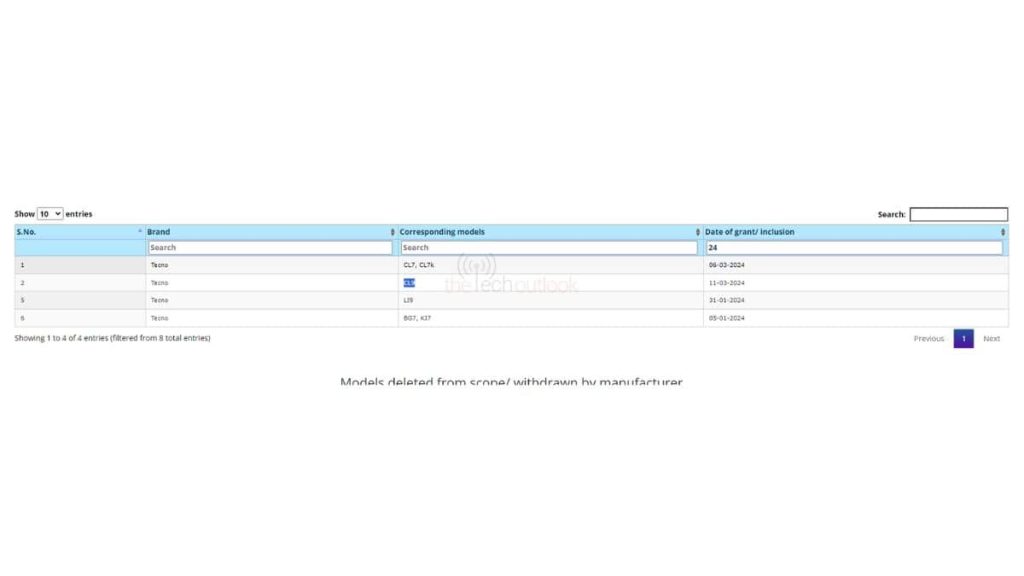
Tecno Camon 30 5G & Camon 30 Premier 5G headed to India, spotted on BIS database

Last month, Tecno showcased the Tecno Camon 30 series at MWC 2024. Out of the many models, the Camon 30 5G and Camon 30 Premier 5G have just got their BIS certification, hinting that their launch in India isn’t far off. Details on when exactly they’ll be available are still under wraps, but it’s clear Tecno plans to announce something pretty soon.

Tecno Camon 30 5G, Camon 30 Premier 5G specs:

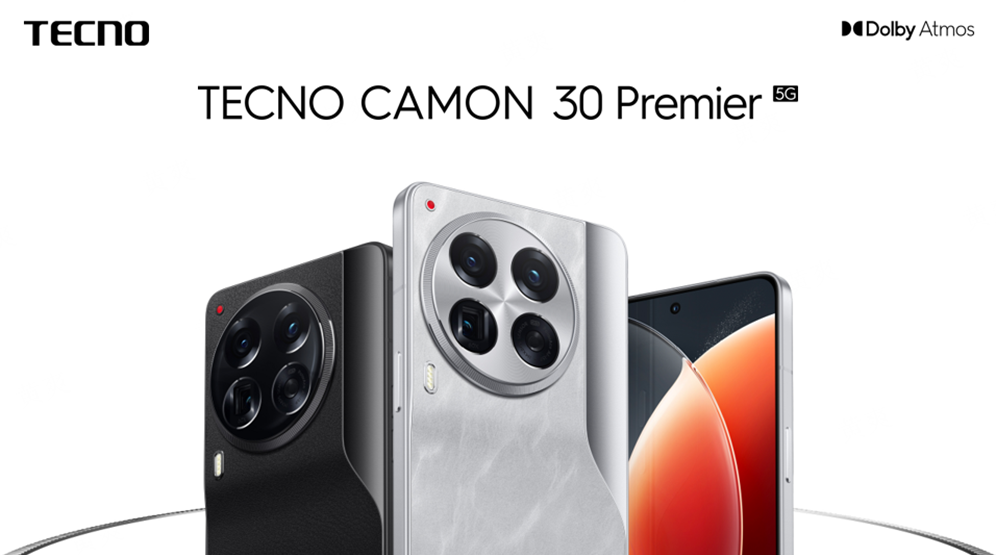
Tecno Camon 30 Premier 5G

The Camon 30 5G features a 6.78-inch AMOLED display, offering a Full HD+ resolution and a smooth 120Hz refresh rate. It’s equipped with a Dimensity 7020 SoC chip, 8GB of RAM, and 256GB of internal storage. It also comes with a big 5,000mAh battery that supports quick 70W charging. photography, it features a 50-megapixel front camera and an OIS-enabled 50-megapixel primary camera, a 2-megapixel depth sensor & an AI lens.

On the higher end, the Camon 30 Premier 5G has an LTPO AMOLED display, boasting a higher 1.5K resolution and 144Hz refresh rate. Under the hood, it has a Dimensity 8200 Ultra processor, 12GB of RAM, and up to 512GB of storage. Like the Camon 30 5G, it has a 5,000mAh battery with 70W fast charging. The camera setup is more advanced too, with three 50-megapixel sensors.

Both phones will come with the latest Android 14-based HiOS 14.

RELATED:

(via)

Xiaomi launches 4-in-1 multitasking floor cleaner, the Mijia Wireless Floor Scrubber 3 Pro

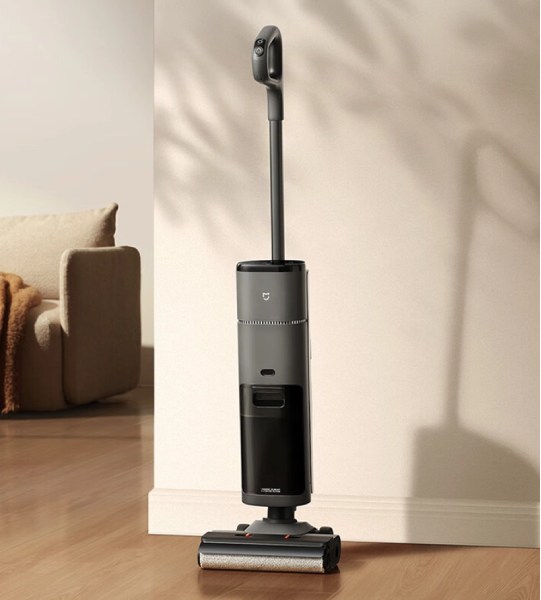
Xiaomi has launched its latest cleaning appliance, the Mijia Wireless Floor Scrubber 3 Pro. The new device enhances household cleaning with several innovative features designed for deep cleaning and user convenience. Let’s take a closer look at its key features.

Xiaomi Mijia Wireless Floor Scrubber 3 Pro Specifications

The Xiaomi Mijia Wireless Floor Scrubber 3 Pro offers exceptional flexibility, boasting a 180° flat-lying design and 48.5° twisting movement. 

This allows it to seamlessly maneuver even under low furniture (as low as 13cm). Xiaomi’s Superplana 2.0 technology ensures the separation of water vapor and keeps sewage out of the fan, preventing suction loss when the scrubber is lying flat. 

Xiaomi Mijia Floor Scrubber 3 Pro

Additionally, the scraper features a ‘comb tooth’ structure to collect stubborn dirt, hair, and pet hair, minimizing roller brush entanglement.

A notable highlight of this floor scrubber is its hot water self-cleaning feature. After cleaning, continuous hot air drying prevents the growth of bacteria that can occur with direct hot drying.

The Mijia Wireless Floor Scrubber 3 Pro takes cleaning to the next level with self-produced sterilizing water. Users can simply add tap water, and the built-in system electrolyzes it, eliminating the need for additional cleaning chemicals. This sterilizing water is used during the cleaning process, with 520 real-time flushes per minute for thorough sanitization.

Xiaomi designed the Mijia Wireless Floor Scrubber 3 Pro with a low center of gravity and built-in traction for effortless one-handed control. Its large LED screen delivers real-time device status, while clear voice prompts provide easy-to-follow operational guidance. 

To cater to different cleaning needs, the scrubber offers various modes, including standard, water absorption, sterilization, and enhanced mode.

Pricing and Availability

The Xiaomi Mijia Wireless Floor Srubber 3 Pro is now available for pre-sale in China via JD.com. It is currently available at an introductory price of 1,999 yuan (~ $281).

Related:

Redmi Note 13 Pro+ 5G Mystic Silver color variant revealed ahead of Xiaomi Fan Festival

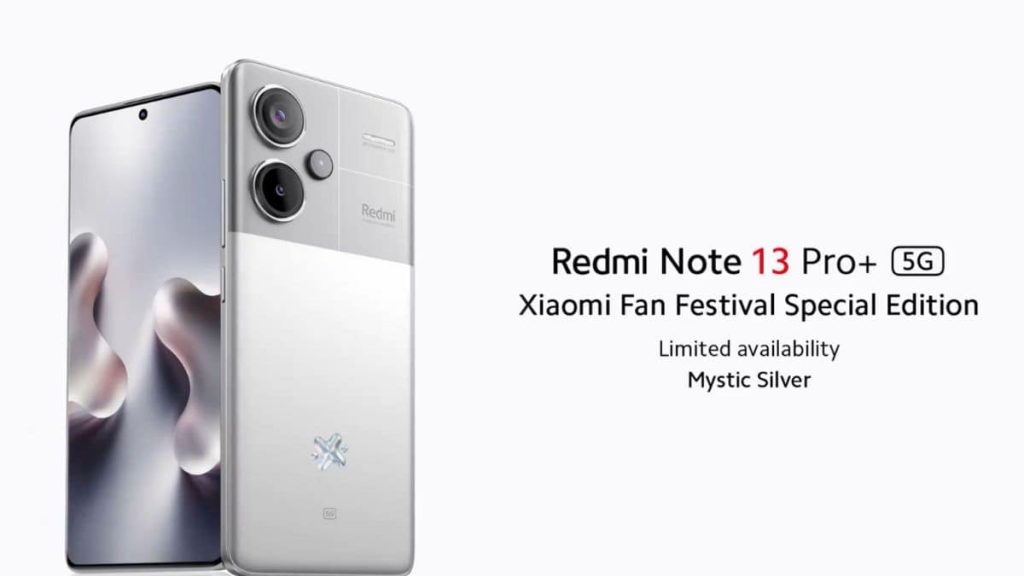
Xiaomi‘s 2024 Fan Festival is right around the corner where the brand will be releasing new color variants for the Redmi Buds 5 Pro, Redmi Watch 4, and the Redmi Note 13 Pro Plus 5G smartphone. Ahead of the festival, the brand has revealed what the new color option for the Note 13 Pro Plus 5G will look like.

Redmi Note 13 Pro Plus 5 Mystic Silver color option

As revealed in a recent teaser video on X, the new color option will be called Mystic Silver. As the name suggests, this new color option will come with a silver finish, giving the smartwatch a premium look. The back will also come with a new logo in the shape of an “X”. This new color variant will join the existing Fusion White, Fusion Black & Fusion Purple color options. That being said, Xiaomi has revealed that the availability of this new color option will be limited.

Redmi Note 13 Pro Plus 5G specs

The Redmi Note 13 Pro Plus 5G is equipped with a 6.67-inch curved AMOLED display, boasting a 1.5K resolution and a smooth 120Hz refresh rate. It runs on a MediaTek Dimensity 7200 Ultra chipset paired with the Mali G610 MC4 GPU. It offers up to 16GB of RAM and 512GB of storage. In the camera department, it features a 200MP main camera, an 8MP ultrawide lens, and a 2MP macro camera on the rear, with a 16MP selfie camera on the front. It is powered by a 5000mAh battery with support for 120W wired fast charging.

RELATED:

Google Pixel Watch 3 battery details revealed in new regulatory filing

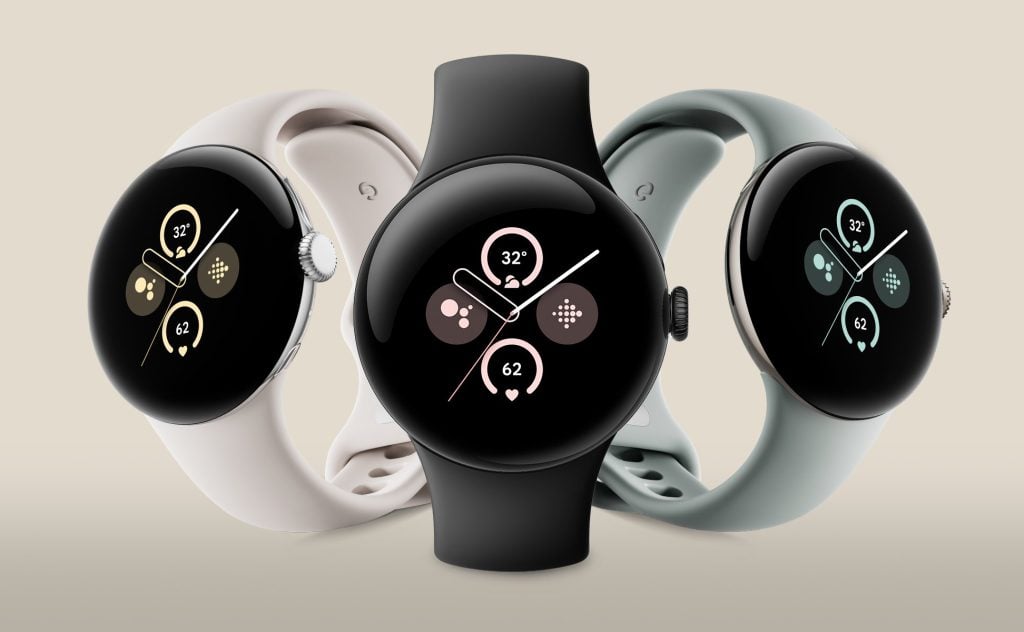
Google is currently working on new Pixel devices, including the rumored Pixel Watch 3 smartwatch. While there have been some leaks about the wearable, concrete details about it are still scarce. However, a recent certification has revealed the battery size of the Pixel Watch 3.

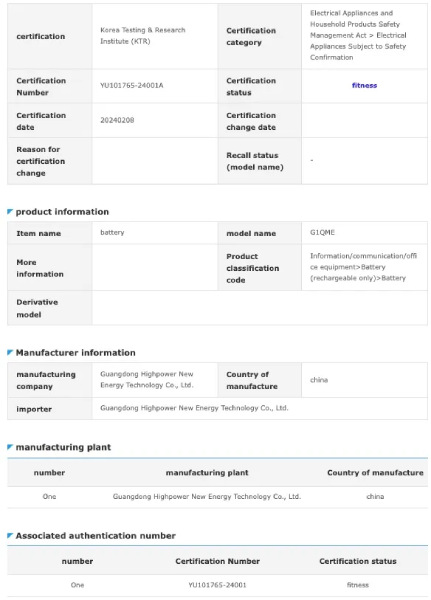
The smartwatch appeared in regulatory filings from Dekra and Safety Korea with the model number G1QME. While it’s not confirmed, the model number is said to be of the Pixel Watch 3.

According to these filings, the Pixel Watch 3 is expected to feature a 307mAh battery. This is just a 3mAh increase from the 304mAh battery found in the Pixel Watch 2 and a modest bump from the first-gen model’s 294mAh unit.

A previous rumor suggests that the Pixel Watch 3 may offer two size options, addressing a common complaint about previous models’ relatively small size. Google could be introducing a larger 45mm variant alongside the existing 41mm options to cater to users who found the previous sizes too compact.

Furthermore, there’s speculation that the Pixel Watch 3 will be powered by Qualcomm’s Snapdragon W5 Plus Gen 1 SoC. The new chip should deliver performance and battery efficiency gain over its predecessors. Combined with Wear OS optimization, this could mean a snappier user experience and more time between charges.

Google seems to be sticking with the circular watch face design for its third-generation wearable. Though the exact design remains under wraps, subtle tweaks are expected to differentiate it from its predecessors.

Details about the Pixel Watch 3 are still emerging, and we’ll keep you updated as more information becomes available.

Related:

Vivo V17s Diamond Orange color variant leaks, coming soon to India with increased RAM

Back in October 2023, Vivo launched the Y17s, a budget-range device with a Helio G85 chipset in the Indian market. Tipster Paras Guglani has now revealed that Vivo is gearing up to reignite interest in this device with the launch of a new color variant soon.

Vivo Y17s Diamond Orange

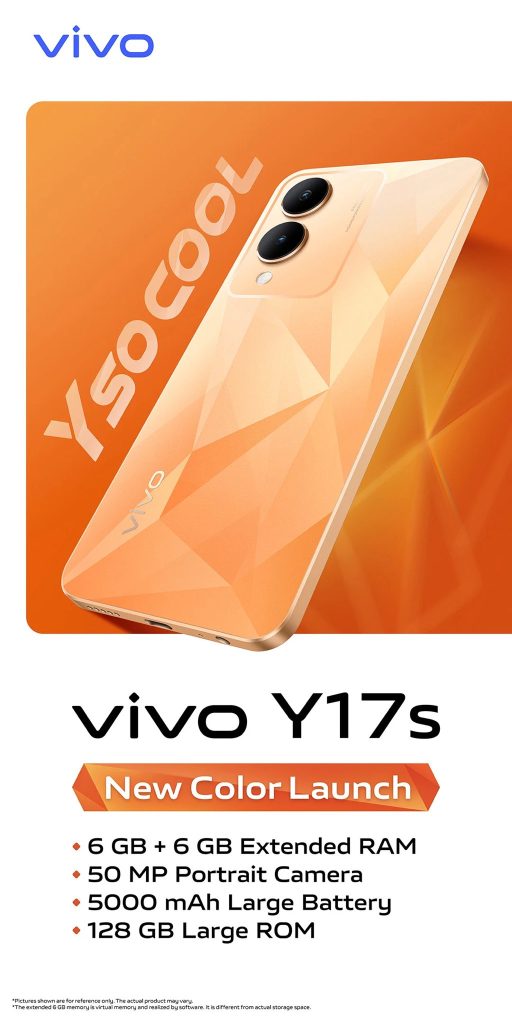
Paras mentioned that Vivo plans to launch a new color variant of the Vivo Y17s in India called “Diamond Orange”. This version will have 6GB of RAM and 128GB of storage, whereas the previous models, available in Mystic Green and Glitter Purple, were limited to 4GB of RAM. Paras also shared an image of this new color option, showing a diamond-patterned design on the rear with two camera sensors and an LED light. More details on the new color variant will likely be made available soon.

Vivo V17s specs:

The Vivo Y17s sports a 6.56-inch IPS LCD display with an HD+ resolution of 720 x 1612 pixels. It offers a standard 60Hz refresh rate and brightening up to 840 nits. It is powered by a MediaTek Helio G85 chipset, teamed with 6 GB of LPDDR4x RAM and 128 GB of eMMC 5.1 storage, expandable via a dedicated microSD card slot. As for software, it comes with Android 13-based FunTouch OS 13 out of the box.

For photography, it features an 8-megapixel front-facing camera, while the rear setup includes a 50-megapixel primary camera paired with a 2-megapixel bokeh lens. It has a 5,000mAh battery that supports 15W fast charging. Other than that, the phone offers dual SIM support, dual-band Wi-Fi, Bluetooth 5.0, GPS, a USB-C port, a 3.5mm audio jack, and boasts an IP54-rated chassis.

RELATED:

(Source)

Galaxy AI now rolling out for the Galaxy S23 series, Tab 9 series & 5th Gen foldables

Samsung debuted its One UI 6.1 as well as the Galaxy AI on the recently launched Galaxy S24 series smartphones. The brand promised to launch the Galaxy AI on older flagships in March, and it has kept that promise with new updates that are rolling out for the Galaxy S23 series smartphones as well as the Z Fold 5, Z Flip 5, and Tab S9 series.

Galaxy-AI update

Key AI features being rolled out are:

  • Chat Assist: This feature offers suggestions for improving grammar and phrasing while composing messages. It supports 13 different languages.
  • Circle to Search with Google: With this feature, you can circle an object or area on-screen to find more information.
  • Generative Edit: Users can remove unwanted elements from photos, reposition objects within images, and adjust perspectives for a more refined composition.
  • Instant Slow-Mo: This feature applies AI processing to convert standard videos into slow-motion footage.
  • Interpreter: Split-screen conversation mode assists in real-time communication between people who speak different languages.
  • Live Translate: Provides real-time translation for both voice calls and within supported messaging apps.
  • Note Assist: Summarizes text within the Samsung Notes app and can even apply certain formatting styles to the summary.
  • Transcript Assist: Works alongside the Samsung Voice Recorder app to transcribe audio and tag multiple speakers. It can also create summaries of these recordings.
  • Edit Suggestion: Offers personalized editing recommendations for photos.

The rollout of this update has already begun and will likely arrive on all eligible devices soon. If you haven’t received the OTA update notification yet, you can check for it manually by navigating to Settings > System updates > Check for system updates.

RELATED:

Android 14 Update Rolls Out for Moto G84 5G in India: Check Out the New Features

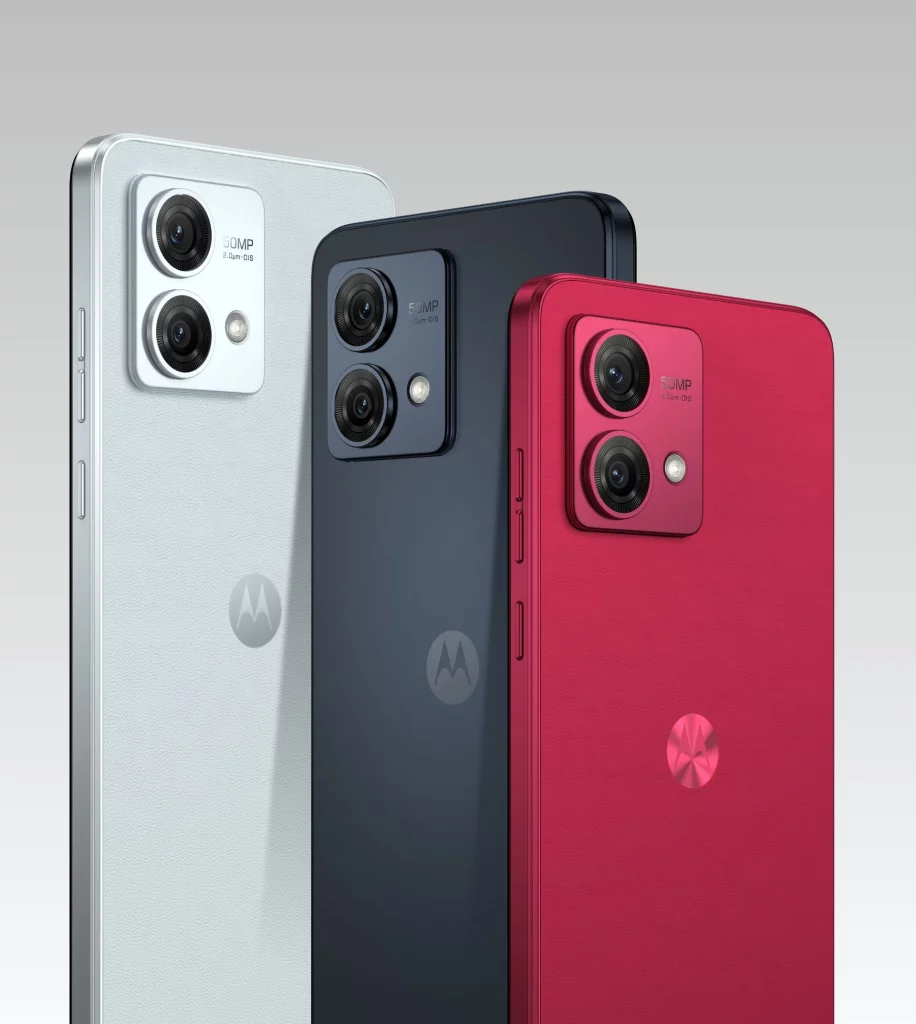
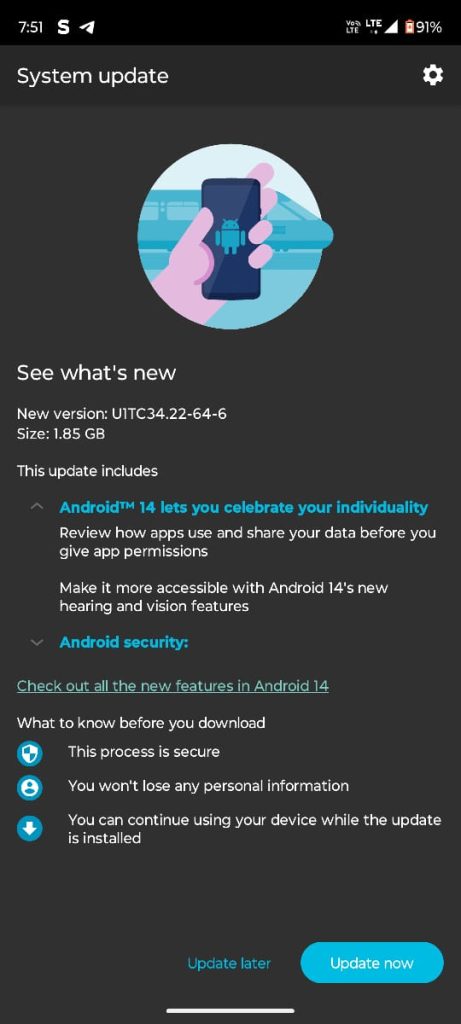
Motorola has begun updating its Moto G84 5G smartphones in India to Android 14 OS. The device made its debut last year with Android 13-based My UX onboard, so this is its first major update. The new software, version UTC34.22-64-6, is 1.85GB in size and includes the latest security patch from February 2024.

Moto G84

The update brings several new features focused on privacy and accessibility. Users can now choose which photos and videos apps can access, get alerts about apps sharing their location, and receive notifications if an unknown tracker is detected. These changes aim to give users more control over their personal information.

Moto G84 5G update

For better accessibility, the update includes a new feature that makes the phone flash for incoming notifications and improves options for magnifying content on the screen. It also introduces a centralized place for managing health data.

This Android 14 update for the Moto G84 5G is part of Motorola’s broader plan to update many of its smartphones, including the Razr 40 Ultra and several models from the Edge and Moto G series. You can check out the complete list here.

RELATED:

(via 12)

Upcoming Smartphones in April 2024: OnePlus, Huawei, Redmi, Samsung, and more

We have witnessed the launch of several smartphones since the start of 2024. The fourth month of the year won’t be any different as a handful of phones are expected to go official.

Most of the below-listed devices have been officially confirmed by the brands. A total of 8 brands are anticipated to debut new handsets.

Nearly all of them are ‘brand new.’ However, some are already official and will be making their way to important markets.

The brands that will announce new phones are OnePlus, Realme, Huawei, Motorola, Samsung, Redmi, iQOO and Infinix. These companies will unveil devices in China, India, and other markets.

Let’s check out these products one by one.

Upcoming Smartphones in April 2024

1. OnePlus Nord CE 4

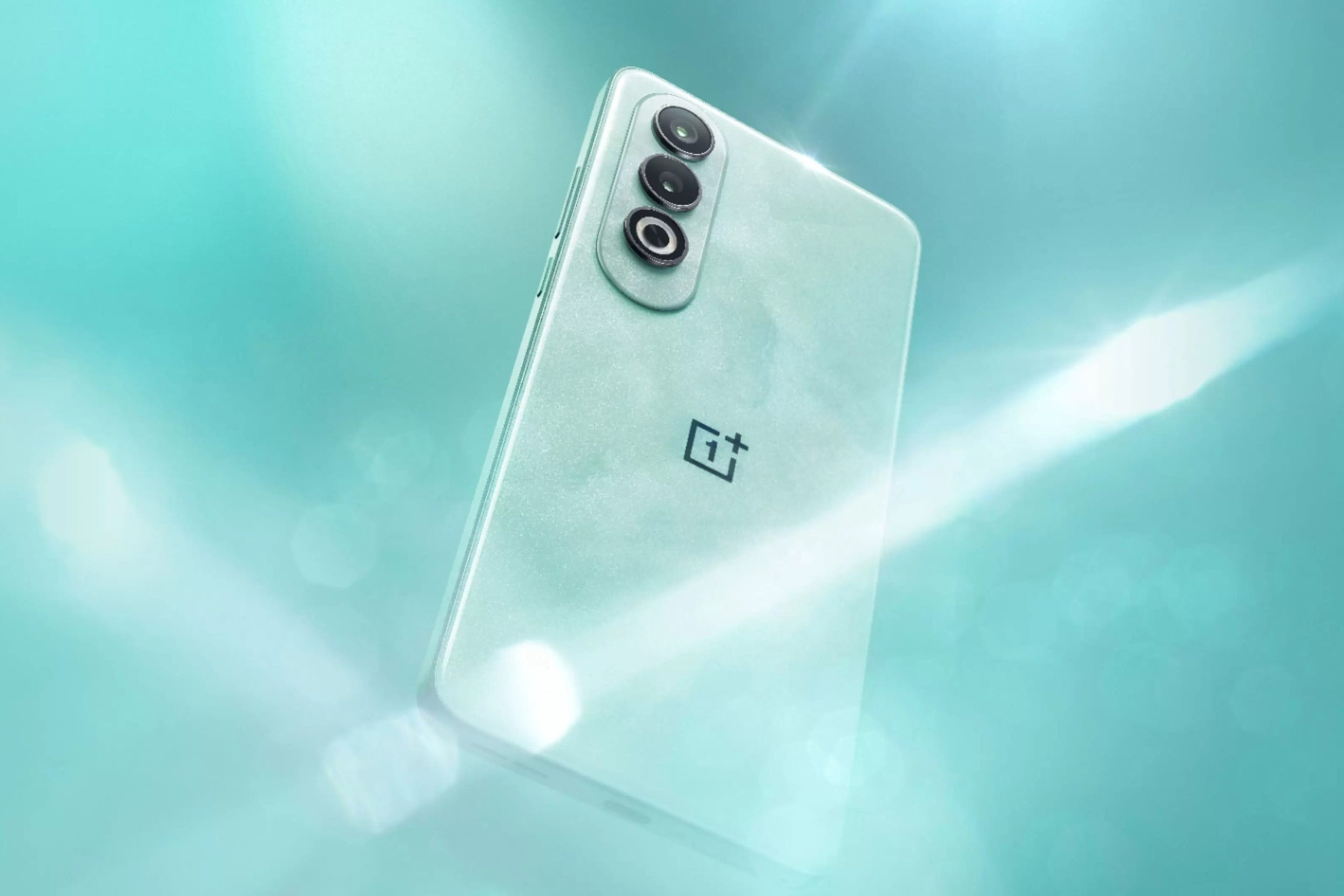
OnePlus Nord CE 4
OnePlus Nord CE 4

The OnePlus Nord CE 4 is scheduled to launch in India on April 1 (Monday). It will be announced at 6:30 PM IST.

The device resembles the recently released OnePlus Ace 3V but offers downgraded specs. It is tipped to be priced at ₹24,999 competing directly with the Nothing Phone 2a.

The handset will arrive with a 6.7-inch 120Hz AMOLED display, a Qualcomm Snapdragon 7 Gen 3 chip, a 50MP Sony LYT-600 main camera, a 5,500mAh battery, and 100W wired charging support.

2. Realme 12x 5G

Realme 12x 5G

The Realme 12x 5G is set to launch in India on April 2 (Tuesday). It will be made official at 12 PM IST.

The product is already on sale in China, and therefore, everything about is already known. In fact, the brand has even confirmed that it will start below ₹12,000 in India.

The phone will come with a 6.72-inch FHD+ 120Hz display (LCD), a MediaTek Dimensity 6100 Plus chipset, a 50MP primary camera, air gestures, a 5,000mAh battery, and 45W wired charging support.

3. Huawei P70 Series

Huawei-P70-Series-Launch-Date

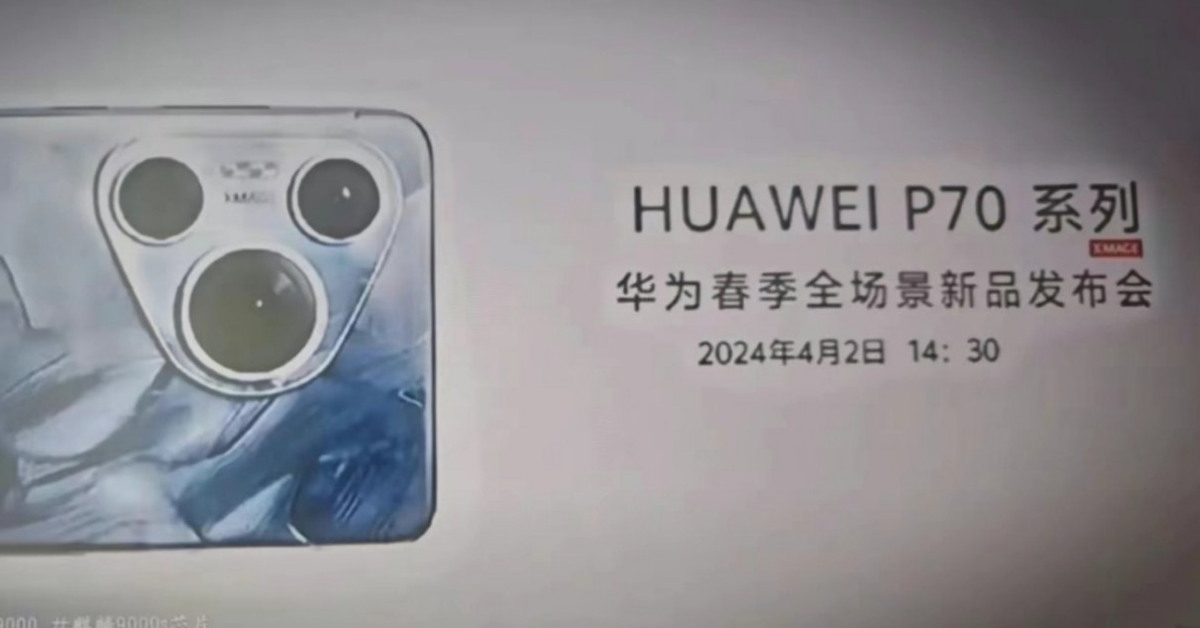
As per a leak, the Huawei P70 series could go official on April 2 (Tuesday). It may be announced at 2:30 PM GMT+8.

The lineup is said to include four models, namely Huawei P70, Huawei P70 Pro, Huawei P70 Pro Plus, and Huawei P70 Art. All of them will be powered by HiSilicon Kirin 9000S chip and support 5G connectivity.

The Pro Plus and Art are tipped to sport a 1-inch 50MP Sony IMX989 main camera. Whereas, the vanilla and Pro variants will sport a 1/1.3-inch 50MP OmniVision OV50H primary sensor.

All four devices are said to support 88W wired charging. Additionally, the standard version will support 50W wireless charging as opposed to 80W wireless charging on the rest.

4. Motorola Edge 50 Series

Motorola Edge 50 Pro

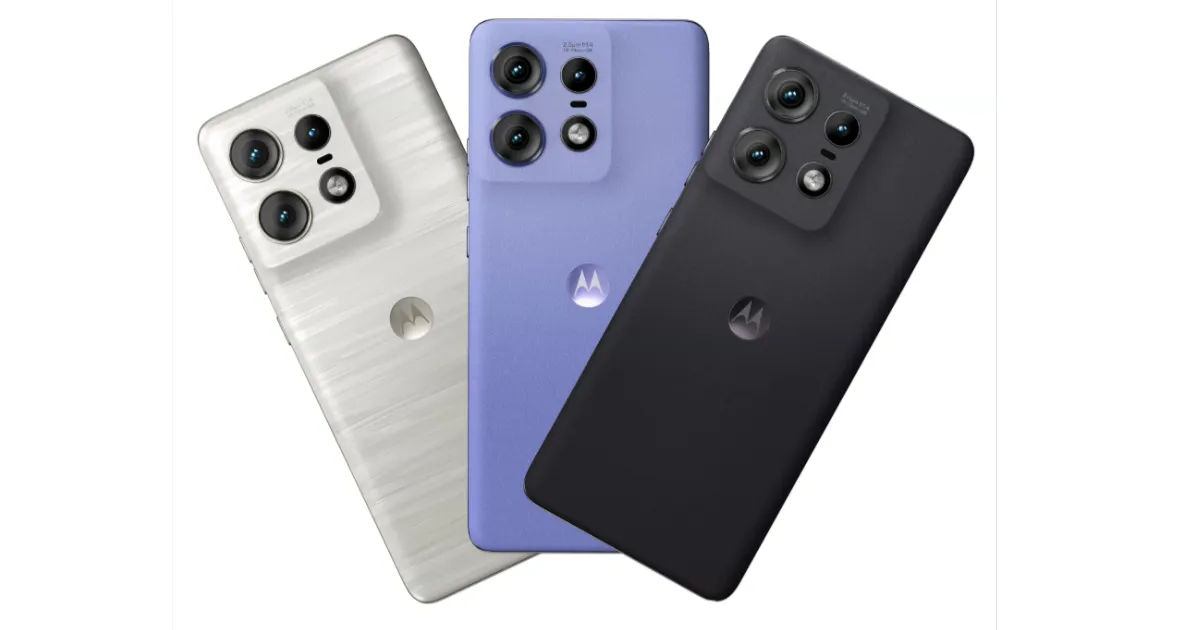
The Motorola Edge 50 series is scheduled to launch on April 3 (Wednesday). The lineup will consist of at least three products, namely Edge 50 Fusion, Edge 50 Pro, and Edge 50 Ultra.

The Edge 50 Fusion will come with an FHD+ display, while the Edge 50 Pro and Edge 50 Ultra will sport 1.5K displays. All three of them will feature OLED panels and an IP68 rating for dust and water resistance.

The trio will be powered by Qualcomm mobile platforms. The Fusion, Pro, and Ultra devices will house Snapdragon 6 Gen 1, Snapdragon 7 Gen 3, and Snapdragon 8s Gen chipsets, respectively,

The Fusion will be limited to dual cameras (wide and ultrawide) instead of triple cameras (telephoto) on Pro and Ultra.

5. Realme C65

Realme C65

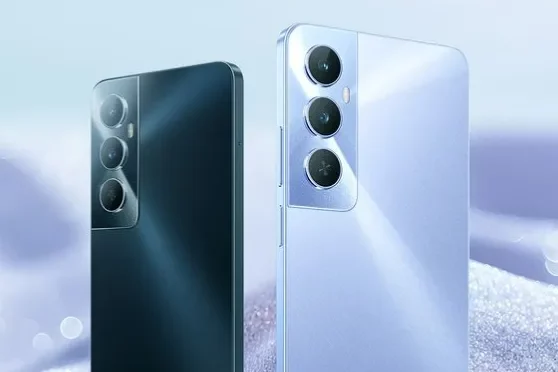
The Realme C65 will be unveiled in Vietnam on April 4 (Thursday). Its design will be somewhat similar to the Galaxy S22.

Not much is known about this product. As per certifications, it will be backed by a 5,000mAh battery and support 45W wired charging.

The phone will boot Android 14 and will feature a 50MP main camera.

6. Realme GT Neo 6 SE

Realme GT Neo 6 SE live shot 2

The Realme GT Neo 6 SE is expected to launch in China in April. The main highlights of this handset will be its display and chip.

The smartphone will flaunt a 6.78-inch 1.5K (2780 x 1264 pixels) LTPO  OLED panel with up to a 120Hz refresh rate and 6000 nits peak brightness level. Under the hood, it will house a Qualcomm Snapdragon 7 Plus Gen 3 SoC.

The product will arrive with a 50MP Sony primary camera and a 5,500mAh battery with support for 100W wired charging.

7. Redmi Note 13 Turbo

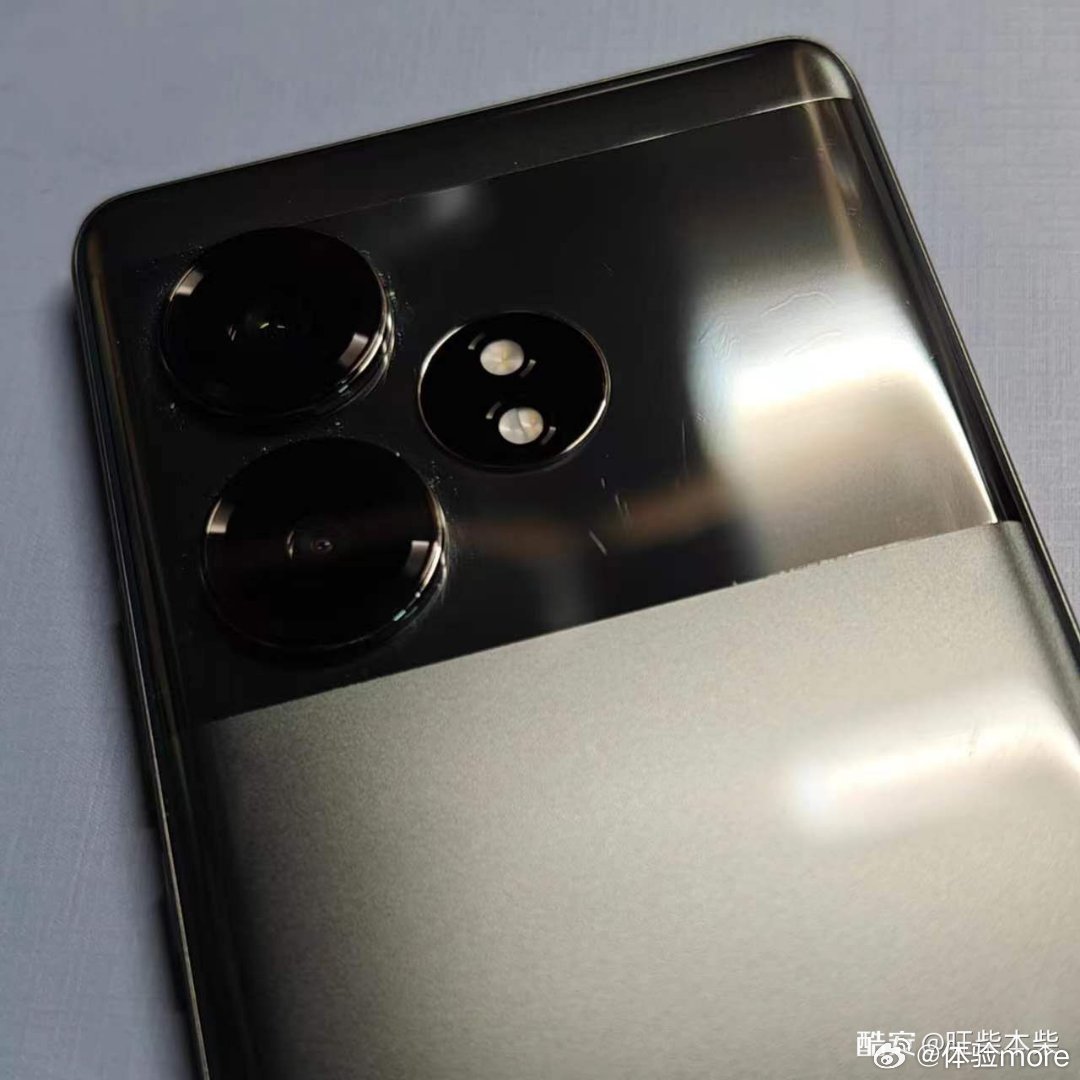
Redmi Note 13 Turbo front design

The Redmi Note 13 Turbo is anticipated to release in China in April. This handset could launch globally as Poco F6 later.

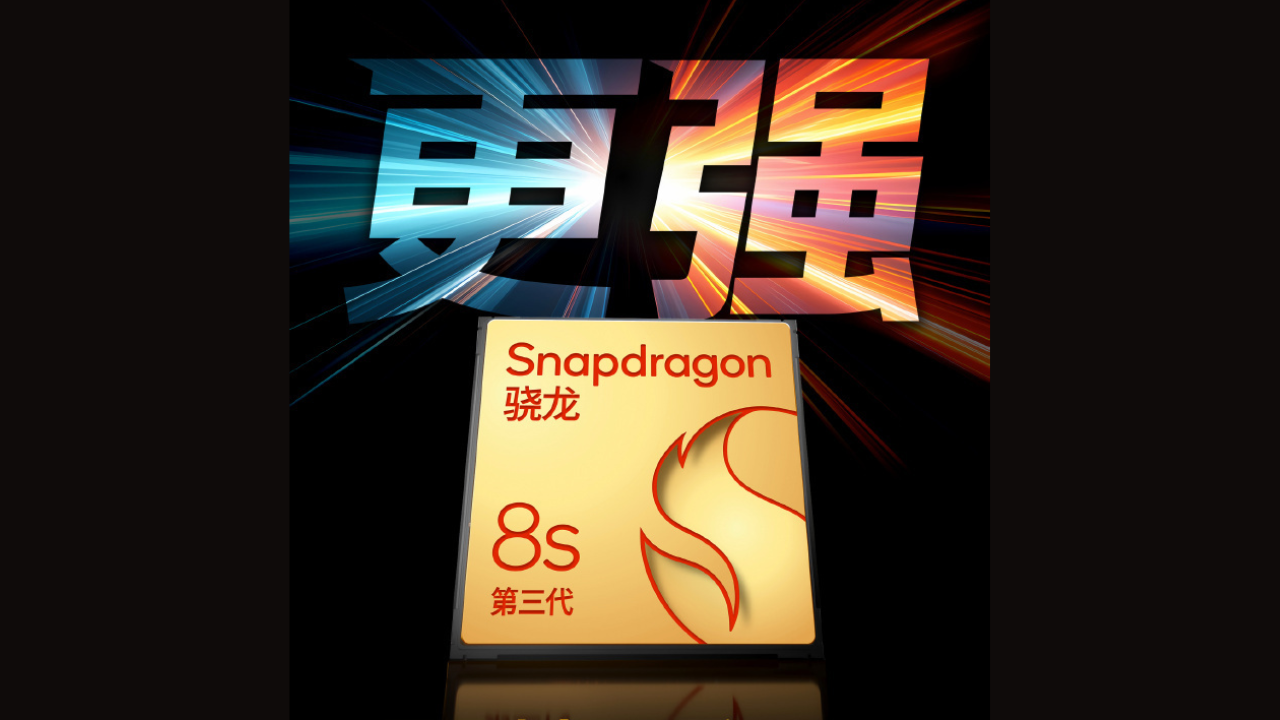
The phone will be powered by a Qualcomm Snapdragon 8s Gen 3 mobile platform. It will carry support for 90W wired charging.

Finally, it is expected to come with a 50MP Sony IMX882 main camera, an 8MP Sony IMX355 ultrawide unit, and a 2MP macro snapper.

8. iQOO Z9 Series

iQOO Z9 Series Announcement

The iQOO Z9 series is confirmed to go official in China in April. The lineup will consist of iQOO Z9, iQOO Z9x, and iQOO Z9 Turbo.

The Turbo model will house a Snapdragon 8s Gen 3 chip. Whereas the vanilla and x variants will feature Snapdragon 7 Gen 3 and Snapdragon 6 Gen 1 chipsets, respectively.

Lastly, the iQOO Z9 Turbo is tipped to offer a 1.5K flat OLED display and a 6,000mAh battery.

9. Samsung Galaxy M15 and Galaxy M55

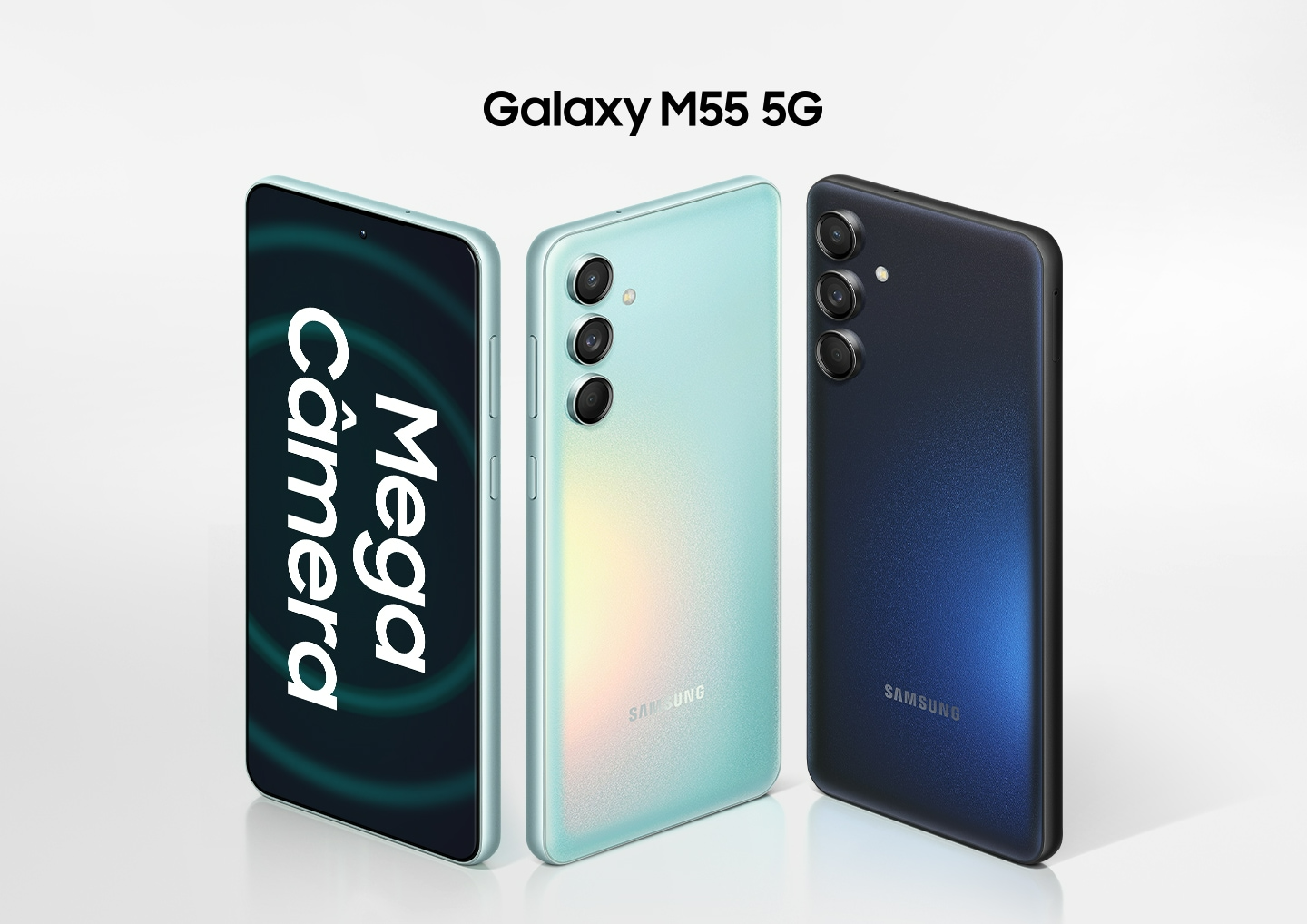
Samsung Galaxy M55
Samsung Galaxy M55

Samsung is teasing to launch the Galaxy M15 and Galaxy M55 in India in April. As of writing this article, the company hasn’t revealed the launch date.

Since both products are already official in some markets, their specs are known.

The Galaxy M15 comes with a 6.5-inch FHD+ 90Hz AMOLED display, a Dimensity 6100 Plus chipset, a 50MP (wide) + 5MP (ultrawide) + 2MP (macro) triple camera setup, a 13MP selfie camera, a 6,000mAh battery, and 25W charging speed.

On the other hand, the Galaxy M55  is Samsung’s first smartphone with a Qualcomm Snapdragon 7 Gen 1 SoC. It arrives with a 6.7-inch FHD+ 120Hz AMOLED display, a 50MP (wide) + 8MP (ultrawide) + 2MP (macro) triple camera system,  a 50MP selfie camera, a 5,000mAh battery, and 45W charging support.

10. Infinix Note 40 Pro 5G Series

Infinix Note 40 Pro

Recently, the Infinix Note 40 Pro 5G series was unveiled globally. These devices, namely Infinix Note 40 Pro 5G and Infinix Note 40 Pro Plus 5G are confirmed to launch in India in April.

These products support 20W magnetic wireless charging tech called magCharge. They are powered by the same MediaTek Dimensity 7020 chipset.

They come with a 6.78-inch FHD+ 120Hz AMOLED display and a 108MP primary camera. Lastly, the Pro Plus variant will support 100W wired charging compared to 45W wired charging on the Pro.

RELATED: