Advertisement

These Samsung Galaxy smartphones will receive Android 15 based One UI 7 update

With Google‘s initial developer preview of Android 15, Samsung Galaxy device owners may be naturally curious about whether their phones and tablets will be among those receiving the update. While an official list won’t be available for some time, we can make some informed predictions about device eligibility.
Samsung Galaxy Android 15 One UI 7 update

Google is expected to finalize Android 15 around July 2024. Samsung will then integrate its upcoming One UI 7 into the new Android version, likely taking a couple of additional months. This means there’s still a significant wait before any Galaxy devices start receiving the software update.

Which Galaxy Devices Are Likely To Get Android 15?

Though there’s not a definitive list on which device will get the update, Samsung has promised the update durations for most of its devices. 

So we can make a good guess on which Samsung devices will get Android 15-based One UI 7 updates. Folks over at SamMobile have curated the list of these devices which are listed below:

Galaxy S series

  • Galaxy S24 Ultra
  • Galaxy S24+
  • Galaxy S24
  • Galaxy S23 Ultra
  • Galaxy S23+
  • Galaxy S23
  • Galaxy S23 FE
  • Galaxy S22 Ultra
  • Galaxy S22+
  • Galaxy S22
  • Galaxy S21 FE
  • Galaxy S21 Ultra
  • Galaxy S21+
  • Galaxy S21

Galaxy Z series

  • Galaxy Z Fold 6
  • Galaxy Z Fold 5
  • Galaxy Z Flip 6
  • Galaxy Z Flip 5
  • Galaxy Z Fold 4
  • Galaxy Z Flip 4
  • Galaxy Z Fold 3
  • Galaxy Z Flip 3

Galaxy A series

  • Galaxy A73
  • Galaxy A72
  • Galaxy A54
  • Galaxy A53
  • Galaxy A34
  • Galaxy A33
  • Galaxy A25
  • Galaxy A24
  • Galaxy A23
  • Galaxy A15 (LTE+5G)
  • Galaxy A14 (LTE+5G)

Galaxy Tab series

  • Galaxy Tab S9 FE+
  • Galaxy Tab S9 FE
  • Galaxy Tab S9 Ultra (Wi-Fi/5G)
  • Galaxy Tab S9+ (Wi-Fi/5G)
  • Galaxy Tab S9 (Wi-Fi/5G)
  • Galaxy Tab S8 Ultra (Wi-Fi/5G)
  • Galaxy Tab S8+ (Wi-Fi/5G)
  • Galaxy Tab S8 (Wi-Fi/5G)

Galaxy F series

  • Galaxy F54
  • Galaxy F34
  • Galaxy F15

Galaxy M series

  • Galaxy M54
  • Galaxy M34
  • Galaxy M53
  • Galaxy M33
  • Galaxy M15

The list remains speculative until Samsung’s official announcement, likely around August or September 2024. We will continue to provide you updates as it becomes available.


Apple reportedly considering Baidu AI for iPhone 16 in China

Tech giant Apple is in talks with Chinese internet giant Baidu to integrate Baidu’s Ernie Bot, a large language model (LLM), into its iPhone 16 and other products specifically for the Chinese market, according to a report from Cailian Press. This move comes amid Apple’s efforts to comply with China’s stricter regulations on AI-generated content.

Baidu AI

Baidu Stock Soars on Potential Apple Deal

The report suggests Apple will leverage Ernie Bot for its iOS 18 operating system and Mac OS in China. Apple reportedly discussed with other Chinese firms like Alibaba and a Tsinghua University-affiliated AI company before choosing Baidu.

Apple is likely sticking to its in-house AI model or Google’s Gemini outside of China but opting for a locally developed solution within the mainland to ensure adherence to Chinese regulations.

The news comes on the heels of Apple CEO Tim Cook’s visit to China, where he reaffirmed Apple’s commitment to the market and met with key suppliers. Tim Cook praised Chinese suppliers for their strides towards carbon neutrality.

Cook announced plans to expand Apple‘s research center in Shanghai and establish a new applied research lab in Shenzhen. This focus on China comes as iPhone sales there have dipped 24% year-on-year (Counterpoint Research), likely due to competition primarily from Huawei.

The potential partnership aligns with Samsung’s strategy. Samsung uses Google’s Gemini AI globally but incorporates Baidu’s Ernie into its latest Galaxy S24 series in China for its “Circle to Search” feature.

However, both Apple and Baidu face growing regulatory hurdles. China has established detailed regulations governing domestic generative AI services, ensuring compliance with government-approved content.

The news of a potential Apple-Baidu partnership sent Baidu shares soaring by 6% in Hong Kong. Analysts see this as a potential win for Baidu, not just for branding its Ernie Bot, but for accelerating its AI monetization efforts and gaining an edge over Chinese competitors.

Apple has also officially announced its Worldwide Developers Conference (WWDC) 2024 dates, which will take place virtually from June 10th to 14th. The company is expected to announce the iOS 18 with generative AI features. There’s also speculation that Apple may unveil an AI App Store at WWDC 2024, potentially representing a shift in its AI strategy by offering a platform for various AI apps from different developers, including its own upgraded Siri and offerings from competitors like Google and Baidu.

RELATED:

(Via)

Xiaomi is now entering OLED key component manufacturing

Xiaomi has partnered with Lumilan, a company specializing in the R&D, manufacturing, sales, and service of new OLED materials. As DCS notes, Xiaomi is aiming to polish the underlying technology of display materials by participating in research and development of key OLED materials. So, Xiaomi is not going to manufacture the end product or the display panels themselves, at least for now.

Xiaomi’s joint venture aims to improve the underlying display technology

We are already seeing a number of display manufacturers like BOE crafting great OLED panels that are getting brighter and brighter. An investment in underlying technologies could contribute to overcoming certain limitations and improving the end product even further.

For this purpose, Xiaomi launched “Xiaomi-Lumilan OLED Key Materials and Devices Joint Laboratory” in Ningbo, one of the industrial centers in China.

In the unveiling ceremony of the joint laboratory, Wu Cangzhi, general manager of Xiaomi’s mobile phone display and touch department, said: “Xiaomi’s goal in the new decade is to invest heavily in underlying core technologies and strive to become a global leader in new generation hard-core technology” (machine translation). He expects to consolidate Xiaomi’s underlying technology in the field of display materials with this latest development. He also noted that this joint venture with Lumilan will focus on the pain points of the OLED industry and strive to improve the performance of display products.

Chairman of OLED manufacturer Lumilan noted, “Lumilan will work closely with Xiaomi, starting from the Xiaomi-Lumilan OLED key materials and devices joint laboratory.” They are aiming to overcome the existing technological bottlenecks in the OLED display industry.

Related:

(via)

Infinix Note 40 Pro 5G series to be Android’s first magnetic wireless charging phones in India

Infinix Note 40 Pro series is scheduled to launch in April in India. Its landing page, available on Flipkart, has already mentioned some of the key specifications that will be available on the upcoming Note 40 Pro 5G and Note 40 Pro+ 5G smartphones. Just as the brand focused on offering versatile and faster charging capabilities on the Note 30 series last year, the Note 40 series is also expected to offer a top-notch charging experience.

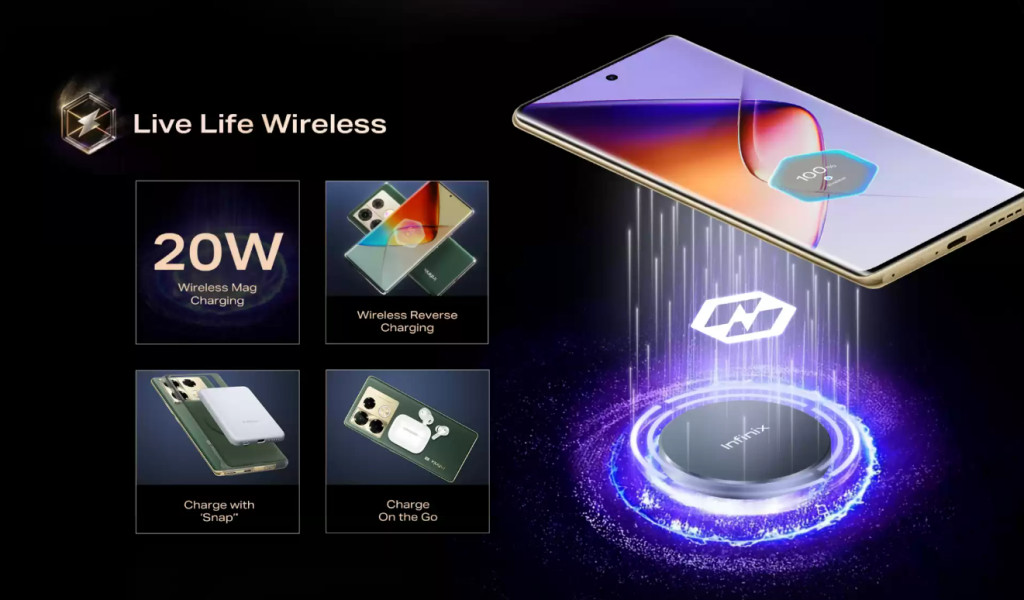
Infinix Note 40 series offers 20W magnetic wireless charging

Infinix Note 40 series 20W magCharge wireless charging
Infinix Note 40 series supports 20W magCharge wireless charging

Magnetic wireless charging offers a stable connection, enabling faster and more efficient charging. On the other hand, traditional wireless charging utilizes induction technology, necessitating precise placement of devices on a charging pad to initiate the charging process. While both methods eliminate the need for cables, magnetic wireless charging often provides a more seamless and user-friendly experience due to its secure attachment mechanism and faster charging capabilities.

So far, Apple has been offering magnetic wireless charging with the MagSafe charging branding on its smartphones since the iPhone 12 series, which debuted in 2020. Android phones currently lack this feature, but it appears that the upcoming Infinix Note 40 series will be the first commercially available Android phones to offer support for it.

The Flipkart page indicates that the Note 40 series will feature 20W MagCharge wireless charging. Additionally, the Note 40 models will support reverse wireless charging, allowing users to charge other devices like phones, earbuds, and other compatible devices. In addition, the Note 40 models will come equipped with Cheetah X1, a dedicated chip for power management.

The Note 40 series also includes 4G versions of the Note 40 and Note 40 Pro. It appears that these devices will not make it to the Indian market. Instead, only the Dimensity 7020-powered 5G models, such as the Note 40 Pro and Note 40 Pro+, will be released in the country.

RELATED:

Lenovo ThinkBook X AI 2024 China launch teased with a sleek & lightweight stainless magnesium design

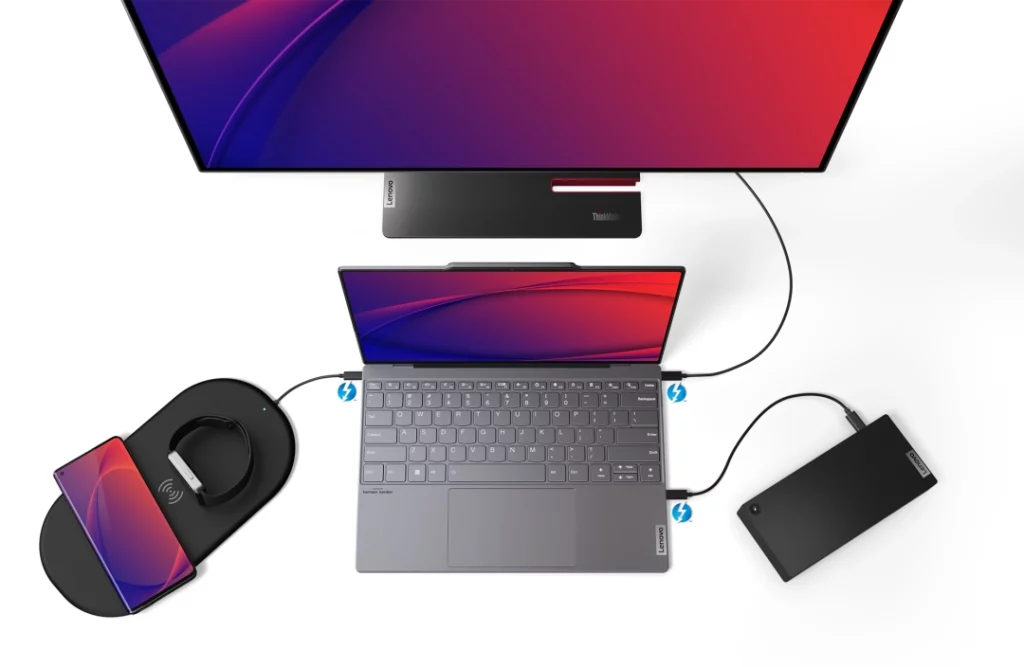
Lenovo has officially teased the launch of the new ThinkBook X AI 2024 in China. The new notebook is the company’s latest thin and light model, which it claims is the world’s first stainless magnesium alloy laptop. It was first unveiled during the CES 2024 event as the ThinkBook 13x Gen 4. So let’s have a look.

Lenovo ThinkBook X AI 2024 Launch Teaser

Lenovo ThinkBook X AI 2024

The Chinese PC maker just shared a teaser that confirms that the ThinkBook X AI 2024 will launch in the region soon. It sports a 13.5-inch display that offers a 2.8K resolution, 120Hz refresh rate, and a 3:2 aspect ratio. Under the hood, the laptop is equipped with the Intel Core Ultra 9 processor, which is paired with 32GB of LPDDR5X RAM and up to 2TB of internal storage.

Thanks to its stainless magnesium alloy design, it weighs just 1 kilogram in weight and measures an ultra thin 12.9mm body. A large 74Whr battery pack powers the Lenovo ThinkBook X AI 2024 that promises to offer 21 hours of continuous video playback. Connectivity options include 3 Thunderbolt 4 interfaces and a 3.5mm audio jack. The notebook also houses a quad Harman Kardon speaker setup.

Lenovo ThinkBook X AI 2024

This model is expected to run on the Windows 11 operating system. Based on what we know so far, the laptop supports Bluetooth 5.2, a fingerprint reader on the power button, an FHD webcam with an IR sensor, a Kensington lock slot, a camera privacy shutter, and WiFi 6E. Lenovo is set to launch in the Chinese market soon, so stick around for more updates.

RELATED:

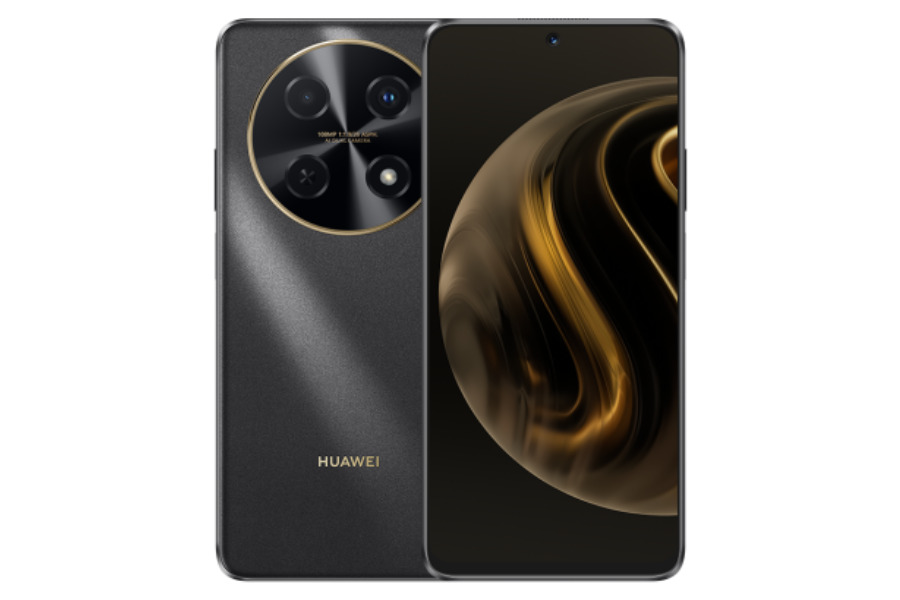
Huawei Nova 12 series launched with eye-catching design & Snapdragon chips in Malaysia

Huawei debuted the all-new Nova 12 series of smartphones in Malaysia. The latest lineup includes the Nova 12s, Nova 12 SE, and Nova 12i, which were unveiled in the Mexican market earlier this week. So here’s everything you need to know about their specs, pricing, and more.

Huawei Nova 12 Series: Design & Display

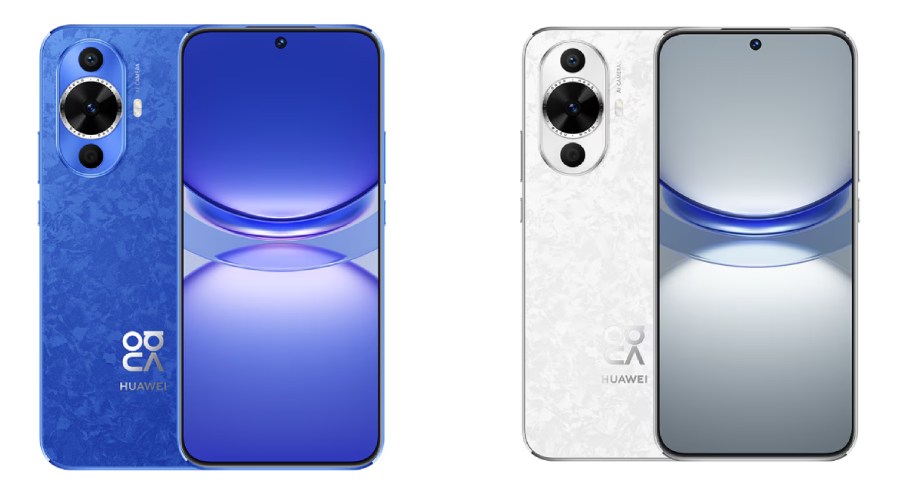
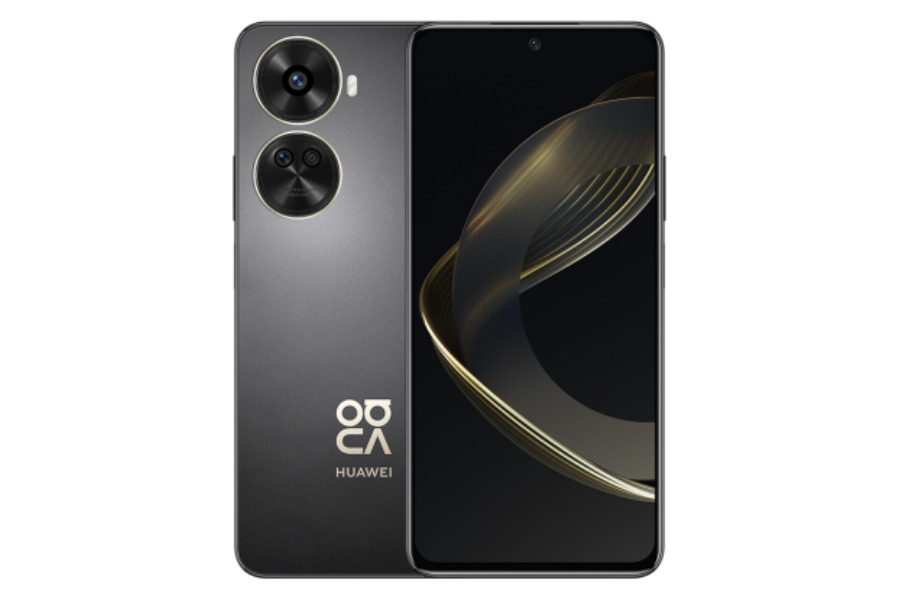
The design is the most highlighting aspect of all three models. The Chinese tech giant is offering a premium design on the Nova 12 series despite these being mid-range smartphones. Huawei’s new Nova 12s features a unique fashion-inspired print texture on the back along with an oval-shaped camera module. Meanwhile, the Nova 12 SE features two circular modules for the triple cameras, and the Nova 12i has a single large round camera island for its image sensors.
Both the Nova 12s and Nova 12 SE sport OLED displays. The Nova 12s has a 6.7-inch panel that offers up to 120Hz refresh rate, 300Hz touch sampling rate, Full HD+ resolution, and 1.07 billion colors; while the Nova 12 SE features a 6.67-inch screen with a 90Hz refresh rate, 270Hz touch sampling rate, Full HD+ resolution, and 1.07 billion colors. Lastly, the Huawei Nova 12i arrives with a 6.7-inch LCD panel that offers adaptive refresh rates of 30, 60, and 90Hz refresh rates, 270Hz touch sampling rate, and Full HD+ resolution.

Huawei Nova 12 Series: Specifications

The brand is equipped with the Nova 12 series with Snapdragon processors. Huawei Nova 12s is equipped with the Qualcomm Snapdragon 778G SoC that is paired with 8GB of RAM and 256GB of internal storage. It is powered by a 4,500mAh battery pack that supports 66W wired fast charging support. In just 15 minutes, the Nova 12s can be powered up to 62 percent. This model runs on the EMUI 14 out of the box. For photography, the device features a 50-megapixel primary camera that is paired with an 8-megapixel ultra wide angle lens and laser focus sensor. The front houses a 60-megapixel selfie shooter.

Other notable features include stereo speakers, an in-display fingerprint scanner, WiFi 6, Bluetooth 5.2, NFC support, ultra thin 6.88mm thickness, and a lightweight 168 grams design. Both the Nova 12 SE and Nova 12i feature the Snapdragon 680 SoC that is paired with 8GB of RAM and 256GB of internal storage. These models also run on the EMUI 14. The former is powered by a 4,500mAh battery pack that supports 66W fast charging while the latter is powered by a 5,000mAh battery pack that supports 40W wired fast charging.

Huawei Nova 12 SE features a triple camera setup that consists of a 108-megapixel primary sensor, an 8-megapixel ultra wide angle lens, and a 2-megapixel macro shooter. The front facing camera is a 32-megapixel shooter. On the other hand, the Nova 12i has a dual camera setup with a 108-megapixel main and 2-megapixel depth sensor. The front houses an 8-megapixel selfie shooter. The two devices support WiFi 5, NFC, and Bluetooth 5.0.

Huawei Nova 12 Series: Pricing & Availability

The Huawei Nova 12s is the most expensive out of the three and has a price tag of RM1,999 (roughly 422 US Dollars), while the Nova 12 SE and Nova 12i are available for RM1,499 and RM1,299 (roughly 317 and 275 US Dollars). As of right now, the devices are listed for pre-orders on the Huawei store on Shopee and Lazada. Those who pre-order Nova 12s till April 12 get a free Huawei Watch GT 3 SE and a gift pack worth RM988. The Nova 12i won’t be available for pre-orders, but hit the shelves on April 20. Early buyers also get a free Huawei Band 8 and gift packs worth RM308.

RELATED:

PS5’s Community Game Help will let you Contribute with recorded Clips

Game Help, a part of the PlayStation 5 console experience is about to be improved as Sony is working on an enhancement called ‘Community Game Help’. Game Help was introduced in 2020 with the launch of the PlayStation 5, that offers easy access to hints, tips, and walkthrough videos to help gamers progress through levels without needing to go elsewhere.

Community Game Help

Currently, game developers provide hints and walkthrough videos. As you may have already guessed, “Community Game Help” means hints and clips from fellow creators, that will be labeled as “Community Game Help” The PlayStation blog notes that this new addition to the existing Game Help “will start to become available in select games later this year.”

Community Game Help will be an automatic process

After opting in from the settings, whenever players complete certain activity in a supported game, a video of the same will be automatically captured. It will then be uploaded and a moderator will review the clip and decide if the clip could be helpful in guiding the community. If it proves to be helpful, it will be published as a Game Help hint with the label denoting that it’s from the community. And you will receive a system notification on your console.

Sony notes that only the raw footage will be uploaded. So you don’t have to worry about your audio, webcam footage, or party chat audio. You can check published videos and also remove them if you want.

In addition to the clips or hints from the community, the developer-generated hints that are currently provided will also be there. And when you are accessing hints labeled as Community Game Help, you can also rate them to help the system curate helpful content for the players.

Related:

iPhone 16 series may come with bigger batteries

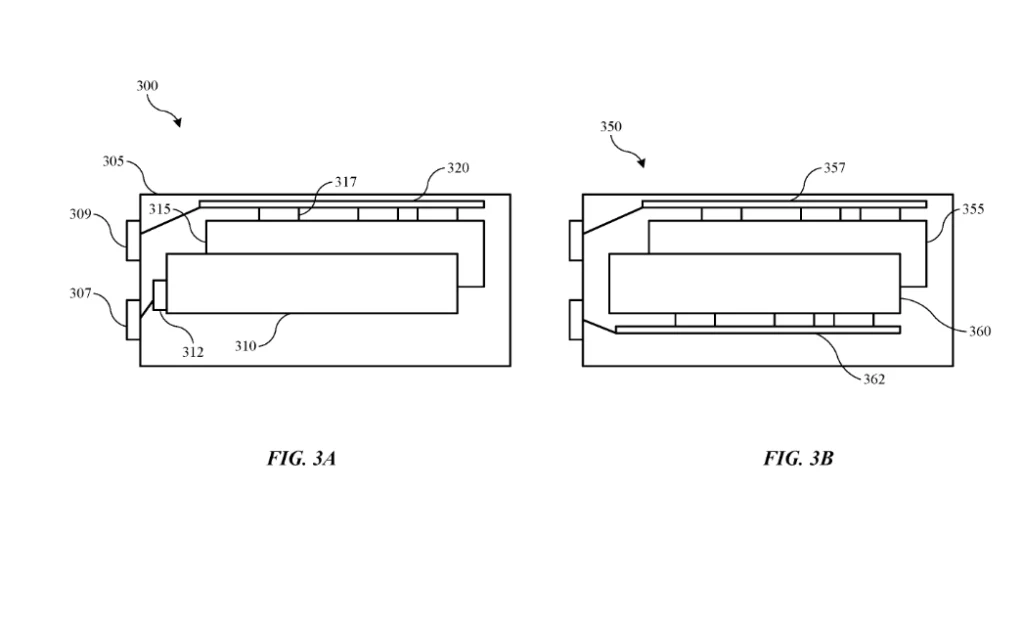
Apple has submitted a new patent revealing that they can increase the battery’s capacity without increasing the size. Android devices are emerging with brand-new fast-charging technologies and high battery capacities recently, to the point that battery capacities exceeding 5000 mAh are quite common now. Apple is also now trying to offer bigger capacity batteries in its phones.

Apple’s new patent on bigger capacity batteries at same size

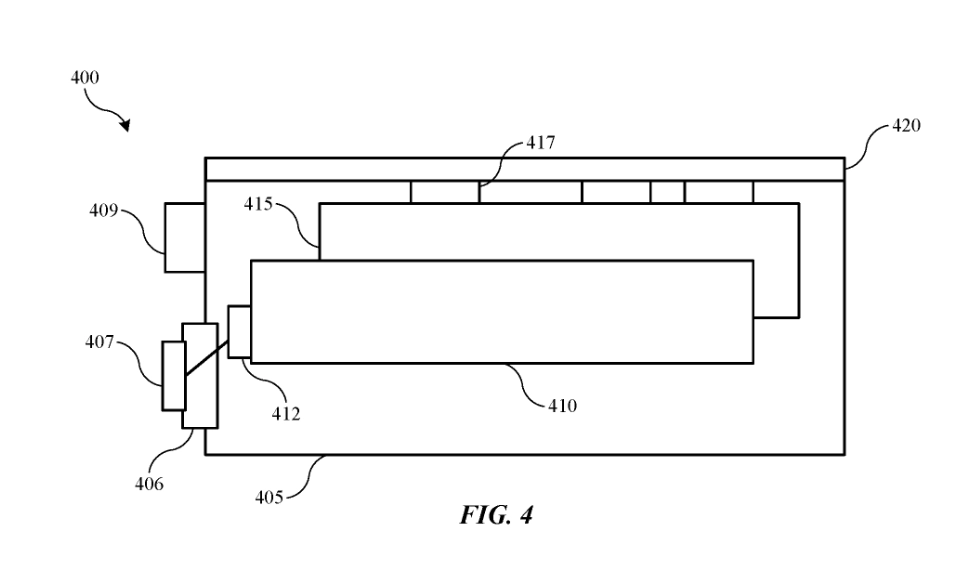
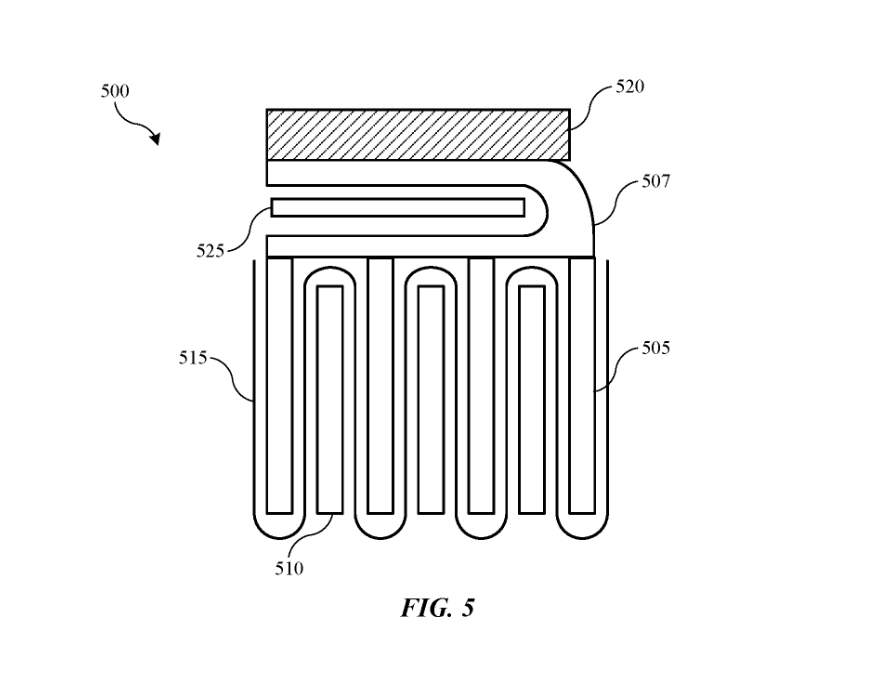
Apple’s new patent, named “Battery cells with tabs at right angle,” indicates that the capacity of new batteries by Apple can be increased without enlarging the battery size. This patent was filed in September 2021 first and was published on March 26, 2024. Apple has been researching methods such as membranes and foldable battery components to enhance battery life.

Moreover, Apple’s new patent suggests that the battery connector for future iPhones could be something different than we’ve been familiar and different from the conventional battery type. Apple indicates that achieving a high-capacity battery is related to the tab locations in the battery. Apple explains this as follows:

“While one set of connectors may include tabs extending from a surface in a first direction, the other set of connectors may include tabs extending from a surface substantially perpendicular to the first direction. This may not only address issues with space constraints but may also provide improvements in resistance across the cell, which can improve the efficiency of the battery.”

Since Apple has just released this patent, it is not easy to have the new battery tech with iPhone 16 series. However, if things proceed as planned by Apple, the iPhones with large batteries might not be too far off. The Mac Observer also points out that the new battery could be offered in iPhone 16 series.

Related:

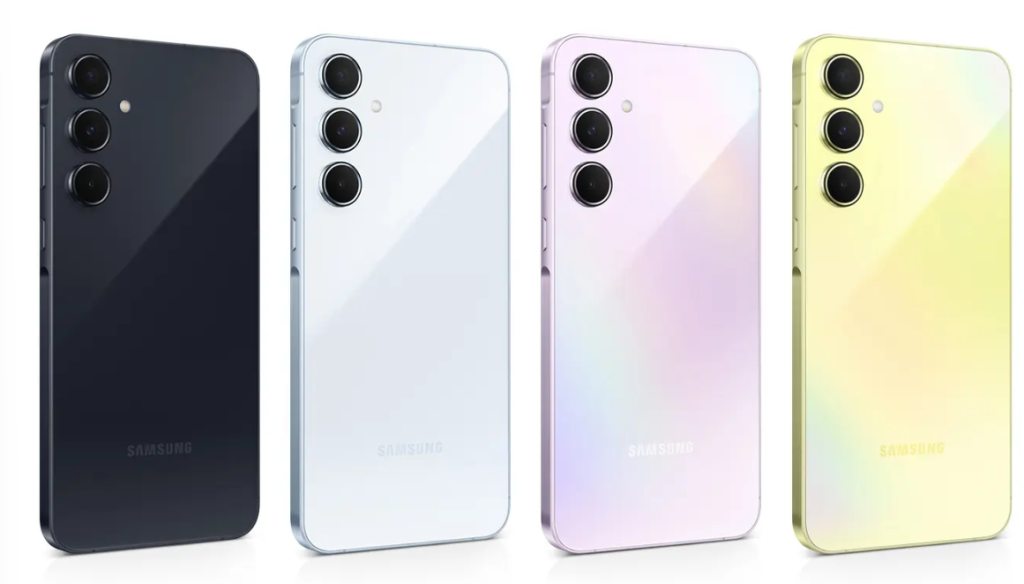
Samsung Galaxy A55 launches for $415 in China

The recently announced Samsung Galaxy A55 has been available for purchase in some markets. Today, the device went official silently in China and is set to go on sale tomorrow (March 28). Here is a look at the specifications, features, and pricing of the A55 for the Chinese market.

Samsung Galaxy A55 5G price

Samsung Galaxy A55 5G

In China, Samsung has released the Galaxy A55 in two options, such as 8 GB RAM + 256 GB storage and 12 GB RAM + 256 GB storage. These options are listed for 2,999 Yuan (~$415) and 3,299 Yuan (~$455), respectively. The handset comes in colors like Porcelain Blue, Deep Space Blue, Ice Fire Puprle, and Lemon.

Samsung Galaxy A55 specifications

The Samsung Galaxy A55 5G has a 6.6-inch S-AMOLED screen that offers an FHD+ resolution, a 120Hz refresh rate, up to 1000 nits of brightness, and an in-screen fingerprint scanner. The Exynos 1480 chipset and a 5,000mAh battery, which supports 25W fast charging, power the device.

Camera-wise, the Galaxy A55 features a 32-megapixel front camera and a rear setup comprising an OIS-assisted 50-megapixel main camera, a 12-megapixel ultrawide camera, and a 5-megapixel macro camera. The device runs Android 14 based on One UI 6.1 software. In the global market, the device offers four major Android OS upgrades and five years of security updates. There is no clarity for the support software for the Chinese variant of the A55.

The Galaxy A55 comes with other features, such as dual speakers, an IP67-rated chassis with an aluminium frame, and Gorilla Glass Victus protection. It offers connectivity features, such as 5G, eSIM, Wi-Fi 6, Bluetooth 5.3, NFC, and USB-C. It measures 8.2mm in thickness and weighs 213 grams.

RELATED:

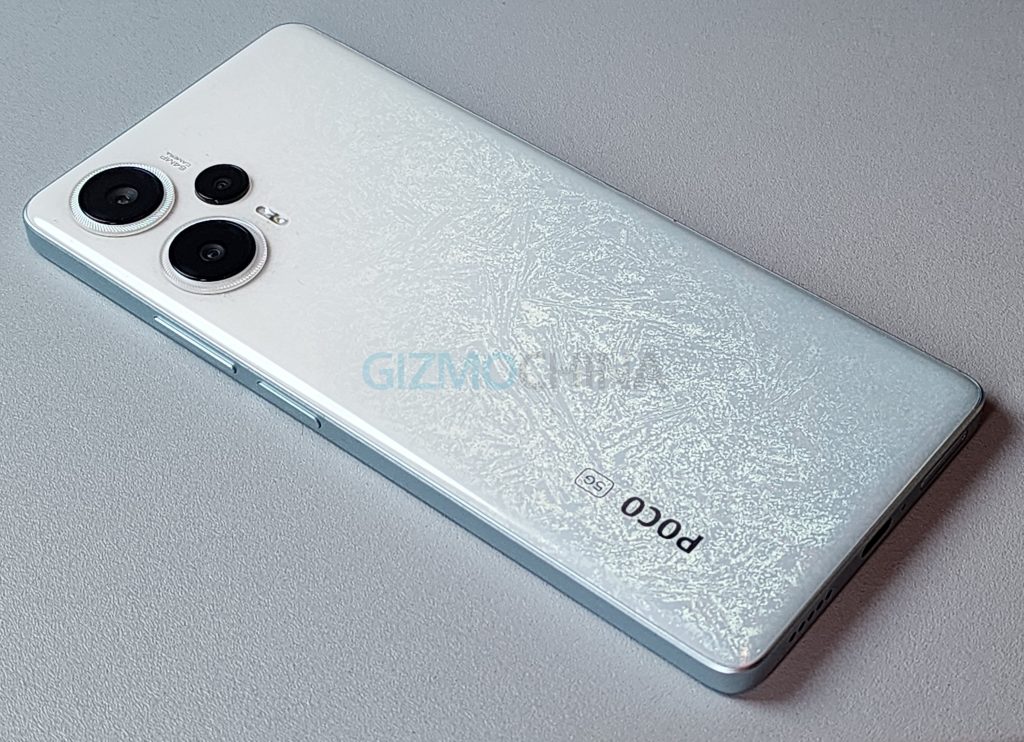
Poco F6 chipset, camera specifications leaked

Xiaomi recently launched the Xiaomi Civi 4 Pro as the world’s first smartphone equipped with the Snapdragon 8s Gen 3 chip in China. A recent X post by Poco Global executive David Liu revealed that the upcoming Poco phone, which appears to be the Poco F6, will be the first phone in the global market to feature the Snapdragon 8s Gen 3. Ahead of the expected launch, AndroidHeadlines has published a report to leak initial details about the Poco F6.

Poco F6 key details leaked

Poco F5 5G
Poco F5 5G

A previous report revealed that the upcoming Poco F6 has the “period” codename. It also revealed that “N61” is the internal model number of the device. The new report, citing the Mi code as the source, claims that the device will feature the Sony IMX882 50-megapixel primary camera. For those who don’t know, the same camera is also available on phones like the Realme 12 Pro 5G and the iQOO Z9 5G.

The report further states that the Sony IMX355 8-megapixel ultra-wide lens and an OmniVision OV20B40 camera, likely for macro shots, will accompany the main snapper. The device might feature a dual-camera system, potentially excluding the macro lens from the final product. Therefore, it is advisable to approach the leak cautiously.

The report further reveals that the Poco F6 has the SM8635, which is nothing but the Snapdragon 8s Gen 3. For those who don’t know, the same device is expected to launch in the Chinese market with the Redmi Note 13 Turbo branding. The F6 is said to use OLED panels from Chinese display markets, such as TCLD and Tianma. As far as the launch is concerned, it is expected to launch in April or May this year.

RELATED:

(source)

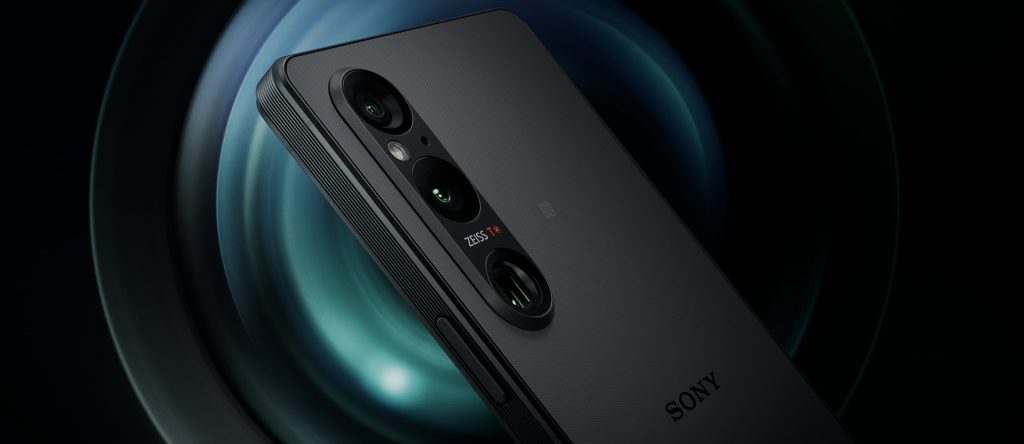
Sony Xperia 1 VI could be shorter & wider, with 2K display & mainstream aspect ratio

Sony usually unveils its flagship Xperia 1 series smartphones around the second quarter of every year. This year’s Xperia 1 VI, aka Xperia 1 mark 6 is expected to be announced in the next few months. Ahead of the launch, some interesting leaks about the device have come to light.

Sony Xperia 1 V

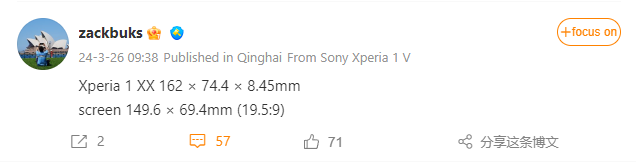
Tipster Zackbuks previously mentioned that the Xperia 1 VI will feature a 2K display with an aspect ratio of 19.5:9, a departure from its 21:9 aspect ratio 4K display. For those unaware, Sony provided this high-resolution tall display on its flagships to match the widescreen format used in many movies, making for an immersive viewing experience.

However, this aspect ratio also comes with its drawbacks, with the most common one being letterboxing in many apps and videos, which means that black bars would appear at the top and bottom edges of the device since most videos and apps are optimized to run on a 19:9 aspect ratio. So the brand is likely trying to make the upcoming Xperia flagship more appealing to the regular users with this switch.

Sony Xperia 1 VI dimensions

The tipster has now added that the phone will overall measure 162 × 74.4 × 8.45mm, with the display measuring 149.6 × 69.4mm. Compared to the 165 x 71 x 8.3 mm dimensions of its predecessor, it Xperia 1 VI will be 3mm shorter, 3.4mm wider, and 1.45mm thicker.

Although the device is transitioning towards a more mainstream design, Sony has suggested that it will retain its 3.5mm jack, a feature that has become rare among modern flagship smartphones.

RELATED:

(Source, via)

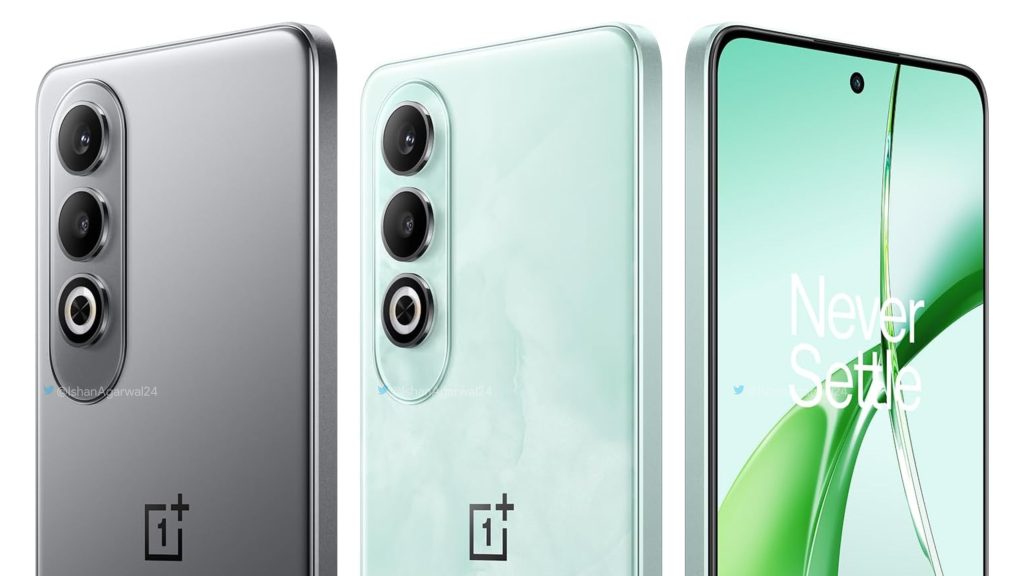
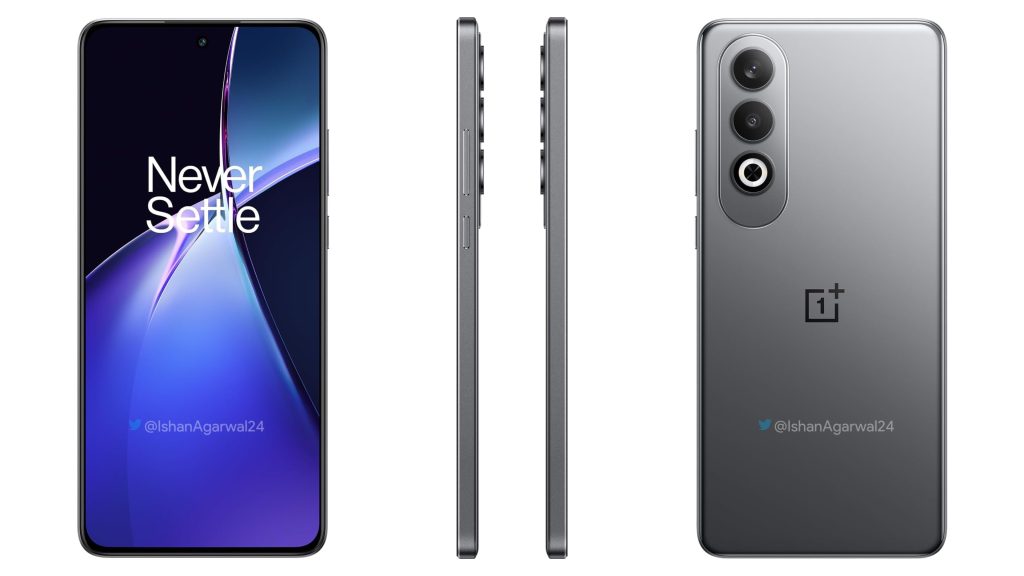
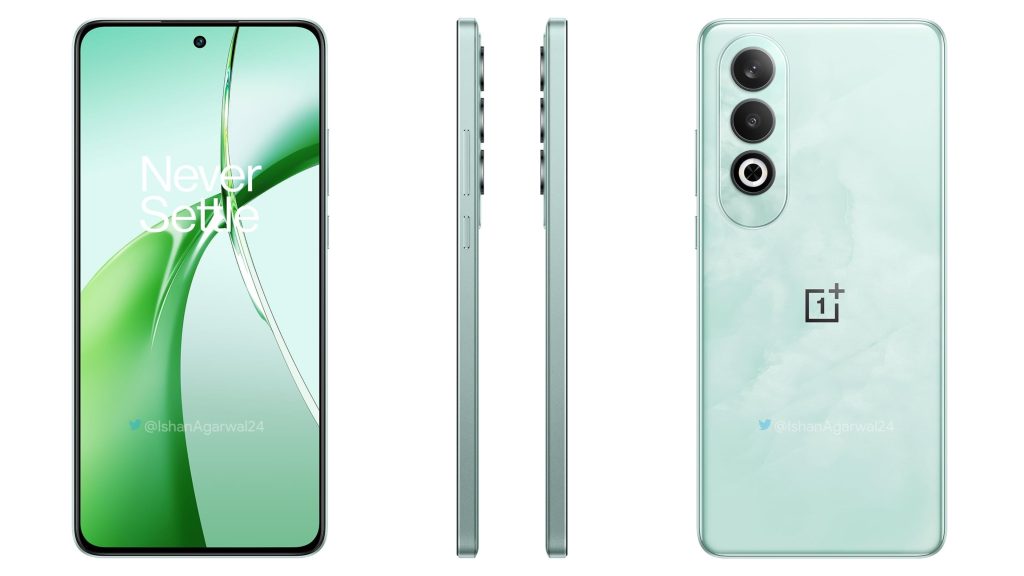
OnePlus Nord CE 4’s massive leak reveals official renders, full specifications

OnePlus is all set to unveil the OnePlus Nord CE 4 on April 1 in India. The landing page of the phone, available on the OnePlus India website and Amazon, has been gradually revealing the key specifications and features of the device. With a couple of days remaining for the launch, tipster Ishan Agarwal has released an X post to reveal almost everything about the next Nord phone. The leak has revealed the entire specifications and official renders of the device.

OnePlus Nord CE 4 5G specifications (rumored)

OnePlus Nord CE 4 leaked render 1
OnePlus Nord CE 4 leaked render by Ishan Agarwal

As per the leak, the OnePlus Nord CE 4 will sport a 6.7-inch AMOLED LTPS panel that offers a 120Hz refresh rate. The brand has already confirmed that the screen will support an FHD+ resolution.

The Nord CE 4 will be powered by the Snapdragon 7 Gen 3 processor. The same chip powers the likes of the Vivo V30 and the upcoming Motorola Edge 50 Pro. The SoC will be coupled with 8 GB of LPDDR4x RAM and up to 256 GB of UFS 3.1 storage. For more storage, the device is expected to support up to 1 TB of microSD card via a hybrid SIM slot.

OnePlus Nord CE 4 leaked render by Ishan Agarwal

It may come equipped with a 5,500mAh battery and carry support for 100W SuperVOOC charging. The device is expected to go from 0 to 100 percent in just 30 minutes. It is likely to run on OxygenOS 14-based Android 14.

In terms of photography, the primary camera setup might consist of an OIS-enabled 50-megapixel Sony LYT-600 main sensor and an 8-megapixel IMX355 ultrawide sensor. For selfies and video calls, there could be a 16-megapixel front camera.

OnePlus Nord CE 4 leaked render by Ishan Agarwal

At present, there is no information about the price of the OnePlus Nord CE 4. The device could likely arrive with a sub-Rs 25,000 (~$300) price tag. It will come in 8GB+128GB and 8GB+256GB configurations and will be sold in color variants, such as Celadon Marble and Dark Chrome.

RELATED:

(source)

Redmi Note 13 Turbo front design seemingly revealed, launch imminent

Rumors are rife that the Redmi Note 13 Turbo could be the next Redmi phone to hit the Chinese market. As per reports, a rebranded or tweaked version of the device may be released in the global market as the Poco F6. It is speculated that the Note 13 Turbo may debut as early as next month (April) in China. Ahead of the rumored launch, Redmi General Manager and Spokesperson, Wang Teng Thomas, shared a video showcasing what looks like the Note 13 Turbo smartphone through the Douyin short video-sharing platform.

Redmi Note 13 Turbo front design revealed

In the video above, Thomas showcased the front design of an upcoming Redmi phone, which most likely is the Redmi Note 13 Turbo. The said device has a flat display, and its chin is slightly broader as compared to other bezels. It is said that there is no plastic bracket around the screen. He did not reveal the rear design or shed any information about the specifications of the device.

The Redmi Note 13 Turbo is expected to come equipped with the newly introduced Snapdragon 8s Gen 3 chipset. It will be the first time a Snapdragon 8-series chip will power a mid-tier category phone.

Redmi Note 13 Turbo front design

Recently, a Xiaomi phone with model number 24069RA21C was approved by the 3C authority in China. The listing revealed that the device may support 90W fast charging.

In related news, a recent report revealed that the upcoming Poco F6 will have a Sony IMX882 50-megapixel primary camera, an 8-megapixel IMX355 ultra-wide lens, and a 2-megapixel macro lens. The same camera setup is expected to be available on the Note 13 Turbo.

RELATED:

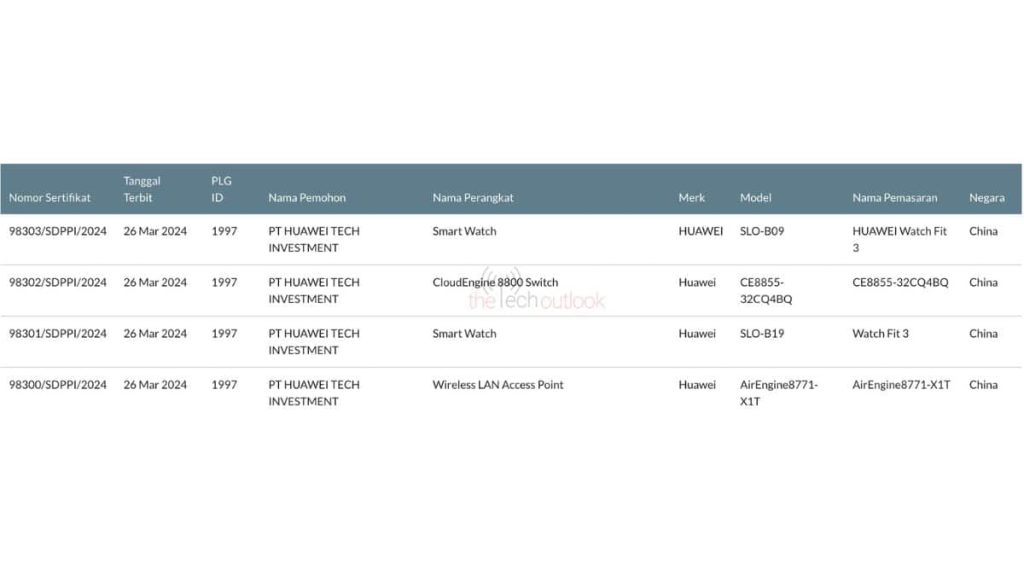
Huawei Watch Fit 3 global launch fast approaching, picks up Indonesia’s SDPPI certification

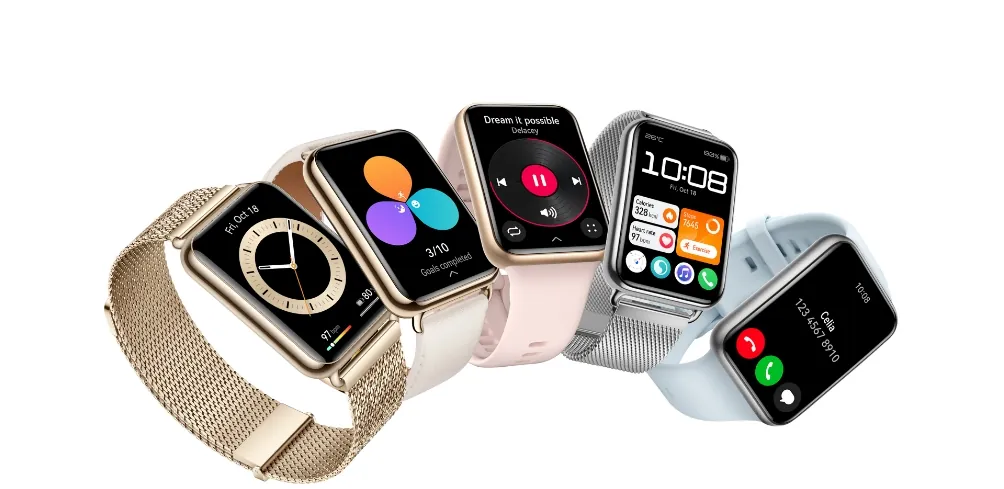
Huawei is set to update its smartwatch range with the introduction of the Huawei Watch Fit 3, following the success of the Huawei Watch Fit 2 in 2022. The new device was spotted on the CQC certification earlier this month. Now, it has picked up Indonesia’s SDPPI certification as well.

Huawei Watch fit 3 SDPPI1

The certification confirms that the Huawei smartwatch bearing the model number SLO0B19 is called the Watch Fit 3. Unfortunately, no specification details regarding the Watch Fit 3 have been revealed yet, but with this certification, we expect the launch will happen soon, which means that we can expect the teasers to soon start rolling in. In the meantime, we can take a look at its predecessor, the Watch Fit 2, to get an idea of what the upcoming model could offer.

Huawei Watch Fit 2

The Huawei Watch Fit 2 featured a 1.74-inch AMOLED screen, support for 97 workout modes, health tracking including heart rate and blood oxygen monitoring, and up to 10 days of battery life. It also provided connectivity options like WiFi and Bluetooth v5.2, and it was designed with a user-friendly strap-switching mechanism and 5ATM water resistance.

Given its predecessor’s specs, the Huawei Watch Fit 3 is anticipated to bring improvements to areas such as display, health monitoring tools, and battery life. We will know more about this smartwatch soon so stay tuned.

RELATED:

(via)

Huawei Watch GT 4 Spring Edition launched with five new seasonal strap colors

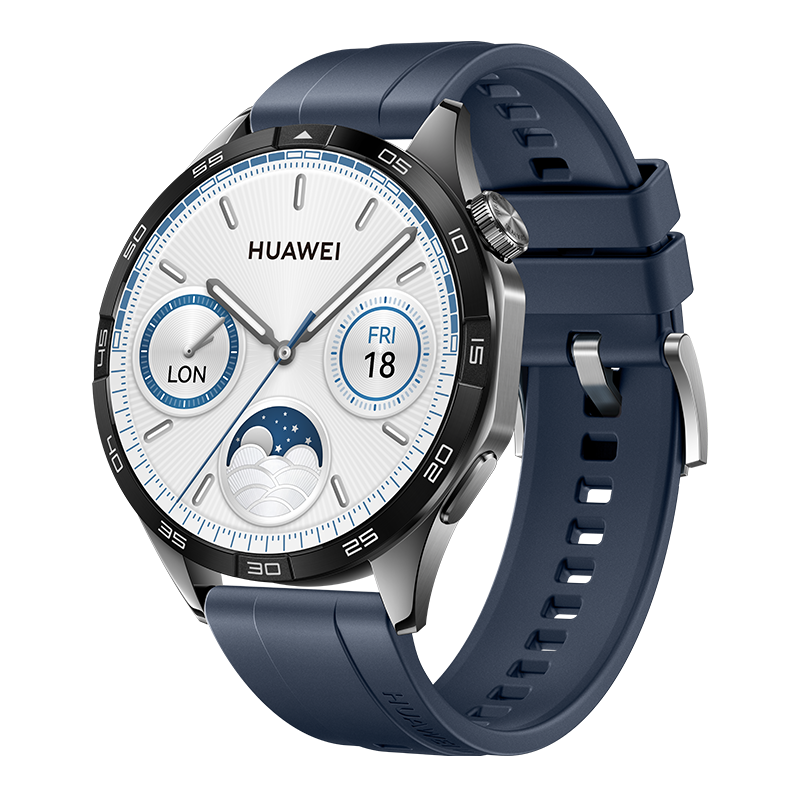
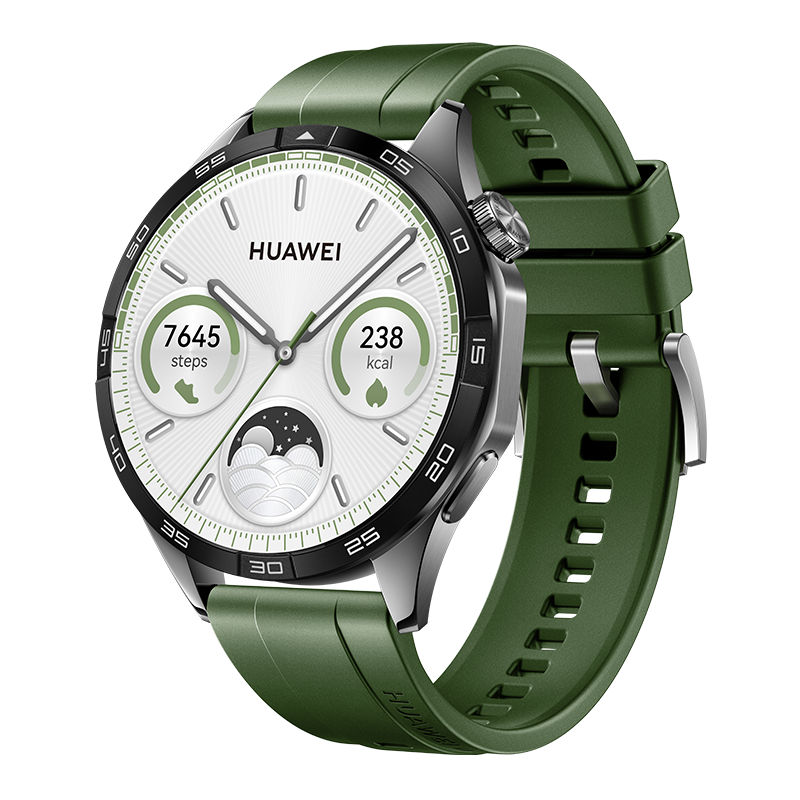
Spring has arrived, and with it, Huawei has launched some special edition modes of its popular GT 4 smartwatch. The new collection is named the Huawei Watch GT 4 Spring Edition, which is currently available in the global market.

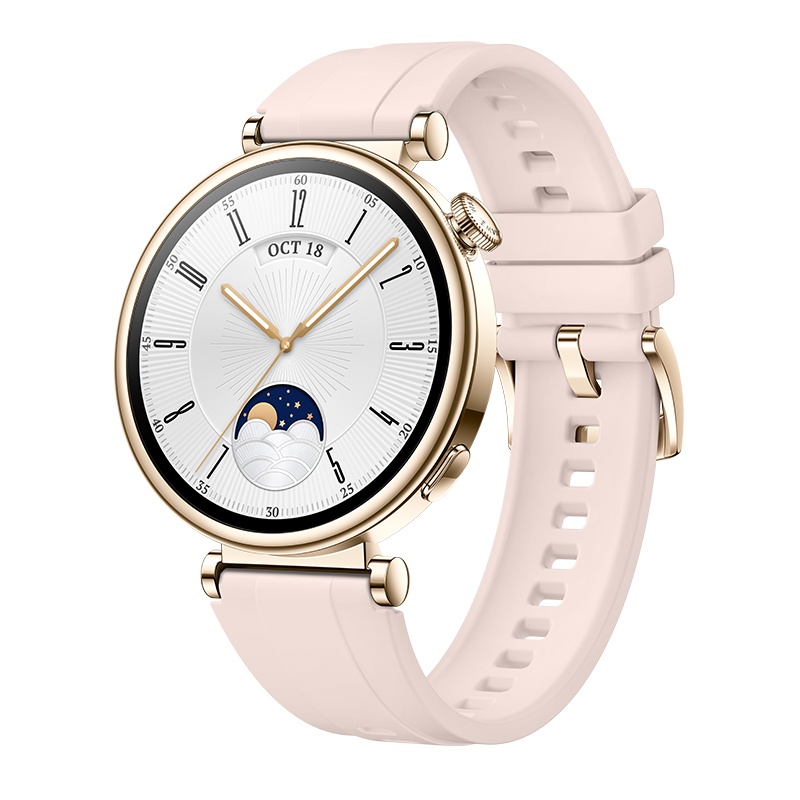
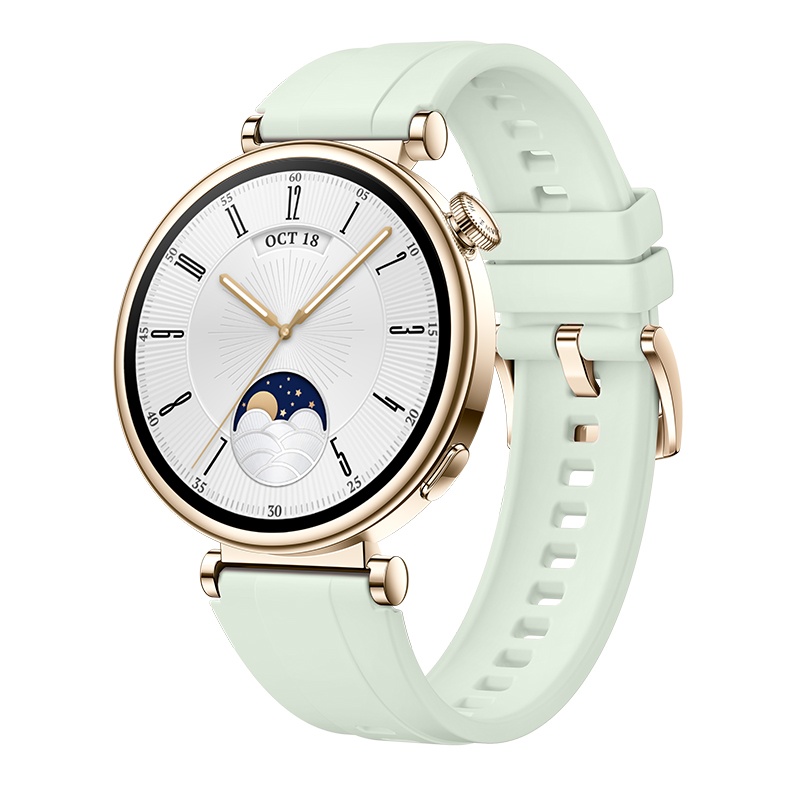
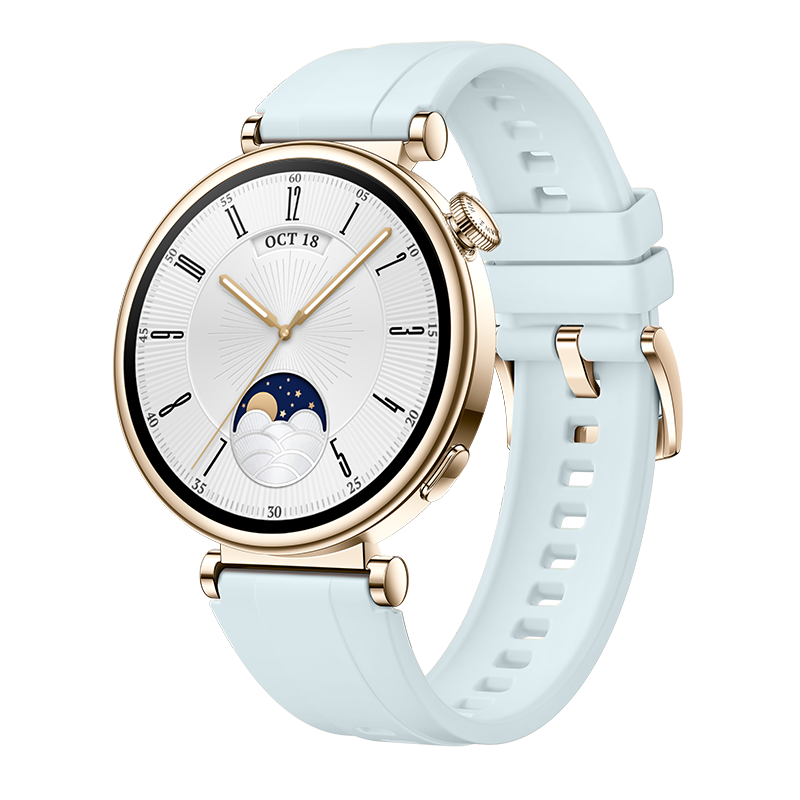
The specifications are the same, however, the new spring edition models bring five new color options to the Huawei Watch GT 4 lineup, each accompanied by an additional strap. The 46mm versions come in two color combinations: Black + Deep Sea Blue and Black + Spruce Green, both equipped with a durable fluoroelastomer strap. The 41mm variant is offered in three colors: White + Glacier Pink, White + Mint Green, and White + Crystal Blue. The primary white strap is leather, while the secondary straps are made of fluoroelastomer.

Huawei Watch GT 4:

The Huawei Watch GT 4 features AMOLED displays, over 25,000 customizable watch faces, and dual-band GNSS for accurate location tracking. This series supports tracking for over 100 sports, including new additions like Padel. The health and fitness department includes the Stay Fit feature, Activity Rings 2.0, advanced sleep tracking with TruSeen 5.5+ and TruSleep 3.0, and Menstrual Cycle Management 3.0. The 46mm variant boasts up to 14 days of battery life, while the 41mm model offers up to 7 days. The Watch GT 4 has already received the Harmony OS 4 update and is compatible with both Android and iOS devices. Lastly, it also offers Bluetooth calling.

Pricing & availability

Huawei has set the price for both the 46mm and 41mm Spring Edition watches at £199.99/€219.99, including the extra strap. Additionally, customers in certain regions like the UK and France can benefit from an 8% discount via regional coupon codes, reducing the cost to £183.99/€202.39.

RELATED:

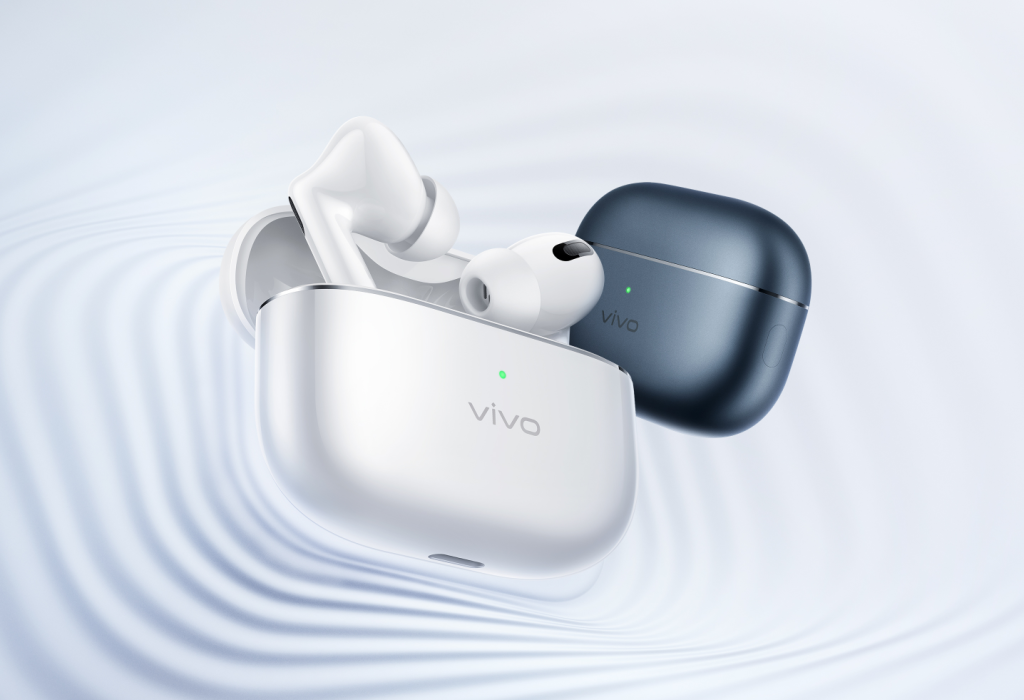
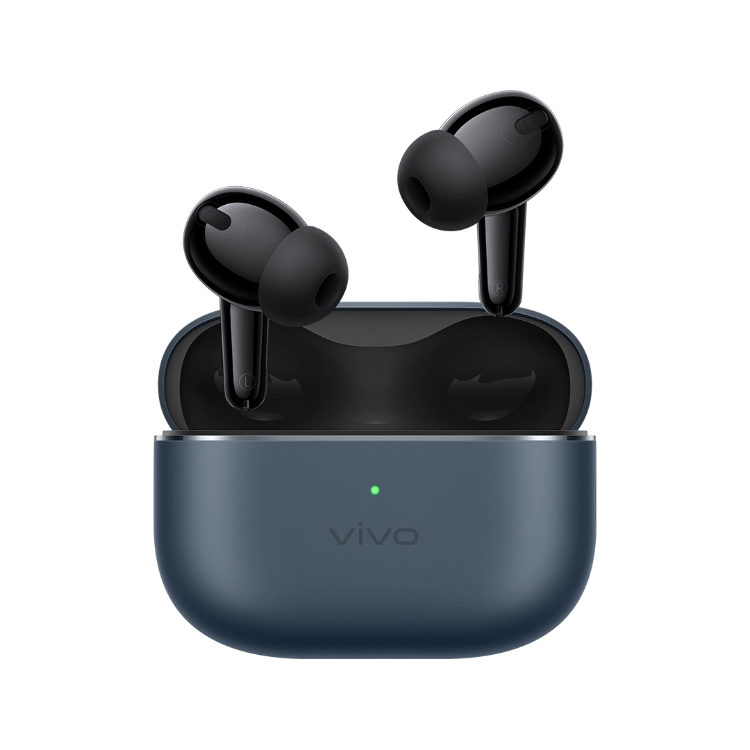
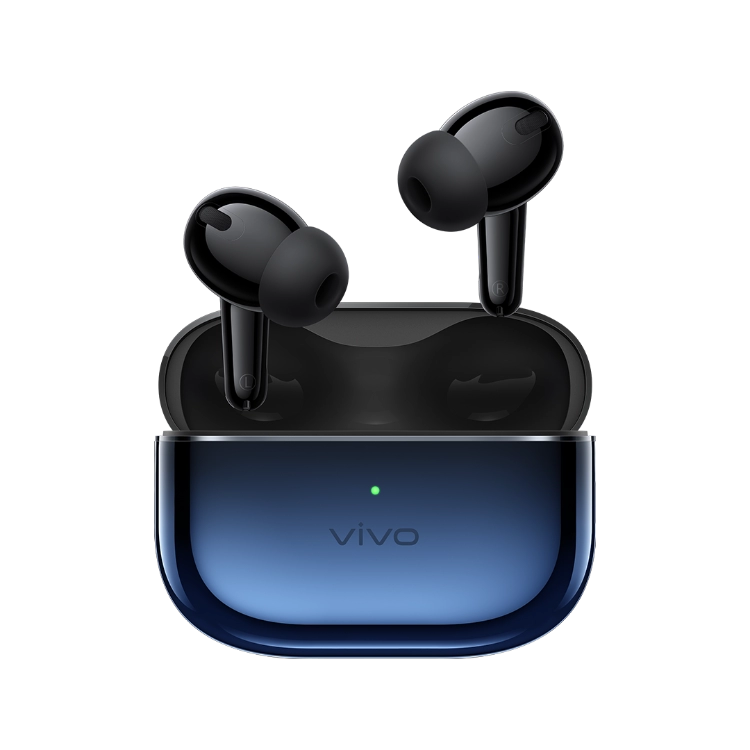
Vivo TWS 4 & TWS 4 Hi-Fi with Qualcomm S3 Gen 3 sound platform, 55dB ANC, LDAC support & spatial audio features launched

At the recent Vivo X Fold 3 series launch event, the brand also debuted a couple of much-awaited TWS earbuds called the Vivo TWS 4 and TWS 4 Hi-Fi earbuds. These are the successors of the Vivo TWS 3 series earbuds, which launched back in 2022.

Huawei TWS 4
Vivo TWS 4 series

Vivo TWS 4 and TWS 4 Hi-Fi earbuds specs:

The TWS 4 features Qualcomm’s S3 Gen 2 sound platform, while the TWS 4 Hi-Fi comes with the recently unveiled S3 Gen 3 sound platform, promising improved audio performance. Both models are designed for a comfortable in-ear fit and include features such as 55dB active noise cancellation, and a battery life that lasts up to 45 hours.

Huawei TWS 4 series

They use Bluetooth 5.4 for stable wireless connections and have ceramic tungsten acoustic diaphragms for better sound quality. The earbuds also offer AI-enhanced call noise reduction and 44ms low latency, with the TWS 4 Hi-Fi supporting high-quality aptX Lossless audio encoding at a 1.2Mbps rate and aptX Adaptive.

A notable feature of the earbuds is their spatial sound field engine, creating a 3D listening experience with four different spatial sound modes. Both models include a 12.2mm dynamic driver, an audio range of 16Hz-48kHz, and support for various audio codecs, including LDAC and the above-mentioned aptX Lossless for the TWS 4 Hi-Fi, alongside AAC, SBC, and LC3.

Pricing & availability

The TWS 4 series earbuds are available in Dark Blue and White for the TWS 4, and Ultimate Blue and White for the TWS 4 Hi-Fi, priced at 399 yuan (US$55) and 499 yuan (US$69) respectively. They are currently available for pre-order and will be officially on sale in China from April 3rd.

RELATED:

(via)

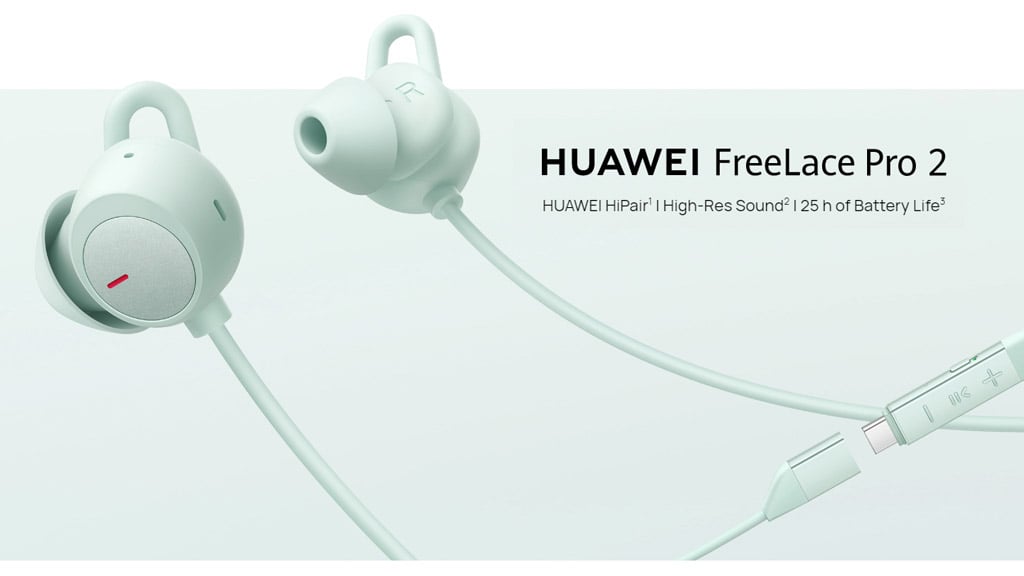
Huawei FreeLace Pro 2 neckband earbuds with Smart ANC 2.0, AI call noise cancellation & LDAC support unveiled globally

After teasing the Huawei FreeLace Pro 2 neckband earbuds for the global market earlier this month, the brand has listed the product on its global website. The FreeLace Pro 2 is designed for everyday use, featuring a lightweight build of 34.5 grams, and is available in two colors: Green and Black.

Huawei FreeLace Pro 2

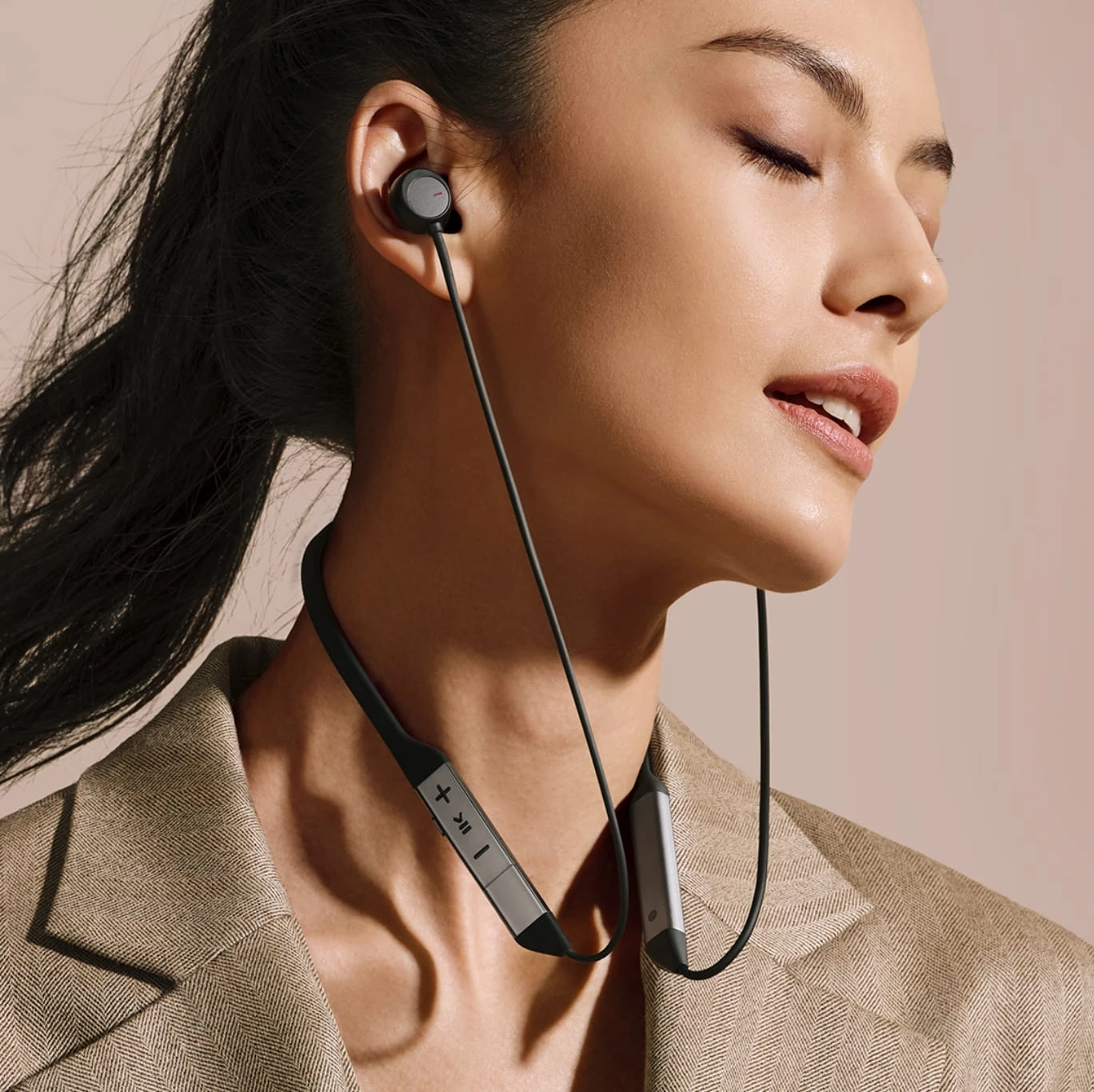
The flexibility of the neckband and the inclusion of three sizes of soft ear tips ensure a snug, comfortable fit for any user. Additionally, its IP55 rating for water and splash resistance makes it a suitable companion for outdoor activities and workouts.

Huawei FreeLace Pro 2

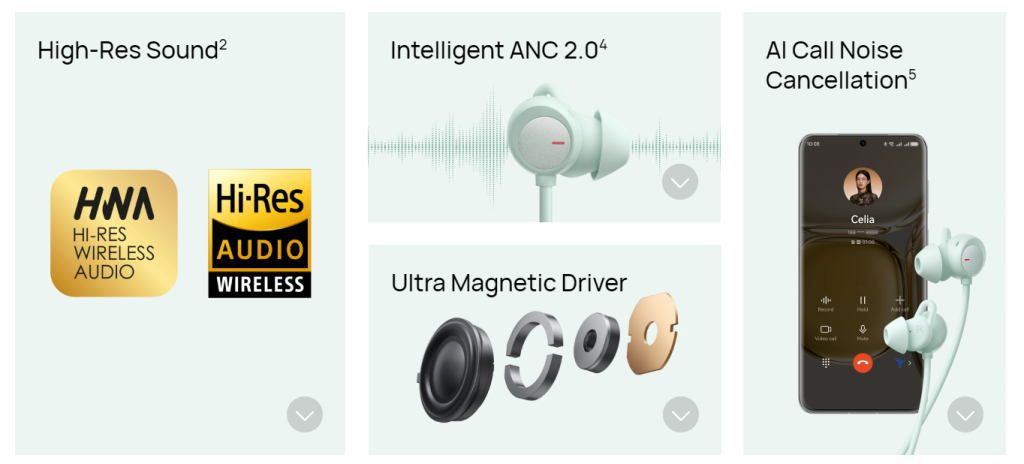
Audio quality gets a significant boost with the inclusion of 10.8mm dual-magnet dynamic drivers along with L2HC and LDAC codecs, ensuring high-resolution sound. The FreeLace Pro 2’s active noise cancellation technology, Smart ANC 2.0, offers three modes to tailor the listening experience according to the environment. The earbuds also offer AI call noise cancellation for clear calling, as well as a dual-device connection.

The FreeLace Pro 2 offers up to 25 hours of playback and supports fast charging through USB-C, providing 5 hours of listening time with just a 5-minute charge. The earbuds feature an in-built USB-C connector which users can plug into their Huawei smartphones to initiate Bluetooth pairing via Huawei HiPair. Additionally, it can also be used to charge the earbuds through a smartphone, if the smartphone supports the OTG feature. Easy control is available through a series of button clicks for managing tracks and calls.

Pricing and availability details are currently under wraps, but we expect the regional prices to be revealed in the coming weeks.

RELATED:

(Source)

AI and Traditional Chinese Medicine: A Data Model is Learning from Ancient Chinese Text

The world of traditional Chinese medicine (TCM) is quite possibly entering a whole new era of AI integration. The Haihe Qibo model, named after a TCM doctor and Tianjin’s namesake river, has successfully completed testing and is setting its sights on international markets. This model is a collaborative effort, and it represents a very important bridge between ancient practices and cutting-edge tech.

The rich amount of data available is great for getting reliable answers from the TCM Model

Haihe Qibo sets itself apart through its multilingual capabilities, a feature absent in previous large TCM data models. This opens doors to a wider global audience and facilitates broader adoption. Additionally, the model boasts an impressive data foundation. It draws from a vast pool of resources, including hundreds of gigabytes of Chinese text, dedicated TCM information, and access to historical medical collections and classical texts. This rich data allows for accurate and reliable AI-powered TCM analysis.

AI and Medicine
AI and Medicine: Generated with Dall-E

The applications of Haihe Qibo hold immense potential. Community medical services can leverage the model’s capabilities for more precise diagnoses, leading to better patient care. Pharmaceutical companies can utilize the model to analyze TCM components and mechanisms, potentially leading to breakthroughs in new drug development. Even quality control of TCM products can benefit from the model’s ability to monitor and regulate production parameters.

The initial focus for deployment will be on China and Southeast Asia, regions with a strong foundation in TCM practices. This strategic rollout allows for further refinement based on real-world application in established markets. However, the potential extends far beyond these initial uses. Experts believe the integration of AI with TCM has the power to revolutionize the field. Not only can it improve the quality and competitiveness of TCM products, but it can also refine and revitalize the traditional knowledge system by fostering innovation and discovery.

The Haihe Qibo model exemplifies a promising step towards integrating traditional wisdom with modern technological advancements. With its potential to enhance diagnosis, drug development, and quality control, this model could contribute to the future of traditional Chinese medicine in a big way. Bigger possibilities lie ahead, if this recent deployment puts things into perspective.

RELATED:

(Via)

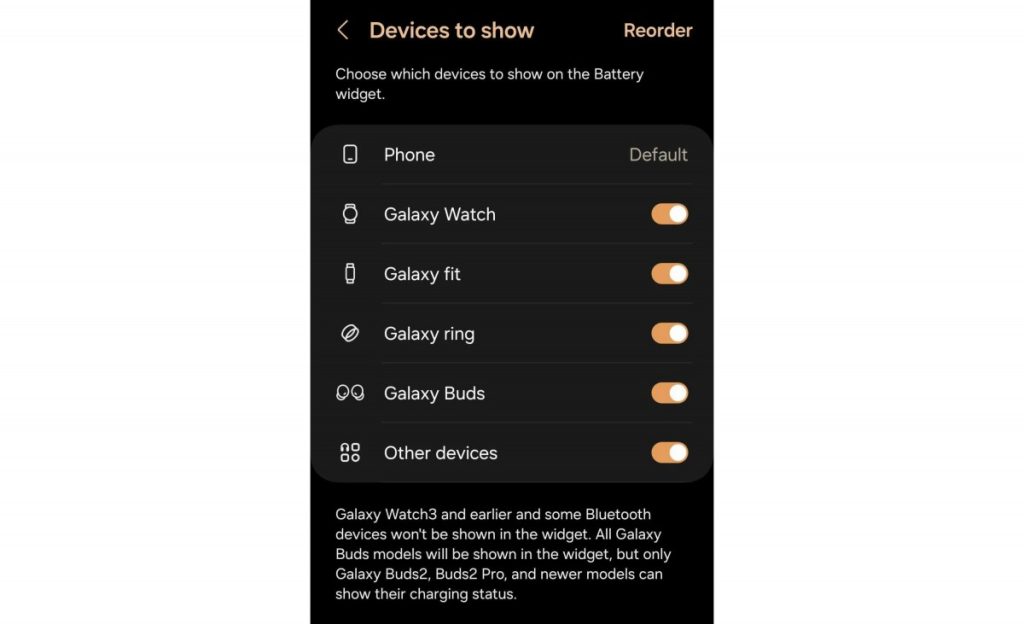
Samsung’s Galaxy Ring Shows Up as a Compatible Device in the Stock Battery Widget

2024 is turning out to be great for new tech. Let’s also not forget that the highly anticipated Samsung Galaxy Ring is inching closer to its official release. First teased in January alongside the Galaxy S24 and then unofficially announced at MWC in February, the Galaxy Ring has been generating a lot of buzz in the tech world. While a July unveiling at the next Unpacked event is expected, a recent discovery in Samsung’s stock Battery Widget hints at a more imminent arrival.

The ring is expected to be out in the market around July, or sooner.

The Battery Widget is accessible on Samsung smartphones and now lists the Galaxy Ring alongside other compatible devices like Galaxy Watch, Galaxy Fit, and Galaxy Buds. This inclusion suggests that Samsung is actively preparing the Ring for launch and integrating it into its existing wearables ecosystem.

Galaxy Ring screenshot

While the exact launch date remains under wraps, the Battery Widget development indicates a potential reveal sooner than July.

Although details are still emerging, leaks suggest the Galaxy Ring will be lightweight and comfortable to wear, even while sleeping. Unlike smartwatches with power-hungry displays, the Ring is expected to offer extended battery life on a single charge – lasting for several days.

The core functionalities will likely center around health and fitness tracking. A built-in heart rate sensor is confirmed, and sleep tracking capabilities are rumored. Additionally, there’s rumors of NFC payment support, allowing users to make contactless purchases with a tap of the Ring. The ring will come in multiple sizes, ranging from a very lightweight 2.3 grams to 2.9 grams, and boast a battery life of up to 9 days depending on the size. The Galaxy Ring can be worn alongside a Galaxy Watch for enhanced health tracking and will be compatible with Galaxy phones and potentially other Android devices, but not iPhones. Read about more details here.

With its focus on health monitoring and an ultra discreet design, the Galaxy Ring appears to be Samsung‘s answer to consumers seeking a more subtle and comfortable option.

RELATED:

(Via)

Apple’s WWDC 2024 Dates have been Officially Announced

Apple has officially announced the return of its annual Worldwide Developers Conference (WWDC) on March 26th, 2024. This highly anticipated event will be held virtually from June 10th to 14th, offering developers worldwide the opportunity to dive into the latest progress in Apple’s software landscape.

The entire WWDC24 will be completely free for developers, from June 10th to 14th.

Apple is making WWDC24 entirely free for all developers. The online format will definitely get more global participation, allowing developers to tune in to the keynote address and explore a ton of resources throughout the week. This includes video sessions, opportunities to interact with Apple engineers and designers, and the chance to connect with the wider developer community.

Apple WWDC 2024

While the core conference will be virtual, Apple will also host a special in-person event at Apple Park on June 10th. Space will be limited, but developers can apply for the chance to attend through the Apple Developer website and app. This exclusive event offers attendees the opportunity to witness the keynote address firsthand, engage with Apple team members, and participate in unique activities.

WWDC24 is poised to be a hub for exploring the newest iterations of Apple’s operating systems. Developers can expect in-depth insights into the latest advancements for iOS, iPadOS, macOS, watchOS, tvOS, and visionOS. Apple’s commitment to developer success extends beyond software updates. The conference will also provide valuable access to innovative tools, frameworks, and features, empowering developers to create even more exceptional apps and games. For ongoing updates and additional details about WWDC24, developers can keep an eye on the Apple Developer website and app.

Apple’s dedication doesn’t stop at established developers. The company continues to champion future generations through initiatives like the Swift Student Challenge. Winners of this year’s challenge, announced on March 28th, will be eligible to compete for a coveted spot at the in-person event at Apple Park. Fifty Distinguished Winners will be chosen for this exclusive three-day experience in Cupertino, where Apple is based out of.

RELATED:

(Source)