Advertisement

Xiaomi 14 Ultra first sale kicks off in China, Starts from 6499 Yuan ($900)

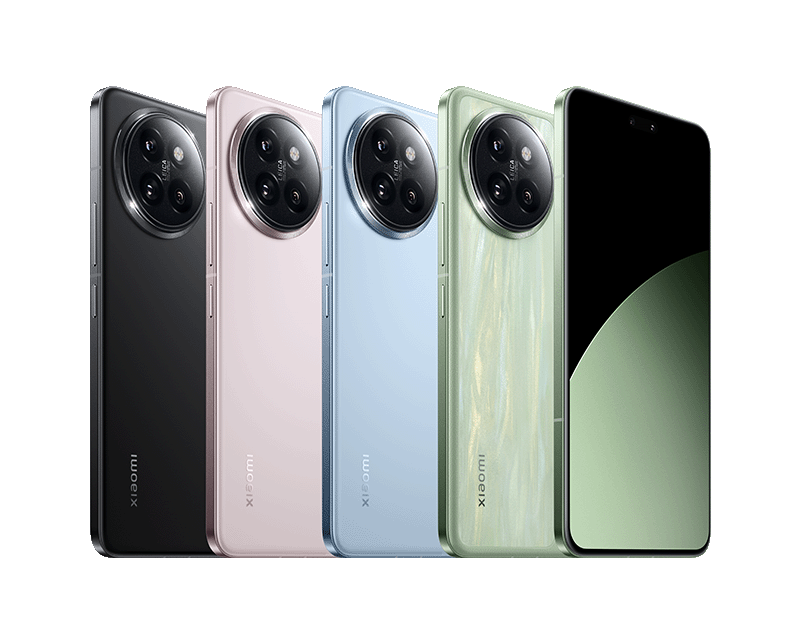
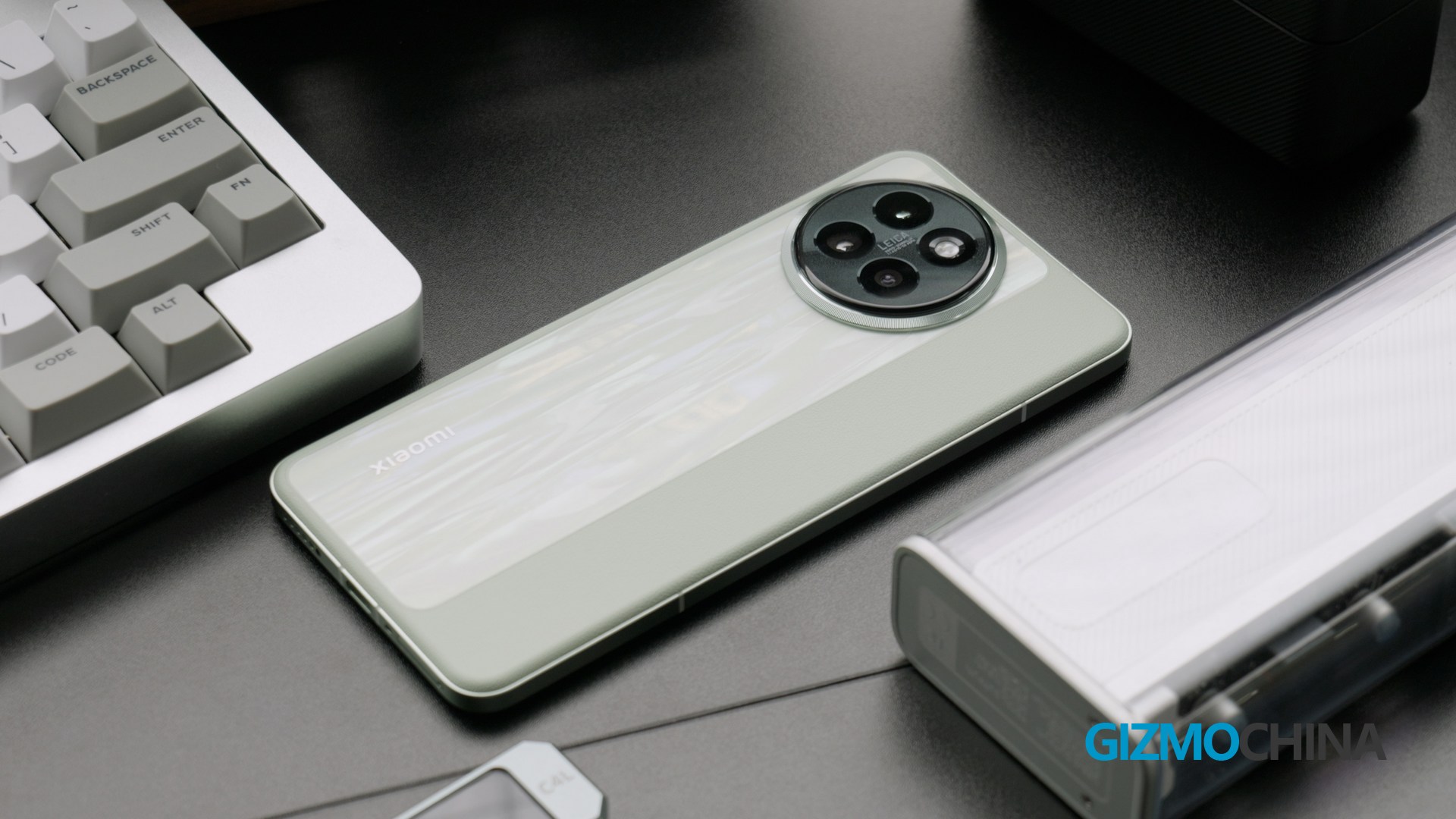
Just last week, the Xiaomi 14 Ultra was officially launched in the brand’s home market of China. Now, the first sale of the flagship smartphone has finally gone live in the region. So here’s everything you need to know about its pricing, specs, and more.

Xiaomi 14 Ultra Pricing & Availability

To recall, the Chinese tech giant’s Xiaomi 14 Ultra model was announced for the global market, outselling the Xiaomi 13 Ultra in Europe. It is now being offered in China in multiple variants. The device comes in Black and White as well as Dragon Crystal Blue for the Ceramic version. This flagship phone starts from 6,499 Yuan (roughly 903 US Dollars) for the 12GB + 256GB model.

Xiaomi 14 Ultra

On the other hand, the 16GB + 512GB and 16GB + 1TB variants cost 6,999 Yuan and 7,799 Yuan respectively (roughly 973 and 1,084 US Dollars). Lastly, the top end Titanium Metal Special Edition with 16GB + 1TB is listed for 8,799 Yuan (roughly 1,223 US Dollars). The device is available for purchase via Xiaomi’s online store, Xiaomi Home, Xiaomi Youpin, major authorized e-commerce platforms, and authorized retailers. Although, the Titanium Metal Special Edition variant will go on sale on March 12.

Xiaomi 14 Ultra Specs

For those unaware, the Xiaomi 14 Ultra sports a tall 6.73-inch LTPO OLED display that offers 2K resolution, 3000 nits of peak brightness, a 32-megapixel selfie shooter, and a 120Hz variable refresh rate. Meanwhile, the rear packs a quad camera setup that consists of a 50-megapixel primary camera, a 50-megapixel ultra wide angle lens, a 50-megapixel portrait sensor, and a 50-megapixel periscopic telephoto shooter.

Under the hood, it is equipped with the Snapdragon 8 Gen 3 SoC and is powered by a large 5,300mAh battery pack that supports 90W wired fast charging and 50W wireless fast charging. Other notable features include Xiaomi’s two way satellite communication tech, proprietary signal enhancement chip, Surge T1 chipset, and IP68 water and dust resistance.

RELATED:

Nvidia unveils RTX 500 and 1000 laptop GPUs for AI-enhanced workflow

Nvidia continues to adapt to the increasing integration of AI technology in professional settings. The company has announced two new AI-enhanced graphics processing units (GPUs) — RTX 500 and RTX 1000 — specifically intended for workplace use. 

Built upon Nvidia’s Ada Lovelace architecture, these GPUs share technological foundations with the RTX 2000 through 5000 series, frequently found in gaming laptops.

Nvidia RTX 500 RTX 1000 GPUs

Unlike their gaming-focused counterparts, the new GPUs target professional needs. They emphasize features such as high-quality video conferencing, AI-driven image upscaling, and other enhancements that streamline typical workflows.  

The GPUs are designed to boost the capabilities of thin and light professional laptops frequently used for content creation, video editing, research, and general productivity tasks.

Internally, the GPUs include significant upgrades like third-generation ray tracing cores, fourth-generation Tensor Cores, Ada generation CUDA cores, DLSS 3, and an AV1 encoder. 

With all this, the company promises an increase in performance and efficiency compared to Nvidia’s earlier professional GPU offerings.

The RTX 500 will launch with 4GB of memory, while the RTX 1000 features a slightly larger 6GB capacity. Here are the detailed specifications of the new GPUs:

GPURTX 500RTX 1000
CUDA Cores20482560
RT Cores (3rd Gen)1620 
Tensor Cores (4th Gen)6480
VRAM (w/ Type)6GB DDR68GB DDR6
Memory Bus Width64-bit96-bit 
Bandwidth128GB/s192 GB/s
Total Graphics Power (TGP)35-140W35-60W

Nvidia plans to partner with major laptop manufacturers including Dell, Lenovo, and HP to bring the new GPUs to their workstations. Nvidia says a laptop with the new RTX 500 and RTX 100 GPU will be available sometime this spring.

Related:

(Via)

Galaxy S24 Ultra vs Pixel 8 Pro: Specs Comparison

Galaxy S24 ultra vs Pixel 8 Pro

Galaxy S24 Ultra: January 31, 2024

Pixel 8 Pro: October 4, 2023

SPECS TABLE

Galaxy S24 UltraPixel 8 Pro
Price$1,299 / £1,249$999 / £979
Display6.8-inch Dynamic LTPO AMOLED6.7-inch LTPO OLED screen.
Refresh rate1 – 120Hz adaptive1 – 120Hz adaptive
Rear cameras200MP main (f/1.7), 50MP periscope telephoto 5x optical zoom (f/3.4), 10MP 3x telephoto (f/2.4), 12MP 120˚ ultrawide (f/2.2)50MP main wide (f/1.7), 48MP telephoto (f/2.8), 48MP ultrawide (f/2.0).
Front camera12MP (f/2.2)10.5MP (f/2.2)
ChipsetSnapdragon 8 Gen 3Google Tensor G3
RAM12GB12GB
Storage256GB, 512GB, 1TB128GB, 256GB, 512GB, 1TB
Battery5,000 mAh5,050 mAh
Charging45W wired/15W wireless/4.5W reverse wireless30W wired/23W wireless/reversed wireless
Water/dust resistanceIP68IP68
Size162.3 x 79 x 8.6 mm (6.39 x 3.11 x 0.34 in)162.6 x 76.5 x 8.8 mm (6.40 x 3.01 x 0.35 in)
Weight232 grams (8.22 ounces)213g (7.51 ounces)
ColoursTitanium Black, Titanium Gray, Titanium Violet, Titanium Yellow, Titanium Blue, Titanium Green, Titanium OrangeObsidian, Porcelain, Bay, Mint
Galaxy S24 ultra vs Pixel 8 Pro: Specs Comparison

In this comparison, we are putting two impressive Android devices against each other. Both of the devices in this comparison are top photography devices and they offer top-of-the-range specifications that will get your head turning. The first device in this comparison is the Samsung Galaxy S24 Ultra, which launched last month, and it’s going up against the photography genius’s Pixel 8 Pro, which launched last year.

Unlike other Android devices, the Pixel 8 Pro uses a processor that can only be found on devices from Google. The entry from Samsung in this comparison uses an Android flagship processor that can be found on other devices, but in pure Samsung tradition, it delivers when it comes to performance. Let’s now put these two devices side by side and compare various facets of their build to find out which is the better pick for your needs.

Galaxy S24 Ultra vs Pixel 8 Pro: Price

Galaxy S24 Ultra: All storage variants available retail starts at $1299

Pixel 8 Pro: All storage variants available retail start at $999

Samsung Galaxy S24 Ultra 5G AI Smartphone (Titanium Gray, 12GB, 512GB Storage)
Pixel 8 Pro 5G (Obsidian Black, 12GB RAM+ 128GB Storage)
Samsung Galaxy S24 Ultra 5G AI Smartphone (Titanium Gray, 12GB, 512GB Storage)
2&CO Pixel 8 Pro 5G (Obsidian Black, 12GB RAM+ 128GB Storage)
₹ 139,999
₹ 86,990
Samsung Galaxy S24 Ultra 5G AI Smartphone (Titanium Gray, 12GB, 512GB Storage)
₹ 139,999
Pixel 8 Pro 5G (Obsidian Black, 12GB RAM+ 128GB Storage)
2&CO Pixel 8 Pro 5G (Obsidian Black, 12GB RAM+ 128GB Storage)
₹ 86,990

Please Note: When you buy something using the links in our articles, we may earn a small commission at no cost to you.

Galaxy S24 Ultra vs Pixel 8 Pro: Design and colours

Galaxy S24 Ultra:

The new Samsung Galaxy S24 Ultra comes with a ton of design upgrades from its predecessor. These updates place it inches ahead of the competition in this comparison. For its design, this new device comes with Gorilla Glass Armor on the front and Gorilla Glass on the back as well as titanium frame which is a new feature. This device weighs 232g and its dimensions are 162.3 x 79 x 8.6 mm (6.39 x 3.11 x 0.34 in).

A standard feature on ths Samsung S Ultra entries is the S Pen which is great for productivity. This flagship device comes with a ton of colour options which are very impressive. The colours available are Titanium Black, Titanium Gray, Titanium Violet, Titanium Yellow, Titanium Blue, Titanium Green, Titanium Orange.

Pixel 8 Pro:

In comparison to its predecessor the new Pixel 8 Pro brings a ton of obvious and rather subtle design changes. Overall this is a very beautiful device to look at and also use as it fits perfectly into the user’s hand. A major design and functionality change that this device features is the new sensor that sits on its rear camera cutout.

Weighing less than the Galaxy S24 Ultra, this device will be the best pick for most users who don’t like carrying heavy devices about. The glossy finish around this device’s sides as well as its rear camera cutout compliment the device’s colour option. Speaking of color option, the Pixel 8 Pro comes in Obsidian, Porcelain, Bay, and Mint color options, with the Mint option launching a few weeks ago.

Major differences:

  • The Galaxy S24 is heavier than the Pixel 8 Pro.
  • The Galaxy S24 Ultra comes with a Titanium build quality which isn’t available on the Pixel 8 Pro.
  • The Pixel 8 Pro comes with a more curvy design at its edges.

Galaxy S24 Ultra vs Pixel 8 Pro: Display

Galaxy S24 Ultra:

When it comes to design, the new S24 Ultra is at the top of its game when it comes to its display. This new device features a 6.8-inch Dynamic LTPO AMOLED 2X panel which supports a 120Hz refresh rate. The display supports HDR10+ and maxes out at a display brightness of 2600 nits.

For protection, this device comes with the Corning Gorilla Glass Armor, which protects it from damage in case of a scratch or a drop. Users will also benefit from the new Always-On display that this device comes with. Samsung also uses the new anti-reflective screen coating, which makes this device very usable even in bright light.

Pixel 8 Pro:

When it comes to display, the Pixel 8 Pro shows why it really is a flagship device by featuring rather impressive display technology. The display on this device supports HDR10+, 2400 nits brightness, and a 120 Hz refresh rate. However, it falls short of the Galaxy S24 Ultra by featuring an LTPO OLED screen display, which isn’t as impressive as that of the competition in this article.

Users benefit from the Corning Gorilla Glass Victus 2’s protection that this device provides them with in case of drops or impact to the screen’s display. The display on this device also features a higher screen-to-body ratio in close comparison with that on the Galaxy S24 Ultra, making it seem slightly smaller than it’s meant to be. Google really outdid itself on the display that this flagship device offers users, most of which will benefit from the flat-screen display.

Major differences:

  • S24 Ultra features a special anti-glare coating not found on the Pixel 8 Pro.
  • Pixel 8 Pro features a slightly better screen-to-body ratio.

Galaxy S24 Ultra vs Pixel 8 Pro: Cameras

Galaxy S24 Ultra:

The camera setup on the Samsung Galaxy S24 Ultra features 200MP, 50MP, 10MP, and 12MP sensors. Some of the features it packs include a multi-directional PDAF sensor, an AI picture enhancement feature, and an enhanced AI object-aware engine. Up front, it features a 12 MP sensor that supports up to 4K video recording.

The rear camera on this device supports 8K video recording at 30fps. The entire camera system brings a ton of AI features and abilities that users can benefit from. These AI features and abilities help step up the photography experience that this device comes with.

Pixel 8 Pro:

Photography is one of the strongest parts of Google Pixel devices and one of the main reasons why some buyers pick their product above the competition. This device is not even six months old, and it’s already excelling in most flagship camera tests, even outperforming the competition. Google uses a triple rear camera setup on this device, housing a 50MP and two 48MP sensors as well as a temperature sensor for checking the user’s body temperature.

Up front is a 10.5 MP selfie lens, and both front and rear cameras offer only 4K video recording, which is behind the competition. But one area in which Google Pixel devices are far ahead of the competition is the area of image processing, thanks to the Tensor G3 processor in this device. This device also packs a truckload of AI photography features, making it the top of its game when placed side by side with other flagship devices.

Major differences:

  • S24 Ultra features a higher resolution main camera.
  • S24 Ultra features an extra camera.
  • Pixel 8 Pro features a temperature sensor.
  • S24 Ultra supports 8K video recording.

Galaxy S24 Ultra vs Pixel 8 Pro: Performance

Galaxy S24 Ultra:

This new device comes with the Snapdragon 8 Gen 3 processor as well as the Adreno 750 GPU chip. It features a ton of performance improvements in comparison with its predecessor.

Users can get this new device in the following storage configurations: 256GB 12GB RAM, 512GB 12GB RAM, 1TB 12GB RAM.

The storage on this device is not expandable, as it offers more than enough storage for most users. Speaking of its performance, a benchmark review will be great to actually see how well this device holds up against the competition. For Geekbench 6 this device secured a single-core score of 2297 and a multi-core score of 7142. As for its AnTuTu score, this performance behemoth secures a score of 1,780,568.

Pixel 8 Pro:

On this device, Google uses its new Tensor G3 processor which brings an improvement in performance in comparison with its predecessor. Joining this processor is up 12GB worth of RAM and up to 1TB worth of storage which is more than enough for power users. For its GPU power, this processor draws on an Immortalis-G715s MC10 chip as well as a nona-core CPU setup.

There are a ton of AI features that this processor that enhances on device usage of AI features. For its benchmark scores, this device comes with a score of 963,013 on the AnTuTu benchmark which puts it behind the Galaxy S24 Ultra. On Geekbench this device boasts of a single core score of 1,727 and a multi-core score of 3,433.

Major upgrades & differences:

  • Snapdragon 8 Gen 3 on the S24.
  • S24 Ultra offers more power.
  • Pixel 8 Pro offers more AI featues.

Galaxy S24 Ultra vs Pixel 8 Pro: Software

Galaxy S24 Ultra:

This new flagship smartphone from Samsung launches with Android 14 out of the box. Following this is Samsung One UI 6.1 software which brings some features that are exclusive to the S24 Ultra. Amazingly this smartphone will be able to boast of seven years of OS update on this device.

Pixel 8 Pro:

When it comes to software the Google Pixel 8 Pro takes a lot of praise for its smooth and immersive Android experience. This device runs on stock Android 14 for Pixels which brings a clean experience for users regardless of their needs. Google gives this device seven years OS upgrade and users will be among the first to get each update once its available.

Major differences:

  • Better stock Android experience on the Pixel 8 Pro.
  • Faster updates on the Pixel 8 Pro.

Galaxy S24 Ultra vs Pixel 8 Pro: Battery life and charging

Galaxy S24 Ultra:

Samsung has a 5000mAh battery capacity on this new device which is enough for daily usage on a single charge. On a single charge, this device can last for hours of heavy usage as proven by various tests. For its wired charging Samsung equips this device with 45W fast charging to get the device from 0-65% in 30 minutes. For those that use wireless charging, they get 15W as standard and 4.5W reversed wireless charge.

Pixel 8 Pro:

The battery capacity on the Pixel 8 Pro is 5050mAh which is slightly more than the Galaxy S24 Ultra. For charging, this device relies on 30W fast charging, 23W wireless, as well as reverse charging. With the charging speed of this device, users will be able to get their device to 50% in just 30 minutes.

Major differences: 

  • Faster wired charging on the S24 Ultra.

Galaxy S24 Ultra vs Pixel 8 Pro: Final Verdict

Both devices in this comparison are top flagship entries that mean business. If you are going for performance, the Samsung Galaxy S24 Ultra is the way to go as it packs a more powerful processor. In terms of display performance, the Galaxy S24 Ultra is still the better choice as Samsung outdid itself on the display of this new device as it is way better than the competition.

In terms of photography, both devices are very impressive but most will tilt towards the Pixel 8 Pro as it features better image processing abilities. The Pixel 8 Pro is also a better choice when it comes to the device’s software capabilities as it offers a more immersive Android experience. For those that are going for the more affordable option then the Pixel 8 Pro is the way to go as it retails less than the S24 Ultra.

Xiaomi 14, Xiaomi 14 Ultra see six times higher sales than the Xiaomi 13 series in Europe

Xiaomi‘s latest generation of flagship smartphones, the Xiaomi 14 series, was just recently unveiled in the global market. These models are currently on sale in Europe and it seems that sales have already surpassed the predecessor, the Xiaomi 13 lineup.

Xiaomi 14 & Xiaomi 14 Ultra outsells the Xiaomi 13 in Europe

For those unaware, the Xiaomi 14 and Xiaomi 14 Ultra hit the European market this week. These are the newest premium grade devices from the company and appear to be a lot more popular than the Xiaomi 13 and the Xiaomi 13 Ultra from last year. Lu Weibing, Xiaomi President and Redmi General Manager revealed that the newer smartphones are outselling the older models by a large margin.

Xiaomi 14

The two flagship phones only recently went on sale in the region but the top end Xiaomi 14 Ultra model sales have tripled over last year’s 13 Ultra. On the other hand, the Xiaomi 14 has impressed even more with sales that are a whopping six times higher than the older Xiaomi 13 at the same time last year.

It is worth noting that these sales figures from the Chinese tech giant likely refer to the initial hours of the sale rather than overall availability since the Xiaomi 14 lineup is still quite new. To recall, the Xiaomi 14 Ultra was just launched in China recently and has also been selling better than the 13 Ultra.

RELATED:

Nothing officially teases the circular camera module and Glyph LED design of its Phone (2a)

Smartphone manufacturer Nothing has kicked off a warm-up campaign ahead of the highly anticipated release of the Nothing Phone (2a) on March 5. The phone, available in white and black variants, is being promoted under the slogan “Fresh Eyes,” emphasizing its innovative approach to smartphone technology.

Nothing’s promotional slogan “Fresh Eyes” highlights the dual-camera system

Previously, official-looking renders of the Nothing Phone (2a) have been exposed offering a glimpse into the design of the company’s most affordable smartphone. Now the company is officially confirming the design of the device through its official Twitter account.

The device features a dual-camera setup positioned in the middle, with the iconic Glyph light module adorning the upper half of the phone’s body, maintaining the distinct design language of the Nothing family. Additionally, leaked promotional photos shared by whistleblower Roland Quandt also reveals the design of the Nothing Phone (2a).

In terms of performance, Nothing has revealed that the phone will be powered by the Dimensity 7200 Pro processor, boasting an impressive AnTuTu score of 741,999. This places it ahead in terms of performance compared to the Snapdragon 7s Gen 2, promising users a smooth and responsive experience.

One of the standout features of the Nothing Phone (2a) is the introduction of Smart Clean technology, which aims to optimize the device’s storage performance over time. Nothing claims that the flash memory utilized in the phone will retain its efficiency even after prolonged use, ensuring that users can enjoy consistent performance akin to that of a new device.

Related:

Lava Blaze Curve 5G Launching In India On March 5

Recent leaks have revealed some key details of the Lava Blaze Curve 5G. Now, the homegrown brand has announced the launch date of the smartphone. It is set to arrive in the country next week. The upcoming offering’s microsite is already live on Amazon confirming its availability on the e-commerce platform. 

Lava Blaze Curve 5G India launch date is out

The Lava Blaze Curve 5G is confirmed to launch in India on March 5, Monday at 12pm local time. As the name suggests, it will have a curved display. The teaser image also shows the smartphone’s screen with curved edges. We could also spot a centre-aligned punch-hole cutout. The device has a slim profile with the power and volume rocker buttons located on the right side. The teaser does not reveal a look at the back panel but two protruding camera rings are visible which is in line with the leaked live image.

Lava has not revealed the core details of the Blaze Curve 5G yet. We can expect the brand to start teasing more about the device in the coming days leading up to the launch event. 

As per the leaked specifications, the Lava Blaze Curve 5G will feature a 120Hz AMOLED display and a 64MP triple rear camera setup. Internally, the device will reportedly be equipped with a Dimensity 7050 processor coupled with 8GB + 128GB and 12GB + 256GB RAM and storage configurations. The upcoming offering is tipped to be backed by a 5,000mAh battery unit with support for 18W charging. 

The Lava Blaze Curve 5G is expected to be priced between the Rs 16,000 – Rs 19,000 bracket.

Related:

Samsung Galaxy Ring Confirmed To Offer Up To 9 Days Of Battery Life

Yesterday Samsung gave us a lot of details of its first smart ring. Since its initial announcement at the Galaxy Unpacked event last month, we have been learning a lot of information about the Galaxy Ring. It is set to debut in the second half of this year. Now, the South Korean brand has revealed the battery life of the upcoming wearable device. 

Samsung Galaxy Ring battery life revealed  

Samsung-Galaxy-Ring-MWC-2024

Korean news outlet Financial News attended the Galaxy Ring briefing. The publication learned that Samsung’s smart ring will deliver a battery life of five to nine days. This is attributed to the lack of a display that is found on smartwatches. This means that the upcoming wearable device will be capable of offering up to 9 days of usage before requiring a charge. TechM also states that the confirmed battery life is in line with what Samsung mobile chief TM Roh revealed. The executive also confirmed that the smart ring does not support voice calling functionality. 

Another publication The Elec citing Samsung Vice President reveals that the Galaxy Ring will be announced in the second half of the year. This means that it will debut at the Galaxy Unpacked event in late July or early August that focuses on the new generation Galaxy Z foldable, wearables, and tablets. 

As per the confirmed details yesterday, the Samsung Galaxy Ring will be available in platinum silver, gold, and ceramic black colors. It will have Natural Cycles for fertility tracking for women. There will be My Vitality Score feature that will measure the user’s mental and physical preparedness. The South Korean brand said that the Galaxy Ring will feature leading sensors but those remain a mystery. The sleep-tracking functionality will be capable of tracking heart rate, sleep latency, and night movement. 

Related:

Vivo X100s to launch with Dimensity 9300+ & support 100W fast charging: Tipster

A high end Vivo X100s smartphone model is apparently in the works. But ahead of any official announcement, a fresh leak has hinted at some of the upcoming flagship device’s key specifications. So here’s everything you need to know.
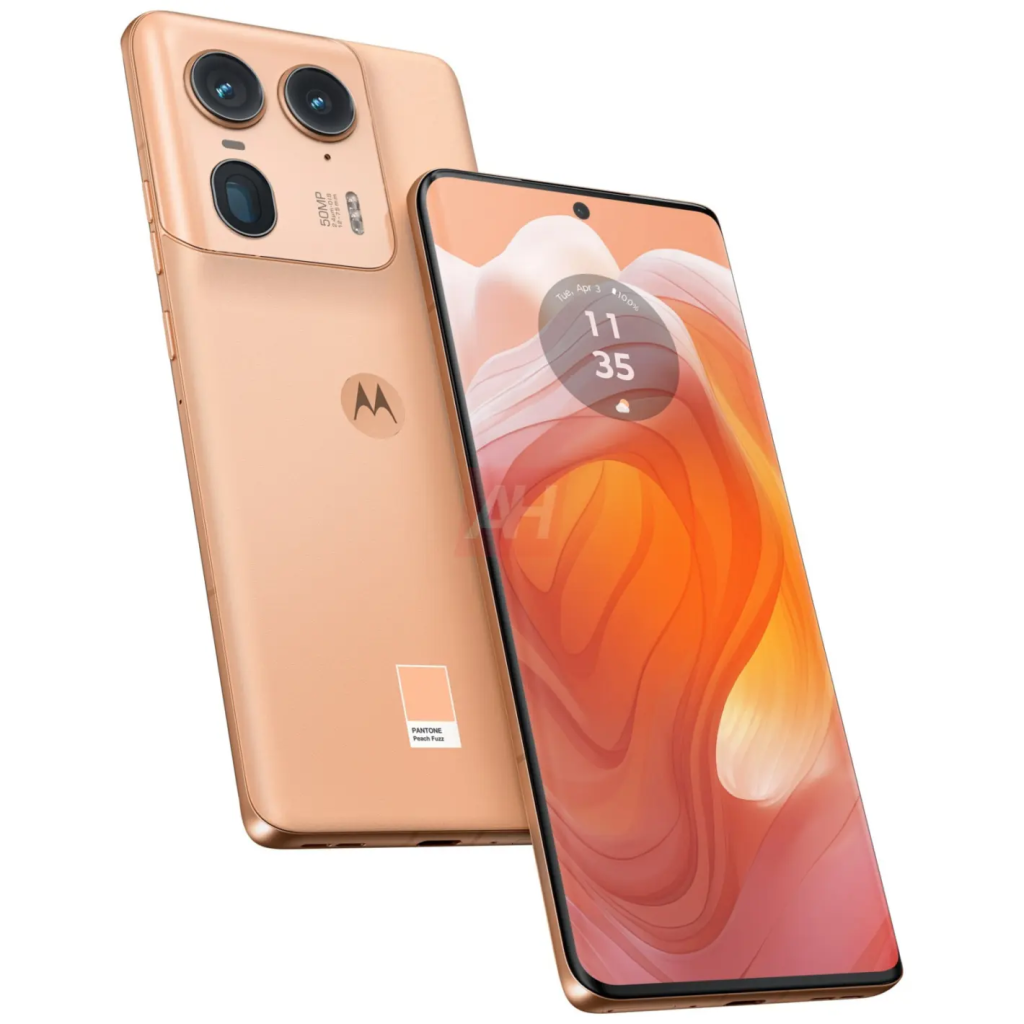
Vivo X100s Specs Leaked

The news arrives from known tipster Digital Chat Station who shared the new details on Weibo (a Chinese microblogging website). For those unaware, the X100 lineup is the brand’s premium grade handsets, so the X100s would arrive as the latest entry in this series. The tipster claims that the upcoming smartphone will feature MediaTek’s most powerful Dimensity chipset.

Vivo X100 Pro

It will reportedly be equipped with the Dimenity 9300+ SoC. Digital Chat Station further added that the X100s could also sport a flat OLED display that offers Full HD+ resolution. The Dimensity 9300+ is likely an overclocked version of the regular Dimensity 9300, which is a high end chip that powers current gen flagship devices. Reportedly, the upcoming handset will even offer 100W wired fast charging and be powered by a large 5,000mAh battery pack.

This is slightly slower than the 120W fast charging featured in the base X100 model. Digital Chat Station claims that the X100s houses a short focus optical in-display fingerprint scanner as well as a metal frame, and a glass rear panel. It is unclear if a leather variant is planned for this model. Although, the device is rumored to arrive in four color options, which will include a white variant. The Vivo X100s is expected to debut alongside the Vivo X Fold 4 and Vivo Pad 3 series next month in China, so stick around for more updates.

RELATED:

(Via)

FCC and UL certifications shed light on Galaxy Tab S6 Lite battery and charging

The Samsung Galaxy Tab S6 Lite 2024 appears increasingly likely to launch soon, as the tablet has been certified by both the US Federal Communications Commission (FCC) and Denmark’s Underwriters Laboratories (UL). 

These certifications reveal some possible specs and features of the device. So let’s take a look at it. 

Samsung Galaxy Tab S6 Lite 2024 FCC and UL certification

One key detail revealed by these certifications is the battery capacity. According to UL, the tablet is expected to house a 6,840mAh battery (26.34WHr). 

However, the certification includes two battery model numbers: EB-BT725ABU and EB-BT725ABN. The first one, EB-BT725ABU, is a larger 7040mAh cell, which might be actually used for the Galaxy Tab S6 Lite.

Support for this detail comes from the device’s FCC certification, which also mentions the EB-BT725ABU battery. Additionally, it confirms that the tablet supports 15W fast wired charging.

Moreover, the FCC listing suggests the tablet will be compatible with the S Pen stylus. Given that the previous Tab S6 Lite also supported the S-Pen, it’s unsurprising that Samsung would include it with the new model. 

Considering the compatibility with previous S Pen models, the 2024 version may also have similar dimensions. Additionally, the FCC certification confirms that the device will have an LCD panel.

Additional leaks and benchmarks point towards the inclusion of the Exynos 1280 processor, coupled with 4GB of RAM. The Galaxy Tab S6 Lite 2024 is expected to run the Android 14 operating system, likely with Samsung’s One UI interface.

While these leaks provide a glimpse into the upcoming tablet, official specifications and a release date from Samsung are still pending.

Related:

Vivo Y200e 5G goes on sale in India with Rs 19,999 (~$241) starting price via Amazon, Flipkart

On Feb. 22, Vivo unveiled the Vivo Y200e 5G in India. At launch, the brand confirmed that it will be available for purchase via Flipkart, Vivo India’s online store, and offline retailers starting today (Feb. 27). However, the Y200e is also available for purchase through Amazon.

Vivo Y200e 5G price in India

The Vivo Y200e 5G is available in India in two configurations, such as 6 GB RAM + 128 GB storage and 8 GB RAM + 128 GB storage. Both models are priced at Rs 19,999 (~$241) and Rs 20,999 (~$253), respectively. It comes in two shades, such as Saffron Delight and Black Diamond. Interested buyers can take advantage of Rs 1,500 cashback via SBI, IFDC Bank, Bank of Baroda, IndusInd, Federal Bank, and Yes Bank.

Vivo Y200e 5G specifications

The Vivo Y200e 5G has a 6.67-inch E4 AMOLED FHD+ 120Hz display that offers up to 1200 nits of brightness. It has a 16-megapixel front-facing camera, and its back panel has a 50-megapixel + 2-megapixel dual-camera system along with a flicker sensor. The Y200e runs on FunTouch OS 14-based Android 14.

The Y200e has the Snapdragon 4 Gen 2 chip onboard. It has LPDDR4x RAM, UFS 2.2 storage, and a microSD card slot for more storage. It has a 5,000mAh battery with 444W fast charging.

The Y200e is equipped with other features, such as an in-screen fingerprint scanner, dual speakers, NFC, Bluetooth, Wi-Fi, 5G, and an IP54 rated chassis. It has a thickness of 7.79mm (black) / 7.99mm (orange) and weighs 185.5 / 191 grams. According to the brand, the orange edition of the device has EcoFiber leather with an anti-stain coating.

RELATED:

MWC 2024: Nubia announces its music-focused smartphone with a unique speaker + camera module design and dual headphone jack

Nubia has announced its music-focused smartphone ‘nubia Music’, at the MWC 2024 exhibition. Priced at $149 (approximately 1073 yuan), this unique device stands out with its distinctive speaker + camera module design reminiscent of old-fashioned record players. The phone boasts a colorful back cover and features two 3.5mm headphone jacks on the top for convenient music sharing.

It achieves 600% higher volume than others and uses AI-driven extreme volume algorithms

The nubia Music

At the heart of the nubia Music phone is its impressive speaker system, which Nubia claims offers a volume level 600% higher than that of other mobile phones. Designed for shared listening experiences, the device incorporates an AI-driven extreme volume algorithm to ensure optimal handling of treble and bass frequencies. This emphasis on audio quality and communal enjoyment sets the nubia Music apart in the smartphone market.

In terms of specifications, the nubia Music is powered by a UNISOC processor and offers 8GB of memory paired with either 128GB or 256GB of storage. The device sports a 6.6-inch HD+ 90Hz LCD screen, providing users with a smooth visual experience enhanced by “music breathing” lighting effects. Additionally, the phone features a 50MP dual rear camera setup, allowing users to capture high-quality images and videos.

Battery life is also a highlight of the nubia Music phone, with a robust 5000mAh battery ensuring prolonged usage without the need for frequent recharging. Moreover, the device supports DTS:X Ultra sound effects, further enhancing the audio experience for users.

Overall, the nubia Music presents an intriguing option for consumers seeking a device tailored specifically for music enthusiasts.

Related:

TECNO Spark 20C launched in India with iPhone Pro-like design, Dynamic Port, and more

The Tecno Spark 20C is now official in India as scheduled. It is an entry-level smartphone with premium looks.

The device was first unveiled in late November. Since then, the company has been releasing it in select markets.

Tecno Spark 20C Magic Skin Green

Tecno Spark 20C Specifications

The Tecno Spark 20C looks like a fancy iPhone Pro. It comes in four colors and one of them even has a leather back.

The device sports a 6.6-inch centered punch-hole display. This LCD panel has an HD+ resolution (1612 x 720 pixels) and a 90Hz refresh rate. The screen also offers Apple’s Dynamic Island-like feature called ‘Dynamic Port.’

Under the hood, it houses an unspecified chipset featuring an octa-core CPU. The chip is paired with 4GB RAM and 128GB storage.

A dual camera setup resides on the rear comprising a 50MP primary sensor and an AI sensor. On the front, there’s an 8MP shooter.

The phone arrives with dual SIM, 4G, WiFi, Bluetooth, GNSS, a USB Type-C port, a 3.5mm headphone jack, and a MicroSD card slot. Despite being affordable, it also comes with dual stereo speakers and a side-mounted fingerprint sensor.

The handset boots Android 13. Lastly, it is backed by a 5,000mAh battery and supports 18W charging. 

Tecno Spark 20C Price

The Tecno Spark 20C is priced at ₹8,999 (~$110) in India for the sole 4GB + 128GB memory variant. It can be availed in either Magic Skin Green (leather), Mystery White, Alpenglow Gold, or Gravity Black color options.

The product will be available for purchase starting March 5 via Amazon.

RELATED:

Edifier Hecate ED-G3MPRO gaming mouse with up to 26,000 dpi & silent mode switch launched

Princeton has rolled out a new wireless gaming mouse called the G3MPRO, from the HECATE series made by EDIFIER. Known for its quality audio equipment, EDIFIER is now applying its expertise to gaming gear, aiming to make gamers’ experiences better.

Edifier Hecate ED-G3MPRO gaming mouse

The G3MPRO comes with a top-notch PAW3395 sensor, supporting up to 26,000 dpi for accurate and smooth control. It stands out with its three connection modes: wired for a direct link, Bluetooth for ease, and 2.4Ghz wireless for a quick, stable connection.

Edifier Hecate ED-G3MPRO gaming mouse

Additionally, the G3MPRO is equipped with dual mechanical switches on the back, enabling users to switch between a traditional click sound and a silent mode. This flexibility is particularly useful in shared living or working spaces, where minimizing noise can be crucial. It is designed for long gaming sessions, offering up to 70 hours of battery life on a single charge and featuring a lightweight design for comfort.

Edifier Hecate ED-G3MPRO gaming mouse

Launched on February 26, 2024, the G3MPRO is available in black and white options, with a retail price of 6,990 yen.

RELATED:

Realme Narzo 70 Pro 5G’s flat display officially confirmed, will have fewer pre-installed apps

Realme is preparing to launch the Narzo 70 Pro 5G as its first Narzo phone of the year. The landing page of the phone listed on Amazon has confirmed it will launch in March in the country. The website initially showcased the rear design of the smartphone, but the updated version now reveals its front appearance.

Realme Narzo 70 Pro 5G front design

Realme Narzo 70 Pro 5G display

As shown in the image above, the Realme Narzo 70 Pro 5G will feature a flat display with slim bezels. The image also provides a clear view of the phone’s flat-edged design. While the display size of the Narzo 70 Pro 5G remains uncertain, it is confirmed to have a 120Hz AMOLED display with rainwater touch support, enabling its screen to be used with wet hands.

The device is likely to come preloaded with Realme UI 5-based Android 14. While the company is yet to confirm its software, it has revealed that the device will have 65 percent fewer pre-installed apps.

Under the hood, the Realme Narzo 70 Pro 5G will have the Dimensity 7050 chipset. The camera setup of the device will have a 50-megapixel Sony IMX890 main camera, which will have support for 2x in-sensor zoom and OIS. There will be an ultra-wide lens with a 112-degree FOV in addition to it. However, there is no information about the third camera on the device.

The Realme Narzo 70 Pro 5G will replace the Realme Narzo 60 Pro 5G, which debuted last year. One of the major attractions of the predecessor model was that it came equipped with 1 TB of storage. It remains to be seen whether the successor edition will have a 1 TB variant.

RELATED:

OnePlus Ace 3V leak suggests 5500mAh battery, Snapdragon 7+ Gen 3 SoC at helm

OnePlus had a strong presence in the Chinese market last year with its Ace-branded phones. The trend looks to continue, with the upcoming OnePlus Ace 3V and Ace 3 Pro.  

A recent leak suggests the Ace 3V could arrive in March, potentially sporting the upcoming Snapdragon 7 Gen series chipset.

The leak comes from well-known tipster Digital Chat Station who shared that the upcoming OnePlus Ace 3V will be powered by a chipset model numbered SM7675. 

OnePlus Ace 3V leak

The SM7675 is rumored to be the upcoming Snapdragon 7+ Gen 3 which is said to match the performance of the Snapdragon 8-series SoCs. Reportedly, it will feature the same Cortex-X4 primary core as the Snapdragon 8 Gen 3 which would certainly give it an edge in terms of performance. The chip will be paired with up to 16GB of RAM. 

Additionally, the leak suggests that the OnePlus Ace 3V will feature a flat OLED panel boasting a 1.5K resolution and a 120Hz refresh rate. All this will be backed by a big 5,500mAh battery with 100W rapid charging.

Moving on from DCS, another leak from last month revealed that the device will sport a plastic frame and a glass back. There’s also speculation about the possibility of both flat and curved-edge screen variants.

While last year’s Ace 2V remained exclusive to China, it was rebranded globally as the OnePlus Nord 3. Therefore, it’s possible that the Ace 3V might be rebranded as the OnePlus Nord 4 or Nord 5 for global markets.

As of now, this is all we know about the upcoming OnePlus Ace 3V smartphone. We’ll keep you updated on any new developments regarding these smartphones.

Related:

Vivo Y03 visits GeekBench with Helio G85, Android 14, & 4GB RAM

Vivo is apparently working on the successor to the Vivo Y02 series. A new benchmark sighting has revealed that a Vivo Y03 might be in the works and even shed some light on some of its key specifications. So let’s have a look.

Vivo Y03 spotted on GeekBench

The Chinese tech giant’s upcoming budget device was seen carrying the model number V2332. Looking at the online listing, we can see that the smartphone is equipped with the MediaTek Helio G85 SoC that is paired with 4GB of RAM and a Mali G52 GPU. The GeekBench sighting also confirms that the handset will run on the Android 14 OS out of the box.

Vivo Y03

The synthetic benchmarks on GeekBench 6 reveal a score of 392 points and 1304 points for the single core and multi core tests respectively. Unfortunately, this is all the information that was listed in the database, and finer details like its other specifications, design, and more are still at large. But earlier this month, the Vivo Y03 was also certified in Singapore’s IMDA and China’s CQC certification platforms.

The smartphone was also seen getting certified on the Bluetooth SIG, revealing support for Bluetooth 5. In other words, the GeekBench sighting now hints that the Vivo Y03’s launch might not be too far away. So stick around for more, as we will be providing updates when additional information is available regarding this device.

RELATED:

(Via)

Realme 12 5G picks up BIS certification, Could launch on March 6 in India

Realme is set to expand its smartphone lineup in India with the upcoming launch of the Realme 12 5G. The device recently received BIS certification, indicating its launch is imminent.

Realme 12 5G BIS

Identified by the model number RMX3999, the Realme 12 5G’s certification details follow its previous sighting in Malaysia’s SIRIM certification database. This development suggests the Realme 12 5G will be launched alongside the Realme 12+ 5G, with a scheduled debut in India on March 6.

Realme 12 5G: What to expect

Reports and leaks suggest the Realme 12 5G will feature a 6.72-inch IPS LCD screen, supporting FHD+ resolution and a 120Hz refresh rate for clear and fluid visual performance. Security features are expected to include a side-mounted fingerprint sensor for quick and secure phone access.

The device is rumored to be powered by the Dimensity 6100 Plus chipset, ensuring efficient and powerful performance across applications. It is also expected to come with a 5,000mAh battery, supporting 45W fast charging for rapid power replenishment.

While specific details about the camera setup are not yet confirmed, FCC certification hints at a design and feature set similar to the Realme 12+ 5G, potentially including a dual-camera system. The Realme 12 5G is likely to run on Realme UI 5, based on Android 14, offering users a modern and user-friendly operating system experience.

RELATED:

(via: 91mobiles)

Redmi Note 11 series started getting Xiaomi HyperOS update

Redmi Note 11 series has started to receive HyperOS update. Users have been waiting for the new HyperOS update for a long time. HyperOS, which was first released for Xiaomi 12T, will gradually start to be offered to other models. Today Xiaomi started rolling out the HyperOS update for the Redmi Note 11 series with an unexpected move. The new HyperOS offers a refreshed system interface to the Redmi Note 11 / NFC and Redmi Note 11 Pro 4G models.

Redmi Note 11 Series HyperOS Update

The Redmi Note 11 series was launched in 2022. They come out of the box with MIUI 13 based on Android 11. The smartphones have now received their last major update with HyperOS. HyperOS is based on Android 13 and these devices will not receive Android 14. While this is a sad development, it is important to remember that every device has a certain lifespan. Even if you don’t get the new features of Android 14, you will still get the great features of HyperOS.

Redmi Note 11 / NFC gets HyperOS with build numbers OS1.0.3.0.TGCMIXM and OS1.0.3.0.TGKMIXM, while Redmi Note 11 Pro 4G gets the new update with build number OS1.0.2.0.TGDMIXM. Currently, HyperOS is available to Mi Pilot users. It will be available to all users in the future.

Related:

Infinix Smart 8 Plus launches in India on March 1, Flipkart microsite goes live

Infinix has just revealed the launch date for the Infinix Smart 8 Plus. The budget device was first announced last month, but its release date was still unclear. Now, the brand has confirmed that the smartphone is arriving at the start of next month, so here are all the details.

Infinix Smart 8 Plus India Launch Date

The company officially announced that the Infinix Smart 8 Plus will launch in India on 1st March 2024. This was revealed via a microsite that went live on Flipkart, a popular e-retailer in India. The teaser also confirmed that the Smart 8 Plus will be powered by a massive 6,000mAh battery pack that supports 18W fast charging via a USB Type C port. To recall, the upcoming handset sports a 6.6-inch IPS LCD panel that offers HD+ resolution and 90Hz refresh rate.

Infinix Smart 8 Plus

The front houses an 8-megapixel selfie camera and even features a Dynamic Island-like feature as well. Meanwhile, the rear packs a 50-megapixel dual camera setup that is paired with a quad LED flash module. Under the hood, it is equipped with the MediaTek Helio G36 SoC that is paired with 4GB of RAM and up to 128GB of internal storage.

Other notable features include a microSD card slot for storage expansion, Android 13 GO based XOS 13 custom skin, a 3.5mm headphone jack, and a side mounted fingerprint scanner. Unfortunately, the pricing for this device is still unclear. Although, we do know that it will arrive in four color options, namely Timber Black, Galaxy White, and Shiny Gold.

RELATED:

iQOO Pad Air, iQOO TWS 2 launched, pre-orders begin

iQOO has silently launched two new products, the iQOO Pad Air and the iQOO TWS 2, in China. Both devices are now listed for pre-orders and are slated to go on sale on March 1. Here is a look at the specifications of both products.

iQOO Pad Air, iQOO TWS 2 specifications

iQOO is yet to reveal the specifications of the iQOO Pad Air and TWS 2. It appears that the tablet is nothing but a rebranded version of the Vivo Pad Air from last year. According to tipster Digital Chat Station, the iQOO TWS 2 will be rebranded as the Vivo TWS 4.

The iQOO Pad Air has an 11.5-inch IPS LCD panel that offers a resolution of 1840 x 2800 pixels and a 144Hz refresh rate. It is powered by the Snapdragon 870 chipset, 8 GB of RAM, and an 8,500mAh battery with 44W fast charging. While it has UFS 3.1 storage, there is no clarity about the storage configuration of the iQOO Pad Air. It has an 8-megapixel rear camera and a 5-megapixel front camera.

At present, there is no information about the price of the device. The official image shows it will come in black and blue shades.

DCS said that the iQOO TWS 2 will deliver Hi-Fi level sound quality and feature the Snapdragon S3 Gen 2 chip for audio processing. For noise reduction, it will combine a 55dB noise reduction capability with 5000Hz ultra-wideband noise reduction and AI anti-wind noise technology. It will support 44ms low latency mode for gaming. As per the official images, the Pad Air will come in two options, such as white and black-yellow dual tone.

The pricing of the TWS 2 is not known yet. It is speculated that a rebranded version of the device with the Vivo TWS 4 moniker may debut a bit later in China. 

RELATED: