Advertisement

ASUS Zenbook 14 OLED 2024 released in India with Intel Core Ultra CPU, Check price & specs

The ASUS Zenbook 14 OLED 2024 laptops was unveiled earlier this month in the Indian market. Now, the official pricing and availability details regarding the notebook have finally been revealed. So here are all the details regarding its specs, pricing, and availability.

ASUS Zenbook 14 OLED 2024 Pricing & Availability

The ASUS Zenbook 14 OLED model arrives in multiple variants with a starting price tag of 99,990 INR. These device will also be available for purchase via Amazon, Flipkart, official ASUS online stores, Reliance Digital, and other retail partners. The first sale will kick off on 31st January 2024. Here are the prices of all of these configurations:

  • Zenbook 14 OLED (UX3405MA-PZ552WS) – 99,990 INR
  • Zenbook 14 OLED (UX3405MA-PZ752WS) – 114,990 INR
  • Zenbook 14 OLED (UX3405MA-PZ762WS) – 120,990 INR
  • Zenbook 14 OLED (UX3405MA-PZ551WS) – 99,990 INR
  • Zenbook 14 OLED (UX3405MA-PZ751WS) – 114,990 INR
  • Zenbook 14 OLED (UX3405MA-QD552WS) – 96,990 INR
  • Zenbook 14 OLED (UX3405MA-QD752WS) – 109,990 INR

ASUS Zenbook 14 OLED 2024 Specs

To recall, the new Zenbook 14 OLED sports a 14-inch OLED panel that offers 3K/FHD resolution, 120Hz or 60Hz refresh rate, and a 16:10 aspect ratio. Users can also opt for screens that support touch input. Under the hood, the 2024 lineup is equipped with the Intel Core Ultra series processors (including Core Ultra 5, Core Ultra 7, and Core Ultra 9). This chipset is paired with up to 32GB of LPDDR5X RAM and up to 1TB of internal storage.

The entire lineup features a thin and light design with a metallic body and weighs around 1.2 kilograms. Other notable features include a 75Wh battery pack that powers this device, which supports 65W fast charging, stereo speakers with Dolby Atmos support, Windows 11 Home Edition, a 3.5mm headphone jack, and an infrared webcam.

RELATED:

Moto G24 Power Launching In India On January 30

Earlier this month, Motorola announced the Moto G34 5G smartphone in India. Now, a new device called the G24 Power is confirmed to arrive in the country. It seems that the Lenovo-owned brand is on track to launch a slew of G-series device as the G Play (2024), G24, and G04 have also debuted in the global markets recently. 

Moto G24 Power India launch confirmed 

Motorola announced on its X (formerly Twitter) handle that it will announce the G24 Power in India on January 30. It will be available for purchase from the brand’s official website, Flipkart, and retail stores across the country.

E-commerce platform Flipkart has put up a dedicated microsite of the G24 Power revealing its key specifications. It has a flat frame and a raised camera module as spotted in leaked renders. There is a side-mounted fingerprint scanner embedded in the power button. The device will arrive in Blue and Grey color options. 

The Moto G24 Power will feature a 6.6-inch punch-hole display with an HD+ resolution and 90Hz refresh rate. It will have a 16MP front-facing selfie snapper. On the rear, the device is confirmed to come with a 50MP main sensor paired with a 2MP macro lens. The smartphone has stereo speakers with support for Dolby Atmos.

Under the hood, the Moto G24 Power is confirmed to be equipped with Helio G85 processor. It will be offered in 4GB and 8GB RAM options with both packing 128GB internal storage. There is also virtual RAM technology onboard. The upcoming offering will draw its power from a 6,000mAh battery unit with support for 33W fast charging. The smartphone will ship with the latest Android 14 OS out of the box and Moto gesture features.

Related:

Google Pixel 8a retail box leaked, reveals design & 27W fast charging

Back in November 2023, the design of the Google Pixel 8a was first revealed in leaked images. Now, the device has been spotted again. But this time, the retail box of the Pixel 8a was leaked, which has revealed key details regarding the upcoming smartphone.

Google Pixel 8a Retail Box

Google Pixel 8a

The images of the retail box were shared on a private Vietnamese Facebook group (Via MySmartPrice). Looking at the official packaging, we can see that the Pixel 8a has a design that is similar to the leaked renders we covered earlier. The smartphone features rounded corners and a dual camera setup on the rear. It retains the visor like camera module that also houses an LED flash module. The Pixel 8a can be seen in the black color model.

Meanwhile, a center aligned punch hole selfie camera is housed in the front. The volume rockers and power buttons are situated on the right side of the device. Notably, Google Pixel 8a’s G6GPR model number was also revealed. The retail box has also confirmed that the handset will support 27W wired fast charging. This leak shares the dimensions of the device as well, which is 152.1 x 72.6 x 8.9mm.

Google Pixel 8a

To recall, the Pixel 8a is an upcoming mid range model that will likely launch ahead of the flagship Pixel 9 series. It is believed to be equipped with an underclocked version of the Tensor G3 chipset. In a GeekBench sighting, the smartphone has scored 1218 points in the single core test and 3175 points in the multi core tests. This is all the information we have at the moment, so stick around for more updates.

RELATED:

OnePlus 12’s massive Cryo Velocity Vapor Chamber revealed in teardown

OnePlus has officially launched its latest flagship, the OnePlus 12 globally, marking the beginning of this year’s lineup of premium smartphones. Known for delivering a commendable price-to-performance ratio, OnePlus aims to maintain its reputation with the OnePlus 12. A recent teardown by Zack Nelson, the host of JerryRigEverything YouTube channel offers a closer look at the device’s internals, revealing a massive cooling solution that is said to be the biggest in mainstream smartphones.

The massive vapor chamber sinks heat from not only the SoC but also the dual cell battery

The teardown reveals a distinctive split battery configuration, allowing simultaneous recharging of each half, whether utilizing the 50W wireless charging or a faster 100W wired connection. This design not only enhances charging efficiency but also contributes to better overall battery management.

OnePlus has prioritized durability by incorporating rubber rings, gaskets around the USB-C connector, and numerous ribbon cable connectors to safeguard against water damage. However, the standout feature is the massive two-layer vapor chamber, aptly named Cryo Velocity Vapor Chamber. Positioned in direct contact with the Snapdragon 8 Gen 3 SoC and the display, this cooling solution covers an impressive 9,140 mm² area for efficient heat dissipation through the display.

The dual-layer configuration includes a thin gap with a small amount of fluid that recirculates through capillary action of a mesh within the chamber. The constant contact of vanes and recirculating fluid with the copper surfaces ensures effective temperature control.

OnePlus employs this advanced cooling design not only to manage the temperature of the Snapdragon 8 Gen 3 chip but also to cool the batteries and the wireless charging system.

While vapor chambers for smartphone cooling are not a novel concept, OnePlus takes a step further with its dual-chamber design, significantly increasing the surface area. The expanded surface area proportionately improves heat dissipation. The success of this innovative cooling solution in the OnePlus 12 could potentially improve the sustained performance under heavy workloads.

Related:

Oppo Reno 11F 5G makes it to Thailand’s NBTC

Following the launch of the Oppo Reno 11 Series, consisting of the Oppo Reno 11 5G and Oppo Reno 11 Pro 5G in Indonesia. The Oppo Reno 11F 5G is all set to launch soon, as it appeared on the UAE’s TDRA yesterday and today on Thailand’s NBTC. Oppo is also officially teasing the smartphone via Oppo Indonesia’s post on X.com.

Image

The listing of the upcoming Oppo 5G smartphone hardly reveals anything related to the smartphone’s specifications and features. However, it does confirm the upcoming launch of the Oppo Reno 11F 5G smartphone in Thailand.

Apart from the certifications, Oppo Reno 11F 5G’s landing page is now live in Indonesia, indicating an upcoming launch, possibly on February 24. OPPO claims the Reno 11F 5G will be splash-resistant, with a durable battery life of up to 4 years. Even a recent teaser emphasizes the portrait features, a triple rear camera setup, and ultra-fast charging capabilities. It will be available in green, pink, and blue color options and is already reported to be open for pre-orders in offline markets.

The smartphone will have a 6.7-inch AMOLED FHD+ display with a 120Hz refresh rate, the Dimensity 7050 chipset, 8GB of RAM, and 256GB of storage. It will feature a 5,000mAh battery with 67W fast charging, a 32MP front camera, and a versatile rear camera setup with 64MP main, 8MP ultra-wide, and 2MP macro lenses. Security will be enhanced with an in-display fingerprint scanner, and the device has an IP67-rated chassis for durability. The Oppo Reno 11F 5G is anticipated to debut in India, possibly as the Oppo F25, in February. With its impressive specifications, it’s expected to be a significant addition to Oppo’s smartphone lineup.

Still, a month is left, if we believe the expected launch date of February 24. We expect more details to surface before the official launch.

Related:

Apple iPhone 16 Pro Max rumored to feature a 48MP custom Sony sensor with 14Bit ADC and DCG support

According to @digitalchatstation, the iPhone 16 Pro Max will boast a 48MP 1/1.14″ Sony IMX903 customized main sensor with double-layer transistor technology. With 14Bit ADC and DCG support, this camera promises enhanced image quality than its predecessor, iPhone 15 Pro Max.

The custom sensor to be complemented by 1MG+7P glass-plastic lens module

iPhone 16 Pro Snapdragon X75 modem

Continuing its commitment to advanced photography, the iPhone 16 Pro Max will include a periscope telephoto lens. This innovation, however, comes with a design change, as the screen’s edge curvature increases, resembling a subtle curve of equal depth.

Additionally, speculations from Ming-Chi Kuo suggest that the iPhone 16 Pro series might adopt 1MG+7P molded glass-plastic hybrid lens modules. The iPhone 16 Pro is expected to feature a 6.3-inch screen, while the Pro Max variant will boast a larger 6.9-inch display.

Ming-Chi Kuo highlights a significant imaging upgrade for the iPhone 16 Pro, with dual 48MP sensors, a first for Apple, and a 12MP telephoto lens. The iPhone 16 Pro may offer a 120mm tetra-prism telephoto lens same as the iPhone 15 Pro Max. Front cameras of the iPhone 17 series models are set for an upgrade, featuring a 24MP sensor and a 6P lens.

Apple plans to introduce a novel camera button, codenamed Nova, specifically for video shooting. Utilizing capacitive buttons and force sensor functions, this button aligns with Apple’s dedication to enhancing the video recording experience.

The iPhone 16 Pro and iPhone 16 Pro Max will retain the premium grade 5 titanium (Ti-6Al-4V) construction from the iPhone 15 Pro, maintaining a sleek and durable appearance. While overall design changes are minimal, Apple may introduce new color options.

In terms of performance, Ming-Chi Kuo and Jeff Pu anticipate the integration of the A18 Pro chip, Wi-Fi 7 support, and Qualcomm’s Snapdragon X75 modem, ensuring 5G download speeds of 7.5 Gbps. Notably, the series is rumored to feature a graphene-based battery with a capacity of 3355 mAh and a new battery stack design, potentially enabling 40W wired charging.

As Apple continues to push the boundaries of smartphone technology, the iPhone 16 Pro Max is poised to set new benchmarks in camera capabilities and overall performance.

Related:

(Source)

Xiaomi tablet with Snapdragon 8 Gen 2 chip tipped to launch by February end

Recently, an upcoming Xiaomi tablet with model number 24018RPACC was approved by China’s 3C authority. It is unclear whether the device belongs to the existing Xiaomi Pad 6 series or the Pad 7 lineup. So far, only the fast charging capabilities of the device have been known through its 3C certification. Now, a new leak, courtesy of tipster Digital Chat Station has revealed the chipset that will power the device. In addition, the leaker has also revealed its launch timeframe.

Xiaomi’s Snapdragon 8 Gen 2 tablet incoming

In a new leak, the tipster is seen talking about a Snapdragon 8 Gen 2 chipset-powered tablet, which has a large form factor. Although he has not explicitly mentioned the name of the device, the people posting in the comments section of the Weibo post suggest that it could be the upcoming Xiaomi 24018RPACC tablet.

To recall, the 24018RPACC tablet was seen with a 120W fast charger at the 3C certification. The device has also bagged HDR Vivid certification, which indicates that it will offer a richer viewing experience.

The leaker said that the Snapdragon 8 Gen 2-powered tablet will offer an interconnected experience with other devices of the company, which suggests that it may preloaded with the HyperOS. He claimed that the tablet is scheduled to break cover by the end of February.

The same leak states that the brand is also working on the Snapdragon 8 Gen 3-powered tablets, which will feature OLED panels. It appears that these devices could be part of the Xiaomi Pad 7 series. As far as 24018RPACC is concerned, it is advisable to wait for further reports to know its final moniker.

RELATED:

Chrome Unveils Generative AI Features for a Smarter Browsing Experience

Google is leaving no stone unturned to bring AI utilization to its products and services. Since the launch of Gemini, the search giant has been actively pushing artificial intelligence-based features into compatible products, including Chrome, Android, and others. In addition to several UI-based and performance updates, Google is rolling out several new generative AI features for Chrome users. Google Chrome is rolling out three experimental generative AI features in its latest release (M121). Users on Macs and Windows PCs in the U.S. can access these features.

Generative AI Features on Chrome

AI Tab Groups

Along with enhancing the seamless browsing experience, the new update enhances the browser’s AI prowess. The first feature, Tab Organizer, automatically suggests and creates tab groups based on open tabs, streamlining the browsing experience. If you’re searching for a new smartphone and, in the process, have opened multiple tabs, then the feature can become handy. It will help to group all the smartphone search-related tabs into a tab group. Since the inception of the Tab Groups feature last year, there haven’t been any major changes to the feature. The new generative AI features seem to elevate the present Tab Group feature to a new level.

Custom Themes with AI

The second feature allows users to create custom themes with AI using a text-to-image diffusion model. From generating wallpapers and now to custom themes, Google has been working diligently to enhance Chrome’s AI prowess. The same can be accessed in the US by heading to the “Customize Chrome” side panel, clicking “Change theme” and then “Create with AI.” The users can add additional details like animation style and choose between different scene moods, like serene. The users can also use the uploaded photos to create a new theme.

Help Me Write

Lastly, an AI-powered writing assistance feature, “Help me write,” assists users in drafting content on the web with suggested text. It is set to launch in the next month’s release. Users can right-click on a text box or field on any site and select “Help me write.” It will be quite helpful by providing suggested text and making tasks like leaving reviews, RSVPs, or inquiries more streamlined and user-friendly.

These experiments aim to enhance browsing efficiency while maintaining personalization. AI and ML integration, including the new AI model Gemini, is expected to bring further improvements to Chrome in the coming year. The new generative AI features are not only enhancing the functionality of the Chrome browser but also enhancing the customization ability.

To enable these features, the users should head to “Settings” and navigate to the “Experimental AI” page after signing in.

Related:

Samsung Galaxy S24 Ultra shows its resilience against concrete in drop and scratch test

Samsung‘s latest flagship, the Galaxy S24 Ultra, underwent a thorough durability test conducted by PBKreviews on YouTube, revealing the robustness of the device. The focus of the evaluation was on assessing the phone’s resilience to drops and scratches, which is a crucial factor in everyday usage.

Galaxy S24 Ultra’s Gorilla Glass Armor suffered from minor crack after dropping from waist height

The Galaxy S24 Ultra boasts Corning’s innovative Gorilla Glass Armor cover material, known for its durability. Corning’s laboratory tests showcased the superior resilience of Gorilla Armor compared to similar aluminosilicate cover glass. To simulate everyday wear and tear, Corning introduced a new lab test, the Auto-Scratch Device, demonstrating Gorilla Armor’s exceptional scratch resistance over four times more resistant than comparable aluminosilicate cover glass.

While the titanium frame exhibited impressive scratch resistance, the phone’s screen faced challenges in drop tests. A face-down drop from waist height resulted in a tiny crack on the display. Subsequent repeated drops led to additional cracks, although the display continued to function. The noteworthy aspect is that the cracks on the display were not severe, indicating that the screen’s glass edges are not curved, providing better protection against drops.

In contrast, the back of the Galaxy S24 Ultra remained unscathed, with no cracks on the rear panel or camera lens. It’s crucial to note that the testing methodology involved only one drop per test, leading to a less scientifically rigorous process. Therefore, the results are more indicative than conclusive.

Despite the observed cracks on the screen, the Galaxy S24 Ultra’s durability shines through, especially in terms of scratch resistance and protection of the rear components. The real-world implications of these findings suggest that, in everyday scenarios, the device is likely to withstand scratches admirably and offer robust protection against accidental drops, contributing to an overall resilient user experience.

Related:

(Source)

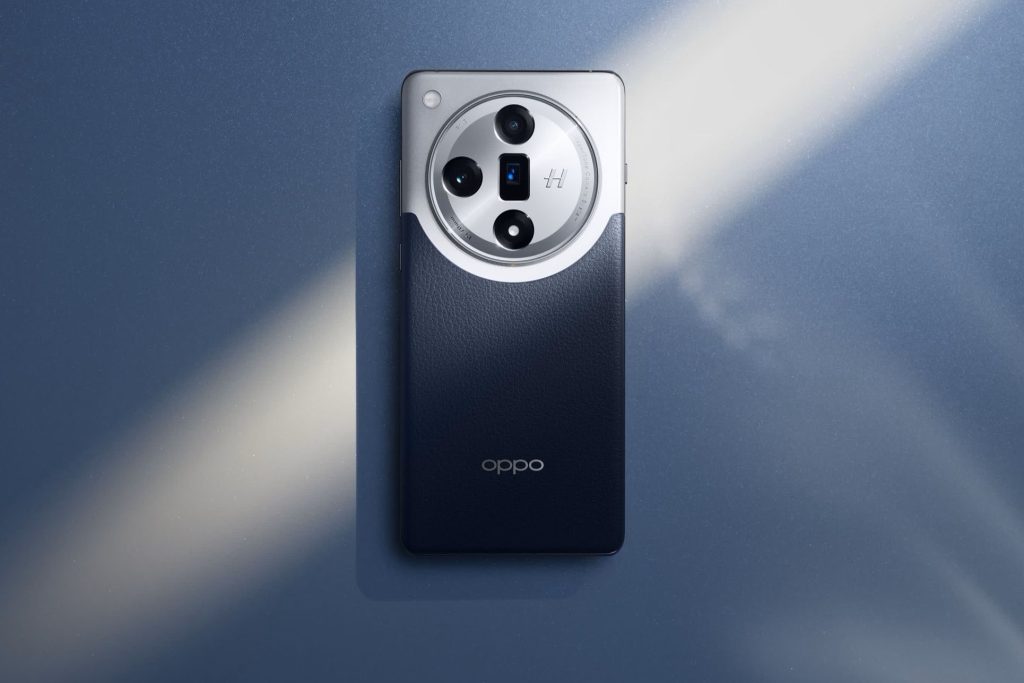
Oppo Find X7 Ultra receiving Maiden update that brings Refinements and New Features

Oppo is rolling out the ColoroS 14-based maiden update for Oppo Find X7 Ultra, featuring some exciting improvements and enhancements. Bearing the firmware version PHY110_14.0.1.232 (CN01), the update enhances the system, fixes several app issues, and enhances the privacy settings. The new ColoroS 14-based improvement update is not limited to the Oppo Find X7 Ultra; it is set to arrive on other smartphones too.

Well, the update on the Oppo Find X7 Ultra carries firmware PHY110 14.0.1.232 (CN01) with plenty of new fixes and improvements. The update weighs 664MB in size. It improves system stability, optimizes AI intelligent call summaries, enhances the AIGC removal experience, and fixes issues related to charging cable animation and intermittent charging using a power bank. Below is the official changelog (translated):

System

- Added restrictions on app shake-to-jump behavior . Managing device action and direction sensor permissions can restrict apps from calling sensors to shake-to-jump.
- Improve system stability and smoothness
- Optimize AI smart call summary
- Optimize AIGC elimination experience
- Fixed the issue where the charging cable turns green during the shutdown charging animation
- Fixed the problem of intermittent charging when using some power bank
- Fixed an issue where the screen would jitter slightly when long pressing after sliding the screen

Communication

- Improve WLAN network stability and compatibility
- Improve Bluetooth connection stability and compatibility
- Improve NFC stability and compatibility
- Improve GPS stability

Camera

- The newly added function of taking a group photo with the protagonist uses automatic super depth of field and a new algorithm to allow everyone in the picture to get the best facial clarity and detail expression.
- Added support for 4K 60FPS video recording. Switch cameras during zooming to make video creation easier.
- Added support for disc and optical change point zoom when recording in video mode, making focal length switching more efficient and convenient
- Added 6x telephoto macro capability , which will not switch to the wide-angle lens even if the focusing distance is close.
- Upgraded focal length switching settings, supporting 28mm, 35mm, 85mm, 300mm and native focal lengths, making it easy to switch commonly used focal lengths
- Optimize the basic effects of photography and video, anti-shake stability, and improve camera performance and shooting experience

The update is currently available in China and will be made available in other countries soon.

Oppo will bring the new update with similar changes to all the Oppo and OnePlus smartphones, starting with the Oppo Find N3 Series and then rolling out to the Find X6, Reno 11, OnePlus 12, OnePlus 11, OnePlus Ace 3, and OnePlus Ace 2 smartphones. The update will keep rolling out to the remaining smartphones in the coming months.

Related:

Infinix Note 40 Pro Appears on FCC, Sheds Light on Specifications

Infinix is all set to launch the Infinix Note 40 Series, consisting of the Infinix Note 40 and Infinix Note 40 Pro smartphones. These smartphones have already been leaked via public certification over the past few weeks. Inifnix’s upcoming Note Series Successors have visited Google Play Console, Bluetooth SIG, and NBTC. The Vanilla Infinix Note 40 also appeared on FCC a while ago. Today, the Infinix Note 40 Pro made it to the FCC with the model X6850, and details about the smartphone’s specifications have been revealed.

As per the FCC listing, the Infinix Note 40 Pro seems to come with 256 GB of storage and a 12 GB RAM variant; there could be other storage versions too. The 4G-enabled smartphone seems to come in the Vintage Green color option and would carry a 70W fast charging adapter. It will support 5W wireless charging. The phone measures 165mm x 76mm x 8mm in size. In terms of connectivity, there would be support for WiFi 2.4/5.2/5.8GHz, Bluetooth, and NFC.

The new smartphones are nearing launch, as they were recently spotted on the Google Play Console. Both smartphones come with Android 14 OS and will be equipped with the MediaTek Helio G99 SoC. The Infinix Note 40 seems to debut with 8GB of RAM, while the Infinix Note 40 Pro will feature 12GB of RAM. These 4G-enabled smartphones seem to offer an affordable option for users.

Further, the Infinix Note 40 comes with a 2436 x 1080 pixel resolution and 480 PPI pixel density. The Play Console listing also confirms the center-aligned punch hole cutout for the selfie camera.

Unlike the Infinix Note 40 Pro, the vanilla version will only feature 45W fast charging.

Additionally, the company recently introduced the Infinix Hot 40i, Hot 40, and Hot 40 Pro in the affordable smartphone segment. They also introduced a new laptop, the Infinix INBook Y4 Max, with a 16-inch display, in India.

Related:

Netflix Seems to be Moving Beyond the Basic Plan, UK and Canada to be the First Regions

Netflix seems to be charting a new course. The company’s recent decision to phase out its Basic plan marks a significant shift in its strategy, as revealed in its latest earnings call. The company has been grinding down hard on its cheaper plans to accommodate the rapidly inflating economy, and now, these steps are getting a bit too serious.

Netflix

The Basic plan, known for its affordability at $11.99 and ad-free viewing, has been a staple for many. However, in a landscape where content consumption is evolving, Netflix is adapting. The plan, which stopped being available to new or returning users last summer, is still in use by existing subscribers. But its days are numbered, with the UK and Canada set to see it phased out first.

This change is part of a broader trend in Netflix’s approach. The company’s focus is increasingly on its ad-supported content, which has seen a surge in popularity. In fact, ad-based subscriptions have grown by 70% quarter over quarter, now making up 40% of all new Netflix sign-ups in relevant markets.

What does this mean for subscribers? Options are narrowing. Once the Basic plan is gone, the ad-free experience will be limited to the Standard and Premium tiers. The Standard plan, at $15.49 per month, offers full HD streaming and support for two devices simultaneously. The Premium tier, priced at $22.99 per month, ups the ante with Ultra HD, streaming on six devices, and additional member options.

While some may see this as a reduction in choice, it’s a strategic move by Netflix. The streaming giant is not just tweaking its subscription models; it’s also investing in exciting content. The much-anticipated Squid Game Season 2 is set to release in 2024, and a new deal gives Netflix exclusive streaming rights to WWE Raw in 2025.

RELATED:

(Via)

Skarper and Red Bull Racing’s Partnership will help Design New E-Bike Conversion Kits

Skarper and the Oracle Red Bull Racing Formula 1 team have joined forces. This collaboration aims to supercharge the Skarper e-bike conversion kit, an innovative gadget that’s already turning heads in the cycling world.

The convenience of an electric bike meets a major tech upgrade

What’s so special about this e-bike kit? Well, it’s all about bringing the best of both worlds – the convenience of an electric bike with the familiarity of your favorite pedal bike. The Skarper kit is unique because it integrates a motor into the bike’s rear brake, powering the wheel while also allowing for quick transformation from electric to manual. Imagine having the flexibility to switch between an effortless electric ride and a traditional cycling experience in just minutes!

E-Bike

The partnership with Red Bull Racing isn’t just a flashy branding exercise. It’s a serious tech upgrade. The team, known for their cutting-edge technology in Formula 1, is now applying their expertise to make this e-bike kit smaller, more efficient, and better performing. Christian Horner, the team principal, sees it as a chance to demonstrate how F1 technology can enhance everyday gadgets. It’s about taking the innovation from the racetrack to your local bike lane.

While the Skarper kit isn’t cheap – with a price tag over $1,000 – its appeal lies in its versatility and innovation. Currently weighing around 6.6 pounds, it’s a lightweight addition to any bike, promising a range of up to 37 miles on a single charge. That’s quite impressive for an add-on kit!

This collaboration also reflects a growing interest in e-bike technology. With environmental concerns and urban mobility challenges, more people are looking for greener, more efficient ways to travel. Skarper, with a boost from Red Bull Racing’s F1 technology, is not just upgrading bikes; it’s pushing the boundaries of what personal transport can be. So, for those who love the idea of zipping around town with a touch of F1 flair, the Skarper-Red Bull Racing e-bike kit might just be the next big thing to hit the streets.

RELATED:

(Via)

Apple Apparently Pushes Back the Launch of its Rumoured Electric Car

Apple has been on a rollercoaster ride in its quest to launch an electric vehicle. While the tech titan has maintained a shroud of secrecy around its automotive venture, known as Project Titan, recent developments suggest that the journey has been anything but smooth.

According to Bloomberg, Apple is recalibrating its goals again

The project, which has been gobbling up an estimated $1 billion annually, started with grand visions. Initially, Apple set its sights on creating a fully self-driving electric vehicle, potentially even a robotaxi. This ambition saw them recruit top talent from the automotive and battery sectors, including former Tesla employees.

Apple Car

However, the path to innovation is often fraught with challenges. Apple’s foray into electric vehicles is no exception. The company has had to recalibrate its goals multiple times, according to Bloomberg. The latest pivot seems to be a shift from a fully autonomous vehicle to one that offers assistance on highways but still requires human attention and intervention.

This change in direction is significant. It indicates a scaling back of ambitions and aligns Apple’s offering more closely with existing advanced cruise control systems seen in vehicles from Tesla and General Motors. The decision to adjust their vision might be seen as a pragmatic move, given the immense complexities and safety considerations involved in creating a fully autonomous vehicle.

Moreover, Apple’s timeline for launching its electric car has been pushed to 2028, a delay from its original 2026 target. This postponement could be a reflection of the intricate and costly nature of automotive innovation. The company’s leadership is reportedly at a crossroads, contemplating whether to continue pouring resources into the project or cut their losses if this new direction fails to yield results.

In the broader context, Apple’s endeavor comes at a time when the electric vehicle market is booming. With Tesla leading the charge and tech firms like Sony and Alphabet’s Waymo diving into the mix, the competition is fierce. Apple’s potential entry into this space could be a game-changer, not just because of its reputation for design and user experience, but also due to its track record of disrupting industries.

As Apple inches closer to its dream, the question remains: Can it carve out a unique niche in an already crowded market? Only time will tell if Apple’s electric car will revolutionize the industry or become a footnote in the annals of automotive history.

RELATED:

(Via)

Finally, Motorola said to be working on Snapdragon 8 Gen 3 phone, launch timeframe tipped

In October 2023, Qualcomm introduced the Snapdragon 8 Gen 3 chip. The official statement released after the chip’s launch listed several brands that planned to incorporate it into their devices. These included Asus, Honor, iQOO, Meizu, Nio, Nubia, OnePlus, Oppo, Realme, Redmi, Red Magic, Sony, Vivo, Xiaomi, and ZTE. Notably, all brands except Vivo and Sony have already introduced smartphones powered by the SD8G3. Although the Vivo X100 Ultra, featuring this chip, is expected to debut in April, the Sony flagship is anticipated to be unveiled in the first half of the year. Interestingly, it was surprising to see that Motorola was not mentioned in the list. A fresh leak suggests that the Lenovo-owned brand will indeed launch a Snapdragon 8 Gen 3 phone in the next few months in China.

Motorola’s Snapdragon 8 Gen 3 phone incoming

According to tipster Wisdom Pikachu, Motorola is working on a Snapdragon 8 Gen 3, and it will go official in Q2 2024. That’s it; there is nothing else known about the mysterious phone.

Motorola releases its flagship phones under the X-series in China and the Edge-series in the global market. To recollect, the company unveiled the Moto X40 featuring the Snapdragon 8 Gen 2 chip in December 2022, and the same device was rebranded as the Motorola Edge 40 Pro for the global market in April 2023.

While there is no confirmation yet, there is a possibility that Motorola’s Snapdragon 8 Gen 3 may launch as the Moto X50 in China. The same device may get repackaged as the Motorola Edge 50 Pro in the global market.

Hopefully, the rumor mill will spill more details about the mysterious Motorola flagship phone in the coming weeks.

RELATED:

Google Pixel 9 Pro CAD renders leaked, key details emerge

In October 2023, Google introduced the Pixel 8 and Pixel 8 Pro smartphones. Although only around three months have passed since their launch, the rumor mill is already abuzz with details about the successors to the Pixel 8 duo. A new report by MySmartPrice, with prominent leaker Steve Hemmerstoffer (aka OnLeaks) as the source, has revealed the key details of the Pixel 9 Pro. Here is a look at all the details that have emerged through the leak.

Google Pixel 9 Pro design revealed

The publication has shared four CAD renders as well as a 360-degree video of the Google Pixel 9 Pro. The report reveals that the Pro model will be equipped with a 6.5-inch flat display, which means it will be smaller than the Pixel 8 Pro, which features a 6.7-inch AMOLED panel.

The screen has rounded corners and a centrally positioned punch-hole. As far as bezels are concerned, they appear quite thin, indicating that the device will offer an impressive screen-to-body ratio.

As per the report, the edges of the Pixel 9 Pro are flat, with the right side featuring a power key and a volume rocker. The left side of the device only has the antenna markings. The top edge of the Pixel 8 Pro has a microphone and an mmWave antenna cover, whereas the bottom features a SIM slot, a USB-C port, and a speaker grille.

The back panel of the Pixel 9 Pro will have a slightly redesigned horizontal camera module, which will comprise a main camera probably with support for a variable aperture, an ultra-wide lens, and a periscope telephoto camera. The thickness of the device at the camera will be 12mm, and its overall dimensions are said to be 162.7 x 76.6 x 8.5mm.

The report has no information about the other specs of the Pixel 9 Pro. However, a recent report claimed that the Pixel 9 lineup will have an exclusive Pixie AI assistant.

RELATED:

(source)

OPPO PJF110 bags radio certification in China

In November 2023, Oppo unveiled the Reno 11 series in China, followed by the Find X7 and X7 Ultra flagship smartphones earlier this month. Now, the brand is gearing up for more smartphone launches in the first half of 2024, with the PJF110 model recently receiving radio certification in China.

Oppo PJF110 receives radio certification

OPPO PFJ110 radio certification
OPPO PFJ110 receives radio certification

While this certification confirms the PJF110’s existence, its final marketing name remains unknown. We’ll need to wait for further reports to learn its official moniker.

Interestingly, a recent leak from Digital Chat Station suggests the company is working on the Oppo K12 smartphone, powered by the Snapdragon 7 Gen 3 processor. However, details about the K12 are scarce at this point. It is unclear whether the PJF110 will ultimately be marketed as the K12 or under a different name in China.

Meanwhile, Oppo is also working on a Find X7 Ultra Satellite Communication Version, carrying the model number PHY120, for the Chinese market. This variant, based on the standard Find X7 Ultra (PHY110), is expected to offer two-way satellite communication as its key differentiating feature. At present, it is unclear whether the Find X7 series will be released in markets outside of China.

In related news, Oppo is gearing up to launch the Reno 11F 5G and the F25. While these monikers appear different, they are said to be same phones designed for different markets. The Reno 11F 5G will soon launch in Indonesia and may also arrive in some other Asian countries. As far as the Oppo F25 is concerned, it is said to be a rebadged version of the Reno 11F for the India market. As far as launch is concerned, the F25 is expected to break cover in February in India.

RELATED:

Thunderobot launches Silver Wing 24.5″ 2K 240Hz gaming monitor in China for 1799 Yuan ($254)

Thunderobot has released a new gaming monitor called the Silver Wing LQ27F240L in China. This monitor features a 24.5-inch display and is priced at 1799 yuan ($254). It is currently available for purchase on JD.com. Let’s check out the key specs of this monitor.

Thunderobot Silver Wing

Thunderobot Silver Wing Specifications:

The monitor stands out for its unique Silver Wing Mech aesthetic, incorporating elements like cracked wing armor texture, an energy core, and a mech whale tail base.

The monitor offers impressive display capabilities, including a FAST IPS with liquid crystal technology, 2K resolution (2560×1440), a high refresh rate of 240Hz via DisplayPort, and 144Hz through HDMI, making it ideal for fast-paced gaming. Additionally, it features a rapid 1ms GTG response time ensuring minimal motion blur and ghosting.

In terms of visual quality, the monitor offers a peak brightness of 400 nits, a contrast ratio of 1000:1, and supports HDR technology, which enhances the overall picture quality. It covers 99% of the sRGB and 95% of the DCI-P3 color gamuts, ensuring vibrant and accurate colors. This makes it suitable not only for gaming but also for tasks that require color accuracy.

The monitor is also equipped with Freesync/G-sync technology, which synchronizes the refresh rate of the monitor with the graphics card. This feature helps to eliminate screen tearing and reduce dynamic blur, further enhancing the gaming experience.

Furthermore, the monitor prioritizes eye comfort with DC non-flickering technology and a hardware blue light filter, making it suitable for prolonged use by reducing eye strain.

Ergonomically, the Silver Wing monitor is designed with user comfort in mind. It includes a multi-functional stand that allows for 35° horizontal rotation, a tilt range from 5° forward to 20° backward, and 100mm height adjustment. This flexibility ensures that users can find their optimal viewing position.

For connectivity, the monitor is equipped with two HDMI 2.0 ports and one DisplayPort 1.4, along with an audio out. It comes with an adapter and a DP cable in the box. Thunderobot also offers a 3-year warranty for this monitor, providing a sense of security for the investment.

RELATED:

Suunto unveils the Wing, rugged audio wearables with bone conduction tech for the outdoors

Renowned watch manufacturer Suunto has made a shift towards the manufacture of earbuds. The company has launched the Wing, a pair of open-ear headphones designed to be the perfect audio companion for rugged pursuits. This is Suunto’s first foray into audio wearables and it underscores its commitment to delivering a holistic experience for outdoor enthusiasts.

Suunto Wing

While the Wing skips the noise cancellation feature, it compensates with a Qualcomm chipset that brings aptX Adaptive and SBC to the table, promising an immersive audio experience. The inclusion of cVc technology further enhances call clarity, making these headphones versatile for both active pursuits and communication on the go. The Wing comes with bone conduction technology, placing the Wing on the sides of the head next to the ears, offering a secure and comfortable fit.

The device comes with Bluetooth 5.2 ensuring a stable wireless link to devices. The device can be integrated with Suunto’s smartwatches like the 9 Peak Pro or Vertical. You also get an impressive IP67 water- and dust-resistance rating, promising reliability in challenging environments.

Suunto Wing

The wearable is designed with safety in mind, as it features LED accents, ensuring visibility in cases of loss or accidents. For those who prioritize visibility even more, the Lava Red colorway offers an eye-catching alternative to the sleek Black option.

The Wing comes with a unique charging stand, deviating from the conventional case design. This stand not only provides up to 20 hours of usage before requiring a recharge but also doubles as a power bank, offering a convenient solution for users on the move.

Suunto Wing

Pricing & Availability

The Suunto Wing is preAvailable now through various channels, including Amazon, the Suunto Wing is priced at $199.

Related:

Oukitel Unveils the OT8 Smart Tablet: Your Gateway to Fun, Education, and Work

Oukitel OT8 Smart Tablet, introduced by Shenzhen Yunji Intelligent Technology Co., LTD, promises an unparalleled user experience with its sleek design and impressive features, positioning it as the ultimate gateway to fun, education, and work.

Oukitel OT8 Smart Tablet boasts a stylish and slim design, measuring a mere 7.8mm thick and weighing only 515g. This slim profile, combined with its lightweight construction, makes it the perfect companion for on-the-go entertainment and light work, ensuring that you can enjoy your favorite activities wherever life takes you.

Featuring an 11-inch 2K TÜV SÜD certified screen, the OT8 delivers stunning clarity with a resolution of 1200×1920. Whether indulging in entertainment or tackling work tasks, the vibrant display ensures a visually immersive experience. The Widevine L1 support further enhances the tablet’s multimedia capabilities, enabling full HD streaming on popular platforms like Disney+ and Amazon Prime.

Under the hood, the OT8 is equipped with an octa-core processor that ensures smooth multitasking and responsive performance. With 6GB base RAM (expandable to 30GB through virtual allocation) and 256GB ROM, the tablet offers ample storage for your apps, files, and multimedia content. The dual SIM card slots and the option to expand internal storage by up to 1TB using a TF card ensure that you have the flexibility and space you need.

Unleash your creativity with the 8-megapixel Sony front camera and the 13-megapixel Samsung rear camera. Whether you’re snapping group selfies or capturing breathtaking landscapes, the OT8’s cameras deliver clear and vibrant images that allow you to cherish and share your favorite moments.

The OT8 is powered by a massive 8800mAh battery, providing up to 1130 hours of standby time and two days of regular use on a single charge. Say goodbye to frequent recharging and enjoy uninterrupted entertainment, education, and work on the go.

Launch Details and Exclusive Offers

The Oukitel OT8 Smart Tablet will make its debut exclusively at the Oukitel Official Store from January 22nd to 28th, priced at $179.99. The first 200 orders will receive a complimentary BT20 smartwatch (worth around $60), adding extra value to this already exceptional offer. New subscribers can enjoy an additional 5% discount during the launch period.

The launch price of $179.99 is only available during the one-week premiere sale. After the promotional period, the price will increase to $189.99. Don’t miss this opportunity to own a state-of-the-art tablet at an unbeatable price.

About OUKITEL

Oukitel, a brand under the umbrella of “Shenzhen Yunji Intelligent Technology Co., LTD” in Shenzhen, China, stands as a high-tech corporate brand that integrates research and development, design, production, sales, and after-sales service. With a partner network spanning more than 130 dealers in 60 countries, Oukitel’s products have made their mark throughout Europe, Asia, and North and South America.