Advertisement

Vivo Y100 key specs revealed, features 5000mAh battery, 120Hz display, and more

The Vivo Y200 and Y55t were recently launched by the company. But it appears that another Y series announcement is just around the corner. The device in question is the Vivo Y100 model, which had some of its key specifications officially revealed.

Vivo Y100 Teaser Reveals Key Specs

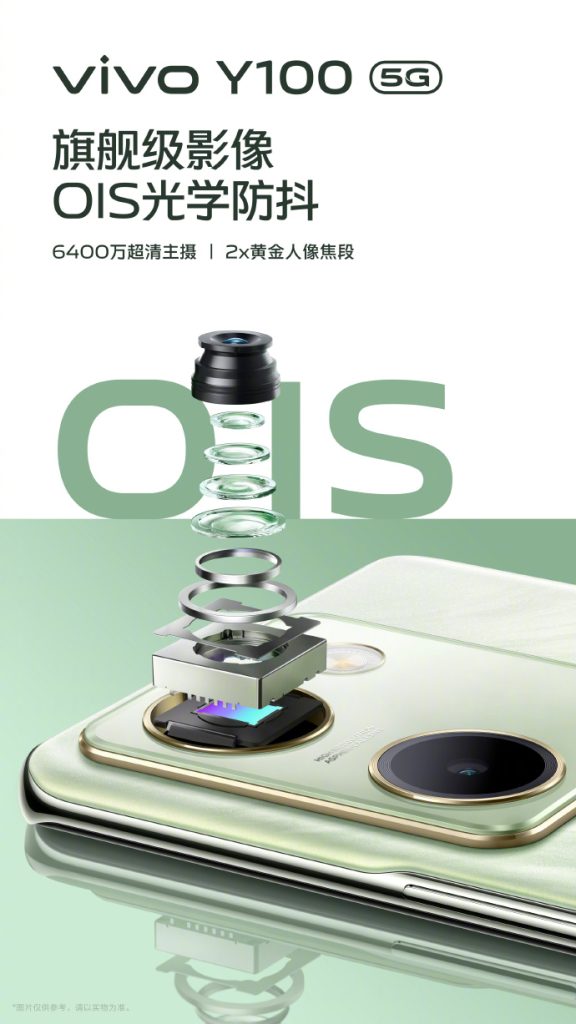
The brand shared teaser image posters on its official Weibo account (a Chinese microblogging website), which confirms some of its specs and features. Under the hood, the Y100 model is powered by a large 5,000mAh battery pack. Vivo claims that the smartphone will come with a thin design (7.49mm in thickness and weighs 181 grams) despite having such a large battery. Meanwhile, the rear will pack a dual camera setup, with the primary sensor having a 64-megapixel resolution and OIS support (Optical Image Stabilization).
This wasn’t all as the company also confirmed that the Vivo Y100 will launch with up to 12GB of RAM and 512GB of internal storage. The memory of the device can even be further expanded via virtual RAM expansion by another 12GB. We already know that the front sports a tall curved AMOLED display, but another teaser confirmed that the panel will offer a smooth 120Hz refresh rate.

It is worth noting that the upcoming Chinese variant of the Vivo Y100 is different from the Indian version of the device with the same name. To recall, this model offered a flat 6.38-inch AMOLED panel and was equipped with the MediaTek Dimensity 900 SoC. The Chinese Y100 variant will be announced on 27th October 2023 at 2:30 pm CST in China. So stick around for more, as we will be covering the launch event.

RELATED:

Tecno Spark 20 spotted on Google Play Console with Helio G85

Tecno is gearing up to launch new models from its Spark series of smartphones. One of these devices is expected to be the Spark 20, which was recently spotted on a certification platform. So here are all the details.

Tecno Spark 20 Surfaces on Google Play Console

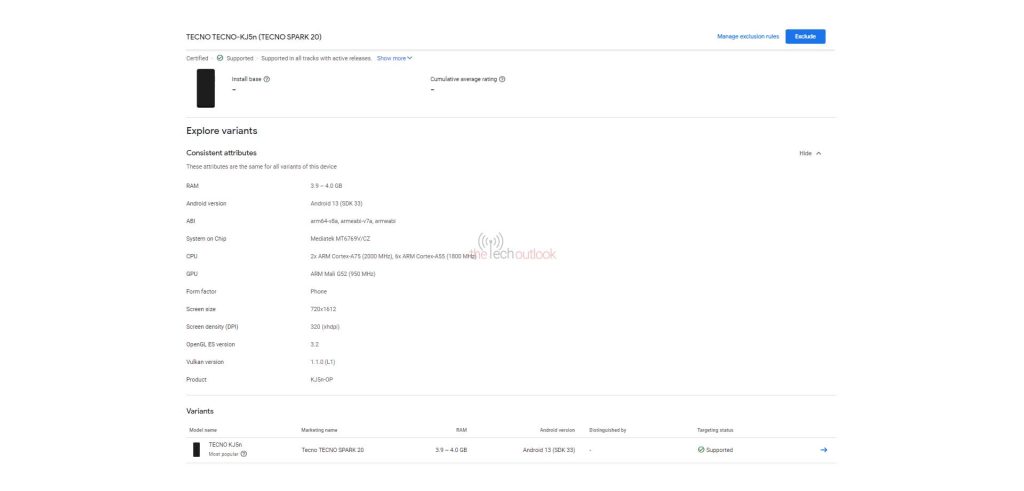
The smartphone maker’s Spark 20 model was sighted on the Google Play Console platform carrying two model numbers, namely TECNO-KJ5 and TECNO-KJ5n. Furthermore, the listing also reveals some of its key specifications. Tecno’s Spark 20 was spotted with the MediaTek Helio G85 SoC, which is a 4G processor and is paired with the ARM Mali G52 GPU.

Tecno Spark 20

The Google Play Console listing confirms that the upcoming device will run on Android 13 OS out of the box and will house 4GB of RAM. Some of the display specifications have been revealed as well. The screen will have a 1612 x 720 pixel resolution (HD+) and a pixel density 320ppi pixel density. On the certification listing, we are offered a glimpse of the Tecno Spark 20’s front design.

The device features a flat display with a center aligned punch hole cutout for the selfie camera. On the right side, we can see the volume rockers and a power button. Another Spark series device is the Sparo Go 2024, which also surfaced on the Google Play Console database. There is even a Spark 20C model in the works that was sighted on the FCC platform. So stick around for more, as we will be providing more updates.

RELATED:

(Via)

Realme GT 5 Pro to launch with SD8 Gen 3 chip and Sony triple cameras

Relame GT 5 Pro is anticipated to be the brand’s next-gen flagship smartphone. We have been hearing about this device for quite a while now.

Yesterday, the brand officially hinted at the launch of this phone. Today, it has confirmed the chip powering it. At the same time, a reliable source has revealed the camera specs.

Let’s go through everything that’s known about this upcoming premium phone from Realme.

Realme GT 5 Pro Snapdragon 8 Gen 3 Chip Confirmation

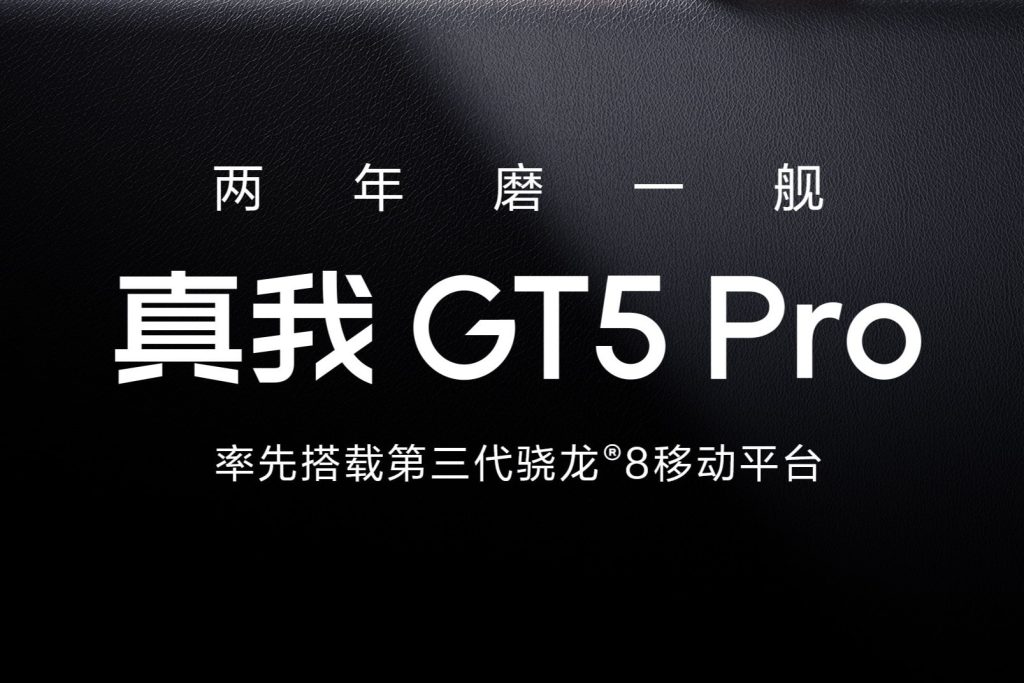
Realme has officially confirmed that the Realme GT 5 Pro will be powered by a Qualcomm Snapdragon 8 Gen 3 chip. For the unaware, Qualcomm’s latest flagship mobile platform was just announced a few hours back.

The Xiaomi 14 and Xiaomi 14 Pro will be the first handsets to use this chip. They are scheduled to launch tomorrow, followed by the iQOO 12 series on November 7.

Realme is yet to disclose the launch date, however, we know a few things about its product.

According to Digital Chat Station, the Realme GT 5 Pro will flaunt a curved screen supplied by a Chinese display maker. This panel will offer a 1.5K resolution.

Further, he says that the device will arrive with a triple camera system featuring Sony sensors. The setup will include an IMX966 primary sensor, an IMX581 ultrawide unit, and an IMX890 3x telephoto shooter (could be periscope).

As per previous leaks, the handset will be available in a vegan leather option. It is expected to come with a 10,000mm² VC liquid cooling system and a 5,400mAh battery. Finally, it is said to carry support for 100W wired charging and 50W wireless charging.

RELATED:

Qualcomm S7 & S7 Pro Gen 1 Sound Platforms unveiled for future audio products

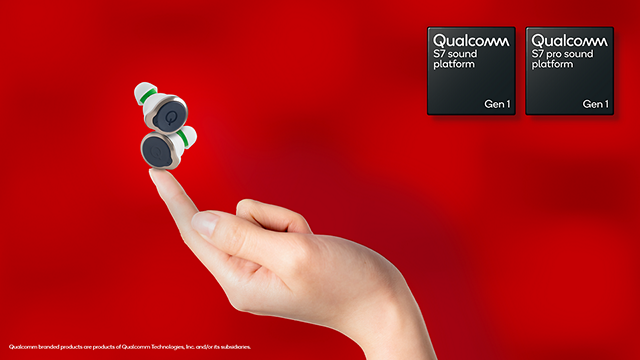
At the recent Snapdragon Summit, Qualcomm introduced its latest audio technology – the Qualcomm S7 and S7 Pro Gen 1 Sound platforms. These new chips aim to revolutionize the audio landscape for earbuds, headphones, and speakers, promising enhanced performance, power efficiency, and advanced connectivity.

Qualcomm S7

These platforms bring a robust on-device AI, making them smarter than their predecessors. With six times more computing power and nearly 100 times more AI capacity, they promise better audio without draining your device’s battery.

The S7 Pro Sound platform introduces Qualcomm’s XPAN tech and micro-power Wi-Fi. Essentially, this new tech makes use of low-power Wi-Fi to extend the reach of Bluetooth earbuds, speakers, and headphones. It can detect how well a Bluetooth connection is working and smoothly switch over to Wi-Fi when you go beyond Bluetooth’s range. Qualcomm XPAN also offers high-quality audio at 48 kHz and 96 kHz without losing any quality. They also make sure there’s less delay when you’re watching or listening.

Qualcomm S7

The S7 and S7 Pro Gen 1 Sound platforms make improvements in quick-response noise cancellation, support for multiple audio channels, and energy-efficient operation. For users, this means the best noise cancellation performance yet, especially in noisy places like offices or cafes. The noise cancellation adjusts automatically to stay effective even if the earbud shifts or the surrounding noise changes suddenly.

Qualcomm S7 & S7 Pro Gen 1 Sound Platform features

• All new platform architecture unlocks a new tier of performance,
maintaining ultra-low power performance
• Almost 100x more AI power than the Qualcomm S5 Gen 2 Sound
Platform
• 3x more memory than the Qualcomm S5 Gen 2 Sound Platform
• A step-change in DSP – 1.5 GHz total audio compute (50%+
improvement on previous S5 Gen 2 Sound Platform)
• Dedicated AI core to provide higher performance and lower power
for ML applications compared to using the DSP
• Dedicated cores for audio curation including hearing loss
compensation, ANC, transparency, and noise management
• Hi-Fi-grade stereo audio codec
• 4th Generation Qualcomm Adaptive Active Noise Cancellation
112 biQuad filters combined with fully programmable 3uSec low
latency DSP to enable personalized and responsive audio curation
• Bluetooth 5.4 radio and Bluetooth LE Audio experiences, including
Auracast Broadcast Audio
• USB High Speed PHY at 480 Mbps which unlocks enhanced Audio
Development workflows
• Non-invasive, low-level debug through use of Qualcomm USB-EUD
• Enhanced memory and peripheral data sharing across subsystems
for lower latency and higher throughputs
• DMIC, I2S, TDM, and Soundwire digital audio interfaces
• Fully integrated system including PMU, charger, mic bias, and
external supply support
• High-performance audio combined with low power consumption,
designed for Snapdragon Sound

Qualcomm S7 Pro Gen 1 Additional Features

• Support for Wi-Fi connectivity at micro-power
• Support for whole home and building coverage with
Qualcomm XPAN Technology
• Seamless transitions to Wi-Fi from Bluetooth
• Data rates of up to 29 Mpbs, supporting Snapdragon Sound and
delivering up to 24-bit 192 kHz lossless music streaming over Wi-Fi

In related news, Qualcomm has also unveiled its new Snapdragon 8 Gen 3 chip for upcoming flagship smartphones. You can read more about it by clicking the link.

RELATED:

(Source)

Nubia Z60 Ultra, Red Magic 9 series to feature Snapdragon 8 Gen 3

Earlier today, Qualcomm unveiled the Snapdragon 8 Gen 3, its next-generation flagship chipset for smartphones. Nubia is one of the first brands to confirm its use in upcoming smartphones. Continue reading ahead to learn which Nubia devices will be equipped with this new chip.

Nubia Z60 Ultra, Red Magic 9 series: What’s known so far

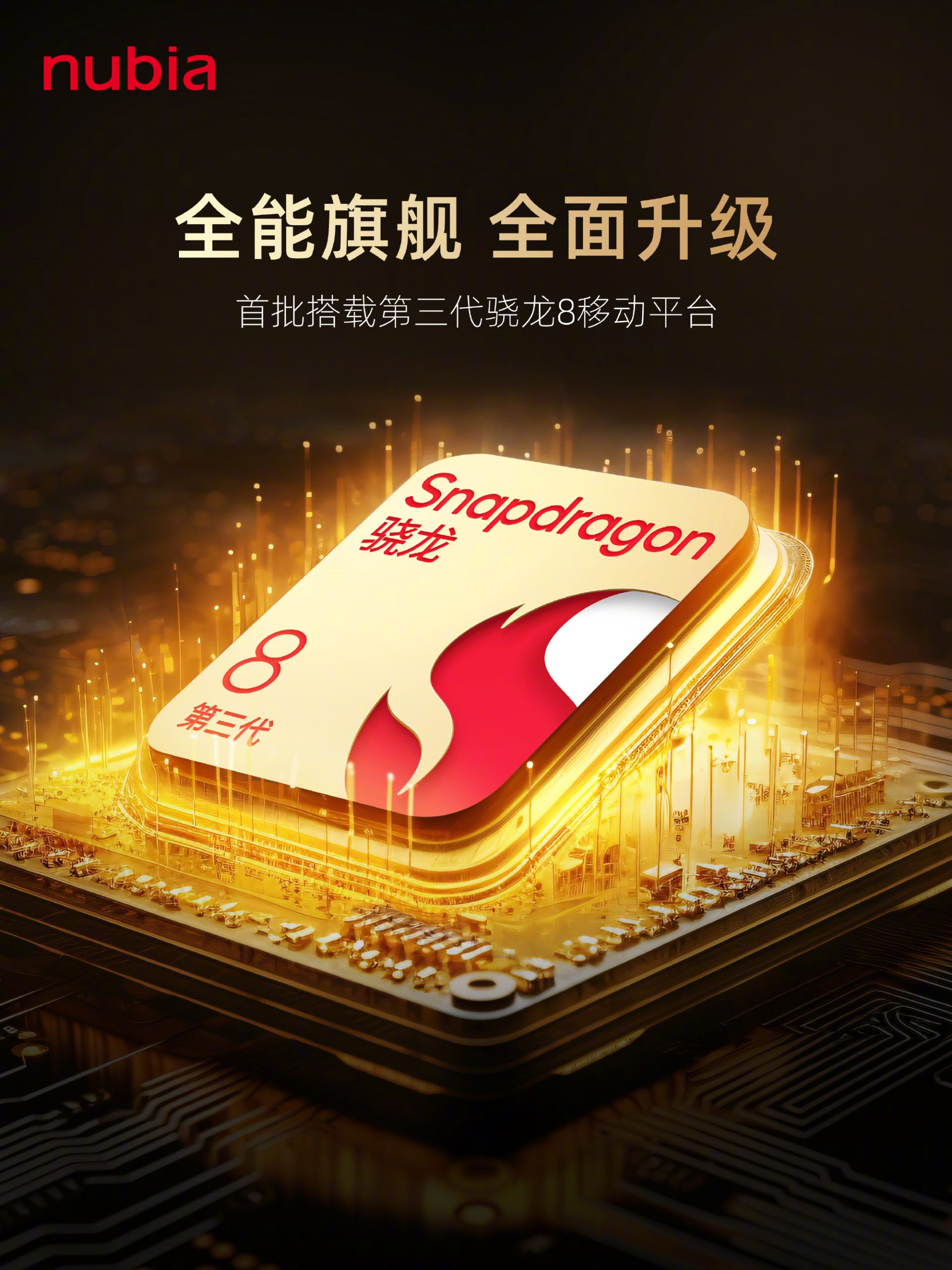
The Weibo handles of both Nubia and Red Magic brands have confirmed that they will release Snapdragon 8 Gen 3-powered smartphones. Recently, a Nubia phone with model number NX721J was spotted in Geekbench’s database. The listing revealed that the device is powered by the Snapdragon 8 Gen 3 chip.

Rumors are rife that the NX721J device will be called the Nubia Z60 Ultra when it is released in the Chinese market. It is speculated that the brand will unveil the Z60 Ultra before the end of this year. The Geekbench listing further revealed that it has 12 GB of RAM and Android 14 OS.  

A recent report also revealed that the Nubia Z60 Fold, which will be Nubia’s first foldable phone, will also feature the Snapdragon 8 Gen 3. The foldable phone is expected to launch in the first quarter of 2024.

The Red Magic 9 and Red Magic 9 Pro gaming smartphones are also said to be equipped with the Snapdragon 8 Gen 3 mobile platform. It is speculated that the NX769J Nubia device featuring the said chipset that was spotted on Geekbench in August could be a Red Magic 9 series smartphone. It was also found to be equipped with 12 GB of RAM and Android 14.

While Nubia has officially confirmed to launch Snapdragon 8 Gen 3-powered smartphones, it hasn’t yet provided official names for these devices. Therefore, it is recommended to await additional reports for verification.

RELATED:

OnePlus 12 is officially confirmed to feature Snapdragon 8 Gen 3

Qualcomm officially announced its latest generation of flagship mobile processor, the Snapdragon 8 Gen 3. Soon after the unveiling, various smartphone brands announced that their premium phones would feature this top notch chipset. One of these brands includes OnePlus, with their OnePlus 12 confirmed to feature the Snapdragon 8 Gen 3 platform.

OnePlus 12 confirmed to Feature Snapdragon 8 Gen 3

In a teaser image poster, the Chinese smartphone maker showcased the new Qualcomm chip that will be equipped on its upcoming flagship handset. For those unaware, the Snapdragon 8 Gen 3 SoC is built on a 4nm process node and features improvements in power efficiency and performance. The chipmaking giant claims that it arrives with a 30 percent increase in processing power whilst offering a 25 percent improvement in power consumption.

Furthermore, the NPU (Neural Processing Unit) has seen a massive 98 percent bump in performance as well. The new GPU is 25 percent faster and supports Ray Tracing tech which is 40 percent better than its previous generation. In other words, the OnePlus 12 will come with enhancements across the board. This model is also one of the first smartphones to feature the Snapdragon 8 Gen 3 platform.

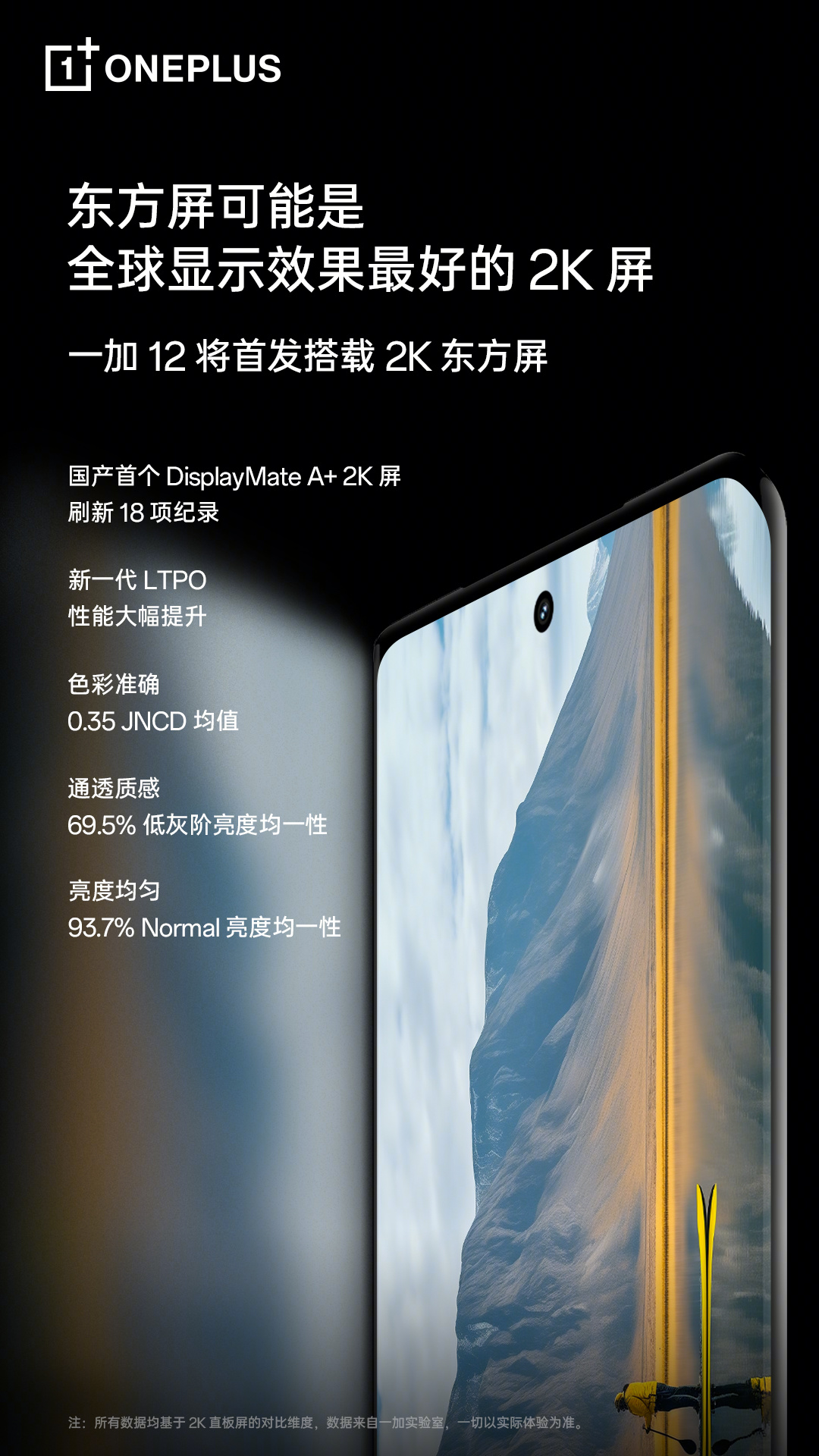
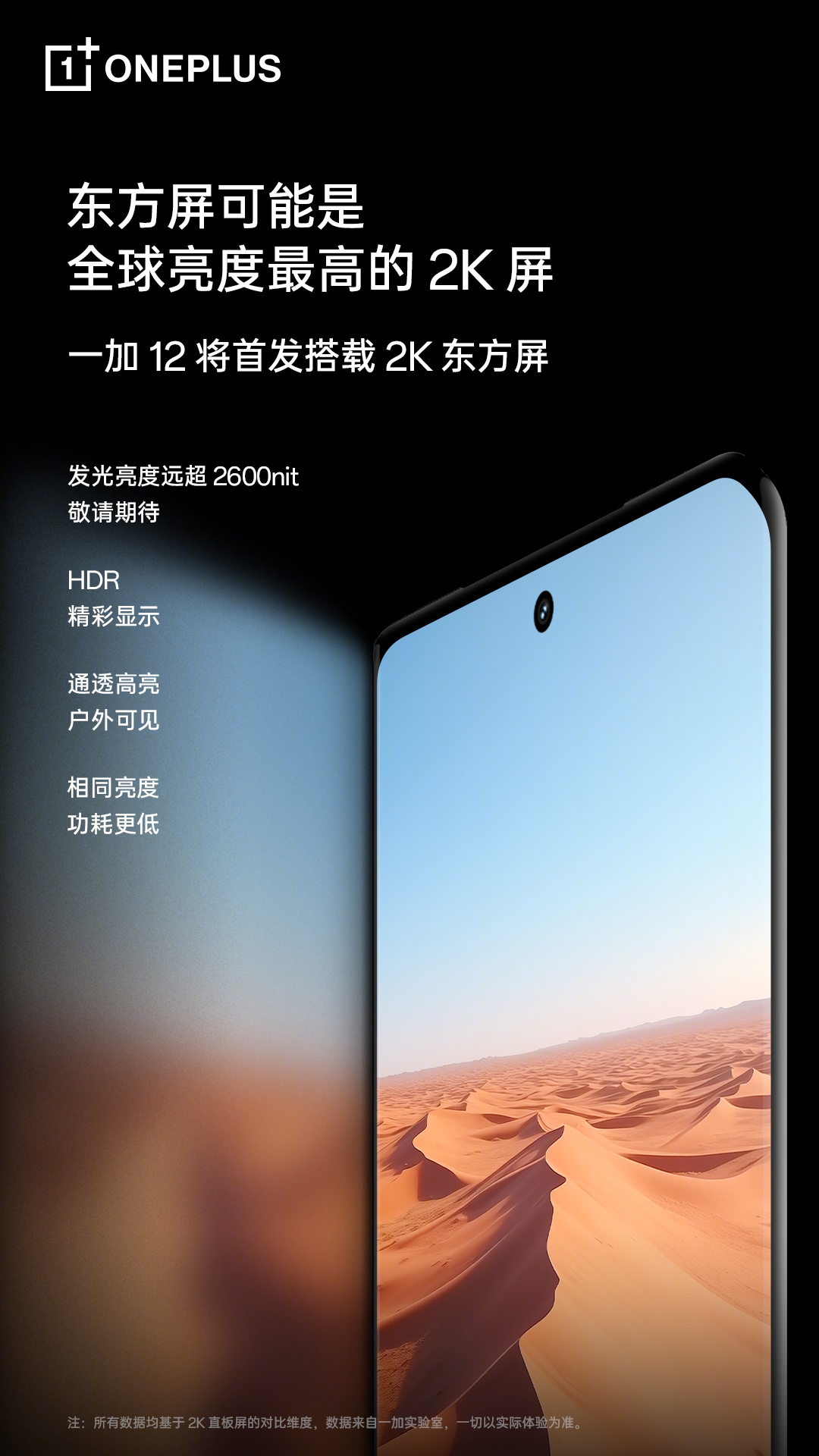
OnePlus also shared other teasers of the OnePlus 12 that showcased its display. The device will feature an Oriental display, which has also been recognized by DisplayMate as one of the best 2K screens. It has received an A+ rating thanks to its HDR support, LTPO technology, and improved color accuracy. The panel is a tall 6.82-inch OLED display that offers up to 120Hz refresh rate and 2,600 nits of peak brightness.

RELATED:

Xiaomi to launch its first Blood Pressure Smartwatch with Class II medical device certification on Oct 26

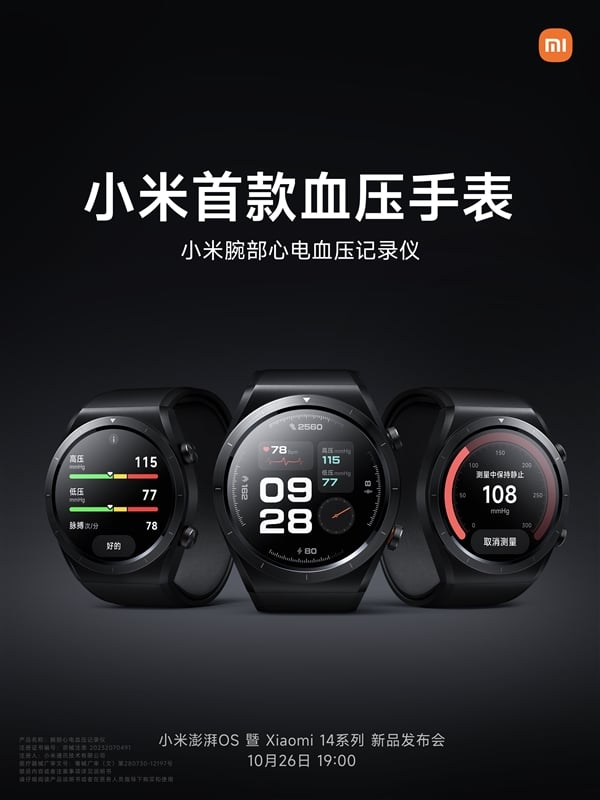
Xiaomi has teased its first-ever smartwatch for blood pressure monitoring. The smartwatch called “Xiaomi Wrist ECG Blood Pressure Recorder” is set to be officially launched on October 26th alongside Xiaomi 14, Hyper OS, and Xiaomi Watch S3.

The Smartwatch will Feature China’s Class II Medical Device Certification

According to the teased image, this smartwatch will feature a round dial with a sleek, non-bulky design and two physical buttons on the right side. The strap seems sturdy and is expected to include inflation and pressure functions to assist in blood pressure measurements. Alongside medical grade features the watch will also incorporate top-tier smart features.

Xiaomi Blood Pressure Smartwatch

The watch will feature a user-friendly interface that prominently displays blood pressure readings, distinguishing between systolic and diastolic pressures. These readings come with color-coded risk level indicators.

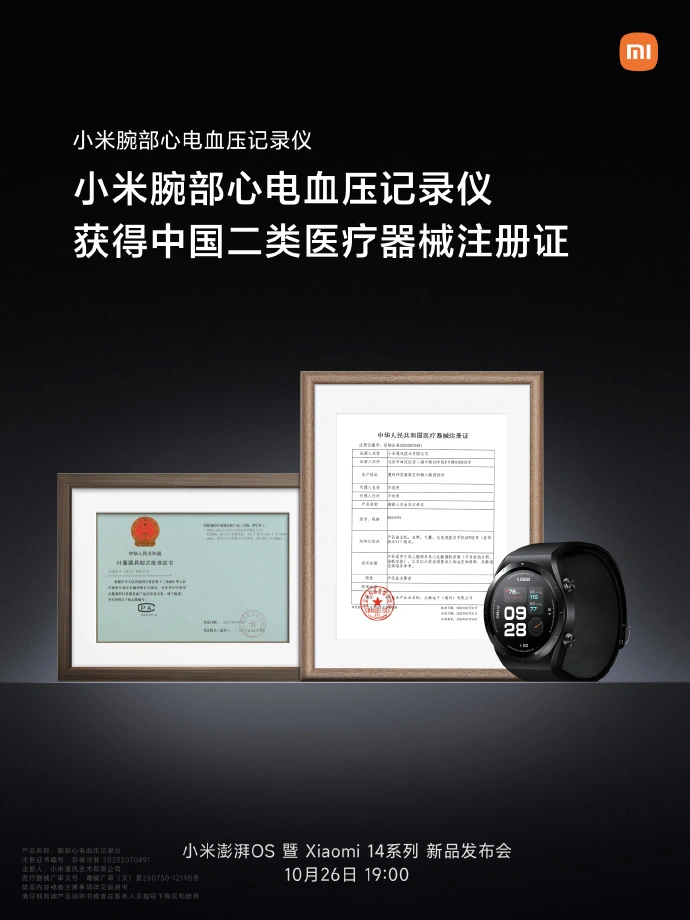
The smartwatch is expected to be highly portable, enabling users to check their blood pressure anywhere, making it especially useful for older individuals managing hypertension. Additionally, it will offer automatic measurement settings for added convenience. The watch has received China’s Class II Medical Device certification.

Xiaomi Blood Pressure Smartwatch

Additional details from the Beijing Municipal Drug Administration indicate that the Xiaomi Wrist ECG Blood Pressure Recorder package will include the watch, strap, airbag, a charging base, and mobile app software.

It’s important to note that this product is designed for adult use and collects ECG data from the wrist. It utilizes the oscilloscope method to measure blood pressure and pulse, providing values intended for clinical reference. The device is manufactured by Longqi Electronics (Huizhou) Co., Ltd.

WHERE TO BUY
Buy Xiaomi 14 and Xiaomi 14 Pro from $699 @Giztop

RELATED:

(Via)

Redmi K70 series confirmed to feature Snapdragon 8 Gen 3

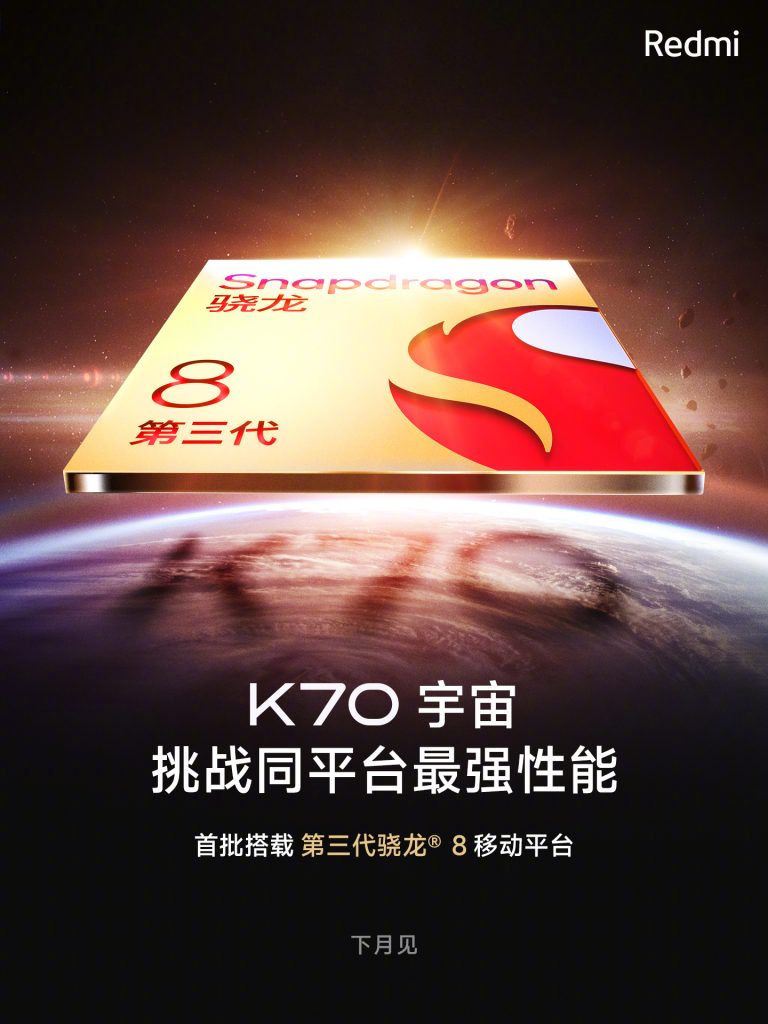
Redmi is expected to announce the Redmi K70 series of smartphones before the end of the year. Today, the brand confirmed that the Redmi K70 series will come equipped with the Snapdragon 8 Gen 3, which has just gone official.

Redmi K70 Pro to feature the Snapdragon 8 Gen 3

Redmi K70 series with Snapdragon 8 Gen 3
Redmi K70 series to feature Snapdragon 8 Gen 3

Last year, Redmi launched the Redmi K60 and K60 Pro with Snapdragon 8+ Gen 1 and Snapdragon 8 Gen 2 chipsets, respectively. Reports surrounding the Redmi K70 and K70 Pro have revealed that these devices will be equipped with the Snapdragon 8 Gen 2 and Snapdragon 8 Gen 3 chipsets, respectively.

It is speculated that the Redmi K70 and K70 Pro will debut in December in China. Redmi is calling the Redmi K70 series the “2024 flagship”, which indicates that it could be available for purchase in January in China despite going official in December.

Last year, Redmi also announced the Dimensity 8200 chipset-powered Redmi K60e along with the Redmi K60 and K60 smartphones. However, the rumor mill is yet to reveal concrete details about the K70e.

The Redmi K70 and K70 Pro have already passed 3C approval in China. The 3C certifications have revealed that the standard model will support 90W charging, whereas the Pro model will offer 120W charging. While the predecessors supported wireless charging, the K70 duo is likely to lack support for it, as per recent reports.

It is speculated that the Redmi K70 and K70 Pro will also debut globally. However, these devices are rumored to be rebranded as the Poco F6 and Poco F6 Pro in markets outside of China. According to an X post released by tipster Mukul Sharma, the serial production of the Poco F6 series has started in several European and Eurasian regions. It is likely that the Poco F6 series will debut in Q1 2024 globally.

RELATED:

OnePlus 12’s real-life image reveals its marvelous curved-edge screen, display specifications confirmed

The upcoming OnePlus 12 will sport a BOE X1 OLED display known as the Oriental Screen, featuring leading capabilities in high-frequency PWM dimming and DC-like dimming, as well as built-in hardware-level low blue light protection. The phone will also introduce exclusive self-developed eye protection technology.

OnePlus 12 display details

OnePlus 12 in real
OnePlus 12

Reports surrounding the OnePlus 12 have revealed that it will feature a 6.82-inch OLED panel that offers a 2K resolution of 3168 x 1440 pixels and a 1Hz–120Hz LTPO adaptive refresh rate. Shown above is the actual OnePlus 12 from the front.

OnePlus confirmed that the OP12’s Oriental Screen has earned recognition as one of the world’s top 2K displays, achieving a DisplayMate A+ rating and setting 18 records. It offers HDR support, a new generation of LTPO technology, and promises improved color accuracy with a JNCD value of 0.35, allowing it to display colors very accurately. It consumes less power and provides good outdoor visibility, with a peak brightness exceeding 2600 nits.

The screen also offers a uniform brightness of 93.7 percent. A high percentage indicates that there are minimal variations in brightness from one part of the screen to another, resulting in a consistent and balanced visual experience with no significant hotspots or dark areas on the display. Reports have claimed that the display performance of the BOE X1 screen will be better than Samsung AMOLED panels.

OnePlus 12 specifications (rumored)

Like the other upcoming flagship phones, the OnePlus 12 will also feature the Snapdragon 8 Gen 3 chipset. It is expected to ship with up to 24 GB of LPDDR5x RAM, 1 TB of UFS 4.0 storage, and a 5,400mAh battery with 100W charging and 50W wireless charging support.

The OP12 will have a 32-megapixel front-facing camera. Its back panel will be equipped with a 50-megapixel (Sony IMX966, with OIS) + 48-megapixel (ultra-wide) + 64-megapixel (periscope) triple camera setup. The device will run on ColorOS 14 (China) / OxygenOS 14 (global)-based Android 14. It is said to come with other features including an alert slide, and an IR blaster. It will come in shades like Classic Black, Pristine White, and Vibrant Green.

RELATED:

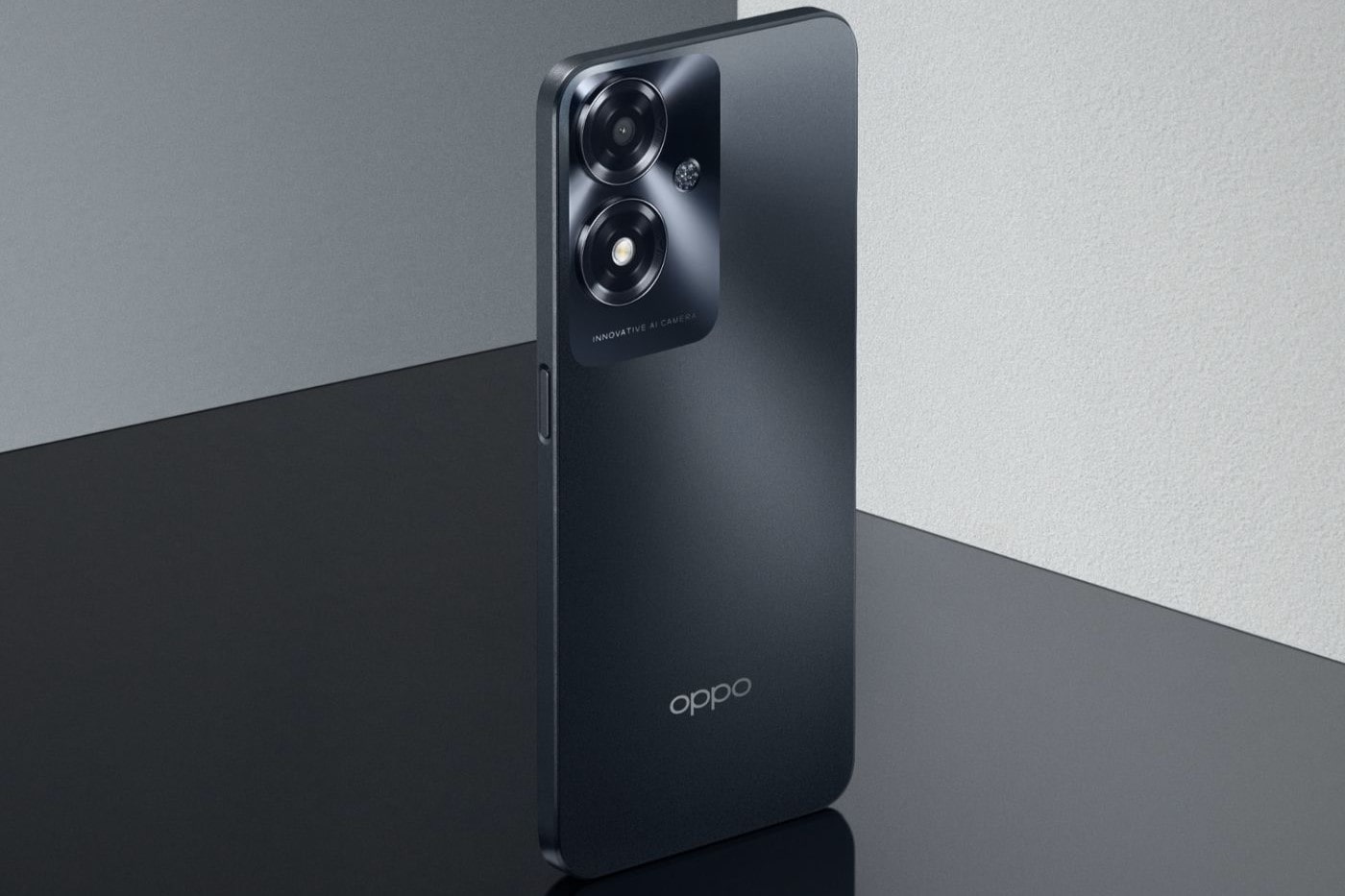
Oppo A2m launched with Dimensity 6020 chip and 720 nits bright LCD screen

Oppo has quietly launched a budget smartphone in China dubbed as Oppo A2m. We first heard about this device in September.

Last week, it was listed on China Telecom’s website revealing its entire specs. Today, the handset is finally official and is also up for sale.

Let’s check out everything the Oppo A2m has to offer along with its pricing and availability.

Oppo A2m Specifications

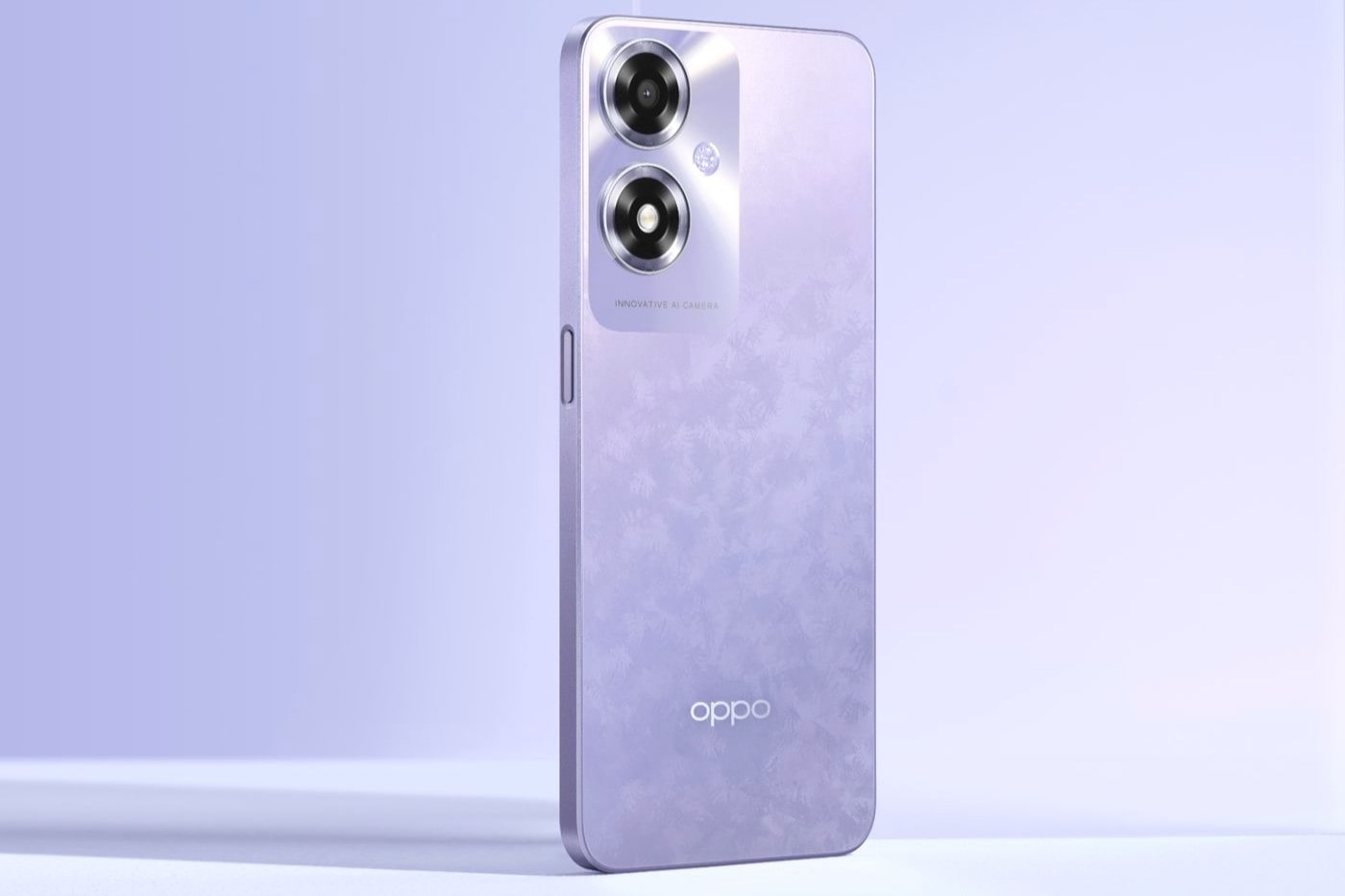
The Oppo A2m features a flat frame design with volume buttons on the left side and the power key on the right spine. The back of the phone looks modern and premium due to its texture.

However, the front of the handset is completely opposite. Because it has a dewdrop-notched display with thick bezels all around it.

This 6.56-inch LCD screen offers a resolution of 1612 x 720 pixels (HD+), 269 PPI, and a 90Hz refresh rate. Interestingly, the panel’s peak brightness level can reach up to 720 nits.

The device is powered by a MediaTek Dimensity 6020 chip paired with LPDDR4x RAM and UFS 2.2 storage. On the software front, it boots ColorOS 13.1 based on Android 13.

The smartphone only has a single 13MP rear camera and a 5MP selfie camera. It arrives with a side-mounted fingerprint sensor, a MicroSD card slot, a 3.5mm headphone jack, and a single speaker (over 85 decibels).

The product is IP54-rated for splash resistance. Connectivity options on it include dual SIM, 5G, dual-band WiFi, Bluetooth 5.3, GNSS, and USB Type-C.

The phone measures 8.12mm in thickness and weighs 185g. Lastly, it is backed by a 5,000mAh battery with support for standard 10W wired charging.

Oppo A2m Price

The Oppo A2m carries the following price tags in China.

  • 6GB + 128GB – ¥1,499 (~$205)
  • 8GB + 256GB – ¥1,799 (~$245)
  • 12GB + 256GB – ¥2,099 (~$285)

It can be purchased in the country in either Starry Night Black or Flying Frost Purple color options.

RELATED:

TECNO Unveils ‘Portrait for Everyone’ BBC Short Film showcasing Multi-Skin Tone Imaging Technology

TECNO, a pioneering technology brand, collaborated with BBC StoryWorks, the commercial content division of BBC Studios, to unveil ‘Portrait for Everyone,’ a compelling short film. This film serves as a testament to TECNO Universal Tone technology’s transformative impact on multi-skin tone imaging. 

The short film vividly demonstrates how this innovative technology redefines the way individuals are represented in photographs, ensuring inclusivity for all. Through insightful storytelling, the film features esteemed professors who collaborated with TECNO in developing Universal Tone, shedding light on the profound influence of this advanced technology.

TECNO Universal Tone stands out as an advanced AI-powered multi-skin tone imaging technology, meticulously designed to comprehend and capture the beauty across diverse skin tones worldwide. Jack Guo, the General Manager of TECNO, expressed the core mission of Universal Tone. He emphasized the goal of redefining portrait photography, transforming it into an inclusive and emotional experience. The aim is to ensure that every individual, regardless of their skin tone, feels acknowledged and embraced through the lens of this technology.

The ‘Portrait for Everyone’ film by TECNO, in collaboration with BBC StoryWorks, sheds light on the complexities of portrait imaging. Central to this innovation is TECNO’s Universal Tone technology, incorporating three essential engines: the Multi-Skin Tone Restoration Engine, Local-Tuning Engine, and AI-Powered Computational Portrait Engine. These components work cohesively to address challenges like overexposure and desaturation in representing diverse skin tones accurately.

TECNO’s initiative to combat historical biases in AI led to a partnership with Dr. Kaida Xiao, an associate professor in Colour and Imaging Science at the University of Leeds and TECNO Technical Advisor. Together, they developed an unbiased color card, ensuring advanced AI integration into TECNO’s camera system. This collaboration signifies a significant stride toward a more inclusive approach in technology and imaging, promising a future where accurate representation of diverse skin tones is the norm.

‘Portrait for Everyone’ explores the deep emotional significance of portraits, acknowledging their impact on individuals’ confidence and self-worth within their communities. Dr. Thomas Curran, a Professor of Psychological and Behavioral Science, emphasizes the importance of authenticity in these images. 

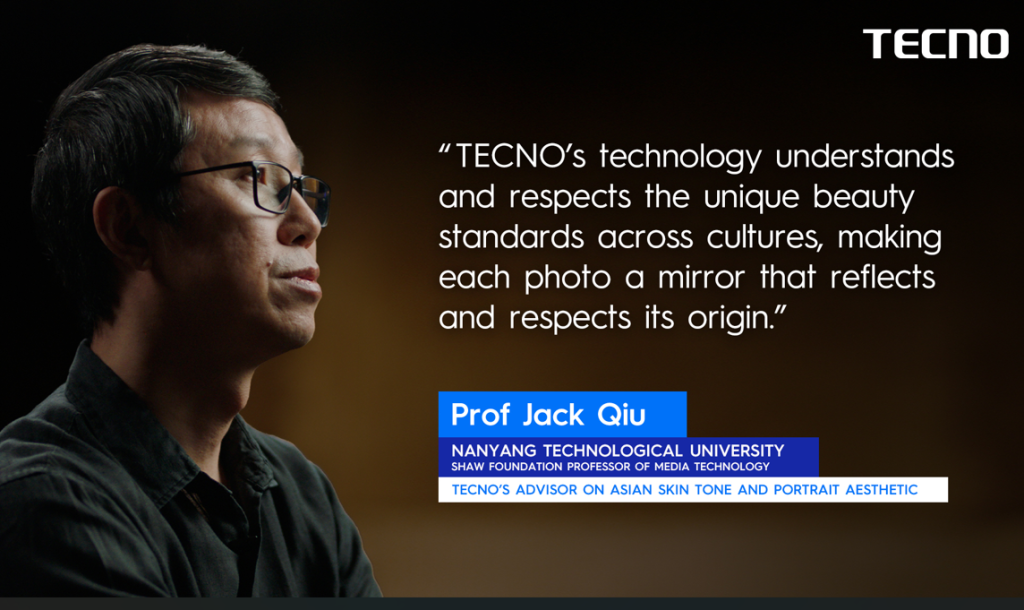
TECNO’s Universal Tone technology not only caters to individual preferences but also ensures that portraits align naturally with their surroundings. This inclusivity extends to diverse cultural contexts, as highlighted by Jack Qiu, Shaw Foundation Professor of Media Technology at Nanyang Technological University and TECNO’s Advisor on Asian Skin Tone and Portrait Aesthetic. The technology enhances TECNO’s camera capabilities, allowing portraits to authentically reflect and celebrate their cultural origins.

Every face carries a unique story, and every culture has its distinct identity. TECNO’s initiative, ‘Portrait for Everyone,’ emphasizes the importance of embracing diversity. The focus is on inclusivity, customer needs, and a global approach. By encouraging the use of a Universal Tone, TECNO provides a platform where authenticity and individuality can truly shine.

About TECNO:

TECNO is a leading technology brand operating in more than 70 countries across five continents. The brand has earned recognition as an industry leader, offering a diverse range of products including smartphones, smart wearables, laptops, tablets, HiOS operating systems, and smart home devices. Guided by their ethos, “Stop At Nothing,” TECNO is dedicated to bringing the latest technologies to forward-thinking individuals.

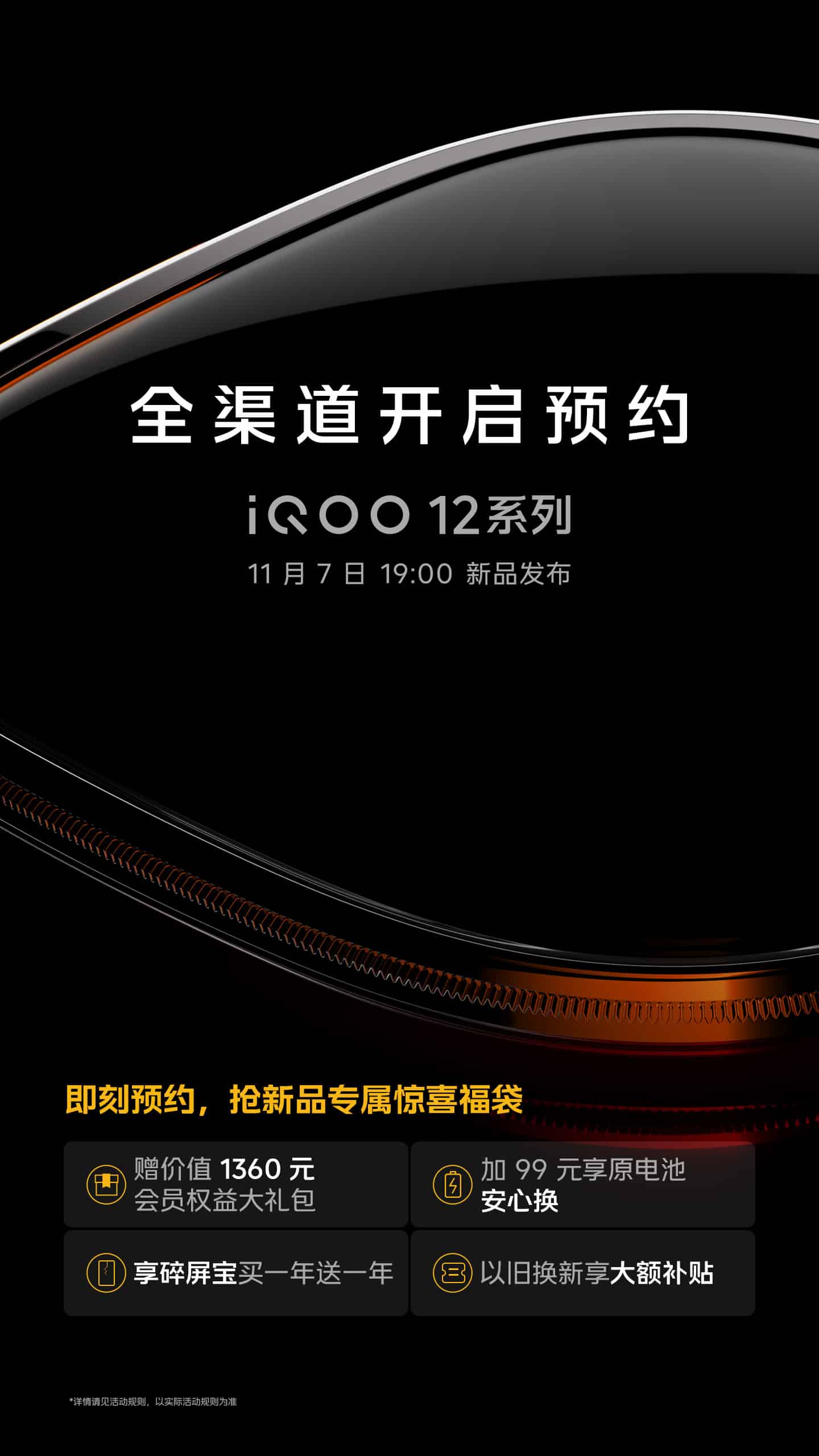
iQOO 12 series featuring Snapdragon 8 Gen 3 set to launch on November 7

iQOO has finally confirmed the launch date for the iQOO 12 series for the Chinese market. As per the official announcement, the iQOO 12 and 12 Pro will be unveiled at 7 pm (local time) on Nov. 7 in China. Rumors have it that the iQOO 12 will be released in the global market, but the Pro variant may remain exclusive to the Chinese market.

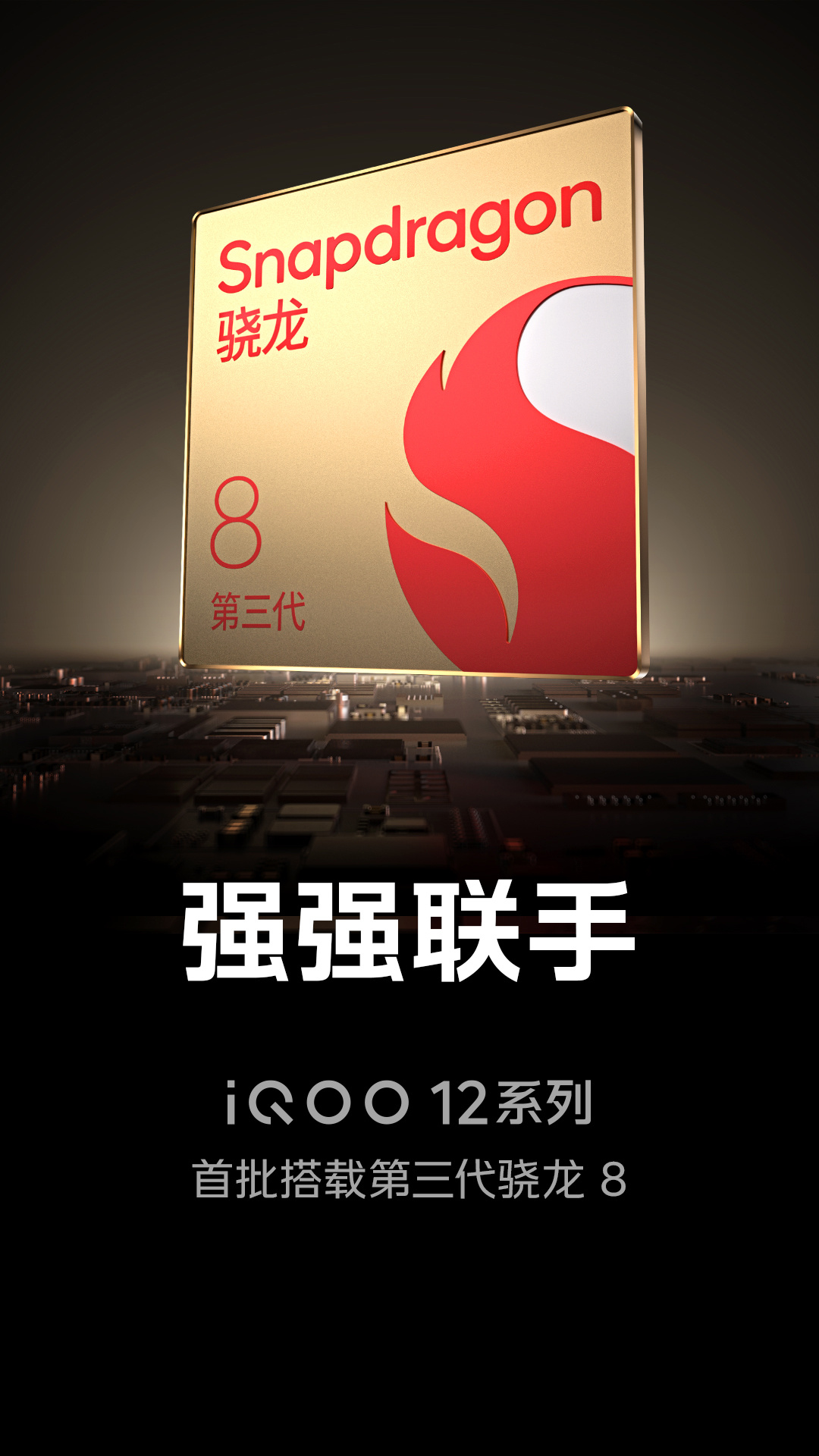
iQOO 12, 12 Pro to feature Snapdragon 8 Gen 3

The iQOO 12 series will feature the Snapdragon 8 Gen 3, which has just gone official. The 4nm chip features Qualcomm’s Kryo CPU, offering a 30 percent improved performance and 20 percent greater efficiency over the Snapdragon 8 Gen 2 from last year. It comprises five performance cores running at up to 3.2 GHz and two efficiency cores reaching speeds of up to 2.3 GHz.

The performance-driven iQOO 12 series will incorporate a dedicated display processor designed to elevate gaming performance. This processor, as reported by GSMArena, includes ray-tracing capabilities to enhance gaming realism by improving lighting, reflections, and shadows, resulting in a more immersive gaming experience.

Reports have revealed that the iQOO 12 will have a flat AMOLED display offering a 1.5K resolution, whereas the 12 Pro will have a curved-edge AMOLED panel offering 2K resolution. Both displays are expected to support up to 144Hz refresh rate. The rear camera setup of both phones is rumored to include an OIS-enabled 50-megapixel OV50H primary camera. While the vanilla model will feature a telephoto camera, the Pro model may house a periscope telephoto camera.

The iQOO 12 is rumored to have a 5,000mAh battery, while the Pro model could come with a 5,100mAh battery. Both flagship models are said to support 120W fast charging, and the Pro variant is expected to additionally offer 50W wireless charging. Both phones are expected to come in black, white, and red shades. The white variant is said to have the Legend White marketing featuring the signature BMW W stripes design.

RELATED:

Xiaomi 14 display specifications, color options officially revealed

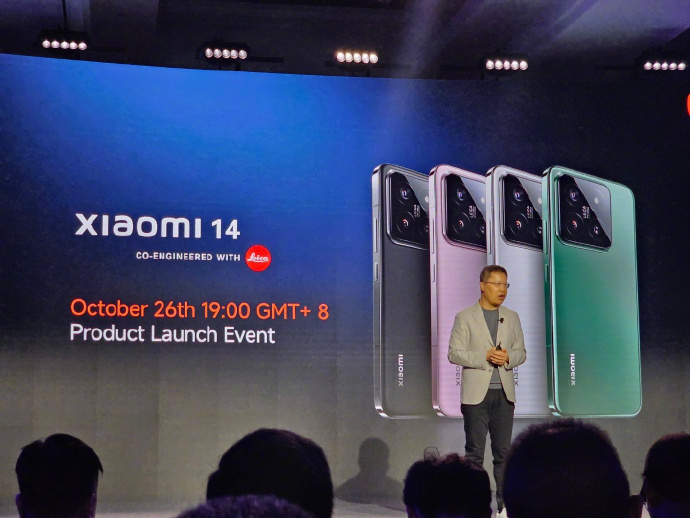
A couple of hours ago, Qualcomm announced the Snapdragon 8 Gen 3 chipset at the 2023 Snapdragon Summit. At the event, Xiaomi Group President and President of the International Department, Lu Weibing, showcased the actual Xiaomi 14 series device to reveal its design in real life. In addition, the brand has rolled out a couple of posters to reveal the display specifications of the Xiaomi 14.

Xiaomi 14 color options, design

Xiaomi 14 series color options

The Xiaomi 14 and Xiaomi 14 Pro will share the same design, with the standard being a compact version of the larger Pro model. In terms of design, the Xiaomi 14 series features a flat display instead of the curved-edge screen that was offered on the predecessor series. The glass edges on the back of the phone have a more pronounced curvature, enhancing the overall feel and ensuring a comfortable grip.

The Xiaomi 14 will be offered in four color options: black, white, green, and pink. The Pro variant will also come in three colors, excluding pink. It is worth mentioning that both smartphones will debut tomorrow (Oct. 26) as the world’s first smartphones featuring the all-new Snapdragon 8 Gen 3 chipset. The 14 series will also be the company’s first smartphones to come equipped with its self-developed HyperOS operating system, which will be overlaid on the Android 14.

Xiaomi 14 display specifications

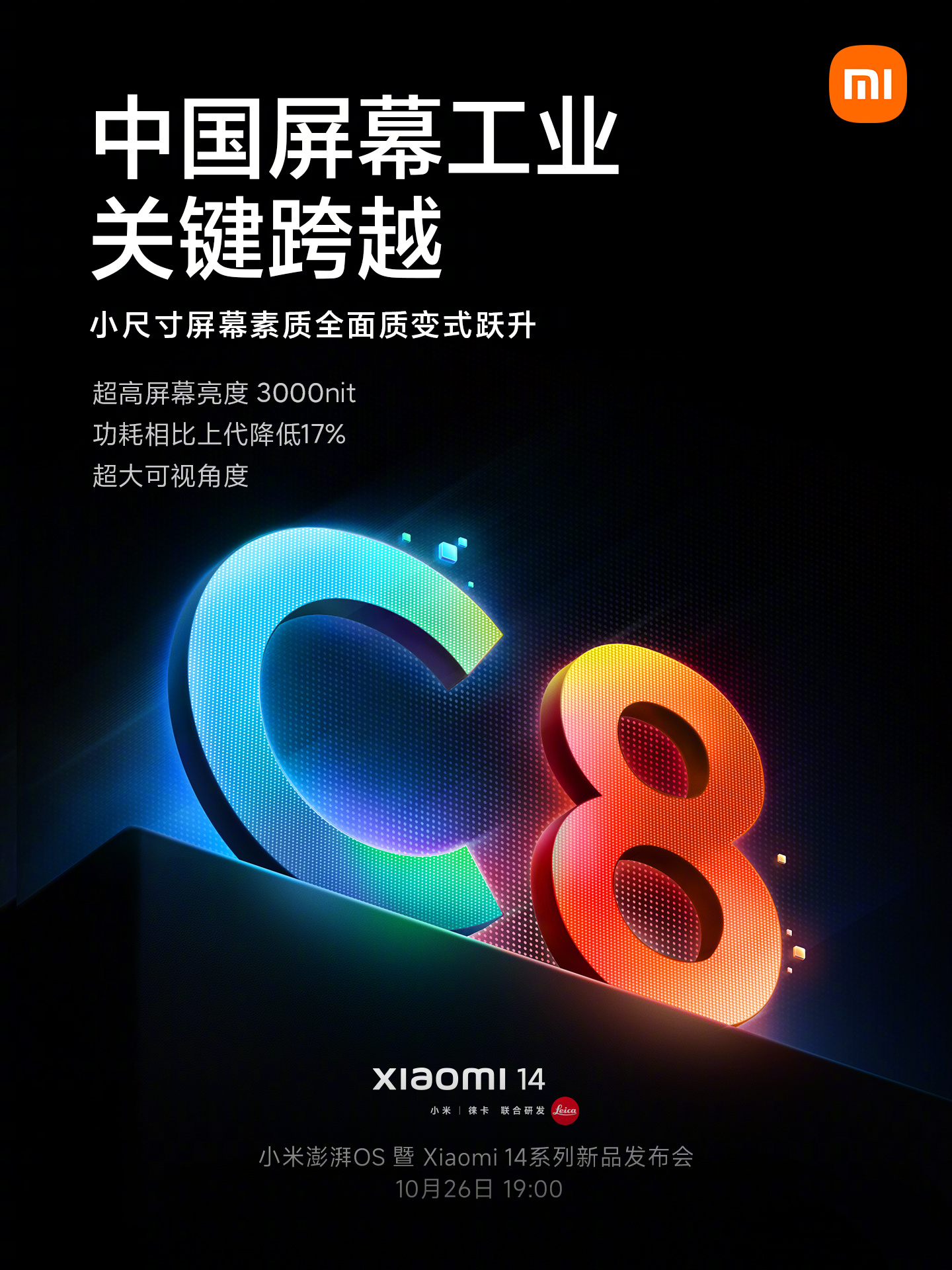
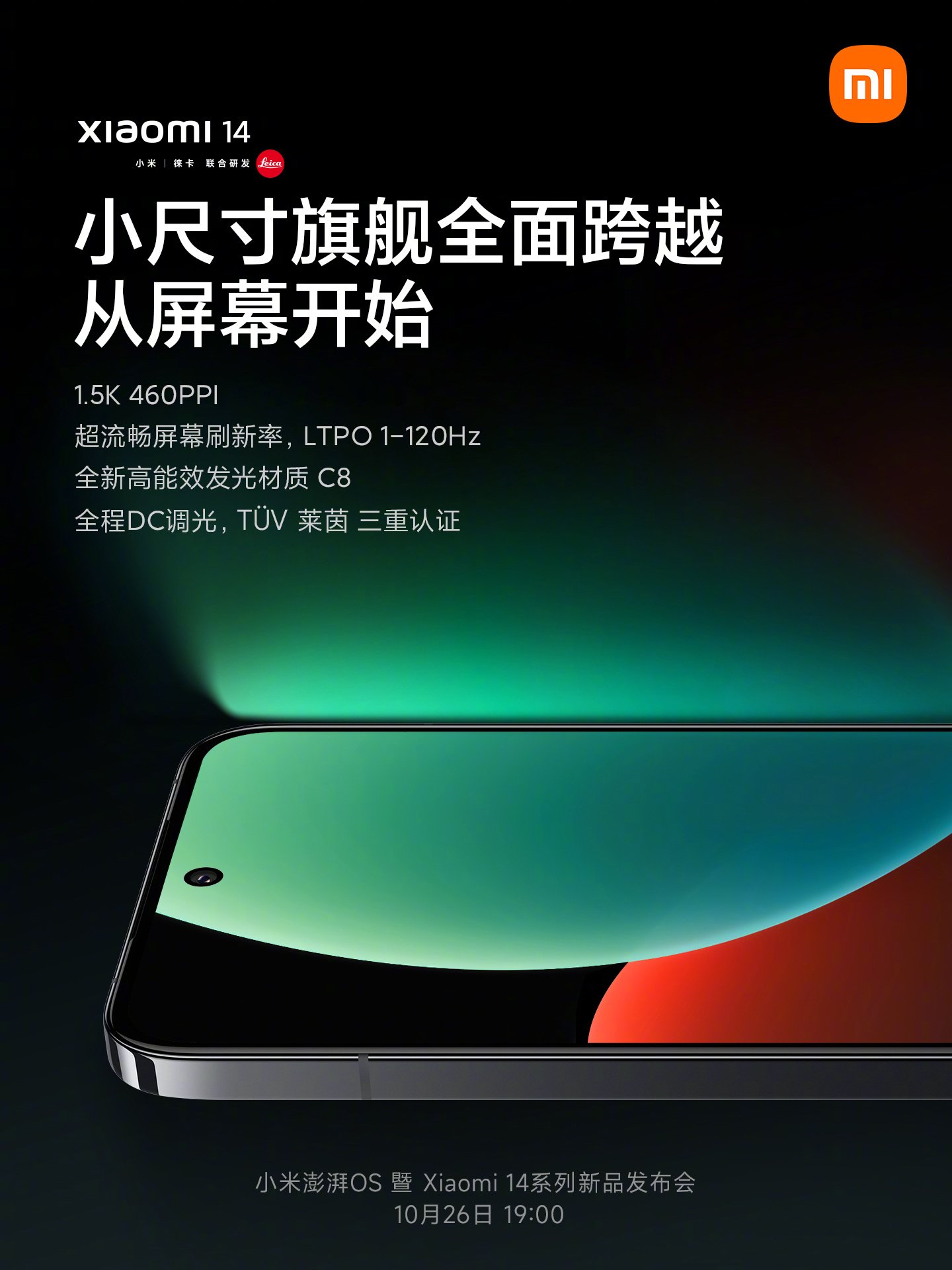
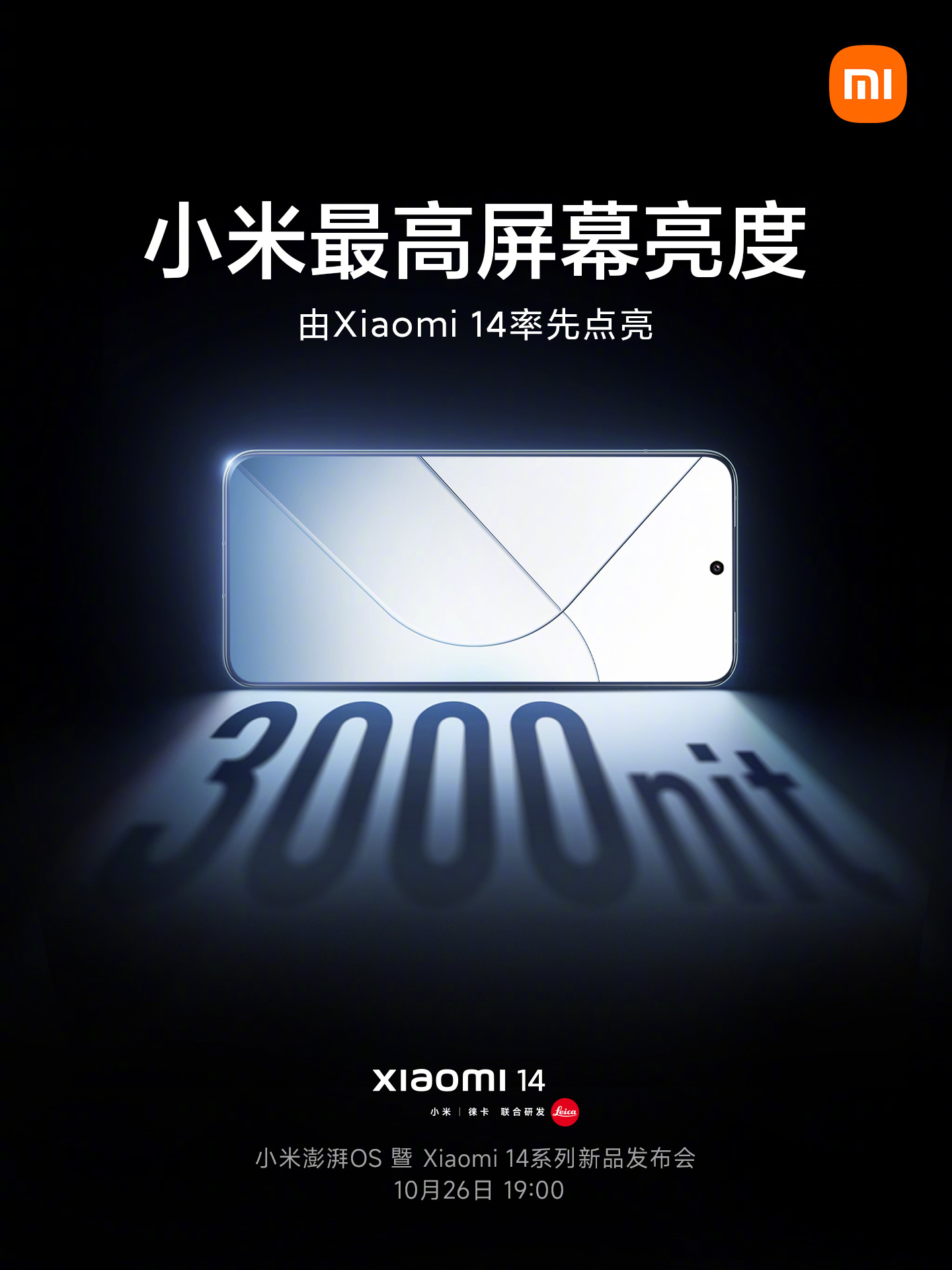
The below posters released by the brand showcase the display specifications of the vanilla Xiaomi 14.

The Xiaomi 14 will be equipped with the Huaxing C8 display, which is a result of a collaboration between Xiaomi and TCL. The 6.36-inch display of the Xiaomi 14 will offer a 1.5K resolution, a 1Hz to 120Hz LPTO adaptive refresh rate, and support a peak brightness of 3,000 nits. Notably, it consumes 17 percent less power compared to the previous generation.

RELATED:

Intersport launches the Nakamura E-GRAVEL electric bike with smart assistance mode

The Intersport Nakamura E-GRAVEL bike is an e-bike designed for use on- and off-road. The Nakamura E-GRAVEL is now available in France and it comes with multiple assistance settings including smart assistance. The new Nakamura E-GRAVEL can deliver an assistance range of up to 100km. The Intersport Nakamura E-GRAVEL comes with an 80Nm torque motor and a removable 460Wh battery.

Intersport Nakamura E-GRAVEL bike

Features

The E-GRAVEL has an aluminum frame and is available in three sizes – S, M, and L. It weighs about 19.5kg and features green paintwork. The Nakamura E-GRAVEL was announced earlier this year as Century Gravel. It can ride on city roads, trails, and mountain settings.

The Nakamura E-GRAVEL is powered by a mid-mounted NAKAE-POWER and offers Eco, Sport, Boost, and Smart assistance levels. The bike’s battery is integrated into the frame and it uses a SHIMANO GRX groupset an 11-speed transmission and 160mm hydraulic disc brakes. It has a handlebar-mounted LCD which can be used to switch the headlights on and switch between assistance modes. The E-GRAVEL has the Naka e-power companion app.

Intersport Nakamura E-GRAVEL bike

Pricing & Availability

The Nakamura E-GRAVEL bike is available in France for €1,999.99 (~$2,118). There are no details yet on the availability of the model in other markets at this time. Intersport is offering an array of freebies and extra support for the Nakamura E-GRAVEL. Payments can be made in four installments while buyers can also choose between home delivery and in-store collection.

RELATED:

(source)

Mazda’s Latest Iconic SP Concept Electric has an Engine that Adapts to Fuel

The Japan Mobility Show this week isn’t just another car event; it’s Japan‘s statement to the world. Often perceived as lagging in the EV sector, Japanese automakers are now stepping up, ready to challenge global giants like Tesla and European companies. And they’re ensuring their entry is not only competitive but also exhilarating. A prime example is the Mazda Iconic SP Concept, an electric marvel that might be the inspiration for the next-generation MX-5 Miata.

The car promises 365 horsepower, and the capability to run on various fuel types

At first glance, the Mazda Iconic SP Concept offers a blend of nostalgia and innovation. While its seating arrangement hints at a two-seater sports car, its power source is where it truly shines. The “two-rotor rotary EV system” is reminiscent of Mazda’s legendary RX-7 and RX-8 models. This electric vehicle cleverly uses batteries recharged by a rotary engine, with a promising 365 horsepower, and the capability to run on diverse fuel types.

Mazda Electric

The “Iconic” badge may just be Mazda‘s nod to its legacy, blending the essence of the Miata and RX-7 but adapting it for today’s electrified age. This modern marvel is not just about speed and style; it also champions sustainability. As Mazda highlights, the batteries are juiced up using recyclable energy sources. The rotary engine, adaptable to fuels like hydrogen, aligns with a carbon-neutral vision, especially when charged with renewable energy.

In a surprising twist, the Iconic SP offers more than just a drive. With V2X capabilities and a plug, it can supply power during outdoor activities or emergencies. Think of it as a sporty RV!

However, some might argue that Mazda could have gone full throttle with a complete EV design, especially given its impressive aesthetics. The vehicle’s dimensions and weight, slightly surpassing the current ND Miata, reflect its intricate power setup. And yes, the toggled automatic transmission adds a futuristic touch.

While the Iconic SP Concept’s blend of e-fuel and rotary power might seem ambitious, it’s a testament to Mazda’s innovative spirit. The company is gearing up for an electrified future, with plans to roll out more battery EVs and expand its hybrid lineup. Here’s hoping the Iconic SP Concept isn’t just a concept, but a glimpse of Mazda’s electrified journey ahead. After all, who wouldn’t want to see such a masterpiece on the roads?

What do you think about this concept? Share with us in the comments below!

RELATED:

(Via)

Ride1Up’s New Foldable E-Bike is One Hell of a Deal at $995

San Diego’s Ride1Up is one of those very few companies that has managed to carve out a niche for itself in just a few years. Established in 2018, the company has swiftly built a reputation for delivering e-bikes that are both high-performing and wallet-friendly.

The Bike has a 750-watt rear hub motor and a front suspension

The company recently introduced the Portola Electric Bike. With its price tag of just $995, it’s hard to ignore the sheer value it offers. Imagine this: a foldable e-bike that snugly fits in your car’s trunk, yet possesses the capability to transport daily essentials without a hitch. Such an offer could even make traditional non-electric bikes feel a tad inadequate.

Electric

City dwellers, especially, have much to rejoice. Its low frame ensures riders of varying heights can comfortably hop on. The adjustable seat caters to taller riders, ensuring no one’s left out. And the integrated cargo rack? It’s robust, capable of holding a substantial 130 pounds.

However, it’s not just about city rides. The Portola is tech-laden, housing a formidable 750-watt rear hub motor. This power lets riders confidently navigate city hills and even venture onto gravel paths, thanks to its all-terrain tires and front suspension. Charging is a breeze with its detachable battery, offering two variants – a 500-watt-hour for city rounds and a heftier 643 watt-hour for longer journeys.

Of course, no product is without its compromises. The Portola’s motor employs a basic cadence sensor, differing from the smoother torque sensors in pricier models. Its eight-speed Shimano drivetrain is efficient, but lacks the elegance of advanced internal gear systems. Yet, these slight trade-offs are overshadowed by the Portola’s overall value, especially for those keen on exploring e-bikes without spending a huge amount of money.

And here’s the icing on the cake: Ride1Up has sweetened the deal further. At the time of writing, the Portola is available at a special introductory price of $895. It honestly feels an invitation to experience the future of biking, making it hard to resist. At a price like that, e-bike enthusiasts will definitely consider this one.

RELATED:

(Via)

China’s iFlytek’s Spark 3.0 Claims to Have Surpassed ChatGPT in Chinese

In a world that is being shaped by artificial intelligence more and more, China’s tech titan iFlytek is making waves. The company proudly announced that its latest language model, iFlytek Spark 3.0, is giving stiff competition to OpenAI’s GPT-3.5, particularly in Chinese linguistic scenarios.

iFlytek is also teaming up with Huawei in a bid to accelerate their progress

Launched in May and available to the masses by September, Spark 3.0 isn’t just any chatbot. It has showcased its prowess in areas like text generation, logical reasoning, and coding. The iFlytek team is optimistic about outshining GPT-4 by mid-2024, indicating China’s ambitions in the AI arena.

iFlytek China

While US-based AI models like ChatGPT and Google’s Bard remain restricted in China, local giants like Baidu and Alibaba are seizing the opportunity. They’re racing to create homegrown alternatives that could redefine the global AI landscape. A testament to this is Baidu’s recent introduction of Ernie Bot 4, which they claim rivals GPT-4. Moreover, Huawei’s unveiling of the 5G Mate 60 Pro smartphone, equipped with an indigenously developed chip, further demonstrates China’s tech resilience against US trade restrictions.

However, it’s not all sunshine and rainbows for iFlytek. Despite their achievements, there’s a consensus that there’s room for improvement to match up with the likes of GPT-4. But they’re not stopping. Determined to harness the full potential of AI, iFlytek is joining forces with Huawei. Their mission? To refine and enhance their language models using Huawei’s AI chip ecosystem.

Real-world applications of iFlytek’s models are already evident. At the recent Asian Games in Hangzhou, their AI played a pivotal role in streamlining operations by generating essential lists for online meetings. Only the future will tell what lies in store for the Spark 3.0 chatbot.

RELATED:

(Via)

Spotify Returns to Profitability in Q3, Fueled by Strong User Growth and Ad Revenue

If you’re a bit older than 20, you probably remember the times when we used programs like LimeWire to listen to music or searched “YouTube MP3 converter” on Google. Particularly for those who didn’t live in Europe or America, this was once the only reasonable way to listen to the music we wanted.

That is, until platforms like Spotify and Apple Music came into our lives. These apps, which completely transformed our habits, have become the standard due to their accessible pricing and user-friendly interfaces, and it seems like this won’t change anytime soon. In fact, Spotify reported a profitable third quarter, with an increase in paying customers despite the price hike. Here are the details…

Spotify reports profitable Q3, paying customers increased despite the price hike

Spotify has released its report for the third quarter of 2023. In this quarter, the company reported a profit, which is a significant improvement compared to the losses of the previous year. During this period, monthly active users increased by 26% year-over-year to reach 574 million, surpassing the guidance by 2 million users.

What’s even more crucial for the platform is that the number of paid subscribers also grew by 16% year-over-year, reaching 226 million. It’s worth noting that Spotify recently made some previously free features exclusive to Premium subscribers, a move that has had a significant impact on user decisions.

Another noteworthy detail in the Q3 2023 report released by Spotify is the 11% year-over-year growth in total revenue, which reached €3.4 billion, surpassing the expected results. However, despite all these positive developments, the one aspect where Spotify hasn’t completely met the expectations of its user base is its commitment to providing a lossless streaming tier. Audiophile users have been eagerly anticipating Spotify’s lossless audio offering, rumored to be called the “Supremium” tier, priced at $19.99 per month and including extra features.

RELATED:

(via/source)

Qualcomm Snapdragon 8 Gen 3 chip officially unveiled: Here’s what’s new

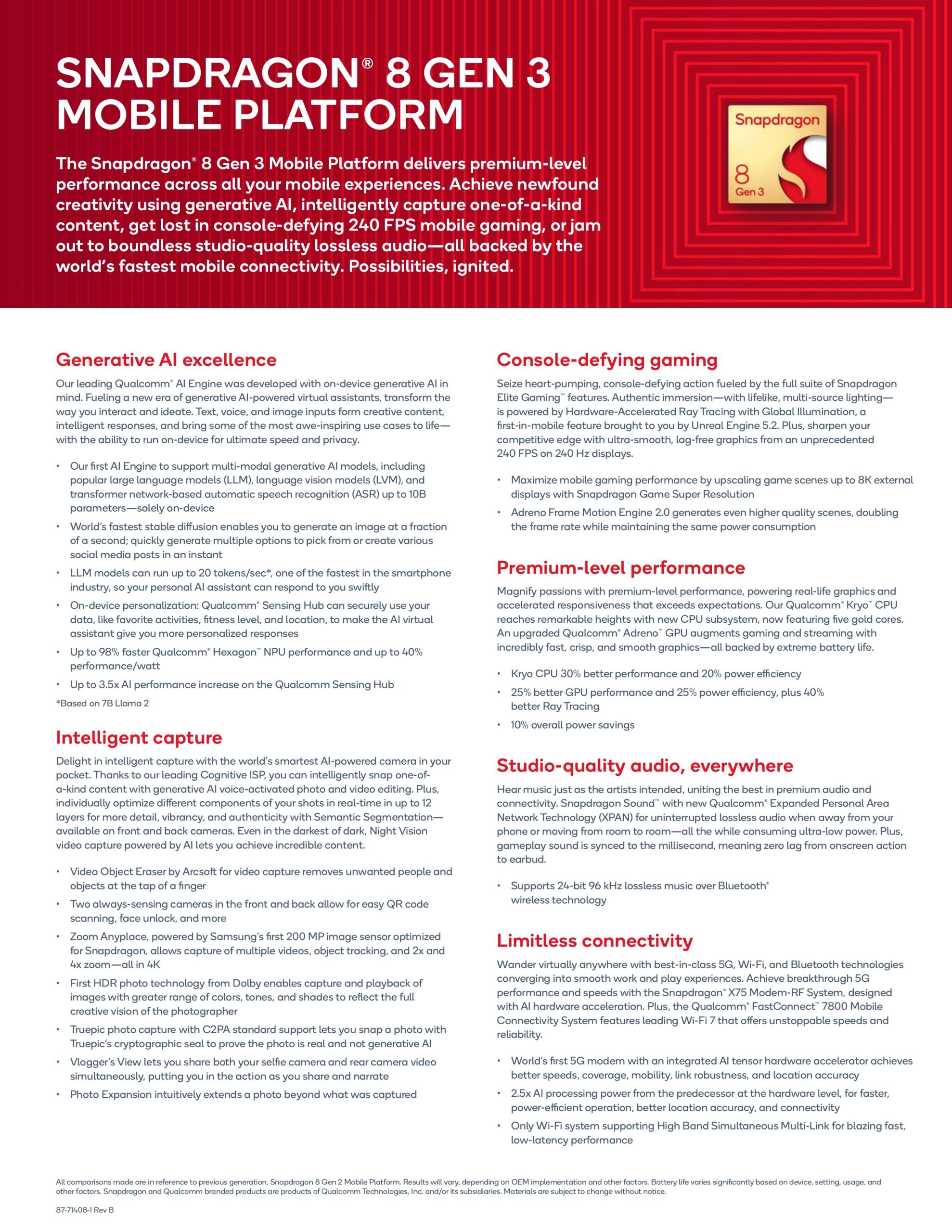
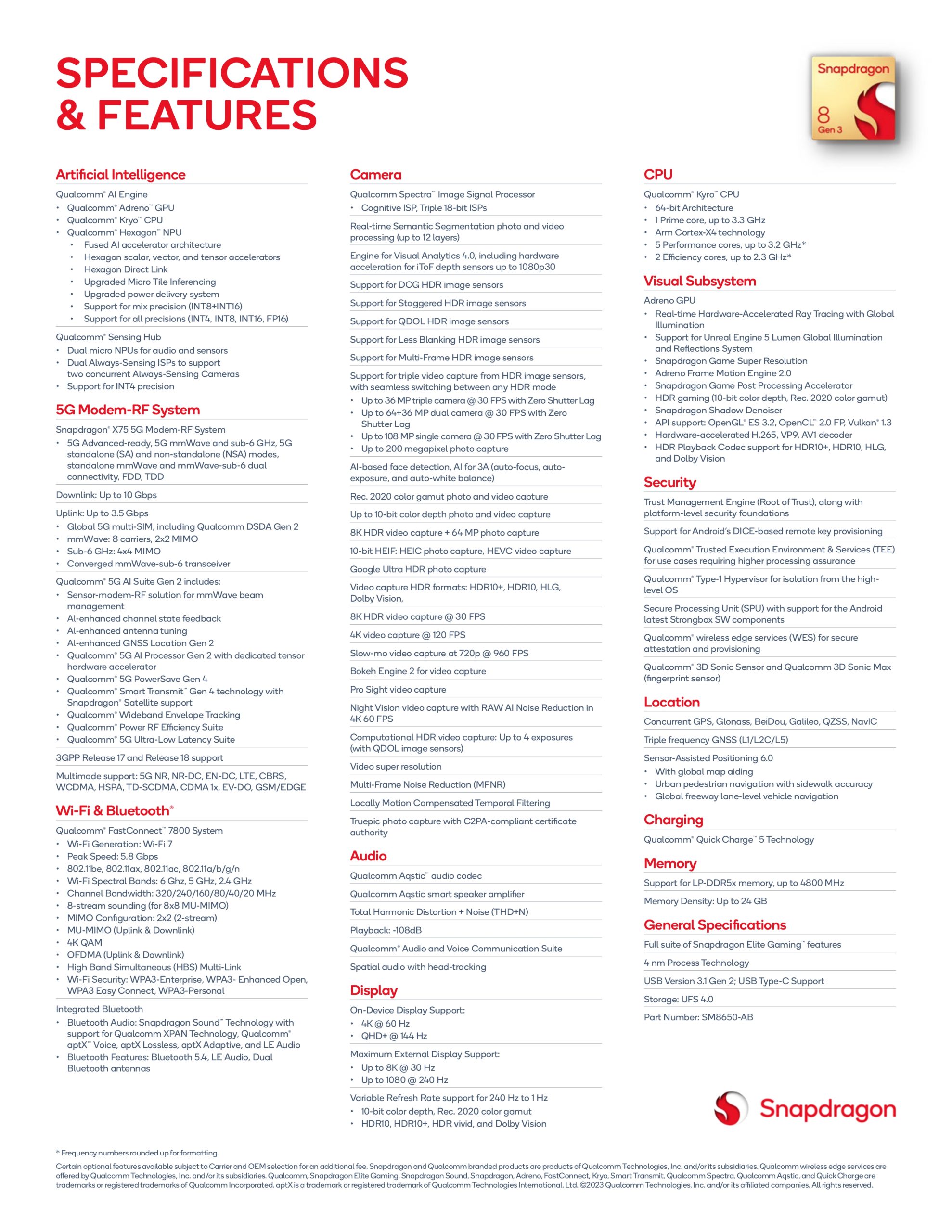
Qualcomm has revealed its latest Snapdragon 8 Gen 3 chip at the Snapdragon Summit in Hawaii. This new chip is built on a 4nm node and is designed to enhance the speed and efficiency of high-end smartphones, boasting a 30% increase in processing power and 25% better energy utilization compared to its predecessor. The standout feature is the Neural Processing Unit (NPU), which is now almost 98% faster and offers a 40% boost in performance-per-watt for continuous AI tasks.

Snapdragon 8 Gen 3

When it comes to taking pictures, Qualcomm has updated its Image Signal Processor (ISP) to work with Dolby HDR Photo Capture, improving the look of photos on screens that support HDR. Gamers will enjoy the support for 240 frames per second on 240 Hz screens and compatibility with Unreal Engine 5.2. The chip’s new Adreno graphics processing unit (GPU) is 25% faster and 25% more energy-efficient, with a 40% boost in Ray Tracing.

This chip is all about AI, with its AI Engine that can handle large language models for instant AI assistant responses. Music fans will be happy too, as it supports 24-bit 96kHz lossless music over Bluetooth.

Devices with this chip are expected to hit the market soon, thanks to partnerships with brands like Asus, OnePlus, and Xiaomi. The Xiaomi 14 series could be the first smartphone to launch with the new chip as the brand has confirmed an October 26 China launch. The iQOO 12 series and the Vivo X100 series will likely be the next in line.

RELATED:

(Source)

Windows Users Get Access to Over 3,000 New Free Games with Play Games PC

In 2021, Microsoft introduced Windows 11 with a host of exciting new features. One standout feature among them was the ability to run Android apps on your computer. This brought a significant expansion to the already extensive gaming support on the platform, allowing users to access a much wider range of games.

Although Google had previously announced its plans to bring Android games to Windows through the Play Games PC store, users had to wait a considerable amount of time for a complete experience. Fortunately, that waiting period has come to an end, as the store, which was in the beta phase, is now receiving additional features and an increasing number of gaming titles. Here are the details…

Android Gaming Comes to Windows 11 PCs with Over 3,000 Games Now Available

Google has announced that there are now over 3,000 Android games available for Windows PCs through the Play Games PC store. The library includes a wide variety of games, including popular titles like Asphalt 9: Legends, BADLAND, Clash of Clans, and Clash Royale. Google has also partnered with a number of major game publishers to bring their games to the service, including Activision Blizzard, EA, and Konami. (Some of them will be added in the coming weeks.)

To play Android games on Windows, users will need to download and install the Play Games PC app. Once installed, users can sign in with their Google account and browse the library of available games. Games can be downloaded and installed directly from the app, and users can also sync their progress between their Android devices and Windows PCs.

In addition to the expanded library of games, Google has also added a number of new features to the Play Games PC app. These features include support for Xbox and PS5 controllers, a search bar for the games library, and the ability to adjust the size and resolution of game windows.

RELATED:

(via)