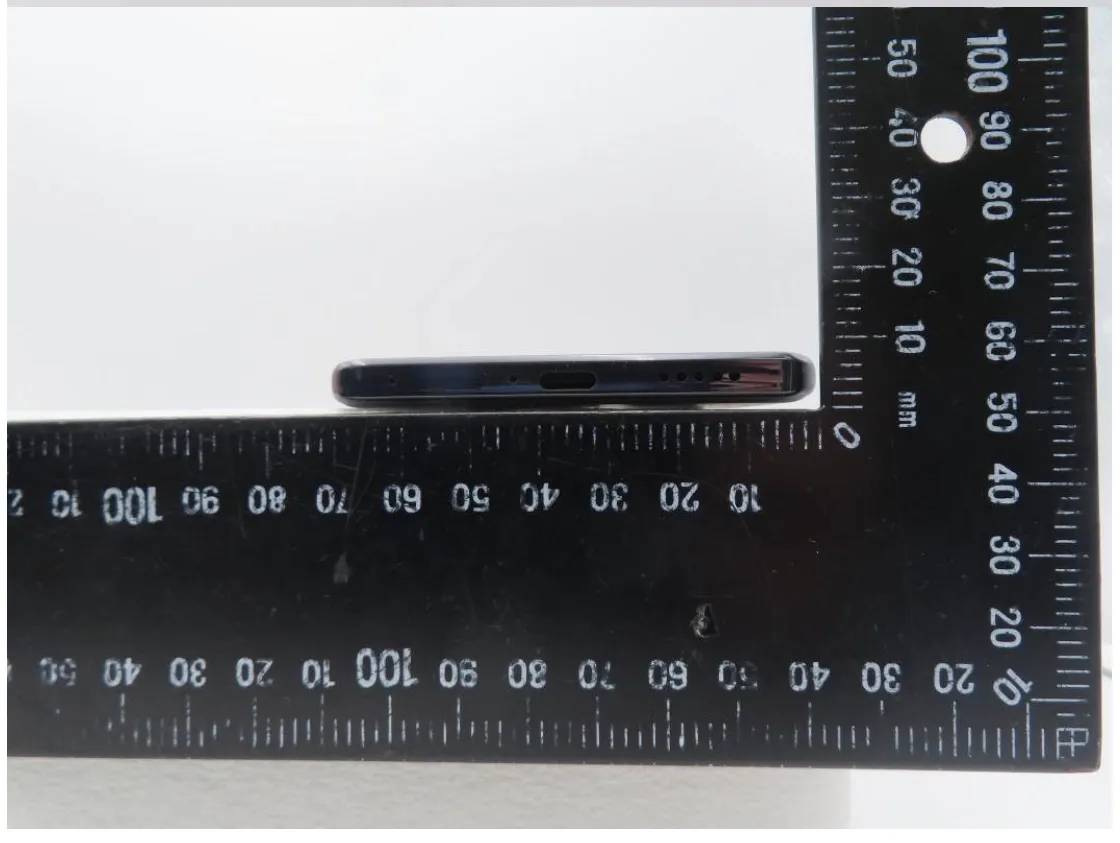
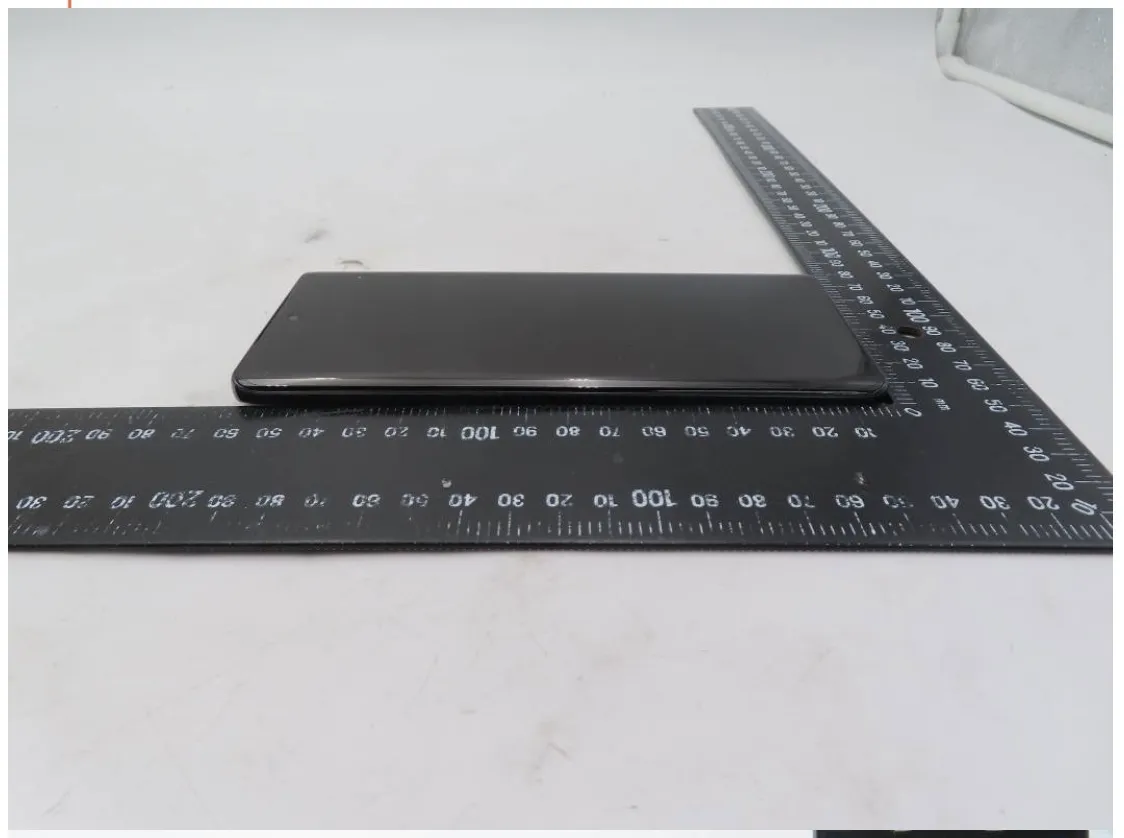
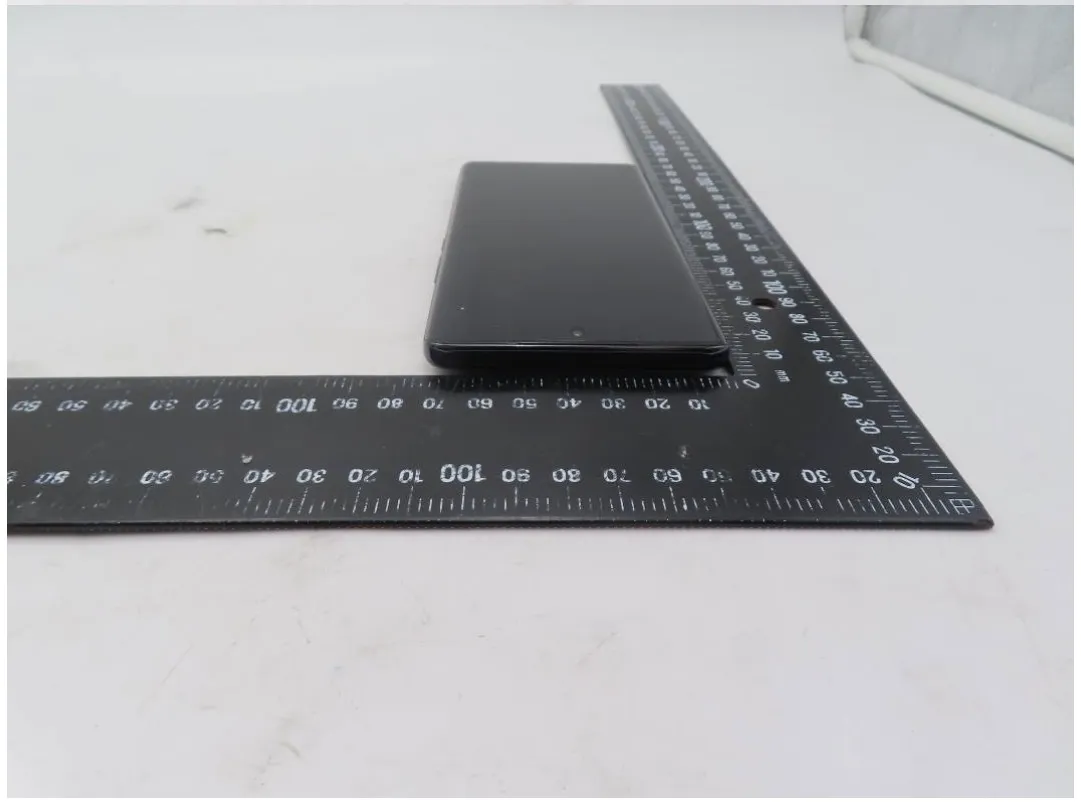
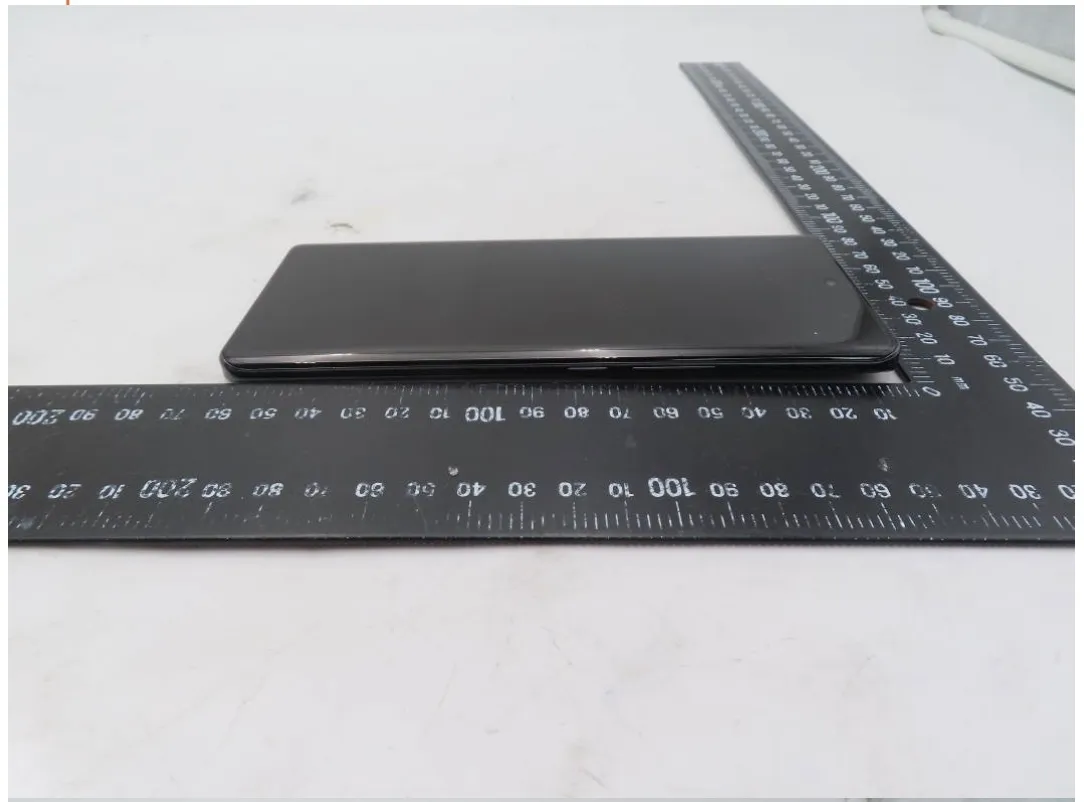
Lenovo has provided a sneak peek at its upcoming tablet through an official unboxing video. This tablet called the Xiaoxin Pad 2024, is part of Lenovo’s China-exclusive Xiaoxin line and may also find its way into the global market as a part of the Tab P series. Here’s everything revealed by the unboxing video.
Lenovo Xiaoxin Pad 2024 features & specs
In terms of design, the Xiaoxin Pad 2024 offers two elegant color choices: dove gray and smoky purple. It features a sleek and lightweight all-metal body, weighing only 465g and measuring a slim 7.1mm in thickness.
The star of the show is its 11-inch high refresh rate eye-protecting screen, which delivers vibrant and sharp visuals. It has support for dual-app viewing on the same screen, making multitasking a breeze. With quad speakers, the Xiaoxin Pad 2024 ensures an immersive audio experience.
Under the hood, this tablet packs a punch with the Qualcomm Snapdragon 685 processor, ensuring smooth and efficient performance. It comes in configurations going up to 8GB of LPDDR4x RAM and 128GB of UFS 2.2 storage. If you need even more space, the MicroSD card expansion option has you covered. The tablet runs on ZUI 15, Lenovo’s custom user interface. Notably, it includes a 3.5mm headphone jack and offers convenient 20W fast charging. That being said, information regarding the battery capacity is still under wraps.
While the tablet is named the Lenovo Xiaoxin Pad 2024, we may see it launch before the end of the year. So, stay tuned for when that happens.
Ahead of the launch of the Xiaomi 14 series launch this week, Xiaomi had teased their upcoming Xiaomi 14 and Xiaomi 14 Pro will feature Leica’s Summilux camera lenses, which are more premium and better than the previous Leica Summicron lenses found on the Xiaomi 13 series and Xiaomi 12S series. For context, a Leica Summilux-M 35 f/1.4 lens costs 3895 USD on Leica’s website.
Although the Xiaomi 14 series may be Xiaomi’s first smartphones to feature the Leica Summilux lenses, the Leica Summilux lenses can already can be found on smartphones since April 2017. So what smartphone brand was the first to feature “Leica Summilux lenses”? That brand is none other than Huawei, and the first smartphone to feature the premium Leica Summilux lens is the Huawei P10 Plus.
Huawei P10 Plus
The Huawei P10 Plus is Huawei’s best smartphone released in early 2017. Powered by Huawei’s in-house Kirin 960, the smartphone has smooth and fast performance to last you the whole day with a 3750 mAh battery alongside support for Huawei’s SuperCharge.
Huawei P10 Plus with the Leica Summilux lens (Source: Huawei)
But of course, the highlight here was the cameras. Both the phones featured a 20MP + 12MP Leica certified dual camera setup at the back. However, the larger Huawei P10 Plus comes with a wider f/1.8 aperture instead of f/2.2 on the standard P10, and the P10 Plus has a more premium Leica SUMMILUX-H F1.8 lens, while the P10 featured the SUMMARIT-H F2.2 lens, the same one found on the Huawei Mate 9, P9 and P9 Plus.
More affordable Huawei P10 with Leica Summarit lens
After 2017
After the launch of the Huawei P10 Plus, Huawei started using the Leica Summilux lenses in its premium smartphones ever since, starting with the Huawei Mate 10 and Mate 10 Pro launched in late 2017. The full list of Huawei’s Leica lenses used over the years is as shown below.
Huawei Smartphone
Leica Lens
P10, Mate 9, Mate 9 Pro, P9, P9 Plus
SUMMARIT H 1:2.2/27 ASPH
P10 Plus
SUMMILUX-H 1:1.8/27 ASPH
P20, Mate 10, Mate 10 Pro
SUMMILUX-H 1:1.6/27 ASPH
P20 Pro
VARIO-SUMMILUX-H 1:1.6-2.4/27-80 ASPH
Mate 20
VARIO-SUMMILUX-H 1:1.8-2.4/17-52 ASPH
Mate 20 Pro, Mate 20 X
VARIO-SUMMILUX-H 1:1.8-2.4/16-80 ASPH
P30
VARIO-SUMMILUX-H 1:1.8-2.4/17-80 ASPH
P30 Pro
VARIO-SUMMILUX-H 1:1.6-3.4/16-125 ASPH
Mate 30, Mate 30 Pro, Mate 30 Pro 5G
VARIO-SUMMILUX-H 1:1.6-2.4/18-80 ASPH
P40
VARIO-SUMMILUX-H 1:1.9-2.4/17-80 ASPH
Mate 40 Pro, P40 Pro
VARIO-SUMMILUX-H 1:1.8-3.4/18-125 ASPH
P40 Pro+
VARIO-SUMMILUX-H 1:1.8-4.0/18-240 ASPH
Mate 40
VARIO-SUMMILUX-H 1:1.9-2.4/17-85 ASPH
Mate 40 Pro+
VARIO-SUMMILUX-H 1:1.9-4.4/14-240 ASPH
P50
VARIO-SUMMILUX-H 1:1.8-3.4/16-125 ASPH
P50 Pro
VARIO-SUMMILUX-H 1:1.6-3.5/13-90 ASPH
List of Leica lens used in Huawei premium smartphones over the years (Leo Wong De Quan / Gizmochina)
The Huawei P20 Pro was a particular breakthrough for Huawei, as it was the world’s first triple rear camera smartphone, and it earned first VARIO-SUMMILUX-H for Huawei. Then in late 2018, Huawei Mate 20 Pro was announced as Huawei’s first flagship to have an ultra-wide angle 16mm equivalent lens, earning the lens title of VARIO-SUMMILUX-H 1:1.8-2.4/16-80 ASPH.
Huawei P20 Pro and P20 with Leica Summilux and Vario-Summilux lens
The Huawei P30 Pro could reach up to a 125mm equivalent lens with its periscope zoom lens, and then the P40 Pro+ in 2020 broke the record with its 10 times periscope optical zoom lens, giving a 240mm equivalent lens quality on a smartphone.
In 2021, Huawei ended its partnership with Leica with the P50 and P50 Pro, the last Huawei smartphones in collaboration with Leica. Huawei then utilised its own in-house XMAGE camera branding solution, from the Huawei Mate 50 series onwards in 2022.
In turn, Xiaomi has carried on the torch of premium smartphones in collaboration with Leica, and the brand is expected to announced to launch its latest Xiaomi 14 series of premium smartphones with Leica certified cameras this week in China. Stay tuned to our coverage of the Xiaomi 14 series, only on Gizmochina.
Taiwan‘s Foxconn, the globe’s top electronics contract maker and a major Apple supplier, is in the spotlight as Chinese authorities launch tax and land use probes into several of its facilities. Interestingly, this scrutiny comes just months before Taiwan’s presidential elections, sparking concerns over what this could mean for the island nation’s political future.
Foxconn’s economic interests are in a tight spot between China and Taiwan
Foxconn, officially known as Hon Hai Precision Industry, employs over a million people in mainland China and is a significant player in the region’s economy. The investigations are concentrated in various provinces, including Guangdong and Jiangsu, according to China’s state-run Global Times. While specific details are scarce, Foxconn has pledged to “actively cooperate” with authorities.
Given Foxconn’s size and influence, as well as the timing of the investigation, many can’t help but wonder if there’s a political undertone to these actions. Terry Gou, Foxconn’s founder, had previously failed to secure a nomination from Taiwan’s opposition party, Kuomintang, in 2019. With elections on the horizon, Gou’s connections with mainland China have become a hot topic.
Foxconn has been walking a tightrope between its economic interests in mainland China and its origins in Taiwan, a self-ruled territory that Beijing claims as its own. The firm has remained diplomatically neutral so far, stating that compliance with the law is a “basic principle” for its global operations.
Nubia has silently added another member to its Z50 series – the Nubia Z50S. This smartphone is set to hit the market on Monday, October 23, with some impressive features.
Nubia Z50S specs
One of the highlights is its 6.67-inch flexible curved screen. It offers a resolution of 2,400 × 1,080 pixels and a fast 144 Hz refresh rate. The screen also boasts a maximum brightness of 1000 nits for clear visibility in all conditions.
Under the hood, the Nubia Z50S packs a Qualcomm Snapdragon 8 Gen 2 processor. It comes with 12GB of LPDDR5X RAM and offers a choice between 256GB or 512GB of UFS 4.0 internal storage for your apps and files.
The camera setup includes a 64 MP 35mm Sony IMX787 sensor on the back. Additionally, the back module features a 50-megapixel AF ultra-wide-angle macro two-in-one lens and a multi-channel spectral sensor. On the front, you get a 16-megapixel camera with facial recognition.
In terms of connectivity, the Nubia Z50S supports 5G, WiFi 6E, NFC, and Bluetooth 5.3. Battery life won’t be an issue with its 5000 mAh battery, and the 80-watt wired fast charging can top it up from 0 to 100% in around 30 minutes. For those who still prefer the 3.5 mm audio jack, it’s included, and there’s also a linear motor for haptic feedback.
Pricing & availability
In China, the Nubia Z50S begins at a price of 2,199 Yuan (~$306), for the model with 12GB of RAM and 256GB of storage. It will be available in a sleek Black color option starting tomorrow on JD.com.
Giztop is giving up to a $300 discount on the OPPO Find N3 Premium Flip phone. You can get $300 OFF on the 512GB version and $200 OFF on the 256GB version only at Giztop. This offer expires soon.
The OPPO Find N3 Flip offers a fusion of design and functionality that sets new standards. With its foldable 6.8-inch E6 AMOLED inner display, you’ll experience visuals in a new dimension. The 3.26-inch AMOLED outer display keeps you connected on the go.
Under the hood, the MTK Dimensity 9200 Octa-Core processor ensures seamless performance for all your tasks. The triple rear camera setup, featuring a 50MP, 32MP, and 48MP combination, delivers stunning photos, while the 32MP front camera captures striking selfies.
Ample power and space come together with 12GB LPDDR5X RAM and 256GB/512GB UFS 4.0 internal storage options. The 4300mAh battery keeps you powered throughout the day, and with 44W wired fast charging, you’re always close to a quick boost.
Running on ColorOS 13.2 based on Android 13, the OPPO Find N3 Flip supports Dual 5G Mode for enhanced connectivity. Upgrade your smartphone experience with the OPPO Find N3 Flip, available in Black, Purple, and Gold color options.
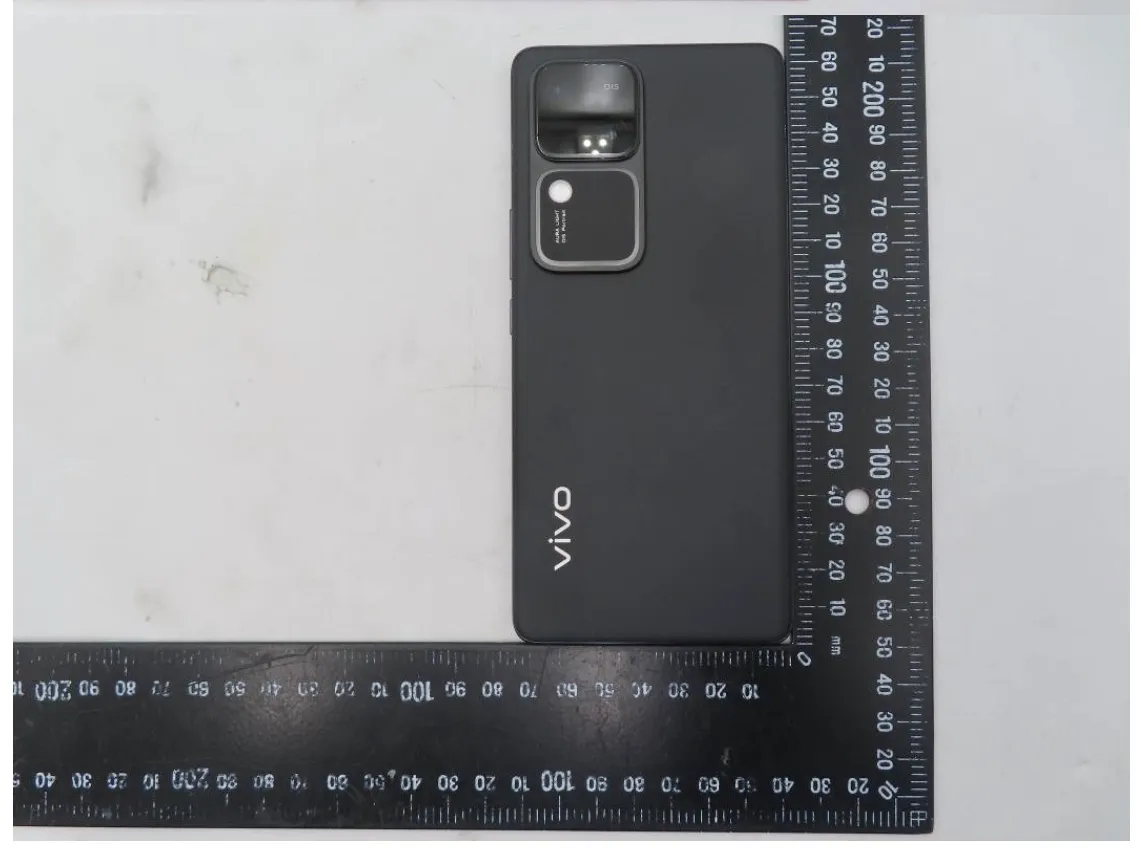
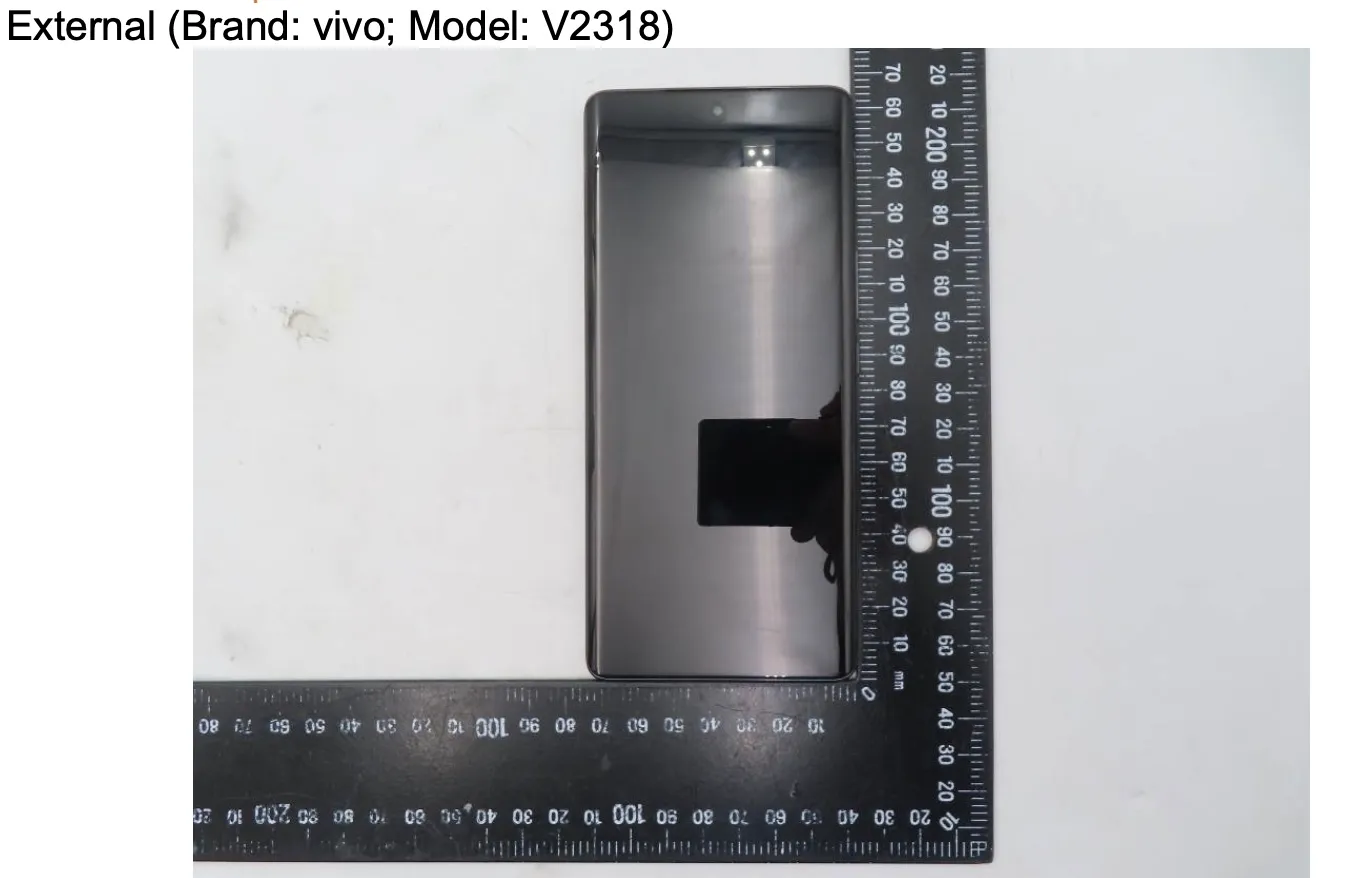
Barely a month after the release of the Vivo V29 series, reports of its successor, the Vivo V30 series, have already started surfacing online. The new series is expected to include two smartphones, the Vivo V30 and the Vivo V30 Pro.
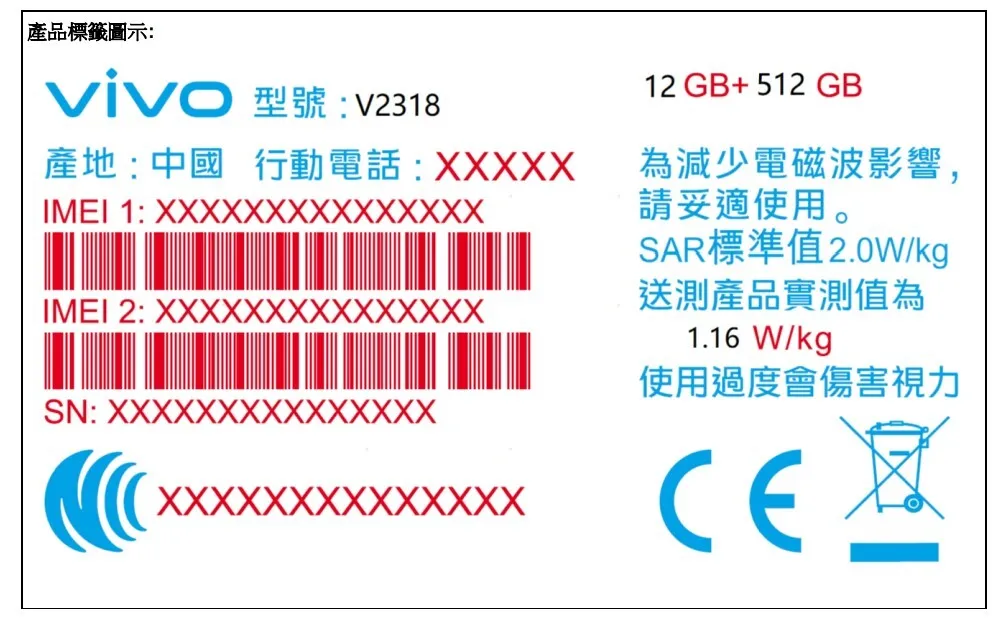
This information was revealed by a listing on the GSMA IMEI database, which showed both devices with the model numbers V2318 and V2319, respectively. However, no other information about the Vivo V30 series is available from the listing. Given that the Vivo V29 series was just launched, it is still too early to expect the launch of the Vivo V30 series anytime soon.
As a reminder, the Vivo V29 and Vivo V29 Pro feature a 6.78-inch AMOLED display with a Full HD+ resolution and 120Hz refresh rate. They also have the same curved body design with a metallic frame and glass rear panel.
On the back, the Vivo V29 series has a triple camera setup with a 50MP primary camera that supports OIS. On the front, they have a 50MP camera for selfies and video calls.
The Vivo V29 is powered by the Qualcomm Snapdragon 778G SoC, while the Vivo V29 Pro is powered by the MediaTek Dimensity 8200 SoC. Both smartphones come with up to 12GB of RAM and 256GB of internal storage, and they run on Android 13-based Funtouch OS 13.
It will be interesting to see what new features and improvements Vivo brings to the Vivo V30 series. We will keep you updated on the latest developments.
The AOC K1S projector has been unveiled in China. It comes with a maximum brightness of 2,500 CVIA lumens and is powered by the MediaTek MT9669 chip.
Features
The K1S projector outputs 1080p high-definition images and supports HDR10+, as well as HLG high dynamic video decoding. It also supports the ALPD laser display technology and its 2500 CVIA lumens brightness translates to 4,500 ANSI lumens. It has a 1.07 billion color display and its built-in sound system consists of twin 12W large-diameter strong magnetic speakers and passive diaphragms. The sound system of the AOC K1S was jointly developed by AOC and Devialet.
The AOC K1S projector comes with smart features for a seamless projection of content. It has TOF and CMOS smart modules and supports autofocus, omnidirectional automatic correction, and intelligent brightness adjustment. The projector is also capable of automatic screen alignment and intelligent screen obstacle avoidance. Its built-in MT9669 chip combines with 4GB of memory and 64GB of storage. The projector can be connected via HDMI 2.1, or WiFi 6. It also supports MEMC global motion compensation and has a throw ratio of 1.27:1. The projector can project images up to 150 inches and its operating noise is 26 decibels.
Price & Availability
The AOC K1S is currently retailing at 4,999 yuan (~$683), with a 100 yuan deposit required to make an order. It is available on e-commerce platform Jingdong. The projector was officially launched in June this year with a retail price of 5,499 yuan (~$752). Thus, it is currently offered at a reduced price.
The Xiaomi 14 series is one of the most anticipated smartphone launches of the year and for good reason. The company has already started teasing its features, and now a new leak has revealed some key specifications of the Xiaomi 14 Pro.
The leak comes from a Weibo user who shared an image of marketing material for the upcoming Xiaomi flagship. The image shows the model number 23116PN5BC for the smartphone, thus confirming that the phone is indeed the Xiaomi 14 Pro.
The leaked image confirms one big yet expected feature for the Xiaomi 14 Pro: the Snapdragon 8 Gen 3 processor. This chip is set to be announced on October 24, and we can expect to see the official announcement of the Xiaomi 14 series shortly after that.
The leak also confirms that the Xiaomi 14 Pro will retain the IP68 dust and water resistance rating from its predecessor, the Xiaomi 13 Pro. It will also come with Dolby Vision.Atmos and Hi-Res and Hi-Res Wireless Audio certification.
Besides this, the Xiaomi 14 Pro is expected to retain the 1-inch Sony IMX989 sensor from its predecessor. But Xiaomi will be using better Leica Summilux lenses this time around, which should offer even better image quality. Last but not least, the Xiaomi 14 Pro will ship with Xiaomi’s new operating system, HyperOS, which is based on Android and Xiaomi Vela.
The Xiaomi 14 series is likely to be announced in the coming weeks, and we are excited to see what it has to offer. We will keep you updated with more information about the smartphone as it becomes available.
After leaks about the weight of the Xiaomi 14, another leak about the Xiaomi 14 has surfaced, this time from an offline retailer in China.
Cases of the Xiaomi 14 and Xiaomi 14 Pro (Gizmochina)
Via Chinese social media Weibo, several users on the platform are sharing around a leaked list of memory and colour options for the Xiaomi 14 and Xiaomi 14 Pro. The leaked list is reportedly obtained from an offline 3rd party retailer in China that will be selling the upcoming Xiaomi 14 series of smartphones in the country.
From the list, the standard Xiaomi 14 will be available in 4 colours: Black, White, Green and Pink. It will be available in 3 storage options, which are respectively 12 GB + 256 GB, 16 GB + 512 GB, and 16 GB + 1 TB.
Meanwhile the Xiaomi 14 Pro will be available in 3 colours only, which are Black, White and Green. It will also be available in 3 storage options, which are respectively 12 GB + 256 GB, 16 GB + 512 GB, and 16 GB + 1 TB.
However, the list of models sold is only applicable to offline retailers, Xiaomi could also release online-exclusive colours for the Xiaomi 14 for a limited time after launch, similar to last year’s online-exclusive colours of the Xiaomi 13.
The Xiaomi 14 series will be Xiaomi’s first flagship smartphones to feature Leica’s premium Summilux lenses, which are normally found on Leica’s digital and DSLR cameras for above 2000 USD. Stay tuned to our coverage of the launch of the Xiaomi 14 this week, only on Gizmochina.
Apple is rumored to be developing a new HomePod with a screen, according to a new report from 9to5Mac. The report is based on images of a prototype HomePod with a large touchscreen sensor at the top that was shared by a leaker known as “Kosutami.“
Kosutami has previously shared accurate pre-release information about Apple products, so the images are likely to be legitimate. 9to5Mac also claims to have verified the legitimacy of the images with its own sources.
iFuck thought had never made a HP with touchScreen before, but it is happened, it used to be my AprilFool's joke🤯🤯🤯🤯🤯🤯🤯 pic.twitter.com/FUvS4HcYj7
The HomePod with a screen is codenamed B720 and is a reportedly new product being actively worked on by Apple. 9to5Mac report suggests that the LcdUTest app shown on the assembled HomePod’s display panel is an internal app used by engineers to test the new display.
The outlet says that Apple may be rewriting some of the tvOS apps so they can run on the new HomePod display. Apple Music and Apple Podcasts are the first apps being rewritten to be compatible with the new display, which will show a blurred animation based on the colors of the album art when a song or podcast is playing.
This is not the first time we have heard rumors about a HomePod with a screen. Bloomberg reporter Mark Gurman was the first to suggest in 2021 that Apple is working on new HomePods with displays and cameras. Apple analyst Ming-Chi Kuo also claimed earlier this year that Apple plans to release a redesigned HomePod with a 7-inch display in the first half of 2024.
It is unclear what other features the new HomePod with screen will have, or how it will be priced. However, it is clear that Apple is interested in developing new smart home products with displays. This could be a way for Apple to differentiate its HomePod products from other smart speakers on the market, and to make them more useful for users.
OPPO launched the Find N3 Flip phone in India last week. It is the successor to the Find N2 Flip (review) that was announced earlier in February this year. The newest offering packs significant upgrades over its predecessor. The OPPO Find N3 Flip is going up for sale in the country starting today. The company is offering various discounts that can lower the purchase price of the device. Read on to know all the details.
OPPO Find N3 Flip sale date, price and offers in India
OPPO Find N3 Flip
The OPPO Find N3 Flip will be available for purchase in India starting today at 6 pm IST. It is offered in a sole 12GB + 256GB RAM and storage configuration priced at Rs 94,999. Interested customers purchasing the clamshell foldable phone from the brand’s official website will be eligible for a 10 percent instant discount up to Rs 12,000 on debit card, credit card, and EMI transactions made through ICICI Bank, State Bank Of India, and Kotak Mahindra Bank. Additionally, there is also an exchange offer on the old smartphones. Customers also get a free 1-year screen protection and a phone PU case.
The OPPO Find N3 Flip is also available from Flipkart with offers for SBI credit cardholders, however, the discount value is lesser than OPPO’s website.
OPPO Find N3 Flip specifications
The OPPO Find N3 Flip has the same 3.2-inch secondary AMOLED display whereas the front has a 6.8-inch LTPO screen with 120Hz refresh rate and 1,600 nits peak brightness. On the imaging front, the OPPO Find N3 Flip sports a triple rear camera setup of a 50MP OIS-enabled main sensor, a 32MP telephoto unit, and a 48MP ultra-wide-angle lens. There is a 32MP front-facing snapper.
Internally, the OPPO Find N3 Flip is powered by a Dimensity 9200 processor coupled with 12GB RAM and 256GB storage. It is backed by a 4,300mAh battery unit with support for 44W fast charging. The foldable phone ships with Android 13 with guaranteed 4 years of OS updates.
Vivo is all set to launch its latest 5G smartphone, the Y200 5G, in India tomorrow, October 23. The company has already teased the design and color options of the device, and now, a Flipkart listing has revealed its key specifications and price.
So, according to Flipkart, the Vivo Y200 5G will sport a 6.67-inch Full HD+ AMOLED display with a 90Hz refresh rate and 1300 nits peak brightness. Design-wise, the phone sports two cameras on the rear, joined by the Smart Aura Light we’ve previously seen on the iQOO Z7 Pro and Vivo V29 Pro. The listing also reveals that the Y200 5G will come in two colors – Desert Gold and Desert Green.
Moreover, it will be powered by the Snapdragon 4 Gen 1 processor, which is a low-end 5G chip from Qualcomm. The phone will come in a single configuration of 8GB RAM and 128GB storage.
In terms of cameras, the smartphone will have a 64MP main camera with optical image stabilization and a 2MP depth sensor on the rear. On the front, it will have a 16MP selfie camera.
The Vivo Y200 5G will be powered by a 5000mAh battery that supports 44W fast charging. It will also have an in-display fingerprint scanner for security.
The Flipkart listing also reveals the price of the Vivo Y200 5G. It is expected to cost Rs. 21,999 in India for the sole 8/128GB variant.
Oppo has recently introduced a couple of smartphones under the A2 branding, including the Oppo A2 Pro 5G and the Oppo A2x 5G, specifically in the Chinese market. These devices are identified by model numbers such as PJS110 and PJG110, respectively. The brand is reportedly in the process of developing another variant of the A2x, expected to be marketed as the Oppo A2m with the PJU110 model number. In a new development, it has come to light that Oppo is also working on a mid-range phone known as the Oppo A2 5G, which can be identified by the model number PJB110. This device has surfaced in the database of China’s TENAA certification platform, complete with all its specifications and images. Here is a look at the details of the upcoming A2 5G.
OPPO A2 5G specifications (rumored)
OPPO A2 5G (PJB110) TENAA images
The OPPO PJB110 will measure 165.6 x 76 x 7.9mm, and weigh at 193 grams. It will arrive with a 6.72-inch FHD+ LCD punch-hole display. In all likelihood, the screen may support up to a 90Hz or 120Hz refresh rate.
The TENAA certification further reveals that the Oppo PJB110 has an 8-megapixel front camera for taking selfies and making video calls. The rear camera system of the device comprises a 50-megapixel primary camera and a 2-megapixel depth sensor.
Under the hood, the Oppo PJB110 is driven by a potent 2.2GHz octa-core processor. It provides users with flexibility in the RAM department, with the option to select from two configurations: 8 GB or 12 GB.
When it comes to storage, the Oppo PJB110 will be available in options such as 128 GB, 256 GB, and 512 GB of storage. The phone will pack a 5,000mAh battery, but there is no information about its fast charging capabilities. In terms of software, the phone runs on Android 13 with Oppo’s ColorOS 13 interface. While there is no official information on the existence of the Oppo A2 5G, it is expected to make its debut in time for China’s upcoming Double Eleven (Nov. 11) shopping festival.
Back in March of this year, Meizu introduced its Meizu 20 series of flagship smartphones in China. These smartphones were powered by the Snapdragon 8 Gen 2 chipset. Both the Meizu 20 and 20 Pro garnered positive reviews from both regular users and critics. As a result, there’s a growing sense of anticipation and curiosity surrounding the Meizu 21 series, with enthusiasts eagerly awaiting details on the specifications and features of this upcoming lineup.
Meizu 21, 21 Pro battery capacities
Meizu 20
A new development reveals that the Meizu 21 Pro has successfully obtained national quality certification for its lithium-ion battery pack, identified as model BA481. It has a rated capacity of 4,920mAh, which suggests that it will have a typical capacity of approximately 5,020mAh.
In addition, the battery for the standard Meizu 21, labeled as model BA461, has also received certification. It features a rated capacity of 4,700mAh, with a typical capacity of around 4,800mAh.
As per reports, model numbers M461S and M461H are associated with the standard Meizu 21, whereas the Pro variant has the M481S model number. Since there has been significant progress in the development of the Meizu 21 series compared to previous models, it is anticipated that they will be launched before the end of the year.
The Meizu 21 series is expected to feature the Snapdragon 8 Gen 3 chipset. The overall appearance of the Meizu 21 series is not expected to change significantly, retaining the existing vertical camera arrangement, a cantered punch-hole display, and slim bezels.
A new 50-megapixel sensor is slated to replace the primary camera of the Meizu 21 line-up, and there is speculation that it will incorporate RGB ring LED flash technology for the rear cameras. These developments have fuelled expectations for an earlier-than-anticipated launch of the Meizu 21 series in China, possibly within this year.
As the hype for the highly anticipated Xiaomi 14 builds up, a Chinese influencer in the tech circle yesterday accidentally shared and revealed the weight of Xiaomi’s upcoming flagship.
Weight leaked by influencer Chen Zhen(Via: Weibo)
In a deleted Weibo post yesterday, Chinese tech influencer, Chen Zhen, went to the Chinese social media site Weibo to share two cryptic photos showing the weight of an unannounced Android smartphone that will be launching soon in China. Based on the influencer’s post history, it can be assumed that this is supposedly one of the Xiaomi 14 devices, most likely the standard Xiaomi 14.
The influencer was also one of the culprits last year who leaked details of the Xiaomi 13 flagship days before the launch. As for the deleted Weibo post, it shows that the upcoming device will be available in two weight options: 199.2 g and 194.2 g, supposedly hinting that the device will be available in a PU leather back option and a ceramic glass back option like last year’s Xiaomi 13.
For a comparison of the weights of the upcoming Xiaomi 14 and Xiaomi 13, we created a table below showing the weight difference.
Xiaomi 14
Xiaomi 13
Xiaomi 13 Pro
Glass Back
199.2 g
189 g
229 g
PU Leather Back
194.2 g
185 g
210 g
Table 1: Weight of Xiaomi 14 vs Xiaomi 13 vs Xiaomi 13 Pro
As shown above, the Xiaomi 14 is heavier than the Xiaomi 13 by about 10 grams. The increased premium heft in weight could be due to a larger camera sensor, a bigger battery or probably the Leica Summilux lens added to the device. Or it could be all of the above and maybe some extra features that will add weight to the build.
Are you excited for the launch of the Xiaomi 14? Let us know in the comments below, and stay tuned to our coverage here at Gizmochina.
Chinese audio products manufacturer Edifier has continued to expand its reach in the audio accessories market with a slew of audio products. The company has launched the Comfo Fit Open-ear Bluetooth headset in China. the company equally launched the Comfo Run Opne-ear Bluetooth headset.
Edifier Comfo Fit Open-ear Bluetooth headset also offers environmental noise cancellation
The new Edifier headphones are equipped with an 18 x 11m track-type dynamic unit. The headset supports dynamic low-frequency compensation technology and utilizes air-conduction directional audio technology for call privacy protection.
Perhaps what stands out the most is the 45 hours of battery life that you can get on the Edifier Comfo Fit open-ear Bluetooth headset. The Edifier Comfo Fit headset has built-in dual microphones with support for environmental noise cancellation during calls. The headset also supports Bluetooth 5.3 connectivity and weighs 8.8g per ear. Each headset has a battery life of 9 hours while the charging case offers up to 36 additional hours. It supports fast charging and up to 2 hours of playback is possible with just 15 minutes of charge. The headset has a game mode, which when activated yields a response time of 0.08 seconds.
The Comfo Fit open-ear Bluetooth headset is rated IP54 dustproof and waterproof. Its design means that it can be used for extended periods without feeling uncomfortable.
Price & Availability
The Edifier Comfo Fit open Bluetooth headset is available from the Chinese e-commerce platform Jingdong(JD.com) for 499 yuan (~$68). There are no details at this time on the pricing and availability information for the headset in the global market.
The Samsung Galaxy Z Flip 5 has been well-received by critics and consumers alike since its launch two months ago. Now, it seems that Samsung is planning to release a new variant of the popular foldable phone called the “Retro Edition.”
Images of the Z Flip 5 Retro Edition have been published by the blog MSPowerUser, and they show the phone with a blue back panel and a matte finish frame. This gives the phone a retro look, which is sure to appeal to some consumers.
It is important to note that the Galaxy Z Flip 5 Retro Edition is essentially just a recolor of the regular Galaxy Z Flip 5. There are no other changes to the phone’s hardware or software. This means that it will have the same 3.4-inch OLED cover screen, side-mounted fingerprint reader, dual-camera setup, USB Type-C port, Snapdragon 8 Gen 2 For Galaxy processor, 8GB RAM, 256GB storage, and 3,700mAh battery as the regular Z Flip 5.
Despite this, the Galaxy Z Flip 5 Retro Edition is sure to appeal to some consumers who are looking for a foldable phone with a unique design. The blue color scheme and matte finish frame give the phone a classic look that is sure to stand out.
Samsung is rumored to be working on a thinner Galaxy Z Fold6 foldable phone, but it may not get a camera upgrade.
Industry insider Ice Universe claims that Samsung will reuse the same 50MP Samsung GN3 sensor for the main camera on the Z Fold6 as it did on the Z Fold5 and Z Fold4.
Don't expect much change in Galaxy Z Fold6. At least we can be sure of the camera. It is the same as Fold4 and Fold5, that's for sure.
This is disappointing news for some users who were hoping for a camera upgrade, but Samsung may be focusing on other areas of improvement, such as thickness.
According to a report by TheElec, Samsung is looking to thin out the Z Fold6 and close the gap in thickness between its and competitor’s foldable phones. Currently, the Galaxy Z Fold5 measures 6.1mm unfolded and 13.4mm folded, while most of its competitors have slimmer form factors.
For example, the Huawei Mate X5 is 5.3mm unfolded and 11.1mm folded, while the Xiaomi Mix Fold 3 is even thinner at 5.3mm unfolded and 10.9mm folded. Even the first-gen fold by OnePlus is 5.8mm unfolded and 11.7mm folded.
The report by TheElec claims that Samsung may be reverse-engineering Huawei’s Mate X5 foldable to see how Huawei achieved a thinner profile and a larger internal battery.
If Samsung is able to thin out the Z Fold6 without sacrificing durability or battery life, it would be a significant improvement. However, it is important to note that these are just rumors at this point, and we will have to wait for more official information from Samsung to know for sure what to expect.
Google is rolling out a new feature for its Play Protect security service that will scan apps at the code level in real-time to detect emerging threats, such as polymorphic malware.
Google Play Protect already scans apps for malware before and after they are installed, but the new code-level scanning will help to identify even more sophisticated threats. This is especially important because cybercriminals are increasingly using AI and other methods to develop malware that can evade traditional detection methods.
When a user tries to install an app that has never been scanned before, Google Play Protect will recommend a real-time scan. The scan will extract important signals from the app and send them to Google’s backend infrastructure for evaluation. Once the scan is complete, the user will be notified if the app is safe to install or if it is potentially harmful.
This new feature is a nice addition to Google Play Protect’s existing protections, which rely on existing scanning intelligence and data to identify suspicious apps. With the new code-level evaluation, it can now detect even more sophisticated malicious apps that use AI or other methods to evade detection.
Google says that the new Play Protect feature will be rolled out to India first, and then to select other countries in the coming months. It will eventually be available in all regions.
The Honor Magic 6 Pro has been spotted in the wild, giving us an early glimpse of its design. The images, which were originally posted on Weibo but have since been taken down, show the phone in a design-concealing case.
The most notable change in the Magic 6 Pro’s design is the pill-shaped notch, which has been moved from the left corner of the screen to the center. The notch is expected to house the same 12MP ultrawide selfie camera and time of flight 3D camera as the Magic 5 Pro.
FrontBack
The rear camera setup is difficult to see due to the case, but we can see one camera lens, an LED flash, and two sensors.
A render of the device created based on rumors shows that the Magic 6 Pro will retain the round camera module with three cameras, including a ToF 3D depth sensor and an LED flash.
The Honor Magic 5 Pro launched in March of this year, so it is interesting to see that the Honor Magic 6 Pro may be released earlier than expected. We expect Honor to release three models in the Magic 6 series: the Honor 6, Honor 6 Pro, and Honor 6 Ultimate. All three models are likely to be powered by the upcoming Snapdragon 8 Gen 3 chipset.
The Honor Magic 6 series is rumored to launch before the 2024 Chinese Spring Festival, which suggests that it may launch by January end or by early February.
We use cookies on our website to give you the most relevant experience by remembering your preferences and repeat visits. By clicking “Accept”, you consent to the use of ALL the cookies.
This website uses cookies to improve your experience while you navigate through the website. Out of these, the cookies that are categorized as necessary are stored on your browser as they are essential for the working of basic functionalities of the website. We also use third-party cookies that help us analyze and understand how you use this website. These cookies will be stored in your browser only with your consent. You also have the option to opt-out of these cookies. But opting out of some of these cookies may affect your browsing experience.
Necessary cookies are absolutely essential for the website to function properly. This category only includes cookies that ensures basic functionalities and security features of the website. These cookies do not store any personal information.
Any cookies that may not be particularly necessary for the website to function and is used specifically to collect user personal data via analytics, ads, other embedded contents are termed as non-necessary cookies. It is mandatory to procure user consent prior to running these cookies on your website.