Advertisement

Google Genesis AI Tool: The Future or the End of Journalism?

“Artificial intelligence will take our jobs!” You have probably heard this sentence at least once in your life. While the developments in the technology era we are in are the biggest basis of this fear, the developments that have taken place in the last year have turned these worries into reality. Unfortunately, with the rising AI trend, some occupations are starting to be forgotten. My job is at the forefront of these. It seems that Google wants to take the job of writing articles from journalists with the AI tool called ‘Genesis’. Here are the details…

Could Google Genesis AI Tool Replace Journalists?

Competition in artificial intelligence technologies is increasing at a rapid pace. Google, which experienced a sudden shock in the artificial intelligence race with the release of ChatGPT and fell behind, has closed the gap. The company, which recently came to our attention with the Bard 2.0 version, now wants to spread its technology to other areas. For example, Google wants to use AI technology for diagnosis thanks to the hospitals it has recently signed agreements with. However, the technology giant’s plans are not limited to the healthcare sector. The company wants to make fundamental changes in the media with ‘Genesis’.

The latest reports shows that media bosses from The New York Times, The Washington Post, and News Corp have been shown Google’s new tool, Genesis. The company has said that Genesis is not intended to replace journalists, but rather to help them be more efficient and productive. However, some critics have argued that the tool could lead to the deskilling of journalists and the spread of misinformation. Moreover, that’s not the only problem.

Also, AI may not be as smart as we think, despite what its name suggests. Sure, it can write text quickly, something that might take a group of people a long time. But, AI can’t truly think like us humans. It checks facts using its own stored data and the internet, and so can be tricked into believing false information. For instance, with a convincing argument, you might get an AI to believe 2+2 equals 5. If this is used in an article, it could spread incorrect information.

There are already examples of AI-generated news articles that have been inaccurate or misleading. However, it is important to note that these tools are still in their early stages of development. It is possible that as they become more sophisticated, they will be able to produce more accurate and reliable content. Ultimately, the impact of Genesis on the journalism industry remains to be seen. However, it is important to be aware of the potential risks and benefits of this technology before it is widely adopted.

RELATED:

(via/via)

Sony SRS-XB100 Portable Bluetooth Wireless Speaker With 16 Hour Battery Life Launched In India

Last week, Sony launched the premium SRS-XV800 wireless Bluetooth speaker in India. Now the Japanese brand has launched a new portable wireless speaker. It is the Sony SRS-XB100. With the latest offering, the brand has expanded its range of speakers in the country. Read on to know more about it below. 

Sony SRS-XB100 speaker specifications and features

The Sony SRS-XB100 is a compact and powerful Bluetooth wireless speaker. It features a cylindrical shaped design and a durable body. The audio device is IP67-rated dust and water-resistant. There is a multi-way strap that can be used to carry the speaker everywhere. 

On the audio front, the Sony SRS-XB100 is equipped with a full-range speaker and passive radiator for high-quality sound and powerful bass. The speaker features a Sound Diffusion processor along with DSP technology that is said to expand and deliver sound in any space. There is also a built-in microphone for a hands-free calling experience. The speaker has an Echo Cancelling function for clearer calls that allows two people to talk simultaneously without cutting either of them. 

The Sony SRS-XB100 can also be connected to another speaker for a stereo sound. It supports Bluetooth 5.3 and Google Fast Pair. The speaker is claimed to offer a battery life of 16 hours with support for USB-C charging. 

The Sony SRS-XB100 is priced at Rs 4,990. It is offered in Black, Blue, Light Green, and Orange color options. The audio device is available for purchase from Sony-branded stores, Sony website, as well as, leading retail stores and e-commerce platforms. 

Related: 

Fire-Boltt Cyclone With 1.6-inch Display, 8 Day Battery Life Launched In India

Fire-Boltt has launched a new smartwatch in India. It is dubbed the Fire-Boltt Cyclone. The latest offering features a round dial but borrows design cues from the Apple Watch Ultra. Read on to know what it offers out of the box. 

Fire-Boltt Cyclone specifications and features

The Fire-Boltt Cyclone has a circular dial with an Apple Watch Ultra-like design. It features a full metallic unibody with a rotating crown and a physical button on the right side. The device is IP68-certified dust and water-resistant and it has a buckle design strap. 

The Fire-Boltt Cyclone comes with a 1.6-inch display bearing an HD resolution of 400 x 400 pixels. There is an Always-on display functionality and dark mode. 

On the health-centric front, the Fire-Boltt Cyclone is equipped with a heart-rate monitor, SpO2 sensor, sleep tracker, and menstrual cycle tracker. It offers breathing training, sedentary reminder, and hydration reminder. The wearable device packs support for 85 sports modes. There is also a motion sensor onboard that lets users to play and track VR games and VR workouts. It also has an assisted GPS onboard. 

The Fire-Boltt Cyclone is equipped with a built-in speaker and mic for Bluetooth calling function. It packs convenient features like smart notifications, weather updates, music, and camera control. There are built-in games, NFC support,  and also passcode lock. The smartwatch is powered by a 390mAh battery unit that is claimed to offer 8 days of usage on a single charge. 

The Fire-Boltt Cyclone is offered in Grey, Orange, Yellow, and Black colors. It is priced at Rs 2,499 and can be purchased from the brand’s website and Flipkart starting July 24. 

Related: 

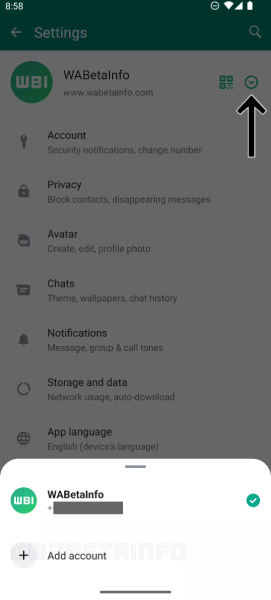
WhatsApp for Wear OS smartwatches is now rolling out

WhatsApp has officially launched the stable version of its dedicated app for smartwatches running Wear OS 3 and above. The announcement comes after a beta version was rolled out a few months ago. This new app first teased at Google I/O 2023, enables users to stay connected with others even without their smartphones.

The Future of Messaging: WhatsApp Officially on Smartwatches with Wear OS

The app proves particularly useful for LTE-capable smartwatches with eSIM support, as it allows users to leverage cellular connectivity. It offers various interaction options, including voice messages, emojis, regular text, and quick replies. Prior to this release, Wear OS users could only reply to WhatsApp messages without the ability to send voice messages.

According to the Verge, this timing aligns strategically with the upcoming launch of Samsung’s next-gen Galaxy Watch 6 series on July 26. Samsung and Google have been collaborating to improve Wear OS, and the addition of popular apps like WhatsApp is expected to attract more Android users, contributing to customer retention.
It’s worth noting that there is still no dedicated WhatsApp app available for Apple Watches. However, WhatsApp has expanded its platform support significantly, offering apps for phones, Android tablets, desktops, and the web.

As per India Today, WhatsApp Chief Will Cathcart confirmed the rollout and functionality of the new app in a post on Meta’s Threads app. Mark Zuckerberg applauded the move, signaling Meta’s support for the development.

Meta has also introduced new features recently to enhance the overall messaging experience on WhatsApp. Users can now send texts without the need to save numbers, streamlining the process of initiating conversations.

Additionally, users can personalize their appearances during Messenger and Instagram Video Calls with Animated Meta Avatars, adding a touch of fun and creativity to their interactions.

As WhatsApp expands its presence in the wearable market, it opens up new possibilities for users to stay connected and communicate seamlessly from their smartwatches. With the combination of Wear OS’s improved functionality and WhatsApp’s dedicated app, users can enjoy a more integrated and convenient messaging experience on their wrist, further blurring the boundaries between smartphones and wearables.

RELATED:

(Via 1,2)

boAt Smart Ring unveiled in India with various health & fitness tracking features

boAt is gearing up to launch a brand-new smart wearable product in India. However, it isn’t your typical smartwatch or band, rather, a new Smart Ring that is designed to offer many of the same health-related features that larger wearable device offers.

boAt Smart Ring Specs & Features

The company’s new Smart Ring is built to be a lightweight and easy-to-wear product that offers users access to various health and fitness-related features. The ring features a sleek design that combines metal and ceramic materials. Despite the compact form factor, it manages to offer various health sensors like heart rate tracking, SpO2 blood oxygen mapping, sleep monitoring, female menstrual cycle mapping, body recovery tracking, activity tracking as well as measuring your body temperature.

boAt Smart Ring

In other words, this tiny gadget will offer most of the features found on smartwatches. It provides a detailed insight into users’ health status that will likely be displayed on the paired smartphone. Other notable features include 5ATM water resistance and smart touch controls. This device is great for fitness enthusiasts and will likely appeal to those that do not prefer wearing a smartwatch as well.

But unfortunately, the brand has only announced the new boAt Smart Ring. Finer details like its pricing or availability have yet to be revealed. Although, the Smart Ring is confirmed to be available through Amazon and Flipkart. More details should be shared soon, so stick around for more updates.

RELATED:

Oppo Reno 10 5G India pricing revealed, Pre-Orders now live on Flipkart

The Oppo Reno 10 5G series was announced in India earlier this month. But while the launch event revealed the pricing of the higher-end Pro models, the base Reno 10’s price details weren’t unveiled. But now, the official India price tag of the Reno 10 has been revealed, with pre-orders for the device also kicking off.

Oppo Reno 10 5G: India Price, Availability, & Bank Offers

The Chinese tech giant’s new Reno 10 5G model will go on sale in India for 32,999 INR. Its first sale will start on July 27 and there are a couple of bank offers as well. This includes a 3,000 INR discount when purchasing the device with HDFC, SBI, ICICI, and Axis Bank cards. Users can also get an additional discount of up to 4,000 INR by exchanging their older devices. You can also get up to 10 percent discount from leading retailers and avail up to 6 months of no-cost EMI from major banks as well.

Oppo Reno 10 India Pricing

The device comes with a free trial of YouTube Premium and a Google One subscription for three months. Ahead of its first sale, the brand has begun taking pre-orders for the Reno 10 from Flipkart. The Reno 10 sports a 6.7-inch 120Hz AMOLED display and is powered by a MediaTek Dimensityu 7050 SoC. Notable features include a 64-megapixel triple camera setup, a 5000mAh battery pack, 67W fast charging, and more.

RELATED:

Nubia Z50S Pro with 50MP triple cameras, overclocked Snapdragon 8 Gen 2 SoC & 80W fast charging launched

ZTE‘s Nubia has just launched a new flagship smartphone in the Chinese market called the Nubia Z50S. This cutting-edge device boasts an exquisite design and is powered by the latest Snapdragon 8 Gen 2 Advanced Edition SoC, ensuring top-notch performance. However, the most captivating feature is its exceptional camera setup. Keep reading to know all the details of the device.

Nubia

Design & display

The Nubia Z50S features a sleek flat design for both its frame and back, giving it a modern and stylish appearance. The back showcases an elegant AG glass finish that mimics the texture of leather, providing a premium look and feel. Like other top-tier smartphones in the market, the Z50S Pro boasts a circular camera module, accommodating three lenses for photography. Notably, it includes an additional physical button dedicated to capturing photos, making it more convenient to take pictures on the go. It has two standard color options: Black Coffee and Khaki.

The front of the device showcases a 6.78-inch flat AMOLED display with an FHD+ resolution of 2800×1260 pixels. The screen boasts a smooth 120Hz refresh rate and an impressive 1000Hz instantaneous peak sampling rate, ensuring a seamless and responsive user experience. Moreover, it holds the UL platinum low blue light eye protection certification, reducing eye strain during extended usage. The display supports a wide range of colors with 1.07 billion colors and offers 100% coverage of the DCI-P3 color gamut, delivering stunning visuals. Overall, the device measures 163.63×75.98×8.6mm and weighs about 228 grams.

Performance

Under the hood, the smartphone comes equipped with the Snapdragon 8 Gen 2 Advanced Edition, which is essentially an overclocked (3.36GHz peak clock speed) version of the chip. According to the brand, the device has achieved 1,676,933 points on the AnTuTu benchmark. The device is offered in three storage configurations: 12GB + 256GB, 12GB + 1TB and 16GB + 1TB.

Nubia

It has a sizable 5100mAh battery coupled with 80W fast charge. To keep the hardware cool, the brand has also incorporated a 4233mm² vapor chamber cooling system. Coming to the software, the Nubia Z50S Pro is pre-installed with the latest version of MyOS13, which comes with only 8 pre-installed applications to deliver a clutter-free experience.

Connectivity options on the device include Mobile 5G, China Unicom 5G, Telecom 5G/4G/3G/2G, WiFi 802.11a/b/g/n/ac/ax/be and Bluetooth 5.3. It also has GPS/A-GPS/Beidou/Galileo/Gronass(L1+L2+L5) for navigation. Other than that, the device includes features like DTS:X Ultra dual stereo speakers, X-axis linear motor, infrared, NFC(eSE), and a physical slider.

Camera

The most attractive feature of the Z50S Pro is its camera system. It consists of a 50MP main camera (Sony IMX800, 1/1.49 inch sensor with OIS), a 50MP ultra-wide-angle lens (support for macro shooting as close as 2.5cm), and an 8MP telephoto lens with OIS, supporting 6x optical zoom. It also features a 16MP front camera. The camera setup incorporates a custom 1G + 6P lens.

According to Nubia, the main camera has an impressive aperture of 5.21mm at 35mm focal length, surpassing other manufacturers’ one-inch main cameras at the same focal length.

Nubia

Furthermore, the phone features “Humanistic Street Photography 2.0,” which is the new and improved street photography mode, along with the “Night Mandrill 2.0” night mode which has solved the ghosting problem of high-light motion shooting as well as improved adaptive contrast by 40%.

Nubia Z50S Pro Special Edition: Mirror of Light

The special edition variant of the Z50S Pro comes with a rainbow holographic ring on the camera module along with a 3D “Carrara White” back which catches the light to produce a holographic effect. It comes in a single 12GB + 1TB configuration.

Pricing & availability

The Nubia Z50S Pro will be available in four configurations, with prices starting at 3,699 yuan. The configurations and prices are as follows:

  • 12GB + 256GB: 3,699 yuan ($515)
  • 12GB + 1TB: 3,999 yuan ($557)
  • 16GB + 1TB: 4,399 yuan ($612)
  • Mirror of Light 12GB + 1TB: 4,099 yuan ($570)

The phone will go on sale in China at 10:00 am on July 27.

RELATED:

China surpasses 670 million 5G smartphone users, deploys 2.9 million base stations

China’s Ministry of Industry and Information Technology (MIIT) has revealed impressive progress in the country’s 5G telecommunications sector. With a staggering 676 million 5G smartphone users and almost 3 million 5G base stations deployed, China is leading the way in 5G technology.

Impressive stats reveal China’s dominance in 5G technology

The industry has experienced a 6.2% increase in revenue and a remarkable 17.1% rise in total business volume year-on-year. Over 2.12 billion mobile Internet of Things (IoT) devices are currently in use, showcasing the widespread adoption of mobile technology across various industries.

The impact of 5G technology has been felt in sectors such as healthcare, education, and transportation, with over 50,000 application cases demonstrating its transformative potential. The “Hundred Cities, Thousand Parks” industrial internet campaign has further fueled China’s digital transformation by benefiting numerous enterprises and fostering innovation through the creation of influential industrial internet platforms.

Leaders of major telecom firms have highlighted the role of next-generation technologies, including 5G, cloud computing, big data, and AI, in driving the sector’s growth. They emphasize the increasing demand for intelligent digital transformation and the pivotal role of AI in initiating a new wave of technological revolution and industrial transformation.

Liu Lihong, Chairman of China Unicom, predicted that within the next two years, artificial intelligence will have a profound impact on 50% of job roles, potentially signaling the beginning of another industrial revolution.

China’s significant advancements in 5G technology, along with its extensive integration across industries, reinforce its position as a global telecommunications powerhouse and exemplify its commitment to technological progress.

According to Globaltimes, China is actively focusing on advancing research and development for 6G technology while prioritizing the improvement of 5G network quality, expanding coverage, and reducing costs.

RELATED:

(Via)

BYD’s New Affordable Plug-in Hybrid Sedan, the Seal DM-i, Begins Mass Production

BYD continues to expand its product family by offering different models at different prices to meet the needs of different customers. For example, the Chinese manufacturer introduced the Seal EV in July 2022, which was well-received by users. In response to the demand for a longer-range version, the company recently announced the Seal DM-i version. This model has excited EV enthusiasts, and the first mass-produced cars have rolled off the line. Here are the details…

BYD Seal DM-i First Mass-Produced Cars Roll Off the Line, Monthly Production Capacity of 30,000 Units Expected

The BYD Seal DM-i is a plug-in hybrid electric vehicle that was first announced in China in July 2023. It is based on the BYD Seal, but it has a gasoline engine that helps to extend the car’s range. Now, BYD’s first mass-produced Seal DM-i cars have officially rolled off the line at the company’s Zhengzhou plant. The vehicle is scheduled to be officially launched in the third quarter of this year, with a price range of 180,000 to 250,000 yuan.

BYD Seal DM-i

The BYD Seal DM-i will be equipped with two powertrain options: the XiaoYun plug-in hybrid specific 1.5L high-efficiency engine and the XiaoYun plug-in hybrid-specific turbocharged 1.5T engine. Both options are paired with an EHS hybrid system and a dedicated high-power blade battery for hybrids.

The vehicle will mainly run on electric power, with the engine efficiently charging and assisting in driving when necessary. This all-condition vehicle boasts a fuel consumption of 3.9 liters per 100 kilometers, and can accelerate from 0 to 100 km/h in 7.9 seconds. It is the only plug-in hybrid sedan in its class that offers a pure electric range of 200km, according to BYD’s official statement. The interior design of the vehicle was also revealed in the shares made by BYD.

So was there really a need for a hybrid model?

Actually, the answer to this question may vary depending on your region. As you know, electric vehicle technology requires a serious infrastructure. For example, while the fuel tank of a fossil fuel-powered car can be filled in minutes, this is not the case with EVs. Unfortunately, even with fast charging technology, this process takes much longer, and the infrastructure is very important to use a fully electric vehicle. That’s why it’s still very important for manufacturers like BYD to produce hybrid or fossil fuel-powered vehicles like the Seal DM-i.

RELATED:

(source)

Meta rolls out its ChatGPT rival Llama 2 for Free

Meta has just announced its very own competitor to take on ChatGPT and Google Bard. But it is distinguishing its artificial intelligence based system by launching the Llama 2 for free.

Meta Llama 2 is open for personal and commercial use

Earlier this week, Mark Zuckerberg, CEO of Meta announced that Llama 2 was built in collaboration with Microsoft. It is the latest AI language model, which is open for research and commercial use for free. With its Llama 2 model, Meta will take on the various AI-based models being offered online and will also profit from generative AI tools (for images, texts, and more), similar to ChatGPT.

Meta Llama Free

But to stand out from the crowd, Meta plans on being more accessible than some of its competitors. Llama 2 will be more transparent with the data and code it uses, which the company claims can help mitigate the bias that AI systems pick up. Zuckerberg stated that “Open source drives innovation because it enables many more developers to build with new technology. It also improves safety and security because when software is open, more people can scrutinize it to identify and fix potential issues. I believe it would unlock more progress if the ecosystem were more open, which is why we’re open sourcing Llama 2.”

Notably, the American tech giant is also collaborating with Qualcomm to bring on-device AI with Llama 2 models. LLaMA is also an acronym for Large Language Model Meta AI and people can download the new AI models directly or through a partnership.

RELATED:

(Via)

Microsoft builds upgraded HoloLens Combat Goggles for the US Army

Microsoft is apparently working on a new and upgraded HoloLens headset. However, this model is not for consumers but could be used by US military personnel. The company’s upgraded HoloLens are being tested as Combat Goggles by the US Army.

Microsoft AR Combat Goggles: How does it work?

The American tech giant recently confirmed that it is delivering the IVAS 1.2 devices (Integrated Visual Augmentation System) to the US Army. These AR (Augmented Reality) headsets are thinner and lighter than previous iterations and seek to enhance the soldier’s performance on the field. These HoloLens-based combat goggles will improve battlefield awareness. Infantry units can now see the position of their squad mates get vital health stats and use night vision. It can also aid in planning and coordinating strikes and notify soldiers when their ally is injured.

Microsoft HoloLens US Army

The Army is currently testing around 20 prototype IVAS goggles with two squads. These tests will check its performance in low light conditions, test its reliability, and see if it’s viable for the soldiers. Previous iterations caused eye strain and discomfort and made the soldiers feel sick. Some of their key functionalities had also failed often.

The tests will kick off in late August, while Microsoft will deliver the improved IVAS systems by the end of this month. Depending on these tests, the US Army might sign an official contract by next, while operational combat tests might kick off in 2025. The US military might spend 21.9 billion US Dollars in ten years for over 121,000 IVAS units.

RELATED:

Oppo K11 confirmed to feature Snapdragon 782G, 12GB RAM & 512GB storage, AnTuTu score revealed

Oppo K11 is the upcoming rebrand of the OnePlus Nord CE 3 meant for the Chinese market. The device is scheduled to launch on July 25, and the brand has already started teasing the details.

The latest teaser by Oppo has confirmed a bunch of key details like the chipset, RAM, and storage of the device. According to the teaser, the Oppo K11 will feature a Snapdragon 782G processor which is based on TSMC’s 6nm node. It has a maximum clock speed of 2.7GHz and has scored 719,702 points on the AnTuTu benchmark.

The teaser also confirms that the device will offer up to 12GB of RAM and 512GB of storage. Both RAM and storage will be expandable via Virtual RAM (up to 8GB) and a microSD card slot (supports up to 1TB), respectively.

Oppo K11 specs

The upcoming Oppo K11 is set to feature a 6.7-inch AMOLED display with Full HD+ resolution and a 120Hz refresh rate. Powering the device will be a sizable 5,000mAh battery, supporting fast charging at an impressive 100W rate.

As for the camera setup, the Oppo K11 will have a 16-megapixel front-facing camera for selfies. On its rear panel, the device will boast a 50-megapixel Sony IMX890 main camera with Optical Image Stabilization (OIS) support, alongside an 8-megapixel ultra-wide lens, and a 2-megapixel macro camera for versatility in photography.

RELATED:

HTC U23 Taiwan launch set for July 25, Here’s the complete spec sheet

During May, HTC unveiled its U23 and U23 Pro smartphones in Taiwan, presenting detailed specifications and pricing information for the Pro model. However, at that time, the pricing and availability details for the HTC U23 were not made public. Now, the brand has officially announced that the HTC U23 is scheduled to be released in the Taiwanese market on July 25.

HTC U23

The announcement regarding the HTC U23’s release date in Taiwan was made through HTC Taiwan’s official Facebook page. They provided a link to the landing page of the upcoming device, where you can find comprehensive specifications and features for your reference. You can check out the details below.

HTC U23 specs

The HTC U23 features a 6.7-inch FHD+ 120Hz OLED display. The display is protected by Gorilla Glass Victus, providing resistance against scratches and impacts. The main camera setup consists of a 64-megapixel lens, an 8-megapixel lens, and a 2-megapixel lens, offering features like professional mode, night scene mode, instant portrait mode, 120-degree wide-angle shots, beauty adjustment, time-lapse photography, and slow-motion photography. The main camera supports 4K video recording with Electronic Image Stabilization (EIS). On the front, there’s a 32-megapixel camera, which also offers beauty adjustment, instant portrait mode, night scene mode, and time-lapse photography capabilities.

HTC

The HTC U23 runs on the Qualcomm Snapdragon 7 Gen 1 processor, with 8GB of RAM and 128GB of internal storage. Its battery capacity is 4,600 mAh, supporting up to 30W fast charging, 15W wireless charging, and reverse charging. The device is IP67 certified, making it water and dust resistant.

For audio enthusiasts, the HTC U23 includes a dual speaker design and a 3.5mm audio jack. It also supports Wi-Fi 6 for improved connectivity. The device comes in two color options: Aqua Blue and Roland Violet. Pricing details are expected to be unveiled on July 25, so stay tuned.

RELATED:

(Source, via: Fonearena)

The Basso Volta is a Light Italian E-Bike with a Carbon Frame & an Advanced Display

Specialty e-bikes are experiencing a surge in popularity due to their emphasis on real-world usability and versatility, catering to specific riding needs such as sporty road riding, hard excursions, and urban commuting. With advancing technology and innovative designs, these e-bikes offer unique features and performance, attracting a growing number of cycling enthusiasts seeking tailored experiences. One standout contender in this domain is the Volta, crafted by the renowned Italian bike specialist, Basso.

The bike weighs merely 15.2 kg, thanks to the carbon frame

Known for their handcrafted bikes, Basso’s latest creation aims to be a true all-rounder, catering to sporty road riding, adventurous gravel excursions, and even urban commuting. At the heart of the Volta’s appeal lies its engineering brilliance, striking a perfect balance between lightweight construction and sturdiness. The frame and fork are meticulously crafted from featherlight carbon, resulting in a mere 15.2 kilograms of total weight. Moreover, the generous tire clearance allows the Volta to conquer a wide range of terrains with ease, accommodating up to 45mm tires.

Basso e-bike Volta

The Basso Volta is designed with real-world practicality in mind. The frame comes equipped with mounts for mudguards, luggage racks, and a dynamo hub capable of powering essential accessories such as lights or electronic devices while on the move. For added comfort, Basso introduces the 3B Clamp System, minimizing vibrations and guaranteeing a smooth and enjoyable ride, even on uneven surfaces.

The Volta’s performance is equally impressive, housing a powerful 500-watt-hour battery, discreetly integrated into the downtube, providing a claimed range of 200 kilometers (125 miles) on a single charge. For those desiring an extended range, Basso offers compatibility with a 250-watt-hour range extender. The heart of this Italian e-bike is the Polini EP3+ motor, delivering an impressive 75 Newton-meters of torque and 250 watts of assistance.

Keeping riders well-informed is a 2.5-inch TFT display mounted on the handlebar, providing crucial ride data such as pedalling power, cadence, motor assistance levels, and remaining battery range. To further enhance the riding experience, Basso offers a proprietary smartphone app that grants users access to additional customizable features.

The Basso Volta is available in two configurations, both equipped with SRAM equipment. The more basic version features the SRAM Apex drivetrain with a 1×11 configuration and is priced at 5,999 Euros. Meanwhile, the top-tier model, equipped with the SRAM Rival 2×12 AXS drivetrain, is available for 6,599 Euros.

RELATED:

(Via)

The All-New Mini Cooper looks like a Reimagined Modern Icon

Mini’s latest revelation of the highly-anticipated new Cooper model has sparked excitement among automotive enthusiasts worldwide. A perfect blend of nostalgia and cutting-edge technology, the new Cooper captivates with its reimagined cabin and exterior. The car has been an icon for a long time now, and the new launch is quite reminiscent of the iconic design.

The Cooper E features an electric motor with 181 horsepower and a 40.7-kWh battery

Inside the cabin, modern minimalism takes center stage. The dashboard boasts a radical redesign with no traditional instruments behind the steering wheel. Instead, a futuristic head-up display provides crucial information while the central round screen takes care of speedometer and infotainment duties. Just below, an elegant oval-shaped panel houses physical controls, blending classic tactile feedback with contemporary aesthetics.

Mini Cooper

The redesigned steering wheel features prominent multi-function buttons and enhanced grips at the 2- and 10-o’clock positions, promising a comfortable yet dynamic driving experience. The attention to detail is evident in the luxurious fabric covering the dashboard. A graceful gray gradient pattern graces the driver’s side, seamlessly transitioning to a timeless houndstooth pattern on the passenger end. The addition of narrow HVAC vents ensures a clean and uncluttered look.

On start-up, the Mini Cooper treats occupants to a display of ambient lighting, illuminating the lower dashboard. The brand emblem takes center stage on the screen, followed by an animated sequence of swirling teal and yellow balls that marks the launch of the infotainment system.

The new Cooper strikes a perfect balance between classic and contemporary. The front showcases a wide octagonal element with a trapezoidal grille, exuding confidence. LED headlights and two horizontal bars add modern flair while preserving the iconic Mini identity. The profile pays homage to the brand’s revival in the early 2000s, with subtle enhancements like a steeper windshield rake and shorter front and rear overhangs, lending a more athletic appearance. At the rear, signature stacked triangle-shaped taillights on each side maintain the Cooper’s distinctive design language. A sleek bar across the hatch proudly displays the model’s name, leaving a lasting impression.

The new Mini Cooper offers an exciting range of powertrains, catering to both electric and combustion engine fans. The Cooper E features an electric motor with 181 horsepower and a 40.7-kilowatt-hour battery, delivering an estimated 186-mile range in the WLTP test cycle. Meanwhile, the Cooper SE packs a punch with a 215-hp motor and a 54.2-kWh battery, providing an impressive 249-mile range in European evaluations.

While Mini is yet to announce the official debut date, the unveiled interior, exterior, and powertrain details have undoubtedly set the automotive world abuzz with anticipation. Stay tuned for more news regarding the electric vehicle!

RELATED:

(Via)

Tesla’s Game-Changing Move: Licensing Full Self-Driving System and More

Tesla‘s software is a major reason why the automotive manufacturer sells so many cars across the world. It integrates seamlessly with the vehicle, and offers a ton of customization and features that get updated from time to time. However, in a surprising revelation during Tesla’s Q2 2023 investor call, CEO Elon Musk dropped a bombshell announcement. Tesla plans to revolutionize the automotive industry by licensing its highly coveted Full Self-Driving (FSD) system to other automakers and Original Equipment Manufacturers (OEMs). “We are very open to licensing our FSD software and hardware to other car companies,” Musk stated, adding that discussions with a major OEM were already underway.

Musk also emphasized Tesla’s commitment to AI with Research & Development

To further delight Tesla owners, the company introduced a limited-time offer called the “one-time amnesty.” Throughout Q3, current Tesla vehicle owners can transfer their existing Full Self-Driving subscription to a newly purchased Tesla, creating an exciting incentive for potential customers.

Tesla

In Q2, Tesla continued to dominate the US EV market, smashing its internal record with 479,700 vehicles manufactured and 466,140 delivered, marking an impressive 87 percent year-on-year growth. The Model Y made headlines by becoming the best-selling vehicle overall, surpassing traditional favorites like the Corolla.

Adding to the momentum, Tesla’s first production Cybertruck rolled off the assembly line. While initial images only teased its features, Musk assured enthusiasts that the Cybertruck line was progressing through the tooling phase, with steady production set to begin next year. The Cybertruck’s unique design, offering four doors and over six feet of bed space while fitting into a standard 20-foot garage, adds an exciting edge to the pickup truck market.

In another significant stride, Tesla decided to open its once-proprietary charging port design to the entire industry. Several prominent automakers, including Mercedes, Volvo, Rivian, Ford, and GM, will adopt Tesla’s charging port design for their North American models, starting from the 2024 model year. Texas even mandated that state-funded EV charging stations accommodate this standard. Tesla’s charging network expanded by one-third over the previous year, boasting 48,082 chargers across 5,265 stations worldwide, reaffirming their commitment to supporting the EV ecosystem.

Despite facing some scandals, Tesla remains steadfast in pushing technological boundaries. Musk highlighted their commitment to AI development, introducing Dojo training computers to aid Autopilot developers in future designs and features. Challenges in finding suitable sources for the Optimus robot’s actuators didn’t deter Tesla, as they are diligently designing their own parts, anticipating significant progress by next year.

RELATED:

(Via)

Realme C53’s Incredible Early Bird Sale Prompts Another Special Sale on July 24

The Realme C53, a budget-friendly smartphone, created a buzz in India as it made its debut yesterday. One of its standout features is an impressive 108MP primary camera, a remarkable offering at a starting price of ₹9,999. This marks the first time a brand has provided such a high-resolution camera at such an affordable price, leading to increased excitement and anticipation surrounding the device.

After the early bird sale, which started around 6 PM yesterday, the brand proudly shared on Twitter that the Realme C53 smartphone surpassed all expectations, selling an astonishing 20 units per second. Impressed by this success, the brand has now decided to hold another special sale on July 24, preceding the open sale scheduled for July 26.

Realme C53 specs

The Realme C53 features a 6.74-inch LCD screen with a resolution of 1600 x 720 pixels (HD+) and a smooth 90Hz refresh rate. The display includes a dewdrop notch, offering a 90.3% screen-to-body ratio and supporting up to a 180Hz touch sampling rate with a peak brightness level of 560 nits.

Under the hood, the Realme C53 is powered by a Unisoc T612 chip and runs on Realme UI T Edition based on Android 13. This chipset is paired with LPDDR4x RAM and eMMC 5.1 storage. For photography and videography, the device boasts an impressive 108MP primary camera, paired with a monochrome sensor and an 8MP selfie camera.

On the connectivity front, the phone supports dual SIM, 4G, dual-band WiFi, and Bluetooth 5.0. It also offers convenient features such as a MicroSD card slot, a 3.5mm headphone jack, and a USB Type-C port for versatile usage. Powering the device is a substantial 5,000mAh battery, though the charging speed is limited to 18W, in contrast to the 33W charging capability seen in the other variant.

RELATED:

(Source)

Apple’s Contender to ChatGPT Joins the Race with “Ajax” AI Chatbot

It is hard to believe that chatbots are causing so much mayhem in the tech industry, and Apple – a trillion-dollar global tech giant is staying away from this battle. To be fair, it was only a matter of time before Apple did something, and the company has now broken its silence with the introduction of its own AI chatbot, internally named “AppleGPT” but actually called Ajax, a large language model (LLM) built using Google’s JAX framework. With multiple teams working on the project, including a dedicated group to address privacy concerns, Apple seems like it has a game plan to make it work.

The AI chatbot has been internally named AppleGPT, but will be referred to as Ajax

Despite the exciting news, Apple’s specific plans for the chatbot remain shrouded in mystery. There are no confirmed use case scenarios, launch dates, or platforms for Ajax. An unnamed source has hinted that Apple might make an official announcement with more details next year, and there’s hope that the upcoming annual earnings call might shed some light on the matter.

Apple

Apple’s interest in generative AI has been evident. Tim Cook, the company’s CEO, previously mentioned that generative AI was something they were “looking at closely.” Spearheading the Ajax project are John Giannandrea and Craig Federighi, with Giannandrea’s expertise in overseeing Siri and machine learning capabilities potentially leading to significant improvements for the digital assistant.

The generative AI landscape has experienced remarkable growth, with several big tech companies introducing their AI chatbots. Just recently, Meta and Microsoft unveiled Llama 2, an AI chatbot tailored for commercial use. The competition is fierce as companies vie for dominance in this burgeoning field.

As Apple enters the chatbot race, the industry and consumers are eagerly anticipating updates and clarifications from the tech giant. In the coming months, more information will undoubtedly emerge, revealing Apple’s strategy to revolutionize its AI services and compete in the fast-paced AI wars.

RELATED:

(Via)

Google Weather App gets a UI Overhaul for the Sake of Larger Pixel Devices

Google has a plethora of services, so its only right that they require a huge number of updates. The company just launched an updated Weather interface, catering to users of its large-screened Pixel devices, such as the Pixel Tablet and the Pixel Fold. While Pixel phones are yet to receive the new interface, it boasts several exciting features and enhancements.

Apart from Pixel Tablet and Pixel Fold, other devices may have to wait to receive the update

The redesign includes a larger, bolder current temperature reading and a transparent system navigation bar, providing users with a clearer weather overview. However, the real improvement lies in the accuracy of short-term weather forecasts. According to Android Police, the new Weather interface sources data from the Multi-Radar Multi-Sensor (MRMS) system. MRMS utilizes multiple radars and sophisticated algorithms to improve hazardous weather forecasts and warnings. This results in more reliable updates, even for rapidly changing weather conditions.

Pixel Tablet

Additionally, Google employs the High-Resolution Rapid Refresh (HRRR) atmospheric model, updating every 15 minutes, to further enhance forecast accuracy. Both MRMS and HRRR are components of the National Oceanic and Atmospheric Administration (NOAA), showcasing Google’s commitment to advanced weather forecasting technologies.

The enhanced accuracy of weather forecasts proves invaluable for Pixel Tablet and Pixel Fold users, allowing better planning and preparation for sudden weather changes. The new Weather interface promptly displays the latest forecasts, enabling users to adapt their plans accordingly.

For Pixel phone users, the wait for the updated interface continues. Currently, accessing the Google Weather interface on Pixel phones involves opening the Google app, swiping the carousel underneath the search bar, and tapping on the local weather and temperature. Adding the weather icon to the homescreen offers quick access to the latest forecast.

While the new Weather interface is already accessible on Android 13 for the Pixel Fold and Pixel Tablet, its availability for Pixel handsets is not dependent on the Android 14 update. Google’s dedication to refining and expanding features promises a seamless weather experience for Pixel users once the update arrives.

The new stylish, intuitive design and promise of reliable forecasts sure sounds enticing. Let’s see how users receive the new update when it comes out.

RELATED:

(Via)