Advertisement

Windows 11 will soon add native RAR file support

Microsoft has announced that Windows 11 will soon include native support for RAR files. This development marks a significant change, as it eliminates the requirement for users to rely on third-party applications such as WinRAR to handle RAR files. The new operating system will also extend its support to other popular file compression formats like ZIP, 7-Zip, tar, and gz.

Windows 11

The End of WinRAR Dominance after 28 Years?

RAR files have long been favored for their efficient file compression capabilities, making them ideal for sharing large files and creating backups. However, until now, Windows has lacked built-in support for this format, necessitating the installation of additional software. With the upcoming native RAR support in Windows 11, users will be able to effortlessly open and extract RAR files without the need for any external tools or utilities. This streamlined approach will simplify file sharing, data backup, and ultimately free up valuable storage space on users’ devices.

The introduction of native RAR support in Windows 11 may have implications for third-party file compression software, particularly WinRAR. As users can now manage RAR files directly within the operating system, the demand for external applications like WinRAR might diminish. However, some users may still prefer the advanced features offered by third-party software, especially for more comprehensive file management requirements.

Winrar

While a specific timeline for the implementation of RAR support in Windows 11 has not been disclosed, ongoing testing suggests that the feature will be rolled out in the near future. Once implemented, Windows 11 users will be able to effortlessly open, extract, and compress folders using the RAR format directly within the operating system.

This long-awaited addition to Windows 11 addresses a longstanding inconvenience, as users currently need to download separate file compression applications like WinRAR or 7-Zip to handle RAR files. With the upcoming native support, Windows 11 users will no longer need to install additional software for managing RAR files, streamlining their overall experience. While awaiting the official update, users can continue using existing third-party applications like WinRAR to handle RAR files.

Microsoft has also partnered with Intel and Samsung to introduce Bluetooth LE Audio to compatible devices in the upcoming Windows 11 update. Additionally, Windows 11 will feature live captions in 10 new languages, larger widget pages, autopatch updates, and messaging tools tailored for IT teams. The company is also using AI to show AI-generated summaries in Microsoft Store.

RELATED:

(Via)

Apple Expected to Earn $39.433 Billion Thanks to AR/VR Headset by 2030

Apple is excited about WWDC 2023, which will take place on June 5th. The event is expected to feature the company’s first AR/VR headset. Although the details of the product are not yet known, Apple is hinting at a virtual universe like the metaverse, while also adding digital elements to the real world. Experts, are already believe that AR/VR technology will be a great will be a major success. However, in short term, the product may not be as beneficial for Apple as we might think. Here are the details…

Apple AR Headset Could Contribute 10% of Business by 2030

Apple is expected to announce its first Augmented Reality (AR) / Virtual Reality (VR) headset at the Worldwide Developers Conference (WWDC) in 2023, and analysts have already begun evaluating its potential. Initial forecasts suggest the headset will be a major success. In fact, an analyst named Gene Munster believes that the AR headset could contribute to around 10 percent of Apple’s business by 2030. However, this might not happen as soon as we think. Munster’s prediction is based on the growing demand for immersive experiences.

“I believe the trend of more immersive consumer tech experiences will continue, which should pave the way for a robust headset market,” Munster said. “By 2030, I believe the wearables/glasses segment could account for 10% of Apple’s sales, a business similar in size to Apple’s Mac and iPad businesses today.”

Of course, it will take some time for the AR headset to reach this level of success. Munster believes that the first iteration of the headset will only generate $3 billion in revenue in its first year. However, he believes that the market for AR headsets will grow rapidly in the coming years, and that Apple is well-positioned to capitalize on this growth.

RELATED:

(via)

Sharp’s Robotic Phone will create your own exclusive stories with the help of ChatGPT

Sharp is known for its reliable slab smartphones that have yet to gain popularity beyond the Chinese market. However, the company launched an intriguing phone in 2021 that bears a striking resemblance to your childhood toy robots. Dubbed RoBoHoN, this unique device is set to receive an interesting new app on May 29. The app will include integration with ChatGPT, enabling users to create and share their own stories.

RoBoHoN gets ChatGPT-integrated app

Sharp is developing a new app called “Story Dreamer” for its robot-type mobile phone. The app will allow users to set story elements, such as characters and the situations they face, and RoBoHoN will create a story and read it aloud with rich body language. Stories will reference the user’s conversation history and location with the phone, and incorporate information from the user’s past travels. This way users can “enjoy original and unique stories,” according to Sharp.

Sharp CHATGPT

In addition to Story Dreamer, Sharp is also developing another conversational app based on ChatGPT. Sharp did not disclose the specific details of the app, but said it will recruit 100 users for a one-month trial before June 25, and the development of the app will depend on the results of the trial.

RoBoHoN is a robot-type mobile phone jointly developed by Sharp Corporation and Takahashi Tomotaka, winner of the Robot World Cup for five consecutive times. It was released in 2021 and uses Qualcomm Snapdragon 430 processor, provides 2GB storage and 16GB storage space, and runs Android 8.1 operating system.

RELATED:

(Via)

Infinix INBook X2 Slim To Launch In India On June 2

Update: Infinix has announced that it had wrongly revealed the May 26 launch date of the INBook X2 Slim. The laptop is set to launch in India at June 2 at 12 noon local time.

(original story follows)

Infinix is set to launch a new laptop in India on May 26th. The brand will expand its range of laptops with the upcoming Infinix INBook X2 Slim. It will arrive as the successor to the INBook X1 Slim. Ahead of the launch, Flipkart has put up a microsite of the Infinix INBook X2 Slim revealing its key specifications and confirming the availability of the laptop on the shopping platform. 

Infinix INBook X2 Slim to launch in India next week

https://twitter.com/InfinixIndia/status/1661323979985133569

The Infinix INBook X2 Slim is teased to be an ultra-thin and ultra-lightweight laptop measuring 14.8mm and 1.24kg respectively. The laptop’s lid will feature a dual-tone design with a glossy and matte finish. It will have an aluminum alloy metal unibody. The upcoming offering will come in four colors i.e Red, Navy Blue, Grey, and Green. 

The Infinix INBook X2 Slim is teased to be powered by an 11th-generation Intel Core processor. It will pack up to 16GB RAM and up to 1TB NVMe SSD storage. The laptop will be backed by a 50Wh battery unit with support for 45W charging via a USB-C port. 

The rest of the specifications of the Infinix INBook X2 Slim remain a mystery. The laptop is expected to come in Core i3, i5, and i7 processor options. It is tipped to feature an Icestorm 1.0 cooling system, a backlit keyboard, and dual stereo speakers. 

The Infinix INBook X2 Slim is expected to be priced under Rs 30,000. We will know more details on Friday. 

Related: 

Unsinkable iPhone! Submerged iPhone fully functional after 12 months

In an astonishing turn of events, a scuba club in Madison, Wisconsin has recovered an iPhone that spent nearly a year submerged underwater, only to discover that it can still be powered on and used without any noticeable issues.

Miraculous survival: iPhone functions after a year underwater

The Four Lakes Scuba Club, renowned for its environmental cleanup operations in Lake Mendota, regularly encounters a variety of mobile phones during their underwater endeavors. Typically, these devices fail to function once brought ashore and attempts are made to charge them. However, the recently discovered iPhone proved to be an exception to this trend.

Ellen Evans, President of the Four Lakes Scuba Club, explained that while attempting to charge the retrieved iPhone, they were pleasantly surprised to witness its screen light up, indicating signs of life.

Following the astounding recovery, local authorities took it upon themselves to trace the rightful owner of the iPhone. Thanks to the internal data stored on the device, they successfully identified Ellie Eisenberg as the owner.

Recalling the incident, Eisenberg, a University of Wisconsin-Madison graduate, shared that she accidentally dropped her iPhone into the water while boating with friends during the summer of 2022.

This extraordinary event serves as a testament to the durability and resilience of modern mobile technology, as the iPhone managed to endure an extended period underwater and still function properly. Looking at the stainless steel finish the device looks like the iPhone 12 Pro or iPhone 13 Pro but details regarding the specific model and technical specifications of the iPhone remain undisclosed. Its ability to survive such a prolonged submersion undoubtedly showcases the robustness of contemporary smartphone engineering.

RELATED:

(Source)

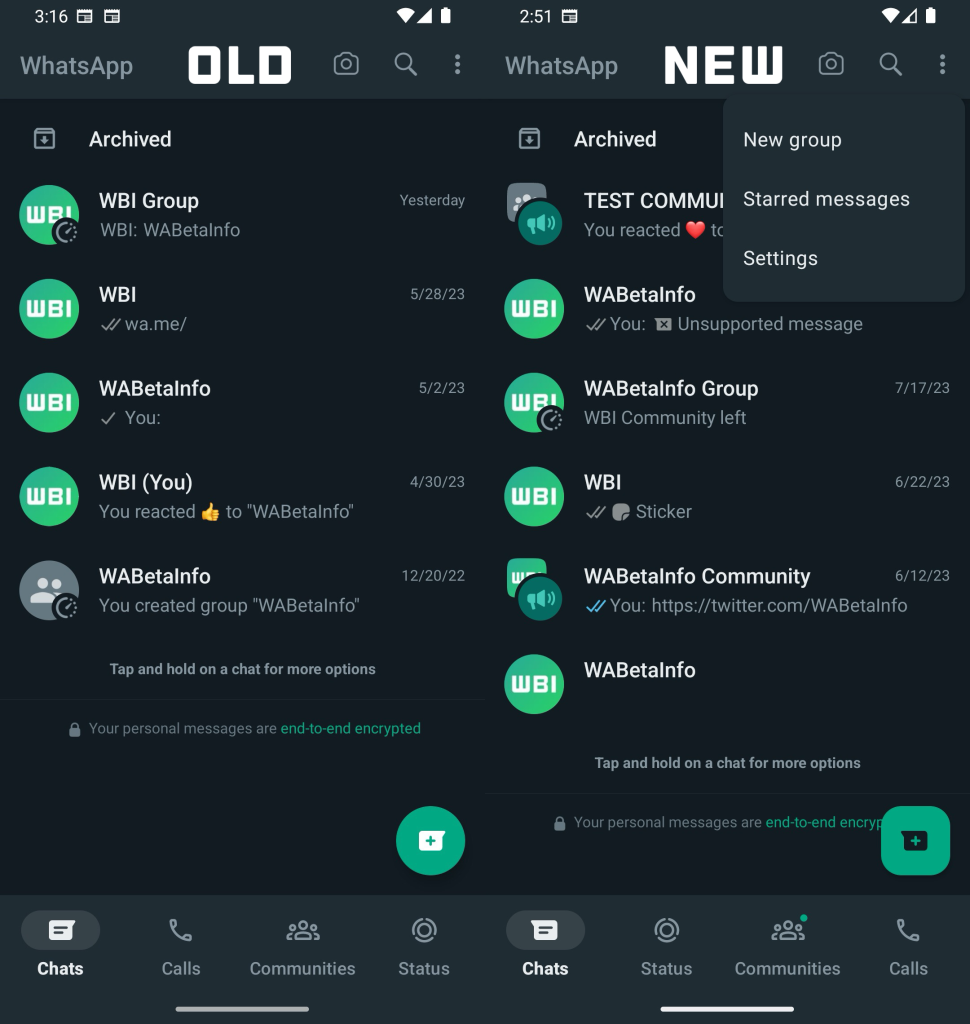
WhatsApp may introduce usernames, redesigned settings page

WhatsApp, the popular instant messaging platform owned by Meta, is taking steps to stay ahead in the competitive market by introducing new features and improving user experience. In its latest updates, WhatsApp is working on allowing users to choose usernames instead of relying solely on phone numbers for identification and also working on a redesigned settings page.

WhatsApp is working on usernames as an alternative to phone numbers

The WhatsApp beta version 2.23.11.15 update for Android includes the username feature. This feature will allow users to set unique usernames for their accounts. By doing so, WhatsApp aims to enhance privacy by offering an alternative to phone numbers for identifying contacts. Users will have the option to choose a memorable username, enabling them to connect with others within the app without sharing their phone numbers.

WhatsApp-Username

In addition to usernames, WhatsApp is also revamping its settings page. The latest beta updates for Android (versions 2.23.11.16 and 2.23.11.18) showcase a redesigned settings interface. The new design includes three convenient shortcuts: profile, privacy, and contacts. By selecting the app settings shortcut, users will have quick access to a revamped settings page, which features a prominent profile photo and a shortcut to view QR codes. The settings section will also be reorganized to make it easier for users to find and adjust various options.

It’s important to note that these features are currently in beta and will be released in a future update of WhatsApp. With the introduction of usernames and a redesigned settings page, WhatsApp aims to provide users with enhanced privacy and improved usability.

WhatsApp has recently introduced the ability to edit sent messages within a 15-minute window. This feature allows users to modify a message they have sent by long-pressing on it and selecting the “Edit” option. The message editing feature is currently being rolled out globally and will be available to all users in the coming weeks.

RELATED:

(Source)

iQOO Z7s 5G with Snapdragon 695, 64MP OIS camera now available on Amazon

iQOO has recently introduced the iQOO Z7s 5G, the latest addition to its Z series smartphones, following the successful launch of the iQOO Z7 in India. The iQOO Z7s 5G is now available for purchase on Amazon.in. The smartphone comes in attractive Norway Blue and Pacific Night color options, with pricing starting at Rs. 18,999 for the 6GB + 128GB variant, and the 8GB + 128GB model priced at Rs. 19,999. Customers can find the phone on Amazon.in as well as iQOO.com, and there is also a special offer of a flat Rs.1500 Instant Discount on ICICI/HDFC cards.

iQOO Z7s 5G poster

iQOO Z7s 5G specifications

Let’s delve into the specifications of the iQOO Z7s 5G. The device boasts a 6.38-inch FHD+ AMOLED screen with a 90Hz refresh rate, HDR 10+, and 360Hz touch sampling rate. The display is protected by Schott Xensation Glass.

Under the hood, the iQOO Z7s 5G is powered by the Snapdragon 695 chipset, replacing the Dimensity 920 SoC found in the previous iQOO Z7 model. It offers up to 8GB of RAM, with an additional 8GB extended RAM feature. The phone runs on Funtouch OS 13, based on the latest Android 13 operating system. iQOO has committed to providing 2 years of OS updates and three years of monthly security patches, ensuring a smooth user experience.

iQOO Z7s 5G

In the camera department, the iQOO Z7s 5G features a 64MP rear camera equipped with OIS (Optical Image Stabilization) and EIS (Electronic Image Stabilization), enhancing image stability. Additionally, there is a 2MP depth sensor for portrait shots. It houses a 16MP camera on the front to take care of the selfies.

iQOO Z7s 5G sports a plastic back, houses an in-display fingerprint scanner for convenient unlocking, and packs a 4500mAh battery with 44W fast charging support, allowing users to charge up to 50% in just 25 minutes.

The phone measures 158.91×73.53×7.8mm and weighs 172g. It offers a 3.5mm audio jack, and single bottom-ported speakers, and comes with dust and splash resistance (IP54 rating). Connectivity options include 5G, Dual 4G VoLTE, Wi-Fi 6, Bluetooth 5.2, and USB Type-C.

RELATED:

Xiaomi 14 Pro render leak reveals stunning quad-curved screen and ultra-thin bezels

The upcoming flagship Xiaomi 14 Pro is set to bring significant changes to the display design, as revealed by popular leakster Ice Universe. According to the render shared on his Twitter handle, the front of the device will feature a quad-curved display. With ultra-narrow bezels that are nearly identical on all sides, the Xiaomi 14 Pro is expected to achieve a stunning “full-screen” effect. Compared to the rumored design of the iPhone 15 Pro, which will also narrow down the bezels but will retain the dynamic island, the Xiaomi 14 Pro appears to have the upper hand.

Xiaomi 14 Pro render

Xiaomi 14 Pro specifications (rumored)

In terms of core performance, considering that Xiaomi’s flagship series adopts the latest generation Qualcomm Snapdragon processor every year, it is natural for the Xiaomi 14 Pro to be equipped with the third-generation Snapdragon 8 series, and it may even achieve a global debut. DCS has also confirmed through a leak that the device will indeed feature an SM8650 chip which is Snapdragon 8 Gen 3.

Utilizing TSMC’s 4nm process, this chip offers notable performance improvements over its predecessor. With a large core Cortex X4 reaching up to 3.72GHz CPU frequency, a big core Cortex A715, and a small core Cortex A515, alongside the Adreno 750 GPU, the Xiaomi 14 Pro boasts impressive benchmark scores.

Geekbench 6 testing reveals a single-core score of 2563 points and a multi-core score of 7256 points. This represents a 30% improvement over the Snapdragon 8 Gen 2 chipset and even surpasses Apple’s A16 chip, which achieved 6275 points.

In terms of battery capacity, the Xiaomi 14 Pro is rumored to feature a large 5,000mAh battery pack. The device is also expected to support 50W wireless fast charging. Notably, leaks suggest the presence of two different wired fast charging options, with rates of 90W and 120W.

The Xiaomi 14 Pro will come with upgraded camera modules, including the WLG High-Lens cameras. Additionally, there will be two versions of the device: one with a flat display and another with a curved display. It is likely that these two versions will support different fast charging speeds. The Xiaomi 14 Pro is expected to launch around November 2023.

RELATED:

AOC AGON Q24G2A/BK Gaming Monitor Unleashed with Stunning 1440p Resolution, 165 Hz Refresh Rate & 1ms Response Time

After launching the AGON Pro AG276QZD monitor last month, AOC has now introduced a new monitor to its AGON lineup geared towards gamers called the AGON Q24G2A/BK gaming monitor. This compact IPS monitor packs a punch with its impressive features and immersive design. With a native resolution of 2,560 x 1,440 pixels, the 23.8-inch panel delivers a pixel density of 123 PPI, providing sharp and detailed visuals. In comparison, other 1080p gaming monitors lag behind with a less pixel-dense 92 PPI.

What sets the AGON Q24G2A/BK apart is its winning combination of a 1440p (QHD) resolution, a swift 165 Hz refresh rate, and a rapid 1 ms response time (GtG). To further enhance the gaming experience, AMD FreeSync Premium technology is incorporated to minimize image tearing. The monitor boasts a peak brightness of 350 nits, a contrast ratio of 1,000:1, and covers 80% of the Adobe RGB and DCI-P3 color spaces, ensuring vibrant and accurate colors in your games.

AOC has gone the extra mile by crafting the AGON Q24G2A/BK with a three-sided frameless bezel, maximizing the screen real estate and immersing you deeper into your gaming sessions. The inclusion of stereo 2W speakers is a solution in situations when you don’t have dedicated speakers or headphones at hand.

For versatility and compatibility, the monitor offers various connectivity options, including DisplayPort 1.2 and HDMI 2.0 video outputs. It is worth noting that when connected via HDMI, the monitor operates at a peak refresh rate of 144 Hz. Additionally, the AGON Q24G2A/BK features VESA wall mounts (100 x 100 mm) for flexible placement options and a 3.5 mm audio jack.

AOC has also paid attention to ergonomics, equipping the monitor with an adjustable stand, allowing users to find the optimal viewing angle for extended gaming sessions. Furthermore, AOC’s G-Menu software suite simplifies adjusting brightness and other settings without the need for on-screen menu controls, offering a seamless customization experience.

Price & availability

The AGON Q24G2A/BK will be available for purchase later this month at a price of €249 in the Eurozone and £219.99 in the UK. With its impressive specifications, immersive design, and gamer-centric features, this new gaming monitor from AOC is set to elevate your gaming experience to new heights.

RELATED:

(Source)

You can finally view all your saved Wi-Fi passwords in the latest Windows 11 preview

Windows 11 has been out for over two years now. The operating system, which has been quite successful following Windows 11, brought many features we’re accustomed to from smartphones to our computers. Although this new version increases the number of user-friendly features, similar to those on smartphones, it is lacking in some areas. Fortunately, Microsoft is doing everything it can to fix this situation. Microsoft is currently testing a new feature in the Windows 11 Insider Preview that will allow users to easily share their Wi-Fi passwords with others. Here are the details…

You can finally view all your saved Wi-Fi passwords in the latest Windows 11 preview

Windows 11 possesses a plethora of user-friendly features. However, one of them wasn’t viewing saved Wi-Fi networks and passwords. Fortunately, this situation is changing. Microsoft has launched a new Insider Preview Build of Windows 11, which introduces a feature enabling users to view all their saved Wi-Fi passwords.

Previously, users had to use a third-party tool or dig through the registry to find their Wi-Fi passwords. With this new feature, it is now much easier to find your Wi-Fi passwords if you need to share them with someone or if you forget them. Soon, users will be able to view their Wi-Fi passwords by following very simple steps.

To view your saved Wi-Fi passwords, open the Settings app and go to Network & Internet > Wi-Fi. Under the Manage known networks section, you will see a list of all the Wi-Fi networks that your computer has connected to in the past. To view the password for a network, select it and then click the View Wi-Fi security key button. The password will be displayed in plain text.

RELATED:

(via)

The Future of the EV Market Belongs to China, Says Ford CEO Jim Farley: Here’s Why

The electric vehicle market is growing rapidly, and more and more manufacturers are eager to get a piece of the pie. But who is leading the way? If you guessed Tesla, you’re wrong. BYD, a Chinese electric vehicle manufacturer, has been the global sales leader for some time now. BYD’s success has been a surprise to many, but it’s no accident. The company has been investing heavily in electric vehicles for years, and it has a strong lineup of products that are both affordable and appealing. In fact, BYD’s sales have been so strong that Ford CEO Jim Farley recently said that Chinese automakers like BYD are their “greatest EV rivals.” Here are the details…

Ford Needs to Act Fast to Compete with Chinese EV Makers

The automobile industry has been dominated by a few major players for many years. Until the late 1990s, all major manufacturers had almost a century’s worth of history and knowledge accumulation. It was impossible for a new brand to enter the market, and the number of manufacturers was quite limited. However, electric vehicle technology changed this.

In the last twenty years, more new manufacturers have become a part of the automotive industry than in the previous hundred years. In fact, many companies at the peak of the industry changed their future strategies so as not to fall behind these young competitors. Jim Farley, the CEO of Ford, one of the companies making this change, recently spoke about his biggest competitor, BYD.

Ford CEO Jim Farley

Ford CEO Jim Farley said that the company’s main competitor in the electric vehicle market is China, not GM or Toyota. He believes that Chinese automakers will be the powerhouse in the EV market, and that Ford needs to compete with them if it wants to succeed. Chinese automakers have been making significant investments in EVs in recent years, and Ford is aware that it needs to do the same if it wants to stay competitive.

They have also been developing their own battery technology, which is cheaper and more efficient than the battery technology used by many other automakers. This has given Chinese automakers a significant advantage in the EV market. They are able to produce EVs at a lower cost and with a longer range than their competitors. Ford is not the only automaker that is facing challenges from Chinese automakers in the EV market. General Motors, Toyota, and other major automakers are also facing stiff competition from Chinese brands.

However, Ford has some advantages that could help it compete with Chinese automakers. The company has a strong brand name and a loyal customer base. Ford also has a global reach, which could help it sell EVs in markets where Chinese automakers are not as well-established. It will be interesting to see how Ford fares in the EV market. However, it will be clear how much of this will be enough in the future.

RELATED:

(via)

BGMI servers go live on May 29, Update available to pre-load on Google Play Store

Earlier this week, BGMI made a comeback on Google Play Store after getting unbanned by the Ministry of Electronics and Information Technology (MeitY). However, the servers of the game went offline as soon as it was made available to download.

Krafton is gearing up to reengage the enthusiastic player community of their highly popular battle royale game, as they have now released the new update, marked with version number 2.5, for pre-loading. For gamers who currently possess the game installed with version 2.1, the update will require a download of approximately 380MB (Play Store link).

With this update, the game has finally made the much-awaited announcement that the game servers will be going live on May 29. If you are an iPhone user, you will be able to download and play the game on May 29.

The forthcoming update will introduce an intriguing addition in the form of a fresh map named “Nusa.” This compact 1×1 map encompasses a total of 11 distinctive locations. It remains to be seen whether the BGMI update will incorporate the exclusive NS2000 shotgun and tactical crossbow weapons specific to Nusa. Additionally, players will have the opportunity to win four permanent premium outfits by participating in the new event.

BGMI urban conditions

According to a report from News18, Krafton has been instructed to make several modifications in order to obtain approval for the unbanning of BGMI (BattleGrounds Mobile India). Krafton has confirmed that it has taken steps to ensure compliance with all Indian regulations. Here are some of the anticipated changes and new features that may be introduced when the game is relaunched.

BGMI

Firstly, for new players under the age of 18, there will be a requirement to register with a parent or guardian. An OTP (One-Time Password) will be sent to the registered person’s phone number, and only after receiving the OTP will the young player be able to access and play the game. This measure aims to ensure appropriate parental consent and supervision.

To promote healthy gameplay habits, players will receive frequent reminders to take breaks. These breaktime reminders will serve as prompts for players to step away from the game and engage in other activities.

In order to safeguard the well-being of players under the age of 18, a strict playtime limit will be implemented. This limit will prevent individuals from playing the game for more than three hours per day, ensuring a balanced approach to gaming and allowing for other important activities in their lives.

Furthermore, to prevent excessive in-game spending, there will be a daily purchase restriction of Rs 7000. This limit is intended to discourage players from overspending on in-game items and curbing potential addictive behavior.

In terms of content adjustments, the game will reportedly feature decreased violence, nudity, and bloodshed. Certain restrictions will be put in place to maintain control over the language used within the game, promoting a more suitable and moderated gaming environment.

RELATED:

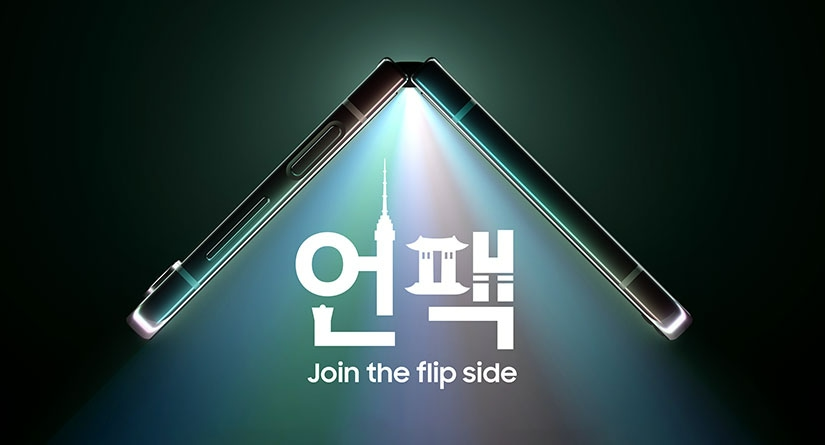
Samsung Galaxy Z Flip 5 Tipped To Be Offered In Four New Color Options

Samsung is expected to unveil the next-generation Galaxy foldables, smartwatches, and tablets at an upcoming Unpacked event. This year, the event is expected to take place by the end of July instead of the usual August timeline. Ahead of the official launch, the Samsung Galaxy Z Flip 5 has been subject to a lot of leaks and rumors. Now, details of the upcoming offering’s color variants have surfaced. 

Samsung Galaxy Z Flip 5 color variants tipped

The new development comes from Ross Young, CEO of Display Supply Chain Consultants (DSCC). As per his tweet, the Samsung Galaxy Z Flip 5 will come in four new color variants. These include Blue, Green, Platinum, and Yellow. The executive adds that the device will be available in other colors including the previously higher volume colors of Beige, Grey, Light Green, and Light Pink. 

Young also states that the Galaxy Z Fold 5 will be available in Blue and Platinum colors along with high-volume colors of Beige, Black, and Light Blue. 

As per leaked renders, the Samsung Galaxy Z Fold 5 is almost certain to feature a large secondary display joining the bandwagon of the OPPO Find N2 Flip, Vivo X Flip, and the forthcoming Motorola Razr Ultra. However, the South Korean brand’s next-gen foldable flip phone’s display will look like a folder-like icon to ensure that there is enough space for a dual rear camera setup. The screen is expected to measure 3.4 inches and bear a 720p resolution. As per a previous report, the device will have a black back panel that would negate the folder-like cutout when the screen is not lit up which would have otherwise looked weird.

Related: 

Affordable Widescreen Monitor from INNOCN Offers Great Value for Productivity and Entertainment

Technology keeps advancing, consistently making our lives easier. One interesting consequence of this ongoing evolution is that products which used to be quite expensive are now becoming increasingly affordable, and in some cases, even cheap. A recent instance of this trend is presented by INNOCN. The company has recently lowered the price of widescreen technology, with the new INNOCN 23.3-inch widescreen monitor, to around $100. Here are the details…

INNOCN 23.3-Inch Widescreen Monitor Specs

The INNOCN 23.3-inch widescreen monitor is a great option for users who need a monitor that can handle both productivity and entertainment tasks. The monitor has a 23.3-inch 21:9 display with a resolution of 2560 x 1080, which provides plenty of screen space for multitasking. The monitor also has a VA panel with a 4000:1 contrast ratio, which produces deep blacks and vibrant colors.

Unfortunately, it’s not possible to say great things about the screen refresh rate because it’s only 60 Hz. However, if you are not a gamer, this would not affect you that much. For productivity tasks, the INNOCN CN 23.3-inch widescreen monitor is perfect for users who need to work with multiple windows or documents at once.

The wide aspect ratio provides plenty of horizontal space, which can be helpful for things like writing, coding, web browsing, and spreadsheet work. The monitor also has a number of features that can help to improve productivity, such as a flicker-free backlight and a low-blue light mode.

If you are looking for a monitor that can handle both productivity and entertainment tasks, the INNOCN 23.3-inch Widescreen 21:9 Computer Monitor is a great option. Click here to access the product page and buy the monitor for $119.99.

RELATED:

Xiaomi TV Speaker 5.1.4 launched with a 200W Independent Subwoofer

Jingdong’s annual shopping festival, called 618, is about to start in China and many manufacturers are taking this opportunity to launch new products. Xiaomi, in particular, has unveiled several new home appliances and even a new smartphone, the CIVI 3. Furthermore, the company has now introduced its latest speaker, named Xiaomi TV speaker 5.1.4. It boasts the highest specifications among all the TV speakers currently released by the company and comes with a detachable design with a 200W independent subwoofer. Here are the details.

Xiaomi TV Speaker 5.1.4 Specifications & Pricing

The Xiaomi TV Speaker 5.1.4 features a detachable design with two wireless surround speakers and a wireless subwoofer. The speakers can be conveniently arranged and charged after installation. The audio system is equipped with 3 front channels, 2 front channels, 2 rear channels, 2 rear surround channels, and 1 bass channel.

Xiaomi TV Speaker 5.1.4

The total power is up to 450W, and the 12 speaker units are arranged in different positions to create a delicate and realistic panoramic sound. The system also supports Dolby panoramic sound and spatial sound effects. The 8-inch independent 200W subwoofer is claimed to provide more immersive sound effects and a better movie experience.

Further, the Xiaomi TV Speaker 5.1.4 uses the new eARC technology to transmit uncompressed Dolby Atmos multi-channel audio. It also supports 4K image transmission and connects to a TV. In addition, the speaker is equipped with Optical, Coaxial, Bluetooth, USB, and HDMI ports for compatibility with mainstream devices.

The Xiaomi TV Speaker 5.1.4 is currently on pre-sale and will be made available for purchase on May 31. It comes with a starting price of 3,999 yuan ($566). The speaker will initially be sold in the Chinese market. The company is yet to reveal whether the device will go global or not. Stick around for the updates.

RELATED:

Noise ColorFit Mighty With A 1.96-Inch Display Launched In India

Yesterday, Noise launched the Colorfit Quad Call smartwatch. Now the brand has announced a new offering called the ColorFit Mighty. The company has been launching a slew of smartwatches lately. The newest offering is priced under Rs 2,000 segment. Read on to know what the wearable device offers out of the box. 

Noise ColorFit Mighty specifications and features

The Noise ColorFit Mighty has an Apple Watch-like design with a rotating crown on the right side. It is IP67-certified dust and water-resistant. The device features a 1.96-inch large display with a resolution of 240 x 286 pixels and a 500 nits peak brightness. It has a metallic finish and a sleek build. 

In terms of fitness, the Noise ColorFit Mighty is equipped with a heart-rate monitor, SpO2 sensor, and a sleep tracker. It is capable of tracking stress and offering breathing practice. The wearable device packs support for more than 110 sports modes. 

The Noise ColorFit Mighty comes with a Bluetooth calling feature directly from the wrist. It is capable of offering various convenient features like notifications, weather updates, camera and music control, DND mode, wrist wake-up, and more. The smartwatch is powered by a 300mAh battery unit that is claimed to last up to 7 days on a single charge. 

The Noise ColorFit Mighty is offered in Jet Black, Clam Blue, Forest Green, Burgundy Wine, and Silver Grey colors. It is priced at Rs 1,999 and can be purchased from the brand’s official website and Flipkart. 

Related: 

Lenovo Blade 7000K 2023 desktop PC launched with up to i7-13700KF & RTX 4060 GPU

Lenovo’s Blade lineup boasts some cutting-edge desktop PCs that get powerful hardware. The company recently launched a new configuration of the Legion Blade 9000K with an Intel Core i7-13700K and the RTX 4090 graphics card. And today, it has unveiled a new version of the Lenovo Legion Blade 7000k 2023 with up to Core i7-13700KF processor and Nvidia RTX 4060 GPU. Here are the details.

Lenovo Blade 7000K 2023 boasts some serious firepower

The new configuration of the Legion Blade 7000K 2023 comes with some upgrades. For one, you now get to choose from two 13th-generation Core K series processors— i5-13600KF and i7-13700KF. The original model, unveiled earlier this year, came with a Core i7-13700KF CPU. It also got a 12GB Nvidia RTX 4070 Ti graphics card while the new version has to settle for Lenovo’s customized RTX 4060 Ti unit with 8GB of RAM. The standard memory is 16GB, and the SSD is standard 1TB.

Legion Blade 7000k

The new Blade 7000K adopts a colorful “Legion” logo with a grill cover for the air intake. It appears to have RGB fans for an added aesthetic appeal. The device is equipped with a matrix cooling 5.0 Pro system and has a 181W CPU tower radiator. Further, the motherboard uses an 8-phase power supply, which can support 252W instantaneous CPU performance. There are four DDR5 memory slots and two M.2 slots.

In terms of pricing, the Lenovo Blade 7000K 2023 comes with a starting price of 9199 yuan ($1302). The cost will vary depending on the SSD and RAM variants you select. There’s also a Core i5 version which will be cheaper than the Core i7. The Desktop CPU is currently available for purchase in China, with no news about global availability yet.

RELATED:

European Commission & Google Aim to Develop AI Pact Ahead of Regulations

Ever since AI became mainstream, laws regarding AI have become necessary to address ethical concerns, protect individual rights, ensure safety and security, establish accountability and liability, promote economic considerations, and enable international harmonization. These laws set guidelines for responsible AI development, protect privacy, mitigate risks, hold individuals and organizations accountable for harm, foster innovation, and facilitate global cooperation in the development and use of AI technologies.

Rapidly advancing AI technology is heightening the need for voluntary agreements among Devs

Alphabet, the parent company of Google, and the European Commission are joining forces to establish an artificial intelligence (AI) pact involving companies from Europe and beyond. The goal is to create a voluntary agreement among AI developers before official regulations governing the technology come into effect. This move comes as EU industry chief Thierry Breton met with Sundar Pichai, CEO of Alphabet, in Brussels. The urgency to act stems from concerns over the potential disruptive impact of rapidly advancing AI technology and the need to strike a balance between regulation and innovation.

AI

Thierry Breton emphasized the need to proactively develop an AI pact on a voluntary basis, rather than waiting for formal regulations to be enforced. The aim is to foster collaboration among AI developers to establish ethical guidelines and principles that align with societal expectations. Breton also called on EU countries and lawmakers to expedite the finalization of the Commission’s proposed AI rules before the end of the year.

EU Commissioner for Competition, Margrethe Vestager, stressed the importance of collective action, stating that universal rules for AI need to be agreed upon voluntarily and promptly due to the rapid evolution of AI technology. The European Union and the United States are also planning to enhance collaboration to establish minimum standards before legislation is enacted.

During the discussions, Commission Vice President Vera Jourova expressed concerns to Pichai regarding the spread of pro-Kremlin war propaganda and disinformation on Google’s platforms, emphasizing the risks they pose to EU and national elections. Pichai pledged to investigate the challenges faced by independent Russian media in monetizing their content on YouTube in Russia.

RELATED:

(Via)

Meta Promises CMA Not to Utilize Competitors’ Advertising Data for Facebook Marketplace

In a recent development, the British Competition and Markets Authority (CMA) has announced that Meta, the parent company of Facebook, has made a significant promise regarding the use of advertising data obtained from competitors for enhancing its Facebook Marketplace. This move comes after the CMA launched an investigation in June 2021, alleging unfair competition by Meta’s popular online marketplace.

Meta plans to implement this change no later than June 2024

According to the CMA, Meta’s practice of bundling Facebook Marketplace with its main social network gives it a significant advantage over its competitors, granting it a “substantial distribution advantage.” With billions of monthly active users and millions of active advertisers globally, Facebook has an unparalleled reach that potentially ensures automatic access to Marketplace for its users.

Meta

Facebook Marketplace serves as a platform for users to explore and purchase various items. It’s important to note that creating a listing on the Marketplace differs from creating a paid advertisement to target shoppers. By leveraging Marketplace ads, businesses can effectively promote their products or services to a broader user base on the shopping platform.

Meta’s commitment to the CMA’s request will result in a crucial change in its business practices. However, it is important to mention that the fulfillment of this promise will not be immediate. Meta Company has set a timeline for the implementation of this change, aiming for it to take effect no later than June 30, 2024, or as early as December.

The CMA’s investigation and Meta’s commitment to fair competition highlight the significance of maintaining a level playing field in the digital marketplace. This step could potentially encourage healthy competition among online platforms, benefitting both businesses and consumers.

As the deadline approaches, businesses and industry observers will closely monitor Meta’s actions to ensure that they align with the promise made to the CMA. The outcome of this commitment could shape the landscape of online marketplaces and contribute to a more equitable digital environment for all players involved.

RELATED:

(Via)

Google Slapped with $32.5 Million Fine for Patent Infringement against Sonos

In a legal clash, Sonos has dealt a decisive blow to tech giant Google, resulting in a whopping $32.5 million penalty for infringing on Sonos’ patent. The case was built around Sonos’ patent that enables synchronized audio playback across multiple speakers, a core feature of Sonos’ technology for years.

The court, however, dismissed four other Patent Infringement Claims against Google

US District Judge William Alsup had previously ruled against Google, stating that early versions of their products, such as Chromecast Audio and Google Home, violated Sonos’ patent. However, the recent trial assessed whether Google’s later products continued to infringe on Sonos’ patent. To Sonos’ delight, the jury sided firmly with the audio technology company. Nevertheless, the jury found no violation regarding a second patent concerning device control via smartphones or other devices, as Sonos failed to convincingly establish that the Google Home app infringed upon it. Notably, the court dismissed four other patent infringement claims filed by Sonos.

Sonos

Google responded by highlighting that the dispute focused on specific features with limited usage. The tech giant clarified that out of the six patents initially asserted by Sonos, only one was deemed infringed, while the remaining patents were either invalidated or found non-infringing. Google reiterated its commitment to independent technological development and fair competition based on idea merit. The company is currently evaluating its options and considering the next steps to take.

Sonos expressed profound gratitude for the jury’s decision, recognizing their dedication in upholding the validity of Sonos’ patents and acknowledging the value of Sonos’ pioneering invention of zone scenes. Sonos portrayed Google as a serial infringer of their patent portfolio, citing a previous ruling by the International Trade Commission that found Google in violation of five other Sonos patents. Sonos contends that Google infringes on over 200 of their patents, with the damages awarded in this case emphasizing the value of their intellectual property. Sonos remains resolute in seeking a fair royalty from Google for the use of their inventions.

The outcome of the Sonos vs. Google lawsuit represents a significant victory for Sonos. The ongoing legal battle between the two companies is likely to continue, with unresolved lawsuits and potential appeals on the horizon. This case serves as a reminder of the complexities and high stakes involved in intellectual property disputes within the tech industry. Earlier this month, Google had to pay $39.9 million for a location-tracking lawsuit as well.

RELATED:

(Via)