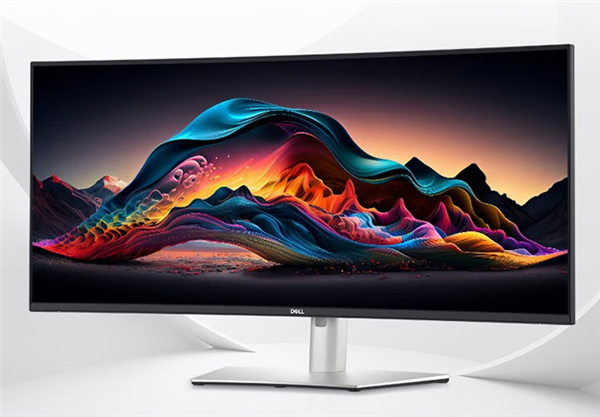
The Dell U3824DW UltraSharp WQHD+ Curved Monitor has been launched in China. The sleek monitor was released in North America (US and Canada) in May this year. It adopts the latest IPS panel technology with its 37.5-inch screen boasting a resolution of 3840 x 1600 pixels. The display equally comes with a refresh rate of 60Hz and a response time of 5ms removing gaming from its use cases.
The new Dell U3824DW UltraSharp WQHD+ Curved Monitor has a maximum brightness of 300 nits and a contrast ratio of 2000:1. The DCI-P3 color gamut of the model is 98% while the sRGB color gamut is 100%. The new curved display has a color accuracy of Delta E of less than 2 and built-in ComfortView Plus hardware for eye safety.
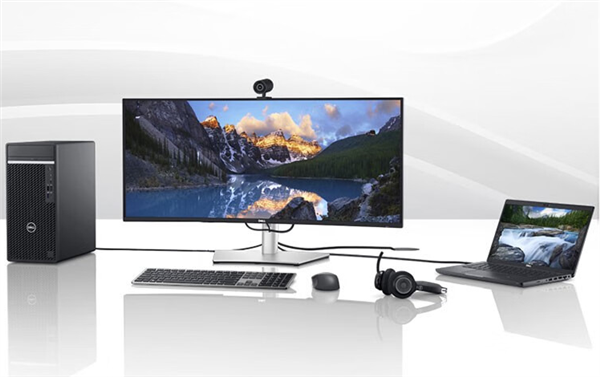
The IPS Black technology adopted for the Dell U3824DW display helps to significantly improve the contrast and deliver a more vivid output. The display can be used for a wide variety of applications including film, television, and content creation. The Dell U3824DW has two HDMI 2.1 interfaces, one DP 1.4 interface, and a USB-C connection that supports a 90W power supply. The screen also has an RJ-45 network port with 2.5Gbps capability.
There are five USB-A interfaces via the fish screen’s hub which offers 10Gbps and KVM functionality. There are dual 9W speakers and the display supports VESA hanging shelf.
Dell U3824DW UltraSharp WQHD+ Curved Monitor Price in China
The Dell U3824DW 37.5-inch fish screen is priced in China at 8,999 yuan (~$1,248). This is substantially cheaper than the US$1,529.99 price tag it adopted in the US. It is available on retail platforms like JD.com for direct purchase.
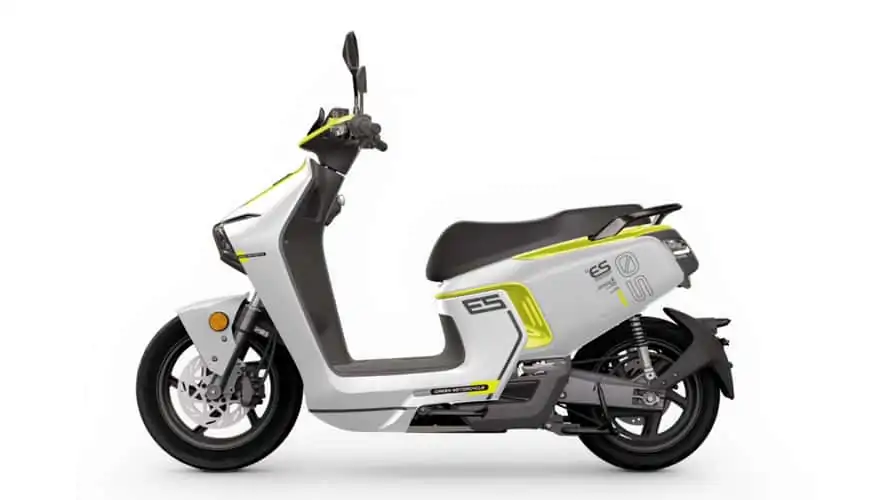
The CSC ES5 Electric Scooter has been announced and it comes with impressive performance features. The new tech-heavy e-scooter boasts of a top speed of 85km/h and a range of 110km. The CSC ES5 is manufactured by the Chinese company Cineco, which is a brand under Zhongshen. The CSC E5 is available in the US and offers decent performance metrics.
The CSC ES5 comes in a simple and easy-to-use design. It is an ideal low-power electric two-wheeler for daily urban commutes. The ES5 is powered by a mid-mounted electric motor with a nominal power output of 5kW. The ES5 has a maximum power rating of 8kW and compares it with a traditional 125cc motorbike.
The CSC ES5 has a combined battery capacity of 5.58kWh from three 60V, 31 Ah lithium-ion battery packs. Each battery weighs 3.12kg and combines to give the stated range of 110km. You can fully recharge the battery in about 8 hours.
The ES5 electric scooter has a very impressive dashboard with modern features. It has a full-color TFT panel and also has a Bluetooth speaker and a USB socket for charging devices on the go. A built-in dashcam helps you to record your trip and keep track of your journeys. The bike has 14-inch front and 13-inch rear wheels. The low seat height of the e-scooter (780mm) allows the bike to be used by persons of different sizes.
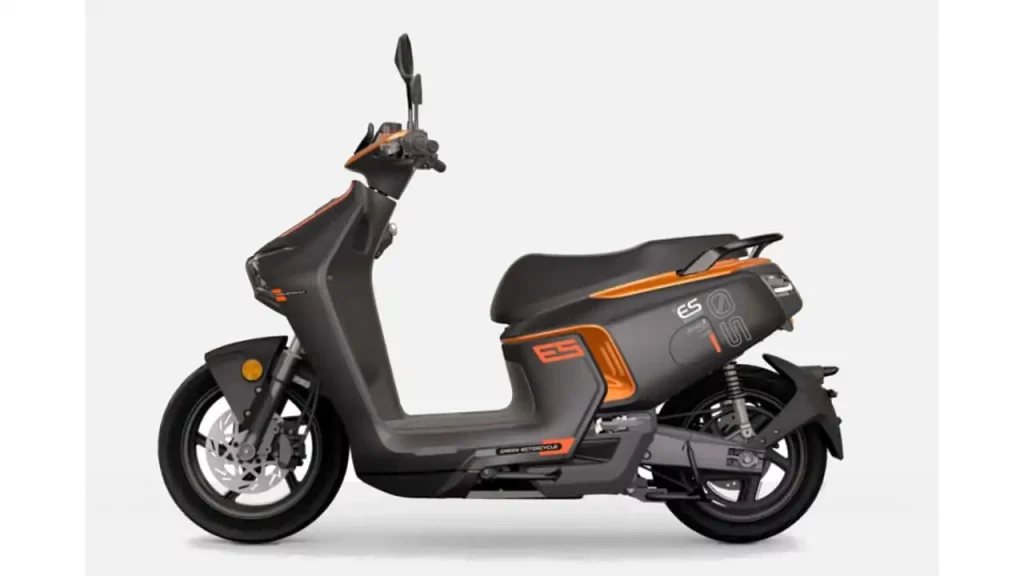
The CSC ES5 is available in three color variants namely Lightning White, Wizard Green, and Charcoal with Passion Orange. It has a price tag of $5,285 in the US and can be ordered with a $300 deposit. The earliest deliveries of the CSC ES5 e-scooter in the US will be either October or November 2023.
Amazon Prime Day is here, bringing with it a plethora of exciting deals and discounts on laptops. Tech enthusiasts and bargain hunters alike can dive into a sea of options, whether they’re looking for gaming powerhouses, ultraportable notebooks, or versatile 2-in-1 convertibles. From top brands like Apple, Dell, HP, and Lenovo, there’s something for everyone. Expect substantial price drops on high-performance processors, stunning displays, ample storage, and cutting-edge features like touchscreen capabilities and backlit keyboards. Whether you’re a student, professional, or casual user, Prime Day offers an excellent opportunity to snag a fantastic laptop deal that will enhance your productivity, entertainment, and overall computing experience.
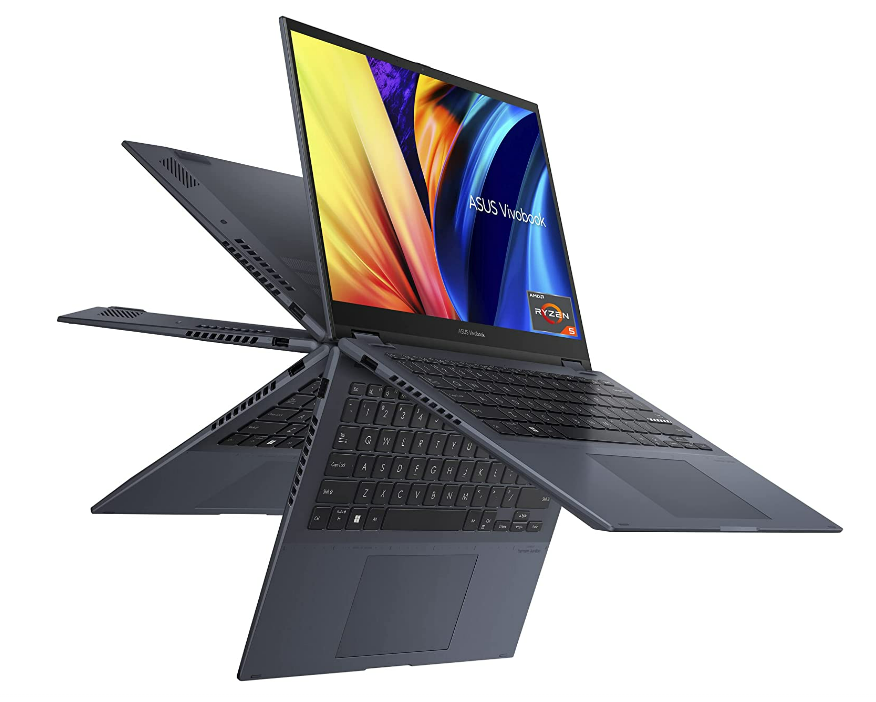
ASUS Vivobook S 14 Flip
Retail Price:$599.89 Prime Day deal Price:$499.99
The ASUS Vivobook S 14 Flip offers a high-performance AMD Ryzen 5 processor and a fast 512GB SSD, ensuring swift app loading and booting. It also boasts a 14″ NanoEdge touchscreen with a high screen-to-body ratio, ASUS NumberPad 2.0 touchpad, ErgoSense keyboard, AI Noise-Canceling technology, integrated webcam shield, built-in fingerprint sensor, and ASUS Antibacterial Guard for enhanced privacy, security, and hygiene.
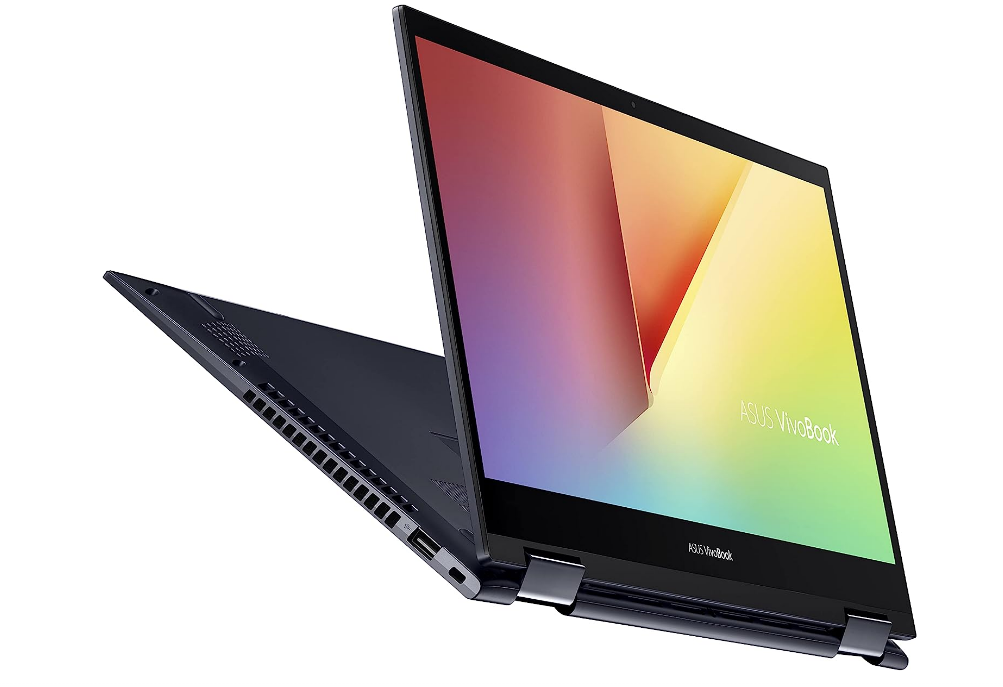
The ASUS VivoBook Flip 14 is a versatile 2-in-1 laptop with a powerful AMD Ryzen 5 5500U processor, 8GB RAM, and a spacious 512GB SSD for seamless multitasking and storage. It offers a stunning 14″ Full HD touch display with wide viewing angles, a sleek aluminum chassis, and includes a stylus for enhanced creativity and productivity.
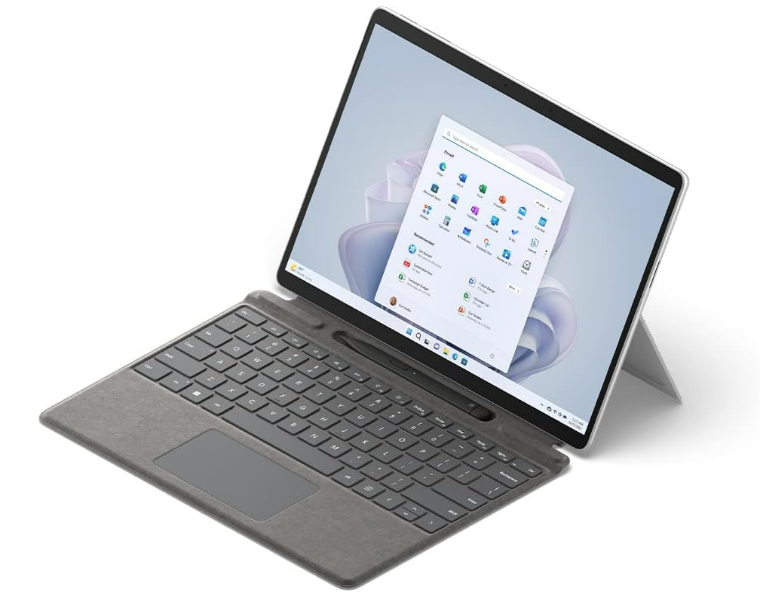
The Microsoft Surface Pro 9 is a powerful 2-in-1 tablet and laptop featuring a fast Intel 12th Gen i7 processor, 32GB RAM, and a generous 1TB storage for seamless multitasking and ample storage space. It boasts a virtually edge-to-edge 13″ PixelSense touchscreen, a built-in Kickstand for adjustable viewing angles, Thunderbolt 4 ports for enhanced connectivity, and compatibility with the Surface Slim Pen 2 and Surface Pro Signature Keyboard for a versatile and productive user experience.
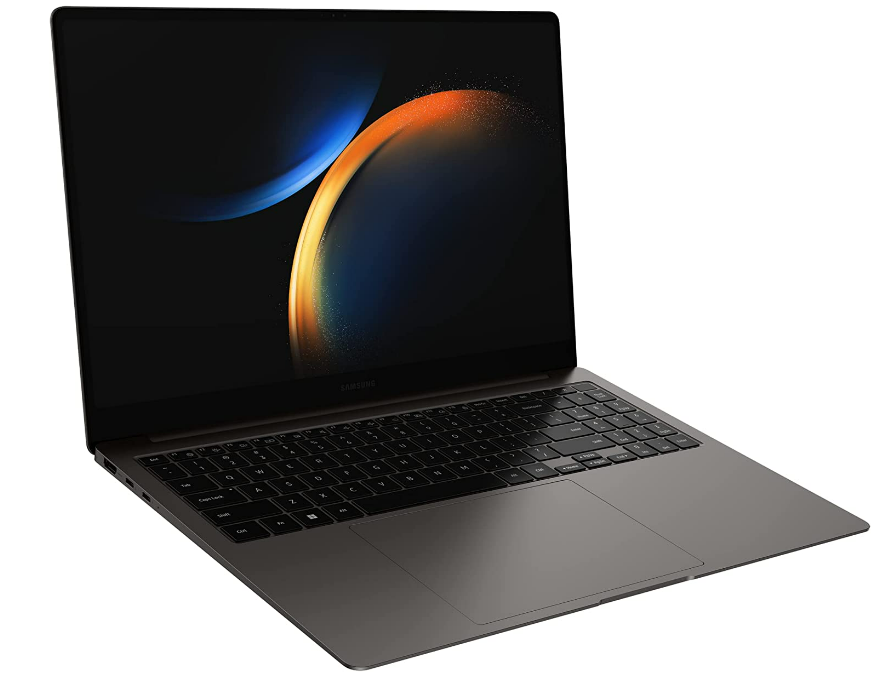
The Samsung Galaxy Book3 Pro laptop offers a powerful 13th Gen Intel Core i7-1360P processor, 16GB RAM, and a spacious 512GB storage for seamless multitasking and storage of large files. It features a stunning 3K AMOLED display with a 120Hz refresh rate, a fingerprint reader for secure access, a long-lasting battery for all-day productivity, advanced security features, versatile connectivity options with Thunderbolt 4 and USB-C ports, a high-quality full HD webcam, and expandable storage up to 2TB via a microSD card.
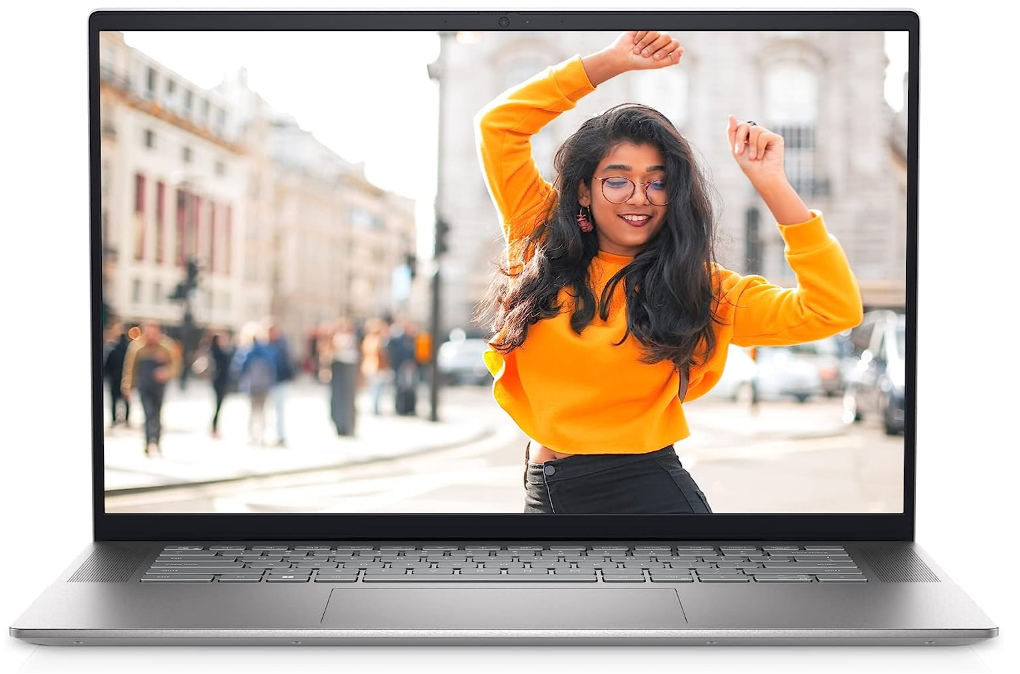
The Dell Inspiron 16 5620 laptop boasts a spacious 16.0-inch 16:10 FHD+ display with ComfortView support for a comfortable viewing experience. It features a powerful 12th Generation Intel Core i7-1255U processor, 16GB DDR4 memory, a fast 512GB PCIe NVMe SSD for quick data access, Intel Wi-Fi 6E and Bluetooth 5.2 for seamless wireless connectivity, and comes preloaded with Windows 11 Home for a modern and intuitive operating system experience.
Chromebooks are lightweight and affordable laptops that run on Chrome OS, offering a simplified and secure computing experience. With their emphasis on web-based applications and cloud storage, Chromebooks are particularly suitable for tasks such as browsing the internet, word processing, and media consumption.
Brands like Acer, ASUS, HP, Lenovo, Samsung, and Dell also offer a wide range of Chromebook options, catering to different needs and budgets. These brands provide users with a variety of choices in terms of design, performance, display quality, and features, ensuring that there is a Chromebook available to suit every preference.
During Prime Day, Apple enthusiasts can take advantage of exciting deals on MacBook models. One notable offer includes a $250 discount on the Apple 2020 MacBook Air, a popular choice for its lightweight design and powerful performance. Shoppers can also explore other discounted MacBook options, making it the perfect opportunity to upgrade to a new MacBook or invest in Apple’s ecosystem at a more affordable price.
Prime Day brings an incredible deal on the Lenovo Slim 3 Chromebook, slashing the price from $319 to just $169. This budget-friendly Chromebook offers excellent value with its compact and lightweight design, making it perfect for on-the-go productivity and entertainment. With its Chrome OS, users can enjoy seamless web browsing, access to a wide range of apps, and effortless integration with Google services, all at a significantly discounted price during the Prime Day sale.
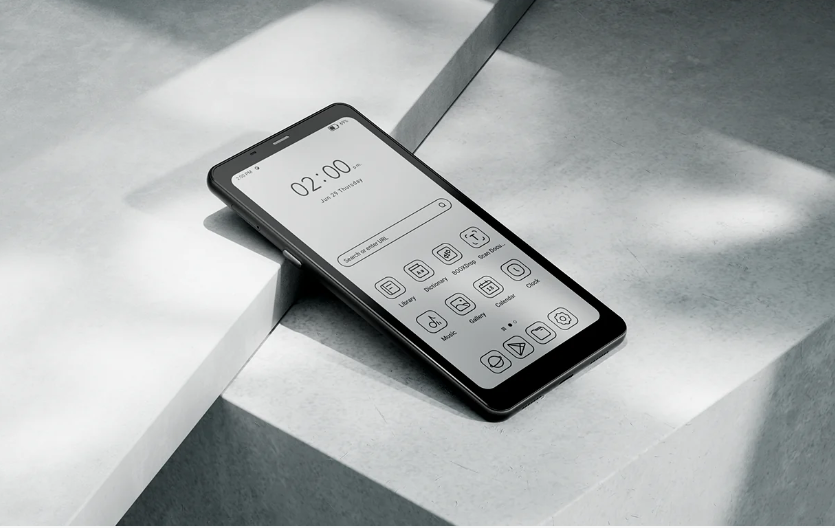
The Onyx Boox Palma e-reader has been announced. The Palma is designed with a smartphone façade but is a dedicated e-reader. The Onyx Boox Palma however offers call and social media functionalities on the device.
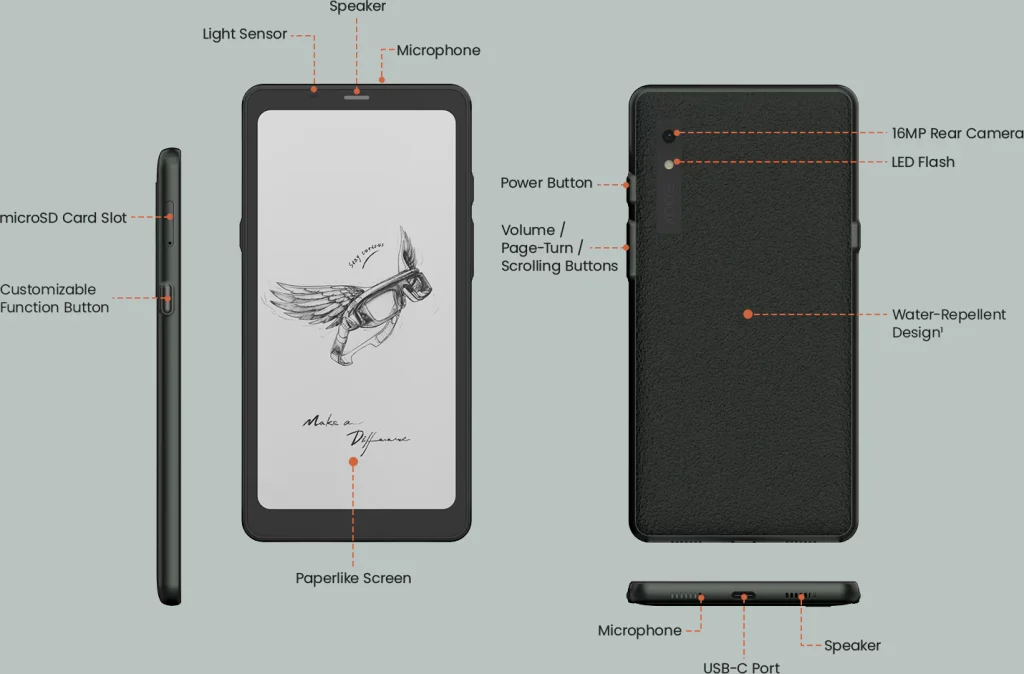
The Onyx Boox Palma e-reader lacks a SIM compartment and requires a Wi-Fi connection for its functionality. The pocket e-reader makes it possible to use your e-reader on the go at any time. The Palma features a 6.13-inch capacitive touchscreen display with E INK Carta 1200. This allows for fast refreshing of pages while the e-reader has a resolution of 824 x 1648 pixels. The screen is protected by a glass layer and the e-reader has a piano black front and back platting color scheme.
The Onyx Boox Palma e-reader is powered by a Qualcomm Octa-core processor with 6GB of RAM and 128GB of internal storage. It also has a microSD card slot that provides additional storage up to 1TB. The Palma supports Bluetooth 5.0 connectivity for wireless earbuds/ headphones.
The new Onyx Boox e-reader has dual microphones and two speakers, as a dual-purpose volume rocker/ page-turn buttons. It also has an ambient light sensor that helps to adjust the color temperature optimally. The e-reader lacks a front-facing camera but a 16MP rear camera is featured. The attached USB-C port of the e-reader is for charging and data transfer. A 3,950mAh battery provides the juice for the Boox Onyx Palma and this can last for up to 14 days. The Palma runs on Android 11 and is compatible with Google Play Store for downloading e-reading and other apps.
The Onyx Boox Palma e-reader is available for pre-order at a price of $249. The original price of the gadget is $279.99 and it is expected to ship out in August 2023. The pre-order price is only valid for a limited pre-launch batch.
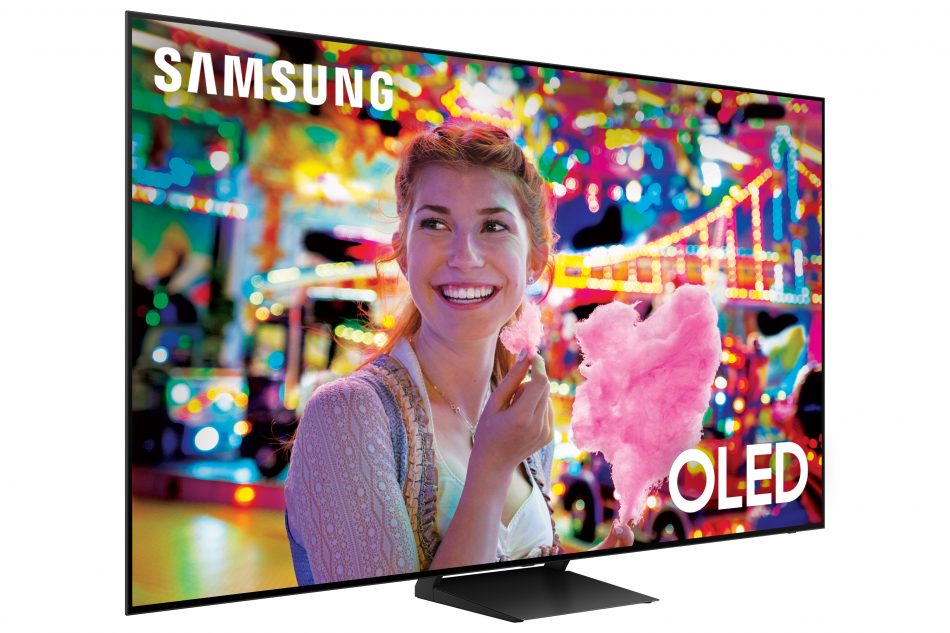
Samsung has just launched a new premium TV model from its 2023 range of OLED TVs. It is the new 83-inch Class OLED TV, which arrives as the top-end and largest variant from its new OLED TV lineup.
Samsung 83-inch Class OLED TV Specifications
For those unaware, the South Korean tech giant had previously announced the S90C and S95C OLED TVs earlier this year. Now, the S90C model is being sold in a new 83-inch variant that retains the QD-OLED panel technology of its smaller siblings. The screen offers a 144Hz refresh rate, 4K resolution, AI-powered HDR, Dolby Atmos, and more. Since the new model is not a part of the S95C, the new huge TV doesn’t feature the design that makes it appear nearly seamless with the wall.
But thanks to its tall display, you will still have to shell out an eye-watering premium price tag of 5,400 US Dollars. The 83-inch Class promises to offer “pure blacks, limitless contrast, and vibrant colors.” These are all powered by the Samsung Neural Quantum processor. Furthermore, it still offers a LaserSlim design that makes the bezel appear negligible.
The new TV also comes with the Samsung SolarCell Remote, which can be charged through both artificial and natural light as well as RF waves. This remote does not require any batteries, which helps reduce electronic waste.
Every smartphone brand talks about sustainability and what they are doing to save the environment. But their efforts often only go as far as removing the charger from the box. If there is one company that takes the term “sustainability” seriously, it is Fairphone. The Dutch manufacturer is known for offering software support for longer years. In a recent development, the company has announced an Android 13 update for the 4-year-old Fairphone and is also extending its support until 2026.
Fairphone 3 will get updates until 2026
The Fairphone 3 and Fairphone 3+ were launched in 2019 and 2020, respectively. Both phones were initially promised to receive 5 years of major updates, but the company could not deliver Android 12 for the two phones. Fairphone says this was because the Qualcomm Snapdragon 632 chip inside the devices did not support Android 12.
Skipping Android 12 for both models, Fairphone is now releasing Android 13 to them. To make up for the one lost Android update, the Dutch company is extending the software support of the Fairphone 3 and Fairphone 3+ until 2026, meaning a total of 7 years of OS updates.
It is worth noting the Snapdragon 632 SoC in the Fairphone 3 was only supported by Qualcomm up to Android 11. This means that Fairphone will be responsible for developing and releasing any future updates for the phone. It is a significant undertaking, but Fairphone has a good track record of providing long-term software support for its devices.
Fairphone is setting a new standard for long-term software support by offering 7 years of updates for its phones. This is more than any other major smartphone manufacturer, including Samsung, which is regarded as the undisputed king of software updates.
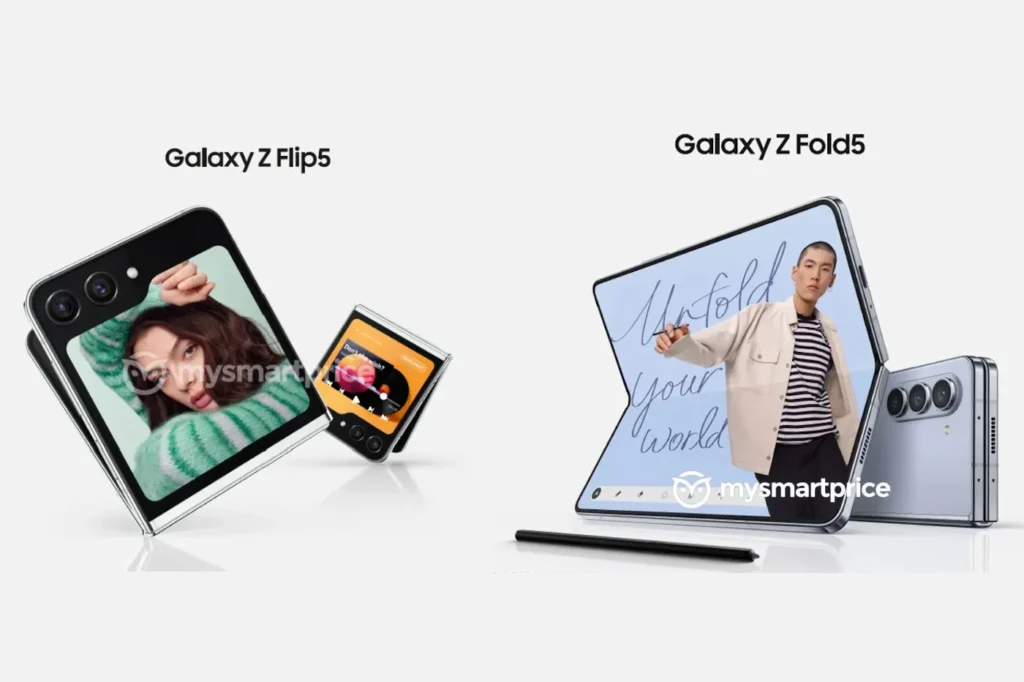
Samsung is expected to hold its annual Unpacked event on July 26, where it will be launching a bunch of new devices along with its 5th-generation foldable devices called theGalaxy Z Flip 5 and Z Fold 5. Renders as well as promotional images of these devices have already emerged online. Now, tipster billbil-kun has leaked the EU pricing of these devices.
As per the report (via Dealabs), the 256GB model of the Galaxy Z Flip 5 will cost €1,199 in France. The 512GB storage model will cost €1,339. On the other hand, the Galaxy Z Fold 5 will be available in three storage models: 256GB, 512GB, and 1TB. These models will cost €1,899, €2,039, and €2279, respectively. Check out the specs and features of these devices below.
Samsung Galaxy Z Fold 5 specs
The Samsung Galaxy Z Flip 5 could potentially feature a 7.6-inch Dynamic AMOLED display, offering a resolution of 2,176 x 1,812 pixels and a smooth 120Hz refresh rate. Additionally, it is rumored to include a cover display measuring 6.2 inches, also with a 120Hz refresh rate and a resolution of 2,316 x 904 pixels.
The device will be powered by a Snapdragon 8 Gen 2 SoC, combined with 12GB of RAM and up to 1TB of storage. Camera-wise, there are rumors of a rear triple camera setup, with a notable 50-megapixel lens. The front camera is speculated to include a discreet 5-megapixel under-display camera on the primary screen, along with a 10-megapixel shooter on the secondary panel.
In terms of connectivity, rumors suggest that the device may include features such as NFC, Wi-Fi 6E, Bluetooth 5.2, a USB-C 3.2 port, nanoSIM, and eSIM support. These features, if true, would offer users a range of options for seamless connectivity.
Samsung Galaxy Z Flip 5 specs
The Galaxy Z Flip 5 will come with an upgraded design, featuring a larger cover display compared to its predecessor. It will likely measure 3.4 inches and will have an HD resolution. The primary screen could be a 6.7-inch Dynamic AMOLED panel with a Full HD+ resolution and a 120Hz refresh rate.
The Galaxy Z Flip 5 is rumored to be equipped with a Snapdragon 8 Gen 2 chipset, accompanied by a potential 8GB of RAM and up to 512GB of internal storage. It is expected to be powered by a 3,700mAh battery pack and run on an operating system based on Android 13. For connectivity, it may offer USB Type-C 3.2, Bluetooth 5.2, and support for Wi-Fi 6E technology.
GearBerry is the go-to solution for DIY enthusiasts, offering a wide range of industrial equipment, power tools, safety supplies, and more. With a passion for DIY projects and a focus on 3D printers and laser engravers, GearBerry ensures top-quality products by partnering directly with manufacturers and listening to customer feedback. From precision 3D printers to powerful laser engravers, they have the tools to fuel your creativity. Visit gearberry.com today to unlock a world of possibilities.
Discover renowned brands like Longer, Anycubic, Ortur, and Xtool at competitive prices. For a limited time, enjoy substantial discounts on laser engravers and cutters using the coupon code “GB20off” at gearberry.com.
GearBerry prioritizes convenience, with local warehouses in the US and EU, providing quick shipping and free delivery without additional taxes. Plus, they offer a 7-day refund policy and a 30-day exchange program, ensuring customer satisfaction.
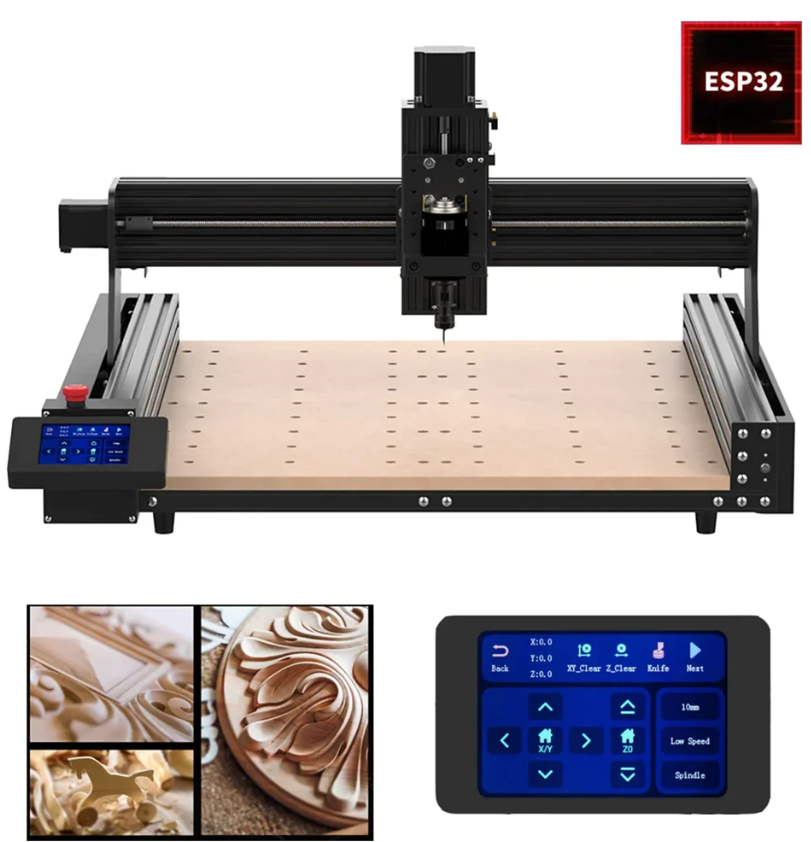
Twotrees TTC 450 CNC Router Machine
Retail Price: $449 Discounted Price: $429.99
The CNC engraving machine offered is a sophisticated and well-rounded tool that delivers balanced performance. While it requires a slightly higher level of expertise to operate effectively, it is particularly well-suited for enthusiasts or small shop owners who possess a solid foundation in CNC machining. This advanced engraving machine offers a reliable and versatile solution for those seeking precision and quality in their engraving projects.
The TTC 450 CNC machine is a versatile tool capable of creating both 2D and 3D pieces, making it an excellent choice for individuals interested in cutting or carving works. Whether you’re pursuing it as a hobby or aiming to sell designs such as name plates or signs made from various materials like plastic, acrylic sheets, or industrial plastic, the TTC 450 can accommodate your needs.
The Twotrees CNC router machine boasts a spacious working area of 460x460x80, allowing for ample space to bring your creative ideas to life. With a drive system powered by a 32-bit main board, this machine offers smooth and precise operation for intricate engraving projects. The translation screws drive with a double Y-axis system further enhances the machine’s accuracy and stability.
Equipped with a powerful 120W, 24V, 5A power supply, it ensures reliable performance throughout your engraving tasks. Compatible with popular CAM software such as Candle, Carveco, Artcam, and Easel, this CNC engraving machine provides flexibility in choosing the software that suits your workflow best. Whether you’re an enthusiast or a small shop owner, this machine’s impressive features make it an excellent choice for achieving high-quality and detailed engravings.
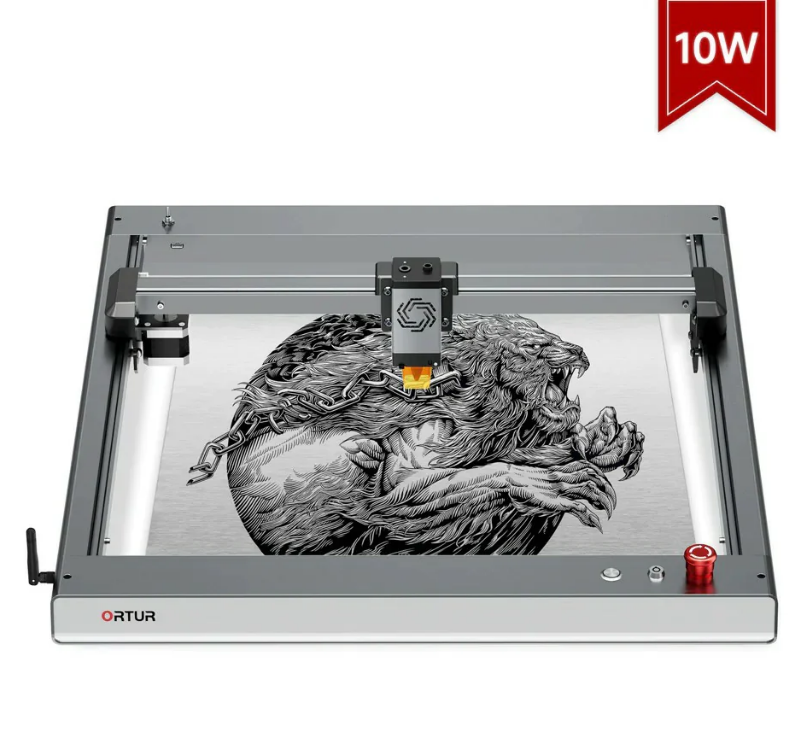
ORTUR’s latest laser engraver boasts an actual 10W optical power and utilizes the latest laser coupling technology to enable the cutting of a 10mm pine board with one pass and even 30mm thick black acrylics. The new laser features a focusing spot area that is only 1/3 of previous common lasers, and it is lightweight at only 235g while including integrated air assist, dual fans, and a foldable focal gauge. The machine can perform precision engraving and high-energy cutting at an impressive speed of 20000mm/min, making it faster than similar models and ideal for streamlined and productive endeavors.
The ORTUR Laser Master 3 is equipped with Web UI and is highly compatible with popular engraving software such as LaserGRBL and LightBurn. It supports a wide range of systems, including Windows XP/7/8/10 and Mac (LightBurn), and can handle various engraving file formats, including NC, BMP, JPG, PNG, DXF, and more.
The panoramic filter shield of the laser engraving machine can effectively filter out 97% of harmful UV rays, providing enhanced protection for your eyes. This eliminates the need for you and your colleagues to wear goggles while observing the engraving process, thereby saving on goggles costs and reducing the hassle of wearing them. Moreover, the machine also includes an air-assist nozzle that helps clear smoke and debris while engraving, ensuring a precise and clean output.
The Longer Laser B1 20W is a game-changer in the world of laser engravers. Equipped with advanced quad-core laser technology, it boasts an impressive 20W optical output power, making it one of the most powerful diode lasers available today. With such immense power, it possesses exceptional cutting ability, allowing you to accomplish more in less time.
One of the standout features of the Laser B1 is its ability to cut through various materials effortlessly. It can effortlessly slice through 15mm pine, 8mm black acrylic, and even delicate 0.05mm stainless steel in a single pass. This remarkable cutting capability is made possible by the integration of cutting-edge laser coupling technology.
In addition to its powerful performance, the Laser B1 offers an expanded working area of 17.72×17.32 inches (450x440mm). This represents a substantial 23.75% increase in working size compared to other products, making it an ideal choice for a wide range of applications, especially those involving A3-sized panels. Whether you’re working on intricate designs or larger projects, the Laser B1 has you covered.
You can enhance your cutting ability and achieve impeccable accuracy and quality with the Laser B1’s automatic air assist pump. Controlled by the program and Lightburn parameters, it significantly improves cutting performance. Moreover, eight safety protection functions are in place to ensure peace of mind, including automatic laser shutdown when drops, flames, data disconnections, or laser head freezes are detected for more than 15 seconds.
The Laser B1 is equipped with X-axis and Y-axis limit switches, precisely locating the laser module’s position. Additionally, if the laser module moves in the negative direction of either axis, the Laser B1 20W triggers an alarm and halts the movement, ensuring accuracy and preventing mishaps.
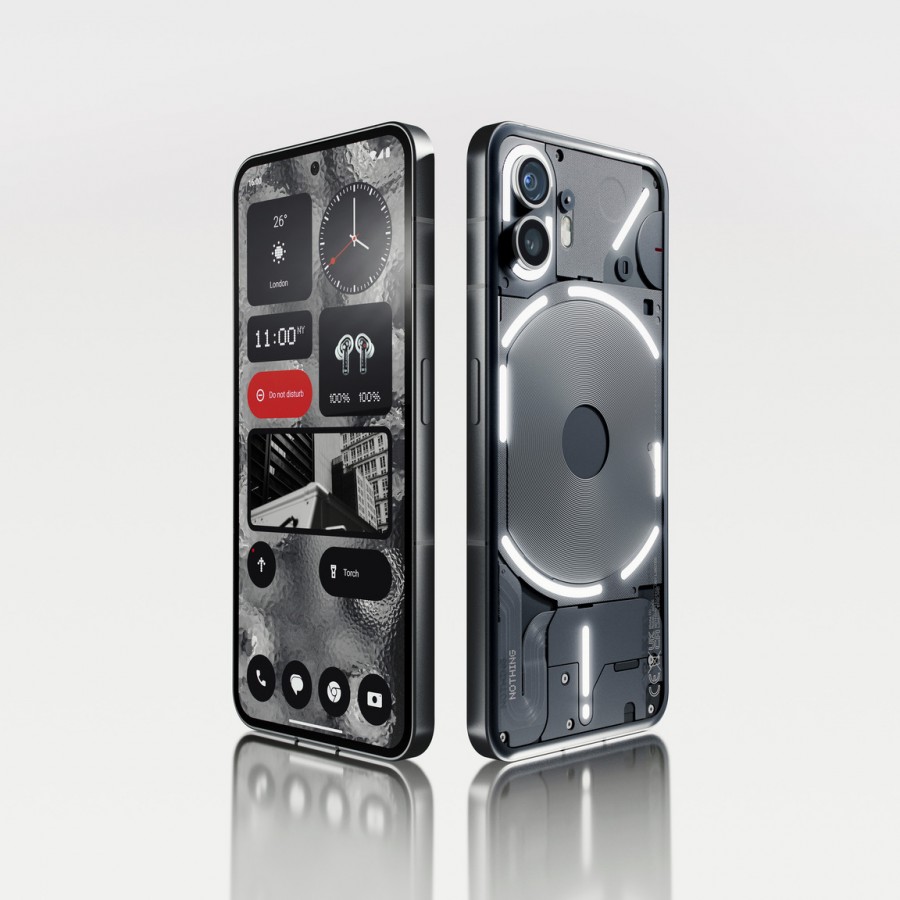
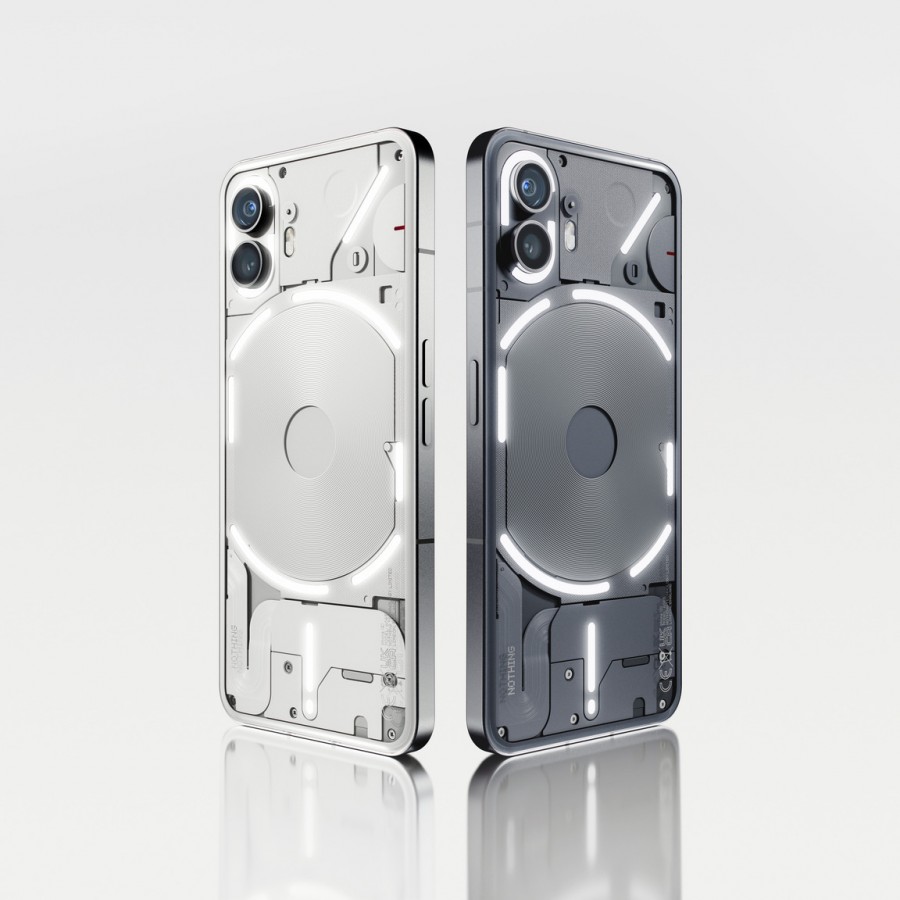
After months of teases, Nothing has announced the debut of its second smartphone—Nothing Phone (2). The new device is a considerable update over last year’s Phone (1), bringing a new and powerful Snapdragon 8+ Gen 1 chip under the hood. You get essentially the same design as the original model with notable changes in the Glyph interface. The Carl Pei-led startup has improved the cameras of its newest phone and has upped the price as well. Read on to learn more.
Design and Display
As mentioned, Nothing Phone (2) will look a lot like the Phone (1). You get a transparent back with an LED lights interface. However, there are also slight changes when you compare it to the older phone. For one, the selfie camera cutout on the display moves from the left side to the center. The Glyph interface on the device has also been reconfigured and it can now do a lot cooler tricks. The smartphone gets a 6.7-inch LTPO AMOLED display that offers a 120Hz adaptive refresh rate, a 1080 x 2412 resolution, and 1600 nits peak brightness.
Specifications
Nothing Phone (2) gets a significant hardware boost as compared to the original model. Replacing the older Snapdragon 778G+, the company has packed the Snapdragon 8+ Gen 1 SoC on the device. This 4nm processor offers solid performance and balanced thermals. The device gets LPDDR5 RAM and USF 3.1 storage.
The rear camera department now features a 50MP Sony IMX890 main camera sensor with optical image stabilization (OIS) and in-sensor zoom. This is the same primary sensor as the OnePlus 11. There’s also a 50MP ultrawide cam that uses the same Samsung JN1 sensor. For clicking selfies, you get a 32MP Sony IMX615 front-facing camera with electronic image stabilization (EIS).
The device packs a 4,700mAh battery, which supports the same 33W wired and 15W wireless charging. On the software front, the device runs Nothing OS 2.0 based on Android 13. The new software brings new widgets, theme colors, folder layouts, and illustrated covers.
Pricing and Availability
Nothing Phone (2) is now available for pre-order. The phone will be offered in white and dark grey colors, and will start at $599 for the 8GB RAM + 128GB storage model. There is also a 12GB RAM + 256GB storage model available for $699, and a 12GB RAM + 512GB storage model for $799. Open sales will begin on July 17.
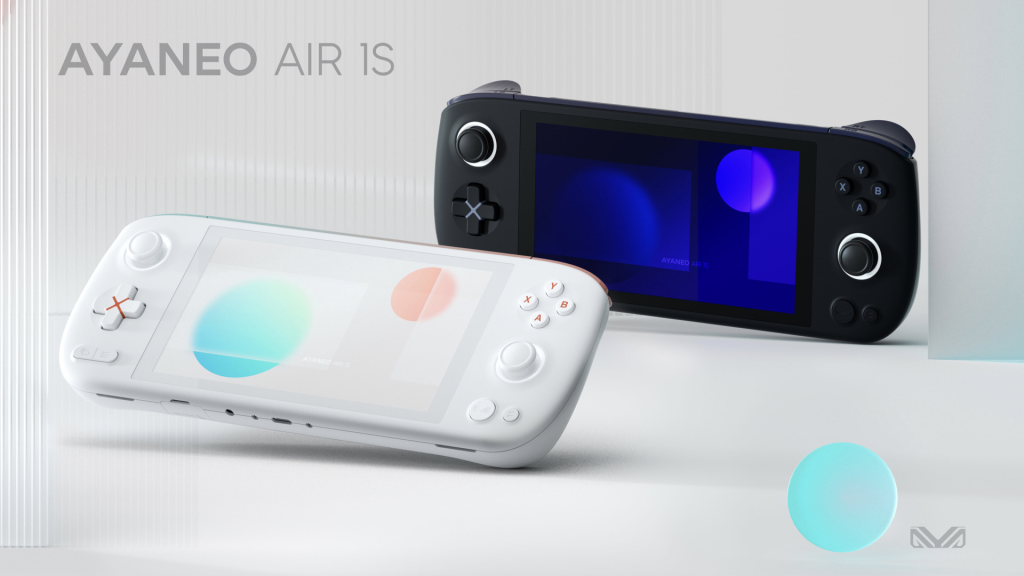
Last week, Aya Neo revealed some details about the upcoming Air 1S handheld console, which will be powered by the AMD Ryzen 7 7840U processor. Now, the brand has revealed almost all the details of the console including its pricing and launch date. As per an official release, Aya Neo plans to launch the Air 1S consoles at 07:00 on July 11 through IndieGoGo. The brand hopes to commence AIR 1S shipments in early August.
AYA NEO Air 1S console pricing & specs
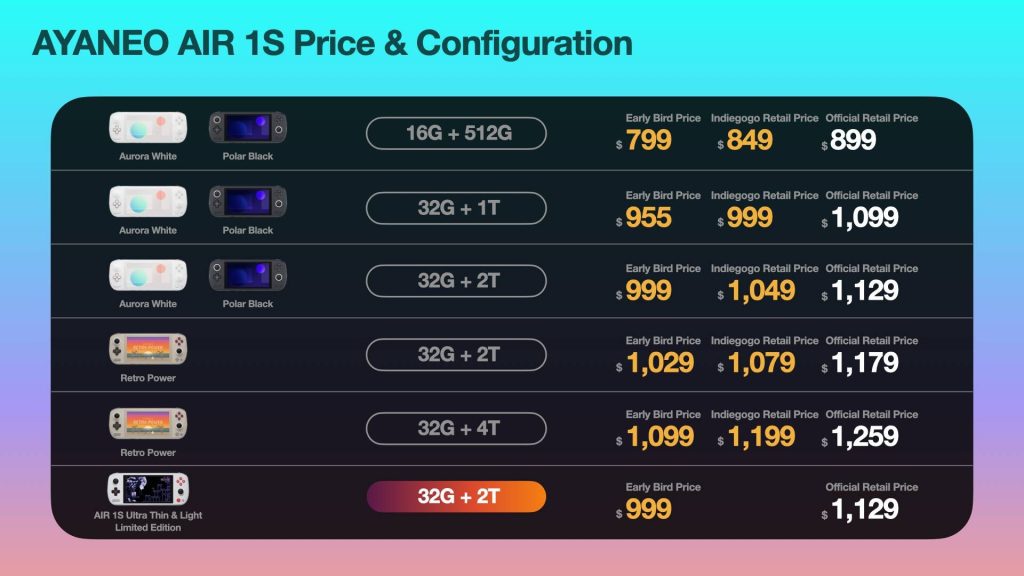
As per the brand, the Aya Neo Air 1S with 16 GB RAM and 512 GB of storage will have an early-bird price of $799. This will likely be the price for the first few hundred units sold through IndieGoGo, with the brand later retailing this configuration for $899. The highest 32GB RAM + 4TB storage configuration of the console will have an early bird price of $1,099 and an official retail price of $1,259.
Specs-wise, the Aya Neo Air 1S handheld console features a 5.5-inch 1080P AMOLED screen, an AMD Ryzen 7 7840U processor, and LPDDR5X memory. It also has a brand-new customized heat dissipation system, a Master controller, Hall sensing joystick, Linear hall trigger, X-axis linear motor, Dual six-axis gyroscope, Full function USB4 Type-C2, 3.5mm headphone jack1, TF card slot (up to 100MB/s)*1, Power button integrated fingerprint recognition, WiFi 6E / BT 5.2, and Windows 11 64-bit Home Edition.
The Aya Neo Air 1S is available in three colors: Aurora White, Polar Black, and Retro Power. It has a battery capacity of 38Wh (10050mAh) and a TDP range of Battery-powered mode 5W – 20W, Plugged-in mode: 5W – 25W. It measures 224 x 89.5 x 21.6mm and weighs 450g.
AYA NEO Air 1S Ultra Thin & Lite Limited Edition pricing & specs
The brand also plans to launch the Air 1S Ultra Thin & Lite Limited Edition console with an early bird price of $999 and an official retail price of $1,129. This limited edition device will be available in a single 32GB RAM + 2TB storage configuration.
Specs-wise, it is quite similar to the standard Air 1S console except for the fact that it is slimmer and around 45 grams lighter than the standard model. However, the light weight comes at the cost of a smaller battery and slightly reduced performance. It measures 224 x 89.5 x 18 mm and weighs 405 grams. The battery capacity of 28Wh onboard will be 28Wh (7350mAh) and the TDP rating will be 5W – 15W (battery-powered mode) and 5W – 18W (plugged-in mode). Lastly, the console will be available in a special “Retro limited” color option.
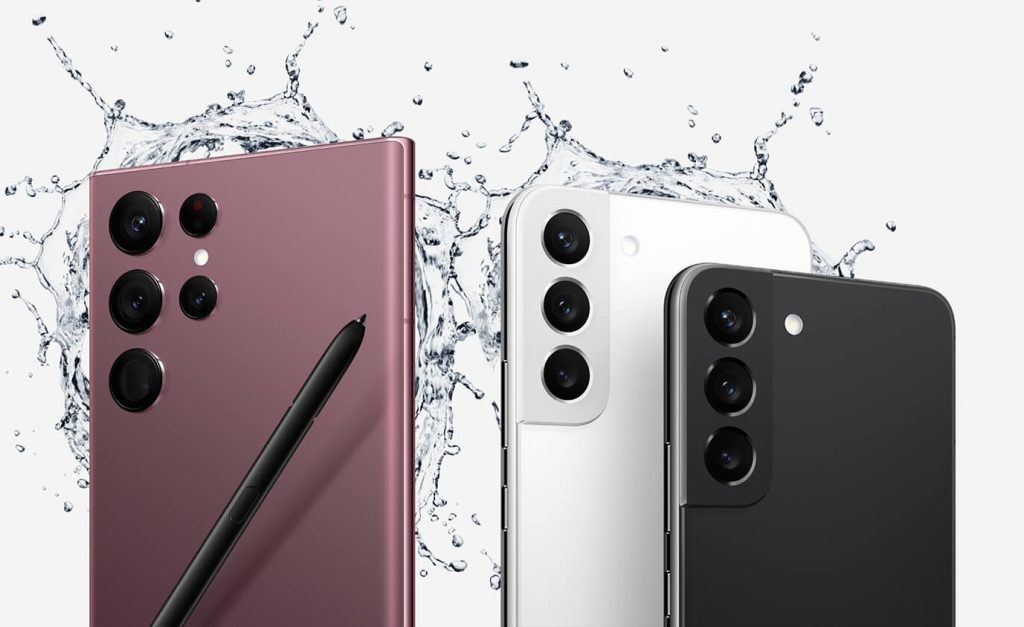
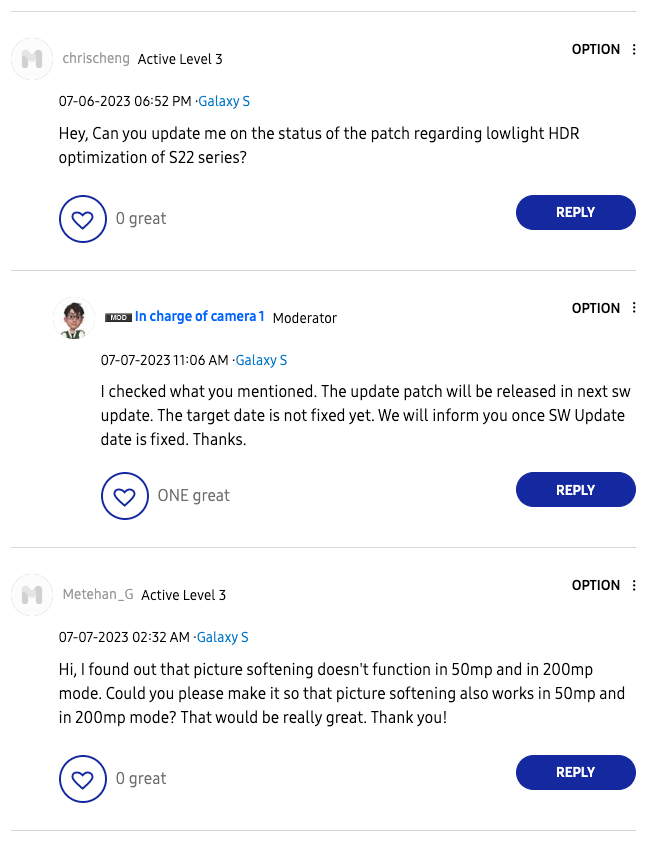
Samsung Galaxy S22 series users have voiced concerns about the performance of the primary rear camera in low-light conditions, particularly when capturing neon signs or other light sources. In response to these complaints, Samsung acknowledged the issue in March and assured users that a software update was in the works to address the problem. Initially slated for an April release, the update was delayed but is now expected to be included in the upcoming software update.
Software Update in the Works
Samsung recently confirmed that the development of the software patch is complete and it will be rolled out as part of an upcoming software update. As the July 2023 security patch has already been released for the Galaxy S22 series, users anticipate that the fix for blown-out neon signs will likely arrive in the August 2023 security update.
The announcement was made on the Samsung Community Forum for Korea, where a moderator responded to a user’s inquiry about the update’s status. The moderator stated that the patch will be released in the next software update, although a specific date has not yet been determined. Samsung has assured users that they will be promptly informed once the software update date is confirmed.
In addition to concerns about neon signs, users have also reported noise in images taken in low-light conditions, particularly when capturing the sky. It is hoped that the forthcoming update will address this issue as well.
Overall, Samsung aims to improve the low-light camera performance of the Galaxy S22 series through an upcoming software update, providing users with enhanced image quality and a more satisfying photography experience.
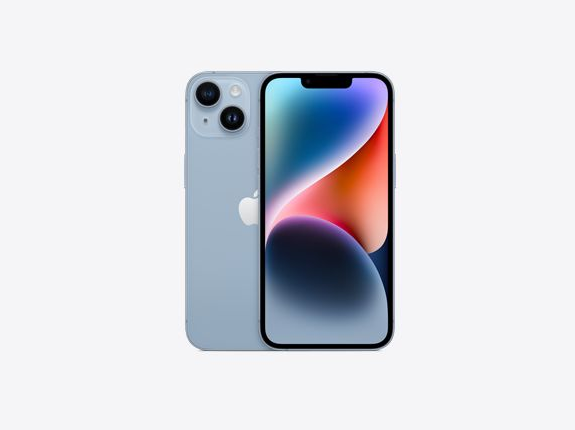
The Amazon Prime Day sale is just around the corner with the promotional event expected to bring great deals on various products. One such deal includes the Apple iPhone 14, which is set to get a major discount. So here are all the details.
Apple iPhone 14 to start from Rs 66,499 during Amazon Prime Day Sale
As per the official Amazon India listing, the iPhone 14 model will be sold for as low as 66,499 INR in the country. This price tag includes all of the deals for the 128GB internal storage option. The discounted price includes bank offers, with ICICI Bank Debit and Credit cards and SBI cards offering a 10 percent discount. Just last month, we also reported on the Apple Sale Days promotional event where the cost of the device fell to its then-lowest 67,999 INR.
So the Amazon Prime Day Sale will have the flagship smartphone sell for its lowest price tag ever. Apart from the base model, Amazon teased that the series as a whole is getting new deals and discounts. Meaning, the iPhone 14 Plus, iPhone 14 Pro, and iPhone 14 Pro Max models will also be selling for lowered prices. Unfortunately, the exact pricing details for these higher-end models are still unclear.
Talking about the device itself, the iPhone 14 sports a 6.1-inch Super Retina OLED display. This panel offers 1,200 nits of peak brightness, 2,532 x 1,170px resolution, HDR10, and Dolby Vision support. Under the hood, it is equipped with the A15 Bionic chipset, which is paired with 6GB of RAM and up to 512GB of internal storage. The rear packs a 12-megapixel dual camera setup, while the front also houses a 12-megapixel selfie shooter.
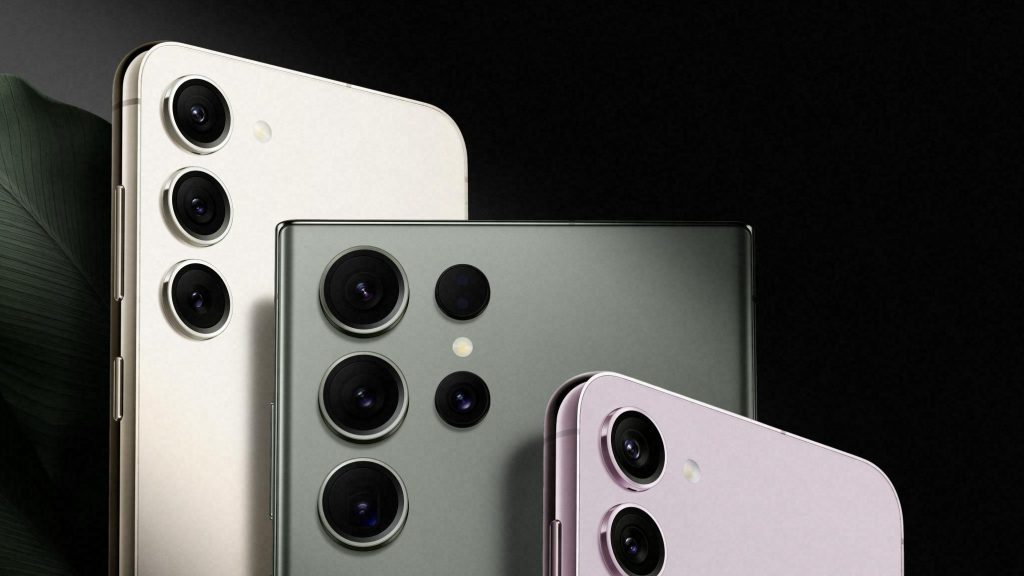
We are 10 days into July and Samsung has started to push this month’s security patch to eligible devices. As usual, the latest Galaxy S23 flagships were one of the first to pick up the update in the US last week. Now, the company has started to expand the availability of the July 2023 security update in other regions, starting with Europe. It brings a number of security and bug fixes to the Galaxy S23 series. Here are the details.
Galaxy S23 phones get security fixes with the new update
As reported by Sammobile, the Galaxy S23 units in Europe have started to receive the July 2023 security patch. The software update is said to be available throughout the old continent with version number S91xBXXS3AWF7. The security patch comes packed in a 429.68MB size and apparently fixes over 90 security flaws found in the previous version. It should make it to other regions in the coming days.
It seems the update does not bring any major features or improvements. It shouldn’t be surprising since it was only last month when Samsung released a “super” camera update for the S23 series, which addresses night mode, and autofocus among other issues.
Samsung Galaxy S23 users in Europe should be getting an OTA notification for the update. If not, they can head to Settings and Software Update and tap Download and Install to install the update on their phones.
The Korean company may also allow S23 users to test the new One UI 6 based on Android 14 very soon. Reports suggest the beta program for the software will commence in less than a month, presumably before the Unpacked event scheduled on July 26.
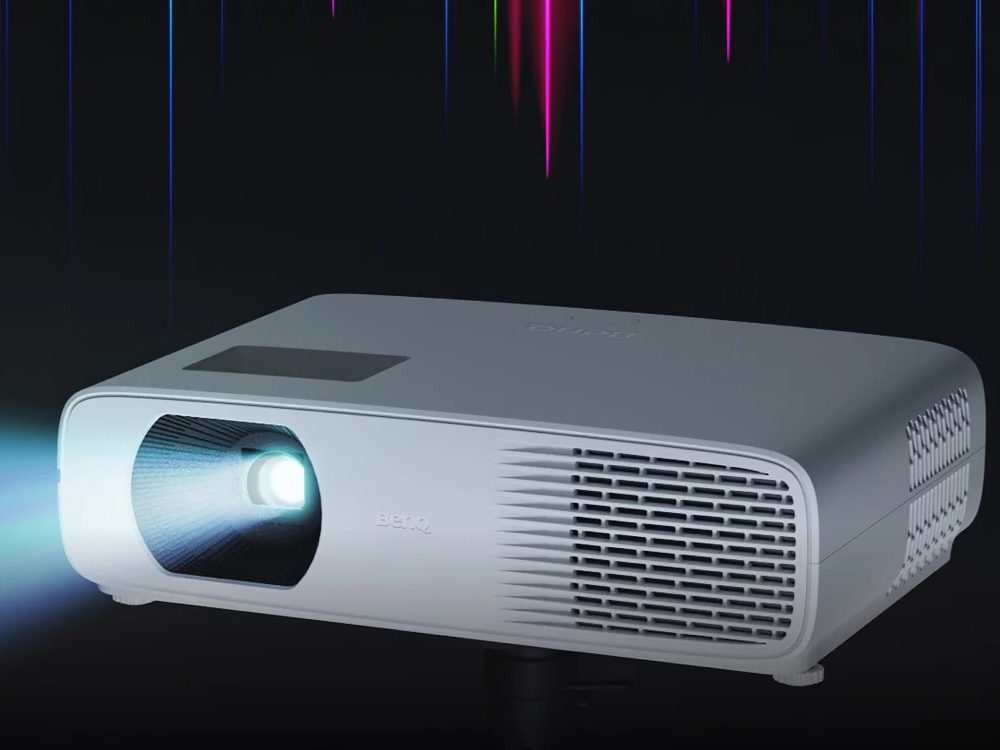
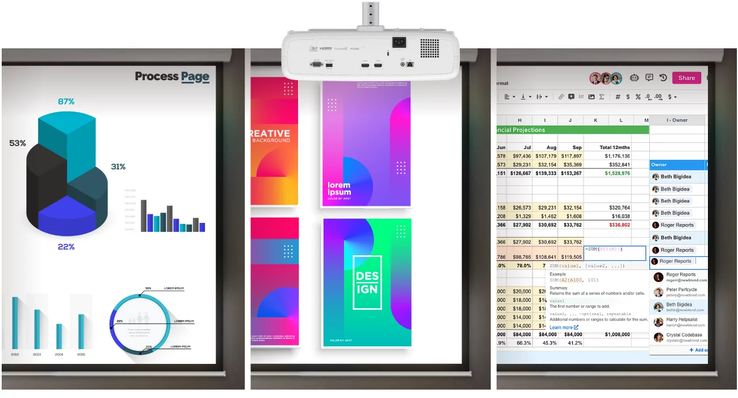
BenQ has unveiled the LH739 LED Projector designed for commercial use in retail places and offices. The BenQ LH730 LED Projector has debuted in the United States with a decent specs sheet. The new BenQ LED projector comes with a light source that delivers up to 4,000 ANSI Lumens brightness.
The light source of the projector is rated as 30,000 hours in the basic Eco mode. The high contrast of the projector allows for the display of sharp text while 1.2X zoom provides sufficient image adjustment.
The BenQ LH730 covers 98% of the Rec. 709 color gamut and comes with various modes for displaying infographics, presentations, and spreadsheets. Image perfection in the projector is achieved via its two-dimensional or auto-vertical keystone, Corner Fit, and Digital Shrinking tools.
The powerful LED projector can be controlled using the DMS app or via third-party services. The projector is mountable on the ceiling or it can be placed on a table, meaning that it can be used in a variety of scenarios. In addition, the LED projector has an optional Wi-Fi dongle that enables wireless casting from mobile devices and PCs. A four-way split screen in the projector allows for multiple presentations simultaneously.
Pricing & Availability
The BenQ LH730 LED projector is priced at $1,299 in the US. It is expected to be available in other markets outside the US. The finer optics of the global availability of the projector are however not available at this time.
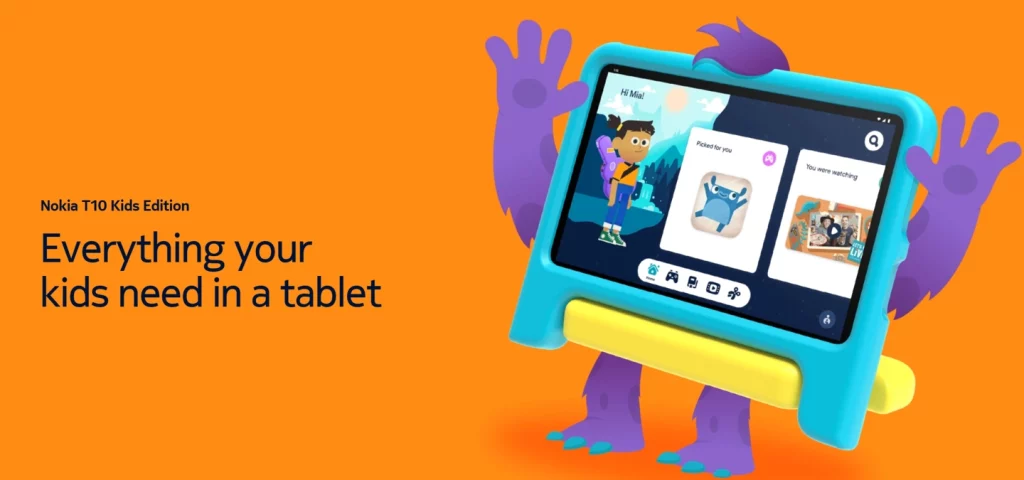
HMD Global has announced the Nokia T10 Kids Edition Android tablet in Europe and the United States. The new kids’ tablet is a modification of the Nack in September 2022, Nokia launched the Nokia T10 tablet which was announced in India in September 2022. Just this May, the company pushed the Android 13 update to the slate. However, the kids’ edition still retains the Android 12 interface.
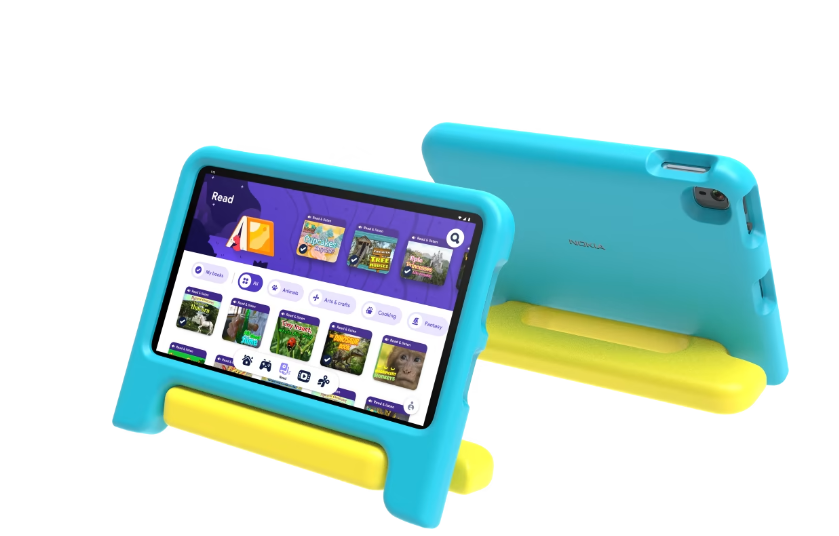
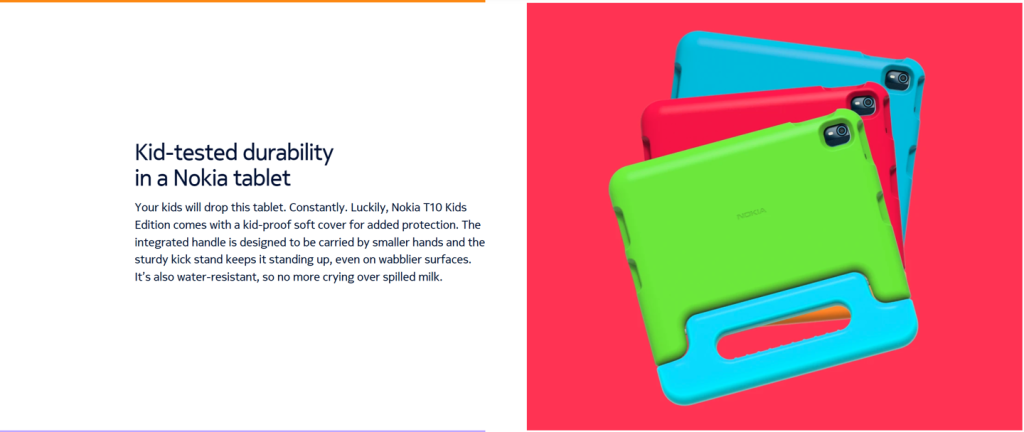
The Nokia T10 Kids Edition utilizes colorful polycarbonate pouches which are meant to protect the device during falls. The pouch also has a handle to reduce the chances of the tablet accidentally dropping on the floor.
Apart from the protective pouch, the device seems to retain the entire features of the regular Nokia T10. This includes a UNISOC T606 processor. The processor is paired with 3GB RAM while there is 32GB of internal storage onboard. The tablet packs an 8-inch LCD screen with an HD resolution of 1280 x 800 pixels. It also comes with dual stereo speakers as well as IPX2 protection. For optics, there is a 2MP selfie camera at the front while at the rear, the tablet features an 8MP camera.
In terms of software, the Nokia T10 Kids Edition is equipped with Android 12, as stated earlier. Nokia is offering up to three years of monthly security updates. In addition, the tablet has a built-in Google Kids Space app. The Google Family Link app is also pre-installed inside which allows parents to control their kid’s usage time.
Nokia T10 Kids Edition Price & Availability
As for the pricing and availability details, the Nokia T10 Kids Edition with 3GB RAM and 32GB storage is priced at $149 while the polycarbonate casing is priced at $39.99 each. The cases are available in Green & Cyan, Yellow & Cyan, and Orange & Red color mix.
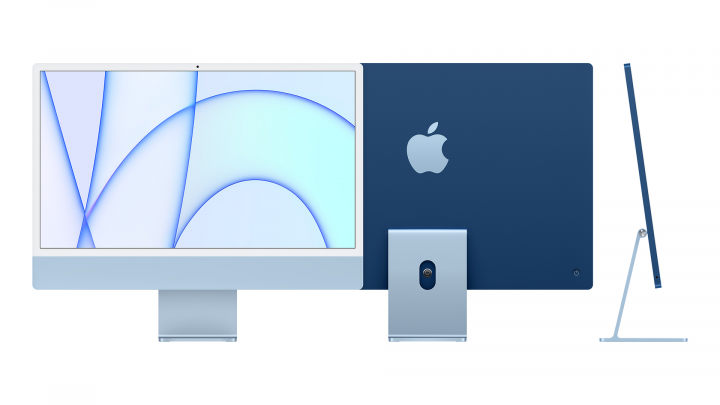
Last month, Bloomberg’s Mark Gurman revealed Apple’s product roadmap for the rest of this year and the first half of 2024. He added that two new iMacs will be coming this year and a 32-inch iMac is also reportedly in development. Now, Gurman has revealed some more details about the iMacs. Read on to learn more about the story below.
Apple working on new iMacs
Apple’s iMacs are quite popular due to their minimalistic design with an all-in-one setup. However, there is only one model that is available and it is already aging. It is the 24-inch iMac from 2021 that is powered by the dated M1 processor. It hasn’t been long since Apple already discontinued the 27-inch iMac and iMac Pro.
In the latest development, Gurman reveals that Apple is working on more powerful versions of the iMac. These will include the current 24-inch iMac with the M3 chipset making it a significant upgrade over the M1 variant. The other iMac is said to be even more powerful with a larger 32-inch screen. It is said to be similar to Apple’s Pro Display XDR and feature an IPS LCD panel with a 6K resolution and 10-bit colors. Both M3-powered iMacs are reported to leverage TSMC’s 3nm process instead of the current 5nm process offering better performance and power efficiency.
The 24-inch iMac was supposed to arrive in the second half of this year, however, it is now predicted to debut early next year. The wait gets even longer for the 32-inch iMac with Gurman saying that it could arrive in late 2024 or even in 2025. He added that the design process for the bigger iMac is just getting started.
Amazon Prime Day is just around the corner, and tech enthusiasts are eagerly awaiting the incredible tablet deals. Whether you need a powerful device for work, entertainment, or education, Amazon Prime Day is the perfect time to upgrade your tablet. Expect jaw-dropping discounts on popular brands like Lenovo, Samsung, and Amazon’s Fire tablets. From sleek designs to cutting-edge features, these tablets offer exceptional performance and versatility. Whether you’re a student, professional, or simply looking to enhance your digital experience, don’t miss out on the amazing tablet deals that Amazon Prime Day has in store for you.
Interesting Prime Day Tablet Deals
Apple iPad (save up to 48%)
Apple iPad and its accompanying accessories offer a powerful and seamless digital experience. The iPad lineup, including the iPad Pro, iPad Air, and iPad, combines sleek design with cutting-edge technology. These tablets boast stunning displays, powerful processors, and intuitive user interfaces, making them ideal for work, creativity, and entertainment. Additionally, Apple offers a range of accessories such as the Apple Pencil, Magic Keyboard, and Smart Folio, enhancing the functionality and versatility of the iPad. The Apple Pencil allows for precise drawing and note-taking, while the Magic Keyboard provides a laptop-like typing experience. With Apple iPad and its accessories, users can unlock their productivity and unleash their creativity.
Amazon Fire tablets are a popular choice for users seeking affordable yet capable devices for entertainment, browsing, and productivity. These tablets offer a range of models to suit different needs and budgets, from the entry-level Fire 7 to the more advanced Fire HD 10. With vibrant displays, solid build quality, and long-lasting battery life, Amazon Fire tablets deliver an enjoyable multimedia experience. They also come preloaded with Amazon’s vast ecosystem, providing access to a wide variety of apps, games, e-books, and streaming services like Prime Video. Additionally, features like Alexa integration and expandable storage make Amazon Fire tablets versatile companions for everyday use.
Retail Price: $159.99 Prime Day Deal Price: $104.99
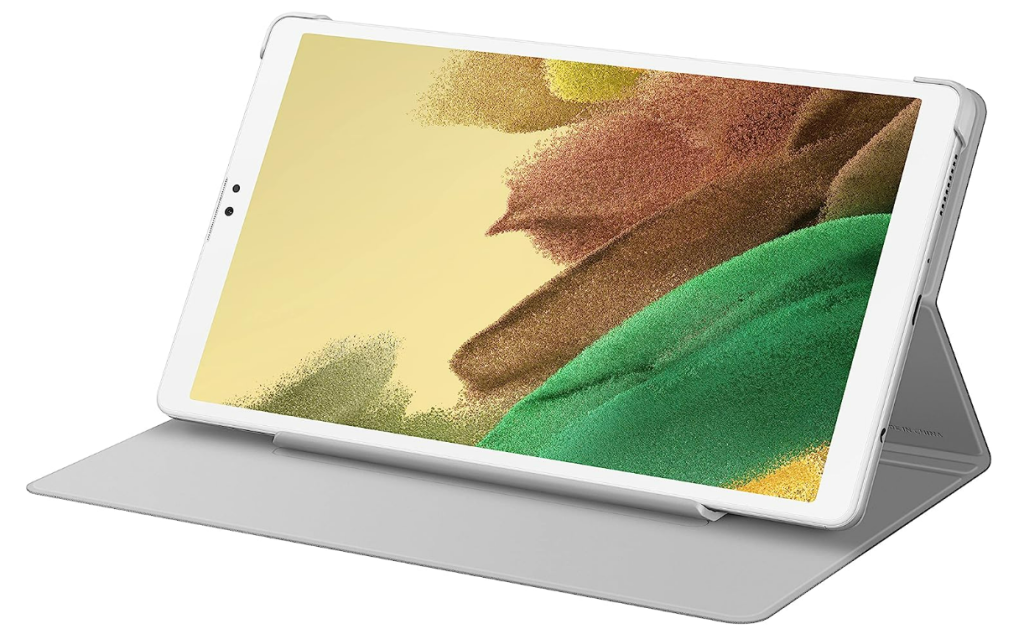
The Samsung Galaxy Tab A7 Lite 8.7″ 32GB WiFi Android Tablet boasts a compact and slim design, making it incredibly portable and easy to carry. Its sturdy metal frame ensures durability, perfect for busy lifestyles or even for kids. Additionally, its long-lasting battery ensures uninterrupted usage, allowing users to enjoy their favorite content for hours on end.
Retail Price: $229.99 Prime Day Deal Price: $149.99
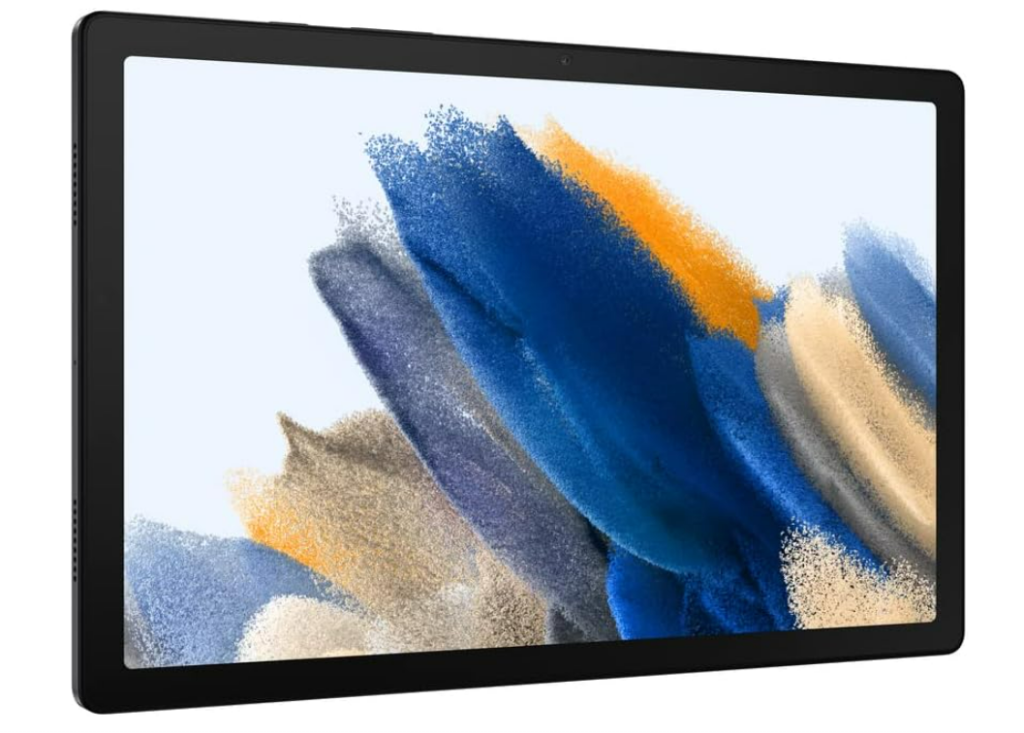
The standout feature of the SAMSUNG Galaxy Tab A8 is its immersive 10.5″ LCD screen, which delivers vibrant visuals and enhances the viewing experience for movies, games, and more. Additionally, the tablet’s integration with the Galaxy ecosystem allows for seamless connectivity with other Samsung devices, enabling effortless sharing and synchronization between your phone, laptop, and tablet.
Retail Price: $699.99 Prime Day Deal Price: $499.99
The SAMSUNG Galaxy Tab S8 offers a range of impressive features. With its powerful Qualcomm Snapdragon chipset and fast WiFi 6E connectivity, the tablet ensures smooth and lag-free performance for work, streaming, and gaming. The inclusion of Samsung DeX and Microsoft 365 integration enhances productivity, allowing users to enjoy a PC-like experience on the go. The tablet’s long-lasting battery ensures hours of usage, and the fast-charging USB-C port allows for quick recharging. The 11″ dynamic LCD screen delivers brilliant colors and crisp visuals, while the ultra-wide front camera enables users to capture stunning photos and record 4K videos.
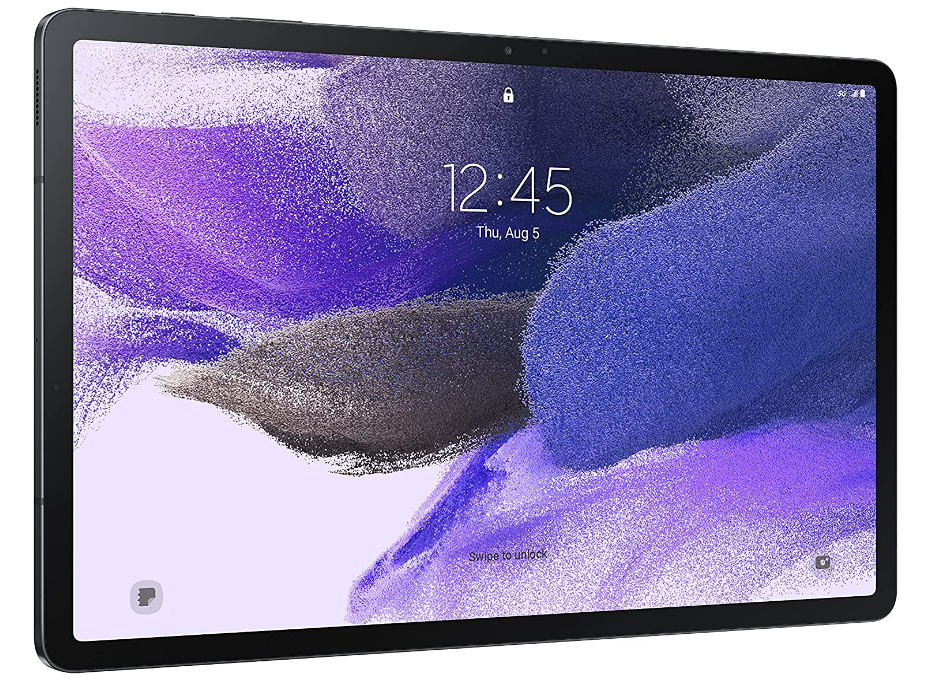
Retail Price: $529.99 Prime Day Deal Price: $379.99
The SAMSUNG Galaxy Tab S7 FE, chosen as the “Best Android Tablet” by CNET, offers a premium look and feel at an affordable price. With multi-device connectivity, you can seamlessly transfer content between devices and enjoy a PC-like experience with multiple windows open on the tablet, providing a versatile and efficient workspace. The tablet’s long battery life ensures extended usage, while the Qualcomm SM7225 Octa-Core processor delivers smooth performance for entertainment and productivity.
Retail Price: $109.99 Prime Day Deal Price: $79.99
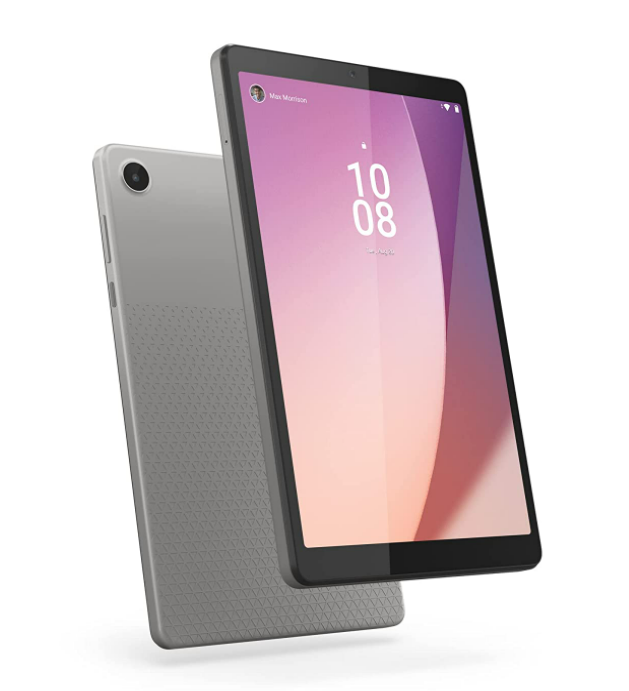
The Lenovo Tab M8 (4th Gen) offers pocketable entertainment with its slim and lightweight design, coupled with an 8″ HD display and powerful dual speakers for immersive on-the-go fun. It boasts a long battery life of up to 16 hours, is perfect for kids’ learning and entertainment during day trips, and features TÜV Eye Care Certification, reducing harmful blue light emissions for safer screen time. Additionally, it provides a privacy dashboard to manage permissions and camera/microphone indicators for greater peace of mind.
Retail Price: $189.99 Prime Day Deal Price: $124.99
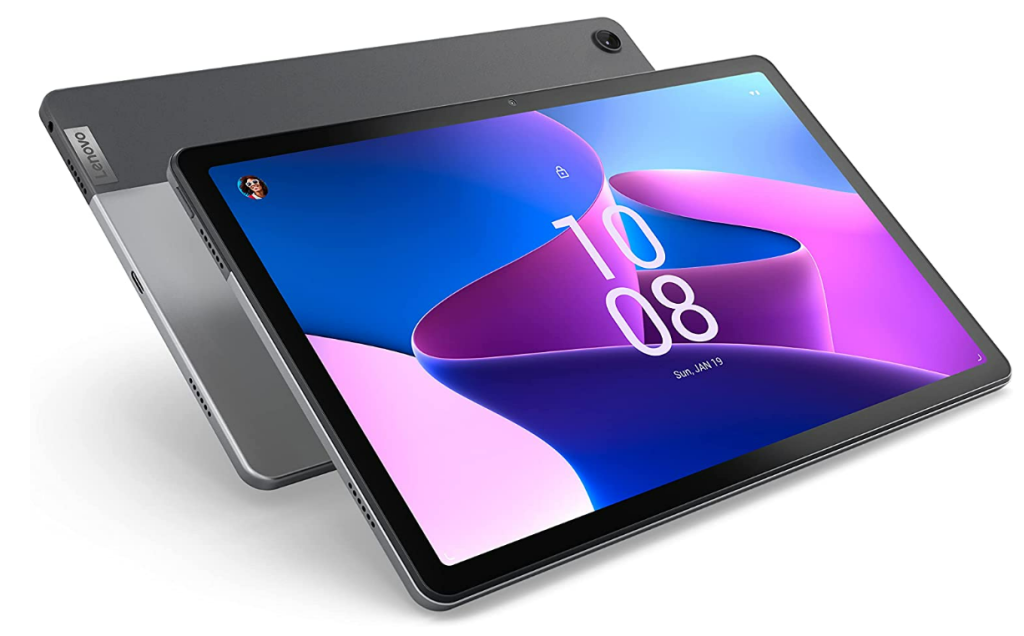
The Lenovo Tab M10 Plus 3rd Gen Tablet stands out with its dazzling 10.6″ FHD IPS display, delivering vibrant visuals and streaming capabilities up to 1080p, accompanied by a quad-speaker system optimized for Dolby Atmos for immersive sound. It offers a lightweight and portable design, making it ideal for student research and projects, enhanced by the Lenovo Instant Memo app for convenient on-screen input. Additionally, it features Immersive Reading Mode for enhanced readability, Android 12 for the latest features, three years of security updates, and a long-lasting battery for extended usage.
Retail Price: $249.99 Prime Day Deal Price: $179.99
The Lenovo Tab P11 Plus (1st Gen) offers an immersive streaming experience with its stunning 2K resolution 11″ TDDI IPS display, perfect for enjoying your favorite content. Its four-speaker setup with Dolby Atmos delivers exceptional audio quality, while the MediaTek Helio G90T Tab Octa-Core processor ensures smooth performance for gaming and browsing. With 4GB RAM and 128GB storage, seamless multitasking is at your fingertips, and the tablet’s long battery life of up to 15 hours provides extended streaming time.
Retail Price: $249.99 Prime Day Deal Price: $179.99
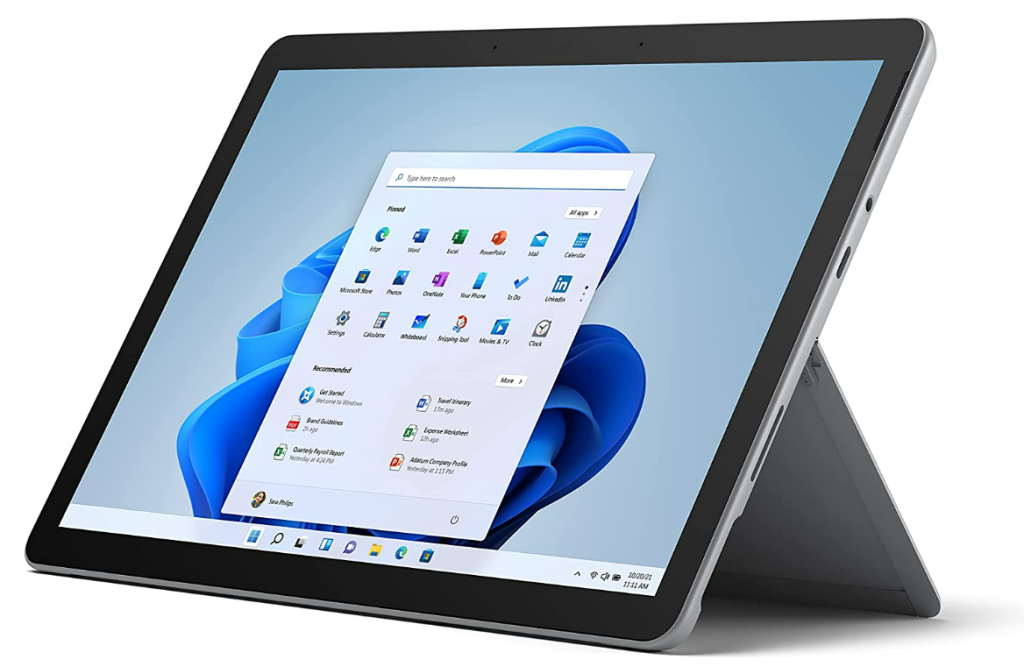
The Microsoft Surface Go 3 is the ultimate portable 2-in-1 device, perfect for everyday tasks, homework, and play. With its lightweight design, high-resolution 10.5″ touchscreen, adjustable Kickstand, and compatibility with Surface Pen and Type Cover, it offers laptop productivity in a go-anywhere tablet. Additionally, it boasts an all-day battery life of up to 11 hours, Fast Charging capabilities, and includes essential features like a USB-C port, headphone jack, Bluetooth 5.0, MicroSDXC Card Reader, and the intuitive Windows 11 operating system, ensuring seamless connectivity and productivity on the go.
Vivo has quietly launched a new Y-series smartphone. It is the Vivo Y27 5G. The device has been listed on the brand’s global website. It had bagged multiple certifications in recent months, hence an official launch was imminent. Read on to know what it offers out of the box.
Vivo Y27 5G specifications and features
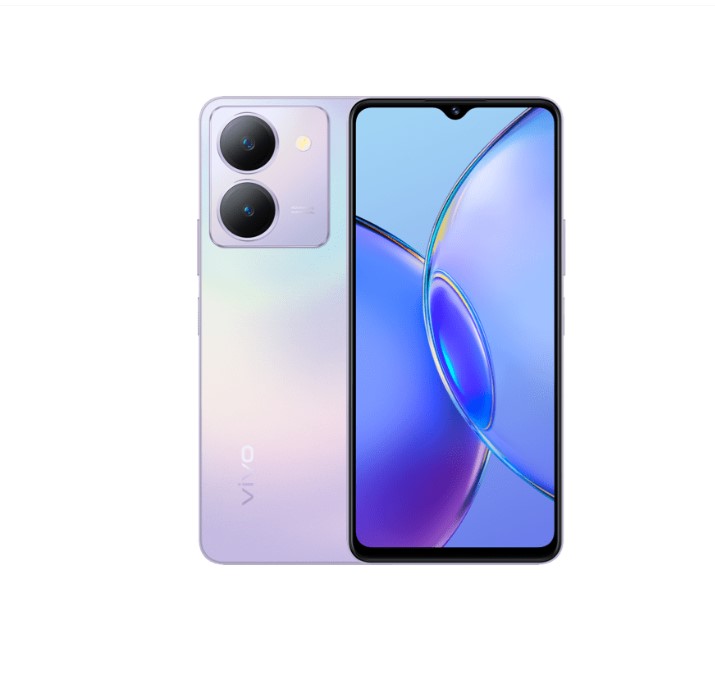
The Vivo Y27 5G features a 6.44-inch LCD display bearing a waterdrop notch. It offers an FHD+ resolution and 600 nits peak brightness. The power button doubles up as a fingerprint scanner. The back panel has a square camera module.
On the imaging front, the Vivo Y27 5G has a dual rear camera setup of a 50MP main sensor paired with a 2MP secondary bokeh lens. The device features an 8MP front-facing selfie snapper.
Under the hood, the Vivo Y27 5G is equipped with a MediaTek Dimensity 6020 processor. It is offered in 4GB and 6GB RAM options along with up to 6GB virtual RAM features. Both variants pack 128GB onboard storage. The smartphone draws its power from a 5,000mAh battery unit with support for 15W fast charging. Software-wise, it runs on a Funtouch OS 13 based on Android 13.
Connectivity options on the Vivo Y27 5G include 5G, a USB-C port, a 3.5mm jack, WiFi, Bluetooth, and NFC.
The Vivo Y27 5G is offered in Mystic Black and Satin Purple colors. The brand is yet to announce the pricing and availability of the smartphone.
The iQOO 11 series launched in December last year. The Vivo sub-brand also announced the iQOO 11S earlier this month. iQOO is reportedly working on the next-generation iQOO 12 lineup. It is expected to debut in the last quarter of 2023. Now, reliable tipster Digital Chat Station has shared some key details of the iQOO 12 on the microblogging platform Weibo. Read on to know more below.
iQOO 12 key specifications leaked
DCS says that the iQOO 12 will be equipped with a Snapdragon 8 Gen 3 processor under the hood. Qualcomm is expected to announce the next-generation chipset in October this year. It is possible that iQOO may confirm the use of the chipset at the Snapdragon Summit. The upcoming smartphone is tipped to pack up to 16GB RAM and come with 512GB and 1TB storage options. The device is said to support 100W fast charging which seems to be odd considering that its predecessor had faster charging support.
DCS adds that the iQOO 12 will come with an AMOLED display bearing a resolution of 2K pixels. It is expected to feature a 144Hz refresh rate. The upcoming offering will reportedly feature a 50MP primary rear camera. Details about other sensors remain unknown and the tipster says that iQOO is testing multiple camera layout designs including one where the module is located at the top left corner.
Previously, Digital Chat Station had also revealed that the iQOO 12 will be backed by a 5,000mAh battery unit with support for 200W wired and 50W wireless charging.
We can expect more details of the iQOO 12 to surface in the coming months.
Last week, a report revealed the RAM, storage, and color variant details of the upcoming Redmi K60 Ultra smartphone. Now, a new leak has emerged online with a design render and a few promotional images of the K60 Ultra with back covers. Let’s take a look.
The smartphone’s rear design is consistent with the previous leaks, featuring a square-shaped camera module, which has two large circular cameras, a smaller circular camera, and a pill-shaped dual-tone LED flash. Positioned just below on the left side, the Redmi branding is elegantly presented in a vertical manner. Moving to the front, the device impresses with slim bezels surrounding the display, complemented by a centrally placed punch-hole camera.
Redmi K60 Ultra specs
Rumored details suggest that the Redmi K60 Ultra could feature a sizable 6.7-inch OLED display with an impressive 1.5K resolution and a high refresh rate of 144Hz. While the operating system is expected to be Android 13 with MIUI 14, the device might be powered by the rumored Dimensity 9200 Plus chipset.
In terms of memory and storage, two variants are speculated: one with 12 GB of LPDDR5x RAM and 512 GB of UFS 4.0 storage, and another with a substantial 16 GB of RAM and 1 TB of storage. As for the battery, there are rumors of a generous capacity ranging from 5,000mAh to 5,500mAh, with support for fast charging at 120W.
As for color options, it is anticipated that the Redmi K60 Ultra could be available in sleek Black and vibrant Cyan. However, it’s important to note that these details are still subject to speculation and the actual release may vary.
We use cookies on our website to give you the most relevant experience by remembering your preferences and repeat visits. By clicking “Accept”, you consent to the use of ALL the cookies.
This website uses cookies to improve your experience while you navigate through the website. Out of these, the cookies that are categorized as necessary are stored on your browser as they are essential for the working of basic functionalities of the website. We also use third-party cookies that help us analyze and understand how you use this website. These cookies will be stored in your browser only with your consent. You also have the option to opt-out of these cookies. But opting out of some of these cookies may affect your browsing experience.
Necessary cookies are absolutely essential for the website to function properly. This category only includes cookies that ensures basic functionalities and security features of the website. These cookies do not store any personal information.
Any cookies that may not be particularly necessary for the website to function and is used specifically to collect user personal data via analytics, ads, other embedded contents are termed as non-necessary cookies. It is mandatory to procure user consent prior to running these cookies on your website.