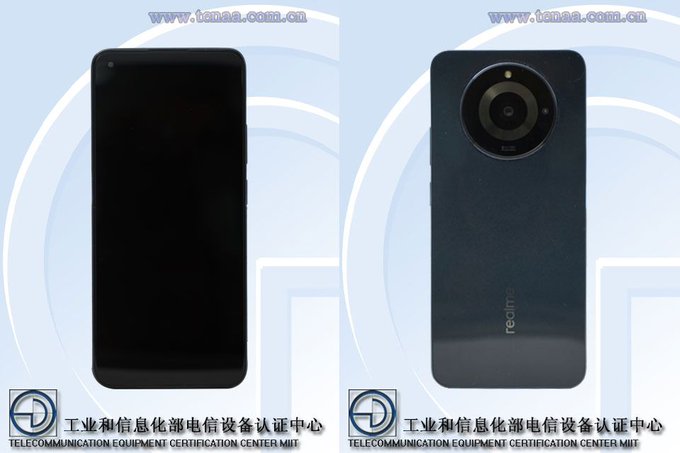
The Realme 11 series is set to launch sometime next month. The company has been teasing these upcoming devices ahead of the China announcement, but prior to the launch, the design of the base model has been revealed via a TENAA sighting.
Just earlier this week, we had reported on the Realme 11 Pro+ model being spotted on the same certification website. The listing revealed its design as well as some of its key specifications. This includes a Dimensity 7 series chipset that clocks in at 2.6GHz. So now, we also have a proper look at the base Realme 11 model. Looking at the TENAA sighting, the device carries the model number RMX3751.
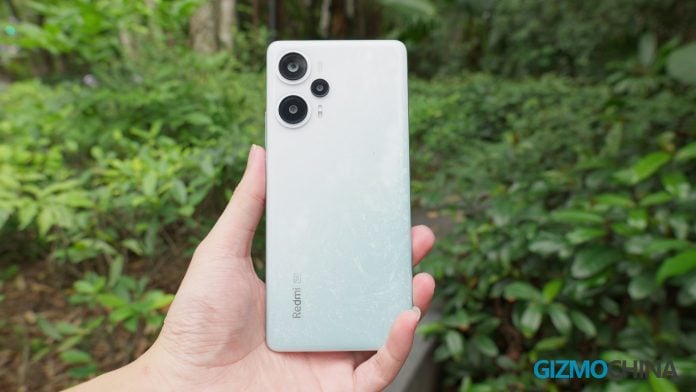
Looking at the images on TENAA, the Realme 11 5G model sports a flat display with rounded corners. The front also houses a punch hole selfie camera on the top left corner. On the other hand, the rear features a large circular camera island, similar to the higher end Realme 11 Pro+ model as well. As of right now, finer details regarding this device like its specifications and pricing. Although, the various teasers have revealed its official launch timeline.
The Chinese smartphone maker is gearing up to unveil the new Realme 11, 11 Pro, and 11 Pro+ model in May in its home market. Based on what we know so far, the vanilla model is believed to feature a 64 megapixel triple camera setup on the rear, while the front could sport a 6.6 inch AMOLED display. The smartphone could also be powered by a MediaTek Dimensity 900 chipset.
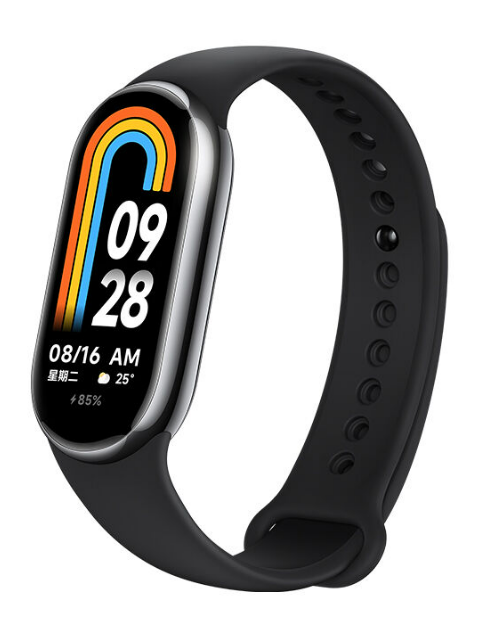
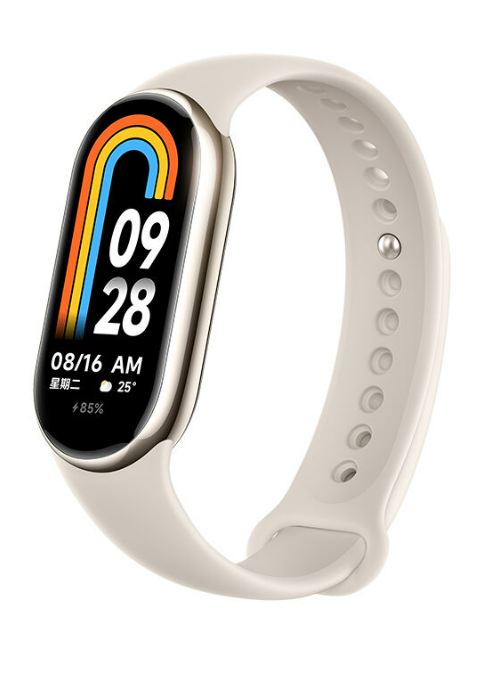
Giztop is offering the latest Xiaomi Band 8 for $49 only. Available in standard Black and White colors, the smart band boasts several advanced features and functions, which make it comparable to a smartwatch in terms of performance and capabilities.
Xiaomi Band 8 features a 1.62-inch 2.5D curved AMOLED Screen that supports 2192×490 pixels, 326 PPI, and up to 600 nits brightness. The colorful touch screen comes with 100% of the P3 color gamut and offers a visually appealing and engaging user interface. The band comes with 100 plus watch faces that help you to personalize your smart band.
Xiaomi Band 8 comes with a complete health management package including a 24×7 heart rate monitor, all-day blood oxygen monitor, stress monitor, and sleep tracker with a REM, nap time, and sleep breath quality analyzer, female health tracker, Personal activity intelligence (PAI), etc. Moreover, the smart band also supports 120 exercise/sports modes including auto-detection for some activities like running, walking, elliptical, etc.
The smart band is 5ATM waterproof which means you can easily use it in your bath and pool and comes with a smart home control function that helps you to switch on your supported devices using the smart band.
Xiaomi Band 8 comes with 16 days of battery life and supports magnetic charging. Other interesting functions include playing music, find phone, mute phone, unlock the phone, unlock the notebook, call reminder, do not disturb phone, WeChat reminder, APP message reminder, calendar reminder, event reminder, weather forecast, timer, countdown, alarm clock, Bluetooth broadcast, online dial, custom dial, preset dial, screen lock, off-wrist detection, charging progress display, choice of wearing method, OTA upgrade, etc.
The newly launched Xiaomi Smart Band 8 can be bought for $49 only on Giztop.
For more information on such exciting deals and offers, check out our deals hub.
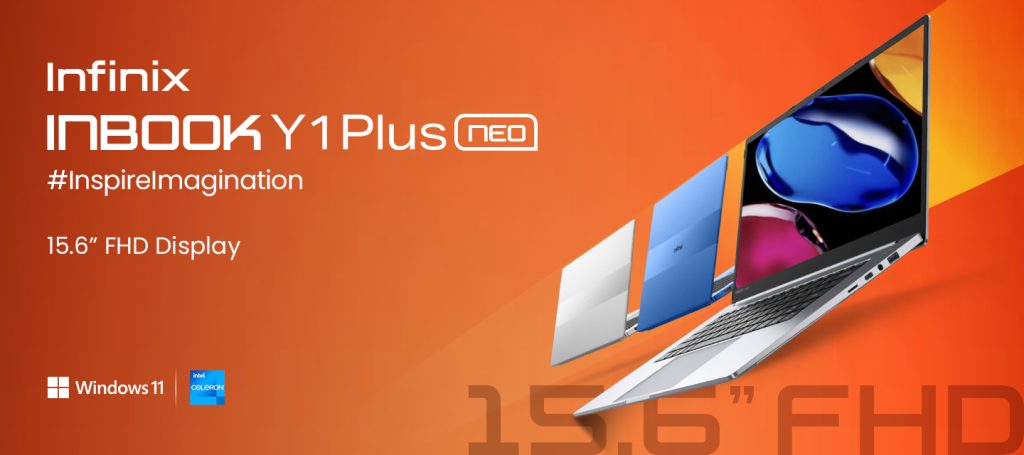
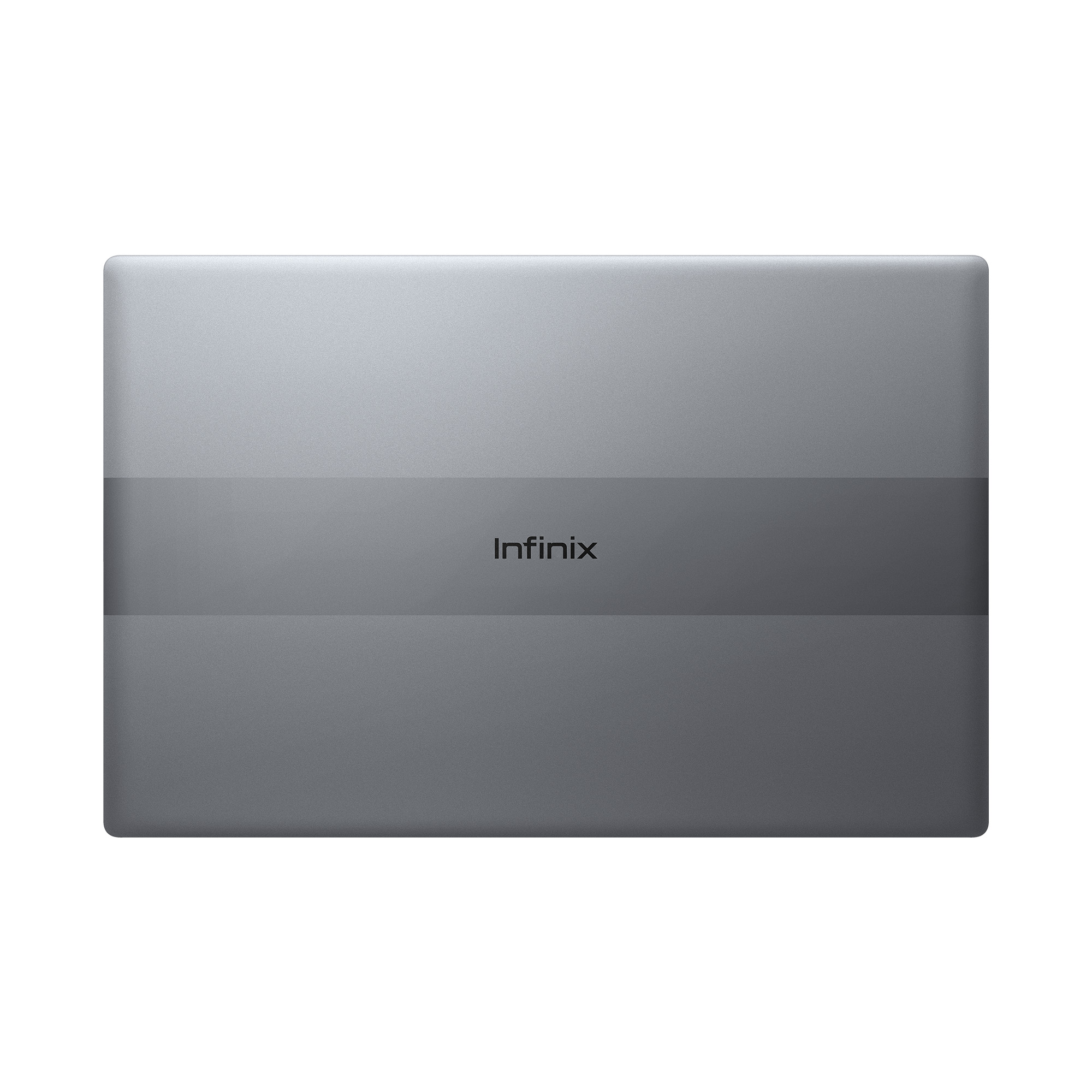
Today, Infinix unveiled the Infinix Y1 Plus Neo notebook in India. It is a metal-bodied notebook that weighs 1.79 kg. Some of its key features include a 15.6-inch FHD display, up to 512 GB of SSD storage, and 45W fast charging. Here is everything you need to know about the specifications, features, and price of the Y1 Plus Neo.
Infinix Y1 Plus Neo specifications and features
Infinix Y1 Plus Neo
The Infinix Y1 Plus Neo has a 15.6-inch IPS LCD display that offers a Full HD resolution of 1920 x 1080 pixels, an 86 percent sRGB colour gamut, and 250 nits of brightness. With slim bezels, the notebook offers a screen-to-body ratio of 82 percent. The notebook comes with a backlit keyboard and an anti-glare glass touchpad, which supports multi-touch and gesture control.
The Infinix Y1 Plus Neo is powered by the 11th-generation Intel Celeron N5100 quad-core processor. The device is equipped with 8GB of LPDDR4x RAM and 256GB / 512GB of SSD storage. It packs a 40Wh battery that offers up to 8 hours of web browsing. The notebook carries support for PD 3.0 45W sat charging. According to the brand, the in-box charger can power up the Y1 Plus Neo up to 75 percent in just 60 minutes. It comes preloaded with Windows 11.
Infinix Y1 Plus NeoInfinix Y1 Plus Neo
On the connectivity front, the Infinix Y1 Plus Neo offers options like three USB-C ports, two USB 3.0 ports, an HDMI 1.4 port, an SD card slot, and a 3.5mm audio / microphone combo port. It comes equipped with a 2-megapixel front-facing camera with dual microphones and a dual-LED flash unit for high-quality video calls.
Infinix Y1 Plus Neo price in India, availability
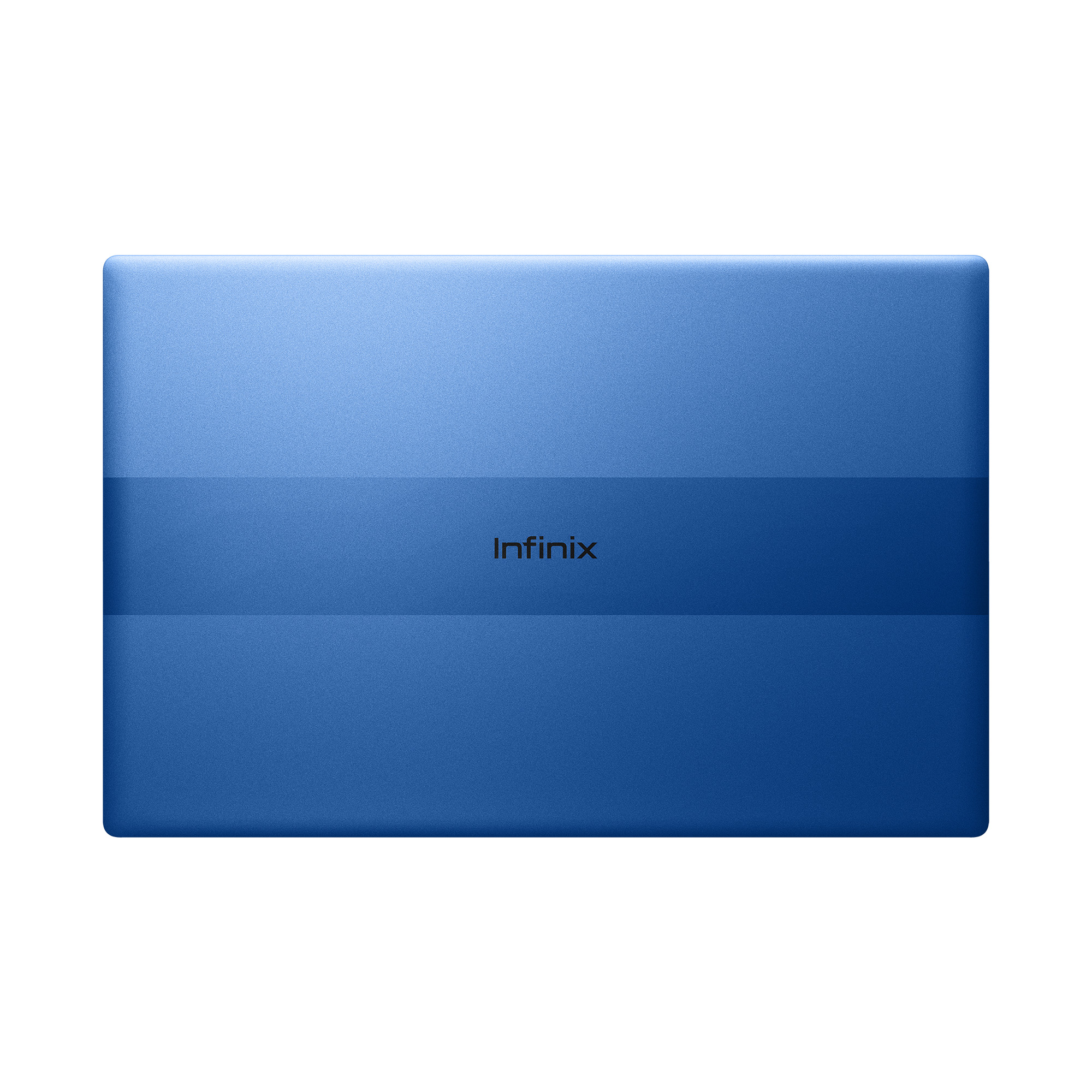
The Infinix Y1 Plus Neo has arrived in India in two options: 8 GB RAM + 256 GB storage and 8 GB RAM + 512 GB storage. These variants are priced at Rs 20,990 (~$255) and Rs 22,990 (~$280) (introductory prices), respectively. It can be bought in three colours, such as silver, grey, and blue. The notebook will be available for purchase starting April 26 through Flipkart.
Honor has just recently offered us a glimpse at how it developed the cutting edge technology that it features on its flagship Magic 5 Pro smartphone. The company is offering a behind the scenes look at certain features, so let’s have a look.
Honor Magic 5 Pro’s Advanced Autofocus & Eye Care Tech
For those unaware, the Chinese smartphone maker’s new Magic 5 Pro model arrives with cutting edge photography features. This device’s camera now offers a massive 245 percent jump in autofocus speed compared to its predecessor for an improved photographic experience. It also comes with AI Motion Sensing technology that is capable of recognizing subjects, even in moving scenes.
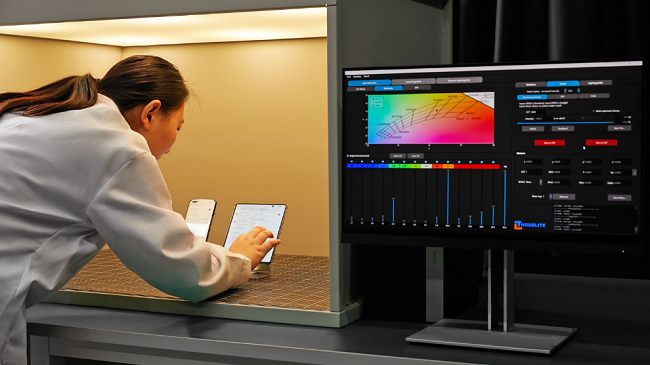
Furthermore, the Magic 5 Pro also places an emphasis on user eye protection. The device aims to protect users eye thanks to advancements in display technology. It highlighted its Circadian Night Display and Dynamic Dimming feature. For those unaware, the Magic 5 Pro is the first smartphone to receive the TÜV Rheinland Circadian Friendly Certification. This means that it manages blue light output and can automatically adjust color temperature during night time.
Ensuring the Best Product Quality
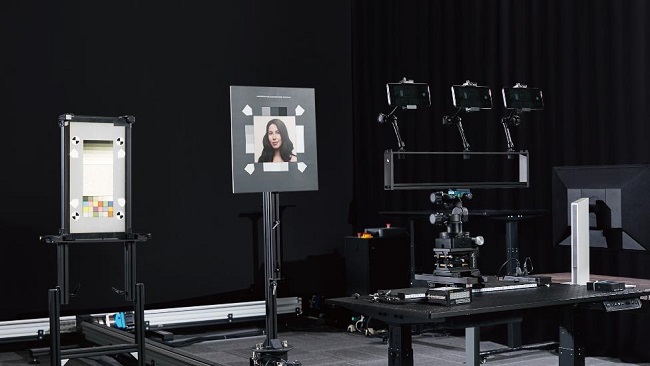
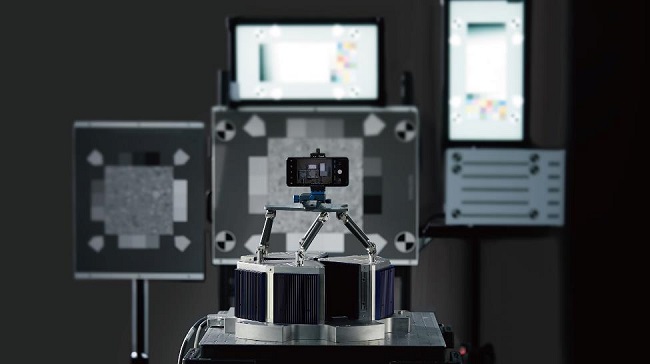
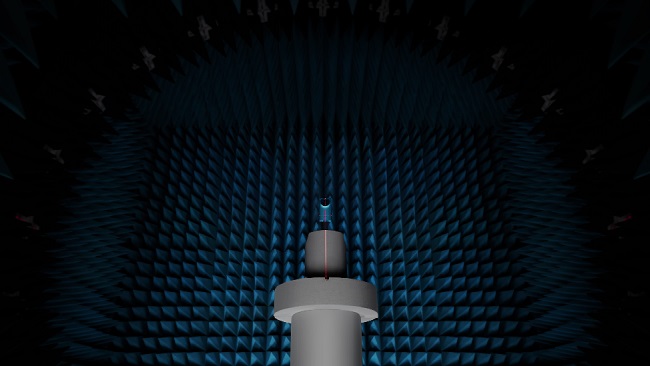
Apart from just offering cutting edge technologies, Honor has also invested heavily to ensure that its customers get the best production quality with its Magic 5 Pro. The brand has spent over 20 million US Dollars on quality assurance with testing equipment at its Global Compliance and Testing Center (GCTC).
Thanks to this, the device also comes with more than 200 certification test standards. With all of this, the company promises to offer the best product quality on its Magic 5 Pro. Notably, the Honor Magic 5 Pro also has a SAR rating for mass production which is 35 percent lower than the regulation limit.
Finally, Xiaomi’s top flagship: the Xiaomi 13 Ultra has been officially launched. Thinking back to last year’s Xiaomi 12S Ultra, it was great, but users in regions other than China simply couldn’t buy it. Various sources have proven that the Xiaomi 13 Ultra is definitely going to be announced globally. So why not come along with us and see what’s in the box of Xiaomi’s peak mobile phone? You’ll be impressed a lot.
Unboxing
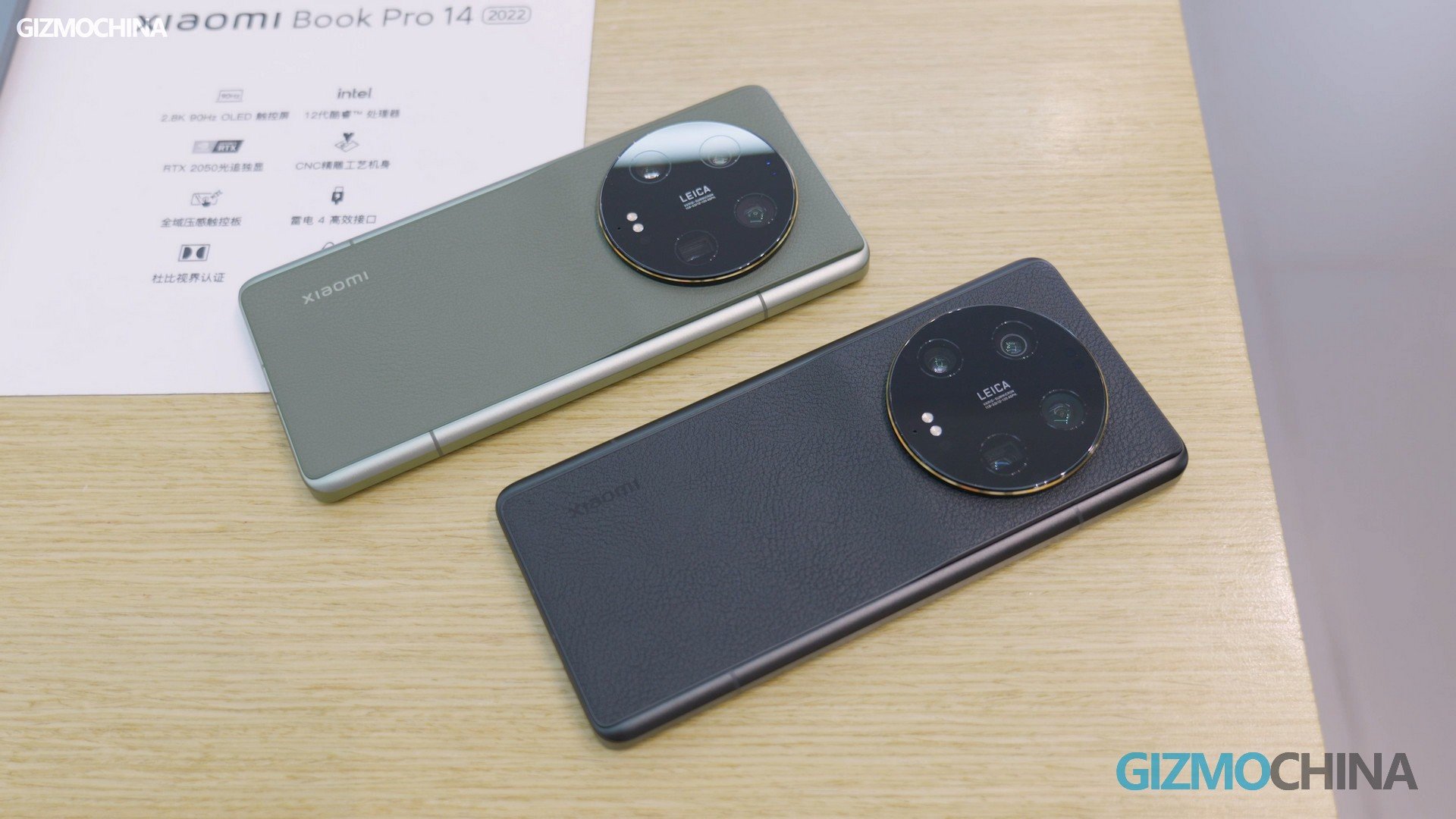
The most obvious difference between the Xiaomi 13 Ultra and the 12S Ultra is that there is an extra white colorway. But unfortunately Xiaomi Store currently only has green and black on the shelf, and I can only bring you the green version unboxing. We all know that no matter how expensive Xiaomi’s phones are, the complimentary accessories are relatively ordinary, so let’s see if it will be better this time.
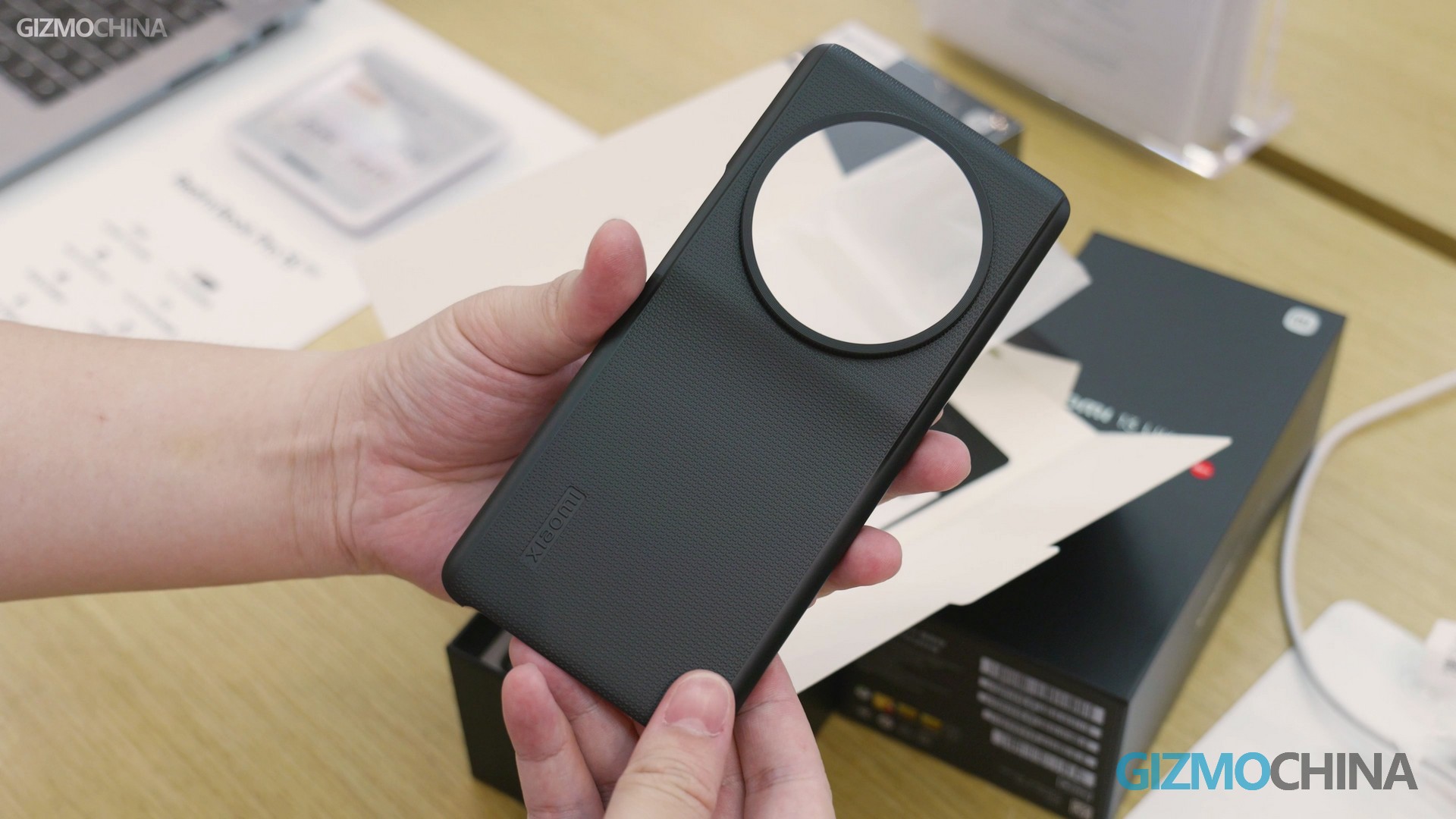
Open the lid and we can see what’s inside this little box. The regular card pins and instructions, and the phone case. This case is not the same as the previous transparent case, the black plastic surface has a leather-like pattern. Very thin, much better than the previous one.
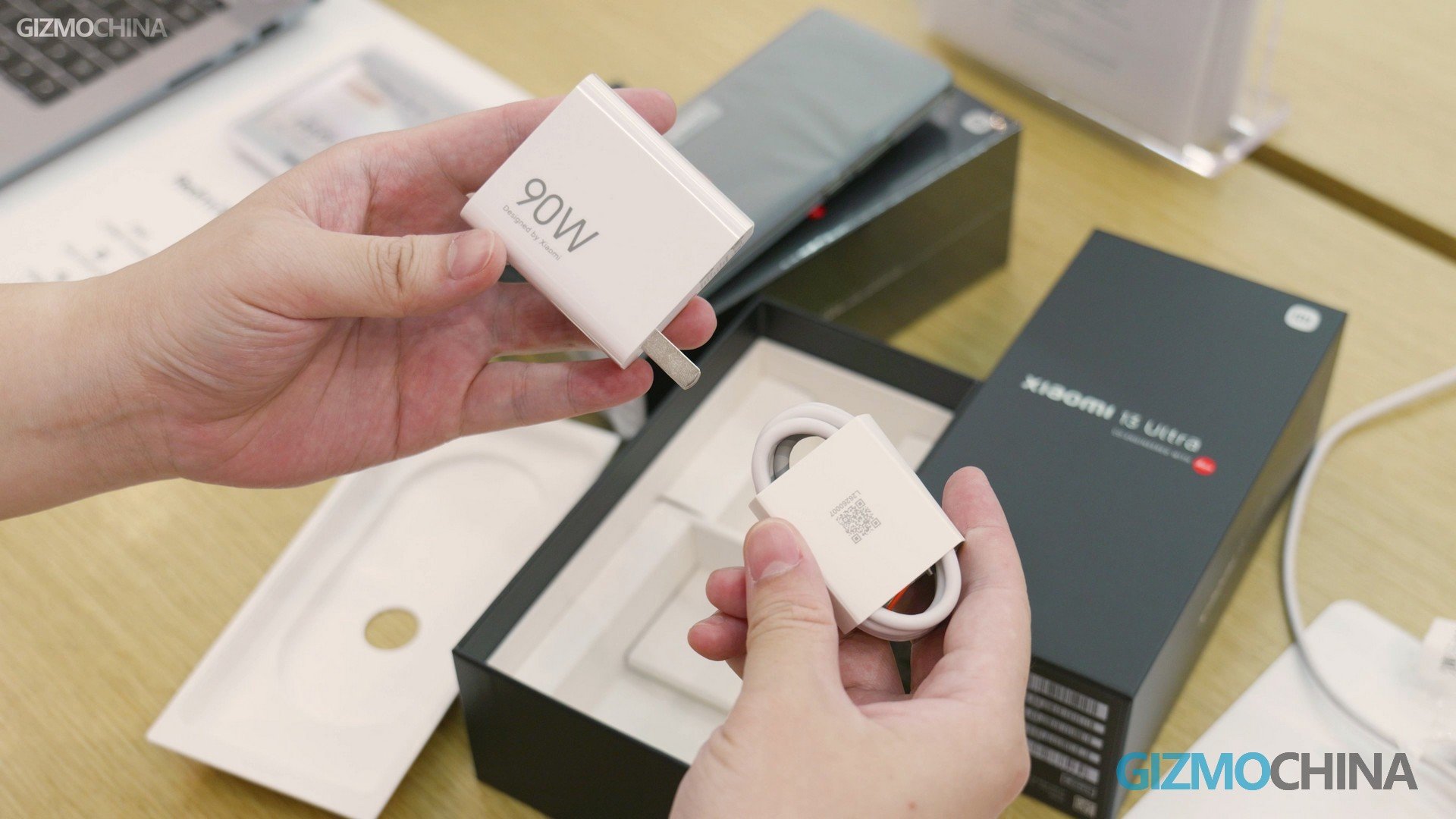
Let’s take the phone out and put it aside for now, first we can see the accessories. Not surprisingly, underneath the phone lies the charger and charging cable, the charger is still a USB-A port, but the power has increased to 90w. while the size is similar to the previous 67w.
Hands-on
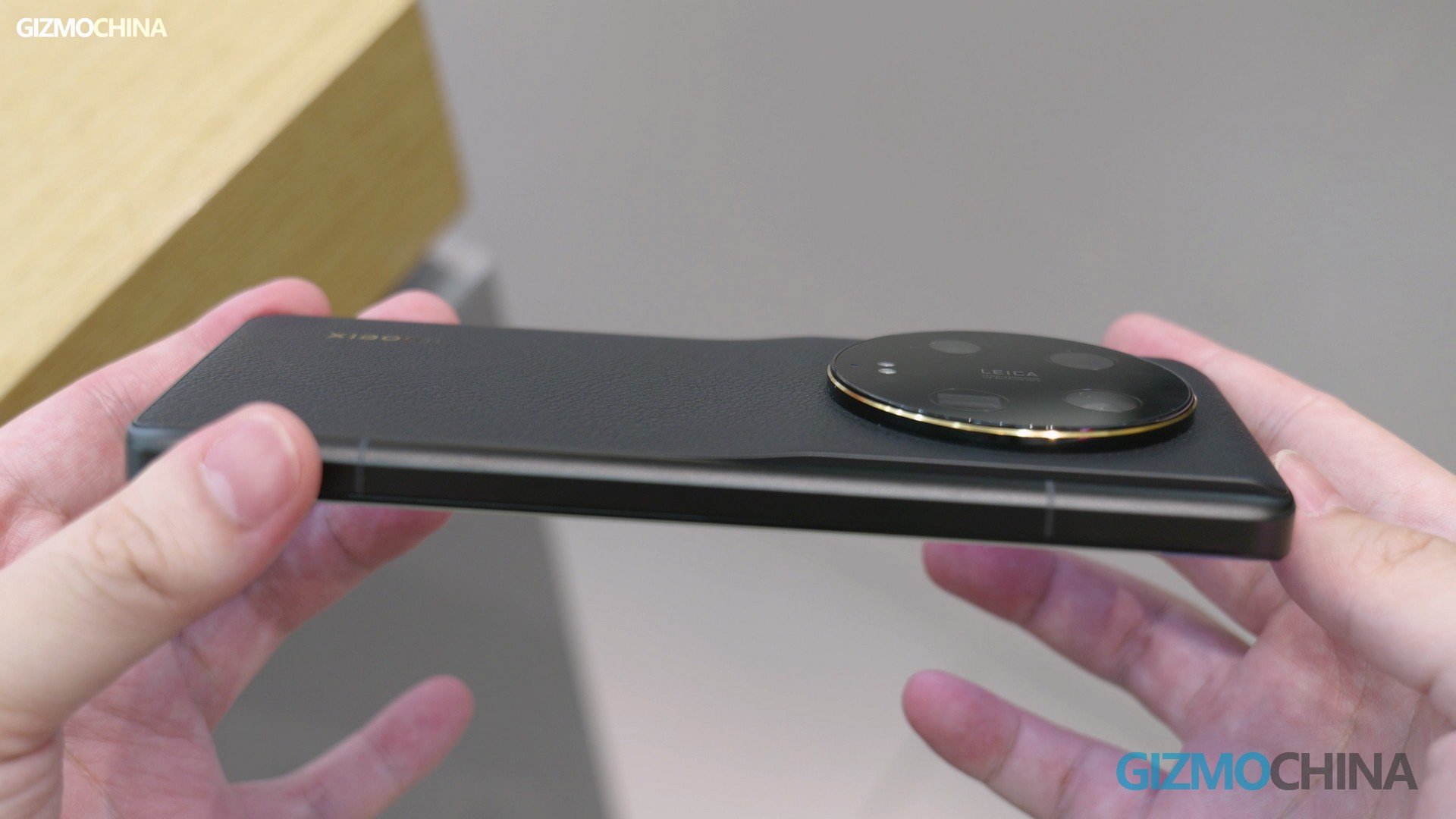
Let’s take a look at this new phone. At first glance, it looks a bit like the 12S Ultra, but it’s completely different when you look closer. 13 Ultra’s frame is different from normal phones, not only is it flat, but the metal frame also extends to the back panel. The back panel is also raised at the camera module part, to make the camera look less protruding.
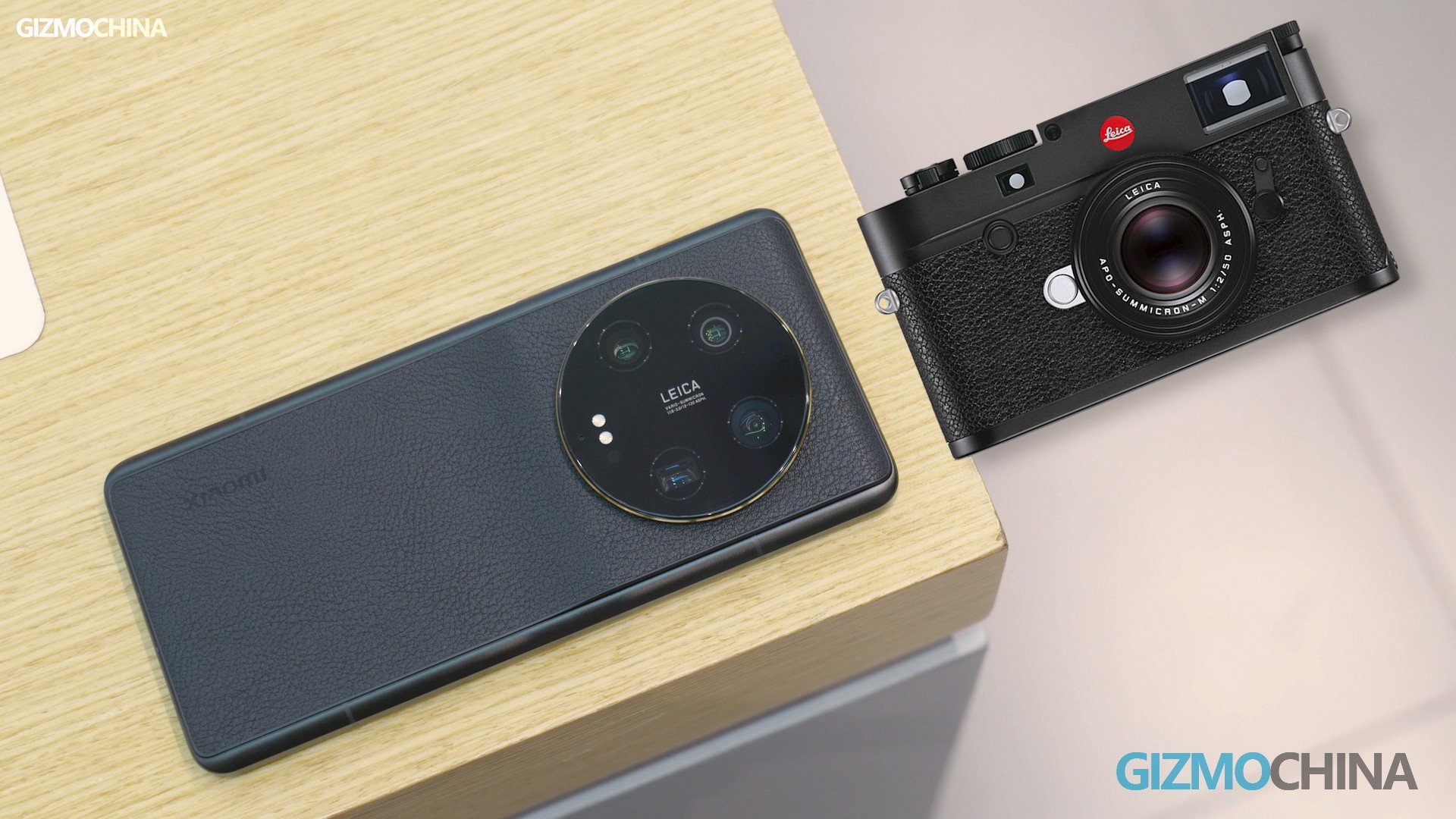
Except for the absence of the red Leica logo, it is very much like the Leica M10 look. Xiaomi 13 Ultra dares to launch the white leather version this time because its back panel is actually more like silicone than “leather”. It’s more durable and more resistant to dirt. But considering that my 12S Ultra’s corners have been worn flat, I wouldn’t trust them.
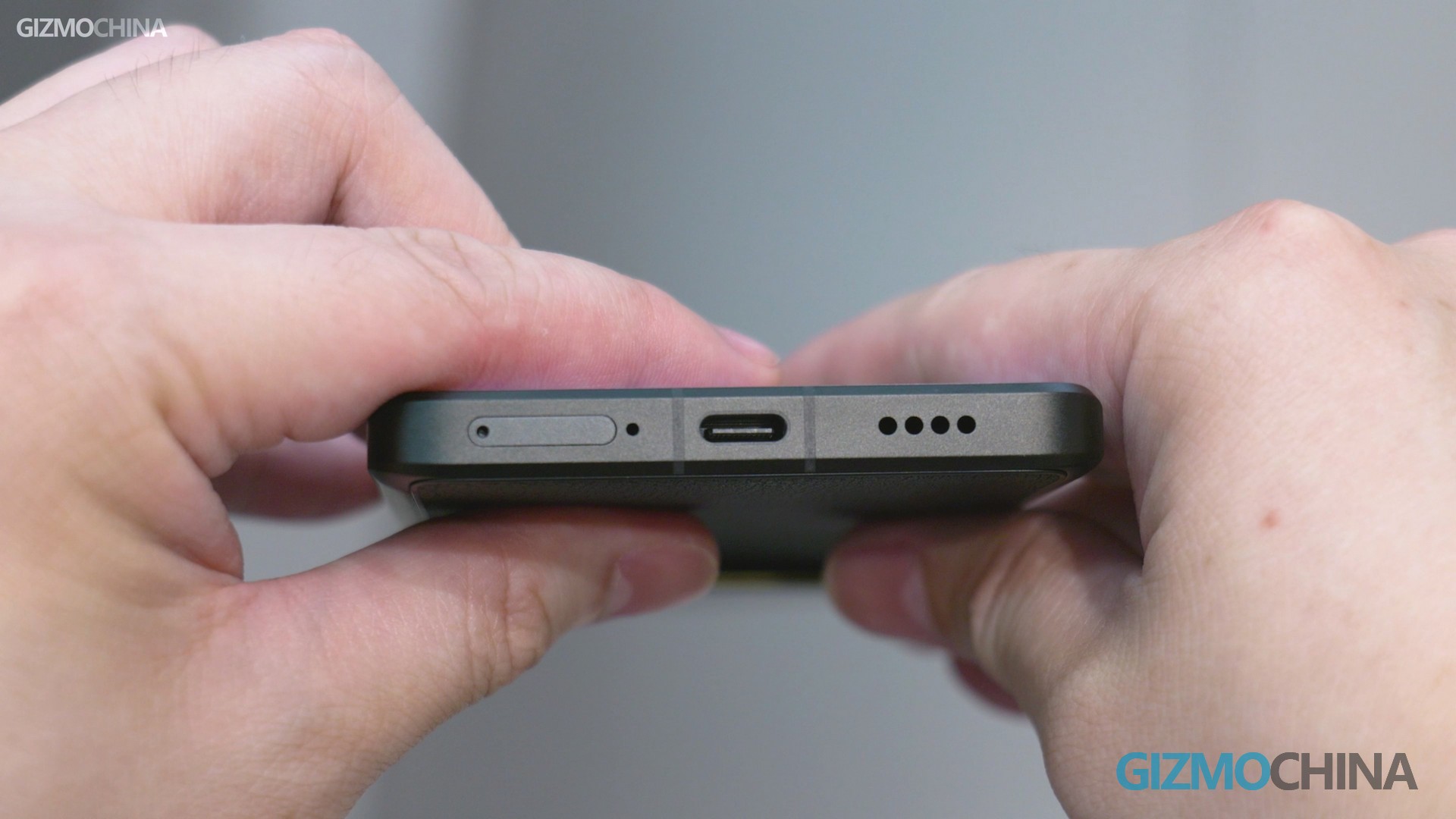
It has NFC and IR Emitter. But there is no headphone jack and no more Harman Kardon logo. Weight and size have not changed much compared to the 12S Ultra. If you have to ask me whether it’s comfortable to hold? My answer is more comfortable than I thought. The frame design doesn’t affect the feel too much, however, it is really heavy and thick. Your hands aren’t exactly comfortable for long periods of time.
So that’s what I would say about the design of the Xiaomi 13 Ultra: a beautiful phone that sacrifices feel in hand to look as much like a Leica camera as possible.
Display
Xiaomi 13 Ultra does not use Samsung’s screen this time, it is the latest C7 panel from TCL. This is not the first time Xiaomi has used a TCL panel on its top-of-the-line flagship phone, since the Mi 10 Ultra did the same thing. But at that time, TCL couldn’t make a screen comparable to Samsung’s, but this time, it did.
In terms of specs, it’s almost perfect. I didn’t find any drawbacks in my short hands-on time either. Oh, if there’s one thing I’m not satisfied with, it’s probably the width of the bezel. I’ve recently gotten used to the ultra-narrow bezels of the Xiaomi 13, and I feel like the 13 Ultra could do better.
We’ll leave the testing of the 13 Ultra’s performance and camera to the FULL review video. After all, it’s not officially on sale yet, and I don’t know how good it really is. Remember to subscribe to our YouTube channel. We will also do a review of the Xiaomi Band 8 and Pad 6 Pro later.
After this short hands-on experience, I finally know that Xiaomi has changed the way they think about making phones. They are making a camera that can make phone calls. Xiaomi is telling you that if you don’t like big and heavy phones and you are not interested in photography, buy the Xiaomi 13. If you like photography, especially if you are a fan of Leica. Then this 13 Ultra is the dream phone for you.
Apple’s highly-anticipated WorldWide Developer Conference 2023 (WWDC) is set to happen from June 5 to June 9, and the tech giant is gearing up to unveil major updates to its software systems. According to Bloomberg’s tech guru Mark Gurman, Apple’s watchOS 10 will be the biggest software update for the Apple Watch to date, bringing with it a revamped UI that boasts significant enhancements.
watchOS 9
According to analyst941 (Twitter), the new Home Screen layout is set to be a standout feature of watchOS 10, as it allows for apps to be stacked neatly, akin to the layout on iOS. This will replace the two distinct layouts for Home Screen, the Grid and List view, currently available on the Apple Watch.
Gurman has also mentioned that the hardware changes in the next generation of Apple Watches will be minimal, making watchOS 10 a significant update for the wearable this year.
Gurman forecasts that iOS and iPadOS will receive some much-needed polishing and enhancements, as the tech giant prioritizes its users’ requests checklist for improvements.
Moreover, iOS 17 is expected to include the sideloading of apps, which means users can install apps from third-party stores. Additionally, Apple executives believe that the Reality headset may have a slow start but can eventually replace the iPhone and iPad.
The first beta of watchOS 10 is expected to be rolled out soon after the WWDC keynote, with the first public beta becoming available in July.
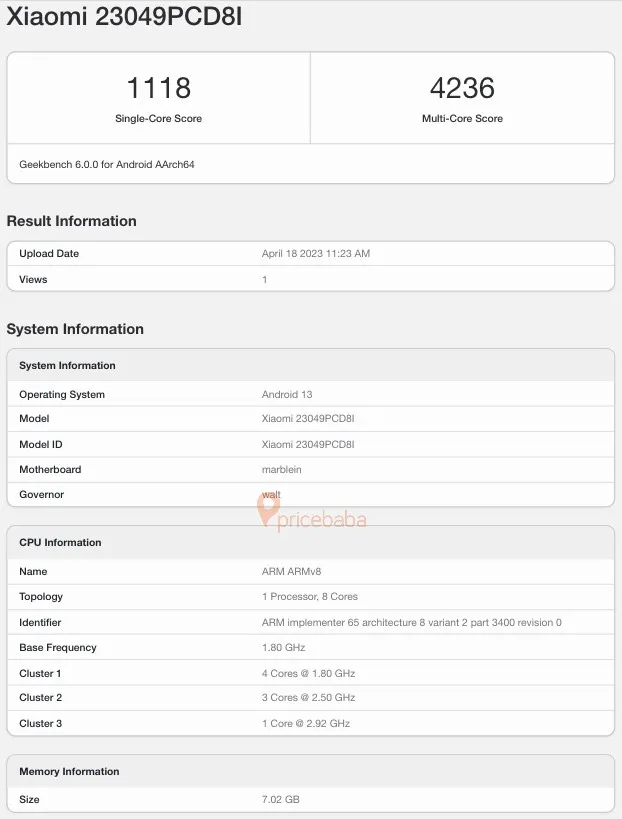
POCO is all set to unveil its next line of F-series smartphones – the POCO F5 and POCO F5 Pro. According to POCO’s Country Head Himanshu Tandon, the POCO F5 series is expected to launch soon in India. Recently, tech enthusiasts at Pricebaba spotted a new POCO smartphone with the model number 23049PCD8I on the Geekbench benchmark database. This is rumored to be the Indian variant of the POCO F5. The listing reveals details reguarding the performance and hardware of the device. Let’s take a closer look.
Redmi Note 12 Turbo
Poco F5 Geekbench listing
The Indian variant of POCO F5 recently surfaced on Geekbench 5 benchmark database under the model number 23049PCD8I. Impressively, the smartphone recorded a single-core score of 1118 points and a multi-core score of 4236 points on the Geekbench 5 test.
The benchmark listing also confirms that the POCO F5 will run on an octa-core processor with the code name marblein. The processor comprises of one core clocked at 2.92GHz, three cores clocked at 2.50GHz, and four cores clocked at 1.80GHz. This revelation confirms that the POCO F5 will be powered by a Qualcomm Snapdragon 7+ Gen 2 processor.
In addition, the Geekbench listing shows that the smartphone will be equipped with 8GB of RAM and will come with Android 13 pre-installed, likely with a MIUI skin on top. From these details, it is clear that this is more than likely a rebranded Redmi Note 12 Turbo. Further details about the device are expected to be unveiled as we get closer to the launch, so stay tuned.
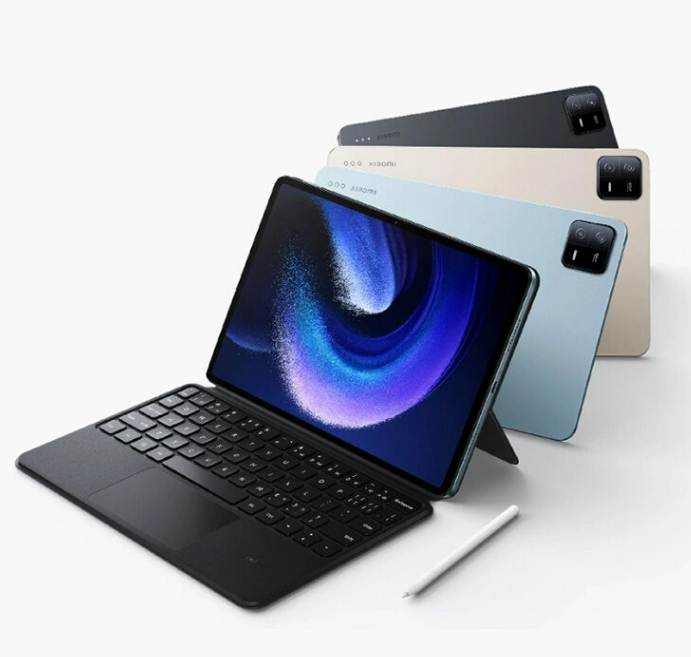
Xiaomi Pad 6 Pro the latest tablet from Xiaomi is now available for $449 on Giztop. The 11-inch tablet has multiple memory options and comes in Black, Blue, and Gold variants. The above-mentioned price is applicable to the base variant.
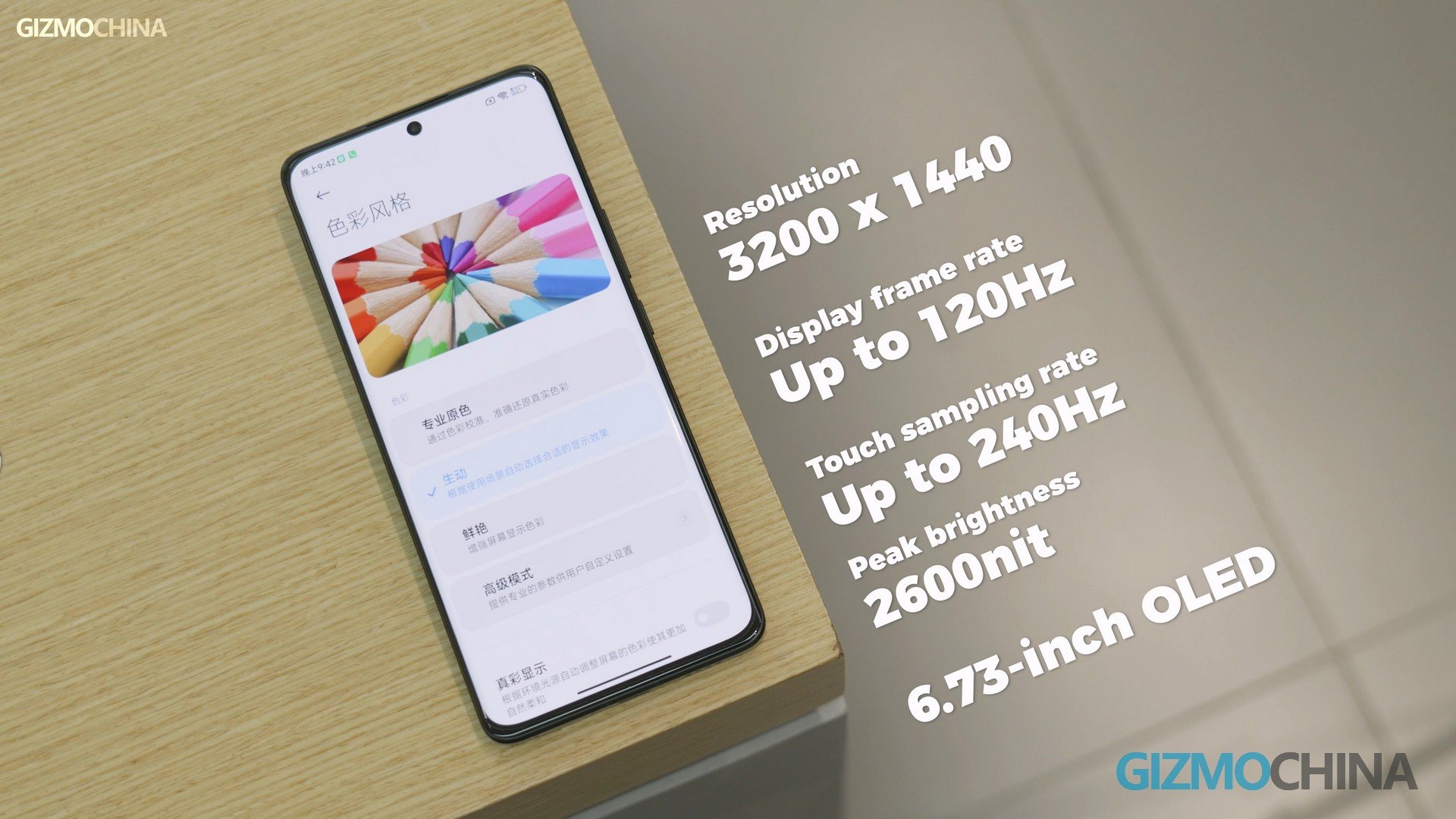
Xiaomi Pad 6 Pro features an 11-inch AMOLED 2.8K display that supports a 120Hz refresh rate and 240Hz touch sampling rate. It comes with a peak brightness of 500nit and supports HDR10+ and the P3 color gamut.
The tablet runs on the Snapdragon 8+ Gen 1 Octa-core processor and has multiple memory options. 8GB/ 12GB LPDDR5 RAM and 128GB/ 256GB/ 512GB internal storage. For your video calls and face time meetings, you have a 20MP camera in the front and for capturing your videos and images you have a 50MP primary sensor and 2MP secondary sensor at the back.
The tablet runs on a massive 10000mAh battery and supports 67W rapid charging. It runs on Android 13 OS-based MIUI 14 and features Bluetooth 5.2 and a quad-speaker setup.
You can now buy the 11-inch Xiaomi Pad 6 Pro tablet for a starting price of $449 only on Giztop. The smart keyboard and touch pen are also available at an additional cost.
For more information on such exciting deals and offers, check out our deals hub.
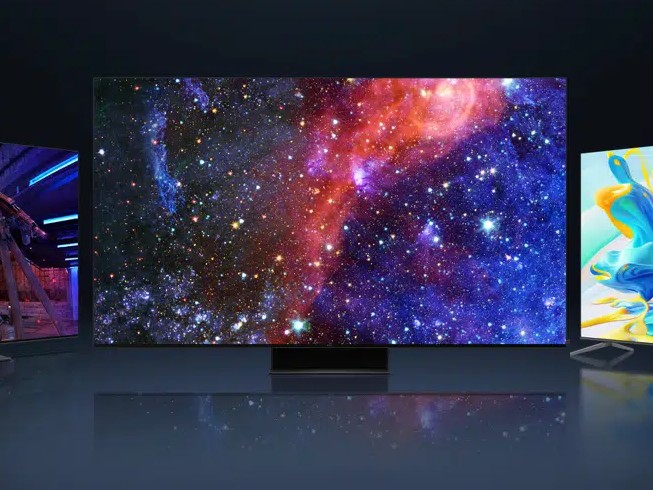
TCL has introduced its latest C84 TV series in the European market, and it’s nothing short of impressive. Available in four different sizes – 55-in, 65-in, 75-in, and 85-in – the flagship model boasts a 4K Mini LED display with a native 144 Hz refresh rate. This makes it a perfect choice for gamers and movie buffs alike. The TV is also HDR10+ certified and supports Dolby Vision and Dolby Vision IQ, providing an unmatched visual experience. With a maximum brightness of 2,000 nits, the C84 series is one of the brightest TVs available in the market. Additionally, the AiPQ Processor 3.0 uses advanced algorithms to optimize the image, delivering excellent clarity, contrast, and color accuracy.
The C84 TV series has been designed to offer gamers an unparalleled gaming experience. The TV comes equipped with Game Master Pro 2.0, VRR, and FreeSync Premium Pro, which optimize the frame rate, ensuring a smooth and lag-free gaming experience. The TV also features an HDMI 2.1 port, ALLM, and a 240 Hz Game Accelerator, which enhances the refresh rate and reduces latency.
The C84 TV series boasts a built-in 2.1 channel ONKYO sound system, which is compatible with Dolby Atmos, offering an immersive audio experience. Additionally, the TV uses the Google TV interface and supports Google Assistant and Amazon Alexa voice commands. You can use apps like Netflix, Amazon Prime, and Disney+ to stream content on the device, or cast from an iPhone or iPad via AirPlay 2. The TV also supports Apple HomeKit, making it easier to integrate with other smart home devices.
While there is no official word on the launch date of the TCL C845 4K Mini LED TV in Europe, it is sure to create a lot of excitement among customers looking for a TV that can also act as a gaming monitor.
Amazon, one of the world’s biggest companies, has confirmed that it is laying off employees in its advertising department as part of the company’s efforts to implement cost-cutting goals set by CEO Andy Jassy. While the scale of the layoffs is unclear, they are aimed at reallocating resources to maximize benefits for customers and ensure the long-term health of the business.
Amazon is also cutting jobs in its cloud computing, Twitch and HR Departments
The move comes as Amazon is undergoing the largest layoffs in its 29-year history. This was implemented after Jassy announced that Amazon will lay off 9,000 additional jobs on top of the 18,000 it cut in November last year and January this year. In addition to the recent layoffs in retail, equipment, recruiting, and human resources, Amazon is also cutting jobs in its advertising, cloud computing, Twitch streaming, and human resources departments.
These layoffs are part of a wider trend in the tech industry, as many companies are reassessing their workforce needs in the wake of the COVID-19 pandemic. Companies that have been heavily reliant on office-based workforces are rethinking their strategies, with many planning to continue with remote work arrangements even after the pandemic subsides. This shift is leading to layoffs in certain areas while creating new opportunities in others.
Despite the layoffs, the tech industry is still expected to be a major employer in the coming years. According to the U.S. Bureau of Labor Statistics, employment in computer and information technology occupations is projected to grow 11% from 2019 to 2029, much faster than the average for all occupations. This growth is expected to be driven by increasing demand for cloud computing, big data, and cybersecurity.
Lotus, the renowned British automobile manufacturer, made waves at the 2023 Shanghai Auto Show by unveiling the world’s first-ever mass-produced “flash charging robot” which they had developed independently. They launched it alongside the Lotus Eletra Electric SUV. According to reports, the robot charging system can deliver up to 500 kilowatts of power, making it one of the most potent fast-charging devices available on the market today. The charging head can be inserted into the charging port of the vehicle automatically, thanks to the robot arm, without requiring any human intervention. Additionally, the charging system has features like automation and intelligence, which enable it to move on a track on the ground and adapt to different charging port locations and parking situations.
The Eletre is Lotus’s first Electric SUV in the market, originally announced in 2022
As mentioned previously, Lotus also showcased its pure electric supercar SUV Eletre and its accompanying robot charging system at the Shanghai Auto Show. The Eletre is Lotus’s maiden electric SUV and is regarded as a vital product for its entry into the Chinese market. The vehicle is powered by a high-torque electric motor codenamed EDS2, capable of generating a maximum power of over 600 horsepower. The Eletre features a two-speed gearbox on the rear axle motor and adopts an electronically controlled four-wheel drive system. Lotus claims that the Eletre can go from 0 to 100km/h in just 2.95 seconds and cover a maximum cruising range of 600 kilometres (373 miles) on a single charge, as per the WLTP standard. The battery capacity of the vehicle exceeds 100kWh, and it takes just 20 minutes to recharge under the 350kW charging condition, allowing the car to drive for 400 kilometres (248 miles). Eletre is also compatible with 22kW AC charging. Lotus announced that it would launch the Eletre in China in 2023.
Lotus is reportedly planning to introduce 50 units of the flash-charging robot system in China, which will be compatible with all-electric vehicles. It remains to be seen whether this innovative charging system will be made available in other parts of the world.
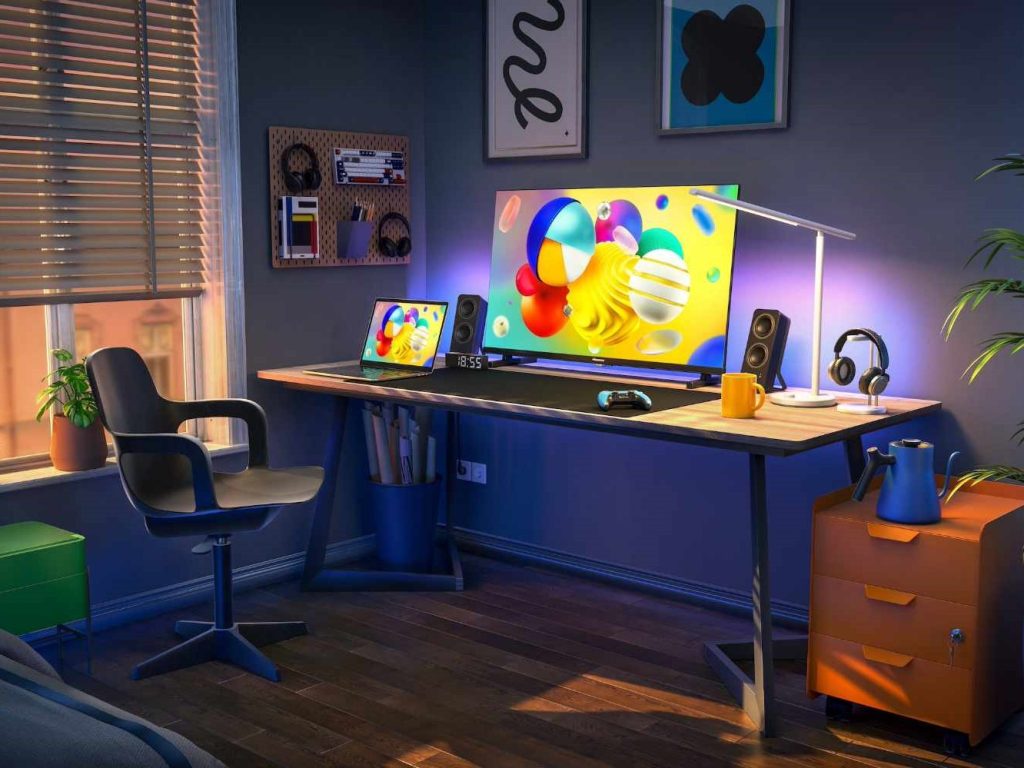
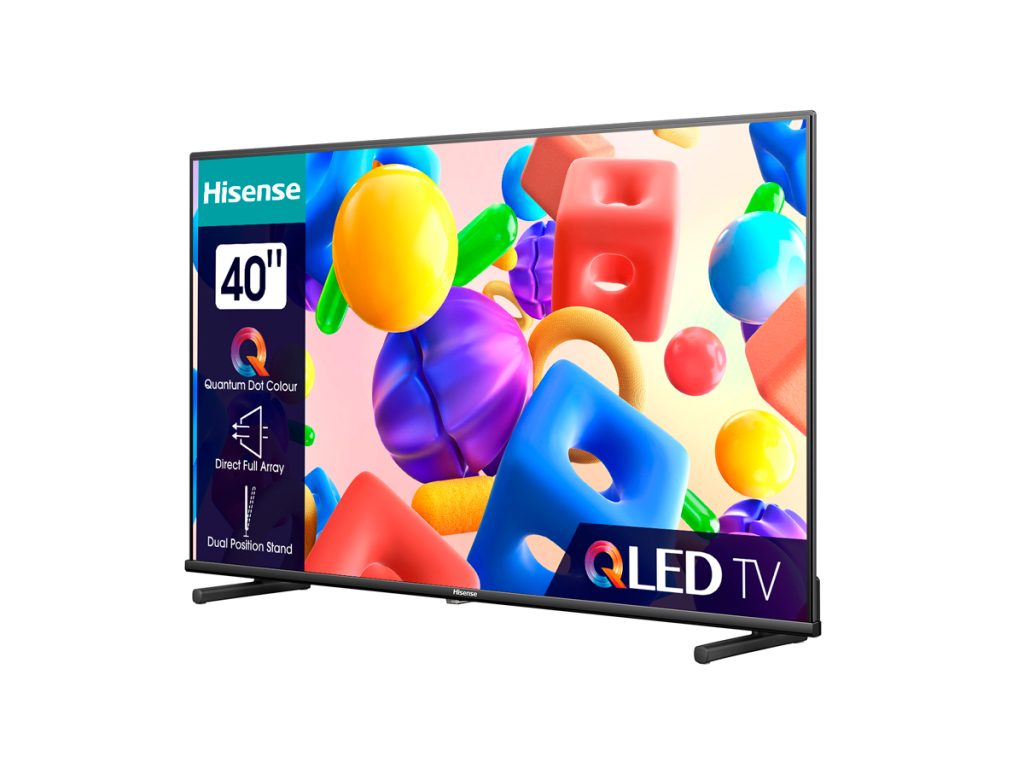
Hisense has recently launched its A5KQ 2-in-1 TV and monitor in various European countries, including Spain and Germany. This TV has a 1080p FHD QLED display that is available in two sizes, 32-in and 40-in. The Quantum Dot technology used in the screen produces over one billion colors, offering a spectacular viewing experience.
The A5KQ TV is not only designed for entertainment, but it also has a feature that allows it to function as a monitor. When connected via USB-C, it can be used as a computer monitor, offering users a larger and more immersive experience. This feature could be a game-changer for those who work from home or for students who require a large screen to complete their assignments.
The TV has a typical brightness of 200 nits, which is not the brightest available, but it still delivers a good quality image. The 60 Hz vertical sync frequency and 8 ms response time ensure that there is no noticeable lag when watching fast-paced action movies or playing video games. Furthermore, the AI sports mode with motion smoothing and the game mode with faster response time ensure that users have an optimal viewing experience.
The VIDAA interface makes it easy to access content from various streaming services like Disney+, Netflix, and Apple TV. Alternatively, users can wirelessly mirror content from their mobile devices via Anyview. The intelligent noise reduction feature sharpens the picture, making it more detailed and vivid.
The Hisense A5KQ TV lacks a DisplayPort but has HDMI 1.4 ARC, HDMI 1.4 ports, and a headphone jack. Users can tilt the screen backwards by up to 8°, allowing for a more comfortable viewing angle. Additionally, the device has two integrated 8W speakers that support Dolby Audio and DTS Virtual:X technologies, ensuring that the sound quality is just as impressive as the visuals.
The Hisense A5KQ TV is competitively priced, with the 32-in model costing €399 (~US$438) and the larger 40-in model costing €499 (~US$547). The TV has received positive reviews from users, with many praising its color accuracy, sound quality, and the ability to function as a monitor. The A5KQ is an excellent option for those looking for a versatile TV that can also be used as a monitor without breaking the bank.
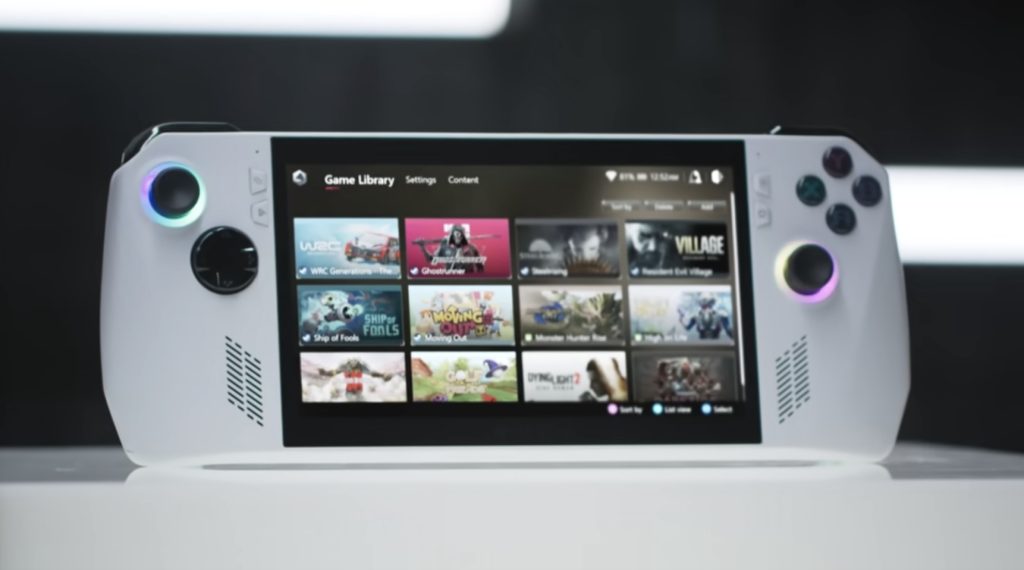
Following the successful launch of the Valve Steam Deck, the handheld gaming console market is experiencing renewed competition. Asus is joining the fray with its own console, the Asus ROG Ally. Positioned as a direct rival to the Steam Deck, the brand has stated that the ROG Ally will offer twice the performance of its competitor.
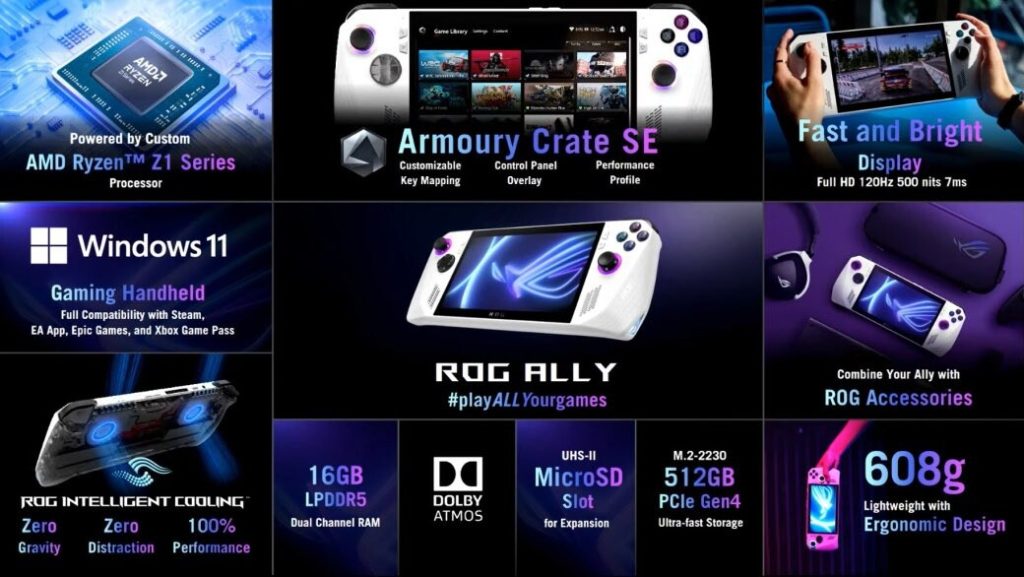
Initially it was expected that the console will launch in October, howeever, a recent teaser from Asus has clarified that the ROG Ally will be launching sooner than expected. A new report from VideoCards has now disclosed one of the key aspects of the console, which is information regarding its CPU. The lesk comes via a shipping manifest revealing that the ROG Ally will feature an unreleased Ryzen 7 7840U, thr Radeon 780M iGPU and 16 GB of RAM.
ROG Ally will feature a custom CPU
We already know that the console will have a custome APU, so it will be interesting to see what custom chip AMD has cooking for this console. The repoer says that the custom Phoenix APU is codenamed Z1. In addition to that information, the publication has also spotted two different models of the console on FCC database. These models carry the model numbers RC71L and RC71X. Unfortunately, information is scarce on what makes them differ from one another. In the meantime, let’s check out what’s already known about the consoles.
Asus ROG Ally handheld console specs
Recent reports state that the console will be running Windows 11 operating system and will likely offer support for an external GPU. Rumors say that it has a 7-inch touch display with FHD resolution, a 16:9 aspect ratio, and a 120Hz refresh rate. The panel will have 500nits peak brightness and a 7ms response time.
As per recent reports from a reliable source in the handheld gaming industry, the upcoming Asus ROG Ally is expected to be narrower, thinner, and lighter than its competitor, the Valve Steam Deck. The device is projected to weigh 608 grams and measure 280mm x 113mm x 39mm. The source also suggests that the ROG Ally will be priced competitively, with an expected launch price of around US$650-US$700, which is lower than earlier rumors that had indicated a cost of up to US$800.
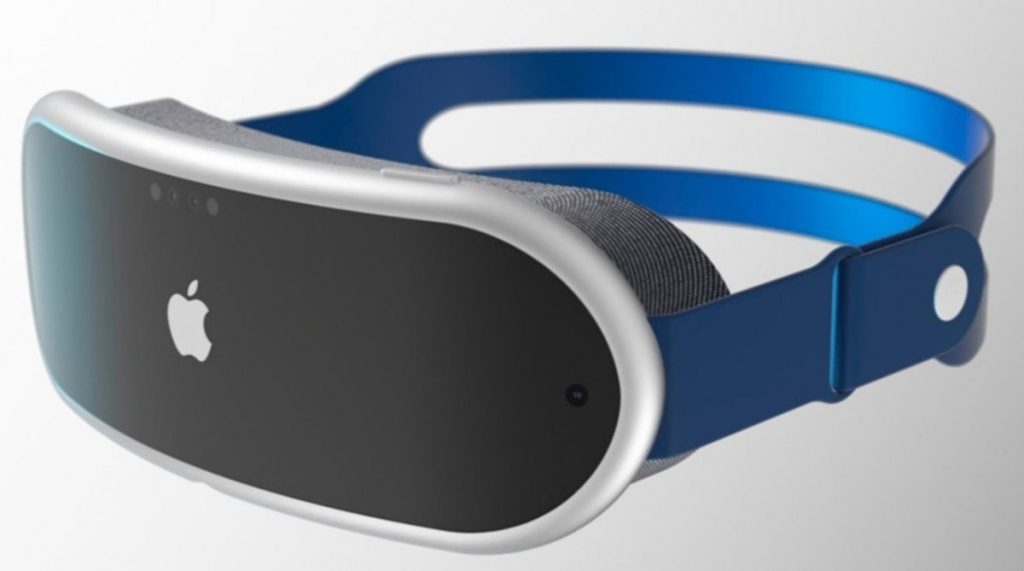
Apple is gearing up to unveil its Mixed Reality Headset soon. As the rumours around the headset continue to swirl, many are wondering how this product will fit into the broader market for virtual and augmented reality devices. Some analysts predict that Apple’s entry into the space could be a “game-changer,” given the company’s history of releasing innovative and stylish products that capture the public’s imagination and interest. However, others remain skeptical that the headset will be able to overcome the barriers that have kept other mixed-reality devices from gaining traction in the consumer market. Latest reports state that Apple is integrating its other services, such as Fitness+ with its mixed reality headset, which will allow users to work out in Virtual Reality. The company might even integrate some sports applications with the VR/AR ecosystem, letting users enjoy the thrill of playing sports from the comfort of their homes.
Apple’s Venture into VR & AR is highly anticipated
One key challenge facing the Apple mixed reality headset will be its price point. At an expected cost of $3,000, the device is significantly more expensive than other VR and AR headsets currently on the market. While some enthusiasts and professionals may be willing to pay a premium for Apple’s sleek design and powerful features, many consumers may simply drop the idea of the headset at such a high price tag. It remains to be seen whether Apple can convince a broad audience to invest in this new technology.
Another question mark hanging over the Apple mixed reality headset is the broader ecosystem of apps and services that will be available for the device. While it’s clear that the headset will have a strong focus on gaming, fitness, sports, and productivity, it’s unclear how well existing apps and services will translate to a mixed-reality environment. Apple’s track record of encouraging developers to create innovative apps for its devices is certainly promising, but it remains to be seen whether the company can create a compelling ecosystem that will entice users to keep coming back to the headset that costs a fortune.
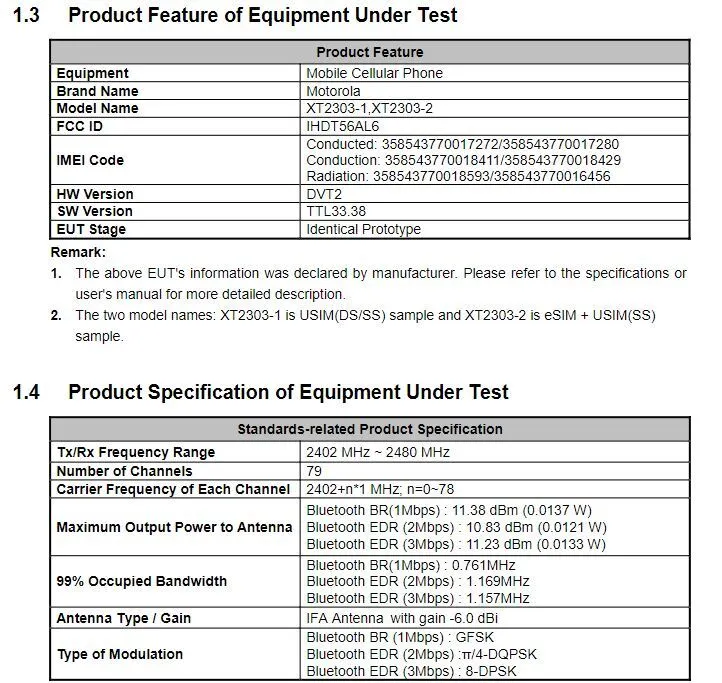
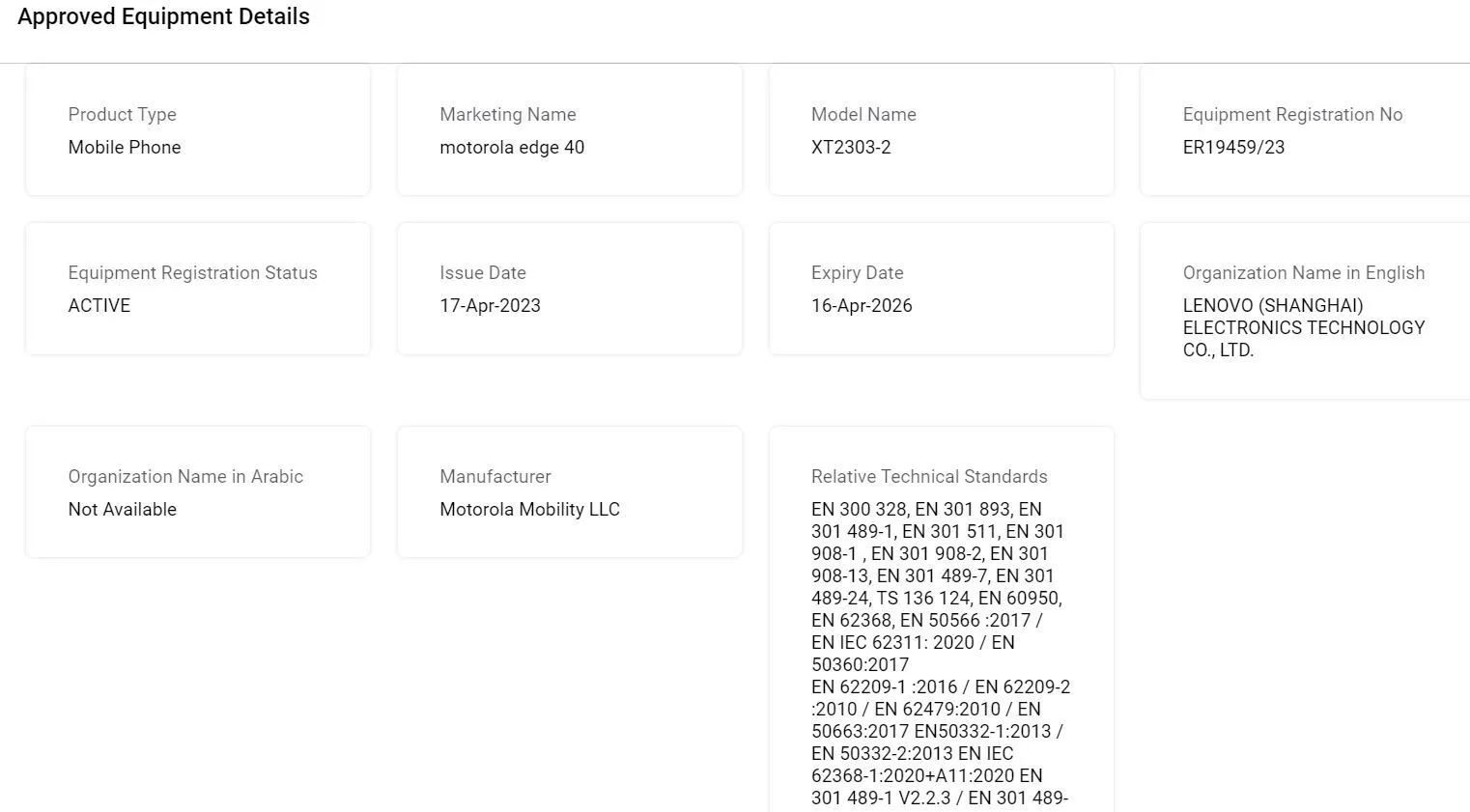
Motorola recently launched the Edge 40 Pro flagship smartphone in the global market. It also has a vanilla model in the pipeline called the Motorola Edge 40. Leaks have already revealed what this device looks like and what its specifications might be. Additionally, we also know about its CPU performance thanks to a recent Geekbench listing. Now, the smartphone has appeared on FCC & TDRA certification websites.
Motorola Edge 40 TDRA & FCC listing
The TDRA certification has revealed that the upcoming mobile device from Moto will be called the Motorola Edge 40 and will have the model number XT2303-2. However, no other information about the phone has been disclosed in the certification.
Motorola Edge 40 FCCMotorola Edge 40 TDRA
The FCC certification has also confirmed the existence of the Motorola Edge 40, with the device being identified by the model number XT2303-1. The certification has additionally revealed that the phone will come equipped with a 4,400mAh battery that supports 68.2W fast charging.
Motorola Edge 40 specs (rumored)
According to recent leaks, the upcoming Moto Edge 40 is rumored to come with some exciting features. The phone is expected to sport a display with a high refresh rate of 144Hz and HDR10+ support, along with a Full HD+ resolution. It might also have a brightness of 1200 nits, making it easy to use outdoors.
In terms of performance, the Edge 40 could be powered by a Dimensity 1100 SoC, as per the latest Geekbench test results. The phone is likely to come with ample storage of 256GB, running the latest Android 13 OS with My UX on top. The phone is expected to pack a 4,400mAh battery with fast charging support of 44W and wireless charging support of 15W, making it convenient to use.
Rumors suggest that the device might come with a dual-camera setup on the rear, including a 50MP main camera with an f/1.5 aperture and OIS support, along with a 13MP ultra-wide lens. On the front side, it could feature a 13MP selfie camera for all your selfie needs.
Reddit, one of the world’s largest social media platforms, recently announced updates to its API and developer terms, aimed at supporting a sustainable and healthy ecosystem around Reddit data. This is a crucial move for the platform, as it is home to one of the largest reserves of human-to-human conversations online, spanning the past 18 years. The updates include a new premium access point for third parties, who require higher usage limits and broader usage rights, while the Reddit Data API will still be open for reasonable and appropriate use cases.
The company’s goal is to enable developers to build great products for users and moderators powered by Reddit, and it has seen thousands of applications over the years, including tools that make moderation easier, and utilities that help users stay up to date on their favourite topics. As a platform with an enormous responsibility to its communities, Reddit is committed to being a steward of its content and ensuring that its data is used responsibly.
The updates also include new native moderator tools for Reddit’s iOS and Android apps. These tools will expand moderator capabilities and allow them to give context into a community member’s history within a subreddit, set expectations for community members and visitors, and view filtered versions of mod queue content. In the coming months, Reddit is also planning to prioritize building Mod Mail for native and implementing improvements to core mod action workflows. To align developers’ work with its guiding principles and community values, Reddit has updated its developer terms and made them easier to understand. The new developer terms, called Developer Terms, consolidate and clarify common provisions, rights, and restrictions from separate terms, including Reddit’s license to developers, app review process, use restrictions on developer services, IP rights in its services, disclaimers, limitations of liability, and more.
Reddit’s Massive Information Reserves will be a Gold Mine for the Company at this point
With these updates, Reddit is committed to providing clarity and trust to its users and developers. Starting today, most developers and third parties will be notified via email, and the new terms will take effect following a 60-day notice period. The company’s continued investment in its developer community and the level of its offerings to developers is vital. The updates help clarify how developers can safely and securely use Reddit’s tools and services, including its APIs and its new and improved Developer Platform.
Motorola’s upcoming Razr phones are named the Motorola Razr Pro and Razr Lite, claims a tweet released by reliable tipster Max Jambor. The tipster has also leaked the exact date on which the Razr Pro and Razr Lite will be unveiled.
According to the tipster, Motorola will hold a launch event on June 1 in Madrid, Spain. The event will see the arrival of the Motorola Razr Pro and Motorola Razr Lite. He did not release any information on the specifications of these products. This leak is in line with an image Evan Blass shared revealing the June 1 launch date in February.
Motorola Razr Lite, Razr Pro: What to expect?
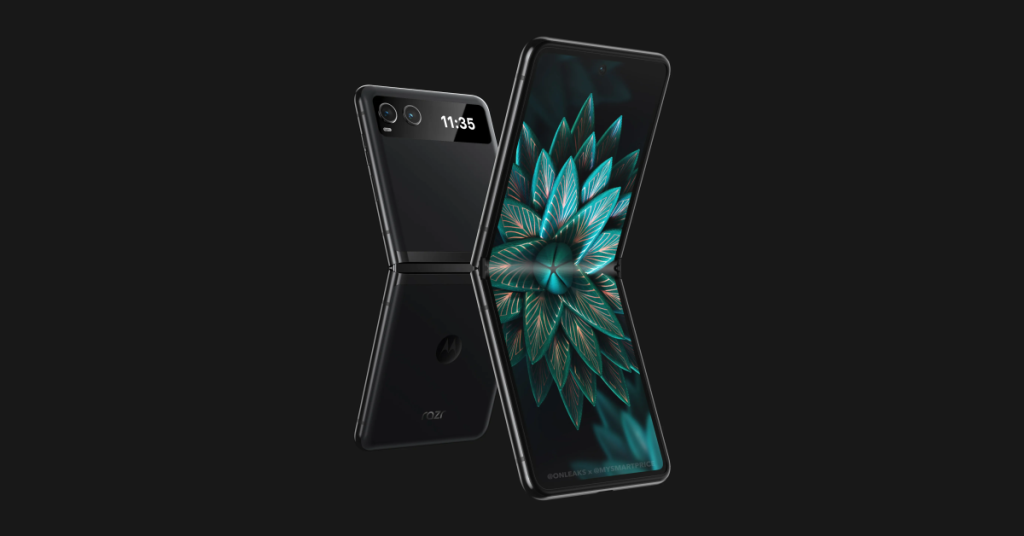
Motorola Razr+ 2023 render
Earlier this week, a report carried the CAD renders of the Motorola Razr Lite to give a first look at its design. Unfortunately, it did not reveal anything about the specifications of the phone. The images revealed that it has a vertically foldable display with thin bezels, a small cover display, and a dual-camera unit.
Motorola Razr Lite
The Razr Pro appears to be the Razr+ 2023 / Razr 40 Ultra that has been spotted at multiple certifications in recent months. As per reports, the device will be equipped with a 6.7-inch foldable OLED panel that offers a Full HD+ resolution and a 144Hz refresh rate.
The back panel of the device is expected to feature a very large cover display along with a dual-camera unit. The device is said to be powered by the Snapdragon 8 Plus Gen 1 chipset and 8 GB / 12 GB of RAM. It is expected to draw power from a 3,640mAh battery with 33W fast charging and run on Android 13 OS. The rest of its specifications are yet to be revealed.
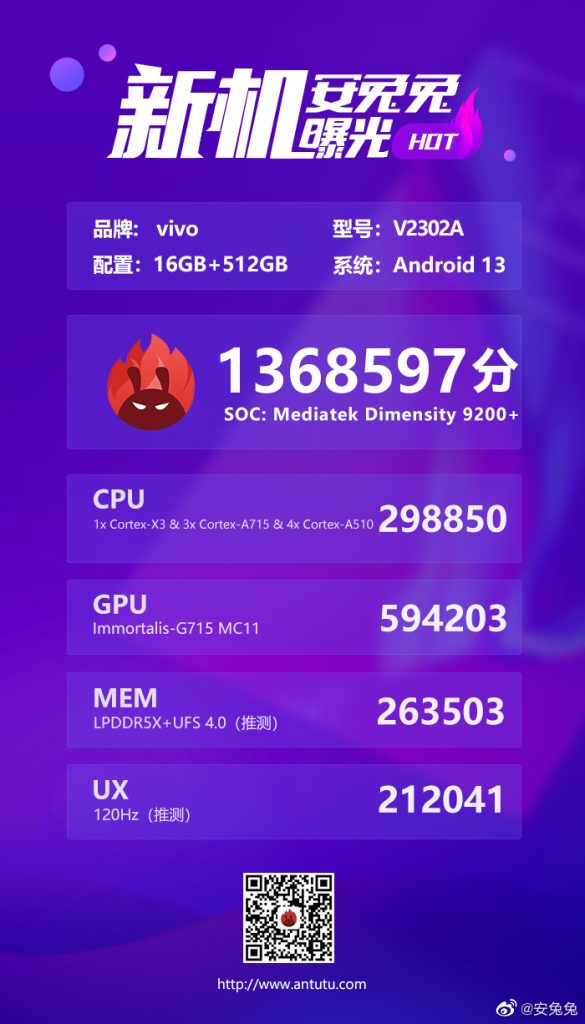
As per reports, there are three iQOO phones with model numbers V2301A, V2302A, and V2304A in the works. According to 91mobiles Hindi, the V2301A and V2302A are the model numbers of the iQOO Neo 8 and Neo 8 Pro, which are expected to launch in late May in China. The V2304A model number belongs to the iQOO 11S. TechGoinghas spotted the AnTuTu listing of the iQOO Neo 8 Pro (V2302A), which reveals some of its key specifications. It also hints that it may debut as the first smartphone powered by the upcoming Dimensity 9200 Plus.
The Dimensity 9200 Plus, which consists of 1 x Cortex-X3, 3 x Cortex-A715, and 4 x Cortex-A510, powers the iQOO Neo 8 Pro as seen in the screengrab. With an AnTuTu score of 1,368,597, it has outperformed the Snapdragon 8 Gen 2 chip. Last month, a ROG Phone 7 series with an SD8G2 chip was seen with a score of 1,346,106.
iQOO Neo 8 Pro AnTuTu
The AnTuTu listing reveals that the iQOO Neo 8 Pro is equipped with 16 GB of LPDDR5x RAM, 512 GB of UFS 4.0 storage, Android 13 OS, and a 120Hz display, which appears to be an AMOLED screen.
Reports have revealed that the iQOO Neo 8 Pro will be equipped with a 6.78-inch AMOLED display that offers a 1.5K resolution of 2800 x 1260 pixels and a 2160Hz PWM high-frequency dimming. It will pack a 5,000mAh battery with 120W fast charging. The device will be equipped with a 50-megapixel 1/1.5-inch primary camera sensor on the back.
As far as the iQOO Neo 8 is concerned, reports have claimed that it will have a 120Hz AMOLED display, a Snapdragon 8 Plus Gen 1 chipset, and a 5,000mAh battery with 80W charging. Its other details are yet to be revealed.
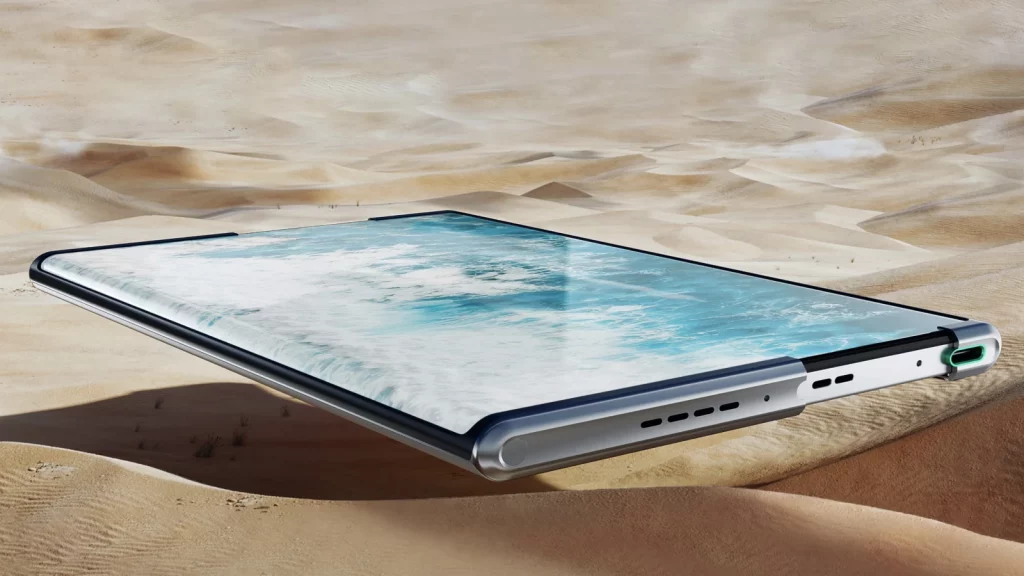
Rollable smartphones and foldable smartphones are both designed to provide larger displays in a portable form factor. However, they differ in how they expand their screen real estate. Foldable smartphones typically have a flexible screen that folds inward, like a book. When unfolded, the screen forms a larger, seamless display. On the other hand, rollable smartphones have a flexible screen that can be unrolled to expand the display size. When not in use, the screen can be rolled back into the device, making it more compact and easier to carry. As companies keep experimenting with designs for the same, new products will always be on the horizon. Recently, Oppo patented a Rollable device, which also featured an under-display camera. Innovation may spell big things for Oppo in the future.
What’s particularly interesting about Oppo’s rollable smartphone design is that the camera is only exposed when the device is expanded, remaining obscured under normal circumstances. This patent sparked excitement among tech enthusiasts, who are eager to see how the device will perform once it hits the market. Rollable smartphones are a relatively new concept, and only a few models have been released so far, while foldable smartphones have been available since 2019. Rollable smartphones offer the advantage of a larger screen than foldable smartphones while maintaining a more pocketable form factor. Additionally, rollable displays may be more durable than foldable displays, which are prone to creasing and damage over time.
Rollable Smartphones might just be the ‘Next Big Thing’ in the Market
Oppo is quickly positioning itself as a major player in the foldable/rollable market. The company has the vision to innovate with its technology, and this is not something new. Oppo was one of the first companies to patent the foldable smartphone design, alongside other major players such as Samsung. With more companies taking the initiative to experiment with flexible displays, it will be fascinating to see how these new form factors will be received by consumers. While it’s still too early to say whether rollables or foldables will ultimately become the norm, one thing is certain: the technology has come a long way since the days of the first Samsung Galaxy Fold and has been perfected since.
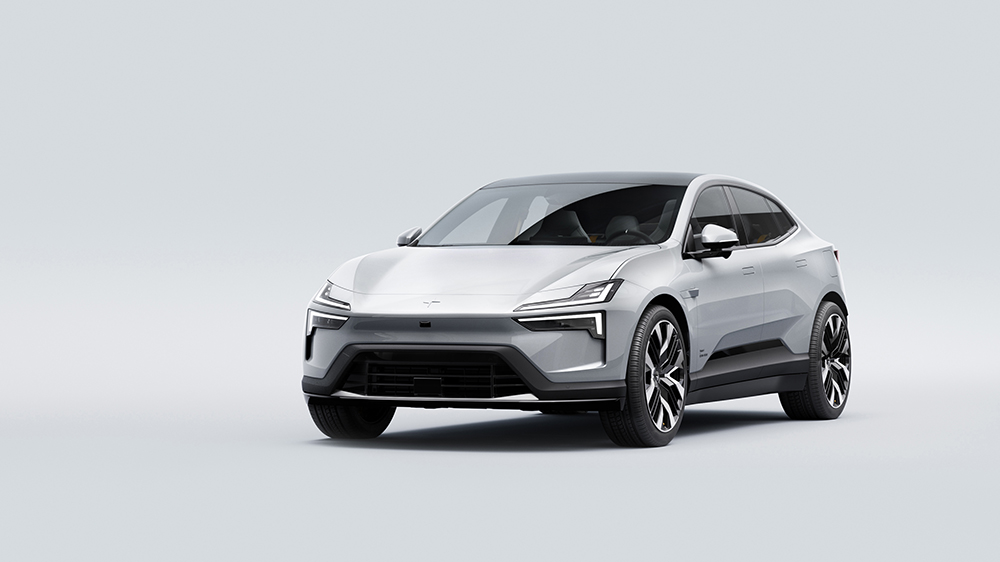
As expected, Polestar has now officially revealed its upcoming electric vehicle — Polestar 4, at the Shanghai Auto Show 2023. The car is a coupe-style SUV, making it the second SUV car from the brand.
The car is expected to go on sale in the Chinese market towards the end of this year, while its launch in the North American market could take place next year.
With the Polestar 4, the company has taken a bold decision in terms of design. The car doesn’t have a rear window, and instead, the rearview for the driver is powered through a camera. The company says that it is aiming to offer “a new kind of immersive rear occupant experience.”
It is built on Geely’s open-source Sustainable Experience Architecture and comes in dual- and single-motor versions. The driver-assist (ADAS) system will run NVIDIA‘s Drive computing platform, using 12 cameras, one radar, and 12 ultrasonic sensors. Out of all these cameras, one is dedicated to monitoring the driver’s head and eye movements to check for fatigue or incapacitation.
The long-range dual-motor version offers a maximum power output of 544hp (400 kW) and 506 lb-ft of torque while the single-motor version offers 272hp (200 kW) and 253 lb-ft of torque. Both the long-range dual- and single-motor models come with a 102 kWh battery pack. The company adds that the car can go from 0 to 60 mph in less than 3.8 seconds.
It has a 15.4-inch screen up front, which acts as the infotainment system, which is powered by Android Automotive OS and Qualcomm Snapdragon Cockpit Platform. It comes with Apple CarPlay and built-in Google, along with apps like Google Assistant, Maps, and Play, among others.
There’s also a 10.2-inch driver display mounted ahead of the steering wheel that shows speed, battery, and range information. It also offers a head-up display with a 14.7-inch projection area. During snowfall, the HUD text color can automatically switch from white to yellow for better visibility.
The production of Polestar 4 is planned to begin in November this year and is expected to cost around $60,000. As noted earlier, the car will first go on sale in China later this year and then launch in North America, Europe, and Asia Pacific, sometime next year.
We use cookies on our website to give you the most relevant experience by remembering your preferences and repeat visits. By clicking “Accept”, you consent to the use of ALL the cookies.
This website uses cookies to improve your experience while you navigate through the website. Out of these, the cookies that are categorized as necessary are stored on your browser as they are essential for the working of basic functionalities of the website. We also use third-party cookies that help us analyze and understand how you use this website. These cookies will be stored in your browser only with your consent. You also have the option to opt-out of these cookies. But opting out of some of these cookies may affect your browsing experience.
Necessary cookies are absolutely essential for the website to function properly. This category only includes cookies that ensures basic functionalities and security features of the website. These cookies do not store any personal information.
Any cookies that may not be particularly necessary for the website to function and is used specifically to collect user personal data via analytics, ads, other embedded contents are termed as non-necessary cookies. It is mandatory to procure user consent prior to running these cookies on your website.