Earlier this week, the Oppo A1 5G was made available for pre-orders in China. Starting today, the smartphone is available for purchase in the home market. Here is a look at the specifications, features, and price of the device.
Oppo A1 price
The Oppo A1 comes in a single configuration that offers 12 GB of RAM and 256 GB of storage. It is priced at 1,999 Yuan (~$292). It comes in three colors: Sandstone Black, Haohai Blue, and Cabernet Orange. The orange variant sports a leather finish on its back.
OPPO A1 specifications
OPPO A1 5G
The Oppo A1 features a 6.72-inch IPS LCD panel that offers a Full HD+ resolution of 1080 x 2400 pixels, a 120Hz refresh rate, and a 100 percent DCI-P3 color gamut. The company claims that the A1 offers a screen space of 91.4 percent. It is fitted with a side-facing fingerprint scanner. Like the most recent Oppo phones, the A1 comes preloaded with the ColorOS 13.1-based Android 13 OS.
It has an 8-megapixel camera on the front for shooting selfies. The back panel of the phone has a 50-megapixel primary camera, a 2-megapixel depth sensor, and an LED flash. It houses a 5,000mAh battery with 67W fast charging support. According to Oppo, it takes around 30 minutes for the phone to go from 0 to 70 percent using the in-box 67W charger.
The Snapdragon 695 chipset is present under the hood of the Oppo A1. The device ships with 12 GB of LPDDR4x RAM and 256 GB of UFS 2.2 storage. There is a microSD card slot onboard for additional storage.
On April 13, Nvidia launched its highly anticipated mid-high range graphics card model from its latest RTX 4000 series of GPUs. The new card is the GeForce RTX 4070, which arrives with various improvements over its predecessors. This is big news for gaming enthusiasts, who were waiting for this launch for quite a while now. The new graphics card offers a higher VRAM capacity over its predecessor with GDDR6X RAM along with 5,888 CUDA cores. Thanks to this, it offers up to 1.7 times faster than GeForce RTX 3070 Ti while also being 23 percent more power efficient. The Verge recently analyzed the card’s performance in popular gaming titles, and the results are quite interesting – especially with games that support Ray Tracing. Have a look for yourself.
Testing was conducted on a variety of AAA games, including Cyberpunk 2077, Forza Horizon 5, and Assassin’s Creed Valhalla, and the card was compared to the RTX 3080, RTX 3070, RTX 3070 Ti, and RTX 4070 Ti. The RTX 4070 offers around 30% more speed than the previous RTX 3070 at 1440p, making it a worthwhile upgrade for gamers looking for a better experience. The card also offers similar performance to the RTX 3080, which is impressive. The step-up RTX 4070 Ti is about 25% better than the RTX 4070 at 1440p. However, in games like Counter-Strike: Global Offensive, the RTX 4070 falls behind due to a bug affecting RTX 40-series cards in the benchmark that was used.
The RTX 4070 performs exceptionally well with DLSS 3, a new upscaling technique exclusive to the RTX 40-series cards. This technique uses AI to generate frames and results in a significant uplift in performance. Enabling DLSS 3 in Forza Horizon 5 increased frame rates by 25%, while Cyberpunk 2077 saw a near doubling of frame rates. However, the RTX 4070 falls behind the RTX 3080 at 4K, which is why Nvidia is marketing it as a 1440p card. If you’re looking for a solid card for 1440p gaming, the RTX 4070 is a great choice. It also comfortably beats the RTX 3070 at 4K.
Apple takes its iOS updates quite seriously, and for good reason. Firstly, iOS is a critical component of the Apple ecosystem, lying at the centre of iPhones, but also synchronized with other iPads, MacBooks and the Apple Watch. As a result, any changes made to iOS can have a significant impact on the user experience across all of these devices. Secondly, security is a major concern for Apple, and iOS updates often include important security patches and bug fixes that are designed to protect users from potential threats. The company is also known for its focus on design and user experience, and iOS updates often introduce new features and improvements that enhance the functionality and usability of its devices. The upcoming iOS 17 update for iPhones seems to be a culmination of these features, as a recent leak has shed light on various changes coming with the update.
While there are no official details, a recent Twitter thread from an anonymous leaker has suggested that iOS 17 will enhance the search functionality on the iPhone, following on from Apple’s previous enhancements to search with iOS 16. The leaker did not provide detailed information, but the expectation is that Apple will add significant changes with the new update. The Dynamic Island on the iPhone 14 Pro is also expected to gain numerous new additions with the iOS 17 release. This feature allows users to view and interact with widgets and other information on their home screen. As Apple is planning to introduce a pill-shaped cutout on all four models of the iPhone 15 series, it makes sense for the company to offer new features.
iOS 17 is also expected to bring further customization options for the Lock Screen, with more Focus modes, allowing users to tailor their interface to their personal preferences. The leaker also mentioned that iOS 17 will offer enhanced accessibility features, allowing users to customize the interface to cater to different features. Additionally, iOS 17 is expected to bring various changes to the Camera and Health apps. As Apple is also on the verge of unveiling its upcoming AR Headset, it is also slated to gain numerous ARKit frameworks.
Apple enthusiasts should take this information with a grain of salt, since these are leaks and the company might deviate from them at some point. Nonetheless, the update will be unveiled in a couple of months, on June 5, and official details will be available then.
The Pixel Superfan program is a loyalty program created by Google for fans of their Pixel line of smartphones. It offers exclusive benefits to its members, such as early access to new product releases, invitations to special events, and personalized support from Google’s customer service team. To join, customers must sign up through the Google One app or website, meet eligibility requirements, and earn points by participating in activities and challenges, which can be redeemed for rewards such as discounts on Pixel phones, accessories, and other Google products. Members also have the opportunity to provide feedback and suggestions to Google. For those who are part of the Pixel team in the UK, the Superfan program is now open for sign-ups again.
Google launched the Pixel Superfan program in the UK in March 2023, but the sign-up form was closed soon after. However, the form has now reopened, and UK-based enthusiasts can join the program once again. The Pixel Superfan program offers early access to new products and features, exclusive events, special offers and discounts, and the chance to win exclusive swag from the company. Members can also connect with other Pixel enthusiasts and meet the teams behind Google’s Pixel devices. Importantly, there is no cost to joining the Pixel Superfan program.
If you are a fan of Google’s devices and are located in the UK, the Superfan program is definitely worth considering. With a range of exclusive benefits and the chance to connect with like-minded individuals, joining the program can enhance your Pixel experience and provide you with exciting opportunities. The company’s smartphones are progressing really fast, and being a superfan at this point can be really beneficial in the long run as well.
DJI has been making some of the best drones available in the market, and most of its products are aimed at a general audience. But the company has now launched a new drone, dubbed DJI Inspire 3, with a whopping price of $16,499.
The newly announced DJI Inspire 3 drone is a commercial-grade product with support for 8K recording and comes as a successor to the Inspire 2, which was launched a few years ago in 2016.
According to the company, the new drone is 20 percent more aerodynamic compared to its predecessor. The major upgrade comes in the form of a cinema camera known as Zenmuse X9-8K Air. It is claimed to be the lightest ever full-frame camera system and sues CineCore 3.0, a new image processing system from the company.
The camera can record 4K at 120fps in ProRes RAW and can deliver dual native ISO: 800 / 4000 for 30fps and below and 320 / 1600 for higher frame rates. There are more than 14 stops of dynamic range to fine-tune shots. The gimbal supports 80-degree tilting and full 360-degree rotation.
It can also record Apple ProRes RAW format in 8K at 75fps, a first for a DJI product. But the feature isn’t enabled by default, and to use ProRes RAW and CinemaDNG, the user will need to purchase a license key worth $979 to unlock them. It also supports interchangeable lenses from a lineup of its DL-mount lenses.
The drone comes with a new remote control, RC Plus, supporting dual-control mode where one user can control just the cinema camera, and the other can pilot the drone using a front first-person view (FPV) camera. The FVP camera has an ultrawide lens (161-degree) sitting in front of a night vision sensor.
Going through the list of features offered in DJI Inspire 3 and the starting price of $16,499, it is clear that the product is aimed at cinema production. The combo package will be available for purchase by the end of June, as per the company.
Hanvon released a new AI e-note product during its 2023 Spring Product Launch Conference. The Hanvon AI e-note features a 10.3-inch E Ink display suitable for use by children within the 5-18 years age bracket. The decently-sized display of the e-note makes it very comfortable to use as a learning tool. The e-note also comes with sufficient protection for the eyes.
The Hanvon AI e-note tablet is a smart electronic notepad that uses AI technology to improve stud, note-taking, and organization. It will support multiple languages and features a handwriting recognition system capable of converting handwritten text to digital text. It also offers handwriting correction functions and several color options.
The Hanvon AI e-note weighs 390g and has a thickness of 6.8mm which is decent for handling by the young. The e-note features the Hanvon proprietary screen-reducing layer for ensuring flickers are completely eliminated as well as blue light. The RAM/ storage configuration of the Hanvon AI e-note is 4GB/ 64GB which allows for a seamless performance. Two mics and speakers are also featured in the AI e-note.
The new Hanvon e-note has a 6,000mAh battery that can last for up to two weeks. This is an impressive performance measure of the Hanvon AI e-note, as it offers long usage without needing to charge it frequently. There are still lots of details lacking for the Hanvon AI e-note at this time. The full specs, pricing, and availability details will be revealed subsequently. The Hanvon AI e-note is entering a very competitive E Ink tablet market and competitive pricing is important.
Just Corseca has launched its latest product, the Snow Pods TWS Earbuds in India. The Snow Pods TWS Earbuds offer high-end features and an ergonomic design for a comfortable listening experience.
The Snow Pods TWS Earbuds come with an advanced Bluetooth V5.3 chip, the JL6983D2, which provides reliable connectivity across a wider range and higher power efficiency. This intelligent chip enables instant pairing, which allows the earbuds to automatically turn on and connect to the linked source as soon as the charging case is opened. The earbuds also have the ability to pair with multiple devices and quickly connect to the available source when it is accessible.
The wireless earbuds have a substantial battery life, with each earbud having a 30mAh battery that provides approximately 4 hours of playback time. The charging case contains a 200mAh battery that can recharge the earbuds up to 5 times, for a total of 20 hours of listening time. The earbuds are designed for maximum comfort and audio performance, with an ergonomically engineered half-in-ear design that weighs only 38g each. The earbuds also feature touch panels that allow you to easily answer calls, adjust volume, control your music, and interact with your smartphone’s voice assistant.
The Snow Pods TWS Earbuds are priced at Rs. 2,999 (~$37), making them an affordable and competitive option for consumers looking for high-quality wireless earbuds. They are available on the official website corseca.in, as well as on popular e-commerce platforms like Amazon, Flipkart, and Myntra.
The original OnePlus Nord was launched back in 2019 and it was the mid-range smartphone most of us were seeking. Its successor, OnePlus Nord 2, continued to impress with a balance of price and specifications. Now, rumors are rife that Nord 3 is near as well. While there’s no official confirmation yet, the smartphone has reportedly entered the testing stage in India and worldwide, hinting at a potential launch on the horizon. Here are the details.
OnePlus Nord 3 launching soon!
Rumors about the OnePlus Nord 3 have been making rounds on the internet for quite some time and now it appears the smartphone could launch pretty soon. As per tipster Yogesh Brar, the Nord 3 has now entered the testing phase in both Indian and global markets. Although there has been no official confirmation, this development suggests that the smartphone could hit the shelves in approximately six to seven weeks.
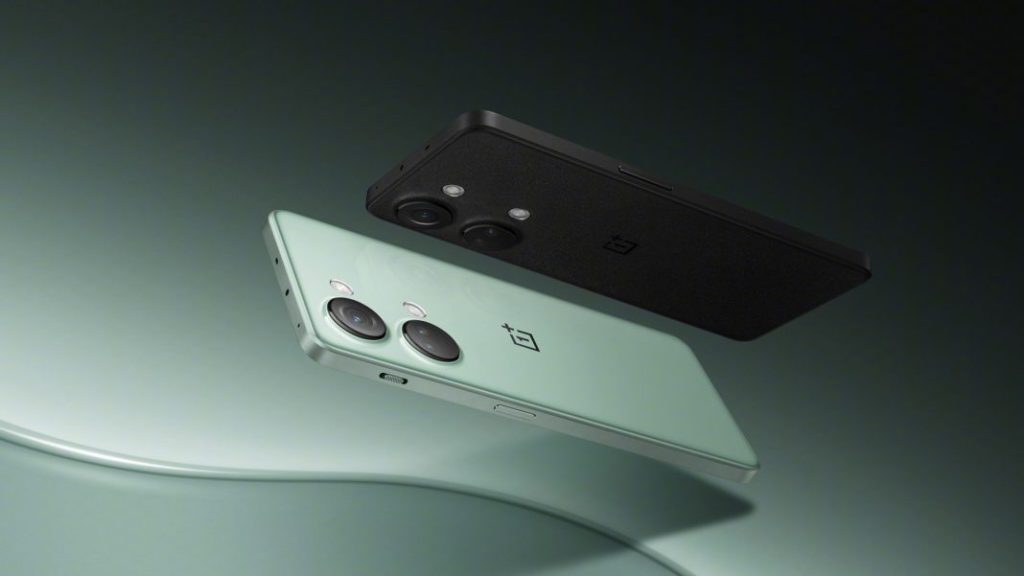
OnePlus ACE 2V (Nord 3)
It is being reported that the OnePlus Nord 3 will be a rebranded Ace 2V, which debuted in China recently. The smartphone should bring a 6.72-inch AMOLED display with a Full HD+ resolution and a 120Hz refresh rate. It could be powered by the MediaTek Dimensity 9000 SoC, paired with 8GB/16GB RAM and up to 256GB of internal storage.
The rear panel of the handset is anticipated to sport a triple-camera module, comprising a 50MP main sensor, an 8MP ultra-wide lens, and a 2MP macro camera. As for front-facing imaging capabilities, the phone is rumored to get a 16MP camera. In addition, the device is likely to pack a 5000mAh battery and may even come with an alert slider, a distinctive feature found on previous OnePlus models.
Zeekr has launched a compact luxury electric SUV that packs lots of innovation including a mini refrigerator inside. The Zeekr X luxury SUV features face unlock and are the first luxury electric crossover model powered by a high-performance battery. The model however comes with a huge price tag.
The Zeekr brand is an offshoot of the Geely brand and it has continued to churn out solid EVs. Its latest offering is the Zeekr X EV, a luxury and compact electric SUV. It comes with foldable rear electric seats and also houses a fridge that can maintain temperatures as low as -15ºC. It is an urban SUV that comes with a quite futuristic design. It supports face unlock and access, and its moving central screen can be used to provide entertainment for any of the occupants.
There are various variants of the Zeekr but they all come highly expensive. The single-motor model of the SUV can race from 0 to 96km/h in just 5.8 seconds. The ternary 66kWh battery of this variant delivers a range of 560km on a full charge, which is highly impressive. In EPA terms, the range could however be reduced to less than 400km (245 miles).
The single-motor RWD version of the Zeekr X EV will retail at $27,610. The higher models can accelerate from 0 to 96km/h in 3.7 seconds and are priced above $30,000. The Zeekr X EV will be available globally. It is the company’s first EV global launch hence the costs could be significantly higher in overseas markets outside China. This is a result of import testing and certification taxes that will be transferred to the customer. Zeekr is already receiving pre-orders for the model with the first deliveries expected by June 2023.
A new Windows 11 update has made it possible to deploy ChatGPT on your desktop without opening your Microsoft Edge browser. The new Windows 11 OS update is via the PowerToys widget using a new plugin. The plugin will allow direct access to the ChatGPT open AI-based application. The update allows a user to go directly from the desktop to ChatGPT.
The new plugin was developed by ChatGPT plugin developer, Simone Franco and he detailed the process through the PowerToys GitHub page. The new plugin integrates through the PowerToys Run. This is a search launcher for files, folders, and apps on the system. The plugin is still undergoing development, as it is in its early stage and needs finetuning. There are lots of advantages of bypassing a browser in deploying ChatGPT on the PC. This allows for the bypassing of any aggressive browser promotion that is present with Microsoft Edge.
Microsoft Edge and Bing AI have been the subject of extensive promotions on the Edge browser. It is obvious that the new ChatGPT plugin could encourage users to settle for its AI solutions rather than Bing AI. Microsoft Edge aggressively seeks the user to make Edge his default browser. A recent Windows 11 update has added an AI-powered search box in the taskbar that effectively forces users to use the search engine by default. The new plugin helps users to completely bypass these forced promotions and go directly to ChatGPT.
The user is required to open an OpenAI account together with a randomly generated OpenAI API key. You can also deploy the ChatGPT with a keyboard shortcut key for seamless access to the AI resources on the application. It seems incongruous however that the new open-source update is coming from PowerToys which bypasses the Microsoft OS. More updates are expected in the PowerToys widget to deliver simplified features to users.
Realme is working on its next TWS earbuds and renders of the same already appeared online recently. The hearables in question could be called Realme Buds Air 5 Pro and no there were no Buds Air 4 Pro (probably because the number 4 is considered unlucky in China). Although the brand has not made an official announcement yet, it appears that the earbuds have received FCC certification, indicating an imminent launch. This certification also confirms the battery capacity of the earbuds.
Realme Buds Air 5 Pro
As spotted by 91Mobiles, the Realme Buds Air 5 Pro earbuds have bagged US FCC certification, with their batteries identified by the model number 122540. According to the certification, the charging case will come with a 460mAh battery (model number 751536), while each earbud will pack a 60mAh battery. They will support Bluetooth connectivity within the frequency range of 2402Hz to 2480Hz.
Users can expect the buds to provide a minimum of 5-6 hours of playback time on a single charge. The FCC documentation features an image of the charging case with FCC markings, but the earbuds themselves are not visible in the image.
Luckily, a recent report already leaked the design renders of the upcoming earbuds. The earbuds and the charging case closely resemble the design of the Buds Air 3, featuring a stemmed design with a glossy finish. The charging case retains the same oval form factor that has been typical of the Realme Buds Air series.
The earbuds are reported to be launched in black, white, and a new color called Nature Green. Currently, their specifications and launch date are anyone’s guess. We should be learning more about the hearables in the coming days.
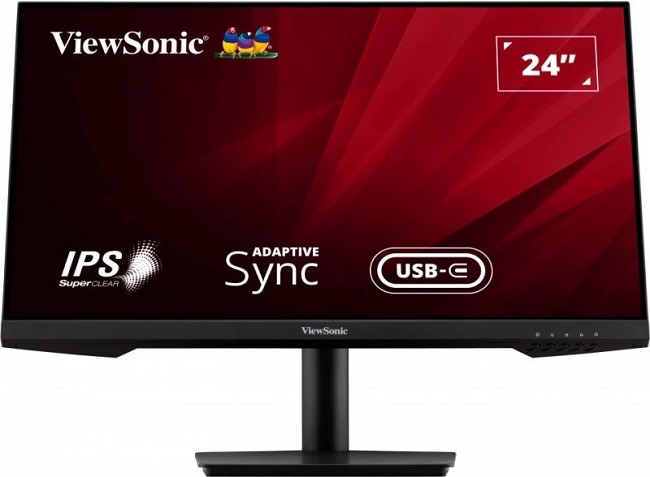
ViewSonic is a California-based electronics manufacturer that is not exactly popular in India but has launched some interesting products, including the world’s lightest 12-inch drawing tablet. The company has today announced a new product for Indian consumers. Called ViewSonic VA2409, it is a 24-inch monitor with a USB-Type C port and a SuperClear IPS panel. It features a bezel-less design on three sides and comes with built-in speakers. Here are the details.
ViewSonic VA2409 Specifications
ViewSonic VA2409-MHU comes with a decent design with the display having no bezels on three sides. The panel measures 24 inches and it offers a Full HD 1080p resolution with a 75Hz refresh rate. It has an aspect ratio of 16:9, supports 16.7M colors, and features 104% size sRGB. The monitor is also said to feature some sort of eye-care technology to offer a better viewing experience.
For connectivity, there are HDMI, VGA, USB 3.2 Type C DisplayPort, and a 3.5mm audio jack. It gets dual built-in speakers and multiple ViewMode options, including “Game”, “Movie”, “Web”, “Text”, and “Mono”.
The ViewSonic VA2409 monitor boasts wide viewing angles of up to 178 degrees, providing consistent brightness and color accuracy regardless of the viewer’s position. Its dual built-in speakers and Eco mode not only offer high-quality audio but also reduce carbon footprint and energy consumption, leading to lower overhead costs.
The monitor features 5 physical keys and a Kensington Lock Slot for added security. Its backlight has an impressive lifespan of up to 3,000 hours, making it a reliable long-term investment. Compatibility-wise, the monitor has been thoroughly tested and confirmed to run smoothly on both Windows 11/12 and MacOS operating systems.
Pricing and Availability
Starting today, the ViewSonic VA2409-MHU monitor is up for grabs on Amazon and the brand’s official website. While its original price is Rs. 17,000, customers can purchase it at a MOP price of Rs. 10,940 plus applicable taxes.
Xiaomi is preparing to launch its flagship smartphone, the Xiaomi 13 Ultra, in China on April 18th, 2023. Additionally, the brand has confirmed that a new fitness tracker, the Xiaomi Smart Band 8, will also be unveiled at the same event.
The Xiaomi Band 8 boasts a pill-shaped AMOLED display that bears resemblance to its predecessor. Nevertheless, the strap mechanism has been upgraded to a more secure and comfortable design, now connecting to the device on each side. Additionally, the band will be offered in a range of colour variants and designs, giving it a unique appeal.
Additionally, the Xiaomi Band 8 will come with a “necklace” accessory, which allows users to wear the smart band as a necklace. The set of new bracelets and straps provides users with the option to wear the smart band in their preferred way, including pairing it up with a regular strap or a fashionable bracelet.
The Xiaomi Band 8 is anticipated to include fundamental activity-tracking functions, including heart rate monitoring, blood oxygen measurement, sleep tracking, and stress monitoring. Additionally, it may support NFC and voice assistant features.
The Xiaomi Band 8 presents a viable option for individuals seeking a cost-effective fitness tracker that offers numerous functionalities. The previous model, the Xiaomi Band 7, boasted a 1.62-inch AMOLED display featuring a resolution of 490 x 192 pixels and a maximum brightness of 500 nits. Its battery capacity was 180mAh, with a lifespan of up to 14 days.
Additionally, it featured a high-precision 6-axis sensor and a PPG heart rate sensor, supporting over 110 fitness modes, along with features such as VO2 max, training effect, training load, recovery duration, sleep-breathing quality tracking, and female health tracking. It is likely that the Xiaomi Band 8 will enhance these specifications and incorporate additional features.
Details regarding the price and availability of the Xiaomi Band 8 will be disclosed during the launch event scheduled for April 18th.
Honor today announced the MagicBook 14 2023, the latest iteration of the company’s premium laptop. The new device isn’t that different from last year’s model but you do get some notable features. For one, there’s now a proper 13th-gen Core i5 processor powering the laptop and the brand has included the latest Turbo 2.0 OS. The higher-end MagicBook 14 gets 1TB of storage and overall, the pricing is reasonable. Let’s take a closer
New Processor and an improved display
Honor MagicBook 14 2023 comes with a sleek design. There are thin bezels on the display and the chassis looks durable. It is equipped with a 14.2-inch screen with a screen-to-body ratio of up to 91.5% and a high resolution of 2520 x 1680 pixels. The panel offers a 460nits peak brightness, 120Hz refresh rate, 1.07 billion colors, and 100% sRGB color gamut. It comes with a triple eye protection certification.
The laptop boasts a 13th-generation Core i5-13500H processor. Users can also opt for the NVIDIA GeForce RTX 3050 discrete graphics card version to enhance their gaming or multimedia experiences. Additionally, the laptop has been updated with a new heat dissipation design to ensure optimal performance.
The Honor MagicBook 14 2023 also gets a sizable 75Wh battery and supports OS Turbo 2.0 technology, which is claimed to continuously optimize power consumption to maximize battery life. With these enhancements, users can expect to get up to 15 hours of battery life on a single charge.
Honor MagicBook 14 2023 Price
The laptop is offered in two storage configurations and their pricing is as follows:
i5-13500H+16G+512G: 4999 yuan ($727 USD)
i5-13500H+16G+1TB: 5299 yuan ($770 USD)
Honor MagicBook will go on sale in China on April 19. The global availability of the device is yet to be announced. We’ll keep you posted.
Chinese tech giant Xiaomi has launched the MIJIA Thermos Cup Flip-top version 2 with a sleek design that is both practical and stylish. The thermos cup is made of high-quality materials that ensure durability and longevity. The inner tank of the thermos cup is made of 316L stainless steel, which is a type of stainless steel with excellent corrosion resistance, ensuring that the thermos cup will not rust or corrode easily.
The thermos cup has a capacity of 480mL, which makes it easy to carry around all day long. It is also relatively lightweight, weighing about 240g, making it easy to fit into a backpack, handbag, or even a pocket.
The new MIJIA thermos cup adopts a one-button pop-up design, which allows you to open and close the thermos cup with one hand. You simply press and hold the switch button and push it to the left to pop up the drinking spout. The hidden lock design ensures that the thermos cup will not accidentally open while in transit.
The drinking spout of the thermos cup has been increased to about 13mm, making it easier to drink from, and the bottom of the spout has a hidden tea leak to prevent tea leaves from getting into your mouth. The tea leak is removable, making it easy to clean and separate tea and water.
The thermos cup has a multi-layer heat insulation design, which means it can keep your beverages hot or cold for an extended period. The outer side of the inner tank uses copper plating technology to ensure vacuum purity and enhance its thermal insulation performance.
The MIJIA Thermos Cup Flip-top version 2 carries a price tag of 99 yuan ($14) and is presently on sale i China.
Longer3D is showering discounts on almost all of its products. The brand which is known for its high quality and advanced 3D printers, laser engravers, and other related accessories is giving huge discounts on almost all of its products, under the Easter Sale. Please note that this is a limited-time offer.
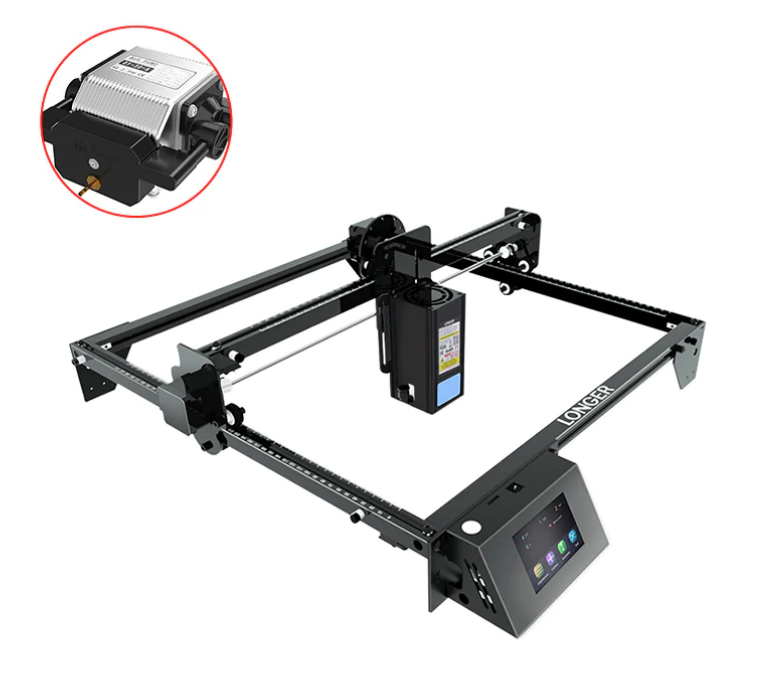
The Ray5 10W Laser Engraver is a powerful cutter and engraver that can be used on wood, acrylic, stainless steel, leather, silver, and more. It is one of the most cost-effective engravers available in the market.
The laser comes with dual beam technology and has a 10W intense laser that easily cuts through hard materials like wood. It can easily cut a 0.8”/20mm thick wood board and 1.2”/30mm acrylic material. The device can also be used for engraving at a max of 10000mm/min engraving speed.
Ray 5 can be used for beautiful and delicate engraving art, as it features the latest compressed laser technology that generates an ultra-fine laser spot which is two times thinner than ordinary lasers available in the market. This means the device gives you ultra-fine cutting and engraving which is precise, consistent, and crystal clear with thinner lines and delicate texture.
The Ray 5 comes with a thermal sensor that detects accidental flames and automatically stops the laser and starts a buzzing alarm to inform you of the same. Moreover for your safety, the device comes with a flame-resistant acrylic laser protective cover. Other interesting features include a 3.5” touch screen, multiple data transfer options, multiple machine control options, wide software compatibility, etc.
The Ray5 20W Laser Engraver is a powerful cutter and engraver that can be used on wood, acrylic, stainless steel, leather, silver, and more. It is one of the most cost-effective engravers available in the market.
The laser comes with dual beam technology and has a 20W powerful laser and 120W electric power that easily cuts through hard materials like wood and metal. It can easily cut a 0.59”/50mm pine wood board and 0.31”/8mm acrylic material in one go. You can also cut 0.002”/0.05mm stainless steel. The device can also be used for engraving at a max of 10000mm/min engraving speed.
Ray5 20W can be used for beautiful and delicate engraving art, as it features the latest compressed laser technology that generates an ultra-fine laser spot two times thinner than ordinary lasers available in the market.
The Ray5 20W laser cum cutter comes with a 3.5” smart color screen which can be used to complete various DIY projects. The device comes with multiple data transfer options like Wi-Fi, USB cable, TF card, etc.
For your safety and security, the device comes with a thermal sensor that detects accidental flames and automatically stops the laser, and starts a buzzing alarm to inform you of the same. In case of a tilt, fire hazard, data connection interruption, or laser head freezing, the emergency stop button s triggered to save your project and device. Other interesting features include a brand new protective lens case and dust-proof hood that protect the laser lens from smoke and improve the service life of the module.
Longer’s latest product is the LK5 Pro FDM 3D printer. It is one of the cheapest 3D printers in its category, available in the market. The printer can be used for building large models and features a building size of 300x300x400mm. It comes with an all-metal integrated design and is fitted with dual inclined rods to hold the Z axis with a more stable structure and reduce vibration which results in a better output.
The 3D printer comes with 3kits of TMC2208 chipsets to drive X / Y / Z Axis stepper for quiet printing. This means you get less noise and distraction during the actual printing process. Also, to ensure a consistent and standard quality of printing, the device comes with a new Teflon tube that can stand high temperatures.
LK5 Pro FDM 3D Printer features an upgraded ceramic coated glass bed which is perfectly flat and stable and comes with better adhesion which makes it easy to peel off the finished model. The printer is designed to be user-friendly and comes with a 4.3-inch smart touch screen which makes it easy to operate and preview the printing process. The device is 90% pre-assembled in the factory and takes just 4 easy steps to set up and start operating.
For more information on such exciting deals and offers, check out our deals hub.
Watt Wagons has announced its latest rugged electric bike, the Watt Wagons Hound. The off-road e-bike can deliver a whooping range of 322km (200 miles) and packs power up to 3.5kW. The new Watt Wagons electric bicycle follows the excellent track record of the company. It is a high-performance, low-maintenance, durable, and reliable electric bike.
The Hound has a very rugged design with fat tires that deliver comfort in off-road terrains. It has a large rear cargo bay and several storage compartments. The icing on the cake for the Watt Wagons Hound is its 322km range. It comes in either a standard or a supercharged version of the bike. Both models have the same frame but perform differently. The standard model has a 52V 17Ah can deliver a throttle range of about 50km.
The pedal assist range of the standard Hound model is about 130km. The Supercharged version has a 100-mile throttle range, while the pedal-assist range is 200 miles or about 322km. The standard version of the Hound e-bike is equipped with a Bafang Ultra motor that delivers a maximum of 1kW of power. The Supercharged version of the e-bike features an advanced Bafang Ultra motor using an X1 controller.
The architecture of the advanced electric motor gives the bike a peak power of 3.5kW. For reference, the power of the Supercharge version of the e-bike is similar to that of a 50cc pit bike. The bike is suitable for off-road use and may not be legally permissible to use on public roads. It has enough cargo space to accommodate your camping needs. The bike also has good ground clearance, a suspension fork, and its fat tires secure the bike.
The Watt Wagons Hound does not come cheap. The base model is priced at $5,499 while the Supercharged version is $7,999. The first deliveries for the Hound will commence by deliveries later this month.
The iPhone has always been known for its sleek design and innovative features, and the upcoming iPhone 15 series is no exception. One of the most rumored features of these upcoming devices is the introduction of solid-state buttons.
While these buttons don’t physically move, they provide haptic feedback to users, making it feel like they are pressing a physical button. However, recent rumors suggest that Apple may have to postpone this feature due to technical difficulties. In this article, we’ll dive into what solid-state buttons are, how they compare to traditional physical buttons, and whether or not we can expect to see them in the iPhone 15 Pro models.
What are solid-state buttons?
Solid-state buttons are a type of button that doesn’t physically move like traditional buttons. Instead, they use haptic feedback to simulate the sensation of pressing a button. This technology uses a small motor to create a vibration that mimics the tactile feedback of pressing a physical button. Solid-state buttons are commonly used in touchscreens and are known for their sleek and modern design. They are also more durable than physical buttons since they don’t have any moving parts that can wear out over time.
Apple has been using solid-state technology for years now. For instance, in 2016, the home button in the iPhone 7 was replaced with a solid-state design. Similarly, the MacBook trackpads and iPod control wheels have also undergone the same transformation, making Apple’s devices more reliable and durable.
Physical buttons vs Solid-state buttons:
Physical buttons are the traditional buttons that have been used in phones for decades. They are mechanical and require physical movement to operate. When a physical button is pressed, it physically moves down and hits a switch, which sends an electrical signal to the phone’s processor. This signal is then interpreted by the phone’s software, which carries out the desired action. Physical buttons are generally reliable, easy to use, and can provide tactile feedback.
Solid-state buttons, on the other hand, are a newer technology that doesn’t require any physical movement. Instead, they use capacitive touch sensors to detect when a user touches the surface of the button. When a user touches a solid-state button, the button vibrates to provide haptic feedback, simulating the feeling of a physical button press. The phone’s processor then interprets the electrical signal generated by the touch sensor to carry out the desired action. However, they don’t provide the same level of tactile feedback as physical buttons, which can be a disadvantage for some users.
Benefits of solid-state buttons:
Durability: As solid-state buttons lack any moving parts, they are more durable and resistant to wear and tear than traditional physical buttons.
Design: Solid-state buttons can be designed to have a sleek and modern look, which can be visually appealing and contribute to a more cohesive design of the device.
Haptic feedback: Solid-state buttons can provide haptic feedback to simulate the feeling of pressing a physical button, which can enhance the user experience and provide a more intuitive and responsive interface.
Water and dust resistance: Solid-state buttons are more resistant to water and dust damage than physical buttons, which can improve the overall durability of the device.
Energy efficiency: Solid-state buttons require less energy than physical buttons, which can lead to longer battery life and lower power consumption.
Drawbacks of solid-state buttons:
Lack of tactile feedback: One of the main drawbacks of solid-state buttons is the lack of tactile feedback. Unlike physical buttons, which have a distinct click or press when pushed, solid-state buttons rely on haptic feedback to simulate the feeling of pressing a button.
Accidental presses: Without the physical feedback of a button, it can be easier to accidentally press a solid-state button, especially if they are placed too close together or if the haptic feedback is not strong enough.
Reliability issues: While solid-state buttons do not have moving parts that can wear out or break, they can still be prone to failure if the underlying technology is not robust enough.
Higher cost: Solid-state buttons are typically more expensive to manufacture than physical buttons, which can make them less attractive to budget-conscious consumers.
Will solid-state buttons feature on iPhone 15 series?
Credit: MacRumors
Rumors have been circulating that the iPhone 15 Pro and iPhone 15 Pro Max will feature solid-state buttons. However, it appears that Apple has faced some technical issues while trying to incorporate them into the new models, which may cause a delay in their release. While Apple analyst Ming-Chi Kuo has suggested that the solid-state button design has been abandoned in favor of the traditional physical button design due to unresolved technical issues before mass production, it is still unclear if Apple has made a final decision on this matter.
Despite these challenges, there is still a possibility that Apple may introduce solid-state buttons in the iPhone 15 Pro models. Apple is known for its innovation and is always looking for ways to improve its products. The company may be able to overcome the technical issues and find a solution that works.
It is important to note that the iPhone 15 series is still in the Engineering Validation Test (EVT) development stage, and Apple may make changes to its design before mass production. Therefore, it is difficult to say whether solid-state buttons will feature on the iPhone 15 Pro models or not. However, if Apple is unable to include solid-state buttons in the iPhone 15 series, it may consider incorporating them in future models.
Xiaomi is poised to launch its top-of-the-line smartphone, the Xiaomi 13 Ultra, in China. This device will set a new benchmark in mobile photography and is expected to completely revolutionize your perspective on smartphone cameras. The brand has already started warming up the gadget by sharing multiple social media posts confirming the technical specifications of the camera, as well as some real-life images captured through this upcoming camera beast.
Regarding the technical specifications, it has been confirmed that the Xiaomi 13 Ultra will include a quad rear camera setup, featuring a 1-inch Sony IMX989 50-megapixel primary lens and 50-megapixel Sony IMX858 auxiliary lenses. The ultrawide, telephoto, and periscope lenses will utilize the same camera sensor, providing a seamless and integrated photography experience.
Having a large camera sensor on a smartphone is not entirely new for the Xiaomi 13 Ultra. However, one of the significant challenges associated with large camera sensors is their inability to adjust to changing lighting conditions. This can lead to overexposed or underexposed images, which can be a significant issue for photographers who need to capture images in different lighting environments. Furthermore, a fixed aperture can restrict the depth of field, making it challenging to capture images with a shallow depth of field or isolate subjects from their background.
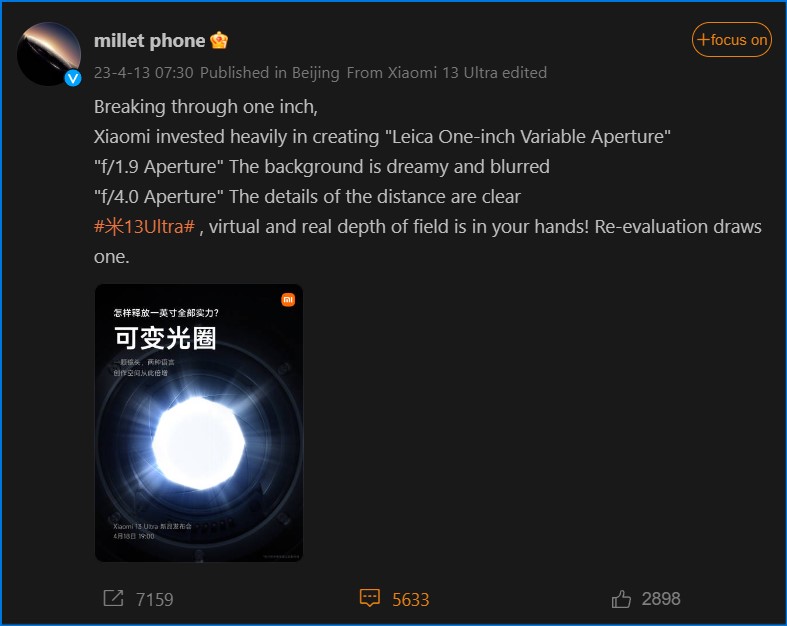
Notably, Xiaomi has taken steps to address this issue with the upcoming Xiaomi 13 Ultra. The device will feature variable aperture technology, enabling the camera to adjust the aperture automatically to provide the best possible image in any given situation. The device can intelligently switch between f/1.9 to f/4.0 aperture size, depending upon the scenario. This innovative technology ensures optimal exposure and allows the camera to produce high-quality images even in challenging lighting conditions.
Furthermore, Xiaomi has shared some camera images on their Weibo account. The images are a testament to their partnership with Leica and the top-notch camera hardware utilized, resulting in remarkable image quality. The images look stunning, and they have further elevated our enthusiasm to test the camera capabilities of the device.
The Xiaomi 13 Ultra camera is expected to be an exceptional device that will push the boundaries of mobile photography. The device’s AI-powered processing is expected to provide advanced image optimization and post-processing, which will take mobile photography to new heights. Additionally, the Xiaomi 13 Ultra’s sleek and modern design is expected to make it a top choice for photography enthusiasts and tech-savvy consumers alike. Overall, the Xiaomi 13 Ultra camera is an exciting addition to the mobile photography world, and it’s definitely worth keeping an eye on for anyone in search of a powerful and versatile camera phone.
Vivo is set to launch the Vivo X Fold 2 in China on April 20th. It will debut as the successor to the X Fold. Now ahead of the launch, the upcoming offering has been spotted on Geekbench benchmarking platform. It reveals key specifications of the foldable phone.
The Vivo X Fold 2 is listed with model number V2266A on the Geekbench database. The listing reveals a motherboard codenamed ‘kalama’ and it comprises three cores at 2.2GHz, four cores at 2.8GHz, and 1 core at 3.19GHz. The setup and motherboard codename corresponds to the Snapdragon 8 Gen 2. This also suggests that the Vivo X Fold 2 will be the first foldable to be powered by Qualcomm’s latest-generation flagship processor. As per the listing, the device will pack 12GB RAM and we can expect more variants at launch. It will run on Android 13 OS out of the box.
In Geekbench’s single-core and multi-core test results, the Vivo X Fold 2 scores 1,808 and 5,050 points respectively. Apart from this, the benchmark database does not reveal any additional details.
The Vivo X Fold 2 is expected to come with 6.5 and 8.3-inch interior and exterior screens respectively with 120Hz refresh rates and peak brightness of up to 1,800 nits. The foldable phone will reportedly be backed by a 4,800mAh battery unit with support for 120W wired and 50W wireless charging. The circular camera island on the back panel is tipped to comprise a 50MP main sensor, 12MP ultra-wide, and a 12MP telephoto lens. Both the interior and exterior screens are expected to have a 16MP selfie snapper.
We use cookies on our website to give you the most relevant experience by remembering your preferences and repeat visits. By clicking “Accept”, you consent to the use of ALL the cookies.
This website uses cookies to improve your experience while you navigate through the website. Out of these, the cookies that are categorized as necessary are stored on your browser as they are essential for the working of basic functionalities of the website. We also use third-party cookies that help us analyze and understand how you use this website. These cookies will be stored in your browser only with your consent. You also have the option to opt-out of these cookies. But opting out of some of these cookies may affect your browsing experience.
Necessary cookies are absolutely essential for the website to function properly. This category only includes cookies that ensures basic functionalities and security features of the website. These cookies do not store any personal information.
Any cookies that may not be particularly necessary for the website to function and is used specifically to collect user personal data via analytics, ads, other embedded contents are termed as non-necessary cookies. It is mandatory to procure user consent prior to running these cookies on your website.