Realme has been hinting in China for a few days that it will be bringing back its numbered series of smartphones. Today, the Chinese manufacturer confirmed that it will announce the Realme 10 series at 2 pm (local time) on Nov. 17 in the home market.
The above poster reveals that the Realme 10 series will be equipped with a curved-edge display. Rumors are rife that the company may announce two models, the Realme 10 and the Realme 10 Pro 5G, on Nov. 17. These two devices will be different from the Realme 10 4G, which will be made official on Nov. 9 in Indonesia.
The TENAA regulatory body of China recently approved three Realme phones with RMX3615, RMX3663, and RMX3687 model numbers. There is no word on the final marketing name of the RMX3615 device, but the RMX3663 and RMX3687 are expected to launch as Realme 10 5G and Realme 10 Pro+ 5G in China.
Realme 10, 10 Pro+ specifications (rumored)
The Realme 10 and 10 Pro+ are expected to feature a 6.7-inch FHD+ display. The former will feature a flat LCD screen and a side-mounted fingerprint scanner, while the latter will sport a curved edge AMOLED screen integrated with a fingerprint sensor. The lineup will run on the Android 13 OS with the Realme UI on top.
The Realme 10 will be powered by a 2.2GHz octa-core processor, while the Pro+ model will be driven by the Dimensity 1080 chip. Both devices will come with up to 12 GB of RAM, up to 512 GB of storage, and a 5,000mAh battery. The vanilla model will support 33W charging, whereas the Pro+ variant will offer 67W charging.
The Realme 10 has a 108-megapixel + 2-megapixel dual-camera setup. The back panel of the Realme 10 Pro+ features a 108-megapixel + 8-megapixel + 2-megapixel triple camera unit. Both phones have a 16-megapixel front-facing camera.
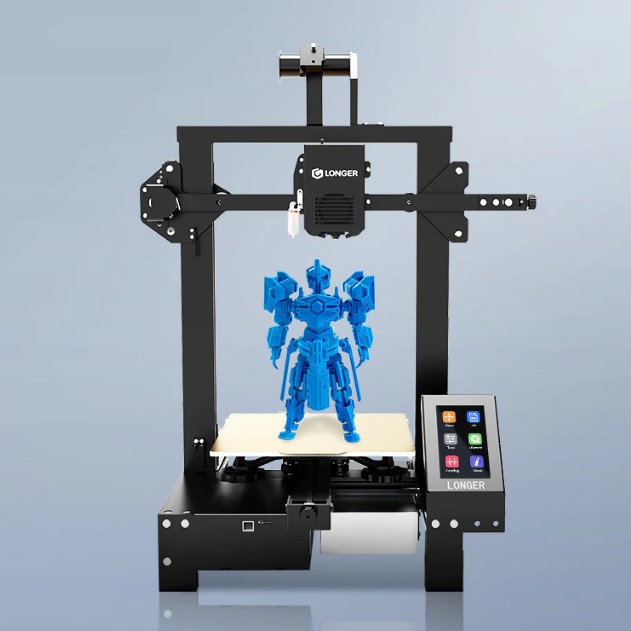
Longer is giving $20 OFF on their LK4 X FDM 3D printer. The printer which retails for $299 is now available for $279 only by using the coupon code: 20LK4X. Customers from the US can get the printer at a discounted price here while those from the EU region can purchase it here.
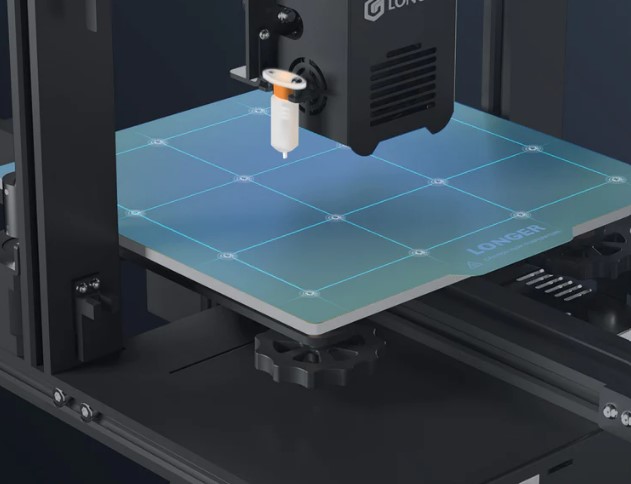
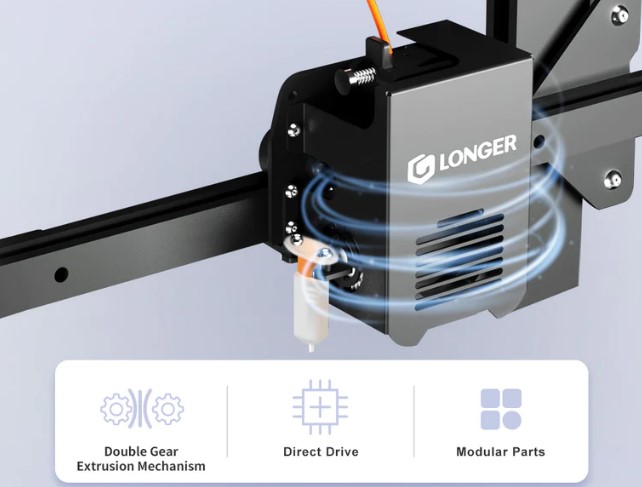
Longer LK4 X FDM 3D printer features a direct dual-gear extruder with a 5:1 reduction ratio and is compatible with a wide variety of materials like PLA, TPU, ABD, PETG, Wood, etc. It comes with an intelligent auto-leveling system that features 16-point precise leveling that compensates for the hotbed’s unevenness and gives you perfect output. This kind of precision and ease cannot be achieved with manual leveling.
LK4 X FDM is a quiet printer as it comes with 4 kits of TMC2208 ultra-silent chipsets. Unlike the generic printers with 8-Bit chips, the Longer LK4 X FDM comes with a 32-Bit main control chip which gives you faster output with better print quality. The chip supports upgrades and avoids a lot of firmware issues which helps you to get up-to-date technology and quality output at a faster pace. The 3D printer platform is built from a premium spring-flexible steel that allows for simple filament adhesion to the print bed. This means you dont need to use a separate adhesive which makes it easy to remove the printed model by removing the PEI sheet.
The device comes with a 4.3-inch full-color touchscreen display and a friendly UI that is easy to operate and gives you real-time printing data. It comes with a dual resume printing function that helps to continue the printing even after a power cut or when the filament runs out. With this function, the algorithm records and detects the printing process in real-time and starts again from where it left off.
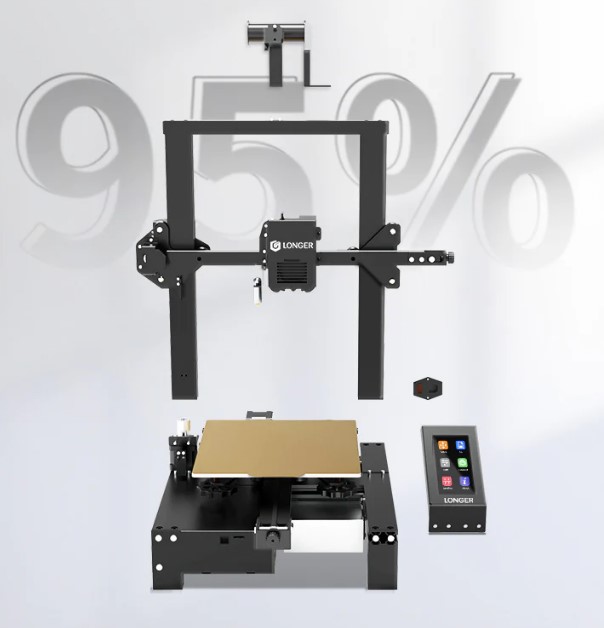
Longer LK4 X FDM 3D printer is easy to install as 95% of the device comes pre-assembled. It consumes less power than an average printer and comes with advanced features like a dual fan bowler kit, manual belt tensioners, improved teflon tube, etc which all help in giving better quality output.
Longer LK4 X FDM 3D printer is now available for a discounted price of $279 only. So grab your printer before the deal expires.
For more information on such exciting deals and offers check out our deals hub.
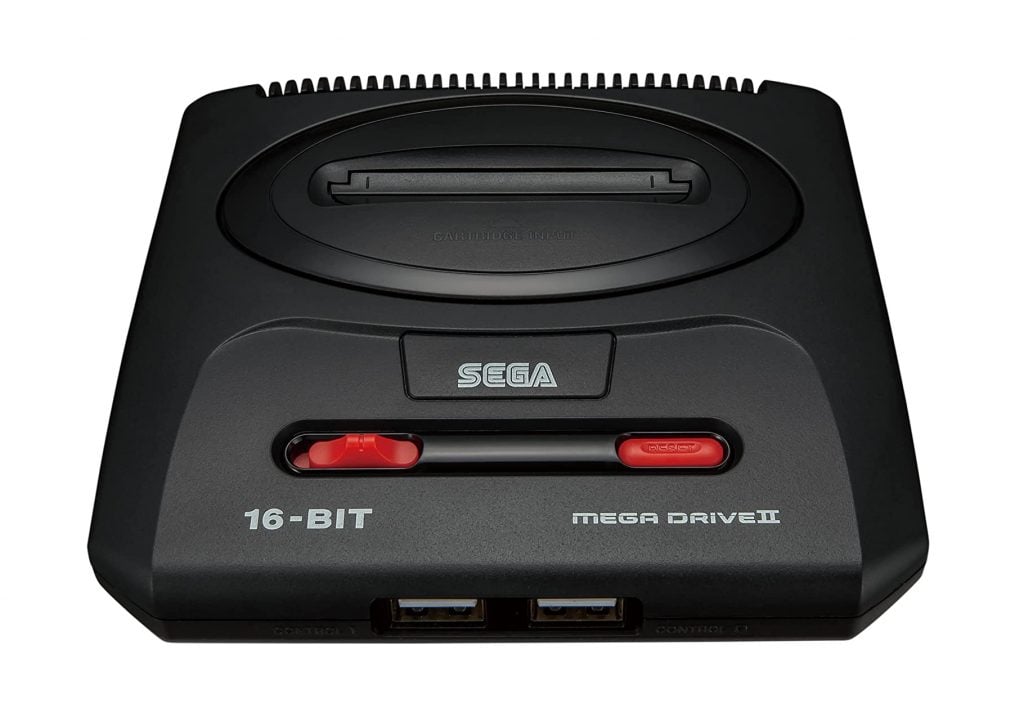
Japanese gaming giant SEGA announced the Mega Drive Mini 2 console a few months back. The company has now started selling the console in some markets. The console comes as the Drive Mini 2 and Genesis Mini 2. Both variations, marketed as the Genesis Mini 2 in North America, are exact replicas of the 1994 full-sized machines. However, SEGA has reduced the size of its chassis and introduced new ports.
Notably, SEGA has replaced the proprietary controller interfaces on both Mini 2 variants with USB Type-A connections. As a point of reference, Mini 2 consoles are compatible with earlier Mega Drive Mini and Genesis Mini controllers. Additionally, Mini 2 devices have an HDMI port and a Micro USB port for power and 480p or 720p video output, respectively. Sadly, SEGA only provides one controller in the box rather than two like they did with the original consoles.
A drawback, though, is that the Mini 2 consoles cannot play original game cartridges like older consoles. Instead, it comes pre-installed with 60 games found on the Mega Drive or the Mega CD. It should be noted that the available titles vary, depending on location, with Japanese models receiving a different game list from the North American and Europe editions. SEGA’s website has more information about the Mega Drive Mini 2 (Amazon) and Genesis Mini 2 (get it from Amazon in certain international markets).
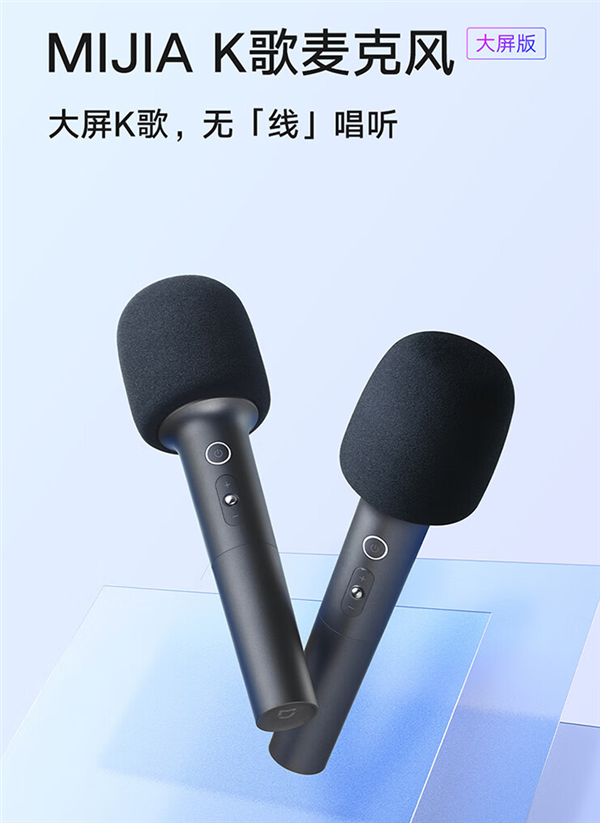
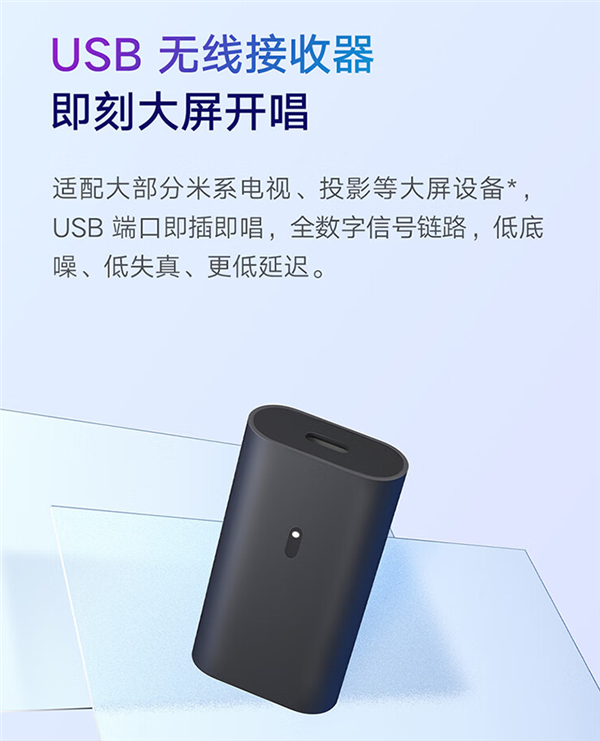
Xiaomi has released the MIJIA Karaoke Microphone large-screen version with a USB wireless connector for instant operation via plug-and-play. This comes after releasing the cheaper MIJIA Karaoke Microphone in September. The new model is compatible with Mi-series TVs and projectors.
The MIJIA K Song Microphone features a digital signal link, low noise floor, low distortion, and low latency functionality. It supports U-segment signal transmission, Xiao Ai, and MIJIA app support, and comes with 36 pre-set sound effects in four categories. It has a 16-hour battery life, a fine steel mesh, and a high-quality sponge cover. The sponge cover works as a noise filter and helps to suppress the spray. In terms of appearance, the new MIJIA K song microphone is similar to the standard version. It uses a 28mm memory coil sound card-level DSP chip and delivers professional EQ equalization and reverberation effects. The microphone uses the DRC dynamic optimization technology for voice enhancement. The microphone supports one-key elimination of singing, songs change accompaniment, and dual microphone connection wireless duet.
The MIJIA Karaoke microphone large-screen version is priced at 369 yuan (~$51). It is slightly more expensive than the MIJIA Karaoke Microphone at 299 yuan (~$42). China-based customers could purchase the Xiaomi MIJIA K Song Microphone large-screen version via JD.com and other leading retail platforms. Global availability and pricing details for the product could be released subsequently.
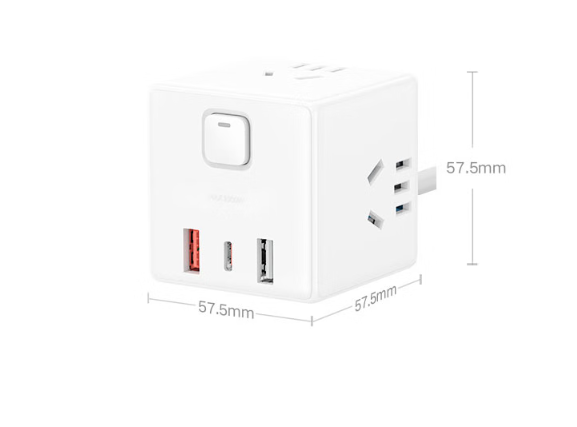
The Rubik’s Cube Converter Pro is among the latest gadgets launched by tech brand Xiaomi. The Mi Rubik’s Cube Converter Pro supports 33W fast charging and can be plugged on all sides. The gadget was announced back in October and it has already gone on sale.
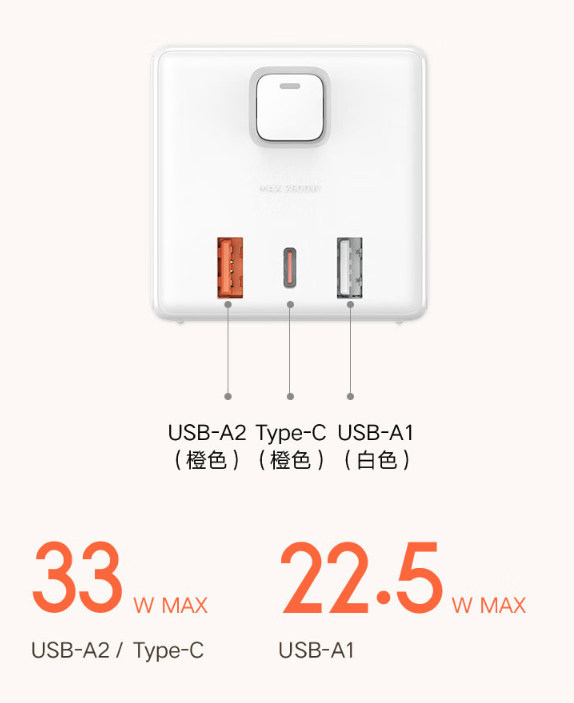
The Xiaomi Cube Converter Pro comes in a square design that incorporates the charger and power strip. There are jacks at the four sides of the device, providing a more convenient plug-in method. It is slightly smaller (about 24%) than the MIJIA Cube Converter wired version. The converter is compact and provides connectivity for multiple devices. There are three sets of power jacks in the gadget and three USB ports (USB-A x2 and USB-C x 1). The C and A2 ports support 33W wired fast charging while the A1 port delivers 22.5W charging.
The Xiaomi Cube Converter Pro is compatible with several devices and can intelligently identify the output current. In terms of charging speed, it is claimed that the Cube Converter Pro can charge the Mi 12 S Ultra fully in 65 minutes and up to 100 minutes to fully charge an iPhone 14. The device comes with several features to guarantee the safety of the devices being charged. It uses a high-quality copper alloy as the internal conductive structural material. The shell of the Converter Pro is made of flame-retardant material and there are multiple layers of protection against foreign object insertion.
The Xiaomi Cube Converter Pro supports one-key master control and the gadget is available in China for 89 yuan (~$12). It can be purchased from leading platforms like JD.com.
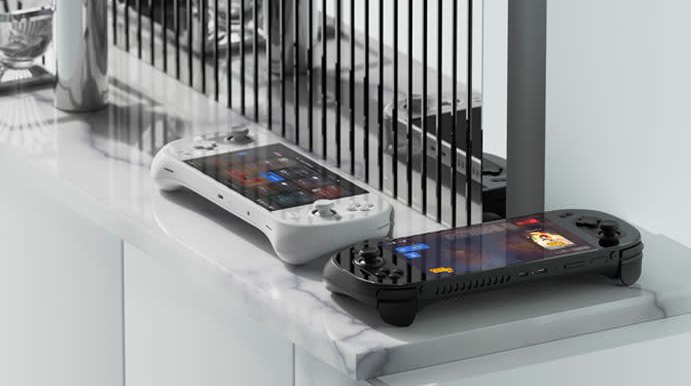
AYA NEO has launched two gaming handhelds – the AYA NEO 2 and AYA NEO GEEK with 800p/ 1200p displays. Both models are powered by AMD Ryzen 7 6800U, Zen 3+ APU, 8-core CPU, 16 threads, and 28W TDP. They feature the Radeon 680M graphic which relies on AMD’s rDNA 2 architecture. It offers 12 Compute Units (CU) and a 68% performance of the more powerful Radeon RX 6500M. The Radeon RX 6500M comes with 16 Compute Units, a dedicated VRAM, an infinity cache, and a higher TDP.
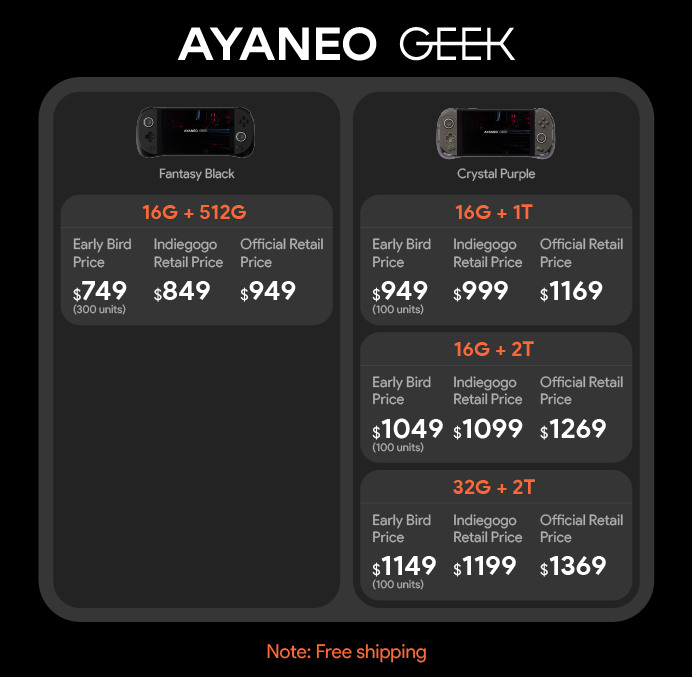
The models come in several color variants but only the Fantasy Black version of the AYA NEO GEEK has an 800p display. The AYA NEO GEEK is also available as a Crystal Purple variant which has a 1200p display. All the color variants of the AYA NEO 2 feature the 1200p display. AYA NEO has several accessories for the models but is priced separately. These include a case cover, screen protector, docking station, and wireless controller. The AYA NEO 2 and AYA NEO GEEK are now available via an Indiegogo crowdfunding campaign. The backers of the campaign have raised more than one million dollars within two days of the campaign.
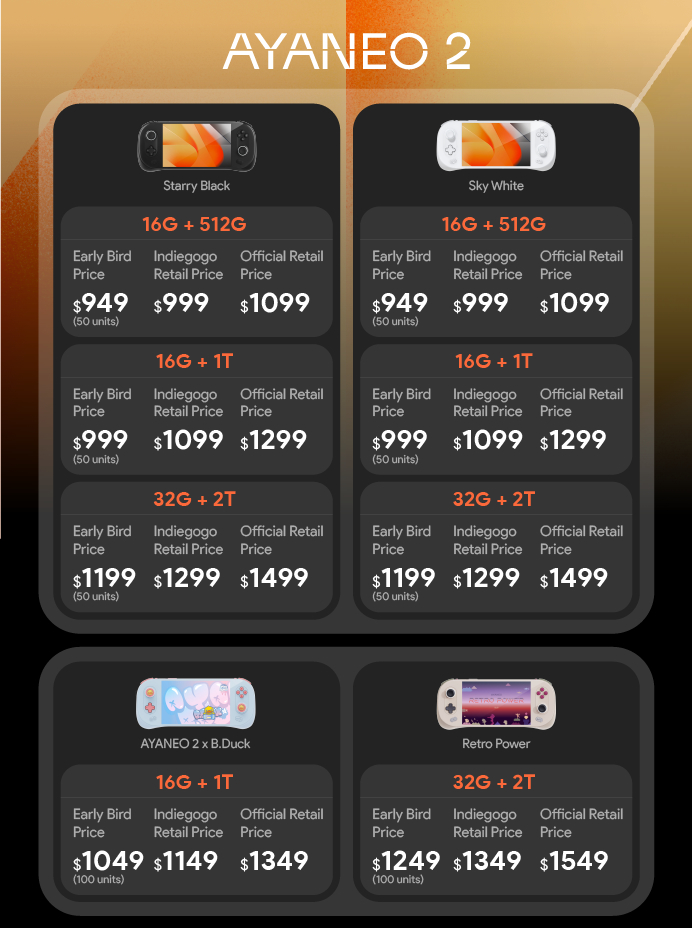
The Indiegogo campaign is the fourth that AYA NEO has embarked on and will run till January 2023. AYA NEO has early-bird offers for the two gaming handheld devices. The least-priced model is the AYA NEO GEEK which starts at $749. The earliest delivery for these exciting AYA NEO gaming handhelds is December 2022.
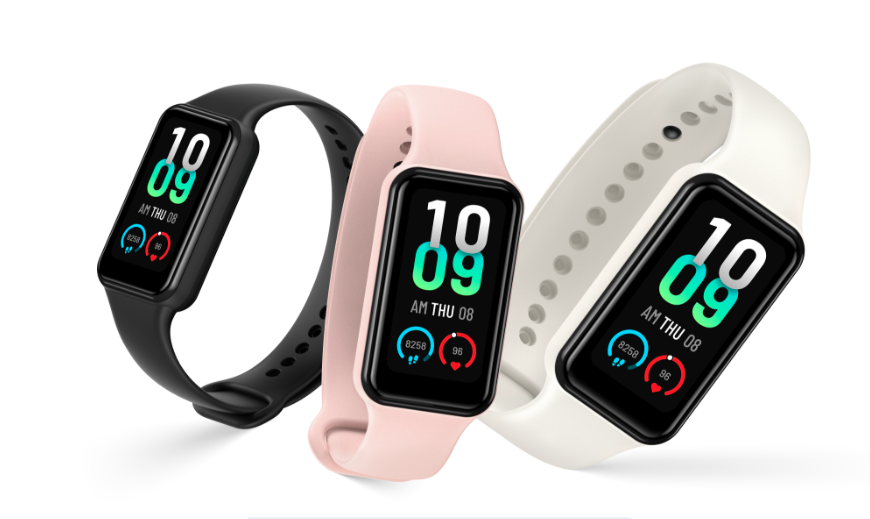
After making rounds in the global market, Amazfit Band 7 is finally coming to India. The company recently announced its latest fitness band will debut in the country on November 8 and it will be sold through Amazon and Amazfit’s official Indian website from the same date. Amazfit also revealed the pricing of the Band 7. Let’s have a look at all the details.
The Amazfit Band 7’s price in India is set at Rs. 3,499 ($42), but on the launch day (November 8), it will be available at a discounted price of Rs. 2,999 ($36). The band will be offered in two colors: Classic Black and Elegant Beige. Buyers will be able to customize the smart band with four strap colors – Pink, Orange, Blue, and Green.
The newly launched Amazfit band sports a 1.47-inch HD AMOLED display that offers a resolution of 198 x 368 pixels and a pixel density of 282 PPI. The wearable runs Zepp OS, and it comes with up to 18 days of battery life. In addition, it is claimed to offer 28 days of battery life with battery-saver mode.
The Band 7 comes with many health and wellness features. It has a 24/7 heart rate monitor, an SPO2 monitor, a stress monitor and stress tracker, and a menstrual cycle tracker. The smart band can alert the user in case of abnormal changes in health data. The wearable comes with 120 sports modes and smart recognition for four sports. Additionally, it has up to 50 watch faces.
The Amazfit Band 7 is supported on both Android and iOS devices via Bluetooth. Furthermore, it has in-built Amazon Alexa voice assistance support and comes with a 5 ATM water resistance rating.
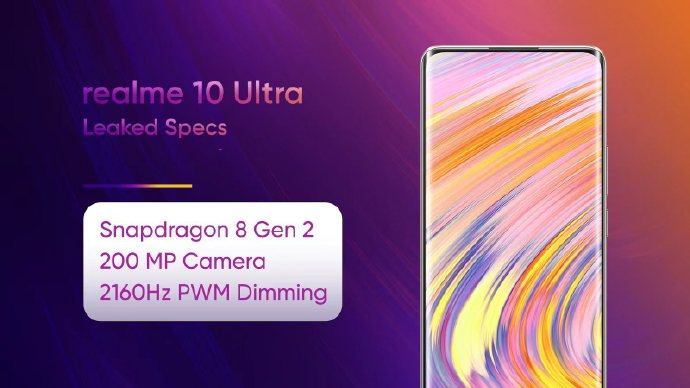
Realme is working on the Realme 10 series. Reports have claimed that the lineup will consist of the Realme 10 4G, Realme 10 5G, Realme 10i, Realme 10 Pro+ 5G, and Realme 10 Pro+ 5G. A poster that is now being circulated on Weibo reveals the existence of the Realme 10 Ultra.
The Realme 10 Ultra poster that has appeared on Weibo appears to be a fan-made image. After axing the X-series, Realme has been launching flagship phones under the “GT” branding.
Realme 10 Ultra
Since the past few years, Realme hasn’t been selling its numbered series of smartphones in China. Its product portfolio for the home market has included the GT, Neo, V, and Q series of smartphones. This month, Realme will be bringing back its numbered series of phones to China by launching the Realme 10 lineup.
The specifications mentioned on the Realme 10 Ultra poster appear too good to be true for a numbered series phone. The poster states that the device is equipped with the Snapdragon 8 Gen 2 chipset, a 200-megapixel primary camera, and 2160Hz PWM dimming. The image of the phone shows that it has a curved edge display without a visible front camera.
While the Realme 10 Ultra may not exist, there are some speculations that the Realme 10 series has a Snapdragon 8 Plus Gen 1-powered device. It is expected to feature a 6.7-inch OLED display with curved edges. It is expected to support Full HD+ resolution of 1080 x 2400 pixels, 10-bit colors, 2160Hz PMW dimming, and a slim bottom bezel of around 2.3mm. While the Dimensity 1080-powered Realme 10 Pro is expected to launch later this month, there is no word on the marketing or release date of the SD8+G1 Realme phone.
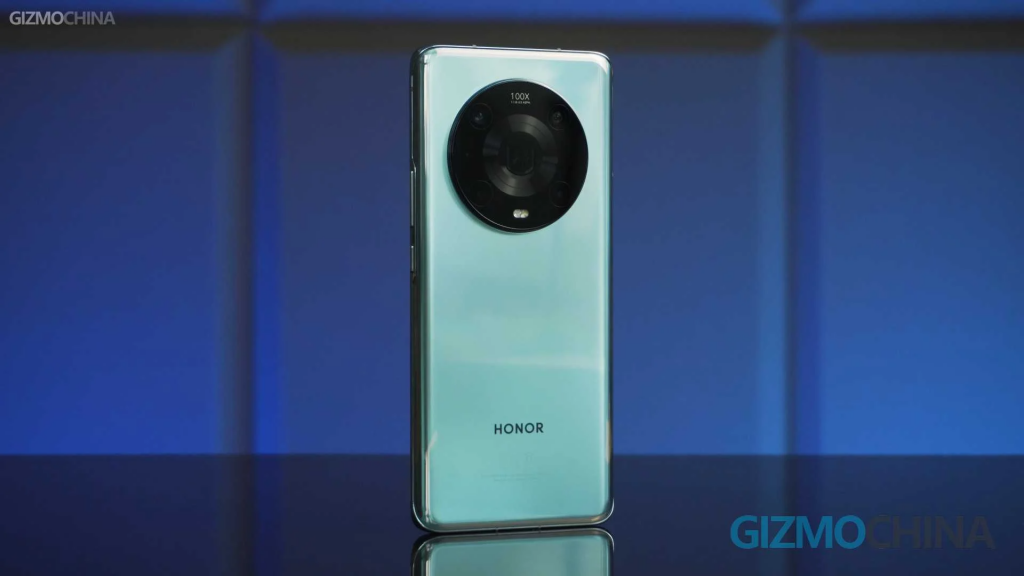
Leaked information that surfaced in September claimed that the Honor Magic 5 series, featuring the Snapdragon 8 Gen 2 is expected to launch between March and April 2023. Ahead of the launch, a spec sheet for the Magic 5 series has surfaced on Weibo. The leak reveals the specifications of the Magic 5, Magic 5 Pro, and Magic 5 Prestige Edition. Readers should take the Magic 5 series specs leak with a grain of salt before reading on.
According to the leak, the Magic 5, Magic 5 Pro, and Magic 5 Prestige Edition will come equipped with a 6.8-inch OLED LPTO panel that offers a 1Hz–120Hz refresh rate, 2160Hz PWM dimming, 480Hz touch sampling rate, HDR10+, and up to 1100nits of brightness. The series will run on Magic UI 7.0-based on Android 13 OS.
Honor Magic 4 Pro
The Magic 5 trio will feature the Snapdragon 8 Gen 2 chip, LPDDR5x RAM, and UFS 5.0 storage. The Magic 5 will have a 5,000mAh battery with 66W charging, while the other two models will house a 4,800mAh battery with 100W wired charging and 50W wireless charging. The series will also support the 40W UFCS charging standard.
The Honor Magic 5 trio will have a 13-megapixel Sony IMX688 front camera. The Magic 5’s rear camera setup will have a Sony IMX800 primary camera, a Sony IMX758 lens, and an OmniVision OV64B lens. The Magic 5 Pro’s rear camera setup will consist of a Sony IMX878 with OIS support as the primary camera, an OmniVision OV64B lens, and a Sony IMX516 camera. The Prestige Edition will be equipped with a Sony IMX989 with OIS support as its primary camera, a Sony IMX758 lens, a Sony IMX516 sensor, and another OIS-enabled Sony camera. All three devices will have a ToF lens and a flicker sensor.
All three devices will have an under-display fingerprint scanner. The Magic 5 will support 2D face unlock, while the other models will support 3D facial recognition. The series will offer other features like 5G, Wi-Fi 7, Bluetooth 5.2, NFC, USB 3.1, Dolby-powered dual speakers, an X-axis linear motor, and USB 3.1.
The Magic 5 and Magic 5 Pro will have a metal-glass combination chassis, whereas the Prestige Edition will have a nano-ceramic build. The Pro and Prestige models will offer IP68 protection against water and dust, while the Magic 5 will come with an IP54 rated chassis.
The leak further states the Honor Magic 5 variants with 8 GB RAM + 256 GB storage, 12 GB RAM + 256 GB storage, and 12 GB RAM + 512 GB storage will be priced at 4,999 Yuan (~$696), 5,399 Yuan (~$751), and 6,199 Yuan (~$862). The Pro model is also expected to arrive in the same variants priced at 5,999 Yuan (~$835), 6 ,399 Yuan (~$891), and 7,199 Yuan (~$1,000). The Honor Magic 5 Prestige Edition will only come in a single 12 GB RAM + 512 GB storage configuration, priced at 7,999 Yuan (~$1,113).
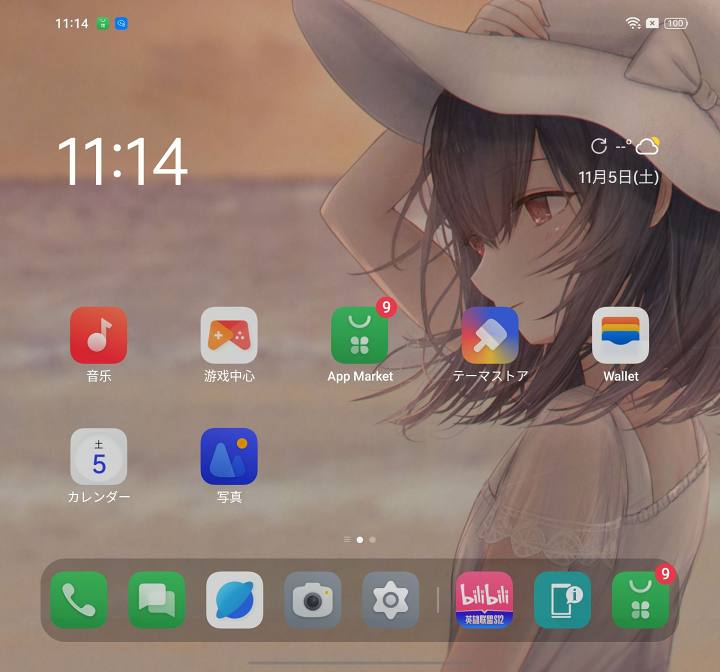
Reports suggest Oppo has two new foldable smartphones coming. It is possible that one of them is the flip foldable phone called Find Flip and the other is the rumored successor to the Oppo Find N. There aren’t a ton of leaked specs for either device, but we do get some key details about the upcoming Find N2 through some leaked screengrabs.
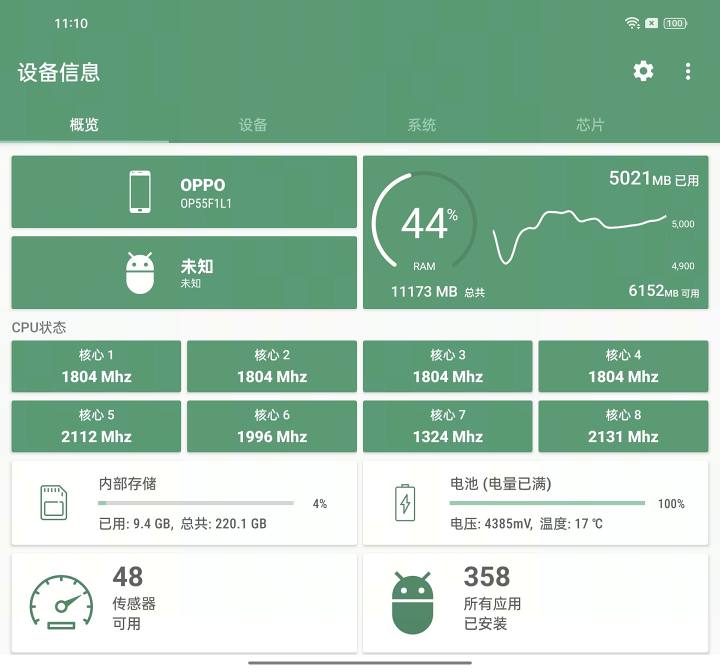
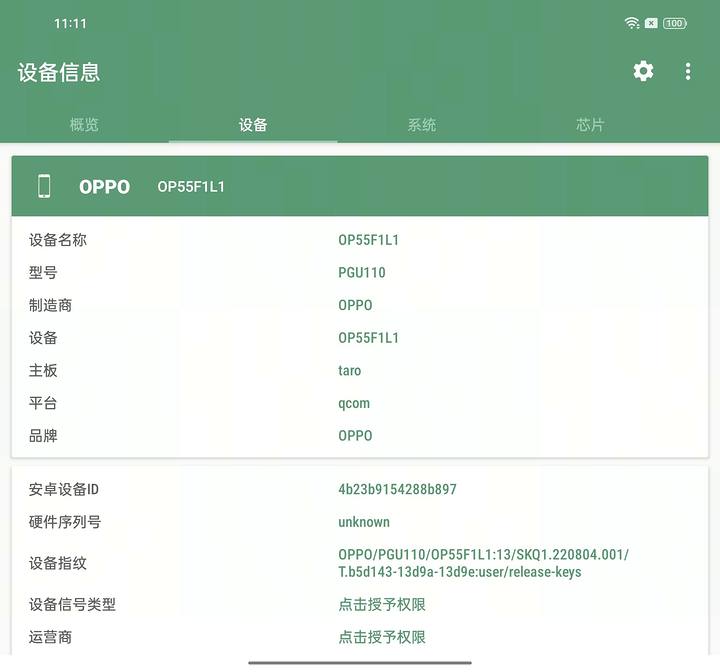
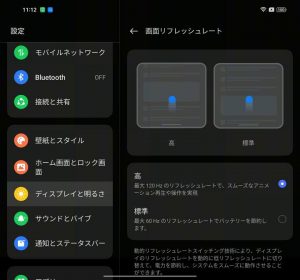
Some screenshots of what seems to be the testing unit of the OPPO Find N2 have leaked online, revealing a few key specifications in the process (via TechGoing). In the images, you can see that the upcoming Find N2 has model number PGU110 and features a foldable screen with 120Hz refresh rate support.
The foldable is powered by the Snapdragon 8 Plus Gen 1 SoC. One of the screengrabs does show the CPU details but does not specify the chipset. The Find N2 is reported to be equipped with Oppo’s home-brewed MariSilicon X chip for an enhanced low-light photography experience. In addition, Hasselblad’s camera optimizations might be supported on the device.
A recent report suggests the successor to last year’s Find N will have a 7.1-inch LTPO AMOLED folding screen. The device is expected to come with a 4,520mAh battery and flaunt a faux leather back. On the software front, it will run the latest ColorOS 13, based on Android 13.
Find N2 is said to have a side-mounted fingerprint scanner integrated into the power button, similar to its predecessor. The foldable will likely be offered in black, white, and green colors. It is reported that the production of the handset is already underway, which suggests the company may soon announce its launch date. Currently, Find N2 is only expected to be available in China, which is unfortunate.
Sony is expected to launch as many as six smartphones in 2023, according to a Reddit user. All of them will be equipped with Snapdragon chipsets. Before reading on, people should take the leak with a grain of salt because its source could not be confirmed.
As per the leak, there are six Sony Xperia phones planned for the year 2023. The model numbers of these devices are PM-142x-BV, PM-143x-BV, PM-144x-BV, PM-145x-BV, PM-146x-BV, and PM-147x-BV. Among these, three devices will feature the Snapdragon 8 Gen 2 mobile platform, two devices will have the Snapdragon 4 Gen 1, and there will be one device featuring the Snapdragon 6 Gen 1.
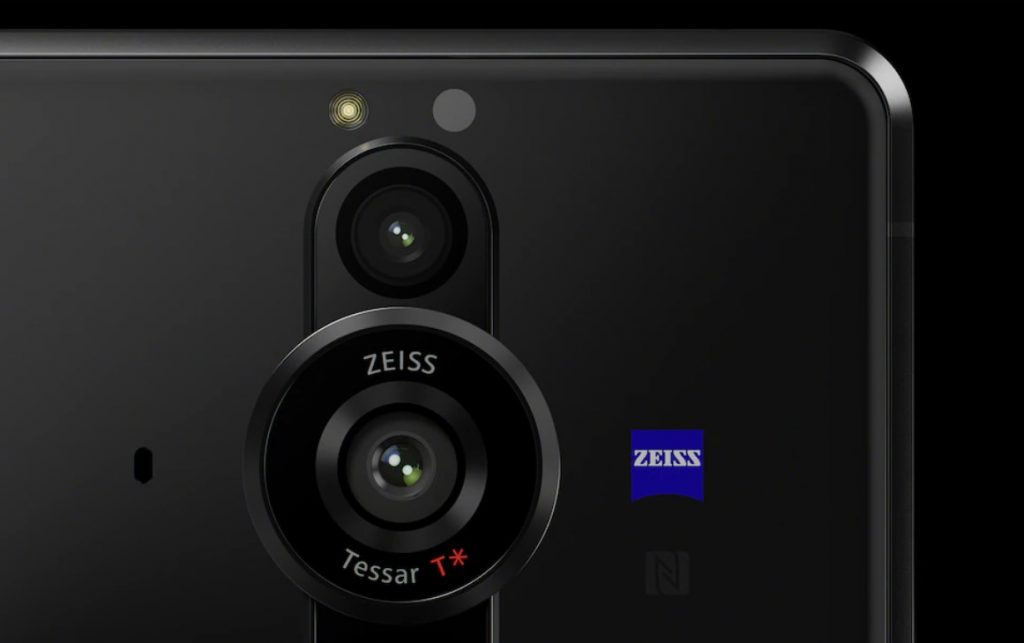
Sony Xperia Pro-I
It is likely that the Xperia 1 V, Xperia 5 V, and Xperia Pro 2023 may feature the SD8G2 chip. In 2020, Sony launched the Xperia Pro, featuring the Snapdragon 865 chip. The Xperia Pro-I, powered by the Snapdragon 888 was released in 2021. With only two months remaining in this year, it appears that the Japanese tech giant has no plans to release a Snapdragon 8 Gen 1 / 8+ Gen 1 powered Xperia Pro model this year.
The Xperia 10 V could be powered by the SD6G1. There is a possibility that the Xperia Ace IV may feature the SD4G1. In October, the rumor mill spilt some details about the Xperia Ace IV. It is expected to arrive with a 5.5-inch OLED FHD+ display with a 21:9 aspect ratio, SD4G1, 6 GB of RAM, 128 GB of storage, a microSD card slot, a 4,500mAh battery with 18W charging, and a 3.5mm audio jack.
The other SD4G1 phone could be the same Ace model with different branding for markets outside of Japan. The detailed specs of the other Sony phones are not known yet.
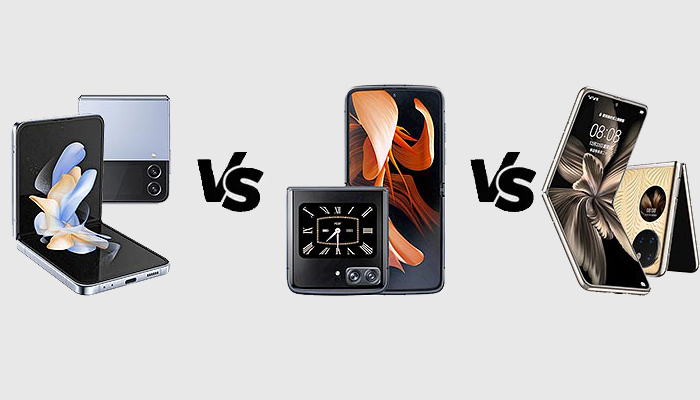
This summer Motorola came up with a new innovative foldable phone from the Razr series. Unlike the first device from this series, the Motorola Razr 2022 is a flagship phone. A few days ago, the phone made its debut in the global market and it was launched in Europe too. This time, the Lenovo-owned brand released a device that can perfectly compete with the best clamshell foldable phones from all the other brands. Before this device, two other clamshell phones hitten the shelves in the global market: the Samsung Galaxy Z Flip4 and the Huawei P50 Pocket. Here is a comparison between the specifications of the Samsung Galaxy Z Flip4, the Motorola Razr 2022, and the Huawei P50 Pocket.
Samsung Galaxy Z Flip4 vs Motorola Razr 2022 vs Huawei P50 Pocket
Samsung Galaxy Z Flip4
Motorola Razr 2022
Huawei P50 Pocket
DIMENSIONS AND WEIGHT
165.2 x 71.9 x 6.9 mm unfolded (84.9 x 71.9 x 15.9 mm when folded),
187 g
167.0 x 79.8 x 7.6 mm unfolded (86.5 x 79.8 x 17 mm when folded),
200 g
170 x 75.5 x 7.2 mm unfolded (87.3 x 75.5 x 15.2 mm when folded),
190 g
In my personal opinion, the most attractive design belongs to the Motorola Razr 2022 because it reminds me of the old and iconic Razr feature phones. Further, it has a great build quality as it comes with a glass back protected by Gorilla Glass 5, a frame made of aluminum 7000 series, and a stainless steel hinge. The build quality of the Samsung Galaxy Z Flip4 is great as well, with a glass back protected by Gorilla Glass Victus Plus, an aluminum frame, and the IPX8 certification making it waterproof. The Huawei P50 Pocket is very original thanks to the presence of a circular external display, but it is bigger and less impressive in terms of build quality.
Display
The most interesting displays are the ones found on the Motorola Razr 2022. The internal foldable display is an AMOLED panel showing up to one billion colors with a 6.7-inch diagonal, a Full HD+ resolution, a 144 Hz refresh rate, and HDR10+ certification. The external display is the biggest one, with a 2.7-inch diagonal. However, its rivals are not so distant. The Huawei P50 Pocket has a wider internal display: a 6.9-inch OLED panel with one billion colors and a 120 Hz refresh rate, as well as a Full HD+ resolution. The external display is a 1.04-inch OLED panel behaving like an integrated smartwatch thanks to its form factor. The Samsung Galaxy Z Flip4 has a 6.7-inch AMOLED internal display with a 120 Hz refresh rate and a 1.9-inch rectangular external display sitting in the middle in terms of dimensions.
Specs & Software
The most impressive hardware belongs to the Motorola Razr 2022. It is powered by the Snapdragon 8+ Gen 1 mobile platform (currently the best chipset by Qualcomm) paired with up to 12 GB of RAM and up to 512 GB of internal storage. The Samsung Galaxy Z Flip 4 has exactly the same chipset, but with just 8 GB of RAM to support it. The Huawei P50 Pocket is powered by an inferior Snapdragon 888 mobile platform and, due to the U.S. ban, it does not support 5G connectivity. Further, it does not have Google Mobile Services in the global market, replaced by Huawei Mobile Services.
Camera
The Huawei P50 Pocket has the most advanced cameras, including a 40 MP main sensor, a 13 MP ultrawide shooter, and a 32 MP camera for portraits. It is followed by the Motorola Razr 2022 packing a 50 MP main camera and a 13 MP ultrawide lens. The Samsung Galaxy Z Flip 4 has two 12 MP sensors including an ultrawide one.
The Huawei P50 Pocket provides longer battery life simply because it is bigger and it makes room for a bigger battery. Further, it supports a faster charging tech with a power of 40W.
Price
The Samsung Galaxy Z Flip 4 is available for about €1100/$1100 in Europe, the Huawei P50 Pocket can be found for less than €750/$750, and the Motorola Razr 2022 costs €1200/$1200 (prices vary depending on the market). Which one would you pick?
Apple is offering a two-month free subscription to its premium streaming platform, Apple TV+. The Cupertino-based tech giant has tied up with famous singer and actress Selena Gomez. Gomez’s new documentary is called ‘My Mind and Me’. Apple aims to promote the release by offering a two-month free membership. The singer also shared the free trial of the Apple TV+ as a special gift to her followers on Twitter.
Apple only offers seven days of free trial for the Plus membership. Once the trial period is over, the subscription is charged at Rs 99 per month. Additionally, new users of Apple products also get 3 months of free subscription to TV+. The Apple TV+ is home to the brand’s exclusive shows including Ted Lasso, The Morning Show, Servant, Shantaram, and more.
In a tweet, Gomez shared a link to the Apple website where those interested can get two months of Apple TV+ subscription for free. One can also visit this website directly. The URL gives a redeem code to ‘new and qualified returning customers’. Users need to click on the ‘Accept 2 Months Free’ button after which they will be prompted to enter their Apple ID. It’s worth noting that the code is valid only until December 2nd and the subscription will automatically renew unless it is cancelled when the trial period is over.
Selena Gomez’s ‘Mind and Me’ documentary film follows her through the last six years of her life. It gives a glimpse into the life of a celebrity and the various challenges she overcame including mental health issues, her failed relationship with Justin Beiber, and a kidney transplant.
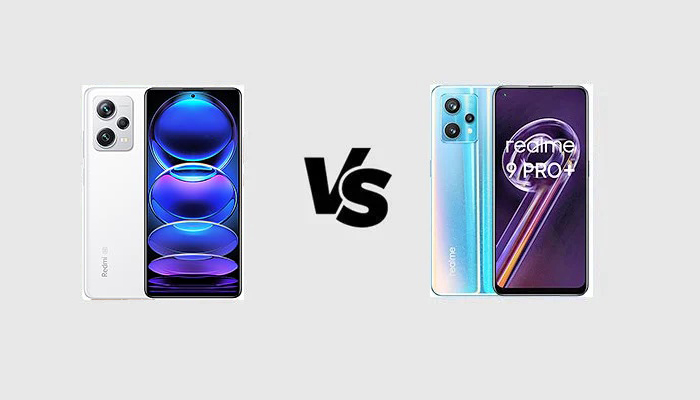
The new Redmi Note 12 Series made its debut and, just like the previous series, it includes the Pro Plus variant. Do not get fooled: it is not a flagship, but it remains a mid-ranger. However, it provides very interesting specifications such as amazing charging technology and a powerful chipset, as well as an advanced camera. Another brand releasing Pro Plus mid-rangers is Realme, which came up with the Realme 9 Pro Plus earlier this year. Is it better to get the newly-announced Redmi mid-ranger or it is better to save some money for the older Realme 9 Pro Plus? Here is a comparison between the main specifications of the Redmi Note 12 Pro Plus and the Realme 9 Pro Plus which will help you to find it out.
Xiaomi Redmi Note 12 Pro Plus vs Realme 9 Pro+
Xiaomi Redmi Note 12 Pro Plus
Realme 9 Pro+
DIMENSIONS AND WEIGHT
162.9 x 76 x 9 mm,
208 g
160.2 x 73.3 x 8 mm,
182 g
DISPLAY
6.67 inches, 1080 x 2400 pixels (Full HD+), OLED
6.4 inches, 1080 x 2400 pixels (Full HD+), Super AMOLED
Triple 200 + 8 + 2 MP, f/1.7 + f/1.9 + f/2.4
16 MP front camera
Triple 50 + 8 + 2 MP, f/1.8 + f/2.2 + f/2.4
16 MP f/2.4 front camera
BATTERY
5000 mAh, fast charging 120W
4500 mAh, fast charging 65W
ADDITIONAL FEATURES
dual SIM slot, 5G, IP53 certification
dual SIM slot, 5G
Design
The most interesting design belongs to the Realme 9 Pro Plus. It is one of the few phones with a color changing glass back: it is able to change its color if you place it under direct sunlight, in just a few seconds. It is thinner and lighter than its rival and it is an even more compact phone. But with the Redmi Note 12 Pro Plus, you can actually get a better build quality. Unlike the Realme coming with a plastic frame, the Redmi has an aluminum frame as well as a glass back. Further, it features the IP53 certification making it dust resistant and splash resistant. However, it is way thicker, heavier, and bigger than its opponent. So, if you want a more beautiful design and a more ergonomic phone, go for the Realme, otherwise, if you are looking for superior build quality, you should go for the Redmi.
Display
The most advanced display belongs to the Redmi Note 12 Pro Plus. It has an OLED panel able to show up to one billion colors with a diagonal of 6.67 inches, a Full HD Plus resolution of 1080 x 2400 pixels, a 120 Hz refresh rate, Dolby Vision support, HDR10+ certification, a peak brightness of 900 nits, and an in-display fingerprint reader. With the Realme 9 Pro+, you get a 6.4-inch AMOLED panel with a Full HD+ resolution, a 90 Hz refresh rate, a peak brightness of 600 nits, and an in-display fingerprint reader. As you can see, the Realme is inferior in terms of refresh rate, brightness, and color reproduction. On the other hand, its fingerprint reader doubles as a heart sensor. But it has nothing to do with the quality of the panel.
Specs & Software
The hardware department of the Redmi Note 12 Pro Plus is definitely better than the one found on the Realme 9 Pro Plus. It is powered by the new Dimensity 1080 mobile platform by Mediatek: a chipset built with a 6 nm production process sporting an octa-core architecture composed of two Cortex A78 CPUs running at a max frequency of 2.6 GHz, six Cortex A55 CPUs running at 2 GHz, and a Mali G68 MC4 GPU. Alongside the chipset, there are up to 12 GB of RAM and up to 256 GB of internal UFS 2.2 storage. The Realme 9 Pro Plus has an inferior MediaTek Dimensity 920 chipset built at 6 nm with an octa-core architecture composed of two Cortex A78 running at 2.5 GHz, six Cortex A55 running at 2 GHz, and a Mali G68 MC4 GPU. It is paired with up to 8 GB of RAM and up to 256 GB of native storage. Both phones run Android 12 out of the box, even though they debuted in different periods.
Camera
The most advanced camera setup belongs to the Realme 9 Pro+. It has a triple camera setup including a main Sony IMX766 sensor with a 50 MP resolution and OIS, as well as an ultrawide camera with an 8 MP resolution and a macro camera with a 2 MP resolution. Further, it has a 16 MP selfie camera. The Redmi Note 12 Pro Plus has the same secondary sensors and the same selfie camera, but the main sensor is a Samsung one with a 200 MP resolution and OIS.
The Redmi Note 12 Pro Plus provides a longer battery life thanks to its bigger 5000 mAh battery and it charges quicker thanks to 120W fast charging.
Price
You can get the Realme 9 Pro+ for less than €300 or $300 thanks to the actual street prices, while you need at least $339 or €340 for the Redmi Note 12 Pro Plus. The latter wins the comparison.
Xiaomi Redmi Note 12 Pro Plus vs Realme 9 Pro Plus: PRO and CONS
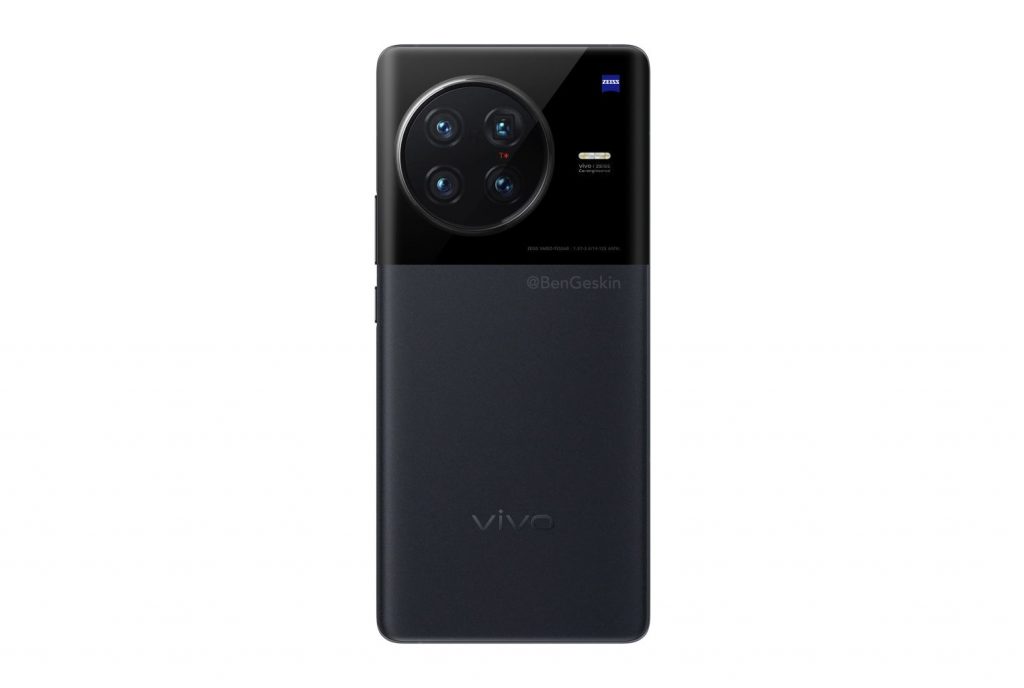
Vivo’s X90 series is reported to arrive by the end of this year, and ahead of it, one of the lineup models has received China’s compulsory 3C certification. The device has model number V2227A, which is believed to be associated with the highest-tier Vivo X90 Pro+ model. Let’s look at the details.
Vivo X90 Pro+ with model number V2227A has bagged certification from China’s 3C website (via @ZionsAnvin). The listing suggests support for up to 80W fast charging. The handset is listed with 5G connectivity as well.
Vivo is expected to unveil the X90 series soon. Reports suggest the company will launch its upcoming lineup by the end of this year. An official confirmation should arrive very soon. Meanwhile, let’s check out the specifications of the Vivo X90 Pro+.
Vivo X90 Pro+ Specifications (rumored)
A recent TechGoing report revealed the full specifications of the upcoming Vivo X90 Pro+. As per the publication, the handset will feature a 6.78-inch Samsung-made AMOLED E6 display. The panel will support a 2K resolution, a 120Hz refresh rate, and 1440Hz high-frequency dimming.
Vivo X90 Pro+ will be powered by the upcoming Snapdragon 8 Gen 2 and the report says that there will be no Dimensity chipset variant. The other two smartphones in the series—X90 and the X90 Pro—will reportedly come equipped with the Dimensity 9200 processor.
For photography, the smartphone will have a quad-camera setup featuring a 50-megapixel Sony IMX989V 1-inch camera sensor. There will also be a 48-megapixel Sony IMX598 ultra-wide camera, a 50-megapixel Sony IMX578 portrait lens, and an OmniVision OV64A periscope zoom unit.
Vivo X90 Pro+ is said to come with LPDDR5x RAM and UFS 4.0 storage. It is expected to have up to 12 GB of RAM and up to 512GB of storage. The device will be backed by a 4,700mAh battery that supports 80W fast charging.
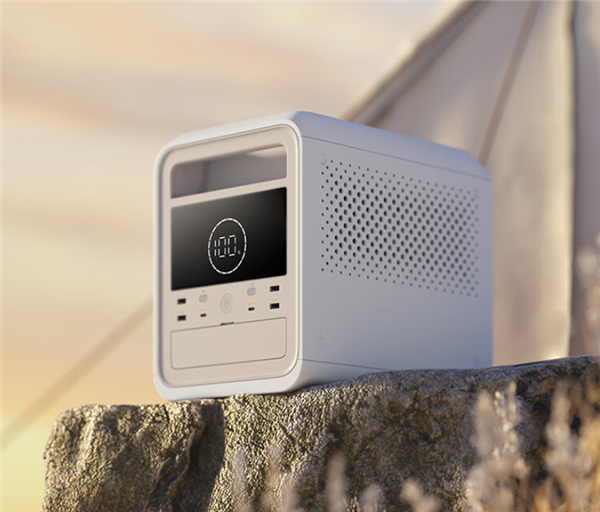
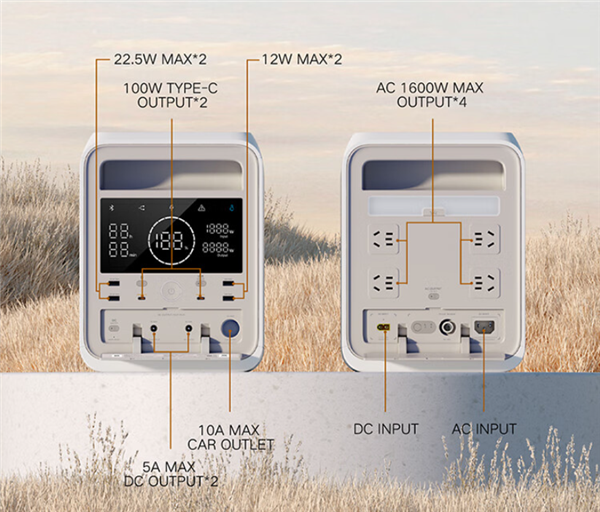
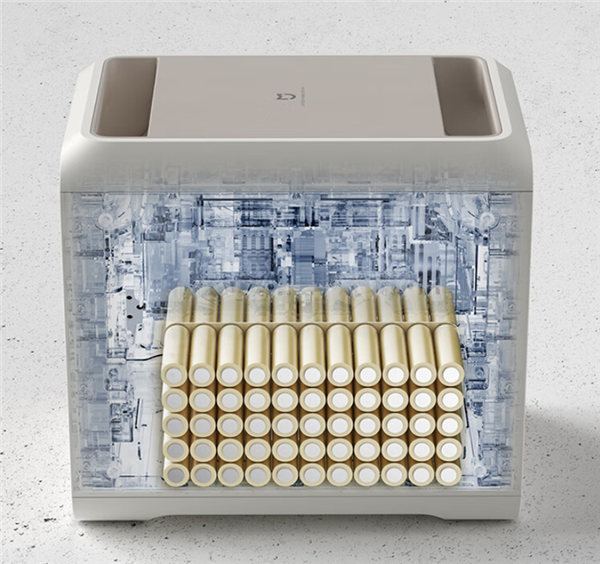
Xiaomi has launched the MIJIA Outdoor Power Supply 1000 in China. The new power gadget delivers up to 2400W output and is a cheaper version of the MIJIA Outdoor Power Supply 1000 Pro launched in September. Both models have a 1KWh rating and slightly similar designs.
The MIJIA Outdoor Power Supply 1000 has a square shape and is relatively regular-looking. It has a 280500 mAh battery which is slightly bigger than the Pro version. The compact Xiaomi MIJIA power solution is capable of powering a 1KW electric frying pan for up to an hour. It has a UL-certified power battery and can be used for up to 800 cycles with minimal loss in efficiency. Up to 80% of the power of the gadget is retained even after 800 recharge cycles, giving the device a longer service life. Safety protection is also covered in the gadget by 21 built-in temperature sensors.
The MIJIA outdoor power supply 1000 outputs 220V/160W stable power and it can achieve up to 240W using the Shengwei drive technology. With higher power, the portable power station can power electric hair dryers, kettles, and other high-energy devices. There are lots of interfaces in the MIJIA outdoor power supply 1000 to support up to 13 devices being charged simultaneously. It can be used as a reliable home backup system with strong energy storage capabilities.
The MIJIA outdoor power supply 1000 is supported by the MIJIA app through which you can control the opening, closing, and lightning of each interface. You can also view the power consumption of the device. The portable MIJIA power station can be recharged with the MIJIA solar panel 100W and is replenished rapidly.
The MIJIA outdoor power supply 1000 has a launch price of 4,499 yuan (~$627) and Xiaomi is already receiving pre-sale deposits for the device. The price of the model is much lower than the 6,399 yuan (~$891) price tag of the Pro model.
India’s smartphone shipment volume declined 11% YoY to reach over 45 million units in the third quarter of 2022 (July-September), according to the latest Counterpoint Research report. This is the first YoY decline for a third quarter and is reported to be due to the growing demand of Q3 2021 and the lower consumer demand for entry-level and budget products in the quarter.
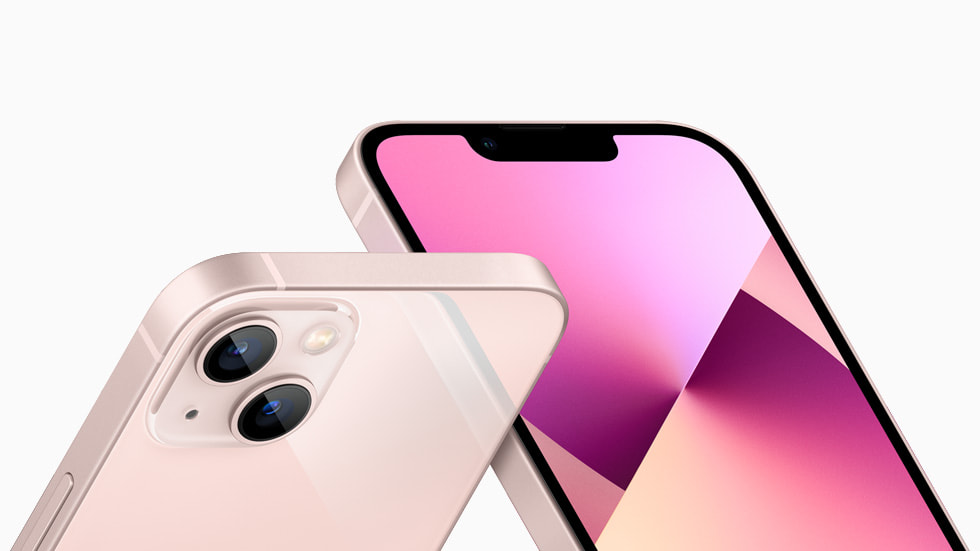
Apple witnessed its highest-ever share of 5% in the country’s smartphone market during the quarter due to an aggressive channel push ahead of the festive season, says the report. The iPhone 13 became the first iPhone to lead overall smartphone sales in India in a quarter. In the premium segment (above Rs. 30,000), Apple led the smartphone shipments, capturing a 40% share.
Xiaomi continued to top the market in the country; however, the firm saw a 19% YoY decline. This is due to the weak consumer demand in the entry tier, according to the report. Samsung took the second spot in Q3 2022 and was the only brand in the top five to register an annual growth.
Vivo captured the third spot as its shipments declined 15% YoY. The Y01 and Y15s in the budget segment, the revamps of the V series, and the increase in an online presence with IQOO and T-series smartphones helped Vivo maintain its third place in the market during the quarter. With a 14% share, Realme remained at the fourth spot in Q3 2022, while the OPPO smartphone ranked fifth with a 7% YoY decline.
Commenting on the market, Counterpoint’s Analyst Prachir Singh said, “Consumer demand started increasing in August and peaked in the last week of September during the festive sales, especially in the mid-tier and premium segments.” However, as the market exited Q2 2022 with high inventory and there was modest demand in the entry-tier and budget segments, we saw less than expected shipments during Q3 2022.
The 8H Smart Electric Bed Pro Max has been unveiled in China. The intelligent electric bed has been upgraded to a 5-motor system from the previous 4 motors. The new lumbar support motor addition to the smart electric bed delivers improved comfort for users.
The 8H Smart Electric Bed Pro Max offers ergonomic comfort for users. You can adjust it to different angles of the head, lumbar spine, and knees. It can achieve up to 60 degrees of back and 40 degrees of legs, and can also hover at any angle. The dual zone lifting support has a slow rise and slow fall functionality. It also features dynamic sleep capability.
There are eight different comfort modes in the intelligent electric bed including Flat, anti-snoring, reading, TV, and zero gravity modes. The motor-controlled horizontal bar is adaptable to different curvatures and helps to relieve fatigue and tension rapidly around the waist. The smart electric bed also supports innovative dual memory positions and the user can customize and save his DIY presets without having to adjust them again and again.
The 8H Milan Smart Electric Bed Pro Max comes well-suited for persons who snore during sleep. The back of the bed is raised by 15 degrees and can be easily raised without any interference. The head is adjusted to the side sleeping state with the airway open and the brain fully oxygenated. The electric bed supports Xiao Ai voice control and it can be linked to the MIJIA app to control the mattress. You can also set a somatosensory alarm clock through the app and automatically adjust the posture of the bed.
The 8H Smart Electric Bed Pro Max is priced at 6,099 yuan (~$) and is available from JD.com. There is no global availability information for the gadget yet.
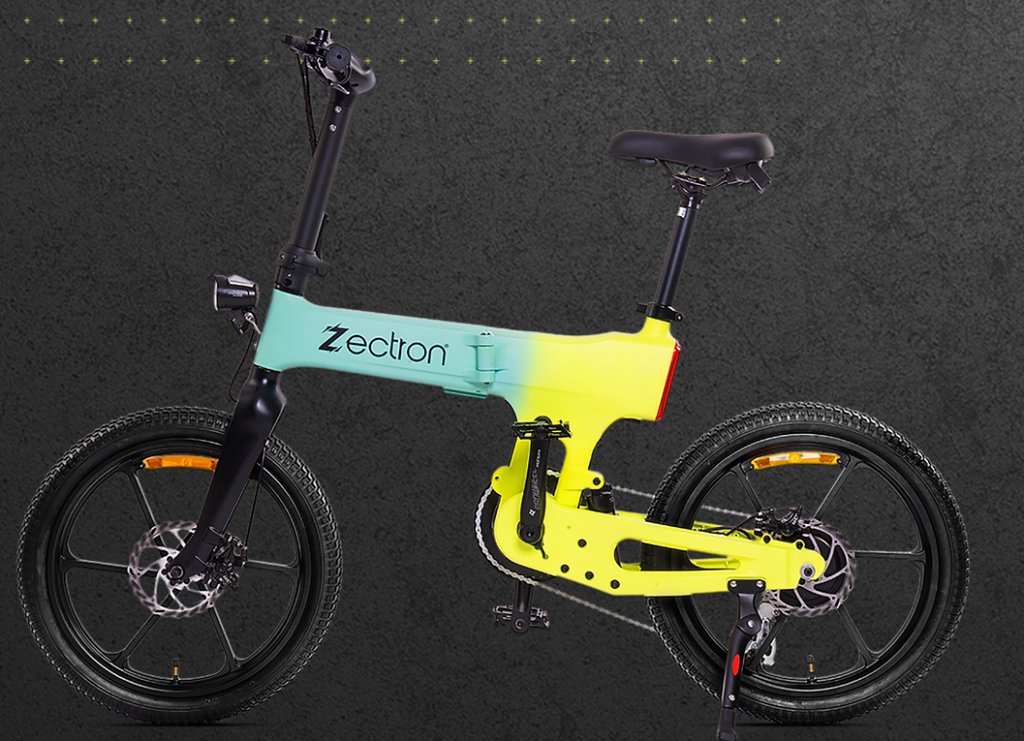
Zectron recently started a crowdfunding campaign for its new Electric Bike on Indiegogo. It comes with a unique folding frame design with an embedded display and has a top speed of 20 mph (32 km/h) in the US and 16 mph (25 km/h) in Europe. The company says that the e-bike can last up to a week on a single charge.
Zectron Electric Bikes will be released via Indiegogo and will have 3 crowdfunding rounds: Super Early Bird, Early Bird, and the Indiegogo Special, with limited time and quantities each. The e-bike’s retail price is $1999, but early buyers can make it their own for just $899. This means 50% of the price of the e-bike is being slashed.
In the US, the bicycle is powered by a 350-watt motor, while in Europe it gets a 250-watt motor, allowing a top speed of 20 mph (~32 km/h) and 16 mph (25 km/h), respectively. This is in line with the government regulations in the respective regions.
As mentioned, it comes equipped with a battery that provides up to 150 miles (241 km) of range on a single charge. There’s an integrated 3.9-inch display that shows information such as battery charge level and speed, and a dynamic rear suspension with anti-shock technology that makes sure riders get a comfortable ride. Additionally, Zectron allows you to track your bike via GPS via a smartphone app, which can also lock your bike or notify you if someone is attempting to steal it.
The E-bike has a folding uni-body frame that collapses in two steps to 85 x 65 x 80 cm, making transportation and storage easy. The frame of the bicycle is made from an aerospace-grade magnesium alloy. It weighs 25 kg and can support loads up to 120 kg.
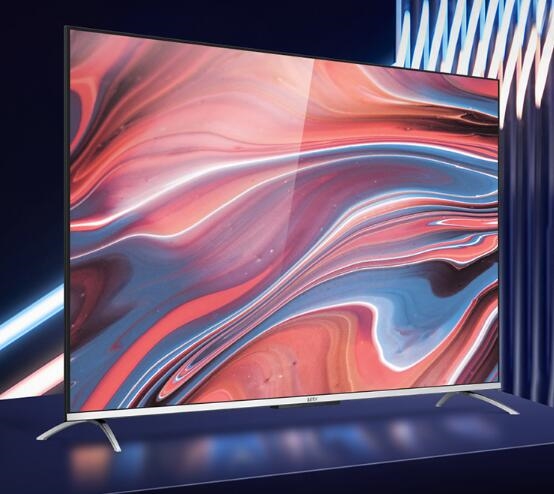
Chinese tech company LeTV, last month, launched the Super TV G55ES which is available in a 55-inch display. The LeTV Super TV G65ES has now been launched packing a 65-inch 4K screen. This new model is priced at 2499 yuan ($348) and is presently available in China.
The smart TV adopts a metal body. The 65-inch display has a full-screen design with a screen ratio of up to 97.3%. The display features a 3840 x 2160px resolution, a 92% DCI-P3 wide color gamut, and 1.07 billion colors.
In terms of core configuration, the LeTV Super TV G65ES is equipped with an unnamed quad-core processor made up of two A73 and two A53 cores. The processor is backed equipped with 3GB of RAM and 32GB of storage. This will ensure the device will run smoothly and users can install apps.
Furthermore, the smart TV is equipped with a built-in independent voice chip that supports LeTV’s far-field voice 2.0 with 0.5s ultra-fast response, and 5-meter long-distance pickup. Users only need to say “Hello Xiaole” to wake up the TV’s voice assistant. The TV comes with two 10W speakers, 2.4GHz Wi-Fi support, MEMC motion compensation support, and support for optical anti-blue light technology.
In terms of interfaces, the LeTV G65ES has a USB 2.0 interface, a USB 3.0 interface, two HDMI 2.0 interfaces, an AV input interface, a digital audio output interface, and a network interface.
We use cookies on our website to give you the most relevant experience by remembering your preferences and repeat visits. By clicking “Accept”, you consent to the use of ALL the cookies.
This website uses cookies to improve your experience while you navigate through the website. Out of these, the cookies that are categorized as necessary are stored on your browser as they are essential for the working of basic functionalities of the website. We also use third-party cookies that help us analyze and understand how you use this website. These cookies will be stored in your browser only with your consent. You also have the option to opt-out of these cookies. But opting out of some of these cookies may affect your browsing experience.
Necessary cookies are absolutely essential for the website to function properly. This category only includes cookies that ensures basic functionalities and security features of the website. These cookies do not store any personal information.
Any cookies that may not be particularly necessary for the website to function and is used specifically to collect user personal data via analytics, ads, other embedded contents are termed as non-necessary cookies. It is mandatory to procure user consent prior to running these cookies on your website.