Advertisement

Vivo X Fold vs OPPO Find N vs Samsung Galaxy Z Fold3 : Specs Comparison

Vivo officially entered the foldable phones market by launching the amazing Vivo X Fold. It is a stunning device coming with impressive hardware specifications and very advanced cameras. But are its specifications enough to beat each and every foldable phone in the market? There is no better way to understand it than by comparing it with the other top-tier foldable phones out there. That is the reason why we published a comparison between the specifications of the Vivo X Fold, the OPPO Find N, and the Samsung Galaxy Z Fold3. We hope it will help you to decide which foldable is the best for your needs.

Vivo X Fold vs OPPO Find N vs Samsung Galaxy Z Fold3


Vivo X Fold OPPO Find N Samsung Galaxy Z Fold 3
THICKNESS 14.6 mm when folded, 6.3 mm when unfolded 15.9 mm when folded, 8 mm when unfolded 14.4 mm when folded, 6.4 mm when unfolded
DISPLAY Main display: 8.03 inches, 1916 x 2160p (Quad HD+), Foldable LTPO AMOLED
External display: 6.53 inches Full HD+ (1080 x 2520p), AMOLED
7.1 inches, 1792 x 1920p (Quad HD+), Foldable LTPO AMOLED
External display: 5.49 inches, AMOLED, 988 x 1972 pixels (HD+)
7.6 inches, 1768 x 2208p (Quad HD+), Foldable Dynamic AMOLED 2X
External display: 6.2 inches, Dynamic AMOLED 2X, 832 x 2268 pixels (HD+)
PROCESSOR Qualcomm Snapdragon 8 Gen 1, octa-core 3 GHz Qualcomm Snapdragon 888, octa-core 2.84 GHz Qualcomm Snapdragon 888, octa-core 2.84 GHz
MEMORY 12 GB RAM, 256 GB – 12 GB RAM, 512 GB 8 GB RAM, 256 GB – 12 GB RAM, 512 GB 12 GB RAM, 256 GB – 12 GB RAM, 512 GB
SOFTWARE Android 12, OriginOS Android 11, ColorOS Android 11, One UI
CONNECTIVITY Wi-Fi 802.11 a/b/g/n/ac/ax, Bluetooth 5.2, GPS Wi-Fi 802.11 a/b/g/n/ac/6, Bluetooth 5.2, GPS Wi-Fi 802.11 a/b/g/n/ac/6e, Bluetooth 5.2, GPS
CAMERA Quad 50 + 8 + 12 + 48 MP f/1.8, f/3.4, f/2.0 and f/2.2
16 MP f/2.5 front camera
Triple 50 + 13 + 16 MP, f/1.8, f/2.4 and f/2.2
32 MP f/2.4 selfie camera
32 MP f/2.4 cover camera
Triple 12 + 12 + 12 MP, f/1.8, f/2.4 and f/2.2
10 MP f/2.2 selfie camera
4 MP f/1.8 cover camera
BATTERY 4600 mAh
Fast charging 66W, fast wireless charging 50W
4500 mAh, Fast Charging 33W and wireless charging 15W 4400 mAh, Fast Charging 25W and wireless charging 11W
ADDITIONAL FEATURES Foldable display, secondary external display, 5G, reverse charging 10W Foldable display, secondary external display, 5G, reverse wireless charging Foldable display, secondary external display, 5G, reverse wireless charging, IPX8 waterproof

Design

The most interesting design and form factor are the ones of the OPPO Find N. Despite being a foldable phone, it is able to become extremely compact because it comes with smaller displays. Further, the 18:9 form factor for the external display makes it very beautiful. Last but not least, it has the best hinge ever seen on a foldable phone: a hinge that is able to hide the cease in the middle of the foldable panel like no other device does. On the other hand, the Samsung Galaxy Z Fold3 becomes very interesting because it is the only waterproof foldable phone, thanks to the IPX8 certification.


Display

The Vivo X Fold has the widest internal display with a diagonal of 8.03 inches, while the OPPO Find N has the smallest one with 7.1 inches. The Samsung Galaxy Z Fold3 sits in the middle with a 7.6-inch panel. In terms of image quality, these three displays are very similar. They all come with a 2K resolution, HDR certification, refresh rates up to 120 Hz, and very high brightness. When it comes to the external displays, the Vivo X Fold is more convincing on the paper, but the OPPO Find N has the most compact one with a diagonal of just 5.49 inches.


Specs & Software

The Vivo X Fold is the most advanced device of the trio when it comes to the hardware department, thanks to the presence of a Snapdragon 8 Gen 1 mobile platform paired with 12 GB of RAM and up to 512 GB of UFS 3.1 internal storage. Both the OPPO Find N and Samsung Galaxy Z Fold 3 are fueled by a weaker Snapdragon 888, but they still offer 12 GB of RAM. The Vivo X Fold is also the only one with Android 12 out of the box, but the OPPO Find N has more advanced features to take advantage of the foldable form factor.


Camera

If you are looking for the most advanced camera, then you should opt for the Vivo X Fold without thinking twice. It is equipped with a quad camera including a 50 MP main sensor with OIS, an 8 MP periscope camera with 5x optical zoom, a 12 MP telephoto sensor with 2x optical zoom, and a 48 MP ultrawide lens, all with Carl Zeiss optics. Right after, we got the OPPO Find N with a triple camera including a 50 MP main sensor with OIS, a 13 MP telephoto camera, and a 16 MP ultrawide lens.


Battery

The Vivo X Fold is equipped with a bigger battery, but the OPPO Find N might last more in a lot of scenarios because of its smaller displays. The Vivo X Fold also comes with faster charging technology: 66W wired charging and 50W wireless charging.


Price

You need about €1300/$1405 to purchase the Vivo X Fold in China, the OPPO Find N costs €1070/$1157, and the Samsung Galaxy Z Fold 3 starts from €1650/$1784. If we consider the specs sheets, the Vivo X Fold is the best. But the OPPO Find N has a more interesting and useful form factor. Which one would you pick?


Vivo X Fold vs OPPO Find N vs Samsung Galaxy Z Fold3: PRO and CONS

Samsung Galaxy Z Fold 3

PRO

  • S Pen
  • Wider availability
  • Waterproof IPX8
  • UWB support
  • Great build quality

CONS

  • Smaller battery


Vivo X Fold

PRO

  • Better processor
  • Wider display
  • Superior rear cameras
  • Faster charging
  • Bigger battery

CONS

  • Dimensions

OPPO Find N

PRO

  • More compact
  • Great selfie cameras
  • Best hinge
  • Good price

CONS


OnePlus Nord CE 2 Lite 5G officially teased; 5000mAh battery, 33W fast charging & more

Earlier this week, OnePlus confirmed that it will be launching the OnePlus 10R in India on April 28th. Along with the 10R, the company will also debut the OnePlus Nord CE 2 Lite 5G smartphone, which will be positioned below the recently launched Nord CE 2 5G.

Ahead of the launch, the company has dropped a teaser revealing the design of the OnePlus Nord CE 2 Lite 5G device.

OnePlus Nord CE 2 Lite 5G

Designwise, the Nord CE 2 Lite 5G looks a lot like the recently launched Realme 9 Pro from the BBK Electronics-owned Realme. The device appears to feature the power button on the right side with a fingerprint scanner inbuilt, while on the right side, it will likely house the volume rocker keys. The camera island is also identical to the Realme 9 Pro with a triple camera setup consisting of two big and one small lens with a flash module placed below the smaller lens.

Additionally, the smartphone’s microsite has also gone live on Amazon India revealing that the blue color featured in the teaser is called Blue Tide and the smartphone will come with a 5000mAh battery with 33W fast charging support.

OnePlus Nord CE 2 Lite specifications (rumored)

The Nord CE 2 Lite 5G will arrive with a 6.58-inch LCD FHD+ display that supports a 120Hz refresh rate. It will feature a 16-megapixel front camera and a 64-megapixel (main) + 2-megapixel (macro) + 2-megapixel (depth) triple camera unit. The Snapdragon 695 powered device will come with 6 GB / 8 GB of RAM and 128 GB of native storage. It will house a 5,000mAh battery that supports 33W fast charging. The Nord CE 2 Lite 5G will boot Android 11-based OxygenOS 11 out of the box and will lack the iconic alert slider.


RELATED:

The Next Leap in Mobile Astrophotography: Xiaomi Awarded Patent for Night Sky Star Trails Time-lapse Photography

Flagship smartphone cameras are reaching a saturation point whereby it is difficult to compare one photo that was either taken from the OnePlus 10 Pro or taken from the Xiaomi 12 Pro because objectively photos taken on both phones still look stunning with all the details captured and minimal noise. This same rhetoric can be applied to the iPhone 13 Pro, the Samsung Galaxy S22 Ultra, and the Oppo Find X5 Pro as well.

Therefore in 2022, smartphone manufacturers have moved on to offering more camera versatility and creativity options for their users, like Apple providing Photographic Styles on its iPhone 13 series, Google providing Astrophotography Mode on its Pixels, and Vivo providing ZEISS Style Portraits on their latest X series devices.

Xiaomi may be the next manufacturer looking to step up their camera creativity options as recently in China(via ITHome), the Beijing-based Xiaomi Software Corporation has been awarded the patent for its automatic “night sky star trails time-lapse photography” camera software technology.

star-trails-Yuri-Beletsky-Ausgust-credit
Image for Illustration Purposes only. Credit: Yuri Beletsky

Xiaomi’s patent details the camera software algorithm behind the star trails time-lapse photography mode. First, when the user enables the “Star Trails” mode on the camera application, the camera will automatically be focusing on the night sky, and determine the most suitable settings such as the ISO, white balance and white balance for the scene.

The camera then needs to stay in the same position throughout the timelapse to take photos of the starry night sky between each consecutive time interval of the stars’ movement in the night. The algorithm then stores these photos to interpret the data and colour science behind each one. Using the interpreted data, the algorithm then compiles all the photos together and processes the images into a short-form video that shows the time-lapse journey of the star trails being formed on the screen. 

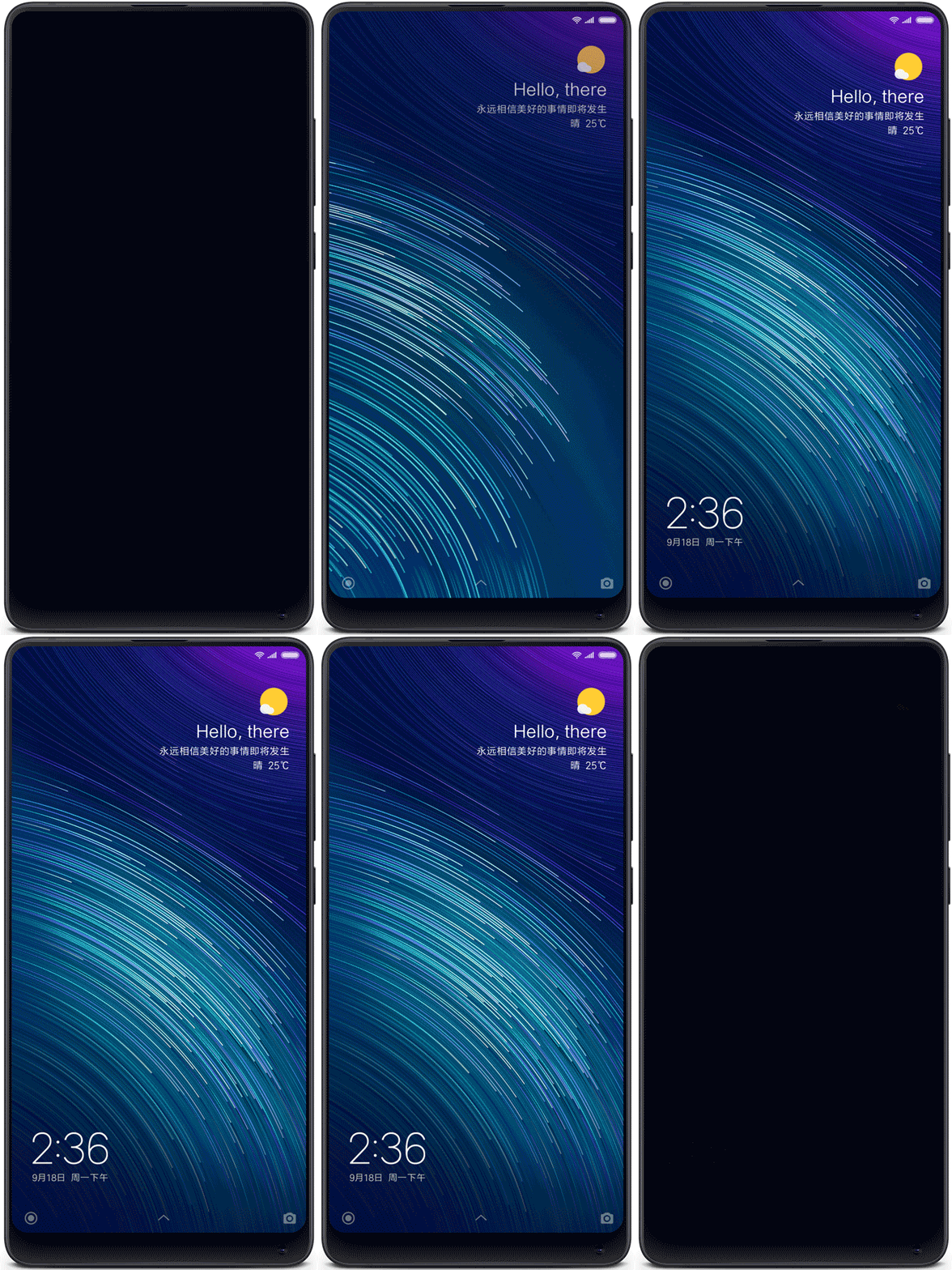
Star-Trails
For illustration purposes only.

Alternatively, users can also use the algorithm for other types of moving star trails videos such as infinitely looping star trails, or a photo output of the swirling star trails in the night sky.

Since the patent has been recently approved and gone public, we expect Xiaomi to soon feature this “Star Trails” mode in its next camera-focused flagship, which could be the Xiaomi 12 Ultra, which is rumoured to launch soon next month in China with a Leica branded camera, and with Qualcomm’s unannounced Snapdragon 8 Gen 1+.


RELATED:

(Via)

Realme Pad mini appears on company’s Indian website, launch expected soon

Earlier this month, Realme launched the Realme Pad mini in the Philippines. The Pad mini is their second tablet in the market after the initial debut of the Realme Pad last year. The brand has yet to announce the release date of the new Realme Pad mini in markets outside the Philippines, however, a recent listing on the Realme India website suggests that the tablet is coming soon to the sub-continent.

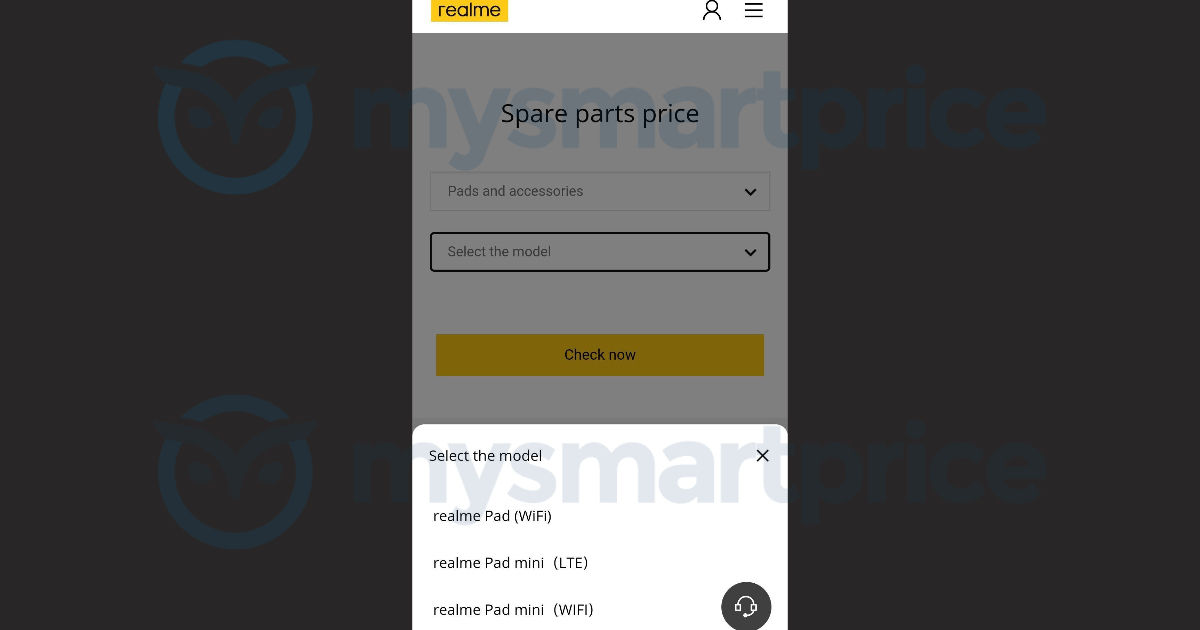
Realme Pad Mini mentioned in spare parts page

According to a MySmartPrice report, tipster Sudhansdhu Ambhore has informed that the tablet will soon launch in India. The device has been spotted on the spare parts page of the company’s Indian website. The listing reveals that both the WiFi-only and LTE variants will debut in the country.

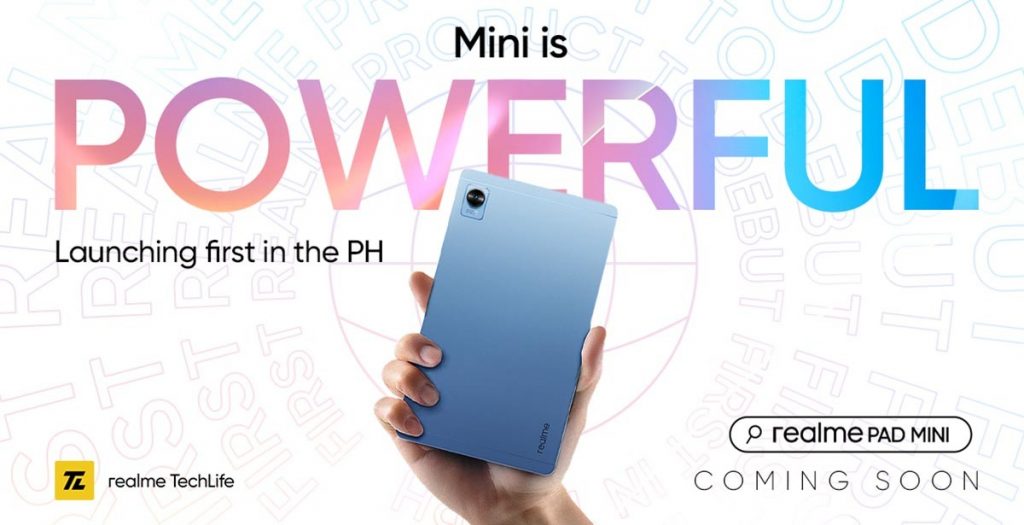
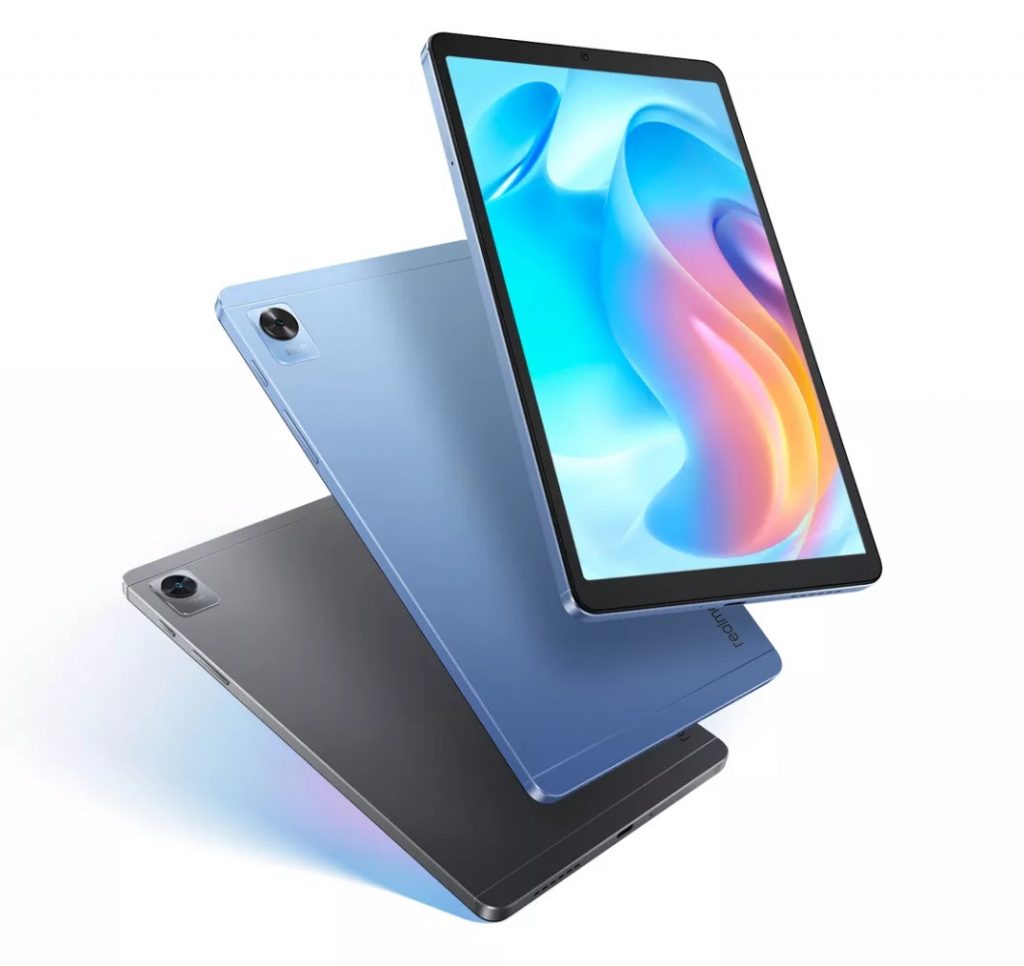
Realme Pad Mini
Realme Pad Mini


Currently, there is no word on an official launch date or estimated pricing of the device, but considering that the Pad mini is a watered-down version of the Realme Pad which debut at Rs 15,999 in India, we can expect the Pad mini to come with an affordable price tag.

Realme Pad mini specs and features

The Pad mini comes with an 8.7-inch LCD display with a resolution of 1340 x 800 pixels. The display has trimmed down bezels at the side edges, while the top and bottom edges are quite prominent to make for easy handling when using the tablet in landscape mode.

Powering the tablet is the entry-level Unisoc T616 with an octa-core processor bundled with a Mali-G57 MP1 GPU. The processor is paired with 3GB/4GB RAM while there are two storage options 32GB and 64GB.

For optics, the Pad mini packs a single 8 MP f/2.0 camera at the rear, housed in a rectangular module. At the front, there is a 5MP selfie camera with an f/2.2 aperture. There is no LED flash. The slate also crams a 6,400 mAh battery under the hood with support for 18W fast charging and reverse charging via a USB-C port. The tablet ships with an 18W charger inside the retail box.

For connectivity, the Realme Pad mini comes with Bluetooth 5.0 and Wi-Fi 802.11 a/b/g/n/ac support. The tablet also comes with a 3.5 mm audio jack.


RELATED:


Refurbished Samsung Galaxy S21 series phones are up to $200 cheaper, pre-orders get $100 credit

Last month, global smartphone giant Apple launched the iPhone 12 and iPhone 12 Pro under the refurbished program. The brand is selling these refurbished models for a discount of around 15 percent compared to the brand’s new models. Now, Samsung has also introduced its last-gen flagship lineup under the certified refurbished initiative.

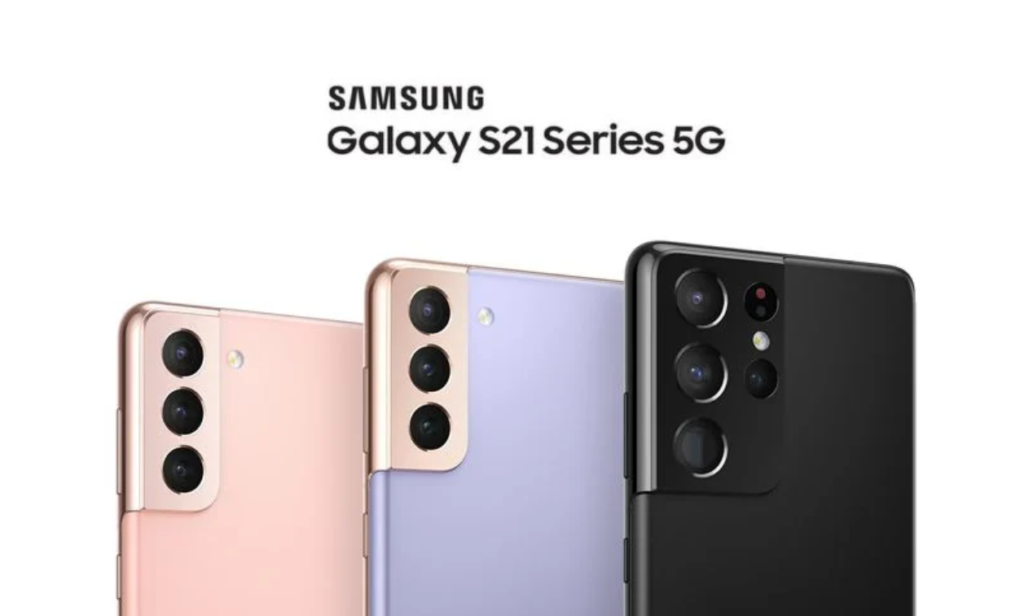
Samsung Galaxy S21 5G series

The brand has opened pre-orders for refurbished Galaxy S21, S21+, and S21 Ultra devices through its “Re-Newed” online store. Open sales of these devices are slated to commence on April 22 through Samsung. Carriers and retailers will start selling these devices starting April 28.

These refurbished devices are restored to “like-new” condition using official parts and by installing a brand new battery in them. Additionally, Samsung also offers a one-year warranty on these devices.

Compared to the retail prices of new Galaxy S21 series devices, the refurbished Galaxy S21 has been discounted by $124, the Galaxy S21+ by $149, and the Galaxy S21 Ultra by $200. Samsung’s Re-Newed site has listed the Galaxy S21 with a $675 price tag, while the refurbished Galaxy S21+ and the Galaxy S21 Ultra cost $850 and $1000, respectively. But that’s not all, as pre-ordering any of these three S21 series refurbished devices before April 22 will net customers a $100 credit which they can use for purchases made on Samsung.com.

What makes this deal viable is the fact that Samsung has promised four years of software support and five years of security updates on these devices. This means that the 2021 Galaxy S21 lineup is eligible for Android 14 or 15 updates. Security patches, on the other hand, will keep these devices protected till 2026.


RELATED:

AMD Ryzen 6000 Series Lenovo ThinkPad T14s Gen 3 Landing Page Goes Live, Here Are All The Highlights

At the start of 2022, AMD revealed its brand new Zen 3+ based Ryzen 6000 Mobile Series of CPUs for the laptop market at CES 2022. Lenovo, Asus, Dell and HP are amongst the well-known manufacturers expected to incorporate AMD’s latest and greatest Ryzen 6000 Mobile chips for their upcoming laptop lineups in 2022.

AMD Ryzen 6000

As of April 2022, the availability of these Ryzen 6000 laptops is still scarce as you are still unable to purchase such a device today. However, it seems that Lenovo may be the first laptop manufacturer to bring Ryzen 6000 laptops available to the market with their Lenovo ThinkPad T14s Gen 3 (14”, AMD). 

Lenovo_ThinkPad_T14s_Gen 3
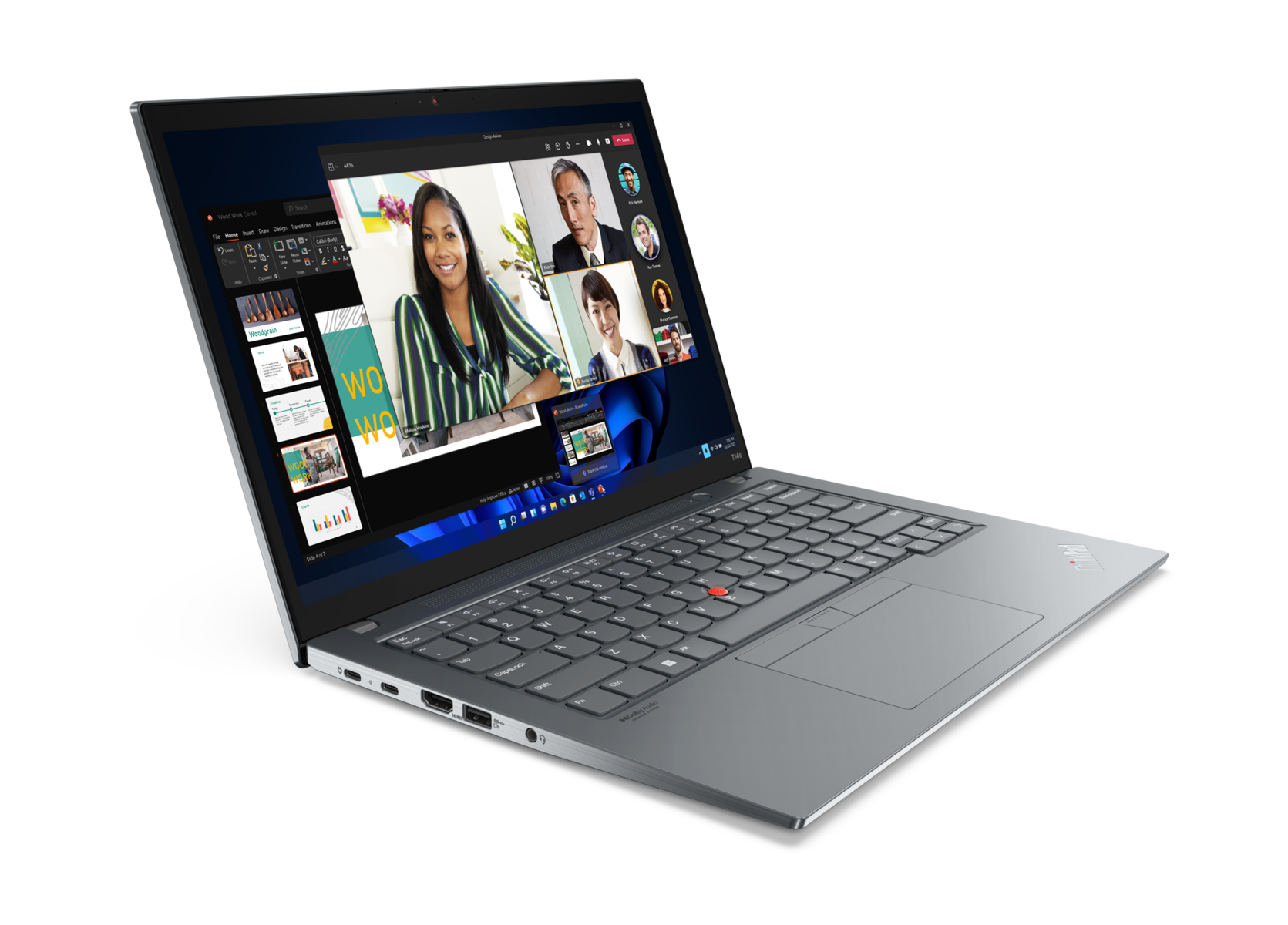
ThinkPad T14s Gen 3

Lenovo recently listed the landing page of the Lenovo ThinkPad T14s Gen 3 (14”, AMD) on its official website detailing the specifications, configurations and highlighting features of the device. Conventionally, when Lenovo lists a product on its official website, this spells out that the device is coming very soon to the market, as the landing page will be updated with a price tag in the upcoming weeks.

Moving onto the device specifications, the ThinkPad T14s Gen 3 is a lightweight business powerhouse featuring up to 32GB LPDDR5 6400MHz Dual Channel Memory, 2TB PCIe Gen 4 SSD storage, and AMD Ryzen 6000 processors up until the Ryzen 7 PRO 6850U. 

The ThinkPad T14s Gen 3 features the largest integrated graphics performance boost in a ThinkPad to date, as the GPU present on the device is the AMD Radeon 680M based on AMD’s best performing RDNA2 architecture. AMD claims that the new integrated graphics can deliver GPU performance that outperforms or performs on par with dedicated graphic cards like the Nvidia MX450 card still found on many laptops today.

amd-ryzen-mobile-6000-radeon-680m-nvidia-mx450-gaming-performance
Source: AMD

The next highlight is the screen on the ThinkPad T14s. The ThinkPad T14s Gen 3 now features a 14-inch 16:10 display giving users more screen to work with, and the screen can be configured up to a 90Hz 2.8K resolution 400-nit OLED display that covers 100% of the DCI-P3 colour gamut for the business professionals out there who are creative in their free time.

Lenovo_ThinkPad_T14s_Gen 3-Side-Pic

Coming to connectivity, the ThinkPad T14s Gen 3 supports WiFi 6E with optional support for 4G LTE and sub-6 5G via eSIM for those business users who are always on the go. Powering the device is a 57Wh battery which can last the laptop an entire day with a just single 2-hour charge on Lenovo’s 65W Rapid Charge technology. For the ports, the laptop is equipped with one USB-C 4.0 Gen 3 port, one USB-C 3.2 Gen 2 port, two USB-A 3.2 Gen 1 ports, one HDMI 2.0b port and a 3.5mm headphone jack.

The Lenovo ThinkPad T-series generally slots in at a lower price tag than its P-series, Z-series, X1 series siblings, so it is expected that Lenovo would continue its same lineup pricing strategy in 2022. If true, then the Lenovo ThinkPad T14s Gen 3 (14”, AMD) may be the best ThinkPad one can buy in 2022 with its high price-to-performance ratio, high power efficiency and amazing 16:10 OLED display.


RELATED:

TSMC 3nm Processors Confirmed to Enter Market Soon As Mass Production Starts in H2 2022

TSMC, the semiconductor manufacturing giant behind Apple Silicon and MediaTek’s flagship Dimensity chipsets of 2022, has recently announced that the chip supplier will be commencing mass volume production of its 3nm processors from the second half of 2022 (H2 2022) onwards.

3nm-apple-silicon-feature

According to a report from Digitimes, the CEO of TSMC, Mr CC Wei, in an earnings press briefing today confirmed that the company will be starting the mass production of its processors based on the 3nm node process(N2) in the second half of this year as planned, and its 2-nanometer process(N2) semiconductors are expected to go into mass production in 2025.

In the briefing, Mr Wei reiterated that with TSMC’s latest N3 process, the company is confident that the new node will be able to meet up with consumer requests and demands by providing higher power efficiency and support for higher computing performance than its predecessors. Mr Wei also added that the company had received many interests and engagements for its N3 technology and the company is expecting more new tape-outs for N3 for the first year as compared with N5(5nm) and N7(7nm).

Sources in the industry have also got the news that once N3 goes into mass production, 30,000 and 35,000 N3 chip wafers are expected to be manufactured monthly from TSMC to its clients.

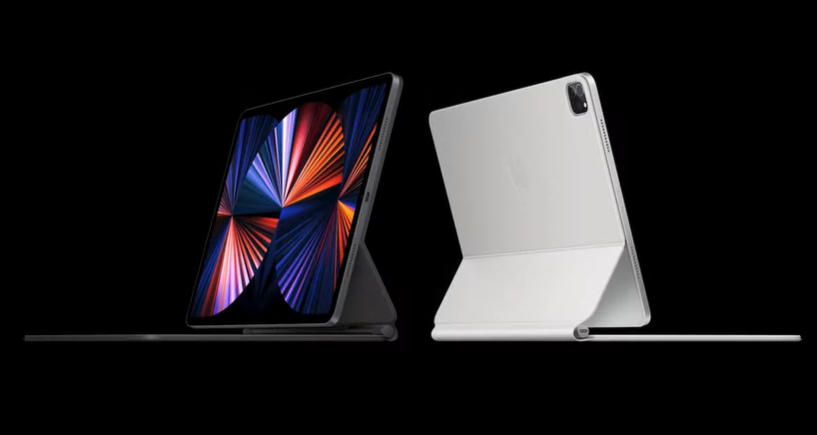
Since the chip wafers will be going into mass production very soon, it is also expected to see devices equipped with chipsets manufactured on TSMC’s N3 process soon in H2 2022. The great news is that according to Digitimes is that Apple may be the first brand to feature TSMC’s latest technology. This is because Apple is said to launch a new iPad this year equipped with Apple Silicon that will be built on TSMC’s N3 process in H2 2022. 

Apple iPad Pro
Apple iPad Pro 2021

However, we may not see widespread adoption of TSMC N3 technology yet in 2022, as TSMC plans to ramp up production of its N3 wafers in 2023 instead. TSMC N3 could be featured in the rumoured Apple A17 Bionic chips on the iPhone 15 series, as well as the Qualcomm Snapdragon 8 Gen 3 chips and the MediaTek Dimensity 9200 chips for the Android flagship market in 2024.


RELATED:

(Via 1, Via 2)

“Switch to Android” iOS App Announced by Google, Here’s How Users Can Transfer All their iPhone Data to their new Androids with a Single App

Since 2017, switching from Android to iOS has been a breeze with Apple’s official “Move to iOS” App on the Google Play Store which allowed Android users to transfer all their precious data from their old Android phone to their new iPhone

Well in 2022, Google today has finally launched its equivalent of Apple’s “Move to iOS” software on the Apple App Store for iOS users looking to switch over to Android. The app, dubbed “Switch to Android”, allows iOS users to seamlessly and safely transfer all of their essential data from their old iPhone to their latest Android phone effortlessly.

Switch-to-Android-App
Source: Apple App Store
google-switch-to-android-ios-features
Switch to Android Feature Set


Prior to this “Switch to Android” app, iOS users who switched to Android, either had to do a local backup on their PC, through the cloud or through an SD card or pen-drive to transfer the data over to their new Android. Now users need not go through the hassle of going through third-party software to backup every personal data one-by-one, because they can now do all of the data transferring within one single app!

The app works like this, as most data of the iPhone, such as your photos, videos, contacts and calendars are stored in your personal iCloud account, the “Switch to Android” app does the transfers of these essential data from iCloud to Google Drive and Google Photos for you. And by the time you are on your brand new Android phone, all the data you need are just restored from the previous backup you did on the “Switch to Android” iOS App.

So what should you do after you have installed the “Switch to Android” app? Well, next, you need to follow these 4 simple steps on the iPhone:

Step 1: Users are prompted to scan a QR code displayed on their Android device to connect the old iPhone together with the new Android device.

Switch-to-Android-App-Step-1


Step 2: Users are to select what data they want to transfer over to their new Android device.

Step 3: Users are prompted to turn off iMessage on their iPhones with instructions shown on screen.

Switch-to-Android-App-Step-3

Step 4: Users are to start the process of transferring all their iCloud data over to Google Servers as a backup.

Switch-to-Android-App-Step-4

And that’s all the steps you need to do to switch over to Android with this new iOS App from Google. As reported by 9to5Google, The app is currently within a soft launch period where it is currently unlisted in the Apple App Store, but users can download the iOS App now via this direct link.

The app is still experiencing several bugs and glitches during this infancy period, so it is expected that Google will smooth out all the rough edges of the app during the official release of the app on the App Store.


RELATED:

(Via)

Asus Zenbook 14X OLED Space Edition with i9-12900H & second screen launched

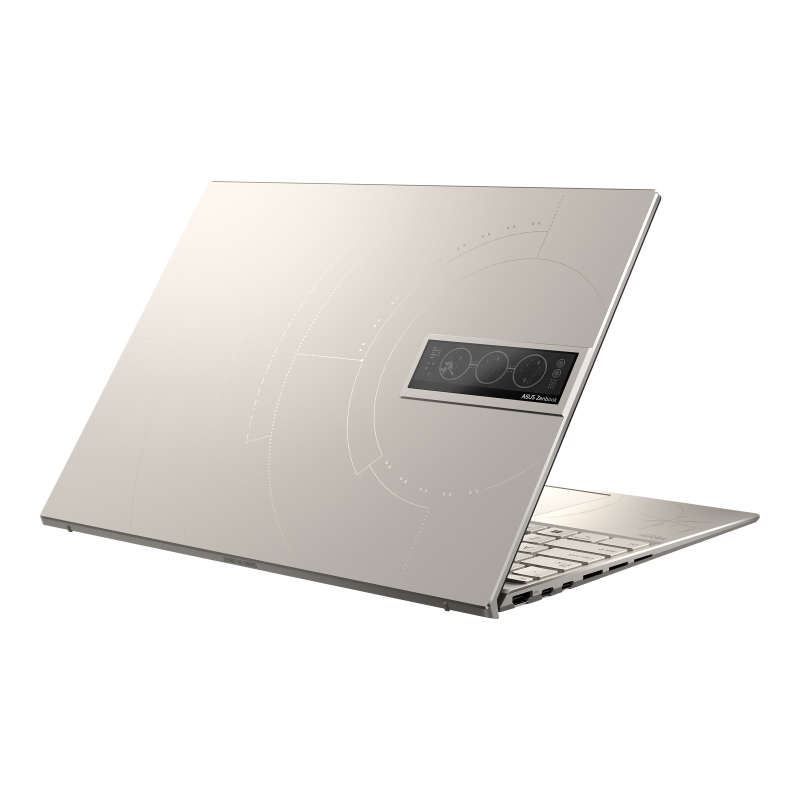
Asus has just launched the new Zenbook 14X OLED Space Edition to commemorate the 25th anniversary of the first Asus laptop sent onto space. The laptop has quite a few special aspects to it, so let’s explore its specs and features in detail.

The limited-edition Asus Zenbook 14X OLED Space Edition comes with a spaceship-inspired futuristic design on the outside. It brings a 14-inch 2880 x 1800p OLED panel with a 90Hz refresh rate, 16:10 aspect ratio, and touch support. The screen is quite capable as it covers 100% of DCI-P3, and 133% of sRGB, and it has a 1,000,000:1 contrast ratio. The color accuracy of this screen has also been validated by Pantone. It can hit up to 550 nits of brightness and it’s certified for VESA DisplayHDR True Black 500.

ASUS ZenBook 14X OLED Space Edition

Other than the primary display on the front, the device also brings along a secondary 3.5-inch OLED display on the lid which can display various animations, notifications, battery status, date and time, and user-customizable text. The other special aspect of this laptop is that it is in accordance with the US Space System Command Standards (SMC-S-016A), which makes it resistant to vibrations and extremely low or high temperatures. The toughness of this device also matches the MIL-STD-810H durability standards.

On the inside, the ASUS ZenBook 14X OLED Space Edition comes powered by the Intel Core i9-12900H, with 14 cores and 20 threads. In the graphics department, the laptop brings the integrated Intel Iris Xe graphics. The powerful processor is paired with 32GB of LPDDR5 RAM and a 1TB PCIe Gen 4 SSD. Being a 14-inch laptop, it misses out on the number pad, however, the touchpad of the device includes a virtual number pad.

There are a number of ports present on the device, including two Thunderbolt 4 ports, USB Type-A, HDMI, a headphone jack, and an SD card reader. Asus has also provided a USB Type-A to RJ45 Gigabit Ethernet adapter in the box.

The ASUS ZenBook 14X OLED Space Edition can be pre-ordered starting today, while shipping is expected to start on April 19th. The laptop comes in a gorgeous “Zero-G Titanium” color with a price tag of $1,999 in the US.


RELATED:

Xiaomi 11i vs Realme 9 Pro+ vs OPPO F21 Pro 5G: Specs Comparison

Most of the people out there do not really need a flagship in order to get a perfect phone for their needs. Nowadays, top-tier flagships became very expensive, but you can get great mid-rangers and, if you are not an advanced user, maybe you won’t notice the difference. Among the latest good mid-rangers released by mainstream brands, there is the new Xiaomi 11i, which is totally different from the flagship killer Xiaomi 11i launched in 2021. But it has several rivals, especially in the Indian market. Two of the best are definitely the Realme 9 Pro Plus and the OPPO F21 Pro 5G, and this comparison will highlight the differences between the specifications of these three devices.

Xiaomi 11i vs Realme 9 Pro+ vs OPPO F21 Pro 5G

Xiaomi 11i OPPO F21 Pro 5G Realme 9 Pro+
DIMENSIONS AND WEIGHT 163.7 x 76.2 x 8.3 mm ,
207 g
159.9 x 73.2 x 7.5 mm,
173 g
160.2 x 73.3 x 8 mm,
182 g
DISPLAY 6.67 inches, 1080 x 2400 pixels (Full HD+), AMOLED 6.43 inches, 1080 x 2400 pixels (Full HD+), AMOLED 6.4 inches, 1080 x 2400 pixels (Full HD+), Super AMOLED
PROCESSOR Mediatek Dimensity 920 5G, octa-core 2.5 GHz Qualcomm Snapdragon 695 5G, octa-core 2.2 GHz Mediatek Dimensity 920 5G, octa-core 2.5 GHz
MEMORY 6 GB RAM, 128 GB – 8 GB RAM, 128 GB – 8 GB RAM, 256 GB – micro SD slot 8 GB RAM, 128 GB – micro SD slot 6 GB RAM, 128 GB – 8 GB RAM, 128 GB – 8 GB RAM, 256 GB
SOFTWARE Android 11, MIUI Android 12, ColorOS Android 12, Realme UI
CONNECTIVITY Wi-Fi 802.11 a/b/g/n/ac/ax, Bluetooth 5.2, GPS Wi-Fi 802.11 a/b/g/n/ac, Bluetooth 5.1, GPS Wi-Fi 802.11 a/b/g/n/ac, Bluetooth 5.2, GPS
CAMERA Triple 108 + 8 + 2 MP, f/1.9 + f/2.2 + f/2.4
16 MP f/2.5 front camera
Triple 64 + 8 + 2 MP, f/1.7 + f/2.4 + f/2.4
16 MP f/2.4 front camera
Triple 50 + 8 + 2 MP, f/1.8 + f/2.2 + f/2.4
16 MP f/2.4 front camera
BATTERY 5160 mAh, fast charging 67W 4500 mAh, fast charging 33W 4500 mAh, fast charging 65W
ADDITIONAL FEATURES dual SIM slot, 5G dual SIM slot, 5G, reverse charging dual SIM slot, 5G

Design

The OPPO F21 Pro 5G has the most attractive design. It comes with great flat borders, a thinner and lighter body, and two amazing RGB LED rings around the rear cameras which can be used as notification LEDs. Last but not least, it comes with the IPX4 certification making it splash resistant. The Realme 9 Pro Plus is another great phone in terms of design because it comes with a color-changing back: the Sunrise Blue color variant is able to change its colors in a few seconds if placed under the sunlight. The Xiaomi 11i does not shine in terms of design.


Display

On the paper, the most advanced display belongs to the Xiaomi 11i. It has an AMOLED panel with a wider diagonal of 6.67 inches, a Full HD+ resolution, a 120 Hz refresh rate, the HDR10 certification, and a peak brightness up to 1200 nits. Right after, we got the Realme 9 Pro Plus with a 6.4-inch Super AMOLED panel sporting a 90 Hz refresh rate and an in-display fingerprint reader which doubles as a heart rate sensor. The OPPO F21 Pro 5G is less impressive because it has a standard refresh rate and it lacks the HDR certification.


Specs & Software

If you need the best performance, then you should go either for the Xiaomi 11i or the Realme 9 Pro Plus. They are powered by the Mediatek Dimensity 920 5G mobile platform running at a max frequency of 2.5 GHz and paired with up to 8 GB of RAM and up to 256 GB of internal storage. We did not recommend the OPPO F21 Pro 5G because it has a lower-end Snapdragon 695 5G mobile platform and just 128 GB of internal storage. The Realme 9 Pro Plus and the OPPO F21 Pro 5G run Android 12 out of the box, while the Xiaomi 11i still comes with Android 11.


Camera

The best camera phone is the Realme 9 Pro Plus thanks to its main sensor: a 50 MP Sony IMX766 with a 50 MP resolution and OIS. The silver medal goes to the 108 MP main camera of the Xiaomi 11i.


Battery

The Xiaomi 11i offers the longest battery life simply because it has a bigger battery. Further, it features a faster charging technology with a power of 65W.


Price

Xiaomi 11i starts from Rs. 24,300 or $295, you need Rs. 26,999 / $327 to purchase the OPPO F21 Pro 5G, and the Realme 9 Pro Plus starts from Rs. 25,099 / $304. The Xiaomi 11i comes with a better display and bigger battery, the Realme 9 Pro Plus packs a better camera, and the OPPO F21 Pro 5G comes with the best design but inferior specifications. Which one would you pick?


Xiaomi 11i vs Realme 9 Pro+ vs OPPO F21 Pro 5G: PRO and CONS

Xiaomi 11i

PRO

  • Great chipset
  • 108 MP camera
  • Bigger battery
  • 67W fast charging
  • 120 Hz display

CONS

  • Android 11


OPPO F21 Pro 5G

PRO

  • LED ring lights
  • Great design
  • Reverse charging
  • IPX4 certification
  • Android 12

CONS

  • Standard refresh rate

Realme 9 Pro Plus

PRO

  • Color-charging back
  • Great chipset
  • Best camera
  • Android 12
  • Heart rate monitor

CONS

  • Nothing particular

RELATED

Check the latest videos from our YouTube channel and subscribe:

Purported Sony Xperia 1 IV Geekbench listing shows some improvement

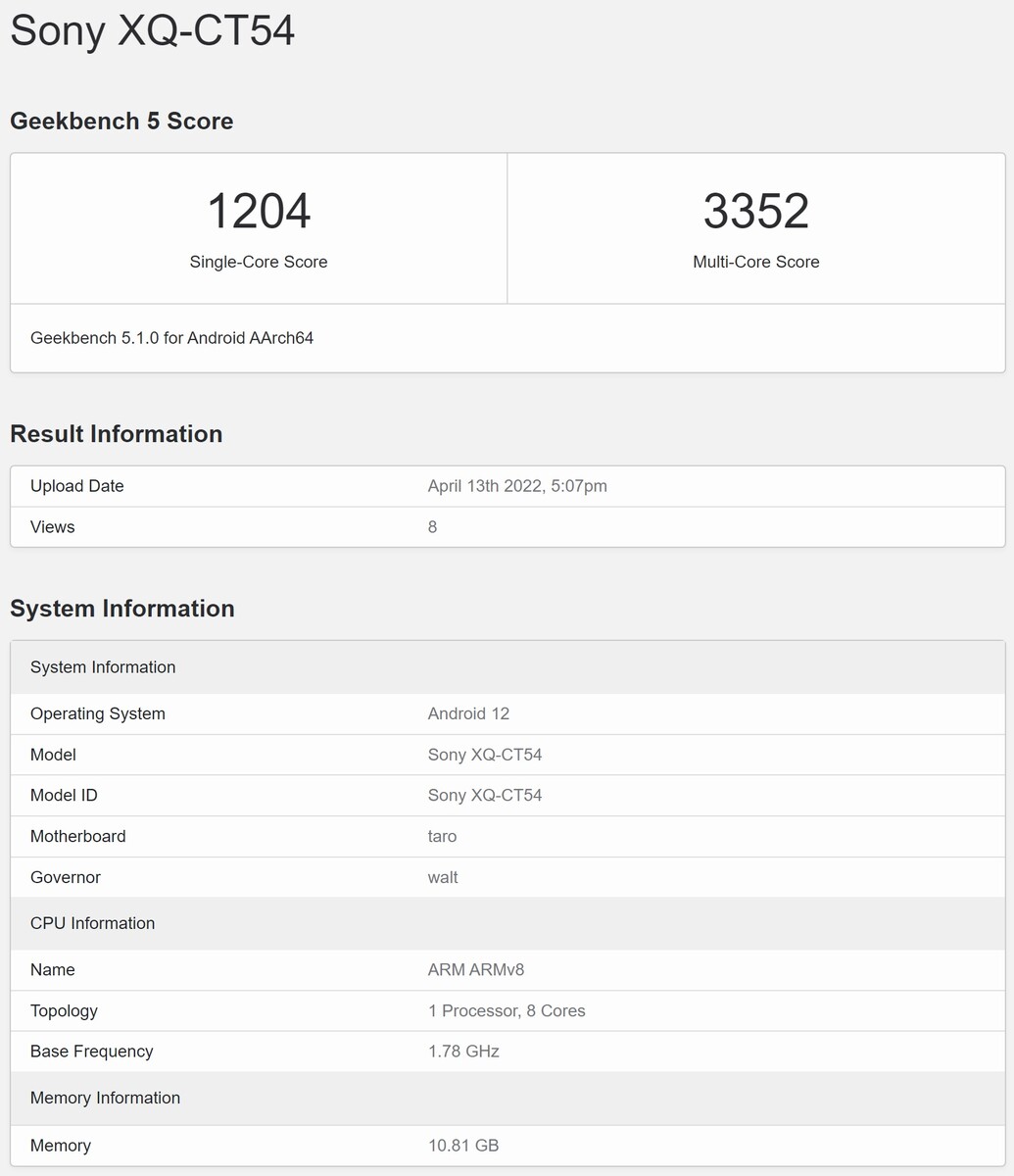
A recent Geekbench listing has been linked to the Sony Xperia 1 IV showing improvement in its single-core performance over its predecessor. There has been some hype around the Xperia 1 IV in recent weeks and this new Geekbench detail could point to an imminent launch. Although there is no official confirmation yet, a May 2022 release could be a possibility.Sony Xperia 1 IV Geekbench

The suspected Xperia 1 IV listed as Sony XQ-CT54, came with an impressive Geekbench result for its single-core performance. There is also the likelihood that a variant of the smartphone will have eSIM capability. The Geekbench result provided by Smartphone Digest showed that a premium Snapdragon 8 Gen 1 chipset will power the flagship. It could have up to 12GB of RAM, similar to its predecessor, the Xperia 1 III.

As per the Geekbench numbers, the multi-core performance of the Xperia 1 IV was similar to that of its predecessor, at 3,352 points. However, there is almost a 10% improvement in the single-core result at 1,204 points. It has to be stated however the allusion of this result to the Xperia 1 IV is at best, speculative. The eSIM capability will reportedly be available in the US and European markets. The suspense remains while we await definitive information from Sony on the Xperia 1 IV.

RELATED:

 

(source)


Xiaomi crowdfunds the Xiaobai Blade Star smart front door packing 3D face ID

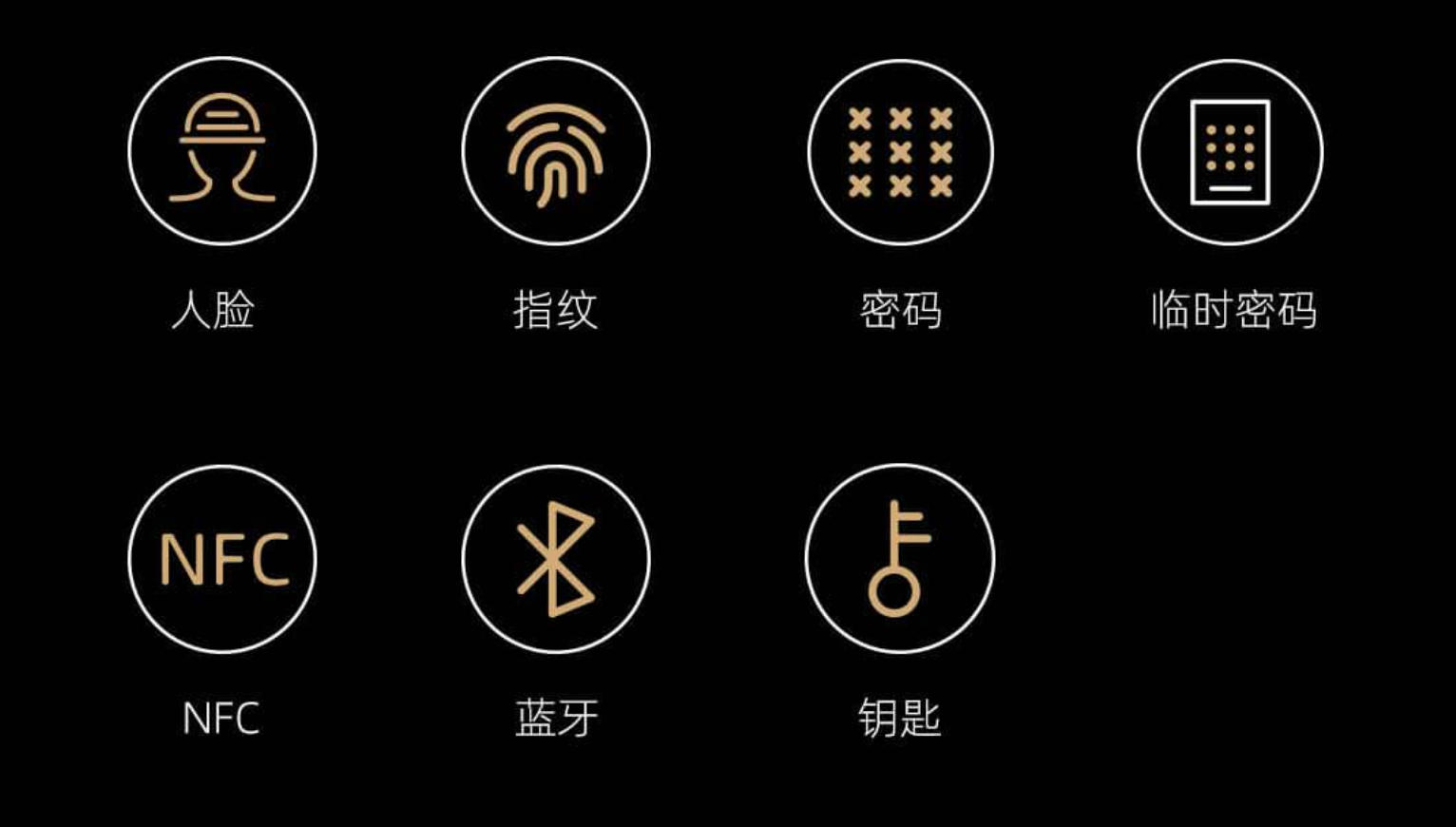
Chinese tech powerhouse Xiaomi has launched a crowdfunding campaign in China for its innovative Xiaobai Blade Star smart front door. The Xiaobai Blade Star uses 3D facial recognition technology and six alternatives to unlock the smart door. The device is currently available for pre-order for 7,999 yuan ($1,255) while the first deliveries will be from June 11.Xiaobai Blade Star Smart Door

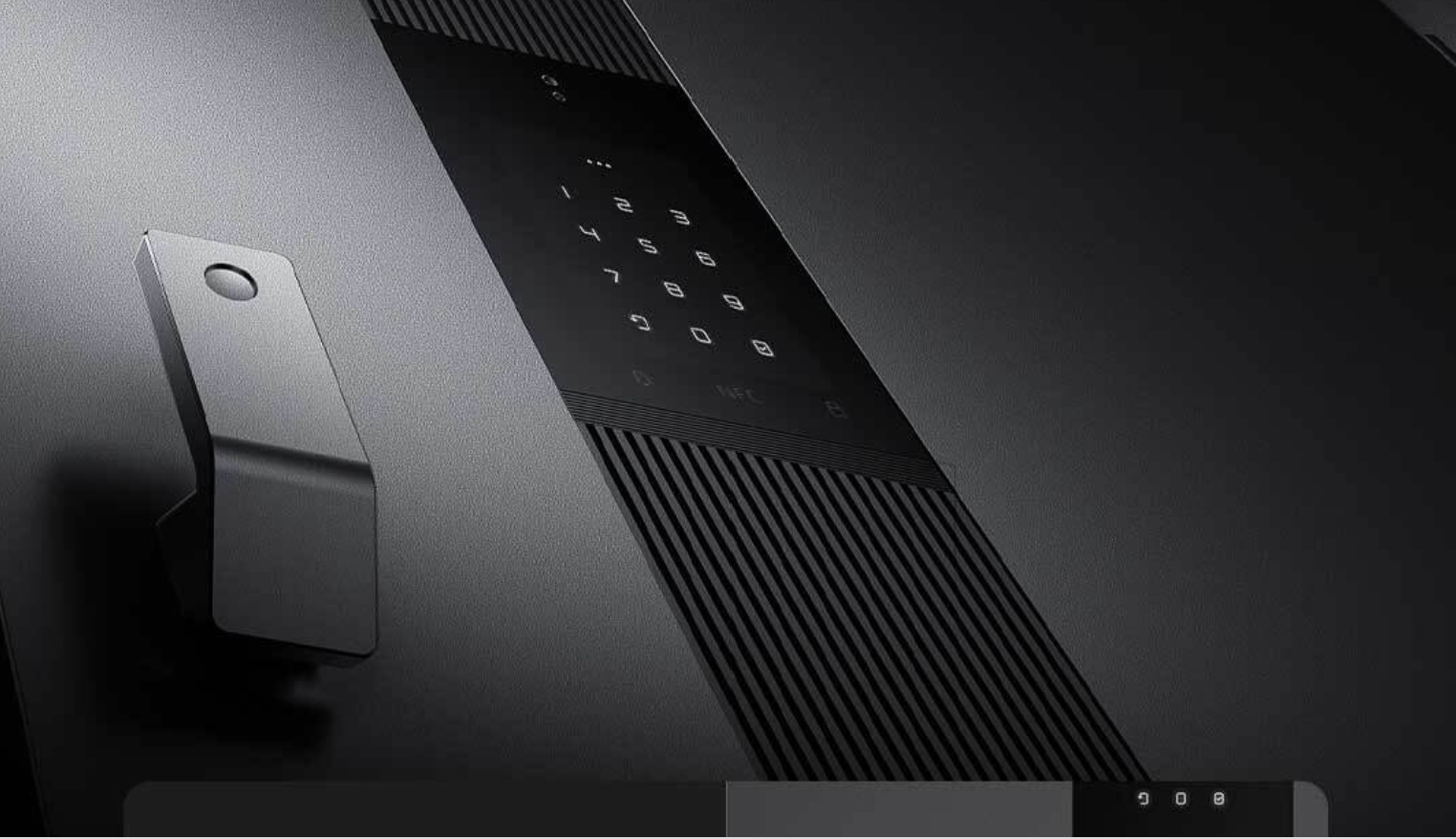
The Xiaobai Blade Star smart door uses facial recognition, fingerprint, a password, and an NFC reader among others to unlock the door. It has a 5-inch external touchscreen and a 10.1-inch internal display.Xiaobai Blade Star Smart Door

The device is powered by a MediaTek Kompanio 500 processor having eight cores. The device is reported to be super-fast in recognizing faces 1 meter away under a second. Xiaomi says the device has an infinitesimal chance of error and is capable of recording up to 255 faces.Xiaobai Blade Star Smart Door

The Xiaobai Blade Star smart front door has up to 2,800 components consisting of several sensors for enhanced performance of the device. It has a 1080P HD camera, an infrared night vision camera, a PIR sensor, and a microphone. With the mic, the user can speak to the person at the door.

The Xiaomi smart front door can trigger smartphone notifications when a stranger comes into its range. A notification is also sent when the door is accidentally left open. The smart door can be integrated into the Xiaomi smart home ecosystem via the Mijia app.

The Xiaobai Blade Star smart door is 3.5 inches thick and is made of a layer of reinforced iron. There are two color variants available and various sizes. The user could opt for either a right opening or a left opening door. The Xiaobai Blade Star smart front door will retail after the crowdfunding campaign for 12,999 yuan ($2,040) but pre-orders can be made currently for 7,999 yuan ($1,255).

RELATED: 


Redmi Note 10 gets the stable MIUI 13 update based on Android 12 in India

Back in January, Xiaomi released the MIUI 13 update for the pilot testers of the Redmi Note 10. Fast-forwarding to today, the brand has made available the stable update of MIUI 13 for the public. The new update brings bug fixes and improvements.

The MIUI 13 update for the Redmi Note 11 is based on Android 12. It has the build number V13.01.0SKGINXM and is currently only being released to the Indian Note 11 models. The update is said to increase the system stability and optimize some of the system apps. It also brings the March 2022 security patch, not the latest, but still a recent one. The update is sized at 2.6GB.

Redmi Note 10

The update changelog includes the following.

System

  • Updated Android Security Patch to March 2022.
  • Increased System Security.
  • Stable MIUI based on Android 12.

More features and improvements

  • Optimization: Enhanced accessibility support for Phone, Clock, and Weather
  • Optimization: Mind map nodes are more convenient and intuitive now

The Redmi Note 10 users don’t really have to do anything as the update should have arrived on your phone. In case you haven’t checked, head to the settings page and check for the update. If you haven’t received the update, do not worry as the update is slowly reaching all the Note 10 devices in India.

RELATED:

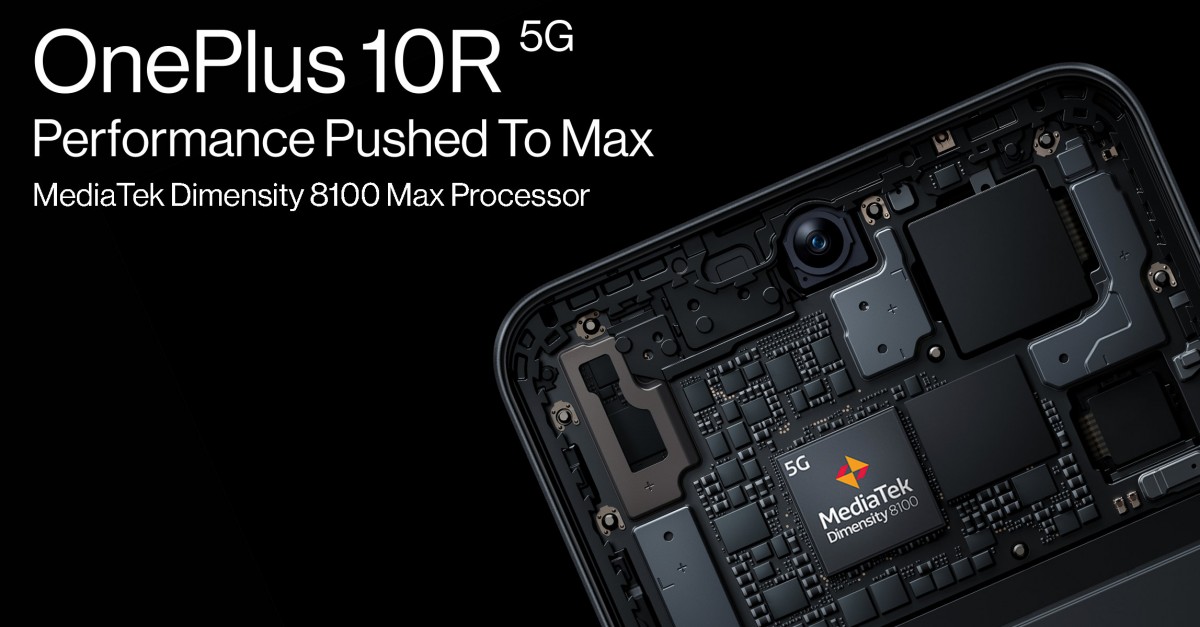
OnePlus 10R teased to come with Dimensity 8100 Max chipset

OnePlus has scheduled to launch the OnePlus 10R on April 28 in the Indian market. We know that it will be a rebadged model of the OnePlus Ace which is slated to arrive on April 21 in China. Since it’s a rebadge, the phone is expected to pack the same chipset as the Ace, however, in the newest development, we learn that the phone may launch with a tweaked chipset in the Indian market.

The OnePlus 10R has been teased by the brand and it is said to launch with MediaTek’s Dimensity 8100 Max chipset. This is different from the non-Max Dimensity 8100 with which the OnePlus Ace would arrive. Currently, it is unclear what the exact difference is between the Max and non-Max variants of the chipset.

OnePlus 10R

The non-Max Dimensity 8100 is an octa-core chipset with 4x Cortex-A78 performance cores clocked at a peak frequency of 2.75GHz. The chipset also has 4x Cortex-A55 economy cores clocked at 2.0GHz. It has a Mali-G610 MC6 GPU and a MediaTek 580 APU.

Coming back to the OnePlus 10R, the phone was recently confirmed to arrive with 150W SuperVOOC fast charging support and a 4,500mAh battery. The phone is expected to charge from 0% to 100% in less than 17 minutes.

Oneplus Ace / Oneplus 10R

Other specs of the phone have been leaked previously. The device will feature a 6.7-inch E4 AMOLED display with Full-HD+ resolution. It will have a 120Hz refresh rate and HDR10+ support. The device is expected to come with up to 12GB of LPDDR5 RAM and 256GB of UFS 3.1 internal storage. It will feature 50MP triple cameras and a 16MP selfie snapper. Lastly, it is expected to arrive with OxygenOS on top of Android 12.

RELATED:

Piaggio unveils a limited-edition Justin Bieber X Vespa scooter

Italian scooter manufacturer Piaggio has unveiled a limited-edition Justin Bieber X Vespa scooter model, which is the culmination of Vespa’s work with Bieber. The iconic Vespa model has been with us for ages and the new model is the latest in a growing list of notable names with their imprimatur on the brand. The new Justin Bieber X Vespa is personally ideated and designed by Bieber, who has highlighted his love for the iconic brand. Justin Bieber X Vespa scooter

Some of the curated versions of the Vespa include those linked to Giorgio Armani, Christian Dior, Sean Witherspoon, and now Justin Bieber. The manufacturer says the design of the Justin Bieber X Vespa reflects creativity and is a unique model that pinpoints pure inspiration. The model of course retains the Vespa Sprint silhouette, the brand logo cascades down the body of the scooter in its iconic pearly white covering. The external artistic designs are said to embody the creative drive, vibrancy, and vigor that both Bieber and the Vespa brand project. Justin Bieber X Vespa scooter

Three power configurations are available for the Justin Bieber X Vespa model, namely 50cc, 125cc, and 150cc engine capacities. The models come with multifunctional TFT displays, full LED lights, and an accessories package (a bag, a pair of gloves, and a white crash helmet). Pre-booking will commence on April 20 but the number of units on offer has not been specified.

RELATED


(via)


Keychron Q85 Mechanical Keyboard is now open for Pre-Orders on Group Buy

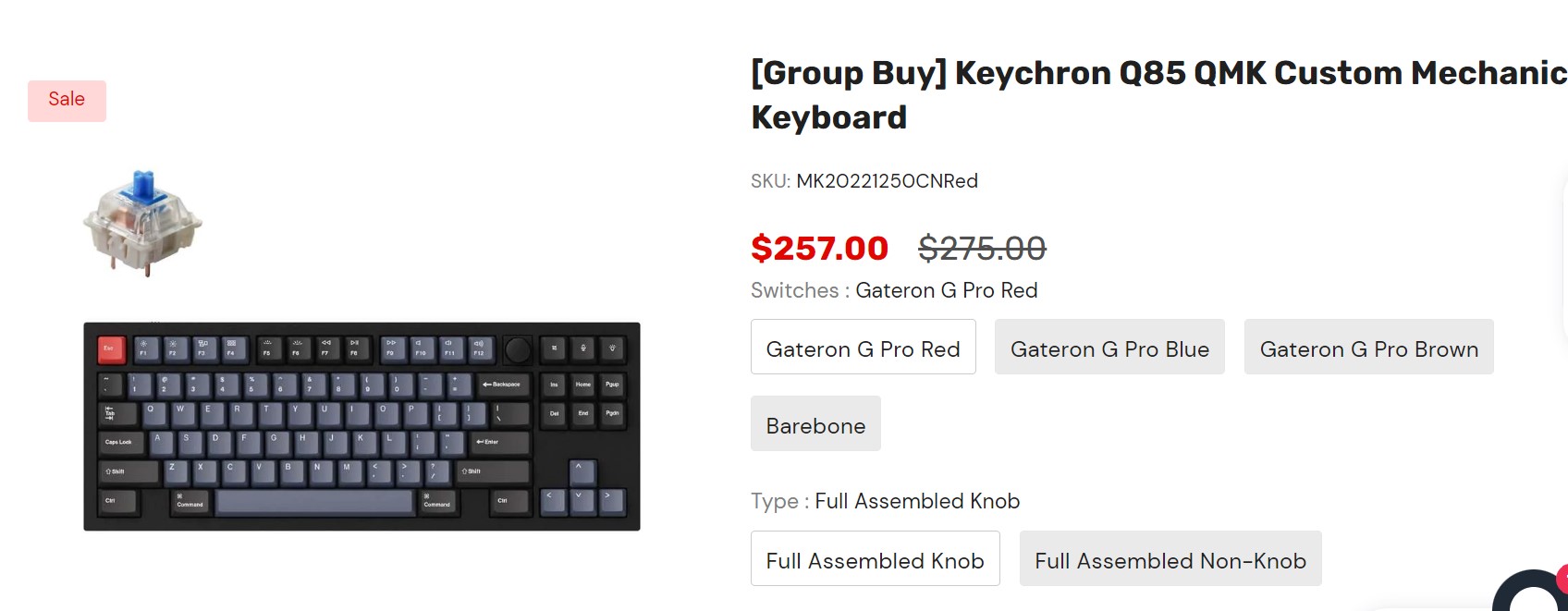
Keychron Q85 the latest Mechanical Keyboard from Keychron is now available on group buy. Please note that as the keyboard is available only on group-buy, the actual production will start only if the brand gets orders for 200 keyboards or more. Groupbuy is now live on the official Keychron page and you can now pre-order the Q85 Mechanical Keyboard which will retail for $275 at a discounted price of $257 only. 

Keychron Q85 mechanical keyboard

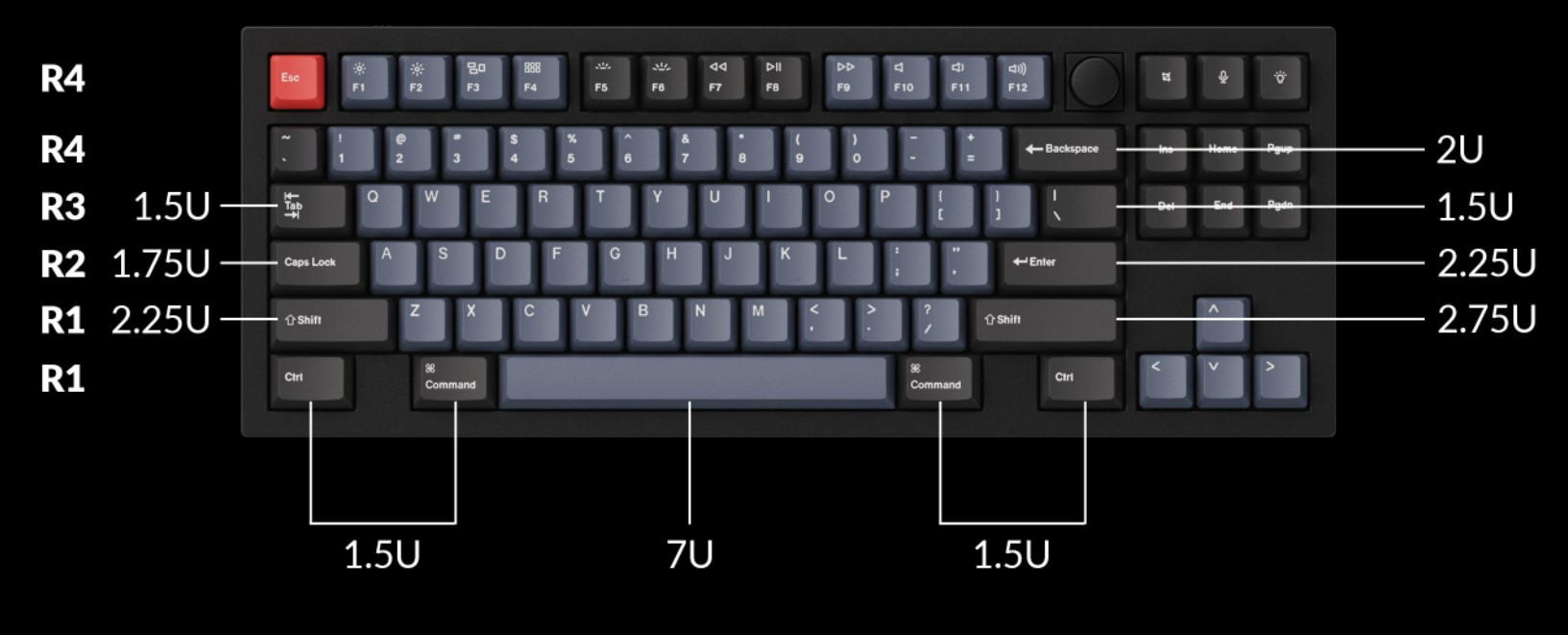
Keychron Q85  is a custom-made TKL keyboard with an 80% layout. It comes with a total of 85 keys with no standard win keys and a 1.5U increase in the length of both CTRL and ALT keys. You can also find an increase in the spacebar to 7U. These minor length differences give the whole keyboard a fresh and unique appearance. Moreover, you can find a multi-functional programmable knob placed at the top close to the function keys which makes it optimal for usage.

Keychron Q85 mechanical keyboard

The Q85 keyboard features a double gasket design and comes with a machined and well-finished aluminum chassis. It has a south-facing RGB with a single button to switch the modes and screw in stabilizers that ensure that no keys are dangling around and you get a completely stabilized operation. 

Keychron Q85 mechanical keyboard

Keychron Q85 mechanical keyboard supports both Windows and Mac operating systems and also includes Mac-appropriate keycaps for CMD and Opt buttons. Also, the fully assembles Q85 will come with Dye-Sub PBT Keycaps and a choice of Gateron G-Pro Switches.

Keychron Q85 QMK Custom Mechanical Keyboard

Keychron Q85 mechanical keyboard

Key Features:

  • QMK/VIA support out of the box
  • Double-Gasket design
  • Full CNC machined aluminum chassis
  • South-facing RGB
  • Type-C Port
  • Screw-in Stabilisers
  • Hot-Swappable for both 3-pin and 5-pin mechanical switches
  • Windows/macOS support
  • Dye-Sub PBT Keycaps
  • Base color: Black 

Keychron Q85 Mechanical Keyboard is now available for pre-orders on group buy for $257 only. Please note that the brand will only produce the keyboard if they reach their target of 200 units by 10 June 2022. If the target units are not reached by 10 June then your money will be refunded within 7 days of the deadline. 

Please note that the above price may vary according to your shipping region, warehouse, and regional taxes. 

For more information on such exciting deals and offers check out our deals hub.

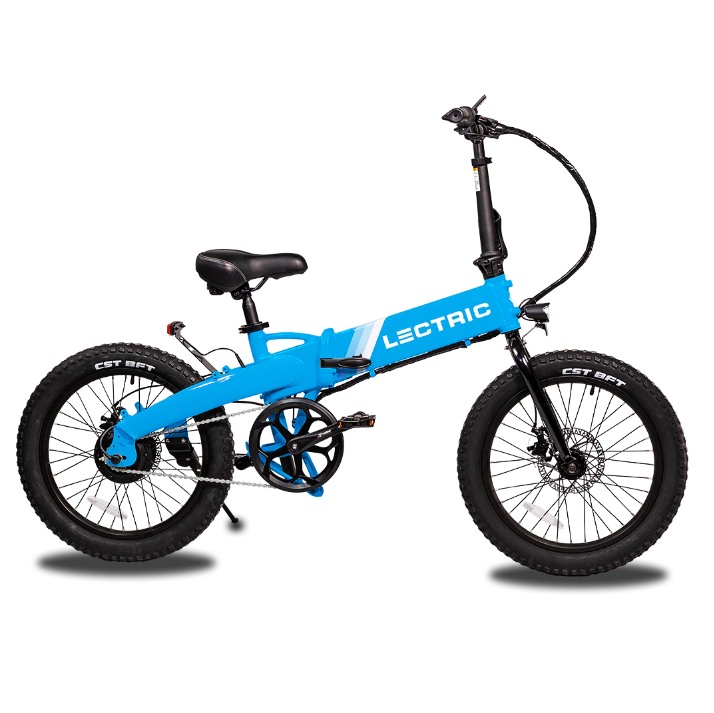
Lectric XP Lite portable e-bike unveiled with a 64km range, priced at $799

Lectric has unveiled its latest foldable electric bike called the XP Lite. The Lectric XP Lite is portable and is currently sold at a discounted price of $799. It weighs about 21kg and is powered by a 300W motor that offers a top speed of 32km/h.Lectric XP Lite portable e-bike

Lectric claims that the XP Lite is among the most compact e-bikes on the market. Its minimal weight and dimensions, coupled with its foldable property and riding features are impressive. When folded, the bike becomes a compact item that can be stored in the smallest of spaces.

The XP Lite is the latest entry in the XP series which has been signposted by affordability and comfort. Its $799 price tag reflects a $100 discount as the bicycle normally retails at $899. The bike can carry loads up to 125kg which is more than six times its weight.

The Lectric XP Lite has a 48V, 7.8Ah battery that gives the e-bike a range of 64km. The electric motor can peak at 720W and gives the XP Lite five levels of pedal assist. The bike is IP65-rated offering strong water resistance. The bike has a hidden and swappable battery compartment, as well as a backlit, LCD display for various statistics and measurements while riding.Lectric XP Lite portable e-bike

There are front and rear lights on the bicycle, providing illumination even in inclement weather conditions and darkness. Four color variants namely Arctic White, Lectric Blue, Midnight Black, and Sandstorm are available for the XP Lite. The XP Lite currently retails only in the United States and Canada. There are no details at this time on whether other markets will join the two.

RELATED:


(source)


WhatsApp Communities feature announced, 2GB file sharing size & emoji reaction also confirmed

WhatsApp, the Meta-owned messaging platform, is set to launch a new’ Communities’ feature. According to the platform’s vision, this new feature is aimed to serve organizations like schools, local clubs, non-profit organizations, and more, which rely on WhatsApp for communication and work.

WhatsApp

Additionally, WhatsApp will also launch several new features in the next few days, including message reactions, an admin delete option, larger file sharing support, and more members to voice call.

The Communities feature will make it easier for organizations to communicate over the messaging app. The feature will allow different groups of people to be included in one community. So this feature will be like an umbrella group/community inside which many specific groups will co-exist.

WhatsApp will also provide some powerful control tools for this specific feature. Admins will be able to control announcement messages that are sent to everyone and control which groups can be included. Messages in Communities will be private and secure, thanks to end-to-end encryption.

The messaging app will also get additional features like Message Reactions, which will allow users to respond to messages using emojis (like Instagram and Slack). Furthermore, group admins will now be able to remove unwanted or problematic messages from everyone’s chat, regardless of who the sender was. WhatsApp will also increase the file sharing limit to 2GB (100MB currently), and the limit of collaboration on a voice call will be increased to 32 people from 8 people.

All these additional features will be launched in the coming few days before the launch of the Communities feature, which will be rolled out later this year.

RELATED:

(Source)

Anker’s latest 8-in-1 USB-C Hub doubles as a tablet stand with pass-through charging

Anker has released an 8-in-1 USB-C Hub that can also work as a tablet stand with pass-through charging capability. The Anker 551 Tablet Stand and 8-in-1 USB-C Hub comes with many ports including a 4K HDMI, USB-A, USB-C, AUX, and memory card slots. The Anker 551 tablet stand and USB-C hub are compatible with several devices including the iPad Pro (3rd to 5th gen), iPad Air 4, and other models.Anker 551 USB-C Hub

The Anker 551 has pass-through charging available via the tablet stand while the base is adjustable to different height and orientation options. The device offers between 45W and 100W charging power, while the USB-C power delivery input port enables faster pass-through charging of a connected device. Operating systems that are supported on the device are macOS, iPadOS, Windows 10, and Windows 11.Anker 551 USB-C Hub

The angular configuration of the device is adjustable – you can move the base up to 70 degrees and the stand up to 180 degrees. Transfer of files is super-fast, up to 5 Gbps, or through a memory card via the SD/microSD slot at 104 Mbps. The HDMI port allows you to connect to another display and deliver 4K video content with a 60Hz refresh rate.Anker 551 USB-C Hub

The Anker 551 tablet stand is made with aluminum alloy to deliver exceptional sturdiness for the tablet secured in it. The tablet stand is also durable, with the surface coated with non-slip silicone material. The Anker 551 USB-C Hub is currently selling for $99.99 via Amazon and Anker’s website. The package includes a USB-C to USB-A cable and an 18-month warranty on the device.

RELATED:


Motorola Moto G52 to launch this month in India at around Rs. 20,000(~$262) price range

Motorola recently released the Moto G52 smartphone in Europe with a 90Hz display and 50MP cameras. The device is now expected to launch in India, however, the release timeline was unclear. 91Mobiles has now shared the launch month of the device and also tipped the phone’s price segment.

The Motorola Moto G52 will be launched this month itself in the Indian market. There’s no specific release date, but the phone is said to arrive in the last week of this month. Furthermore, the phone is tipped to come at around Rs. 20,000(~$262) price range.

Moto G52

Considering the price range, the phone is expected to compete with the likes of the Redmi Note 11 Pro, Pro+ 5G, and Realme 9 series. It is worth noting that the chipsets used in all of the aforementioned devices are way more powerful than the chipset that powers the Moto G52.

Motorola Moto G52 Specifications 

The Moto G52 has a 6.6-inch punch-hole display with a Full-HD+ resolution. It has an OLED panel with a 90Hz refresh rate, 402 PPI pixel density, and a DCI-P3 color gamut. The smartphone comes with a 16MP selfie camera on the front and has a triple camera system at the rear. The rear setup has a 50MP main lens with an aperture of f/1.8. It is assisted by an 8MP ultra-wide lens and a 2MP tertiary sensor.

It is powered by the Qualcomm Snapdragon 680 octa-core SoC coupled with 4GB/6GB of RAM and 128GB/256GB of internal storage. The device also has a microSD card slot for additional storage requirements. The phone packs a 5,000mAh battery with 30W TurboPower fast charging support. It has an IP52 water and dust resistant rating and features a side-mounted fingerprint scanner, offering added security. The phone boots on the Android 12 OS out of the box, with MyUX on top.

RELATED: