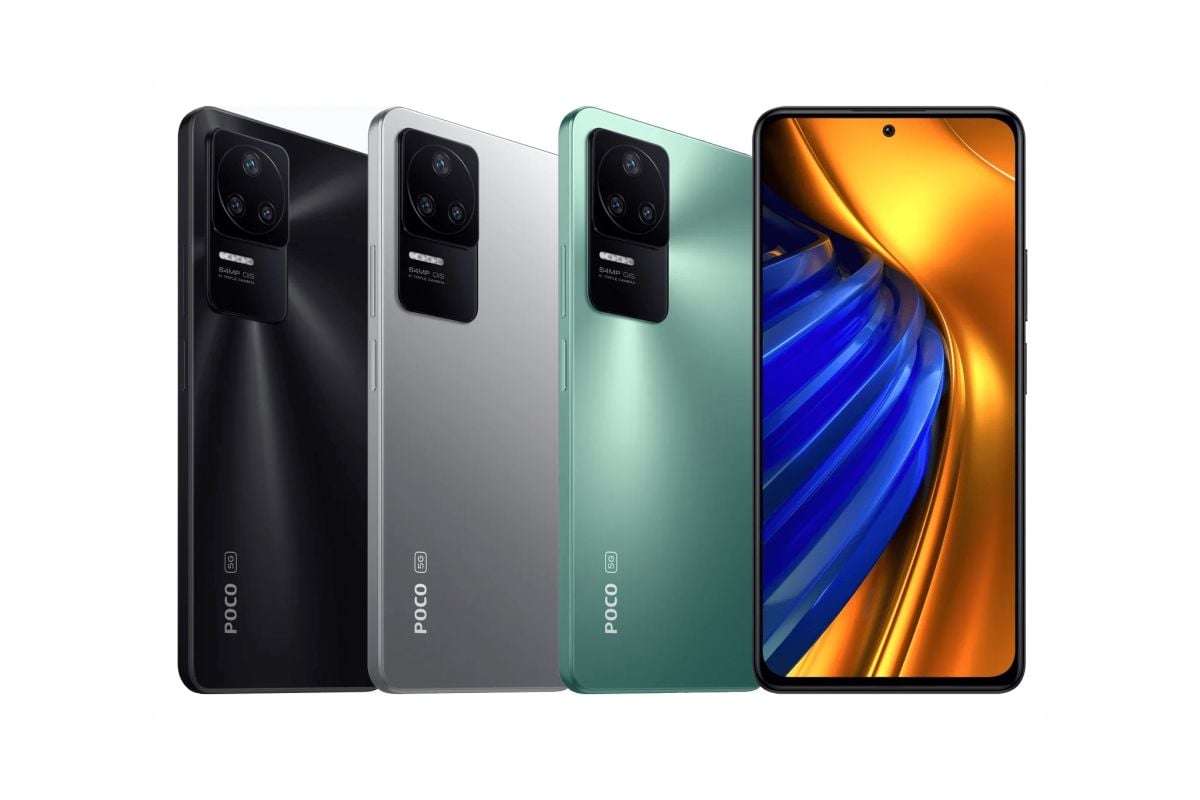
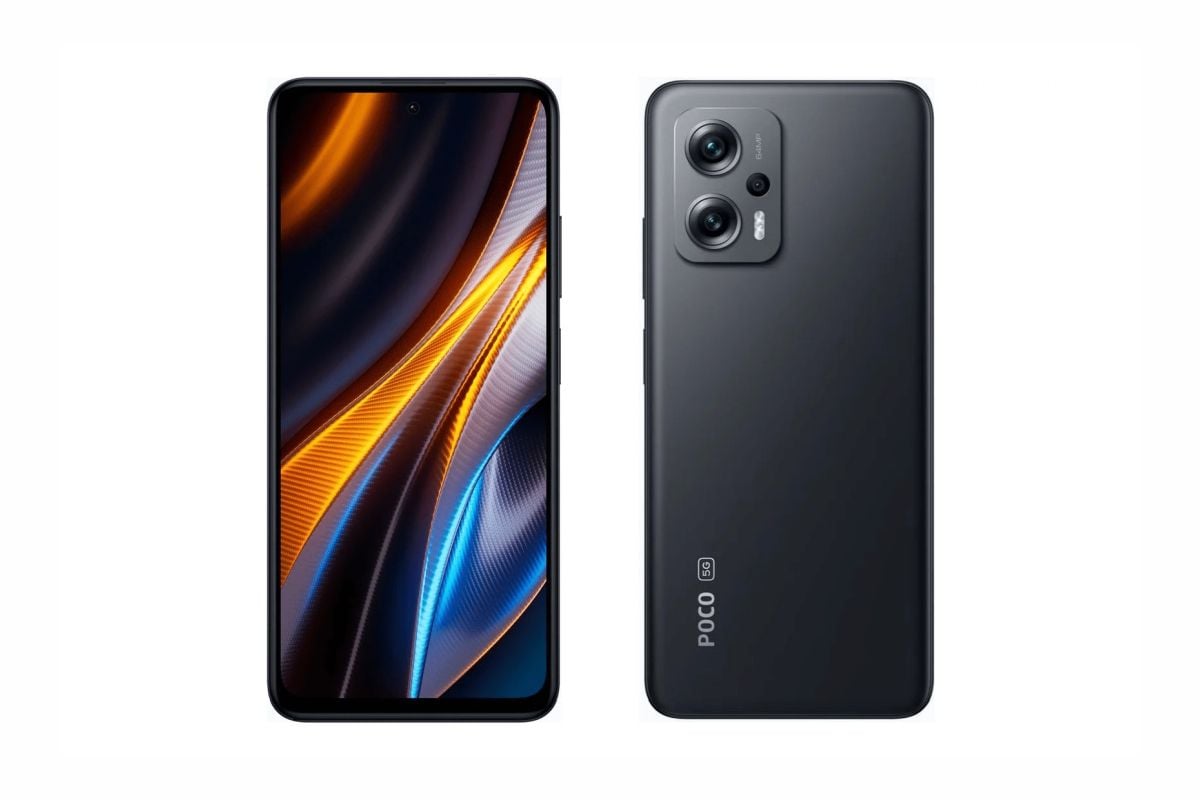
Poco is gearing up to launch two new smartphones in the global market soon. This includes the X4 GT and F4 5G model. However, prior to their official announcement tomorrow (23rd June 2022), the pricing and specs of both models were found listed in a retailer’s website.
F4 5G
According to a MySmartPricereport, the Chinese smartphone maker’s Poco X4 GT and F4 5G models were found listed on a retailer’s website in Poland. This revealed their complete specifications alongside their prices in the Polish market. The former is a rebranded Redmi K40S while the latter is a rebadged Redmi Note 11T Pro. Looking at the online listing, the X4 GT will be offered in two storage configurations, namely 8GB + 128GB and 8GB + 256GB. Similarly, the F4 5G will also be offered in two options, which is the 6GB + 128GB and 8GB + 256GB models.
The Poco F4 5G’s 6GB variant will be priced at 2,200 PLN (roughly 497 US Dollars), meanwhile its 8GB variant costs 2,400 PLN (roughly 542 US Dollars). The X4 GT starts from 1,900 PLN (roughly 429 US Dollars) for the 8GB + 128GB option while the higher end 256GB model has a price tag of 2,000 PLN (roughly 452 US Dollars). Keep in mind that these prices are for the European market, so there will likely be differences in price tags depending on regions outside of EU.
X4 GT
The brand is also set to launch the Poco F4 5G in India as well, while the X4 GT will not be making its way to the Southeast Asian country. So, this gives us a good idea regarding the F4 5G’s possible pricing for the Indian market. We can expect the 6GB model to cost around 38,900 INR and the higher end 8GB variant to cost around 42,500 INR. The brand is set to launch the two devices via a live stream tomorrow, so stick around as we will be covering the launch event.
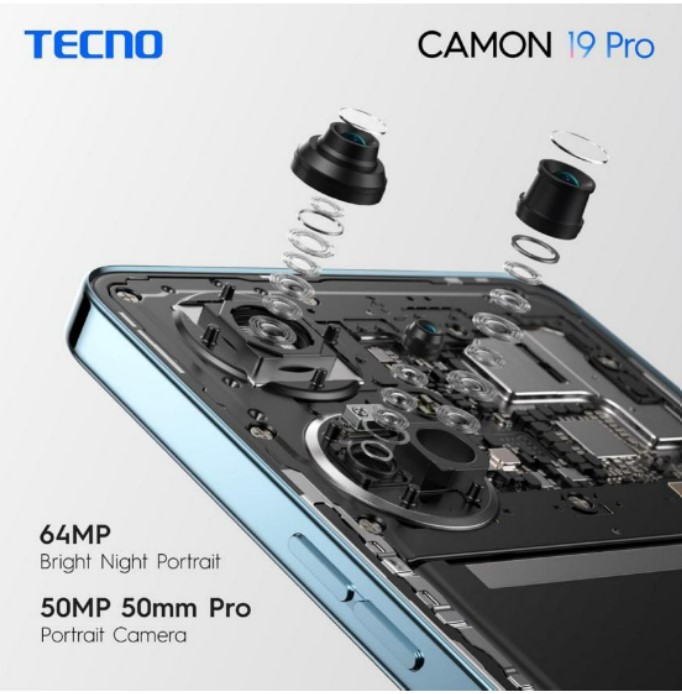
TECNO launches its latest CAMON 19 series at the iconic Rockefeller Centre in New York. This premium smartphone series focuses on low and dim light photography and takes night time imagery to a new level, thanks to its 64MP bright night portrait photography technology.
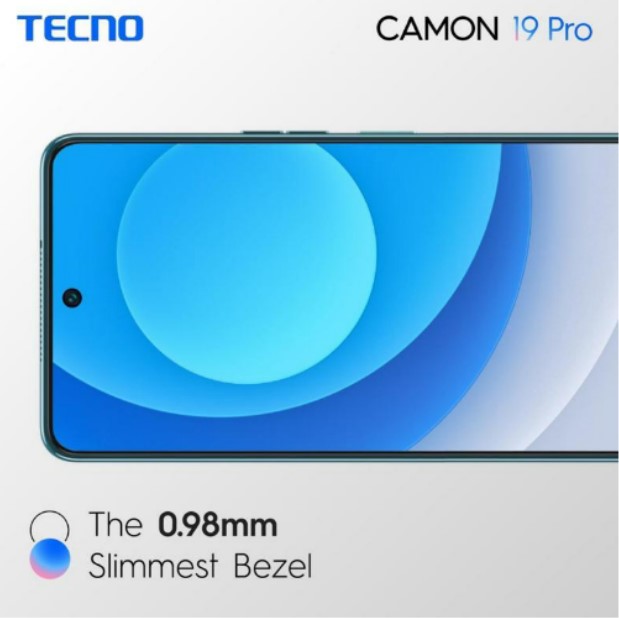
TECNO CAMON 19 series comes with two phones viz. CAMON 19 and 19 Pro. Both smartphones are designed to give you advanced photography options and have won the iF Design Award 2022 for outstanding product design for its slim bezel and an ingenious dual-ring triple-camera layout.
The CAMON 19 series focuses on night time photography and imagery and comes with a 64MP main camera and an RGBW sensor/glass lens co-developed with Samsung, for accurately capturing bright, clear images and portraits in less-than-optimal lighting situations. It also features Samsung’s RGBW color filter sensor technology, which adds a white sub-pixel to the existing universal RGB configurations to enable light intake to be enhanced by 30 %.
The CAMON 19 Pro comes with a Super night Camera and sets new standards for night time photo and videography. With an advanced Super Night Portrait mode, you can transform portraits taken in dimly lit environments into ones brimming with brightness, contrast, and sharpness, while eliminating visual noise. Moreover, the four rear flashlights, along with an advanced algorithm, recognize low-light conditions and provide the necessary light to effectively fill shadows or dark areas. Other interesting features include a 2X optical zoom lens, OIS+EIS Stabilization, Portrait mode, AI face beauty technology, etc.
TECNO CAMON 19 Pro features a 6.8-inch FHD+ display and supports a 120Hz refresh rate. It flaunts an extremely thin bezel that gives you an expansive visual experience. Certified by the TUV Rheinland, the display minimizes blue light and provides a more comfortable viewing experience by reducing eye strain and fatigue. The back of the smartphone comes with a crystal coating that avoids fingerprint smudges and gives your phone a premium and luxurious finish.
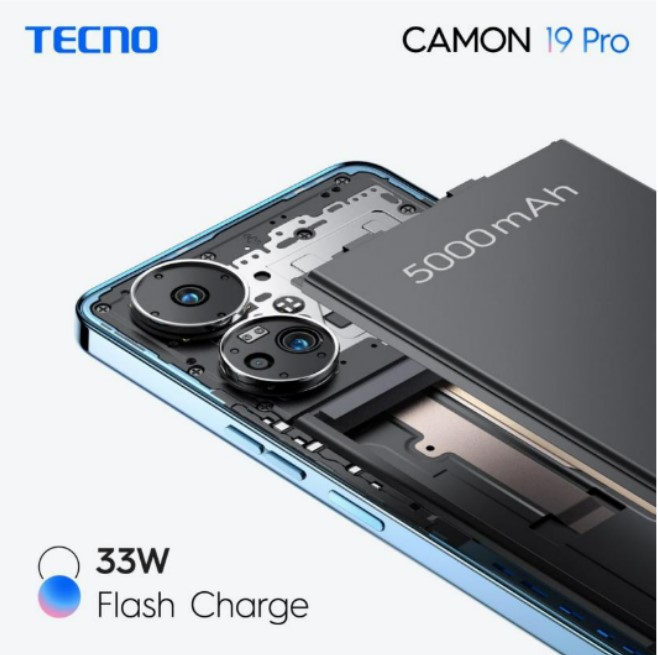
The CAMON 19 Pro smartphone is powered by MediaTek Helio G96 chipset and runs on a massive 5000mAh battery and supports 33W fast charging. The CAMON 19 series will be available globally from June 2022, across various regions including Africa, Latin America, the Middle East, Southeast Asia, and Southern Asia. The brand has not yet specified the price as it can vary according to the regional policies and taxes. For more information on the CAMON 19 series, specs and pricing, check out www.tecno-mobile.com.
Just a couple of days ago, we had covered a report that revealed the price and color variants of the Motorola Edge 30 Lite. Now, a new leak has finally offered us a first look at the Moto Edge 30 Lite’s design in all its glory.
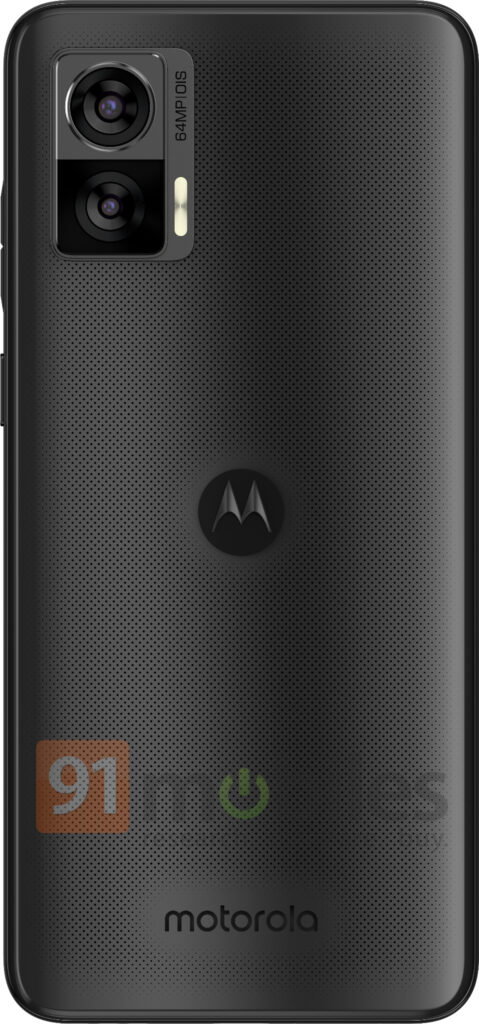
The leaked image was shared by 91Mobilesearlier today (22nd June 2022). The report also stated that an upcoming smartphone model for the company’s flagship Edge lineup will carry the codename Miami. This model is believed to be the Edge 30 Lite, which as the name suggests, will be the more affordable entry in the Edge 30 series. And now, we have finally have an image of the handset as well, revealing its entire rear design.
Although, the report also revealed that the front will sport a 6.28 inch display. Arriving at the back, the device features a dual camera setup, which is odd considering the Lite model is still a part of the high end Edge series. Right now, brands are even offering triple and quad camera modules on the back at the mid range segment as well. These two sensors will reportedly consist of a 64 megapixel primary sensor and a 13 megapixel secondary shooter that might be an ultra wide angle lens.
The leak also revealed the color variants of the Edge 30 Lite, which is in line with our previous reports and includes Moonless Night, Very Peri, Opal Silver, and Green Fig options. Under the hood, the handset will be equipped with a Qualcomm Snapdragon 695 SoC that is paired with up to 8GB of RAM and 256GB of internal storage. Notably, the display will also support 120Hz refresh rate. This is all the information we have at the moment, so stay tuned for more updates.
Yesterday, Xiaomi launched the Xiaomi Smart Band 7 (aka Mi Band 7, Xiaomi Band 7) for European markets. At the event, the company also announced three more products. One of them was the Xiaomi TV A2 series. Let’s take a look at this new smart TV range from the firm.
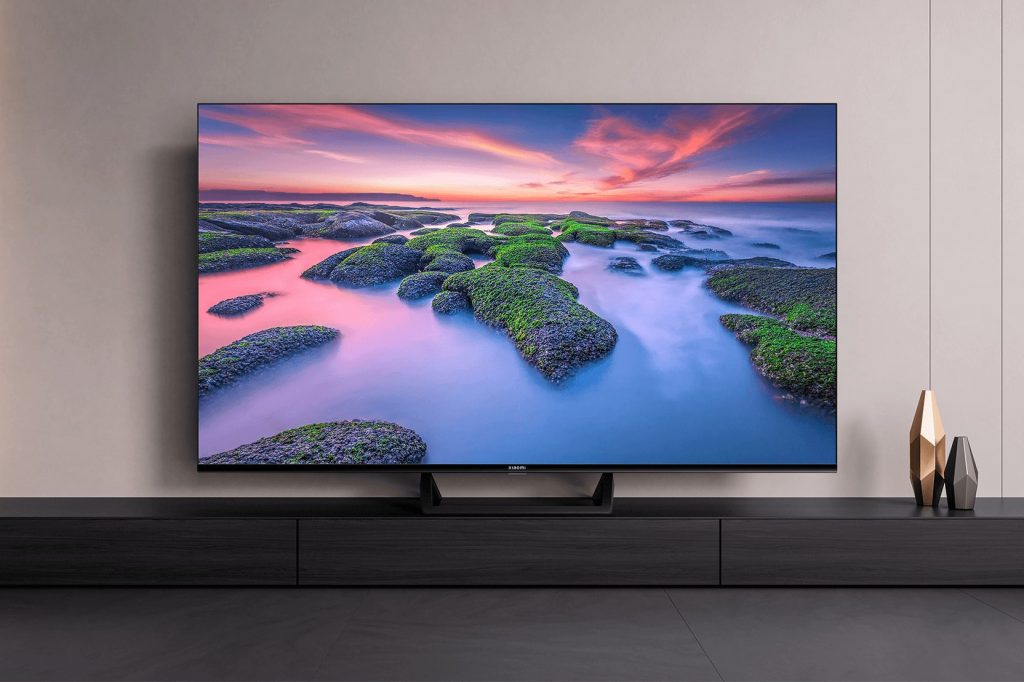
Xiaomi TV A2 55-inch
Xiaomi TV A2 Series Specifications
At the end of May, Xiaomi debuted the Xiaomi TV F2 series running Amazon’s Fire OS with the Fire TV interface. Less than a month later, the company has now introduced the Xiaomi TV A2 series with the Android TV operating system.
The Xiaomi TV A2 lineup comes in four sizes, such as 32-inch, 43-inch, 50-inch, and 55-inch. Whereas, the Xiaomi TV F2 family arrives in three sizes as it is not offered in a 32-inch variant.
All the size versions sport an LED-backlit LCD panel. Other than the 32-inch model which has an HD-ready (1366 x 768 pixels), the remaining variants flaunt a 4K (3840 x 2160) canvas.
All of them have a 60Hz refresh rate and a 178° viewing angle. However, the 4K models also carry support for 10-bit color depth, MEMC, HDR10, HLG, and Dolby Vision.
They are powered by a quad-core chipset featuring ARM Cortex-A55 cores. But the 32-inch variant has an inferior ARM Mali G31 MP2 GPU instead of ARM Mali G52 MP2 like other models.
Further, all of them feature a unibody design with a metal frame. They come with Bluetooth 5.0, 2 x USB 2.0, AV composite, optical audio port, 3.5mm headphone jack, and CI slot. The 4K models offer 3 x HDMI (1 x eARC) and dual-band WiF but the HD model comes with 2 X HDMI (1 x eARC), DTMB port, and single-band WiFi.
Though all of them carry support for Dolby Audio and DTS HD, the 32-inch model houses 2 x 10W speakers instead of 2 x 12W speakers like the others. Anyway, all variants come with Google Assistant (via remote control), Chromecast Built-in, Miracast, and support for leading streaming platforms.
Xiaomi TV A2 Series Price and Availability
Xiaomi has only revealed the price of the 55-inch variant so far. This version of the Xiaomi TV A2 will retail at €529 in Europe. There’s no official word on availability yet.
On the other hand, the smaller models should cost below the aforementioned price tag.
The much-hyped Nothing Phone (1) will be unveiled at an event on Tuesday 12 July called Return to Instinct. Ahead of the imminent launch, Phone (1) has received TUV SUD safety certification. Moreover, a screenshot of Flipkart code has also been leaked which suggests the listing of the smartphone’s accessories. We know very little about the actual hardware specs for the handset. However, its design and appearance are revealed by the company.
A tweet by popular tipster Mukul Sharma suggests that the Nothing Phone (1) has been listed on the TUV SUD certification platform with model number A063. Sharma also shared a screenshot of the Flipkart code which reveals that the accessories of the Phone (1) will be available for sale on Flipkart. The TUV SUD certification did not reveal any new information about the smartphone.
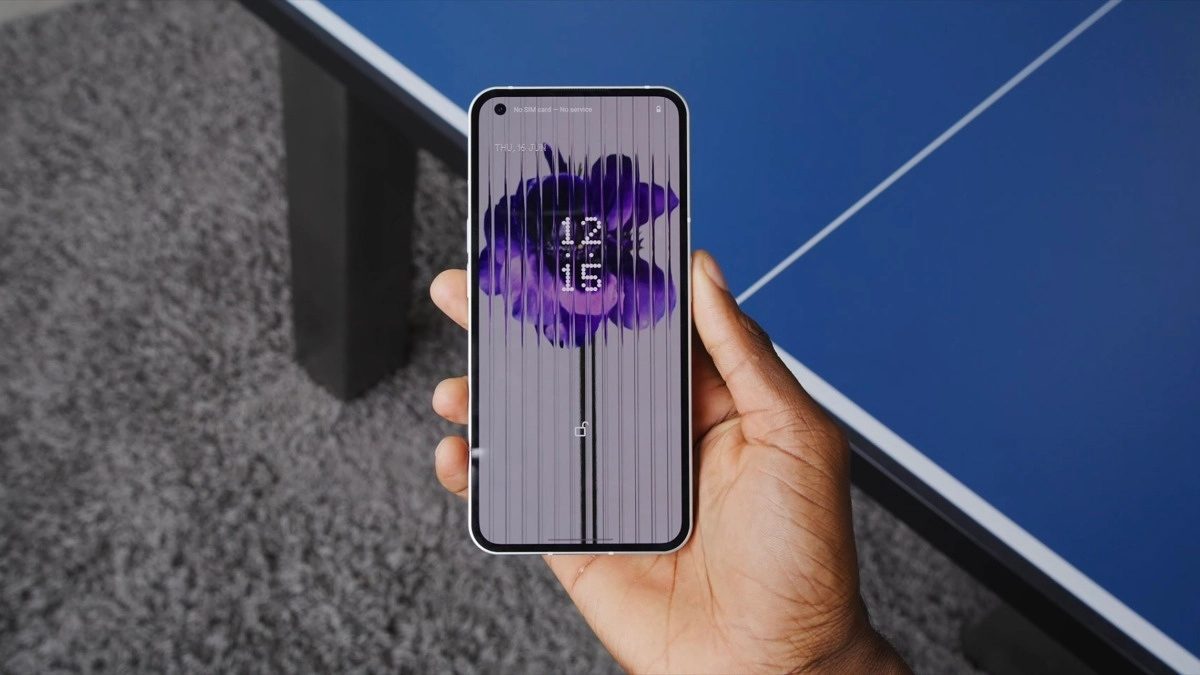
As mentioned, The Nothing Phone (1) will be launched on July 12 in London. A recent video by Youtuber Marques Brownlee gave us a good look at how this phone is going to try and stand out. The video revealed the front of the Phone which shows the Phone has a punch-hole placed at the upper-left corner of the display.
A screengrab from MKBHD’s Nothing Phone (1) hands-on
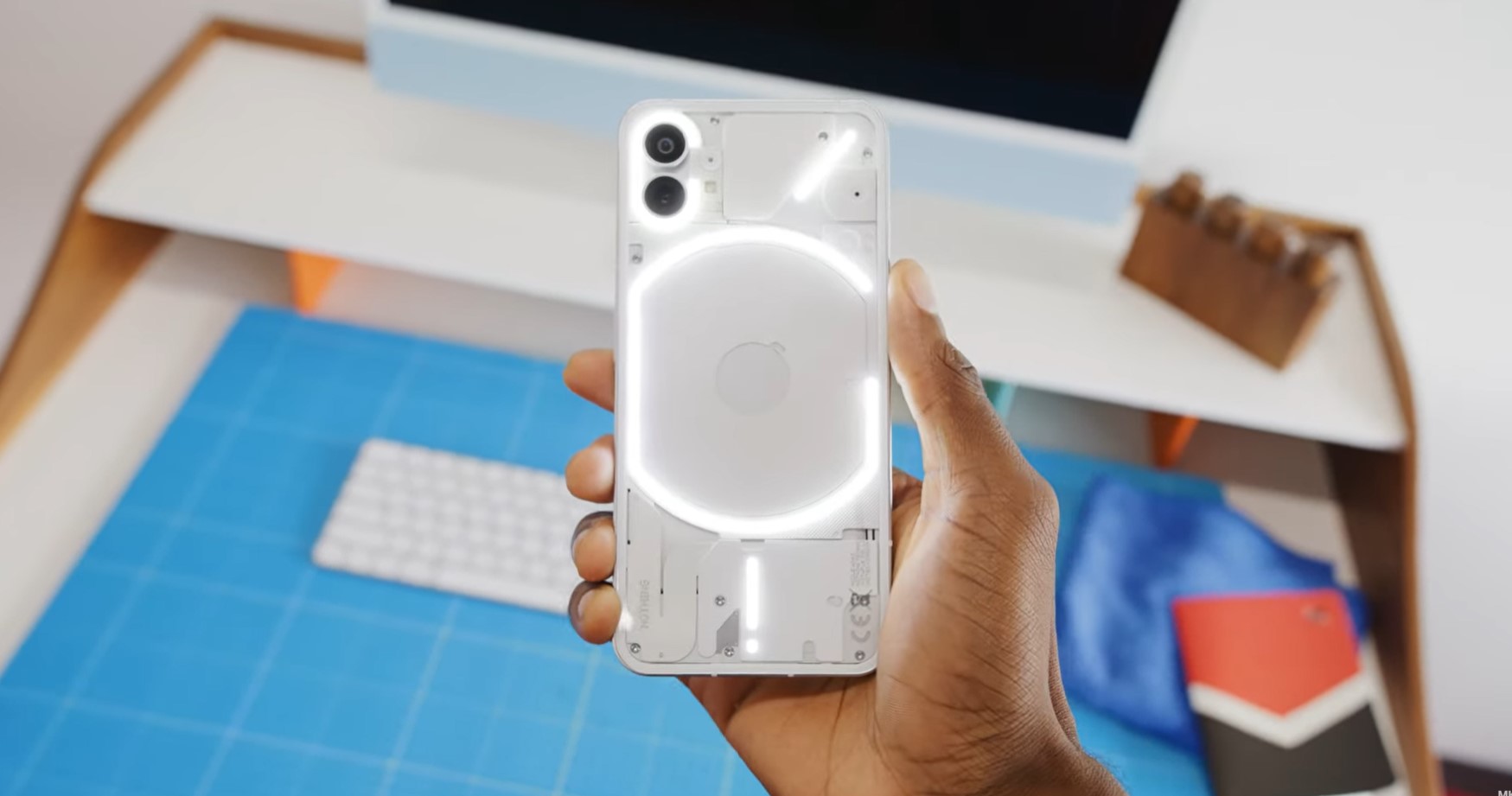
The front of the smartphone is “nothing” special. However, the back sure does look interesting. You can’t view the hardware components as we’ve seen in previous HTC or Xiaomi phones but it does have some elements of translucency.
A screengrab from MKBHD’s Nothing Phone (1) hands-on
The smartphone has LED lights on the back which I personally found very cool. The lights are called “Glyph Interface” and they come with loads of customization options. For example, you can customize it to glow with the beat of the ringtone. Read more about it here.
The LED lights and transparent design are compelling features but the success of the smartphone will depend on its hardware and performance.
Last month, Sony announced its new mid-range smartphone dubbed Sony Xperia 10 IV for the European market, marking the fourth generation of the device.
Now, the company has started taking pre-orders for the Sony Xperia 10 IV in the UK. The phone’s pricing starts at starting at £429 and the company is also offering free TWS earbuds to those who pre-order the device.
The Sony Xperia 10 IV features a 6-inch OLED display with a Full HD+ screen resolution and a 21:9 aspect ratio. It offers a brighter Triluminous panel which the company claims is 50 percent brighter than its predecessor. It also has Gorilla Glass Victus for protection.
Under the hood, the device is powered by the Qualcomm Snapdragon 695 5G chipset, an upgrade compared to the Snapdragon 690 found in its predecessor. This new processor is manufactured using a 6nm process. It packs 6GB of RAM and 128GB of internal storage.
In the camera department, the smartphone features a 12-megapixel primary sensor, an 8-megapixel ultra-wide lens, and an 8-megapixel 2x telephoto lens. It comes with features like tweaked Superior Auto mode, Auto HDR, a dedicated Night mode, and more. On the front side, there’s an 8-megapixel snapper for taking selfies and video calling.
Other features on the device include a 3.5mm headphone jack, LDAC support, 360 Audio, and a 360 Reality Audio Upmix to transform stereo into surround sound. The phone is also IP68 rated to make it water and dust-resistant.
It runs the latest Android 12 operating system out-of-the-box with the company’s own custom user interface on top. The phone is powered by a 5,000mAh battery and comes with 30W fast charging. Similar to several devices launched recently, this one too doesn’t come with a charger in the box.
While the Realme GT 2 series has already been announced in the market, it appears that the company is planning on releasing another entry within the lineup called the GT 2 Master Explorer Edition soon. Now, the device was spotted on GeekBench, which revealed some of its specifications. So let’s have a look.
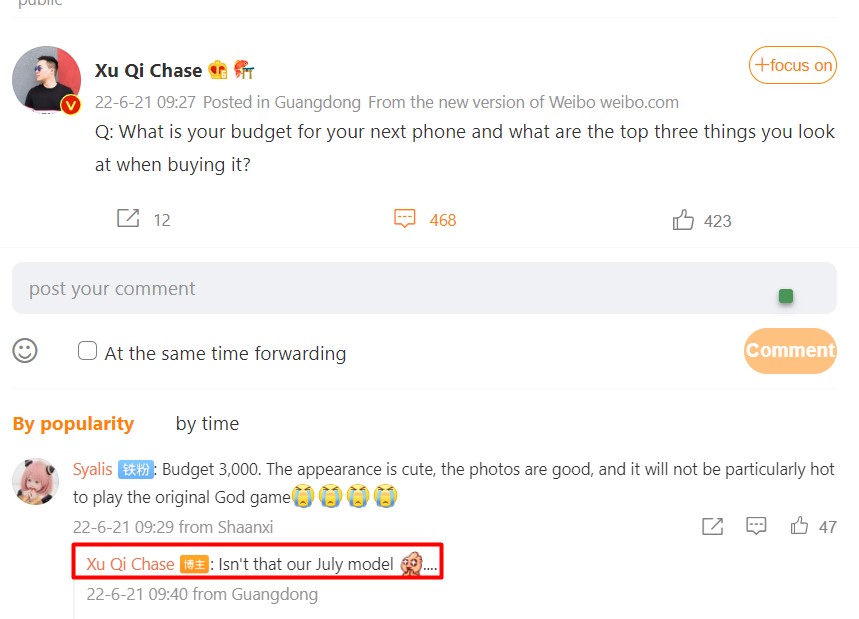
Interestingly, the news regarding the device’s imminent launch arrives from a rather official source. The company’s President of Global Marketing, Xu Qi, responded to a user’s query and stated that Realme is planning on launching new model in July 2022 (Via 91Mobiles). With the recent sighting on GeekBench, it is possible that the device in question is the GT 2 Master Explorer Edition.
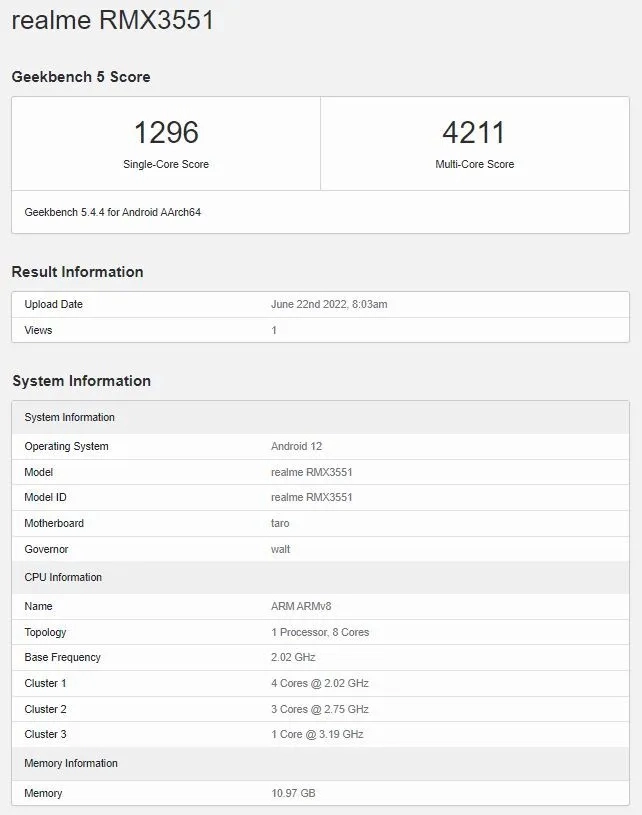
The device had surfaced on the popular benchmarking platform with the model number RMX3551. If this phone does launch, it will be the third entry in the Realme GT 2 series. Looking at the GeekBench listing, the smartphone scored 1296 points on single core tests and 4211 in the multi core test. The benchmark also revealed that the handset runs on Android 12 OS out of the box and up to 12GB of RAM, but the company will likely offer other storage configurations as well.
The motherboard section states that the device houses “taro,” which could be the Qualcomm Snapdragon 8+ Gen 1 SoC that was recently announced for next gen flagship smartphones. Based on a previous report, the GT 2 Master Explorer Edition sports a 6.7 inch 120Hz AMOLED display and is powered by a large 5,000mAh battery pack that supports over 100W fast charging as well. So stick around for more, as we will be providing updates when additional information is available regarding this matter.
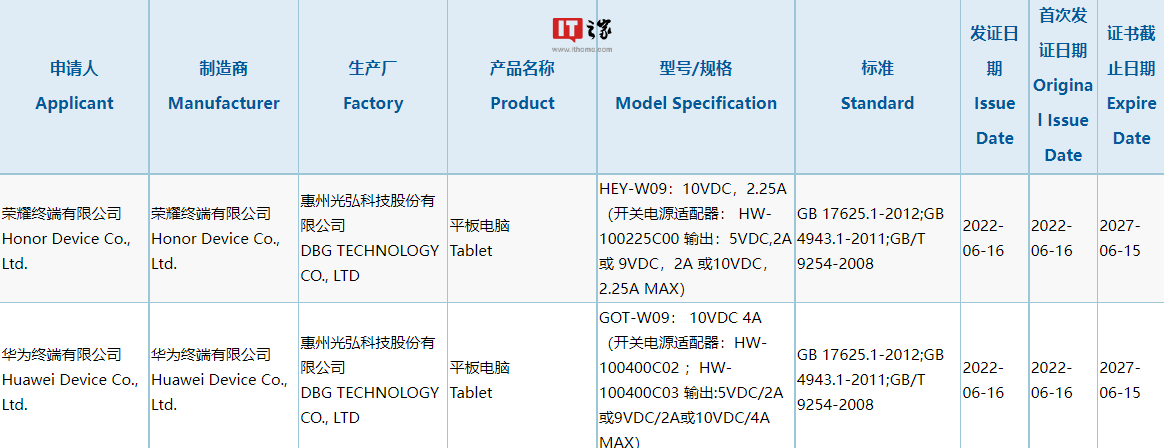
New Huawei and Honor tablets have surfaced on the Compulsory Certification of China (3C) website. The 3C listing does not reveal any key specifications of the tablets. However, it suggests that the listed model of the Huawei tablet could offer 40W fast charging support and the Honor tablet could come with 22.5W fast charging. Let’s take a look at the available details.
Recently, two new tablets by Huawei and Honor have been spotted on the 3C website (Via ItHome). The Huawei tablet has appeared with the model number GOT-W09 and is listed to support a maximum 40W (10VDC/4A) charging. Whereas, the Honor tablet has a model number HEY-W09 and will likely support 22.5W fast charging.
HEY-WO9 is expected to be the successor of the Honor V7 Pro which was launched last year with MediaTek Kompanio 1300T Soc, 7250mAh battery, 2K display, and 120Hz refresh rate. The upcoming HEY-WO9 is said to carry MediaTek’s latest Kompanio processor which is an increased frequency version of Dimensity 9000.
If we talk about Huawei’s GOT-WO9, it could be the long-rumored Huawei MatePad Pro 12.6 (2022). Other models of this tablet have also been spotted on the 3C website previously.
MatePad Pro 12.6 (2022) will be the successor to the 2021 MatePad Pro which came with a 12.60-inch display offering a resolution of 2560×1600 pixels at a pixel density of 240 pixels per inch (PPI). The 2021 MatePad was powered by a HiSilicon Kirin 9000E processor, this year we can expect the tablet to carry a more powerful processor.
Huawei MatePad Pro 12.6 (2021)
The details about both the listed tablets are still pretty short and there has been no official word from Honor and Huawei about the upcoming devices. We hope to learn more details about them in the coming days.
Samsung launched the new Galaxy F13 in India today. The device is the latest addition to Samsung’s budget segment and sports quite interesting features. For instance, the smartphone comes with a large 6000mAh battery. The handset arrives as a 4G phone with features like an Exynos chipset, triple rear camera sensors, improved performance, and much more. Here are the details about the phone that you should know.
Samsung Galaxy F13 Specs and Features
The newly launched Samsung Galaxy F13 is powered by the Exynos 850 Soc paired with up to 4GB RAM and 128GB storage which can also be expanded up to 1TB with the help of a microSD card slot. The smartphone comes with RAM plus technology which essentially utilizes idle storage to offer more RAM capacity.
At the front, the Galaxy F13 flaunts a 6.6-inch full-HD+ panel that comes. It offers a resolution of 2408 x 1080 Pixels. The front panel features a waterdrop notch design to make room for the selfie camera sensor.
Talking about the cameras, the budget smartphone offers a triple-camera sensor at the rear with the combination of a 50-megapixel primary camera sensor and a 5-megapixel camera along with a 2-megapixel camera. It also has an LED flash. While on the front, it has an 8-megapixel camera sensor for selfies and video calls.
The handset is fueled by a massive 6,000mAh battery with 15W fast charging support. Moreover, the smartphone runs One UI 4.1 version out of the box based on the Android 12 operating system. It has a side-mounted fingerprint scanner for security.
The Galaxy F13 comes with a useful auto-data switching feature to offer seamless internet connectivity. This feature lets you make and receive calls or use data from your secondary SIM, even when your primary SIM has no network.
Samsung Galaxy F13 Price and Availability
The Samsung Galaxy F13 is launched in India at a price of Rs 16,999 for 4GB RAM and 64GB storage. There is also an 4GB RAM and 128GB variant which comes at a price of Rs 16,999. The device will be available for sale in India via Flipkart. You can grab the handset in pink, green, and light blue colors. The sale date of the smartphone will be announced soon.
Xiaomi has announced the Mi Band 7 fitness tracker for the global market. The wearable device was first unveiled last month when the company took the wraps off the product.
The Mi Band 7 is now available for pre-order in the European market. The Standard Edition of the fitness tracker is priced at €59.99 but as a special early-bird discount, it is being offered for a discounted price of €49.99.
The Xiaomi Band 7 features a 1.62-inch AMOLED display with a 192 x 490-pixels screen resolution, 326 PPI pixel density, and 500nits of peak brightness. It has an Always-On display feature and also features dynamic Mars wallpaper like the one available on MIUI 13.
In terms of design, it is almost similar to the Mi band 6 and weighs just 13.5 grams. It also comes with features like Xiao AI assistant and has support for 120 sports modes including support for four professional sports modes with functions like activity tracking, data analysis, and more for all-around guidance.
There’s also support for all-day blood oxygen monitoring and alerts the wearer if the blood-oxygen levels go below 90%. Other than that, the device comes with a heart rate tracker, and sleep tracker capable of providing data like sleep breathing quality, REM, and nap time quality. It also offers stress monitoring, Female health tracking, and PAI.
The fitness tracker is powered by a large 180mAh battery capable of up to 15 days of use on a single charge. It is also claimed to last around 9 days with heavy usage and similar to its predecessors, uses a magnetic charger.
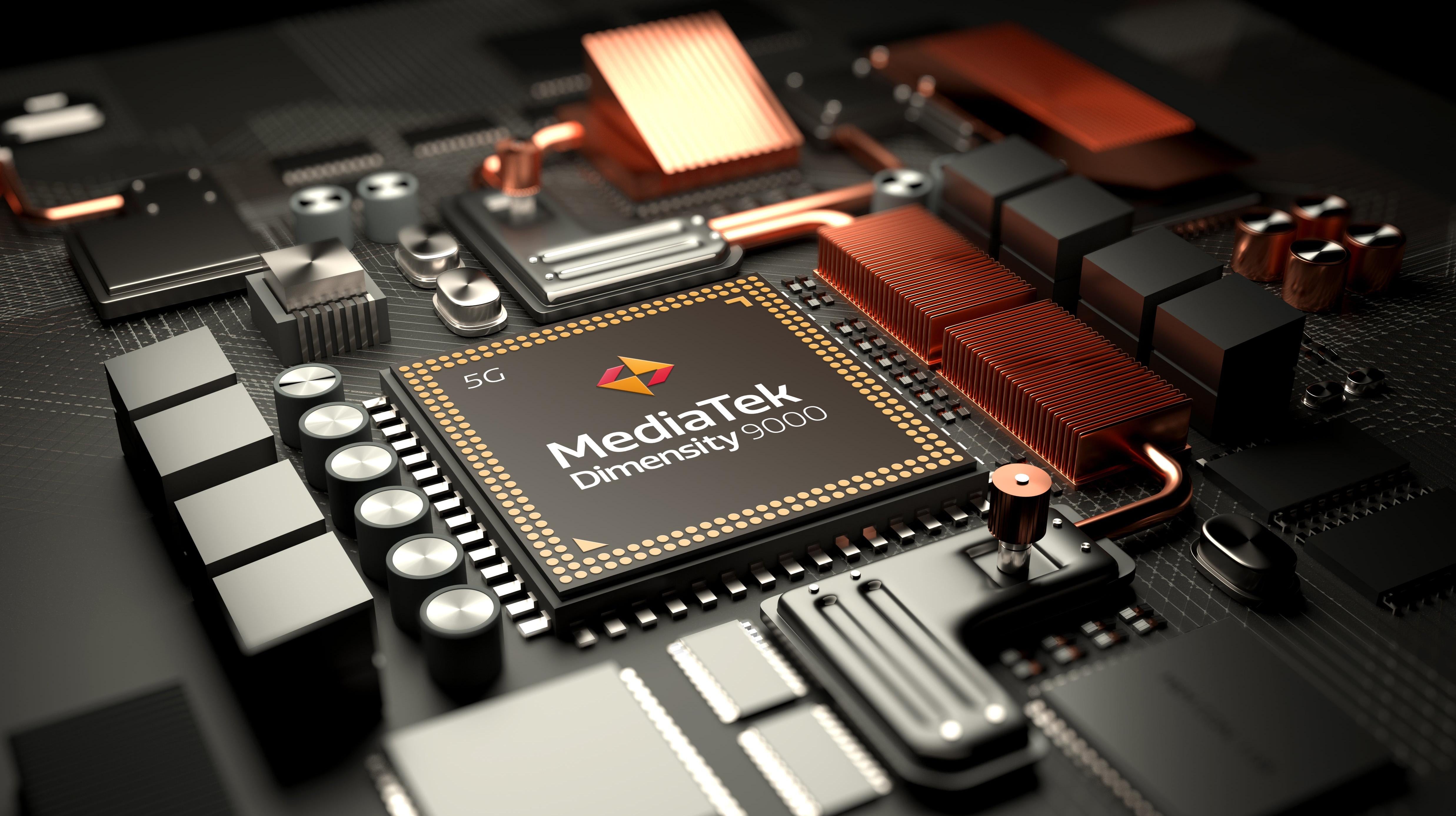
Last year, MediaTek launched its flagship smartphone chipset in the form of MediaTek Dimensity 9000 and now the company has announced an upgraded version of the same, dubbed MediaTek Dimensity 9000+.
This newly announced smartphone chip is essentially the same as the Dimensity 9000 but comes with some key improvements. It supports a 144Hz refresh rate for WQHD+ resolution and up to 180Hz refresh rate for Full HD+ displays.
In terms of performance, the company claims that the MediaTek Dimensity 9000+ comes with a 5 percent improvement in CPU and about 10 percent faster GPU. It integrates ARM’s v9 CPU architecture with a 4nm process.
It packs one ultra-Cortex-X2 core clocked at 3.2GHz, three super Cortex-A710 cores, and four efficiency Cortex-A510 cores. As for the graphics processing, there’s a built-in ARM Mali-G710 MAC10 GPU.
The chip comes with an improved Image Signal Processor (ISP). It has Imagiq 790 ISP that supports 18-bit HDR video recording from three cameras at the same time and up to 320-megapixel sensor support for 4K HDR and AI noise reduction.
The network modem has also been updated and now it supports up to 7Gbps downlink. It also has support for 5G/4G Dual SIM Dual Active, enabling users to use both networks at once. It also has Bluetooth 5.3, Wi-Fi 6E, and the latest GNSS standard.
MediaTek Dimensity 9000+ will be released in the third quarter of this year but as of now, the company has not revealed which devices will be among the first ones to come powered by this new processor.
Realme China’s President Xu Qi has hinted when Realme will be announcing the Realme GT 2 Master Explorer Edition. The company had revealed in May that the phone would be arriving in Q3 this year. However, it appears that the Realme executive has revealed the exact month in which the phone will be unveiled while chatting with Realme fans on Weibo.
The Realme GT 2 Master Explorer Edition will be arriving as a successor to the GT Master Edition, which was announced in July last year. The Snapdragon 870-powered device was made available with a starting price of 2,899 Yuan (~$432).
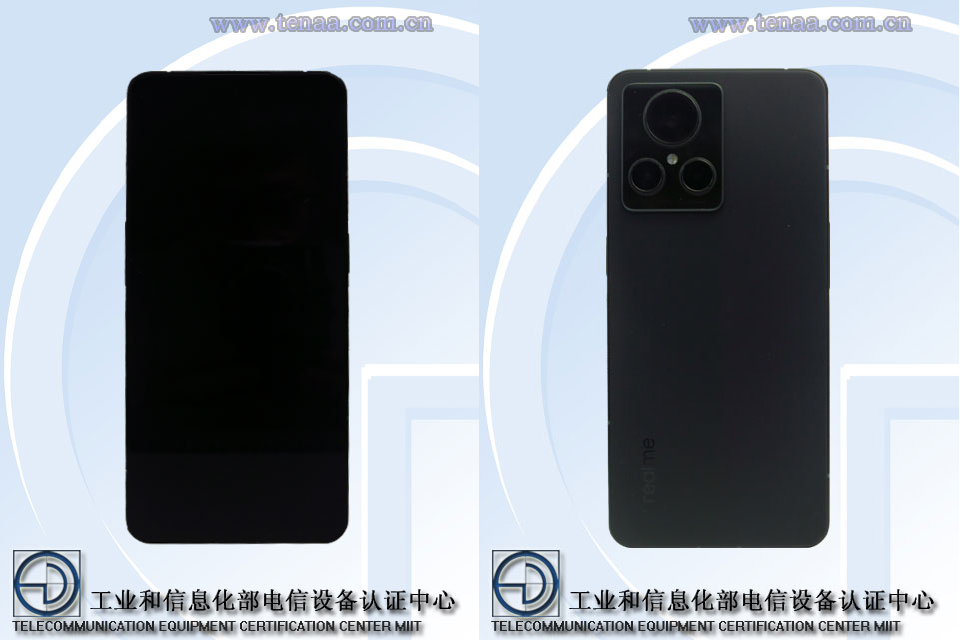
In response to a Weibo user asking for a smartphone priced around 3,000 Yuan (~$447), Xu Qi hinted about its upcoming smartphone, which will launch in July. Since the GT Master Edition went out in July 2021, it is likely that its successor may launch in the same month this year. In addition, the GT 2 Master Edition has already appeared at TENAA certification with all its specifications and images, which indicates that its July launch is inevitable.
Realme GT 2 Master Explorer Edition specifications (rumored)
Realme GT 2 Master Explorer Edition TENAA images
The TENAA listing of the device revealed that it has a 6.7-inch AMOLED display that supports a Full HD+ resolution and an in-screen fingerprint scanner. The screen seemingly supports a 120Hz refresh rate. It will be the company’s first phone to feature the Snapdragon 8+ Gen 1 chipset. The SoC will be coupled with up to 12 GB of LPDDR5 RAM and up to 512 GB of UFS 3.1 storage. The device will run on the Android 12 OS and Realme UI 3.0.
It will feature a 16-megapixel camera on the front for selfies and video calls. Its back panel will have a 50-megapixel + 50-megapixel + 2-megapixel triple camera unit. It will house a 5,000mAh battery with 100W charging support.
Carl Pei’s startup, Nothingwas introduced last year. It unveiled the Nothing Ear (1) TWS earbuds as its first product in July. Since it came with a semi-transparent design, it stood out from the other TWS earbuds. The brand confirmed last month that its first smartphone, dubbed the Nothing Phone (1), will be unveiled on July 12. Recently, it revealed the rear design of the device. Now, a hands-on video of the Nothing Phone (1) by Marques Brownlee has appeared on YouTube to showcase its entire design in full glory. Unfortunately, it does not say anything about the specifications of the device.
The front side of the Nothing Phone (1) looks like any other Android smartphone. It has an AMOLED panel with symmetrical bezels. A punch-hole is available at the upper-left corner of the display.
A screengrab from MKBHD’s Nothing Phone (1) hands-on video
Flipping the device on its back reveals its unique design. The LED strips available on the rear shell of the device are called the “glyph interface” by the brand. It’s decked out with over 900 individual LEDs. Brownlee revealed that all the LEDs glow up for notifications. The C-shaped LED strip lights up while wireless charging or reverse wireless charging.
A screengrab from MKBHD’s Nothing Phone (1) hands-on video
The LED strip at the bottom works as a progress bar for charging. All the strips can light up simultaneously to function as a flash for the camera. In addition, there is a red LED on the back that functions as a recording indicator. There is a dedicated Glyph interface setting on the device for customizing how the LED strips glow.
The Nothing Phone (1) comes preinstalled with 10 ringtones. Each ringtone has a light pattern that syncs with the ringtone. Users can pair ringtones with specific contacts. The company is expected to add more light patterns for notifications from different apps through a software update when the device is announced.
What’s your opinion on Nothing Phone (1)’s design? Share us your thoughts by posting them in the comments section. If you are interested in getting the Phone (1), you can participate in the auction that runs between June 21 and June 23 on StockX. The top 100 bids will get the device.
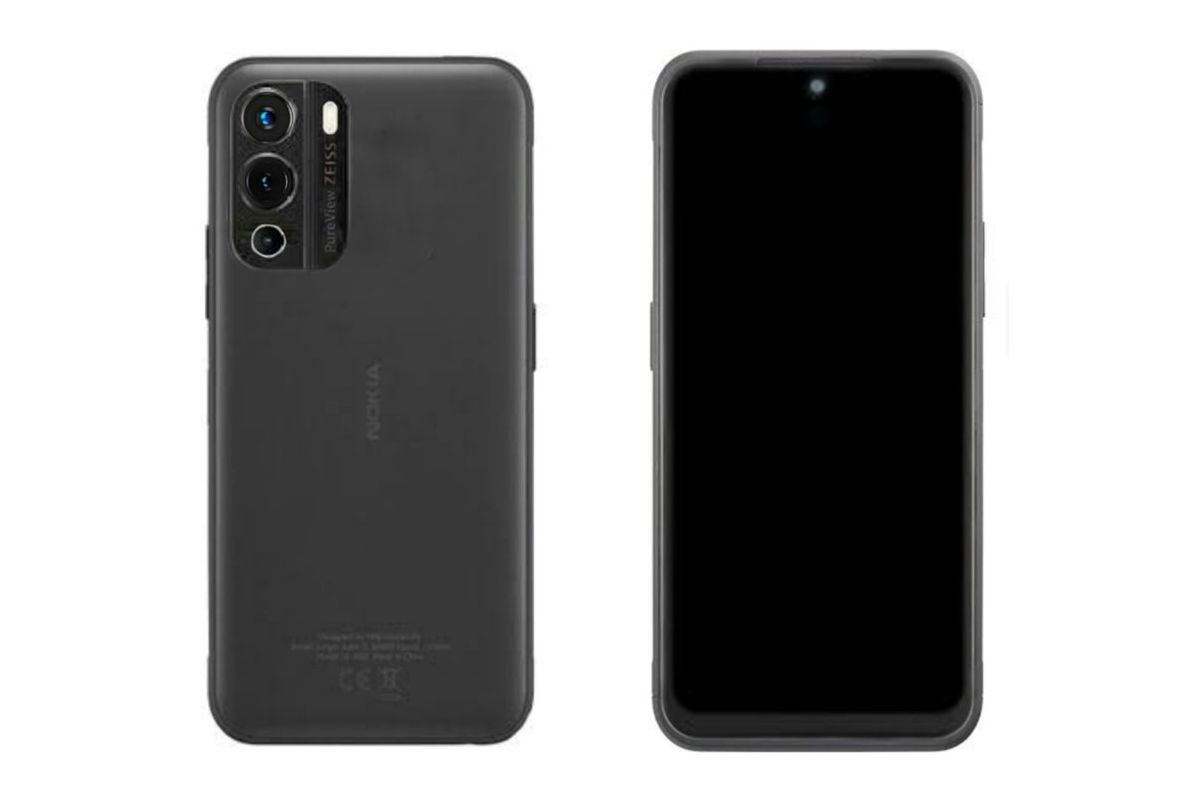
Nokia is reportedly working on the successor to the Nokia X20 smartphone. A Twitter user named @nlopt70 has shared leaked renders of the upcoming Nokia X21 5G. In addition, he also shared the key specifications of the device.
Nokia X21 Plus renders, specifications (rumored)
The leaked renders show that the Nokia X21 5G’s display will have a centrally positioned punch-hole. Instead of the circular camera module available on the X20, its successor edition will arrive with a rectangle-shaped camera unit placed at the top-left corner of the back panel.
The tipster revealed that the Nokia X21 5G will arrive with a 6.7-inch OLED panel that offers a 120Hz refresh rate. While it is not mentioned in the leak, it seems to carry support for a Full HD+ resolution.
The Snapdragon 695 mobile platform will power the Nokia X21 5G. It may pack a 5,000mAh battery, but there is no information available on its fast charging capabilities. It will arrive in two variants, such as 6 GB RAM + 128 GB storage and 8 GB RAM + 256 GB storage.
The rear camera setup of the device will have a 64-megapixel main camera, a 13-megapixel ultra-wide lens, and a ToF lens. It will be equipped with ZEISS optics and PureView technology for an enhanced photography experience.
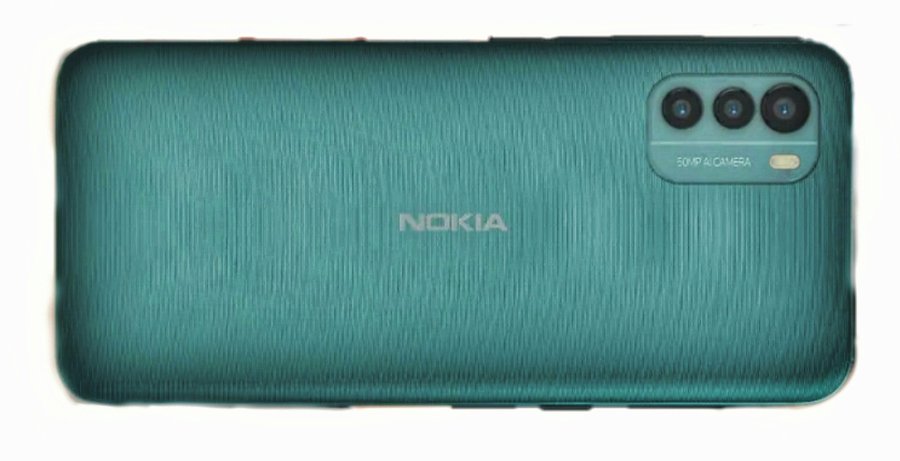
Shown above is an image of another upcoming Nokia smartphone with a similar rear design. The green-colored device has a 50-megapixel triple camera unit. The source said that it is a new G-series phone from the brand that will have an FHD+ 120Hz display and support for 5G.
In addition, the same source also revealed that Nokia will launch renewed versions of classic feature phones. It revealed that the company may soon announce feature phones such as the Nokia 5710 XA, Nokia 8210 4G, and Nokia 2660 Flip.
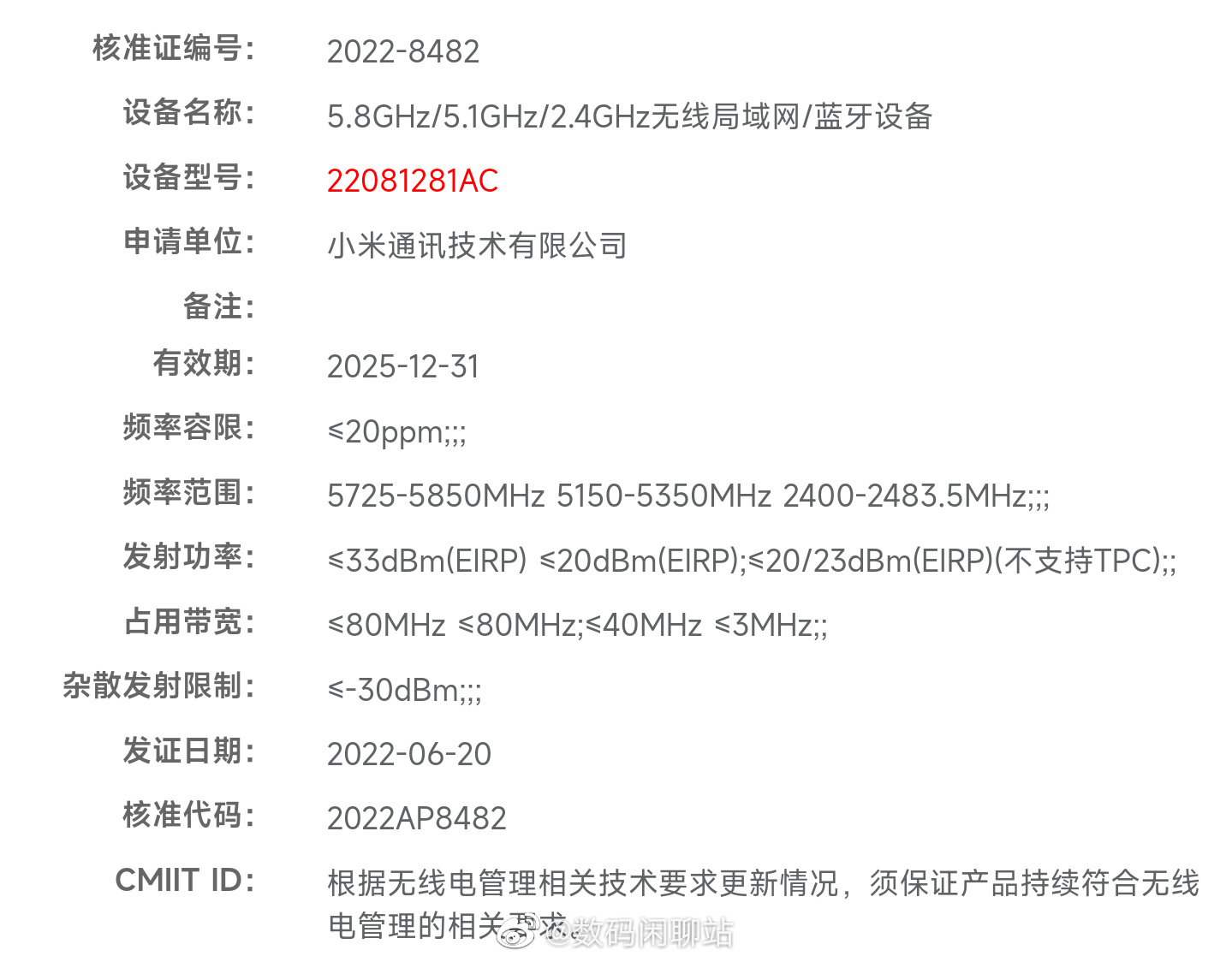
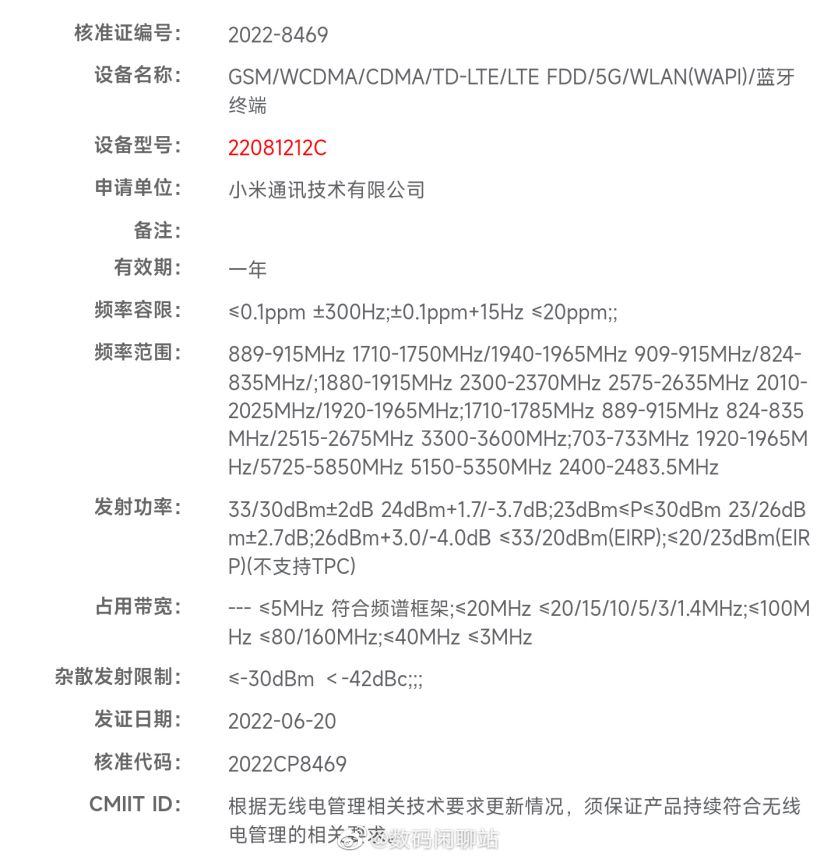
Forthcoming Xiaomi devices with model numbers 22081212C (shortened model number L2) and 22081281AC (shortened model number L81AC) have been approved by the CMIIT authority (via). The former could be the Snapdragon 8+ Gen 1 powered Redmi K50S Pro. Readers can visit this page to learn more about the K50S series. The latter could be a Redmi branded tablet.
Unfortunately, the CMIIT certification hasn’t revealed any information on the specifications of the alleged Redmi Pad 6. The device is likely to be certified by the 3C and TENAA certification sites of China in the coming days. Hence, it appears that the device may debut in the next few months.
Rumors are rife that the company is planning to launch as many as four tablets with shortened model numbers L81, L81A, L82, and L83 this year. According to Xiaomiui’sreport from last month, the L81A could be Redmi’s first tablet, which may debut as the Redmi Pad. The codename of this device is Dagu. The CMIIT certified L81AC appears to be its variant.
The L81, L82, and L83 could be Xiaomi Pad 6 series tablets, such as Xiaomi Pad, Pad 6 Pro, and Pad 6 Pro 5G. Readers are advised to digest the marketing names of these devices with a pinch of salt. The Pad 6 models are said to be equipped with MediaTek chipsets.
The Pad 6 lineup may offer features such as a 144Hz refresh rate and up to 120W fast charging. It may run on a newer version of MIUI for tablets. The Pad 6 series may debut in August in China. We hope that in the next few days, new reports will give us more information about the rumored Redmi Pad and Xiaomi Pad 6 series.
Two new Xiaomi devices have bagged certification from China’s MIIT authority (via). One of them appears to be the upcoming Xiaomi Pad 6 tablet, while the other one could be the rumored Redmi K50 series flagship.
The CMIIT authority has approved two Xiaomi devices with model numbers 22081212C (shortened model number L2) and 22081281AC (shortened model number L81AC). Readers can visit this dedicated post to learn more about the tablet. The below-shown table was shared by Xiaomiuiaround two months ago.
Model Number
Short Model Number
Codename
Market Name
Region
22081212C
L12
mayfly
Redmi K50S Pro
China
22071212AC
L12A
plato
Redmi K50S
China
22071212AG
L12A
plato
Xiaomi 12T
Global
22081212UG
L12U
mayfly
Xiaomi 12T Pro Hypercharge
Global
22081212G
L12
mayfly
Xiaomi 12T Pro
Global
22081212R
L12
mayfly
Xiaomi 12T Pro
Japan
As can be seen in the table, Redmi may launch the Redmi K50S (codename: plato; model number: 22081212AC) and Redmi K50S Pro (codename: mayfly; model number: 22081212C) in China. These devices are expected to be rebranded as Xiaomi 12T (model number: 22081212AG) and Xiaomi 12T Pro (model number: 22081212G).
In addition, the global market is expected to receive another variant called the Xiaomi 12T Pro Hypercharge (model number: 22081212UG). This device may possibly support 120W fast charging. The Xiaomi 12T Pro heading to Japan has a 22081212R model number. Readers are advised to take the final marketing names of these devices with a pinch of salt. These devices are not expected to be released in India.
The publication claimed that the Xiaomi 12T will feature the Dimensity flagship chipset, whereas the Xiaomi 12T Pro will be equipped with the Snapdragon 8+ Gen 1 SoC. It appears the same goes for the Redmi K50S and K50S Pro.
The predecessor T-branded phones, such as the Xiaomi Mi 10T series and the Xiaomi 11T lineup, were released in September 2021 and 2020, respectively. Hence, it is likely that the Xiaomi 12T lineup may break cover around the same time this year. As far as the K50S series is concerned, it may launch earlier as it has bagged CMIIT certification.
The latest Vivo flagship just launched in the European market: we are talking about the Vivo X80 Pro with its amazing cameras including Carl Zeiss optics. Now, each and every brand from BBK Electronics has a top-tier flagship in the global market. This is a comparison between the specifications of the Vivo X80 Pro, the OnePlus 10 Pro, and the OPPO Find X5 Pro. These are all the top-tier flagships from the BBK brands except one: the Realme GT 2 Pro. We decided to exclude the Realme GT 2 Pro from the comparison because it is not exactly a top-tier flagship: it lacks a top-tier camera and it has a less impressive build quality, so it would definitely lose the comparison between these three internal rivals.
Vivo X80 Pro vs OnePlus 10 Pro vs OPPO Find X5 Pro
Vivo X80 Pro
OnePlus 10 Pro
OPPO Find X5 Pro
DIMENSIONS AND WEIGHT
164.6 x 75.3 x 9.1 mm,
215 g
163 x 73.9 x 8.6 mm,
200.5 g
163.7 x 73.9 x 8.5 or 8.8 mm,
218 g
DISPLAY
6.78 inches, 1440 x 3200 pixels (Quad HD+), AMOLED
6.7 inches, 1440 x 3216 pixels (Quad HD+), AMOLED
6.7 inches, 1440 x 3216 pixels (Quad HD+), LTPO AMOLED
The most stunning design of this trio belongs to the OPPO Find X5 Pro. Not only it is made of ceramic, but it comes with a design full of curves that would be considered impossible to realize until a few years ago. Further, it is waterproof with the IP68 certification. The Vivo X80 Pro is waterproof as well, but its design is less elegant as the camera module is bigger, the dimensions too, and the rear side is made of glass for the European market. The OnePlus 10 Pro loses the comparison because it has an inferior build quality and it does not provide any kind of protection against water and dust.
Display
On the paper, the Vivo X80 Pro seems the device with the most advanced display, but there are only marginal differences between these three panels. The only advantages of the Vivo X80 Pro are a wider diagonal of 6.78 inches and the LTPO 3.0 technology which improves the efficiency of the panel. For the rest, these displays are pretty much the same: they are AMOLED panels able to show up to one billion colors with a Quad HD+ resolution of 1440p, an adaptive refresh rate from 1 to 120 Hz, and the HDR10+ certification. However, there is one last difference on the Vivo X80 Pro, even though it does not regard the display directly: we are talking about the in-display fingerprint reader as it is ultrasonic and not optical, so better than the OPPO Find X5 Pro and the OnePlus 10 Pro. All of these phones feature stereo speakers.
Specs & Software
These three amazing handsets come with exactly the same flagship-class hardware: it includes a Snapdragon 8 Gen 1 mobile platform built at 4 nm with a max frequency of 3 GHz, up to 12 GB of RAM, and up to 256 GB of internal storage. In China, the OPPO Find X5 Pro and the Vivo X80 Pro come with up to 512 GB of internal storage and they also come in an additional variant powered by the MediaTek Dimensity 9000 chipset. All of these phones run Android 12 out of the box and they will receive three major Android updates, so they are supposed to arrive at Android 15. The OPPO Find X5 Pro and the OnePlus 10 Pro have similar user interfaces as the OxygenOS is based on the ColorOS, while the Vivo X80 Pro is different due to its Funtouch OS.
Camera
On the paper, the Vivo X80 Pro looks like the best camera phone at first glance. It has a 50 MP main camera with OIS, a 48 MP ultrawide camera, and a 12 MP telephoto sensor with 2x optical zoom for portraits, and it is the only one in this comparison to sport a periscopic sensor with 5x optical zoom (the resolution is 8 MP). The OPPO Find X5 Pro should be able to shoot better photos thanks to its 50 MP main sensor equipped with 5-axis OIS, and it even comes with a better 50 MP ultrawide camera, but it lacks a periscopic camera. It is a hard fight between the OPPO Find X5 Pro and the Vivo X80 Pro: the former should be superior when it comes to normal photos, while the latter has better zoom capabilities. The OnePlus 10 Pro is inferior to both.
The OPPO Find X5 Pro and the OnePlus 10 Pro come with a bigger 5000 mAh battery, so they provide a longer battery life than Vivo X80 Pro and its 4800 mAh unit. All of these phones feature 80W fast charging and 50W fast wireless charging.
Price
OPPO Find X5 Pro and Vivo X80 Pro are priced at €1299/$1369, while the OnePlus 10 Pro costs €999/$1053 in the same configuration. Which one would you pick?
Vivo X80 Pro vs OnePlus 10 Pro vs OPPO Find X5 Pro: PRO and CONS
Vivo X80 Pro
PRO
Best cameras on the paper
IP68 waterproof
LTPO 3.0 display
Ultrasonic fingerprint reader
Periscopic sensor
CONS
Price
OnePlus 10 Pro
PRO
More affordable
3.3x optical zoom
Same display, hardware, and battery as the Find X5 Pro
Eufy by Anker has launched its latest robotic vacuum cleaner in India. It is the Robovac G20 Hybrid robot cleaner with both vacuum and mop functionality. The Eufy by Anker Robovac G20 Hybrid has up to 2,500pa of suction power, dynamic navigation capability, and other smart features. It offers four suction modes, increased airflow, and quiet operation around the house. The Robovac G20 has a maximum sound output of 55dB and offers an excellent operation due to its Boost IQ technology.
The Robovac G20 Hybrid runs on ultra-pack dust compression technology. It efficiently utilizes the attached dust box and can detect when extra vacuuming power is needed. The user can customize the cleaning areas using the Eufy application.
The AI Map 2.0 technology in the Robovac G20 Hybrid makes it to seamlessly map the cleaning area for optimal cleaning. Voice Assistants like Google Assistant and Alexa are also supported. Dynamic navigation is fully supported in the Robovac G20 Hybrid robotic vacuum cleaner.
Eufy by Anker is a popular manufacturer of home products in India. The Robovac G20 Hybrid comes with significant improvements from its predecessors and it is priced at Rs. 23,999 (~$307). The product can be purchased from leading online and offline retail outlets across India.
Samsung has launched its 2022 Soundbar lineup in India. The launch coincides with this year’s World Music Day and there are some great soundbars on offer. Importantly, the lineup consists of soundbars with in-built wireless Dolby Atmos.
The 2022 Samsung Soundbars with wireless Dolby Atmos will deliver a seamless connection to Samsung TVs. They feature Q-Symphony, SpaceFit Sound Advance, and dtsX for a unique sound experience. The lineup comprises Samsung’s flagship Q series and the S series. They offer 3D audio for an all-round home entertainment experience. The models in the lineup include the Samsung Soundbar 200W S61B, Soundbar 330W S801B, Soundbar 360W Q600B, and the top-rated Soundbar Q990B.
The Q series Soundbars come with the record of featuring wireless Dolby Atmos. This means that you can enjoy high-octane audio from the soundbar with a Wi-Fi connection. The Q-Symphony feature enables the Soundbar to synchronize with the compatible Samsung TV’s speakers and output great sounds. The S series Samsung Soundbars come as slim as you can get them. The company says the S801B is the world’s slimmest soundbar and it is 60% slimmer than regular soundbars.
The 2022 Samsung Soundbars in India are available from Samsung’s official online store, as well as online and offline retail outlets in the subcontinent. The least-priced model is the S61B at Rs. 24,990 (~$320) and the most expensive is the Q990B at Rs. 99,990 (~$1,280). The Samsung 2022 lineup of Soundbars offers options to a wide array of the market. They were fittingly released on a day of celebration of music.
Noise has launched a new affordable smartwatch in India dubbed the Noise ColorFit Vision 2. It is the successor of the ColorFit Vision smartwatch and comes with an AMOLED display along with a battery that’s claimed to last up to one week. So, without further ado, let’s take a look at its specs and features.
Noise ColorFit Vision 2 specs & features
The smartwatch has a rectangular design and features a large 1.78-inch AMOLED display with 368 x 448-pixel resolution. It comes with side buttons for ease of navigating the UI and also offers the Always-on Display feature.
Coming to the health-related features, the smartwatch offers a 24/7 heart rate sensor, SpO2 monitor, women’s cycle tracker, and sleep tracker. The wearable device supports more than 40 sports modes and it can also detect some of the activities automatically. Other than that, the watch offers multiple smart features like smart notifications including text messages, emails, social media alerts, weather alerts, alarm clocks, and calendar alerts. In terms of battery life, the smartwatch claimed to last up to one week on a single charge and it comes with support for magnetic charging.
Noise ColorFit Vision 2 pricing & availability
The Noise ColorFit Vision is one of the most affordable AMOLED display smartwatches available in the Indian market. It will start selling on June 24th with an introductory price tag of Rs 2,999 ($38). It will be available to purchase on Flipkart and Noise e-store in Black, Blue, Green, and Rose Gold color options.
We use cookies on our website to give you the most relevant experience by remembering your preferences and repeat visits. By clicking “Accept”, you consent to the use of ALL the cookies.
This website uses cookies to improve your experience while you navigate through the website. Out of these, the cookies that are categorized as necessary are stored on your browser as they are essential for the working of basic functionalities of the website. We also use third-party cookies that help us analyze and understand how you use this website. These cookies will be stored in your browser only with your consent. You also have the option to opt-out of these cookies. But opting out of some of these cookies may affect your browsing experience.
Necessary cookies are absolutely essential for the website to function properly. This category only includes cookies that ensures basic functionalities and security features of the website. These cookies do not store any personal information.
Any cookies that may not be particularly necessary for the website to function and is used specifically to collect user personal data via analytics, ads, other embedded contents are termed as non-necessary cookies. It is mandatory to procure user consent prior to running these cookies on your website.
















 In terms of battery life, the smartwatch claimed to last up to one week on a single charge and it comes with support for magnetic charging.