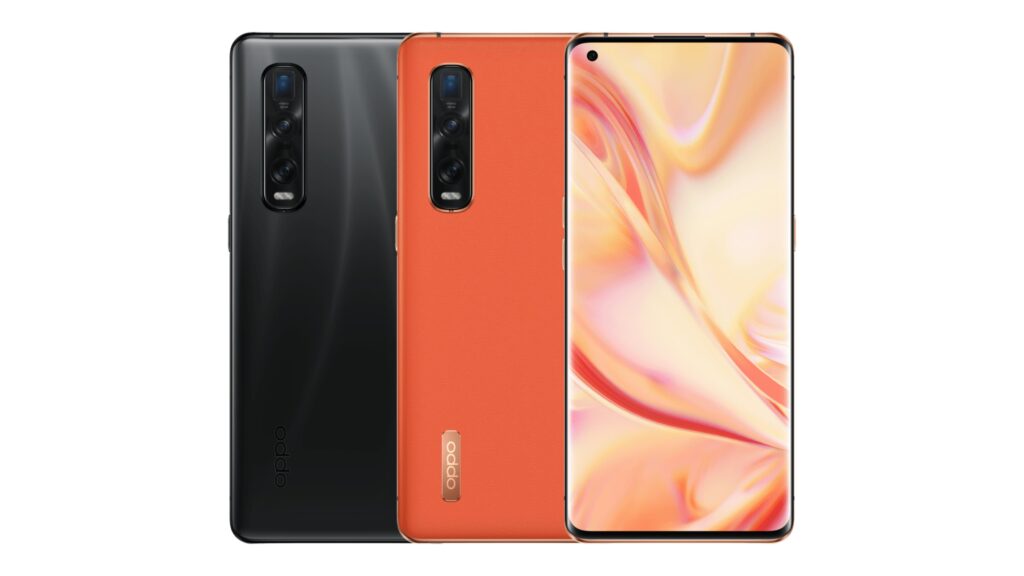
The OPPO Find X2 series got access to the Android 12-based ColorOS 12 beta update in India and Indonesia in mid-November. A little over a month later, these handsets have now started receiving the stable update in the aforementioned regions.
OPPO Find X2 Pro
According to an official announcement post on OPPO Community, the company has begun to seed ColorOS 12 stable update for the OPPO Find X2 series in Indonesia and Indonesia.
In order to install the fresh system update, users will have to navigate to Settings > Software Updates > Gear Icon > Trial Version and follow the on-screen instructions.
Since ColorOS 12 brings Android 12 for the above-mentioned devices, there could be some issues with certain third-party applications. Also, the firm recommends backing up the data before upgrading to the newer version of the software.
The ColorOS 12 stable update for the OPPO Find X2 series should be available in more regions in the coming days. Last but not least, according to OPPO’s updated software policy, these smartphones will be receiving one more Android update in the future.
Xiaomi 12 series flagship smartphones are all set to go official in the Chinese market next week on 28th December. Ahead of the launch, the company has been sharing some key details about the phones through official teasers.
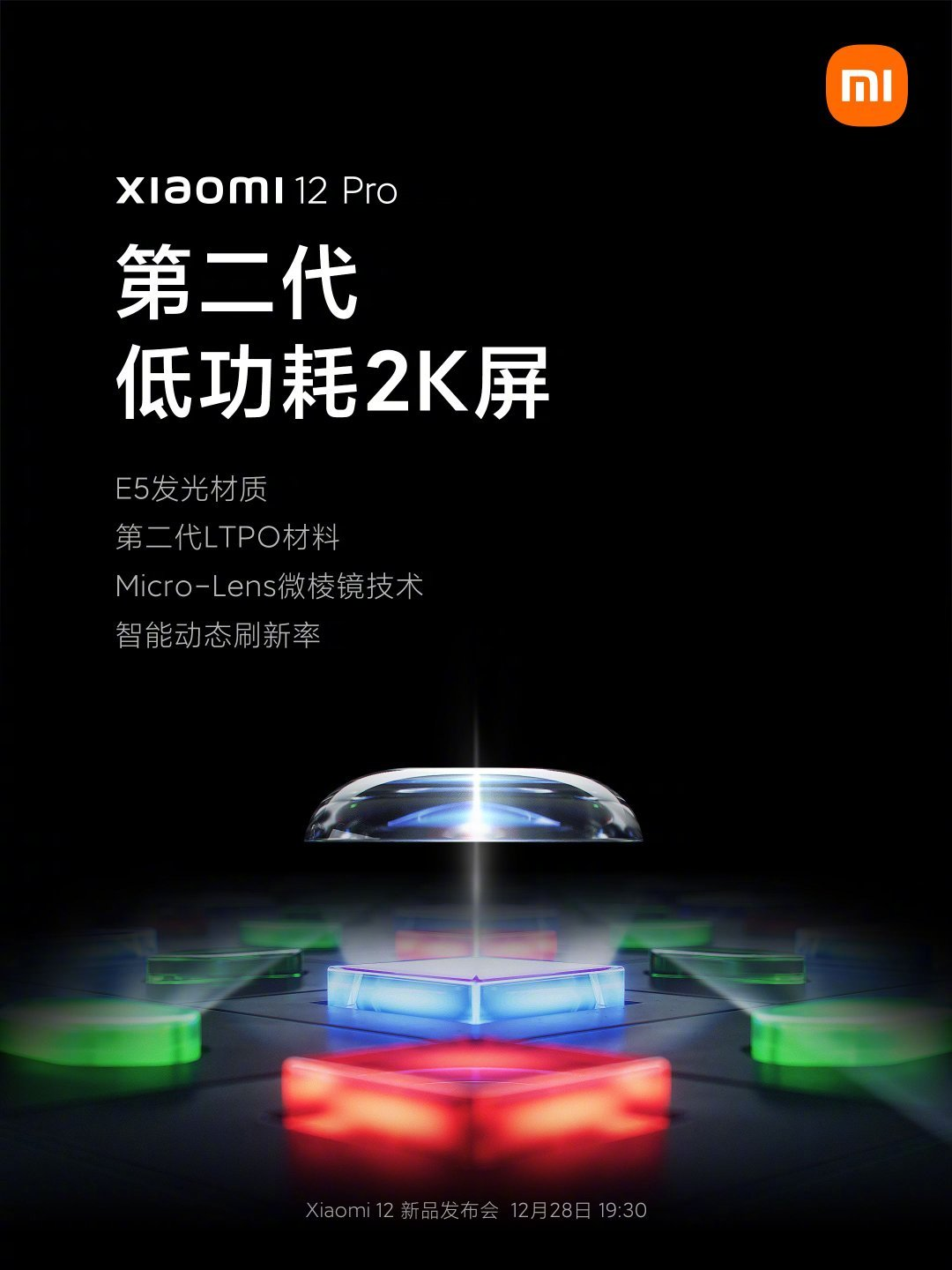
In the latest development, Lei Jun, Founder and Chief Executive Officer of Xiaomi has revealed details about the display panel used in the top-end device of the upcoming smartphone lineup, the Xiaomi 12 Pro.
It has been revealed that the Xiaomi 12 Pro is the first smartphone to feature a second-generation low-power 2K screen. Further, it is also touted to be the best screen on a Xiaomi smartphone so far. Recently, it was revealed that the smartphone has received A+ ratings from DisplayMate and has set 15 new records.
The display is said to have four power-saving hardcore technologies, including new E5 light-emitting materials, second-generation LTPO materials, Mirco-Lens microprism technology, and intelligent dynamic refresh rate technology.
If the recent report is to be believed, then the display panel for the Xiaomi 12 Pro is supplied by Samsung while the Xiaomi 12 and 12X phones will feature a 6.28-inch Full HD+ screen sourced from TCL CSOT.
The Xiaomi 12 and 12 Pro smartphones getting launched next week in China are confirmed to come powered by the new Qualcomm Snapdragon 8 Gen 1 chipset. We expect to know more details about the phones in the coming days through official teasers.
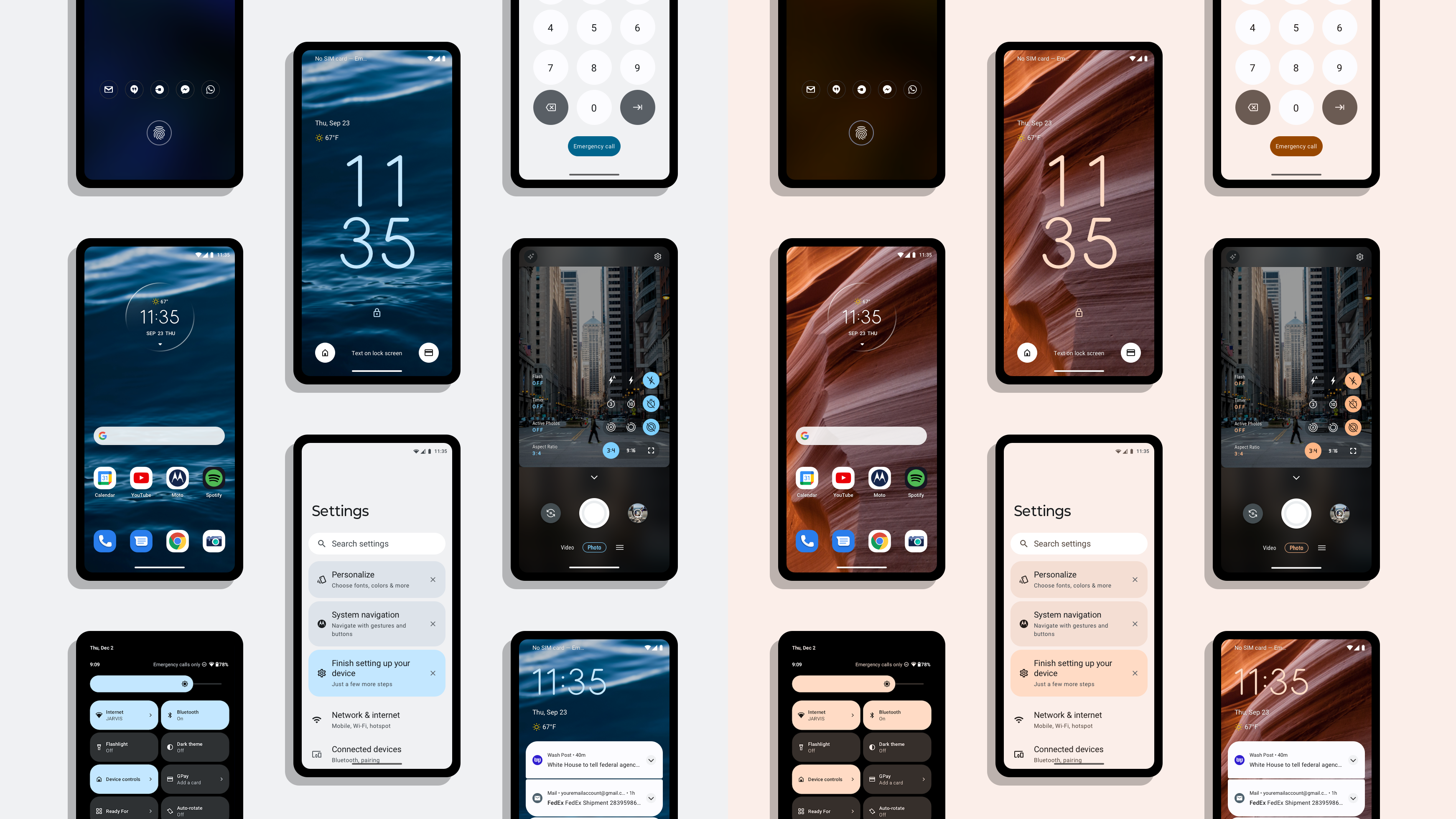
Motorola smartphones come running the brand’s own My UX skin which offers a near-stock version of the Android operating system. Now, the company is set to update its smartphones with the new version of the software — Android 12.
The Lenovo-owned company has revealed the list of smartphones that will be upgraded to the Android 12 operating system. Further, the company has also revealed details about what we should expect from the new version.
Motorola has confirmed that the company will start rolling out the latest Android 12 version update for its smartphones from February 2022. Here is the list of devices that will be getting the new version update.
The company has revealed that the new update with Android 12 will bring the Material You system for personalizing the user interface. There will be conversation widgets that put the contacts you frequently converse with at the center of the home screen.
It will also bring privacy controls with indicators for when an app is using a mic or camera and more granular location controls. There will be new visibility features like the ability to zoom in on a part of the display without losing sight of the rest, extra dimness for night-time scrolling, among others.
Realme only launched its realme TechLife sub-brand DIZO in India back in July 2021, but the DIZO sub-brand already has a wide range of devices under its belt ranging from wireless earbuds, smartwatches, hairdryers, and even beard trimmers for sale.
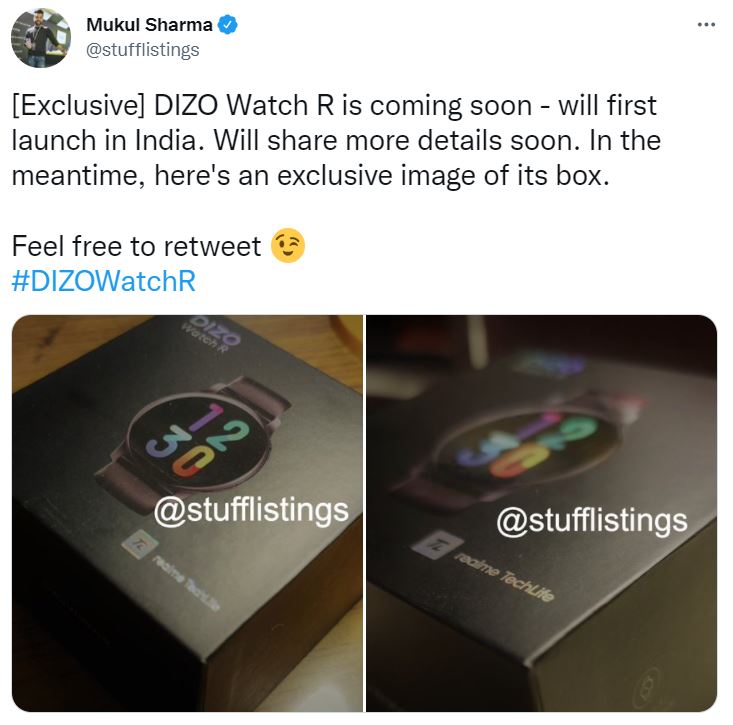
Mukul Sharma shares that DIZO Watch R is coming soon. Source: @stufflistings Twitter
Well, Realme is planning to continue the momentum of its hot new sub-brand with a new affordable smartwatch, the Realme DIZO Watch R. Twitter user and popular Indian leakster, Mukul Sharma, shared on his social media as of late that the Realme DIZO Watch R will be coming soon to the market, and that the device will be launching first in India.
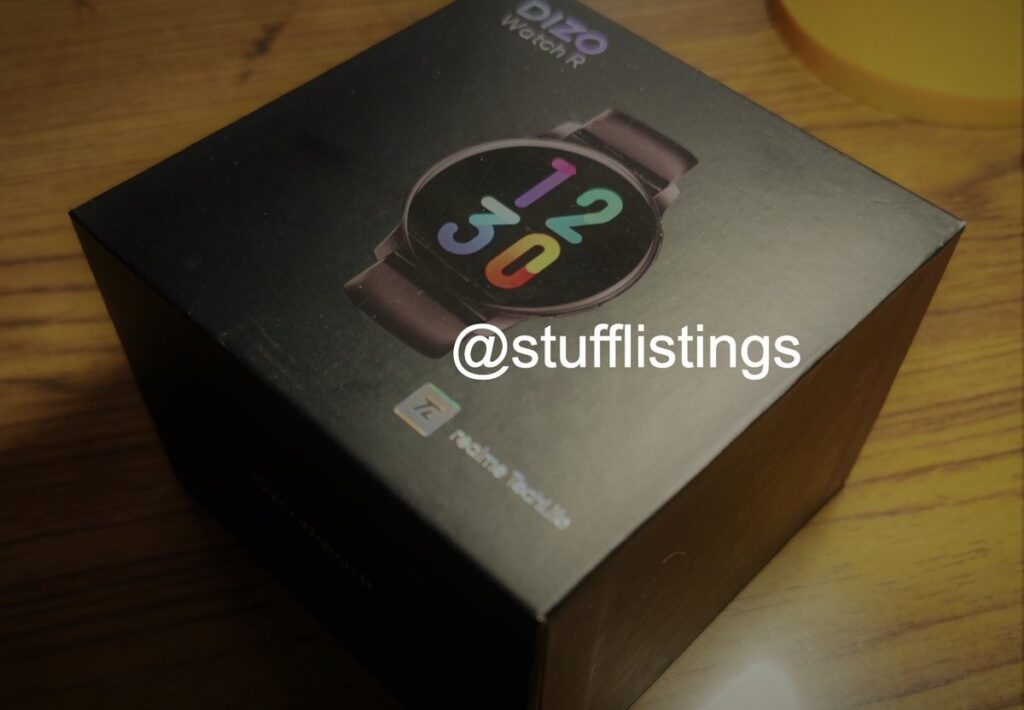
Realme DIZO Watch R Box Source: @stufflistings Twitter
In the post, he also attached the images of the box that comes with the Realme DIZO Watch R. The box shows off the design of the Realme DIZO Watch R, and the watch seems to be a circular dial watch in the color option of what seems to be either rose gold or mystic bronze. The box also mentions that the Realme DIZO Watch R is part of the realme TechLife family of IoT products.
Mukul Sharma mentioning the DIZO Watch R has a 1.3-inch display Source: @stufflistings Twitter
In the replies, Mukul Sharma also mentions that the Realme DIZO Watch R is equipped with a 1.3-inch screen. No other details such as specs, battery capacity, or the release date of the watch were revealed, but from what we have gathered from previous leaks, the Realme DIZO Watch R will be launching in January 2022, with the DIZO Watch 2 Special Sports Edition launching together with it on the same launch event as well. The Realme DIZO Watch R is claimed to be the affordable sibling compared to its more expensive brothers, the Realme DIZO Watch 2 and DIZO Watch 2 Pro.
In comparison, the DIZO Watch 2 comes with a 1.69-inch TFT LCD display, while the Watch 2 Pro sports a 1.75-inch TFT LCD screen. The duo comes with features like a SpO2 sensor, heart-rate monitoring, sleep tracking, camera & music controls, and call & SMS alerts. The Watch 2 has 15 sports modes and a battery life of 10 days, whereas, the Watch 2 Pro has a whopping 90 sports modes and 14 days of battery life. The DIZO Watch R is expected to cut the unnecessary gimmicks of its expensive siblings to reach a more affordable price tag.
Xiaomi has confirmed that the brand’s next-generation flagship smartphones will be officially launched in the Chinese market on 28th December. Ahead of the launch, details about the phones keep surfacing online via leaks and official teasers.
Now, a new report coming from China has shared more details about the display parameters of the upcoming Xiaomi 12, 12 Pro, and 12X smartphones.
The latest leak revealed that the Xiaomi 12 will come with a 6.28-inch 1080p 10bit Huaxing (TCL CSOT) flexible screen. The company is said to use the same panel for the budget Xiaomi 12X smartphone as well. Further, it is said that for the Xiaomi 12 Pro, the company has opted for a 2K flexible display panel from Samsung.
A Product Manager at Xiaomi for the upcoming flagship smartphones revealed that the firm opted for a Full HD+ panel instead of 2K for the standard model for better battery life. The screen still comes with support for 10bit color depth, high contrast ratio of 16,000:1, and features GGV protective glass.
Recently, Lei Jun, CEO of Xiaomi confirmed that the Xiaomi 12 smartphone has received A+ ratings from DisplayMate and also added that the device has broken 15 records but has not shared more details about it.
The Xiaomi 12 series smartphones will be officially launched in China on 28th December, marking the debut of the company’s first devices powered by the latest Qualcomm Snapdragon 8 Gen 1 SoC. To know for sure what these phones pack, as well as their pricing and availability, we will have to wait for the official launch event.
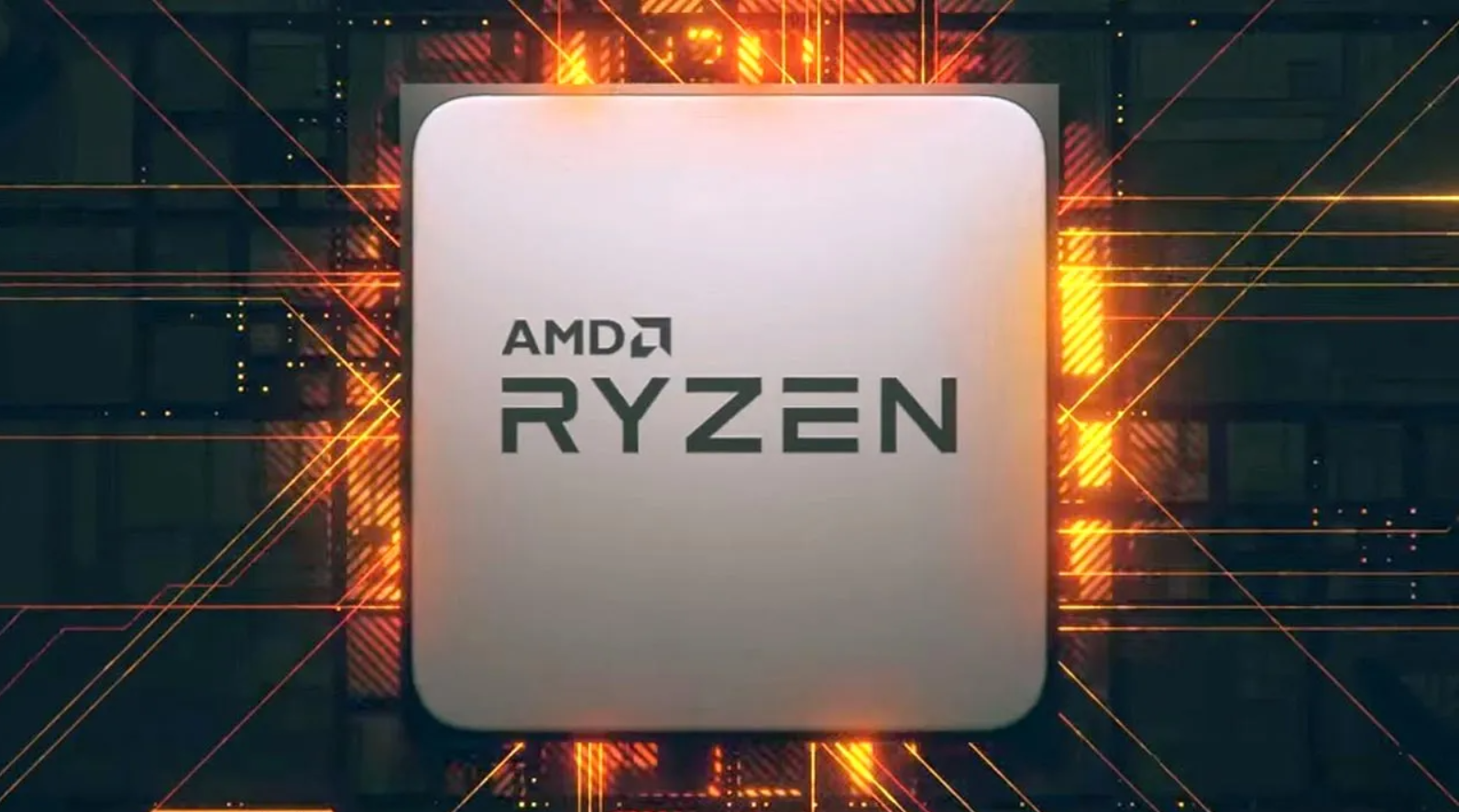
AMD has confirmed that the company will be unveiling its next-generation Zen 4 CPUs at the upcoming Consumer Electronics Show (CES) 2022. The company’s CTO Mark Papermaster has said that some details will be mentioned at CES but more details will be shared at a later date.
This means that AMD won’t be launching the next-generation Zen 4 CPUs at the CES 2022 but will be revealing some of the key features. The Zen 4 was originally announced by the company in October last year at the Ryzen 5000 event.
In an interview with Forbes, Mark Papermaster said: “We’re excited to be revealing some additional details on our new product launches that will deliver phenomenal experiences, and as we’ve said, later in the year as it progresses we’ll share more detail on Zen 4, with some mentioned at CES and more announcements on it over the course of 2022.”
The company has scheduled its CES presentation on 4th January 2022 at 10:00 AM EST where Lisa Su, AMD’s CEO, is expected to talk about Ryzen 6000-series processors, Radeon graphics, and Ryzen 3D V-Cache technologies.
AMD has already confirmed that the next-generation Zen 4 chips will be manufactured using the 5nm process. The company is most likely relying on its existing partner TSMC for the manufacturing of chips.
If the reports are to be believed, then the chips will come with about a 40 percent improvement in performance. It is expected to support an AM5 socket that uses a Land Grid Array (LGA) design, breaking with AMD’s long history of Pin Grid Array (PGA) sockets.
After sharing some key details at CES 2022 in a couple of weeks, AMD is expected to actually launch the new chips sometime after July.
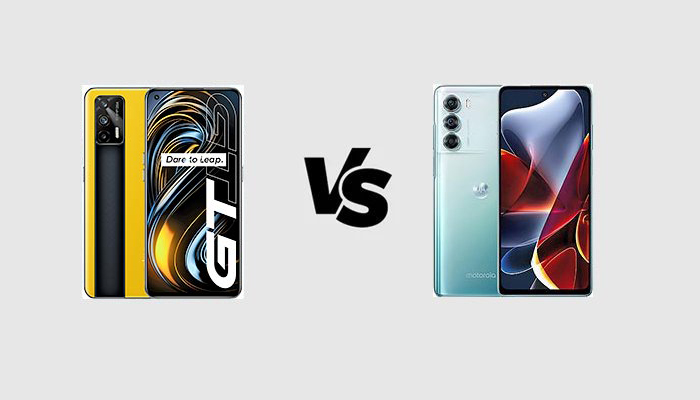
A lot of people are actually impressed by the Motorola Edge X30 which came up as the world’s first smartphone powered by the Snapdragon 8 Gen 1. But there is another flagship killer even more affordable which is catalyzing the attention of the experts: the new Motorola Edge S30. A lot of people are wondering whether or not the Motorola Edge S30 is the best flagship killer in terms of value for money. In order to understand it, we think that the best way is comparing it to the other flagship killers providing the same level of performance. After the comparison with the Motorola Edge X30, here is a comparison between Motorola Edge S30 and Realme GT.
Triple 64 + 8 + 2 MP, f/1.8 + f/2.3 + f/2.4
16 MP f/2.5 front camera
Triple 108 + 13 + 2 MP, f/1.9 + f/2.2 + f/2.4
16 MP f/2.2 front camera
BATTERY
4500 mAh, fast charging 65W
5000 mAh, Fast Charging 33W
ADDITIONAL FEATURES
5G, dual SIM
5G, dual SIM, water-repellent
Design
The Racing Yellow color option of the Realme GT 5G wins the design comparison as it is one of the most beautiful and original phones of this year. It has a rear cover made of leather and an aluminum frame, as well as more compact dimensions if compared to its rival. The non-leather version of the handset is built with a glass back and an aluminum frame. The Motorola Edge S30 is a bit disappointing in terms of design because it is entirely made of plastic and has big dimensions. The Realme GT 5G is more attractive and built with more premium materials, but at least the Edge S30 is a water-repellent phone.
Display
If you are looking for the most advanced display, then you should go for the Realme GT 5G without thinking twice. Unlike its opponent, it has an AMOLED display showing richer colors. It is a smaller display, but the image quality is higher. The display has a Full HD+ resolution and a 120 Hz refresh rate. The Motorola Edge S30 features a higher 144 Hz refresh rate and HDR10, as well as a wider 6.8-inch diagonal, but it is an average LCD panel and you do not get the same image quality. Last but not least, the Realme GT 5G has an in-display fingerprint scanner and stereo speakers, while the Motorola Edge S30 has a mono speaker and a side-mounted fingerprint reader.
Specs & Software
The Motorola Edge S30 wins the hardware comparison because it features a stronger chipset: the Snapdragon 888+ running at a max frequency of 2.99 GHz and supported by up to 12 GB of RAM and up to 256 GB of UFS 3.1 internal storage. The memory configuration of the Realme GT 5G is the same, but it is paired with a weaker Snapdragon 888 mobile platform. However, the difference in terms of performance is just marginal. Both the phones run Android 11, but the Realme GT 5G has a more advanced customized interface with a higher number of exclusive features.
Camera
The best camera phone of this comparison is the Motorola Edge S30. It provides a better main camera with a 108 MP resolution, as well as a better 13 MP ultrawide sensor. Further, it has a selfie camera with a brighter focal aperture. The Motorola Edge S30 is able to record 4K videos and 10-bit videos with HDR10+, and this is another added value.
The Motorola Edge S30 packs a battery with a capacity of 5000 mAh, which is actually bigger than the battery of the Realme GT 5G. So it should provide a longer battery life in a lot of scenarios and this is very important because the battery life is the weakest point of the Realme GT 5G. On the other hand, Realme GT 5G supports 65W fast charging and it charges a lot quicker than Motorola Edge S30.
Price
The Motorola Edge S30 hitten the Chinese market with a starting price of €280/$317, while you can find the Realme GT 5G in the global market with a €399/$452 starting price. At the moment, Edge S30 is only available in China. At the end of the day, I personally prefer the Realme GT 5G due to its better display and design, but the Motorola Edge S30 has a slightly superior chipset, bigger battery, and a slightly better camera. Which one would you pick?
The quest for cutting-edge communications with high-octane network speeds is an area of research that continues to expand. The Research and Development units of major smartphone manufacturers continue to feel a certain Eldorado. Huawei and s few other companies have shown snippets of what could be achieved with 6G technology and the great opportunities waiting to be tapped.
Korea tech giant, LG has now added to the narrative by proposing to demonstrate the 6G technology during its participation in the 2021 Korea Science and Technology Exhibition from 22 to 24 December 2021. The company will showcase its strides in 6G wireless transmission and reception during the Exhibition held at Kintex, Ilsan. LG will unveil a power amplifier for 6G for the first time, in conjunction with the Fraunhofer Research Institute, Germany. LG has already tested the 6G power amplifier in Berlin back in August 2021. The company was able to successfully transmit and receive wireless data within a 100-meter direct distance outdoors using the 6G frequency band.
The power amplifier is meant to provide sufficient amplification of the transmission frequency for ultra-wideband wireless communication. The 6G terahertz frequency band will enable super high-speed data transmission rates not possible with current networks. The 6G network speed could reach 1 terabit per second. The company also demonstrated its adaptive beamforming technology for enhanced data quality, in partnership with Keysight Technologies.
The race for the commercial deployment of 6G technology is on and LG is targeting 2029 for the commercialization of its 6G technology. We’ll see whether LG will be pipped to the diadem by other companies.
In a seeming response to Ericsson’s earlier lawsuit in October that accused Apple of bad faith negotiations, Apple has now filed a lawsuit against Ericsson, accusing it of unfair and strong-arm tactics in cellular patent licensing negotiations. The two lawsuits point to the growing friction that had characterized the licensing negotiations so far. Apple’s lawsuit was filed in the US District Court for the Eastern District of Texas.
The Apple lawsuit alleges that Ericsson had breached its obligation to license patents that are critical to the telecommunications industry standards at fair rates. The suit is requesting the court to dismiss Ericsson’s earlier lawsuit and also to seal the complaint because it contains sensitive information relating to business operations, according to the patent platform, FOSS Patents. The Apple-Ericsson tango on patent licensing has been a long-drawn battle since 2015. The Ericsson lawsuit came on the back of negotiations to renew a 5G patent licensing agreement that is critical for sustaining the current industry standards.
The current scenario bears a close semblance to the 2015 issues when both companies also filed separate lawsuits. Ericsson, at that time, sought a ban on the iPhone in the United States, but a seeming amicable agreement was reached between the two companies in December 2015. The 2015 licensing agreement is silent on 5G technology, hence the need for another agreement. A long-drawn battle between both firms will be bad for the market, hence it is expected that, as was done in 2015, an amicable agreement will be reached between both tech giants.
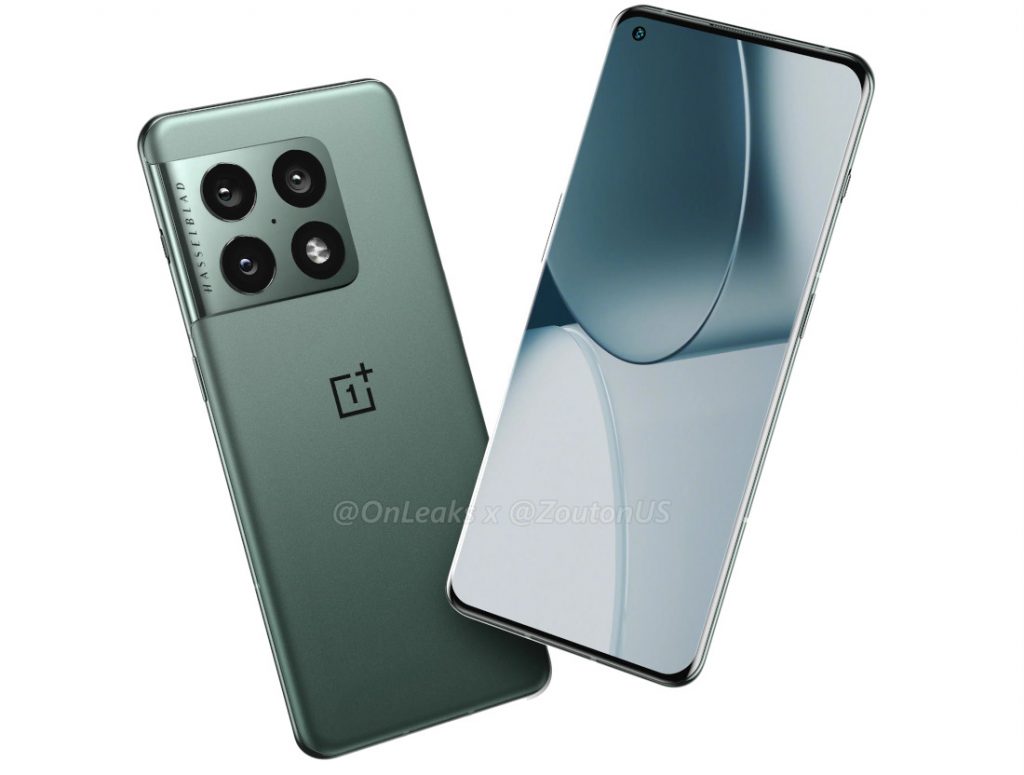
OnePlus CEO Pete Lau has been known to be very generous with releasing details of the brand’s upcoming flagships before they hit store shelves. The upcoming OnePlus 10 Pro is no exception. The CEO recently disclosed that the flagship smartphone will be launched in January 2022. Lau has now revealed another juicy detail of the OP 10 Pro.
In a Weibo post, the OnePlus CEO revealed that the smartphone will come with an LTPO 2.0 display which he touts to deliver a seamless display experience as a result of the new technology in use.
In case you don’t know, LTPO stands for Low-temperature polycrystalline oxide and it is a special type of OLED display backplane. This display technology allows displays to refresh at a flexible rate ranging between 1Hz and 120Hz. It also operates with a lower power need compared to the conventional LTPS OLED screens.
The OnePlus 10 Pro is expected to pack a 6.7-inch QHD+ AMOLED screen which should be supplied by Samsung. The device will be powered by Qualcomm’s latest Snapdragon 8 Gen 1 chipset. A triple camera setup is expected to be at the rear headlined by a 48MP main shooter and a 50MP ultrawide angle camera as well as an 8MP telephoto lens with up to 3x optical zoom. The device will cram a big 5,000 mAh battery under the hood with up to 80W fast charging support.
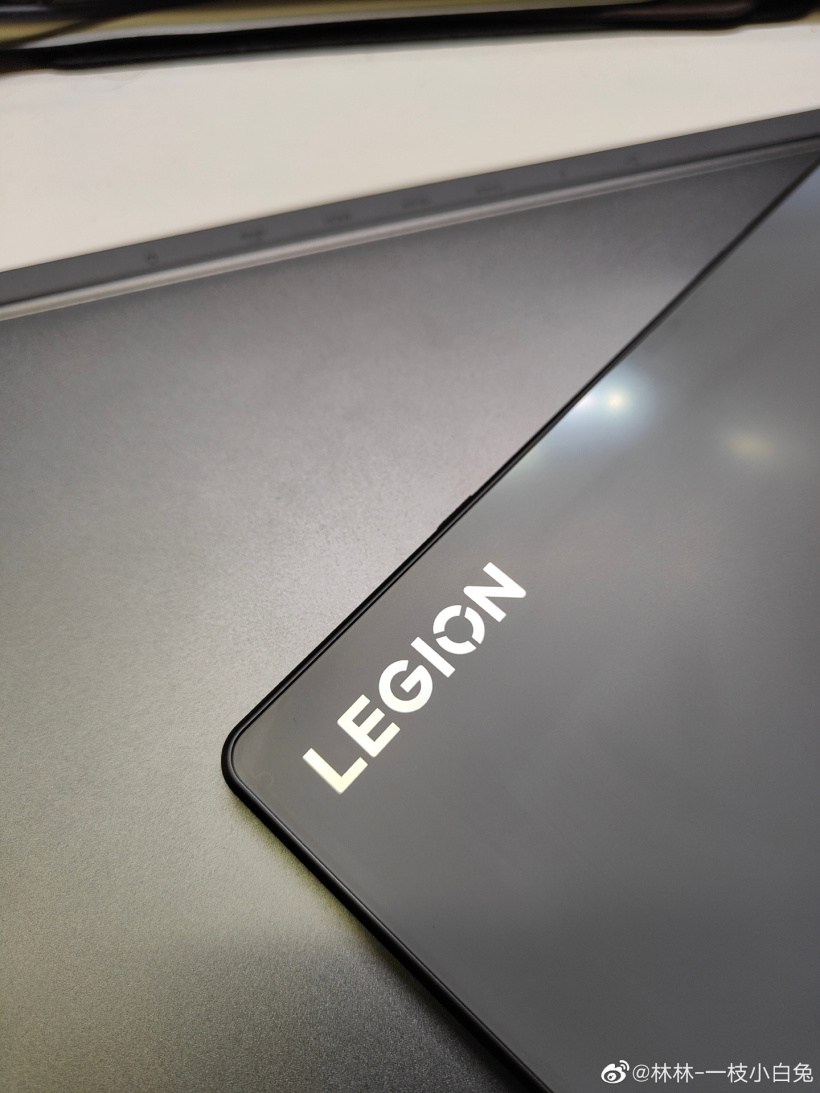
Last week, Lenovo officials teased a tablet with the Legion branding revealing partially, its looks, design, and Dolby Vision Audio. Now, the company has officially unveiled the device.
According to an ITHome report, The device is finally unveiled by Lenovo and is called the Lenovo Legion Y700 Gaming Tablet. By the Legion branding, it is clear that this tablet is aimed at gamers, specifically mobile games who want something bigger than a smartphone but not as big as a tablet. That’s the need this tablet aims to fulfill with its 8.8-inch 2560 × 1600p display. The device is revealed to have a 120Hz refresh rate screen with a 240Hz touch sampling rate and supporting 100% DCI-P3 color gamut.
The preview poster reveals that the bezels of the Legion Y700 are unequal in width. Additionally, a single camera with a flash on the rear can also be noticed. Previous teasers have revealed that the tablet features a boxy design with sharp, right-angled edges and a brushed metal finish, which has been applied to these edges for a more premium look. One of the edges was also previously shown to feature JBL, Dolby Vision, and Dolby Atmos tags, indicating that the tablet will likely also feature some really high-quality speakers for a great gaming experience.
Lenovo has not provided any more details about the upcoming tablet yet but as a gaming-focused device, we can expect it to host a powerful SoC, which can be Qualcomm’s latest and greatest Snapdragon 8 Gen 1. So, stay tuned for more updates as we will be reporting any notable developments.
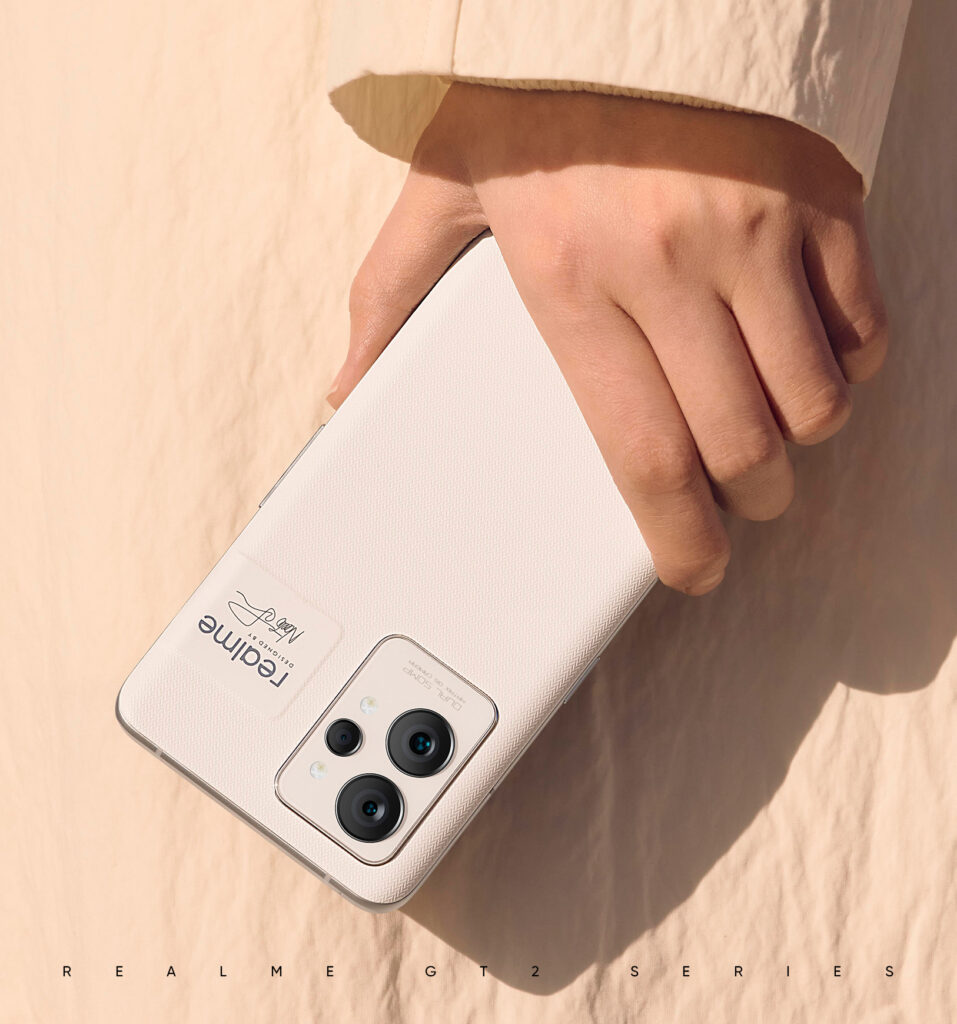
Earlier today, we reported on the release date of the upcoming Realme GT 2 series which is slated to launch in China on January 4. Now, Realme has officially teased the device giving us the first looks of the upcoming Realme GT 2 Pro.
VOGUE Italy has featured the upcoming Realme GT 2 Pro, revealing the design profile of the device via live images. Pictures of the device showcase a distinct stylistic approach that has been created in collaboration with Naoto Fukasawa, a well-known Japanese industrial designer.
The design featured on this smartphone is called Paper Tech Master Design, which is inspired by paper and offers a premium aesthetically pleasing look. Apart from the design, the GT 2 Pro features the world’s first bio-based smartphone design. Realme stated that the phone’s back cover uses a bio-polymer material which is an eco-friendly alternative to fossil raw materials.
The teased images confirm a triple camera module featuring 50MP primary cameras, the world’s first 150 degrees 50MP ultrawide camera, and a telephoto lens. A dual-LED flash is also present on the camera bump.
Additionally, ITHome has reported that the upcoming Realme GT 2 Pro has been sighted on e-commerce websites revealing key specs of the device. These include the Snapdragon 8 Gen 1 SoC, a 6.51-inch FHD+ Super OLED screen, high refresh rate, under-screen fingerprint recognition, 5000mAh battery, and the realme UI 3.0. The phone is also said to feature a new Antenna Array Matrix System that will power the connectivity features of the GT 2 Pro.
The device is set to release in the Chinese market on January 4, 2022. So stay tuned as we will be covering the official launch event.
5G has always been touted as the future of wireless communications, with its speed claiming to be 10 times more than its predecessor, 4G. However, the global rollout of 5G has been relatively slow, until 2021, where more and more countries are picking up the pace for their 5G coverage rollout whilst integrating 5G internet into their digital community. In turn, the global demand for 5G devices has skyrocketed in 2021, and smartphone manufacturers are rushing in to fulfill the 5G needs of the consumers.
According to the latest report by Strategy Analytics, the champion of the global 5G smartphone shipments race in Q3 of 2021 is none other than the one trillion market value Cupertino-based tech giant, Apple. It is no surprise that Apple shipped the most 5G smartphones in Q3 2021 granted that it has just released its popular and brand new 5G based iPhone 13 series back in September 2021, as well as offering 100 USD price cuts for its 5G flagship of yesteryear, the iPhone 12 too. These two factors drove up sales of the iPhones, whilst in the process drove up 5G smartphone shipments for Apple as well.
However, Apple only accounts for 25% of all global 5G smartphone shipments in Q3 2021. The other 75% all came from Android phone manufacturers. Topping the Android charts once again is Xiaomi, as Xiaomi has been busy releasing its many 5G devices as of late with its flagship killers, the Poco F3 series and Mi 11T series, and its budget 5G entry-level devices, with the Poco M3 Pro 5G, and Redmi Note 10 5G. But compared to Xiaomi’s last year Q3 performance, its Q3 2021 performance has stalled due to stiffer competition.
The biggest competitor is the runner-up of the global 5G Android smartphone shipments, Samsung. Assisted by its popular Galaxy Z Flip3 and Fold3 released back in August, and its ever-expanding range of A series smartphones (with the Galaxy A22 5G as the latest and cheapest A series device with 5G support), Samsung has done a lot to make sure it does not fall behind its competitors. In Q3 2021, Samsung has been bridging the gap of overtaking Xiaomi in global 5G smartphone shipments and if the trend continues, Samsung can overtake Xiaomi as soon as the next quarter.
As for global 5G smartphone shipment growth, the fastest brand to see growth in the market currently is Honor, with a growth of 194% quarter on quarter. Honor was sold by Huawei to a Chinese tech consortium back in early 2021, due to its previous parent company, Huawei facing shortage issues from its suppliers, which include TSMC that manufactured its Kirin chips and Google that provided access to Google Play Services.
Despite the many challenges Honor faced, Honor made a comeback to the smartphone industry with its Honor 50 series. The Honor 50 series was to fill in the flagship gap left by Huawei since it sported Magic UI in China which was very similar to EMUI developed in China. In addition, the Honor 50 was also equipped with Qualcomm 5G chipsets as compared to Huawei’s current flagships which can only be obtained with Qualcomm 4G chipsets. The most important part is driving Honor’s sales growth globally outside of China is undoubtedly the return of Google Play Services apps on Honor smartphones as it is no longer a part of Huawei, thus not affected by the US sanctions on Huawei.
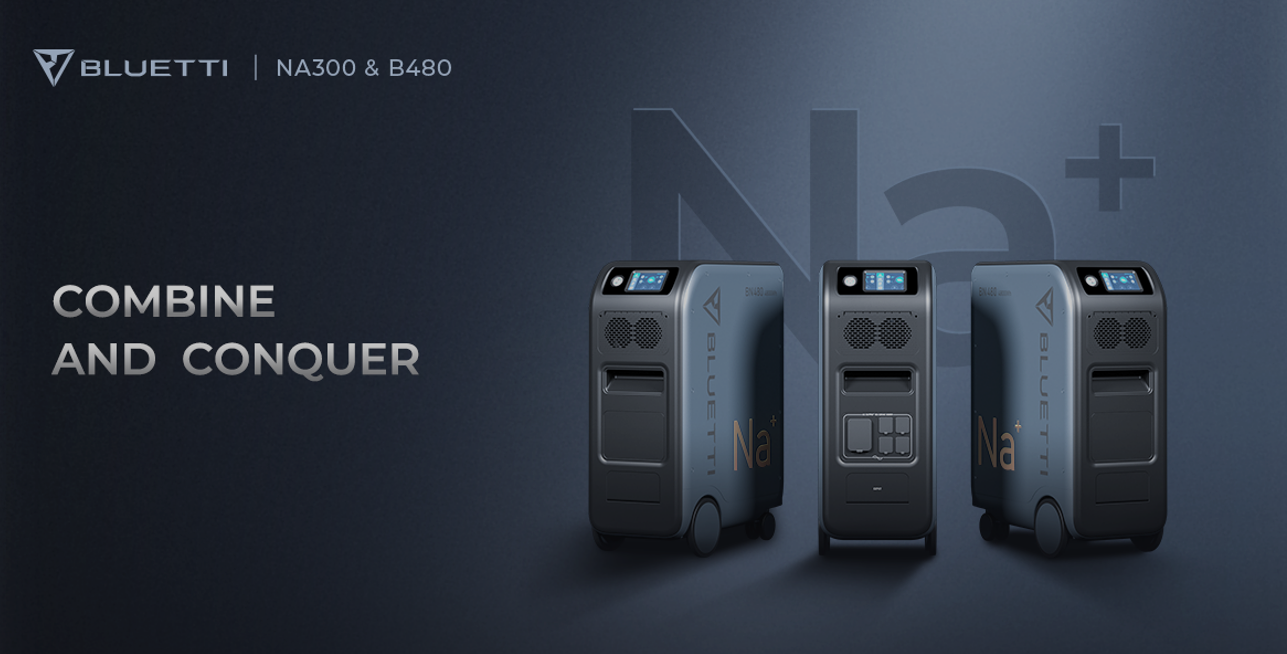
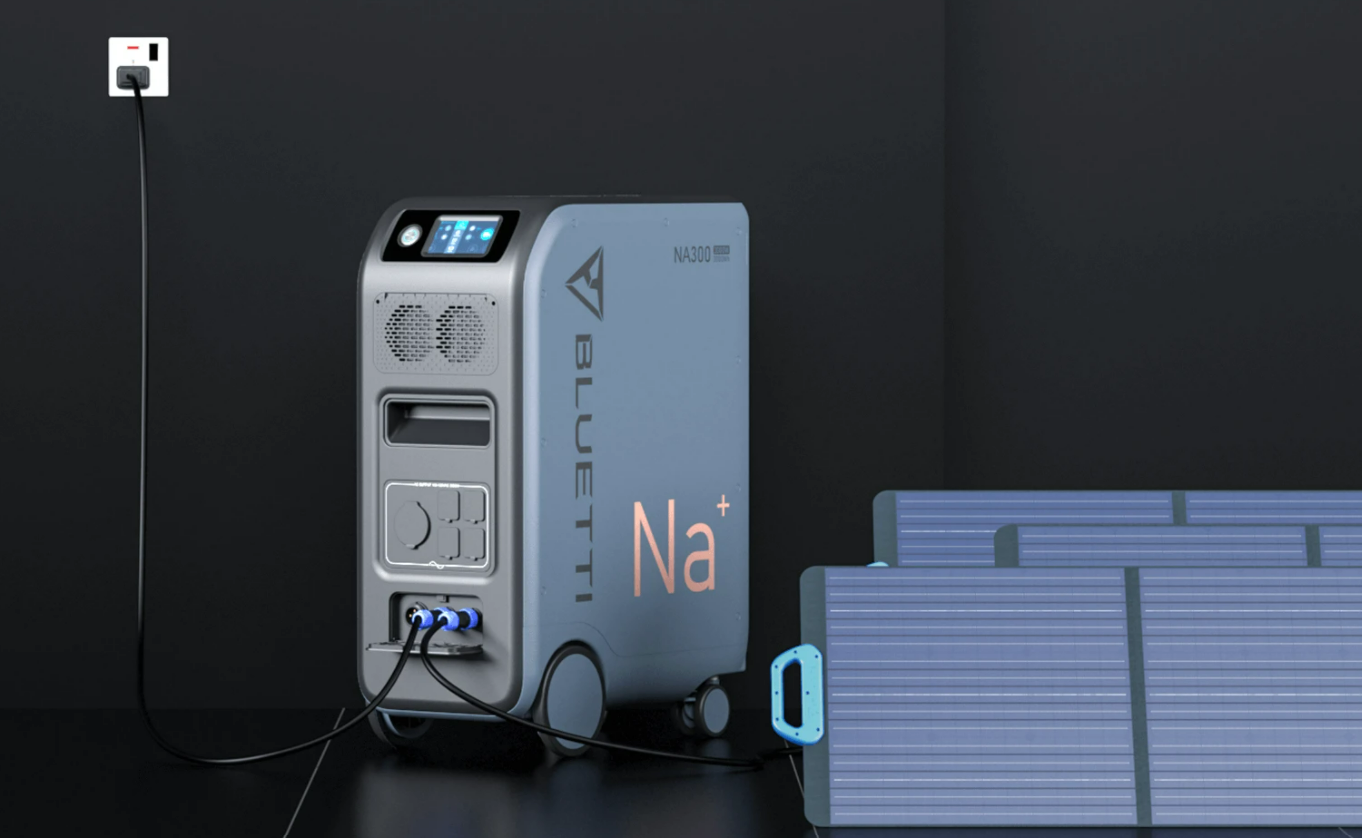
Bluetti Power Inc, based in Les Vegas, is a leading world manufacturer of solar energy facilities including solar generators, photovoltaic panels, and related accessories and now they have made the world’s first Sodium-ion Solar generator.
With the rising awareness of global warming and climate change, technology is trying to head towards carbon neutrality, which urges the transition from conventional energy systems to renewable ones like chemical batteries and battery-powered machines.
And to this end, the world, in general, is shifting away from traditional fossil fuels to cleaner and better energy sources like lithium-ion rechargeable batteries. Lithium-ion batteries thereby have set their dominance for applications in consumer electronics, automobiles, and even aviation since their commercialization by Sony Corporation in 1991. However, this sudden massive energy shift has led to a global supply crunch for this comparatively rare metal and made it necessary for us to find alternative sources.
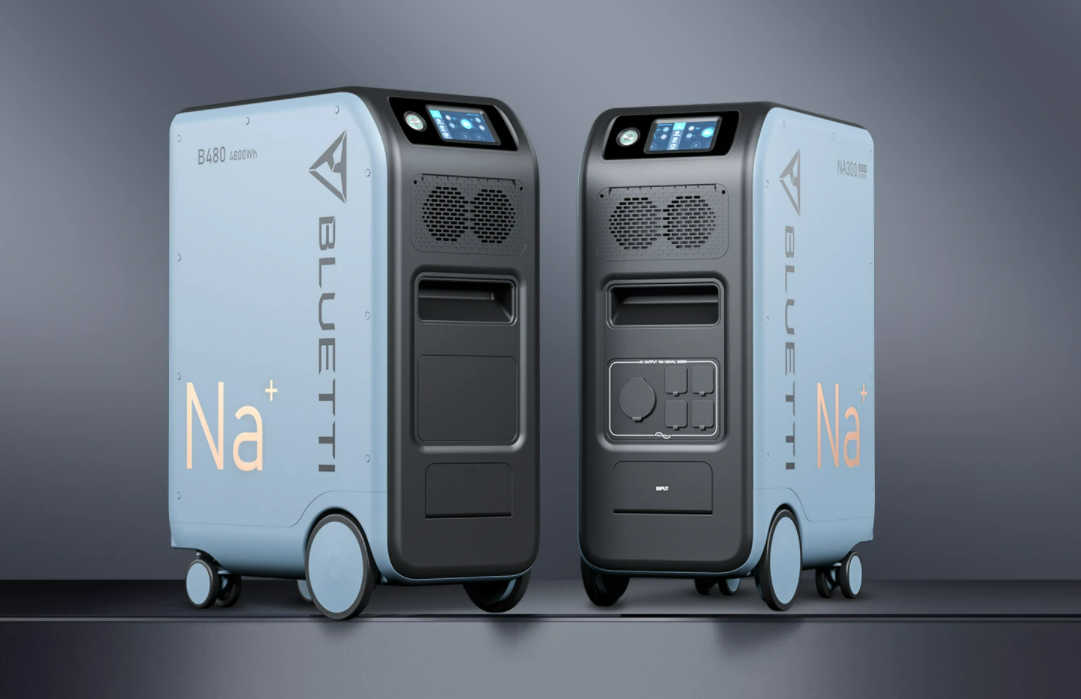
In order to combat this near future scarcity issue, Bluetti decided to use Sodium-ion batteries instead of lithium-ion. Sodium is one of the closest metals to lithium as it has almost similar chemical properties and is abundantly available in the earth’s crust. There is over one thousand times more sodium than lithium in the Earth’s crust. Thus sodium-ion batteries are considered an optimal alternative to lithium-ion. And after some research and development, Bluetti has created the world’s first sodium-ion solar generator Bluetti NA300 & B480
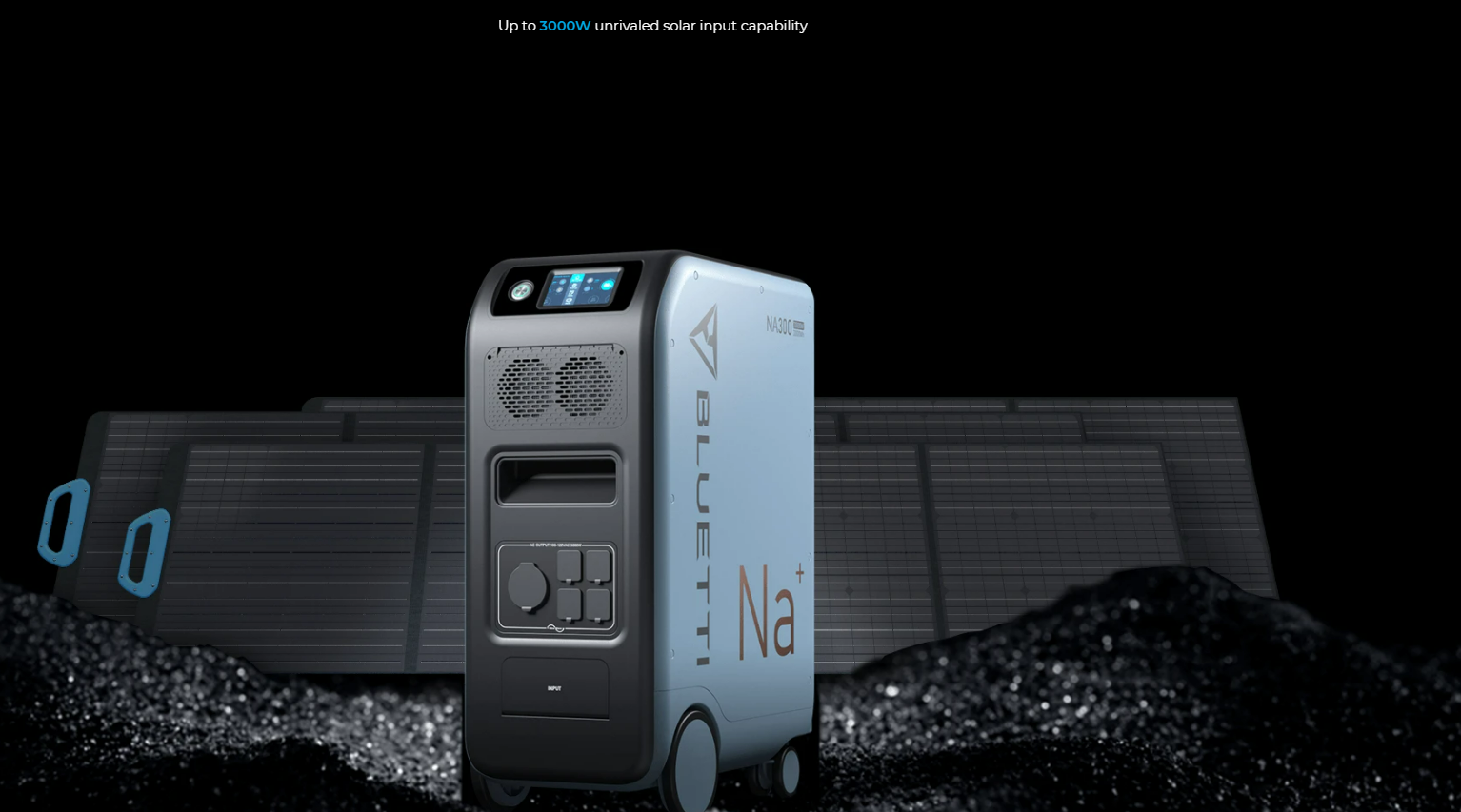
Bluetti NA300 & B480 retain almost all features available in its predecessor EP500 Pro (lithium-ion battery). The sodium-ion power station comes with 4 x 20A plugs and 1 x 30A L14-30 output ports driven by the built-in 3000W pure sine wave inverter that can juice up almost all your household electronic appliances. The NA300 further outstrips the EP500 Pro’s incredible 2400W solar input to 3000W. It is also being cited as the fastest charging solar generator as it goes from 0 to 80% in just 30 mins when using 6000W swift AC + PV dual charging. (3000W Max. for both AC and PV)
However, NA300 provides a capacity of 3000Wh which is less than the 5100Wh of EP500 Pro in the same size. This inherent difference is due to the current sodium-ion battery technology limitations. However, with the ongoing research and development and general advancement in technology, we can hope for better capacity results for sodium-ion batteries in the near future.
When talking about overall capacity, NA300 favorably supports 2 x B480 battery modules (4800Wh each) which brings the total capacity to 12600Wh. This means the NA300 power unit can supply constant electricity to a family for several days or even a week. This is especially useful during grid failures or natural disasters. Additionally, NA300 also offers the 240V, 6000W connection with a Fusion Box and another NA300 and supports IoT App Remote Control by iOS or Android.
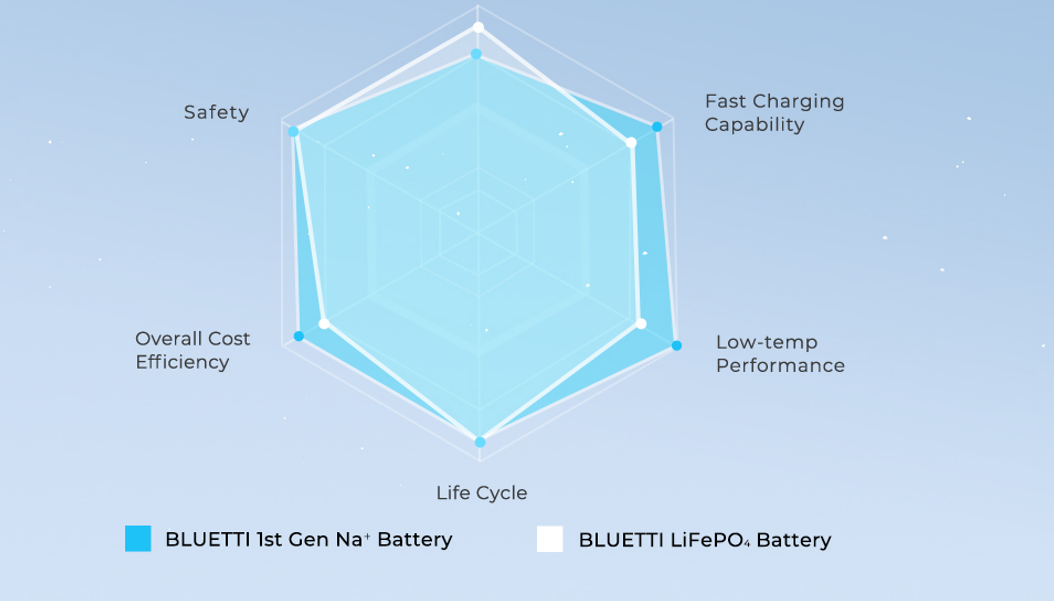
In a low-temperature environment of -20°C (-4℉), the sodium-ion battery pack in NA300 and B480 has a capacity retention rate of more than 85% and provides a system integration efficiency of over 80%, which is perfect for powering in winter or in regions with extremely low temperatures.
All in all, the first-generation sodium-ion battery by Bluetti excels in terms of cost, low-temperature performance, quick-charging, and other electrochemical aspects.
Bluetti NA300 & B480 Sodium-ion Battery Power station will debut at CES 2022 on Jan 5. Apart from the sodium battery, you can also expect a range of new products from Bluetti, demonstrating their state-of-the-art technology and alternative power solutions towards a sustainable future. So stay tuned to Bluettipower.com for further information.
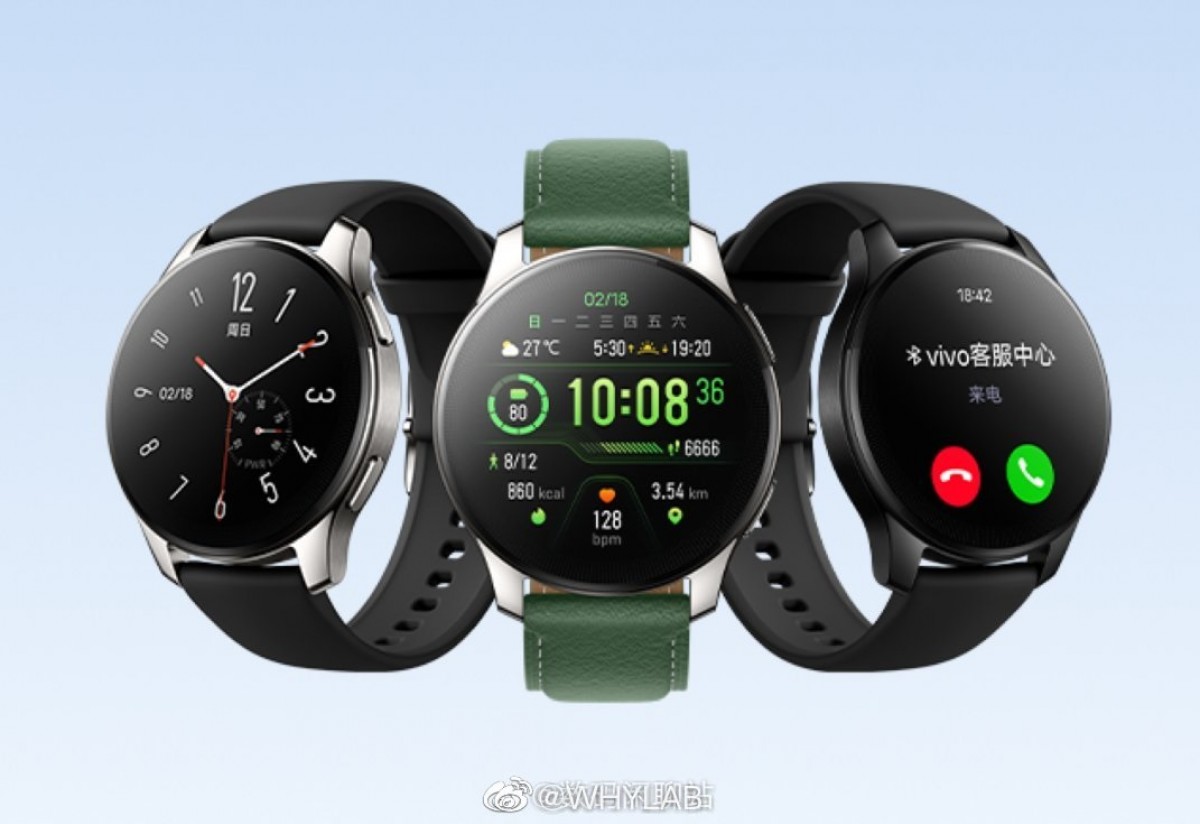
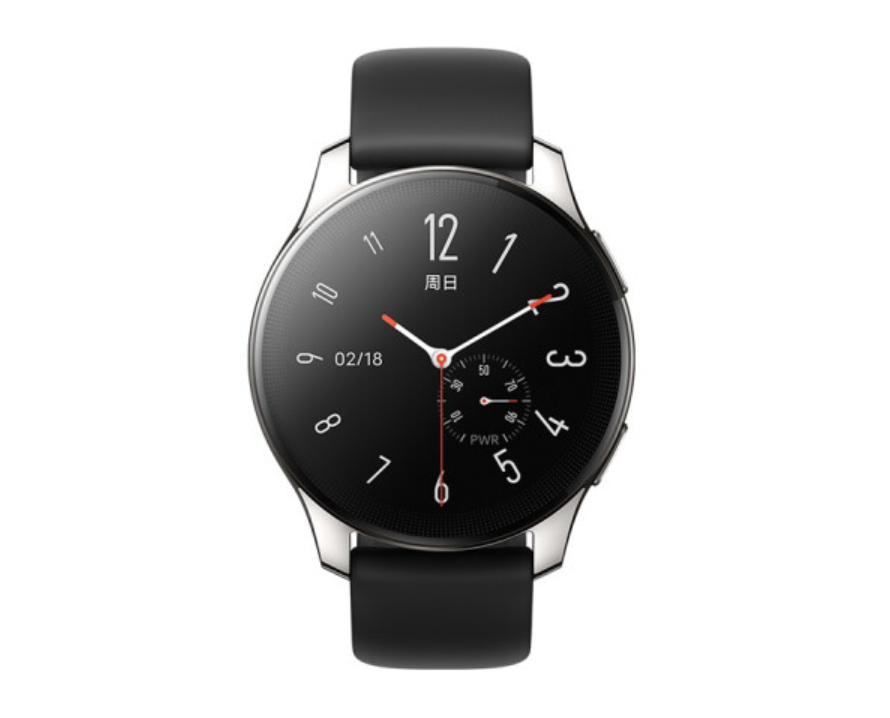
Vivo launched its first smartwatch in September last year dubbed Vivo Watch. The smartwatch came with a sleek design and several top-notch features that made it stand out among its peers. The brand has teased a successor for a while now and indeed, the second-generation Vivo smartwatch has been announced in China. The Vivo Watch 2, as it is called, arrives with several outstanding features including e-SIM support and long battery life.
The Watch 2 comes with a decent 1,299 yuan (~$204) price tag and for that amount you get a smartwatch with an ultra-long battery life of 7 days with the e-SIM turned on. If the e-SIM is turned off, the battery life can go up to 14 days.
The Vivo Watch 2 also comes with support for Himalaya FM and Netease Cloud Music, making it possible to stream music directly without connecting with a smartphone. There is also support for dozens of built-in sports modes that users can choose from. The 50ATM waterproof and dustproof rating makes it suitable for use even when swimming.
Vivo also included an emergency call feature on the Watch 2 that makes it possible to reach emergency services such as the fire services, paramedics, or police in an emergency even without a paired smartphone. Unlike traditional wearable devices that monitor sleep based on acceleration sensors, the Vivo Watch 2 smartwatch uses advanced CPC cardiopulmonary coupled sleep analysis technology, which can more accurately determine the stage and proportion of sleep and can accurately record even the noon nap.
The smartwatch can monitor the user’s health round the clock, including continuous blood oxygen monitoring, all-day heart rate monitoring, etc., and can automatically synchronize the data to the mobile phone to facilitate user traceability. It also provides lifestyle guidance such as stress monitoring, body vitality values, and reminders to drink water.
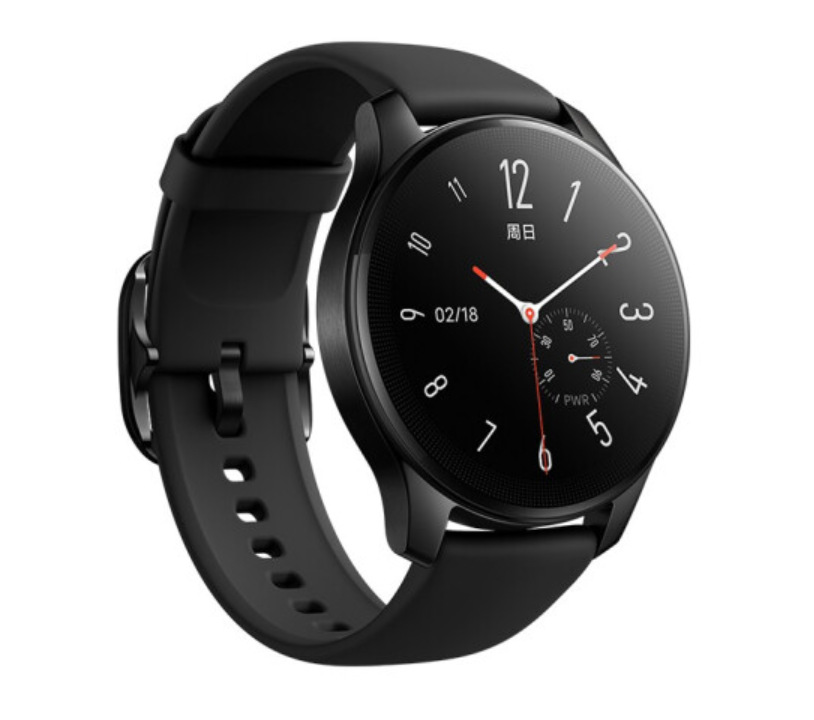
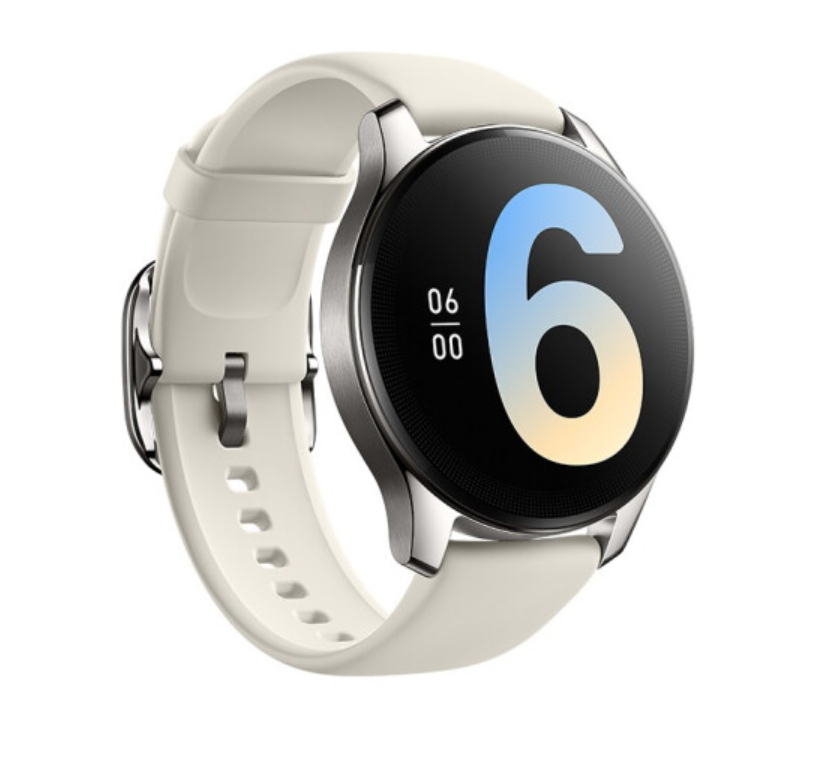
In terms of the design, the Vivo Watch 2 adopts a bezel-less display design. The Watch 2 uses a 316L stainless steel body while the strap is a standard fluorine rubber strap, which is flexible and durable while being comfortable and stable to wear. The strap uses a new Japanese-shaped buckle, allowing users to wear it without fear of sweating too much. There is also a second option with Nappa leather straps. Nappa leather straps are made of extremely demanding bull-headed leather, which is made by a special tanning process with a history of more than 100 years.
The Watch 2 comes in black, white, and silver frame colors and is presently listed on Vivo’s website.
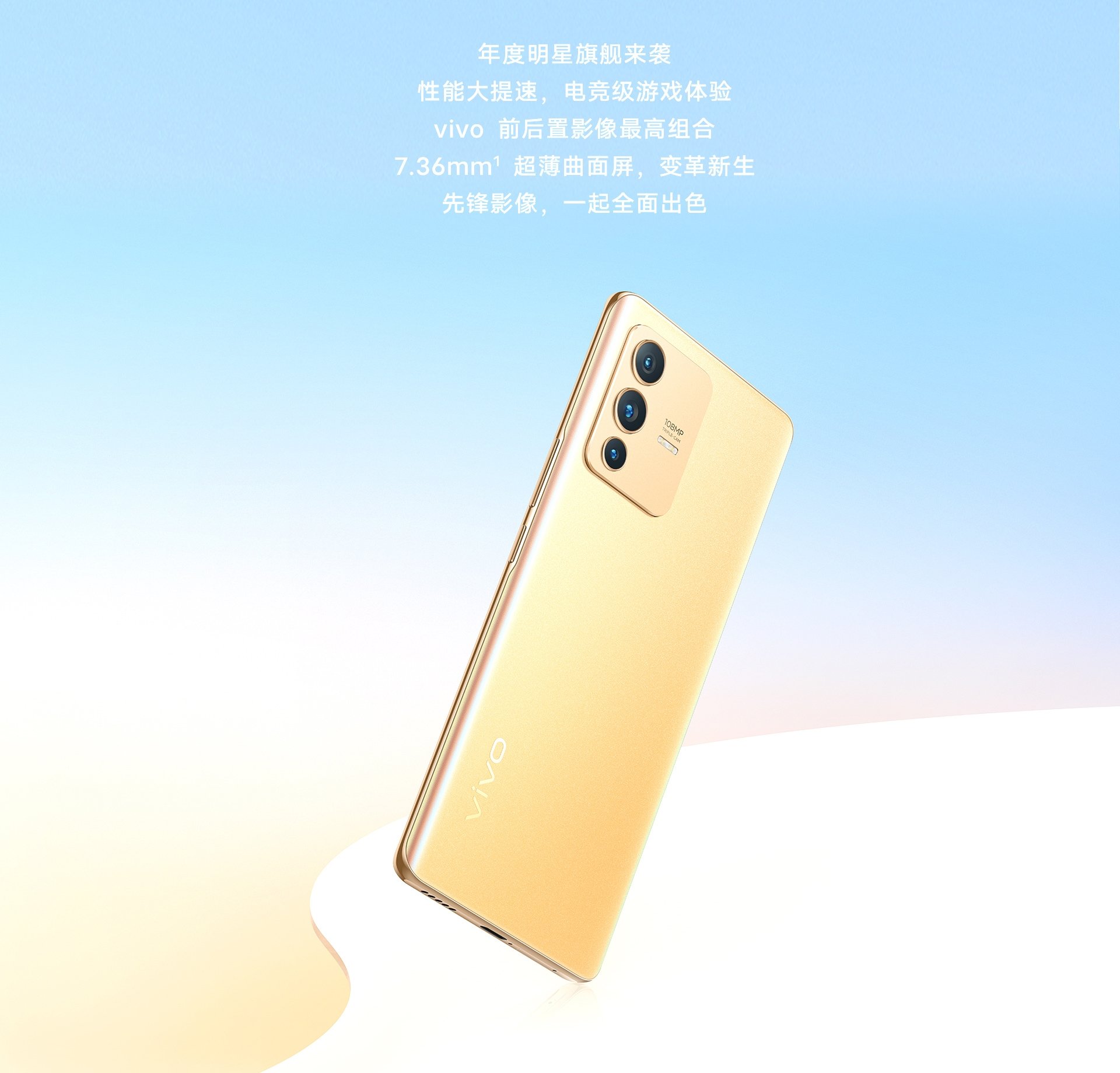
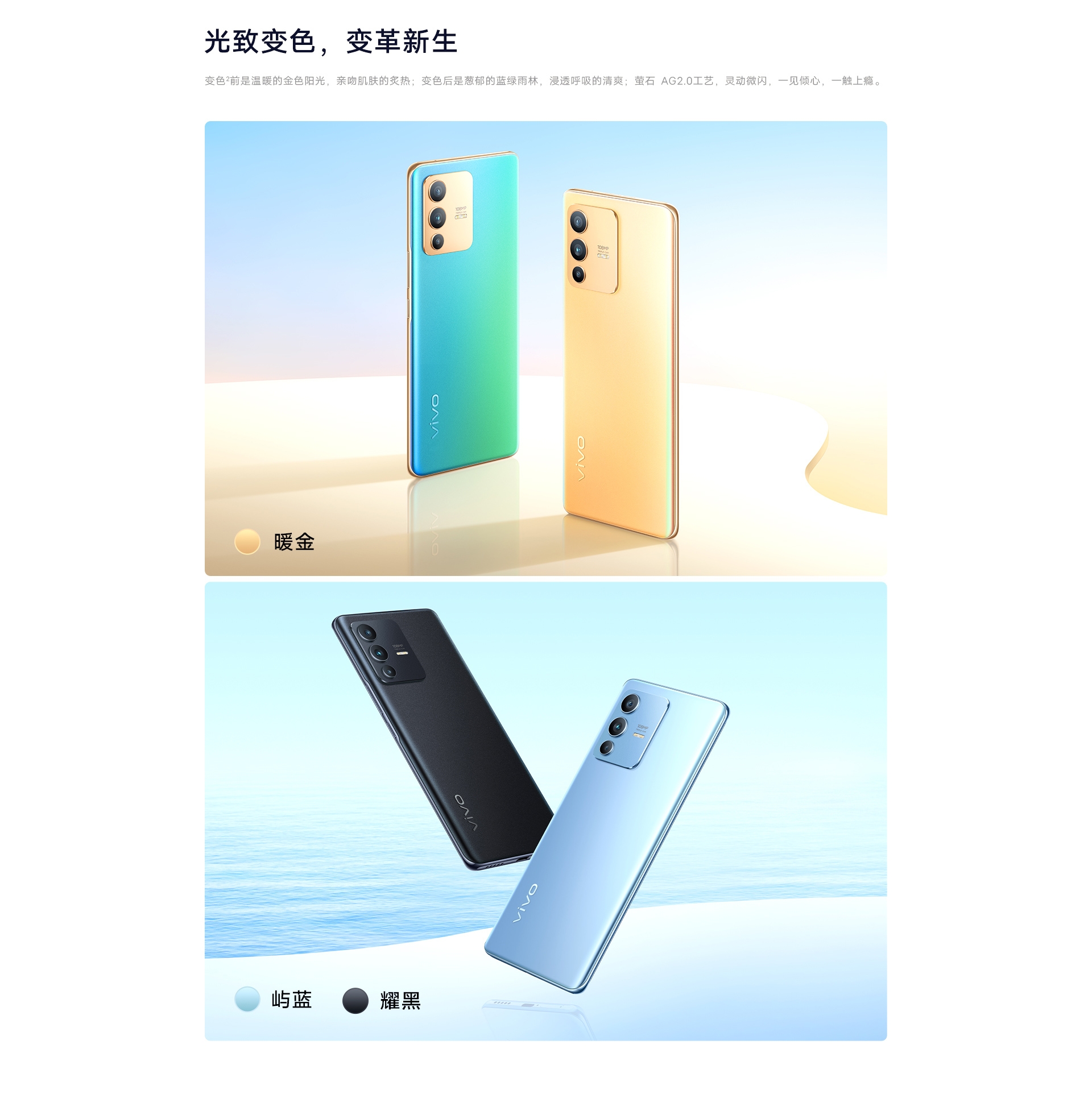
The vivo S series of phones is easily one of the best recommendations for those that prioritize selfies over everything else. The latest addition to it comes in the form of the vivo S12 and S12 Pro that again take the selfie-shooting experience to the next level with their improved dual pixel-dense front cameras, but that has now been paired with top-tier performance too, thanks to the usage of high-end Dimensity processors.
vivo S12 Pro specifications
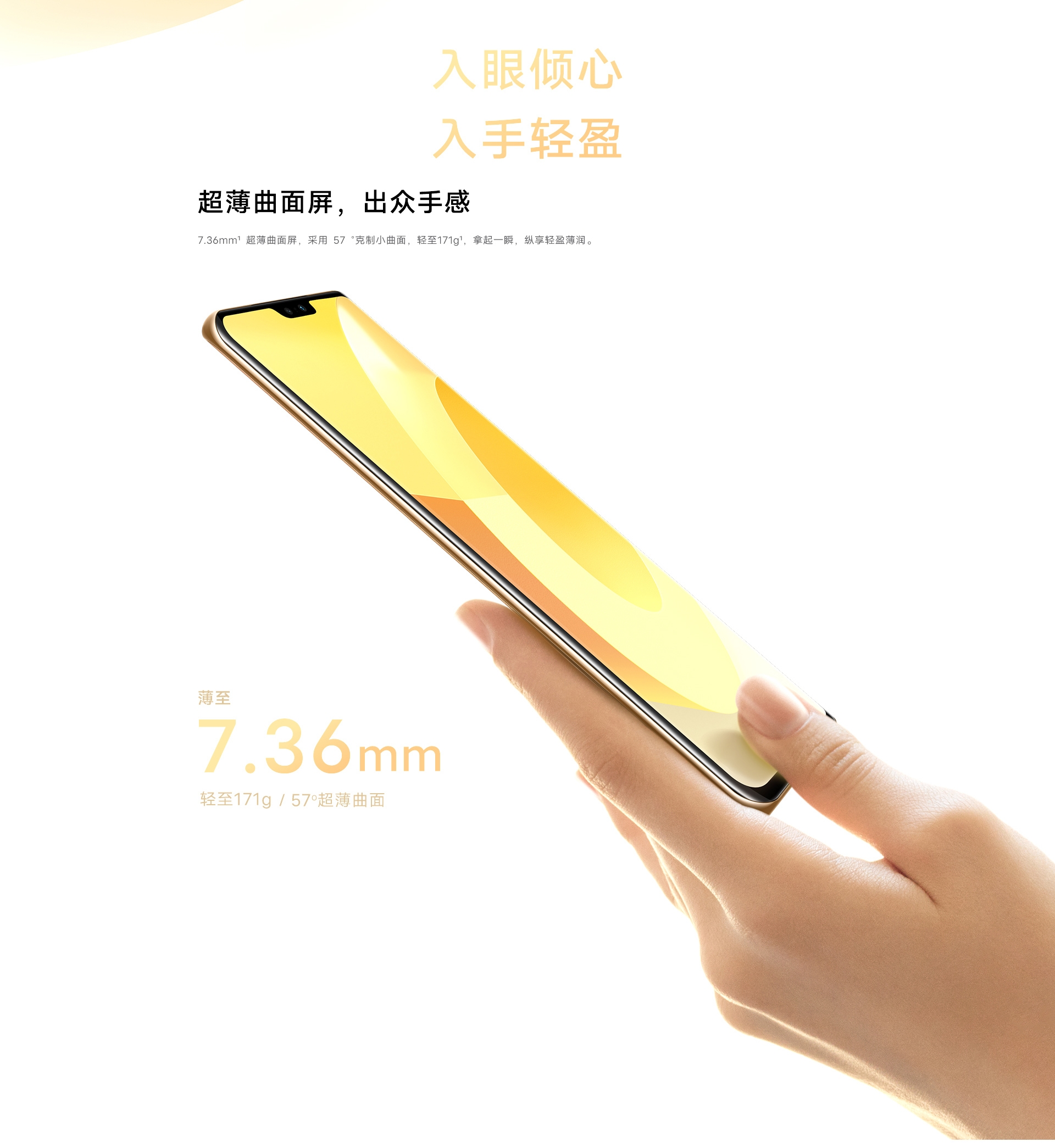
Moving on first to the vivo S12 Pro, the phone features a curved 90Hz 6.56-inch AMOLED screen with support for HDR10+. The smooth display has been paired with a high touch response rate as well that reaches up to 240Hz. The phone measures reasonably thin and light with a thickness of just 7.36mm and a weight of 171g.
1 of 3
Under the hood, you get the MediaTek Dimensity 1200 processor – a flagship-level chip that has been proven to be quite a performer under both gaming and regular usage scenarios. A 4300mAh battery with support for 44W fast charging help meet the power requirements of the device.
But it’s the camera setup of the vivo S12 Pro that’s the most impressive, particularly the ones on the front comprised of 50MP primary + 8MP ultra-wide cameras. The dual cameras are joined by dual-LED flash, housed within the top bezel. A number of AI-enhanced shooting modes are also available like “AR cute shooting”, sports capture, double exposure, dual-view video, and more. The rear cameras, on the other hand, are comprised of 108MP primary + 8MP ultra-wide + 2MP macro sensors.
vivo S12 specifications
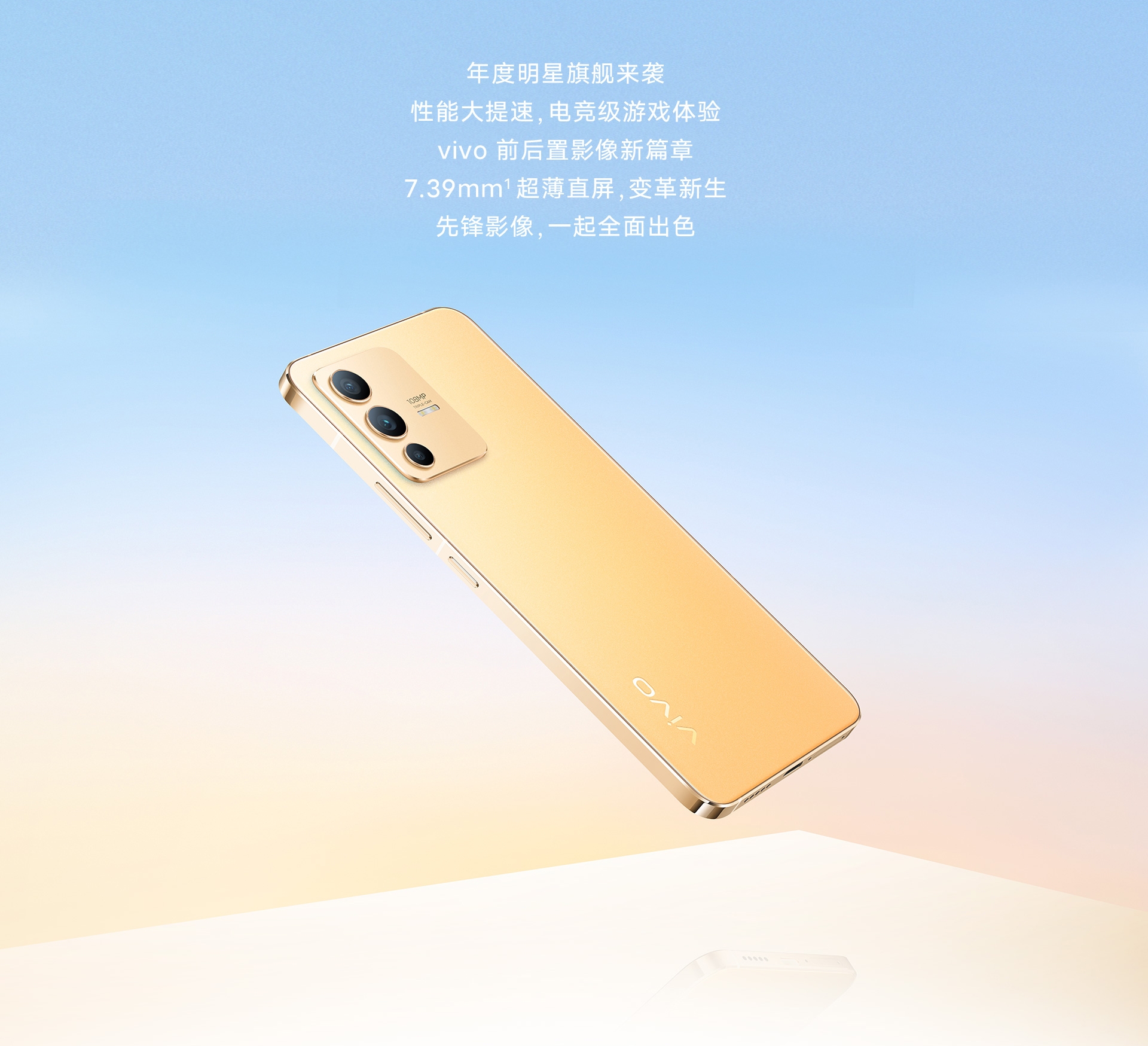
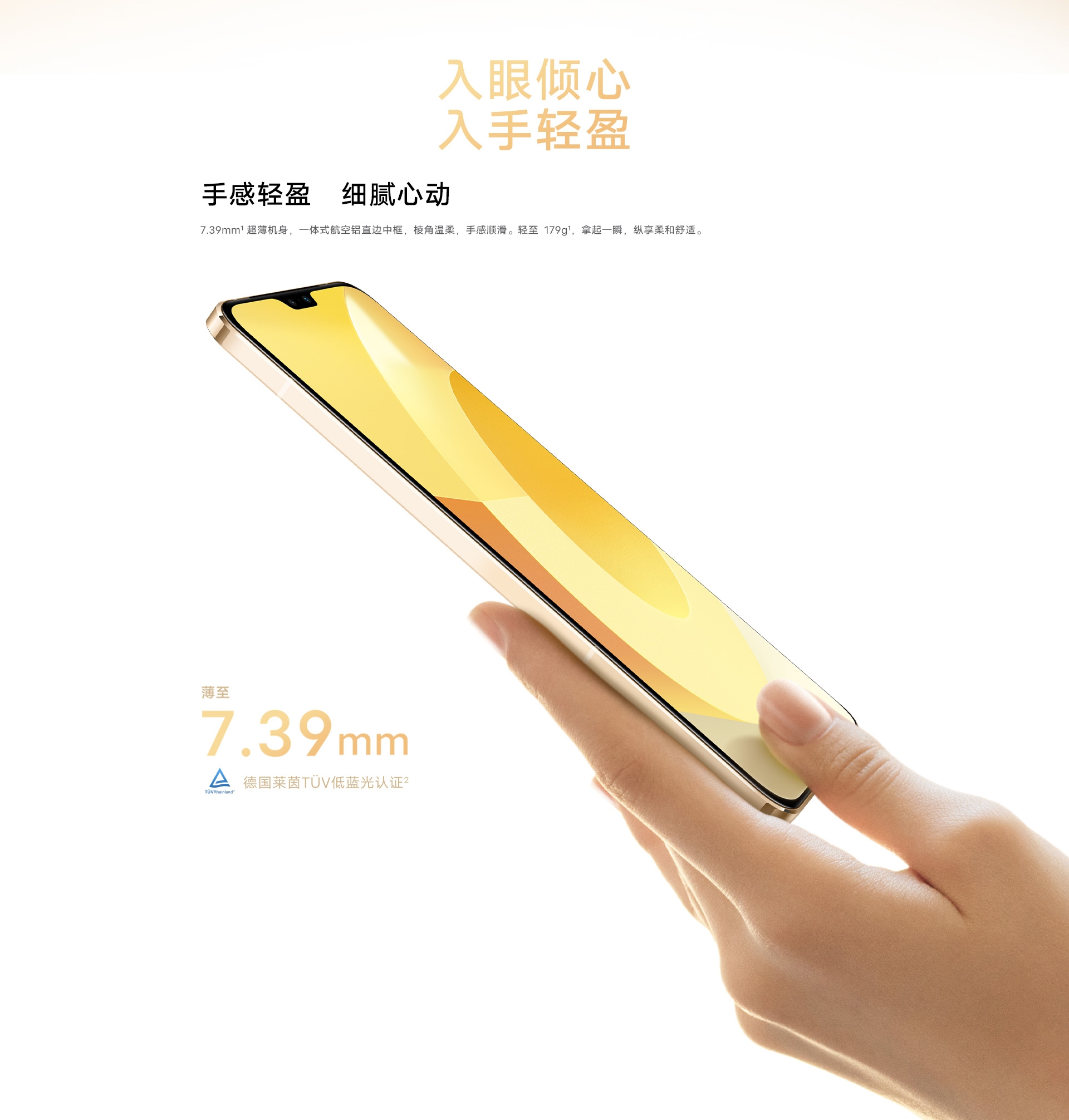
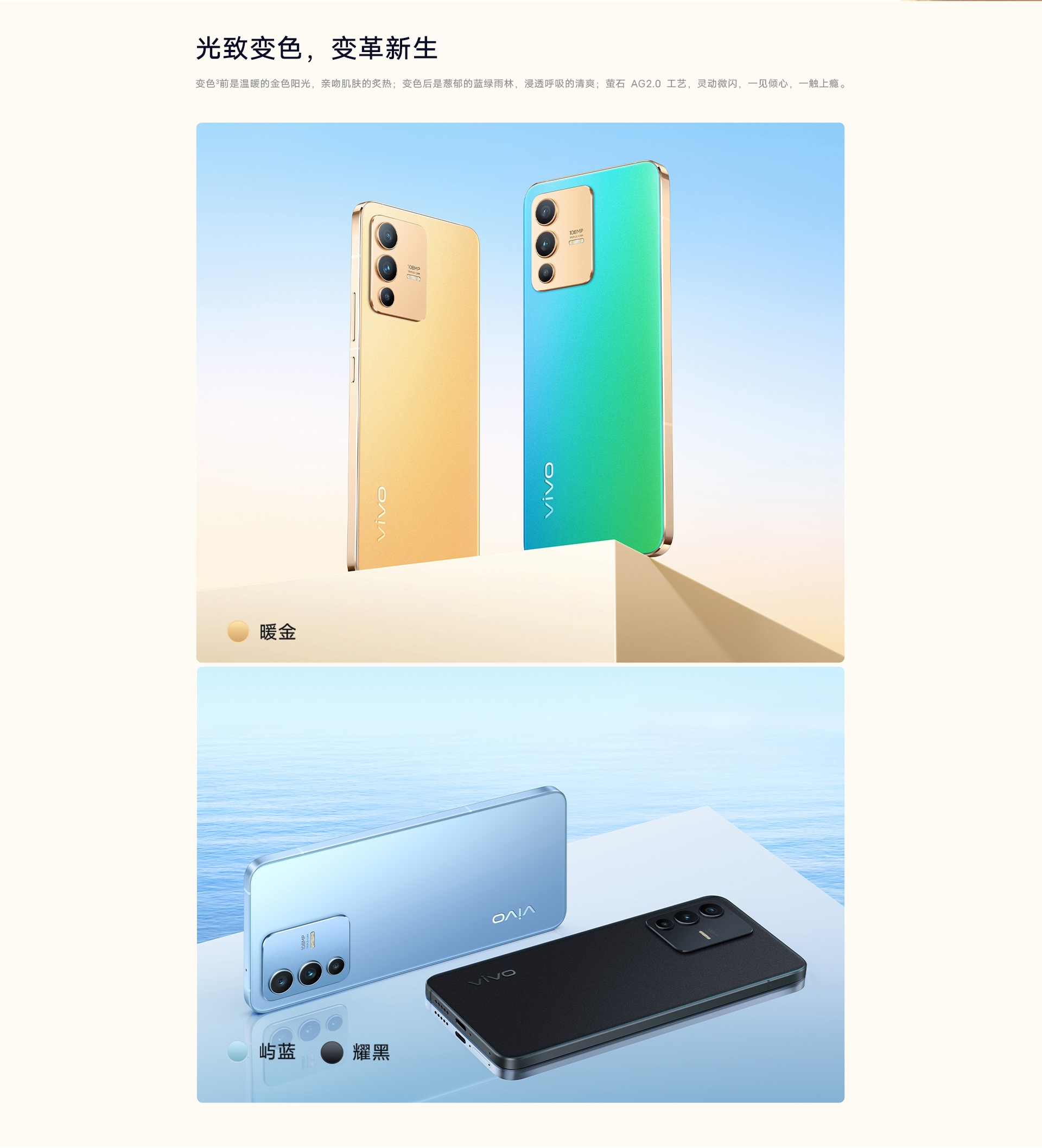
A more affordable vivo S12 was also unveiled with the launch event with a design quite similar to its Pro variant but with a twist – it not only ditches the curved screen but also comes with a much boxier design. Its dimensions measure 157.20×72.42×7.39mm and its weight stands at 179g. The screen is a 6.44-inch 90Hz AMOLED with a 180Hz screen sampling rate.
1 of 3
The front cameras of the device are housed in a notch and come in a 44MP + 8MP setup. The rear cameras are near identical to the vivo S12 Pro, comprised of 108MP primary + 8MP ultra-wide + 2MP macro sensors.
A MediaTek Dimensity 1100 chip handles the processing needs of the device and it gets its juice from a 4200mAh battery, again with 44W fast charging support.
vivo S12 series price and variants
The vivo S12 Pro comes in 8GB+128GB and 12GB+256GB RAM and storage configs that cost 3,399 Yuan (~$533) and 3,699 Yuan (~$580) respectively.
The vivo S12 comes in 8GB+128GB and 12GB+256GB RAM and storage configs that cost 2,799 Yuan (~$439) and 2,999 Yuan (~$470) respectively.
The South Korean tech giant Samsung has lately faced a lot of stock and availability issues with their smartphones. These problems have arisen from the ongoing global chip shortage and it appears that it will even affect the upcoming Samsung Galaxy A53. However, new reports suggest Samsung might be planning a workaround.
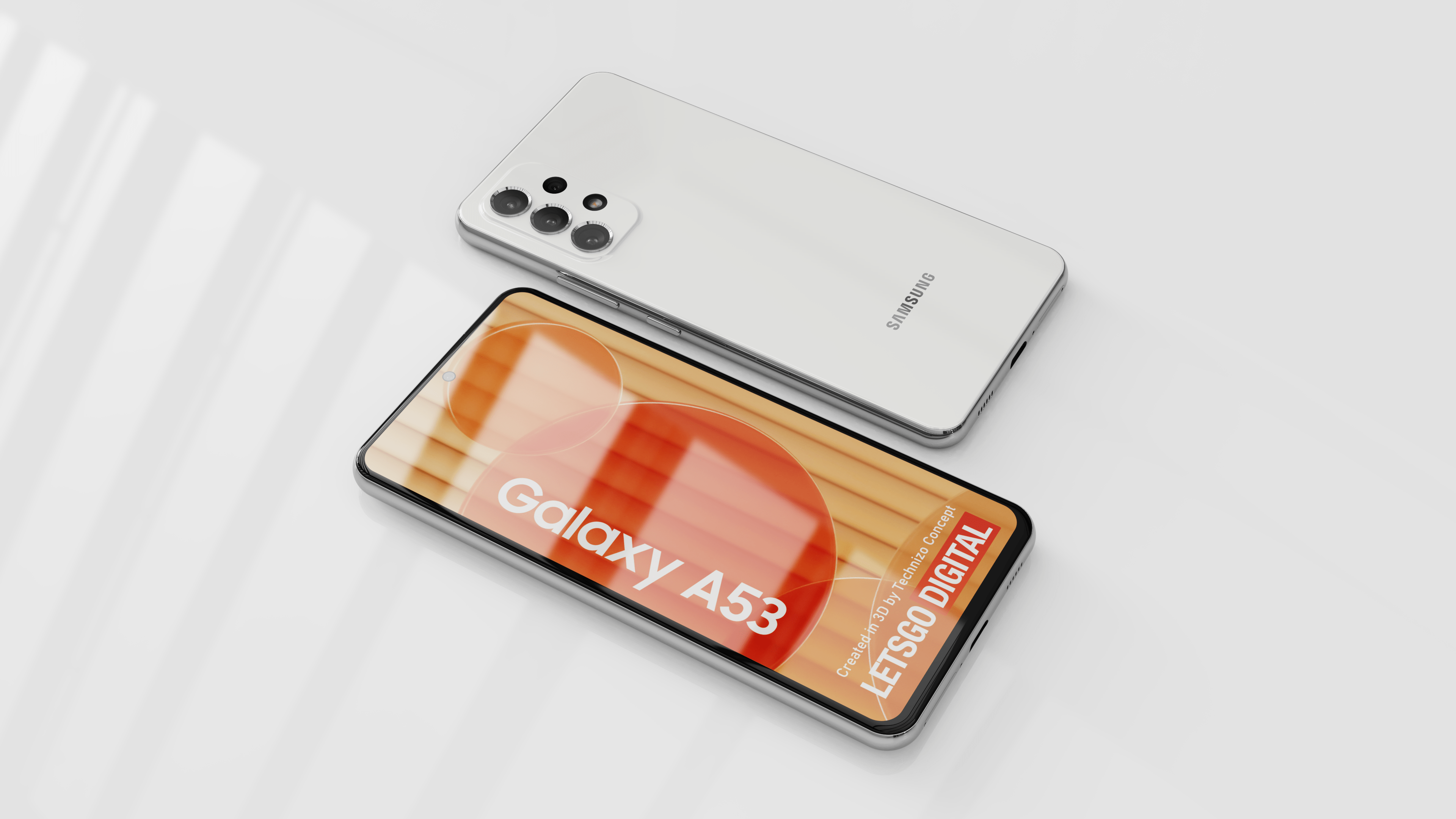
According to a report by GalaxyClub, the Galaxy A53 will have two different variants powered by two different chipsets. In addition to the Europe version with model number SM-A536B, Samsung will also release a second 5G version with model number SM-A536E. The latter is expected to be shipped to countries in the Middle East and North Africa, and a number of Asian markets, including India. One of these variants is expected to host a Qualcomm Snapdragon chipset while the other might come with an Exynos 1200.
Previous Geekbench listings have revealed that the American variant of the Galaxy A53 has appeared with the model number SM-A536U, carrying an “s5e8825” Exynos chip, which is likely the upcoming Exynos 1200.
So far, leaks have hinted at the upcoming Galaxy A53 to feature a 6.5-inch Super AMOLED display with Full HD+ resolution and a 120Hz refresh rate. The phone has a 64MP primary camera, stereo speakers, an IP rating, an in-display fingerprint reader, and a 5,000mAh battery. The smartphone might be launched in Q1 or Q2 of 2022.
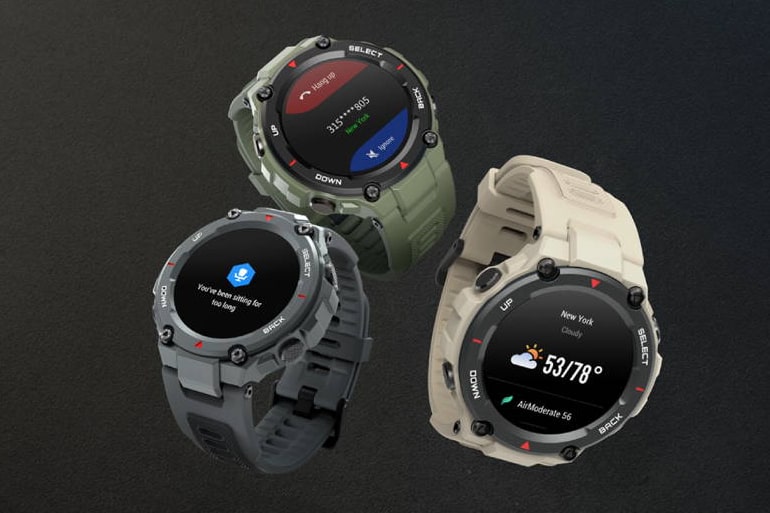
Zepp (formerly Huami) launched the Amazift T-Rex in India in June 2020. Despite releasing the Amazfit T-Rex Pro in the country in late March 2021, the company continued to sell the original model. Now, one and a half years after its debut in the region, the wearable receives a massive discount.
The Amazfit T-Rex made its debut in India priced at ₹9,999. But now, interested customers can grab it at only ₹5,499.
The smartwatch’s official online retailer Amazon India is offering a flat ₹4,000 discount on it. On top of that, the seller is offering a ₹500 discount coupon. Clubbed together, these two offers bring down the price of the wearable from ₹9,999 to 5,499.
In simpler words, Amazfit T-Rex is currently being sold at almost half of its launch price in India. It’s a no-brainer purchase if you are looking for a rugged smartwatch in this price segment. That’s because there’s no such offering from any brand at this price.
Amazon India appears to be clearing the old stock with the help of the hefty discount. We are saying this since the wearable is already sold out on Amazfit’s website.
Having said that, if you were planning to buy Amazfit T-Rex Pro, we are sorry to say that it’s still being sold at its launch price of ₹12,999.
TCL had recently suspended the sales of its 6 Series and 5 Series Google TVs temporarily due to an issue that caused them to run slow and face software based bugs. Now, the company has announced that its TVs are going on sale again.
According to a spokesperson of the Chinese company, “Recent software updates have allowed us to make significant improvements on the stability and speed of the TCL televisions featuring Google TV. With these updates, this product now represents the powerful performance that TCL and Google believe is the future of TV.” In other words, the resumption of sales arrives as it finally released a new software that fixes most, if not, all of these issues.
For those unaware, the brand is known for its TVs that feature Roku software. However, it has also launched some Android TV products as well in the past. On the other hand, the 6 Series (R646) and 5 Series (R546) are its first TV models that feature Google TV. Although, early buyers of these models found that the their TV suffered from slow performance and some major bugs when using the new TV.
So for those using the Google TV powered the company’s newer models, you should receive an update prompt to bring your TV to the latest firmware that should improve performance and overall experience. As per an official statement from the brand, “TCL is committed to delivering premium products with world class experiences and the new product featuring Google TV is certainly no different.”
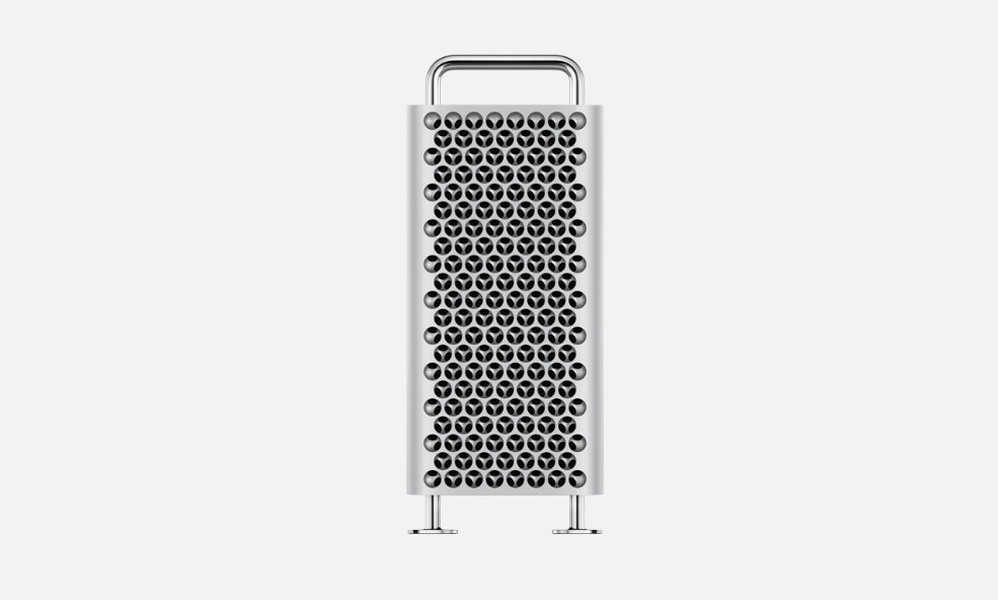
Despite MacBooks shifting away from Intel processors in favor of its custom silicon, Apple is not entirely transitioning its Mac lineup to its self developed chipsets. It appears that the company aims on launching a new Mac PC that features Team Blue’s processor.
Mac Pro Leak
According to a MacRumorsreport, the Cupertino based giant has yet to release a new Intel based Mac. The new PC will be a Mac Pro, which is its top of the line and most powerful computer. In other words, the brand might still not be ready to transition its high end model Mac Pro to its custom Apple Silicon. As per the report, the iPhone maker is working on two new Mac Pro models, with one arriving with a major redesign while the second model will feature the current design but with refreshed specifications.
Notably, while Apple M1 series chips have proven capable in the MacBooks, it seems that the company is not completely confident enough to shift its desktop grade professional workstation to its custom silicon. For those unaware, Mac Pro’s are usually targeted towards professionals like animators, photographers, Hollywood insiders, and others. So, we can expect the upcoming Mac Pro to feature Intel’s Xeon series chipset that arrives with “advanced performance, security, efficiency, and built-in AI acceleration to handle IoT workloads and more powerful AI,” as claimed by Intel.
This also implies that Apple has yet to completely cut ties with Intel, despite its MacBook Air, MacBook Pro, Mac mini, and iMac series shifting to its custom chips. One reason for the Mac Pro lineup not being shifted to the new chips is likely due to their architecture, since the Apple Silicon is based on an entirely different architecture than the Intel processors.
We use cookies on our website to give you the most relevant experience by remembering your preferences and repeat visits. By clicking “Accept”, you consent to the use of ALL the cookies.
This website uses cookies to improve your experience while you navigate through the website. Out of these, the cookies that are categorized as necessary are stored on your browser as they are essential for the working of basic functionalities of the website. We also use third-party cookies that help us analyze and understand how you use this website. These cookies will be stored in your browser only with your consent. You also have the option to opt-out of these cookies. But opting out of some of these cookies may affect your browsing experience.
Necessary cookies are absolutely essential for the website to function properly. This category only includes cookies that ensures basic functionalities and security features of the website. These cookies do not store any personal information.
Any cookies that may not be particularly necessary for the website to function and is used specifically to collect user personal data via analytics, ads, other embedded contents are termed as non-necessary cookies. It is mandatory to procure user consent prior to running these cookies on your website.






 However, Apple only accounts for 25% of all global 5G smartphone shipments in Q3 2021. The other 75% all came from Android phone manufacturers. Topping the Android charts once again is Xiaomi, as Xiaomi has been busy releasing its many 5G devices as of late with its flagship killers, the