Advertisement

Xiaomi Redmi Note 5 Camera Samples: Great For Bokeh Selfies, But Low Light Photos Needs Work

After announcing Redmi Note 5 and Note 5 Pro models in India a month ago, Xiaomi released the Pro (that was initially launched in India) variant in China under the Redmi Note 5 branding. It’s a bit confusing and that’s not only because the company is using the same name for different models in different regions, but also because their specs vary, but only slightly. To keep things short, the Note 5 in China is more powerful in the rear camera department, and today, we check out a few of the Redmi Note 5 samples to see if it does well in the photography department.

Before we move on to the rear camera, let’s check out some front camera samples.

 

Up front, the Chinese Redmi Note 5 comes with a 13MP setup instead of a 20MP setup as found on the Pro variant in India. Lower resolution doesn’t necessary mean lower performance, and the front camera on the Redmi Note 5 does pretty well, especially if are fond of background blur. Note that there is just a single camera up front with LED flash and Xiaomi uses software to get the depth information for bokeh photos. To be honest, the software does pretty well to detect your face and blur out the background effectively. So, if you are into this kind of selfies, you won’t be disappointed. Overall, the quality of the front camera is pretty good in the budget segment.

Coming to the rear camera setup, there’s a dual 12 MP (f/1.9, 1.4 μm) + 5 MP (f/2.0, 1.12 μm) setup with dual-pixel phase detection autofocus. It’s better than the f/2.2, 1.25 μm setup found on the Indian model, and should ideally capture better photos too. Unfortunately, we didn’t have the Indian Redmi Note 5 Pro model with us to compare, but overall, the Chinese model does pretty well, especially in day light photography.

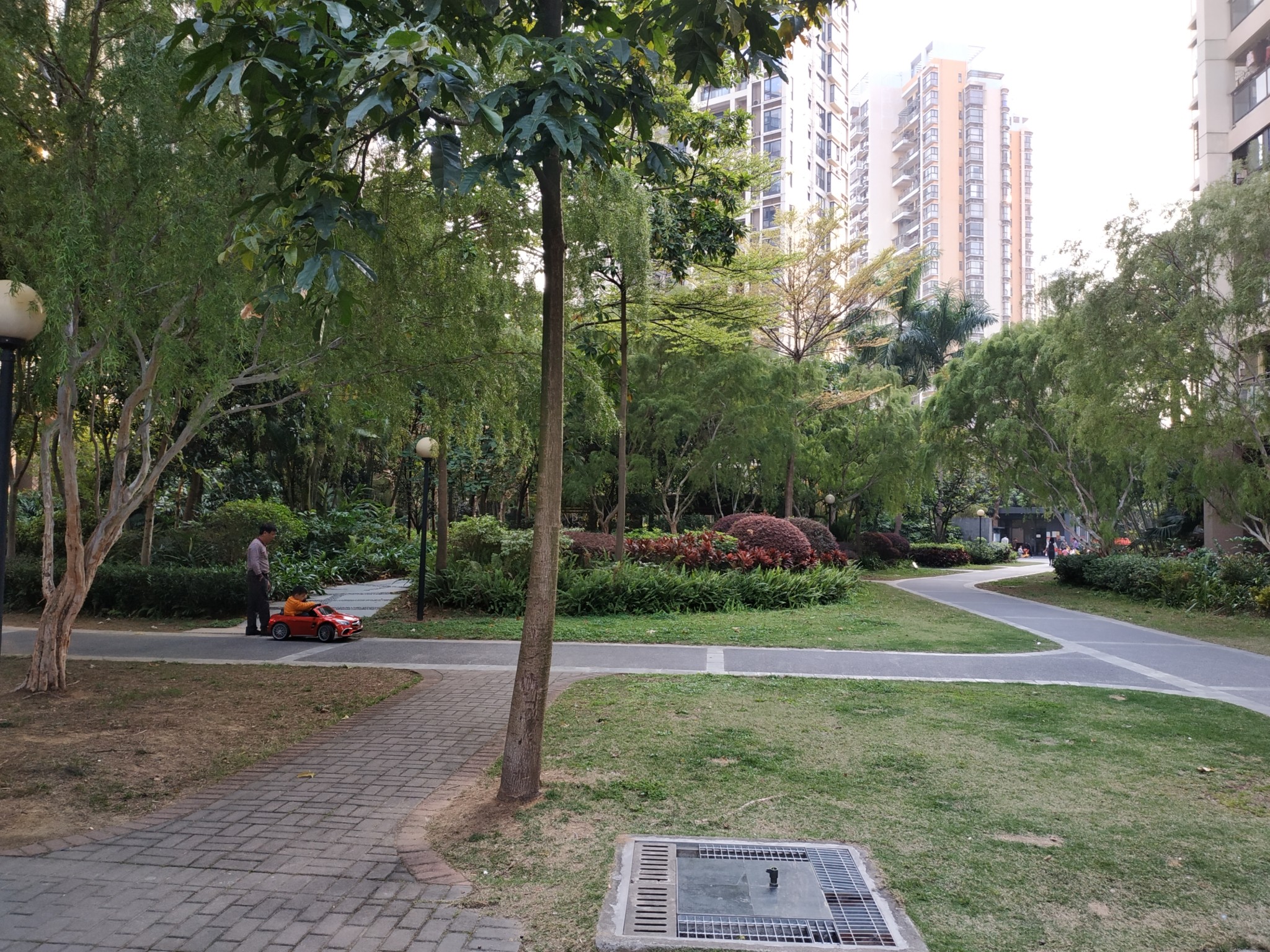
Saturation levels are good in the samples. The phone is quick to focus and you’d be happy with the amount of details captured in each image. In some pictures, you can clearly see that the colors pop out really well. For example, in the image of the salad, the veggies look fresh and colourful. Maybe a tad bit more colourful than in reality, but I’m sure users who are into food photography would love the result.

xiaomi redmi note 5 cam sample (8)

This was about daytime photography, but when the lights go down, so does the image quality. Noise kicks in and images are dull, and to be honest, there’s nothing spectacular about the Redmi Note 5’s night time photography. You’d manage to take a few decent shots by adjusting your angle and light, but still it won’t be extraordinary. In its defence, the phone isn’t meant to click photos like a $500 flagship, but we could use a slightly better result in low light conditions.

As for the background blur from the rear camera, it works pretty well. AI has helped Xiaomi improve its edge detection algorithms and on most occasions, you’ll get a good bokeh shot from its rear dual camera setup.

Check out the samples below to see how the Chinese Redmi Note 5 performs in the camera department.


[yop_poll id=”19″]



Xiaomi Mi Mix 2S vs Huawei P20: Chinese Flagships At Its Best!

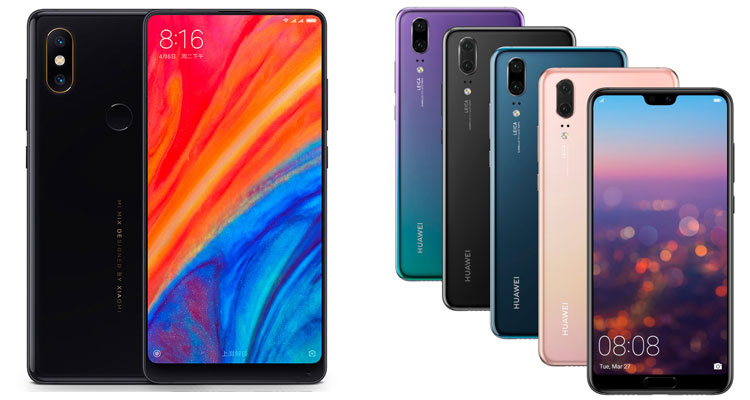
Xiaomi Mi Mix 2S and the Huawei P20 line-up, the best Chinese smartphones of 2018 yet, have been launched on exactly the same day. Both Mi Mix 2S and P20 are two flagship devices which will be available to purchase at moderate prices. So, they will be among the best phones of 2018 if we consider the quality-price ratio. Given that they are actually the best “affordable” flagships of this year, a comparison between Xiaomi Mi Mix 2S vs Huawei P20 is mandatory to discover which one has the best value for money. So here we go!

xiaomi mi mix 2s vs huawei p20

Xiaomi Mi Mix 2S vs Huawei P20

Xiaomi Mi Mix 2S Huawei P20
DIMENSIONS AND WEIGHT 150.9 x 74.9 x 8.1 mm, 191 grams 149.1 x 70.8 x 7.7 mm, 165 grams
DISPLAY 5.99 inches, 1080 x 2160p (Full HD+), 403 ppi, 18:9 ratio, IPS LCD 5.8 inches, 1080 x 2244p (Full HD+), 403 ppi, 18.5:9 ratio, LTPS IPS LCD
PROCESSOR Qualcomm Snapdragon 845, octa-core 2.8 GHz HiSilicon Kirin 970, octa-core 2.4 GHz
MEMORY 6 GB RAM, 64 GB – 6 GB RAM, 128 GB – 8 GB RAM, 256 GB 4 GB RAM, 128 GB – micro SD slot
SOFTWARE Android 8.0 Oreo, MIUI 9.5 Android 8.1 Oreo, EMUI 8.1
CONNECTIVITY Wi-Fi 802.11 a/b/g/n/ac, Bluetooth 5.0, GPS Wi-Fi 802.11 a/b/g/n/ac, Bluetooth 4.2, GPS
CAMERA Dual 12 + 12 MP f/1.8 + f/2.4
5 MP f/2.0 front camera
Dual 12 + 20 MP f/1.8 + f/1.6
24 MP f/2.0 front camera
BATTERY 3400 mAh
20W Fast charging (Quick Charge 3.0)
3400 mAh
Fast Charging
ADDITIONAL FEATURES Qi wireless charging Hybrid Dual SIM slot

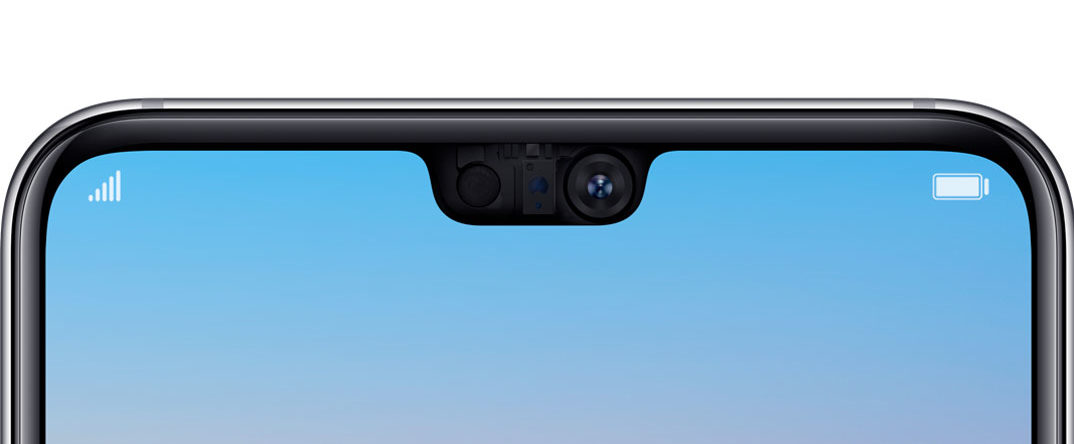
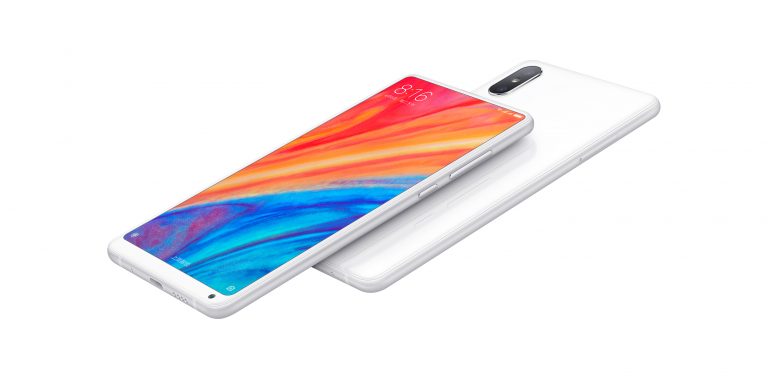
While Huawei has decided to take inspiration from Apple iPhone X by releasing a P20 with a notch, Xiaomi has decided to stick to the old form factor by making a tri-bezel-less phone with the front camera and the main sensors placed on the lower part of the front panel. Xiaomi Mi Mix 2S has a back cover made of ceramic, while Huawei P20 has a glass back. Even though the P20 has a notch, Xiaomi Mi Mix 2S has a higher screen-to-body ratio. But on the other hand, the P20 has a fingerprint reader placed on the front side which will comfortable for many users.

While we can still not tell you anything about the display quality, we can predict that Xiaomi Mi Mix 2S will have better performances thanks to its Snapdragon 845 SoC paired with 6 GB of RAM. There are still no camera samples, but the rear camera setup (we got a dual camera in both cases) is slightly better on the P20, according to DxOMark.


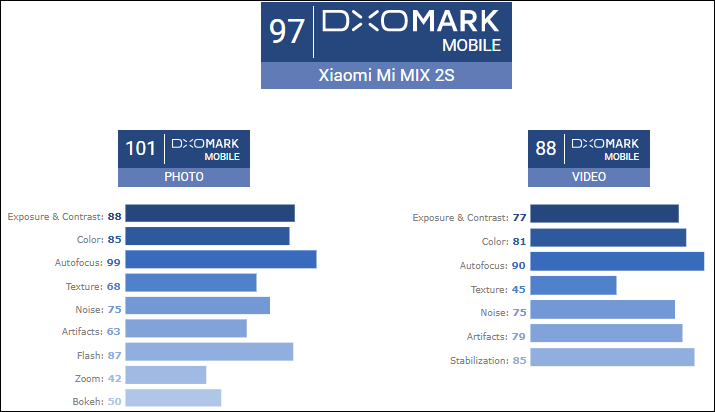
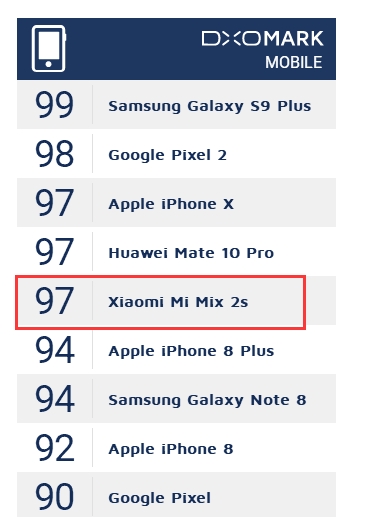
While Xiaomi Mi Mix 2S has obtained a score of 97 points (101 photos – 88 videos) thanks to its fast and accurate autofocus and its color quality, Huawei P20 is at the second place of DxOMark’s ranking with 102 points.Further, Huawei P20 has a 24 MP front camera, while its opponent sports a classic 5 MP f/2.0 snapper. Both the handsets have a battery with a capacity of 3400 mAh, but only Xiaomi Mi Mix 2S supports the Qi wireless charging technology which can be enabled with a dedicated charging dock.

Huawei P20 will be available to purchase in Europe with a price of €649/$805, while Xiaomi Mi Mix 2S will launch in China with a price of €428/$530. It is hard to choose one of these two devices. If price is your primary deciding factor, the Mix 2S is the definite choice here.

To conclude, Xiaomi Mi Mix 2S looks more promising in terms of performances and battery, while Huawei P20 should have a better camera department and maybe even a better display and more powerful speakers. Both devices are wonderful choices, but we would prefer Xiaomi Mi Mix 2S.


Xiaomi Mi Mix 2S vs Huawei P20: PRO and CONS

Xiaomi Mi Mix 2S

PRO

  • Bigger display
  • Potentially better performance
  • Wireless charging
  • Great price

CONS

  • No micro SD


Huawei P20

PRO

  • Amazing camera department
  • Great performances
  • Decent pricing
  • More compact design

CONS

  • Nothing special to say


[yop_poll id=”18″]


Alibaba/Ford Car Vending Machine Gives Free Test Drives To People With Good Credit Scores

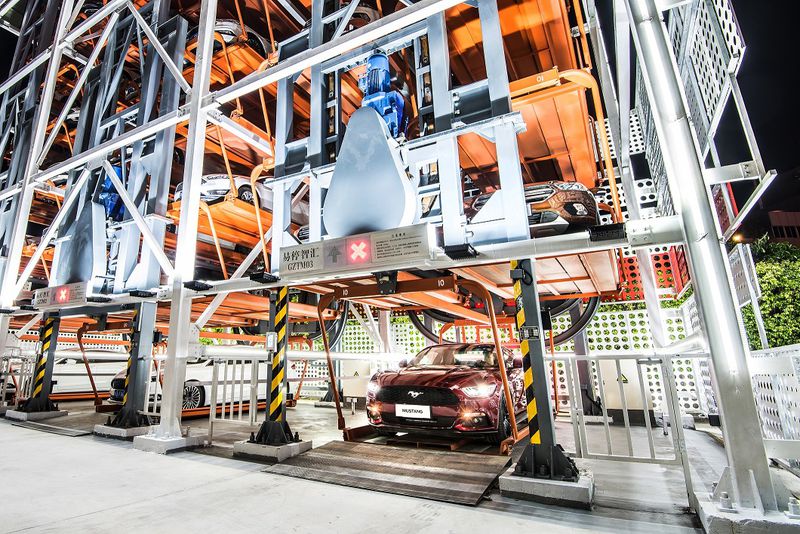
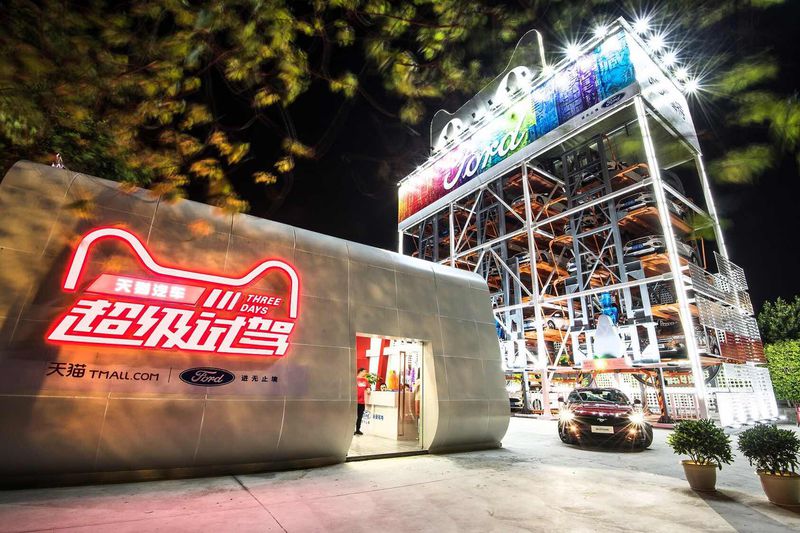
Chinese e-commerce giant Alibaba last year signed a partnership with Ford which would see both companies work together on new technological opportunities. Alibaba is well renowned for the innovativeness that has driven it to the top as China’s number one e-commerce giant. Both companies have now unveiled a cat-themed car vending machine in Guangzhou, China. The vending machine lets customers easily test-drive Ford vehicles they’re looking to buy.

Alibaba

Alibaba and Ford signed a deal to form a partnership last year that would see both companies working together on new technological opportunities. Now, the companies have opened a cat-themed car vending machine in Guangzhou, China, that lets customers easily test-drive Ford vehicles they’re looking to buy.Alibaba Ford car vending machine

Read More: Alibaba Acquires $2.9 Billion Stake In China’s Offline Retail Giant, Sun Art

The “Super Test-Drive Center” is without any staff manning it and is fully digitalised. It works with Alibaba’s Tmall app. From the app, users select the car model they are interested in, put down a deposit electronically, schedule a pickup time, and snap a selfie so the vending machine can recognize them when they pick up the car for a test drive. Customers having a very respectable credit score of 700 and above get to test drive the car of their choice free. Not just for a day, but for three days! Those with lower credit rating will have to pay a fee to be able to test drive the cars. The credit rating is based on Alibaba’s affiliate, Ant Financial’s credit ranking known as Zima or Sesame Credit.

(source)

Entry-Level Coolpad 1801-T0 Seen On TENAA

Coolpad has been under the radar for a while following the woes of its former largest stakeholder, LeEco. The smartphone company was also in the news recently over patent issues with Xiaomi but it appears it is back to making phones as a new device has been spotted on TENAA.

The Coolpad 1801-T0 has a 5” 720 x 1080 display. It is powered by a 1.3GHz quad-core processor with 1GB or 2GB of RAM. Depending on the RAM variant, you either get 8GB or 16GB of internal storage. However, a MicroSD slot will let you add an additional 32GB.

[envira-gallery id=”181845″]
The phone has dual rear cameras – a 5MP and 2MP combo, and another 5MP front facing camera. It runs Android 7.0 Nougat and packs an 1800mAh battery.

The Coolpad 1801-T0 doesn’t score points for design. It is just the regular candy-bar design we are used to. It has thick bezels with the lower one housing capacitive buttons.

READ MORE: Coolpad Smartphones In India To Receive Amazon Alexa Voice Service Support

Xiaomi Mi 7 Plus Likely to Arrive with Under-Display Fingerprint Scanner

Yesterday, Xiaomi had launched the Mi MIX 2S smartphone through a launch event in Shanghai. However, Twitter user @FunkyHuawei had revealed vital information of the smartphone well ahead of its launch through its leaked firmware files to XDA Developers. Today, the same source has found key information on a mysterious upcoming Xiaomi flagship phone through its firmware files. According to the publication, the leaked firmware files may belong to the Xiaomi Mi 7 Plus.

The firmware files of the Xiaomi Mi 7 that had surfaced in the recent past had revealed that it would be arriving with a notched display like the iPhone X. It is rumored to be codenamed as Dipper. The publication claims that @FunkyHuawei has come across two firmware files that respectively belong to devices that are labelled as dipper and dipperold.

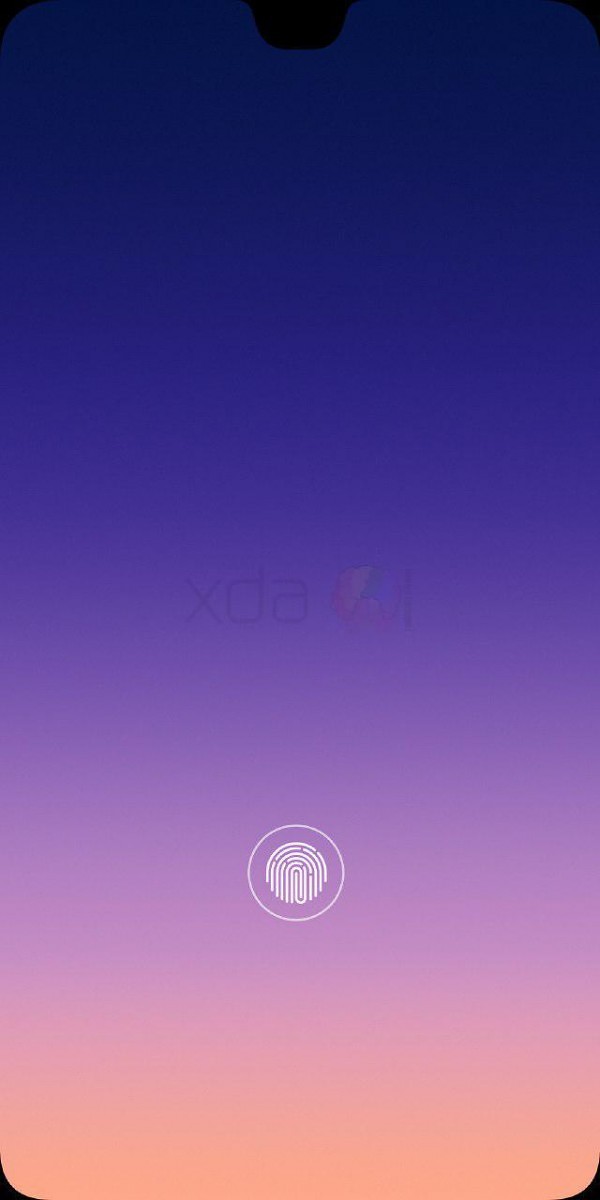
After scouring through firmware files of the two phones, it was revealed that only the dipperold features an in-screen fingerprint scanner from suppliers Synaptics and Goodix. The presence of “old” in dipperold label suggests that it could be the scrapped Mi 7 prototype. An XDA member has shared the following mock-up image of the mysterious Xiaomi phone that features a notch and an in-screen fingerprint scanner.

Xiaomi-Mi-7-In-Display-Fingerprint-Sensor-Mockup

The publication claims that there is another smartphone that is codenamed as ursa that is packed with similar features like the dipper phone. It’s a flagship phone that features notch enabled OLED display, Snapdragon 845 chipset, optical zoom and 4,000mAh battery. The ursa phone also features Synaptics and Goodix in-screen fingerprint scanner.

Read More: Xiaomi Mi Mix 2S vs Mi Mix 2: We Go Hands On With The Two Phones Side By Side

Xiaomi is known for using constellation names as codenames for its Mi series phones. Like dipper, ursa too is a constellation name. Hence, there is a possibility that the Xiaomi ursa with in-screen fingerprint scanner could be the Mi 7 Plus that is speculated to debut alongside Mi 7. However, there is no direct evidence to prove that ursa will launch as Mi 7 Plus.

The publication claims that apart from dipper and ursa, there are some other Xiaomi phones that have come across through firmware file leaks. However, information on these upcoming phones will be revealed by XDA later on.

(via)

OPPO A83 Pro With 4GB RAM & 64GB Storage Launched

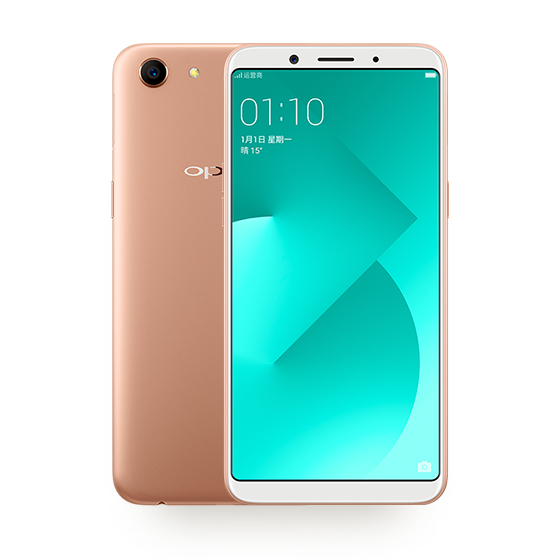
OPPO has launched a new smartphone in India. The smartphone is dubbed OPPO A83 Pro and as the name implies, it is closely related to the OPPO A83 which was launched in January. The new version is, in fact, an upgrade of the A83 and it has a higher RAM size and more storage space. Apart from the difference in RAM and storage, both models are basically the same.OPPO A83 Pro

Specs wise, the OPPO A83 Pro sports a 5.7-inch HD+ LCD display with a resolution of 1440 x 720 pixels and 18:9 aspect ratio. The smartphone measures 150.50×73.10×7.70mm and weigh 143 grams.  The device is powered by a MediaTek MK6737T processor that has an octa-core CPU and clocked at up to 2.5GHz. The processor pairs with 4GB of RAM as against 3GB on the A83 while there is 64GB storage onboard (32GB storage on the A83). The storage is expandable up to 256GB.

The A83 Pro features a single 13MP rear camera sensor with an LED flash while at the front, there is an 8MP camera for selfies. The device is a dual-SIM phone and it runs Android 7.1 Nougat-based ColorOS 3.2. The smartphone has Wi-Fi, Bluetooth v4.2, GPS/ A-GPS, Micro-USB port, and a 3.5mm headphone jack on the connectivity front and comes with a facial recognition feature to unlock the screen using your face. Sensors on board include an accelerometer, ambient light sensor, and proximity sensor. Under the hood, the device packs a 3180mAh battery. OPPO-A83-Profile-Page

Read More: OPPO A83 is Official: Ditches Fingerprint Scanner for Face Unlock

As for the price, the OPPO A83 Pro comes with an Rs. 15,990 price tag in India, just Rs. 2,000 different from the Rs. 13,990 price of the A83. At this price, the device is well positioned to take on the likes of Xiaomi Redmi Note 5 Pro, Vivo V7 and Samsung On7 Prime. It comes in Black and Rose Gold colours. There is no word yet as to when it would go on sale.

Vivo X21 UD Sales Begin in China with 3,598 Yuan (~$509) Pricing

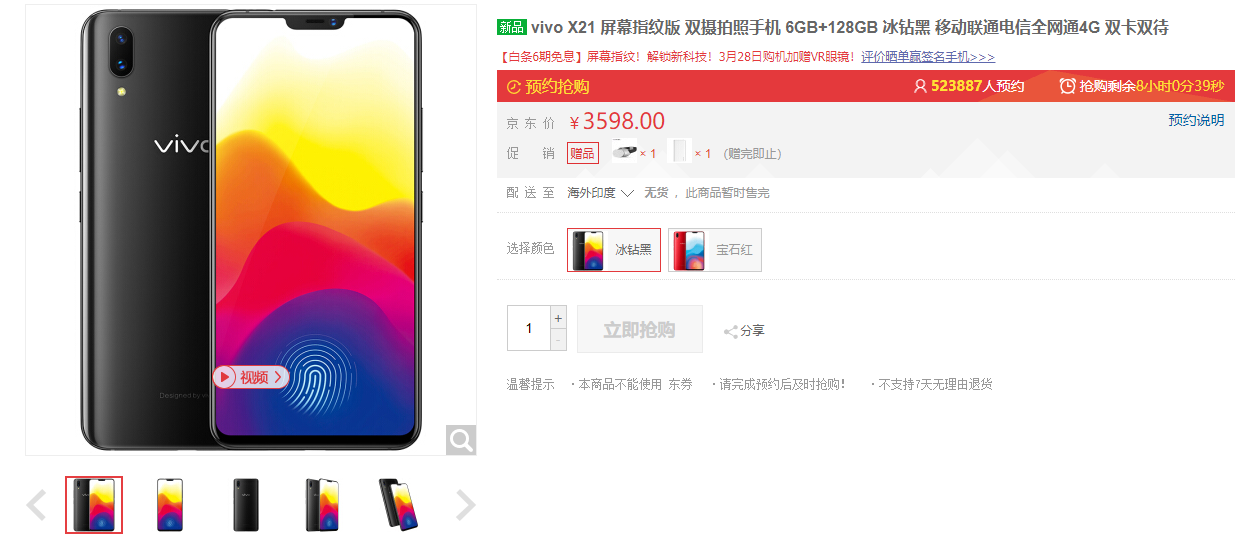
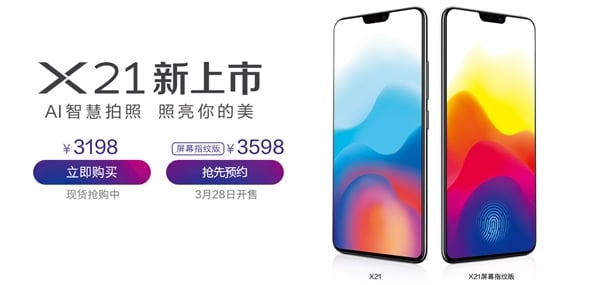
On March 19, Vivo had launched the high-end Vivo X21 and X21 UD smartphones as successor models for X20 and X20 UD phones from last year. At the unveil event, the company had confirmed that the regular Vivo X21 will be available for buying soon after its launch while the X21 UD featuring an under-display fingerprint scanner will go on sale from March 28 in China Since the day has arrived, the Vivo X21 UD is now available for buying with a price tag of 3,598 Yuan (`$509) in the home market.

Vivo X21 JD

The regular Vivo X21 features a rear-mounted fingerprint scanner. It is available for buying in Aurora White, Drill Black and Ruby Red color options. Its 64 GB storage + 6 GB RAM and 128 GB storage + 6 GB RAM variants are respectively priced at 2,998 Yuan (~$477) and 3,198 Yuan (~$509).

On the other side, the Vivo X21 UD that is available for buying starting from today comes in colors like Drill Black and Ruby Red. It features 128 GB of storage and 6 GB of RAM.

The Vivo X21 and X21 UD are packed with identical specifications. The X21 features a 6.28-inch supports Full HD+ resolution of 2280 x 1080 pixels. Like the iPhone X, it delivers an aspect ratio of 19:9. The Snapdragon 660 chipset is present under the hood of the phone.

Vivo X21 Pricing

Read More: Vivo V9 vs Meizu E3 Specs Comparison: Which One Would You Pick?

The notch of the Vivo X21 houses a 12-megapixel selfie camera with f/2.0 aperture. With IR emitter inside the notch, the X21 also offers 3D mapping of the users’ face for unlocking it through facial recognition. The dual camera setup on the back panel of the phone features an f/1.8 aperture 12-megapixel sensor and an f/2.4 aperture 5-megapixel sensor. It includes a 3,200mAh battery. It runs on FunTouch OS 4.0, a customized version of Android 8.1 Oreo. The other features of the X21 include Jovi AI assistant, AK4376A Hi-Fi audio chip, Wi-Fi 802.11ac, 4G LTE, Bluetooth 5.0, microUSB and GPS.

(source|via)


Samsung Galaxy Note 9 To Reportedly Have Bigger Battery Than Galaxy Note 8

After launching Galaxy S9 and S9+, the next flagship smartphone from South Korea-based Samsung is the Galaxy Note 9. Although we are months away from the launch of Galaxy Note 9, details about the smartphone keep surfacing.

According to the latest report, the Samsung Galaxy Note 9 will come with a bigger capacity battery than the Galaxy Note 8. A leaker with a credible track record has suggested that the Galaxy Note 9 will come with a 3,800mAh battery, which is larger than the 3,300mAh battery in the Galaxy Note 8.

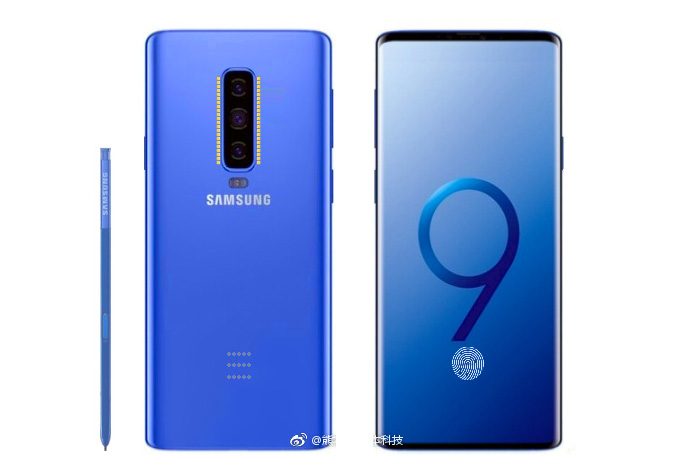
samsung-galaxy-note-9-render

One of the reasons for opting to include a bigger battery could be the use of Infinity Display 2.0, which was first introduced with the recently launched Galaxy S9-series. Further, there are reports which claim that the Galaxy Note 9 could also come with an in-display fingerprint sensor. So, these new features may demand a bigger capacity battery.

However, there’s no certainty about the type of fingerprint sensor of the upcoming flagship smartphone. While earlier it was said that the phone will have under display fingerprint sensor, another report claimed that it’s unlikely to happen due to the technology not matching Samsung’s standards. But, the latest report claims that the phone will have in-display sensor instead of a traditional fingerprint sensor.

As of the specifications, the Samsung Galaxy Note 9 is expected to be powered by the Qualcomm Snapdragon 845 processor or the company’s own Exynos 9810. The processor will be paired with 6GB RAM and 128GB of internal storage for the base model.

The phone is expected feature the same-sized 6.3-inch S-AMOLED screen with 18.5:9 aspect ratio as its predecessor. Further, the device is also expected to come with the improved dual-camera setup at the back. Recently, a fan-made render of the phone appeared online with triple-camera sensors, but that is unlikely to happen.

Read More: Samsung’s Foldable Smartphone Galaxy X Won’t Launch Anytime Soon – Report

While the company has not yet revealed anything surrounding the Galaxy Note 9, several reports suggest that the Galaxy Note 9 could be unveiled sometime early in August.


LG G7 Could be Coming in LCD and OLED Variants

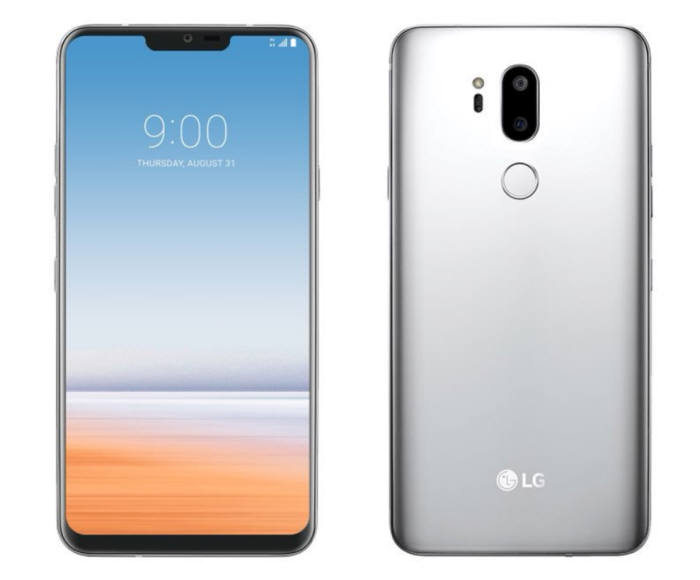
A recent report had revealed that LG may announce the upcoming LG G7 smartphone at the end of the next month and it will be hitting the shelves in May. According to a newer report on a South Korean publication, the LG G7 could be arriving in the market two versions featuring a LCD display and an OLED screen. This seems to be inspired from Apple’s strategy of launching premium iPhone X with OLED panel alongside iPhone 8 and 8 Plus phones with LCD panel. A leaked video and a recently spotted render of the LG G7 has revealed that it would be coming with a notched display like the iPhone X.

Citing industry sources, the publication claims that the LG G7 variants featuring LCD and OLED screens will be packed with the same specs and the only difference between them could be the display type. OLED is a thin and lightweight display compared to LCD. Moreover, it costs twice more than LCD. Hence, the LG G7 with OLED display may carry a costlier price tag while the LCD display variant may come with cheaper pricing. These models could be aimed at different markets.

Selling LG G7 with different kinds of display will possibly allow to gauge which model is more popular and accordingly plan its future phones. According to previous reports, the LCD variant of the LG G7 may feature an MLCD+ display which is a new technology that consumes less power and offers brightness of up to 800-nits.

LG G7 Render By Benjamin Geskin

After encountering consecutive losses since a couple of years, LG decided to delay the arrival of LG G7. Hence, instead of launching it in the first quarter of 2018, it plans to unveil it in second quarter. Also, one of its newer strategies is to retain its existing flagship for longer duration by launching upgraded models. Hence, the South Korean company had launched the LG V30S ThinQ and V30S ThinQ+ at the Mobile World Congress (MWC) 2018. These LG V30 variants have more RAM and storage than the original phone.

Read More: Trademark Filings Reveal LG Working on MicroLED Displays For Phones, May Be Linked to Apple

LG G7 rumors that have surfaced in the recent past have revealed that it would be coming with specs like 19.5:9 aspect ratio screen that supports a resolution of 3120 x 1440 pixels, Snapdragon 845 chipset, f/1.6 aperture 16-megapixel dual cameras, 3000mAh battery, IP68 certified chassis, iris scanner, and support for modular accessories. The 64 GB LG G7 may feature 4 GB of RAM whereas the G7+ model may be packed with 128 GB of storage and 6 GB of storage. The LG G7 is likely to be priced between $850 to $900.

(source)

New OnePlus 6 Image Leak Shows Woodgrain Back Panel And Headphone Jack

OnePlus is gearing up to launch its upcoming flagship smartphone — OnePlus 6. The company has already stopped selling its OnePlus 5T in North America.

While the company is still a few weeks away from launching OnePlus 6, well-known leaker Evan Blass has posted a new image of the upcoming smartphone on Twitter, showcasing the phone’s back panel.

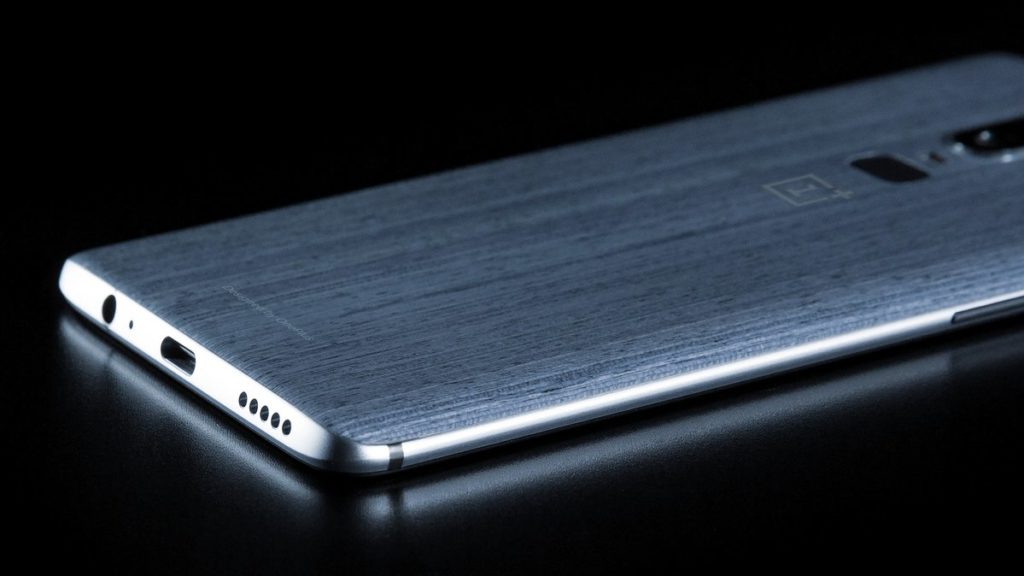
The leaked image shows the back panel with a woodgrain texture. Also, it is clearly seen that the phone has retained the 3.5mm audio jack, which most smartphone manufacturers are ditching. Along with the headphone jack, there’s also a USB Type-C port and a speaker grille.

OnePlus 6 Woodgrain Back Leak

Further, the phone has a rear-mounted fingerprint sensor, placed right below the camera module. As of the camera, the image hints at dual-camera setup, with sensors stacked vertically. Since fingerprint sensor is at the back, the OnePlus 6 will come with the trendy full-screen display, which OnePlus first introduced with the OP5T.

While earlier leaks suggested that the OP6 could come with glass back panel, this newly leaked image shows that the phone uses wood/bamboo or brushed metal. The textured finish on the back panel is not because of the skin as there’s a tag at the bottom which reads “Designed by OnePlus.”

Based on the previously leaked details, the OnePlus 6 will feature a 6.28-inch Full-HD+ AMOLED display with screen resolution of 2280 x 1080 pixels with 19:9 aspect ratio. The phone is expected to be powered by Qualcomm‘s flagship processor — Snapdragon 845 clocked at 2.7GHz, which is powering almost all of the flagship smartphones announced this year.

The smartphone will pack 6GB RAM with 128GB internal storage. The highest configuration model of OP6 will have 8GB RAM with 256GB onboard storage and is expected to be priced at $749.

As of the camera department, the rear camera of the OnePlus 6 is said to be consisting of 16-megapixel primary sensor and a 20-megapixel secondary sensor with a f/1.7 aperture on both lenses. The camera specs are exactly the same as the company’s current flagship device — OnePlus 5T. On the front side, the phone will come equipped with a 20-megapixel sensor with f/1.7 aperture.


Read More: OP6 Specifications Leak Reveals 6.28-Inch Display, SD 845 SoC, And 3450mAh Battery


Coming to the software, it is said that the OnePlus 6 will be running on Android 8.1 Oreo operating system out-of-the-box with the company’s own Oxygen OS custom interface. The phone will be fuelled by a 3,450mAh battery and we expect that it will support the company’s own fast charging technology — Dash Charging.


(Source)


Asus Zenfone 3 Deluxe Starts Receiving Android Oreo Update

Asus has been busy rolling out updates for its smartphones. After rolling out Android Oreo update for the Zenfone 4, Zenfone 3 and Zenfone 4 Pro, the company is now rolling out Android Oreo update for the Zenfone 3 Deluxe.

The company has made an official announcement on its Asus ZenTalk forums that it has started rolling out the new over-the-air (OTA) update for the Zenfone 3 Deluxe.

The update brings the firmware version to V80.20.96.89 and includes all the usual Android Oreo features, which includes picture-in-picture mode, Notification Dots, Autofill password manager, support for adaptive icons, Instant Apps, and much more.

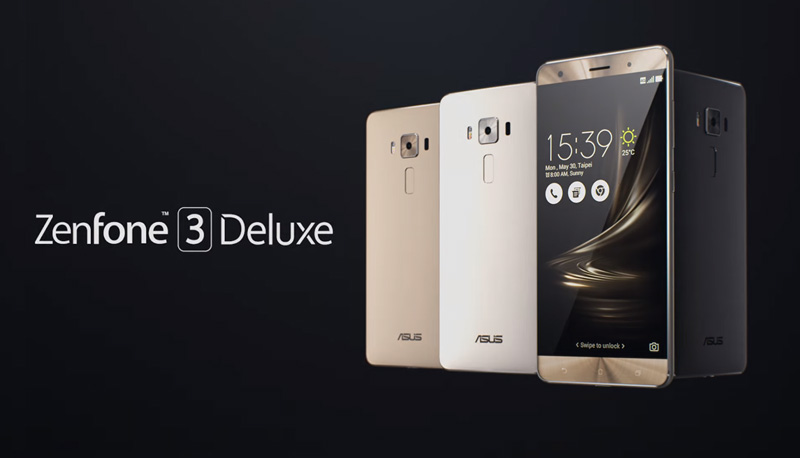
Asus Zenfone 3 Deluxe

Along with the usual Oreo features, the new update also comes with improvements in power consumption and brings in support for Long Screenshot feature. The update also comes with a “more friendly” settings user interface among few other improvements.

While the update has already started rolling out to Zenfone 3 Deluxe users, the company says that it might take time for the update to reach all users as this new update is being rolled out in phases. Users can also check for the update manually by navigating to Settings > About > System Update.

The Asus Zenfone 3 Deluxe was announced in mid-2016, becoming the first smartphone to be powered by the Qualcomm‘s Snapdragon 821 processor. The phone features a 5.7-inch Full-HD display and comes with 6GB RAM, multiple built-in storage variants which start at 64GB and goes up to 256GB.

In the camera department, it comes with a powerful Sony IMX318 23-megapixel rear sensor with f/2.0 aperture lens and 4-axis OIS. It also has an 8-megapixel front-facing snapper. The phone also comes with a rear placed fingerprint sensor, powerful five-magnet speakers USB Type-C, and His-Res Audio support. The device is powered by a 3,000mAh battery and supports Quick Charge 3.0.

Read More: The ASUS Zenfone 5Z Is The New Flagship Killer But The Zenfone 5 Is Awesome Too

Earlier, Asus had said that all the models under the Zenfone 3 and Zenfone 4 series will be updated to the Android Oreo by the second half of this year. While the company is working to achieve that goal, it seems difficult for the company to keep its promise as there are many models left to receive the Android Oreo update.

(Source)


Huawei Y7 Prime (2018) Officially Launched with 18:9 HD+ Display, 13 + 2 MP Dual Cameras

Apart from launching the P20, P20 Pro and Porsche Design Huawei Mate RS flagship phones, Huawei has also announced the new Y7 Prime (2018) budget smartphone. It has arrived to replace the Y7 Prime smartphone that was launched last year.

Huawei Y7 Prime (2018) Specifications and Features

Like the recently announced Y9 2018 phone that was launched earlier in this month, the Y7 Prime (2018) also features an 18:9 aspect ratio display of 5.99 inches. It supports HD+ resolution of 720 x 1440 pixels.

The Snapdragon 430 chipset is present under the hood of the Y7 Prime (2018) phone. It is coupled with 3 GB of RAM. It has a native storage of 32 GB and carries support for microSD card through hybrid SIM slot.

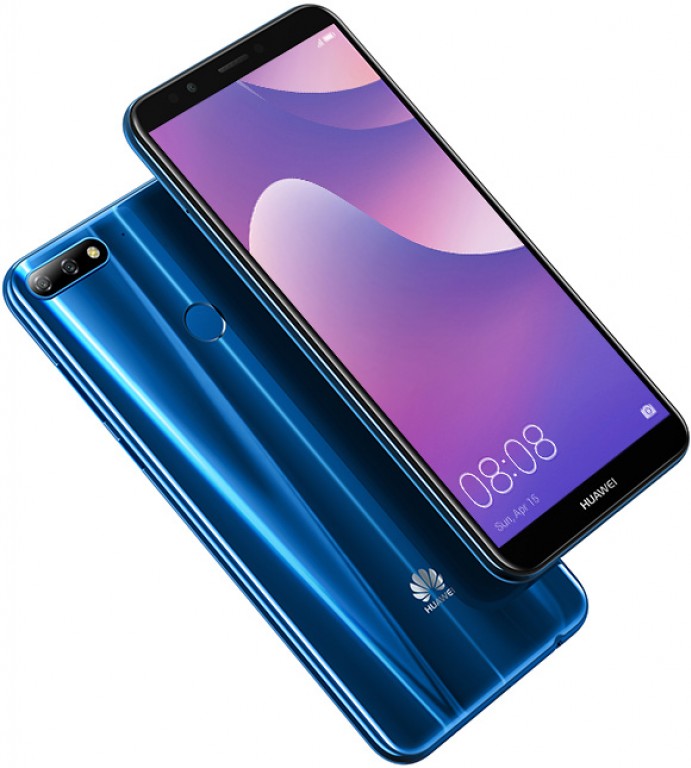
Huawei Y7 Prime 2018

The handset is running on Android 8.0 Oreo that is customized with EMUI 8.0. The back panel features a fingerprint reader and a dual camera setup that includes a 13-megapixel sensor and a secondary 2-megapixel sensor. For shooting selfies, it is equipped with an 8-megaixel front camera that can be also used as facial recognition feature.

The Y7 Prime (2018) is packed with a 3,00mAh battery. It includes connectivity features like Bluetooth, microUSB, 3.5mm audio jack, 4G VoLTE Wi-Fi, NFC (region specific) and GPS. It measures 158.3 x 76.7 x 7.8mm and it weighs 155 grams. It can be bought in colors like Black, Blue and Gold.

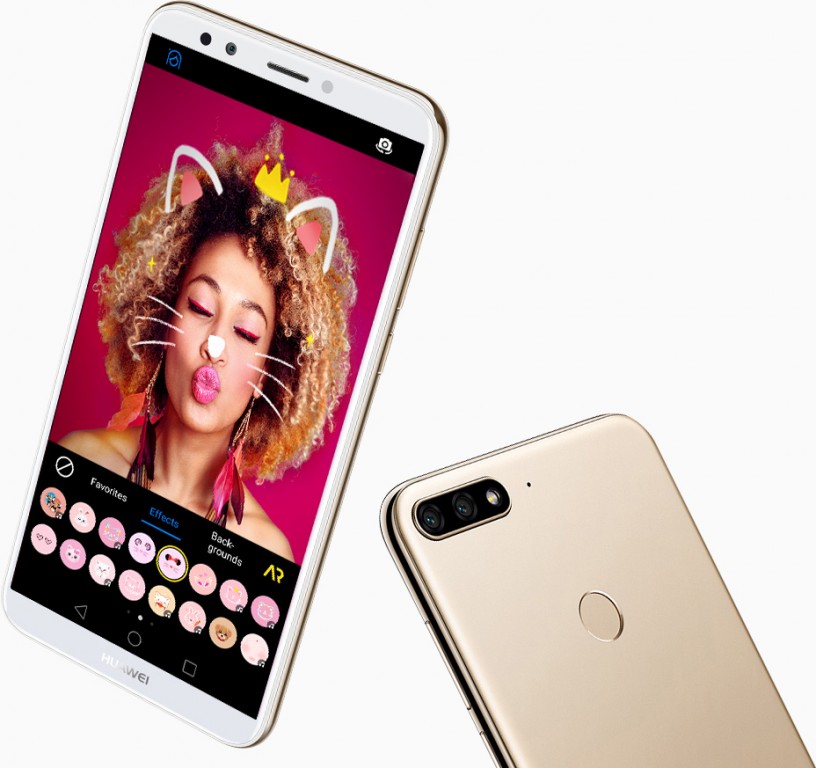
Huawei Y7 Prime 2018

Read More:Huawei P20 and Huawei P20 Pro Official: Cameras Takes Center Stage

As of this writing, there is no confirmation on the release date of the phon. However, it is expected to release in select regions like China and India.

Huawei P20 and Huawei P20 Pro Official: Cameras Takes Center Stage

Huawei finally took the wraps off the Huawei P20 and Huawei P20 Pro today after weeks of leaks and teases. Even though we practically know all there is about both devices, they are nothing short of worth successors to the P10 series of 2017.

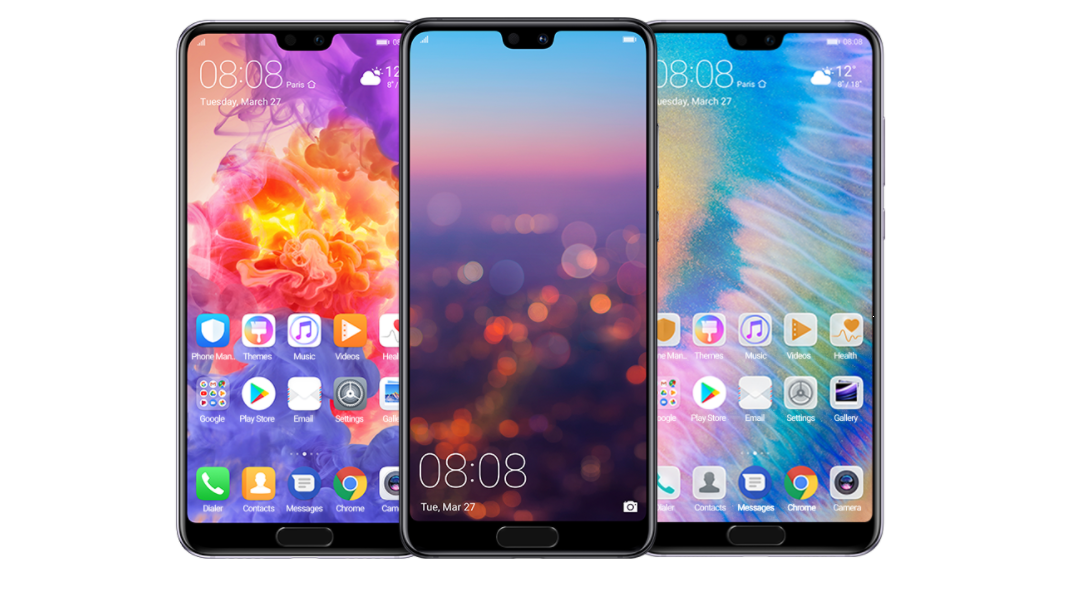
Huawei P20

Huawei P20

The Huawei P20 has a 5.8” LCD display. Huawei has joined the notch train but its much smaller than that of the iPhone X. There is a circular speaker, sensors and a 24.8MP CMOS sensor within the notch.

The phone is powered by the Kirin 970 paired with 4GB of RAM and 128GB of storage. There is no storage expansion slot.

Huawei P20

For smartphones of this year, the focus is camera performance and the Huawei P20 doesn’t disappoint. Yet again, Huawei has partnered with Leica to work on the cameras and combines it with AI to take better pictures.

On the rear is a 20MP f/1.6 monochrome sensor paired with a 12MP f/1.8 RGB sensor. There are tons of new features bundled with the camera. Ultra Snapshot is for taking pictures in just 0.3 seconds even if the phone is locked, 4D predictive focus for taking photos of fast moving objects, 960 fps super slow motion video recording, and there is AI Image stabilization for blur-free low-light shots in night mode.

For portrait images, the P20 uses AI for portrait lighting giving your pictures studio-like lighting effects. The camera can also distinguish between 19 different categories when you want to take photos and then automatically adjusts to the best settings.

Huawei was proud to announce at the event that the P20 scored 107 points on DxOmark for photos and 94 points for videos for an overall score of 102. This places it above the Galaxy S9+, Pixel 2, Mate 10 Pro, and iPhone X.

The Huawei P20 has a 3400mh battery with support for Huawei’s SuperCharge fast charging technology. It runs Android 8.1 Oreo with EMUI 8.1 on top. It doesn’t have a 3.5mm audio jack but has a USB-C port. It also has an IP53 rating and a front mounted fingerprint scanner.

The phone will come in Twilight, Pink Gold, Midnight Blue, Black and Champagne Gold but not all will be available in all countries. It will sell for €649 and goes on sale today.


Huawei P20 Pro

Huawei P20 Pro

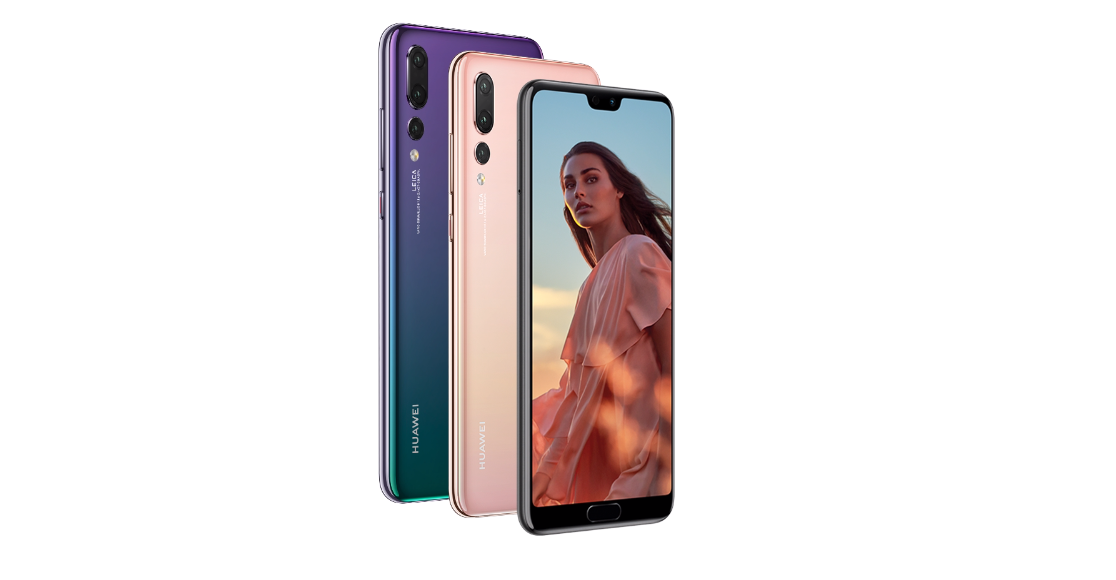
The P20 Pro is the bigger sibling in all ways. From its 6.1” FHD+ OLED display, to its triple rear cameras and massive 4,000mAh battery, it truly is a Pro. It also has a different finish on the back which allows the color of the device to change depending on the angle at which light hits it.

The P20 Pro has the same Kirin 970 processor and 128GB of storage but comes with 6GB of RAM.

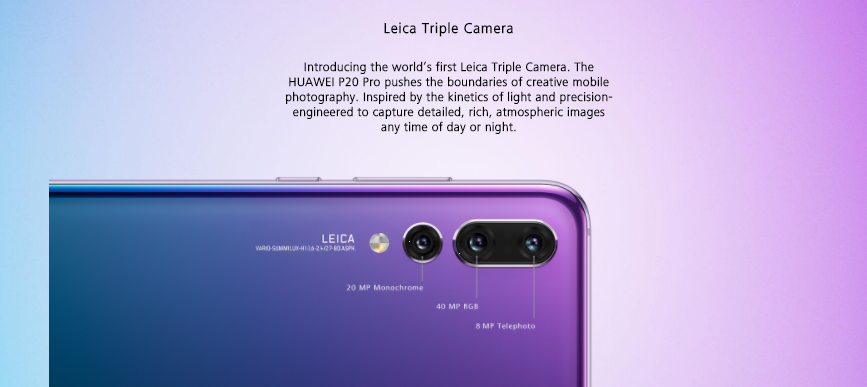
The cameras are the main focus. The rear camera is a 40MP RGB sensor and an 8MP telephoto lens which share the same housing. While a 20MP monochrome sensor sits separately.

The 8MP telephoto lens provides 3x optical zoom or 5x hybrid zoom. Huawei uses a technology called Light Fusion for capturing images with the 40MP sensor. What the sensor does is combine captured data from four different pixels into one. The result is sharper, brighter, and more detailed photos.

The P20 Pro also has all the AI features of the P20 mentioned above for better images such as image recognition and portrait mode.

The Huawei P20 Pro currently has the highest DxO Mark with 114 points for photos and 98 points for videos to give an overall score of 109 points.

Huawei P20 Pro Camera

The P20 Pro upgrades the IP53 rating to IP67. It also doesn’t have an audio jack or a MicroSD card slot. Juts like the P20, there is NFC, Bluetooth 4.2, and dual SIM or single SIM variants.

The Huawei P20 Pro is priced at €899 and will go on sale on April 6. It will be available in Black, Midnight Blue, Twilight, and Pink Gold. Included in the box of the P20 Pro (and P20) is a pair of USB-C earphones, charger, USB-C cable, protective case, and a USB-C to 3.5mm adapter.

READ MORE: Porsche Design Huawei Mate RS Launches With Triple Cameras, Dual Fingerprint Scanners & 512GB Storage

Xiaomi Mi Mix 2S vs Mi Mix 2: We Go Hands On With The Two Phones Side By Side

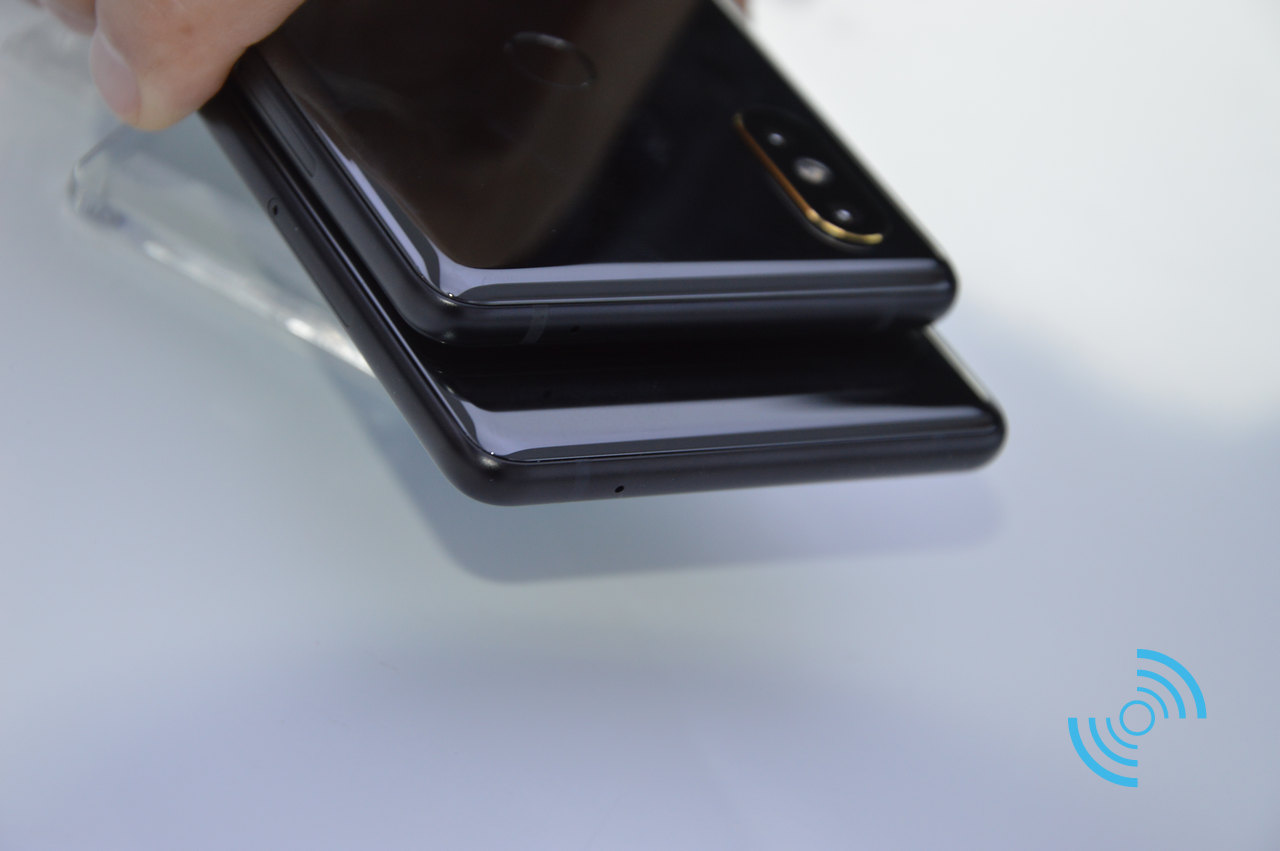
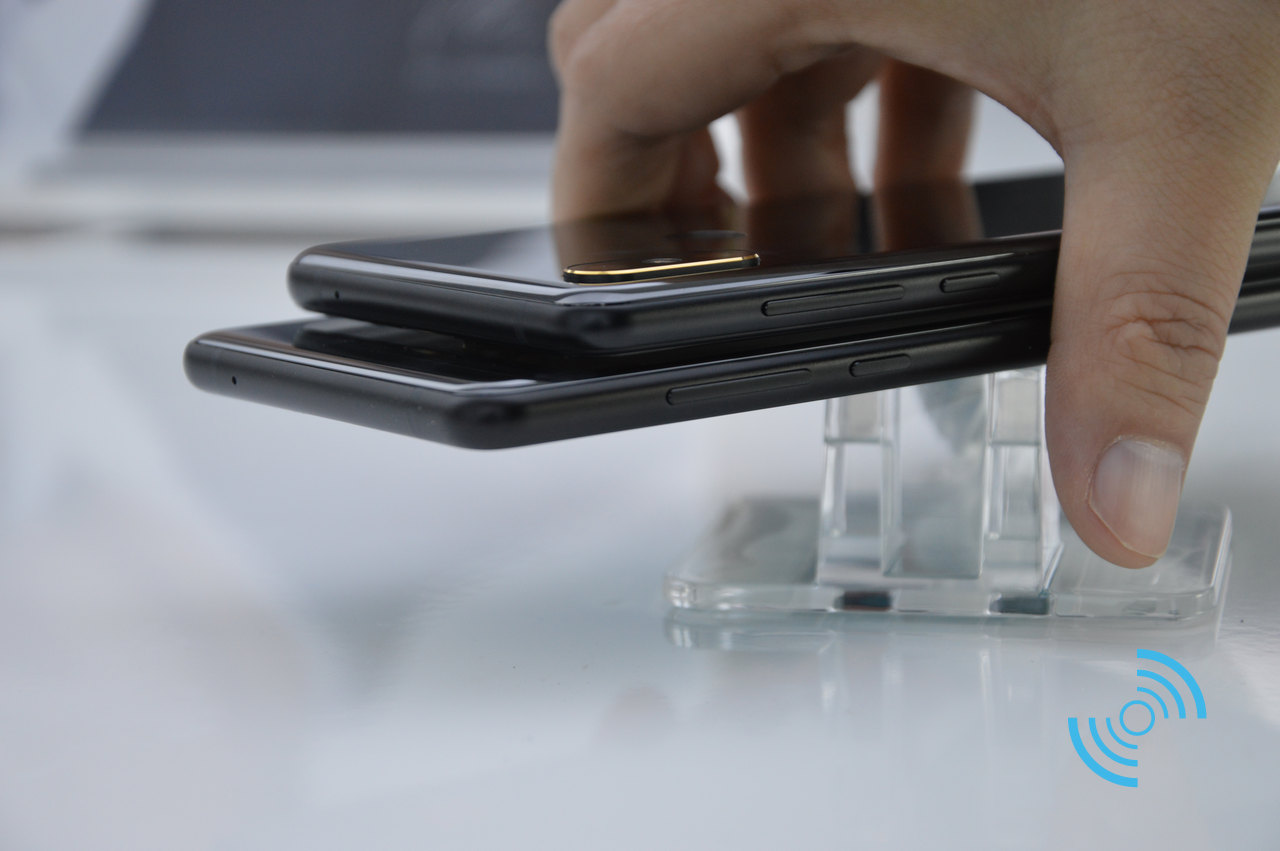
Xiaomi unveiled the brand new Xiaomi Mi Mix 2S at an official event on Tuesday. The phone is revolutionary because it’s the first flagship to offer camera performance close to the big brand flagships like Galaxy S9 and the iPhone X. But the upgrades are not only in the hardware department as the design gets a few tweaks as well.


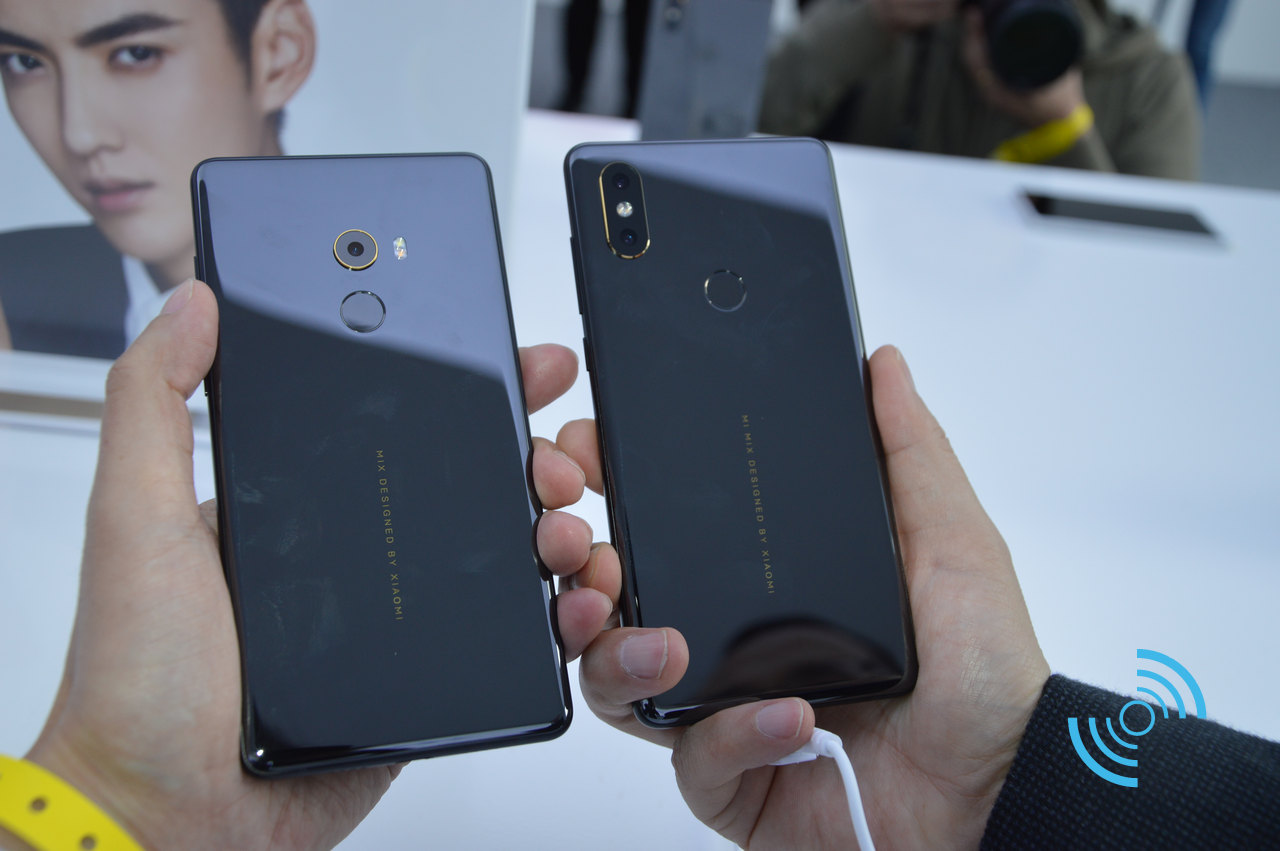
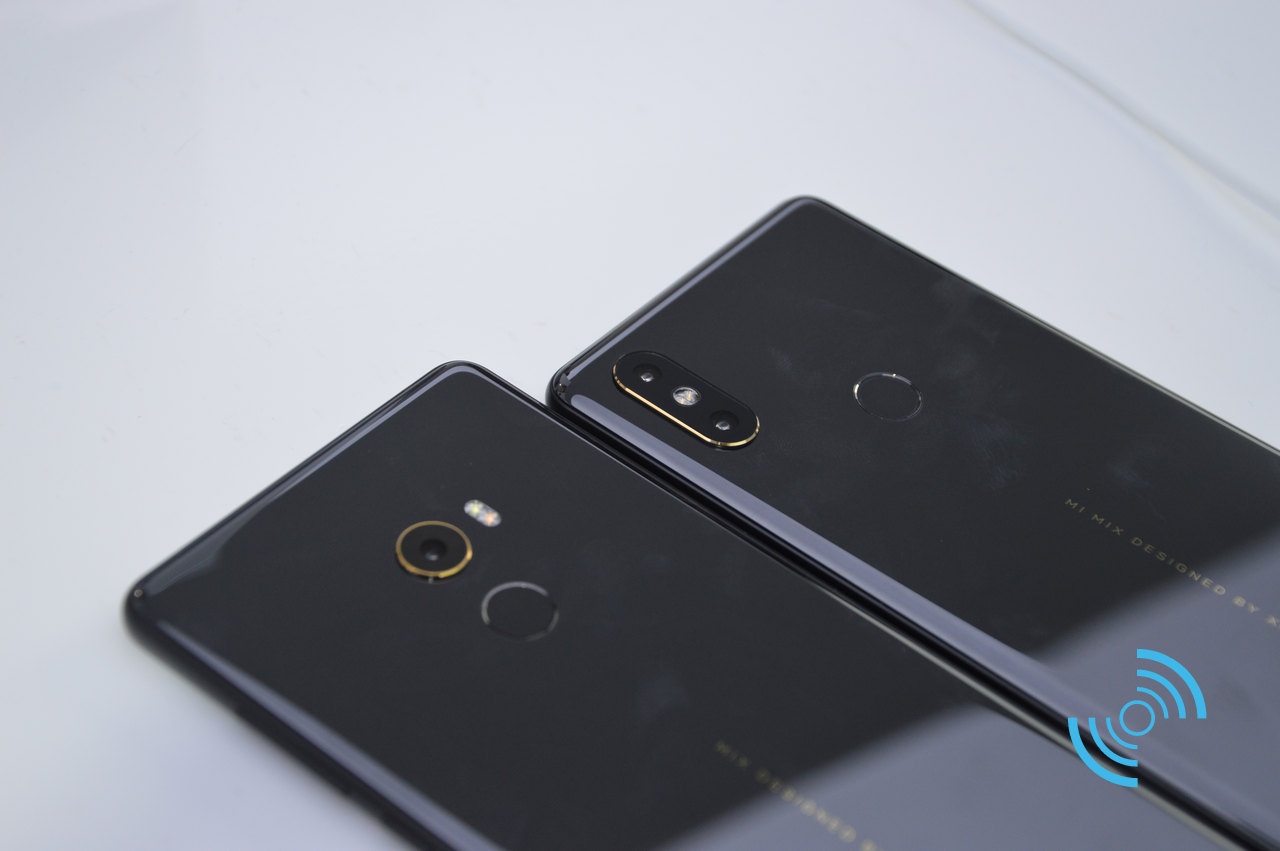
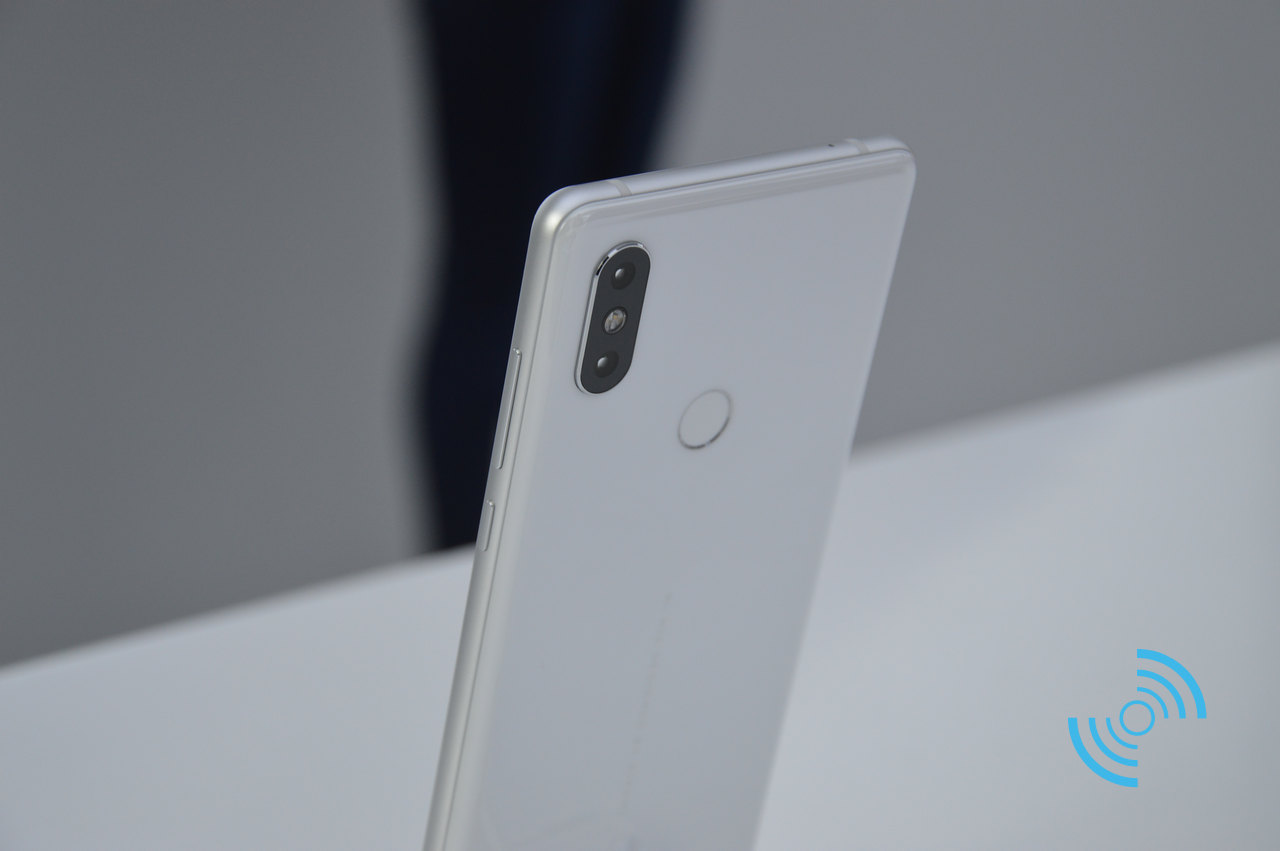
The Mi Mix 2S is the company’s first Mix series dual camera smartphone. So you get a vertically arranged dual camera setup at the back and honestly, the arrangement seems to be inspired from the iPhone lineup. Nevertheless, the design looks decent, with a fingerprint sensor placed at the back as well.

mi mix 2s hands on 01
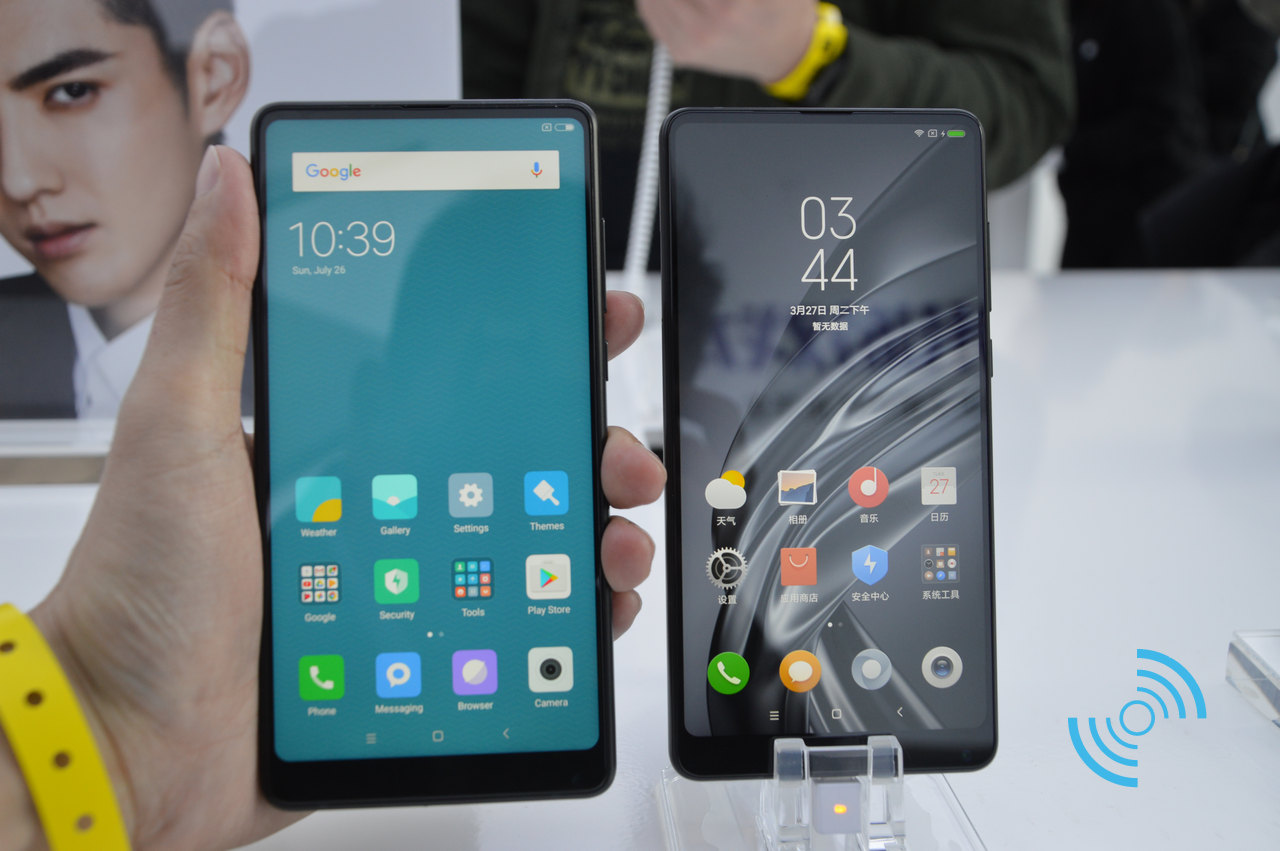
Mi Mix 2 (L) vs Mi Mix 2S (R)

Coming to the front, the bezels are thinner than before, but apart from that it would be hard to distinguish it from its predecessor. Thankfully, Xiaomi is not adopting the notch trend, at least not yet. So, the front camera is still in an awkward position on the bottom right corner. This also means that you’ll have to rotate your phone to use the front shooter for selfies. It’s not exactly an ideal design, but if this keeps the notch away from one more device, I’ll gladly accept it.


RELATED: Xiaomi Mi Mix 2S Scores High On DXOMark: Same As iPhone X But With Better Bokeh!

mi mix 2s hands on 02
Mi Mix 2 (L) vs Mi Mix 2S (R)

Personally, I love the Ceramic White model but the black one looks pretty good too. The ceramic body should age well and it supports Qi Wireless Charging at 7.5W, which is pretty quick.

You can check out more Mi Mix 2S vs Mi Mix 2 photos from down below. Or for full details about the Mi Mix 2S, check this post. Or to check out more hands on photos, click here.

mi mix 2s hands on 05 mi mix 2s hands on 04 mi mix 2s hands on 03 mi mix 2s hands on 07 mi mix 2s hands on 06


Huawei P20 Pro Hands On Review Video Appears

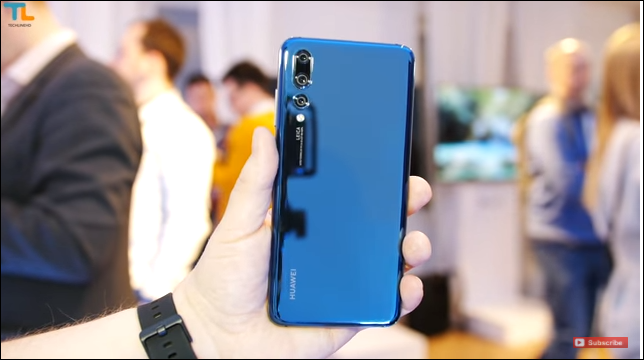
Huawei P20 Pro was finally launched today in Paris, France. Even before the official launch, the real P20 Pro had popped up online in several hands-on video reviews. Several of the videos were created by different YouTubers across Europe. Since the U.S isn’t working, Huawei seems poised to focus her attention on Europe. With devices like the P20 Pro and Mate 10 Pro, the company is heading for the skies. We bring you one of the YouTube videos created by TechLineHD.Huawei P20 Pro

The Huawei P20 Pro comes with a sleek design which sadly has the notch on top of the full-screen display. The device uses a curved glass body at the front and rear. The rear aspect is where much of the excitement lies. The P20 Pro packs a triple camera setup at the rear with a LED flash, all arranged in a vertical plane. The rear camera has the Leica badge which means they were co-designed with German camera maker Leica. We’d have to wait to see some more samples to know how the camera fares. But the video review shows it sure comes with good promises for photography lovers. You can check out the video from below.

The Huawei P20 Pro features a 6.1-inch OLED display with a 19:9 aspect ratio. It packs a combination of a 40MP, 8MP, and 20MP sensors on its back, and a 24MP selfie camera. It also comes with 128GB of storage and a 4,000mAh battery.

(source)

Porsche Design Huawei Mate RS Launches With Triple Cameras, Dual Fingerprint Scanners & 512GB Storage

Huawei just wrapped up its Paris event and the final product announcement, the Porsche Design Huawei Mate RS is the one you will most likely be talking about for weeks to come.

Porsche Design Huawei Mate RS featured

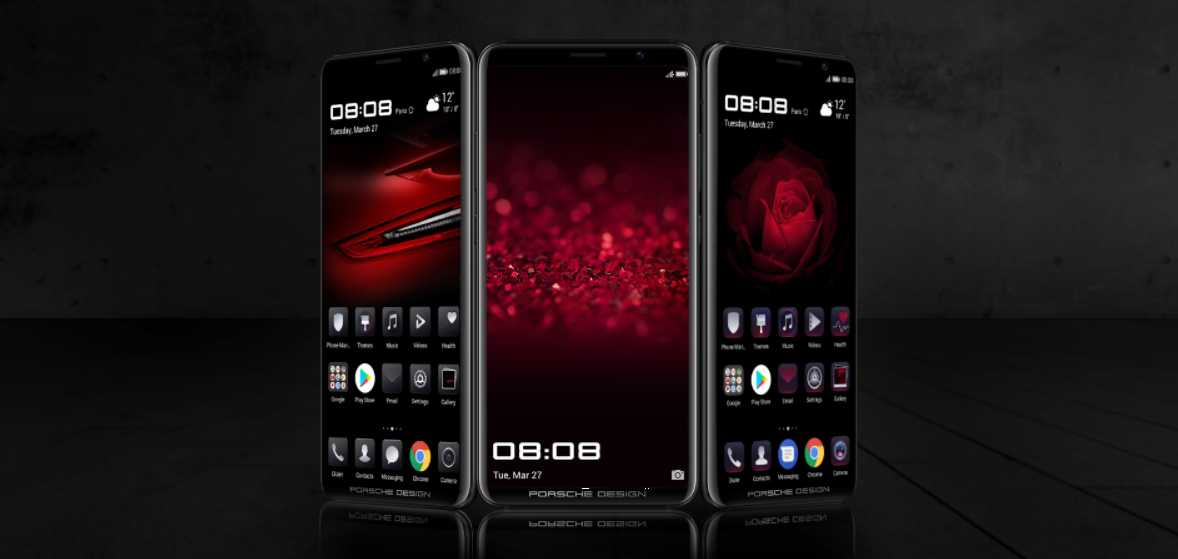
The Mate RS is a beautiful phone. There is no arguing about that. Huawei says its design is inspired by the Porsche 911 and that is evident from all the curves on its body. It has 8 curves in total like the Honor Magic but is much more better looking and easier to hold.

The display is full-screen but there is no notch and the bezels are small but not too small. The top is home to the earpiece, sensors, and front camera while the bottom has the Porsche Design branding.

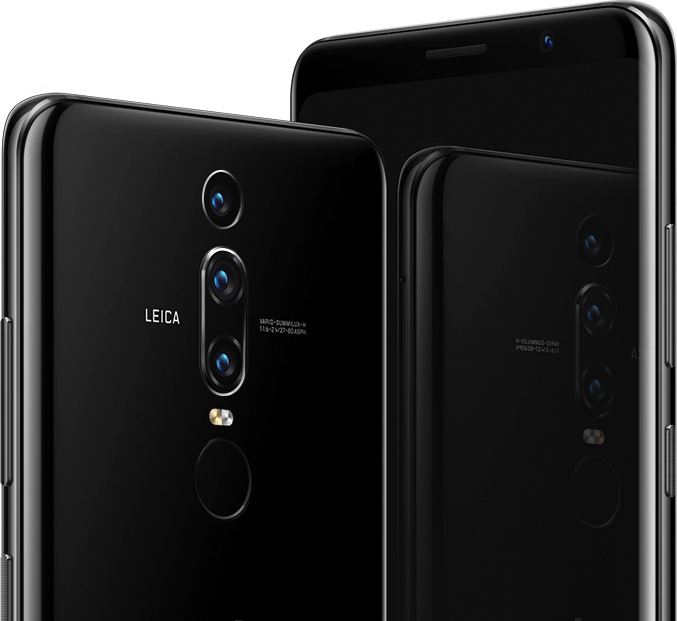
Like the Huawei P20 Pro, it also has Leica branded triple rear cameras. However, they sit in the middle of the phone in a straight line with the LED flash and fingerprint scanner. Huawei’s logo sits at the bottom.

Huawei Mate RS Specs

The Mate RS has a 6” FullView OLED display with a 2880 x 1440 resolution. It has a high contrast ratio of 90000:1 and a 538 ppi.

Huawei’s Kirin 970 powers it and it is paired with 6GB of RAM and for the first time in a smartphone, 512GB of storage. There is also a 256GB version.

Porsche Design Huawei Mate RS cameras

The rear cameras are a 40MP f/1.8 RGB sensor paired with a 20MP f/1.6 monochrome camera and an 8MP f/2.4 telephoto lens. There is PDAF, CAF, laser, and depth auto focus. It also has 5x hybrid zoom, AI image stabilization, and 960fps super slow motion recording at 720p.

The front camera is a 24MP f/2.0 fixed focus camera. There is also support for face unlock.

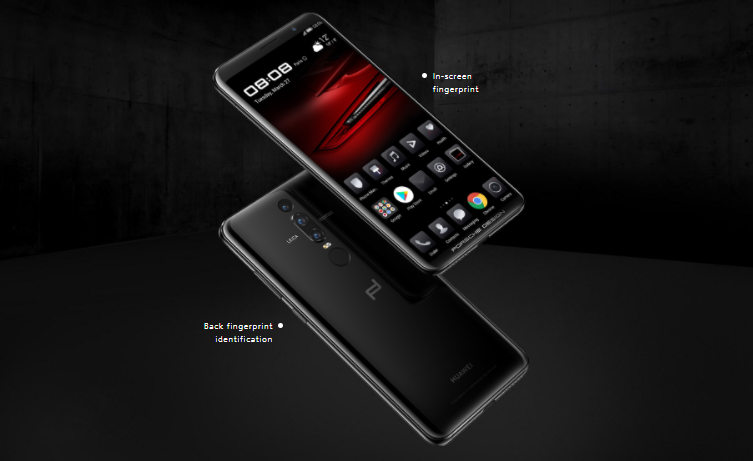
If you think 512GB of storage and triple rear cameras are the only tricks up the sleeves of the Mate RS, then you are mistaken. There is another fingerprint scanner underneath the display. Yes, so you can choose between using the front fingerprint sensor, face unlock, or the rear-mounted fingerprint scanner.

Porsche Design Huawei Mate RS dual fingerprint

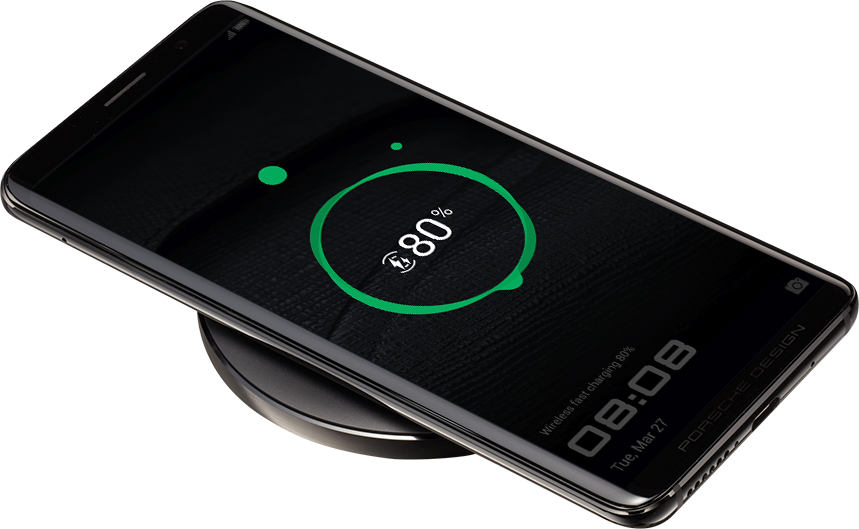
The Porsche Design Huawei Mate RS has an IP67 rating and support for wireless charging. It doesn’t have an audio jack but it has stereo speakers. There is a USB-C port with Display Port 1.2, Bluetooth 4.2 with aptX HD and HWA Audio, dual band WiFi, and dual SIM support.

The phone packs a massive 4000mAh battery and runs Android 8.1 Oreo with EMUI 8.1. It weighs 183g and is 8.5mm at its thickest.

Porsche Design Huawei Mate RS Wireless Charging


READ MORE: Honor 7A Launching April 2, Poster Teases Dual Cameras and Stereo Speakers

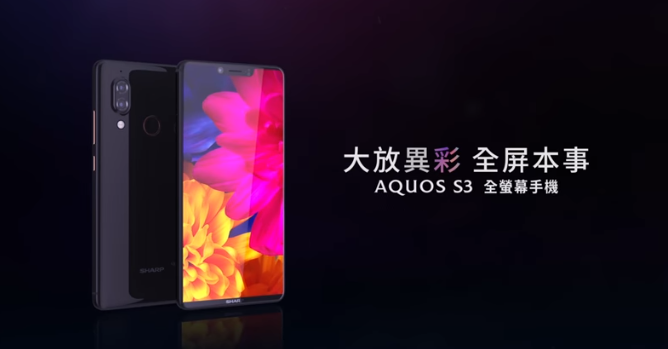
Sharp Aquos S3 Official: A Bigger Aquos S2 With A Bigger Notch

Last August, Sharp Announced the Aquos S2 – a full-screen phone with a notch like that of the Essential PH-1. Seven months later, Sharp has launched a successor, the Aquos S3, with a notch like that of the iPhone X.

Sharp Aquos S3

Design

The Aquos S3 is a mixture of new features and some design elements from its predecessor. The bottom bezel that is home to the fingerprint scanner on the S2 is now smaller to make way for the bigger 6.0” display. This gives the S3 a screen-to-body ratio of 91%.

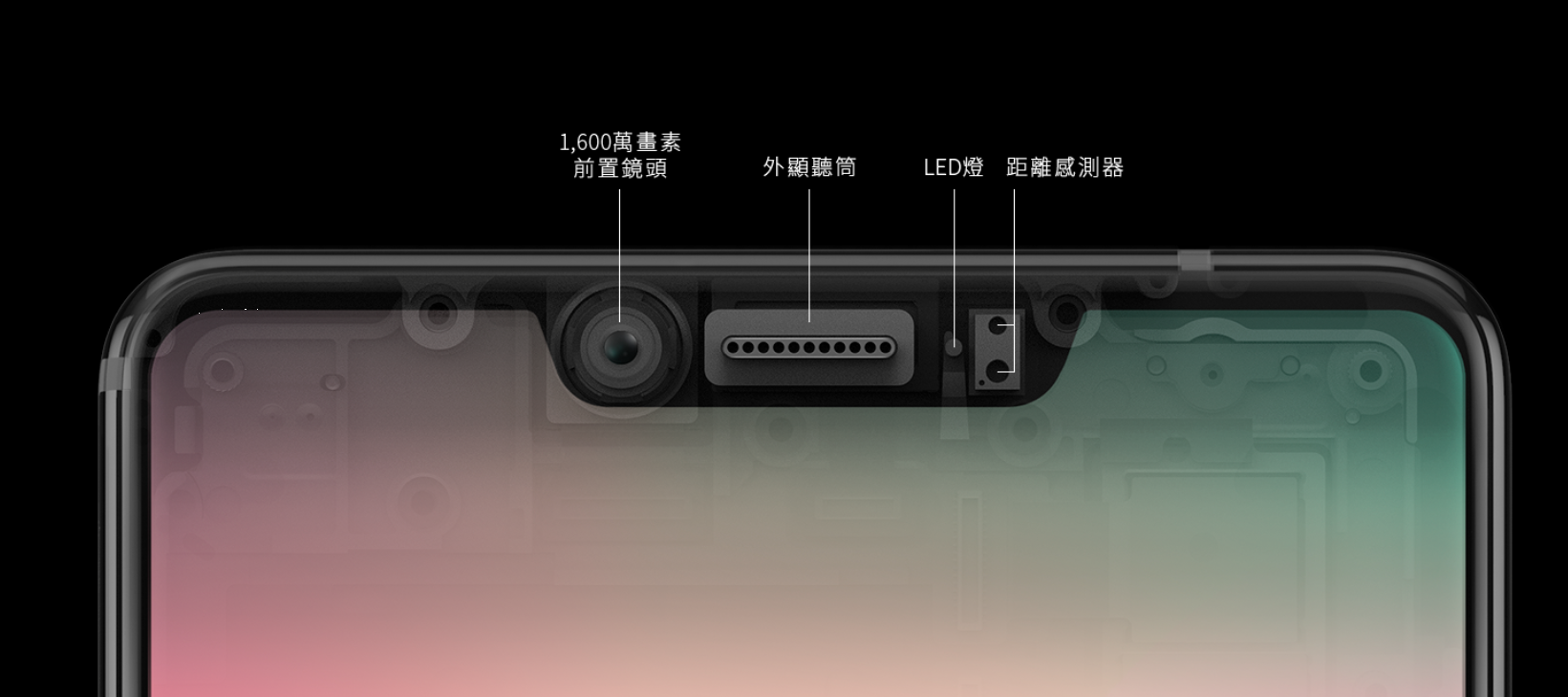
The circular notch has also been replaced with a larger cut-out that houses a front camera, earpiece, notification LED, and sensor. And on the rear, the brushed metal back has been replaced with 3D curved glass. It keeps the dual camera design and is the new position for the fingerprint scanner.

Sharp Aquos S3

Specs

The 6” display has a 2160 x 1080 resolution with up to 550 nits of brightness. Qualcomm’s Snapdragon 630 makes a comeback and it is paired with 4GB of RAM and 64GB of storage.

The dual cameras are a F/1.75 12MP wide angle lens and a 13MP telephoto lens with 2x optical zoom. Beneath the camera setup is the LED flash and to the right is a fingerprint scanner with gold accent.

There is also a 16MP 1.4μm camera in front for selfies and features like AI selfie for portrait images and AI beauty mode. Sharp also throws in face unlock.

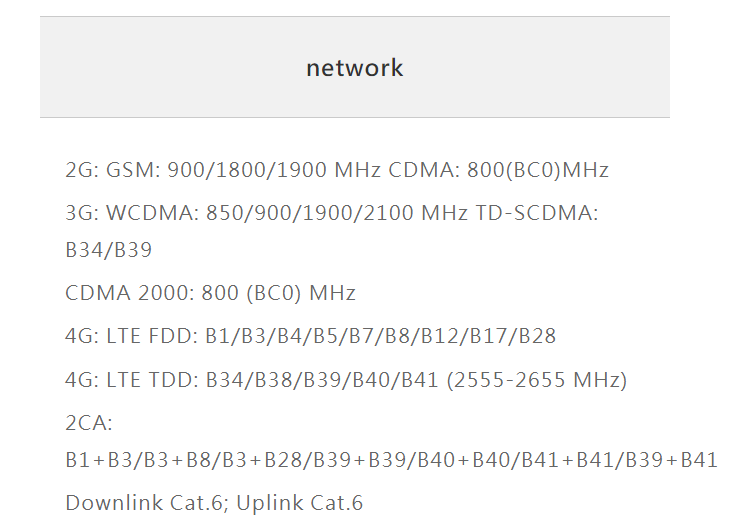
Under the glass back is a 3200mAh battery with support for QC 3.0 18W fast charging via a USB-C port. There is MicroSD card support for storage expansion (128GB) via a hybrid dual SIM slot (nano only). The Aquos S3 also has support for 14 LTE bands, VoLTE, and VoWiFi. It doesn’t have a 3.5mm audio jack.

Sharp Aquos S3

The phone runs Android 8.0 with Sharp’s Smile UX on top. Smile UX has features like app lock, private space, game mode, and a simple desktop mode for older users.

READ MORE: Sharp Aquos S3 Mini Launched with Notched Screen, Snapdragon 630, 6 GB RAM and 1,599 Yuan (`$252) Pricing

Xiaomi Mi Mix 2S Hands On: A Redesigned & More Powerful Mix 2 in Pictures

Xiaomi Mi Mix 2s was one of the most anticipated smartphones expected to launch in the first quarter of this year and indeed the device could be said to have lived up to expectations. Xiaomi announced the Mi Mix 2S in a ceremony held in Shanghai today (March 27) and already here are a couple of hands-on pictures of the Mix 2s.

As you would have known already, the Xiaomi Mi Mix 2s looks very much like the Mi MIX 2.  Except that the bottom bezels are slightly reduced but with the selfie camera at the bottom right corner. The upper bezels is also reduced and there is an earpiece in the middle. The body is crafted using a 7000-series aluminium frame and four-sided curved ceramic body. The device comes in Black and white colors. While the Black color has a silver accent around the dual cameras, the White variant sports a silver accent. The device also comes packaged in the same retail box as the Mi Mix 2s.Xiaomi Mi Mix 2s

Read Also: Xiaomi Mi Mix 2S Scores High On DXOMark: Same As iPhone X But With Better Bokeh!

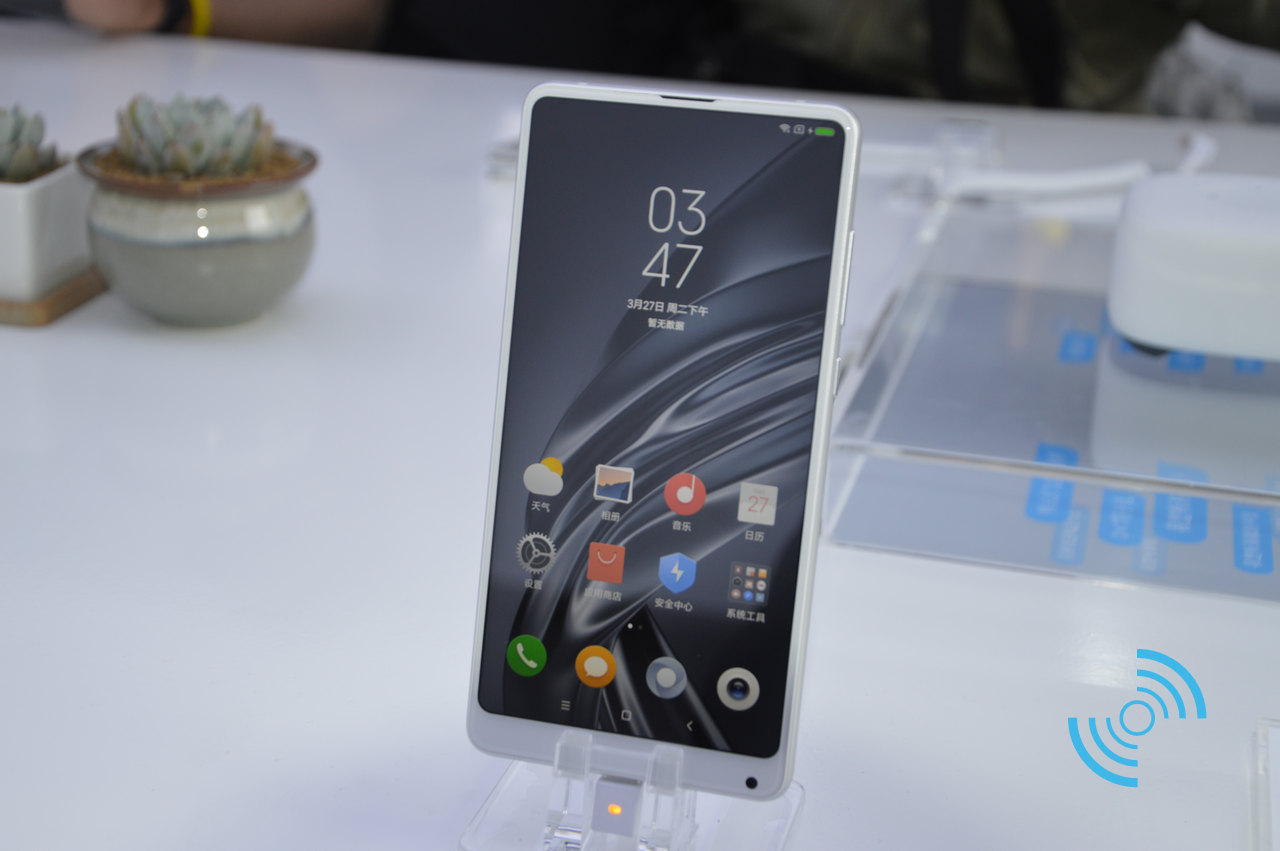
The Mi Mix 2s still uses an LCD display measuring 5.99 inches and have an FHD+ resolution of 2160 x 1080 pixels. The device features an 18:9 display aspect ratio with support for DCI-P3 color gamut. However, the screen-to-body ratio is higher on the Mix 2s since the bezels take some more reduction.All this with a starting price of 3299 Yuan (~$527) for the 6GB RAM + 64GB ROM version. The device also comes with a wireless charging pad priced at 99 Yuan ($15). Check out some more photos of the device below.

(source)

[envira-gallery id=”181675″]

Xiaomi Mi Mix 2S Scores High On DXOMark: Same As iPhone X But With Better Bokeh!

Xiaomi just went official with the much-anticipated Mi Mix 2S flagship and indeed the device doesn’t disappoint in terms of the hardware it packs. Xiaomi is sure eyeing the international market so, it is no surprise that the MiMix 2s found its way into the hands of the guys at DXOMark in order to rate the device’s cameras.Xiaomi Mi Mix 2S

Indeed, the Mi Mix 2S cameras didn’t disappoint in the ranking as the device sits among the top 5 models currently ranked by DXOMark. The Mi Mix 2S scored 97 points on the DXOMark rating and this is at par with the score of the iPhone X and Huawei Mate 10 Pro. Well, the Galaxy S9+ still sits atop the charts with 99 points and the Google Pixel 2 XL with 98 points is at the second spot. The Mix 2S’ score beats that of the iPhone 8 Plus, iPhone 8, Galaxy Note 8 and Google Pixel. Xiaomi Mi Mix 2S

The Mi MIX 2S camera aspect is taken care of by a vertically aligned dual rear camera setup. The camera consists of a 12-megapixel Sony IMX363 wide-angle lens with an f/1. 8 aperture and 1.4um pixel size. This is paired with a 12-megapixel telephoto lens with support for up to 2x optical zoom. The dual rear cameras can capture impressive bokeh effect shots by effectively blurring the background and focusing more on the subject. This is evident on the DXOMark sample shots showing a better Bokeh performance than the iPhone X. The dual rear cameras are enabled with features like dual-pixel autofocus, dual-tone LED flash and 4-axis optical image stabilization. The camera also comes with multi-frame image processing for noise reduction and this ensures that images shot in low-light conditions are captured with rich details. Up front, there is an 8-megapixel selfie camera that is also capable of dishing out Bokeh shots through AI. Xiaomi Mi Mix 2s

Read More: Xiaomi Mi MIX 2S is Official with Snapdragon 845, AI Dual Camera for 3,299 Yuan (~$527)

The Mi Mix 2S may not have launched with an awesome surprise on its design angle but the improvement on the camera is impressive.This is an important step for Xiaomi to go, moving from a phone maker with models having average cameras even on its flagships to this stage where its flagship camera compete with the top brands like Samsung and Apple. It can only keep getting better.

(source)Xiaomi Mi Mix 2SXiaomi Mi Mix 2SXiaomi Mi Mix 2SXiaomi Mi Mix 2S


TENAA: Meizu 15 Has 5.46” AMOLED Display, Meizu 15 Lite Has 5.46” LCD Display

If you missed the full TENAA reveal of the Meizu 15 Plus, you should check it out here first. For those who have already seen that, then you may want to read on for the full specs of the Meizu 15 and Meizu 15 Lite.


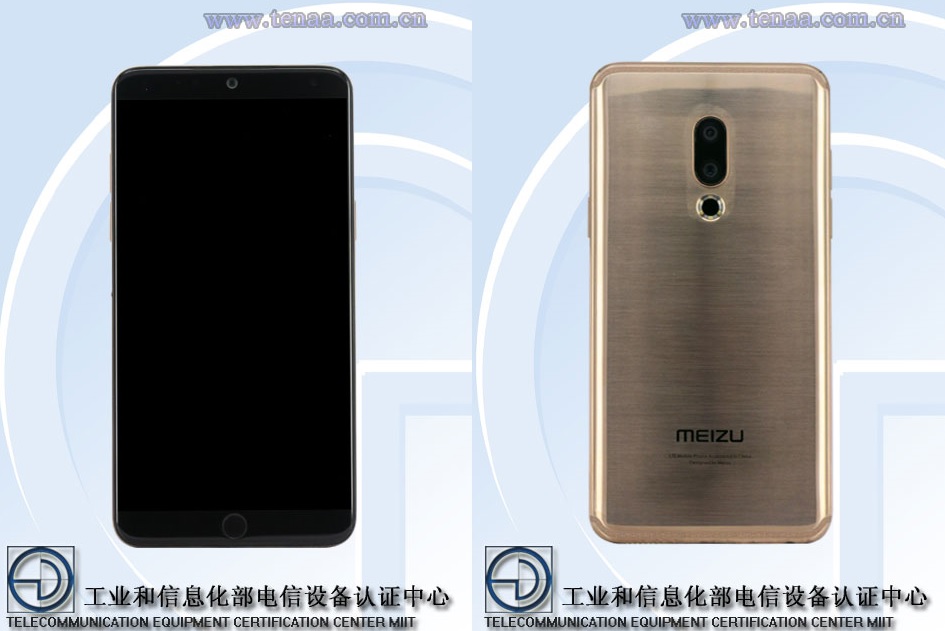
Meizu 15 TENAA

Meizu 15

The Meizu 15 has a 5.46” 1080 x 1920 display and it is AMOLED like that of the 15 Plus. It is powered by a 2.2GHz octa-core processor which is said to be the Snapdragon 660. There is 4GB/6GB of RAM and 64GB/128GB of storage.

The Meizu 15 might be smaller and have a less powerful processor than the 15 Plus but it comes with the same camera configuration – 12MP + 20MP on the rear and 20MP up in front. It also has 3x lossless zoom.

There is Android 7.1.1 on board and a 2,940mAh battery. It also has a fingerprint scanner buried beneath the circular home button. TENAA says it will come in Brushed Black, Ceramic White, Brushed Gold, and Brushed Blue.


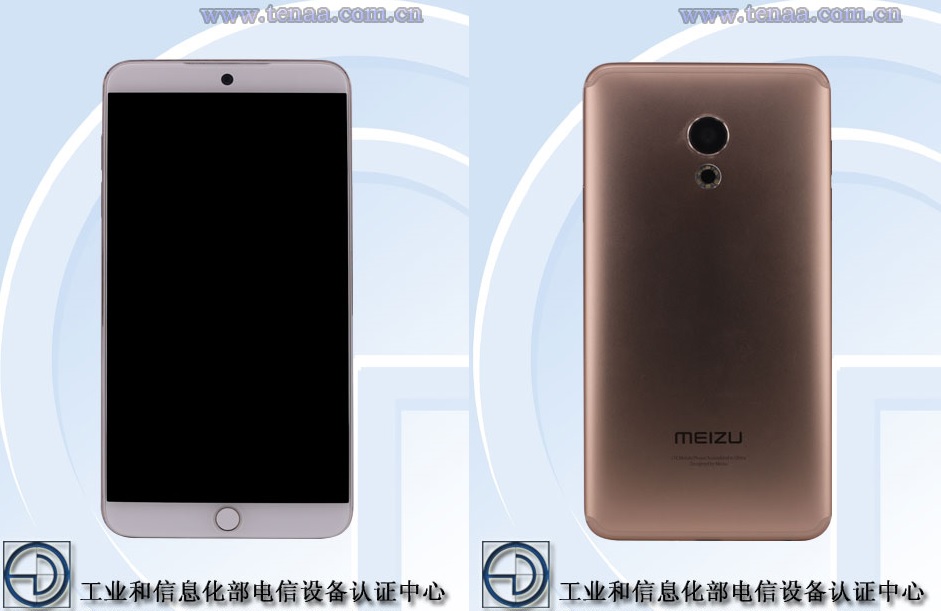
Meizu 15 Lite TENAA

Meizu 15 Lite

The Meizu 15 Lite keeps the 5.46” FHD screen of the Meizu 15 but swaps it for an IPS display. It is also powered by a 2.2GHz octa-core SoC but may not be the Snapdragon 660.

The Meizu 15 Lite will come in 3GB, 4GB, and 6GB RAM variants with 32GB, 64GB, and 128GB of storage. Unlike the other two, there is storage expansion for an extra 128GB.

It has a single 12MP rear camera with a ring flash and a 20MP front facing camera. It also runs Android 7.1.2 Nougat and has a fingerprint scanner.

READ MORE: Meizu’s New Blue Charm Models Will Be Designed By Founder Jack Wong