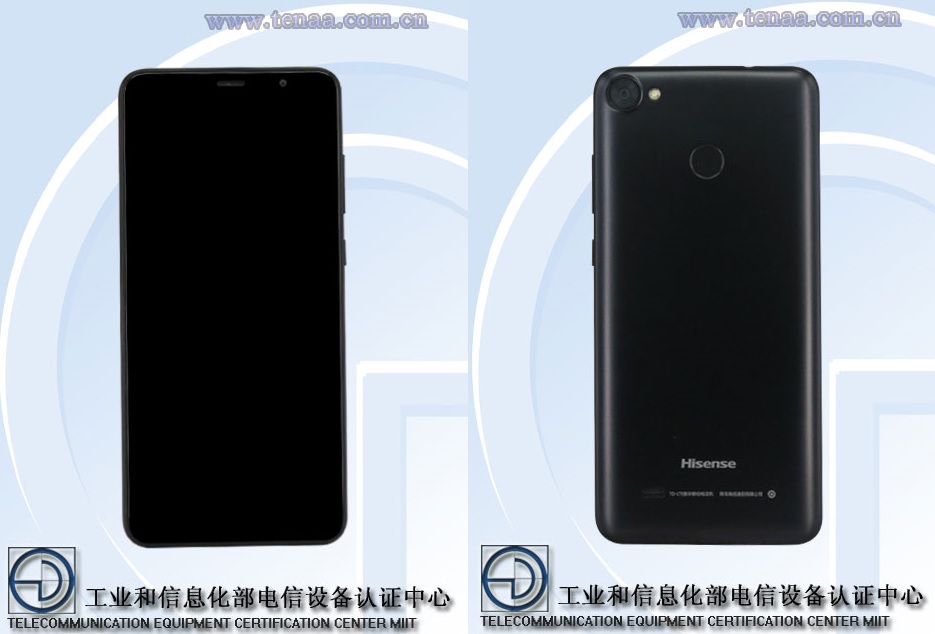
Hisense kicked off the year with the launch of the Hisense H11, a mid-range phone with a familiar design and interesting specs. A new TENAA listing hints at a new smartphone on the horizon. The Hisense HLTE212T was registered on the database on Monday and its specs put it in the lower mid-range category.
The phone has a 5.99” display with a 720 x 1440 resolution. It has 3GB of RAM, 32GB of expandable storage, and a 1.4GHz quad-core processor. This is most probably the Snapdragon 425.
The Hisense HLTE212T has a single 13MP rear camera and a 8MP front facing camera. It runs Android 7.1.2 Nougat and supports up to 128GB of external storage. It has a rear-mounted fingerprint scanner and packs a 3000mAh battery.
[envira-gallery id=”173461″]
The images provided are of a matte black variant but the listing mentions a gold variant too. Buttons are on the right, SIM tray on the left, and an audio jack sits at the top.
Google announced Android Go at Google I/O last year. This version of Android is lightweight and specially made for phones with entry level specs. The OS which is also known as Android Oreo (Go Edition) has already been released to OEMs nut none has officially announced a device yet. HMD Global used to be the only manufacturer known to be working on an Android Go phone (Nokia 1) but it appears ASUS also has one in the pipeline.
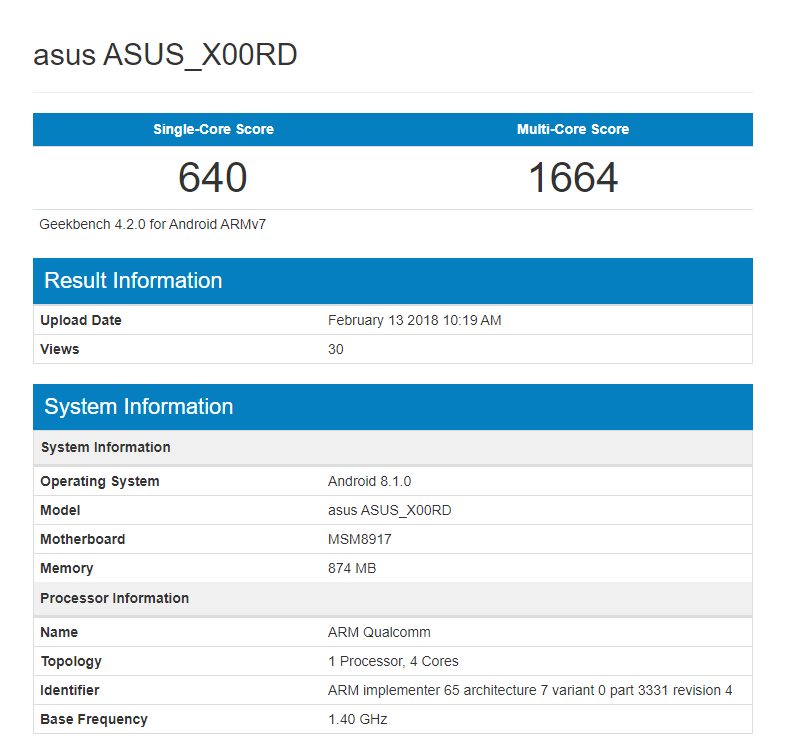
A new ASUS device has been seen on Geekbench and its specs point at it being an Android Go smartphone. Benchmarked as the ASUS X00RD, the phone runs Android 8.1 which Android Go is based on and has 1GB of RAM.
It is powered by Qualcomm’s MSM8917 a.k.a. Snapdragon 425 which is a quad-core chip clocked at 1.4GHz. The 28nm processor supports a maximum display resolution of 1280 x 800 which means when it launches, it should have a HD display.
Benchmark scores for the ASUS X00RD are low but not surprising since it is an entry level device. It scored 640 points in the single-core test and 1664 points in the multi–core test.
A lot of specification details are still missing but there is a chance we might see this device launch at MWC 2018. We actually even thought of a name already – ASUS Zenfone Go (2018). It could be a sort of successor to 2015 and 2016’s Zenfone Go plus it rhymes with Android Go.
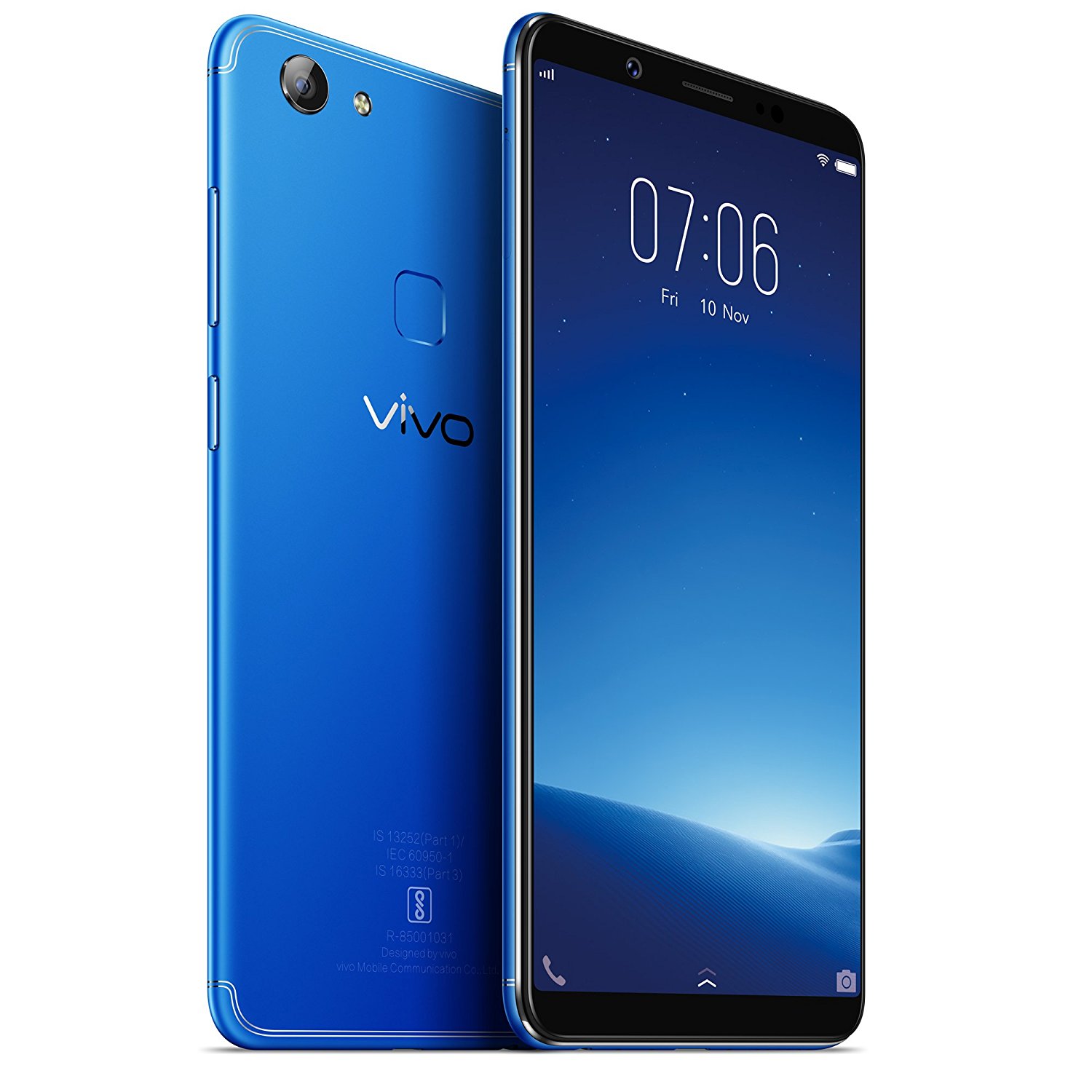
Vivo first unveiled the Vivo V7+ in India as its first model with an 18:9 aspect ratio that would be sold in the local market in September last year. The tech giant later took the wraps off the smaller variant – Vivo V7 a couple of months later. The smartphones came with a selfie-focused outlook and despite packing a Fullview display, both had an HD+ display resolution. Both devices have faced stiff competition for their budget outlook from other Chinee rivals like Xiaomi.
Vivo recently announced that the first set of variants of the V7 and V7+ would get price cuts. Also, a few new limited edition variants of both the devices were announced, all in a bid to shore up sales. Vivo is said to have also slashed the profit margins for its offline retailers by over 40% and this has led to the loss of more than 10,000 retailers in a short while. A source disclosed exclusively to Phoneradar that Vivo also plans to discontinue both the Vivo V7 and V7+ smartphones in the Indian market.
The decision to discontinue the V7 and V7+ in India may be unconnected to the uninspiring performance since they were launched. Instead, the Chinese tech company is said to be planning the launch of two new models featuring the same FullView 18:9 display. As at this moment, there is no detail available on the two new models that would be launched by Vivo. But it is unlikely the company will launch the models exclusively in India. We may likely see the devices launched in China before hitting India. Already, we have had a couple of leaks concerning Vivo models with full-screen design and in one case a screen-to-body ratio almost at 100%.
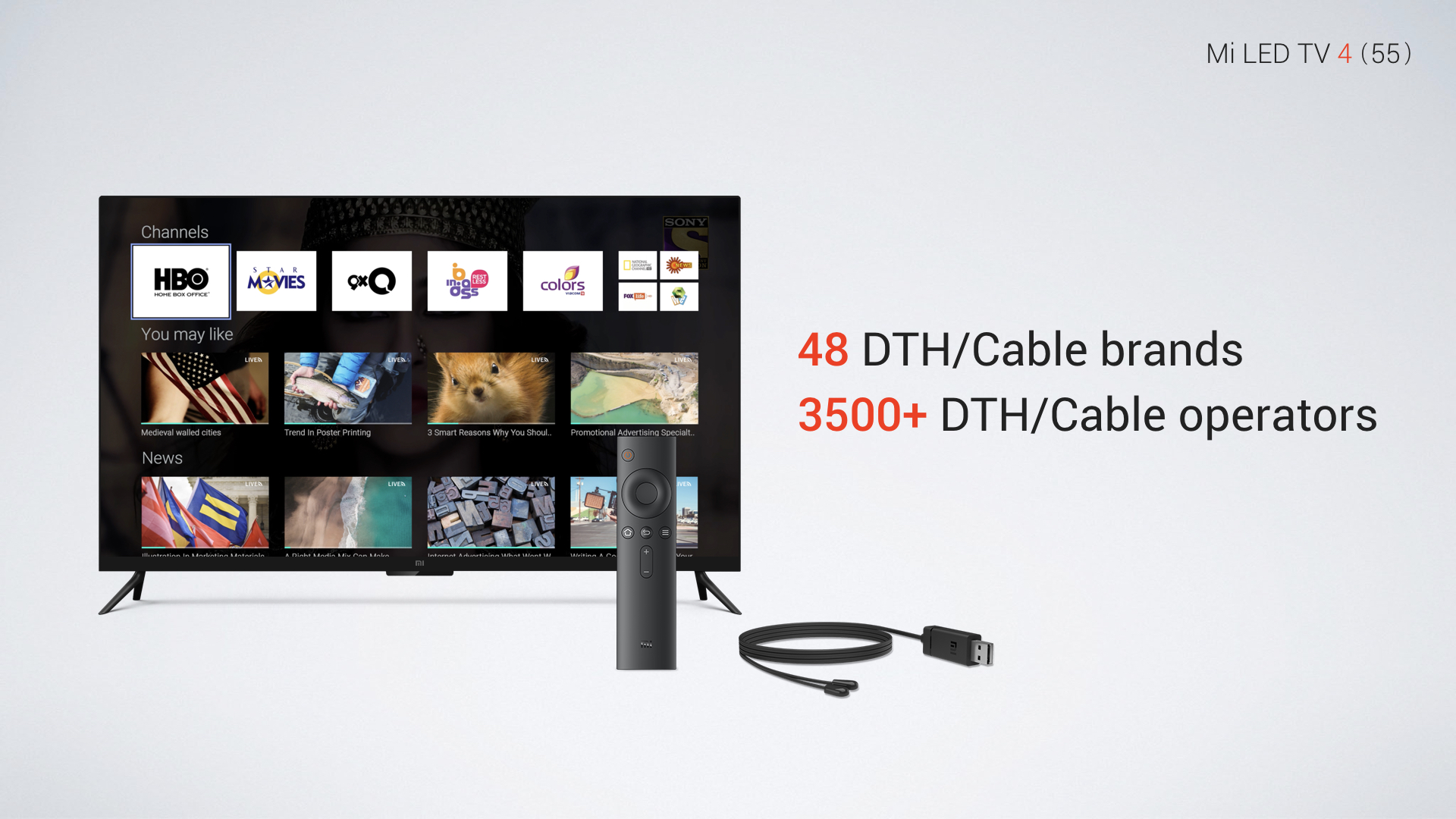
Xiaomi announced the Redmi Note 5 and Redmi Note 5 Pro in India today. It also launched the Mi LED TV 4 for the Indian market.
The TV launched in China nearly a year ago as the Mi TV 4 but in three sizes – 49”, 55”, and 65”. However, India is getting only the 55” variant and without the sound system.
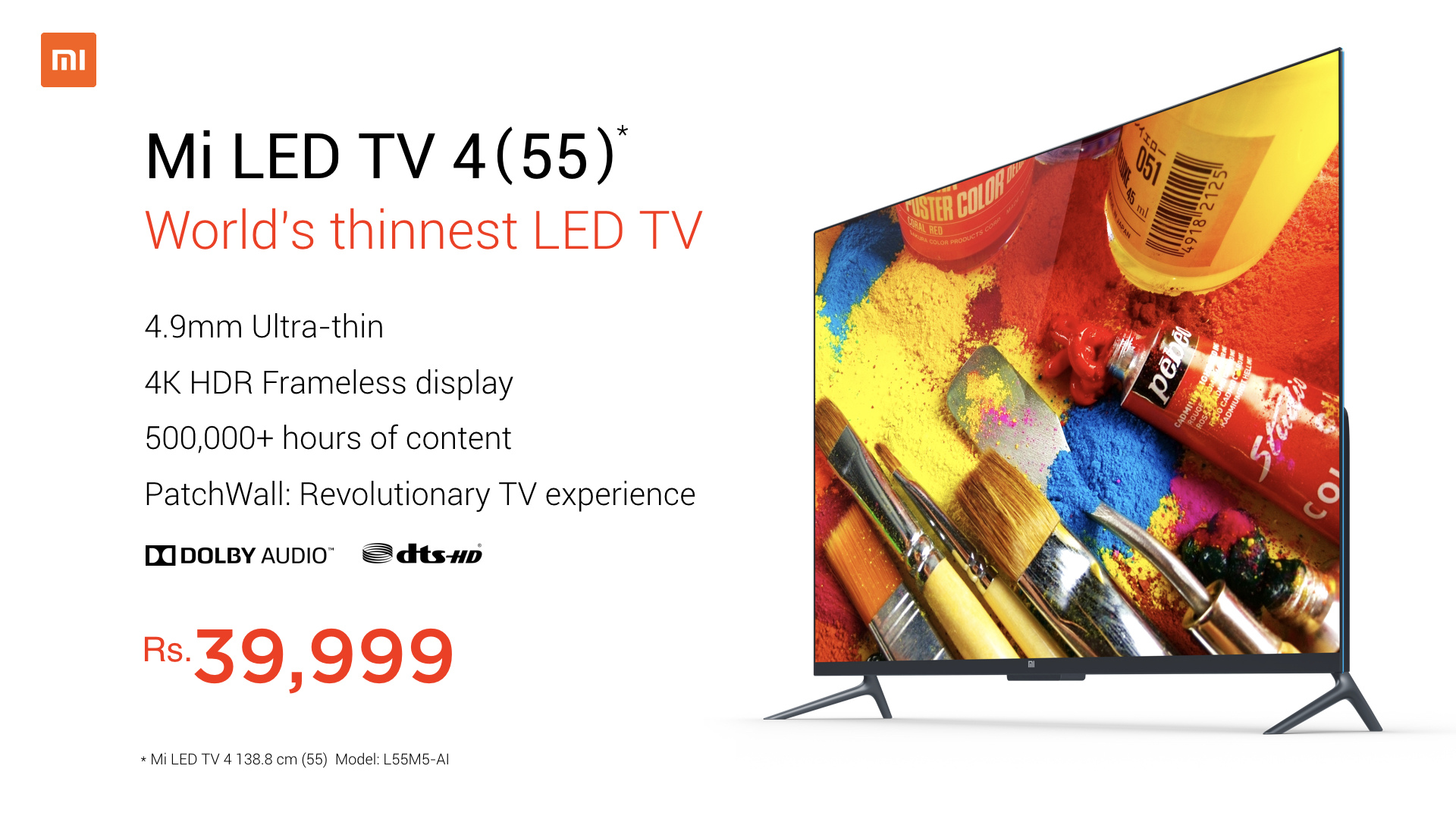
The Mi LED TV 4 has a number of cool features. First, it’s the thinnest LED TV in the world with a thickness of just 4.9mm. It also has really thin bezels giving it a sort of frameless design. And since it is a smart TV, there are lots of contents for all the members of the family, irrespective of age.
The Mi LED TV 4 also comes with PatchWall, a custom TV OS for the Indian market that integrates your set-top box with the UI of the TV. All the TV stations from the set-top box complete with logos will be shown on the homepage of the TV. So you can switch easily between online TV to content from your box
And with the Mi IR cable, all you need is the Mi TV bluetooth remote to control both the box and the TV. Xiaomi says PatchWall supports all the major set-top boxes in India which are about 48. It also says it collaborated with Indian company, Sensara Technologies for PatchWall.
The TV has a 4K UHD resolution with support for Dolby Audio and dts-HD. For connectivity, the TV has three HDMI ports, two USB ports, an ethernet port, Bluetooth 4.0 LE, and dual band WiFi. It also has 2GB of RAM, 8GB of storage, and a 64-bit Amlogic quad-core processor.
The Mi LED TV 4 will sell for Rs. 39,999 (~$624) and will be available on Mi.com, Flipkart, and Mi home. It will also be available in offline stores later. First sale is on February 22.
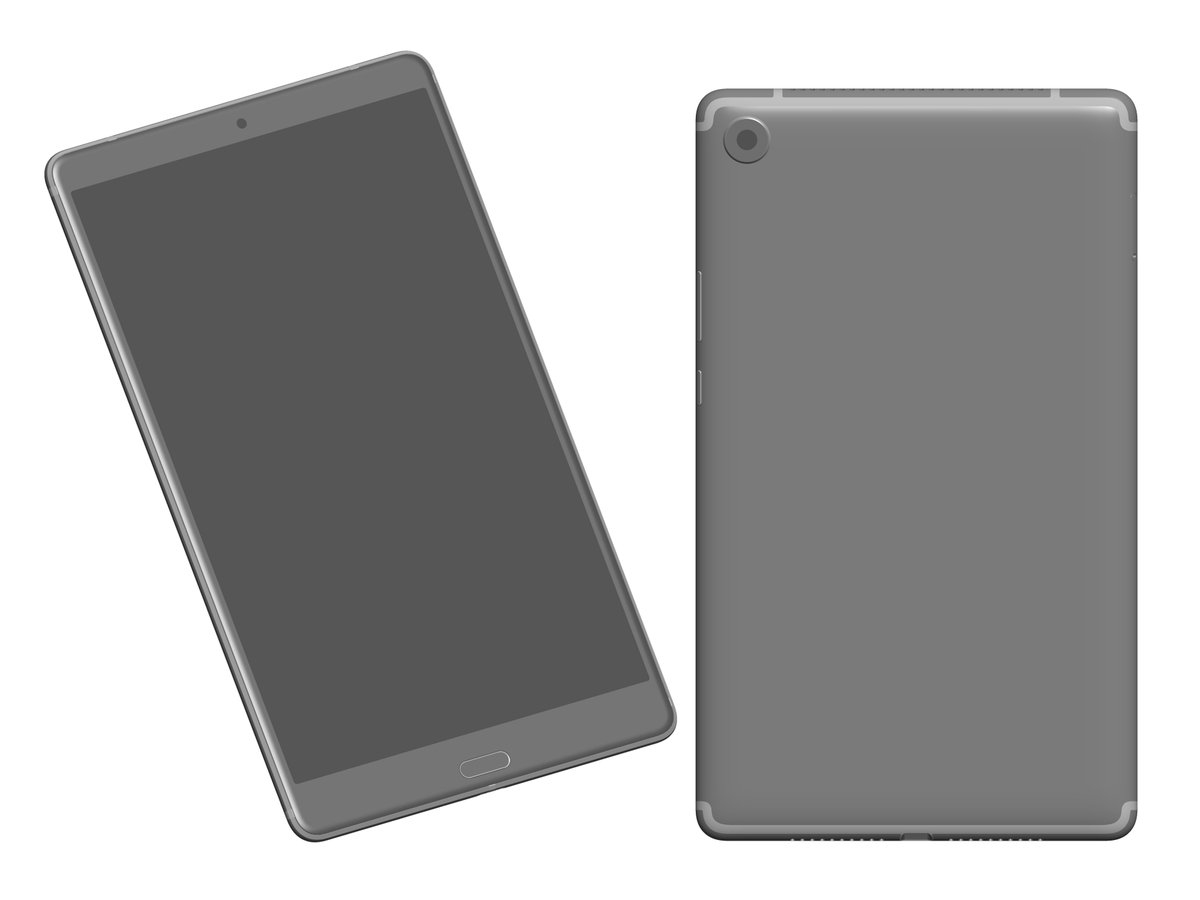
Huawei is expected to new Matebook and MediaPad M5 tablets at the press event on Feb. 27 at the Mobile World Congress (MWC) 2018 tech expo. Well-known tipster Roland Quandt has revealed the different storage variants of MediaPad M5 along with their pricing.
According to Quandt, there will be three variants of the MediaPad M5 such as MediaPad M5 8, MediaPad M5 10 and MediaPad M5 10 Pro. The smallest among these is the MediaPad M5 8. It is codenamed as Schubert and its model number is SHT-XXX. It will be coming with a native storage of 32 GB and 4 GB of RAM. Its Wi-Fi only model will be priced at 329 euros (~$407) whereas the LTE model would be costing 380 euros (~$470).
The MediaPad M5 10 is codenamed as Cameron has a model number of CMR-XXX. It will be arriving with a native storage of 32 GB and 4 GB of RAM. The Wi-Fi only model of the MediaPad M5 10 is expected to be priced at 379 euros (~$469). Its LTE variant would be carrying a price tag of 420 euros (~$519).
The advanced MediaPad M5 10 Pro has a codenamed of Cameron Pro. It comes with a higher storage capacity of 64 GB. Like other M5 tablets, this one also features 4 GB of RAM. This tablet will carry support for M-Pen stylus. It is likely to arrive only in LTE edition with a pricing of 520 euros (~$644).
According to previous leaks, the MediaPad M5 8 may feature 8.4-inch display that will support 2560 x 1600 pixels resolution. The Kirin 960 chipset is expected to power the device. It may come preinstalled with EMUI 8.0 based Android 8.0 Oreo. It is likely to be equipped with Cat. 4 LTE modem and USB-C port. It might not feature a 3.5mm audio jack. The SHT-W09 model received approval from the Federal Communications Commission in the previous month. The FCC listing of the tablet revealed that it is packed with a 4,980mAh battery.
The MediaPad M5 tablets will be arriving to replace the MediaPad M3 tablets from last year. The Chinese manufacturer seems to have skipped “MediaPad M4” moniker since the number 4 is considered bad omen in China.
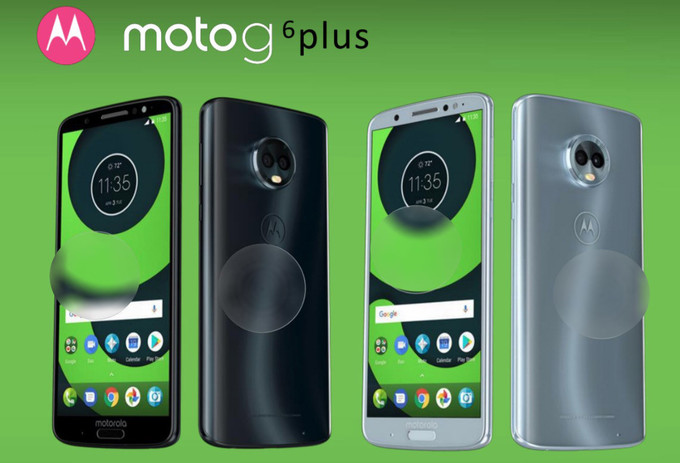
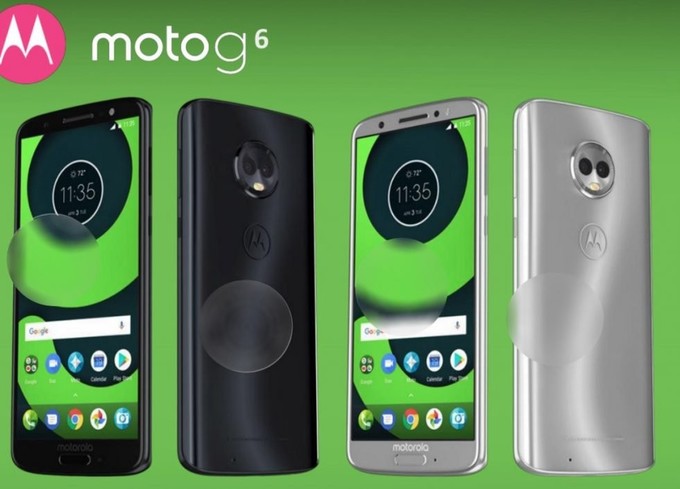
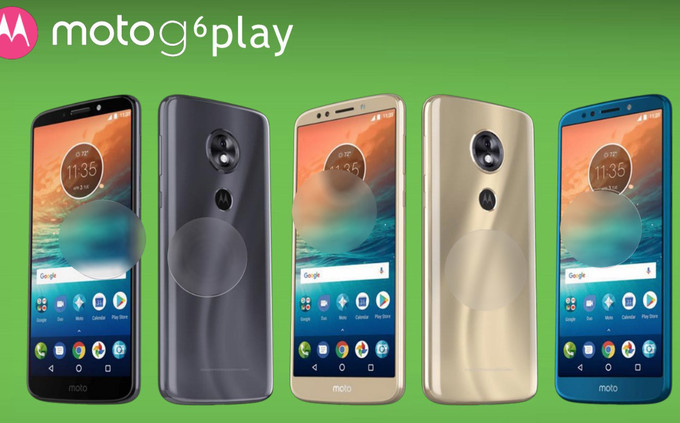
A recent leak revealed the upcoming Moto G6 series lineup, which includes Moto G6, G6 Plus, and the Moto G6 Play. While the previous leak suggested that the device will come with full-screen display and 18:9 aspect ratio.
This has been confirmed by the listing of these devices in the database of HTML5test. It confirms that all three devices will come with a full-screen display with 18:9 aspect ratio. The Moto G6 and G6 Plus will have a screen resolution of 2160 x 1080 pixels while the Moto G6 Play will carry screen resolution of 1440 x 720 pixels.
The G6 Plus model is said to have a 5.93-inch display. As per the report, the phone will pack Snapdragon 630 chipset — the same one that drives the Moto X4 Android One smartphone. It is likely to pack 3GB/4GB/6GB RAM and 32GB/64GB internal storage.
The phone may come with a rear-facing dual camera setup, featuring a 12-megapixel camera sensor and a 5-megapixel sensor. At the front, it is said to come equipped with a 16-megapixel shooter. It will be powered by a 3,200mAh battery along with front-mounted fingerprint scanner.
Previous reports suggest that the Moto G6 will have a 5.7-inch display and will be powered by the Snapdragon 450 chipset — the same chipset that powers Vivo V7+ and Xiaomi Redmi 5. It is expected to arrive in two models — 3GB RAM and 32GB storage and 4GB RAM with 64GB onboard storage.
The phone could come with the same dual camera setup and selfie snapper that will be available on the G6 Plus. The Moto G6 is also rumored to include a front-facing fingerprint scanner and a 3,000mAh battery.
On the other hand, the Moto G6 Play, which is said to carry the model number XT1922, will be powered by Qualcomm‘s Snapdragon 430 processor and will feature a 5.7-inch display showing images at an HD+ resolution of 720 x 1440 pixels.
It is expected to pack 2GB/3GB RAM with 16GB/32GB of internal storage. The phone is said to pack a 4,000mAh battery and will be running on Android 8.0 Oreo operating system.
It is speculated that the Lenovo-owned Motorola is gearing up to launch these Moto G6, G6 Plus and G6 Play phones at the Mobile World Congress later this month.
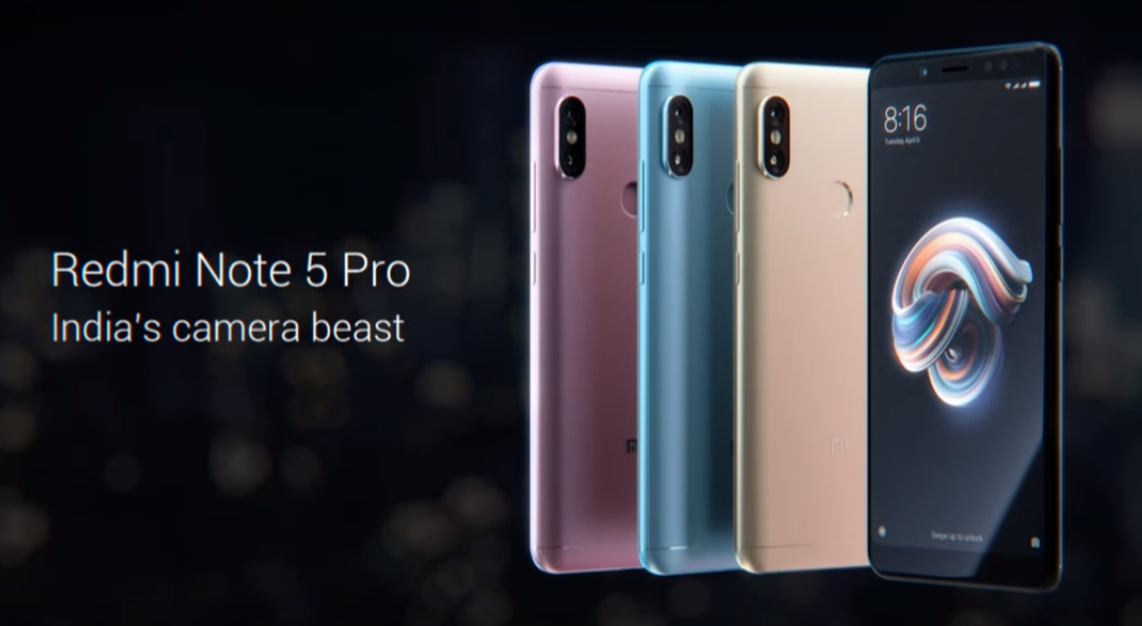
The advanced Xiaomi Redmi Note 5 Pro was also unveiled alongside the Redmi Note 5 today. It is the first Redmi phone to feature 18:9 display and dual rear cameras. Since it comes with stellar rear and front cameras, Xiaomi has dubbed the Note 5 Pro as “India’s camera beast.” Here is all the information available on its specifications, features and pricing
Xiaomi Redmi Note 5 Specifications andFeatures
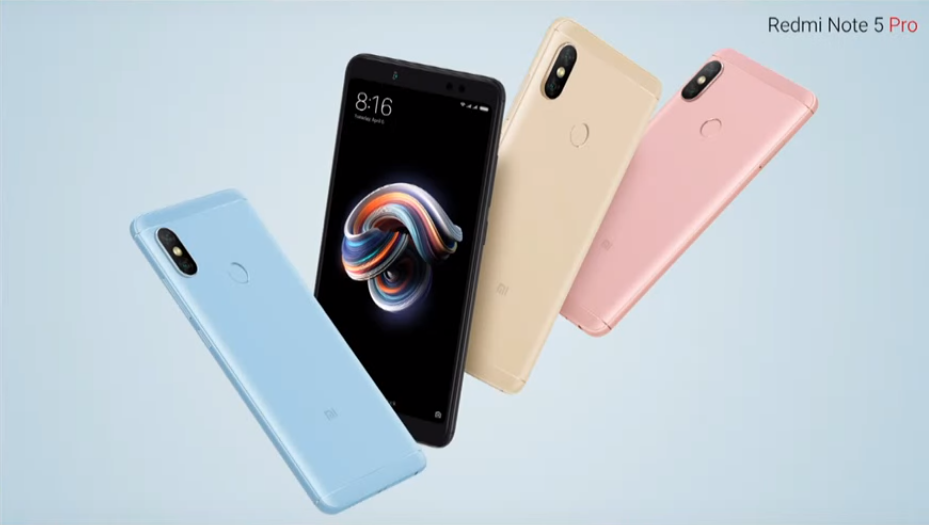
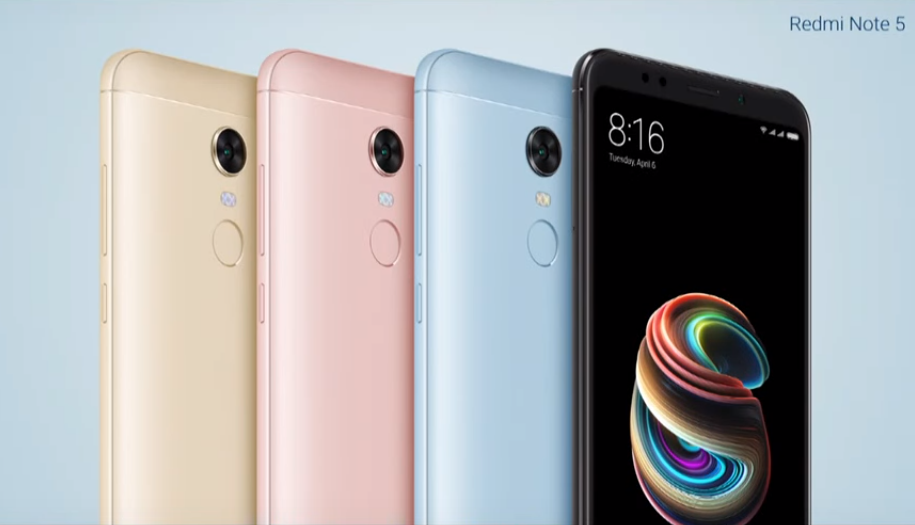
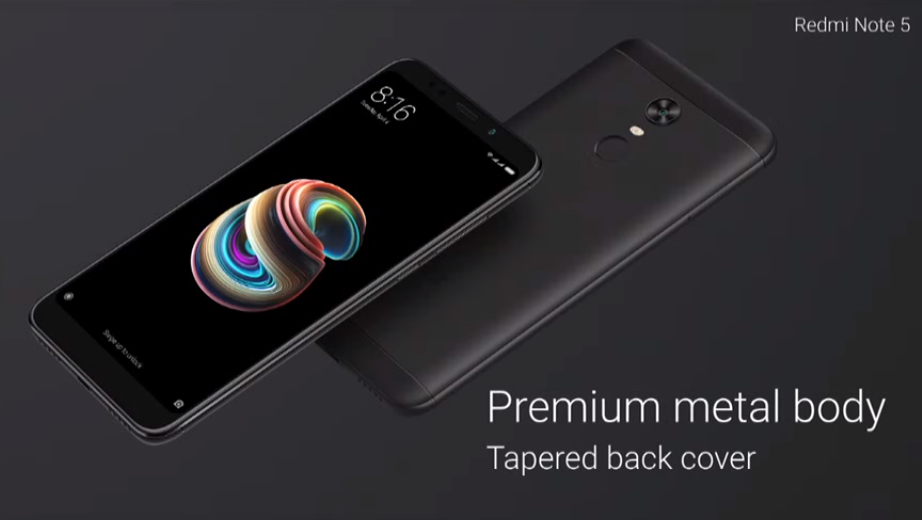
Like the Redmi Note 5, its Pro variant houses a 5.99-inch FHD+ display that offers resolution of 2160 x 1080 pixels. The screen is capable of producing highest brightness of 450nit. The display is placed under a layer of 2.5D curved glass. It features an aluminum unibody design with tapered rear that measures 158.6 x 75.4 and it weighs 181 grams. The thickness of 8.05mm makes it the slimmest Redmi phone. It will be hitting the market in color options like Black, Gold, Rose Gold and Blue.
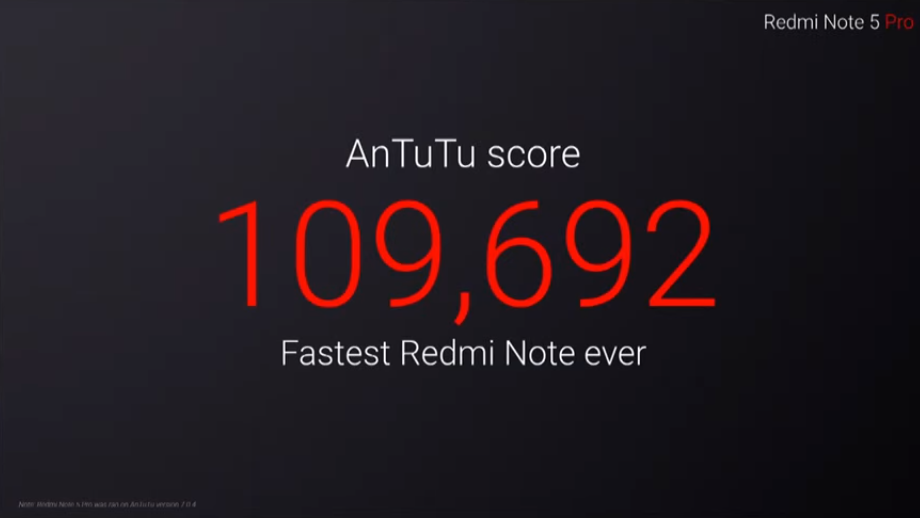
The Redmi Note 5 Pro is the first smartphone ever to be fueled by Snapdragon 636. It is also the first Redmi phone to be driven 6 GB of LPDRRX RAM. The SoC includes Kryo It will be coming in three variants like 4 GB RAM + 64 GB storage and 6 GB RAM + 64 GB storage. Here is a snapshot of the AnTuTu score slide that was shown at the launch of Redmi Note 5 Pro.
A 4,000mAh battery carrying support for 5V/2A charging is present under the hood of the Note 5 Pro. The handset features a rear-mounted fingerprint scanner. It is preloaded MIUI 9 flavored Android 7.0 Nougat OS.
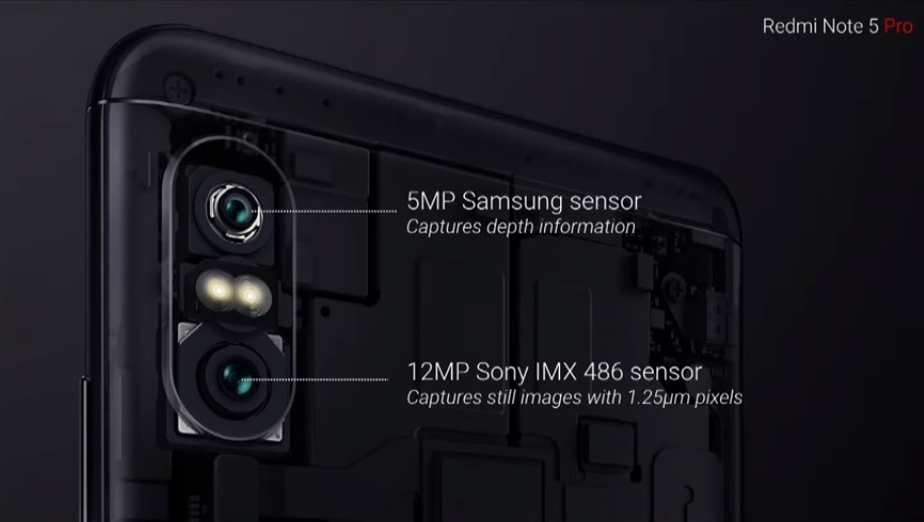
The dual camera setup found on the backside of the Redmi Note 5 features an f/2.2 aperture 12-megapixel Sony IMX486 sensor with a pixel size of 1.25μm and f/2.0 aperture 5-megapixel Samsung sensor with a pixel size of 1.12μm for capturing depth information. Since it is driven by AI -based deep learning algorithm that can accurate detect edge for capturing marvelous portrait shots.
At the launch event of Redmi Note 5, Xiaomi said that the front camera of the phone is even better than rear cameras. The frontside of the Note 5 Pro features 20-megapixel Sony IMX376 camera sensor that is equipped LED flash and Beautify 4.0 for capturing for AI driven beautified photos based on the skin tone of the subject. Xiaomi has optimized the selfie snapper to shoot impressive images in dim-light conditions.
Another cool feature that has been added on the Redmi Note 5 Pro is AI-based Face Unlock feature. It will be made by the end of March. It is equipped with other features like hybrid SIM slot that supports dual SIM and microSD card, 4G VoLTE, Wi-Fi, Bluetooth, GPS, microUSB and 3.5mm audio jack.
Redmi Note 5 Pro Pricing and Availability
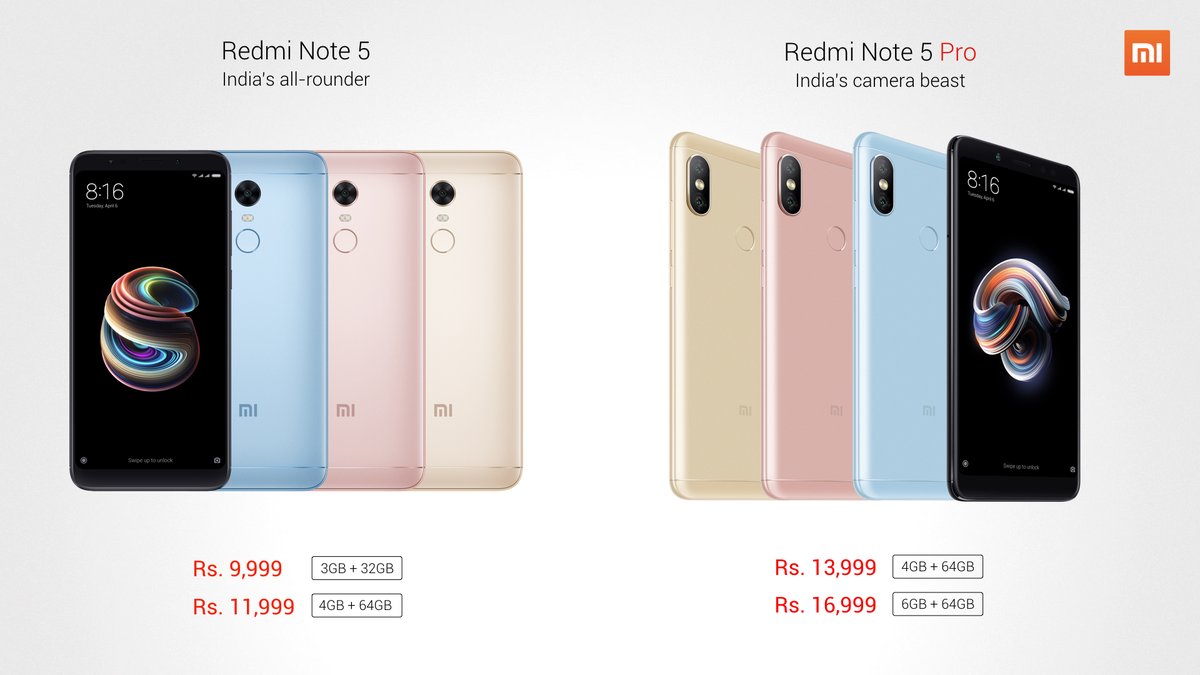
The 4 GB RAM + 64 GB storage and 6 GB RAM + 64 GB storage Redmi Note 5 Pro models are respectively priced at Rs. 13,999 ($218) and Rs. 16,999 ($265). Like the Note 5, the Redmi Note 5 Pro is a Flipkart exclusive phone. It will be available on sale starting from on Feb. 22 through Flipkart, Mi.com and Mi Home stores and also through other offline channels soon. The box package of the phone will include an ultra-slim protective case.
The highly anticipated Xiaomi Redmi Note 5 and Redmi Note 5 Pro smartphones have been officially launched in India. Xiaomi is usually known for unveiling its smartphones first in China and then making it available in India few months later. Last year, the company had launched the Redmi 5 and Redmi 5 Plus in China, but there was no Redmi Note 5. India is the first country to receive the Redmi Note 5 and is advanced sibling Redmi Note 5 Pro.
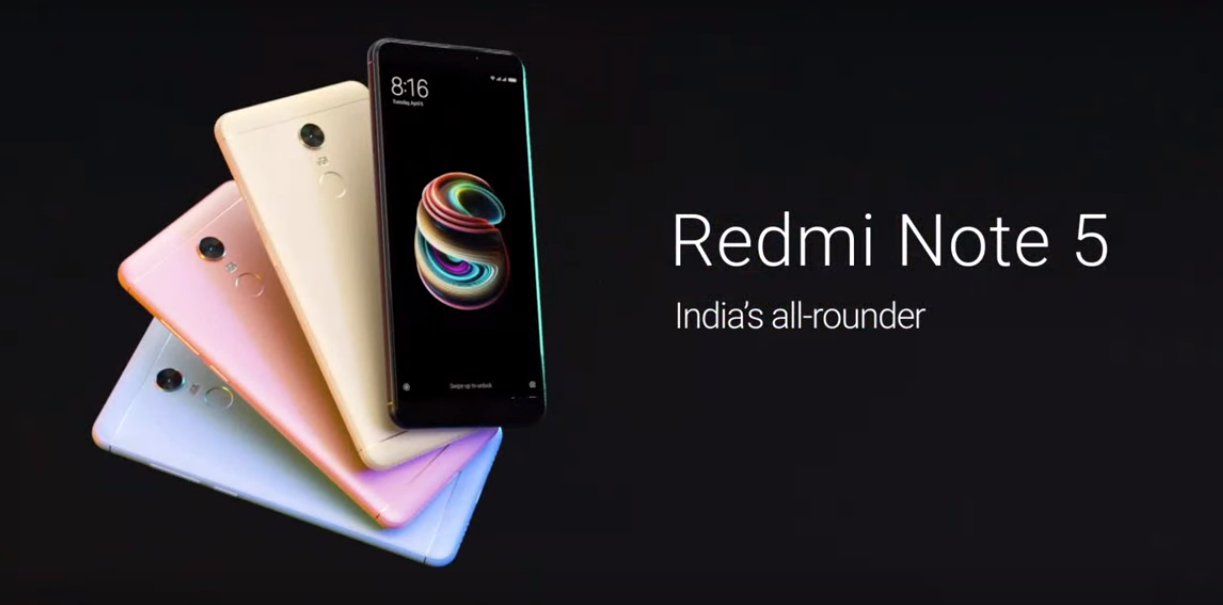
The main highlight of the Redmi Note 5 it is the first 18:9 aspect ratio supporting Redmi phone for India. It comes with a huge battery and a power-efficient processor. Since it comes with compelling features, Xiaomi has dubbed it as “India’s all-rounder.”
Redmi Note 5 Specifications and Pricing
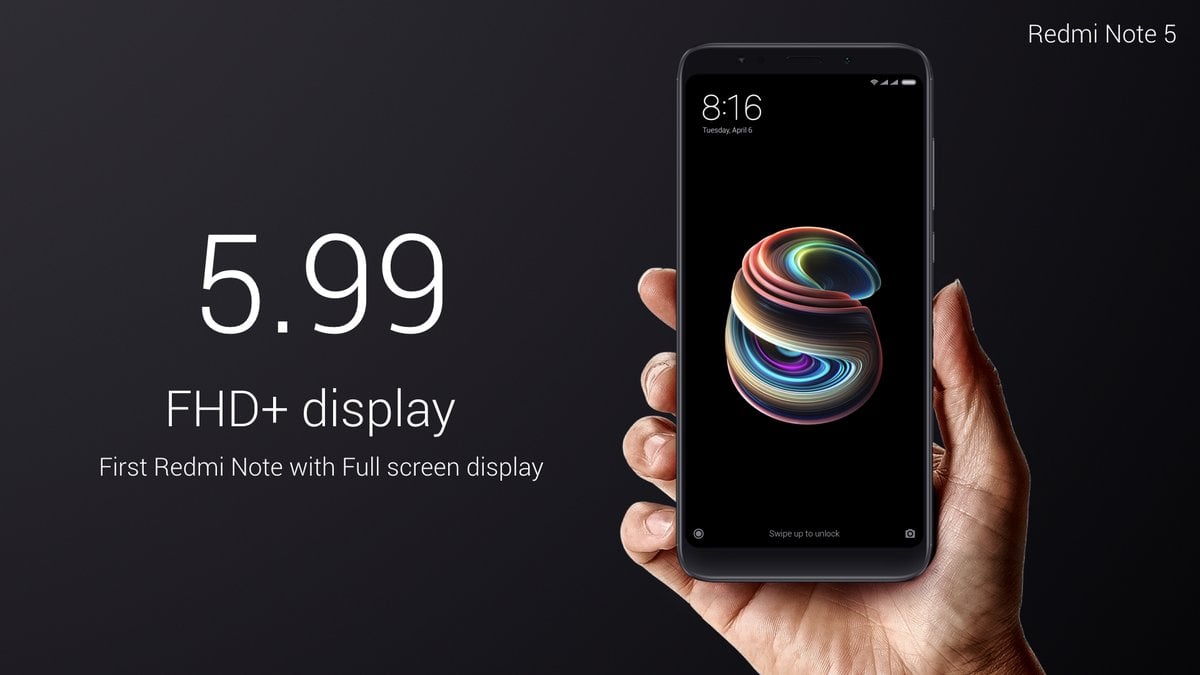
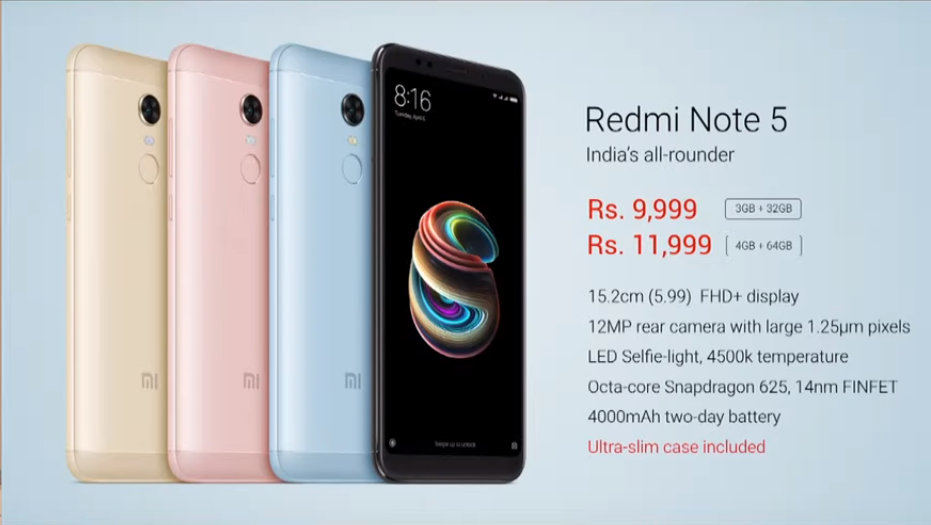
The Redmi Note 5 is fitted with a 5.99-inch IPS LCD display that supports Full HD+ resolution of 2160 x 1080 pixels and offers a maximum brightness of 450nit. The screen is protected by a layer of Corning Gorilla Glass. Even though it sports a large-sized display, the size of the phone is almost same as a traditional 5.5-inch smartphone.
It measures 158.5 x 74.45 mm and it weighs 180 grams. With a thickness of only 8.05mm, it becomes the thinnest Redmi phone from the company. It comes with a premium aluminum build with tapered rear. The Note 5 can be availed in color choices like Black, Gold, Rose Gold and Blue.
The Snapdragon 625 powers the Redmi Note 5. Yes, it is the same old chipset that powers the likes of Xiaomi Redmi Note 4, Redmi Note 4X, Mi Max 2, and Mi A1. It comes in 32 GB and 64 GB storage models that respectively feature 3 GB and 4 GB of RAM. Xiaomi has included dual pyrolytic graphite sheet inside the phone. It helps in reducing the temperature by 2-degree Celsius.
The Redmi Note 5 is powered by 4,000 mAh battery that comes with 5V/2A charging support. The handset is preinstalled with MIUI 9 based Android 7.0 Nougat. The fingerprint scanner is located on the backside of the phablet.
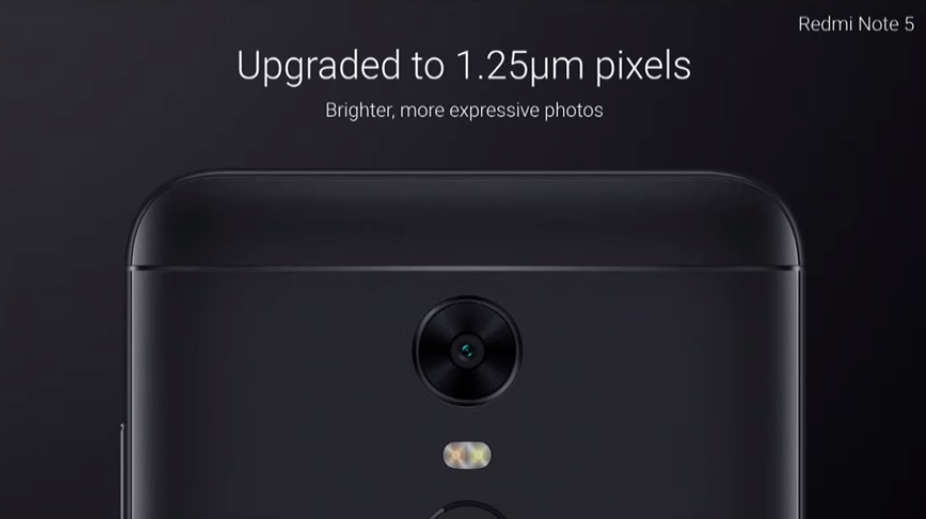
For photography, Xiaomi has included a 12-megapixel rear camera with f/2.2 aperture. It has a pixel size of 1.25μm. It comes with features like fast autofocus and PDAF. The 8-megapixel camera sitting on the frontside of the Note 5 has been optimized to capture good quality selfie shots in low-light conditions. It is equipped with an LED flash and Beauty 3.0 for snapping enhanced selfie shots. The handset features a hybrid SIM slot which also supports a microSD card. The connectivity features available on the Redmi Note 5 include 4G VoLTE, Wi-Fi, Bluetooth, GPS, microUSB and 3.5mm audio jack.
Redmi Note 5 Pricing and Availability
The 32 GB and 64 GB Redmi Note 5 are respectively priced at Rs. 9,999 (~$155) and Rs. 11,999 (~$187). It will be exclusively available through Flipkart. Xiaomi has confirmed that it will begin the first sales of the phone on Feb. 22 through Flipkart, Mi.com and Mi Home stores. It will be also available through other offline channels soon. The box package of the phone will include an ultra-slim case.
Google recently announced Android Oreo Go Edition, a light version of its operating system which can run smoothly on low-end phones with less than 1 GB of RAM (note that it is different from Android One which is just a stock version of Android supported directly by Google). This operating system also contains lite versions of the main Google apps and services, so even applications can run smoothly on low-end phones and devices which are going to become obsolete with the standard Android versions. Slowly, Big G is releasing Android Go apps, and the latest one is Gmail Go, which has been launched this morning.
This app obviously offers fewer functionalities than the original one, but its performance has been optimized and it allows to check mail quickly and without freezes on entry-level devices. Gmail Go has just been launched on the Play Store, but there is a catch. To be precise, there are two issues which can prevent you from installing this app on your smartphone. First of all, for now, the app is compatible only with phones which have Android 8.1 Oreo. So, if you have Android 8.0, Nougat and all the other previous version, you can not install Gmail Go.
Actually, there are not many devices with this version of the operating system, and the ones which have it installed are not even entry-level devices. Secondly, at this moment it is still not possible to download it from the official Google store. But it is possible to download the APK file which has been leaked online. So, if you have a device with Android 8.1 Oreo installed and you want to try Gmail Go, head to the download link below.
Would you give a chance to an Android Go device with less than 1 GB RAM instead of buying a low-end device with slightly better specs and the standard Android Oreo installed?
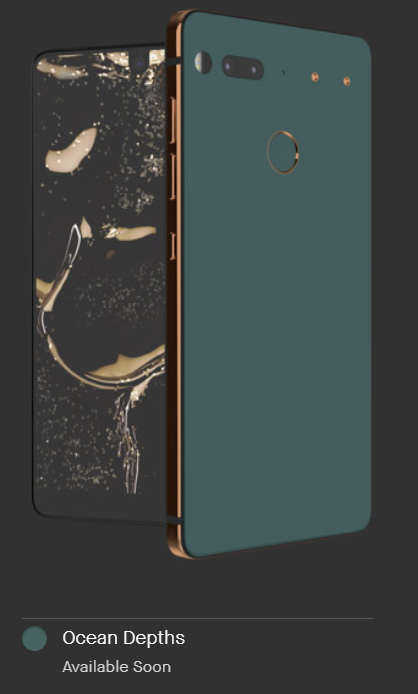
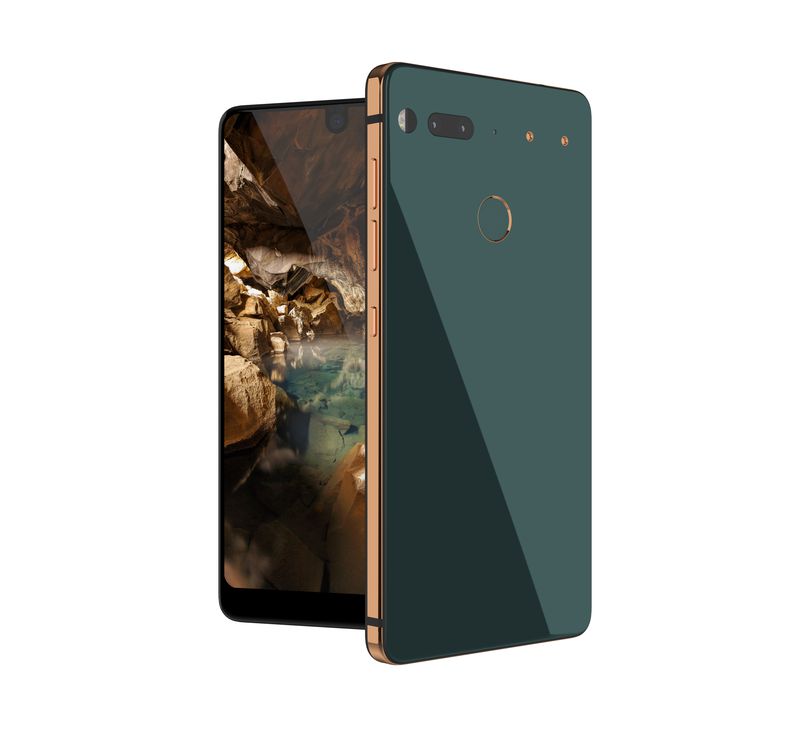
When the Essential PH-1 was unveiled, it was announced in four color variants – Black Moon, Pure White, Ocean Depths, and Stellar Gray. Surprisingly, only the Black Moon variant was available for purchase for the first two months before it was joined by the Pure White variant in October. Four months later, Essential will launch the third color variant – Ocean Depths (green).
Essential didn’t explicitly announce that we are getting a new color variant but take a look at the tweet below and tell me that’s not what it is. Not only is the image the same color but the text also hints at the new color variant. Wave = Ocean!
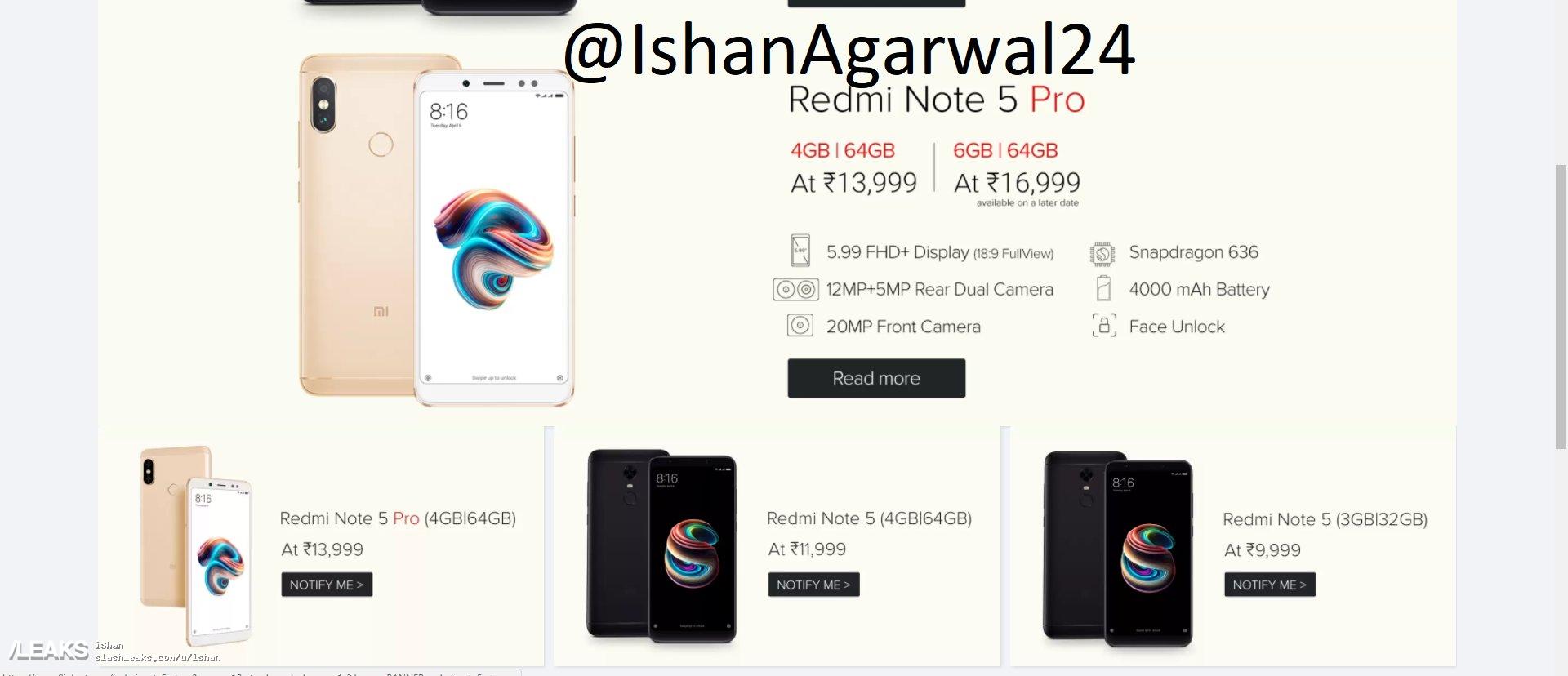
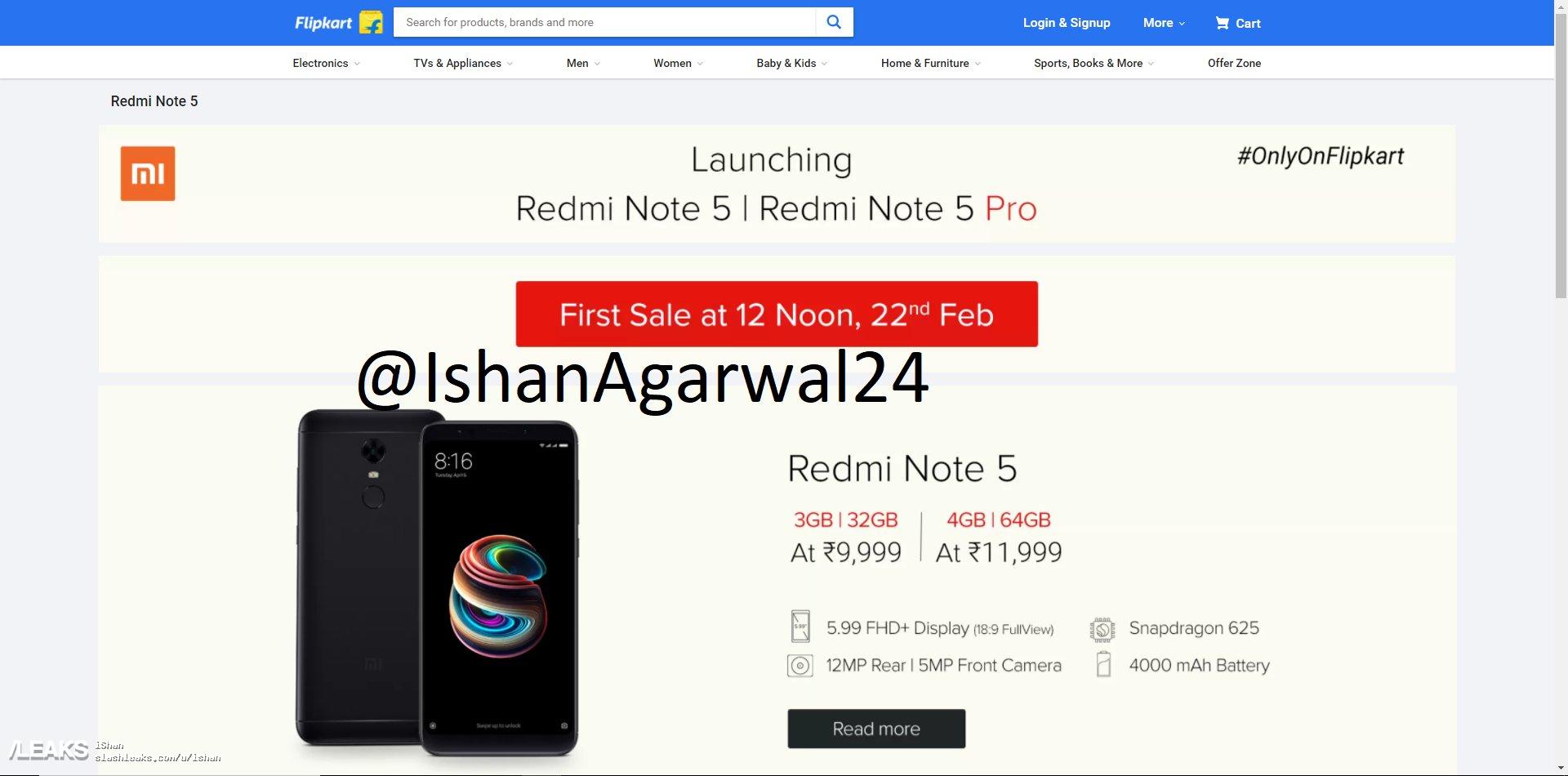
Earlier today, the full specification details along with promo images of the Redmi Note 5 and Redmi Note 5 Pro leaked online. It was followed by a live photo of the Redmi Note 5 Pro and now pricing details for both phones have also surfaced online. Even with all the leaks, we are still looking forward to the launch tomorrow.
Redmi Note 5
The Redmi Note 5 will be available in two variants – 3GB RAM + 32GB ROM and 4GB RAM + 64GB ROM. The 3GB variant will sell for Rs. 9,999 (~$156) while the 4GB variant with double the storage will be sold for Rs. 11,999 (~$187).
Redmi Note 5 Pro
The more interesting Redmi Note 5 Pro will be available in three variants but pricing is only available for the 4GB + 64GB and 6GB +64GB models.
The 4GB variant will sell for Rs. 13,999 (~$218) while the 6GB variant has a Rs. 16,999 (~$265) price tag. That sure is a lot of difference for just 2GB of extra RAM unless there are other differences we don’t know about. If you ask us, we think the 4GB RAM variant is fine since storage is still the same on both devices.
With the price of the 4GB model, we presume the 3GB RAM version will be sold for Rs. 12,999 (~$202).
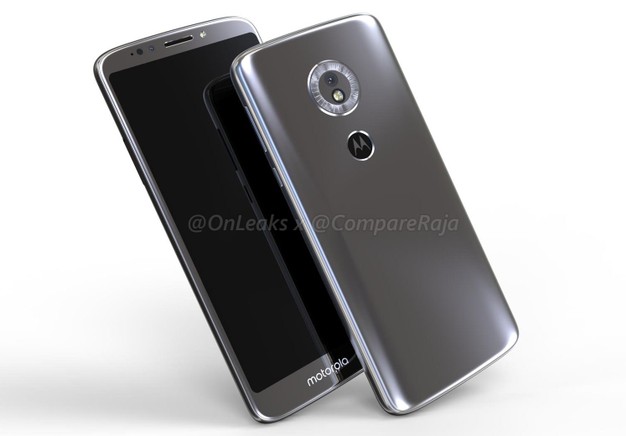
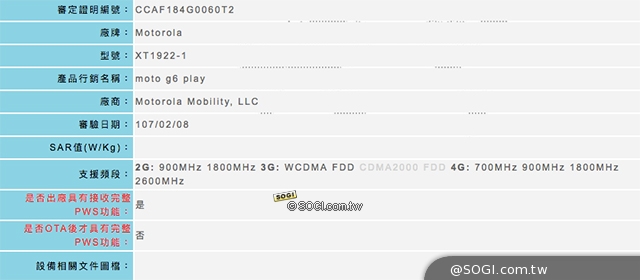
A new Motorola device has just been certified in Taiwan by NCC ( National Communications Commission), which is the Taiwanese equivalent of the American FCC. On the NCC listing, the smartphone is identified by the code name Moto XT-1922 and it should be the code for the Moto G6 Play. In case you don’t know, it is the upcoming variant of the G6 which will distinguish from the standard version for its lower-end specs and its more affordable price. It will launch at MWC 2018. Sadly, no info has surfaced about the specs of the budget handset on the NCC listing, but the famous leakster @OnLeaks has already shared some renders of this device.
According to the renders, even though Motorola Moto G6 Play will be very affordable, it will have a very attractive design. There is a glossy back cover which makes us think that the rear side may be made of glass, but we do not exclude that it may be just polycarbonate, considering that it is a cheap device. On the back, there is a single camera, a LED flash and a fingerprint reader which contains the company logo in the middle. The display has narrow bezels and it seems to have an 18:9 aspect ratio.
The front camera has a LED flash and it will allow shooting selfies even with low light conditions. A 3.5 mm headphone jack will not be missing, but there is still a micro USB port to charge the battery. According to speculations, Motorola Moto G6 Play will come with a 5.7-inch display showing images at an HD+ resolution of 720 x 1440 pixels. It is expected to sport an octa-core Snapdragon 430 chipset by Qualcomm, 2 or 3 GB of RAM and 16 or 32 GB of internal storage depending on the variant. The battery should be big with at least 4000 mAh, but it may not charge very quickly considering that the phone has still a micro USB port.
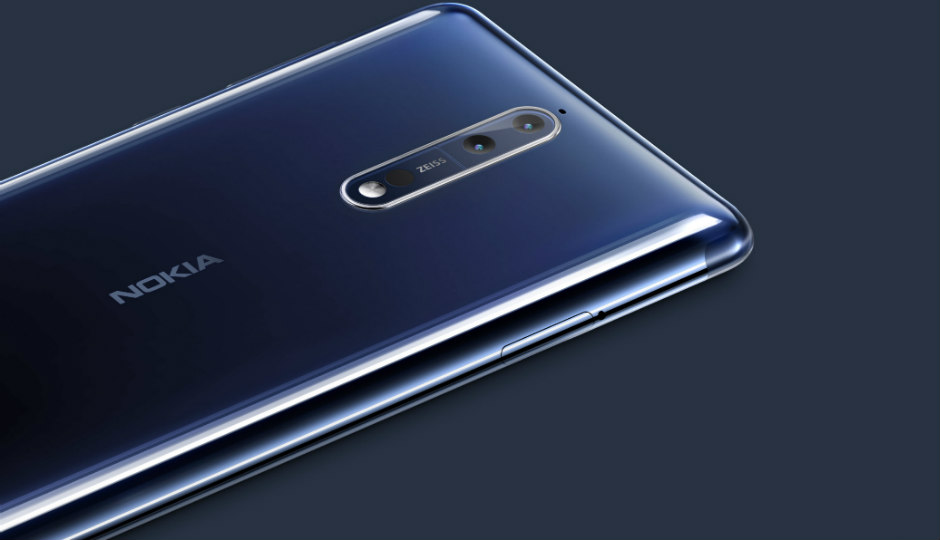
Nokia 8 has started updating to the Android 8.1 Oreo, the very latest version of the operating system. The update has been announced by Juho Sarvikas, who is the CPO of HMD Global, via a post on Twitter. The rollout will reach the global version of the handset as well as its Plus version with 6 GB of RAM and 128 GB of internal storage.
If you still did not receive the notification on your handset, you will probably get it in the next few days as the rollout is gradual. We cannot say that this Android 8.1 Oreo is a major update of the operating system, but at the same time, it is not a minor update either, as it includes important improvements. In this new version, you will find the additional notification showing the remaining battery percent of the devices connected via Bluetooth, both in the settings and in the quick toggles.
The power menu has been re-designed on the Nokia 8 with a more clear look, as well as the navigation bar. A research bar has been added in the settings and there are also some improvements to the notifications and the backup feature. These are only the most important improvements among all the ones that it is possible to find in the change log.
At the upcoming Mobile World Congress 2018 later this month, HMD Global is expected to launch a range of Nokia-branded devices. The expected list of devices include Nokia 1, Nokia 6 (2018), and Nokia 8 Sirocco.
While the devices will get announced later this month, they won’t be launched in the Indian market soon. A report suggests that the Nokia 1, Nokia 6 (2018) and the Nokia 8 Sirocco will make their way to the Indian market in the month of April.
The report further adds that along with these three devices, the company could also launched a couple of more devices in the Indian market. However, HMD Global has not yet confirmed any of these devices for the MWC 2018 launch.
The Nokia 1 could be the company’s most affordable smartphone and is expected to be the part of Google’s Android Go program. The Android Oreo Go edition has been optimized to support hardware with low-end specifications without compromising on user experience.
According to the previous reports, the Nokia 1 is expected to come with an HD IPS LCD display and run either Qualcomm or MediaTek processor along with 1GB of RAM and 8GB of internal storage. The device is expected to be priced around Rs. 6,500 in the Indian market.
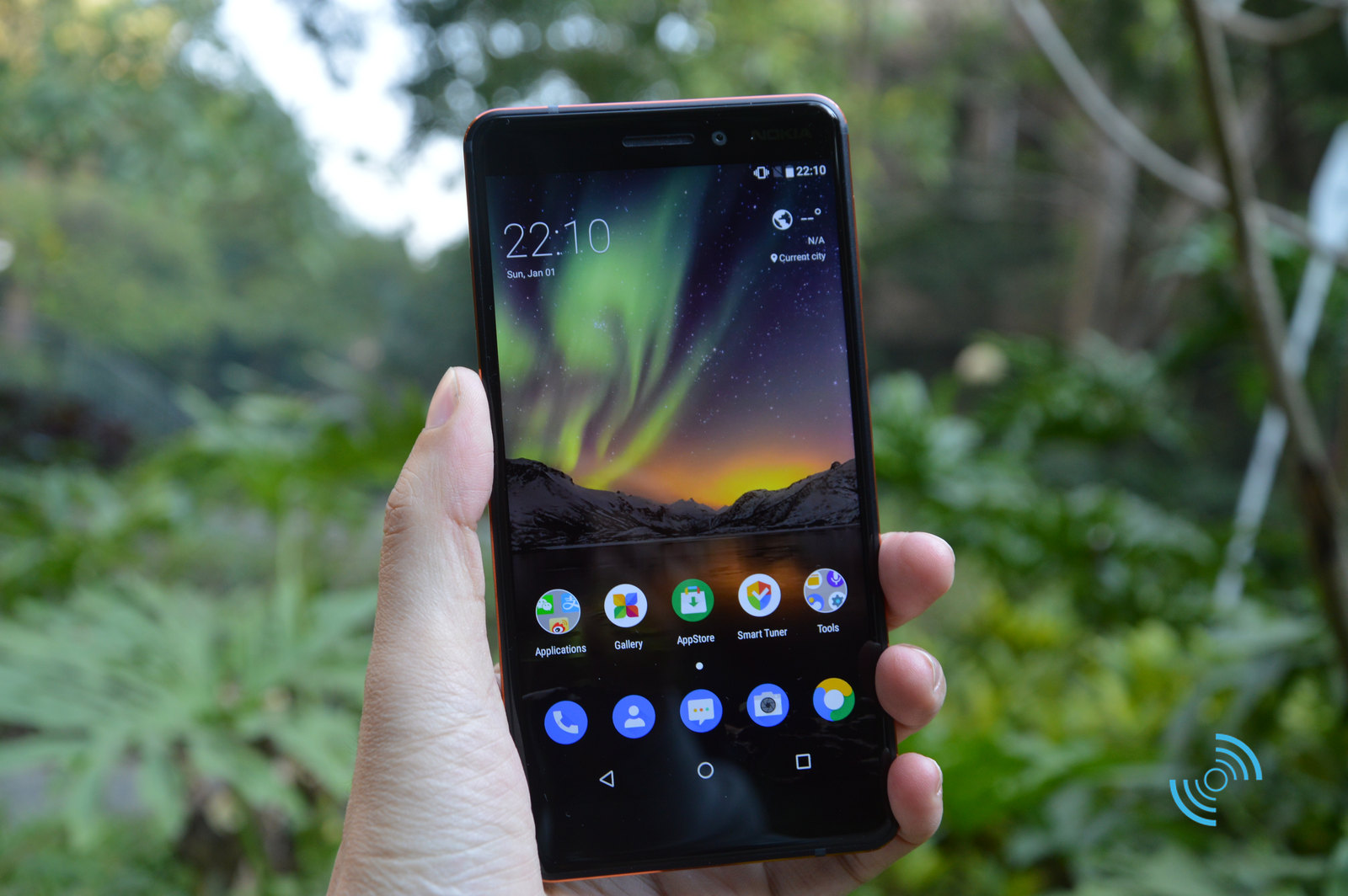
At the upcoming MWC in Barcelona, the company is expected to announce Nokia 6 (2018) globally, which is already available in China. This second-generation Nokia 6 comes with a 5.5-inch full HD LCD display with an aspect ratio of 16:9 and screen resolution of 1920 x 1080 pixels. It sits well protected under 2.5D Corning Gorilla Glass 3.
Under the hood, it is powered by Qualcomm Snapdragon 630 processor and packs 4GB RAM with 32GB/64GB of internal storage. At the back, there’s a dual-LED enabled 16-megapixel camera and an 8-megapixel 84-degree wide-angle front-facing snapper.
The Nokia 8 Sirocco, which is also referred as Nokia 9, is expected to be the premium offering from the company. It is believed to be a high-end phone running the latest Snapdragon 845 processor. It is likely to feature a 5.5-inch Quad HD OLED display with 3D glass on top.
Reports suggests that the device will pack dual ZEISS-certified cameras at the back, having a combination of 12-megapixel sensor and a 13-megapixel sensor. On the front, there will be a 5-megapixel selfie camera. As per the reports, the device is expected to arrive with IP67 certification for dust and water resistance.
As said, the company has not yet confirmed any of these devices for the MWC 2018 launch. We’ll have to wait till the official Nokia event at Mobile World Congress later this year to know for sure which devices are being launched by the HMD Global.
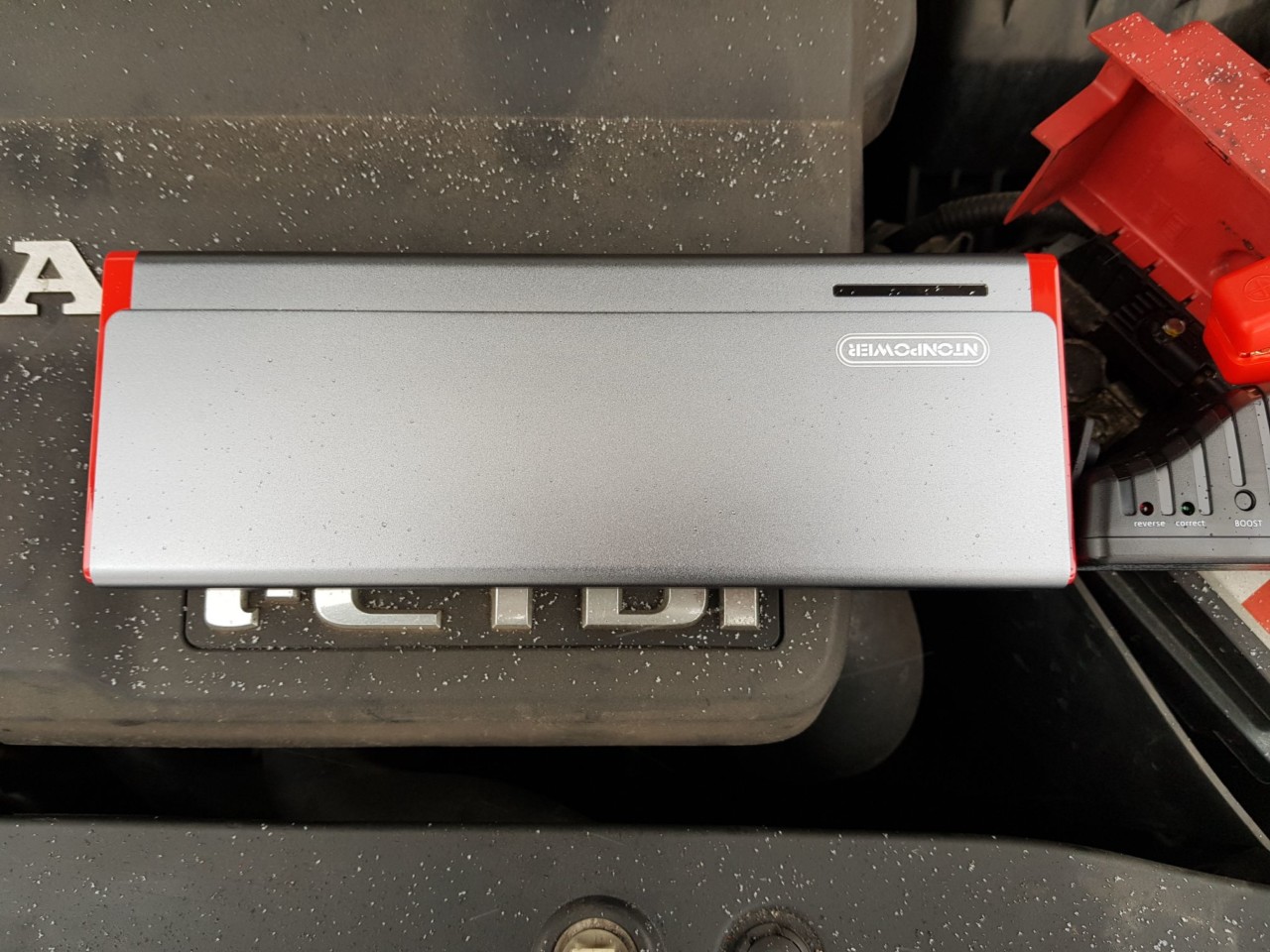
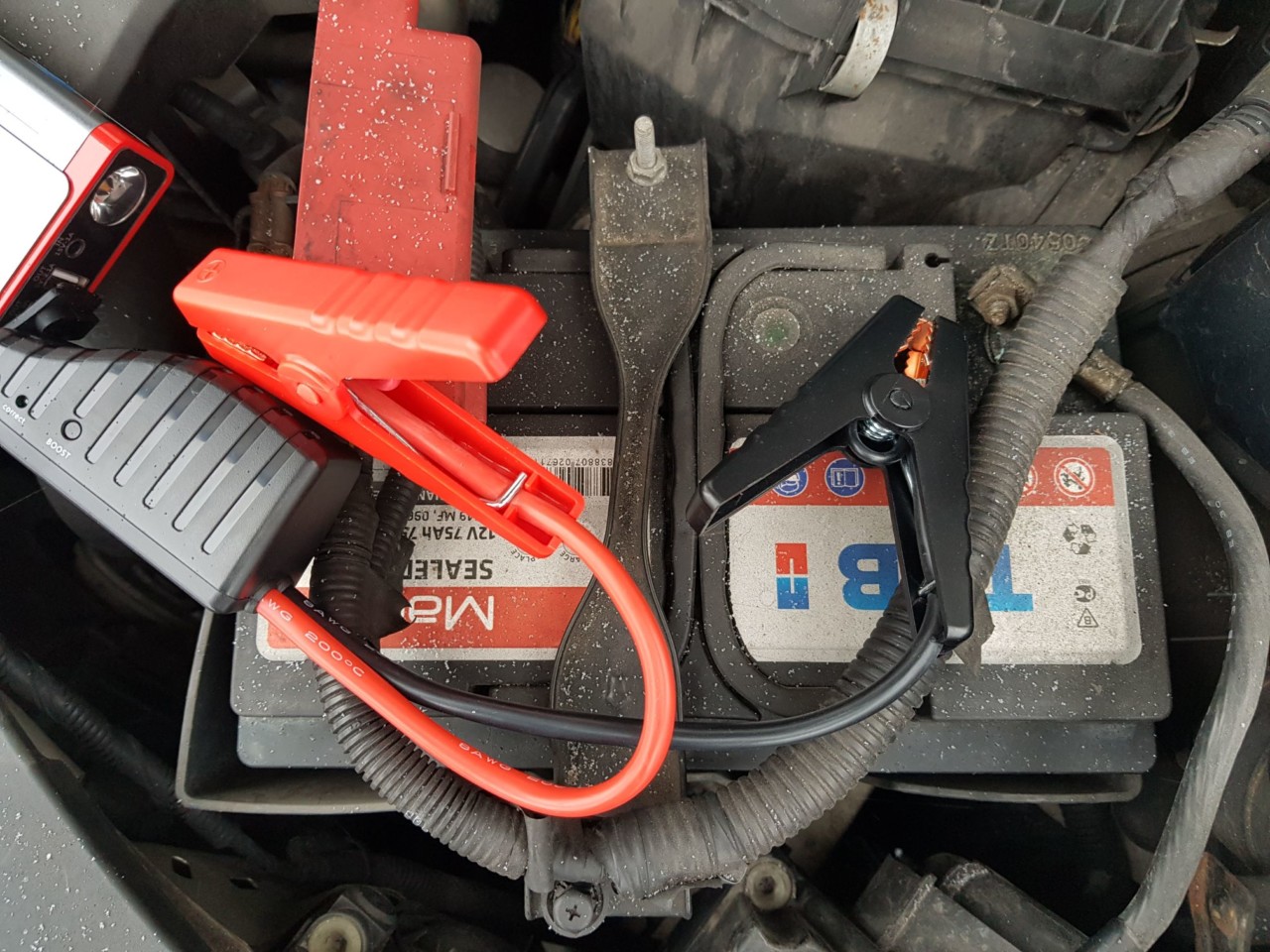
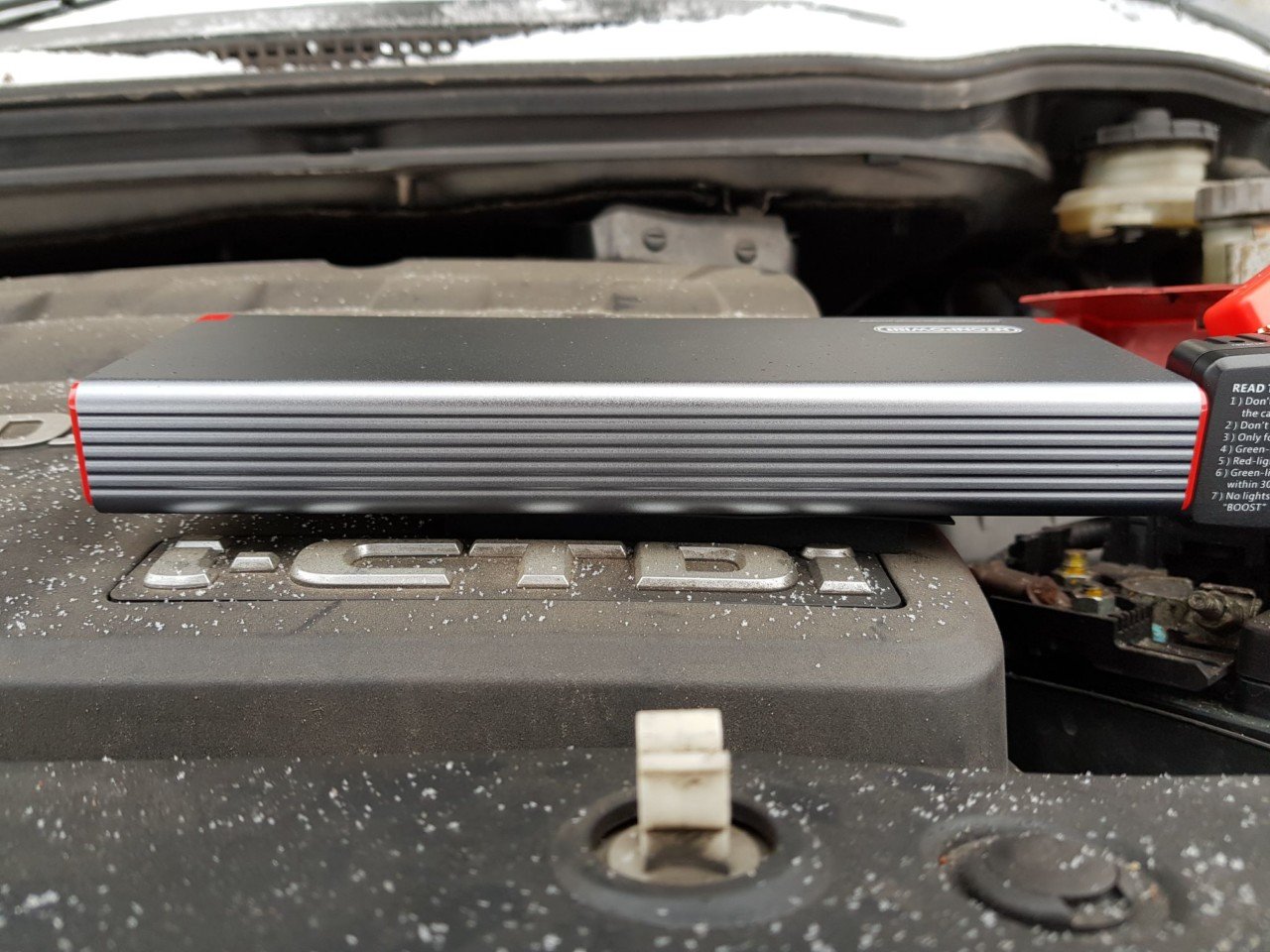
If you have a car which won’t start because of the dead battery, there are a few ways to start it. One of them is to use a car jump starter and the one made by Ntonpower is actually the most powerful portable car boosters we have ever tested. Learn more in our full NTONPOWER 18000mAh Car Jump Starter Review.
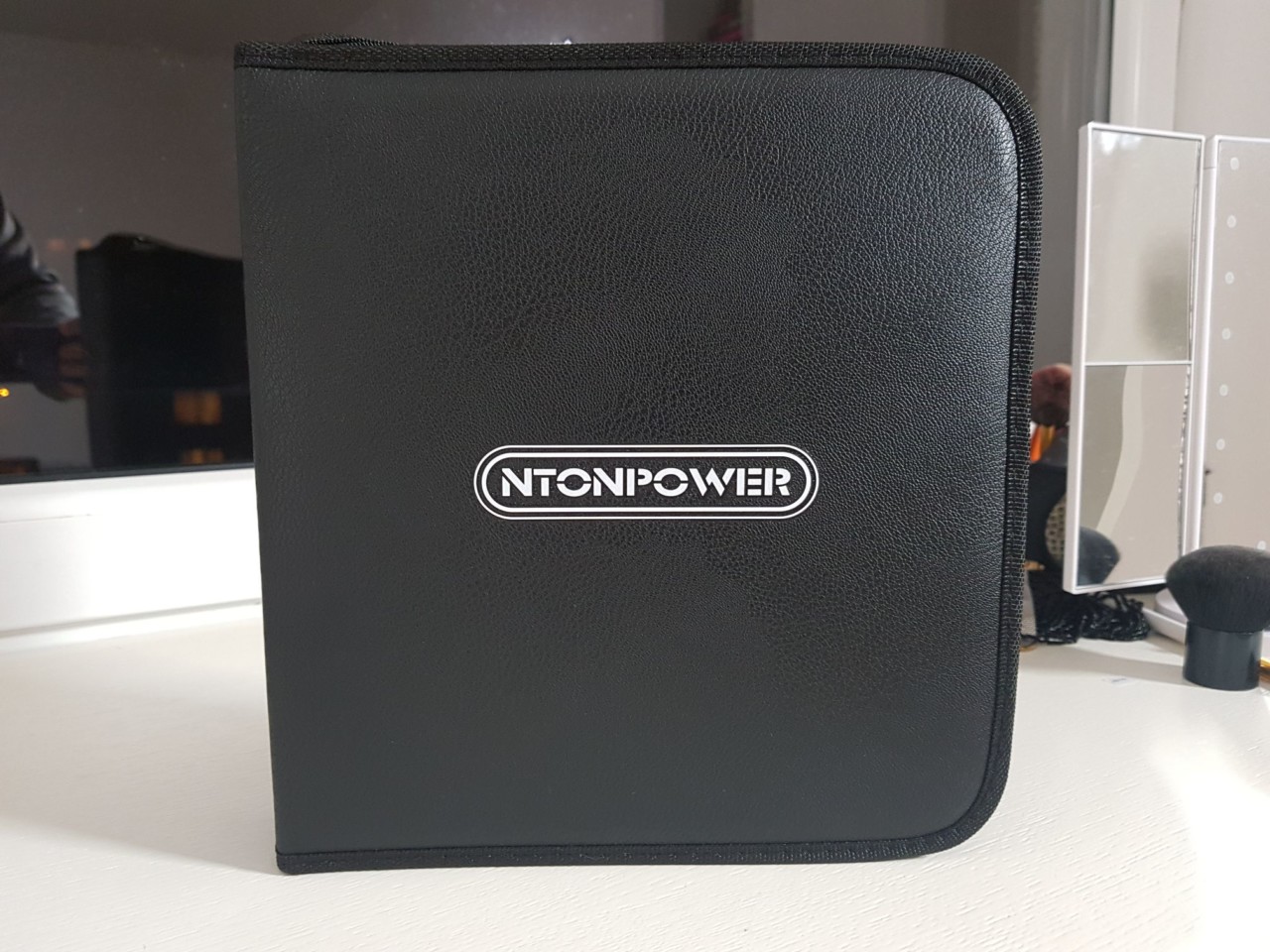
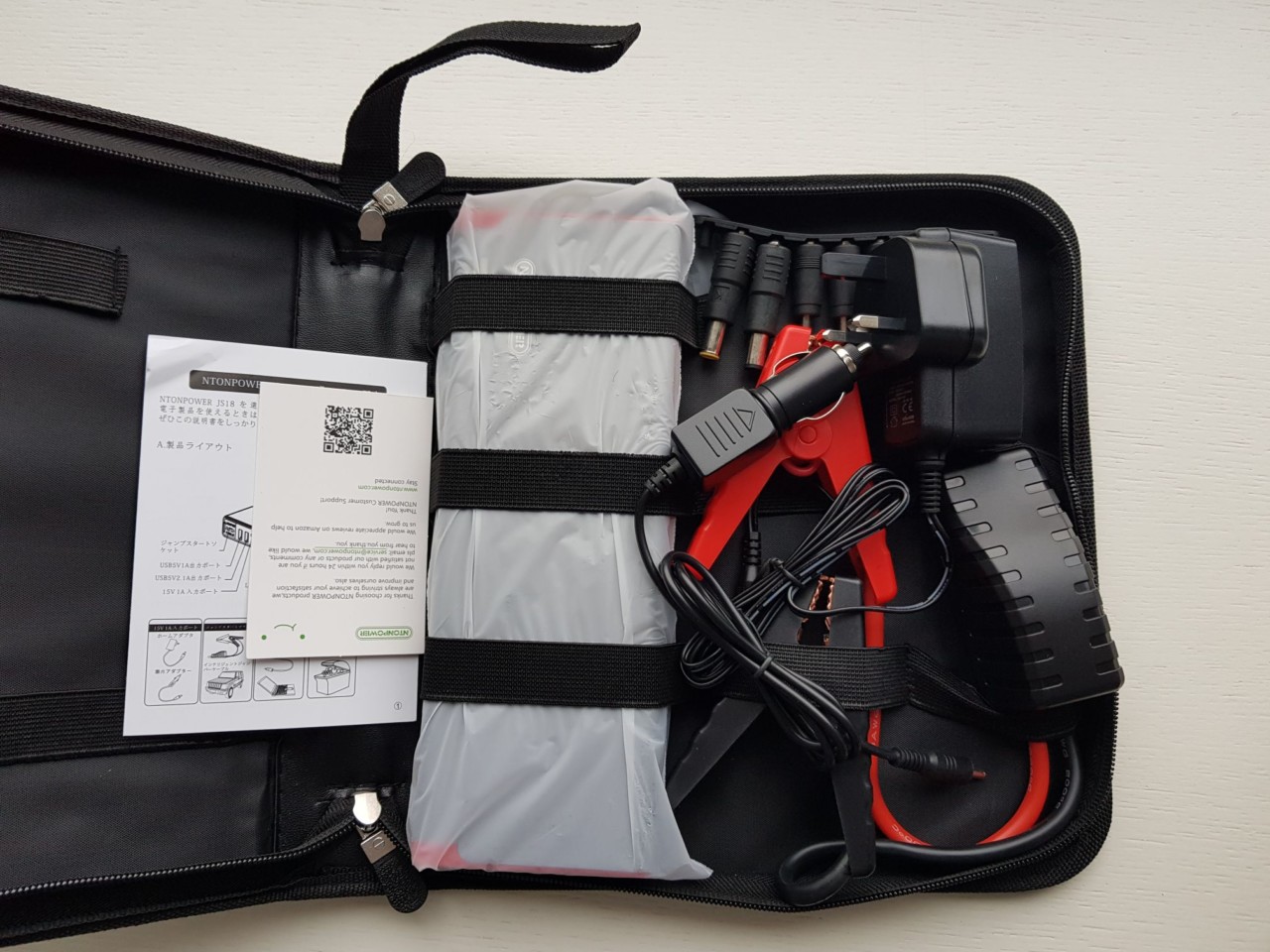
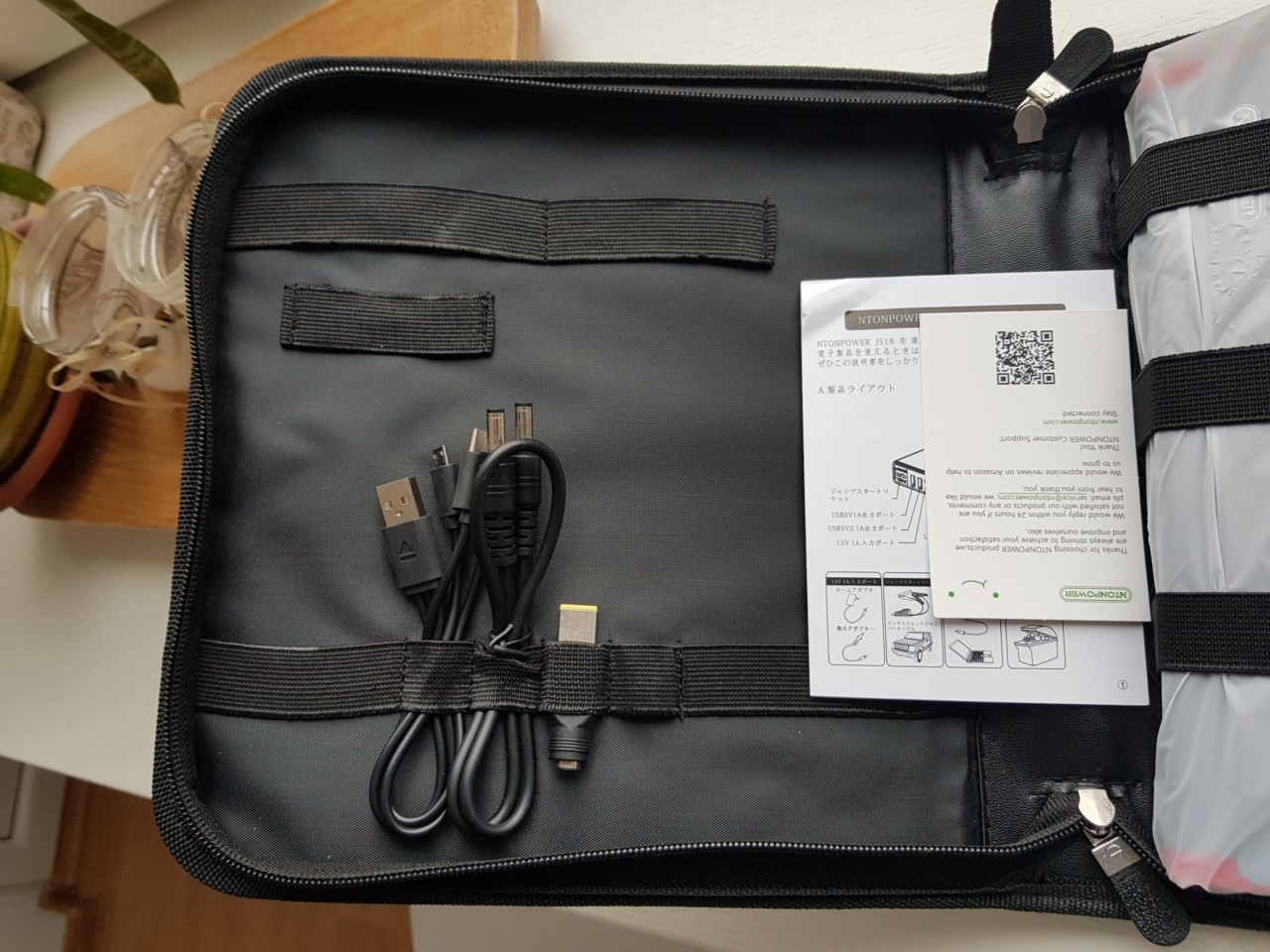
The jump starter comes in a premium carrying case and inside of it, you will find lots of accessories.
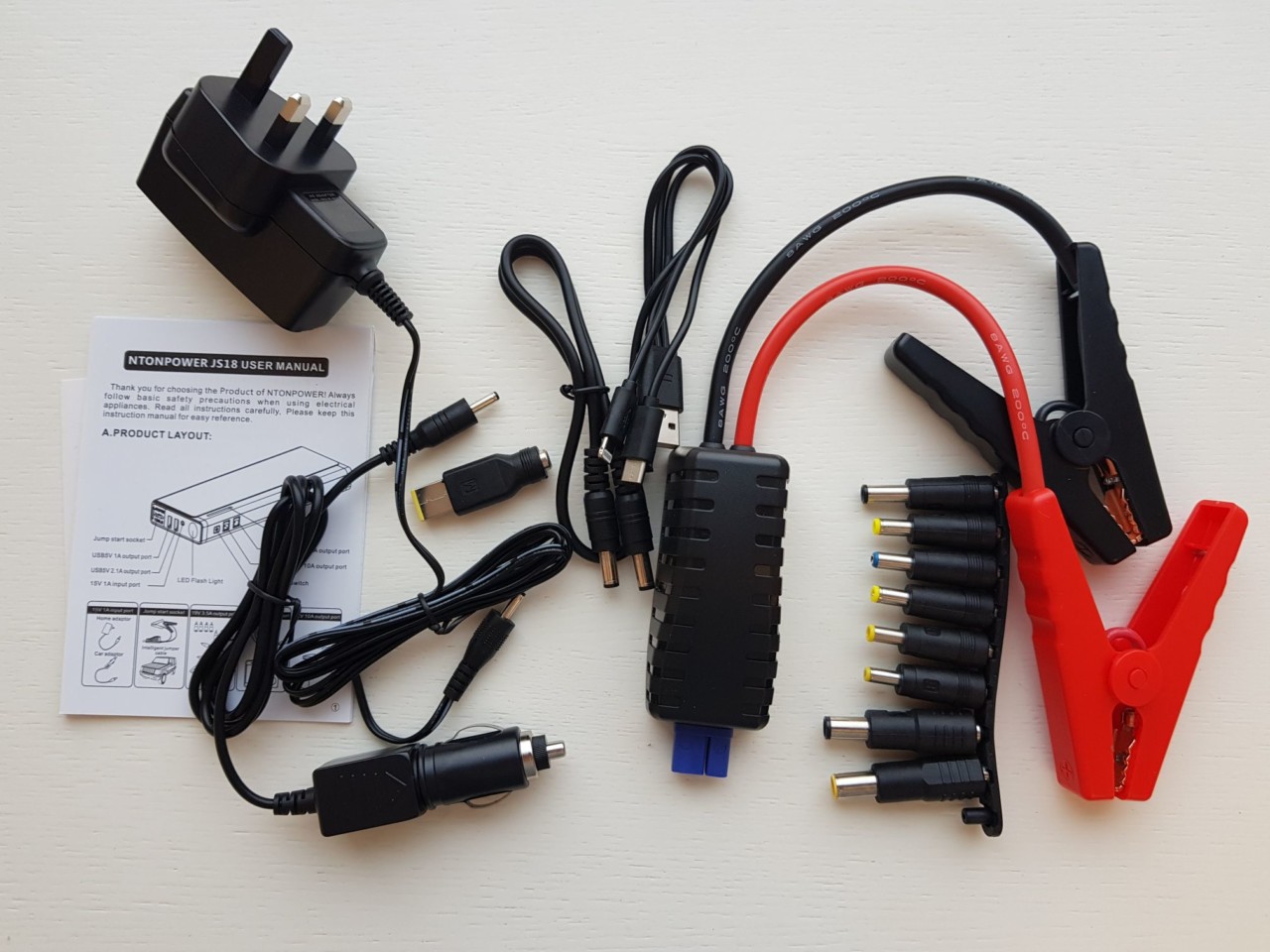
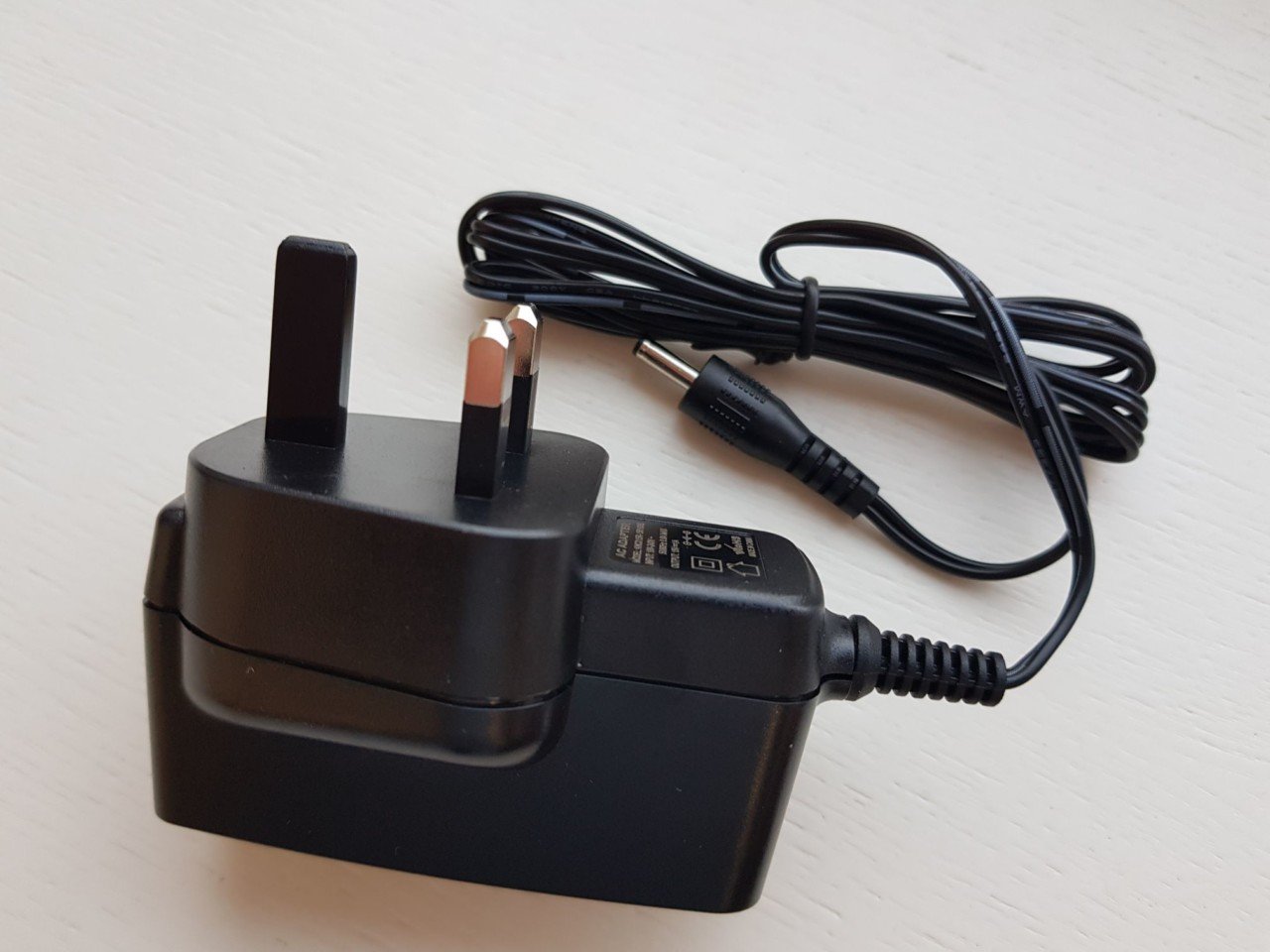
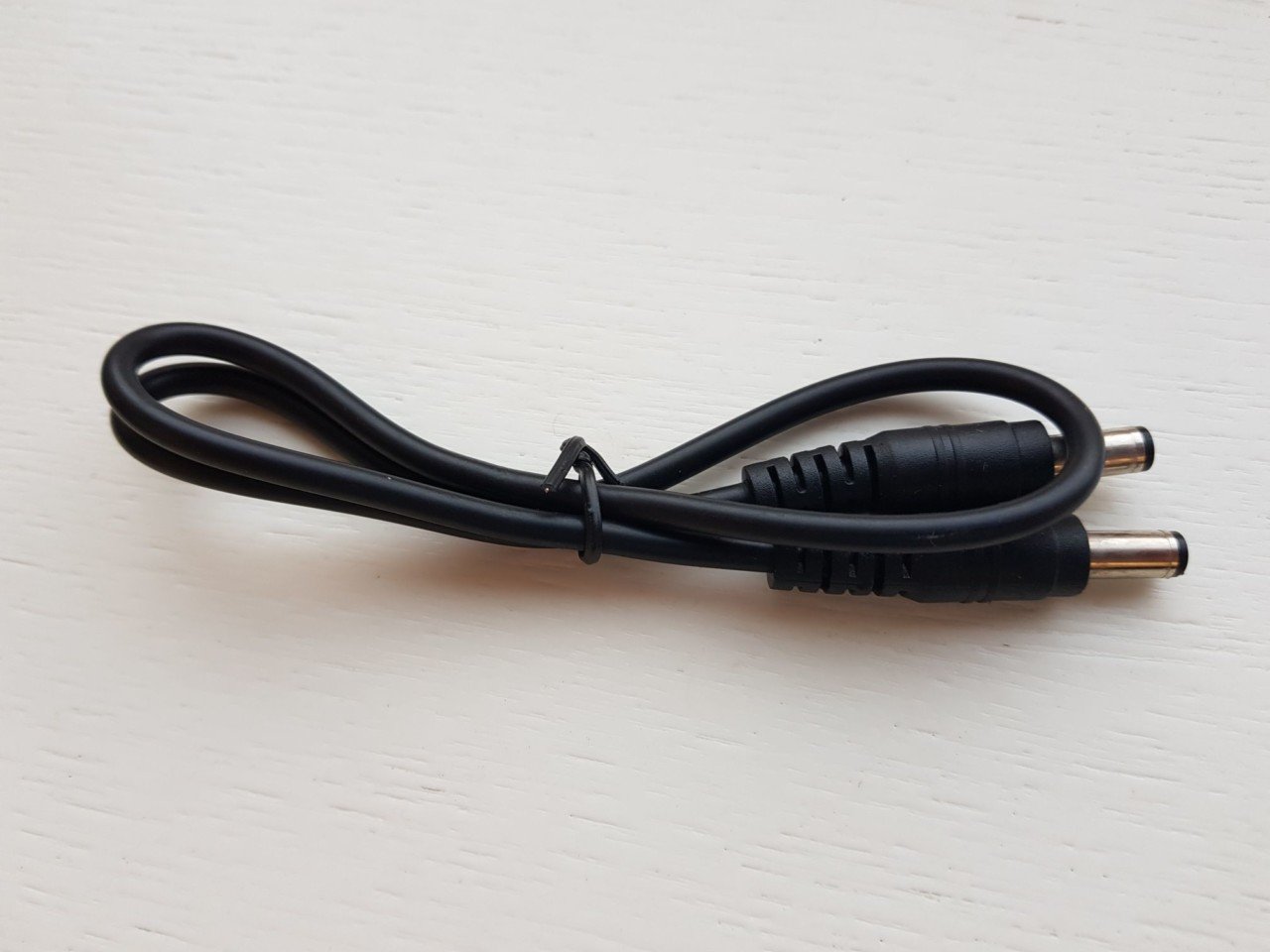
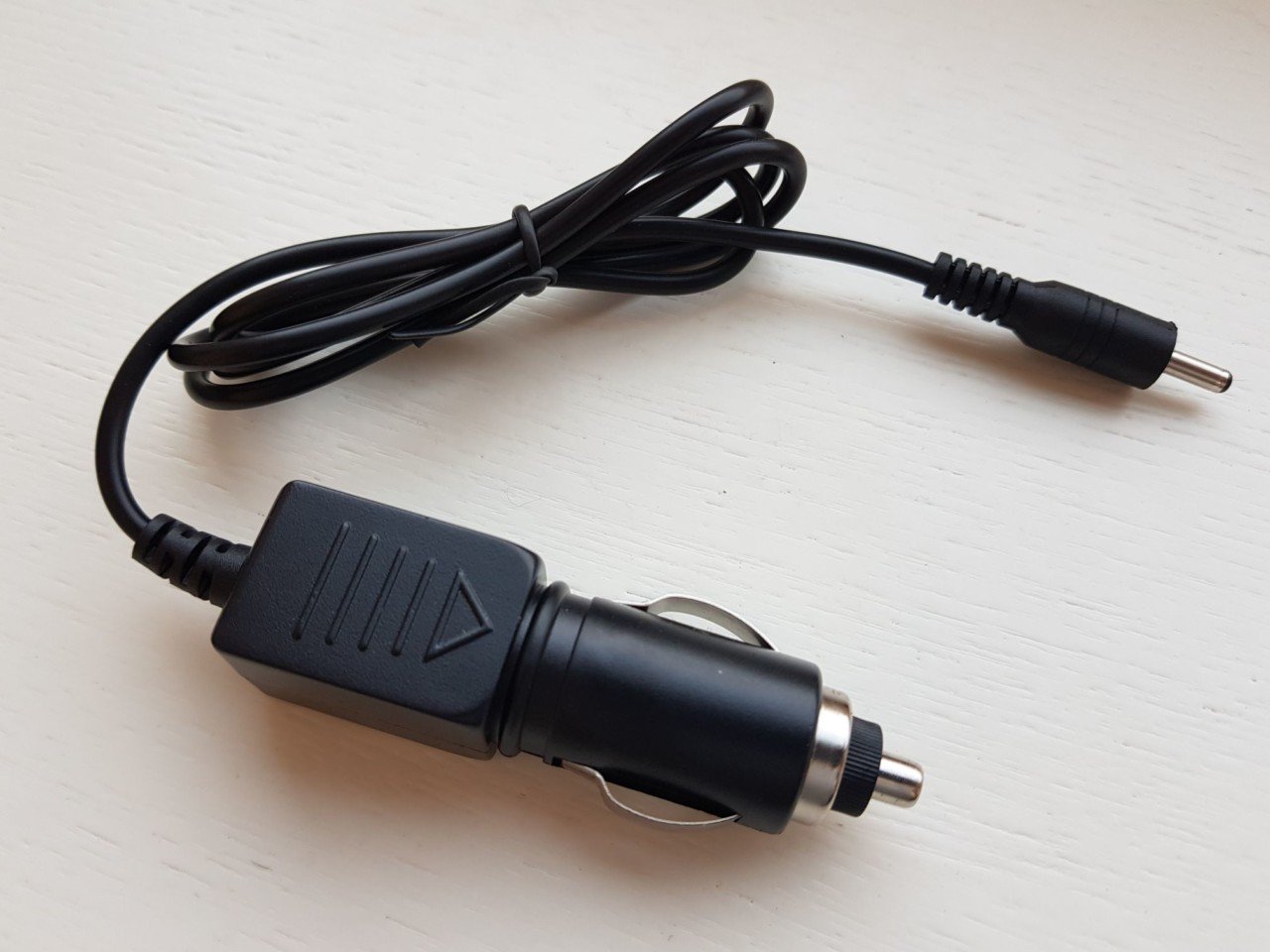
The contents include a car charger, a connecting cable, a wall adapter.
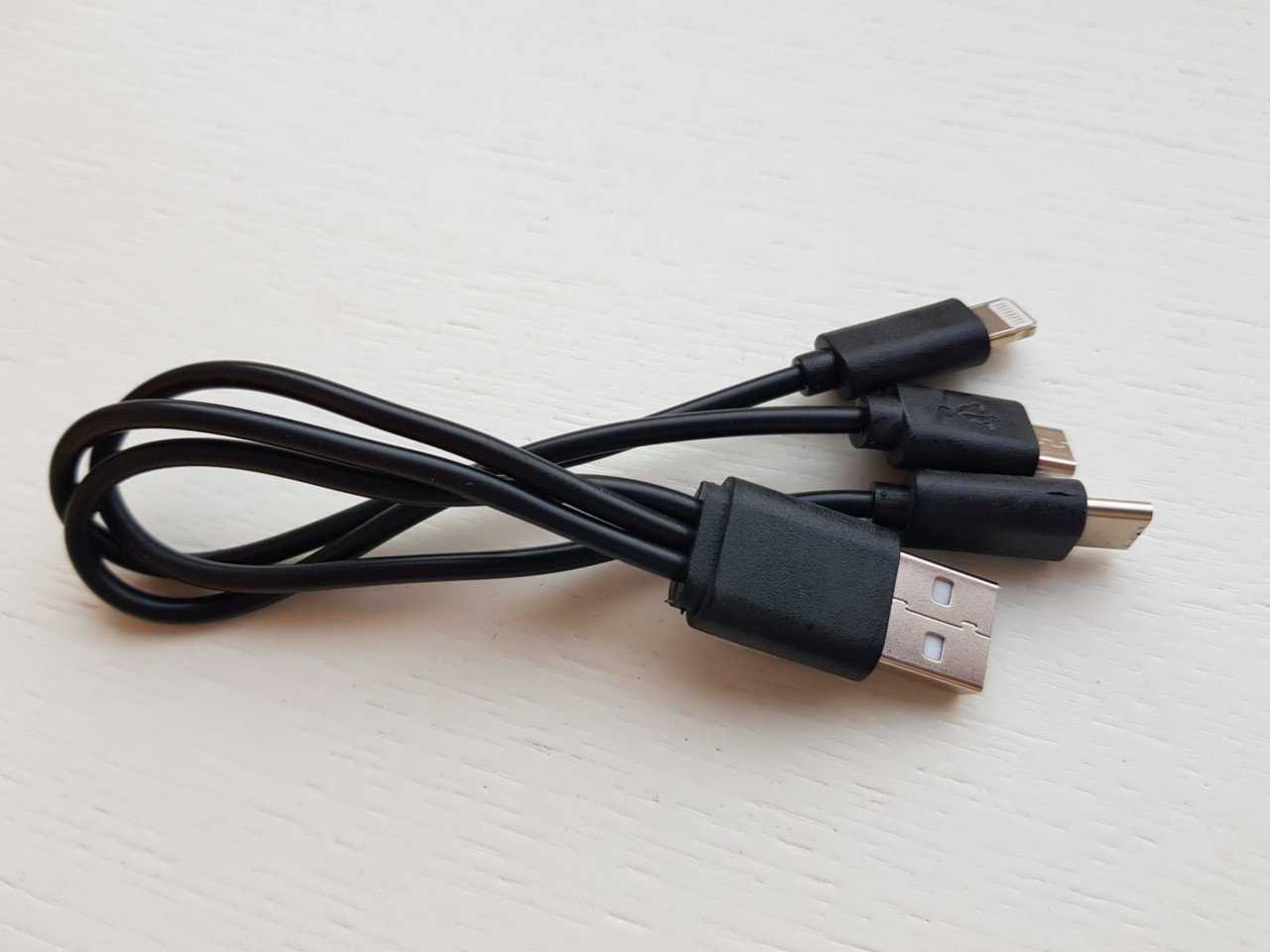
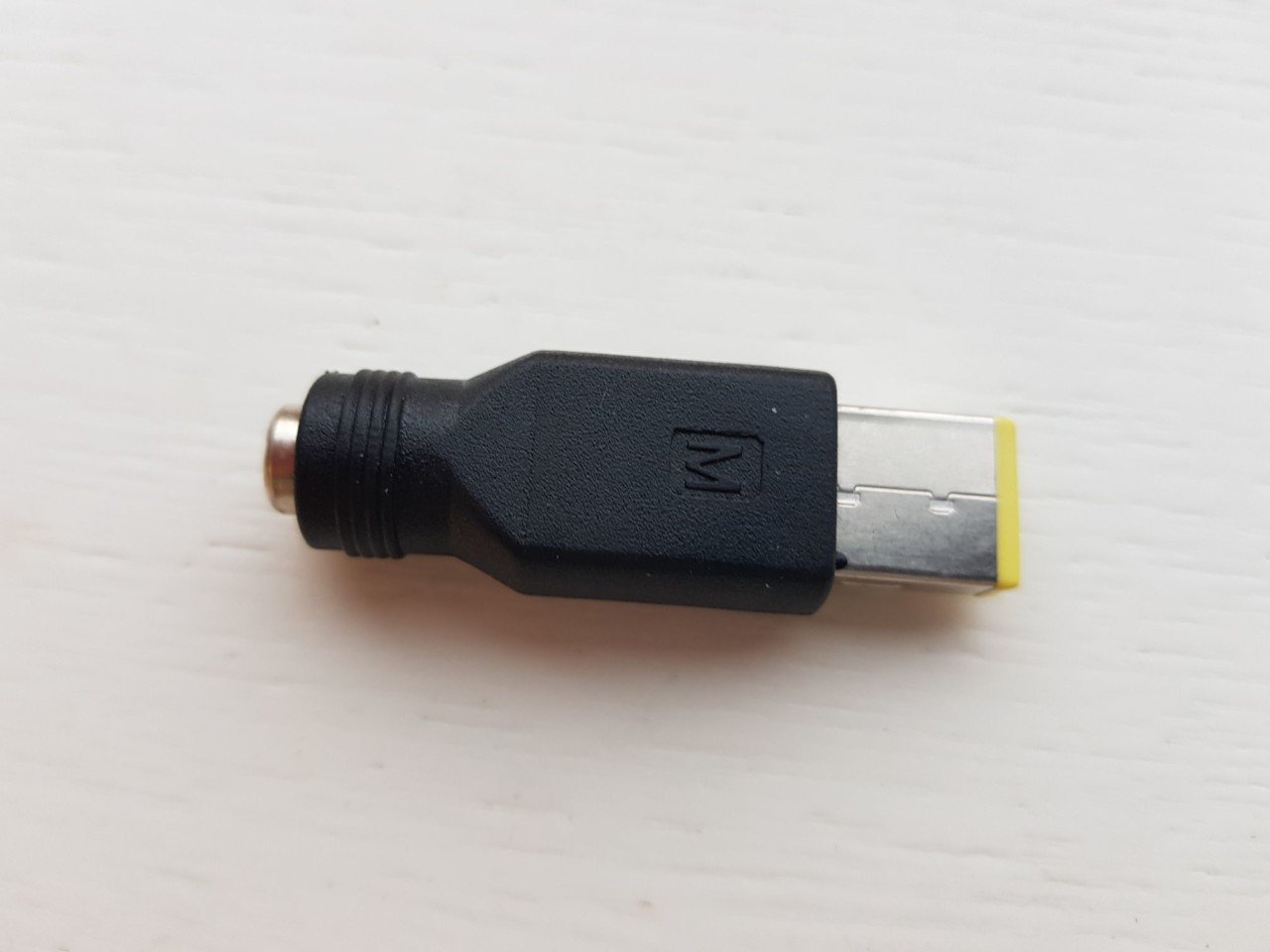
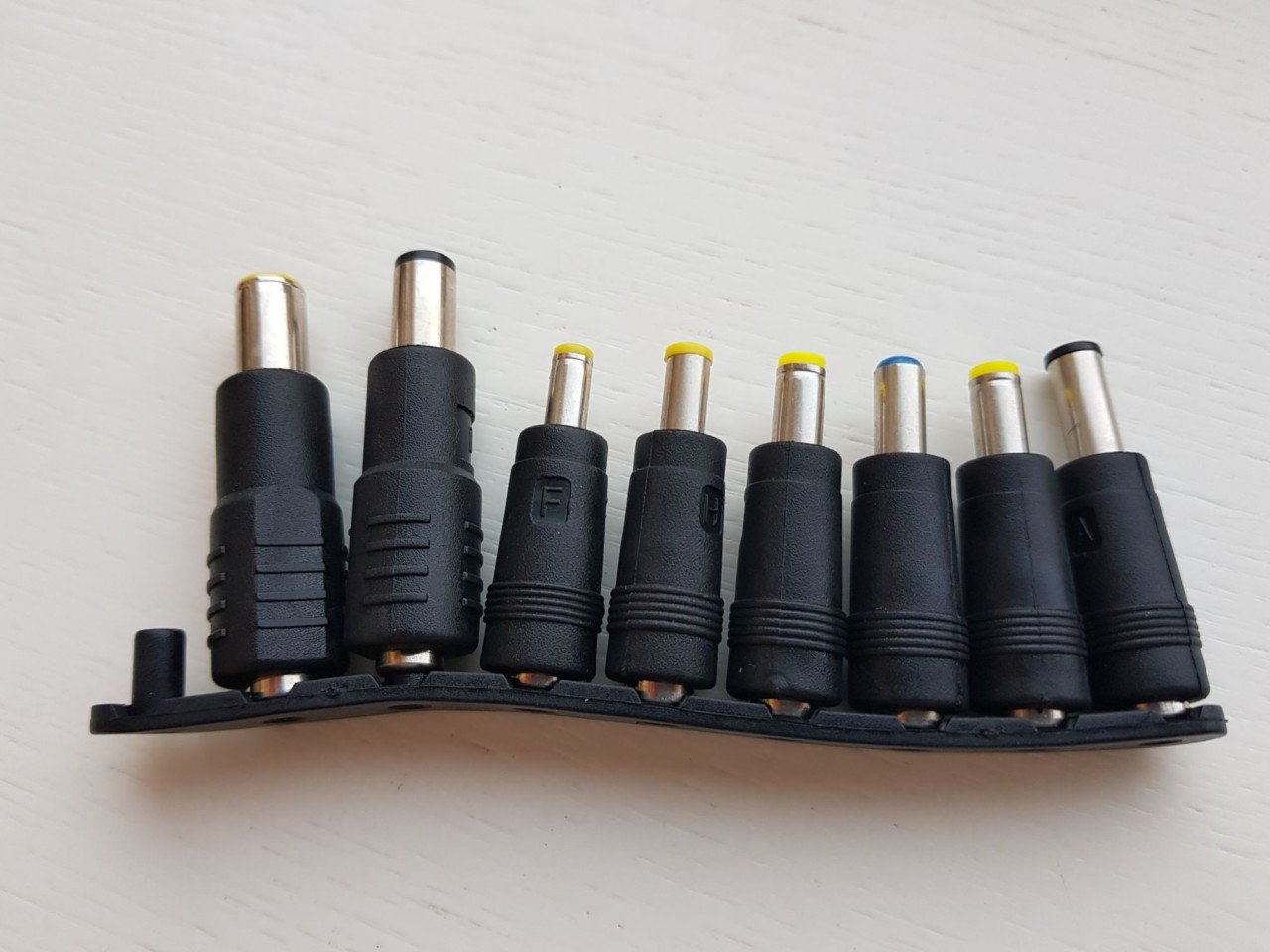
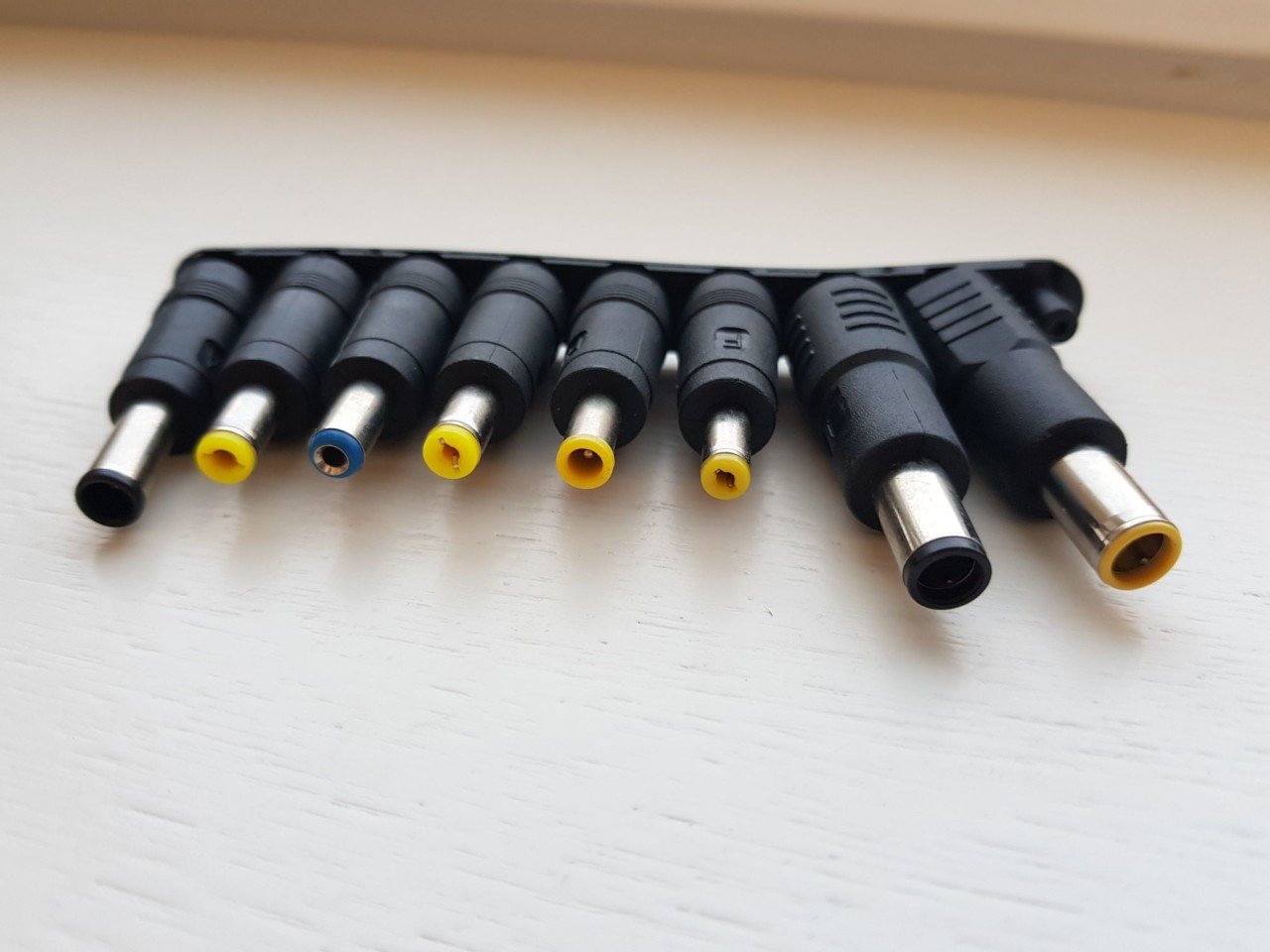
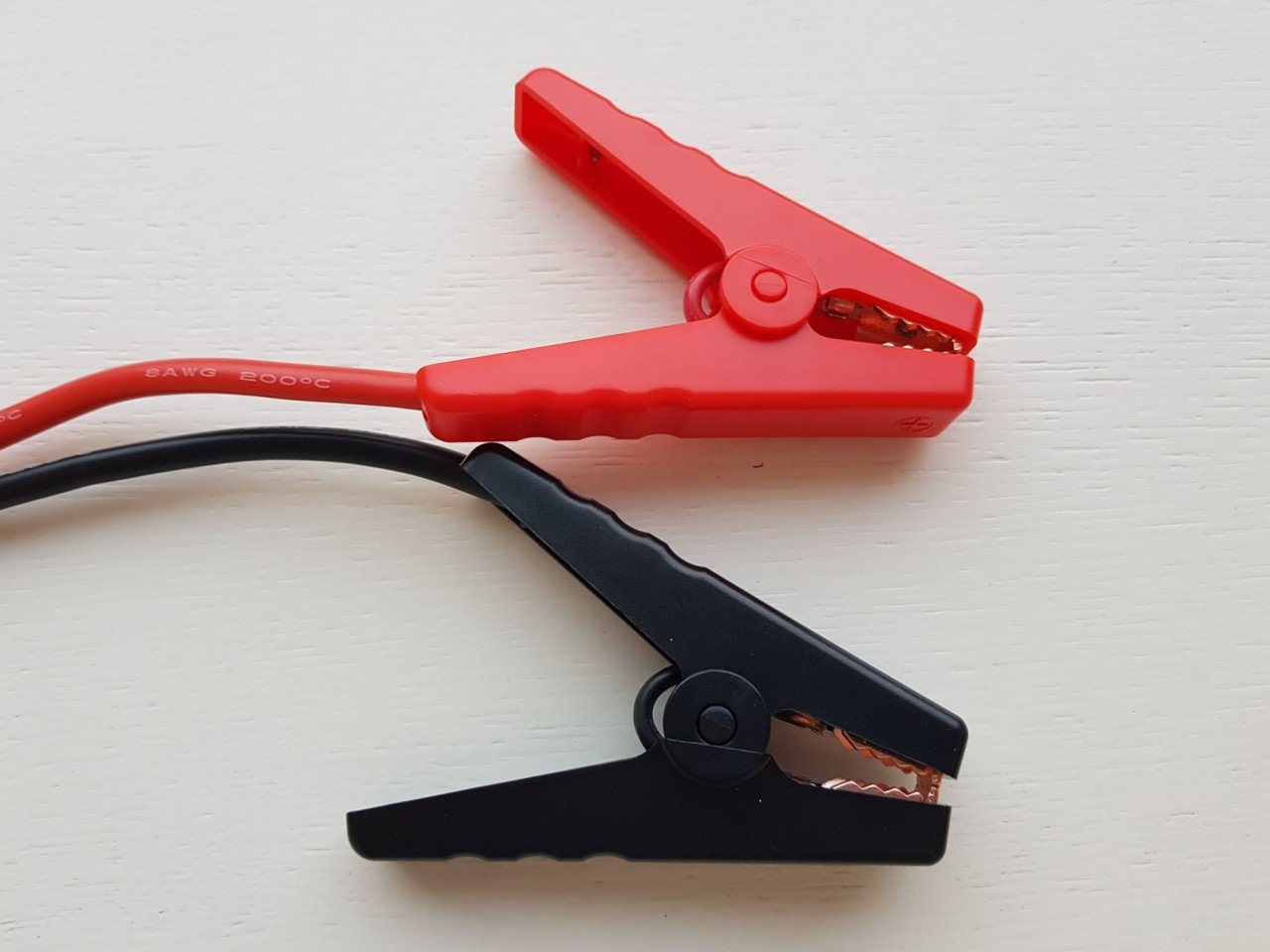
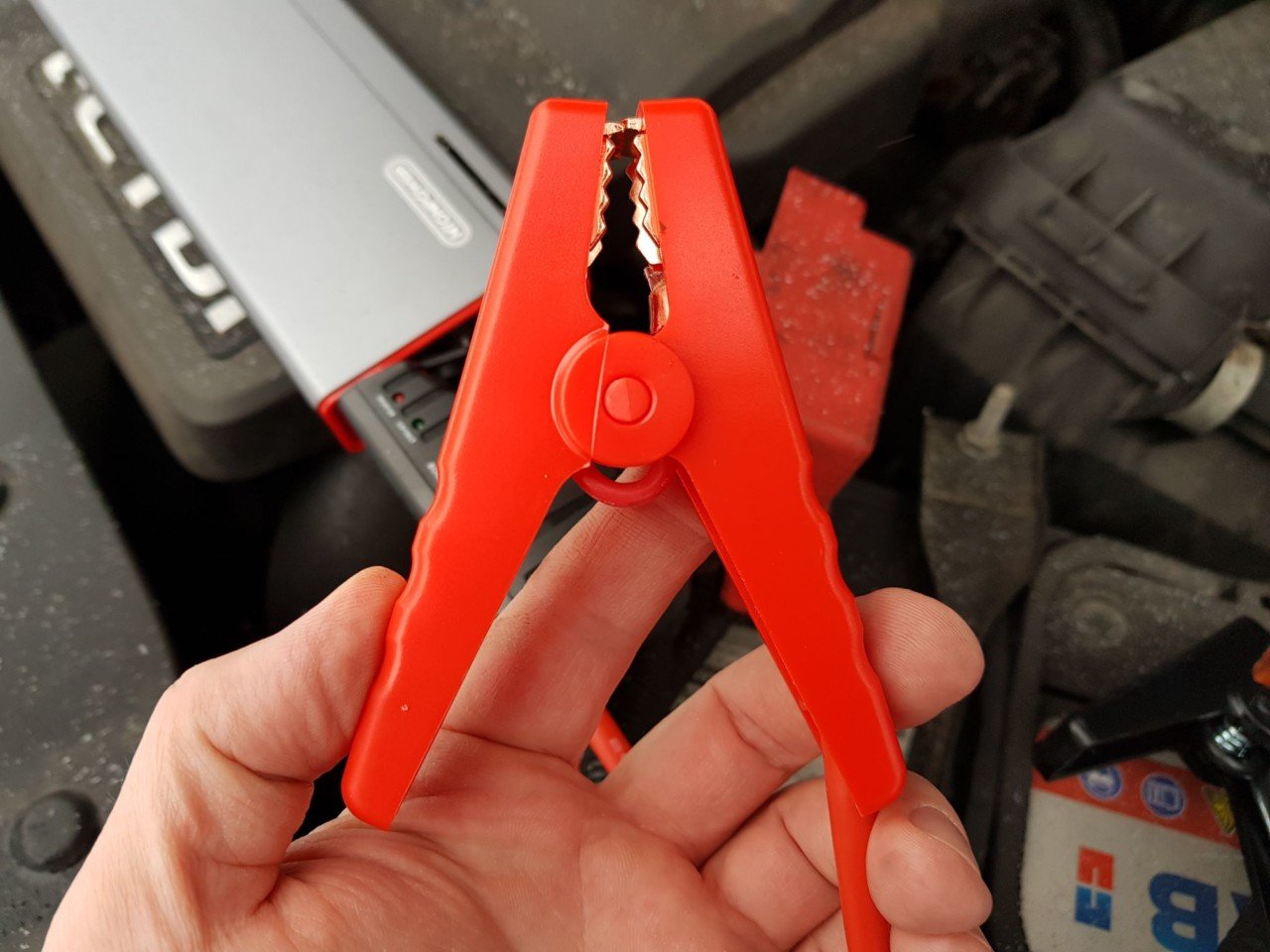
Also, there is a really cool USB cable, which has a lighting, micro USB and USB-C connectors. You also get a bunch of different laptop connectors. Last but not least we have a very sturdy clamp, which is made of copper.
DESIGN and FEATURES
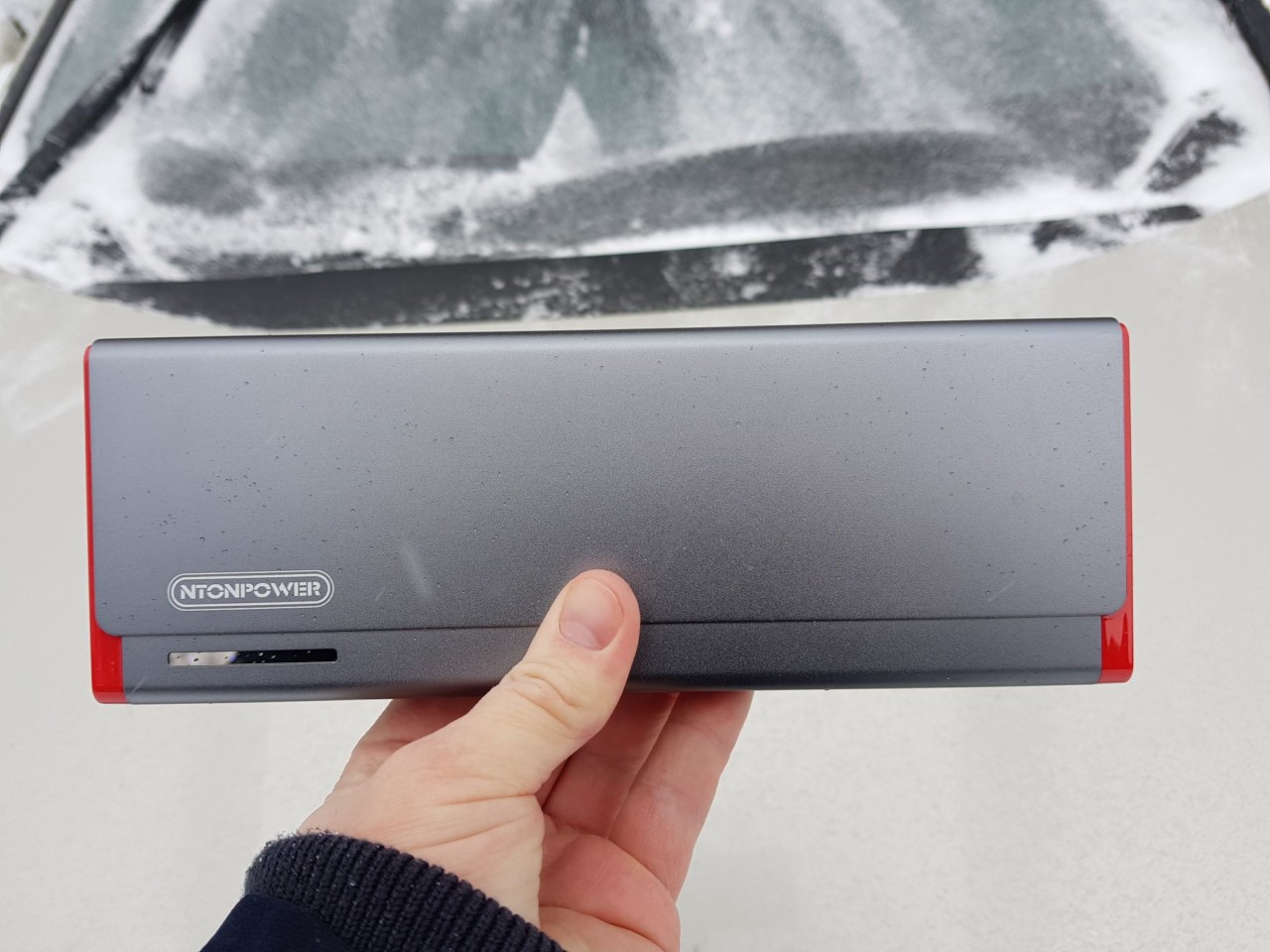
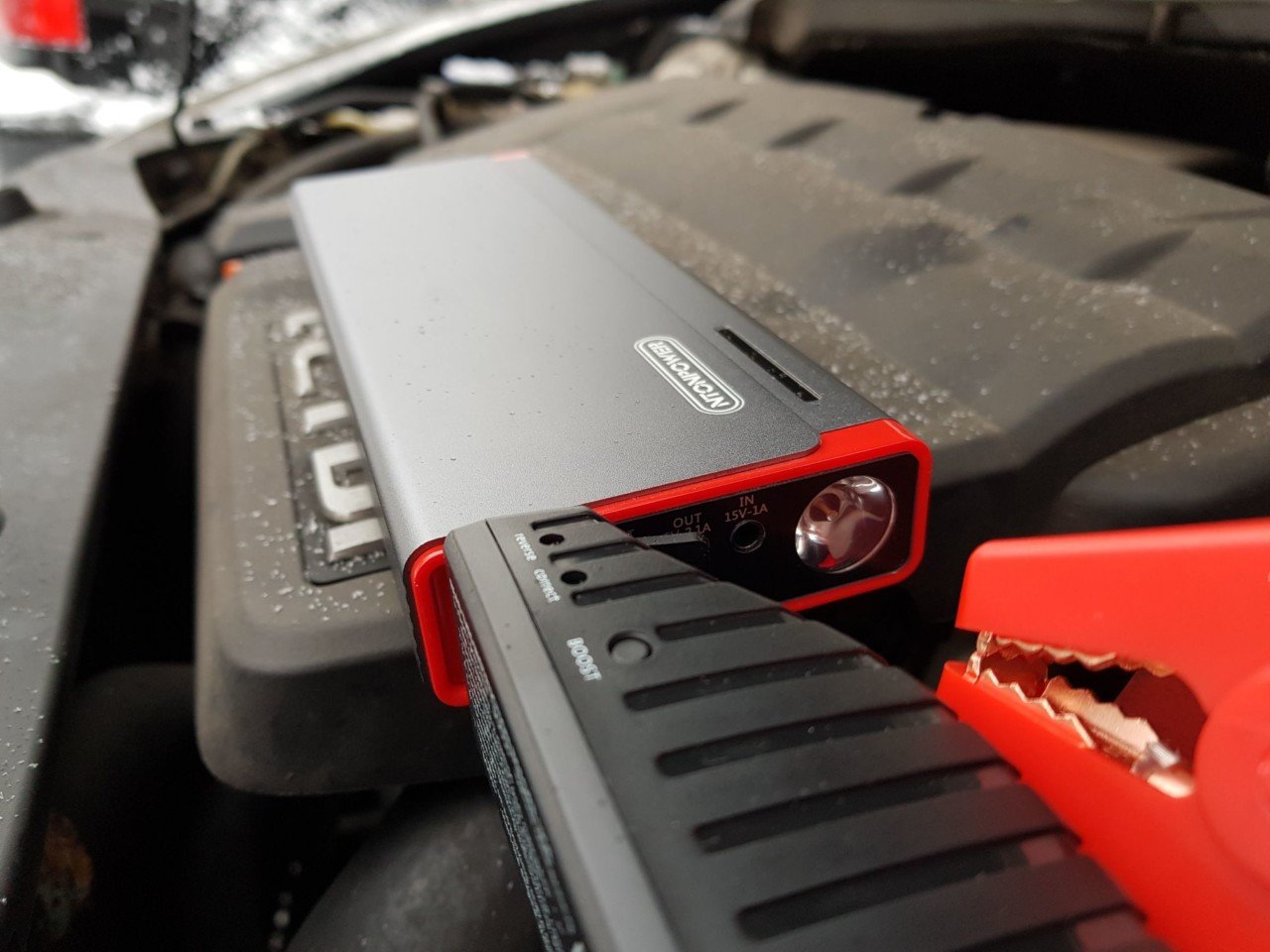
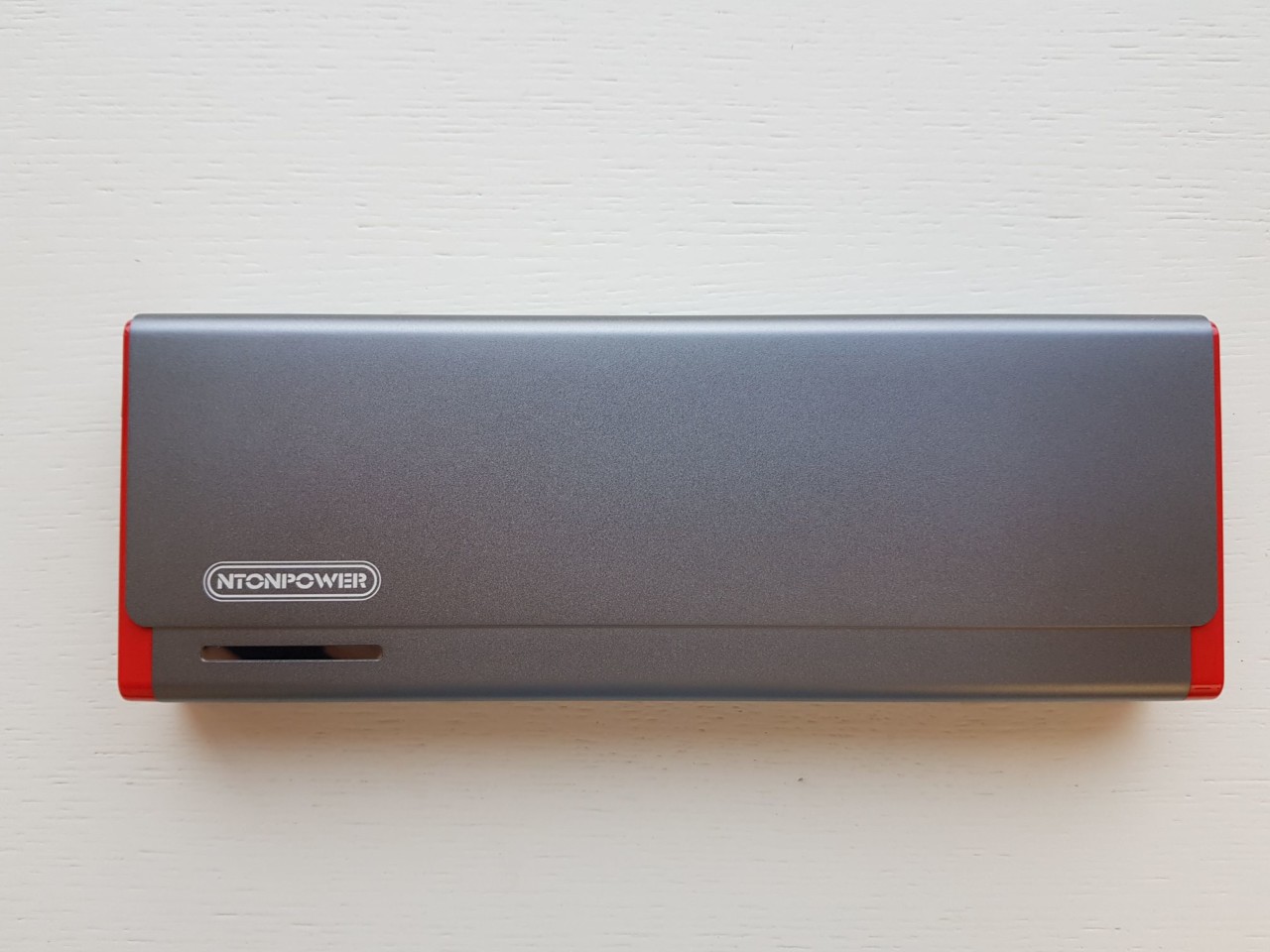
When it comes to the design, we are looking at a very well made and robust device. The battery is made of aluminum alloy and it feels sturdy but it is quite heavy due to the battery capacity.
The overall build quality is great and this jump starter looks kind of premium.
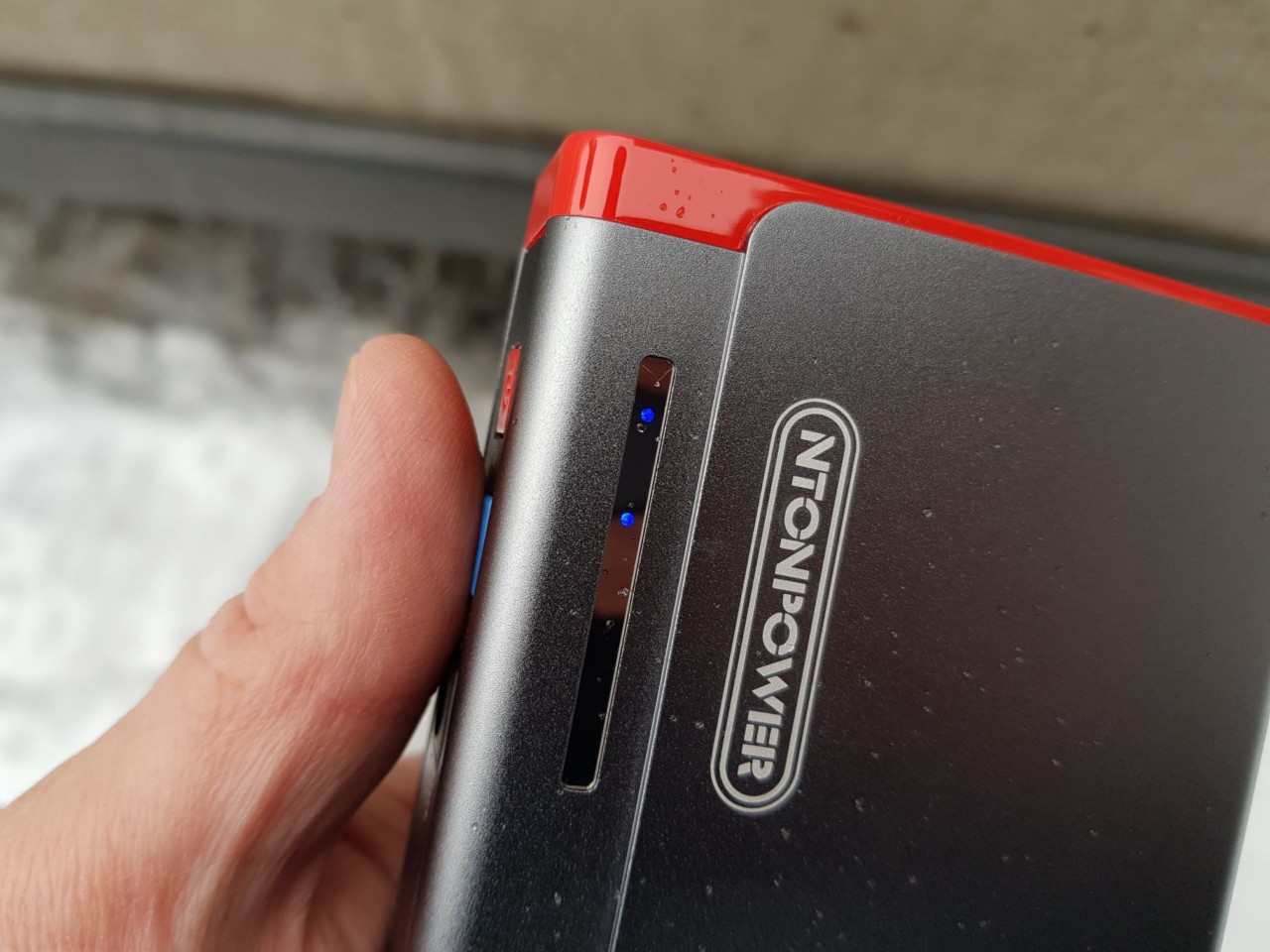
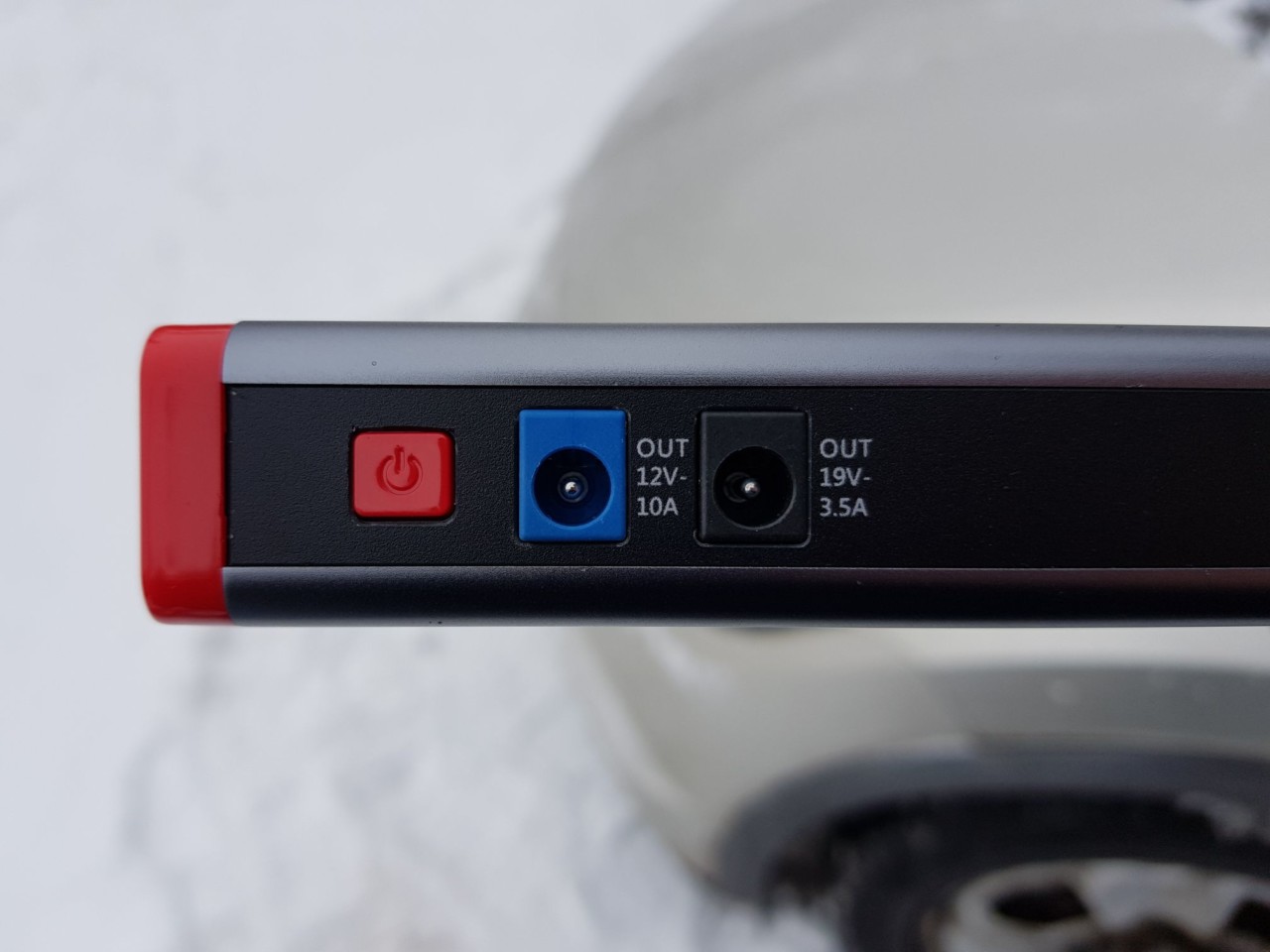
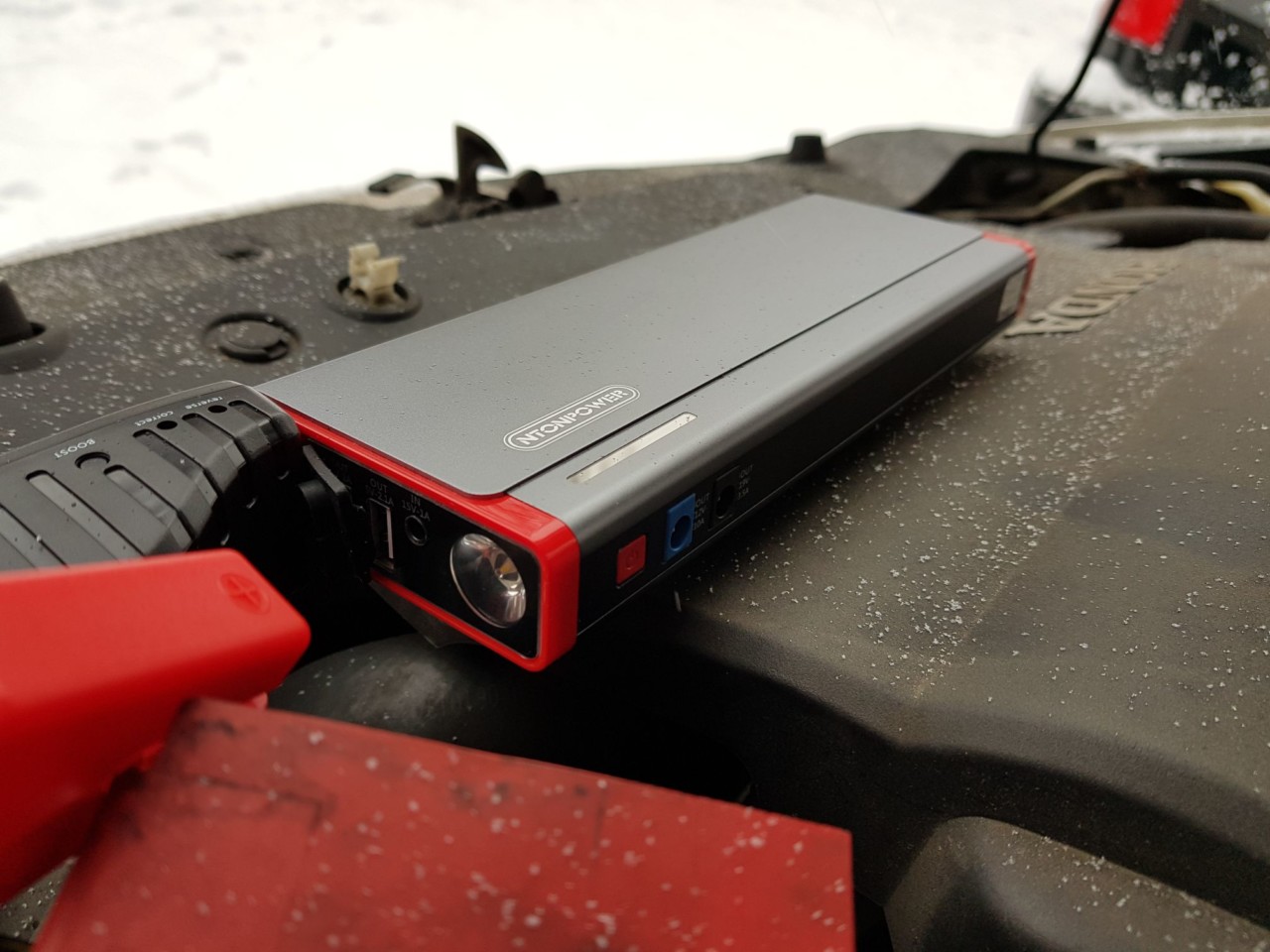
The power button is easy to press and the LED lights indicate the amount of juice left.
Right next to it, you can find two out ports that can output 12V-10a and 19V/3.5A, respectively.
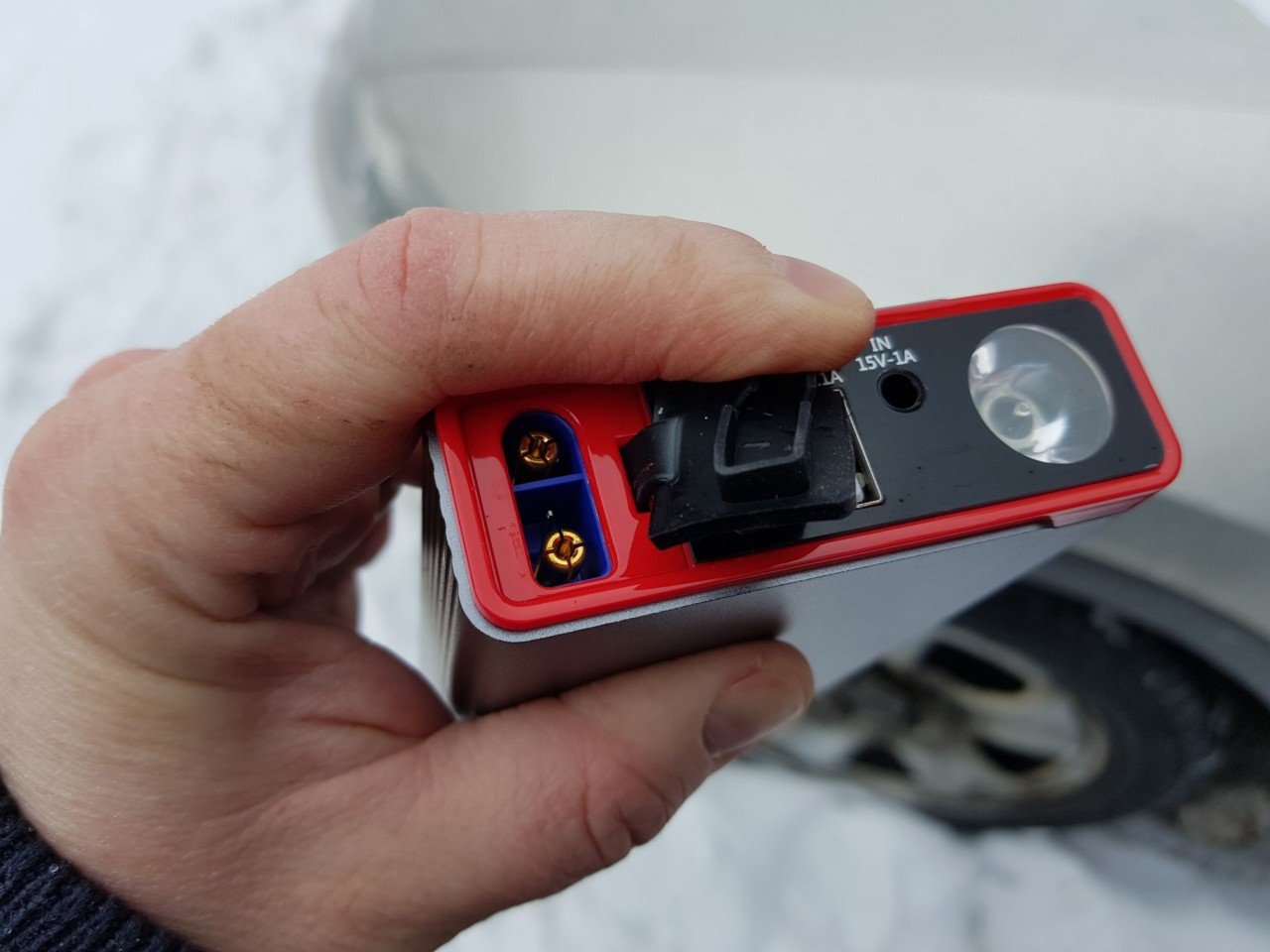
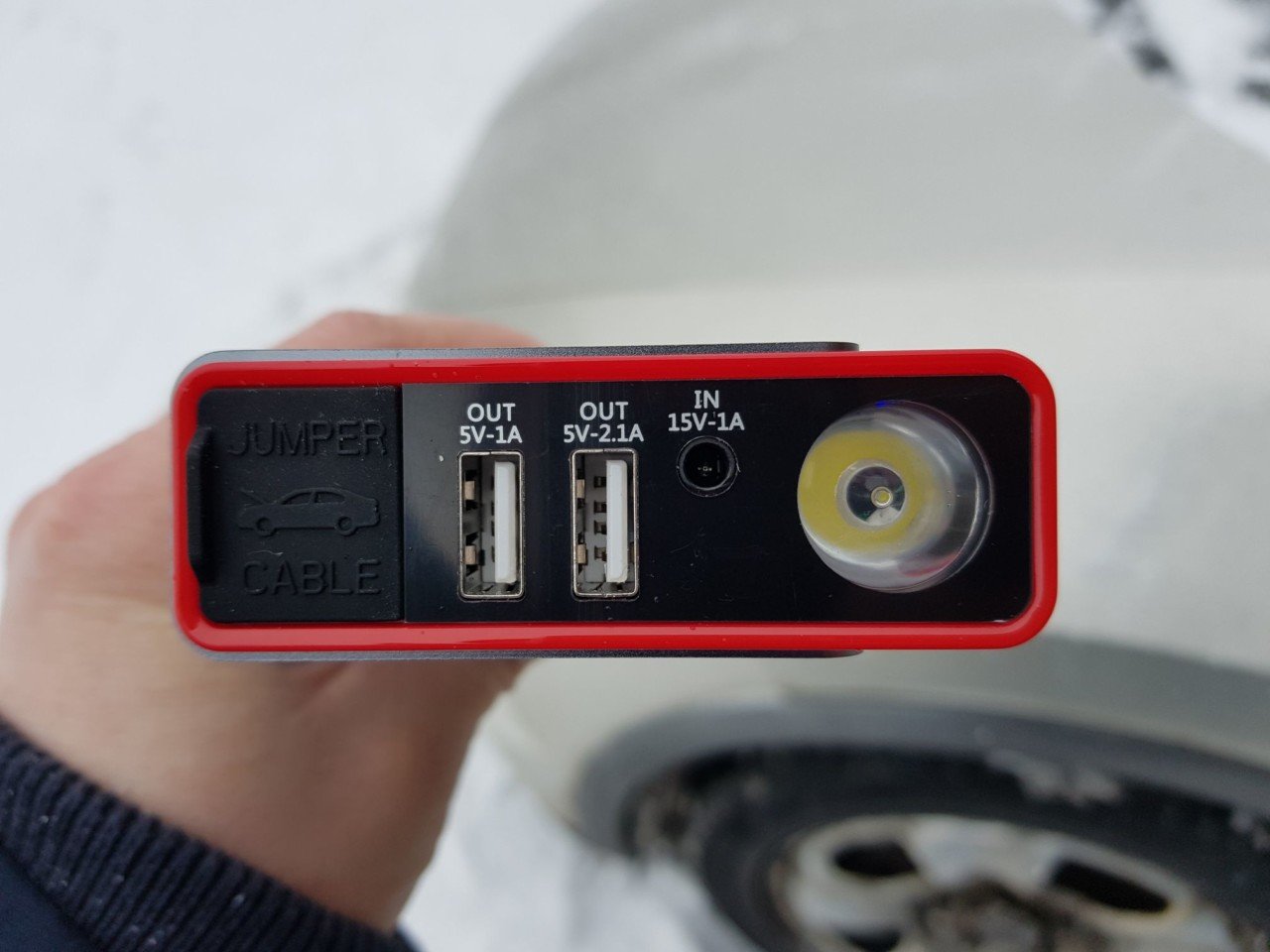
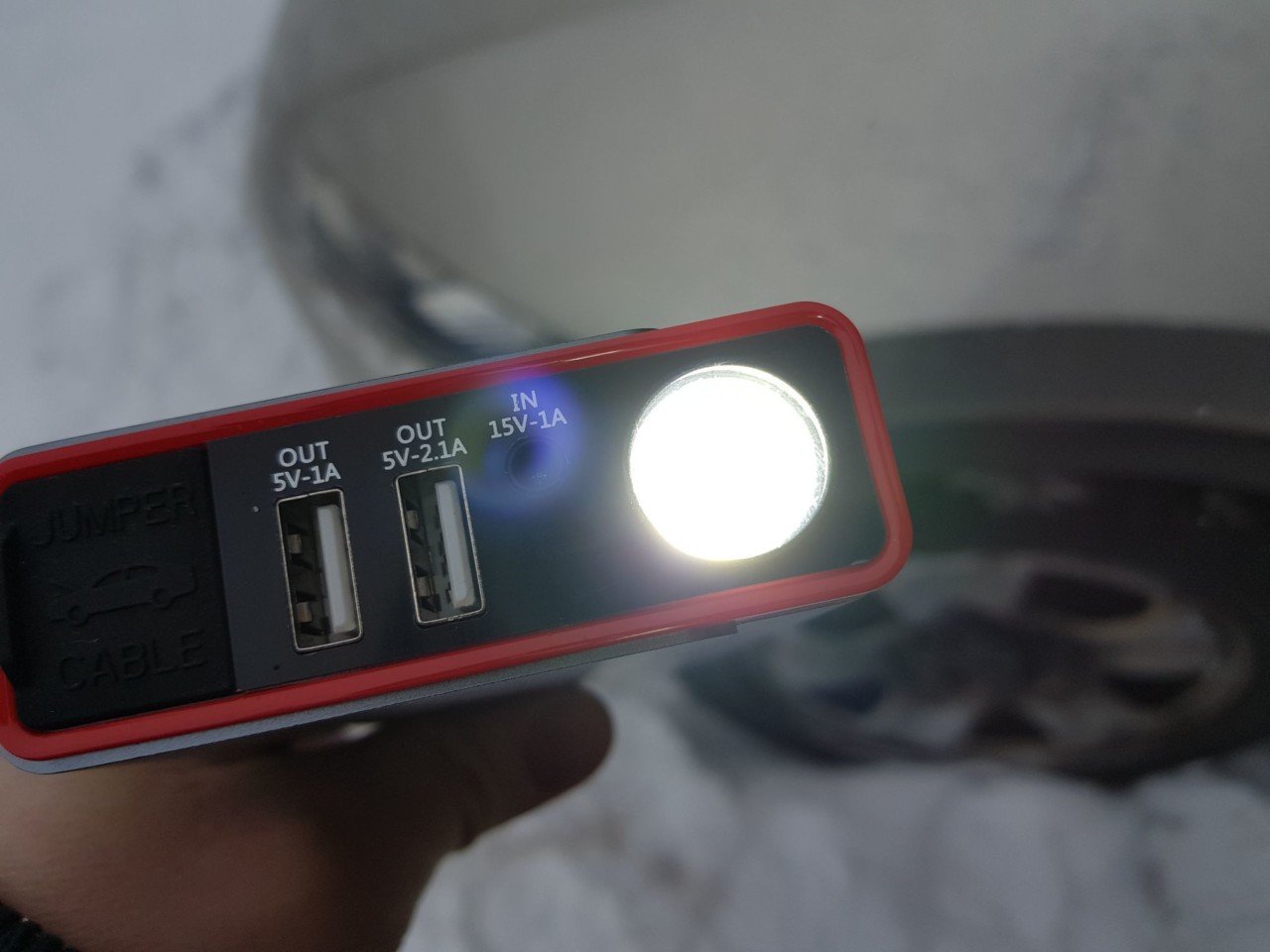
We have two USB ports for charging any gadgets. A car jump starter socket is covered by a flap. If you press and hold the power button, you will turn on a flashlight, which has a few different modes and it is really bright.
STARTING A CAR
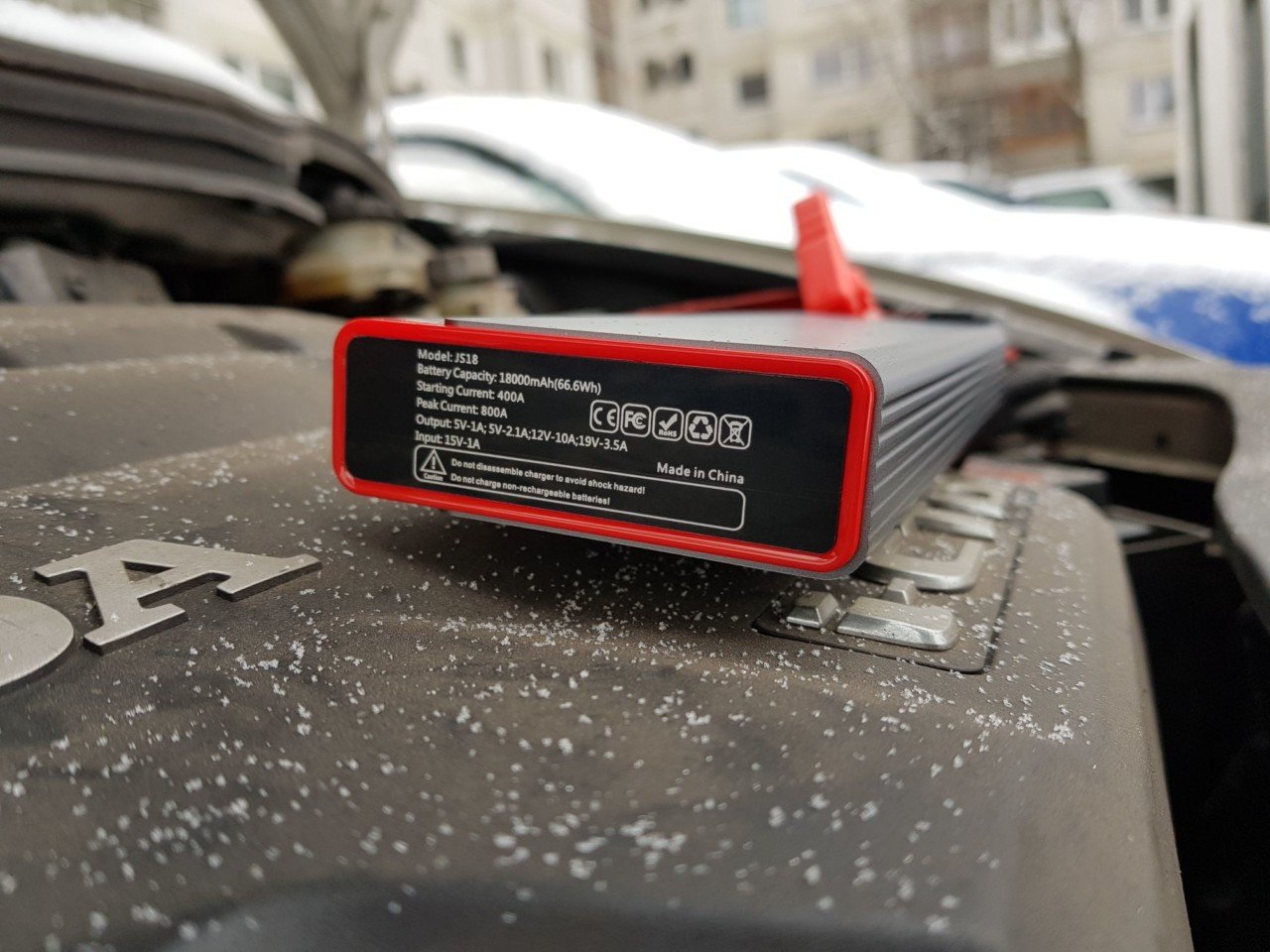
The main feature of this gadget is the ability to start cars with completely dead batteries. It is powerful enough to jump-start gasoline-powered vehicles with engines up to 8.0L and up to 6.0L diesel-powered vehicles.
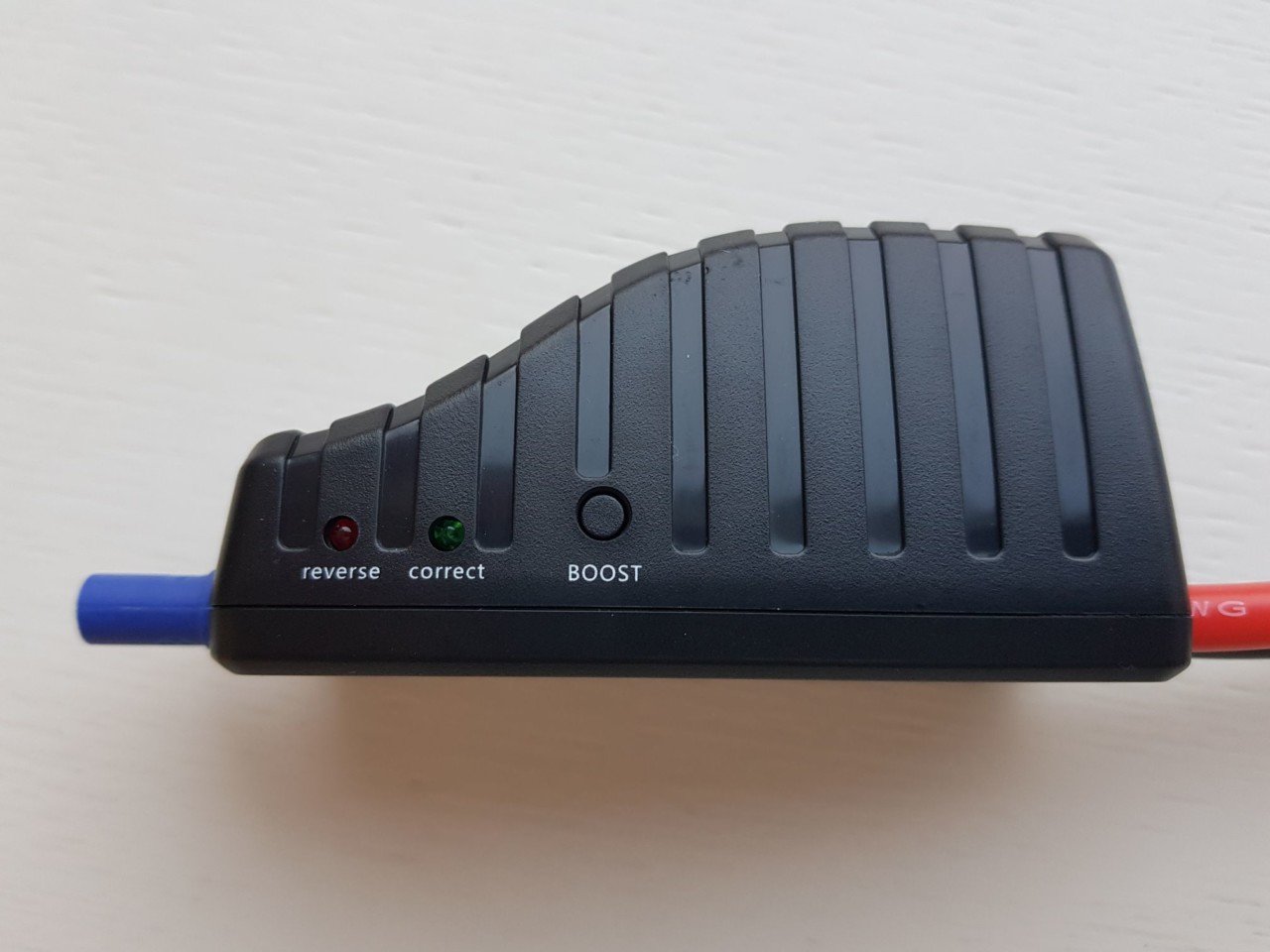
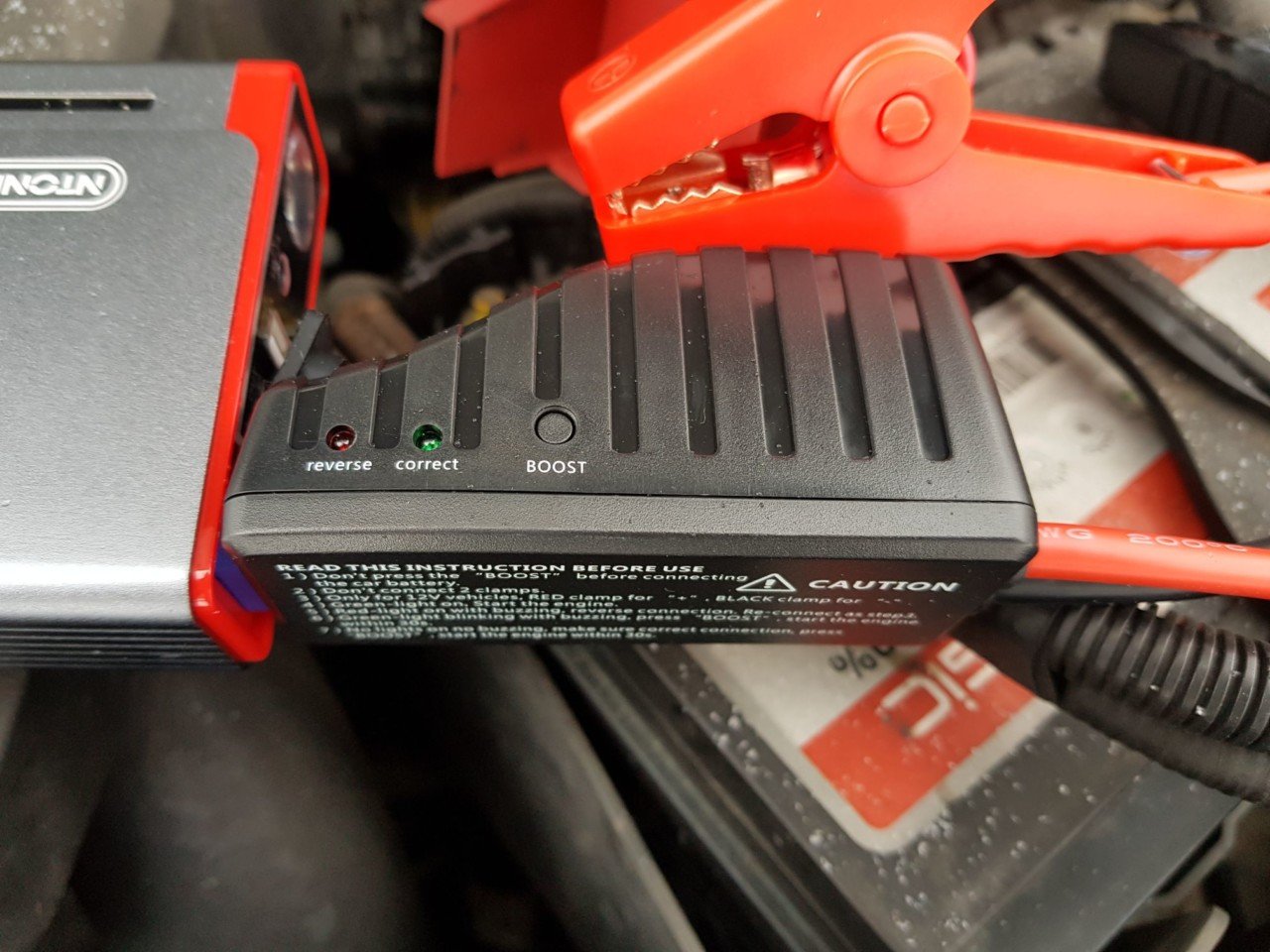
I’ve tested quite a few car jump starters and the steps to start your vehicle are the same. You need to connect a red clamp to the positive terminal of your battery and a black clamp to the negative terminal of your battery. Then you just need to connect the clamp to the car jump starter, make sure the LED light on the controller is on and you are ready to start your vehicle. I had no issues starting my car for the very first time after months of not using it and I can assure you that this jump starter really works. If you your car won’t start, there is a boost button to give extra energy.
CONCLUSIONS
The market is full of car jump starters but the 18000mAh unit made by Ntonpower is one of the most powerful we have ever tested. It is also different from other car boosters we have tested since it sports a premium all-metal design and excellent build quality.
Besides the ability to jump-start your car, you have lots of extra charging ports to power up all kinds of devices, a powerful flashlight and lots of accessories that are packed in a high quality carrying case.
The price of £90 or $130 may sound steep for some but given the overall feature set, the fact that it can jump-start a car within seconds and high quality of this device, it can be highly recommended.
Essential is a company founded by Andy Rubin, one of the co-founders of Android. Last year, they released their first phone – the Essential PH-1, which is also one of the most durable smartphones of the year.
Unfortunately, Andy Rubin’s popularity and the Essential Phone’s build quality didn’t help the phone make much sales. An IDC research director has revealed that the company shipped just 88,000 units of the PH-1 in 2017.
. @Arubin's @essential smartphone is still a long way from becoming a successful venture. In 2017, it shipped less than 90K units (first six months after launch) pic.twitter.com/NHVlA2Gjzr
To be honest, you can’t blame people for not buying the Essential Phone. First, it went on sale later than scheduled and when it did, its $700 price tag didn’t justify the experience users got from it. There were complaints about the camera performance as well as the overall system software.
Essential cut the price to $500 and released a bunch of software updates afterwards. While it made the phone more attractive to purchase, the report shows it didn’t do much to boost sales.
Apart from that, the Essential Phone also had to compete against like the OnePlus 5 and later OnePlus 5T, Galaxy S8, Galaxy S8+, and phones from Huawei, Apple and Google.
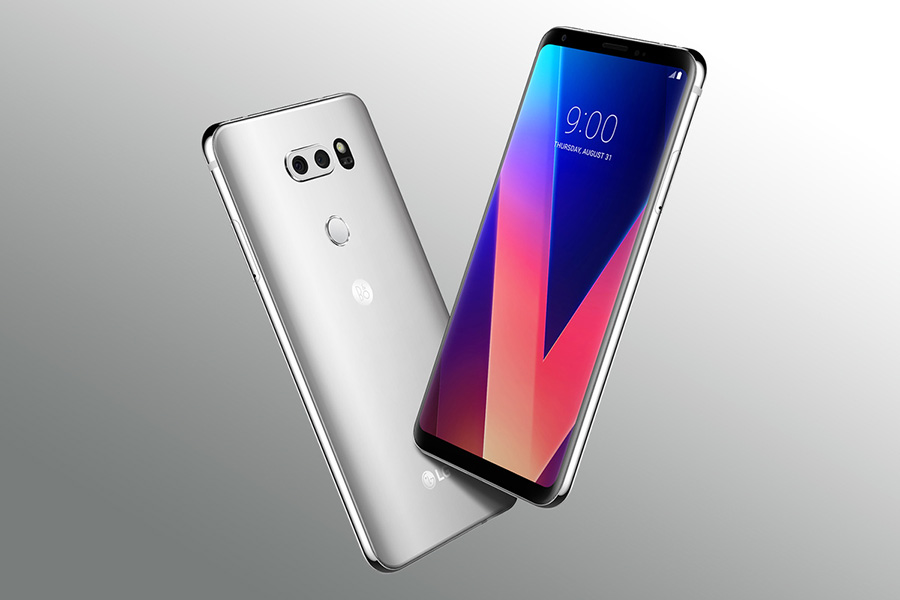
LG has announced that it will be launching the 2018 version of the LG V30 flagship phone at the upcoming Mobile World Congress in Barcelona, Spain. The company has also announced that the phone will come with a suite of artificial intelligence (AI) technologies focusing on camera and voice recognition.
The South Korean company calls this Vision AI — which involves automatic image analysis for shooting mode recommendations, similar to what we saw in Huawei Mate 10, powered by Kirin 970 chipset. It will also recognize object and give shopping suggestions, similar to what Google did with Lens on the Pixel phones. Another feature will leverage the technology to offer better low-light performance.
In a statement, LG said that the Vision AI is the next-generation image recognition technology that is designed to analyze objects and recommend the best shooting mode from among eight preset modes, including portrait, food, pet, landscape, city, flower, sunrise, and sunset. It also considers the angle of view, color, reflections, back-lighting, and saturation levels by analyzing images from a database.
Unlike Samsung, LG is not attempting to come up with its own smart voice assistant. Instead, the company will be leaning on Google Assistant and will be offering some commands that are exclusive to LG phones. It already has about 23 such commands, and that list will grow to 32 this year.
As of the hardware, the company has confirmed that the new LG V30 2018 will come with a dual camera setup that will include wide-angle, low-distortion lenses. Recent rumors suggest that the phone will come with Snapdragon 845 processor and up to 256GB of internal storage. According to the reports, the device will be available in South Korea from the second week of March at a price tag of KRW 1 million (approximately $920).
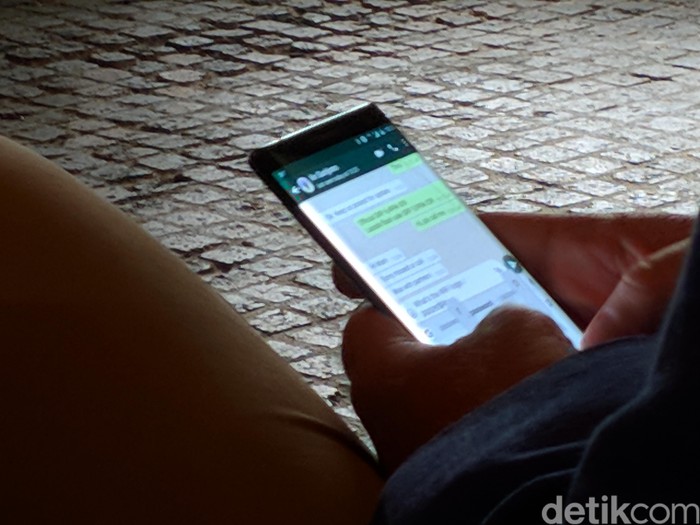
Nokia sent out invitations about three weeks ago for its launch event taking place on February 25 during MWC 2018. The HMD Global-controlled company is expected to unveil the Nokia 9 flagship alongside other smartphones. Ahead of the February 25 launch event, a device suspected to be the Nokia 9 has been spotted in the hands of an HMD Global official. The sighting was done during the recent launch of the Nokia 8 for the Indonesian market held in Jakarta.
The leaked photos of the device are sort of blurry but sure isn’t any of the present crops of Nokia models in the market. Based on previous leaks and renders, the device is very much suspected to be the Nokia 9. The display screen features a curved edge similar to the Galaxy S8 and Galaxy Note 8. The device, however, doesn’t look too long, fueling speculations that the device will have a 16:9 aspect ratio instead of the trending 18:9 which almost all latest flagships use. The back cover is also made of glass and we could see a dual camera setup mounted in a vertical arrangement at the centre. Just beneath the dual cameras is the fingerprint sensor and this setup aligns with the leaked protective TPU casing which has been a regular in leaks, even finding its way into Amazon UK.
Apart from the flagship Nokia 9, HMD Global could also take the wraps off Nokia 1 as well as the Nokia 6 (2018) for the global market, Nokia 3310 4G and perhaps, the Nokia 7 which has only been launched in China. It would be recalled that last year’s MWC saw a flurry of smartphone launch by the tech giant including the Nokia 3, Nokia 5, Nokia 6 and the redesigned Nokia 3310 feature phone. Apart from smartphones, we could see Nokia also launch a smart home product at the event. The event would hold between 4 pm and 5 pm at the Barcelona Museum of Contemporary Arts on February 25.
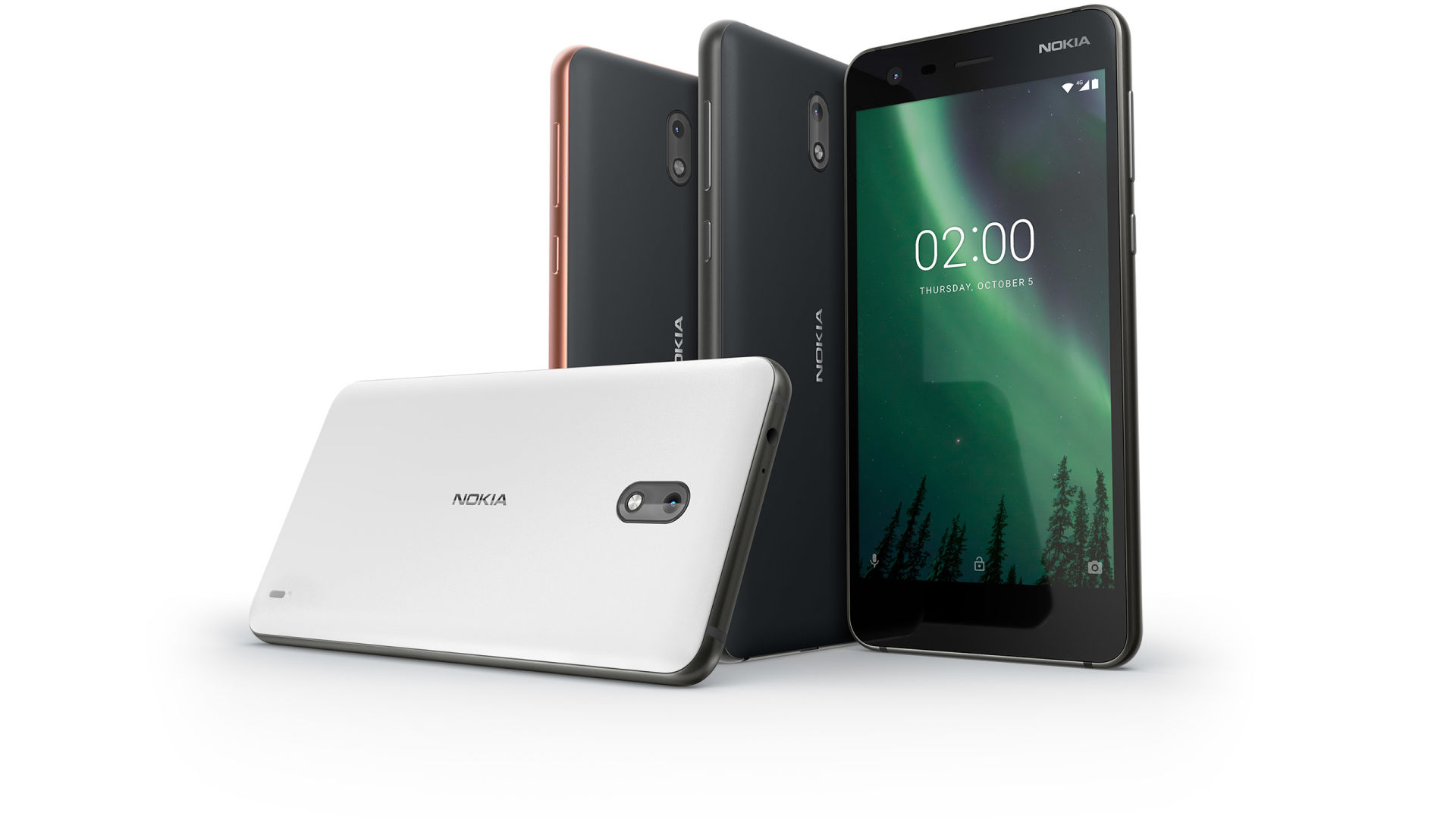
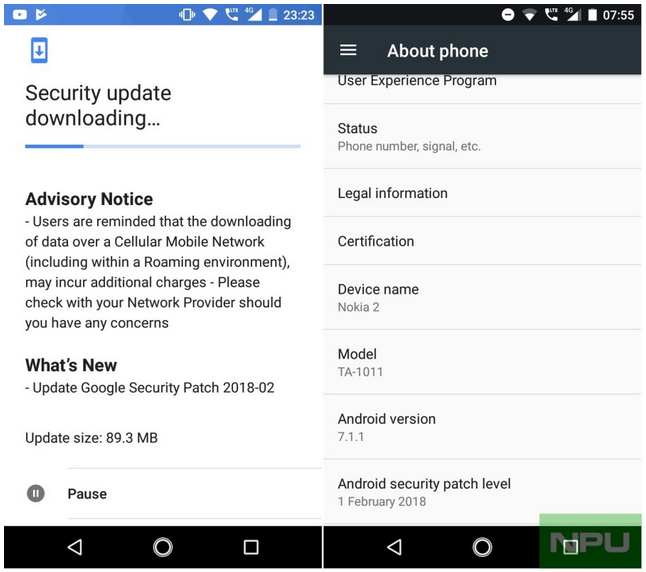
HMD Global’s cheapest Android smartphone is the Nokia 2. A few months ago, it was announced that it would get Android 8.1 instead of Android 8.0. A new update has started rolling out but it doesn’t bring the awaited OS upgrade.
The new update which comes in at almost 90MB is actually a security update that brings February’s security patch. It is also said to fix a security flaw in the Media framework. The update has started arriving on the version released in India (TA-1011) but should be available in other markets soon.
The Nokia 2 is a 5” phone with a Gorilla Glass 3 protected HD display. HMD Global has put the barest minimum specs in the phone. There is just 1GB of RAM and 8GB of expandable storage. Qualcomm’s Snapdragon 212 is the chip under the hood.
It packs an 8MP rear sensor and a 5MP front facing camera. It also has FM Radio, Bluetooth 4.1, a microUSB port, and a more than sufficient 4100mAh battery.
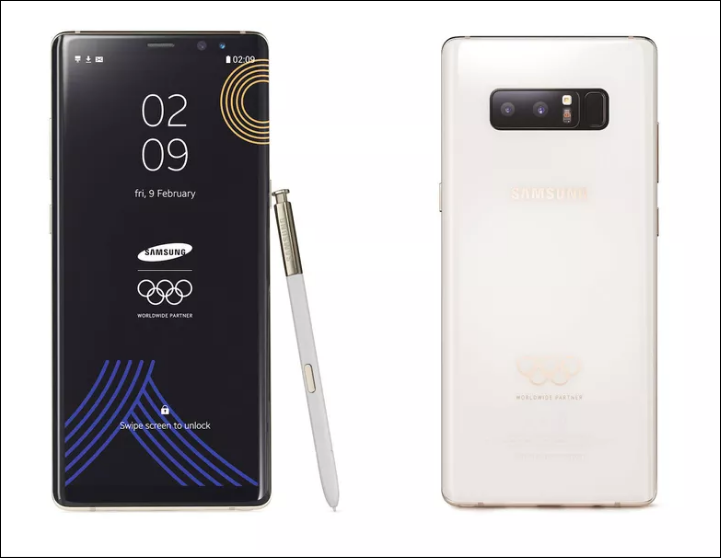
The 2018 Winter Olympic Games is ongoing n PyeongChang, South Korea and as the official mobile partner for the games, Samsung has handed out units of the Galaxy Note 8 customised for the games to Olympians. Samsung first announced the PyeongChang 2018 Olympic Games Limited Edition Galaxy Note 8 in January, well ahead of the games. At the commencement of the games, each Olympian was given one unit of the customised Note 8 as a souvenir.
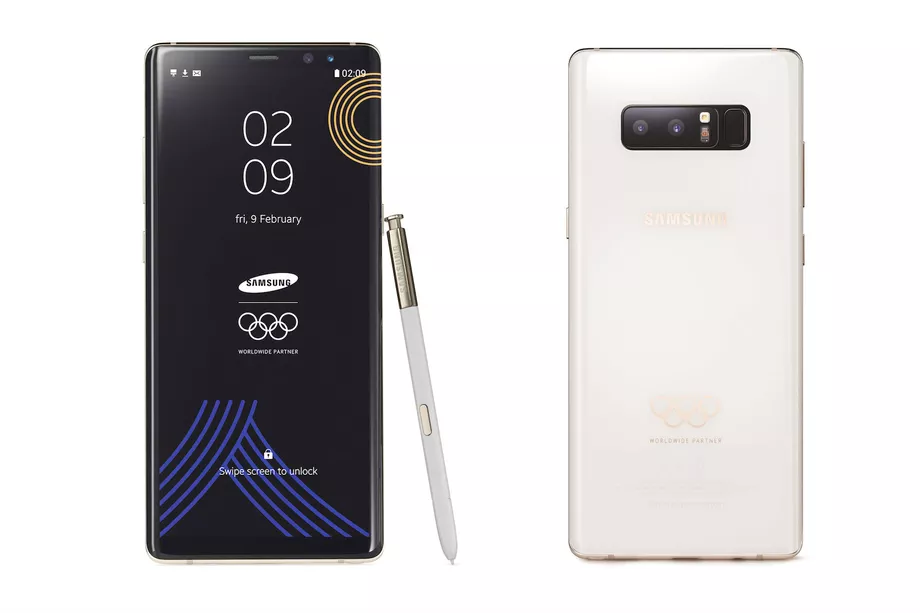
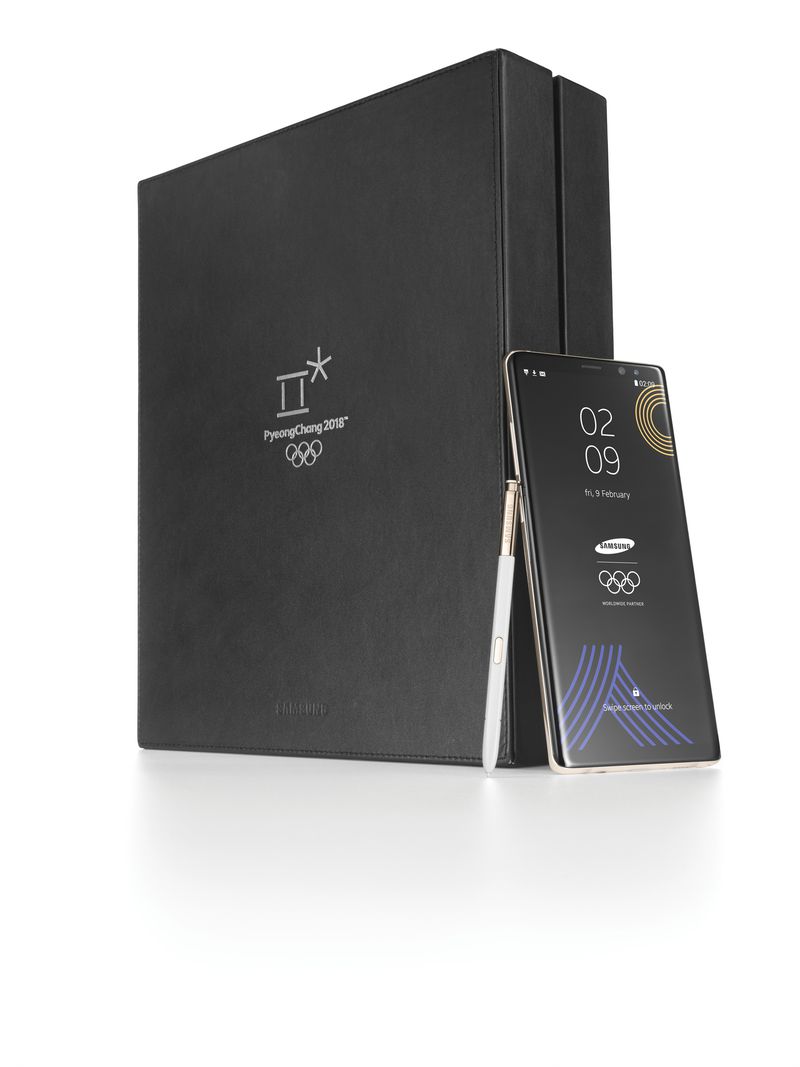
The Galaxy Note 8 Olympic Games customised version features a snow white glass back which obviously represents the fact that the game is taking place in winter. The glass back is also emblazoned with gold Olympic Rings that are “inspired by the Olympic Torch.” Android Authority has served us a hands-on video of the sleek version which unfortunately won’t be commercially available since it was produced in limited units. Samsung did something during the Rio Olympics, handing out units of the Galaxy S7 Edge customised Olympics edition to athletes and officials. The S7 Edge Olympics edition was later made available to the public but Samsung has disclosed that same thing won’t apply to the Galaxy Note 8 Limited Olympics edition.
Apart The phone features the same specs and functions as the standard Galaxy Note 8, but also comes with a customised theme tailored along the line of the Winter Olympic games. In addition, owners will also get a customised leather case with the Paralympic games logo embossed on the body.
We use cookies on our website to give you the most relevant experience by remembering your preferences and repeat visits. By clicking “Accept”, you consent to the use of ALL the cookies.
This website uses cookies to improve your experience while you navigate through the website. Out of these, the cookies that are categorized as necessary are stored on your browser as they are essential for the working of basic functionalities of the website. We also use third-party cookies that help us analyze and understand how you use this website. These cookies will be stored in your browser only with your consent. You also have the option to opt-out of these cookies. But opting out of some of these cookies may affect your browsing experience.
Necessary cookies are absolutely essential for the website to function properly. This category only includes cookies that ensures basic functionalities and security features of the website. These cookies do not store any personal information.
Any cookies that may not be particularly necessary for the website to function and is used specifically to collect user personal data via analytics, ads, other embedded contents are termed as non-necessary cookies. It is mandatory to procure user consent prior to running these cookies on your website.