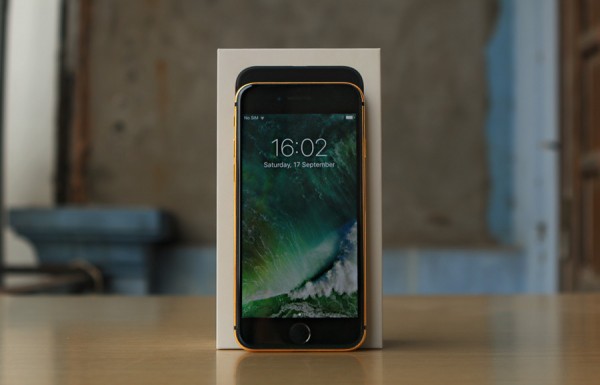
Karalux is a Vietnam-based firm specialising in customisation and gold-plating of high-end gifts and supercars. Over the years the company has gold-plated a bunch of phones such as the Galaxy Note 4, Galaxy Note 5, and iPhone 6, 6s, and 6s Plus. Now they are offering the same treatment to the newly released iPhone 7 and iPhone 7 Plus.
If you own the new iPhone already, the company will coat it in 24-karat gold for you or black gold if your unit is the black or plain black. They say the whole process will take up to 8 hours and the surface will have a nano-coating to protect the phone from wear. The apple logo on the back will also be diamond-encrusted.
If you also want, Karalux will engrave a text or an image on your phone. So all you lovebirds out there can have your partner’s name engraved on your phone or on their phone if you intend to give them as a gift.
After the success of the OPPO R9 spurred by its fast charging feature, it is hardly surprising that OPPO’s expected R9S is planning to come with even more fast charging capability. The OPPO R9S was rumored to drop on September 12 but that’s come and gone and nothing happened.
However, a new leak has emerged from China’s Weibo platform about the expected OPPO R9S. It is now rumored that the OPPO R9S will now drop sometime in October and that the new smartphone will feature on the camera end, image stabilization technology powered by a new OPPO SmartSensor. Apart from that the phone will feature the company’s new ultra-fast Super VOOC fast charging technology, which would give the device the capacity to deliver up to 10 hours of talk time with just 5 minutes charge time.
Furthermore, as had earlier been leaked, the OPPO R9S is likely to get a new design without visible antenna band and this design concept comes in a way that signal isn’t affected. We’ll get to see more of that when the smartphone pops.
The R9S had also cleared TENAA not too long ago, posting a device retaining the same 5.5-inch 1080p display with the R9. There is also a 16MP front camera and a 13MP main camera, dual-SIM/ dual standby feature, entire network support and a 2850mAh battery. However, the R9S will be seeing a shift on the processor end, sporting a Snapdragon 625 chipset as against the Helio P10 on the R9.
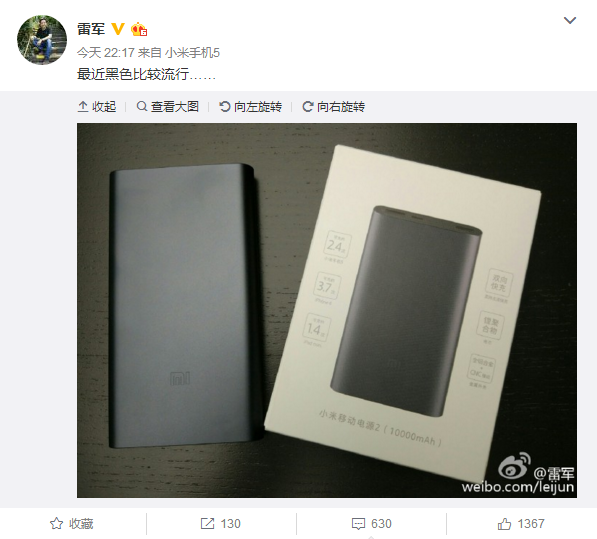
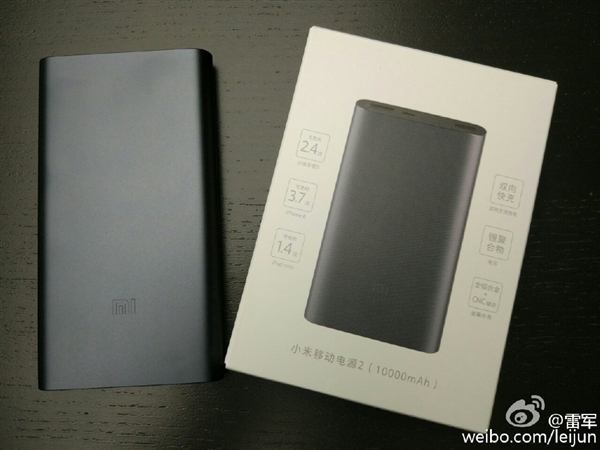
Xiaomi had last week sent out a press invite of an event holding on September 21. The poster contained a teaser of what should be a power bank to be released on the said date even thought it wasn’t explicitly stated on the press invite. Now it has been confirmed by no less a person than Lei Jun, Xiaomi’s CEO that a new power bank is in the works and this he did via a Weibo post. The CEO hinted about the release of a Xiaomi Mobile power 2 soon and even shared a photo of what the expected power bank looks like.
One product from Xiaomi which has acquired worldwide admiration, even from those who don’t like Xiaomi smartphones, is the Xiaomi powerbank. In just around two years of its first release, the Xiaomi powerbank have gone on to rake in over 20 million units in sales. Presently, Xiaomi has different power banks with capacities ranging from 5000mAh, 10,000mAh to 20,000mAh.
The picture shared by Lei Jun only reveals a 10000mAh power bank and that’s nothing higher in capacity from what we have seen from his company in the past. However, this one is billed to provide a lot more features than its predecessors. There is a USB Type-C interface and a USB charging output interface and this comes with support for two-way fast charging and perhaps more. We’ll have to wait till September 21 when it would be officially unveiled to know the other features on offer and if its going be so much more for less, talking about the price. The 10000mAh Mi Powerbank Pro with quite similar features, released earlier on, started at just 149 Yuan which comes to around $22-$23.
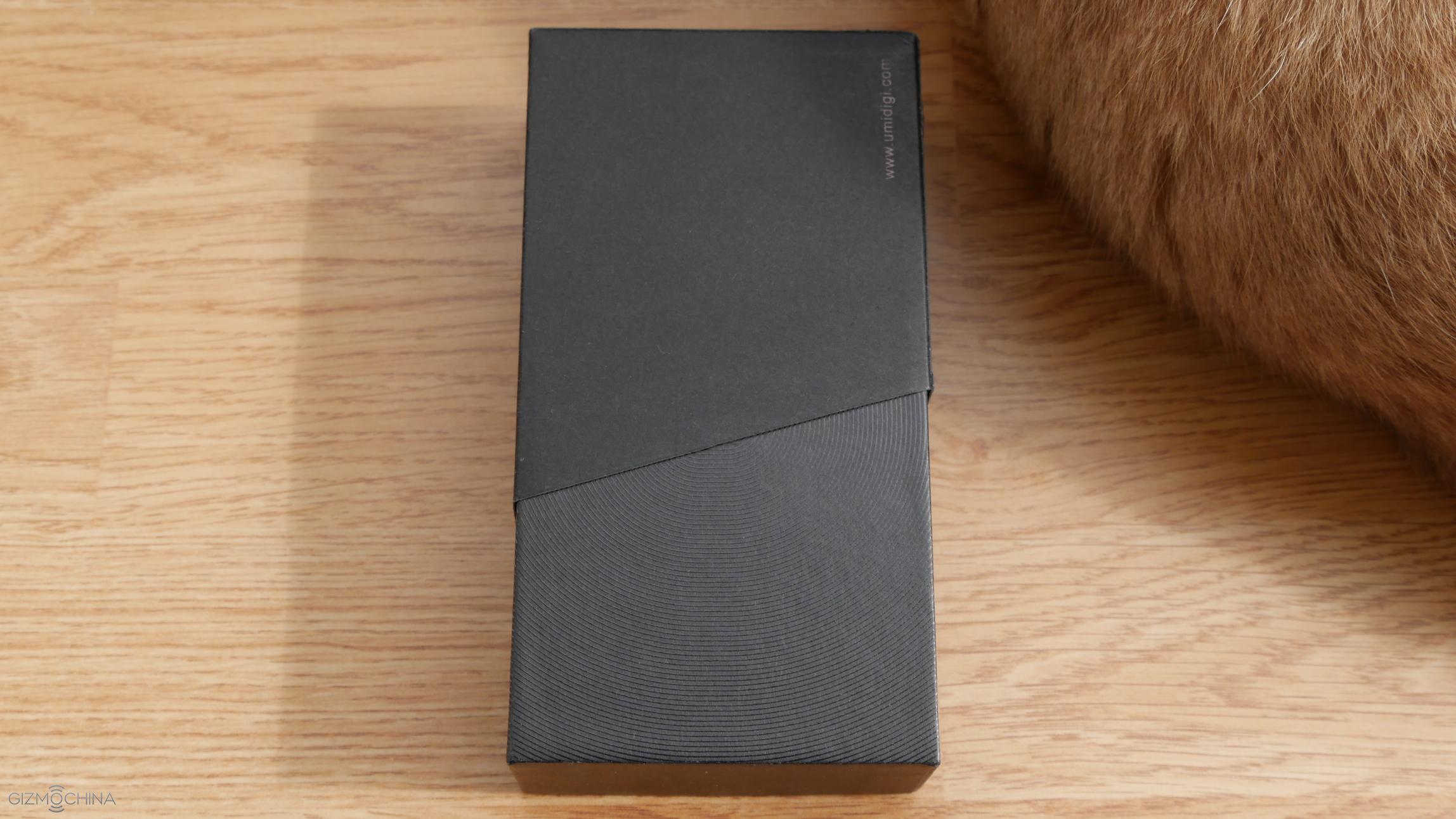
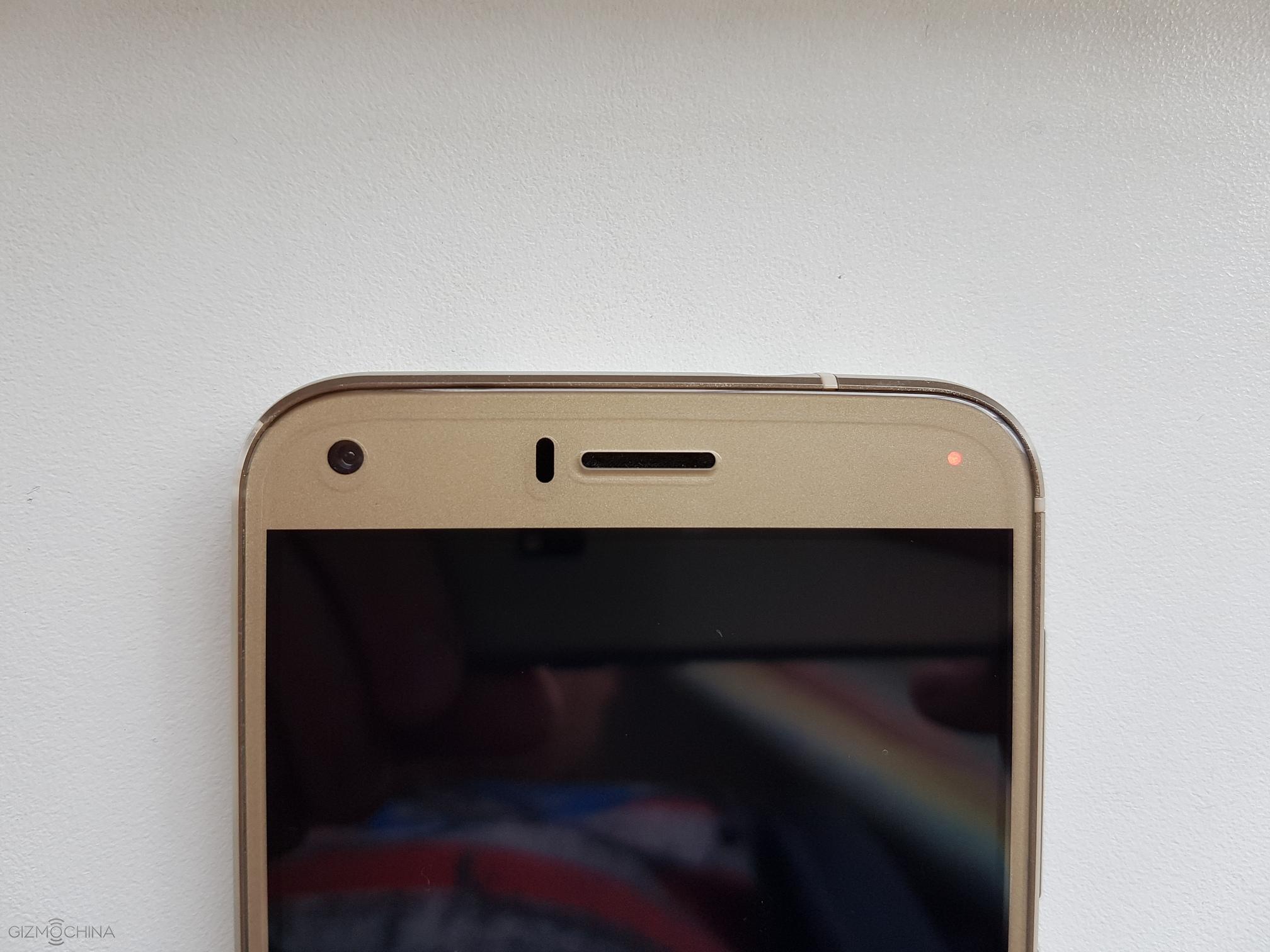
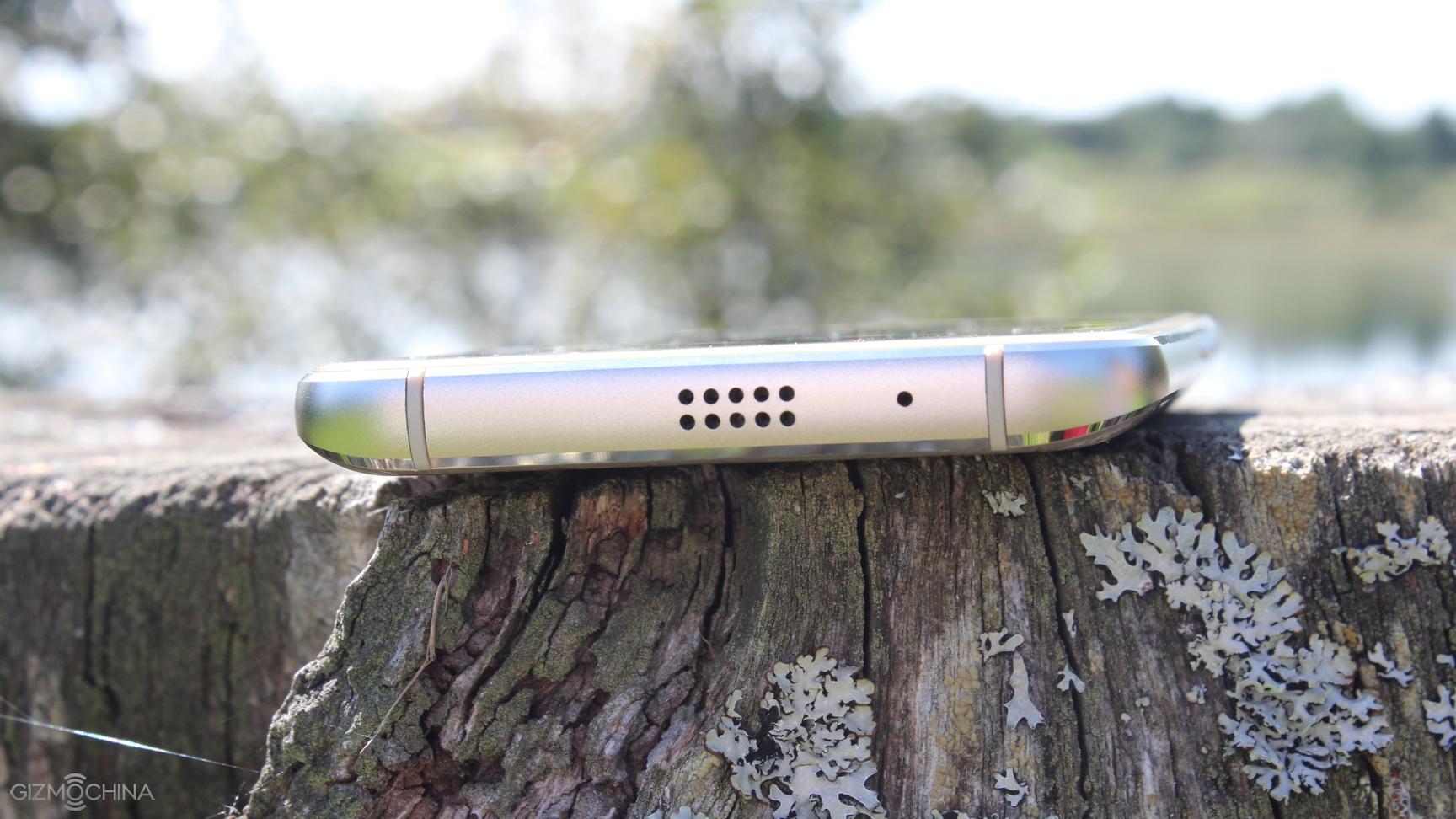
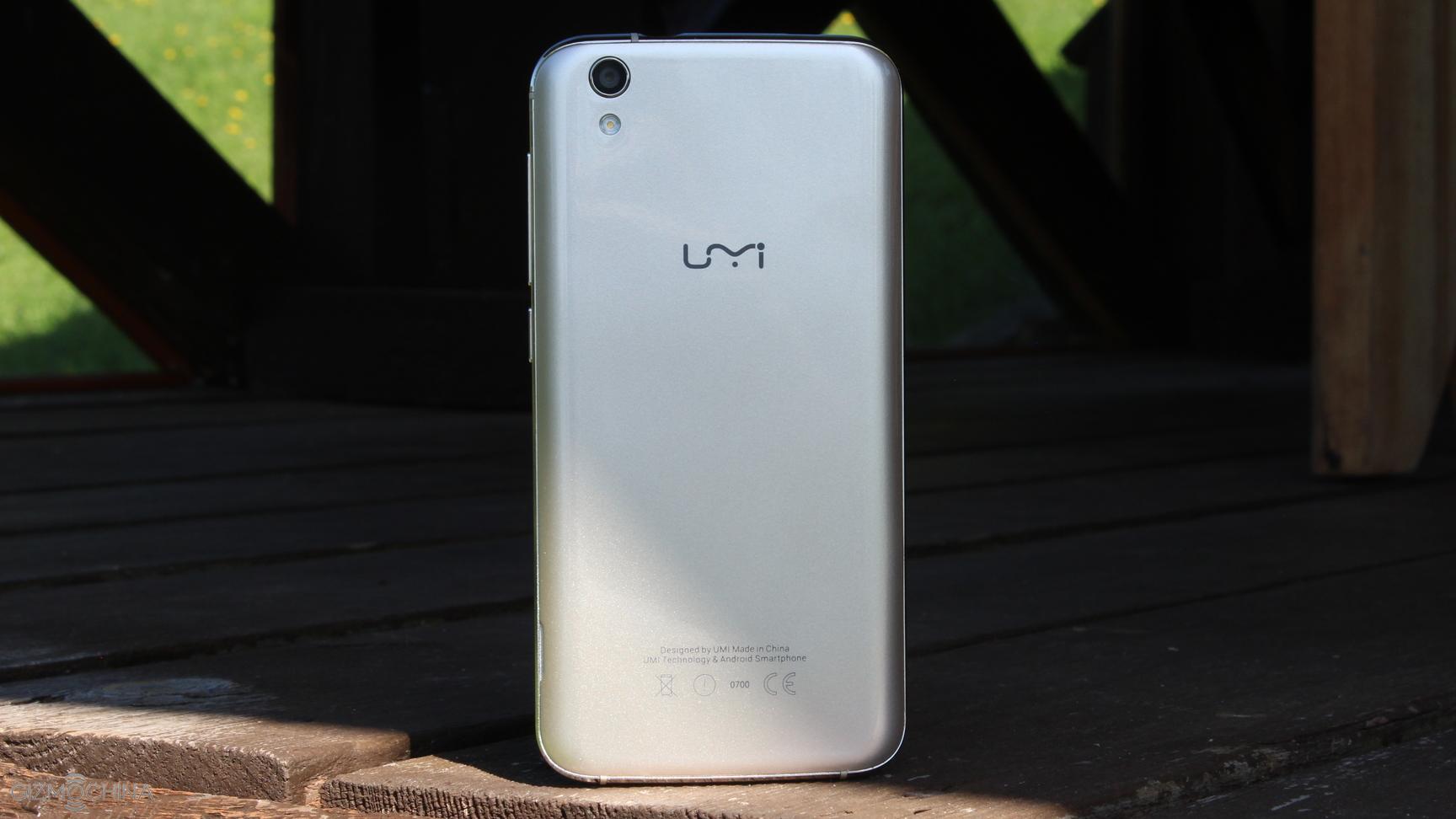
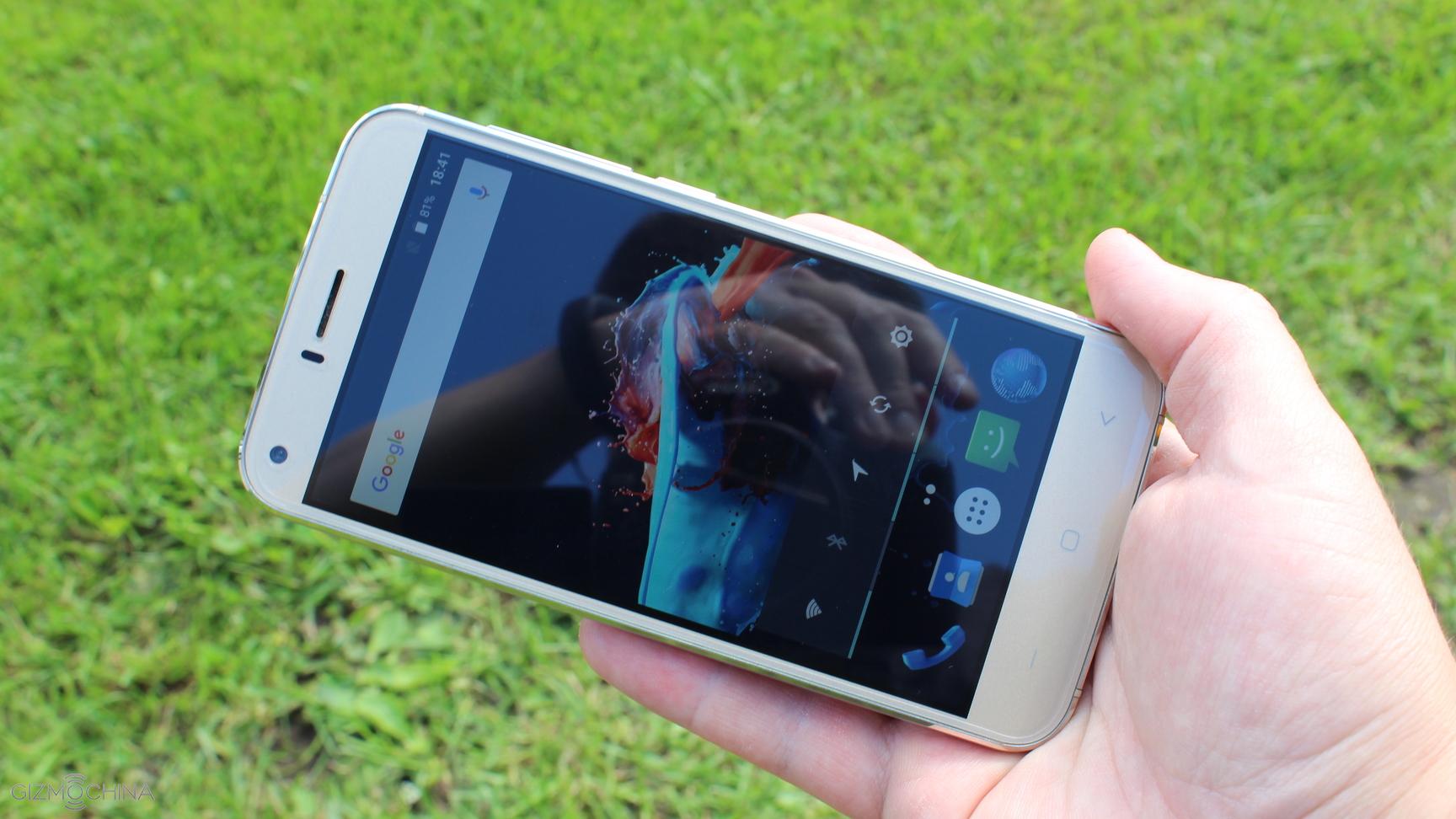
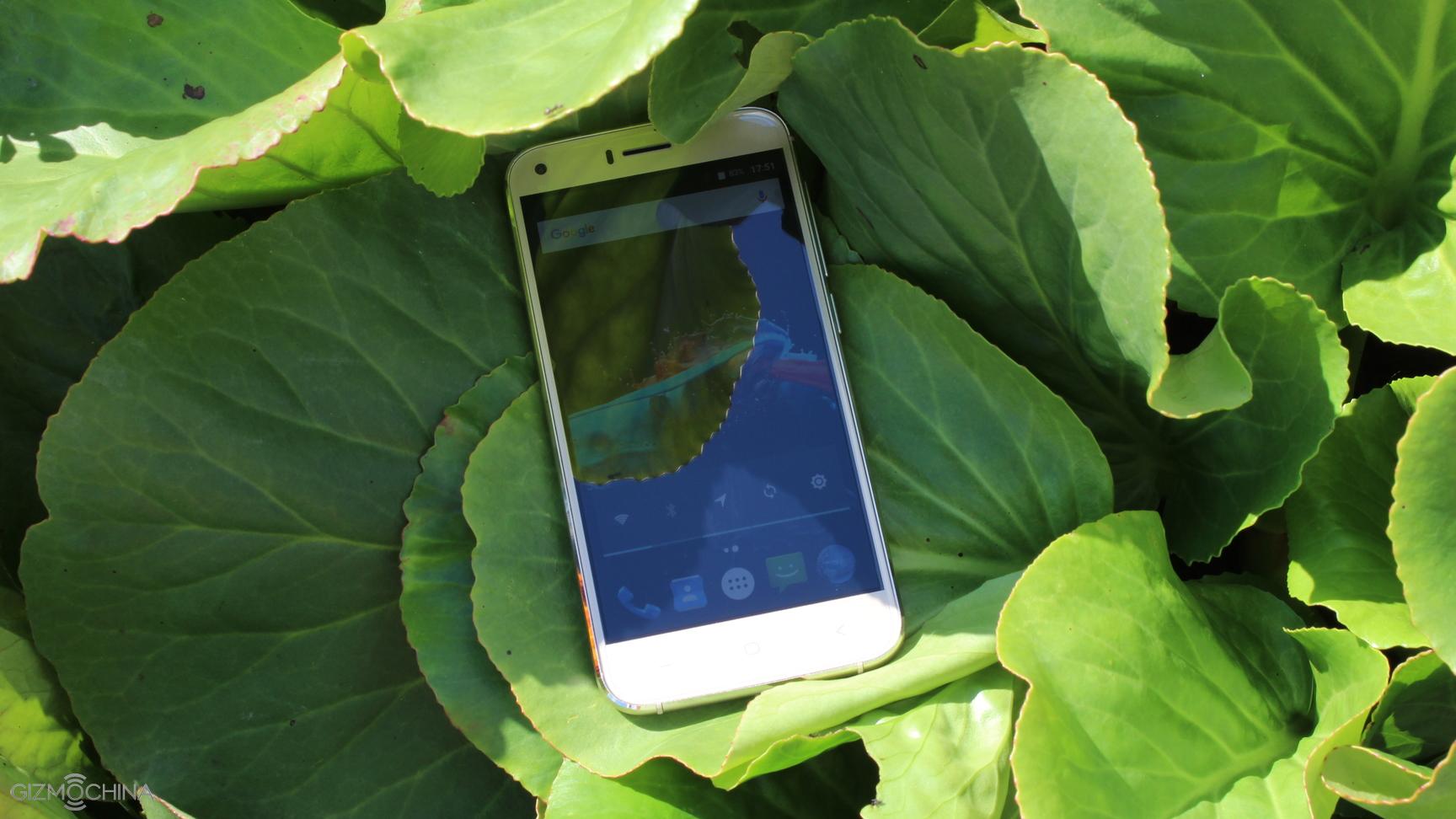
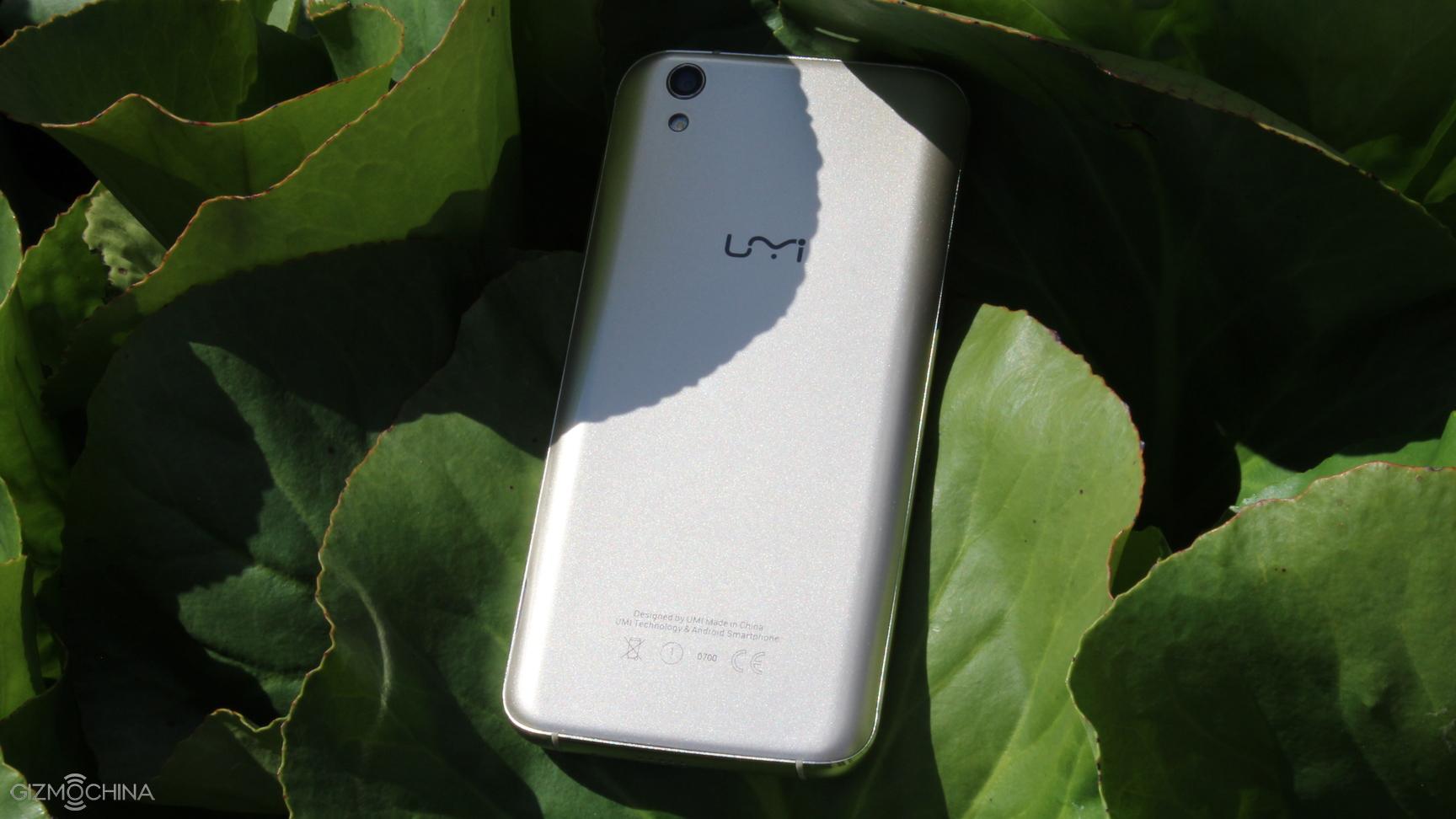
I came across the Umi London, which is a $69 phone, it has decent specs and it sports a very good build quality. In fact, it may be the most premium-looking super cheap Android smartphone we have tested so far. Learn more in our full review.
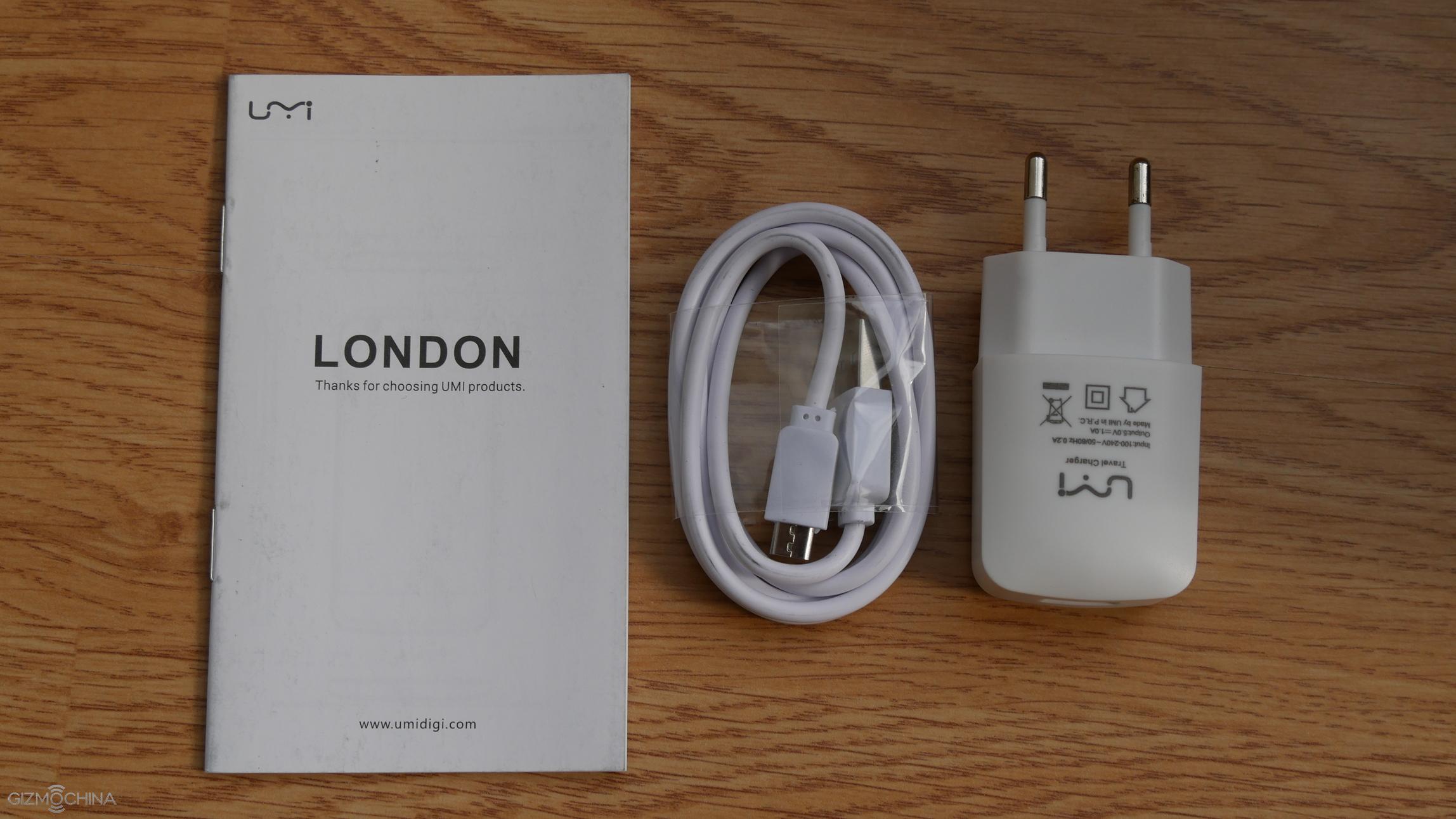
The device ships with all the usual stuff you would expect to come with any smartphone.
Umi London Review: DESIGN and DISPLAY
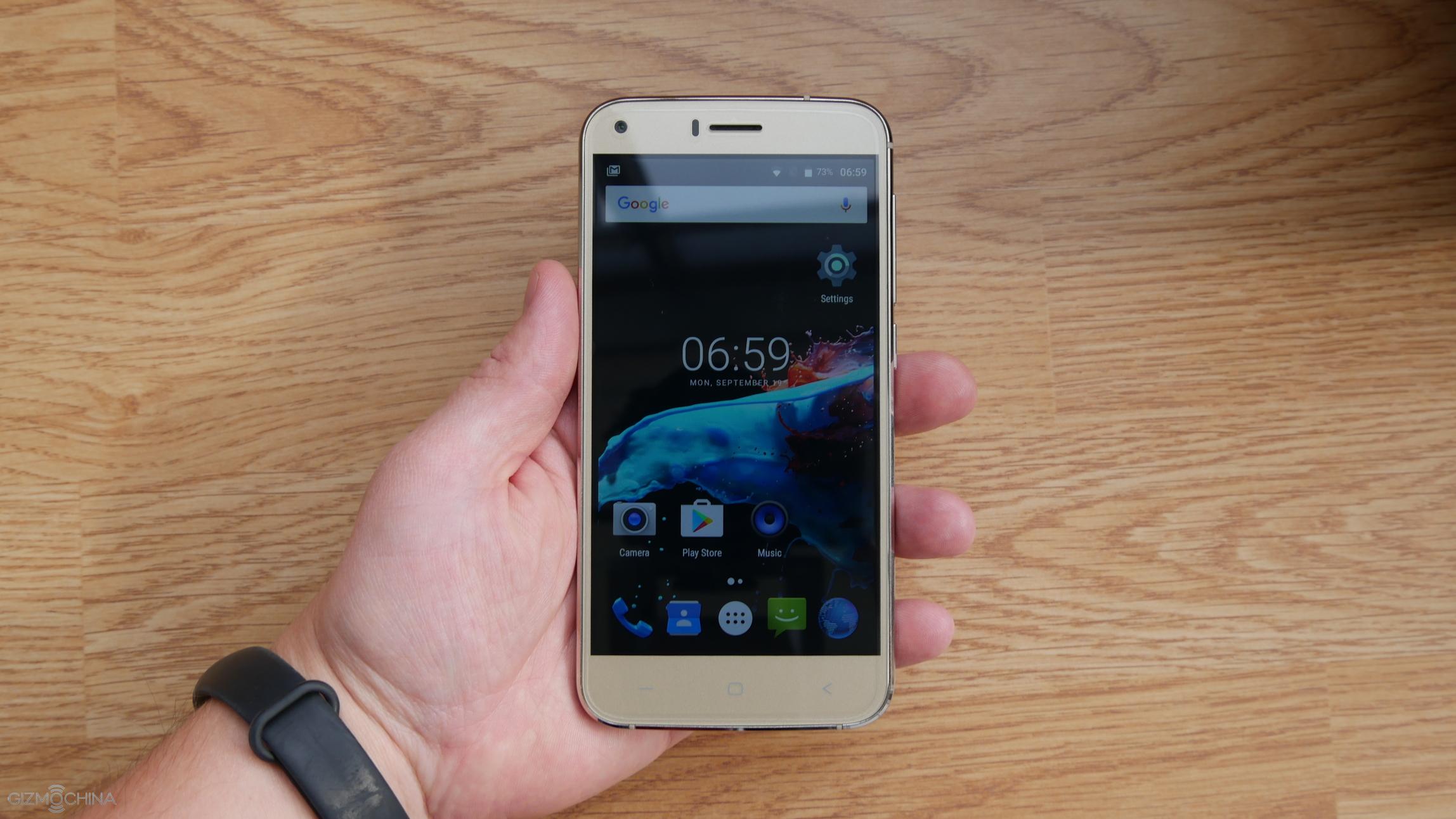
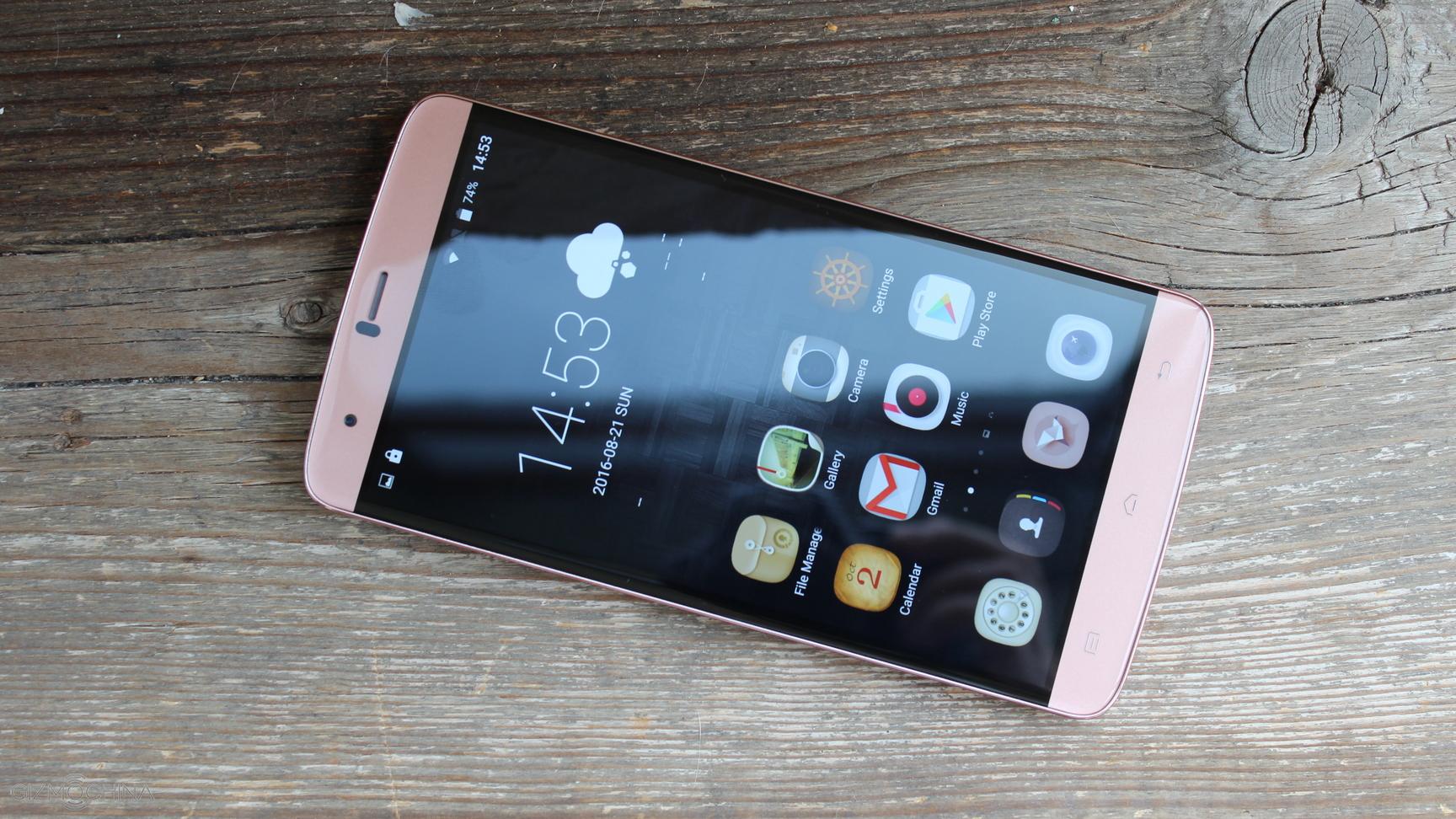
The very first thing you are going to notice is that the device has a fantastic build quality for the phone this cheap.
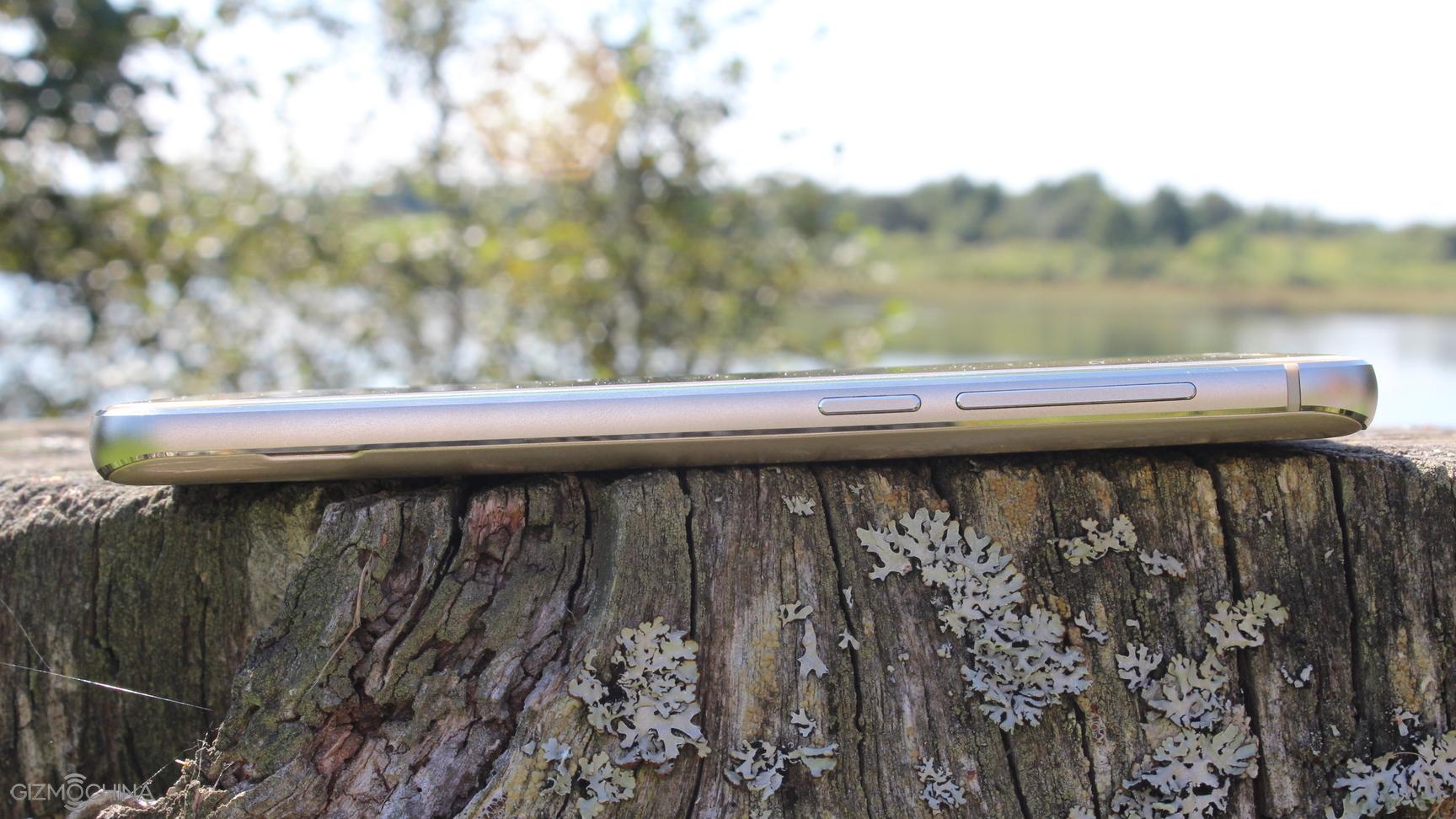
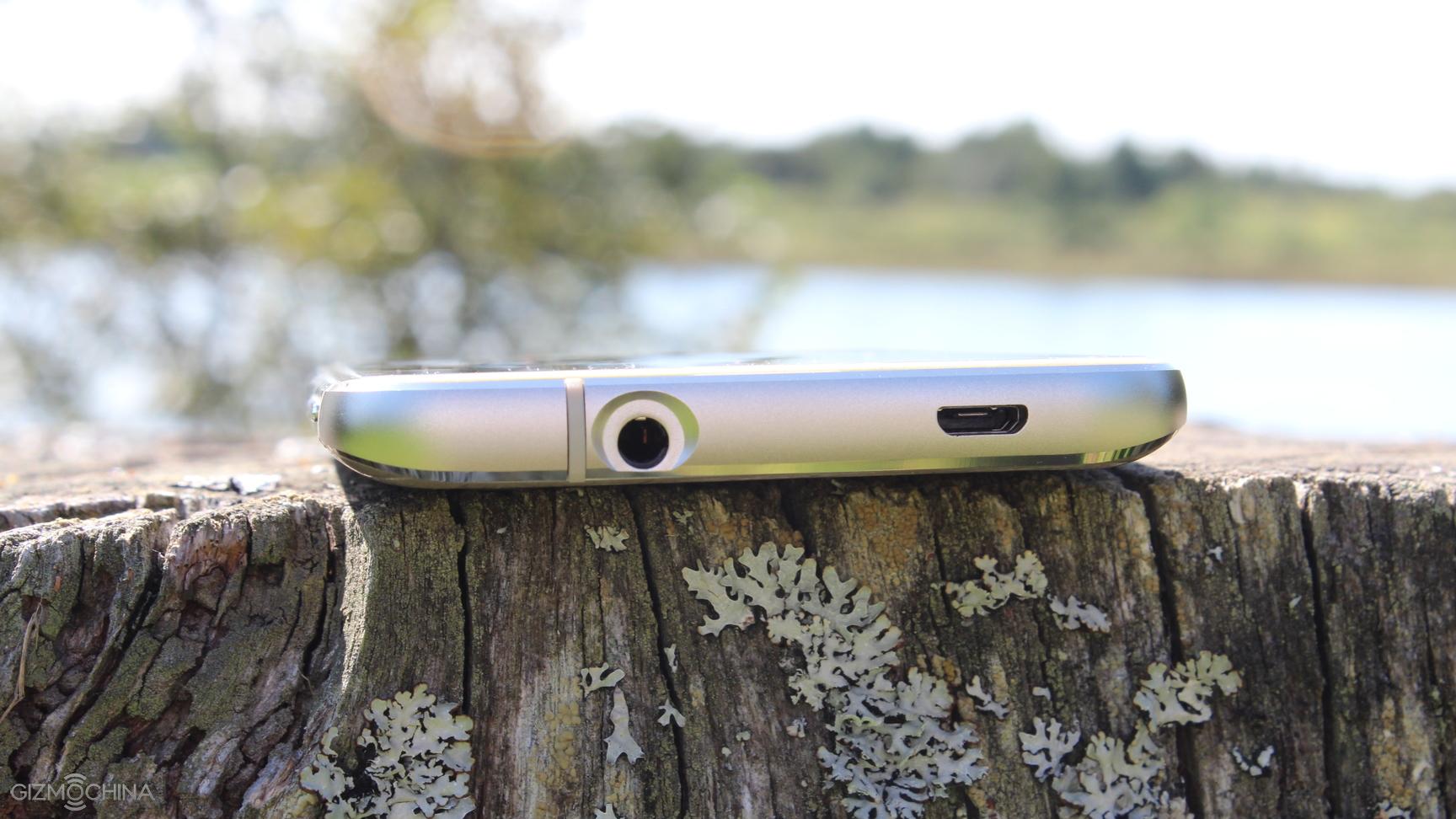
It uses a solid metal frame, tactile metal buttons and rounded edges that definitely help with the grip.
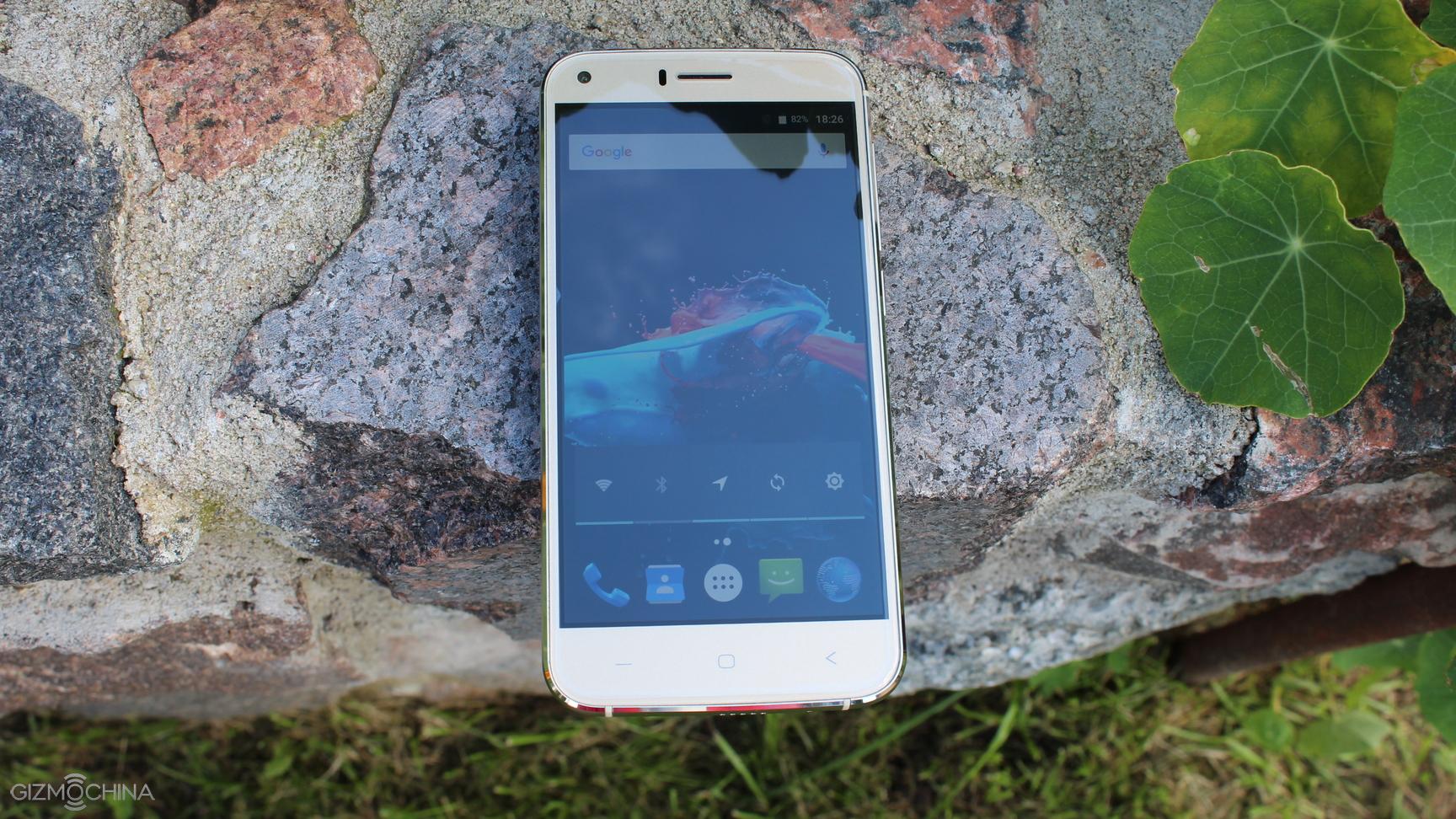
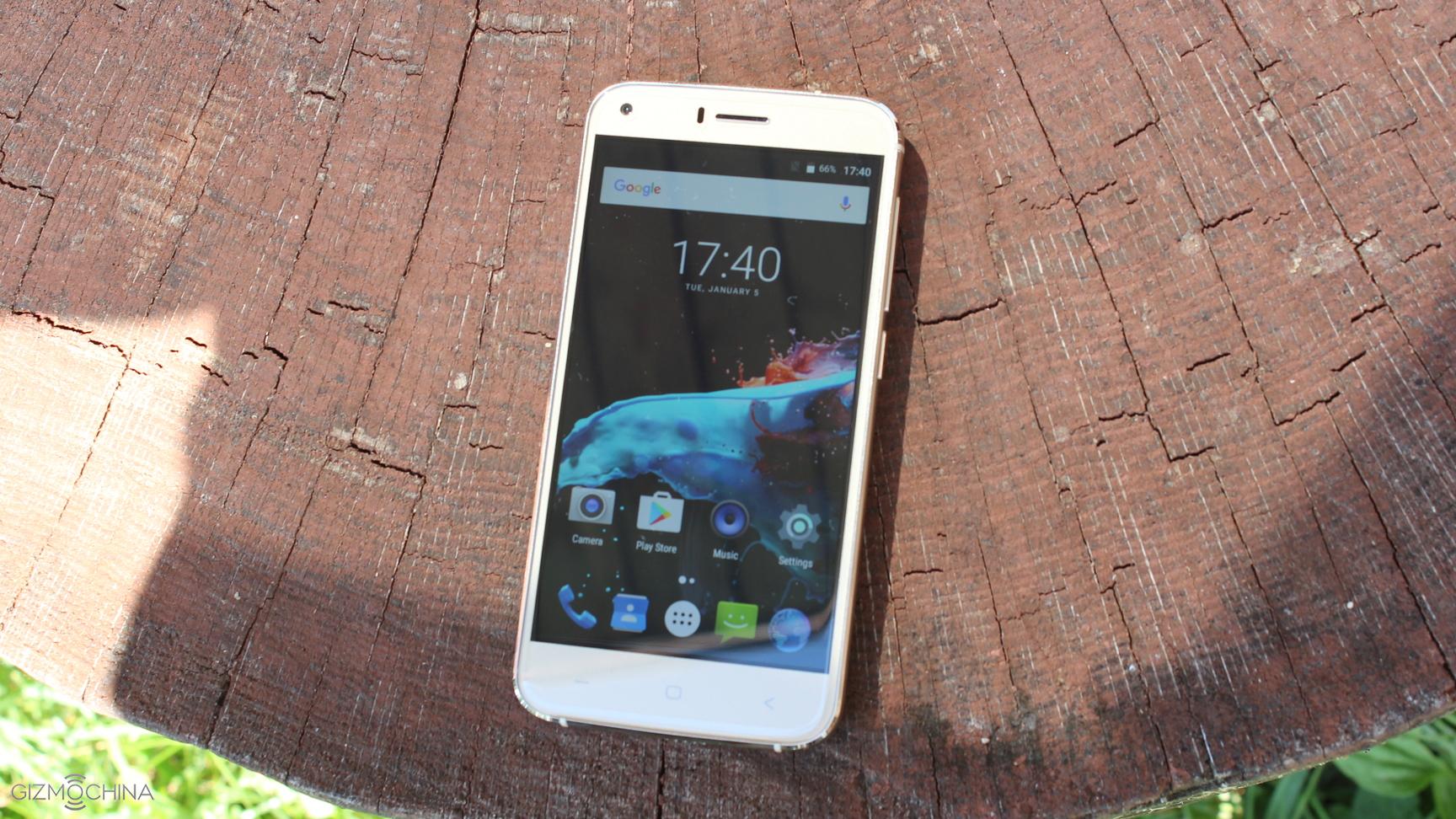
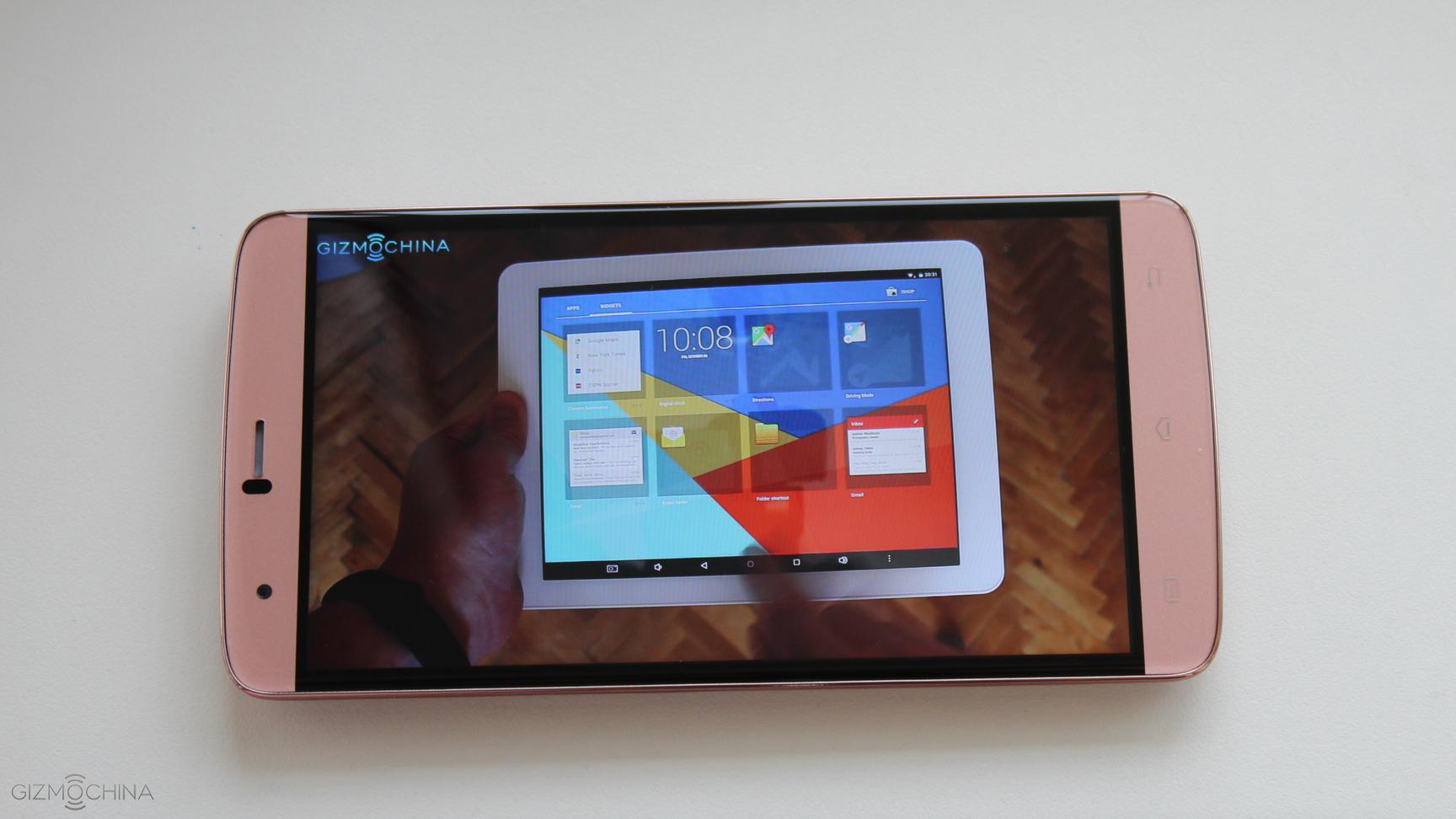
The phone has a 5” 720p display, which may not sport the highest resolution but it is sharp enough for the daily use.
The capacitive buttons are not backlit but we have a notification LED light that most of the cheap phones lack.
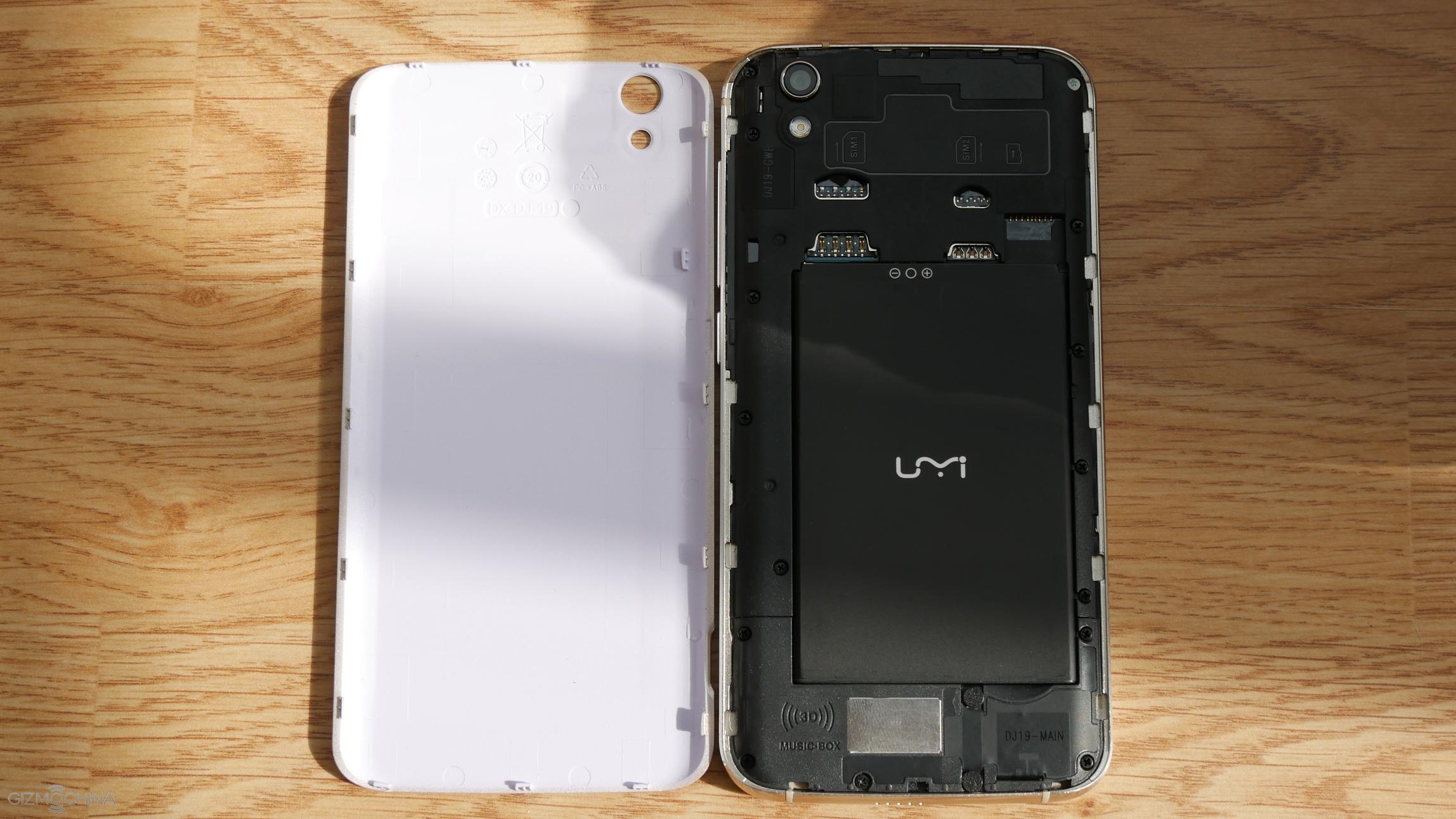
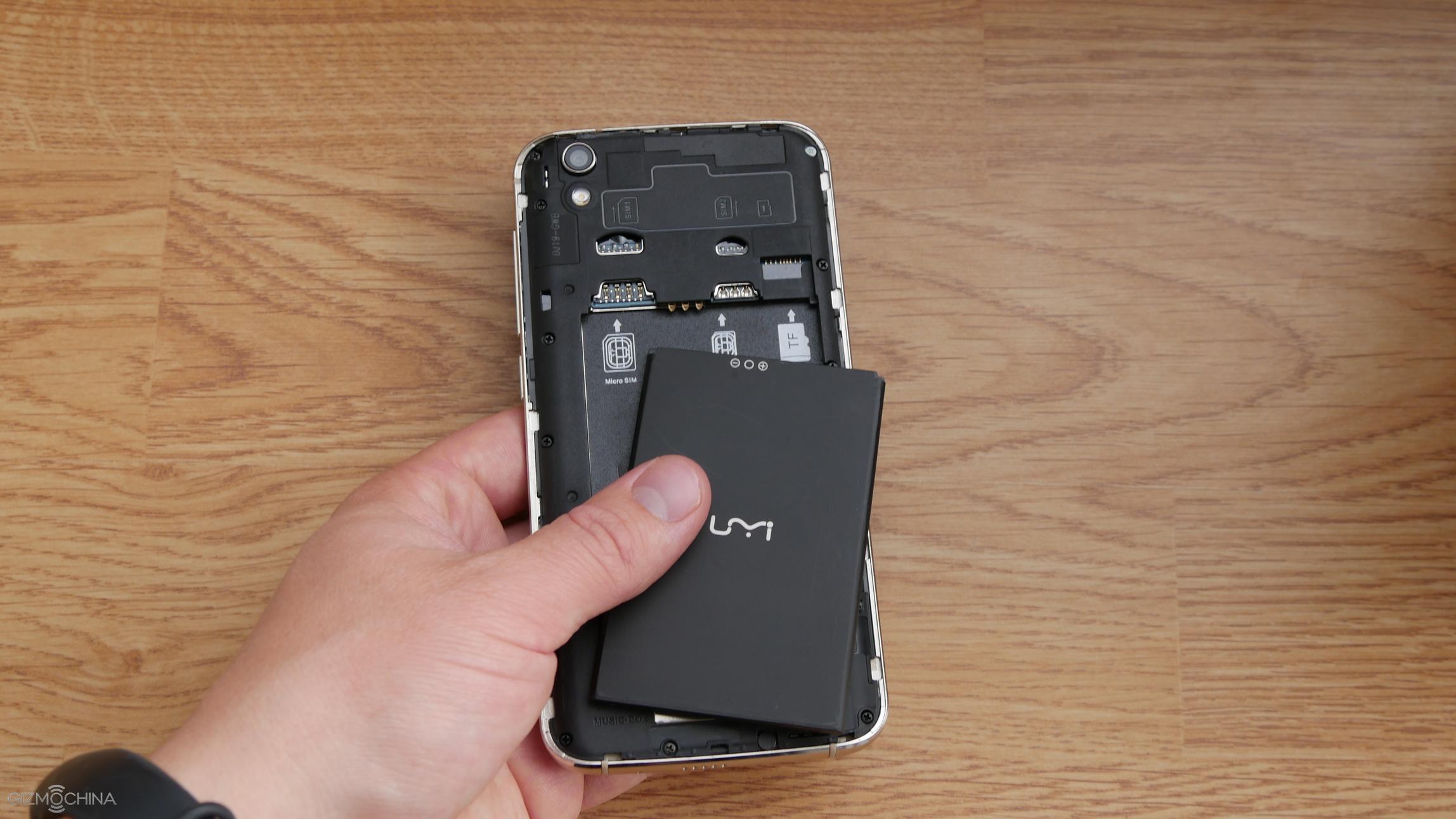
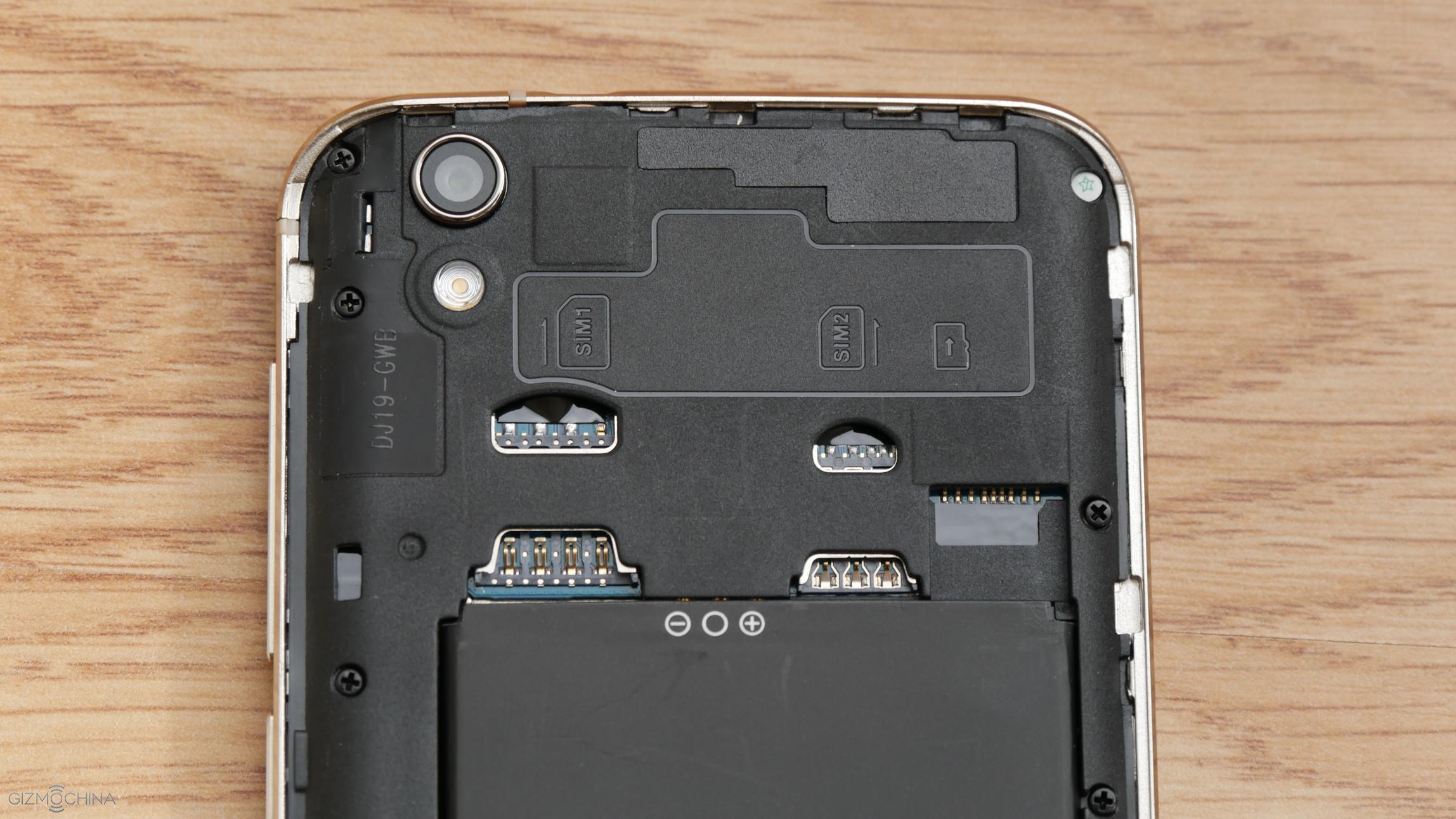
One annoying thing is that the backplate is very hard to remove and I suggest using a credit card to do that. Under the hood, you can find 2 SIM card slots, microSD card slot and a removable 2050mAh battery.
The loudspeaker quality is just average as on most of the cheap phones.
Umi London Review: HARDWARE and PERFORMANCE
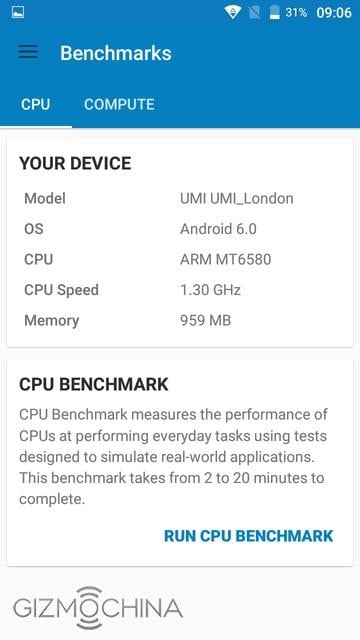
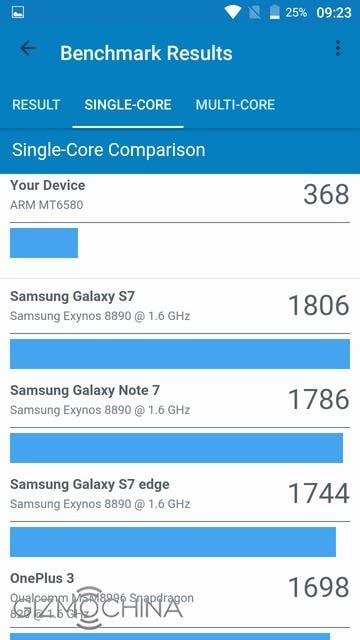
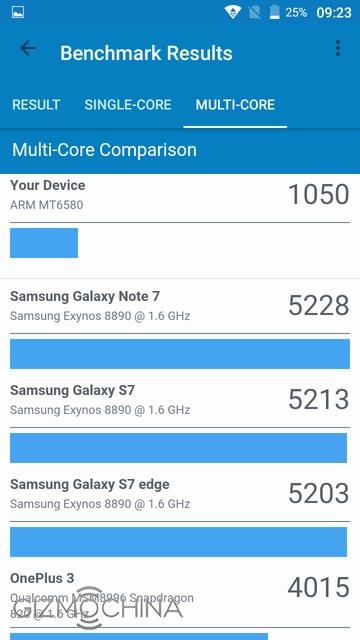
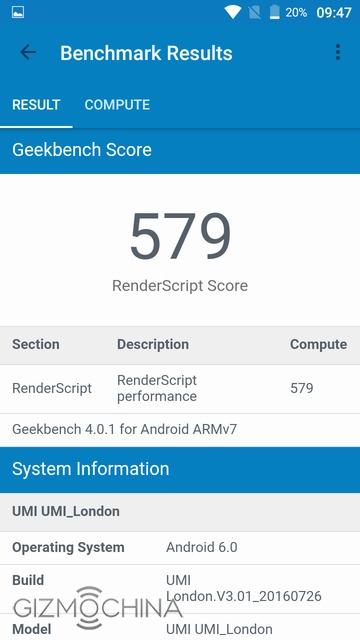
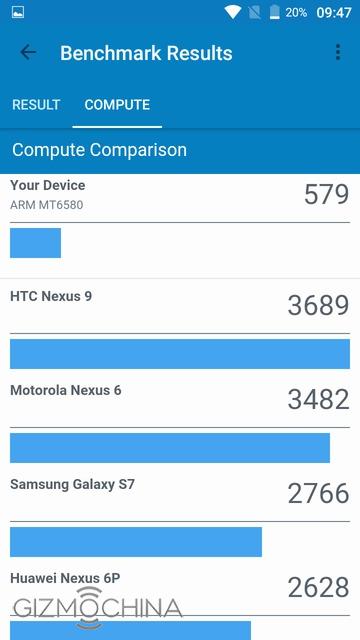
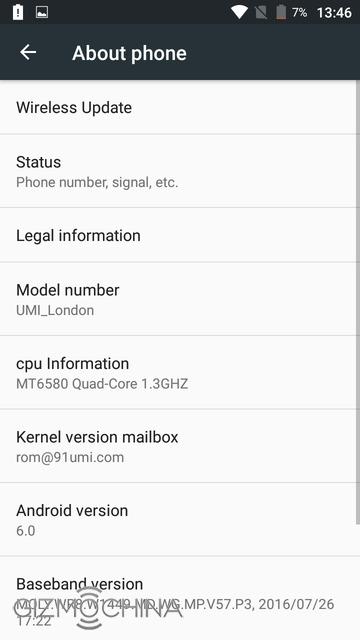
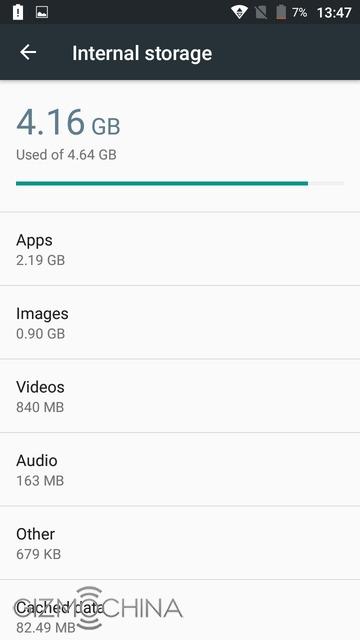
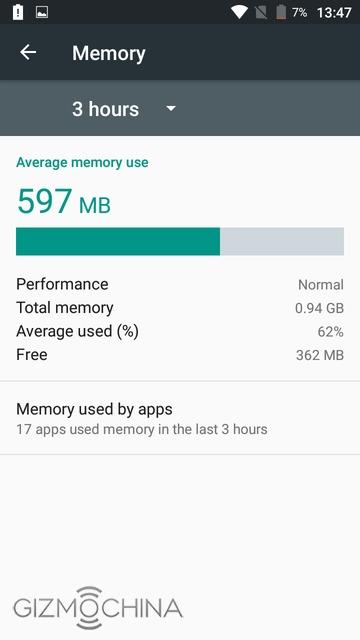
The Umi London sports a quad-core MTK6580 chip, 1GB of RAM and 8GB of expandable storage.
These are definitely not the flagship-grade specs but the phone is doing an okay job handling some 3D games like Asphalt 8 on the medium graphics. Well, there are quite a few skipped frames and a bit of stutter but you can still enjoy playing the game.
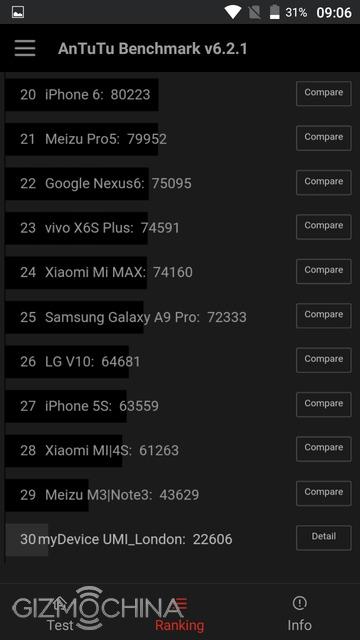
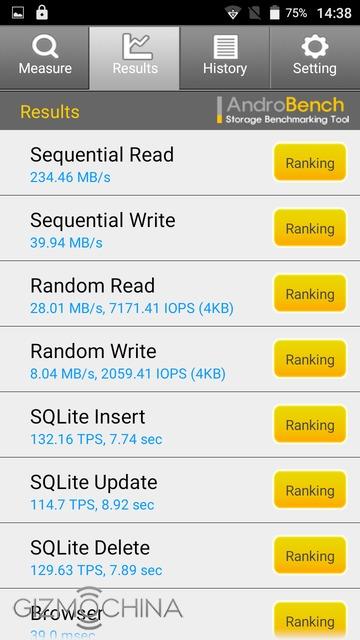
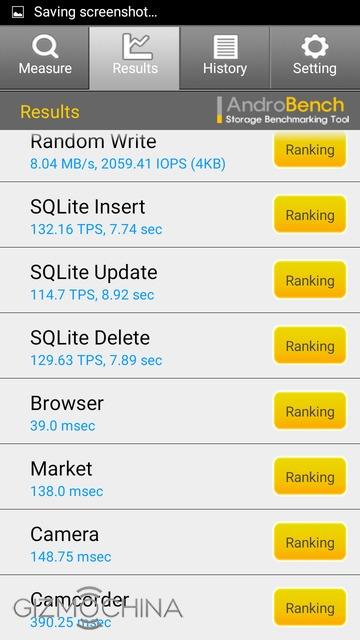
Umi London Review: BENCHMARKS
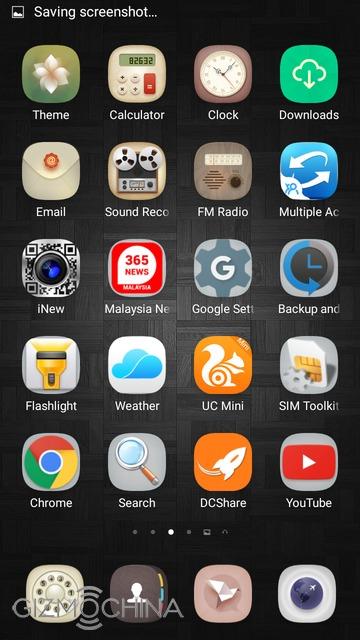
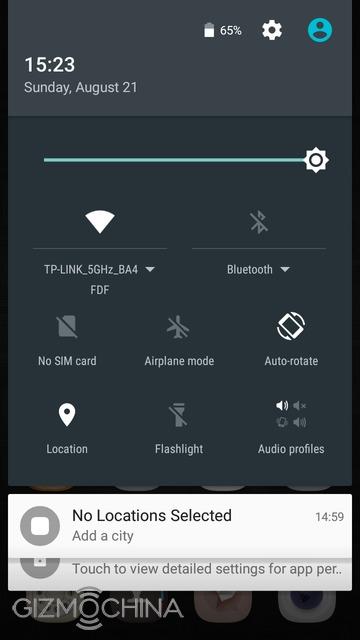
Umi London Review: UI
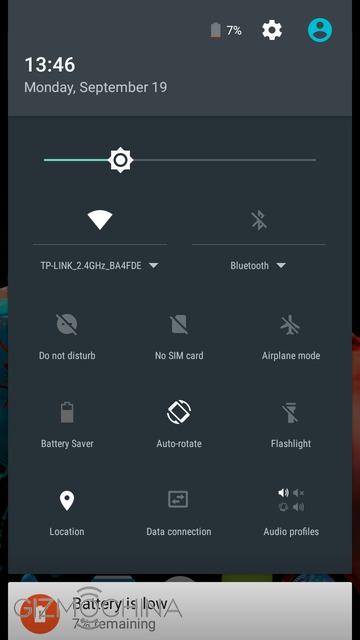
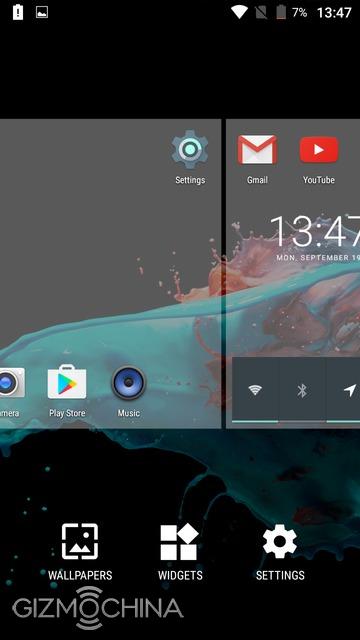
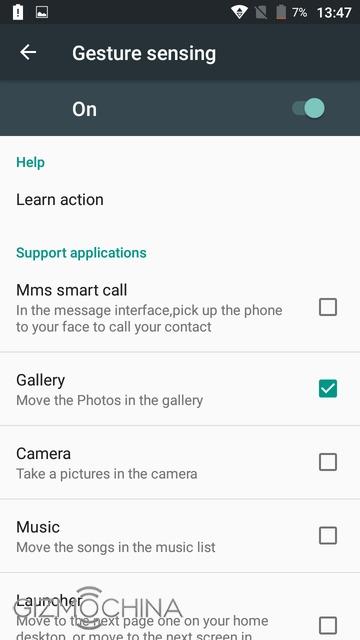
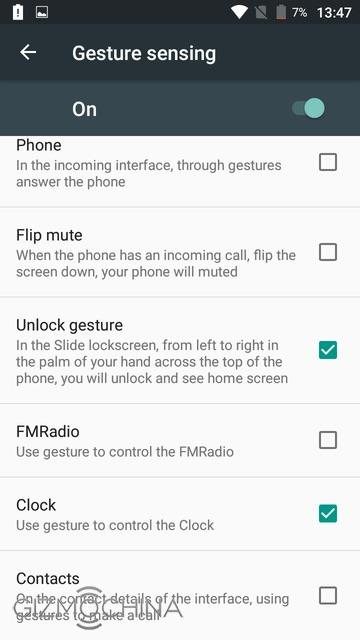
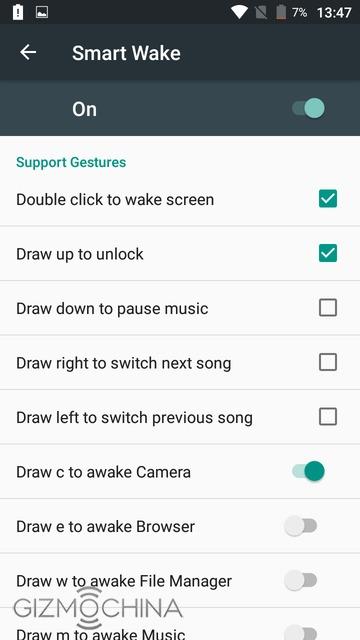
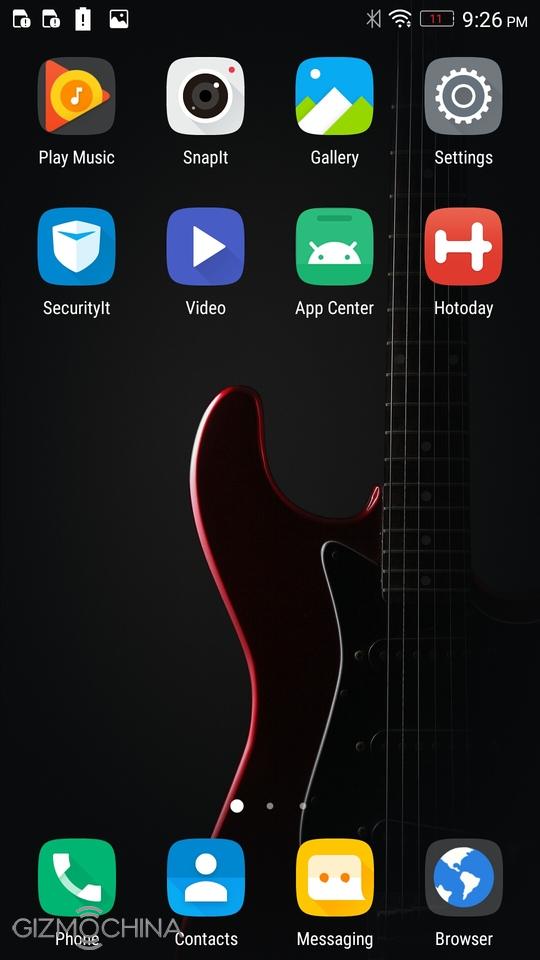
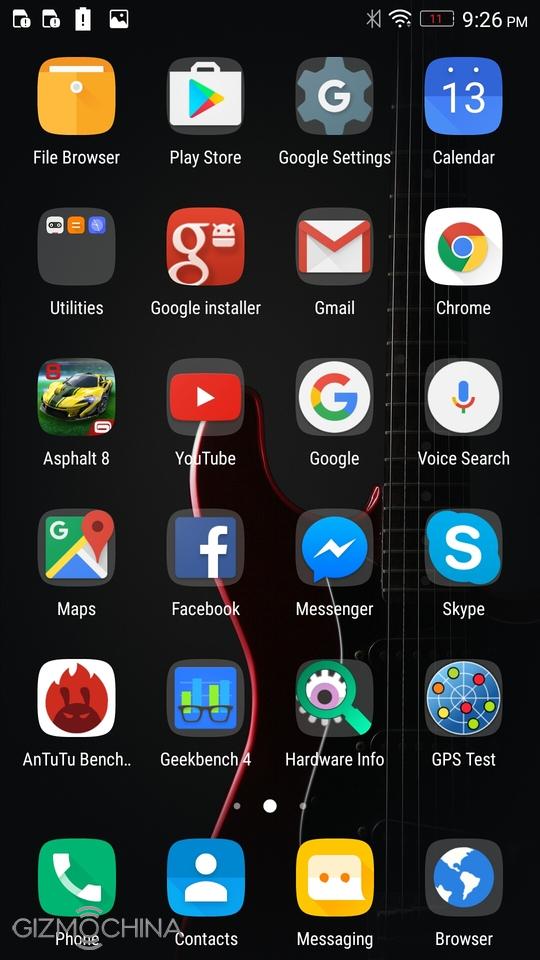
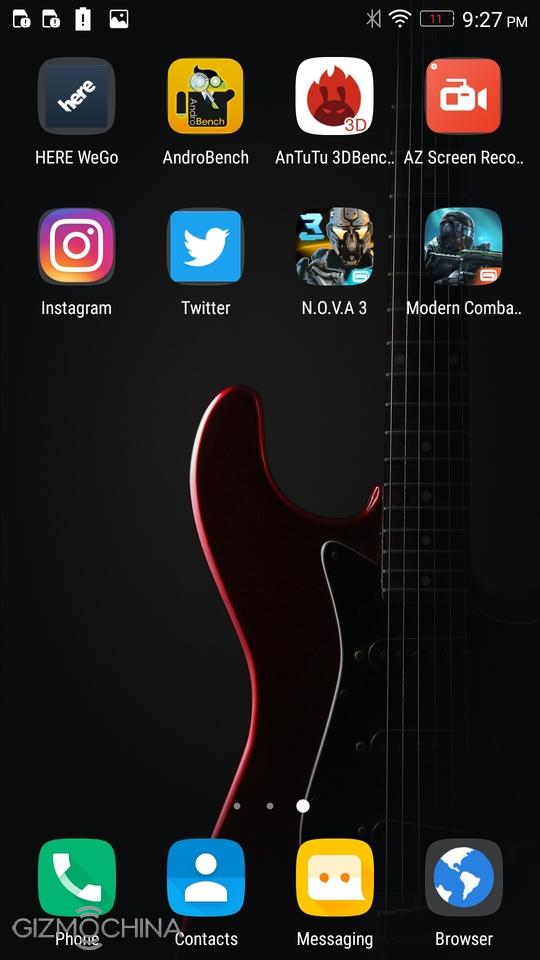
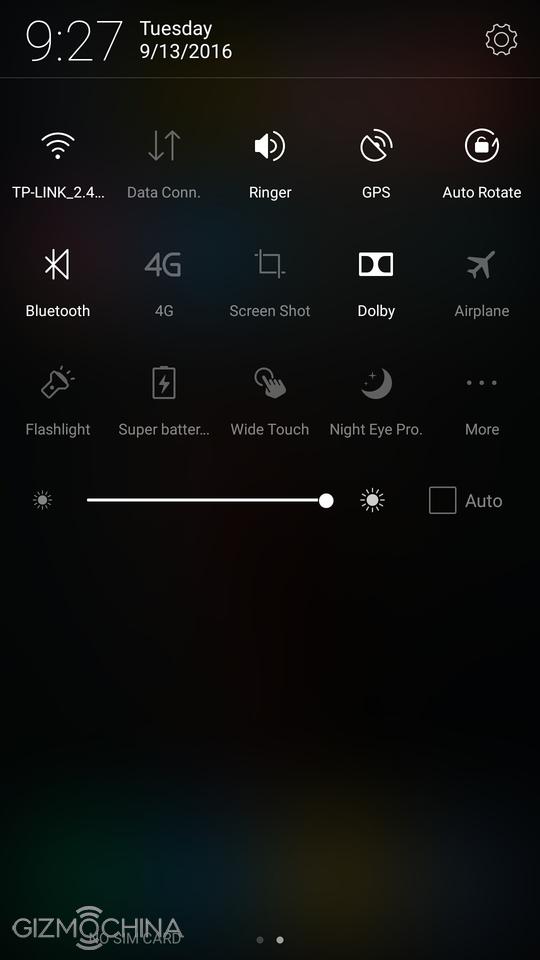
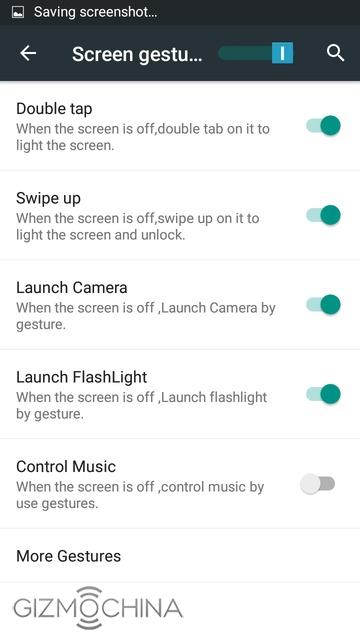
The phone ships with the stock-looking Android 6.0, which has a few added features like a bunch of different gesture and motion controls. Most of them are gimmicky to me but the ones I usually use work fine.
Sometimes it may take a bit longer to load an app or switch between different apps but in general, the user interface performance is pretty good for a $69 phone. However, you may have a little bit of random stutter if you install a lot of apps, so keep that in mind.
Umi London Review: IMAGE QUALITY
As you may have guessed, the image quality is quite terrible. Well, you may get some usable shots for social media needs but nothing more. Same can be said about the 2MP front facing shooter.
Umi London Review: CONNECTIVITY
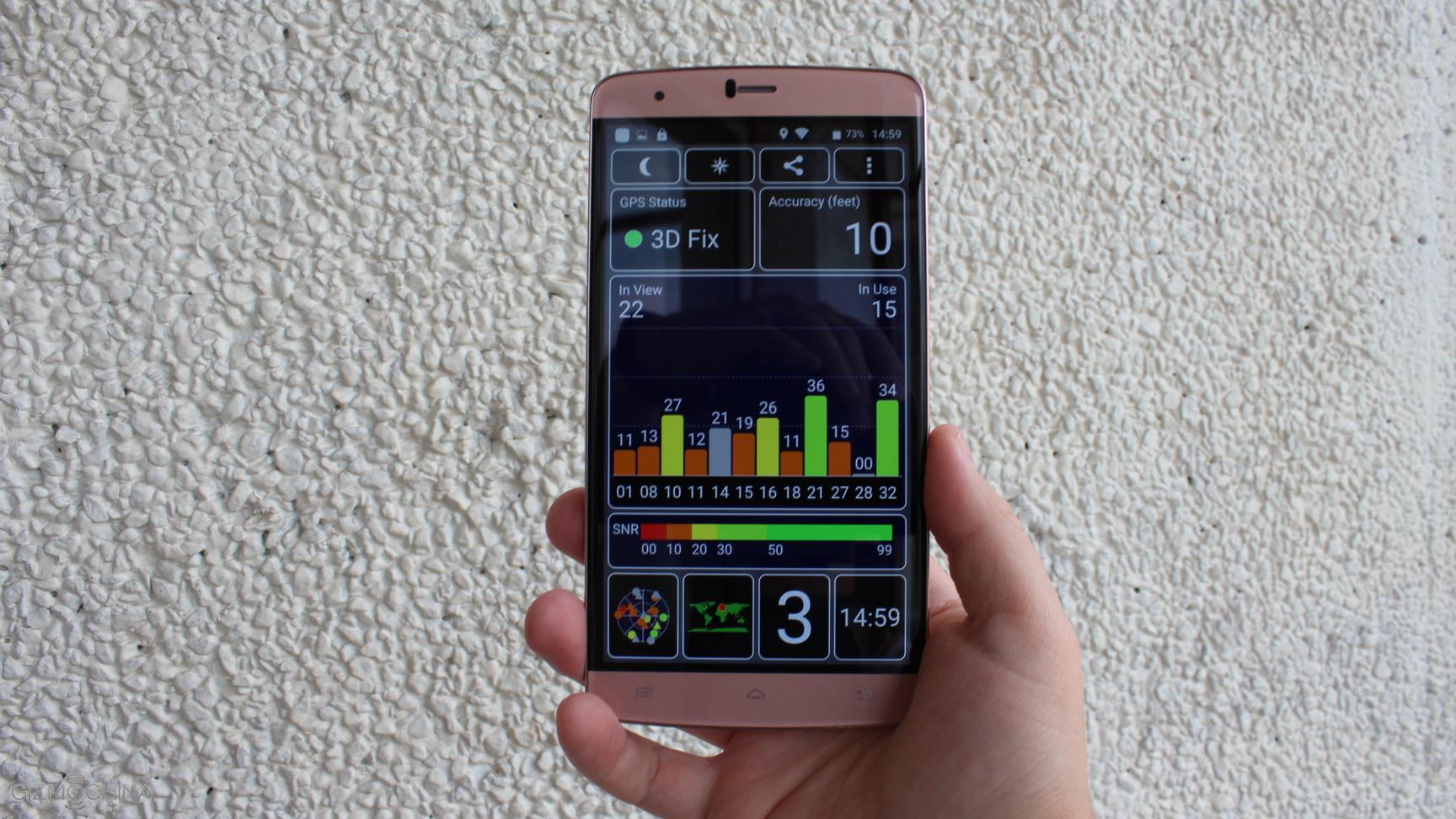
I didn’t have any connectivity issues with this phone except for the fact the GPS lock speeds could be faster.
Umi London Review: BATTERY LIFE
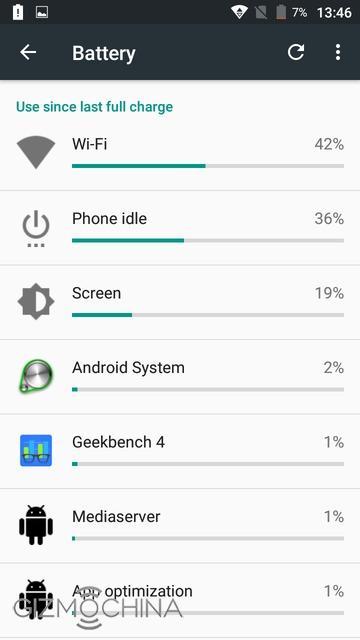
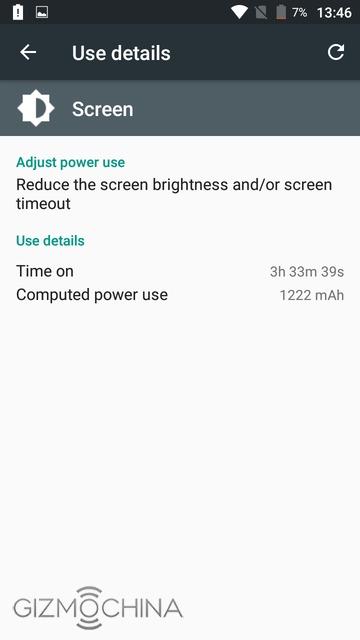
The 2050mAh battery does not sound impressive on paper and the performance of it is not so great.
The phone may get you through the day only if you are a light user. I could get just over 3 hours of screen-on time.
Umi London Review: CONCLUSIONS
Umi London is yet another cheap phone from China but it has a very good build quality and it actually looks quite premium for just $69.
The phone also rocks a pretty good display and Android 6.0 with some extra features out of the box.
However, you have to know that you may have a little bit of stutter if you install a lot of apps on the phone. Also, both cameras are quite terrible, and the battery life is just average.
All in all, Umi London is a premium-looking cheap Android phone that has quite a lot to offer but it has a few shortcomings that justify a low price of the device.
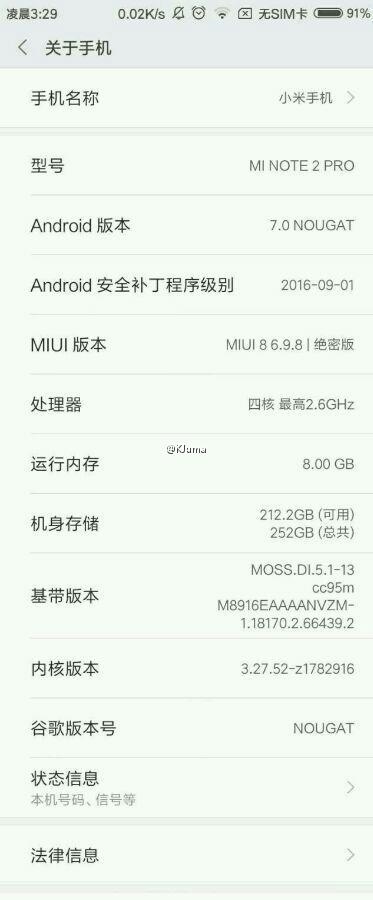
Xiaomi is preparing to launch its brand new Xiaomi Mi5S smartphone on September 27, which is just a few days away. While this is great news since the Mi5S is expected to come with powerful features, it did bring up the question of Xiaomi Mi Note 2 and its existence. A previous rumor even said that the phone may no longer exist, but today, a new screenshot has emerged, which is alleged to be of the Mi Note 2 Pro flagship.
The screenshot reveals some very powerful specs on the device. It shows that the Mi Note 2 Pro comes with a quad-core 2.6GHz processor, most likely Snapdragon 821 along with massive 8GB of RAM on board. There’s even 256GB memory along with Android 7 Nougat. Overall, these specs are more powerful than any other handset in the market right now.
RELATED: Xiaomi Mi Note 2 To Be Called Xiaomi Mi Pro ?
While we can’t verify the screenshot, if this is indeed real, there is a good chance that we won’t get to see it soon. Since the Mi5S is expected to be announced later this month, releasing another flagship like the Mi Note 2 should be logically a few months later. Further, it’s still quite early to see 8GB RAM smartphones, when 6GB RAM still has to become standard among flagship phones of 2016. Of course, LeEco could release the first 8GB RAM phone, but these are all just rumors.
UMi recently unveiled the UMi Max mid-ranger which is here to take on the affordable power phones in the market right now. The phone comes with pretty good specs, including the decent Helio P10 64-bit octa-core chipset and 3GB of RAM on board.
Now, Gizmochina along with Tomtop is conducting a UMi Max Giveaway to gift a brand new device to one of our lucky readers. Like always, you just have to follow the steps mentioned on the Gleam widget to get a chance to win this amazing smartphone.
Before we take a look at the specs of the UMi Max, we would like to thank Tomtop for providing this unit for Giveaway. Do check out their website for good deals and offers on your favorite Chinese smartphones.
To recap, the UMi Max comes with a beautiful all metal body with Helio P10, 3GB RAM and 16GB of internal storage. The storage is further expandable via MicroSD, so you don’t have to worry about the limited ROM. The phone comes with a 5.5-inch 1080p display and a large 4000mAh battery on board. At the back, you have a 13MP Panasonic camera while up front, you get a 5MP shooter. Other features of the device include Hi-Fi audio, fast fingerprint sensor and Pure Android 6.0 Marshmallow OS on board. It’s a pretty good smartphone and will fulfill almost all of your basic phone needs.
Just follow the steps mentioned in the Gleam widget to participate in the giveaway.
Xiaoyi launched the Yi M1 Mirrorless camera today and already, the camera is almost getting soaked in controversy but for Xiaoyi’s timely intervention. The camera which is of DLSR standard carries a very affordable price tag of 2199 Yuan ($330) for the one with standard zoom lens, while the camera with the dual lens kit is priced at 2999 Yuan ($450).
That isn’t the controversy, though. The thing is an official sample photo of the Yi M1 camera was released by the company (pictured above) showing a very high resolution capture of a high-speed rail track as proof of the camera len’s speed but it turns out that the same picture had been in the open on Weibo before the official release of the Yi M1. That has however been clarified that the Yi M1 camera prototype had been handed out for testing by a professional photographer who captured the stunning shot with the M1.
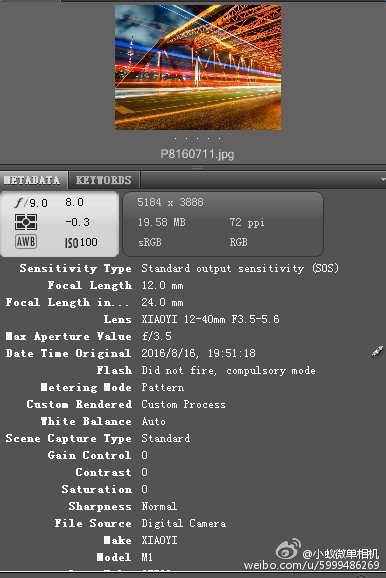
To further buttress the fact that the Yi M1 mirrorless camera took the controversial shot, Xiaoyi went to to share the camera’s Exchangeable image file format (EXIF) metadata on the image and if you don’t know, the metadata can’t be modified.
In order to completely convince the public of the wide capabilities of the 4K Yi M1 camera, Xiaoyi also shared some more captivating image samples shot on the Yi Mi and they should be enough to convince the doubters because the samples are just so perfect for a 2999 Yuan ($450) camera. This may just be a perfect and cheap alternative to the likes of the expensive Canon EOS 5D Mark III DLSR camera which is priced at $4500 along with the lens. Meanwhile you can check out more of the quality sample photos shot on the Yi M1.
We had reported a couple of times earlier that Yi Technology was all set to release a brand new camera today. As expected, the company has officially released the Yi M1 Mirrorless camera at an event a couple of hours back. This will be the company’s latest powerful camera and comes with pretty powerful features.
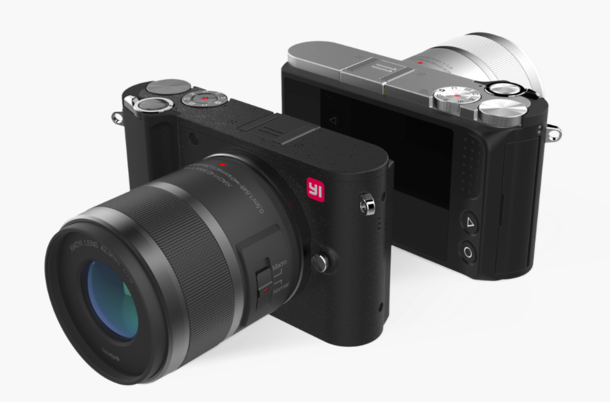
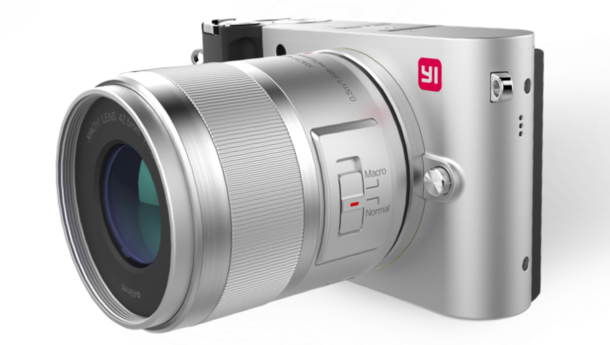
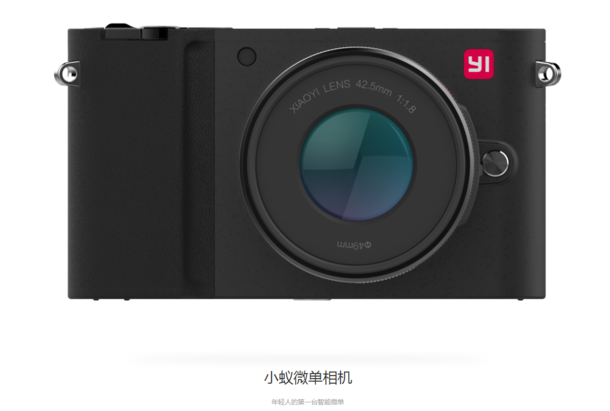
The Yi M1 comes with a relatively simple design with two color options, silver and black. You get a 3-inch screen at the back and four buttons on the device which controls all the function. It is said that using the camera is easy, with an interface similar to a mobile phone camera.
As for the internals, the Yi M1 comes with M4/3 Mirrorless setup with Sony IMX269 sensor with 20.16MP. The camera features a mechanical shutter, super fast continuous shooting, RAW support, 4K Video shooting and ISO upto 25600.
Along with the M1 camera, Yi Technology also announced two lenses for the device. One is a 12-40mm f/3.5-5.6 zoom lens and the second one is a 42.5mm fixed focus lens with f/1.8 aperture.
The company also released a backpack for its M1 camera, priced at 399 Yuan along with accessories like UV filters, charger, straps etc.
The Yi M1 Mirrorless camera with standard zoom lens is priced at 2199 Yuan ($330), while the camera with the dual lens kit is priced at 2999 Yuan ($450). The camera and lenses will go on sale from September 23 at JD.com.
Apart from the LeEco Le 3 Pro, the Xiaomi Mi 5s (and Plus) and the Pixel Phones, one other phone that is greatly anticipated is Huawei’s Mate 9. Following the company’s success with the Huawei P9 and Honor 8, more people are expecting the new phone to raise the already high bar a bit more.
Recent leaks about the device reveals a lot of new details. First is the date. Sources say the Huawei Mate 9 may launch on the 8th of November and will have four versions.
A standard version or base model that will have 4GB of RAM and 64GB of ROM; a high version that doubles the storage to 128GB but keeps the RAM at 4GB; and a top and monarch version with 6GB RAM and 256GB of built-in storage.
The versions have also been reported to sport different colour options. The standard version will be available in silver, grey, and gold; the high version will be available in rose gold and ceramic white. The top version will have all the colours listed above in addition to black enamel.
Another feature the Mate 9 may sport is an iris-scanner just like the Galaxy Note 7. Users will be able to choose between this or the fingerprint scanner that will come with it by default.
I know some of you only care about the pricing, that’s why I have saved it for last. The Standard Version will cost 3199 Yuan ($480) and a full network version will sell for 3399 Yuan ($509); the High Version will sell for 3899 Yuan ($584); a full network Top Version will sell for 4699 Yuan ($704); and the Monarch Version which seems is the top version bundled with a 2nd gen Huawei smartwatch will sell for 7388 Yuan ($1108).
Semi-conductor foundry, GlobalFoundries (GF) is one of the popular semi-conductor foundries alongside TSMC (Taiwan Semi-Conductor Manufacturing Company) and Samsung. They are Apple’s second source manufacturer and also known to build AMD’s 14nm Polaris GPU. The company has had it rough for a few years with respect to building its own processing technology but are planning to make a comeback with a new 7nm FinFET process.
The interesting thing about the new process technology is that GlobalFoundries will use a full node shrink instead of a hybrid node. If you do not know what the differences between both nodes are, I”ll attempt to break it down to the best of my knowledge in the next paragraph.
The process of semiconductor manufacturing can be split into three major steps:
Front-End-of-Line (FEOL): this is the process of manufacturing transistors. It encompasses wafer production, lithography, and deposition
Back-End-of-Line (BEOL): This is the process of connecting together the individual parts of a chips.
Packaging
Samsung and TSMC are two semiconductor foundries that use hybrid nodes (14/16nm). What they do is combine a new transistor architecture (FEOL) with an already established set of design rules for how those transistors are connected together (BEOL). Shrinking or altering of FEOL and BEOL at the same time results in a full node.
Yi Technology is all set to unveil a new model of its Yi action camera today. We had reported on the invitation to the launch last week and in case you don’t know, Yi Technology has finally started using the Yi brand name on its camera product. This is an indication it is no longer part of the Xiaomi Ecosystem.
Ahead of the launch, photos of the expected camera have leaked online showing the camera will use a design similar to the renowned Lecia T camera. The camera also has similar focus performance and EP2 double lens set as the Leica T. The Yi Technology will also come with support for 4K video capture similar to the Panasonic GX8 core’s but will not have a view finder.
In addition,according to the earlier leak source, the expected camera was developed in conjunction with former Fujitsu experts and will use M43 frame and Panasonic CMOS sensor which would provide support for the interchangeable lenses.
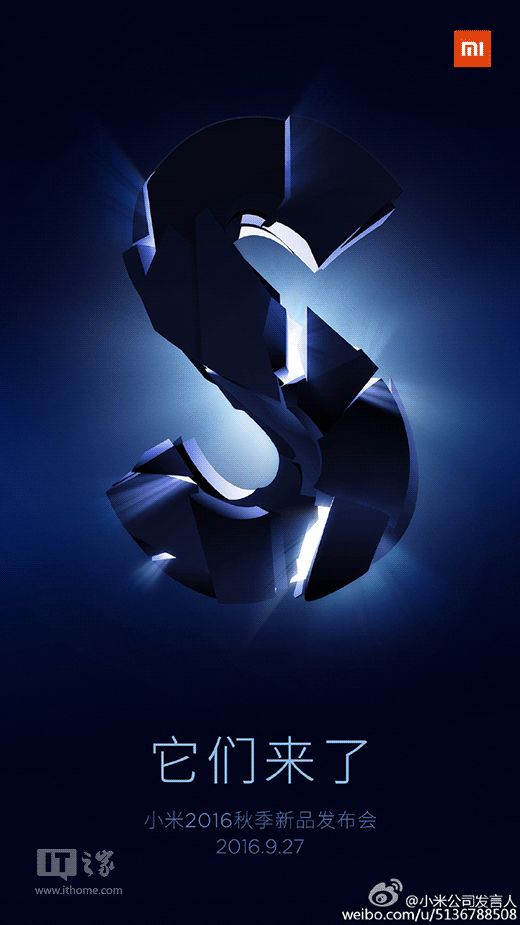
Xiaomi has officially announced it would be holding a news conference on September 27. The company dubbed the “Apple of China” has released a posted today which announced the conference date and the poster contained one major clue which points to the likely release of the Mi 5S on that date.
The poster contained a huge letter “S” which is an indication that the much touted, rumored and leaked Xiaomi Mi 5S would be the main highlight of the said date. Xiaomi is very well known for not coming out in clear terms to reveal a device’s launch date but rather the dates are usually announced by way of teasers. It is likely that other devices will be unveiled on that day alongside the Mi 5S.
The Mi 5S promises to usher in a new phase in mobile phone technology with the inclusion of the world’s first “Under Glass” ultrasonic fingerprint sensor technology pioneered by Qualcomm. The expected device will also feature a large improvement in other aspects over its Mi 5 predecessor.
Furthermore, the Mi 5s is expected to feature a double curved screen design with a 5.15-inch display capable of 3D Touch functions. A Snapdragon 821 chipset clocked at 2.4GHz is likely to call the shots, along with a 6GB RAM and a top most storage option of 256GB. On the camera end, the smartphone is expected with a 16MP rear camera with f/1.8 aperture, PDAF, four-axis optical image stabilization and LED flash. The device will also come equipped with a 3410/3,490mAh battery with Quick Charge 3.0, USB Type-C interface , dual-SIM slots, and most importantly, NFC.
Its a new week and already the social media is again buzzing about the Xiaomi Mi 5s which was expected to drop on September 14 but didn’t. We now have to look forward to another date which has not been officially disclosed, although September 27 is rumored.
The Mi 5s has been the subject of several leaks and rumors for some time now. Just last week we got wind that the device will feature the world’s first under glass fingerprint technology manufactured by Qualcomm, which would make the device ditch the physical home button for a virtual one and is touted to work even with wet hands . Earlier on, AnTuTu’s Weibo page featured what was said to be the benchmark score and a few specs of the Mi 5s showing the device would be powered by the top-end Snapdragon 821 chipset, alongside a 5.15-inch 1080p display and Android 6.0 Marshmallow among others. The Mi 5s was revealed to have managed to pull a total score of 150k points.
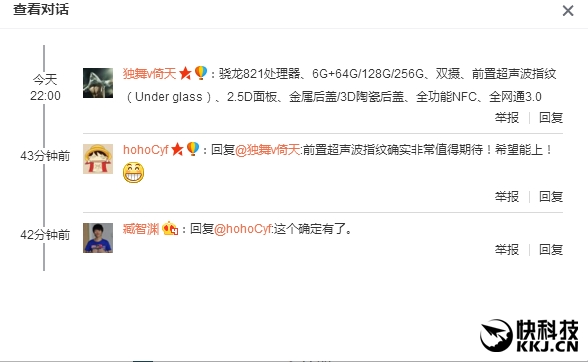
Also on the under glass fingerprint sensor, this rumor seem to have been confirmed by Xiaomi employees on microblogging site Weibo thus making the Mi 5s the world’s first smartphone to feature the “Under Glass” ultrasonic fingerprint technology. In addition, Apple is rumored as planning to include the new technology on its iPhone 8 expected next year. Other specs also revealed in the Weibo post include the device would pack a 6GB RAM and would have three storage variants of 64GB, 128GB and 256GB, 2.5D curved glass, NFC, 3D Touch among others.
We are looking forward to the launch of the Xiaomi Mi 5s which sources have hinted may hold on the 27th of September. However, rumors say that might not be the only Mi 5 phone to launch. Alongside the Mi 5s, Xiaomi may be launching the Mi 5s Plus too.
Reports say the Xiaomi Mi 5s Plus will feature a Snapdragon 821 processor, a 5.7″ dual-curve display, and probably the same under-glass ultrasonic fingerprint scanner. There are no details about the RAM, ROM, and camera configuration.
In addition to the news of the Xiaomi Mi 5s, a new image of the phone was leaked earlier today in China. This time, it’s a low-quality image, and we can just make that the placement of the camera sensor at the back is a bit different than the Mi5 flagship. The camera is located around the middle, instead of the top left corner as found on the Mi5.
In case you noticed, these specs are quite similar to the specs rumored for the Mi Note 2 / Mi Note Pro smartphone. What’s even more interesting is a new rumor which states that Xiaomi Mi Note 2 may no longer exist. Now, this is indeed surprising given that we have been consistently hearing about the new flagship for the past few months.
Hopefully, things will get cleared in the days to come.
Huawei P9 turned out to be a surprisingly good camera smartphone. Till now, Samsung and iPhone were considered to manufacture the best camera phones in the market, but that changed this year with the introduction of the Huawei P9 with its Lecia certified dual cameras at the back. Now, it’s been almost six months since the phone was released and we are expecting to see the Huawei Mate 9, which is the company’s top-end flagship of 2016 pretty soon.
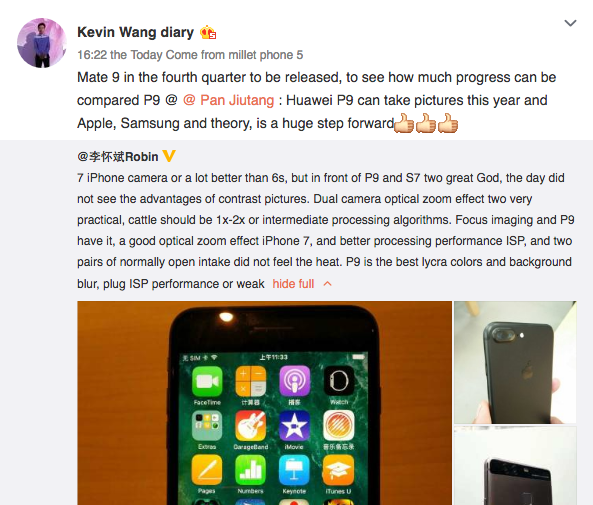
Now, IHS Analyst Kevin Wang has said that the Huawei Mate 9 flagship should be released in the fourth quarter of this year. This is in line with the expected release schedule as we saw the Mate 8 release in November last year. This year, we can expect the Mate 9 to release sometime in December.
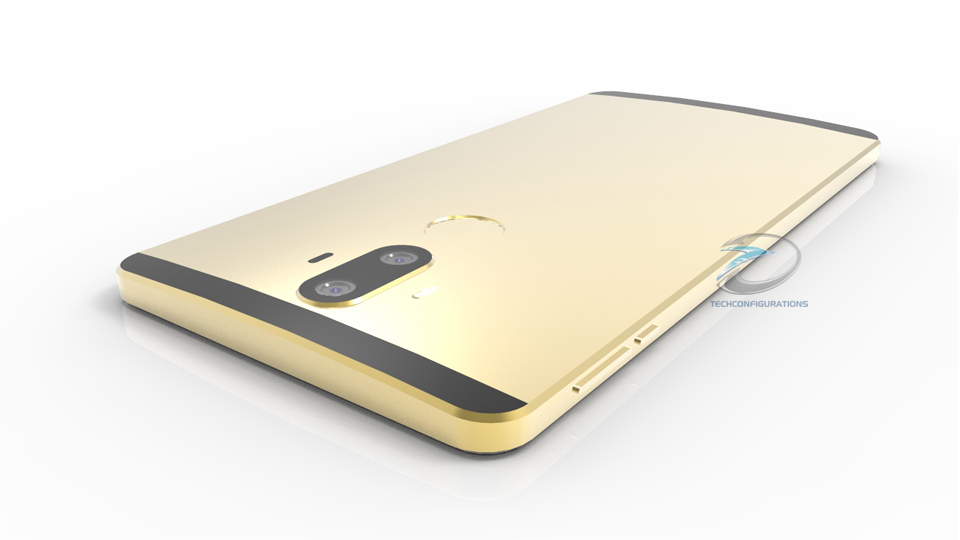
Since this is going to be the company’s best flagship of 2016, we expect the camera on the back of the device to be even better than the Huawei P9. According to the recent rumors, we should see a 20MP dual camera setup at the back, better than the 12MP dual cameras found on the back of the P9.
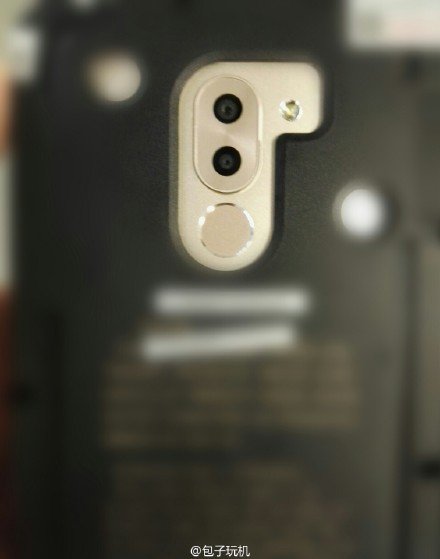
Earlier Leaked Mate 9 Image
As for the other specs, the Huawei Mate 9 is said to come with the new Kirin 960 flagship chipset featuring Cortex A73 Artemis cores manufactured on 16nm process. Rest of the details about the upcoming flagship are scarce at the moment, but we can expect more details in the weeks to come. There’s still a few weeks left for December and more details should emerge by then.
Mediatek announced the next generation Helio X30 chipset a couple of weeks back. We also got some important details about the upcoming chipset like its architecture and GPU. Now, Taiwanese media seems to have more details on the new Helio X30 and X35 chipset.
Like expected, the Helio X30 chipset is said to be manufactured on TSMC’s 10nm process. Considering that the Helio X20 was built on 20nm process, this is a much-needed upgrade for the new age chip. It is said that MediaTek first planned on using TSMC’s 16nm manufacturing node for its new chips, but after considering the stiff competition from Qualcomm’s Snapdragon range, it decided to use the much more advanced and efficient 10nm process.
It is also said that the production and design of the new chip is on schedule and the chip should enter mass production sometime by the end of this year / early 2017. So, if you were expecting to meet this new Cortex A73 Artemis powered chipset, then your wait will easily extend to mid-2017.
As for the Helio X35, like this year, expect the difference to be in the maximum frequency. According to the company, the Helio X30 will come with 2 x Cortex A73 Artemis cores clocked at 2.8GHz, 4 x Cortex A53 cores clocked at 2.2GHz and 4 x Cortex A35 Cores clocked at 2.0 GHz. Even the GPU is upgraded, now using PowerVR 7XT quad-core GPU chip. Helio X35 should use the same architecture but clocked at a higher frequency. Now, considering that Helio X30 is already clocked at 2.8GHz, can we expect 3GHz on the X35? Also, it will be built on the same efficient 10nm process as the Helio X30.
There’s still a lot of time for the official launch of an Helio X30 powered smartphone, and things might change to a certain extent during this period. So, stay tuned to gizmochina as more details about these upcoming chips emerge in the next few months.
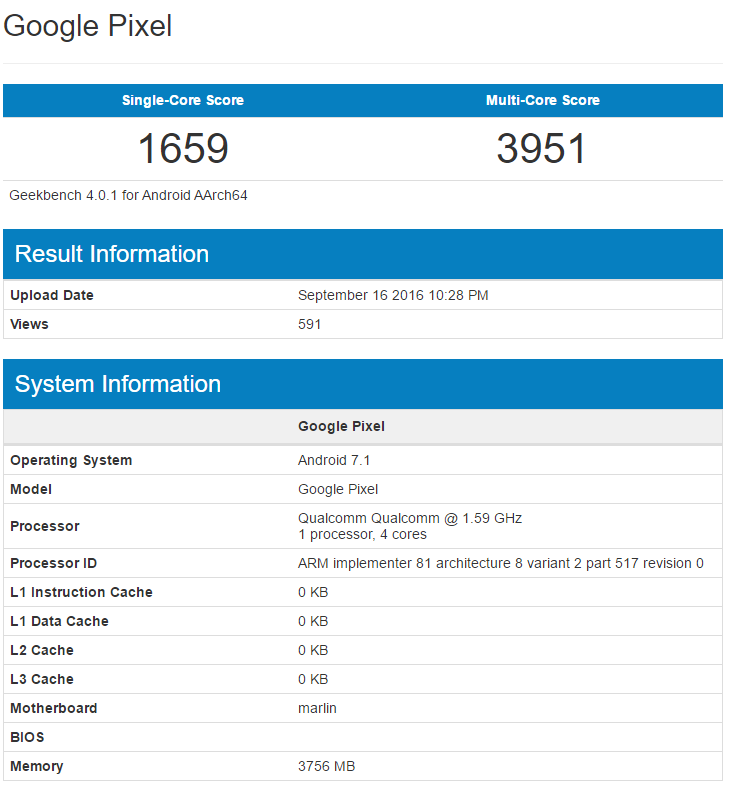
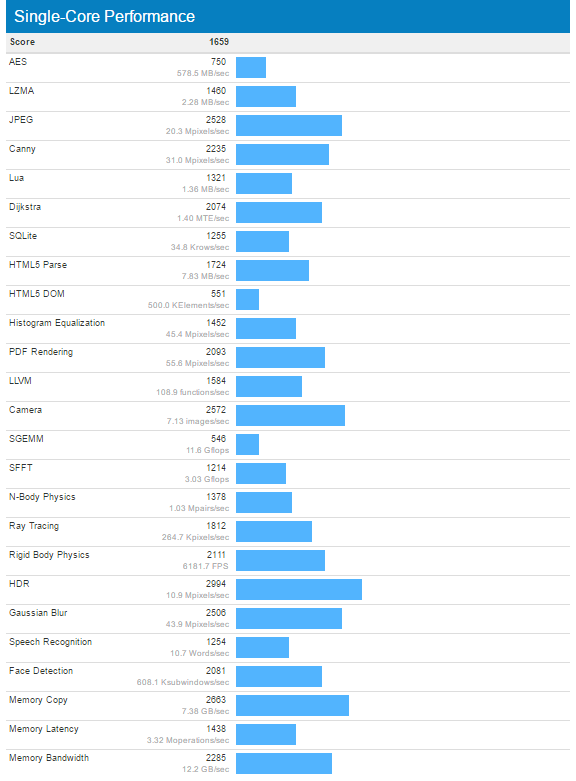
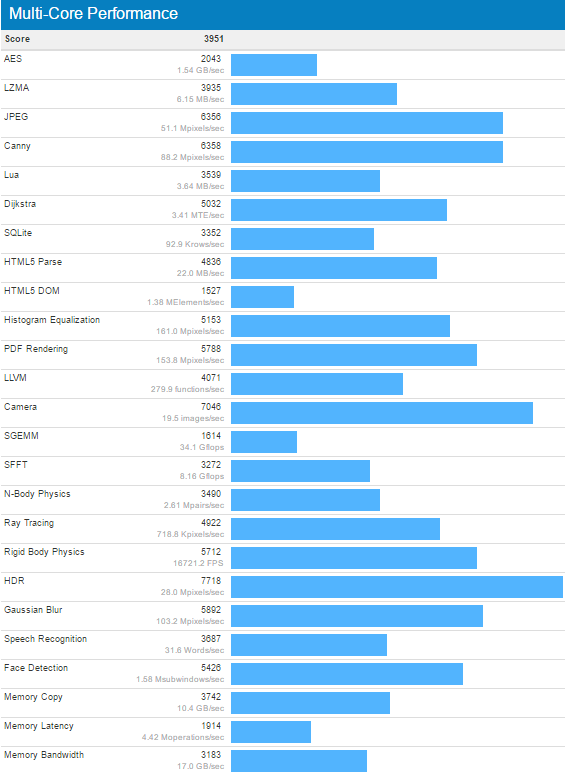
New details for Google’s upcoming phones have been leaked. One of the leak is a new benchmark result for the Pixel from Geekbench. The results reveals that the phone is running Android 7.1 and features 4GB of RAM and a snapdragon 820 SoC.
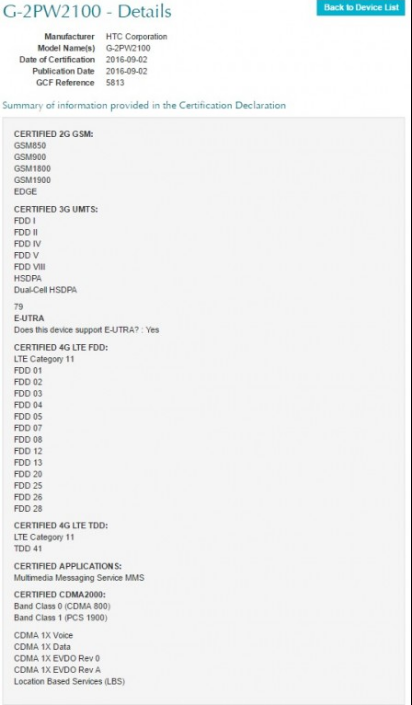
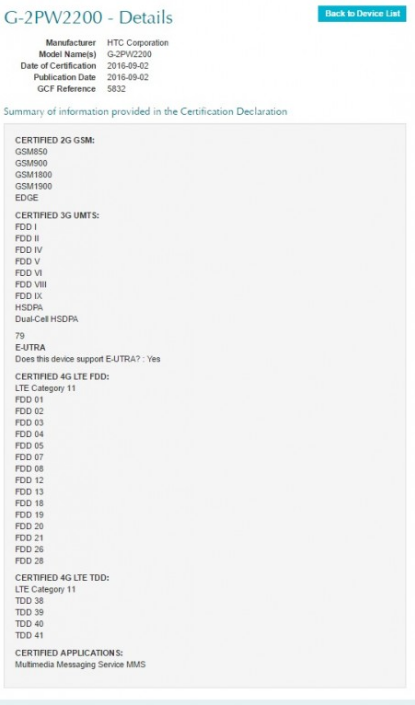
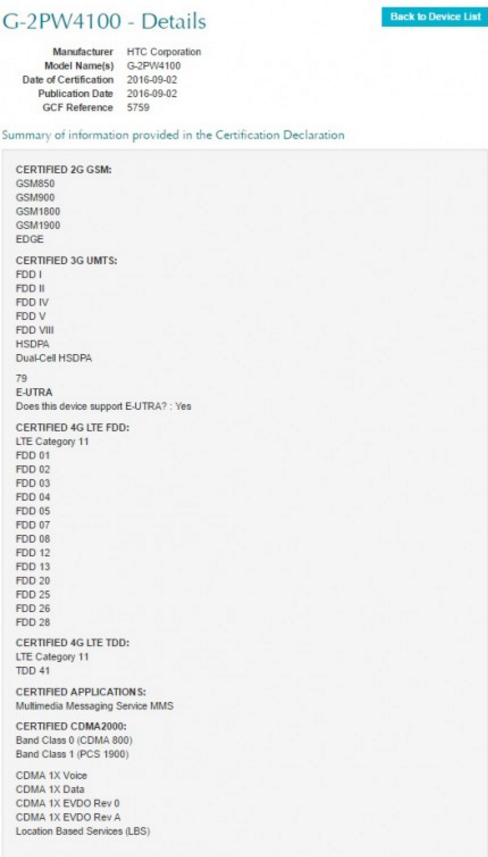
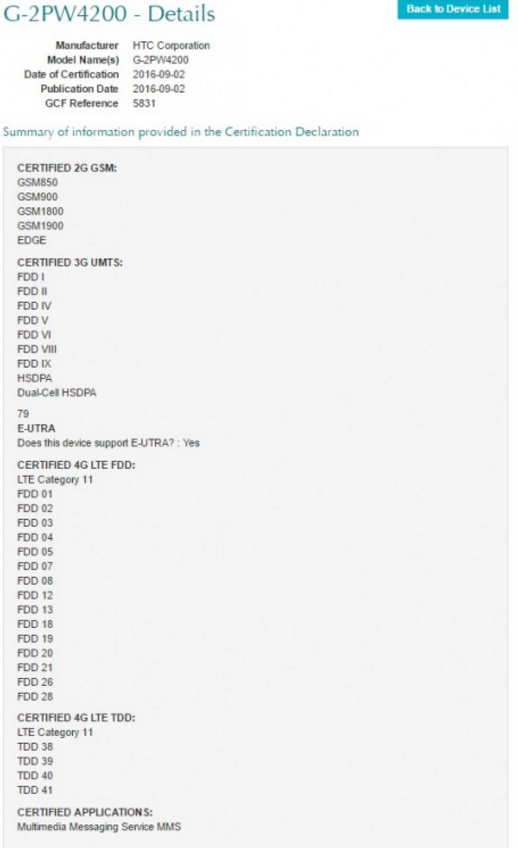
Another detail leaked is of the varying bands of the new phones. From the look of things, there will be 2 versions for each phone: a US version and an international version. This finding was made when the phones made a visit to the Global Certification Forum. The reason for this is to cater for the variation in band support. Every other thing should be the same and both versions should also sell for the same price. The GCF listing also mentions that the manufacturer for the devices is HTC.
You can check the images below for the bands supported by each device. The Pixel is the one with the G-2PW2100 and G-2PW2200 names and the Pixel XL has the G-2PW4100 and G-2PW4200 listing.
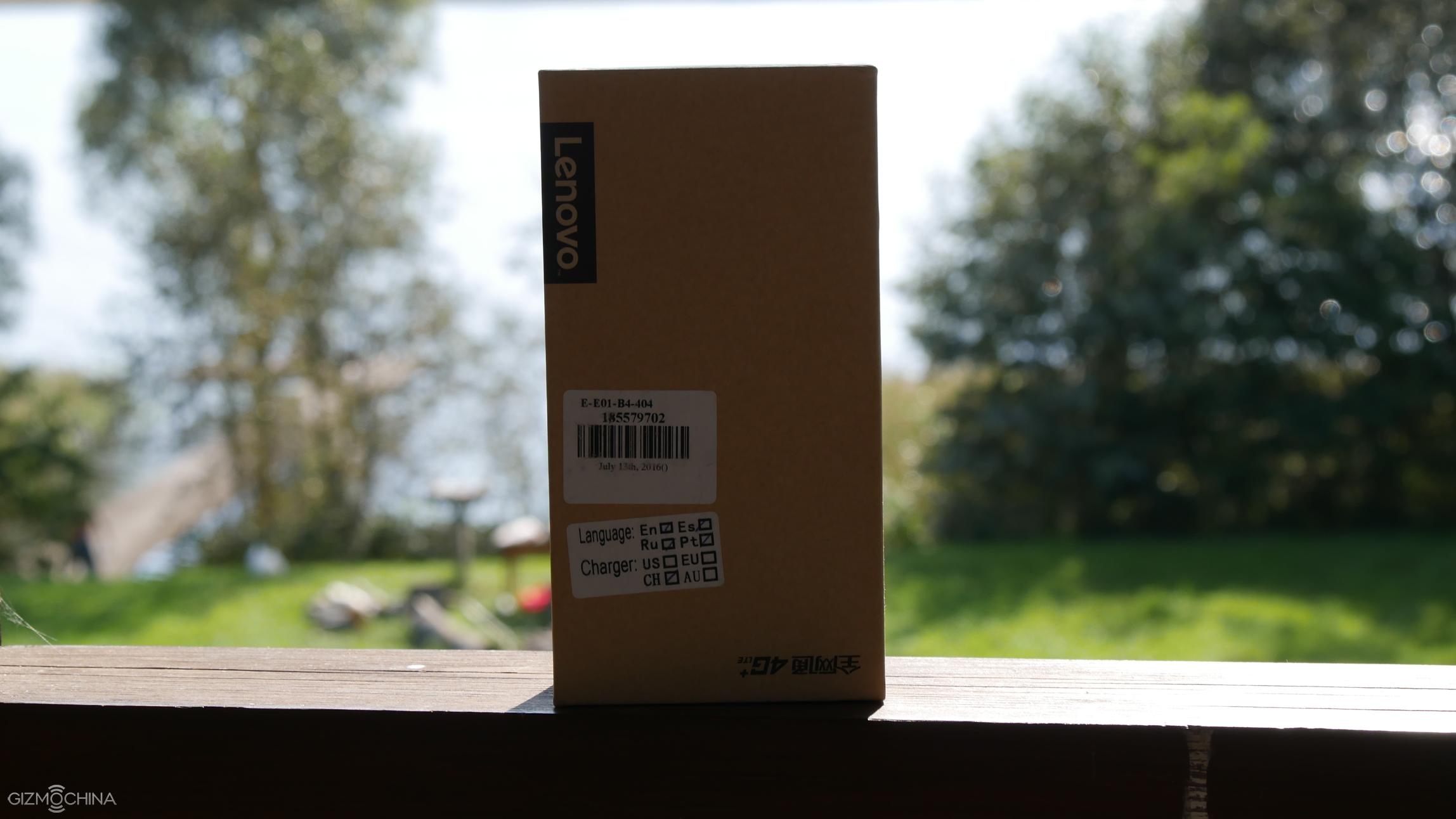
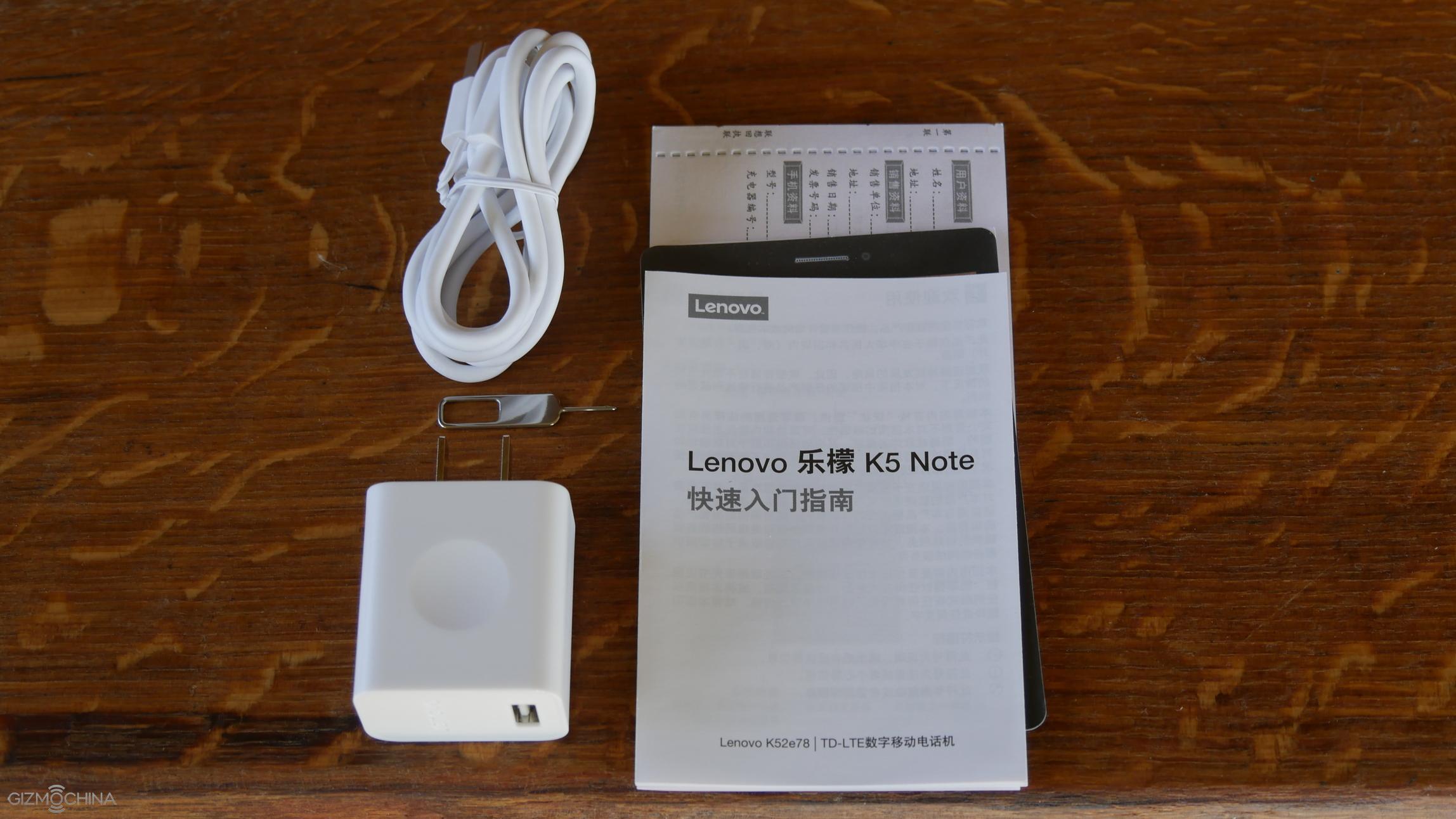
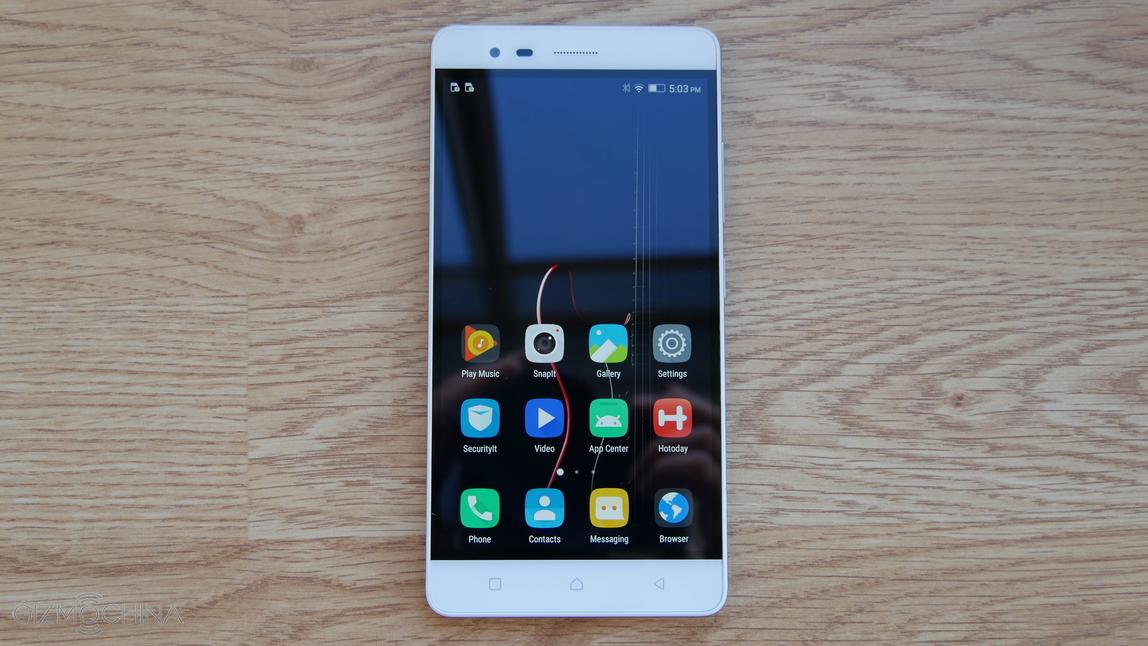
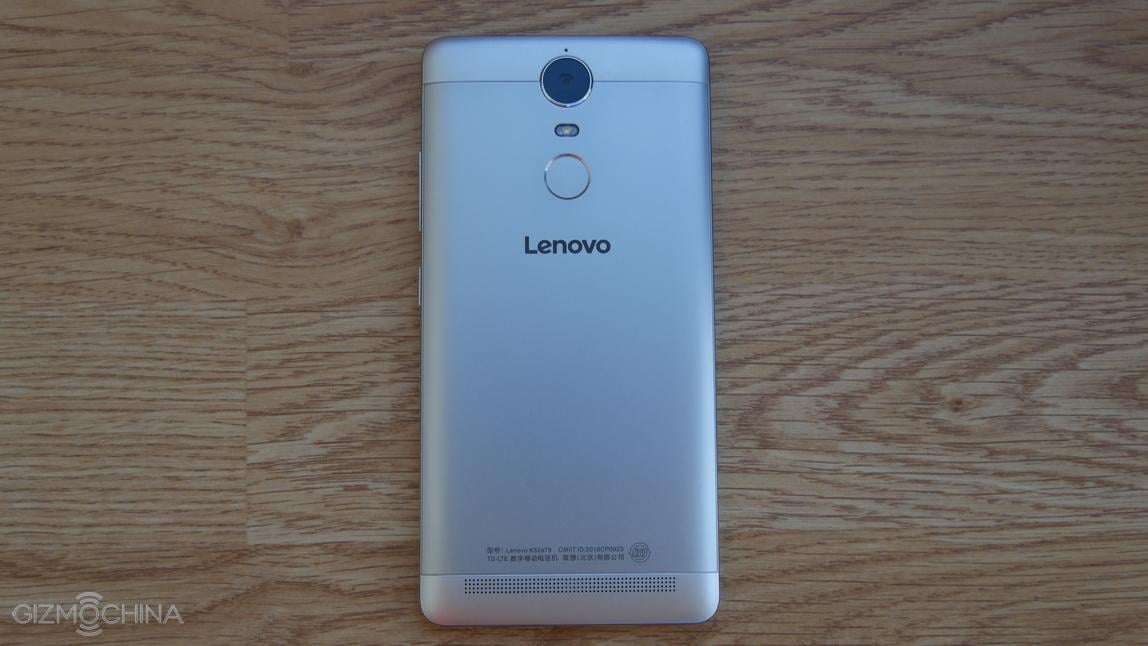
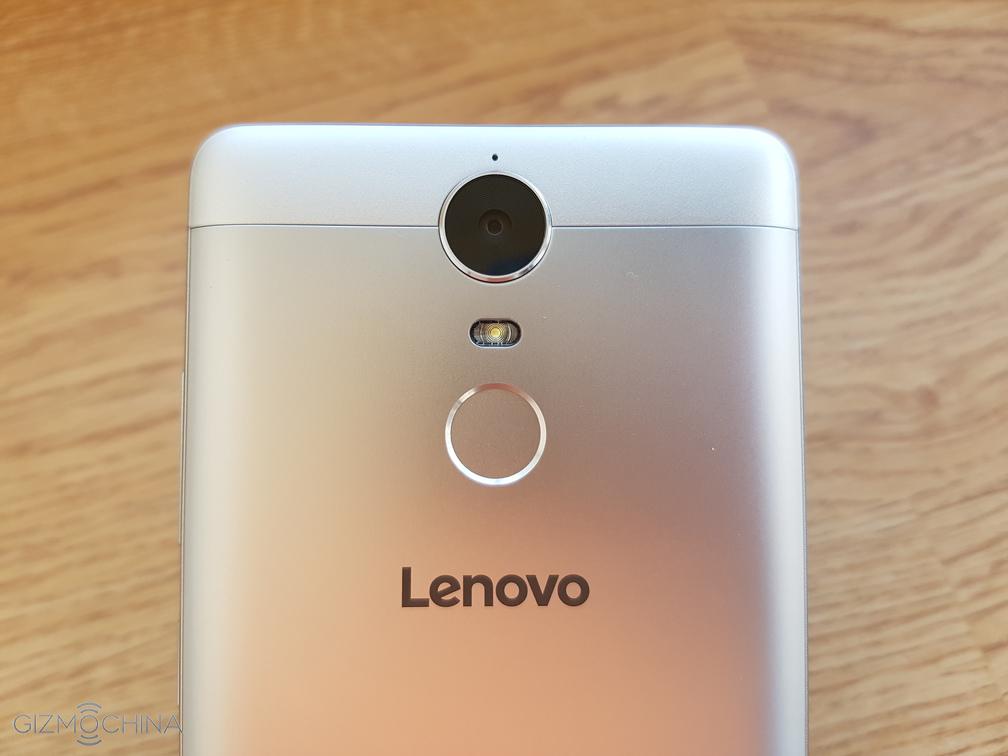
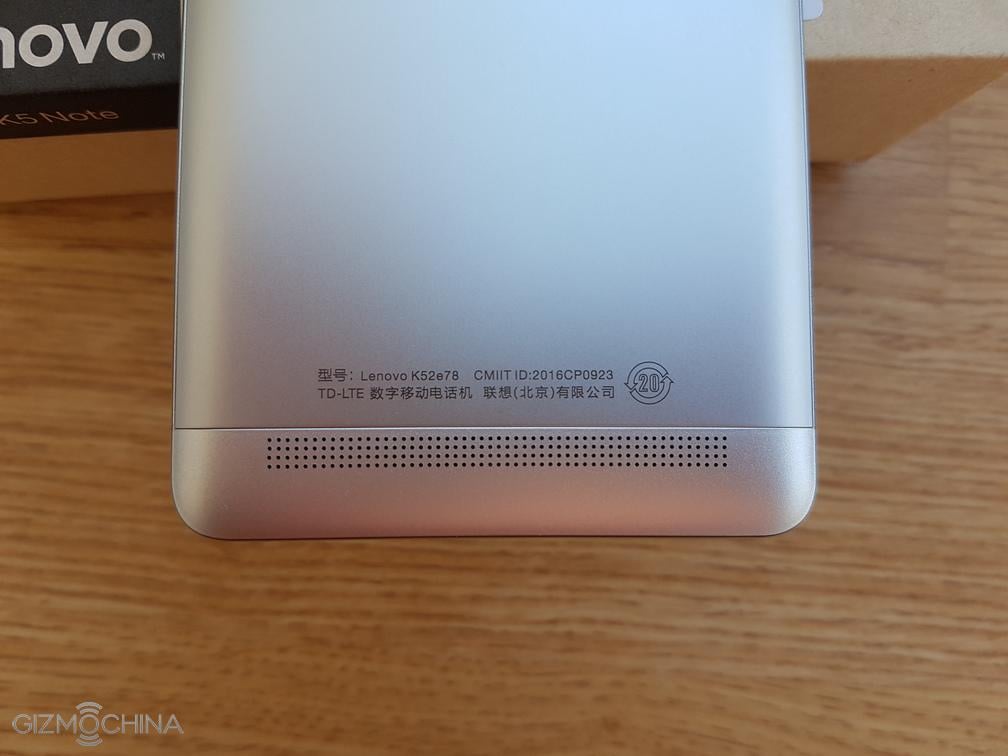
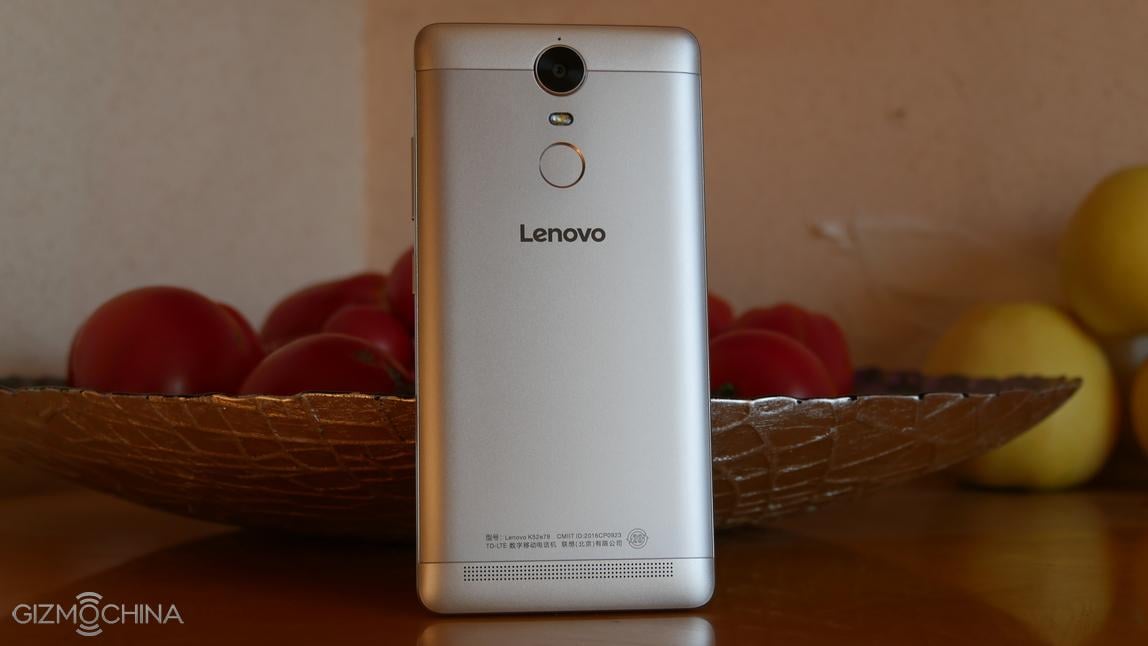
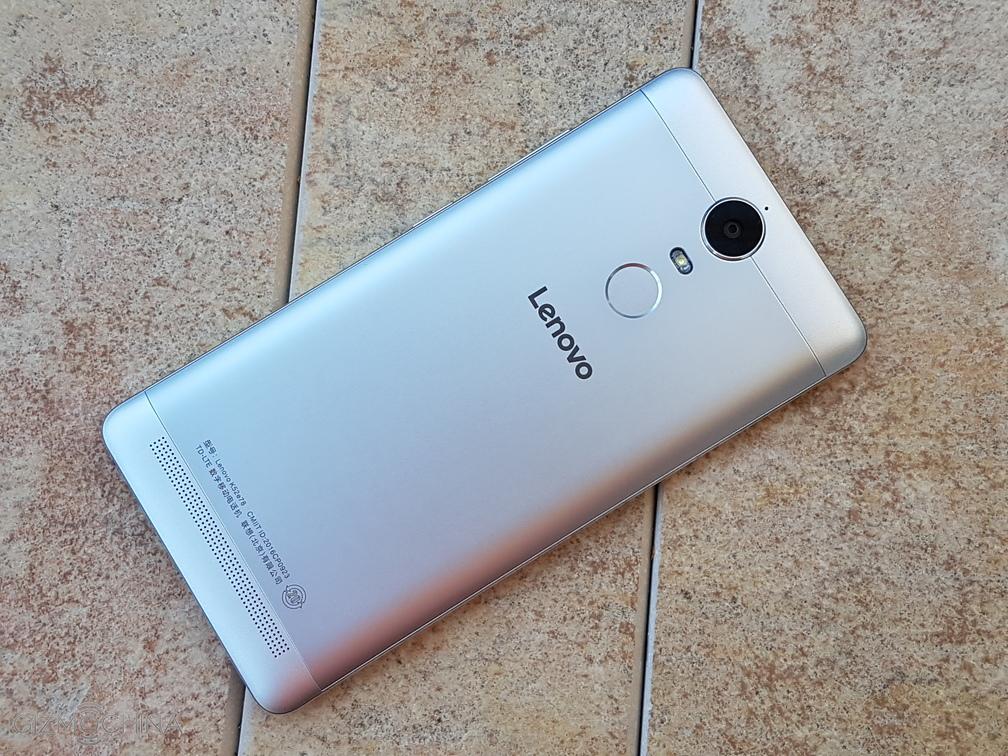
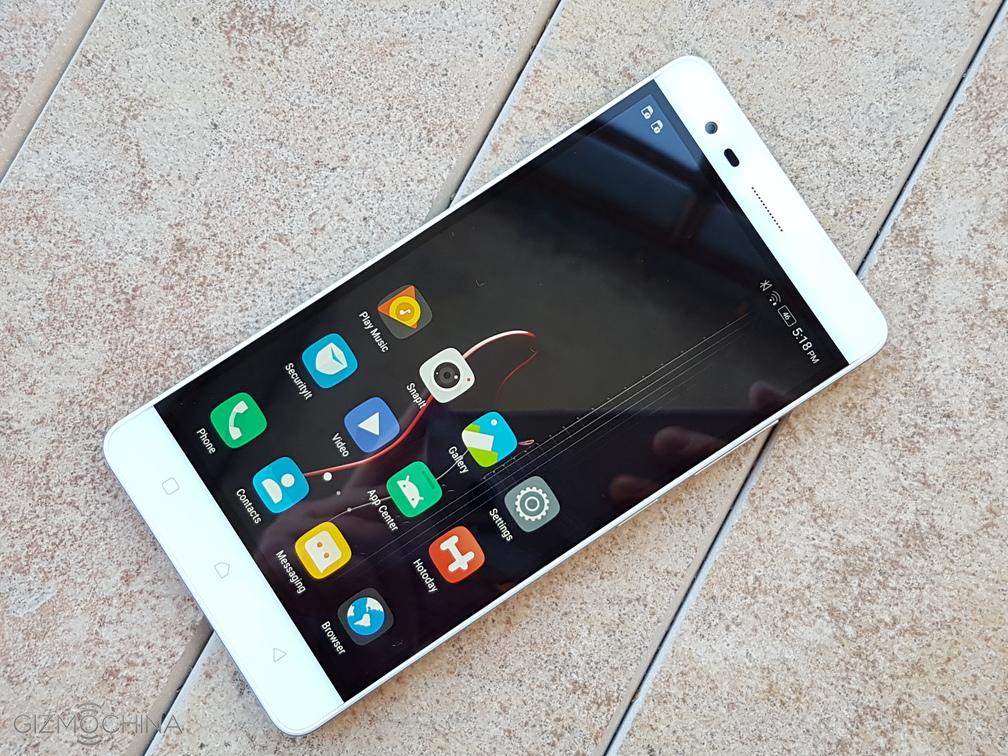
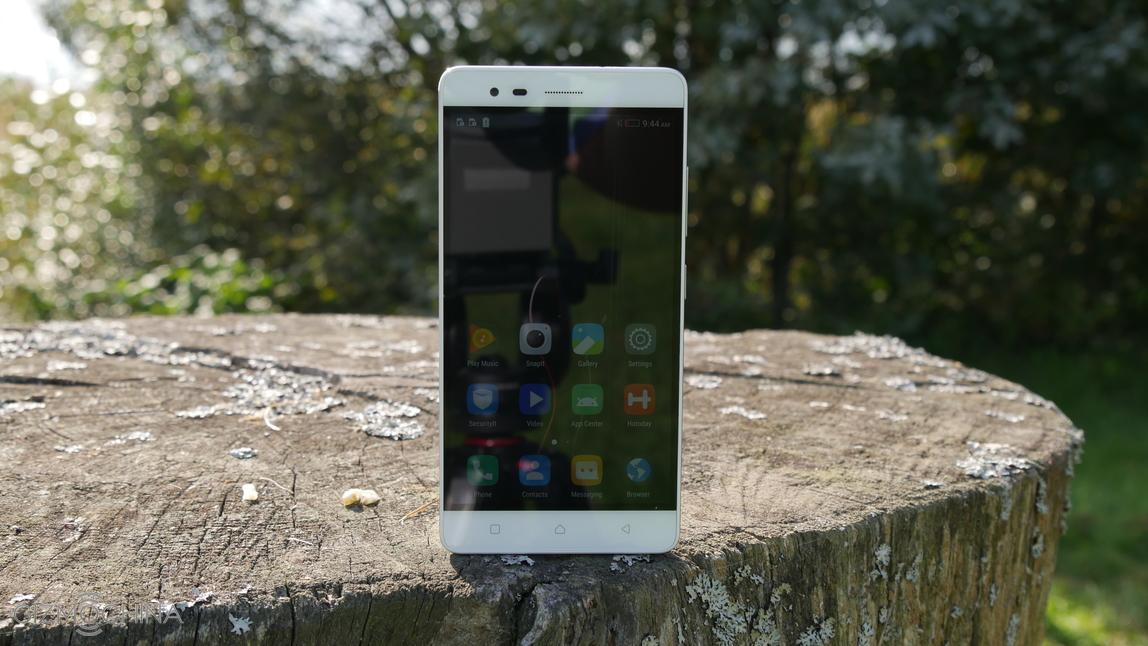
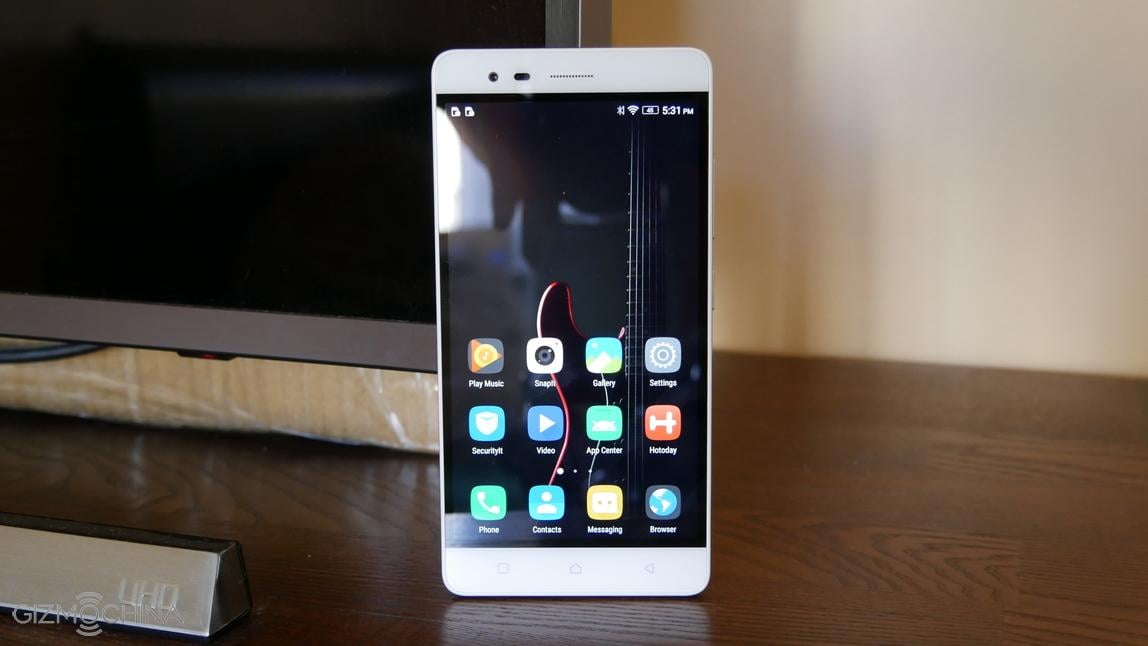
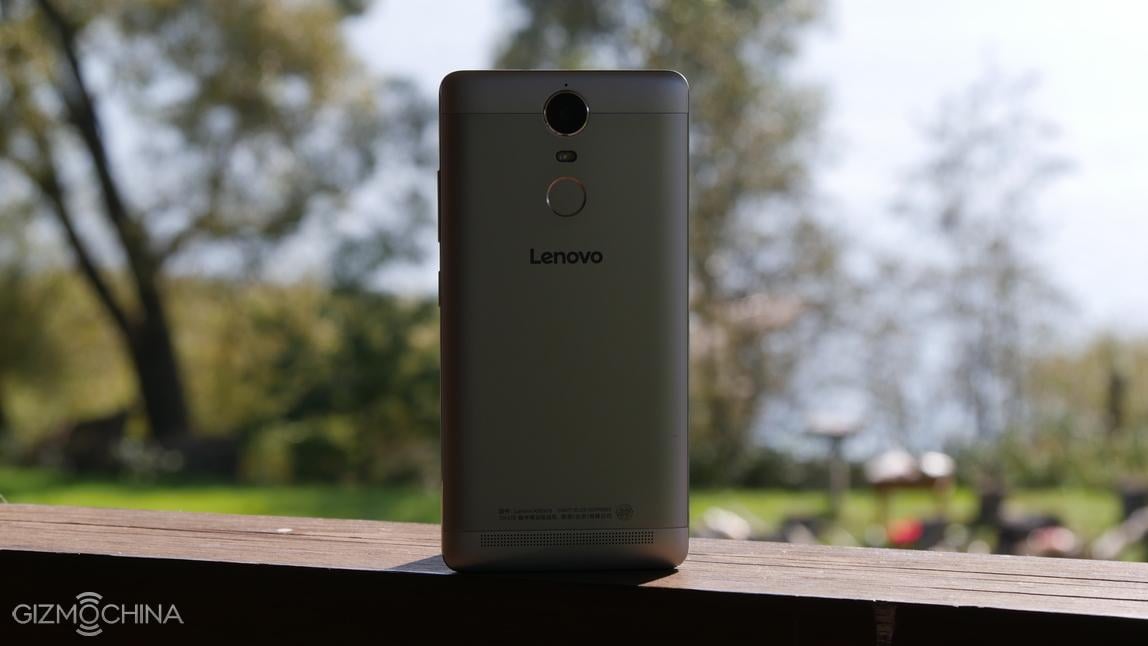
Lenovo has been known for producing some high-quality phones at affordable prices. Although the K6 Note has been already announced at IFA 2016, I wanted to take a look at the K5 Note. It is a phone that costs just $150 but it brings quite a lot to the table. Learn more in our full review.
32GB (expandable via microSD card slot up to 256GB)
Lenovo K5 Note Review: DESIGN and DISPLAY
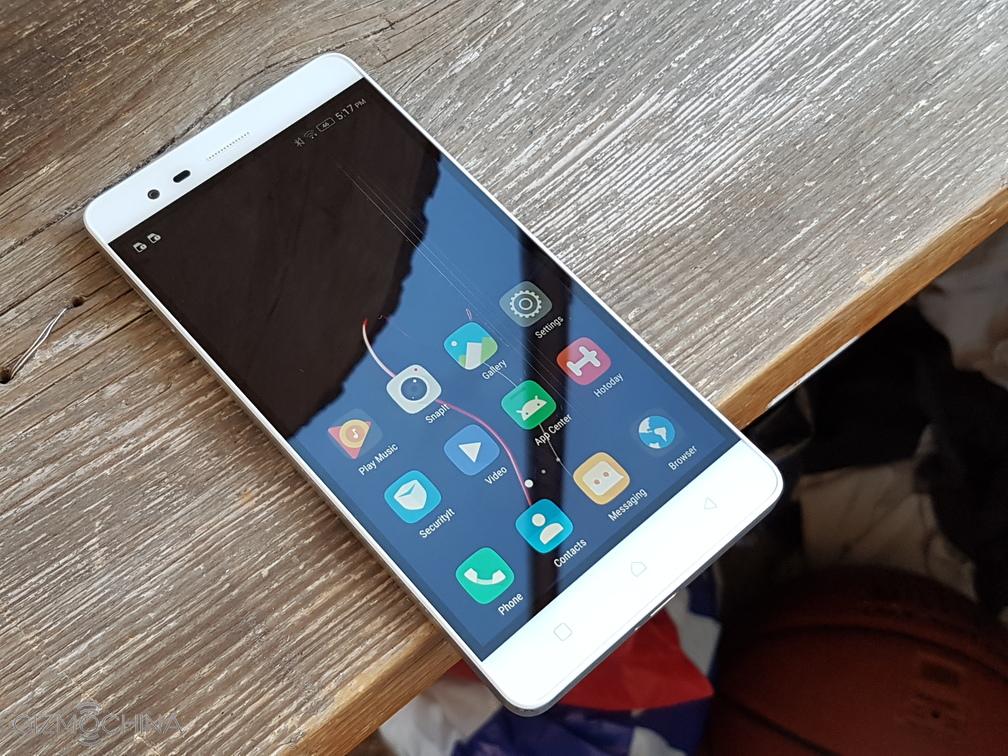
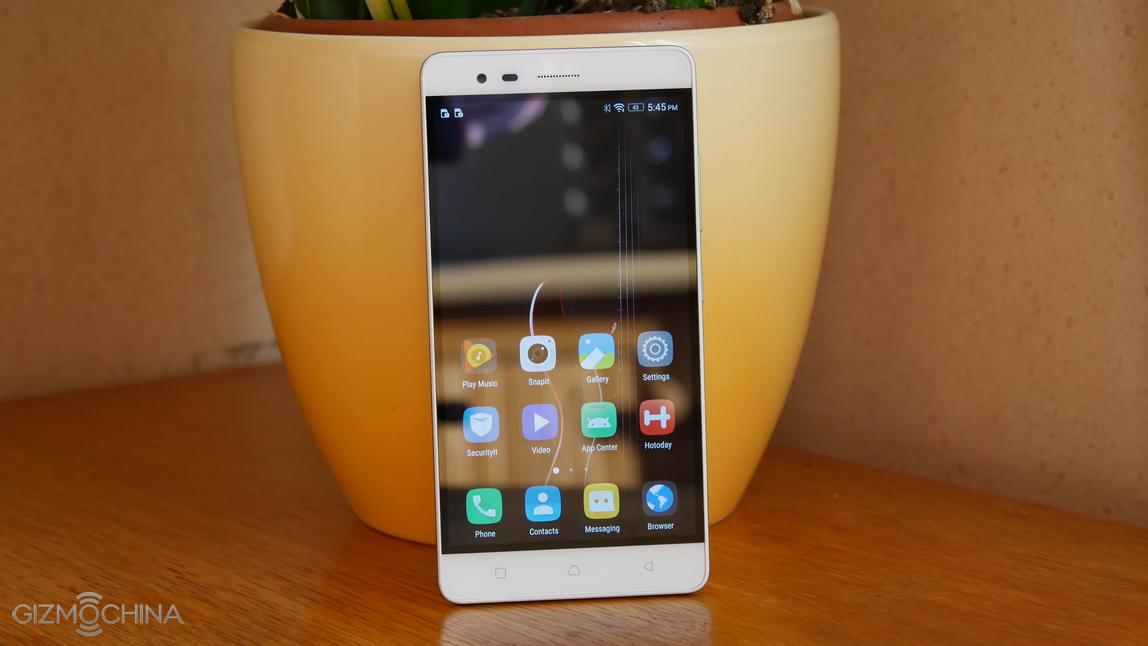
When it comes to the design of the phone, the K5 Note does not sport any exceptional looks that would differentiate it from other phones.
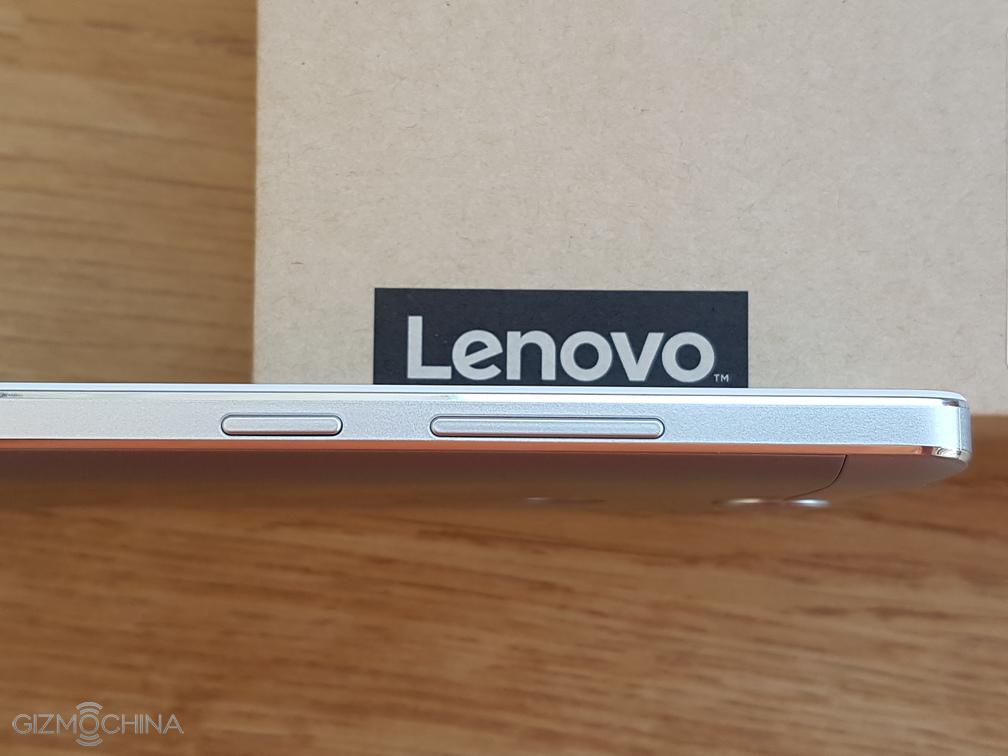
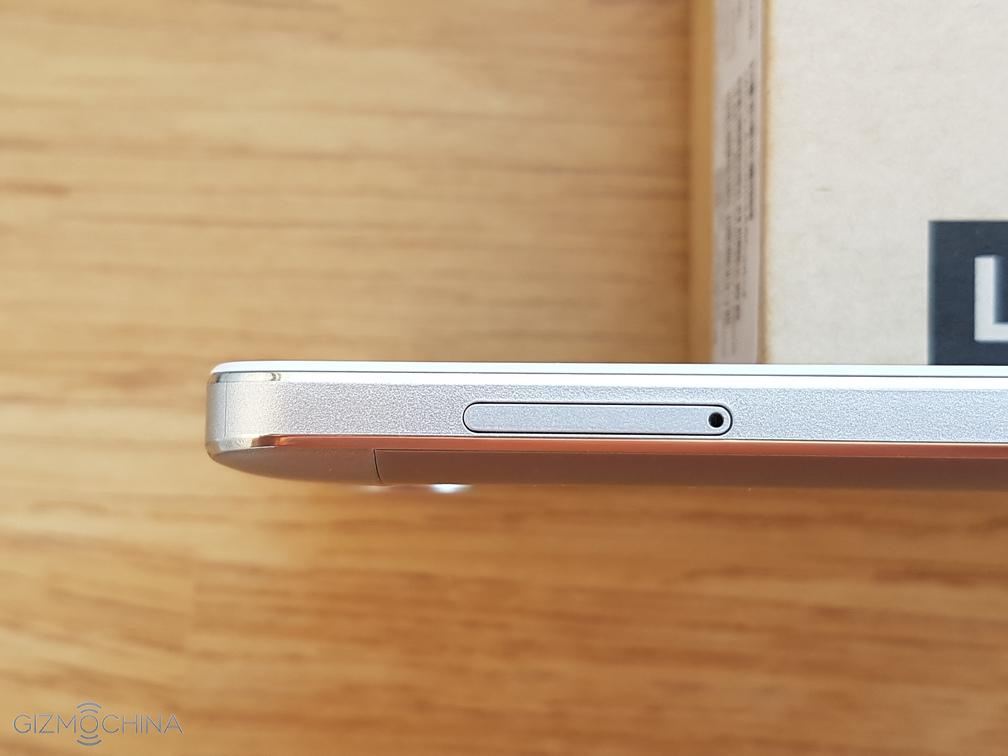
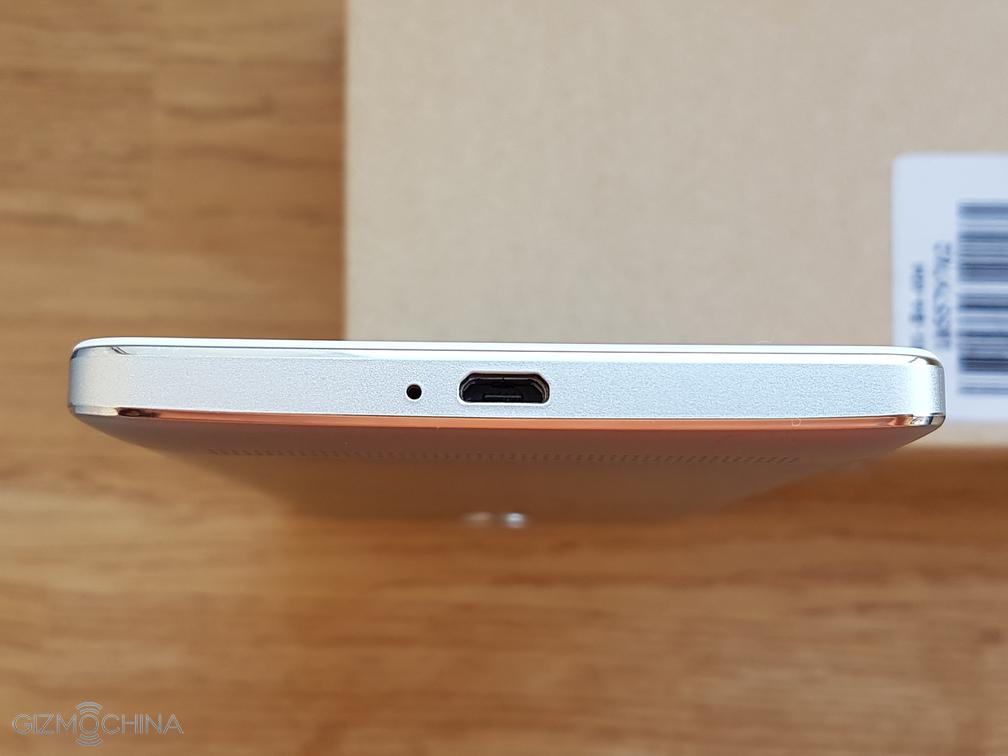
The device is well-built and it uses a metal backplate. However, the top and bottom parts, the buttons and the entire chassis are made of plastic, which is kind of a letdown considering the fact that even some super cheap phones use metal.
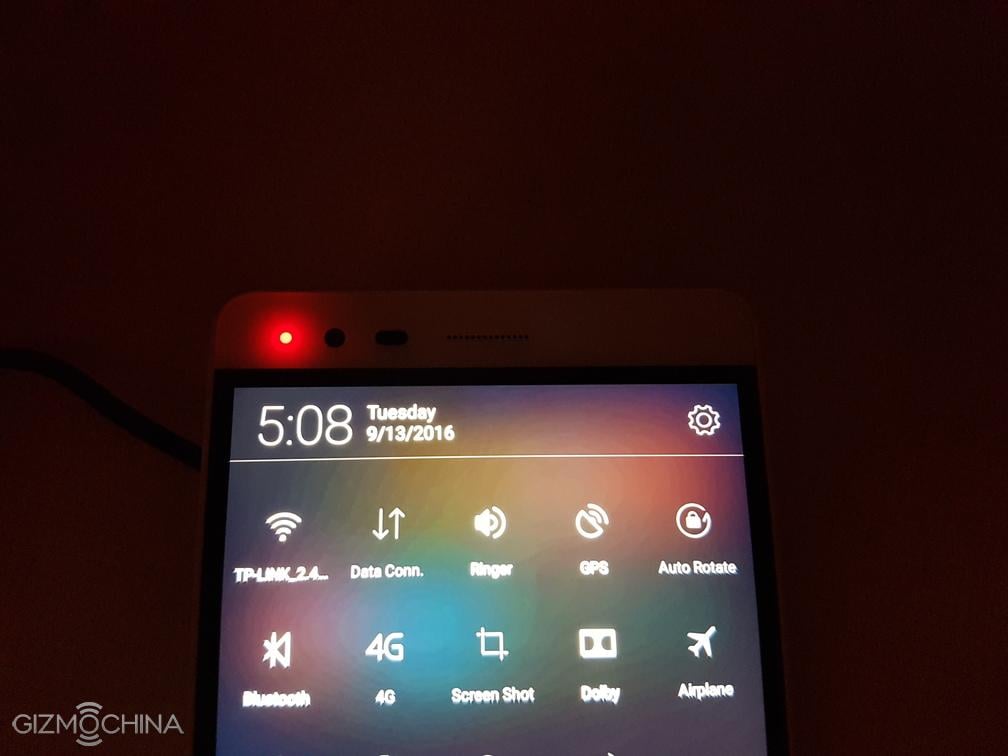
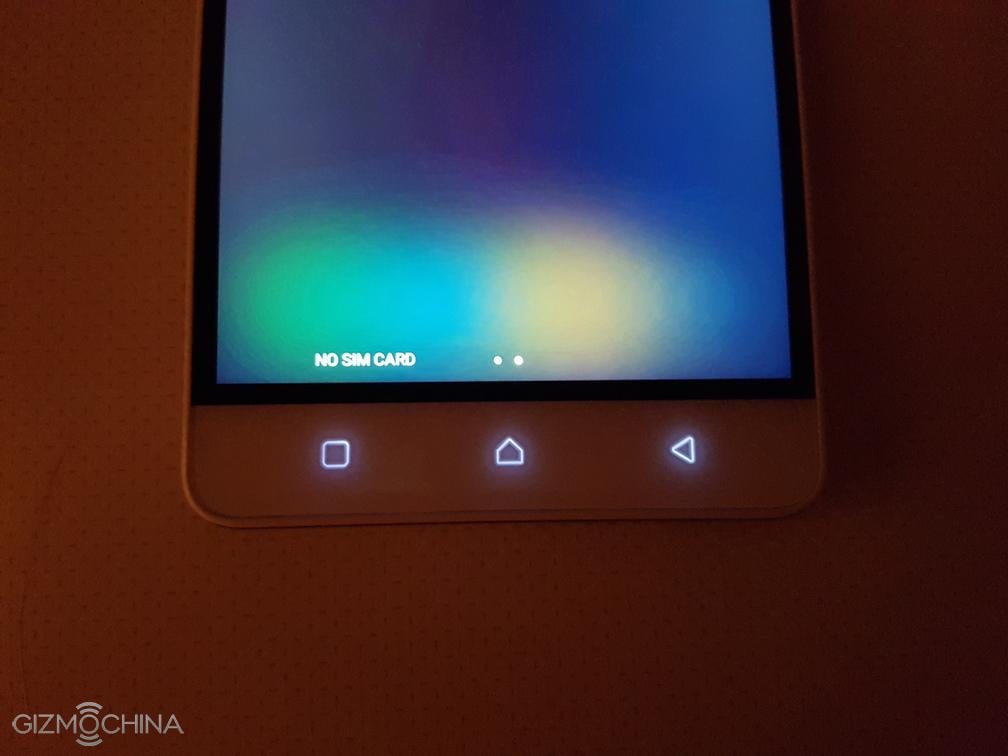
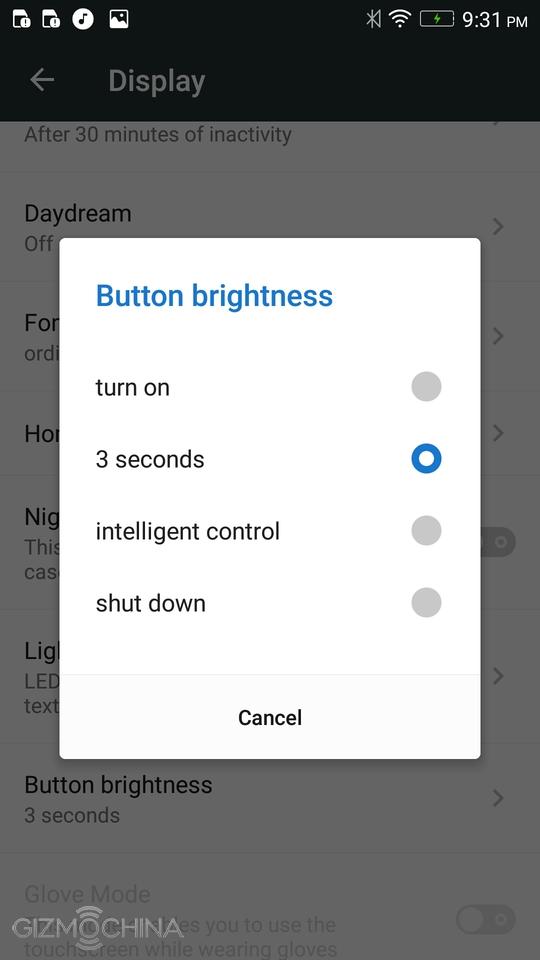
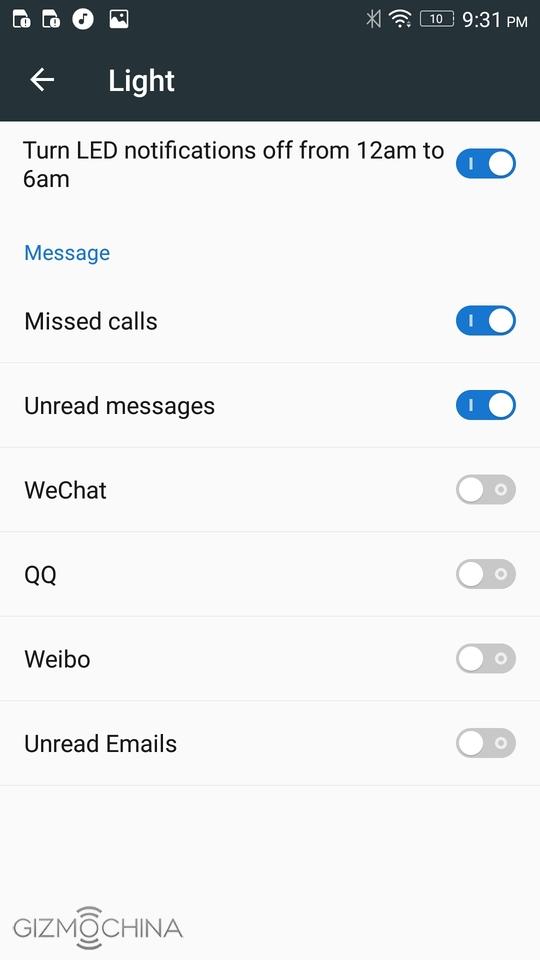
On the other hand, the Lenovo K5 Note comes with the LED notification light and backlit capacitive buttons that some of the cheaper phones lack.
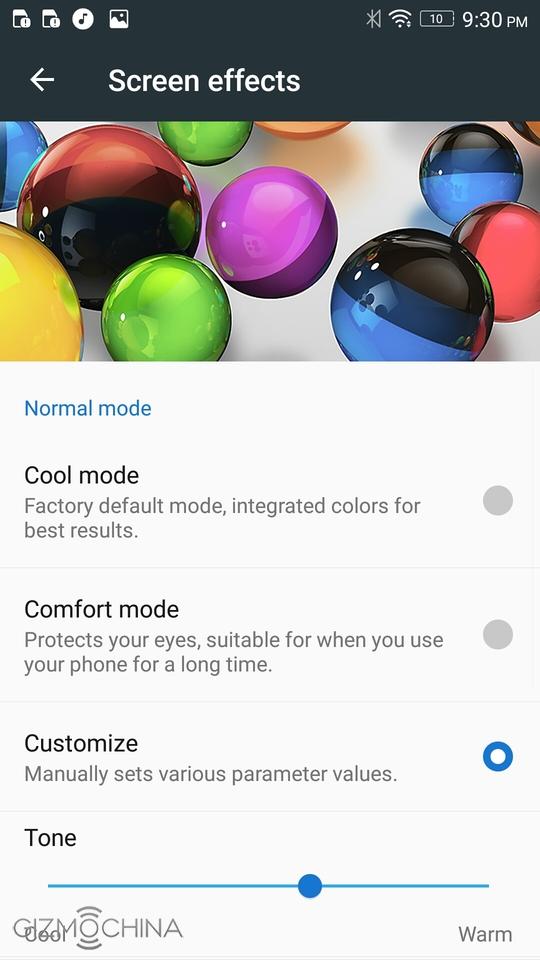
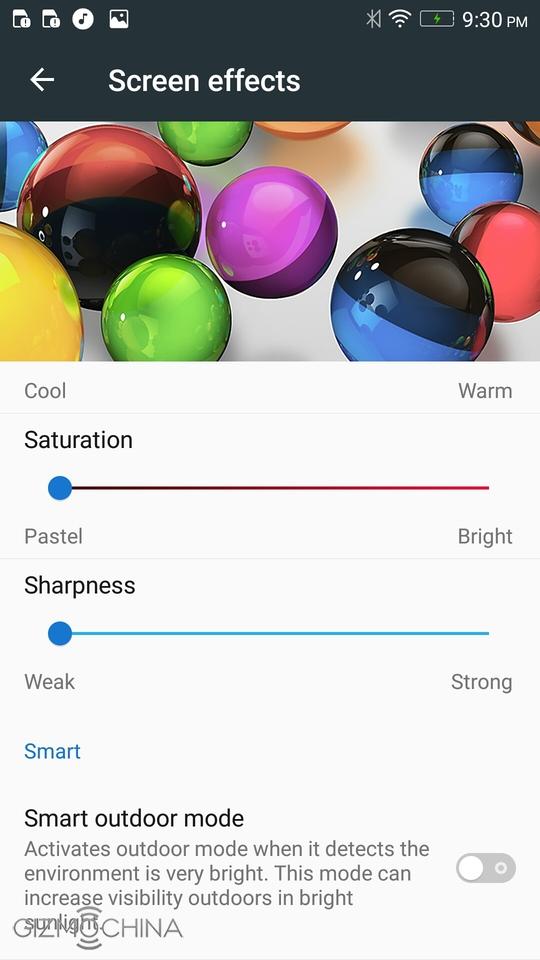
We have a 5.5” 1080p display, which is great. The panel is sharp, bright and you can adjust the color temperature to your liking in the settings menu.
As for optics, we have a 13MP shooter with f/2.2 aperture and a single LED flash.
The fingerprint sensor works fine. It is fast, accurate and you can unlock the phone from the standby mode. Also, there are some other ways to use the fingerprint scanner, e.g. long press it and it works as a home button.
The loudspeaker quality is one of the best you can find on a $150 phone.
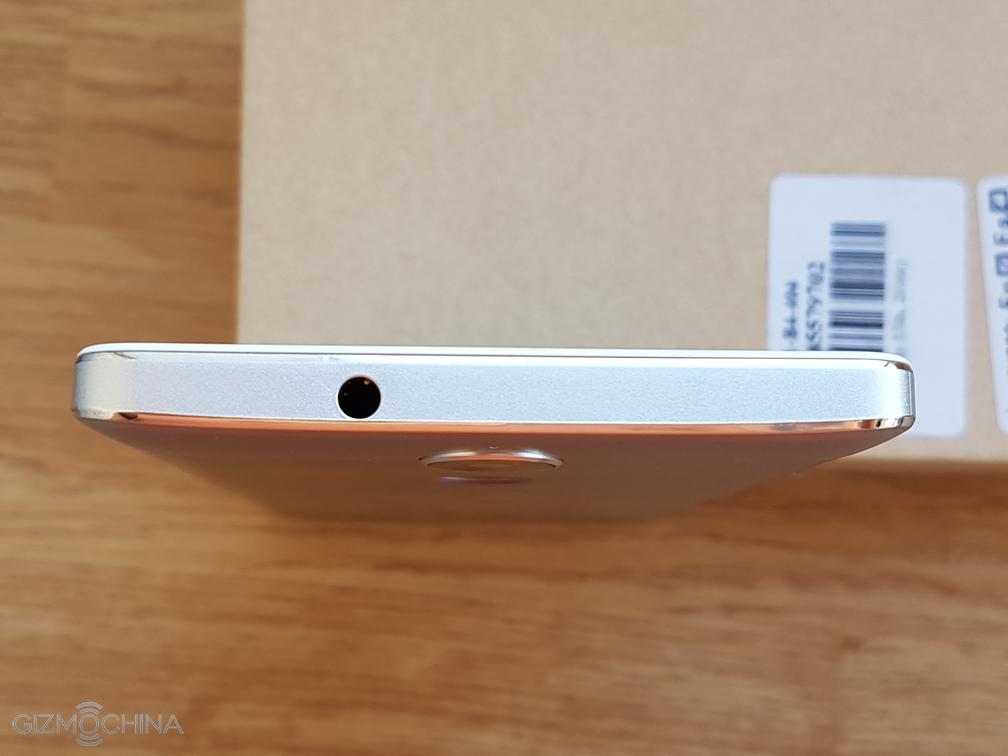
The quality of sound via the headset jack is one of the best in class and that is thanks to the built-in Hi-Fi audio chip.
Lenovo K5 Note Review: HARDWARE and PERFORMANCE
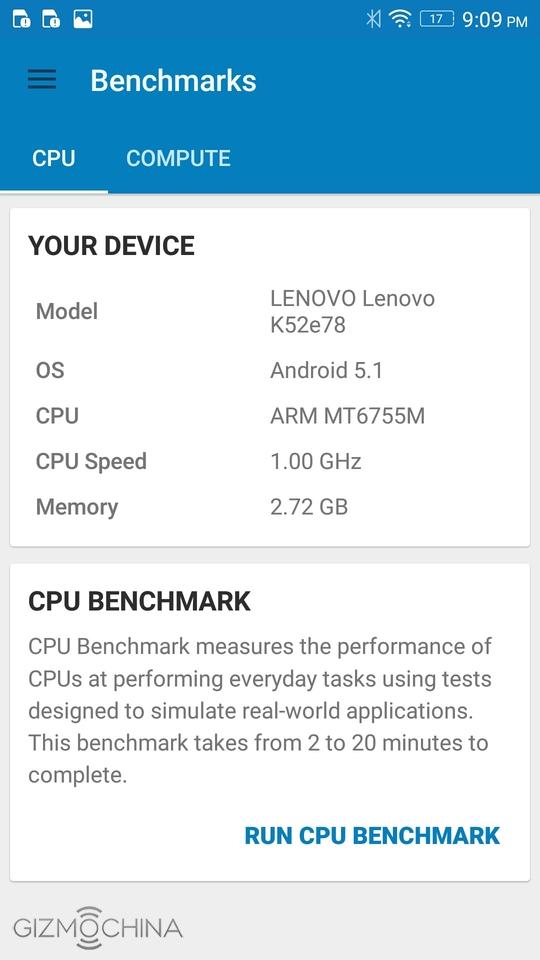
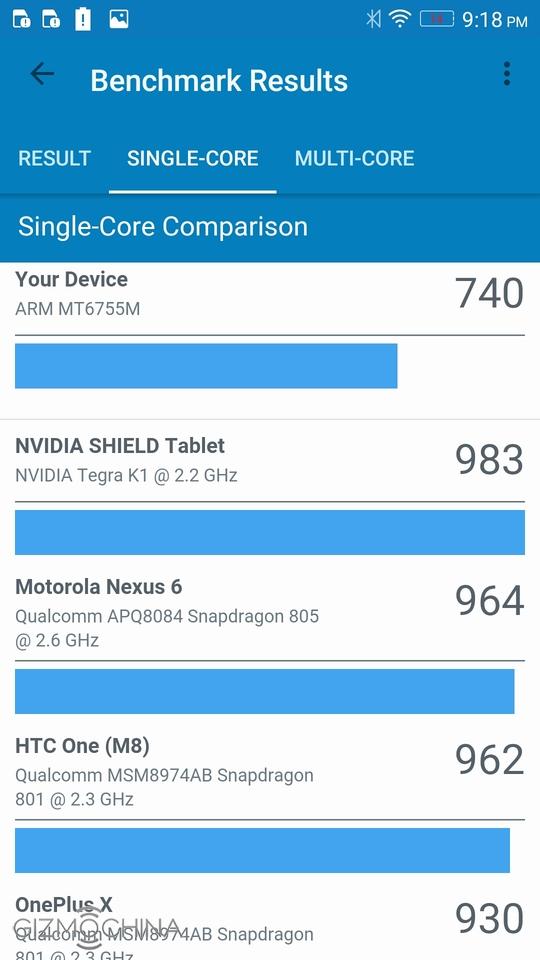
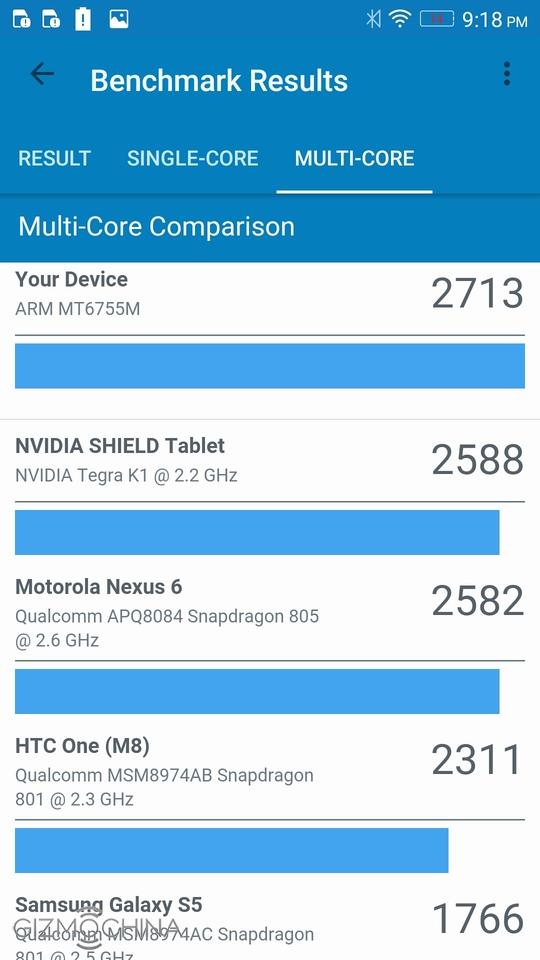
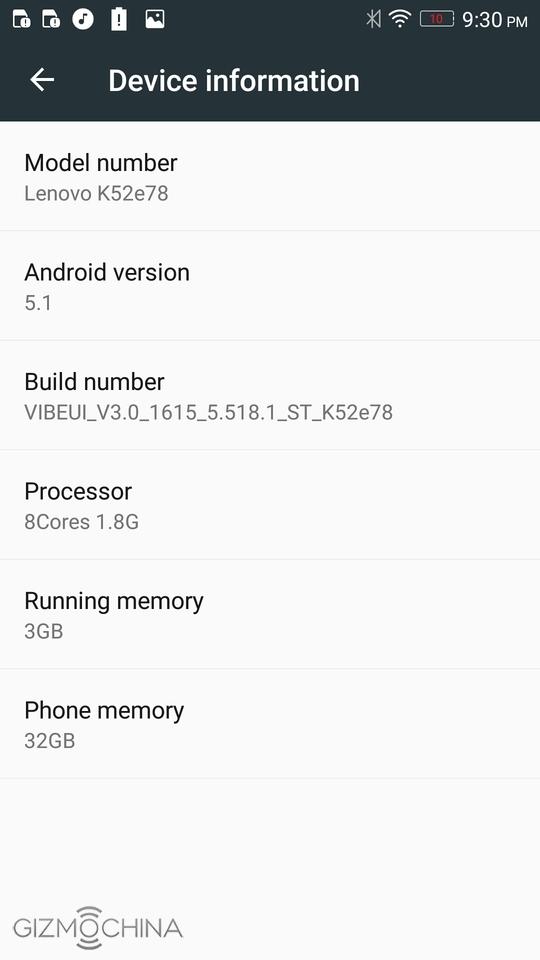
Lenovo K5 Note ships with an octa-core Mediatek MT6755 Helio P10 chip with the max. clock speeds of 1.8GHz, 3GB of RAM and 32GB of expandable storage.
I’ve never been impressed with the Helio P10 chips when it comes to the 3D gaming and the K5 Note is no exception.
You can only play Asphalt 8 on medium graphics to avoid stutter and lag. On the other hand, games like Nova 3 and Modern Combat 5 run quite well.
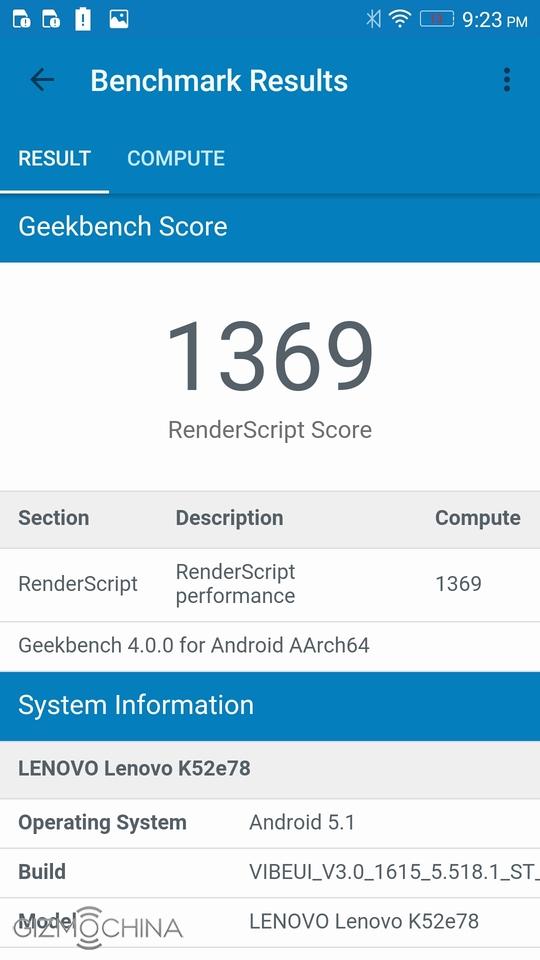
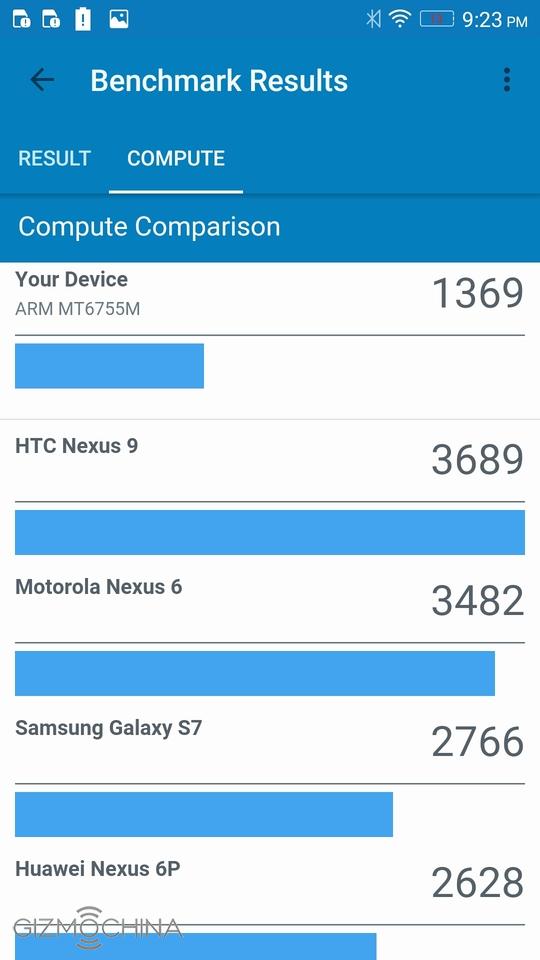
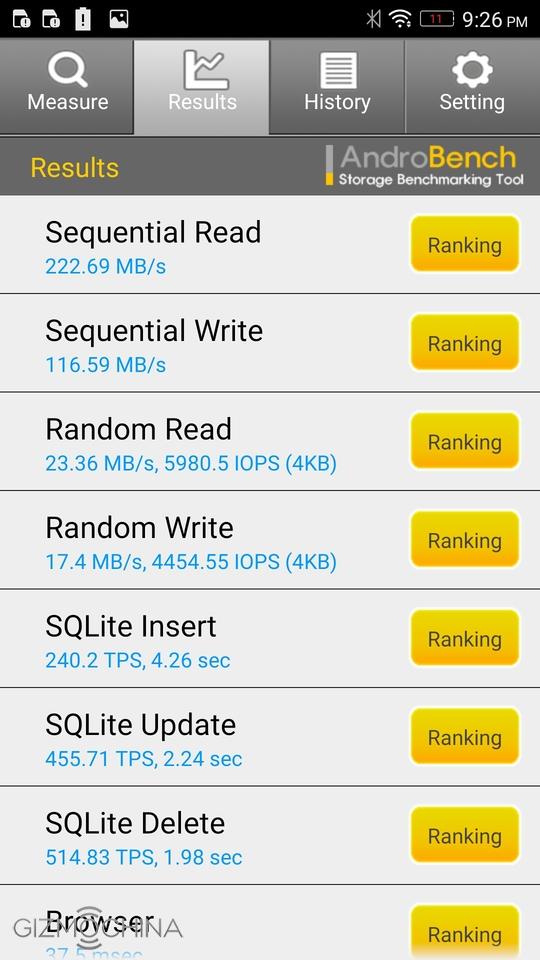
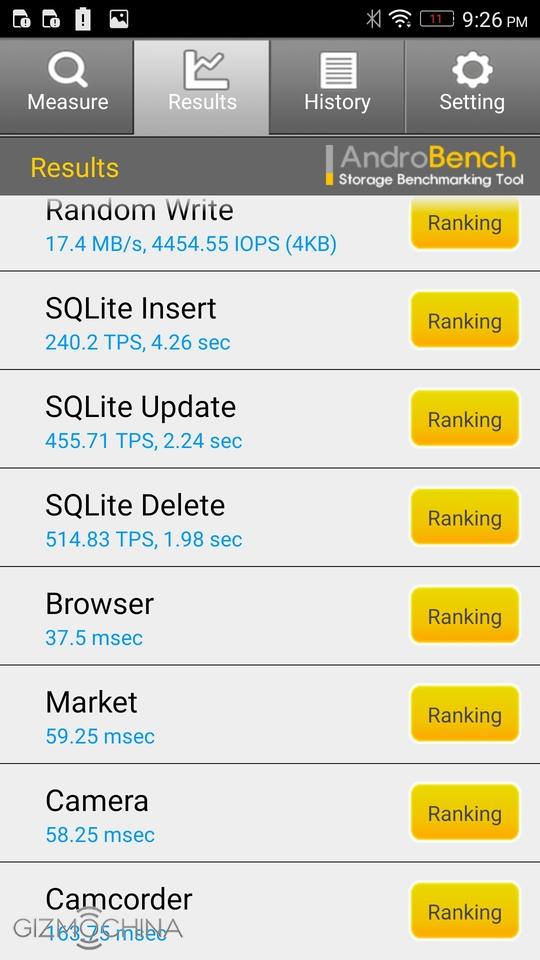
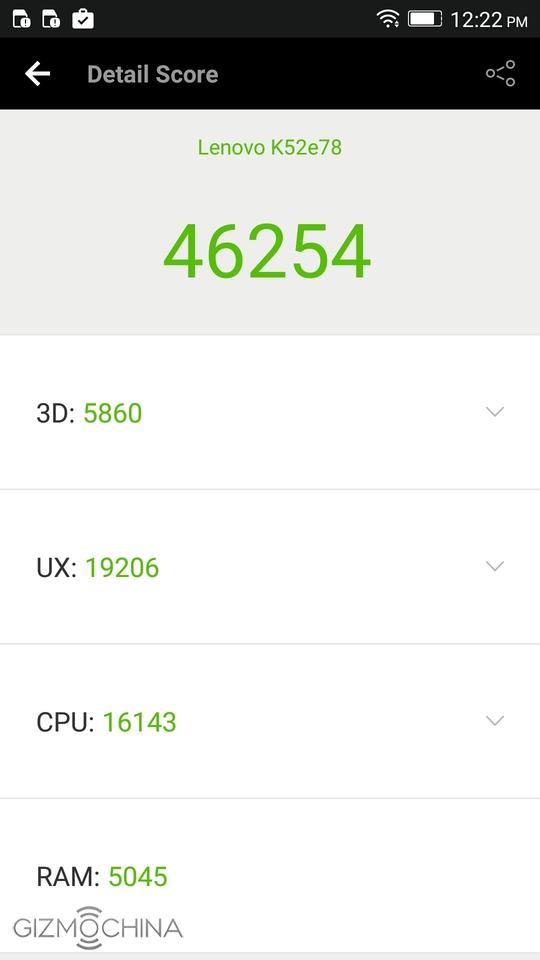
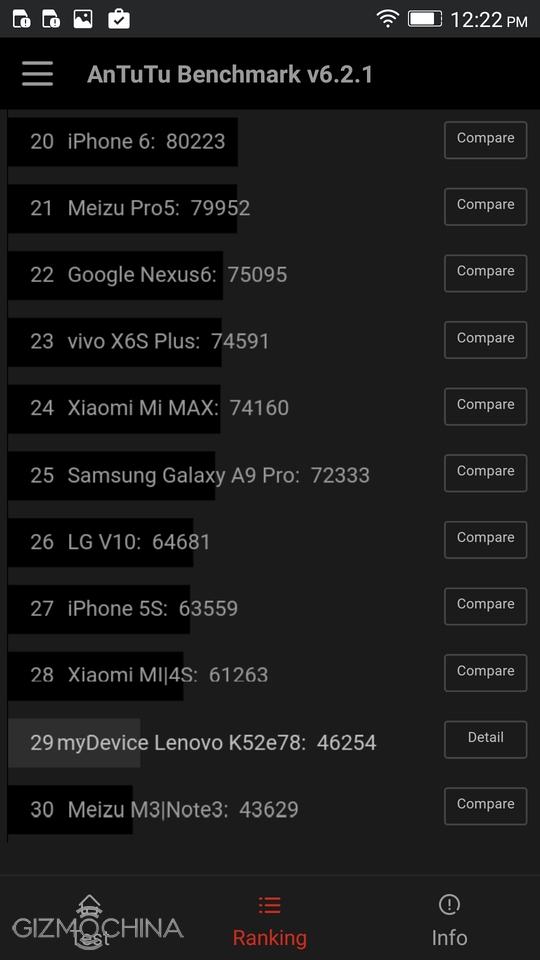
Lenovo K5 Note Review: BENCHMARKS
Lenovo K5 Note Review: USER INTERFACE
Speaking of the day-to-day user interface performance, the phone is fast, fluid and I didn’t have any issues with it. I’m quite disappointed that the phone ships with the outdated Android 5.1 with the Lenovo’s skin on top of it. It’s is not a deal-breaker for a budget phone but there are plenty of cheap phones that already have the Android 6.0.
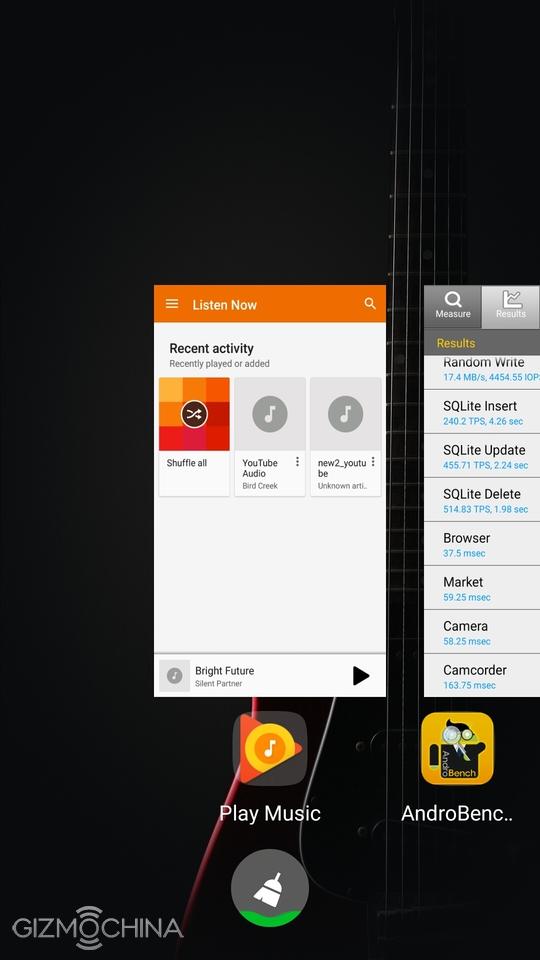
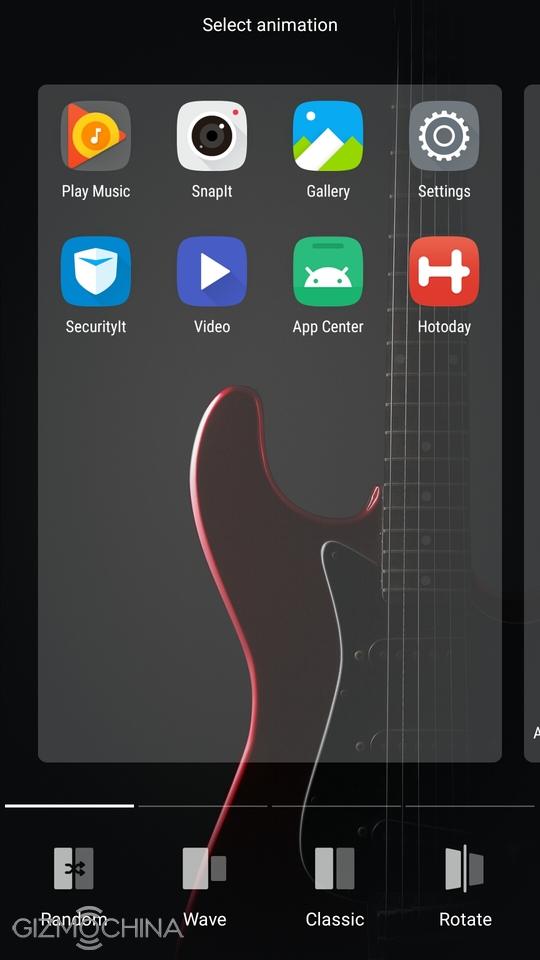
On the other hand, I like the Lenovo’s skin as there are quite a few features and customization options to play with. Just to name a few, you can quickly launch the camera straight from the standby mode, draw a letter C to trigger one-handed operation mode or use a few gesture controls that work great. You can also select from a variety of themes, change transition effects and so on.
Lenovo K5 Note Review: CAMERA
The pictures taken with the 13MP camera look quite nice. There is a good amount of detail and the colors look natural. However, the camera is inconsistent with the dynamic range adjustment and I got a few shots that were out of focus.
As for low-light image quality, $150 phones have never impressed me and the K5 Note is no exception. Well, the phone has one of the better cameras in its class but all the low-light images will look grainy and noisy.
The K5 Note comes with a hybrid dual-SIM card tray, which can take either 2 SIMs or 1 SIM and the microSD card.
The call quality, signal reception, GPS, Wifi and all other connectivity options work just fine.
Lenovo K5 Note Review: BATTERY LIFE
The phone ships with the 3500mAh battery that performs well. It will definitely get you through the day or even 2 days, depending on the usage.
On my usage, I could get over 5 hours of screen-on time, which is a good result.
Lenovo K5 Note Review: CONCLUSIONS
So, there you have it, a $150 Lenovo K5 Note. It is one of the best phones in this price range but it is definitely not perfect.
The phone sports a good build quality, nice and sharp display, user interface that has a lot of features, pretty good cameras, and Hi-Fi audio via the headset jack. Also, the K5 Note has an accurate fingerprint sensor, a good loudspeaker and some little features that some of the cheap phones lack – a notification LED light and backlit capacitive buttons.
On the other hand, the phone does not have a metal trim as it used plastic instead. It is a letdown considering the fact that even the cheapest phones use metal frames in its construction.
Although I enjoyed the user interface performance, the phone runs on the outdated Android 5.1. Finally, the Helio P10 chip is not the best option for you if you enjoy playing the latest 3D games.
At the end of the day, the Lenovo K5 Note is still a solid phone for the price and it definitely has more pros than cons.However, you have to consider if the previously mentioned shortcomings are important to you or not.
Flip phones or clam-shell phones, it doesn’t matter which one you like, used to be the rave back when feature phones were in vogue. They had this aura of sophistication they gave a wielder. They get a call, flip it open, place it next to their ear and start talking. No need for dragging call icons across the screen like we do now. Then touch-screen devices came into existence and people started to move away from flip phones to phones with the candy bar form factor. Now, if you were to pick 1000 random people and ask them for their phones, the chance of seeing a flip phone is next to none.
Samsung (and LG and Gionee) wants to change that. Samsung believes there is still a market for flip phones and have been releasing flip phones for a couple of years now. This year alone, they have released two flip phones, the Galaxy Folder 2 and Samsung W2016. The latter can be classified as a mid-range phone as it comes with 3GB of RAM, 64GB of storage, and a 16MP rear camera. Samsung already has a successor in the works, the SM-W2017 (codename: Veyron) whose live images surfaced online recently.
The SM-W2017 has been reported to feature a 4.2” Super-AMOLED screen, a snapdragon 820 chip, 4GB RAM, 64GB ROM, and a 12MP rear camera that can shoot 4K videos. There’s a 5MP camera in front for selfies and a USB Type-C port. When you close the phone, there’s another screen up-front. There’s no mention of the type of display but there’s a chance it might be the same type as the main one.
16.30 x 8.30 x 1.10 cm / 6.42 x 3.27 x 0.43 inches
OS
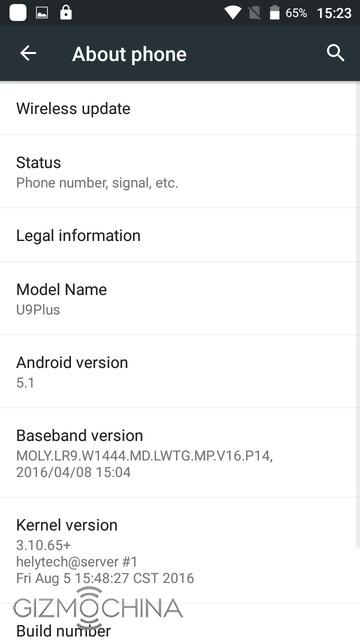
Android 5.1
Storage
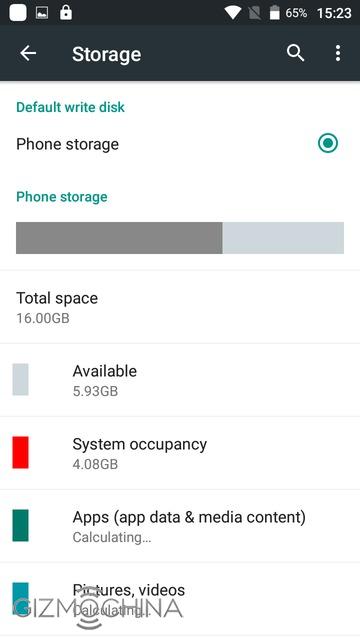
16GB (expandable via microSD card slot up to 64GB)
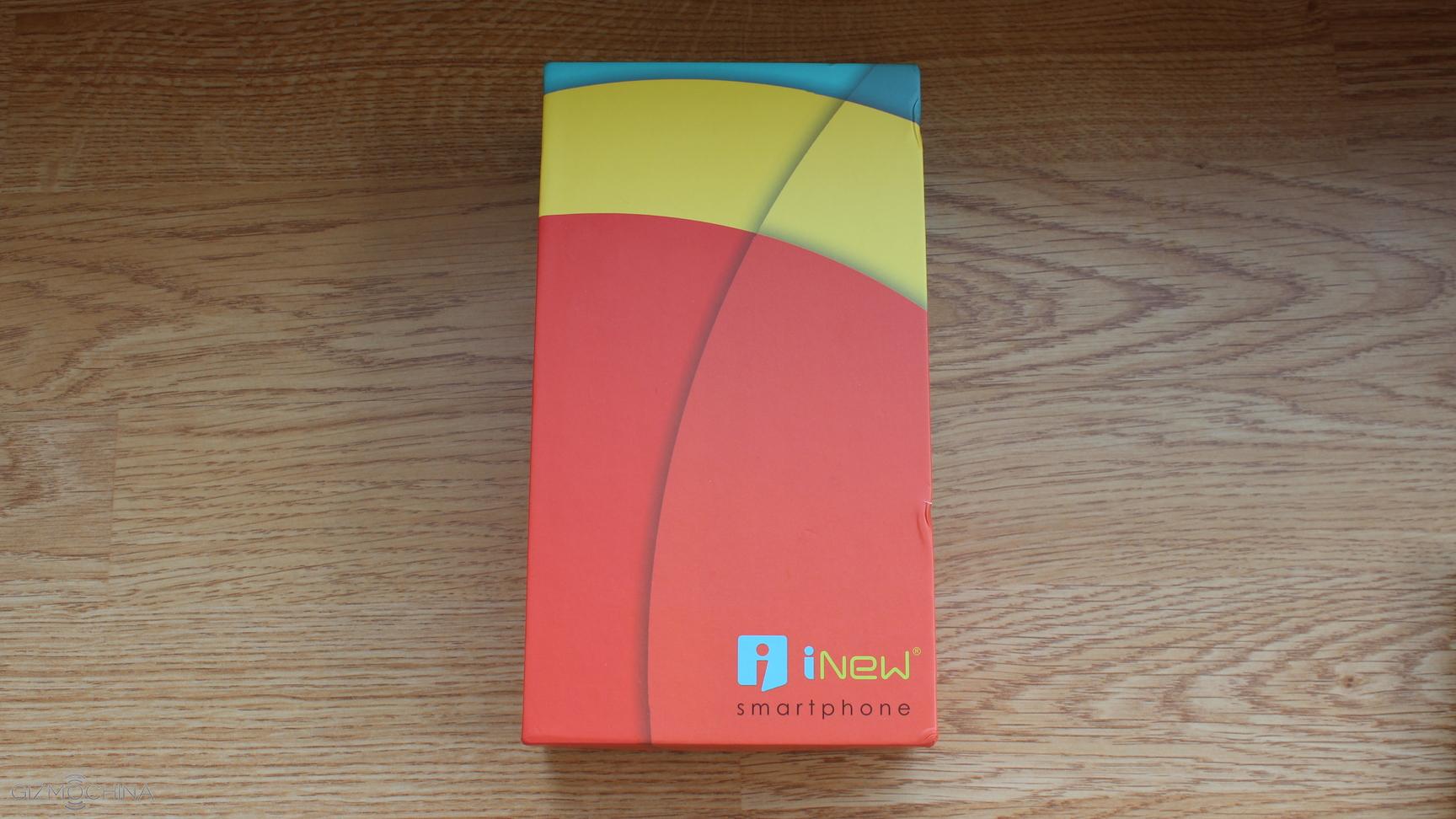
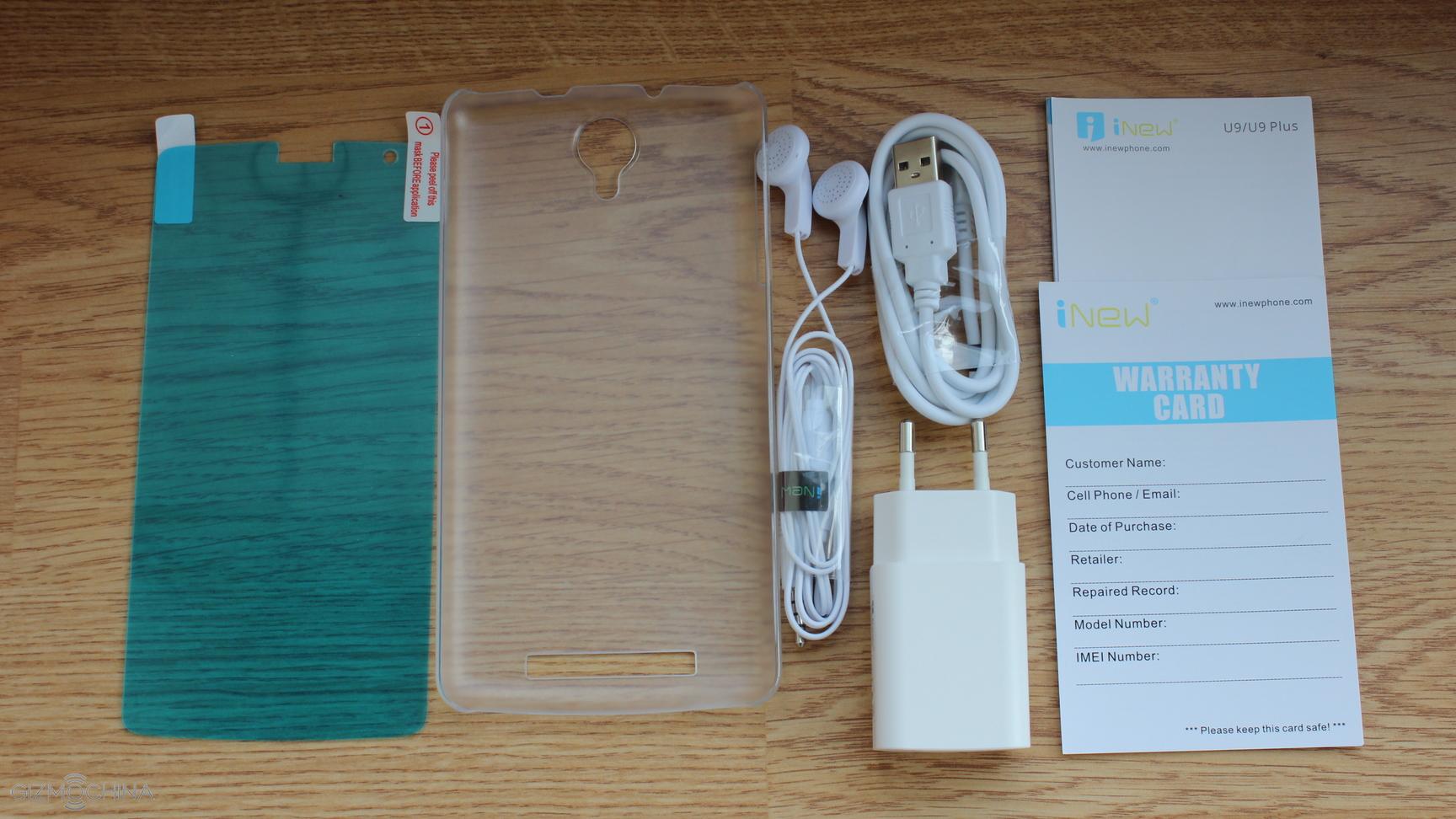
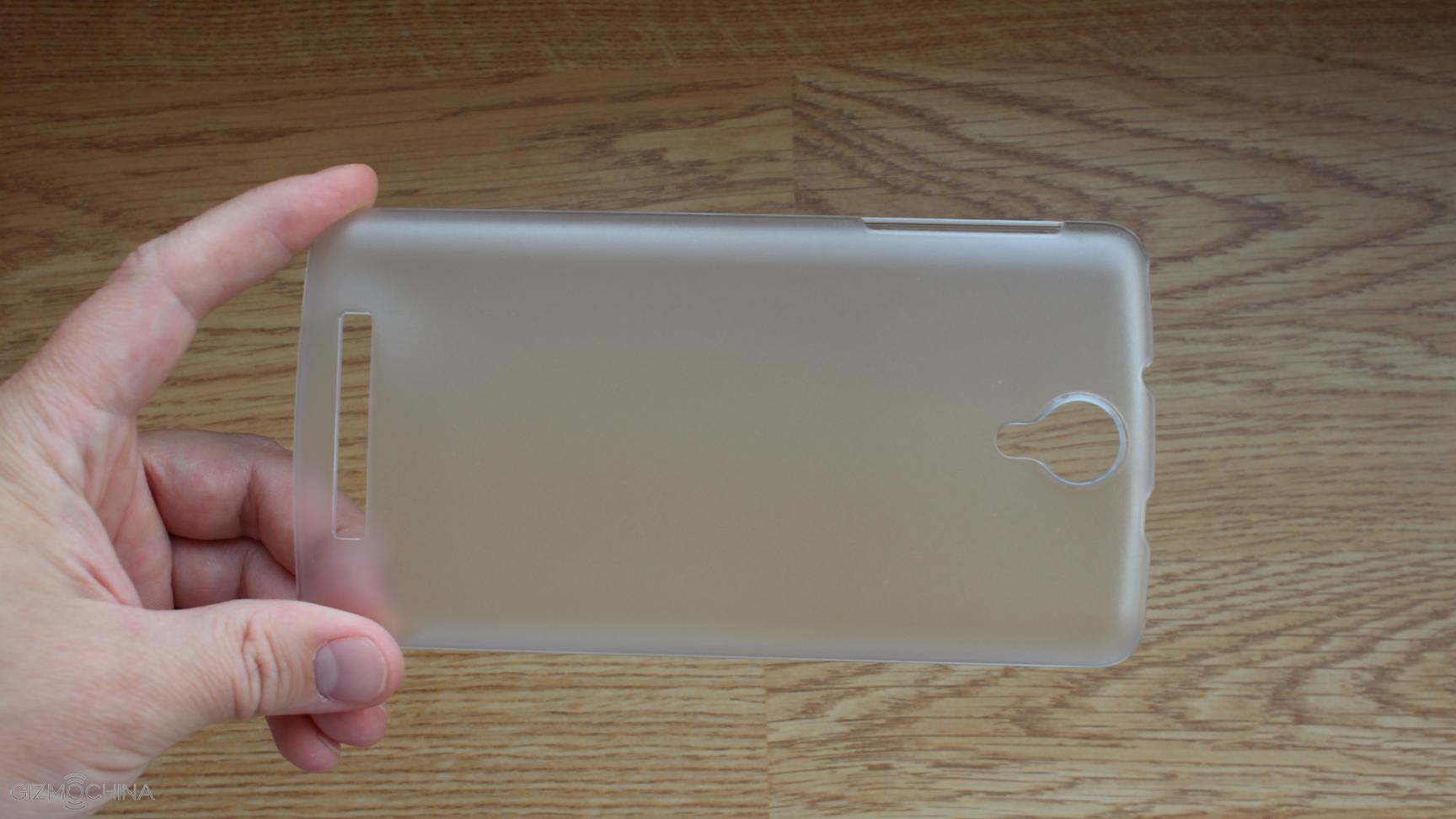
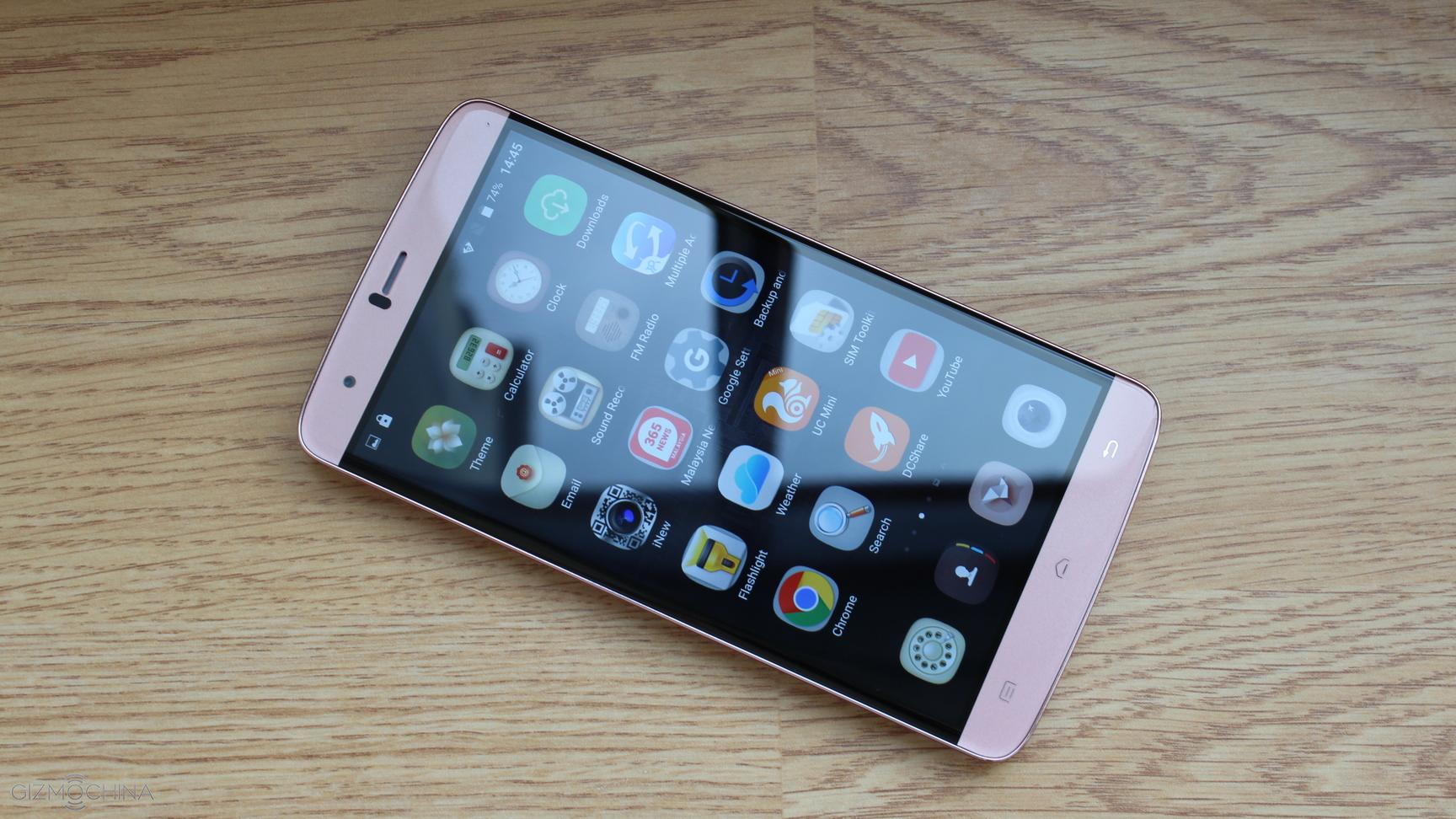
iNew U9 Plus Review: DESIGN and DISPLAY
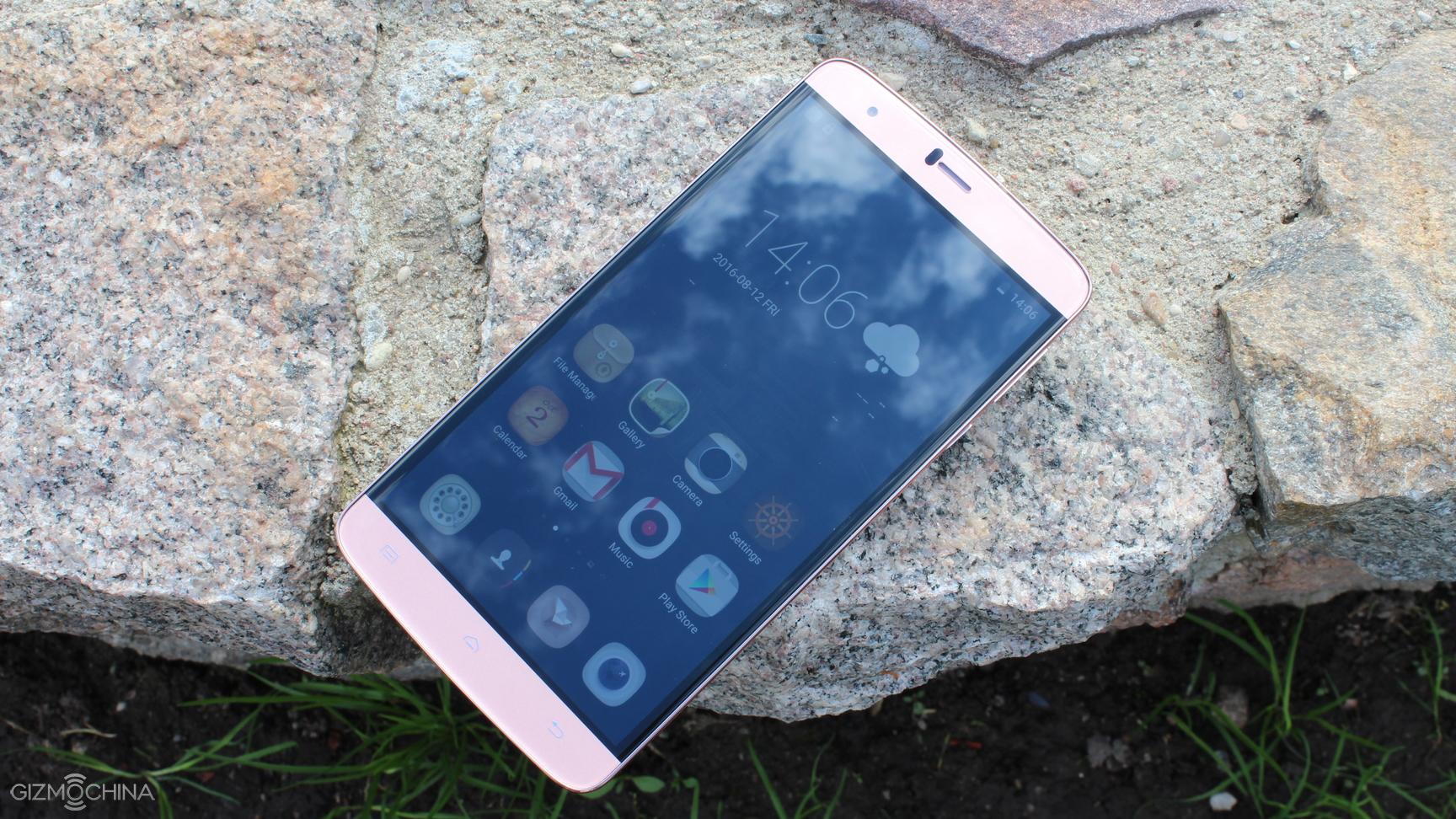
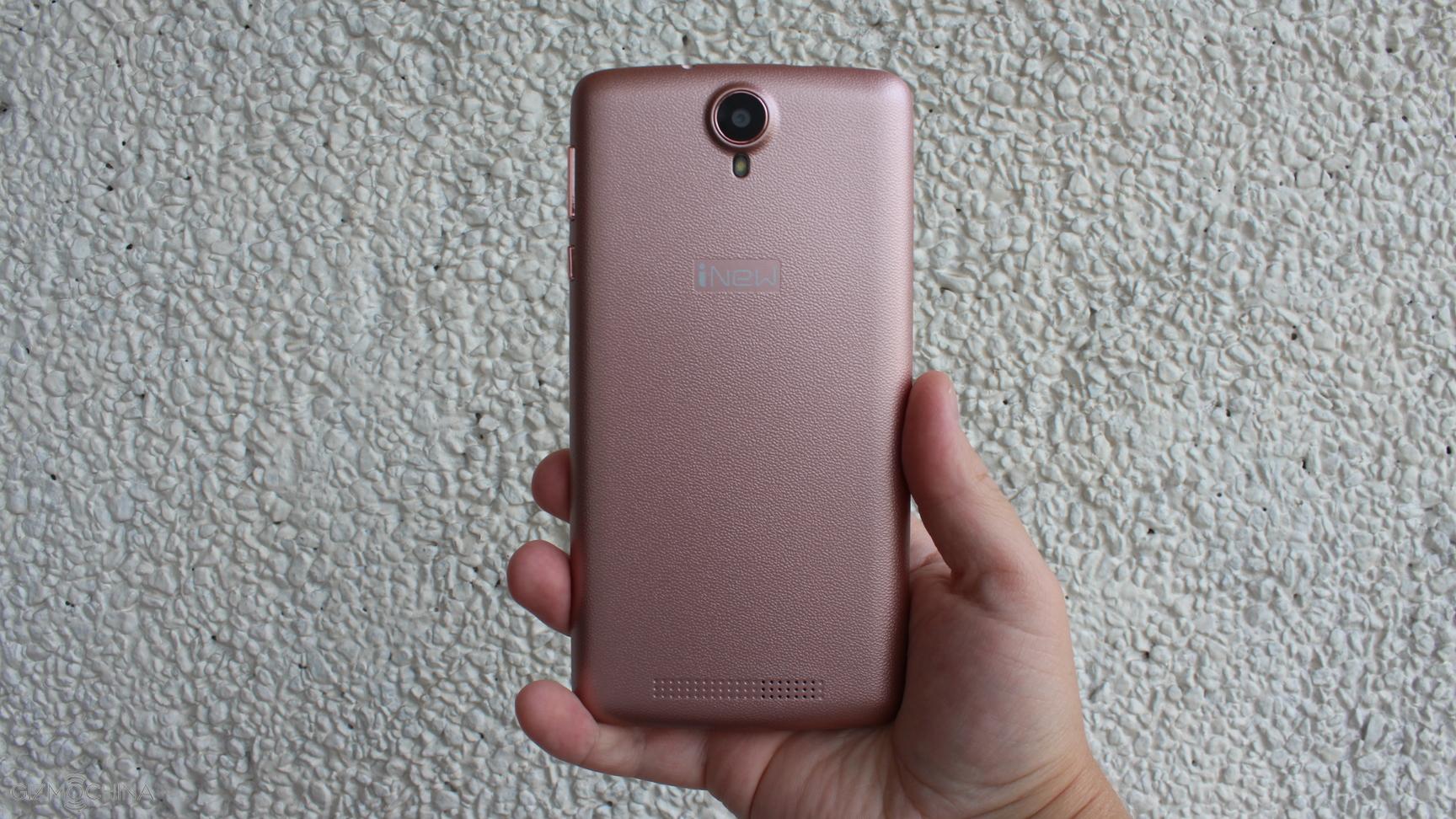
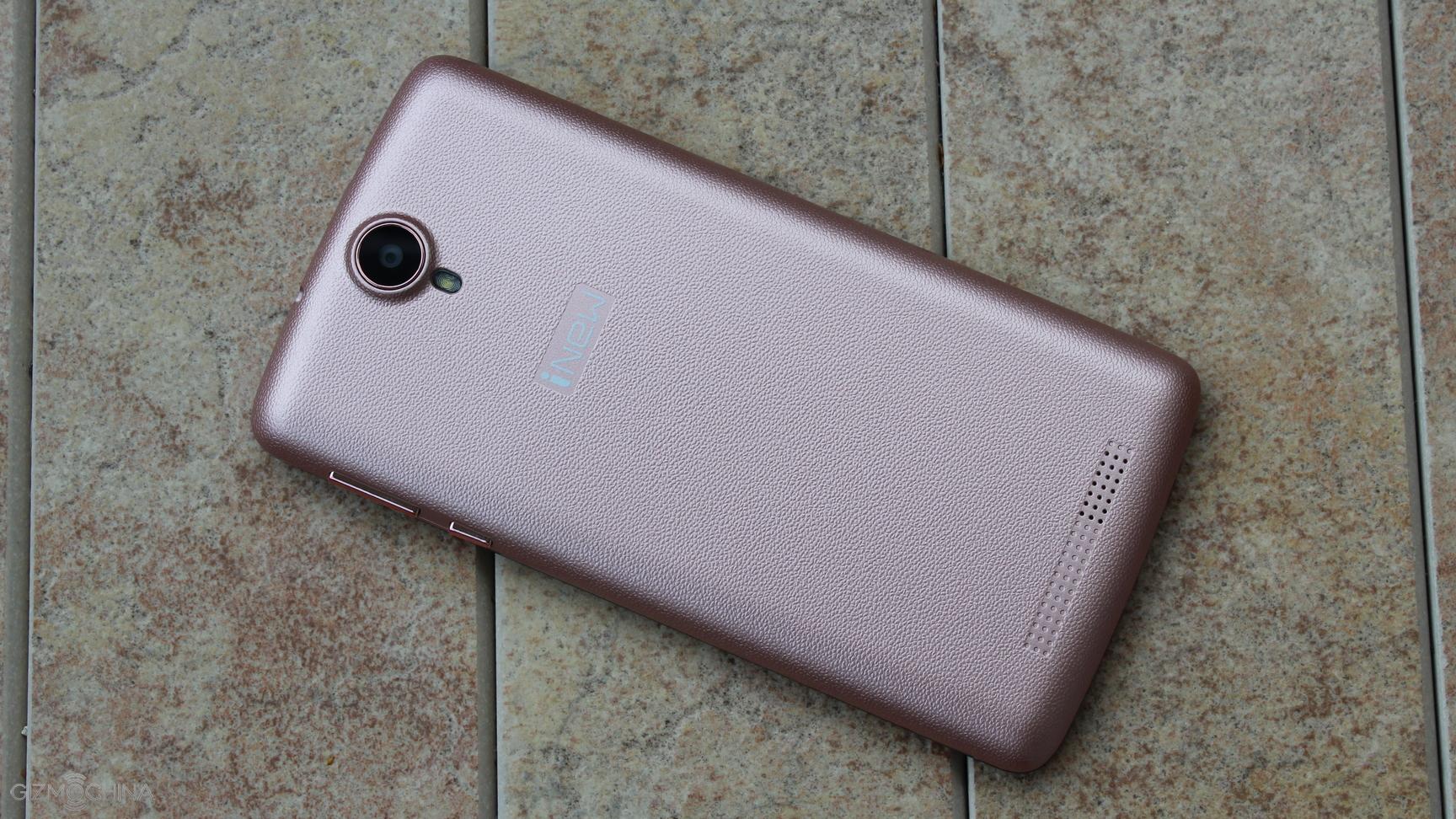
When it comes to the design, the U9 Plus is obviously a huge phone due to it’s 6” display.
Speaking of the display,it has only 720p resolution but it is still quite sharp for a phone that costs just above $100.
As far as the overall build quality, the phone is well-made but I have to admit that the phone feels a bit plasticky and cheap since it uses only plastic in its construction.
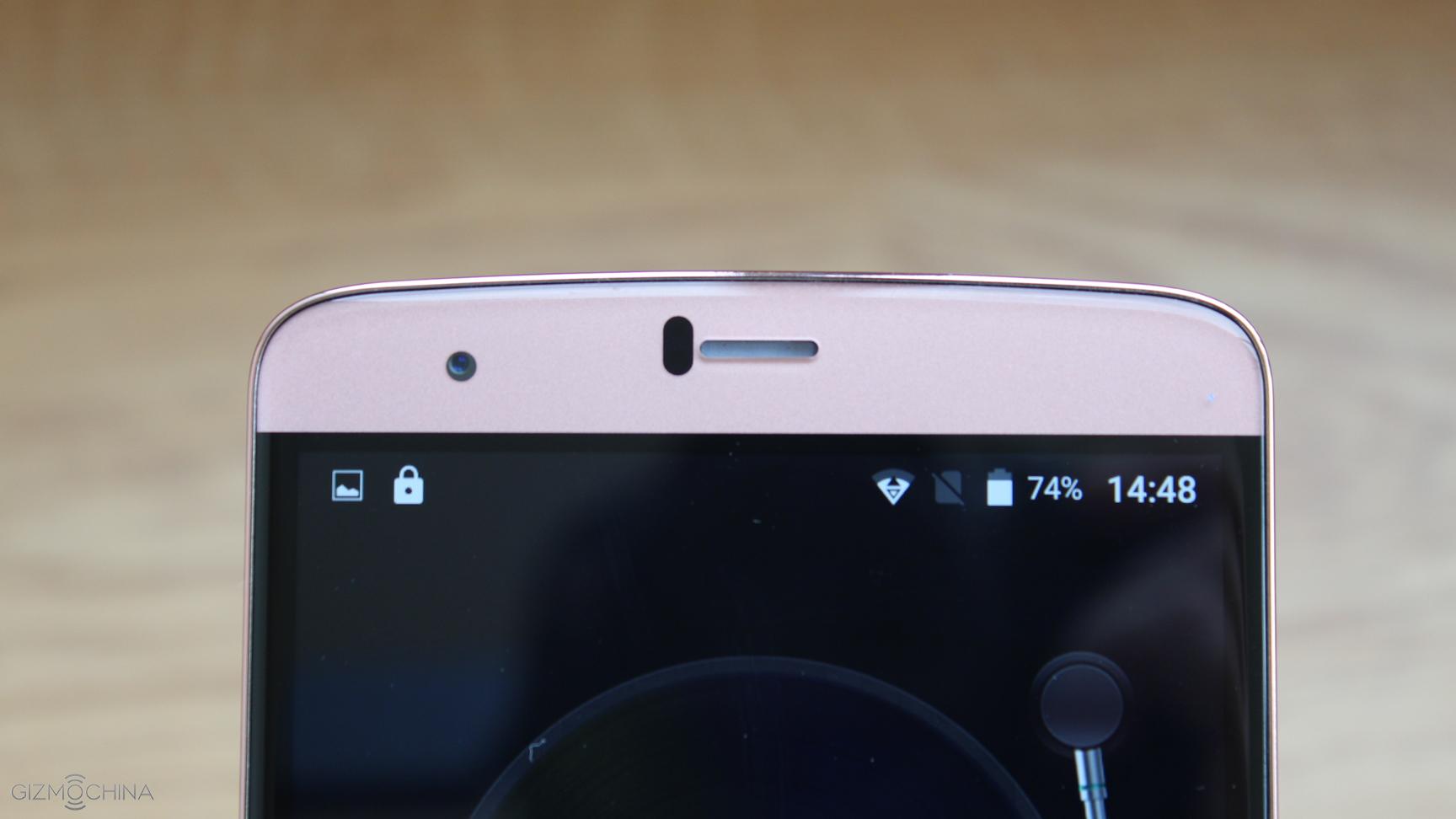
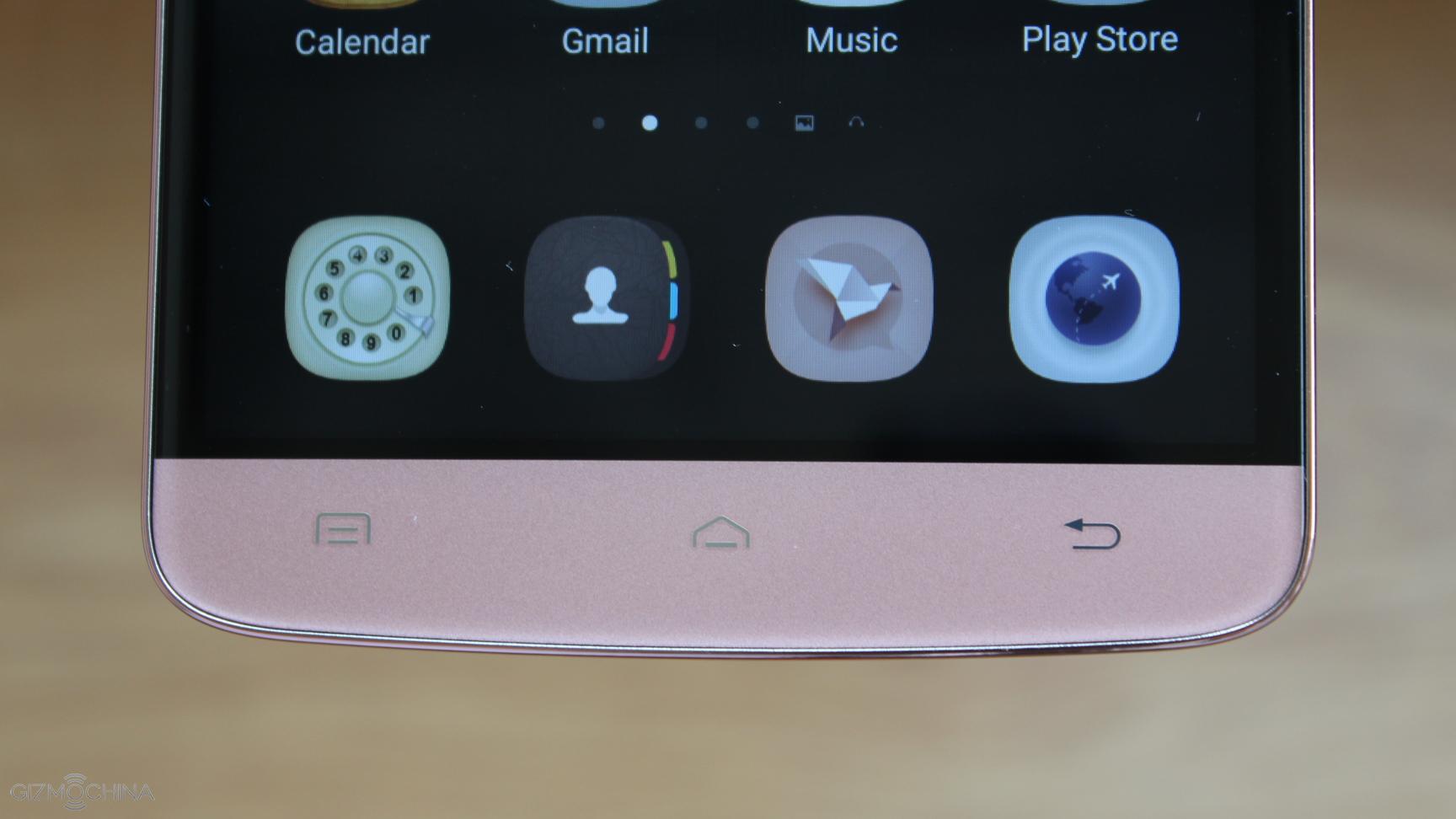
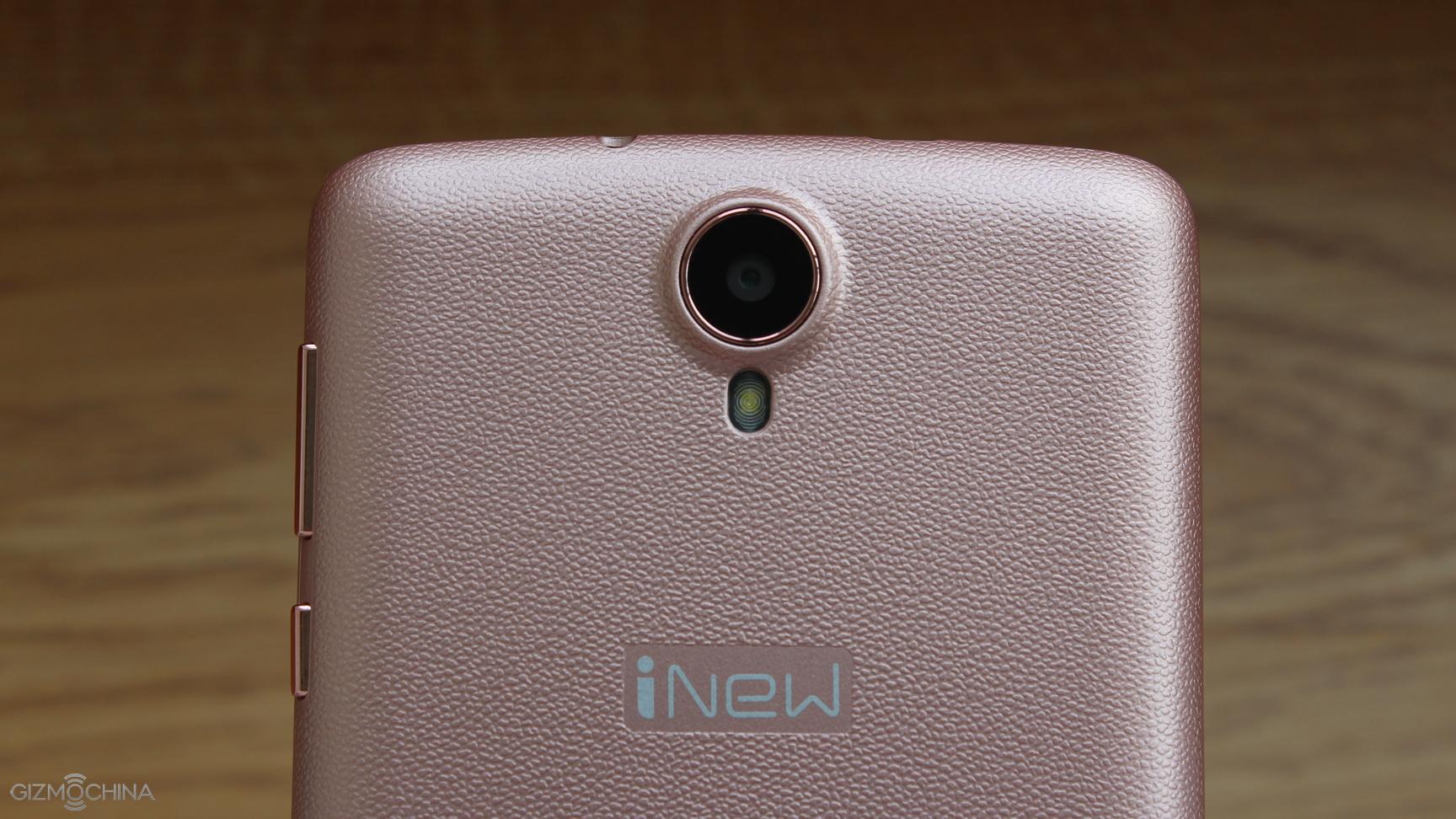
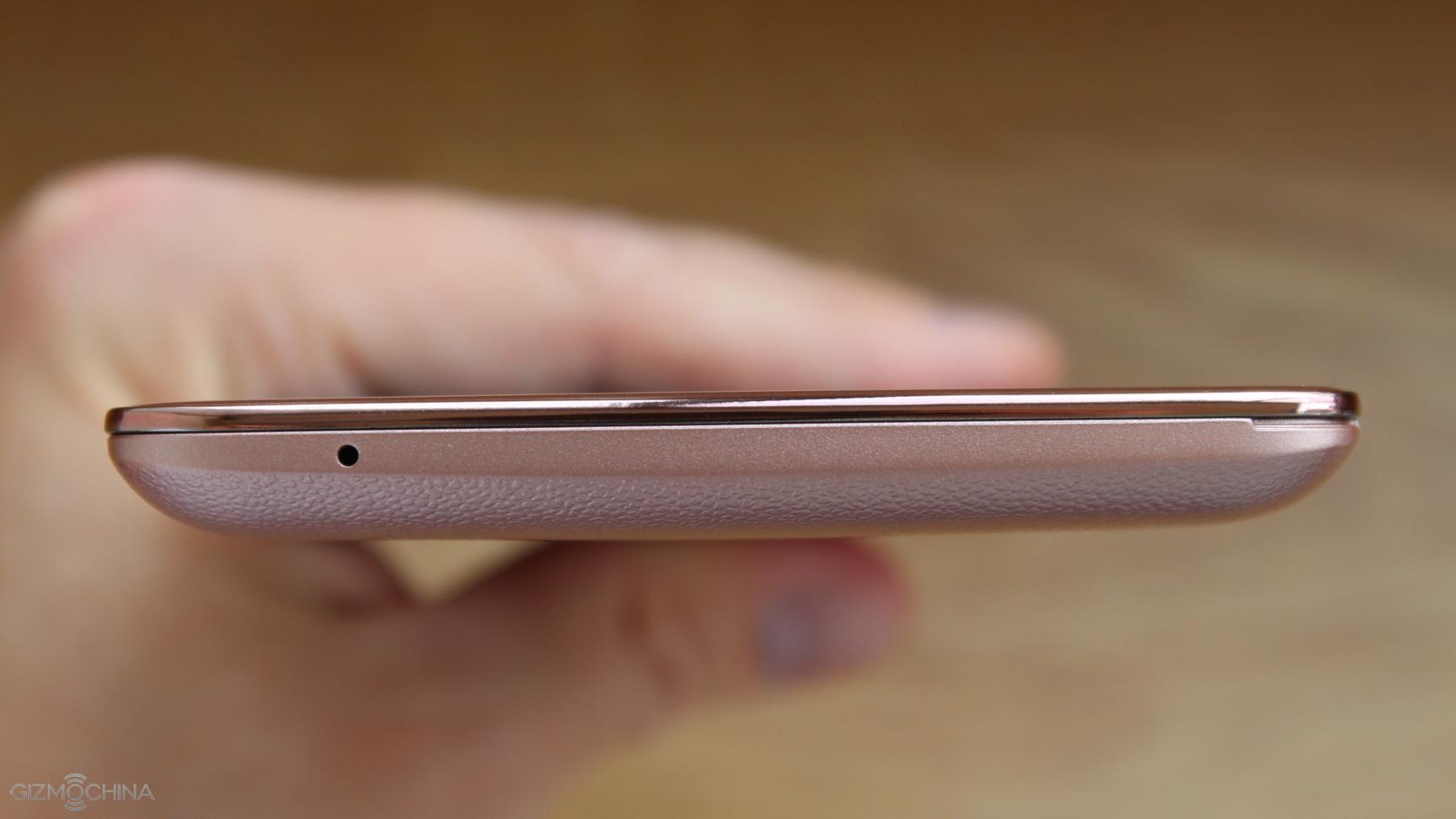
We have a 5MP selfie shooter. Unfortunately, there is no LED notification light and the capacitive buttons are not backlit.
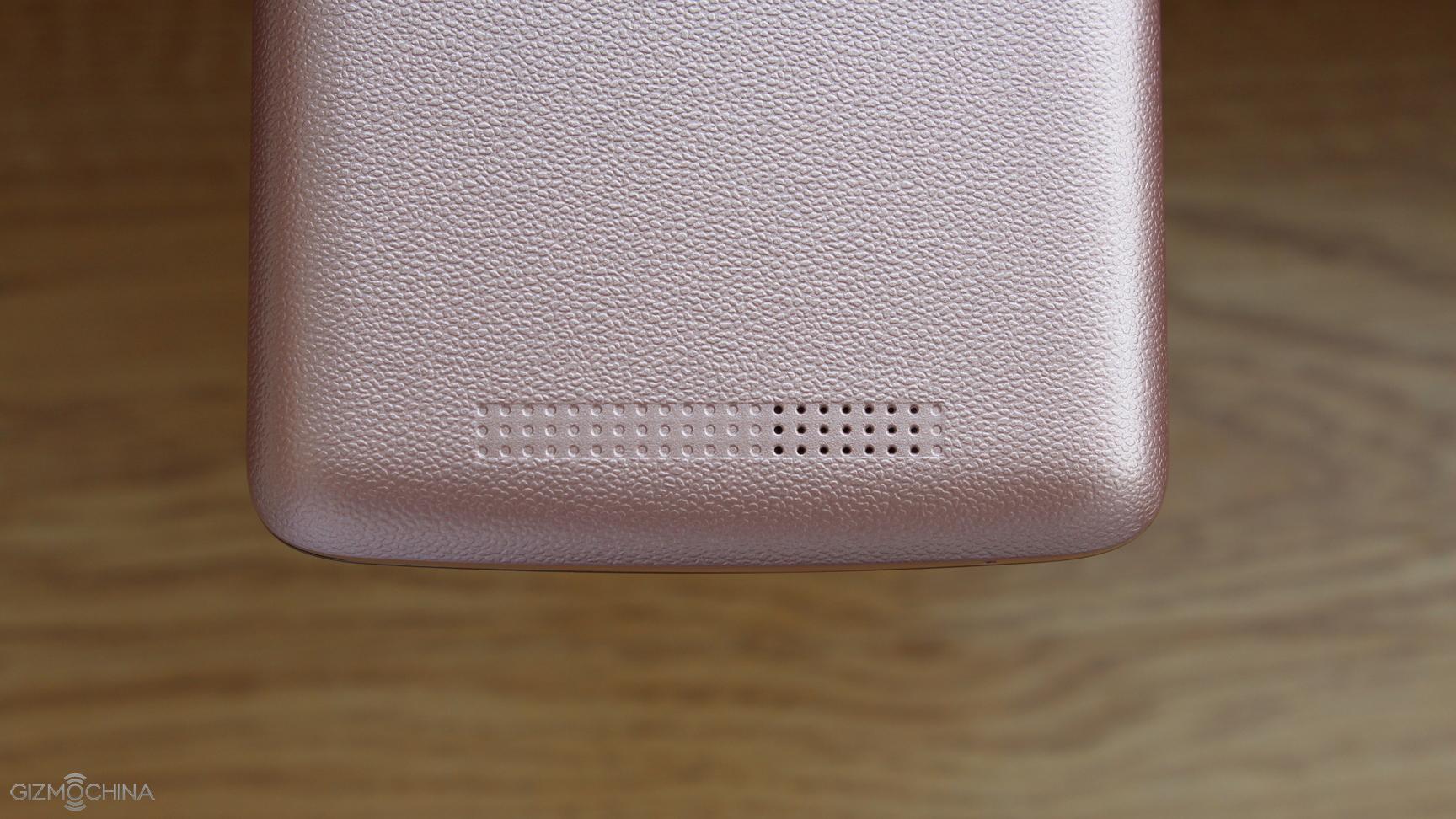
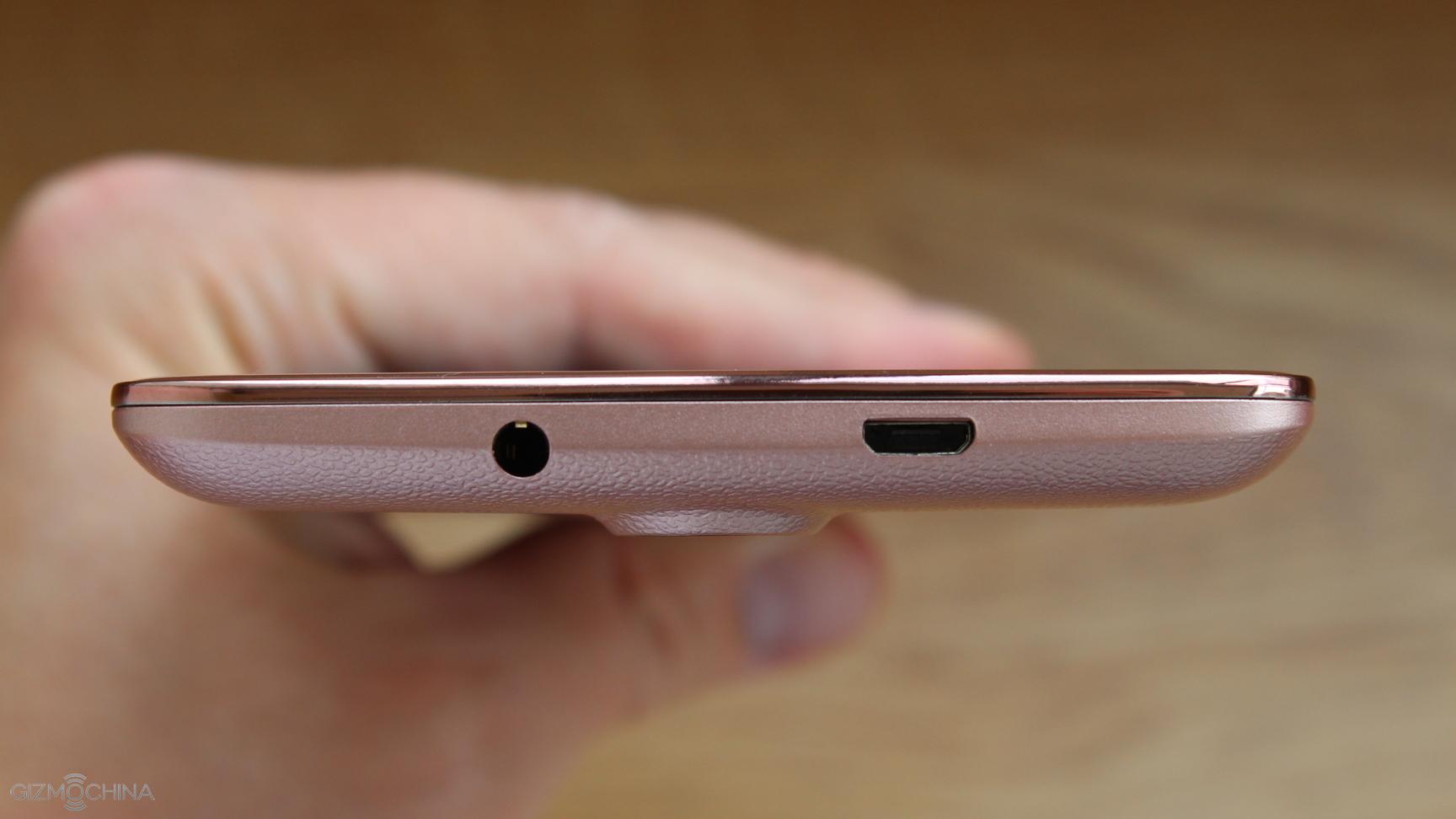
There is a 13MP camera coupled with a single LED flash. On the bottom, we have a loudspeaker, which is not very good but it is not bad for the price of the phone.
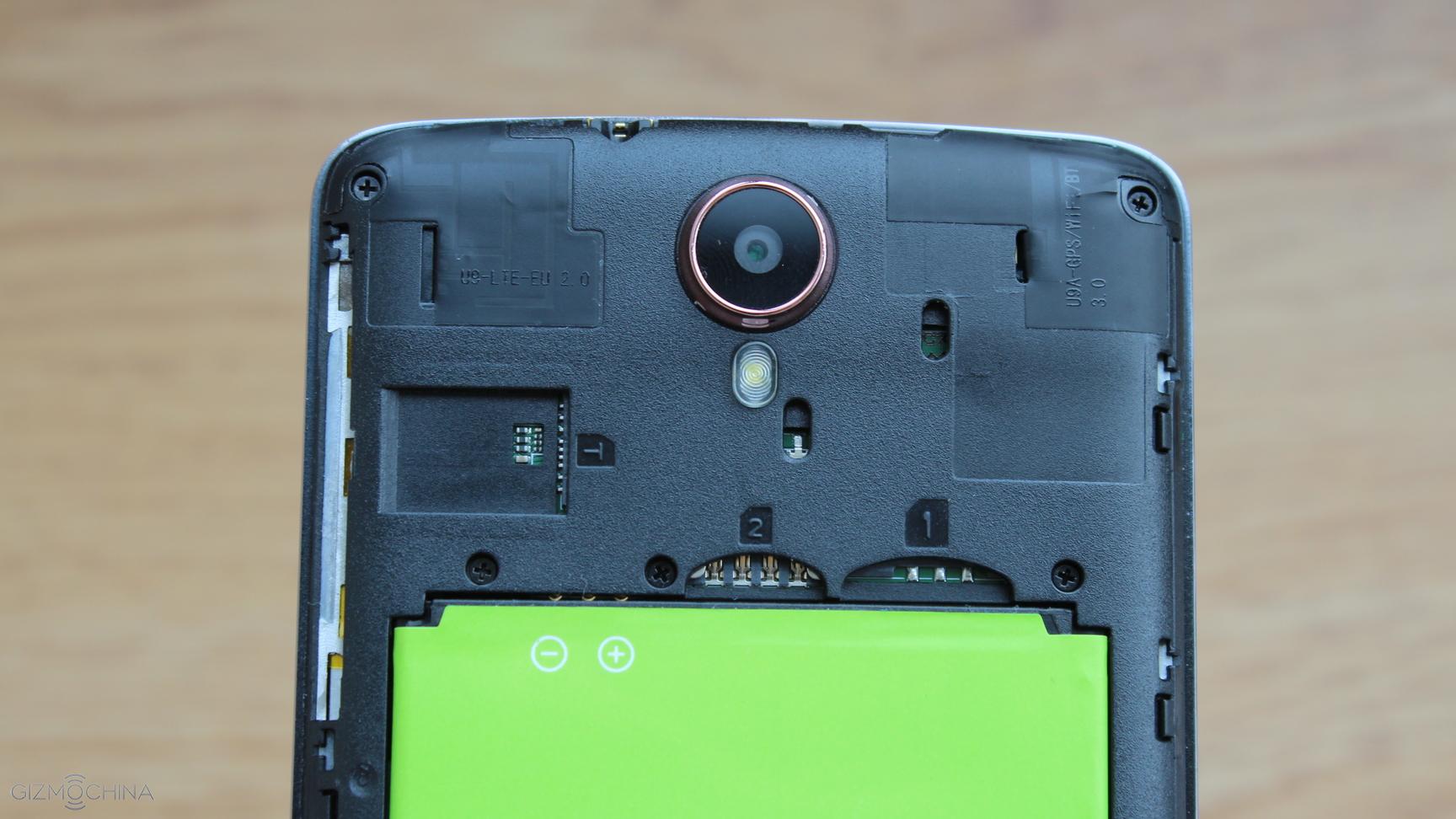
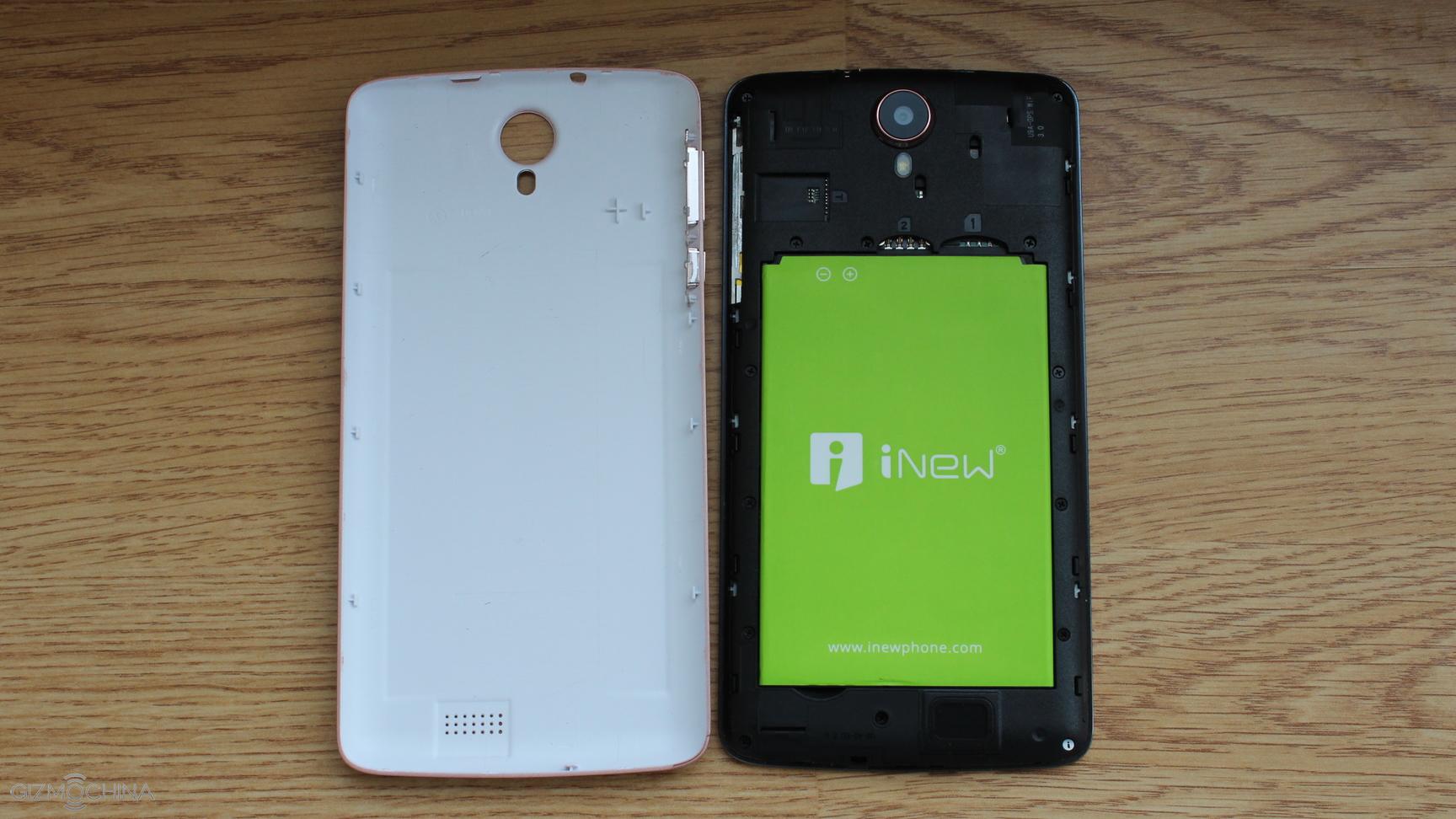
The backplate can be easily removed and underneath it you can find a replaceable 3000mAh battery, 2 SIM card slots and the microSD card slot.
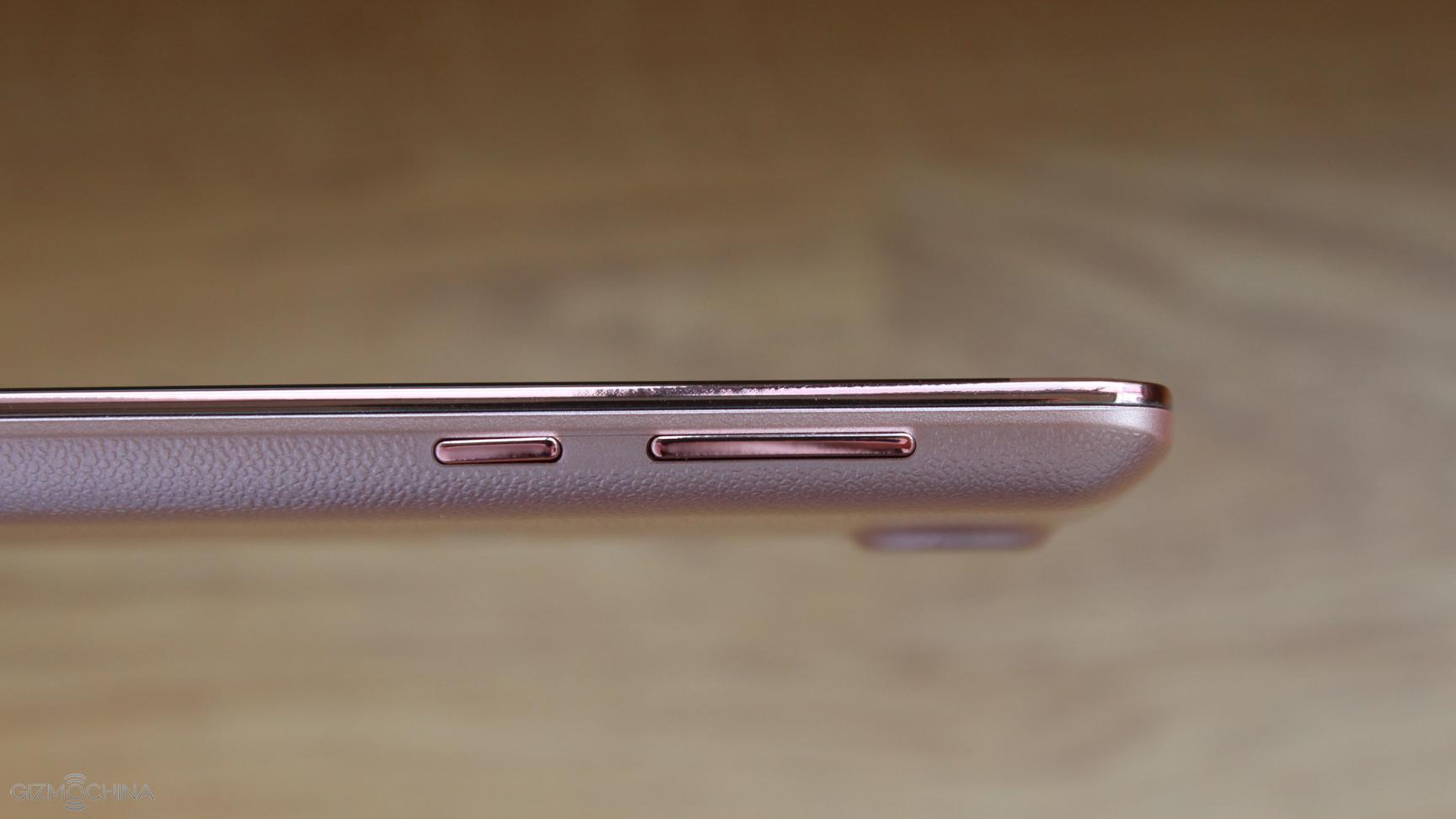
The buttons sit on the right side and they are tactile. However, they are made of plastic and feel a bit cheap.
iNew U9 Plus Review: HARDWARE and PERFORMANCE
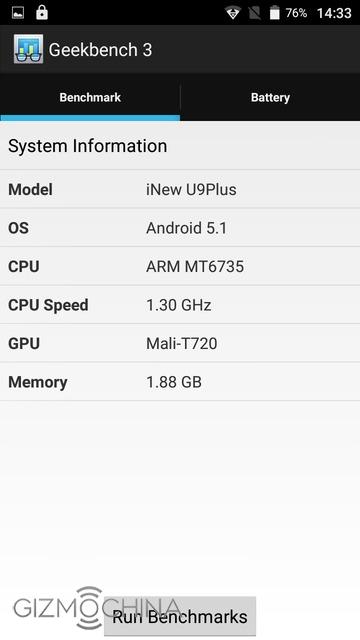
The phone has a quad-core MTK6735 with the max. clock speeds of 1.3GHz, 2GB of RAM and 16GB of expandable storage.
The gaming performance is pretty good. I played Asphalt 8 on medium graphics and there were no lags. Also, the phone does not overheat.
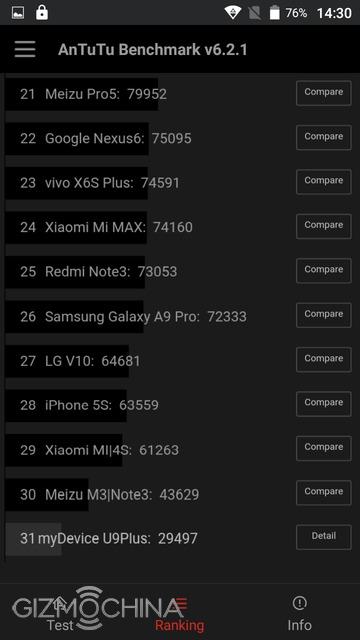
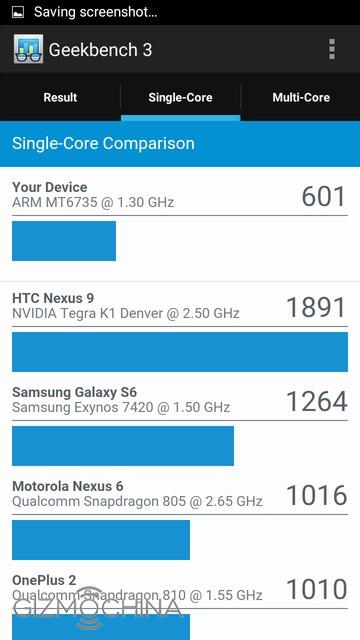
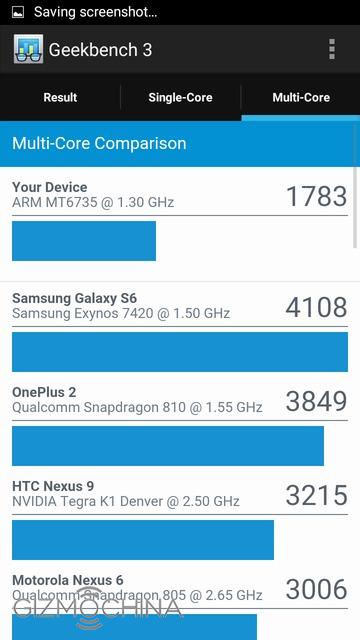
iNew U9 Plus Review: BENCHMARKS
iNew U9 Plus Review: USER INTERFACE
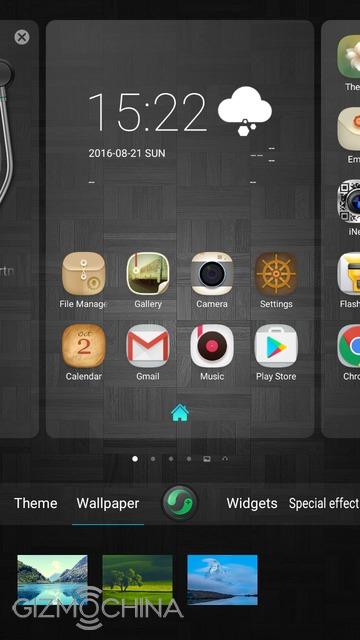
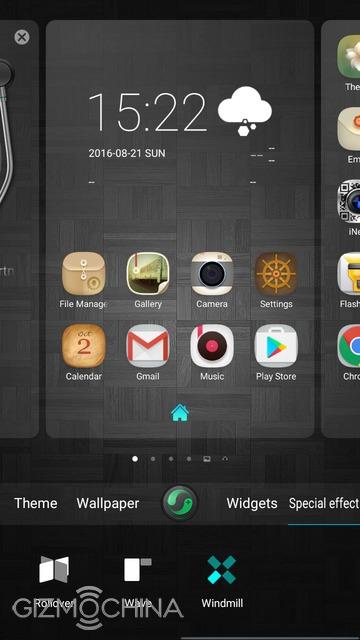
The phone ships with the already outdated Android 5.1 and iNew’s skin on top of it. There is no app tray but there are quite a few fancy widgets and customization options.
Also, there are some gesture and motion controls but the phone is kind of slow to react to some of the gestures.
The user interface could have been nice but there are some pre-installed apps and even some apps that are designed for Chinese market.
Most importantly, the animations and transitions once you simply scroll through the different menus are slow. Thus, the whole user experience is not as good as I expected. This is something iNew should take a look at to fix this issue with the future software updates.
iNew U9 Plus Review: IMAGE QUALITY
The 13MP camera does not impress. Even the daylight images lack detail and sharpness. Also, the dynamic range adjustment is poor in most of the shots. Finally, the color reproduction is not always consistent.
The low-light shots do not impress either as there is a low amount of detail and quite a bit of noise.
The video quality is okay for the phone this cheap but don’t expect any great results.
A 5MP front-facing camera is not good either as most of the shots have a soft focus.
iNew U9 Plus Review: CONNECTIVITY
I didn’t have any connectivity issues. Even the GPS was very fast to find the position and pretty accurate to use.
iNew U9 Plus Review: BATTERY LIFE
The 3000mAh battery does not look impressive on paper but it performs pretty well considering its low capacity and a large display.
I could get around 5 hours of screen-on time on time but your results may vary, depending on the usage.
iNew U9 Plus Review: CONCLUSIONS
The iNew U9 Plus is a phone that aims to bring a huge 6” display and decent specs for a low price.
It succeeds in a couple of ways. It has a pretty sharp display that is great for multimedia consumption or gaming. Speaking of the 3D games, the phone handles them pretty well if don’t set the graphics on the maximum settings.
Also, the phone has a pretty good battery life considering its low capacity.
On the other hand, the phone has a decent build quality but it looks kind of cheap due to the fact that it uses plastic in its construction.
Also, I was disappointed that the transitions and animations in the user interface are slow, both cameras do not impress, there is no LED notification light and the capacitive buttons are not backlit.
In conclusion, the iNew U9 Plus could have been a nice phone but it has some shortcomings that you have to consider before buying it. Some of the cons hopefully will be fixed with the future software updates but at the moment, you would have to live with them.
We use cookies on our website to give you the most relevant experience by remembering your preferences and repeat visits. By clicking “Accept”, you consent to the use of ALL the cookies.
This website uses cookies to improve your experience while you navigate through the website. Out of these, the cookies that are categorized as necessary are stored on your browser as they are essential for the working of basic functionalities of the website. We also use third-party cookies that help us analyze and understand how you use this website. These cookies will be stored in your browser only with your consent. You also have the option to opt-out of these cookies. But opting out of some of these cookies may affect your browsing experience.
Necessary cookies are absolutely essential for the website to function properly. This category only includes cookies that ensures basic functionalities and security features of the website. These cookies do not store any personal information.
Any cookies that may not be particularly necessary for the website to function and is used specifically to collect user personal data via analytics, ads, other embedded contents are termed as non-necessary cookies. It is mandatory to procure user consent prior to running these cookies on your website.