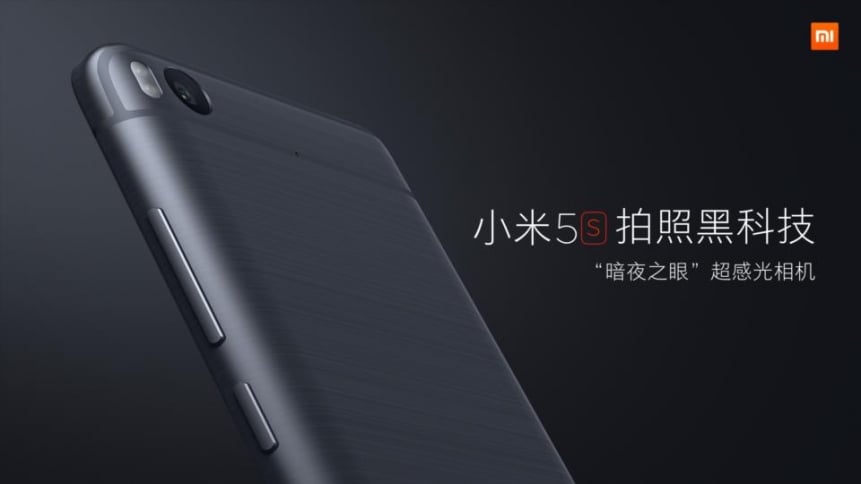
Xiaomi and Xiaomi’s CEO Lei Jun have been teasing the camera samples from the Xiaomi Mi 5S for the past few days. However, these were without EXIF data and not even in full resolution. While the images looked stellar, in terms of its clarity and color reproduction, they were not quite enough to confirm that the Mi 5S indeed had a great camera.
Now, we have got 26 original camera samples from the Xiaomi Mi 5S’s 12MP Sony IMX378 camera sensor and they look pretty good. While we can judge the actual performance of the camera module only after testing out the Mi 5S’ camera in real life, these pictures taken by professional photographers do give us a glimpse of the capability of the large sensor on the back of the device.
We have covered the camera of the Mi 5S in detail in our launch article, but to recap, the phone features a 12MP Sony IMX378 sensor at the back with 1/2.3 inch sensor and large 1.55-micron pixels. This should effectively translate into better low light photography and better details on the images captured. And these samples do give us a hint that the low light photography of the phone is going to be impressive.
Note that some of the images are of the resolution 4000 x 3000 pixels (12MP) and some are of 3264 x 2448 (8MP resolution). All these photos have their original EXIF data, so you can check all the details in the original images.
Also, if you would like to download the original images, you can do that directly from this google drive link.
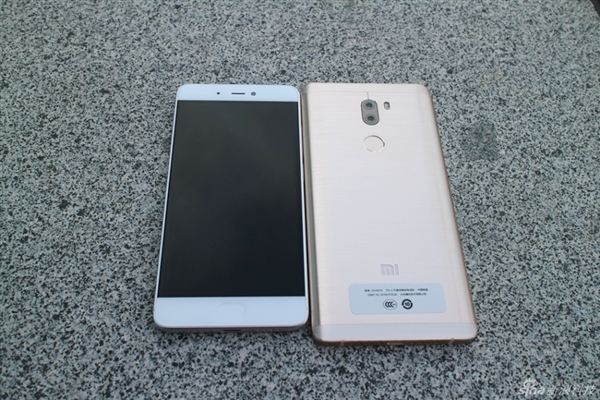
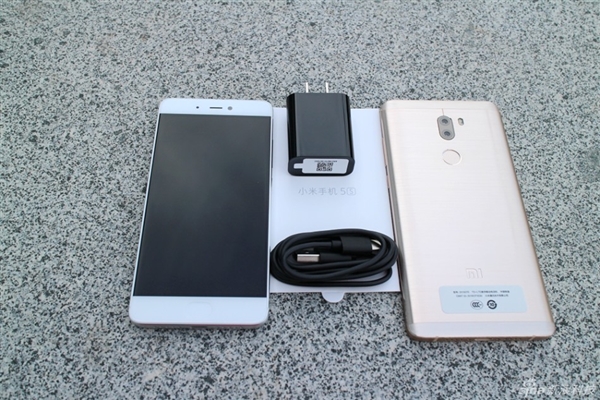
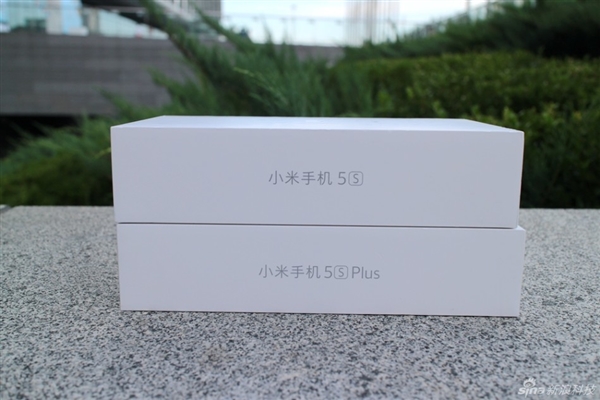
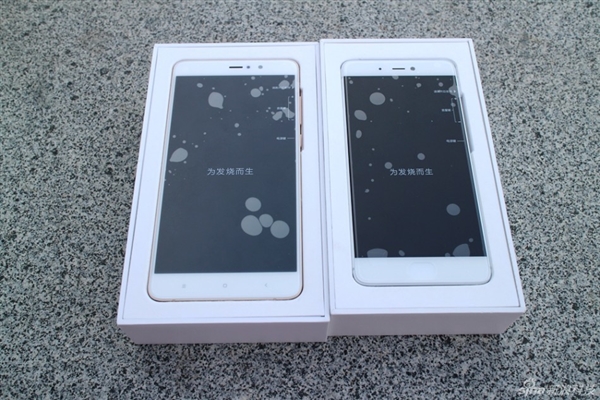
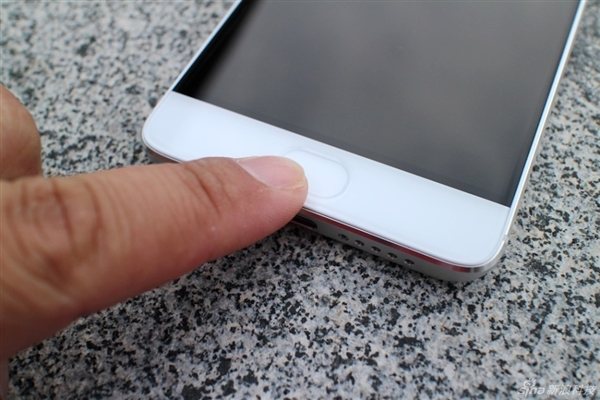
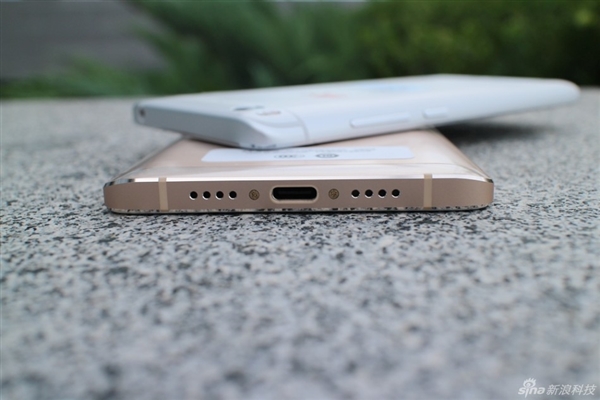
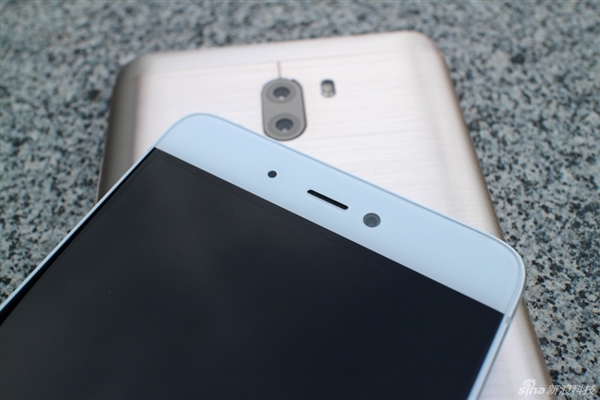
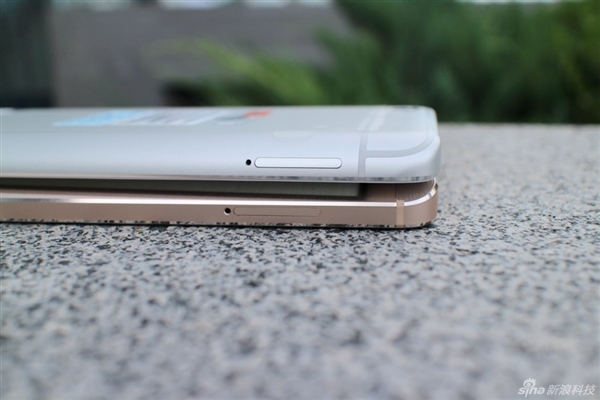
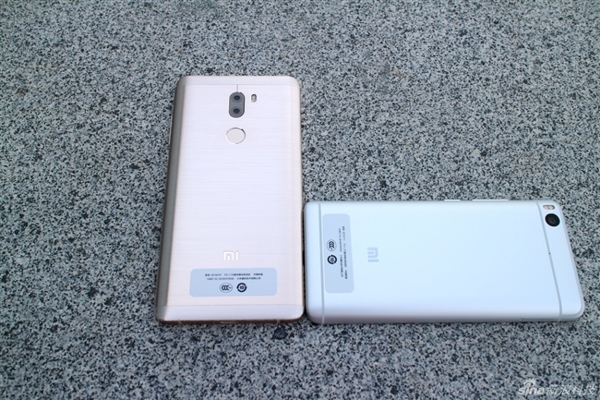
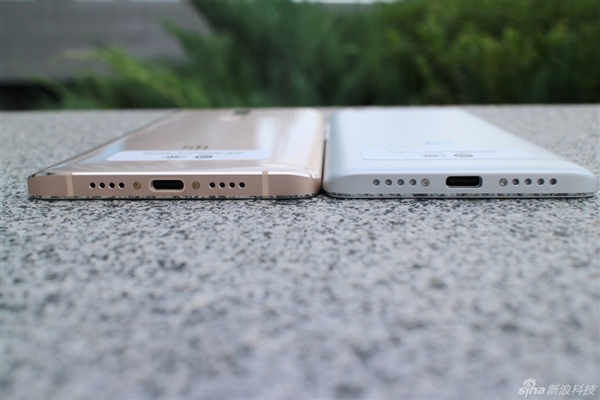
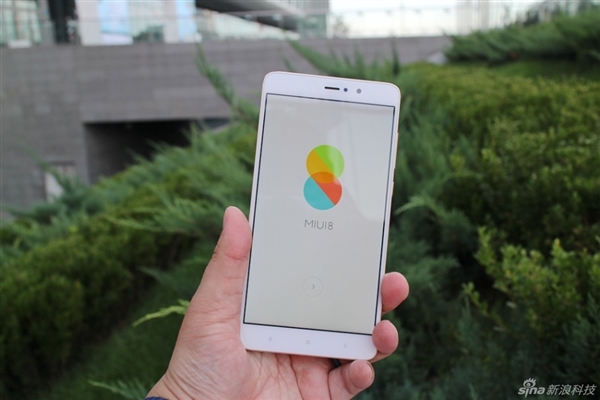
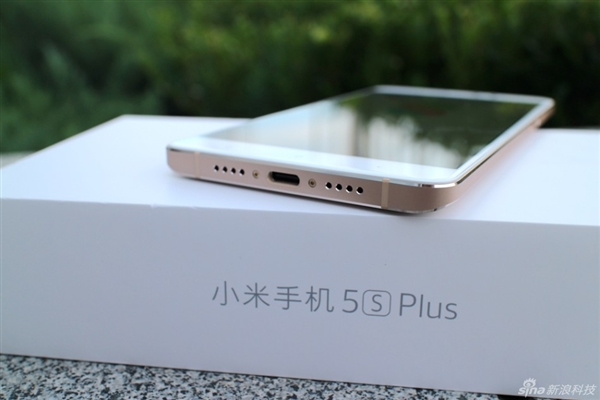
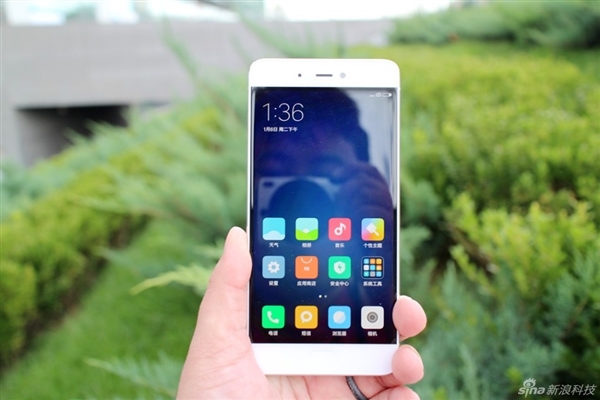
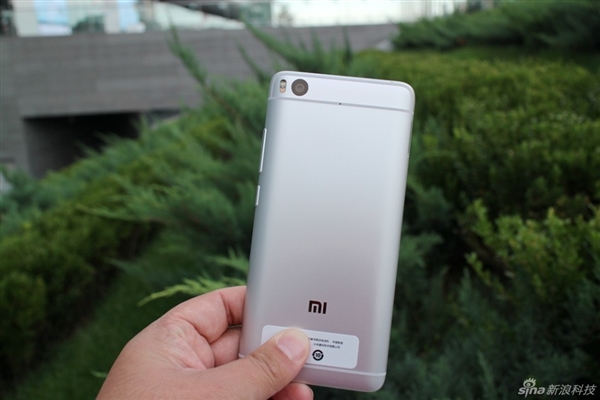
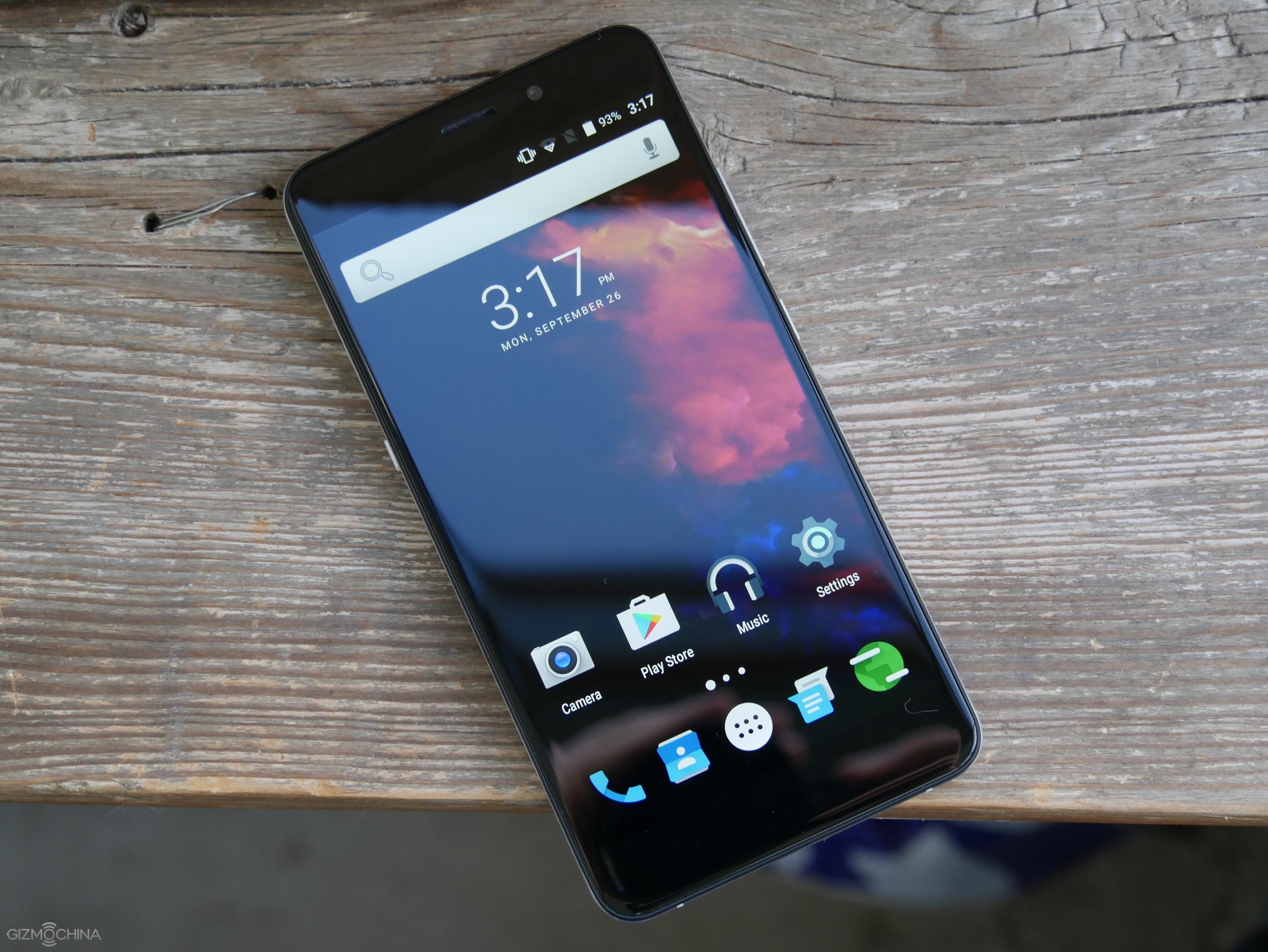
Finally, the Xiaomi Mi 5S and Mi 5S Plus have both been unveiled and indeed the unveiling was packed with lots of surprises. Most surprising is the fact that the Mi 5S Plus is only a Plus version in size and not ready a higher variant of the Mi 5S . Another surprise package is the actual render of the devices, especially the Mi 5S which looked nothing like the leaked renders we had been holding on to. Yet another surprise, perhaps the most epic of the lot, is the price tag which the Xiaomi Mi 5S amd 5S Plus carries, which even comes cheaper than the cheap price tag they had been rumored to carry. You’ll get to see this early hands on and unboxing images which comes courtesy of Sina Technology.
The Xiaomi Mi 5S and Mi 5S Plus are real beauties in all ramifications; beautiful design, awesome specs, innovative features and lots. However, they both cannot be at par, the Mi 5S comes in as the most innovative, and beautiful of the duo. The Mi 5S alone features the acclaimed under glass ultrasonic fingerprint scanner situated as a virtual button at the home screen region right under the display.
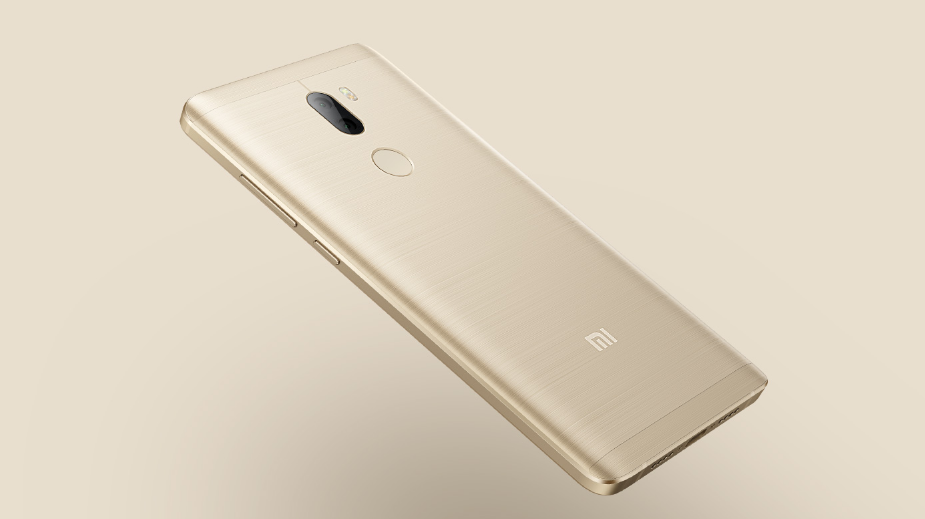
The Xiaomi Mi 5S Plus on the other hand, comes as a 5.7 incher and sports a dual camera at its rear which is said to include a black and white sensor and a color sensor. They both can work independently or together to give crisp clear images devoid of image noise. Its own fingerprint scanner is at the back under the dual cameras and there are no virtual buttons but capacitive keys on the device.
If you don’t look carefully, merely staring at the Xiaomi Mi 5S and Mi 5S Plus box casing would give the impression that you are staring at the iPhone 7 and 7 Plus boxes. And quite frankly, opening up the boxes reveal devices as beautiful, if not more beautiful, as the latest iPhones. The devices comes inside the boxes with their charger and data cables.
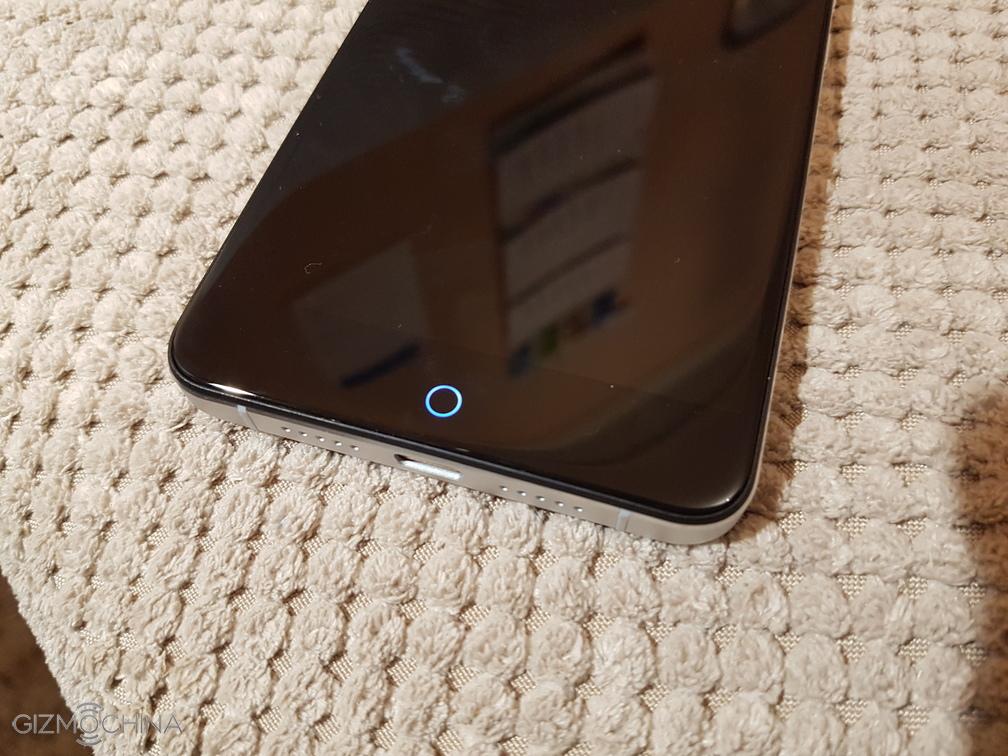
We must not fail however to point out that the shape of the virtual button looks nothing like the iPhone’s round home key as rumored but rather maintains Xiaomi’s custom oblong shape. The only different should be the fact that the button this time around is a virtual one and you won’t get to hear the click sound when pressed.
In all, these are real beauties and it is just apt to say that the China phone giants seem to be on a mission to redefine what a flagship actually is. First OnePlus 3, then Le Pro 3 and now the Mi 5S has taken the old impression that a flagship has to be pricey to the cleaners and we are indeed impressed! Delight yourselves in lot more images from down below.
The launch of the new Xiaomi flagships has come and gone and while we might have to wait a few days before articles and videos of first impressions start flooding the net, that doesn’t mean the feeling off euphoria has to wear off immediately. So bask in these official photos of the bigger Mi 5s Plus.
Is it just me or does the Mi 5s Plus look a bit like the Redmi Pro, save for the design of the dual cameras, fingerprint scanner, and the LED flash?
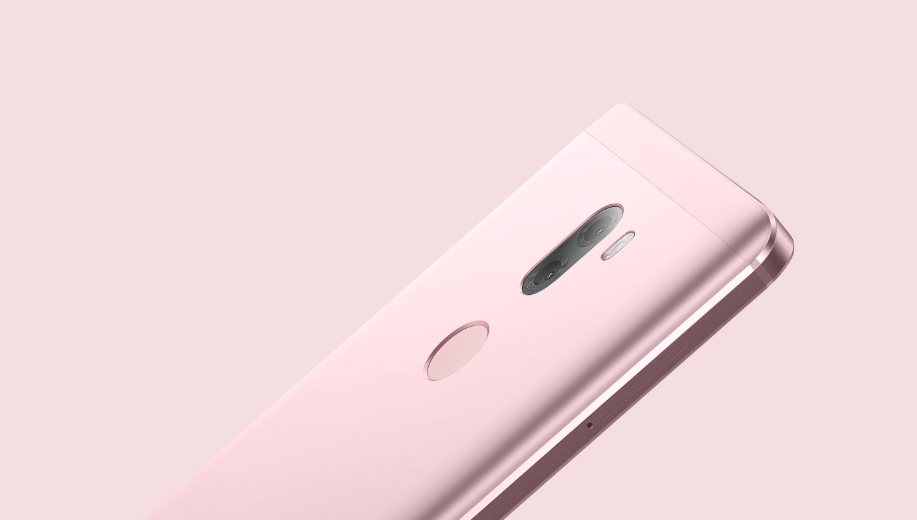
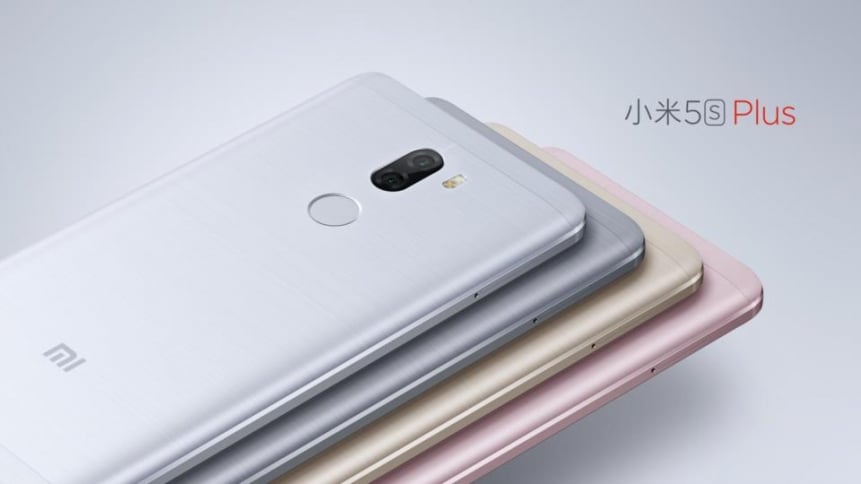
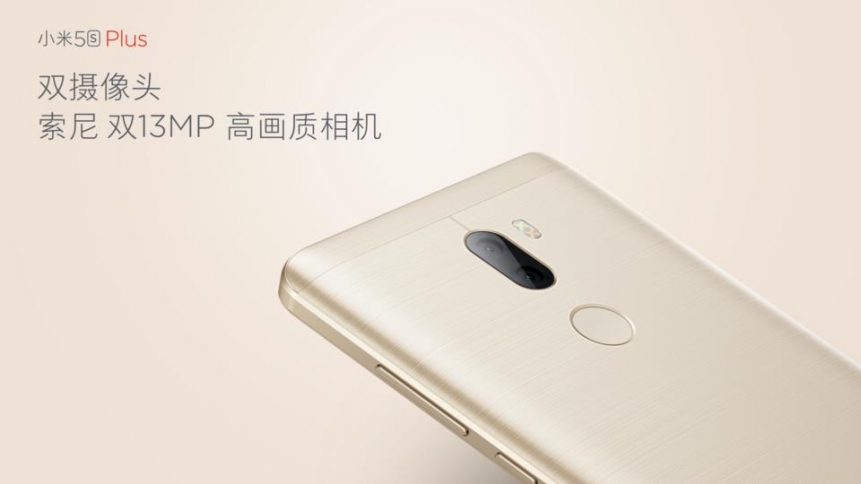
The Xiaomi Mi 5s Plus has a nice design. This is Xiaomi’s second dual-camera phone and the camera design is entirely different. The cameras are in a single housing and the LED flash flanks it on the left. Sitting below it is a fingerprint scanner which doesn’t appear to be an ultrasonic sensor like that of its sibling, the Xiaomi Mi 5s.
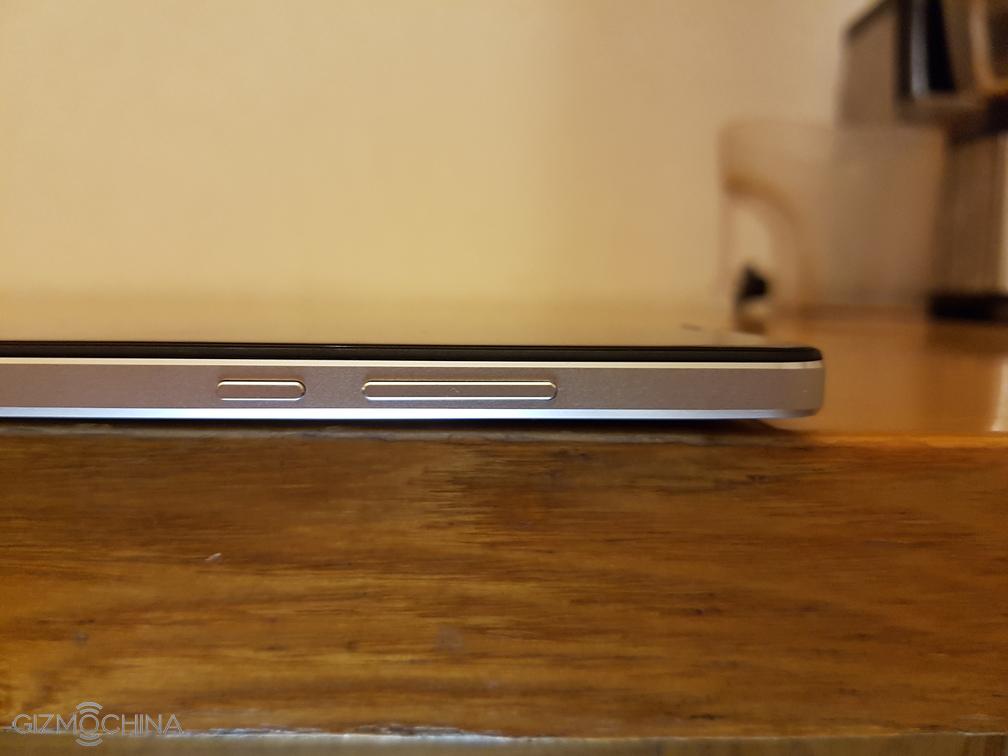
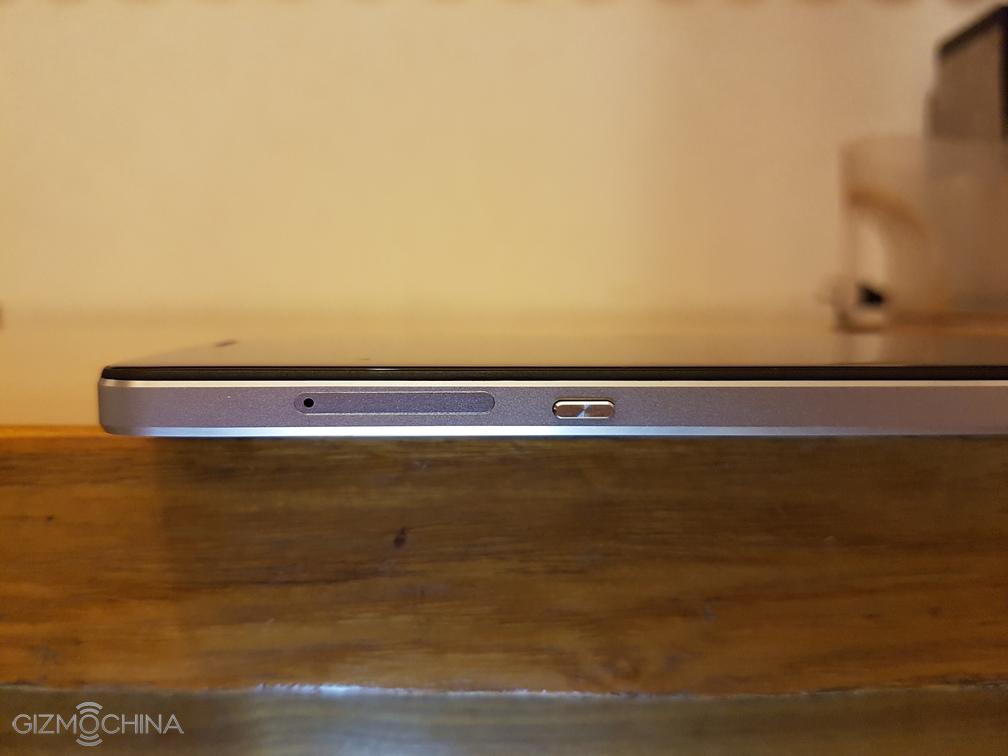
Xiaomi retains the style of placing the volume rocker and power buttons on the right. Unlike the original Mi 5 and the Mi 5s which have illuminated dots on both sides of the fingerprint scanner, the Mi 5s Plus uses the familiar backlit icons which is present on the Redmi Note 3.
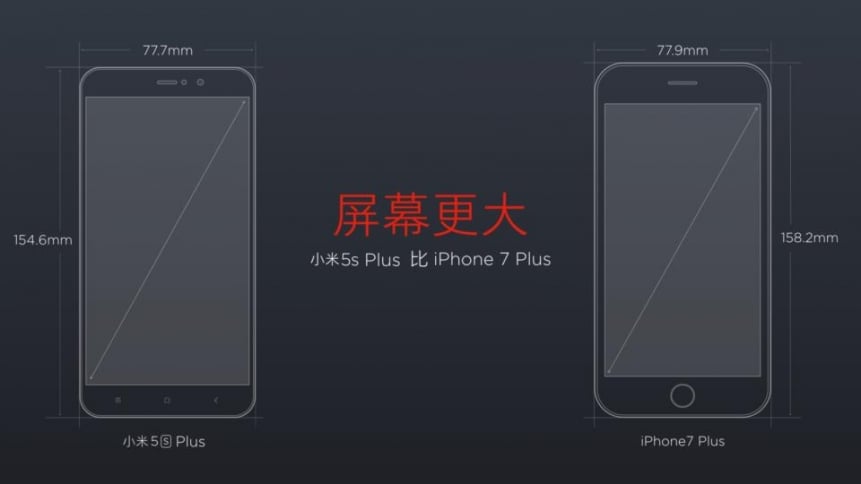
The Mi 5s Plus has a large 5.7 inches 1080p display that has been crammed into a body smaller than that of the iPhone 7 Plus which has a 5.5” display by the way. It also has a 3800mAh battery, NFC, Bluetooth 4.2, and support for Qualcomm’s Quick Charge 3.0.
Pricing starts at $345 for the 4GB RAM + 64GB version and $390 for the 6GB RAM and 128GB version. With the pricing of the latter, I think the OnePlus 3 has indeed met its match.
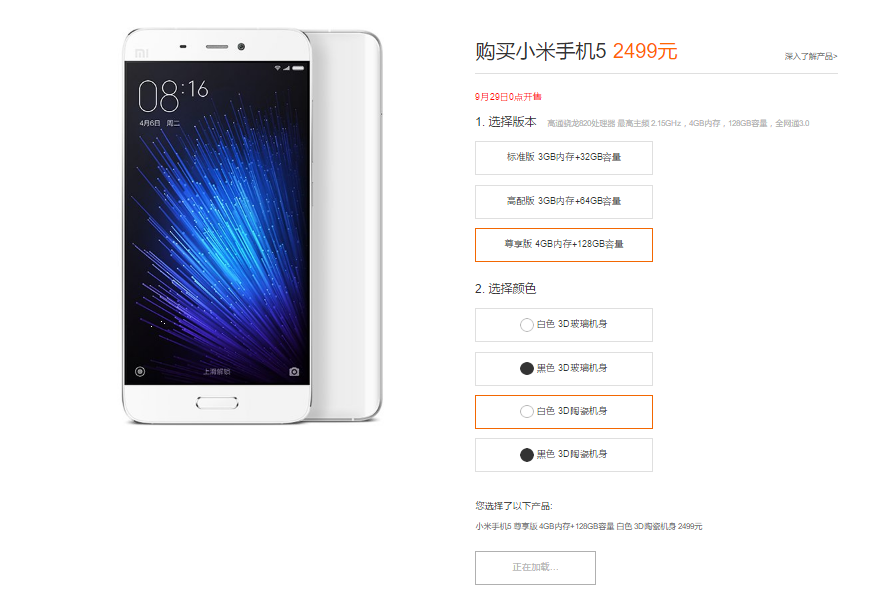
Manufacturers slashing the price of their previous models following the release of a new one is not a new practice. Xiaomi just announced two new flagship phones and they’ve decided to follow the same pattern by reducing the price of the Mi 5. If you head to the official online store, the new price changes have been effected.
The standard edition with 3GB of RAM and 32GB of storage sells for 1599 Yuan ($240). If you want one with a lot more storage (64GB) but with the same RAM, you’ll have to pay 1799 Yuan ($270).
The high end version which features a 3D glass body, 4GB of RAM and 128GB of storage sells for 2399 Yuan ($360), while the ceramic edition is priced at 2499 Yuan ($375). Do note that the price is the same irrespective of the colour you choose.
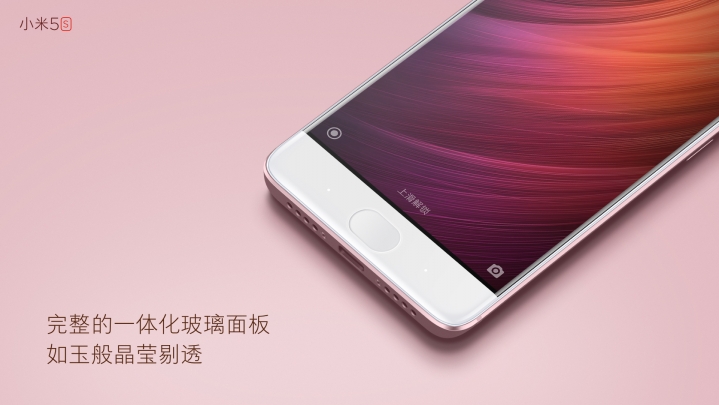
Just about an hour ago, Xiaomi launched its new flagships, the Xiaomi Mi 5s and Mi 5s Plus. After weeks of leaks and rumours, we finally know what the phone looks like and what it has and doesn’t have. One notable feature that must have caught the eyes of many readers is the ultrasonic fingerprint scanner which surprisingly is ”visible”, when we hoped it was going to be completely hidden.
CEO, Lei Jun, during the launch decided to explain why the fingerprint scanner can be seen. He said the company decided to include a groove on the front glass, right above where the sensor is located to make it easy to find. While his reason is acceptable, I still believe users will be able to unlock their phones once they know the area the fingerprint scanner covers. It might take a while to get used to but if we can make use of phones that don’t have backlit capacitive buttons in the dark, this should not be difficult. A little haptic feedback will also help.
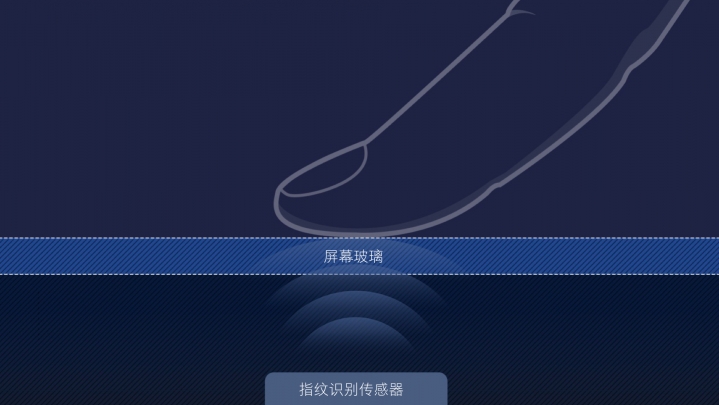
The new generation scanner present in the Mi 5s has been in development for years before the company decided it was time to put it out for consumers. Users don’t have to worry about their hands being dirty or wet, as the phone unlocks in a split second once the recorded fingerprint is detected. This is due to the thousands of micro-seismic sensor probes of the scanner. The glass is also tough and is seamlessly integrated with the rest of the phone.
The company has also released a 4-minute clip about the technology behind the scanner which you can find here, but it’s in Chinese.
Along with the Xiaomi Mi 5S, the company announced the Mi 5S Plus at the event held today in Beijing, China. While the Mi 5S is a flagship aimed at users who want a balanced compact smartphone, the Mi 5S Plus takes things to a whole new level, in almost every aspect.
DESIGN:
The Xiaomi Mi 5S Plus comes with the same all metal design as its smaller brother, however, it features a much larger display, to cater the needs of those who want something for entertainment and gaming. So, it’s kind of a bulked up version of the Mi 5S, featuring a large 5.7-inch display. However, you won’t feel its too big considering that it’s narrower than the iPhone 7 Plus. The company has actually done a good job of limiting its dimensions. Its light weight as well, 20 grams lighter than the iPhone 7 Plus.
Xiaomi Mi 5s Plus Dimensions: 154.6mm x 77.9mm | Weight: 168 grams
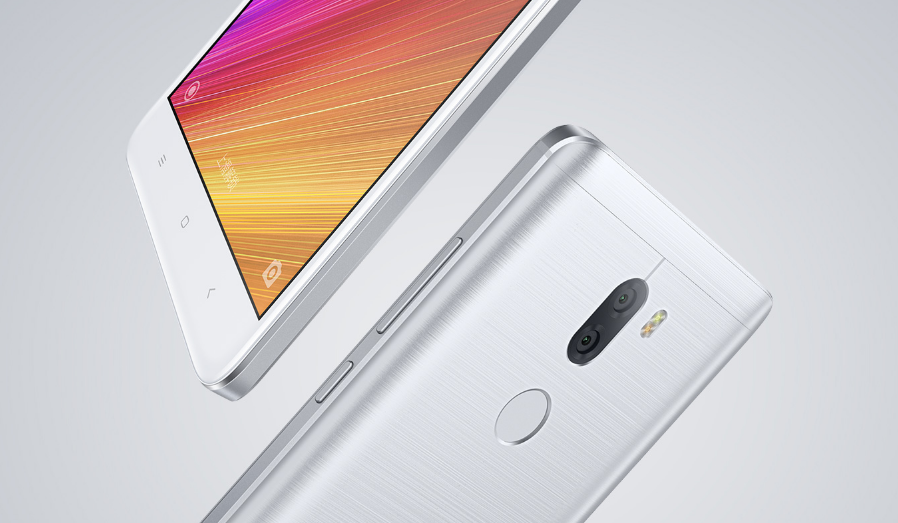
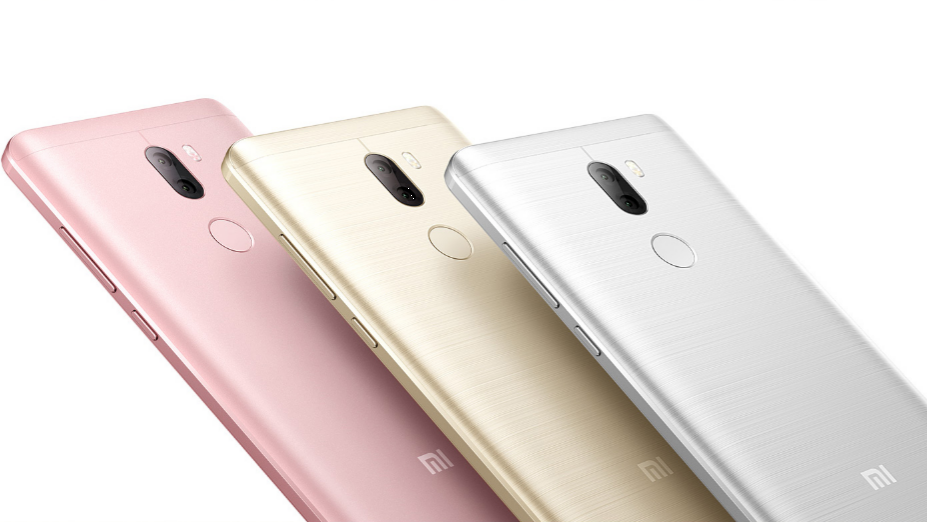
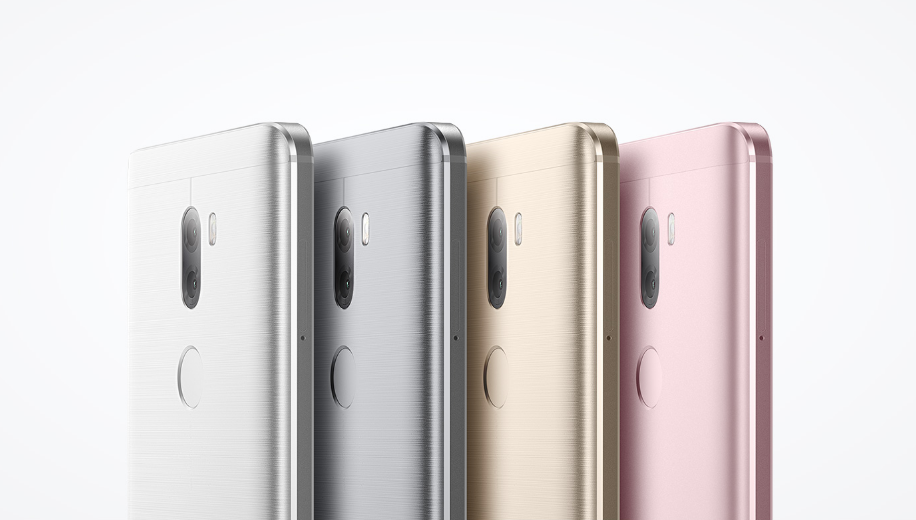
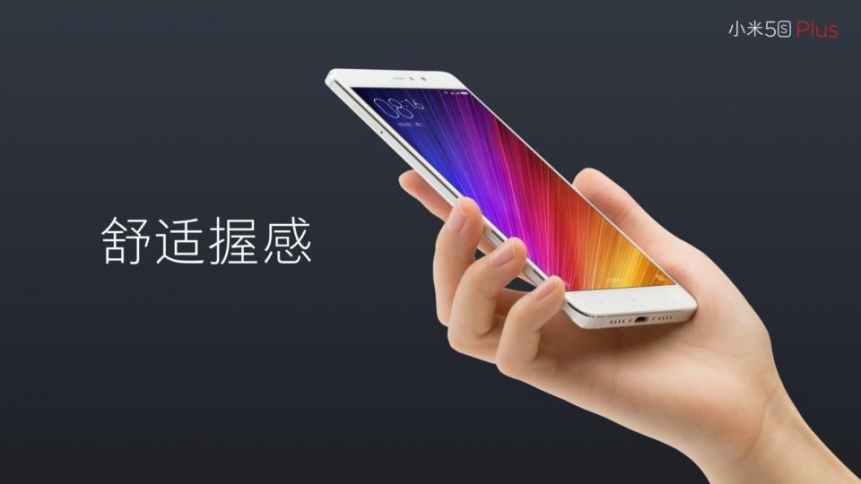
The curved design should ensure better grip and the brushed metal body gives it a premium look. Like its sibling, you get 2.5D glass on the front. There are four color options, silver, dark gray, rose gold and gold.
What’s really interesting about the Mi 5S Plus’ design is the fingerprint sensor located at the back! The Mi 5S came with an ultrasonic under glass sensor on the front, but for some reason, the Plus variant features the sensor at the back. The company has not yet confirmed whether this rear placed sensor is an ultrasonic sensor as the Mi 5S.
SPECS:
The Xiaomi Mi 5S Plus comes with the powerful Snapdragon 821 chipset with two memory options 4GB RAM + 64GB ROM and 6GB RAM + 128GB ROM. The RAM is LPDDR4 and the storages are UFS 2.0 standard. With these high-end specs, the Mi 5S Plus manages to score a good 164,119 on AnTuTu v6.1.9.
The screen is of 5.7-inches with 1080p resolution (386ppi), 94% NTSC color gamut with high color saturation.
Once again, the camera is the highlight of the Mi 5S Plus. But unlike the Mi 5S, the phone features a dual camera setup on the device. The module consists of dual 13MP Sony sensor, one a standard RGB sensor which captures color information, and the other is a black and white sensor. The camera is said to be pretty good, especially because it uses ClearSight technology, thereby enhancing the rich details and limiting the noise in the images.
The camera module supports HDR, PDAF, RAW format, real time image filters and comes with dual tone LED flash. The Mi 5S Plus supports 4K video at 30 fps, 1080p / 720p video shooting at 30 fps and 720p slo-mo video shooting at 120 fps. Up front, you get a 4MP Ultrapixel sensor with 2um pixels, f/2.0 and 80-degree wide angle lens.
Here are some official camera samples:
Other features of the Mi 5S Plus include NFC (so support for Mi Pay), 4G+, and 3800mAh battery with Quick Charge 3.0.
As for connectivity, the phone comes with 802.11 ac dual band Wi-Fi with MU MIMO tech, Wi-Fi display, Wi-Fi Direct, Bluetooth 4.2, Bluetooth HID, 4G+ and dual SIM dual standby with 3 x CA support. In addition, you also get an infrared port which is missing on the Mi 5S.
Supported LTE Bands:
FDD-LTE Band 1, 3, 5, 7
TDD-LTE Band 38, 39, 40, 31
PRICING:
The Xiaomi Mi 5S Plus is priced pretty aggressively, with the 4GB RAM + 64GB storage version retailing for 2299 Yuan ($345) and 6GB RAM + 128GB storage variant retailing for 2599 Yuan ($390).
These are amazing prices for the specs that you get.
Both the Mi 5S and the Mi 5S Plus will go on sale on September 29 via JD.com and Xiaomi’s official store in China.
Things may not have gone as planned this year for Xiaomi, however, the company is back in the game in the top-end segment with not one but two new flagship grade smartphones, the Xiaomi Mi 5S and the Xiaomi Mi 5S Plus. We have been hearing about these two devices for the past few weeks and leaks started to come in pretty fast recently. But now, both the devices have been made official which means we have all the information that we need about these two handsets.
Read on to find out more about the Xiaomi Mi 5S.
DESIGN:
Xiaomi used 3D Glass body on its earlier flagship, the Xiaomi Mi 5 and there was a 3D Ceramic version as well. This time, for its new flagship, Xiaomi is using a metal body. This could be a good decision as mass producing the ceramic body is not an easy task and we don’t want any supply problems with the Mi 5S as its predecessor.
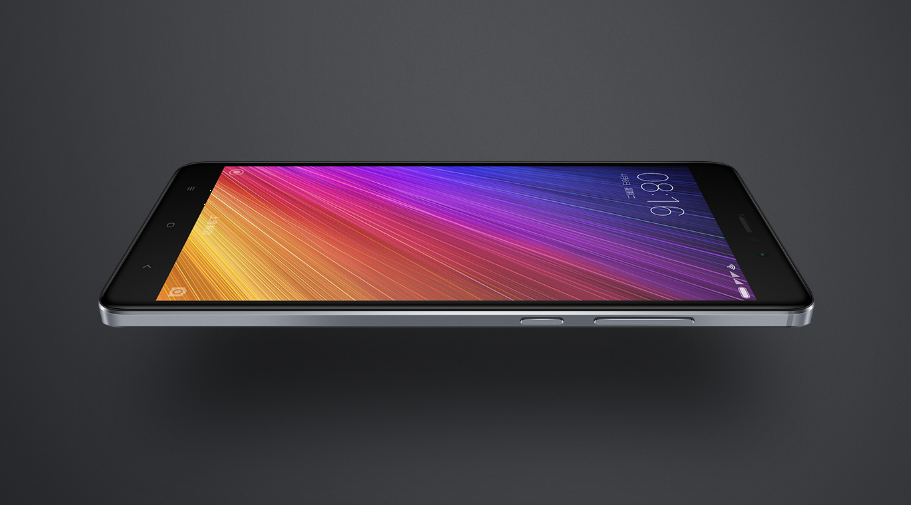
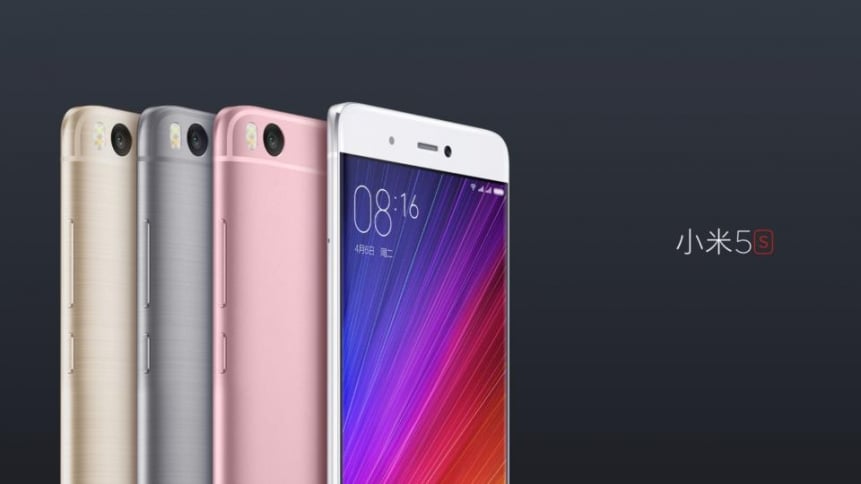
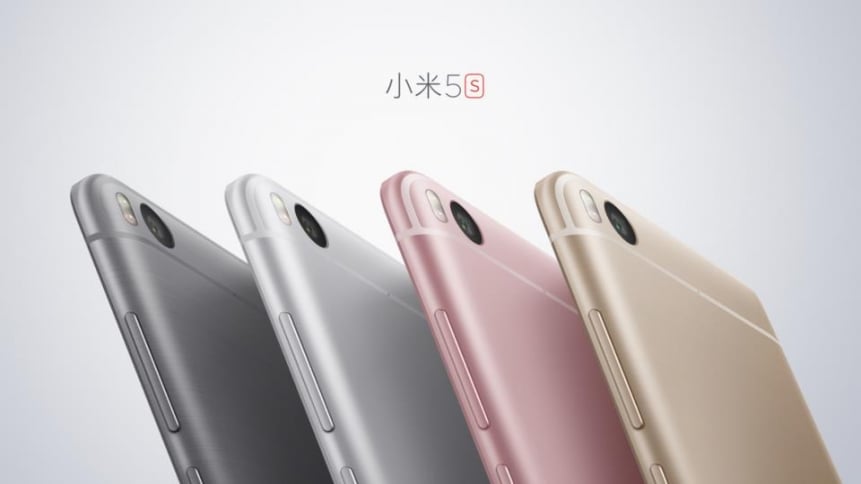
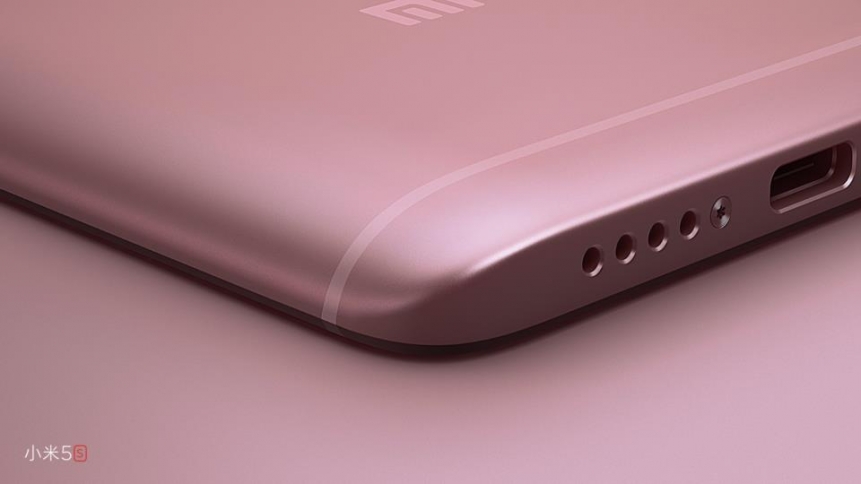
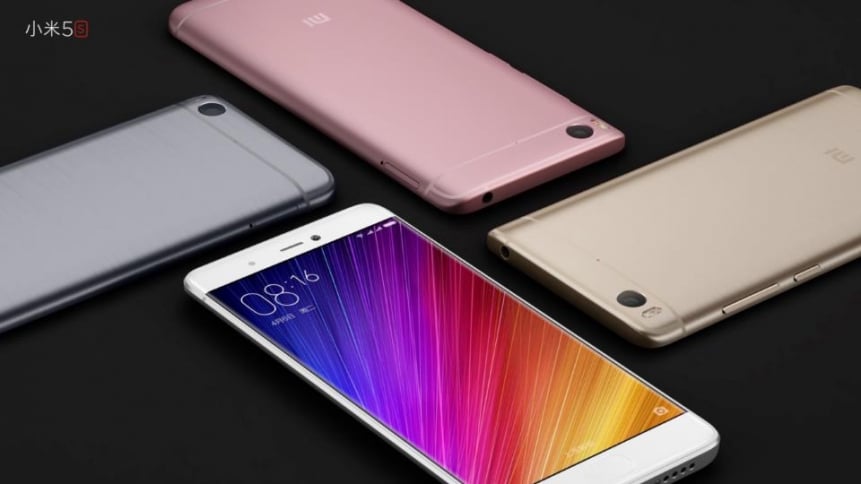
The Xiaomi Mi 5S comes with an all metal design with four color options, dark gray, silver, gold and rose gold. It’s curvier and smoother in terms of design as compared to its predecessor. The metal gets a matte anodizing finish to give it a unique look. On the front, the phone features 2.5D glass, giving it a slightly curved feel.
Dimensions: 145.6 x 70.3 x 8.25mm | Weight: 145 grams
Plus, you even have the option of getting the 79 Yuan ($12) dot protective case to give your phone a different look.
SPECS:
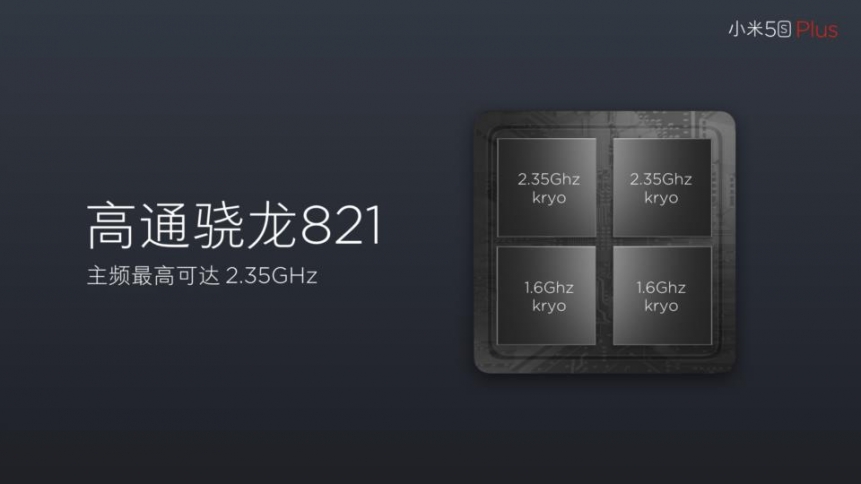
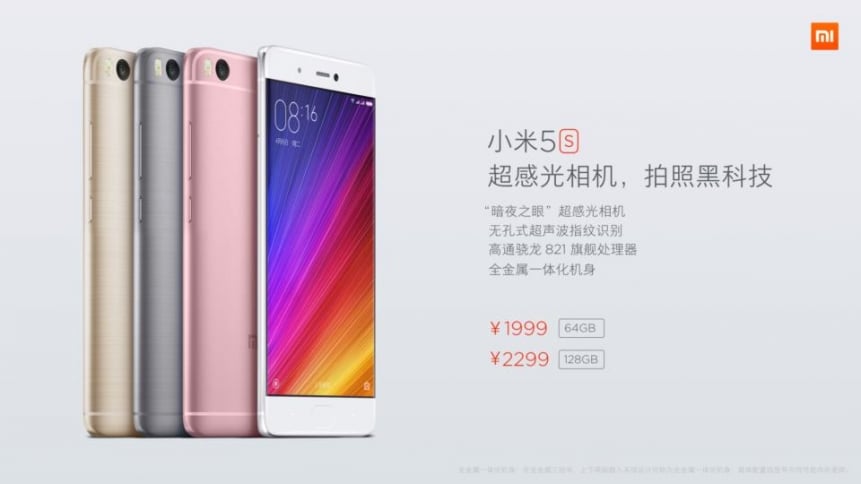
As expected, the Xiaomi Mi 5S comes with the powerful Snapdragon 821 chipset, which is the upgraded version of the already powerful Snapdragon 820. Then there’s LPDDR4 RAM and 64GB / 128GB UFS 2.0 high-speed memory on the device. There will be two variants: 3GB + 64GB and 4GB + 128GB.
The phone features a 5.15-inch custom high-brightness 1920 x 1080p display with brightness up to 600 nits. Other features of the display include NTSC color gamut coverage up to 95% and high color saturation. What’s also special about this display is that it supports pressure sensitivity but only in the 4GB + 128GB model!
While these specs are pretty good, what’s really the highlight of the Xiaomi Mi 5S is its ultrasonic fingerprint sensor. Yes, it will be the first mass produced smartphone to feature the advanced ultrasonic fingerprint sensor. This 3D sensor enabled seamless integration of panels unlike other capacitive sensors. Further, it’s quick, accurate and long lasting. The sensor is located below the glass, without the need for any opening in the display panel.
The company did mention that optimizing the ultrasonic sensor required a lot of time and efforts from its engineers. But finally by June 2016, Xiaomi successfully solved major problems with the sensor and optimized power consumption.
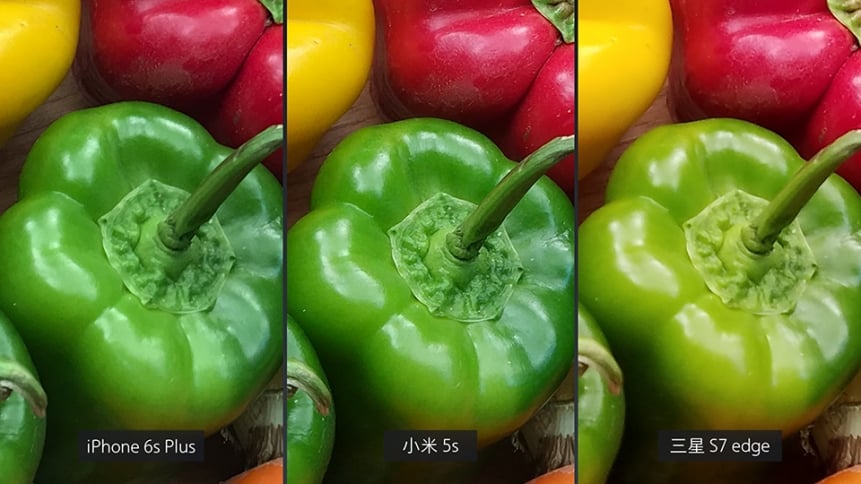
The camera is yet another highlight of the Xiaomi Mi 5S. The phone comes with a 12MP Sony IMX378 1/2.3″ 1.55um sensor , which is 61% larger than the one inside the iPhone 6S Plus. Since the sensor size is bigger, Xiaomi claims that the phone is able to capture stellar photos, even at night. However, note that this is a single camera module. Only the Mi 5S Plus comes with the dual camera module at the back.
Other specs of the camera module include f/2.0, 6P lens, 80 degree wide angle, dual LED dual tone color temperature flash, PDAF, Second Gen. Qualcomm ISP, facial recognition, auto HDR and Panorama. The camera supports 4K shooting at 30 fps, 1080p at 120 fps and slo-mo 720p at 120 fps.
Up front, you get a 4MP Ultrapixel camera with f/2.o aperture, 80 degree wide angle lens, facial recognition etc.
Lei Jun revealed that the company gave out the Mi 5S to a professional photographer traveling to Northern Europe and the US. The pictures taken by the photographer turned out to be very good, and with the right amount of exposure control, even night time photography from the Mi 5S turned out to be impressive. You can check out the official samples below (a couple of them we have already seen).
To see whether the Xiaomi Mi 5S camera is good or bad, the company conducted a blind test with a sample of 200 ordinary users who were asked to select the camera sample that they liked. Out of these, 55% (110 users) found the Xiaomi Mi 5S camera sample to be better. In another blind test with a sample of 159 professional photographers, Xiaomi claims that 49% preferred Xiaomi Mi’s camera sample.
The company claims that the phone’s camera comes with richer detail and accurate colors as compared to competitors like the S7 Edge and the iPhone 6S Plus. That’s a big claim, but it also revealed an image comparing the sample from the three phones. Check it out for yourself.
The Xiaomi Mi 5S also comes with NFC and 4G+ technologies. So, it should support fingerprint enabled payment systems like Xiaomi Pay in China. Other specs include 802.1 ac dual band Wi-Fi with MU-MIMO, Bluetooth 4.2, Bluetooth HID, Wi-Fi Direct and Wi-Fi Display.
Supported LTE bands include:
FDD-LTE B1, B3, B5, B7 and B8
TDD-LTE B38, B39, B40 and B41
The battery is of 3200mAh capacity with QC 3.0 support (9V 2A) using the USB Type-C port.
PRICE:
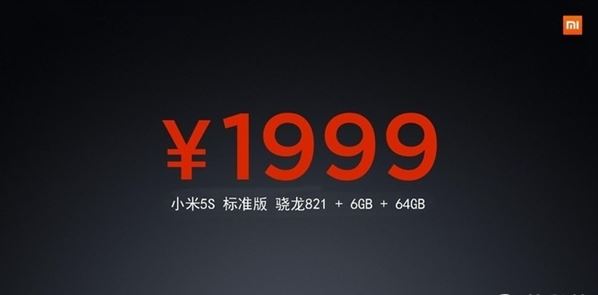
The Xiaomi Mi 5S will start at 1999 Yuan ($300) for the 64GB version and 2299 Yuan ($345) for the 128GB version.
There are many details yet to be revealed by the company like the battery capacity (but it supports Quick Charge 3.0), so we will update this article after more details are available.
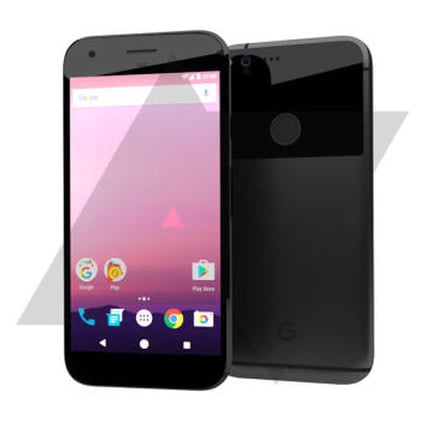
It has been confirmed by sources in the tech industry that Google would indeed unveiled the Google Pixel and Google Pixel XL flagship smartphones on October 4. Google had earlier announced that it would be holding an event on October 4 in San Francisco and the tech giant is tipped to be planning to release a boat-load of gadgets.
Google Pixel and Pixel XL have for long featured in leaks, rumors and renders. We first got to know them by their code-names Sailfish and Marlin which were thought to be two new devices in the Nexus line-up. However, Google later revealed that the smartphones would not use the Nexus brand name but rather coming as Pixel brands but would still be built by HTC.
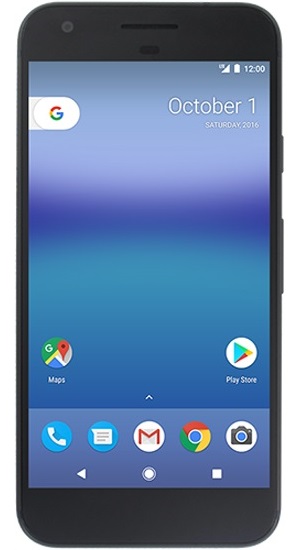
Among the two, the Pixel is the smaller one and it first came out by the code-name Sailfish. According to the leaked specs, the Pixel Sailfish will come with a 5-inch display with 1080 pixel resolution, powered by a quad-core 2.0GHz 64-bit processor backed by a coool 4GB RAM. There is also said to be 32GB of internal storage on the device and a 2770mAh battery. If you are a fan of mobile photography, Google has included a 12MP rear-facing camera for your delight and an 8MP front camera that outputs crisp clear selfies.
Google has not followed suit with Apple et al in yanking off the beloved 3.5mm headphone jack as there is one mounted at the top of the device. There is also a fingerprint sensor at the rear similar to those on the Nexus 5X and Nexus 6P, as well as a USB-C port on the bottom. The bigger Google Pixel XL is expected with a 5.5-inch QHD display and also a larger 3450mAH battery as the only things which would differentiate it from the Pixel.
Both the Google Pixel and Google Pixel XL is expected to be available on Verizon in the US which should be a network locked version but Google will also make available an unlocked version which should be available in all regions. As to their prices, we have heard rumors just recently that the smaller Google Pixel will carry a huge price tag of $649 and the first thing that comes to mind is outrageous! If true, it would make the device more expensive than any of the Nexus lineup released so far. But then, these are Pixels and Google doesn’t seem to be interested in massive sales.
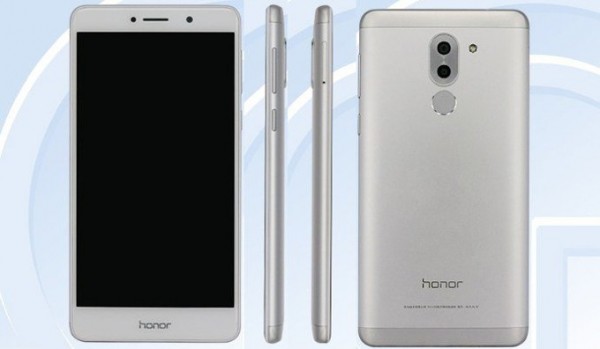
Huawei Honor 6X has again appeared on TENAA’s website this time with model number BLN-TL10. Recall that the Honor 6X was spotted on TENAA a few weeks back having the model number BLN-AL10. The thing is, during the first appearance, all we got were images of the device only without the specs listing attached. This time around, the images were revealed along with the key specifications the smartphone would pack.
From the images, we could tell both devices are the same save for different model numbers that they were listed. The dual cameras at the back are very much visible as well as the fingerprint scanner under the camera. The rear case is not an all-metal design as the upper and lower end is made of plastic materials.
Talking about the specs, the Honor 6X sports a 5.5-inch display and is powered by a Kirin 650 chipset along with 3GB of RAM. The device also features 32GB of internal storage and crams a 3340mAh battery under its hood. On the camera end, the Huawei Honor 6X packs an 8MP front-facing camera and at the rear, the dual cameras are said to have a 12MP sensor for the primary shooter and 2MP for the secondary camera which would likely provide depth of field.
Rumors have it that the device would likely be released around mid-October and would come with support for all networks in China. The Honor 6X is said to be in production already in four of Huawei’s factories in China and would likely not come in as an expensive one.
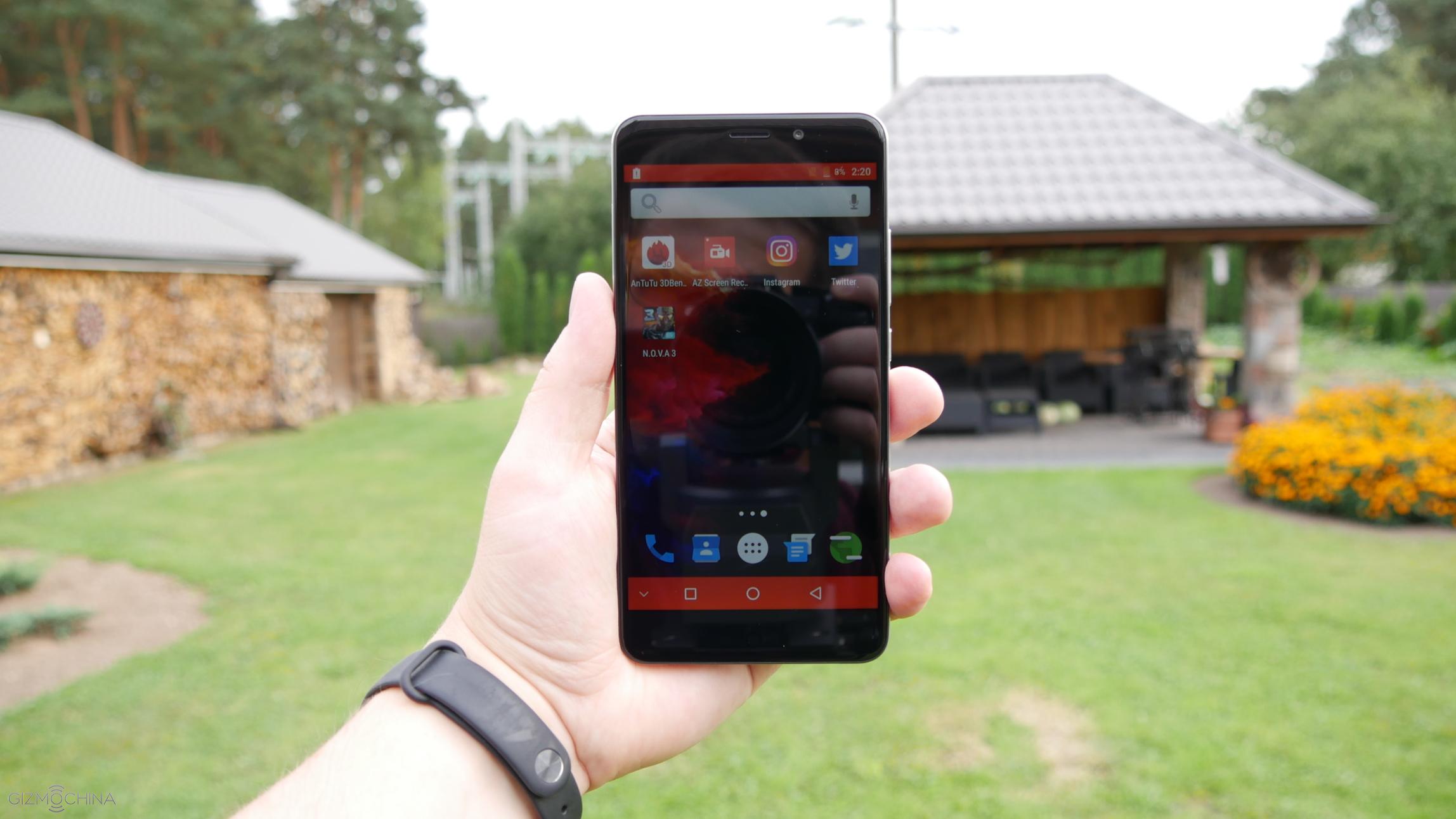
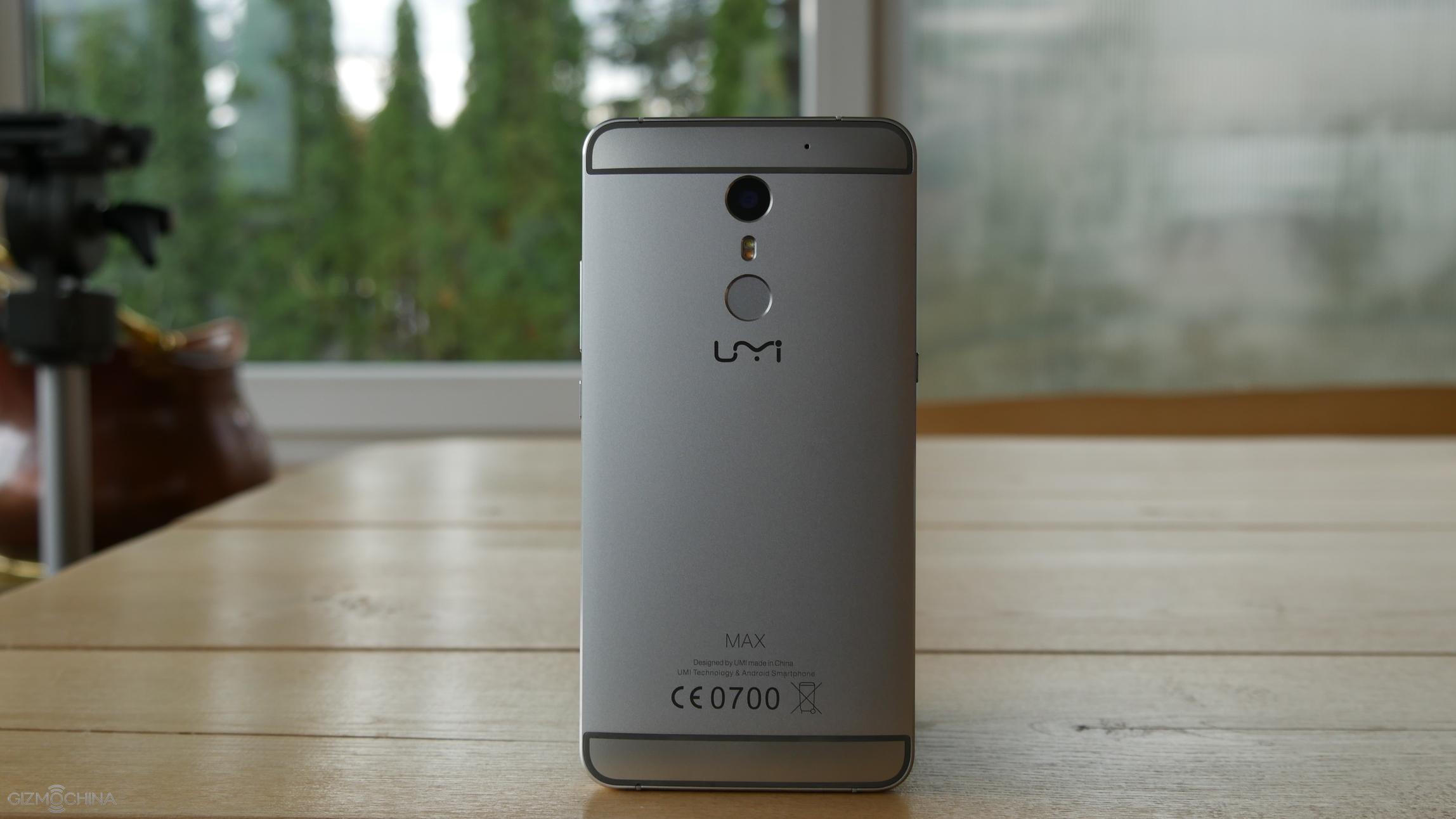
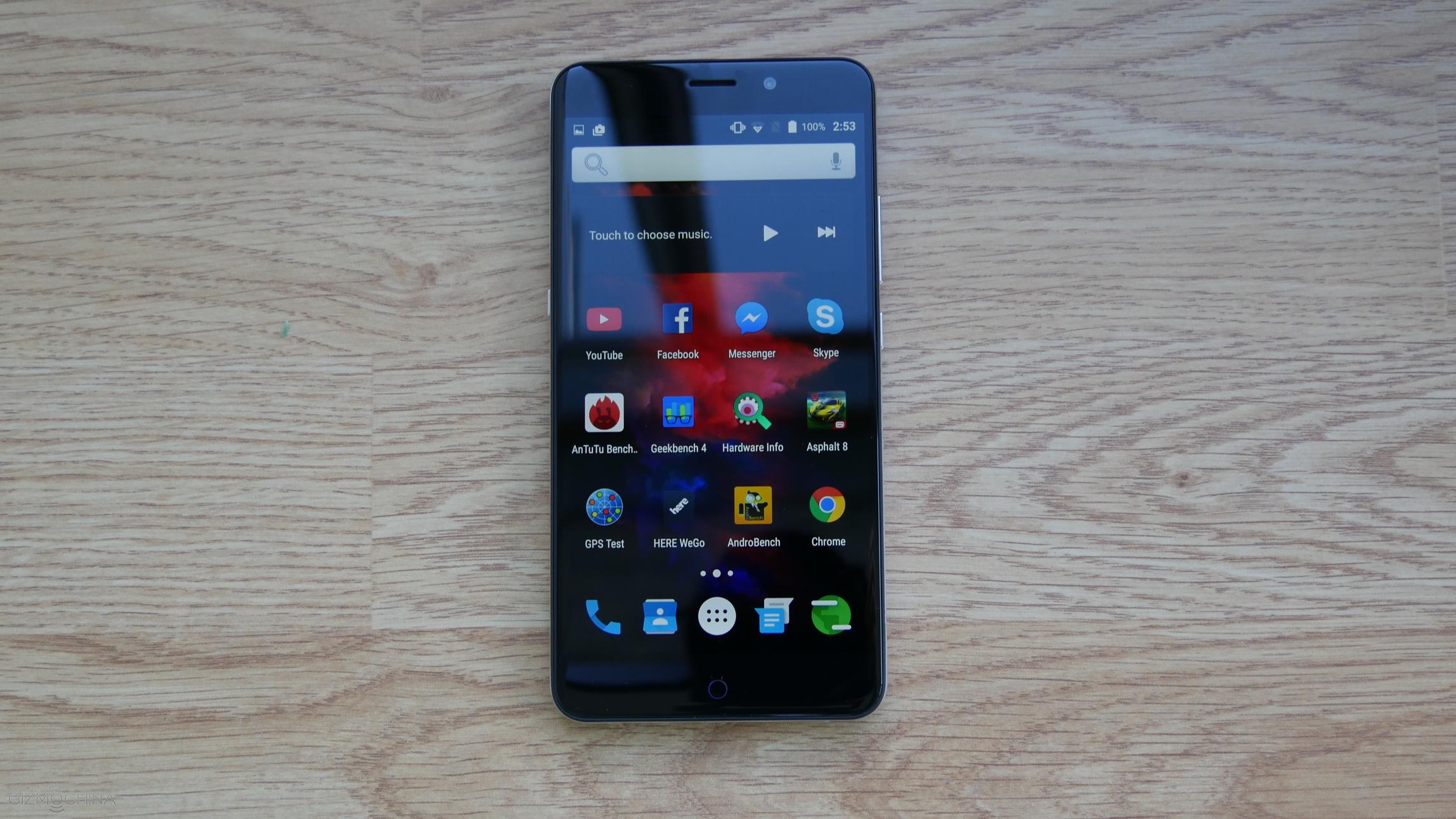
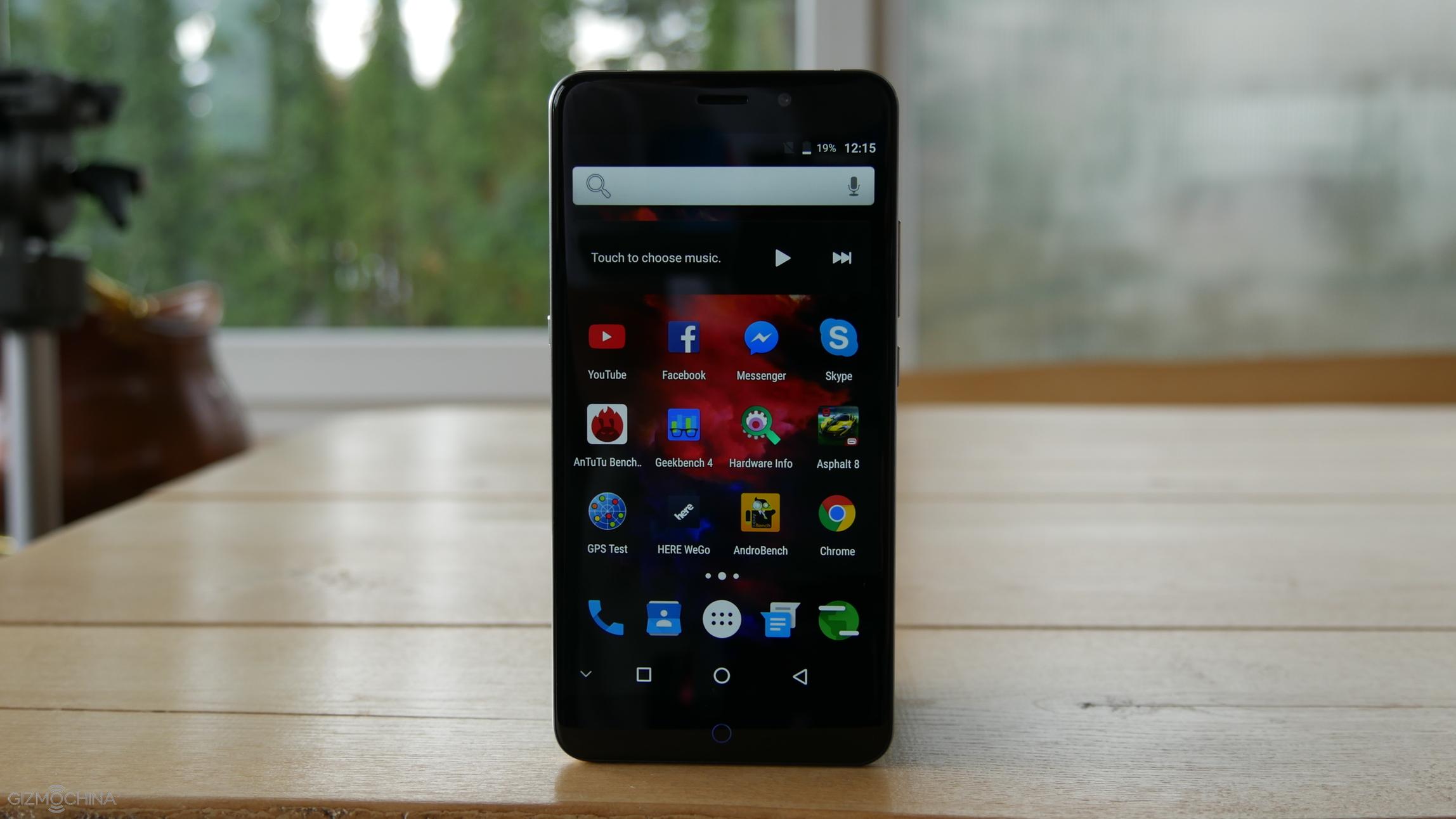
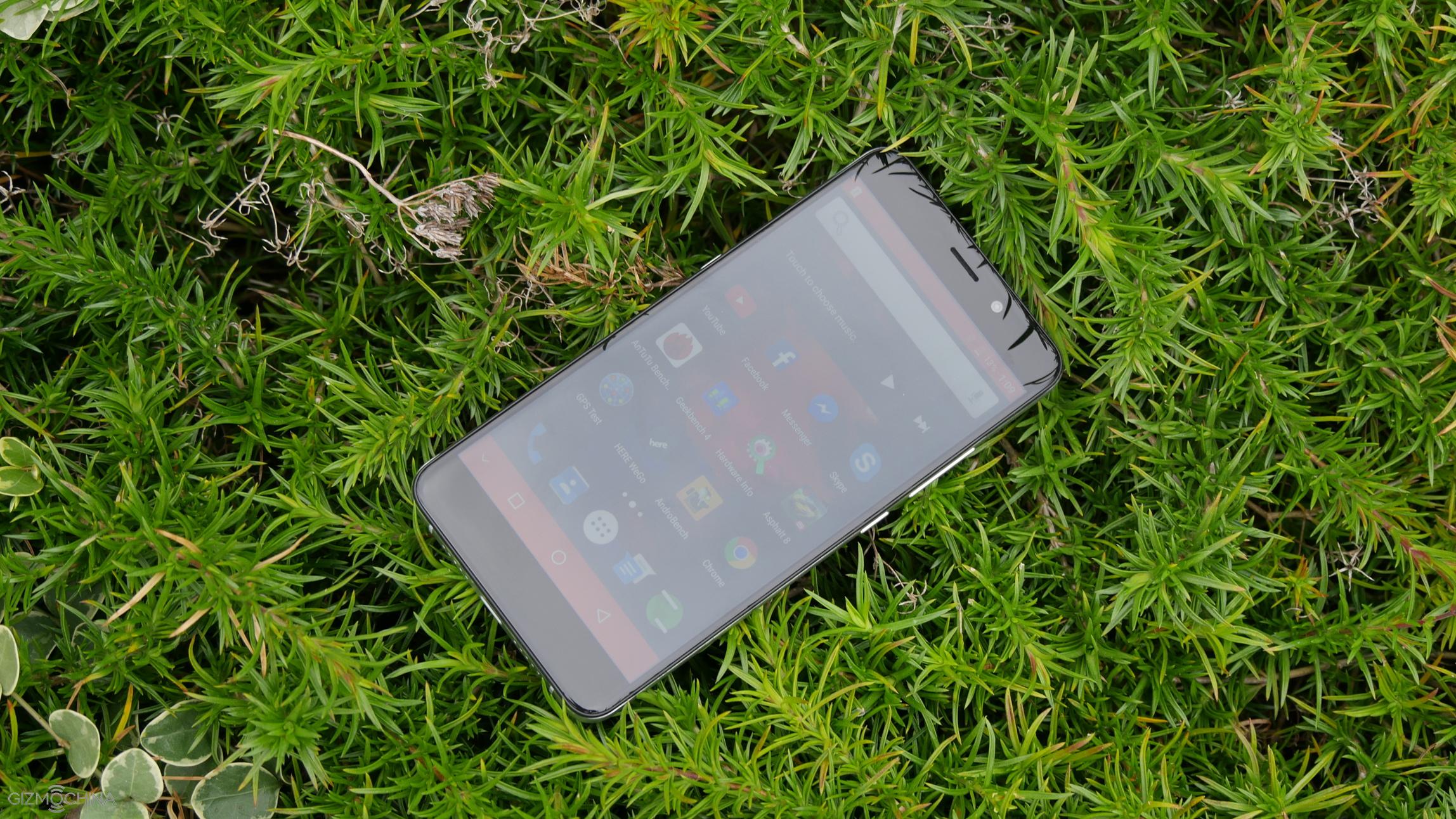
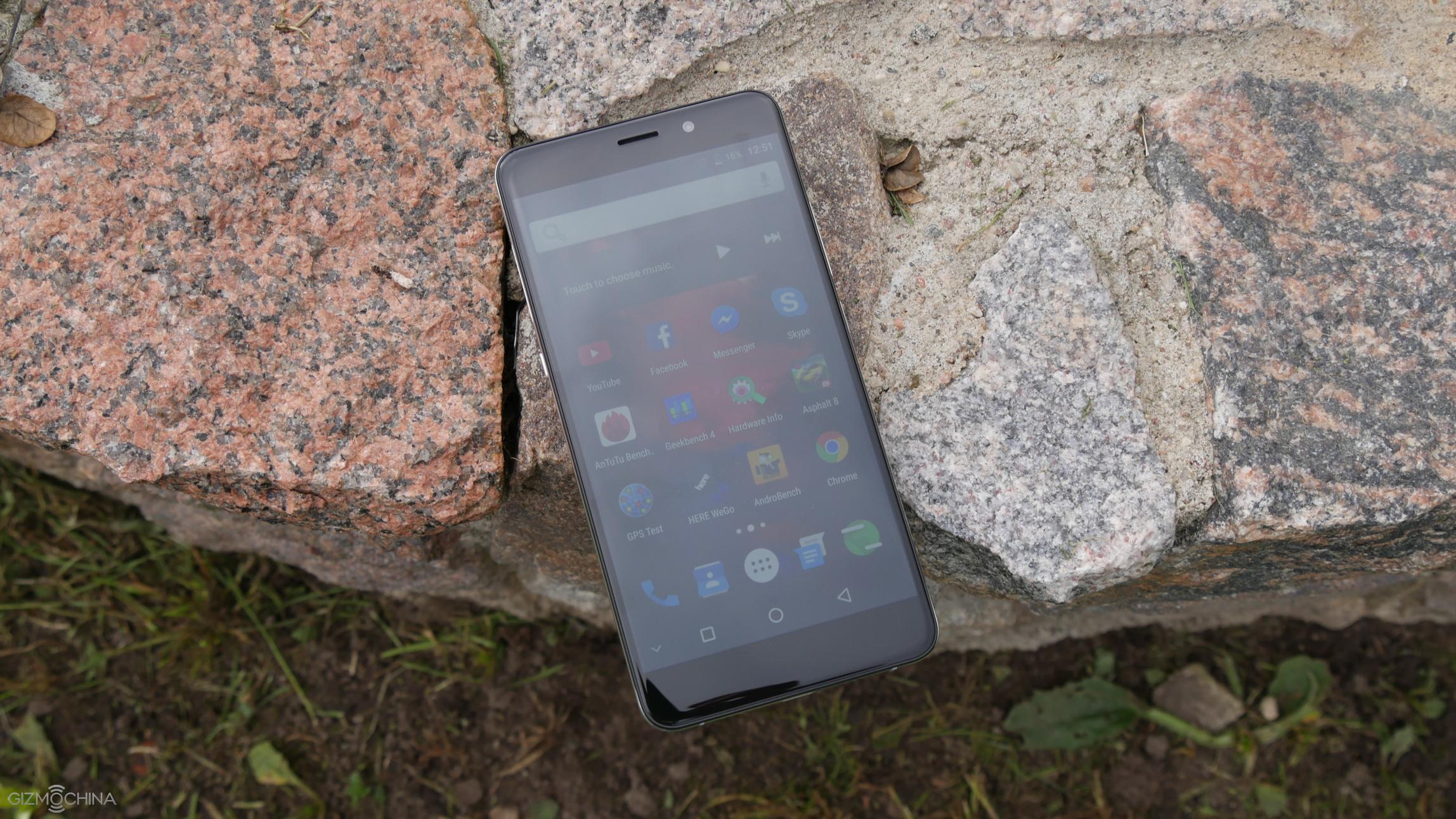
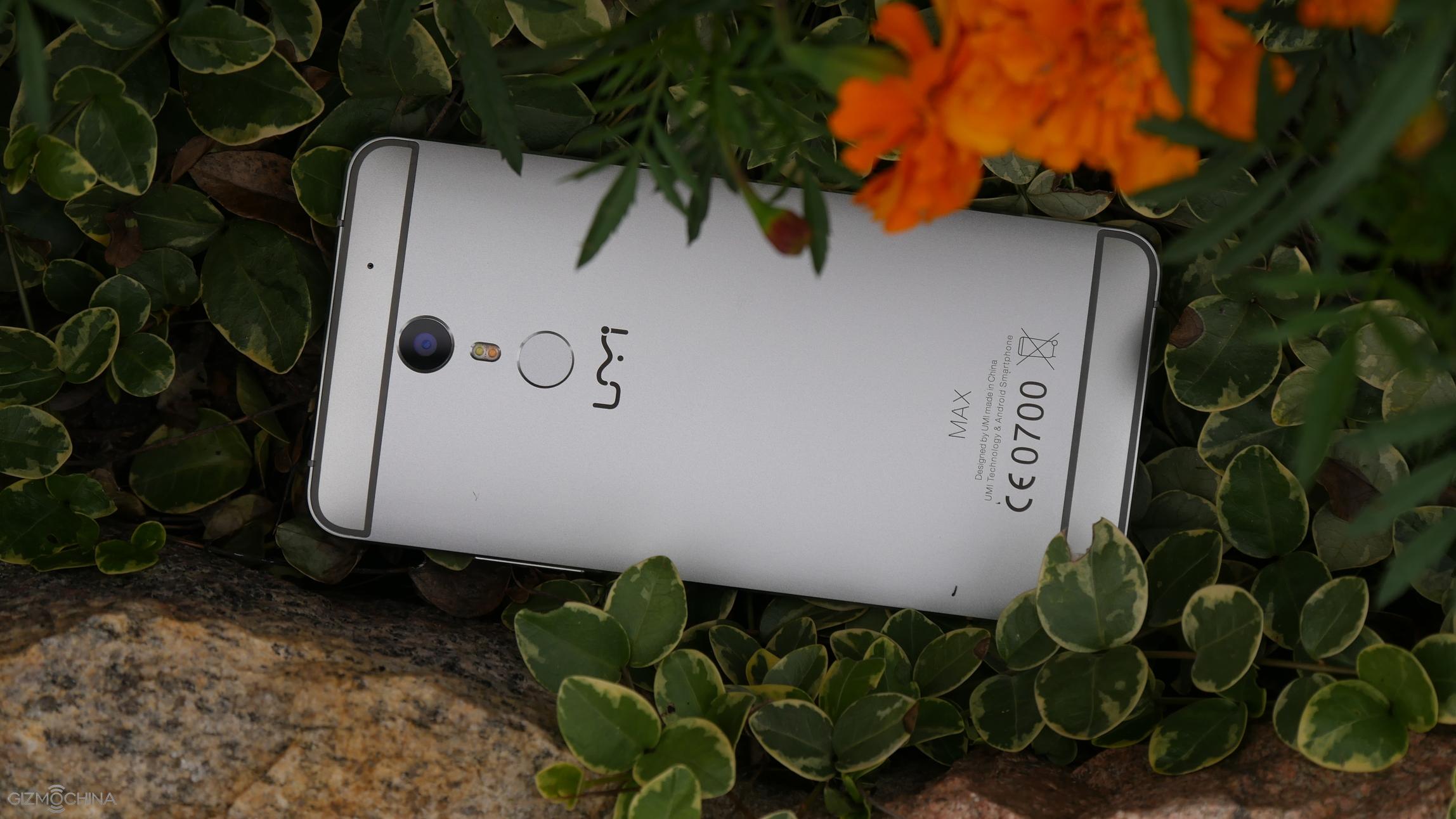
Once we first got the Umi Max we thought: was it the Umi Super? It looks kind of similar but at the same time a little bit different. Learn more in the full Gizmochina’s review.
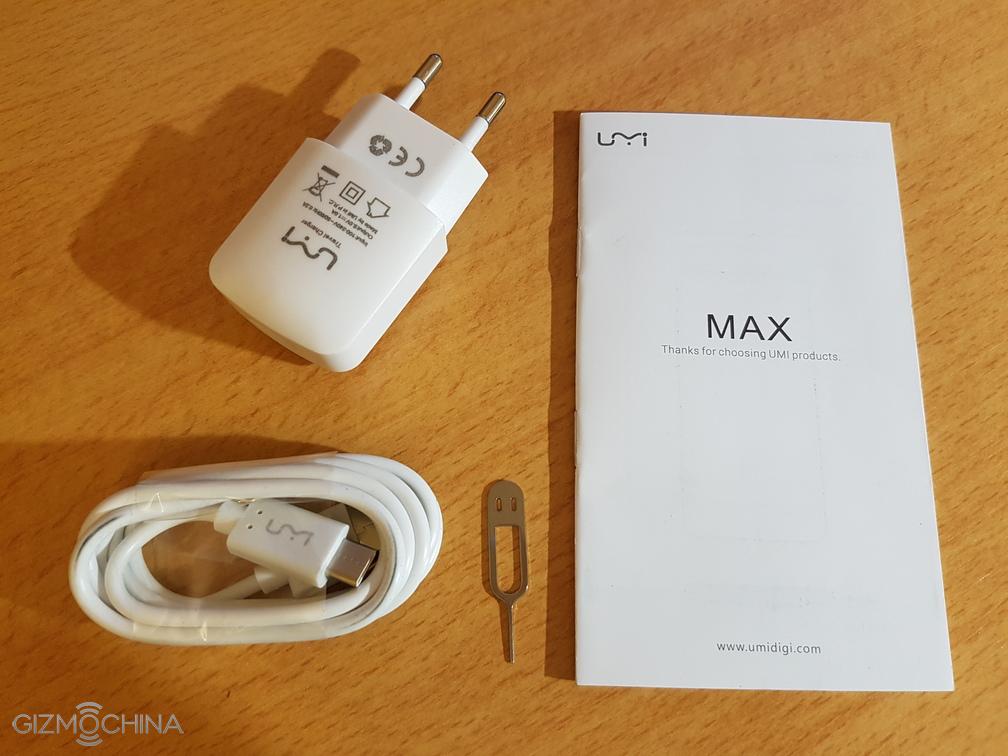
In the box, you are getting all the usual stuff and there are not extras included.
Umi Max Review: DESIGN and DISPLAY
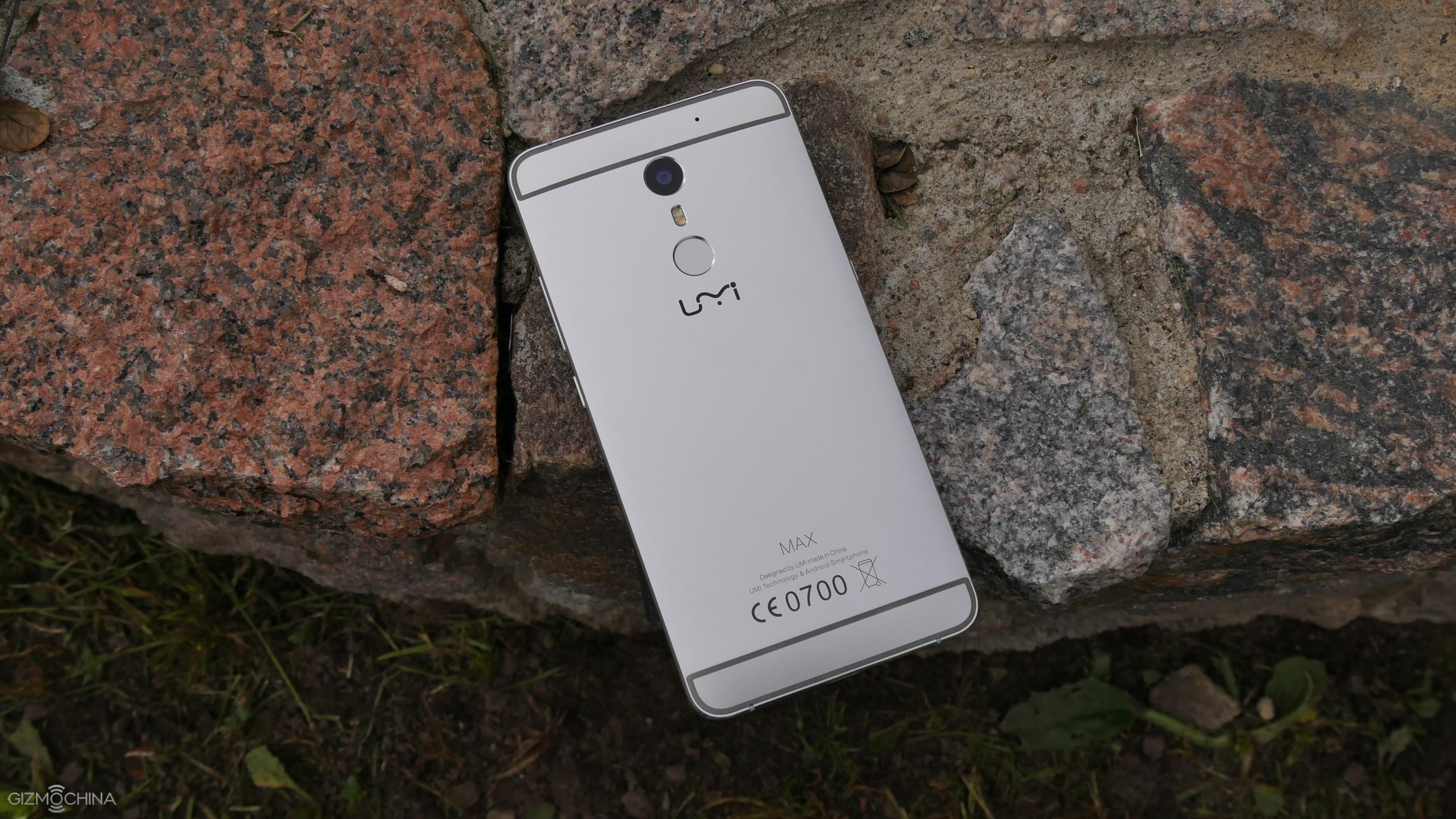
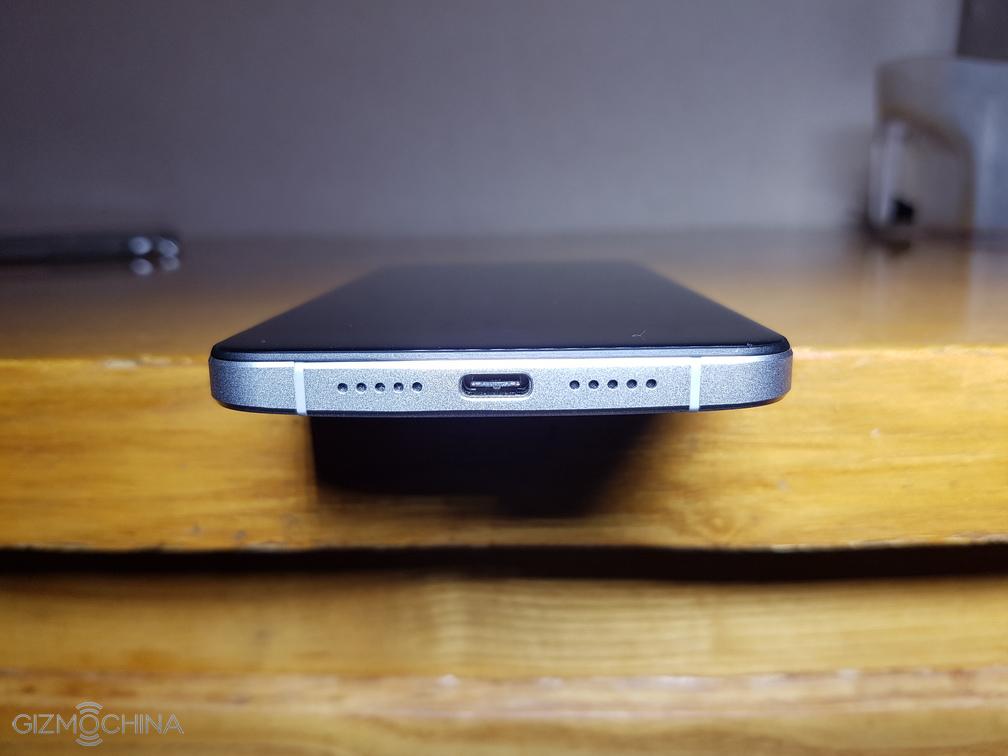
As far as design, we are looking at the all-metal phone, except for the top and bottom parts for antennas on the back.
The Umi Max is well-built and it feels quite premium but the buttons rattle just a little bit.
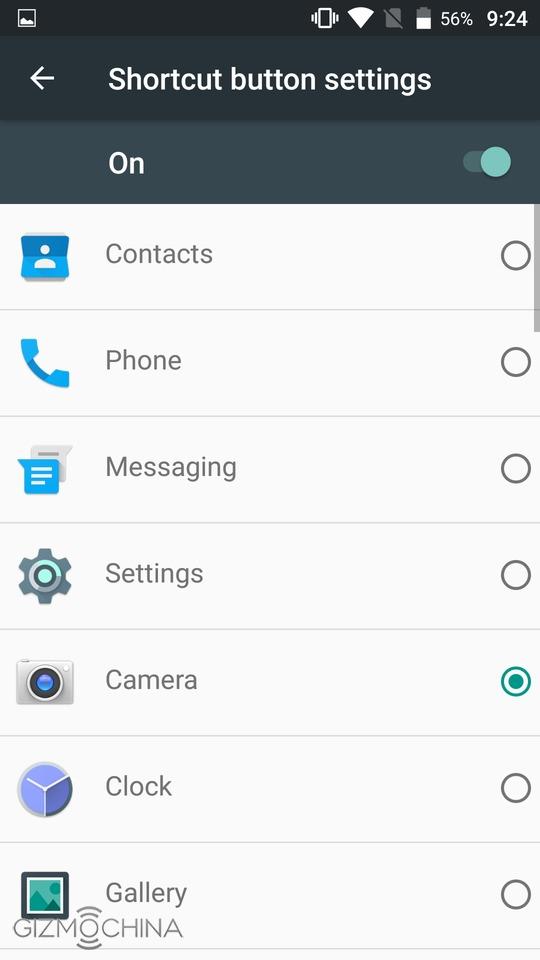
Speaking of the buttons, we have a dedicated customizable key, which can be programmed to open a certain app. It’s a great idea but this feature does not work straight from the standby mode.
As for display, we have a 5.5” 1080p panel. As usual to Umi phones, the display is sharp, bright and vibrant. However, it is a little reflective if you use it outdoors.
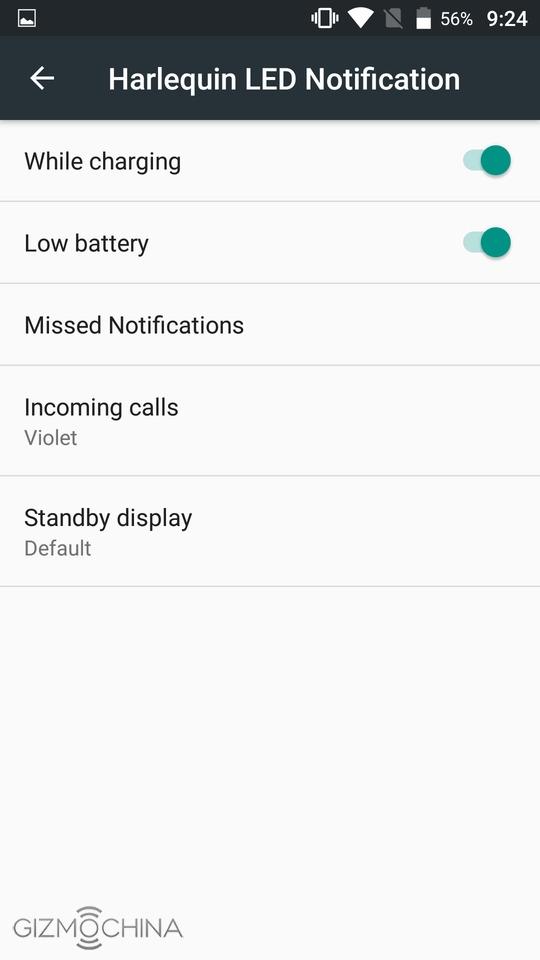
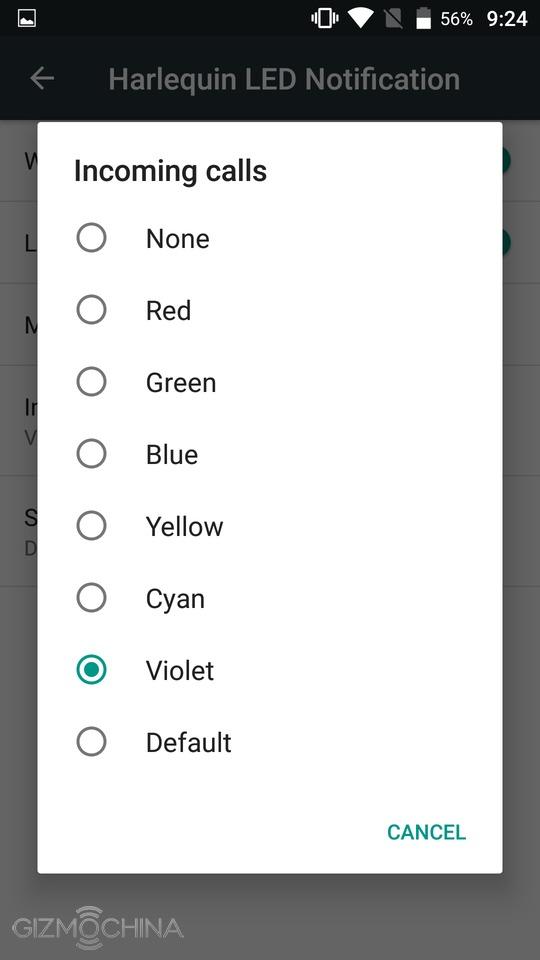
A pulsing notification LED light is one of my favorite features and you can change the colors of it.
As for selfie camera, we have a 5MP shooter.
When it comes to the main camera, there is a 13MP shooter with f/2.0 aperture and dual tone dual-LED flash. The fingerprint sensor is accurate, it works straight from the standby mode but the display is a little slow to react at times.
The loudspeaker quality is just average and the volume output is kind of low.
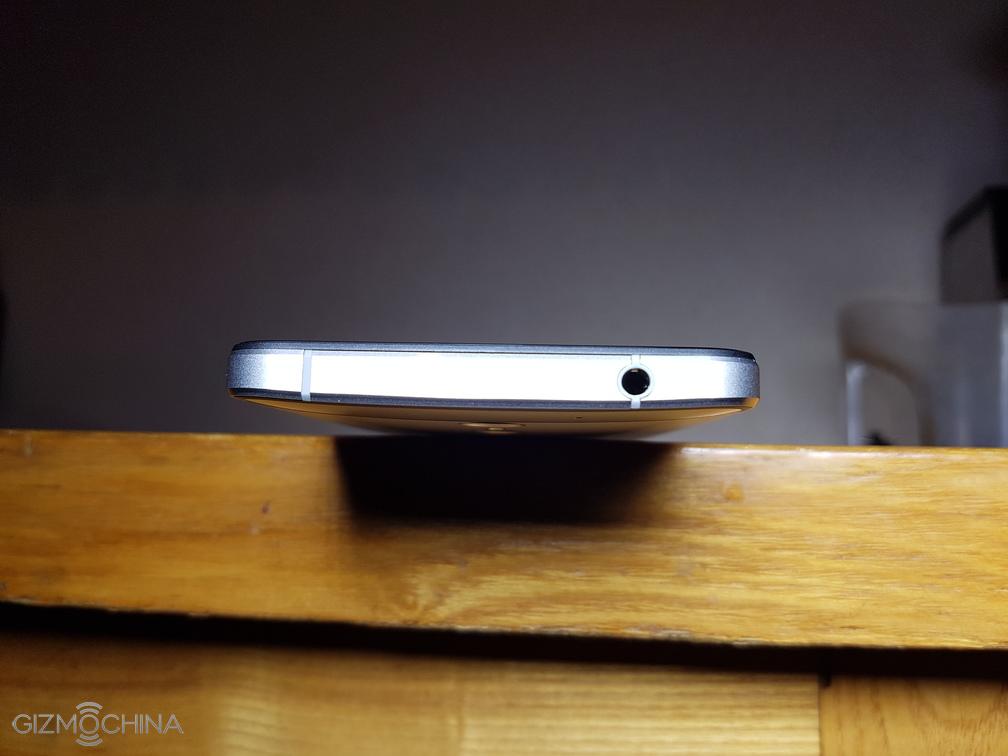
The sound via the headset jack is not bad at all for a budget phone and that its thanks to the built-in Hi-Fi audio chip.
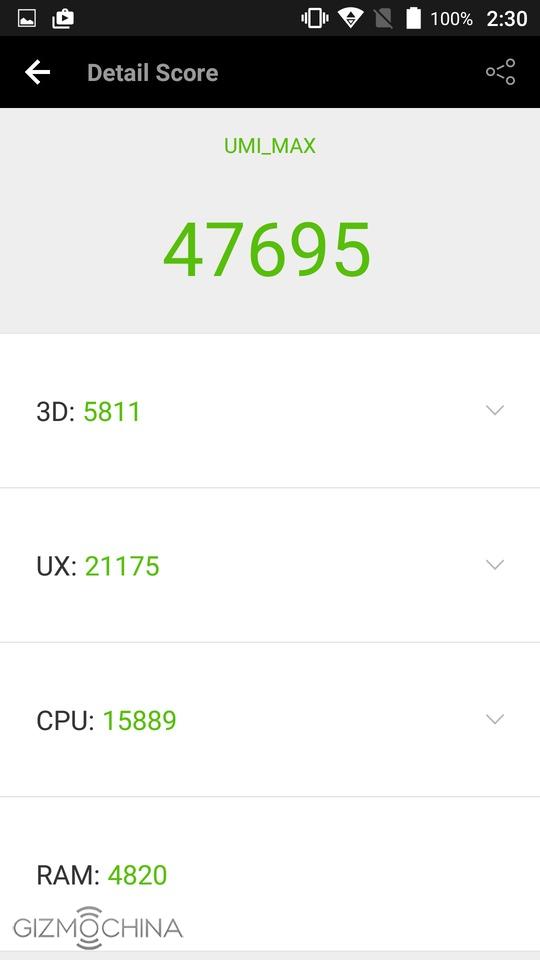
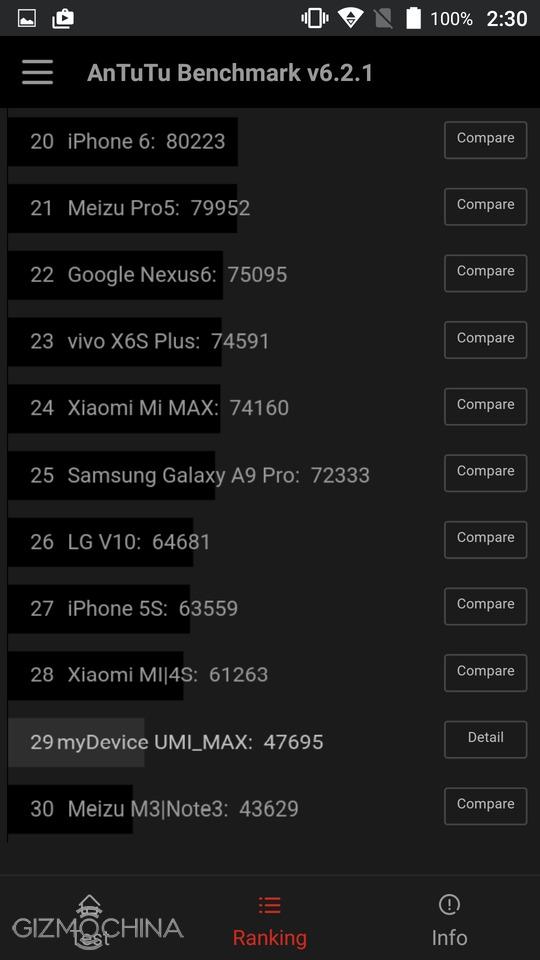
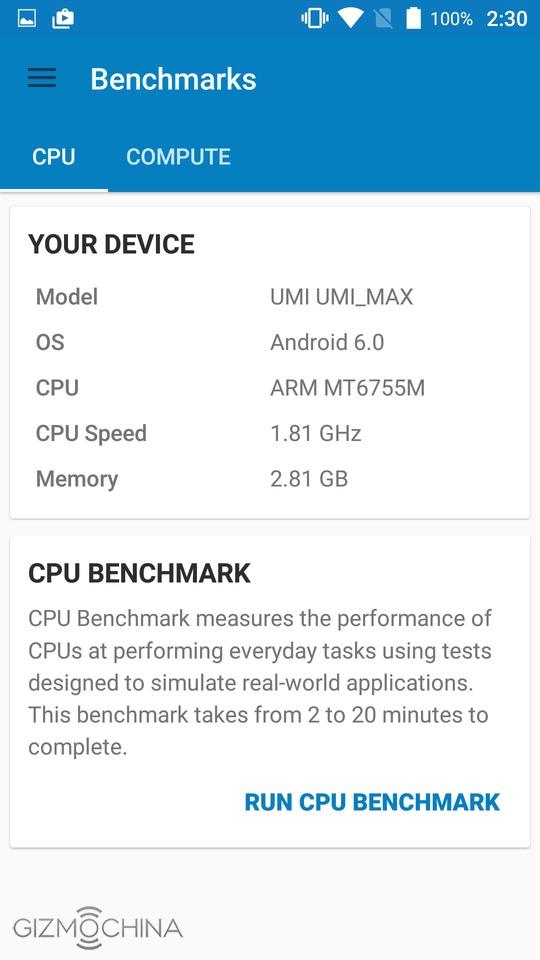
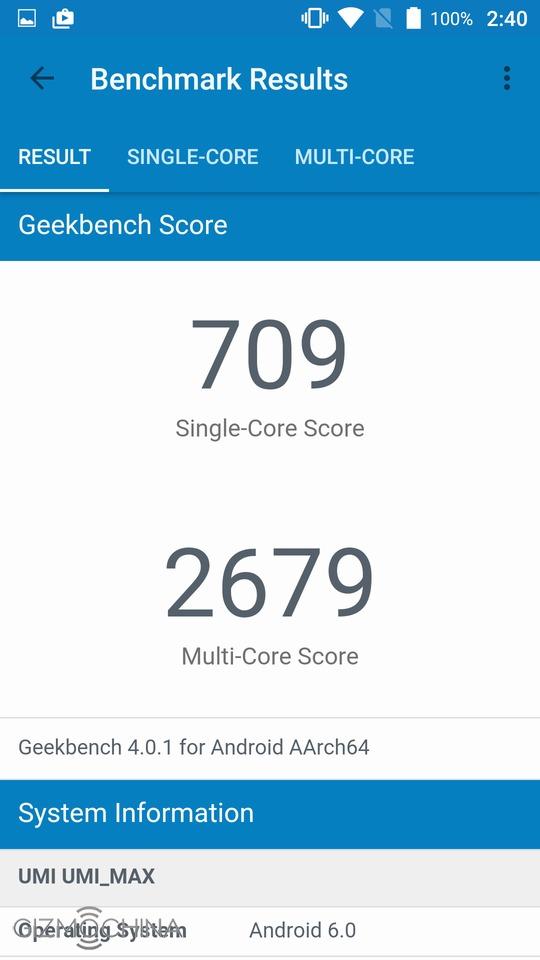
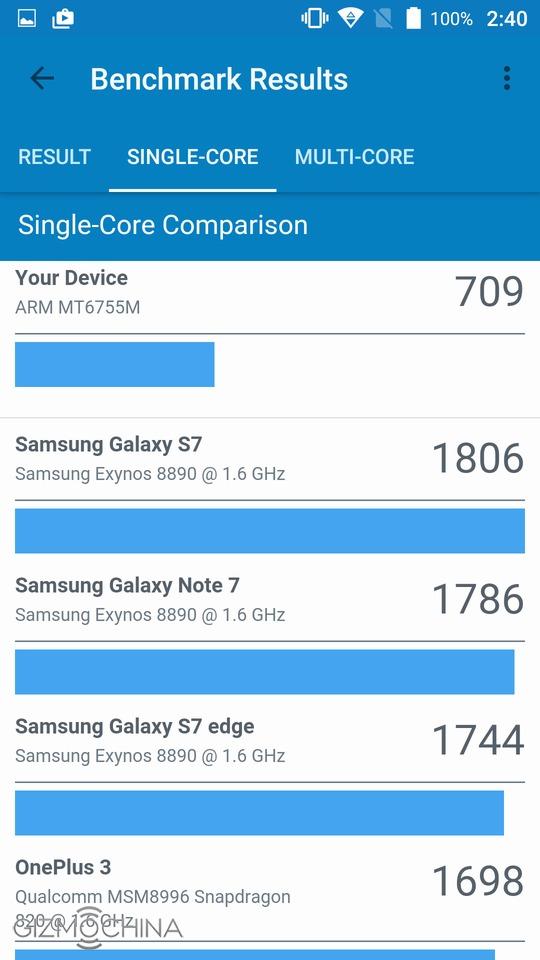
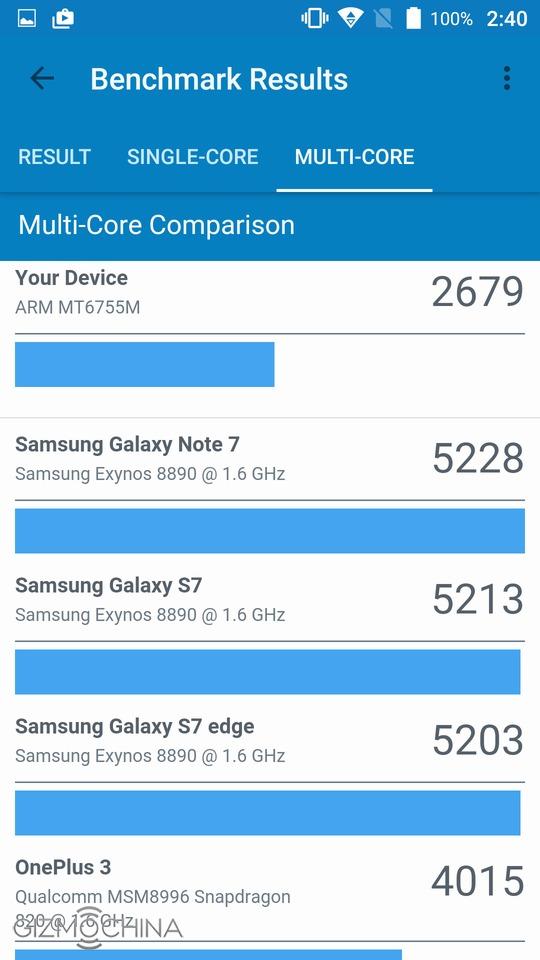
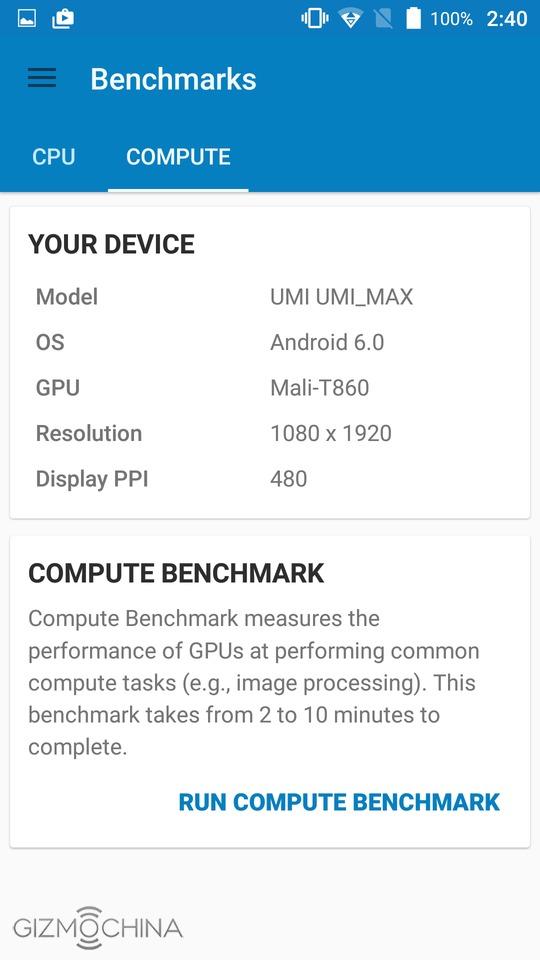
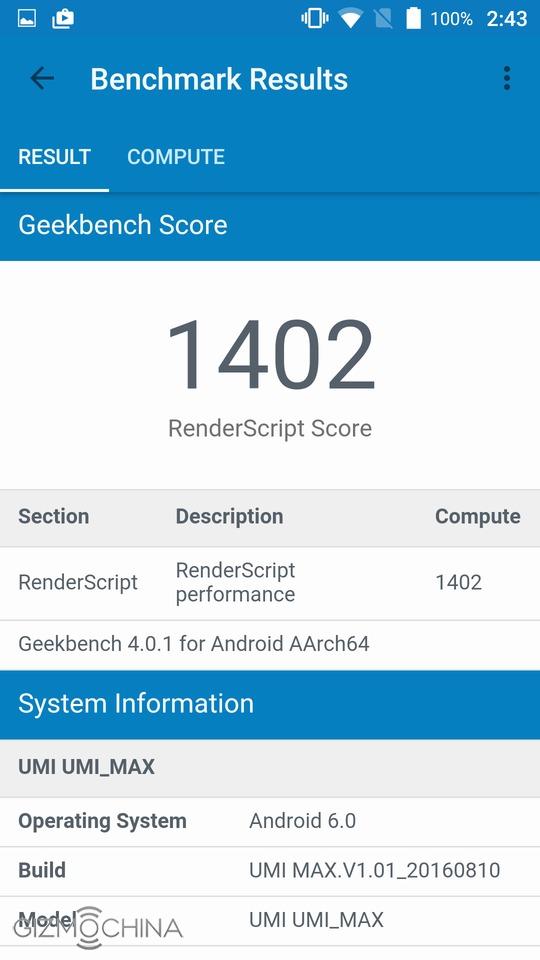
Umi Max Review: BENCHMARKS
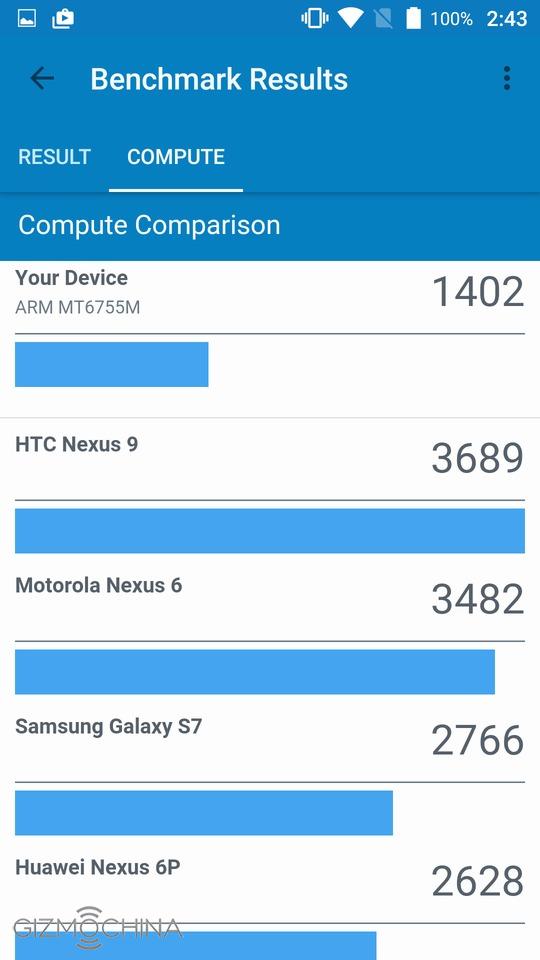
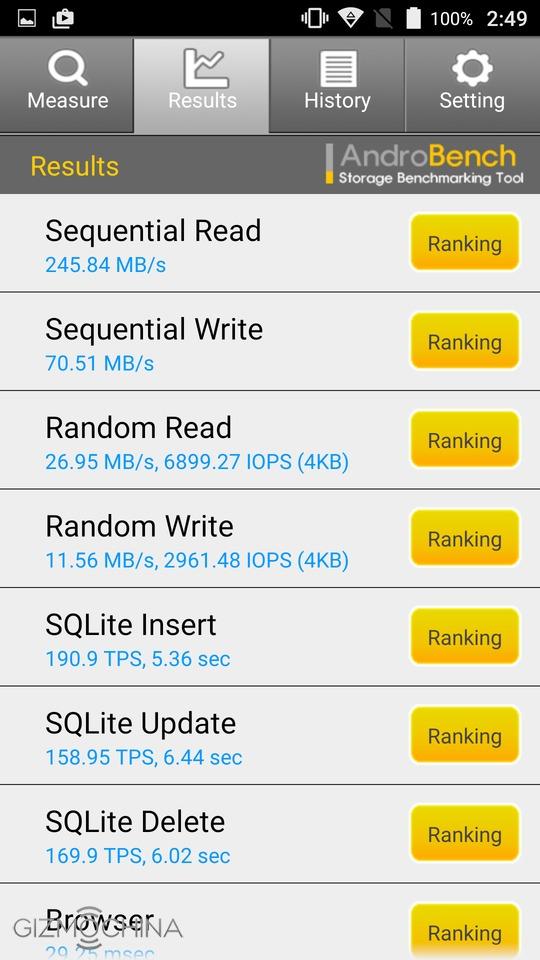
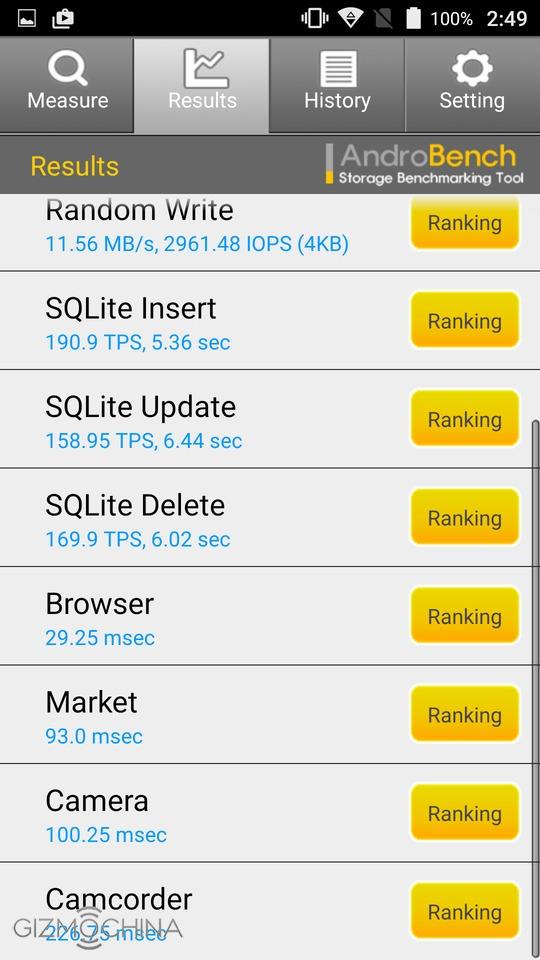
Umi Max Review: HARDWARE and PERFORMANCE
When it comes to hardware, Umi Max comes with some specs we have seen on quite a few China phones.
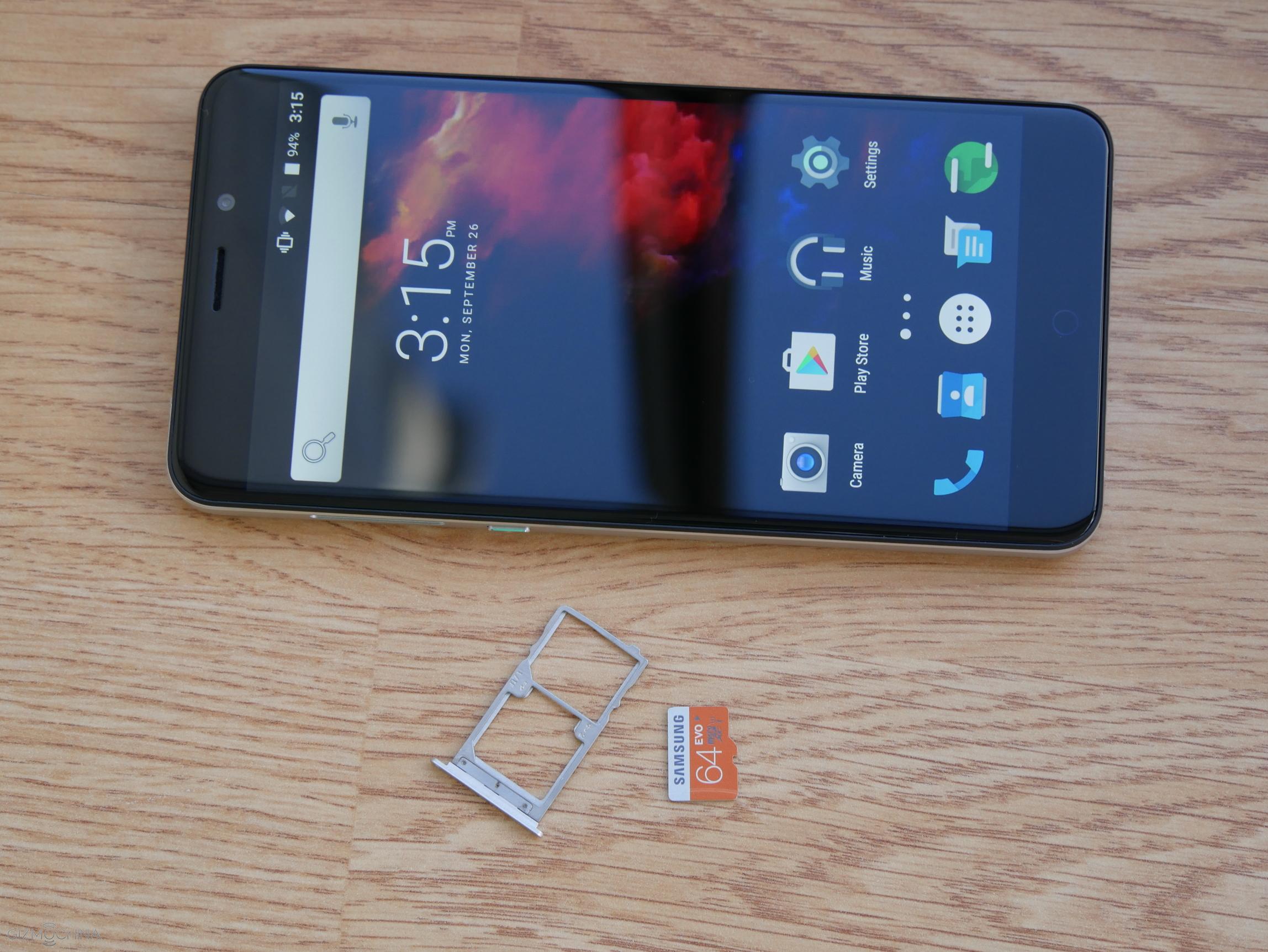
The device sports and octa-core Helio P10 chip, 3GB of RAM and just 16GB of expandable storage.
The gaming performance is good but only if you play games on medium graphics.
Umi Max Review: USER INTERFACE
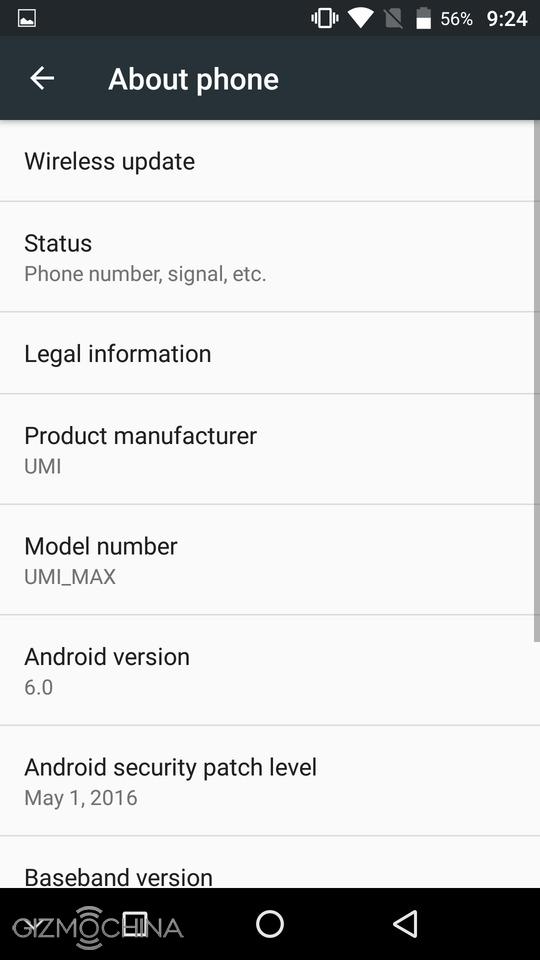
What I like about Umi phones is that they ship with nearly stock-looking Android 6.0 with just a few added features.
One of the key features is that you can choose between physical capacitive buttons and the on-screen navigation keys, and you can switch the position of them.
Most importantly, the user interface is fast and I didn’t have any lag or hiccups.
Umi Max Review: IMAGE QUALITY
The daylight image quality is mediocre. Sure, you can get some decent-looking images with this phone but usually, the colours are a bit off, the dynamic range adjustment is poor and there could be more detail.
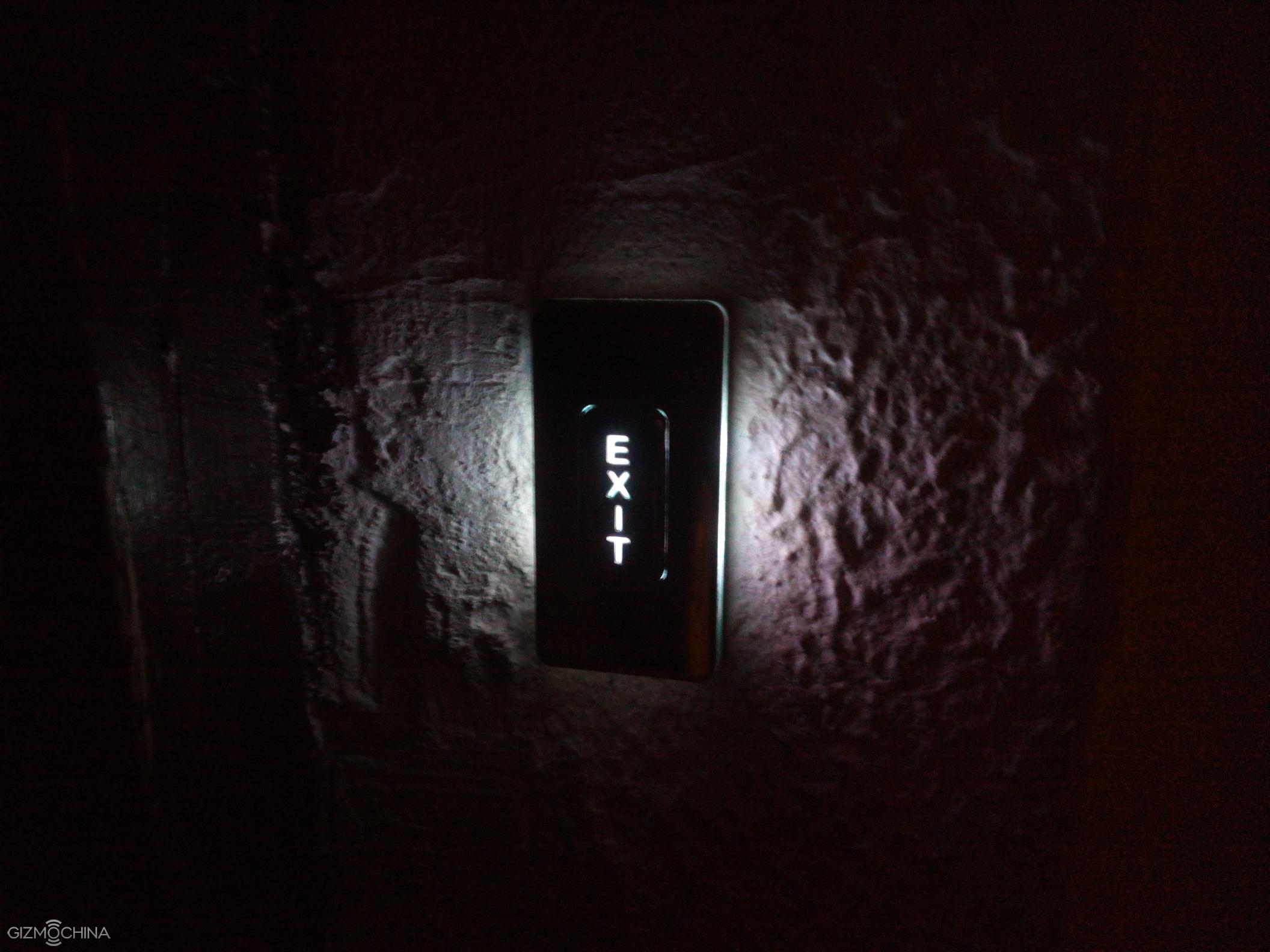
As for low-light camera performance, it is okay for a $150 phone but it is definitely not the best in class.
As for video, the quality of footage is okay but it could definitely look sharper.
The selfie camera can take images that are for sure usable for social media needs.
Most of the connectivity options are fine but the GPS is not always accurate e.g. if you use it outside the city like I did.
Umi Max Review: BATTERY LIFE
A 4000mAh battery performs well. To be honest, | could not squeeze it out in one day and I would say that the Umi Max should last you 2 or even 3 days of normal usage.
That translates to over 7 hours of screen-on time, which is a very good result.
Umi Max Review: CONCLUSIONS
Umi Max aims to bring you a premium design, some nice features and simplicity in one package. It definitely succeeds in some ways but fails elsewhere.
We have an all-metal design, nice and sharp display, clean-looking and fast user interface and some welcome customization options. Also, a beefy battery will keep the lights on for a quite a bit of time.
On the other hand, the buttons of the phone rattle quite a bit, the 3D gaming is only possible if you set graphics to medium in some games. Also, the camera is a department where Umi needs to step their game up. Sure, you can get some nice-looking images with this phone but more often than not, you will not be happy with the results.
At the end of the day, Umi Max is not a bad phone but it is not the best-in-class either. It has some nice features that make a phone a compelling offering but shortcomings are to be taken into consideration too.
Xiaomi is all set to announce the brand new Xiaomi Mi 5S flagship at an event tomorrow. While there could be a number of other products announced, including the recently leaked Xiaomi ‘Mi Brain’, the highlight of the event should be the Xiaomi Mi 5S and the Mi 5S Plus.
We all know Xiaomi is a company focused on providing top value for the price you pay. That’s why we have seen so many smartphone launches, especially in the low-end and mid-range segment featuring pretty good hardware at half the cost of what competitors like Samsung price their devices. However, as Xiaomi has been busy in the pricing war with competitors like Meizu and LeEco, innovation is one area where the company seems to be a bit behind giants like Huawei and Samsung.
But that’s going to change with the Xiaomi Mi 5S and if rumors are to be believed, pricing will still be the selling point of the device. Hence, the Xiaomi Mi 5S which will be launched tomorrow is definitely a phone that we all should be excited about.
So, here are the top reasons why you should be excited for Xiaomi Mi 5S’ launch tomorrow!
1. Under Glass Fingerprint Sensor
Yes, the Xiaomi Mi 5S is said to come with a revolutionary fingerprint technology, most likely Qualcomm’s Ultrasonic sensor. This is revolutionary in the sense that the fingerprint sensor works even when under materials like glass. Plus, it’s reportedly unaffected by contaminants like sweat and other factors which usually hampers the working of a traditional capacitive fingerprint sensor. You can read more about Qualcomm’s Ultrasonic Sense ID from here.
2. Dual Camera Setup
Xiaomi Mi 5S is confirmed to feature a dual camera setup at the back. While we are not yet sure whether it would be a similar 13MP Dual camera setup as the Xiaomi Redmi Pro, what we do know is that the camera is going to be awesome. Xiaomi’s CEO himself revealed a few set of Mi 5S camera samples taken all around the world and the bokeh effect as well as the color reproduction in the images taken from the sensor look pretty good.
Since the Mi 5S is the company’s top-end flagship, the sensor at the back should be much better than the Redmi Pro (review here).
3. Dual Curved Screen Display
Yes, I know that we haven’t seen much rumors or leaks about a curved display Mi 5S variant lately, but we have been hearing about the Xiaomi working on curved display phones in the past. Recently, an analyst revealed that the Mi 5S may not feature curved display since Samsung is not supplying the company with its curved OLED panels. However, another analyst commented that LG is also a known supplier of curved displays, so we can’t entirely rule it out. Only tomorrow will we know for sure.
4. 3D Touch Pressure sensitive Display
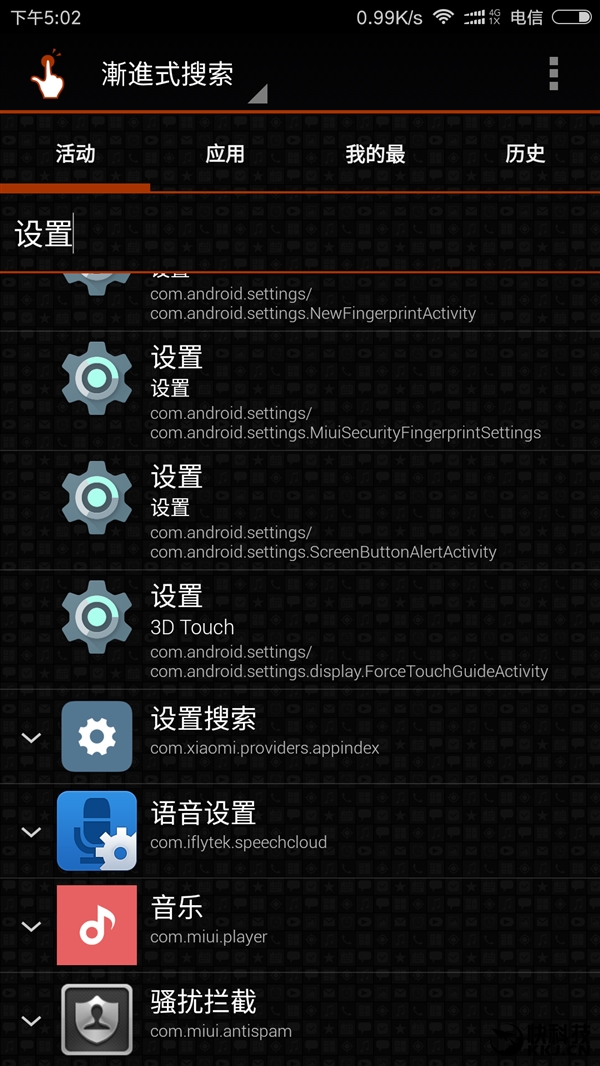
3D Touch hidden feature on MIUI
Apart from being the first phone to feature under glass sensor, the Mi 5S could be the company’s first pressure sensitive display enabled smartphone. According to the latest leak, the flagship could come with 3D Touch like features on the device, further enhancing its functions. However, I personally think Xiaomi could restrict the pressure sensitive panel on the top-end versions, like Huawei did with its Mate S.
The Xiaomi Mi 5S will be the company’s first Snapdragon 821 powered smartphone, which will also make it the most powerful Xiaomi phone till date. Further, one of the top versions should feature 6GB of RAM, further enhancing its power. With these specs on board, you won’t have to worry about running heavy apps or games on the device as it should handle everything thrown at it with ease.
7. Cheap Xiaomi Mi 5S Price
Yes, this seems to be a common highlight of all Xiaomi products. The Mi 5S is rumored to start at an amazing 1999 Yuan! If true, this would be an amazing price tag for the phone! However, to be honest, a pricing of 2499 Yuan – 2999 Yuan ($375-$450) sounds realistic. But then, Chinese manufacturers have surprised us in the past and we could see one such surprise tomorrow as well.
Do remember that there should be two phones announced tomorrow, the Mi 5S and the Mi 5S Plus! We will be covering the Mi 5S launch tomorrow, so stay tuned to gizmochina for all updates about Xiaomi’s conference.
Xiaomi Mi 5S is reported to have recorded over 1.8 million reservations even though the smartphone has not even been launched. Xiaomi decided to open up registration for the device by intending buys on its official Mi website and very surprisingly, 1,823,305 persons have registered their interest to own the flagship and more are still registering.
The Chinese smartphone maker had for the first time, revealed in advance when the sales of the smartphone will commence and the channel through which it can be purchased. The Mi 5S, we are told by Xiaomi, would sell on popular e-mall Jingdong (JD.com) from September 29, just two days after it is launched officially and again reservations are being accepted even before launch.
We have seen a lot of leaks about the Mi 5S and if anything, the device is positioned to be a popular and well studded flagship device that is likely not going to disappoint in any angle whatsoever. It is billed to be the world’s first smartphone to feature the Under Glass ultrasonic fingerprint scanner engineered by Qualcomm. Along with that, the Mi 5S is expected with the news chip in town, Snapdragon 821 and a massive 6GB RAM. There is also going to be a generous 64GB of internal storage on the 5.15-inch device.
Rumors also have it that the Xiaomi Mi 5S would carry an ultra cheap price tag of 1999 Yuan ($300) when it is launched. Despite how ridiculous and incredulous that sounds, it is not impossible considering Xiaomi’s antecedence as par phone’s pricing. Besides, we have seen LeEco do it with the SD 821-powered Le Pro 3 released last week, so anything is possible. the Mi 5S will launch along side the Mi 5S Plus which is expected with similar specs line up except for its dual cameras at the rear, a larger 5.7-inch display witrh 2K resolution and a monstrous 256GB storage it is said to have.
TSMC should not sound strange to people anymore. The world’s largest independent semiconductor foundry probably made the chip inside the phone you are holding right now. If you own an iPhone 7 or iPhone 7 Plus, there’s a chance the version of the new A10 Fusion chip in it was made by TSMC.
The company, at an event has unveiled its roadmap for the coming years.
TSMC Wafer
10nm Process Starting by Year End
Senior Officials have said that the company will be switching to 10nm process by year end. The new FinFET process will allow for a 50% reduction in the size of a chip and increase performance by 50% (or 40% reduction in power consumption). This news correlates with yesterday’s report on Mediatek’s new Helio X30 which says mass production should begin early next year.
Trial Production of 7nm Process in 2017. Orders Starts In April
The 10nm process has been reported to be a short term node according to GlobalFoundries who announced their new 7nm process recently. TSMC’s 7nm process will allow it to offer chips with greatly increased power efficiency. The performance increase will be around 15% and power consumption will see a decrease of 35%.
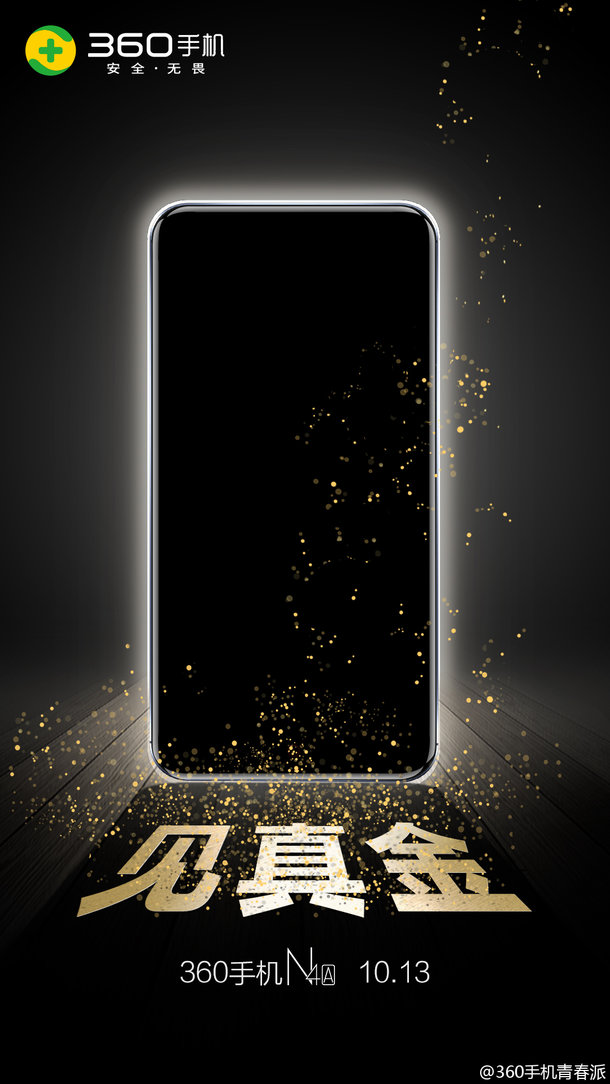
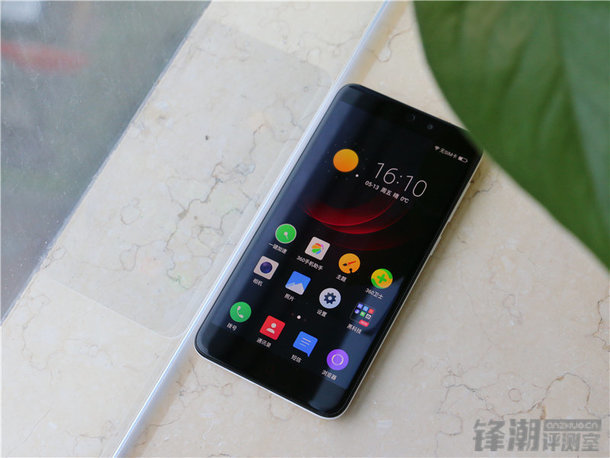
360 Mobiles formerly known as Qiku have released some pretty interesting devices this year. About a month ago they released the dual-camera toting 360 Q5 and Q5 Plus and before then the 360 N4S which has a large 5000mAh battery. The company is not done for the year as they have released an official poster for a device called the 360 N4A which will launch next month.
The poster doesn’t reveal much except for the large text which loosely translates to ”True Gold”. Does it mean the phone will be made out of real gold? Probably, since the poster also has specks of gold falling on a phone.
There is no mention of any other detail for the upcoming phone. However, since the N4S mentioned above is a slightly upgraded version of the original N4 sporting a larger battery, better cameras, and a metal body but the same processor, RAM and ROM, we presume the 360 N4A won’t be any different. It might probably just be a luxury edition of the N4.
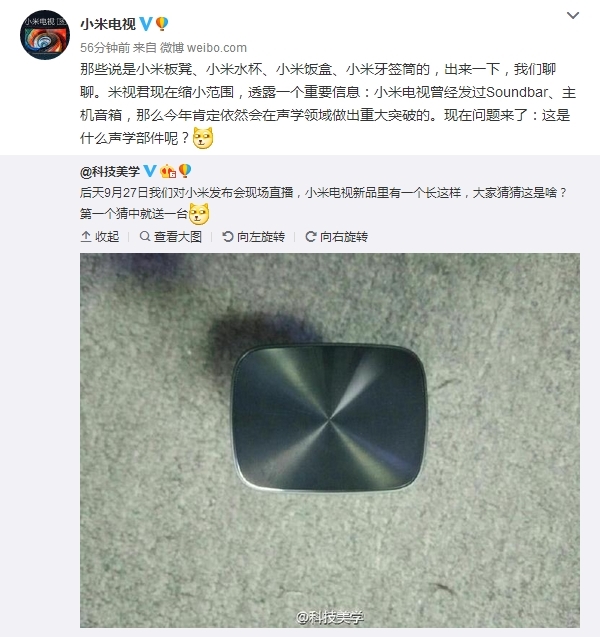
We had earlier been tipped that Xiaomi will launch a new S model of the Mi TV 3S along side the Mi 5S and 5S Plus. We would have tagged it “a day of the S” but a new leak have emerged on Weibo that also coming out tomorrow, is a new product called Mi Brain.
Little is known about the product which has been dubbed Mi Brain but from what we can gather, it is likely a new module that works like the power house (CPU) for the smart TV. However, we are not sure as to the exact functionality the Mi Brain brings to the table. We would know more about that when the device is unveiled tomorrow.
However, one important thing we must mention is that the Mi TV 3 released last year uses a slit design and is comprised of two separate parts, the display, and main board. Both parts were said to be capable of being upgraded independently. Back then it was heralded that the smart TV will never become outdated because of its updatability. So, the new product could be a more powerful upgrade of the Mi TV 3S main board, after all, the leak called it Mi Brain. Tomorrow can still be called a day of the S, then!
This past week end was a busy one, especially for the Xiaomi Mi 5S and leaks. We saw quite a number of them and it’s not surprising, considering that the device would be launched on September 27 which is just a day away. It is difficult to pinpoint one particular leak as the most spectacular because we were awed by each of them.
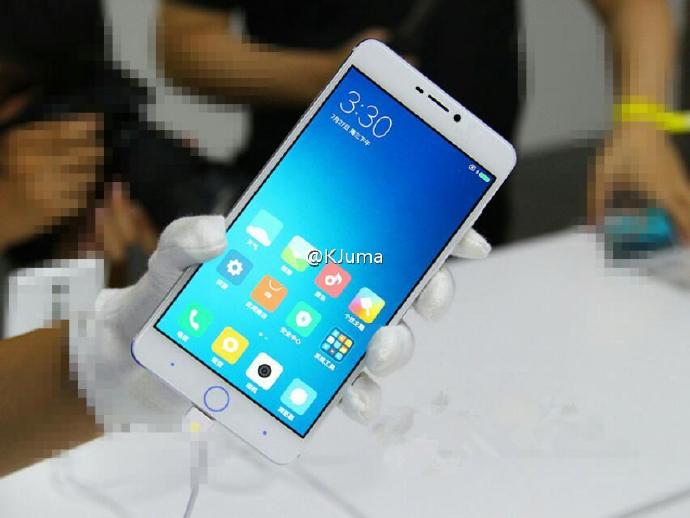
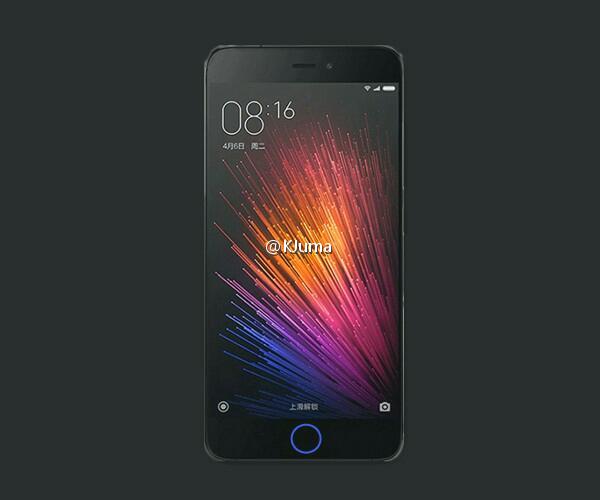
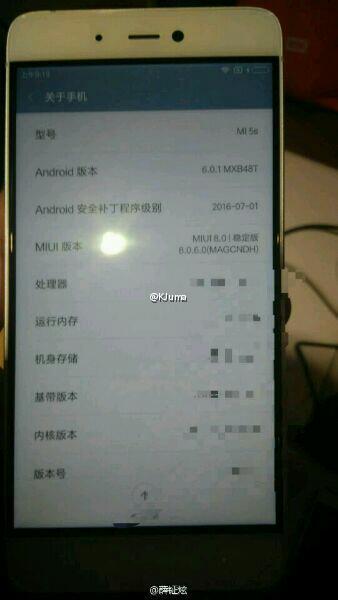
One of the leaks involved a few renders of the Mi 5s with its round virtual fingerprint scanner button. The leaked render seem to have been shot inside Xiaomi’s manufacturing plant, if the white gloves worn by the person holding it is anything to go by. The beautiful white image gives us a very clear front view of the Mi 5S and the most prominent feature revealed should be the under glass ultrasonic fingerprint scanner. Another render is that of a black colored version of what is said to be the Xiaomi Mi 5S showing similar design. A screenshot of the device’s on screen settings seems to clearly confirm this is indeed the Mi 5S.
Questions have been asked in the past as to how we’d be able to know what part of the display screen exactly the scanner would be if there is nothing to show. The circular home button which is a virtual button would be the location of the ultrasonic fingerprint scanner. Let’s just point out that this looks like that on the iPhone 7 but the technology at work triumphs that of the Apple brand. It is touted to work even with dirty, greasy or wet hands.
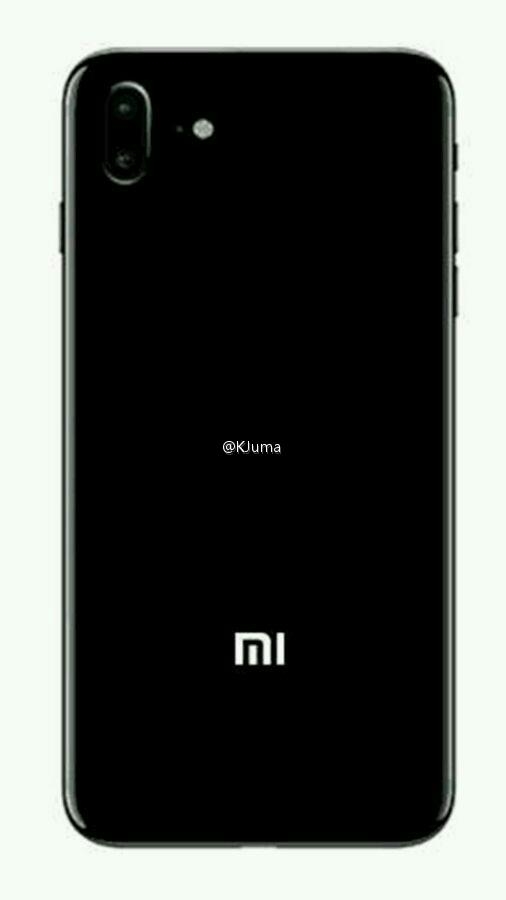
Another very interesting leak we were gifted by popular tipster @kjuma is a render of the ceramic black variant of the Mi 5S Plus which seem to have been grabbed from an online shop already advertising the device on its website. The render depicts the dual cameras tilted to the extreme left corner of the phone’s back instead of being located in the middle. This is quite surprising, though, because we have also seen similar renders of the ceramic black color variant with the dual-cameras sitting in the middle. The good thing is we now know the Mi 5S Plus is likely going to get the dual cameras and also a top storage version with 256GB of internal storage.
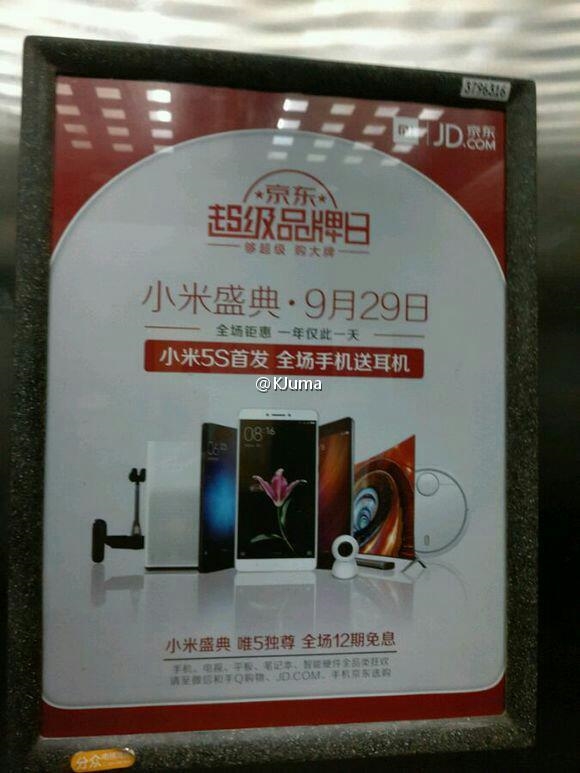
To underscore the high level of anticipation about the device, a leaked photo frame advertising the device would be sold on Jingdong (JD.com) also revealed that sales would commence on September 29, just two days after its release. So quick! However, seems the Mi 5S Plus would wait till October 7 before hitting stores.
As usual, Gizmochina will keep to updated on the launch event live from the Beijing National Convention center.
One major feature of the Xiaomi Mi 5s is the new ultrasonic fingerprint scanner. Manufactured by Qualcomm and bringing new features, the ultrasonic scanner can be said to be the third generation of fingerprint recognition technology. And the Mi 5s will be the first phone in the world to sport it.
The common fingerprint scanners we have in phones today are capacitive scanners which have limitations. A major one is the fact that once your hands are dirty or wet, the scanner fails to read your prints and unlock your device. But that will soon be a thing of the past as this new sensor will accurately read your prints if your hand is wet or covered in sweat or grease.
Another feature is that it also allows manufacturers to hide it from plain view. That way you can have a device that is flush (for devices with scanners on the rear) or ditch the home button (for devices that have their scanners up front). The scanner will work under a variety of materials including glass and aluminium.
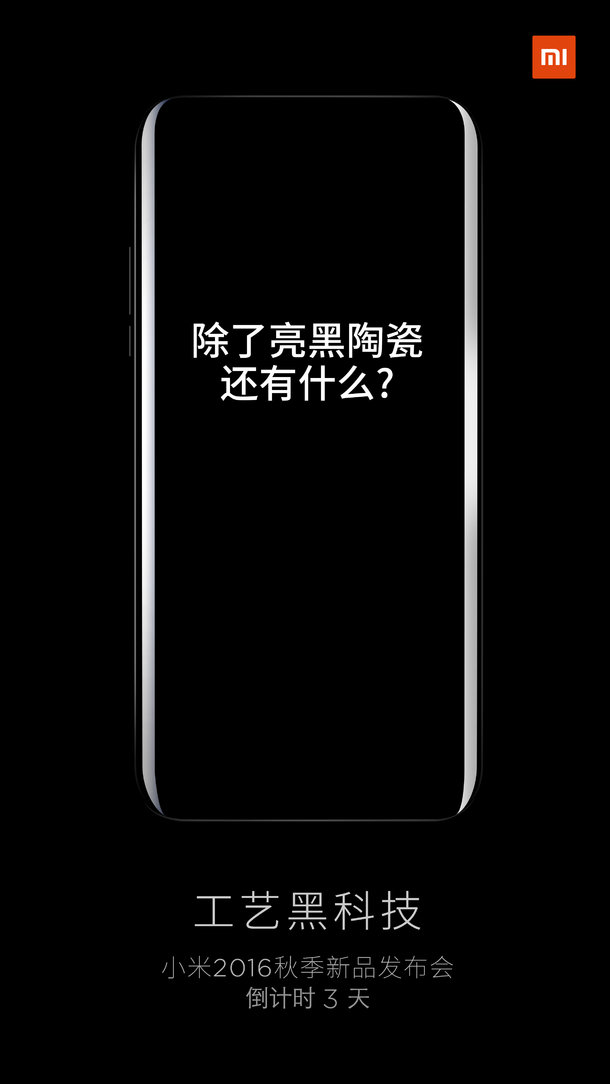
Staff at Xiaomi’s headquarters must be pretty busy now that the launch is just 2 days away. The internet has also been busy with camera samples of the new flagship shared by the CEO, a new poster teasing the ceramic body, and a post confirming the existence of a Xiaomi Mi 5s Plus.
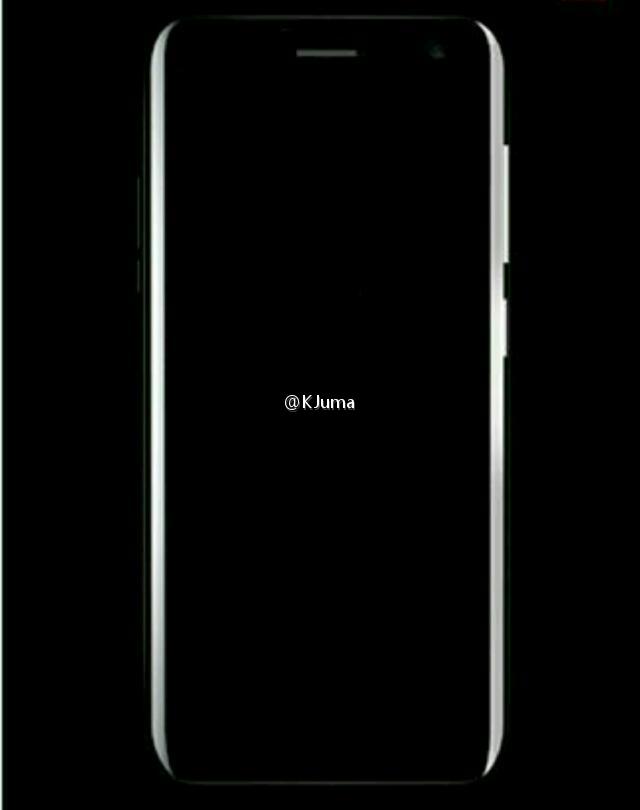
Popular phone leaker @KJuma has posted online renders of the upcoming device based on details released so far. The renders doesn’t show much to be honest. The front render has a speaker grille at the top and the power button and volume rocker on the side.
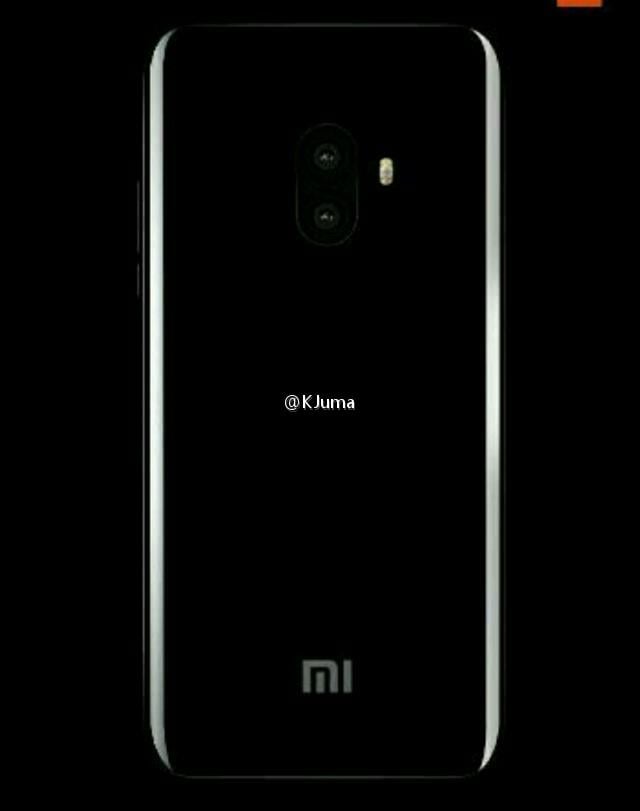
The render of the back has the Mi logo sitting at the bottom and the dual cameras positioned in the middle instead of the top left corner.
Mediatek announced a new chip, the Helio X30, back in August. The Helio X30 is the world’s first mobile processor using 10nm fabrication process and will be manufactured by Taiwan Semiconductor Manufacturing Company (TSMC).
New details have been released about the new deca-core chip. We already know it will make use of a tri-cluster design consisting of two cortex A-73 cores clocked at 2.8GHz, four cortex-A53 cores clocked at 2.3GHz, and four Cortex-A35 cores clocked at 2.0GHz.
The A-73 cores are the new high-performance cores taking over from previous generation A-72. They will offer better performance and lower power consumption than the latter.
The A-53 cores are possibly ARM’s most balanced cores when it comes to performance and power efficiency. The A-35 cores are the most power-efficient cores from ARM with power consumption not exceeding 125mW and can even be less than 100mW in some cases.
Mediatek has released a performance sheet that compares the Helio X30 to the Helio X20 but the font is tiny and blurs out when you try to zoom in.
The new tri-cluster architecture offers a 53% increase in power saving and 43% improvement in performance over the Helio X20. The Mali-T880 GPU has also been replaced with a PowerVR 7XT series that provides 2.4 times better performance and a 58% increase in power savings.
We use cookies on our website to give you the most relevant experience by remembering your preferences and repeat visits. By clicking “Accept”, you consent to the use of ALL the cookies.
This website uses cookies to improve your experience while you navigate through the website. Out of these, the cookies that are categorized as necessary are stored on your browser as they are essential for the working of basic functionalities of the website. We also use third-party cookies that help us analyze and understand how you use this website. These cookies will be stored in your browser only with your consent. You also have the option to opt-out of these cookies. But opting out of some of these cookies may affect your browsing experience.
Necessary cookies are absolutely essential for the website to function properly. This category only includes cookies that ensures basic functionalities and security features of the website. These cookies do not store any personal information.
Any cookies that may not be particularly necessary for the website to function and is used specifically to collect user personal data via analytics, ads, other embedded contents are termed as non-necessary cookies. It is mandatory to procure user consent prior to running these cookies on your website.