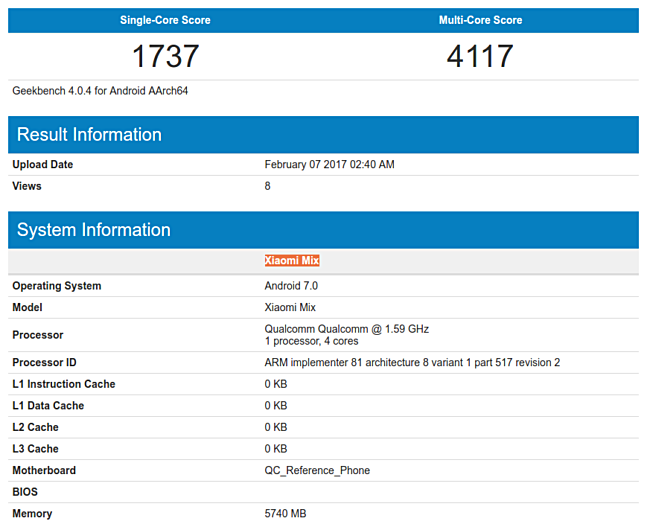
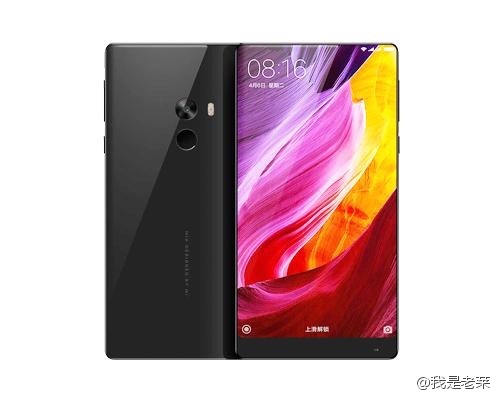
There are indications that the Xiaomi Mi Mix will soon get the Android Nougat treatment as an Android 7.0 running Mi Mix was spotted recently on benchmark website Geekbench.
We won’t be surprised about this, though, because Xiaomi had hinted of its intention to start rolling out Android 7.0 Nougat upgrade to some of its smartphones soon. Top on the list to get the official upgrade is the Mi Mix. There is no specific date when the upgrade would roll out but the GeekBench listing is an indication that it would likely be sooner than later.
The Geekbench score is in line with the one posted on its previous showing on Geekbench attaining an average score of 1737 points on the single core test and 4117 on the multi-core test. The specs obviously didn’t change as the device is listed with a 6GB RAM.
The Xiaomi Mi MIX is priced at ¥3499 ($509) for the 4GB RAM + 128GB version and ¥3999 ($581) for the 6GB+256GB variant irrespective of the color. If you head to Japan, try not to be shocked if you see it being sold for double the price.
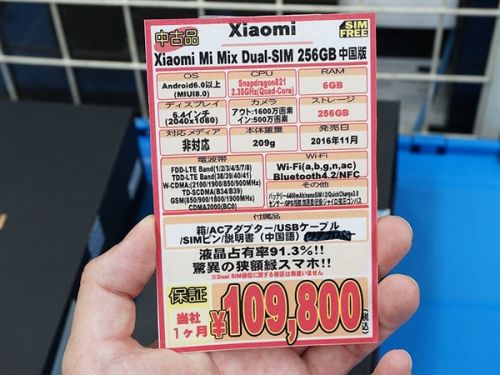
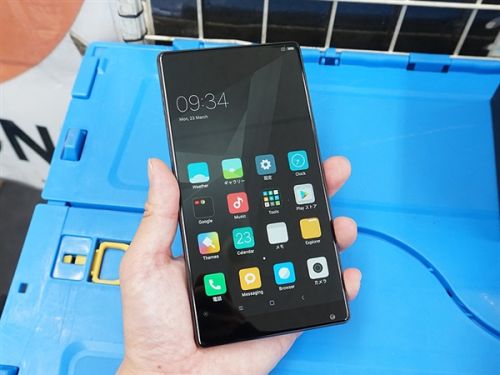
In a second-hand store in Tokyo that specializes in importation of devices, the 6GB RAM variant of the Xiaomi Mi MIX was seen selling for 109,800 Yen which is roughly ¥6700 ($974)!
For that amount, you could purchase the 6GB variant and still have enough to buy a Xiaomi Mi 5S or Mi 5s Plus if you buy from Mi.com. However, if you will be buying from third party re-sellers, you might be paying more or less the same amount as the store in Japan. A quick search on one of the major online stores shows that the 4GB RAM variant sells for about $740 (¥5100). That shows how much re-sellers jack up prices for phones like this.
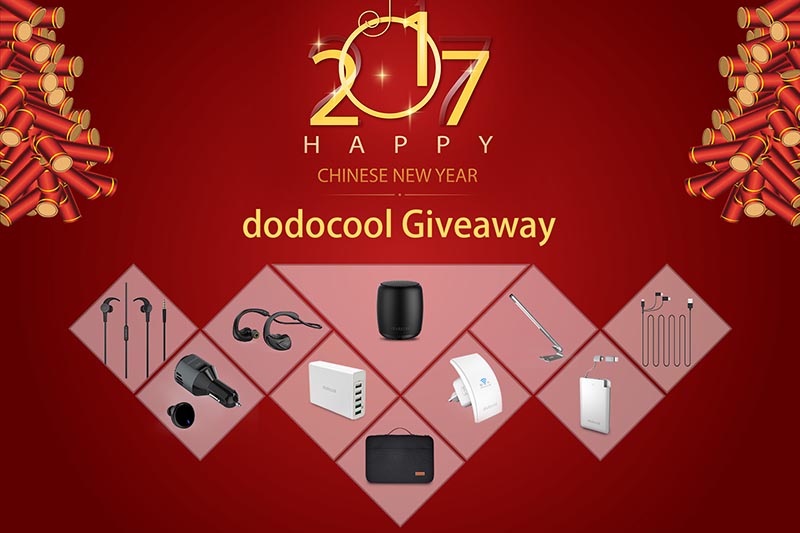
Gizmochina along with Dodocool official is conducting a Dodocool gift pack(10 gadgets, more than $200) as Giveaway gift to one of our lucky readers. Like always, you just have to follow the steps mentioned on the Gleam widget to get a chance to win this amazing gift pack.
First of all, Dodocool wants to express their gratitude to their customers for their support for the last year,and they say it’s your support that make them stronger and better day by day and they want to share the journey with you in the future.
To win this dodocool gift pack, you must visit dodocool Facebook page and like it.
And now, the geek club of dodocool.com is available right now and we accept any users register and apply free review samples.
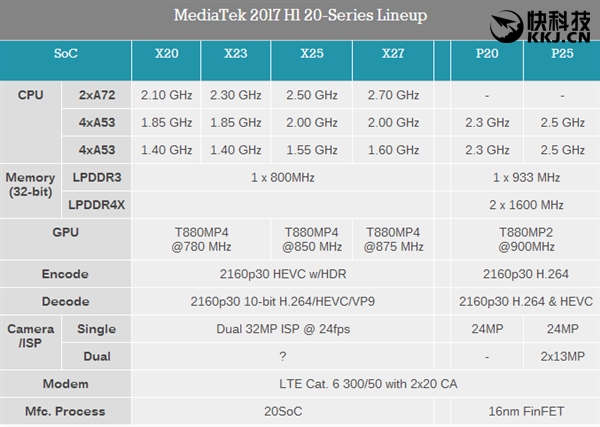
Mediatek announced a new chip yesterday, the Helio P25, an upgrade to last year’s Helio P20 processor. Mediatek is selling the Helio P25 as the right processor for phones with dual-cameras which is one of the selling points they used for the P20.
The new chip is built on the same 16nm process as the Helio P20 and has the same number of cores. So what’s the big difference? Should you be on the lookout for Helio P25 phones and discard your current Helio P20 phone? We’ll advice you shouldn’t.
Chip manufacturers want to make money and in other to do so, they release new chips with small improvements in performance over the old ones.
Take the Snapdragon 820 and Snapdragon 821 processor for example. The Snapdragon 821 is better but only offers a 10% increase in performance over the Snapdragon 820. There is an increase in CPU and GPU clock speed, as well as a Snapdragon VR SDK which makes it compatible with Google Daydream. Though we have seen the latter can be pushed out in form of updates. An example is the ZTE Axon 7 which uses a Snapdragon 820 chip and is Daydream compatible when you upgrade to Nougat.
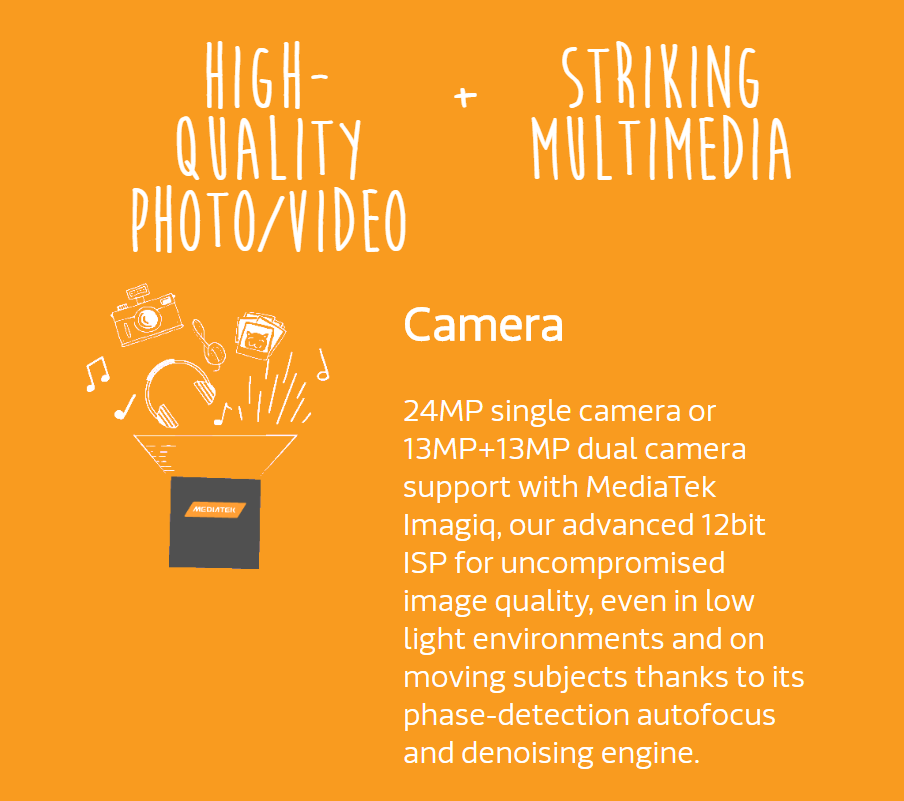
Helio P20 Description on Official Website
The Helio P25 on the other hand is not a flagship chip but it doesn’t bring much changes either. There is an upgraded CPU clock speed (2.5GHz as against the 2.3GHz in the P20) but there is no upgrade for the GPU. The support for dual-cameras is a feature that they advertised for the Helio P20 but decided not to ‘enable’.
Wondering why the US market is regarded as one of the most lucrative markets in the world, ask Apple. Perhaps having a stronghold in one of the world’s most lucrative markets has helped the tech company gain so much growth globally.
A new report by Canaccord Genuity reveals the US company grabbed a large chunk of the smartphone market last year.Specifically, the report claims Apple captured 92% of the profits accruing to the smartphone industry in Q4 2016. This is even when the company phone sales accounted for only 18% of sales in the market. It may surprise you to know that this is the seventh straight quarter during Apple is raking in over 91% of the entire smartphone industry’s profit. Even in some quarters, the market leader had accrued more than 100% in some cases.
Unfortunately, we cannot understand the parameters used by the analytic firm to draw up their analysis because the report only captured six major smartphone manufacturers and of the six, only four were profitable. Samsung was only able to grab a small piece of the pie (9%) while Sony and Blackberry only got less than 1%. LG and Microsoft completed the list.
Curiously, there are no Chinese phone manufacturers on the list. There is no disputing tht China is one of the largest, fastest growing smartphone markets in the world. Brands such as Huawei, OPPO, Vivo and even Gionee has been making solid performance in phone shipments globally and should perhaps have been on the list.
According to the Secretary General of the Chinese Mobile phone league, Huawei, OPPO and Vivo achieved profitability in 2016 greatly improved over the result of the previous year. Others such as Meizu are expected to achieve profit this year also. But while we accuse the report of being biased, it is instructive to note that despite the growth of the Chinese brand, their profitability is uncomparable to the sort of figure Apple posts due to the pricey nature of their iPhones.
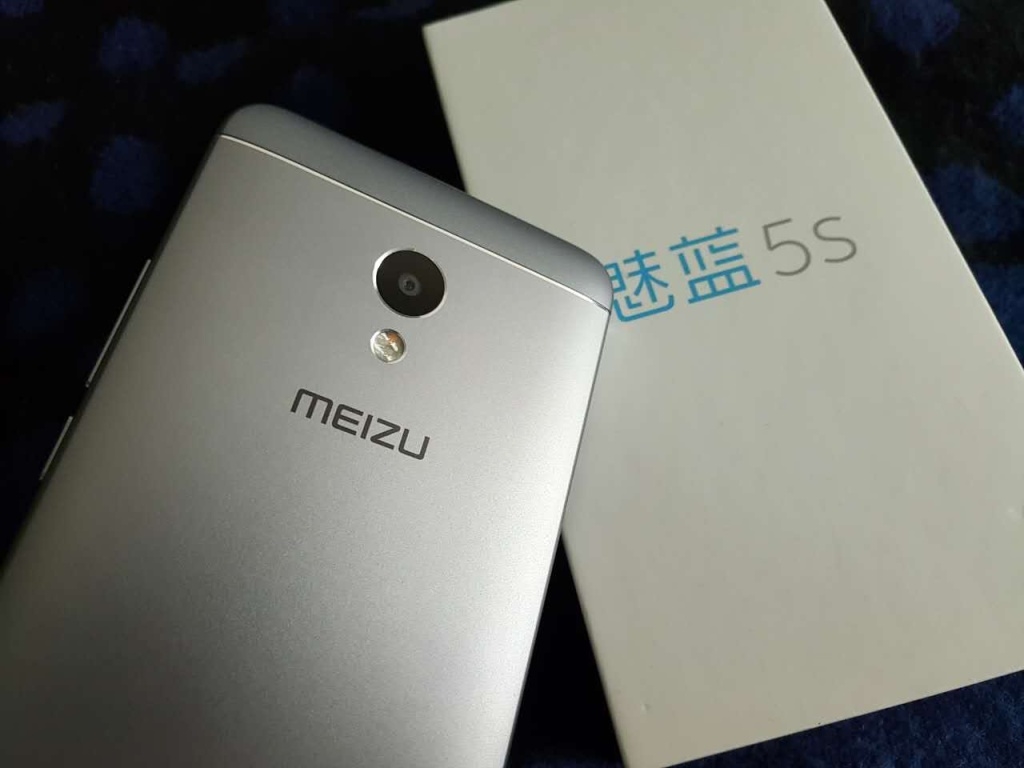
Meizu has a new phone set to launch on the 15th of February. Sources say the phone is the Meizu M5S, a new addition to the Blue Charm series. While the launch is still about a week away, the device has already been leaked online.
The images of the Meizu M5S which were posted on Weibo corresponds to those already available on a retailer’s site a few days ago.
Meizu’s new mid-range phone has an all-metal body, a 5.2-inch display, 3GB of RAM, and 32GB of built-in storage. Up front there is a 5MP camera and a fingerprint scanner embedded under the mBack button. The rear camera is a 13MP sensor with a LED flash below it. Inside the Meizu M5S is a 1.3GHz MT6753 octa-core processor and a 2930mAh battery said to have support for fast charging.
Since the Meizu M5S is said to have fast charging, you might be expecting it to come with an 18W charger. Sorry to burst your bubble, but according to the person who posted the images, the M5S comes with a 5V 2A charger. This means it will provide up to 10W maximum charging power which is practically the same as a Quick Charge 1.0 charger. It is still fast but not as fast as an 18W charger.
Huawei‘s elite brand Honor is set to release a new smartphone dubbed Honor V9 on February 21 in China. This is contained in an official poster released on Weibo announcing the conference which would hold in Beijing on February 21.
From the poster, it could be noticed that the Honor V9 has got the endorsement of Chinese Olympic Swimming champion Sun Yang and also the device would be equipped with dual cameras at the rear. The Huawei Honor V9 had appeared on TENAA earlier on, giving us a peek into what its specs look like. The V9 which appeared on TENAA with the model number DUK-TL30 is listed with a 5.5-inch 2K display and would be powered by a 2.4GHz octa-core processor believed to be the Kirin 960 chipset. The device comes with two memory variants, one with 4GB of RAM and another with 6GB of RAM. Both versions pack 64GB of expandable storages.
On the camera aspect, the Honor V9 will sport a 12MP + 12MP dual-lens camera at the rear while up front there is an 8MP selfie shooter. Keeping the lights on will be a mammoth 4,000mAh battery with fast charging support and providing the interface would be the Android 7.0 Nougat possibly with a touch of EMUI 5.0. The V9 is expected with a price tag in the region of 3,000 yuan.
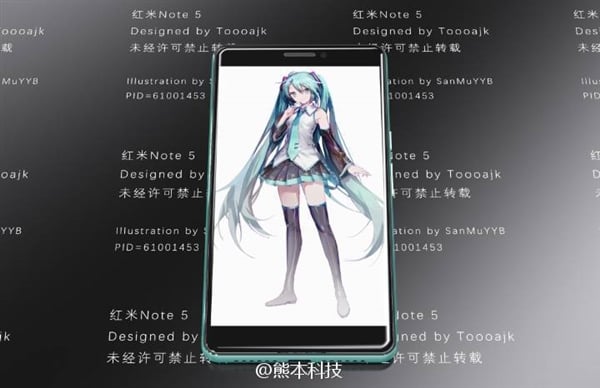
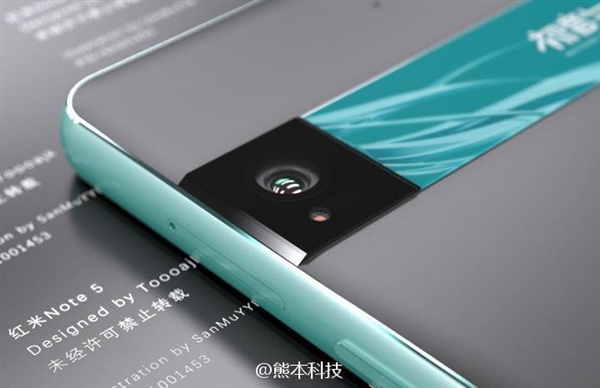
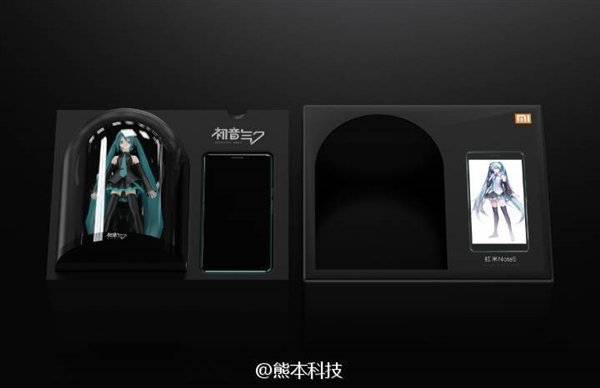
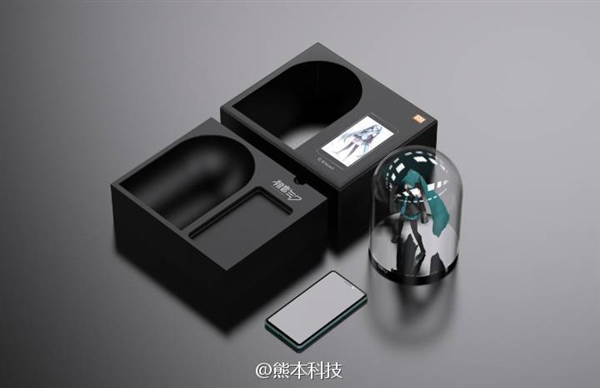
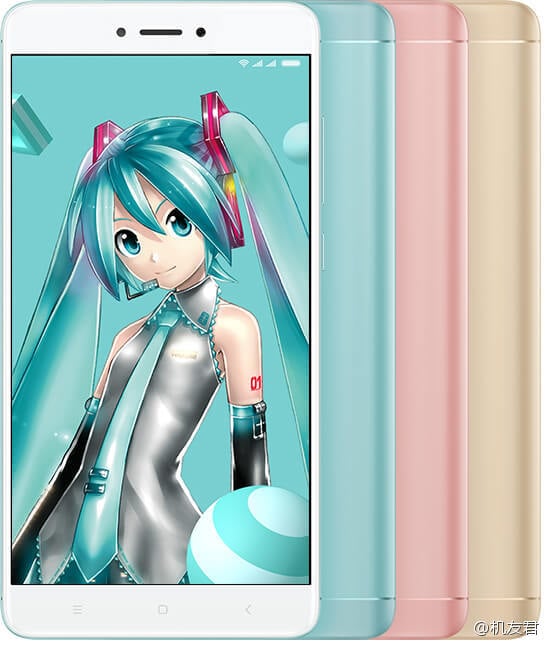
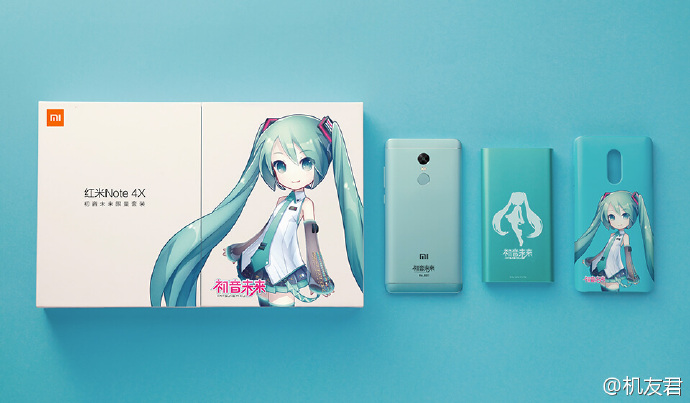
Xiaomi recently unveiled Japanese cartoon character Hatsune Miku as one of its brand ambassadors a couple of days back and just recently the Xiaomi Redmi Note 4X Hatsune Edition was unveiled in China. The device starts selling on Valentine’s day when the price has been pegged.
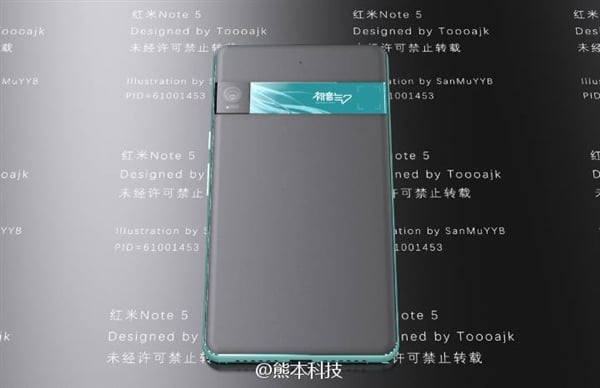
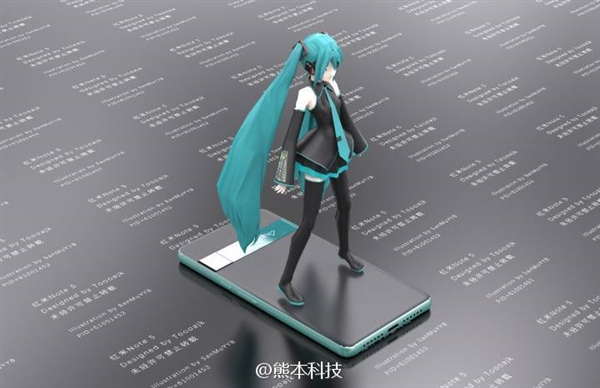
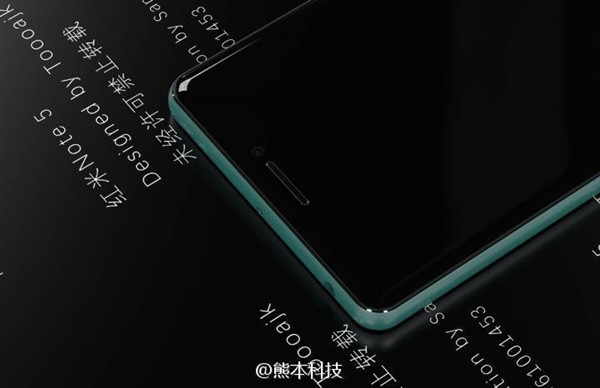
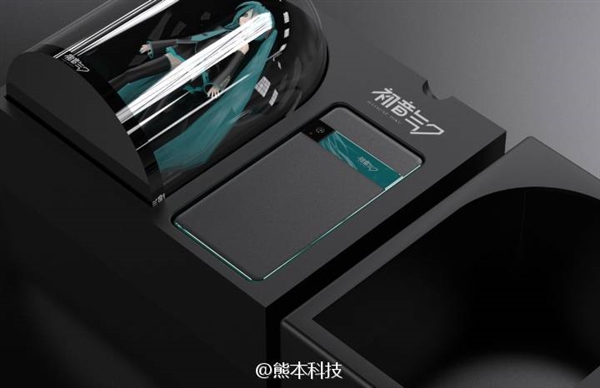
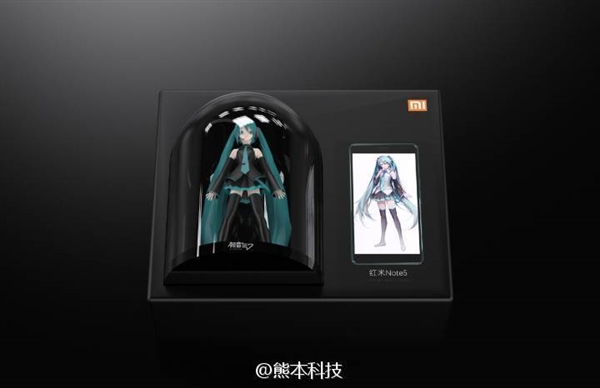
While we are yet to fully digest the news, a new set of images said to be a fan-designed concept of the Xiaomi Redmi Note 5 Hatsune Edition. Xiaomi has said nothing about a Redmi Note 5, perhaps due to the poor outing of the Redmi Note 4. The Redmi Note 4 has been relaunched in a Snapdragon version and now a Redmi Note 4X variant with touched up features.
However, that doesn’t mean we aren’t expecting to see a Redmi Note 5 anytime soon. But before then, we’ll just have a look at the concept images which looks more like the Sony Xperia in its design style than a Xiaomi smartphone. In the end, it is just some concept design that we should just have fun watching and nothing more. Check out more images down below.
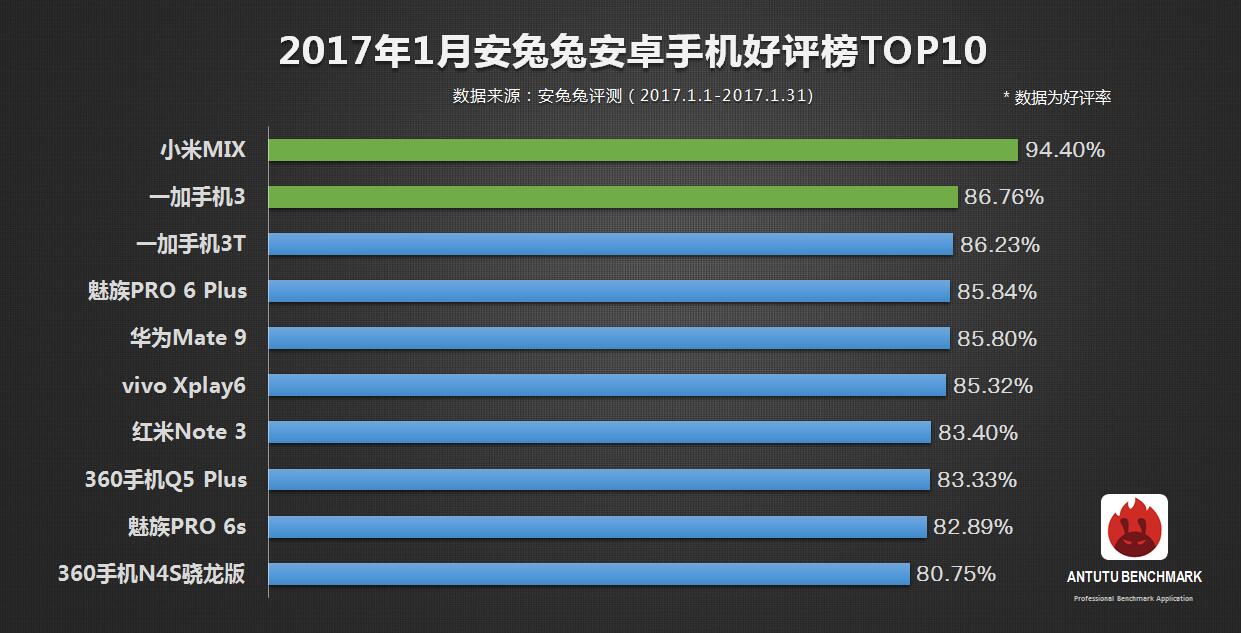
AnTuTu has compiled a list of its top 10 smartphones for January 2017 based on user’s preference and in continuation of its monumental exploits, the Xiaomi Mi Mix came top in the list.
According to AnTuTu, the criteria for selection seems to be based on the number of favorable reviews and comments by individuals. But in the overall, the positive review rate is said to be very strong with the top 10 devices scoring above 80% in the rating, higher than the average of 60%.
The Xiaomi Mi Mix which had the highest rating scored 94.4%, while the OnePlus 3 came second with 89.93%. The OnePlus 3T came in at third, closely followed by the Meizu Pro 6Plus and then Huawei Mate 9 at fifth.The Vivo XPlay 6 sits at the sixth position while the Xiaomi Redmi Note 3 continues to occupy a place in the top 10 chart despite having a successor. The Redmi Note 3 is at number seven position. 360 Q5 Plus, Meizu Pro 6s and 360 N4S completes the list.
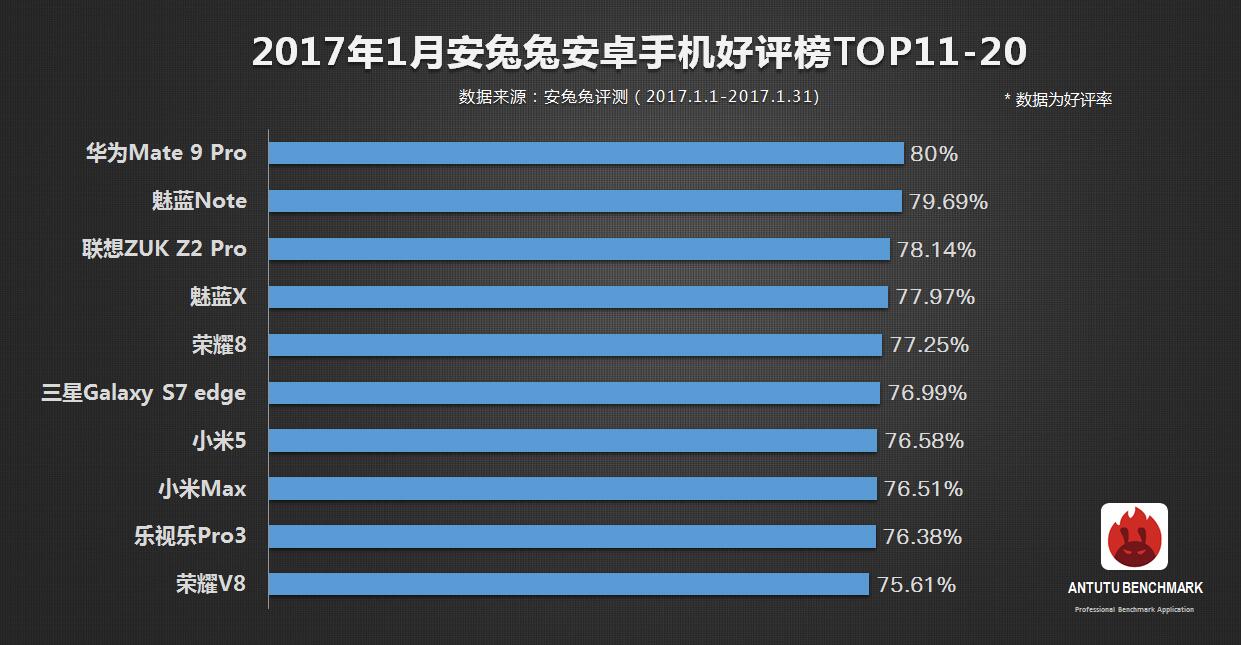
Despite its huge popularity, Mi Mix topping the chart for January 2017 is still surprising. The device is quite hard to come by, with production slowed down by the ceramic glass body it features. Just in case you are wondering how come Samsung’s devices are not on the list, only the Galaxy S7 Edge made it into the list, situated within the 11th to 20th positions where you also get smartphones such as ZUK Z2 Pro, Honor 8, Honor V8, Xiaomi Max, Xiaomi Mi 5.
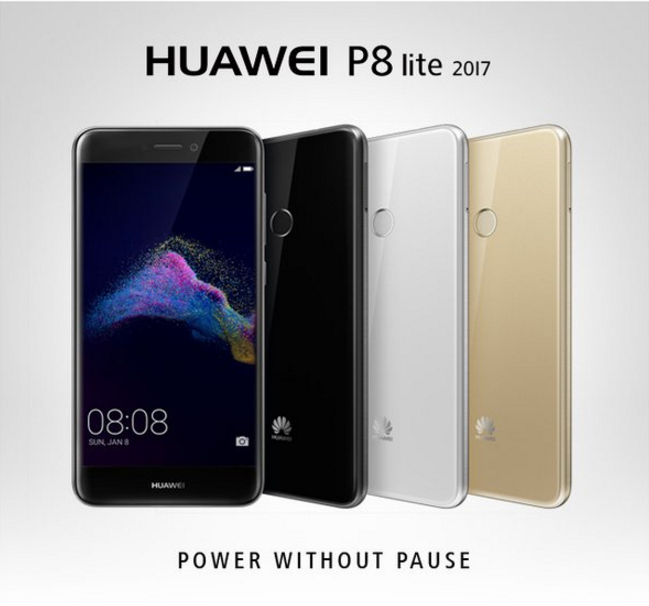
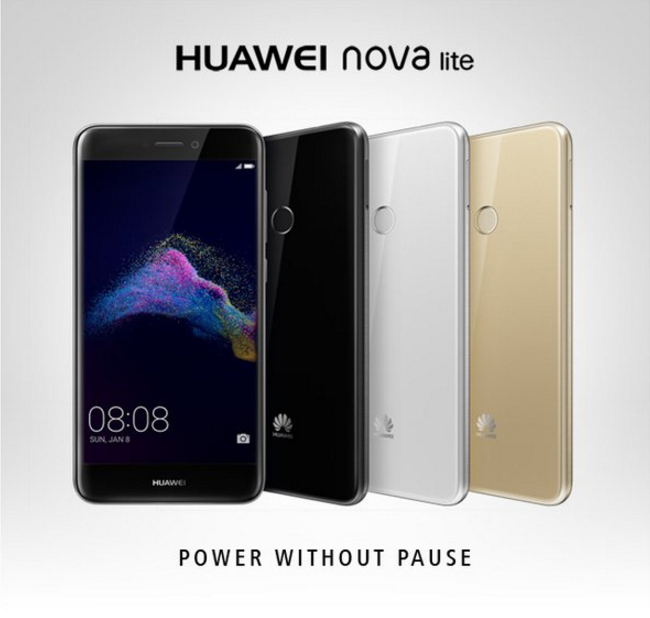
The Huawei P8 lite (2017) mid-range smartphone was announced at the Consumer Electronics Show (CES) 2017. Fresh information suggests that the smartphone would be releasing in some markets as Huawei Nova Lite.
Noted leakster, Evan Blass has tweeted that with two images of the same smartphone. One of them is called Huawei P8 lite 2017 and the other one is called Huawei Nova Lite. Both the smartphones carry the same tagline, “Power Without Pause.”
The Huawei P8 Lite (2017) is already available for purchase in the U.K. and some regions of Europe with a pricing of €239 ($255). The leakster has not revealed the exact names of the regions where the device will be arriving as Huawei Nova Lite. Since the smartphone is also expected to release in some Latin America in the near future, it is likely to launch as Huawei Nova Lite in these markets.
The Huawei P8 Lite (2017) was launched as a successor model for the original P8 Lite (2015) smartphone. The device features a 5.2-inch IPS screen that delivers a full HD resolution of 1,920 x 1,080 pixels. It is powered by Kirin 655 chipset, the same SoC that powers the Honor 6X smartphone. Its processor is coupled with 3 GB of RAM and it comes with a native storage of 16 GB. It also features a microSD card slot.
For photography, the smartphone includes a LED flash enabled 12-megapixel rear snapper with f/2.0 aperture. It also includes a selfie shooter of 8-megapixel. The rear side of the phone also features a fingerprint reader. It comes preinstalled with Android 7.0 Nougat OS customized with EMUI 5.0. A non-removable 3,000 mAh battery is present inside it to keep the lights on.
The Huawei P8 Lite (2017) is currently available in black color variant and it is expected to arrive in colors like white and gold in the near future. As of this writing, there is no confirmation on when the P8 Lite (2017) would be landing in the U.S. markets. As mentioned above, it is poised to arrive soon in Latin American regions.
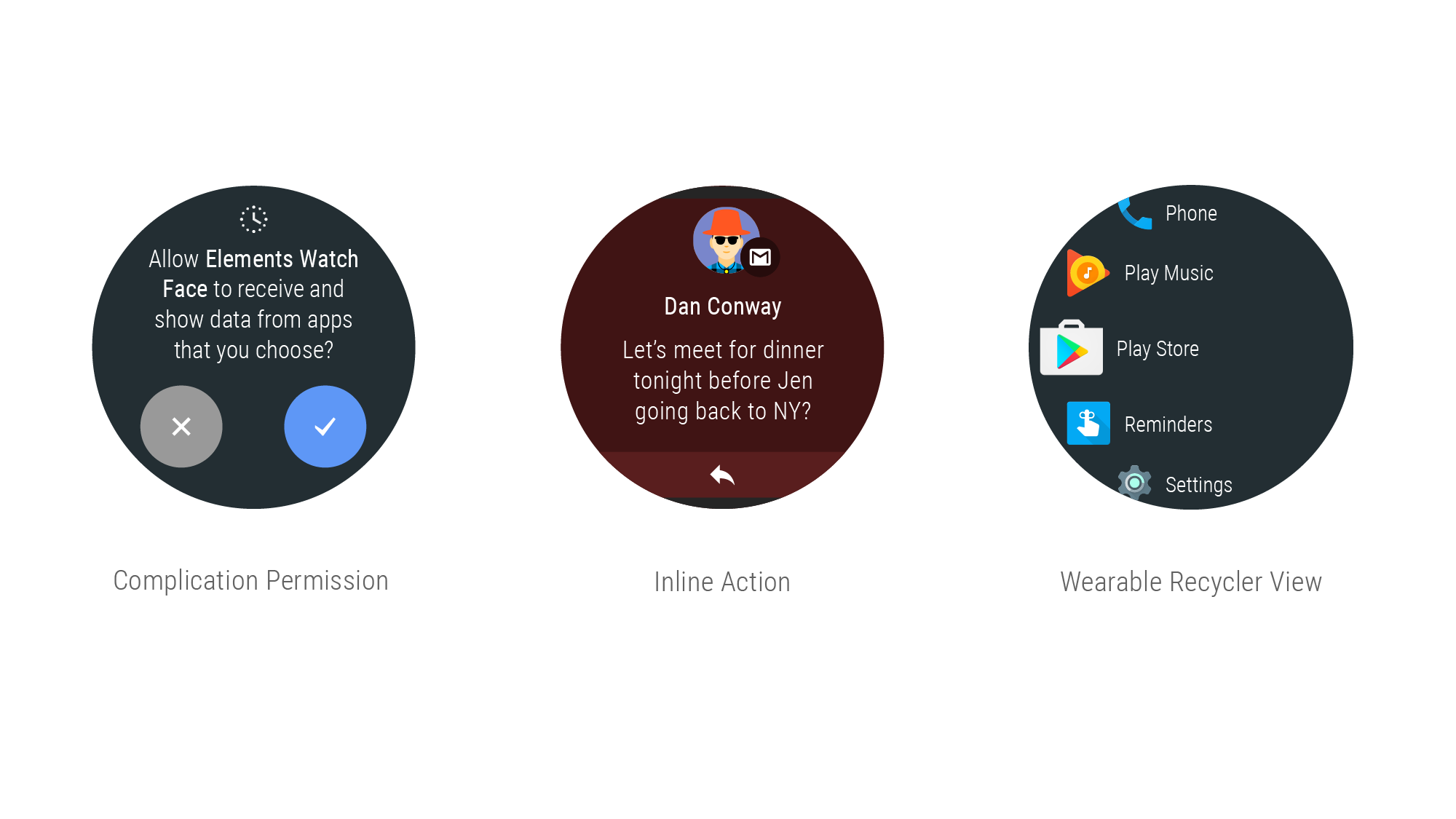
Google’s has officially introduced Android Wear 2.0 with the launch of LG Watch Style and LG Watch Sport smartwatches.
The base Android version of Android Wear 2.0 is Android 7.0 Nougat and it brings plenty of new features. Its previous version, Android Wear 1.5 that released in June 2016 was based on Android 6.0.1 Marshmallow. Here are the 8 new features that has arrived on Android Wear 2.0:
Easier Navigation
It is easier to navigate on Android Wear 2.0 as users can switch between watchfaces by simply swiping left or right. By swiping upwards, uses can see all the notifications and swiping downwards gives access to some settings. The app list can be accessed by pressing the main button. Long pressing on it starts the Google Assistant. For smartwatches with crown, it carries support for rotational input.
Smarter Complications
The watchfaces that are already available with Android Wear 2.0 can be easily customized. Users can modify colors, backgrounds and add personalized items such as calendars, fitness apps, contacts and so on to the watchface. In short, watchfaces will function like homescreens that can be customized with third-party widgets.
Standalone Connectivity
With inbuilt support for Wi-Fi and LTE connectivity, a Android Wear 2.0 smartwatch can connect to the internet. It makes it possible to install apps on the smartwatch without pairing with a smartphone.
Google Play Store Brings Standalone Apps
The Google Play Store is now present inside Android Wear 2.0. Users can now search and install the desired apps directly from their smartwatch. Most apps are compatible with Android and iPhones.
The smart Google Assistant is preloaded on Android Wear 2.0. Available only in English and German, the Google Assistant can predict answers. Google Assistant can be also activated by long pressing on the main button.
Improved Google Fit
Since smartwatches are also used for tracking health and fitness, Android Wear 2.0 comes with an improved version of Google Fit. It now comes with three kinds of guided challenges such as push-ups, sit-ups and squats.
Enhanced Messaging
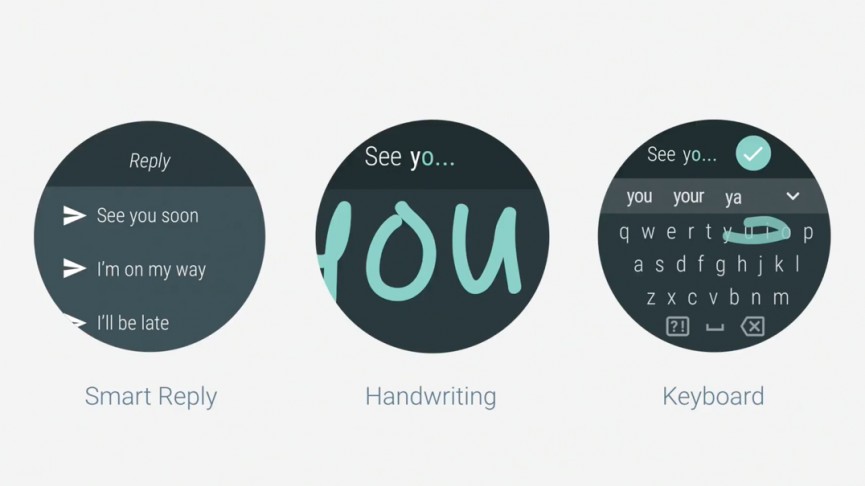
It is now easier to reply messages on apps that are compatible with Android Wear 2.0. Users can tap and swipe to reply a message and with ‘Smart Reply’ onboard, it can predict possible replies. Apart from the usual ways like voice input and emoji for creating new message, Android Wear 2.0 allows users to add text by swiping on the new small-sized QWERTY keyboard and also through handwriting recognition.
Mobile Payments
Smartwatches with NFC chip onboard can support mobile payments on Android Wear 2.0 through Android Pay feature. Users can make payments by simply holding the smartwatch at the payment terminal to approve the transaction. Android Pay will not work on if the smartphone’s bootloader has been unlocked.
Which Smartwatches Will Get Android Wear 2.0?
The existing smartwatches are expected to receive Android Wear 2.0 from Feb. 15. Here is a list of smartwatches that can be upgraded to Android Wear 2.0:
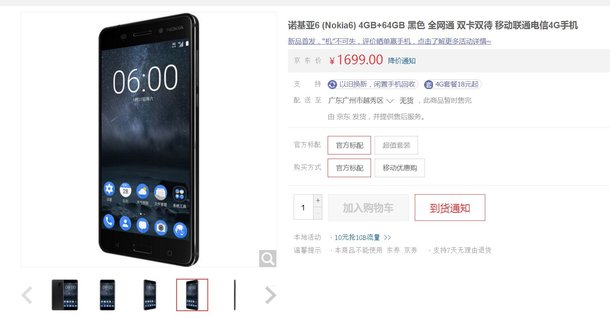
The Nokia 6 was released last month as the first android smartphone under the Nokia brand since HMD Global took over. The device first went on sale on the 19th of January and sold out in about a minute. Another sale was scheduled for the 26th. Although we didn’t hear anything about how that went, it appears quite a number of people still couldn’t buy before it went out of stock.
HMD has released a statement addressing the issue of insufficient stock. According to them, they had replenished the stock on JD.com more than three times but it still wasn’t enough. Now that the Chinese New Year holiday is over and factories have reopened, HMD says there should be more units available in the coming weeks.
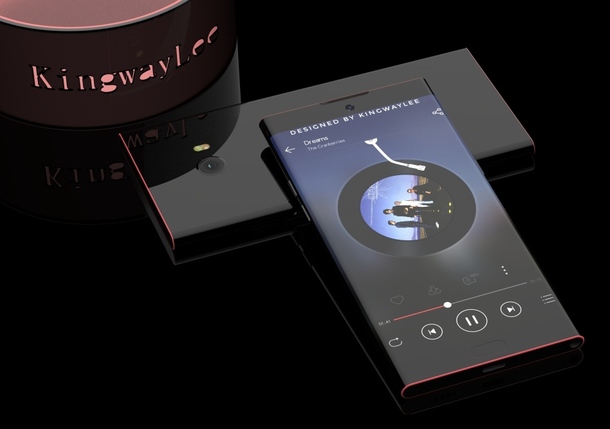
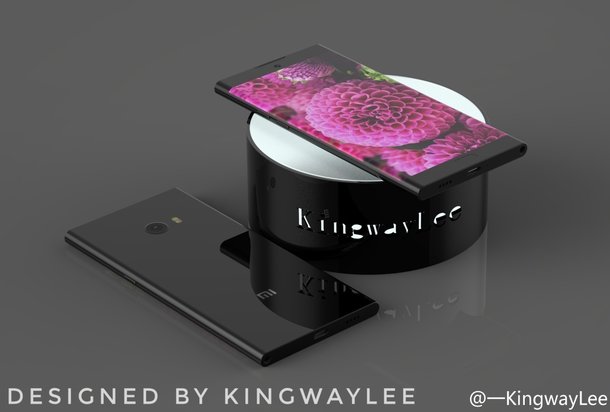
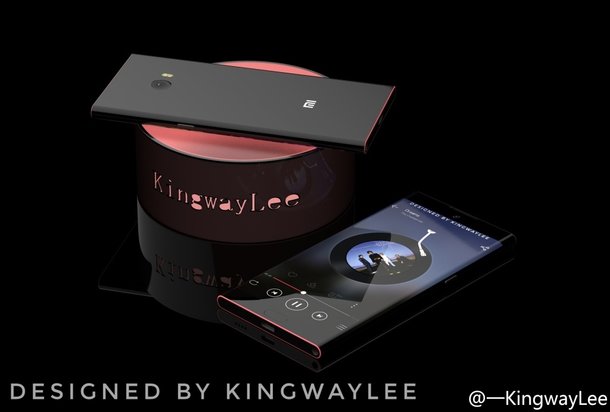
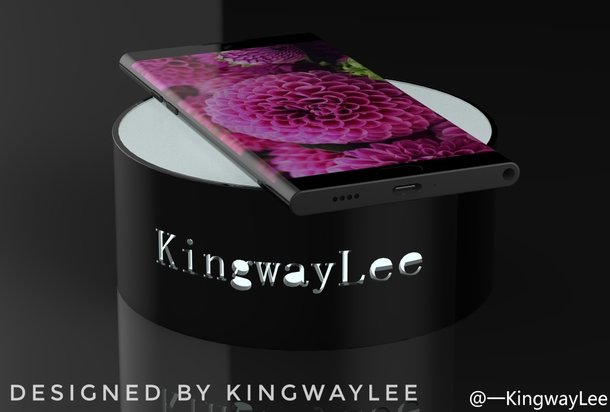
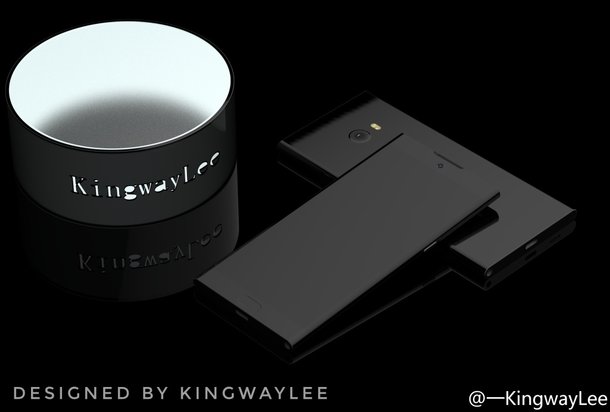
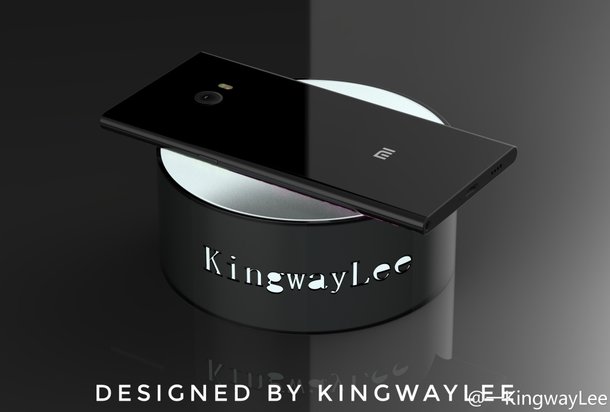
While we are yet to get enough of the Xiaomi Mi Note 2, someone is already thinking of a Xiaomi Mi Note 3 in his mind’s eyes which actually came out in some cool concept images. A set of cool images said to be of the Mi Note 3 has been outed by concept designer Kingway Lee. The renders look very beautiful but don’t feature any design identity that could give a hint that it is a Xiaomi smartphone. It is unlikely Xiaomi would chat that course in the final design of the Mi Note 3, whenever they choose to commence production of a next-gen Mi Note device, something we don’t expect to happen very soon.
The Xiaomi Mi Note 2 hit the market late last year but production hasn’t been able to meet up the demand for the flagship Mi-series smartphone. Just like the Mi Mix, the Mi Note 2 came with a design language different from all what Xiaomi had done in the past. The device made its debut as Xiaomi’s first smartphone with a dual-curved display looking more like a Samsung Galaxy S7 Edge than the first gen Mi Note.
Overall, the images take the Mi Note 2 design to a next level, coming with more visual effect, overall sleekness and a display using the under glass ultrasonic fingerprint sensor. The best you could do with these images is to feast your eyes on them and nothing more. We might never see the Mi note 3 adorning this design.
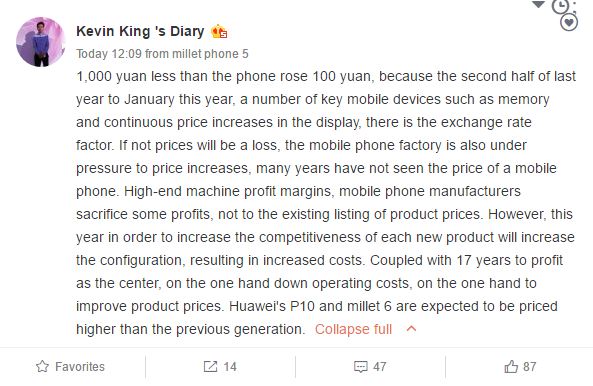
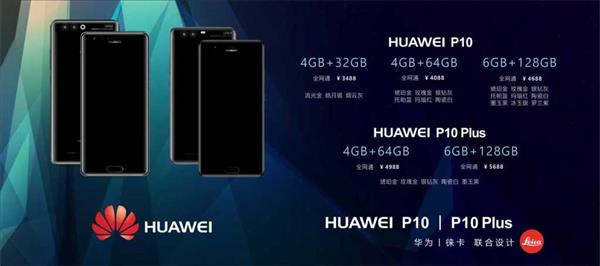
The Huawei P10 and Xiaomi Mi 6 are two of the major flagships set to come out of China this year. Sadly, unlike their predecessors they will sell for a higher price.
Industry sources have cited an increase in the cost of certain phone components, some which have seen a 100% increase in price. This coupled with the current exchange rate will affect the prices of devices this year. Mobile phone manufacturers are therefore under pressure to increase the price of their devices, so as not to make losses.
Industry analyst @Kevin king diary took to Weibo today to express his views on the matter. According to him, in the last couple of months we have seen phones priced at 1000 yuan increase by 100 Yuan. Price of mobile components such as memories and displays have also increased due to the exchange rate. Manufacturers might not have increased the price of their devices in years due to the high profit margins recorded with flagship devices but since the price of components have increased, they have no choice but to do so now.
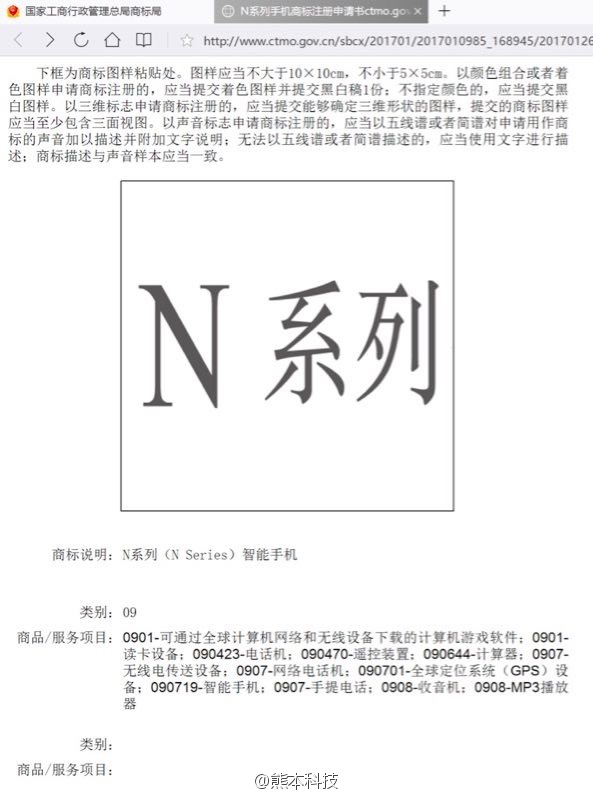
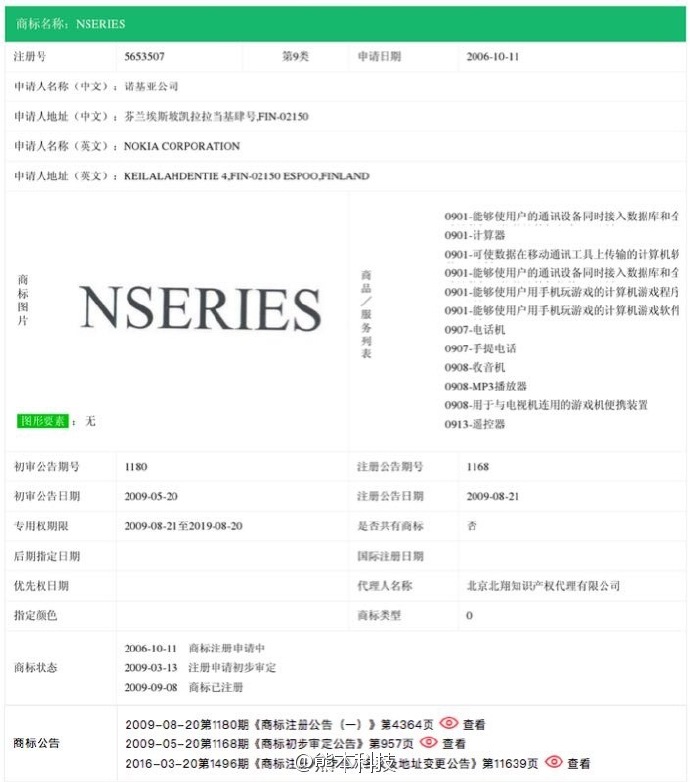
Nokia has refiled a trademark application for the legendary “Nseries”, perhaps an indication that the HMD Global controlled company is trying to re-introduce the highly successful multimedia smartphone series with likely a different outlook. The trademark filing was spotted on the website of the Trademark office of the State Administration for Industry and Commerce (SAIC) in China.
The record did not mention if the application was done by HMD Global or not but it is very likely that HMD will be looking to tap into the successful era of the Nokia brand, which the Nseries was a huge part of, in order to help revive the brand. The Nokia Nseries was perhaps one of the successful lines during the glory days of the Nokia brand. First released in 2005, the Nokia Nseries went on to produce sleek smartphones like the N70, N90 and N91, N71, N80 and N92, N72, N73, N93, N75, N95, N76, N77 and many other before the series was replaced by the Nokia Lumia line when Microsoft came into the scene. In its hay days, the Nseries running on Symbian OS and at a time MeeGo OS commonly supported multiple high-speed wireless technologies, such as 3G, or Wireless LAN. Digital multimedia services, such as music playback, photo/video capture or viewing, gaming or internet services were also supported. The line was replaced by the Nokia Lumia line as the company’s flagship smartphone portfolio.
In its hay days, the Nseries running on Symbian OS and at a time MeeGo OS commonly supported multiple high-speed wireless technologies, such as 3G, or Wireless LAN. Digital multimedia services, such as music playback, photo/video capture or viewing, gaming or internet services were also supported. The line was replaced by the Nokia Lumia line as the company’s flagship smartphone portfolio. If it turns out the Nseries is returning, it sure would have features that reflect the modern trend, like Android OS instead of Symbian, large RAM size, and powerful processor.
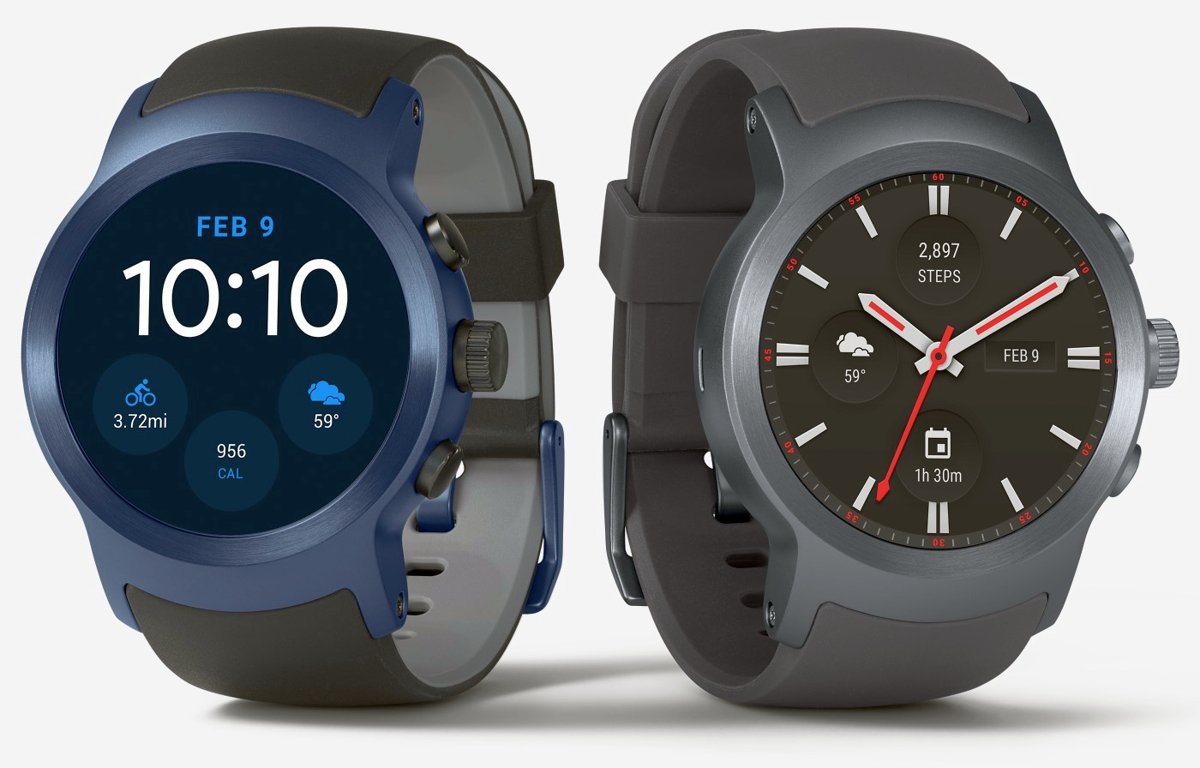
The first set of Android Wear 2.0 watches are launching tomorrow. The watches made by LG are called the LG Watch Style and LG Watch Sport. A few weeks ago a high-res render of the lower-priced Watch Style leaked. Today, it has been followed by that of the Watch Sport.
The image which was posted by @evleaks on twitter earlier today, shows the LG Watch Style in two color variants. There is a blue variant with black straps and black buttons, and a titanium variant with taupe-colored straps.
The LG Watch Sport is 14.2mm thick, has a 1.38-inches 480 x 480 display and 768MB RAM. It has the same 4GB of storage as the LG Watch Style but has nearly double the battery (430mAh compared to the 240mAh battery in the Style).
Since the Watch Sport will sell for a higher price, LG has added cellular connectivity (3G and LTE), GPS, and NFC; which means in addition to making calls, it will also support Android Pay. It also has a heart rate sensor.
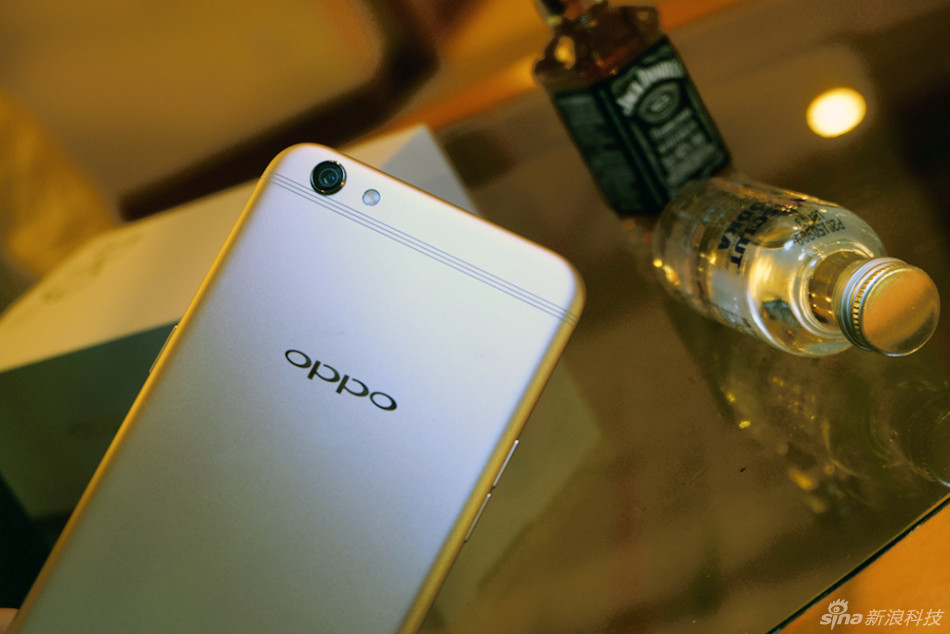
Chinese smartphones were once regarded as cheap alternatives to Samsung and iPhone models. While we still have a variety of cheap Chinese handsets in the market, that offers much more value than competitors, the quality and prices of these Chinese smartphone models have gone up in the past few years. While Xiaomi and Meizu still focus on the low-end and mid-range markets, manufacturers like OPPO, Vivo, and Huawei are really improving the average selling price of Chinese smartphone companies.
Chinese smartphones are no longer replicas of Samsung or Apple, rather many of them have managed to bring innovation to the stagnant smartphone market. Lenovo managed to release its first Tango-enabled phone, the Lenovo Phab2Pro and Xiaomi managed to bring dual curved display design to the affordable price segment with the Xiaomi Mi Note 2. Not to forget, the Xiaomi Mi Mix is one of the most revolutionary smartphones that we have seen in recent times.
As you may have noticed, these Chinese smartphone manufacturers have slowly transformed themselves from low-cost phone makers to innovators, releasing interesting products and thereby justifying the release of pricier smartphones that also improve profitability.
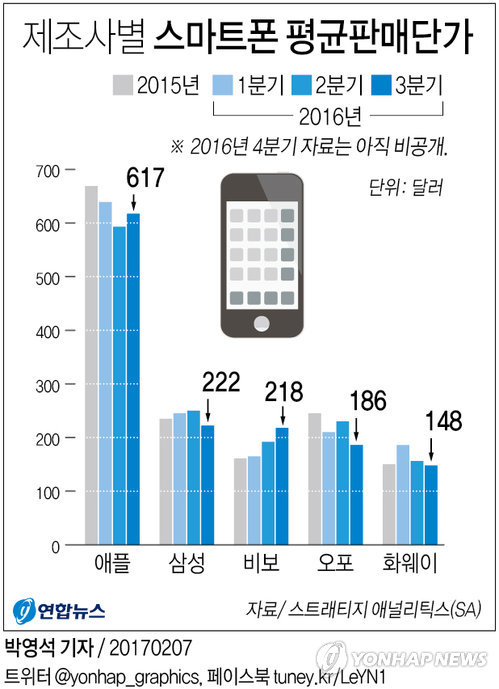
According to Strategy Analytics, the average selling price of Chinese smartphones in Q3 2016 was $184, which was closer to the avg. selling price of Samsung phones in the period. The bar in gray (in the image above) represents the avg. selling price of the company in 2015, while the ones in shades of blue are of the three-quarters of 2016. The data for the fourth quarter of 2016 was still not available.
As you can see, Apple’s ASP is way higher than its Android counterparts, $617 for Q3 2016. In the same period, Samsung’s ASP was $222, with Vivo very close behind at $218. The company managed to increase its ASP in the third quarter, thanks to the sale of its expensive models like the Vivo XPlay 6. OPPO has an ASP of $186 while Huawei had an ASP of $148 in the same period.
While in general, you see that the ASP for OPPO and Huawei has fallen down a bit in this period, what’s important to note here is that both the companies have managed to expand their market share aggressively in 2016. OPPO R9 managed to sell very well in 2016 and Huawei’s low-end models and high-end models like Huawei P9 have together helped the company increase its shipments significantly and reduce the gap in terms of sales when compared to Samsung.
What’s even more interesting is that Samsung isn’t likely to increase its average selling price this year, to ensure that it retains its majority market share, which is slowly being snatched by Chinese phone makers like Huawei and OPPO.
“The Chinese manufacturers are going to the low-end phone business and going to second-hand phones,” said Chung Hae-sik, an analyst at the Information Technology Promotion Center (IITP). “As technology has improved and domestic market trends have changed, “He said.
Chung added, “Samsung Electronics is not easy to raise prices because it is trying to check Chinese makers while using market share.”
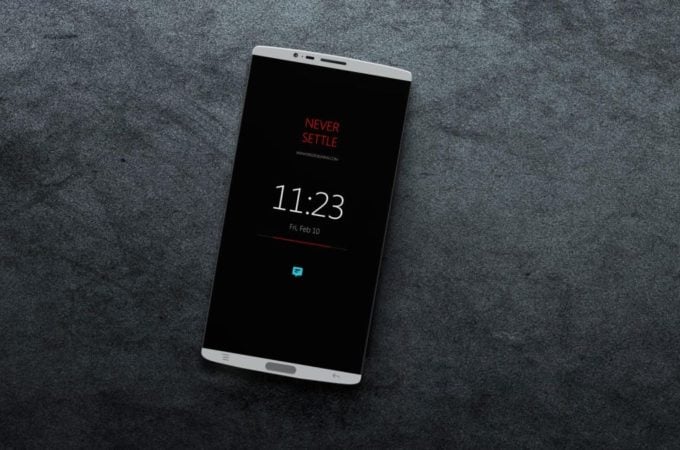
OnePlus is still basking in the aura of positive reviews generated by the OnePlus 3T. So there is no reason to rush to release a successor yet. The folks at DBS Designing can’t wait for a successor and have made a render of the OnePlus 4.
For the design, DBS Designing have gone back to the OnePlus 1 for inspiration which personally, I believe has a better design than the OnePlus 3. Basically, you can call it the OnePlus 1 (2017) as it incorporates all the features you should find in a flagship device released this year.
First you have got thinner bezels on all sides. Practically non-existent on the left and right and considerably thinner at the top and bottom. That way, the phone can have a larger display but still maintain the footprint of the OnePlus 3. The top bezel still houses the front camera, speaker and proximity sensor, while the lower bezel holds a physical home button and capacitive back and recent apps keys. It seems the home button also doubles as a fingerprint scanner since there is none at the back.
The OnePlus 4 also gets the dual-camera treatment on the rear. You will notice they have made sure not to exceed the length of the camera housing of the OnePlus 1 but at the expense of ditching the laser focus module.
For specifications, the OnePlus 4 will sport the Snapdragon 835 processor, have 8GB of RAM and 256GB of storage, though there will be a 6GB RAM + 128GB ROM variant. The rear cameras will be 18 megapixel shooters while the front camera will remain a 16MP sensor. Although the screen size is unknown as that looks larger than 5.5-inches but expect it to be a Quad HD+ screen, giving it Daydream support.
2017 seems to be the year where you either make your phone waterproof or you go home. This OnePlus 4 render ticks the waterproof box but expect it to raise the price of the device. There is a 5000mAh battery under the hood and with Dash Charge support. The bottom of the phone also sports a USB Type-C port flanked on both sides by dual speakers.
We all know how much Xiaomi likes to release new smartphones in the market. On an average, the company seems to be releasing at least a couple of smartphones every month, which is a lot! Sometimes, a particular model seems to take the limelight, and rightly so, because of its decently powerful specs at an affordable price tag. But this also means that there are a few models that receive less attention, like the Xiaomi Redmi 4A.
Today, in this Xiaomi Redmi 4A review, we take a look at what this phone brings to the table.
If you have ever unboxed a Xiaomi smartphone before, (which I’m sure majority of our readers have at least according to this poll), you know what’s inside the box. You have the Redmi 4A smartphone, a manual, charger, and USB cable. So, basically, the usual stuff.
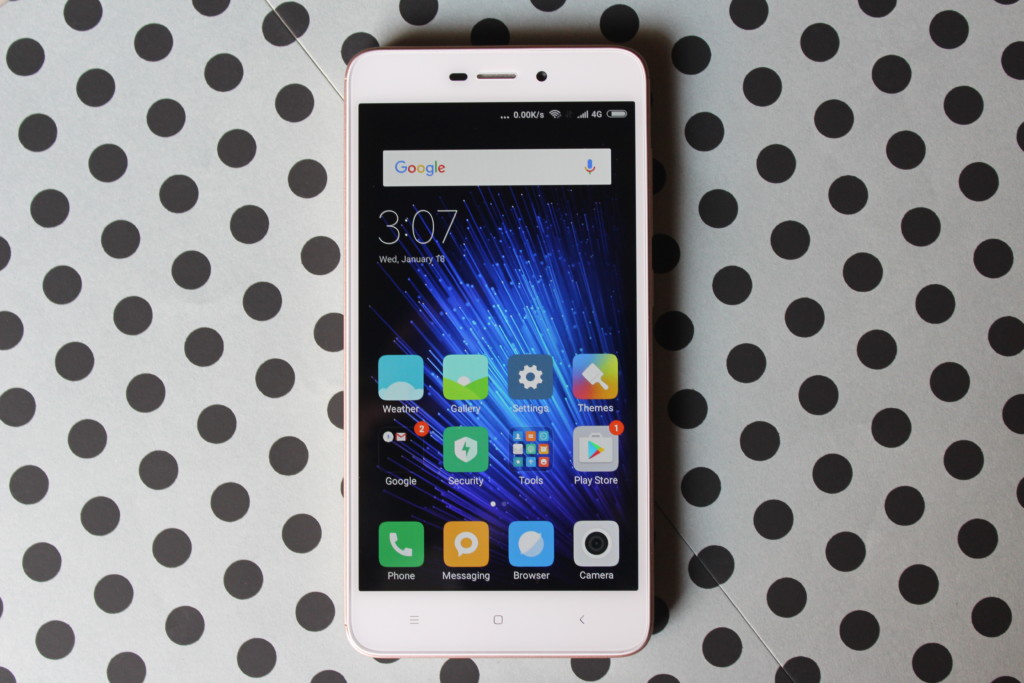
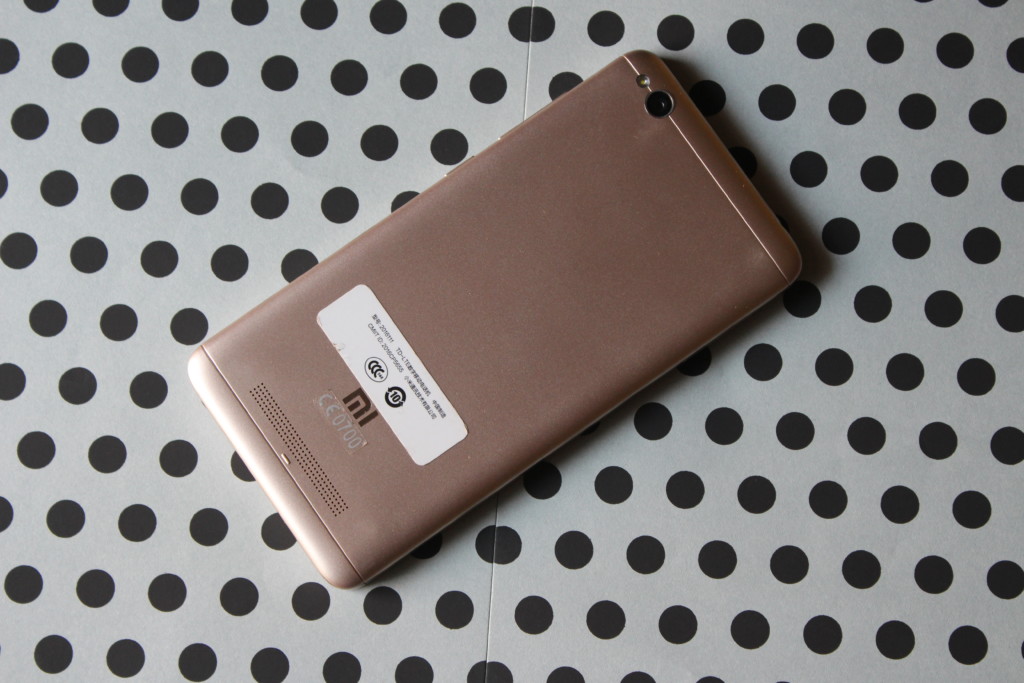
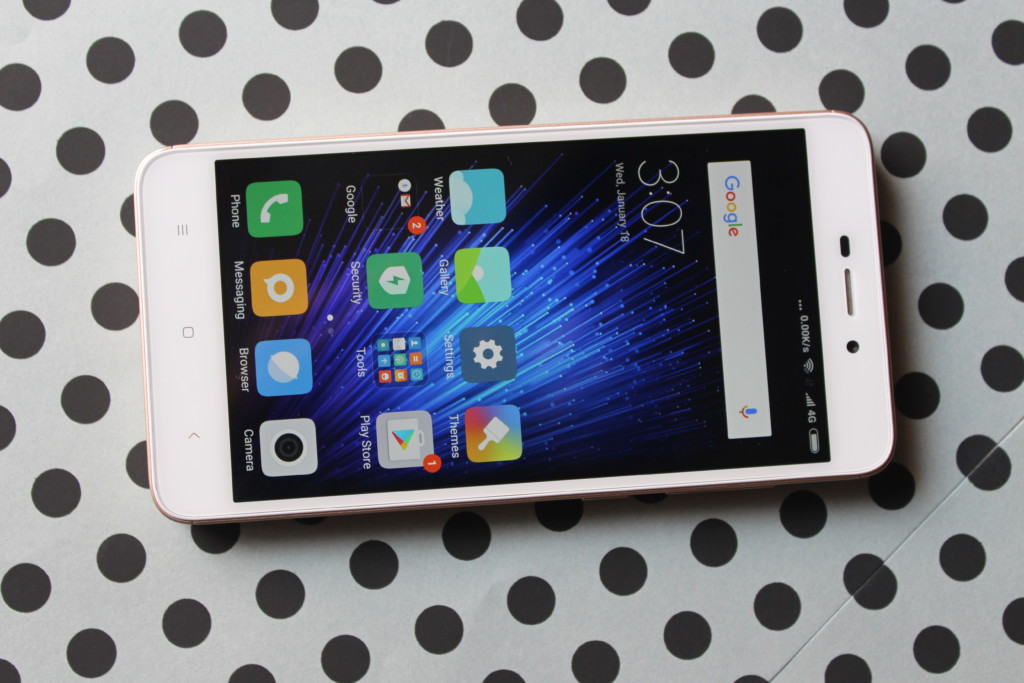
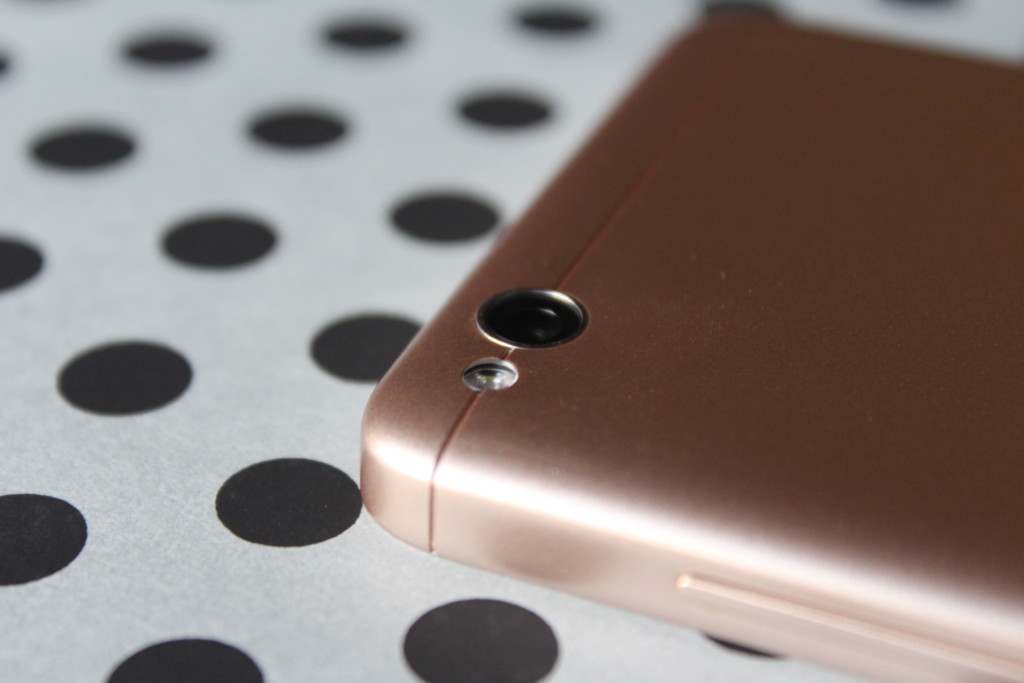
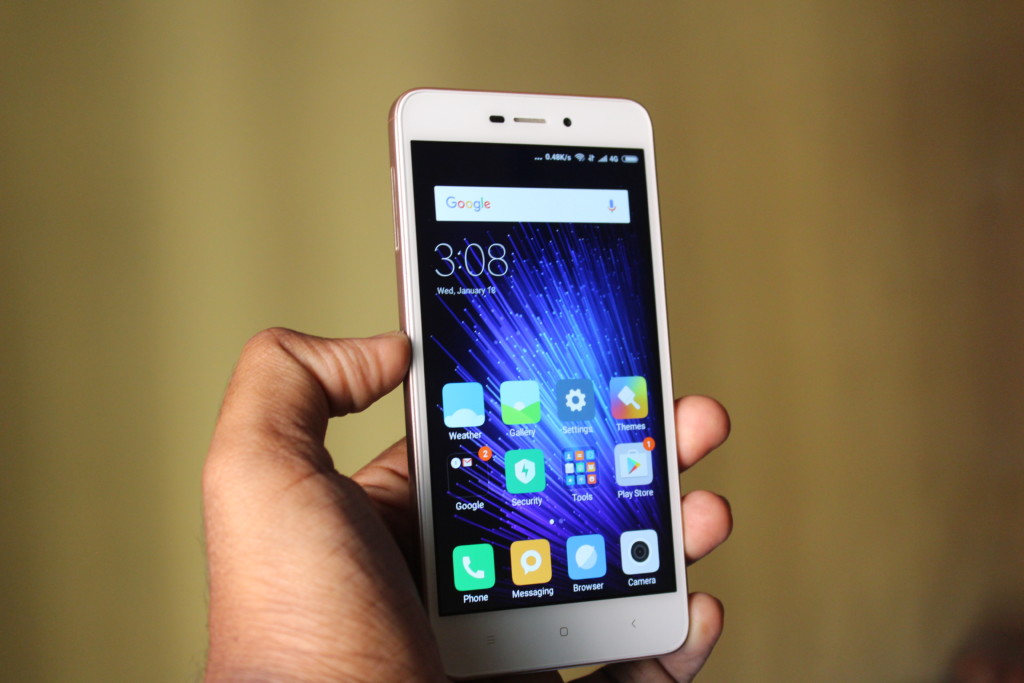
In the design department as well there are no surprises. The Xiaomi Redmi 4A continues the traditional Redmi design language, coming with an all metal body, non-removable back in gold and rose gold color options. But the Redmi 4A is a bit different from the Redmi 4 in terms of its design. The phone features the non-protruding rear camera on the top left corner accompanied by a single LED flash. Despite its low-end placement, the camera is decent, but more on that later.
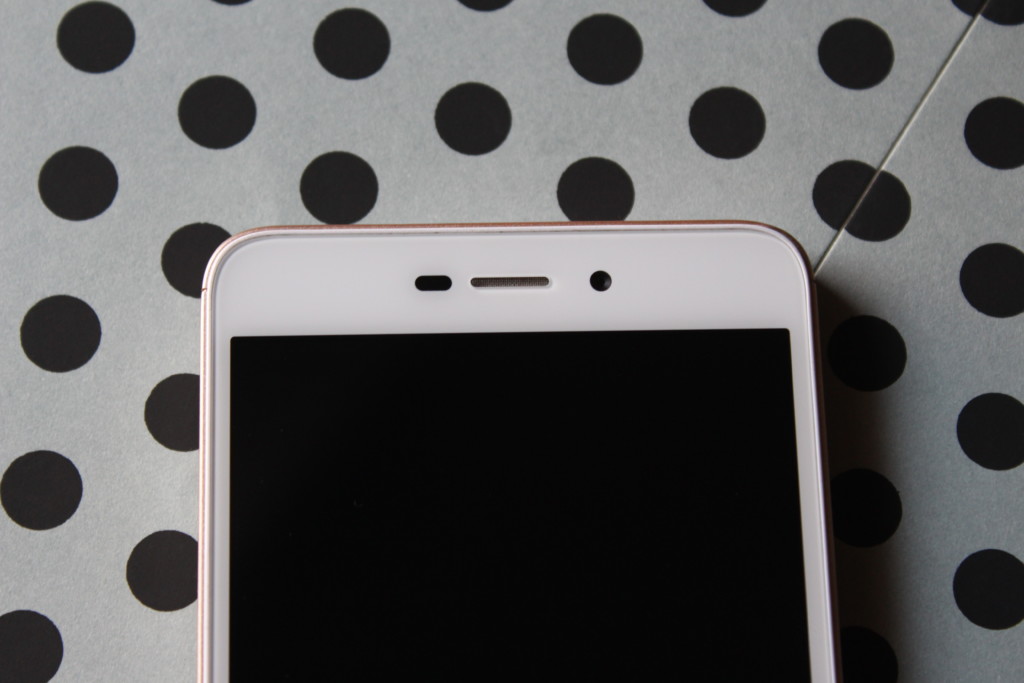
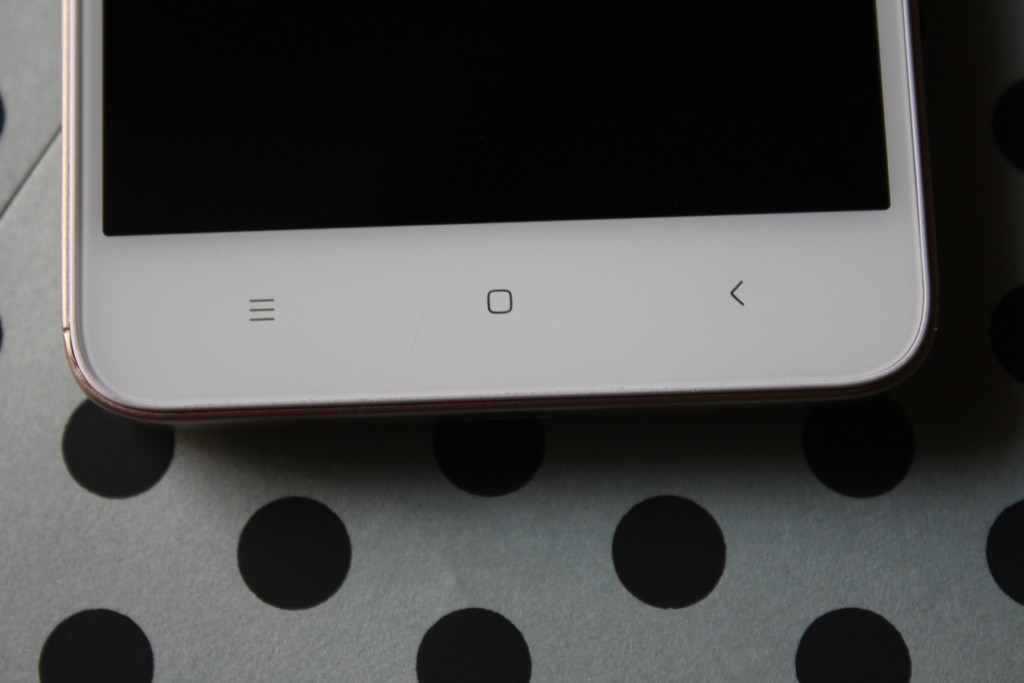
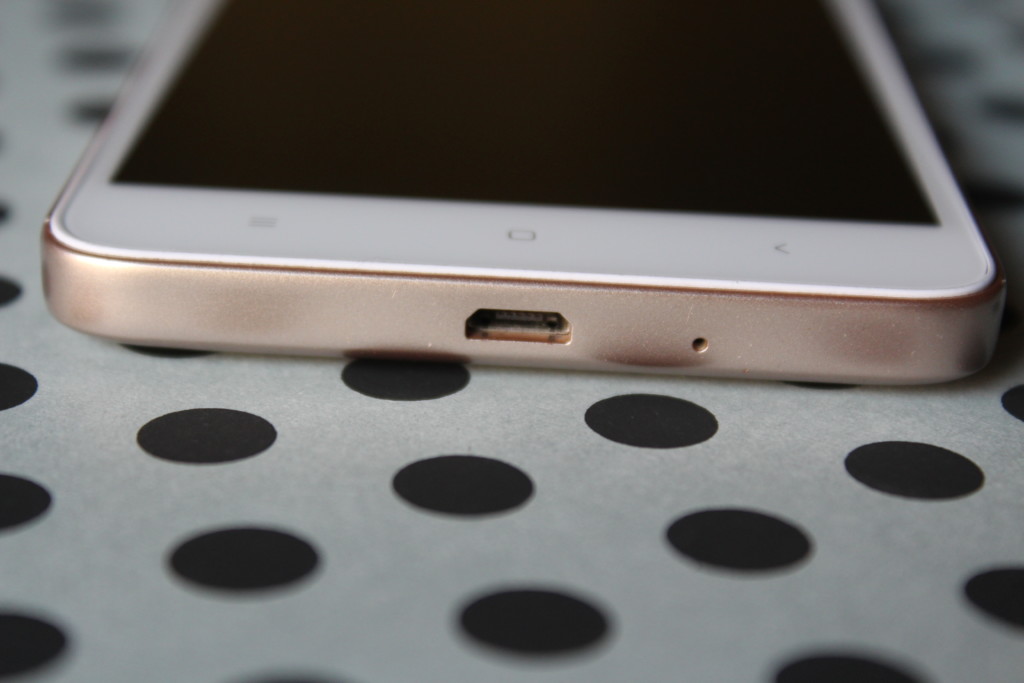
You have the MI logo etched at the back along with speakers below it. Buttons are tactile and are made out of metal. On the left, you have the hybrid SIM tray while at the bottom there’s a regular MicroUSB port. Since the front of the phone is white, the bezels on the side look a bit thick. But it doesn’t really come in the way of using the phone, thanks to its vibrant display.
One thing to note here is that the Xiaomi Redmi 4A is super light. It weighs just around 132 grams and is super easy to carry around. It’s compact and thin as well, measuring 139.5 x 70.4 x 8.5 mm. This makes it thinner as well as a bit more compact than its elder sibling, the Xiaomi Redmi 4.
Xiaomi Redmi 4A Display
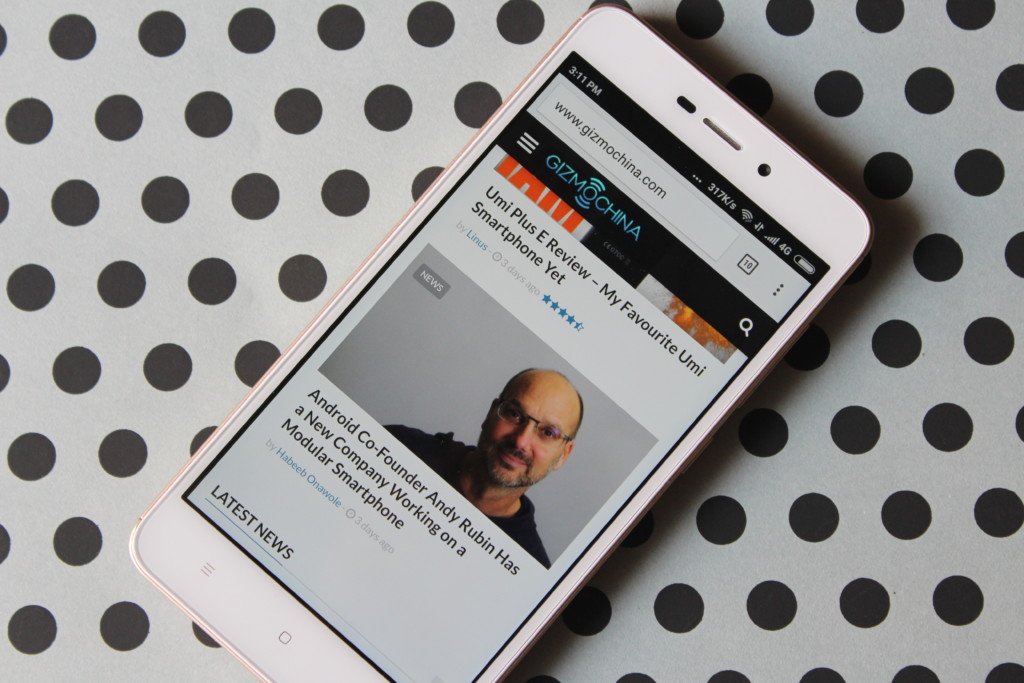
The Redmi 4A comes with a pretty good display. The screen is sharp and the colors are vibrant. Brightness isn’t too high as compared to some other phones like the Moto G4 Plus, but I found no issues using the display under direct sunlight. In fact, I personally found the display on the Redmi 4A ideal for reading.
Specs wise, the display isn’t that great — 5-inch 1280 x 720p resolution (294 ppi) but in real world usage, you won’t be disappointed.
Xiaomi Redmi 4A Hardware & Performance
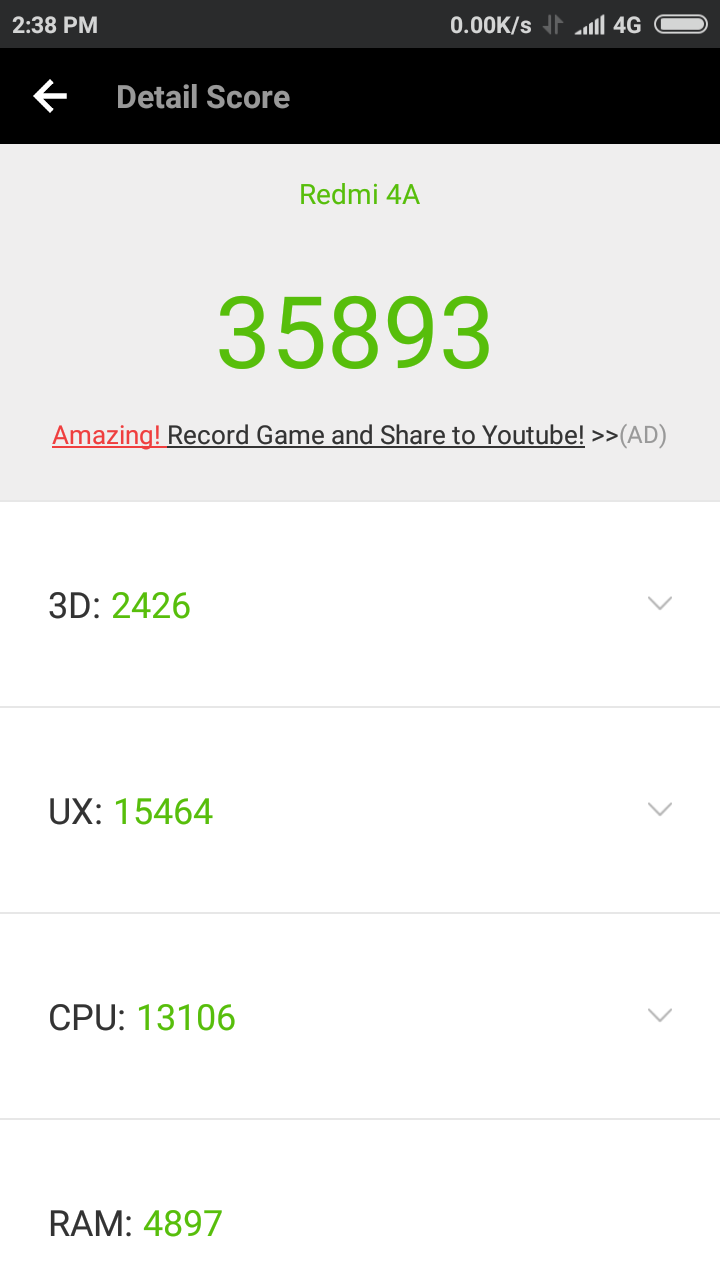
Given its low-end segment, don’t expect anything out of the ordinary from this device. The Redmi 4A handles almost every task with minimum lag and for your everyday usage like browsing or watching a few videos, the Snapdragon 425 chip inside should be sufficient. Note that the major difference between the Snapdragon 430 that powers the Redmi 4 (and even Nokia 6) and Snapdragon 425 inside the Redmi 4A is the GPU on board. The former comes with Adreno 505 while the Redmi 4A features a slightly slower Adreno 308.
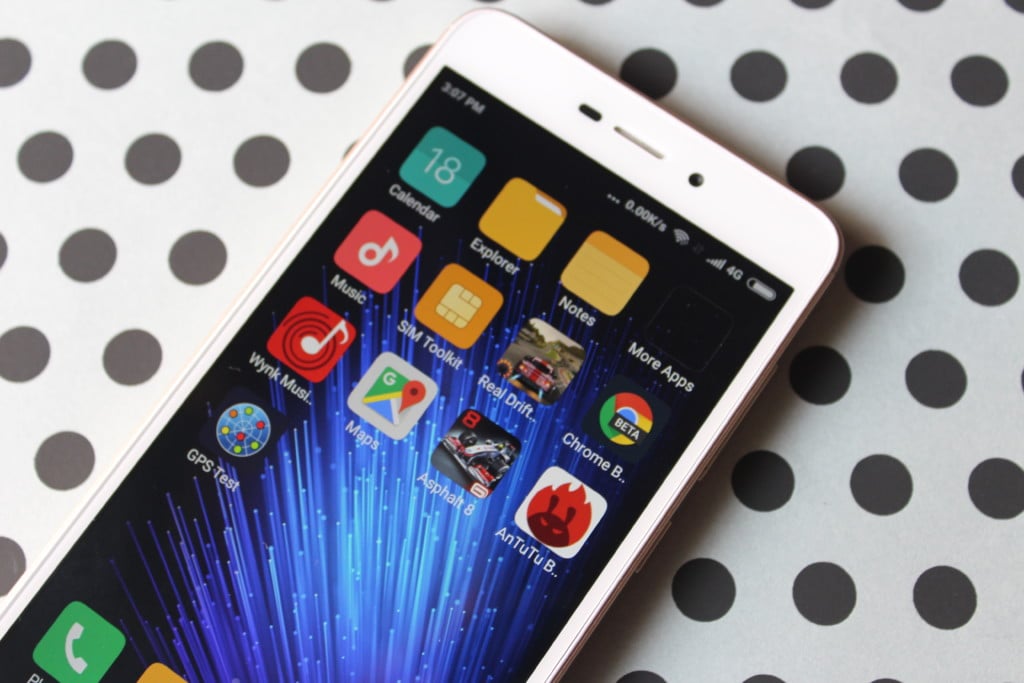
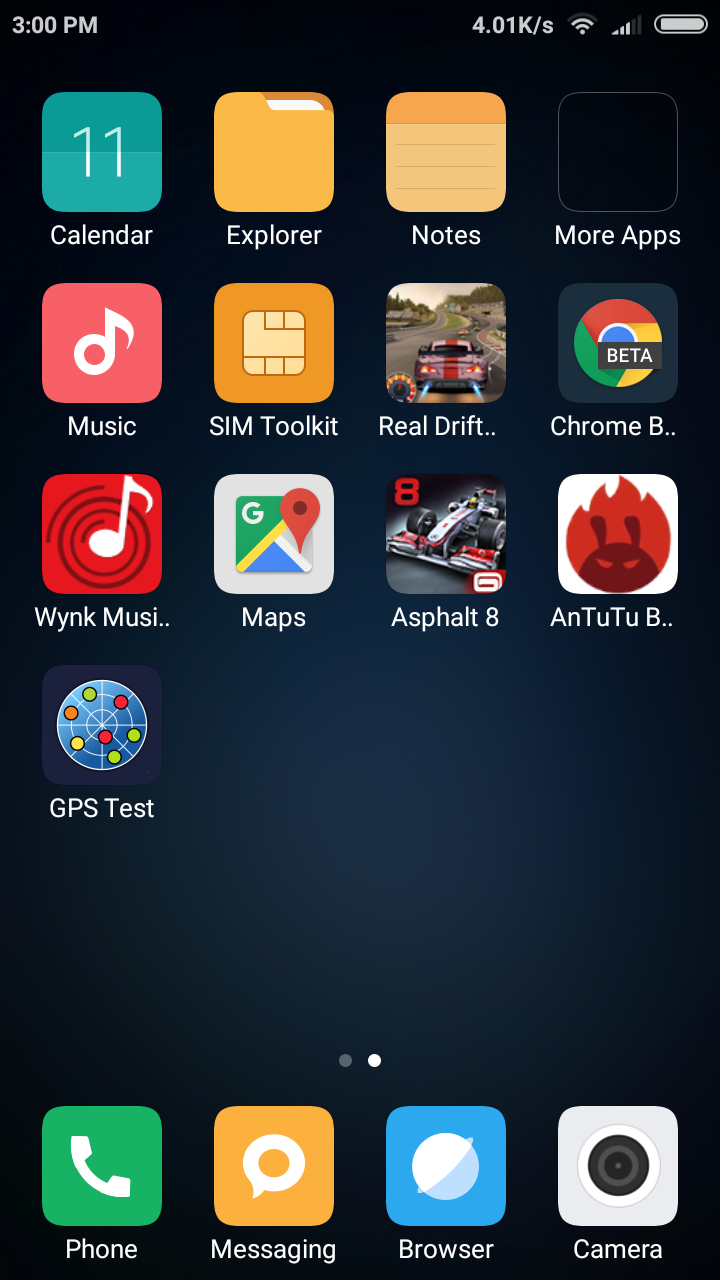
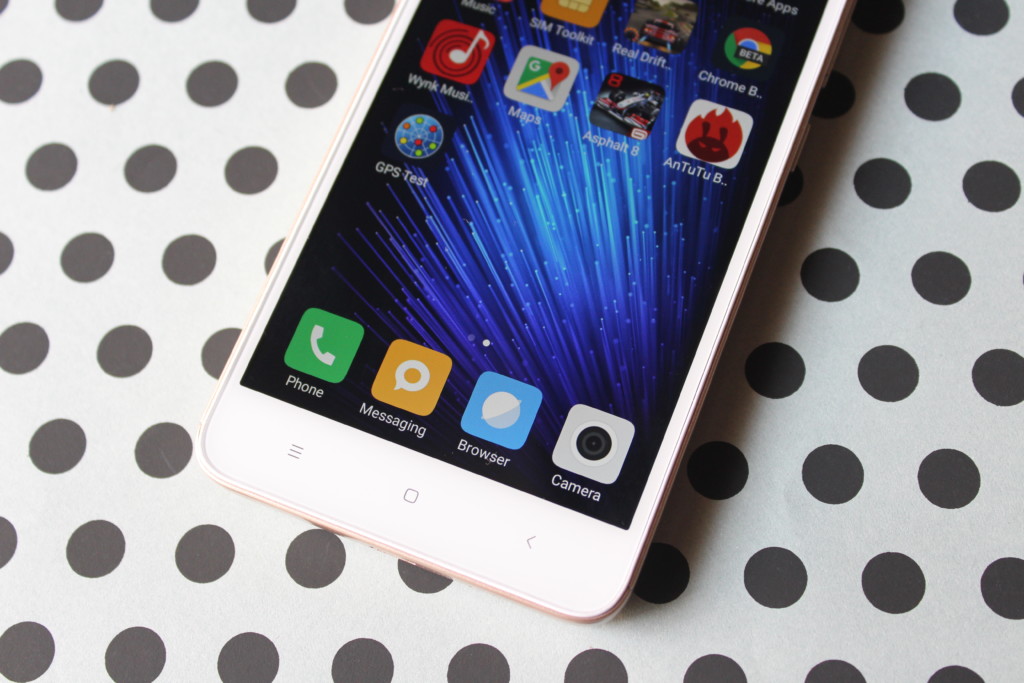
Gaming on the Redmi 4A was a pleasant experience. There were a few skipped frames here and there, but overall, the phone managed to tackle games like Asphalt 8 and Real Drift Racer without any significant hiccups. Even opening up apps and games were pretty quick. So, for your basic everyday usage, the Snapdragon 425 and 2GB RAM should just be enough.
Overheating is not an issue with the Redmi 4A. Even after half an hour of gaming or consistent browsing, the phone doesn’t seem to overheat, which is a good sign. Check out the full hardware specs of the model here.
As for the battery life, I could get an entire day with the 3000mAh battery inside. This includes moderate usage like browsing for an hour, watching a few videos on youtube and talking for about an hour. Messaging apps and internet tend to drain down the battery quite quickly, but still, if your usage is moderate, the phone will last an entire day without much trouble.
Xiaomi Redmi 4A Camera
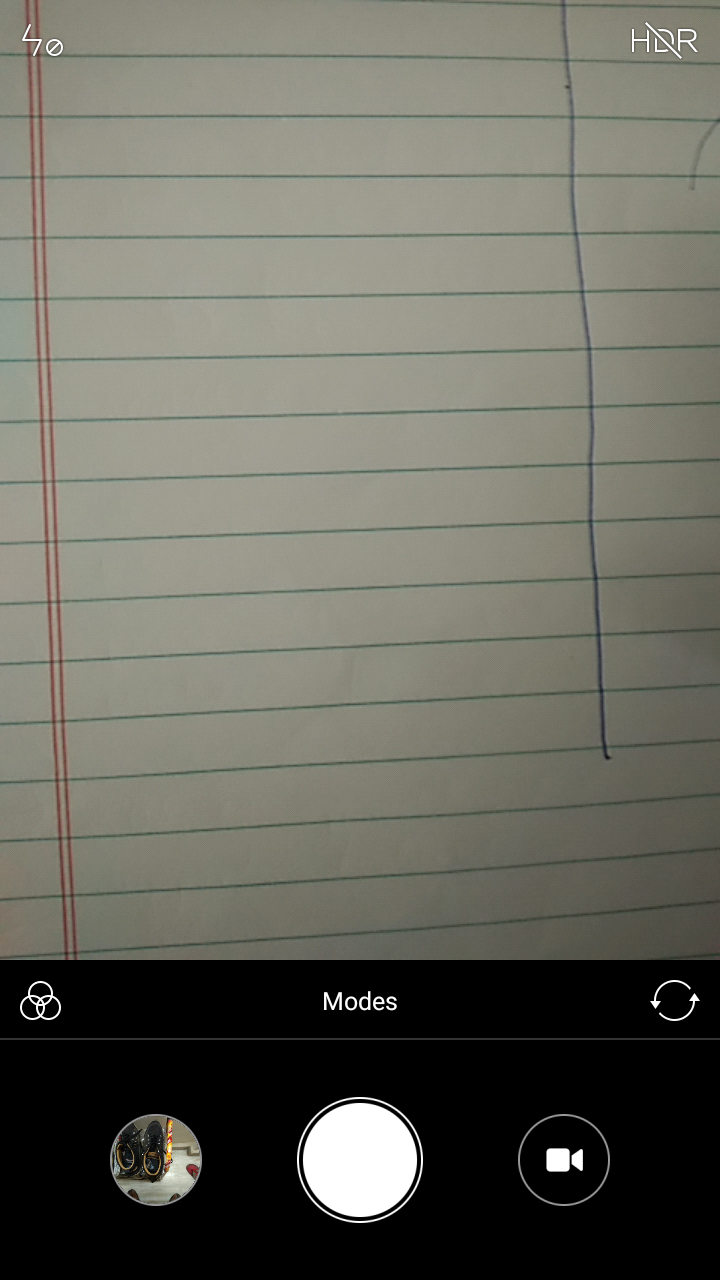
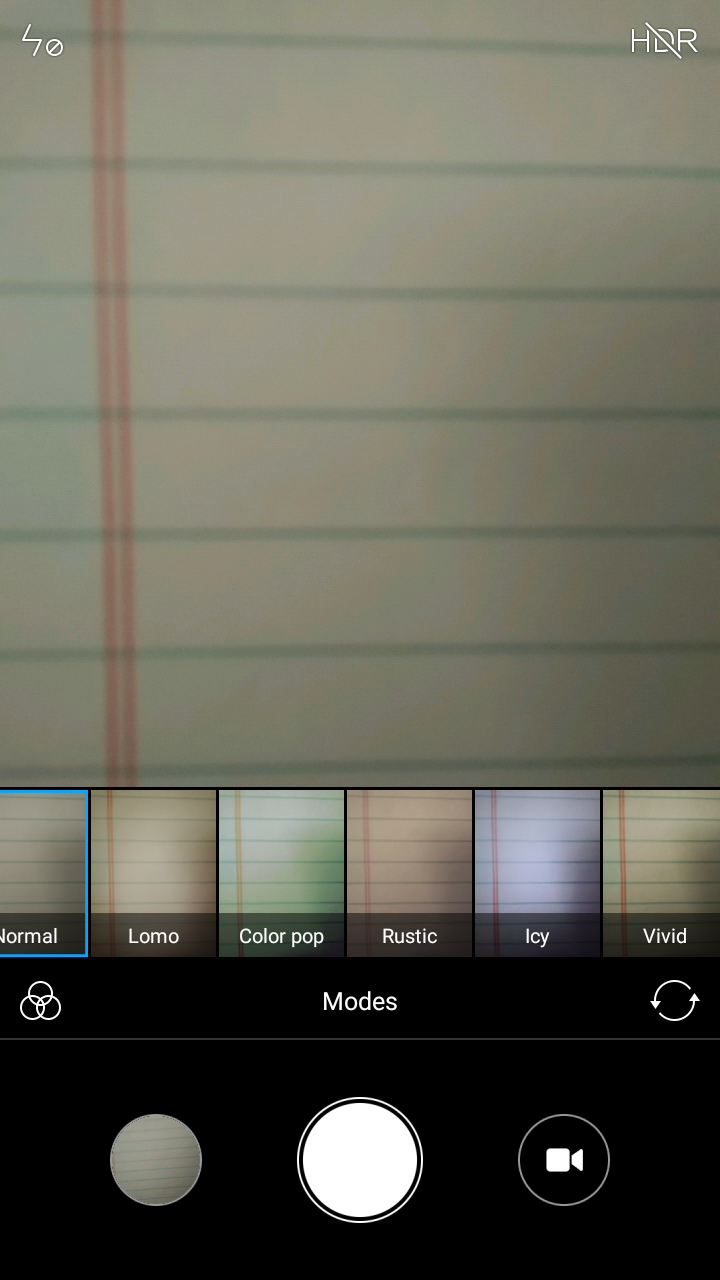
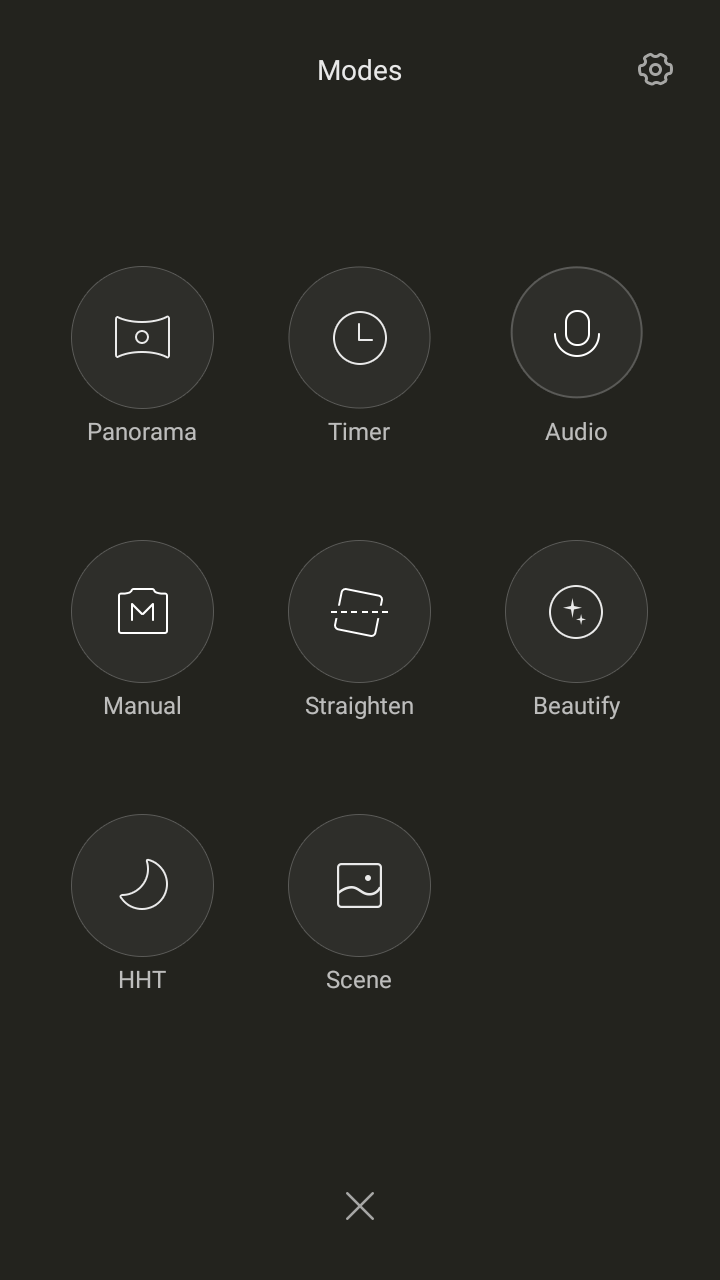
The phone comes with a 13MP f/2.2 aperture camera at the back and a 5MP shooter up front. The rear camera is pretty decent, managing to take pictures with good clarity under good lighting conditions.
Low light images are bad, but HDR mode is something that helps you overcome lighting issues in most situations.
The HDR mode on the rear camera managed to capture much better photos, especially indoors, where lighting conditions were not exactly favorable.
The front camera is also decent and is good enough for a few selfies. Nothing out of the ordinary, just what you can expect from a sub-$150 smartphone.
The full-size samples and even a video have been uploaded here. Feel free to check them out.
Xiaomi Redmi 4A Software & Features
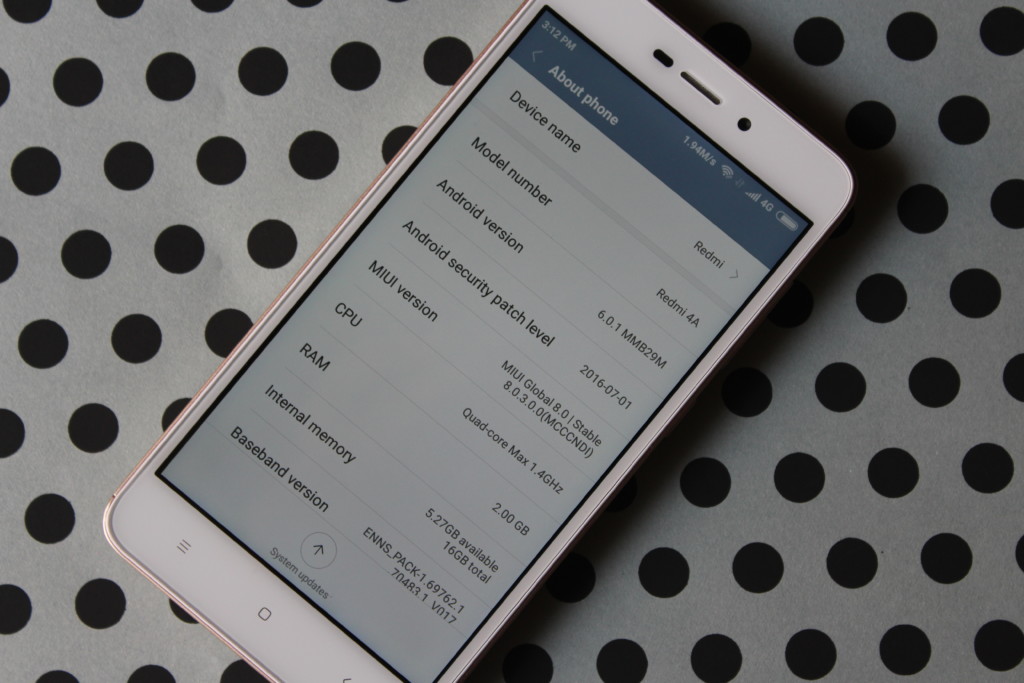
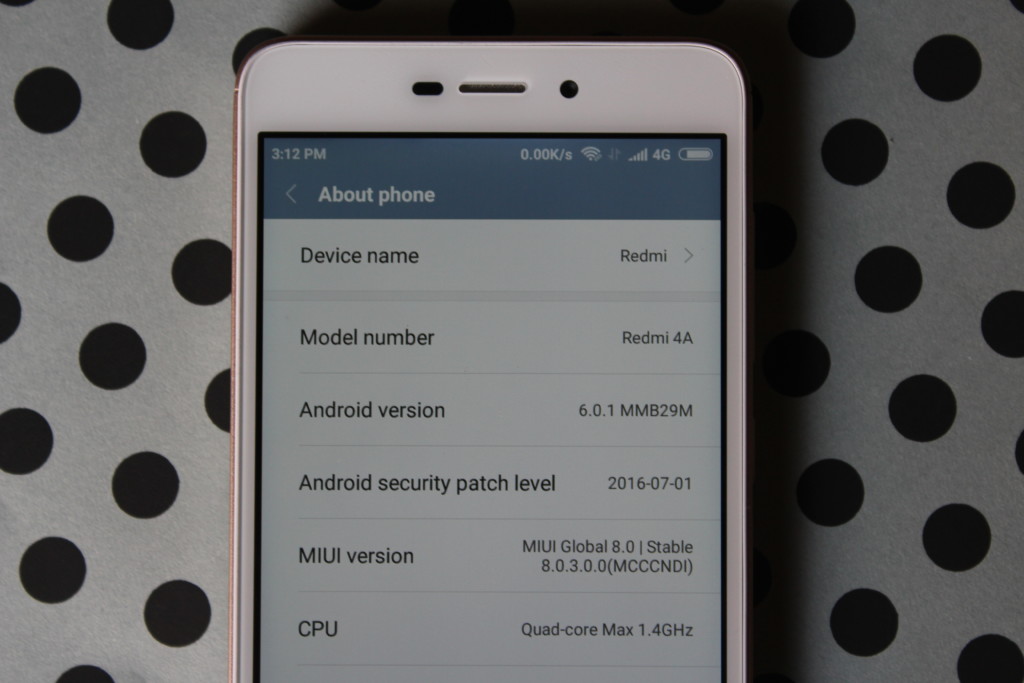
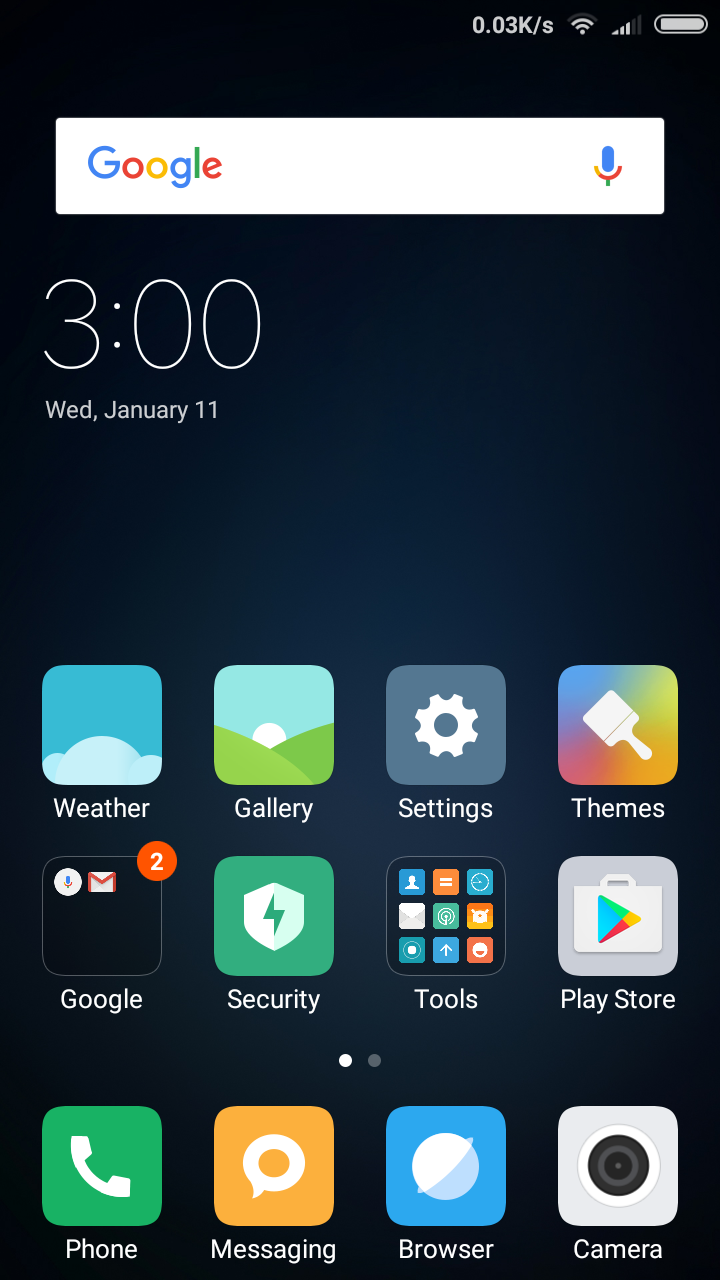
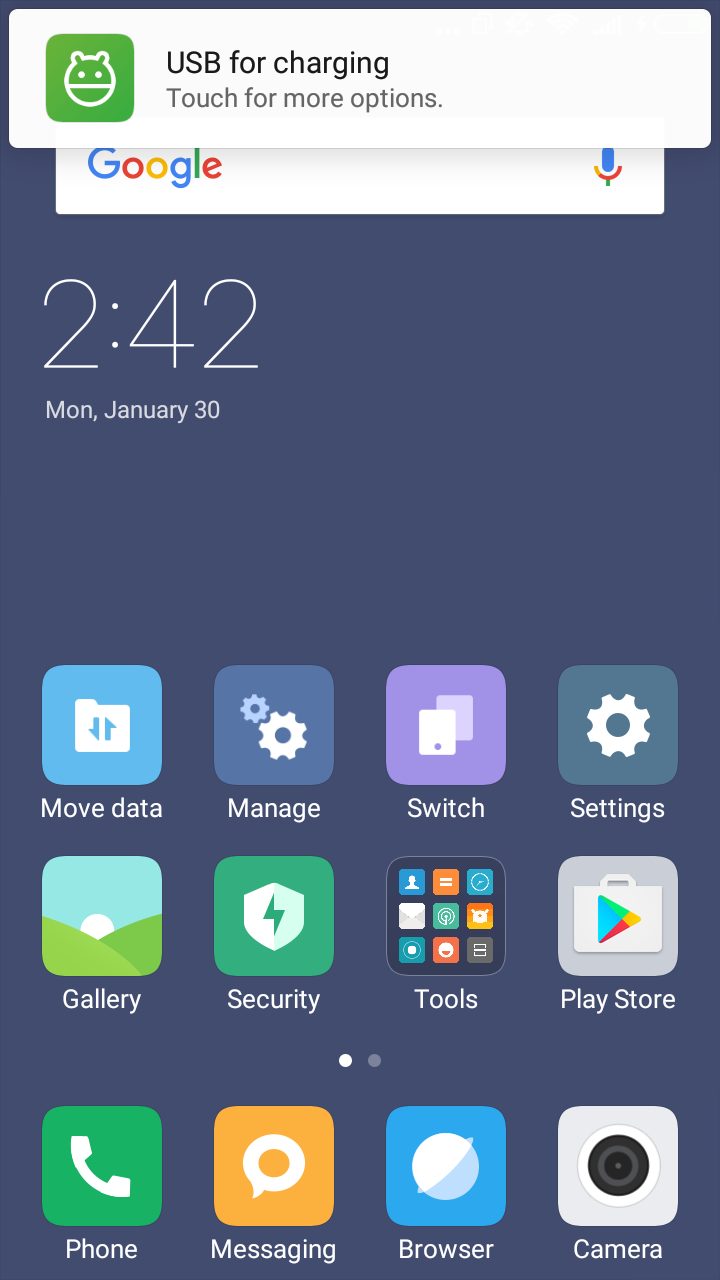
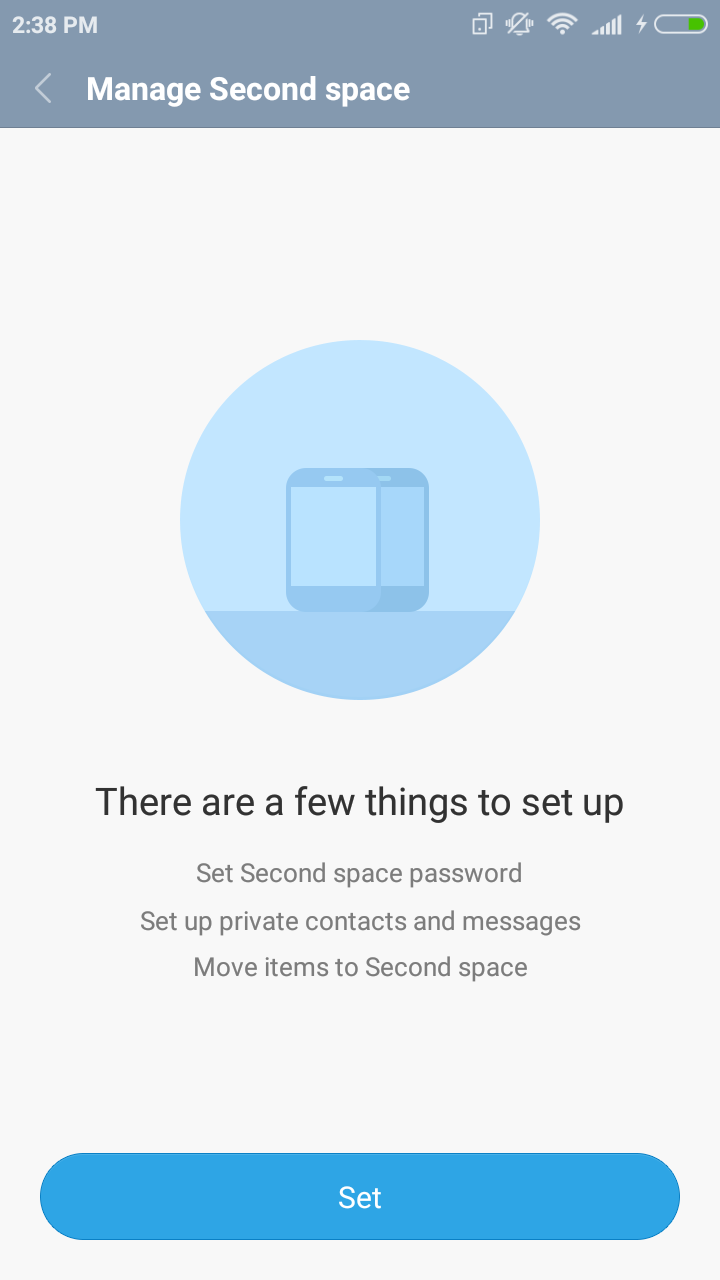
The UI is smooth and the animations are fluid, as is the case with most MIUI powered phones. The phone is currently running Android 6.0.1 with MIUI 8 on top. The software comes with all the basic features found on MIUI 8, including Second Space and Dual Apps. The Second Space is like a second smartphone inside. You can use this space to customize for a particular need, like choose the themes, apps that will be displayed in this mode.
You can set a password for protecting the data on this space as well as quickly transfer apps to this new space. Revert back to the first space (using the icon on the home page) and you get all your original data back. It’s a smart way to manage your work and home profiles in one phone. You can also duplicate apps on the device, which is yet another smart feature on MIUI 8.
I have been using this phone as my primary device for making and receiving calls for the past several weeks and I must say that given its super light weight body, you can talk for hours on the device without any issues. The call clarity is decent and you won’t find any trouble hearing the person on the other side.
Xiaomi Redmi 4A Review: Conclusion
Overall, the Xiaomi Redmi 4A is a pretty decent smartphone at its price. If you are looking for something that’s compact, lightweight and can tackle most tasks without much hassle, then the Redmi 4A is for you. The phone looks pretty good, the display is bright and good for reading and the overall experience is good. The camera could have been better, but for a couple of images once in a while, it will suffice.
Xiaomi‘s first new smartphone release in China this year would likely be the Redmi Note 4X. The device has already been tipped as coming this February 14, while sales may likely start on the 16th of February. Ahead of the official launch, the device had made appearances in several leaks, gifting us some of the specs as well as a few renders of the Redmi series smartphone.
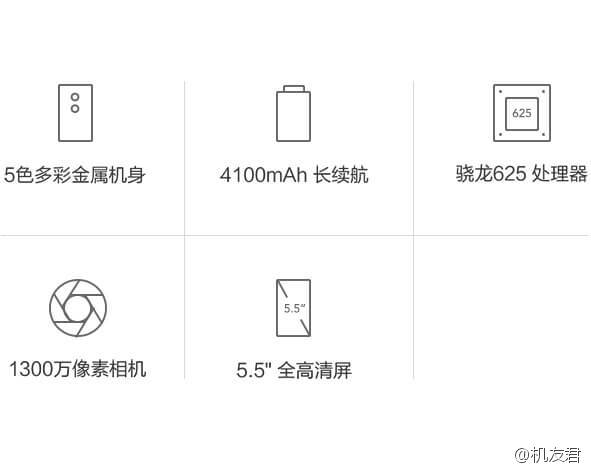
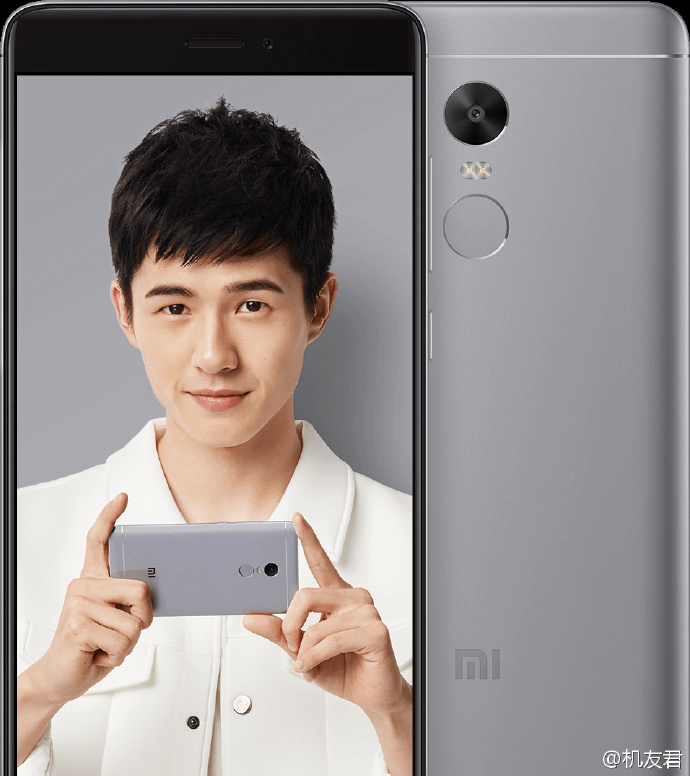
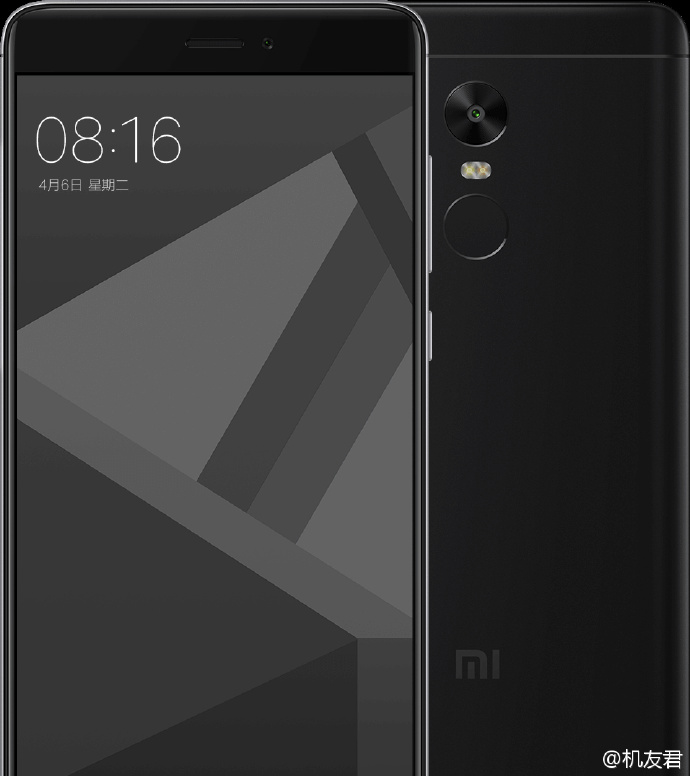
Presently, the specifications of the Redmi Note 4X has again featured in a leak which also gifts us some live, official looking images of the smartphone in the hands of Xiaomi’s brand ambassadors. Among the specs listed is a 5.5-inch display, a large 4100mAh battery, 13MP rear camera, 5MP front sensor as well as a Snapdragon 625 chipset.
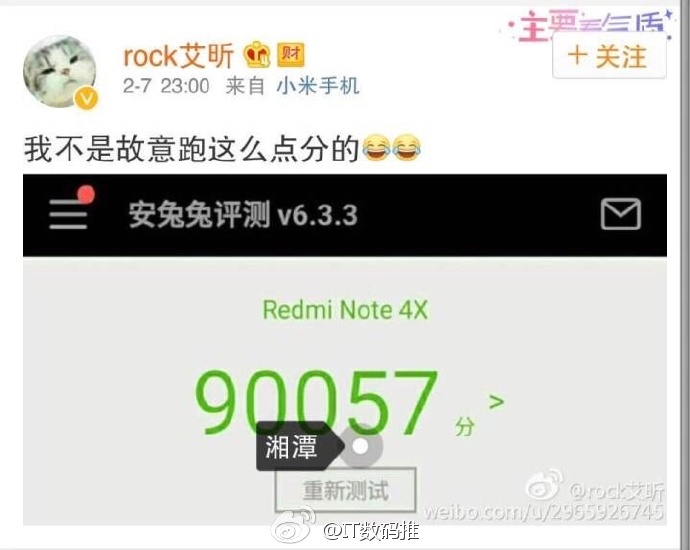
In the same vein, a screen shot of what is said to be the Xiaomi Redmi Note 4X AnTuTu benchmark score has leaked and it shows the Redmi Note 4X scored well over 90K points (90057 points) on benchmark. Now, that is way over the capabilities of the SD 625 chip it features. The SD 625 is only capable of a score in the region of 60K points and not over 90K. If it had been the Helio X20 chip onboard, then perhaps we would have believed because it reached over 80K on benchmark onboard the Redmi Note 4. So, it is possible this AnTuTu benchmark score is fake.
You can check out more live images of the Xiaomi Redmi Note 4X from down below.
We use cookies on our website to give you the most relevant experience by remembering your preferences and repeat visits. By clicking “Accept”, you consent to the use of ALL the cookies.
This website uses cookies to improve your experience while you navigate through the website. Out of these, the cookies that are categorized as necessary are stored on your browser as they are essential for the working of basic functionalities of the website. We also use third-party cookies that help us analyze and understand how you use this website. These cookies will be stored in your browser only with your consent. You also have the option to opt-out of these cookies. But opting out of some of these cookies may affect your browsing experience.
Necessary cookies are absolutely essential for the website to function properly. This category only includes cookies that ensures basic functionalities and security features of the website. These cookies do not store any personal information.
Any cookies that may not be particularly necessary for the website to function and is used specifically to collect user personal data via analytics, ads, other embedded contents are termed as non-necessary cookies. It is mandatory to procure user consent prior to running these cookies on your website.