Advertisement

Who Should Avoid Buying an iPhone?

Apple iPhones are some of the most popular smartphones in the world for many reasons. These devices offer a premium build, great software support and a seamless ecosystem. But despite all this, the iPhones aren’t the right fit for everyone. Ranging from pricing, missing features, or better alternatives, here’s a breakdown of who should avoid buying an iPhone.

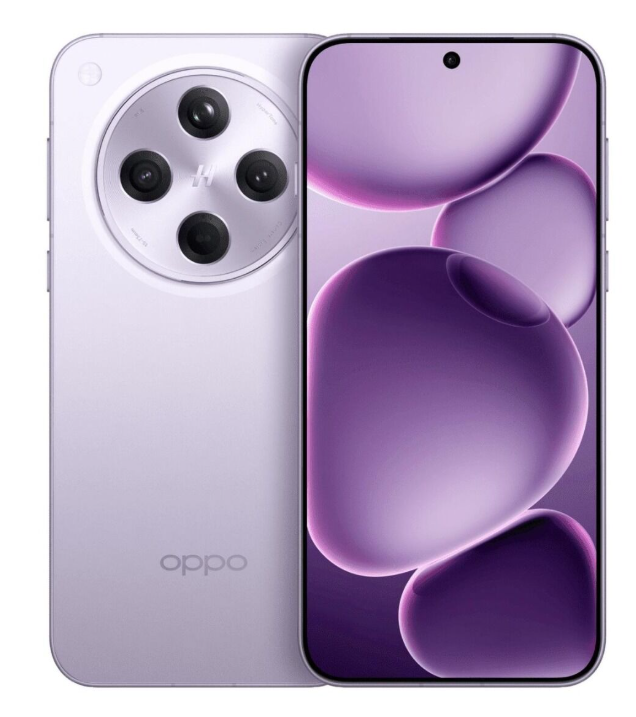
Oppo-Find-X8-vs-iPhone-16-Pro

1. Users Who Prefer Customization and Freedom

One of the biggest drawbacks of using an iPhone is the lack of customization options compared to Android devices. Apple built the iOS as a closed system that mainly interacts with other Apple products. So you can’t download third party launchers, modify system themes, or sideload apps without jailbreaking the iPhone.

You can change the wallpapers and make slight tweaks, but it’s mostly a surface level personalization option. This means that people who like full control of their device and like to add custom ROMs, system modifications, or more, would prefer choosing Android.

Please Note: When you buy something using the links in our articles, we may earn a small commission at no cost to you.

2. Budget-Conscious Buyers

iPhones aren’t the most expensive smartphones in the market and various Android flagships can cost more than the latest iPhones. However, Android targets every price segment ranging from ultra premium to even budget categories. Most Apple iPhones only target the premium segment.

For instance, mid-range Android phones from brands like Xiaomi, OnePlus, and Samsung often come with larger batteries, high refresh rate displays, and faster charging speeds. Meanwhile, features like the higher refresh rate would have you spend top dollar for the Pro series models.

3. People Who Prefer Android’s Open Ecosystem

Apple’s ecosystem is designed to work best when all your devices are from Apple. If you own a Mac, iPad, or Apple Watch, an iPhone integrates seamlessly. However, if you use Windows laptops, Android tablets, or other non-Apple devices, the experience isn’t as seamless.

On Android, users have more freedom to choose different brands and platforms without being locked into a single ecosystem. Google services, for example, work equally well on both Windows and Android devices, making cross-platform usage more convenient. Android manufacturers do have their own ecosystems as well, which does improve the cross platform functionality but you are not limited to these.

For more daily updates, please visit our News Section.

Stay ahead in tech! Join our Telegram community and sign up for our daily newsletter of top stories!
[Update] Oppo Find N5 officially confirmed to launch globally in two weeks

Update: Oppo Find Product Manager Zhou Yibao has confirmed that the Oppo Find N5 will debut simultaneously in China and globally.

Oppo Find N5’s to launch soon globally.

Oppo has been teasing the arrival of the Oppo Find N5 for the past few weeks in China. Today, the brand has officially confirmed today via a Weibo post that the N5 will be unveiled in the next two weeks.

Oppo Find N5 launch date speculation

Oppo Find N5 is launching in the next two weeks!

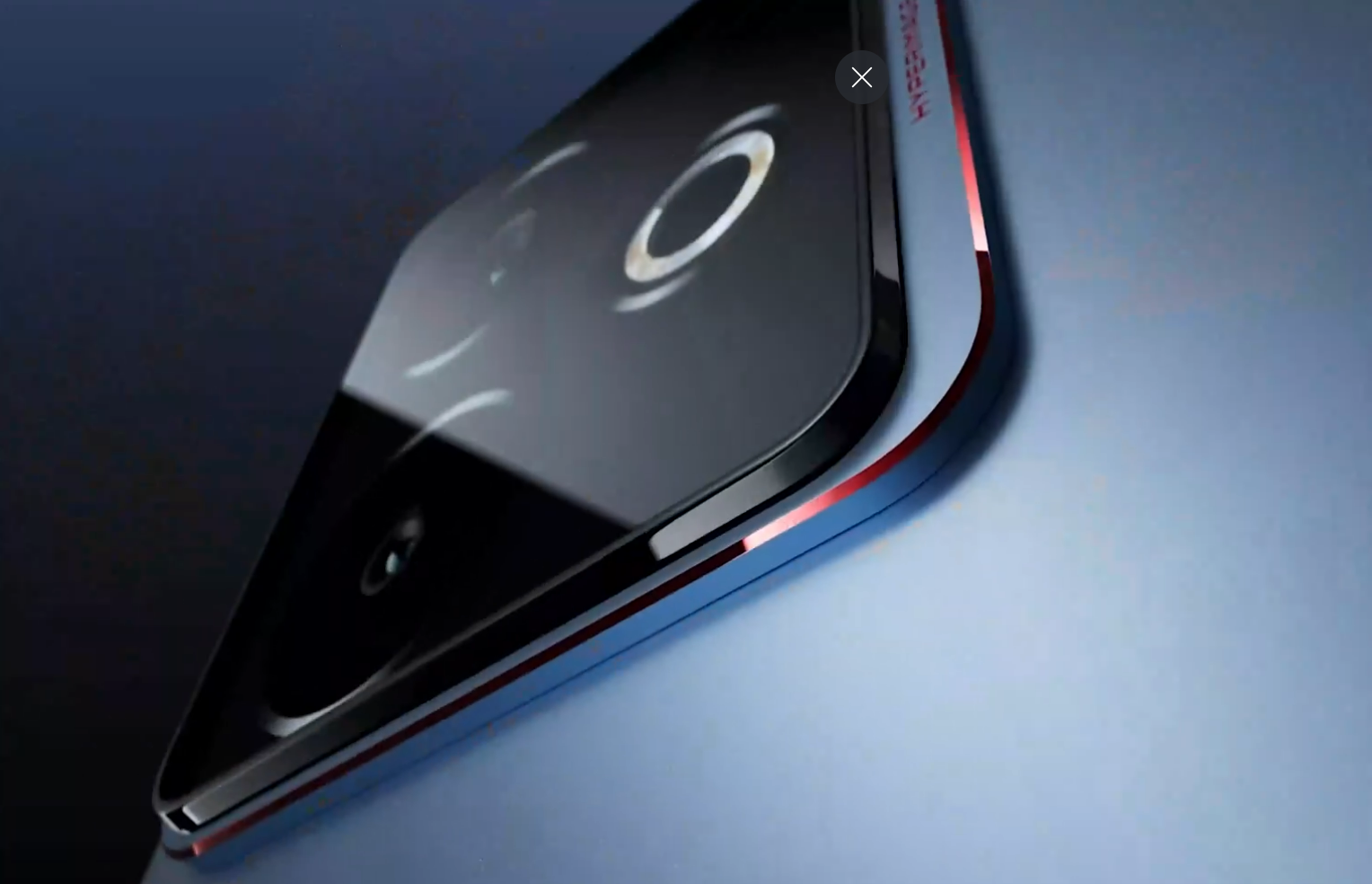
Chinese tech bloggers speculate that the Find N5 could launch on Feb. 19, 20, or 21. The device is set to redefine foldable phone design with an incredibly slim build—measuring under 9.2mm when folded and around 4.6mm on one side when open, making it the thinnest foldable to date.

Oppo Find N5 key features

Oppo Find N5 9.2mm thin

The Find N5 is also the first foldable to feature the 7-core Snapdragon 8 Elite chipset. It is said to sport an 8-inch inner display with a 2K resolution with almost non-existent screen crease and a flay outer display for a seamless experience. The phone is said to house a 5,700mAh battery with 80W wired and 50W wireless charging.

Oppo Find N5’s thinness compared with Find N3, which measures 5.8mm in thickness.

The Find N5 brings groundbreaking durability with an IPX6, IPX8, and IPX9 water resistance rating, making it the most waterproof foldable phone ever. On the camera front, the device features a Hasselblad-branded triple-lens setup, including an OIS-enabled 50-megapixel main camera, a 50-megapixel ultra-wide lens, and a 50-megapixel 3x periscope telephoto sensor.

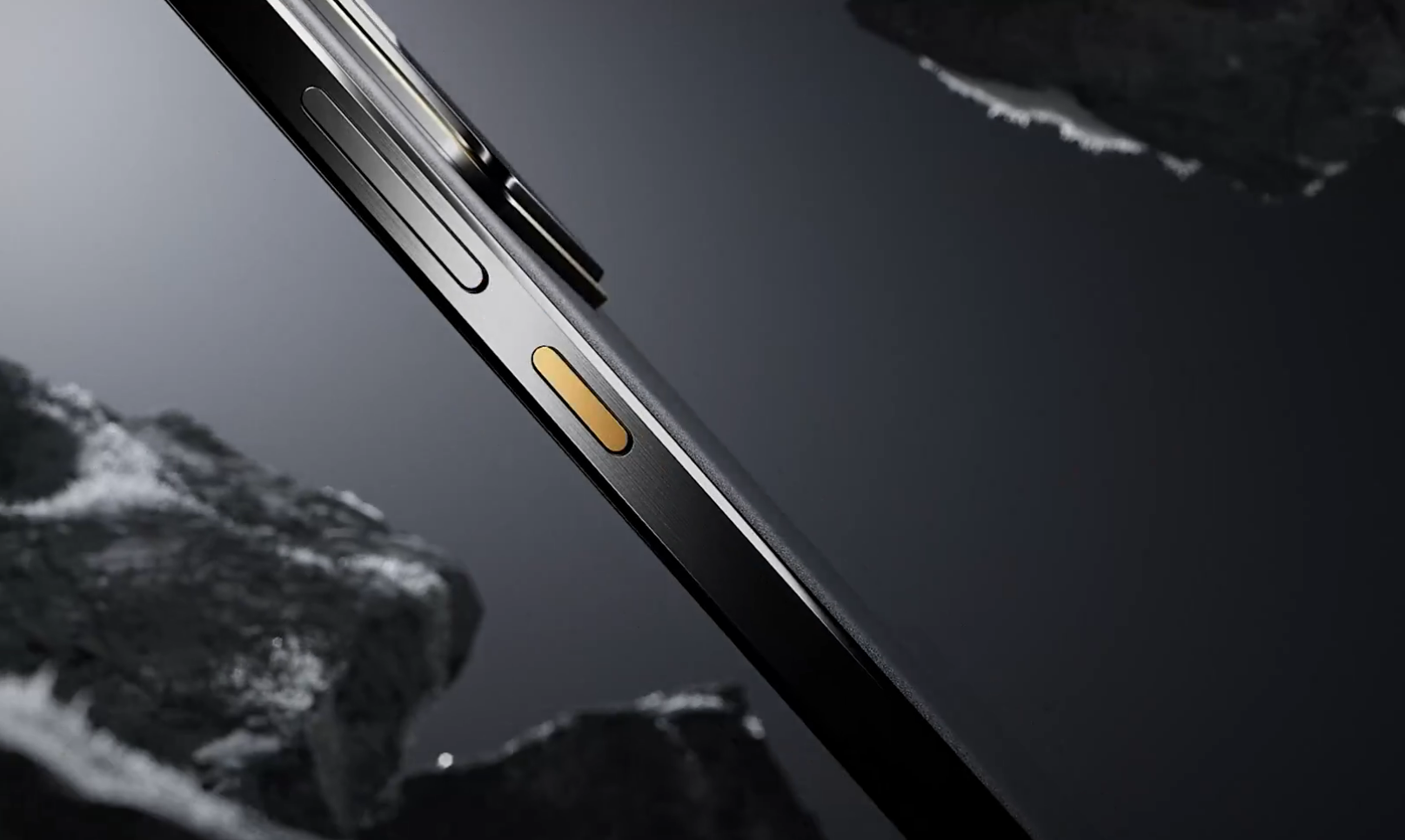
The brand has recently confirmed that the Find N5 will come in a new white edition. For security, it will feature a side-facing fingerprint sensor. The phone will run on ColorOS 15-based Android 15. The Find N5 is also expected to be released in some Southeast Asian markets soon after its China launch. In markets like the US, Europe, and India, the device may debut with the OnePlus Open 2 moniker.

For more daily updates, please visit our News Section.

Don’t miss a thing! Join our Telegram community for instant updates and grab our free daily newsletter for the best tech stories! 🚀

Vivo V50’s blue edition appears in real-life images before launch

Vivo is all set to unveil the Vivo V50 later this month in India. The brand has already confirmed several details about the device through its microsites available on the Vivo India website and Flipkart. The device is confirmed to arrive in three shades: Rose Red, Starry Blue, and Titanium Grey. Ahead of the launch, real-life images of the blue variant have emerged, showcasing its design in detail.

Vivo V50 live shots

However, the blue variant shown in the live shots does not seem to display the said effect, suggesting that the shimmering effect may only be visible under specific lighting conditions or angles, or it could be a different blue variant for the global market.

The oblong camera module houses dual 50-megapixel cameras, followed by an Aura Light LED ring light. While the image suggests a flat display, it has a micro-curvature with slim bezels on all four sides. The “About Phone” page reveals a few specifications, such as the Snapdragon 7 Gen 3 chip, 12 GB of RAM, 12 GB of virtual RAM, 512 GB of internal storage, and Funtouch OS 15, which will be overlaid on Android 15.

As per other reports, the V50 has a 6.78-inch AMOLED screen offering a 1.5K resolution and a 120Hz refresh rate. The device packs a 6,000mAh battery inside a 7.39mm thin chassis. For selfies, the device is equipped with a 50-megapixel front camera with autofocus support. Its other key features include an IP68-rated chassis, 90W fast charging, and an in-screen fingerprint sensor.

The V50 is likely to launch on Feb. 18 in India with a sub-Rs 40,000 (~$460) price tag.

For more daily updates, please visit our News Section.

Stay ahead in tech! Join our Telegram community and sign up for our daily newsletter of top stories! 
(via)

Realme GT 7 Pro Racing Edition launching next week, achieves 3,063,313 AnTuTu scores

Realme has officially announced the GT 7 Pro Racing Edition, confirming that the device will be unveiled later this month. According to Realme’s Vice President and China President, Xu Qi, the phone is designed for young gaming enthusiasts and will focus entirely on performance, battery life, and gaming rather than camera capabilities.

Realme GT 7 Pro Racing Edition moniker confirmed

While the above poster confirms the Realme GT 7 Pro Racing Edition moniker, it does not reveal anything about the device. As per reports, it is a tweaked version of the existing GT 7 Pro, packing the same specs but ditching the periscope telephoto camera. It is also speculated to feature an optical-type fingerprint sensor instead of an ultrasonic one.

The GT 7 Pro Racing Edition will compete with the OnePlus Ace 5 Pro and iQOO Neo10 Pro in the same price range. Likely, the Racing Edition model will debut as the most affordable Snapdragon 8 Elite phone. According to reliable leaker Digital Chat Station, the GT 7 Pro Racing Edition will debut next week in China.

The AnTuTu benchmark results show the GT 7 Pro Racing Edition scoring 3,063,313 points, slightly higher than the GT 7 Pro’s 3,025,991. In comparison, the OnePlus Ace 5 Pro scored 3,218,978, and the iQOO Neo10 Pro achieved 3,204,156.

Realme GT 7 Pro Racing Edition TENNA images

In terms of specifications, the Realme GT 7 Pro Racing Edition will have a 6.78-inch micro-quad-curved AMOLED panel that offers a 1.5K resolution and a 120Hz refresh rate. Under the hood, the device may feature up to 24GB of LPDDR5x RAM, up to 1TB of UFS 4.1 storage, and a 6,500mAh battery with 120W charging.

For photography, it will feature a 16-megapixel front camera and a 50-megapixel + 8-megapixel dual-camera setup on the back. The phone will run on Android 15 with a layer of Realme UI 6 on top.

For more daily updates, please visit our News Section.

Stay ahead in tech! Join our Telegram community and sign up for our daily newsletter of top stories! 
Xiaomi SU7 Ultra and Xiaomi 15 Ultra officially confirmed to launch by February end

Xiaomi resumes operations today after the Chinese New Year national holidays. Xiaomi CEO Lei Jun handed out red envelopes to employees, featuring the word “Ultra,” confirming the arrival of new Ultra models. At the same time, Xiaomi’s official Weibo handle and company executives, namely Lu Weibing, Wang Teng Thomas, and a few others have officially confirmed that the Xiaomi SU7 Ultra car and the Xiaomi 15 Ultra smartphone will be announced in China by the end of this month.

Xiaomi SU7 Ultra, 15 Ultra may launch on February 26

Xiaomi CEO Lei Jun holds “Ultra” red envelope
Official Xiaomi Weibo account confirms SU7 Ultra and 15 Ultra are launching by the end of this month

Recently, a leaked poster revealed that Xiaomi will hold a launch event at 7 pm (local time) on Feb. 26 in China. This event will likely see the arrival of the SU7 and 15 Ultra. The brand is expected to officially confirm the launch date in the next few days. Both offerings are also expected to be showcased at MWC 2025, which will be held at the start of March in Barcelona, Spain.

Xiaomi SU7 Ultra

Xiaomi SU7 Ultra
Xiaomi SU7 Ultra

Meanwhile, the Xiaomi SU7 Ultra electric sedan is positioned as Xiaomi’s most powerful car. It is equipped with a triple-motor setup (V8s + V8s + V6s), delivering an impressive 1,548 horsepower. The car boasts a 0-100km/h acceleration time of just 1.98 seconds and a 0-200km/h acceleration of 5.86 seconds.

The SU7 Ultra’s top speed exceeds 350km/h, and it features CATL’s Kirin Gen 2 battery technology. Initially set for a March launch, the SU7 Ultra is now expected to debut earlier than planned.

Xiaomi 15 Ultra

Xiaomi-15-Ultra-real-life-image
Xiaomi 15 Ultra

The Xiaomi 15 Ultra is expected to be the company’s most advanced smartphone yet. It will be powered by the Snapdragon 8 Elite and feature a Leica-branded quad-camera system. The rear cameras will include a 50-megapixel one-inch main sensor, a 50-megapixel ultra-wide lens, a 50-megapixel 3x periscope telephoto, and a 200-megapixel periscope telephoto lens, making it a powerhouse for mobile photography.

It will also sport a 2K quad-curved OLED display from TCL CSOT, a 6,000mAh battery with 90W wired and 50W wireless charging, an ultrasonic fingerprint sensor, eSIM support, and satellite communication support. The phone is expected to start at around 6,499 Yuan (~$890) and will compete with flagship devices like the Samsung Galaxy S25 Ultra, Vivo X200 Ultra, and Oppo Find X8 Ultra.

With these two Ultra products, Xiaomi is pushing the boundaries of both the smartphone and automotive industries, reinforcing its presence in the high-end market.

For more daily updates, please visit our News Section.

Stay ahead in tech! Join our Telegram community and sign up for our daily newsletter of top stories! 
Audio-Technica Unveils AT-LP5X Turntable in India for Audiophiles

Audio-Technica has brought the AT-LP5X direct-drive turntable to India, a refreshed take on the AT-LP5. It sticks to the classic design but comes with some updates, including a direct-drive motor with three-speed options (33-1/3, 45, and 78 RPM), a built-in MM/MC phono pre-amp, and USB connectivity for easy digitization of vinyl records.

Audio-Technica AT-LP5X Turntable

Audio-Technica AT-LP5X Turntable features

The AT-LP5X features a quartz-locked DC servo direct-drive motor, ensuring precise and stable rotation at 33-1/3, 45, and 78 RPM. The 78 RPM option requires the AT-VM95SP stylus, sold separately. It comes with the AT-VM95E Dual Moving Magnet stereo cartridge, pre-mounted on an AT-HS6 headshell, allowing easy stylus upgrades within the VM95 cartridge range.

Audio-Technica AT-LP5X Turntable

The turntable retains its J-shaped tonearm, inspired by Audio-Technica’s 1960s and 70s models, with a metallic gimbal suspension system for accurate tracking. Adjustable dynamic anti-skate control enhances playback quality, while a precision-machined aluminum platter minimizes vibrations for clearer sound.

A built-in switchable Moving Magnet (MM) and Moving Coil (MC) phono/line pre-amplifier enable direct connection to home stereo systems, powered speakers, and computers without needing an external phono stage. A USB output allows for easy digitization of vinyl records, with a PC connection cable and Audacity software included.

The AT-LP5X is designed with anti-vibration damping materials to reduce resonance and improve sound accuracy. It comes in a matte black finish with a 5mm heavy damping mat, a dust cover, and an RCA cable.

Pricing & availability

The AT-LP5X is priced at ₹66,340 (MRP) and ₹65,990 (MOP) in India. It is available online via Amazon and through Audio-Technica’s distribution network.

For more daily updates, please visit our News Section.

Stay ahead in tech! Join our Telegram community and sign up for our daily newsletter of top stories!
Asus ROG Phone 9 FE launched with Snapdragon 8 Gen 3, affordable price tag

Asus has quietly introduced the ROG Phone 9 FE, a more budget-friendly alternative to the flagship ROG Phone 9, now available on the Asus Thailand website. While retaining core gaming features, this version makes strategic adjustments to deliver a premium experience at a lower price. Here is a look at what’s in store for those looking forward to purchasing the FE variant.

Asus ROG Phone 9 FE specifications and features

Asus ROG Phone 9 FE
Asus ROG Phone 9 FE

The Asus ROG Phone 9 FE features a 6.78-inch FHD+ Samsung AMOLED LTPO screen with HDR10+ support and up to 2,500 nits of brightness. The screen supports a dynamic refresh rate from 1Hz to 120Hz, with an option to boost up to 165Hz in system settings or 185Hz in Game Genie.

The phone is powered by the Snapdragon 8 Gen 3 chipset, paired with 16GB of LPDDR5X RAM and 256GB of UFS 4.0 storage. A 5,500mAh battery fuels the device, supporting 65W wired charging and 15W wireless charging.

Running on Android 15 with ROG UI, the ROG Phone 9 FE features a triple rear camera setup, including a 50-megapixel Sony IMX890 primary sensor with gimbal OIS, a 13-megapixel ultra-wide camera, and a 5-megapixel macro lens. For selfies, it has a 32-megapixel RGBW front camera.

Asus ROG Phone 9 FE
Asus ROG Phone 9 FE

Gaming-focused features include AirTrigger pressure-sensitive shoulder controls and an AniMe Mini-LED (85 dots) programmable matrix on the back. It supports Wi-Fi 7, Bluetooth 5.4, and NFC. Regarding durability, the phone comes with Gorilla Glass Victus 2 protection for the display and IP68-rated dust and water resistance. It measures 163.8 x 76.8 x 8.9 mm and weighs 225 grams.

Asus ROG Phone 9 FE price

The Asus ROG Phone 9 FE is available in Phantom Black for THB 29,990 (~$890). While it lacks the Snapdragon 8 Elite chipset, a larger 5,800mAh battery, and 512GB storage found in the standard ROG Phone 9, it remains a compelling option for mobile gamers seeking a high-performance device at a lower price point.

For more daily updates, please visit our News Section.

Stay ahead in tech! Join our Telegram community and sign up for our daily newsletter of top stories! 

Is It Worth Waiting for the iPhone SE 4?

Apple’s iPhone SE series has always been a go-to option for those wanting a taste of the iOS experience without the hefty price tag. As rumors are now swirling about the fourth-generation iPhone SE, there’s growing curiosity about whether it’s worth waiting for this upcoming release. Let’s break down what we know so far and whether the wait makes sense.

iPhone-SE-4-rename-iPhone-16E

1. A Brief History of the iPhone SE

Apple launched its first iPhone SE back in 2016. The company cleverly repurposed the design of the iPhone 5/5S for the first budget iPhone while packing in the iPhone 6S’s hardware. Launched at just $329, it quickly gained popularity as a budget-friendly iPhone. 

The second-generation SE arrived in 2020 with an iPhone 8-like design and a more powerful A13 Bionic chip from the iPhone 11 series. Apple bumped the price to $399 for the upgrades. 

Two years later, the third-gen SE launched with the same design but an upgraded A15 Bionic chip from the iPhone 13. Its starting price was $429. This pattern of incremental updates suggests that Apple is preparing something new for the SE line, and it could be the biggest upgrade yet. 

2. Design Overhaul

Apple iPhone SE 4
Apple iPhone SE 4

If leaks are to be believed, Apple is set to ditch the outdated 4.7-inch design with thick bezels and a physical Home button for the SE 4. Instead, it might adopt a design similar to the iPhone 14, featuring flat edges and a 6.1-inch display with a notch for the front camera. The change will bring the SE line in line with Apple’s more modern design language.

Another notable design shift could be the inclusion of an Action Button that will replace the traditional mute switch. However, the SE 4 might still retain a single rear camera module instead of the dual-camera setup seen on higher-end models.

3. Display

One of the biggest drawbacks of SE has always been its outdated LCD screen, which lacks the deep blacks and vibrant colors of OLED panels. That’s likely to change with the iPhone SE 4. 

According to the reports, the SE 4 will feature a 6.1-inch OLED display from BOE. The expected resolution is 2532 × 1170 pixels with a peak brightness of 1200 nits. However, don’t expect ProMotion—Apple will likely keep the refresh rate at 60Hz to cut costs. Still, the shift from LCD to OLED is a big step forward.

4. Performance

Snapdragon 8 Gen 4 vs Apple A18 Pro

Every iPhone SE model has packed a flagship-level chip, and the SE 4 looks to continue that trend. According to reports, it will be powered by Apple’s A18 chip—the same one found in the iPhone 16 series—bringing top-tier performance and years of software support. That’s something no similarly priced Android phone can match.

But the real kicker could be Apple Intelligence. AI is a major focus for new iPhones, and the SE 4 may support some of these features. If that’s the case, it will likely need 8GB of RAM—double the 4GB found in the SE 3. That wouldn’t just mean better multitasking; it could make the SE 4 an entry-level gateway into Apple’s AI ecosystem.

5. Battery Life and Charging

The iPhone SE lineup has never been known for stellar battery life, with the SE 3 housing a tiny 2,018 mAh cell. With a larger body, the SE 4 could fit a significantly bigger battery, closer to the 3,279 mAh found in the iPhone 14.

Charging speeds should also improve. While the SE 3 was limited to 20W wired and 7.5W wireless charging, the SE 4 might support slightly faster wired charging and MagSafe wireless charging. However, don’t expect anything groundbreaking here.

6. Connectivity and Apple’s Own Modem

One of the more uncertain aspects of the iPhone SE 4 is its modem. Apple has reportedly been working on its own 5G modem, codenamed “Centauri,” which may debut in the SE 4. While this could mean better optimization for Apple’s ecosystem, first-generation hardware can be unpredictable.

If Apple’s modem struggles with LTE, Wi-Fi, or Bluetooth performance, it could be a major drawback. That said, Apple will likely test it extensively before launch, and software updates can fix minor issues.

USB-C is almost certain though, given the EU’s mandate requiring a standardized charging port. This would align the SE 4 with the rest of Apple’s lineup.

7. Camera Improvements

The SE 4 is rumored to feature a single 48-megapixel rear camera, a significant upgrade from the 12-megapixel sensor in the SE 3. This would dramatically improve image quality, particularly in low-light conditions. The front camera will likely remain at 12 megapixels.

While the lack of a dual-camera setup might disappoint some users, the advanced sensor should still deliver impressive results.

8. Pricing

The iPhone SE 3 was launched at $429, but with all these upgrades, a price hike seems inevitable. A previous report suggests it could start at $499, which will be an understandable jump for all these upgrades.

And if Apple can keep the SE 4 under $500, it would be a strong contender in the mid-range market. But if the price creeps closer to $600, it might struggle against older iPhones or Android alternatives.

9. Is It Worth Waiting?

With all the upgrades Apple is expected to pack into the next iPhone SE, it’s absolutely worth the wait. You will be getting iPhone 16-level performance, a modern design with an OLED display, a USB-C port, Apple Intelligence, and a reliable set of cameras—all for well under $500. If the reports hold true, the SE 4 could be one of the best budget iPhones yet.

For more daily updates, please visit our News Section.

Stay ahead in tech! Join our Telegram community and sign up for our daily newsletter of top stories! 💡
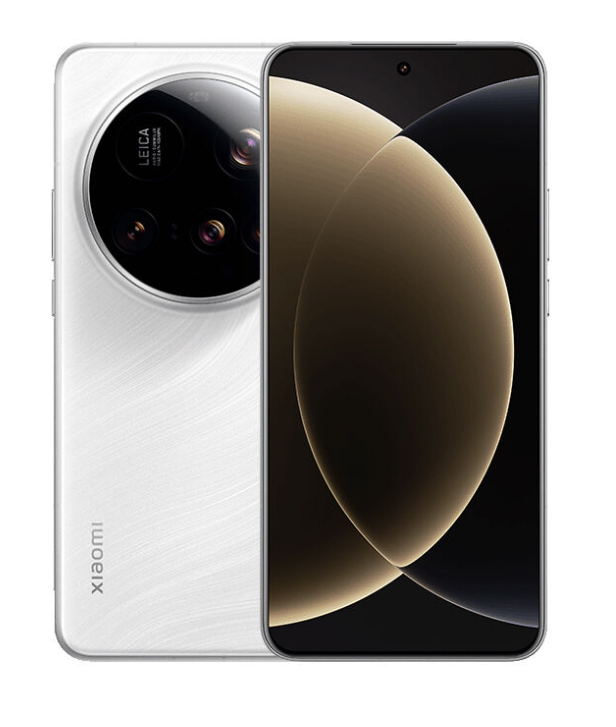
Top 5 Smartwatch Brands You Can Trust in 2025

Smartwatches have become an essential part of modern lifestyles, offering a perfect blend of style, functionality, and health tracking. Whether you’re a fitness enthusiast, a tech-savvy professional, or someone who simply enjoys convenience on the wrist, choosing the right smartwatch brand is crucial. Among the sea of options available, a few brands stand out for their reliability, innovation, and user experience. Here’s a closer look at five smartwatch brands you can trust:

Apple Watch

1. Apple

Apple has dominated the smartwatch industry since the launch of the first Apple Watch in 2015. The seamless integration with the Apple ecosystem makes it the go-to choice for iPhone users. With its refined design, powerful performance, and extensive health-tracking features, the Apple Watch sets the benchmark for smartwatches.

The latest models, such as the Apple Watch Ultra 2 and Apple Watch Series 10, offer advanced capabilities like on-device Siri, double-tap gestures, blood oxygen monitoring, ECG, and crash detection. Apple’s focus on health and safety is evident with features such as fall detection, temperature sensing, and even the potential introduction of blood pressure monitoring in future models. The watchOS platform continues to evolve, providing users with enhanced customization, fitness tracking, and third-party app support.

Battery life has historically been a weak point for Apple Watches, with most models offering around 18 to 36 hours of usage. However, the Ultra 2 extends battery life significantly, catering to adventure seekers and endurance athletes. While Apple Watches are on the expensive side, they are the best choice for those who want a high-quality smartwatch that works flawlessly with their iPhones.

Please Note: When you buy something using the links in our articles, we may earn a small commission at no cost to you.

2. Samsung

Samsung has consistently been a strong competitor in the smartwatch space, particularly for Android users. The Galaxy Watch lineup, now featuring models like the Galaxy Watch 7 and the Galaxy Watch Ultra, offers premium designs, advanced health tracking, and deep integration with Samsung’s ecosystem.

Samsung smartwatches run on Wear OS, co-developed with Google, ensuring access to a wide range of apps. The latest models feature FDA-approved sleep apnea detection, heart rate monitoring, ECG, and blood pressure tracking, making them some of the most health-conscious smartwatches on the market. Additionally, Samsung’s BioActive Sensor provides accurate health data, and the watches support AI-powered fitness tracking.

For those seeking extreme durability, the Galaxy Watch Ultra is built with a Grade 4 titanium frame and offers features such as 10ATM water resistance, multi-sport tracking, and Functional Threshold Power (FTP) for cyclists. Samsung also offers strong battery life, with the Galaxy Watch Ultra lasting up to 100 hours in power-saving mode. If you own a Samsung Galaxy smartphone, Samsung Watches are the best fit due to their deep software integration, including Samsung Wallet, camera control, and seamless call management.

Please Note: When you buy something using the links in our articles, we may earn a small commission at no cost to you.

3. Amazfit

Amazfit has gained popularity among users who want feature-packed smartwatches without spending a fortune. The brand, powered by Zepp OS, is known for its excellent battery life, diverse sports modes, and comprehensive health-tracking features. Unlike Apple and Samsung, Amazfit smartwatches work equally well with both Android and iOS devices.

Recent launches like the Amazfit GTR 4 New, Bip 5 Unity, and Amazfit Active 2 offer impressive features such as AMOLED displays, built-in GPS, blood oxygen monitoring, and advanced sleep tracking. Amazfit’s fitness tracking capabilities are robust, with over 150 sports modes, automatic activity recognition, and built-in AI coaching through Zepp Coach.

One of the biggest advantages of Amazfit smartwatches is their extended battery life, with most models lasting between 10 to 14 days on a single charge. This makes them ideal for users who dislike frequent charging. Despite being more affordable than Apple and Samsung smartwatches, Amazfit watches deliver reliable performance, making them a great option for budget-conscious consumers who still want a premium smartwatch experience.

Please Note: When you buy something using the links in our articles, we may earn a small commission at no cost to you.

4. Huawei

Huawei has steadily built a reputation for offering stylish, feature-rich smartwatches that cater to all segments, from budget-conscious buyers to premium users. For those who are tired of the usual Apple and Samsung options, Huawei presents a refreshing alternative with smartwatches that combine sleek designs, strong health-tracking features, and impressive battery life.

The company’s smartwatch lineup includes everything from the affordable Watch Fit 3, which is ideal for casual users and fitness enthusiasts, to the Huawei Watch GT 5, which offers a more premium experience with extended battery life and a refined design. For those seeking flagship features, the Huawei Watch 4 Pro delivers advanced health tracking and standalone connectivity, while luxury seekers can opt for the Watch Ultimate Design Gold, a high-end model crafted with 18K gold accents.

Huawei smartwatches excel in health and fitness tracking, offering essential features like heart rate monitoring, sleep tracking, SpO2 measurement, and multiple sports modes. The watches also offer extensive battery life, with most models lasting several days or even up to two weeks on a single charge, making them a great choice for users who dislike frequent recharging.

Huawei smartwatches work with both Android and iOS, although certain features, such as third-party app support, may be limited due to software restrictions. If you’re looking for a premium smartwatch with a stylish design and strong fitness capabilities, Huawei is a brand worth considering.

Please Note: When you buy something using the links in our articles, we may earn a small commission at no cost to you.

5. Garmin

For professionals, athletes, and adventure enthusiasts, Garmin is the undisputed leader in sports-focused smartwatches. Garmin’s wearables, including the Fenix 8 series, Forerunner 165, and Vivoactive 5, are designed for those who need advanced tracking features, rugged durability, and industry-leading battery life.

Garmin watches are built for endurance, with features like SATIQ multi-band GPS, topographic maps, and detailed running metrics. The Fenix 8 series, for instance, offers hill score tracking, endurance scores, and dynamic round-trip routing, catering to serious athletes and outdoor explorers. The Forerunner series, on the other hand, provides adaptive training plans, morning reports, and race predictions, making it ideal for runners.

Gramin also comes with superior battery life, with some models lasting up to a month on a single charge. Additionally, Garmin smartwatches offer solar charging options, further extending usage time. Unlike other brands that focus on lifestyle features, Garmin prioritizes health metrics, providing deep insights into heart rate variability, stress tracking, and sleep quality.

While Garmin watches don’t offer extensive third-party app support like Apple or Wear OS devices, they excel in fitness tracking and reliability. If you’re a serious athlete or an outdoor adventurer, Garmin is the best smartwatch brand for your needs.

Please Note: When you buy something using the links in our articles, we may earn a small commission at no cost to you.

6. Final Thoughts

When choosing a smartwatch, it’s essential to consider your lifestyle, smartphone compatibility, and primary use case. Apple and Samsung cater to mainstream users with seamless smartphone integration and premium features. Amazfit offers budget-friendly smartwatches with impressive battery life, while Huawei stands out with stylish designs and long-lasting performance. For athletes and outdoor enthusiasts, Garmin remains the best choice, thanks to its specialized fitness tracking and rugged build quality.

Each of these brands has its strengths, ensuring that whatever your requirements may be, there is a smartwatch that fits your needs perfectly. Whether you prioritize fitness tracking, battery life, or a premium design, these five brands are among the most reliable in the smartwatch industry today.

In related news, Amazfit unveils the Lava Red T-Rex 3 in India ahead of Valentine’s Day.

For more daily updates, please visit our News Section.

Stay ahead in tech! Join our Telegram community and sign up for our daily newsletter of top stories! 💡

Casio teams up with Chums and Li-Ning for a military-style G-Shock and a pastel Baby-G

Casio has dropped a limited-edition collection of G-Shock and Baby-G watches in collaboration with outdoor lifestyle brand Chums and Chinese sportswear giant Li-Ning. This exciting release features two distinctive models, each showcasing a unique blend of rugged functionality and playful aesthetics.

Casio teams up with Chums and Li-Ning

The G-Shock DW-5600LICH25-5PFL retains the iconic square case design but adds a touch of military flair. The beige resin case is complemented by a removable camouflage-patterned fabric strap, while a vibrant red climbing rope-style lanyard offers versatility in wear. The minimalist watch face features subtle Chums branding and maintains the core G-Shock functionality, including shock resistance, 200m water resistance, and a stopwatch.

In contrast, the Baby-G BA-110XLICH25-7PFL embraces a lighter, more playful aesthetic. The frosted white resin case is adorned with hints of purple and blue, creating a captivating color palette. The layered dial features metallic pink and silver accents, adding a touch of sophistication. Chums branding is subtly incorporated on the dial, while the watch boasts 100m water resistance, shock protection, and a range of practical features.

Both models are currently available exclusively in China. The DW-5600LICH25-5PFL is priced at 990 yuan (approx $138), while the BA-110XLICH25-7PFL is slightly more affordable at 890 yuan (approx $124). While international availability remains uncertain, these limited-edition watches are sure to capture the attention of collectors and fashion enthusiasts alike.

In related news, Casio is also launching a four-watch Vintage A130WE series this month, featuring a retro 1980s LC analog-digital design with metallic finishes. The watches support World Time for 48 cities and include a stopwatch, timer, alarms, and a three-year battery. Available in silver, gold, and gunmetal, prices range from 8,800 yuan ($57) to 11,000 yuan ($71).

For more daily updates, please visit our News Section.

Stay ahead in tech! Join our Telegram community and sign up for our daily newsletter of top stories! 💡
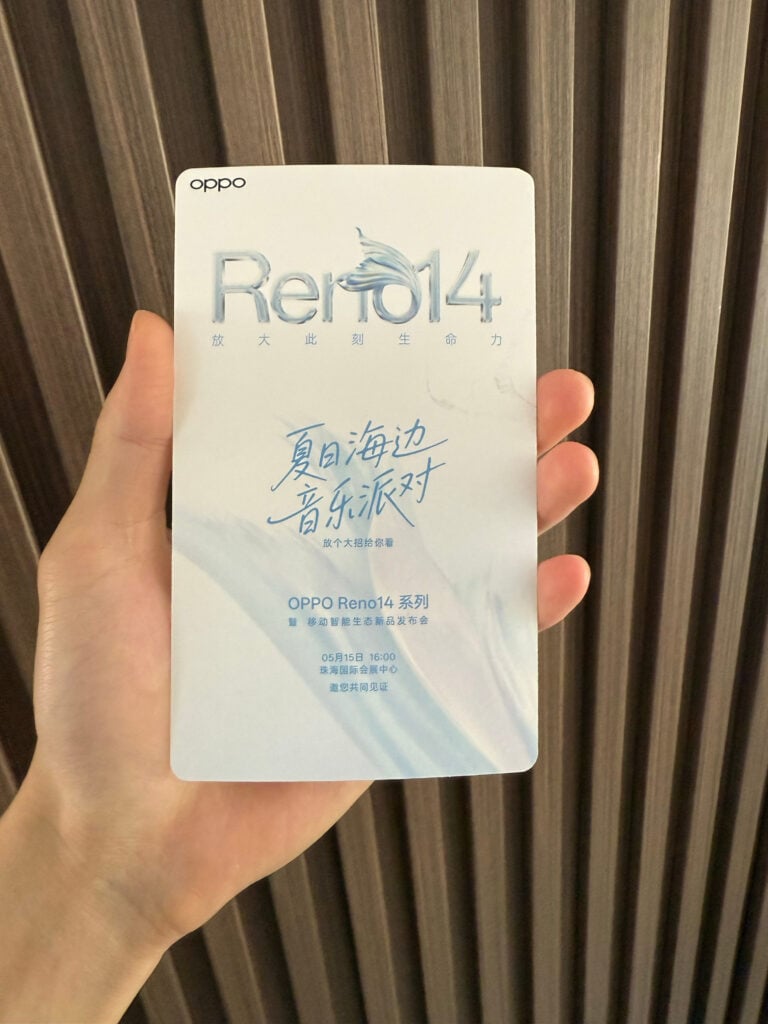
(Via)

Amazfit Launches Lava Red T-Rex 3 in India for Valentine’s Day

Amazfit has launched the Lava color variant of its T-Rex 3 smartwatch in India, just in time for Valentine’s Day. The limited-edition model, introduced in September 2023 in Onyx, now features a vibrant red design symbolizing love and adventure. The Lava variant retains the rugged durability and advanced features of the original T-Rex 3, targeting outdoor enthusiasts and fitness-conscious users.

Amazfit T-Rex 3

Amazfit T-Rex 3 features

The Amazfit T-Rex 3 boasts a 1.5-inch HD display with 2000 nits brightness and Corning Gorilla Glass protection. It supports Bluetooth 5.2, Wi-Fi, and dual-band GPS with six satellite positioning systems. Health monitoring features include heart rate, SpO2, stress, sleep tracking, and menstrual cycle tracking. The watch also offers 177+ sports modes, smart recognition for 25 strength training movements, and AI-powered coaching through Zepp Coach and PeakBeats.

Amazfit T-Rex 3

The watch has Zepp OS 4, offering support for voice commands via Zepp Flow, and offline maps for precise navigation. It is built with a stainless steel bezel, polymer frame, and 10ATM water resistance, meeting MIL-STD-810G military standards. The 700mAh battery delivers up to 27 days of normal use, 13 days with heavy usage, and 40 days in battery saver mode.

Pricing & availability

The Lava variant is priced at Rs. 19,999 and is available for purchase on in.amazfit.com, with Amazon availability following soon.

In other news, Amazfit has recently launched the Amazfit Up open-ear earbuds, featuring a clip-on design that keeps the ear canal open for comfort and situational awareness. The earbuds use AI noise reduction for clearer calls and integrate with Amazfit smartwatches for real-time workout updates and turn-by-turn navigation.

For more daily updates, please visit our News Section.

Don’t miss a thing! Join our Telegram community for instant updates and grab our free daily newsletter for the best tech stories!

Krafton is betting on OpenAI to shape the next era of gaming AI

Krafton, the renowned developer behind the global phenomenon “PUBG: Battlegrounds,” is exploring exciting new frontiers in gaming with the help of OpenAI. In a meeting with OpenAI CEO Sam Altman during his recent visit to Seoul, Krafton CEO Kim Chang-han discussed potential collaborations that could revolutionize the gaming experience.

Krafton

Can OpenAI Make NPCs Smarter?

The primary focus of these discussions centered around leveraging OpenAI’s cutting-edge large language models (LLMs) to develop sophisticated AI-powered characters. These “virtual cooperative characters” (CPCs) will go beyond traditional non-playable characters (NPCs) by engaging in natural and meaningful conversations with players, creating a more immersive and interactive gaming environment.

This collaboration aligns perfectly with Krafton’s recent advancements in AI-driven gaming. Earlier this year at CES 2025, the company showcased its own innovative CPC technology developed in partnership with Nvidia. This technology marks a significant leap forward, enabling players to interact with AI characters in a more dynamic and realistic way.

Krafton plans to integrate this advanced AI technology into its existing and upcoming game titles. “PUBG: Battlegrounds,” the game that catapulted Krafton to global fame, is poised to benefit from this collaboration, offering players even more engaging and unpredictable gameplay experiences. Additionally, “inZOI,” an upcoming life simulation game scheduled for release later this year, will also incorporate these cutting-edge AI features, promising to redefine the genre.

Beyond gaming, OpenAI is also expanding its footprint into hardware, robotics, AI chips, and quantum computing. The company’s recent trademark filings suggest an interest in AI-driven consumer devices, including smartwatches, AR/VR headsets, headphones, and humanoid robots with advanced learning abilities.

OpenAI is also collaborating with Broadcom and TSMC to develop custom AI chips, targeting a 2026 launch. While these projects are still in their early stages, OpenAI is actively working with partners to bring AI-powered innovations to market.

This partnership between Krafton and OpenAI marks a major step toward the future of gaming, where AI will play an increasingly crucial role in shaping immersive, interactive, and personalized experiences for players worldwide.

For more daily updates, please visit our News Section.

Stay ahead in tech! Join our Telegram community and sign up for our daily newsletter of top stories! 💡
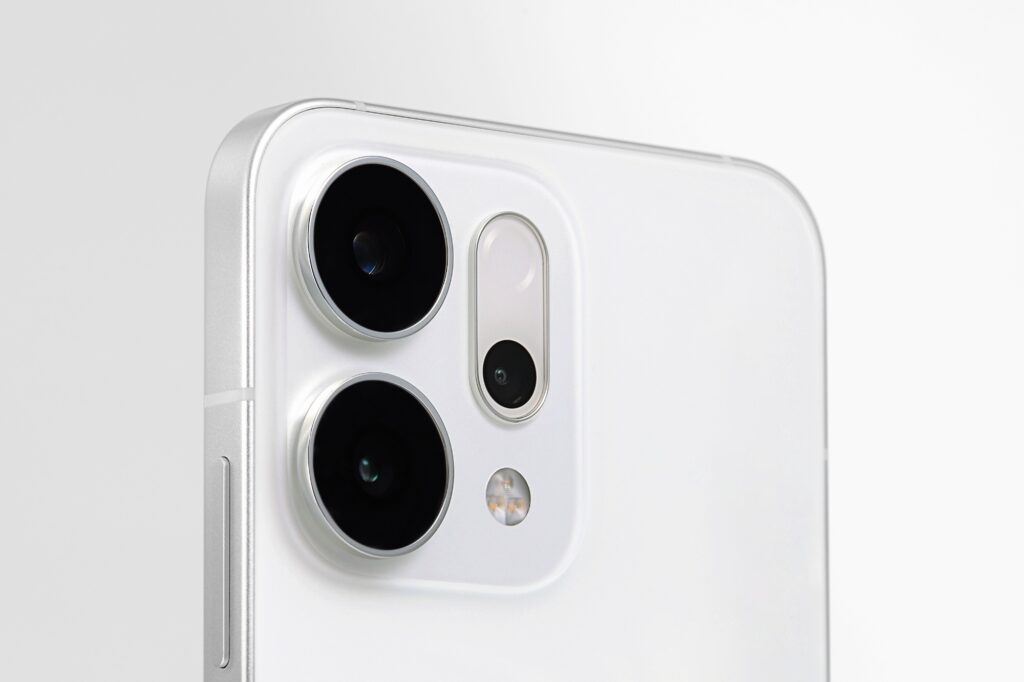
(Via)

BOULT Draft Max Smartwatch with 2.01″ display, 24/7 health monitoring & IP68 rating launched

BOULT India has released the Drift Max Smartwatch, following the launch of the BOULT Trail Pro smartwatch. The watch features a 2.01-inch display and a rotating crown for navigation. The watch offers over 250 customizable watch faces.

BOULT Drift Max

Targeting fitness enthusiasts, the Drift Max tracks over 120 sports modes and provides 24/7 health monitoring, including heart rate, blood pressure, SpO2, stress, and menstrual cycle tracking. It also monitors sleep, calories, and reminds users to hydrate and move.

Boult Drift Max

Connectivity is handled via Bluetooth 5.2, enabling Bluetooth calling. Smart features include notification management, remote camera control, weather updates, Find My Phone and a calculator. The watch integrates with Google Assistant and Siri. Its IP68 rating ensures water and dust resistance.

Pricing & availability

The Drift Max is available now on BOULT’s website, Flipkart, and Amazon.in. The Coal Black and Silver models with stainless steel straps are priced at Rs. 1199. The Pure Black variant with a silicon strap costs Rs. 1099.

Please Note: When you buy something using the links in our articles, we may earn a small commission at no cost to you.

In other news, OPPO has filed a patent with WIPO for a new blood pressure monitoring system for smartwatches. Unlike existing designs, such as Huawei’s Watch D2, which uses an air nozzle in the watch head, OPPO’s system incorporates the air path into the strap, removing the need for a nozzle.

For more daily updates, please visit our News Section.

Don’t miss a thing! Join our Telegram community for instant updates and grab our free daily newsletter for the best tech stories!

Global smartphone market rebounds 7% in 2024 as Apple holds the lead: Canalys

The global smartphone market experienced a resurgence in 2024, marking a significant turnaround after two consecutive years of decline. According to the latest research from Canalys, shipments surged by 7%, reaching a total of 1.22 billion units. This recovery was driven by a combination of factors, including increased demand for replacements, vendor restocking efforts, and a surge in emerging markets.

Global Smartphone Market Canalys

Growth Returns as Premium Devices and Emerging Markets Drive Demand

Apple continued to hold the top position, although shipments dipped slightly by 1% to 225.9 million units. The company’s strong performance was attributed to its robust presence in North America and Europe, coupled with expanding market share in emerging economies. Samsung followed closely, with shipments also declining by 1% to 222.9 million units.

Xiaomi emerged as a key driver of market growth, experiencing a substantial 15% increase in shipments to 168.6 million units. This growth was fueled by strong demand within the Chinese market and strategic expansion into emerging regions. Notably, Transsion entered the top four for the first time, demonstrating its growing influence in key markets.

Global Smartphone Market Canalys

The premium smartphone segment witnessed a notable upsurge, with consumers increasingly gravitating towards high-end models. Apple’s iPhone 16 Pro and Pro Max experienced a significant 11% year-over-year increase in shipments, surpassing 55 million units. Samsung also reported its strongest S-series performance since 2019, driven by strong demand for the Ultra model.

While 2024 brought positive market momentum, challenges loom ahead. Analysts warn of potential headwinds in 2025, including slowing growth in emerging markets, economic uncertainties, and the potential impact of US tariffs. However, opportunities for continued growth remain, particularly in premium segments, driven by factors such as China’s subsidy programs and innovative financing models.

The smartphone market is poised for continued evolution, with a focus on increasing average selling prices (ASP), expanding product portfolios, and refining marketing strategies. As 5G technology becomes more widespread and artificial intelligence integration accelerates, the industry is set to witness further innovation and competition.

For more daily updates, please visit our News Section.

Stay ahead in tech! Join our Telegram community and sign up for our daily newsletter of top stories! 💡

(Source)

Snapdragon 8 Elite AnTuTu, Geekbench score

Snapdragon 8 Elite AnTuTu score

The Snapdragon 8 Elite is Qualcomm’s most powerful mobile chipset and the first from the brand to use in-house Oryon CPU cores in a mobile chip. This chip, featuring two large cores and six performance cores, was announced in late 2024 and already powers many premium phones, such as the Galaxy S25, iQOO 13, OnePlus 13, and more.

Qualcomm makes bold claims with Snapdragon 8 Elite, promising more than 40% uplift in performance and power efficiency. We’ve benchmarked the Snapdragon 8 Elite on platforms such as AnTuTu and Geekbench to test the claims and see how powerful the chip is.

[Note: The following benchmark tests have been conducted on the iQOO 13, powered by Qualcomm Snapdragon 8 Elite.]

Qualcomm Snapdragon 8 Elite AnTuTu score

AnTuTu is a widely used benchmarking platform that runs a device through a series of tests that measure different aspects of its performance, such as CPU, GPU, memory, and UX. The combined score represents the overall performance of a device.

On AnTuTu 10, the Snapdragon 8 Elite has scored over 2.7 million AnTuTu points. As for the individual scores, the CPU gets 593,686 points, the GPU gets 1,192,025 points, the memory gets 498,554 points, and the UX gets 441,312 points. 

AnTuTu score2,725,577
CPU593,686
GPU1,192,025
Memory498,554
UX441,312

The Snapdragon 8 Elite-powered iQOO 13 registers solid AnTuTu performance. The number is close to Dimensity 9400 but beats the Apple A18 Pro by a significant margin. Let’s now look at the Geekbench numbers below.

Qualcomm Snapdragon 8 Elite Geekbench score

Geekbench evaluates a device’s CPU performance through a series of tests designed around practical scenarios. The tests include image processing, compression (text and image), speech recognition, and PDF rendering.

On Geekbench (v6), the Snapdragon 8 Elite-powered iQOO 13 has scored 3,125 points in the single-core test and 9,932 points in the multi-core test. 

Geekbench 6
Single core3,125
Multi core9,932

These are solid Geekbench numbers for a flagship smartphone chip. The Apple A18 Pro has a slightly better single-core score but cannot match the multi-core performance. The Dimensity 9400, however, loses both battles to Snapdragon 8 Elite.

Qualcomm Snapdragon 8 Elite 3DMark Wild Life Stress Test

This is a gaming test that evaluates sustained GPU performance under heavy workloads. On this benchmark, the iQOO 13, powered by Snapdragon 8 Elite, scored a best loop score of 19,623 and the lowest loop score of 11,809. It has a stability of around 60%.

3DMark Wild Life Extreme Stress Test
Best loop score19,623
Lowest loop score11,809
Stability60%

Snapdragon 8 Elite spec sheet

Snapdragon 8 Elite
AnnouncedOctober 2024
Process node3nm
ManufacturerTSMC
CPU2 x 4.32GHz — Oryon
6 x 3.53GHz — Oryon
GPUAdreno 830 GPU
Unreal Engine 5.3 running Nanite on smartphones
Hardware accelerated ray tacing
Snapdragon Elite Gaming features
NPUQualcomm Hexagon NPU
Multimodal Gen AI support
MemoryLPDDR5x, up to 5.3GHz
StorageUFS 4.0
USBUSB Type-C version 3.1 Gen 2
CameraSpectra triple 18-bit ISPs
Up to 320MP single camera
Up to 108MP single camera with zero shutter lag
Up to 48MP triple cameras with zero shutter lag
Limitless real-time semantic segmentation
8K/30fps, 4K/120fps video recording
ConnectivitySnapdragon X80 5G modem
Downlink: 10Gbps
Uplink: 3.5Gbps
Wi-Fi 7 (peak speed: 5.8Gbps)
Bluetooth 6.0, LE
Ultra Wideband (UWB)

Popular Snapdragon 8 Elite phones:

Popular SoC battle:
1. Snapdragon 8 Elite vs Dimensity 9400 vs Apple A18 Pro
2. Snapdragon 8 Elite vs. Snapdragon 8 Gen 3
3. Dimensity 9400 vs Snapdragon 8 Gen 3

Realme 14 Pro Series 5G Global debut set for MWC 2025

Realme has confirmed its participation in Mobile World Congress (MWC) 2025 in Barcelona, where it will globally launch the Realme 14 Pro Series 5G and outline its three-year strategic plan. The series made its initial debut in China and was also launched in the Indian market last month.

Under the theme “Tech Drives. Style Thrives.”, Realme will focus on mobile technology and design for young consumers. The company will showcase optical imaging upgrades aimed at improving smartphone photography and AI-powered features from the Realme NEXT AI Lab, designed to enhance user interaction and camera performance.

The Realme 14 Pro Series 5G will be the world’s first cold-sensitive color-changing phone, with improvements in performance, design, and imaging. Realme will also demonstrate its waterproofing technology and AI-driven enhancements.

Visitors can see these innovations firsthand at Hall 3, Booth 3B4, where Realme will offer product demonstrations and interactive displays. As for the specifications of the device, we can expect it to be similar to the Realme 14 Pro series Indian models.

Realme 14 Pro Series features (Indian models)

The Realme 14 Pro and the 14 Pro+ both come in a Pearl White variant which changes color from white to blue when temperatures drop below 16°C.

The Realme 14 Pro+ has a 6.83-inch micro-curved AMOLED display with a 1.5K resolution (2800 × 1272), providing sharper visuals than the Pro’s FHD+ screen. The phone has a Snapdragon 7s Gen 3 processor at its core and it draws power from a 6000mAh battery that supports 80W fast charging. The device runs on Realme UI 6.0 based on Android 15.

The camera setup features a 50MP Sony IMX896 (1/1.56″) primary sensor, a 50MP 3x periscope lens with 120X SuperZoom, and an 8MP ultra-wide sensor. A 32MP front camera provides high-quality selfies and video calls.

The Realme 14 Pro has an FHD+ AMOLED display has a 120Hz refresh rate, ensuring smooth visuals. Brightness reaches 1400 nits globally and peaks at 4500 nits locally for HDR content. It runs on the MediaTek Dimensity 7300 Energy 5G chipset (4nm) with 8GB of RAM. Like the higher-end model, it also has a 6,000mAh battery, however, it is supported by 45W fast charging instead of 80W. The Realme 14 Pro features a 50MP Sony IMX882 (1/1.95″) primary sensor with OIS, a 2MP monochrome camera, and a 16MP front camera.

(Source)

Xiaomi ends support for 9 more Redmi and Poco smartphones, including Note 11

Xiaomi has once again expanded its End-of-Life (EoL) list, which means the end of software support for several more devices. The company previously discontinued support for the Xiaomi Pad 5 and the Redmi Note 11 Pro series in October 2024. 

Now, it has extended this phase-out to include the remaining models from the Redmi Note 11 lineup, along with other smartphones from the Redmi and Poco brands.

Xiaomi adds Redmi Note 11 to EoL list

A total of nine additional models have been added to Xiaomi’s EoL list, meaning these devices will no longer receive MIUI updates or fresh Android security patches. The affected models include:

  • Redmi Note 11 SE
  • Redmi Note 11S 5G
  • Redmi Note 11S
  • Redmi Note 11 5G
  • Redmi Note 11
  • Redmi 10C
  • Redmi 10 2022
  • Poco X4 Pro 5G
  • Poco M4 Pro

Xiaomi’s decision to add these devices to the EoL list aligns with its standard lifecycle policy for smartphone software support. Once devices are placed on this list, users will no longer receive routine security updates or new features, which can affect long-term device security and usability. 

Thus, for users who are still using any of these devices, you should now start considering alternatives, especially if security updates are a priority. While the phones will continue to function, the lack of updates means increased exposure to potential security vulnerabilities over time.

Alternatively, users with technical knowledge can install custom ROMs based on the latest Android version to keep their old device running.

We’ve been consistently tracking Xiaomi’s end-of-life device list and will keep you updated as new additions roll in. Stay tuned for the latest updates.

For more daily updates, please visit our News Section.

Stay ahead in tech! Join our Telegram community and sign up for our daily newsletter of top stories!

Alleged Xiaomi 15 Ultra spotted on Geekbench AI benchmark with Snapdragon 8 Elite

A Xiaomi device with model number 25010PN30G surfaced on the Geekbench AI benchmark platform yesterday, which is expected to be the global version of the Xiaomi 15 Ultra. The phone comes with Android 15 out-of-the-box. The CPU clock speeds of the chip reaffirms previous reports about the device running on the Snapdragon 8 Elite chip.

As for the NPU capability, we can refer to the Galaxy S25 series, which runs several cutting-edge AI features natively without an issue. However, the actual AI performance only partly depends on the NPU capabilities of the new chip. The implementation of the AI features largely depends on Xiaomi itself.

AI features expected from the Xiaomi 15 Ultra

The phone will be running on Xiaomi’s HyperOS 2.0 skin, which indeed includes some AI features. It includes a writing assistant (that helps people draft emails, messages, and more), a translation tool, an AI Memo Recording feature (that will allow its users to record and transcribe memos based on information gathered through meetings and calls), and an “AI movie lock screen clock” that allows the device to intelligently use the videos captures by the user and convert them into dynamic lock screen clocks. I’m already familiar with almost all the features, and I’m excited to see the last one in action.

As per the CPU and GPU performance of the prototype, previous Geekbench listings have shown promising results: 3180 in single-core and 10058 in multi-core test. This is on par with other performance-focused flagships like the Galaxy S25 Ultra, OnePlus 13, and iQOO 13, all of which use the same chip. So, there’s nothing going considerably wrong with the performance capabilities of Xiaomi’s upcoming camera-centric device.

Xiaomi-15-Ultra-real-life-image
Xiaomi 15 Ultra real-life image

For those wondering, the camera setup is expected to include Sony’s 1″ Lytia LYT-900 as the main sensor, paired with a 200 MP Samsung ISOCELL HP9 periscope telephoto for long-range zoom and a 50 MP Sony IMX858 telephoto for short-range zoom. We have already seen the 200MP telephoto with the vivo X200 Pro (hands-on), which helps the device outperform the Galaxy S25 Ultra in long-range zoom. That said, the same is also expected with the Xiaomi 15 Ultra.

Check out the hands-on video of the Xiaomi 15 Ultra here. For more daily updates, please visit our News Section.

Stay ahead in tech! Join our Telegram community and sign up for our daily newsletter of top stories!

Google may bring Adaptive Charging to Pixel Watch

Google‘s Pixel phones boast a nifty feature called Adaptive Charging, designed to prolong battery life. This intelligent system learns your charging habits and prevents the phone from reaching 100% until shortly before you typically unplug it. Now, whispers suggest this beneficial feature could soon grace the Pixel Watch lineup.

Google Pixel Watch 3

Pixel Watch May Soon Get Smarter Battery Management

Evidence of this potential addition was uncovered by Android Authority in a recent teardown of the Pixel Watch Management Service app. New strings of code within version 2024.10.14.685782837 hinted at the arrival of Adaptive Charging. While the exact implementation details remain shrouded in mystery, it’s likely to mirror the phone version, optimizing charging cycles to minimize battery degradation.

This development is particularly welcome news for Pixel Watch users. The current battery life, while decent, can still be a concern, especially for those who regularly leave their watches on the charger overnight. Adaptive Charging could significantly extend the lifespan of the Pixel Watch battery, ensuring users enjoy a longer and more reliable experience.

It’s worth noting that Pixel Watches already possess a battery-saving feature called Battery Defender. This mode kicks in after four days of continuous charging, capping the battery level at 80%. While helpful, Adaptive Charging offers a more refined approach, intelligently tailoring the charging schedule to individual user behavior.

While the official release timeline for Adaptive Charging on Pixel Watch remains uncertain, this development signals a positive step towards enhancing the user experience. As more details emerge, we’ll keep you updated on this exciting prospect.

Meanwhile, Google is reportedly launching the Pixel 9a earlier than expected, with pre-orders starting on March 19 and sales beginning on March 26. The phone is expected to feature a 6.285-inch OLED display, Tensor G4 chip, up to 256GB storage, and a 5,100mAh battery with 23W charging. It may sport a 48MP main camera, a 13MP ultra-wide lens, and a 13MP selfie camera. Pricing is rumored to start at $499 for the 128GB model.

For more daily updates, please visit our News Section.

Stay ahead in tech! Join our Telegram community and sign up for our daily newsletter of top stories! 💡
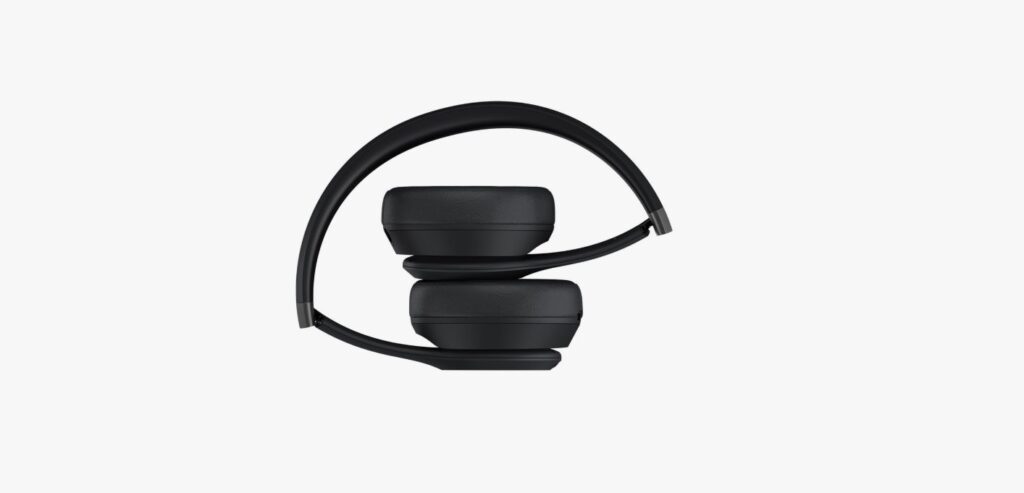
(Source)

OpenAI to expand into hardware, humanoid robots, smart jewelry, AI chips and more

OpenAI filed a new trademark application with the United States Patent and Trademark Office (USPTO) on January 31, 2025. This filing suggests that OpenAI is planning to expand into new product categories, including hardware and robotics. Although the application highlights potential product lines, it’s important to note that these developments may take several years to come to market.

What is the new range of products?

Among the items mentioned in the trademark application are a range of hardware products, such as headphones, glasses, smartwatches, smart jewelry, and laptop and phone cases. OpenAI also hints at entering the virtual reality (VR) and augmented reality (AR) markets with new headsets. These products would be designed to work with AI technologies, enhancing user interaction through AI-assisted simulations and training.

CEO Sam Altman has expressed that OpenAI is working with multiple companies to bring AI-driven consumer hardware to the market. However, the timeline for these products is still unclear, with prototypes expected to take several years to develop.

Humanoid Robots with AI Integration

In addition to hardware, the trademark application points to OpenAI’s plans to venture into robotics, specifically humanoid robots. These robots would be user-programmable and equipped with advanced communication and learning abilities. To support this, OpenAI has formed a new robotics team led by Caitlin Kalinowski, formerly from Meta’s AR glasses division. The team will focus on creating robots powered by custom sensors and AI to mimic human intelligence and behavior.

Custom AI Chips and Quantum Computing

OpenAI is also exploring the development of custom AI chips to improve the performance of its AI models. The company is working with Broadcom and TSMC, with plans to launch the chips by 2026. Additionally, OpenAI is delving into quantum computing, to leverage this technology to optimize AI models in the future.

While the trademark filing reveals OpenAI’s ambitions in hardware, robotics, AI chips, and quantum computing, it remains to be seen when these innovations will hit the market. The company’s focus is on developing AI-powered products, but much of the work is still in the early stages.

Read More:

(via)