Redmi Note 10 Pro is arguably one of the best smartphones Xiaomi has ever released. The product, which also goes by Redmi Note 10 Pro Max in India, recently reached its end of software support.
Having been released in early 2021, the device received two Android and MIUI updates over the years. It debuted with Android 11-based MIUI 12 and currently boots MIUI 14 based on Android 13.
This means the handset is only a generation behind in terms of software. So what about hardware?
The phone’s specs still match those of the newer models in the segment. The only notable downsides are that it is limited to 4G and the chipset is comparatively slower.
So does that mean you should upgrade? We try to answer this question in this article.
1. Why you should not upgrade your Redmi Note 10 Pro?
The Redmi Note 10 Pro (aka Redmi Note 10 Pro Max) shook the budget smartphone category when it was introduced. In fact, there hasn’t been any handset like it until the Realme Narzo 70 Pro 5G, which is somewhat similar.
The phone is still usable today. The Qualcomm Snapdragon 732 chipset inside it can easily handle all the current-gen applications and the future ones even if you have the base 6GB RAM variant.
You wouldn’t run into app compatibility issues as the device boots only a year old Android 13. You will be missing out on the latest security patches, however, that’s not a concern unless there’s a serious vulnerability, which is rare.
As for specs, most products in the segment still have a similar feature set as the Redmi Note 10 Pro 3 years later.
Your smartphone already flaunts an excellent 120Hz AMOLED display with 1200 nits peak brightness level and HDR10+ support. It has a capable 108MP primary camera, a useful 8MP ultrawide unit, and a 5MP telemacro snapper.
That’s not all, it comes with Dolby Atmos-supported dual stereo speakers to further improve the media experience. There are also a 3.5mm headphone jack and a MicroSD card slot, which are rarely found on newer phones.
Finally, the handset is backed by a large 5,020mAh battery with respectable 33W charging support. Even if your battery has degraded, you can replace it at a nominal cost. We can say the same for the rear glass panel if it is broken.
2. Why you should upgrade your Redmi Note 10 Pro?
We could only think of one solid reason why you should upgrade your Redmi Note 10 Pro. And that is you are bored with your current phone after 3 years of usage and want to try something more premium.
If you want to upgrade just for 5G, we are sorry to say that you will get a similar or only slightly better experience with newer smartphones in the same price segment. You will find notable differences only when you spend more than what you paid for your Redmi Note 10 Pro years ago.
That was our factual answer. But we do have some nitpicks as to why you may want to upgrade.
Redmi Note 10 Pro’s charging speed is not slow but there are newer devices with even more faster charging standards. These latest handsets are also a bit faster and support 5G.
There’s a chance you might also like the camera processing on these newer phones, thanks to better ISP and algorithm. However, this is difficult to know without experiencing the latest devices yourself.
Lastly, you want more internal storage, which can be only realized by investing in any of the latest smartphones.
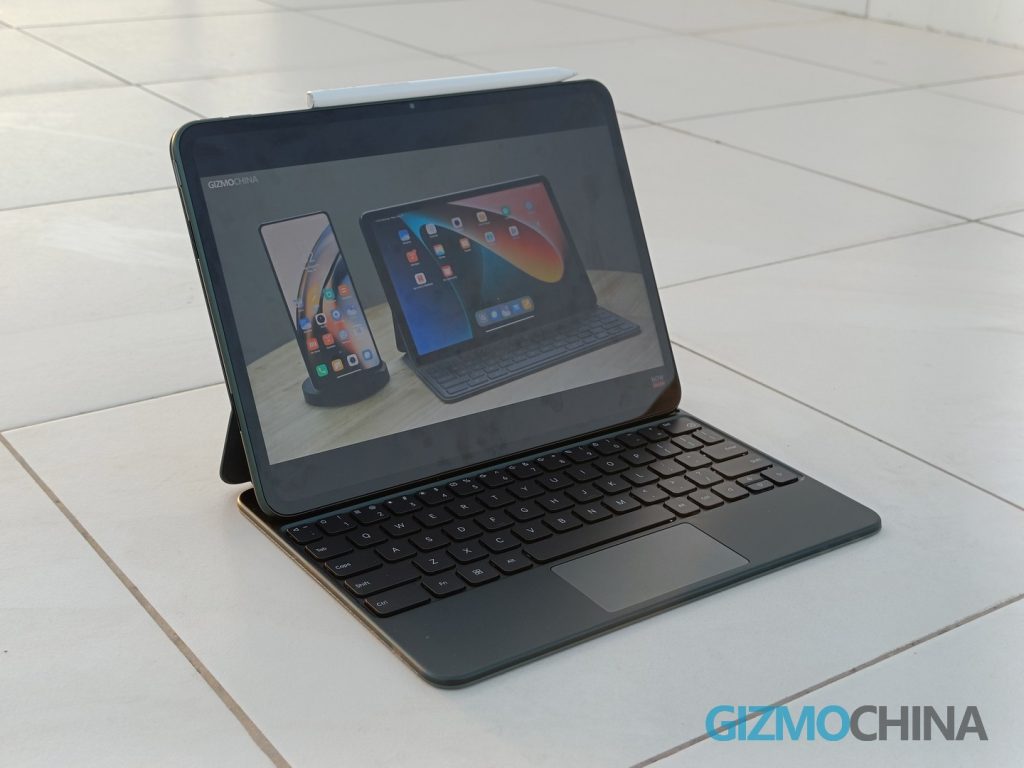
OnePlus has sent out an update for its OnePlus Pad to improve the tablet’s battery life and fix some issues. The update, labeled OPD2203_14.0.0.500(EX01), is rolling out in India, Europe, and globally. It aims to make the battery last longer, fix the screen flickering when changing from landscape to portrait, and address problems with adding calendar events and switching between recent apps.
The update also fixes a display issue when the tablet is connected to a phone via Multi-Screen Connect and adds the February 2024 Android Security Patch to make the system more secure. You can find the complete changelog below.
OnePlus Pad OxygenOS 14.0.0.500 update changelog
System
• Improves system stability and performance.
• Reduces power consumption to extend battery life in some scenarios.
• Fixes an issue where you might be unable to switch between some apps in recent tasks.
• Fixes an issue that might cause the screen to flicker when you switch between landscape and portrait modes.
• Fixes an issue where you might be unable to add calendar events.
• Integrates the February 2024 Android security patch to enhance system security.
Communication
• Fixes an issue where some information might not be properly displayed on your tablet when it is connected to your phone via Multi-Screen Connect.
OnePlus is releasing this update in stages, so it will gradually reach all users. OnePlus is asking for feedback on this update, which you can provide by visiting the OnePlus community.
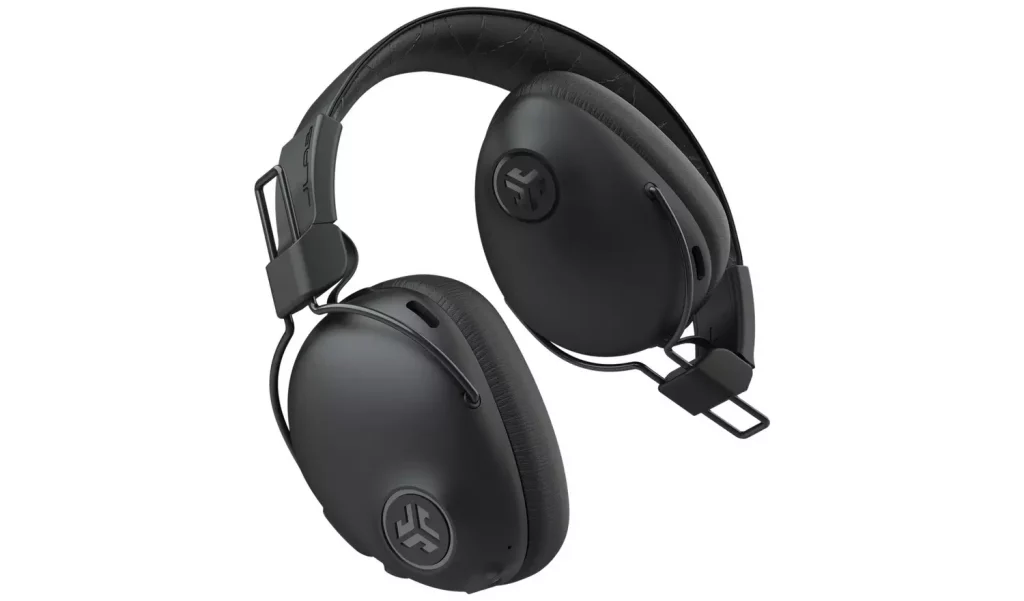
JLab has recently launched its new Studio Pro ANC wireless headphones in the UK, priced at £99.99 and now available at Argos and Very. These headphones are designed to offer a comfortable listening experience with Smart Active Noise Cancelling (ANC) technology to reduce distractions.
Featuring four different noise control settings, the Studio Pro ANC headphones can adapt to various environments, allowing users to focus on their music, videos, or podcasts without interruptions. They offer both wireless Bluetooth connectivity and the option to use a cable with the included USB-C to 3.5mm cable. The headphones come with a battery life of over 45 hours.
The headphones also provide three EQ3 sound modes—JLab Signature, Balanced, and Bass Boost—allowing users to customize their listening experience directly on the headphones without the need for additional apps.
Comfort is prioritized with the Studio Pro ANC, featuring Form-Fit Earcups and Cloud Foam cushions designed for long listening sessions. They also offer practicality with easy-to-use buttons for managing volume, tracks, and ANC settings. Additionally, they include a universal microphone for clear phone calls and are compatible with virtual assistants like Siri and Google Assistant.
The headphones come with all necessary cables for charging and device connection, as well as a carry case for storage.
Vivo has launched the Vivo T3 5G in India, targeting consumers seeking high performance at a mid-range price. This new device is now available to purchase in India through various channels.
Pricing and Exclusive Offers
The Vivo T3 5G is priced at ₹19,999 for the 8GB + 128GB model and ₹21,999 for the 8GB + 256GB variant. Buyers using SBI, ICICI, and HDFC Bank cards can enjoy a ₹2,000 instant discount. Additionally, an exchange bonus of ₹2,000 is available, although it cannot be combined with the card discount. Purchases made through the Vivo Store come with free Vivo XE710 Earphones.
Key Features of the Vivo T3 5G
The smartphone boasts a 6.67-inch AMOLED display with a 120Hz refresh rate and 2400 x 1080 resolution. It is powered by the MediaTek Dimensity 7200 chip, coupled with 8GB of RAM, and offers storage options of 128GB or 256GB. The 5,000mAh battery supports 44W fast charging, addressing battery life concerns effectively.
Camera capabilities include a 50MP primary Sony IMX882 sensor with OIS, a 2MP depth sensor, and a flicker sensor for detailed photos, complemented by a 16MP front camera. The phone also has a dual stereo speaker setup along with an in-display fingerprint sensor. The device supports 5G, WiFi 6, Bluetooth 5.3, dual SIM, and USB Type-C. An IP54 rating ensures resistance against dust and splashes. The device runs on Android 14-based Funtouch OS 14.
A whole new contender has entered the ring of large language models (LLMs). Databricks, a company specializing in data processing, has unveiled DBRX, claiming it to be the most powerful open-source LLM yet. But is it backing those claims up? Let’s find out.
132 billion parameters is a big number – GPT-3.5 has 175 billion parameters
DBRX utilizes a transformer architecture and boasts a massive 132 billion parameters. It leverages a unique approach called a Mixture-of-Experts (MoE) model, consisting of 16 individual expert networks. During any given task, only 4 of these experts are active, utilizing 36 billion parameters for efficiency. GPT 4 also uses an MoE model.
Databricks compares DBRX to other prominent open-source LLMs like Meta‘s Llama 2-70B, Mixtral (from France’s MixtralAI), and Grok-1 (developed by Elon Musk‘s xAI). DBRX reportedly outperforms its rivals in several key areas:
Language Understanding: DBRX achieves a score of 73.7%, surpassing GPT-3.5 (70.0%), Llama 2-70B (69.8%), Mixtral (71.4%), and Grok-1 (73.0%).
Programming Ability: Here, DBRX demonstrates a significant lead with a score of 70.1%, compared to GPT-3.5’s 48.1%, Llama 2-70B’s 32.3%, Mixtral’s 54.8%, and Grok-1’s 63.2%.
Mathematics: DBRX takes another win with a score of 66.9%, edging out GPT-3.5 (57.1%), Llama 2-70B (54.1%), Mixtral (61.1%), and Grok-1 (62.9%).
Databricks attributes DBRX’s speed to its MoE architecture, built upon their MegaBlocks research and open-source projects. This allows the model to output tokens at a very high rate. Additionally, Databricks positions DBRX as the most advanced open-source MoE model currently available, potentially paving the way for future advancements in the field.
The open-source nature of DBRX allows for wider adoption and contribution from the developer community. This could accelerate further development and potentially solidify DBRX’s position as a leading LLM.
Scientists have captured a new image of the supermassive black hole at the center of our galaxy, Sagittarius A* (Sgr A*), using polarized light for the first time. This image reveals strong and organized magnetic fields spiralling around the black hole, similar to what was observed around the black hole M87* in 2019.
This suggests that all black holes must have a powerful magnetic field
The discovery, made by the Event Horizon Telescope (EHT) collaboration, suggests that powerful magnetic fields might be a common feature of all black holes. The image also hints at the presence of a hidden jet emanating from Sgr A*, similar to the powerful jet observed near M87*.
Previously, scientists had captured the first image of Sgr A* in regular light, revealing its general shape and size. However, studying the black hole in polarized light offers a deeper understanding of its surrounding magnetic fields. Light waves vibrate in a specific direction, and when they become polarized, this vibration is restricted to a single plane.
By analyzing the pattern of polarization in the light coming from around Sgr A*, scientists can map the structure and strength of the black hole’s magnetic field lines. These fields play a crucial role in how black holes interact with surrounding gas and matter. They can help fuel the growth of black holes by funneling material inwards and may also be responsible for launching powerful jets of particles outward.
Capturing a polarized image of Sgr A* was a significant challenge because the black hole is much more dynamic than M87*. M87* is a steadier target, allowing for longer observation periods to create a clear image. Sgr A*, on the other hand, changes rapidly, requiring more sophisticated research techniques and data analysis.
Despite the challenges, scientists are excited about the new findings. The similarities between the magnetic fields of Sgr A* and M87* suggest that black holes, regardless of size or mass, might share some fundamental properties. This discovery opens doors to a deeper understanding of how black holes operate and their role in the universe.
The EHT collaboration is continuously improving its technology and plans to observe Sgr A* again in April 2024. These ongoing observations, coupled with advancements in telescopes and data analysis, promise to reveal even more secrets about black holes in the future. The ultimate goal is to capture high-fidelity movies of Sgr A*, potentially revealing the hidden jet and providing a more detailed view of its dynamics. Additionally, future space-based telescopes like the Black Hole Explorer (BHEX) could deliver even sharper images, allowing scientists to study the properties of black holes across space in high detail.
Nothing has not only made headlines in the smartphone sector – the design of their past earphones have caused a stir, just like their phones. One more time, Nothing seems like it’s back with another pair of earbuds, and an official teaser has been released by the company. Watch the trailer here, posted by Nothing on X.
The video doesn’t give away too much. There’s a frog, there are some cool close motion photography shots and then the text ‘Nothing (R)’ is displayed. Maybe the leap of the frog has something to do with the leap the third iteration of the earphones will take over its predecessors, the Nothing Ear (2).
The Ear (2) True Wireless Earbuds came with advanced features such as Hi-Res Audio and LHDC 5.0 technology. Custom sound tuning was also possible through the companion app, Nothing X, so this is the least we can expect from Nothing Ear (3). With 11.6mm custom drivers and a new dual-chamber design, the Ear (2) were quite a trendsetter. Plus, personalized ANC support offered up to 40 dB of noise reduction, and the adaptive noise cancellation mode automatically adjusts noise reduction levels based on the surroundings. Maybe this time around, we can expect an improvement on the battery life. Who knows?
To commemorate their 90th anniversary in February 2024, Fujifilm unveiled a special edition X100VI camera. This unique offering boasts several features that set it apart from the standard model. For instance, each X100VI in this limited edition sports the historic Fujifilm logo used in 1934, a subtle yet significant nod to the company’s rich heritage. But what truly elevates its collectability to the next level is its limited production; only 1,934 units will be available worldwide. To ensure a fair and transparent selection process, Fujifilm has partnered with the Shanghai Dongfang Notary Office. On March 29th, a computerized random selection process will choose the 265 lucky winners in mainland China.
1934 units signify the founding year of the brand – 1934.
The exclusivity extends beyond the numbering. The X100VI limited edition comes in a special silver color and is packaged in a commemorative gift box. This collector’s kit includes a unique camera strap, a special shutter heightening button, and a commemorative card detailing Fujifilm’s journey through the years.
For customers in mainland China, the 90th-anniversary edition offers an even more enticing package. The gift box goes beyond the standard limited-edition contents to include a lithium battery, a customized camera bag, and a generous 256GB SD memory card.
It’s important to note that due to the limited nature and unique serial numbering, Fujifilm does not accept returns or exchanges for the 90th-anniversary X100VI. However, collectors can rest assured knowing their prized possession is covered by a two-year warranty, including a standard one-year warranty and an additional year of extended coverage.
The Vivo X Fold 3 Pro has taken the foldable phone world by storm, not just for its functionality but for its remarkably thin profile. But how did Vivo achieve this feat of engineering? Thankfully, the folks at WekiHome have taken it upon themselves to disassemble the phone and reveal its inner secrets in a recent teardown video.
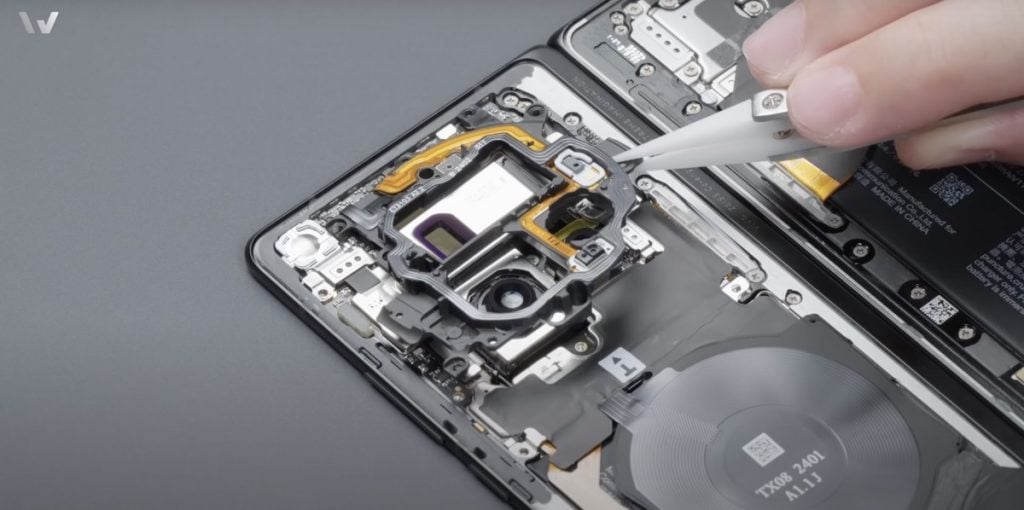
The motherboard uses a dual-stack layout to house the triple camera setup
After removing the SIM card slot, applying some heat and prying it open with a tool, the back cover of the phone detaches. While thin, it’s constructed from a reinforced fiber composite, ensuring durability without adding unnecessary bulk. Peeling back this layer reveals the other side of the phone, dominated by a large sheet of copper foil. This acts as a thermal conductor, keeping the display panel cool even during intense use. Tucked beneath it, we find a second-generation Qualcommultrasonic fingerprint scanner for secure unlocking.
The journey continues with the motherboard, a marvel of compact design. It utilizes a dual-stacked layout to neatly house the triple camera system. But that’s not all! This clever design also integrates a unique plastic cover that not only protects the cameras, but also serves as a functional hub for the flash cable, microphone, ambient light sensor, and laser focus module. The teardown even provides close-up shots of these camera components, along with sample photos to pique our curiosity about their image quality.
Next, we dive deeper to encounter the powerhouse of the phone – the motherboard. Here, the Snapdragon 8 Gen 3 chip takes center stage, supported by the performance of Samsung‘s LPDDR5X RAM and UFS 4.0 storage. Vivo’s own V3 imaging chip also makes an appearance. But keeping all this processing power from overheating is an important task, entrusted to a copper vapor chamber positioned beneath the motherboard.
We also get a closer look at the speakers, microphones, and the vibration motor. The dual-cell 5,700mAh silicone anode battery, cleverly split into two 2,850mAh cells for optimal space utilization, is also revealed. Finally, the teardown concludes by showcasing the pièce de résistance – the lightweight carbon fiber hinge. Weighing in at an impressive sub-15 grams, the hinge is a big contributor to the phone’s remarkably thin design of the device.
Researchers from Northwestern Polytechnical University in China have made a huge breakthrough in assisting the country’s 17 million visually impaired people. Their development of an AI guide dog using an artificial intelligence language model holds a lot of promise for providing navigation and companionship.
Unlike cold machines, the AI guides can understand human instructions & converse
This AI guide dog goes beyond the limitations of previous electronic navigation aids. Unlike “cold machines” programmed for specific tasks, this AI companion can understand human instructions and even engage in conversation. The ability to navigate environments like streets, elevators, and indoor spaces offers significant support for daily activities.
Image Generated with Dall-E
“Smart guide dogs using the language model can offer them more convenient and safe navigation, effectively improving their quality of life,” said Sun Zhe, an associate professor at the university. Traditional guide dogs, while exceptional, are expensive to train and limited in availability in China.
The research team is still in the early stages of development, but their findings published in the Communications of the Chinese Computer Society demonstrate the feasibility of the concept. This collaborative effort between the university and the China Telecom Artificial Intelligence Research Institute holds the potential to change how visually impaired people navigate. While a number of challenges remain before widespread adoption, the researchers are committed to further developing this technology. Their dedication could soon translate into improved quality of life and greater independence for millions.
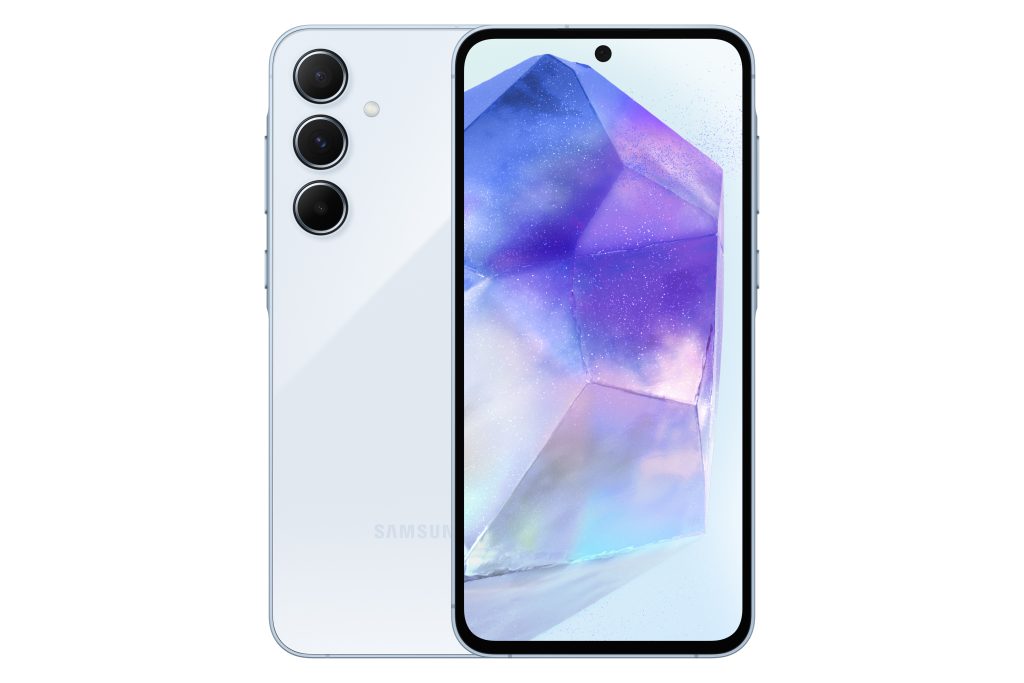
If you’re a technology enthusiast, you probably do a lot of research before buying anything. Watching review videos and reading articles is definitely the best way to make a smart choice for yourself. However, if you’re really into tech, a normal review might not be enough. You might want to know everything about the product you’re going to buy, not just its features. If that sounds like you, and the Galaxy A55 is on your shopping list, you’re in luck. Someone took the phone apart and made a video, and it shows that it’s very easy to fix. Here are the details…
Samsung Galaxy A55 Teardown Shows Simplicity
Smartphones are truly engineering marvels; that much is certain! From entry-level to top-of-the-line, each phone is made up of dozens of parts working together. Assembling these pieces is more complex than it might seem. While this creates amazing products, it also raises concerns about repairability.
But the Samsung Galaxy A55 could be a game-changer. According to a teardown video on the PBKreviews YouTube channel, the Samsung Galaxy A55 is remarkably easy to repair – and that applies to the entire phone! Opening it up requires only a heat gun (similar to a hairdryer) and a suction-cup tool. Check out the first few minutes of the video for the steps.
After that, things get even simpler. The motherboard, battery, cameras, processor, and other components are all easily accessible and replaceable. This will undoubtedly benefit both the phone’s initial price and future repair costs. If you’d like more details, you can watch the entire video below:
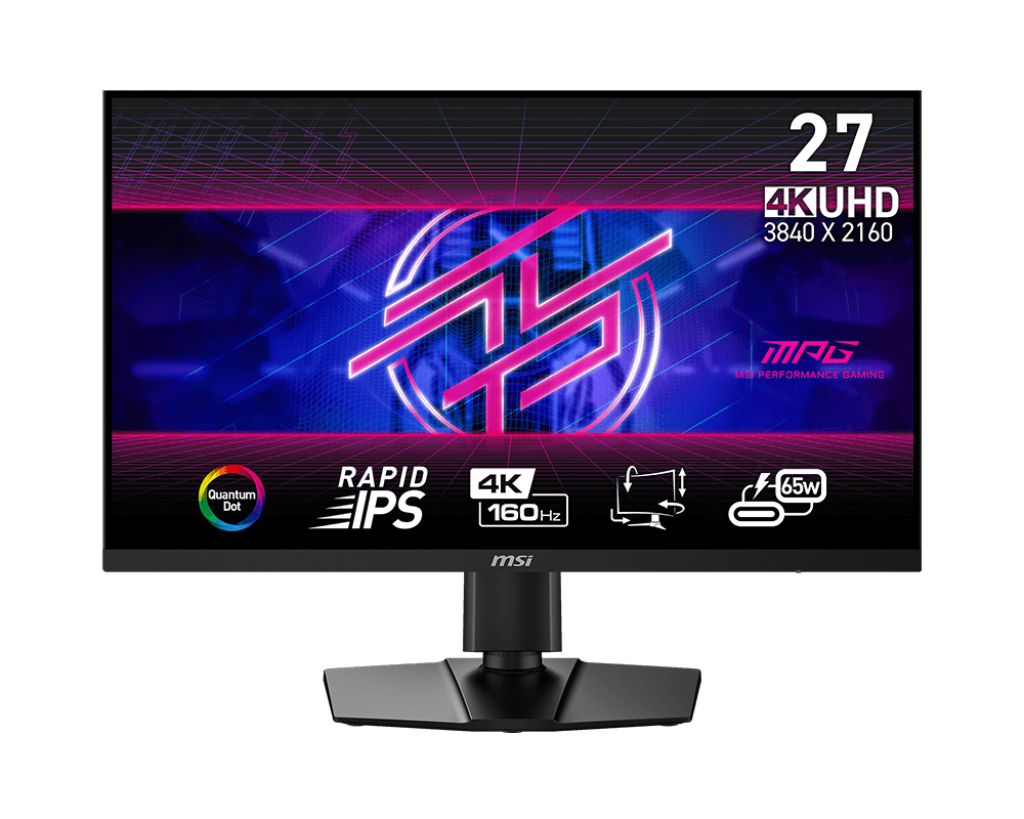
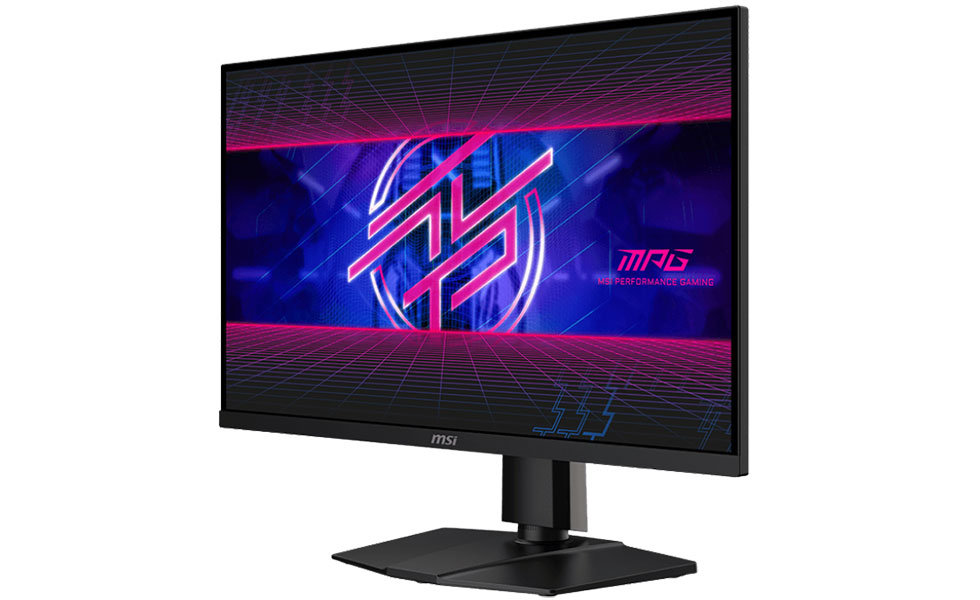
MSI has unveiled a new gaming monitor called MPG 274URF QD. The company hasn’t revealed pricing or a specific release date yet. Let’s check out the key specs of this monitor.
MSI MPG 274URF QD Specifications:
This new monitor boasts a 27-inch high-resolution 4K Rapid IPS (3840 x 2160) display with a 16:9 aspect ratio and a 160Hz refresh rate. The monitor features a rated 0.5ms GtG (gray to gray) response time, minimizing potential blur during rapid movements on screen.
For color accuracy, MSI equips the MPG 274URF QD with Quantum Dot backlighting. This technology promises to deliver a wider color gamut exceeding 145% of the sRGB spectrum, potentially resulting in more vivid and realistic visuals compared to standard monitors. The monitor also boasts a 10-bit color depth (8-bit + FRC), static contrast ratio of 1000:1, VESA DisplayHDR 400, and a peak brightness of 400 nits, further enhancing the viewing experience.
In terms of connectivity, the monitor is well-equipped. It includes a USB Type-C port with 65W power delivery, allowing you to charge compatible laptops or devices while connected to the monitor. It also features DisplayPort 1.4, two HDMI 2.1 ports for connecting various gaming consoles and PCs, and a headphone jack. The monitor also functions as a USB hub, providing two USB Type-A ports and one upstream USB Type-B port for connecting peripherals or updating firmware.
The monitor supports AdaptiveSync technology, compatible with both NVIDIA G-SYNC and AMD FreeSync variable refresh rate technologies. This helps eliminate screen tearing and stuttering for a smoother gameplay experience.
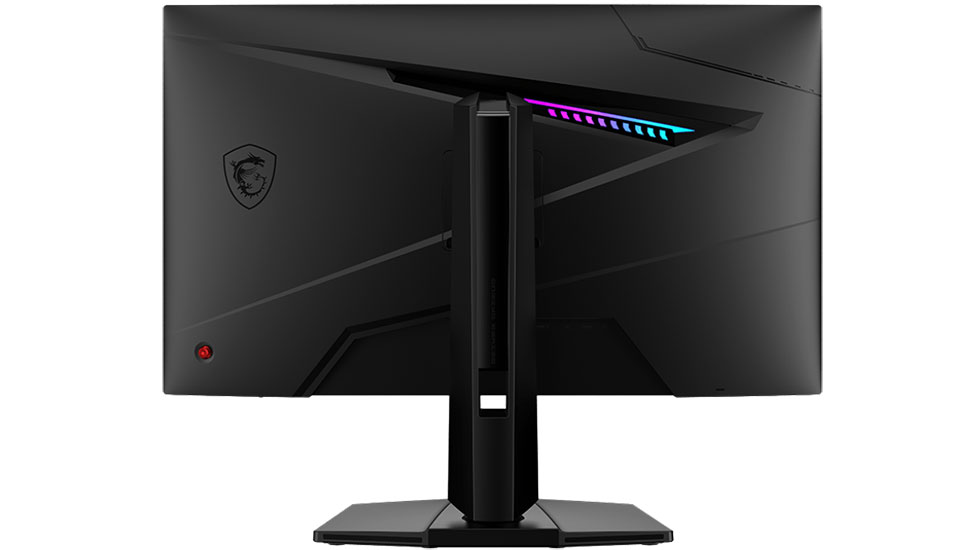
Additionally, the monitor also comes with MSI’s G.I. Smart Gaming features. This allows users to adjust monitor settings using keyboard shortcuts and switch between different game profiles for optimized performance. The back of the monitor also features Mystic Light RGB lighting, customizable through a smartphone app or PC software for a personalized touch.
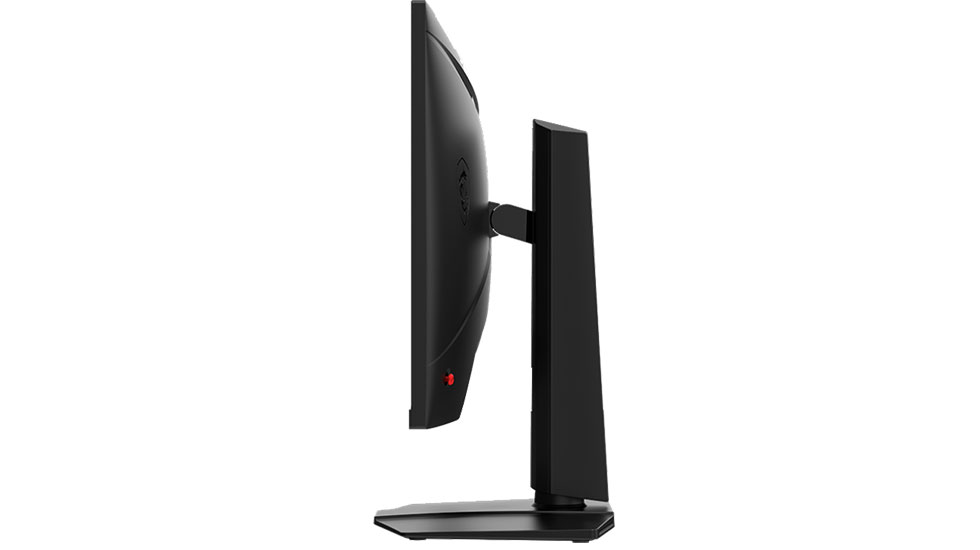
The monitor offers a variety of ergonomic adjustments, including up to 130mm of height adjustment, -5 to 20 degrees of tilt +/- 30 degrees of swivel, and a bi-directional pivot. It also boasts several features geared towards gamers, such as Smart Crosshair, Night Vision, and Optix Scope. Additionally, it supports Console Mode with VRR, ALLM, and CEC compatibility for a seamless console gaming experience.
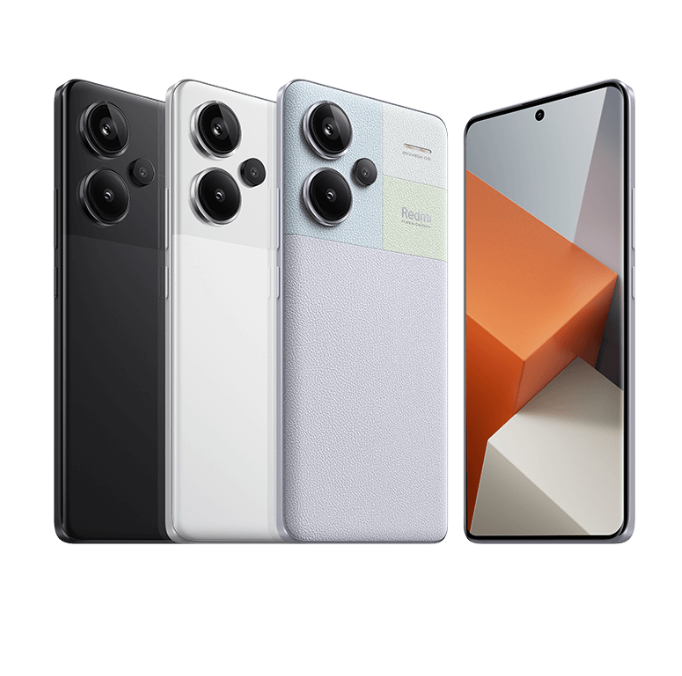
Xiaomi is preparing for its annual event, the 2024 Xiaomi Fan Festival (XFF), which celebrates the brand’s connection with its fans. This year, the theme is “Our iconic moment.” At the festival, Xiaomi plans to showcase special editions of its popular products: the Redmi Buds 5 Pro earbuds, the Redmi Watch 4, and the Redmi Note 13 Pro Plus 5G smartphone, each in unique colors.
The Redmi Buds 5 Pro will be presented in a new lavender color. They retain their original design features, like the semi-in-ear fit and silicone tips, but add water and dust resistance, active noise cancellation up to 52dB, and a 360-degree spatial audio feature. They promise a long battery life – up to 38 hours with the case, with individual earbud usage extending to 10 hours without noise cancellation and 6.5 hours with it.
The Redmi Watch 4 is getting an update with a yellow band and a silver frame, keeping its aluminum alloy body and stainless steel crown. It has a 1.97-inch AMOLED screen, supports more than 200 watch faces, and includes various health monitoring features like heart rate and blood oxygen level tracking. It also offers a battery life of up to 20 days.
Finally, the Redmi Note 13 Pro Plus 5G will feature a silver back. This smartphone comes with a 6.67-inch curved AMOLED screen, offering 1.5K resolution and a 120Hz refresh rate. It has a triple camera setup, including a 200MP main camera, and runs on the MediaTek Dimensity 7200 Ultra chipset. The phone supports 120W fast charging and includes a 5000mAh battery.
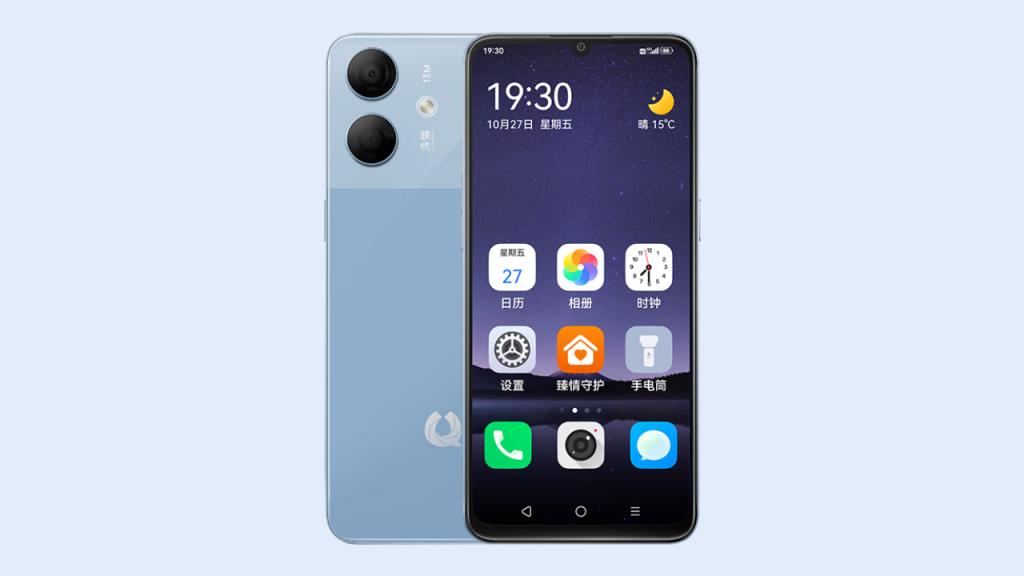
China Telecom has launched the Zhenqing 20, a 5G touchscreen phone designed specifically for elderly users. The phone prioritizes ease of use, safety features, and long battery life, making it a perfect gift for parents or grandparents.
China Telecom Zhenqing 20 Specifications:
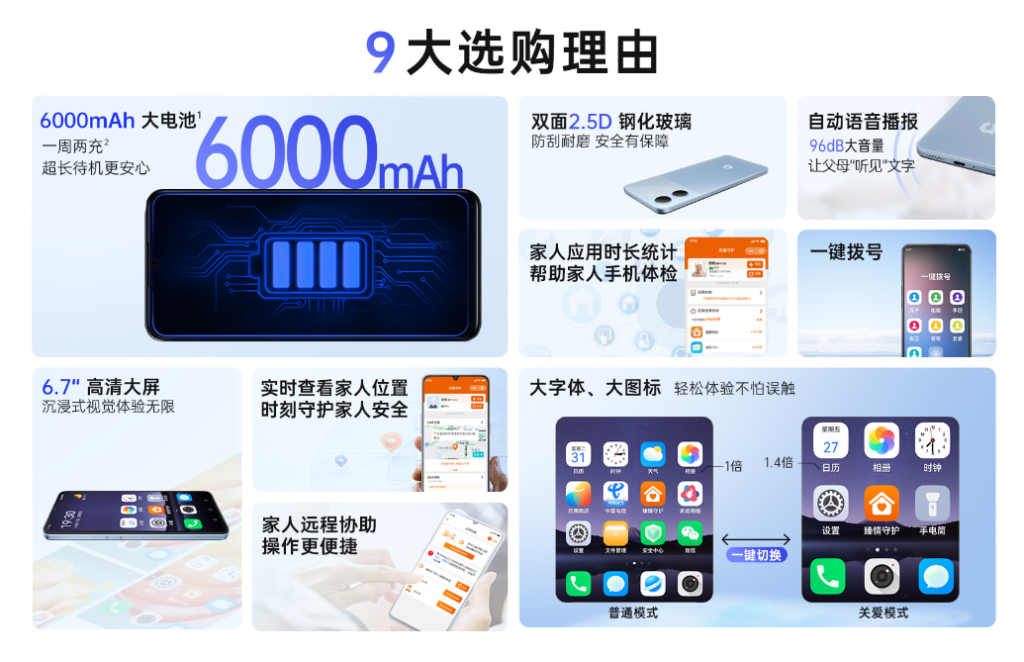
Upon startup, the Zhenqing 20 automatically enters Care Mode, presenting users with a simplified interface characterized by large fonts and a 4×3 icon layout. Additionally, it sets the maximum volume to 96dB, ensuring optimal audibility for seniors who may encounter difficulty with conventional smartphone setups. This thoughtful design prioritizes clarity and ease of use, catering specifically to the needs of elderly individuals.
The phone boasts several safety features to give families peace of mind. It allows real-time location viewing of the user, so family members can always check on their whereabouts. Additionally, it can identify and block fraudulent calls and SMS messages, protecting users from scams.
The Zhenqing 20 comes with a 6.7-inch IPS 90Hz waterdrop screen for an immersive visual experience. Additionally, the device boasts double-sided 2.5D tempered glass, making it scratch-resistant and durable.
It is powered by a Unisoc Tanggula T760 6nm 8-core 5G processor, offering enough performance for everyday tasks. The phone sports a 13MP main rear camera + 2MP macro lens, and a front 5MP camera for video calls. It comes with 6GB of RAM and 128GB of storage. Out of the box, the device runs on Android 13 with ZeaQo OS on top.
The phone allows family members to remotely assist the user through the “Zhenqing Guardian” app. This can be helpful for setting up the phone, troubleshooting technical issues, or simply guiding the user through new features. Family members can also view the usage time, battery level, and data consumption of various applications on the Zhenqing 20.
The phone features a massive 6000mAh battery, which is claimed to last for up to two weeks on a single charge. This eliminates the worry of running out of battery throughout the day. The phone also supports 18W fast charging.
Pricing and Availability
The Zhenqing 20 is available in China for 1499 yuan (around $207) in four colors: Moonlight White, Starry Black, Glacier Blue, and Lilac Purple.
Vivo X Fold 3 seamlessly combines cutting-edge design with powerhouse performance, catering to the diverse needs of modern consumers. You can now buy this premium smartphone for $1199 only at Giztop.
At the heart of the Vivo X Fold 3 lies its revolutionary foldable design, bridging the gap between versatility and functionality. Featuring an outer 6.53-inch Samsung E7 AMOLED screen, users can enjoy immersive visuals with Full HD+ resolution and HDR10+ support. The inner 8.03-inch Samsung E7 AMOLED screen extends the viewing experience with its 2K+ resolution and UTG technology, ensuring unparalleled clarity and vibrancy.
Performance
Underneath its sleek exterior, the Vivo X Fold 3 is powered by the Qualcomm Snapdragon 8 Gen 2 processor, coupled with 12GB of LPDDR5X RAM. This formidable combination delivers lightning-fast performance, enabling seamless multitasking, app launches, and smooth navigation. Whether you’re streaming content, gaming, or tackling productivity tasks, the Vivo X Fold 3 ensures a lag-free experience.
Display
The device boasts a stunning display configuration, with the outer screen offering a 120Hz refresh rate and the internal primary panel featuring a 120Hz LTPO AMOLED 3.0 display. With HDR10+ support and a wide color gamut, users can enjoy lifelike visuals with exceptional contrast and color accuracy. Additionally, the integrated 3D ultrasonic fingerprint scanner ensures convenient and secure authentication.
Storage
Equipped with 256GB or 512GB of UFS 4.0 storage, the Vivo X Fold 3 provides ample space for storing your media library, apps, and documents. Paired with 12GB of RAM, users can expect snappy performance and effortless multitasking, whether they’re accessing stored content or downloading new applications.
Cameras
Capture life’s moments in stunning detail with the Vivo X Fold 3’s triple rear camera setup. The 50MP Samsung GN5 sensor, accompanied by an ultra-wide-angle lens and a portrait lens, ensures versatility and precision in every shot. On the front, a 32MP selfie camera delivers striking self-portraits, while the V2 chip enhances imaging capabilities, ensuring professional-grade results in any lighting condition.
Battery
The Vivo X Fold 3 is powered by a robust 5500mAh battery, offering all-day usage without the need for frequent recharges. With support for 120W wired and 50W wireless fast charging, users can replenish the battery in no time, ensuring uninterrupted usage throughout the day. Additionally, the Ultra Power Saving mode extends battery life during critical moments, ensuring connectivity when it matters most.
Vivo X Fold 3 redefines the boundaries of smartphone innovation, offering a perfect blend of style, performance, and versatility. From its foldable design and powerhouse performance to its advanced camera capabilities and long-lasting battery life, this device caters to the needs of discerning users seeking the ultimate mobile experience.
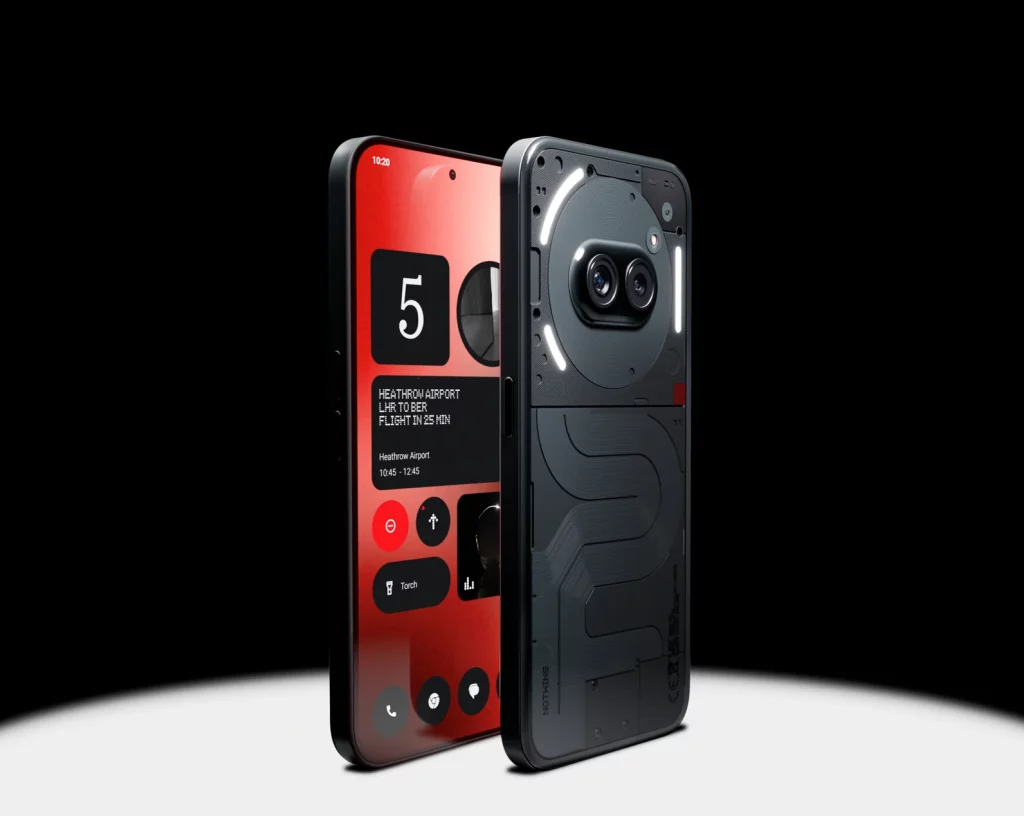
Nothing has rolled out an update for the Nothing Phone (2a), called Nothing OS 2.5.4.a. This is a follow-up to the earlier 2.5.4 version, and it focuses on fixing bugs and optimizing performance.
The update brings better camera performance, including improved Portrait Mode and better color in photos. It also makes the phone work better with different charging adapters and improves how well it connects to Bluetooth devices.
Some of the bugs that have been fixed include problems with using “Hey Google,” the fingerprint unlock not working correctly, and static noise heard during calls. These fixes should make the phone more reliable. Here’s the complete changelog.
Nothing Phone (2a) NothingOS 2.5.4.a:
Camera ● Enhanced overall camera performance. ● Improved Portrait Mode. ● Enhanced camera saturation and tone.
General improvements ● Optimised compatibility with certain charging adaptors. ● Enhanced stability and compatibility of Bluetooth connections.
Bug fixes ● Resolved an issue where “Hey Google” could not be used in some situations. ● Fixed a bug which caused fingerprint unlock to fail. ● Removed occasional sound of static noise in the receiver. ● Optimised the overall stability of the system.
The Nothing Phone (2a) itself has some solid features. It’s powered by a MediaTek Dimensity 7200 Pro processor and can have up to 12GB RAM and 256GB of storage. It has a big 6.7-inch screen with FHD+ resolution and 120Hz refresh rate. For photos, it has two 50MP cameras on the back and a 32MP camera on the front. Plus, it comes with a 5000mAh battery that supports fast charging.
Earlier today, a leak unveiled both the complete specifications and renders of the upcoming OnePlus Nord CE 4 smartphone. While the device looks similar to the recently launched OnePlus Ace 3V, it features some key differences in the specs department. Now, a new leak has emerged revealing its Indian pricing.
As per tipster Abhishek Yadav, the upcoming OnePlus Nord CE 4 will launch in two variants: 8GB + 128GB priced at ₹24,999 & 8GB + 256GB priced at ₹26,999. This device will likely compete with the recently launched Nothing Phone (2a), which features a Dimensity 7200 processor and a starting price of Rs 23,999.
Specs-wise, the phone is expected to feature a Snapdragon 7 Gen 3 processor paired with LPDDR4x RAM and UFS 3.1 storage. It will also feature a hybrid SIM slot that supports a microSD card up to 1TB. The device will feature a 6.7-inch AMOLED LTPS panel with 120Hz refresh rate and FHD+ resolution.
For optics, the phone will feature a 50MP Sony LYT-600 main camera with OIS support. It will also feature an 8MP Sony IMX355 ultrawide sensor on the back and a 16MP camera on the front. The battery will have a capacity of 5,500mAh and offer support for 100W SuperVOOC charging. As for the OS, the device will most likely debut with the Android 14-based OxygenOS 14.
While Xiaomi is often associated with smartphones, the company offers a diverse product portfolio. For example, we recently mentioned about the Mijia Smart Clothes Dryer, showcasing this variety. However, a significant portion of these products are currently limited to the Chinese market. This, however, appears to be changing, as Xiaomi is now introducing the Body Composition Scale S400 globally. Here are the details…
Xiaomi Smart Body CompositionScale S400 Launches Globally
One of Xiaomi’s smart home technologies, the Mijia S400 smart scale, is coming to the global market under the name Xiaomi Body Composition Scale S400. This product, which truly lives up to the “smart” label unlike conventional scales, does more than just measure body weight. It also provides various health indicators such as heart rate, body mass index (BMI), body water mass, fat mass, body fat percentage, and muscle mass. Moreover, Xiaomi is gearing up to offer this smart scale, capable of all these measurements, at an incredibly low price.
This scale, called Mijia S400 in China, costs about $14 (which is 99 Yuan). Prices might be a little different outside of China, but even if they doubled, it would still be one of the cheapest and best smart scales you can buy. The Xiaomi Body Composition Scale S400 uses fancy electrical pulses to measure 25 different things about your body and health. These include things like:
Ninkear N15 Air Laptop is designed to cater to the diverse needs of modern-day users and encapsulates cutting-edge features that redefine the computing experience.
At the heart of the Ninkear N15 Air lies the formidable Intel Alder Lake-N N95 Processor. This powerhouse of a processor unlocks unparalleled performance, facilitating seamless multitasking, and swift responsiveness, and ensuring readiness for the demands of tomorrow’s computing landscape. Whether you’re tackling intensive workloads or indulging in immersive multimedia experiences, the N95 Processor delivers with uncompromising efficiency.
Complementing the prowess of the processor is the generous 16GB DDR4 RAM paired with lightning-fast 512GB SSD Storage. Together, they form a formidable duo, elevating speed and storage to unparalleled levels. Seamlessly switch between applications, store your digital treasures with ease, and experience rapid data access like never before. The result is an exceptional computing experience that transcends limitations, empowering you to do more in less time.
The visual centerpiece of the Ninkear N15 Air is its stunning 15.6-inch Full HD IPS Screen, boasting a resolution of 1920×1080 pixels. Immerse yourself in a world of opulent visuals, where every detail is brought to life with breathtaking clarity and precision. Whether you’re engrossed in creative endeavors or enjoying your favorite entertainment, the IPS display ensures an unrivaled viewing experience that captivates the senses.
Mobility meets endurance with the inclusion of a powerful 5800mAh Battery. Bid farewell to the anxiety of frequent recharges as you embrace up to 8 hours of continuous operation on a single charge. Whether you’re on the move or stationed at your desk, the N15 Air’s robust battery ensures that your productivity knows no bounds.
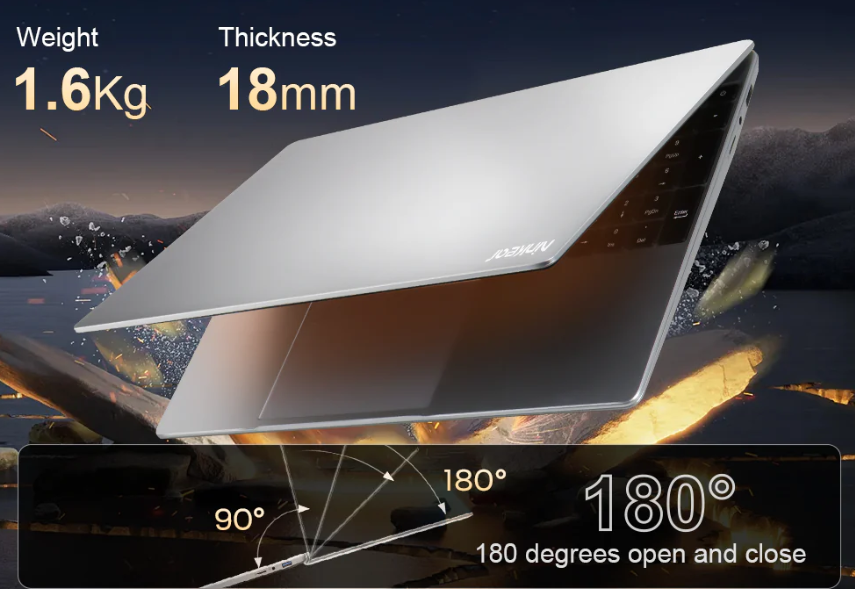
Weighing a mere 1.6kg and boasting a slim profile of 18mm thickness, the Ninkear N15 Air is the epitome of portability without compromise. Slip it into your bag effortlessly and embark on your adventures with confidence, knowing that you have a powerhouse of productivity by your side.
Ninkear N15 Air isn’t just about raw power; it’s about enhancing the user experience at every touchpoint. The inclusion of a Full-size Backlit Keyboard ensures effortless typing in any lighting condition, while Fingerprint Unlock adds an extra layer of security, safeguarding your valuable data with ease.
Furthermore, the N15 Air prioritizes user comfort and longevity with its Dual Cooling Solution. Say goodbye to overheating woes as you experience peak performance, optimized functionality, and extended device longevity, even during prolonged usage sessions.
Connectivity is key in today’s interconnected world, and the Ninkear N15 Air doesn’t disappoint. With dual-band WiFi Connection and a rich array of Ports & Slots, seamless connectivity and versatile expansion options are at your fingertips, empowering you to stay connected, productive, and entertained, wherever you go.
Grab the Ninkear N15 Air Laptop for $259.00, tax included for EU members. Enjoy free shipping, installment options, and a 2-year warranty. Available for quick delivery to France and China within 2-15 days.
Whether you’re a professional on the go, a creative visionary, or a multimedia enthusiast, the N15 Air is poised to elevate your computing experience to new heights.
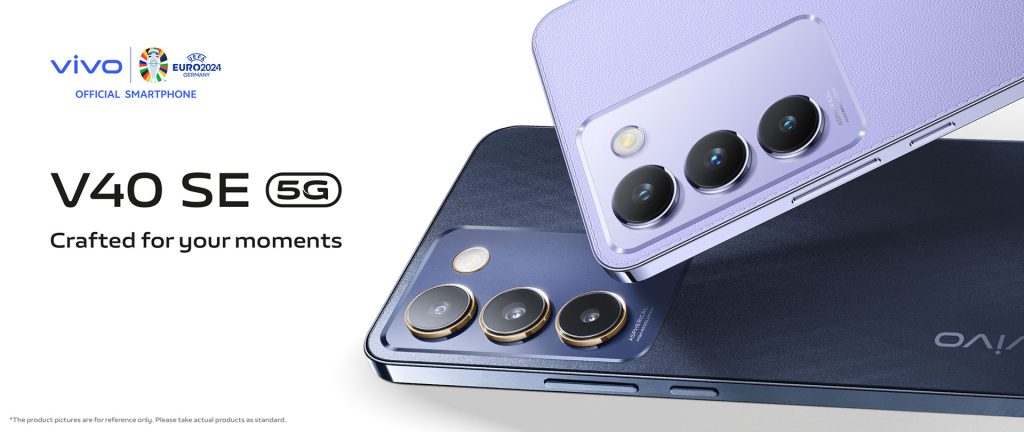
Vivo hasn’t revealed the official pricing yet. Currently featured in Austrian and European regions, the listing reveals that the phone will serve as the official smartphone for Euro 2024.
Vivo V40 SE 5G Specifications:
The V40 SE 5G boasts a large 6.67-inch Ultra Vision AMOLED Display with 1080 x 2400 pixels resolution, 120Hz refresh rate, and brightness of up to 1200 nits. For HDR content it can reach up to 1,800 nits. This should provide excellent readability even in bright outdoor conditions. The display covers the DCI-P3 color gamut for vivid colors. In terms of dimensions, it measures 158.3 x 73.1 x 7.79 mm and weighs 185.5g.
Under the hood, the device is powered by Qualcomm’s Snapdragon 4 Gen 2 chipset. While not a top-of-the-line processor, it should handle everyday tasks and light gaming just fine. The phone comes with 8GB of LPDDR4x RAM and 256GB of UFS 2.2 storage, with the option to expand storage up to 1TB via a microSD card. Out of the box, the device runs on Funtouch OS 14 based on the latest Android 14.
On the back, you’ll find a triple-camera setup with a 50MP main sensor, an 8MP ultra-wide sensor, and a 2MP auxiliary sensor. The front-facing camera for selfies is 16MP.
The V40 SE packs a decent 5,000mAh battery with support for 44W fast charging. It can charge the device up to 50% in around 24.5 minutes. Additionally, it features Smart Charging Engine 2.0 and Overnight Charging Protection for extended battery life and safety.
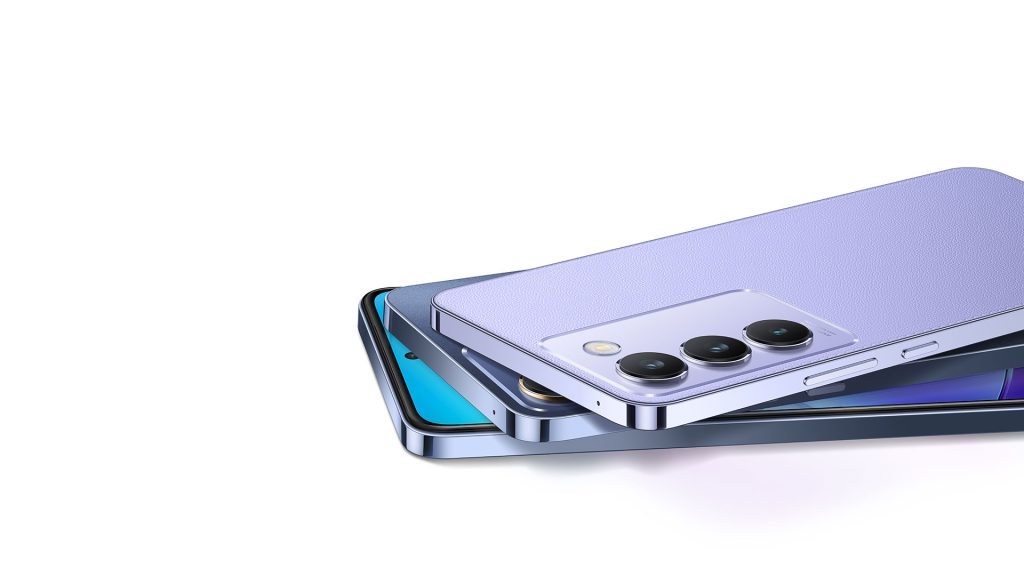
The phone comes in two color options: Crystal Black with a composite plastic back and Leather Purple with a vegan leather back. Both options offer an in-display fingerprint sensor and an IP54 rating for dust and water resistance.
We use cookies on our website to give you the most relevant experience by remembering your preferences and repeat visits. By clicking “Accept”, you consent to the use of ALL the cookies.
This website uses cookies to improve your experience while you navigate through the website. Out of these, the cookies that are categorized as necessary are stored on your browser as they are essential for the working of basic functionalities of the website. We also use third-party cookies that help us analyze and understand how you use this website. These cookies will be stored in your browser only with your consent. You also have the option to opt-out of these cookies. But opting out of some of these cookies may affect your browsing experience.
Necessary cookies are absolutely essential for the website to function properly. This category only includes cookies that ensures basic functionalities and security features of the website. These cookies do not store any personal information.
Any cookies that may not be particularly necessary for the website to function and is used specifically to collect user personal data via analytics, ads, other embedded contents are termed as non-necessary cookies. It is mandatory to procure user consent prior to running these cookies on your website.