Advertisement

ViewSonic brings massive LED screens, 5K collaboration displays and Google TV to India

ViewSonic is using InfoComm India 2026 to showcase a much broader range of display and AV solutions for the Indian market. The lineup covers everything from massive LED screens and interactive displays to professional monitors and projectors. The company is also bringing its Google TV range to India for business and commercial environments.

ViewSonic expands its LED and collaboration lineup
Viewsonic Infocomm

ViewSonic says its LED business in India has grown more than twofold year over year, with the company now targeting applications ranging from smart city command centers to retail spaces and large venues. Its new LDC027-182 Direct View LED display is aimed at command and control centers, while the LDC027G-091C uses Flip Chip COB technology, a 0.94mm pixel pitch, up to 600 nits brightness and a 3,840Hz refresh rate for premium customer-facing installations. A foldable all-in-one LED display is also being showcased for spaces that require easier transportation and setup.
Viewsonic Infocomm

For collaboration spaces, ViewSonic is displaying its LDE Series in 108-inch, 136-inch and 163-inch configurations. The displays integrate power, control and image-stitching components into the system. The ViewBoard IFP105UW-N takes a different approach with a 105-inch 21:9 panel offering 5K resolution and split-screen functionality.

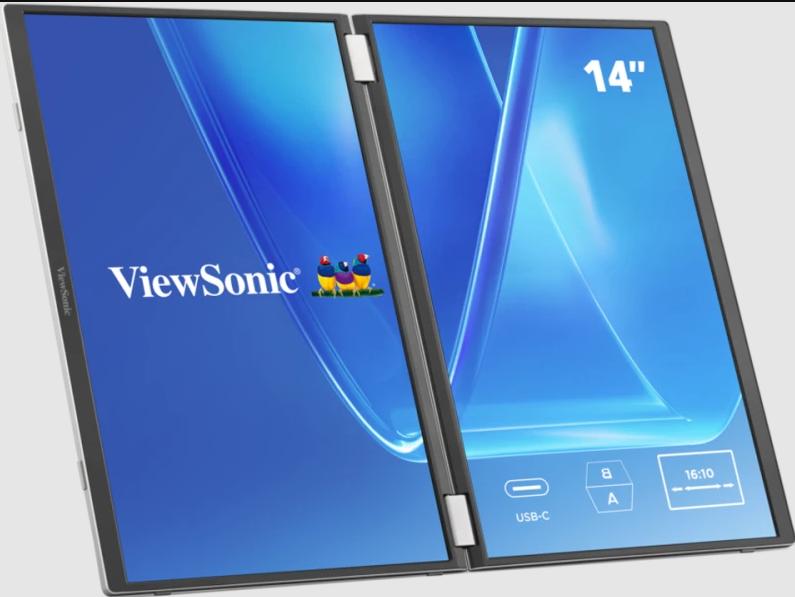
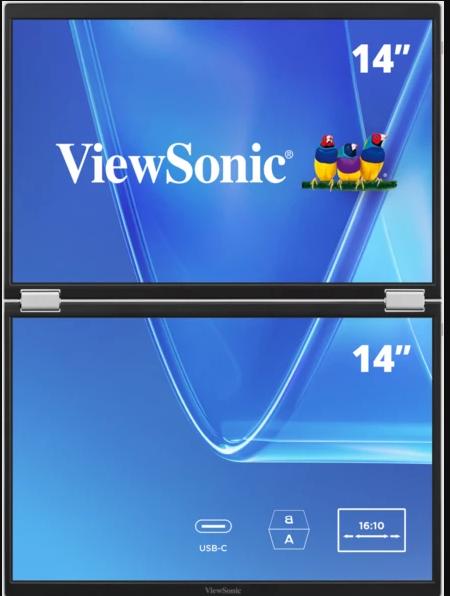
The company’s workspace lineup includes the VG1457 dual-screen foldable portable monitor and the VP3456A, a 34-inch professional ultrawide monitor. For commercial signage, the CN5501-1N supports continuous 24/7 playback, portrait and landscape orientations, content scheduling and wireless casting through AirPlay, Miracast and Chromecast. ViewSonic is also displaying open-frame solutions designed for integration into kiosks, retail installations, hospitality environments and industrial applications.

The LSC600WU-ST short-throw laser projector delivers 6,000 ANSI lumens with WUXGA resolution. It supports 360-degree projection, image warping and LAN-based control, making it suitable for commercial, education and public-space installations.

ViewSonic is additionally launching its Google TV Series in India in 32-, 43-, 50-, 55- and 65-inch sizes. The range runs Google TV Ref+ 5.0 on Android 14 and supports business applications, cloud content, Chromecast, HDR, Dolby Audio and Google Assistant. The company is positioning these models for meeting rooms, reception areas, training centers, hospitality and digital signage.

The expanded portfolio shows ViewSonic’s focus on offering AV systems for specific workplace, retail, smart city and large-venue requirements rather than limiting its India presence to conventional display products. Pricing and availability for the newly launched and showcased solutions will vary by product and commercial deployment.

For more daily updates, please visit our News Section.

Stay ahead in tech! Join our Telegram community and sign up for our daily newsletter of top stories!
BenQ goes big at InfoComm with a 135-inch display and smarter meeting tech

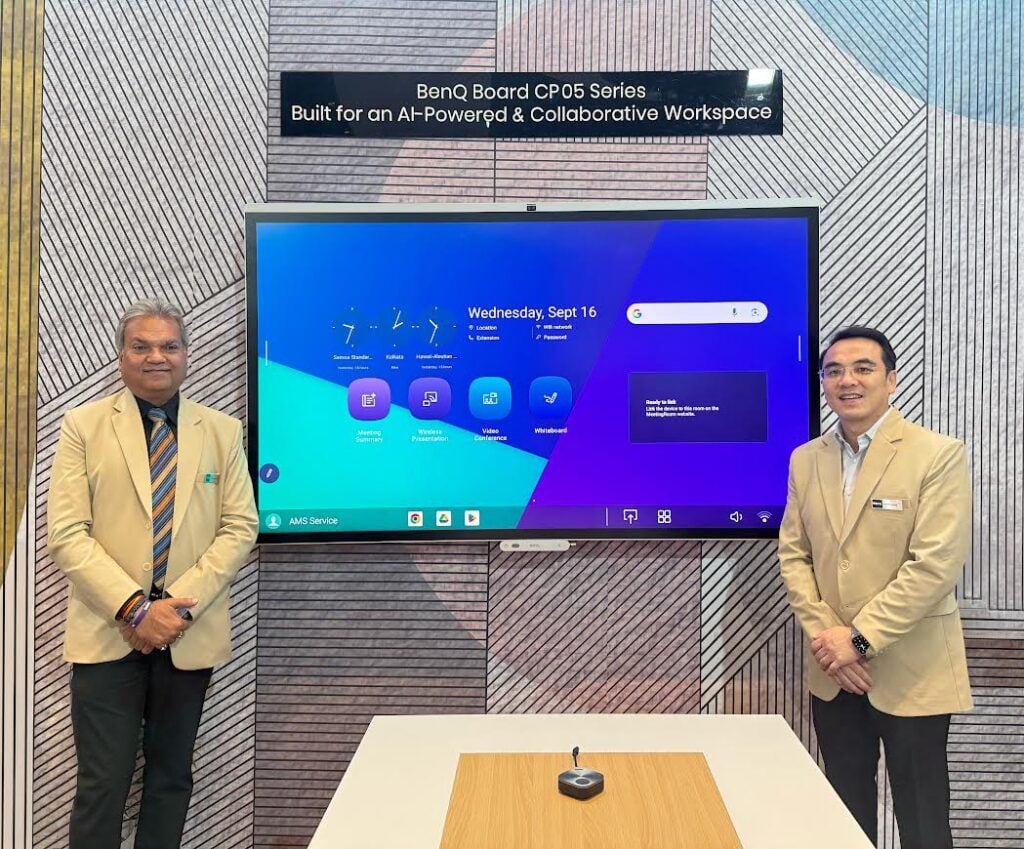
BenQ has showcased a new set of workplace products at InfoComm India 2026, spanning meeting rooms, larger presentation spaces and individual workstations. The lineup focuses on making collaboration more seamless as offices increasingly mix in-person and remote work. It includes the BenQ Board CP5505, a new 135-inch dvLED display and two workspace lighting products.

BenQ targets hybrid meetings with CP5505

BenQ Infocomm

The BenQ Board CP5505 is a 55-inch interactive display aimed at executive cabins and smaller meeting spaces. It combines video conferencing, collaboration tools and access to files and applications, reducing the need to connect multiple devices before a meeting. The display can track speakers, understand the room and generate meeting transcripts and summaries, helping users retain important information after discussions.

The CP5505 is also designed for work involving detailed visual content, with color performance suited to applications across areas such as legal, design and clinical work. Users can interact with presentations, access Google Assistant and activate AI-powered meeting summaries directly from the display. This makes it suitable for business reviews, presentations, interviews and smaller team discussions.

For larger venues, BenQ showcased a new 135-inch dvLED display designed for town halls, leadership presentations and other environments where content needs to remain clearly visible to larger audiences. It covers 100% of the DCI-P3 color gamut, targeting presentations where accurate and vivid visuals are important.

BenQ Infocomm

BenQ also previewed the iScreenBar and ScreenBar Max in India. The iScreenBar is designed specifically for iMac users and uses BenQ’s ASYM-Light optical structure to provide desk illumination while minimizing reflections on the display. ScreenBar Max is intended for dual-monitor setups and uses ASYM-TriZone Light to distribute illumination across horizontal, vertical or curved multi-display arrangements.

Together, these products cover different workplace scenarios, from executive meeting spaces and large presentation areas to individual desks. BenQ is positioning the lineup around its AI for the Future Workspace initiative, with the company also highlighting its network of partners, AV consultants and system integrators in India.

For more daily updates, please visit our News Section.

Stay ahead in tech! Join our Telegram community and sign up for our daily newsletter of top stories!

Timex launches new vintage Q Chronographs with modern everyday appeal

Timex has updated its US storefront with a new trio of Q Timex Chronograph watches. Drawing heavily from 1970s motorsport aesthetics, the new models offer a straightforward, retro-leaning design paired with standard quartz movements.

Timex Q Timex Chronograph

Q Timex Chronograph Specifications

The release includes three distinct colorways. The entry-level model (TW2Y88700) features a cream dial with contrasting black sub-dials, a brown tachymeter bezel, and a brown leather strap sourced from the Leather Working Group.

Timex Q Timex Chronograph

Stepping up to the stainless steel bracelet models, you have the choice between an ice-blue dial with a black bezel (TW2Y88600) or a dark green dial with a matching green bezel (TW2Y88500). All three variants utilize a standard contrasting sub-dial layout and include a date window tucked into the dial.

Timex Q Timex Chronograph

On the hardware side, the specifications remain consistent across the board. Each watch features a 40mm brushed and polished stainless steel case with a 46.5mm lug-to-lug distance. The case height sits at a relatively thick 15mm, a dimension largely driven by the inclusion of a domed acrylic crystal.

While acrylic is more prone to scratching compared to modern sapphire glass, it fits the vintage positioning of the Q line and can be polished out at home. Lug width is a standard 18mm, and Timex includes quick-release spring bars on both the leather and steel bands to allow for tool-free strap swapping.

Inside the case, the watches are powered by a standard battery-operated quartz analog movement. The chronograph functionality operates via the two pushers on the right side of the case, allowing you to track elapsed time and calculate average speed using the exterior tachymeter bezel.

Timex Q Timex Chronograph

The watch also features luminescent in-fill on the hands and hour markers for better visibility in low-light conditions. It offers 50 meters of water resistance, making it suitable for everyday splashes and rain, though it is not intended for prolonged swimming or diving.

Pricing and Availability

The new Q Timex Chronographs are positioned as accessible, everyday alternatives to higher-end mechanical racing watches. The cream dial variant on the leather strap is priced at $239, while the ice-blue and green dial models on stainless steel deployant clasp bracelets retail for $269. All three are currently available for purchase in the US market.

In related news, Timex has recently launched the Deepwater Meridian 200 HEV Automatic watches with sapphire crystal and ceramic bezels, along with the luxurious Atelier GMT Première M1a featuring a Swiss automatic movement.

For more daily updates, please visit our News Section.

Stay ahead in tech! Join our Telegram community and sign up for our daily newsletter of top stories!

(Timex 1,2,3)

🔌 You’ll NeedThe quick-release spring bars make swapping straps tool-free, so a spare 18mm leather band is an easy style change. Check quick release leather watch strap price on Amazon →

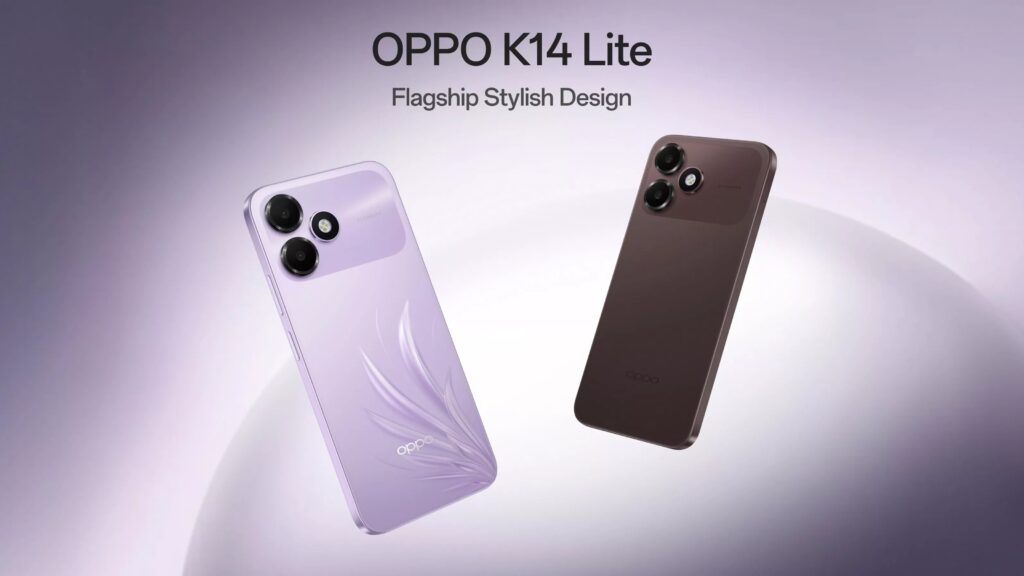
Oppo K14 Lite debuts in India with 7,000mAh battery, Unisoc T7250 chip,

Oppo has just added another phone to its budget K-series in India. The big headline is the battery: a massive 7,000 mAh unit. Oppo says it still holds more than 80% of its original capacity after 1,800 charge cycles, which works out to roughly six years of use if you’re charging it about every 1.3 days on average.

In their tests it managed up to 55.55 hours of voice calls, nearly 30 hours of continuous Google Maps navigation, 26.84 hours of YouTube, and 13.19 hours of gaming in something like PUBG Mobile. Charging is a more modest 15W. It hits around 21% in 30 minutes and takes roughly 2 hours 50 minutes for a full charge. It also supports reverse wired charging if you need to top up another device in a pinch.

🔌 You’ll NeedWith just 64GB onboard, this microSD card gives you room to grow up to 2TB. Check 256GB microSD card price on Amazon →

Under the hood sits a Unisoc T7250 octa-core chip that clocks up to 1.8 GHz, paired with 4 GB of LPDDR4X RAM and 64 GB of UFS 2.2 storage (expandable up to 2 TB via microSD).

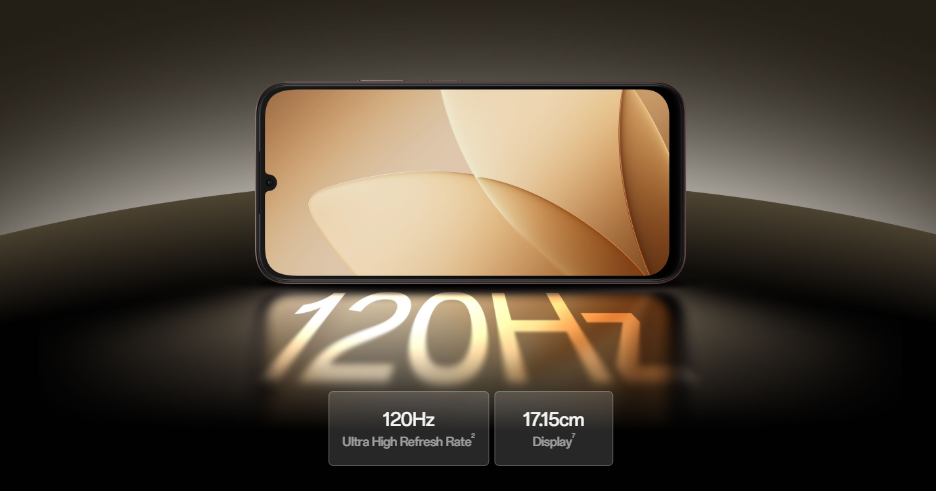
The screen is a 6.75″ HD+ (720 × 1,570) IPS LCD with a 120 Hz refresh rate and peak brightness up to 900 nits. Oppo has added a few handy touch features, Splash Touch, Oily-Hand Touch, and Glove Touch. so it should still respond even if your fingers are wet, greasy, or covered. It’s IP64 rated for dust and splash resistance.

Cameras are straightforward: 13 MP rear with autofocus and a 5 MP front, plus a few AI tools like AI Eraser, AI Clear Face, and AI Smart Image Matting 2.0. Software is ColorOS 16 based on Android 16, with Google Gemini, Google Lens, and Privacy Safe encryption built in.

Pricing and availability

There’s only one configuration, 4 GB + 64 GB, priced at ₹16,999. It’s available right away on the official Oppo store in Stone Brown and Feather Purple. On Flipkart, it is listed for ₹37,999 as of writing, which appears to be an error, and the pricing is expected to be updated soon.

At this price, the K14 Lite is clearly going after buyers who just want a phone that lasts a long time on a charge and handles the basics.

Don’t miss a thing! Join our Telegram community for instant updates and grab our free daily newsletter for the best tech stories!

For more daily updates, please visit our News Section.

(Source: Oppo)

Timex launches Deepwater Meridian 200 HEV Automatic watches with sapphire and ceramic bezel

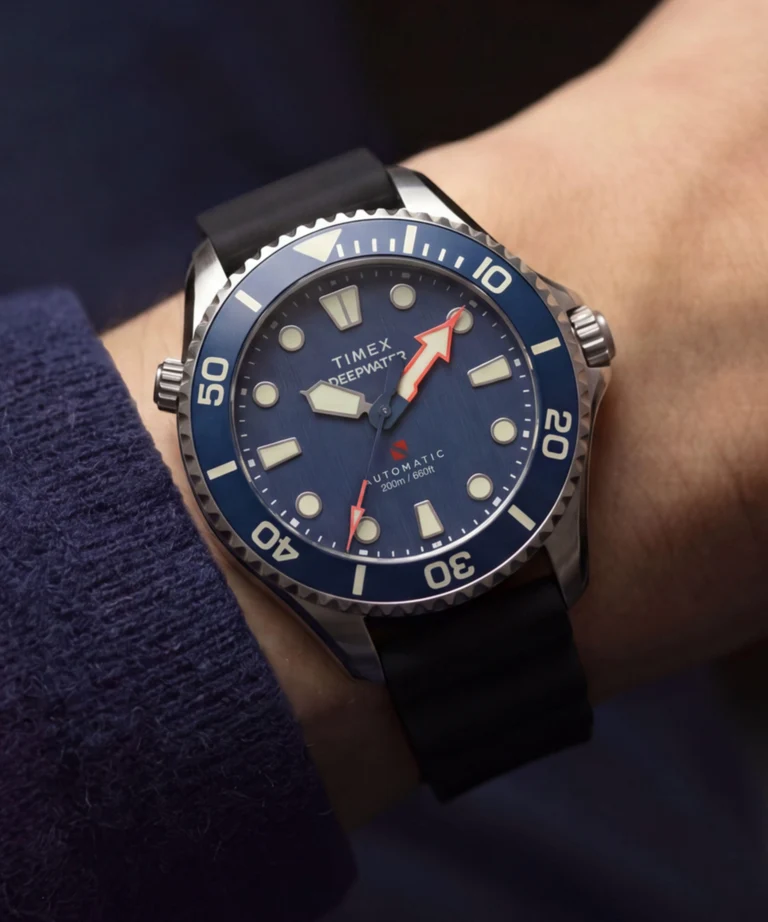
Timex has released a new line of automatic dive watches in the US, the Deepwater Meridian 200 HEV Automatic. The new models represent a step up in hardware specifications for the brand, targeting the entry-level mechanical tool watch market with features typically reserved for higher price brackets.

Timex Deepwater Meridian 200 HEV Automatic dive watches

Design Details & Pricing

The watches are built around a substantial 44mm polished stainless steel case, measuring 51mm lug-to-lug with a thickness of 15.5mm. Timex is offering two distinct variants at launch.

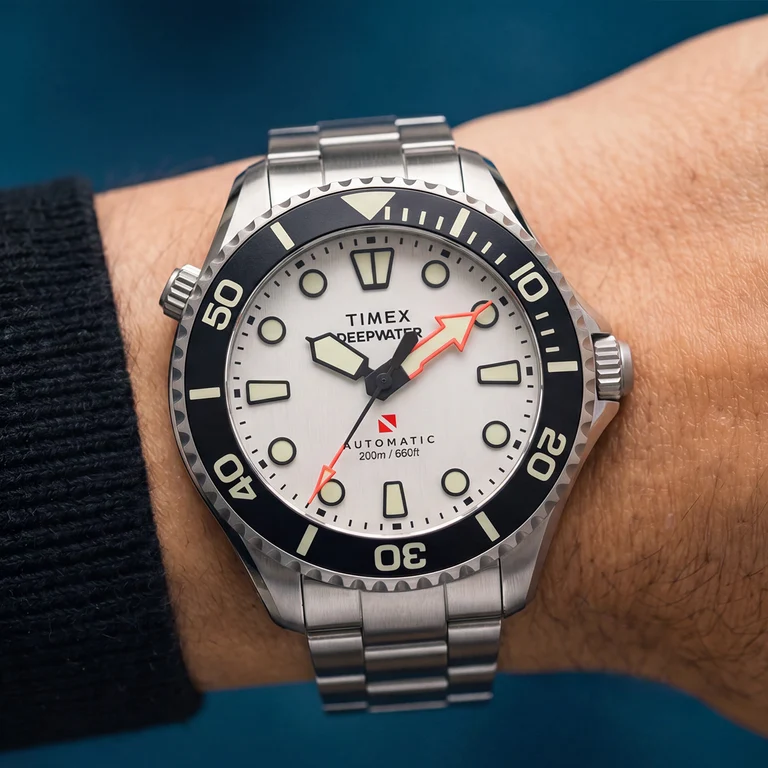
The first model comes with a silver-white vertically brushed dial, a black bezel, and a stainless steel fold-over clasp bracelet for $499. The second variant features a metallic blue dial, a blue bezel, and a black HNBR synthetic rubber strap for $469. Both models utilize an anti-reflective sapphire crystal, a standard requirement for durability in this category.

Inside the case, the Deepwater Meridian is powered by a Japanese Miyota 21-jewel automatic movement. The self-winding mechanism relies on the wearer’s wrist motion for power and features a standard 40-hour power reserve. As the name indicates, the watch is water-resistant to 200 meters, supported by a screw-down crown with a protective guard and a screw-on case back.

The watch features an automatic helium escape valve (HEV) at 10 o’clock, which releases trapped helium during decompression in saturation diving. While rarely useful for most users, it reflects traditional professional-grade dive watch engineering.

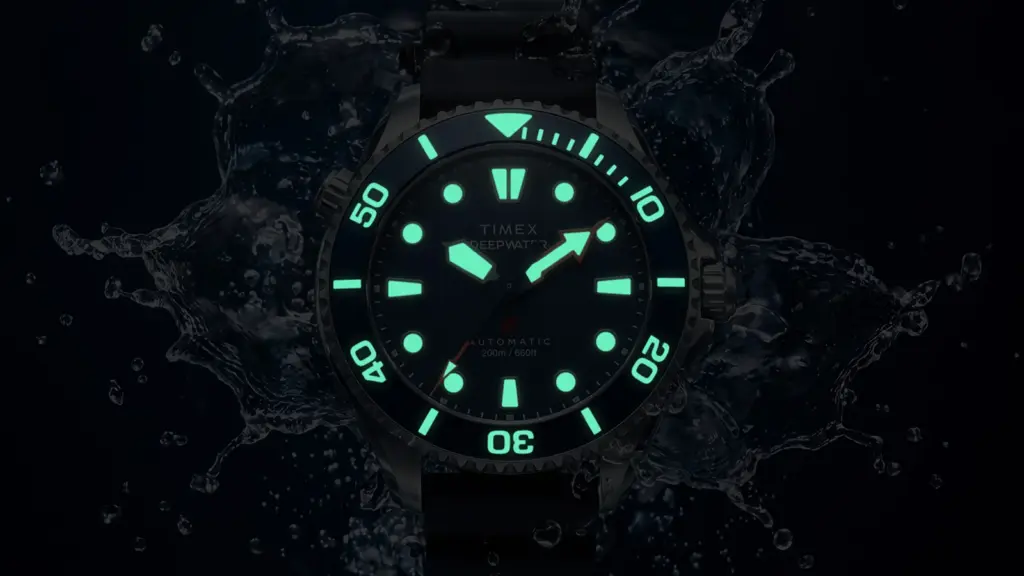
Timex Deepwater Meridian 200 HEV Automatic dive watches

For standard underwater legibility and low-light visibility, Timex has applied Super-Luminova in-fill to the hands, the hour markers, and the unidirectional rotating top ring. The 120-click bezel also features a ceramic inlay, adding necessary scratch resistance to a high-wear area of the watch.

🔌 You’ll NeedThe automatic movement runs on wrist motion, so a winder keeps it ticking when it’s off your wrist. Check single watch winder automatic price on Amazon →

The Deepwater Meridian 200 HEV Automatic is available now through the Timex US website.

In related news, Timex has recently launched the luxurious Atelier GMT Première M1a with a Swiss automatic movement, along with the rugged Ironman Adrenaline watches featuring a clever disappearing digital display.

For more daily updates, please visit our News Section.

Stay ahead in tech! Join our Telegram community and sign up for our daily newsletter of top stories!

(Timex 1,2)

Oppo Find X10 Series Roundup: Everything We Know Before Launch

The Find X10 series is debuting in China on September 22, just one day after Vivo takes the stage with its own X500 lineup. The lineup includes three models initially —  the standard Find X10, the range-topping Find X10 Pro Max, and a new Find X10 E that Oppo still hasn’t said much about.

If you’re interested in these phones and live in mainland China, you can already pre-reserve them at Oppo’s Chinese store. Meanwhile, the company will also launch the Watch S2 smartwatch, and the Enco X4 earbuds will also launch at the event.

Anyway, here’s everything that we know about the Oppo Find X10 series before launch. 

1. Oppo Find X10

The standard Find X10 gets two 200MP cameras this year, including the main camera and telephoto lens. Both were developed with Hasselblad as part of Oppo’s Hasselblad Ultra-Clear Original Camera system. The system uses a second-generation Danxia color restoration lens and a dedicated color sensor that collects light and color information across 24 sampling channels. Oppo says this helps keep skin tones and lighting looking more natural without making images look overly processed.

Camera details confirmed by Oppo ahead of the launch point to a main camera with an aperture of around f/1.6. Earlier leaks have also suggested a 50MP ultra-wide camera.

The phone has very thin bezels measuring just 0.99mm on all four sides. Oppo says this is the thinnest bezel design it has used on a Find phone so far. For comparison, the Find X9 had 1.15mm bezels, while the Find X8 measured 1.45mm. 

As for battery, we’re looking at 8,000mAh capacity, which Oppo says is designed to maintain its performance through five years of regular charging. For performance, Geekbench listings for the phone suggest a MediaTek MT6993 chip, which could be the new Dimensity 9600M silicon. The Find X10 will be available in Ice Blue, Light Titanium, and Clear Orange.

2. Oppo Find X10 Pro Max

The Find X10 Pro Max is a special phone among all flagships because it has three 200MP cameras. Yes, all three rear cameras are 200 megapixels.

The main camera uses Samsung’s 1/1.3-inch ISOCELL HPC sensor with an f/1.5 aperture and CIPA 6.5-level stabilization. It is joined by a 200MP ultra-wide camera with an f/2.2 aperture and a 124-degree field of view. The third camera is a 200MP periscope telephoto lens with an f/2.1 aperture and CIPA 7.5 stabilization.

Oppo has also added a 3MP multispectral sensor for improved color accuracy. The periscope camera can also be used for telephoto macro shots from around 10cm away, so it isn’t limited to shooting distant subjects.

Under the hood, the device will use the new Dimensity 9600 Pro chip. The phone’s Geekbench listings show 16GB of RAM, while Oppo’s official store lists four memory and storage options across the Find X10 and Find X10 Pro Max:

  • 12GB RAM + 256GB storage
  • 12GB RAM + 512GB storage
  • 16GB RAM + 512GB storage
  • 16GB RAM + 1TB storage

The Pro Max will come in Moon White, Light Titanium, and Warm Orange. Not to forget, Oppo has also changed the camera module design. Instead of the previous layout, the Pro Max gets a square camera housing, with the LED flash and other sensors placed in a separate pill-shaped section on the right.

3. Oppo Find X10 E

The Find X10 E is still the least-known model in the lineup. Oppo has confirmed that it will be the more affordable option and has revealed two memory configurations: 12GB/256GB and 16GB/512GB. It will be available in Ice Blue and Light Titanium. Other details, including the chipset and camera setup, have not been revealed yet.

4. Pricing and global launch

There are still a few important details missing. Oppo has not announced Chinese pricing for any of the three phones, and there is no official date for international launch yet. Oppo has have though, started teasing the Find X10 Pro Max for global.

A previous report hints at an October release outside China, but this is still unconfirmed. More details should arrive when Oppo officially launches the Find X10 series on September 22.

For daily updates, please visit our News Section.

Stay ahead in tech! Join our Telegram community and sign up for our daily newsletter of top stories!

Xiaomi 18 Pro shows up on Geekbench with Snapdragon 8 Elite Extreme Gen 6 ahead of launch

Xiaomi is preparing to bring the Xiaomi 18 Pro to China, and ahead of launch, a new Geekbench listing gives us a look at what’s inside. 

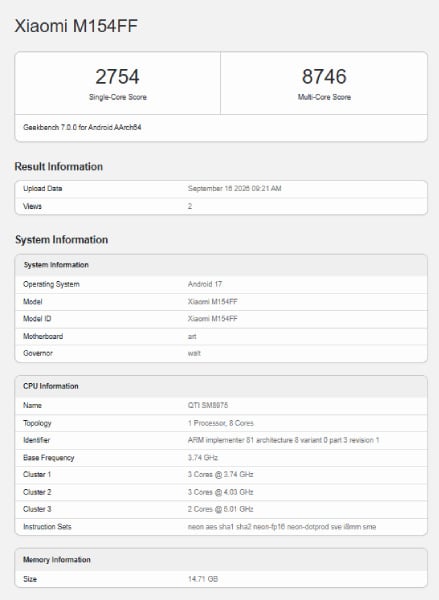
The device was spotted under the model number M154FF, and reportedly, this is the Chinese variant of the 18 Pro. The chip powering the phone is Qualcomm’s unannounced Snapdragon 8 Elite Extreme Gen 6, scoring 3,619 points in the single-core run and 11,842 in multi-core tests. 

Xiaomi 18 Pro Chinese Geekbench

The listing also gives you a peek at the core layout. It shows three efficiency cores running at 3.74GHz, three performance cores at 4.03GHz, and two prime cores that hit a peak of 5.01GHz. 

You’re also looking at HyperOS 4, which runs on top of Android 17. The listing shows 14.71GB of RAM, which Xiaomi will likely market as 16GB once the phone goes official.

A rear display, again

The chipset leak lands just days after Xiaomi’s own teaser for the 18 Pro series, which confirmed the phone’s rear display carries over from the Xiaomi 17 Pro and Xiaomi 17 Pro Max. 

Xiaomi 18 Pro series versatile back screen

This time, the secondary screen sits flush with the rear camera setup, with two lenses placed inside the same module as the display. Xiaomi has said more details are coming in the next few weeks, so you can expect additional teasers before the phone actually launches.

Xiaomi hasn’t confirmed any of this yet, including the chipset, so treat the numbers as a strong indication rather than a final spec sheet.

For more daily updates, please visit our News Section.

Stay ahead in tech! Join our Telegram community and sign up for our daily newsletter of top stories!

(Via)

Alexa just got a massive AI upgrade, and it’s finally coming to India

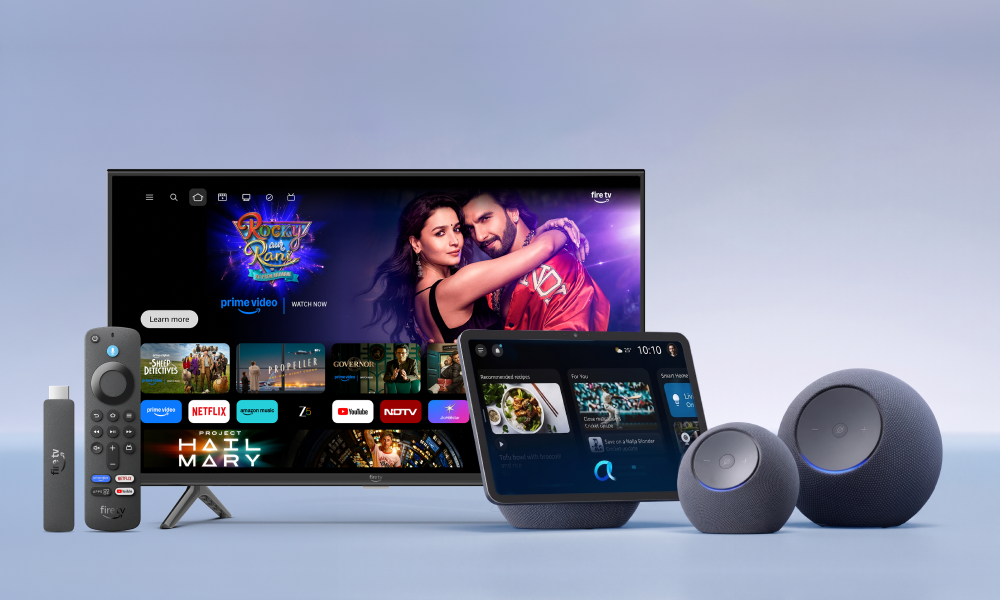
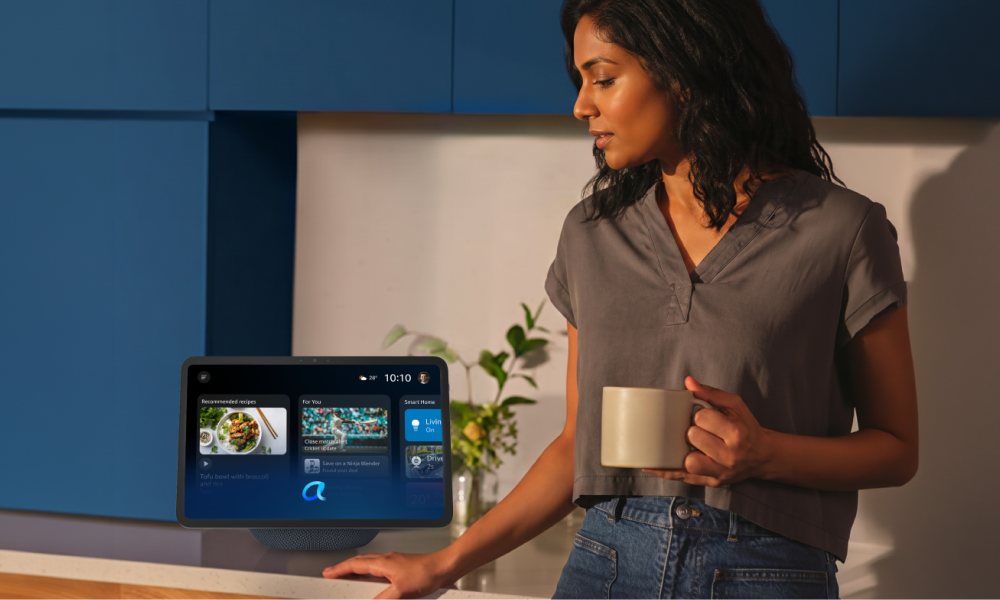
Amazon has brought its next-generation Alexa experience to India, giving users a more conversational way to interact with the assistant. The new Alexa+ is designed to understand natural speech and context more effectively. It is also being introduced with features tailored to how people communicate and use technology in India.

Alexa+ brings conversational AI to India

Amazon Alexa+
Amazon Alexa+

Alexa+ is now available in India through Early Access at no cost for eligible customers using supported Echo speakers, smart displays, Fire TV devices and the Alexa mobile app. It supports English, Hindi and Hinglish, allowing users to switch between languages naturally during a conversation without repeating the wake word after every request.

The assistant can handle tasks beyond answering questions, including smart home controls, meal planning, shopping, music discovery and entertainment. It works with services such as Amazon Music, Spotify, Apple Music, JioSaavn, Prime Video and Netflix, while integrations with EazyDiner, Swiggy, District by Zomato, MakeMyTrip, Home Triangle and TripAdvisor are coming soon. Smart home support includes brands such as Atomberg, Qubo, Dreame and Wipro.

Alexa+ can recognize individual household members through Voice ID and Visual ID, allowing it to tailor recommendations and remember preferences such as dietary restrictions. It can also create voice-controlled routines, manage multiple connected devices together and provide shopping assistance, including price-drop alerts, delivery tracking, product comparisons and verified review summaries.

Amazon Alexa+
Amazon Alexa+

Amazon has also tuned Alexa+ for Indian usage, with an understanding of expressions such as “dhai baje” and “ek paav”, along with Indian relationship terms and Hinglish conversations. The technology was developed with teams in Bangalore, Hyderabad, Pune and Chennai, covering speech recognition and language models designed for Indian homes.

Alexa+ is built on Amazon Bedrock and connects more than 70 large language models with hundreds of services and devices. Amazon says the system can route requests to different models depending on the task. Privacy controls include an Alexa Privacy dashboard, interaction history management, recording retention settings and microphone and camera controls.

For daily updates, please visit our News Section.

Stay ahead in tech! Join our Telegram community and sign up for our daily newsletter of top stories!

Portronics launches AeroDock Ultra laptop cooling pad with three fans and RGB

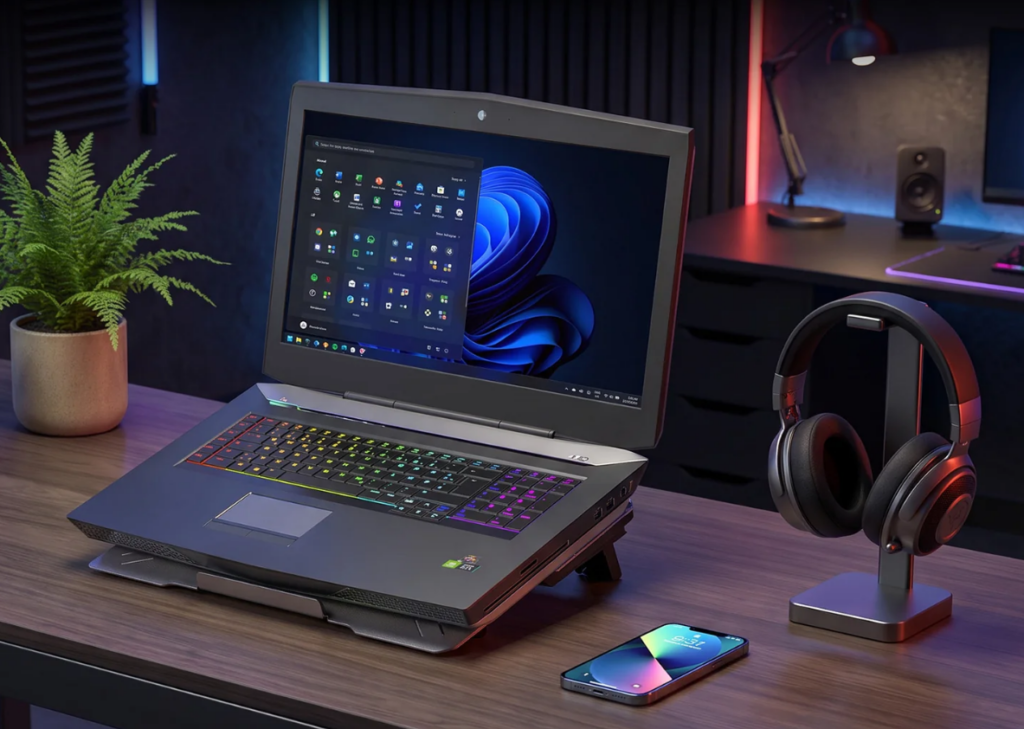
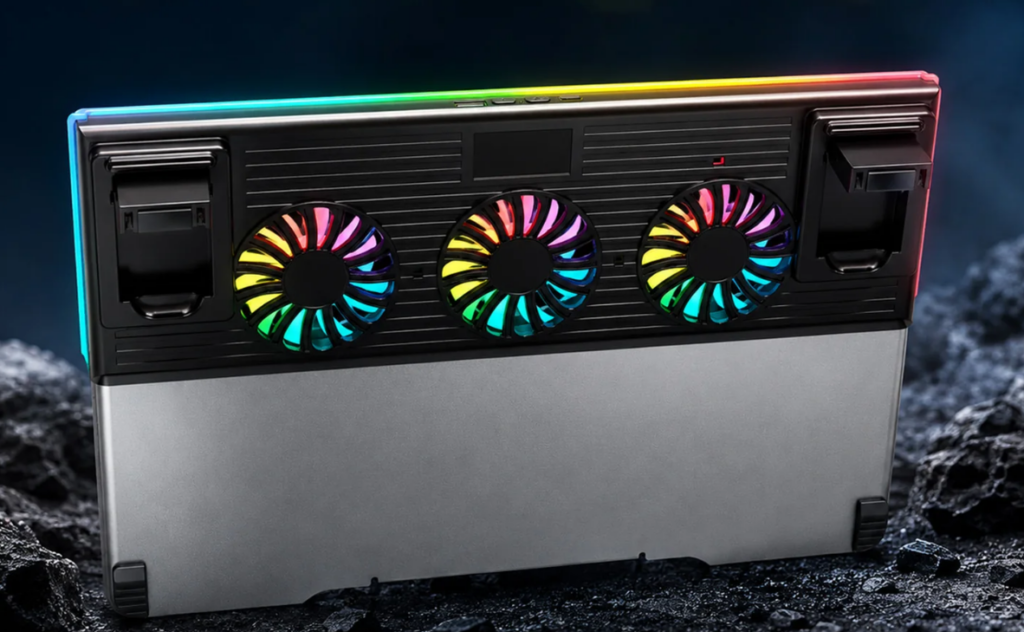
Portronics has released a new laptop cooling pad, the AeroDock Ultra, aimed at users who need extra airflow for their laptops during heavy workloads or gaming. It is a straightforward metal stand equipped with three fans and customizable RGB lighting.

Portronics AeroDock Ultra

Portronics AeroDock Ultra Specifications

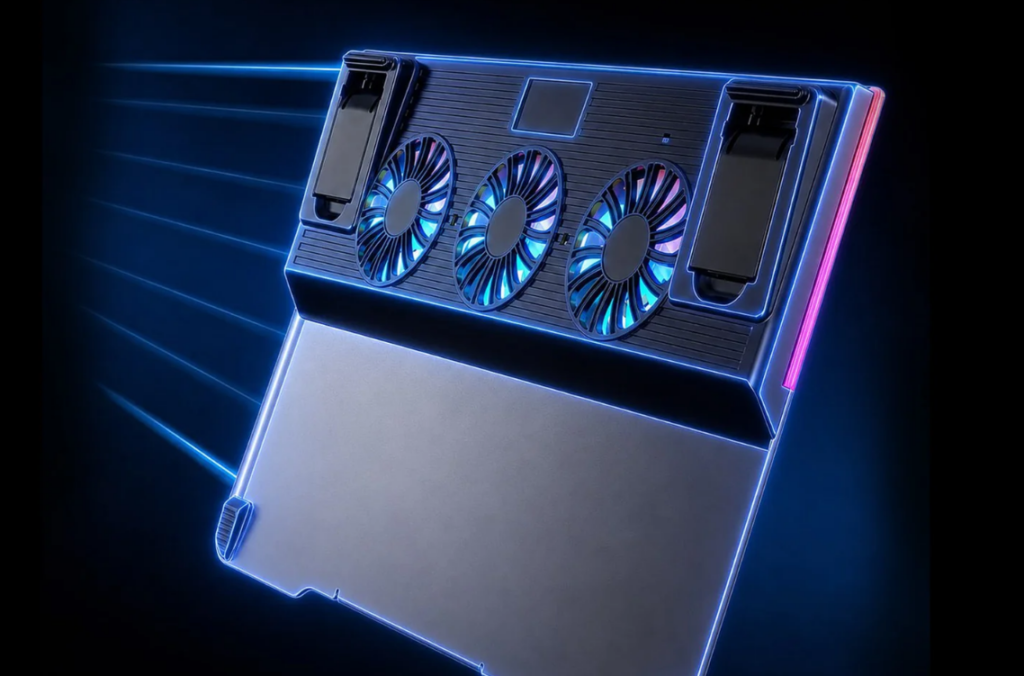
The AeroDock Ultra features an active cooling system with three fans that can spin at speeds of up to 3,100 RPM. According to the spec sheet, the setup delivers up to 76 cubic feet per minute (CFM) of airflow.

The fans direct a steady stream of air toward the bottom of the laptop, helping dissipate heat and reduce thermal throttling during demanding workloads. Portronics also claims the fans operate with minimal noise, helping keep distractions low during gaming, work, or calls.

For the build, Portronics went with a metal-alloy frame finished in silver. It has an angular design that leans a bit into standard gaming aesthetics, largely due to the illuminated fans.

Portronics AeroDock Ultra

The stand supports laptops ranging from 10 inches to 16.5 inches, which covers most standard ultrabooks and gaming laptops on the market. It also includes a concealed bracket and maintains a slim profile, making it relatively easy to pack in a bag if you need to take it to an office or a different workspace.

On the ergonomic side, the AeroDock Ultra offers two adjustable height settings. This allows users to prop up their laptop to a more comfortable viewing angle, which can help with neck posture during long sessions at a desk.

For connectivity and controls, the stand features a small hub with a USB-A port and a USB Type-C port, giving users a couple of options for plugging it into their laptop for power. There is also a dedicated physical button to cycle through the 10 different RGB lighting modes, letting users change the colors or adjust the lighting depending on their preference.

Portronics AeroDock Ultra

Pricing and Availability

The AeroDock Ultra has a standard MRP of ₹2,499 ($26), but Portronics is currently selling it at a discounted price of ₹1,549 ($16). It comes with a six-month warranty and is available on the Portronics website, Amazon India, Flipkart, and various physical retail stores.

In related news, Portronics has recently launched a 4-in-1 tire inflator with up to 150 PSI pressure and dual AC/DC power support.

For more daily updates, please visit our News Section.

Stay ahead in tech! Join our Telegram community and sign up for our daily newsletter of top stories!
OpenAI retiring GPT-5.5 on October 14: you may need to update your workflow

OpenAI is making another change to its model lineup. GPT-5.5 is being phased out of several of its main products, which will affect both regular users and developers who’ve gotten used to working with it.

According to the company, GPT-5.5 will be retired from ChatGPT, ChatGPT Work, and Codex on October 14, 2026, across all plans. For most everyday ChatGPT users, the switch should feel pretty seamless: conversations will just move over to whatever model OpenAI sets as the new default. The bigger impact is for people who’ve built workflows around GPT-5.5, especially developers using it through Codex.

If you’re a Codex user signed in with a ChatGPT account, you’ll want to migrate before the cutoff. Official guidance points to switching to GPT-5.6 Sol (or GPT-6 Astra in some references). That means updating workspace defaults, saved model settings, managed configurations, custom agents, scheduled tasks, and any scripts that specifically call for GPT-5.5. The good news is this retirement doesn’t affect the OpenAI API itself. Anything authenticated with an API key should keep working as usual.

This fits the pattern OpenAI has been following lately of retiring older models once newer ones are ready. GPT-5.4 class models were already pulled from Codex at the end of August 2026. GPT-5.5 itself only launched on April 23, 2026, so it’s had a relatively short run in the main product surfaces. Developers who hardcoded the model name into apps or automation tools will need to make the most updates to avoid any disruption once it’s no longer available in those interfaces.

OpenAI is framing the change as part of keeping things current. If you’re still relying on GPT-5.5 in the affected products, you’ve got until October 14 to make the switch. API users get to keep access for now, which should help some production setups stay uninterrupted while the consumer and ChatGPT-authenticated Codex experiences move on.

Don’t miss a thing! Join our Telegram community for instant updates and grab our free daily newsletter for the best tech stories!

For more daily updates, please visit our News Section.

(Source: @ChatGPT on X)

iQOO Pad Ultra teaser confirms September 29 launch, back design, color options

iQOO isn’t just launching the iQOO 16 on September 29. The company has confirmed that the iQOO Pad Ultra tablet will debut at the same event. They’re calling it a new kind of e-sports tablet, something that packs serious performance into a really thin and light body for a better mobile gaming experience.

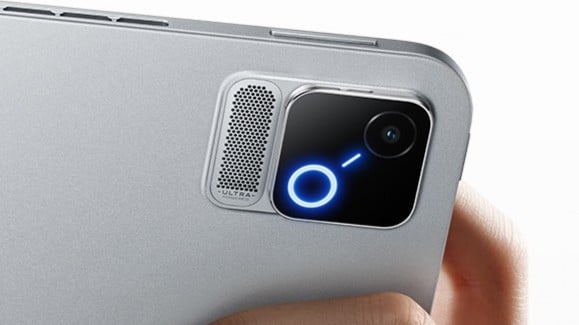
We first got a proper look at the Pad Ultra during an earlier iQOO event. One of the standout features is the built-in cooling fan. It’s a 30 × 30 × 3.5 mm unit with a 1,661 mm² heat-dissipation area, spinning up to 14,500 rpm and pushing as much as 0.94 CFM of airflow.

The idea is to keep performance steady even during long, demanding sessions. iQOO is also preparing two dedicated accessories: a stretchable game controller and a back grip to make holding it more comfortable.

From the teasers and earlier reports, it looks like an 8.8″ OLED screen with a centered punch-hole camera and thin bezels all around. The tablet itself is only 5.74 mm thick and weighs about 298 g. There’s a square Deco module on the back that includes an air vent. Under the hood, it’s expected to run on a 2 nm Snapdragon 8 Elite Extreme Gen 6 chip, paired with a roughly 9,000 mAh battery. Color choices so far are Ender Black and Star Silver.

Overall, this points to a compact tablet that prioritizes portability while still packing high-end hardware and active cooling. The fan and gaming accessories set it apart from regular tablets and make it clearer that iQOO is targeting people who want sustained performance for longer play sessions. We’ll get the full picture at the September 29 event. For now, the strong e-sports focus make the Pad Ultra an interesting addition to iQOO’s lineup.

Don’t miss a thing! Join our Telegram community for instant updates and grab our free daily newsletter for the best tech stories!

For more daily updates, please visit our News Section.

(Source: iQOO on Weibo)

The Best Projectors You Can Buy in 2026

Projectors have spent the past few years trying to replace televisions, but the best models of 2026 are becoming something more versatile: high-performance display systems that can transform a living room, backyard, studio, or conference space into a massive screen without requiring a dedicated theater.

The latest generation brings higher brightness, laser light sources, automatic image correction, Google TV, gaming features, and, in some cases, advanced optical systems. But choosing between them can be complicated. ISO lumens, contrast ratios, lens shift, optical zoom, RGB triple lasers, and AI processing can quickly become overwhelming, especially when manufacturers present these technologies differently.

After comparing some of the most capable options currently available, these are the projectors that stand out in 2026.

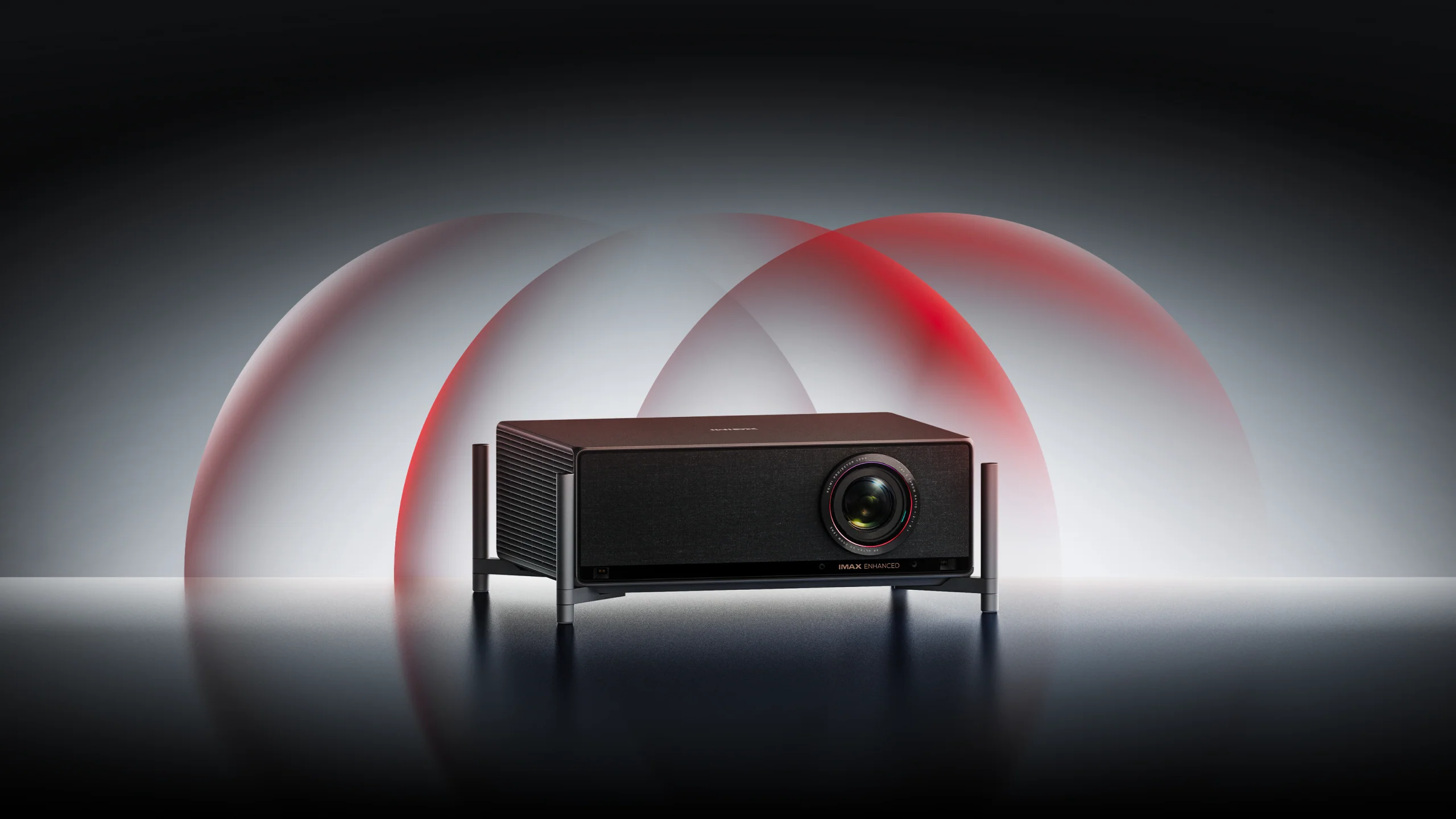
1. Xgimi Titan

Xgimi-Titan

The Xgimi Titan is built for people who need a projector that can overpower ambient light. It produces 5,000 ISO lumens, which puts it well above most home-focused models. That brightness gives it a major advantage in living rooms with windows, storefront displays, studios, gyms, and conference spaces. You do not need to treat every daytime viewing session like a blackout-curtain project.

Xgimi uses a large 0.78-inch DMD imaging chip in the Titan. Most compact 4K DLP projectors use a smaller 0.47-inch chip. The larger chip gives Titan more room to maintain image detail and brightness at larger sizes. This matters if you want a projection that feels more like a true theater screen than an oversized television.

The Titan also includes a dual-laser light engine, Dolby Vision, HDR10+, IMAX Enhanced, Filmmaker Mode, and 3D support. Its claimed 150% DCI-P3 color gamut and 5,000,000:1 dynamic contrast ratio aim to deliver saturated color and deeper shadow detail, even when the room is not fully dark.

Its lens system is one of its strongest features. The projector supports motorized lens shift up to ±100% vertically and ±40% horizontally, along with optical zoom. These controls let you move the image without using digital keystone correction. That is important because optical adjustment preserves sharpness, while aggressive keystone correction can reduce image quality.

The Titan is not a small portable projector. It weighs more than 25 pounds and uses up to 500W of power. It works best as a permanent or semi-permanent installation. If you want a projector that can live on a shelf or ceiling mount and handle almost any lighting condition, it is one of the strongest choices in this category.

Pricing: It costs $3,999.

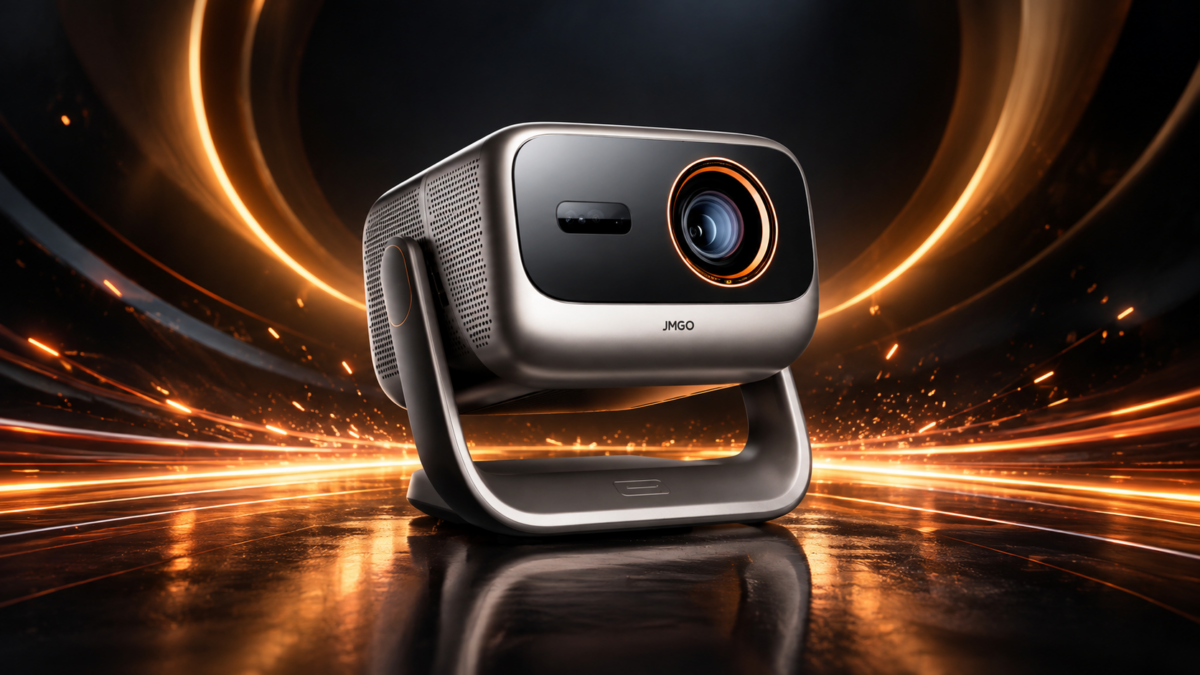
2. Jmgo IRIS Ultra Max

JMGO IRIS Ultra
Enhanced using AI

The Jmgo IRIS Ultra Max is designed with high-refresh-rate gaming in mind. It is the world’s first consumer single-chip DLP projector capable of outputting true 4K resolution at 120Hz. Many projectors can accept a 4K signal but require the resolution to drop to 1080p for higher refresh rates. The IRIS Ultra Max achieves full-path 4K at 120Hz using its dual TI DLPC chip architecture.

That specification makes a real difference if you use a gaming PC, PlayStation 5, or Xbox Series X. The projector also supports VRR and ALLM, which help reduce screen tearing and automatically switch compatible consoles into low-latency mode. Jmgo rates input lag at 1ms under certain conditions, although real-world performance can vary by resolution and picture settings.

The projector uses a triple-laser MALC 6.0 light engine with a claimed 6,500 ISO lumens. It also claims 110% BT.2020 color coverage and a 10,000:1 native contrast ratio. Those figures put it near the top of the consumer projector market for raw image specifications.

Jmgo has also focused heavily on black levels. The IRIS Ultra Max uses a dual-iris system with 6- and 9-blade iris components, along with AI Dynamic Black Level processing. The system adjusts light output scene by scene to preserve detail in dark content. That should help games, sci-fi movies, and HDR shows avoid the grayish blacks that often affect bright projectors.

The IRIS Ultra Max also gives you unusual freedom during installation. Its optical system includes four-way lens shift, a motorized gimbal, and a 0.88-1.7:1 optical zoom range. That is a wide range for a projector in this class. You can place it closer to or farther from the screen without sacrificing resolution through digital scaling.

Pricing: The Jmgo IRIS Ultra Max costs $2,999 during its launch promotion, down from $3,499.

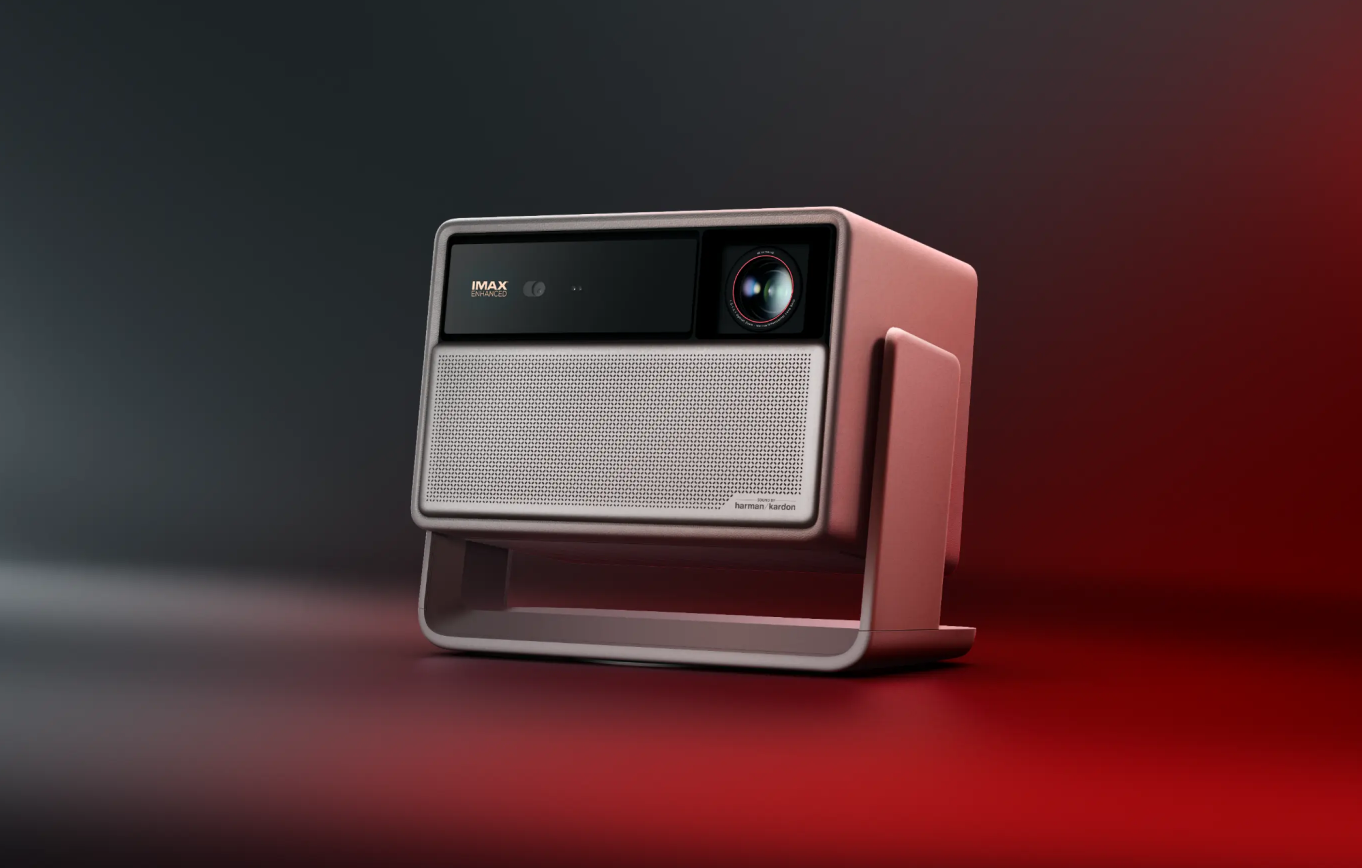
3. Xgimi Horizon 20 Max

Xgimi-HORIZON-20-Max

The Xgimi Horizon 20 Max is the most balanced home projector on this list. It combines high brightness, advanced HDR support, strong gaming features, and a compact design. You can place it in a living room without needing a dedicated projection space.

Its RGB triple-laser engine produces 5,700 ISO lumens. That output makes the Horizon 20 Max suitable for daytime sports, casual gaming, and movie nights with some lights on. The projector also supports 110% BT.2020 color coverage, Dolby Vision, HDR10+, IMAX Enhanced, and Filmmaker Mode.

It features Xgimi’s X-Master Red Ring Lens, which uses high-transmission optics and laser-grade glass to maintain image clarity from the center of the screen to the edges. The projector also supports optical zoom and motorized lens shift, with up to 120% vertical and 45% horizontal adjustment.

These features make the Horizon 20 Max easier to install than a typical lifestyle projector. Its 1.2-1.5:1 throw ratio supports screen sizes from 40 to 300 inches. The projector weighs 11.9 pounds, which gives you a middle ground between a portable projector and permanent-installation hardware.

The Horizon 20 Max also includes several gaming features. It supports VRR, ALLM, and 1080p at up to 240Hz. Xgimi rates the projector at 1ms input lag when it runs at 1080p and 240Hz. At 4K resolution, the projector supports a 60Hz refresh rate.

You should not buy this model if 4K at 120Hz is your main priority. It remains a strong choice if you want one projector for streaming, movies, sports, and gaming.

Pricing: The Xgimi Horizon 20 Max costs $2,249, down from $2,999.

4. Soundcore Nebula X1 Pro

Soundcore-Nebula-X1-Pro

The Nebula X1 Pro solves a problem that most projectors ignore: sound. Projector speakers often feel like an afterthought, and even good projector speakers cannot replace a real surround system. It includes a wireless 7.1.4 Dolby Atmos speaker system with 400W of total power.

The system includes front speakers, rear speakers, height channels, and a subwoofer. This setup makes it especially attractive for backyard movie nights, parties, outdoor events, and rooms where you do not want to run speaker wire. The projector also includes dual wireless microphones, so it can double as a karaoke system.

The projector uses a 4K triple-laser light source rated at 3,500 ANSI lumens. It supports Dolby Vision and 3D, covers 110% of the Rec.2020 color gamut, and delivers up to a 5,000:1 native contrast ratio. Its 14-element all-glass lens and 0.9-1.5:1 optical zoom help maintain image sharpness while providing greater flexibility with projector placement.

The Nebula X1 Pro includes a built-in handle and wheels. That design makes its size more practical than it first appears. You can move the whole system from a living room to a patio without treating it like a full AV installation.

Its setup tools include autofocus, keystone correction, screen fit, obstacle avoidance, wall-color adaptation, and a 25-degree micro gimbal. Those features make the X1 Pro easier to set up quickly, even when the projection surface changes.

Pricing: The Soundcore Nebula X1 Pro costs $4,299, reduced from $4,999.

5. Dangbei MP1 Max

Dangbei-MP1-Max

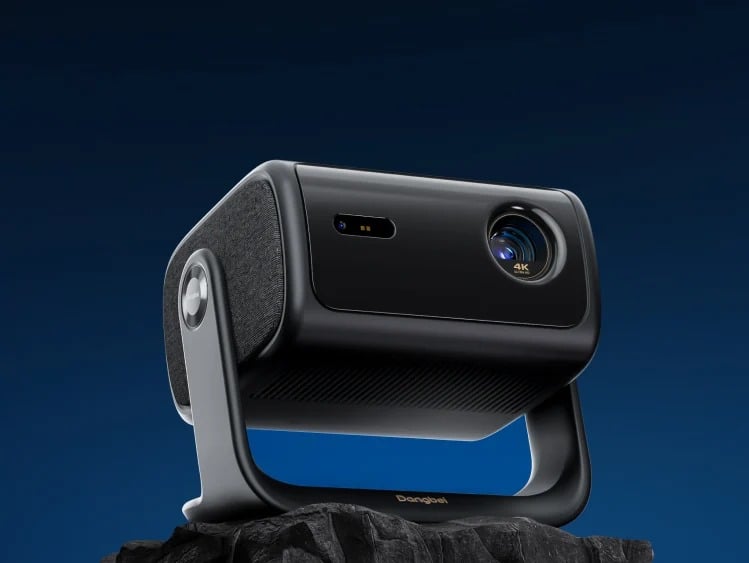
The Dangbei MP1 Max offers many flagship features at a more accessible price. It uses a hybrid Triple Laser + LED light engine that aims to combine laser brightness and wide color with lower speckle and reduced color fringing. That approach makes it an appealing alternative for buyers who want a premium image without stepping into the $3,000-and-up category.

The MP1 Max delivers 4K resolution, 3,100 ISO lumens, 110% BT.2020 color coverage, HDR10+, Google TV, licensed Netflix, and Blu-ray 3D support. It also claims Delta E color accuracy below 1, which means it should provide accurate color out of the box without demanding immediate calibration.

Dangbei also includes a 360-degree rotating and 135-degree tilting stand. The design makes it easy to project onto a wall, screen, or ceiling. The projector uses a fixed 1.2:1 throw ratio, so it does not offer the optical zoom flexibility of the Xgimi and Jmgo models. Still, its integrated stand makes it much easier to position than a conventional projector.

The MP1 Max includes autofocus, real-time keystone correction, screen fit, obstacle avoidance, eye protection, and ambient-light adjustment. Its dual 12W speakers use a 750cc acoustic chamber, which should provide fuller sound than many compact projector systems.

Pricing: The Dangbei MP1 Max costs $1,599, reduced from $1,999.

For more daily updates, please visit our News Section.

Stay ahead in tech! Join our Telegram community and sign up for our daily newsletter of top stories!
Anker launches 6-in-1 150W Travel Charging Station that’s the size of a deck of cards

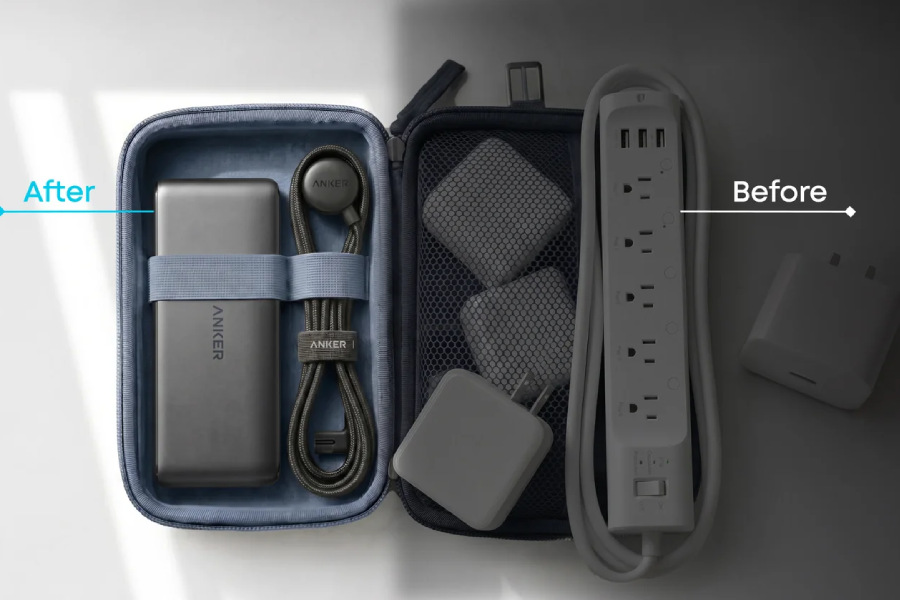
Packing a laptop, phone, and earbuds usually means carrying three different chargers. Anker’s new Travel Charging Station is designed to cut that down to one. It has a 150W power output and can charge up to six devices at the same time. It is now available to pre-order in the US for $79.99.

Anker 150W Travel Charging Station

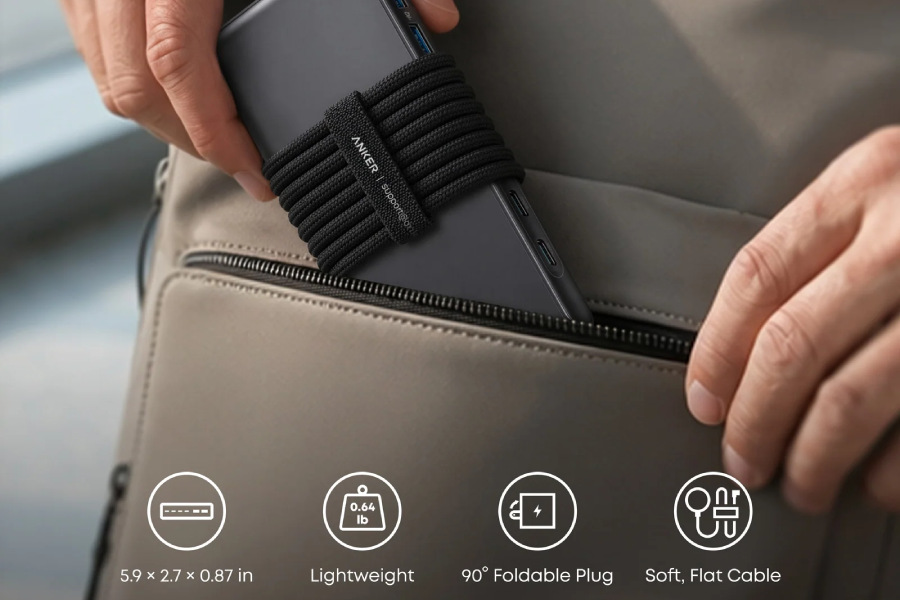
The compact size also makes it easier to carry. It measures 5.9 x 2.7 x 0.87 inches and weighs 0.64 lb. That makes it slightly shorter and narrower than the iPhone 17, while its thickness is close to an AirPods Pro case. Anker says it is also lighter than a full 330mL soda can.

The charging station comes with a flat, braided power cable and a 90-degree foldable plug that sits flat when packed. It supports 100-240V input, so you can use it with wall outlets in different countries.

Anker Travel Charging Station Specifications

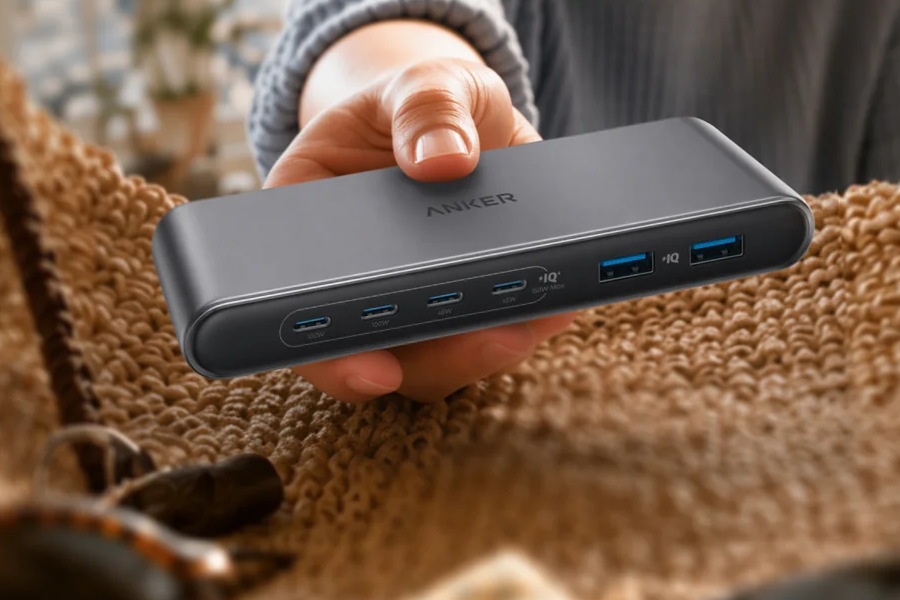
The charging station has four USB-C ports and two USB-A ports in a body roughly the size of a deck of cards.

The USB-C1 and USB-C2 ports can each deliver up to 100W, which is enough for most USB-C laptops and handheld devices. Anker says this includes full-speed charging for a MacBook Pro. The USB-C3 and USB-C4 ports support up to 45W, while both USB-A ports provide up to 12W.

Anker 150W Travel Charging Station portability

When multiple devices are connected, Anker’s PowerIQ 4.0 technology automatically divides the available 150W between them based on their power needs. This means you don’t have to manually figure out which device should use each port. Anker used a similar system on its 7-in-1 Nano Charging Station earlier this year, although that model also had a built-in LCD screen.

For safety, the Travel Charging Station uses Anker’s ActiveShield 4.0 system, which monitors the internal temperature more than 10 million times per day. It also has seven layers of protection against overvoltage, overcurrent, overheating, and short circuits.

🔌 You’ll NeedCharging cables aren’t included, so you’ll need your own USB-C cable to use the fast 100W ports. Check Anker 100W USB-C charging cable price on Amazon →

One thing to keep in mind is that charging cables are not included. You’ll need to bring your own USB-C and USB-A cables to use all six ports.

Anker 150W Travel Chargin Adapter Features

The station is available in Iron Gray and Radiant White. Anker currently lists a pre-order shipping window of September 25 to October 5.

Don’t miss a thing! Join our Telegram community for instant updates and grab our free daily newsletter for the best tech stories!

For more daily updates, please visit our News Section.

(Source)

Nubia NaviX Ultra is the company’s second attempt at an AI-first phone

Nubia’s follow-up to its ByteDance-powered AI phone is here. The NaviX Ultra launched today in China, just weeks after Nubia’s president teased it as the company’s “world’s first AI agent phone” ahead of the launch.

Nubia calls it the second-generation “beanbag” phone, a nickname that came from its predecessor, the M153. The latter sold out quickly last December before running into problems when several major Chinese apps limited what its Doubao Mobile Assistant could do inside their apps.

The NaviX Ultra comes in three versions at launch. The 12GB + 512GB model costs 5,999 yuan (around $840), while the 16GB + 512GB version costs 6,499 yuan (around $910). The top model with 16GB of RAM and 1TB of storage costs 7,499 yuan (around $1,050).

Nubia NaviX Ultra
Nubia NaviX Ultra

Nubia calls the NaviX Ultra the world’s first AI intelligent smartphone. The phone uses ByteDance’s Doubao Mobile Assistant for its AI features. The goal is to let you hand off multi-step tasks across different apps with one spoken sentence, rather than tapping through each app yourself. 

This is the consumer version of Doubao Mobile Assistant, following the technical preview ByteDance put out last December, and Nubia says the update brings changes to interaction, personal memory, task execution, and privacy controls.

A dedicated AI button

The phone’s defining hardware feature is a dedicated orange-accented AI button that also works as a fingerprint sensor — something Nubia calls an industry first. It recognizes dialects, wakes on voice, and runs on Seed’s latest full-duplex voice model, so you can talk over the assistant mid-response instead of waiting for it to finish, similar to interrupting a person. Nubia also moved the button’s placement to make it easier to reach one-handed.

Nubia NaviX Ultra Ai button

Nubia claims the phone has a 48% higher wake-up rate than competing phones in noisy places, such as crowded subway stations. It also claims 21% better sentence recognition. The assistant supports more than ten dialects, including Cantonese and Minnan.

The AI assistant can also understand images and what’s happening on your screen. You can ask about something displayed on the phone, point the camera at an object for information, or use it during a video call to understand what the camera is showing.

Display, cameras, and battery

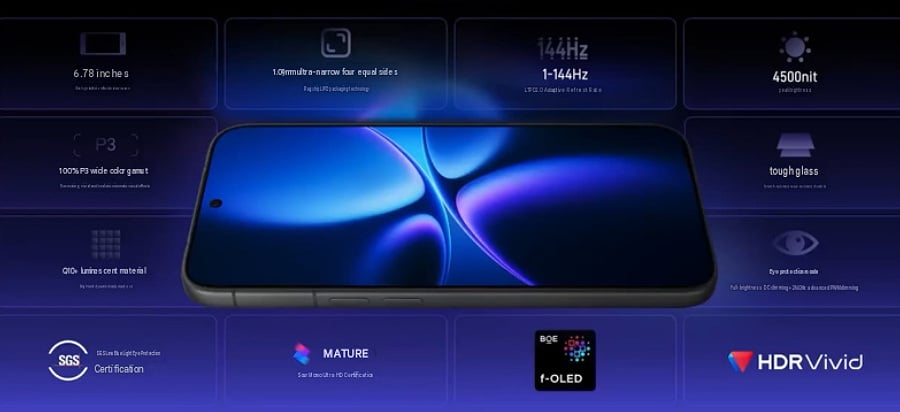
As for hardware, the NaviX Ultra has a 6.78-inch LTPO 2.0 display with a 1-144Hz refresh rate. It covers 100% of the DCI-P3 color range and reaches up to 4,500 nits of peak brightness. The screen also supports DC dimming and 2160Hz PWM dimming.

Under the hood, it’s powered by the Qualcomm Snapdragon 8 Elite Gen 5 chipset. For cameras, the phone has a 200-megapixel main camera, a 50-megapixel ultra-wide camera, and a 64-megapixel periscope telephoto camera.

Nubia NaviX Ultra Display

The phone uses Nubia’s Galaxy Cooling System with a 7,100mm² vapor chamber for cooling. And despite being just 7.62mm thick, it packs a large 7,100mAh battery. Charging includes 90W wired and 50W wireless charging.

🔌 You’ll NeedThe 7,100mAh battery supports 90W wired charging, but a standard 65W brick won’t hit that speed — a 90W GaN charger will. Check 90W GaN fast charger price on Amazon →

More AI features

The AI features go beyond the main assistant. The phone can recognize products on your screen and take you directly to a shopping page. It can also handle calls using custom response scripts and sort important notifications, so they stay at the top.

The assistant is also optimized to work with third-party services such as Cao Cao Mobility and Lark. This lets you do things like book a ride or check your schedule without leaving the chat window. It can also run some tasks in the background and handle multiple requests in a queue.

Nubia NaviX Ultra AI features

For meetings and notes, the assistant can start recording and use Lark Notes to transcribe and summarize the content. Later, you can search through the recording using normal language instead of going through the entire transcript.

For those concerned with privacy, Nubia says the NaviX Ultra is the first device to complete registration for its intelligent agent large model with Chinese regulators. The phone also includes lock-screen permission controls and international security certifications.

Don’t miss a thing! Join our Telegram community for instant updates and grab our free daily newsletter for the best tech stories!

For more daily updates, please visit our News Section.

DJI Neo 3 leak shows a reworked body and a screened remote controller

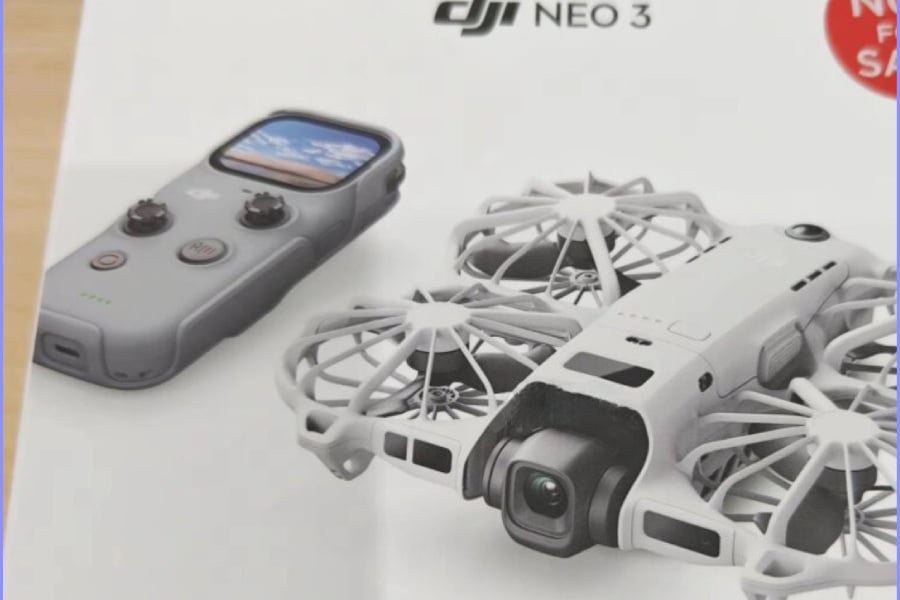
The DJI Neo 3 may be getting a bigger redesign than expected. X platform insider Igor Bogdanov has shared images that show the retail packaging for the upcoming drone, and the most noticeable change at a glance is the propeller guards. 

The Neo 2 and the original Neo use solid, closed rings around the propellers. The Neo 3 switches to a hub-and-spoke design, with the guards looking more like bicycle wheels.

DJI Neo 3 leak

The drone itself also appears to have extra vents on the rear. This could suggest that DJI has changed the internal hardware or added components that produce more heat and require better airflow. 

The packaging also shows a new obstacle avoidance sensor. DJI has not revealed how the sensor will work or how much of the drone’s surroundings it can cover, but it suggests the Neo 3 could offer improved sensing compared with the previous model.

A new controller with a built-in screen

The biggest change may be the controller. The leaked packaging shows the Neo 3 bundled with a new remote that has a built-in display. That’s something Neo 2 users didn’t get with the standard controller.

Based on its design, the remote looks similar to the RC Mini AG, a compact controller DJI introduced with its T55 agricultural drone. If the Neo 3 remote uses the same hardware, it could feature a 1.97-inch screen with a 410 x 494 resolution and up to 800 nits of brightness. 

The controller may also get support for OcuSync 4 for image transmission, with a claimed range of up to 10 kilometers. Its battery could provide around three hours of use on a single charge.

For now, these details have not been confirmed by DJI. There is also no official launch date or price for the Neo 3 yet. Still, retail packaging usually appears fairly close to a product’s launch, so an official announcement could be coming soon.

Don’t miss a thing! Join our Telegram community for instant updates and grab our free daily newsletter for the best tech stories!

For more daily updates, please visit our News Section.

Oppo Watch S2 specs confirmed ahead of September 22 launch: 8.9mm thick, “FatMax” fat-burning mode

Oppo is starting to tease its next smartwatch, the Watch S2, ahead of the official launch on September 22. From the early details, it’s clear they’re going for something slim, light, and useful for everyday health and fitness tracking.

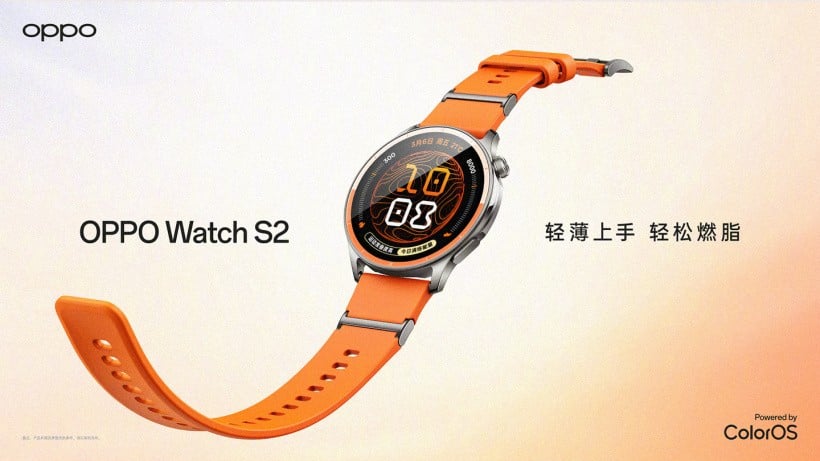
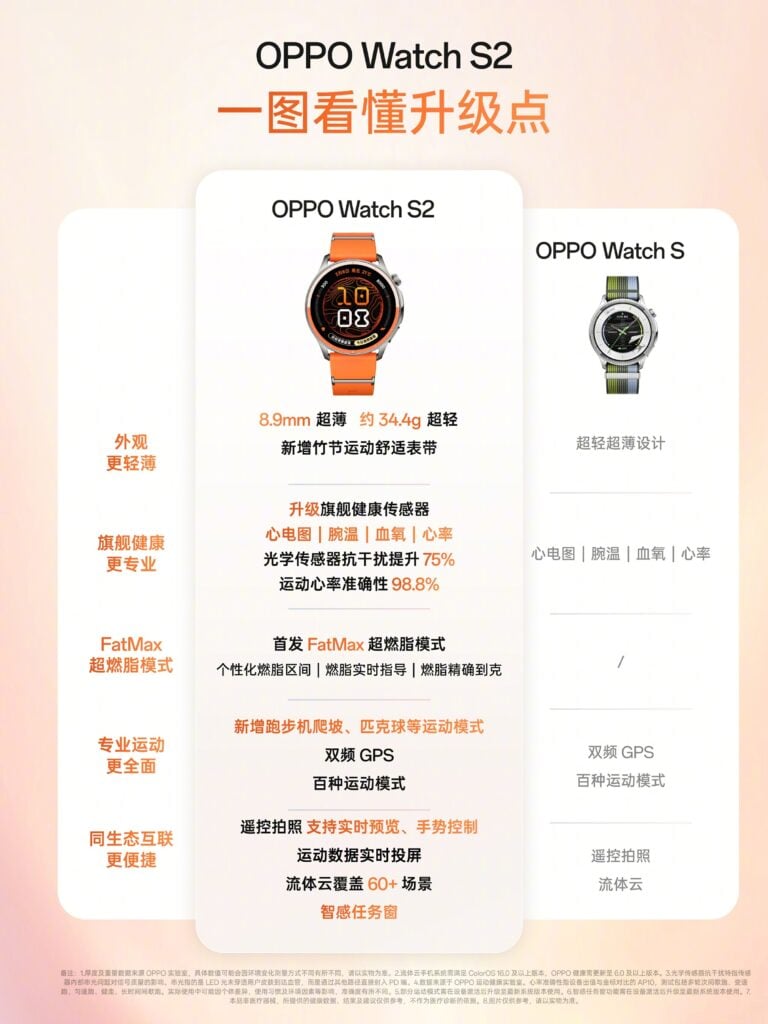
The watch is just 8.9 mm thick and weighs only 34.4 g without the strap, almost the same as the previous model. It’s launching in China alongside the Find X10 series phones, and it’s already up for pre-order in three colors: Vibrant Orange, Misty Powder, and Mountain Shadow Grey. Like before, it sticks with a round dial.

One of the bigger new features is something called “FatMax” fat-burning mode. It figures out your personal fat-burning heart rate zone based on things like height, weight, age, gender, and how active you are, then keeps refining it the more you wear the watch. During workouts it even shows you how many grams of fat you’re burning in real time.

Health tracking gets a noticeable upgrade too. The Watch S2 packs a solid sensor setup that covers ECG, wrist temperature, blood oxygen, and heart rate. Oppo says the optical sensor is 75% better at handling interference, and exercise heart rate accuracy is listed at 98.8%. It’s basically taking what the original Watch S could do and making the data more reliable when you’re moving around.

On the practical side, it still supports dual-device pairing so you can stay connected to two phones at once. Battery life looks strong: up to 10 days max, around 7 days with normal use, and about 4 days if you keep the always-on display on. There’s also Watch Fluid Cloud, which can push live updates for things like food delivery, ride-hailing, and navigation.

For a bit of context, the original Oppo Watch S launched on October 2025 in China starting at 1,499 yuan before rolling out globally earlier earlier this year for around €259. The S2 keeps the focus on being light and comfortable with multi-day battery life, while sharpening the fitness tracking and sensor accuracy.

Don’t miss a thing! Join our Telegram community for instant updates and grab our free daily newsletter for the best tech stories!

For more daily updates, please visit our News Section.

(Source: Oppo on Weibo)

Xiaomi launches Mijia Smart Bathroom heater 2C with 3000W graphene module, 24GHz radar for automatic on/off

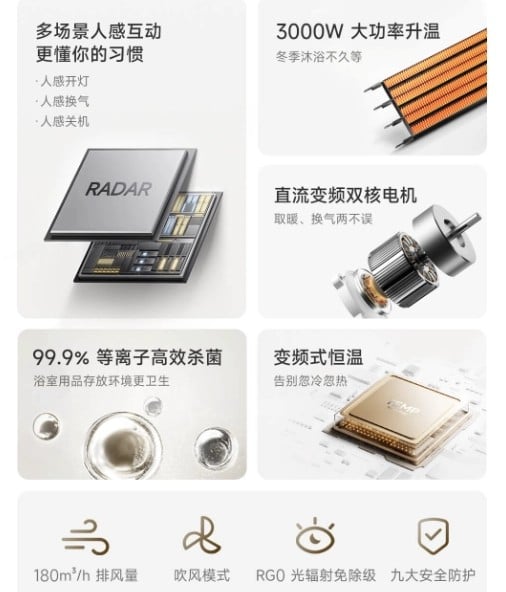
Xiaomi is expanding its smart home range again, this time with a new bathroom heater. It sticks to the usual clean Mijia white look. The panel is 600 x 300 mm, the main unit measures 604.5 x 304 x 105 mm, and it weighs about 4.15 kg. There’s a built-in 1600 lm LED light that meets RG0 radiation standards, plus a Bluetooth remote that can be mounted on the wall.

The heating comes from a 3000W graphene module paired with a DC inverter dual-core motor. That setup lets it hold a steady temperature, and the airflow can oscillate between 60° and 100° to spread heat more evenly. You can run heating and ventilation at the same time, with airflow rated at 180 m³/h. When it’s in heating or blowing mode, the plasma sterilization claims over 99.9% efficiency.

Smart features are handled by a 24GHz radar that detects when someone’s in the room, so the light and ventilation can turn on automatically. You can tweak the sensitivity and sensing distance. There’s also full app control, scheduling, and voice commands. Safety-wise it has IPX2 waterproofing, short-circuit protection, and overheat protection.

Basically, it’s positioned as a practical upgrade for those integrated ceiling bathroom setups, quick graphene heating, even airflow, and hands-free automation at a pretty accessible price.

Price and availability

The Mijia Smart Bathroom Heater 2C is now listed on JD.com, with first sales kicking off on September 21. It starts at 882 yuan (~€113). Anyone who grabs it during pre-sale also gets a free Mijia thermometer and hygrometer. There’s no word on global availability as of writing.

Don’t miss a thing! Join our Telegram community for instant updates and grab our free daily newsletter for the best tech stories!

For more daily updates, please visit our News Section.

(Source: ITHome)

Xiaomi Watch S5 41mm, REDMI Buds 8s design, color options teased

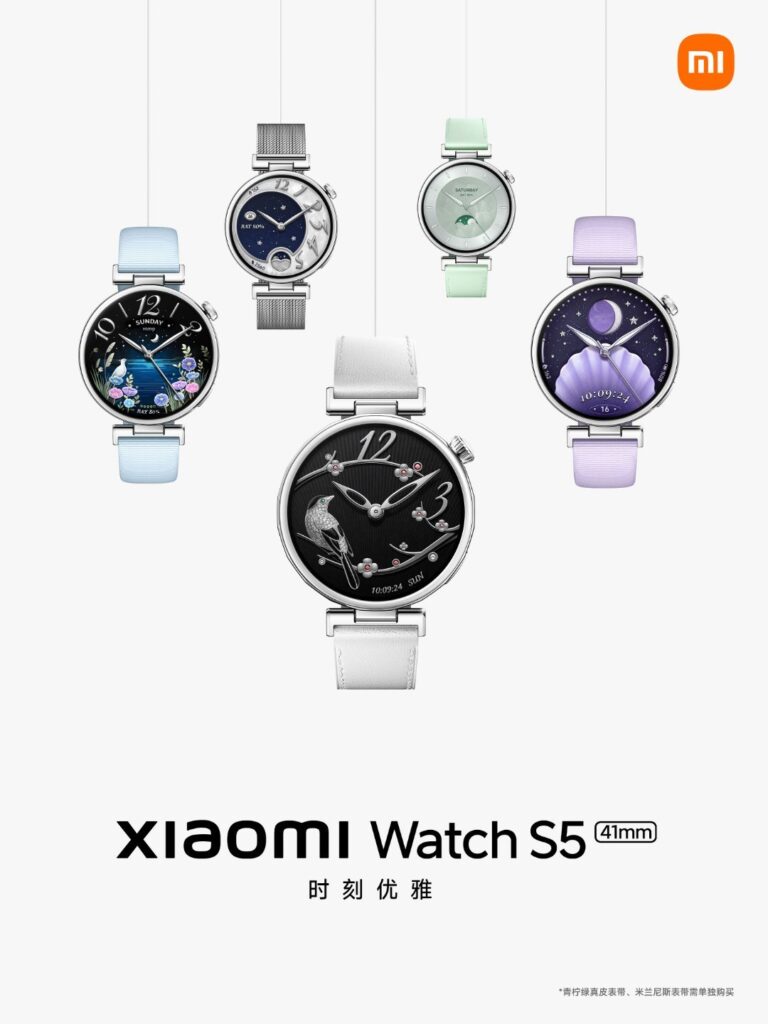
Xiaomi is adding a couple of fresh options to its wearable and audio lineup. Pre-orders for the Xiaomi Watch S5 41mm and REDMI Buds 8S are now open. The earbuds are due to go on sale September 22, while the smaller watch is expected to land alongside the Xiaomi 18 Pro series later this month.

The Watch S5 41mm is the more compact take on the earlier 46mm model. It keeps a classic watch look, weighs around 36g, and is just under a centimeter thick (0.99cm). Design highlights include a white ceramic bezel and a diamond-shaped crown with 24 finely cut facets.

It’s running Xiaomi’s HyperOS 4 and focuses on everyday health and lifestyle features such as smarter workout suggestions, calorie intake management, and UV intensity alerts. Battery life is rated at up to 14 days, so it should last most people several days between charges.

On the audio side, the REDMI Buds 8S go for a semi-in-ear design that’s meant to stay comfortable for all-day wear. They pack an 11mm dynamic driver and support Xiaomi HyperConnect for tighter pairing with compatible phones and devices.

Together, these two fill out Xiaomi’s mid-to-premium wearable and audio range a bit more, a lighter, smaller watch with solid health tracking and battery life, plus straightforward connected earbuds. Full pricing, color options, and the rest of the specs should show up closer to launch.

For now, both are available for pre-order through official channels in China, with more details likely to drop as the Xiaomi 18 Pro event gets nearer.

Don’t miss a thing! Join our Telegram community for instant updates and grab our free daily newsletter for the best tech stories!

For more daily updates, please visit our News Section.

Source: Lu Weibing on Weibo)

Xiaomi’s most affordable smart home sensor gets CO2 detection and a larger 3.6-inch display

It took more than four years for Xiaomi to upgrade its most affordable smart home sensor, but the Mijia Smart Thermometer and Hygrometer 3 Pro is finally here. Succeeding the Mijia Smart Thermo-Hygrometer 3 from 2022, the device is listed for crowdfunding on Xiaomi Youpin for just 114 yuan (~ $17)

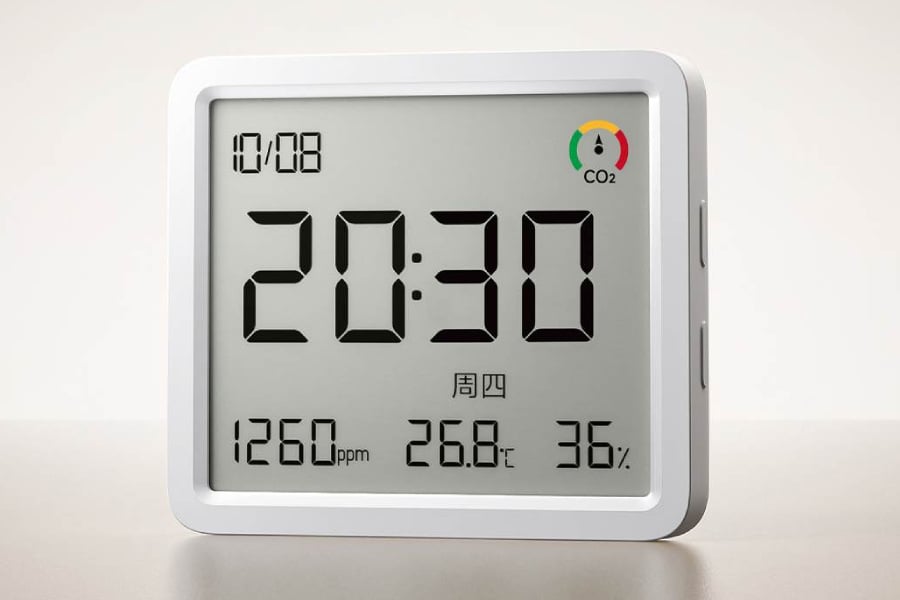
The biggest upgrade here is carbon dioxide detection, which was missing from the regular model. Xiaomi equipped the new model with Sensirion’s latest low-power thermal conductivity CO2 sensor that continuously monitors CO2 levels in the room.

Mijia Smart Thermometer and Humidity Meter 3 Pro Launch Specs Price

Instead of showing only a number, the sensor uses a three-color indicator to show the air condition. Green, yellow, and red make it easier to see when CO2 levels are rising, and it may be time to open a window.

Xiaomi Mijia Thermometer 3 Pro gets a larger display

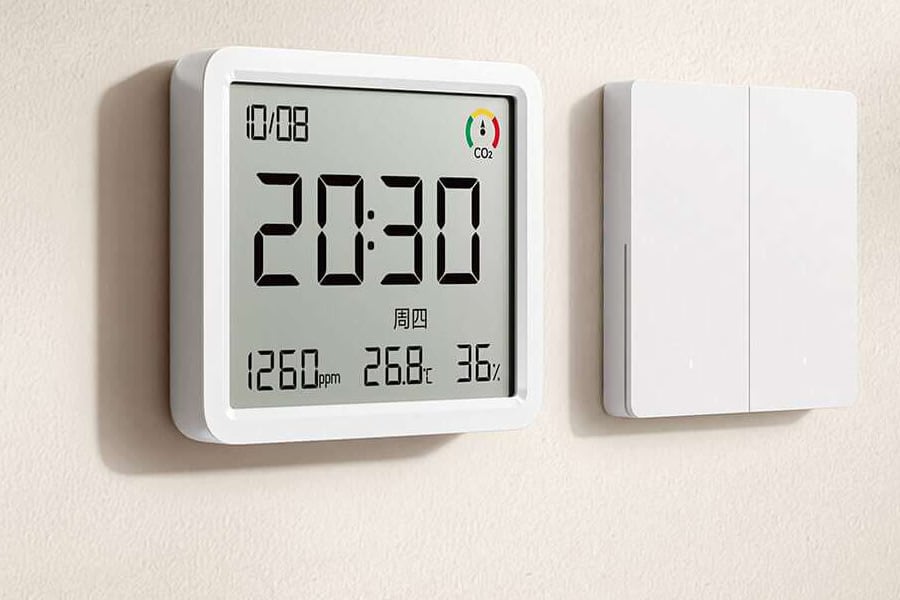
You also get an upgraded display. The device now features a larger 3.6-inch LCD screen with slimmer bezels. It can show the date, day, time, temperature, humidity, and CO2 levels. A single tap lets you switch between the different readings.

For connectivity, the Mijia Smart Thermometer and Hygrometer 3 Pro uses Xiaomi’s Surge Smart Connectivity system. When paired with a Bluetooth Mesh gateway, it can work with other smart home devices based on changes in temperature, humidity, or CO2 levels.

Mijia Smart Thermometer and Humidity Meter 3 Pro

For example, if CO2 levels go above a limit set in the Mi Home app, a Xiao Ai speaker can give you a voice reminder. The sensor can also send its readings to the Mi Home app through the Bluetooth Mesh gateway, where you can view temperature, humidity, and CO2 trends over time.

This makes it more useful for tracking changes over several days or weeks instead of simply checking the current readings. It also gives you some of the monitoring features you’d normally get from a dedicated air quality detector.

The device can sit on a desk or be attached to a metal surface using its built-in magnet. It runs on a single CR2450 button battery, which Xiaomi says should last for around a year before it needs to be replaced.

🔌 You’ll NeedIt runs on a single CR2450 button battery that Xiaomi says lasts about a year before it needs replacing. Check CR2450 button battery price on Amazon →

For more daily updates, please visit our News Section.

Stay ahead in tech! Join our Telegram community and sign up for our daily newsletter of top stories!

Samsung announces new Galaxy budget phone with Helio G99 chipset

Samsung has quietly launched the successor to last year’s Galaxy A07. The Galaxy A08 had already appeared in Google’s systems a few weeks ago, and Samsung has now officially launched it.

Samsung Galaxy A08 4G Specifications

The Galaxy A08 has a 6.7-inch HD+ LCD screen with an Infinity-U notch. That means the 8MP selfie camera sits inside a waterdrop-style notch instead of a punch-hole cutout.

Samsung Galaxy A08 4G Specs Launch Price

Under the hood, Samsung is using the MediaTek Helio G99, the same 6nm chipset found in several of its recent budget phones. It comes with a Mali-G57 MC2 GPU, 4GB of LPDDR4X RAM, and 128GB of storage. The latter is expandable up to 2TB via the microSD card slot.

On the software front, it comes with Android 16 and One UI 8, and Samsung, as usual, is promising six generations of Android OS upgrades along with six years of security updates. 

The shooting duties are handled by a 50MP main camera (f/1.8 aperture) and a 2MP depth sensor on the back. You also get an LED flash for nighttime shots. The fingerprint scanner is built into the side-mounted power button, and there’s a 3.5mm headphone jack for wired earphones.

Samsung Galaxy A08 4G colors

The Galaxy A08 packs a 6,000mAh battery with support for 25W wired charging. Samsung does not include a charger in the box, so you’ll need to use your own USB-C adapter. The phone also has an IP64 rating for dust and water resistance. 

Connectivity includes dual 4G VoLTE, Wi-Fi 802.11ac with support for both 2.4GHz and 5GHz networks, Bluetooth 5.3, GPS, and a USB Type-C port. The phone measures 167.4 x 77.4 x 8.0mm and weighs 197 grams.

Pricing and Availability

Samsung is offering the Galaxy A08 in Navy Blue, Silver, and Green. The 4GB + 128GB model costs 10,699 Ukrainian hryvnia, which works out to around $239.

The Galaxy A08 is already available in Ukraine, while listings have also appeared on Samsung’s websites in Serbia and South Africa. More markets are expected to get the phone in the coming weeks and months.

For more daily updates, please visit our News Section.

Stay ahead in tech! Join our Telegram community and sign up for our daily newsletter of top stories!
🔌 You’ll NeedSamsung doesn’t include a charger in the box, so a 25W USB-C adapter is needed to hit full charging speed. Check Samsung 25W USB-C charger price on Amazon →