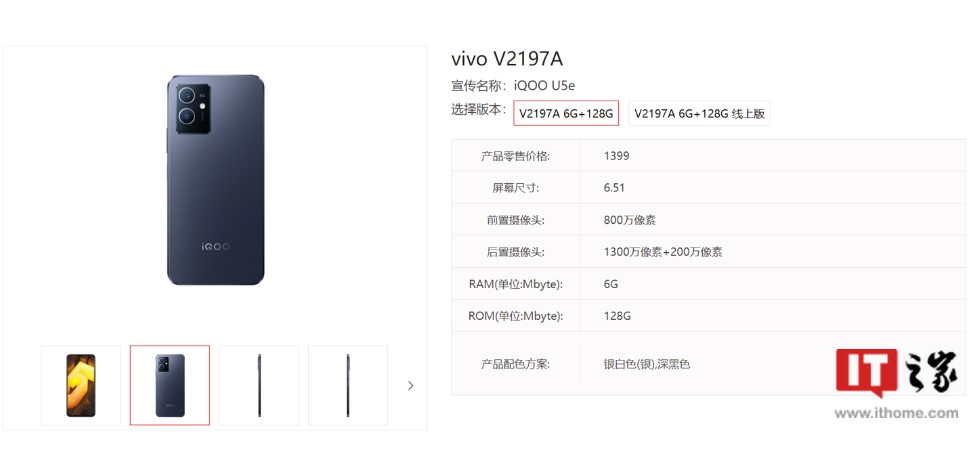
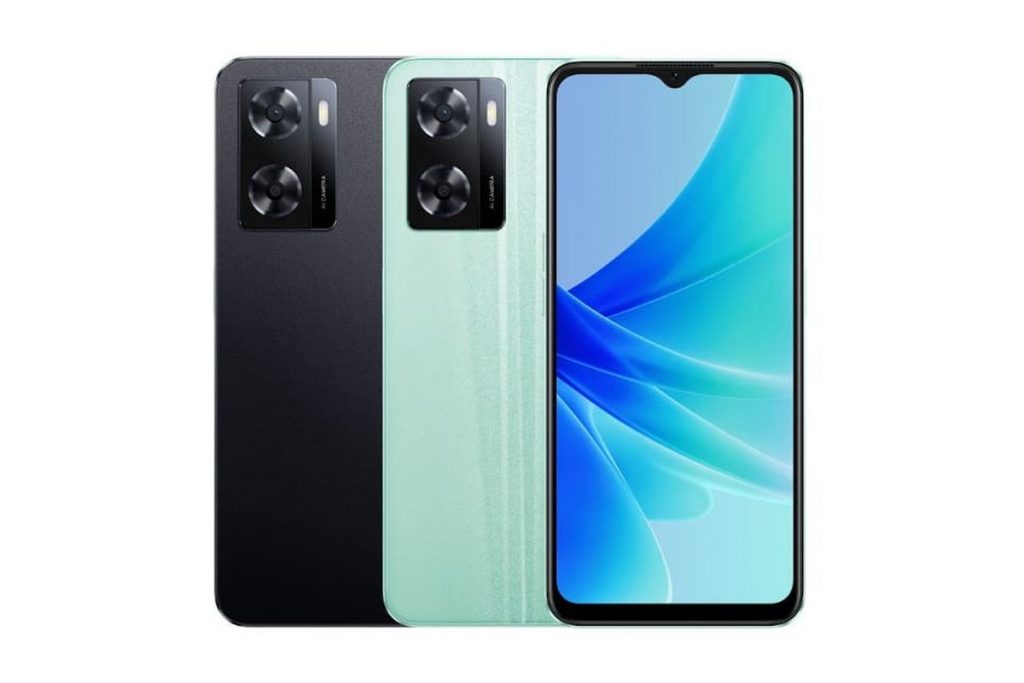
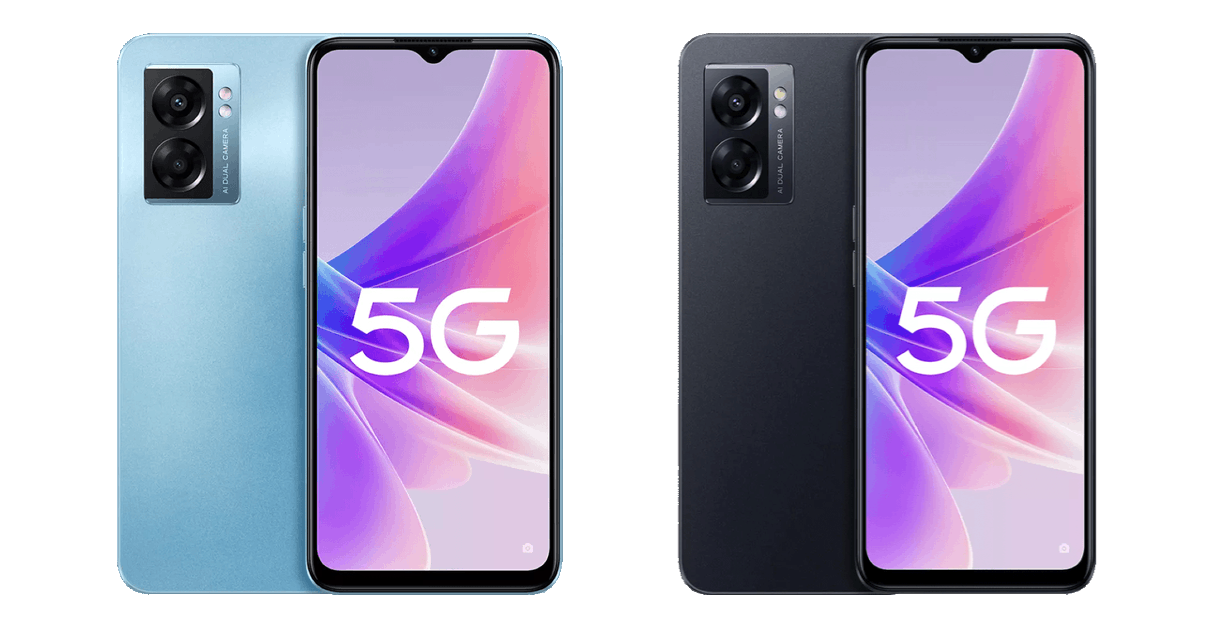
iQOO U5e has been spotted on the China telecom terminal website with model number V2197A. An iQOO device with the same model number was spotted recently on TENAA and 3C certification websites.
The China telecom product library reveals key specifications and renders of the iQOO U5e. The Vivo sub-brand is yet to confirm the existence of the device at the moment.
As per the China telecom terminal website, the iQOO U5e will measure 164 x 75.84 x 8.25mm in terms of dimensions and weigh around 193 grams. The smartphone is expected to feature a 6.51-inch display bearing an HD+ resolution of 1,600 x 720 pixels and a waterdrop notch.
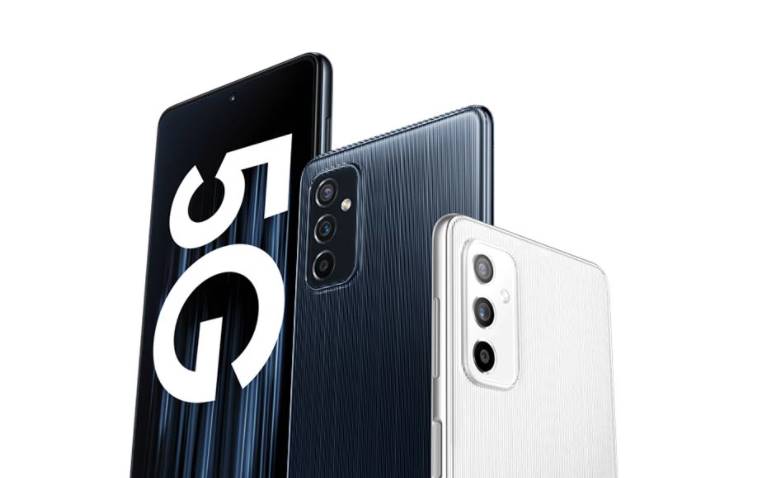
The leaked renders reveal that the iQOO U5e has a rectangular camera module on the back panel with 5G branding. The device is tipped to accommodate a 13MP main sensor paired with a 2MP secondary lens. On the front, there is expected to be an 8MP selfie snapper.
The listing reveals that the iQOO U5e will pack 6GB RAM and offer 128GB onboard storage expandable up to 1TB via a microSD card slot. The 5G branding on the camera module also suggests that the device will be powered by a 5G-compatible chipset. The smartphone will reportedly be powered by a 5,000mAh battery unit.
Additionally, as per the renders, the iQOO U5e will likely come with a side-mounted fingerprint scanner embedded in the power button. It is expected to feature a USB-C port and a 3.5mm headphone jack.
Last month, we had shared our picks of some of the best smartphones that were available in India under the price range of 20,000 INR (roughly 258 US Dollars). Now, we have another list, but this time, we’re looking at smartphones that are the best in the sub 30,000 INR category (roughly 387 US Dollars). So let’s have a look.
iQOO Neo 6
In this price range, the iQOO Neo 6 is undoubtedly one of the best options a prospective buyer can consider when buying a phone under 30,000 INR. It sports a 6.62 inch FHD+ AMOLED display that has a 120Hz refresh rate. But, its most notable feature is the inclusion of a flagship Qualcomm Snapdragon 870 SoC that is paired with up to 12GB of RAM and up to 256GB of internal storage. The device runs on Android 12 OS and is powered by a large 4,700mAh battery that supports 80W fast charging as well.
iQOO Neo 6
For cameras, the Chinese company is offering a 64 megapixel triple camera setup on the rear. So all in all, its a pretty solid pick in this price tag thanks to its great specifications and relatively affordable price tag. It is currently listed on Amazon India for a price of 29,999 INR for the 8GB + 128GB model. Another iQOO phone that you can consider is the iQOO 7 that has a similar price tag and also feature the Snapdragon 870. However, this variant is a bit older so the newer model will have longer software support.
Motorola Edge 30
Motorola has had a strong performance in the mid range segment and its latest Edge 30 is another great option for those that prefer a stock Android experience with their smartphones. It sports a 6.55 inch pOLED display that has a FHD+ resolution and 144Hz refresh rate. Under the hood, the device is equipped with a Qualcomm Snapdragon 778G+ SoC and it runs on Android 12 OS out of the box.
Motorola Edge 30
The rear packs a triple camera setup with a 50 megapixel primary and another 50 megapixel ultra wide angle lens, along with a 2 megapixel depth sensor. Apart from its stock Android experience, it also features an attractive design with a slim body that measures just 7.4mm and a rear panel made from polycarbonate, which helps in keeps its weight low, measuring just 155 grams. The smartphone has a price tag of 27,999 INR (roughly 360 US Dollars) and is currently listed on Flipkart.
OnePlus Nord 2
Ever since OnePlus unveiled its Nord series of smartphones, the company has had a strong presence in the mid range segment, and the new Nord 2 5G is another great contender in this price range. It is equipped with a MediaTek Dimensity 1200 SoC that is paired with 8GB of RAM and 128GB of storage. On the front it sports a 6.43 inch AMOLED HDR10+ display that has a FHD+ resolution and a 90Hz refresh rate. While these specs are solid, its unique selling point is its rear cameras.
OnePlus Nord 2 5G
The smartphone packs a triple camera setup on the rear, with the primary sensor being a 50 megapixel Sony IMX766 sensor, an 8 megapixel ultra wide angle lens, and a 2 megapixel depth sensor. This camera is typically found in more pricier models, so the Nord 2 can be a great choice for those that use their phones for photography often. It is currently listed on Amazon India for a price tag of 29,999 INR. Although, you can also check out the Realme 9 Pro+ as well, which is slightly cheaper but has many similar features apart from a Dimensity 920 SoC.
Vivo V23
Within the 30,000 INR segment, flagship smartphones aren’t as common and we already listed the iQOO Neo 6, which had some top notch specs. Although, Vivo has a handset that offers a premium experience through its design. The Vivo V23 features a Fluorite AG Glass that glitters when light is reflected on it. This rear panel is surrounded by a metallic frame. On the front, the smartphone sports a 6.44 inch FHD+ AMOLED display that has a 90Hz refresh rate and HDR10+ support.
Vivo V23 5G
Under the hood, the device packs the Dimensity 920 SoC that is paired with up to 12GB of RAM and 256GB of internal storage. The rear features a triple camera setup that includes a 64 megapixel primary sensor, an 8 megapixel ultra wide angle lens, and a megapixel depth sensor. The front also includes a 50 megapixel dual camera setup. So for those looking to carry around a device that turns head, this might the one for you. It is currently listed on Flipkart for 29,990 INR.
Samsung Galaxy M52
The Samsung Galaxy M52 is another worthy option in the sub 30K category. Its Galaxy M series has always been popular in this price range and one of the latest includes the M52, which offers a Qualcomm Snapdragon 778G SoC and a massive 5,000mah battery pack that supports 25W fast charging (although, the box only includes a 15W charger).
Samsung Galaxy M52 5G
On the front, it sports a large 6.7 inch Super AMOLED panel that has a 120Hz refresh rate, FHD+ resolution, and a Gorilla Glass 5 protection. The rear packs a 64 megapixel triple camera setup, so all things considered, the offering from the South Korean tech giant is quite decent at this price range. It is currently available on Amazon India, with its 6GB + 128GB configuration costing 29,999 INR.
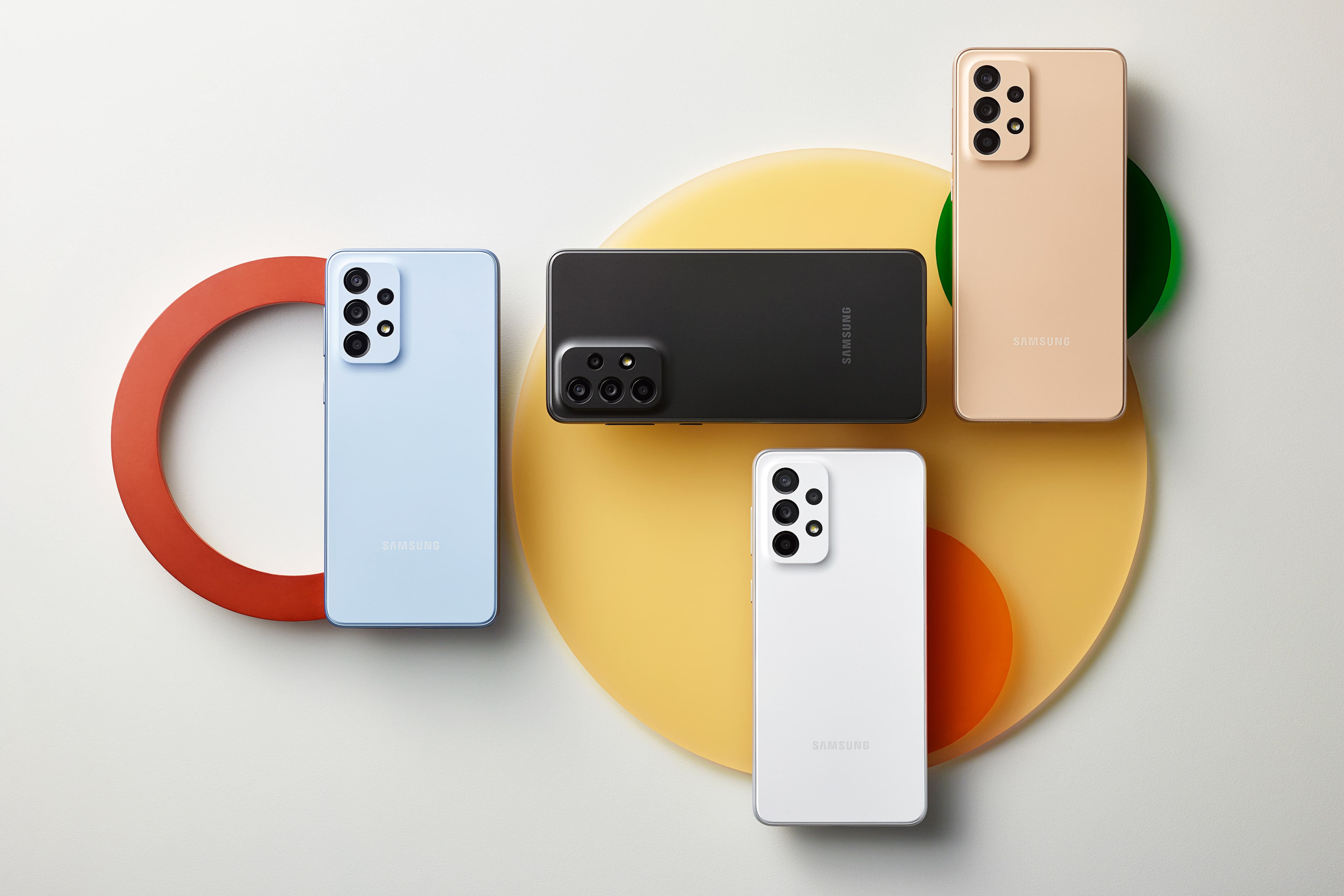
Samsung Galaxy A33
Rounding up the list, we have another Samsung smartphone. Our last pick is the Galaxy A33 that was launched recently. It has a 6.4 inch Super AMOLED display on the front that has a 90Hz refresh rate and FHD+ resolution. Under the hood, the device is equipped with a Exynos 1280 SoC paired with up to 8GB of RAM and up to 256GB of internal storage. The handset is powered by a 5,000mAh battery pack that supports 25W fast charging.
Samsung Galaxy A53 5G
On the rear, it features a 48 megapixel quad camera setup. The smartphone runs on the Android 12 OS based One UI 4.1 custom skin out of the box. While this model might not be particularly eye catching, it has decent specs and even offers up to 4 years of software update. So for those looking to have a device that stays updated for long can consider this as their next upgrade option.
Varmilo has launched its latest mechanical keyboard the Varmilo Minilo. This 65% mechanical keyboard comes with a gorgeous mellow color scheme, inspired by the works of the famous Italian painter Giorgio Morandi. The keyboard flaunts a sweet and aesthetically pleasing color combination of pink, blue and green and is available for $119 only.
Varmilo Minilo Mechanical Keyboard comes in three different modes viz. 1. Dual connectivity mode: Bluetooth and wired, 2. Wired mode with Hot-swappable PCB and 3. Triple connectivity mode with RGB and Hot-swappable keys. As for the body, the keyboard features a thick silicone cotton foam carefully layered between the PCB and base plate that absorbs every stroke and force applied to the key thereby giving you soft and smooth feedback.
Key Features:
Mellow color scheme based on paintings by Italian painter Giorgio Morandi
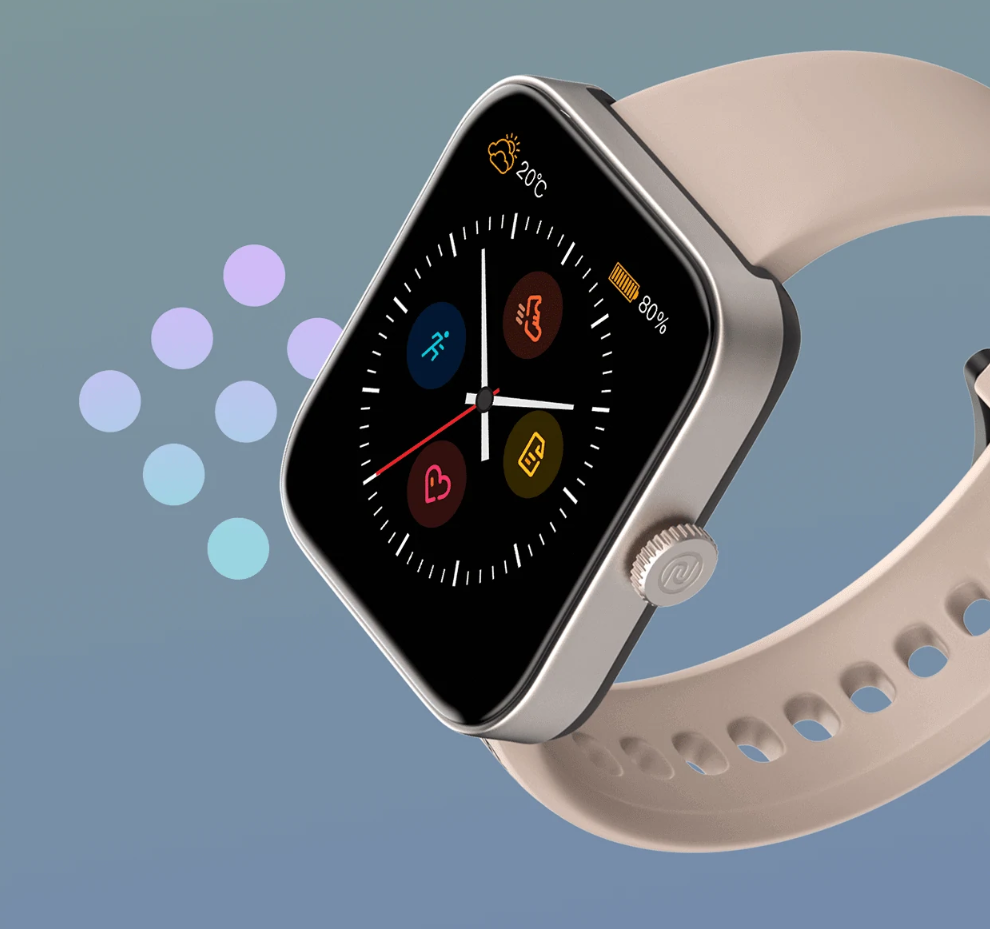
Back in April, Noise launched the Colorfit Ultra Buzz smartwatch in India. Now, the brand has announced a new smartwatch dubbed the Noise Colorfit Pulse Buzz that is set to debut on June 8.
The smartwatch has received a dedicated microsite on Amazon India where it has listed some of the specs and features of the upcoming smartwatch. According to the teaser, the smartwatch will have a metallic frame that will house a 1.69-inch rectangular display. It will also feature a crown button for easy navigation through the UI.
The smartwatch will offer the popular Bluetooth calling facility which will enable users to make and receive calls without the need of taking out their smartphones. The smartwatch will also offer 150 customizable cloud-based watch faces.
For sports and fitness, the Colorfit Pulse Buzz has 60 inbuilt sports modes, along with the Noise Health suite to track your health. The watch will likely include Heartrate monitoring, Blood oxygen monitoring, sleep monitoring, and female health tracking. Last but not the least, the smartwatch comes with impressive IP68 water and dust resistance.
The Colorfit Pulse Buzz will debut at 12PM on June 8th and will be available to purchase on Amazon India and Noise online store. The smartwatch will be initially sold at Rs 2,499, and will later receive an increase in price.
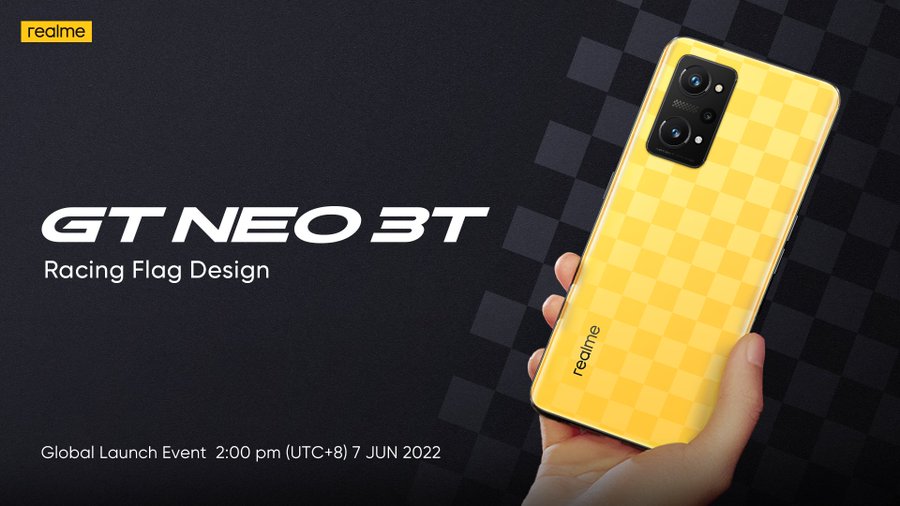
Earlier this week, Realme confirmed that the upcoming Realme GT Neo 3T will launch globally on June 7th. The brand has now officially revealed the design of the smartphone, so let’s take a look.
The smartphone was earlier rumored to be a rebranded Realme Q5 Pro, a China-exclusive device. Now, it’s clear that the rumors were true. Other than that, a hands-on video of the GT Neo 3T has also surfaced online (via TechHangOut TV). The video reveals all the key specifications along with the first looks and the content of the box.
According to the video, the GT Neo 3T will come with a transparent back cover, a USB-A to USB-C cable, and a charging brick in the box. As for the specifications, you can check them out below.
Realme GT Neo 3T specifications
The GT Neo 3T will feature a 6.62-inch E4 AMOLED display with a 120Hz refresh rate and Full-HD+ resolution. The display will come with 1,300nits of peak brightness and 100 percent DCI-P3 color gamut coverage.
Under the hood, the device will house a Snapdragon 870 chipset paired with up to 12GB of RAM and 256GB of storage. The device will draw power from a 5000mAh battery, and the hands-on video has revealed the fast charging capability to be 80W. Other than that, the device will operate on Android 12-based Realme UI and have a vapor chamber to keep thermals under control.
For optics, the device will come featuring a triple camera setup with a 64-megapixel primary sensor, an 8-megapixel ultrawide sensor, and a 2-megapixel macro sensor. On the front. it will have a 16-megapixel sensor for selfies and video calls.
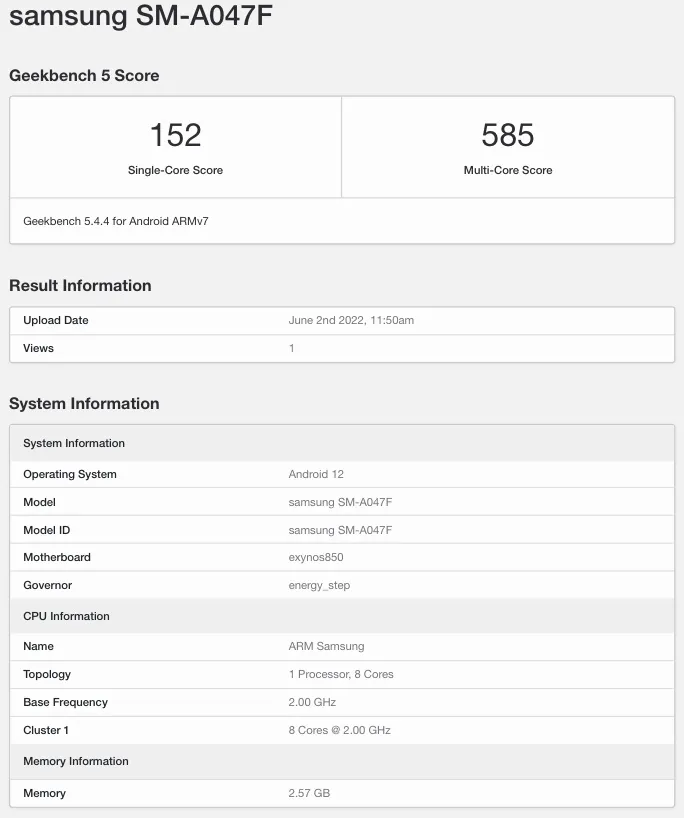
Samsung Galaxy A04s has been spotted on Geekbench benchmarking website, hinting at a few key specifications. The listing suggests that the upcoming smartphone will be powered by Exynos 850 SoC. The Samsung smartphone is also said to run Android 12 out of the box. The handset is a successor to the Samsung Galaxy A03s launched back in August 2021.
The Geekbench listing, initially spotted by MySmartPrice shows the Samsung Galaxy A04s with model number SM-A047F. The handset will feature an octa-core Exynos850 Soc with ARM Cortex-A55 cores that clocked 2 GHz. The smartphone relies on ARM Mali-G52 MP1 GPU. The listing also indicates that the smartphone will come in a 3GB RAM variant. However, it is expected that the company will launch the device in at least 2 storage and RAM variants. The handset is said to run on Android 12 with the OneUI 4.0 on the top.
Image credit: MySmartPrice
The Samsung Galaxy A04s was spotted on the Geekbench website with 152 points in single-core testing and a multi-core score of 585. Apart from this, there is no confirmed information available on the Smartphone yet.
Let’s revisit the specifications of its predecessor, the Samsung Galaxy A03s
Samsung Galaxy A03s Specifications
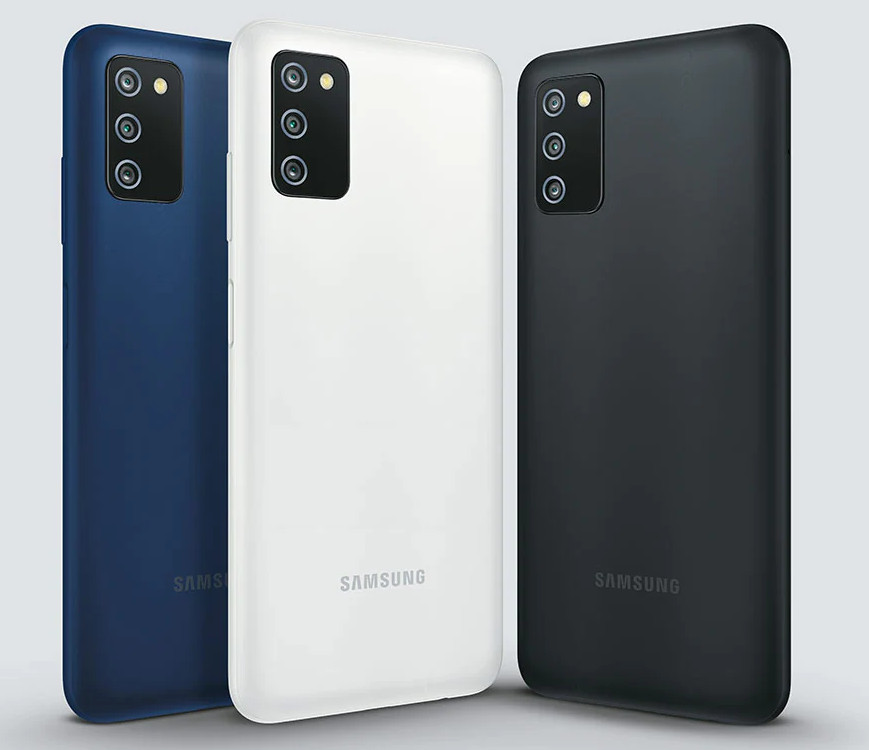
Samsung Galaxy A03s was officially launched in August 2021. The device sports a 6.5 inches TFT LCD that has a 720 x 1600 pixels resolution. The device comes in Black, White, and Blue. The smartphone is integrated with a Dual SIM and packs 3 GB and 4 GB RAM with 32 GB and 64 GB internal storage. The memory can be expanded with the help of a microSD card. The smartphone is powered by MediaTek Helio P35 SoC and fueled by a 5000mAh battery supporting Fast charging 15W.
The smartphone has a triple camera setup on the back consisting of 13MP (wide) + 2MP (macro) + 2 (depth) cameras. While on the front, there is a 5MP camera for selfies and video calls.
WhatsApp might be planning on bringing a highly requested feature to its smartphone app soon. The company’s future updates could finally be bringing the option to edit messages that have already been sent.
The news arrives from a WABetaInforeport who shared screenshot of a development build. This image showcases an “Edit message” option, which is currently not available on the live build. Notably, this screenshot was for the Android version of the app, but the feature will likely be shipped for the iOS version as well. As of right now, it is unknown how this feature will work on the popular messaging app.
Although, this has been one of the most requested features and can help rectify messages that are already sent. At the moment, users only have the option to correct their message by sending a clarification in a new one or just deleting the message entirely and again sending another message. So, this might be a great quality of life change that de-clutters the chats of its users.
The new Edit option will be housed on the top right corner of the app, appearing after one has selected a particular chat bubble. This menu currently houses the Copy and Info options in the live builds. It is unclear as to when this feature will be rolled out for the WhatsApp application. So stay tuned for more, as we will be providing updates when additional information is available regarding this matter.
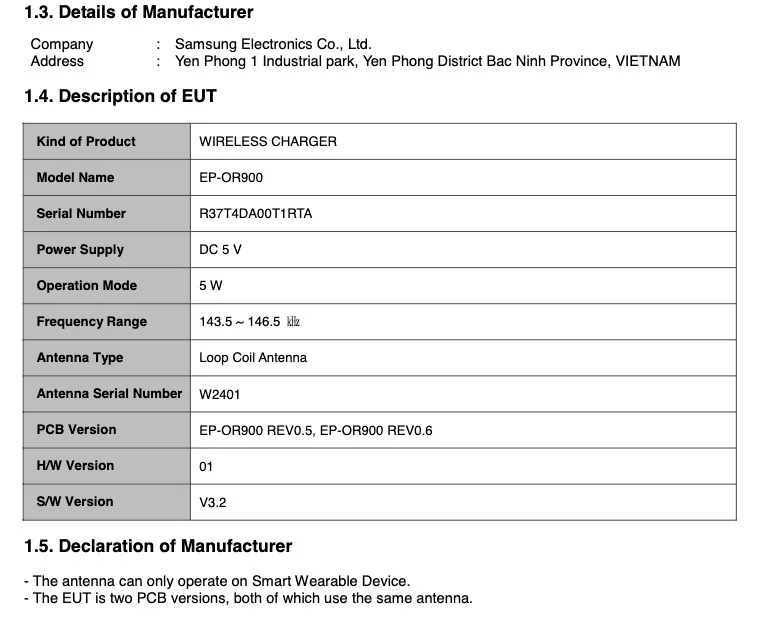
Samsung Galaxy Watch 5 could be getting the same 5W wireless charger as its predecessors, as per a report. A Samsung 5W wireless charger reportedly appeared on the FCC certification website and it is speculated to be for the upcoming Galaxy Watch 5 lineup, which is expected to launch in August. The listing doesn’t reveal any other key specifications. However, a report earlier this month said that the upcoming smartwatches will feature slightly larger batteries than the previous models.
According to a report by MySmartPrice, a new Samsung 5W fast charger appeared on the FCC certification site, which could be for the upcoming Galaxy Watch 5 Series. The charger has been spotted on the website with model number EP-OR900 which correlates with Galaxy Watch 5 40mm model’s battery with model number EB-BR900ABY.
Image credit: MySmartPrice
A Samsung charger bearing the same model number was also spotted (via Sammobile) on South Korea’s National Radio Research Agency (RRA). This all indicates that we are moving closer to the launch of the new Galaxy Watches.
As mentioned above, the previous generation watches—the Galaxy Watch 4 and the Watch 3 series came with the same 5W wireless charging speed leading to a charging time of under two hours for a full charge.
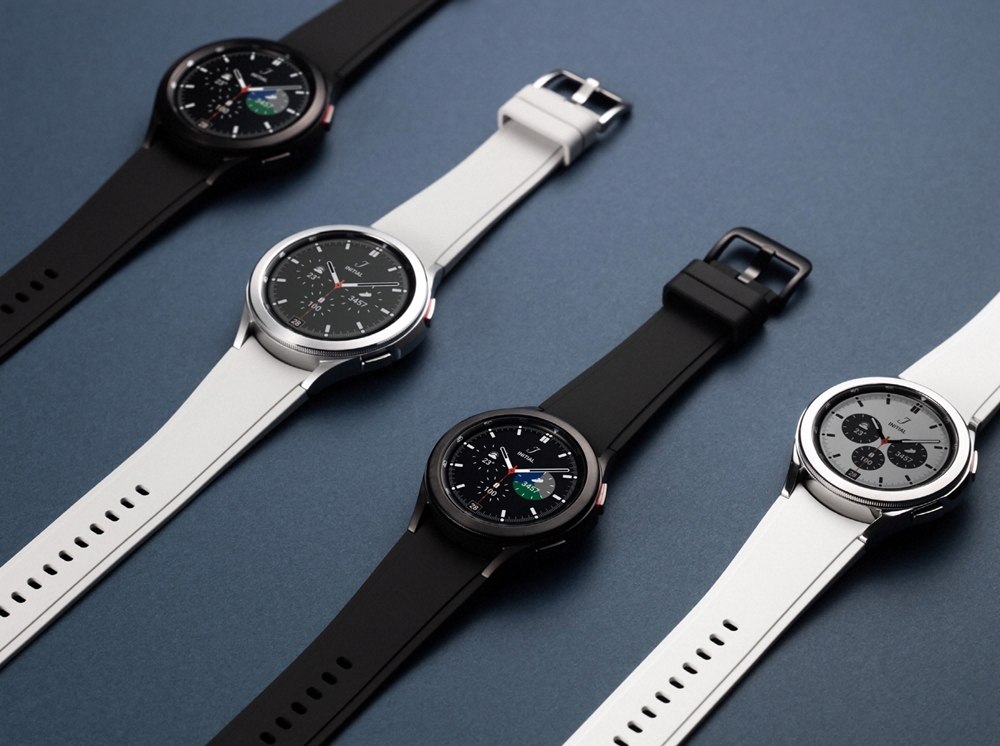
Samsung Galaxy Watch 4 Classic
Samsung Galaxy Watch 5 is expected to land in August. Samsung hasn’t revealed any details about the watch 5, but we already know the smartwatch will come in two sizes- 40mm and 44mm. Also, there is going to be no classic model this year. The company has replaced it with a “Pro” version.
According to previous leaks, the Galaxy Watch 5 40mm version will sport a 276mAh battery. While the larger 44mm model will come with a 397mAh battery. The upcoming watches are also said to carry Titanium and Sapphire build.
Huawei hasn’t launched new 5G smartphones since the US sanctions came into effect. But it turns out the company still has some old 5G inventory. As part of the ongoing 618 sales promotion in China, the once world’s largest smartphone brand is selling a couple of old 5G handsets.
A report by IThome reveals that Huawei has put some of its old 5G smartphones on sale on its official eCommerce platform Vmall. These devices belong to the Nova lineup.
The company had been selling the Huawei Nova 8 5G series every now and then. But now, for the first time, it has listed the Huawei Nova 7 5G and the Huawei Nova 7 SE 5G Lohas Edition for purchase after a long time.
For the unaware, the Huawei Nova 7 5G made its debut in April 2020. It comes powered by a Hisilicon Kirin 985 chipset. On the other hand, the Huawei Nova 7 SE 5G Lohas Edition was announced in January 2021 with a Hisilicon Kirin 820E chip underneath it.
Huawei is most likely clearing the old stock. Hence, if you are interested in buying a brand-new unused Huawei 5G smartphone, then this could be your last chance since the US sanctions don’t seem to go away in the near future.
With smartphones becoming more powerful each year, OEMs have to either bump the battery capacity or make the new chips more power efficient so that power users don’t run out of juice everyday. But, Oukitel has a solution for this issue.
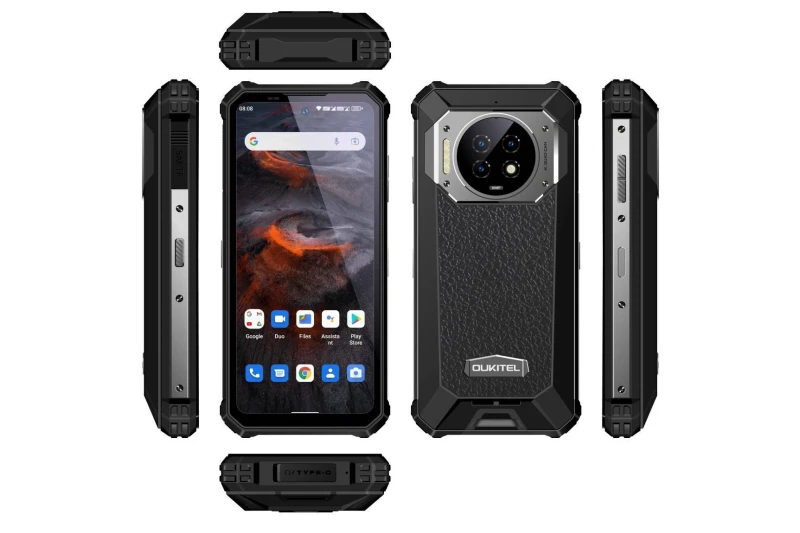
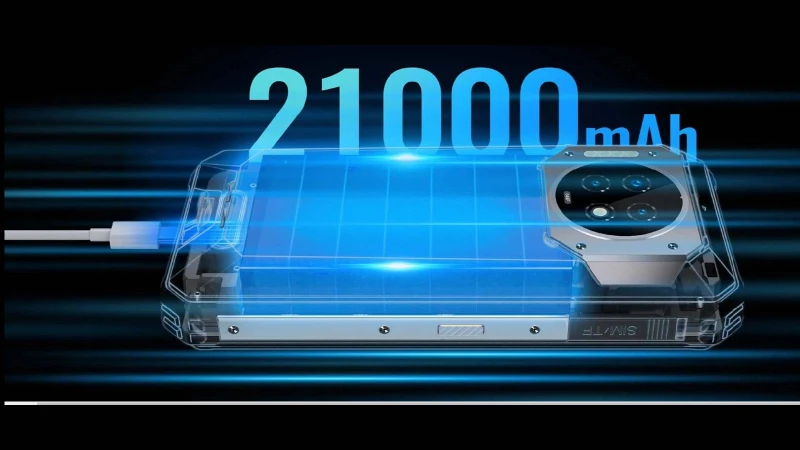
The Chinese smartphone maker has just announced a new smartphone called WP19, which packs a humongous 21,000mAh battery pack. In other words, you will no longer be reaching for your charger anytime soon with this handset. This large battery pack can enable the device to last for around a whole week, which is nothing short of impressive. As per official claims, the WP19 phone can deliver up to 122 hours of continuous phone call time, 123 hours of audio playback, 36 hours of video playback, and an impressive 2252 hours (or 94 days) of standby time.
This large battery size also has a downfall though, since it will take around 4 hours for the battery pack to charge fully when drained with the 27W fast charging. The new Oukitel is a rugged smartphone that is meant for use in extreme outdoor conditions that is IP68/IP69 and MIL STD 810G protection against dust and water. On the front, it sports a 6.78 inch display that has a Full HD+ resolution and 90Hz refresh rate. Under the hood, a MediaTek Helio G95 SoC runs the device, which is paired with 8GB of RAM and 256GB of internal storage.
On the back, it features a 64 megapixel primary sensor, 2 megapixel macro camera, and a 20 megapixel Sony Night Vision IR module as well. Meanwhile, the front houses a 16 megapixel selfies shooter. Notably, the device also runs on the latest Android 12 OS. It is available for purchase from AliExpress and is priced at 694 Euros (roughly 742 US Dollars).
The Moto E32s has been announced in India. The device was made official in Europe. The E32s has a high refresh rate display, an Helio chipset, a big battery, and a 16-megapixel triple camera setup. The handset has arrived to rival sub-Rs 10,000 priced smartphones in India.
Moto E32s specifications and features
The Moto E32s measure 163.95 x 74.9mm and weigh around 185 grams. It has a 6.5-inch IPS LCD panel that offers an HD+ resolution of 720 x 1600 pixels, a 20:9 aspect ratio, 268 ppi pixel density, and a 90hz refresh rate. It has an 89.03 percent screen-to-body ratio.
Moto E32s
The MediaTek Helio G37 chipset powers the Moto E32s. The handset offers 3 GB / 4 GB of RAM and 32 GB / 64 GB of internal storage. For more storage, the device is equipped with a dedicated microSD card slot. One of the major attractions of the device is that it comes preinstalled with the latest Android 12 OS.
The E32s’ back panel has a 16-megapixel main camera, a 2-megapixel depth assist lens, and a 2-megapixel macro snapper. It includes a 5,000mAh battery that supports 15W charging. However, the retail box of the device includes a 10W charger. The E32s offers other features such as a side-facing fingerprint scanner, dual 4G VoLTE, Wi-Fi 802.11ac, Bluetooth 5.0, GPS, a USB-C port, and a 3.5mm audio jack.
Moto E32s price in India
The Moto E32s carries an introductory price of Rs 8,999 for the base variant, which includes 3 GB of RAM and 32 GB of storage. The higher 4 GB RAM + 64 GB storage variant is priced at Rs 9,999. The device comes in two colors: Slate Grey and Misty Silver. Apart from Flipkart, the handset can be purchased through Jio Mart and Reliance Digital. The first sale of the Moto E32s willl be carried out on June 6.
Earlier today (2nd June 2022), Google announced a new change that affects two of its video calling apps. The company is planning on merging both the Meet and Duo apps on smartphones into a single platform that will be called Meet.
Meet
The Search Engine giant said that it will be make the two mobile apps into a single video streaming platform that will be used on both iOS and Android. For those unaware, Google’s Meet is a video streaming app that can have as many as 250 people in a single video chat lobby. On the other hand, Duo is a free video chat app that is built more for personal use, rather than a professional virtual meeting.
After merging Duo and Meet, the brand will also take down the Duo app completely, leaving just the Meet app in the future. Javier Soltero, the head of Google Workspace stated that “What’s been really important is understanding how people make the choice as to what tool they’re going to use, for what purpose, in what circumstance.” Both apps were based around video streaming and even had quite a similar structure as well, but while one was built to accommodate one on one interactions, the other was built for larger number of members.
Meet and Duo
In other words, integrating the two apps makes sense for Google. But Duo did have an advantage of being able to call someone rather than invite someone to join a link. Duo’s mobile app will now become the default while the Duo app will be renamed Meet later this year. The version of Meet that is live right now will now be called as Meet Original.
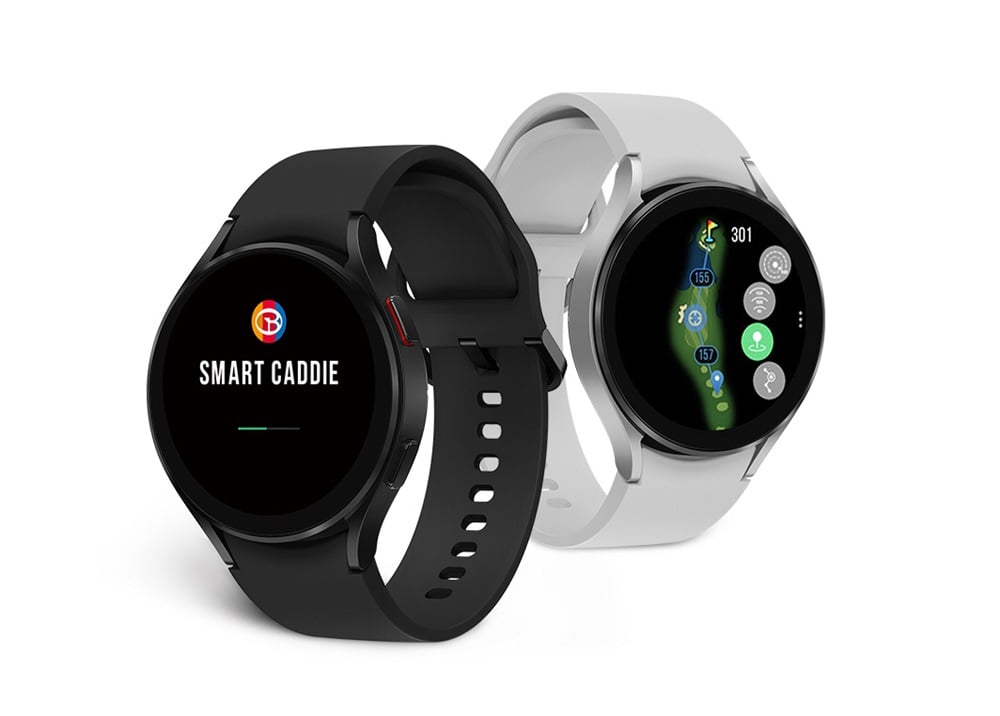
If you ever owned a Galaxy watch, you know how satisfying the physical rotating bezel is to use. It’s probably the most loved feature of Samsung’s Galaxy watches. The bezel makes it easy to scroll through widgets, screens, and apps. However, according to a new leak, it might be the time to bid adieu to the beloved rotating bezel.
Samsung Galaxy Watch 4 Golf Edition
There were already rumors about Samsung considering ditching the classic watch design along with physical rotating bezels. Now a new tweet by tipster Ice Universe suggests that the South Korean tech giant may actually do it.
Replying to a tweet by a user, who was being optimistic about Samsung retaining the bezel on the Galaxy Watch 5 Pro, the tipster Ice Universe said “the galaxy watch5 Pro will disappoint you”. He didn’t say the watch won’t have a rotating bezel, but his tweet hinted at the possibility.
Unfortunately, the galaxy watch5 Pro will disappoint you
It is worth mentioning that Samsung had tried to get rid of this hardware feature in previous watches too but the decision was so bemoaned by users that it had to bring it back. The rotating bezel does not hamper the watch’s waterproofing or durability and it’s actually a very popular feature among users, so we don’t really understand why Samsung is trying to self-sabotage itself by going down that road.
According to rumors, the Galaxy Watch 5 Pro will sport OLED displays, Wear OS, GPS, IP rating, skin temperature measurement, and all the necessary tracking sensors. The watch will likely feature a big 580mAh battery. It is also reported that the watch 5 Pro will come with a titanium and sapphire build.
We’re still months away from the launch of Samsung’s Galaxy Watch 5 lineup. Samsung will likely unveil its latest Galaxy watches in August along with its brand new foldables.
Last week, Oppo launched the Oppo A57 in Thailand. On the same day, the device was tipped to launch soon in India. Now, the handset’s pricing for India has been revealed by a report. Let’s check out how much it will cost in the region.
According to the sources of 91Mobiles, the Oppo A57 will be priced at ₹13,500 in India. On top of that, there could be some bank offers that will bring down the price for buyers.
The report also talks about the phone’s specifications but doesn’t say anything about the launch date. Going by the features, the device will be the same as the one that was released in Thailand a few days back.
Therefore, the Oppo A57 for India will be built around a 6.56-inch display (LCD) with a resolution of 1612 x 720 pixels and a dewdrop notch. It will be powered by a Mediatek Helio G35 SoC paired with up to 8GB RAM (including virtual RAM) and 64GB internal storage.
The handset will house a 13MP + 2MP dual-camera setup on the rear and an 8MP front-facing camera. It will boot ColorOS 12.1 based on Android 12 and will get its juice from a 5,000mAh battery, which will carry support for 33W fast charging.
Other features of the phone will include dual stereo speakers, a 3.5mm headphone jack, a MicroSD card slot, and a USB Type-C port. Finally, the 4G-only smartphone will measure 7.99mm in thickness and weigh 187g.
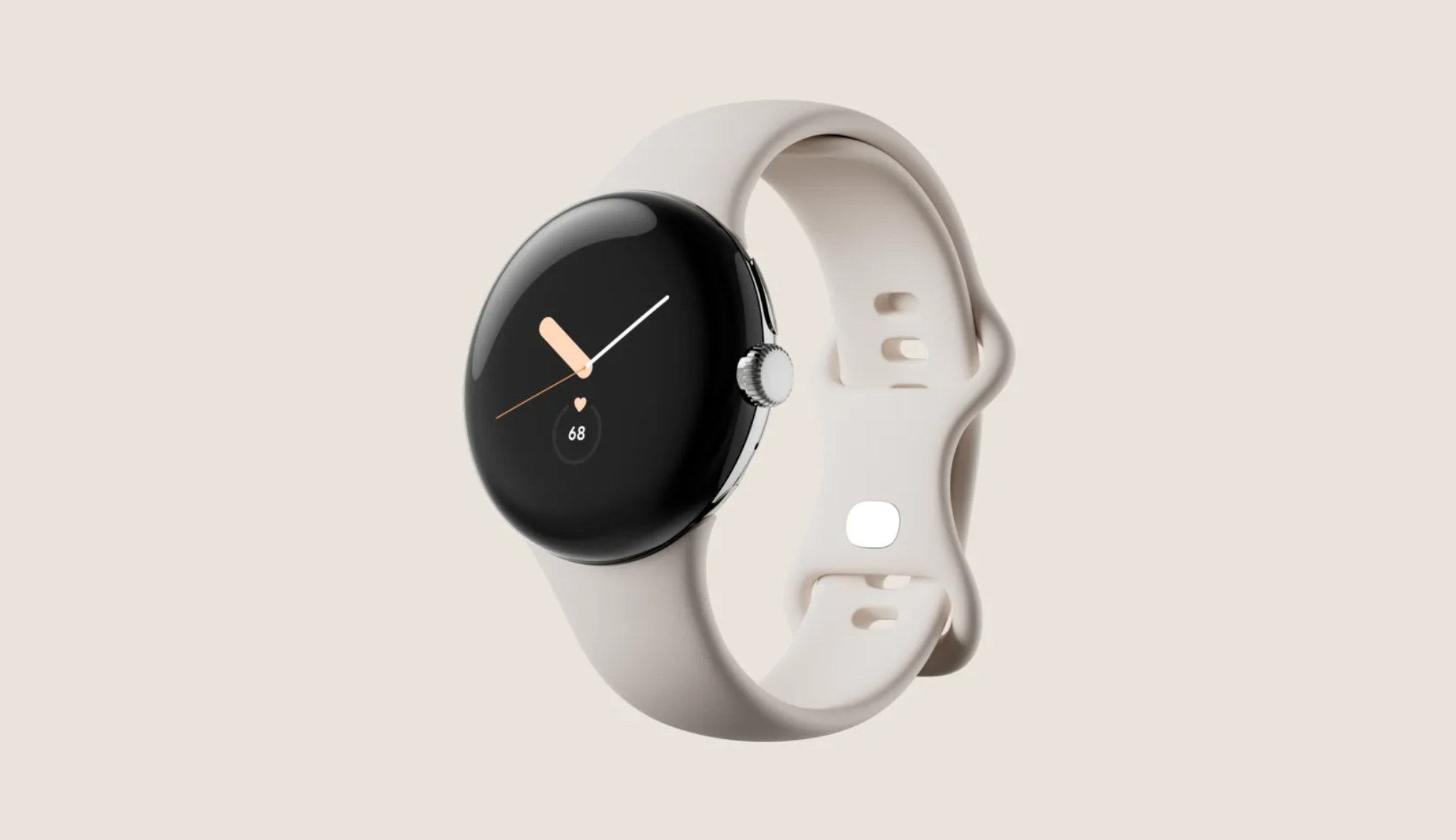
Google officially revealed the Pixel watch at its I/O event earlier in May, and since then new details have been released with hints as to what we can expect from the upcoming watch. Previous reports have suggested the possible battery size of the smartwatch (300mAh). But now a new report might have revealed details about the smartwatch’s battery life, and trust me it’s not what you may have expected.
9to5Google, citing sources, has reported that the Pixel Watch will be to last just a day on a single charge. This is Google‘s current estimate at this point in the pre-release life cycle, and it may alter before the launch. Also, it’s not certain whether Google enabled features like Always-On Display (AOD) or sleep tracking during the testing.
If the current estimate is to be believed then the Google watch is fairly disappointing, it is turning into just another smartwatch in the market. Google aims to compete with premium watches like the Galaxy Watch 4 and Apple Watch Series 7, we are not sure about other specifications but it is definitely at par with them in terms of battery time.
If this wasn’t enough for you, we have one more disappointing piece of information. This time it’s about the Charging time of the Pixel Watch. As per the report, the Pixel watch does not even support fast charging, the Google watch takes around the same time to fully charge as the Galaxy Watch 4, which is somewhat longer than 110 minutes.
It’s not quite as fast as Apple’s Series 7 lineup, which claims 0-80% in 45 minutes and 0–100% in 75 minutes using USB-C and a 20W adapter. However, it’s worth noting that the Pixel watch is still in the production stage and these estimates could possibly change.
Microsoft has officially launched a new entry-level laptop, dubbed Microsoft Surface Laptop Go 2. As the name indicates, it is a refreshed version of the original model that was launched a couple of years ago.
The newly announced Microsoft Surface Laptop Go 2 has a starting price of $599, which is $50 more than the previous generation model. It is now available for pre-order and the shipments are set to start from 7th June.
As for the specifications, it is quite similar to the original model. It still features a 12.4-inch display with the company’s signature 3:2 aspect ratio that offers a screen resolution of 1536 x 1024 pixels. It comes powered by the 11th generation Intel Core i5 processor, and also has a fingerprint sensor that is embedded in the power button.
The company has revealed that the Surface Laptop Go 2 comes with more replaceable components, including the keyboard and trackpad, display, and battery. However, they are designed to be replaced by one of Microsoft’s authorized repair providers.
In the software department, the laptop is running the latest Windows 11 operating system, unlike the previous model which came with Windows 10 in S mode that limited applications to only those that are available in the Microsoft Store.
The ports on the device also remain the same as the predecessor — one USB-A, one USB-C, a headphone jack, and a proprietary Surface port for charging. For connectivity, it offers Wi-Fi 6 and there are still dual microphones. As for the battery, the company is claiming that the laptop offers 13.5 hours of usage on a single charge.
The base model with 4GB of RAM and 128GB of storage is priced at $599.99 while the 8GB RAM and 128GB storage model costs $699.99. There’s also a model with 8GB RAM and 256GB storage which is priced at $799.99. There are also commercial models with the same configurations, costing $100 more. The commercial side also gets a 16GB RAM and 256GB storage model for the price of $1,099.99.
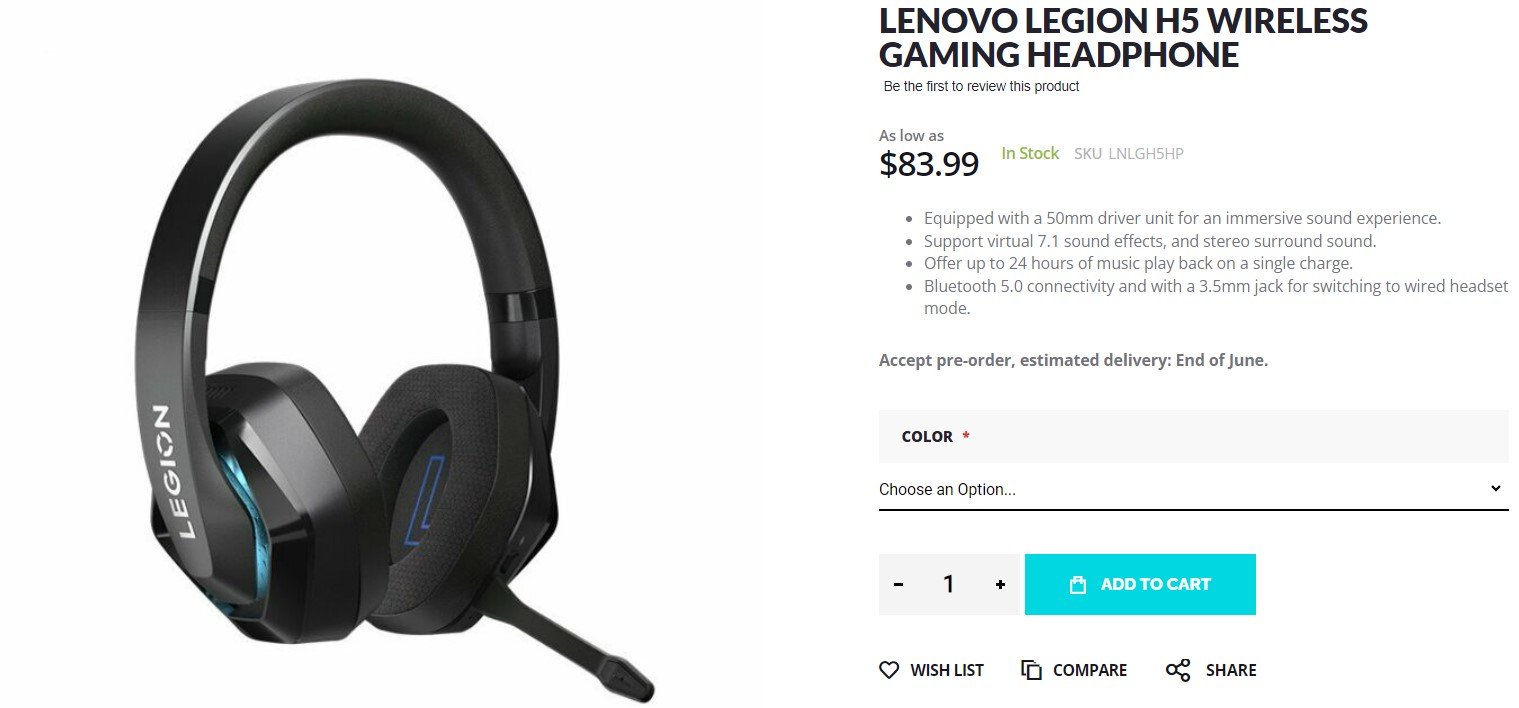
Giztop is accepting pre-orders for the latest Lenovo H5 wireless gaming headphone. The headphone can now be pre-ordered for $83.99 only. Please note that this offer is for pre-order and the estimated delivery period is the end of June.
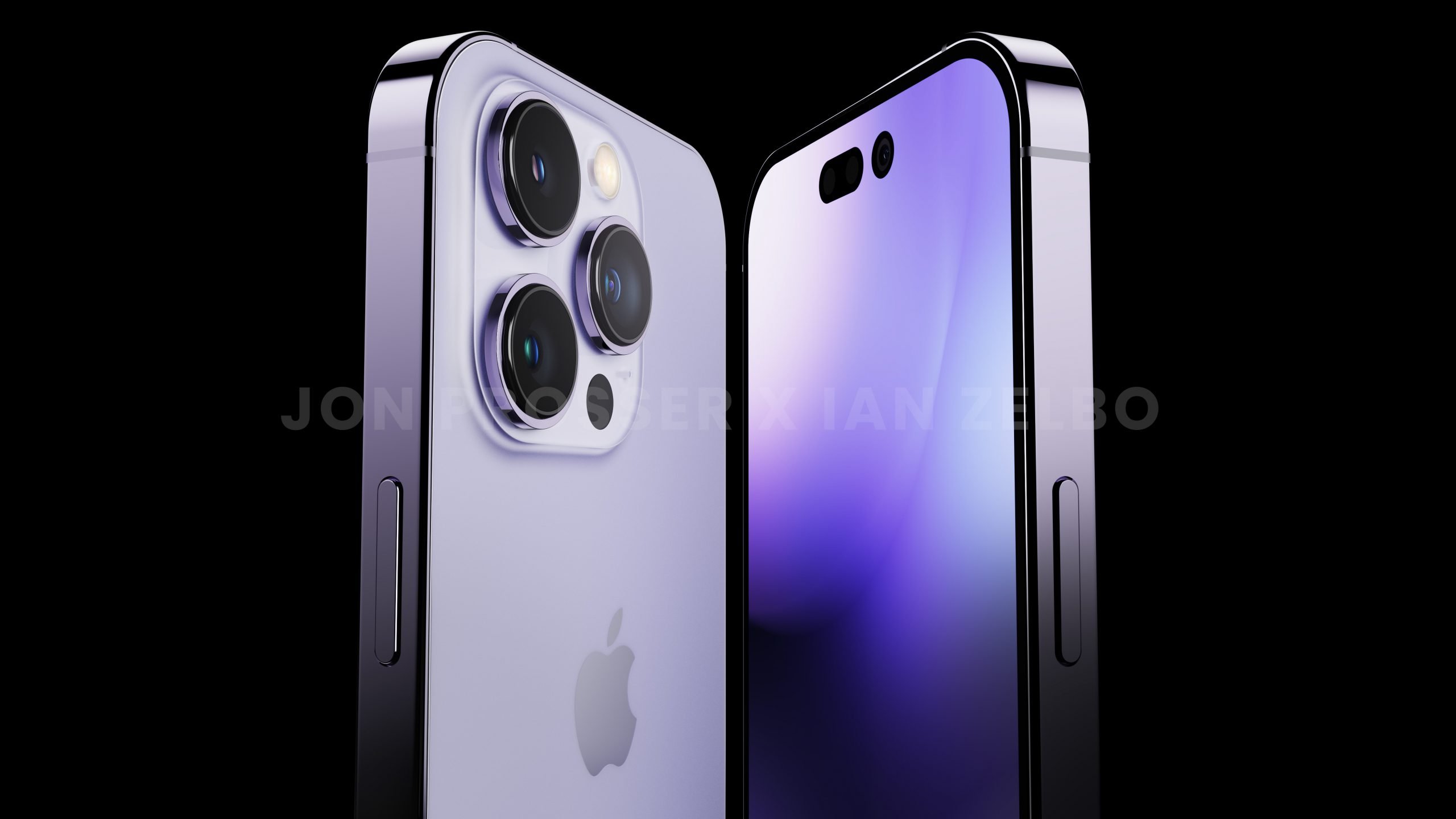
Apple is still months away from officially launching its next-generation iPhone 14 series smartphones in the market but ahead of the announcement, there have been several leaks related to the upcoming devices.
In a new development, yet another report has claimed that only the iPhone 14 Pro series models will come powered by the new Apple A16 Bionic chipset. This time, it is being reported by TrendForce in its global smartphone market report.
This is in line with the previous reports which claimed that the Apple iPhone 14 series models will continue to be powered by the Apple A15 Bionic chipset which is powering the current-generation iPhone 13 series phones.
It is claimed that only the Apple iPhone 14 Pro models will pack the latest processor from the company, which is most likely to be called Apple A16 Bionic. While the iPhone 14 and 14 Max will have A15 SoC, they will pack 6GB of LPDDR4X RAM instead of 4GB RAM.
As of now, it’s not clear why Apple is deciding to have different types of processors for the devices in the same lineup, something that the company has not done so far. However, this time, the company is focused on making the Pro and non-Pro models significantly different.
The reason behind such development from the technology giant could be the global chip shortage. If the reports are to be believed, then the entire supply chain for the iPhone production has been impacted and it is being claimed that the production of the entry-level iPhone 14 has been delayed by three weeks or more.
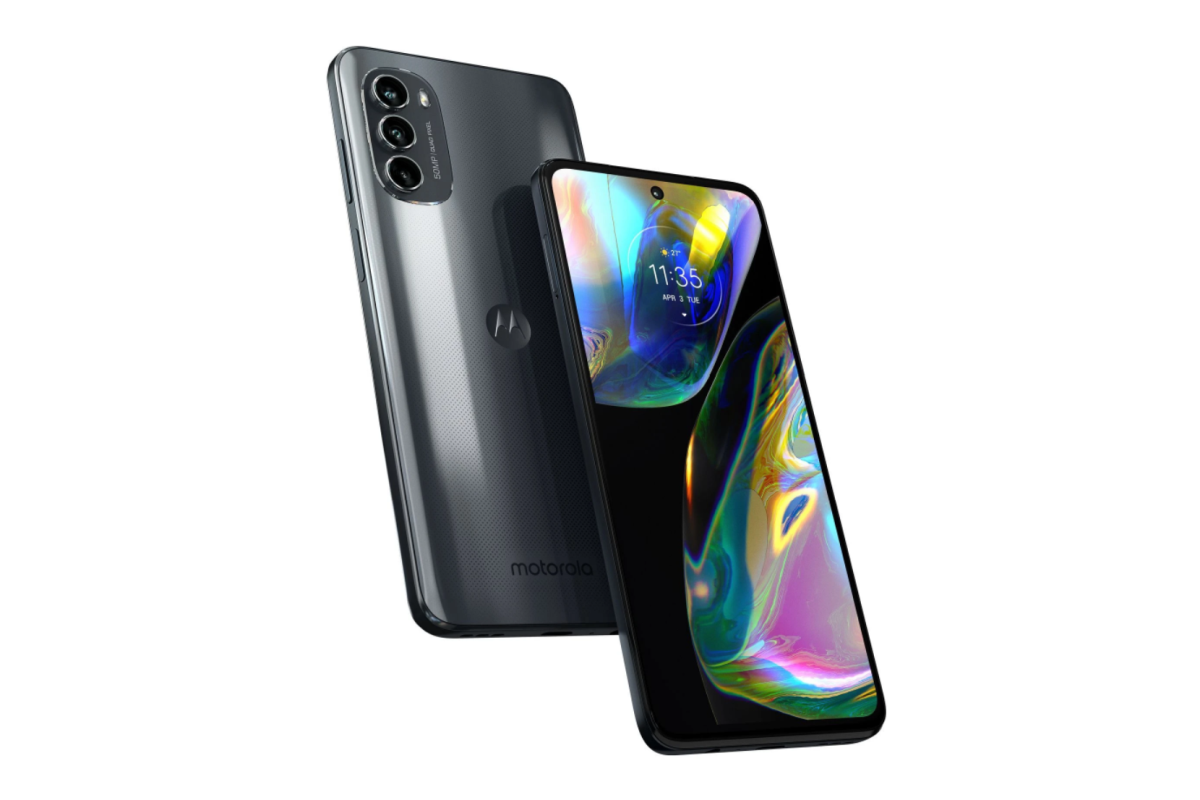
In May, Motorola announced the Moto G82 5G smartphone in Europe. A recent leak claimed that the Lenovo-owned company will be launching the G82 on June 9 in India. However, a new leak reveals that it will be announced on June 7 in the country.
Tipster Mukul Sharma, who revealed the Moto G82 5G launch date, claimed that it will disrupt its price segment by offering a pOLED display with support for 10-bit colors and a 120Hz refresh rate. Since the phone has already gone official in Europe, all the details of its specifications are already known.
Moto G82 5G
Moto G82 5G specifications
The Moto G82 5G has a 6.6-inch pOLED display that offers an FHD+ resolution, a 20:9 aspect ratio, and a 120Hz refresh rate. The Snapdragon 695 chipset is present under the hood of the device. It may come with 6 GB of RAM and 128 GB of internal storage.
The device has a 5,000mAh battery that carries support for 30W fast charging. It runs on the near-stock version of the Android 12 OS. For security, it has a side-facing fingerprint scanner.
The Moto G82 5G has a 16-megapixel camera on the front for snapping selfies and video calls. Its rear-facing camera unit has a 50-megapixel main camera with OIS support, an 8-megapixel ultrawide lens, and a 2-megapixel macro camera. It may come in colors like Meteroite Gray and White Lily.
There is no word on Moto G82’s price for India. In Europe, it carries a price tag of 329 euros (~$351; ~Rs 27,270). It is likely that the device could be priced at around Rs 20,00 in India.
Motorola will be announcing the Moto E32s phone in India today. The sub-Rs 10,000 (~$129) priced handset will offer key specs such as a 90Hz HD+ display, Helio P37 chip, 16-megapixel triple rear cameras, and a 5,000mAh battery.
In March, OPPO announced the OPPO K10 4G smartphone in India. A recent report revealed that OPPO India is planning to launch a new 5G-ready K-series smartphone as early as next week in the country. Ahead of the rumored launch, tipster Sudhanshu Ambhore has shared the renders of the OPPO K10 5G along with its key specifications. The leak reveals that the K10 5G heading to India will be a different device as compared to the OPPO K10 5G available in China.
OPPO K10 5G specifications
The OPPO K10 5G will feature a 6.56-inch LCD panel with a teardrop notch. It offers an HD+ resolution and a 90Hz refresh rate. It will come with an 8-megapixel camera for snapping selfies and video calls. Its rear camera setup will include a 48-megapixel main camera and a 2-megapixel depth sensor.
The Dimensity 810 5G chipset will be at the helm of the OPPO K10 5G. It will offer 8 GB of LDDR4x RAM, up to 5 GB of extended RAM, and 128 GB of UFS 2.2 storage.
OPPO K10 5G
The OPPO K10 5G will be equipped with a 5,000mAh battery that supports 33W fast charging. The device will come preinstalled with Android 12 OS and ColorOS 12.1.
The OPPO K10 5G offers other features such as support for 7 5G bands, dual stereo speakers, a side-facing fingerprint reader, a 3.5mm audio jack, and OPPO Glow Design. It weighs 190 grams and has a thickness of 7.9mm. At present, there is no information available on the price of the K10 5G.
The specifications of the OPPO K10 5G indicate that it will be a rebranded version of the OPPO A77 5G that has just gone official in Thailand. The A77 5G is available with a price tag of THB 9,999 (~$291; Rs 22,750).
We use cookies on our website to give you the most relevant experience by remembering your preferences and repeat visits. By clicking “Accept”, you consent to the use of ALL the cookies.
This website uses cookies to improve your experience while you navigate through the website. Out of these, the cookies that are categorized as necessary are stored on your browser as they are essential for the working of basic functionalities of the website. We also use third-party cookies that help us analyze and understand how you use this website. These cookies will be stored in your browser only with your consent. You also have the option to opt-out of these cookies. But opting out of some of these cookies may affect your browsing experience.
Necessary cookies are absolutely essential for the website to function properly. This category only includes cookies that ensures basic functionalities and security features of the website. These cookies do not store any personal information.
Any cookies that may not be particularly necessary for the website to function and is used specifically to collect user personal data via analytics, ads, other embedded contents are termed as non-necessary cookies. It is mandatory to procure user consent prior to running these cookies on your website.