Xiaomi is among the world’s leading companies in the wearable devices category and the reason behind that is the brand’s Mi Band series of fitness trackers. Each year, the company launches a successor in the lineup with some exciting new features but keeps the pricing almost the same as the predecessor.
Currently, the Mi Band series is in its sixth generation and the latest product, the Mi Band 6 managed to sell more than a million units within a month of getting launched. Now, there are rumors about a new wearable product from the brand — Mi Band X.
Xiaomi Mi Band X Leaked PPT
Recently, Xiaomi’s Mi Band X was leaked through a PPT presentation inside the company, sparking rumors about the upcoming launch of the device. However, Wang Hua of Xiaomi Group’s Public Relations Department has clarified that while the PPT is genuine, there’s no product like Mi Band X coming from the brand.
He added that the presentation was a part of the company’s internal training program for new employees and it happens to be a two-year-old PPT. So well, there you have it. The Mi Band X isn’t a legitimate product and thus, it is not getting launched by Xiaomi.
The wearable product was first leaked by a Weibo user @我才是羽度非凡 and revealed that Xiaomi is working on a Mi Band with a flexible display that goes around the entire circumference of the device, thus needing no strap.
Nonetheless, we are still excited about the company’s upcoming Mi Band product which is likely to be the Mi Band 7 and could go official early next year. In that case, we expect to start getting leaks related to that in the coming months.
Zoom Video Communications, the company behind the popular Zoom platform, has agreed to pay $85 million and improve its security practices to settle a lawsuit that claimed that the company violated users’ privacy rights.
The lawsuit alleged that the platform shared users’ personal data with Facebook, Google, and LinkedIn. It also talked about letting hackers disrupt Zoom meetings in a practice called “Zoombombing”, reports Reuters.
In the settlement agreement, the company denied wrongdoing. A preliminary settlement still requires approval by U.S. District Judge Lucy Koh in San Jose, California.
As for the compensation, the subscribers of the platform in the proposed class action would be eligible for 15% refunds on their core subscriptions or $25, whichever is larger while others could receive up to $15.
Apart from monetary compensation, Zoom has also agreed to security measures including alerting users when meeting hosts or other participants use third-party apps in meetings and providing specialized training to employees on privacy and data handling.
Though Zoom collected about $1.3 billion in Zoom Meetings subscriptions from class members, the plaintiffs’ lawyers called the $85 million settlement reasonable given the litigation risks. They intend to seek up to $21.25 million for legal fees.
The usage of Zoom surged during the COVID-19 pandemic as companies and companies, schools, and colleges opted for online meetings instead of in-person conduct. It had 497,000 customers with more than 10 employees in April 2021, a substantial increase from 81,900 in January 2020. But the company says that the user growth could slow or decline as more people get vaccines and return to work or school in person.
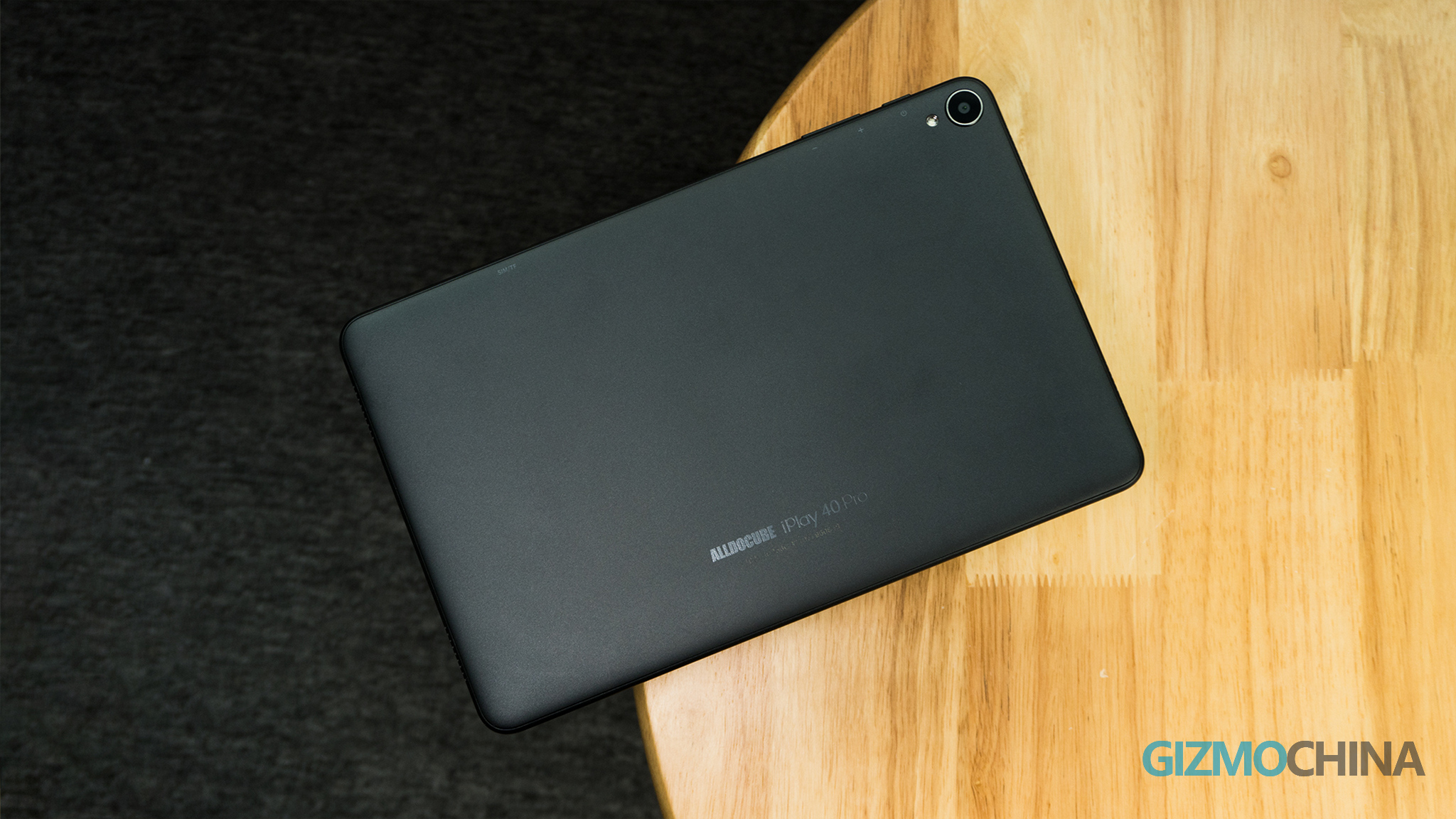
Due to the global COVID-19 pandemic, tablets recorded one of the fastest sales growth in the past few months. If you’re looking for an entry-level tablet for video and audio entertainment, or video conferencing, we have a recommendation here – the ALLDOCUBE iPlay 40 Pro.
ALLDOCUBE iPlay 40 Pro Review: Design & Display
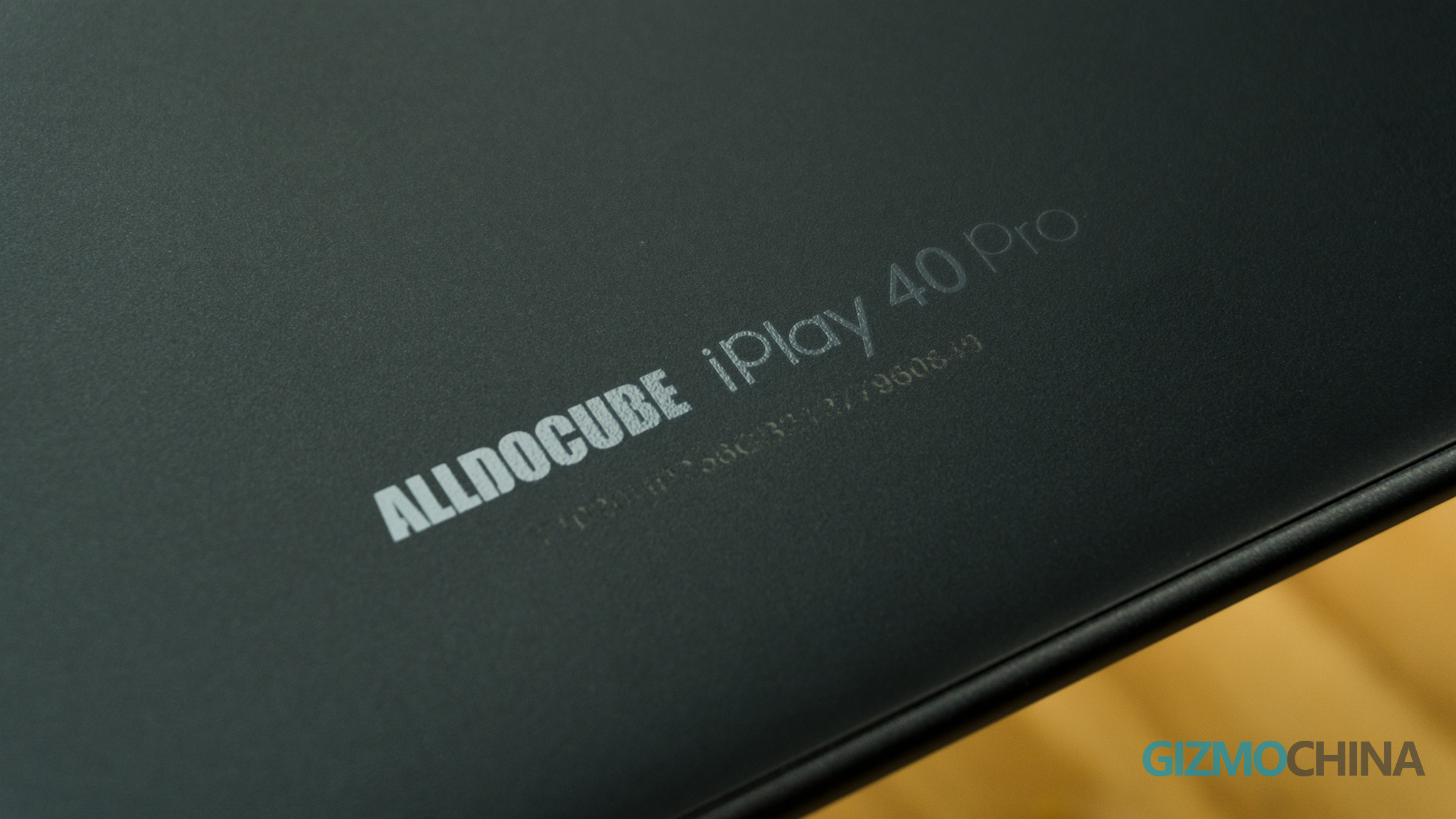
I’ll start with the appearance of the ALLDOCUBE iPlay 40 Pro.
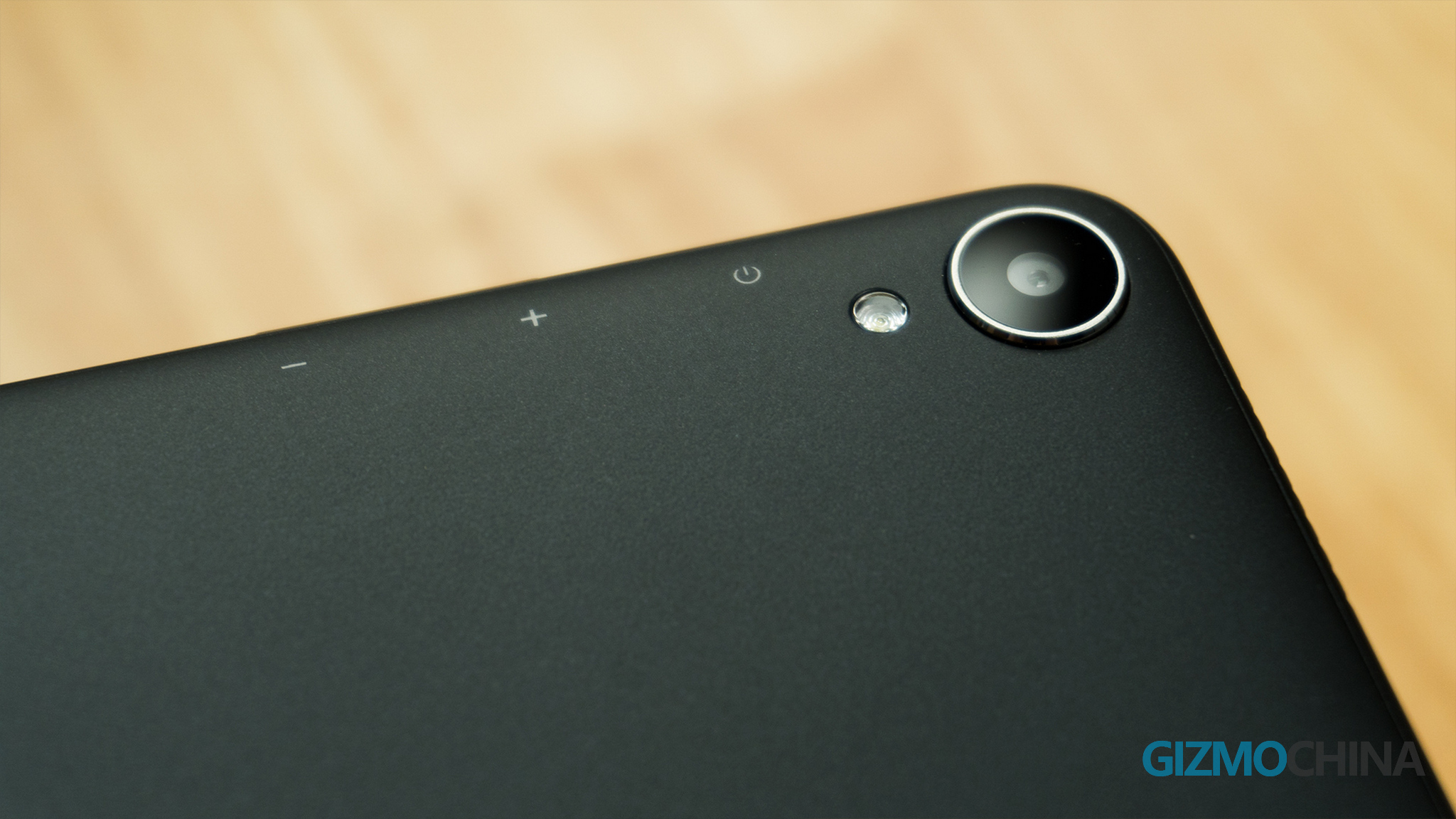
The back has a frosted texture and the frame is made of aluminum-magnesium alloy. The metal frame increases the overall strength and prevents any possible structural issues in the long term. The volume, power button, and SIM/MicroSD card tray are engraved with their names. SIM/MicroSD card tray has a hybrid design, so you can insert two nano-SIM cards or one TF card, and a nano-SIM card. The MicroSD card slot supports up to 2TB, so you don’t have to worry about the problem of insufficient storage capacity in the future.
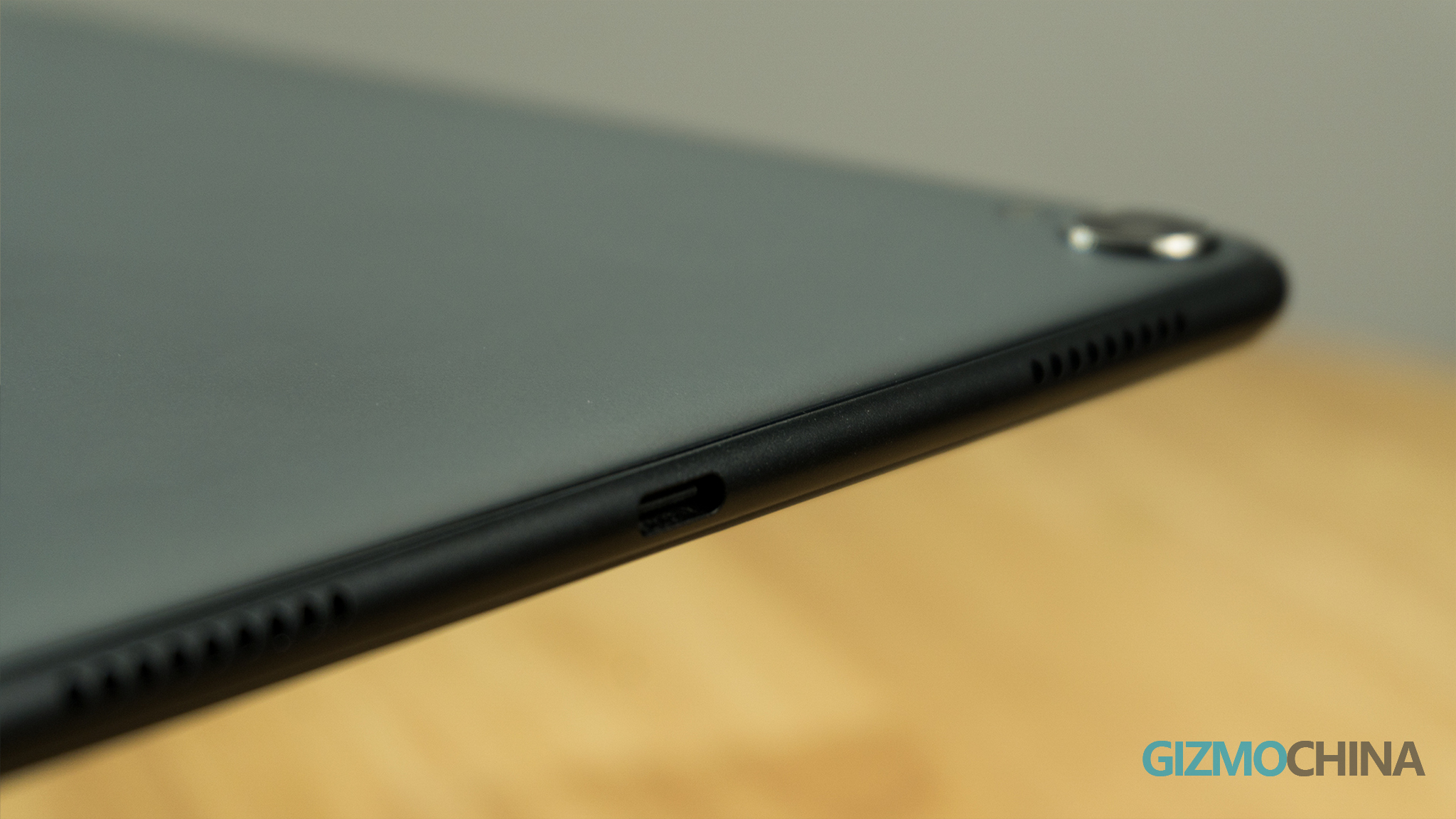
The camera and flash are in the corner, and the four speakers are placed symmetrically. Interestingly, the Type-C port is placed on the top of the body, on the same side as the camera. There is no inconvenience with this design though. The camera on the back also protrudes very little, making for a simple design.
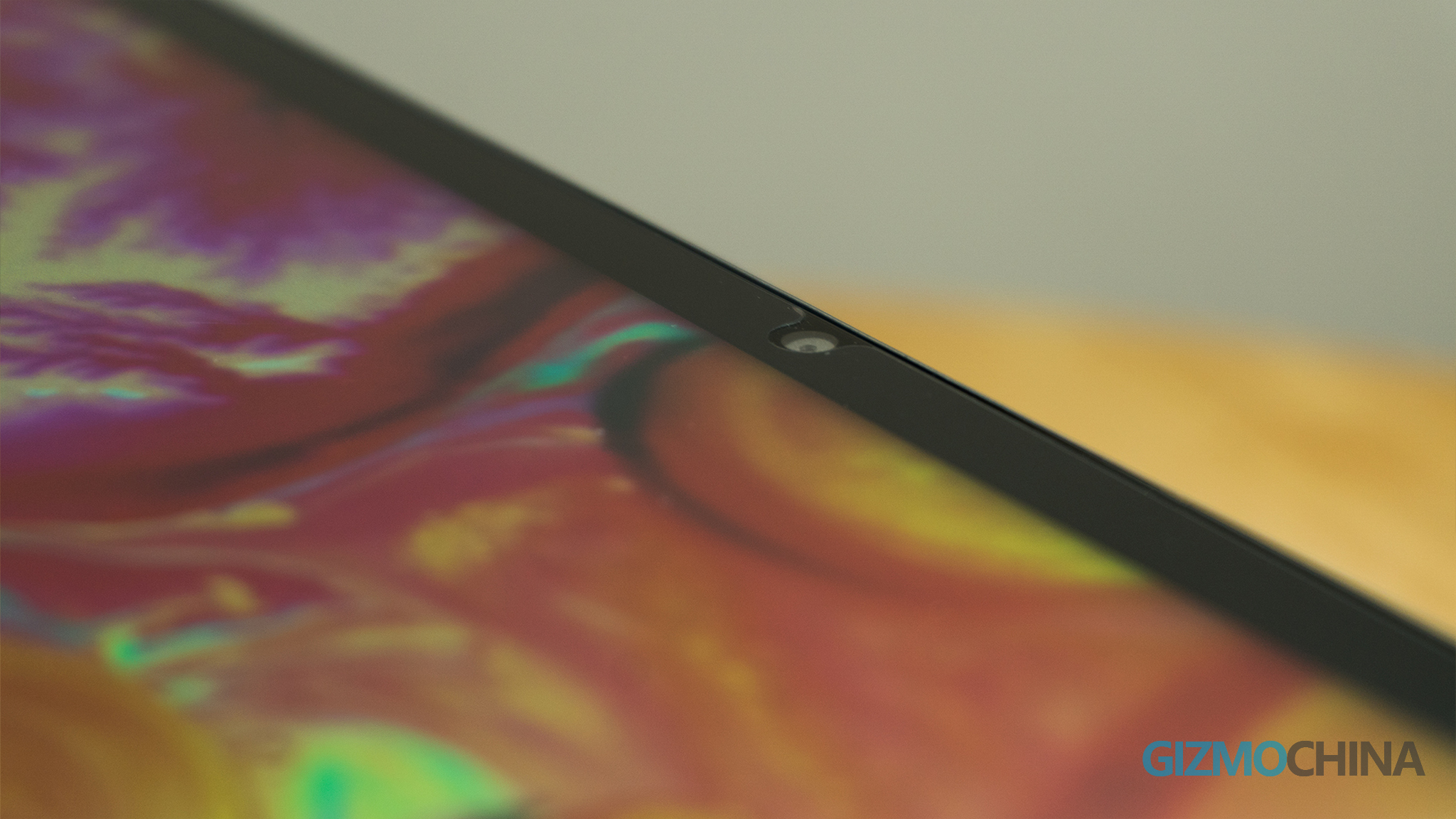
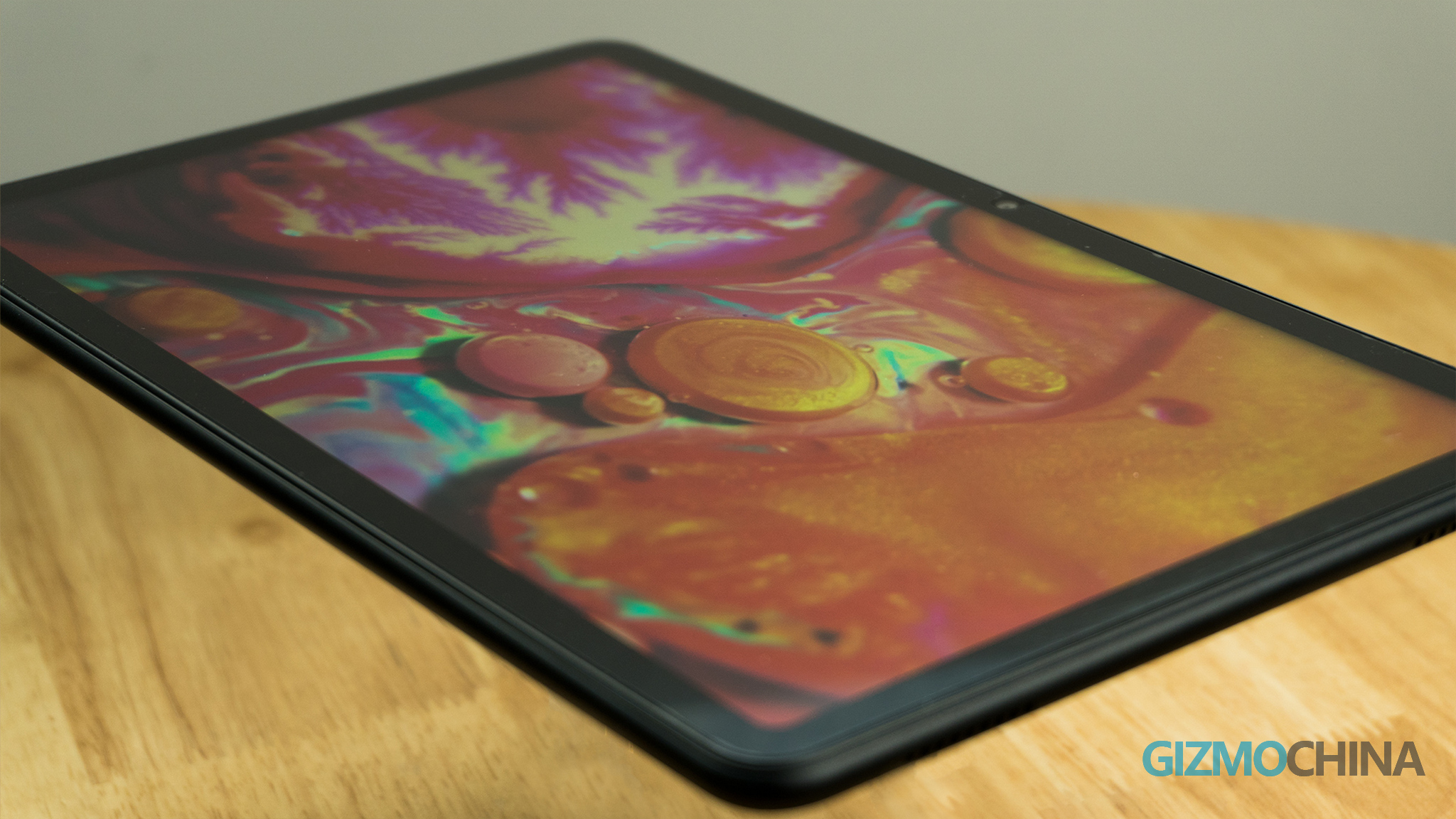
ALLDOCUBE iPlay 40 Pro uses a 2000×1200 resolution LCD screen. In-Cell Full lamination technology is used to make the screen look more premium. If you have used other entry-level tablets or phones, you will find that the screen looks like there is a layer of glass separating it, which is the result of not using Full lamination technology. The color of the screen looks good too. One of the drawbacks is that it doesn’t have a high refresh rate display.
ALLDOCUBE iPlay 40 Pro Review: Performance
The iPlay 40 Pro is an entry-level tablet that focuses on audio and video entertainment. As you might expect, performance is its weakest point. It uses the UNISOC Tiger T618 chip, which you may have not heard of, so let me give you a general overview.
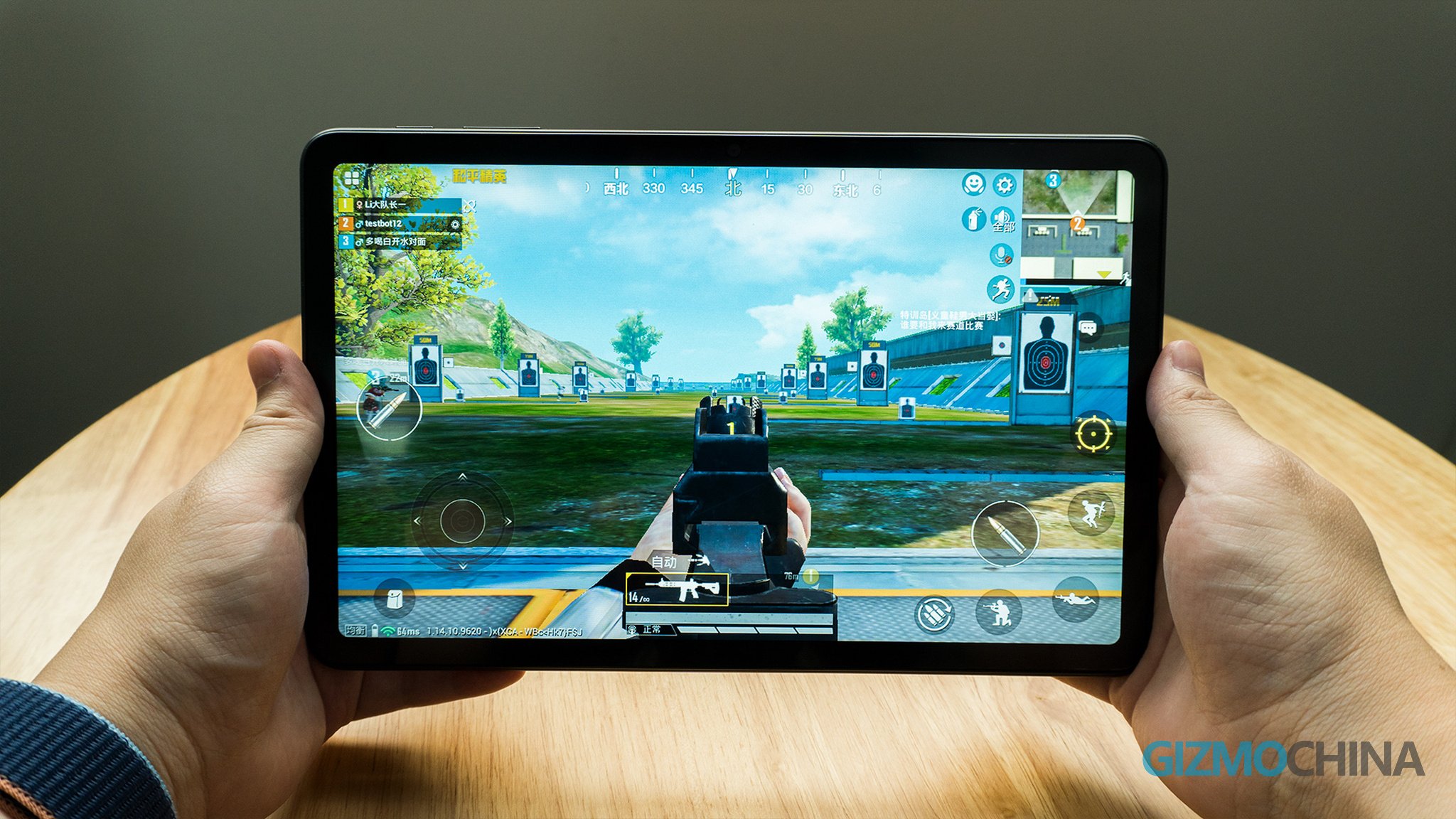
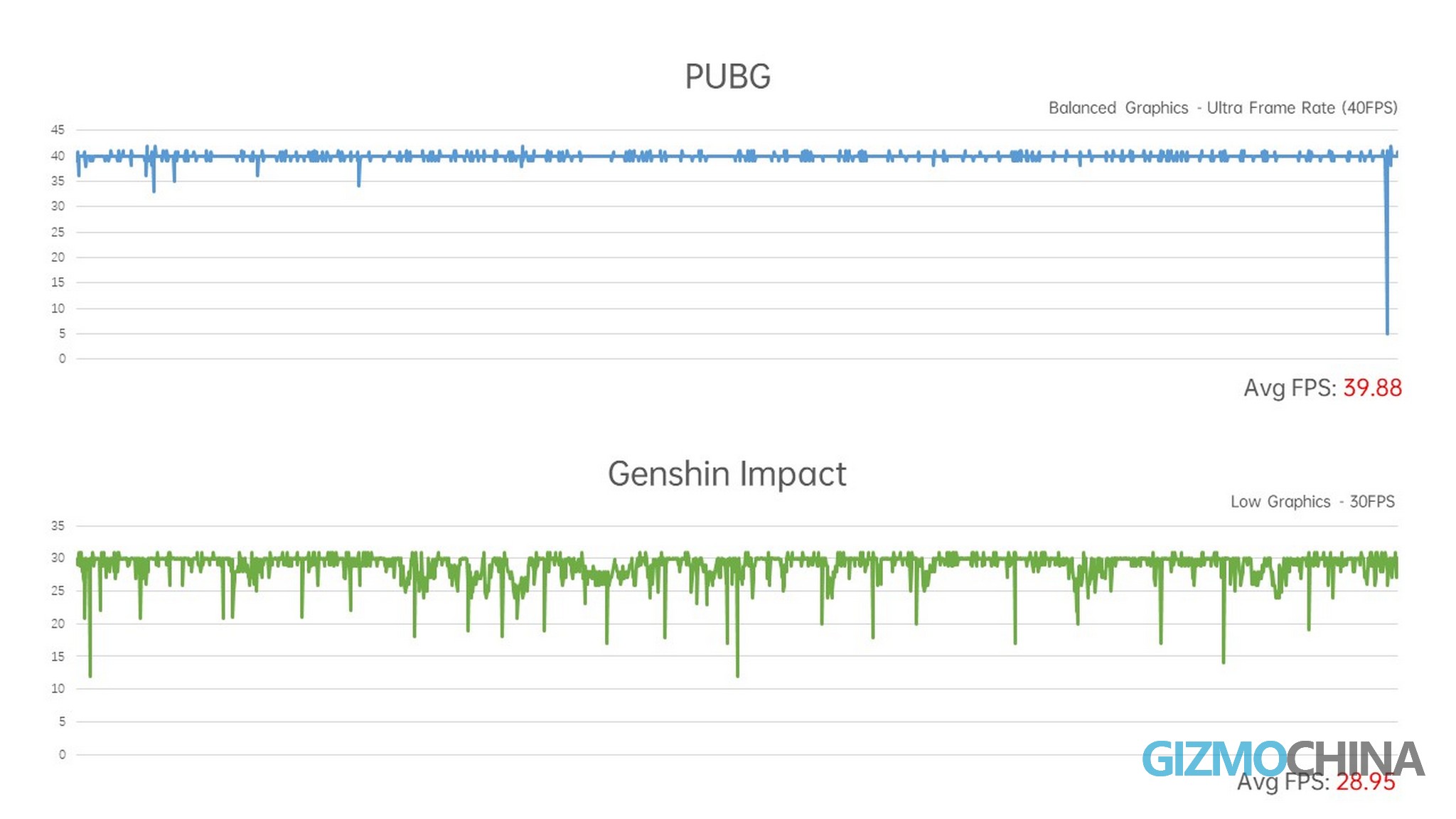
It’s an entry-level chip with an AnTuTu Benchmark score of 245,032, which is roughly between the Snapdragon 660 and Snapdragon 710 levels. The highest Graphics in PUBG can only be selected in HD, and Ultra Frame Rate (40FPS) can only be selected in Balanced and Smooth Graphics. Genshin Impact also jumps to Low Graphics and 30FPS to run smoothly at full frame rate. But the good news is that it is very stable and the temperature control is so good that you can barely feel the heat. It seems that the iPlay 40 Pro can still handle some mainstream games, but if you want a better gaming experience, it may not be your best choice.
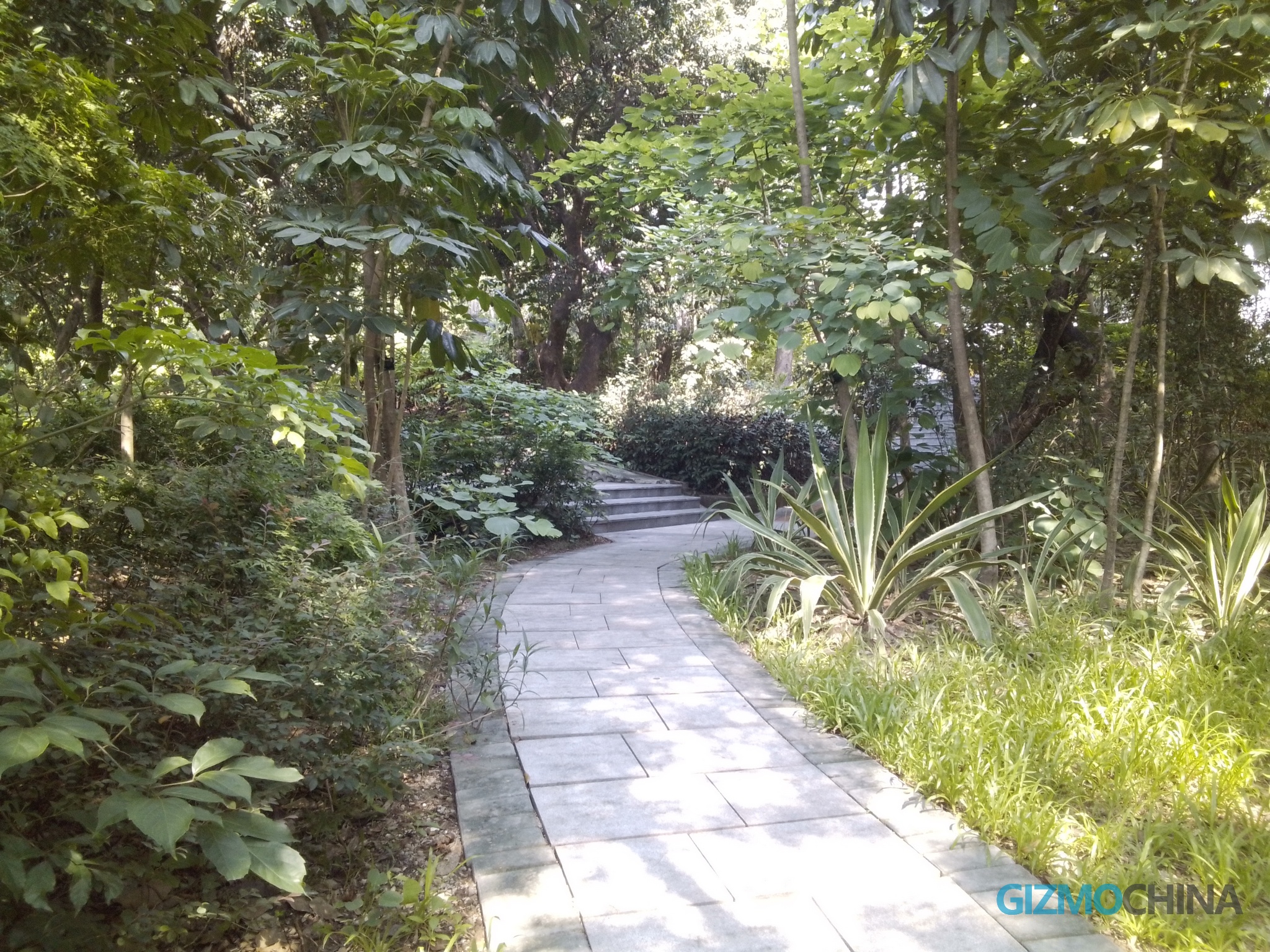
Because tablets usually don’t need a powerful camera, the iPlay 40 Pro is equipped with only a rare 8-megapixel camera with auto-focus. And there’s a front 5-megapixel camera for video calls and Zoom conferences. Its camera quality can be judged in the samples below. In short, it can be used for video conferencing and even scanning QR codes is no problem at all.
front camera sample
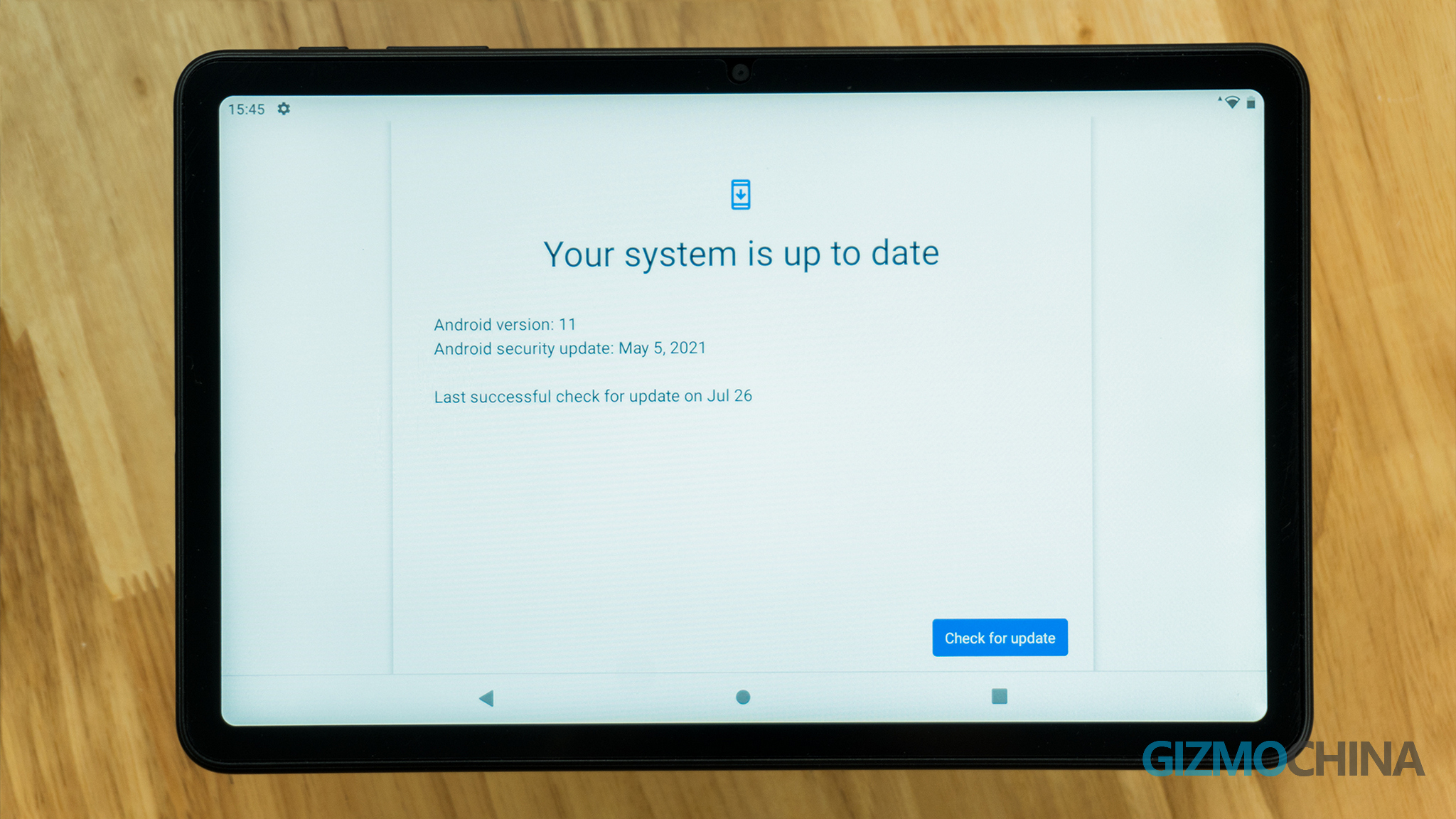
The iPlay 40 Pro’s system is based on Android 11, which I believe you are all very familiar with, so I won’t go into too much detail.
ALLDOCUBE iPlay 40 Pro Review: Battery Life
The iPlay 40 Pro packs a 6200mAh battery into a 10.4-inch body.
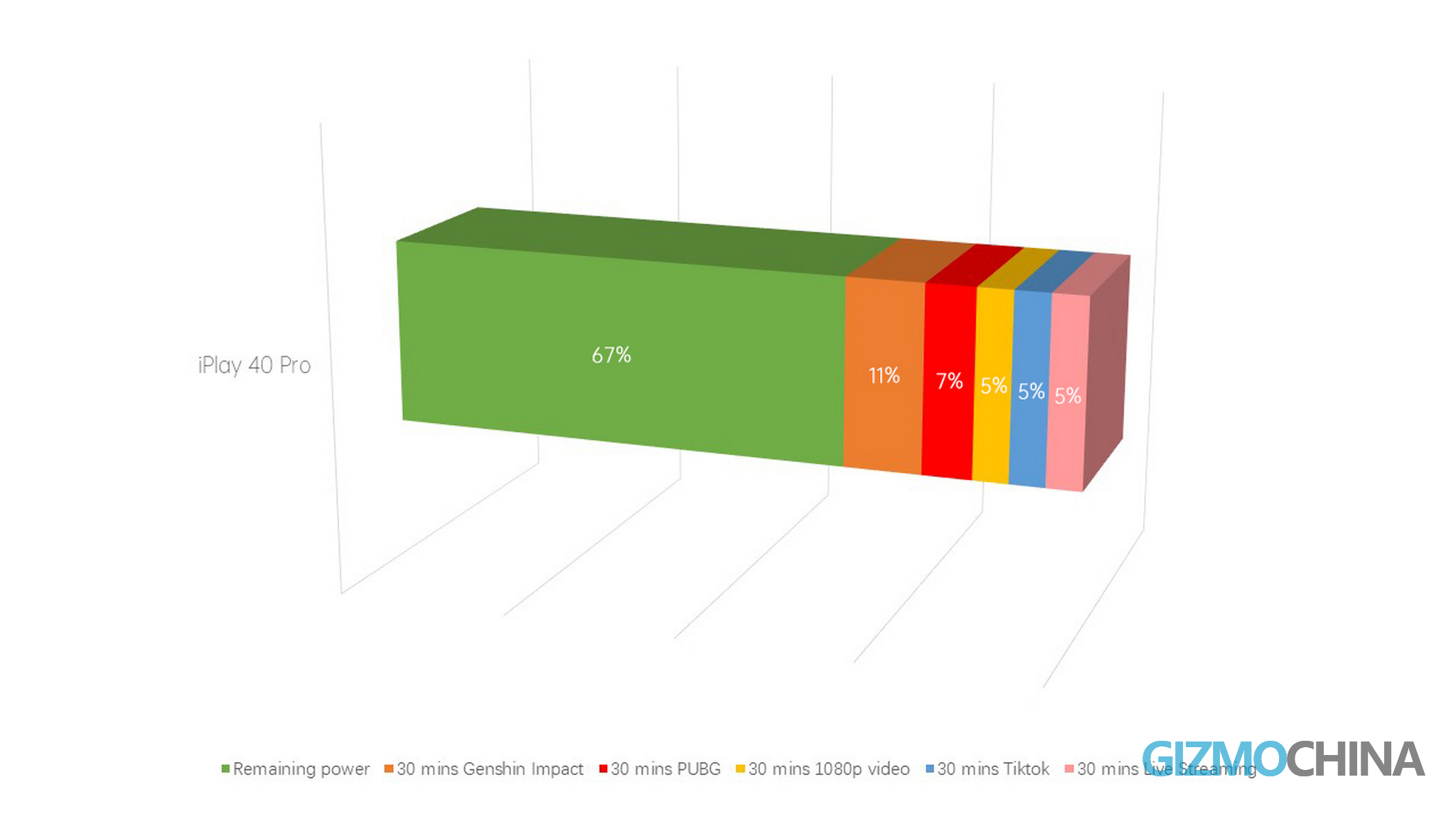
How long it can be used as an AV device is also a great concern. After testing half an hour of 1080P online video, half an hour of Tiktok, and half an hour of watching, each activity consumed around 5% of battery life. Thirty minutes of PUBG further consumed 7%, another thirty minutes of Genshin Impact used up 11%, with the final remaining power at 67%. So the battery life is pretty good for your daily needs.
ALLDOCUBE iPlay 40 Pro Review: Verdict
The iPlay 40 Pro is very well positioned for audio and video entertainment, with a balance of video conferencing. It may lag behind in terms of performance, but it can meet your basic tablet needs at a low price.
If you’re not buying a tablet to play high-end games, then the iPlay 40 Pro is a good choice. For just $200, it gets all the essentials right, making for an interesting entertainment tablet on a budget.
Samsung is reportedly working on the Galaxy A52s smartphone as an upgraded version of the existing Galaxy A52 smartphone. A recent leak had revealed the pricing of the A52s for the European market. Now DealnTechhas come across the retailer listing of the Galaxy A52s through which its pricing, storage, and color variants have been revealed.
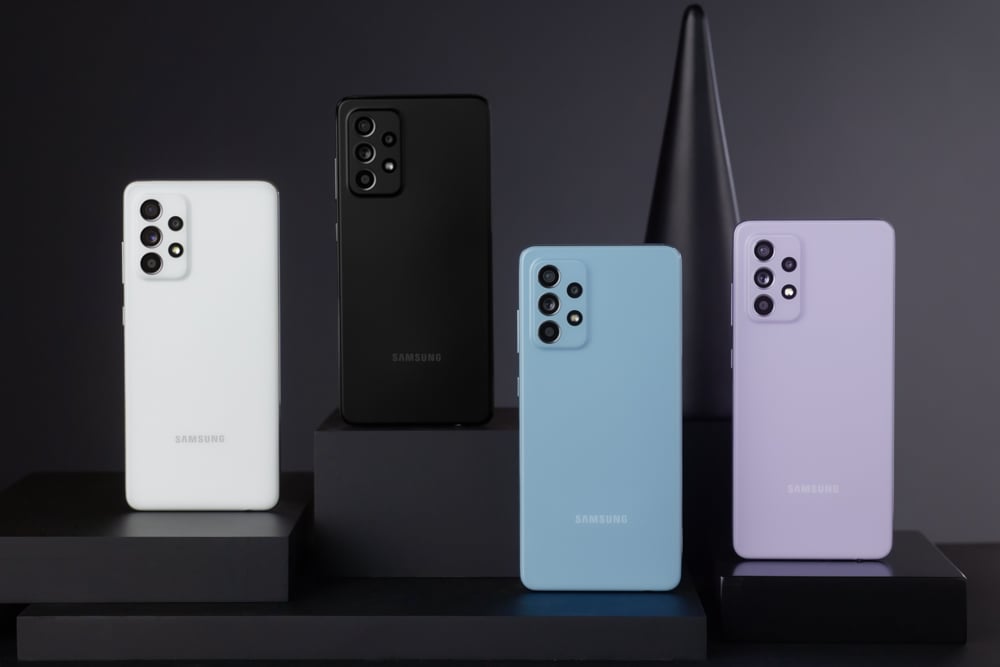
The newly spotted retailer listing reveals that the Galaxy A52s will be available with an internal storage of 128 GB. The listing further reveals that it will be priced at €434.64 (~$515) and it will be available in four colors like Awesome White, Awesome Black, Awesome Violet, and Awesome Mint.
The other specs of the Galaxy A52s 5G are under wraps. It is likely that the phone may borrow most of its other specs from the Galaxy A52s 5G. Hence, it is likely to arrive with a 6.5-inch S-AMOLED FHD+ display with a 120Hz refresh rate support, a 32-megapixel front camera, a 64-megapixel (main, with OIS support) + 12-megapixel (ultrawide) + 5-megapixel (macro) + 5-megapixel (depth) quad-camera system, a 4,500mAh battery that supports 25W rapid charging, an in-screen fingerprint reader, a microSD card slot, stereo speakers, and IP67 rated dustproof and water-resistant device.
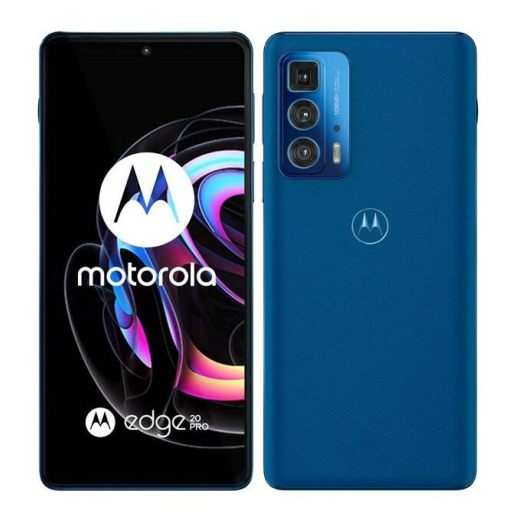
Motorola will be holding an unveiling event in China on Aug. 5. Last week, the company announced the Edge 20, Edge 20 Pro, and Edge 20 Lite smartphones in the global markets. The vanilla and Pro models are expected to go official later this week in China. Recent teasers by Motorola’s China division suggest that the Edge 20 Pro may debut in the Chinese market with the “Motorola Edge S Pro” moniker.
Shown above is one of the recently released promotional videos by Motorola China. It showcases the “Ready For” functionality of the Edge S Pro, which allows users to connect it to a larger display wirelessly. Earlier this year, Motorola announced the Snapdragon 870 SoC-powered Motorola Edge S phone in China, which was made available in global markets as the Motorola Moto G100. The Edge S Pro is expected to arrive as an upgraded version of the original Edge S as the name goes.
The Edge S Pro is expected to arrive with a 6.7-inch OLED FHD+ display with a punch-hole design. The Snapdragon 870 is present under the hood of the device. It is likely to arrive in China with up to 12 GB of LPDDR4x RAM and up to 256 GB of UFS 3.1 storage.
Motorola Edge 20 Pro
For selfies, it may feature a front camera of 32-megapixel. Its rear camera setup may include a 108-megapixel primary camera, an 8-megapixel periscope telephoto snapper, and a 16-megapixel ultrawide lens. The handset is expected to arrive with a 4,500mAh battery that supports 30W fast charging. At present, there is no word on the pricing of the Edge S Pro.
July is over and while it was pretty long, it did pack some interesting announcements. The last week of the mount was also packed with product announcements alongside some really interesting news. Here’s a recap of last week’s top stories:
Xiaomi global event
Xiaomi announced a handful of new products for the global markets on Monday, July 26. The list includes the Mi Router AX9000 gaming router, Mi 2K Gaming Monitor 27”, the Redmi Buds 3 Pro, the Mi Electric Scooter 3, and the Mi Smart Air Fryer 3.5L.
New Nokia phones
HMD Global announced a trio of new Nokia phones. Top of the line is the Nokia XR20, the first Nokia-branded 5G rugged smartphone. There is also the Nokia C30, an entry-level Android smartphone, and last but not the list is the rebirth of the classic Nokia 6310. The manufacturer also announced about a dozen new earphones.
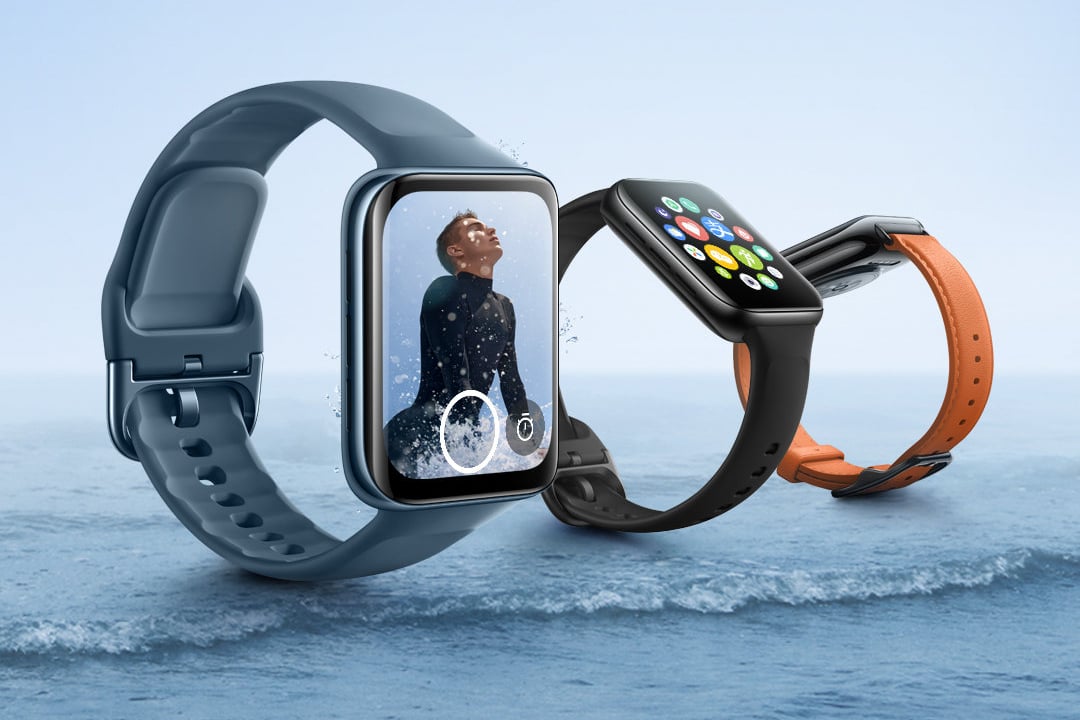
OPPO Watch 2
OPPO made its foray into the wearable market last year with the OPPO Watch and the OPPO Band fitness tracker. It has now followed up the former with a successor called the OPPO Watch 2 and it comes with a dual operating system and dual-chip design and a starting price that converts to about $200.
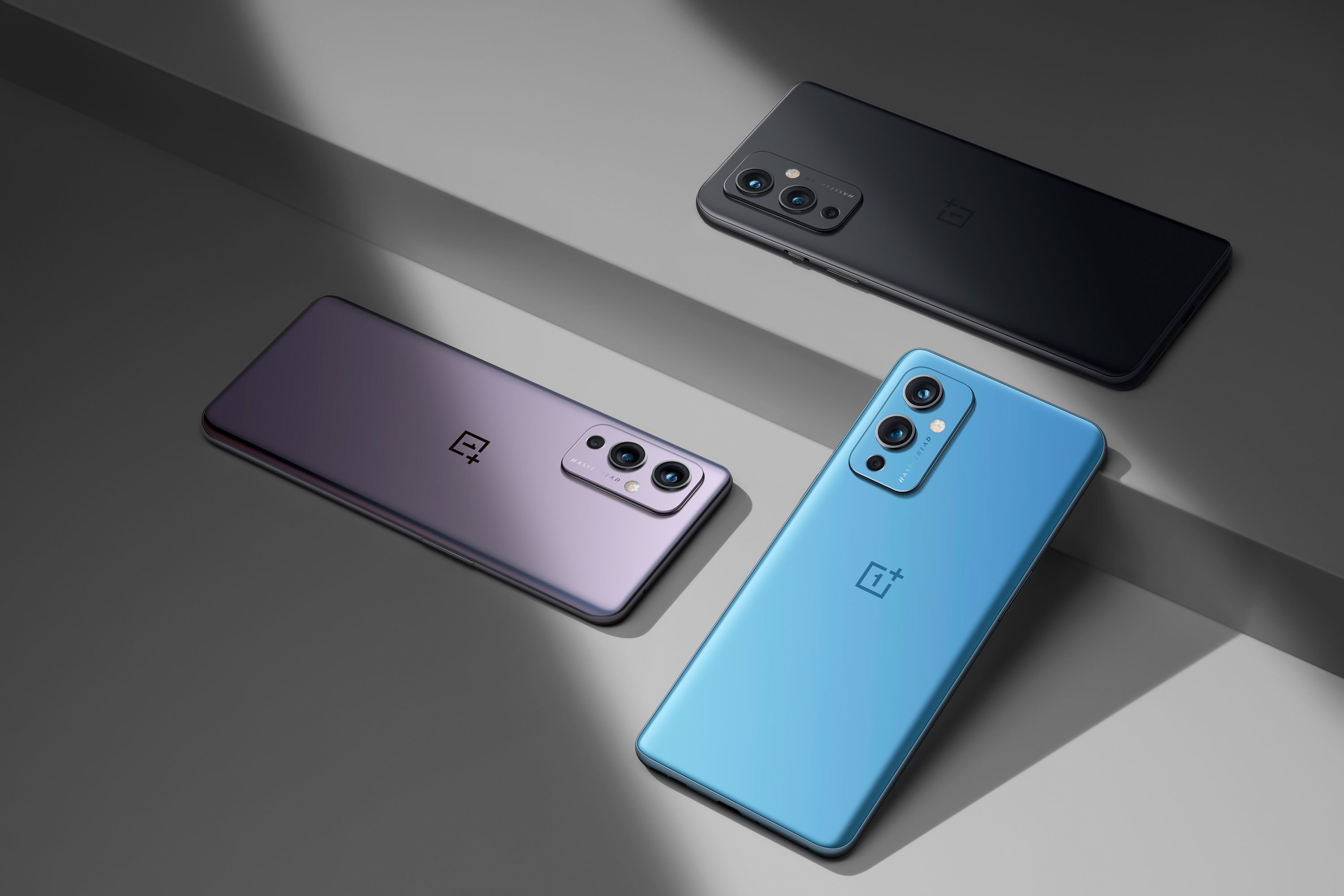
No OnePlus 9T?
Starting with the OnePlus 3T in 2016, OnePlus has made it a tradition to announce a T-variant of its flagship phone(s) for that year. It turns out that may not happen this year as a trusted leaker has revealed that OnePlus isn’t going to announce a OnePlus 9T.
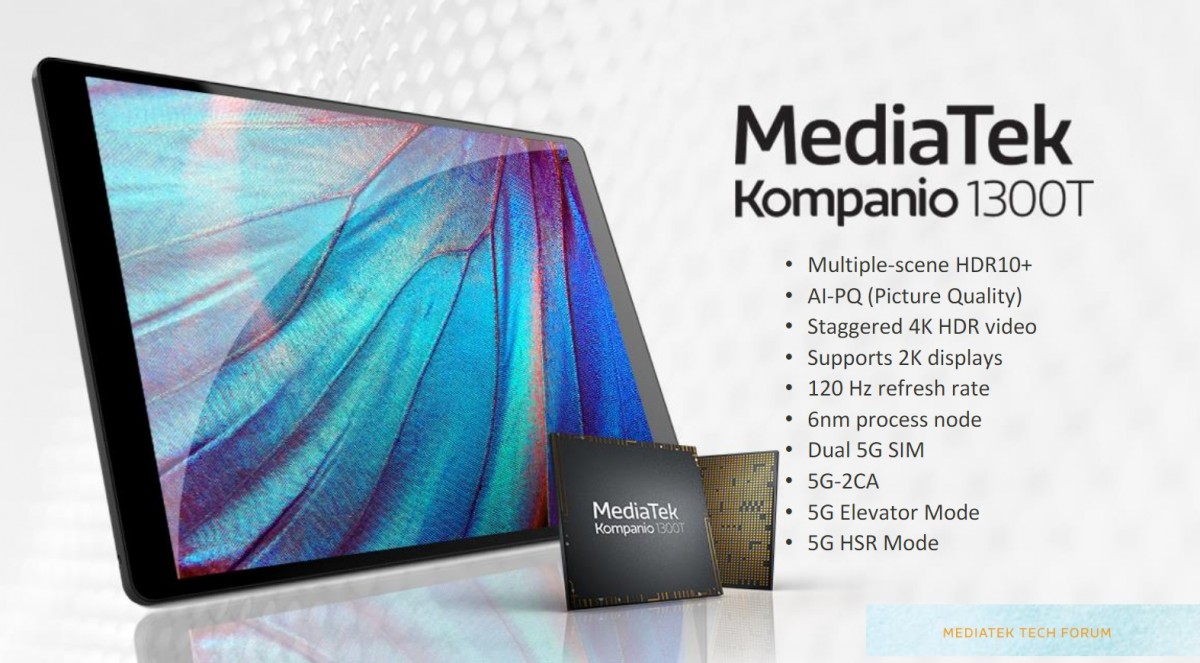
MediaTek Kompanio 1300T
MediaTek announced a new chipset in its Kompanio series, its line of processors designed for Chromebooks. However, the new Kompanio 1300T won’t be appearing first in a Chromebook but the upcoming Honor V7 Pro tablet.
ZTE Axon 30 5G
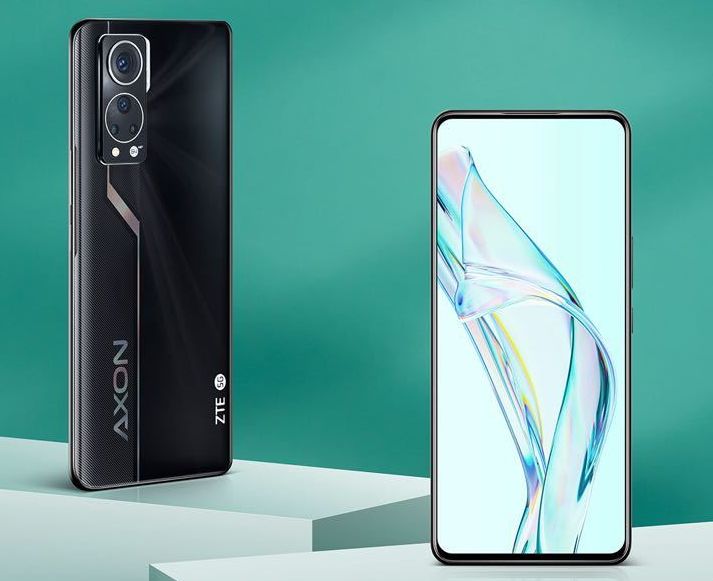
ZTE announced the Axon 30 5G in China, its newest smartphone to feature an in-display camera. ZTE claims the camera technology has been improved significantly compared to the Axon 20 from last year. The phone will get an international release in September.
Nothing in your ears!
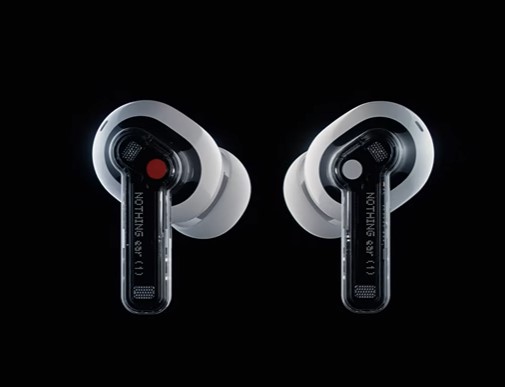
The Nothing ear (1) is official and it was one of the most-talked-about product announcements last week. The new earbuds from Carl Pei’s new company bring a new design to the earbuds space. It also offers a lot for $99!
Nokia is making a tablet
Remember the Nokia N1 tablet released in 2015? It wasn’t much of a success but Nokia wants to give tablets another chance. Who can blame them considering the market has seen renewed interest. The new tablet will launch as the Nokia T20 and will have a 10.36-inch among other features including its price tag that leaked last week.
More than 10 million PS5s sold but I still don’t have one
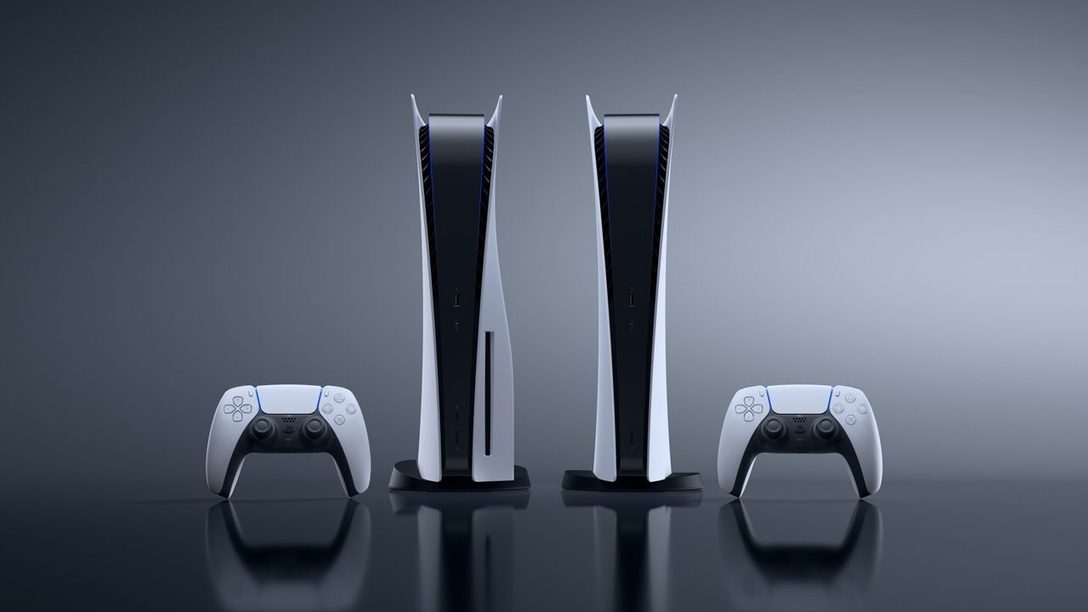
Sony revealed that it has sold more than 10 million PlayStation 5 units since the console went on sale in November last year, making it its fastest-selling console. That is pretty impressive considering supply issues have caused a scarcity.
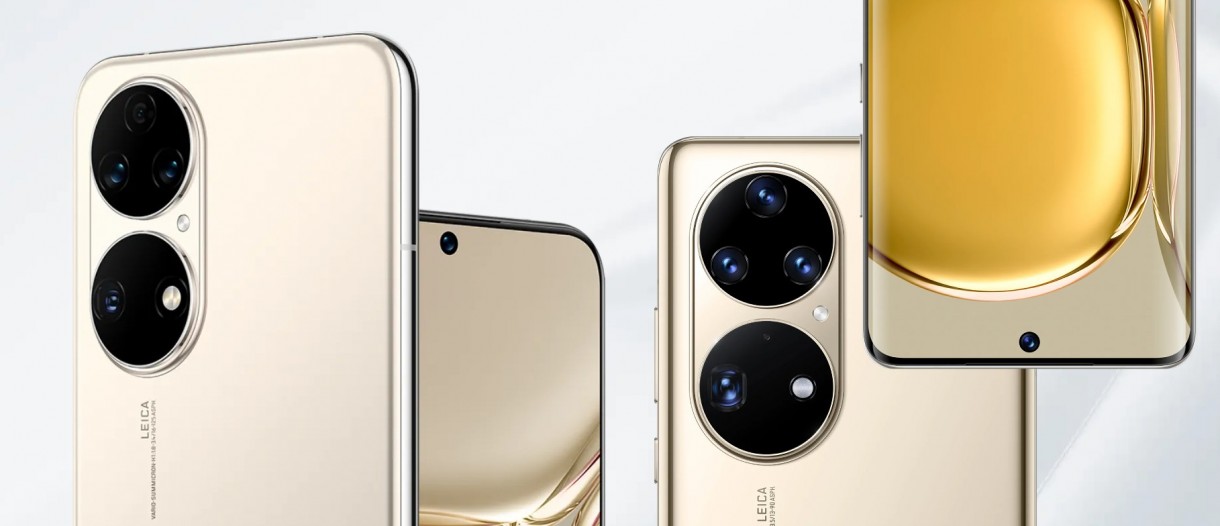
Huawei’s P50 series finally launched last week but the two new phones don’t have 5G support. The Huawei P50 (powered by the Snapdragon 888), and the Huawei P50 Pro (available in Kirin 9000 and Snapdragon 888 variants) are proof that Huawei’s problems are far from over. They feature a new design and pack impressive cameras (that already top DxOMark’s list) along with other flagship-grade specs but their lack of 5G support may make them a tough sell. However, a 5G variant of the pro model is expected to launch later.
Motorola Edge 20 series – flat OLED displays and 108MP cameras
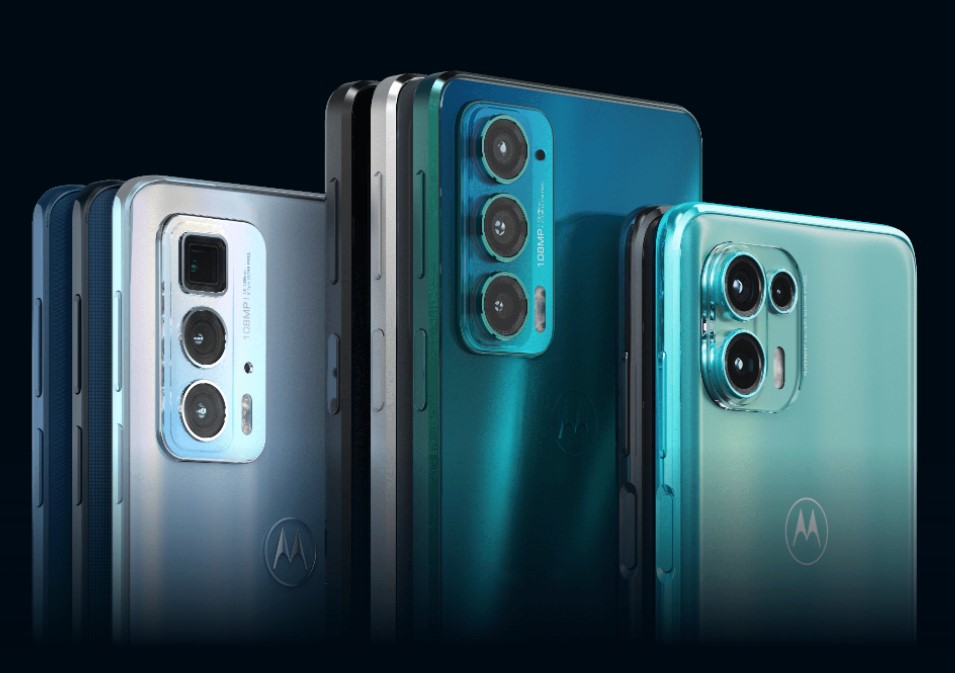
The trio of the Motorola Edge 20 Pro, Edge 20, and Edge 20 Lite were announced last week in Europe. The phones share some similarities such as a 6.67-inch OLED FHD+ display (albeit with different refresh rates) as well as 108MP primary rear cameras and the same fast charging technology but that is pretty much where it ends. You get different processors across the board, different battery capacities, and more.
Back in May, a leaker revealed that Honor has restructured its product line, stating that the Honor X series will be a mid-range line. Last month, Honor announced the Honor X20 SE, and it launched as a Dimensity 700-powered phone with a starting price under $300. A more powerful model called the Honor X20 is expected to launch in the future and a new leak has surfaced regarding the chipset that will power the phone.
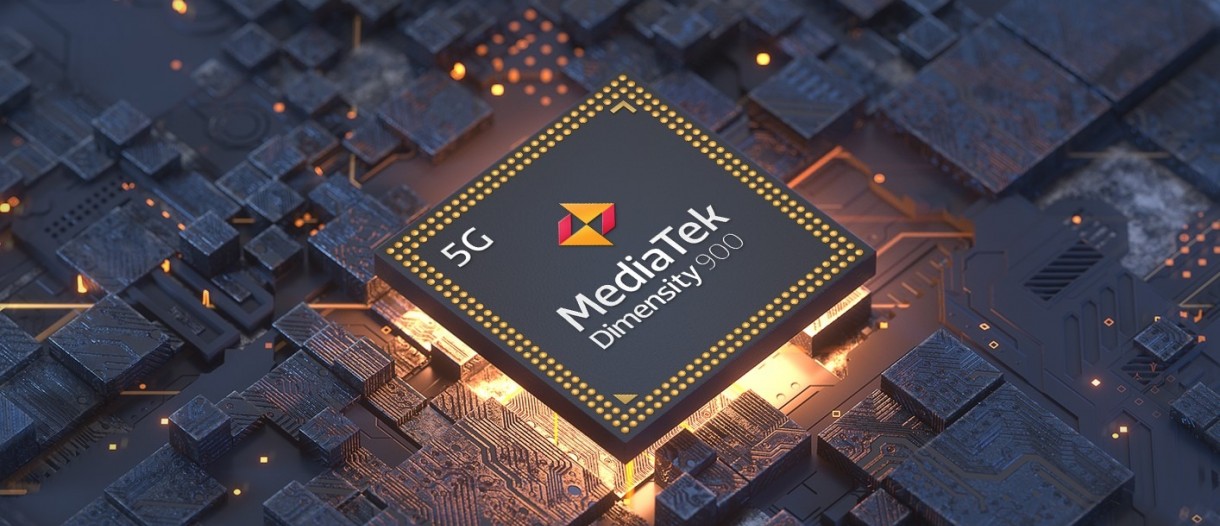
The source, who goes by @熊猫很禿然 (Bald Panda), disclosed via a Weibo post that the Honor X20 is powered by the Dimensity 900 chipset. Considering that the source has a good track record regarding Honor and Huawei-related leaks, we have little doubt about it being wrong.
While the Dimensity 900 is a less powerful processor than the Dimensity 1200, it is a 6nm chipset too. Announced back in May, the processor has two Cortex-A78 cores clocked at 2.4GHz and six Cortex-A55 cores clocked at 2.0GHz. It also has a Mali G68 MC4 GPU.
Honor already has a Dimensity 900-powered phone in form of the Honor 50 SE. We can expect both phones to differ with respect to design, camera, and maybe even battery capacity and fast charging technology.
There is no info on when the Honor X20 will launch but we won’t rule out this quarter.
One of the highlights of July was the report that Xiaomi is now the second-biggest smartphone manufacturer in the world in terms of market share. The Chinese manufacturer overtook Apple following the release of a report by Canalys Research. Now, another analyst firm, IDC, has also released its report and it confirms Xiaomi ranking albeit with different figures.
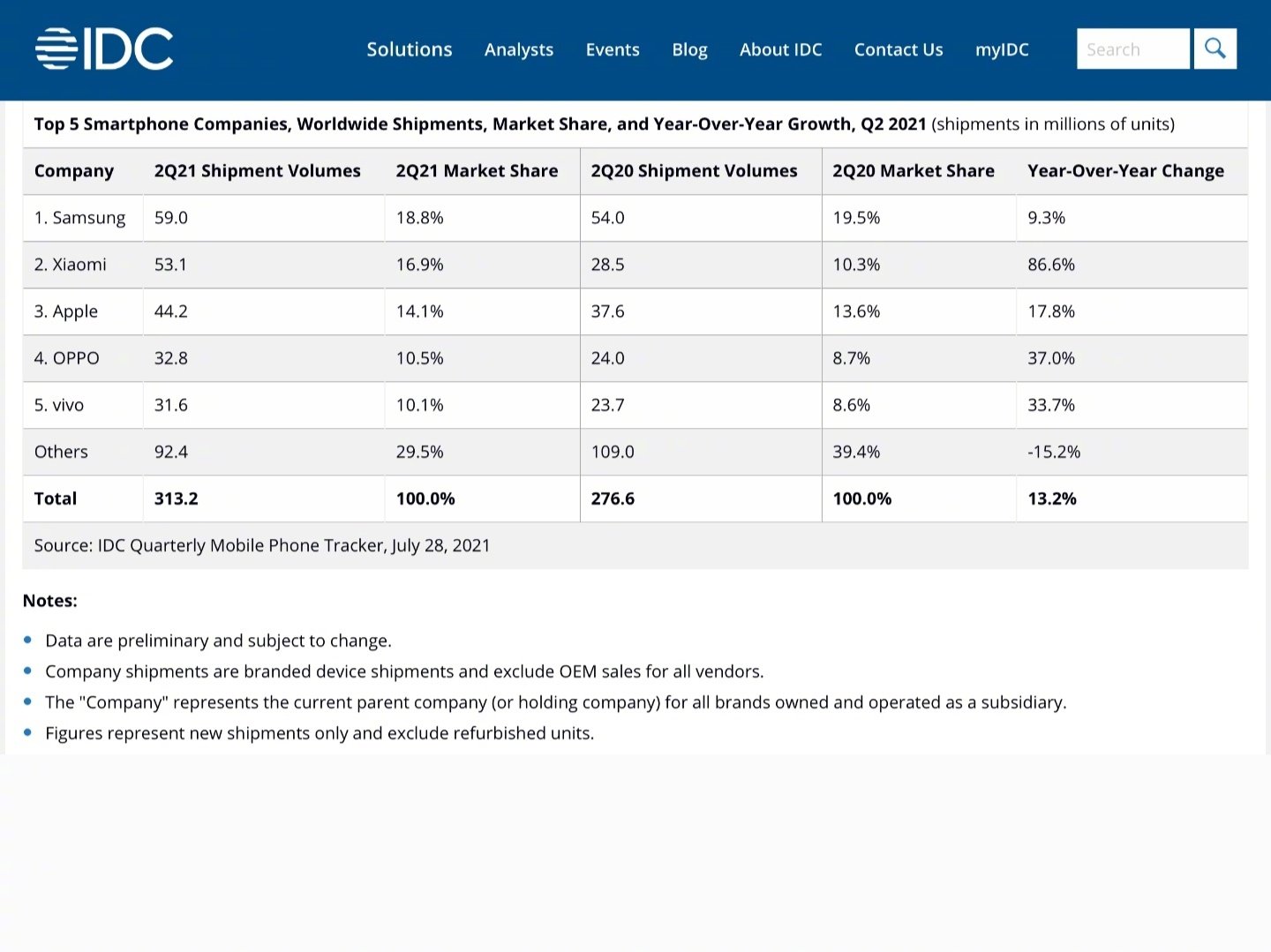
ID’s report lists the top five smartphone companies in the world for the second quarter of 2021 and ranks them according to shipment volumes, market share, and year-over-year growth.
Sitting at the top of the list is Samsung with a shipment volume of 59 million units, 4 million more than it shipped in the same quarter in 2020. However, while it has shipped more units, its market share has dropped from 19.5% to 18.8%.
Coming in second place is Xiaomi with 53.1 million units shipped and a 16.9% market share. That is a huge jump from the 28.5 million units shipped Y-O-Y and from its market share of 10.3%. IDC states the company has recorded a growth of 86.6%.
Apple is the third-largest smartphone company with 44.2 million units and a 14.1% market share. The Cupertino-based company saw its shipment and market share rise Y-O-Y from 37.6 million and 13.6% respectively.
OPPO and its sister company Vivo take the fourth and fifth spots with 32.8 and 31.6 million units shipped respectively. The former has a market share of 10.5% and recorded a growth of 33.7%. Vivo’s market share is 10.1% and it recorded a growth of 33.7%.
IDC adds that the stats above represents the current parent company for all brands owned and operated as a subsidiary, so Xiaomi’s stats include shipments made by Redmi and POCO.
OnePlus rolled out OxygenOS 11 Open Beta 1 update for the OnePlus 6 and the OnePlus 6T at the beginning of July. The update was released ahead of schedule. A couple of weeks later, these devices also received a stable update. A week from that, the handsets have now also started receiving OxygenOS 11 Open Beta 2 update.
The OxygenOS 11 Open Beta 2 update for the OnePlus 6 and the OnePlus 6T does not bring any new changes. Instead, it only comes with optimizations, improvements, fixes, and enhancements.
According to the official announcement post on OnePlus Community, the latest public beta build for the OnePlus 6/6T arrives with optimizations for overheating control management of third-party apps, improvements for system stability, and fixes some known issues as well as an issue with captured images not being saved. Last but not least, the new software build also enhances the connectivity of 5GHz WiFi.
This update is available via OTA for users who are already on the previous Open Beta build. Others can download and install it manually from the OnePlus Community.
OnePlus 6, 6T OxygenOS 11 Open Beta 2 Official Changelog
System
Optimized the overheating control management of third-party apps
The Samsung Galaxy Buds 2 is touted to cost ~€172.90 including VAT. Interestingly, this is similar to the launch price of the Galaxy Buds+ i.e. €170. But, it may seem premium considering that the previous leaks stated €149 pricing. Anyway, even for the newly rumored price, the earbuds seem quite impressive.
Previously, the Galaxy Buds 2 with the model number SM-R177 appeared on FCC. It revealed that the buds will pack a 120mAh battery and the charging case will have a 500mAh battery cell. The buds are codenamed ‘berry’ and are expected to compete with the likes of Apple’s AirPods Pro.
In related news, the Samsung Galaxy Buds+ recently went on sale at a never before price in India. In Amazon’s prime day sale, the Buds+ were priced at ₹5,990(~$80), almost half of its launch price. Although the sale ended, the earbuds are still available at the same price.
July has been an interesting month packed with lots of device announcements. Now, the month is over but there is a lot to look forward to as August is packed with a whole lot of exciting product launches. Here’s what is coming in the first month of August.
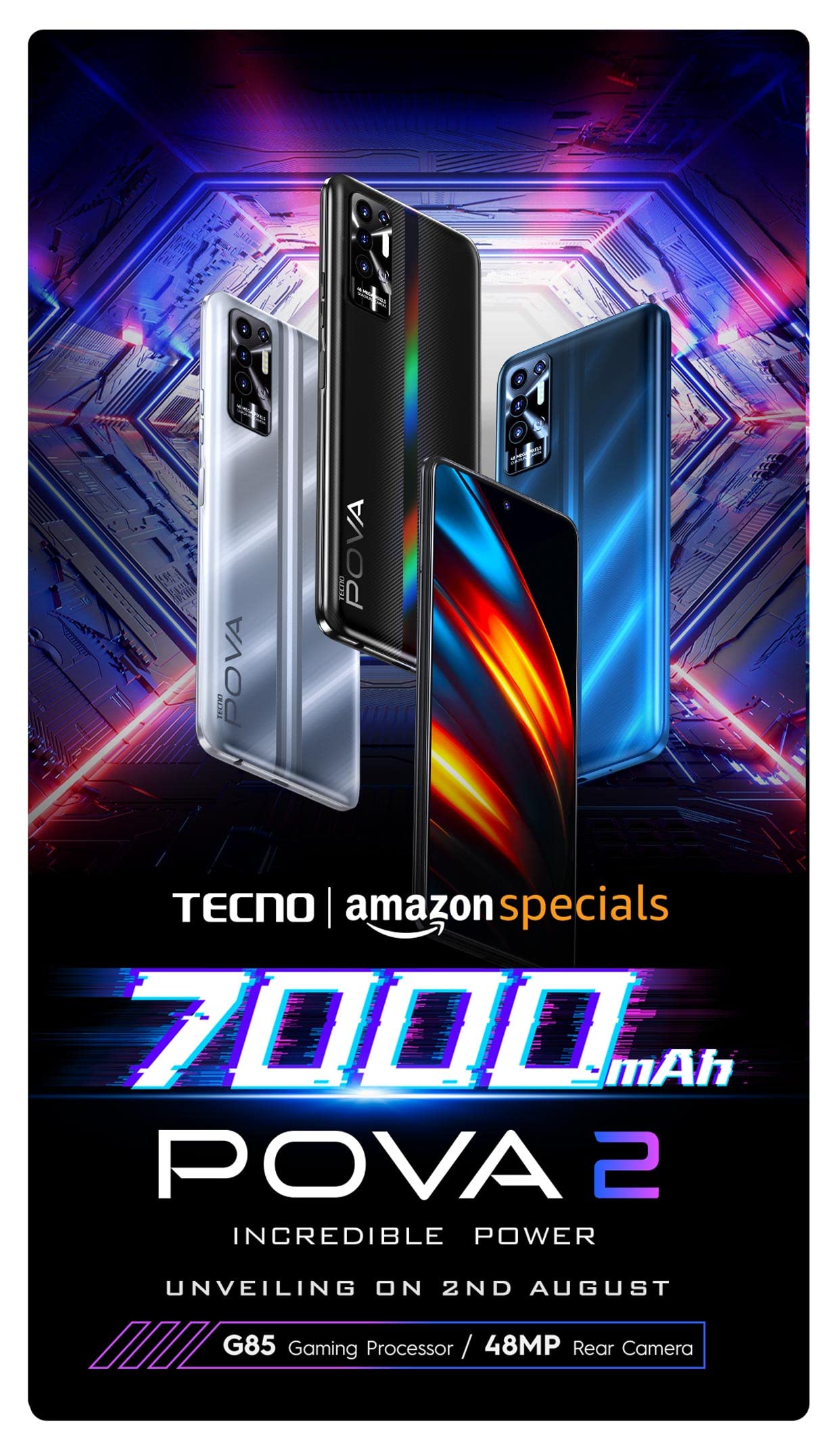
Tecno Pova 2 – August 2
Tecno is bringing its Pova 2 to India on Monday, August 2 after a launch in the Philippines last month. The phone’s selling point is its 7000mAh battery capacity. The design is cool too but the rest of the specs are what you will find on the average mid-range phone.
India will be getting new RedmiBook laptops on Tuesday, August 3. Among the expected models is the RedmiBook 15 and it will be powered by Intel’s 11th Gen processor. It has also been reported that it will have a 65W charger.
It has been six month since the iQOO 7 was announced and now a successor is on the way – actually two successors. The iQOO 8 and iQOO 8 Pro will be announced on August 4 and they are expected to come with a brand new flagship display and the Snapdragon 888 Plus processor.
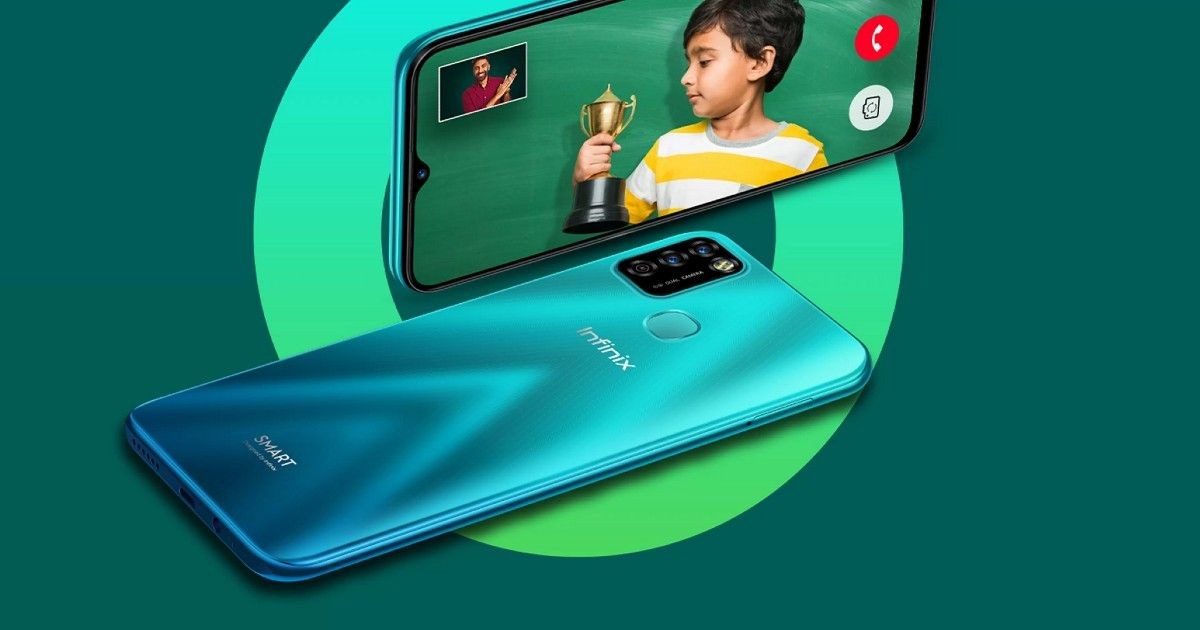
Transsion Holdings subsidiary Infinix has teased a new smartphone for the Indian market. The smartphone is a budget product and it bears the moniker Infinix Smart 5A. This is the brand’s latest offering under the Smart 5 series in India and it is set to make its debut on August 2. This is coming on the heels of the recent launch of the Infinix X1 40-inch Full HD Smart TV in India.
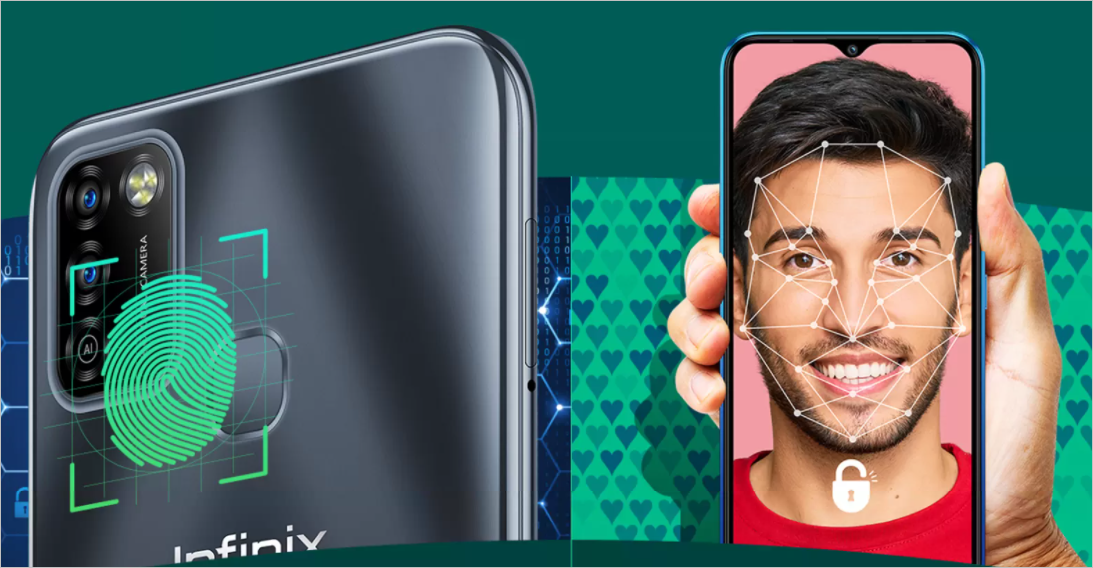
Talking of the specifications, going by teasers on Flipkart, the Infinix Smart 5A will feature with 6.52 waterdrop notch-bearing display with an HD+ resolution. The device packs a rear-mounted fingerprint sensor and also supports face recognition using the selfie camera. Crammed under the hood is a generous 5000mAh battery that will guarantee an extended usage period.
Infinix Smart 5A
The teaser also shows that the Smart 5A will pack a dual rear camera setup whose specifications are yet to be revealed. It also utilizes a pyramid-shaped design on the back panel. and the phone will be available in Ocean Wave, Quetzal Cyan, and Midnight black colours.
The Infinix Smart 5A will be sold on Flipkart after it is launched. Flipkart will also be offering buyers the JioExclusive device lock program incentive which will allow buyers get an upfront cashback of Rs. 550.
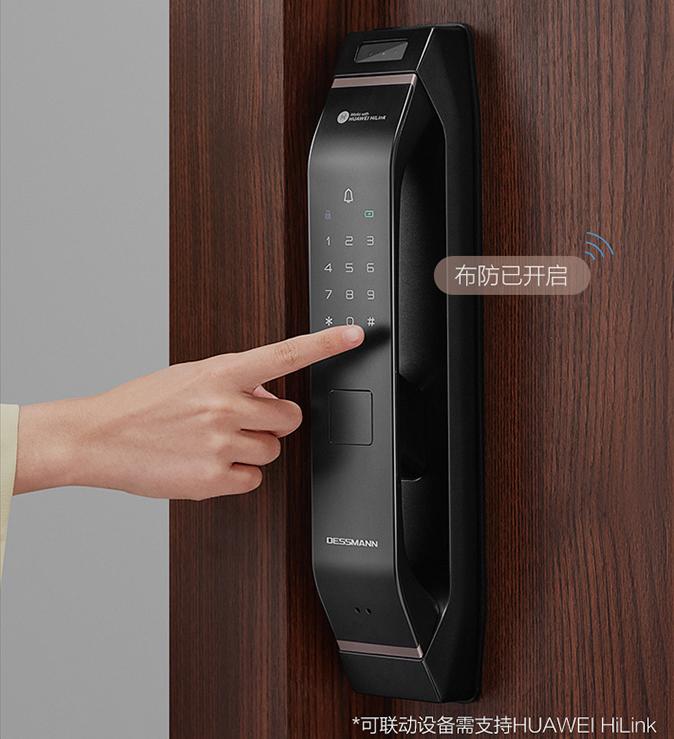
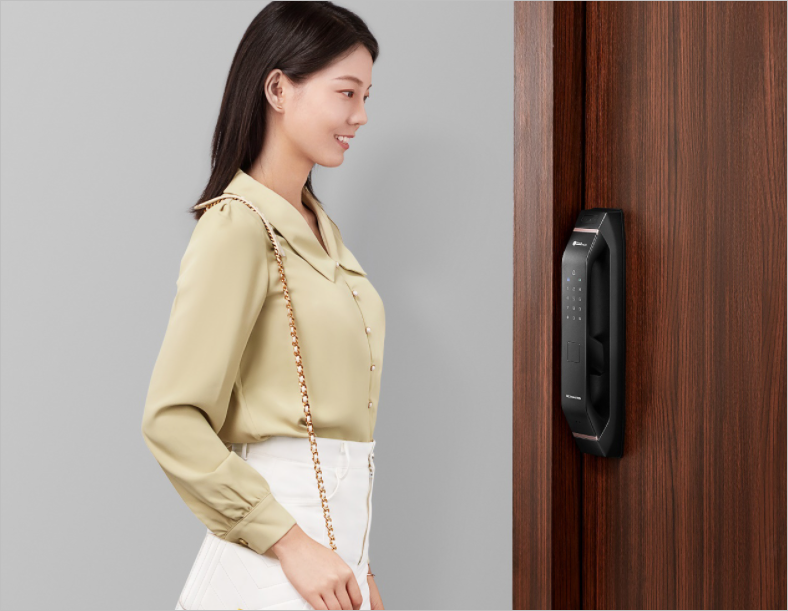
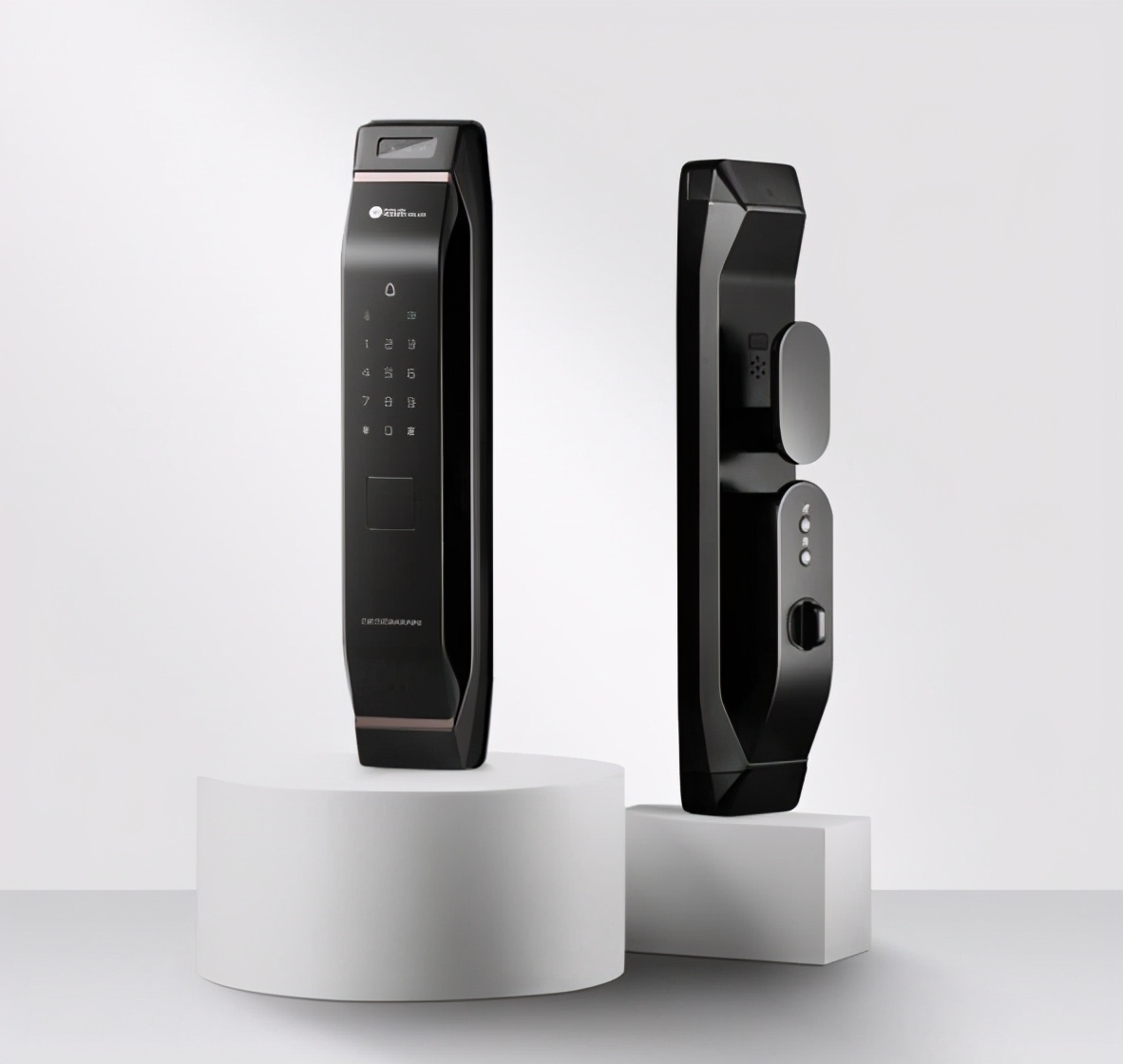
Huawei Smart Selection Dessmann Smart Door Lock is part of the array of devices unveiled by the Chinese tech giant last week. The product is already available via Huawei’s official shopping platform Vmall, with some discounted offers available for the product.
The innovative Huawei smart door affords the owners a robust safety gadget that will prevent unauthorized entry into the house with many security features. The door opening track record data for the device is also being recorded, and the data can be shared with persons within the user’s network. The smart door can be remotely controlled through the Huawei Smart Life app.
The smart door lock can also manage other smart devices that are committed to it. The one-tap feature enables the user to switch off lights, wireless speakers, and other connected devices. The device also has an alarm or defense mode activated when you press a combination of buttons. There is also an emergency quick opening handle that could be used when there is an emergency.
The new Huawei smart lock sports a bridge design and has six unlocking methods with the Huawei smart card. The device uses a Huawei wallet that incorporates the capability of your smartphone to open and lock the device. You can also further lock the device even when your smartphone is not powered. There are other unlocking options available with the device. These include a Fingerprint scanner, Password Code protection, unlocking via a key, and double passwords or a temporary password.
The highly inviting offer for the Huawei Smart Selection Dessmann Smart Door Lock includes a CNY 100 ($15) discount on the product’s price, which is sold at CNY 1,699 ($263). In addition, buyers will get the 5000mAh Dessmann lithium battery that costs CNY 199 ($31). There is also a free shipping offer for the product. The overall discount offer for the product could be up to $50.
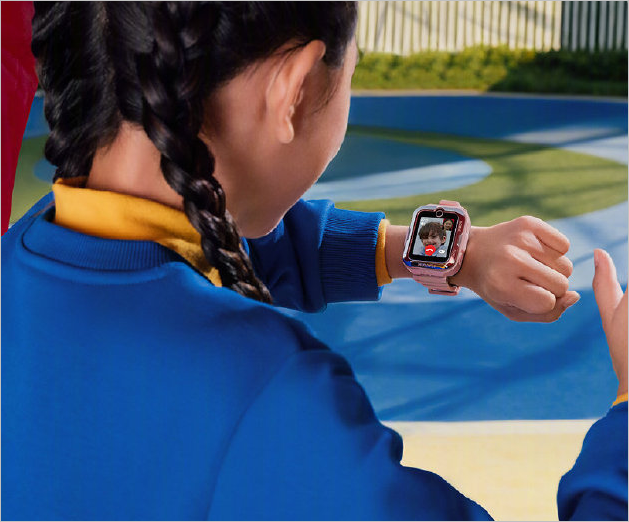
Huawei Children’s Watch 4 Pro is one of the child-centric products released by the Chinese tech giant last week. The Children’s Watch 4 Pro is a smart wearable for children with several functions that will serve educational and safety purposes.
The smartwatch features a 5MP front camera on a 1.41-inch AMOLED touch screen, a comfortable wristband design. It equally features 1GB/8GB of RAM and internal memory respectively. The children’s smartwatch comes in two colors: Blue and Pink, and it weighs just 57.5g. The wristband strap is made of Silicone and UV reformation, while the 800mAh battery offers sufficient usage, with fast charging functionality – 50% of the battery power is replenished within 20 minutes of charging.
The smartwatch is compatible with WLAN, Bluetooth, and mobile networks connectivity. It also offers video calling, has 9 AI positioning, and supports Voice Assistants. The smartwatch has an inbuilt encyclopedia and is water-resistant.
The Huawei Children’s Watch 4 Pro will be available in China from August 30 at a starting price of CNY 998 ($154). There are no details on the global availability and pricing of the product, but we don’t expect Huawei to launch the watch outside China.
The new Xbox Series S and Series X gaming consoles are the best-selling Xbox consoles even amidst the supply issues. However, Xbox is also trying to bring its Xbox Game Pass service to more screens, one of which is TVs.
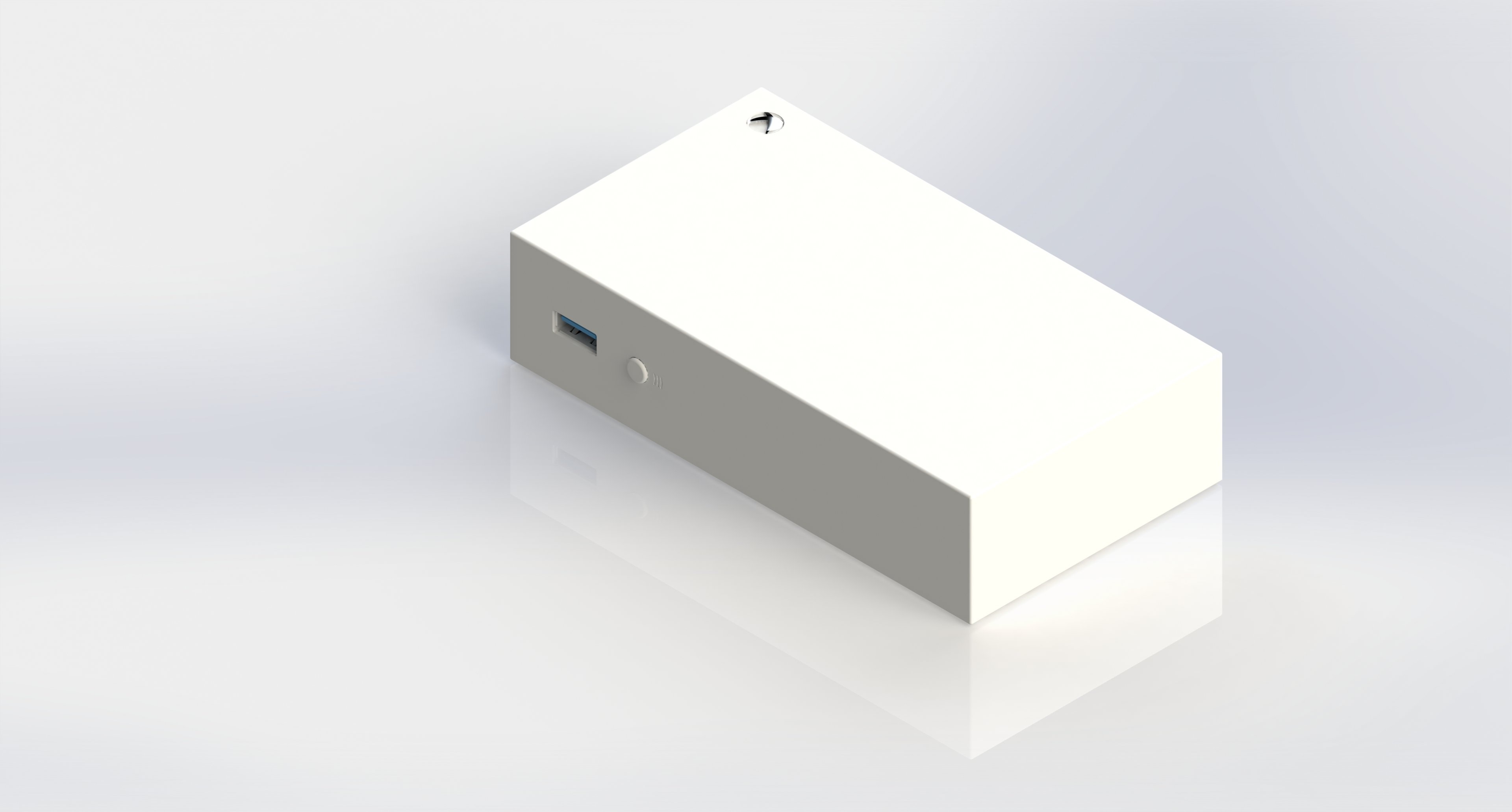
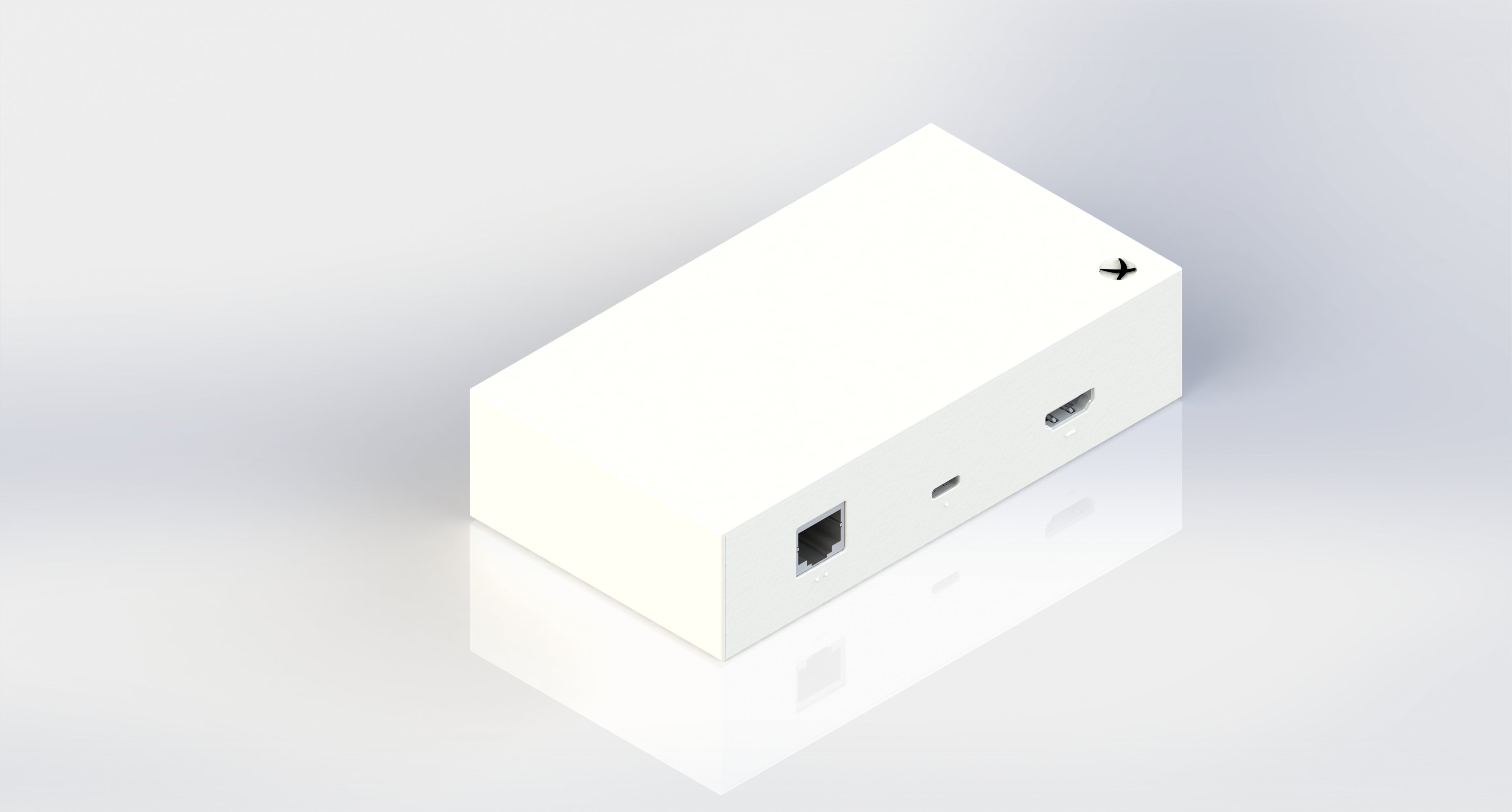
For non-internet-connected TVs, there will be another option – an Xbox streaming device. This device will plug into a TV or external monitor and allow the users to access xCloud. Now, alleged images along with details of a prototype called the Xbox Stream Box have appeared on the internet. We advise that the details below be taken with a pinch of salt.
The image was posted on Twitter by a user that goes by @PostUp_bbb, however, we do not think he is the original source. We will update the post once we get the original source.
The device is a cuboid with sharp corners and a white finish. There is an Xbox logo on top but at the top left corner. The front has a USB-A port and a power button while the rear is home to an ethernet port, a USB-C port, most likely for power, and an HDMI port.
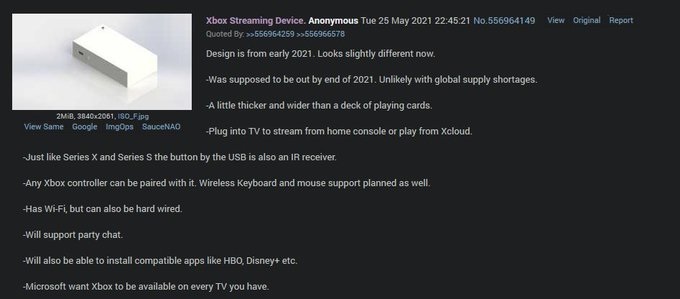
A third image that lists some of the features of the device says that the prototype is from early this year and the design has been modified. It also reveals that it is supposed to launch by the end of this year but that may be unlikely due to global supply (chip) shortages. Regardless, we won’t rule out the possibility of the device still launching this year.
Coming to the features, the streaming box is said to be a little thicker and wider than a deck of playing cards which measures 64mm x 89mm. The Mi TV Stick is 92.4mm long, so we expect the Xbox streaming box to be around the same in length.
When plugged into the TV, users will be able to stream from their game console or from xCloud. They will also be able to connect not only an Xbox controller to the device but a wireless keyboard and mouse too. The Xbox stream box has built-in Wi-Fi or you can plug a cable into the ethernet port on the back. Other features mentioned are support for Party Chat and streaming apps such as HBO and Disney+.
The streaming device is not only useful for those without an internet-connected TV. It will also come in handy for anyone who wants to be able to play on whatever screen is available. For example, you can just plug it into the TV at a hotel or wherever you may be staying during a trip or when on holiday. The only other device you need to bring along is your controller.
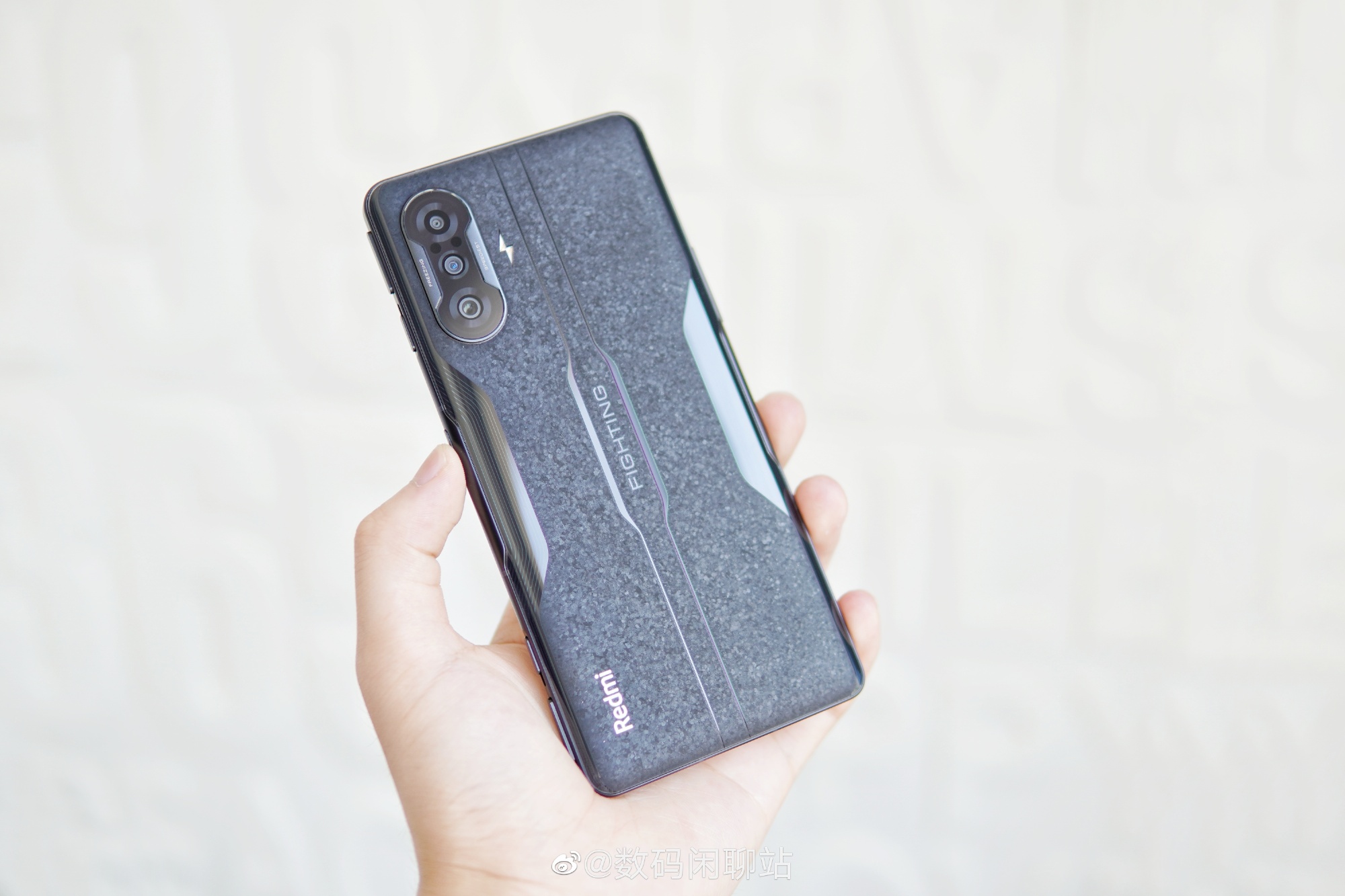
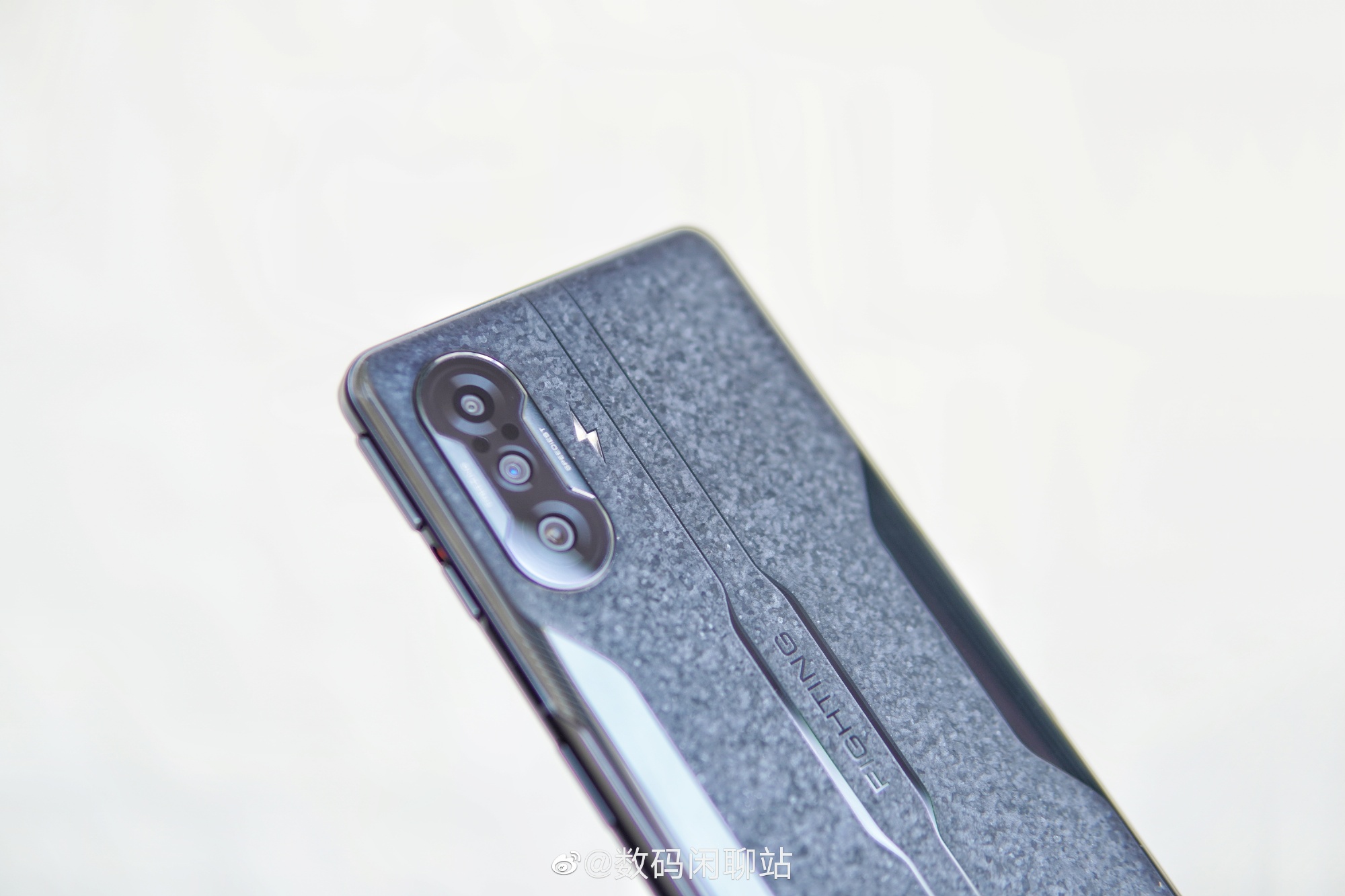
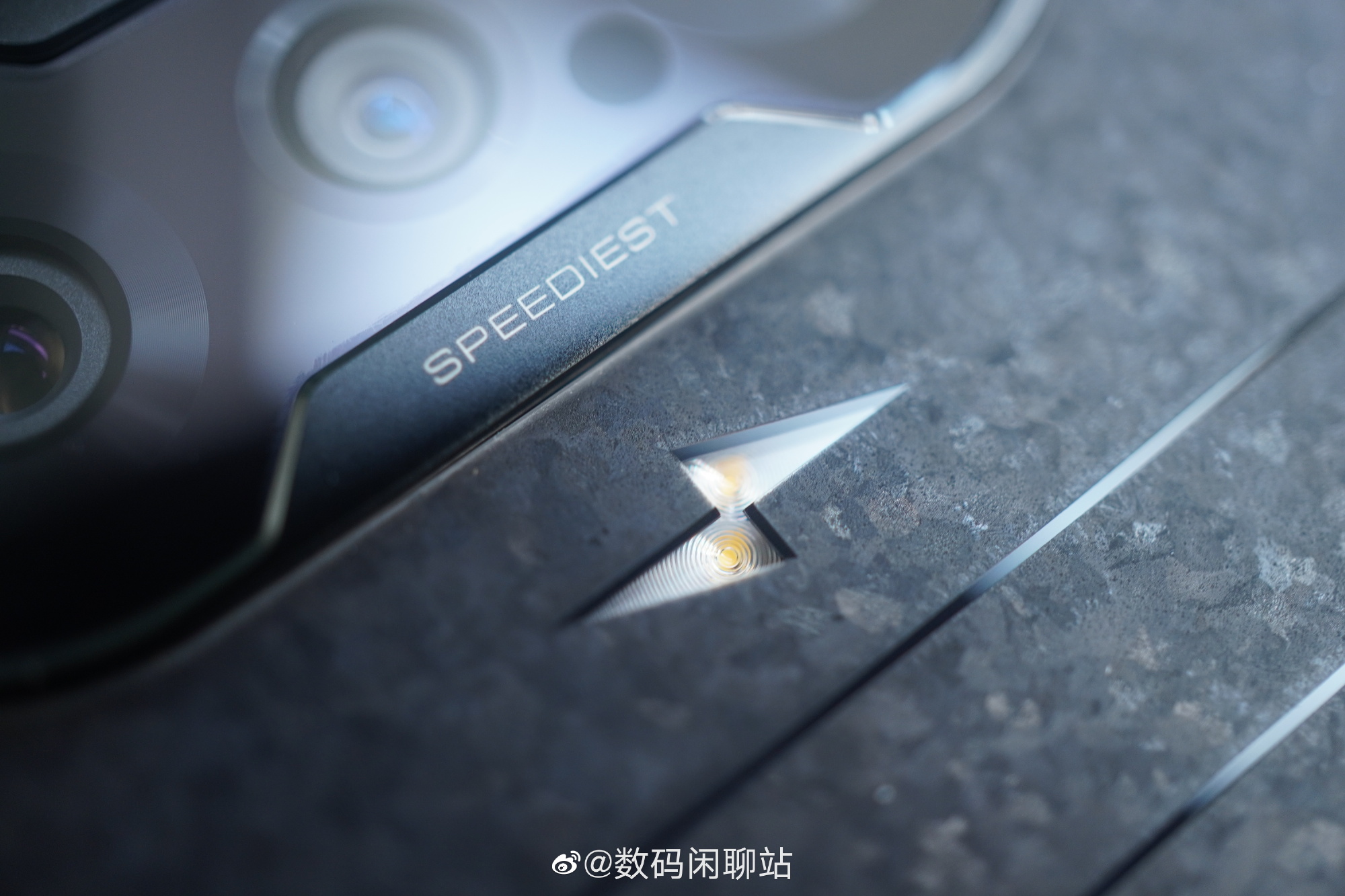
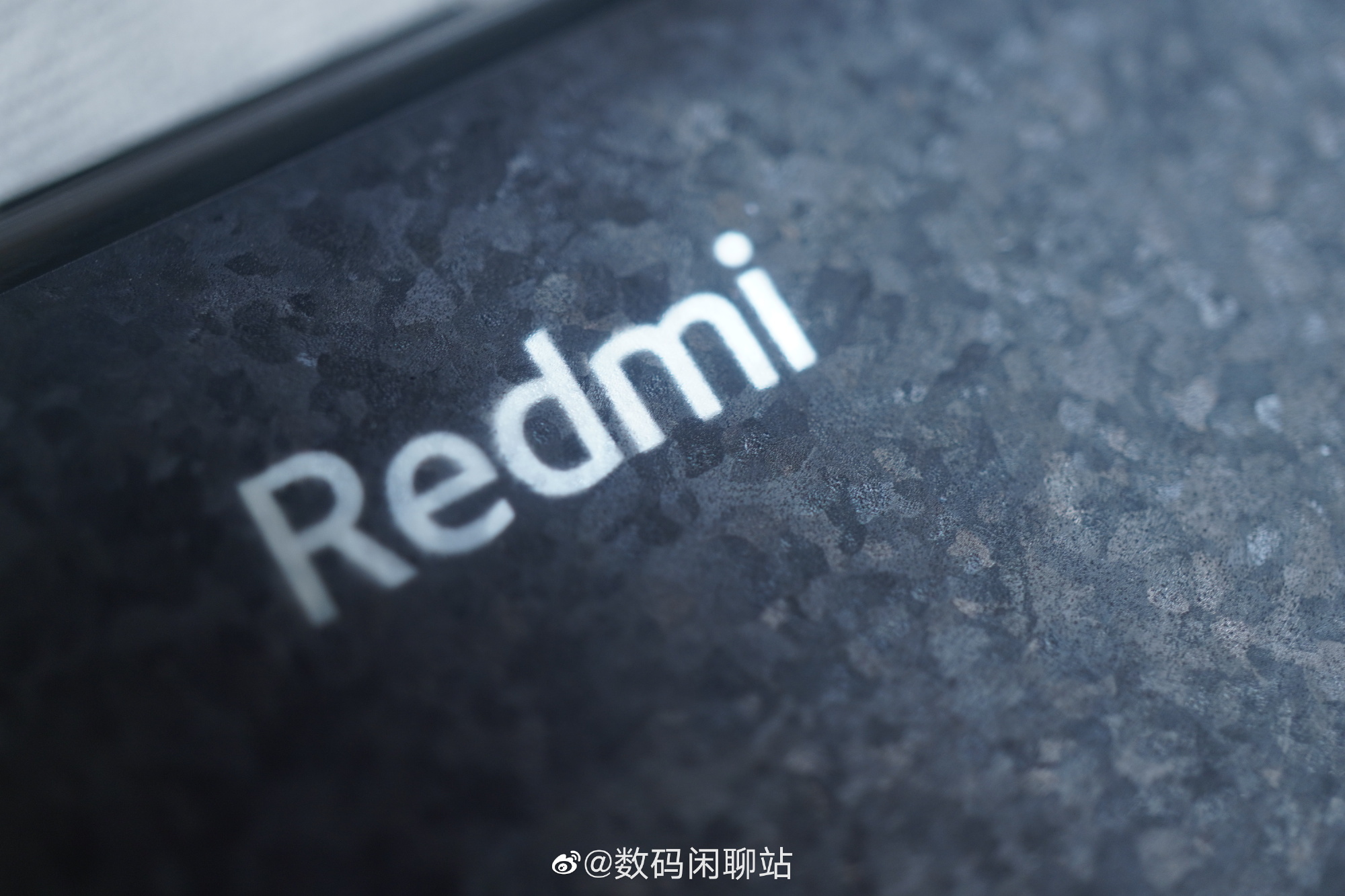
The Redmi K40 Gaming Edition got a new colorway this week. The name of the new color translates to “Inverse (Reverse) Scale” and it stands out pretty much from the others in its own way. Real live photos, as well as an unboxing video of the new variant, have surfaced and they give us a better look at the device.
Redmi says it was able to achieve the special finish with the use of microcrystalline technology. The result is an appearance that is similar to a star-filled sky from afar and a slab of granite on closeup. The device also has a matte finish, is fingerprint resistant, and non-slip.
1 of 4
The photos above are from the Weibo leaker Digital Chat Station while the video is an official unboxing of a review unit sent to reviewers.
The Redmi K40 Gaming Edition has a 6.67-inch FHD+ AMOLED screen with a 120Hz refresh rate. It has a Dimensity 1200 processor with up to 12GB of RAM and 256GB of non-expandable storage.
There are three cameras on the back of the device – a 64MP primary camera, an 8MP 120-degree ultra-wide-angle camera, and a 2MP macro camera. It also has a 16MP front-facing camera. The Redmi K40 Gaming Edition packs stereo speakers tuned by JBL, a side-mounted fingerprint scanner, retractcable trigger buttons, a 5065mAh battery capacity, and support for 67W fast charging.
Alongside the Inverse Scale variant, the Redmi K40 Gaming Edition is also available in Black, Gray, Silver, and a Bruce Lee Special Edition.
Which Redmi K40 Gaming Edition colorway is your favorite? Let us know in the comment box.
Despite all the difficulties caused by the U.S. ban, Huawei was able to launch its 2021 flagship phones. The P50 series is composed of two variants: Huawei P50 and Huawei P50 Pro, but none of them comes with 5G support because of the ban. If you exclude that absence, they are among the best phones in the Android world and even among the best camera phones. But what are the differences between the two variants? If you want to know them, go ahead with this comparison between their specifications and discover which one is the best for your actual needs.
Huawei P50 vs Huawei P50 Pro
Huawei P50
Huawei P50 Pro
DIMENSIONS AND WEIGHT
156.5 x 73.8 x 7.9 mm, 181 grams
158.8 x 72.8 x 8.5 mm, 195 grams
DISPLAY
6.5 inches, 1224 x 2700p (Full HD+), OLED
6.6 inches, 1228 x 2700p (Full HD+), OLED
PROCESSOR
Qualcomm Snapdragon 888, octa-core 2.84 GHz
Huawei HiSilicon Kirin 9000, octa-core 3.13 GHz or Qualcomm Snapdragon 888, octa-core 2.84 GHz
4360 mAh, fast charging 66W and fast wireless charging 50W
ADDITIONAL FEATURES
Dual SIM slot, waterproof IP68
Dual SIM slot, waterproof IP68
Design
The Huawei P50 is thinner, lighter, and slightly more compact than its Pro variant. But the Huawei P50 Pro has a more suggestive design because of its display with curved edge providing more elegance to the handset. Huawei P50 and P50 Pro are waterproof phones with the IP68 certification and they can withstand water up to 1.5 meters deep for a max of 30 minutes. On the rear side, they have a unique camera design composed of two circles including the camera sensors and the LED flash. They have very narrow bezels and a punch-hole display with a hole placed right at the center.
Display
The differences between the displays of these two phones are very minimal. They both come with OLED panels which are able to show up to one billion colors, as well as a Full HD+ resolution and an in-display fingerprint scanner for authentication. The Huawei P50 Pro has a 6.6-inch curved display, while the vanilla P50 has a flat display with a diagonal of 6.5 inches. Last, they have different refresh rates: the vanilla version has just 90 Hz, while the Pro variant has 120 Hz. At the end of the day, the displays are more or less at the same level and, unless you are a gamer, the panel of the P50 should be enough for you.
Specs & Software
Despite they are different variants from the same series, Huawei P50 and P50 Pro have the same processor: the Snapdragon 888 mobile platform by Qualcomm running at a max frequency of 2.84 GHz. The chipset is paired with up to 8 GB of RAM and up to 256 GB of internal storage on the Huawei P50, while the P50 Pro comes in a superior configuration with 12 GB of RAM and 512 GB of internal storage. Note that the Huawei P50 Pro also comes in a variant with the Kirin 9000 mobile platform. The Snapdragon 888 variant will come to the market only in December, while the Kirin 9000 version will be available soon. Huawei P50 and P50 Pro have expandable storages thanks to a nano memory card slot, but none of them supports 5G: they only rely on 4G connectivity. The phones run HarmonyOS 2.0 instead of Android, which is essentially an Android fork. On the global market, they will not come with Google Mobile Services but they will have Huawei Mobile Services installed.
Camera
The camera is the most important difference between Huawei P50 and P50 Pro. The flagships come with the same main sensor with a 50 MP resolution and OIS, but they have different secondary sensors. With the Huawei P50 Pro, you get a 64 MP periscope sensor, a 13 MP ultrawide camera, and a 40 MP monochromatic camera. The vanilla version has a 12 MP periscope sensor and a 13 MP ultrawide camera: an inferior setup compared to the Pro. According to DxOMark, the Huawei P50 Pro is the best camera phone out there.
Another important advantage of the Huawei P50 Pro is the battery: it is bigger with a capacity of 4360 mAh (the standard version has just 4100 mAh) and, unlike the vanilla version, it supports wireless charging. So, besides providing a longer battery life, it will also provide a more comfortable way to charge the battery.
Price
Huawei P50 has a €600/$712 starting price in China, while P50 Pro starts from €800/$950. If it is important for you to have a longer battery life, wireless charging, and better cameras, you should go for the P50 Pro. Otherwise, the P50 is already a good choice for you.
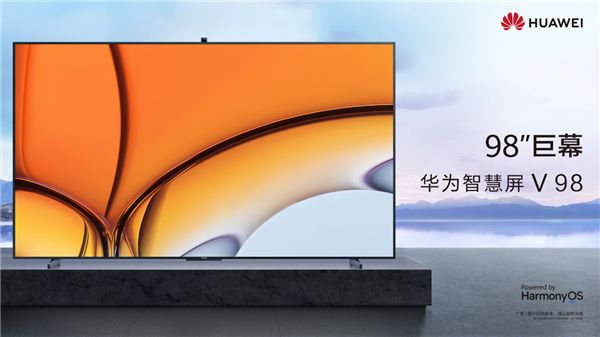
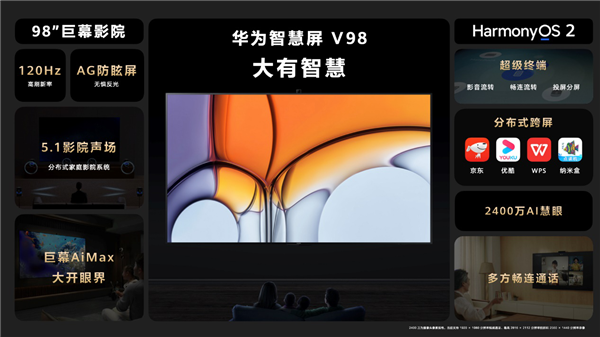
At the Huawei new product launch conference held on July 29, the Chinese giant did not only released the long-awaited flagship P50 series smartphones but also unveiled many other flagship products. One of the products announced is the Huawei Smart Screen V98. This happens to be the brand’s largest smart screen yet and it carries a hefty price tag of 29,999 yuan (~$4,600).
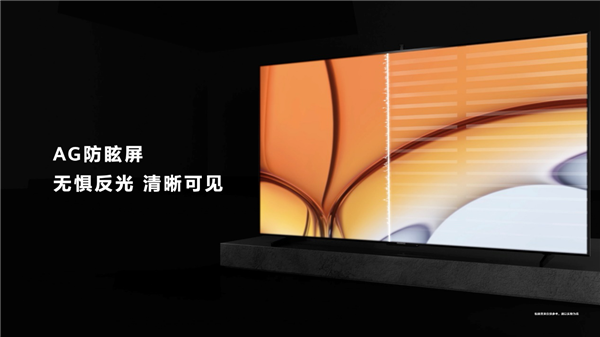
In terms of image quality, Huawei Smart Screen V98 uses a 120Hz high-capacity 4K AG anti-glare screen. The display compensates for low frame rate videos with intelligent dynamic interpolation to 120 frames so that the picture does not freeze easily. Compared to the ordinary 60Hz refresh rate screen, the 120Hz high refresh rate of Huawei Smart Screen V98 can effectively solve the problems of stuttering, residual image, and tailing, making the picture more stable, smooth, and clear.
In addition, Huawei Smart Screen V98 also uses a 192 partition direct-down matrix partition backlight system. Through Clear Holding Pro technology, the brightness of each frame can be adjusted to improve the contrast of the picture, and it also supports DCI-P3 wide color gamut.
In addition, Huawei Smart Screen V98 is equipped with a 24MP ultra-wide-angle AI camera which supports functions such as smooth communication, smart portrait tracking, and AI Kids.
The smart TV runs on the latest self-developed HarmonyOS 2 which allows it to communicate with other smart home products. It also brings other features such as three-person fitness, AI somatosensory games, video, and audio streaming, distributed audio, and many others. In yoga, fitness, stretching, and other courses, it can accurately identify the subtle movements of the head, abdomen, wrist, ankle joint, and other parts, and improve the accuracy of guidance.
Huawei Smart Screen V98 is already on pre-sale but will be fully available via online channels and Huawei experience stores from August 12, 2021.
Last year, Xiaomi’s Redmi unveiled the Redmi 9C smartphone in Malaysia with budget-friendly specs and 2GB/3GB of RAM, and 32GB/64GB of storage. Now after almost a year later, Redmi has launched its higher 4GB RAM and 128GB storage variant in Malaysia.
The new variant will give budget-friendly buyers an option to choose from while picking up an entry-level smartphone. The 4GB RAM and 128GB storage variant of the Redmi 9C is priced at RM499(~$118). It will go on sale from August 3rd in Malaysia. It comes in Blue and Orange colors.
Redmi 9C Smartphone Specifications
The Redmi 9C has a polycarbonate built with a thicker form factor. It sports a 6.53-inch dewdrop notch display with an HD+ resolution. It features a single 5MP selfie camera at the front.
At the rear, it features a triple camera setup with a 13MP primary lens, a 2MP macro sensor, and a 2MP depth sensor. These sensors are placed in a square-shaped camera module along with an LED flashlight.
It is powered by the MediaTek Helio G35 chipset paired with 4GB of RAM and 128GB of eMMC 5.1 internal storage. It houses a 5,000mAh battery with a 10W charging speed. As for security, it has a rear-mounted fingerprint scanner. It runs on Android 10 out of the box with MIUI 12 on top of it.
Back in February, Realme was touted to launch gaming accessories in the Indian market alongside the Narzo 30 smartphone series at a launch event. Eventually, the phone made it to the market but the accessories including a gaming mouse and a mousepad were never materialized. Well, now after almost five months, a new mouse from Realme has been certified online.
According to a tipster, a mouse carrying model number RMW2024 has appeared on a new certification revealing its existence. This is expected to be the much-rumored Realme mouse. It has a 1.5v battery and is expected to be fully wireless.
realme will soon launch a Wireless Mouse, will be powered by a 1.5v battery.
Although we aren’t completely sure if this is the same mouse that was leaked earlier, we can surely say a new Wireless mouse from Realme is incoming.
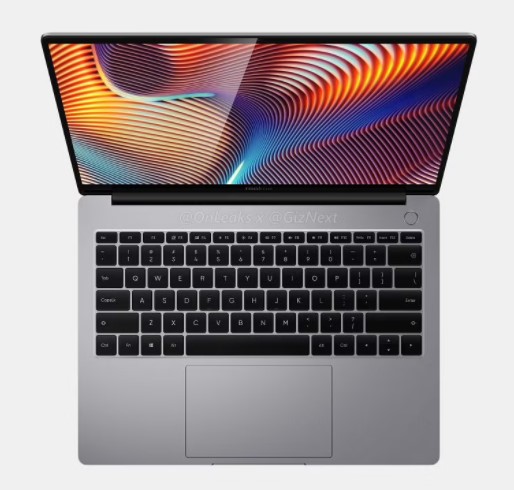
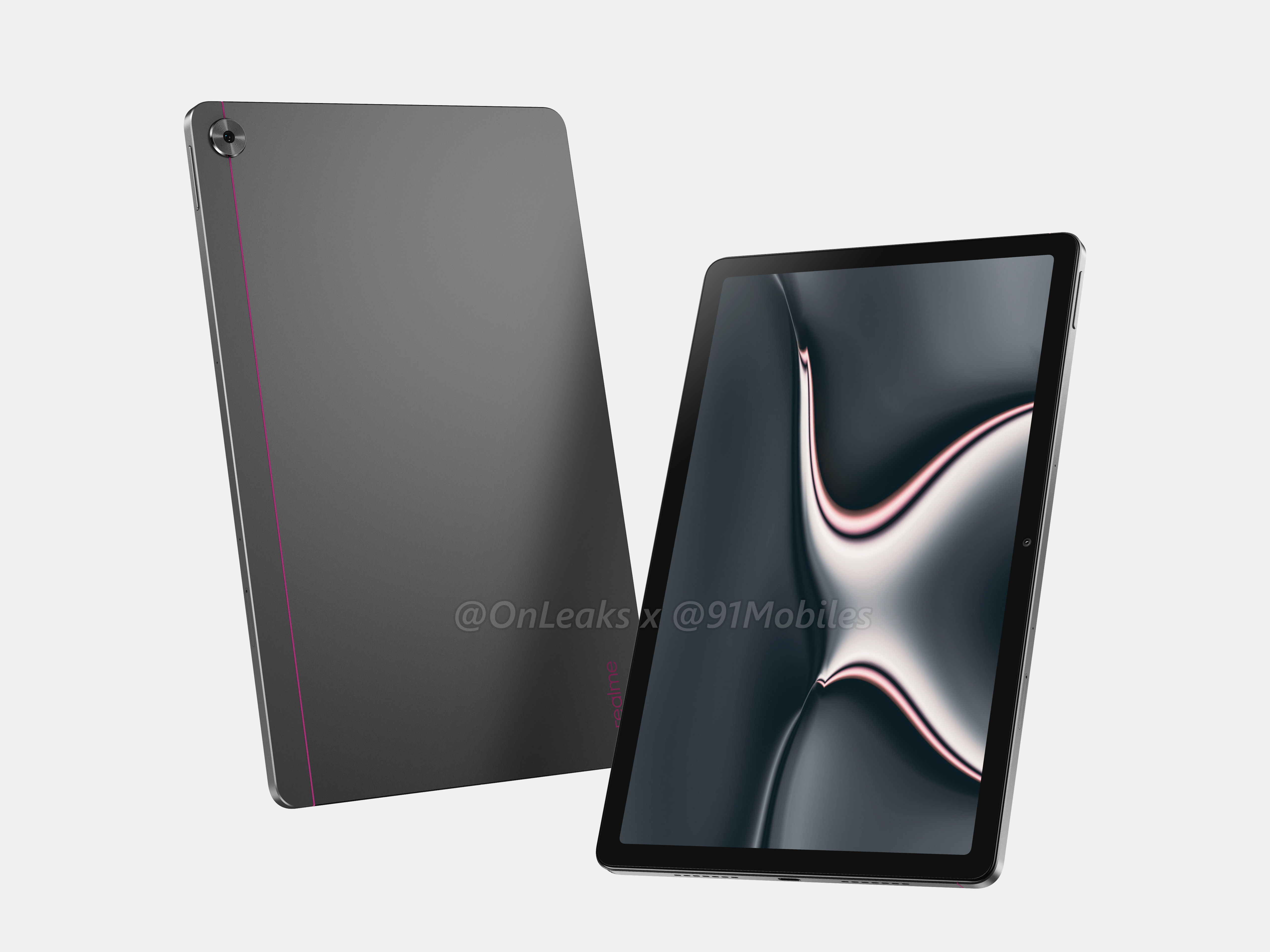
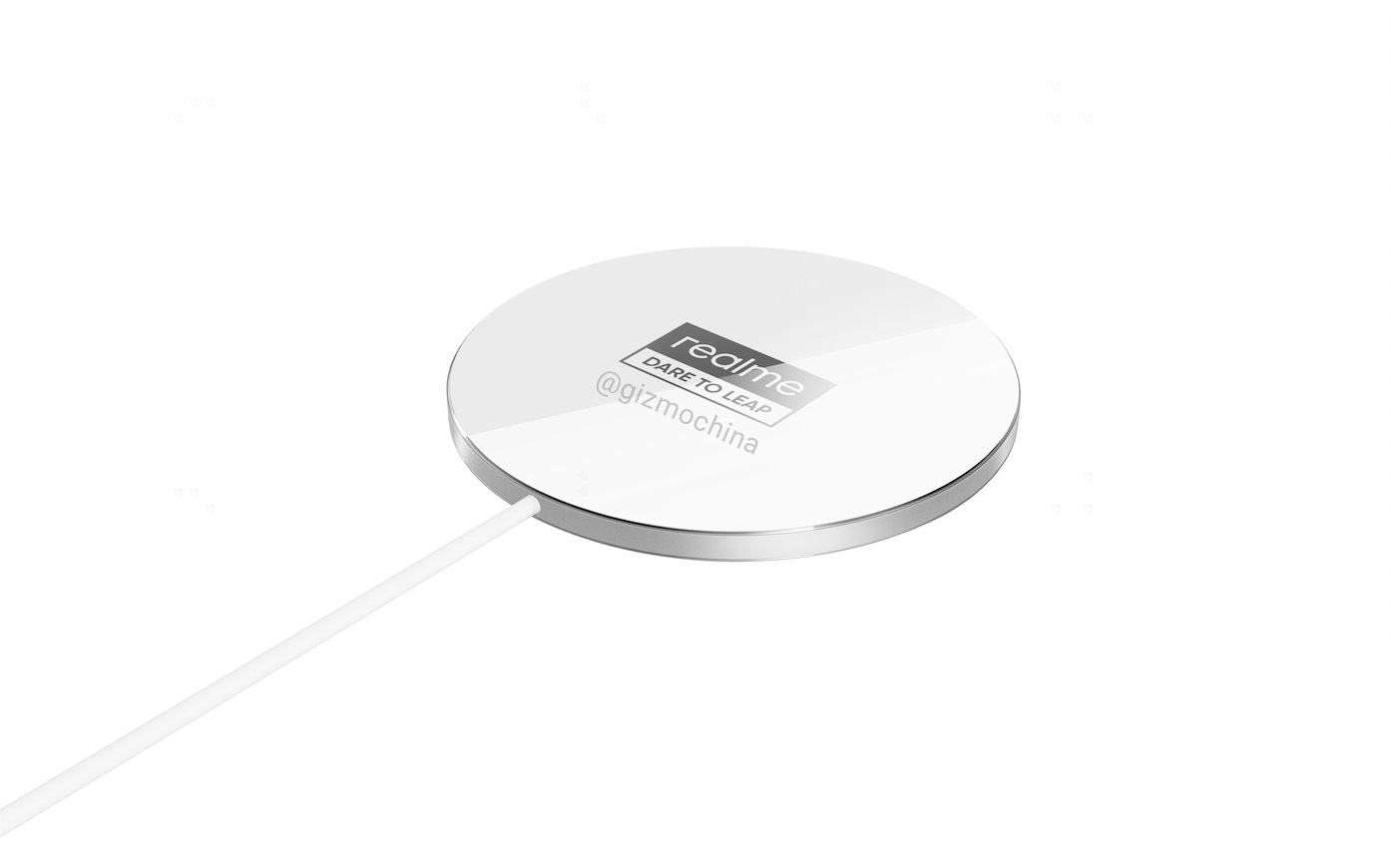
Apart from this, the Chinese tech giant has launched quite a few gadgets in major markets like India, China, and Europe. Realme is now slated to grow the PC and other consumer gadgets market with the launch of Realme Book, Realme Pad, and the Realme MagDart accessory.
1 of 3
If you are unaware, the Realme Book will be a Laptop notebook offering value for money specifications. It was teased multiple times and was also recently seen on China’s 3C certification. Additionally, the Realme Pad a.k.a the Realme tablet was also seen on Singapore’s IMDA certification. On the other hand, the Realme MagDart is expected to go on floors in the coming weeks.
With more Realme gadgets leaks incoming, it is more likely that the company could toss a whole batch of these gadgets at a single launch event.
We use cookies on our website to give you the most relevant experience by remembering your preferences and repeat visits. By clicking “Accept”, you consent to the use of ALL the cookies.
This website uses cookies to improve your experience while you navigate through the website. Out of these, the cookies that are categorized as necessary are stored on your browser as they are essential for the working of basic functionalities of the website. We also use third-party cookies that help us analyze and understand how you use this website. These cookies will be stored in your browser only with your consent. You also have the option to opt-out of these cookies. But opting out of some of these cookies may affect your browsing experience.
Necessary cookies are absolutely essential for the website to function properly. This category only includes cookies that ensures basic functionalities and security features of the website. These cookies do not store any personal information.
Any cookies that may not be particularly necessary for the website to function and is used specifically to collect user personal data via analytics, ads, other embedded contents are termed as non-necessary cookies. It is mandatory to procure user consent prior to running these cookies on your website.