Huawei P20 series will be officially announced on March 27 in an event which will be held in Paris, but we do not need to wait for that date to know almost everything about the new lineup. After many leaks regarding their specs, teaser, and renders, the official wallpapers which will be pre-installed on the handsets have just leaked online. Given that these devices will have a display with an 18:9 aspect ratio, these images are perfect for the new age full screen smartphones. Some wallpapers also have a dark upper section which completely hides the notch, in case you hate the notch design.
Digital art, abstract photography, macro shots, and landscape shots are the categories of images that the wallpapers belong to. If you want to download Huawei P20 official wallpapers and try them on your device, just head to the link at the end of this post. The Huawei P20 series will be composed of three different models: P20, P20 Plus, and P20 Lite. The first two will be flagship devices, and they will come with an octa-core Kirin 970 SoC which supports artificial intelligence. There will also be a triple camera on the back side, probably co-engineered with Leica.
We also expect to see a selfie snapper with a resolution of 24 MP. The standard version should come with a front placed Home key that integrates a fingerprint reader, while the fingerprint reader of the Plus or the Lite variant will be placed on the back. The Lite version will be the cheapest version, and it will probably sport an octa-core midrange chipset instead of the flagship Kirin 970. Each of the devices will come with a big 18:9 display, a high screen-to-body ratio and a notch. Prices should start from €679 for the Lite version and reach €899 for the most advanced version.
The OPPO R15 and OPPO R15 Dream Mirror Edition (DME) already appeared on TENAA last week, revealing all the specs. However, as we already know, TENAA doesn’t reveal the exact processor powering the device.
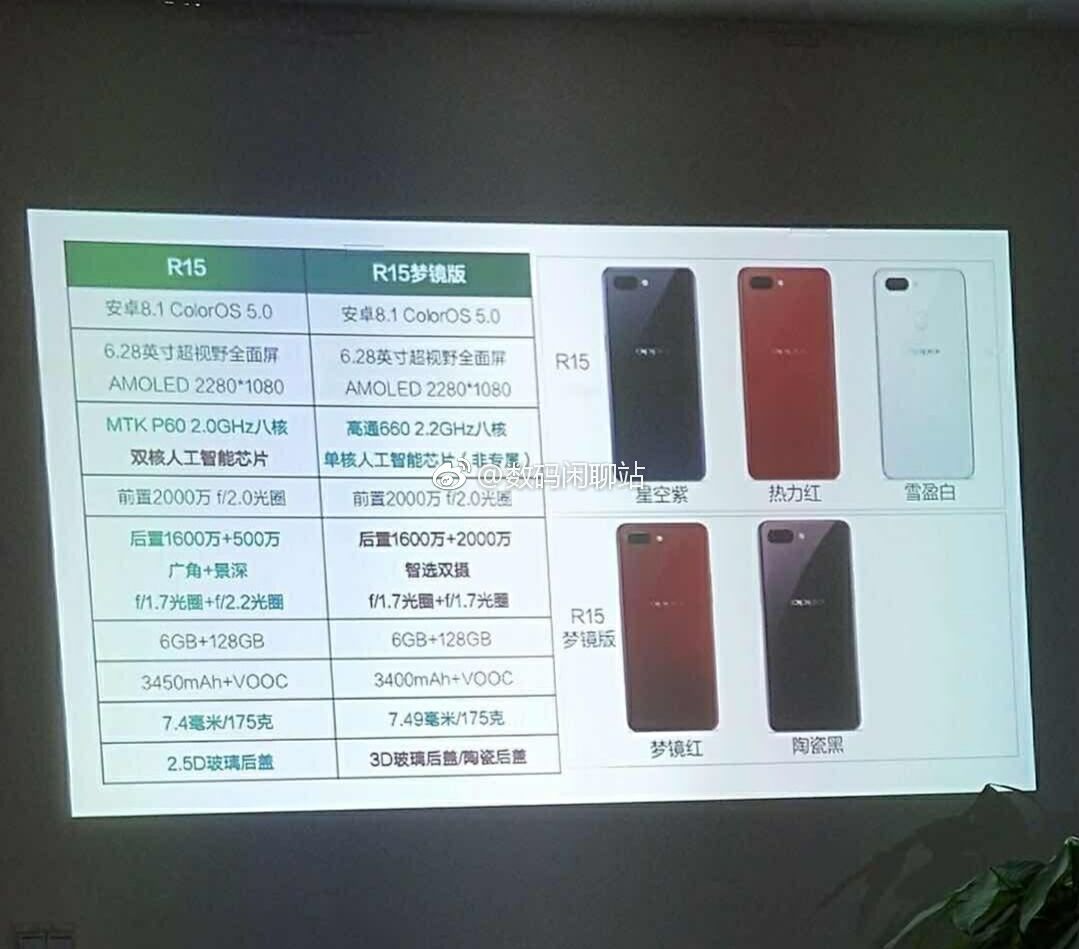
A new leak has surfaced online which discloses the full specs including the processor powering the phones and some other important differences. The leak was posted on Weibo and is a picture from what appears to be an official presentation.
As stated above, OPPO is launching two versions of the OPPO R15 – one will be called the R15 while the other will be called the R15 Dream Mirror Edition (it seems it is ditching the Plus variant this year).
Both will have the same 6.28” 2280 x 1080 AMOLED display, 6GB of RAM, 128GB of storage, and 20MP selfie camera. They will also have nearly the same thickness, have the same weight, and both run ColorOS 5.0 based on Android 8.1 Oreo.
For their differences, the OPPO R15 will be powered by MediaTek’s Helio P60 processor clocked at 2.0GHz with a dual-core AI chip. The OPPO R15 DME will have a Snapdragon 660 processor clocked at 2.2GHz and a single-core AI chip.
They will also have different rear cameras. The OPPO R15 will have a 16MP f/1.7 wide-angle main camera and a 5MP f/2.2 secondary sensor for capturing depth details. The Dream Mirror Edition will have a 16MP f/1.7 sensor and a second 20MP f/1.7 sensor.
The differences also extend to their battery capacities, design, and color variants. OPPO has included a 3450mAh battery in the R15 with support for VOOC fast charge. It also has a 2.5D glass back design and comes in Starry Violet, Thermal Red, and Snow White.
In other to achieve the high screen-to-body ratio of the APEX, Vivo found a workaround to the components housed in the top bezel. For the speaker/earpiece, it uses a technology it calls Screen Sound Casting which vibrates the display causing it to work like a speaker. And for the front camera, it pops up from the top side of the metal frame. Latest report says we may see the pop-up camera show up in the Vivo Xplay7 too.
Leaked render of the Vivo Xplay7 from last year
The Vivo Xplay7 first appeared in the news last year when alleged renders and specs surfaced online. The renders posted then showed the Vivo Xplay7 with a very thin profile and a camera integrated in the display. It appears Vivo is ditching the integrated camera for a pop-up one.
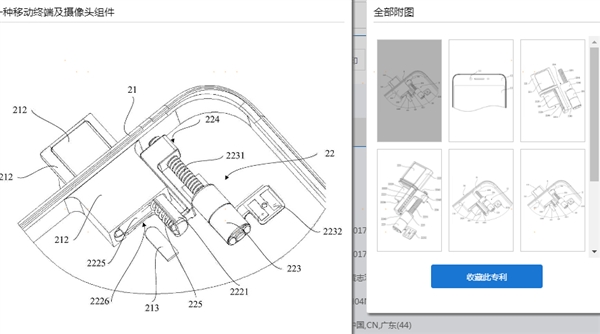
It has also been revealed that Vivo actually filed a patent for the pop-up camera in July 2017, though it is still a year after Essential filed its own. The patent for the pop-up camera describes the setup as a camera with an electric motor that extends or retracts into the phone’s case (body).
There are concerns about the durability of mechanical parts in a phone, but it appears Vivo has found a way to make it work seeing as it will be using it not only the APEX but also the Xplay7.
For a few months now, a major acquisition has been brewing in the semiconductor industry and that is Broadcom’s plan to take over Qualcomm. Latest reports says if Broadcom succeeds, it may itself get acquired by Intel.
Intel is the king of chipmakers for personal computers in the world but it really has no presence in the mobile industry. Its attempt to enter into the mobile space a few years ago failed even after spending a lot of money.
According to the Wall Street Journal “Intel is watching the takeover battle closely and is eager for Broadcom to fail [at acquiring Qualcomm] as the combined company would pose a serious competitive threat, the people said.”
At the moment, Intel will be pulling strings to see that Broadcom doesn’t acquire Qualcomm, and if it doesn’t succeed Intel will then be forced to acquire Broadcom. The initial buy-out price we are looking it at is a whopping $109 billion.
Funny enough, Intel is not the only one that wants the acquisition to fail. The US Govt. also doesn’t want it to succeed. The US has set up a committee on foreign investment whose job is to regulate the acquisitions of American companies by foreign ones.
Broadcom is seen as a foreign company as it is legally considered to be based in Singapore or better put, domiciled in Singapore even though most of its employees and offices are in the US. However, Broadcom is already planning to re-domicile to the US as a result of the tax reform plan.
Apart from that, the committee also thinks that the take-over will cause a “reduction in Qualcomm’s long-term technological competitiveness and influence in standard setting (which) would significantly impact US national security”. The acquisition will weaken Qualcomm’s position as a technological leader and “leave an opening for China to expand its influence on the 5G standard-setting process” the committee said recently.
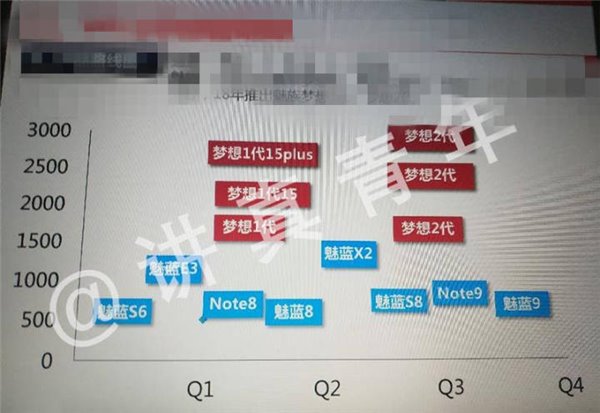
We recently reported on a leaked Meizu 2018 product roadmap which basically talked about the number of models the tech giant would launch this year without much specifics. A newly leaked document has appeared online and it features the specific models that Meizu will release this year.
Interestingly, the flagship Meizu MX series isn’t featured as one of the models that would be launched this year. The last MX series model was the Meizu MX6 which was launched in July 2016 packing an Helio X20 chipset. Despite the refreshing design, Meizu did not launch the MX7 last year and Meizu president Huang Zhang had hinted that we may not see the MX7 this year too. Now, the leaked product document seems to confirm the absence of the MX series which may have been rested.
Meizu E3
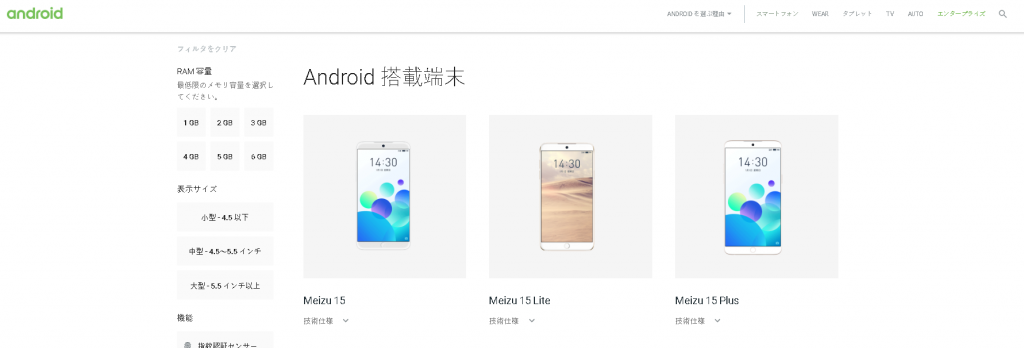
The flagship Meizu series models are coloured in Red while the Blue Charm models are colour-coded blue. The Meizu 15 and 15 Plus are both listed as coming in the first quarter and they are expected as Meizu’s flagship models. The product lineup also includeDream 1 and Dream 2 products. The Dream 1 products are likely the Meizu 15,15 Lite and 15 Plus. While the Dream 2 products(3 models) will be launched in Q3 2018.
The Blue Charm series models expected to launch this year incles the M6s, E3, M8 Note, as well as the M8. The tech giant is also expected to launch the Meizu X2 and M8s and M9 Note as well as M9 within the second quarter and third quarters. The price range is also included in the leaked product roadmap. The Blue Charm models fall within the 1500 Yuan category while the flagship models are suspected t come with prices ranging from 2500 Yuan – 3000 Yuan.The Dream 2 models may even be higher than 3000 Yuan, going by the chart. If we are to go by the charts, Meizu is planning to release a lot of models just as it did in 2016. But then, we can’t be so sure about that especially as the company scaled down its operations and staff strength in 2017 in order to cut down on running cost. So, it’s best to take this with a pinch of salt.
Xiaomi first announced a new 32 inches version of its Mi TV 4A in July 2017 and the Smart TV was the cheapest in the company TV product line. Eight months down the road, the tech giant has revealed that 1 million units of the Mi TV 4A 32-inch model have been sold during this period.
The Mi TV 4A 32-inch model was launched clutching a 1,099 Yuan price tag (around $163). That price was later reduced further in October last year to 999 Yuan (~$150) with an offer of free shipping within Mainland China. This price reduction may have contributed to the increased sales that have been recorded.
The Xiaomi Mi TV 4A (32 inches) uses a plastic housing with its entire body coming in black colour. As a result of the plastic body in use, the new Mi TV 4A comes with a highly reduced weight which is just 3.9Kg, making it suitable to be easily carried around. When the base is attached to the TV frame, the weight goes up to 3.94Kg.
On the specifications, the Mi TV 4A features a 32-inch display with a rather disappointing resolution of 1,366 x 768 pixels and refresh rate of 60Hz. The TV has a viewing angle of 178 degrees. It is powered by a Quad-core 1.5GHz processor having four Cortex-A53 cores. The graphic is powered by a Mali-450 MP3 GPU while the processor is supported by 1GB of RAM and there is 4GB of storage space available inside. The Mi TV 4A (32) also comes with two 5W stereo speakers while available interface includes two HDMI, an AV port, an S/PDIF output, DTMB, USB port and a connector. The Mi TV 4A 32-inch version also runs Xiaomi TV PatchWall system meaning it has some smart features such as content recommendation according to user’s habit, seamless streaming of content and others. The 32-inch Mi TV4A version was recently announced in India and we expect some record-breaking sales figures as well.
Vivo has already announced that it is going to launch its new smartphone — Vivo V9 in India at a launch event that is scheduled to take place on 27th March. The phone is said to be the successor of the Vivo V7, which was launched in India in November last year.
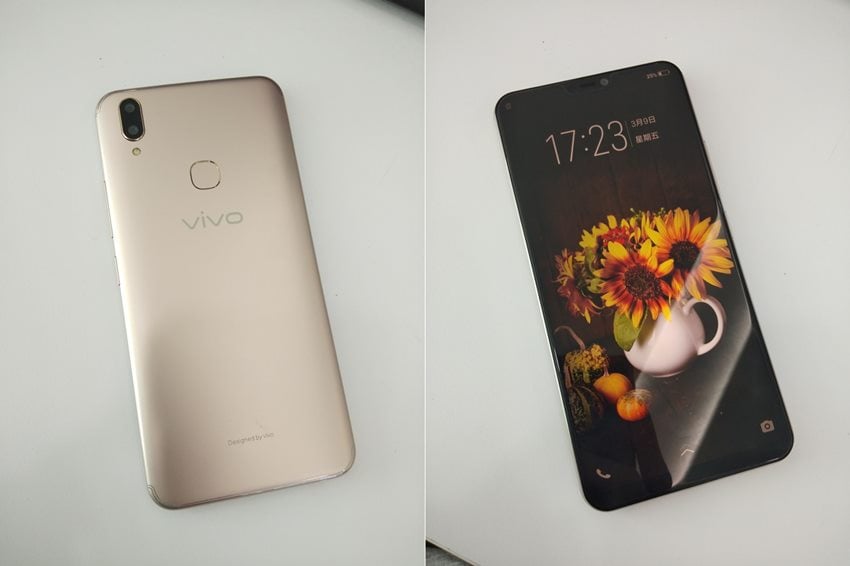
Now, ahead of the official launch, the phone’s live images have leaked online, giving us a clear look at its design. The Vivo V9 will be featuring a full-screen display with 18:9 aspect ratio and a notch on the top — making it the first phone from Vivo to have a notch. However, this was confirmed by the teaser image posted by the company.
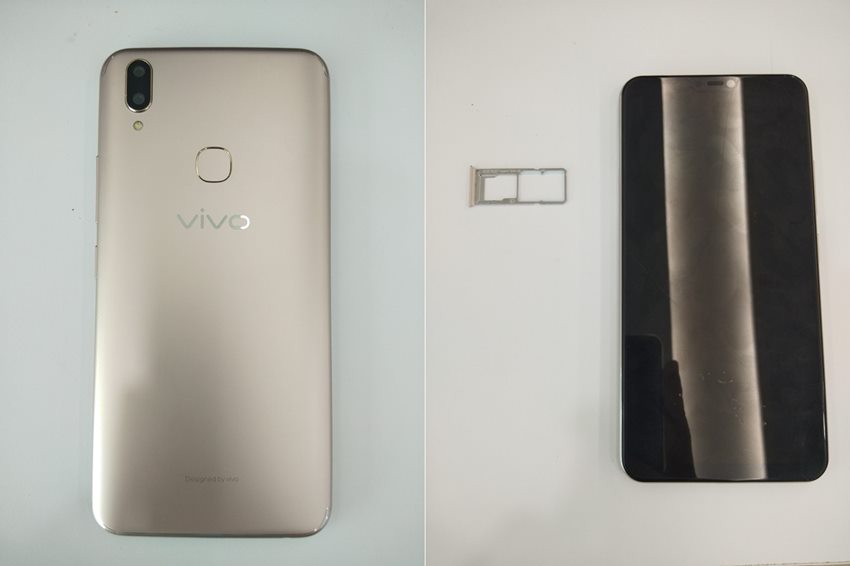
Apart from the full-screen display with minimal bezels on the sides, the newly leaked images suggest that the phone will also have a dual camera setup on the back. Because of thin bezels, the fingerprint sensor has also been placed on the back panel in the top-center region.
The dual cameras on the back are aligned vertically in the top-left corner along with an LED flash placed just below the camera sensors. Earlier, while teasing the phone, the company revealed one of the highlights of the Vivo V9 is featuring a 24-megapixel front-facing camera.
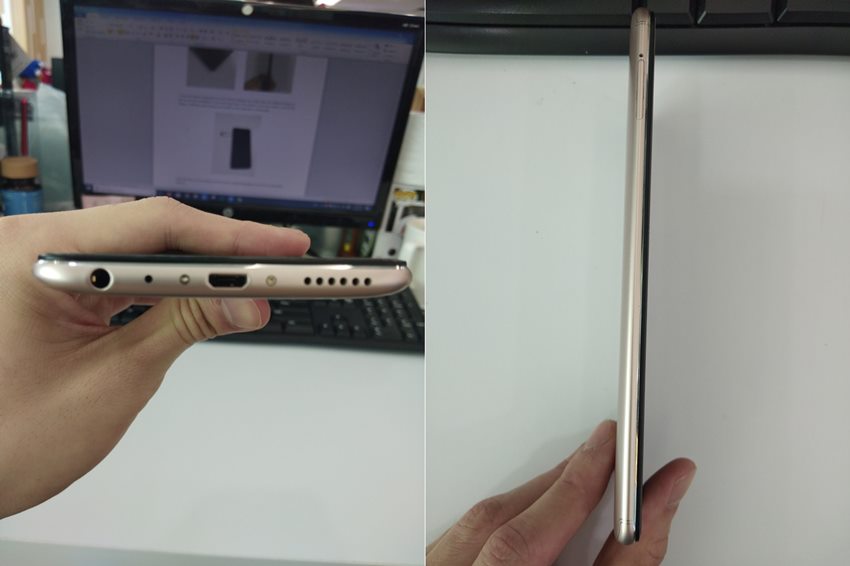
These newly leaked images also reveal that the phone will have a 3.5mm audio jack at the bottom along with a micro USB port. We expect the phone to run on Android Oreo operating system with the company’s own FunTouch user interface on top. Currently, there is no more information available regarding the phone’s specifications.
While the company has confirmed the launch date of the Vivo V9 in India, it is yet to confirm the same for other markets. However, it seems that the Vivo V9 will be soon unveiled in Malaysia soon as the Malaysian Twitter handle of Vivo has been consistently teasing the features of a similar looking phone since the beginning of this month.
As of the pricing of Vivo V9 in India, we expect it to be somewhere around Rs. 25,000, which roughly converts to $385. But, we’ll have to wait for a few more weeks to know the phone’s specifications, pricing and availability details.
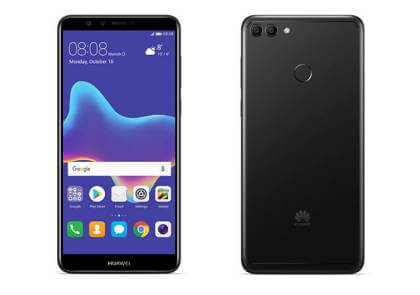
The Huawei Y9 was first seen at the FCC earlier this week. It was then followed by a teaser poster leaked by Evan Blass and a couple of renders. Today, Huawei has officially unveiled the Y9 2018 in Thailand.
Huawei Y9 Design
The Huawei Y9 2018 has a glass front and metal back. It also sports a full-screen display. Though there is still a bit of bezel at the top and bottom, the phone has its fingerprint scanner at the back.
Specs
The phone has a 5.93” FullView display with a 1080 x 2160 resolution. The Kirin 659 is the processor under the hood with 3GB of RAM and 32GB of expandable storage.
The selling point of the phone is its quad cameras – two on both sides. For selfies, there is a 13MP camera that is paired with a 2MP sensor, and on the rear is a 16MP main camera paired with another 2MP sensor.
It also has a 4000mAh battery, a 3.5mm audio jack, and runs EMUI 8.0 based on Android 8.0 Oreo out of the box.
The European Patent Office (EPO) has revealed in a report that China’s Huawei filed the most patent applications in Europe last year.
The EPO says Huawei filed 2,398 patents and is the first Chinese company to top their list. Germany’s Siemens comes in at number two with 2,220 patents while South Korea’s LG grabs third place with 2,056 patents.
Huawei’s Senior Vice President, Song Liuping who spoke to Chinese media, China Daily, said the company values its intellectual property, and patent registration is one way it measures its international competitiveness.
The Munich-based European Patent Office which oversees patents filed from 38 countries in Europe, says Huawei’s high number of patents contributed to the 16.6% growth in patent applications by Chinese companies. This resulted in China occupying the 5th position on the list of nations with filed patents.
Motorola has announced three new Moto Mods this year. They are the Livermorium Slider Keyboard, the Lenovo Vital Moto Mod, and the Moto Folio Case, though only the case is available for purchase at the moment. A new mod called the Virtual Viewer has been leaked and may be the next mod that hits the market.
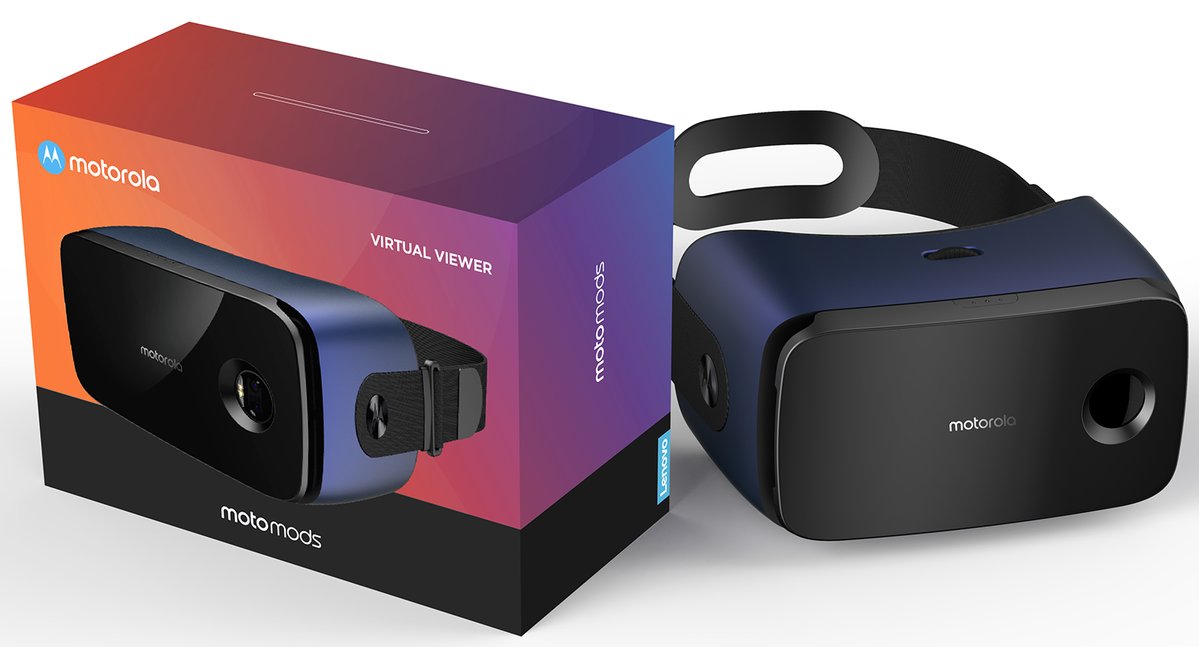
Official renders of the Virtual Viewer VR was posted on Twitter by Evan Blass (@evleaks) yesterday and it shows the mod beside its retail box.
The Virtual Viewer looks like your regular VR glasses. It has a polycarbonate body with a cut-out at the front for the cameras. It also has a strap that goes behind the head and a dial at the top, most likely for adjusting the distance between the lens.
It doesn’t have a remote, so we can’t really say this is Motorola’s answer to the Google Daydream View. Plus it does look like it should work with any phone or at least one with a 5.5” display like the Moto Z series.
Nevertheless, we won’t rule out the fact that it may have a special feature that makes it only compatible with the Moto Z series.
As Moto X4 was well received, Motorola was said to be working on its successor named Moto X5. Details of this upcoming smartphone surfaced online earlier this year in January. However, if the latest reports are to be believed, then the Lenovo-owned company has canceled the Moto X5.
According to the report, the cancellation of the Moto X5 smartphone is the part of company’s layoff exercise. Recently, Motorola confirmed the layoffs in its Chicago office but announced that the Moto Z-series of modular phones is emerging unscathed.
Further, the report adds that the company is also changing its approach towards the Moto Mods — modular accessories for its Moto Z series phones. Instead of releasing Moto Mods that appeal to niche markets, Motorola will now focus on that ones that it “believes can actually turn a profit.”
After canceling the Moto X5, the Lenovo-owned company is now shifting its focus on three of its popular smartphone series — Moto G, Moto E and Moto Z. While highly unlikely, the Motorola’s X-series could make a come back in the future.
In an official statement to various publications, Motorola said, “In late 2017, Lenovo announced a worldwide resource action that would occur over the next several quarters, and impacting less than two percent of its global workforce. This week’s employment reductions are a continuation of that process. We are reducing our Motorola operations in Chicago; however, this did not impact half of our workforce there and our Moto Z family will continue.”
Currently, Motorola is gearing up to launch its next-generation Moto G-series smartphones. The company will be launching three models in the G-series — Moto G6, G6 Plus, and G6 Play. Similarly, Motorola will be launching three models in the E-series as well, which includes Moto E5, E5 Plus, and E5 Play.
As of now, there is no information available regarding the launch date and pricing of the upcoming E5 and G6 series. However, given that the Moto E4 series was unveiled in June last year, we are expecting this new E5-series to make its debut at some point in the second quarter later this year. On the other hand, the G-series devices from Motorola are also expected to launch in the Q2 2018.
Oppo is all set to launch its new flagship smartphone in the Indian market. The company has revealed that it is going to launch Oppo F7 — the successor of the selfie-focused Oppo F5 that was launched in India last year.
Oppo India posted a teaser of the phone on Twitter with a caption that reads, “Make way for the all-new #OPPOF now with an awesome notch screen. Can you guess who the Indian cricketer is behind the phone?”
The image teased by the company shows a phone with the trendy full-screen display and an iPhone X-like notch with minimal bezels around the display. It looks similar to the Oppo R15 which is expected to launch in China later this month.
Along with the phone, Oppo India is also teasing its brand ambassador for the phone and asks to guess the cricketer, who is likely to be Hardik Pandya.
While the company has not yet revealed any specifications of the phone, an earlier report suggests that the phone could feature a 6.2-inch Full HD+ 19:9 display with 89.09 percent screen-to- body-ratio.
Another report suggests that the Oppo F7 might come with a whopping 25-megapixel front-facing camera. It further adds that the front-facing camera could also feature inbuilt Artificial Intelligence features similar to the Oppo F5. The phone is said to feature enhanced real-time HDR, enhanced beauty mode and AR stickers.
The Oppo R15, which is similar to the Oppo F7, was spotted on TENAA, revealing the phone’s key specifications. It features a 6.28-inch Full HD+ AMOLED display with screen resolution of 2280 x 1080 pixels. There’s speculation that the new R15 models will feature the upcoming Snapdragon 670 chipset, while a recent rumor suggests that the device could pack MediaTek Helio P60 chipset.
The phone is expected to pack 6GB RAM and 128GB of internal storage, with support for a microSD card up to 256GB. It will come with vertically stacked dual rear cameras. The phone will be running on Color OS 4.0 based on Android 8.1 Oreo operating system.
Samsung, which is the world’s leading TV manufacturer, has announced its new flagship range of 4K QLED TVs at an event in New York. At the event, the company demonstrated new and improved features that the company claims enhances the TV-viewing experience like never before.
While these new models come with modest improvements in terms of quality, the major highlight is the smart home control. The new QLEDs from Samsung comes with Bixby and offer voice assistant capabilities right out-of-the-box. Further, they can also act as a centralized dashboard for Samsung’s SmartThings smart home platform.
The Samsung’s new 2018 QLED lineup includes the Q9, Q8, Q7, and Q6. The company has also announced that each model will be sold in both flat-screen and curved-screen versions. Here is the screen sizes each series will be available in — Q9 Series: 75-inch, 65-inch; Q8 Series: 75-inch, 65-inch, 55-inch; Q7 Series: 75-inch, 65-inch, 55-inch; and Q6 Series: 82-inch, 75-inch, 65-inch, 55-inch, 49-inch.
The company says that these new TV models come with groundbreaking design elements, enhanced picture quality, and smart, intuitive capabilities. The new QLED TV features Direct Full Array, Bixby and Ambient Mode for an immersive viewing experience.
The Q9 and Q8 both feature full-array local dimming, FALD — a first for Samsung’s QLEDs, which should result in deeper black levels and greater contrast. The Q9 also has the best HDR output compared to other models, which Samsung calls “Q HDR EliteMax.” However, all four models come with support for HDR10+.
All these TV models feature an “Ambient Mode” that uses the phone to capture a photo of the wall behind it and then creates a matching look on screen. This feature also displays temperature, news headlines, personal photos, and other information.
They also feature a new One Invisible Connection, which is basically a slim cable that combines both user’s power and AV data to the TV. It is available up to 15 meters and eliminates the needs of placing the TV near data or power outlets. With Bixby support, users can now use voice commands to bring up their favorite shows and control compatible devices.
Currently, pricing details aren’t being disclosed but the company has announced that they are scheduled to begin shipping within the next few weeks in the United States.
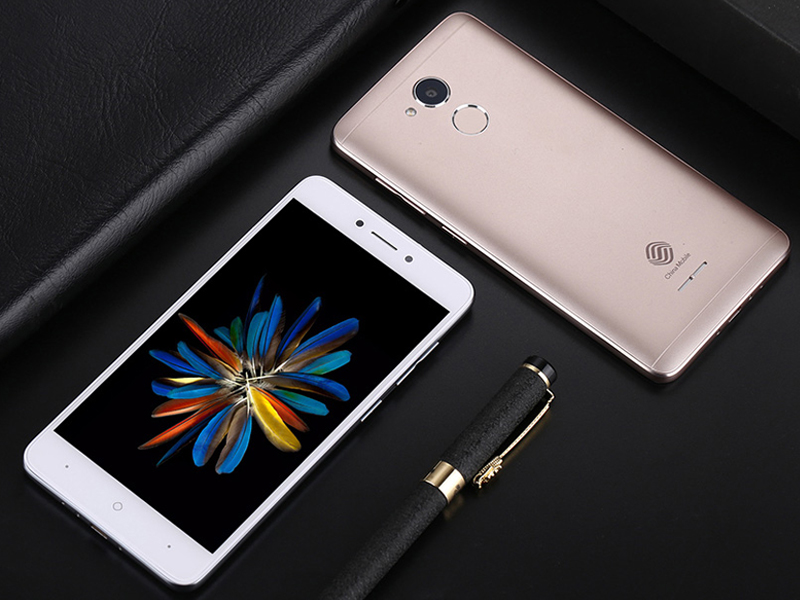
The China Mobile A3S 4G smartphone was launched in February, earlier this year. The phone sports a 5.2 inches HD display with a screen resolution of 1280 x 720 pixels.
The A3S normally sells for $110.03 on LightInTheBox. But much to the delight of cost-conscious buyers the Chinese online retail company is currently giving a considerable 45% discount on the phone’s original selling price, as part of its latest Lightning Sale.
As a result, you can now get your hands on the China Mobile A3S smartphone by shelling out just $59.99. The discount is valid for both golden and silver color version of the smartphone.
Despite paying a lowered price for the A3S smartphone, you get a power-packed device that is crammed with an array of awe-inspiring specs and features. Here’s what the recently-released smartphone has to offer.
The A3S comes with 2GB of RAM and 16GB of expandable storage capacity. Under the hood, the phone packs a Qualcomm Snapdragon 425 MSM8917 processor along with Qualcomm Adreno 308 graphics processing unit.
The phone runs on Android 7.0 Nougat operating system and it draws its juices from a built-in 2,800 mAh Lithium-Polymer battery. On the photography front, the China Mobile A3S sports an 8-megapixel rear-mounted camera and a 5-megapixel front snapper for selfies.
You can click here to check out the full specification and take advantage of the discount. Its worth noting that the promo is slated to end soon and there were only 45 pieces remaining for Lightning Sale.
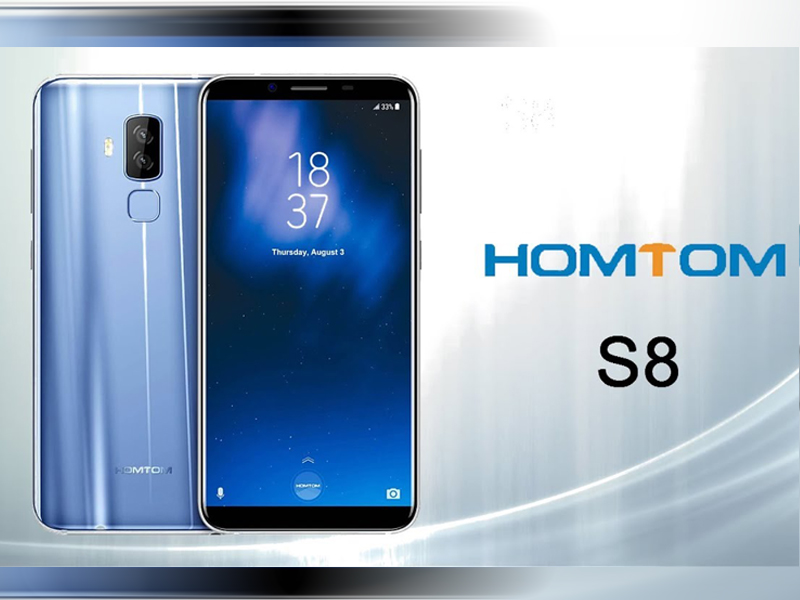
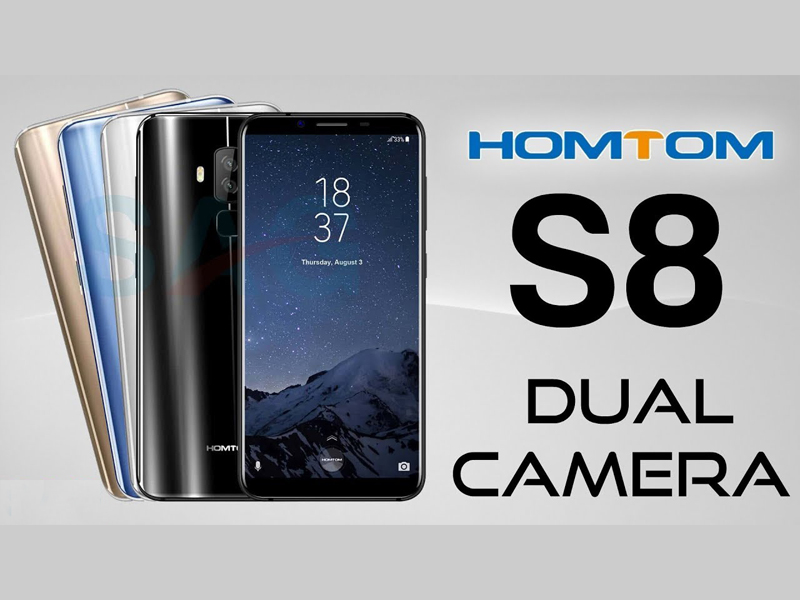
The HomTom S8 4G smartphone was launched in September 2017. As expected, the S8 garnered huge popularity among smartphone users.
You can now buy the well-received HomTom S8 smartphone on Amazon by shelling out EUR 189.99 (about $233.83). The phone is up for grabs in three color choices including Schwarz, Blau, and Silber.
But if you’re not willing to spend that kind of money for a smartphone, we have good news for you. You can get a considerable discount on the phone’s original selling price on Amazon. Here’s how.
You can bring your grand total down to just EUR 122.99 (about $151.37) simply by using claim code, ‘TW2GT4ON’ at the time of checking out. The promo kicked off on March 9 at 8:00 AM CET (3:00 PM, China time).
Despite considerably reducing the phone’s original asking price by using the aforesaid claim code, you still get a power-packed device that boasts an array of jaw-dropping specifications and features. Let’s check out what the HomTom S8 has to offer in terms of specs,
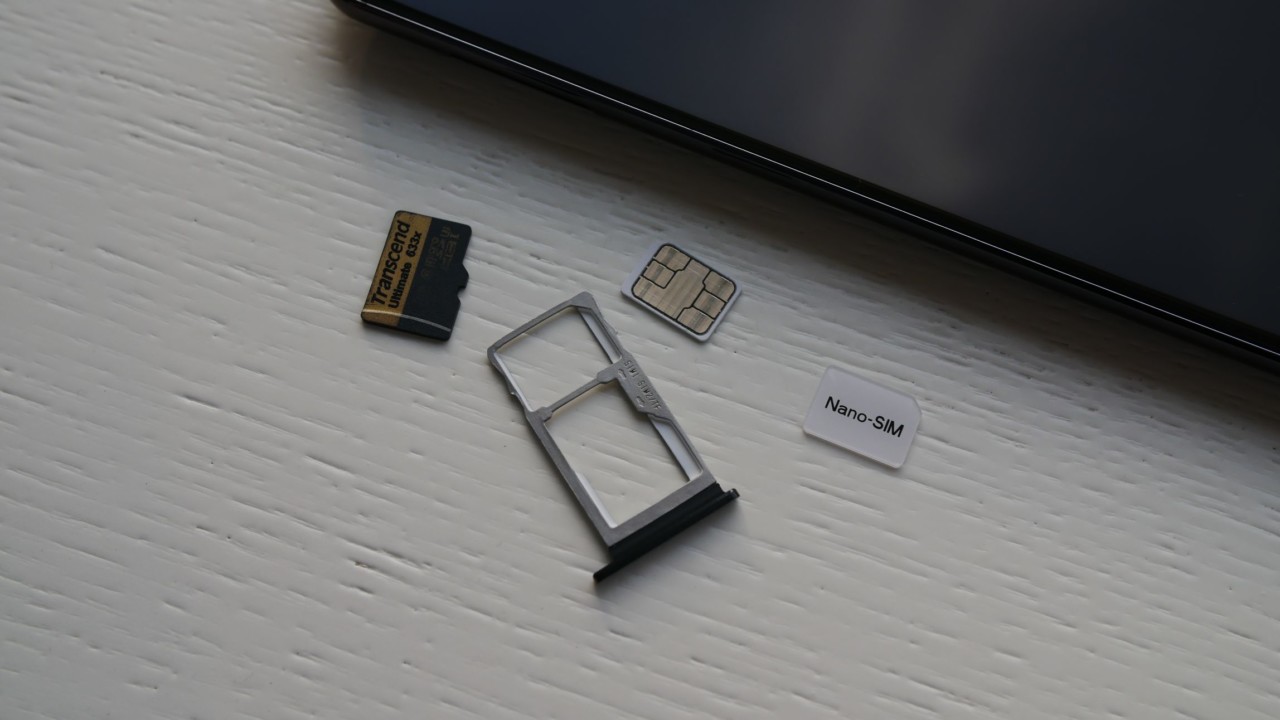
The S8 sports a 5.7 inches IPS, Sharp HD+ display with a screen resolution of 720 x 1440 pixels. It offers 4GB of RAM and 64GB of onboard storage.
Under the hood, the phone packs a powerful MediaTek MT6750T, 64-bit processor, along with an equally robust MTK6750T Octa Core graphics processing unit. It runs on Android 7.0 Nougat operating system.
On the photography front, the S8 smartphone sports a 16MP + 5.0MP dual camera setup and a 13-megapixel camera in the front. Moreover, it is backed by a built-in 3,400mAh 5V/2A Lithium-Polymer battery which supports Fast Charging feature.
You can head straight to this link in order to check out the full specification and apply the claim code to get a significant discount before it expires.
Electric scooters are light, agile and can be run without worrying about spending a lot of money. The market is brimming with all sorts of electric scooters that suit various purposes, from everyday commuter to delivery units.
As part of its latest ‘Greet the Spring’ promo, GearBest is giving a heavy discount on a broad range of top-branded scooters, hoverboards, and even wheels. Let’s delve straight into the details.
The site is selling the EUNI ES808 folding electric scooter at a Flash Sale price of $329.99. This is a massive 42% reduction in the ES808’s original selling price of $511.48.
The discount is valid for the white color version of the electric scooter. However, the promo is slated to end in 2 days and there were only 24 pieces left.
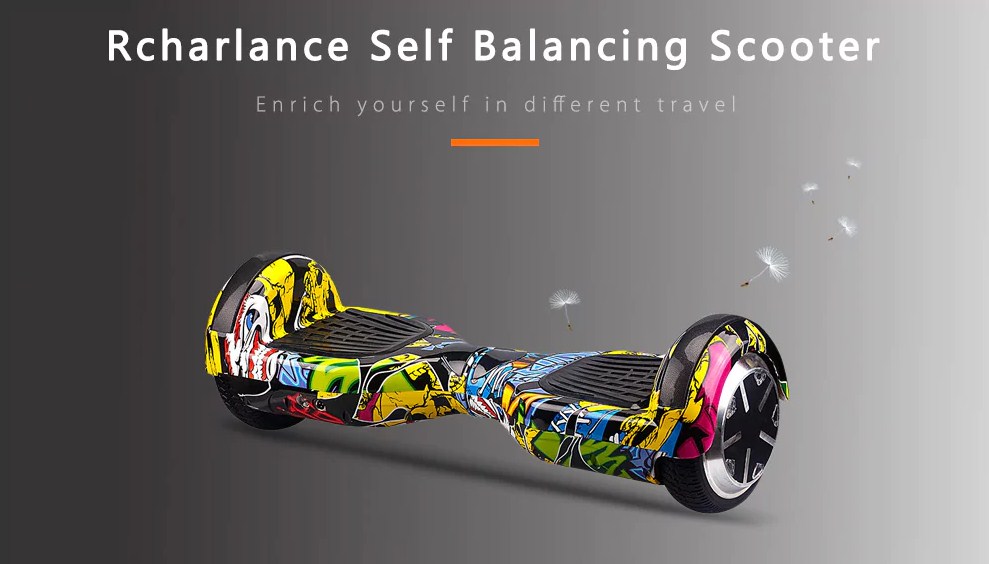
Similarly, you can get 21% off on the original $189.19 selling price of the scrawl pattern variant of the Rcharlance Smart Self Balancing Scooter. This reduces your grand total to only $148.89.
Alternatively, you can go for the red color version which carries a Flash Sale price of $148.99. With 81 pieces still left, the promo for the scrawl pattern version will end in 2 days, but the promo for the red color model of the Rcharlance Smart Self Balancing Scooter is scheduled to wrap up in 3 days with only 44 pieces left.
The products have further been divided into multiple categories in a bid to simplify the search process. Here’s a brief glimpse of what each category has to offer.
Buy 1 Get 1 Free
When you buy one discounted item featured in this category, you’d be eligible to get a discount on another related item. For instance, the Xiaomi M365 Folding Electric Scooter is currently up for grabs for just $418.99, thanks to a 15% discount offered by GearBest.
You can buy 8.5-inch rubber inner tube tire for Xiaomi Electric Scooter as a combo by shelling out an additional $3.99. It’s worth noting that this item sells for $5.89 separately. Your final price comes down to just $422.98 and you end up saving $74.80.
Electric Bikes
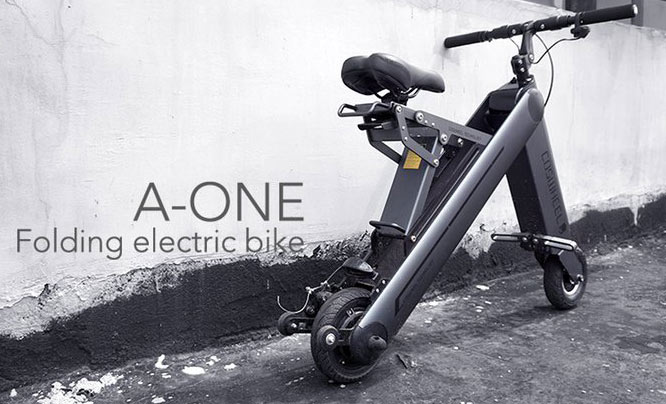
This category features a lot of electric bikes and wheels that you can buy without worrying about emptying your pocket. In addition to including a slew of other electric bikes, the category also features the Coswheel A-One electric bike.
With just 1 piece left at the time of writing, this A-One electric bike which is powered by a 350W motor will be available for a lowered price of $589.99 for 3 days. You can choose from golden, gray and silver color option.
Similarly, the F – wheel DYU electric bike which normally sells for $609.18 on GearBest is currently up for grabs for a Flash Sale price of $379.79. This reduced price is valid for the remaining 25 pieces of the black-tinted F – wheel DYU electric bike and the promo is scheduled to end in 3 days.
Electric Scooter
In this category, you can buy the perfect electric scooter to suit your needs without spending a fortune. GearBest is giving considerable discounts on all electric scooters that have been included in this category.
In line with this, the site is giving 15% off on the original $491.89 selling price of the Xiaomi M365 folding electric scooter. But that’s not all. You can choose from a broad range of color options including black, green, white and yellow.
Hoverboard
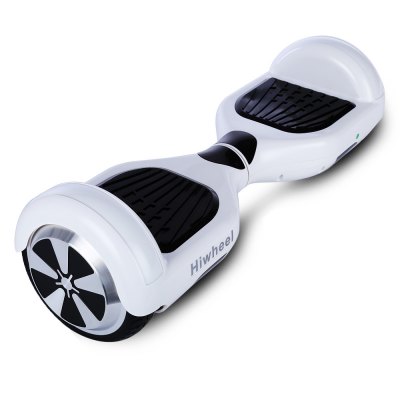
This category features a myriad of hoverboards that not only sport awe-inspiring cosmetic appearance but also carry affordable price tags. For example, you can buy the Hiwheel Q3 Hoverboard for only $139.99 on GearBest. The Q3 sells for $168.44 without the aforesaid discount, which will come to an end in 3 days. Moreover, there were only 33 pieces left for the Flash Sale. You can click here to check out all the products and take advantage of the promo before it winds up.
The picture of a customised Meizu E3 Kumamon Bear edition has surfaced online. As shown in the image below, the upcoming customised version comes with the drawing of the Kumamon bear and its name at the back. The device also comes with a black paint job.
Kumamon Mascot
Kumamon is a mascot created by the government of Kumamoto Prefecture, Japan. It was created in 2010 for a campaign kickstarted to draw tourists to the region after the opening of a new rail line. Kumamon subsequently became nationally popular, and in late 2011, was voted top in a nationwide survey of mascots, collectively known as yuru-chara. The mascot has also been a money spinner as a result of merchandising revenue. Meizu is perhaps hoping to join the numerous retailers who have benefited from the mascot’s popularity in attracting sales of Kumamon-branded products. The customised Kumamon edition may also be launched on March 21 alongside the regular model.
In addition to the Kumamon version, Meizu is expected to also launch an Operation Red Sea version of the device, going by the content of the invitation letter the company sent out.
The Meizu E3 will pack a 5.99-inch display with a 1080p resolution which should be an FHD+ resolution. The device will be available in 4GB and 6GB RAM variants while there will be 32GB, 64GB and 128GB storage versions. Further, the Meizu E3 will be powered by a MediaTek Helio P60 chip and will get its juice from a 3300mAh battery. The E3 packs a dual 12MP + 20MP dual rear camera setup while for selfies, there is an 8MP sensor. Li Nan recently shared the camera sample of the E3 which revealed the presence of a better CMOS sensor than the M6 Note. So, the E3 camera imaging quality is expected to be higher than that of the impressive Meizu M6 Note.
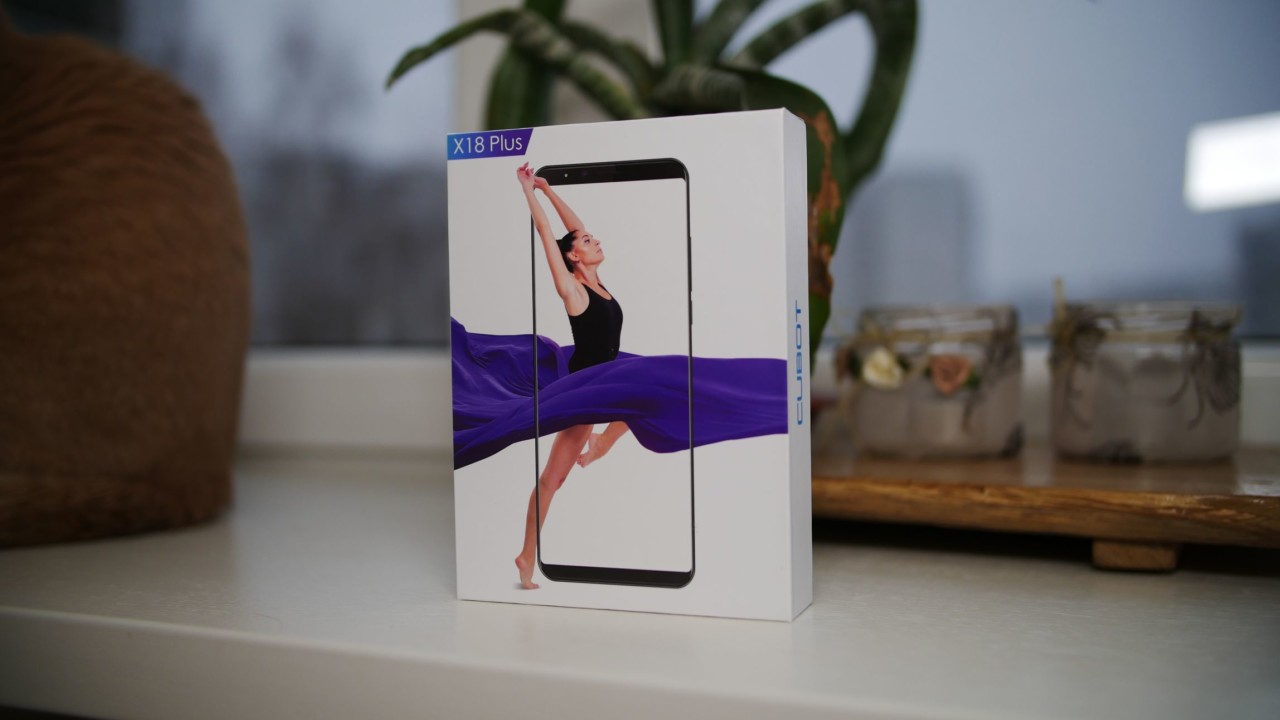
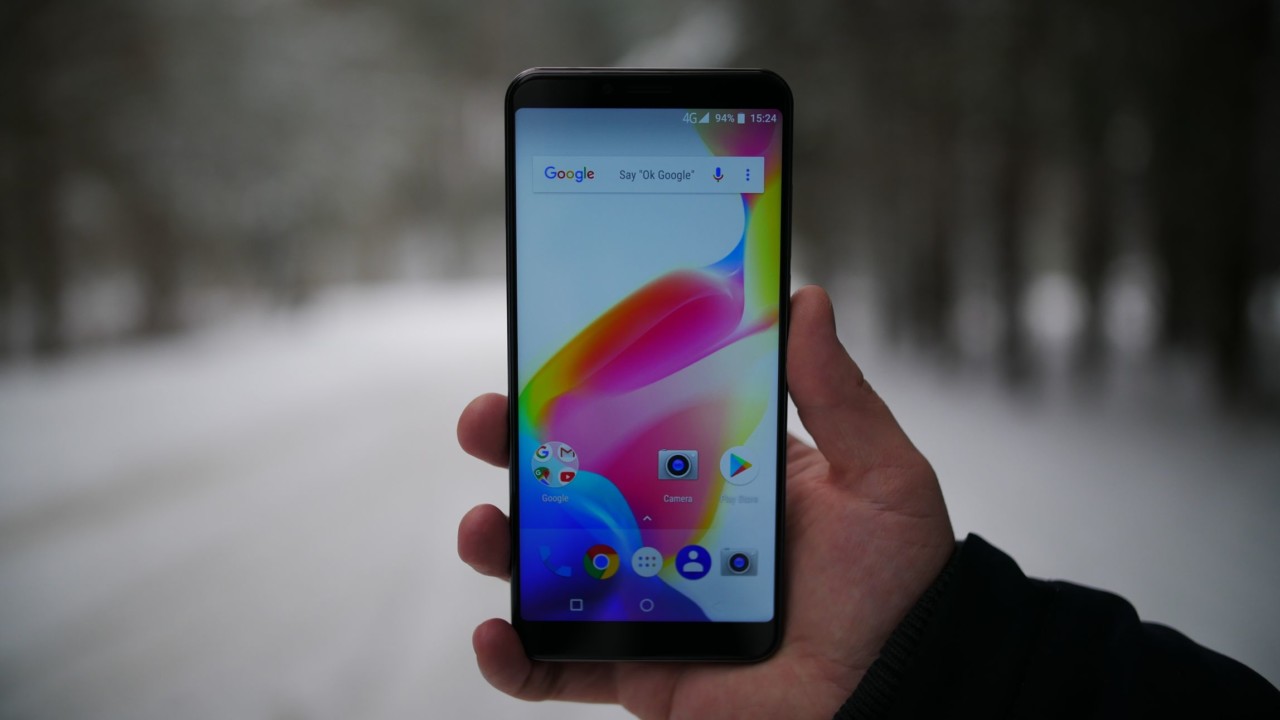
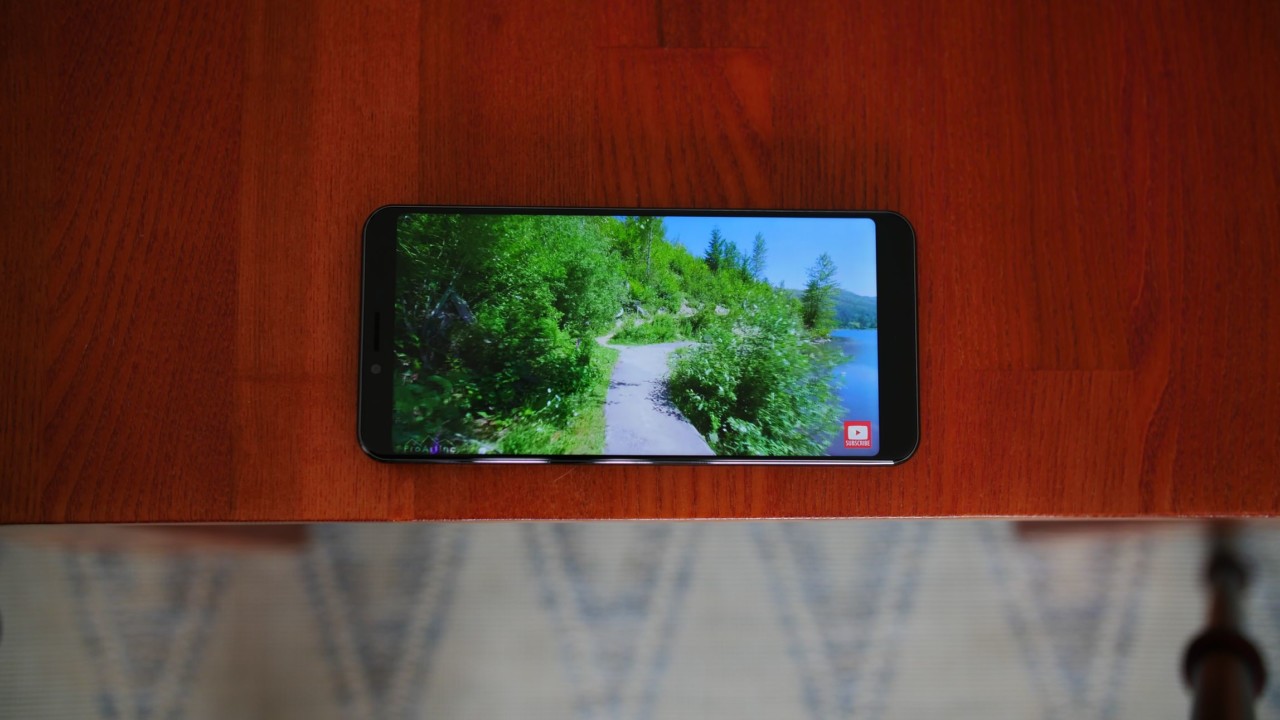
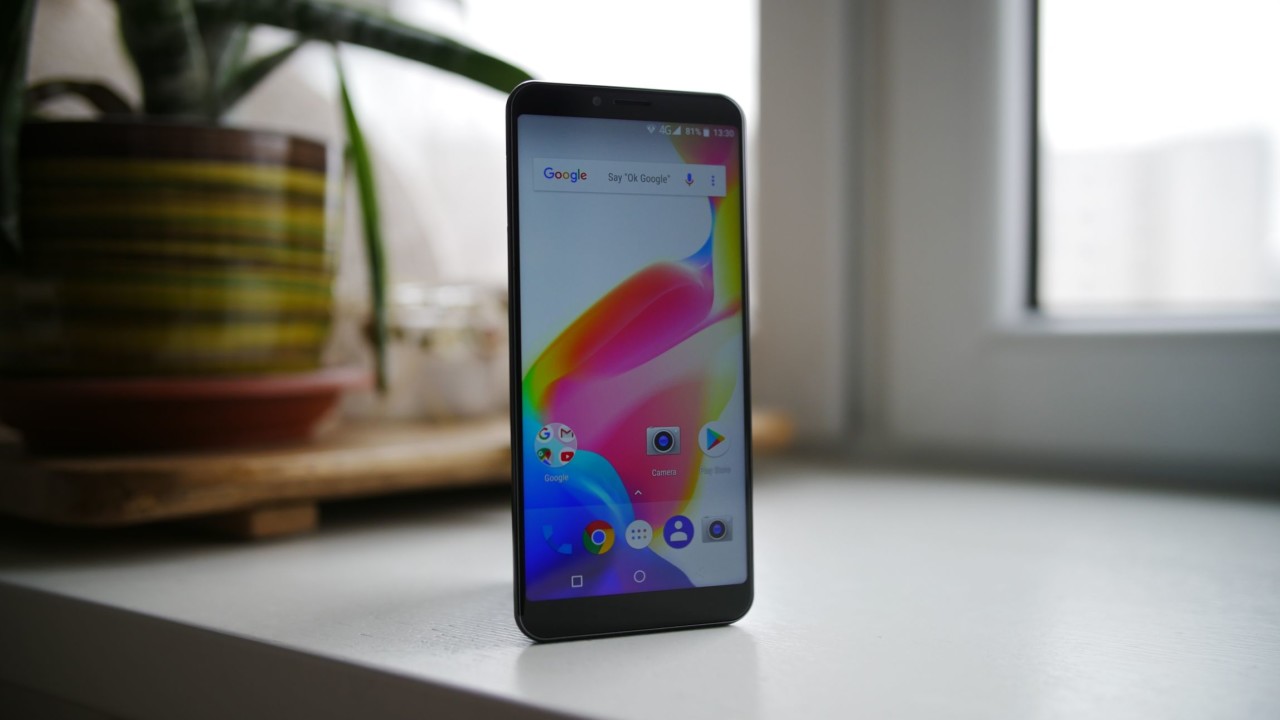
A huge 6” display is definitely one of the highlights of the phone. It not only has 18:9 aspect ratio but it also sports tiny bezels making the X18 Plus one of the better-looking phones in this price range.
That display is really good too as I found it to be pretty sharp for everyday use.
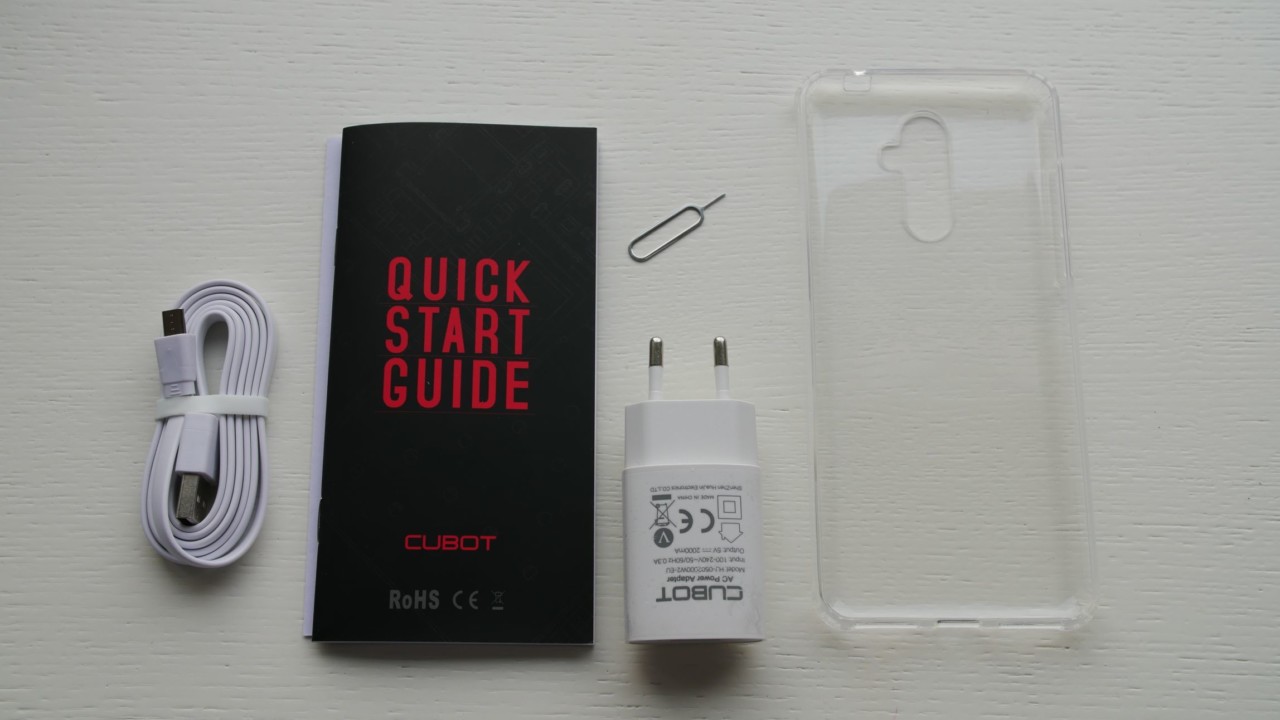
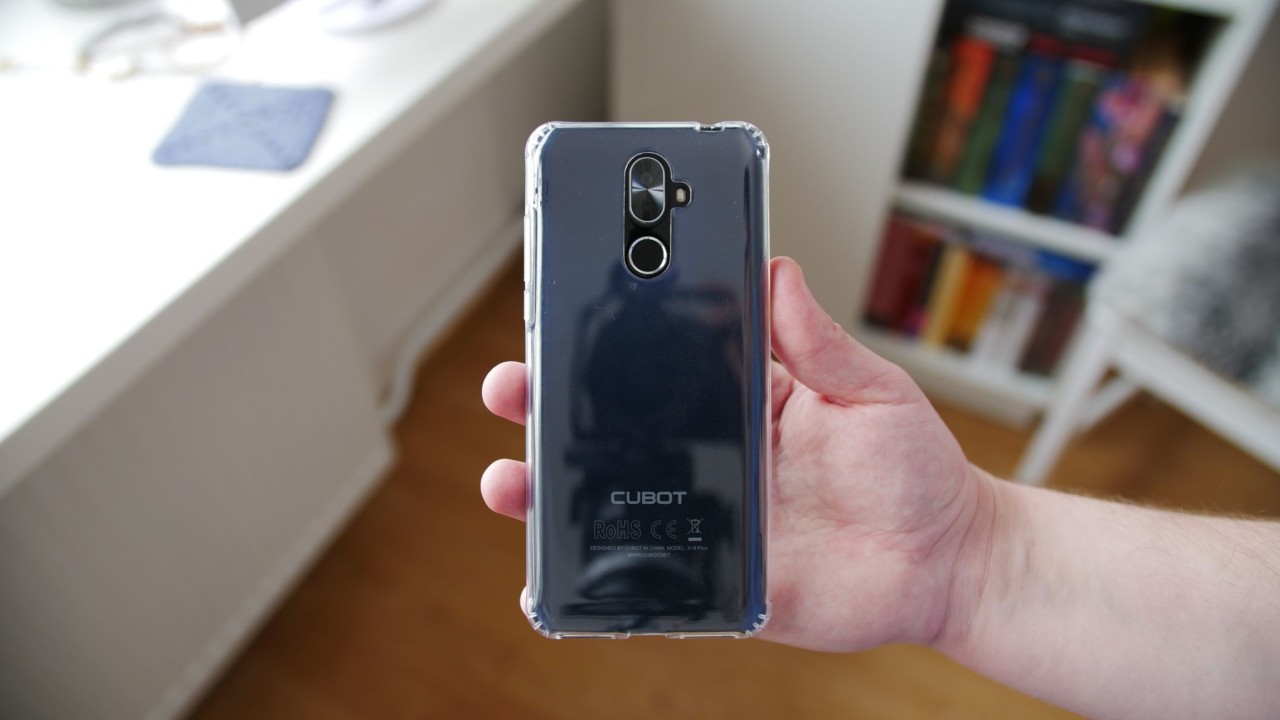
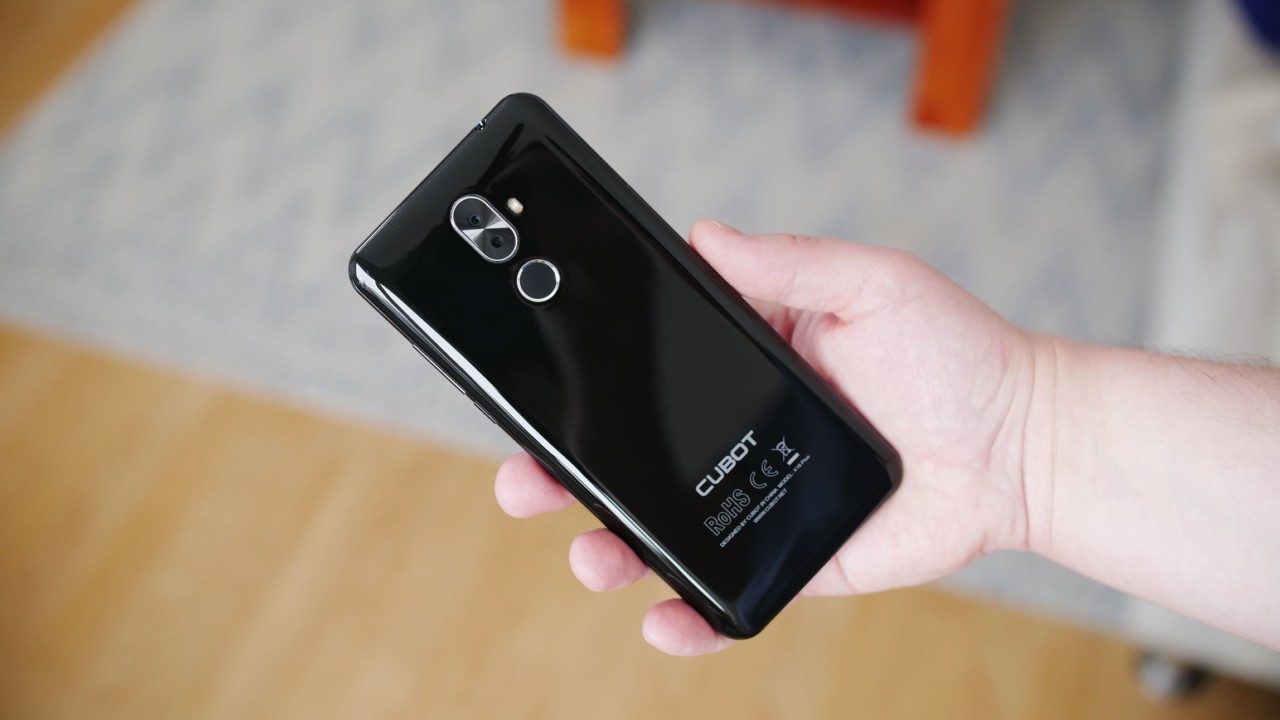
The overall build quality and aesthetics are great. Even though the glossy backplate is prone to fingerprints, the phone looks really nice. I’m not sure what the phone is made of but it seems that Cubot used either glass or quality plastic on the back and a metal frame on the sides. I also found the buttons to be pretty nice.
We have a dual camera system on the back with the powerful 20MP shooter, a pretty accurate fingerprint scanner, a 13MP selfie snapper and a bright notification LED light.
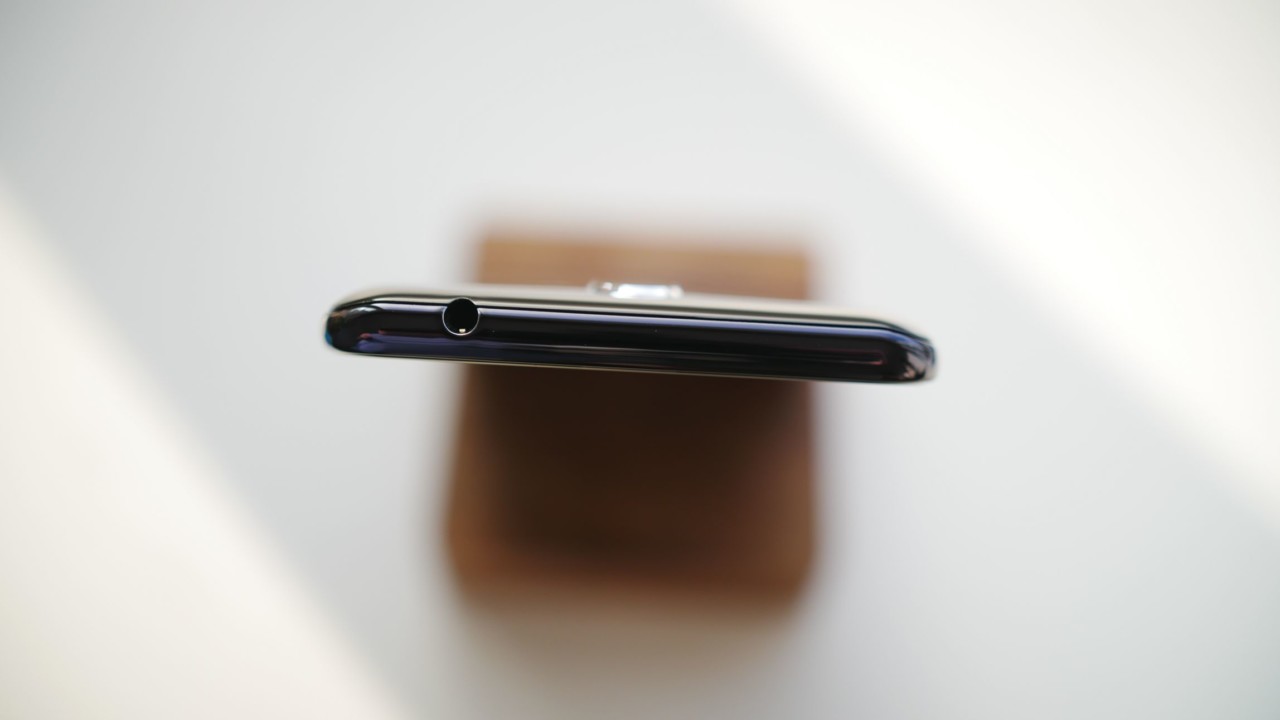
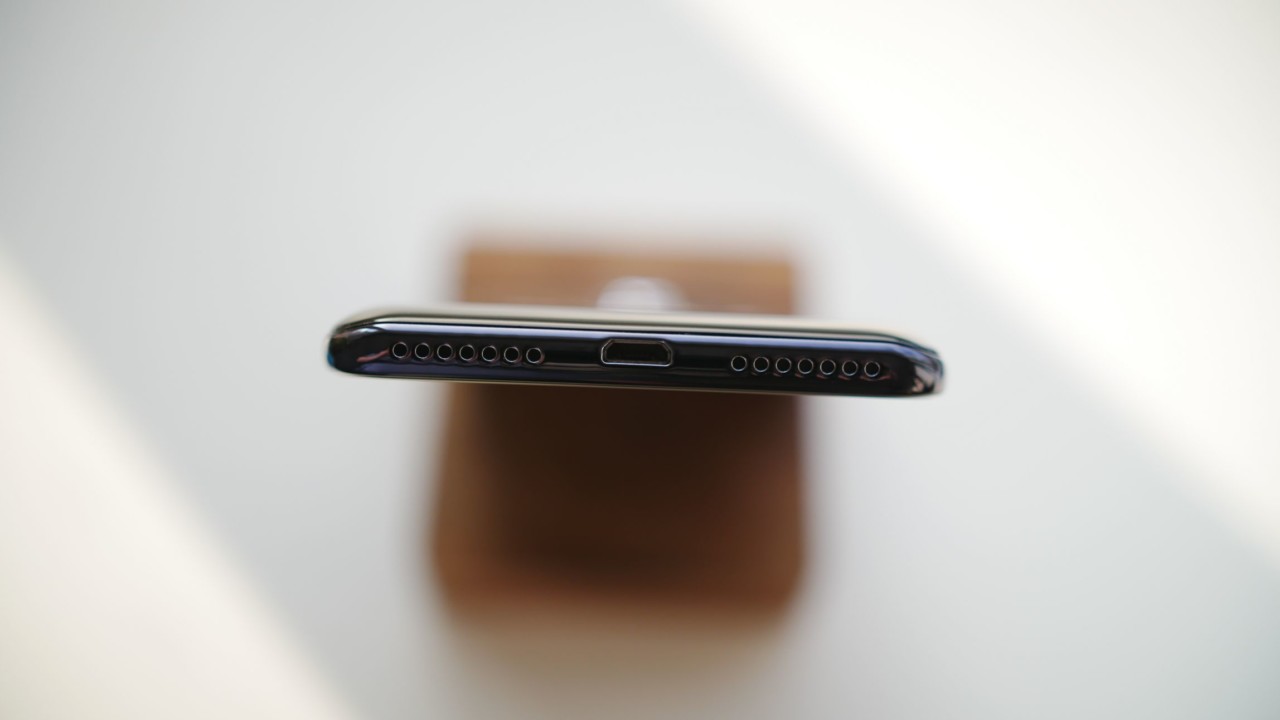
We do have a headset jack that provides decent sound quality but the phone still uses the micro USB port.
The loudspeaker is kind of average, just like on most of the cheap phones.
HARDWARE and PERFORMANCE
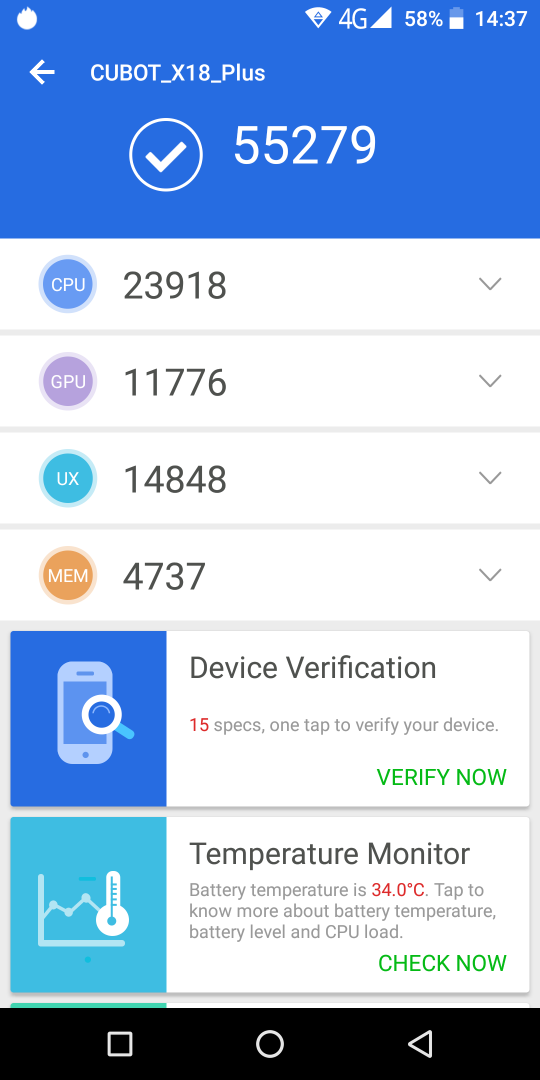
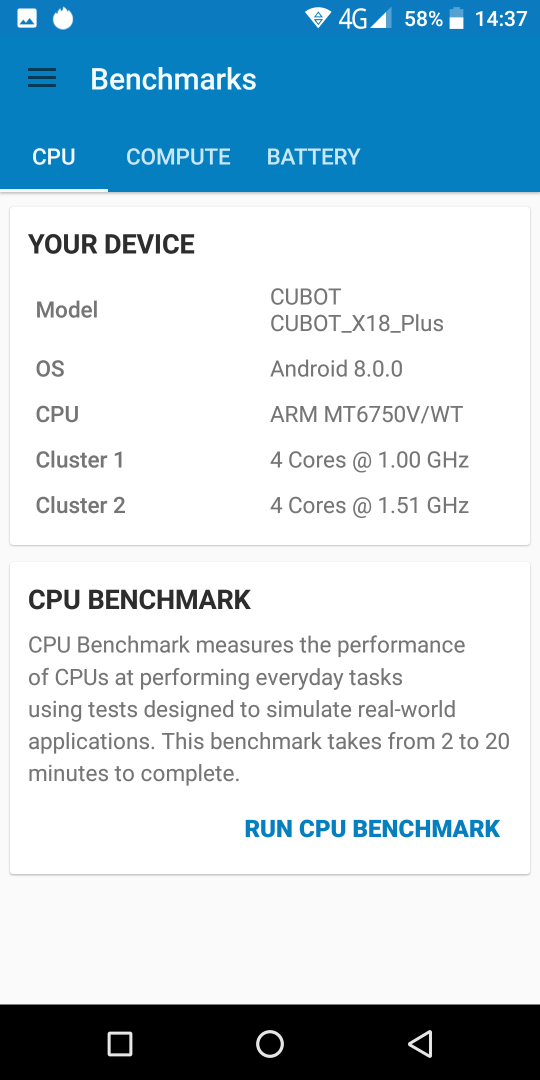
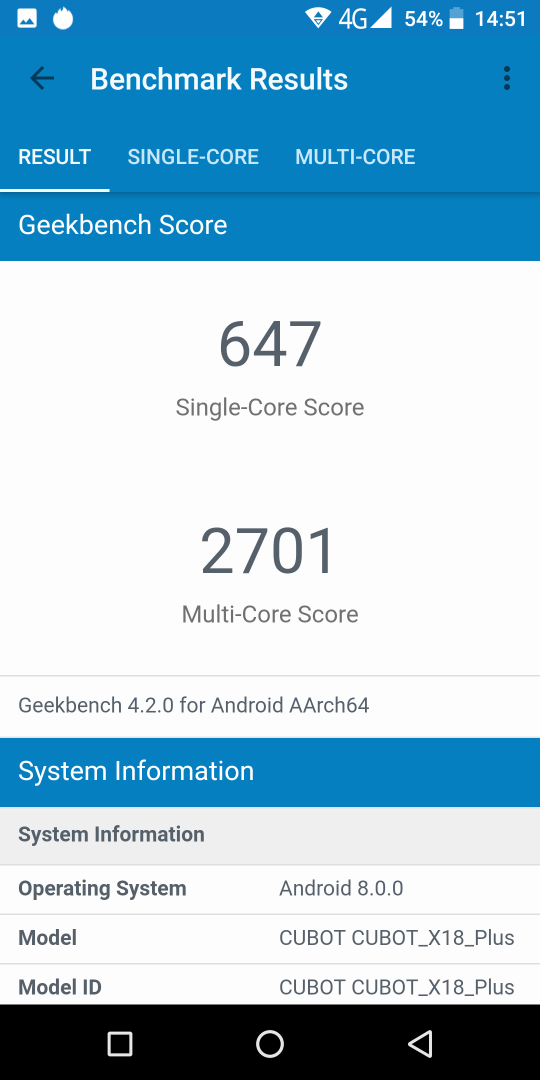
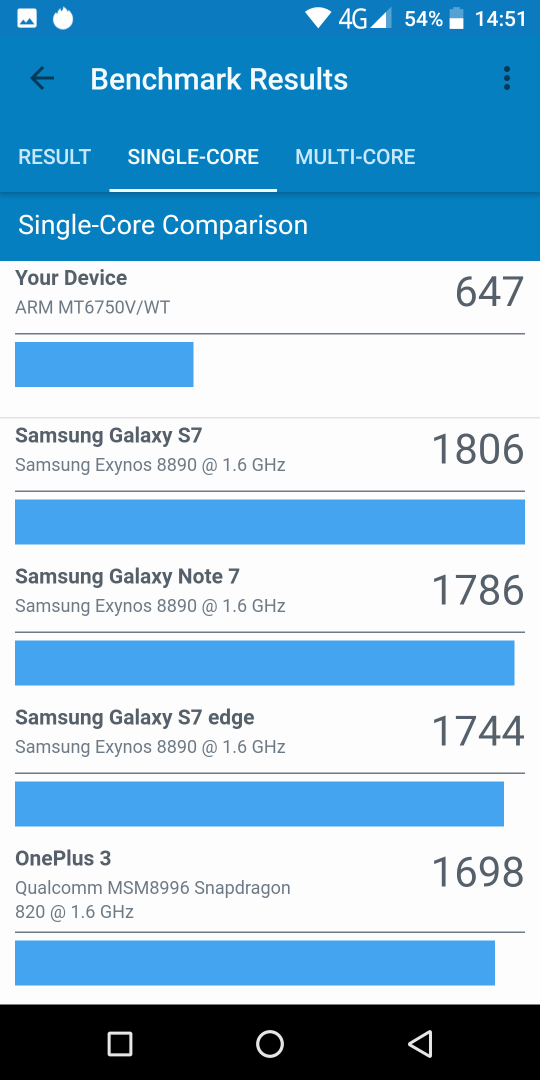
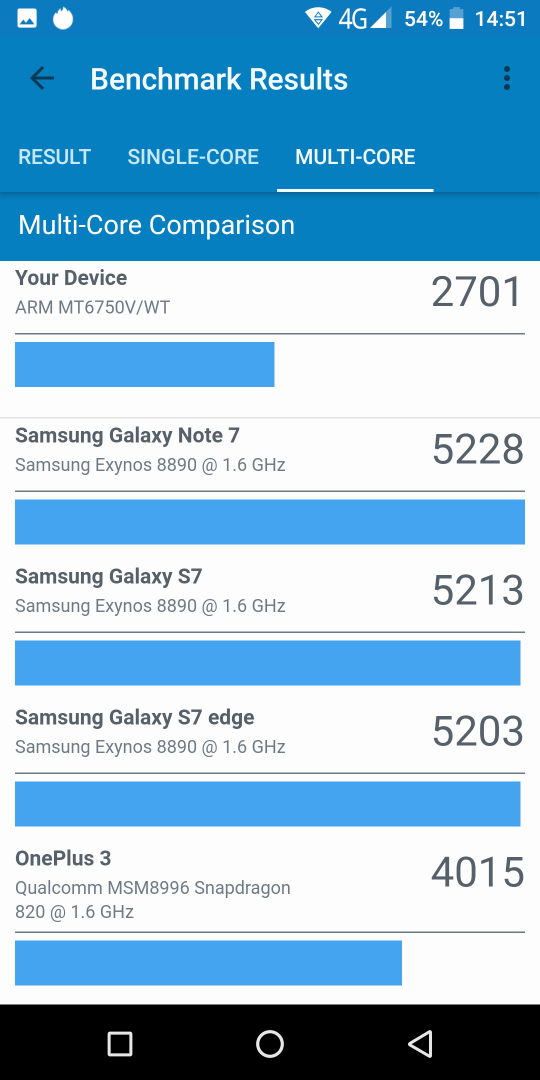
As far as specs go, we don’t have anything special going on. In fact, the phone uses the same chipset many cheap phones have. Specs: MTK6750T chip, 4GB RAM, 64GB ROM.
In terms of gaming, the phone could perform better but that’s expected considering the type of chipset inside. 3D games are playable but you should expect to see quite a few skipped frames. Also, the phone gets quite hot even after 5 mins of gaming but does not overheat to uncomfortable levels.
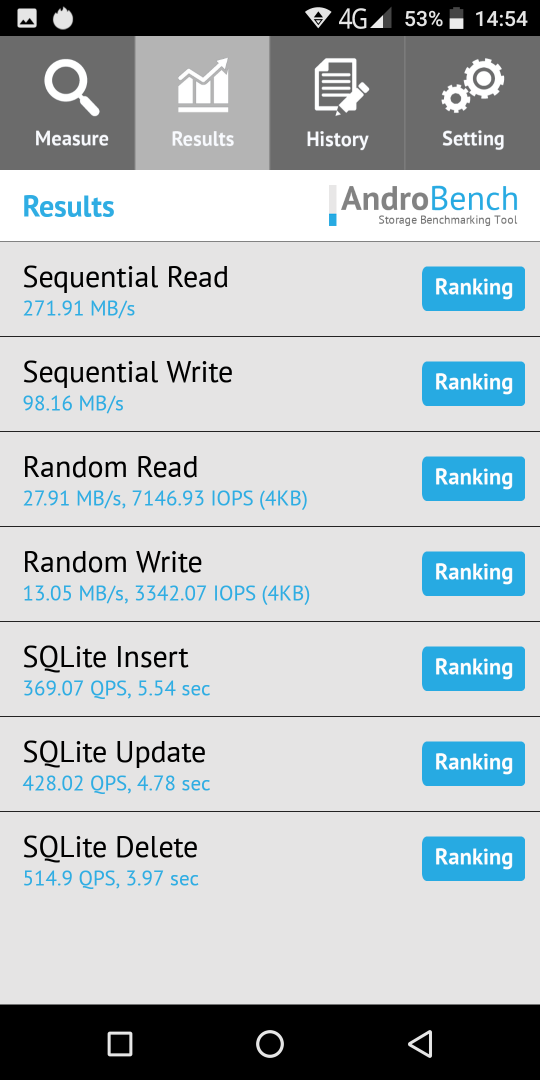
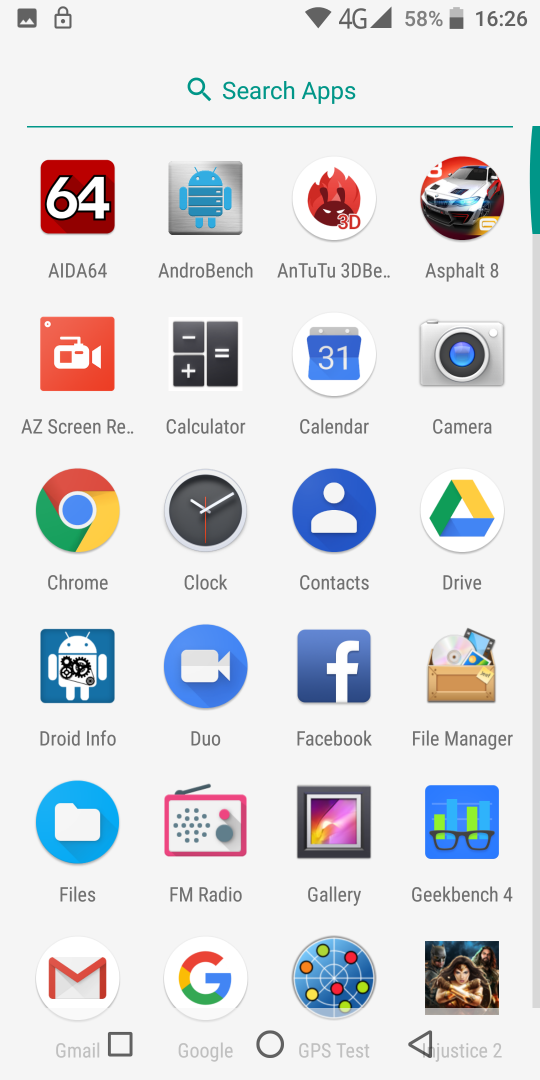
BENCHMARKS
USER INTERFACE
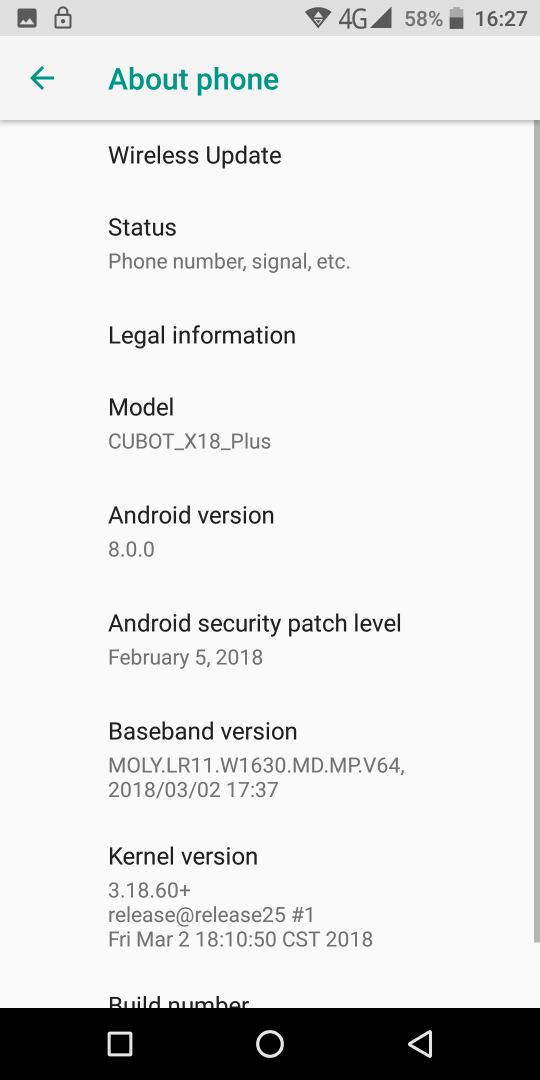
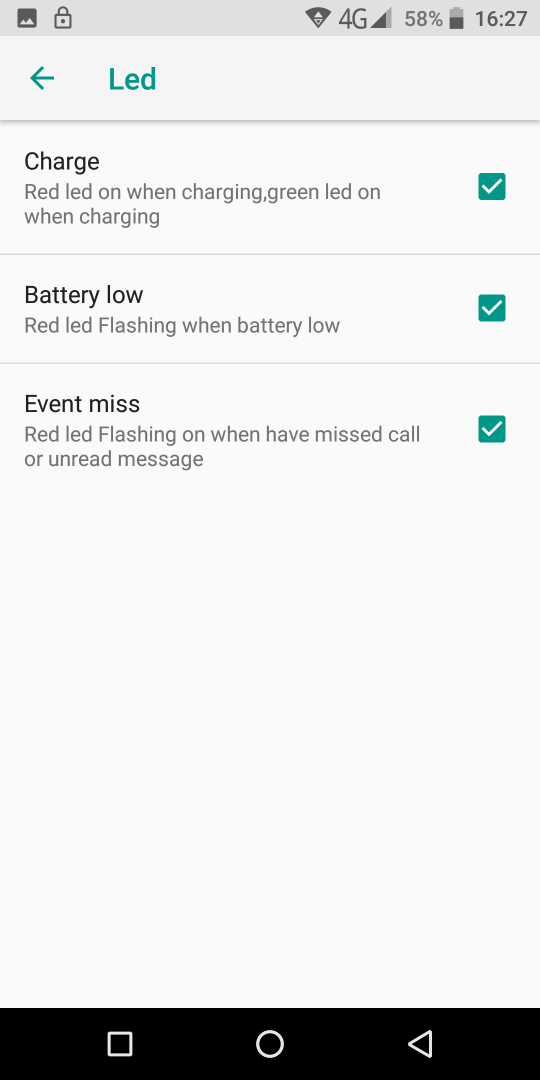
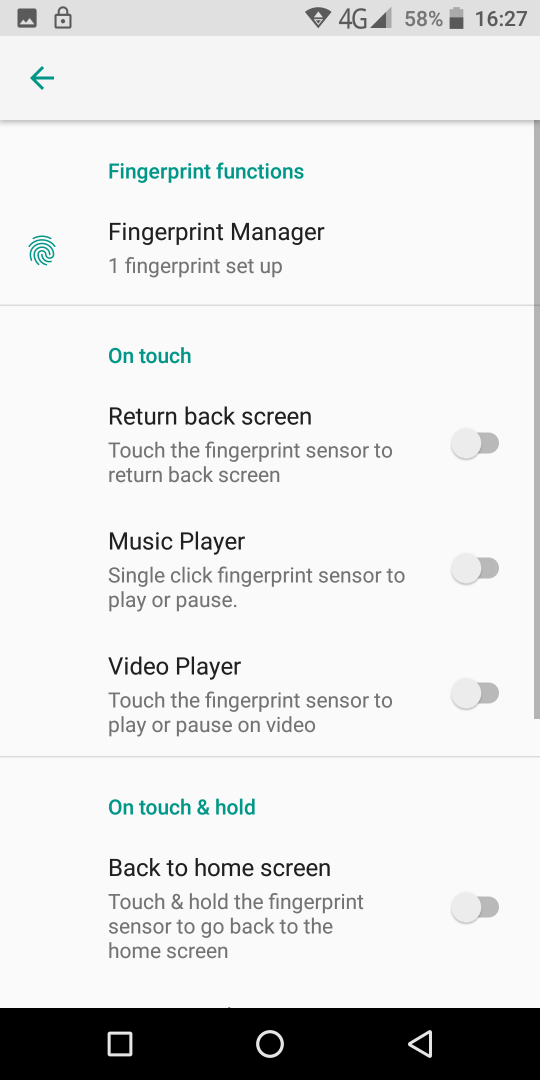
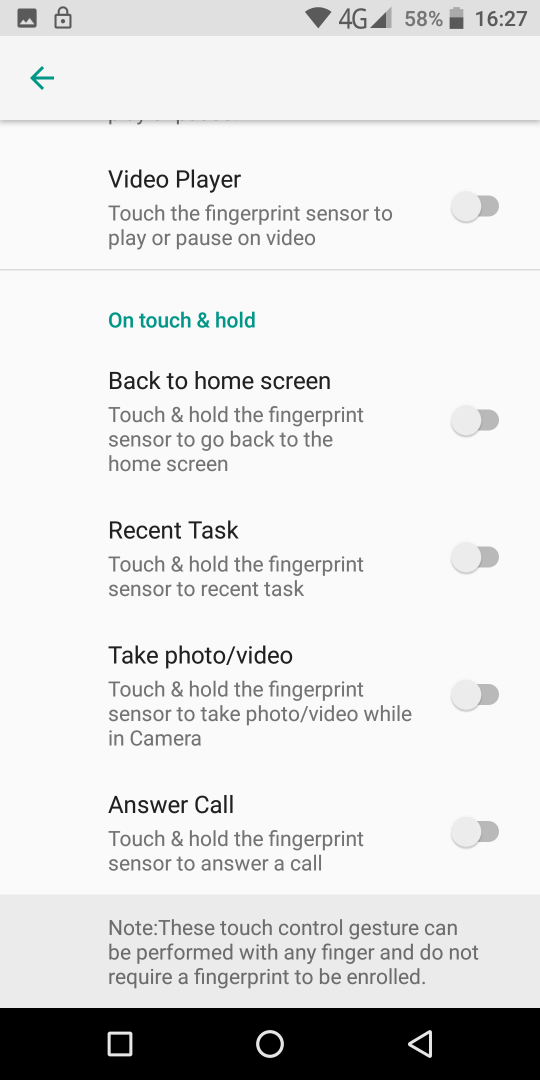
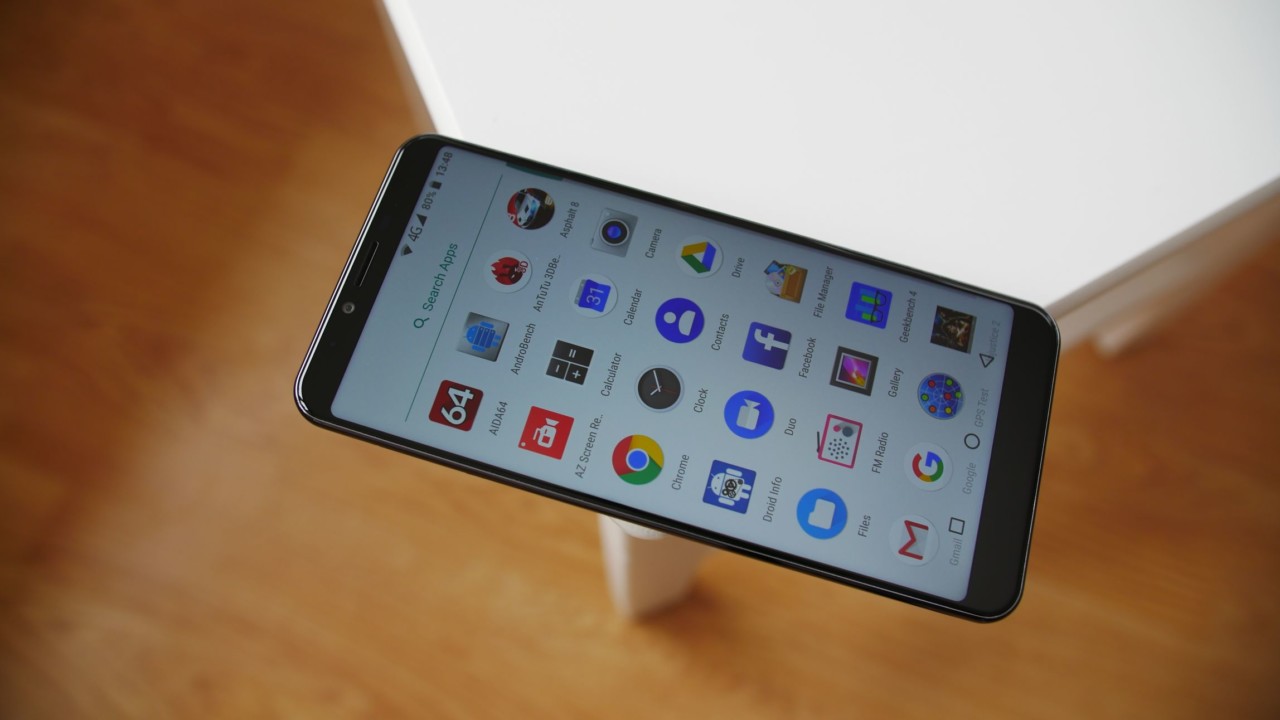
Where you won’t see any skipped frames is the user interface that is based on Android 8. As usual, I praise Cubot for making budget phones with stock Android and the X18 Plus is no exception. Apart from fingerprint gestures, you are not getting any extra features to play with and I’m glad about that since I would not use them anyway. The phone is fast and responsive all the time and this is what impresses me the most with the Cubot X18 Plus.
IMAGE QUALITY
Keep in mind that I tested the camera on a cloudy day because it’s still dark winter. Anyway, you can get some pretty good-looking shots with this camera for a cheap phone. Also, even night image quality is pretty good for a budget device thanks to the 20MP sensor. The portrait shots are not the best but they will look quite nice on social media.
Selfies look pretty good for social media needs.
1080p video looks surprisingly decent. Also, I like that the continuous auto-focus works well. 720p selfie video looks pretty good too, way better than most of the phones in this price range.
I found the call quality to be decent and signal reception is great. Also, other connectivity options work just fine.
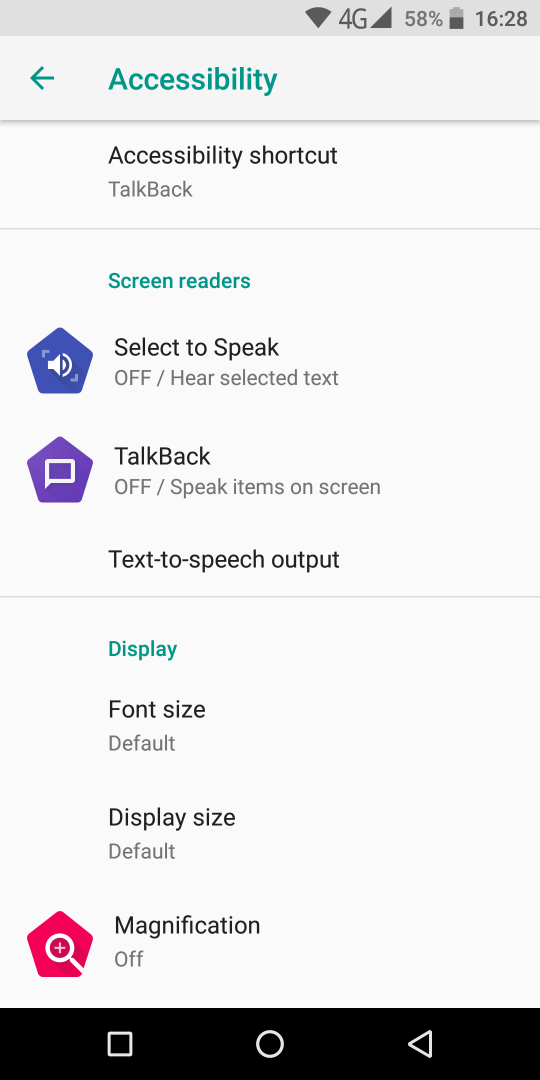
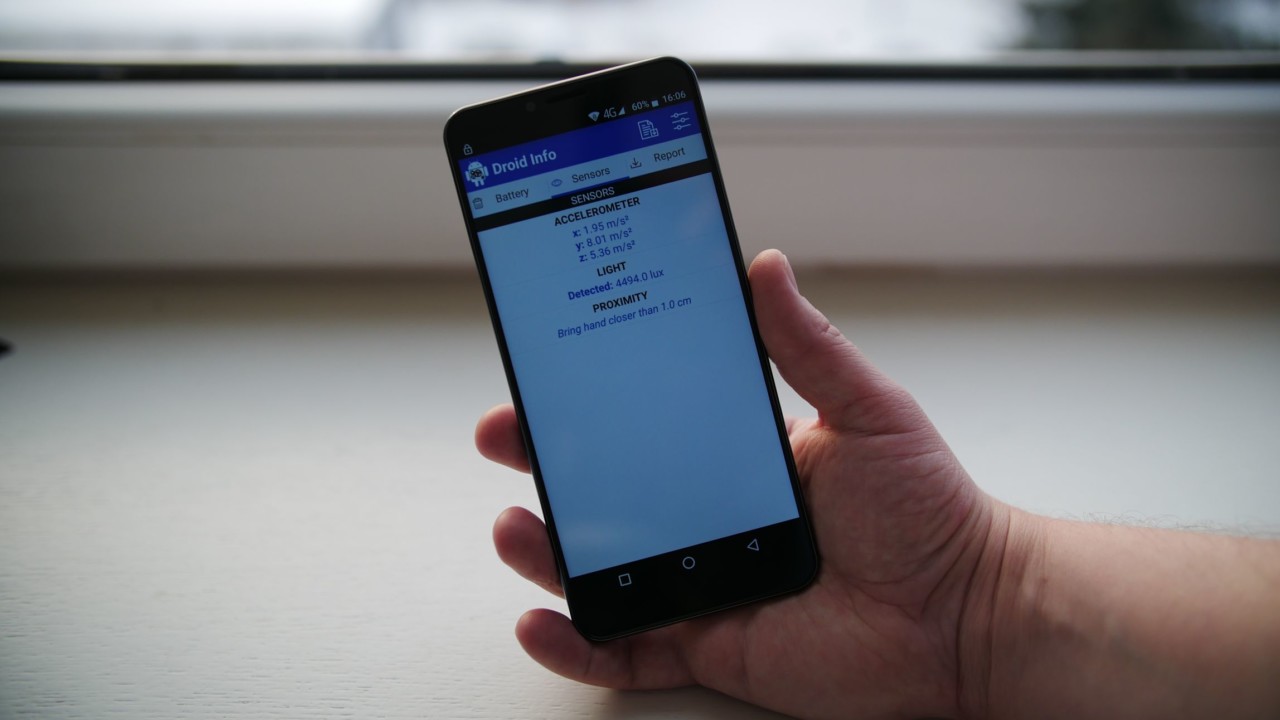
However, there aren’t too many sensors on board, which is quite frustrating.
BATTERY LIFE
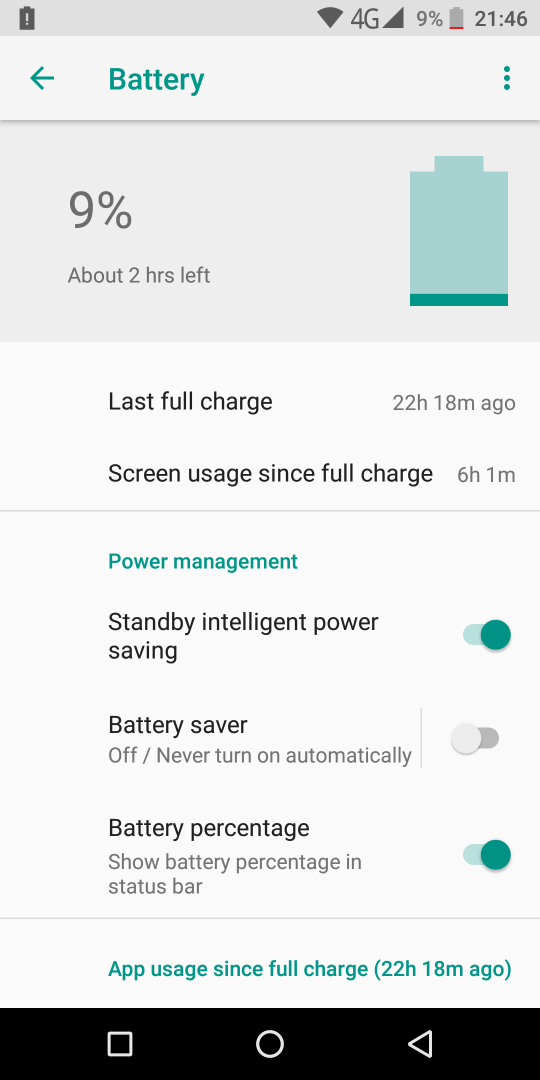
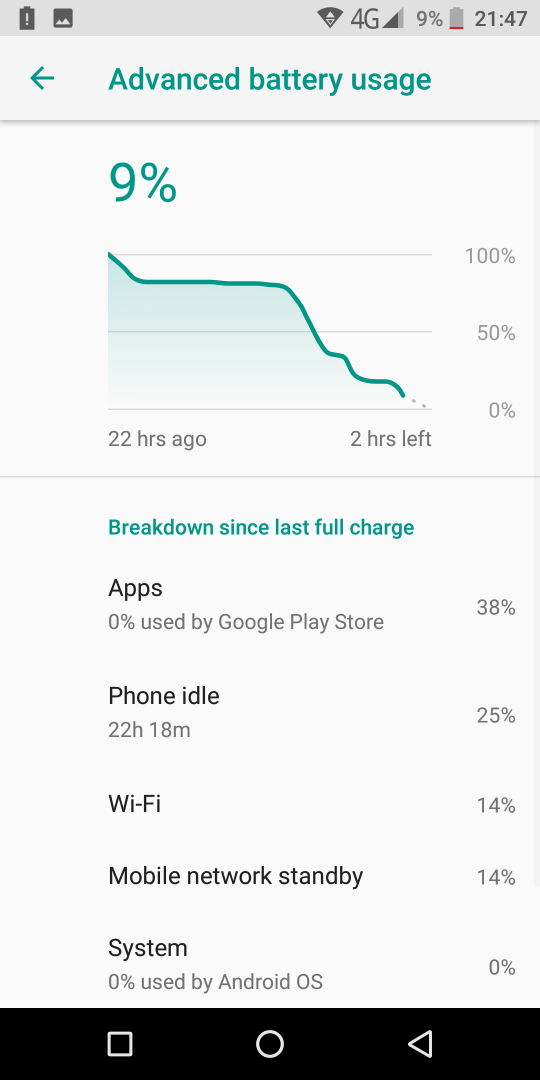
Battery life has been great. I could get over 6 hours of screen-on time while using the phone mostly for the basic stuff, social media and taking pictures.
CONCLUSIONS
Overall, the Cubot X18 Plus shapes up to be a pretty good budget phone. My main concern remains 3D gaming performance but that’s expected due to the chip inside and the fact that the phone was not designed for gamers anyway. Also, I’m sad that there is no gyroscope sensor onboard.
On the other hand, I love the design of the phone, display, fast and clean Android 8 UI, good battery life and even pretty decent camera. Therefore, I could say that the Cubot X18 Plus is a pretty good phone for the price, despite a few flaws.
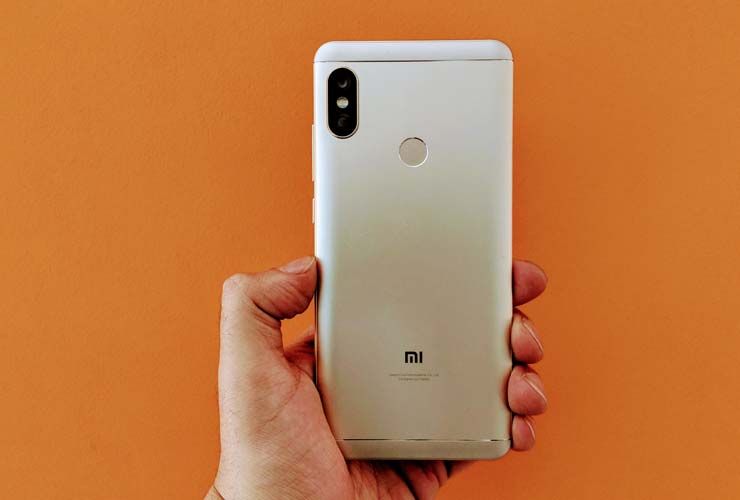
Next week will see the launch of the China version of the Redmi Note 5 which is billed to launch on March 16. China’s Redmi Note 5 is said to be the same as the Snapdragon 636-powered Redmi Note 5 Pro which was launched in India last month. A recent Weibo message by Lei confirmed the presence of a Snapdragon 636 processor on the device and even went further to hint that the device will have a 6GB RAM version. Xiaomi’s President Lin Bin had earlier hinted of a camera surprise on the device.
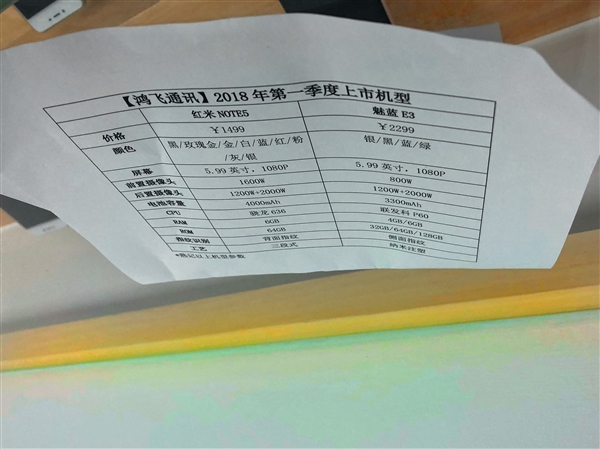
One major question that would be bugging the minds of fans is what price point the device would adopt considering the improved features touted to be onboard. A leaked document has revealed the likely price of the Redmi Note 5 China Edition and it is cheap! The Redmi Note 5 is quoted with a 1,499 Yuan (~$236) price tag which is very close to the RS 13,999 (1,400 Yuan) price tag its contemporary, the Redmi Note 5 Pro (4GB + 64GB) adopted when it launched in India. But the surprise here is that this price is for the 6GB + 64GB version! Isn’t that amazing if it turns out to be true?
Apart from the price, the sheet also contains the specs of the device which includes a 5.99-inch display with 2160 x 1080p (FHD+) resolution. The device packs a dual camera setup at the back and the configuration is given as a 12MP + 20MP sensors while at the front there is a 16MP selfie shooter. The Redmi Note 5’s dual cameras are AI dual cameras while the front camera equally supports AI Beauty feature. This will be the first Redmi series model with such AI capabilities. Other specs include an SD 636 chip, 6GB of RAM, 64GB storage and a massive 4000mAh battery capacity.
In addition, the leaked sheet also contains the price of the Meizu E3 as well as its key specs. The Meizu E3 isn’t in the thousand Yuan category if we are to believe the leaked document. The device is listed with a 2,299 Yuan (~$363) price tag. It comes with a 5.99-inch display with a 1080p resolution which should be an FHD+ resolution. The device will be available in 4GB and 6GB RAM variants while there will be 32GB, 64GB and 128GB storage versions. We believe the listed price would be for the topmost 6GB + 128GB variant. Further, the Meizu E3 will be powered by a MediaTek Helio P60 chip and will get its juice from a 3300mAh battery. The E3 is equally a dual-camera phone configured as 12MP + 20MP while for selfies, there is an 8MP sensor.
After launching the Galaxy S9 series last month at Mobile World Congress 2018, the next flagship device from Samsung will be the next-gen Note series phone, which is expected to be called the Galaxy Note 9. While earlier reports suggested that it could pack under-display fingerprint sensor, that no longer seems to be the case.
According to Ming-Chi Kuo from KGI Securities, South Korean tech giant Samsung is unlikely to introduce under display fingerprint sensor in the upcoming Samsung Galaxy Note 9 smartphone. The reason being cited is that the ultrasonic and optical solutions don’t meet the company’s standards of employing a biometric technology.
In a note to investors, Ming-Chi Kuo said, “According to our understanding of the technologies, under-display fingerprint solutions may currently have many technical issues (e.g. screen protectors and different environments affecting recognition rates and power-consumption).”
He further casts doubts over the technology’s commercialization because of the supposed cancellation of Samsung’s under-display solution. He adds that he does not expect to see the mass market adoption of the technology until the first half of 2019. Several experts say that the newly introduced in-screen fingerprint sensors have poor accuracy and durability compared to the traditional ones.
Even Apple was reported to be working on some kind of under display fingerprint sensor technology for the iPhone X, but the company nixed those attempts and instead chose to move forward with the Face ID after seeing its potential.
Now, instead of the under display fingerprint sensor, the upcoming flagship smartphone from Samsung under its Note-series is expected to feature the traditional fingerprint sensor on the back panel, just below the camera module — similar to what we saw on the recently launched Galaxy S9 and Galaxy S9+.
The phone is also expected to have some kind of facial recognition feature along with artificial intelligence. While no information is available about the upcoming phone, it is expected to have a full-screen display and a dual camera setup at the back.
While Samsung is not opting for the under display fingerprint reader as of now, China-based Vivo has already launched a phone with this technology. Dubbed as Vivo X20 Plus UD, the phone went on sale in China last month.
Recently, Vivo launched its latest smartphone — Vivo Apex, which was unveiled at Mobile World Congress. Unlike the under-display fingerprint sensor on the Vivo X20 Plus UD, the half part of the display of the Vivo APEX is integrated with the in-screen fingerprint reader.
We use cookies on our website to give you the most relevant experience by remembering your preferences and repeat visits. By clicking “Accept”, you consent to the use of ALL the cookies.
This website uses cookies to improve your experience while you navigate through the website. Out of these, the cookies that are categorized as necessary are stored on your browser as they are essential for the working of basic functionalities of the website. We also use third-party cookies that help us analyze and understand how you use this website. These cookies will be stored in your browser only with your consent. You also have the option to opt-out of these cookies. But opting out of some of these cookies may affect your browsing experience.
Necessary cookies are absolutely essential for the website to function properly. This category only includes cookies that ensures basic functionalities and security features of the website. These cookies do not store any personal information.
Any cookies that may not be particularly necessary for the website to function and is used specifically to collect user personal data via analytics, ads, other embedded contents are termed as non-necessary cookies. It is mandatory to procure user consent prior to running these cookies on your website.
















 The Q3 sells for $168.44 without the aforesaid discount, which will come to an end in 3 days. Moreover, there were only 33 pieces left for the Flash Sale. You can