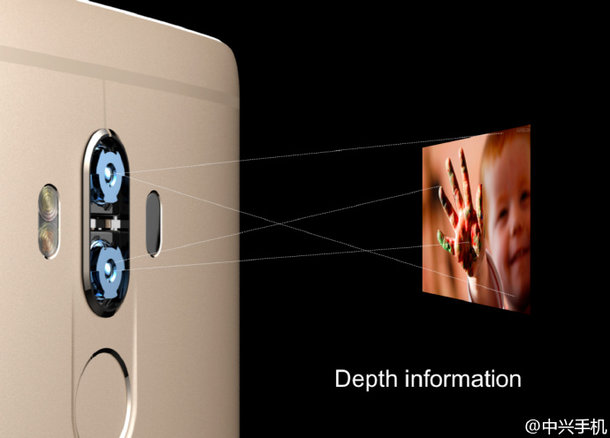
A week ago, a source leaked that Vivo was planning a launch for two new phones: the Vivo X9 and Vivo XPlay 6. An official poster released by the phone maker already confirms that of the Vivo X9.
The image which shows two camera sensors verifies the info provided by the source that Vivo is also going the dual camera route with their new phone. Quite a number of manufacturers based in China have released dual-camera phones this year. Some have been spectacular and others have been sort of just there. But it’ll be interesting to see how Vivo’s new device performs against the competition.
The text on the poster when translated features two prominent words the words ”Jiu” and ”Mirror”, the first which means nine hints at the model of the phone and the latter which is most likely describing the cameras’ prowess, since only a mirror has the ability to perfectly reproduce what is in front of it. And since the dual-cameras are in front, it could mean they’ll provide mirror quality selfies.
Another detail leaked is that the Vivo X9 will feature smart Hi-Fi audio to provide owners with top notch music experience.
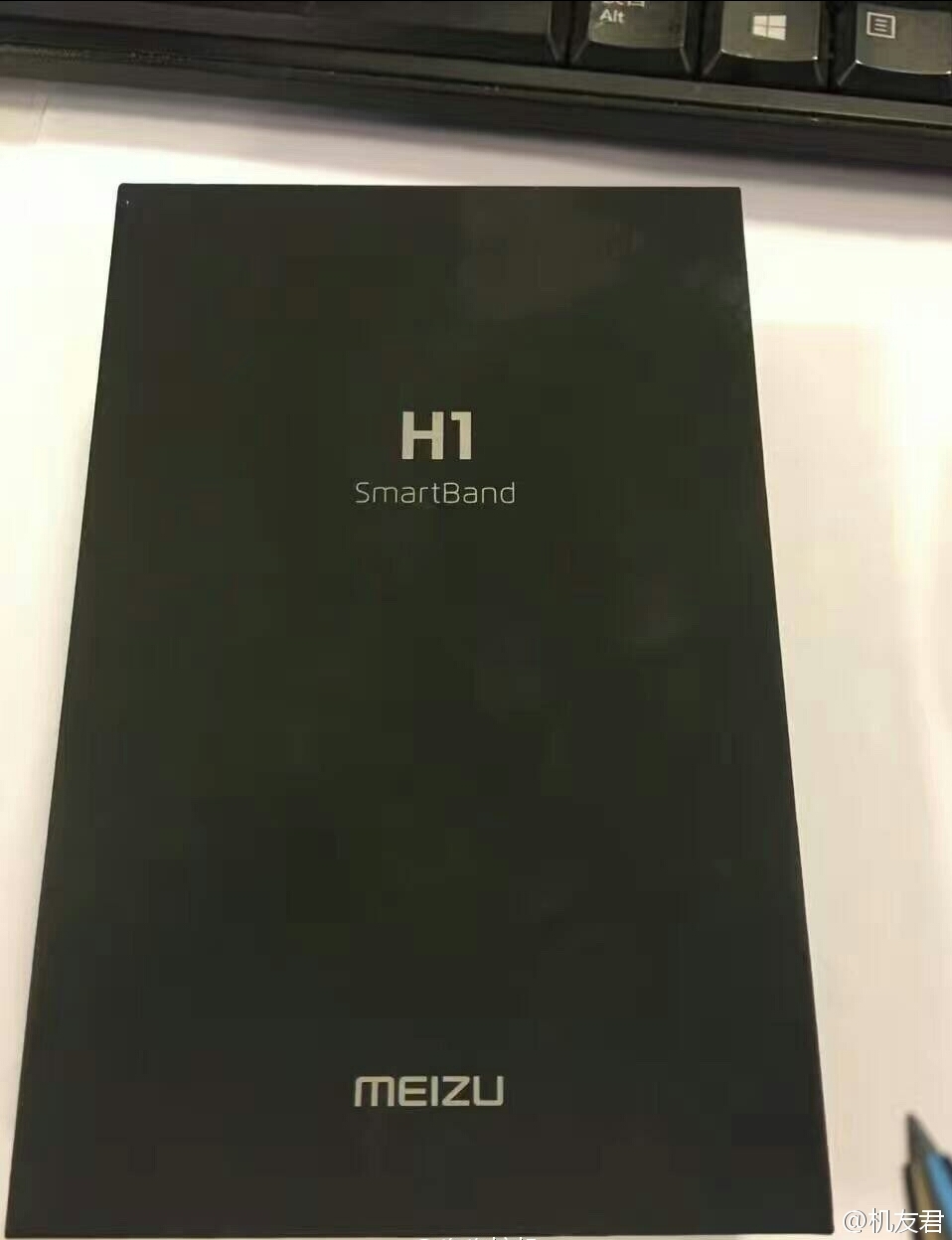
As would be recalled, Meizu has scheduled a concert holding today in Beijing China and during the concert we had gotten hint that the Meizu M5 would be officially launched. Turns out Meizu is also planning to unveil another device alongside the M5, which by the way sounds like a name from a James Bond movie. Ahead of the concert, renders of the Meizu H1 SmartBand has been teased also, and is said to likely be unveiled today.
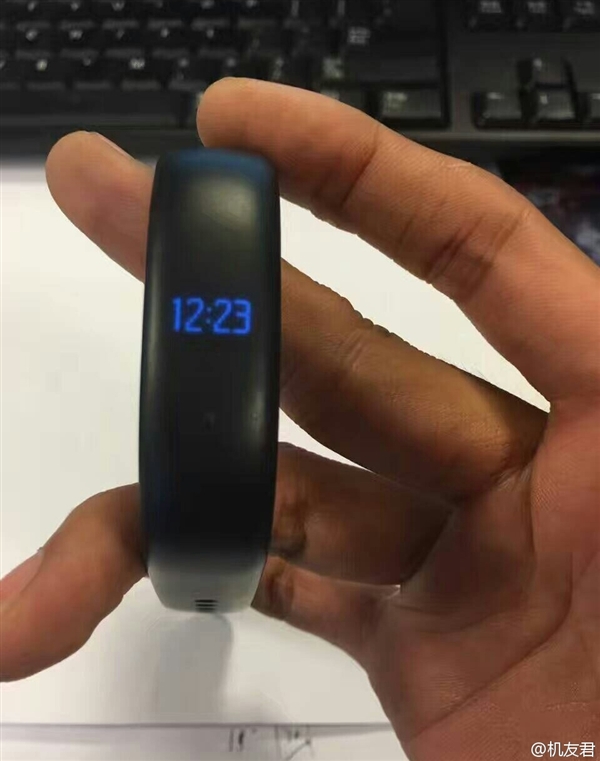
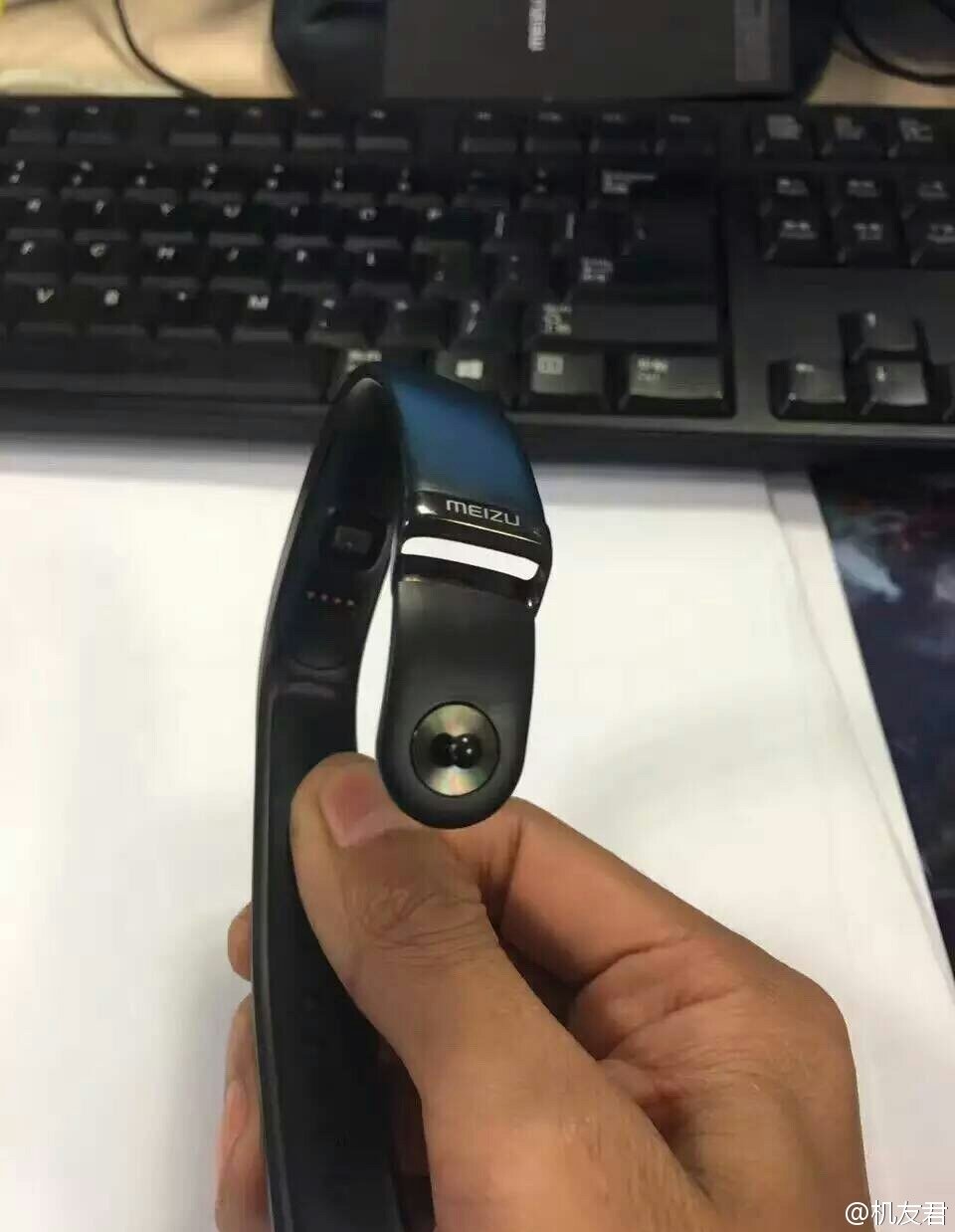
Not much detail is known about the Meizu H1 SmartBand but the renders look very similar in design to those if the Xiaomi Mi Band and possibly, the specs would also be similar. The display is shown to be similar to the Mi Band with the time function in blue shown in the render above. The device may likely also feature other specs like heart rate monitor, sleep monitor, pedometer etc.
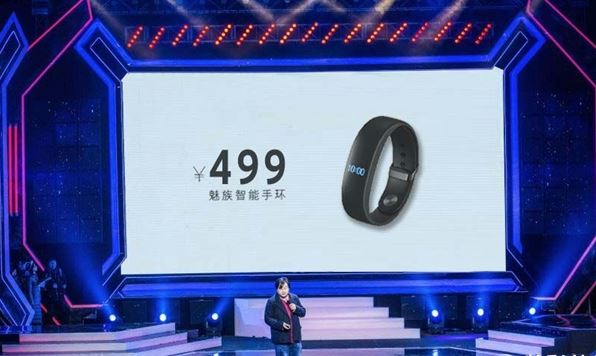
To further buttress the theory that the H1 SmartBand would likely be launched today, the live image of the wrist band has been leaked right from the concert venue. The H1 SmartBand image appears along with the likely price tag and is alleged to have been grabbed off the dress rehearsal for the concert. What we are not so sure about is the 499 Yuan ($73) price tag the device is listed to sell for.
The Mi Band 2, Xiaomi’s latest, retails for 149 Yuan ($22) and even on various unofficial channels the price doesn’t exceed 200 Yuan ($30). So it would be a big gamble if Meizu would nudge the H1 SmartBand’s price up to that extent. We’ll bring you more on this as they unfold during the concert. Keep the dial on Gizmochina.
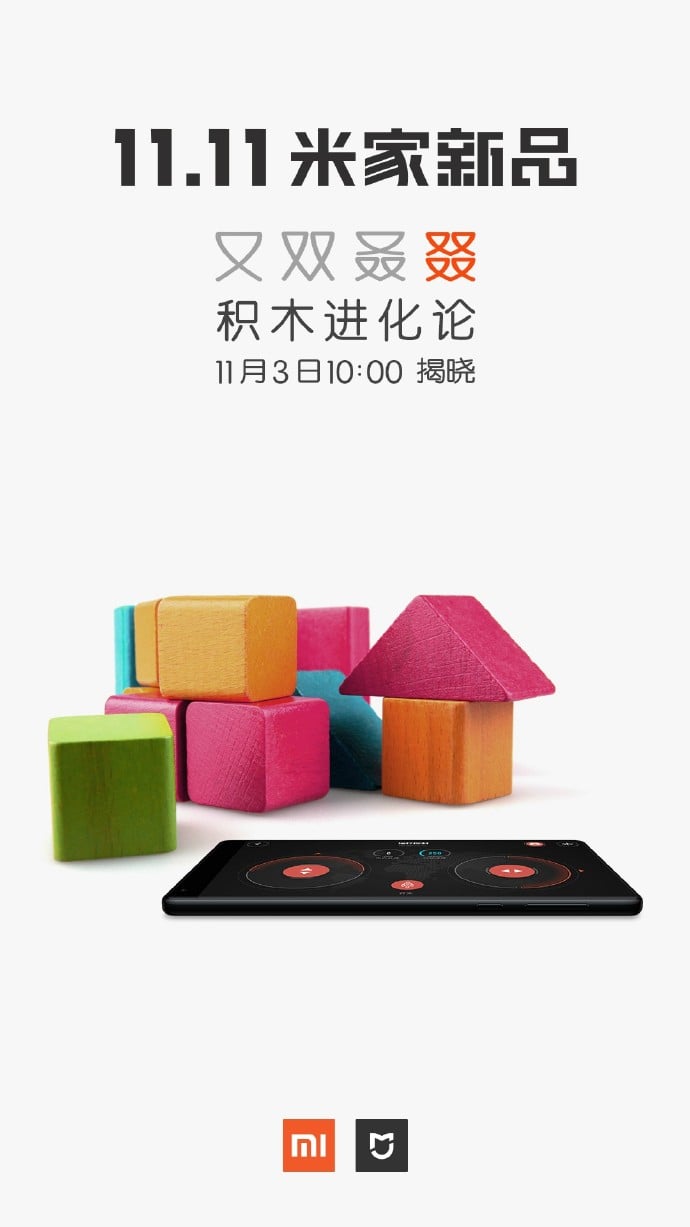
For the past couple of days running, Xiaomi has been teasing a quartet of crowdfunded products launching under its Mijia brand consecutively on four straight days beginning from today to November 3. The four products are said to fall under the categories of food, good air, health and innocence. Already, the IH Rice Cooker has been released today priced at 399 Yuan. Also, what is likely a home air quality tester or air purifier had been teased few days back and that would go official on November 2.
Now, a new teaser has been unveiled via the Mi Mijia Weibo page with the theme “building block evolution” and also centered on innocence. The teased poster is that of a colorful set of square and triangular building blocks with a sleek smartphone in sight also. From the look of things, the product is likely a Smart toy and it is likely aimed for the kids, hence the term “innocence”.
As the November 3 launch of the HuaweiMate 9 draws nearer, the device as should be expected would remain on the front burner of discussions till it is finally launched. The latest we have got on the Mate 9 is a picture that emanated from Weibo and is said to be a pre-launch page by China Mobile. The picture, which seems to have been grabbed from a smartphone, contains what is likely the main specs and actual render of the Mate 9.
Basically, the pictorial specs listing comes in to confirm some of the specifications we had already known would feature on the device but also bring along some new details. One of the latest detail is the specification of the Huawei Mate 9’s dual main cameras. According to the pictorial listing, the dual cameras would be a combo of a 12MP sensor and a 20MP sensor. Another is that the device would feature a front fingerprint sensor in addition to the one at the rear.
Other details listed include that the Huawei Mate 9 would sport a 5.9-inch 2k double curved display, and would be fired up by a Kirin 960 processor with a 6GB RAM assisting the SoC inside. That is an indication that the top-most version is being touted and it would have a large storage of 256GB on board. The device is also listed to run on Android 7.0 Nougat OS. Additionally, the Mate 9 is touted as seeing an upgrade on the fast charge aspect, as it is listed to support 5V / 8A charging output. Perhaps this would form part of the long battery life Huawei teased recently to feature on the Mate 9.
UPDATE: These images look exactly like the recently released Axon 7 Max. So, they seem to be photoshopped.
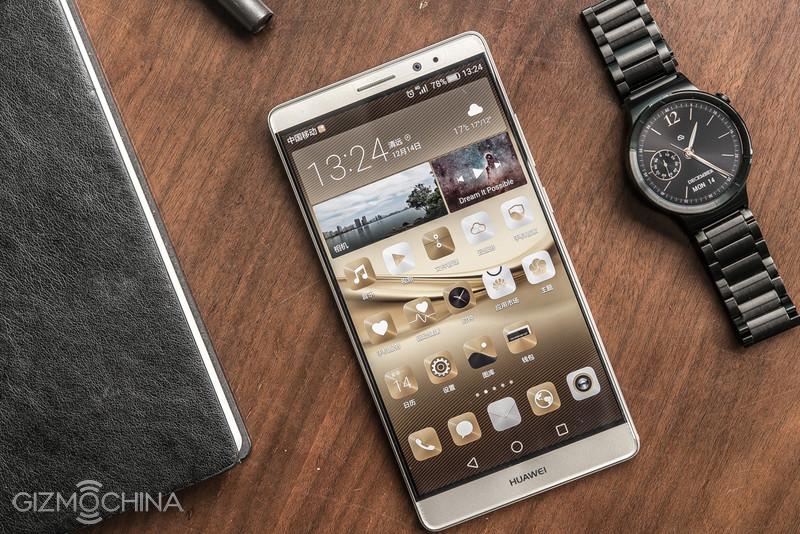
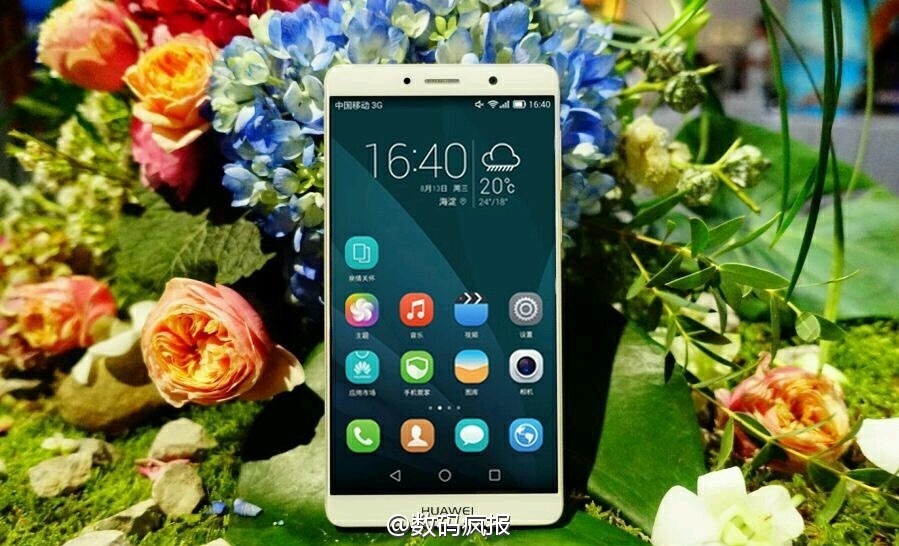
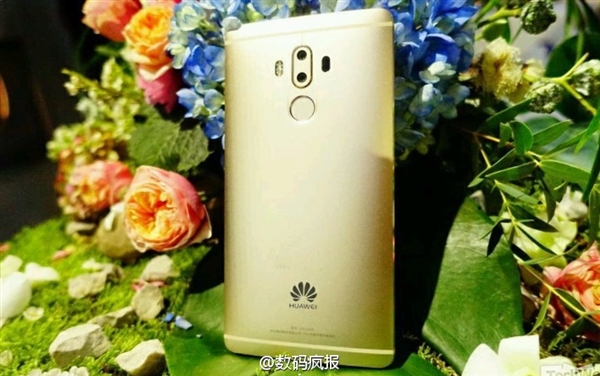
Just a few days to the official launch of the Mate 9, a user on Weibo has leaked real images of the phone and it looks like some of the earlier renders.
The unit is the champagne gold variant. The screen is large and fits the 5.9” or 5.88” description. There is Huawei’s name sitting on the chin and the top speaker is flanked by the front facing camera and the proximity sensor.
The back is where the action is. The dual cameras made by Leica have a vertical setup and are flanked on the left by the LED flash and on the left by the laser focus module. And below the cameras is the fingerprint scanner. The antenna lines are very visible due to their thickness but it isn’t like they make the phone ugly.
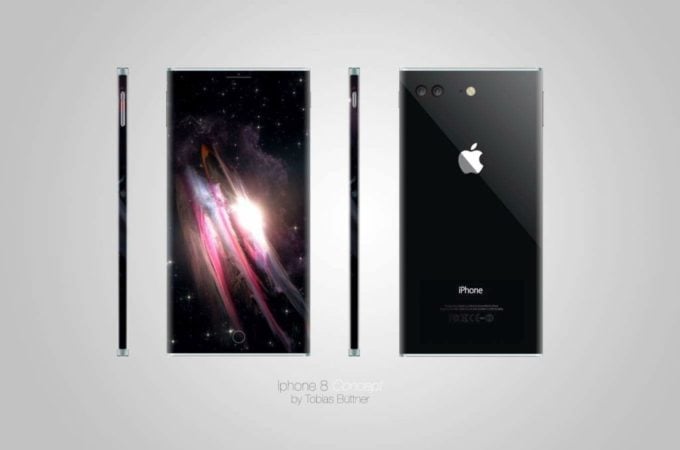
Rumours for the next iPhone started surfacing even before the iPhone 7 was officially released. Now that there’s nothing in its way, we should expect more details of Apple’s next phone (if there is no SE 2nd Gen or so), like this one from Japanese media, Nikkei, which is about the iPhone 8 Plus.
iPhone 8 Concept with OLED Display
A few days ago it was revealed that there will be 3 variants of the iPhone 8: a 4.7” variant, another with a 5” display and the third one will have a 5.5” screen size. The 5.5” version is assumed to be the iPhone 8 Plus, and Nikkei says it will feature a curved OLED display which will be manufactured in the US.
This is a first for Apple if it turns out to be true but it is not surprising either, seeing as next year will be the 10th anniversary of the iPhone, we expect something different. We already know what they did to mark the 25th anniversary of the first Mac laptop. But let’s hope it doesn’t share its high price tag.
In a few days, the Huawei Mate 9 will be announced in Germany, but that doesn’t mean we still won’t be getting details right up to the launch day.
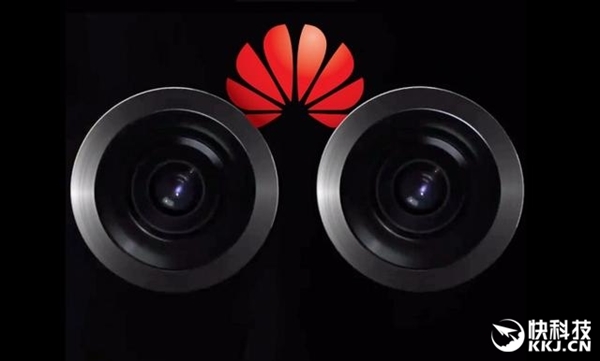
This not-so-new info is from analyst, Pan Jiutang, confirming that the Mate 9 will have a 12MP+20MP rear camera combo. According to Mr Jiutang, the Mate 9’s camera prowess will double that of the Huawei P9 which by today’s standard is one of the best in the market.
He also mentions that there is a possibility of the Mate 9 featuring an embedded fingerprint scanner.
A few days ago, there was a post on Weibo about the screen sizes of the Mate 9 and there was no mention of a curved display, leading people to believe the company will not release a curved variant of the phone. But there are still rumours going round of the phone’s existence. The curved variant which will have the PRO suffix is expected to have a dual-curved screen, 6GB of RAM and IRIS recognition just like the Galaxy Note 7.
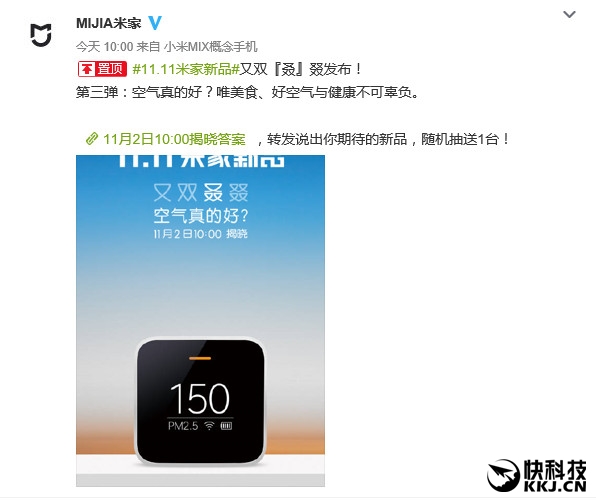
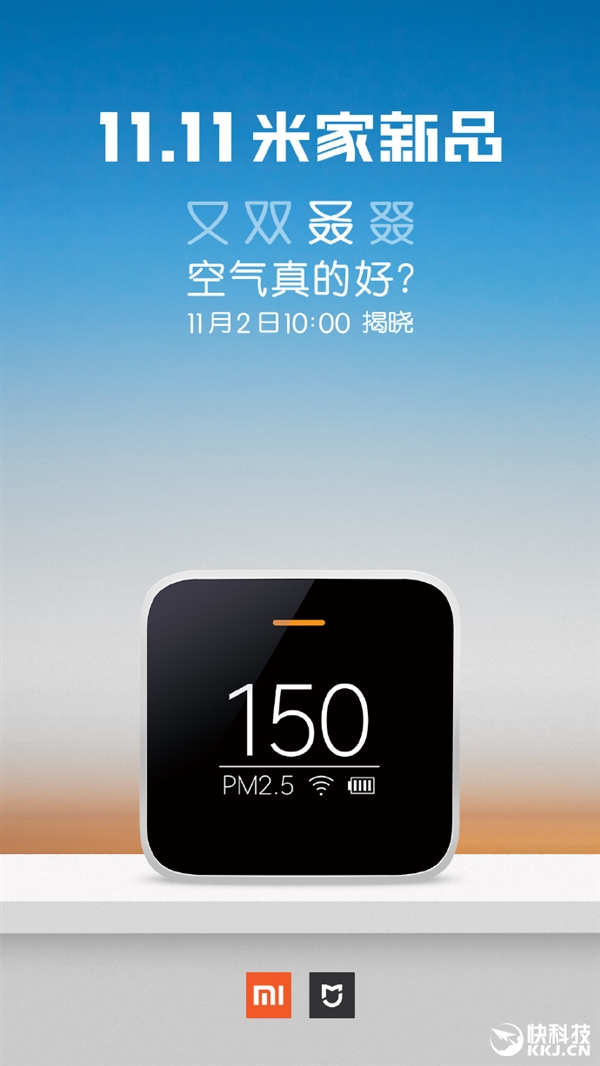
Mijia has released a poster on Weibo for next week’s crowdfunding launch. The image is of a device suspected to be a sort of air quality tester judging from the rough translation of the Chinese text on the poster.
Xiaomi already has two air purifiers and recently launched the Air Purifier 2 in India. The gripe with the air purifier is the lack of a display. Owners have to control it via the Mi Home App available on Android and iOS. So there is a chance that the air quality tester will pair with the existing air purifier and show the current air quality rate and probably do a lot more than that.
The event is scheduled to be released on the 2nd of November at 10:00 am. When it does, we should have more information about how it works and how much it’ll cost.
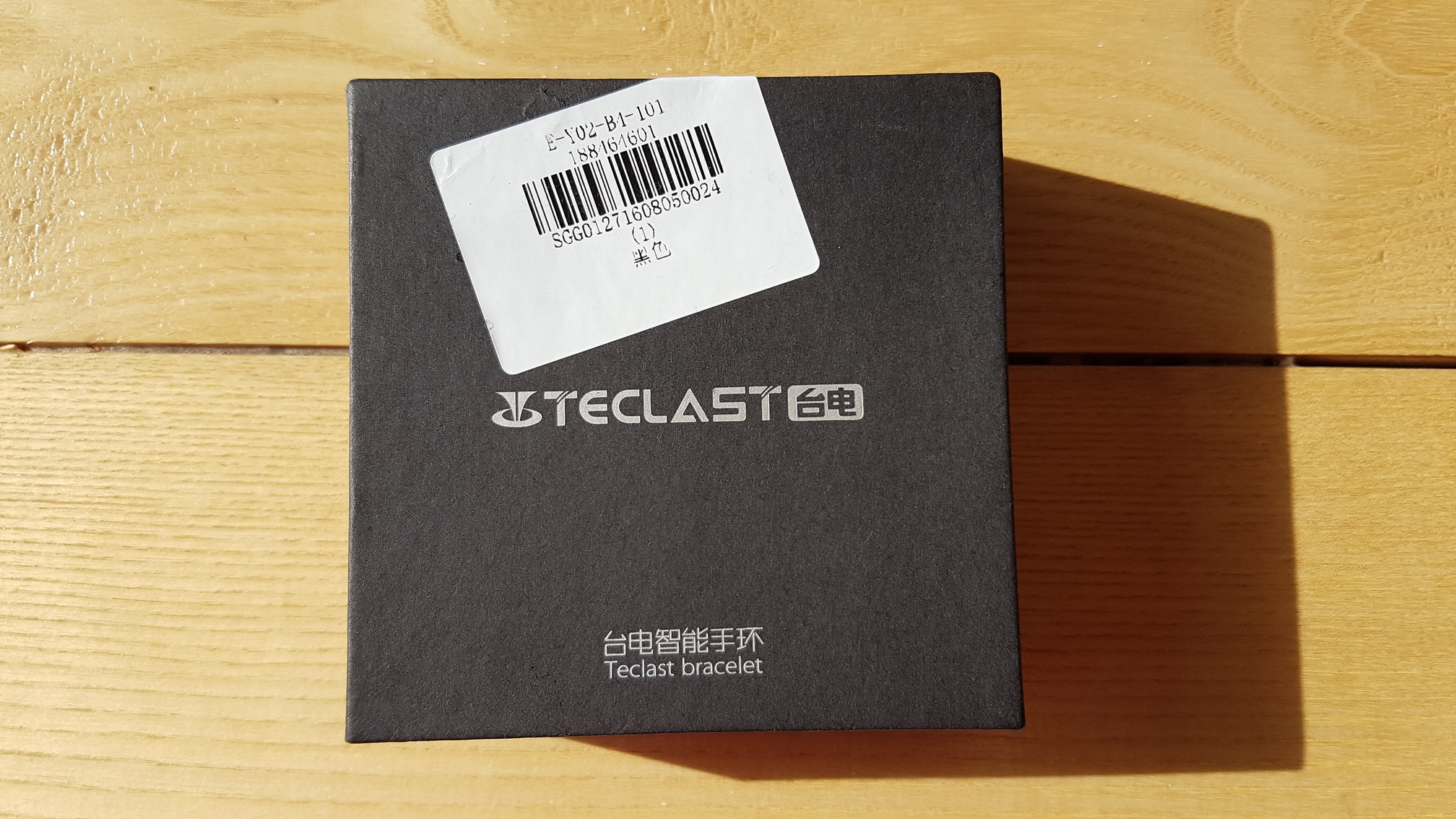
Teclast is more known as a tablet manufacturer but we came across their cheap fitness tracker – H30. It has a great design, excellent build quality and a lot of features for just $19. Learn more in our full review.
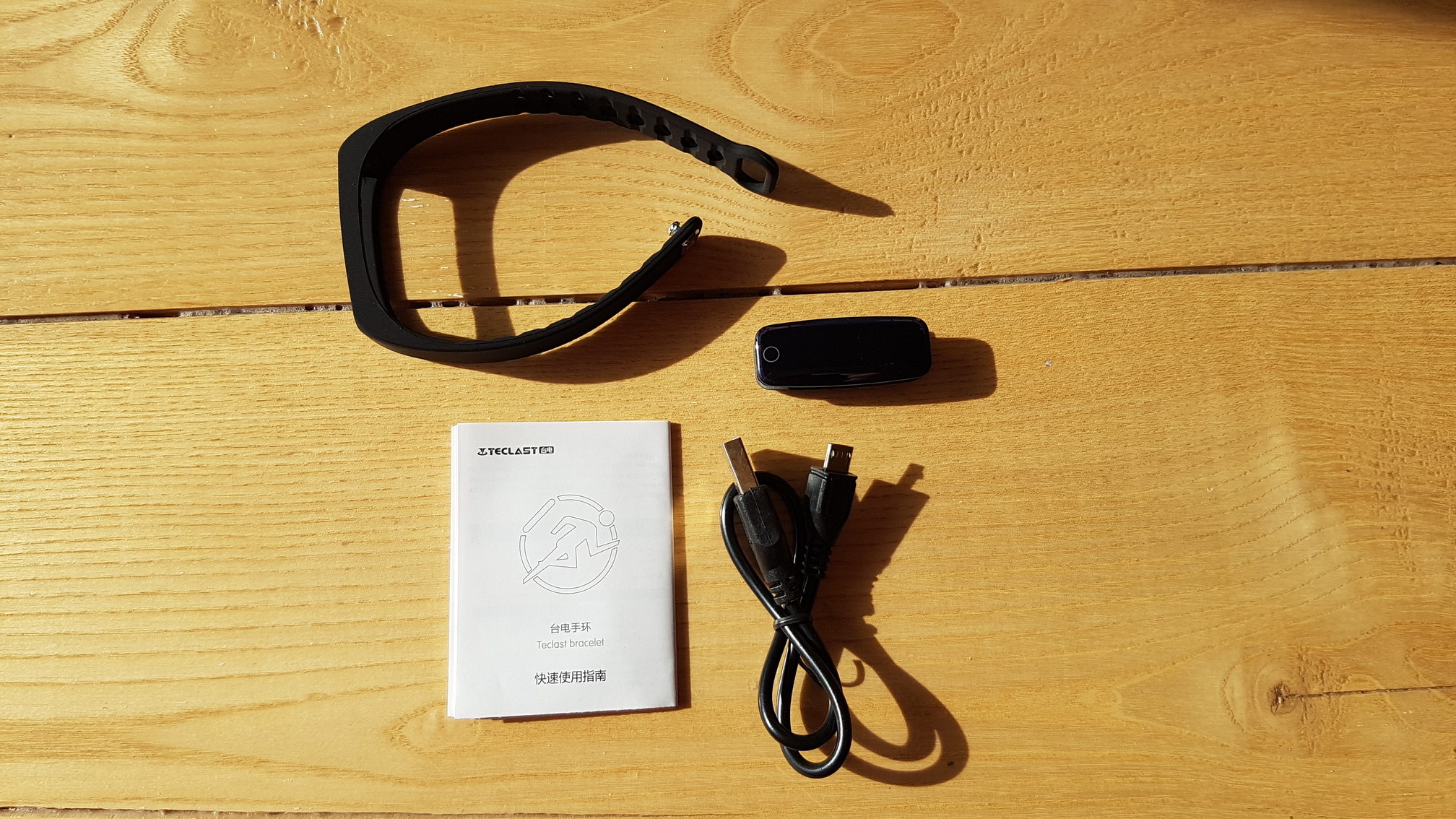
The item ships with the USB cable and some paperwork.
DESIGN and FEATURES
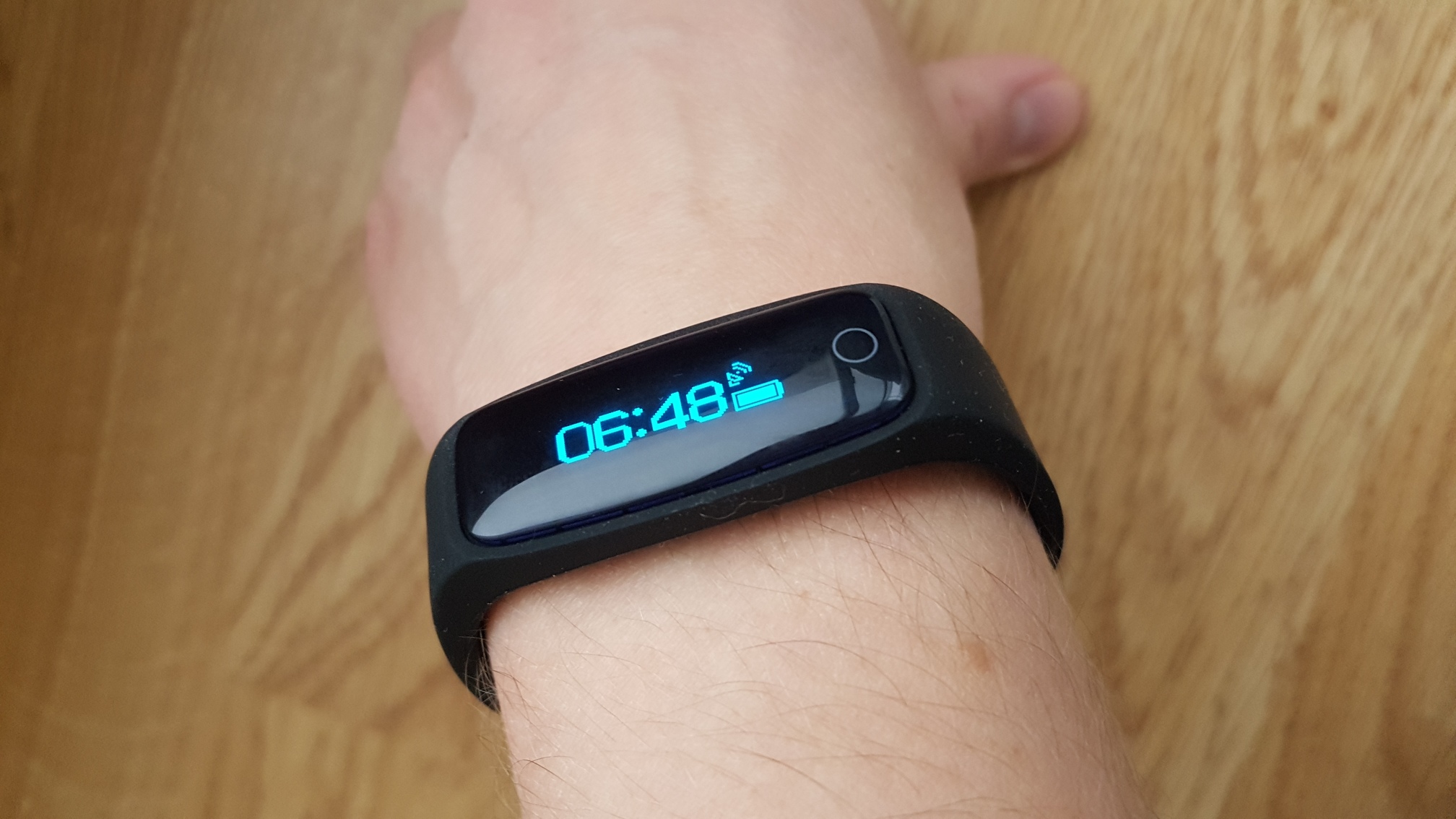
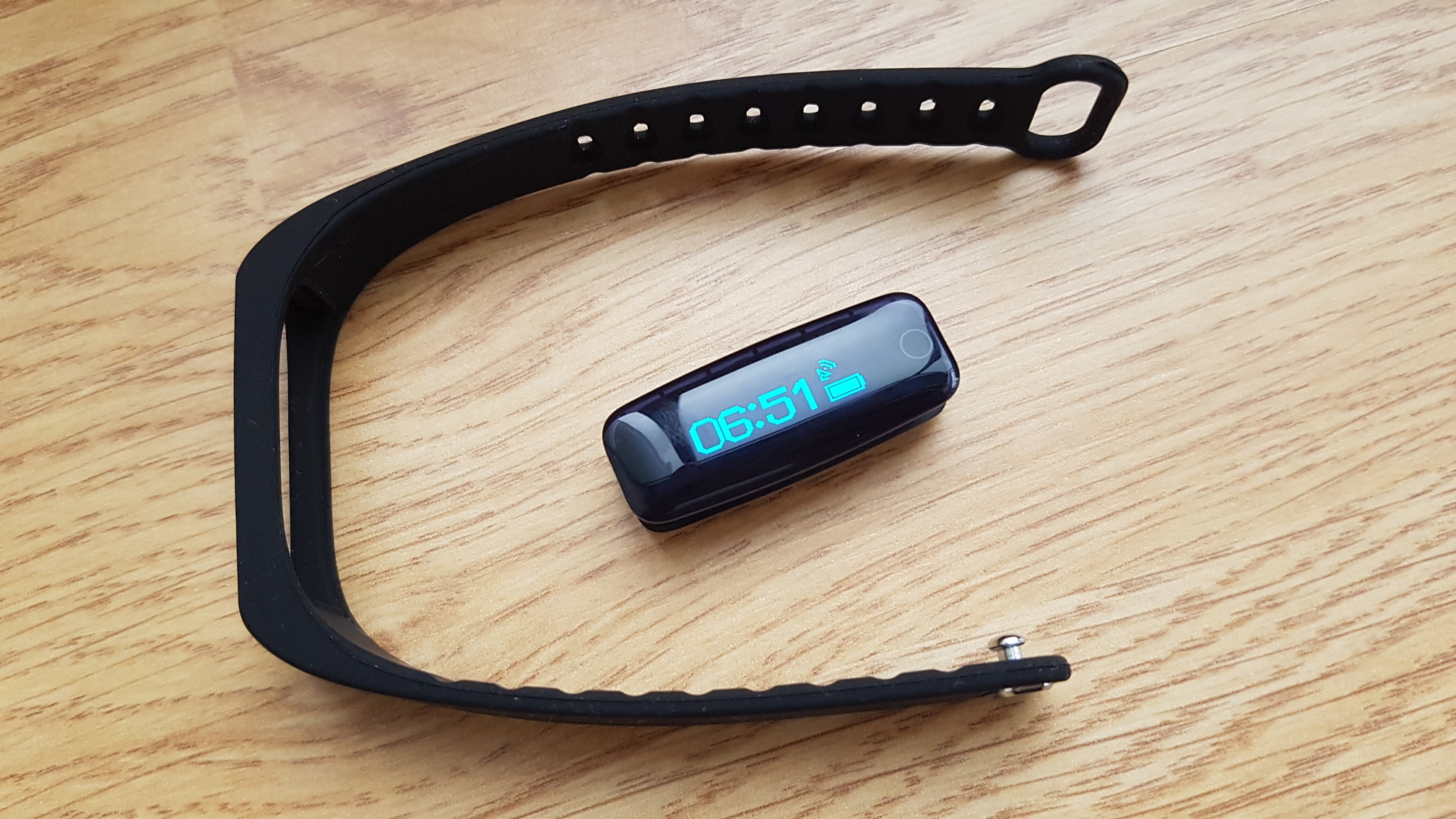
The fitness tracker itself can be easily removed from the the band, which I found to be pretty comfortable to wear but not as comfortable as the Xiaomi Mi Band 2.
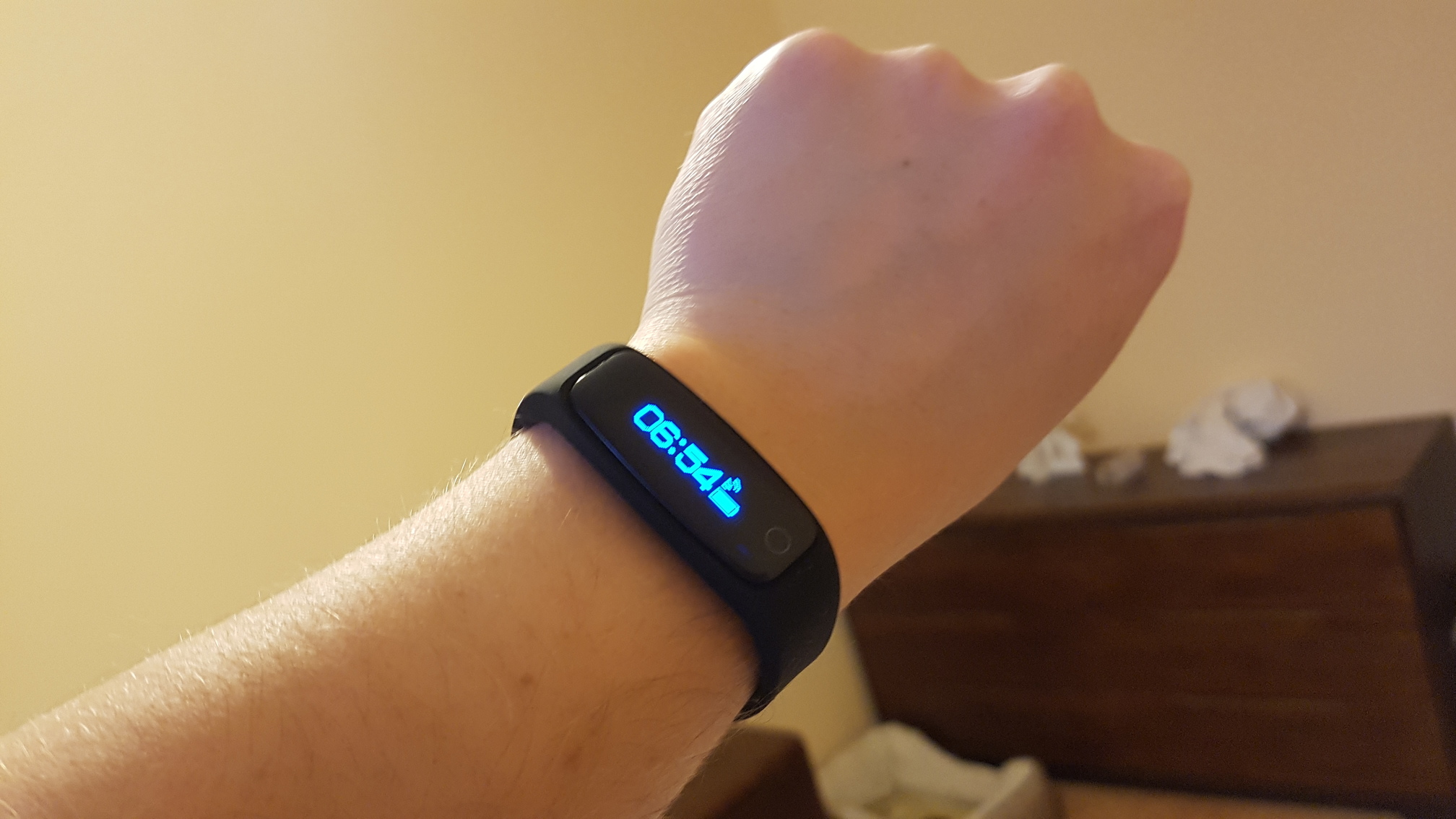
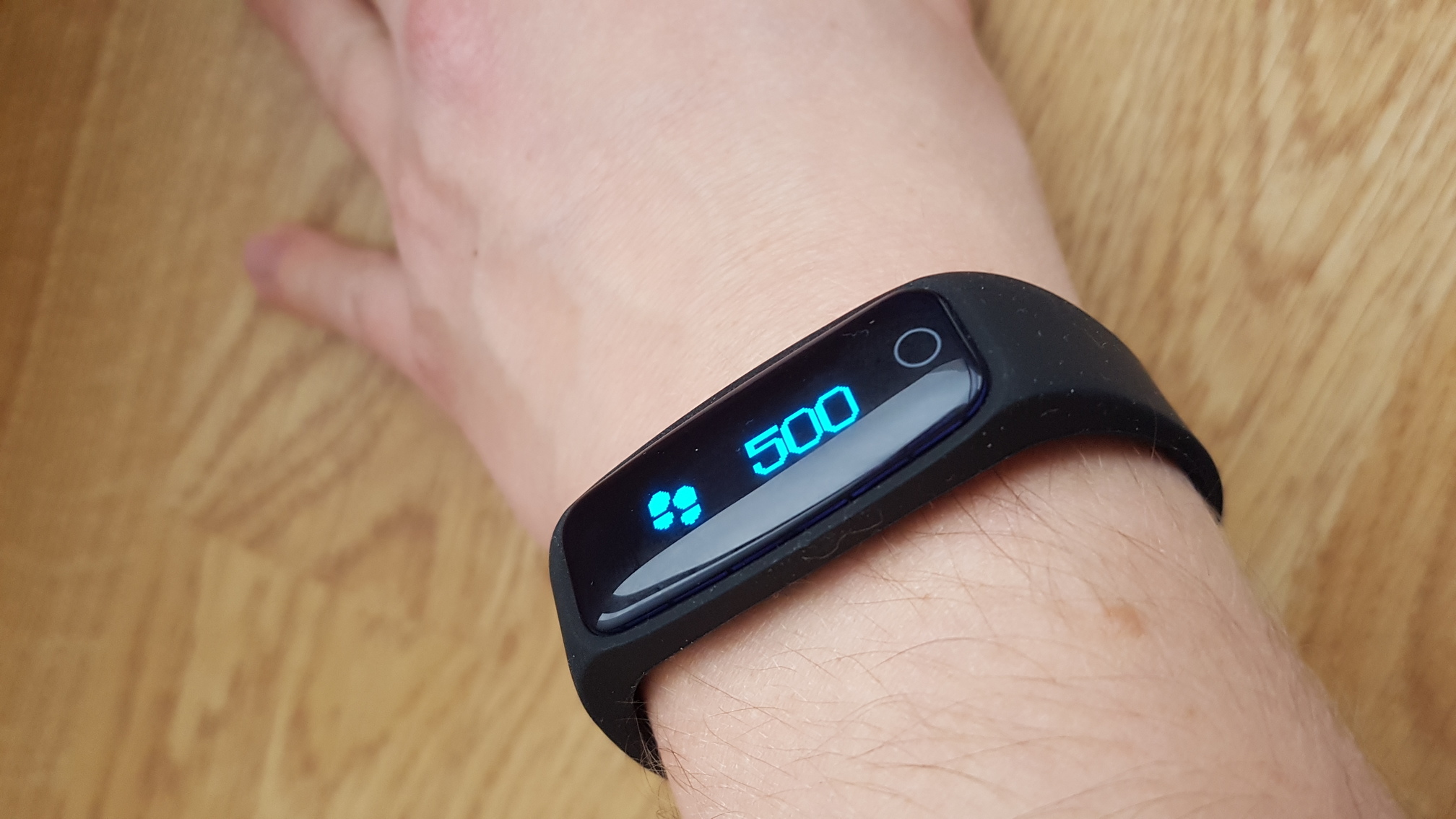
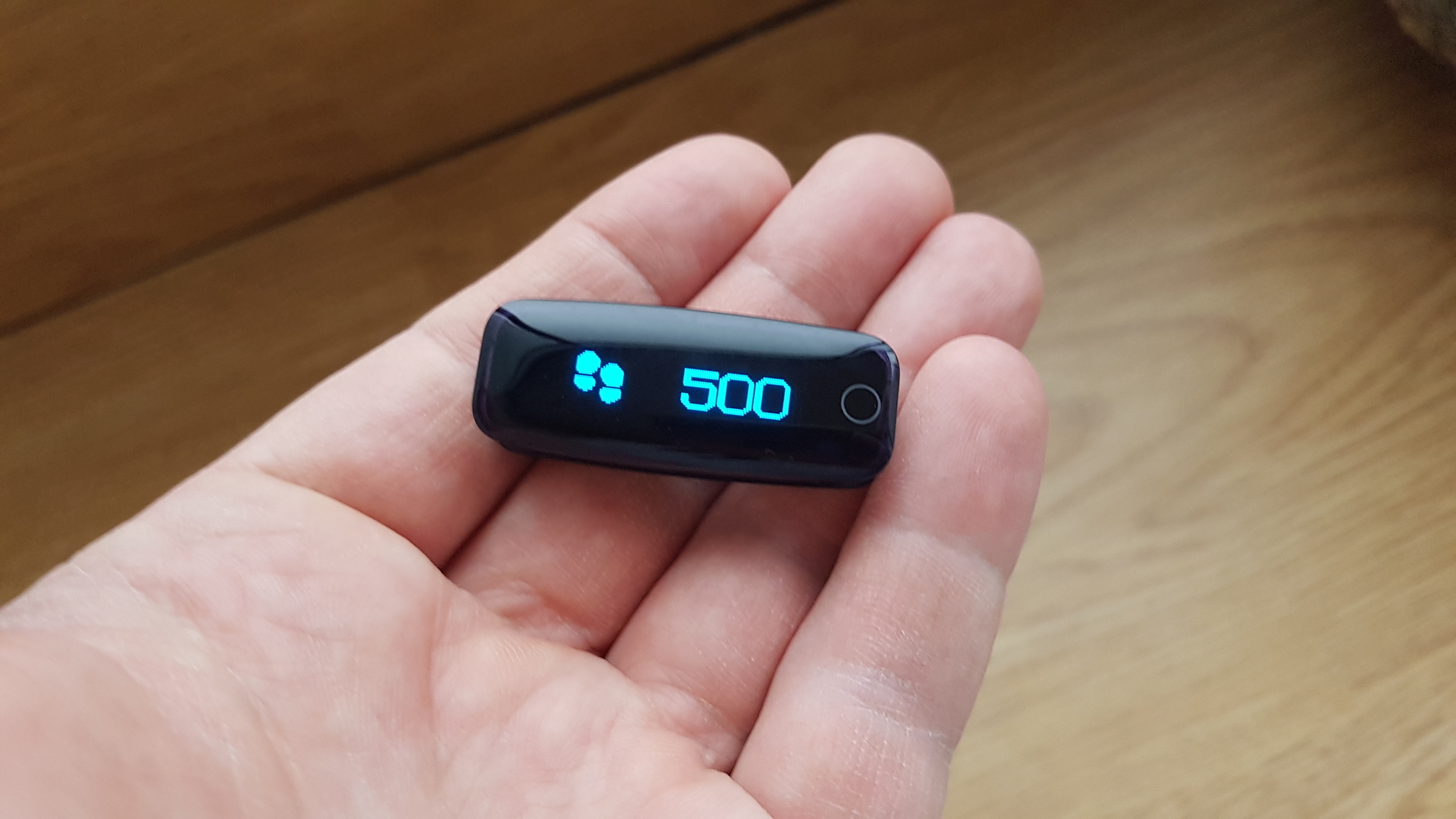
The build quality of the Teclast smart band is top-notch. It is made of quality plastic and I did not scratch it while wearing it for a couple of weeks.
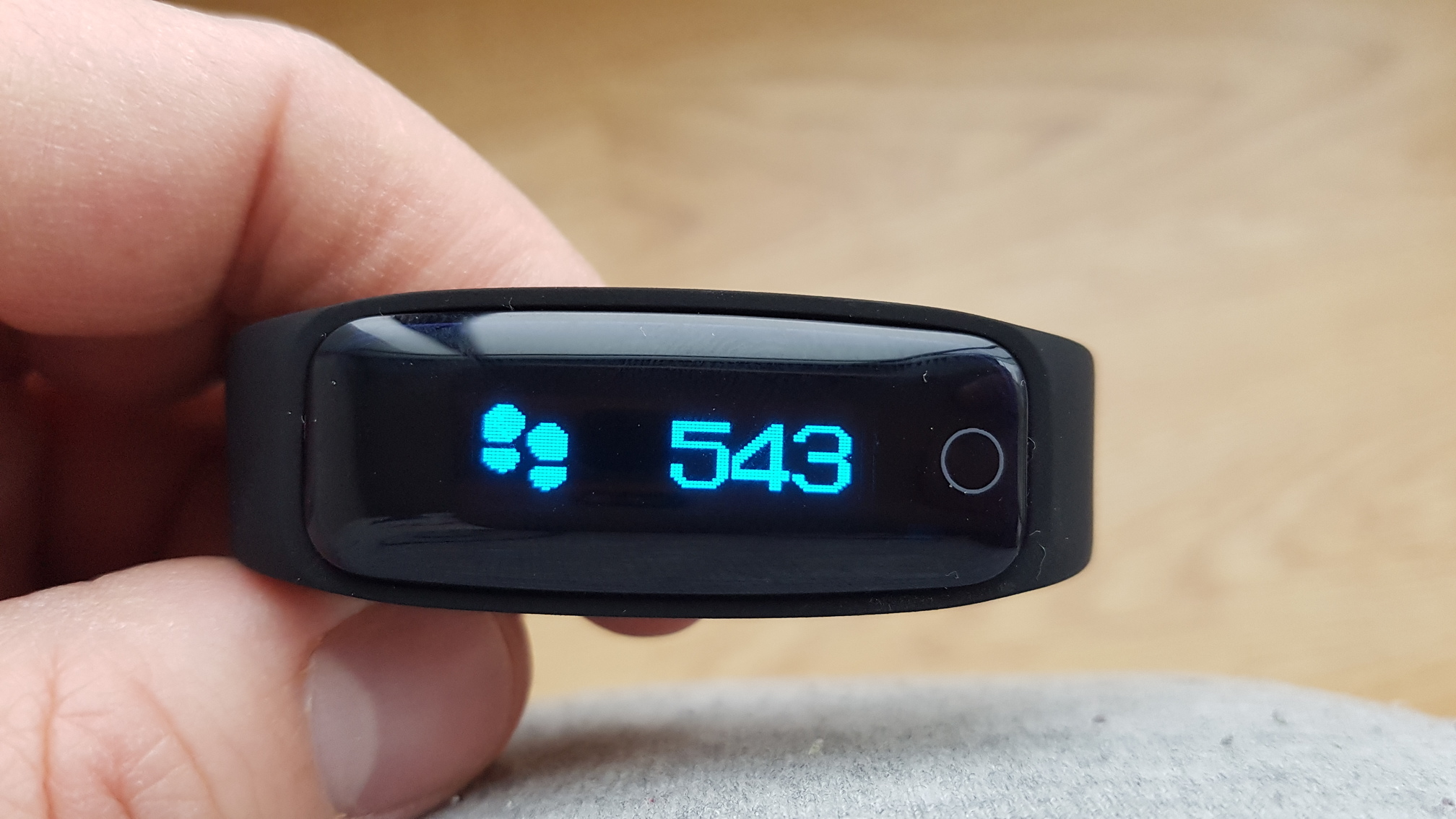
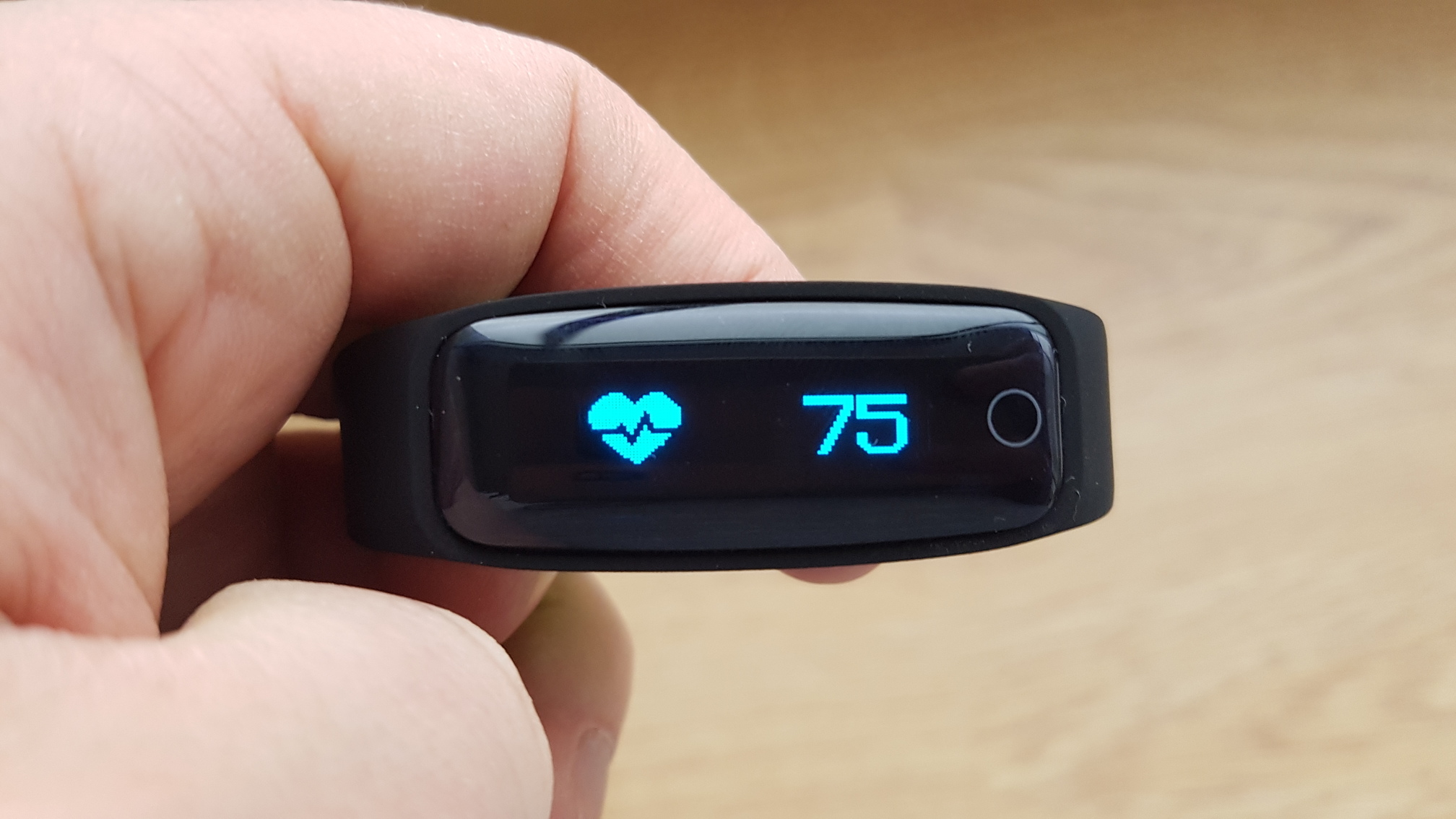
We have a nice and bright OLED display that shows all the basic info you need: clock, date, steps taken, calories burned, distance walked and so on.
In addition, it shows the notifications from various apps (Facebook, Twitter etc.), SMS messages and calls. What I love about the call notifications is that it shows both the contact name and the number (some other cheap trackers show just the phone number or vice versa).
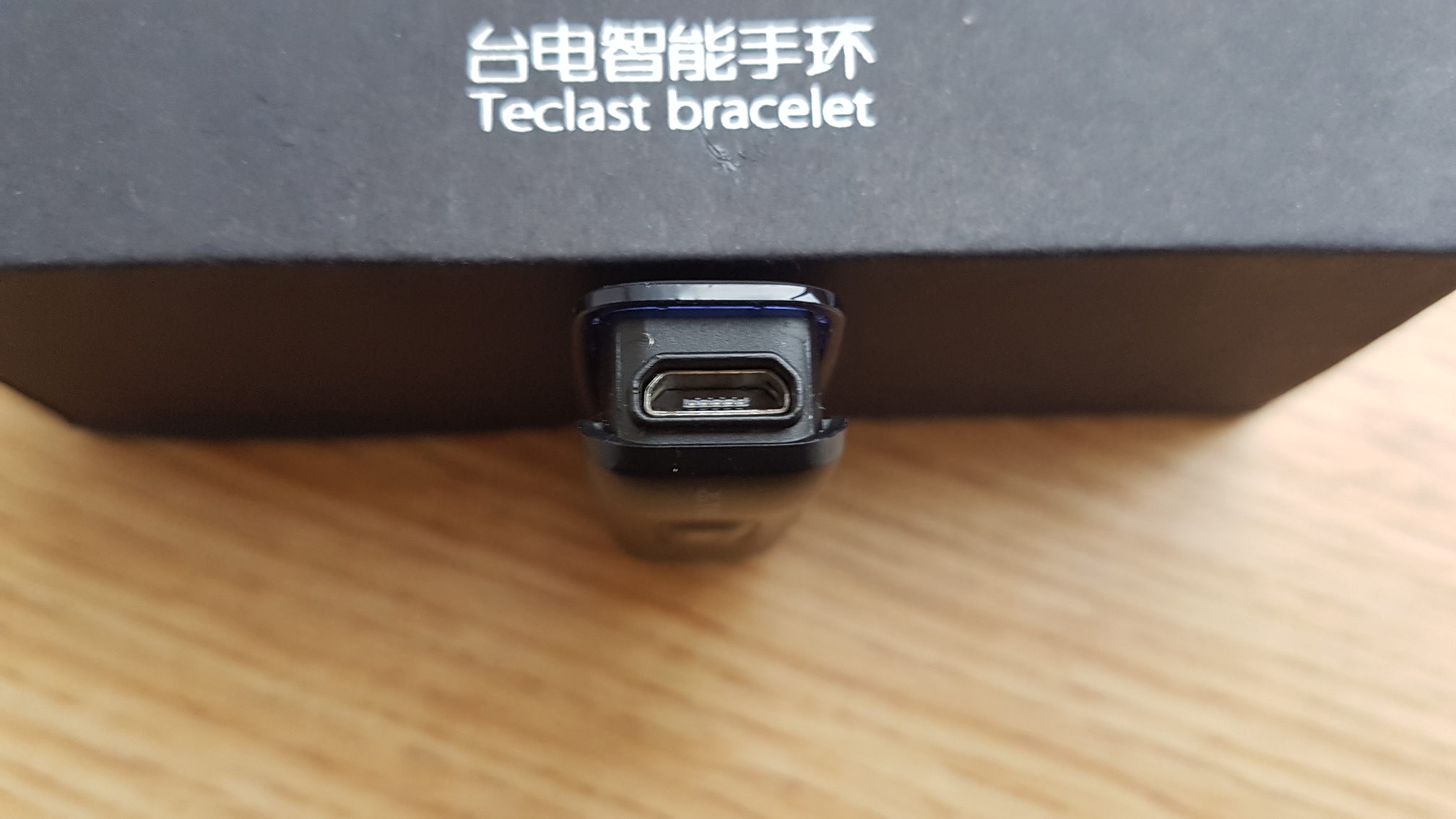
You can charge the bracelet with any micro USB cable.
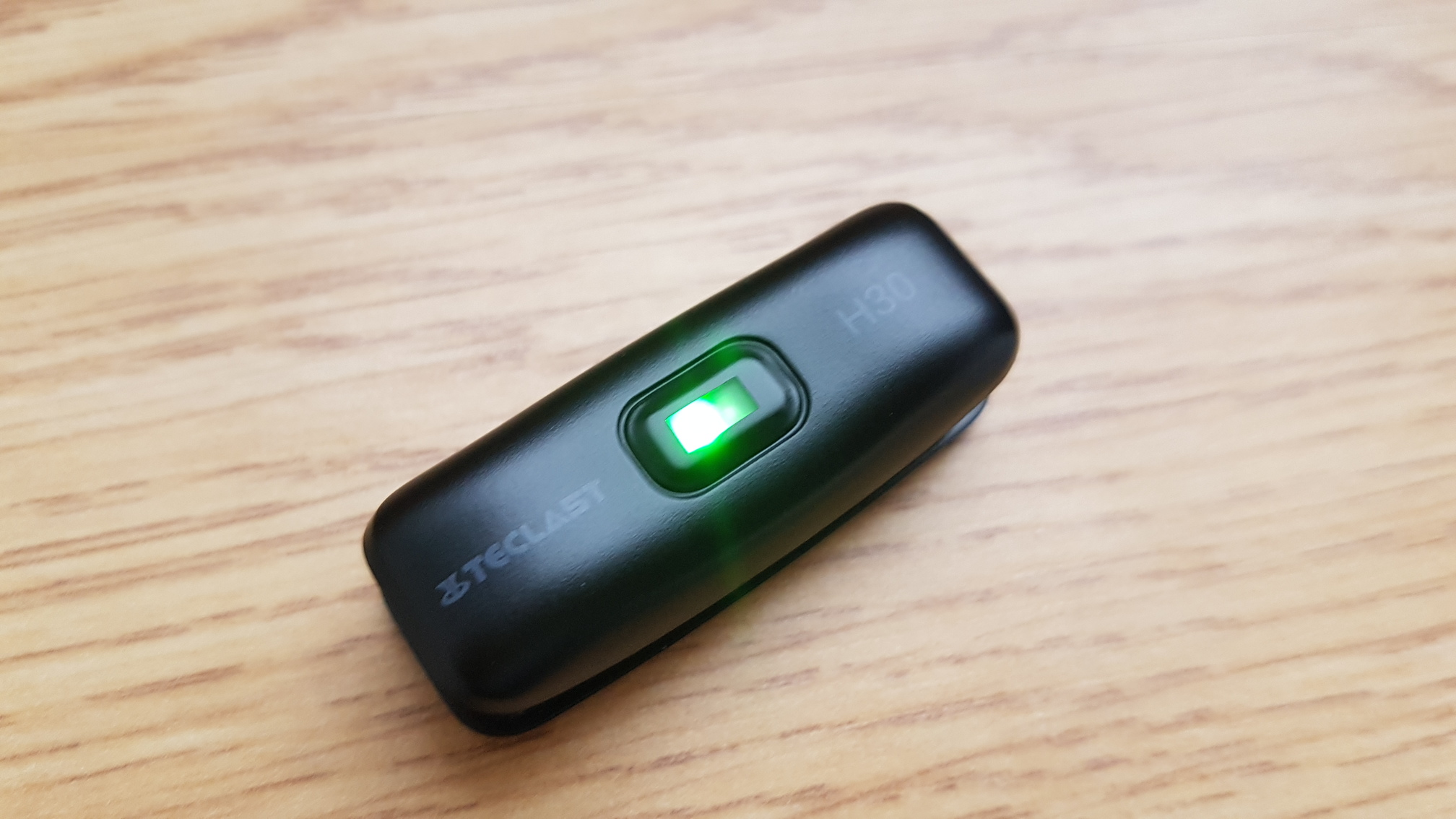
Another cool feature about this smart band is the heart rate monitor. While this feature is not intended for professional use, I found the results to be pretty similar to the Xiaomi Mi Band 2.
The App
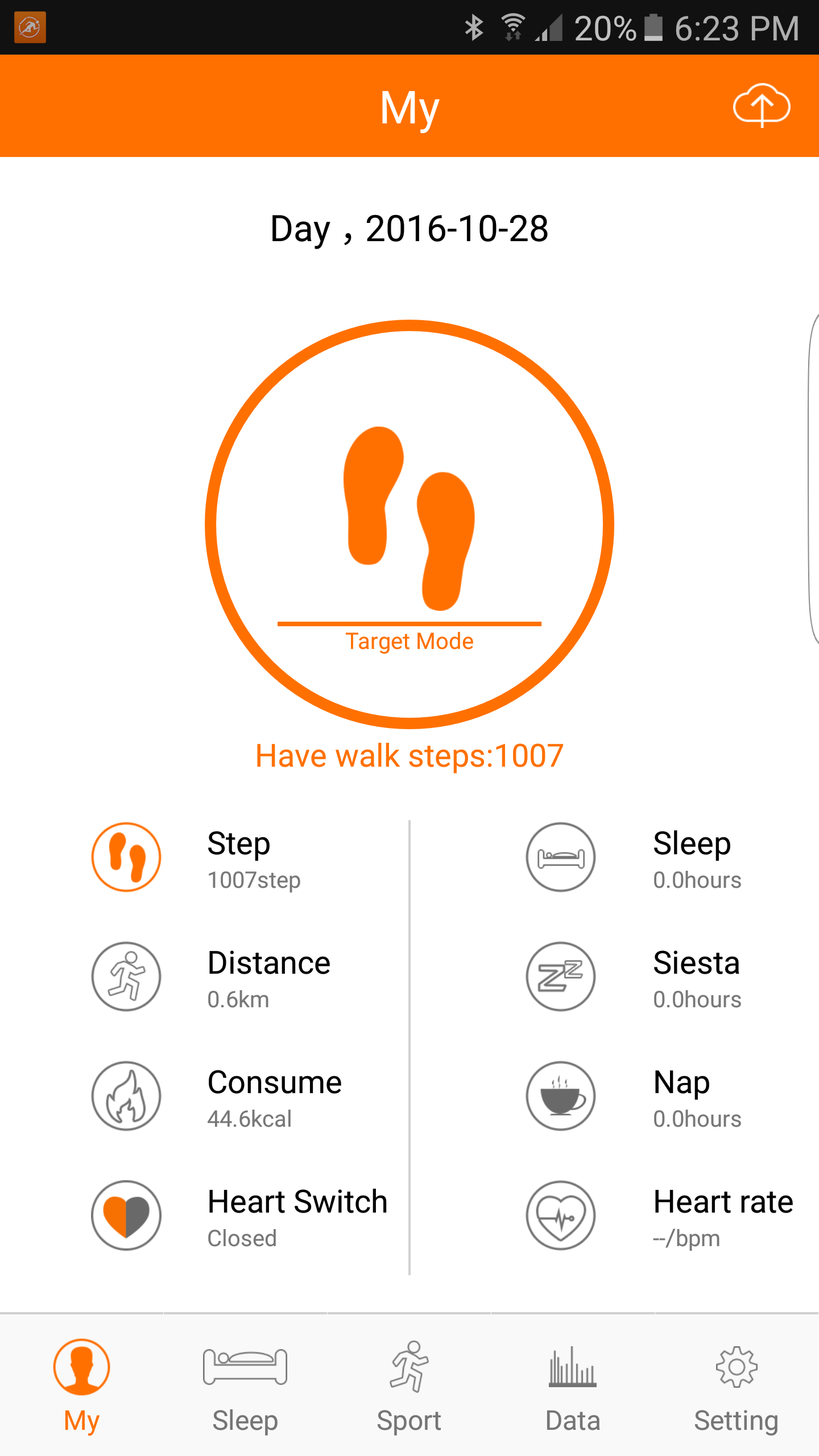
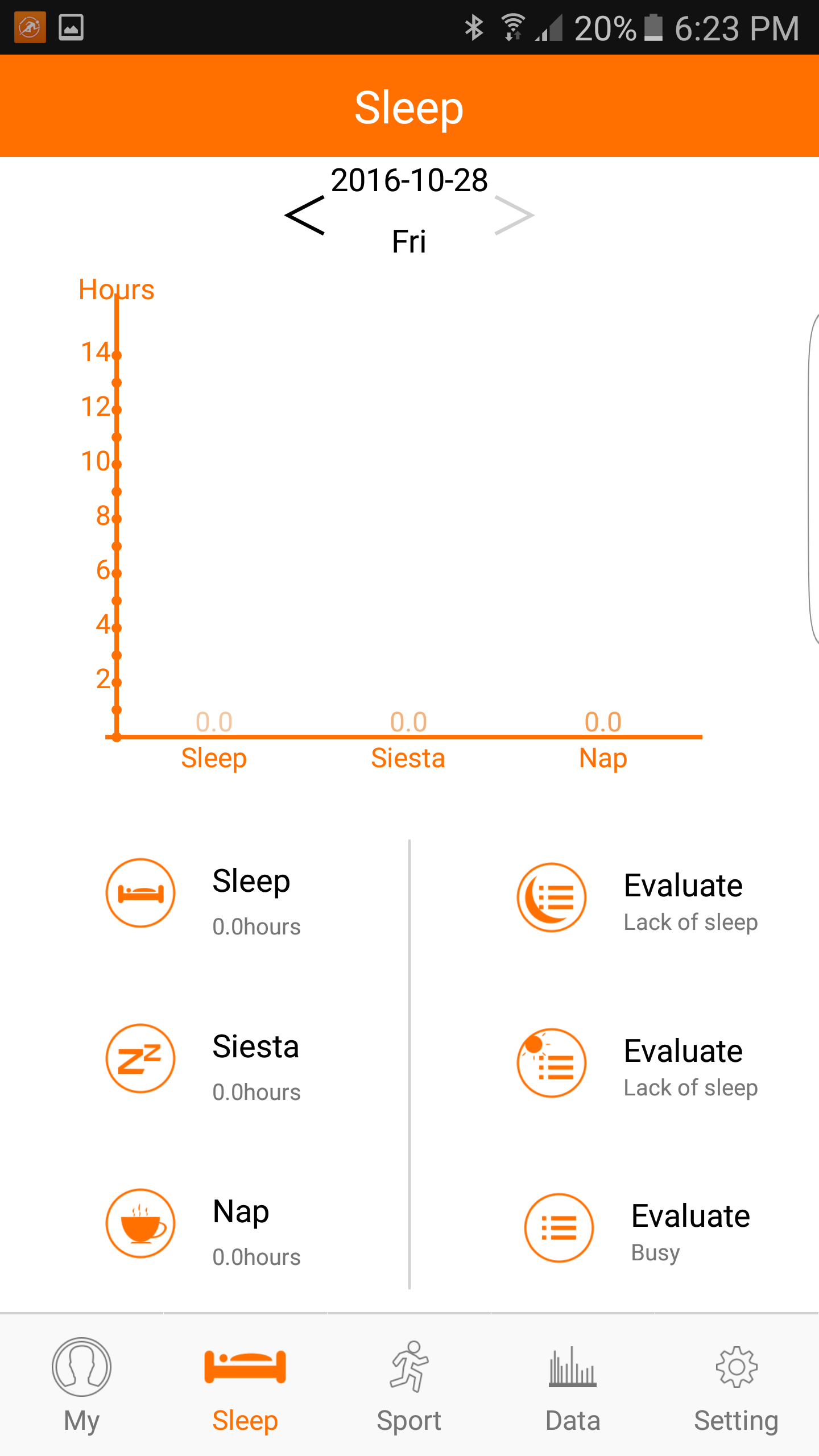
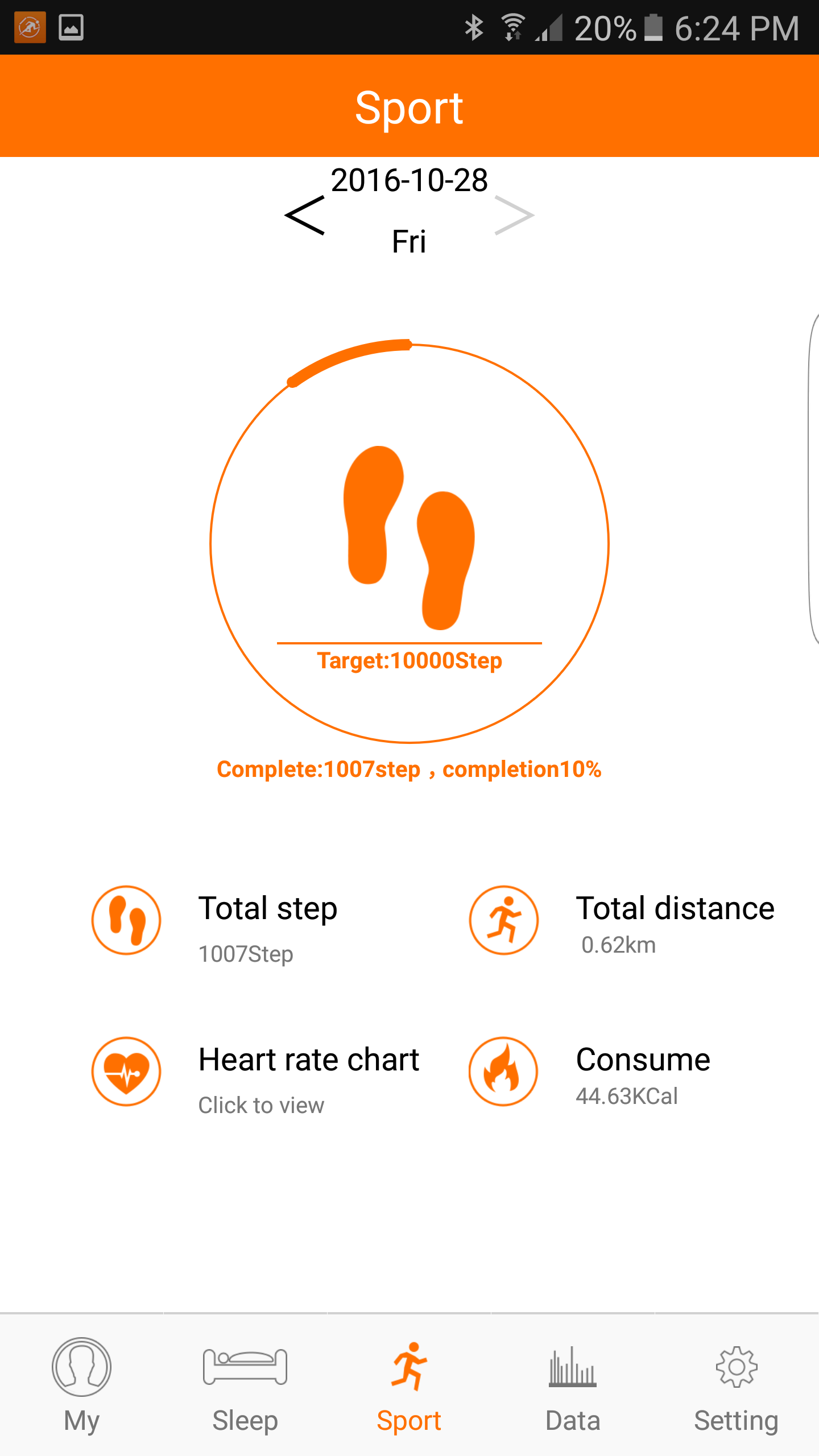
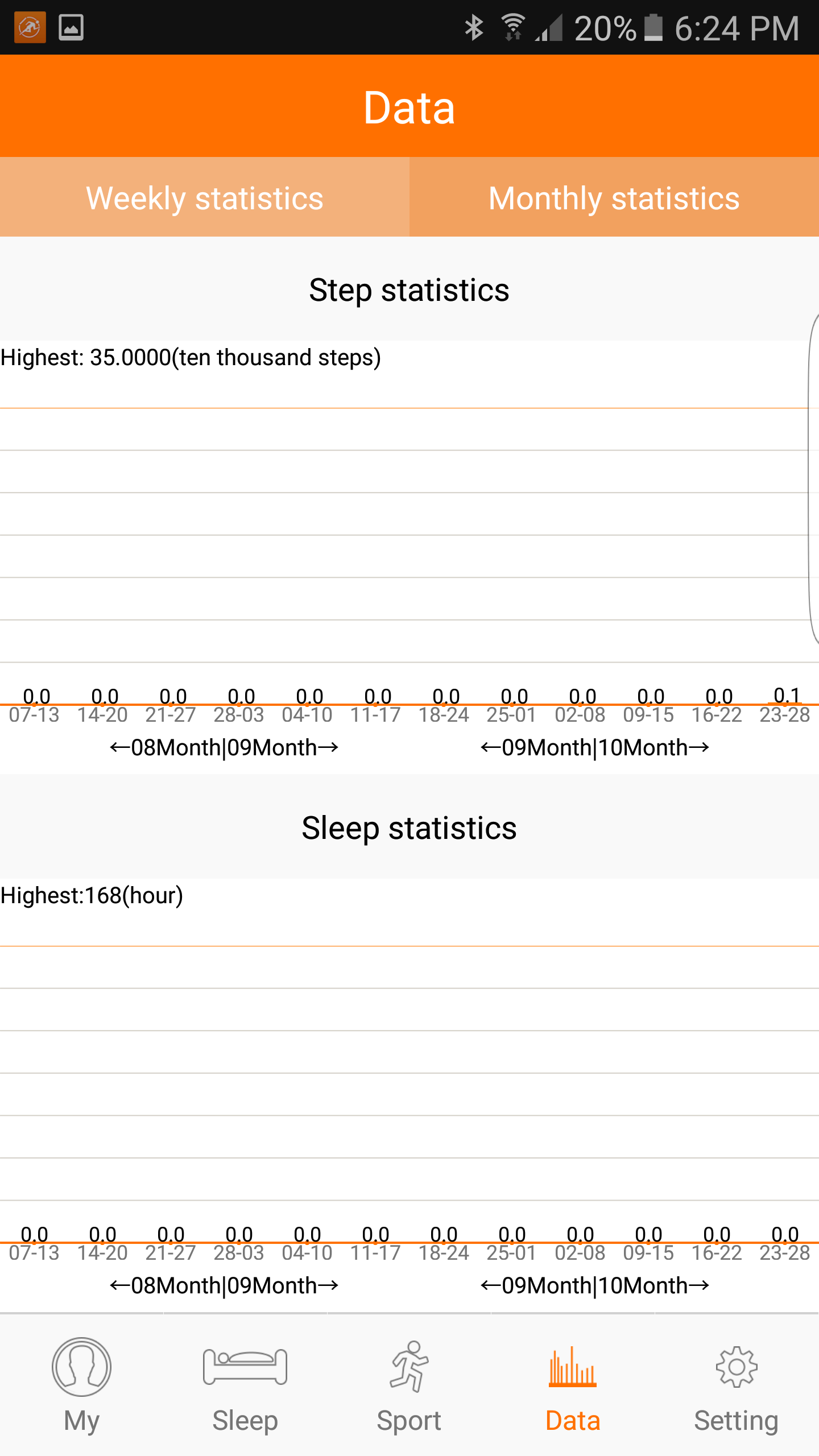
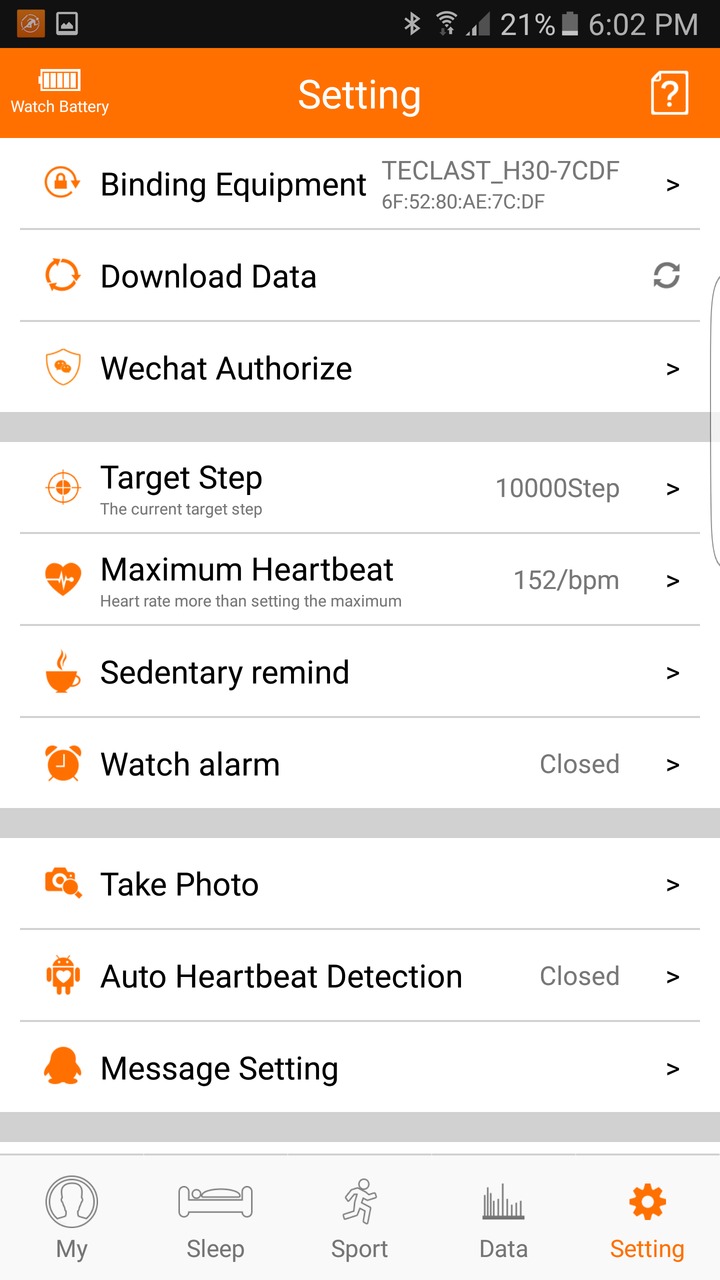
You can easily connect the smart band to your phone using the Tsports app and I didn’t have any syncing issues after I was asked to create the Teclast account, which was a bit annoying (every registration requirement is annoying to me). Here you can find all the basic info about your fitness routines, set your goals, adjust some settings etc. The app gets the job done but as usual to most of the Chinese gadget-related apps, the translations to English are poor, so you have to get used to that.
BATTERY LIFE
The key selling point of any cheap fitness tracker to me is the battery life and the Teclast H30 delivers that. Teclast claims that it should last you about 30 days and I had like 43% of battery left after two weeks of use, which is a pretty good result.
CONCLUSIONS
The Teclast H30 is a cheap fitness tracker that has a ton of value of the price. It counts the steps accurately, it has a nice display, a heart rate monitor, and a great battery life. The only complaints would be annoying English translations in the app. If you can live with that, the Teclast H30 can be recommended as a good cheap fitness tracker.
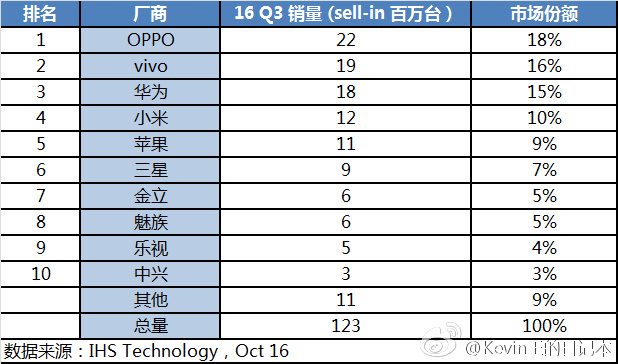
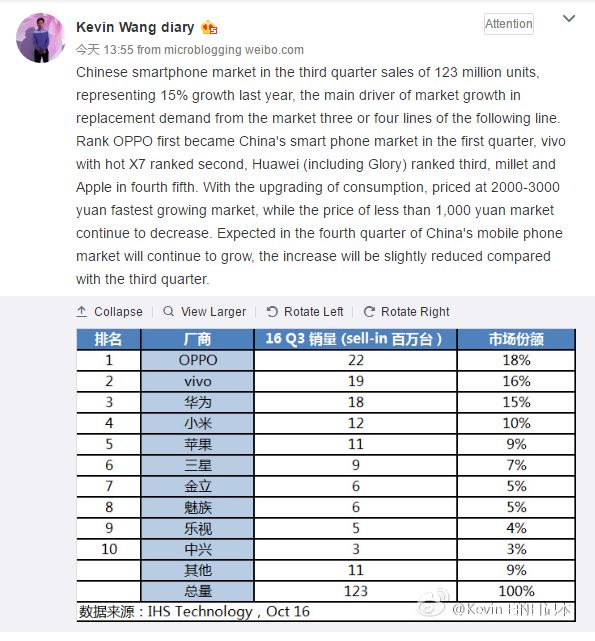
The Chinese smartphone market continues to be dominated by the quartet of Huawei, OPPO, Vivo and Xiaomi for another quarter running. IHS Research analyst, Kevin Wang has just revealed via Weibo the ranking of the top Chinese smartphone manufacturers based on sales in Q3 2016. The list features some huge surprises which we never saw coming as OPPO was listed to have sold more phones than any other company in Q3, 2016, edging Huawei out of the top position it had occupied in Q1 and Q2 2016. The BBK subsidiary recorded a total of 22 million units in sales for the third quarter.
The IHS data also showed Vivo, another BBK subsidiary, came ahead of Huawei to clinch the second position with a total of 19 million units in sales. Huawei surprisingly dropped to the third position with a total of 18 million units in smartphone sales.This is way down from the 32 million units the company was listed to have sold by IHS research data in Q2 2016.
Innovative start up Xiaomi maintained its number 4 position on the ladder from the previous quarter with 12 million units sold in Q3. This however is lower than the 15.22 million units the company was recorded to have sold in Q2 2016.The top five was complete by US based company Apple who sold a total of 11 million units in the quarter under review.
In all, a total of 123 million units were sold cumulatively by all the known Chinese smartphone brands in Q3 2016. This figure is said to represent a 15% growth from the same period last year. The IHS Resarch Director for China also predicted a slight growth in phone sales for the fourth and final quarter of the year but the increase is expected to be reduced compared to that of Q3.
Huawei Mate 9 launch is just around the corner, with the release slated for November 3. The company has already started to tease the new handset, and today, it released yet another teaser. This new poster confirms Huawei Mate 9 will have long battery life as it as it asks the question, “Is Worrying About Your Battery Worth It?”.
Huawei’s Mate series have always featured huge batteries inside, making sure that the large 6-inch display runs for an entire day in a single charge. In fact, if you remember, the Mate 8 got an endurance rating of 103 hours on GSMArena’s battery test, which makes it one of the top flagships with great battery life.
Now, with Kirin 960, it’s still built on TSMC’s 16nm process, but we can expect some improvements in efficiency. This could translate into better battery life on the Mate 9 flagship. Also, from the teaser video released today, it looks like the Mate 9 will come equipped with fast charge as well.
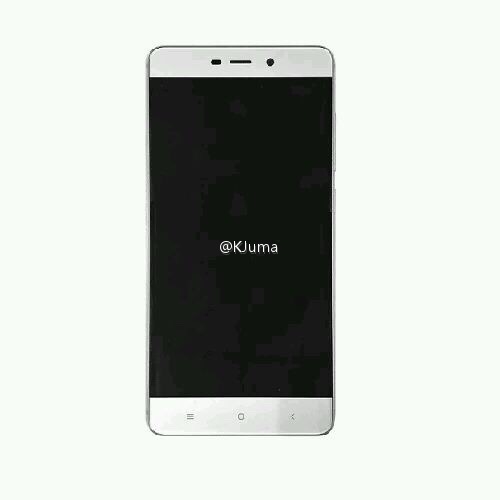
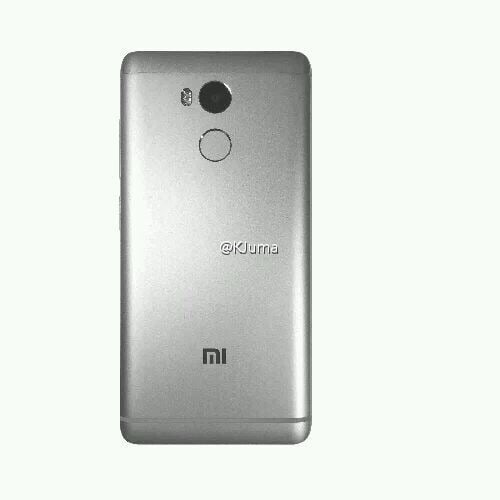
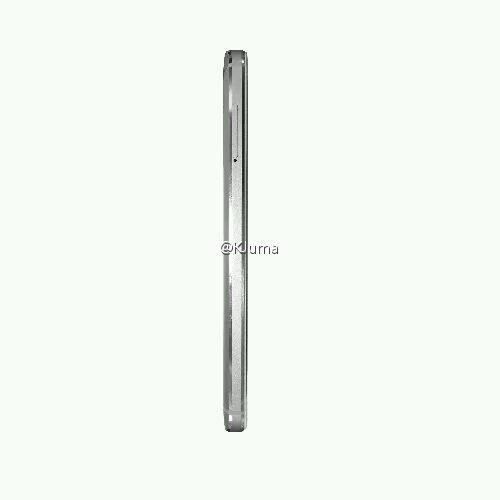
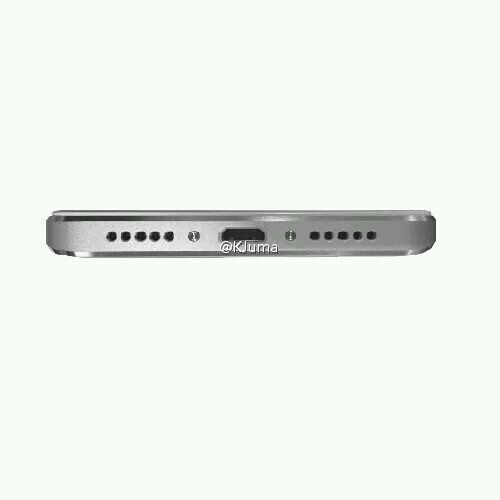
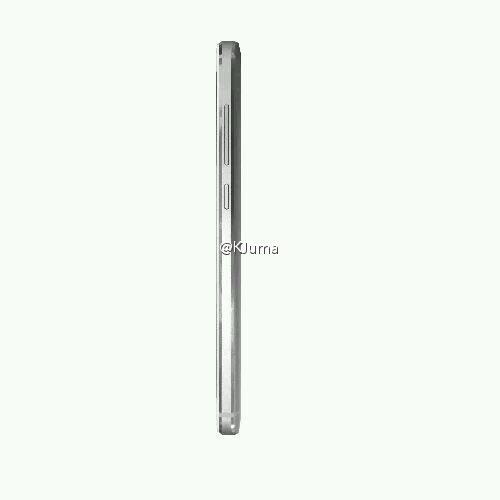
The Xiaomi Redmi 4 has surfaced again after a long disappearance from the public radar just when we thought it would be launched. Yesterday we saw what was likely the Redmi 4A on TENAA looking like a variation of the Redmi 4. Today, renders of the long awaited Xiaomi Redmi 4 have appeared online. The images are at sync with the ones earlier spotted on TENAA months back when the Redmi 4 was certified.
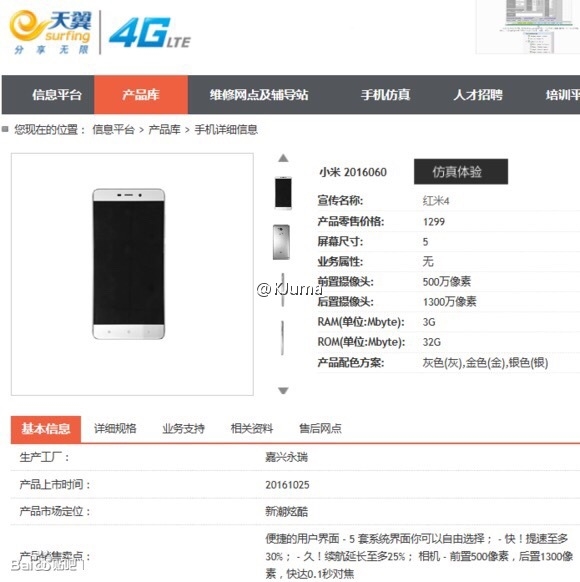
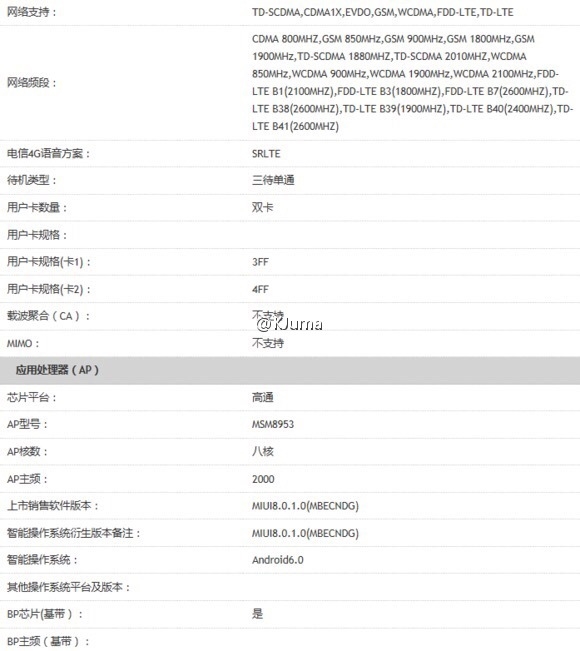
The renders, leaked on Weibo by popular tipster @kjuma, also appeared along side a list of some of the details of the device’s specs and there are no different from those spotted on TENAA way back. The Redmi 4 features a 5-inch display and will be powered by a Snapdragon 625 processor along with 3GB of RAM and 32GB of built-in storage.
The device is also listed as sporting a 13MP rear camera unit with Phase focus and LED flash, along side a 5MP front-facing one. On the software end, the Xiaomi Redmi 4 will run on Android Marshmallow-based MIUI 8. The device is also listed to feature a host of network bands including LTE.
Design wise, the device seems to use very narrow bezels at the sides, with the usual oval shaped home button missing. Seems it is entirely a touchscreen affair on this one. There are capacitive keys at the sides though, for volume control and to power the device on and off. At the rear, there is a fingerprint scanner just underneath the rear camera.
This latest leak could be an indication that the Redmi 4 which was expected to launch with the Redmi Note 4 months back, would be dropping soon. If you have forgotten, the device is said to come very cheap, with a projected price tag of around 699 Yuan ($105).
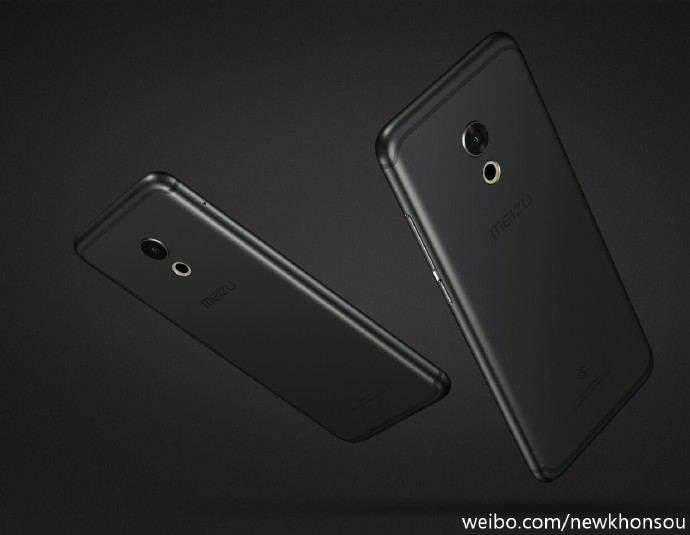
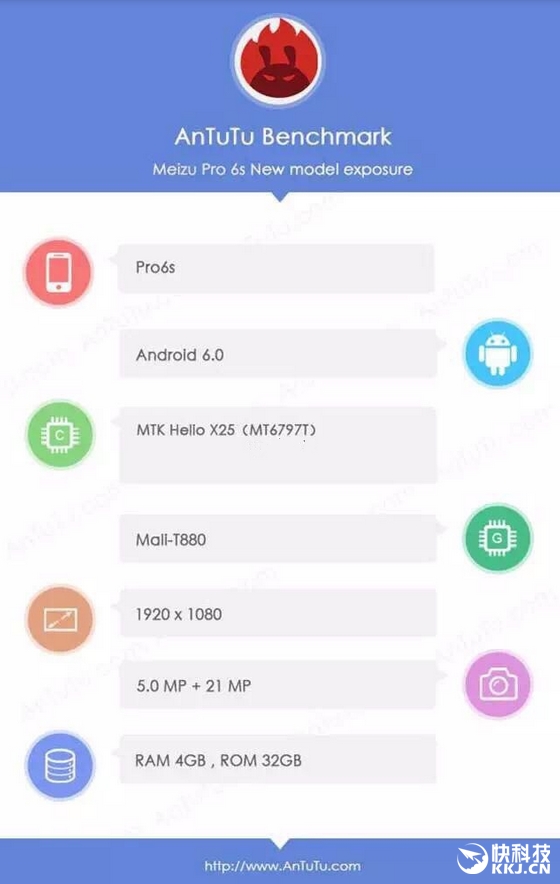
As the November 3 launch date of the Meizu Pro 6S draws nearer, more details about the expected device are propping up. The latest is an AnTuTu benchmark record for the pro 6S which give some clear cut out details of the Pro 6S’ specs.
According to the AnTuTu data, the Meizu Pro 6S is powered by a MediaTek Helio X25 (MT6797T) chipset along side the Mali-T880 GPU. The device also features on the memory aspect, a 4GB RAM and 32GB of internal storage space.
The Meizu Pro 6S also packs the same rear camera sensor size as the Pro 6, with a 21MP rear camera listed. Meizu yesterday released some sample images said to have been shot by the Pro 6S’ camera and they were simply amazing. They even when ahead to compare them with those shot by an iPhone 7 and the difference was really clear with the Pro 6S’ images looking clearer. So it is also possible that a very powerful sensor is at play on the Pro 6S’ rear camera, although the AnTuTu data didn’t reveal that. The device is also listed as sporting a 5MP front-facing camera and would run on Android 6.0 Marshmallow, perhaps with Meizu’s custom FlyMe OS hovering on top.
Additionally, the Meizu Pro 6S is listed as sporting a Full HD display a.k.a 1920 x 1080 pixels which is likely to be on the same 5.2-inch display as the Meizu Pro 6.
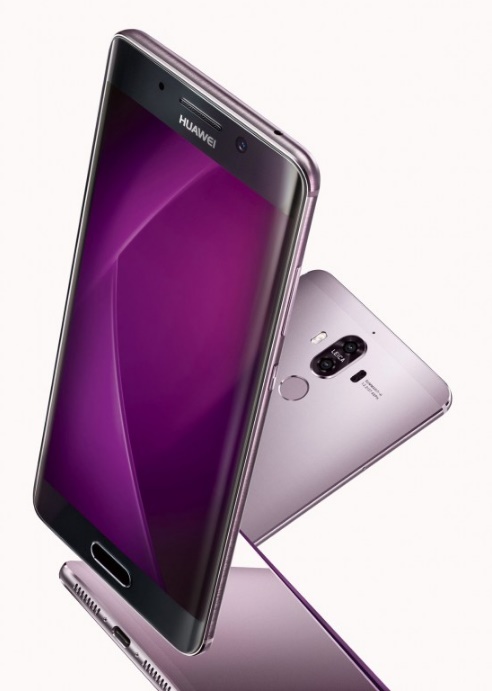
The Huawei Mate 9 launch event is happening next week and the rumours and leaks have hinted that we will be getting a curved screen variant as well. However, a post on Weibo by an analyst detailing the suppliers of the displays and their sizes appears to indicate that there will be no curved screen variant.
Sun Changxu says the Huawei Mate 9 will have a 5.88-inch Full HD LCD display supplied by JDI and LG. He also mentions that another screen, OLED to be specific, and with a 5.5” size will be supplied by Samsung. There is no mention of a supplier for a curved display fitting the screen size of the Mate 9 and the 5.5” OLED display is rumoured to be for the Mate S2 which we have not heard any details about.
So where did all the curved-display rumour come from? We’ll have to wait for the launch event to confirm if it has indeed been cancelled.
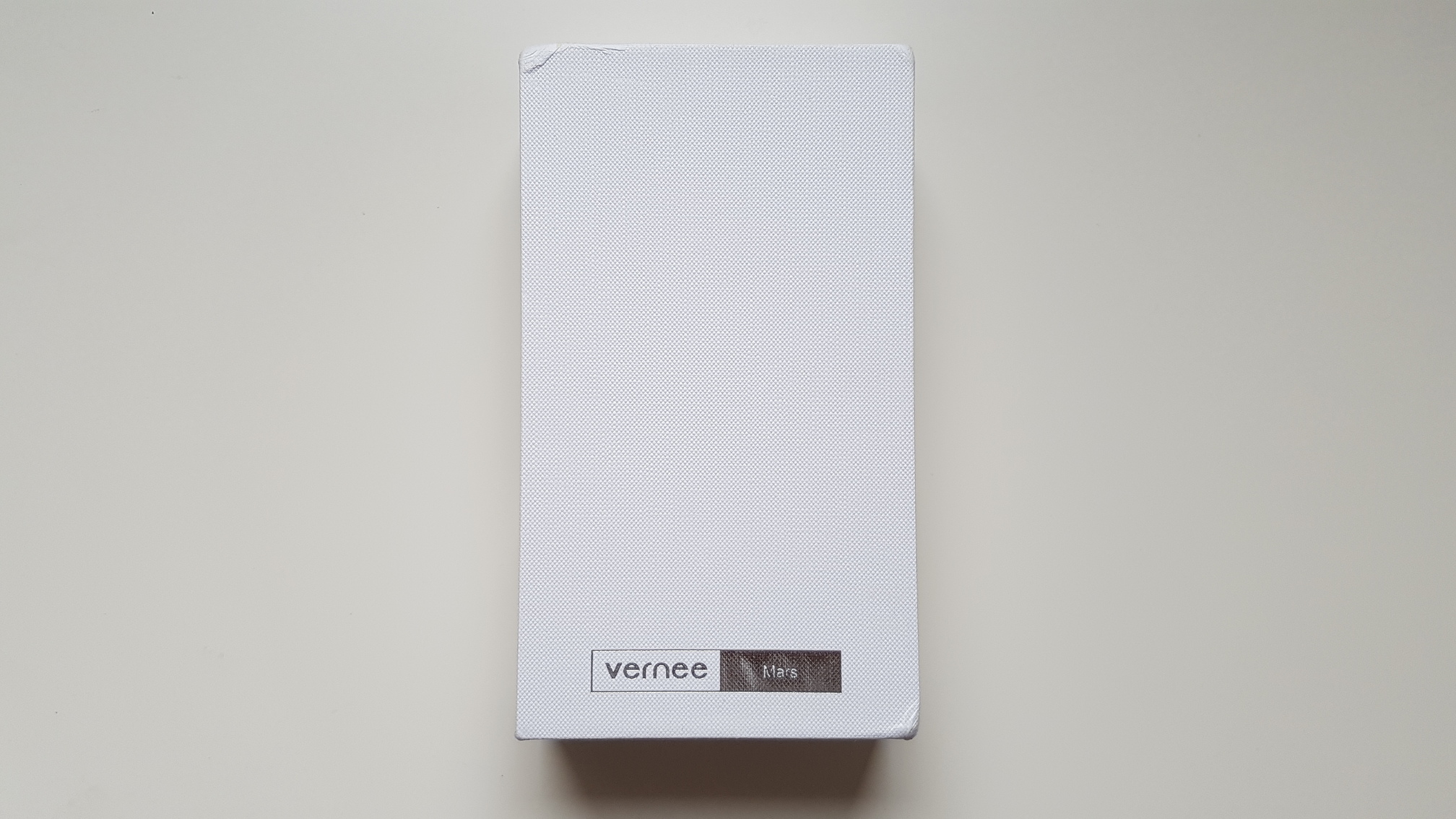
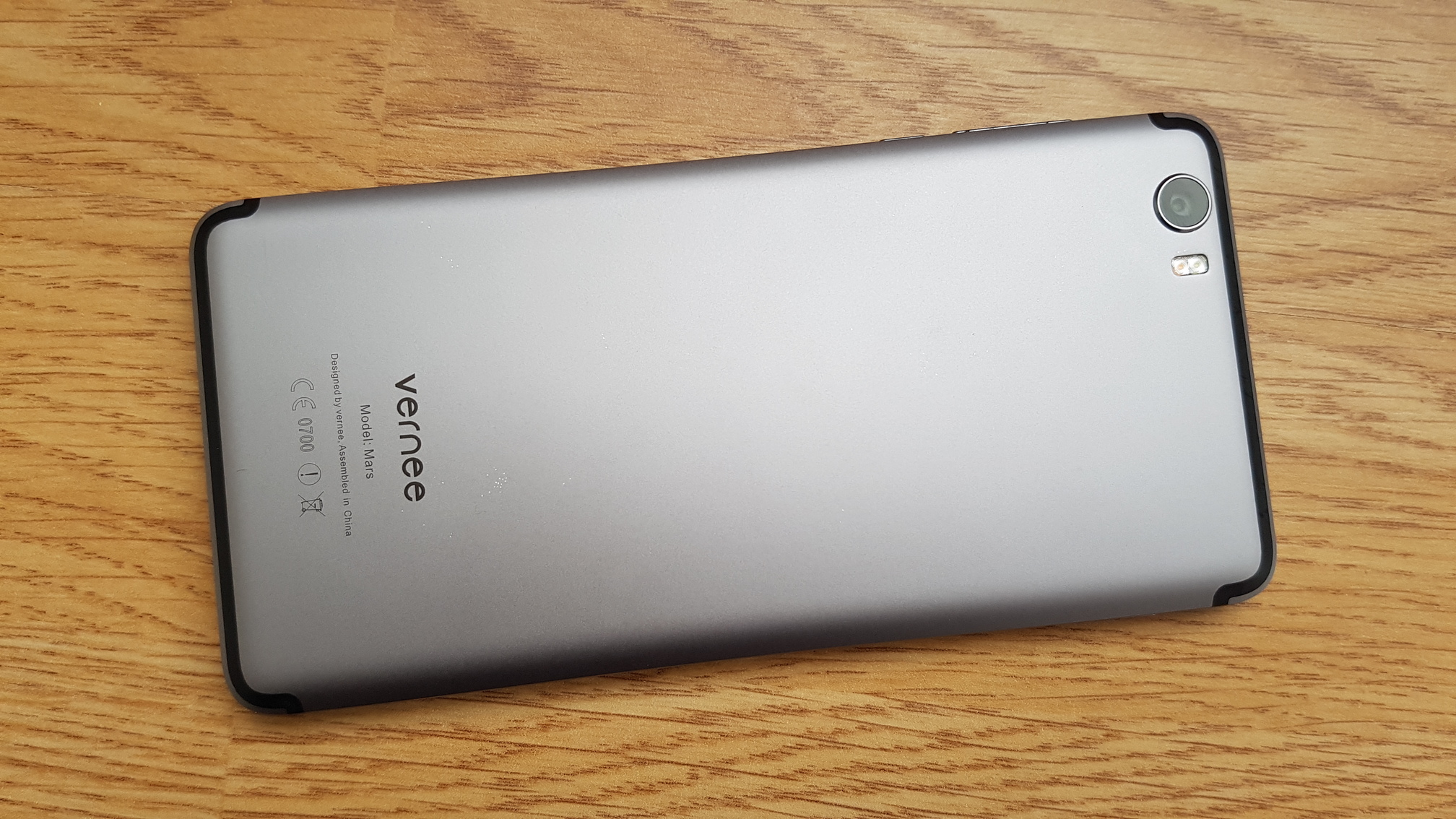
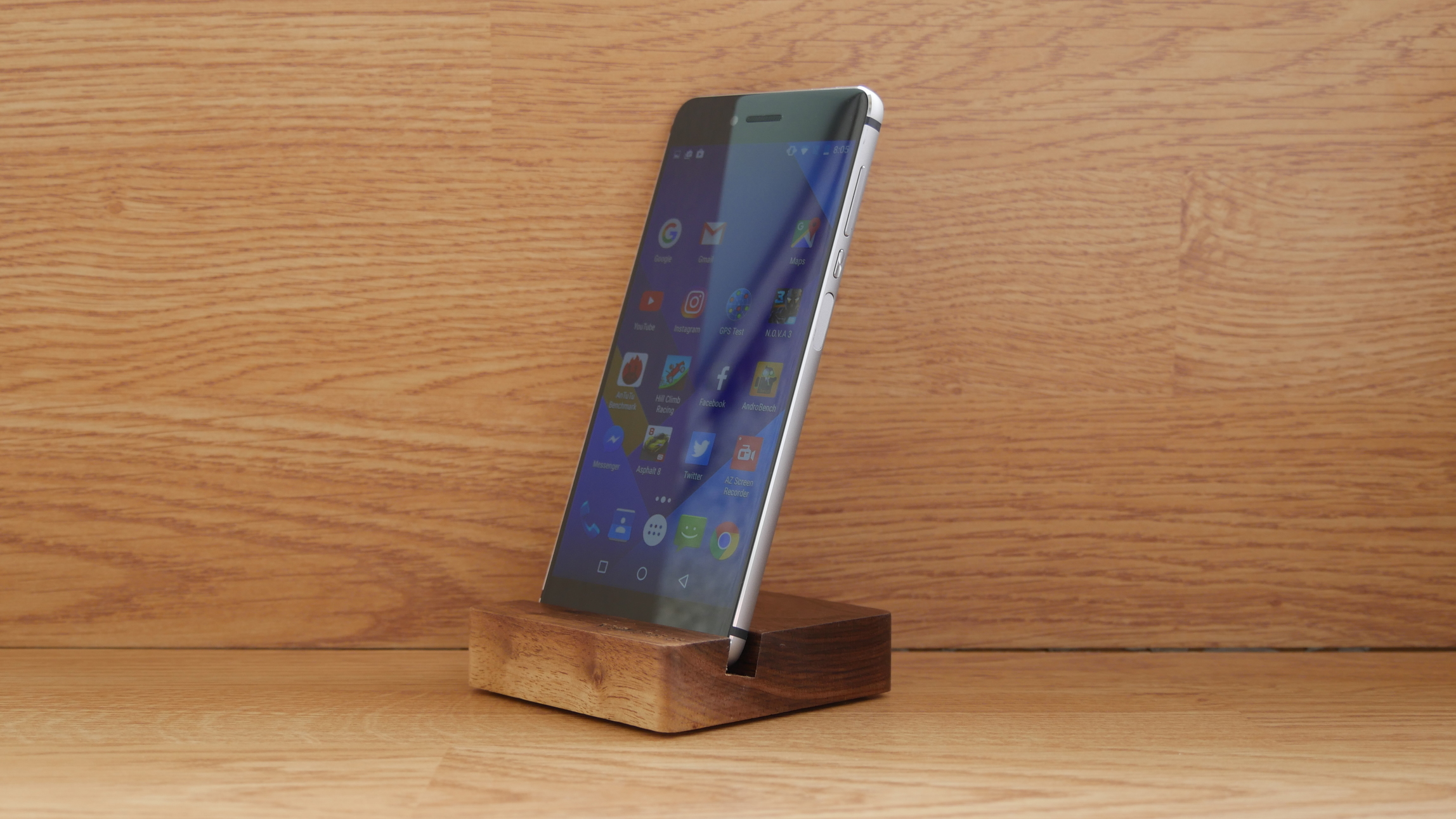
After reviewing some previous phones made by Vernee, I have the impression that the company can make some quality phones at affordable price. This time around we have the Vernee Mars, which has an outstanding build quality, good specs and more. Learn more in our full review.
32GB (expandable via microSD card slot up to 256GB)
Vernee Mars Review: DESIGN and DISPLAY
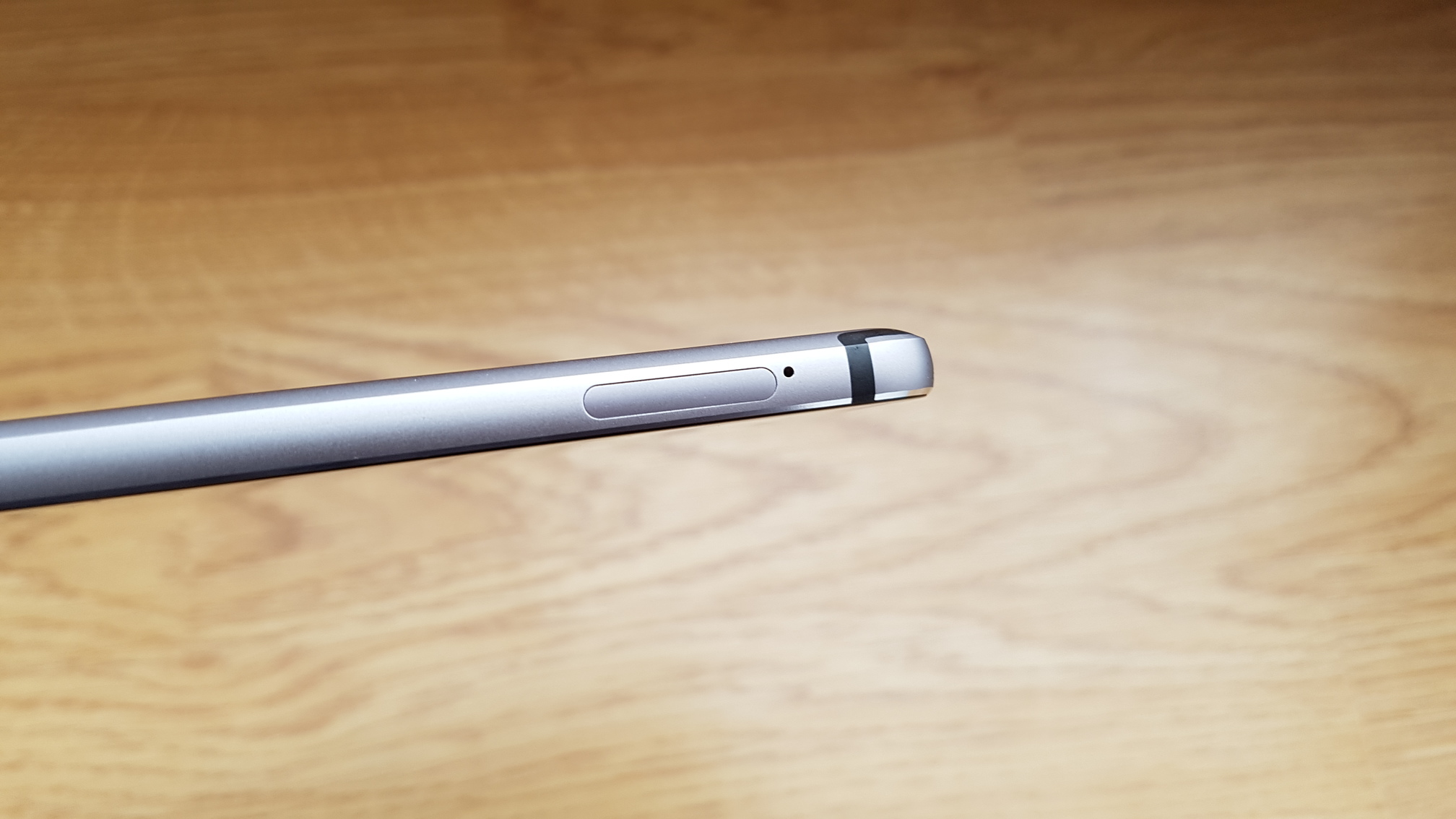
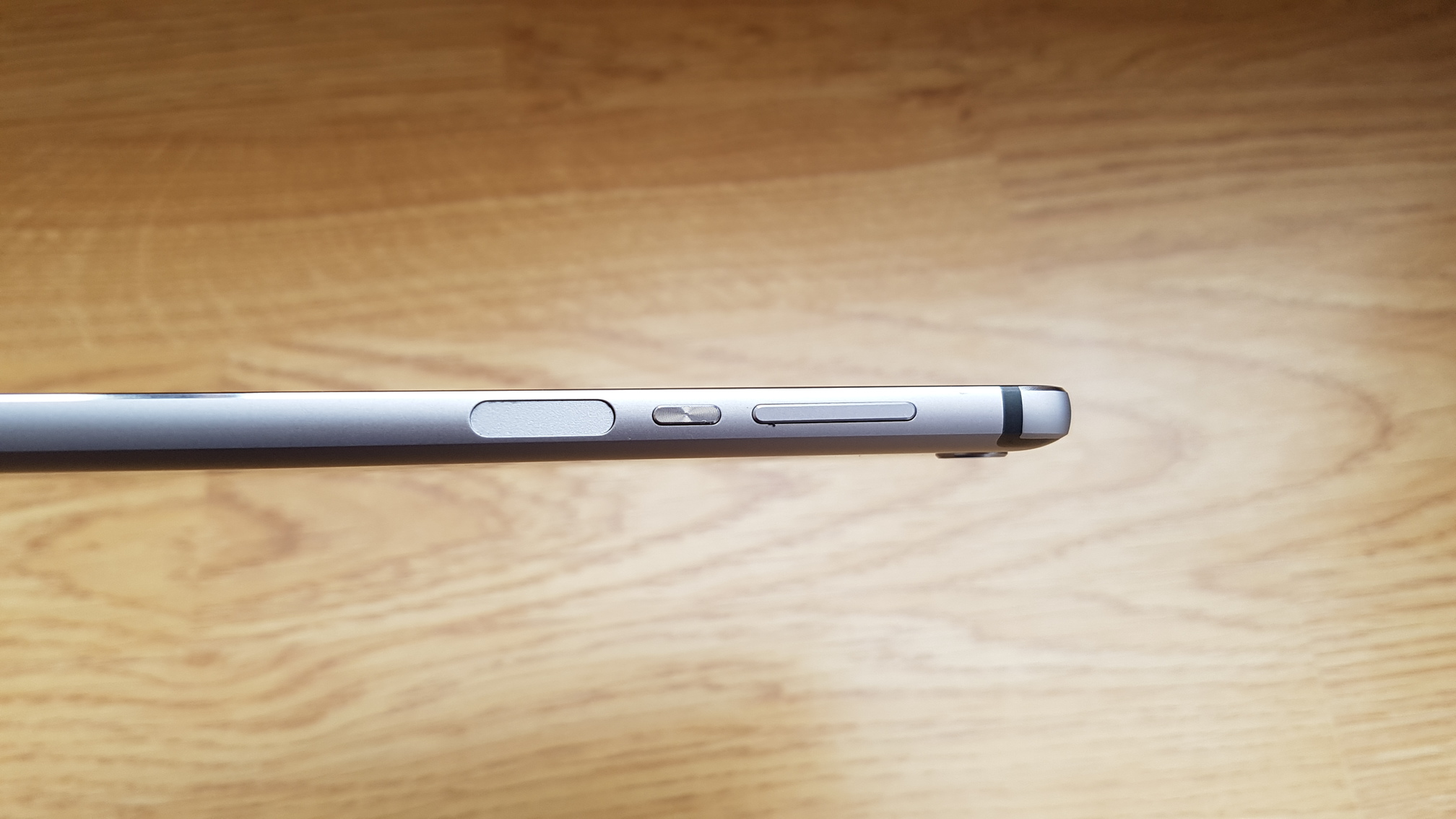
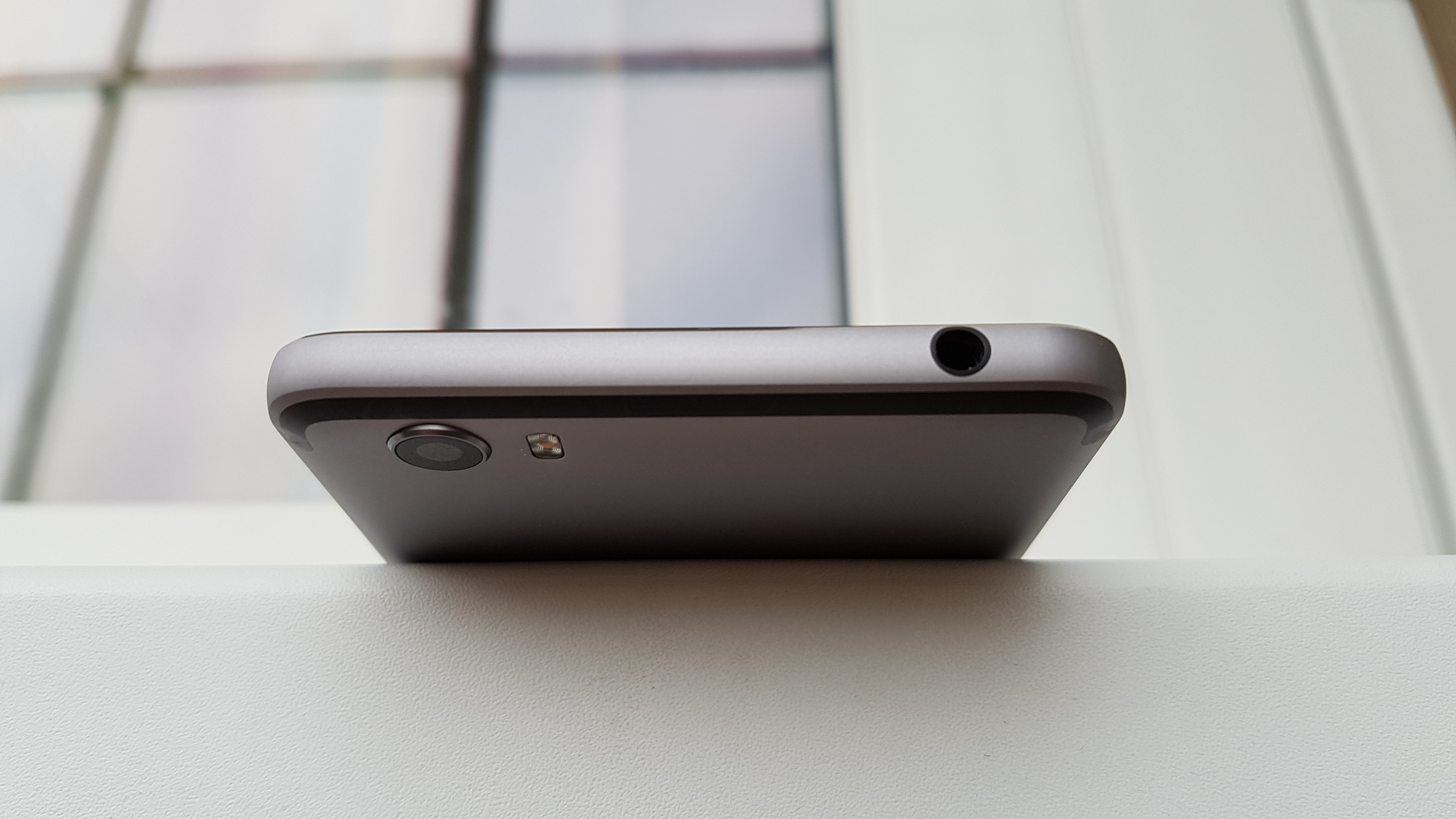
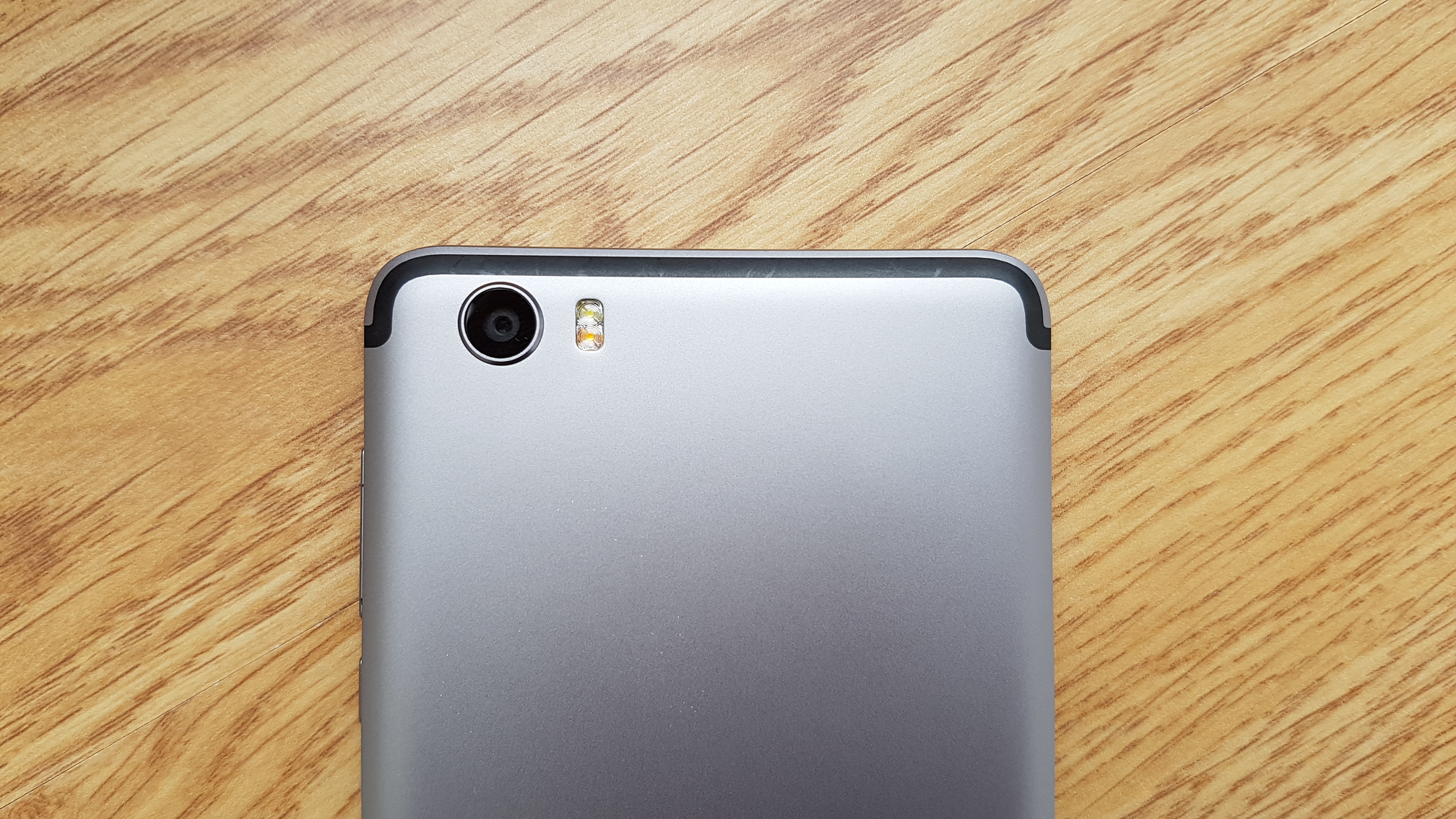
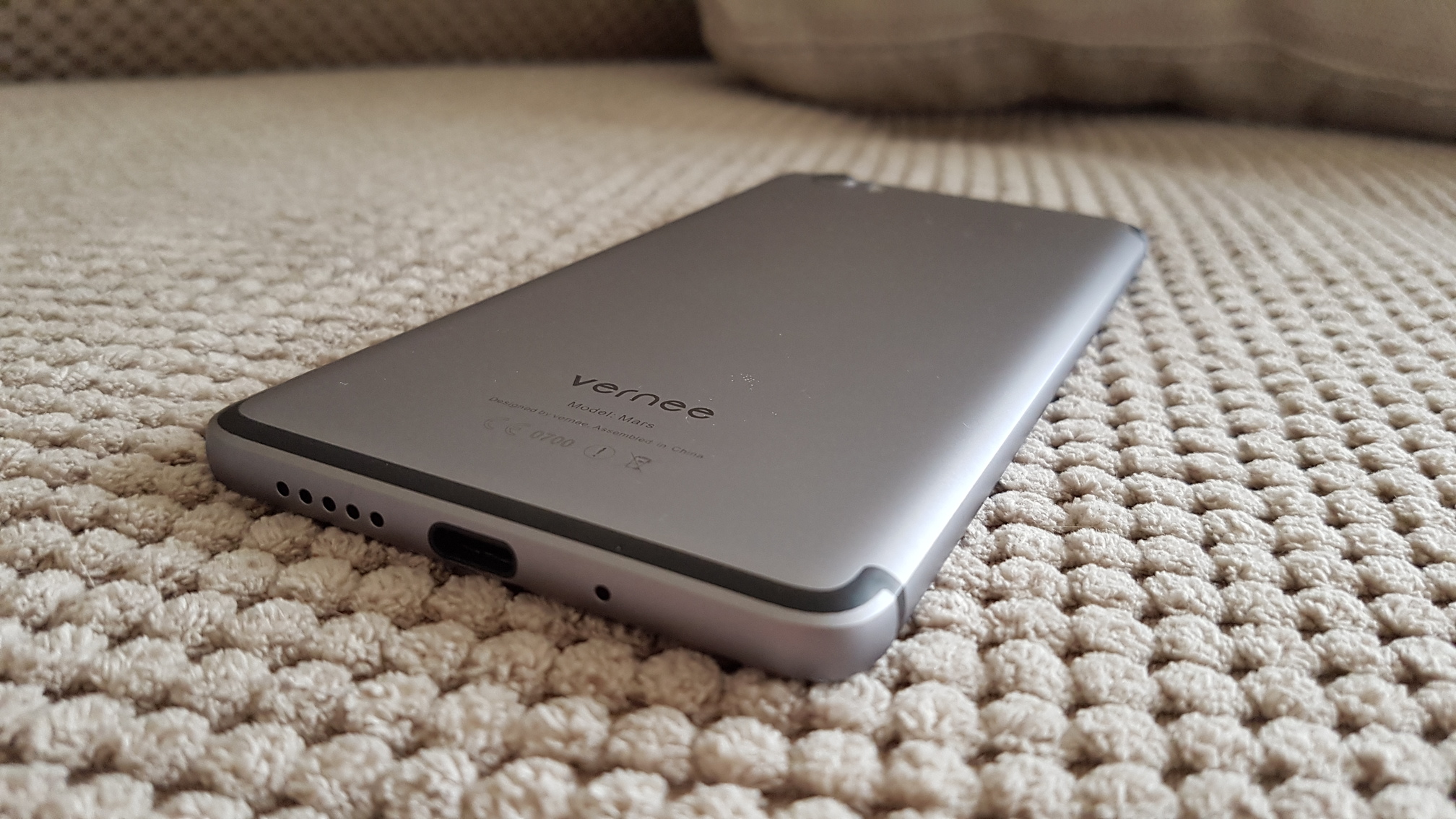
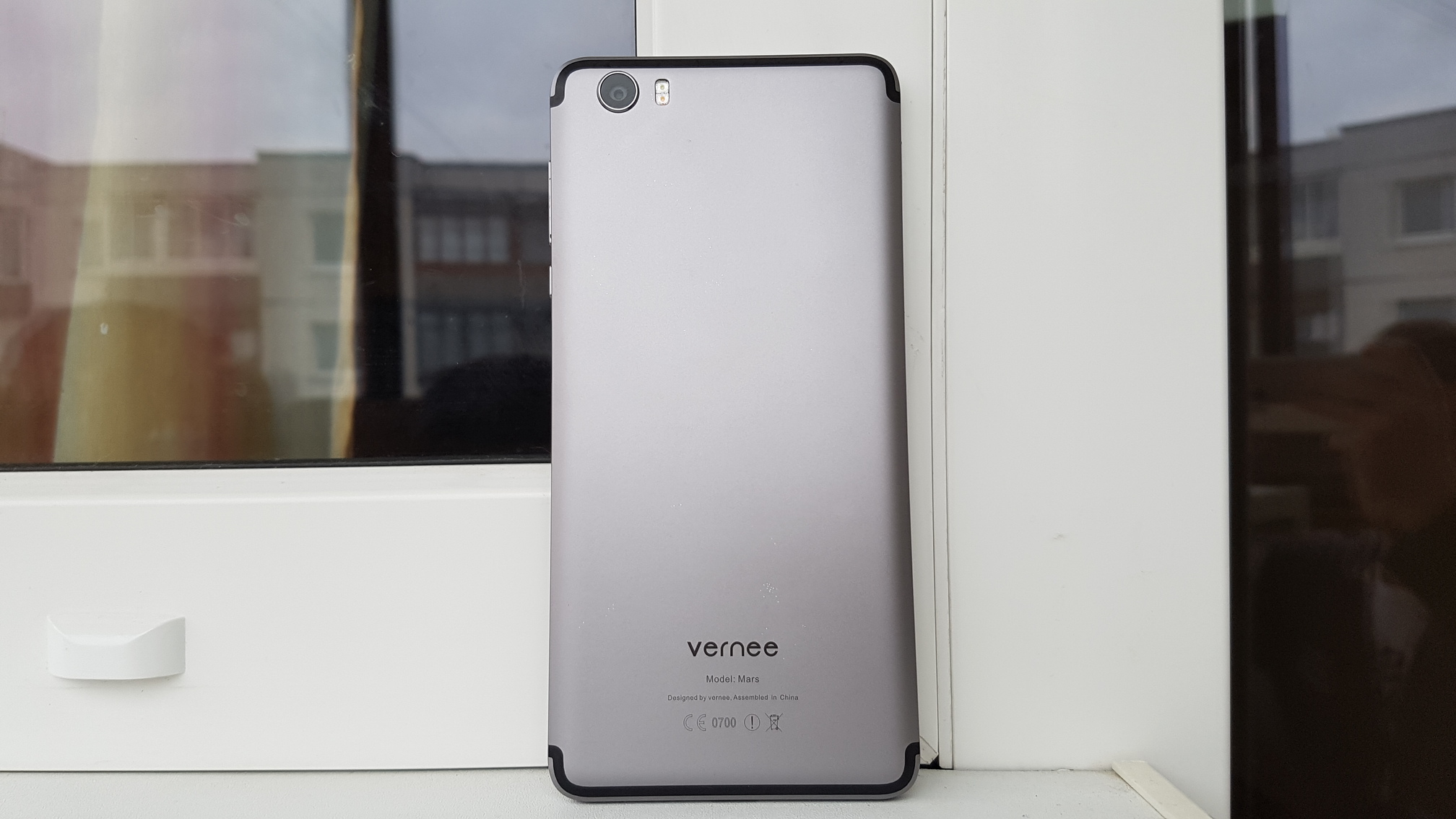
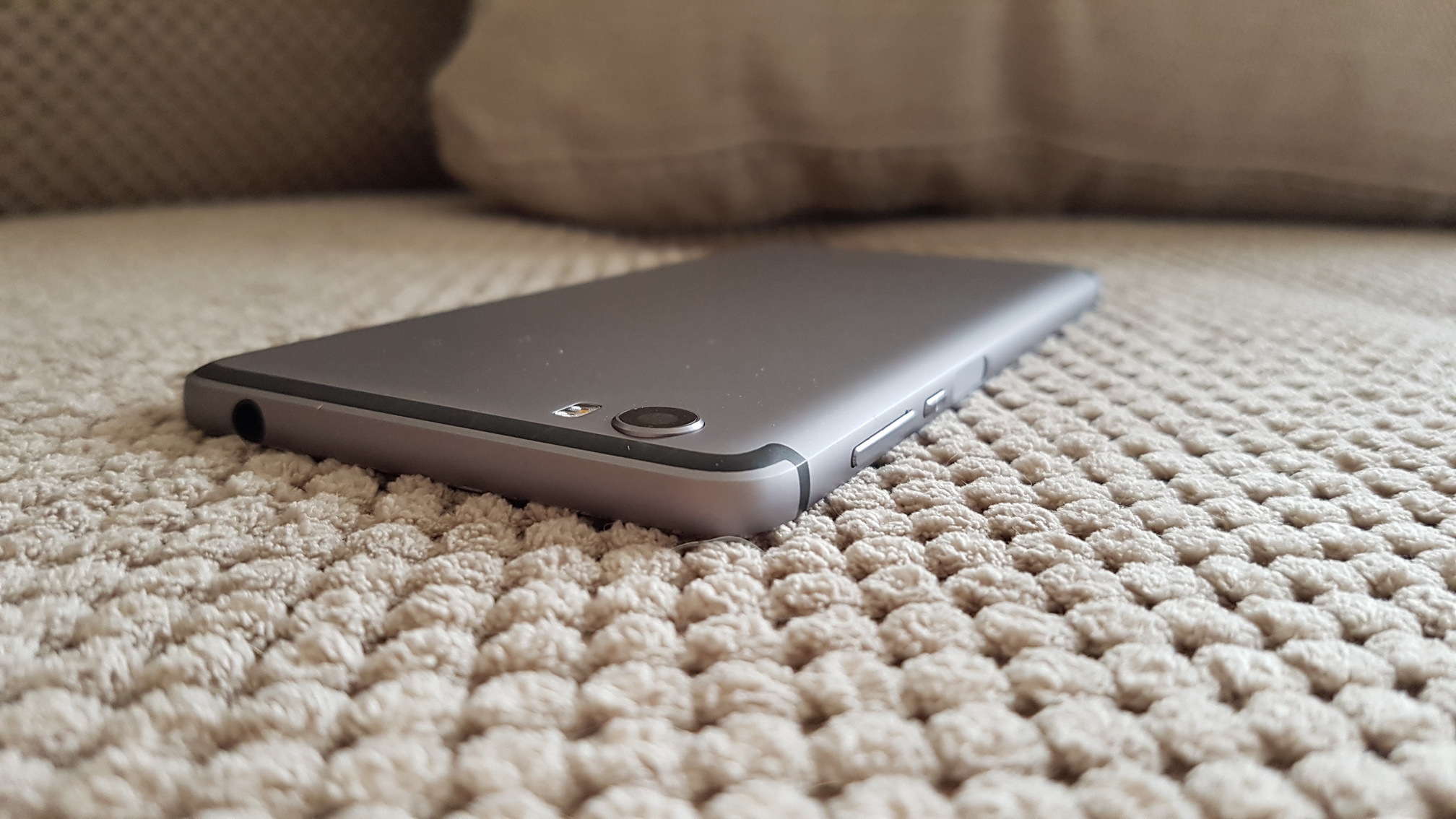
The very first thing you are going to notice is an outstanding build quality of the device. It is made entirely of metal and I absolutely love the design of the antenna inlays.
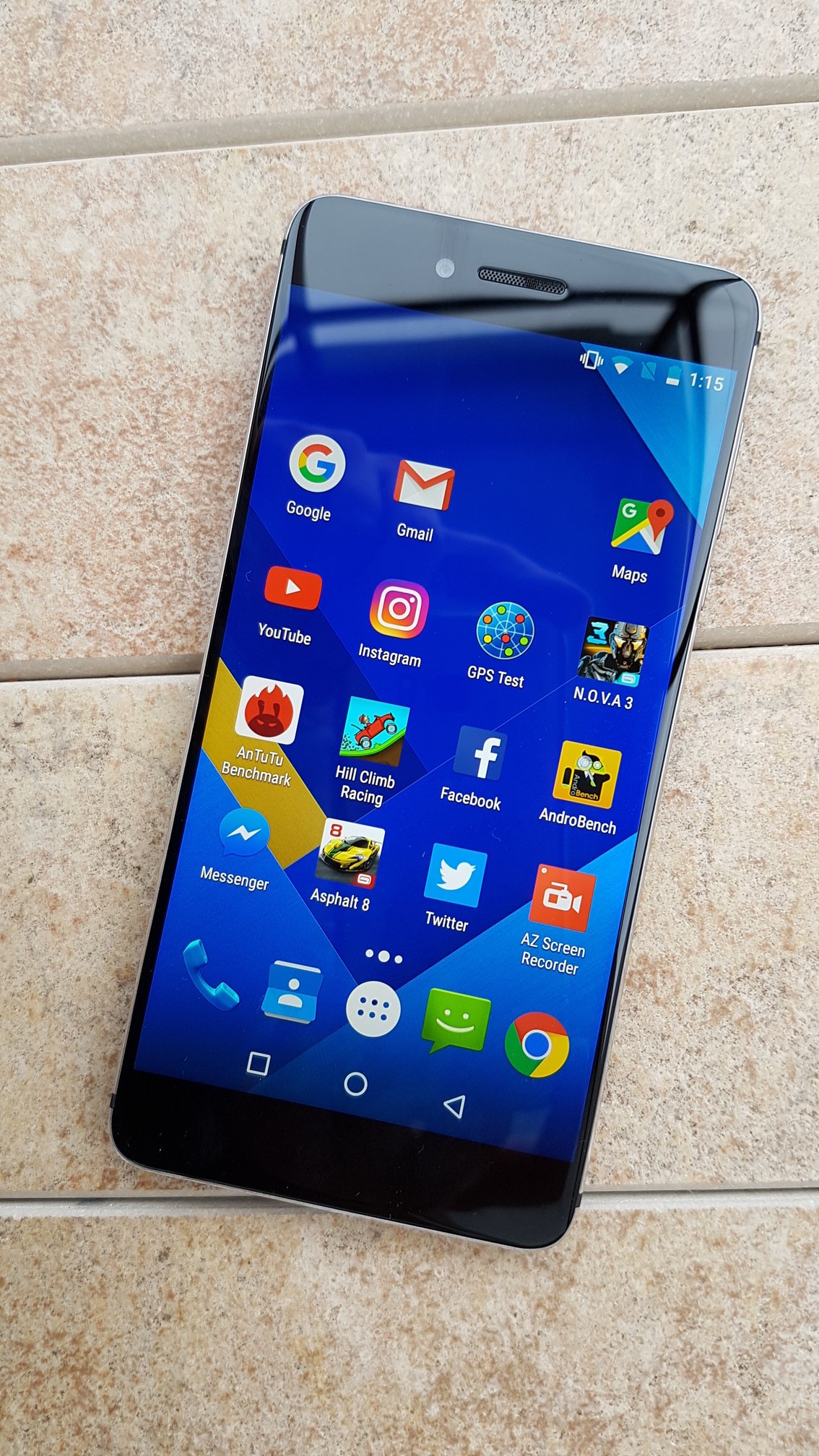
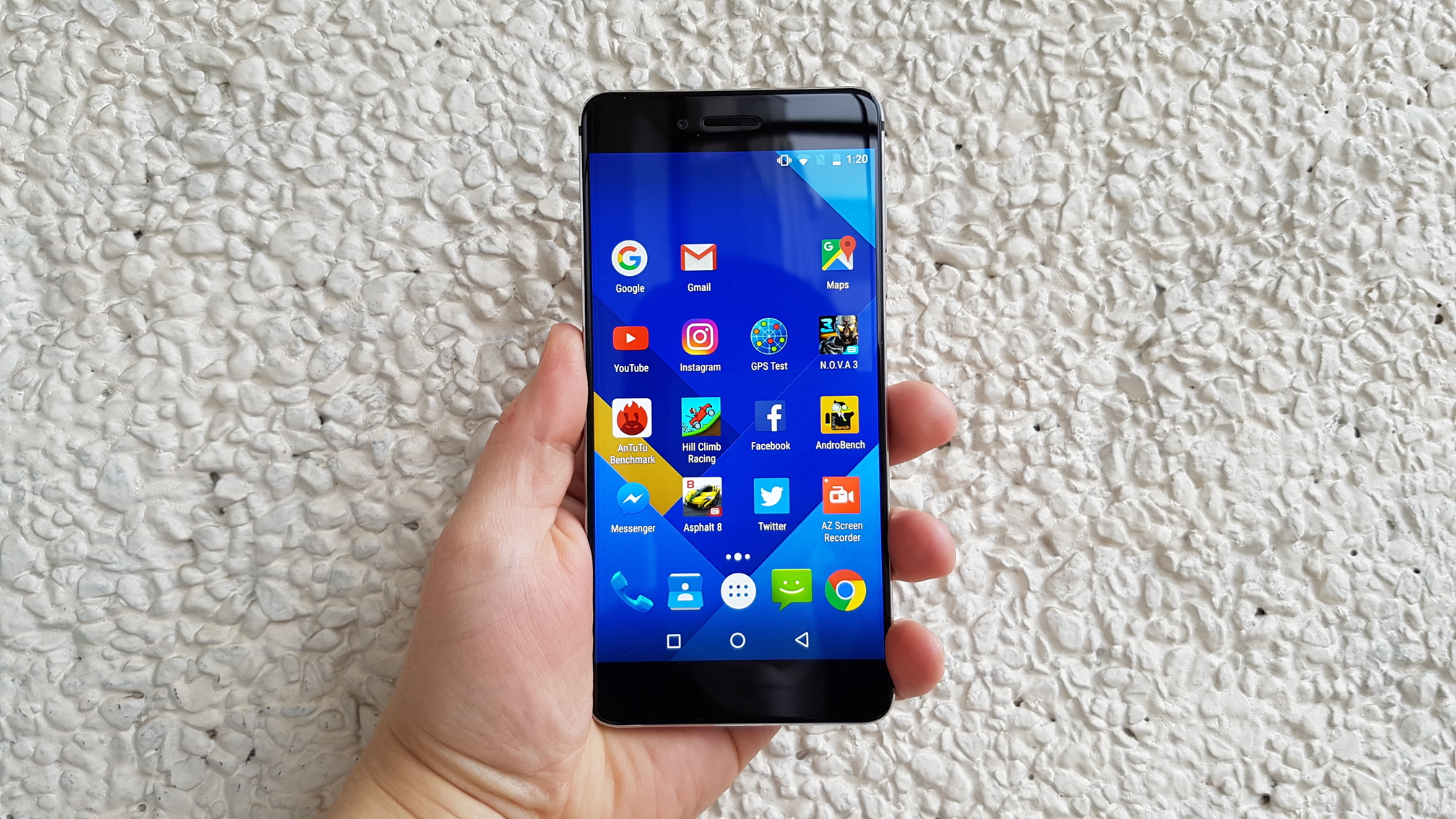
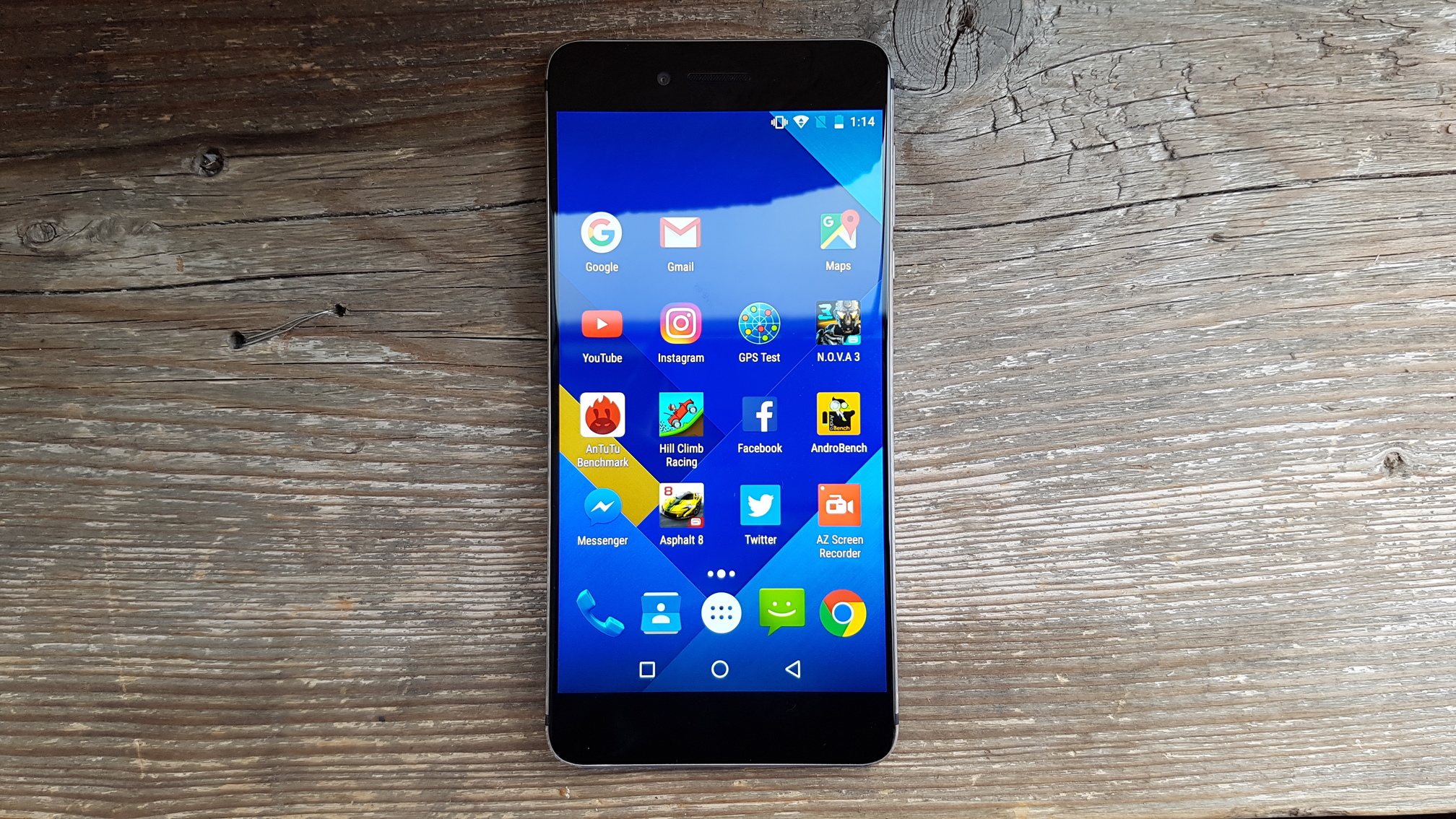
We have a 5.5” 1080p display, which is sharp and vibrant but it could be just a tad brighter.
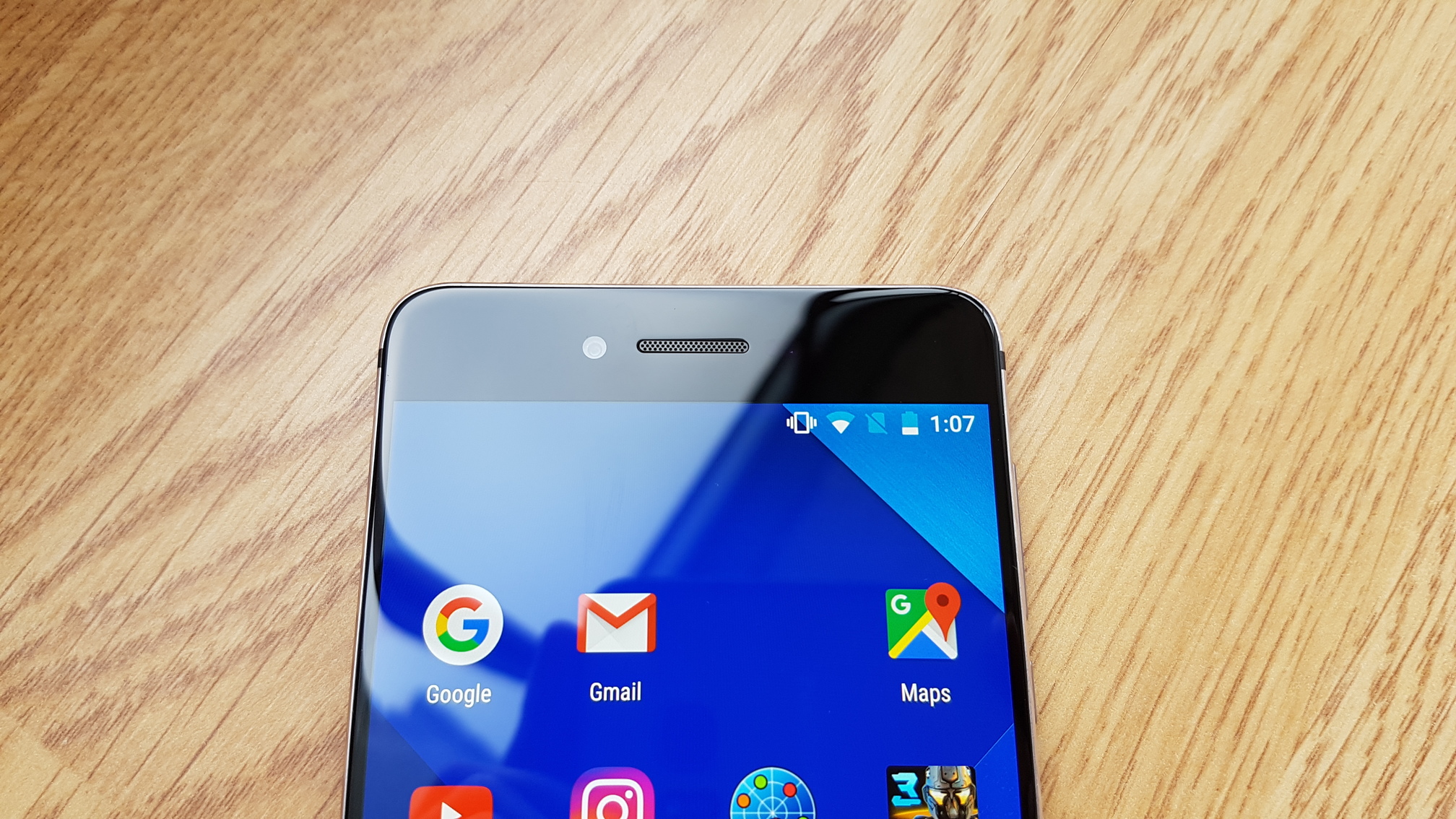
Just above the display, we have a 5MP shooter, which sits next to the notification LED light.
The phone just looks and feels premium in the hand. Also, the buttons do not rattle and they are tactile.
As for the camera, we have 13MP shooter coupled with a dual tone dual-LED flash and PDAF.
We have a side-mounted fingerprint scanner, which is convenient to use. It is pretty accurate and it unlocks the phone 8/10, and it can do it straight from the standby mode.
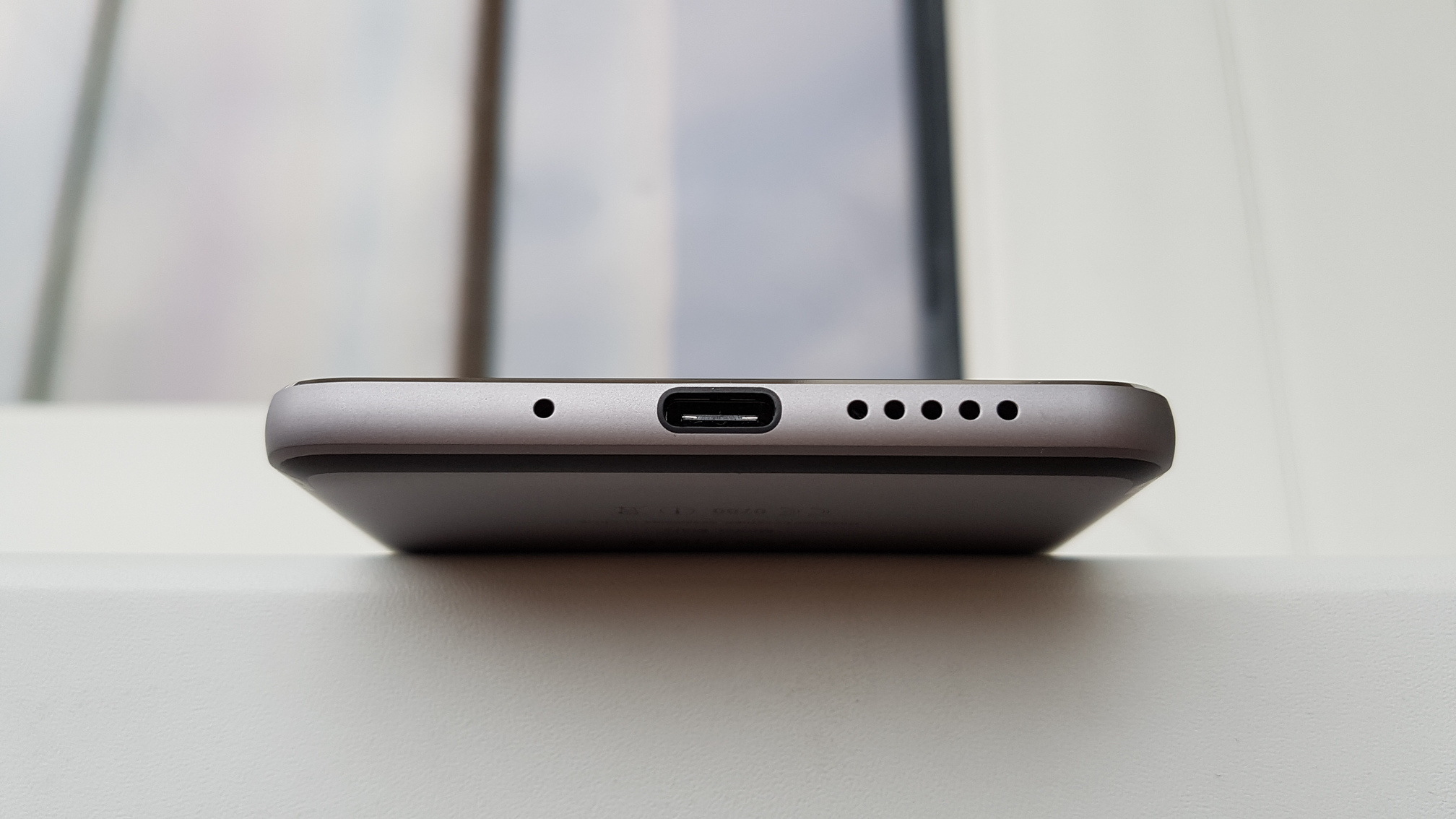
The loudspeaker is placed on the bottom but the sound is kind of tinny and a little flat.
Vernee Mars Review: HARDWARE and PERFORMANCE
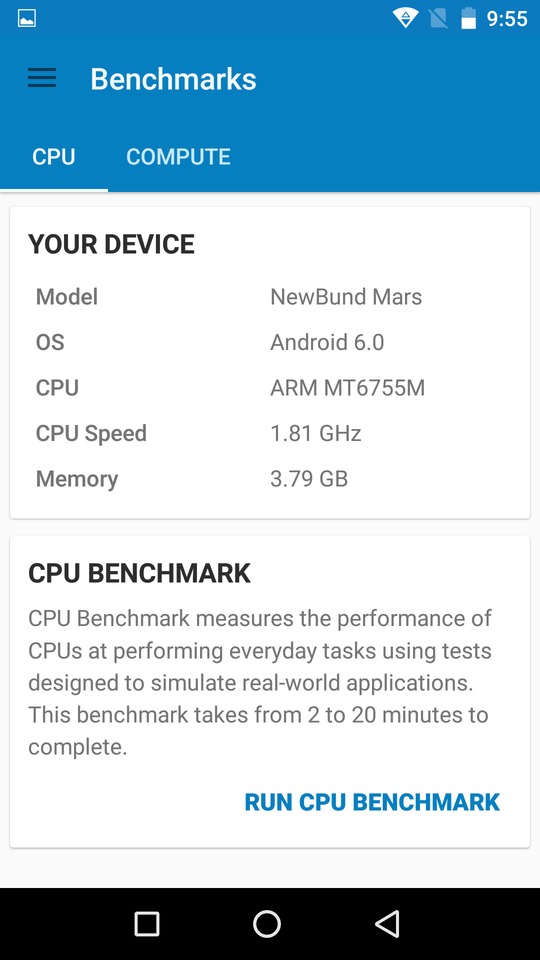
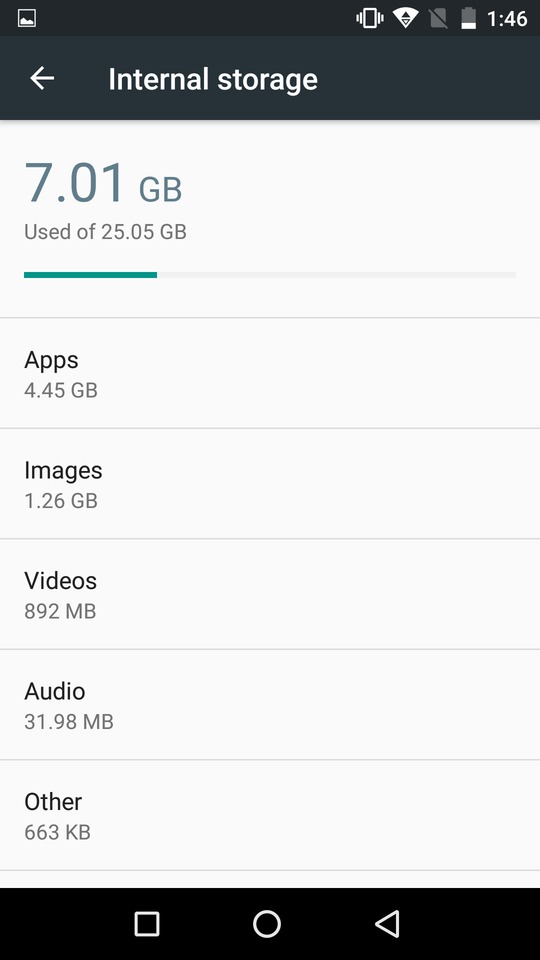
When it comes to hardware, the phone ships with an octa-core Mediatek Helio P10 chip with the clock speeds of 2.0GHz, 4GB of RAM and 32GB of expandable storage.
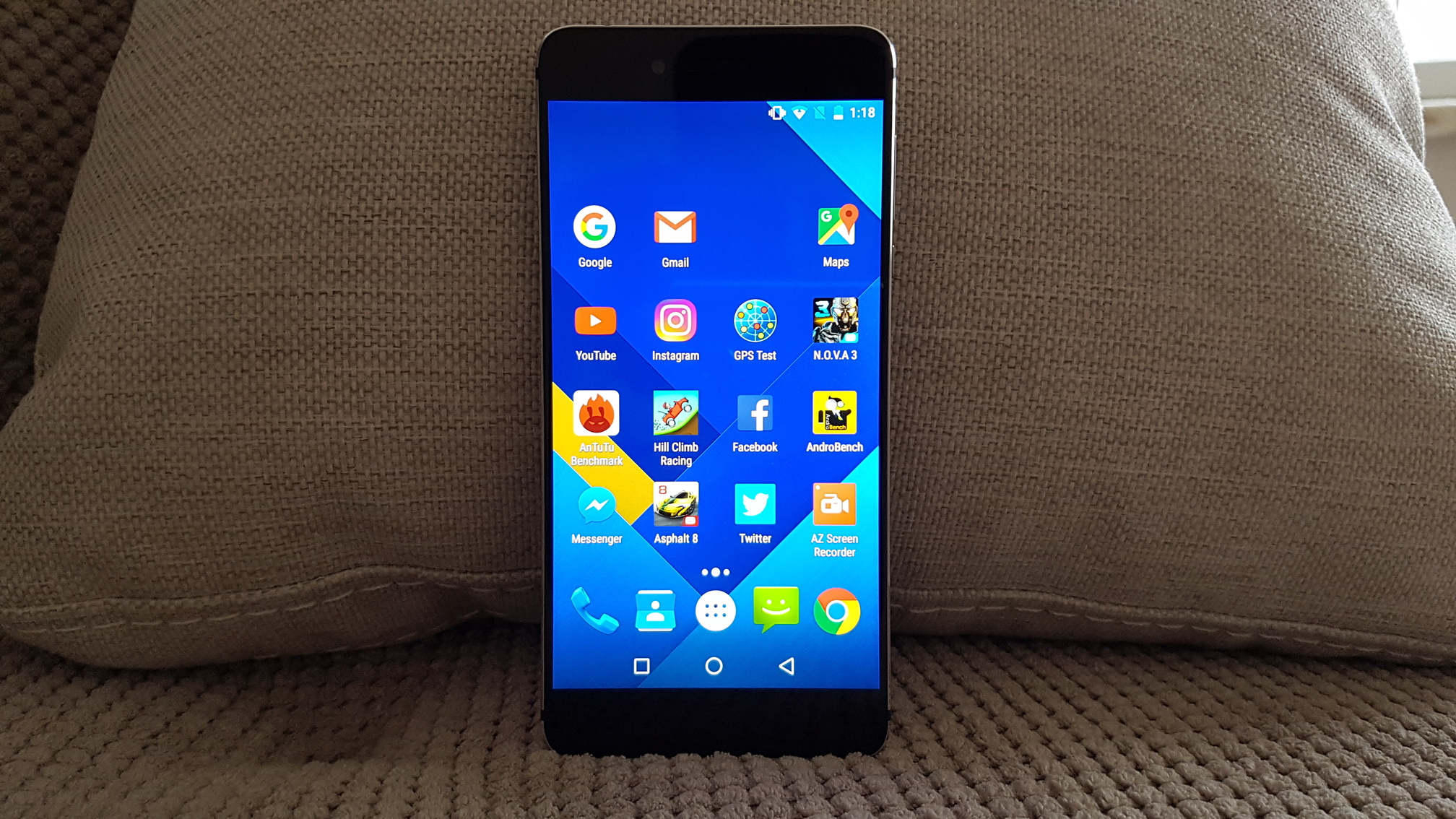
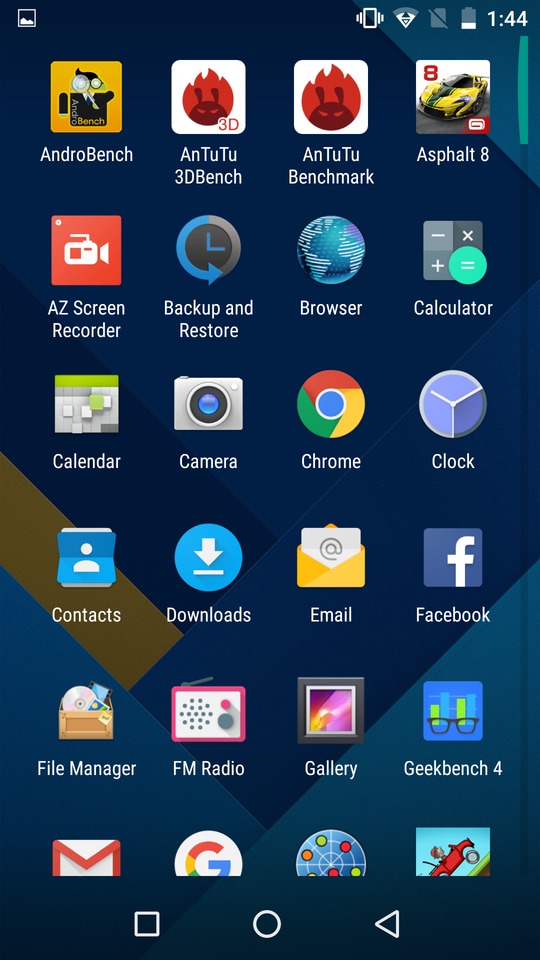
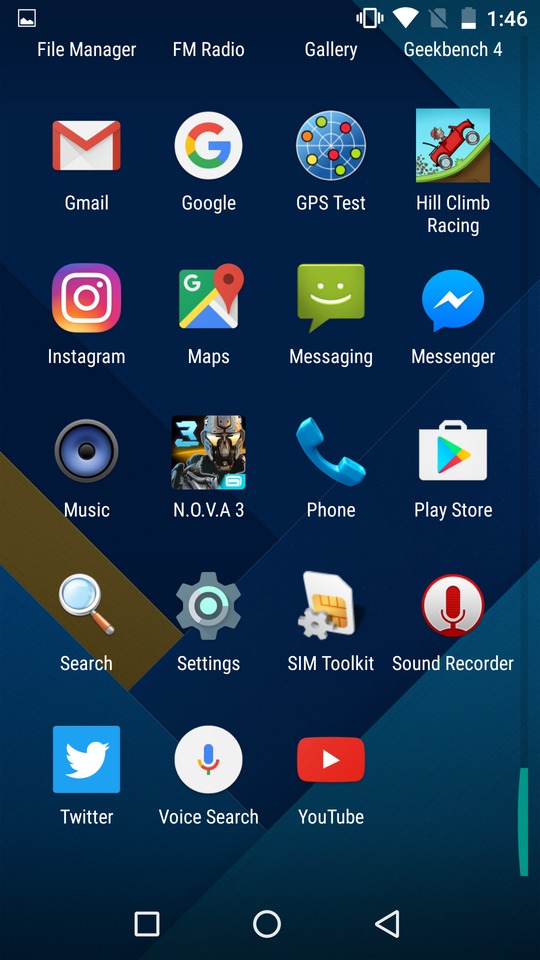
I’ve never been a huge fan of Helio P10 chips when it comes to gaming and the Vernee Mars is no exception. You should expect quite a few skipped frames and stutter if you want to play games like Asphalt 8 on the highest graphics. On the other hand, playing this game on medium graphics is much better and you may have some enjoyable gaming experience.
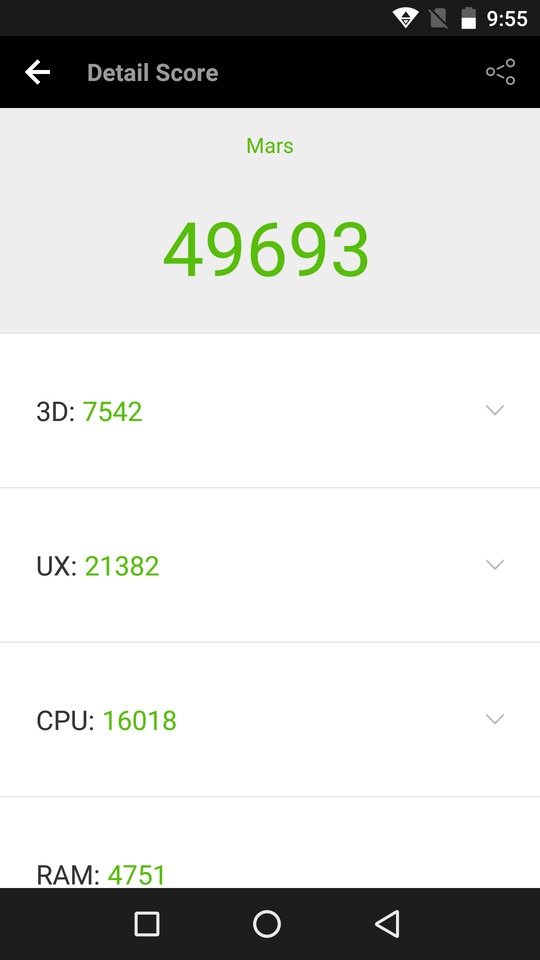
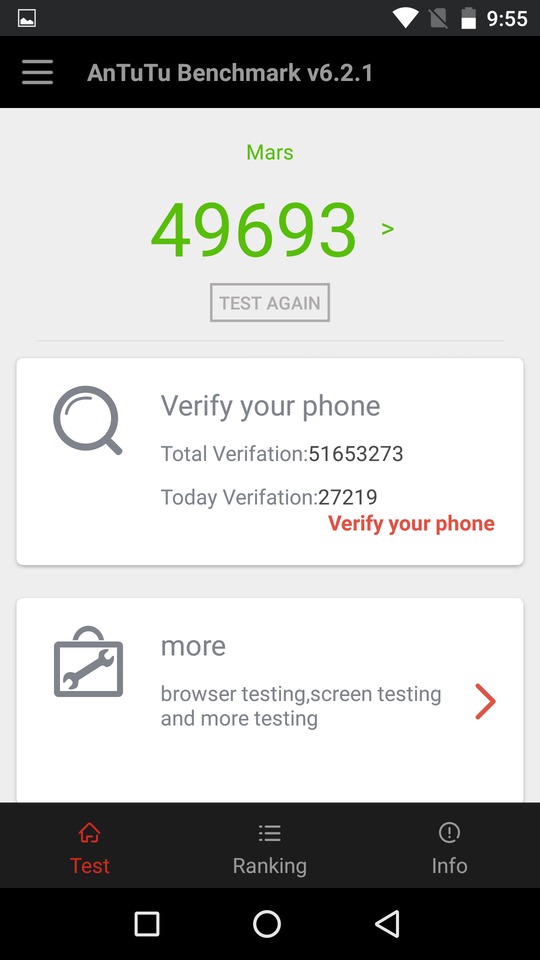
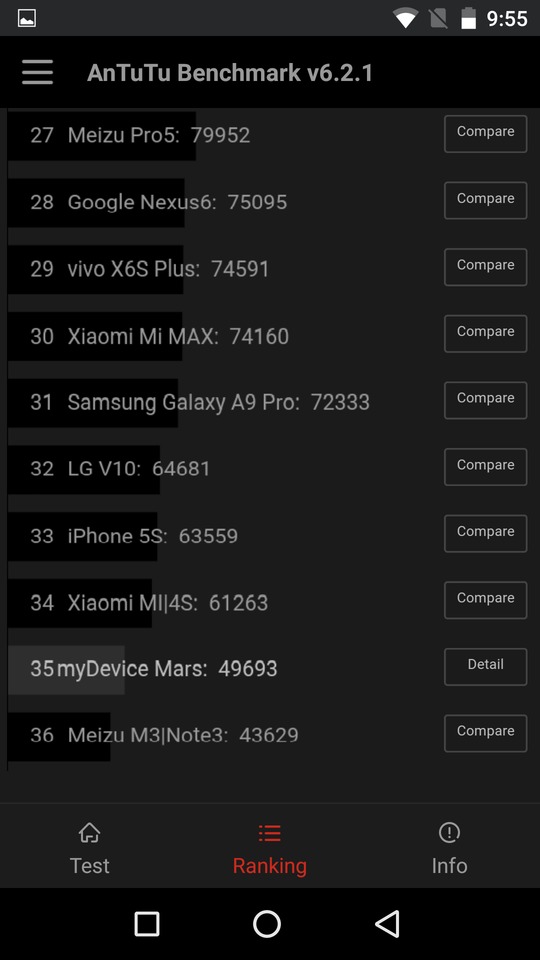
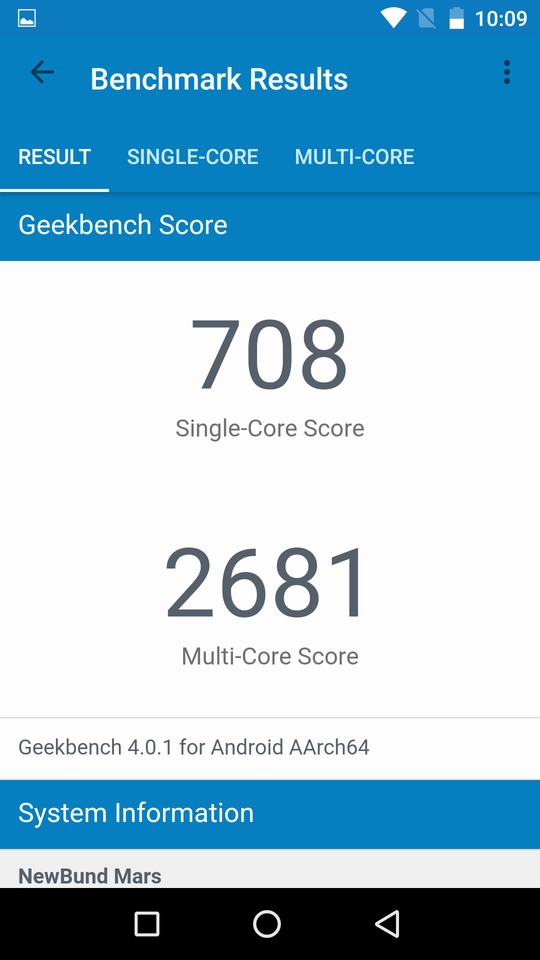
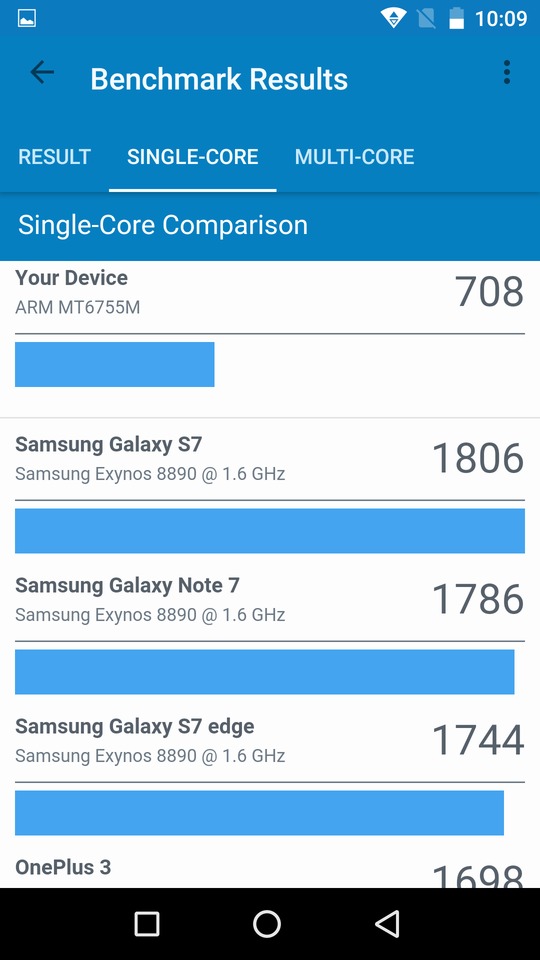
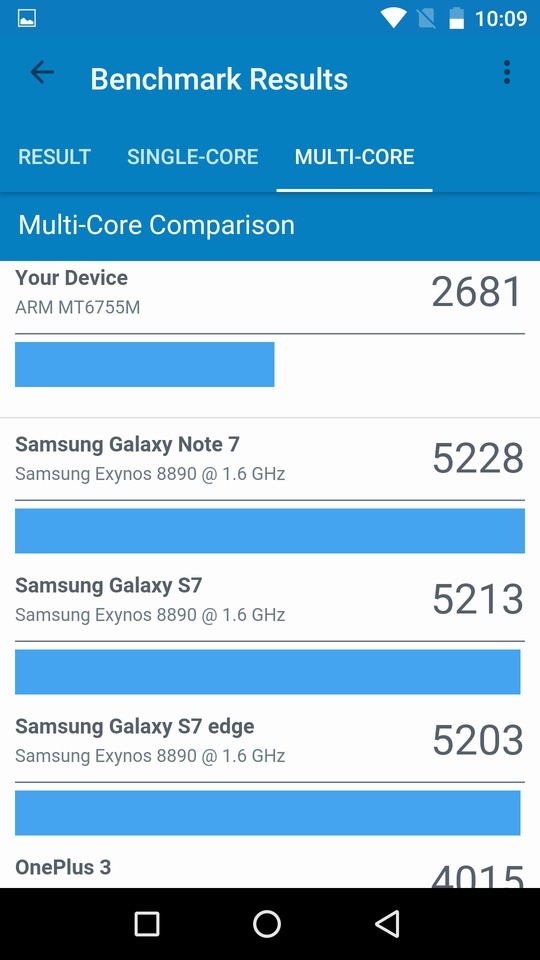
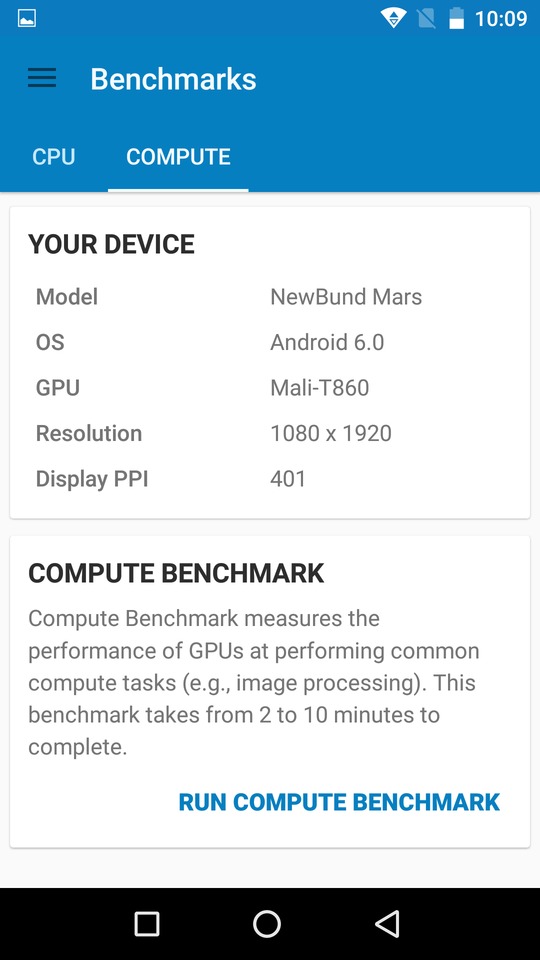
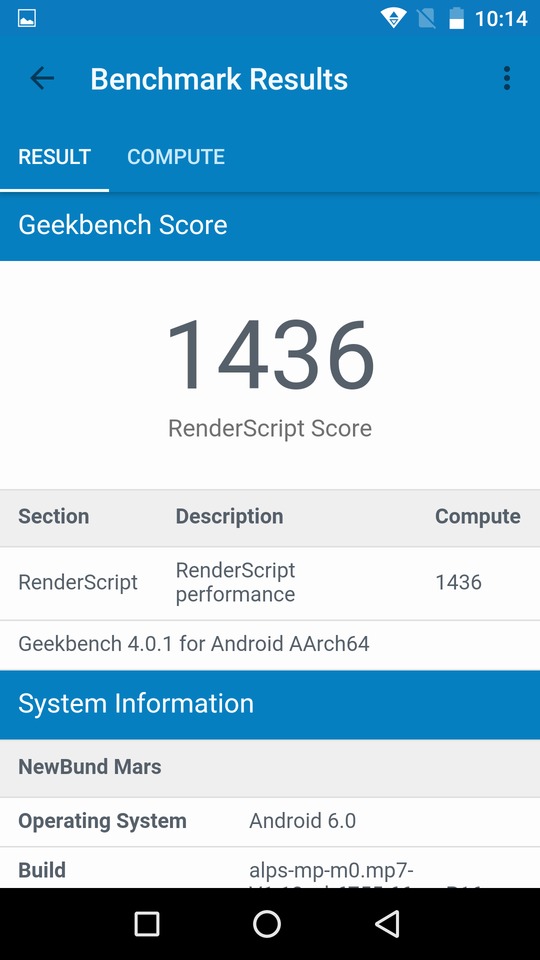
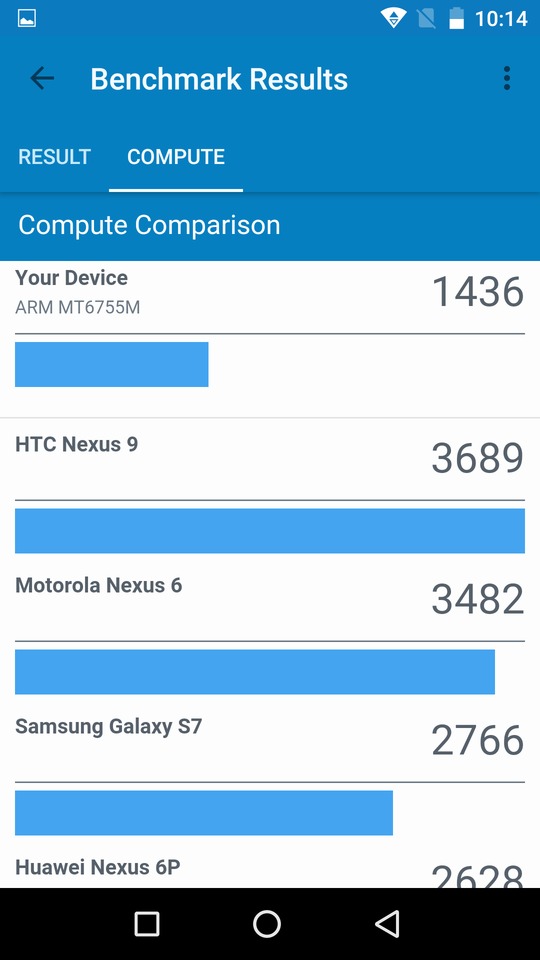
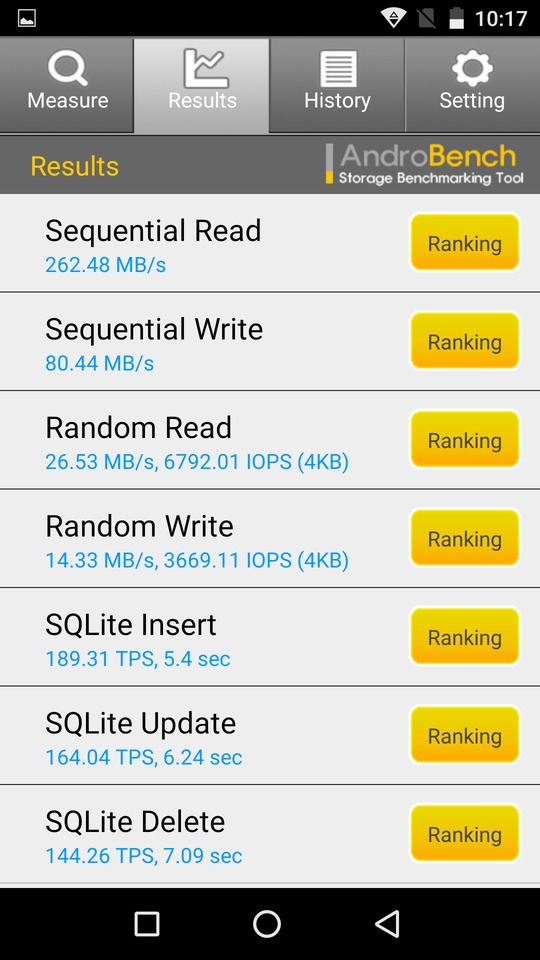
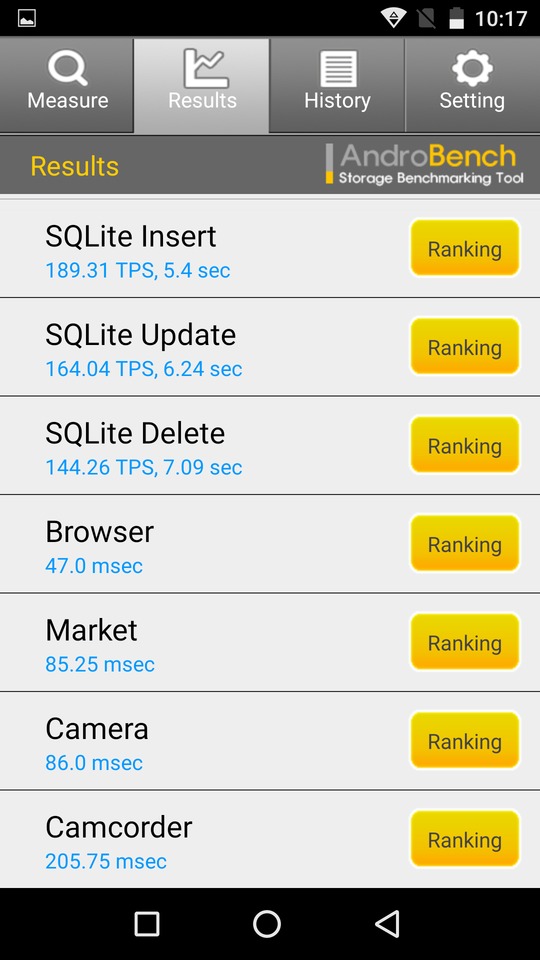
Vernee Mars Review: BENCHMARKS
Vernee Mars Review: USER INTERFACE
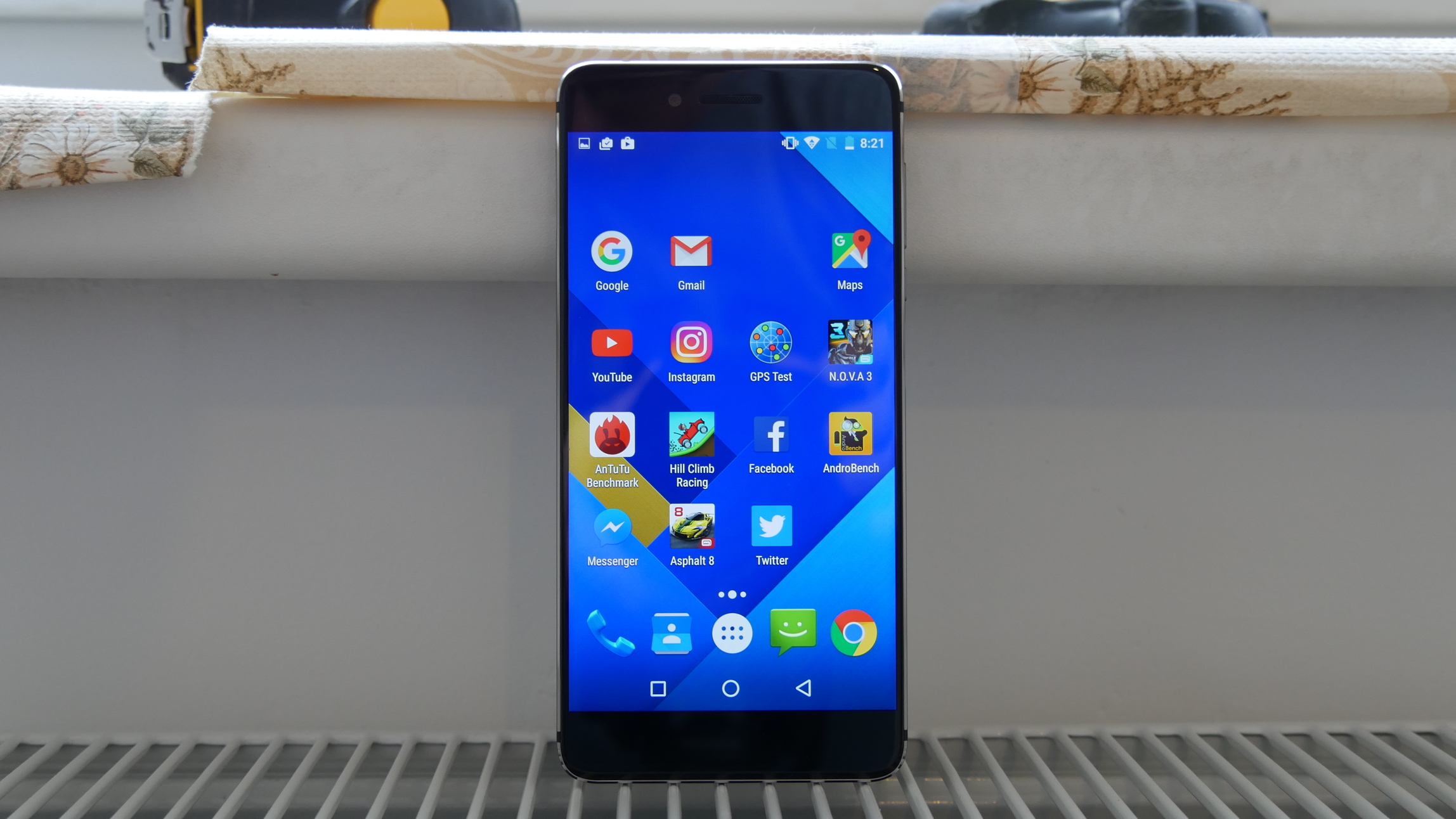
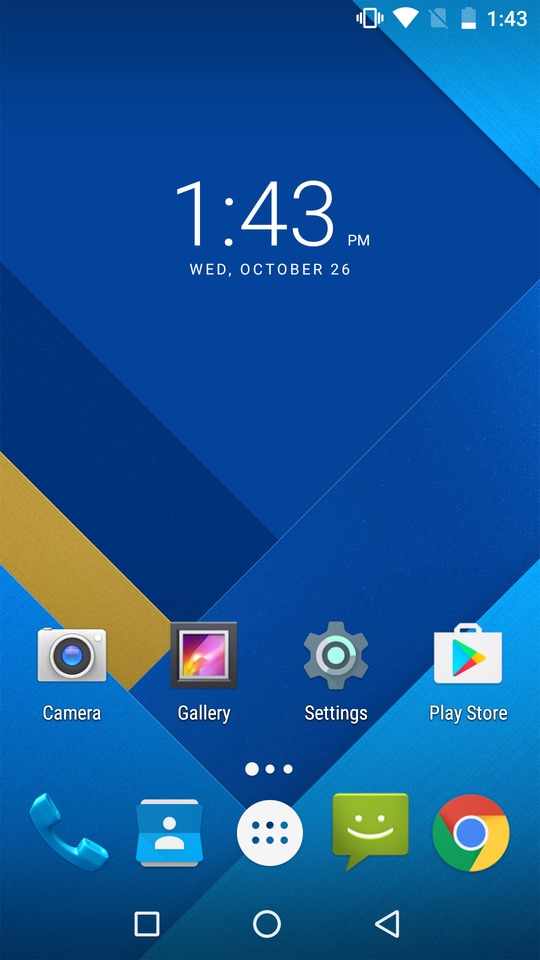
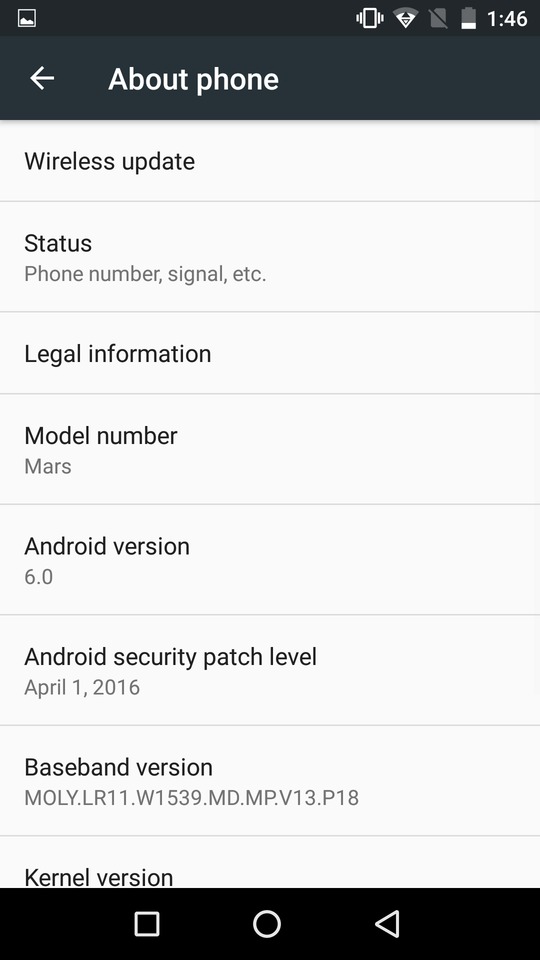
The Vernee Mars ships with the pretty much stock-looking Android 6.0.
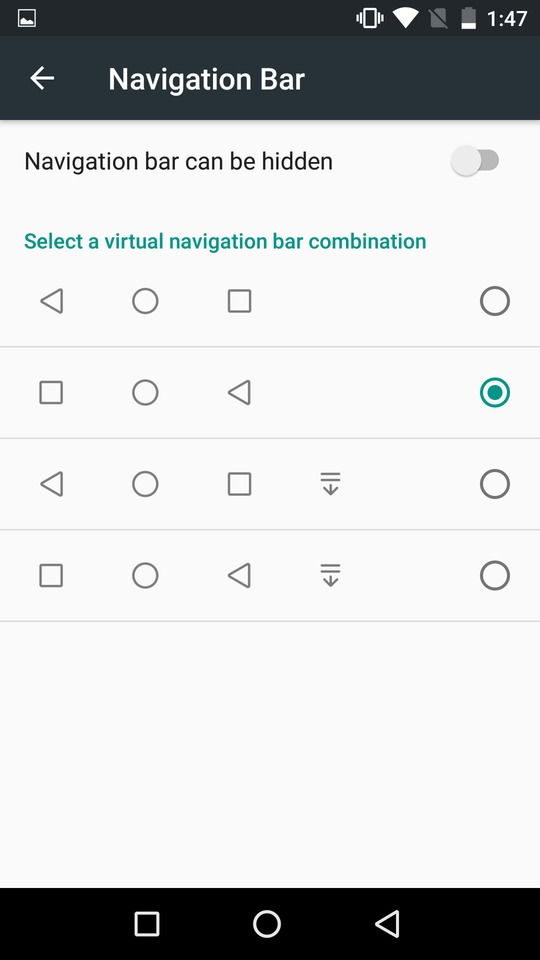
There are not too many features to talk about except for the fact that there are some customization options like the ability to switch the position of on-screen navigation buttons.
Most importantly, I didn’t have any issues with the phone’s daily performance even after installing quite a few apps and I would say that the Vernee Mars is a pretty fast performer.
Vernee Mars Review: IMAGE QUALITY
IT IS HIGHLY-RECOMMENDED TO DOWNLOAD FULL RESOLUTION CAMERA SAMPLES TO SEE THE ACTUAL IMAGE QUALITY. THE PICTURES UPLOADED ON THE WEBSITE ARE 50% SMALLER IN RESOLUTION.
When it comes to the image quality, the Vernee Mars can take some decent-looking images in daylight. I took most of the pictures in the cloudy day and they look quite good but there could be a little more detail. Also, some of the shots look under-exposed and the colors look washed out. Finally, the camera does not really impress in low-light as there is quite a lot of noise and grain in the pictures.
As for selfie camera, the image quality could be better. The selfies could look a lot sharper and there could be more detail.
When it comes to the 1080p video, it is kind of mediocre as the footage could look sharper. Also, there is no continuous auto-focus on board. See the video review for a video sample.
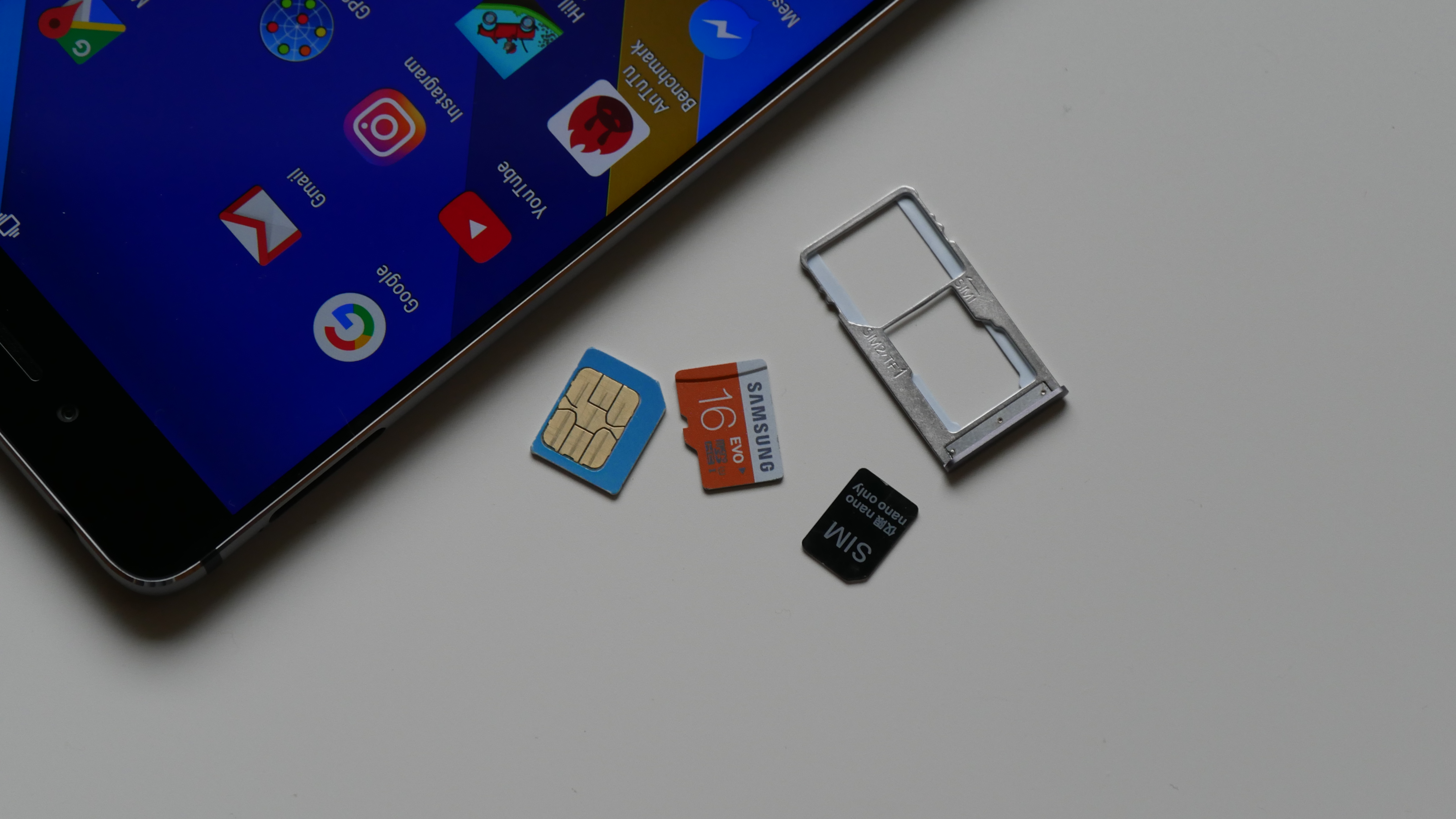
The phone comes with a hybrid dual-SIM card tray, which can take either 2 SIM cards or 1 SIM and the microSD card.
When it comes to connectivity, I didn’t have any issues with the signal reception. Also, the wifi and the call quality are pretty good. The GPS signal may not be the best, but it may get the job done most of the times.
Vernee Mars Review: BATTERY LIFE
The phone ships with a 3000mAh battery that performs quite well. I could get around 4 or even 5 hours of screen-on time, depending on the usage.
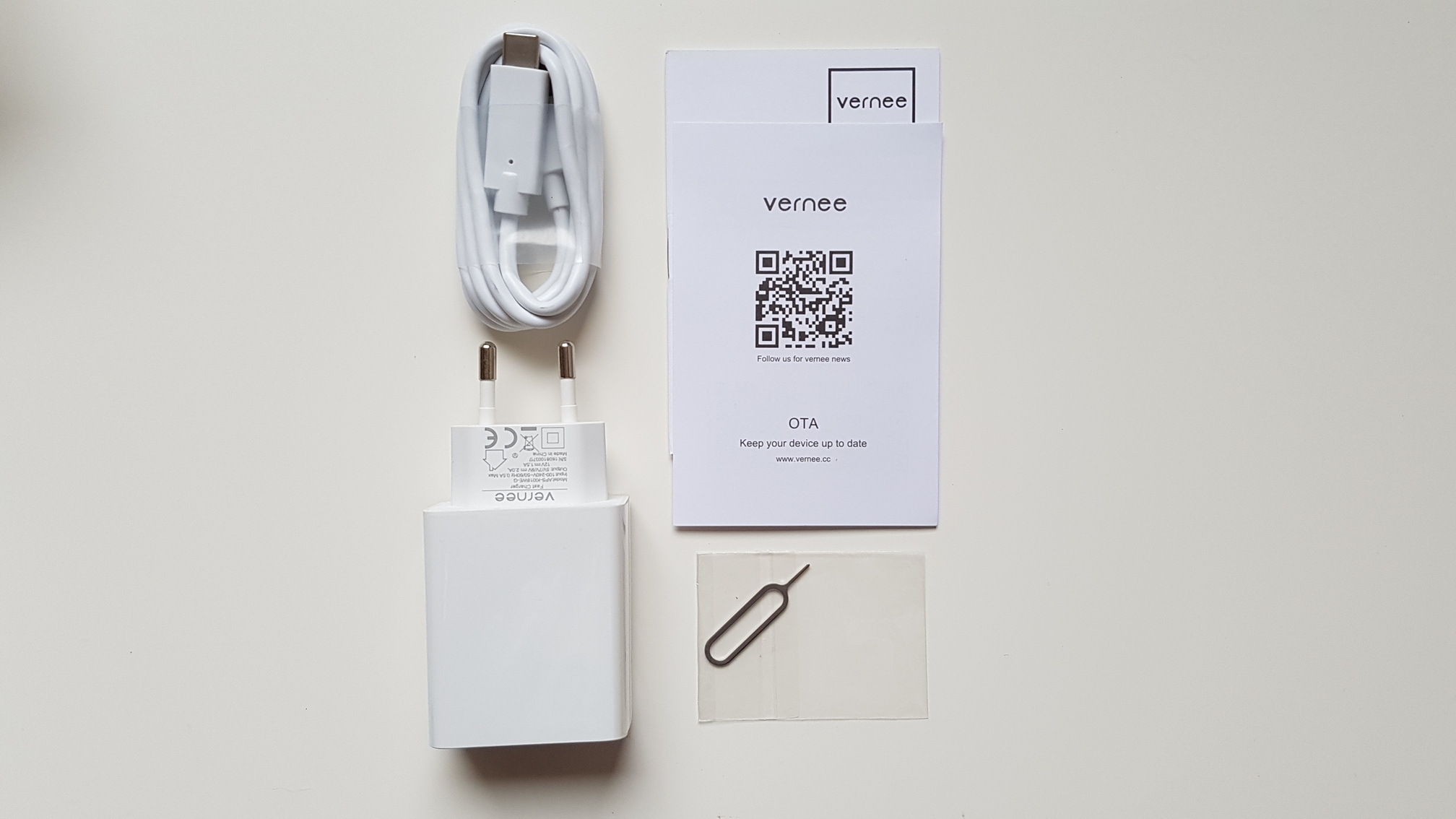
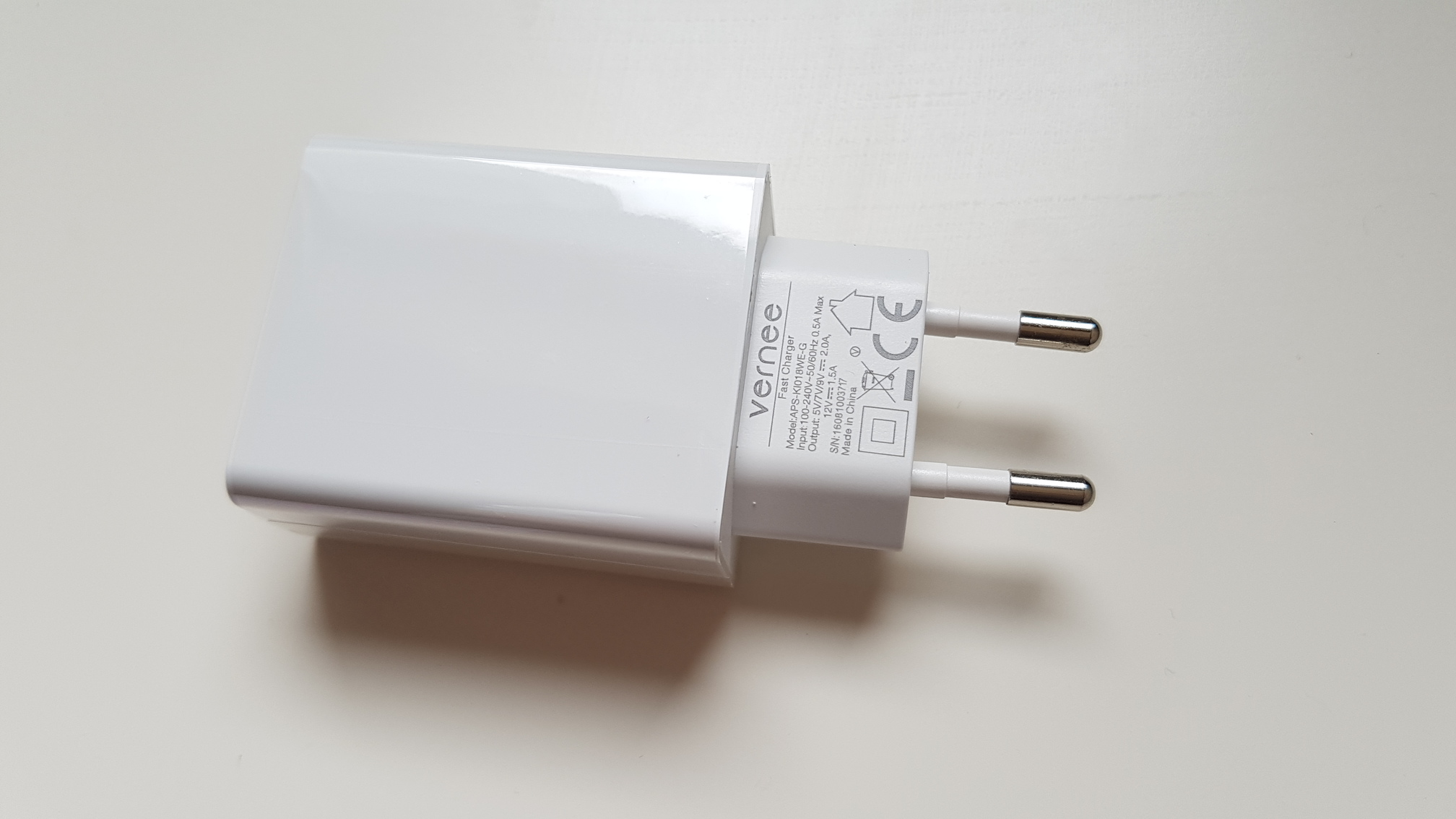
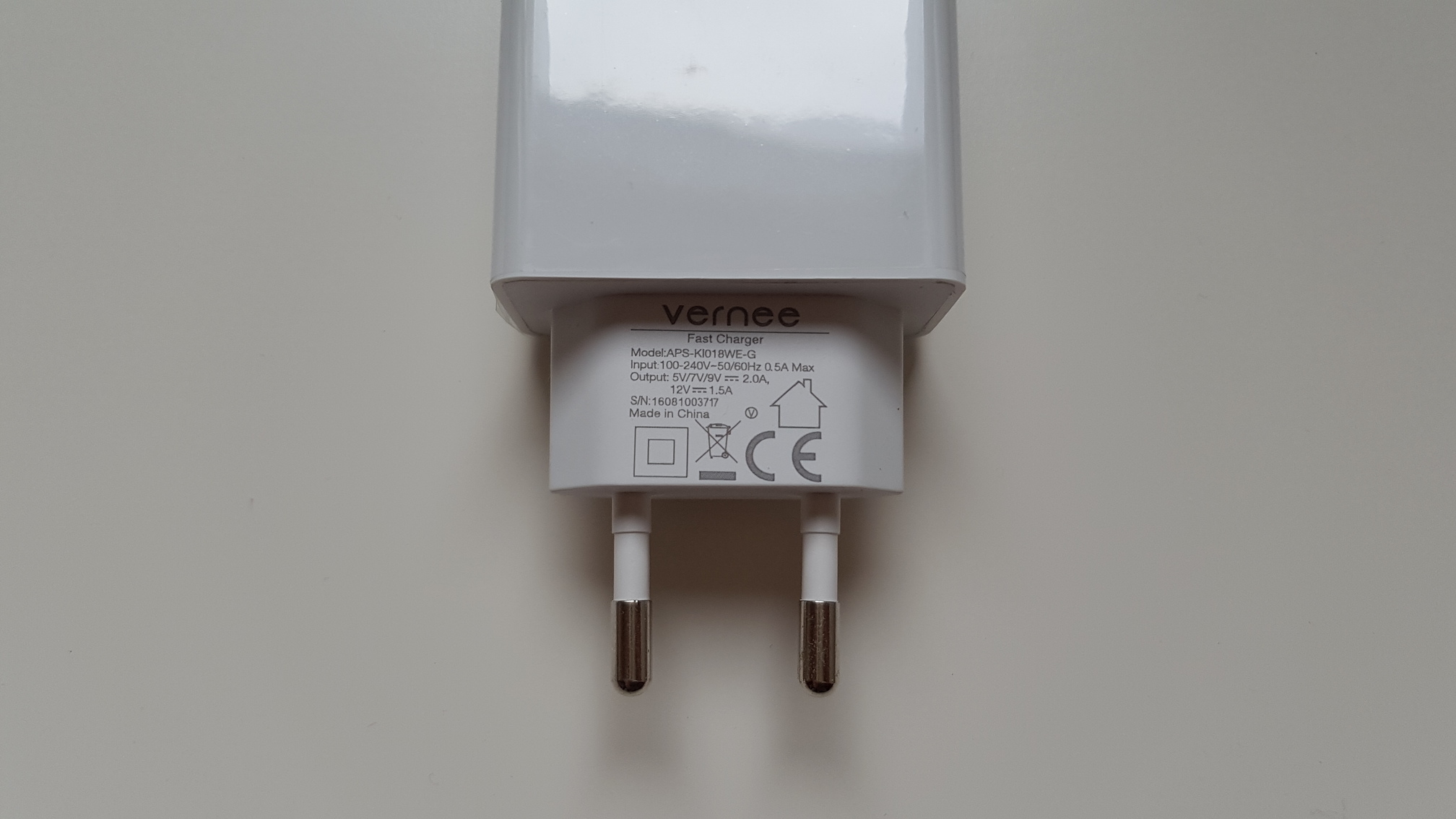
In case you need to re-charge it, the supplied fast charge will do that in around 2 hours.
Vernee Mars Review: CONCLUSIONS
The Vernee Mars is yet another sub-$200 phone from China that aims to bring a lot of value to the table.
I have to say that it succeeds in quite a few ways since the device has a premium all-metal design, excellent build quality, and nice and sharp display.
Also, the Vernee Mars is a pretty fast performer when it comes to the day-to-day use and the battery life is pretty good.
However, the camera department is where the phone struggles. Sure, you can take some decent daylight images but the camera falls short in lower-lit or more challenging situations like cloudy days.
In addition, you have to know that the Helio P10 chip allows you to play the latest 3D games only on medium graphics.
At the end of the day, Vernee Mars is still a pretty solid smartphone for the price but you have to consider if the previously mentioned shortcomings are important to you or not.
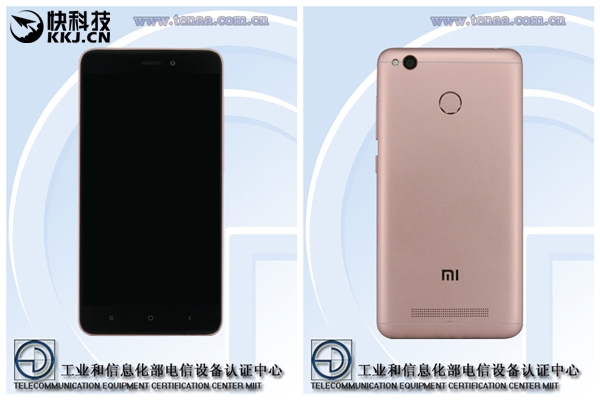
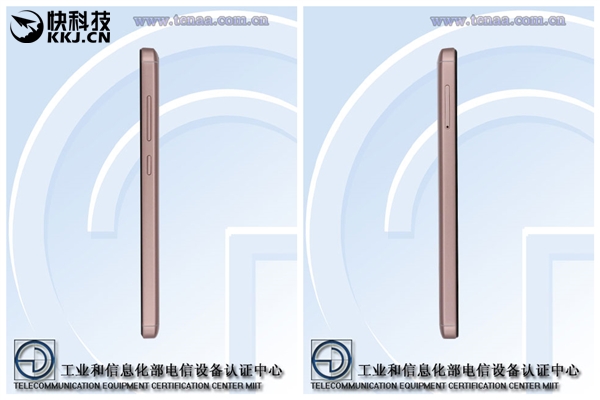
A new Xiaomi smartphone has appeared on China’s TENAA website and it is suspected to be a Redmi series device. The unknown Xiaomi phone is listed with the model number 2016111 and from the specifications is likely the Xiaomi Redmi 4A.
The device is listed as sporting a 5-inch display with 720 pixels (HD) resolution with a dimension of 139.9 x 70.4 x 8.5 mm and weighing 140 g. The said device also features a rear mounted fingerprint scanner and the TENAA render adorns a champagne gold colored metal body.
Further, the said Xiaomi Redmi 4A is listed as featuring a Quad-core 1.4GHz processor along with 2GB of RAM. There is also a 5MP front-facing camera on the device as well as an 8MP rear camera unit with LED flash. The rear camera is unique in that it sits in the same line with the antenna band, looking as if the antenna lines runs through it. The supposed Redmi 4A is also listed as coming with infrared.
Recall that the Xiaomi Redmi 4 had appeared on TENAA months back alongside the already launched Redmi Note 4. The Redmi 4 was listed as packing a 3GB RAM as against the 2GB on this version. Other specs also differ as well as the location of the rear camera and flash. So it’s likely this is a trimmed down, perhaps cheaper version of the still to be released Redmi 4. The Redmi 4 was rumored to come with a cheap price tag hovering around 699 Yuan, this Redmi 4A might even be ultra-cheap with some predicting a price around 599 Yuan. We can’t be so sure about that though, but it is likely a launch is imminent.
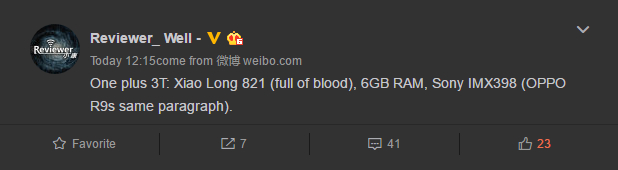
There is however a new detail leaked by a source on Weibo. The acoount @Reviewer_Well says the OnePlus 3T will launch with a new camera, the Sony IMX398. Sounds familiar right, yes it does and that is because it is the same sensor on the recently announced OPPO R9s and R9s Plus.
The 16MP shooter has a f/1.7 aperture and dual-core autofocus. It will replace the IMX298 on the original OnePlus 3 and should come with OIS like its sibling.
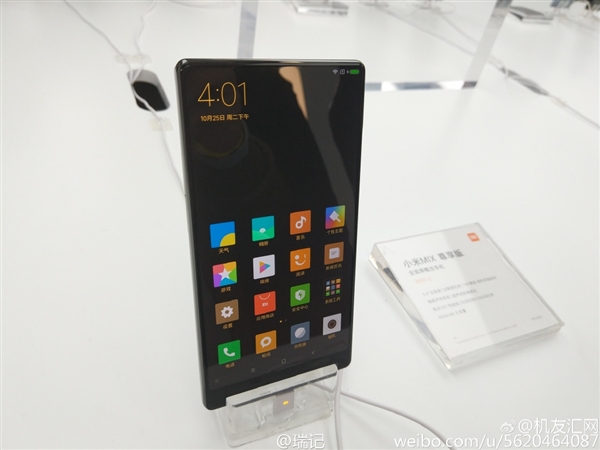
The Mi Mix was launched this week alongside the Mi Note 2 but issues of supply are already cropping up even though the device doesn’t go on sale until next month. The reason is because of the difficulty posed by the production of its ceramic body.
The President of Xiaomi, Lin Bin, said in a press statement that they are facing difficulties in the firing process involved in the production process. In his words, if they set out to make 100 units, only about 5% of the ceramic bodies made passes quality tests. Mr. Lin Bin says there are still no solutions yet and he doesn’t think the numbers produced will increase in the next couple of months.
Part of his press statement addressed the allegation of the Mi Mix being a rip off of the Sharp Aquos Crystal. The Mi Mix, according to the president, is a lot different from the Aquos Crystal. Both phones are made from different materials, ceramic for the Mix and plastic for the Crystal. They also sport different hardware configurations and the Mix wins in the screen to body ratio: 91.3% as against the Crystal’s 82.1%. Let’s also not forget that Sharp supplied the display, so if it is not an issue for them……
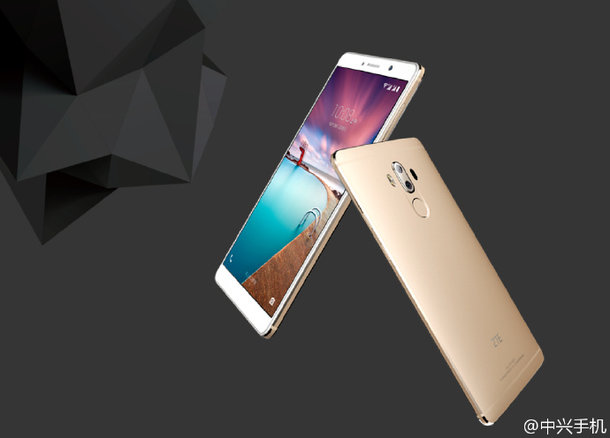
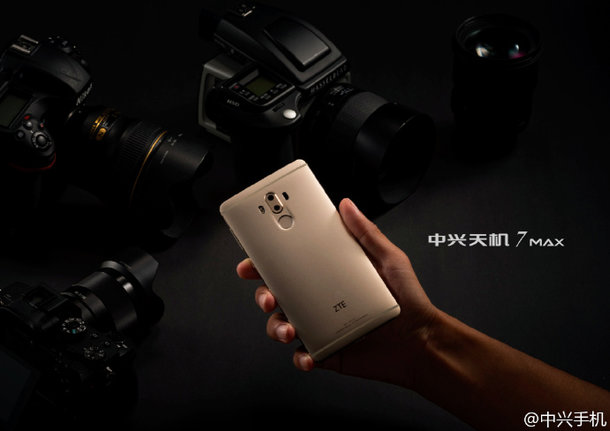
ZTE has officially announced the Axon 7 Max, its latest smartphone in the classy Axon line-up. The ZTE Axon 7 Max comes off the factory with quite a number of spectacular features, teaming up with its large display to give the device a unique look and fire power.
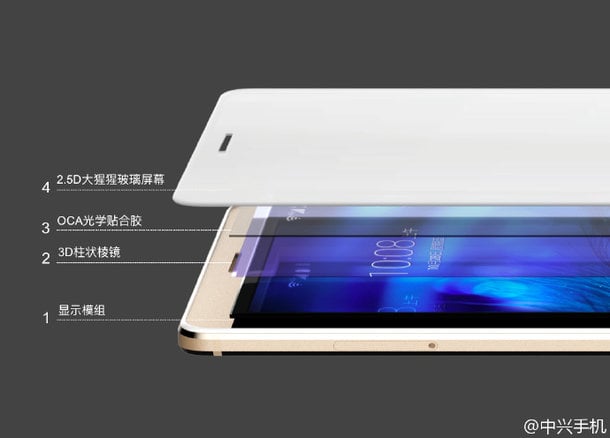
The Axon 7 Max lives up to its name, sporting a 6.0-inch 3D-capable display with 1080 pixels resolution and Gorilla Glass 4 protection on top as well as 2.5D arc glass. The device features a design with very narrow bezels at the edges and on top of that, the display accounts for about 84% of the entire screen. The device also has a rear mounted fingerprint sensor which bring some extra level of security in unlocking the device. The bio-metrics captured before unlocking the device, apart from the fingerprint itself, now include finger skin color and the heart rate signal, in order to prevent counterfeiting or cloning of the fingerprint.
Another spectacular feature on the ZTE Axon 7 Max is the dual camera set-up it packs at the rear which comprise a 13MP primary camera and another 13MP depth of field camera which outputs only black and white images. The rear camera also features laser auto-focus, f/2.0 aperture and dual LED flash. At the front, the Axon 7 Max also sports a 13MP front camera with f/2.2 aperture and intelligent beauty software. Already sample images of the device has been outed and they don’t look bad at all.
The 6-inch Full HD 3D display only means the Axon 7 Max would need a solid battery and that is what ZTE did include on the device, cramming a 4,100mAh battery under the hood. The device also comes with Quick Charge 3.0 support for fast charging.
On the software plane, the ZTE Axon 7 Max runs on Android 6.0 Marshmallow-based MiFavor UI 4.0. The device is also powered by a Qualcomm Snapdragon 625 SoC clocked at 2.0GHz, complemented by a 4GB RAM. There is also 64GB of internal storage on the device which can be expanded up to 200GB via microSD. In addition, the Axon 7 Max comes with AK 4962 Codec HIFI flagship chip, with SmartPA + + BOX integrated Dolby Atmos sound chamber support which is able to provide two-way quality HIFI sound.
In terms of the price, the ZTE Axon 7 Max carries a price tag of 2,999 Yuan ($442) and reservations are already being accepted on Jingdong Mall, Lynx and ZTE mall until November 2. The device would go on sale from November 3 via offline and online channels.
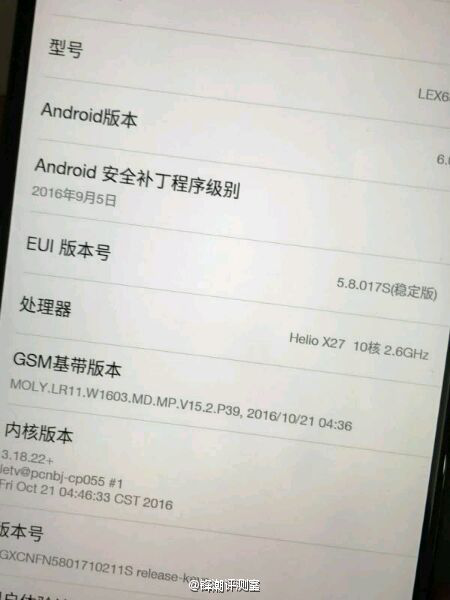
LeEco has a new phone called the Dual 3 coming up in November. The phone is said to be the AI phone the company has been talking about and is also the same mystery phone spotted with a Mediatek Helio X27 chip.
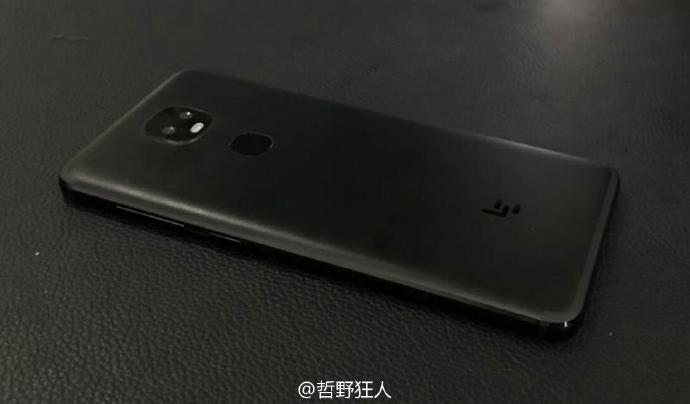
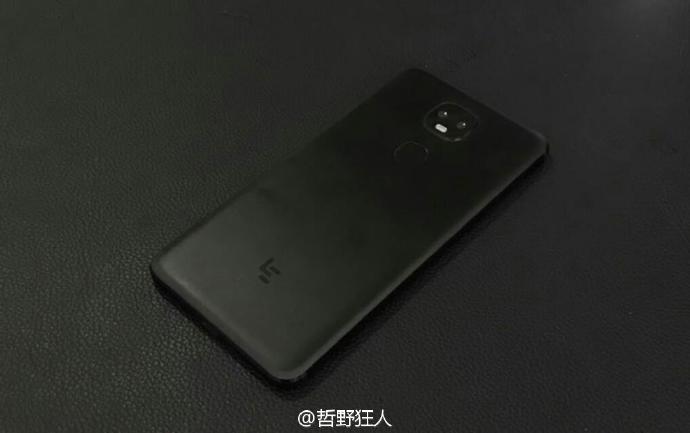
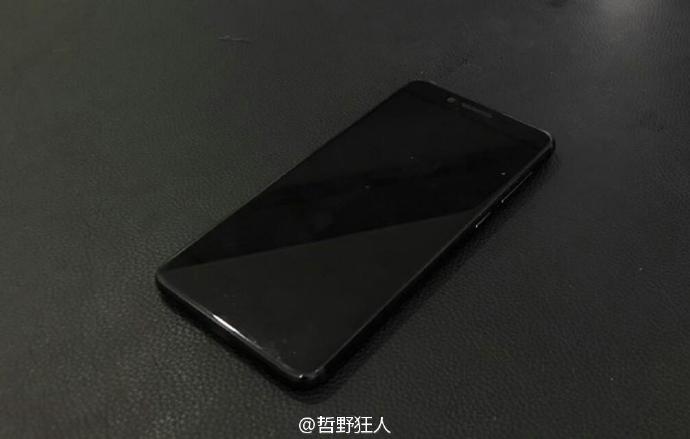
Spy photos released on Weibo by @NeochaEDGE shows a screenshot of the phone’s information confirming the use of a Helio X27 chip clocked at 2.6GHz and a couple of pictures showing the phone in black. The chip is said to be born from an arrangement between Mediatek and LeEco, so there are chances you might not see it on any other phone.
The new chip has been custom made to offer the best performance when you use the AI technology and dual cameras bundled with the phone. The phone will have a voice assistant that can help recommend foods, locations, and provide solutions based on information gathered from the user.
The black version of the phone looks way better and will possibly be the most preferred version based on the fact that it does a good job hiding the black borders found on the screen of LeEco phones.
We use cookies on our website to give you the most relevant experience by remembering your preferences and repeat visits. By clicking “Accept”, you consent to the use of ALL the cookies.
This website uses cookies to improve your experience while you navigate through the website. Out of these, the cookies that are categorized as necessary are stored on your browser as they are essential for the working of basic functionalities of the website. We also use third-party cookies that help us analyze and understand how you use this website. These cookies will be stored in your browser only with your consent. You also have the option to opt-out of these cookies. But opting out of some of these cookies may affect your browsing experience.
Necessary cookies are absolutely essential for the website to function properly. This category only includes cookies that ensures basic functionalities and security features of the website. These cookies do not store any personal information.
Any cookies that may not be particularly necessary for the website to function and is used specifically to collect user personal data via analytics, ads, other embedded contents are termed as non-necessary cookies. It is mandatory to procure user consent prior to running these cookies on your website.







 The build quality of the Teclast smart band is top-notch. It is made of quality plastic and I did not scratch it while wearing it for a couple of weeks.