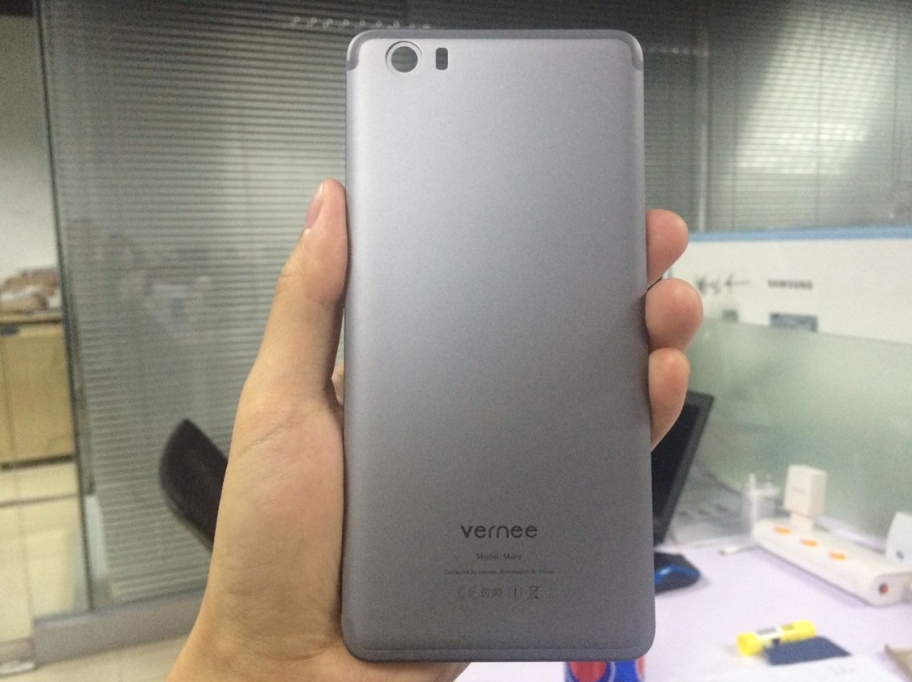
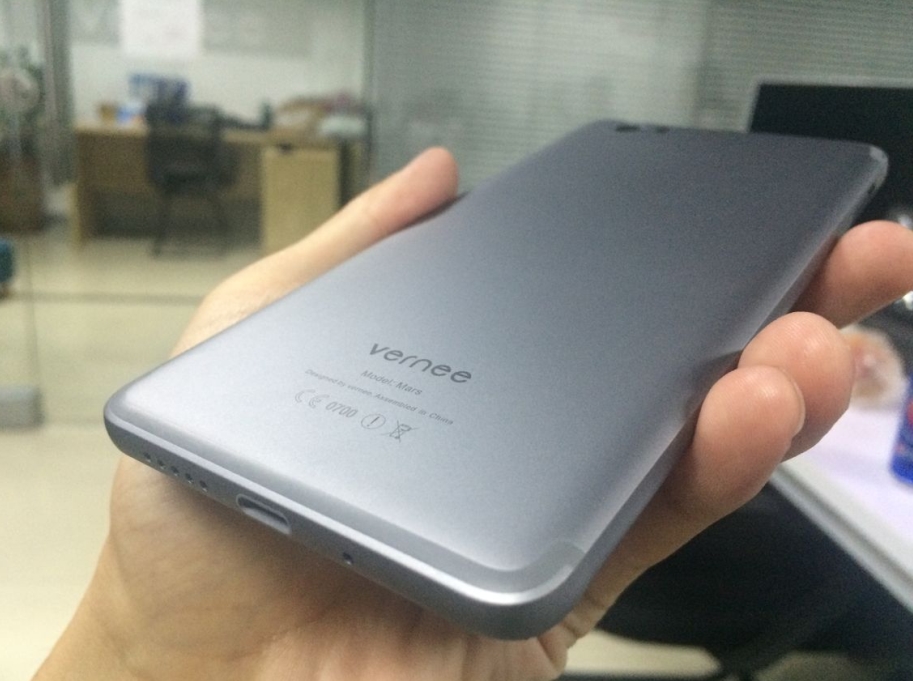
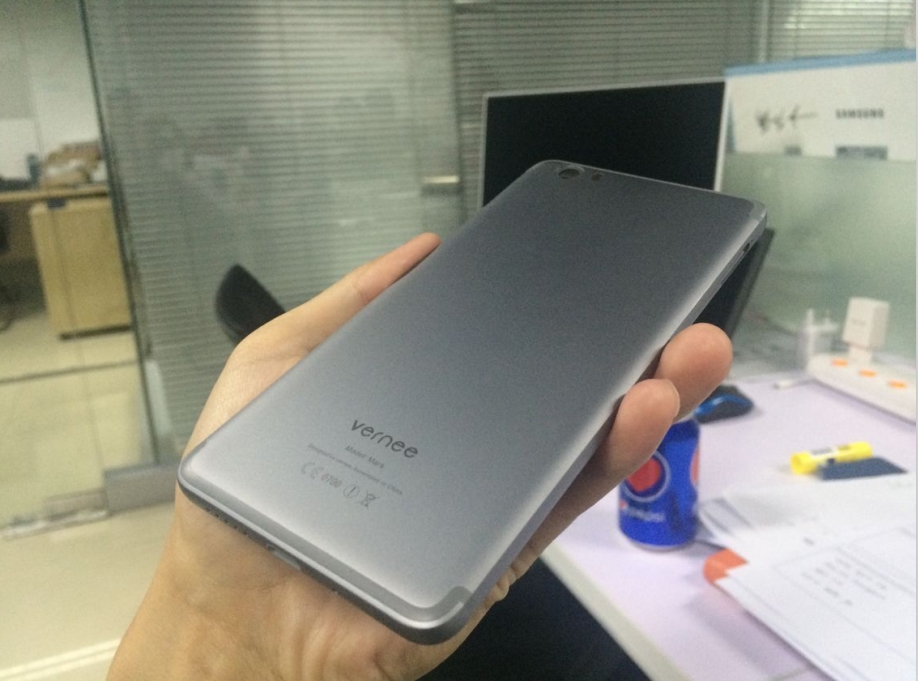
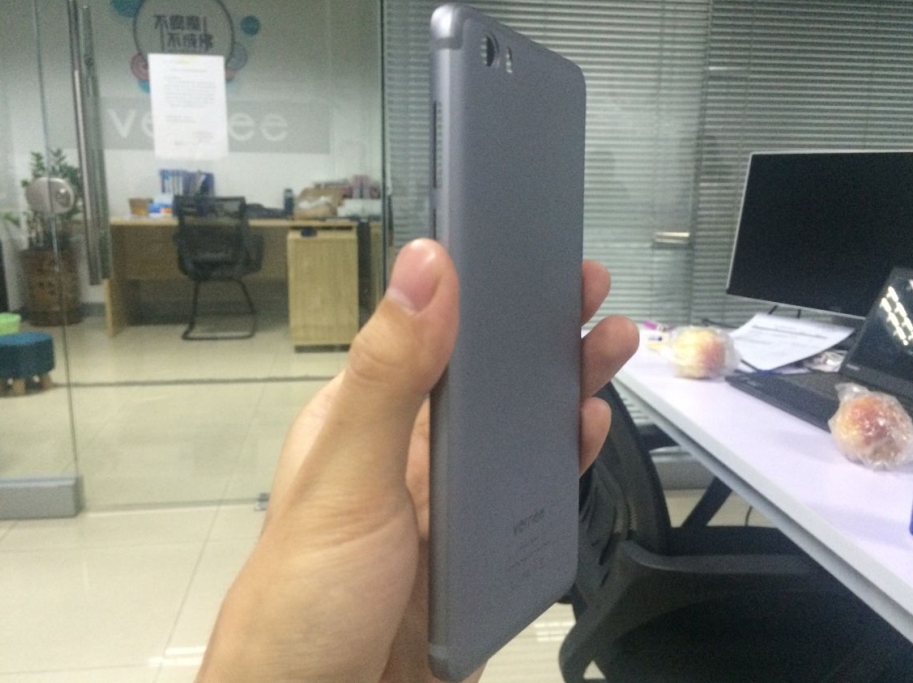
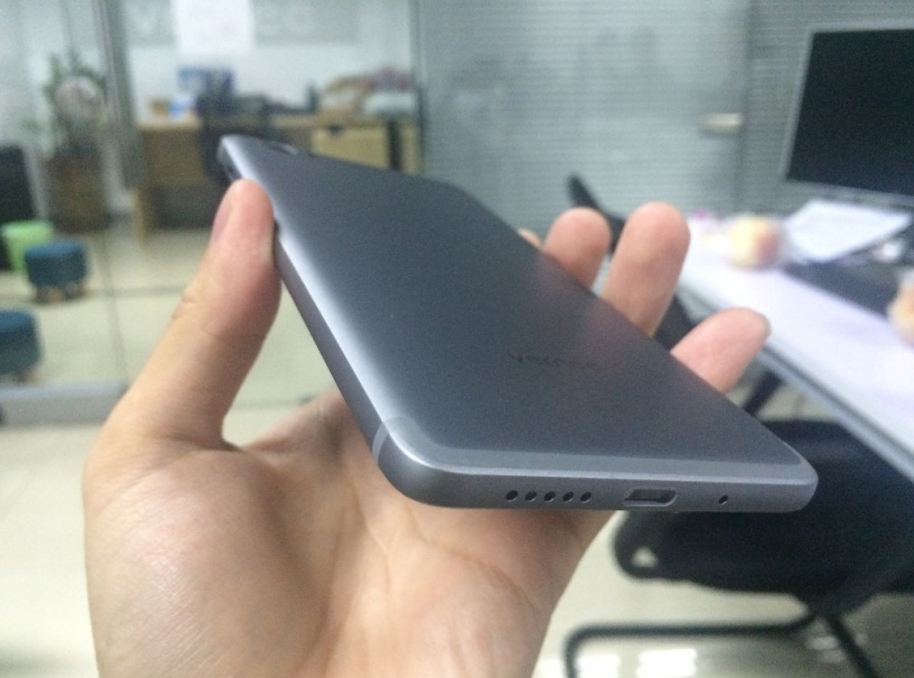
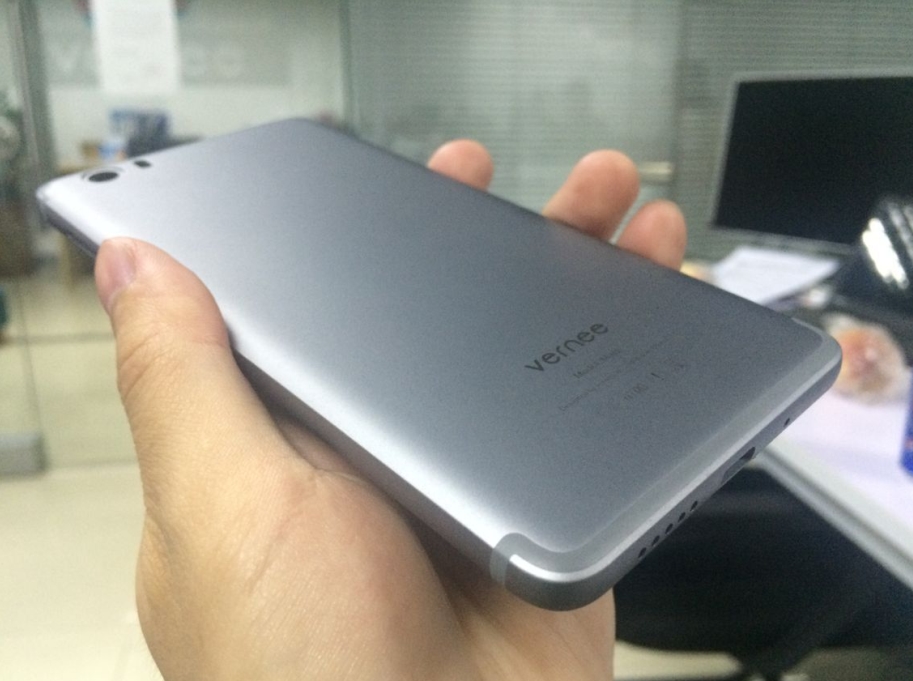
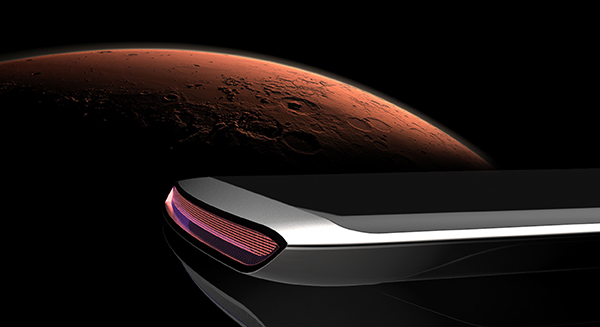
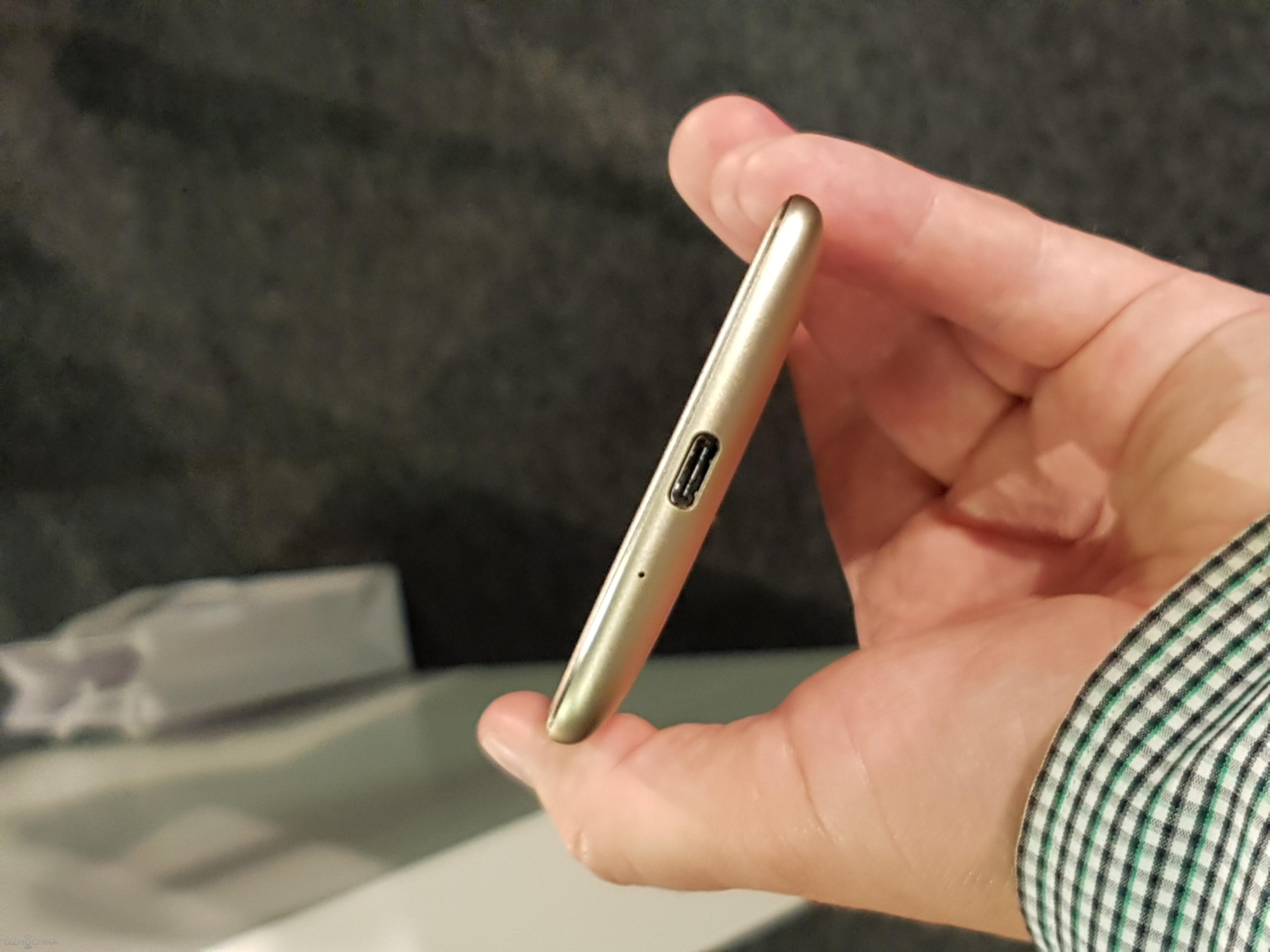
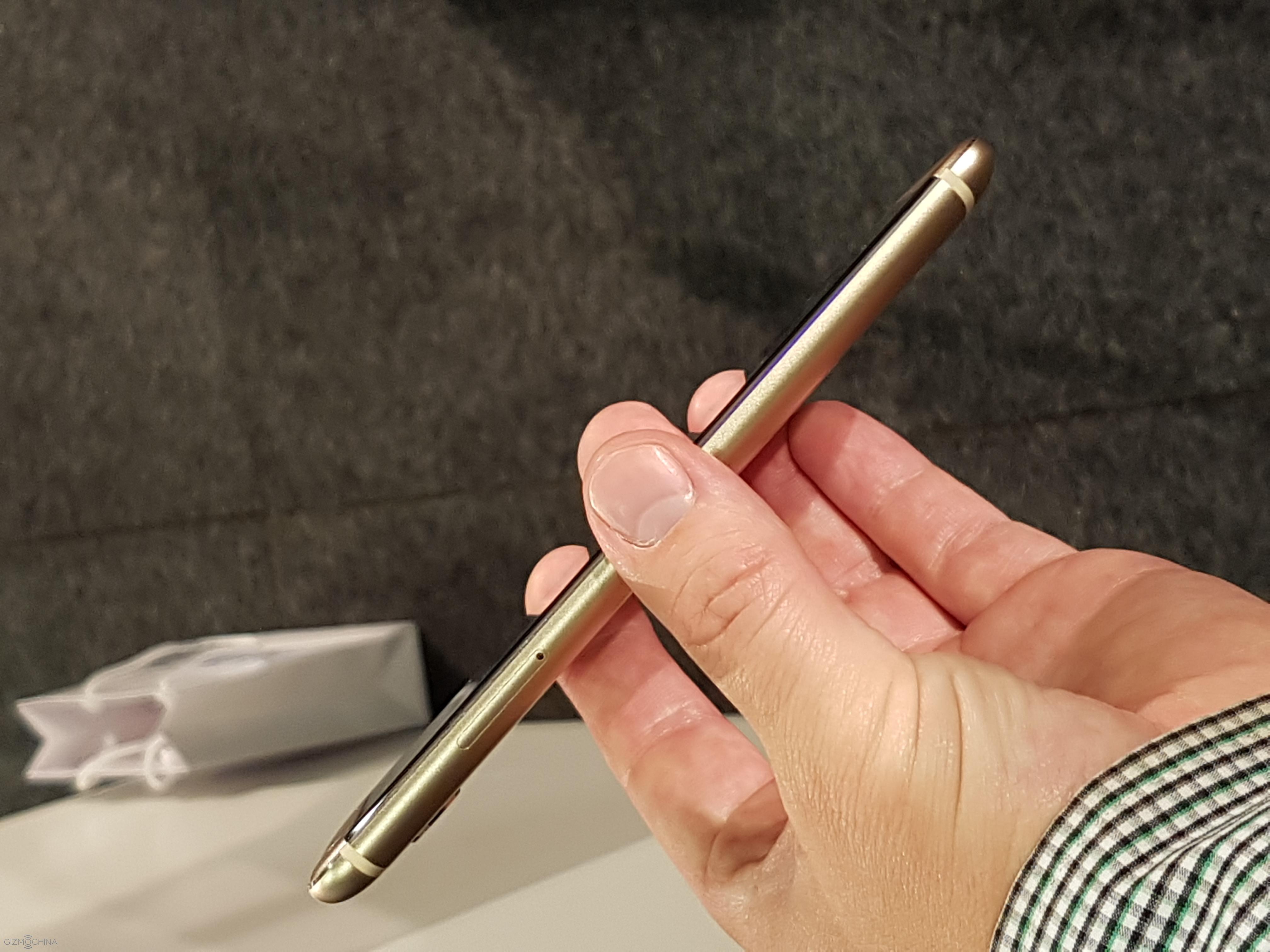
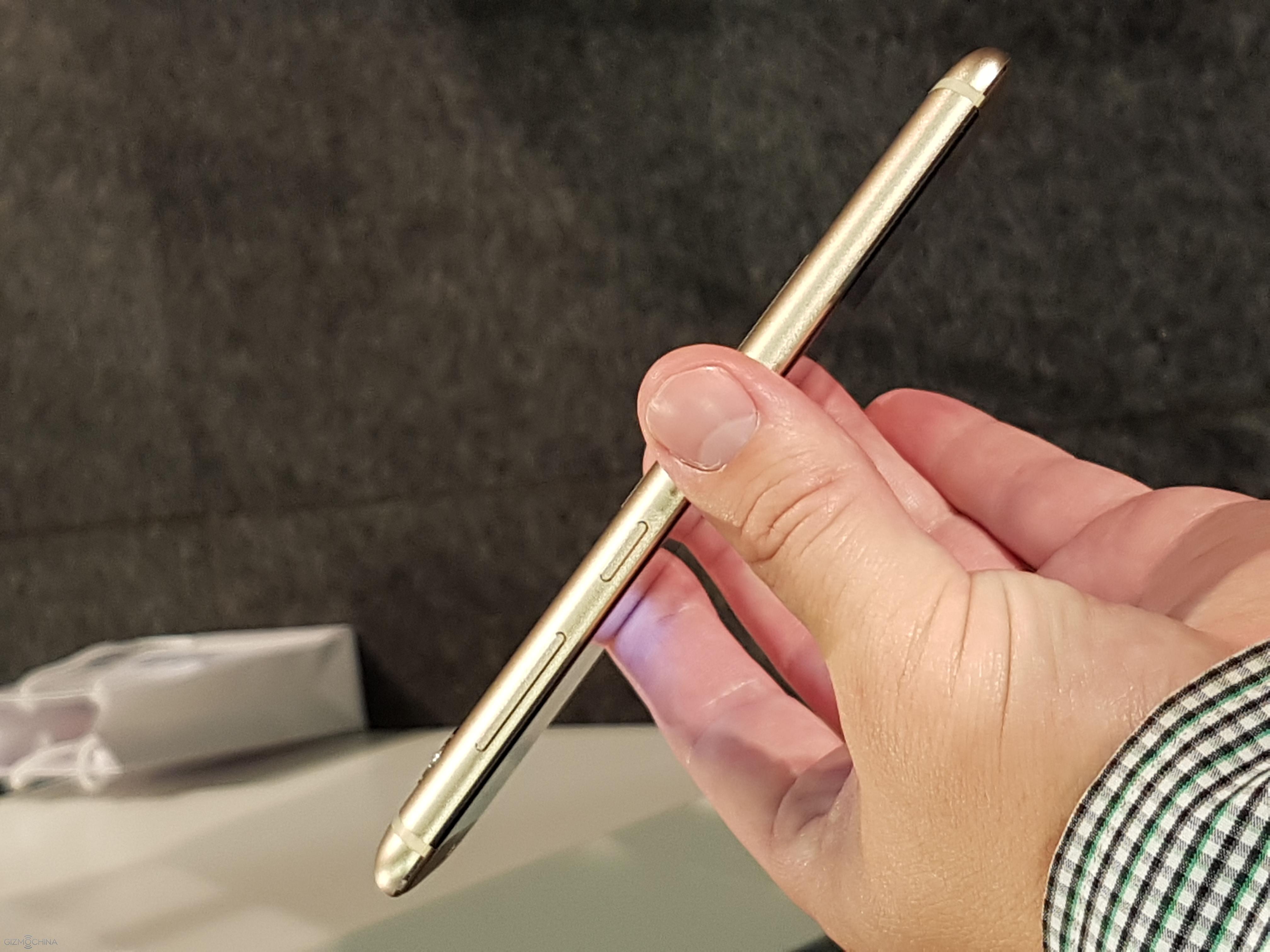
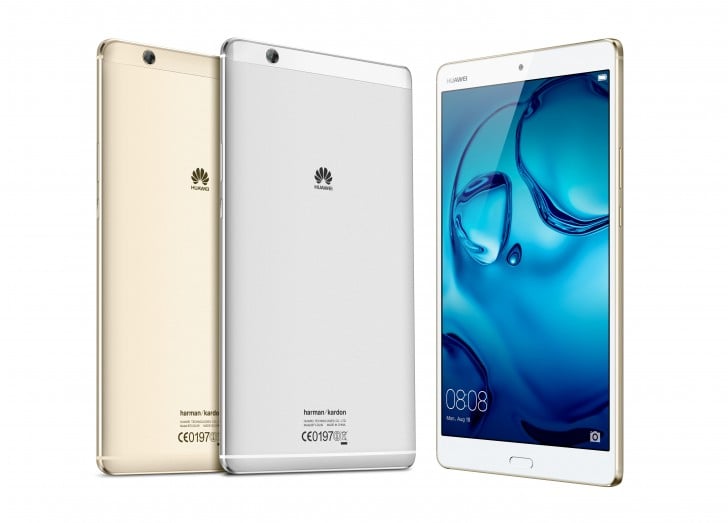
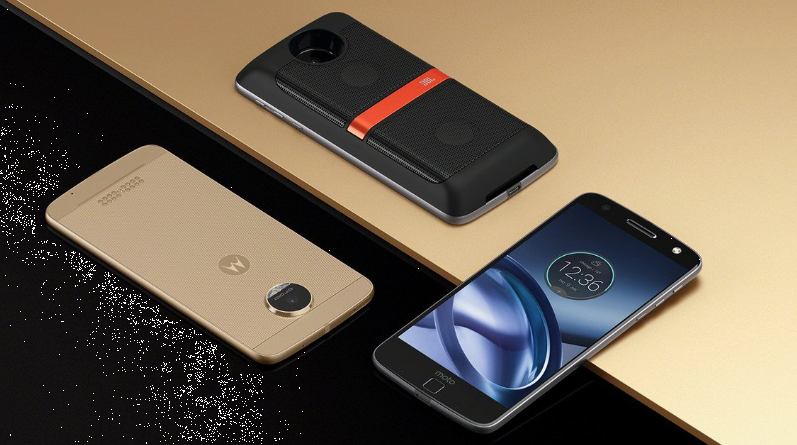
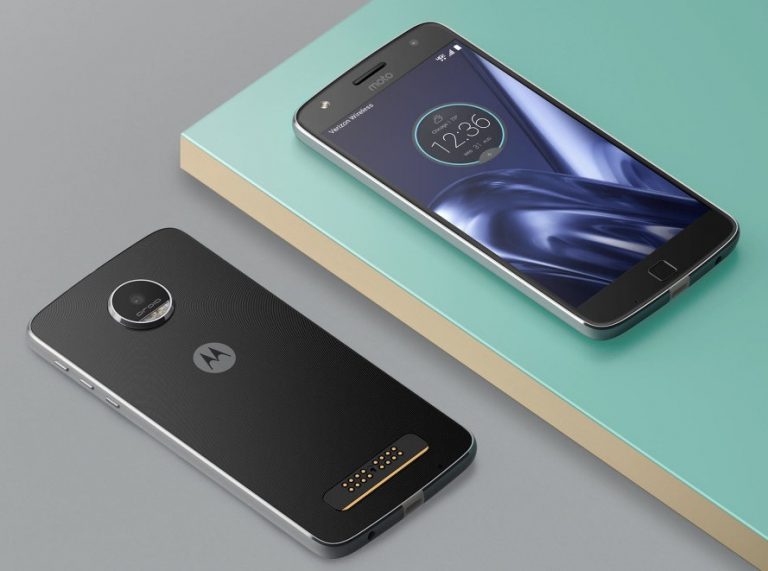
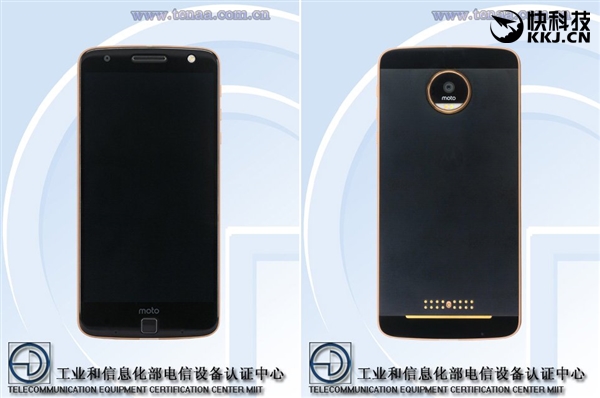
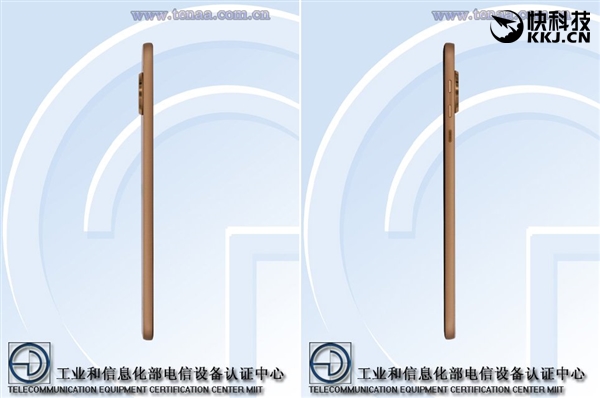
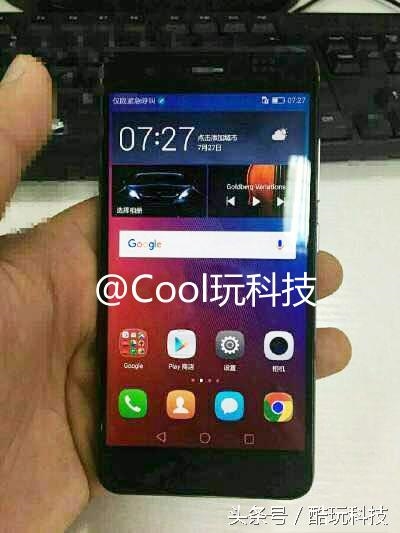
Vernee’s 6GB RAM phone called Vernee Mars is expected to launch in November which is still a good 2 months away, but the new manufacturer doesn’t want you to forget and has been releasing details of the phone in bits. Today we have images of the phone in Carbon Soot.
We have reported pictures of the phone in champagne gold and we have seen pictures of a blue version as well (blue seems to be the new rose gold), these new pictures hints at the phone having 3 colour options.
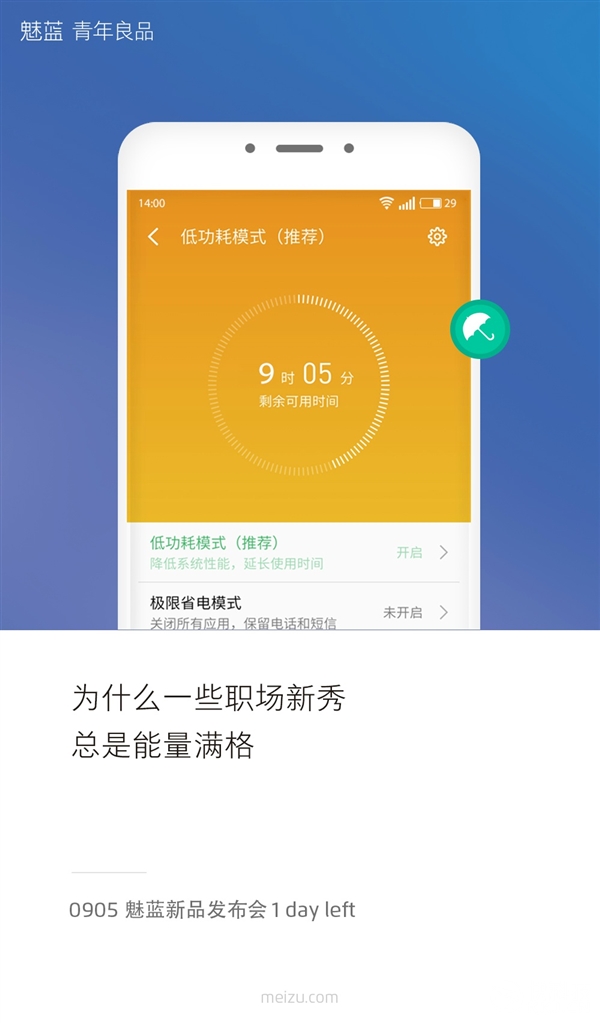
Meizu has posted a new teaser for the Meizu M3 Max which is expected to launch tomorrow. The image which is also a clever play on the launch date shows the phone’s battery usage of 9 hours and 5 minutes. The battery indicator shows that there is still 29% battery left which should still offer close to 2 hours of on-screen time. We still don’t know the battery capacity but should be close to 5000mAh or even more to pull this off.
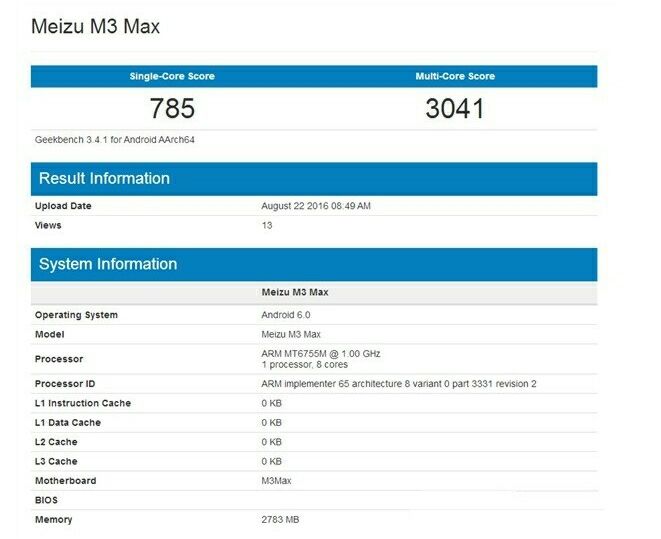
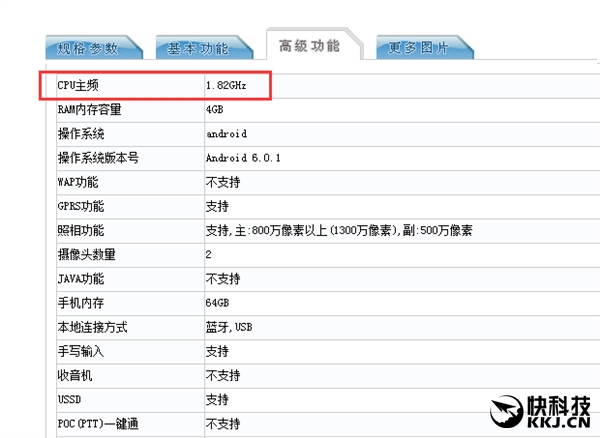
The Meizu M3 Max is said to launch with a 6” screen, 3GB of RAM, and have a version with a stylus called the mPen. Earlier news mentioned it was going to be the first phone to launch with the Helio P20 SoC but what we saw on Geekbench a few days ago was the M3 Max with Helio P10.
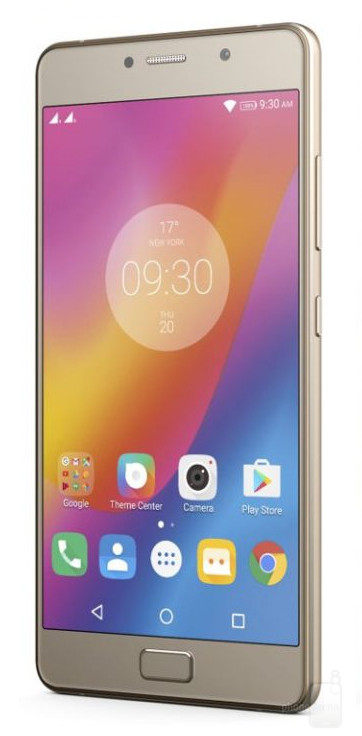
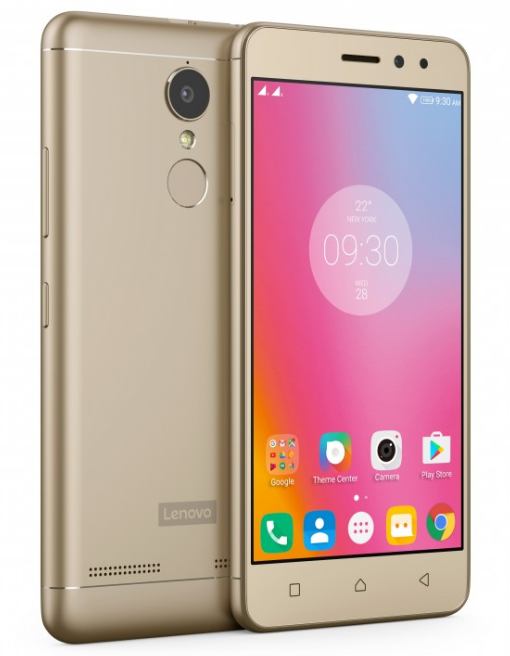
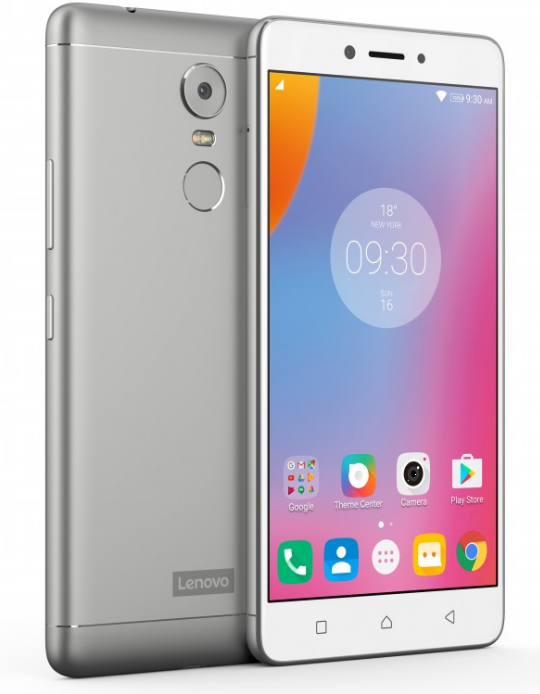
Lenovo had so much fun and lots of devices to showcase at IFA Berlin 2016 judging from a video uploaded on their twitter page. While the highlight of their launch was the Yoga Book, the company launched a bunch of new phones too albeit with little or no fanfare. Some of the phones launched include the Lenovo K6, Lenovo K6 Power, and Lenovo K6 Note. You should check them out if you haven’t. Two other phones the company launched are the (Lenovo Vibe) P2 and Lenovo A Plus.
Lenovo P2
First spotted a month ago at a trade event in China, the Vibe P2 is the successor to last year’s Vibe P1 which launched with a large 5000mAh battery. The Lenovo Vibe P2 ups the battery game with an additional 100mAh (5100mAh). There’s a 5.5” full HD display, Android 6.0, 3GB of RAM, 32GB ROM, Snapdragon 625 SoC, a 13MP rear camera supplied by Sony, and a 5MP camera up front for selfies.
If you are a lover of fingerprint scanners placed in front, Lenovo has got you covered with the P2 but it doesn’t seem like it will double as a home button like you have it on the Vibe P1, since it now uses on-screen buttons.
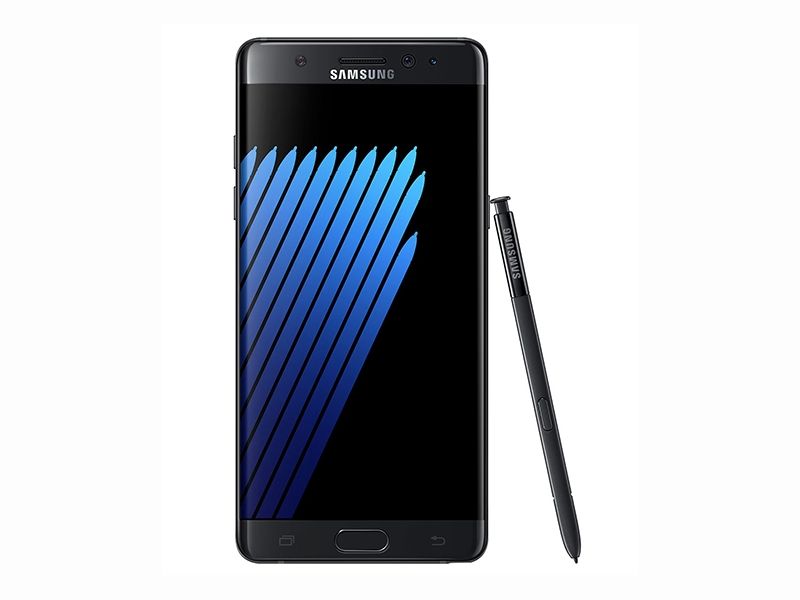
The Samsung Galaxy Note 7 launched with much fanfare. With a nice ad starring Hollywood actor, Christoph Waltz, and lots of people drooling over the coral blue unit, it was having a lot of fun being the new android poster boy……until the first report of a unit exploding. Then other people started to report similar issues and things seemed to take a downward spiral from there.
Now the company has issued a recall of all Galaxy Note 7 units except for the inventory for China which Samsung says are fitted with batteries from a different supplier. While some folks might still be sceptical about purchasing the phone, Samsung must have confirmed that the units are fine before issuing an official statement on the matter.
The company has to recall up to 2.5 million units and offer replacements to owners for a phone that was already struggling to meet demands. There are a total of 35 instances of the Galaxy Note 7 exploding which are too many for a phone released less than a month ago or for any phone for that matter.
Other phones that have been reported to have exploded this year includes the Xiaomi Mi 5 and the OnePlus 3.
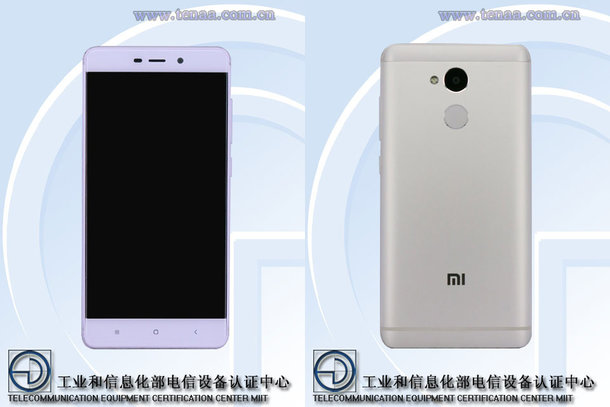
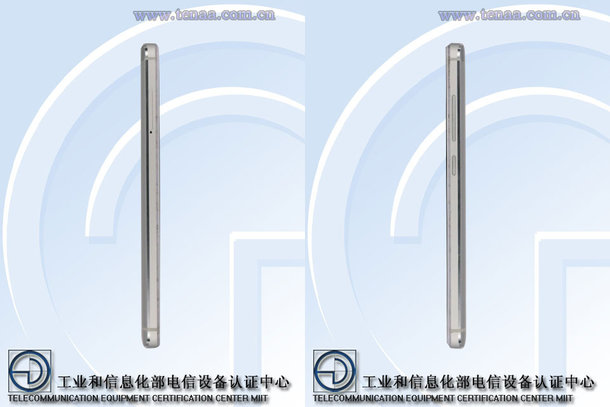
The Redmi 4 was expected to launch alongside the Redmi Note 4 but it didn’t. It seems it’s launch is near as images have shown up on TENAA’s website.
The Redmi 4 appears to look more like a small sized Redmi Note 4, although it doesn’t seem to have that curve of the Note 4. It doesn’t seem like Xiaomi has any plans of changing the design of the capacitive buttons, so that remains the same. The speaker on the Redmi 4 has been removed from the back and will now be at the bottom flanking the charging port.
At the back, there is a fingerprint scanner below the rear camera which has the LED flash sitting on the left. The Mi logo sits a few inches from the antenna line at the base. Volume rocker and power buttons are still on the right and the SIM tray is on the left.
”Is the Lenovo Vibe K4 Note a year old already? Nope. What about the Lenovo K5 Note? Not at all. And we already have the K6? Yes, that’s correct.”
That’ the conversation I had with a friend when I first heard Lenovo launched new K-series phones.
The K-Series are known to be mid-rangers and the K6 and it’s siblings are no different. What makes them special? Are they worth the upgrade from previous models? Let’s find out.
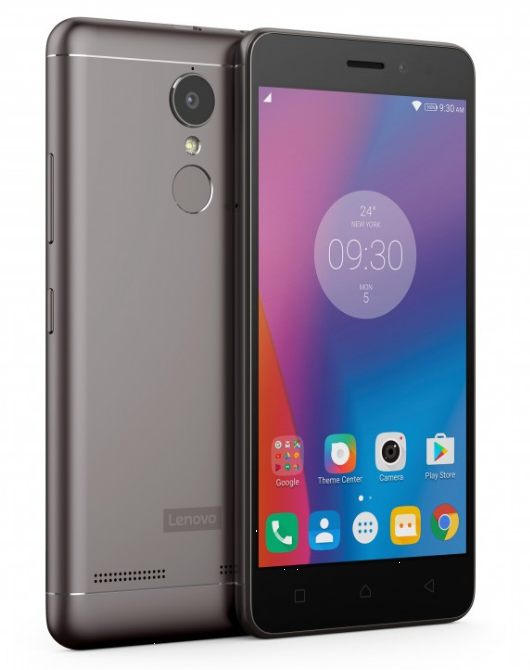
Lenovo K6
The new K6 series all sport the same Snapdragon 430 processor which is an octa-core chip comprising of 4 Cortex A-53 cores clocked at 1.5GHz and another set of 4 cores clocked at 1.2GHz.
The K6 has a 5” FHD display and comes in 2 variants: a 2GB + 16GB version and a 2GB + 32GB model. There is a 13MP rear camera, an 8MP up front, SDcard slot of up to 256GB, a fingerprint scanner, dual-SIM slots and a 3000mAh battery.
Lenovo K6 Power
The K6 Power has the same 5” 1080p display, a 2GB RAM + 16GB variant and a 3GB RAM + 32GB ROM version. The camera is the same as the K6 but like the power name, the battery is bumped up to 4000mAh which is the same you’ll find on many of the Redmi 3 series. There is a fingerprint scanner, SD card slot and dual-SIM slots as well.
Lenovo K6 Note
The K6 Note is the biggest at 5.5” but sports the same 1080p resolution. The base version has 3GB RAM and 32GB of storage. If you do want more RAM, Lenovo has another version with 4GB but storage remains at 32GB. Both versions have storage expansion slots. Another aspect where the K6 Note stands out is in the camera. It uses a 16MP rear camera with PDAF. You can even see the sensor looks very different as it doesn’t have that black circle around it like the K6 and K6 Power. The front-facing camera is still 8MP though. Since it has a larger screen, Lenovo has graced it with a 4000mAh battery.
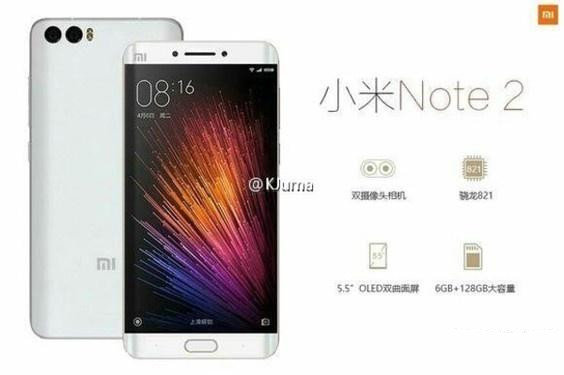
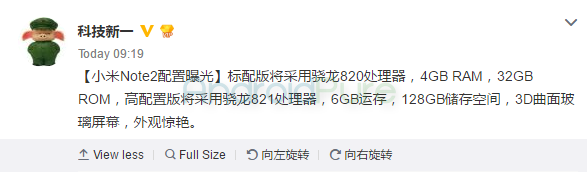
The rumor mill is still active surrounding the expected Xiaomi Mi Note 2 with several leaks, renders and rumors cropping up consistently about the device. The latest rumor to hit our desk is that Xiaomi may be planning to release more than one version of the flagship Mi series device. This time around, a Snapdragon 820 chipset version with 4GB RAM + 32GB ROM is touted.
The latest rumor apparently emanated from a Weibo user, alleging that the Mi Note 2 will likely get two versions, one with Snapdragon 820 processor, combining with a 4GB RAM and 32GB of built-in storage. Then another version with Snapdragon 821 SoC alongside 6GB of RAM and 128GB ROM. How authentic the source of this rumor is, we cannot tell. The Mi Note 2 is expected anytime this September, and it is certain all these rumors will be put to rest when the device is launched and the specs unveiled.
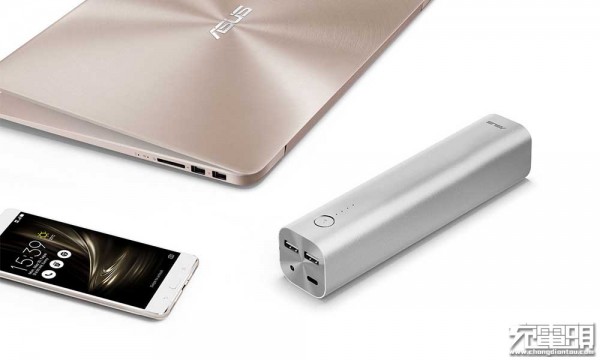
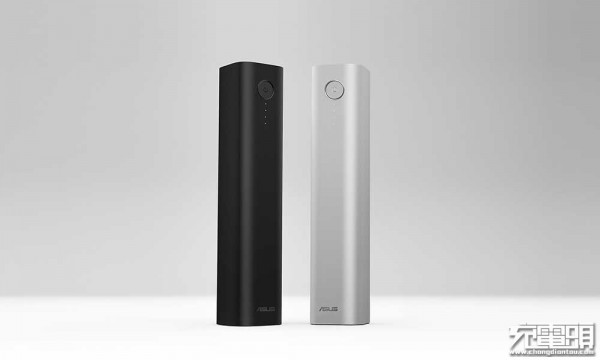
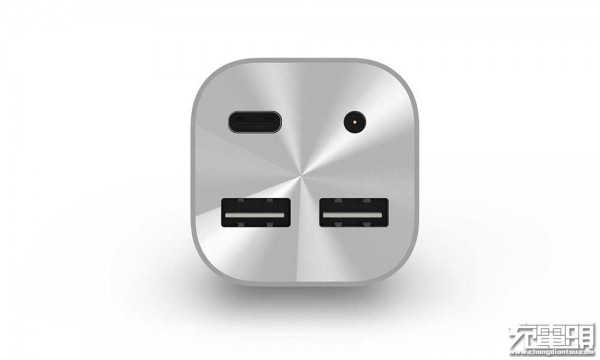
Taiwanese computer and smartphone maker ASUS has unveiled a new power pack in the ZenPower series with ramped up battery capacity and support for more devices, including laptops. The device is rightly dubbed ZenPower Max and it plays host to a massive 28,600mAh battery inside a compact size casing.
ASUS had released the 9,600mAh ZenPower power bank sometime in November last year, this was followed this year by the ZenPower Pro and ZenPower Combo, both with 10,050mAh battery capacities and then the ZenPower Ultra with a 20,100mAh battery capacity.
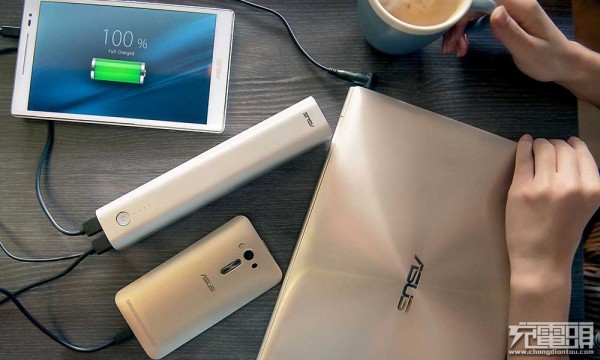
The ZenPower Max brings in not just more power but also charges mobile phones, tablets, laptops and a host of other devices and more than more device can be charged simultaneously. Despite the large battery capacity, the ZenPower Max packs a compact and smaller size than its predecessors, indicating an improved technology. The ZenPower Max is also touted to provide fast charge to mobile phones.
ASUS equipped the ZenPower Max with two Quick Charge 2.0 USB ports which can provide an output of 36W ( 5V2.4A / 9V2A / 12V1.5A) and there is also a USB Type-C port with an output of 5V3A / 12V3A / 20V3A. The power pack can be connected to laptops via the normal laptop conventional DC interface which is available in the market and is reputed to be able to deliver full battery capacity to the laptop in just 5.5 hours.
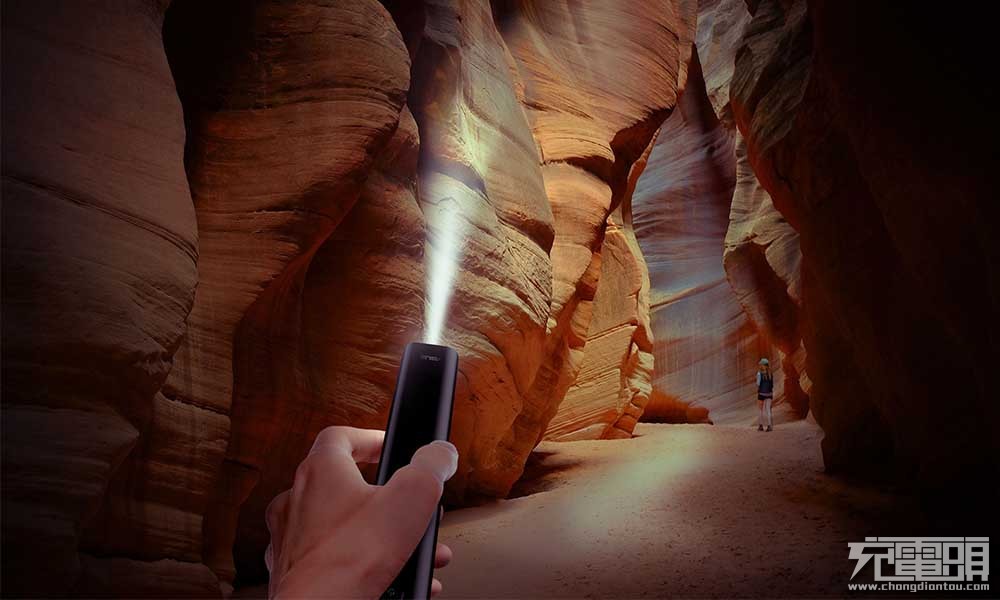
Apart from charging functions, the ZenPower Max can also function as a LED flashlight which can last up to 12 days of continuous lighting on a full charge. For all these features, you get to pay just $4,990 New Taiwan Dollars, ( about 1,054 Yuan, $158).
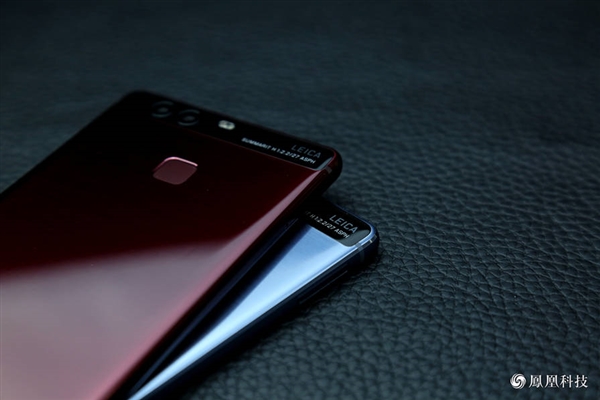
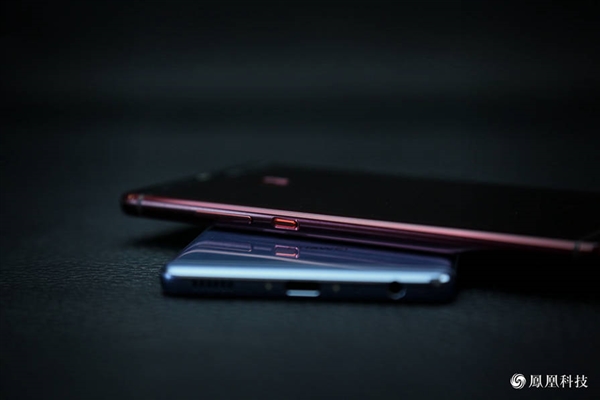
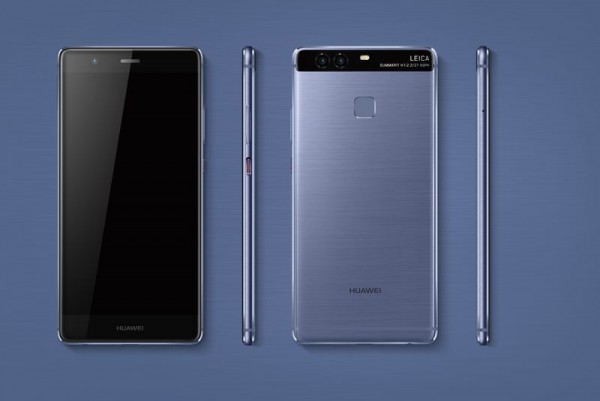
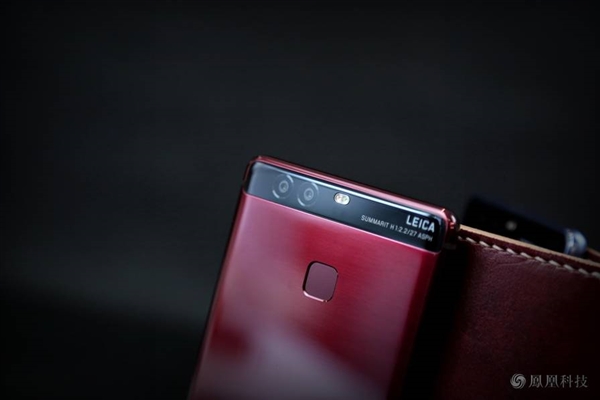
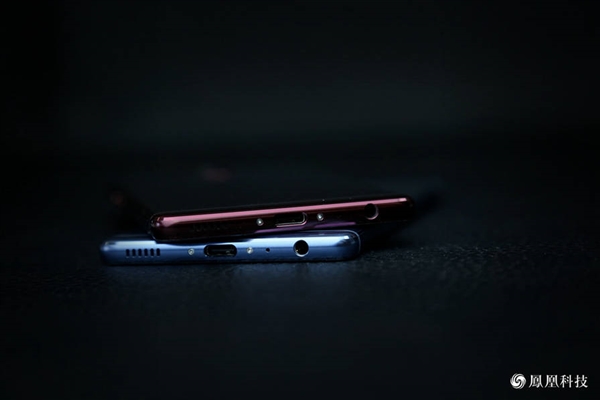
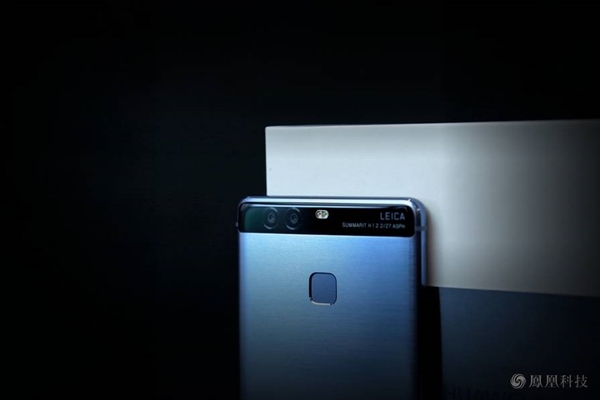
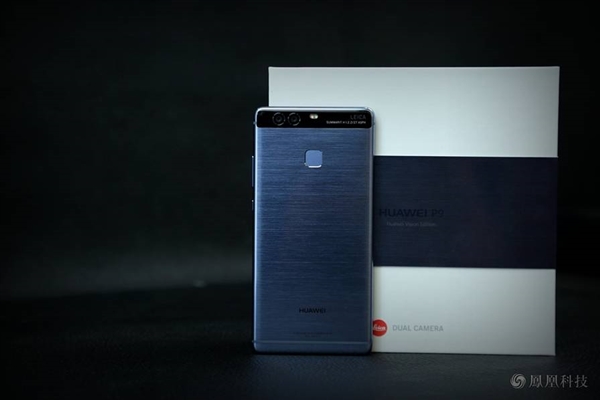
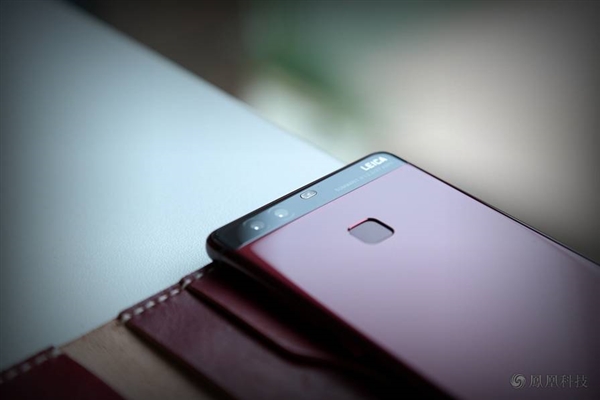
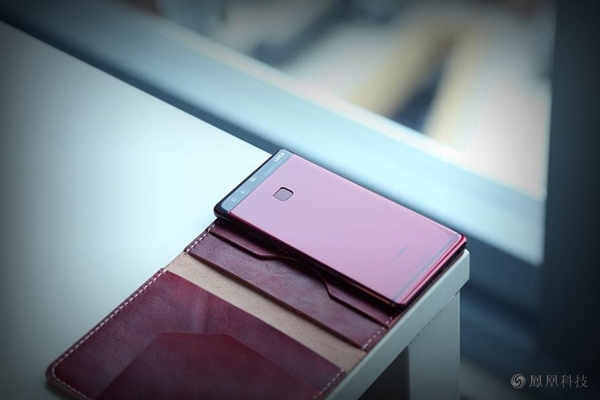
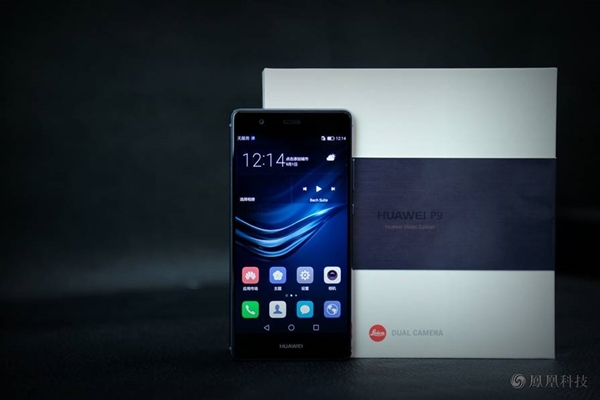
Aside announcing the Huawei Nova, Nova Plus, and Mediapad M3 yesterday at IFA 2016 in Berlin, Huawei also unveiled two crispy new color variants for the Huawei P9 flagship which feature the acclaimed dual Leica cameras at the rear. The two color variants, Red Agate (or dark red) and Blue Topaz add more color and vigor to the flagship smartphone which has sold several million units already since it was released.
Before now, the P9 already has an attractive array of color variants buyers have the opportunity to choose from. The Huawei P9 launched in Rose Gold, Gold, Porcelain White, Bright Moon Silver, Gold Silver and Titanium silver. Now two more color variants have now been added to the six attractive colors, making a total of eight color variants, enough to meet whatever taste you’re looking for.
The specifications of the Red Agate and Blue Topaz color variants of the P9 doesn’t change from the others. The two variants still sports 5.2-inch display a piece with 1080pixel resolution, powered by the Kirin 955 processor as well as feature a 12MP dual Leica rear cameras, 8MP front camera, 3,000mAh battery, dual-SIM and full network support. The device runs on Android 6.0 Marshmallow based Emotion UI 4.1 (EMUI 4.1).
However, the Red Agate and Blue Topaz color variants of the Huawei P9 seem to have adopted a higher price tag. While the Huawei P9 with 3GB RAM + 32GB ROM in China costs 3,188 Yuan ($478), the two new color variants with 3GB RAM + 32GB ROM is announced clutching a price tag of 549 Euros which is about 4,086 Yuan ($612).
Little known Finnish phone company, Turing Robotic industries (TRI) has announced a new upcoming smartphone with spectacular specs line-up. The phone known as Turing Phone Cadenza is billed to be released in 2017 and the features might leave you gasping in surprise because it is nothing like you’ve probably seen before.
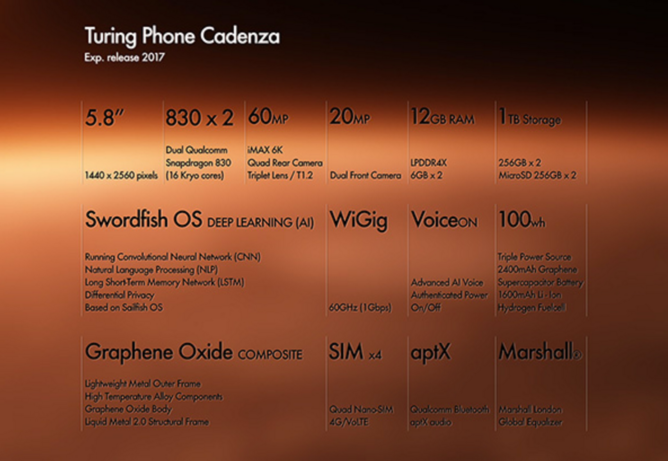
The Cadenza is said to come powered by not one, but two Snapdragon 830 chipsets and we are even yet to see the 830 SoC from Qualcomm, the chipset is scheduled for release in early 2017. Aside the two processors, the Turing phone Cadenza will also feature a whopping 12GB RAM consisting of two 6GB RAMs, which explains why two chipsets are needed. Snapdragon 830 SoC will come with support for up to 8GB of RAM, so two processors are needed in order to make up for the monstrous RAM size. The smartphone is also said to feature up to 1 Terabyte of internal storage and in addition, there are two microSD slots for further expansion.
The specs line-up for the Turing phone Cadenza also include a 5.8-inch display with 1440 x 2560 pixels resolution. The Cadenza is said to have a dual camera set up on the front, both cameras having a combined pixel size of 20MP and at the rear, there is a monstrous 60MP “iMAX 6K Quad” Rear Camera, with Triplet Lens/T1.2.
The Turing phone Cadenza is also listed to come with four nanoSIM slots and WiGig and the battery doesn’t disappoint either, packing up to three batteries. There is a 2400mAh graphene superconductor battery, a 1600mAh lithium ion battery, and a hydrogen fuel cell all totaling up to 100wh in power output.
On the software end, the Cadenza will run on Swordfish OS with deep learning (AI) features. The Swordfish OS is perhaps a variant of the Sailfish OS and even with all these heavy specs inside, the phone still boasts of a lightweight outer metal frame. We’ll have to wait till 2017 to see where this ends up.
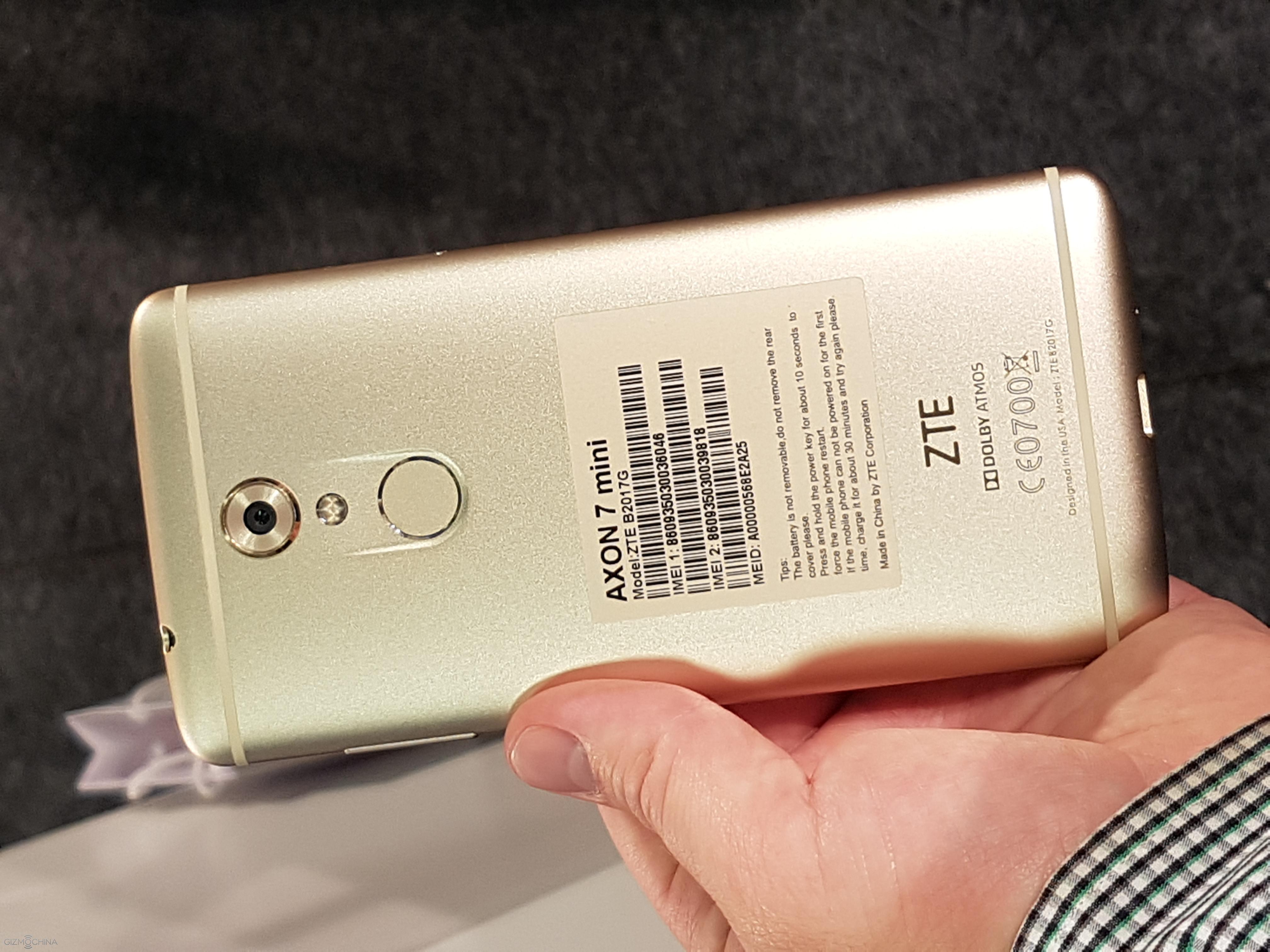
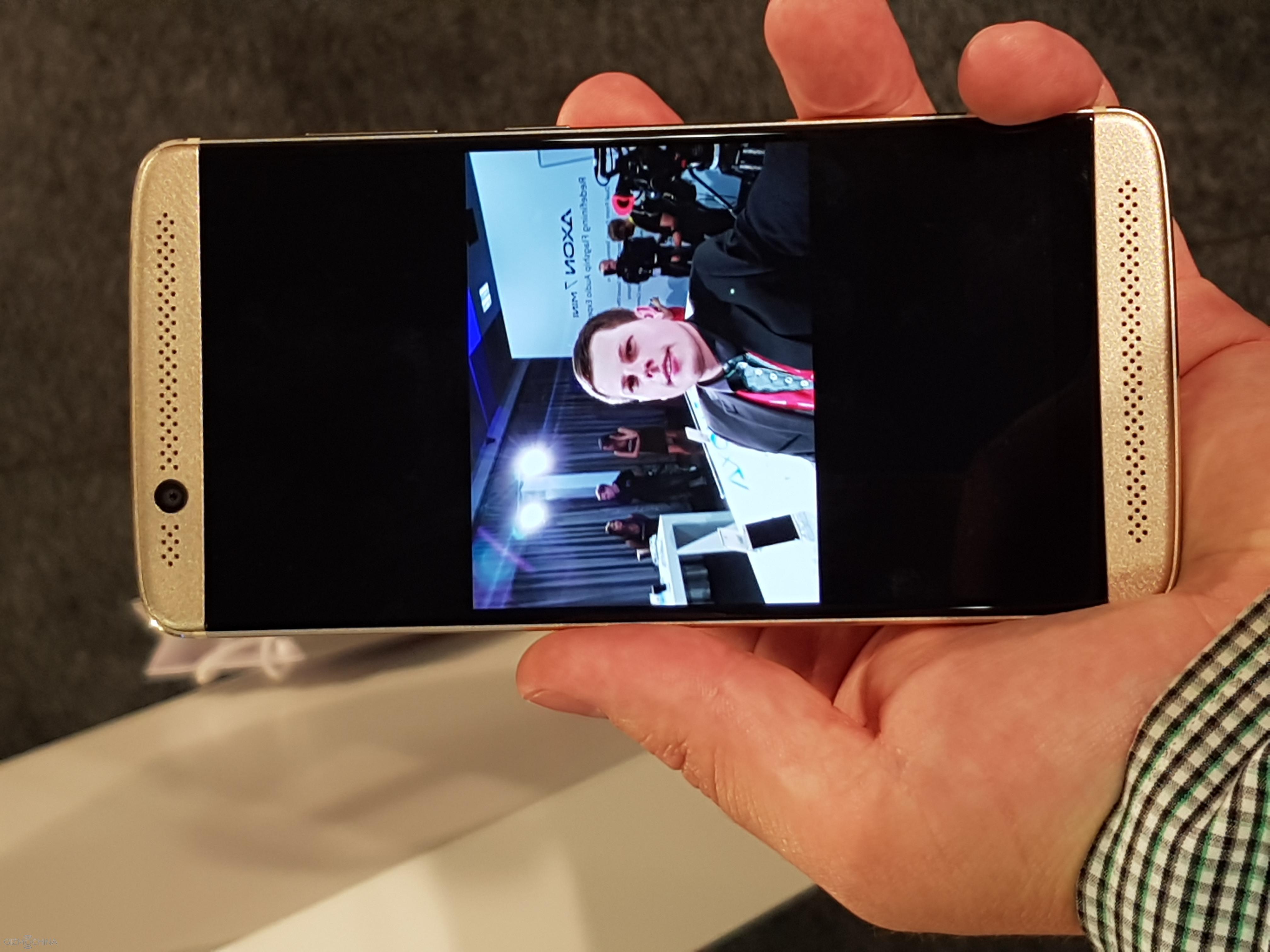
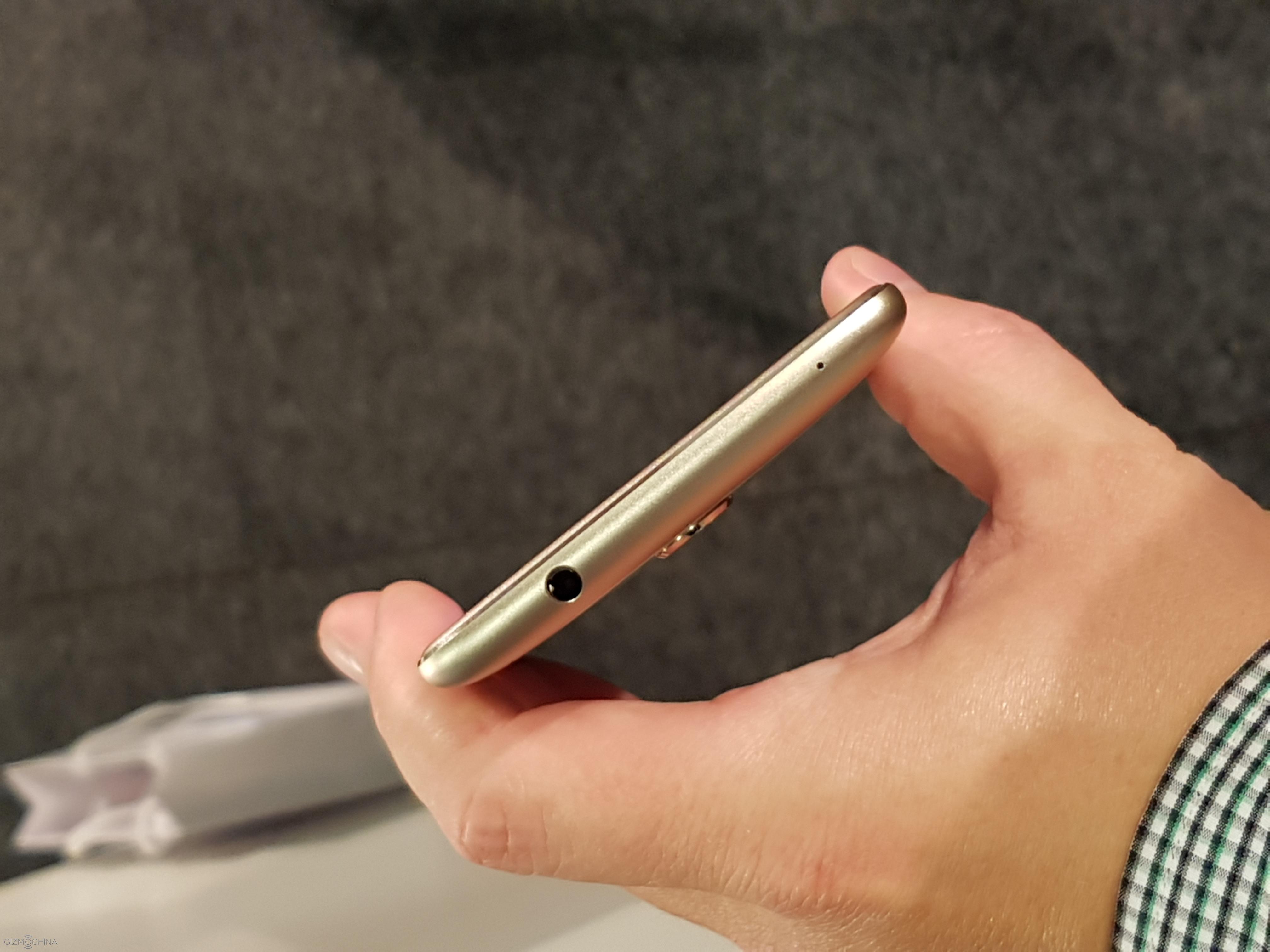
ZTE announced the ZTE Axon 7 Mini smartphone at IFA Berlin and we were present at the event to bring the latest coverage to our readers. The Axon 7 Mini looks almost identical to the Axon 7, which is a good thing since we loved the new Axon’s design. So, you have an all metal body that looks premium in gold.
One of the highlights of the Axon 7 Mini is its audio quality. Despite being named as a “Mini” handset, the phone comes with the same Dolby Atmos magic and stereo speakers as the Axon 7, along with a dedicated audio chip. The AMOLED screen is of 5.2-inches with 1080p resolution. Inside, you get the mid-range Snapdragon 617 chip with 3GB / 4GB and 32GB / 64GB options. At the back, the phone comes with a 16MP f/1.9 aperture camera. Unfortunately, there’s no OIS and the max video resolution is 1080p.
The Axon 7 Mini will go on sale in September for €300 in Germany, Spain, Poland and Russia. It will also be available in other regions such as USA, India, Japan, Australia and Saudi Arabia, but pricing in these regions is yet to be revealed.
Check out our hands-on and first impressions from the video below.
Along with the Huawei Nova smartphones, the company also announced the Huawei Mediapad M3 tablet at IFA Berlin 2016. This is the company’s high-end tablet offering featuring the powerful Kirin 950 chipset inside.
The Mediapad M3 comes with an 8.4-inch 2K display with 4GB RAM and 32GB / 64GB RAM options. There will be a decent 5100mAh battery on board as well. The tablet will be made out of metal and will come with a front-facing fingerprint sensor. The tab comes with dual speakers as well (1W Harmon Kardon) with Huawei’s SWS 3.0 technology. Further, the company released special AKG H300 headset along with the device, but it has to be bought separately.
The Huawei Mediapad M3 will go on sale from September 26 for 349 Euros (32GB) and 449 Euros (64GB + LTE).
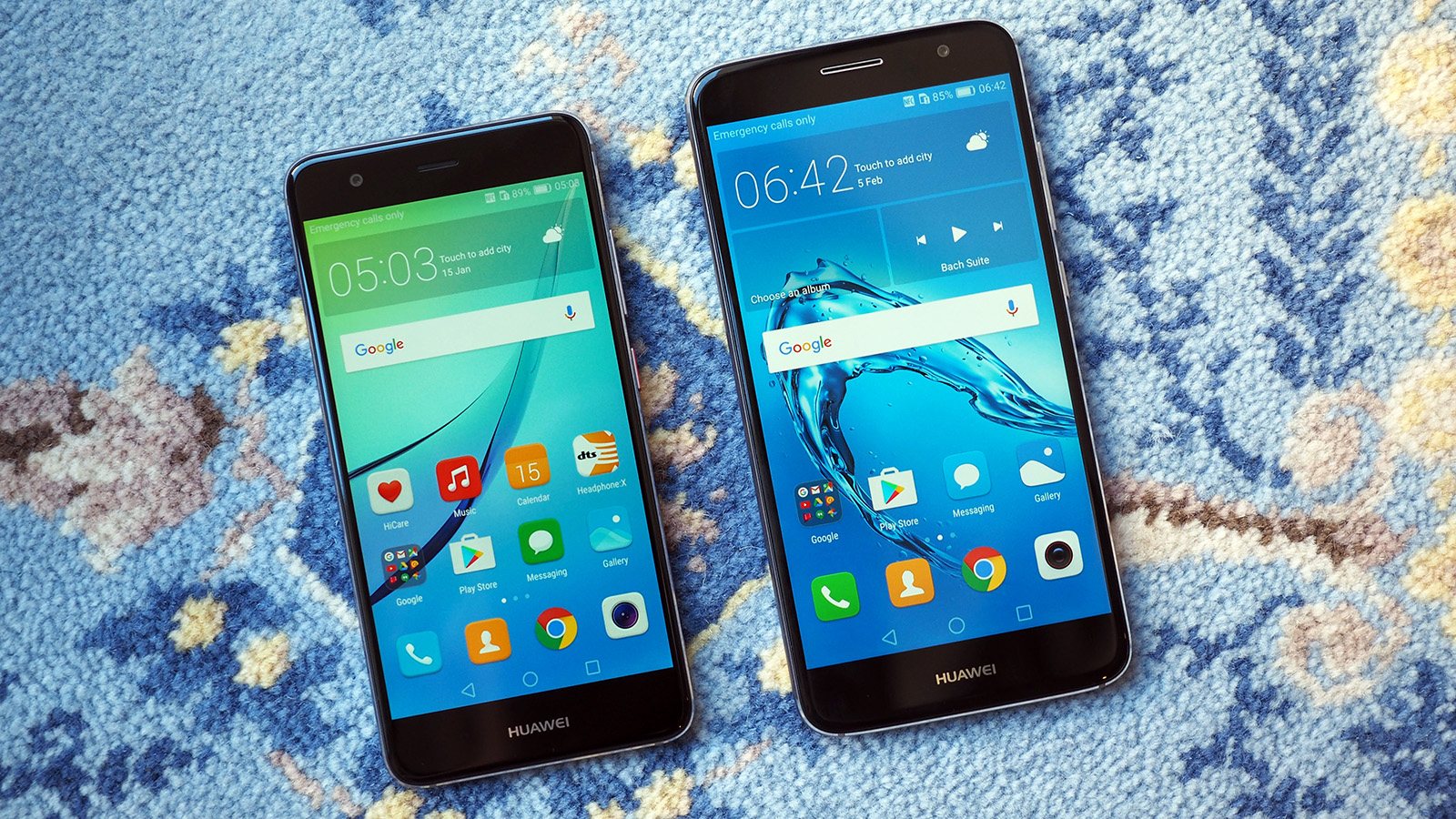
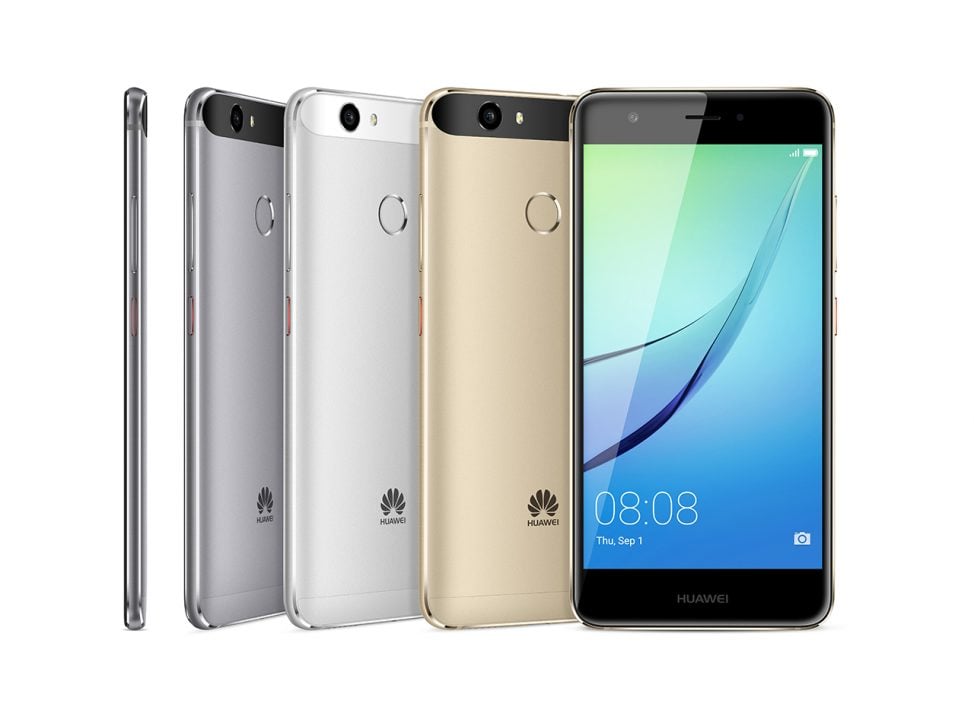
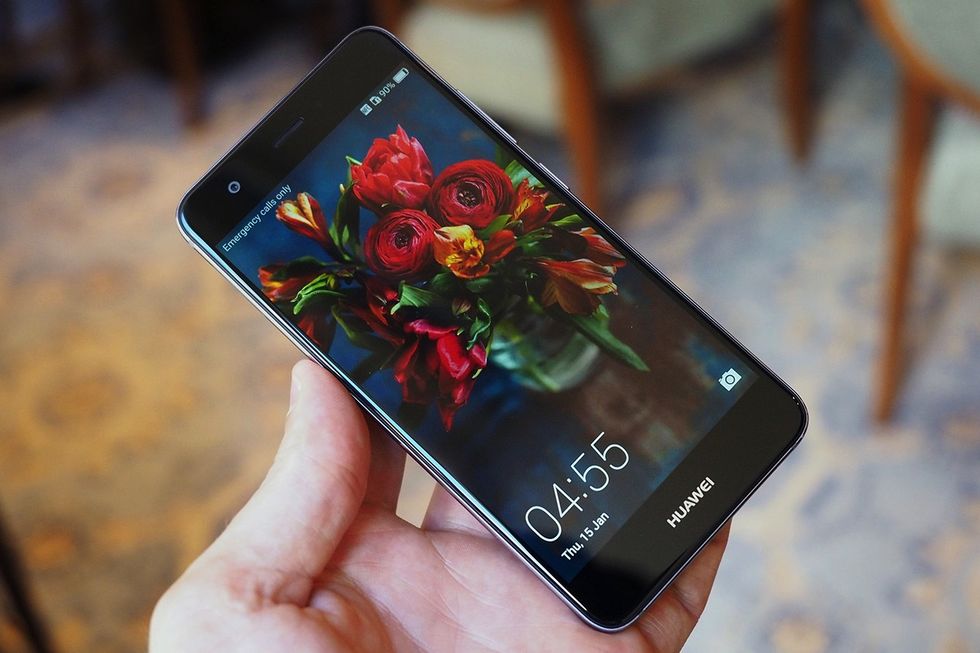
Huawei has again reaffirmed its intention to rake in more smartphone sales this year, by releasing two beautiful mid-range smartphones, which could be confused for flagships. The Huawei Nova and Nova Plus have been the subject of numerous leaks, with one suggesting that the devices are targeted at the women and that may just be correct. The finely crafted design, beautiful color array of the Nova and Nova Plus will sure make both devices popular attractions for the women folks. The smartphone may not feature any stand-out, killer spec but in design, some argue the smartphones outclass the flagship Huawei P9 with dual cameras manufactured by Leica.
In terms of screen size the Huawei Nova is smaller, having a 5-inch display with 1080 pixel resolution and it is powered by an octa-core 2GHz Snapdragon 625 processor, packing along a 3GB RAM and 32GB of built-in storage which can be expanded further than that via microSD up to 128GB. There’s also a beautifully designed 12MP main camera at the rear with LED flash and f/2.2 aperture, and an 8MP selfie camera with f/2.0 aperture up front.
The Huawei Nova runs on Huawei’s custom Emotion UI 4.1 (EMUI 4.1) based on Android 6.0 Marshmallow bringing along several of Huawei’s UI features, like slow-motion modes, light painting, time-lapse. Huawei also updated the night display feature that filters blue light from the screen. There is equally a 3,020mAh battery inside the device which Huawei claims drains so slowly that it can last for two days of consistent usage. Added to all these include a fingerprint sensor, USB Type-C data transfer and charging port, Cat 6 LTE radio, dual-SIM slots etc.
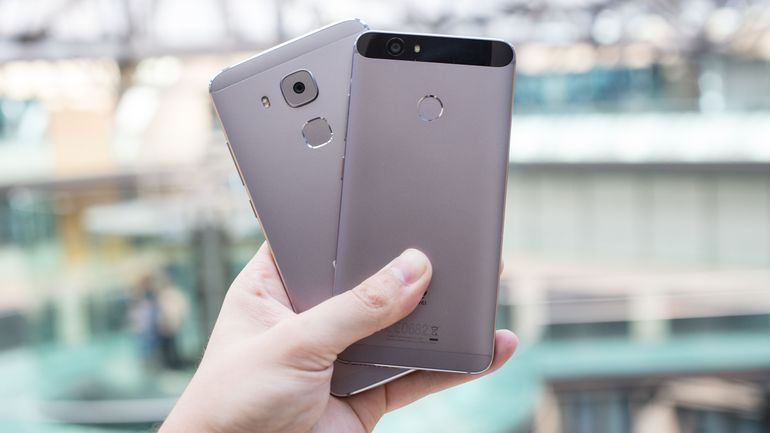
Coming to the Huawei Nova Plus, the smartphone boasts of a display larger than the Nova. The 5.5-inch 1080p display it features combines with a 16MP rear camera with optical imaging stabilization and a larger 3,340mAh battery to differentiate the Nova Plus from the Nova. Aside these three, both smartphones pack the same specs. However, they both have very different designs, with the bigger Nova Plus sporting a camera hump at its back.
If you are already wondering the price tag Huawei has placed on the Nova and Nova Plus, here is it. The Huawei Nova which looks very much like the Nexus 6P in design is priced at €399 ( about 2972 Yuan or $445 based on current exchange rate), while the larger Nova Plus is pricier at €429 (3196 Yuan or $479).
Back when Nokia was the number one phone company, we heard news of people who were shot at and were saved by their nokia phones. The freshest one in memory was of a Brazilian police officer who was saved by his Lumia 520.
This time around it’s Huawei doing the saving with the P8 Lite. The lucky person in this incident is Siraaj Abrahams who was robbed at gunpoint in a parking lot in August and shot at from a distance of about 2 meters. However, his P8 Lite sitting in his front pocket took the bullet and saved his life. It is important to mention that the Huawei P8 Lite has a plastic body, so this was more of luck. So, please don’t go trying this out at home or daring a gunman to shoot you.
While this is surprising, we want to believe that there is still a possibility of the Helio P20 chip showing up in the device. First, this benchmark result shows it was updated on August 22 which is about a week before the P20 news. There might have been a major change within a week with respect to the chip.
Another way to look at it is the fact that there are two versions coming out: a stylus-sporting unit and a base version without the mPen. It is possible that the version with the stylus may be getting the new chip. These are the reasons why we are not ruling out the possibility of the Meizu M3 Max launching with the processor. These are speculations though and we can only hope it turns out to be correct.
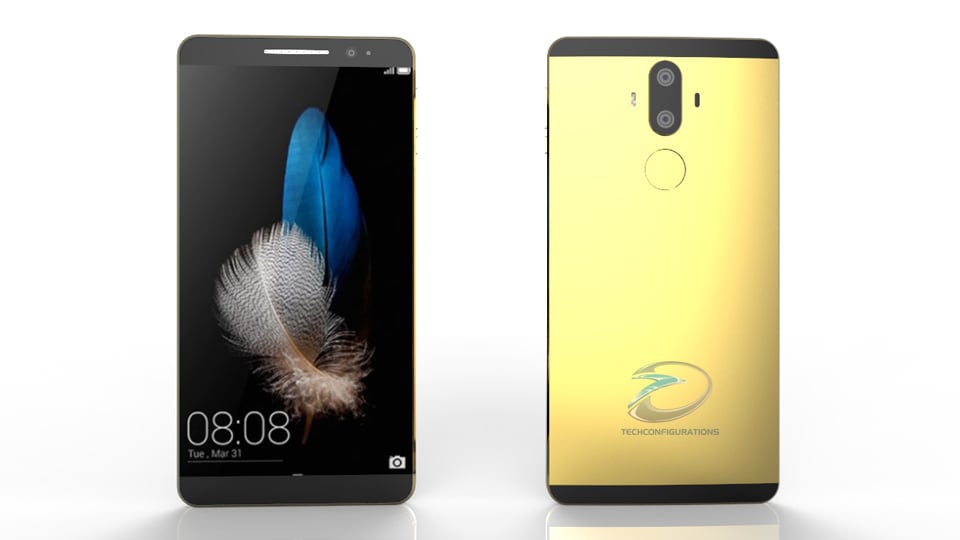
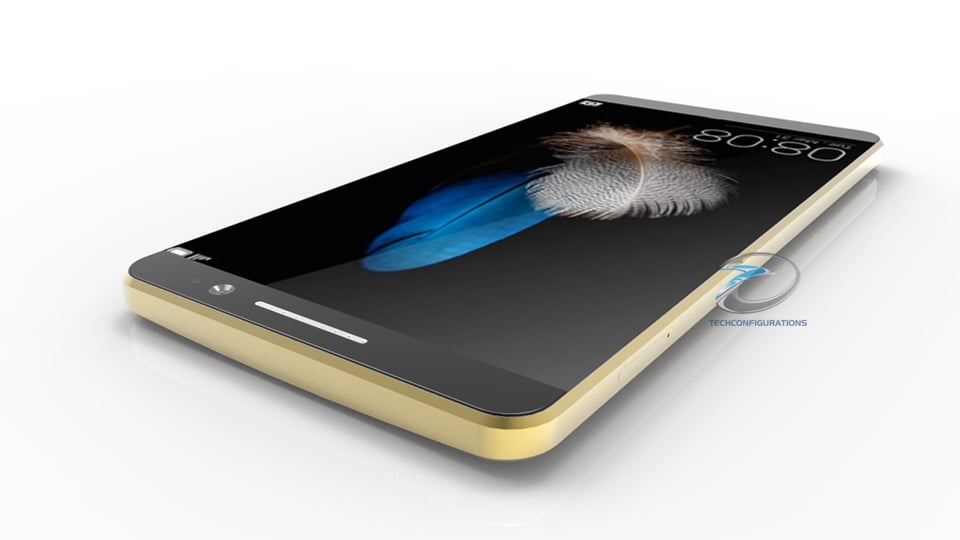
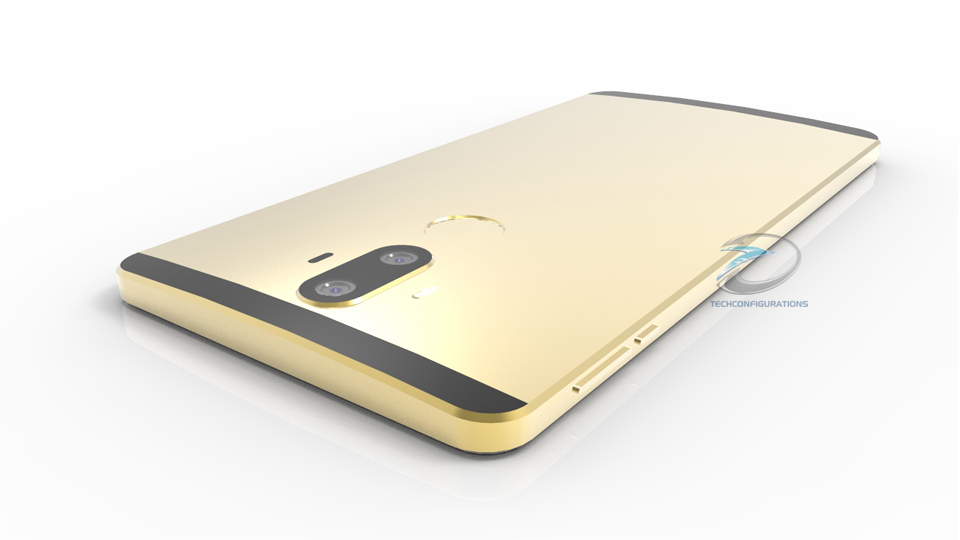
Based on the statement made by a Huawei Executive about the Mate series, we expect the Mate 9 to launch in October. But that doesn’t mean we go silent on any info related to the upcoming phone. Today we have a 3D video rendering put together by Techconfigurations of the upcoming phone.
The Mate 9 is expected to pick up the dual-camera trend found on some of Huawei’s phones this year. The video render says it will be a 12MP combo stacked on top of each other and will have optical image stabilisation. For the front facing camera, the Mate 9 may be fitted with an 8MP sensor. In the render there is a fingerprint scanner positioned below the camera setup. It is also said to feature a Kirin 960 processor and a USB Type-C port flanked by speaker grilles.
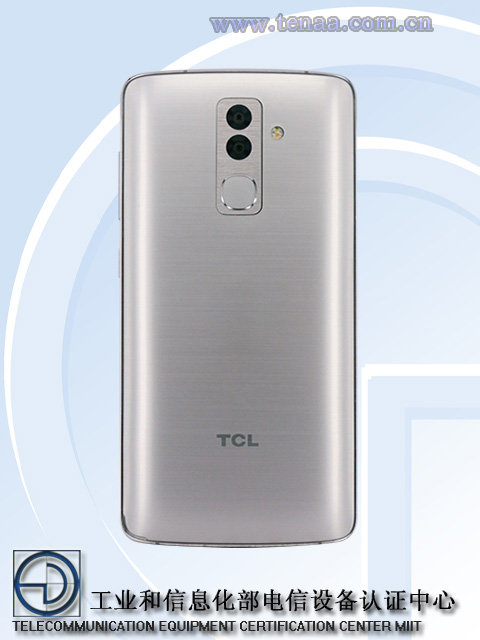
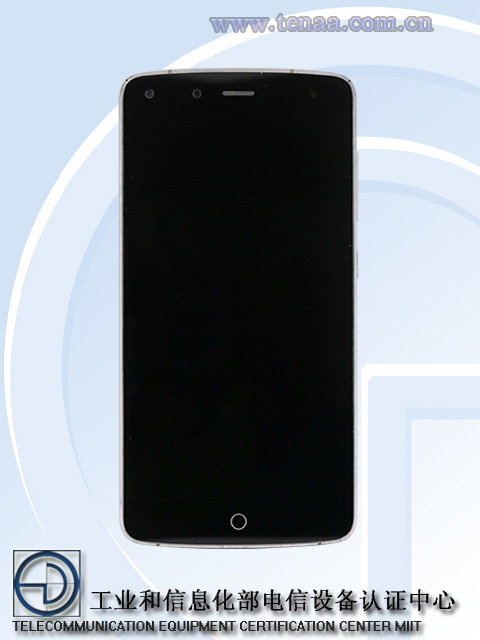
TCL is not a very big name when it comes to smartphones, and most of its releases have been standard, nothing out of the ordinary. However, recently, we spotted a new TCL smartphone on TENAA, the “TCL 598” which features front and rear dual cameras. Yes, you heard it right! The phone comes with dual cameras on both the front, as well as the back. So, it looks like it’s taking a few pointers from LG’s V10 flagship.
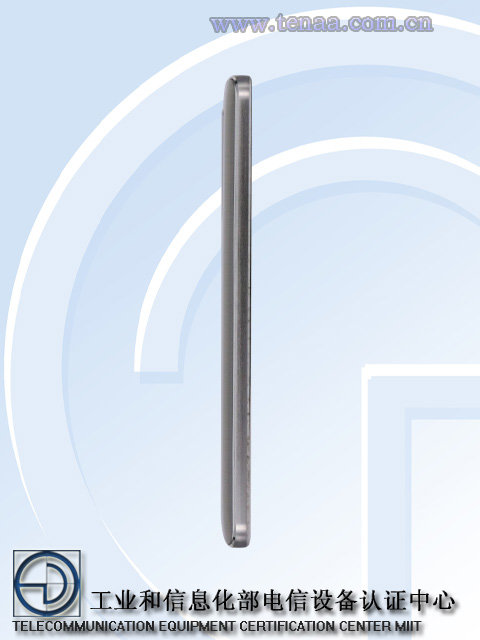
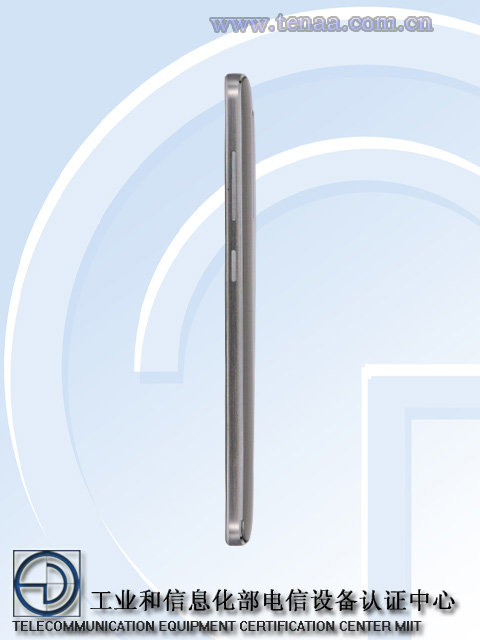
The basic design of the TCL 598 is similar to the LG G4, however, it features a brushed metal finish. You will find the dual camera setup as well as the fingerprint sensor at the back. As for the hardware, the TCL 598 comes with a 2.3GHz Helio X20 deca-core chip with 4GB RAM and 64GB of internal storage. The memory is expandable up to 128GB. There will be a 5.5-inch 1080p display on board and a 5MP + 8MP front facing dual camera setup. At the back, the phone comes with 13MP dual camera setup. As for the battery, it’s measures 3030mAh and is fitted inside an 8.7mm body. The phone weighs 157 grams.
Overall, the specs are pretty good and the design is decent as well. It would be interesting to see how the dual cameras on both, the front as well as the back, performs. Since the phone has passed TENAA certification, an official launch should be near. Stay tuned for details.
The Moto Z Play is the mid-range variant of the Moto Z and Moto Z Force. That means it has lower specs than its siblings, right? Not entirely. The Moto Z Play trumps its siblings in its own ways.
Specifications of The Moto Z Play
It is fitted with the same 5.5” Super AMOLED display with gorilla glass but has a lower resolution at 1080p. There is 3GB of RAM, and 32GB/64GB of storage which can be expanded to 2TB if you do roll like that.
The camera on the Moto Z Play (16MP f/2.0) is higher than the Moto Z (13MP) but it lacks the latter’s optical image stabilisation. However there is still laser auto-focus and phase-detection auto-focus. The front facing camera is a 5MP wide-angle lens with its own flash.
A less power-hungry Snapdragon 625 clocked at 2.0GHz is under the hood. For the GPU, there is an Adreno 506 which isn’t bad.
The Moto Z Play has the same connector pins on the back which means you can slap on any of the existing moto mods and you are ready to go.
Lenovo has brought back the 3.5mm audio jack and also given the phone a water-repellent nano-coating. The fingerprint scanner is still up front on the chin as well as a front-ported loudspeaker. You also get NFC, so mobile payment is covered.
The most interesting feature of the Moto Z Play is the 3510mAh battery. Way bigger than that of the Moto Z (2600mAh) and just 10mAh more than that of the Z Force. The combination of a large battery, power efficient processor, and lower screen resolution means owners will get more on-screen time. As much as 50 hours as the company puts it. The battery supports Moto’s own TurboPower which will give you 9 hours of power for just 15 minutes of charging.
Other features include 4G LTE, Android 6.0.1, dual WiFi bands, single or dual nano-SIM slots, USB type-C port, and Bluetooth 4.0 LE.
It’s been just a few days after the Lenovo Moto Z Play passed through TENAA, revealing the specs and images of the device, and now the Moto Z has also been spotted on the Telecommunications authority TENAA’s website. Both smartphones are expected to be available this month and they both have been certified ahead of their foray into the market.
The Moto Z and Moto Z Play have featured in numerous leaks and renders, so their expected specs and what they both look like is not hidden. The TENAA listing just goes to confirm the rumored specs of the China version of both smartphones.
The Moto Z carried the model number XT1650-05 on TENAA and is shown to have a somewhat similar design style with the Moto Z Play, save for some few features which differentiate the Moto Z from the higher end Moto Z Play. The positioning of the front camera sensors is different on the two smartphones. Also, the 3.5mm audio jack is notably absent on the phone.
The TENAA listing reveals the Moto Z as featuring a processor clocked at 1.8GHz , likely to be the 2.15GHz Snapdragon 820 chipset with a lowered clock frequency. There is also a 4GB RAM and 64GB of expandable storage on the flagship device. The device is also listed as packing a 2480mAh battery, a little lower than the 2600mAh earlier rumored. There is also a 5.5-inch 2K display, with an ultra thin and lightweight build. The entire device has a dimension of 75.3 × 155.3 × 5.2 mm and weighs just 138 g. In addition, the Moto Z is listed to have a 13MP camera at the back and a 5MP camera up front as well as having dual-SIM and full network support.
It is the first day of the month of September, and if you’d recall, Huawei is one of the phone makers that have scheduled a launch event for today. Huawei is expected to unveil new smartphones said to be named Nova and Nova Plus during the launch event.
Ahead of the launch event, purported image renders of the expected Huawei Nova phone has been leaked online, giving us a glimpse of what to expect from the Chinese market leader. From the photo’s we not only get to see what the body design looks like but also the display interface design. Of course, the user interface will still be Huawei’s custom EMUI and the design still looks like the typical EMUI style with icons like the three virtual buttons retaining their position under the screen. On the physical design of the Huawei Nova device, the phone looks very similar in design to Huawei’s Nexus 6P.
On the specs, the Huawei Nova is rumored to come powered by an octa-core Kirin 960 chipset, alongside 4GB of RAM. The beautifully designed rear camera is also said to pack a 16MP sensor with LED flash and on the front, there is an 8MP camera. The Nova smartphone is also rumored to cram a 3,500mAh battery under the hood with impressive battery life.
It is worthy of note that an earlier rumor from an industry analyst had revealed that Nova brand is targeted at the women folks. Also, we are likely to see the Nova and Nova Plus models today. Both smartphones are expected to be priced above 2,000 Yuan ($300).
We use cookies on our website to give you the most relevant experience by remembering your preferences and repeat visits. By clicking “Accept”, you consent to the use of ALL the cookies.
This website uses cookies to improve your experience while you navigate through the website. Out of these, the cookies that are categorized as necessary are stored on your browser as they are essential for the working of basic functionalities of the website. We also use third-party cookies that help us analyze and understand how you use this website. These cookies will be stored in your browser only with your consent. You also have the option to opt-out of these cookies. But opting out of some of these cookies may affect your browsing experience.
Necessary cookies are absolutely essential for the website to function properly. This category only includes cookies that ensures basic functionalities and security features of the website. These cookies do not store any personal information.
Any cookies that may not be particularly necessary for the website to function and is used specifically to collect user personal data via analytics, ads, other embedded contents are termed as non-necessary cookies. It is mandatory to procure user consent prior to running these cookies on your website.