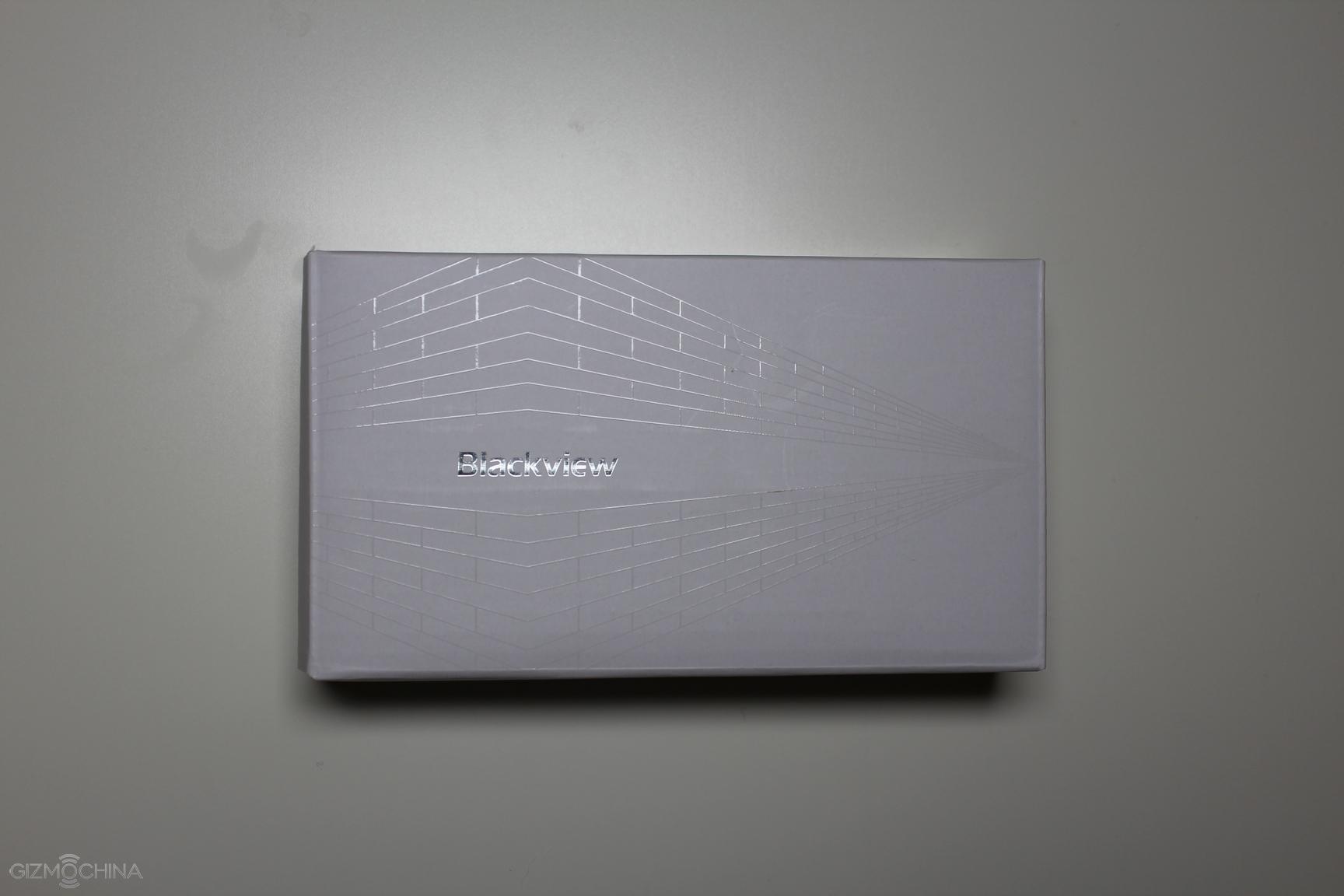
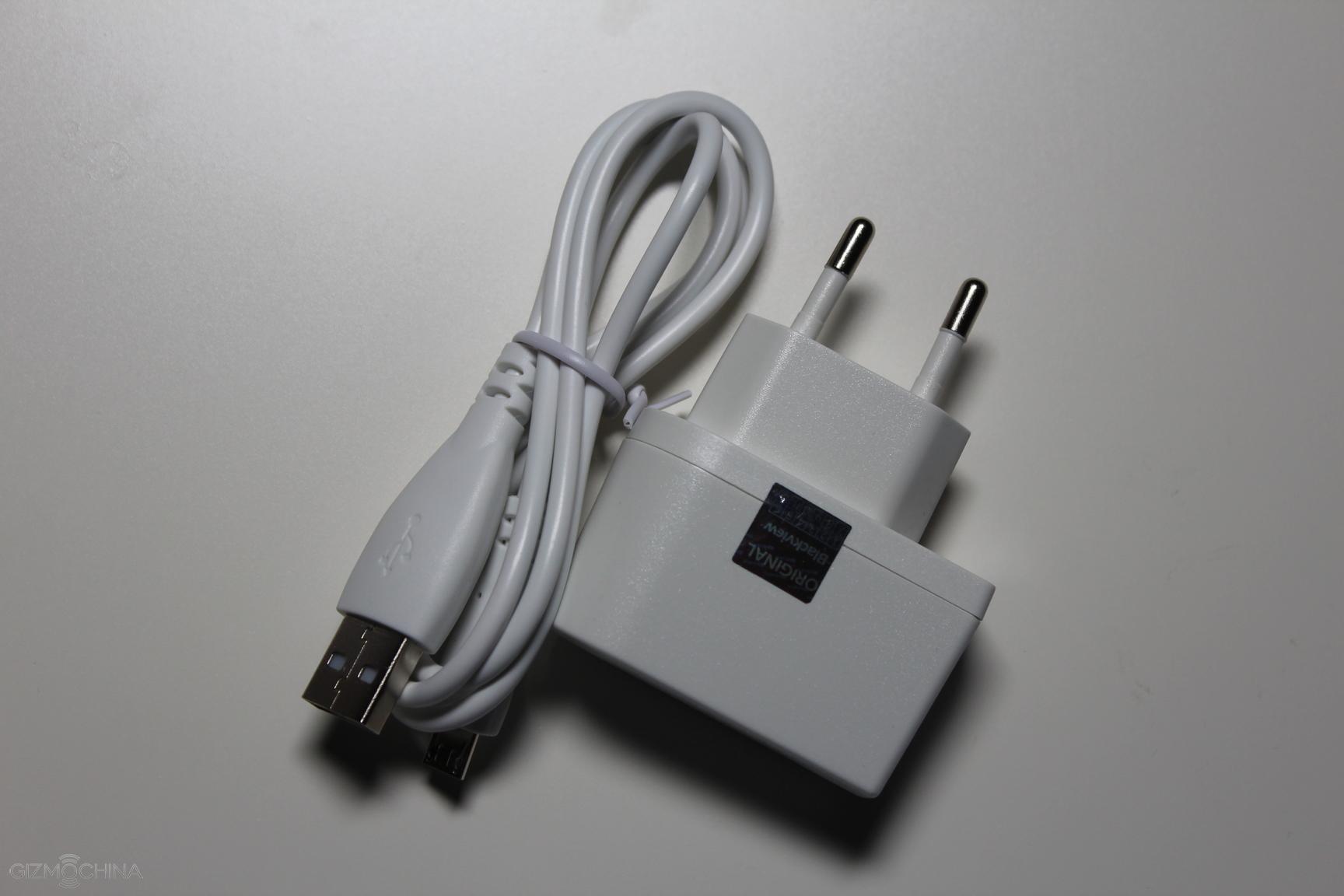
The contents of the packaging include only the USB charging plug and the cable.
Blackview BV2000s: DESIGN and FIRST IMPRESSIONS
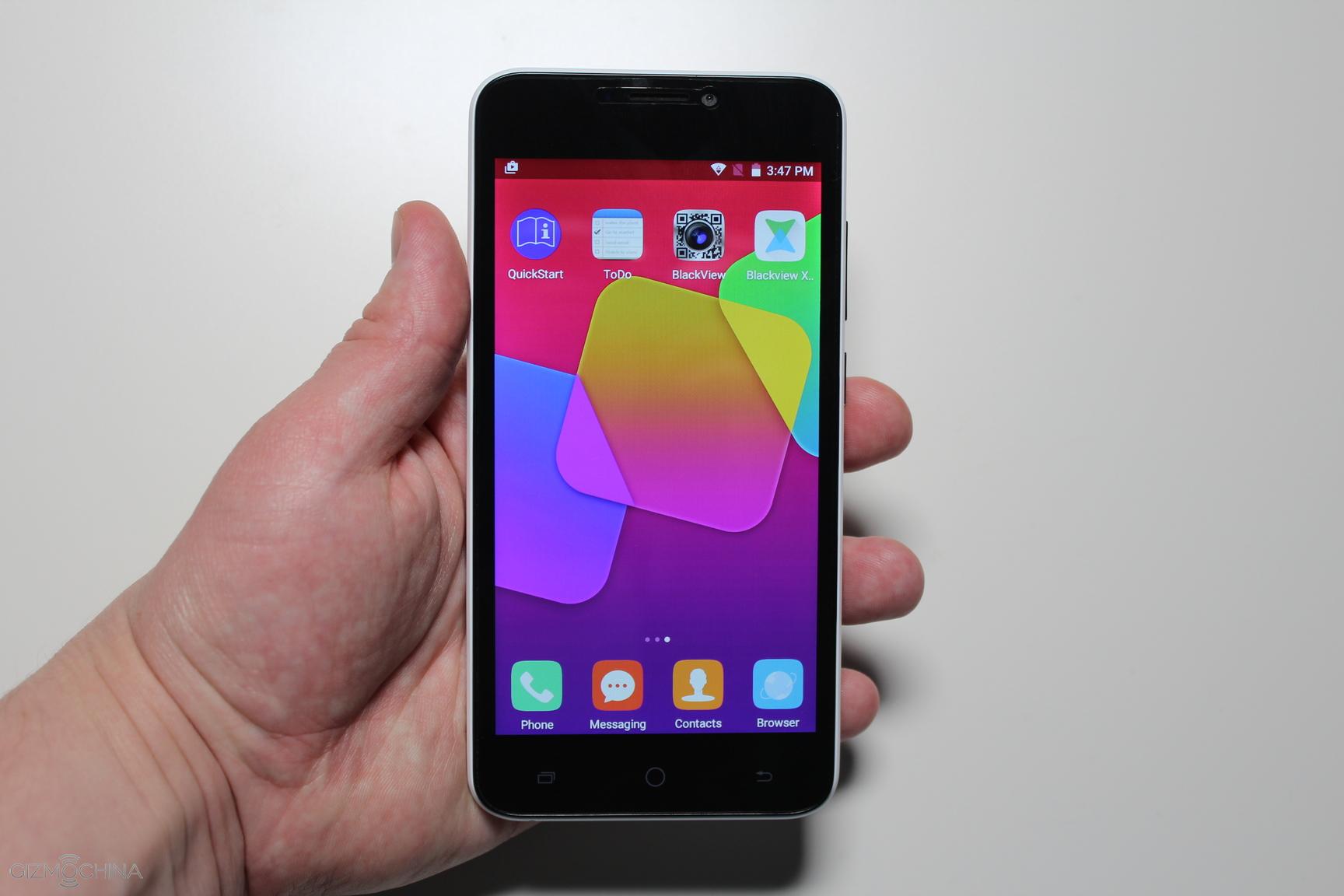
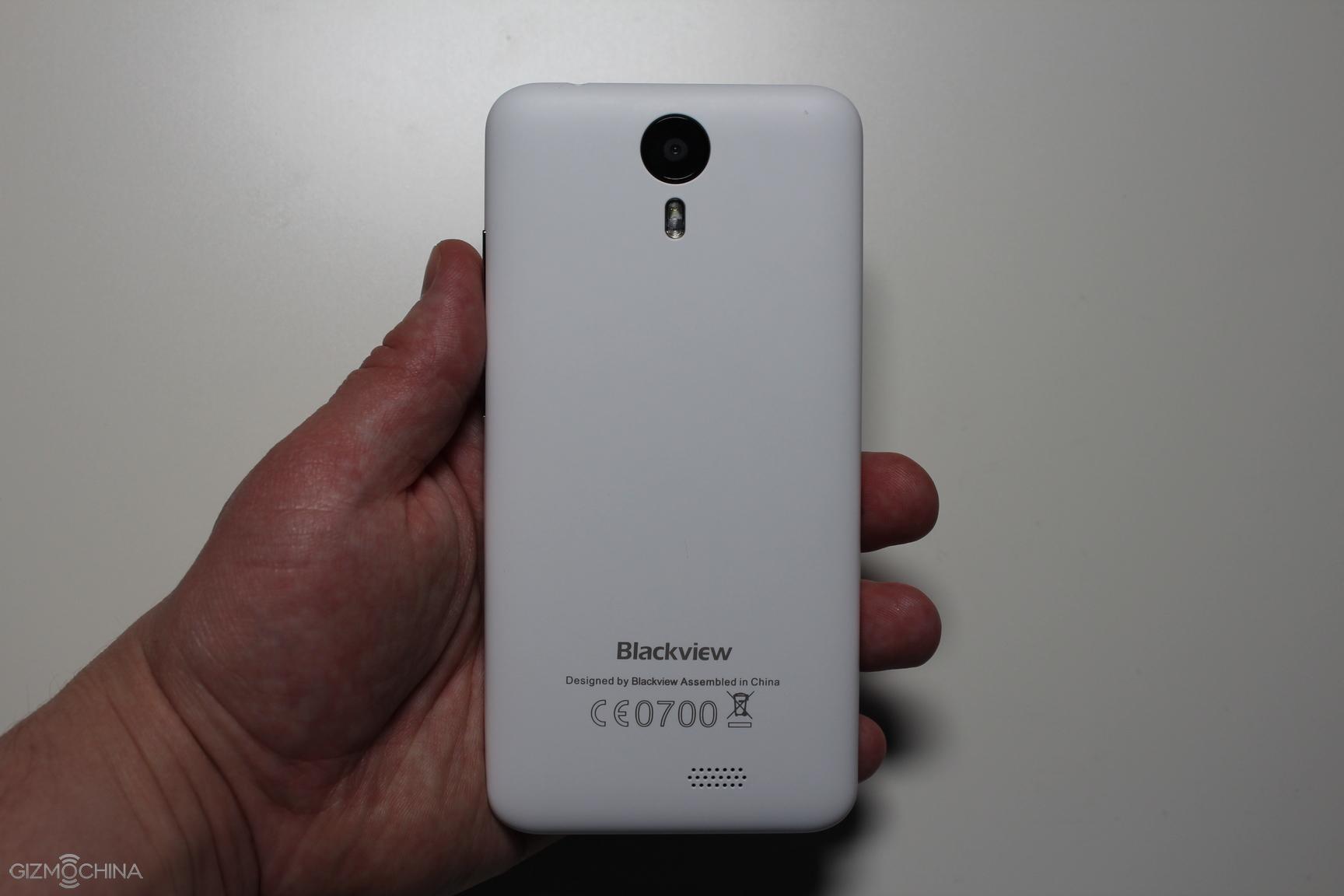
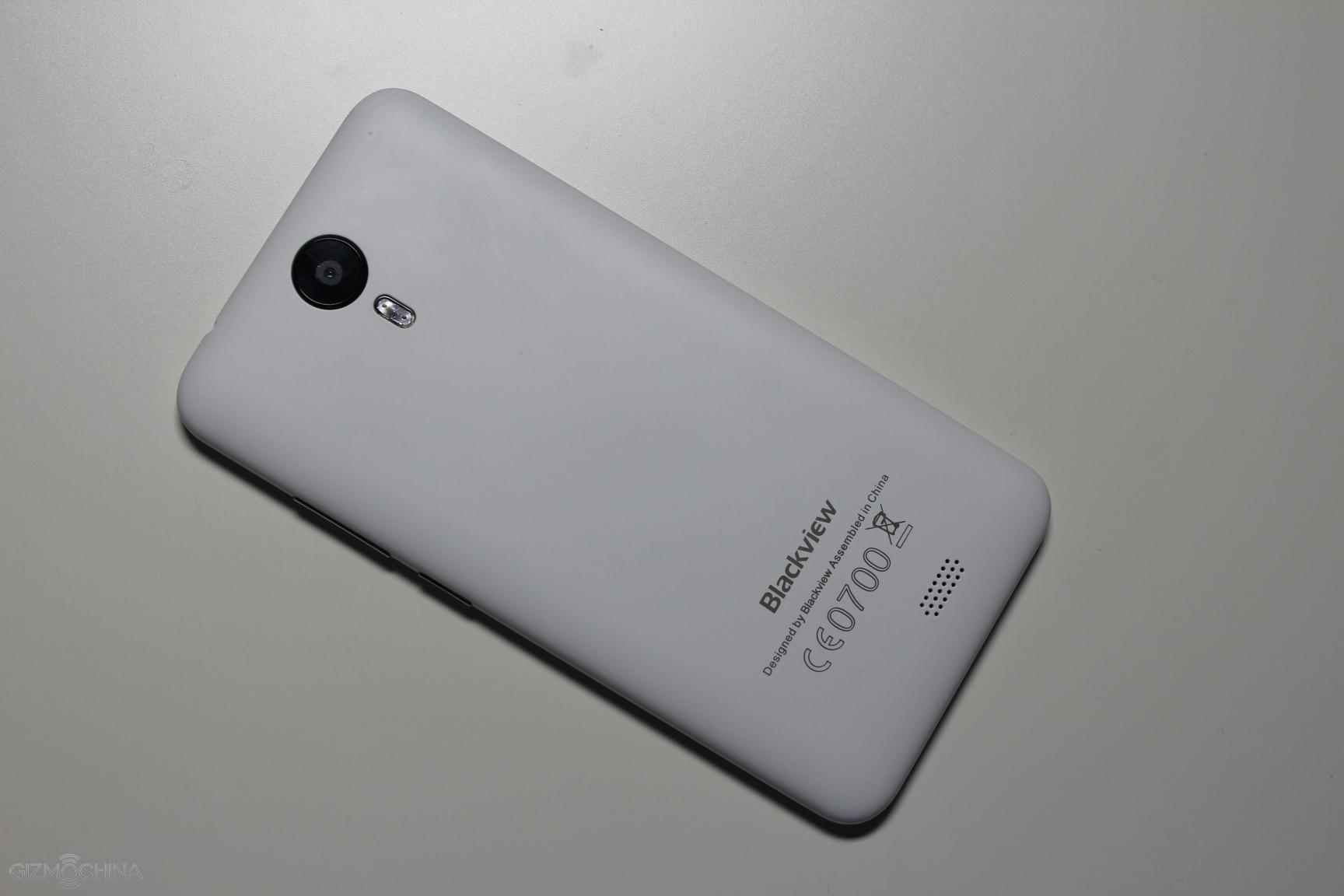
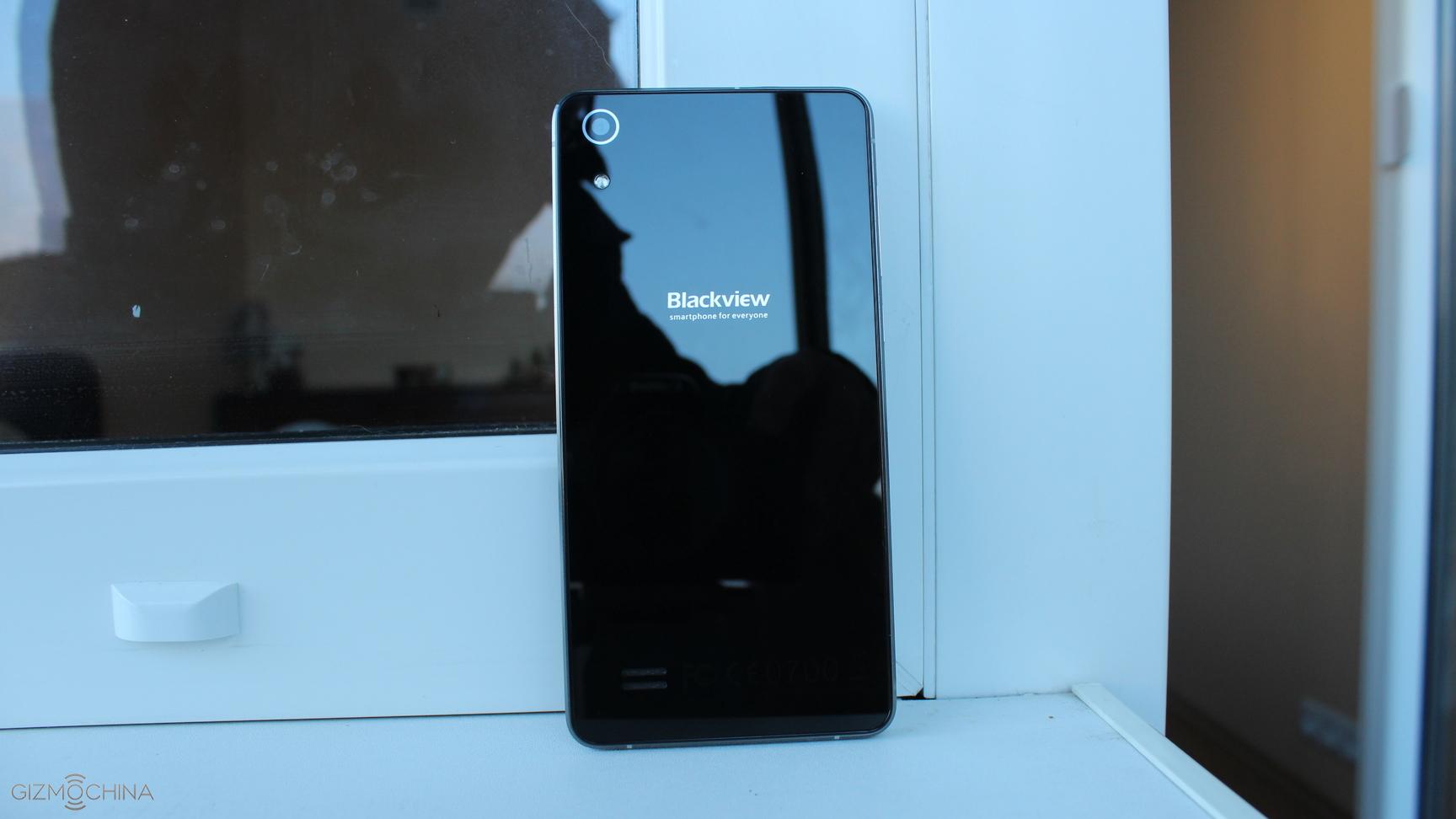
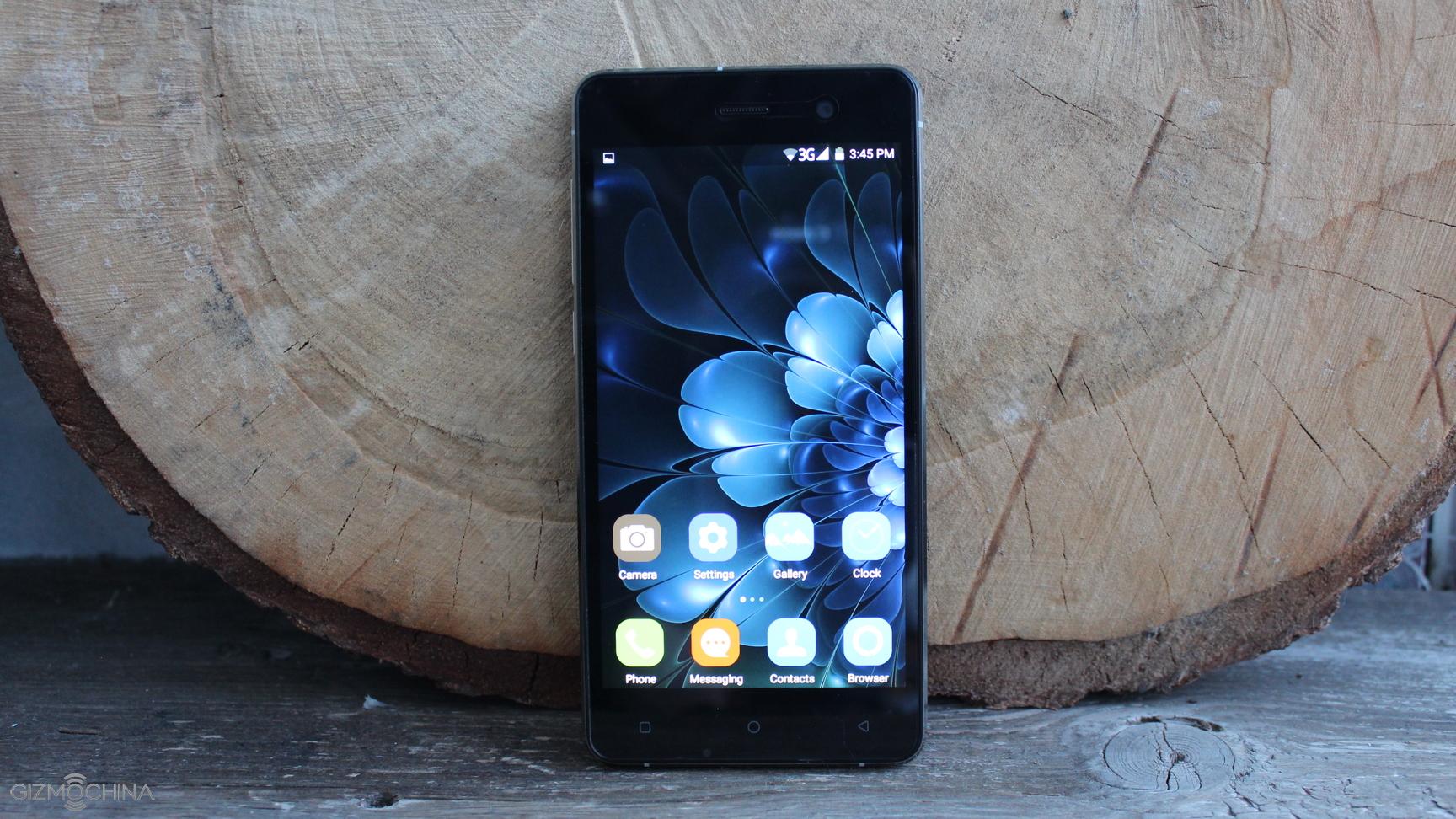
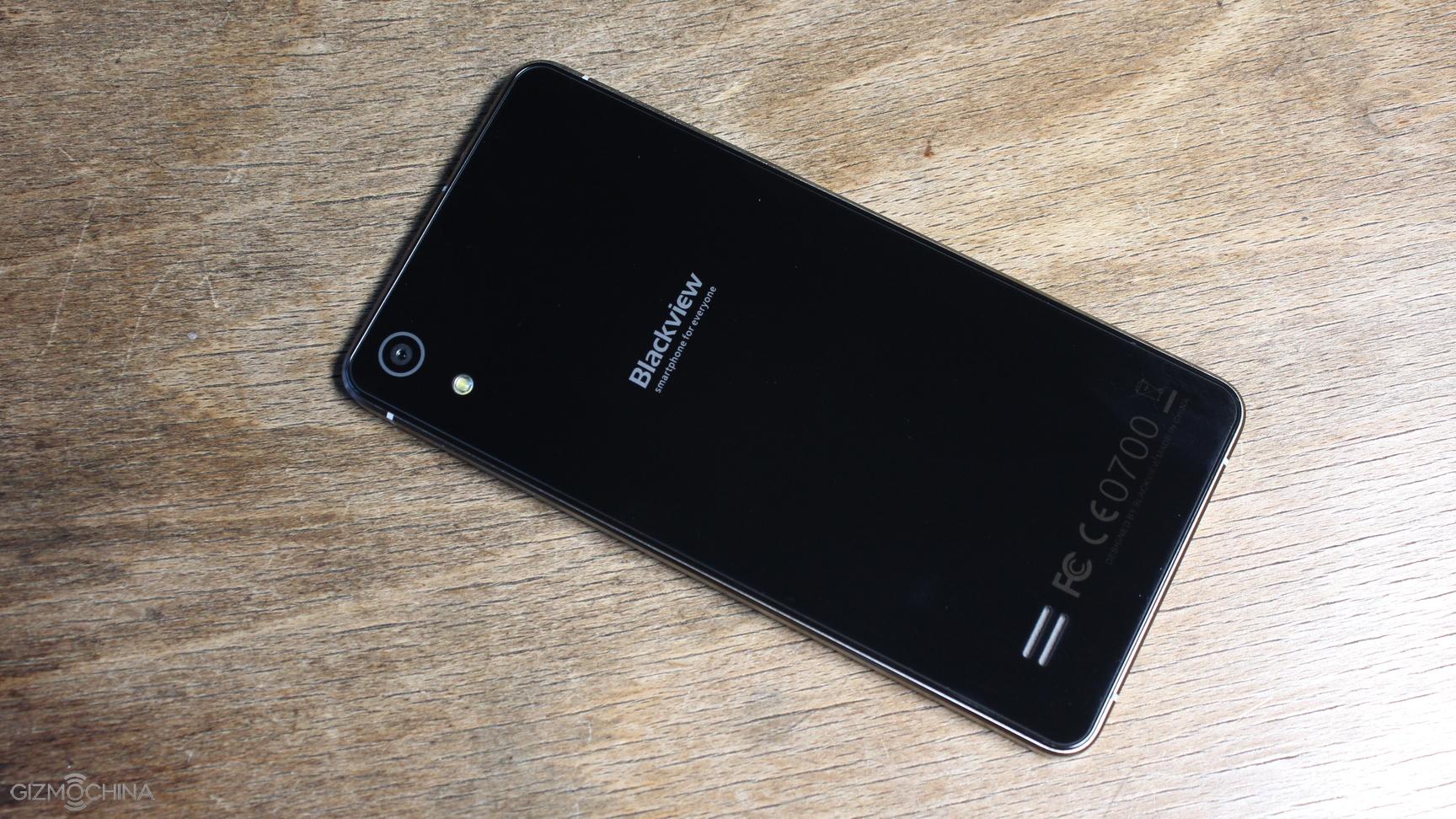
When it comes to the design, nothing has really changed in comparison to the BV2000 model. The phone is made of matt plastic and it feels comfortably in the hand due to rounded corners.
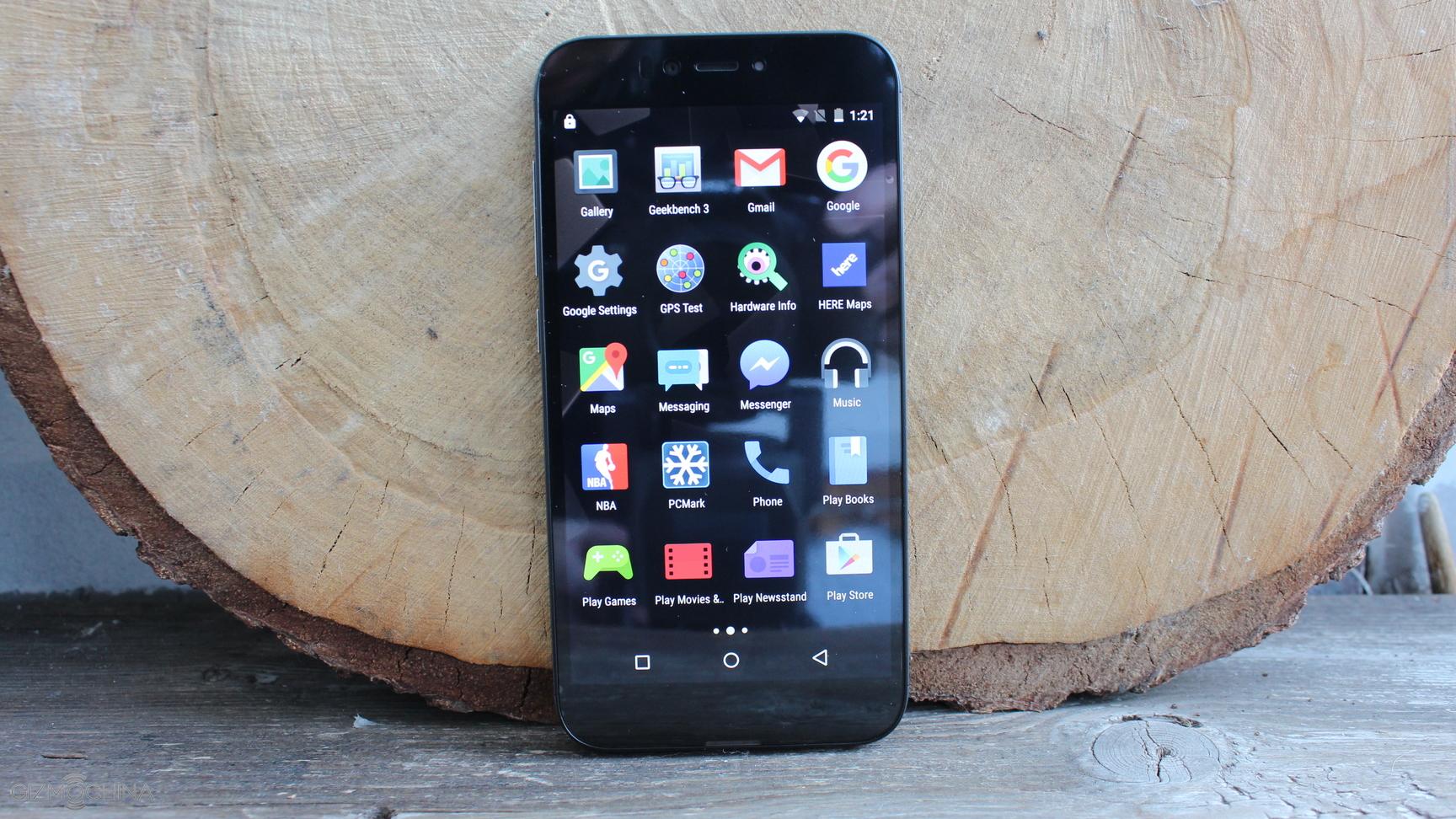
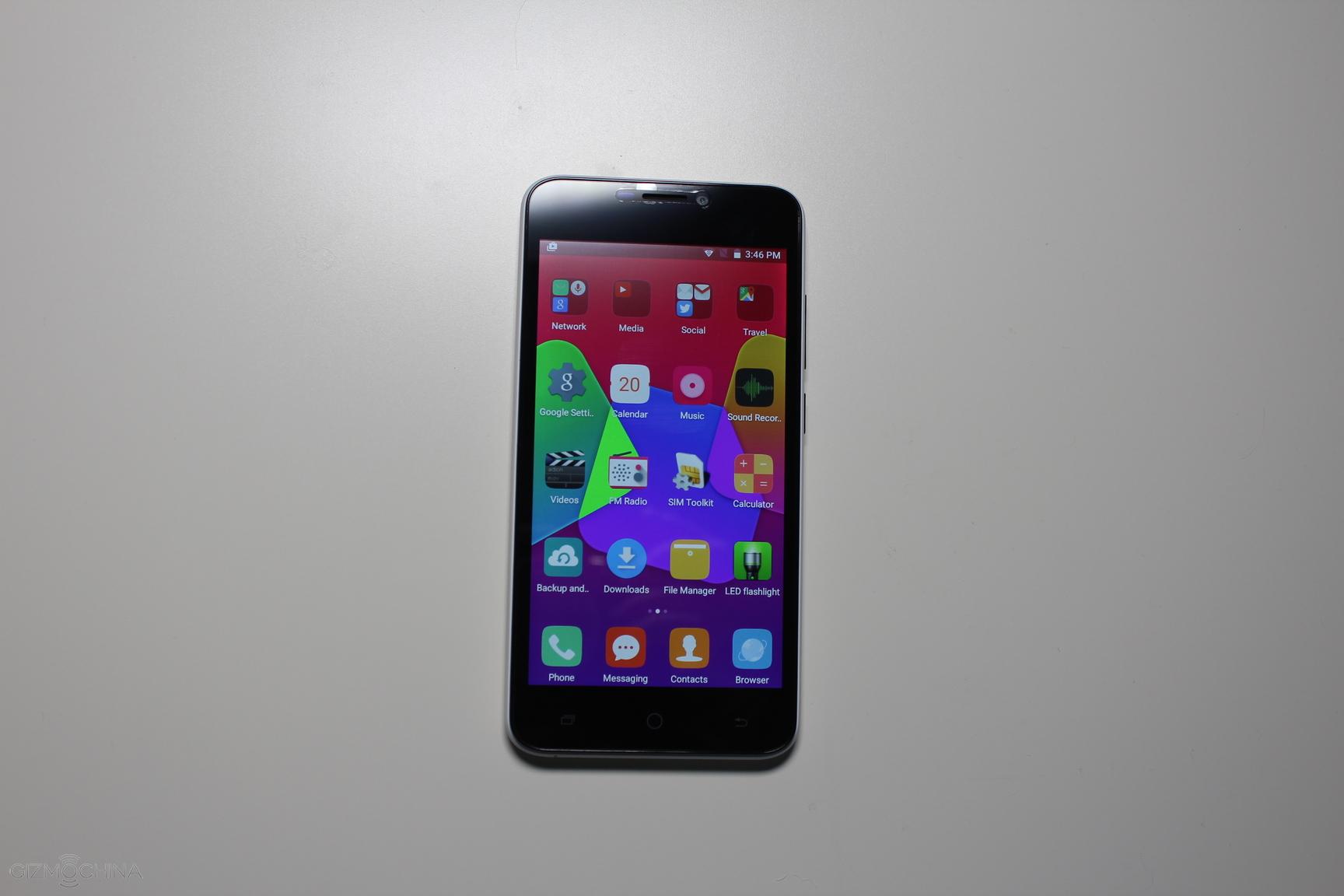
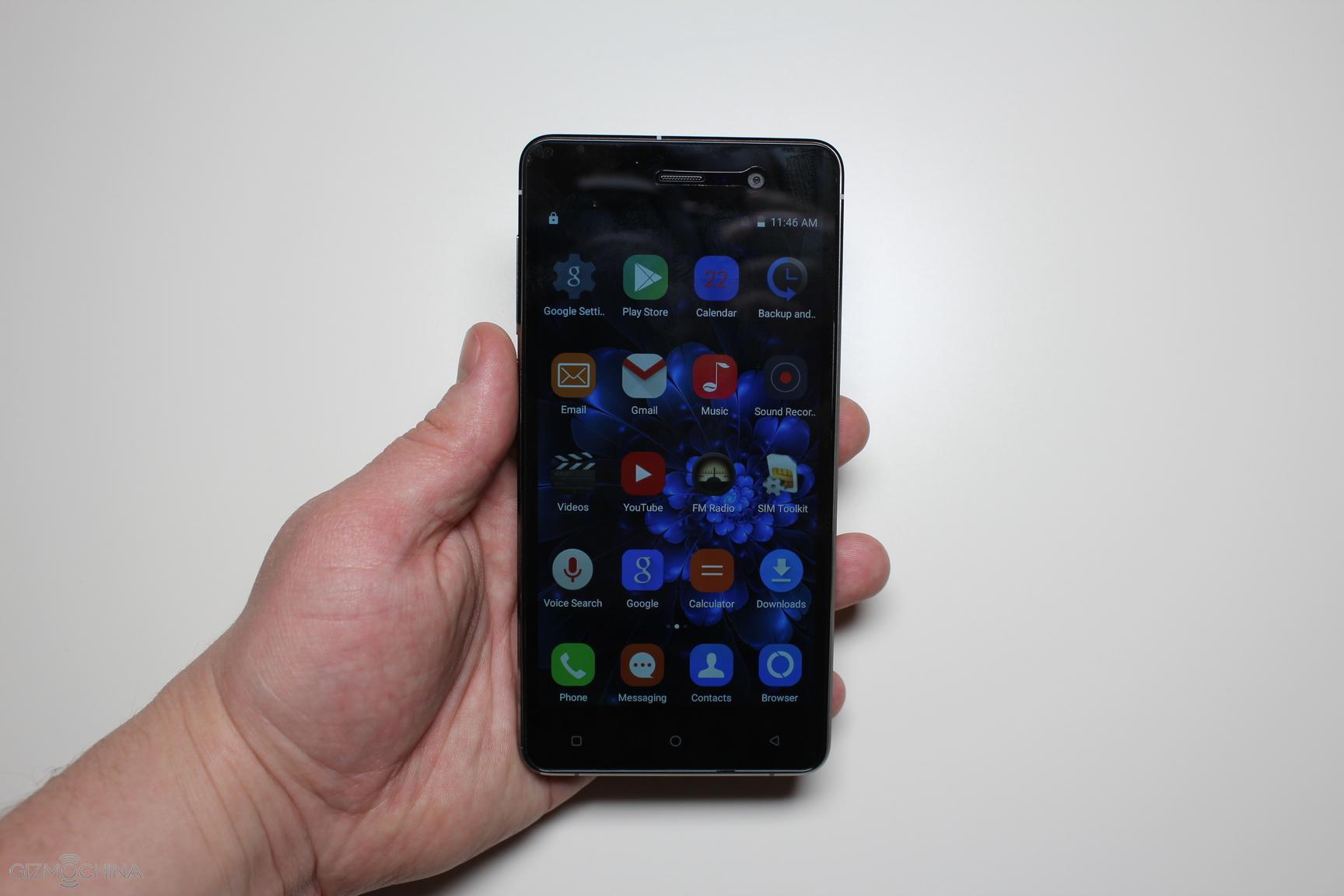
The device has a 5″ display, which is okay to look at but it only has a 720p resolution. It is definitely not the sharpest out there but it is quite good considering a low price of the phone.
On the top we have a 2MP camera, LED light and some other usual stuff. On the bottom there are 3 non-backlit capacitive buttons.
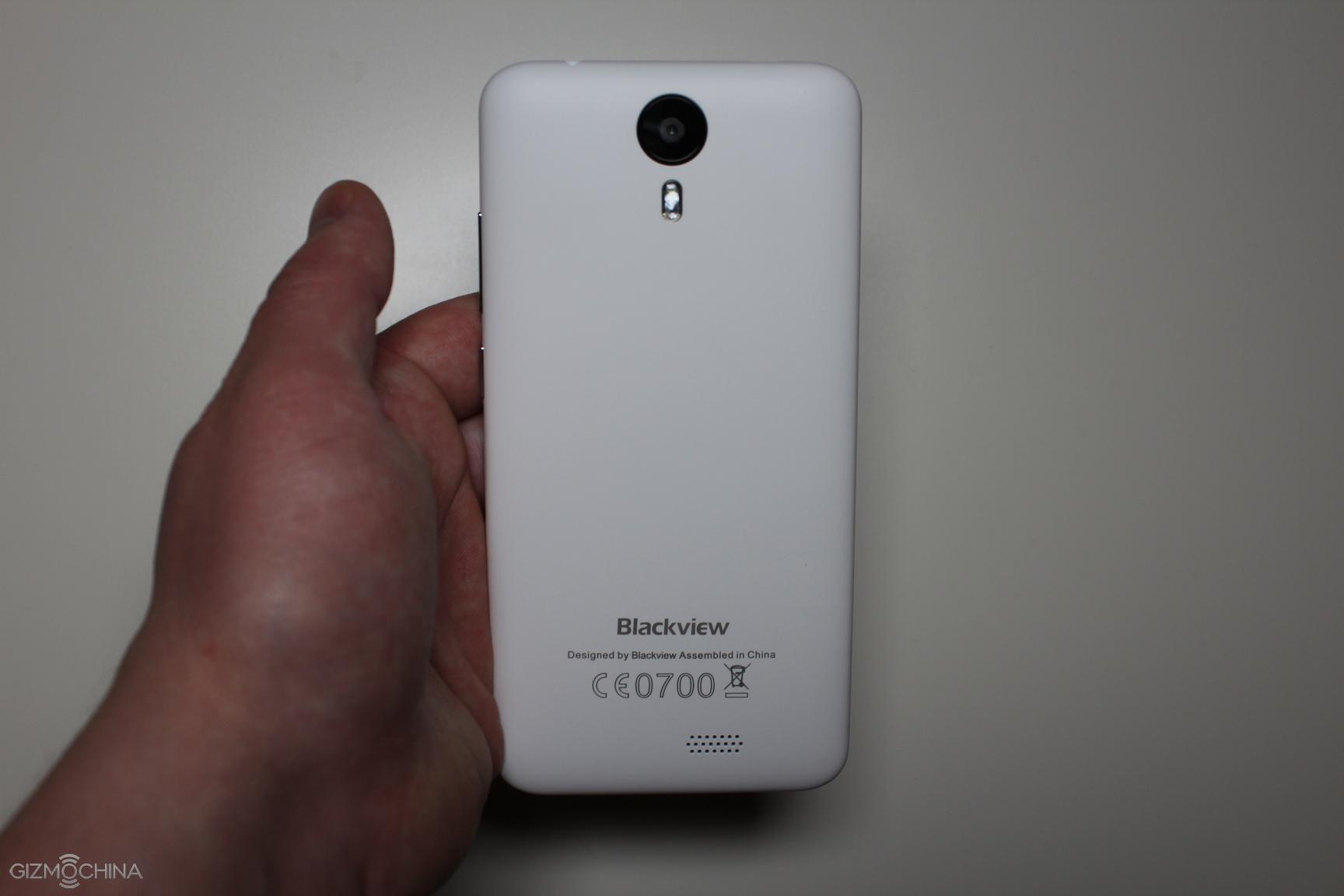
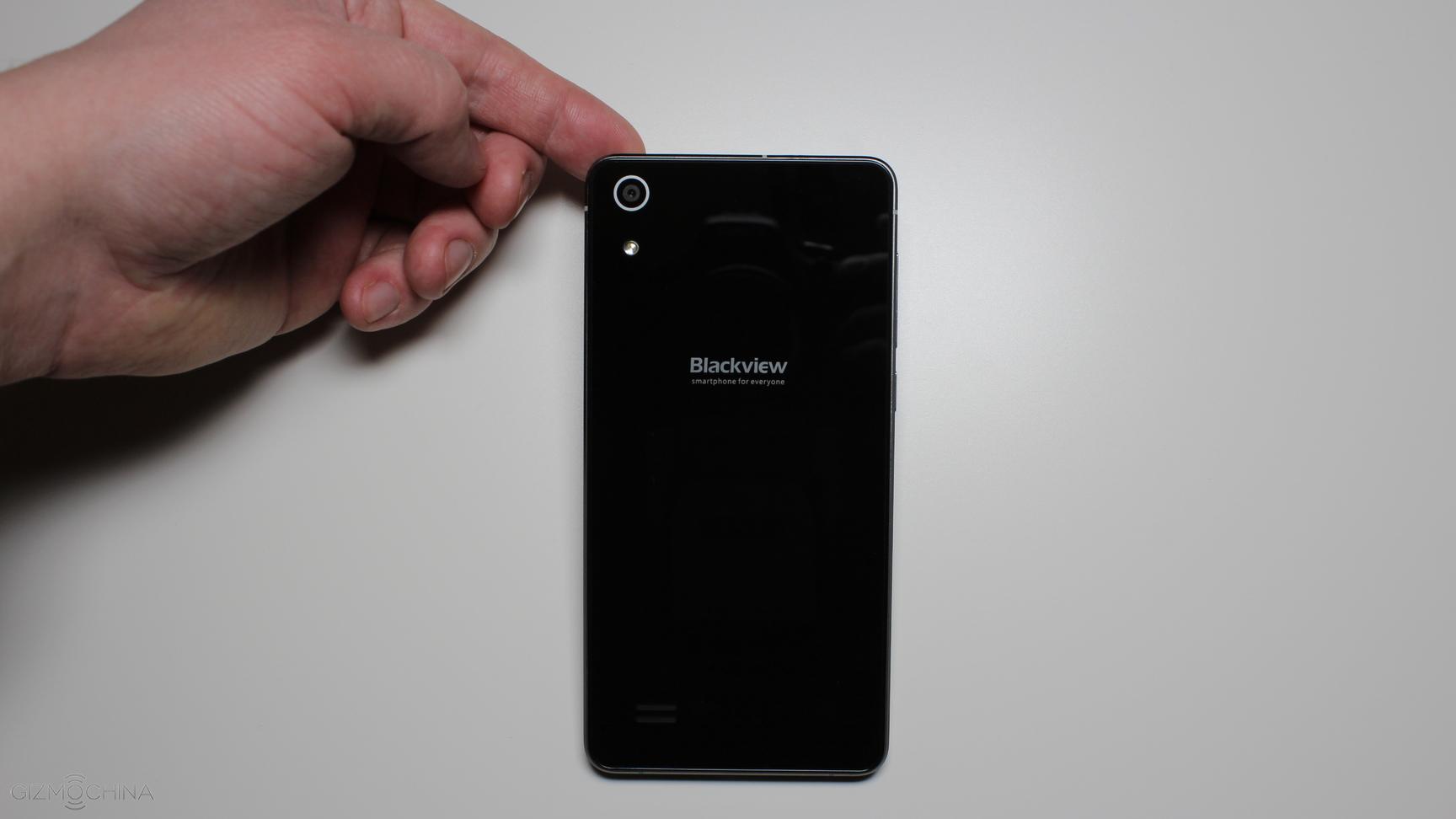
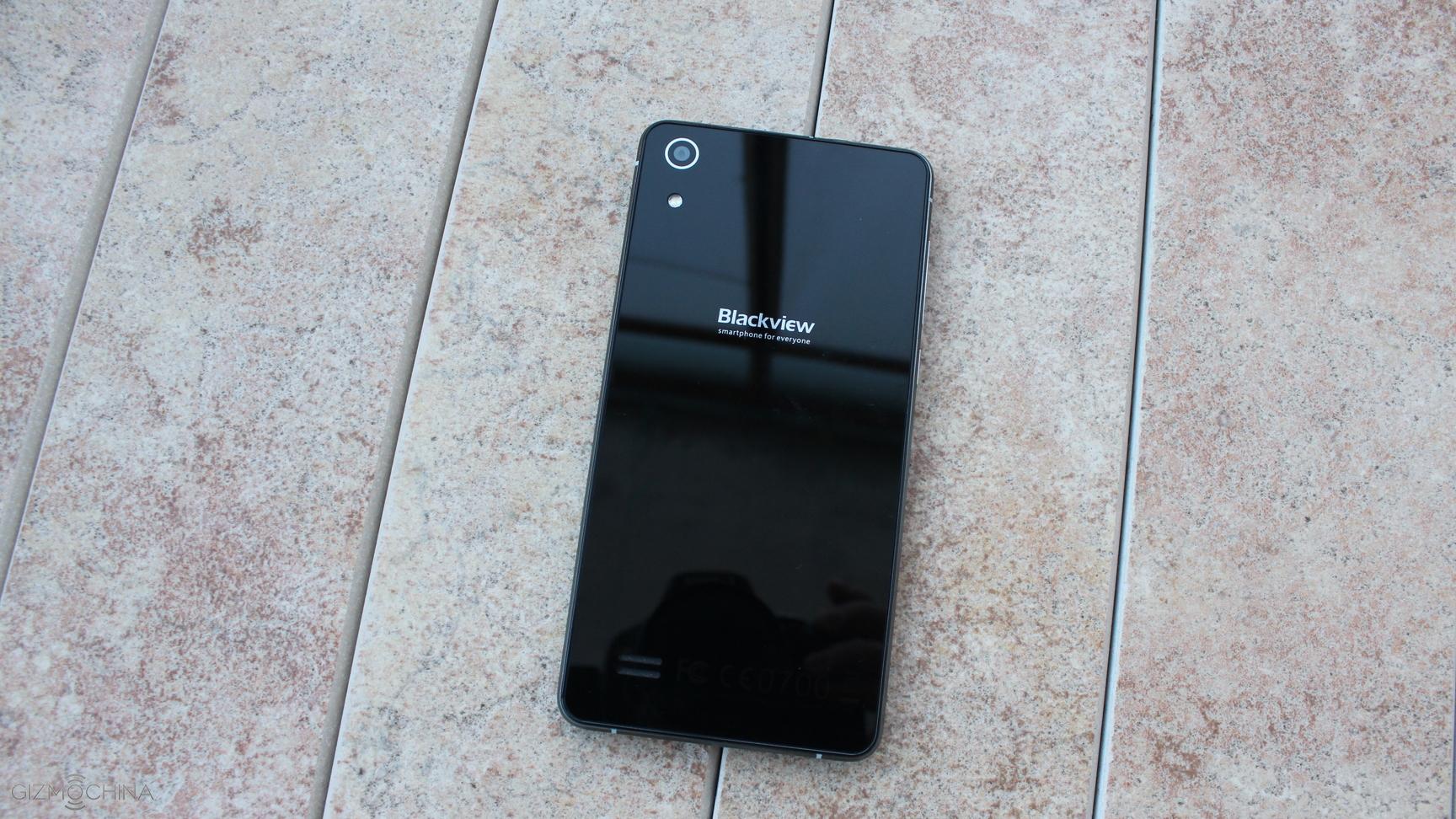
The back is made of matt plastic and thus the fingerprints are not that visible.
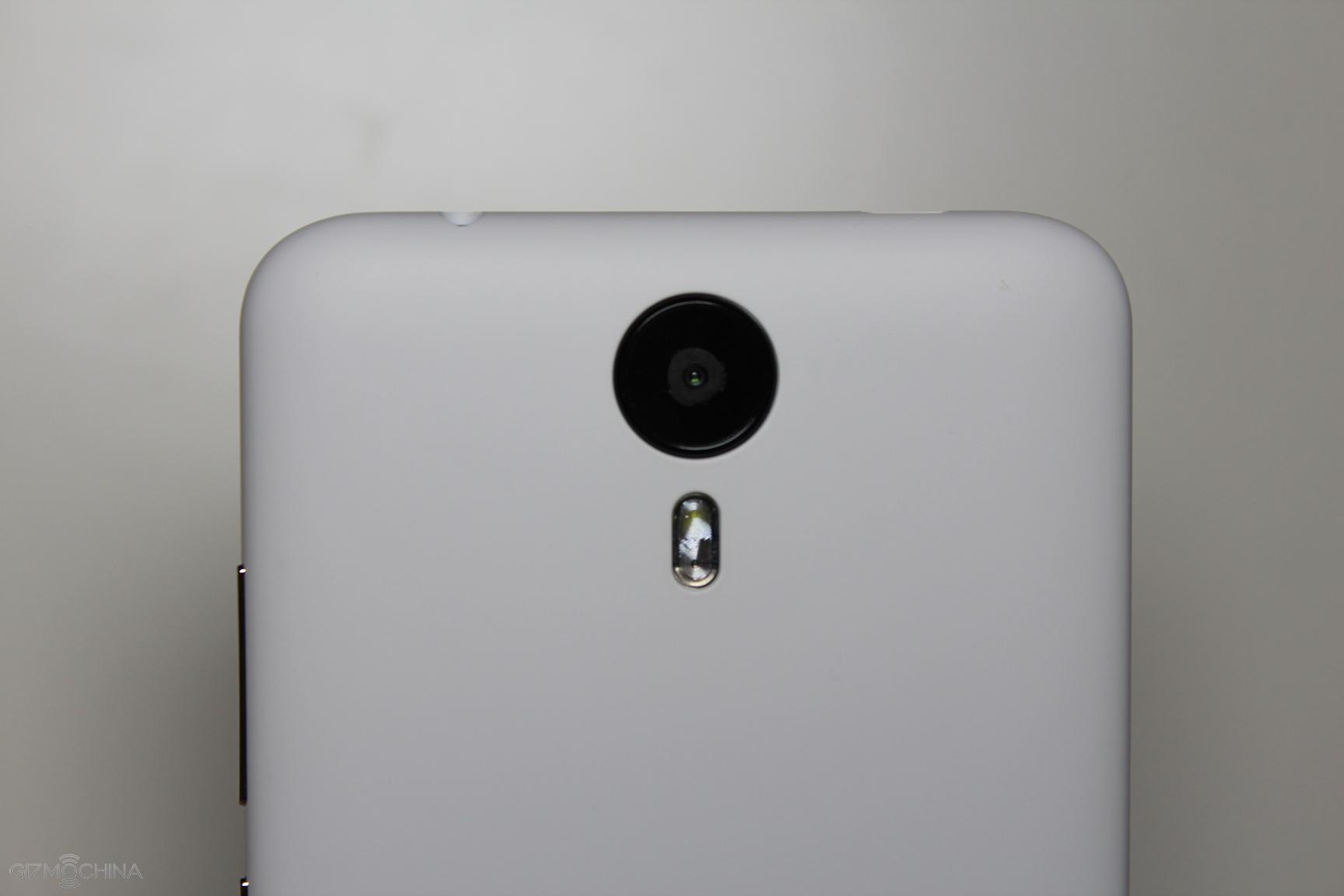
As far as optics, we have an 8MP snapper and a dual LED flash.
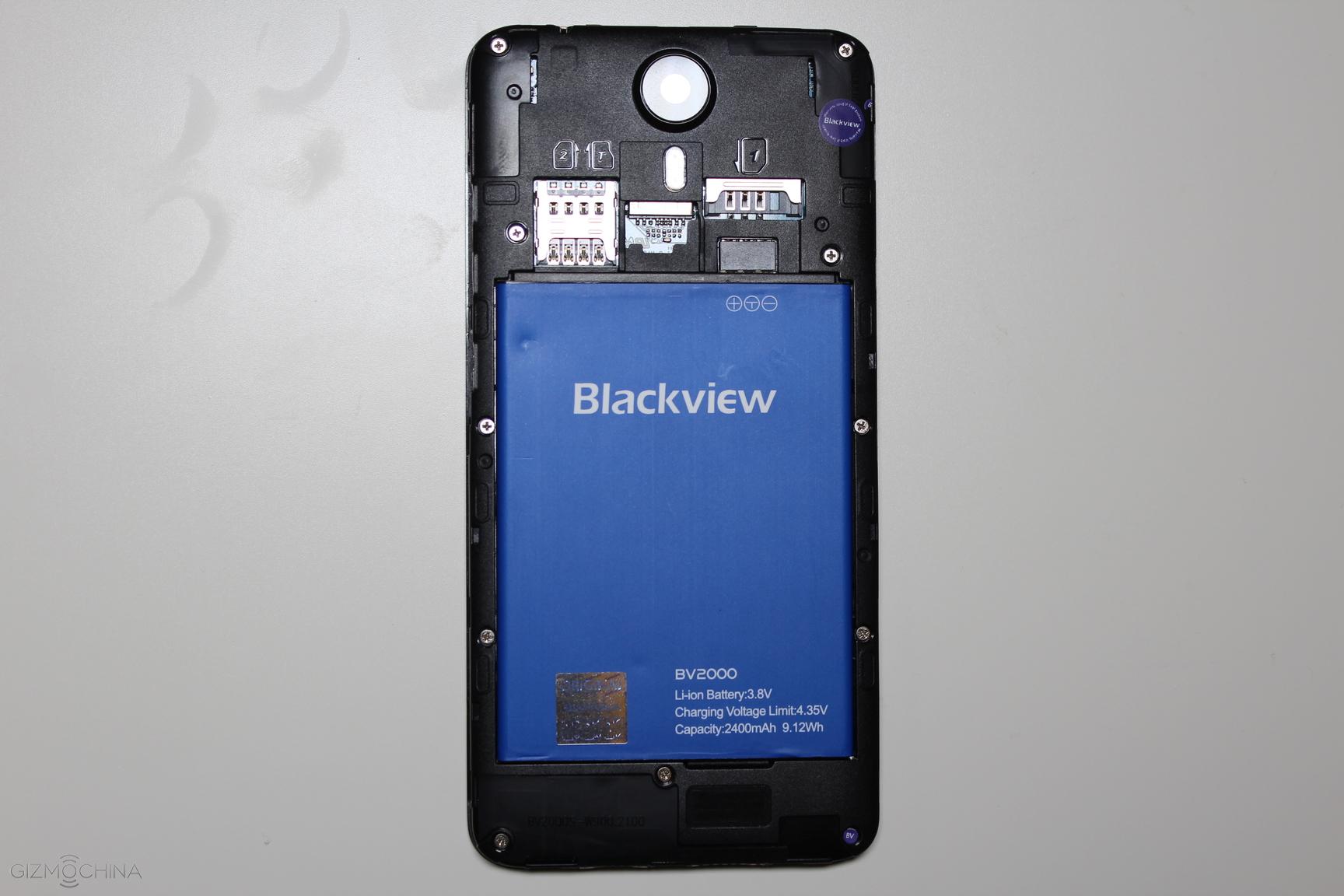
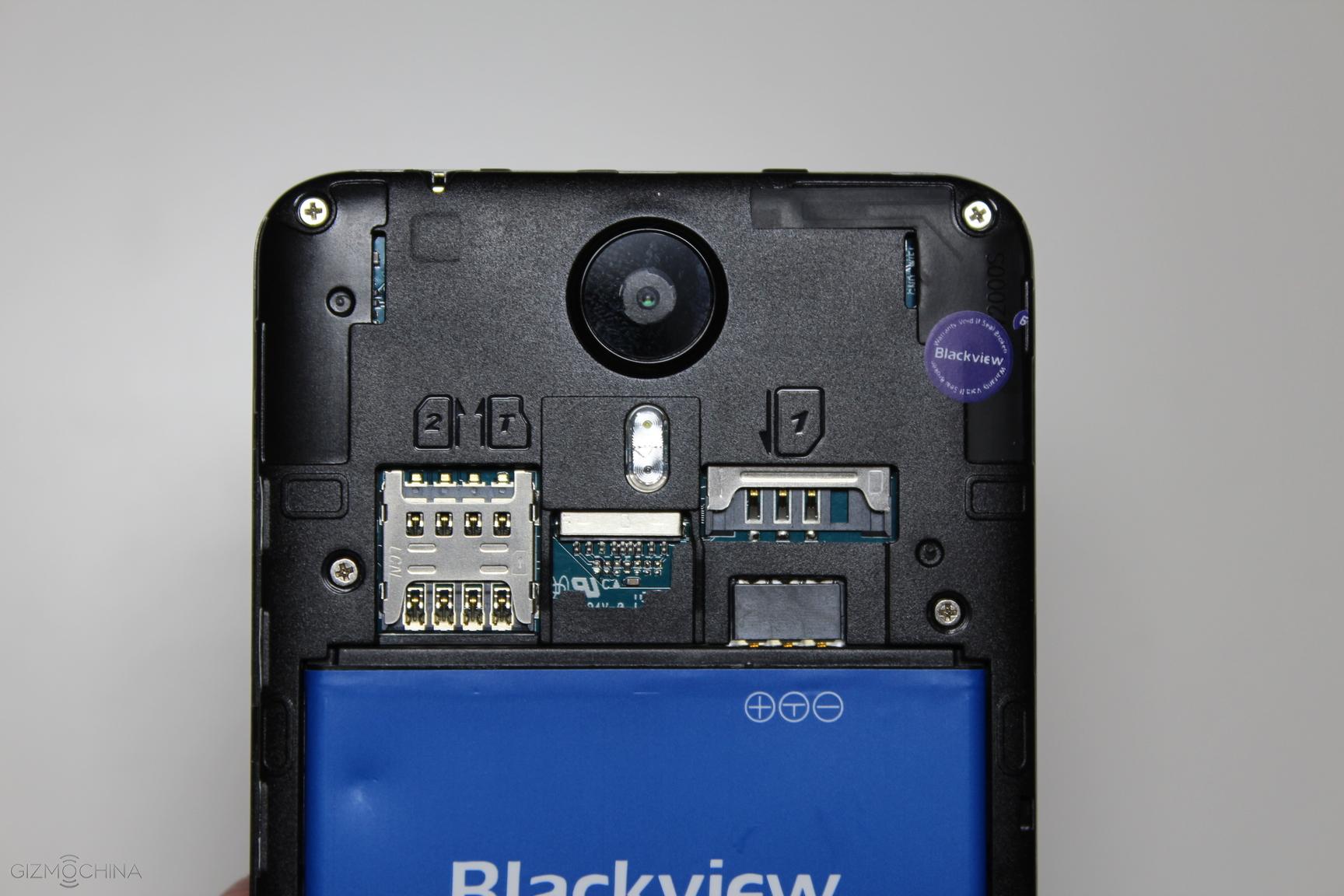
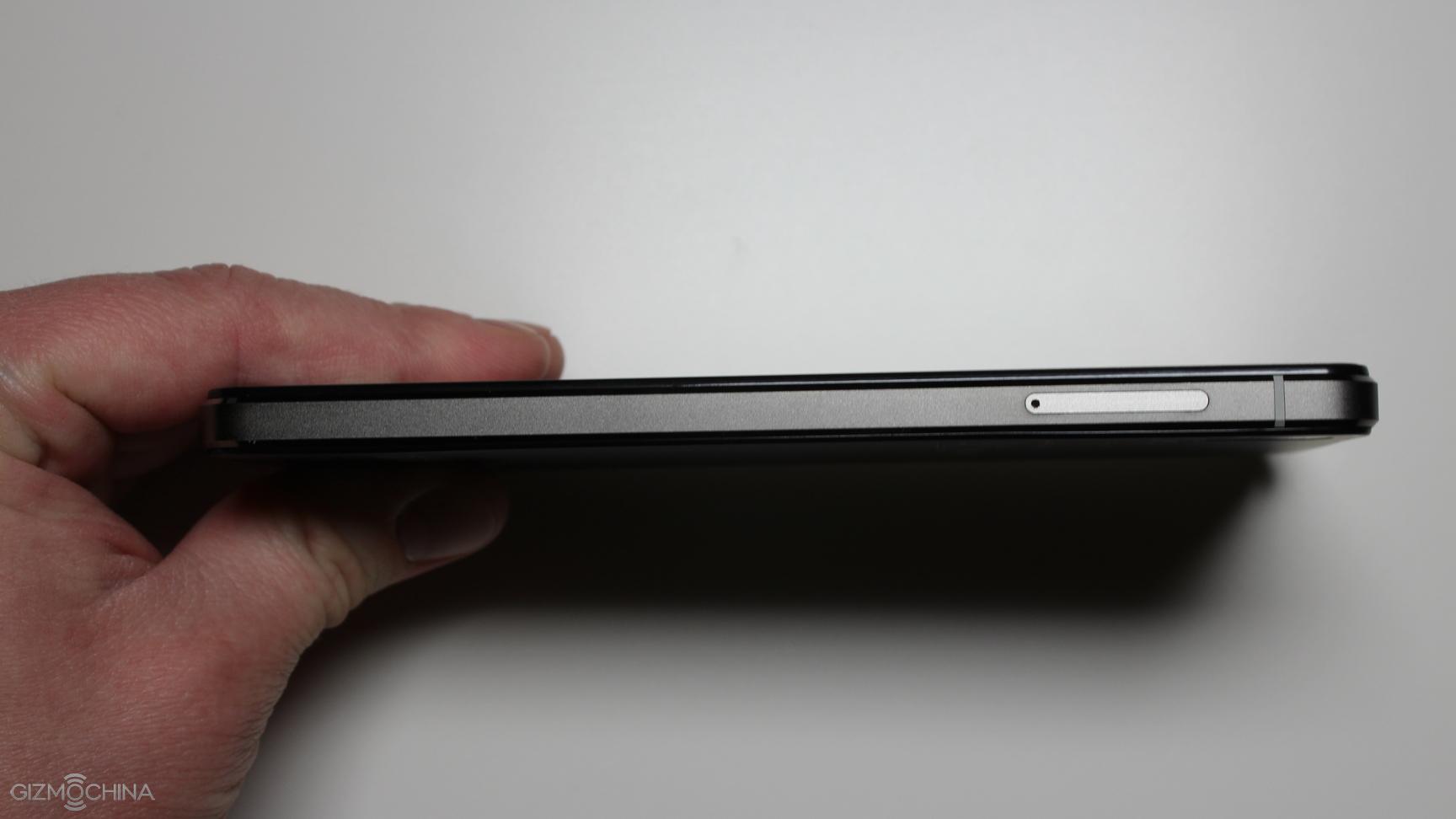
Under the hood you can find a usual combo on China phones: two SIM card slots and the microSD card slot.
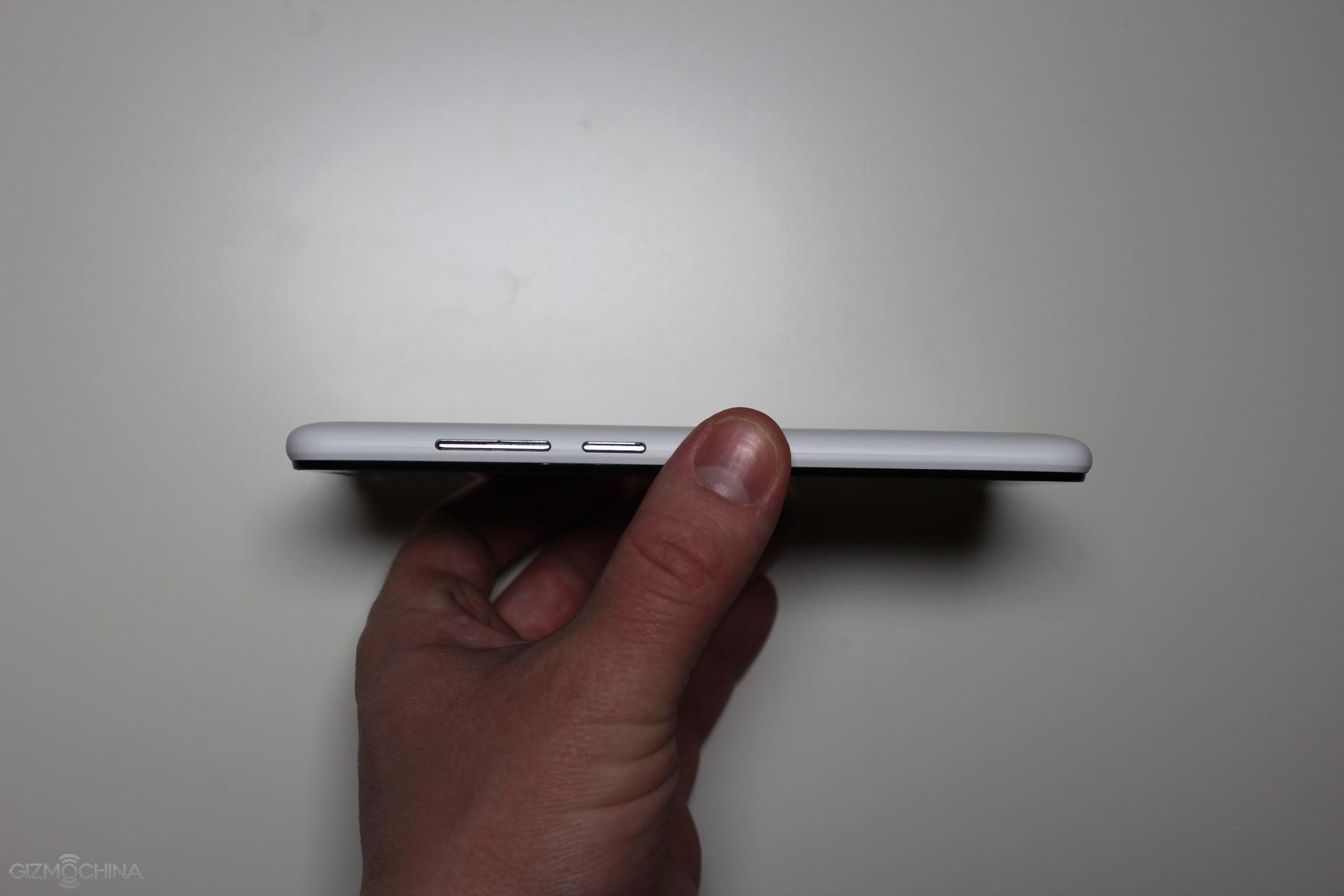
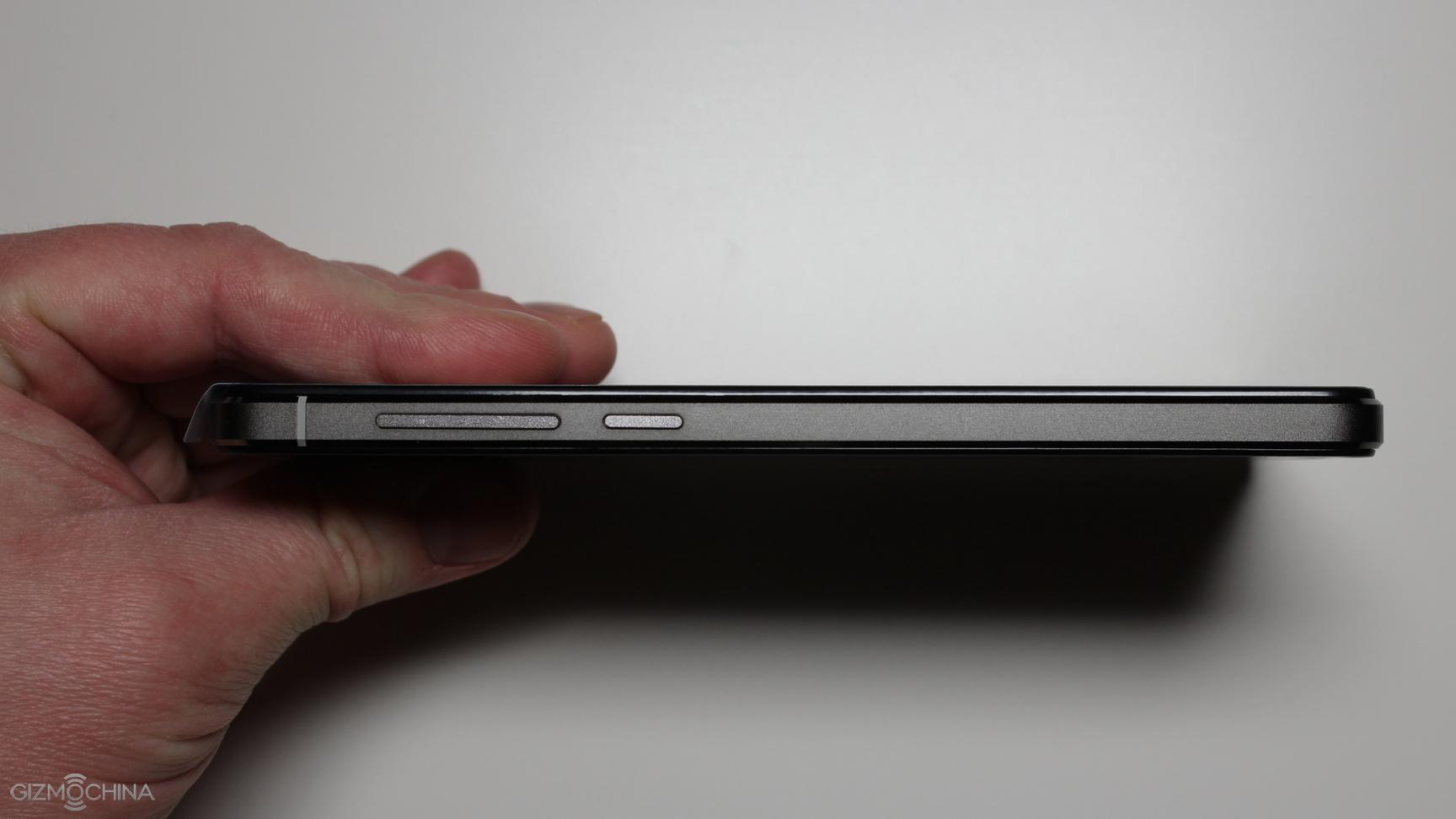
The buttons are located on the right and they are made of plastic. I can’t say they are of a bad quality but they feel a bit mushy.
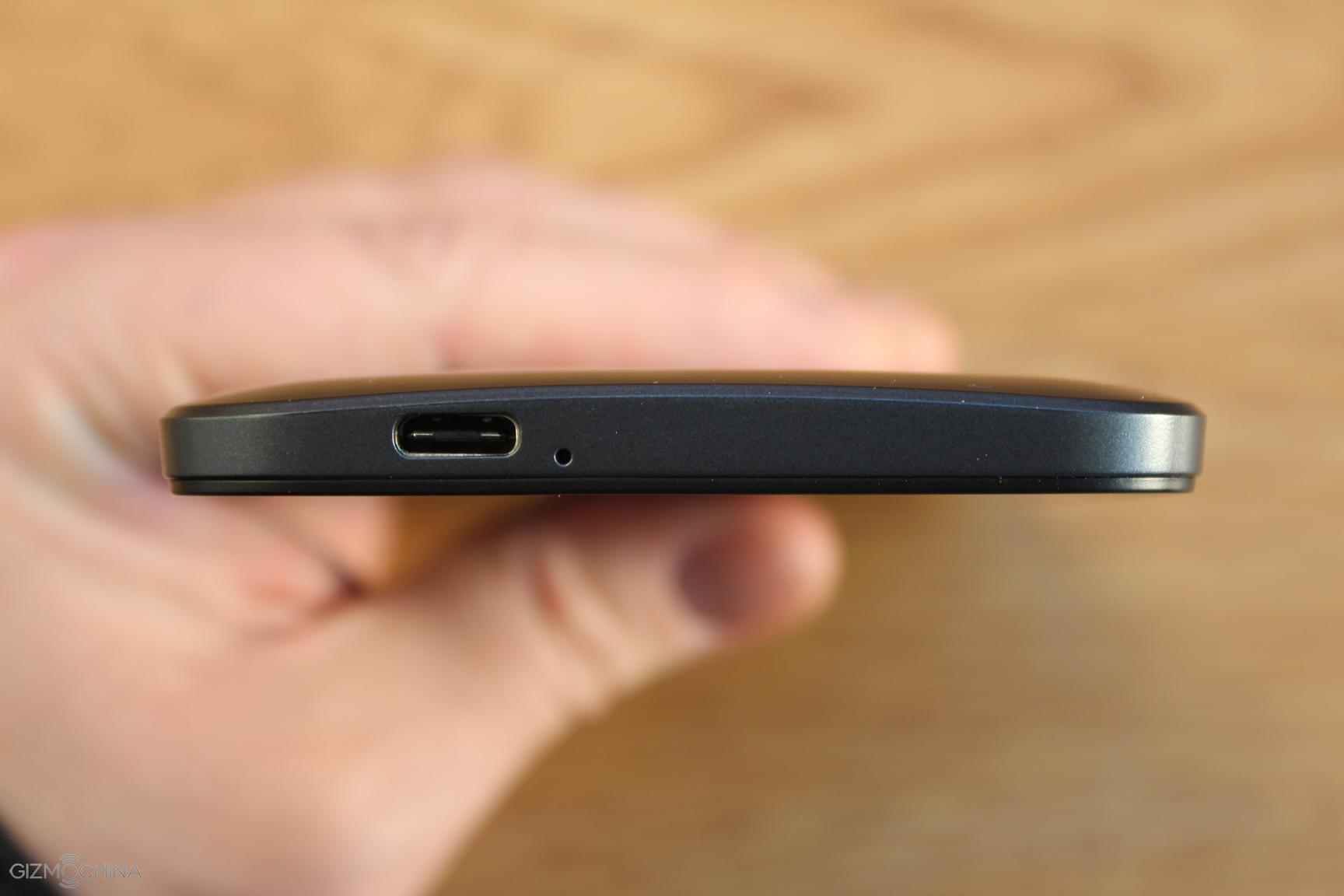
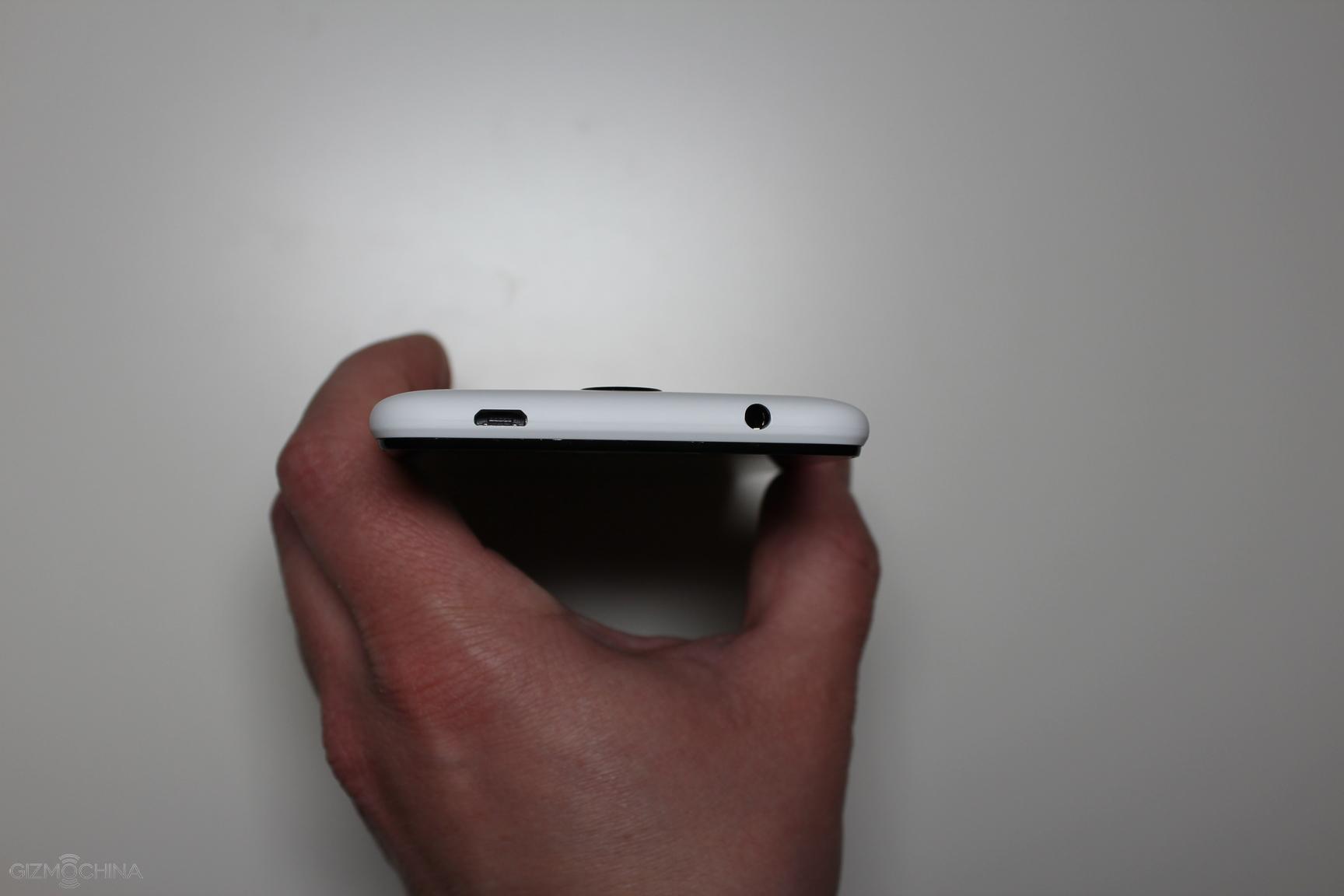
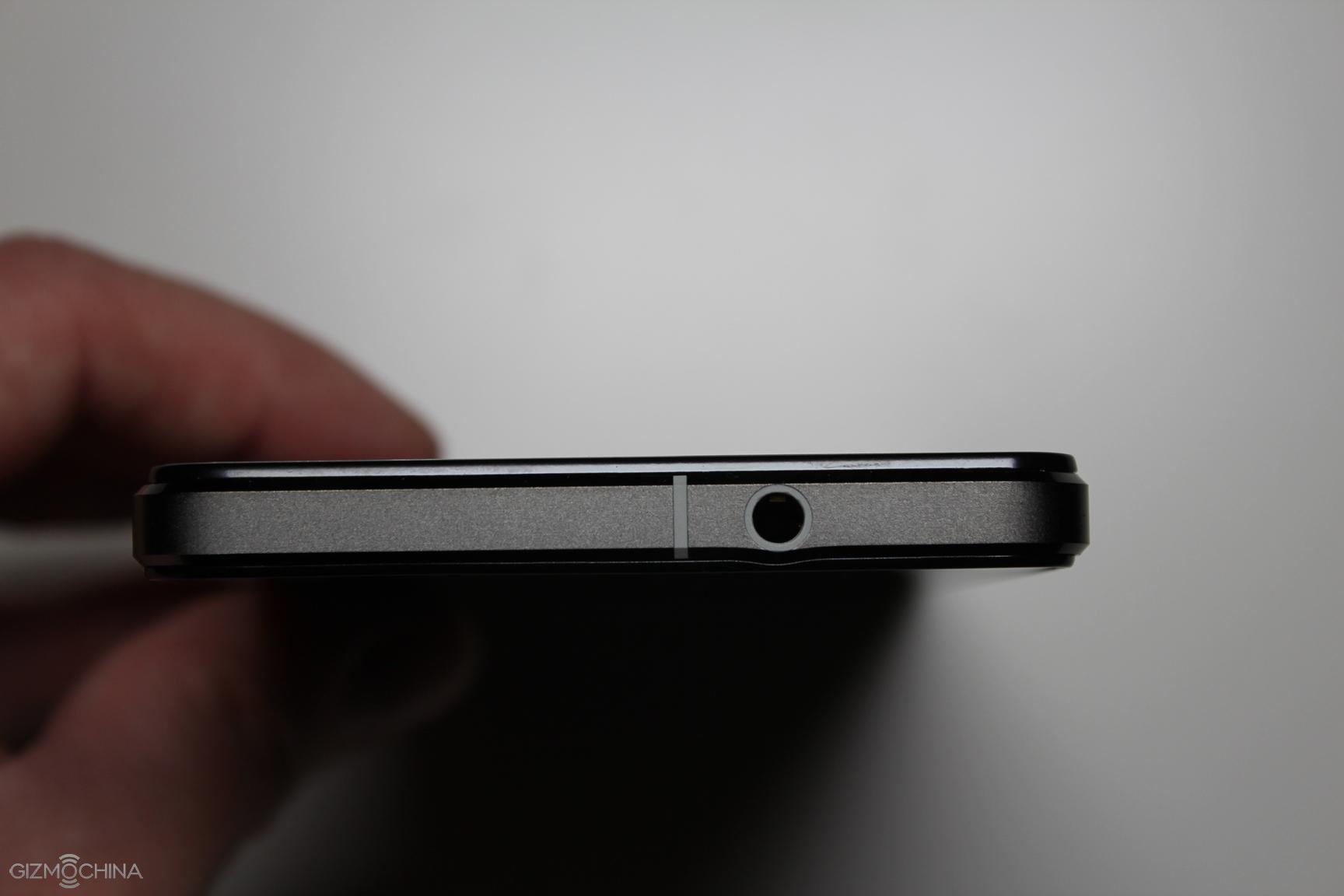
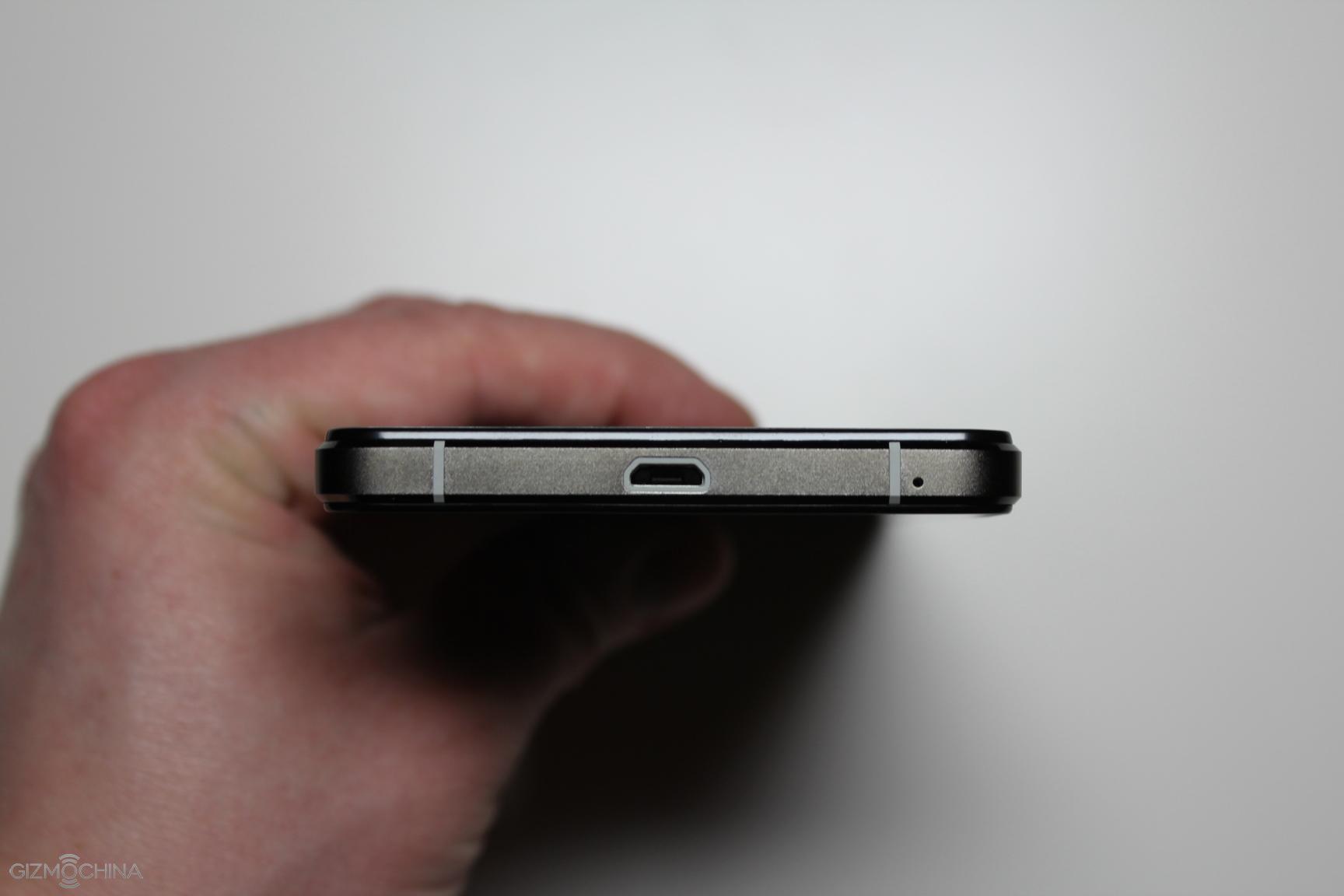
The headset jack and the micro USB port are on the top.
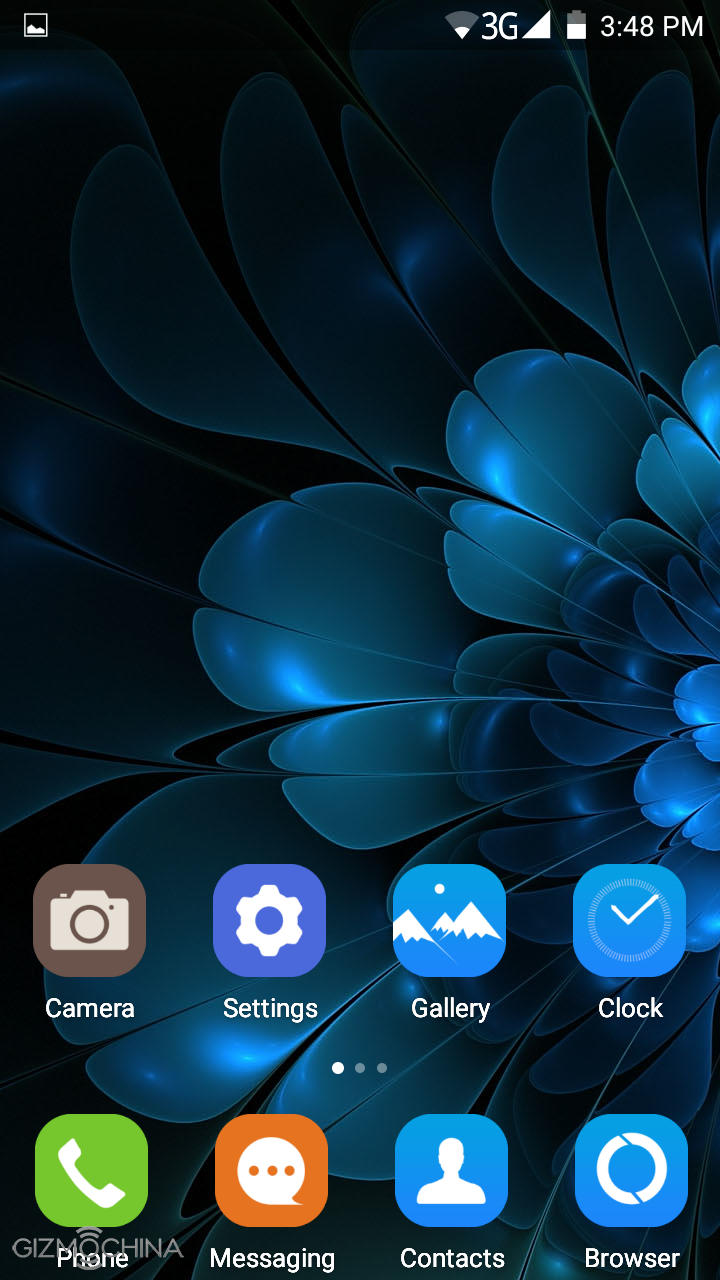
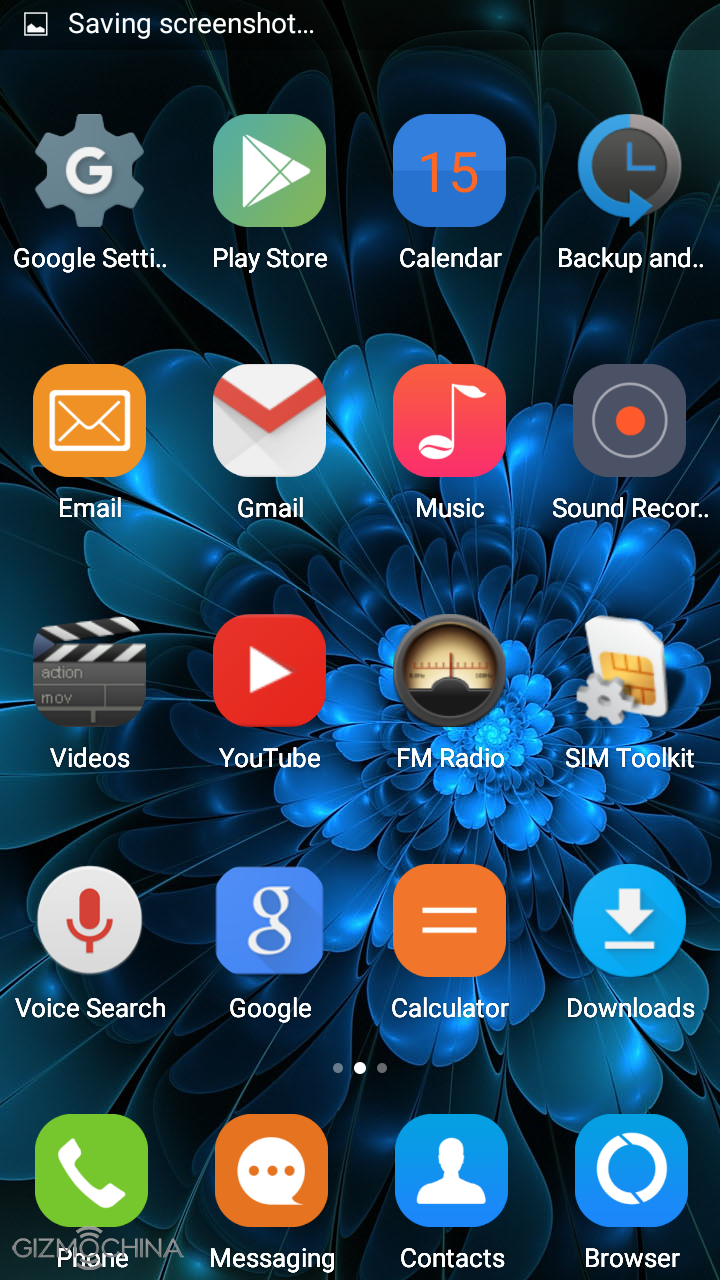
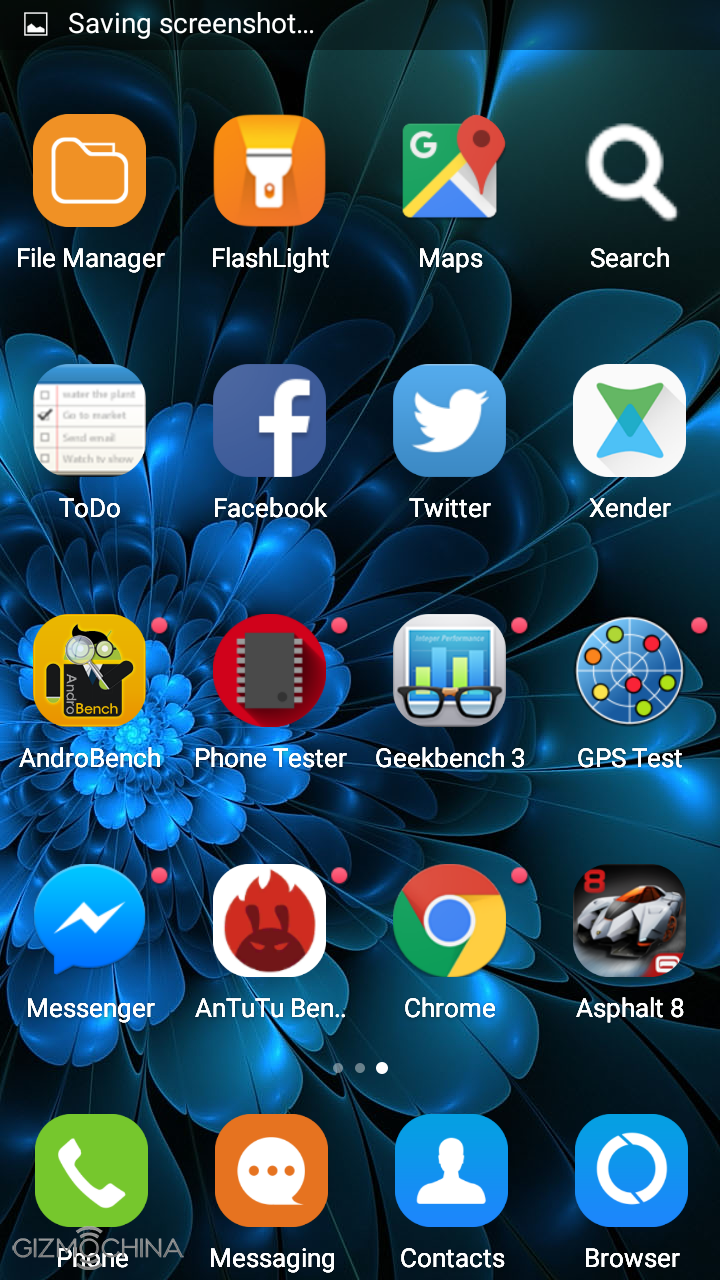
Overall, the Blackview BV2000s is well made cheap device. It does not look or feel premium but it does not look very cheap either. Matt plastic finish and rounded corners definitely help with the grip. Also, 5″ display makes this phone compact and manageable with one hand.
The specs of this phone do not impress but the Blackview BV2000s is all about budget. So far the phone looks and feels nice for a $68 device but we have to use it for some time. Stay tuned for a full review.
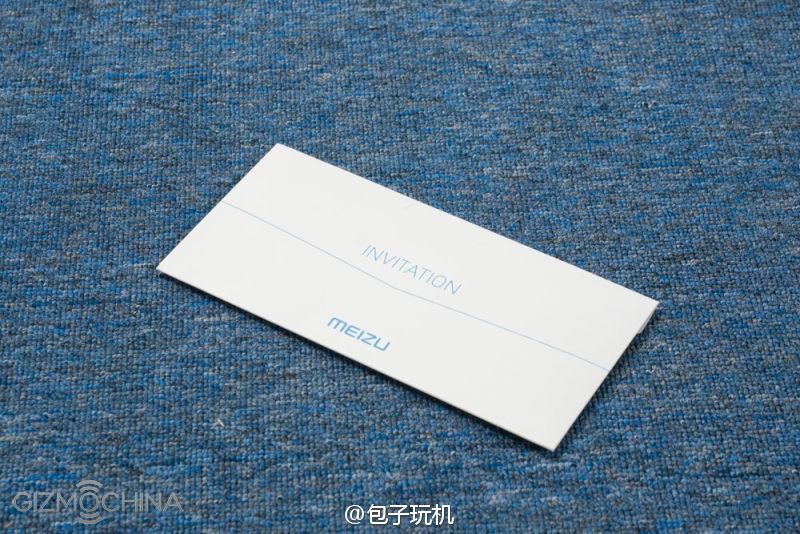
Earlier today, a couple of new media invitations of Meizu surfaced online, hinting at the possibility of a new smartphone launch. While many predict the new launch could be from the budget Blue Charm range, some rumors claim that the upcoming phone is possibly the Meizu MX6 flagship.
According to the latest rumors, Meizu will release the MX6 flagship earlier than tradition this year. The company will reportedly launch the device sometime around March, which is just a few weeks away. Considering this launch period, it’s possible that today’s leaked invites are for the flagship launch event.
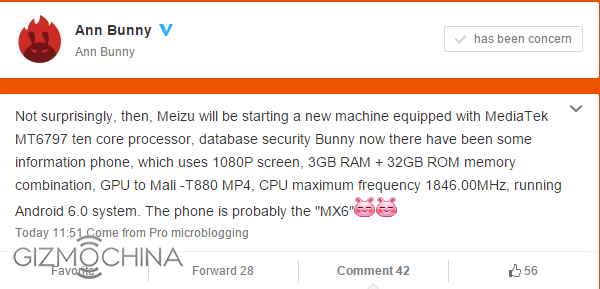
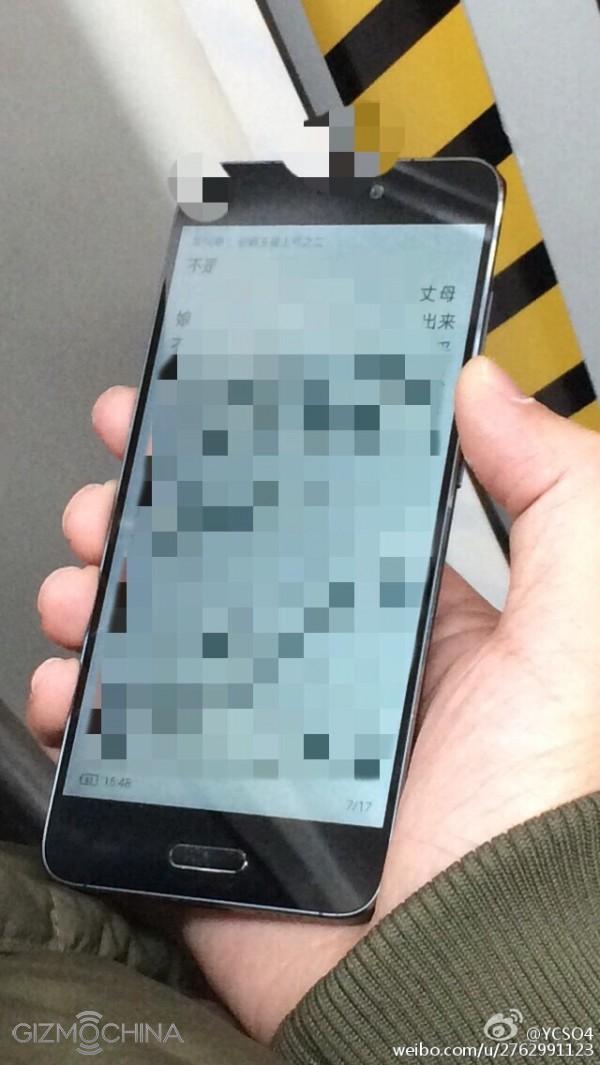
It is said that the Meizu MX6 flagship will be designed on the same lines as last year’s MX5. However, the bezels will be ultra-thin and the phone will feature a metal frame + glass design. As for the specs, AnTuTu had recently given out some details about the phone’s hardware.
The Meizu MX6 is said to come with Mediatek’s powerful deca-core Helio X20 processor. The phone revealed by the benchmarking app featured 3GB RAM, Mali-T880 MP4 GPU and Android 6.0. While the display size was not leaked, the resolution is said to be FHD i.e. 1920 x 1080 pixels.
However, some rumors give out an even powerful hardware for the MX6. The device will reportedly come with 4GB of RAM, 20.7MP rear camera, 8MP front-facing shooter and a large 4000mAh battery.
Unfortunately, as of now, nothing can be confirmed as Meizu has not yet officially scheduled an event for a new device. So, even if these invites are real and for the MX6 flagship, we will have to wait at least for a few days to hear something from the company.
We are just a couple of weeks away from the official unveiling of the Xiaomi Mi 5 flagship. Fans have been waiting for the company to launch this device for more than a year now. But Xiaomi is taking its time to develop and release the device, probably because it’s one of the most important products the year. The Mi 5 is expected to come with top-end specs, including the newly launched Qualcomm flagship, Snapdragon 820. Given that the phone will feature such high-end tech, we have been wondering whether the company will price the device higher than Mi 4 (1999 Yuan i.e. $304).
Earlier leaked Mi 5
Now, a new rumor via the Chinese social networking website Weibo reveals that the Xiaomi Mi 5 could be priced more than 3500 Yuan which comes to around $532. The source says that the price could even go higher, but he didn’t give a specific upper limit.
This is contrary to what we heard about Mi 5’s pricing in the past. The company was expected to price the phone somewhere around 2499 Yuan which comes to around $380. The high-end version was rumored to cost somewhere in the 3000 Yuan range ($450). So, this pricing is really not what we are expecting from a Xiaomi flagship.
As for the specs, the Xiaomi Mi 5 is confirmed to come with Snapdragon 820 quad-core chip onboard. Other rumored features include 4GB of RAM, 32GB storage, 5.2-inch display with 2K resolution, 16MP rear + 8MP front cameras and a 3600mAh battery. There are even rumors about 3D touch feature on the device.
So, Mi 5 is definitely going to be a powerful device. Considering that the phone ends up with these specs, would you be willing to shell out anywhere upwards of $500 for the device?
Huawei managed to sell more than 109 million smartphones in 2015. The company is all set to increase this figure in 2016, as there are a number of devices in the pipeline that will meet us this year.
One of the devices that will launch sometime in the coming months is the Huawei P9. We have already learnt a lot of information about the device, thanks to the past rumors. Now, a new report have emerged citing a person with knowledge of the company’s plans, stating that the upcoming Huawei P9 flagship will come in four different version.
Apart from the regular version, the Huawei P9 will feature a ‘Lite’ version and a ‘Max’ version. The third model will be a premium device with high-end features, however, at the time of the report, the source was not entirely sure about premium version. However, if this models sees the light of the day, then it would come with a larger screen and better camera. In fact, it is said that the premium version would focus on the camera especially, with a possibility of a dual camera setup along with some additional features.
As for the release date, we may see these devices at MWC 2016 in Barcelona. However, its possible that the company might schedule an event sometime after MWC, in a separate launch event.
Apart from today’s report, the P9 was leaked in renders a few days earlier, which featured a physical home button. As for the specs, the phone is expected to come with a 5.2-inch FHD 1080p display, with Kirin 950 under the hood, 3000mAh battery and a whopping 6GB of RAM.
Hopefully, things will get clearer in the coming days. Stay tuned for more details.
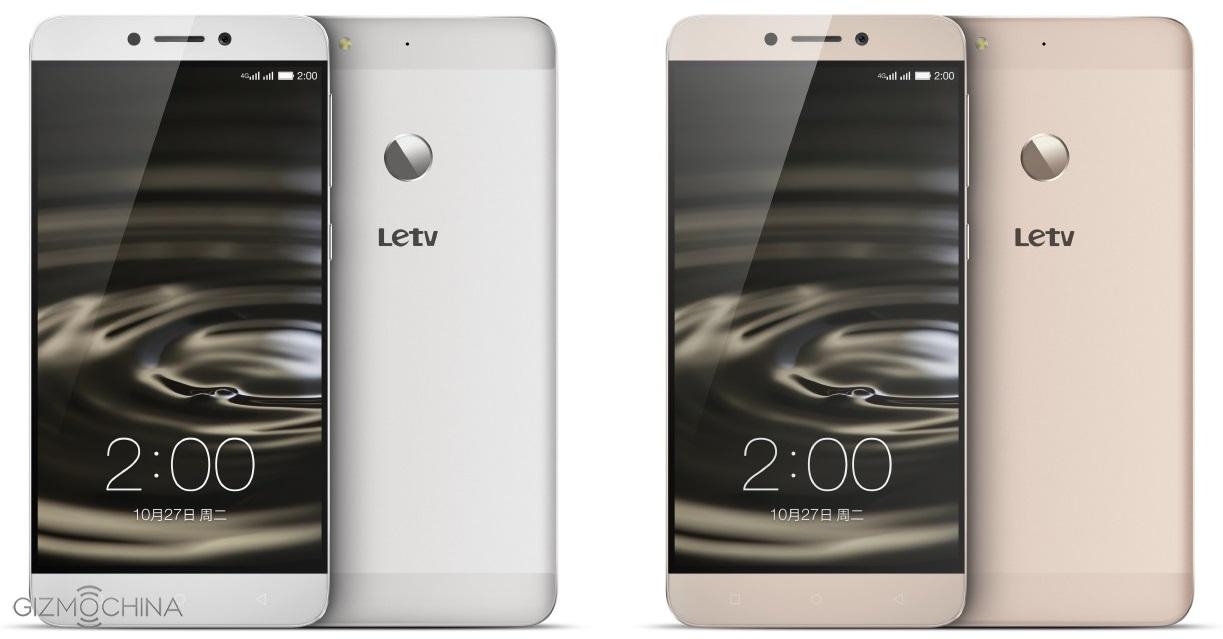
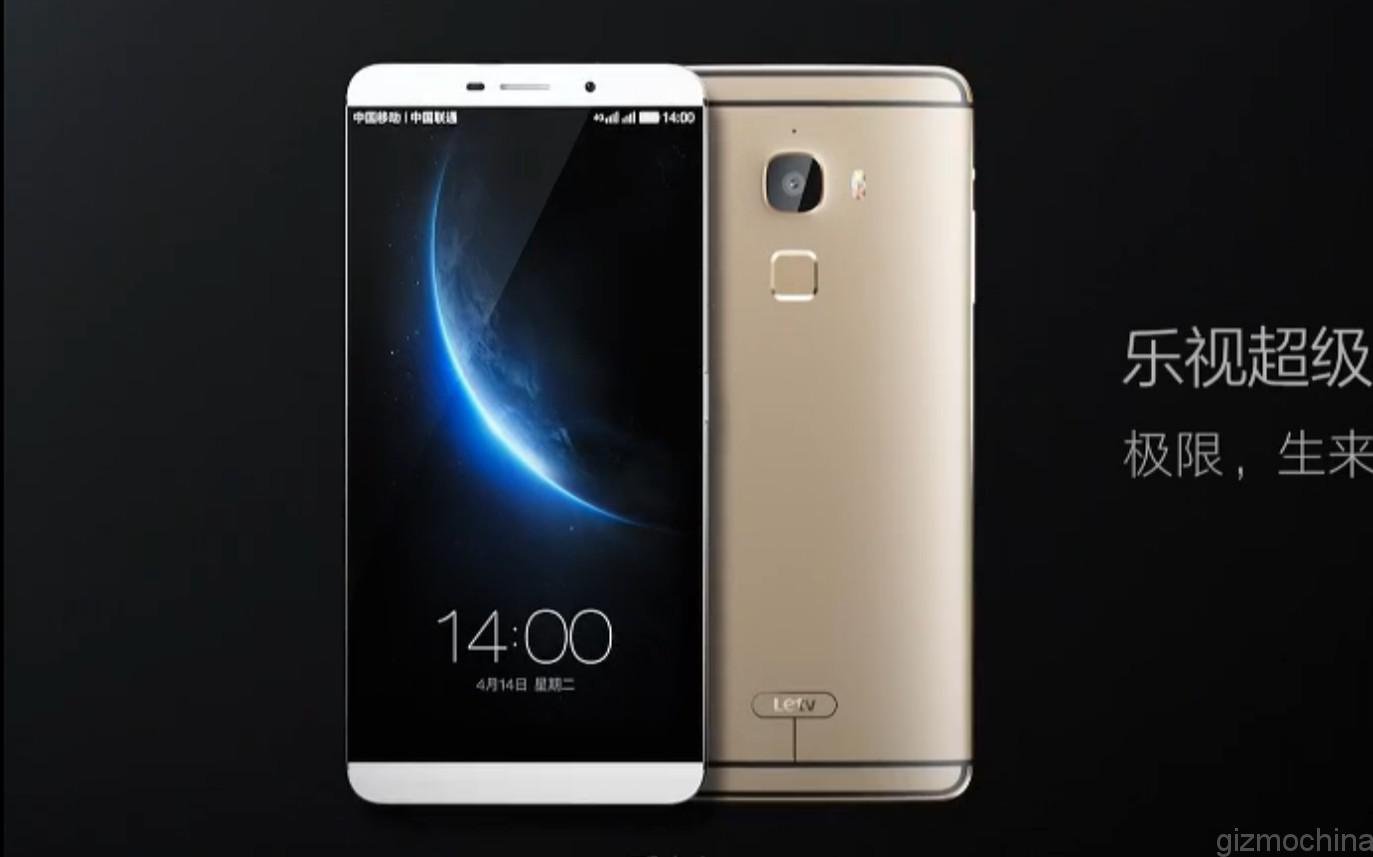
LeEco former known as LeTV has been teasing its entry in India for the past few weeks. Now the wait has almost come to an end for Indian fans as the company will officially unveil two new devices at tomorrow’s event in Gurgaon, India. One of them is the large screen phablet, namely the Le Max with a massive 6.33-inch display while the second one will be the Le 1S, catering to the budget segment.
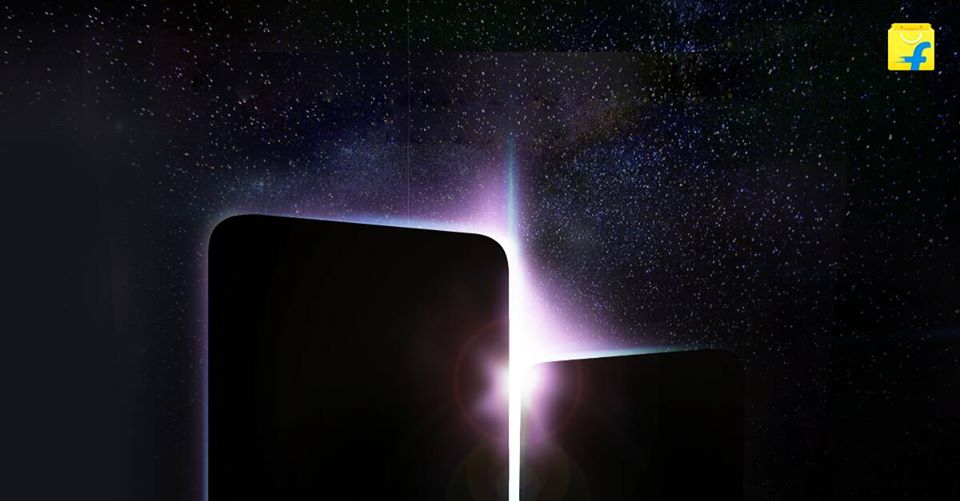
Both the phones will most likely be sold exclusively via the retailer Flipkart. The e-commerce site recently released a teaser with the silhouette of the two phones, confirming their arrival on the website. Further, LeEco has revealed that the company will customize the new smartphones according to the needs of the Indian consumers. Unfortunately, we still don’t know what the company means by such customizations, but things will get clearer tomorrow.
Apart from announcing these two devices, LeEco will also reportedly reveal more details about its plans in the country including future partnerships. Also, it may showcase the other smartphones at the event that were launched in 2015.
As for the specs, the Le Max flagship comes with a 6.33-inch 2K display with Snapdragon 810 chipset under the hood and 4GB RAM. There will be ample storage on board, thanks to 64GB internal memory. At the back, you will find a 21MP shooter while, up front, there will be a 4MP Ultrapixel camera. As for the software, the phone comes with Android Lollipop onboard with the company’s own skin called EUI on top.
The mid-range Le 1S model,comes with Helio X10 inside with 3GB RAM and 32GB of non-expandable internal storage. There will be a large 5.5-inch display with FHD 1080p resolution and a 3000mah battery onboard. At the back, there is a 13MP camera while you will find a 5MP shooter up front.
Since we already know the specs of both the device, tomorrow’s event will be special in the sense that we will get to know both the device’s Indian pricing as well as what all customizations/ changes the company has made for the India-specific release.
As promised, LeEco will live stream the entire event tomorrow, and you can check that out directly from the youtube video down below.
According to the latest information from a Chinese analyst, Huawei shipped more than 40% of its smartphones outside of the domestic market. That’s quite an impressive figure considering that the company managed to ship more than 100 million units in 2015 alone.
Huawei reportedly sold a total of 109.015 million units last year, with an annual growth rate of nearly 45%. Out of these, 63 million smartphones were shipped domestically in China, which comes to around 58%. The rest 42% of phones were shipped outside the country.
Even with such impressive figures, both domestically and globally, the company hasn’t managed to take the top spot in China. During a recent event, Xiaomi’s President had revealed that it shipped over 70 million smartphones last year, which was lower than the initial target of 80 million but still, it was the first in the country. So, it looks like Xiaomi has sold over 63 million phones in the domestic market. It looks like the company meant that its still first in terms of market share in China for the year 2015.
Although a win inside of China, Xiaomi has a long way to catch up with Huawei. The latter has a very strong presence internationally, and with its entry into the US market with products such as the Honor 5X and the Huawei Mate 8, we can expect Huawei to ship more units this year. So, it won’t be easy to close the gap between the two companies which is currently over 30 million units.
So, do you think Xiaomi can close in the lead secured by Huawei last year?
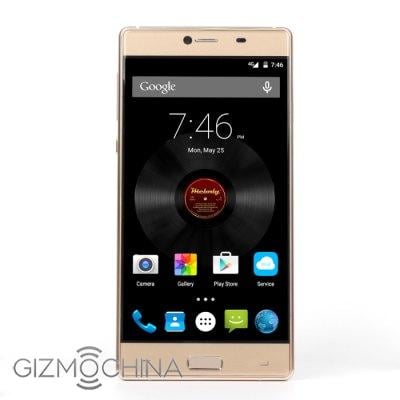
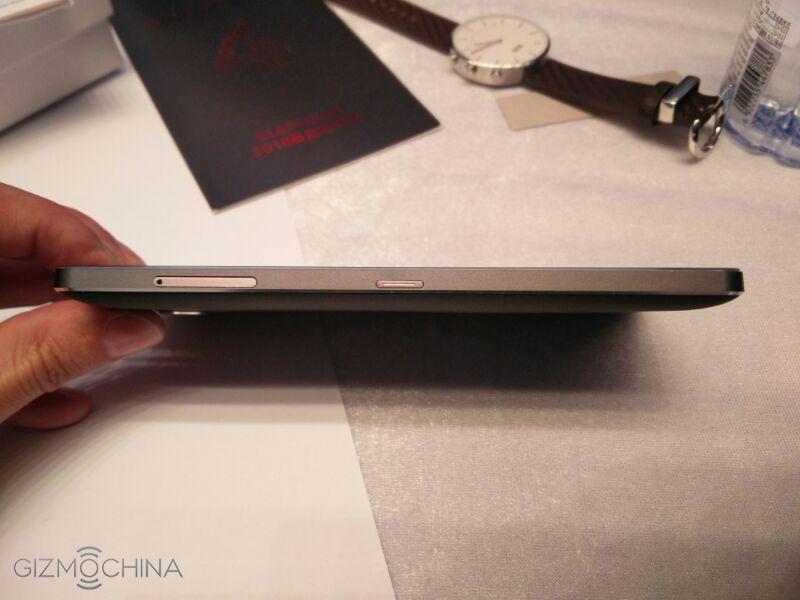
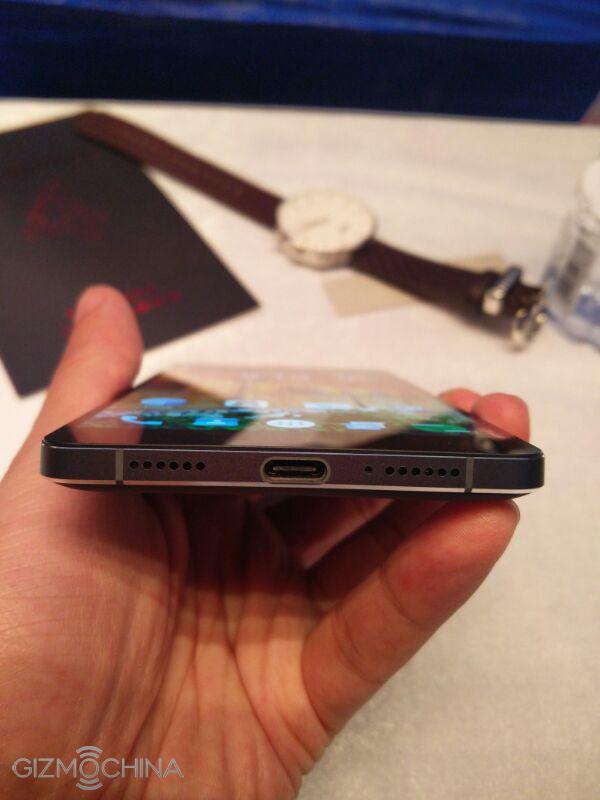
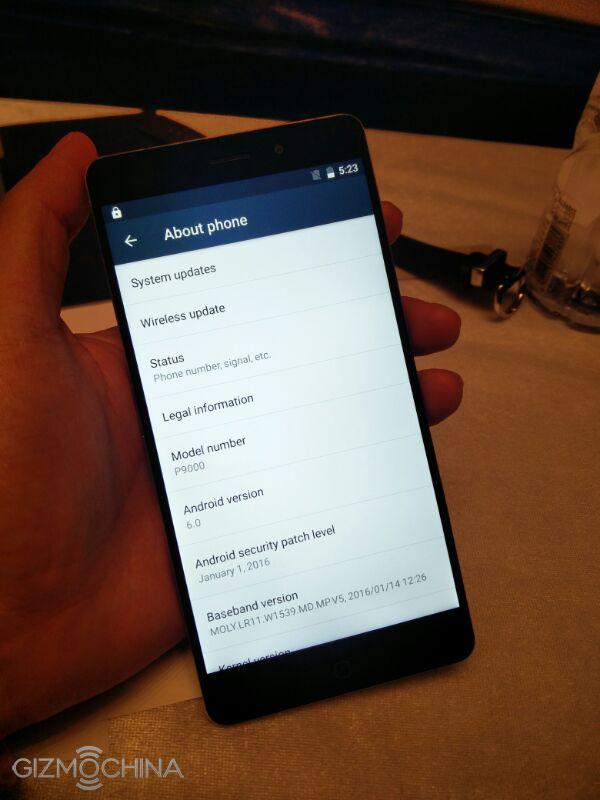
Elephone announced a bunch of new products at its event on Friday last week. We saw the brand new Elephone P9000, Edge and Lite variants at the event along with a brand new Elephone W2 smartwatch.
Elephone P9000
The phone came with pretty powerful specs, however at the time of the event, the company did not reveal the official price tag of any of the products. Now, Elephone has revealed the pricing for its Elephone P9000 and P9000 Lite models (given below). However, if you were interested to know the price for the Edge model, you will have to wait for a few more weeks.
ELEPHONE P9000 & P9000 Lite PRICING
Elephone reveals that the P9000 will be priced at $269.99 which is the same price we spotted the device on the company’s store earlier. However, if you were one of the users who participated in the company’s crowdfunding campaign that launched back in December, you can get the device for as low as $219.99, using the discount code generated then. Similarly, the P9000 Lite is priced at $219.99, but with the coupon code generated during the campaign, you can get it for as low as $169.99. Now, this turns out to be a pretty good deal, considering the specs that you get on both the devices.
So, for just $169.99, you can get hold of the Lite model that features 4GB of RAM with Helio P10 on board. This would make it one of the best deals in the market right now. Other specs on the Lite model include 32GB of storage, Android 6.0 Marshmallow out of the box and 5.5-inch FHD 1080p display. There’s a 13MP rear camera and some smart software features as well.
On the other hand, the $269.99/ $219.99 Elephone P9000 flagship model comes with all the above specs (and a better rear camera sensor), along with additional features such as Wireless Charging, fingerprint scanner and NFC.
So, what do you think about the pricing? Does $269.99 sound good enough for a Helio P10 + 4GB RAM powered smartphone?
Also, did you participate in the crowdfunding campaign from Elephone last month?
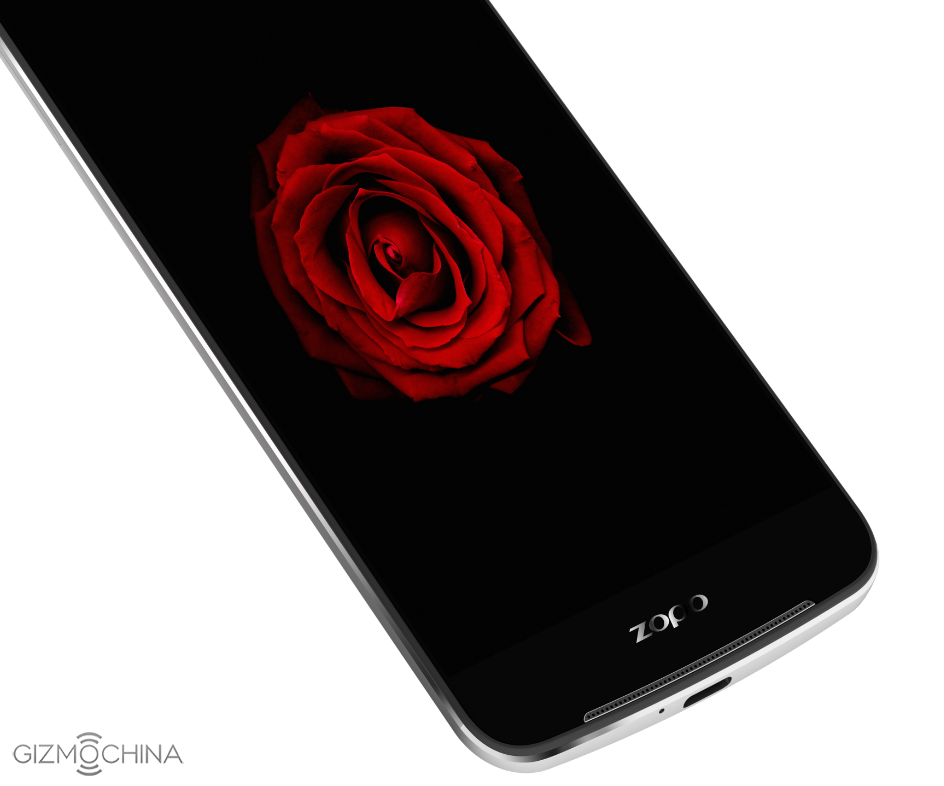
ZOPO has been teasing its upcoming ZOPO Speed 8 flagship for the past few weeks. This is the successor to the popular Speed 7 smartphone which was announced last year. The phone will be powered by the powerful Helio X20 deca-core chipset, which will also make it one of the first phones to come with this SoC. While we have not yet seen the performance of the chip in real life, with four Cortex A72 cores and six other efficient Cortex A53 cores, Helio X20 is going to be one of the fastest SoCs of this year.
ZOPO also confirms that the Speed 8 flagship will come with NFC feature, which will help it to make digital payments. Other confirmed specs of the device include Helio X20, 4GB of RAM, rear placed fingerprint sensor and Android 6.0 Marshmallow OS out of the box.
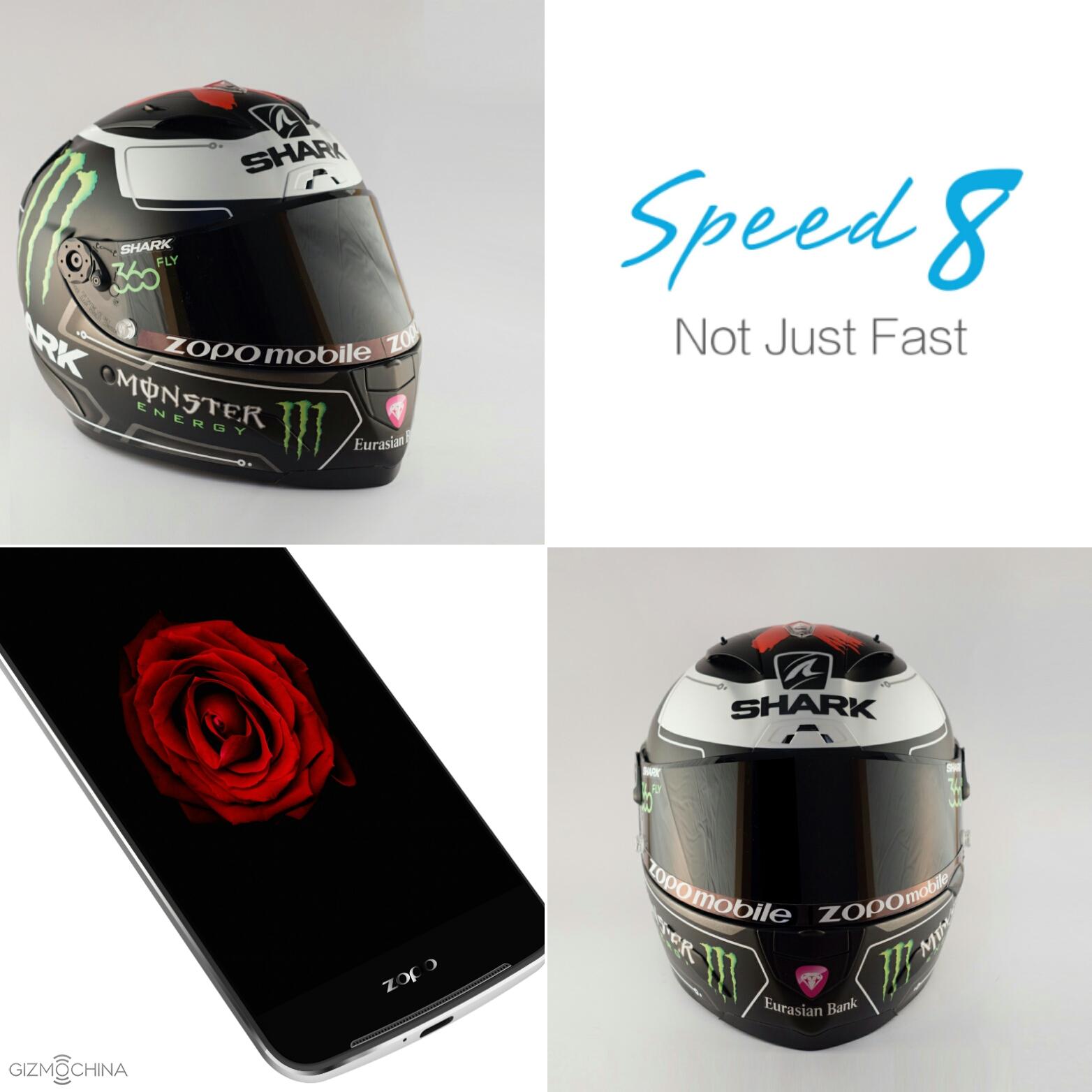
Apart from this information, the company also revealed the new slogan for the device, “Not Just Fast”. Also, the manufacturer revealed that Jorge Lorenzo, MotoGP Champion and the company’s brand ambassador will be present at the unveiling of the device in Barcelona on February 24 at MWC 2016. You will also find his newly launched SHARK helmet with ZOPO’s branding at the event.
So far, the Speed 8 looks like a great device with top-end specs. From the teaser images, the phone seems to be well designed as well. Now, if the company prices the device appropriately, we can expect a pretty good response for the device.
Anyways, stay tuned to the site as we will be bringing more news about the upcoming Speed 8 soon.
14.350 x 7.140 x 0.780 cm / 5.650 x 2.811 x 0.307 inches
OS
Android 5.1
Storage
16GB (expandable via microSD card slot up 128GB)
Blackview Omega Pro Review: DESIGN and DISPLAY
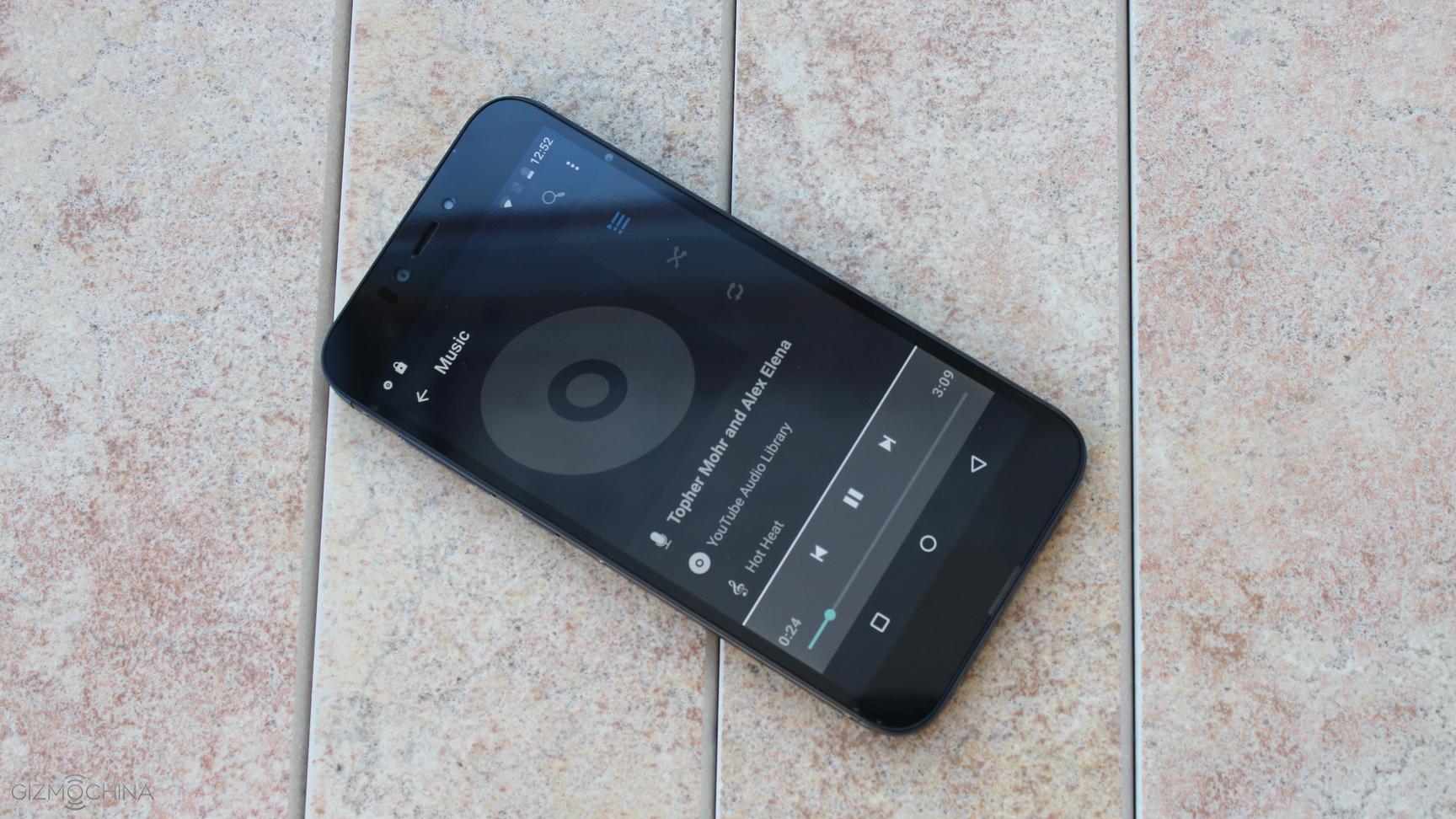
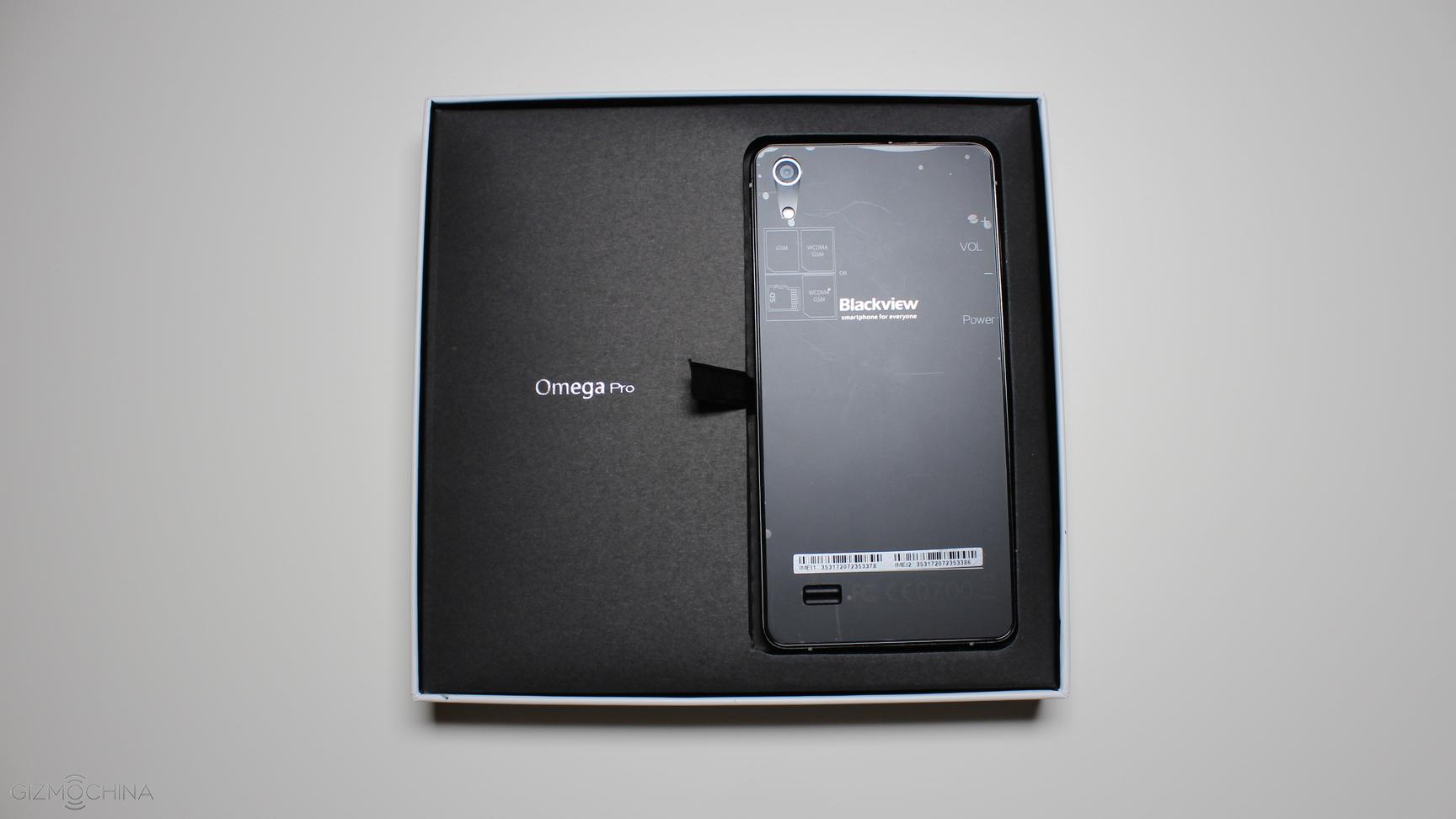
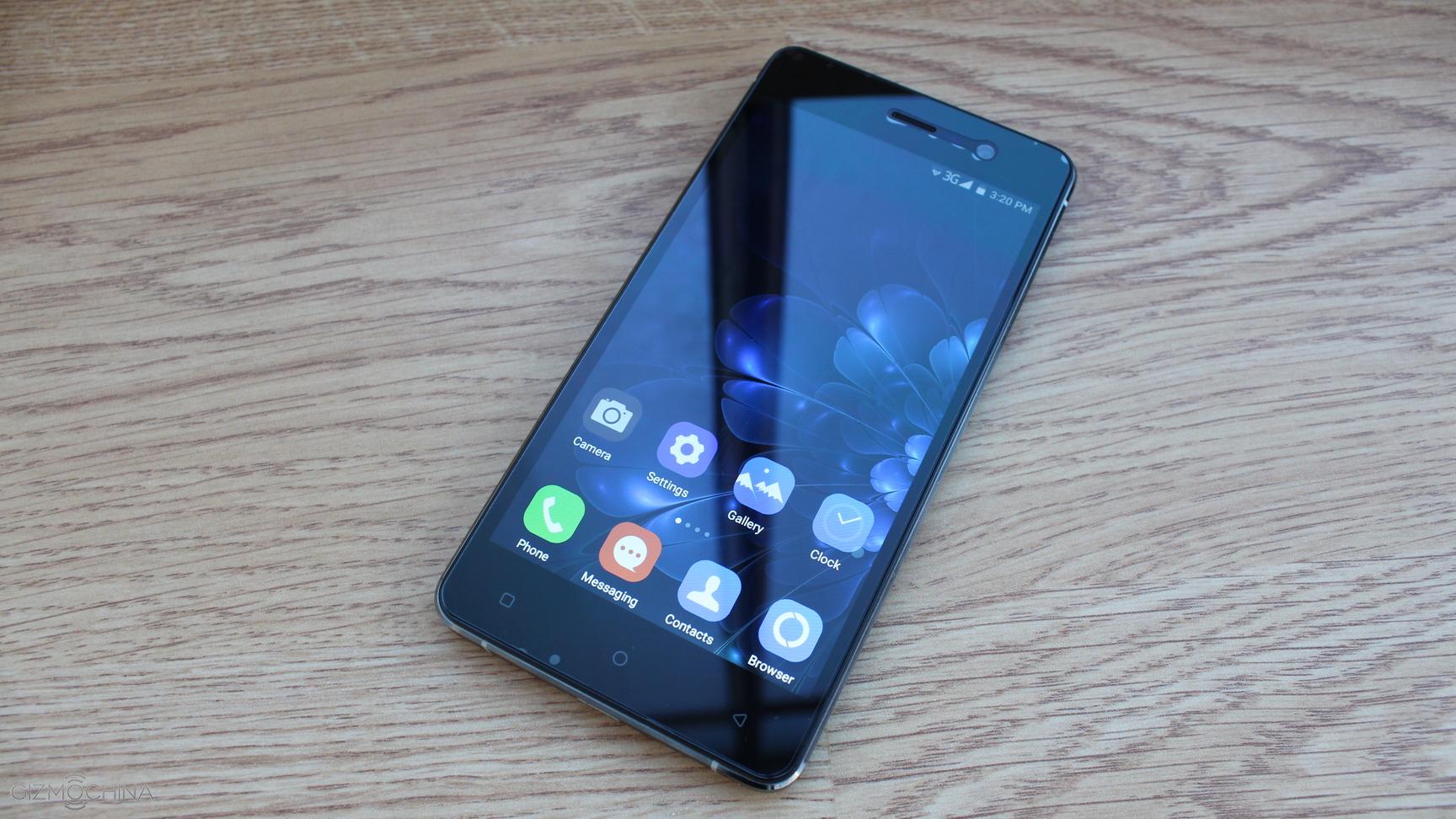
When it comes to the design, we are looking at phone that is really well constructed and it uses a metal frame around the device and glass on the front and back.
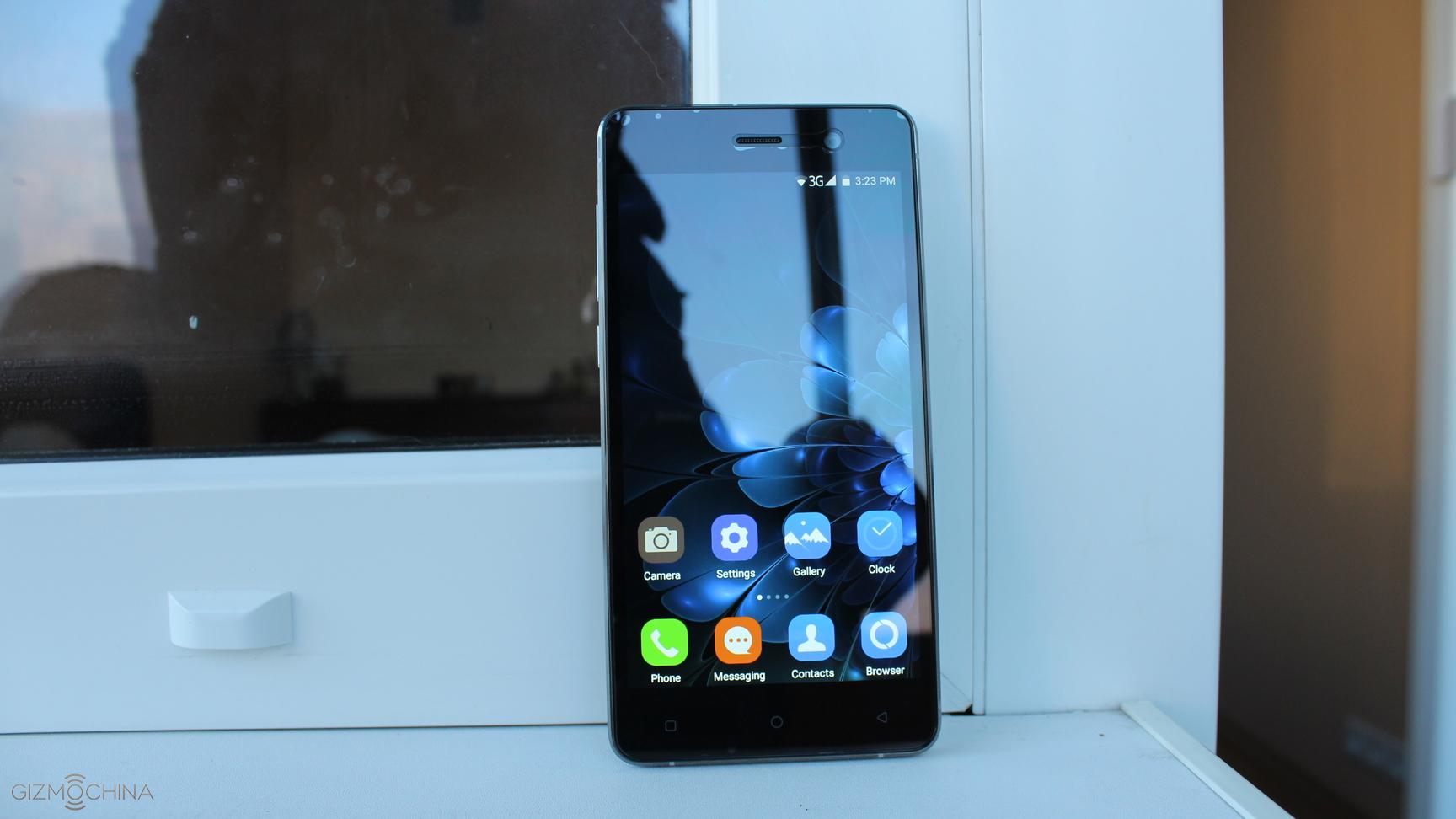
Also, the phone is quite compact as it sports a 5” display, which is actually pretty good as it has a decent brightness output, natural looking colours and good viewing angles. However, the panel has just a 720p resolution.
Blackview Omega Pro has a 2MP shooter on the front top and usual capacitive buttons on the bottom, which, however, are not backlit.
On the glass back, which is a ridiculous fingerprint magnet, there is a 13MP camera.
The buttons are located on the left side. While I’m not a huge fan of the placement of them, at least they have a good tactile feedback.
The dual nano SIM card slot, where one card also doubles as an optional microSD card slot is located on the right.
A headset jack is on the top and the micro USB port is on the bottom.
Overall, the Blackview Omega Pro is a really well made device and the build quality is excellent. However, I didn’t like the placement of the buttons on the left side and you have to keep in mind that the glass back is a fingerprint magnet.
Blackview Omega Pro Review: UI
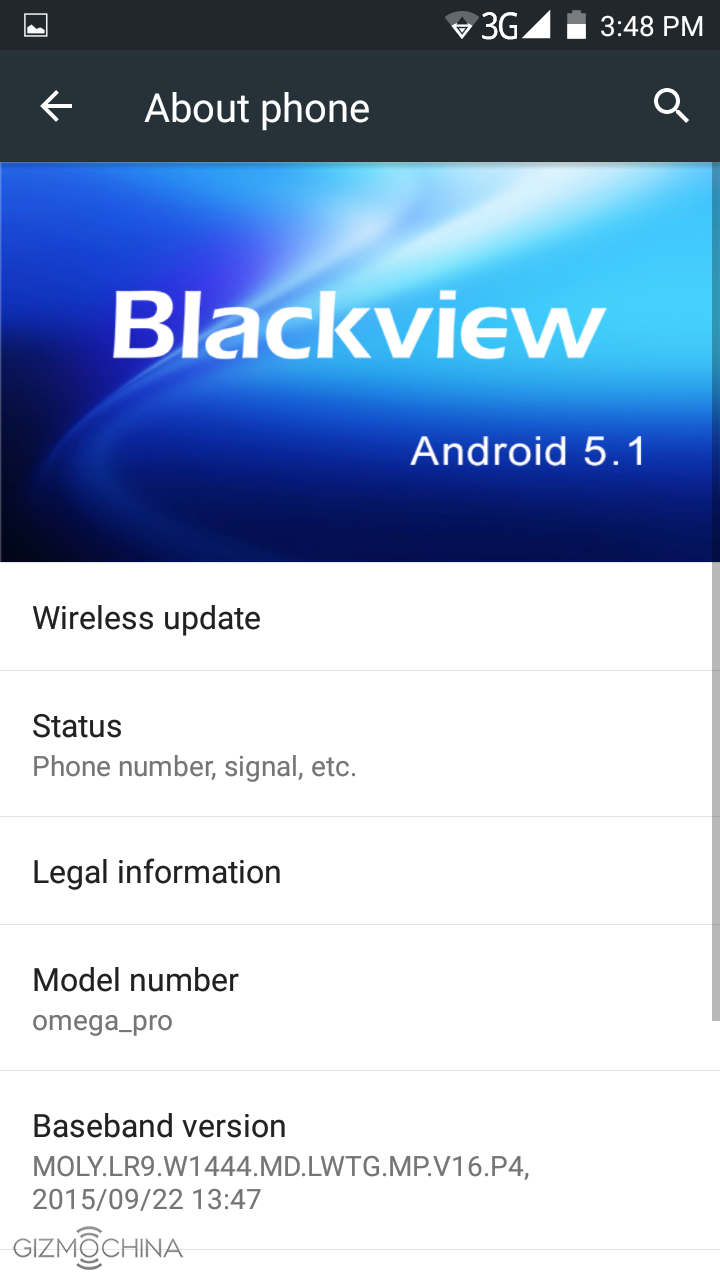
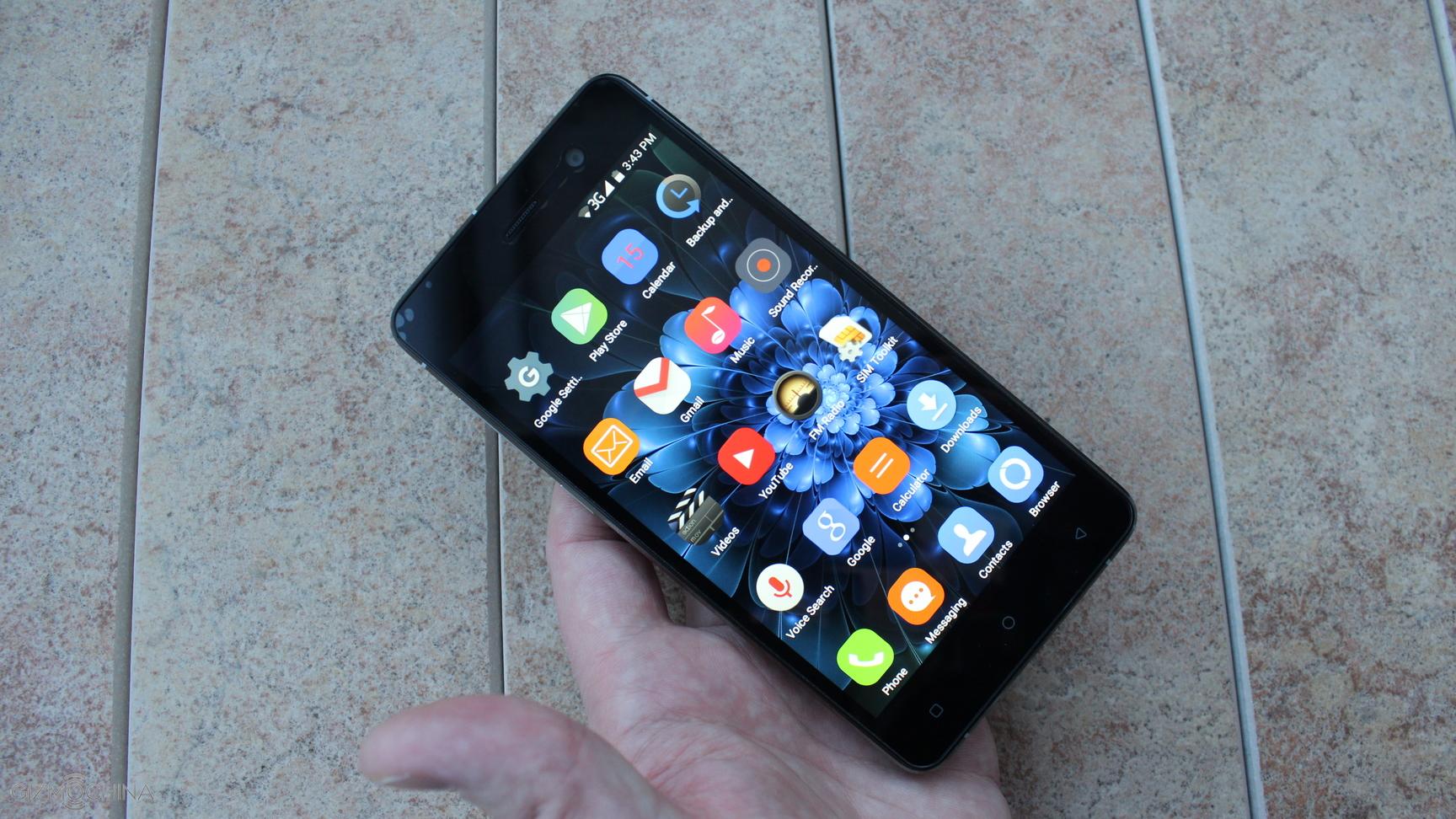
Blackview Omega Pro runs on Android 5.1 with Blackview’s skin on top of it. Basically, you are getting a stock Android but the company removed the app tray, redesigned some icons and added a bit of extra features.
1 of 3
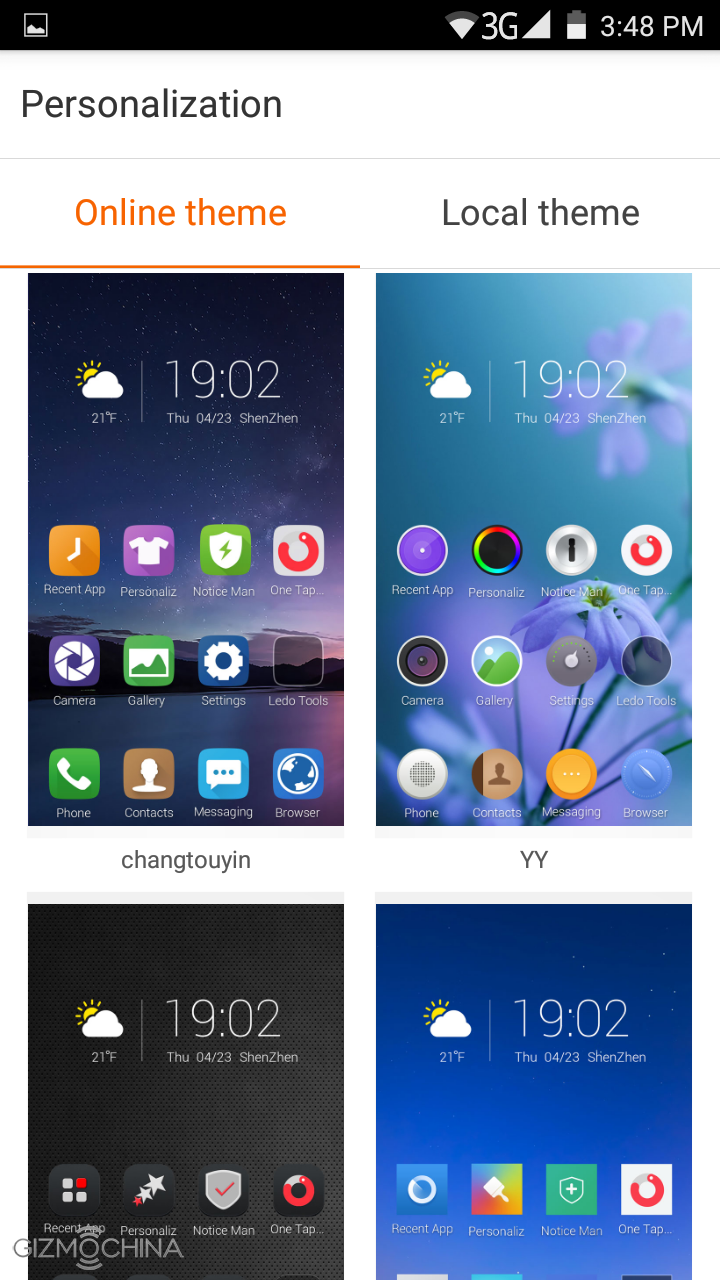
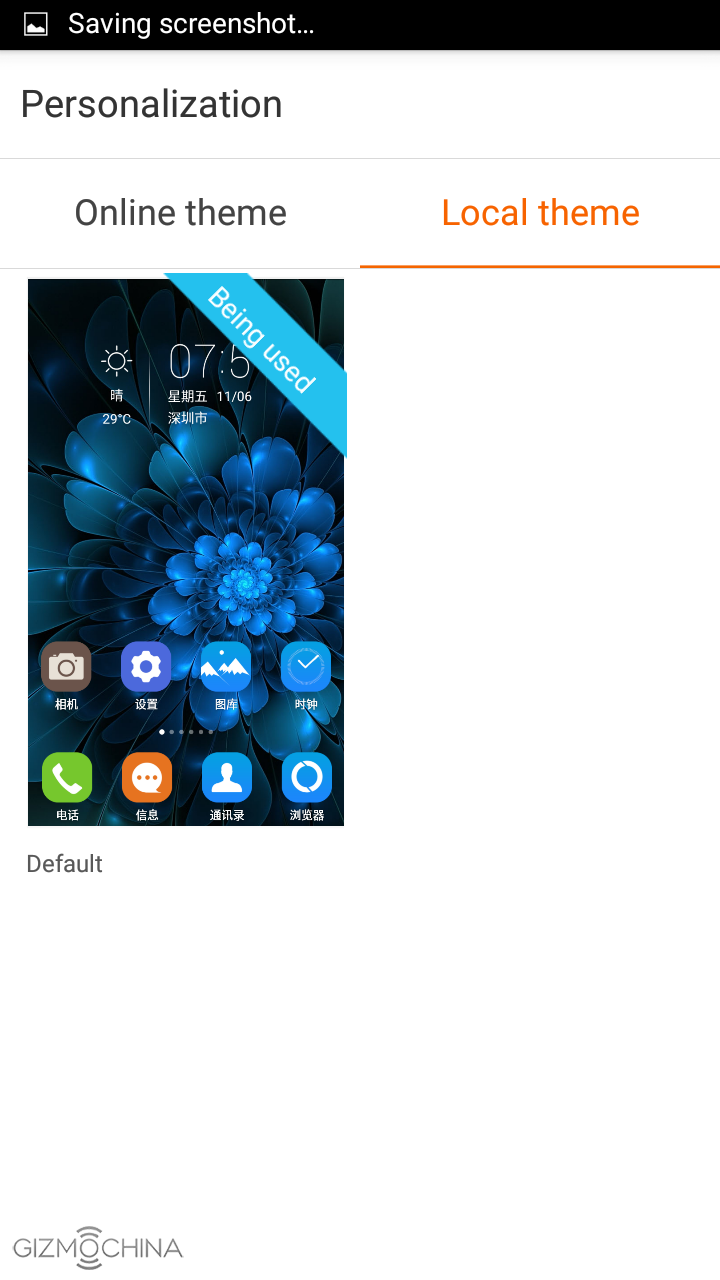
For example, you can customise the phone with the themes, wallpapers and so on.
1 of 2
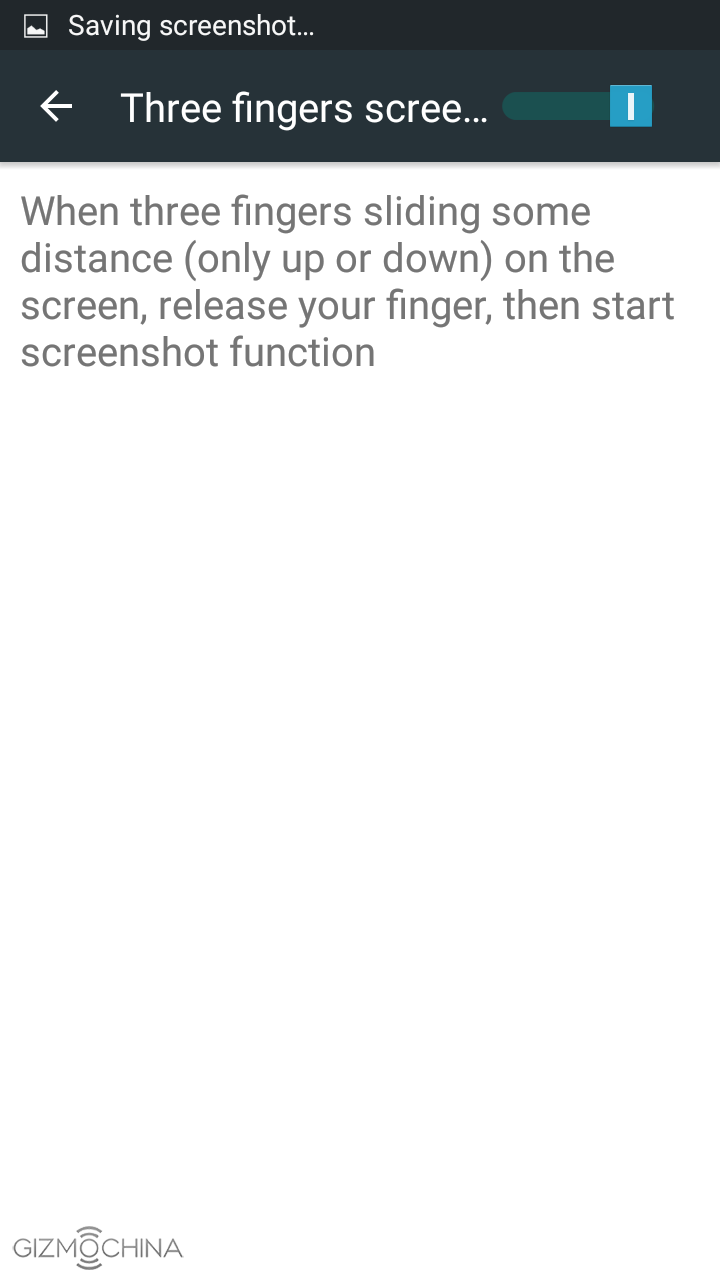
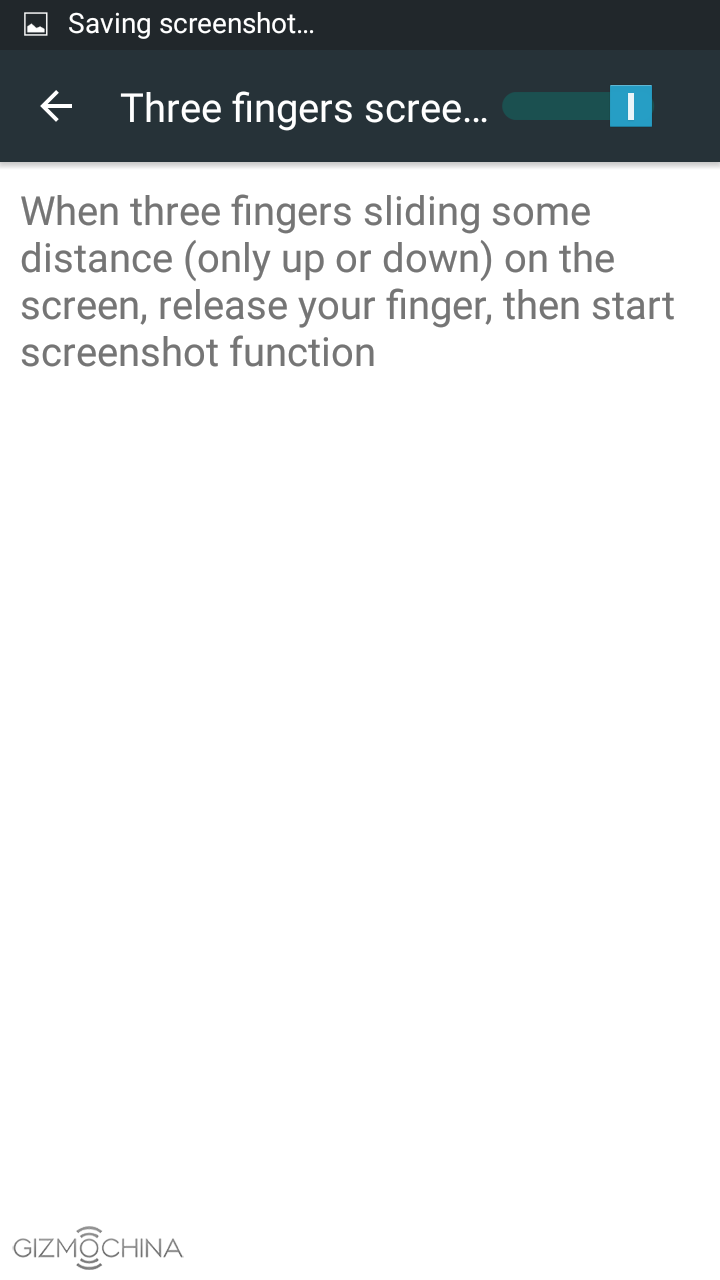
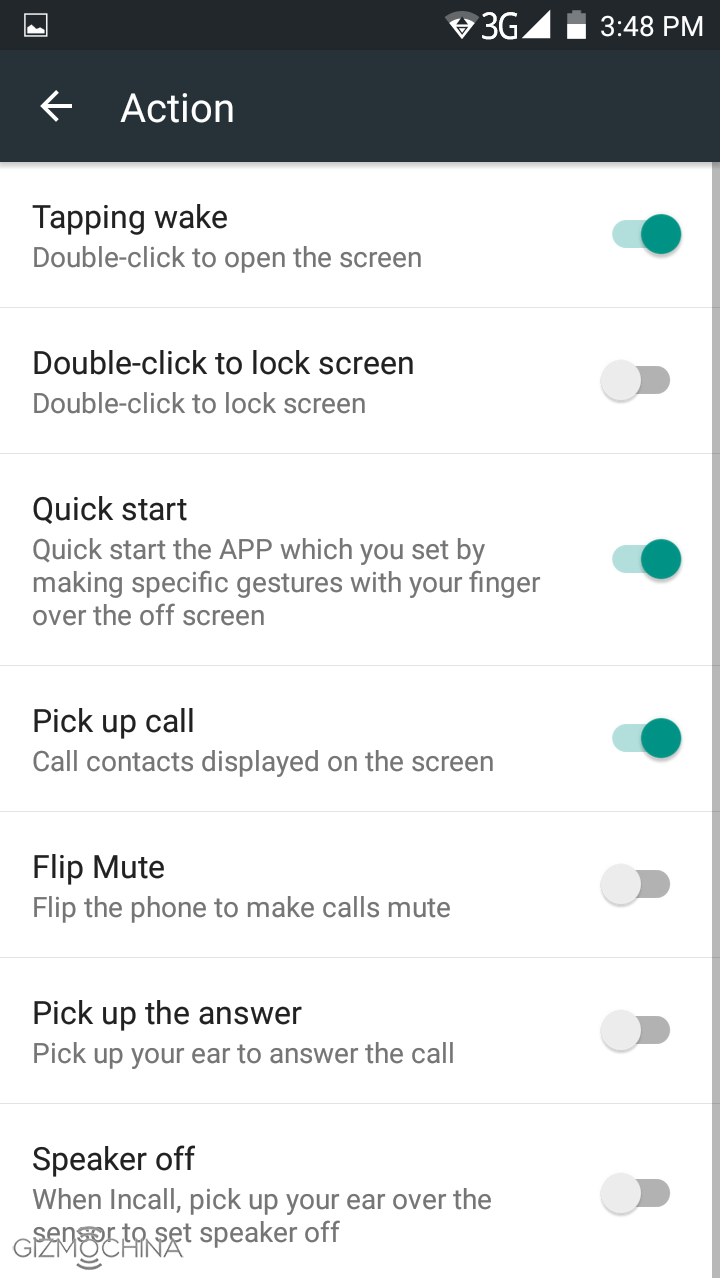
Also, there are some gesture controls, which work great but they are not the fastest to respond.
All in all, the UI is running smoothly even with lots of apps installed and running in the background. Also, a little bit of extra functionality is always great. However, the lack of the app tray may make you want to install a third-party launcher unless you love seeing your apps on the home screens.
Blackview Omega Pro Review: HARDWARE and PERFORMANCE
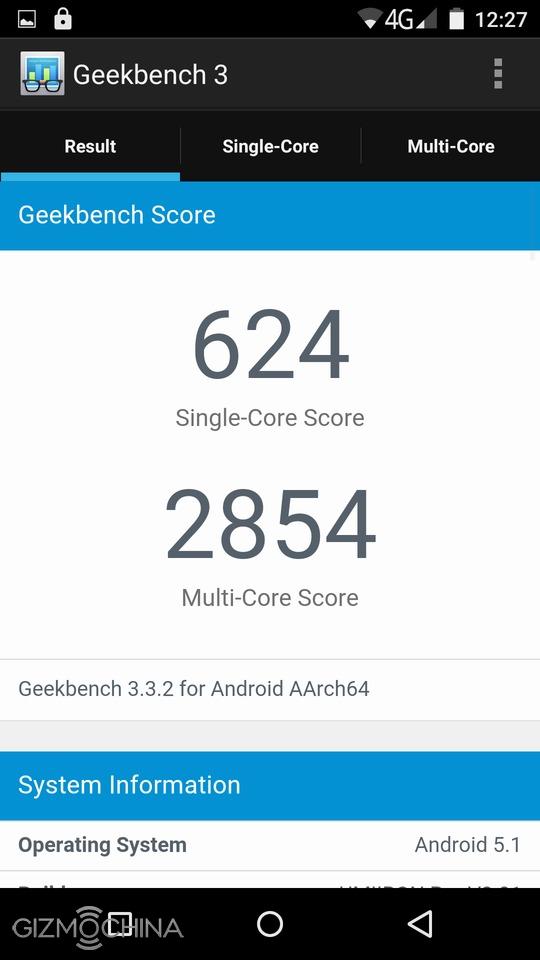
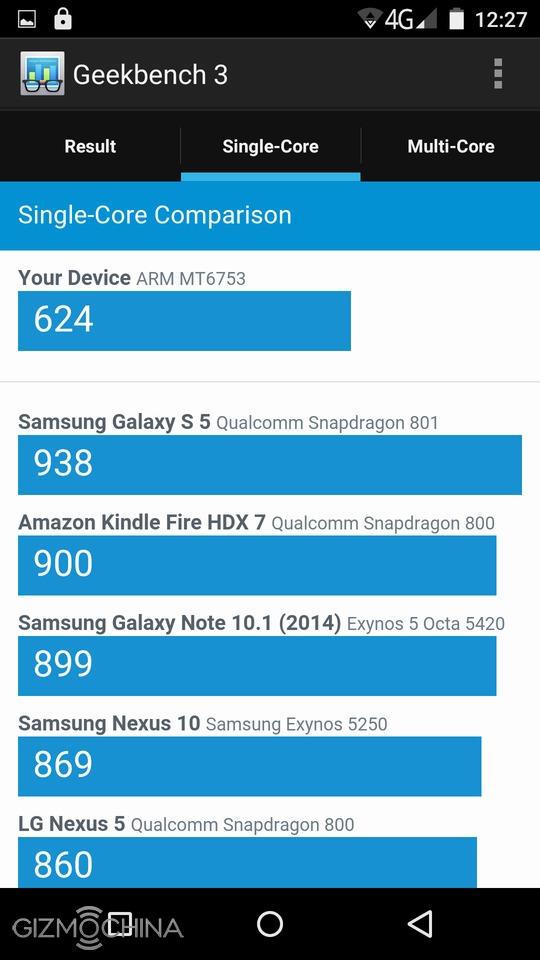
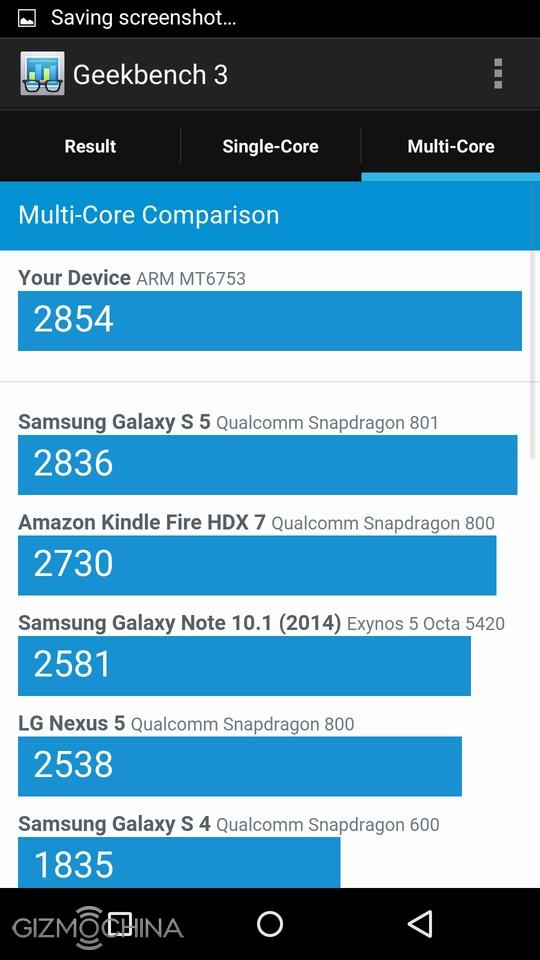
The Blackview Omega Pro has an octa-core MTK6753 chip with the clock speeds of 1.3GHz, 3GB of RAM and 16GB of expandable storage.
This hardware is definitely enough for daily tasks and it can also handle the 3D gaming quite well.
There were no major lags while playing Asphalt 8 even on the highest graphics setting. Well, you may see some skipped frames but they will be just minor.
Blackview Omega Pro Review: MULTIMEDIA
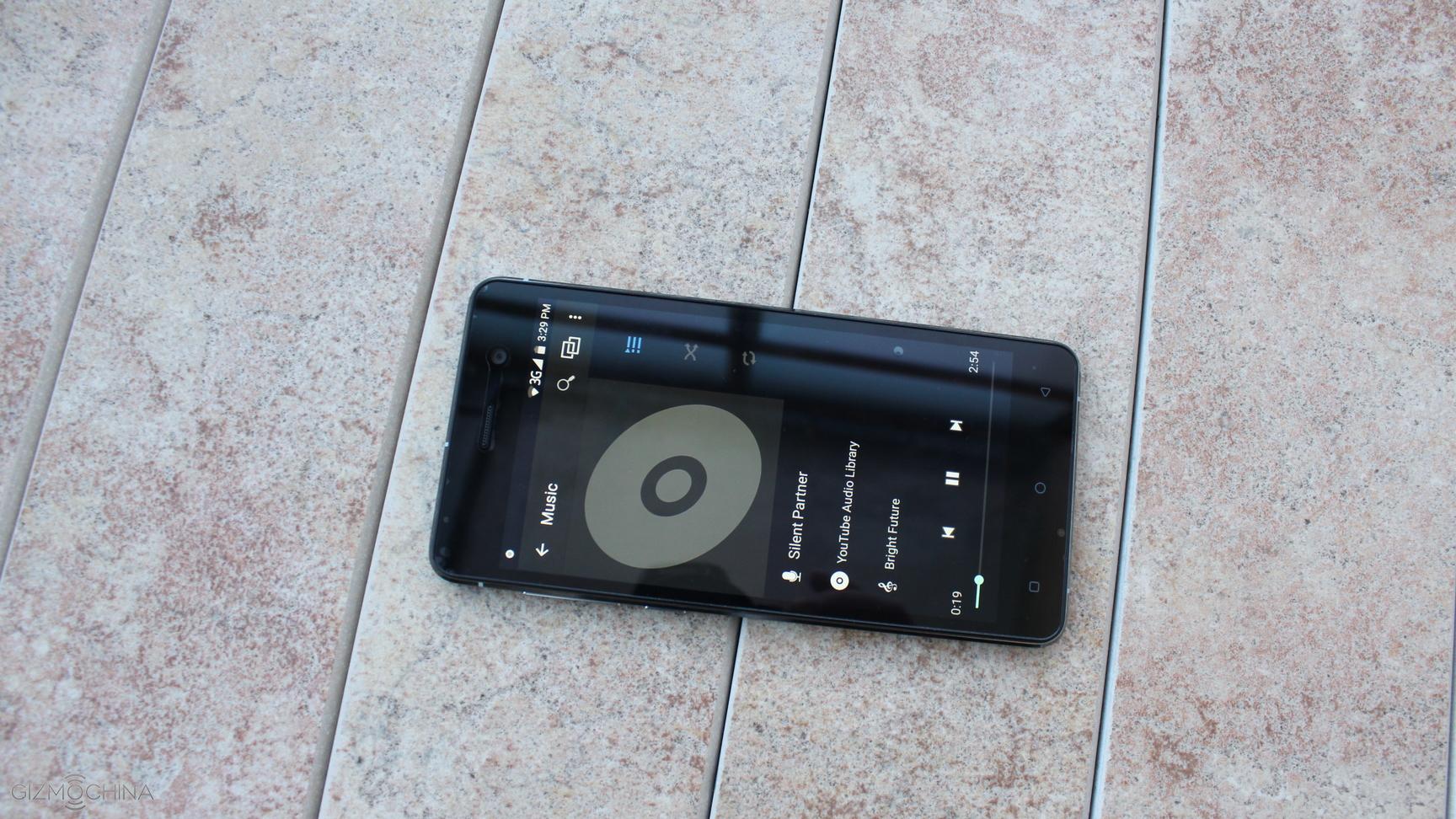
When it comes to multimedia, the video playback is nice and smooth. However, I was kind of disappointed with the loudspeaker. While it is not the worst I’ve heard, it is really quite.
Blackview Omega Pro Review: CAMERA
The images that are captured by the rear camera of the phone are not always impressive. While you can take some okay looking daylight images, you will also get a lot of shots with uneven focus and not very impressive amount of details.
Decent indoor and low-light shots are possible but naturally they have more noise and less details.
Blackview Omega Pro Review: CONNECTIVITY
I didn’t have any complaints about the connectivity options. Wifi is working well, Bluetooth is good, GPS is pretty accurate and the call quality is decent.
Blackview Omega Pro Review: BATTERY LIFE
The built-in 2200mAh battery does not sound very impressive on paper and it has an average performance in real life. It will get you through the day as I could get around 3.5h of screen-on time and my usage involved browsing the web, Facebook, a little bit of gaming and taking some pictures.
Blackview Omega Pro Review: CONCLUSIONS
Blackview Omega Pro is a nice looking and well crafted device that costs just below $150 and we need to answer if it is worth the price.
Besides the great design, it has a decent screen, fast UI and pretty good gaming performance.
However, while the camera is not bad, it could be more consistent as some of the shots may have uneven focus or less amount of details.
Other disadvantages would be a quiet loudspeaker and just average battery life.
All in all, Blackview Omega Pro is still worth the price but it does not mean you shouldn’t check out what the competition has to offer in this price category.
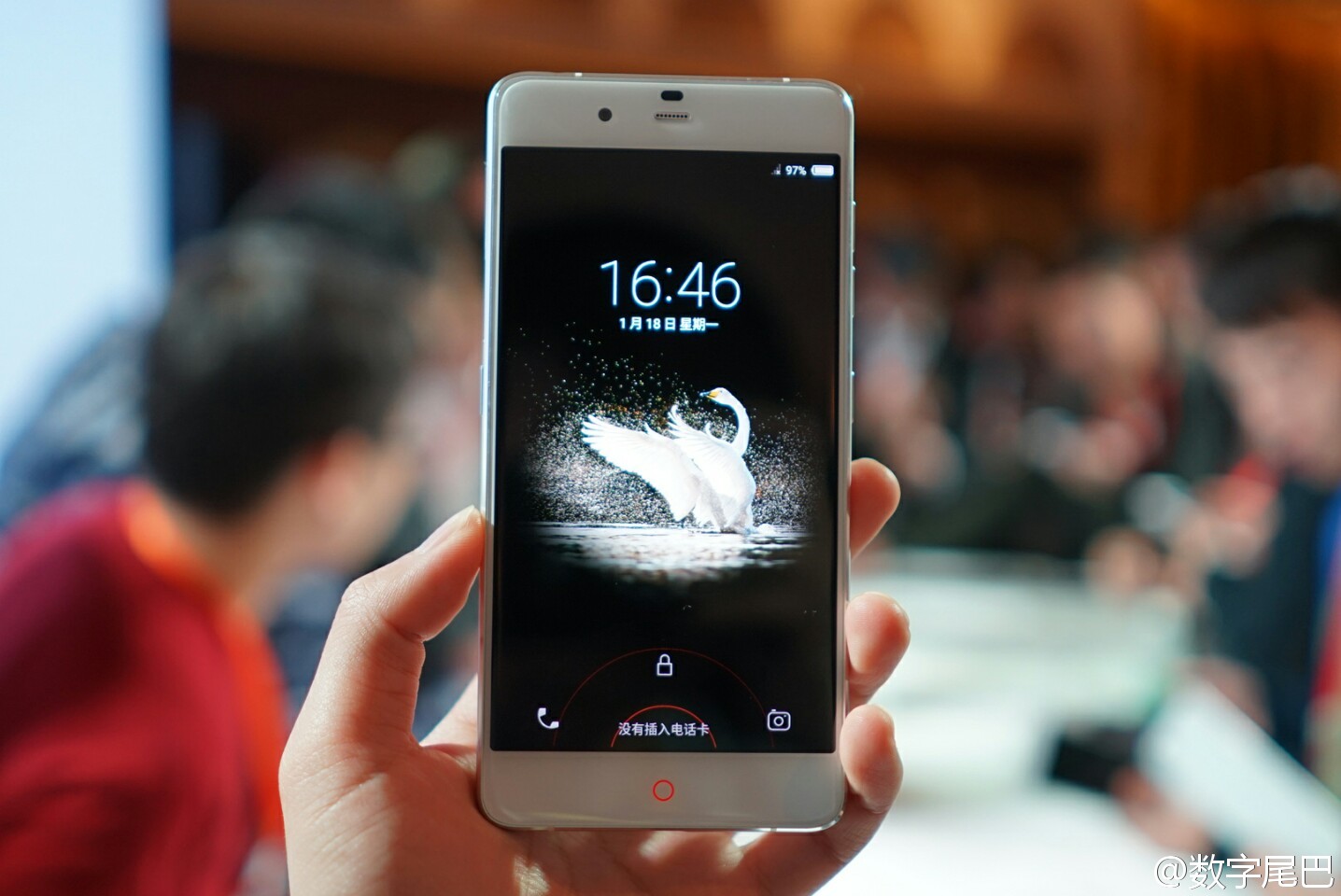
Recently, Nubia revealed via its Weibo page that it was going to announce a new model in the company’s aesthetic Prague series, called as the Nubia Prague S. Like promised, the company has taken the wraps off the device a couple of hours ago in China. The device starts at a price tag of 2399 Yuan ($364), which tells us that the company is targeting the upper mid-range segment with this device.
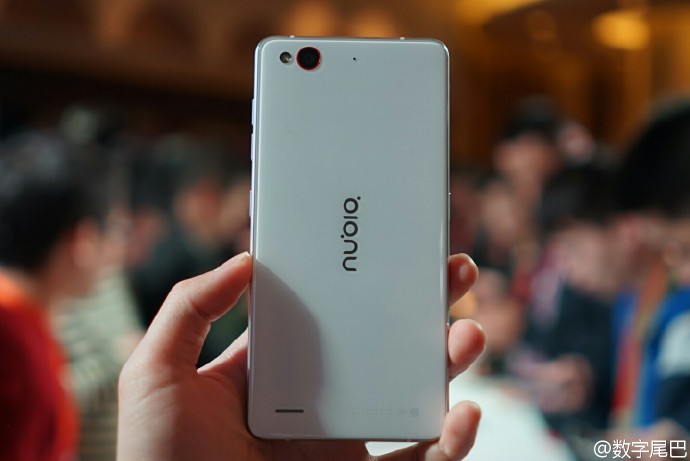
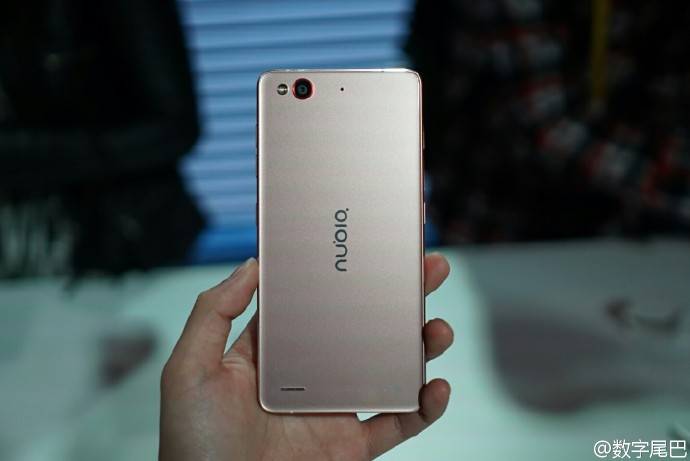
Like the beautiful My Prague model launched last year, the company has paid special attention on the overall design of the new Prague S. The phone is thin and comes with 2.5D glass on both the sides, along with a metal frame. So, the overall design of the phone looks quite attractive. Plus, you get two color options to choose from, namely white and gold.
As for the hardware specs, the Prague S model comes with the mid-range Snapdragon 615 chipset under the hood. Unfortunately, this is not a chip that we expected to be inside a $364 smartphone, but then if you are not a power user, the chip should suffice just fine. However, in the memory department, the company does not disappoint. You can choose between two storage options, 3GB + 64GB or 4GB + 64GB. It’s good to see that both versions feature large 64GB internal storage. As for the display, you get a compact 5.2-inch FHD 1920 x 1080 pixel resolution Super AMOLED display.
Nubia smartphones are known for their cameras, and this particular device does not disappoint, at least in terms of specs. The Prague S comes with a 13MP Samsung ISOCELL sensor with 5P Lens and fast 0.2s focus. Further, you have the company’s popular NeoVision 5.2 software which will enhance the camera experience on the device. Up front, you have a powerful 8MP selfie camera with special features such as manual whitening, face lift etc. Further, the dedicated camera button on the left will make sure that your selfies come out perfect.
As for the connectivity features, you have the usual stuff like Wi-Fi, Bluetooth, along with Hi-Fi audio. The battery is decent, with a capacity of 2200mAh. It helps that the phone supports fast charge. The company claims that 10 minutes of charging will give you 25% of charge.
Other highlighted features of the device include support for the company’s FiT touch technology (Frame interactive tech), which was found initially on the Nubia Z9 and Eye recognition. So, no fingerprint sensor on board. The phone supports dual SIM dual standby with 4G LTE.
Considering its 2.5D glass body and the specs, we might think that the OnePlus X turns out to be a good competitor for the device. So, for the addition of Eye Recognition, Hi-Fi and some other features, do you think the Prague S is worth paying $364?
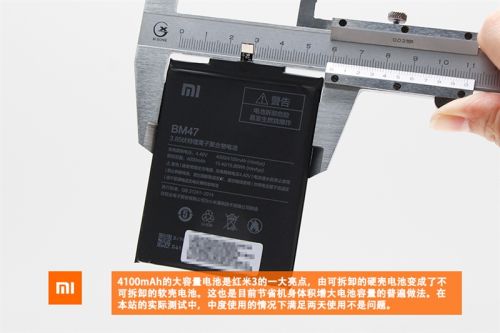
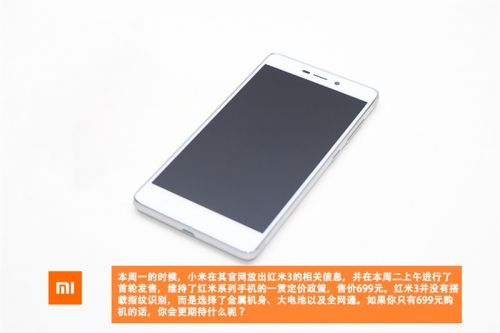
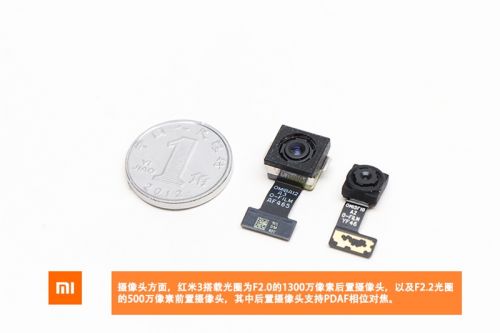
A week back, Xiaomi announced the Redmi 3 budget smartphone, which turned out one of the best low-cost devices we have seen till date. The phone came with a 5-inch 720p display and a large 4100mAh battery which meant that you could use the device for days without having to charge it. Moreover, such a large battery was put inside a relatively compact 8.5mm thin body, which once again was quite impressive. Other specs of the device like 2GB RAM, 16GB storage, 13MP rear camera with PDAF, 5MP front shooter and an all metal body are all best in its class. And you get all this for just $105!
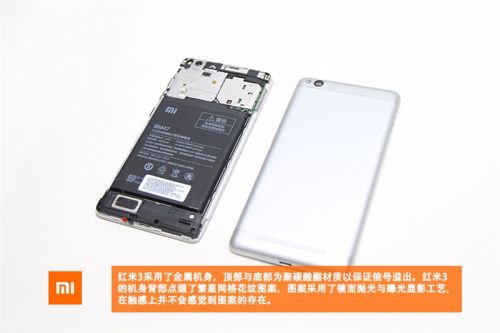
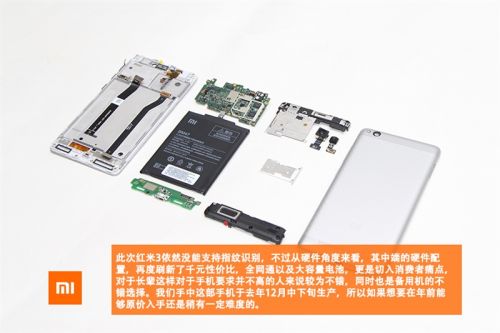
Given that the company managed to keep the thickness of the body limited to 8.5mm, we had to see how the company stuffed all the components inside the device. So, below is a teardown of the Xiaomi Redmi 3 smartphone.
Some of the key highlights of the Redmi 3 teardown are as follows:
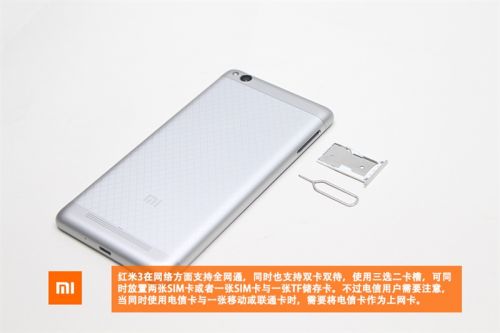
Redmi 3 comes with a metal body with a plaid design on the back shell.
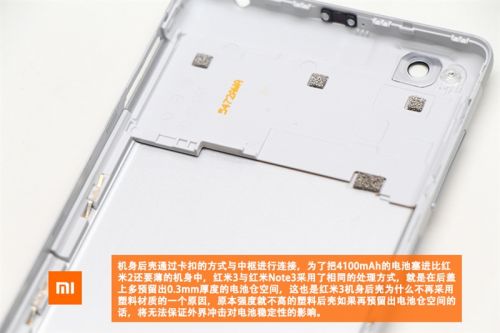
The back cover is extremely thin, measuring just 0.3mm. This is probably why Xiaomi decided to use metal body instead of plastic as the latter won’t be strong if it’s so thin.
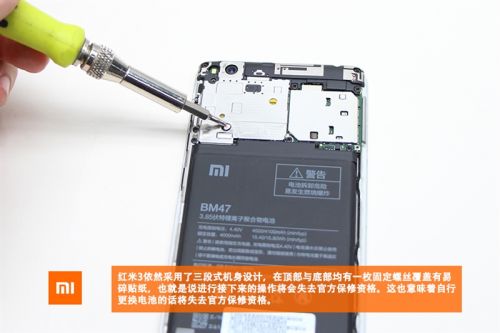
The unboxing revealed that in case you ever plan to replace the 4100mAh battery inside the Redmi 3, you will void the official warranty.
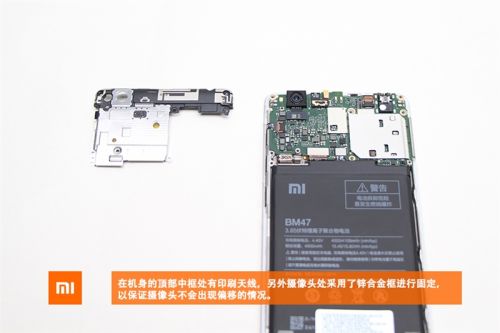
The camera is protected by a sturdy Zinc Alloy frame.
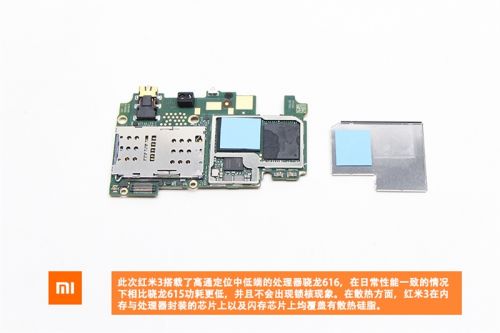
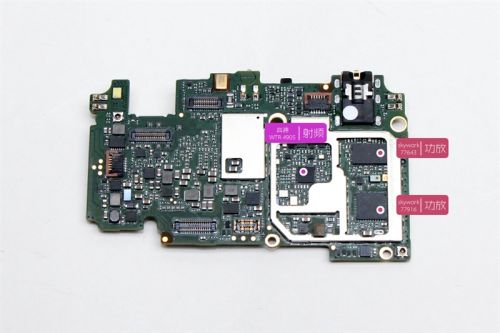
Xiaomi has applied a reasonable amount of thermal paste on top of the chipset and flash memory chips in order to avoid overheating issues.
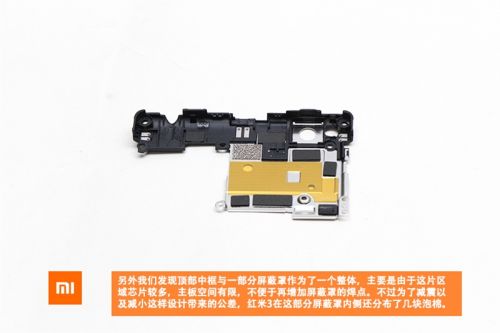
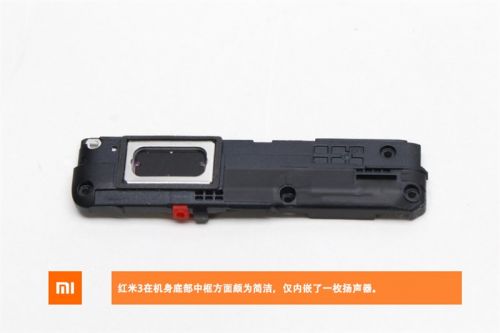
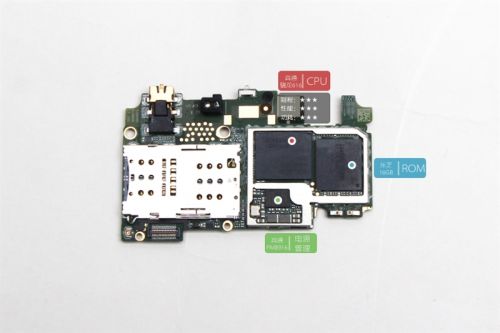
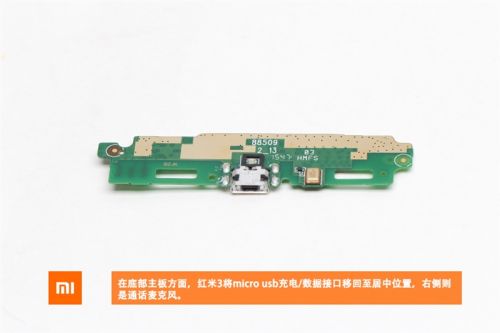
You can check out all the Redmi 3 teardown pictures of the device from down below.
Xiaomi Mi 5 is confirmed to release next month, soon after China’s Spring Festival. We also recently came to know that Foxconn has speeded up the production of the Mi 5 handsets, in order to stock up before the release in February. This also means that leaks and benchmarks about the device will increase in the coming days.
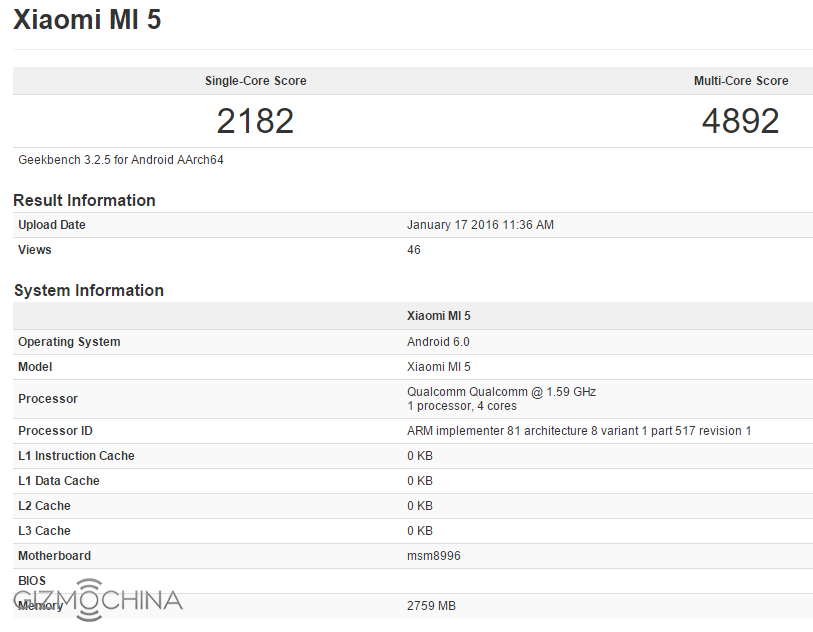
Mi 5 On Geekbench – 17 Jan 2016
Now, Xiaomi Mi 5 has been spotted on the benchmarking website, Geekbench, yet again, sporting similar configuration as before. So, the phone comes with 3GB of RAM with Snapdragon 820 chipset inside. The processor was already confirmed by one of the co-founders of the company earlier this month, so no surprises here.
[OLD] Mi 5 On Geekbench – 24 DEC 2015As for the scores, they are similar to what we have seen in the past. This is the version that comes with Snapdragon 820 clocked at 1.59GHz, instead of 1.36GHz as seen last month. So, the scores are a bit higher than before. The device managed to score 2182 in the single-core test and 4892 in the multi-core test. While anything above 2000 points in the single-core test is considered impressive, with just four cores on board, the multi-core score is not at par with rivals such as the Exynos 8890 and the Helio X20. These rival chipsets have scores more than 6500 points in the same test.
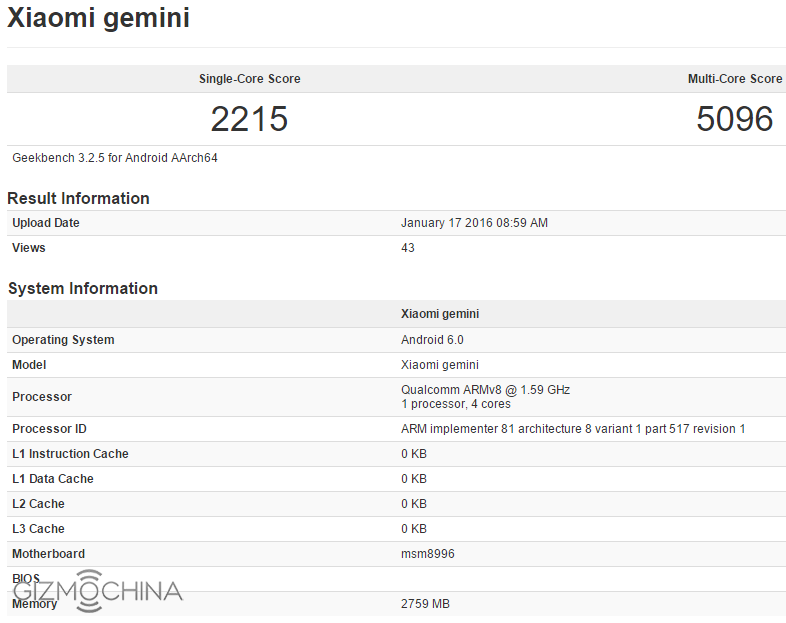
Xiaomi Gemini on Geekbench – 17 Jan 2016
Along with the device named Xiaomi Mi 5, another Xiaomi device was also spotted on Geekbench yesterday. It was the same Xiaomi Gemini handset, sporting similar configuration as the Mi 5, but with slightly better scores. the Gemini handset scored, 2215 in the single-core and 5096 in the multi-core test.
With just 3GB of RAM on board, the Xiaomi Mi 5 that we spotted today seems to be the low-end variant of the flagship model. The higher-end model with 4GB of RAM is expected to post better scores.
According to recent rumors, the Mi 5 will come in two variants. The low-end variant will feature 2.5D glass body on both the sides with a metal frame and a 5-inch 1080p display while the high-end version will come with an all metal body and a 5-inch 2K display.
After a couple of teasers, Elephone has officially unveiled the Elephone W2 smartwatch. The company announced the wearable today at an event, alongside the launch of its bezelless Elephone P9000 Edge and two other smartphones in the P9000 series. Apart from these four devices, the company also showed off the Elephone M2 mid-range smartphone. But more about that later. First, let’s take a look at the Elephone W2 smartwatch.
Elephone W2 Smartwatch
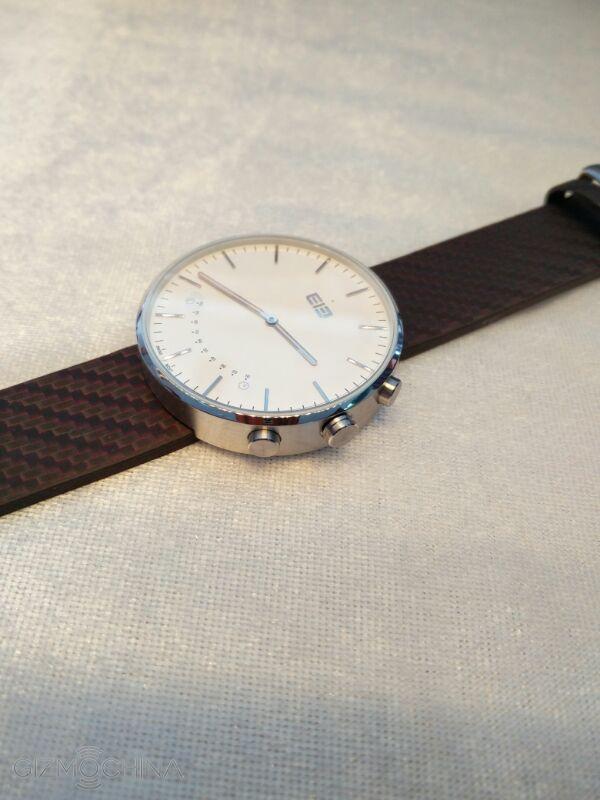
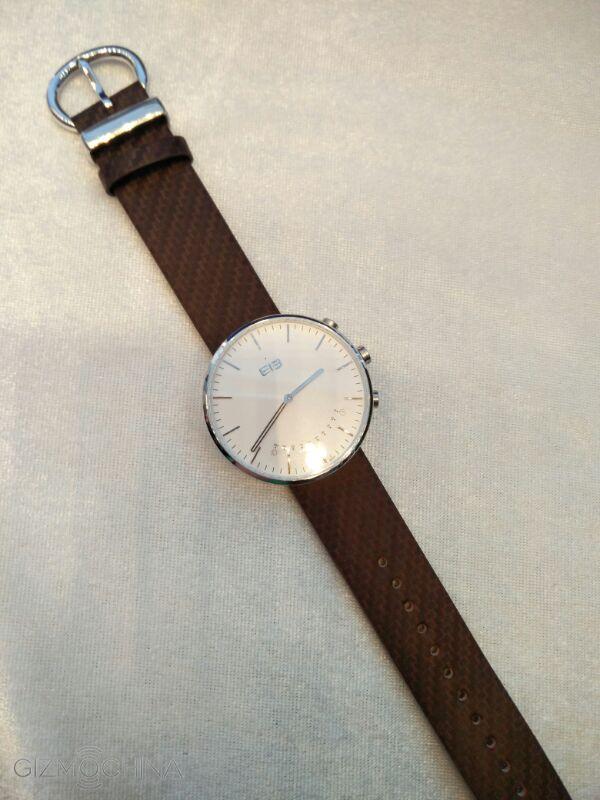
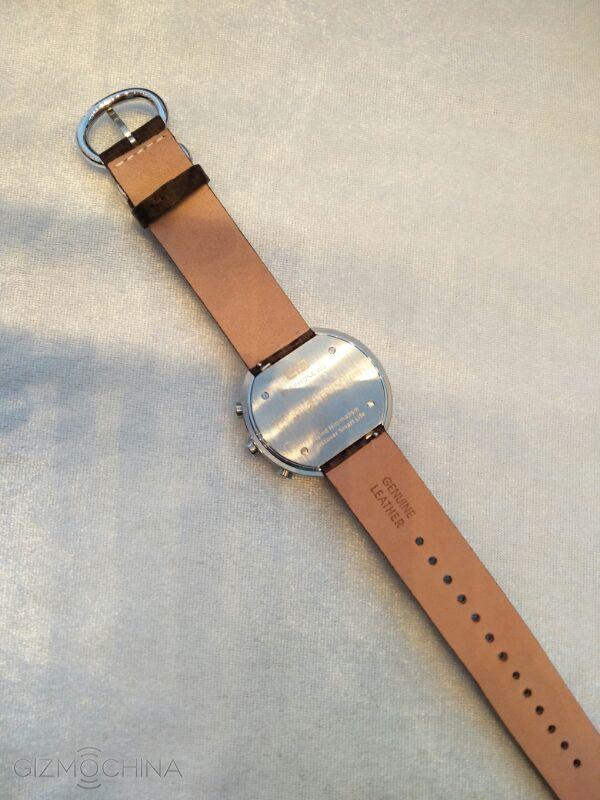
This wearable is unlike the usual smartwatches that you have seen in the market. The first major difference is the lack of a display up front. So, the W2 is like a traditional watch with some smart features. It’s a round watch with traditional dials and numbers and three physical buttons on the right.
The Elephone W2 comes with the Swiss Ronda Movement 762. The overall thickness of the watch is about 10.30mm and you get two color options for the case, namely Rose Gold and Steel Silver. However, it looks like there are a bunch of other color options available for the leather strap. Powering the watch will be a 210mAh battery, and without a display, the battery life should be quite decent. However, the company is yet to reveal an official battery life figure for the device. The watch is waterproof as well.
As for its smart functions, you will find a pedometer, sleep monitor, call reminder, alarm reminder and even remote picture feature on the device. Unfortunately, this is all we have on the Elephone W2 at the moment. However, we expect more details like pricing, and availability pretty soon.
Elephone M2
Apart from the new smartwatch and the P9000 series smartphones, Elephone also showed off its Elephone M2 smartphone at the event today.
The phone features mid-range specs like MT6753 octa-core chipset, 3GB RAM, 32GB of internal storage, 5.5-inch FHD 1080p display and a 2600mAh battery. At the back, you will find a 13MP Sony IMX214 camera while, up front, there is a 5MP shooter.
The company has added a fingerprint sensor as well, on the home button which sits right below the display. You can even unlock the device when the screen is off by double tapping on the display.
Along with the P9000 Edge, the company announced two more devices in the P9000 series with toned down specs, namely the Elephone P9000 and the P9000 Lite. However, both the phones still feature powerful hardware.
ELEPHONE P9000
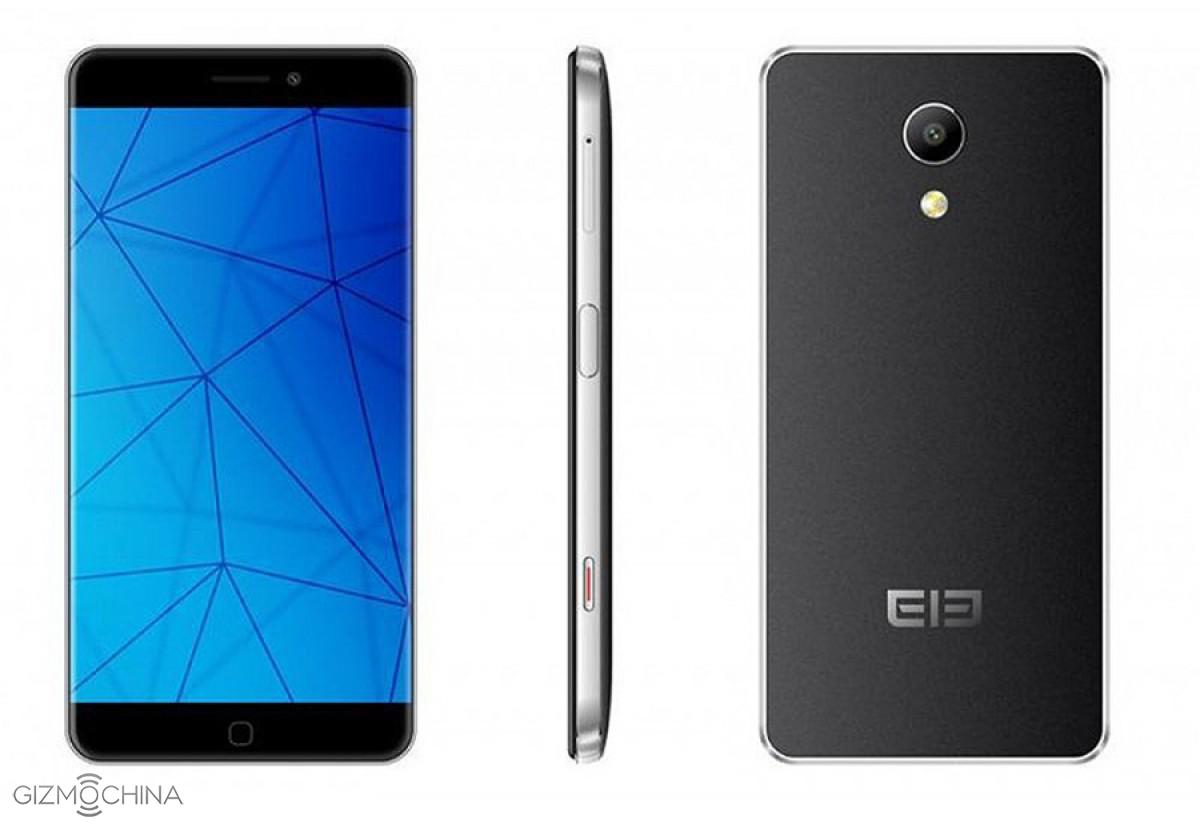
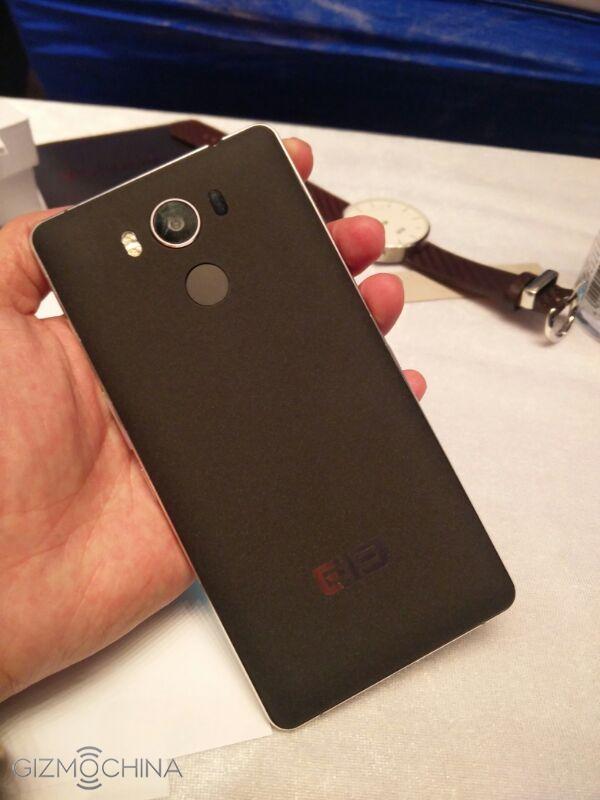
Looks wise, the phone is pretty well built, with super thin bezels and an overall thin body. The phone features 1.6mm thin bezels which is pretty impressive, taking the screen to body ratio to 82%. The overall body is made out of good quality plastic with a matte finish at the back. A metal frame goes around the body. Unlike the Edge model, the fingerprint sensor is located at the back of the device, below the camera sensor.
Inside, it comes with the same MT6755 Helio P10 octa-core processor with 4GB RAM. But the storage is reduced to 32GB, which is still quite generous. You have a 5.5-inch display up front with 1920 x 1080p pixel resolution. With thin bezels, the display of the phone looks quite vibrant. The overall thickness of the body is 8mm.
At the back, you get a 13MP camera (as opposed to 21MP on the Edge variant) but you have the same Laser Autofocus present on the device. Up front, you get an 8MP shooter. The battery remains the same as the Edge, i.e. 3000mAh with support for 9V 2.5A Quick Charge, which can charge the phone to 100% in just 70 minutes. For software, you get the latest Android 6.0 version with the company’s customized UI on top.
Like the Elephone P9000 Edge, this version also comes with a number of connectivity features such as NFC, Wireless Charging, and USB Type-C apart from the standard options like Wi-Fi and Bluetooth. It comes with dual SIM dual standby with 4G LTE support. The bands supported are as follows: FDD-LTE: Band 1/3/7/20 (800/1800/2100/2600MHz).
The company will announce the pricing of the Elephone P9000 on Monday and it will be available by the end of the month. But according to the company’s official store, the P9000 is listed as out of stock for $329.99 $269.99 (updated). So, this could be the official price tag of the device.
ELEPHONE P9000 Lite
Along with the flagship P9000, the company also announced the Elephone P9000 Lite version which will retail for a cheaper price tag. The phone also comes with Helio P10 octa-core chip with 4GB RAM and 32GB ROM, but there are a few areas, where the company has sacrificed in terms of features.
For example, the camera at the back is still 13MP but with an OV3850 sensor and the front camera downgrades to 5MP. Also, you don’t have the usual connectivity features of the P9000 like Wireless Charging, Fingerprint Sensor, or NFC. But the phone has the USB Type-C port and comes with the latest Android 6.0 build with the company’s skin on top.
Pricing and availability details are unknown at the moment, but more details coming soon.
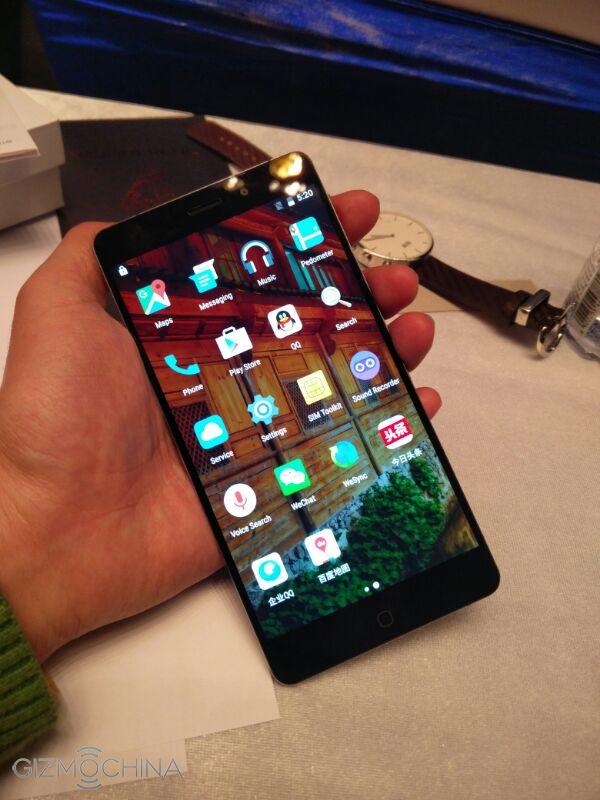
Elephone has been teasing its Elephone P9000 smartphone for quite some time. And today, the company has officially taken the wraps of the flagship Elephone P9000 Edge and the P9000. Both are top-end flagships featuring great specs and design. We were present at the Elephone event and here are all the details about the bezelless Elephone P9000 Edge.
The Elephone P9000 Edge comes with a bezelless display and is the best smartphone that the company has unveiled till date, featuring very powerful specifications.
First of all, the phone looks pretty good, with its gently curved edges and a metal frame the goes around the body. The back is plastic with a matte finish.
As for the specs, the phone comes with the MT6755 octa-core Helio P10 processor with 4GB of RAM and 64GB of internal storage. The 5.5-inch display up front will be bezelless which really makes the device stand out from the crowd. You have a fingerprint sensor as well, and its located on the right side of the device.
As for the camera, the Elephone P9000 Edge comes with a powerful 21MP Sony IMX230 sensor and Laser AutoFocus at the back and an 8MP shooter up front. You will find a decent 3000mAh battery inside. It is said that the phone will charge from 0% to 100% in just 70 minutes, thanks to Quick Charge tech at 9V 2.5A.
The P9000 Edge comes with the latest Android 6.0 Marshmallow OS out of the box, with Elephone’s own customized skin on top. The phone also supports a number of new age connectivity features such as NFC, Wireless Charging, and USB Type-C port.
Elephone P9000 Edge will be available sometime in the coming months. Pricing is yet to be announced.
As for the P9000 and the Elephone W2 smartwatch, we will cover their releases in the next couple of articles. So, stay tuned.
Just yesterday, Xiaomi announced a new version of the Xiaomi Redmi Note 3 smartphone that comes with Snapdragon 650 inside. In case you don’t know, this is the new Snapdragon 618 chipset that was recently rebranded as the 650. However, it’s a relatively new chip which means we don’t have much idea about how it performs in real life as compared to its competition like Helio X10 or even Snapdragon 808.
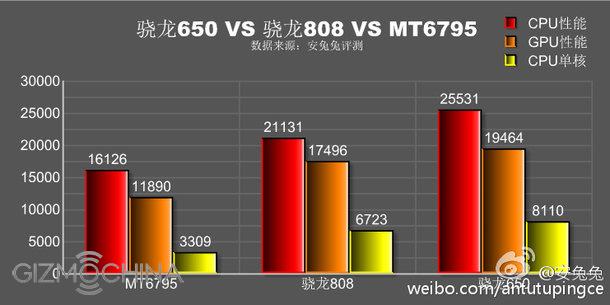
But, when it comes to the benchmark scores, the Snapdragon 650 clearly shows its superiority amongst its rivals. So, today, let’s take a close look at how the chip stands as compared to competitors i.e. Snapdragon 650 vs Helio X10 vs Snapdragon 808. In this comparison, we will take a look only at the AnTuTu scores, because that’s readily available at the moment. This is not an extensive comparison, rather it focuses on just the benchmark scores.
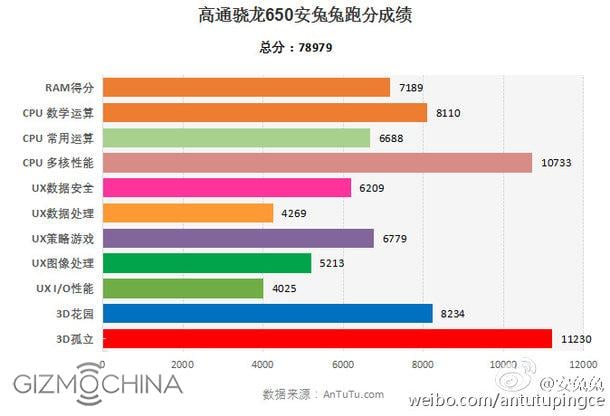
Firs of all, let’s take a look at the Snapdragon 650’s benchmark scores.
These scores are pretty good considering that the chip managed 78979 on AnTuTu! That used to be flagship level benchmark score on the app, which really shows how much power lies in the chip. The 2 x Cortex A72 cores + 4 x Cortex A53 cores make the chipset powerful as well as efficient. Moreover, Adreno 510 GPU makes sure that the chip’s graphics performance is going to be great.
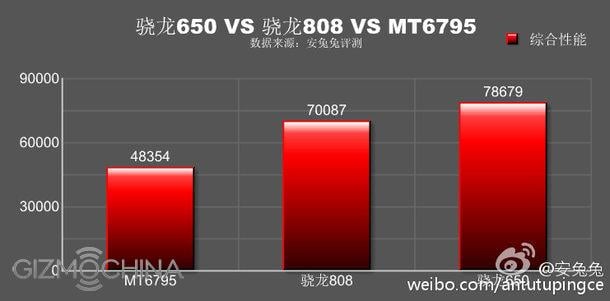
Now comparing the Snapdragon 650 vs Helio X10 chipsets, we can see that Qualcomm has done a good job, making it much more powerful than Mediatek’s Helio X10.
Helio X10 used to be the star of the budget segment, ever since it was featured in the first Redmi Note 3 model. Xiaomi was the first to launch this chip in a 1000 Yuan smartphone and soon, others followed. The chip is actually pretty good for the budget segment and it manages to score about 48000 on AnTuTu.
But when compared to the Snapdragon 650, its no match. As you can see in the image above, Snapdragon 650 not only blows Helio X10 out of the park but its even better than the mid-range Snapdragon 808. Now, considering that hexa-core Snapdragon 808 powers many good smartphones like the LG G4 and the Xiaomi Mi 4C, it’s really great to see that the new generation Snapdragon 650 scores even higher than this chip.
That being said, now digest the fact that this chip powers the entry-level Redmi Note 3 (new generation) and you will understand what level budget smartphones have reached today!
Now, let’s take things to another level. Let’s bring in last year’s best smartphone chipset to the comparison, namely the Exynos 7420. The chip scores around 80K-85K on AnTuTu, which means this chip isn’t too far behind. So, performance wise, at least on AnTutu, it’s too close to 7420 for a budget chipset.
So, it looks like the Snapdragon 650 inside the new Redmi Note 3 is really quite powerful for a $100 smartphone.
While it’s great to see such a chip inside a budget mid-ranger, there is one section of the population that’s really going be disappointed to hear this news — EXISTING REDMI NOTE 3 OWNERS. There are a lot of fans who bought the old Redmi Note 3 in the past couple of months and they won’t be happy for sure.
So what do you think about the new Snapdragon 650 chipset? Do you think upgrading a phone with better specs every few months is really good for the industry?
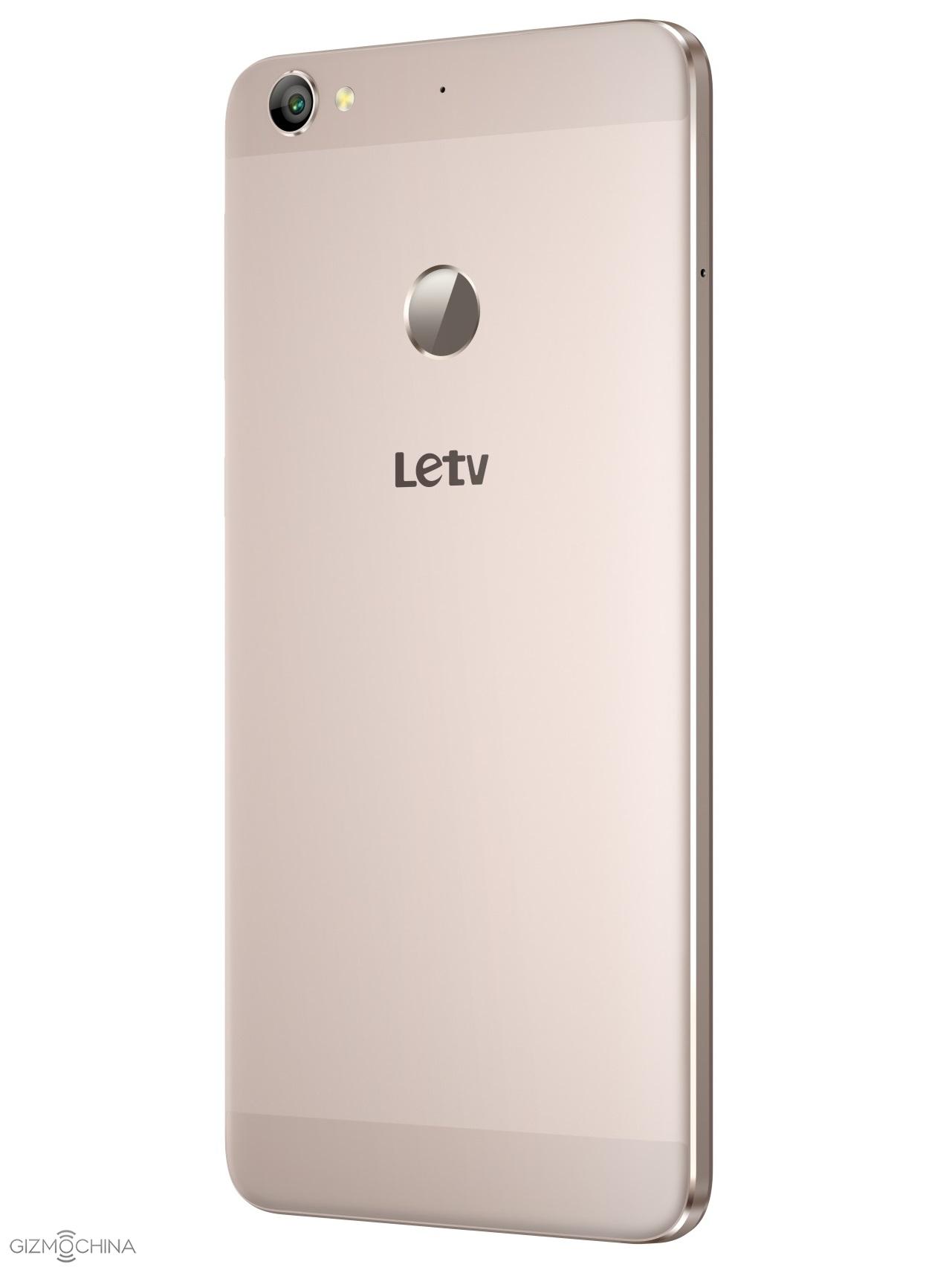
LeTV Senior VP Feng Xing has revealed an important sales milestone of the company. He announced via his Weibo account that LeTV has sold more than 3 million LeTV 1S units in more than two months after its release. For a company, that managed to sell about 4 million smartphones in all in 2015, this is actually a great achievement.
When the company had revealed the sales figure for the year 2015, we knew a majority of the units shipped would have been the budget LeTV 1S model. Now, looking at this 3 million figure, we are even more convinced that the LeTV 1S was actually the company’s best selling model. Feng Xing also praised Compal Electronics for helping them achieve this milestone. It was their production line that managed to churn out over 3 million units in a matter of two months.
For a well-established smartphone manufacturer, this figure is actually not that big. But for a company that started selling smartphone just seven to eight months back, reaching such a sales figure is commendable.
However, it also shows how much the company depends on the budget 1S for its sales. From what we can see, the rest of the models like the LeTV One, One Pro and One Max could only sell over a million units last year.
Moreover, LeTV had said that it is selling the 1S at a loss (ie. at $173 instead of the cost price of $206) which means for every unit sold, it would incur a loss of about $33. Given that the company sold over 3 million units till now, every day it could be making a loss close to a million. Let’s do the math here, the company could be selling more than 30,000 units a day (conservatively considering a 3 month period), which takes the loss to more than $990,000 a day!
It’s really interesting to see how the company is surviving with such loss!
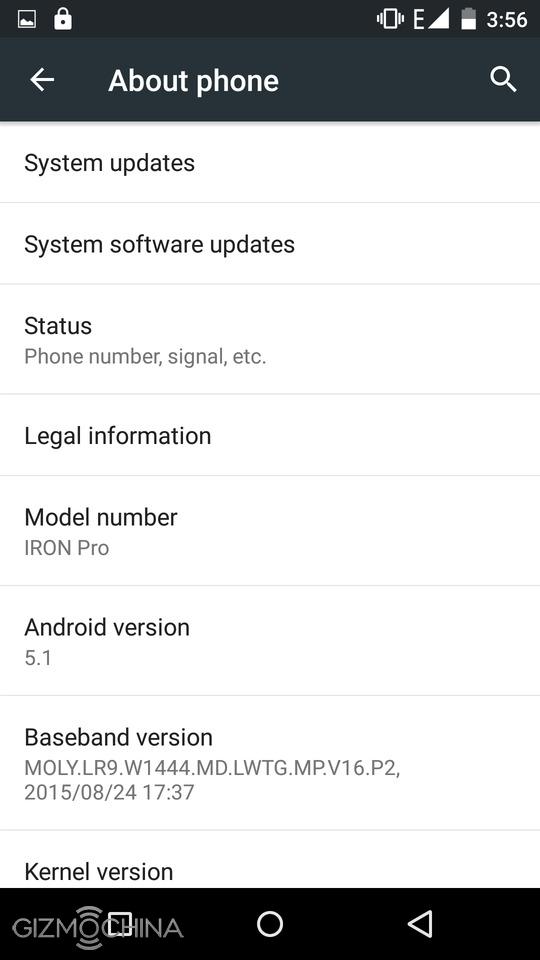
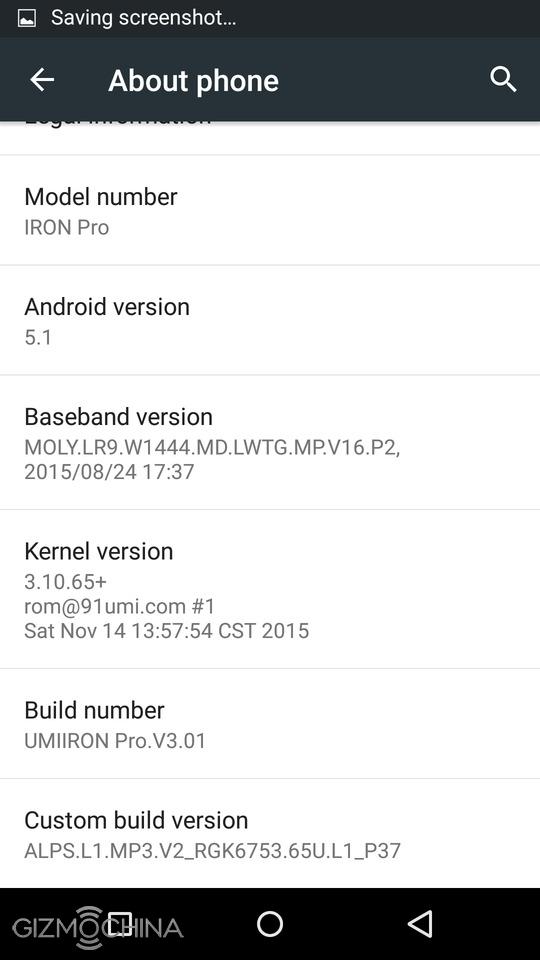
Back in the summer of 2015, we reviewed Umi Iron. It delivered in some aspects while it fell short in others. This time around we have the Umi Iron Pro, the upgraded model. Find out more if it is any good in our full review.
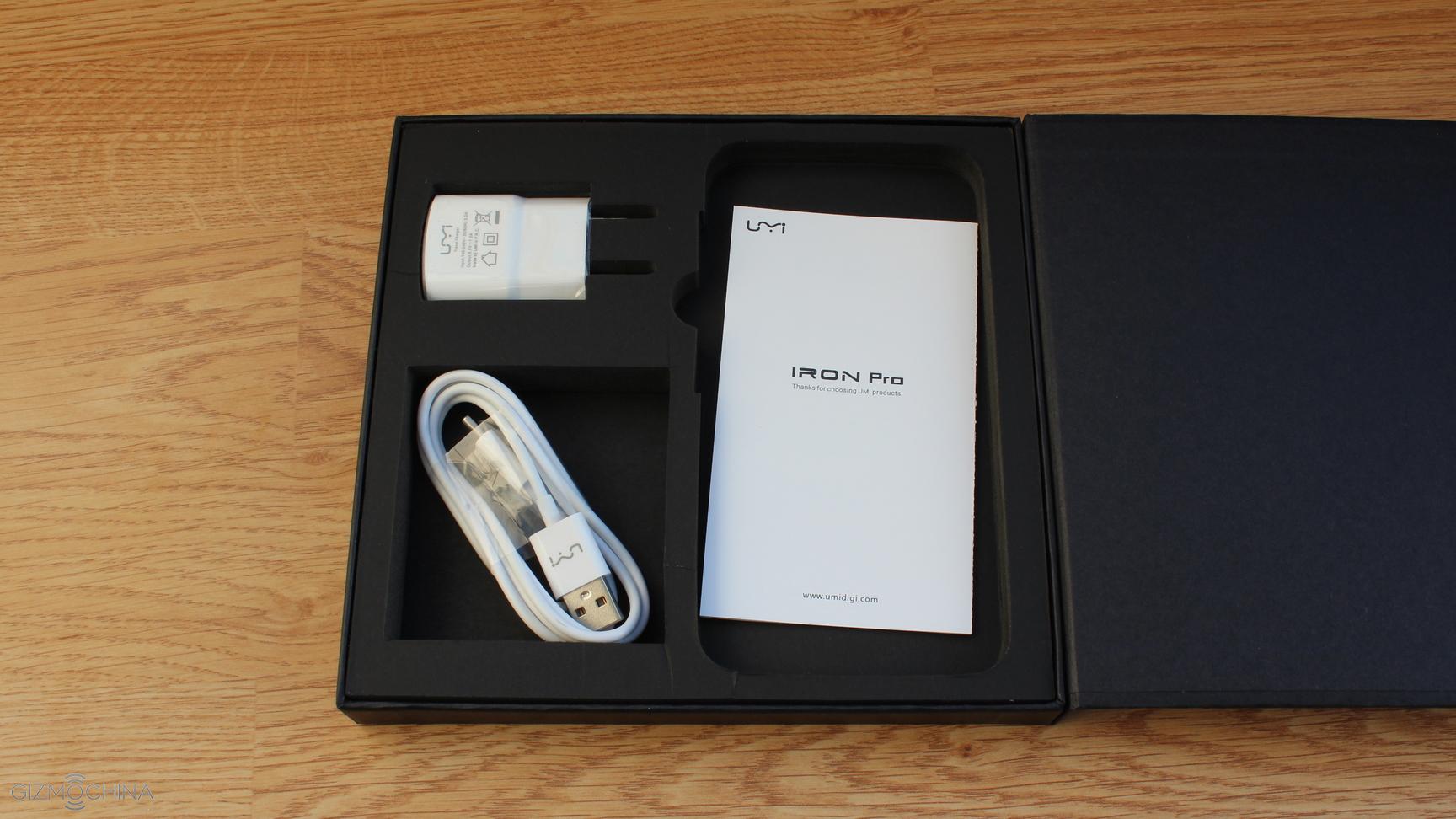
The device comes in quite a typical box for UMI where all the contents are packed neatly. Inside of it you can find a USB type-C cable, power plug and some documentation.
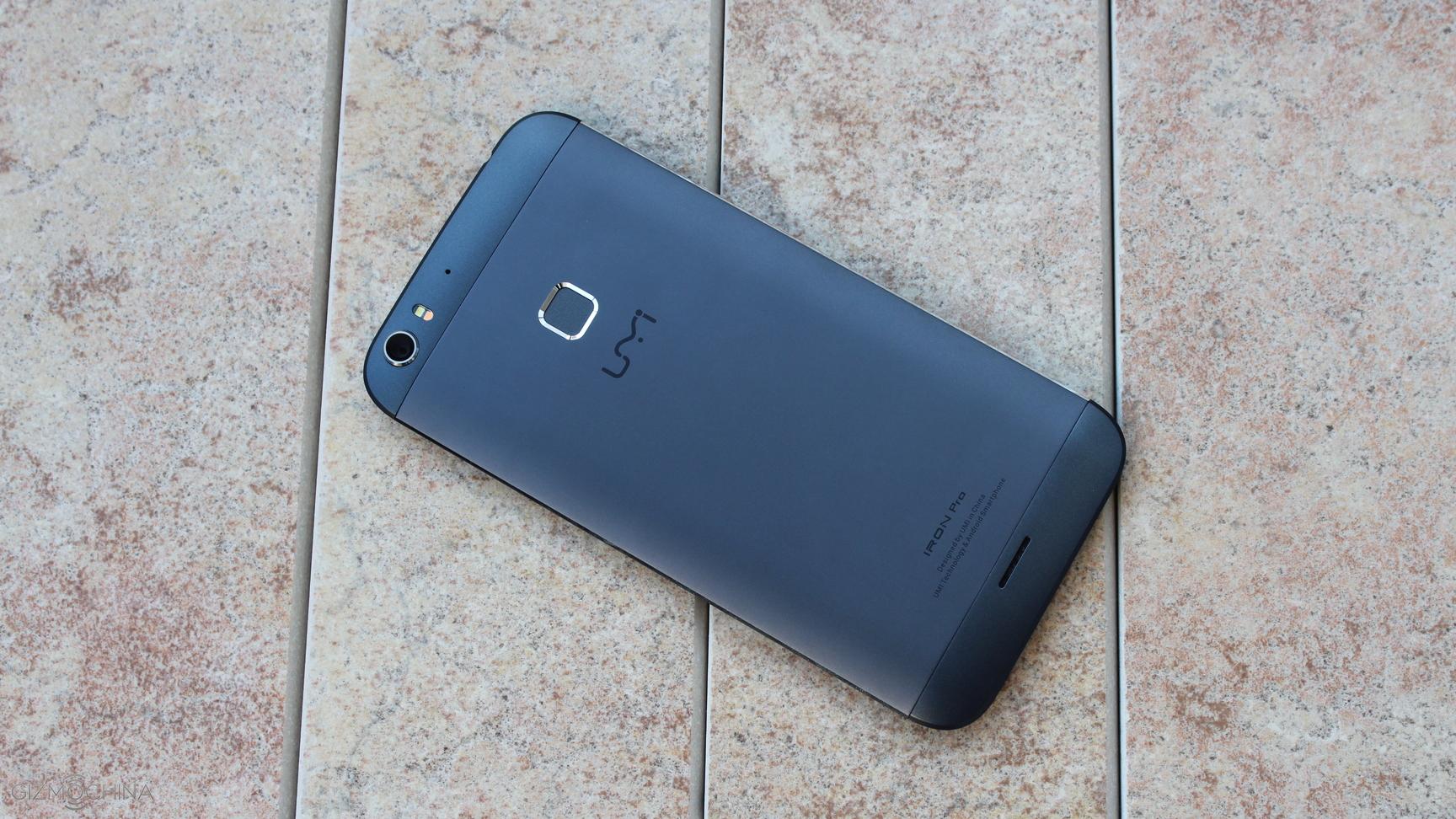
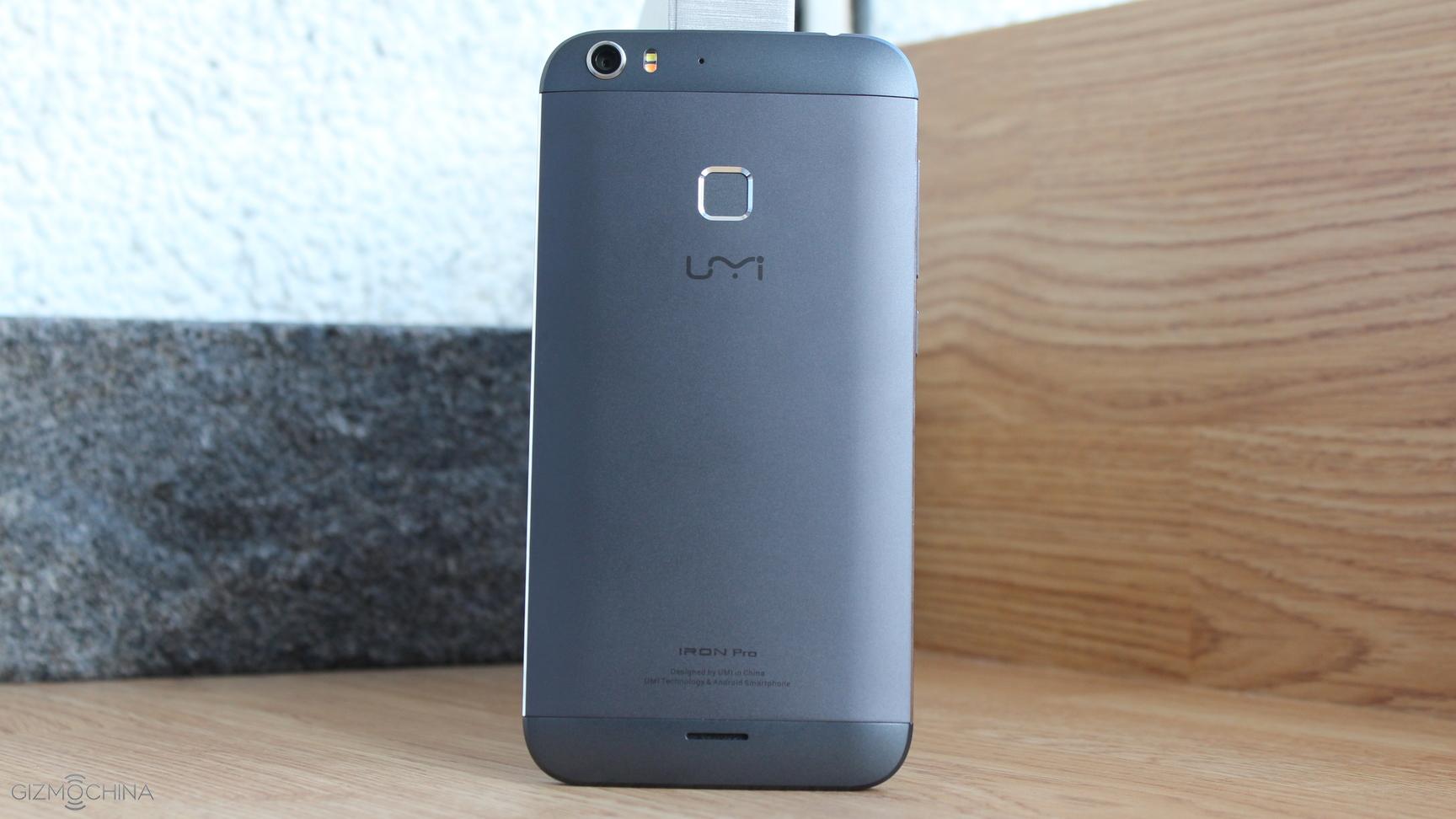
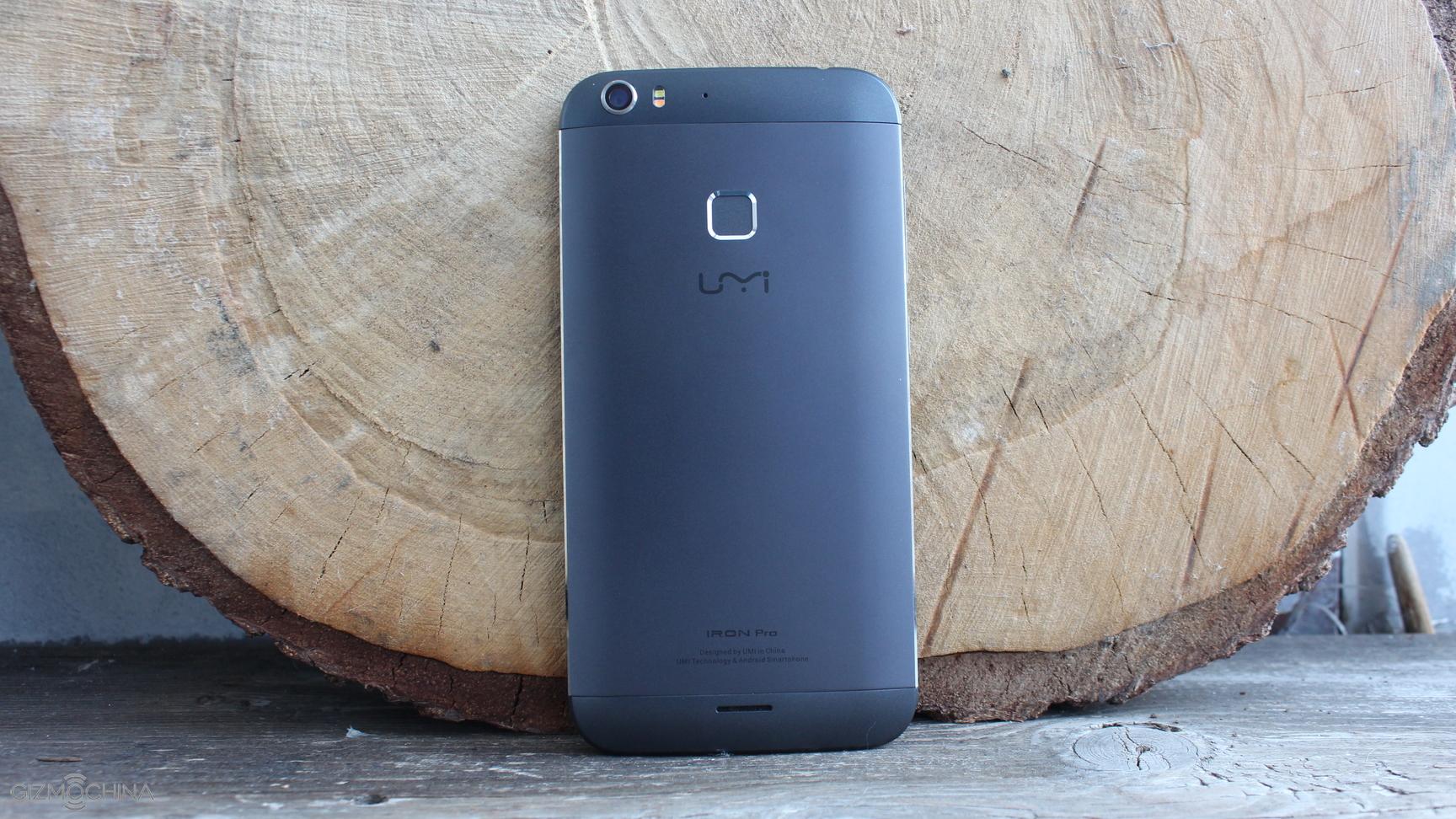
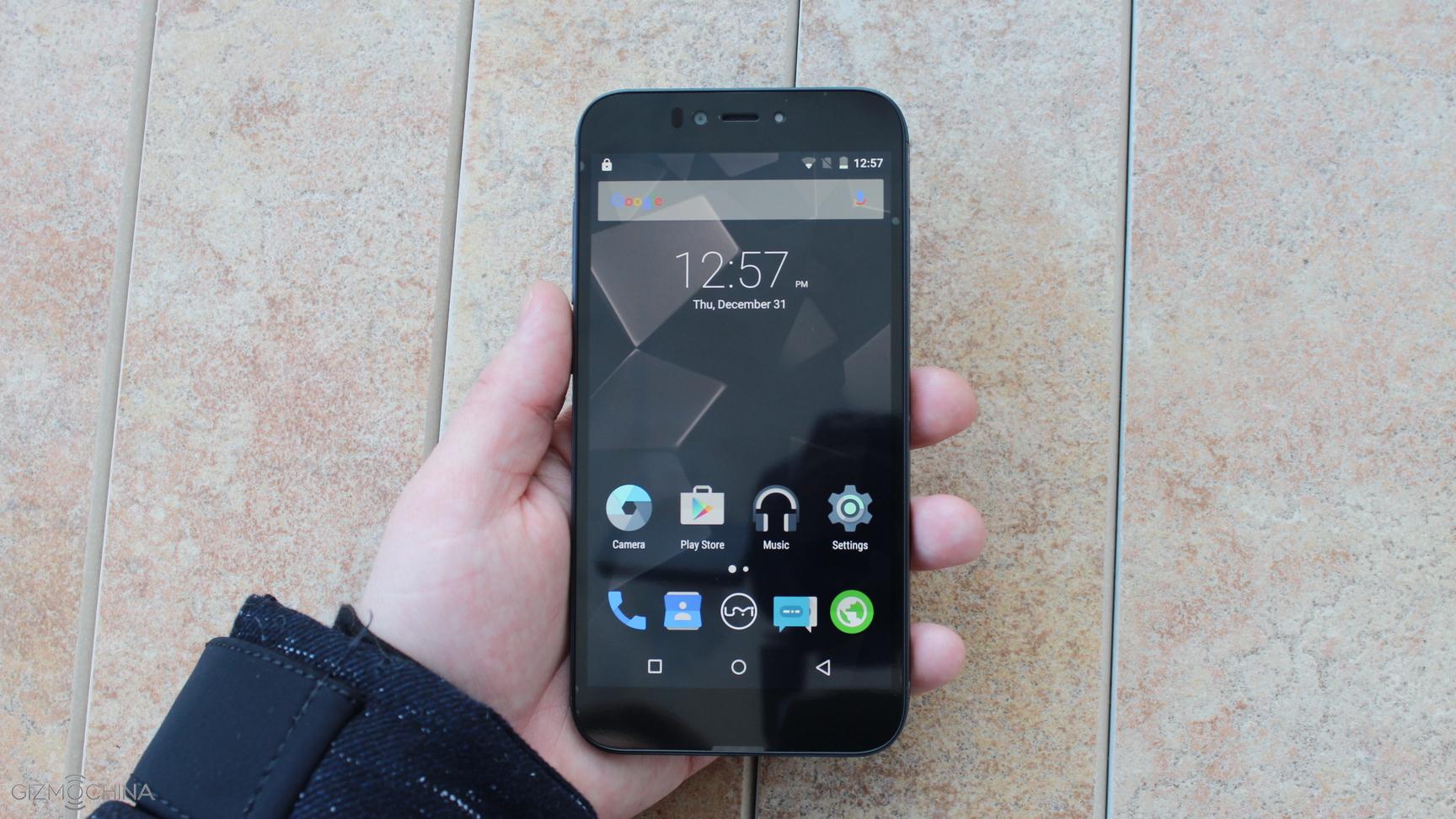
The design of the Umi Iron Pro is very similar to the one we’ve seen on the regular Umi Iron. The phone made of metal, it is well constructed and feels great in the hand.
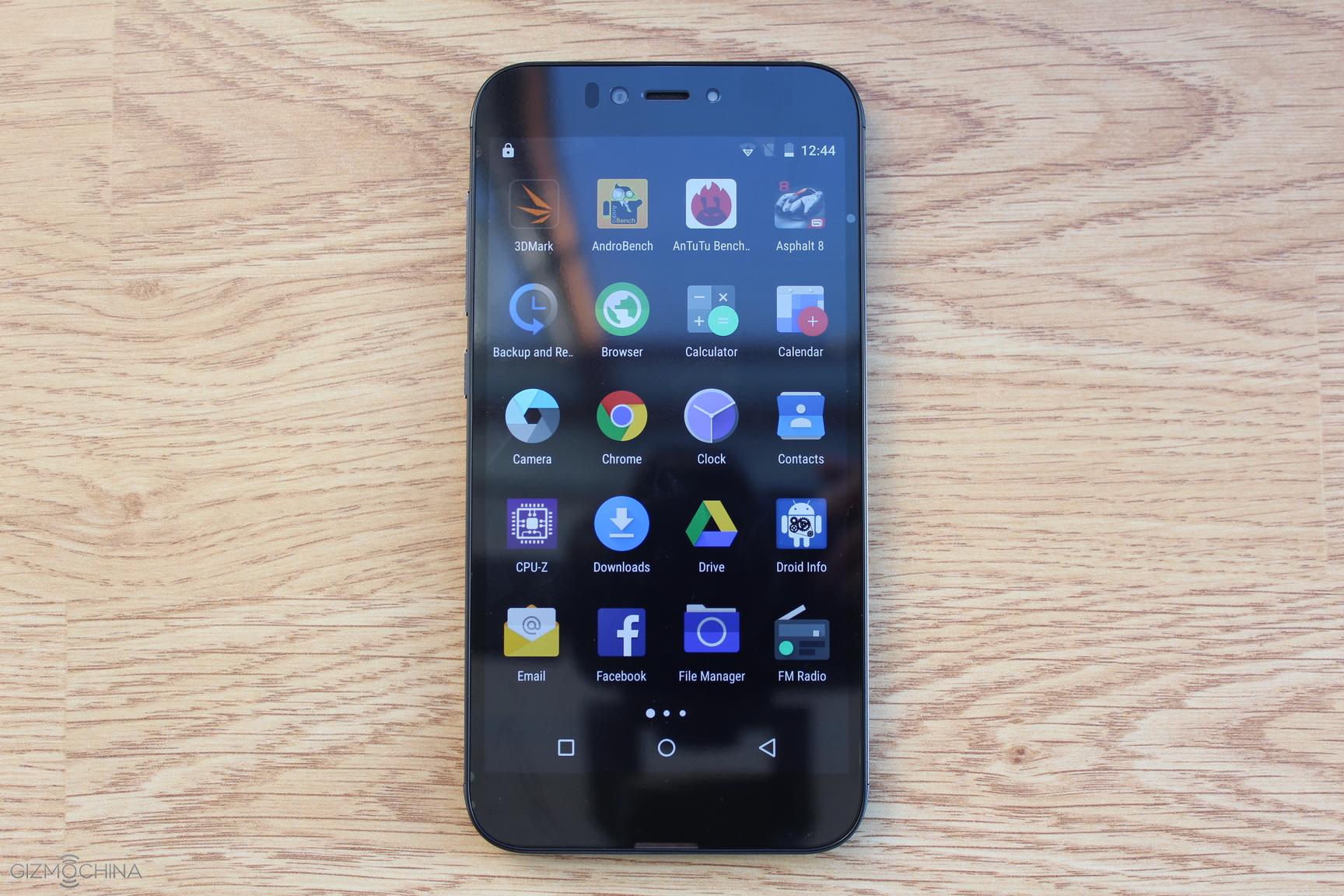
The 5.5” display does not make this phone the most compact out there but it is not that huge either.
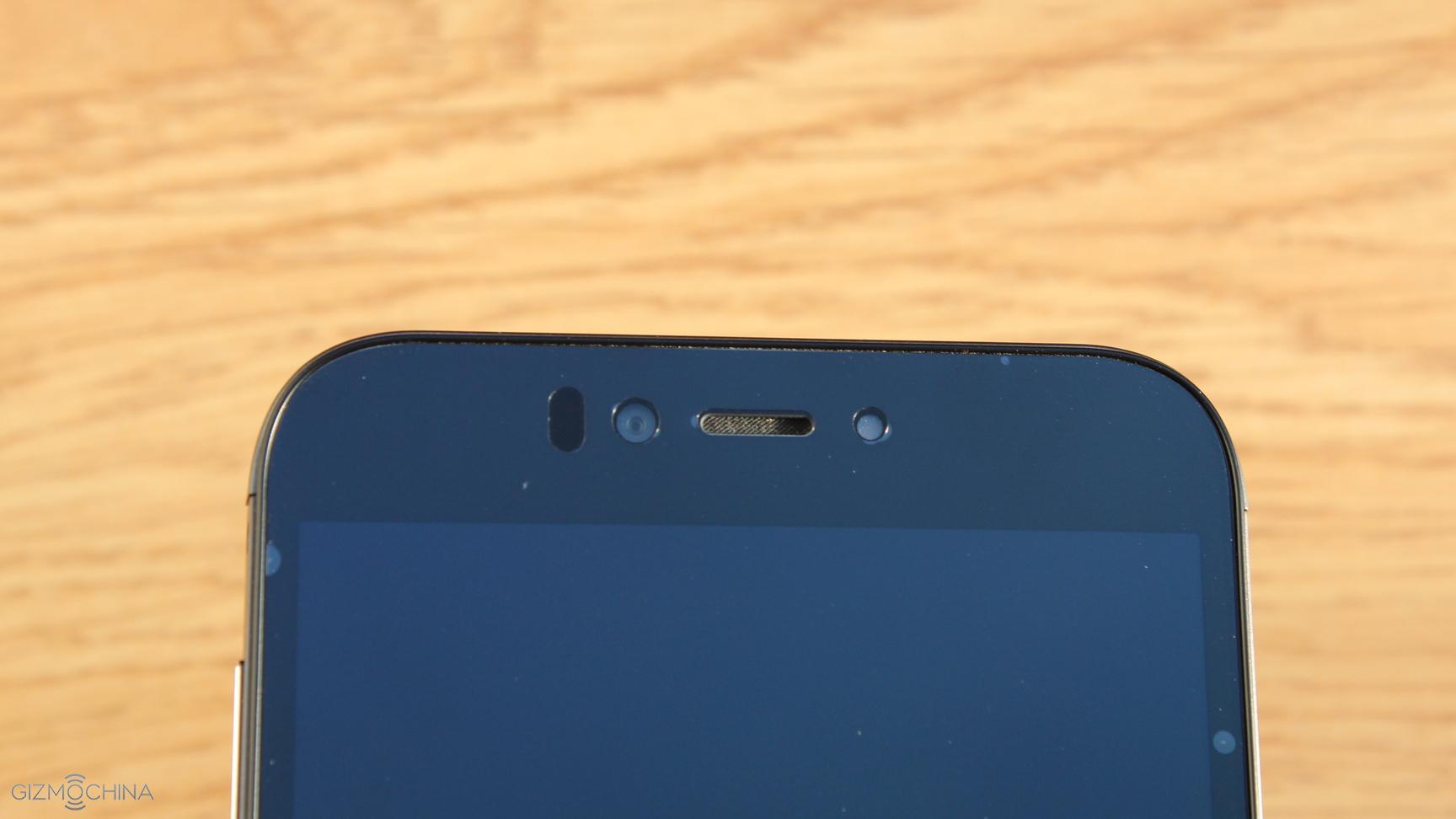
On the top we have 8MP shooter along with the front firing LED light and some other usual stuff.
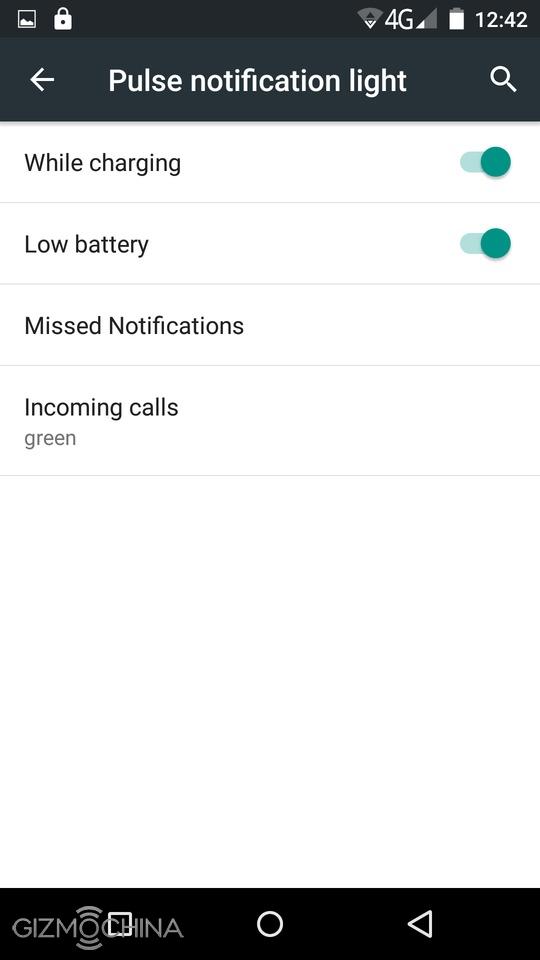
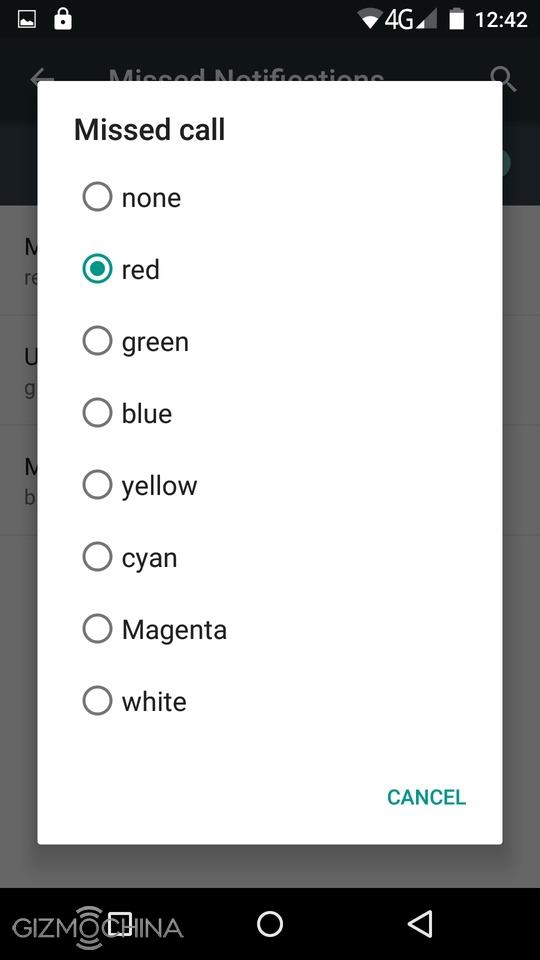
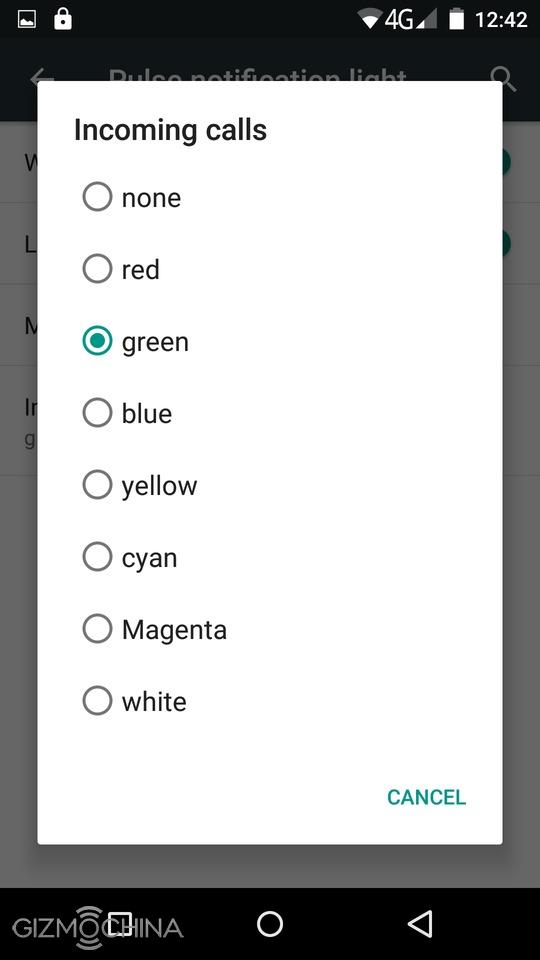
On the bottom there is a very nice looking pulsing notification LED light, which can be highly customised and it has various colours. Also, there are on-screen navigation buttons.
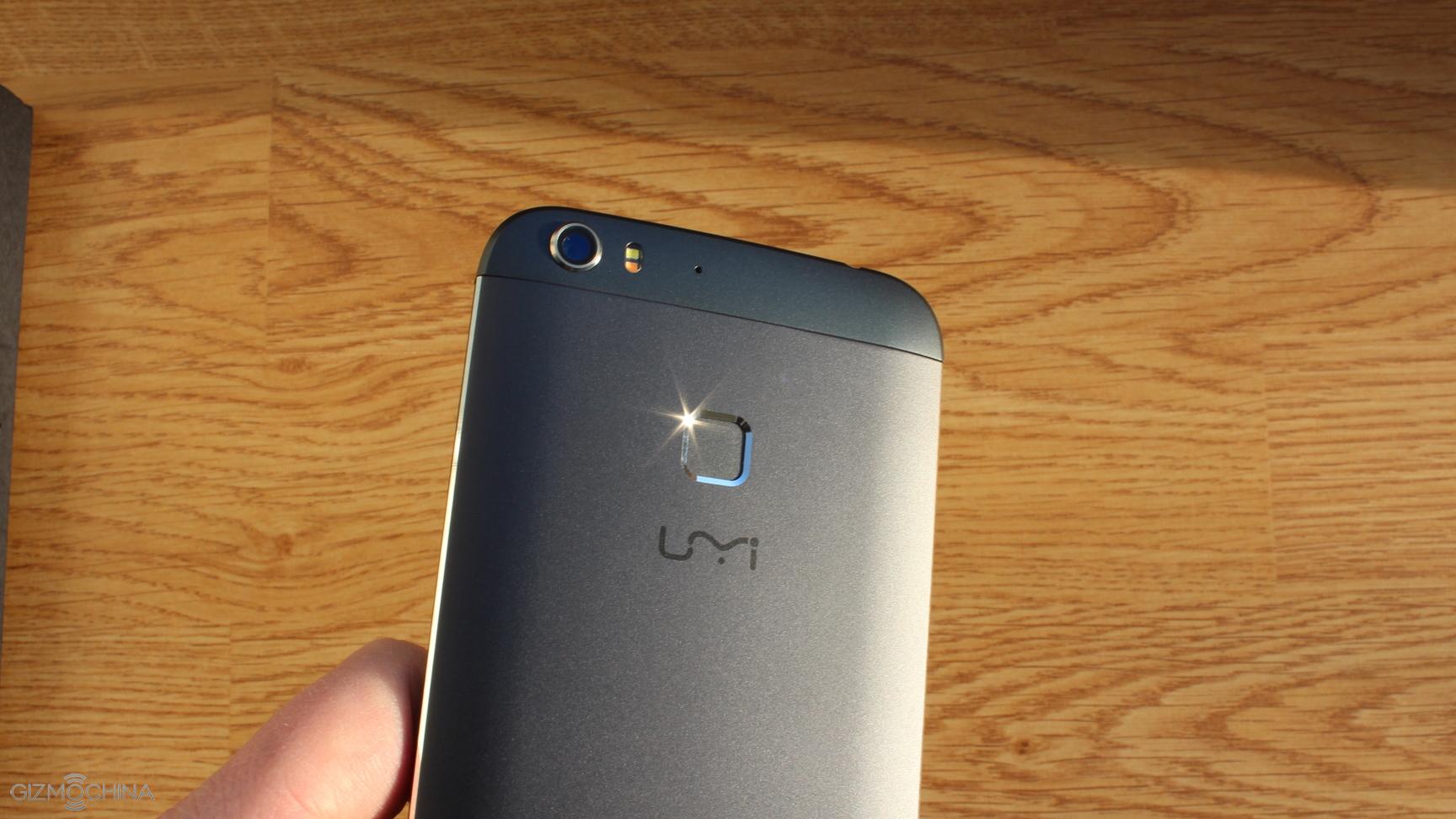
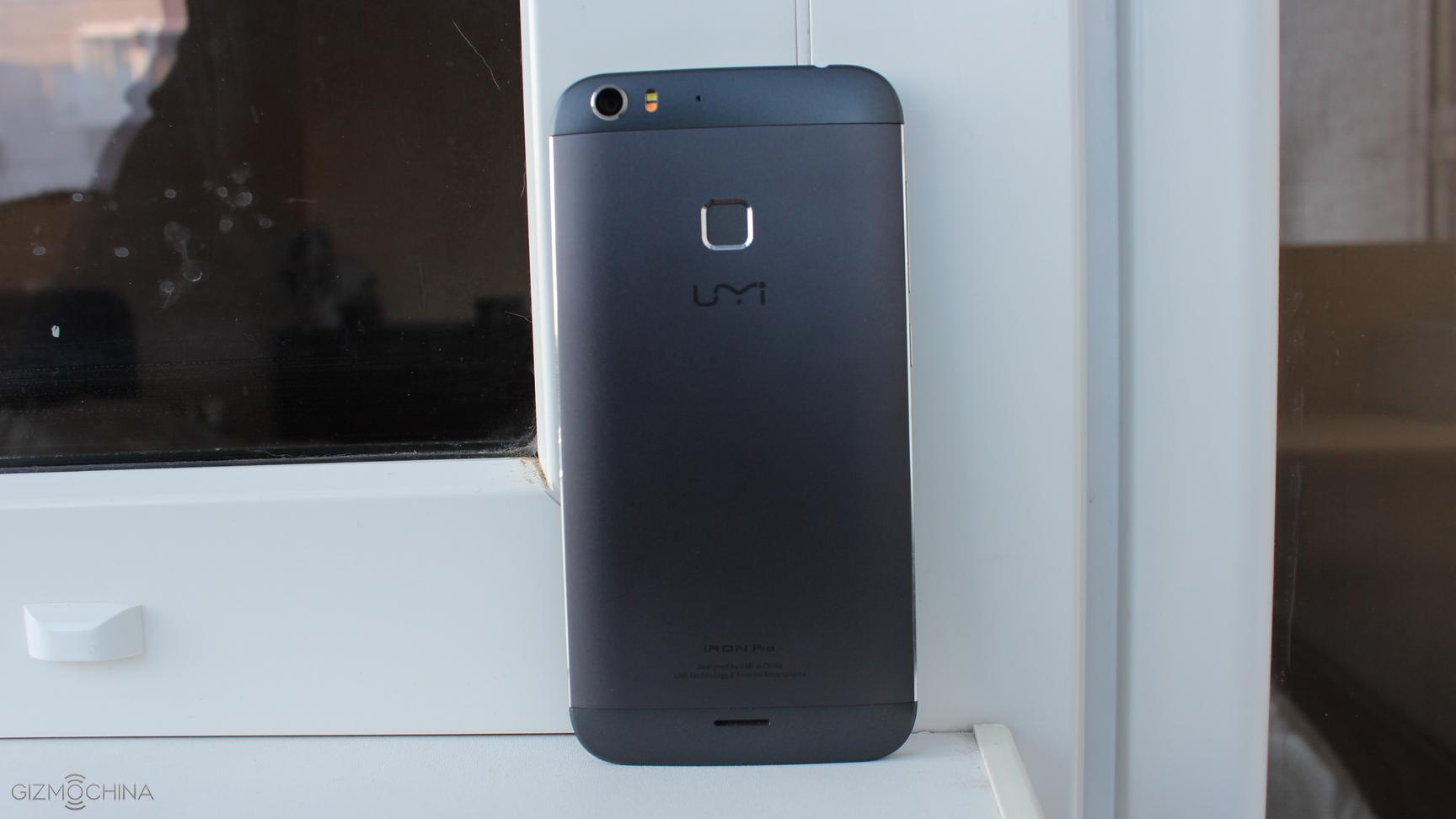
The back is made of metal and it is identical to the Umi Iron except for the fingerprint scanner. The setup of it was a bit annoying and it took much more time in comparison to some other devices. The good point is that once the you register your fingerprint, the scanner works pretty well and you can also unlock your phone straight from the standby mode.
As far as optics, we are looking at 13MP camera with dual tone dual LED flash.
On the bottom there is a speaker grill.
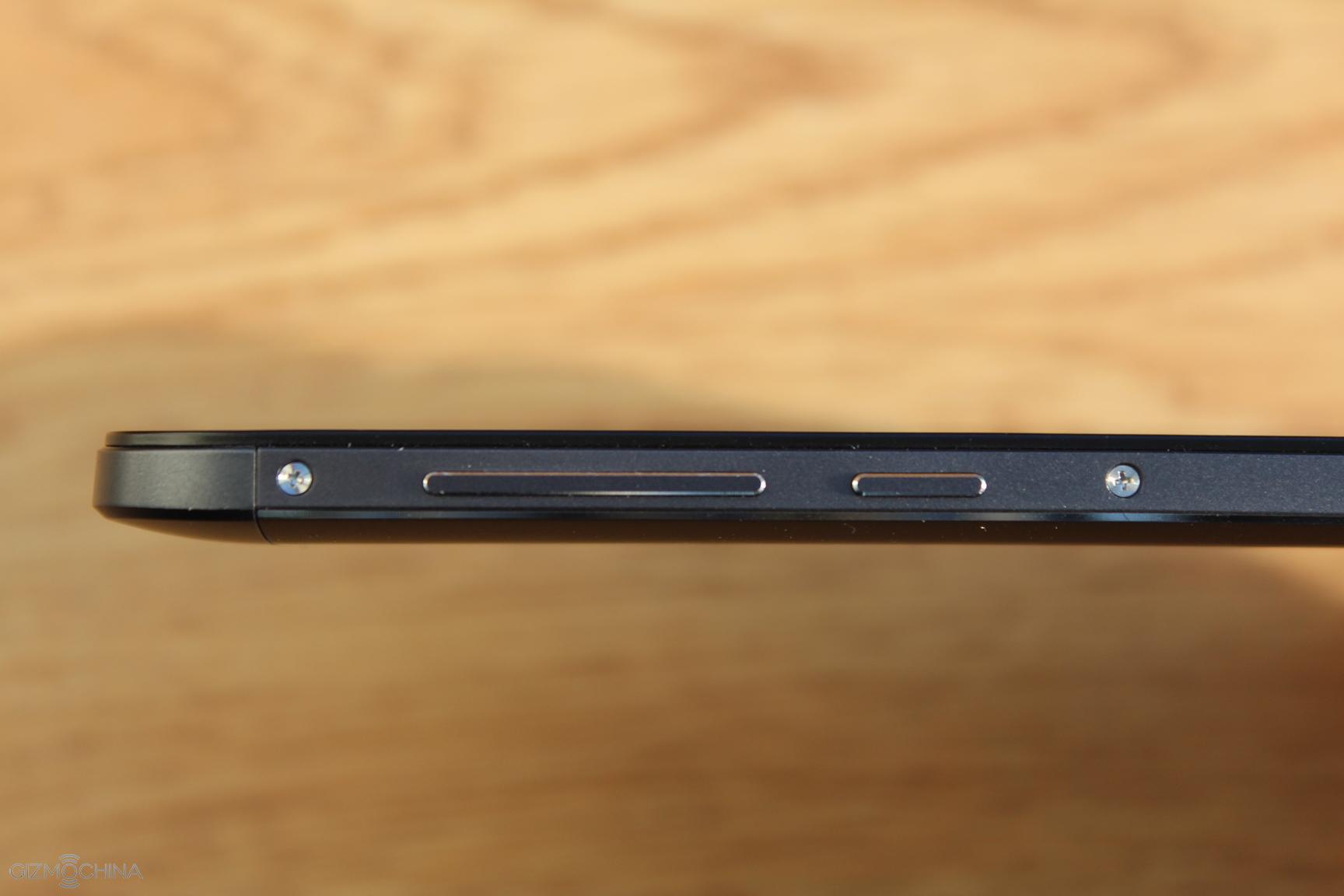
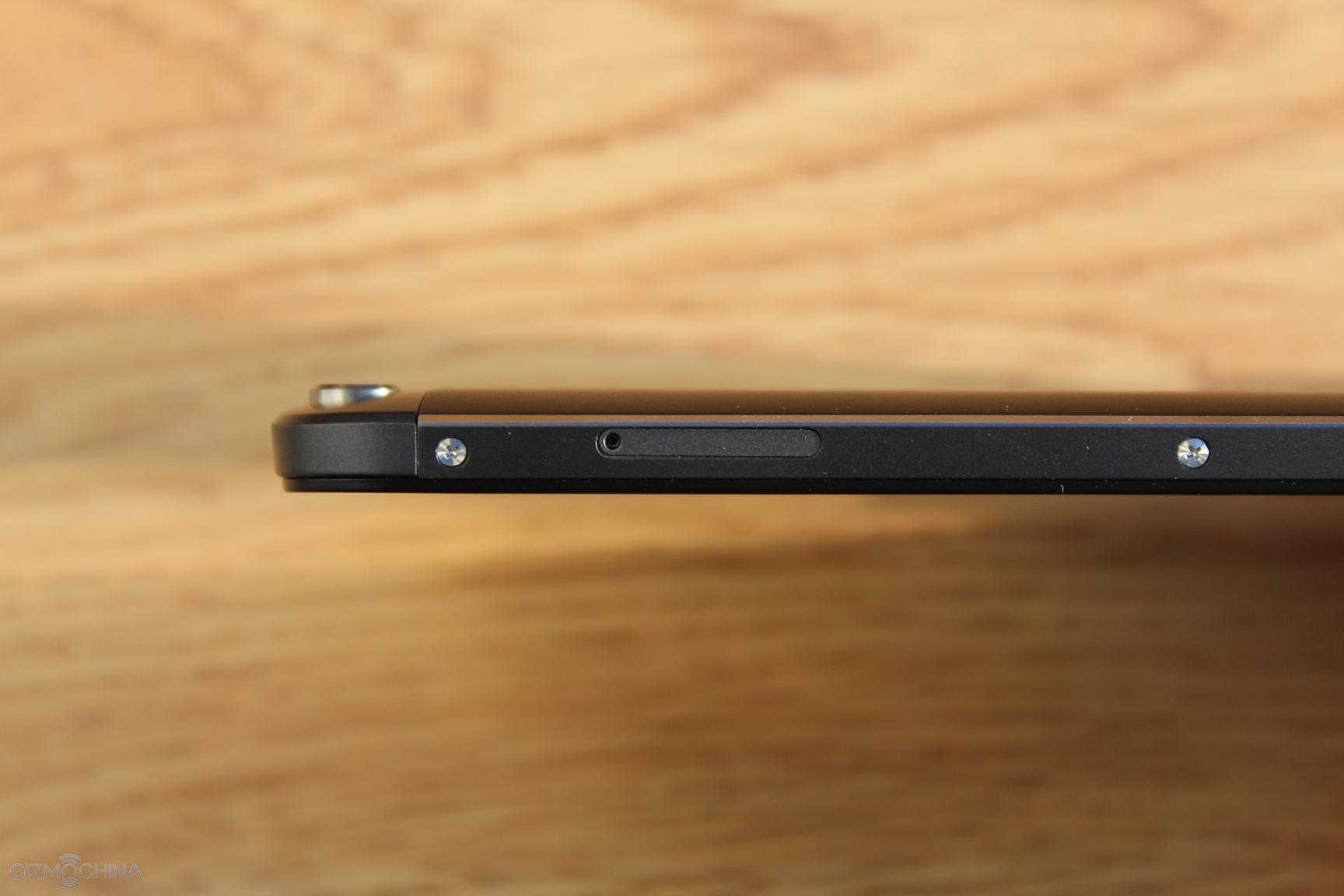
The buttons are placed on the left side and I’m not a huge fan of it as I am used to pressing keys on the right side but this may be my personal preference. On the right side there is a dual nano SIM card slot and one slot also doubles as microSD storage expansion option.
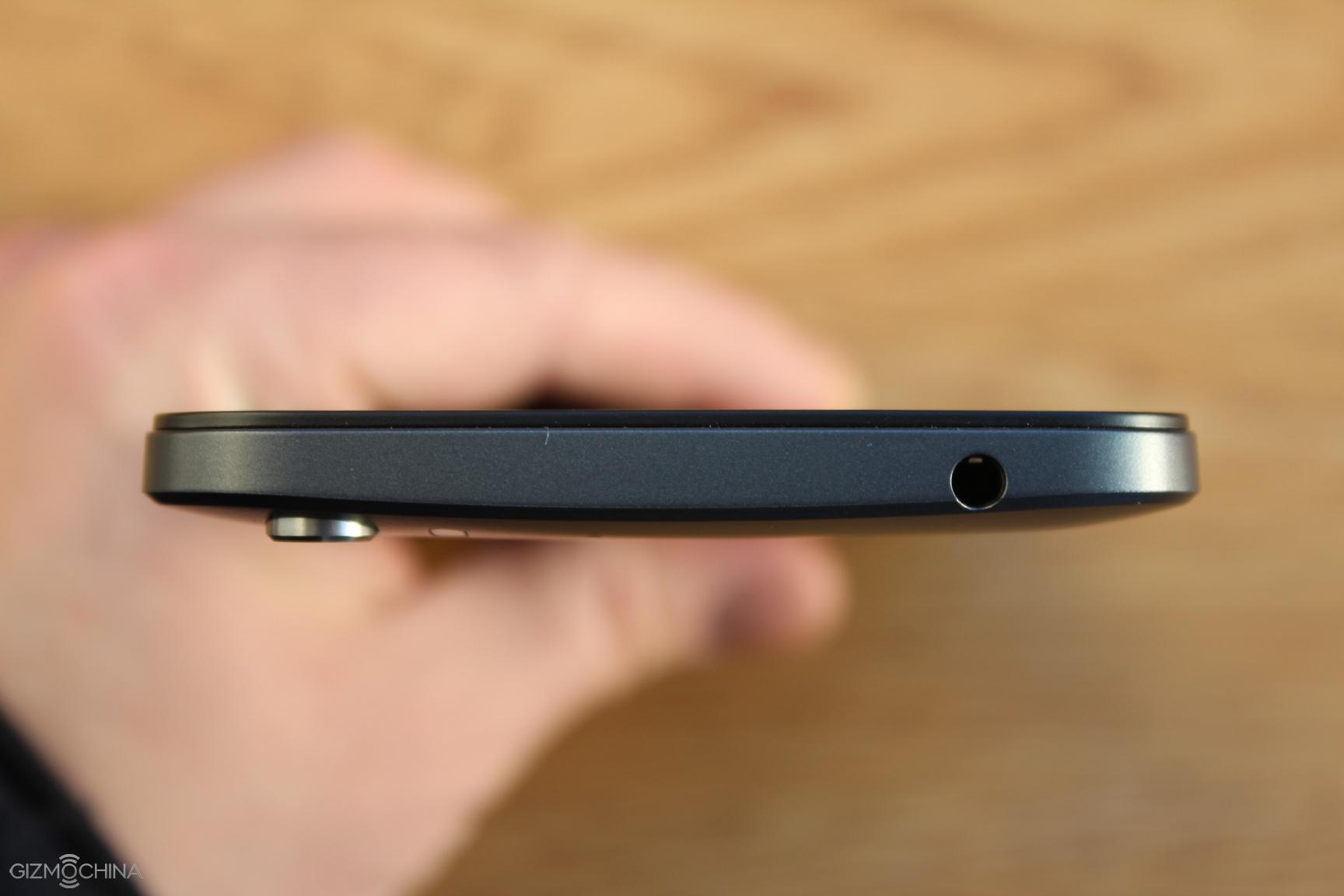
On the top there is a headset jack and on the bottom you can find a USB Type-C port.
Overall, Umi Iron Pro is a well designed phone and it sports a great built quality. Also, it definitely looks premium considering the price of the device.
Umi Iron Pro Review: DISPLAY
As far as display, we are looking at 5.5” panel, which is quite bright, it has good colours and it is a great panel overall. However, the phone ships with some sort of anti-glare screen protector, which I definitely recommend removing as soon as you start using the phone as it distorts the view.
Umi Iron Pro Review: UI
1 of 8
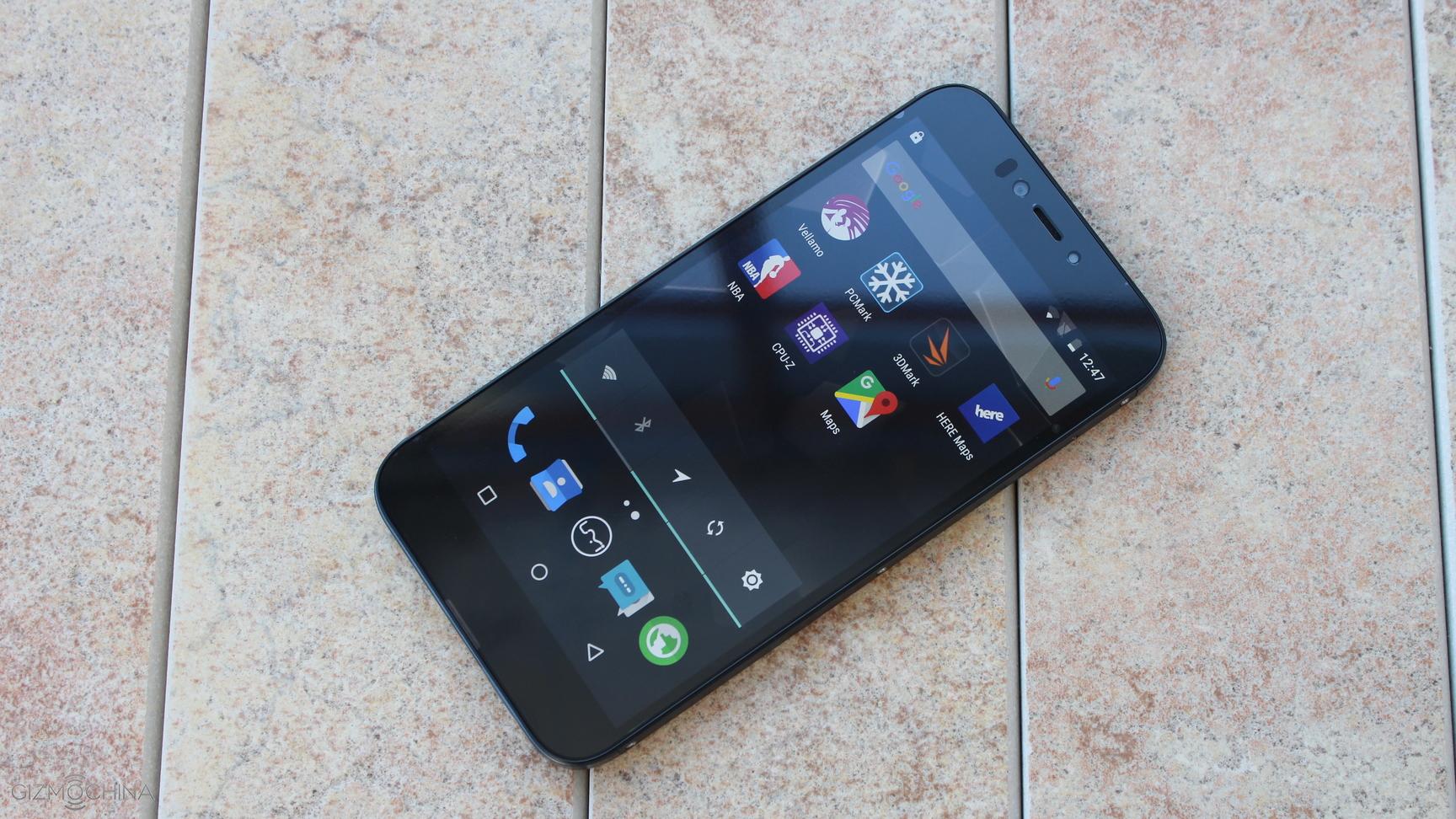
When it comes to the UI, Umi Iron Pro runs on Android 5.1 out of the box with a light Umi’s skin on top of it.
The day-to-day performance is nice and smooth even after installing lots of apps.
1 of 3
The key features would be some customisation options of the LED light, which is really cool and I believe each manufacturer should include that.
Also, there are some gesture controls, which work pretty well but they are not the fastest I’ve seen.
1 of 1
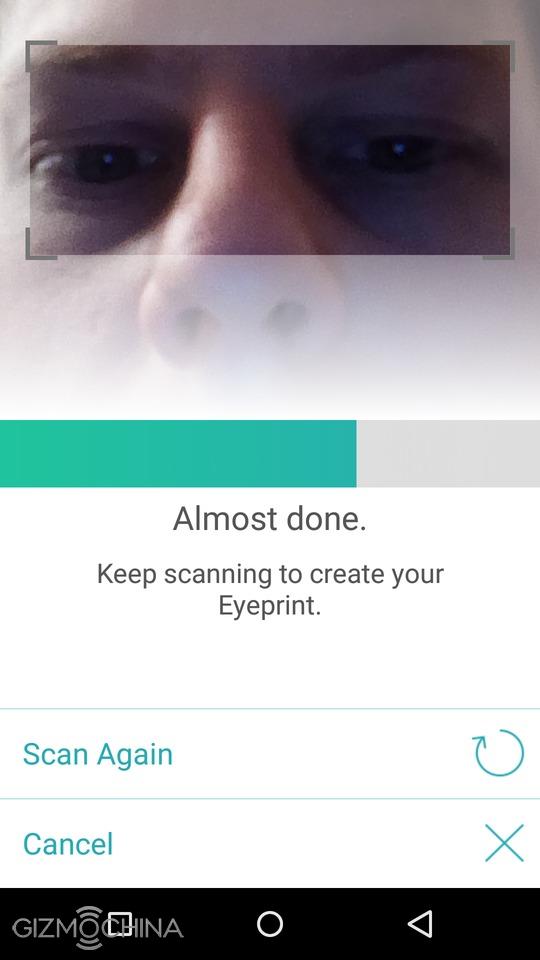
Besides the fingerprint security option, Umi offers iris scanner feature, if you really care about it. It may be cool to play with it for a few times but in general, it doesn’t make a lot of sense to me as it takes too much effort unlocking the phone and you simply look weird. Well, it’s just my opinion.
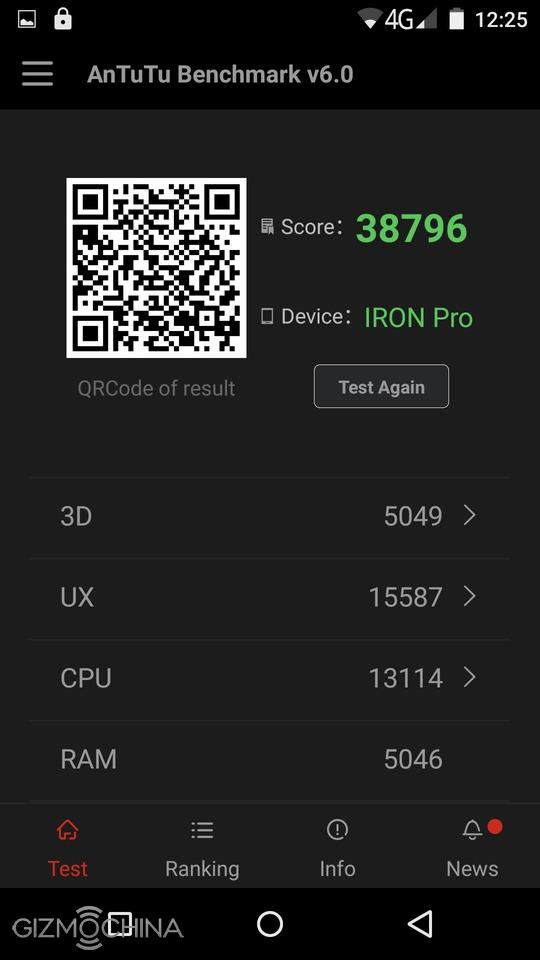
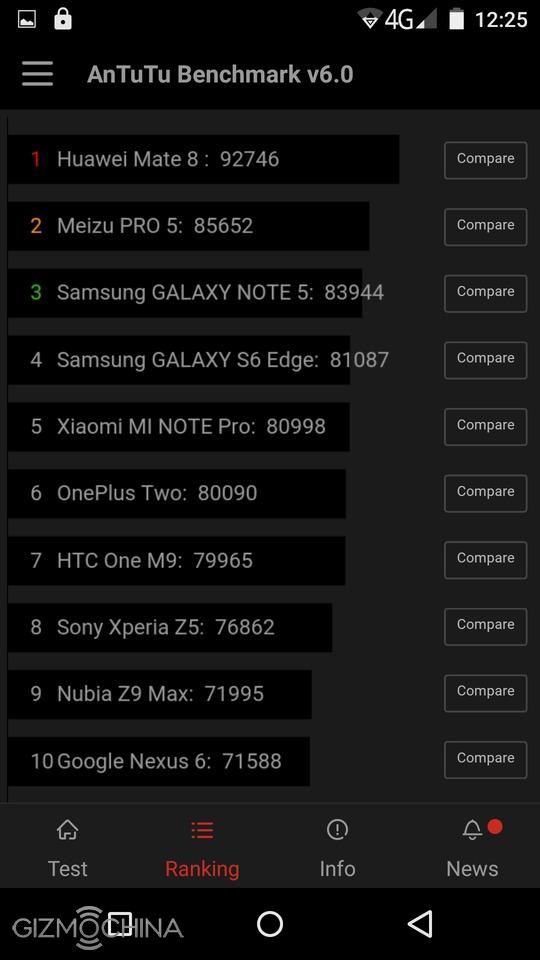
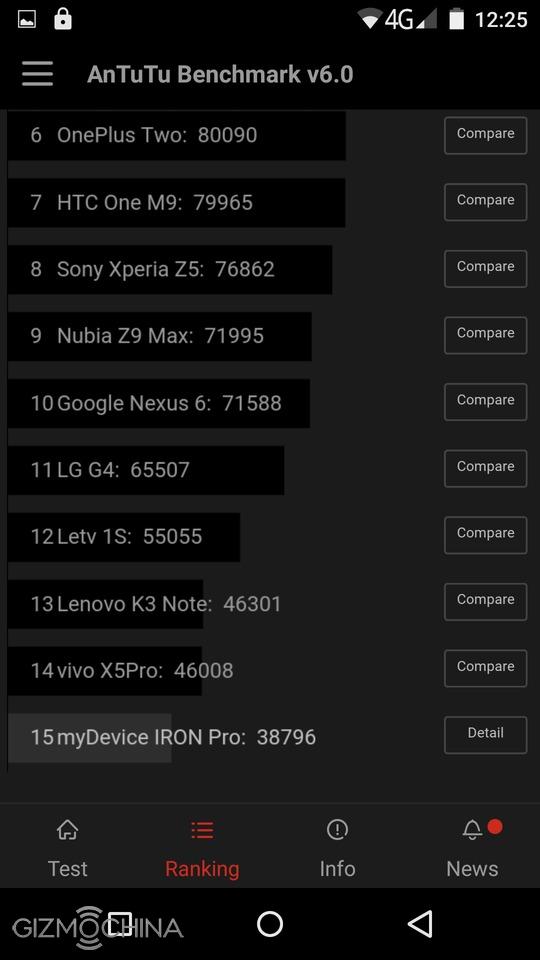
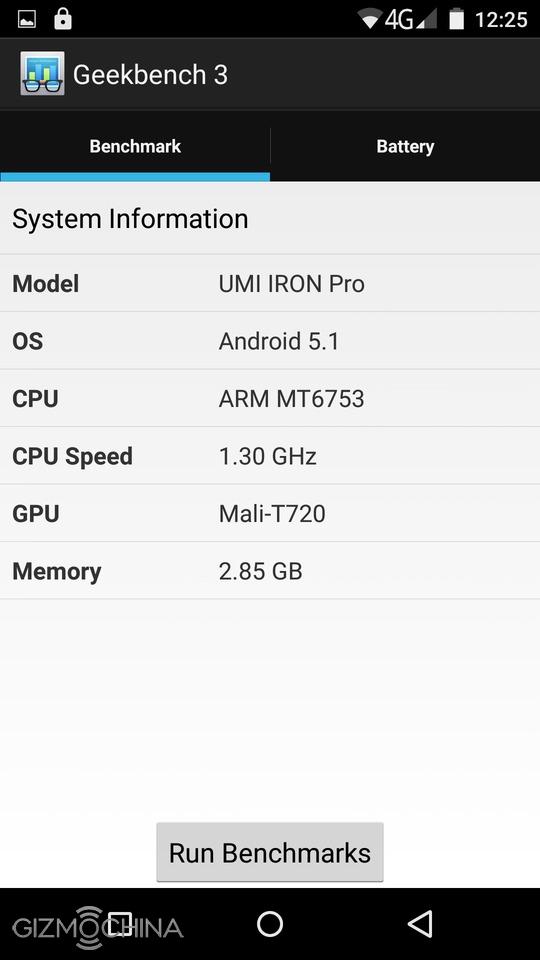
Umi Iron Pro Review: BENCHMARKS
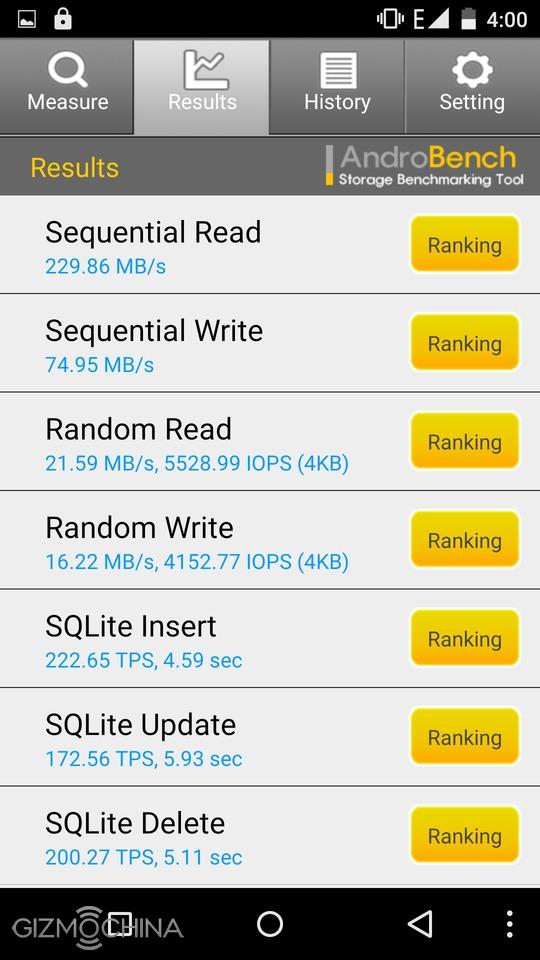
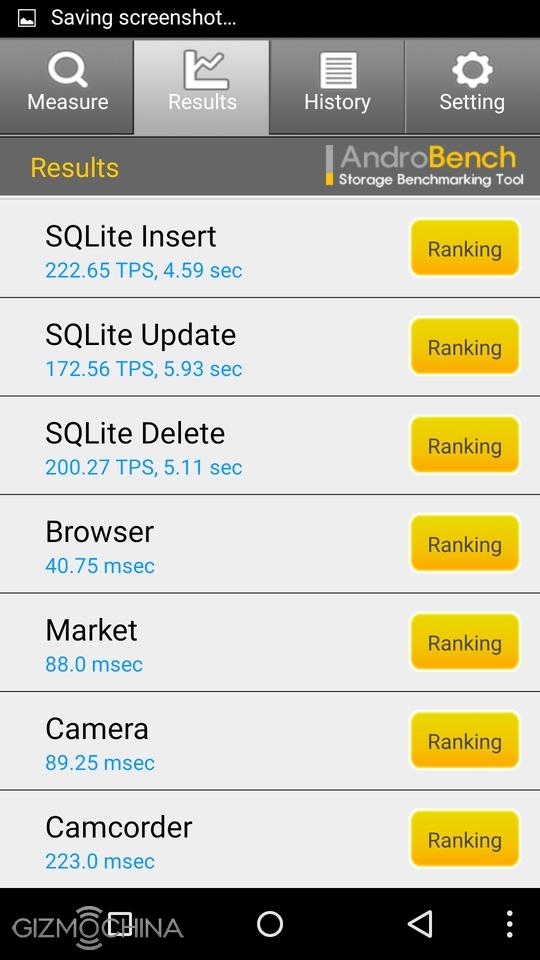
1 of 9
Umi Iron Pro Review: HARDWARE and PERFORMANCE
Umi Iron Pro sports an octa-core MTK6753 1.3GHz 64bit CPU, 3GB of RAM and 16GB of expandable storage.
This combo of hardware looks pretty good on paper but disappoints when it comes to graphically intensive games.
Playing Asphalt 8 on the highest visual setting is literally impossible. Once you change the graphics level to medium, it is possible to play it but there are still quite a few skipped frames and stutter.
Overall, this phone is definitely not for hardcore gamers.
Umi Iron Pro Review: MULTIMEDIA
Consuming multimedia is a pretty good experience. As usual, there are no issues watching Full-HD content and while the loudspeaker is not the best I’ve heard, the sound that is coming out of it is pretty good.
As far as sound via earphones, it is pretty good too. However, the thing I hate most is the fact that you hear some kind of weird beep sound once hit volume up or down… and it happens randomly.
Umi Iron Pro Review: CAMERA
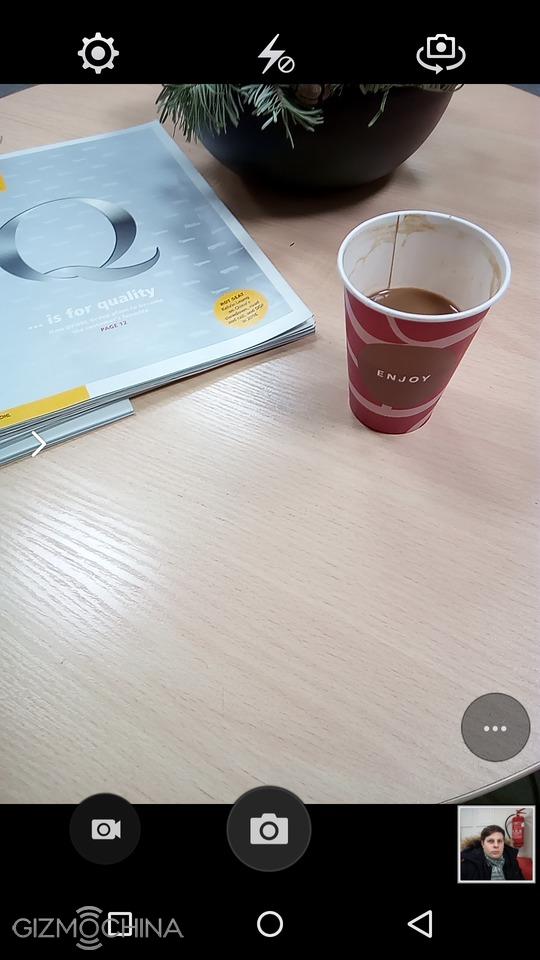
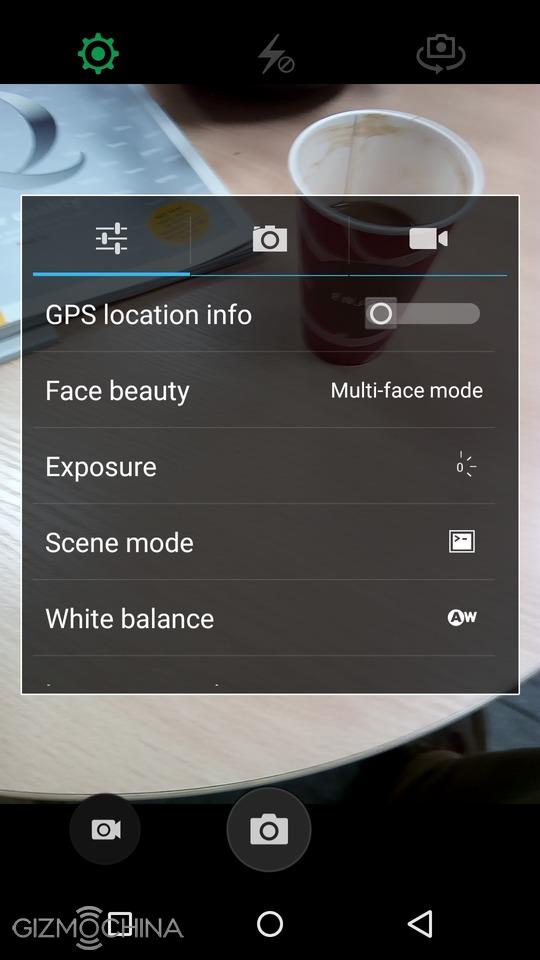
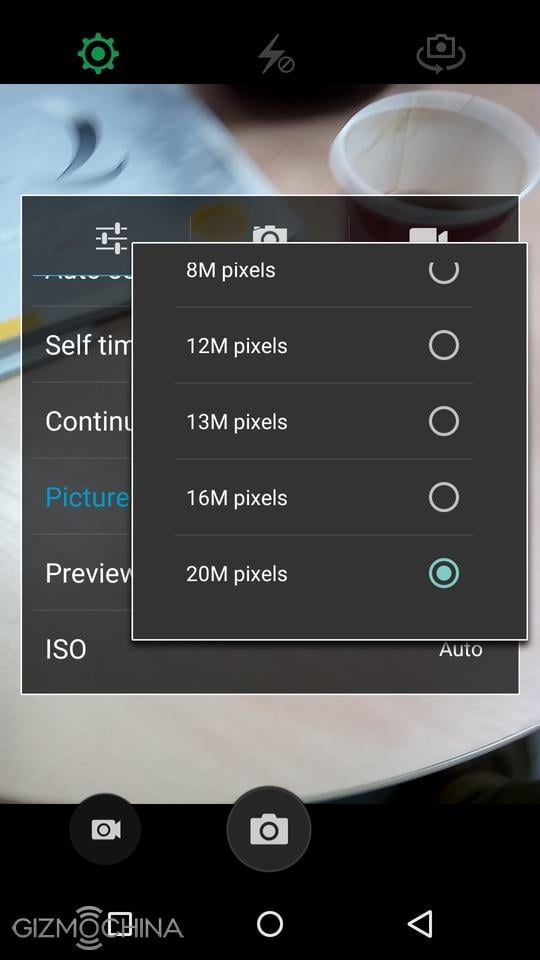
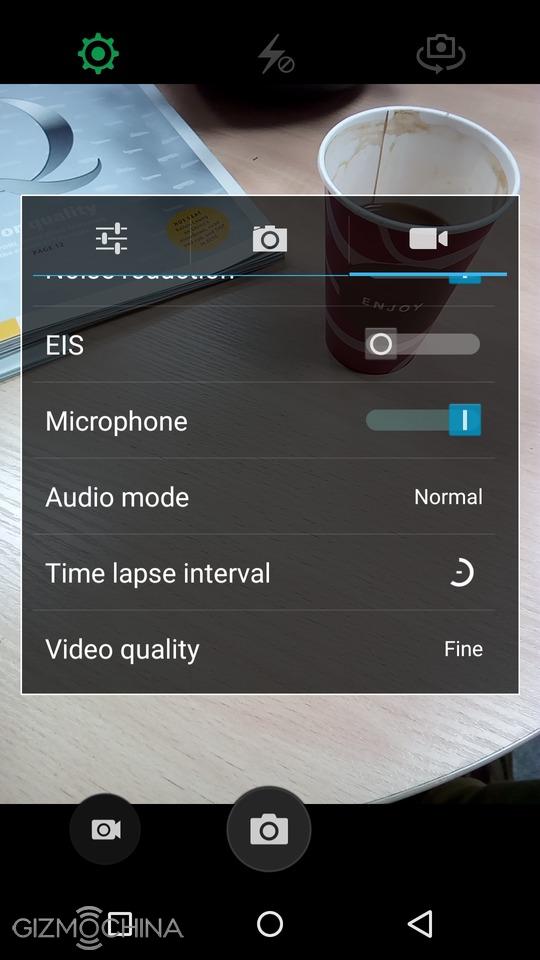
As far as camera, we have a pretty much stock looking Mediatek app. What’s funny is the fact that you can select the image size up to 20MP while the sensor itself is just 13MP.
As far as the image quality, daylight pictures turn out to be pretty good. There is a reasonable amount of details, colour reproduction is mostly natural and dynamic range is okay.
1 of 14
However, as soon as the sensor does not get a lot of light, some more noise creeps in. Still, you may get some pretty good looking pictures. Also, I was quite impressed by the quality of some macro shots.
1 of 10
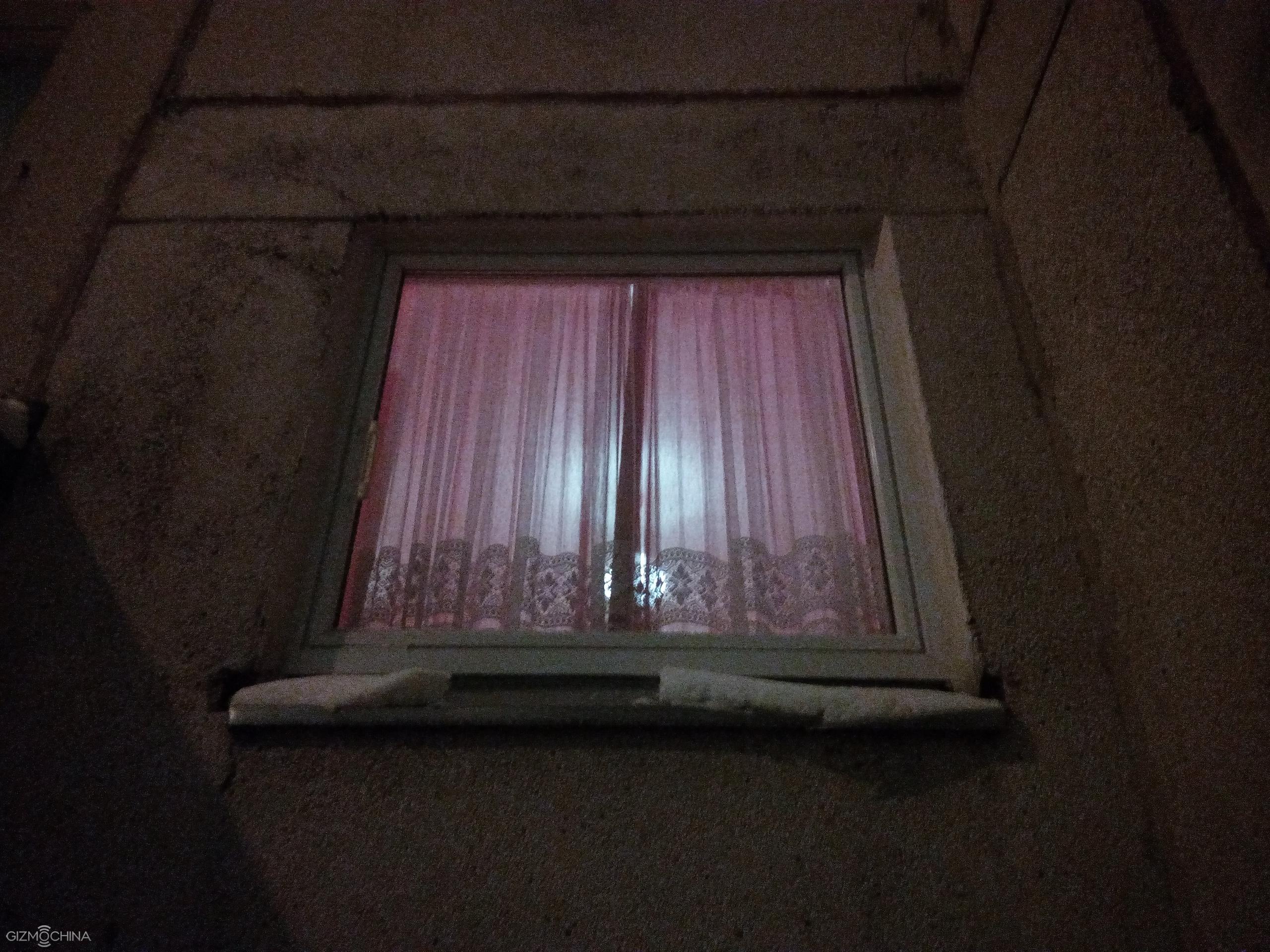
When it comes to the low-light images, the camera software tends to brighten up the scene, which is okay but it leads to a ridiculous amount of noise. Well, most of the images will be usable for social media but others may even look like painted.
1 of 2
As far as selfie camera goes, you can only take a decent shot with plenty of lightning. Otherwise, you will get a blurry shot witch will also lack in details.
As far as video, the quality of footage is okay but it is not very impressive. There is an average amount of details and the video looks quite shaky. See the video review for a video sample.
All the connectivity options work well. However, the in-call volume could be a tad louder.
Umi Iron Pro Review: BATTERY LIFE
1 of 2
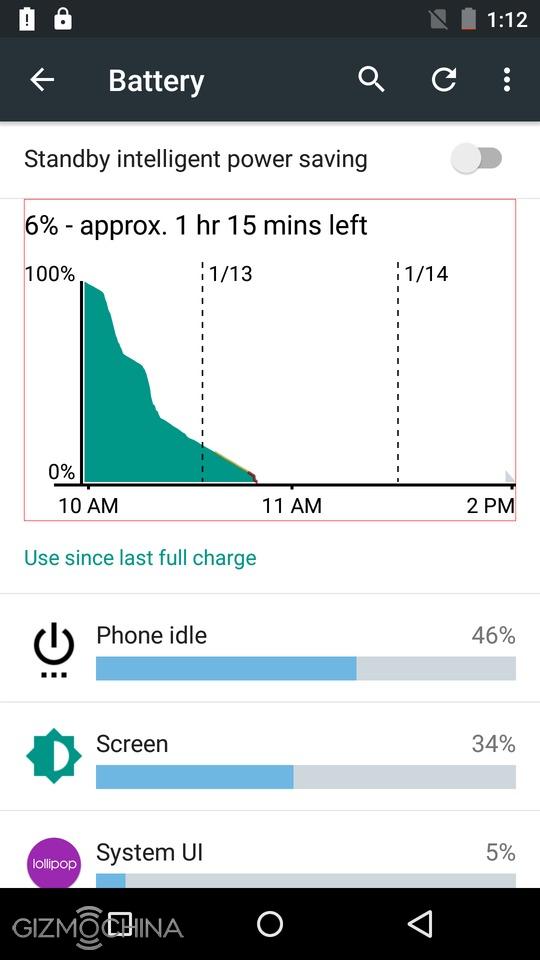
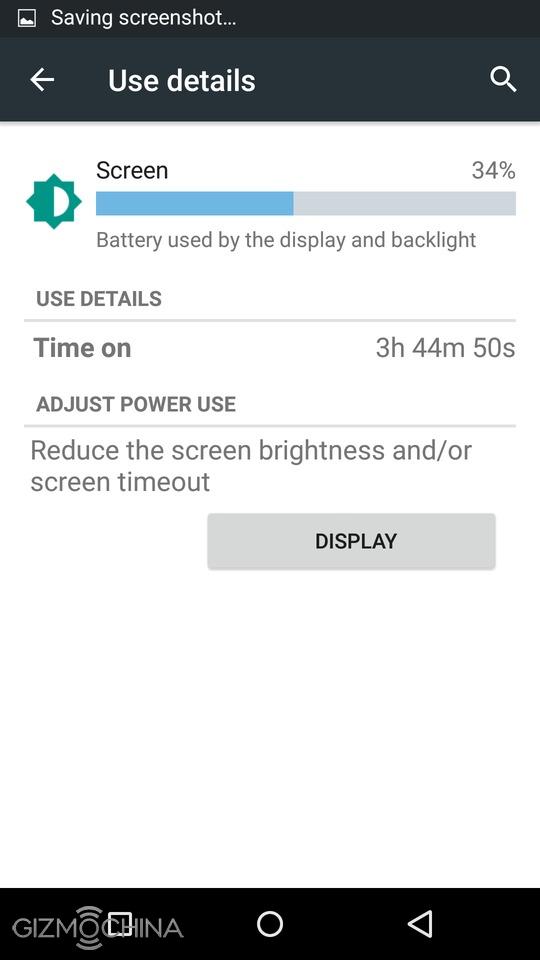
The battery capacity varies from 3100mAh to 3300mAh, which is quite interesting. The phone will get you through the day as I was able to achieve almost 4 hours of screen-on time while using the device mainly for basic tasks.
Umi Iron Pro Review: CONCLUSIONS
Umi Iron Pro is another attempt by the company to win the consumers’ hearts. Did they succeed?
To some extent yes. The phone has a great metal design, good build quality and it feels great in the hand.
Also, Umi Iron Pro sports a pretty good display, the UI performance is mostly fast and fluid, the fingerprint scanner works well.
While the camera is not bad but it is far from perfect and the quality of images will mostly depend on the lighting conditions.
Also, if you are a hardcore gamer, Umi Iron Pro is definitely not for you unless you are okay with a laggy 3D gaming experience.
All in all, Umi Iron Pro is a decent device for the price $180 but you may also want to check out what the competition has to offer in this price range.
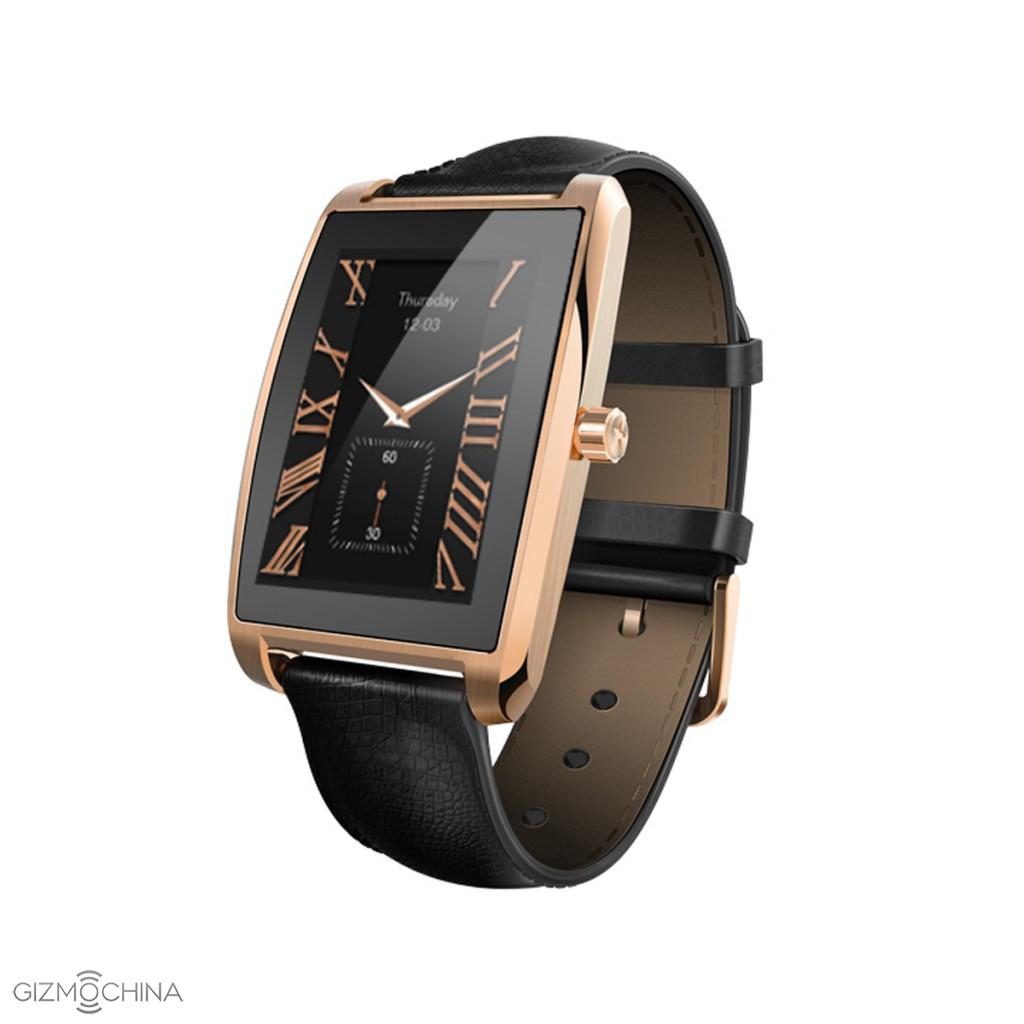
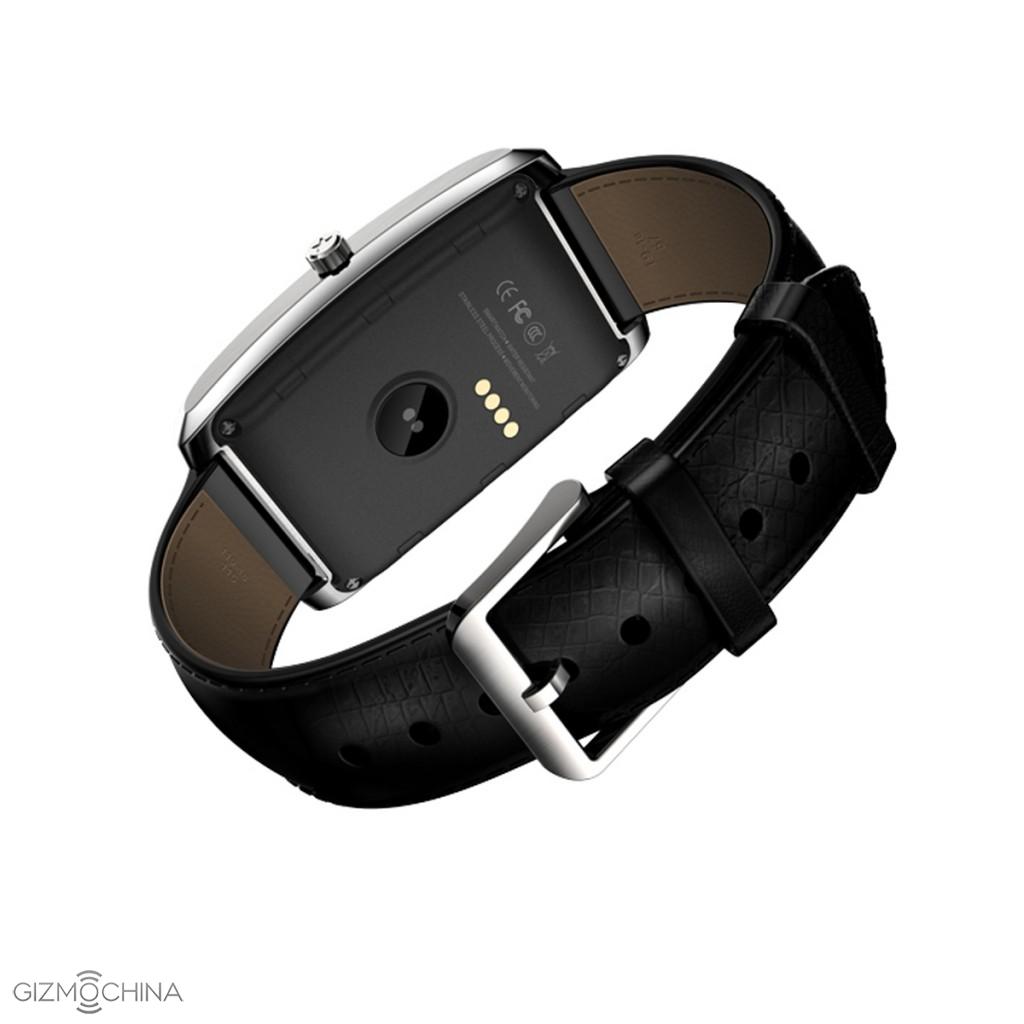
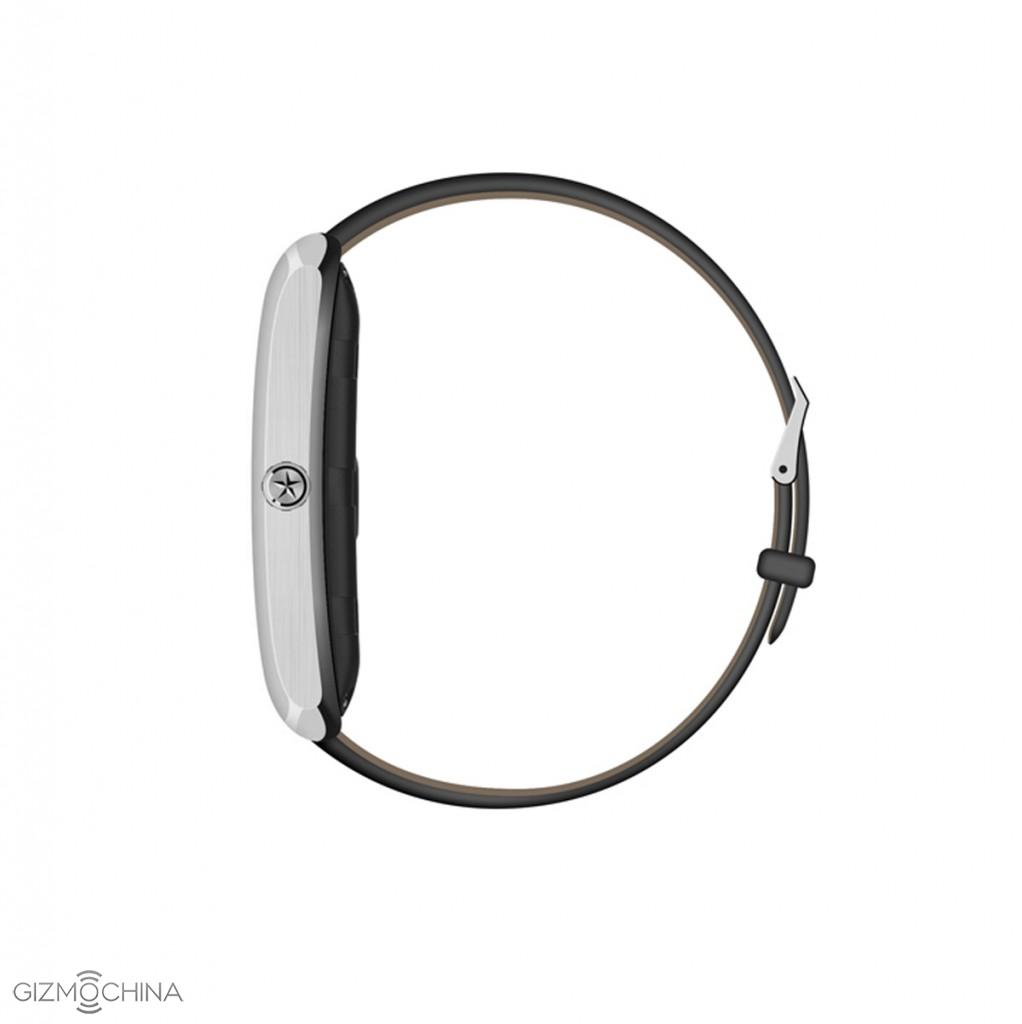
Watchmaker Zeblaze has announced that it is announcing their next milestone smartwatch, successor to their popular smartwatch line up, the Zeblaze Cosmo.
The company announced the new Zeblaze Cosmo will be priced very adiquately. The most interesting thing about the Cosmo is the pricing, a $99 smartwatch for everyone. The Zeblaze Cosmo is available right now on sale on major online retailers like GearBest and GeekBuying.
Next is the specs, which looks like a regular Zeblaze watch which we have been seeing but has Bluetooth which stays connected to your phone and vibrates when you get a notification. You can also assign a color to your contacts through the Zeblaze Cosmo app and the watch will flash the respective color on the LEDs on the side, so you know who’s trying to contact you.
Zeblaze Cosmo is powered by a MediaTek MTK2502 Processor which is a System On Chip which includes 512-MB of RAM. The smartwatch sports a 1.61-Inch IPS display with a resolution of 320*256. The Cosmo Smartwatch is certified to be IP65 Water and Dust resistance, which makes this perfect for all the outdoors men and women looking to buy smartwatch on a budget.
The Zeblaze Cosmo uses a 250-mAh battery which will last for 72-Hours on Standby and 120-Minutes call time. The Cosmo is available in two colors, Silver and Gold, both of which look excellent. The Cosmo is compatable with both Android and iOS making use of the companion app which is available for free.
The Zeblaze Cosmo is available on Sale right now on a discount for just $60 USD from the regular price of $99, on GearBest. If you would like to buy one, click the buy now button below.
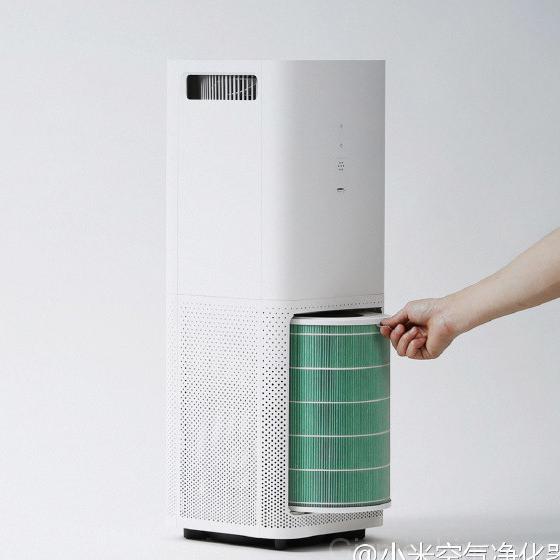
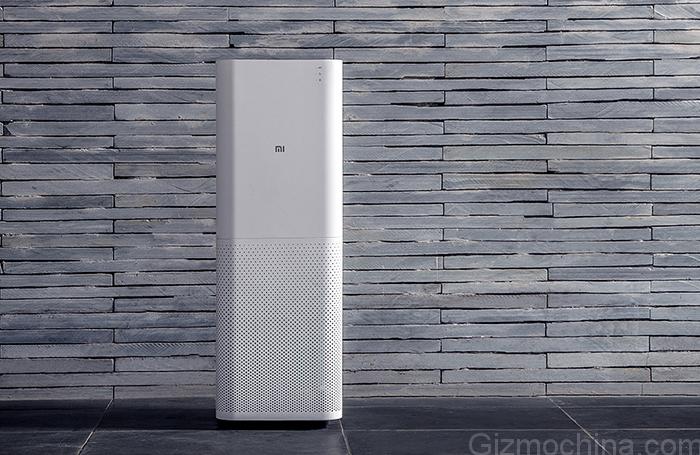
Shanghai’s Quality department recently tested out the air purifiers in the region, which included the Air Purifiers from Xiaomi. The department reportedly tested out a batch of 36 Air Purifiers, out of which only four of the products failed the test. Interestingly, Xiaomi’s Mi Air Purifier turned out to be one of the four products which didn’t pass the test.
Although this meant that most of the air purifiers were fine, the presence of a popular product from Xiaomi in the list was really surprising. However, soon, Xiaomi released a statement in response to this test report, claiming that their air purifier CADR level efficiency was in line with A level standards. According to the official company listing, the Mi air purifier has a CADR (clean air delivery rate) value of 406m3/h which is pretty decent.
Now, it has come to light that Xiaomi’s air purifiers that were subjected to the department’s test only managed score a CADR value of 346m3/h.
But the company claims that all Xiaomi purifiers use the same functional units and components and such a vast difference between the claimed value and the sample value is not possible. And after some further talks, it was reported that the sample unit under test was not using the high-speed mode on the device, which is why the score was so less. As a result, Xiaomi has urged the Shanghai Quality department to retake the test.
Although the report may have shocked Mi Air purifier users, from the proceedings of the incident, it looks like a proper retest may pass the product.
We use cookies on our website to give you the most relevant experience by remembering your preferences and repeat visits. By clicking “Accept”, you consent to the use of ALL the cookies.
This website uses cookies to improve your experience while you navigate through the website. Out of these, the cookies that are categorized as necessary are stored on your browser as they are essential for the working of basic functionalities of the website. We also use third-party cookies that help us analyze and understand how you use this website. These cookies will be stored in your browser only with your consent. You also have the option to opt-out of these cookies. But opting out of some of these cookies may affect your browsing experience.
Necessary cookies are absolutely essential for the website to function properly. This category only includes cookies that ensures basic functionalities and security features of the website. These cookies do not store any personal information.
Any cookies that may not be particularly necessary for the website to function and is used specifically to collect user personal data via analytics, ads, other embedded contents are termed as non-necessary cookies. It is mandatory to procure user consent prior to running these cookies on your website.
























![[OLD] Mi 5 On Geekbench - 24 DEC 2015](https://www.gizmochina.com/wp-content/uploads/2016/01/xiaomi-mi-5-geekbench-old.png?x44794)