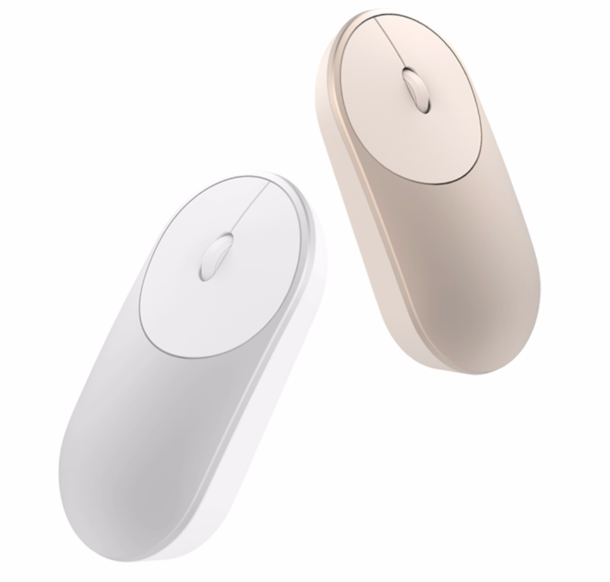
Xiaomi has released it’s first mouse which is the first computer peripheral that you can buy for the Mi Notebook Air (not counting the mechanical keyboard).
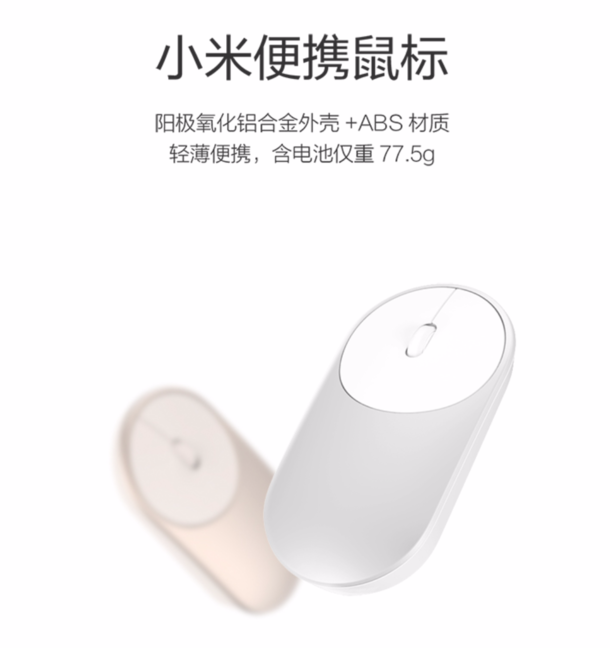
The Xiaomi Mouse has a lot going for it. The design is unusual. The buttons and scroll key which are made from ABS plastic are housed in a circle symmetrical to the underside that holds the sensors. The circle is a part of one metal body that is shaped like a keyhole.
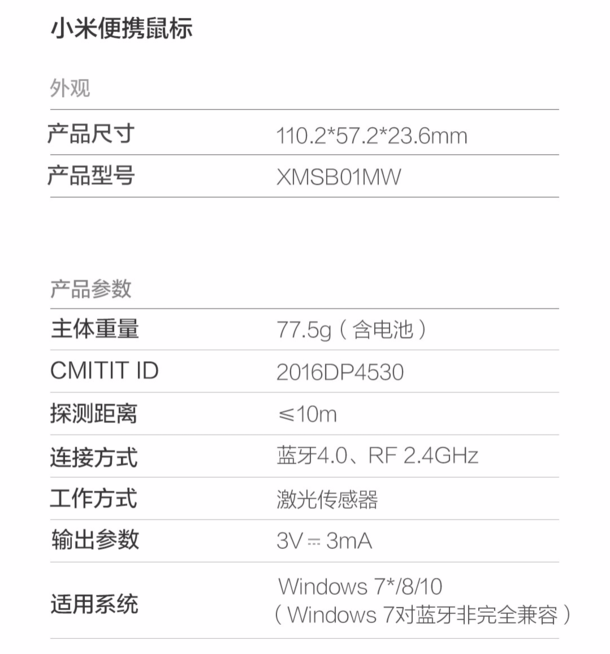
The body is made from sand-blasted anodized aluminium, a design similar to that used for Apple Macbooks. The manufacturing process helps prevent the mouse from scratches and wear. And since it is aluminium it is light as well, weighing just 77.5g.
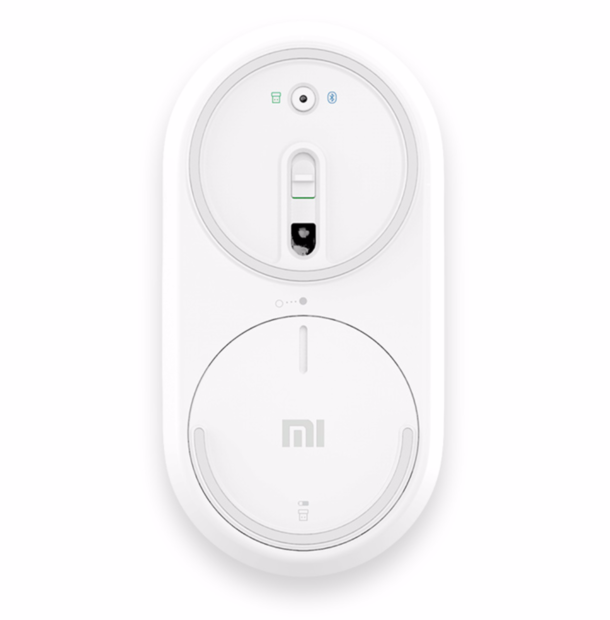
The underside of the Xiaomi Mouse is where the power switch, bluetooth module and optical sensor are located. Xiaomi says the high-precision sensor has a 95% accuracy and you can even use it on a surface with frosted glass or fabric. The mouse can be paired via Bluetooth (Bluetooth 4.0 LE) or WiFi (2.4GHz) and even supports connecting to two devices at the same time. Range is 10 meters though and there is a 3V battery that powers it.
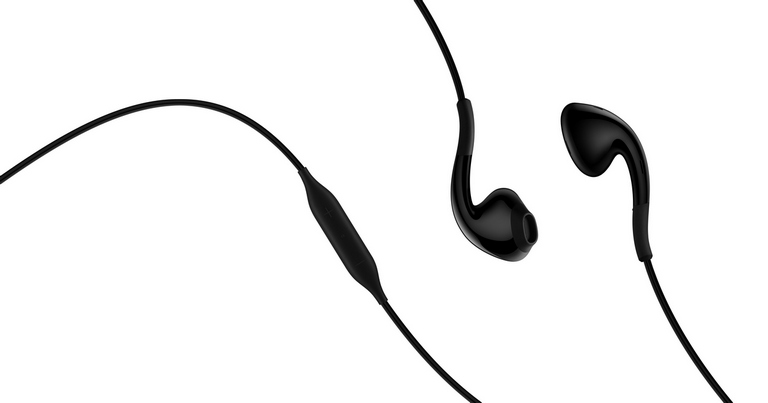
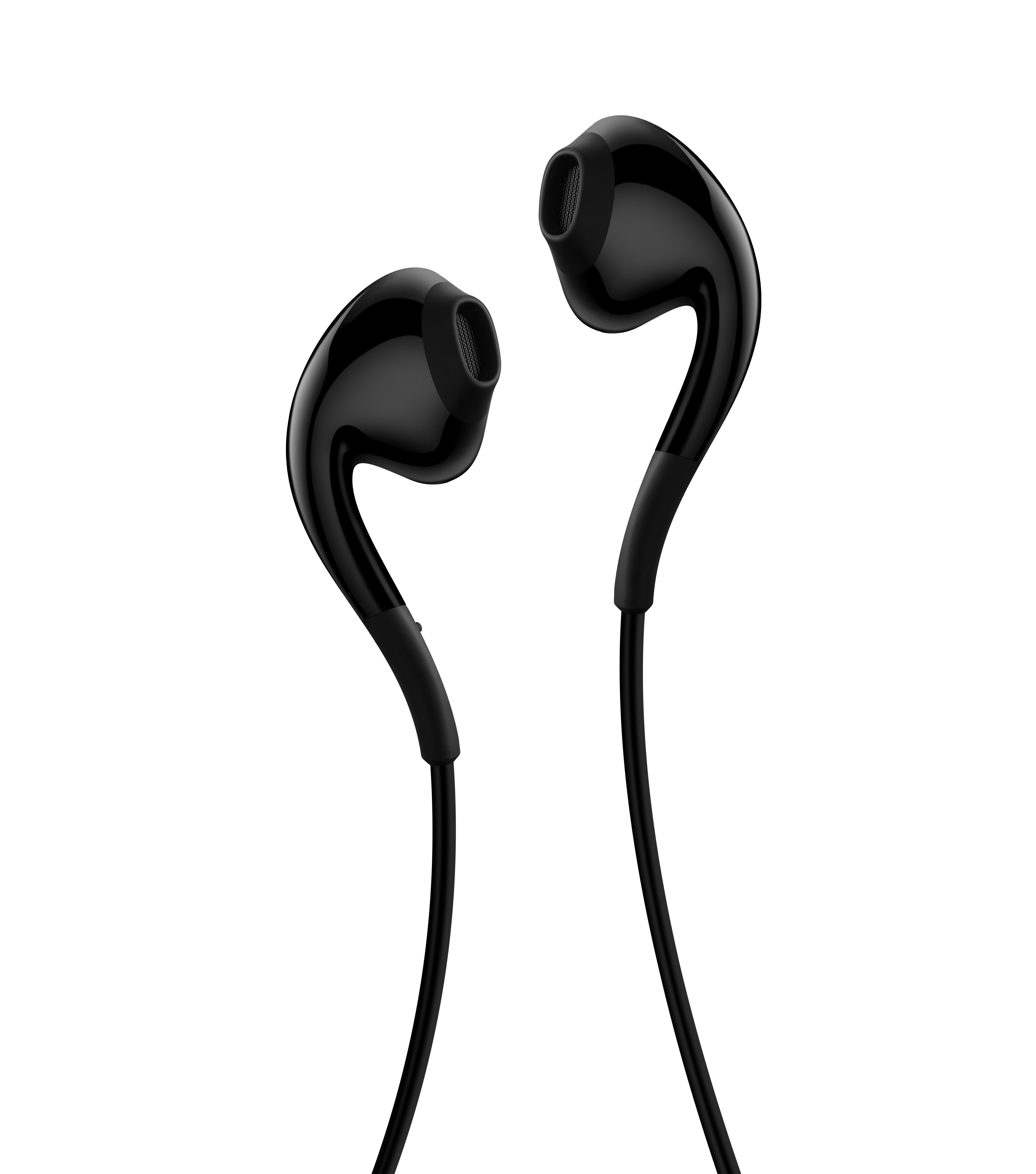
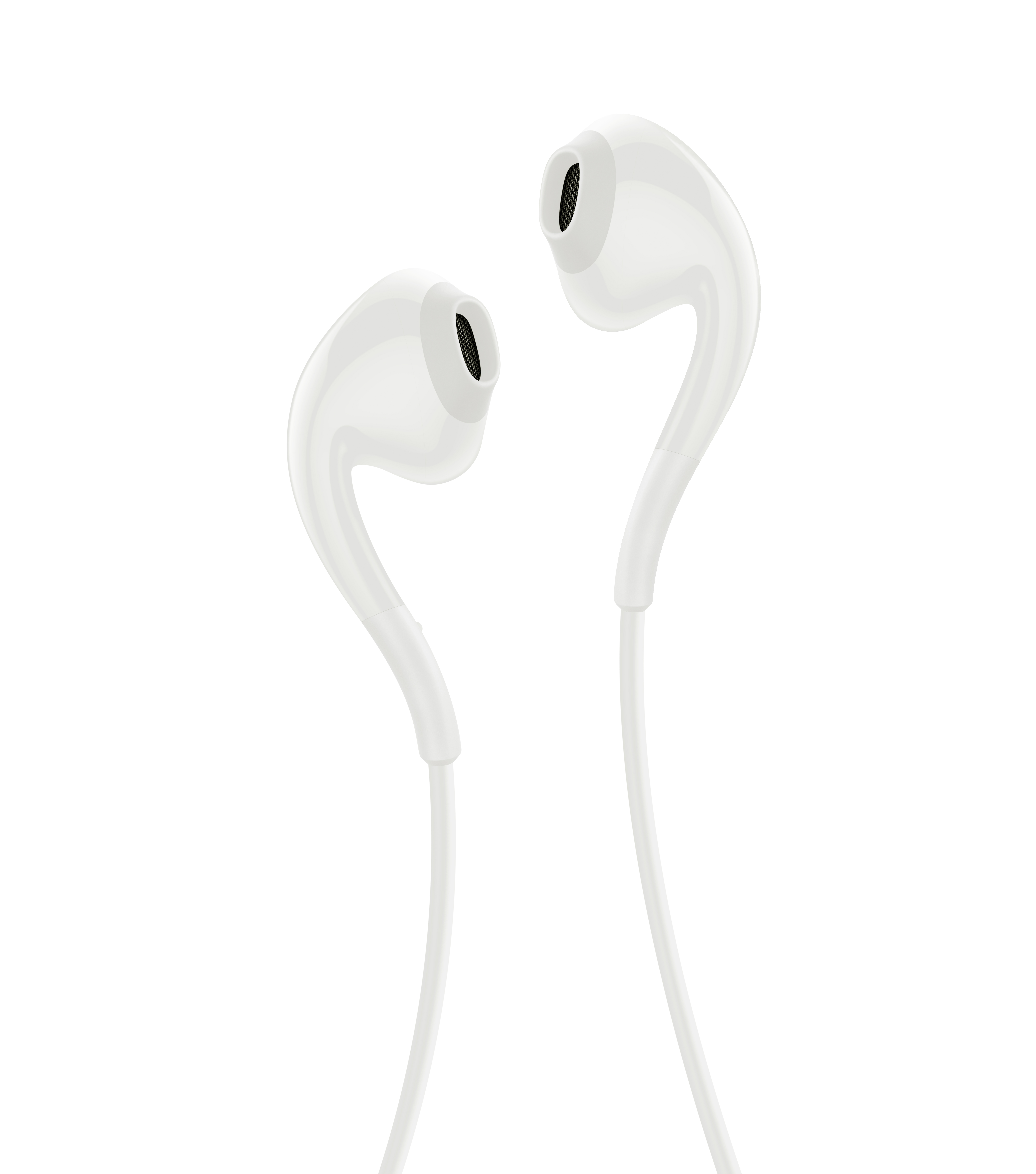
Meizu has just announced a brand new Meizu EP2X headphones that is designed to be comfortable as well as provide excellent audio quality at an affordable price tag.
The new EP2X headphones come with a curved design, which the company claims channels sound into the ear without any leakage. The streamlined tail pipe ensures that the headphones fit well in your ear. Further, the headphones come with speaker diaphragms made out of micro bio paper fiber from Japan. It features dual rear chamber design for booming bass and powerful enhanced NdFEB magnets. The EP2X has an impedance of just 32Ω and sensitivity of 105dB. .
Finally, the company also seems have made sure that the headphones will last for a good time, as it comes with pull and tangle resistant flexible cable that contains highly elastic Kevlar fiber filaments and TPE materials.
The new Meizu headphones look very good, given its curved design. It’s a great upgrade to the Meizu Ep21HD headphones and comes at a decent price tag of just 129 Yuan ($19).
At present, it looks like there are two color options — Off White and Black. You can check out the headphones from the official Meizu website.
Nokia has continued to be a very popular brand despite been out of the picture for a long time, perhaps because of its credible track record back in the days. Recent news of the re-emergence of the Nokia brand was greeted with wild accolades online. Since then, a couple of leaks here and there have surfaced on the internet about the expected Nokia phones.
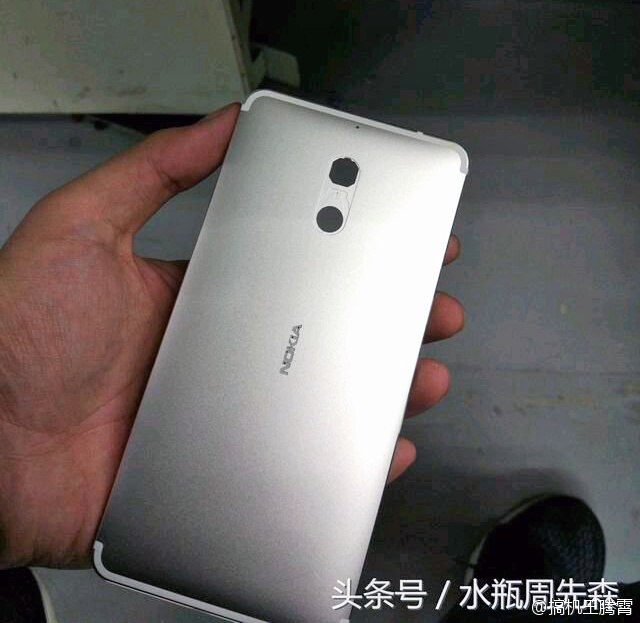
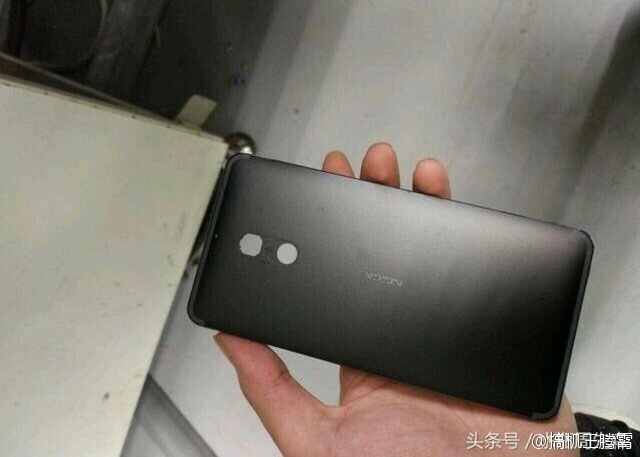
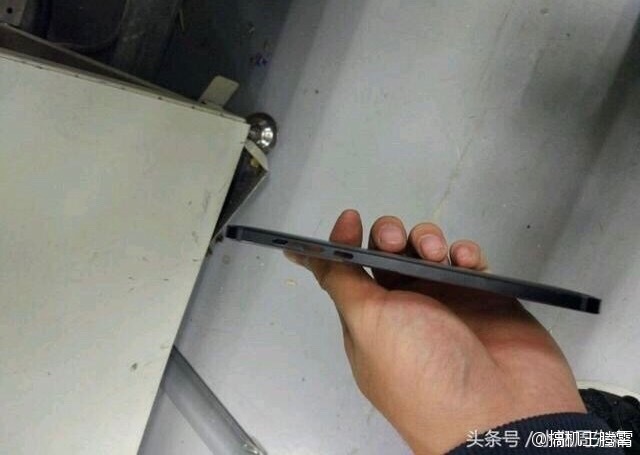
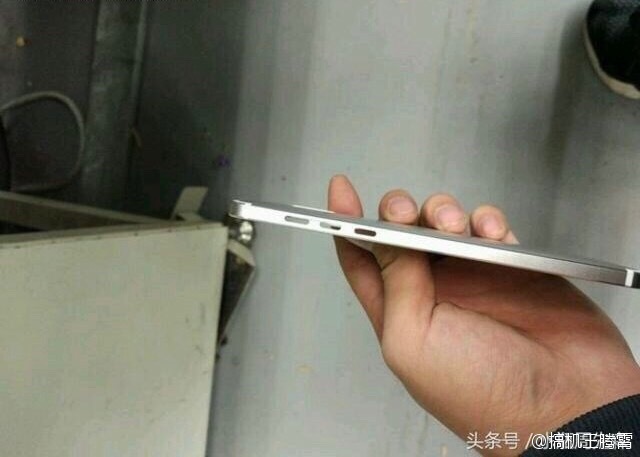
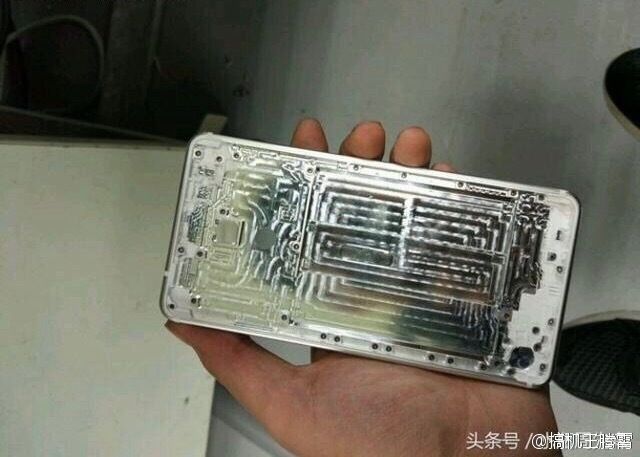
The leaks keeps getting larger, as a fresh set of renders said to be those of the expected Nokia smartphone have surfaced online and they look quite stunning. The renders did not reveal the front view of the device but focused on the back cover, and side views of the device. They showed the device sporting an all-metal design and having a curved antenna band design similar to the iPhone 7’s.
There are two openings are the back of unequal sizes. One of the opening is likely for the rear camera while we can’t say for sure if the second opening is for a fingerprint sensor or signify a dual camera set up. In addition, the Nokia brand name is neatly crested at the middle while two thin antenna bands run horizontally at both ends curving at the edges.
Insider sources also revealed that there are two slightly high-end Nokia phones in the works, both having similar designs with three front buttons. One of the buttons would be the home button and would also function as a fingerprint sensor.
Furthermore, there are rumors also of Nokia Android phones with plastic back cover used on a metal frame design with several attractive color options. A Nokia exec had earlier on hinted at a Q2 2017 launch for the Nokia branded Android phones, one of which is said to be powered by the Snapdragon 821 chip and packing a 22.6MP rear camera
With the release of the Huawei Mate 9 and Mate 9 Porsche Design, one would have thought Huawei’s smartphone releases for the year is concluded. But that seems not to be the case as Huawei is rumored to be planning the release of a more captivating device next month.
According to analyst Pan Jiutang, Huawei would release a device even more powerful than the Mate 9 next month. The analyst made this disclosure on Weibo and even went further to give some highlights of the device’s specs. The phone will feature Samsung customized four curved screen and would be equipped with a number of sensors as well as capable of achieving artificial intelligence.
Mr Jiutang went further to reveal that the real machine has been seen by insiders and they describe its appearance as stunning. If actually this turns out to be true, Huawei would have succeeded in performing way above our expectations for the year. The company is already positioned to achieve its sales target for the year and now another powerful phone? That’s just awesome.
The Huawei Mate 9 was officially released on Thursday in Munich. The company launched two versions of the device: a 5.9” FHD version with 4GB of RAM and 64GB of storage, and a 5.5” dual-curved variant with a 2K resolution, 6GB of RAM, and 256GB of storage.
Both of them are pretty expensive. The 5.9” version sells for $775 while the smaller version called the Huawei Mate 9 Porsche Design is priced at $1547!!!
Although Huawei is still yet to launch the new phones in its home country, China, a source says they will have a cheaper price tag than what they sell for in Europe. This is not surprising as they did the same for the Huawei Nova.
The source says the Mate 9 will be available in multiple versions with different storage options. The prices are as follows:
Standard Edition with 4GB RAM + 32GB ROM will sell for 3399 Yuan ($503). Available in Sky Gray and Silver Moonlight.
Standard Edition with 4GB RAM + 64GB ROM will sell for 3699 Yuan ($547). Available in Champagne Gold, Mocha Gold, Ceramic White, and Black Enamel.
Standard Edition with 6GB RAM + 256GB ROM will sell for 4399 Yuan ($651). Available in Champagne Gold, Mocha Gold, Ceramic White, and Black Enamel.
Dual-Curved Edition (Non-Porsche Design) with 4GB RAM + 64GB ROM will sell for 4599 Yuan ($680). Available in Sky Gray, Rose Gold, and Silver Moonlight.
Dual-Curved Edition (Non-Porsche Design) with 6GB RAM + 128GB ROM will sell for 5299 Yuan ($784). Available in Champagne Gold, Ceramic White, and Black Enamel.
Dual-Curved Edition (Non-Porsche Design) with 6GB RAM + 256GB ROM will sell for 5699 Yuan ($843). Available in Champagne Gold, Ceramic White, and Black Enamel.
Dual-Curved Edition (Porsche Design) with 6GB RAM + 256GB ROM will sell for 9899 Yuan ($1463).
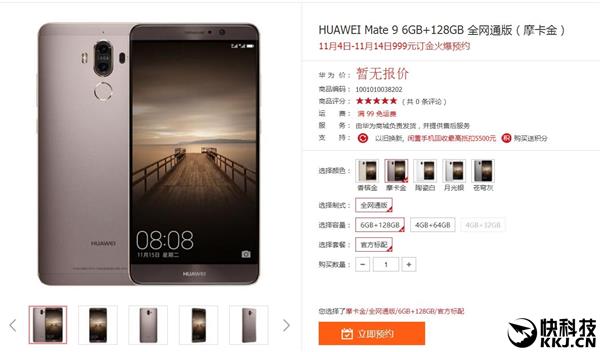
The Mate 9 will go on sale at 1808hrs after the launch on November 14. Online mall Jingdong has started taking pre-orders but you will ave to pay a 999 Yuan deposit.
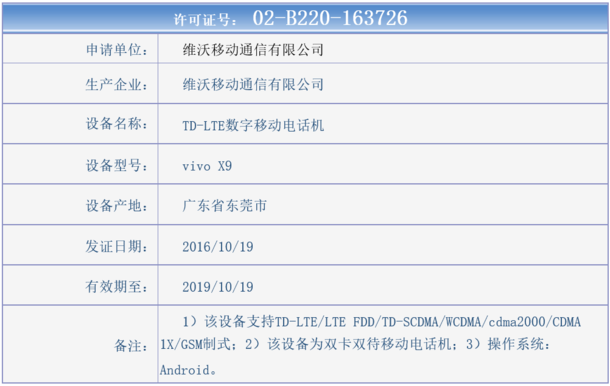
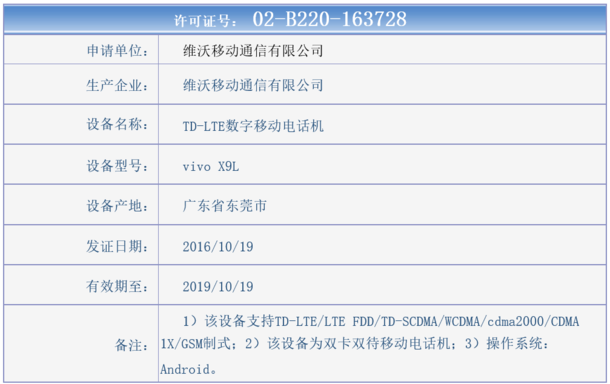
Vivo has confirmed November 16 as the date for the official launch of the Vivo X9 and X9 Plus, and both phones have already gotten their network certification from the Ministry of Industry.
The Vivo X9 and X9L have full network support, so if you are on a CDMA network and wish to change your phone soon, you may want to add either of these phones to your list.
Vivo has focused on the design of both phones. Promotional images show a device with very thin bezels. Sources say they have used the latest COS narrow border technology to arrive at a bezel size of just 1.59mm. They’ve also put Corning’s 5th generation glass on top of the display for protection. The antenna lines also sport a U-design that goes around the top of the phone.
The unique selling point of the X9 is its dual-front facing cameras (20MP+8MP) which work together to capture HD depth of field images. The 20MP sensor captures the details and the 8MP sensor obtains the depth information resulting in SLR bokeh images. The X9 Plus on the other hand is said to have dual cameras on the back as well, making it a total of 4 sensors.
The Xiaomi Redmi 4 launched yesterday with features found in mid-range phones but with a price associated with low-range phones.
The Redmi 4 is available in two versions: a 3GB RAM+32GB variant dubbed the Redmi 4 Pro, and a 2GB +16GB variant which you can call the standard variant. Both variants of the Redmi 4 have 5-inch displays with 2.5D curved glass on top.
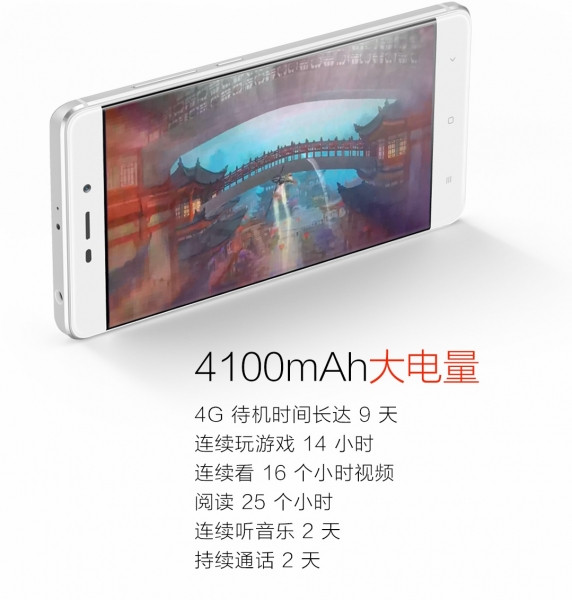
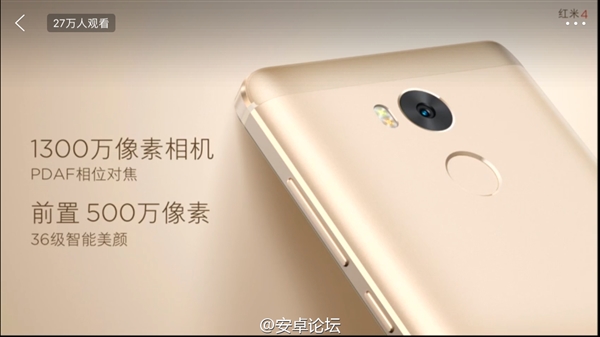
They however differ with respect to processors and display resolution: There is a FHD screen and 2.0GHz Snapdragon 625 chip in the Pro, and a HD screen and 1.4GHz Snapdragon 430 (same as the Redmi 3s) in the standard variant. Cameras are the same: 13MP on the rear and 5MP up front; and battery capacities are no different: 4100mAh on both variants.
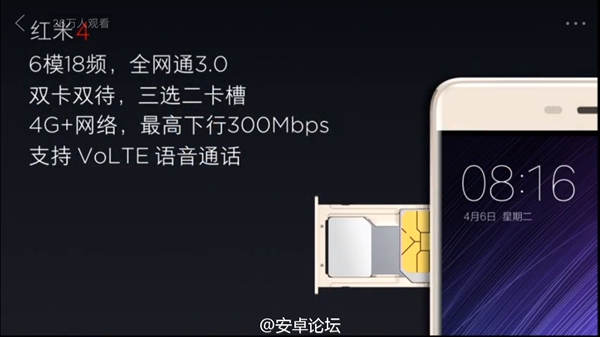
The Redmi 4 has dual 4G SIM slots but you’ll have to give up one if you want to use a micro SD card to expand storage. It also runs Android 6.0 Marshmallow with a MIUI 8 overlay.
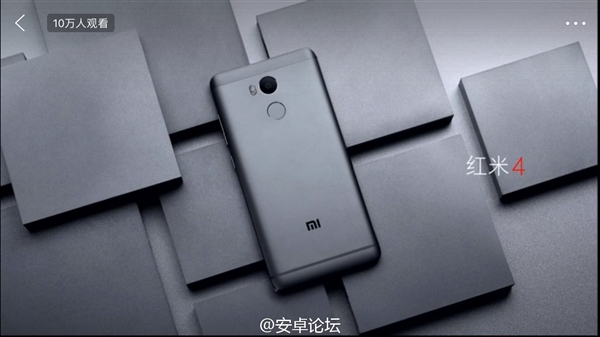
Xiaomi has redesigned the Redmi 4 completely like they did with the Redmi Note 4. There is the 2.5D curve on the display we mentioned above, then the antenna lines are a lot different and appear more refined. The speakers are also no longer on the back but are now at the bottom, flanking the charging port. The camera and LED flash have also changed position. The sensor now sits above the fingerprint scanner and is flanked on the left by the LED flash in the Pro but on the right in the standard variant.
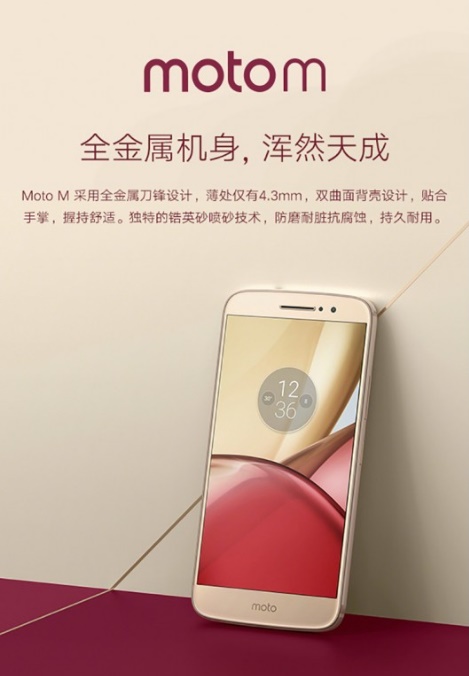
The Moto M is set to launch on Tuesday, the 8th of November and we pretty much know all the basic features already, save for the exact price. More details of Lenovo’s new phone under the Moto brand have surfaced from official press releases.
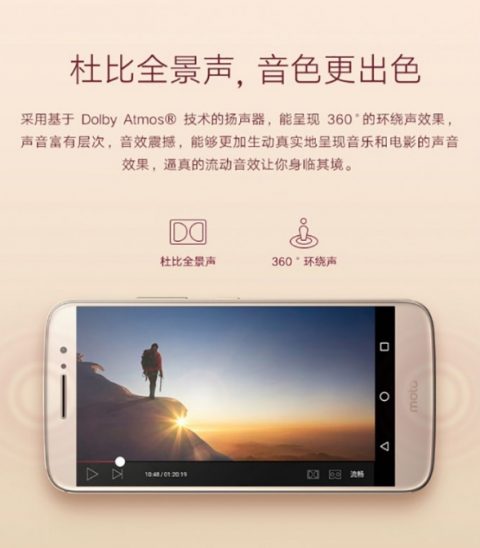
First on the list is the audio of the phone. The Moto M will come with Dolby Atmos, providing 360° surround sound when you watch videos or listen to music.
Another feature is the waterproof dual nano-coating which protects the phone from splashes and light showers. So you shouldn’t worry about whipping out your phone and making a call if there’s a drizzle but just don’t take it for a swim.
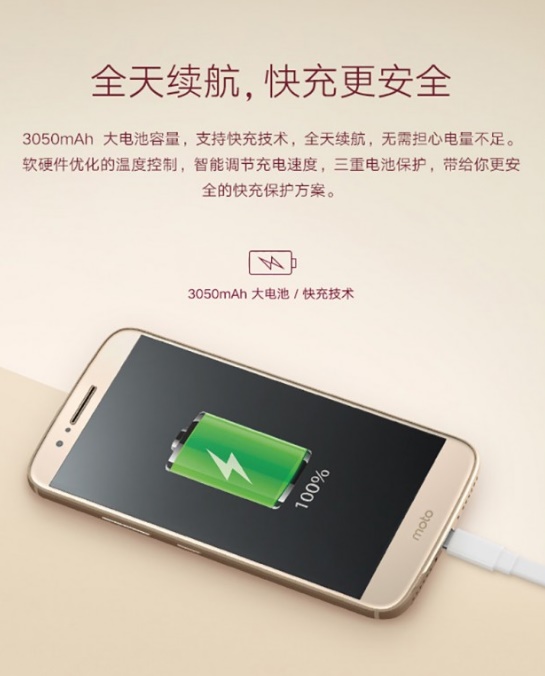
Lenovo also says the Moto M’s 3050mAh battery supports fast charging. We assume this to be Motorola’s Turbo Power fast charge technology which is similar to Quick Charge 2.0.
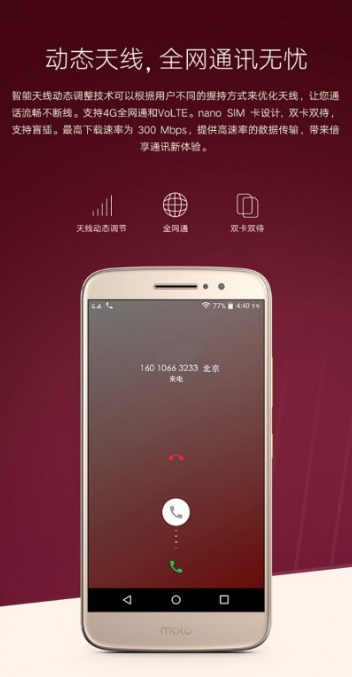
The Moto M has full network support, VoLTE, dual nano-sim slots, and offers download speeds of up to 300Mbps. The main camera is a 16MP sensor with PDAF, CCT, fast focus, and a LED flash. The camera up front is an 8MP shooter with an 85° viewing angle which should suffice for selfies.
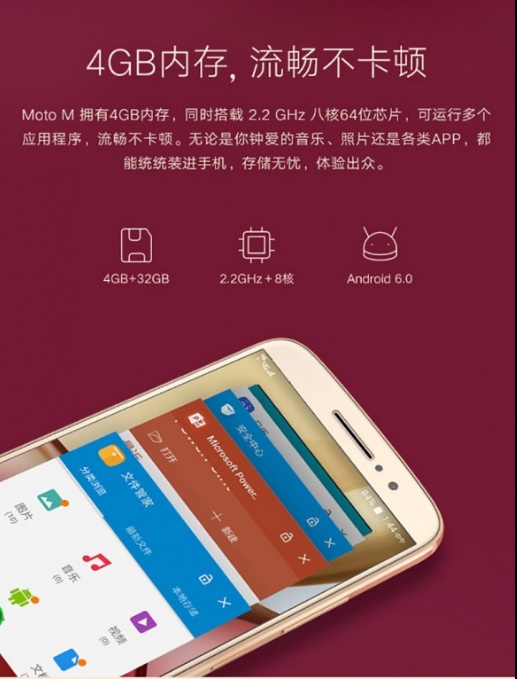
Other details already known include the 5.5” FHD display, a 2.2GHz octa-core Helio P15 processor, 4GB of RAM, 32GB of storage, and Android 6.0 Marshmallow.
As expected, along with the new Redmi 4 smartphone, Xiaomi also announced the new Xiaomi Redmi 4A device. The company released the two devices online, via live stream, instead of the traditional fanfare associated with its phone launches. But it’s understandable, considering how busy the company has been in the past few months.
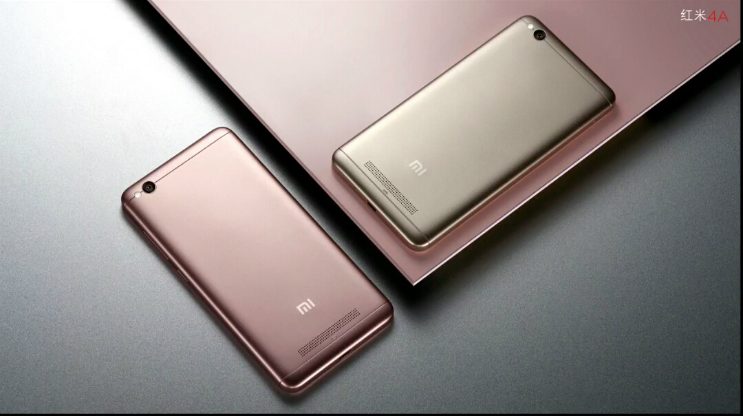
The Redmi 4A comes with a similar appearance as the Redmi 4, in a matte finish and two color options, gold and rose gold. So, despite its cheap pricing, the phone will look quite premium as compared to rivals in the market. The phone is super light as well, weighing just 131.5 grams. Another interesting highlight of the phone’s design is the super thin antenna lines, which gives it a seamless look.
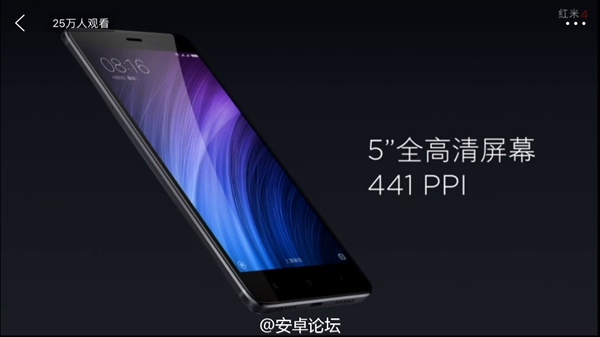
The Redmi 4A is powered by the Snapdragon 425 chipset which is a quad-core chip clocked at 1.2GHz. There is a 5-inch 720p display on board. For memory, there is 2GB RAM and 16GB of expandable internal storage. At the back, the phone features a 13MP sensor with PDAF, and up front, there is a 5MP shooter. Other features include a 3120mAh battery, MIUI 8 and dual SIM dual standby.
All this for an amazing price tag of 499 Yuan, which comes to just $74. That’s a lot if specs for such a cheap device. The phone will go on sale on November 11.
Xiaomi has today officially launched the long awaited Redmi 4 via a live online platform hosted by Xiaomi’s President Lin Bin. The Xiaomi Redmi 4 had long been in the works, earlier expected to launch with the Redmi Note 4 but that didn’t happen. Surprisingly, the device’s renders and specs surfaced recently online, indicating its launch was close by. The Redmi 4 is coming just in time for the popular double 11 sales in China.
Design
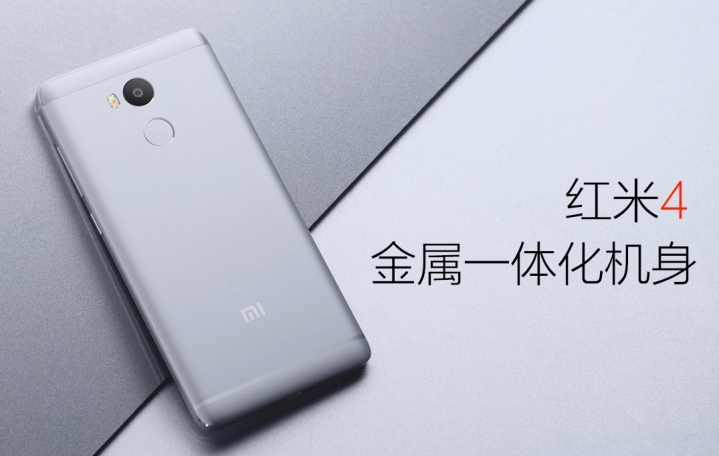
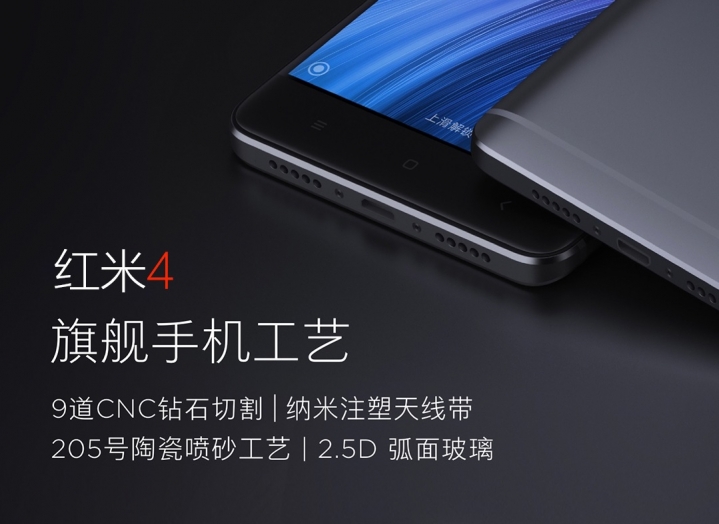
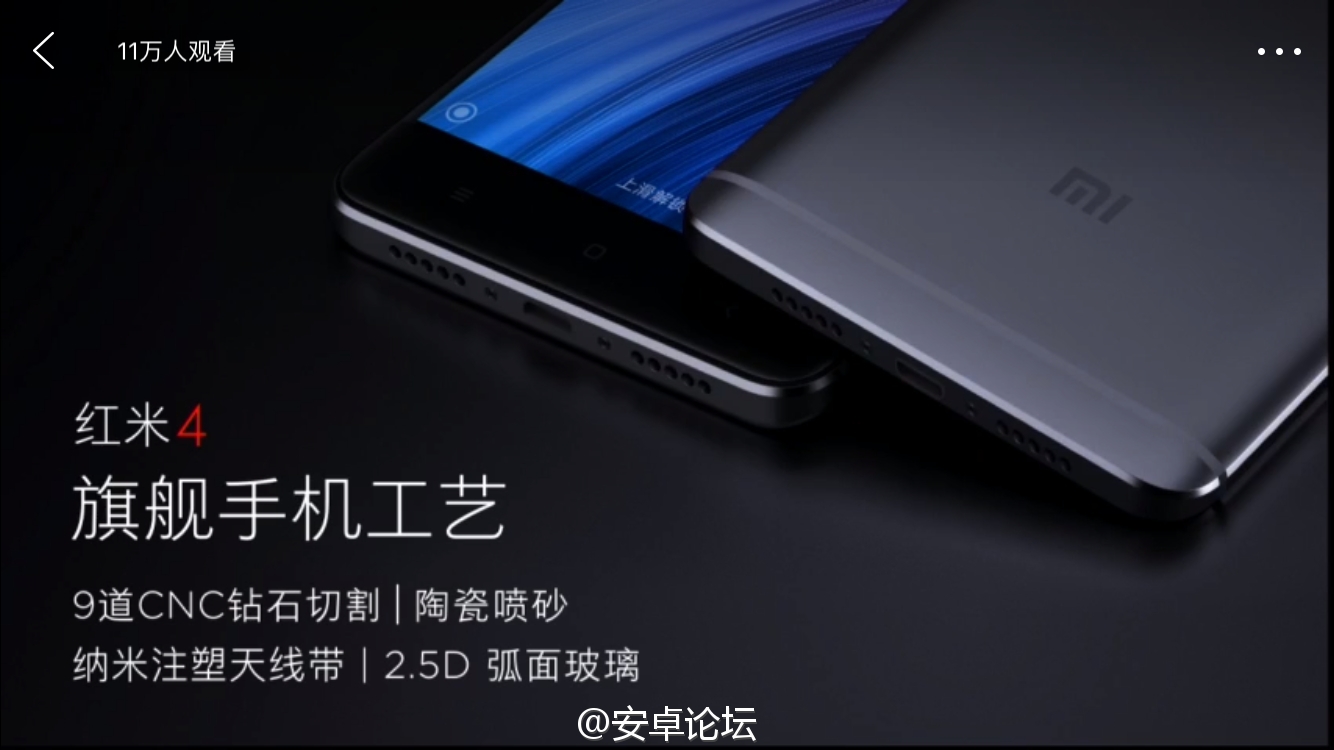
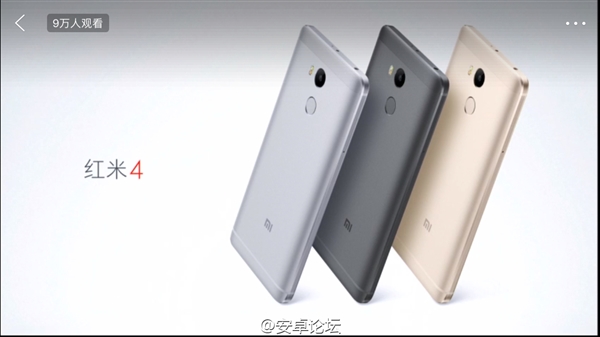
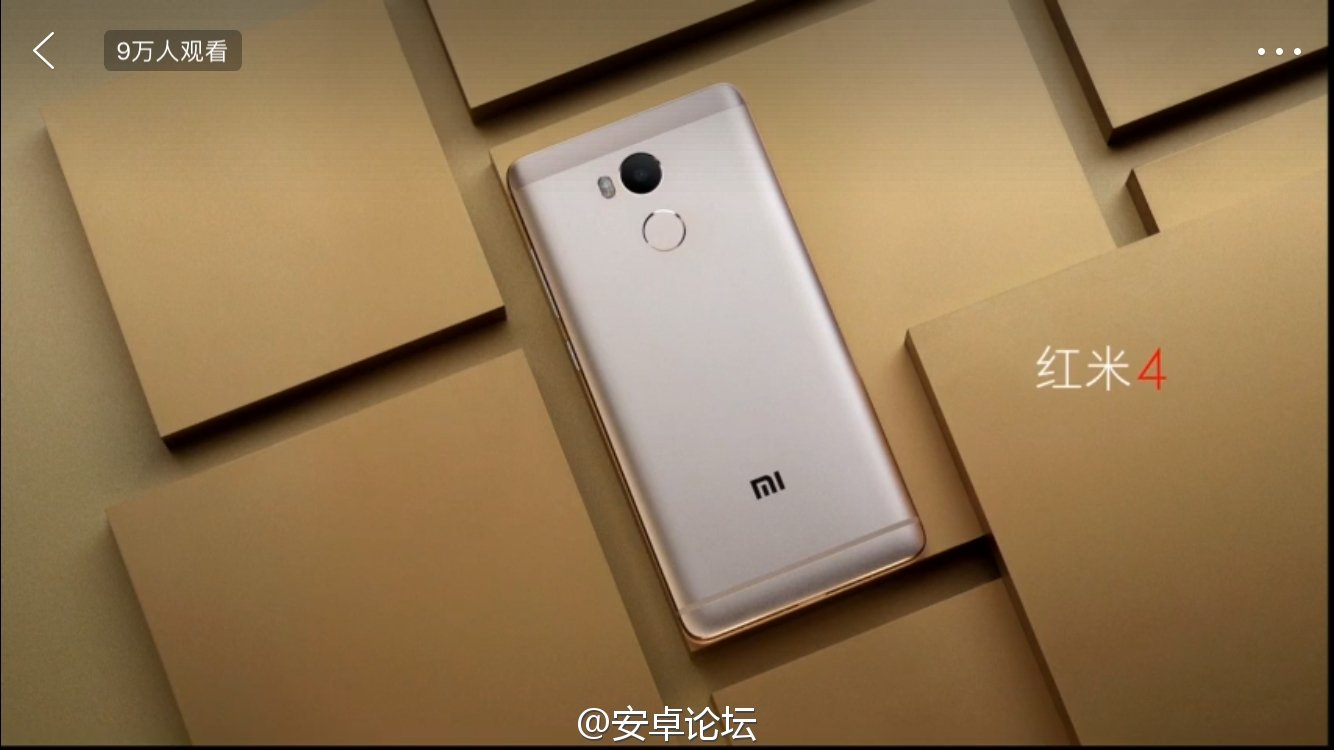
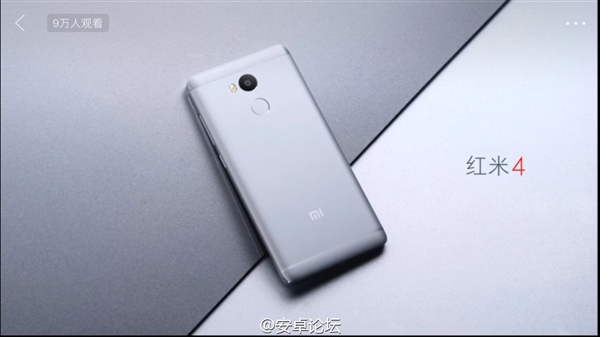
Looking at the design, the Xiaomi Redmi 4 looks a lot different from its predecessors, sporting an all-metal body design with 2.5D glass on top to prevent the screen from scratch. The metal body was produced using CNC diamond cutting process and the ceramic sandblasting process was used on the back, giving the Redmi 4 a clean, smooth and refined body which looks more like a flagship device. There is also a fingerprint scanner mounted at the rear just under the rear camera and the device uses a tiny antenna band that was fused into the metal body using injection molding. The Redmi 4 is available in three cool colors namely, silver, gold and dark gray.
Specification – Xiaomi Redmi 4
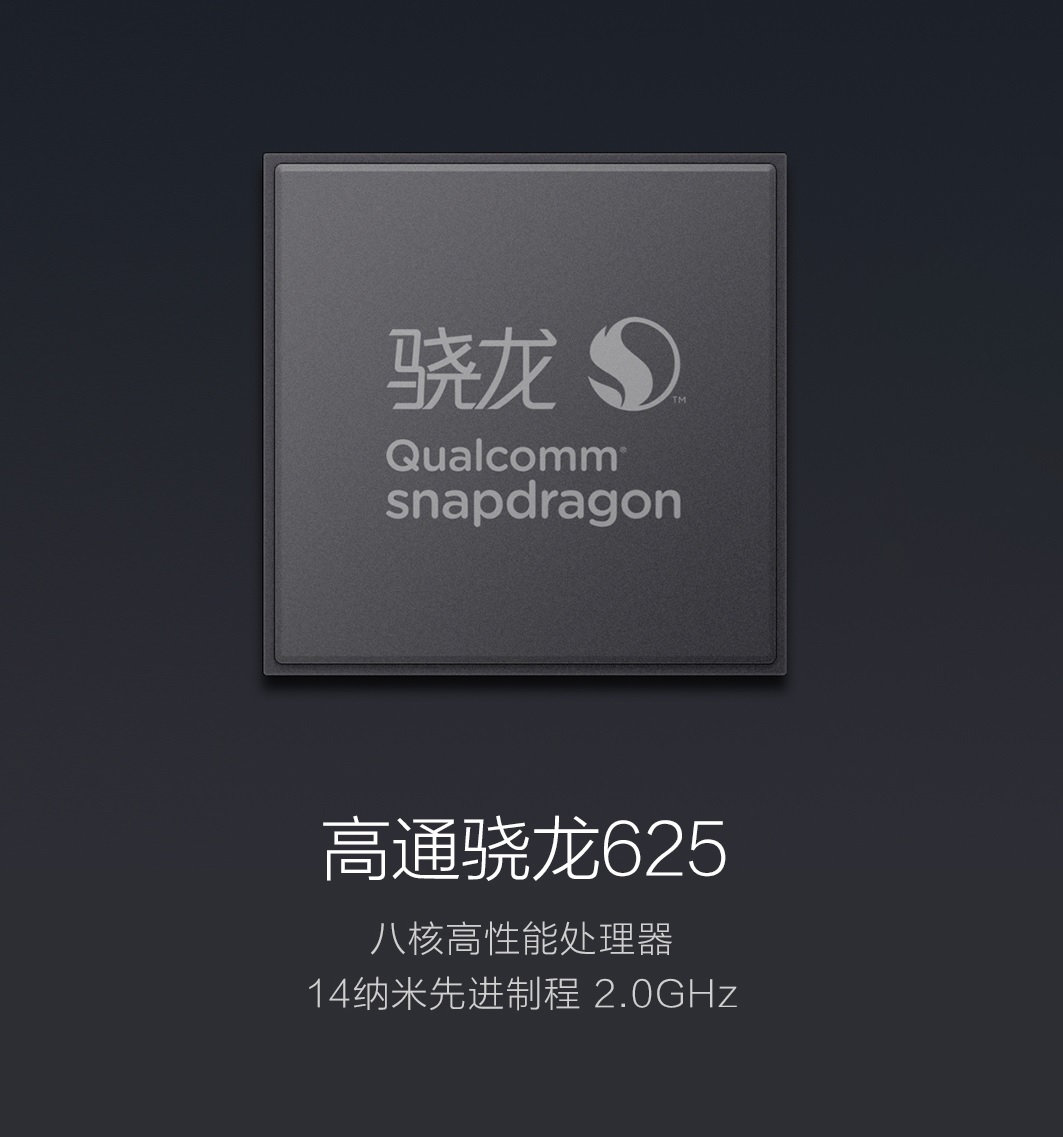
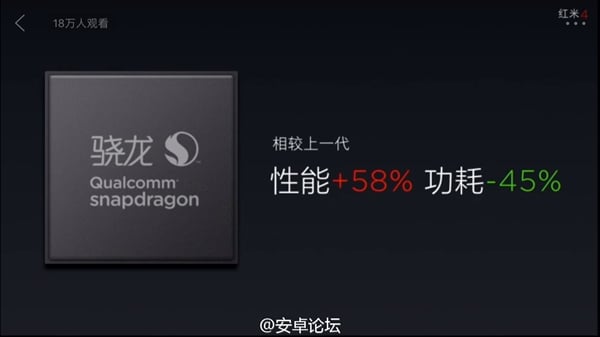
On the specs angle, the Xiaomi Redmi 4 sports a 5-inch display with 1080 pixel resolution and quite surprisingly, there would be two versions of the device with two different Qualcomm Snapdragon SoC. The high-end version is equipped with an Octa-core Snapdragon 625 chip and on this version there is a 3GB RAM as well as 32GB of internal storage. The second Redmi 4 version is powered by a Snapdragon 430 processor and features 2GB of RAM as well as 16GB of internal storage on-board. Both versions have microSD slots for expansion of the internal storage. They both also pack a large 4,100mAh battery which is enough to ensure some extended hours of usage.
Further, the Xiaomi Redmi 4 features a 13MP primary camera with PDAF and LED flash on both versions. There is also a 5MP front-facing camera for selfie shots. The Redmi 4 also comes in with dual SIM / dual standby support, entire network support including 4G, support for dual-band Wi-Fi as well as infrared remote control feature. On the software end, the device runs on MIUI 8 based on Android 6.0 Marshmallow.
Pricing
The pricing of both versions of the Xiaomi Redmi 4 is another surprise as the device still carries a relatively cheap price tag despite the upgraded, sleek design and powerful specs. The standard version of the Redmi 4 with SD 430 chip, 2GB + 16GB is priced at 699 Yuan ($105). On the otherhand, the higher Snapdragon 625-powered version with 3GB + 32GB carries a slightly higher price tag of 899 Yuan ($133).
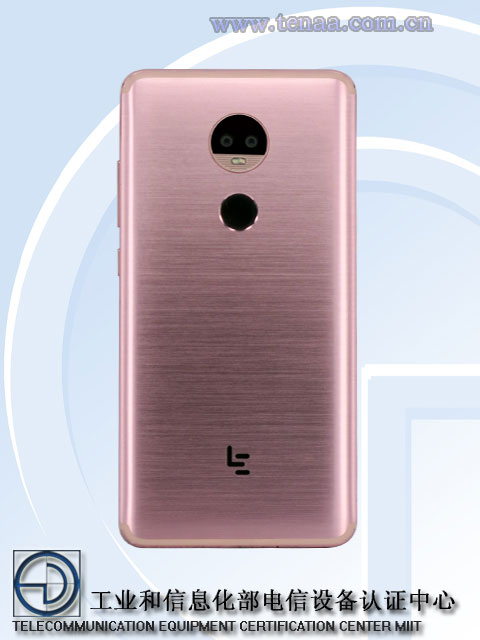
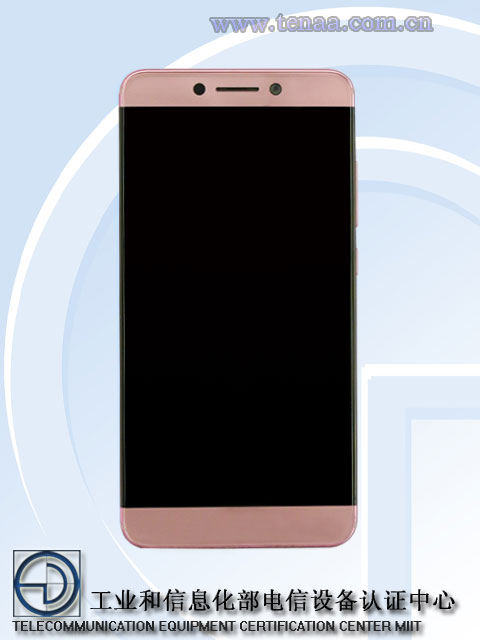
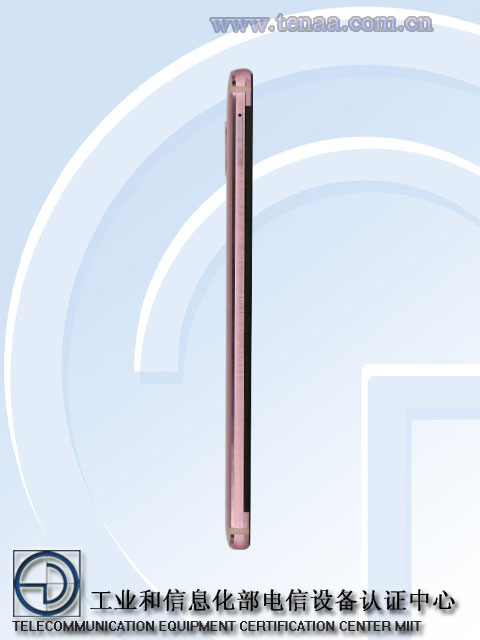
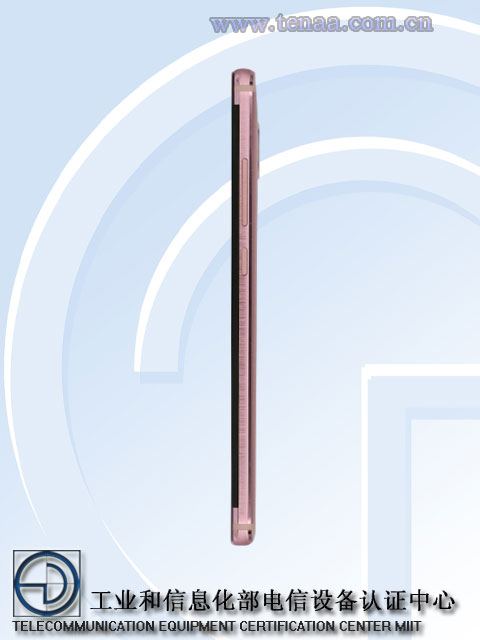
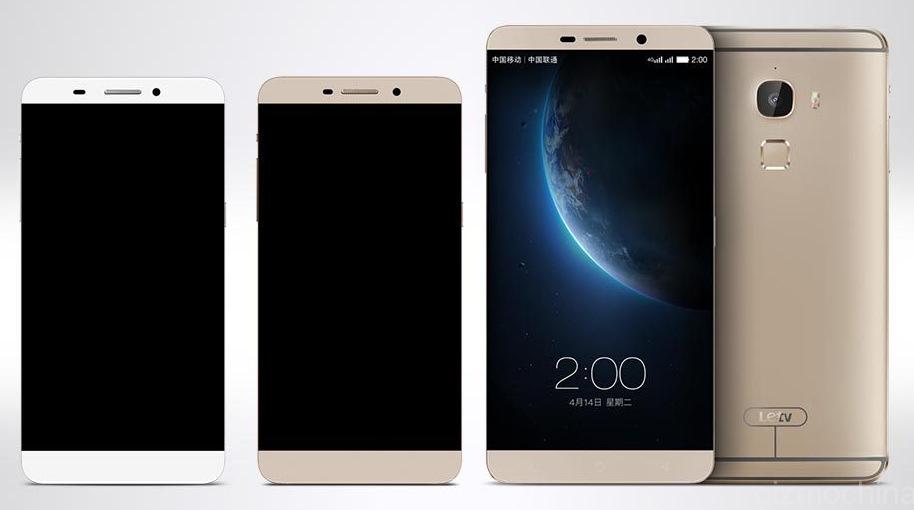
Despite launching some amazing smartphones recently, like the Le Pro 3, the company still seems to be working on new handsets. We have already seen a yet to be released LeEco smartphone, the Le x850 on TENAA (without images) as well as via other leaks, but now, the certification website has added the images for the listing.
Once again, we can see the funny looking dual camera module at the back. It’s a bit different than the images that we have seen earlier, but the basic design remains the same. You have the new antenna lines at the back and the overall body has a brushed metal finish. As you can see, this is the rose gold color version, but there should be other color options such as coffee gray and gold.
TENAA had already revealed the specs of the Le x850 model. The phone will come with a 5.7-inch 2K display and will be powered by the Snapdragon 821 chipset clocked at 2.34GHz. For memory, there will be 4GB of RAM and 64GB of internal storage. The back features dual 13MP rear cameras while up front there is a 16MP selfie shooter. The battery is also pretty large, measuring 3900mAh. For software, the phone runs on Android 6.0.1 with EUI on top.
Rumors say that the phone could be announced sometime later in November. There’s another model, called the LeEco Dual 3 in the works, which is said to be the company’s AI smartphone powered by a custom Helio X27 chip. Hopefully, we will get more details about these devices in the next few weeks.
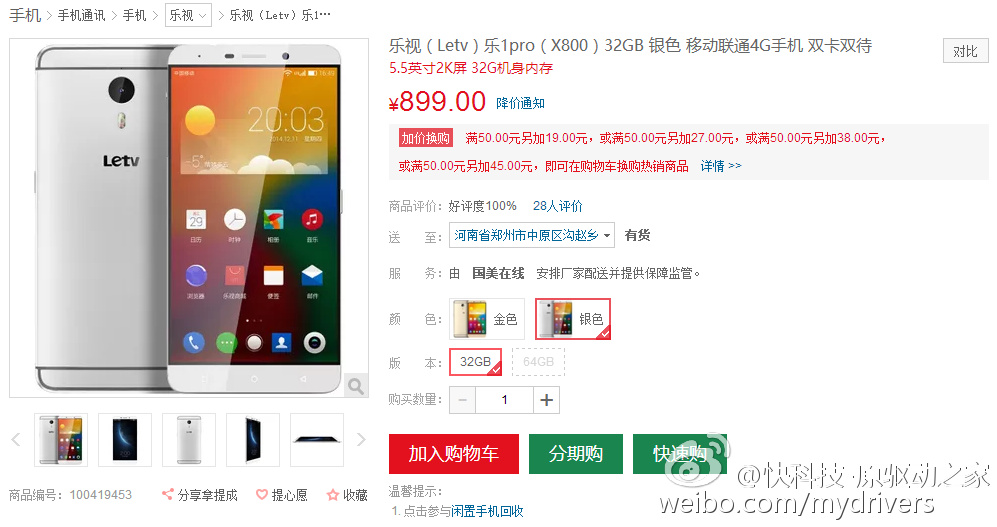
We are in for more surprises as another top rated LeEco smartphone takes a steep nose-dive in its retail price not too long after the Le Max 2‘s price was slashed. This time around, the LeEco Le 1 Pro X800 is said to have been listed online in China with a price tag of 899 Yuan (around $133) for the 32GB, sliver colored variant.
Presently, the lowest we have on a device with flagship SoC is the Lenovo ZUK Z2 with a Snapdragon 820 chip and offered for 1,199 Yuan. Now a device powered by the Snapdragon 810 chipset which is almost as fast as the SD 820 has got a slash as well. The Le 1 Pro sports a beautiful design that looks well crafted and polished with an all metal body and rear mounted fingerprint sensor.
Apart from that, the LeEco Le 1 Pro features a 5.5-inch display with 2K resolution and 4GB of RAM inside. The device also packs 32GB of storage on the version on offer, though there are other higher storage versions. On top of that, there is a 13MP primary camera with LED flash and a 4MP frontal camera. There is also a 3000mAh battery crammed under the hood.
Further, the device features dual SIM slots, dual standby support, USB Type-C interface and fast charging support but unfortunately, it doesn’t support all network. Only the China Unicom network’s 2G, 3G and 4G bands are supported on this one.
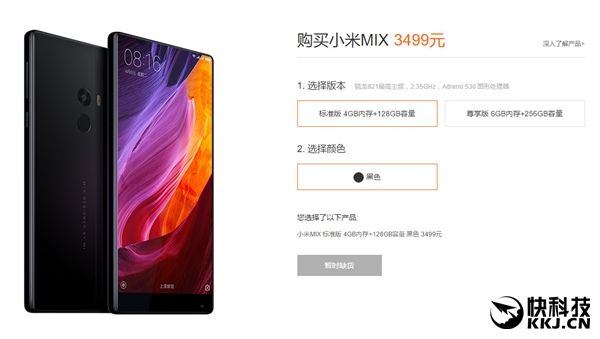
The Xiaomi Mix went up on sale today and just as predicted, the device didn’t even last up to 20 seconds before it was displayed as sold out. Just 10 seconds after Xiaomi‘s official website opened for sales of the device to those who had made reservations, the Mi Mix was listed as out of stock, meaning it had been sold out.
Obviously, the minds of fans remained unwavering despite talks of the display and ceramic body of the Mi Mix cracking easily if the device accidentally drops. The clamor for the device remained high as reflected in the flash sale. The sales happens to be for both the standard version of the Xiaomi Mix with 6GB RAM + 128GB ROM and carrying a hefty 3499 Yuan ($516) price tag and available in black color, as well as for the higher version with 6GB RAM + 256GB ROM, available in black gold color an priced at 3999 Yuan ($590).
Xiaomi is also said to have offline sales of the device available, with reservations opening briefly yesterday on WeChat. Fans with successful reservations can purchase the device from the offline store today and both versions are available for purchase as well.
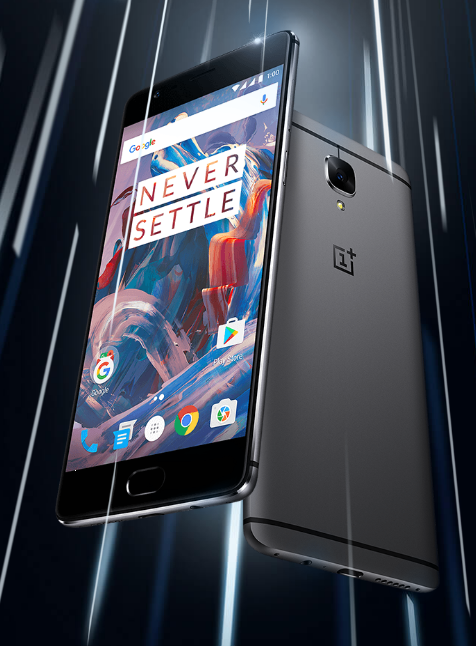
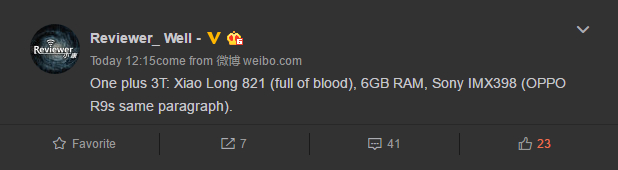
OnePlus 3, that sleek flagship smartphone with a cheap price tag manufactured by Chinese start-up OnePlus, has lately been making the rounds quite regularly in the rumor mills. First we got hint of an upgraded version dubbed OnePlus 3T said to use a Snapdragon 821 chipset, and also packing a more powerful Sony IMX398 sensor. Also, it had emerged from the mouth of popular tipster Evan Bass that the device could be priced $80 more than the current OnePlus 3 pricing.
Now, latest rumor emanating from China says the expected OnePlus 3T will be launched on November 14 which is just about ten days away from today. We cannot verify the authenticity of the rumor but considering that the device has been in the front burner quite frequently of late, there might be some credibility in it.
Moreover, the release of an upgrade for the OnePlus 3 is long overdue because despite its sleek and sturdy features as well as solid performance, more recent smartphones have taken the shine off the flagship. So, the OnePlus 3T is very much needed at this time to keep the steam up until next year when the company would likely release its next flagship, the OnePlus 4.
Specs wise, the OnePlus 3T is expected to sport the same 5.5-inch 1080p Optic AMOLED display that was first seen on the OnePlus 3. The device is also expected to feature two memory versions with 64GB or 128GB of internal storage, but both models are expected to have 6GB of RAM. The major differences from the OnePlus 3 will include an upgrade of the processor to Snapdragon 821, while the rear camera is expected to have the Sony IMX398 sensor that can be found in the OPPO R9s and R9s Plus. Also unlike the OnePlus 3, the upcoming device is expected to have Android 7.0 Nougat pre-installed. Not forgetting also that the price would come around $80 higher than the OnePlus 3, placing it around $480.
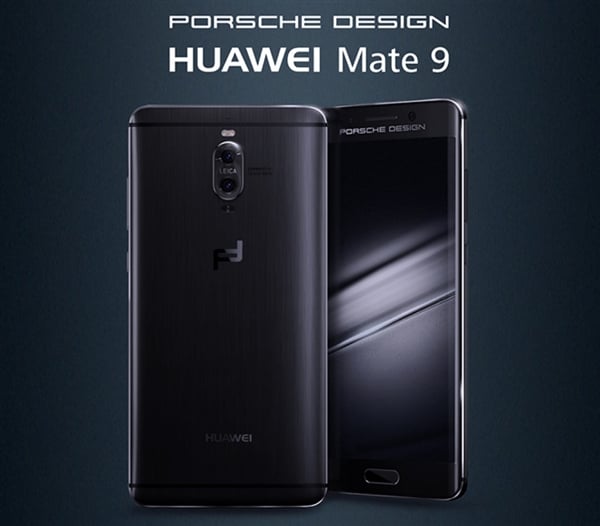
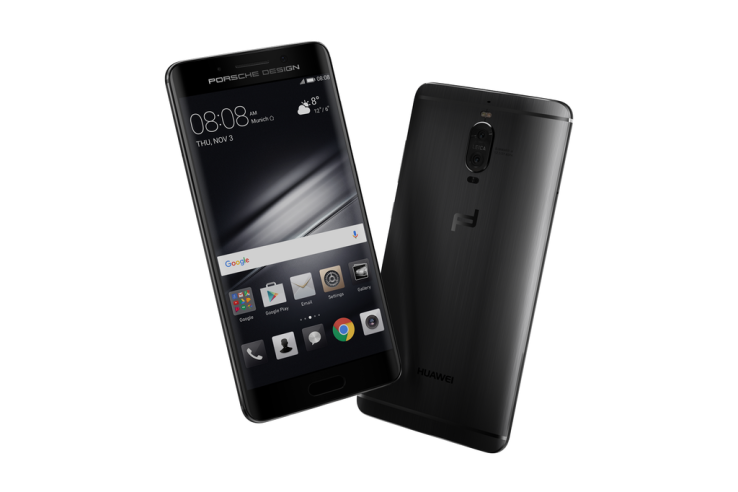
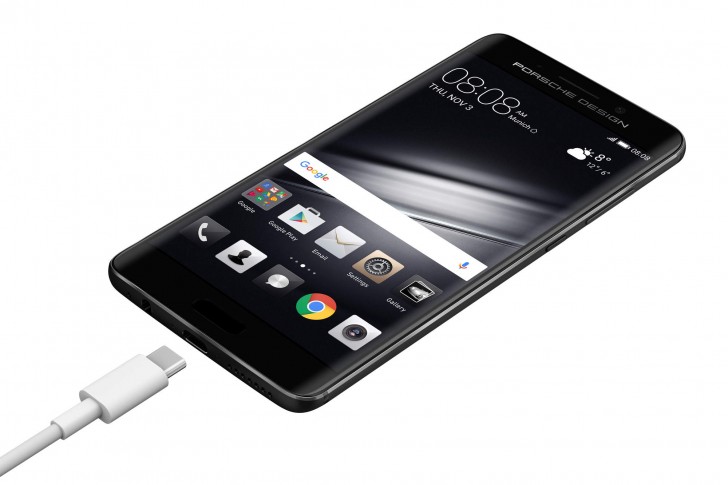
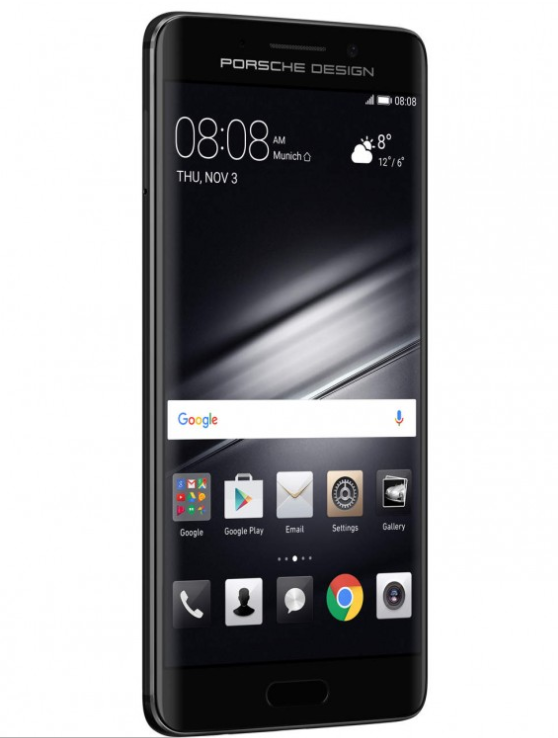
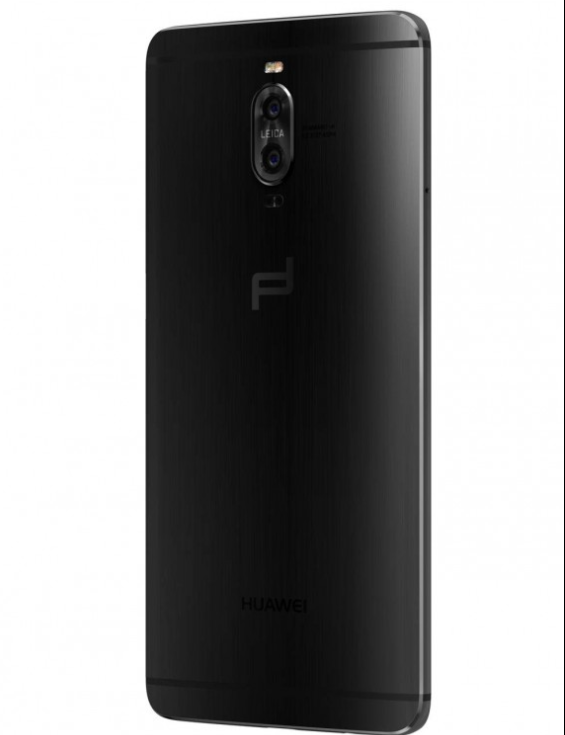
If you have been waiting for a dual curved smartphone from Huawei, then meet the Huawei Mate 9 Porshe Design. Huawei is calling it a limited edition model and there are some features that really make it stand out from the crowd. This is also the first dual curved smartphone from the company, making it special. But will you be willing to spend 1395 Euros for this beast? Yes, you heard it right! That’s the official price tag of the Porshe Design, which translates closely to $1547. So, let’s take a look at what you get at this crazy price.
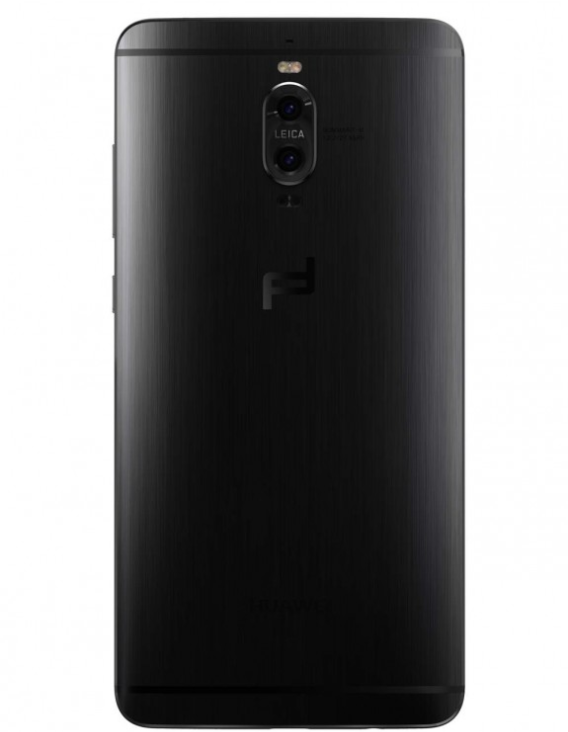
First of all, as you may have guessed already, the Huawei Mate 9 Porsche Design is crafted by the popular Porsche Design studio. You get a dual curved flexible AMOLED display on the front. To make things symmetrical, the back is also curved, taking the minimum thickness of the phone to just 3mm. You get the Porsche Design logo at the back and that’s probably why the company decided to move the fingerprint sensor to the front.
Now, note that this edition comes with a smaller screen of 5.5-inches as compared to the 5.9-inches on the Mate 9 regular edition. But the AMOLED display will look amazing thanks to its 2K resolution. The processor is the same as the regular version — Kirin 960 but the RAM and ROM are upgraded to 6GB and 256GB respectively. The camera is also the same setup as the regular version — 20MP + 12MP with Leica branding. Also, note that the battery is still 4000mAh despite the reduction in screen size.
Overall, this is the most premium Huawei handset that we have seen till date and surely, it’s priced accordingly. Meanwhile, you can check out the Mate 9 launch article here.
So, what are your thoughts about the Huawei Mate 9 Porsche Edition?
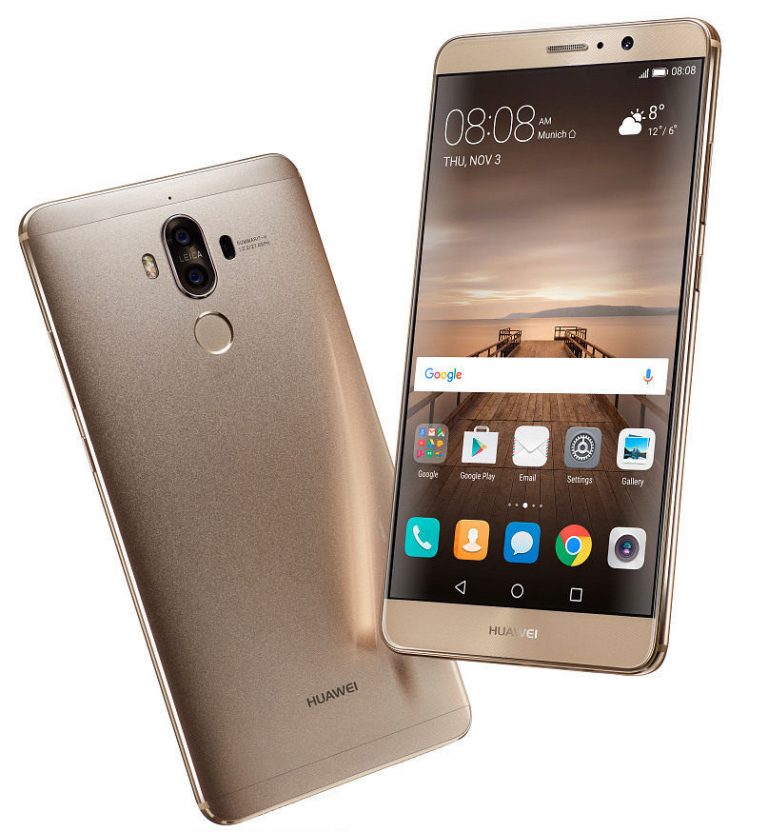
After a long set of rumors that emerged in the past few weeks, Huawei has officially announced the Huawei Mate 9 flagship. This is the next generation version of the Mate 8, coming with improved specs and high-end features to take on the likes of iPhone 7 Plus, Google Pixel XL, and even the Galaxy S7 Edge. And yes, there is a dual curved edge version, as expected, however, more on that later. First, let’s take a look at what the regular Mate 9 flagship offers.
Design wise, Huawei has retained the same polished metal body as the previous generation Mate 8, which is actually a pretty good decision. The metal body looks premium and it comes in multiple colors like Space Gray, Moonlight Silver, Champagne Gold, Mocha Brown and Ceramic White making sure that you have plenty of options to choose from.
While looks may not have received a lot of upgrades, there are a lot of changes in the hardware department. The Mate 9 is powered by the recently released and much more powerful Huawei’s Kirin 960 chipset. To remind you, this chip has 4 x Cortex A73 cores @ 2.5GHz and 4 x Cortex A53 @1.8GHz. For storage, you get 64GB of expandable ROM and 4GB of RAM.
This year, the camera has been the real highlight of Huawei smartphones and the same goes with the Mate 9 as well. The flagship comes with a new 20MP + 12MP dual camera setup at the back, certified by Leica. This is similar to the setup on its other phones, with the 20MP being the monochrome sensor and the 12MP being the color sensor. Other features include laser autofocus, f/2.0 aperture, dual LED flash and OIS. While there is no optical zoom as previously rumored, the phone features what Huawei calls Hybrid zoom.
The Huawei Mate 9 also retains the large 4000mAh battery as its predecessor and the company claims that its ‘SuperCharger’ can charge the phone to 58 percent in just half an hour. As for software, the phone comes with the new Android Nougat 7.0 with an overhauled EMUI version. The new UI seems to be cleaner and faster than before, which is definitely a good sign.
There are a few smart features as well, for example, Huawei claims that the Mate 9 will get faster with time, as opposed to current Android phones which often lags after a few months of usage. The software will observe the way you use the phone and in time, it will smartly allocate the processing power for your essential needs. The company said that the performance could improve as much as 8 percent in over 10,000 hours of simulated usage. That’s a pretty good claim, but we will have to see whether it’s the case in real life.
The Mate 9 seems like a really great phablet, coming with powerful internals, good camera, a large battery that lasts more than a day easily and the latest software. All this for a price tag of 699 Euros or $775.
There’s a Mate 9 Porsche Design Version as well, which is the most premium flagship ever made by Huawei, but it does come at a humongous price! More on that in the next article which is coming your way very soon.
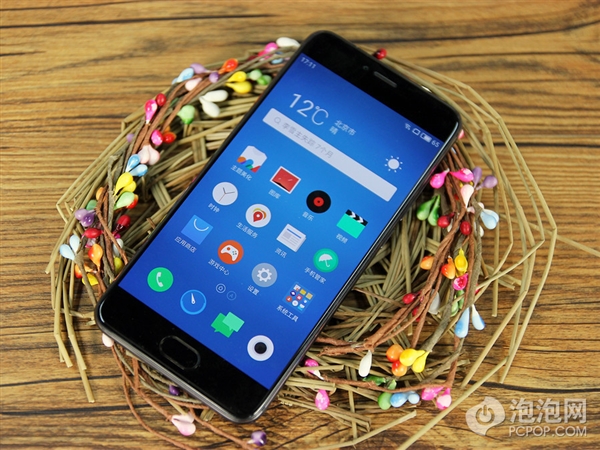
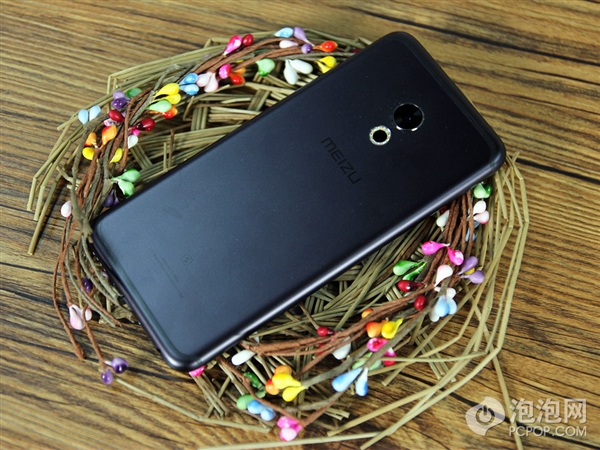
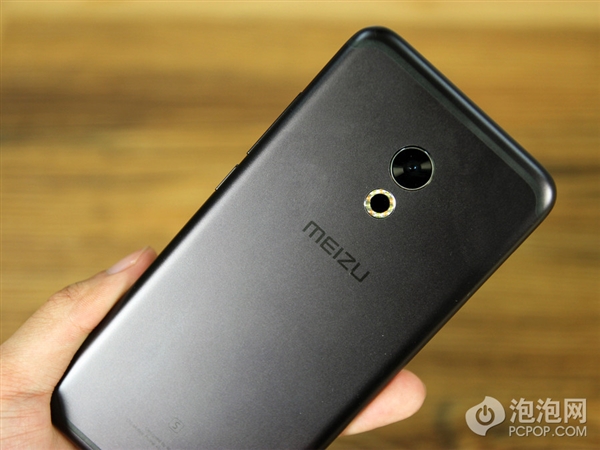
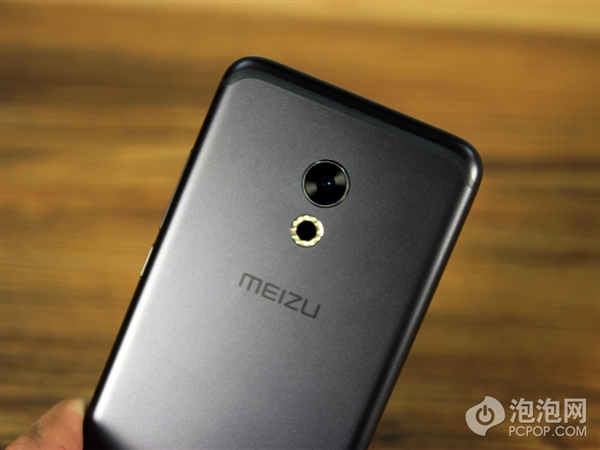
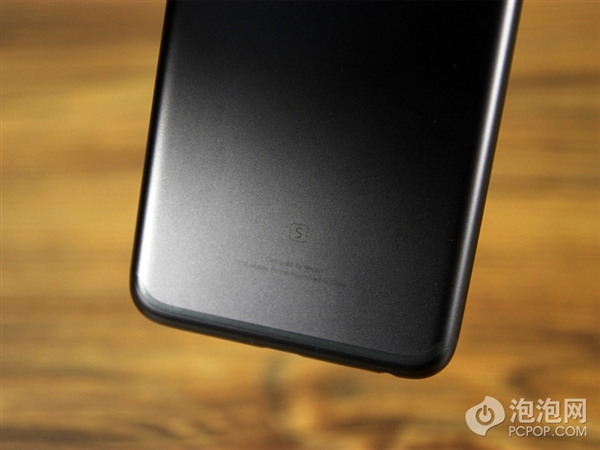
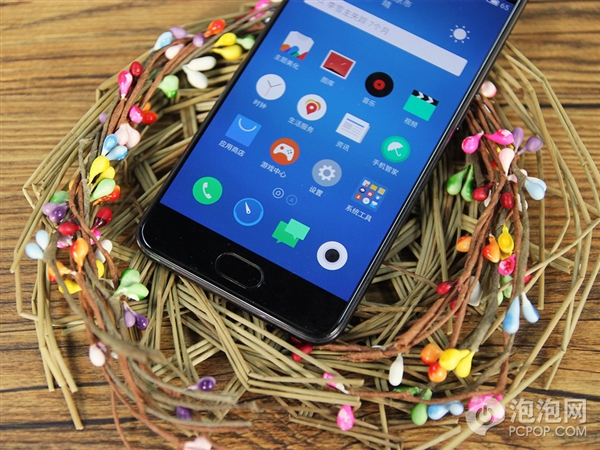
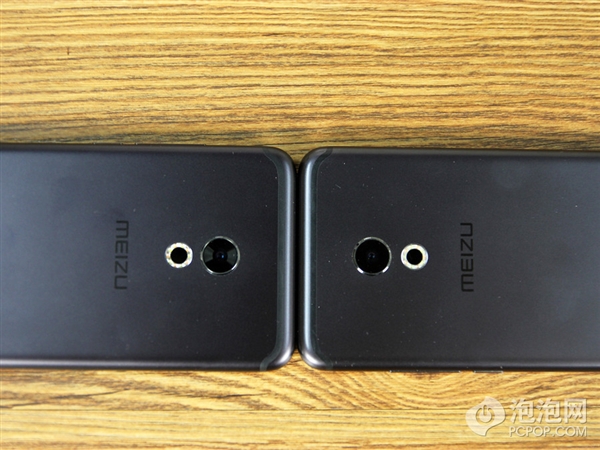
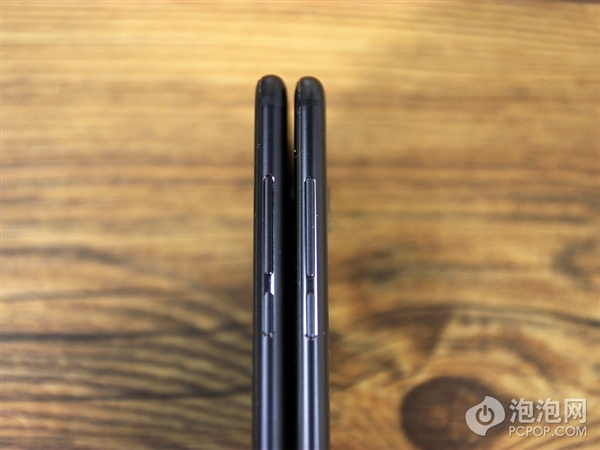
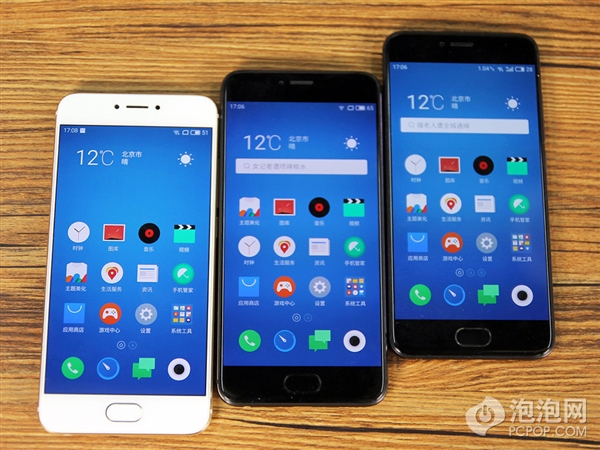
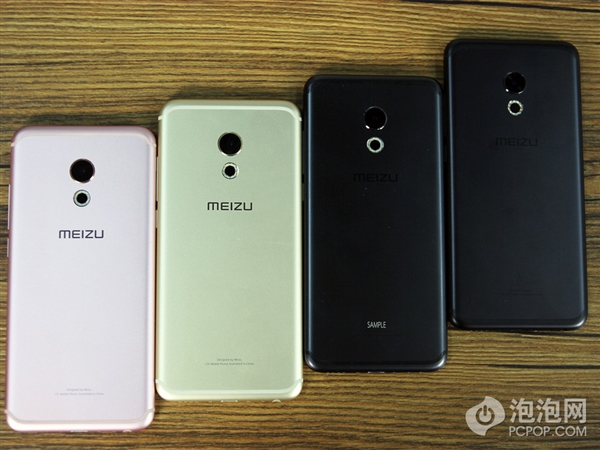
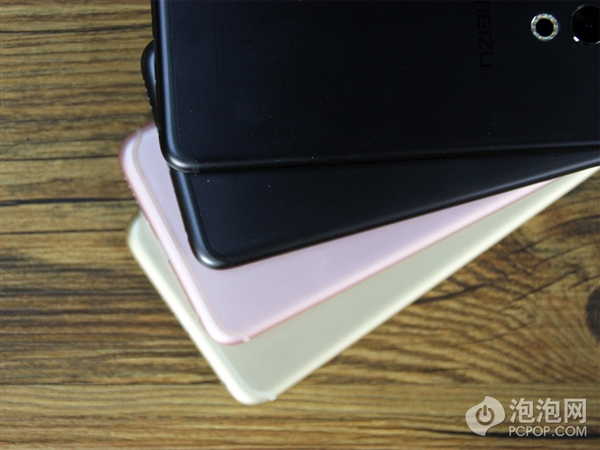
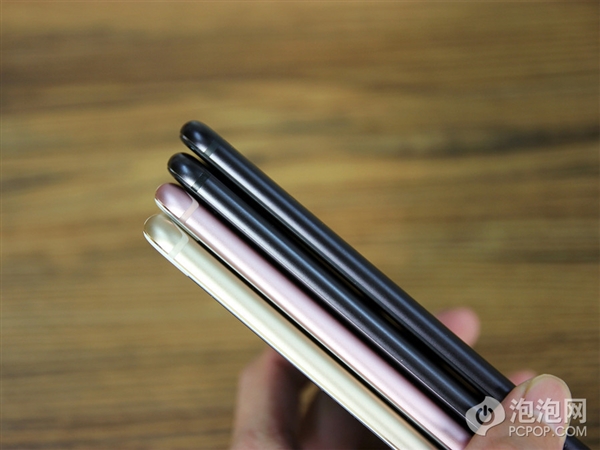
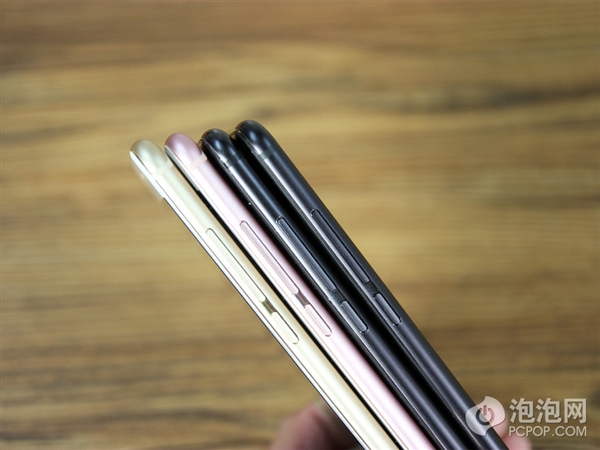
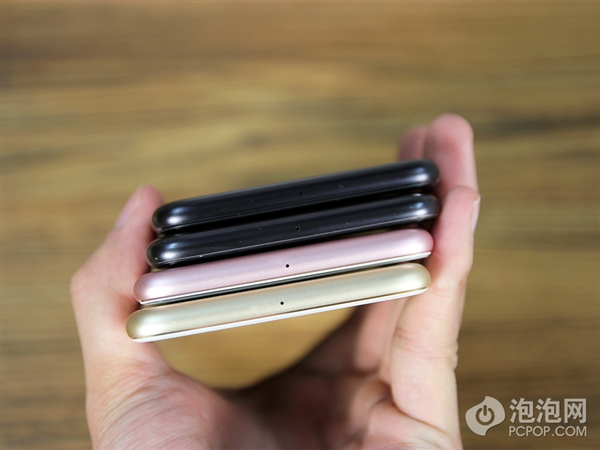
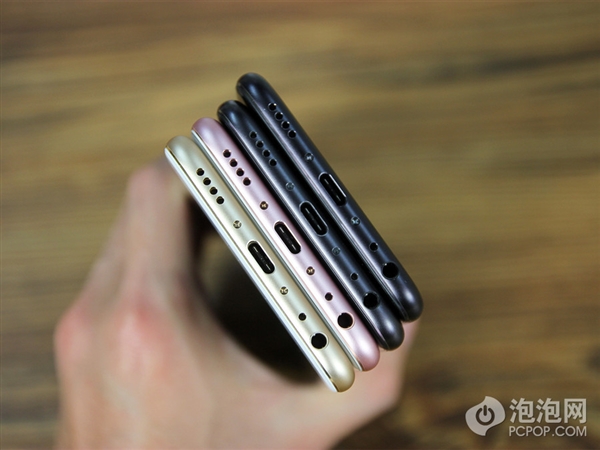
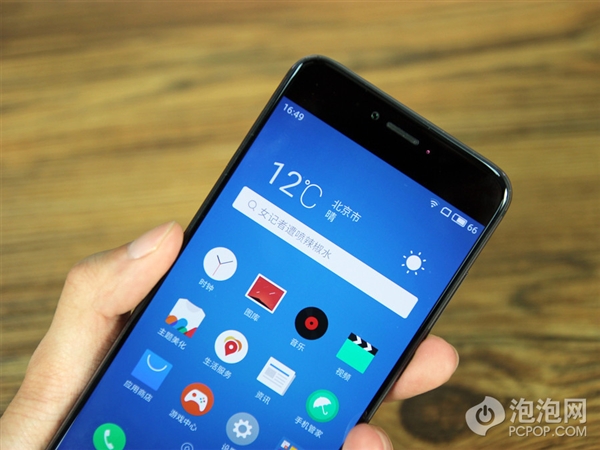
A little over six months after the Meizu Pro 6 was released, Meizu today unveiled the Pro 6S which is more or less an upgrade of the Pro 6. The Meizu Pro 6S looks very similar to the Pro 6 in terms of body design and we have got hands-on images of the device courtesy PCPOP. Let’s take a tour to see if any slight difference exist between the two flagships.
The Pro 6S adopts pretty much the same design as the Pro 6. Both smartphones were even placed side-by-side in some of the snapshots and you just can’t tell which is which just by looking at them. The Pro 6S sports same metal body as the Pro 6 and is available in four colors of rose gold, champagne gold, moonlight silver and sky gray. The Pro 6S also has the same 7.3mm thickness and weighs 163 gram just like the Pro 6. Obviously, the main differences between both devices lie in the hardwares.
On the hardware terrain, one of the major difference between the Pro 6 and Pro 6S is the rear camera sensor. The Meizu Pro 6S packs a more powerful 12MP Sony IMX386 sensor same as on the Meizu MX6, while the Pro 6 features a less powerful Sony IMX230 sensor. The Pro 6S rear camera also comes with 1.25-micron pixel and f/2.0 aperture, custom 6P lens, zero shutter lag, ring flash, PDAF, laser focus and four-axis OIS. The camera also features multiple shooting modes such as manual mode, Pro mode and a new night mode as well.
Another major difference between both the Pro 6 and Pro 6S is the larger 3,060mAh camera crammed under the Pro 6S’ hood with 24W fast charging support, whereas the Pro 6 packs a smaller 2560mAh battery.
Aside those two differences, the Meizu Pro 6S and Pro 6 are very much similar. The Pro 6S uses the same Helio X25 chipset but with a slightly reduced temperature by 3.5 degrees celsius. The Pro 6S equally sports a 5.2-inch FHD AMOLED display with 2.5D glass on top with 10000:1 contrast ratio and 350 nits brightness and support for pressure sensitive touch.
Also worthy of note is that the Pro 6S only comes with a 64GB non-expandable storage whereas the Pro 6 featured a lower 32GB storage version. Another thing is that the Meizu Pro 6S carries a price tag of 2,699 Yuan ($400) which is slightly lower than the price of the 64GB variant of the Pro 6 which retails for 2,799 Yuan ($413). Remember the Pro 6S packs more features, so i’ts a case of getting more for less. Amazing, isn’t it?
Earlier today, we reported that there was a rumor going around saying that Lenovo would integrate its smartphone business into the Moto brand. While it was just a rumor, now it looks like this might turn out to be true. While the company officially didn’t reveal any details about such a move at the meeting in Beijing today, later on, during an interview with the media, Lenovo Group’s President and CEO, Yang Yuanqing revealed some details regarding the future of the company’s smartphone business.
In the interview, the CEO reportedly said that Lenovo’s Mobile business will be fully integrated into the Moto brand. He further said that the integration process will take some time and the position of Lenovo’s Mobile brand will be clearer in the future. Also, commenting about the logo, he said that Lenovo Mobile’s logo will be the same.
Now, there are a lot of questions yet to be answered. For example, when can we expect this integration to happen? And what happens to sub-brands like the ZUK?
Given that the company is yet to officially announce the integration of mobile business under the Moto brand name, we will have to wait for some more time till we get essential details.
A recent rumor said that Lenovo Vibe P2 will be the last Lenovo branded smartphone. We’ll have to wait and see whether it’s indeed the case.
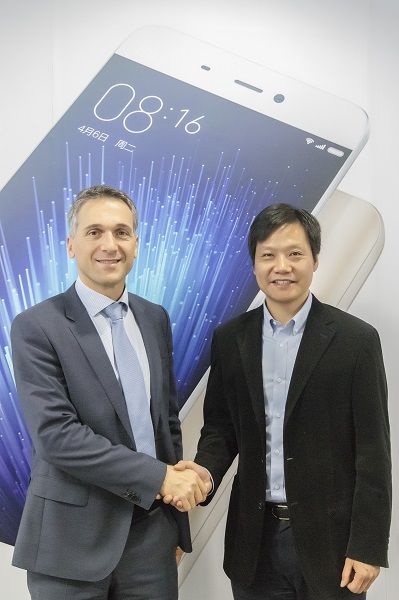
There is a new partnership in town as tech giant Xiaomi is reported to have signed a Joint Venture agreement with Philips lighting which would see both companies designing and developing LED lighting products for Xiaomi’s Smart home ecosystem. In case you have forgotten, the Xiaomi Smart home products fall under the Mijia brand.
This new joint venture agreement encompasses the design and development of connected LED luminaries and lamps. It also covers the development of apps for controlling the lights via Android and iOS-based smartphones. The co-developed products would be sold through the regular retail channels that Xiaomi uses.
Xiaomi had before now been selling several smart LED lighting that were produced by Philips lighting for the tech start-up, one of which is the Eyecare Smart Lamp 2. But this new partnership takes it a step further in that Xiaomi would be financially and technically involved in the products’ development and design. Philip lighting controls 70% of the Joint Venture while Xiaomi holds 30% stake in it but the financial details were not disclosed.
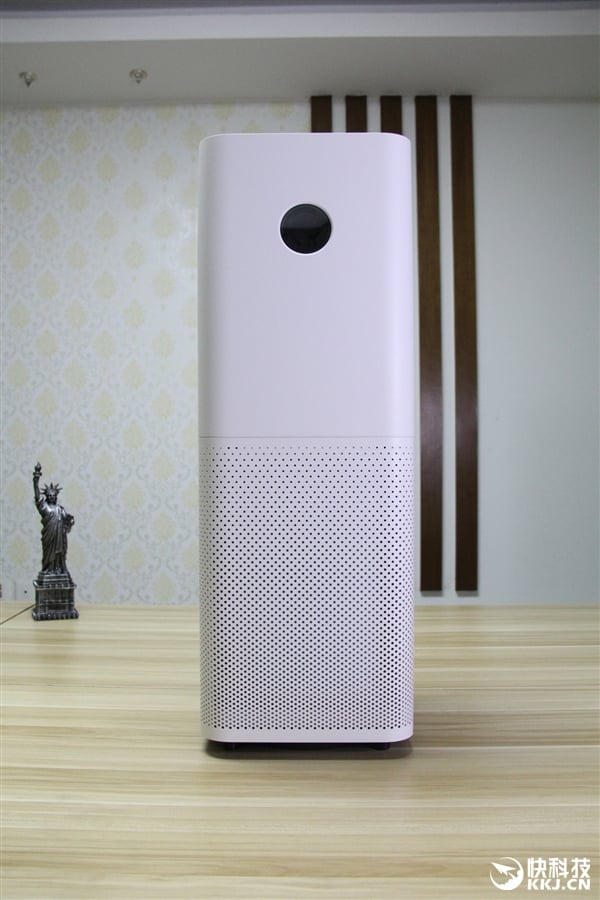
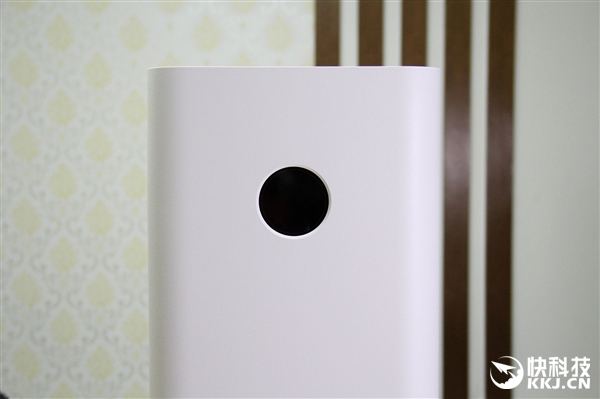
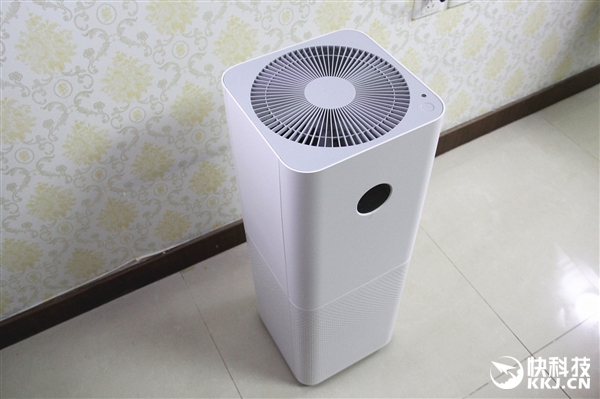
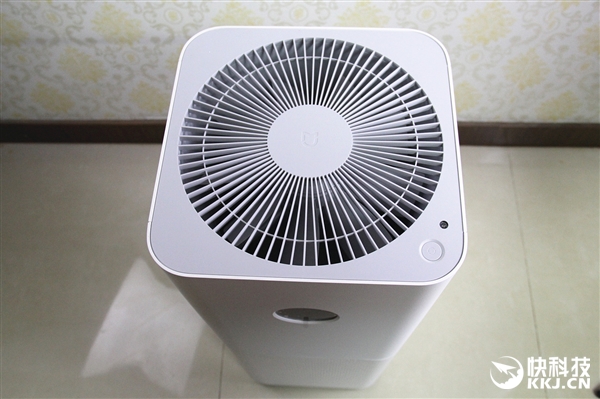
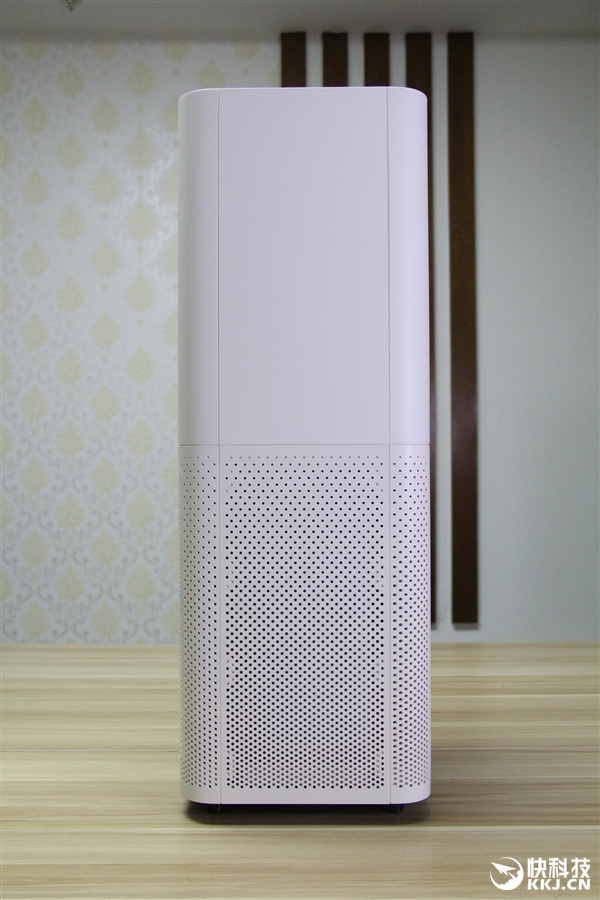
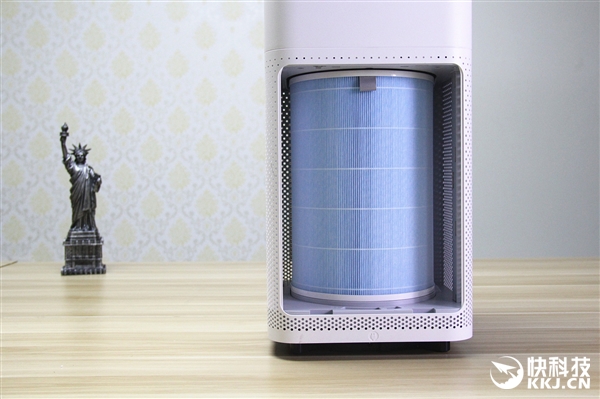
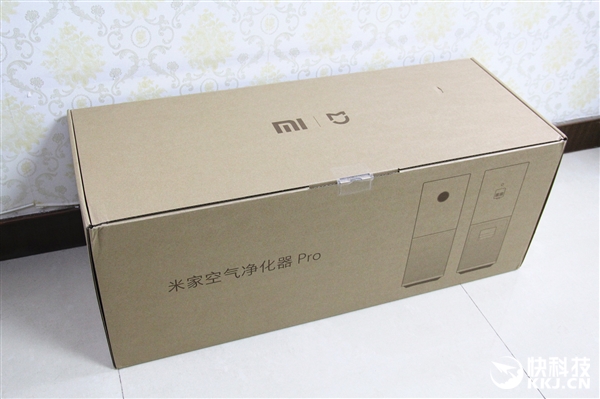
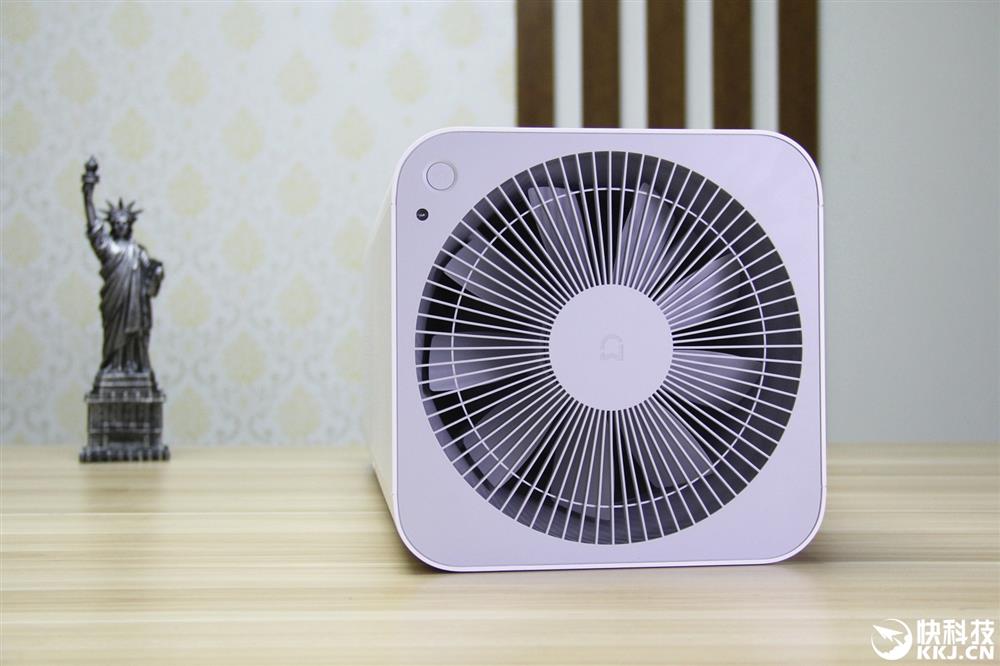
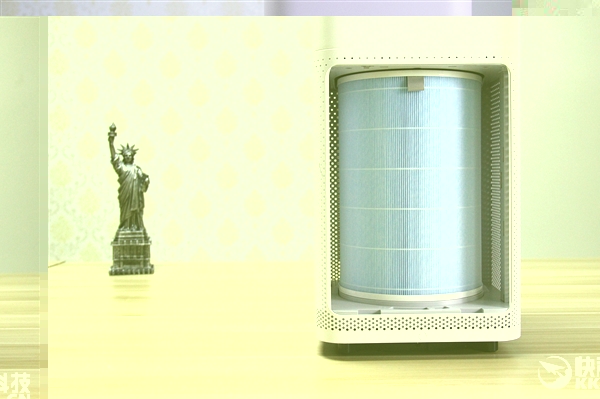
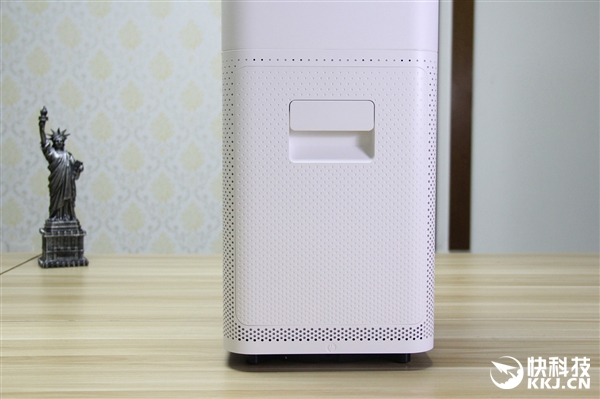
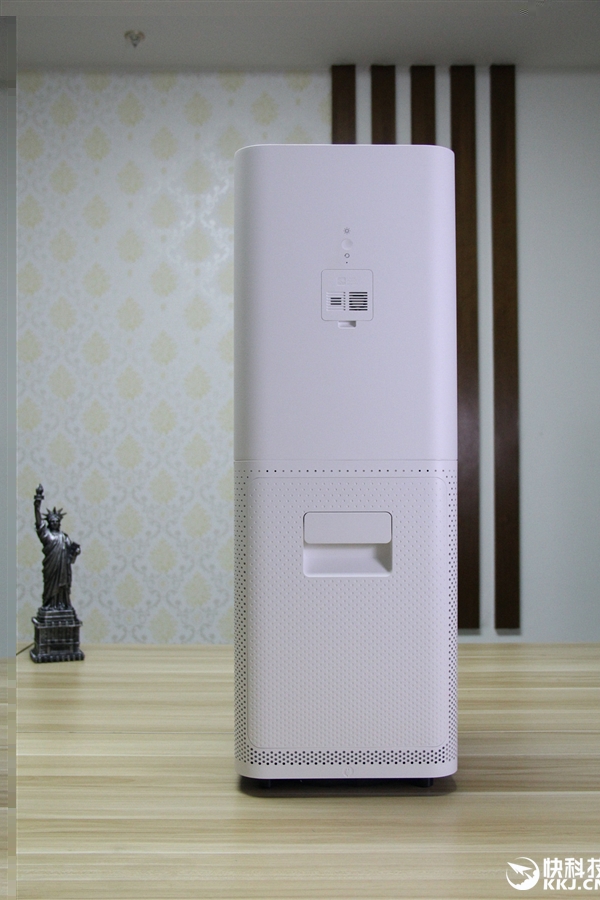
Xiaomi unveiled the latest version of its Air Purifier machine a few days back with an accompanying price tag of 1499 Yuan ($221). The new Xiaomi Mi Air Purifier Pro comes in as a touched-up version of the Mi Air Purifier and Air Purifier 2 which had been in the market for some time running.
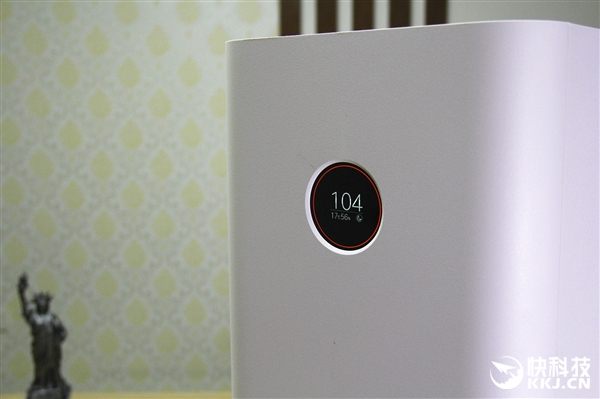
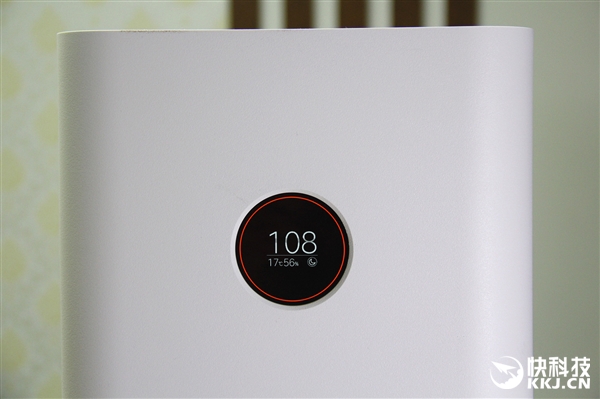
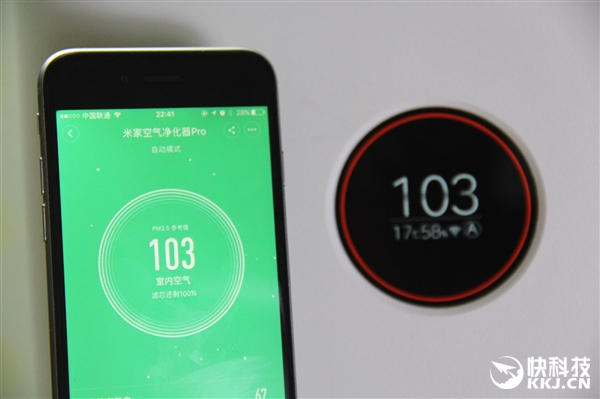
The Smart gadget has got even smarter with the inclusion of an OLED display which displays some parameters about the working condition of the gadget. This ensures users don’t need to connect to the app to check how pure or impure the air around is. The display adjusts its brightness automatically to suit the lighting condition of the surrounding, keeping it bright during the day and dimming the lights at night.
There is a cool LED ring around the display and it LED flashes different colors, depending on the nature of the air in the surrounding. The LED switches from green to orange and to red depending on how clean the air and of course red indicates danger, while the green should be the safety mark.
The Air Purifier Pro can still pair with your smartphones, though, via the Mi Home app so you have an alternative means of checking the air quality and other relevant data via your smartphone.
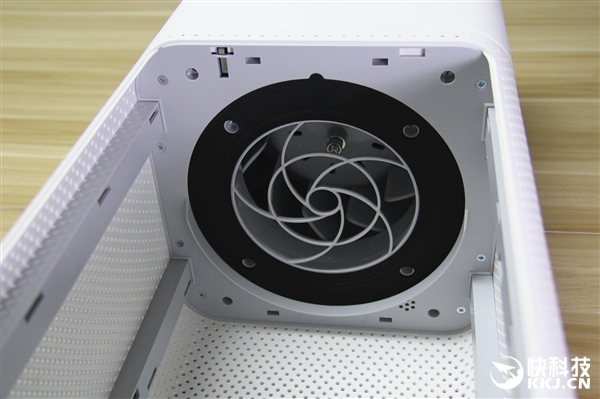
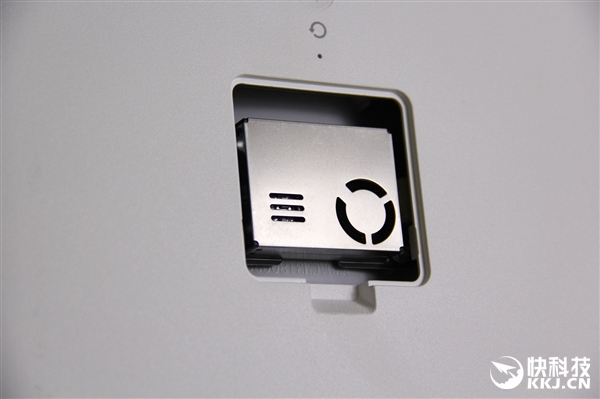
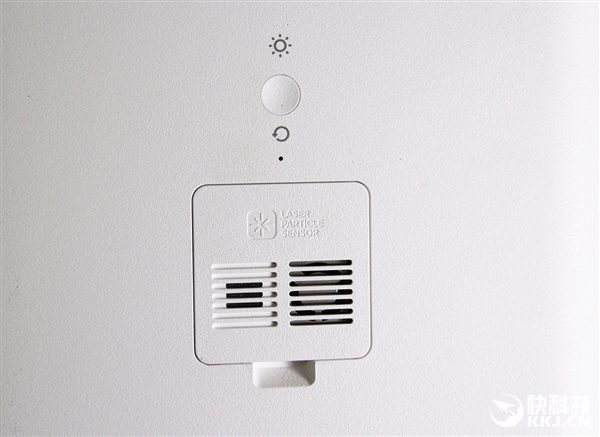
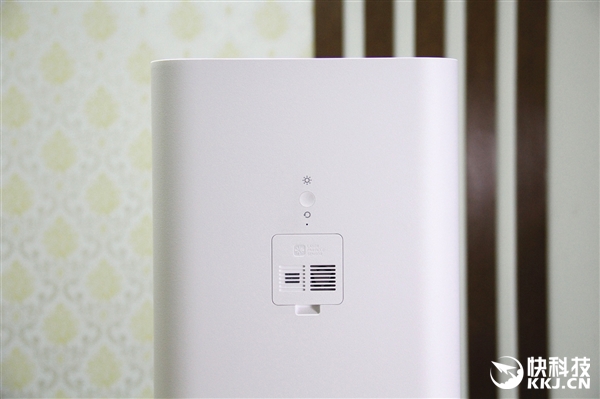
Apart from the display, the Xiaomi Mi Air Purifier Pro features a redesigned air flow path and pressure system. There is an improvement in the device’s Clean Air Delivery Rate (CADR) value from 406m3/h on the previous versions to 500m3/h. The new Air Purifier Pro is also capable of covering an indoor area of 60 square meters, up from a working area of 48 square meters on previous Mi Air Purifiers. Xiaomi says there is a high precision laser sensor built into the device that can accurately detect particles of up to 0.3μm in diameter.
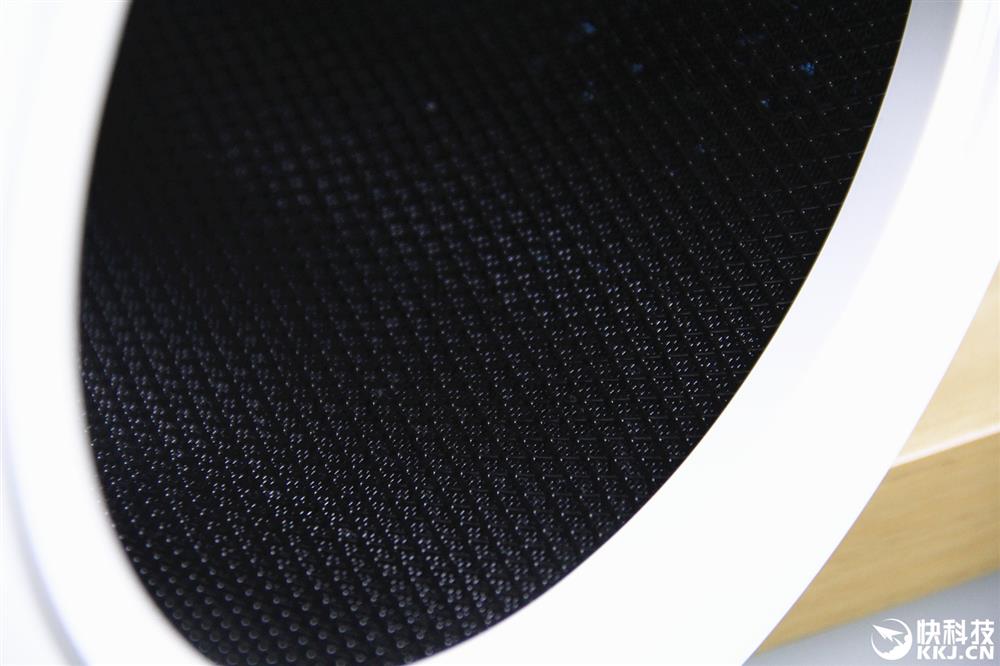
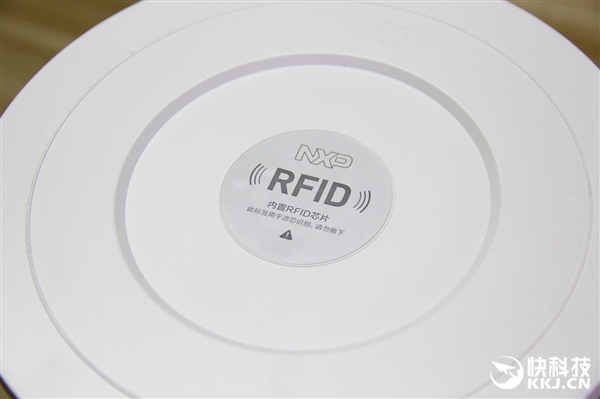
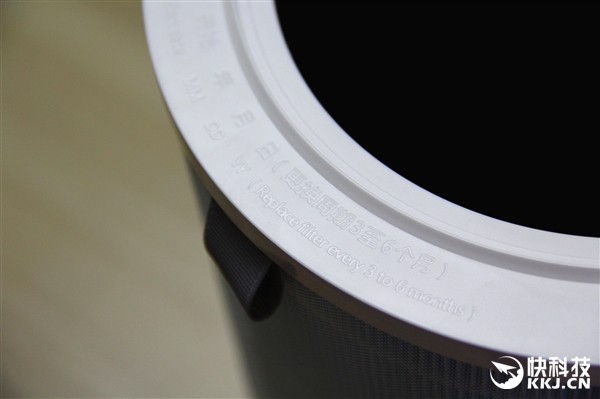
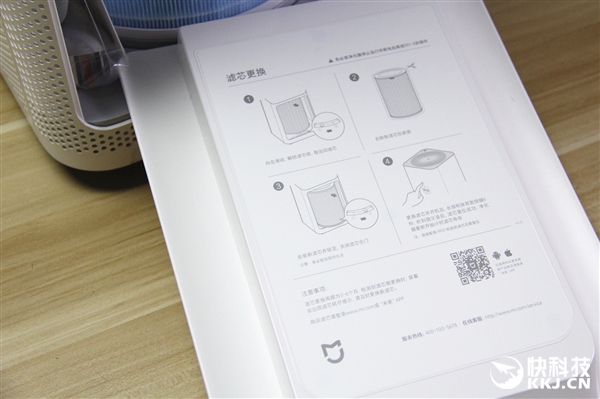
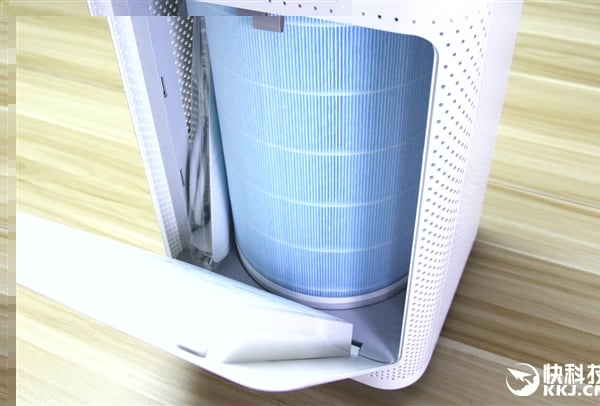
The Air Purifier features a more refined filter that can pick up particles like allergens, animal fur, formaldehyde, dust, pollen and cigarette smoke from the air.
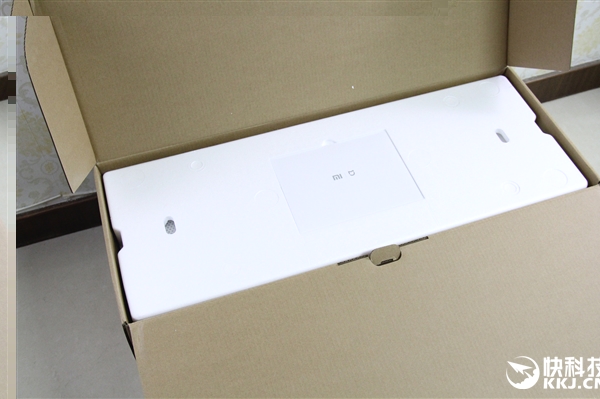
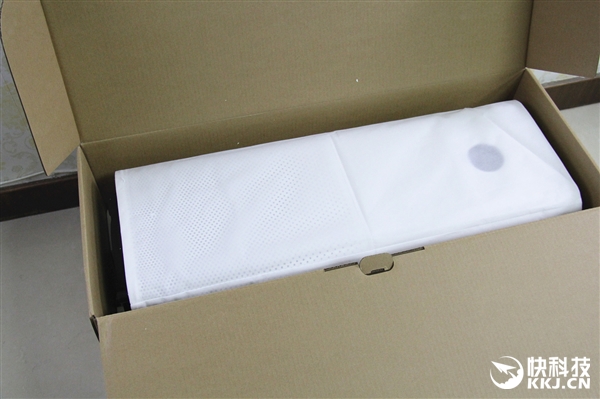
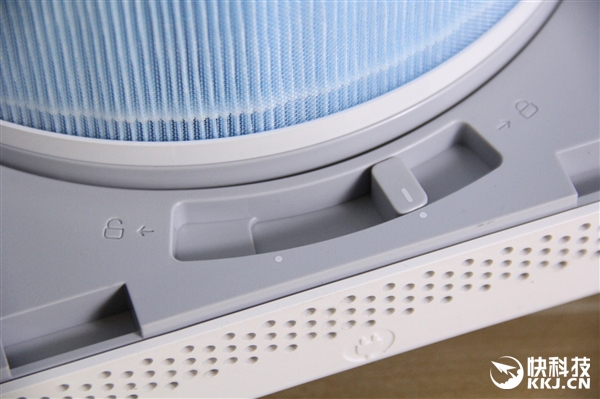
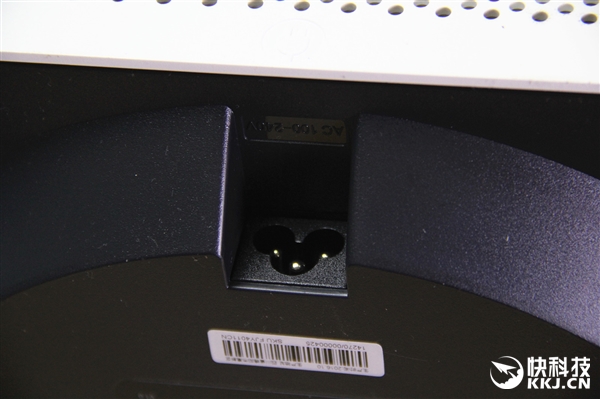
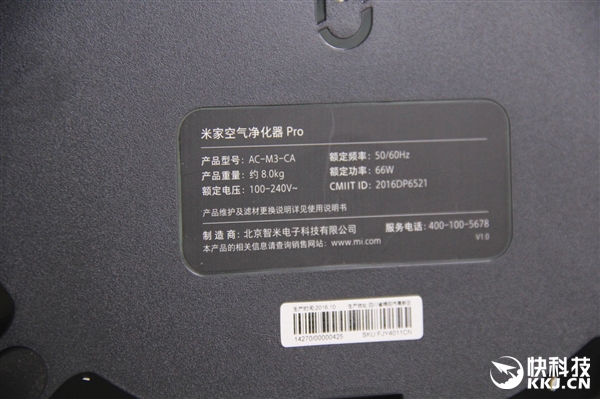
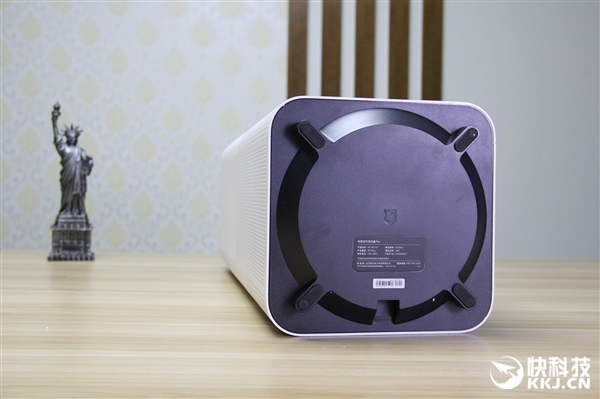
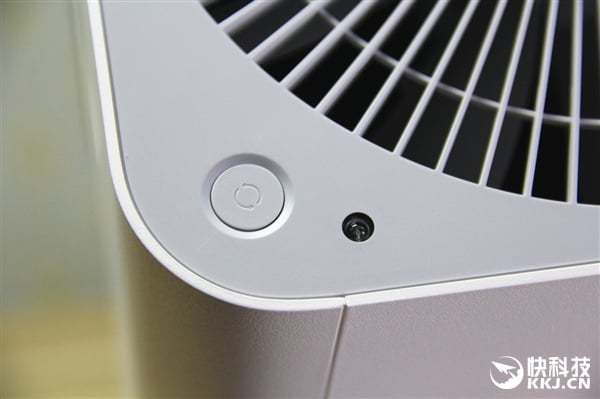
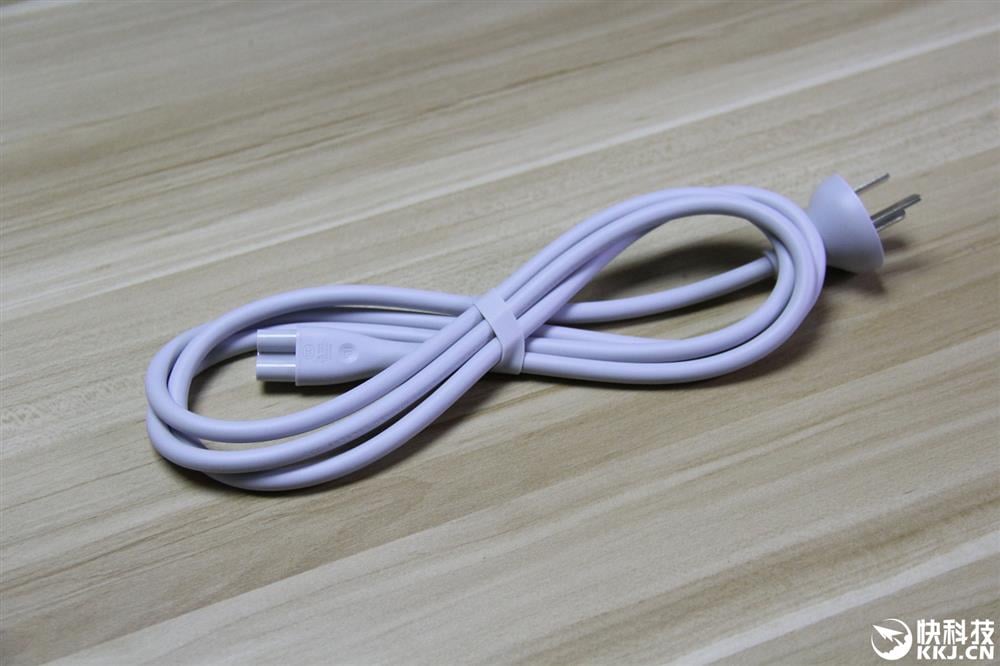
You can check out more unboxing images of the Mi Air Purifier Pro from down below.
We use cookies on our website to give you the most relevant experience by remembering your preferences and repeat visits. By clicking “Accept”, you consent to the use of ALL the cookies.
This website uses cookies to improve your experience while you navigate through the website. Out of these, the cookies that are categorized as necessary are stored on your browser as they are essential for the working of basic functionalities of the website. We also use third-party cookies that help us analyze and understand how you use this website. These cookies will be stored in your browser only with your consent. You also have the option to opt-out of these cookies. But opting out of some of these cookies may affect your browsing experience.
Necessary cookies are absolutely essential for the website to function properly. This category only includes cookies that ensures basic functionalities and security features of the website. These cookies do not store any personal information.
Any cookies that may not be particularly necessary for the website to function and is used specifically to collect user personal data via analytics, ads, other embedded contents are termed as non-necessary cookies. It is mandatory to procure user consent prior to running these cookies on your website.