Well, folks. There is only one week left until we are introduced to Huawei’s new flagship phone, the Huawei Honor 6 Plus, which is set for release around December 17 or 18.
The overall specifications of the Huawei Honor 6 Play, which was originally named the Huawei Honor 6X, are almost the same as the original Huawei Honor 6, except that it packs a 5.5-inch 1080p display screen, as well as a 1.8GHz CPU processor, 3GB RAM, and 32GB ROM. As for connectivity, the Huawei Honor 6 Plus also has support for FDD LTE, TD LTE, WCDMA, TD SCDMA, and GSM networks as well as dual SIM cards. It is also 7.5 mm thick. The most important feature of this new phone is perhaps its dual camera.
A few days ago, Huawei release several photos that were taken using the Huawei Honor 6 Plus. Some internet users have said that they almost look like they were taken using a single-lens camera. Some even say that it could beat Apple’s iPhone 6 Plus which is quite a bold claim. Now, here are some other photos that were taken using Huawei’s new flagship phone. Specifically, they were taken at night outside in the city. Along with it are the same shots taken using other high profile flagship phones such as the HTC M8, Samsung Galaxy S5, and the Apple iPhone 6 Plus.
Compared with the other phones, the Huawei Honor 6 Plus seems to have a longer exposure time and the image resolution looks more dynamic. As for whether or not it could beat the iPhone 6 Plus, we will not give our opinion on that. Instead, we will just let readers vote on it.
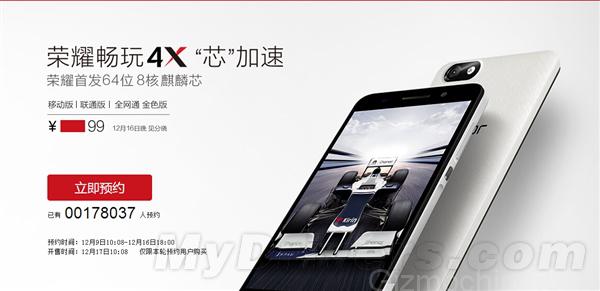
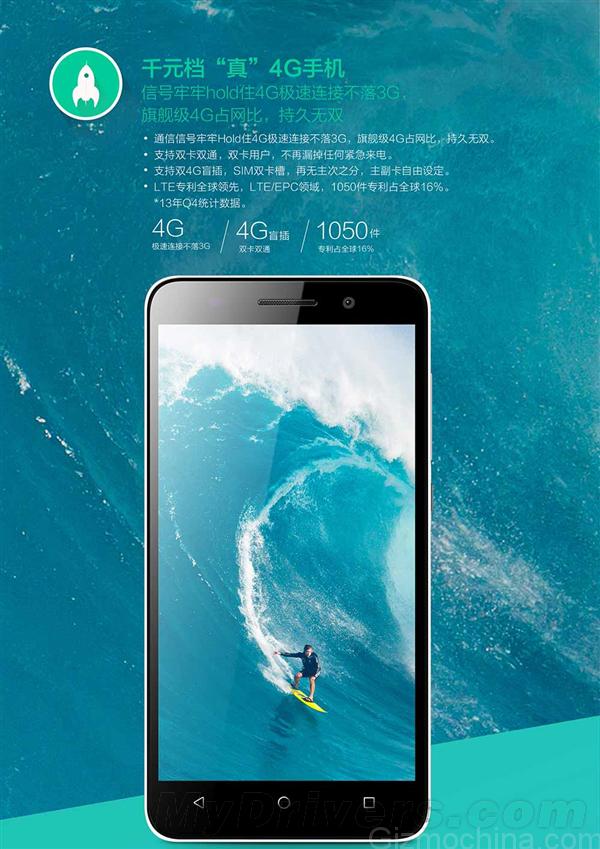
Huawei is ready to take their cellphones to the 64-bit 4G era with its newest device. Although they will not hold a launch event for its new products until December 16, they have already started pre-sales for one of their newest products, the Huawei Honor Play 4X which is the first device to use the Kirin 620. It is said to cost X99 RMB.
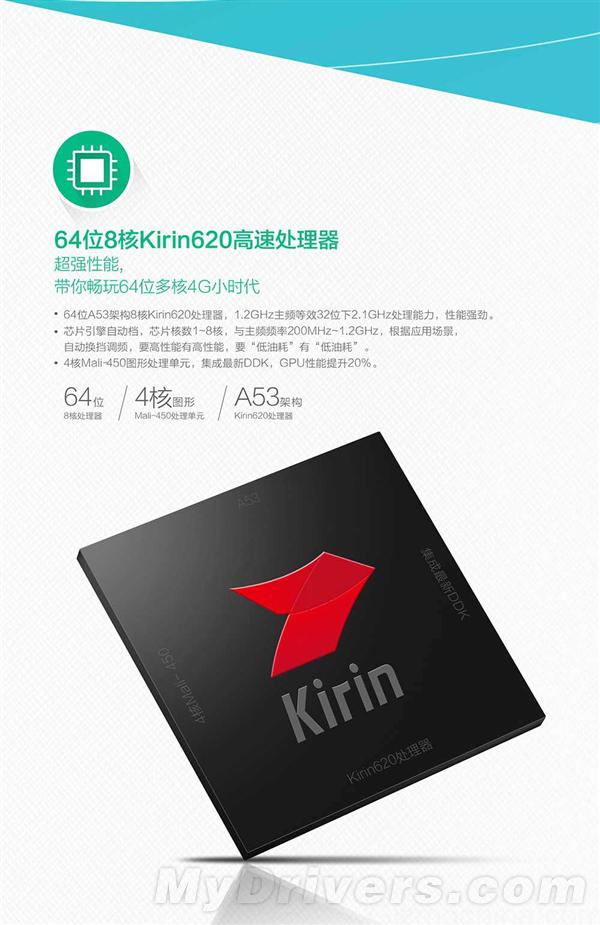
The Kirin 620 is a high-speed 64-bit octa-core processor from HiSilicon, a Shenzhen-based company that produces CPU processors. It is completely owned by Huawei. The Kirin 620 processor uses 8 A53 cores and offers powerful performance. Its graphics processing unit (GPU) is the Mali 450. With this processor, the GPU performance for the device that uses it increases by 20%.
The new Huawei Honor Play 4X’s overall specifications are basically the same as the original except for the processor. It sports a 5.5-inch 720p display screen, has a 5mp front-facing camera and 13mp rear-facing camera, and runs the Android 4.4 operating system. It is powered by a 3000mAh battery. The low-end version will have 1GB RAM while the high-end version will have 2GB RAM. Users can buy gold versions of this phone.
In addition, regarding the price, some reports say that the low-end edition will cost 799 RMB ($128.83) while the high-end edition will cost 999 RMB ($161.08). Of course we cannot rule out the possibility that it will be cheaper.
Anyway, as said earlier, this is just one of Huawei’s new devices that will be launched on December 16. You cannot help but wonder what else the company has in store for us. Could it be another cell phone or a tablet? Maybe a power bank? We have no choice but to wait until then.
Today we all want to have a mobile device, which is able to serve our business and leisure needs on the go. And yes, we all want to get the things done as quickly as possible. That is why we may want to have a smartphone with the 4G LTE (Long-Term Evolution) capability, which lets us download the online content up to 10x faster than using the 3G network. That is even more important if you love watching online videos, listening online radio and use other services, because they are all data-speed hungry.
More and more Chinese manufacturers understand that and produce the devices that support 4G LTE network. However, there are quite many of them and it may not be easy to choose from.
More and more manufacturers try to include as many 4G LTE compatibility bands in the devices, but it may still happen that the smartphone is not able to connect to the lightning fast network, because it may have been designed for a particular region. For example, if the device is designed for Chinese market only, it will most likely work with Chinese LTE frequency bands (TD-LTE). However, if the device is designed for international audience, it will most likely be capable of 4G LTE network in your area.
In general, LTE has its band number (from 1 to 40) and frequencies (from 700 MHz to 2600 MHz).
To be sure, here is some information regarding 4G LTE compatibility in your region:
North America – 700, 750, 800, 850, 1900, 1700/2100, 2500 and 2600 MHz (band numbers 4, 7, 12, 13, 17, 25, 26, 41);
South America – 1800, 1900, 2500 MHz (band numbers 3, 7, 20);
Australia, New Zeland – 1800, 2300 MHz (bands 3, 40).
NOTE: since the 4G LTE network is still under development in some countries, the carriers may start using different bands. Also, different network carriers in your country may operate on different frequencies and bands. Moreover, make sure if the area you live is covered by the 4G LTE. Finally, please make sure the exact carrier you are going to use in your country. It may sound a bit complicated will all these different bands and frequencies, but keep in mind that one smartphone is usually capable of many different 4G LTE bands: the international model will most likely work in your area, Chinese models will work for sure in China, BUT YOU HAVE ALWAYS NEED TO CHECK BEFORE BUYING!
So which devices are worth your attention? Let’s take a look (we do not stress the particular order of the devices).
MEIZU MX4 PRO
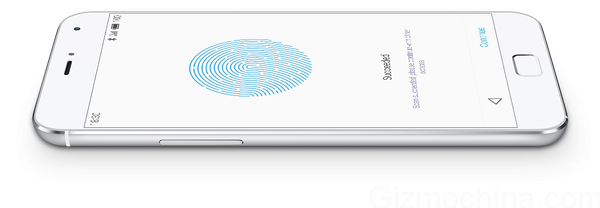
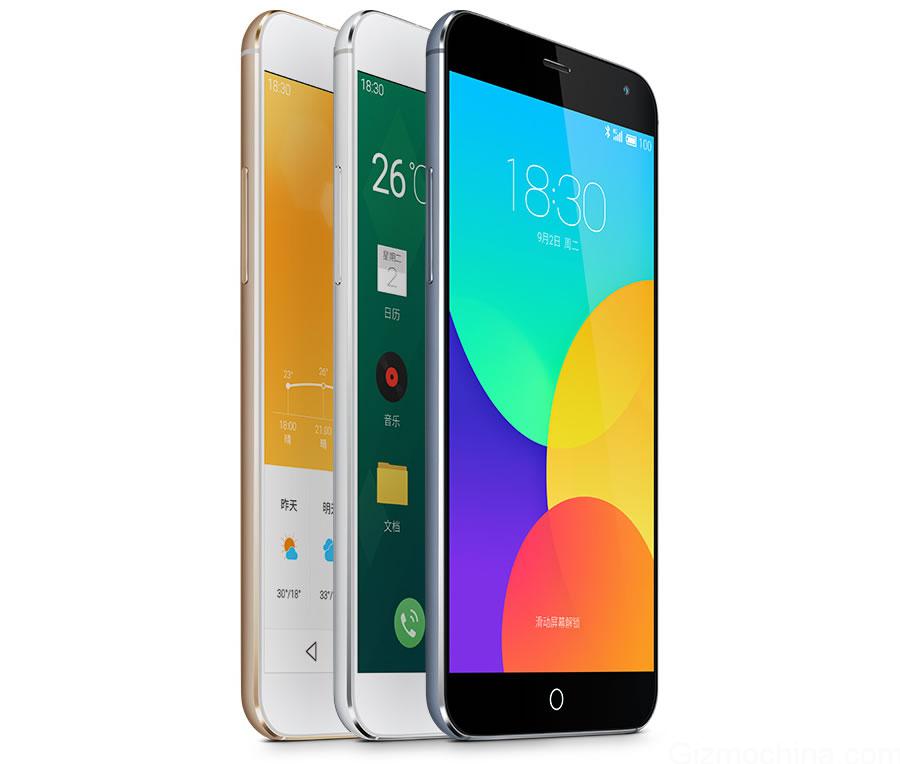
Meizu launched this beast of the phone very recently – November 19th. The bigger brother of the MX4 has a juicy pack of specs in a beautifully designed shell. It starts with the screen, which is 5.5 inches in size and is covered by Gorilla Glass 3. But more importantly, it boasts a whopping 2,560×1,536 resolution with an amazing 546 PPI. Moreover, it replaces MX4’s Mediatek chip with the Exynos 5430 one, which works on big.LITTLE architecture, where 4 A15 cores are clocked at 2.0 GHz and another 4 A7 cores at 1.4 GHz. The Meizu also manages to step into the big guys game by adding 3 GB of Ram, Hi-Fi audio hardware (which is controversially called “Retina Sound” (are they able to see the sound?), fingerprint scanner, increased the battery capacity to 3350mAh, kept the same 20.7mpx resolution Sony camera, but increased the resolution of the front facing camera to 5mpx.
The smartphone will come in gray, white and gold colors. Meizu will start selling the MX4 Pro soon (December 6) in China. The price is amazing for what you get: $410 (2499 Yuan) for the 16GB model and increase if you choose 32GB or 64GB variants. International pricing starts at $499 and you can buy it from Oppomart.
MEIZU MX4
It is a little brother of the abovementioned MX4 Pro. The regular MX4 has almost identical, but a bit smaller body, which is beautifully crafted and has a premium look. With the screen size of somewhat extra-ordinary size of 5.36 inches, Meizu managed to keep the device compact by cutting down the side, top and bottom bezels to the extreme. We can also add that the bezels add some killer looks to the design. If we continue with the specs, we should always keep in mind that “little brother” thing, but it still has a lot to offer like a Mediatek MT6595 chipset (with the 4 A17 cores clocked at 2.2GHz and 4 another A7 cores clocked at 1.7GHz), which manages to run even the most graphic intense games without a sweat, 2GB of Ram, the same Sony 20.7mpx IMX220 Exmor RS sensor at the back, Sony 2mpx IMX208 sensor at the front, 3100 mAh battery, great audio performance, the same dual 4G connectivity and more.
The device was released earlier and it is available to purchase at the moment both in China and internationally. The smartphone comes in gray, white and gold colors.
The lowest storage option of 16GB starts selling at 1799 Yuan in China. However, as usual for the international market, the MX4 same model starts at $449 (it includes shipping and taxes) if you buy it at the official online store of Meizumart. The good news is that the Oppomart currently has it on sale, so you can grab it for as low as $389!
Xiaomi MI4
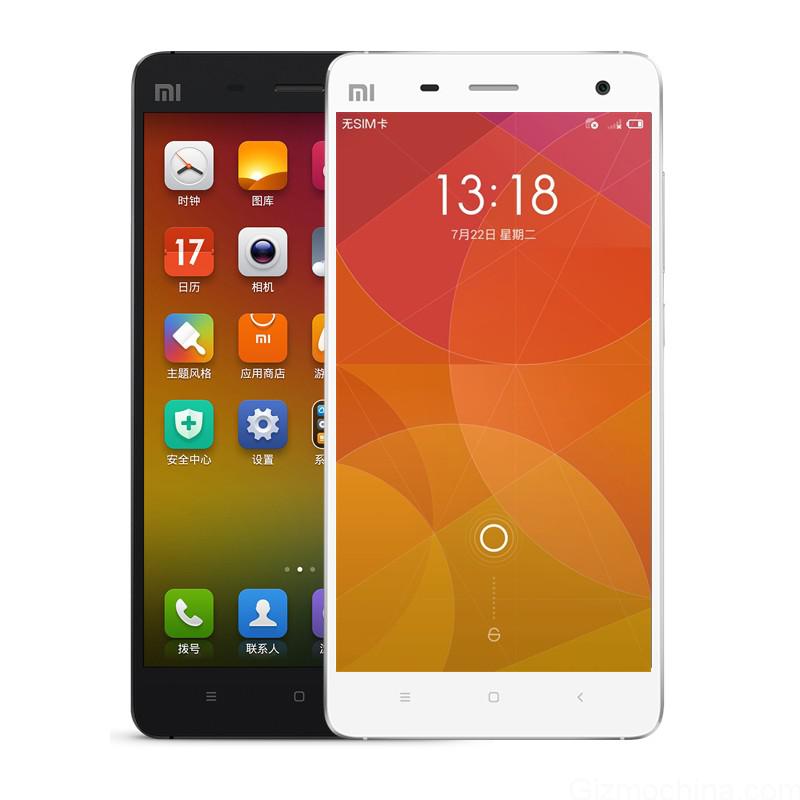
The company like Xiaomi does not need any further introduction as it has become well-known both in China and internationally. This device is once again a proof how Chinese manufactures manage to squeeze in the best hardware into a beautifully designed and reasonably priced package. It starts with the Full-HD display, which has “only” 5 inches of size, making the Mi4 one of the most pocket friendly devices. The main accent of the design is the metal frame, which goes all around the phone. It definitely adds a premium look and feel to the device. The Xiaomi continues to impress to add one of top of the line chips – Snapdragon 801, with the 4 cores clocked at 2.5 GHz, 3 GB of Ram, Adreno 330 GPU, a juicy non-removable 3080 mAh battery, Sony 13mpx IMX214 camera with very fast F/1.8 aperture at the back and very good front facing 8mpx Sony shooter at the front. In addition, it has all the basic connectivity as you would expect from any flagship device like Bluetooth 4.0, Wi-Fi 802.11 a/b/g/n/ac, GPS, Glonass and more. The same like both Meizu MX4 Pro and MX4, however, it lacks the MicroSD card slot and removable battery.
4G info:
On the contrary to the mentioned Meizu products, the Mi4 does not have a dual 4G connectivity. It has different models, one being only 3G version, another being capable of 4G TD-LTE 2570-2620/1880-1920/2300-2400MHz (which works in China only). International customers wanting a 4G Xiaomi Mi4 will want to wait until a China Unicom LTE version is released later this year.
The Xiaomi Mi4 comes in white and black colors, 16GB and 64GB storage flavors. It is available to buy now and it is selling like the hot cakes. The cheapest is the “Youth” version of the Mi4 (with 2GB of Ram, 16GB storage and TD-LTE connectivity only) costs 1799 Yuan in China. The regular Mi4 starts at 1999 Yuan in China and at about 360 USD internationally through the third-party resellers. You can buy a regular Xiaomi Mi4 for $369 at Oppomart.
VIVO XSHOT
Vivo is one of the most premium smartphone makers in China, which also talks about itself to international arena with the things like the first 2K display on the smartphone or the thinnest device in the world. Also, the world is yet to see the thinnest smartphone in the market, which is due to launch on December 10th.
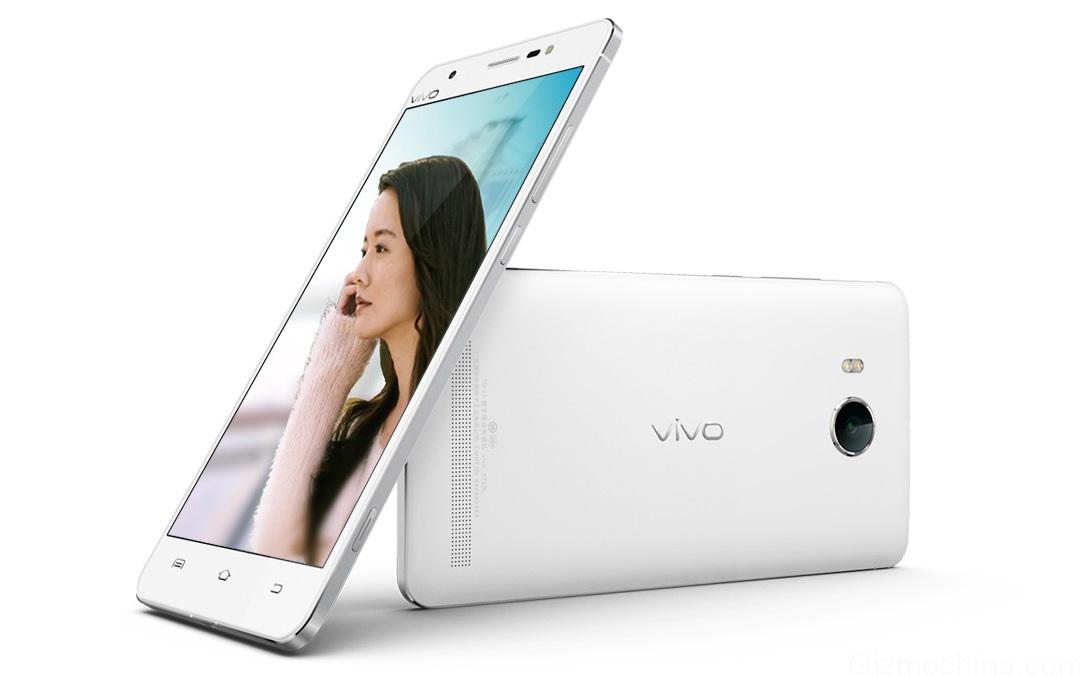
This time Vivo with its Xshot flagship, which was announced back in May, touts its amazing camera performance. It does include an impressive camera pack: 13mpx Sony IMX214 camera sensor with the F/1.8 aperture, OIS, 6 element lens, dual-tone dual LED flash, dedicated camera button, professional camera software, which is specifically tailored to the Xshot. The amazing package does not end on the back, as the front shooter has a 8mpx wide angle lens with the flash, which makes night selfies a reality for those selfie fans!
As a camera centric device, the Xshot does not lack any of the specs to be called a flagship device. Vivo’s camera oriented device has two variants: one being a lower version, which has Snapdragon 801 chip with 4 cores clocked at 2.3 GHz, 2GB of RAM and 16GB of storage. The “Ultimate” or the flagship version bumps up the specs a bit: the Snapdragon 801 chip is clocked at 2.5 GHz, extra gig makes it total 3 gigs of RAM and storage increases to 32 GB. It should be noted that both variant have an expandable MicroSD storage option, which we should consider an advantage in the world of sealed smartphones.
What is more, the Xshot packs 5.2 inches Full-HD display and it makes the device manageable in one hand. Also, as usual to Vivo, it adds it Hi-Fi goodies like Maxim MAX97220 to amplify the headphones, Cirrus CS4398 DAC and Texas Instrument TLV320 chip to further improve audio experience. Similarly to Xiaomi’s Mi4, it misses NFC connectivity.
4G info: It should be mentioned that only flagship version supports dual 4G LTE networks (1800/2600MHz for FDD-LTE and TD-LTE for Chinese networks) as elite version only works with TD-LTE Chinese 4G networks.
The Vivo Xshot, however, comes with a premium price tag, which is 3,498 Yuan (about $560) for the flagship version and the 2,998 Yuan (about $480) for the elite version in China. International customers can get it through the third-party resellers, but the price may be a bit higher. If you are considering to get a serious camera smartphone, you can make it yours by buying it at Oppomart starting at $599.
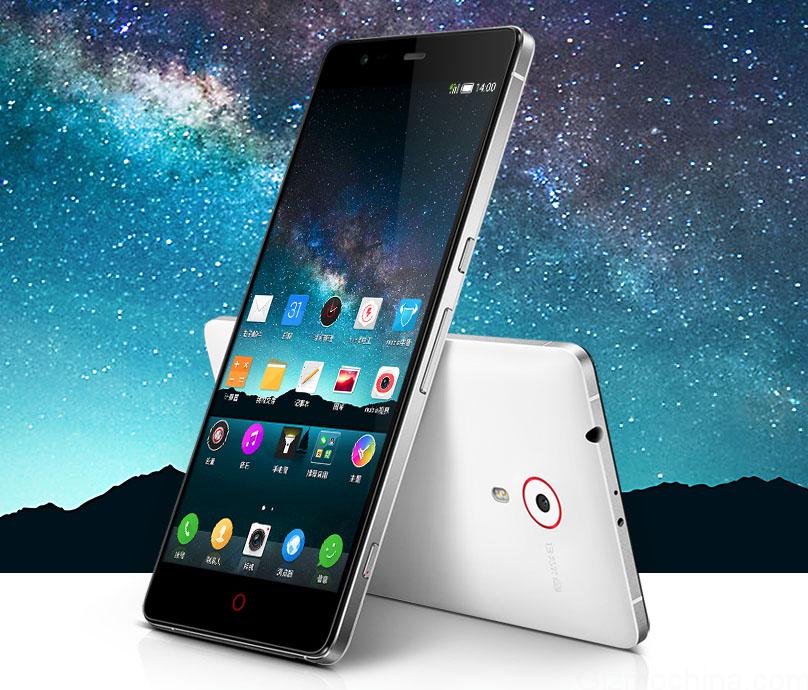
ZTE NUBIA Z7
It is the long-awaited flagship from the Nubia family, which is a big brother of the Z7 Max and Z7 Mini. It has almost everything you could wish for a top of the line device including 5.5 inches 2K display stuffed in a beautiful metal frame, Snapdragon 801 Quad Core 2.5GHz chip, 3 GB of Ram, 32 GB of storage, dual 4G LTE connectivity, 3000mAh battery (non-removable), Sony 13mpx IMX214 camera with OIS and F/2.0 aperture, dual tone dual LED flash, dedicated camera button, the 5pmx front facing shooter. In addition, it comes with dual SIM support (one working on 3G, other on 4G networks). All other things like Wifi, Bluetooth 4.0, GPS etc. comes as expected from a flagship device.
However, Nubia has something more budget-friendly to offer: the Nubia Z7 Mini and the Nubia Z7 Max. The former comes with a 5 inches Full-HD display, Snapdragon 801 chip, 2GB of RAM, and 16GB of storage. The latter features a 5.5 inches Full-HD display, Snapdragon 801 chip, and 2GB of RAM. The Nubia Z7 Mini is priced at about $240 and the Nubia Z7 Max at around $320 in China and a bit more internationally. If you are interested in buying great devices with awesome specs for a budget-friendly price, you can get it from Oppomart for $369 (Nubia Z7 Max) and for $289 (Nubia Z7 Mini).
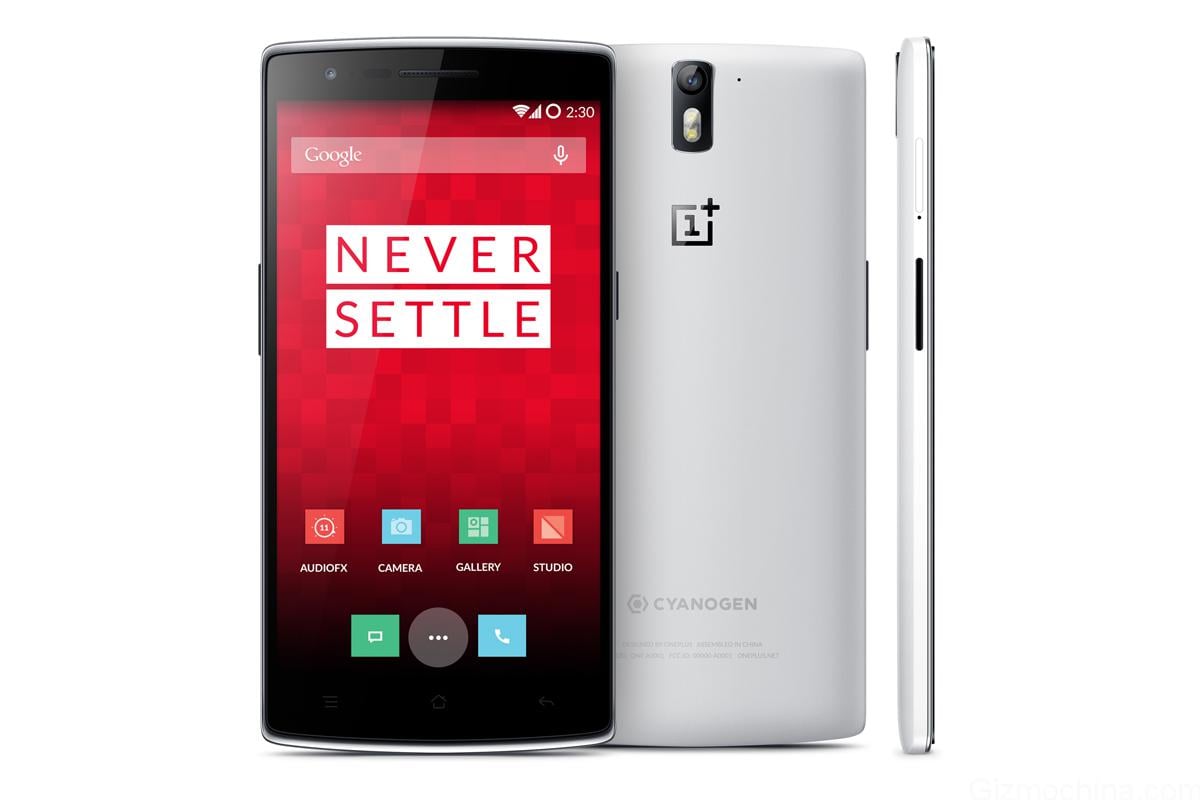
ONEPLUS ONE
OnePlus has made known itself by introducing a “flagship killer” device, the controversial invite system and marketing campaign. It does pack some serious punch for a killer price tag. That includes Snapdragon 5.5 inches Full-HD JDI display, 801 chip, clocked at 2.5 GHz, 3 GB of Ram, Adreno 330 GPU, a great non-removable 3100 mAh battery, Sony 13mpx IMX214 Camera with a good F/2.0 aperture at the back and great front facing 5mpx Sony shooter at the front. In addition, it has all the basic connectivity as you would expect from any flagship device like Bluetooth 4.0, Wi-Fi 802.11 a/b/g/n/ac, GPS, Glonass and more.
It is still not easy to get through the official website for international customers as you would need to have an invite to purchase one. However, it can be purchased in Silk White and Sandstone Black colours at the moment for the official prices of $299 for 16 GB model and $349 for the 64 GB model in China. International customers should either participate in contests to receive an invite, be in time for open sale like Black Friday by OnePlus or pay a bit extra and just simply buy it through the third-partyresellers like Oppomart starting at $349.
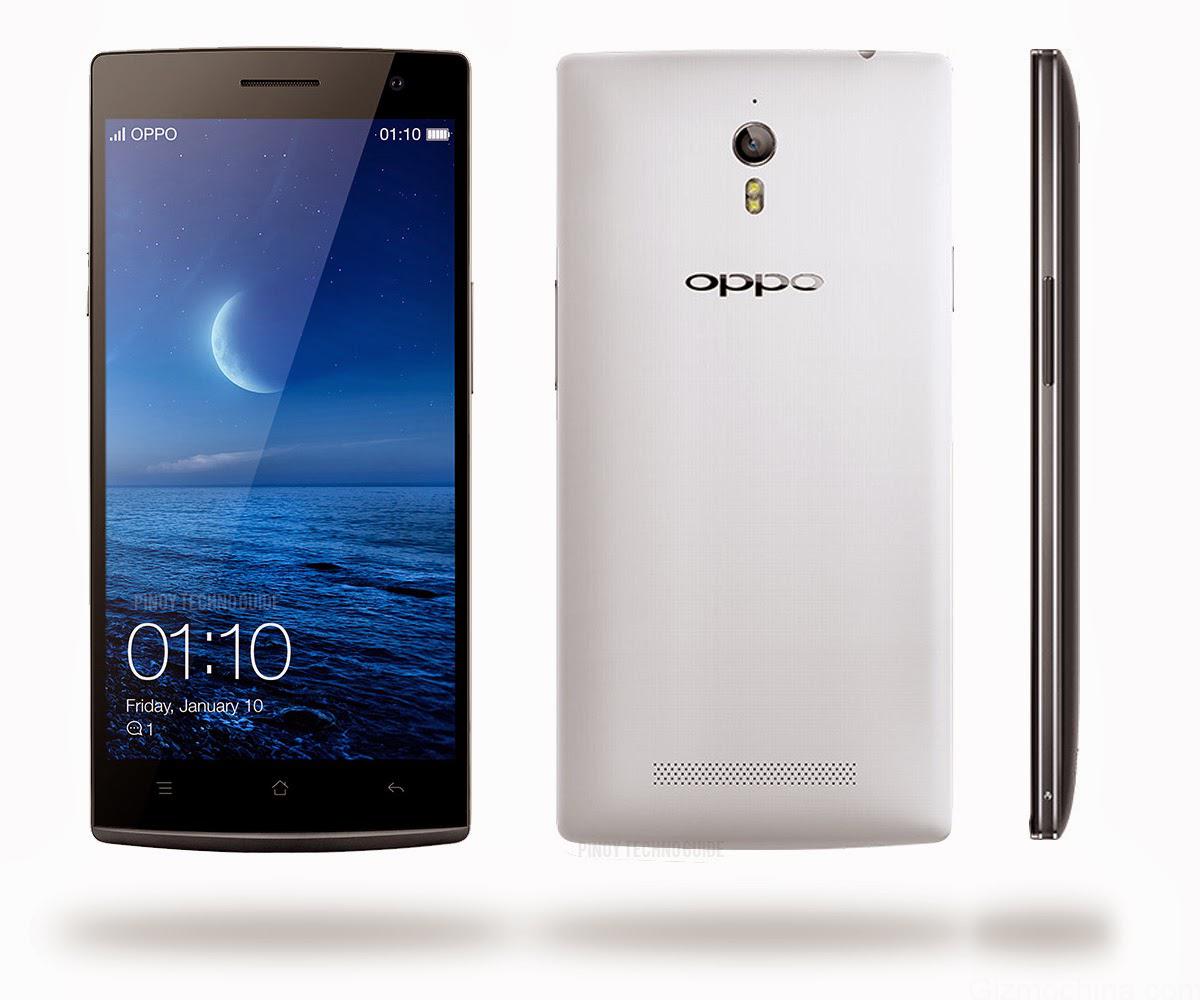
OPPO FIND 7/7A
Oppo has been known for its great design and great specs. It is starting to receive more and more recognition outside of China, especially with the devices like Find 7 or a bit lower end version – 7a.
As far as design, it is similar to the OnePlus One. Also, it packs very similar specs and it includes 5.5 inches (but better resolution at 2K) display, Snapdragon 801 chip, clocked at 2.5 GHz, 3 GB of Ram, 32 GB of storage, Adreno 330 GPU, Sony 13mpx IMX 214 Camera with a good F/2.0 aperture at the back and great front facing 5mpx Sony shooter at the front. On the other hand, it exceeds over the OnePlus with the removable battery (2800 mAh), super fast charging capability and Micro SD support.
The lower end 7a version can still be called a flagship as the only differences are the downgrades in display (Full-HD), Ram (2 GB), clock speed of the chip (2.3 GHz), storage (16 GB).
4G info: international variant: 800, 1800, 2100, 2600 MHz frequencies; Mexico and U.S. variant: 700, 1700, 2100 MHz frequencies.
Find 7/7a can be easily purchased for international customers for $549 and $499 respectively. If you really want to have a true flagship from Oppo, we recommend buying the Find 7 version from Oppomart at $549. However, the Find 7a is also a perfect choice, especially if you want to save a little bit of money and get just a bit downgraded specs. You can get the 7a for $499 from Oppomart.
Conclusion
Each mentioned smartphone really deserves its flagship name. They may differ in size, design, colour and things on the outside. They may also differ with the things like the user interface on the inside. All this leads to your personal preference. So what would you choose as a top Chinese 4G LTE flagship device for 2014? Let us know in the poll.
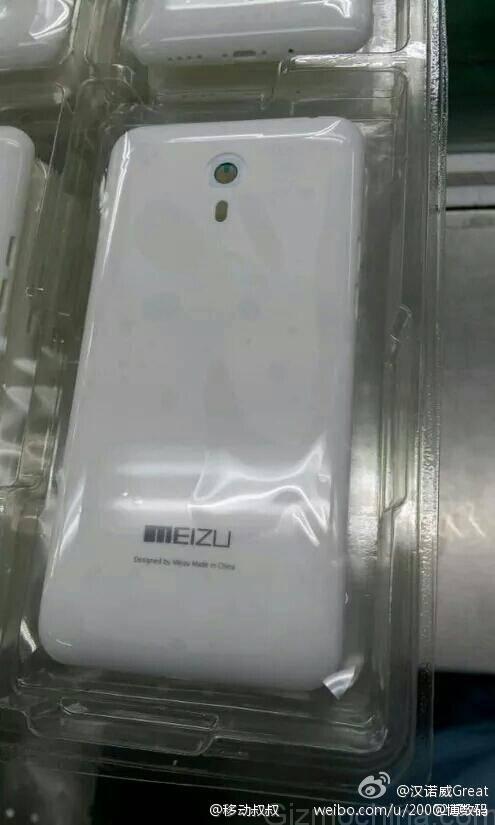
Meizu is a rising star in the smartphone universe. The Chinese company released Meizu MX4 pro to be one of the best phones in the smartphone industry in 2014 , and today we’re getting a first look at Meizu’s Upcoming Low-Cost Handset.
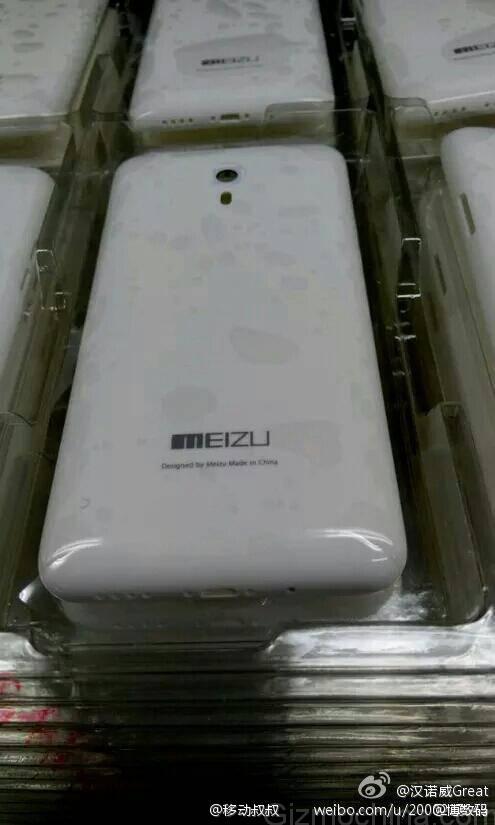
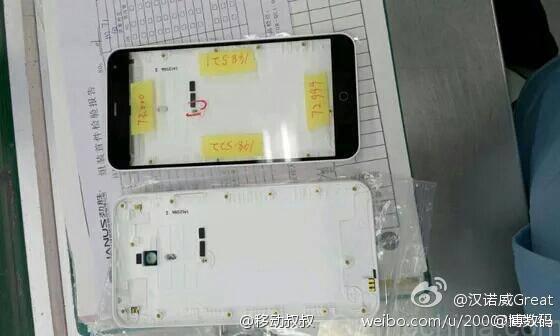
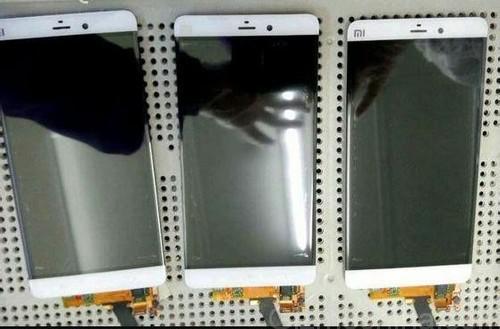
The production line photos of the new Meizu device and one front panel glass were posted to Weibo, the popular Chinese social network, on Monday. We can’t verify that these photos are real, but if they are, it looks like Meizu’s next budget device which will be priced at 799 yuan.
Meizu has a reputation for copying Apple’s devices and who doesn’t? But this handset actually reminds us more of the iPhone 5c, but with 4.6 inches screen it must be easier to use it one handed than the other budget phablets. It also uses the 1.7GHz MT6752 64-bit octa-core chipset. It uses eight Cortex A53 cores and its GPU is the Mali-T760 MP2. It also has 2GB RAM and 16GB ROM. As for connectivity, it has support for dual-SIM cards.
Hopefully we’ll get an official look at the Meizu K52 in the near future, though we’re not expecting the Chinese phone-maker to start selling in the U.S. anytime soon.
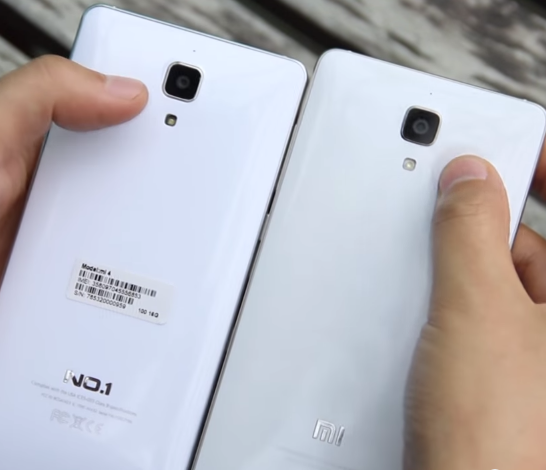
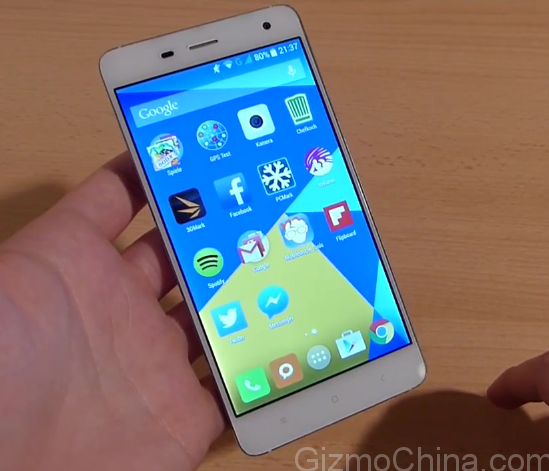
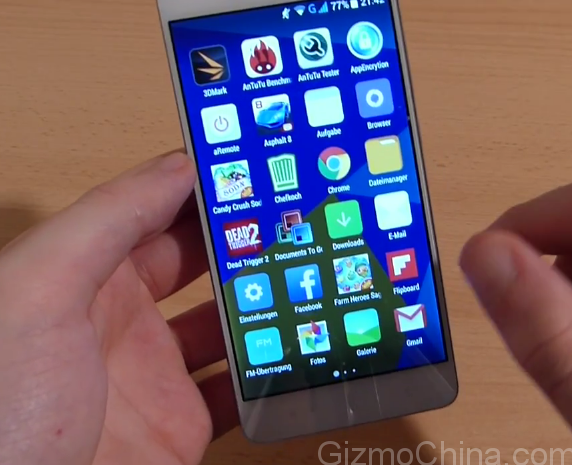
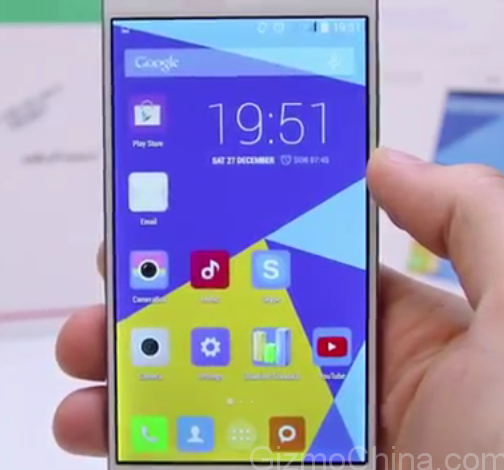
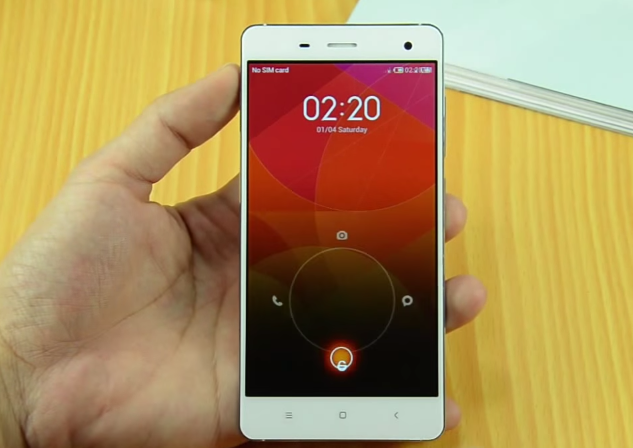
If you love Xiaomi Mi4’s design but don’t want to spend over $350 on a phone, you have a few options in the Chinese market. Recently, we have seen almost five to six Xiaomi Mi4 clones from Chinese manufacturers like Doogee, Elephone, No.1, Zeaplus etc. These phones are an exact replica of the Mi4 except for the specifications and some of the features. But the best part is that most of these devices retail for less than $150, which is almost $200-$250 less than the original Xiaomi Mi4.
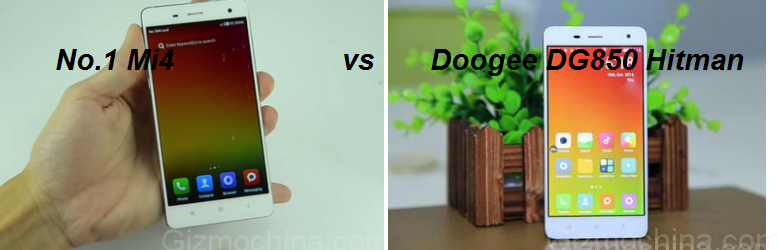
Today we look at the two hot Mi4 clones available to buy online, i.e. the No.1 Mi4 and the Doogee DG850. We have already reviewed these two phones in detail earlier, so you may want to check that out after you decide which one to buy among these two. Both the models feature a premium design much like the Xiaomi Mi4 even though it costs less than half its price and also comes with features that you don’t normally get in phones below $150.
With its solid built and customization options, both the models give tough competition to other rivals available in the market.
Since, most of the features of the two devices that we are comparing today are more or less the same, we know it would be hard to decide which one’s the best among these two. But still, when you have to make a purchase decision, its best to analyze the similarities and the differences between two models with utmost care.
No.1 Mi4 vs Doogee DG850
DESIGN
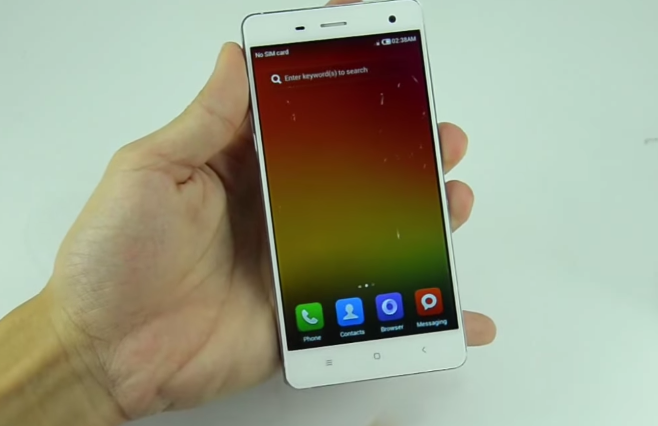
No.1 Mi4 5.0 inch display
No.1 Mi4
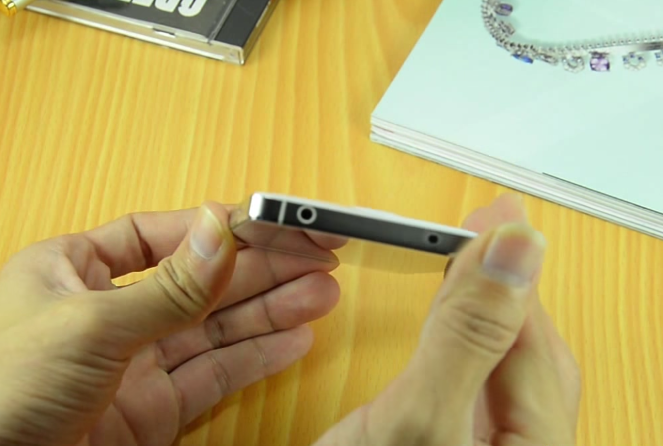
No.1 Mi4 top
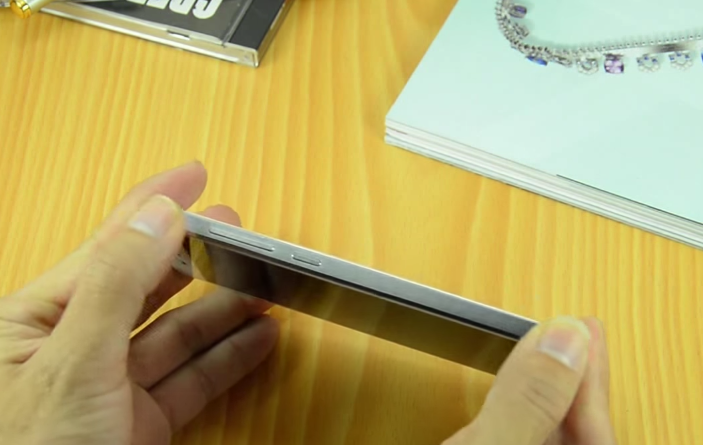
No.1 Mi4 side
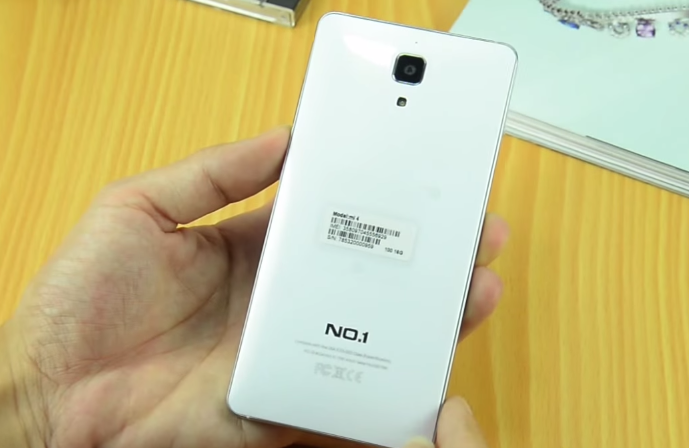
No.1 Mi4 back
No.1 Mi4 vs Xiaomi Mi4
As both the models have taken inspiration from Xiaomi Mi4, you know exactly how they look. The front camera, speaker grill, rear camera and logo etc are all placed exactly as seen on the Mi4. In fact, both feature the glossy back panel found on the original model as well as the metal frame that makes the phone look much more premium than it actually is.
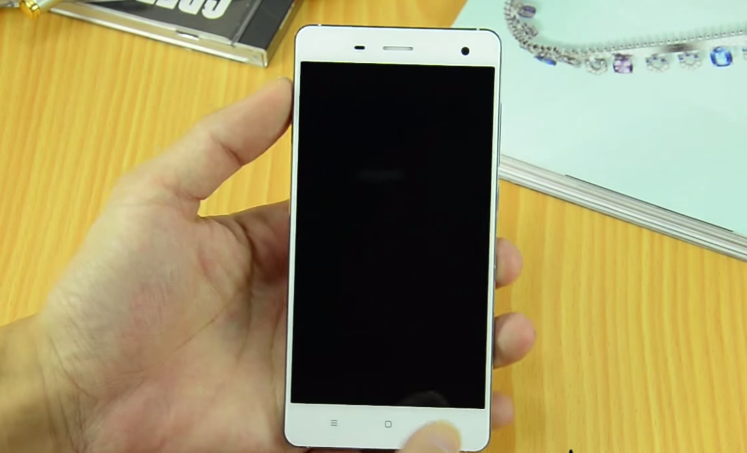
Since both models have exactly the same design, we’ll talk about it together. On top of the 5 inch display of both the devices is a sensor, ear piece and the front camera. Below the display lies the three capacitive keys, namely the menu, home and back. Surprisingly, these cheap Chinese manufacturers have successfully managed to minimize even the bezels on the phone. As you can see in the pictures given below, these phones feature very thin bezels, which makes it look even more solid and premium.
pictures of Doogee DG 850 Hitman
pictures of Doogee DG 850 Hitman
pictures of Doogee DG 850 Hitman
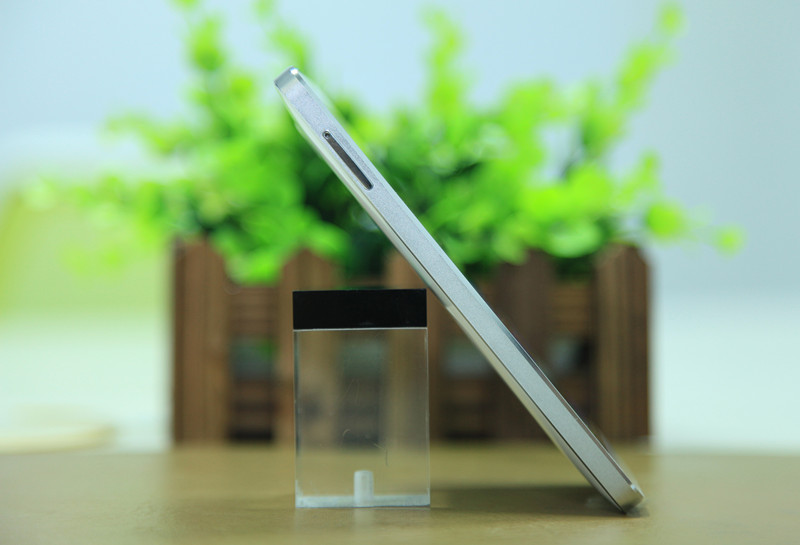
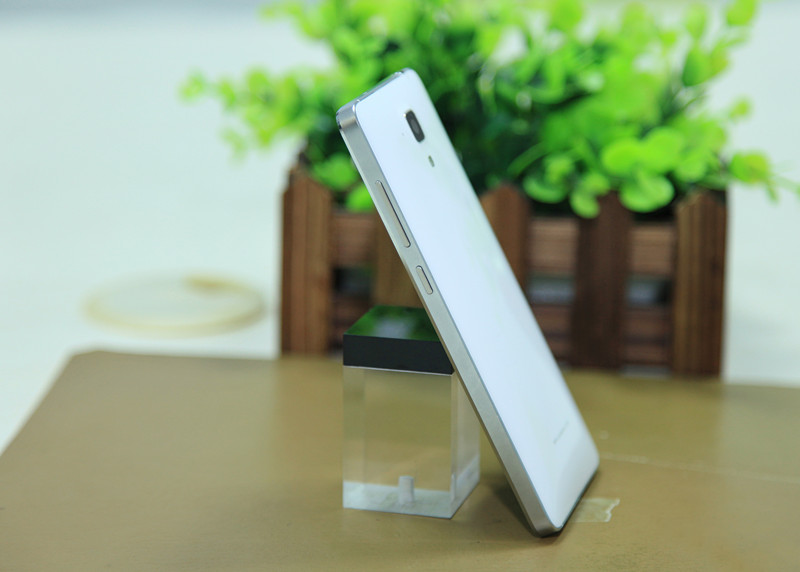
On the right side, you have the volume keys and the power button below it. The placement of these buttons are as comfortable as the original Mi4, especially since the power button lies near the middle which makes it easier to power on/ off the display while operating the 5 inch phone with just one hand. The rear panel features the same glossy plastic as seen on the Xiaomi flagship. You have the camera sensor at the top, followed by a single LED flash. One small difference that we saw between these two devices was that the Doogee model had a small company logo just below the LED flash, unlike the No.1 Mi4. However, other than that, both the models look exactly the same. In fact, you would never be able to distinguish between both the devices, had it not been for the company name printed at the bottom.
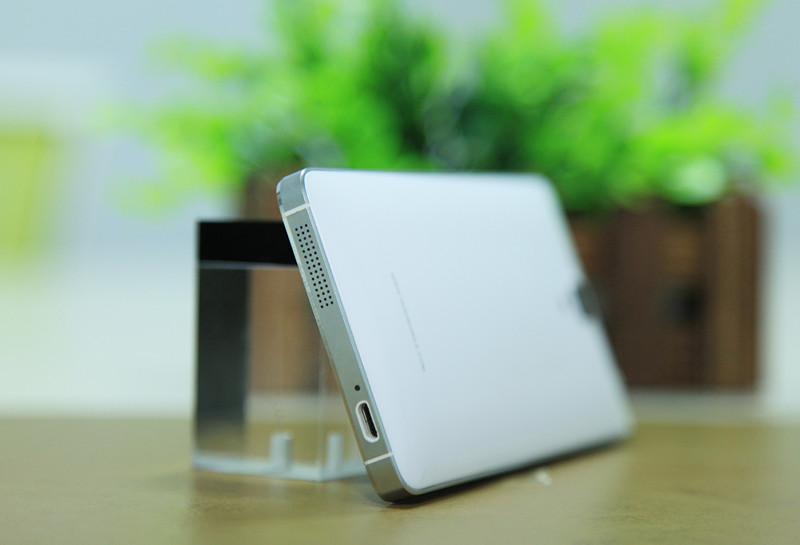
On the right lies the SIM card tray, while at the bottom, you have the speaker grill and the MicroUSB port used for charging. The placement of the speaker grill at the bottom is a very smart move since their output (even though its a single speaker grill) is much better than other phones which come with the speaker at the back. Once again, Mi4’s great design makes these phones stand out from the other rivals in this price range. Finally, on top, you have a 3.5mm headphone jack along with the IR blaster originally seen on the Xiaomi Mi4. So like we pointed out earlier, these phones even bring some of the special features of the Xiaomi flagship.
Both No.1 and Doogee have taken serious efforts to make their devices look like the Xiaomi Mi4. In fact, when we check the dimension of these devices, they are EXACTLY the same as the Xiaomi flagship.
Here are the dimension of the three phones under consideration:
No.1 Mi4– 139.2 x 68.5 x 8.9mm
DOOGEE DG850– 139.3 x 68.5 x 8.8mm
Xiaomi Mi4 – 139.2 x 68.5 x 8.9 mm
So if you ignore the company logos printed on the back, you won’t be able to differentiate between the three models based on their looks.
DISPLAY
Although the No.1 Mi4 and Doogee DG850 have a much smaller resolution display as compared to the Xiaomi Mi4, the difference isn’t that significant. We say this because, we didn’t expect these cheap clones to come with a decent display. However, for your everyday use, these 720p IPS panels are more than enough. They may not come with the FULL HD 1080p display like the Mi4 and you may even see some pixel on the screen, but we were pretty much satisfied with their overall quality. The images and the videos on the device were rich in colors and vibrant, which we feel is enough for your daily use.
Let me remind you that just a few years back, 720p resolution was the standard on most high end/ flagship smartphones. In fact, the mid range models came with qHD or 960 x 540 pixel resolution screens which looked good even with the large 4.7 inch displays that came with those phones.
So, a 1280 x 720 pixel resolution on a 5 inch phone which translates in a pixel density of 326PPI won’t look that bad as long as you don’t take them near a Quad HD 2K or a 1080p display.
No.1 Mi4 5.0 inch display
Since both the models have exactly the same IPS panel with One Glass Solution (OGS), you get the same results from both the displays. The quality is good and viewing angles are decent, in short, you won’t be disappointed with both the models.
HARDWARE & PERFORMANCE
This is where the two Clones differ significantly from the Xiaomi Mi4 flagship. To start with, lets look at the specifications of the original Mi4. It comes with a Snapdragon 801 SoC clocked at 2.5GHz with Adreno 330 GPU.
On the other hand, the No.1 Mi4 comes with a Mediatek MT6582 Quad Core processor clocked at 1.3GHz. Even the Doogee DG850 features the same processor, which actually isn’t that surprising given that most budget phones, even the ones below $100 (that we covered recently in this article) came with the same Quad Core Mediatek processor.
However, from the Mediatek phones that we have tested recently, this MT6582 Quad core SoC isn’t bad at all. It may not pack the punch as a 2.5Ghz Quad Core Snapdragon 801 processor, but it performs well even when we threw a lot of heavy apps and games at it. On both the devices, gaming was excellent. Games like Asphalt 8 ran pretty smoothly on these devices, with the No.1 Mi4 experiencing the least amount of lag.
You get 1GB RAM on both the devices, which you may feel is a bit less. While most of the times you won’t experience any lag, these cheap clones does struggle to multi-task. Its not really the fault of the processor, but of the 1GB RAM module, which doesn’t allow more than 2-3 apps to run simultaneously.
Inside, you get 16GB storage which unfortunately is not expandable. As a result, you may not have enough storage to save all your favorite songs,videos and images on both the devices.
Given that they have the same internals, the performance is almost the same. We did feel that the No.1 Mi4 struggled a bit more than the Doogee model, especially when you tried powering on the display. The phone took around a second more to power on when compared to the Doogee model. But that’s just a minor issue and hence, we feel both perform well enough for your everyday usage.
No.1 Mi4
Doogee DG850 Hitman
Display
5 inch 720p (326PPI)
5 inch 720p (326PPI)
Processor
1.3GHz MediaTek MT6582 quad-core chipset
1.3GHz MediaTek MT6582 quad-core chipset
Memory
1GB RAM + 16GB Internal storage (MicroSD: NO)
1GB RAM + 16GB Internal storage (MicroSD: NO)
Cameras
REAR: 13MP(8MP interpolated)
REAR: 13MP(8MP interpolated)
FRONT: 8MP (5MP interpolated)
FRONT: 8MP (5MP interpolated)
Battery
2,250 mAh
2,500 mAh
Size
139.2 x 68.5 x 8.9mm
139.3 x 68.5 x 8.8mm
OS
Android 4.4 Kitkat + MIUI Launcher
Android 4.4 Kitkat
Price
$139.99
$144
CAMERA
Camera is yet another category where Xiaomi Mi4 is miles ahead of these two clones. But you may be wondering why, especially when all the three models claim to come with a 13MP sensor.
Xiaomi was right in saying that the Mi4 featured a 13MP camera sensor, however for both the other clones, the 13MP that the company claim is inside their phones is actually only 8MP sensors. This is because the MT6582 chipset that power these devices can support only camera sensors of up to 8MP. But then these companies are not lying also as in the end, the pictures captured do have a 13MP resolution. So, how do they achieve this feat?
Well, both the devices have 8MP sensors which use software interpolation techniques to create an image with a 13MP end resolution. This of course is not as good as the real 13MP sensor found on the Mi4, but it is still good enough for capturing decent pictures in well lit conditions.
No.1 Mi4 camera sample 1
No.1 Mi4 camera Sample 2
Color reproduction was especially good on the No.1 Mi4 and noise was minimum. We were especially impressed by the device’s Night Mode, which brought in a lot of light when shooting indoors.
Doogee DG850 camera Sample 1
Doogee DG850 Camera Sample2
Doogee DG850 too comes with a decent camera, but its not as good as the No.1 model. Noise was prevalent in most images, especially when the lights were a bit dim. Low light performance is also not as good as the No.1 Mi4. So, its no surprise that we like the No.1 model better.
On the front, you have an 8MP sensor on both the models, which clicked decent selfies.
BATTERY
Another difference between these two models is their battery. The Doogee DG850 Hitman model came with a larger 2,500mAh Lithium-ion Polymer battery as compared to the 2,250mAh capacity one found on the No.1 Mi4. This does create a slight difference in the talktimes, but its not as significant as you may think.
While we didn’t get the time to test both the batteries thoroughly, from the initial tests, they lasted throughout the day with moderate usage pretty easily. This could be due to the power efficient quad core MT6582 processor inside.
However, don’t expect extra-ordinary results with this battery pack. If you were to play graphic intensive games or even HD videos on the device, the battery would drop rapidly and you would soon have to find a power outlet for your device. But for moderate use, which is how these devices are meant to be used, the 2500mAh and 2250mAh batteries on DG850 and No.1 Mi4 should be more than enough.
So, we would say the battery life on both the models is around the same as other phones in this price range.
SOFTWARE & CONNECTIVITY
Both the models come with Android 4.4 Kikat OS out of the box, however the No.1 Mi4 runs MIUI launcher on top. This brings a lot of customization and visual options that you don’t normally get in a traditional Android UI. MIUI 5.0 is one of the best custom OS built on the Android platform and its good to see that you get this rich UI on a cheap phone like the No.1 Mi4. The settings, notifications panel and camera UI are more or less identical to MIUI in both the devices.
Coming to the Doogee DG850, it comes with a traditional Android 4.4.2 KitKat OS out of the box with a little Doogee customized UI on top. If you have ever used or seen Doogee smartphones in the past, then you know exactly how it looks. The icons are not stock Android but customized by Doogee and there are some additional features like wake gestures, air shuffle and remote apps in additional to the full list of Google apps that comes pre-installed.
Let me remind you, unlike most Chinese smartphones in the market, the No.1 Mi4 comes with just ONE SIM CARD SLOT. On the other hand, the DG580 has a DUAL SIM CARD slot. So, the lack of a second SIM card option may affect your purchase decision.
Other connectivity options are more or less the same. So you have Wi-Fi b/g/n, Bluetooth 4.0, GPS/ AGPS, FM Radio, Compass, IR Blaster and a bunch of sensor on both the devices. You can also wake up the screen with double tap in these clones.
The No.1 Mi4 comes with a Wireless Display feature which allows you to connect your smartphone to an HDTV using the in-house Wi-Fi. All you have to do is turn on the Wireless Display feature and pair your HDTV. Once paired, your phone will project everything that is on its screen on to the large screen TV. This feature is particularly useful when you have to show some high resolution pictures or videos to a large audience such as in a family gathering. Even playing games is made possible with this innovative feature.
There are a lot of gesture features also available on both the devices. For example in the DG850 model, you can draw characters on the screen which is turned off to directly open up a selected app. So, when you draw I on the screen, the phone will open up the camera. Similarly, M will open up music player and there are many other letters which open specific apps. Luckily, Doogee allows you to edit these assigned letters with your favorite apps, so that the shortcut helps you to access your most favorite apps instantly.
VERDICT
It wasn’t an easy decision to pick out a winner in the No.1 Mi4 vs Doogee DG850 comparison because of their vast similarities. But we managed to find out a few differences. While the DG850 was slightly better when it came to the battery life, the camera performance and the Software features on the No.1 Mi4 was much better than the former. This is why we decided to go with the No.1 Mi4 in this comparison.
Moreover, Doogee announced their DG850 device much before it even went into production. As a result, customers had to wait almost two months to get their hands on the device. If they would have released it a few weeks earlier, you could have easily got the device much before Christmas holidays making it a great gift to your friend or family.
On the other hand, No.1 managed to release their device just a few weeks after the announcement. They announced it around late November, and you can already purchase it from leading online stores. Also, we feel the No.1 model offers much more features and customization options than most other smartphones in this price range, which is why we No.1 Mi4 comes out as the winner.
Also with the available coupons, the No.1 Mi4 is much cheaper than the DG850. Which is another reason to buy this new device.
Usually you have to pay more than $170 for the phone but now, you can get the No.1 Mi4 from GearBest for $139.99. If you like the Doogee DG850 Hitman model, you can get that too for around $150 from GearBest.
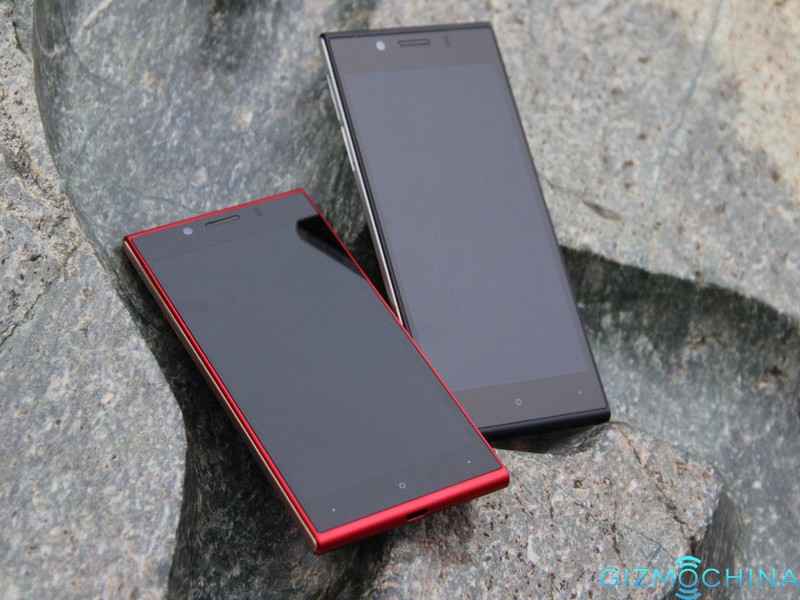
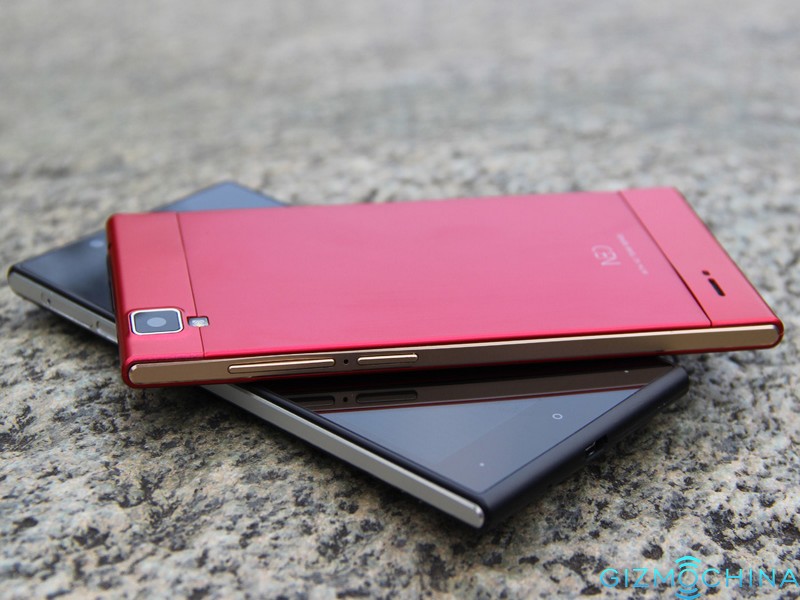
When Lenovo released the ultra slim Lenovo S90, it received an online backlash over its huge resemblance to Apple’s iPhone 6. Many people accused Lenovo of plagiarism, but it seemed that Lenovo did not really care.
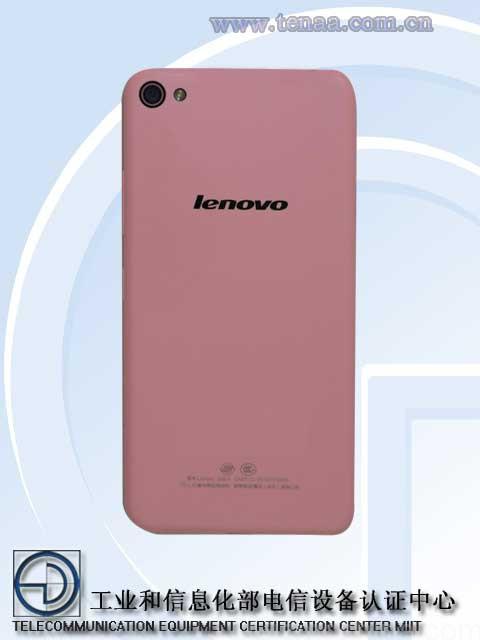
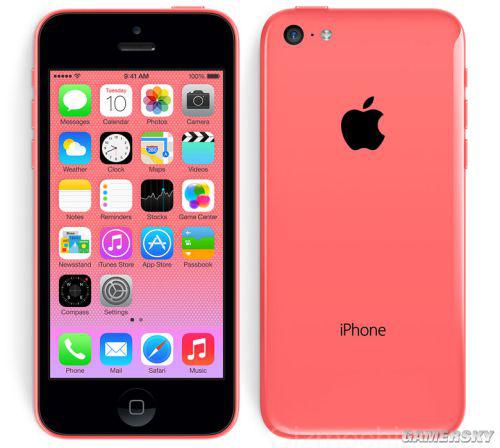
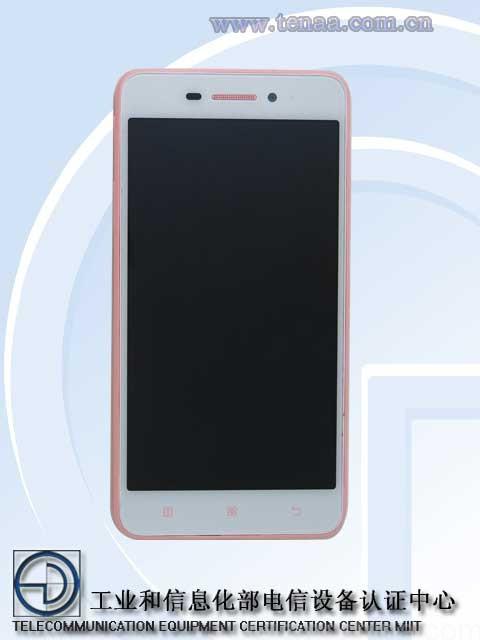
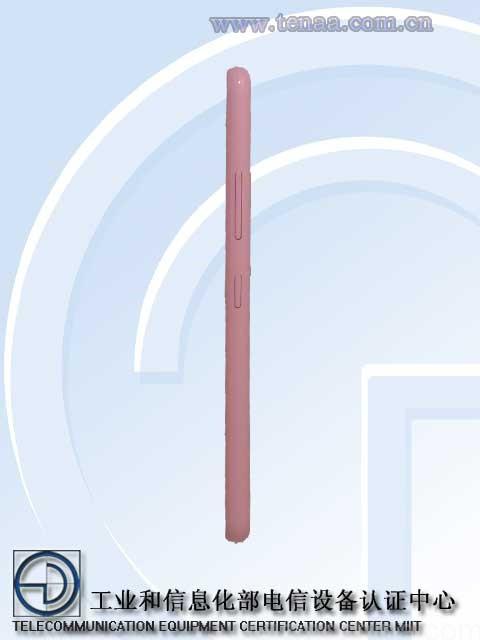
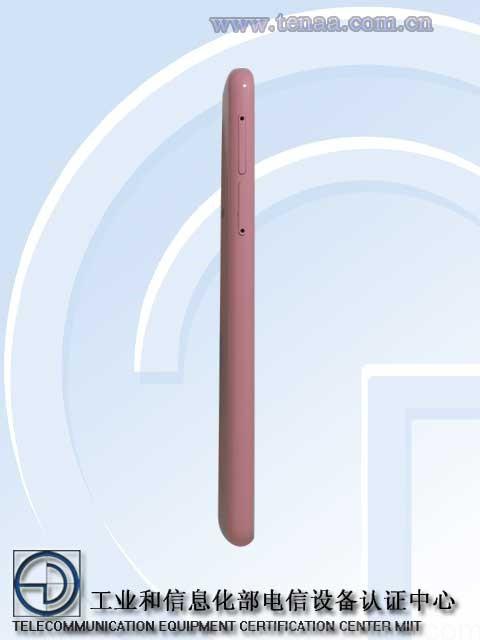
Despite the complaints by many netizens, this has not stopped Lenovo from continuing its plagiarism. Now, another new cell phone from Lenovo received its network license at TENAA. It has the model number “Lenovo S60-t.” Its plastic outer case has round edges, and looks every bit like the iPhone 5C. It also comes in cherry blossom pink, white, lemon yellow and other colors. Although the iPhone 5C will soon go out of production, we can still see many cellphones that look just like it.
The design of its appearance aside, the Lenovo S60-t’s specifications are about average. It sports a 5-inch 720p display screen and has a 1.2GHz quad-core processor, 1GB RAM, and 8GB ROM. It also sports a 5mp front-facing camera and 13mp rear-facing camera. Its operating system is none other than the Android 4.4.4.
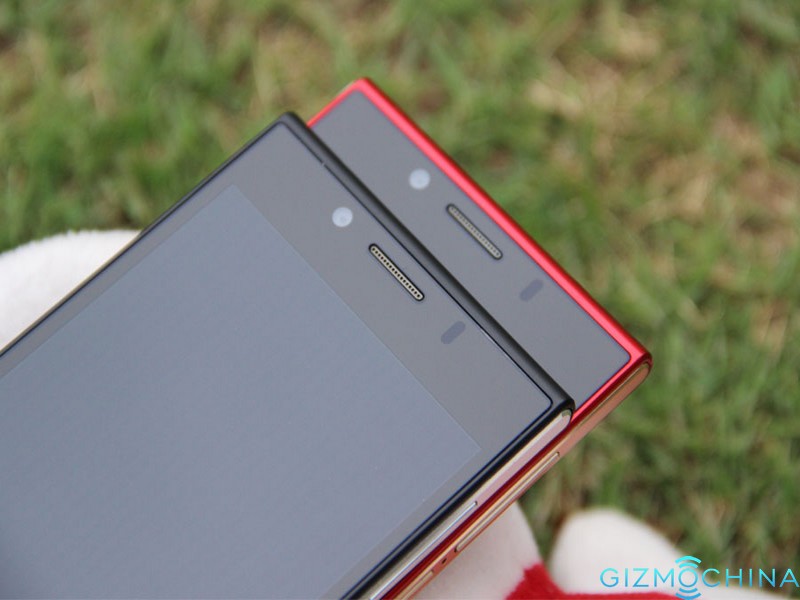
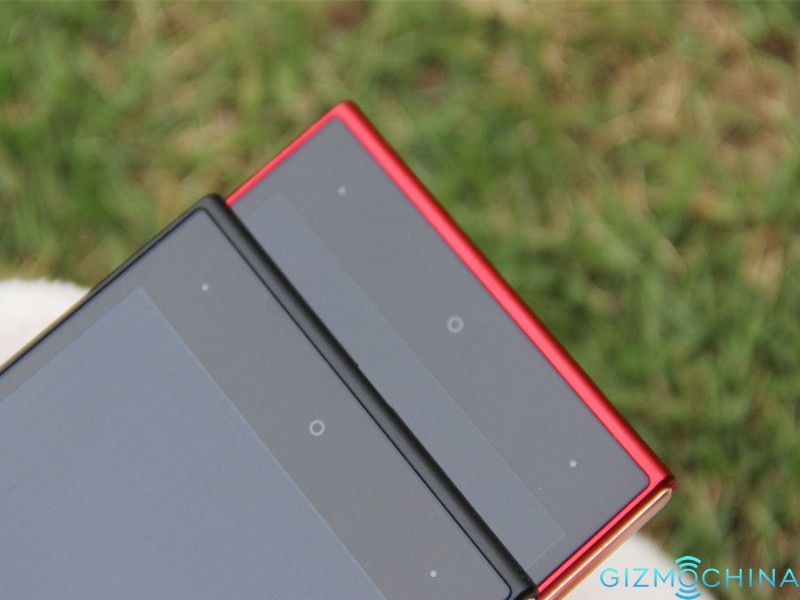
Try comparing the Lenovo S60-t to the iPhone 5C in the pictures below.
It has been quite a year so far for Chinese electronics company, Meizu. This year saw the release of the Pro version of the successful Meizu MX4, the Meizu MX4 Pro. A lot of news was made of this device for its great specifications and interesting design (it has a fingerprint scanner on the front instead of a Home button). But it is not over yet. Meizu recently announced the release of another phone, the Meizu K52.
Today, they released more information about the Meizu K52, particularly about its cost. According to reports, this device could rival Xiaomi’s Red Mi. It is said to have a very affordable price which is said to be 799 RMB. Although previous reports have stated that it would cost somewhere between 1000 RMB (162.46 USD) and 1300 RMB (211.20 USD), this year, Meizu has been pricing their products very differently. So, nobody should be surprised if it will really cost 799 RMB.
In addition, someone online leaked a photo of what appears to be a Meizu device’s Home button. It looks like Meizu’s classic round Home button, but it glows with a blue light. It looks pretty interesting. What do you all think?
Previous reports have stated that one of this device’s strengths is its slimness. It is said to be easy to handle with one hand. Furthermore, the Meizu K52 will sport a 4.6-inch 1080p display screen. It also uses the MT6752 64-bit octa-core chipset which has a frequency of 1.7GHz. It uses eight Cortex A53 cores and its GPU is the Mali-T760 MP2. It also has 2GB RAM and 16GB ROM. As for connectivity, it has support for dual-SIM cards.
It sounds like a pretty interesting phone. It might make a nice Christmas present.
Xiaomi had confirmed that Xiaomi Mi5 may be introduced at CES 2015, there are a lot of leaks and rumors about the Xiaomi Mi5 spreading on the internet. Let me collect them into a list.
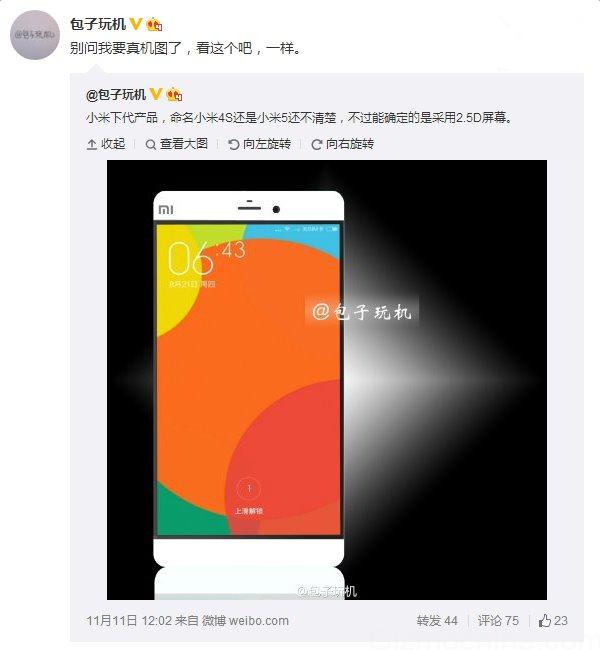
1, Screen: China’s Weibo user @ 包子玩机 leaked that Mi5 will have a 2.5D curved glass screen like iPhone6, Samsung Galaxy Note4, Nokia Lumia and IUNI U3, so 2.5D screen must be 2015’s trend like Snapdragon 801 in 2014. And there are rumors said Mi5 will have 5.7 inch display with 2K resolution. Since more and more smartphones will reach to 2K resolution, 2K resolution might become the basic feature of a flagship. And even Dakele is applying sapphire screen and promote the Dakele 3 with this feature, so will Xiaomi Mi5 have sapphire screen?
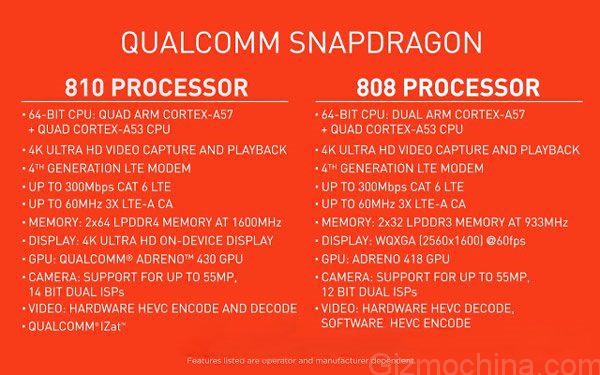
2 CPU: From what we had know Xiaomi will be powered with the latest 64 bit Snapdragon 810,2.0Ghz, Qualcomm said Snapdragon 810 will be shipped at January of 2015. So there must be several phones with Snapdragon 810 be released together with Mi5. 3, RAM: 3GB RAM had been applied as the basic specification of 2014’s Android flagships. With the 64 bit CPU Xiaomi may use 4 GB RAM on their flagship of 2015.
4, Fingerprint scanner: Since Huawei and Meizu are showing off how close their their Fingerprint scanner with iPhone’s, how can Mi5 have no Fingerprint scanner? And there is rumor said Mi5 has Fingerprint scanner.
5, Camera: Snapdragon does support 5500 megapixel camera, so whether Mi5 will use 16 megapixel or 20 megapixel camera is still unknown.
6, Others: From what we can see, Xiaomi is no longer keen on a price war, they began to focus on user experience and the over all design language. We are believing Mi5 will be designed more beautiful than Mi4, ang there might be a Mi5 and Mi5 plus.
7, Price: If Mi5 is really powered with Snapdragon 801 and 2K display, it must be priced above RMB1999($325).
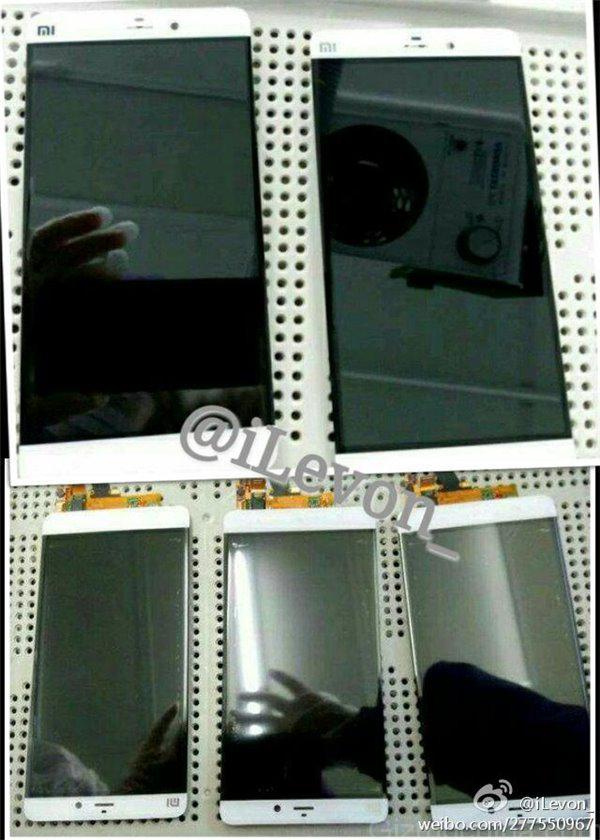
8, Real phone’s pictures: I really doubt this is the real Xiaomi Mi5 cause it really looks like Huawei Mate7.
From what I said above: Xiaomi Mi5 will have 5.7inch 2K 2.5D curved glass screen display protected by sapphire, snapdragon 810, 16 megapixel or 20 megapixel camera, and maybe Android 5.0 based MIUI? It will have fingerprint scanner and a much greater design? If that is true, Mi5 must be the best Xiaomi Phone from then.
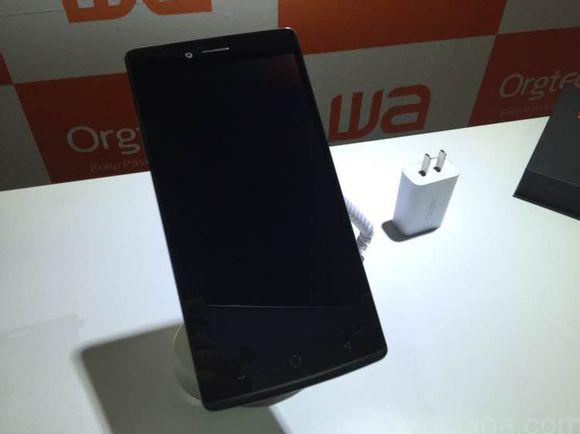
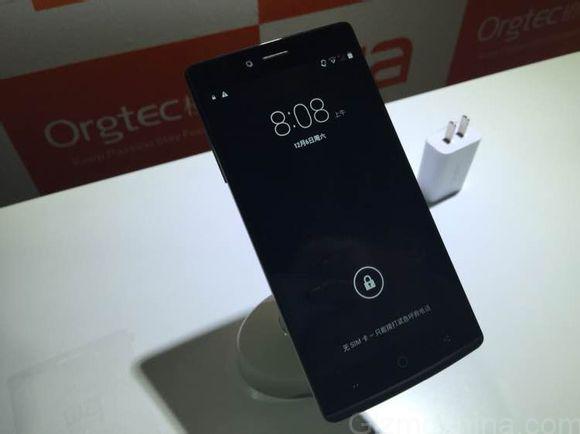
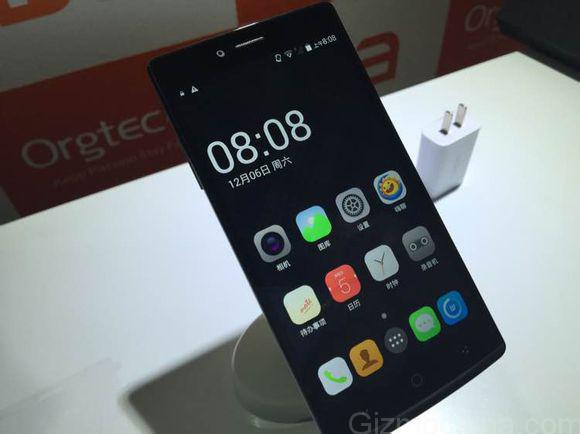
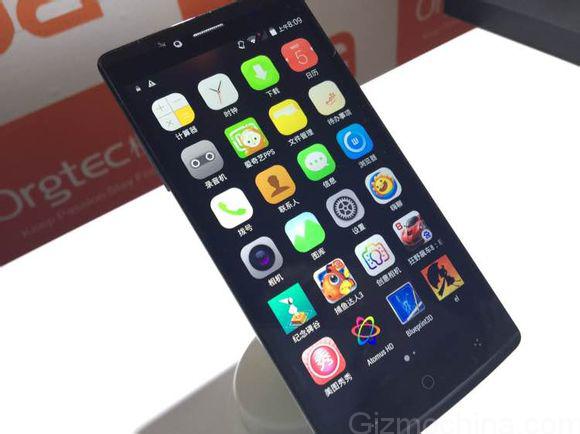
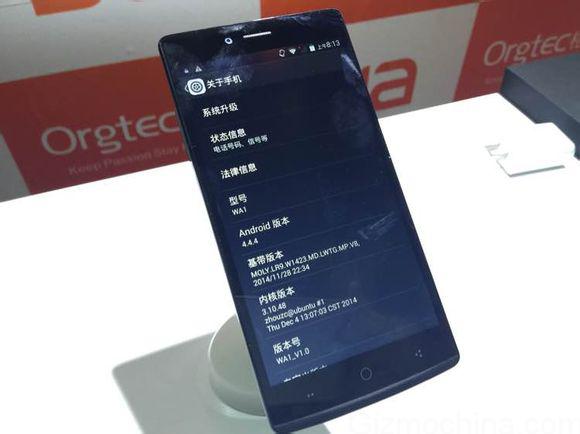
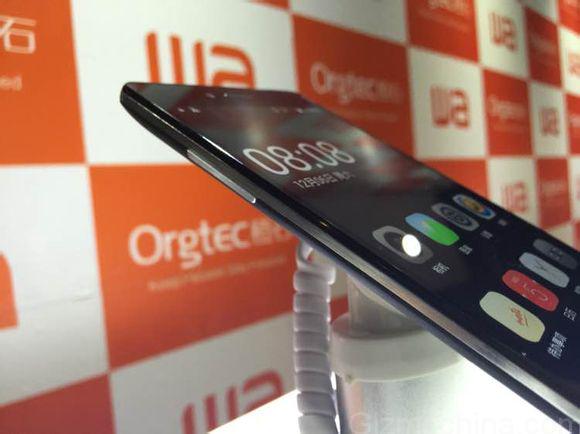
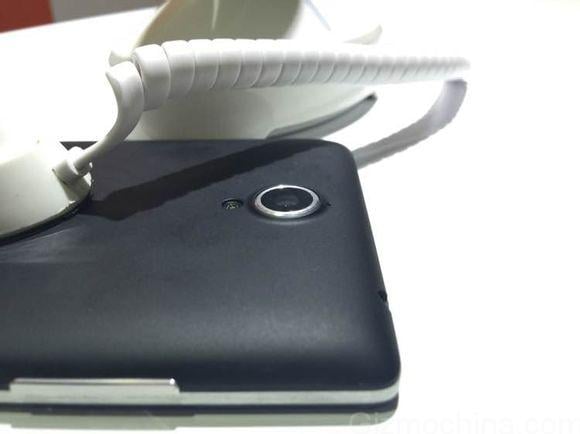
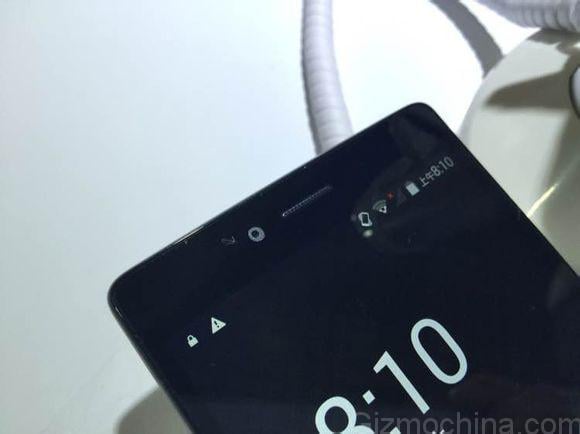
Wa Phone to use 5.5 inch 1080p display, 1.7 Ghz MT6752 64-bit LTE SOC, ARM Mali-T760 GPU, 2GB ram, 16 GB rom, 8 megapixel front camera and 13 megapixel(sony IMX135) rear camera and 2650mAh removable battery. The specifications are really like the rumored Meizu K52 and it runs android 4.4 and supports dual SIM, GSM/WCDMA/TD-LTE/LTE FDD, you can buy it for RMB897($146) in China if they won’t get out of stock easily.
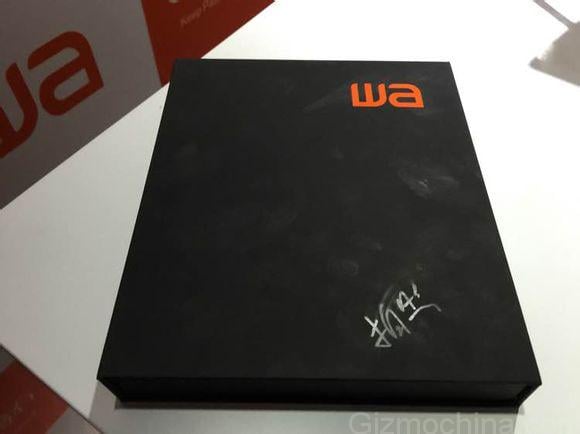
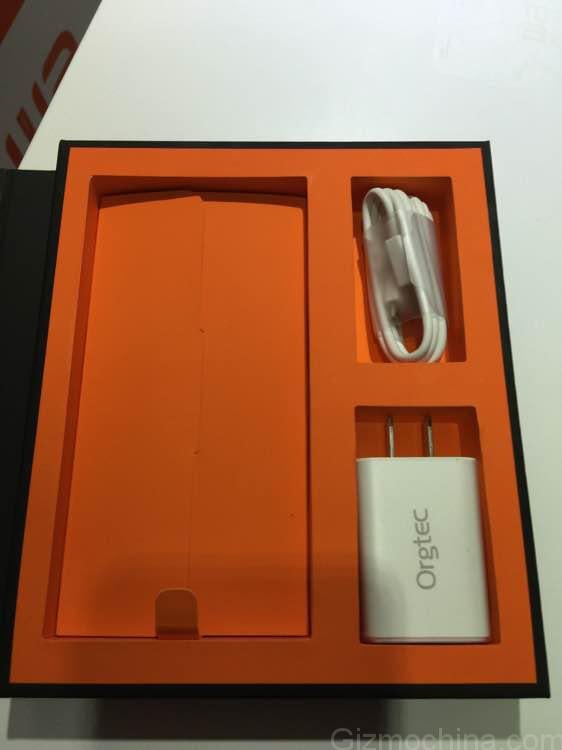
Wa phone’s pure black Package Box
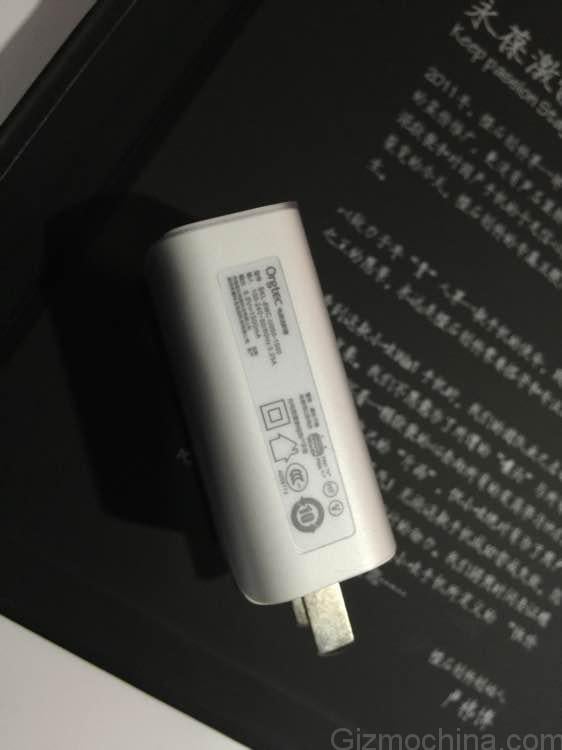
wa phone’s charger supports 5v–1.5A
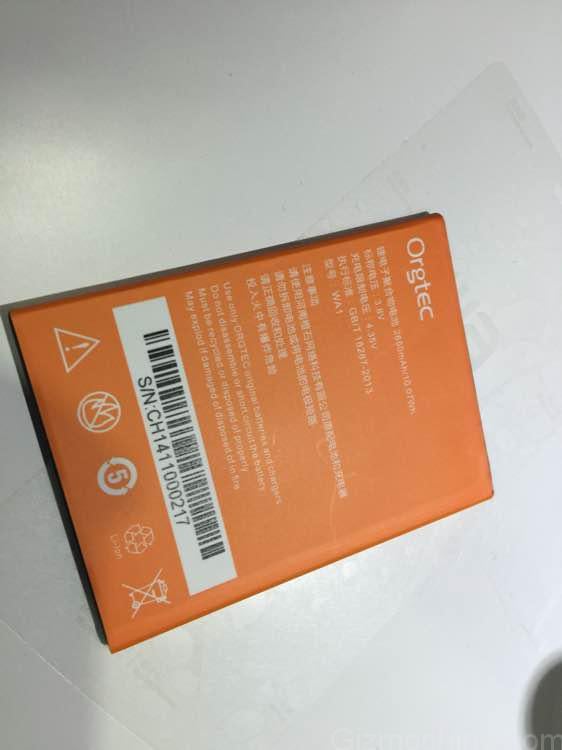
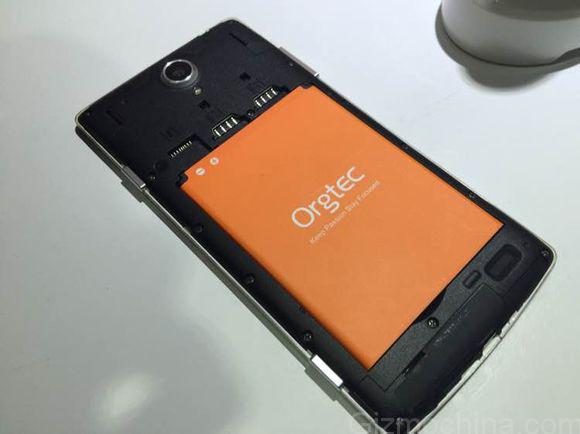
wa phone’s 2650mAh battery
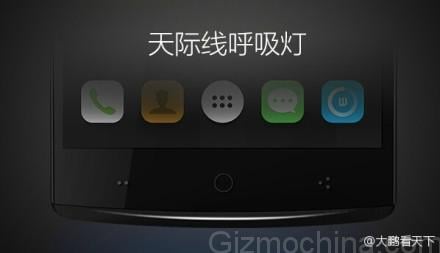
Jet black display is impressive but the chin is a bit like oppo find7 and the light can also turn on like oppo find7
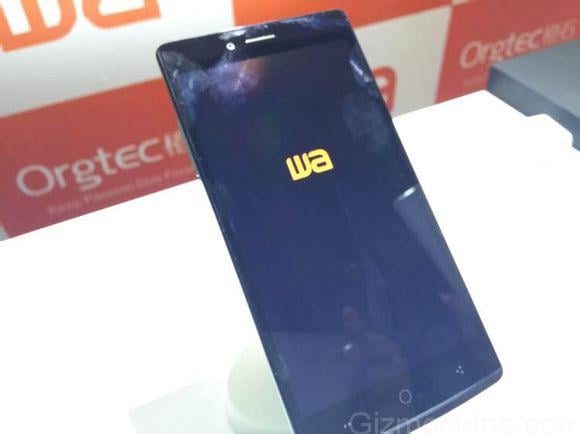
When you turn Waphone on, you will see the “WA” logo, they only added the logo to Android 4.4. But one of Waphone’s manager told me Waphone will have Lewa OS and MIUI like Dakele 3. And Waphone will update to Andorid L before Waphone 2 released.
It surprisely got a metal frame(aluminum titanium alloy) and the” baby skin” back cover and it looks great at the first sight, but if you take a closer look, it’s still a budget phone’s look, you can’t expect too much from a phone priced less than $200. After I take the back cover off, you can see there is dual SIM card slots and a micro SD card slot. I didn’t get the chance to listen to the sound speaker but it looks clean designed and crafted.
Antuu benchmark is around 39000, I can’t get a chance to take the picture, the phone is currently being presale on waphone’s official website: http://www.orgtec.cn/ and will be start to ship from 6th January 2015. And Jiayu S3 will ship at the end of January, so people can get Waphone almost 20 days earlier than Jiayu S3. So which one will you choose? Jiayu S3 or Waphone?
Taiwan based Economic Daily News reports that Xiaomi plans to launch the next Xiaomi phone in January next year at the CES 2015. The report says that the Xiaomi Mi5 may use a quad-core CPU chipset from Qualcomm and sport a 5.7-inch 2K display screen and fingerprint scanner.
Economic Daily News also says that if Xiaomi continues to sell its new devices at around 1999 RMB (324.89 USD), it may pose a threat to Samsung and HTC’s 2015 flagship phone releases.
One wonders what kind of phone they will release after the Xiaomi Mi4. Many are especially worried about its design, hoping that it will not be another clone. Will it have an original design for once, a design that will say, “This is a Xiaomi phone.” Some internet commentators worry that it will be a clone of another bestselling smartphone. Here are what some netizens have to say:
“The Xiaomi Mi3 is basically a Nokia clone. The Xiaomi Mi4 is an iPhone clone. The Xiaomi Mi5 will be an HTC clone.”
“I also forgot. The Xiaomi Mi2 will be a Meizu clone.”
“Xiaomi has never had a truly original design.”
It is hard not to imagine why many would think this. Perhaps, it is time for Lei Jun and Xiaomi to take design ideas from other smartphone companies, and start coming up with their own. If people want an iPhone, they will get an iPhone. If people want a Meizu phone, they will get a Meizu phone. Xiaomi needs to come up with their own design for once.
The report also says that CES 2015 will also see the debut of many other flagship devices such as the LG G Flex 2 and Sony Xperia Z4. The 2015 International Consumer Electronics Show will be held between January 6 and 9, 2015 in Las Vegas, USA.
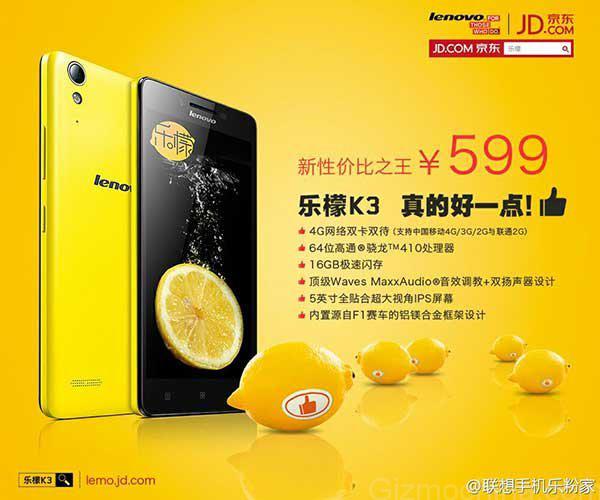
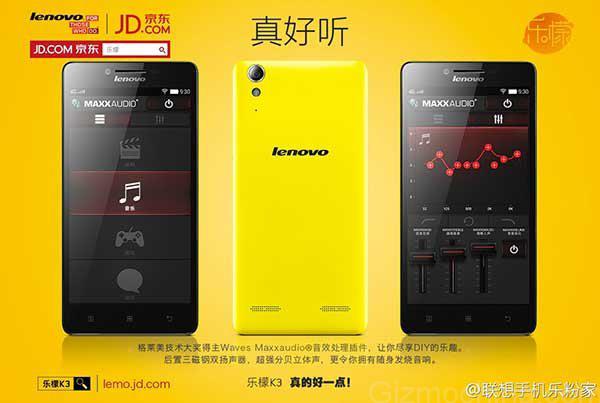
Today, Lenovo launched the Lenovo Lemon K3 cell phone for the low-end market. This phone costs only 599 RMB.
From the pictures, we can see that this phone sports a bright yellow rear cover, which explains how this phone got its name. Its front side, on the other hand, is black. The following images below show the phone’s design as well as the user interface.
As for its specifications, let us take a look. First of all, its CPU is the Qualcomm Snapdragon 410 quadcore processor, which according to Qualcomm themselves, can be used for both 32-bit and 64-bit devices. It is mainly used for entry level 4G phones. As for memory, the Lenovo Lemon K3 has 1GB RAM and 16GB ROM. Its screen is a 5-inch 720p IPS display screen. Regarding connectivity, it supports 2G, 3G, and 4G, as well as dual SIM cards. It also uses Waves MaxxAudio and has dual speakers. As of now, it can be pre-ordered at the online Chinese store, JD.
Ever since the release of the Xiaomi RedMi, more famous Chinese electronics companies such as ZTE, Huawei, and Coolpad have expressed interest in conquering the market for 1000 RMB (162.52 USD) cell phones. Meizu, which has just launched the Meizu MX4 Pro has also laid its eyes on this market and wants to take over it as well. We can expect these big players to make more frequent appearances in the entry level market. The Lenovo Lemon K3’s overall specifications are pretty close to the ZTE V5S, which had just been released some time ago, and the Huawei Honor Play 4 (China Mobile Edition), but its 16GB ROM and dual speakers design gives the Lenovo Lemon K3 a big edge over them. What do you think?
Battery life is one of the most important factors that a user looks for when purchasing a new smartphone. But when it comes to Chinese value for money devices, this is one area where most phones slack. Many phones have Quad core and even Octa Core processors, but they feature less than 2500mAh battery, which gives only a few hours of usage available to the user.
However, there are some manufacturers who have taken special care in this regard. For example, we have seen multiple launches from the Chinese smartphone maker THL which came with a large battery. Today, we look at the two smartphones with a large battery from THL, the THL 4000 and the THL 5000.
While both feature a 4000mAh+ battery, their specifications are totally different. THL 4000 is aimed at the budget crowd who long for a better battery life, while the THL 5000 offers much more than a large battery as it comes with many of the premium features usually found only in flagships these days.
So, here’s the comparison between THL 4000 and THL 5000 in detail.
THL 4000 vs THL 5000
DESIGN
Like always, we start off with the design.
THL 4000, being a budget device comes with a 4.7 inch screen as opposed to the 5 inch display found on the THL 5000. However, there isn’t much difference between the two devices when it comes to design and dimensions.
THL 4000 measures 140 x 68 x 11.2mm while THL 5000 measures 145 x 72.3 x 8.9mm. As you can see, the length and the width are almost the same. But the 5000mAh battery does increase the thickness of the device by around 1.2mm.
On top of the display of both the devices lies the ear piece, sensors as well as a camera. Similar at the bottom lies the three capacitive buttons namely menu, home and back. You’ll also notice the small microphone opening at the bottom.
THL 4000 back cover
THL 5000 back cover
Like the front, the back too looks the same on both the devices. You have the camera sensor and LED flash at the top, followed by the THL logo just below it. At the bottom, you have the official THL slogan, technology-happy-life along with the speaker grill.
THL 4000 SIM card slots
THL 5000 SIM card slots
Inside, you have the large 4000mAh battery and 5000mAh battery on THL 4000 and THL respectively. Once the back cover is removed, you’ll see the two SIM card slots along with the MicroSD card slot.
THL 4000 left side
THL 5000 left side
THL 4000 has no buttons on the left but THL 5000 has the power button on the top left corner.
THL 4000 right side
THL 5000 right side
Both the power and the volume buttons lie on the right of THL 4000. However, the 5000 model only has the volume rockers on this side.
THL 4000 top side view
THL 5000 top side view
On both the models, the MicroUSB port and the headphone jack is situated on top.
THL 4000 bottom side view
THL 5000 bottom side view
Finally, at the bottom, you have the microphone hole on both the devices.
HARDWARE
While the design was similar on these devices, their hardware specifications differ significantly.
THL 4000 comes with MT6582 Quad Core processor clocked at 1.2Ghz with 1GB RAM and 8GB internal memory. On the other hand, THL 5000 comes with a much powerful MT6592T Octa Core processor clocked at 2.0Ghz with 2GB RAM and 16GB/ 32GB internal storage options. Both the models feature a MicroSD card slot which support cards up to 32GB in size.
While the THL 4000 features a 4.7 inch display with just qHD 960 x 540 pixel resolution, the THL 5000 sports a 5 inch screen with 1080p resolution. As a result, you will clearly see the difference between the display quality on both the devices.
As for the camera, the THL 4000 has a 5 MP rear sensor along with a 2MP front camera sensor. This is much smaller than the 13MP Sony IMX135 sensor and a 88 degrees 5MP wide angle camera found at the back and the front respectively of the THL 5000. So the image quality will be much better on the latter.
Even in the battery department, THL 5000 outdoes THL 4000. Just like their names suggest, the former comes with a much larger 5000 mAh removable Li-Polymer battery as opposed to the 4000mAh removable battery found on the latter. Moreover the 5000mAh battery can be used to charge other devices too, so the THL 5000 can also act as a powerbank, which we feel is a very neat feature, especially when you have a lot of gadgets around with much smaller batteries.
Both support dual SIMs as well as the following network bands: 2G:GSM 850/900/1800/1900MHz & 3G: WCDMA 850/900/1900/2100MHz. As you can see, even with the higher price THL 5000 lacks 4G LTE, which is a bit of a disappointment for those who were looking to take advantage of high speed LTE networks.
Other connectivity features are common on both the devices like Bluetooth 4.0, Wi-Fi, GPS/ AGPS, FM Radio etc. However, for the additional price, you do get NFC on THL 5000.
PRICE
While we have seen that the THL 5000 outdoes the THL 4000 in almost every aspect, the purchase decision will totally depend upon the difference in their price tags.
At present, THL 5000 is available for $239 at Coolicool. So, you have to pay a premium of exactly $150 for the better features as compared to $99.99 price tag for THL 4000.
Personally, we feel the upgrades are enough to pay the extra $150, however if you are short on cash, THL 4000 can be a great alternative. You don’t get such a large battery on a device of this price, so even it features a sloppy camera sensor or a less powerful processor, it will easily last you for more than 2 days.
If you are looking for a reason not to buy the pricier THL 5000, then the lack of 4G LTE support should be on top. THL 5000 could easily have been one of the best value for money devices in the market if it supported LTE. Moreover, the larger 5000mAh battery would have been a much needed feature for a battery sucking tech like LTE. But if you are happy with 3G speeds, the device looks like a good buy.
We recently wrote an article about the top Chinese smartwatches to buy this holiday season. Today, we are looking at the second smartwatch from that list, the UWatch U8 Pro. While there’s no doubt that the U8 Pro is one of the cheapest smartwatches currently available in the market, its always good to check out whether the device performs as promised. This is exactly what we did and here’s the full UWatch U8 Pro Review.
UNBOXING
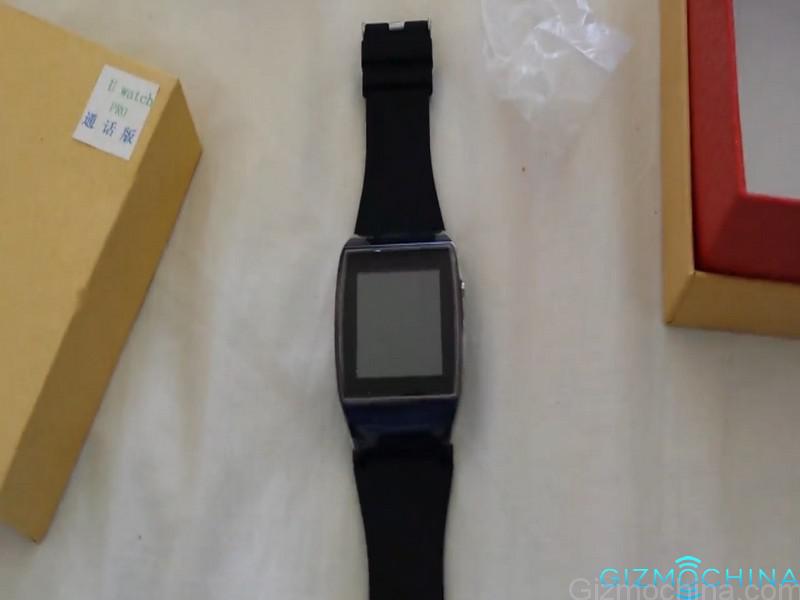
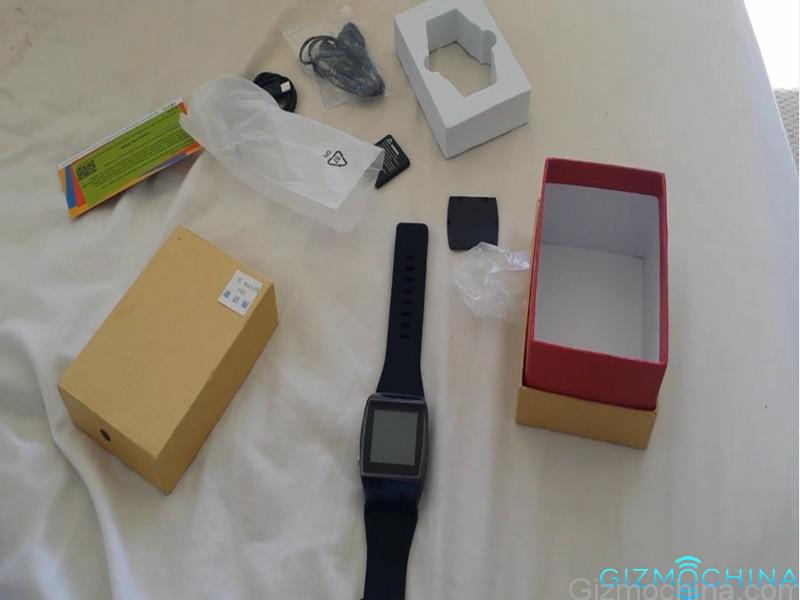
Lets start off with the unboxing first. The device came in a simple box, nothing too fancy, but sturdy enough to keep everything inside protected. When you open the box, you’ll first see the beautiful watch up front. We know there are many good looking smartwatches in the market at present, but we didn’t expect this cheap smartwatch to come with such a good built. So, we were impressed for sure in the first glance.
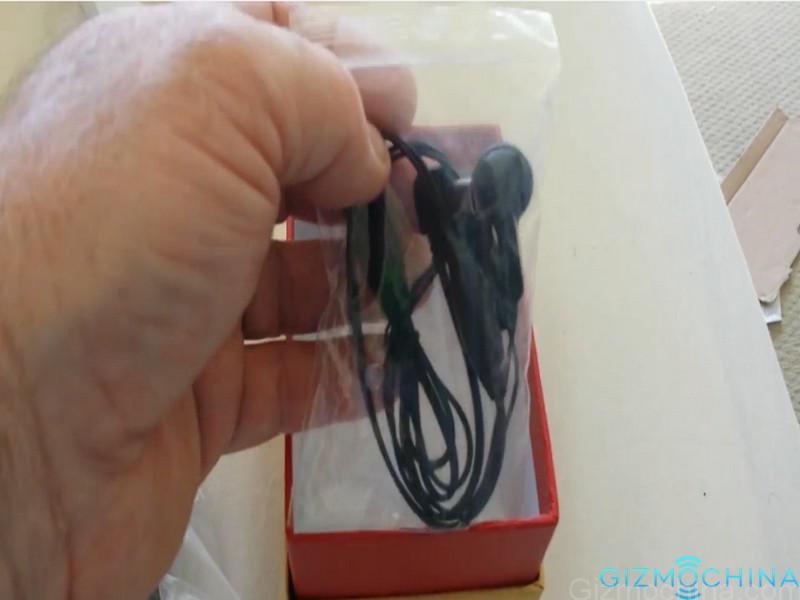
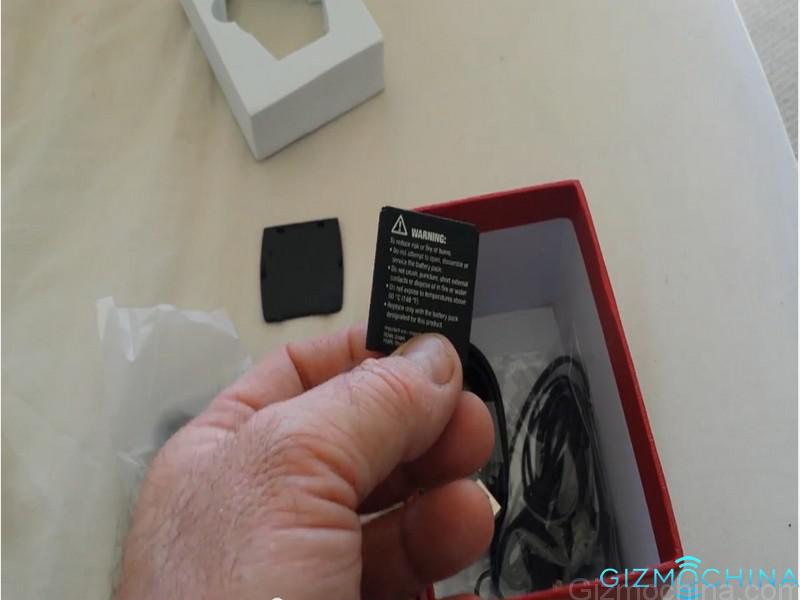
Apart from the watch, you get a battery, a rear panel for the watch, user manual, USB cable as well as a headphone. Let me remind you that this headphone does not come with a 3.5mm pin, instead has a micro USB pin – the same port used for charging the device. Also, the given user manual is available in both English and Chinese.
U8 UWatch Pro DESIGN
As mentioned above, the UWatch Pro is sturdy and well built. There’s a 1.48 inch LCD display up front which sits well on the wrist. In fact, we feel that the display is rightly sized as the overall device doesn’t look too big or too small on our hands.
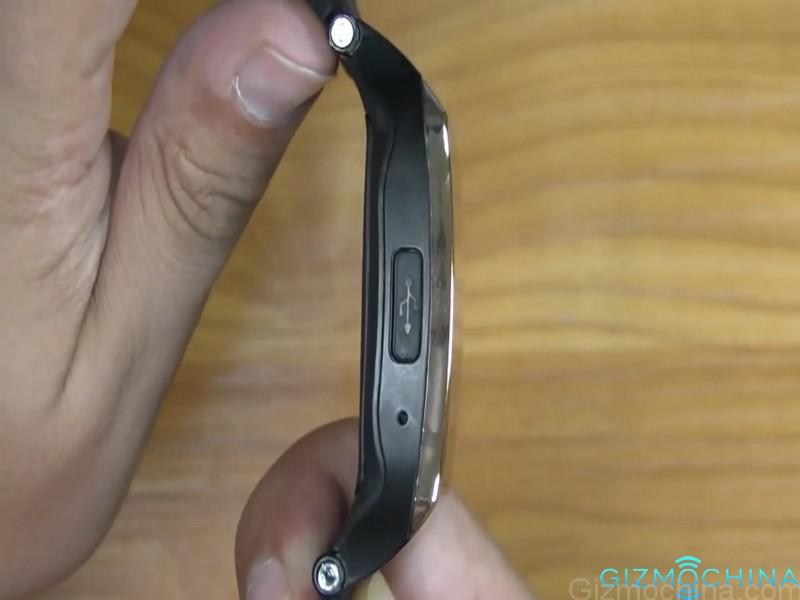
On the right side is the power button as well as the camera, while on the left lies the MicroUSB port for headphones and charging. You’ll also see a small microphone hole besides the USB port. Below the battery compartment is the SIM card holder besides which there are the instructions for installing the SIM in the device. On top of the display are the inbuilt speakers. The rubber straps that comes with the device looks cheap, but blends well with the overall design. To be honest, we are quite satisfied with the watch’s design.
U8 UWatch Pro Specs
Before we move on to the actual performance and features of the device, lets take a look at its hardware specifications.
UWatch U8 Pro comes with a 1.48 inch color TFT LCD display with Bluetooth, multi-language support and a 230 mAh battery. In order to function fully, the device can be connected to an iOS or an Android smartphone. There are a number of other features in the device like stopwatch, anti-theft alarm, music sync, camera, passometer, barometer, altitude meter etc.
Specs
Display: 1.48 inches TFT LCD
Battery: 230 mAh
Talk Time: Approx. 3 hours
Charging Time: Approx. 1 hour
Music Play Time: Approx. 6 hours
Standby Time: Approx. 160 hours
Available Color: Black, White
Product weight: 45 g
Product size (L x W x H) : 27.7 x 4.0 x 1.0 cm /11 x 1.6 x 0.4 inches
In short, it comes with more than enough functions to keep you excited about your first smartwatch.
U8 UWatch Pro hands on
To power on the device, just press and hold the power/ reset button for a few seconds. If your battery is charged, U8 Pro will start up immediately and you will be greeted with a ‘Welcome’ screen.
You have around 6 watch faces to choose from and each one of those looks quite good. We got the analog + digital watch face as default, which we think is best among the six given options. There are three more analog options as well as a full digital watch face. Check out some of these watch faces given below.
To get inside the app list, just long press on the watch face. Remember that every time you press the reset/ power button, the watch will default to the watch face. Given that the watch goes into standby pretty fast, probably to save battery, you may end up long pressing the watch face a number of times just to browse through the options that you have on the device.
The performance of the U8 Pro was quit decent. You do experience a little lag while browsing through the app pages, but its only a bit and not very noticeable. After a while, you get used to it. In order to move from one app page to another, just swipe from the right to the left. Its just like browsing through the pages of a book.
Unlike most other Bluetooth accessories, the U8 Pro connected to our smartphone quite easily. You just have to turn on the Bluetooth on both the devices, pair them and finally connect your smartphone from your smartwatch.
The process is very simple and straightforward. You go to the Bluetooth app on the watch. Turn it on (if its not already switched on) and go to my devices. In that option, your paired smartphone will show up. You just have to click connect and both the devices will be connected instantly. To get back to the menu, just swipe to the right.
In the apps menu, you have lots of apps like stopwatch, alarms, settings, anti-theft, Bluetooth connection, pedometer etc. For saving time, we will only be focusing on the important applications.
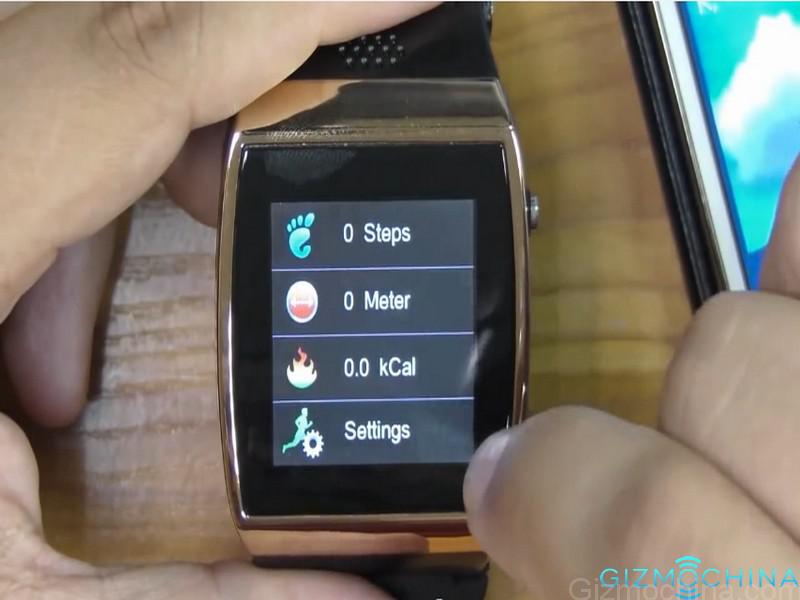
First you’ll see the alarm app where can set up to 5 alarms. Besides it lies the stopwatch, which comes with just the basic options like start/ stop and reset. In the pedometer app, you have 3 categories. Using the inbuilt sensors, the watch can detect the number of steps taken, meters walked and the calories burned. From our personal use, these statistics were not very accurate, which isn’t surprising given that the watch costs less than $35.
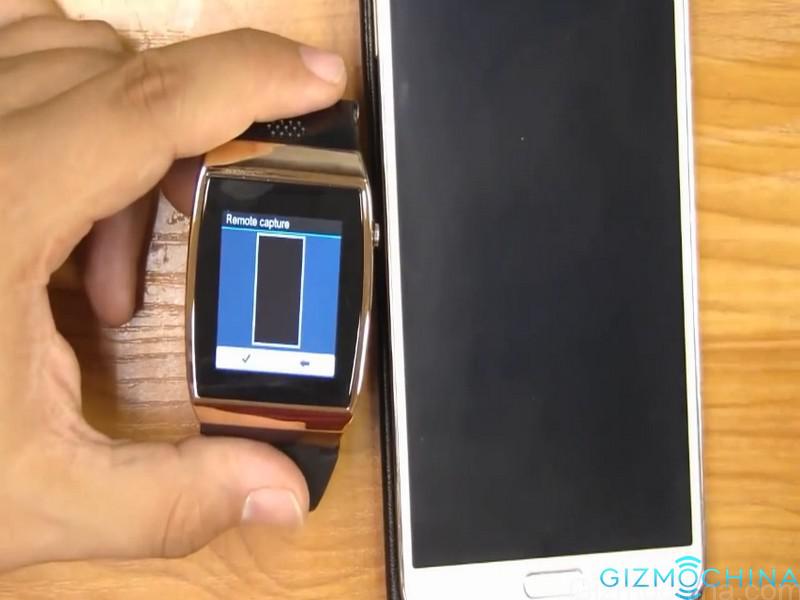
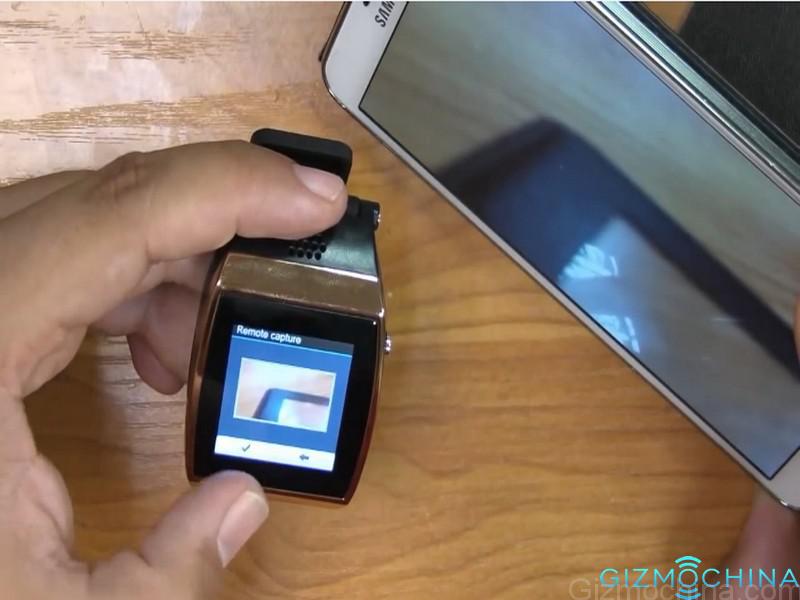
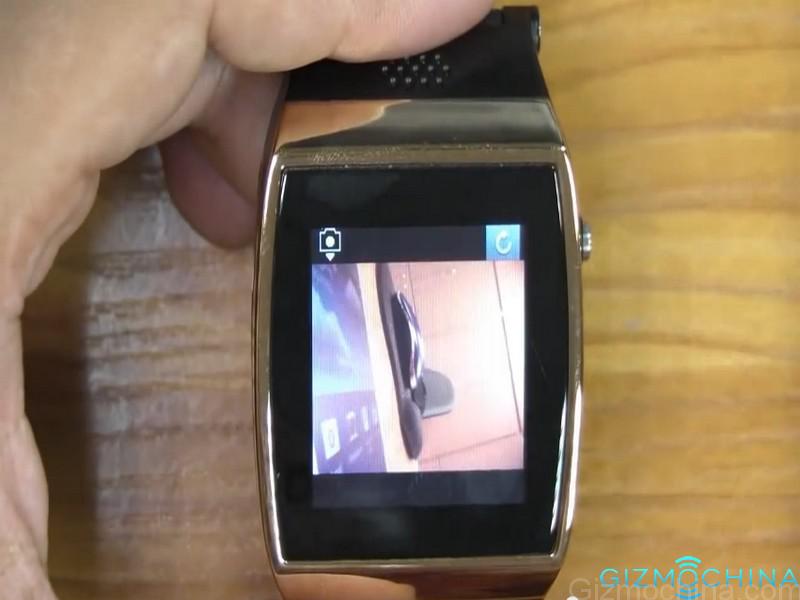
Next up was the camera app, which worked pretty well. However, like we expected, the image quality was bad. But for those who are really interested in taking good pictures, you can connect the smartwatch with your smartphone and use remote capture app to click images. In the app, you can see the phone camera’s viewfinder right on your watch, making it easier toclick large group pics or selfies. You also have a music player which lets you control whats playing on your smartphone. It did have some issues like you have to be in the player on your phone for it to work perfectly. But once you get the hang of it, the controls come in handy.
Then there are the basic phone functions on the device. For example, you can get the call dialer, messaging app, phonebook and even call logs on your U8 Pro once you sync it with your phone. So you can make, receive calls, check messages and notifications directly from your smartwatch. Finally, you have the settings menu which helps you set profiles on the watch as well as change the various security and phone settings.
When your phone receives a notification or a call, the watch vibrates and makes a sound to let you know of the same. Also, in the connected mode, if your phone is too far away from your watch (around 15 meters), it will start making a sound to alert you.
As you can see, the phone does have all the features that you want from a smartwatch. Many of them work well, some of them not so well, but overall, its a great device for such a cheap price tag.
UWatch U8 Pro is available for purchase in White and Black colors.
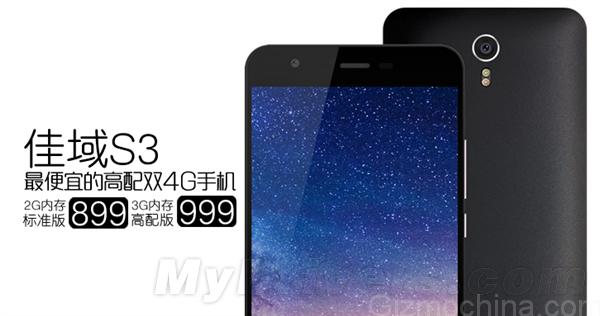
There has been a war going on in China. It is not a war that is being fought with guns or armies—-but with cell phone prices. That’s right. For the last several months Chinese cell phone companies have been competing with each other by lowering the price of their phones through promos, discounts, sales, etc. They are also releasing new phones at relatively lower prices. Many are aiming to release phones at a price below 1000 RMB (162.47 USD). One example is the 999 RMB (162.33 USD) Jiayu S3 high-end edition.
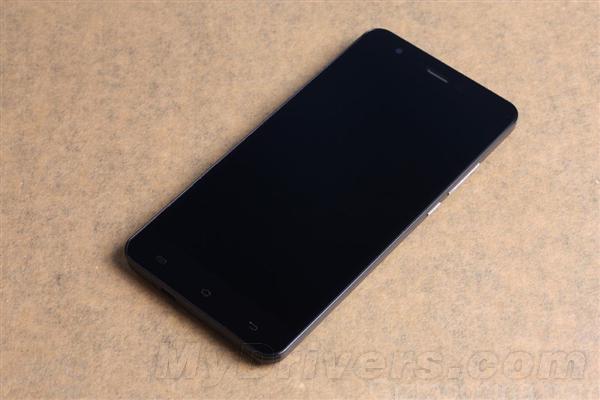
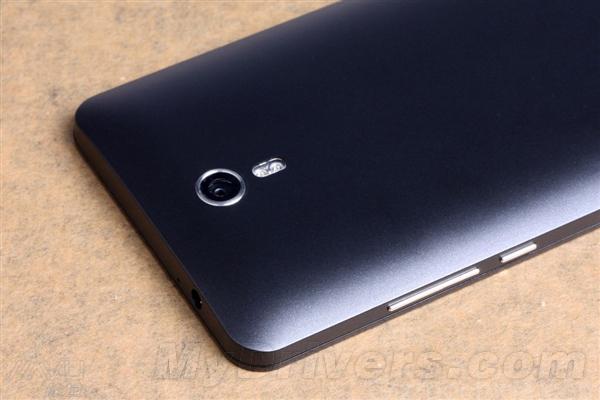
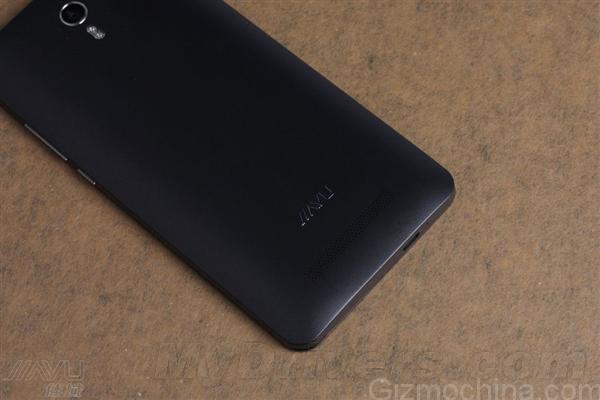
The Jiayu S3 high-end edition’s specifications are passable. One of its most important features is that it has 3GB RAM. Its CPU chip comes from MediaTek. Specifically, it is the octa-core MTK MT6752. This phone is dual-4G-supported. The Jiayu S3 high-end edition also sports a 5.5-inch 1080p display screen. As for its camera specs, its rear-facing camera is a 13mp camera with a Sony IMX214 sensor, while its front-facing camera is a 5mp camera. Its operating system is the Android 4.4 OS. Later, this can be upgraded to the new Android 5.0. It also has a built-in 3000mAh removable battery.
It also has many other features such as OTG, a gyroscope, etc. It comes in black and white, and its dimensions are 152 x 75.5 x 8.9mm.
Whereas the high-end edition costs 999 RMB, the more standard, low-end version costs 899 RMB (146.08 USD). The main difference in the specifications between the two is the RAM. Whereas the high-end edition has 3GB RAM, the standard edition has 2GB RAM. Both have 16GB ROM.
The Jiayu S3 standard edition is set to come out in China January next year, while no release date has been announced for the high-end edition.
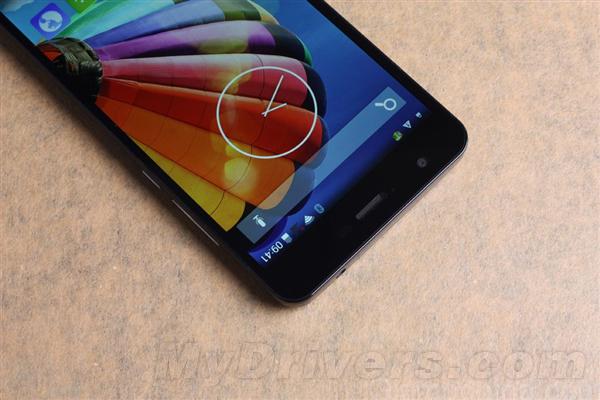
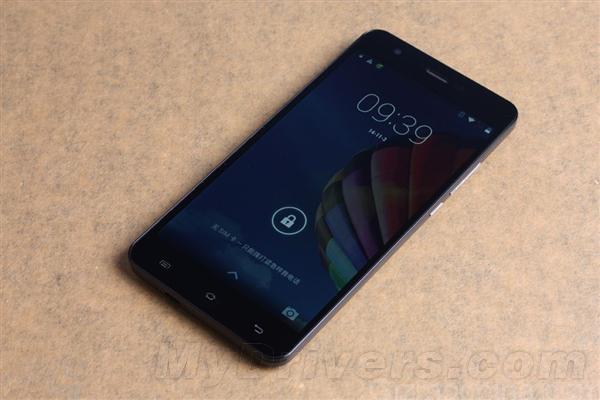
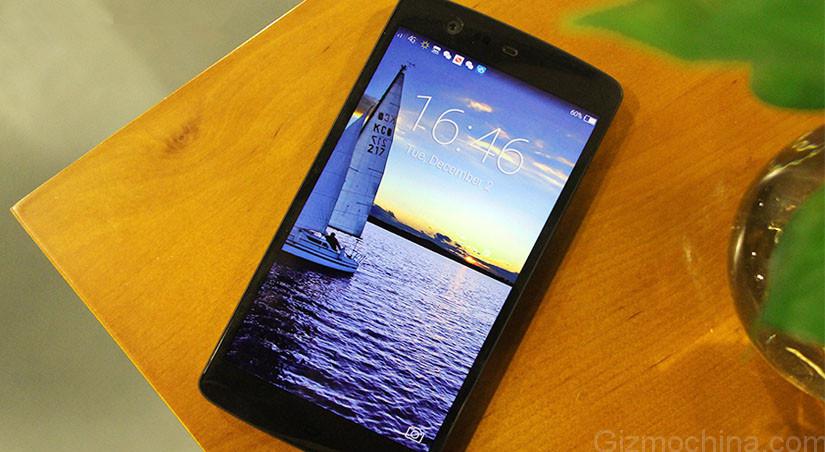
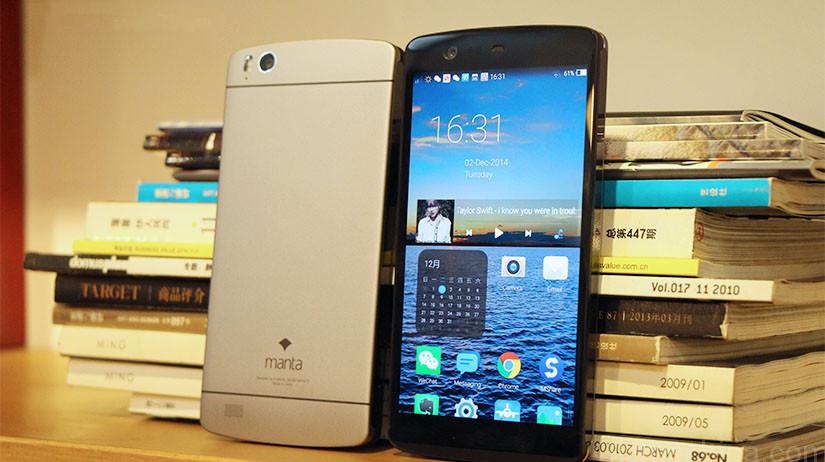
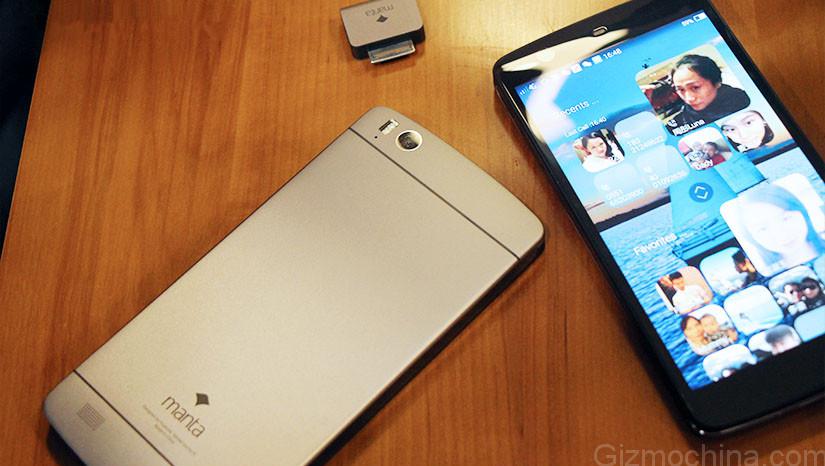
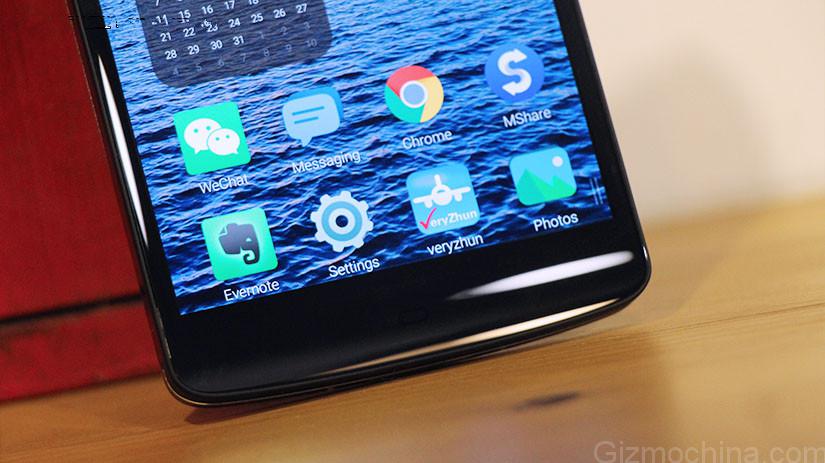
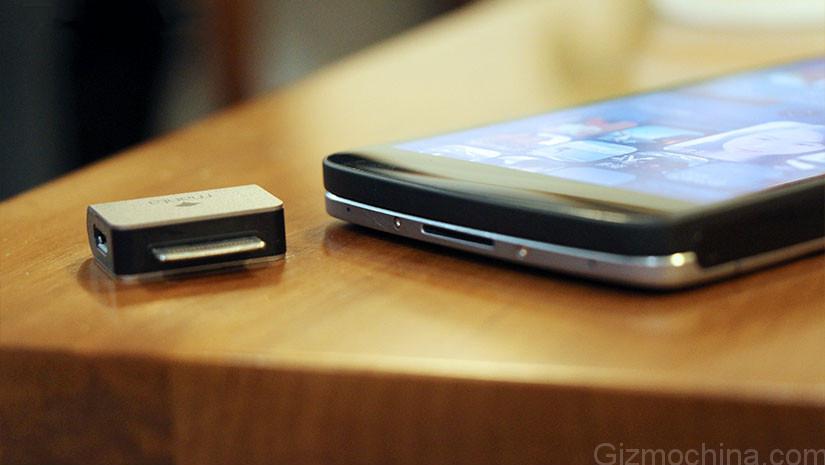
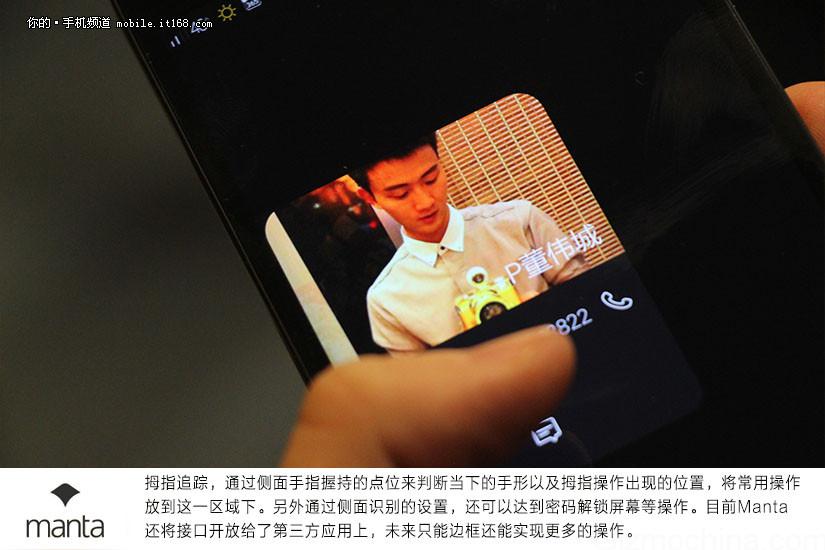
We have to admit that the bigger the display screens of smartphones are getting, the harder it gets for people to use them with one hand. The Manta 7X is not the only device that is said to have the best “one-handed” user experience, but it does not have physical buttons, so there must be something special about its user interface.
Regarding the hardware, the Manta 7X uses the Qualcomm Snapdragon 801 quad-core chipset and has 2GB RAM and 32GB ROM. It also sports a 5.5-inch Sharp “Hi colour” 1080p display screen as well as a front-facing 13mp dual-camera with a Sony 214 CMOS and dual-flash. It is powered by a 4200mAh battery and has support for 4G internet.
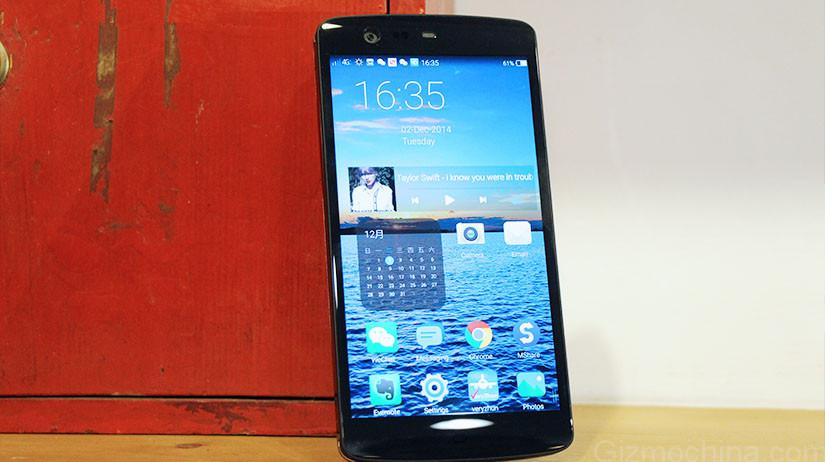
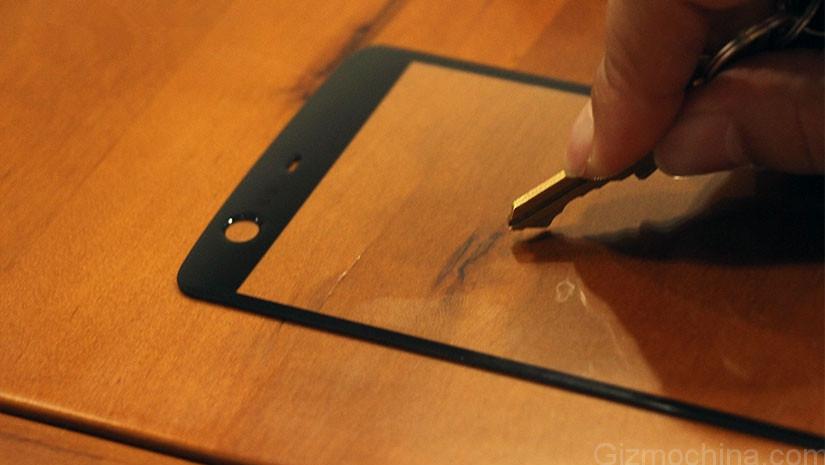
As said before, the Manta 7X sports a 5.5-inch Sony “Hi Colour” 1080p display screen with a 9H hardness. Not only does it have good color performance, it is also very strong and scratch-resistant.
I scratched a key on the glass to test its durability, and so far, it there has not been any mark.
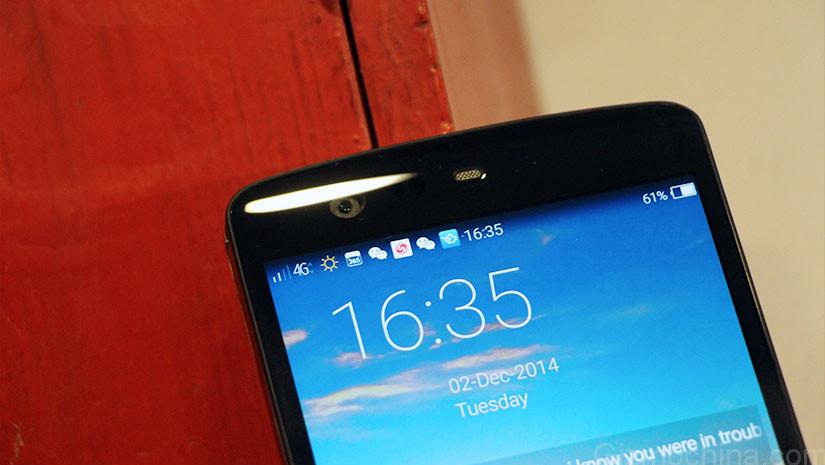
Here is another view of the front side of the Manta 7X. The 13mp front-facing camera comes with the Sony IMX214 sensor. Overall, the resolution for this camera is pretty good.
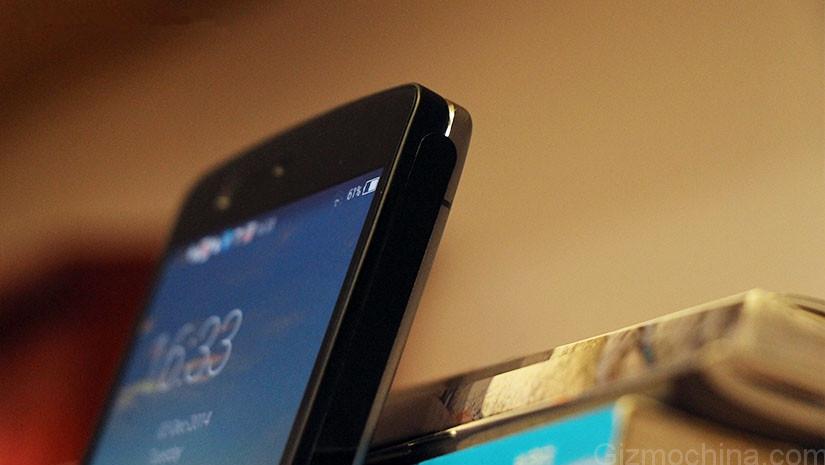
Here is a close-up of the base. The curved screen and design of the entire body is reminiscent of the Nexus 4. If you swipe your finger left to right here, you can unlock or wake up the display screen. If you swipe it upwards, you will go back to the Home interface.
This phone is 9.8mm thick.
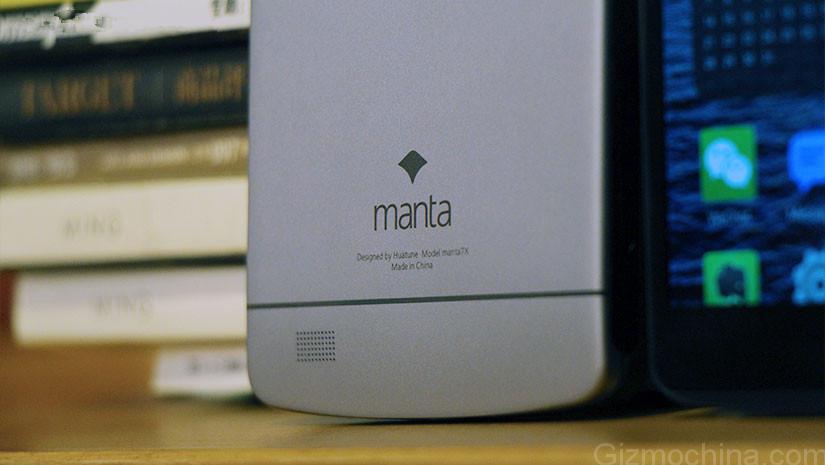
This phone uses a one-body design with its back made of metal. It is also powered by a 4200mAh battery. Not only does it have the highest battery capacity to date, but can also last for more than two years.
Here’s a close-up of the Manta 7X’s rear-facing camera. You can also see that it comes with dual-LED flash, which can help you take good photos when it is barely dark.
The Manta 7X uses the Android 4.4-based MO7 operating system. One of the things it could do is study how the user operates this OS.
No price and release date has been announced, but based on reports, this phone is heading for the high-end market, so do not expect it to be cheap.
Despite the fact that the iPhone 6 has received a lot of criticism over its design (it is probably the most criticized first generation phone in the last several years), this has not stopped some Chinese cellphones from copying it. Beside the Dakele 3 which was revealed yesterday, another “Chinese iPhone 6” has arrived.
Today, a new phone from ZTE was discovered at TENAA. Its model number is ZTE Q7 and it received its network license on November 28. This phone (2G/3G/4G) has support for TD-LTE, LTE-FDD, WCDMA, TD-SCDMA, and GSM, as well as dual-SIM. Like for its Nubia series, ZTE also added a small round circle for this phone. Its overall design looks strikingly similar to the iPhone 6. Fortunately, it does not have a protruding camera.
As for its specifications, this phone sports a 5.5-inch 720p display screen. It uses a 1.5GHz octa-core chipset (Snapdragon 615), has 2GB RAM, 16GB ROM, a 3mp front-facing camera, and an 8mp rear-facing camera. It also runs the Android 4.4.4 operating system.
CPU
1.5GHz
RAM
2GB
OS
Android 4.4.4
WAP
supported, Wap 2.0
GPRS
supported
Camera
supported, 3mp, 8mp
# of cameras
2
Java
not supported
ROM
16GB
Local connectivity
Bluetooth, USB
handwriting recognition
supported
radio
supported
USSD
supported
POC (PTT)
not supported
WLAN
supported
streaming media
not supported
IMPS
not supported
SyncML
supported
Video
3GP, MPEG-4, AVI
Audio
WAV, AMR, MP3, MID
Image
JPG, GIF, PNG, BMP
EDGE
supported
electronic dictionary
not supported
PDA
not supported
GPS
supported
Optical zoom
not supported
Expanded memory
supported, T-flash
Expanded card maximum
32GB
3G
not supported
customization
non-customized
TV
not supported
TV OUT
not supported
FM transmitter (car)
not supported
Video phone
not-supported
Video recording
supported, 1080p
Sensor
CMOS
CPU cores
8
Email
supported, POP3
HDMI
not supported
Special features
G-sensor, proximity sensor, light sensor
Internet frequency
900MHz, 1800MHz, 2GHz, Band 38, Band 39, Band 40, Band 41, 2500-2690 MHZ, Band 3, 1.9GHz, I
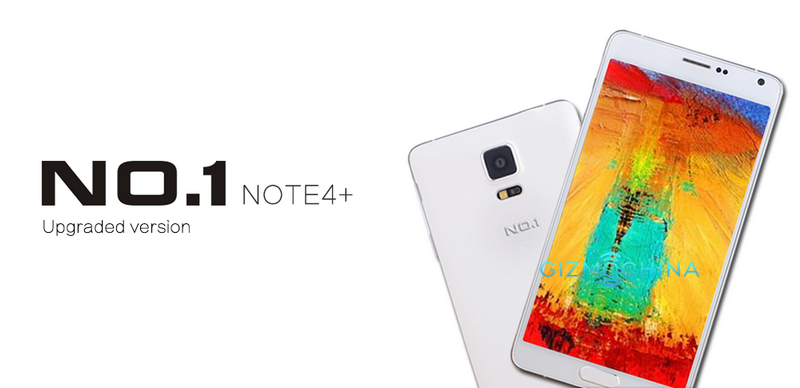
No.1 has come up with number of clones in the past few months. Just recently we looked at the No.1 Mi4 smartphone and the No.1 G2 smartwatch. Now, the company is all set to launch its next product, the No.1 Note 4+. This device is the upgraded version of the Note 4 clone announced a few months back. So, it would cater to a much wider audience than its previous model.
No.1 4+ comes with just the essential upgrades that you need. For example, this new device now supports 4G LTE networks, thanks to the Meditek MTK6290 modem that comes inside it. This is the first Mediatek 4G LTE modem and supports TD-LTE, FDD-LTE, TD-SCDMA, WCDMA, GSM and Edge networks. Moreover, it is built on a 28nm process with Cortex-7 architecture which integrates into the four physical cores. So, it retains the power efficient characteristic of its earlier model.
Other than this, there are not many known changes. For example, it features the same 5.7 inch display with HD resolution like the Note 4 clone along with a 2800 mAh battery. No.1 has not yet given out any details about its camera or RAM capacity, but we expect more details pretty soon.
No.1 is known for its ultra-affordable phones, so the Note 4+ could turn out to be one of the cheapest LTE handsets in the market. We expect it to be priced a little higher than Note 4’s current pricetag of $135. So, the Note 4+ could sell around $150.
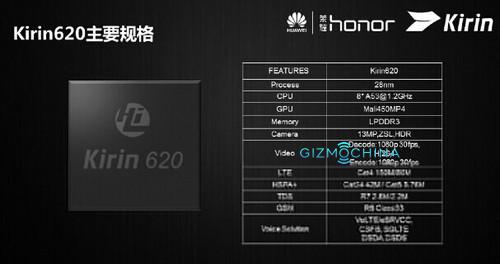
Huawei’s Kirin920 had received a lot of praise in 2014. The benchmark score of Kirin 920 shocked people all over the world. And today they released a brand new Kirin 620 SOC that suppots TD-LTE and LTE-FDD for next years’ low cost 4G LTE device. It’s Huawei’s first octa-core 64 bit SOC. You can chck the specification form below to see how will the SOC performs.
As more and more cellphones will have fingerprint scanner feature in the future Kirin 620 also integrated with Fingerprint data protection rigion. Kirin 620 is more like to be a competitor for Snapdragon 615, but with 1.2 GHz per core and Mali-450MP4, how can this SOC compete with Snapdragon and MT6752? Maybe the price will be extremely low? Or maybe the benchmark scores?
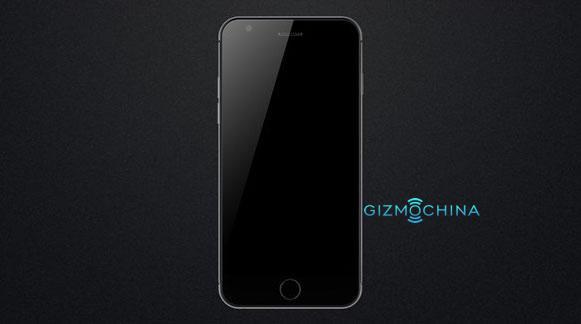
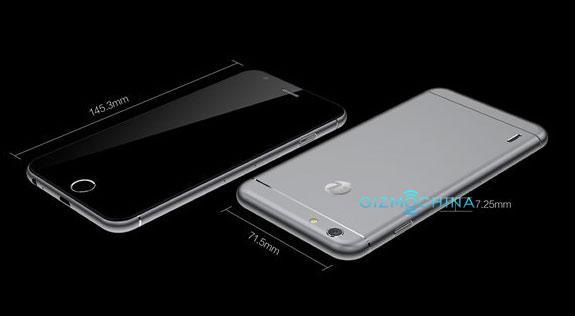
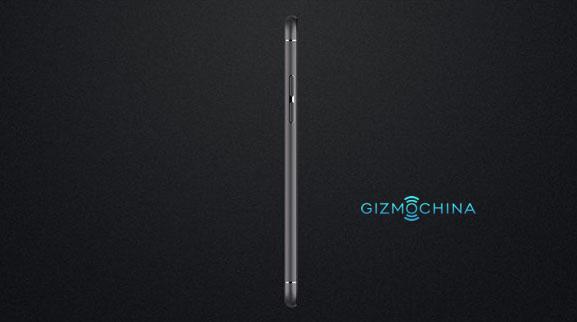
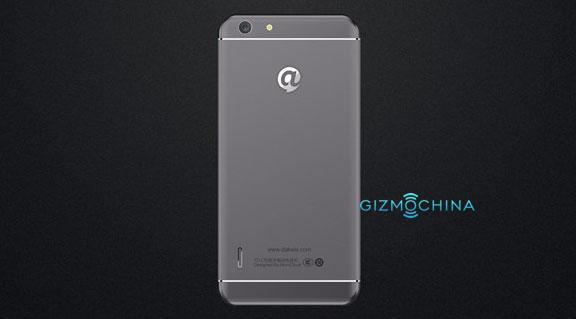
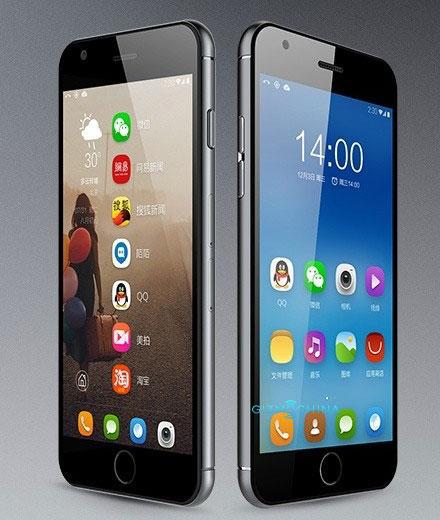
Still remember Dakele debuts Dakele3 with Sapphire Glass in China? Even Dakele bragged about the metal body, the home button, the slim body(7.25mmm thin, 148g) But we can’t help to think it turns out the model is really like apple’s iPhone6. But Dakele made something unique indeed, the camera lens is not raised like iPhone6. It is said it’s not easy to bend as the iPhone6.
Apart from the minor hardware difference, Dakele 3 also got a sapphire 1080p display,3GB RAM, 16GB ROM, 8MP front/13MP rear camera. 2500mAh battery with 1.7GHZ MT6572 octa-core processor. The dual SIM card slot also be used as Micro SD card slot.
Dakele 3 developed it’s own Kele UI2.0 based on Android 4.4. And it can be rooted easily and install MIUI, Color OS, Lewa. It has a launcher like Nokia’s Zlaucher can display the apps according to the users’ daily usage at different moment.
Dakele priced Dakele 3 at RMB 1499($244) will be sold from 9th Dec at JD.com and Dakele.com. With price and hardware like this, we all know it will be sold out in a few minutes and bought by the resellers. People who really want to buy this device would need to pay more.
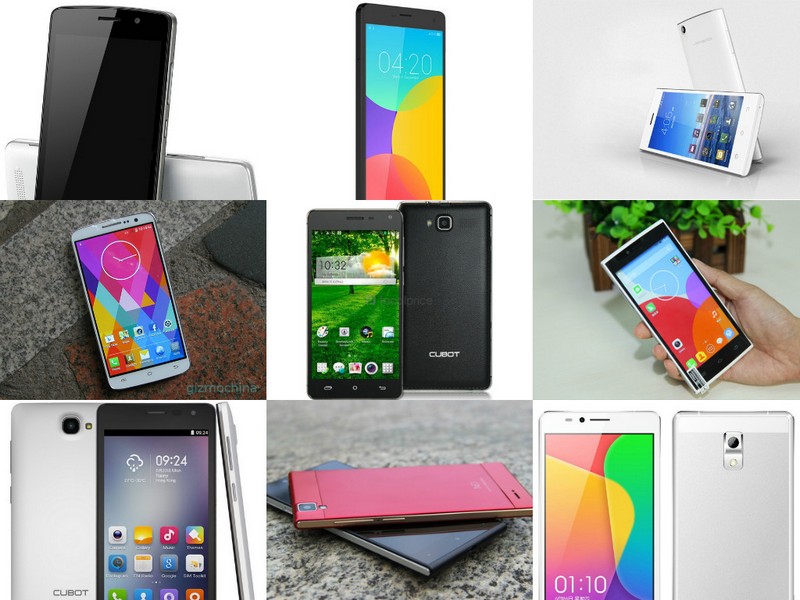
We recently covered an article on the Best Chinese smartphones that you can buy in 2014. These phones were perfectly balanced with powerful specifications and a decent pricetag. But what if you are not willing to spend a lot on a new smartphone?
We have got a lot of requests from readers asking to write an article on cheap Chinese phones to buy in 2014. And today, we decided to make the list. It took some time, but we are sure, it will help you decide which phone is perfect for you this holiday season.
Although these phones come under $100, they have enough hardware to challenge phones from international companies which usually sell for more than $200. We have also added deals and coupons wherever available to get you the phone for a lot less than its regular pricetag.
So, lets not waste any more time and check out the Best Chinese Smartphones under $100.
1. NEO M1
Looking for the best deal of the season? Well, you have got to take a look at the Neo M1 mid range smartphone. The device comes with a beautiful aluminium design which makes it look much more costlier than it is actually.
The phone features a 1.3GHz MediaTek MT6582 quad-core chipset with 1GB RAM and 8GB ROM. The storage is further expandable via a MicroSD card slot up to 32GB. On the front, you have a 5inch 720p display which translates into pixel density of 326PPI. The device is extremely thin at 5.99mm and weighs just about 148 grams.
On the back, you have a 13MP Sony BSI sensor, which according to our tests take decent pictures while the front camera measures 5MP. You have a 2,000 mAh battery to power all these features, which we feel is just enough for a day’s usage.
As you can see, the Neo M1 has all the features that you want from a mid range smartphone, in fact much more than a regular $100 smartphone would offer. The device is normally available for sale for $180, but thanks to the holiday season sale, you can get it for just $99 from Giztop. That’s an impressive $80 discount.
Now you guys get it why the Neo M1 makes to the top of the list?
We have also included our review of the device below to help you make the decision.
Full Tech Specifications:
Display
5 inch 720p (326PPI) + Gorilla Glass 3
Processor
1.3GHz MediaTek MT6582 quad-core chipset
Memory
1GB RAM + 8GB Internal storage (MicroSD: YES)
Cameras
REAR: 13MP Sony BSIFRONT: 5MP
Battery
3,350 mAh (non-removable)
Size and Weight
143.2 x 70.4 x 5.99mm, 148 grams
OS
Android 4.2 Jellybean
Price
$100
Free Gift
None
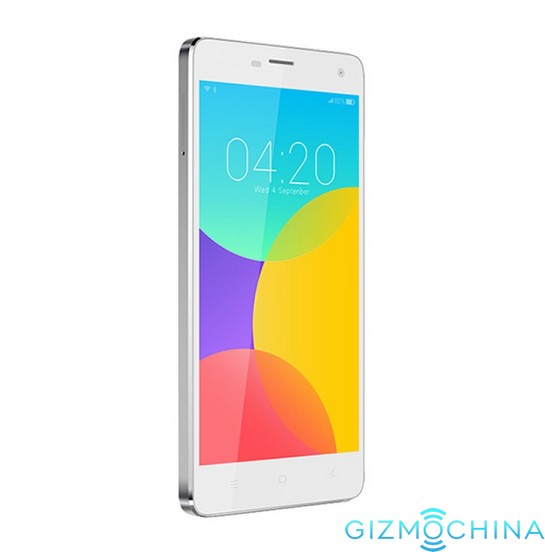
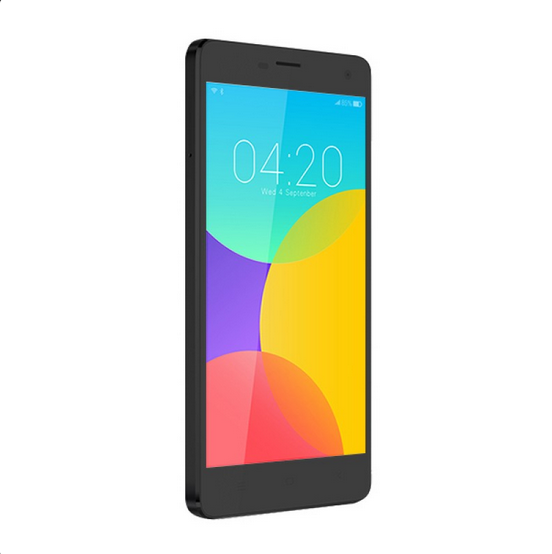
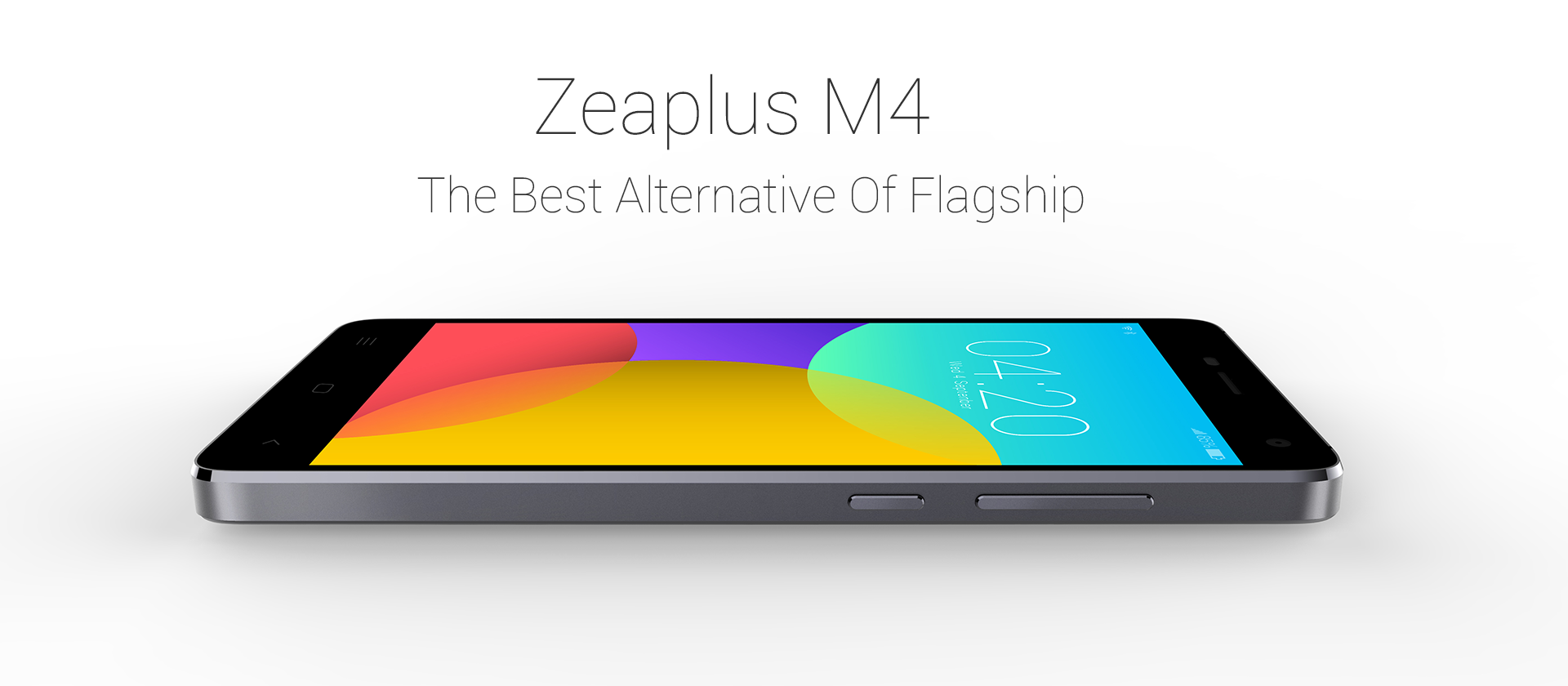
2. Zeaplus M4
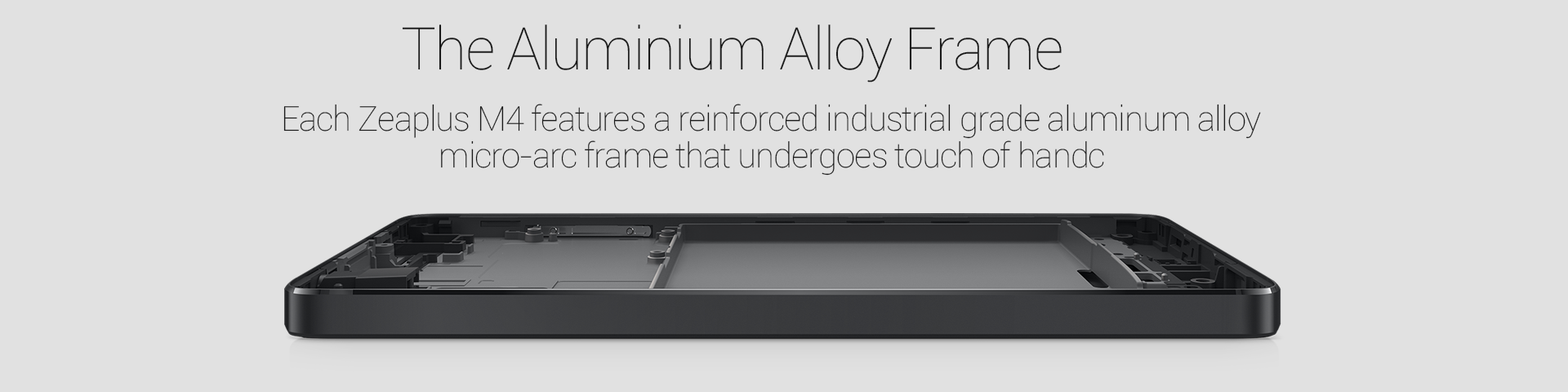
Next up in the list is the recently announced Zeaplus M4. This is another beautiful looking phone as it is the clone of the popular Xiaomi Mi4 flagship. So, if you like the Mi4, the Zeaplus M4 should definitely be on your list.
Apart from the beautiful design, the affordable M4 does have some decent hardware up its sleeve. For example, you get the same MediaTek MT6582, 1.3GHz, Quad-core processor on this device as the Neo M1 along with 1GB RAM. Again like the Neo model, the M4 comes with an 8GB ROM which can be expandable with MicroSD card.
There’s a 5.0 inch 720p display up front with Gorilla Glass 3 protection. On the back, you have an 8MP f/2.2 camera with LED flash and 2K video support, while on the front, there’s a 2MP shooter. The sensor is smaller than the M1, but expect similar image quality from both the devices.
Although the Zeaplus M4 is lighter than the Neo M1, its much thicker at 9mm. But to compensate the extra width, you get a 2,500mAh battery inside.
Check out our review for more detailed information about the Zeaplus M4.
Full Tech Specifications
Display
5 inch 1280 x 720p + Corning Gorilla Glass 3 Protection
Processor
MediaTek MT6582, 1.3GHz, Quad-core
Memory
1GB RAM + 8GB ROM (MicroD card slot: YES)
Cameras
REAR: 8MP f/2.2 + LED flash FRONT: 2MP
Battery
2,500 mAh (non-removable)
Size and Weight
139.6mm x 68.5mm x 9mm, 130 grams
OS
Android 4.4
Price
$99
Free Gift
Flip Case and Screen Protector
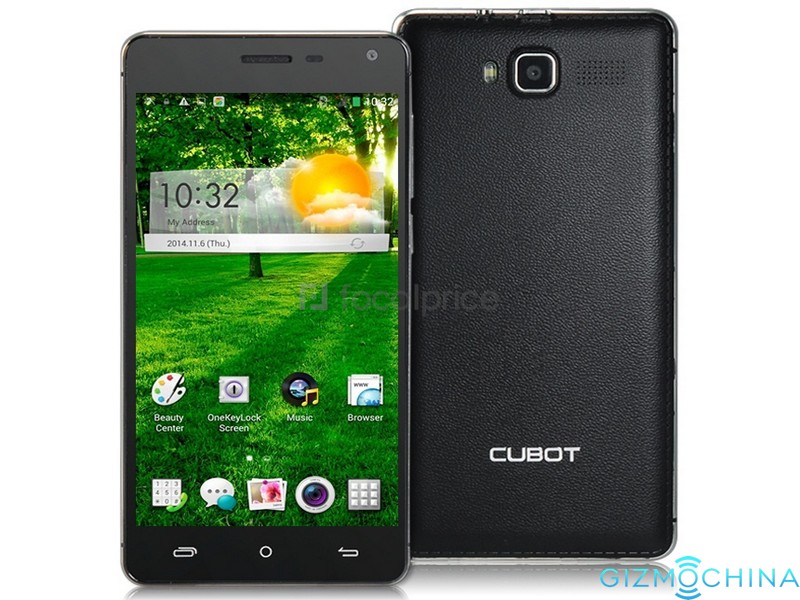
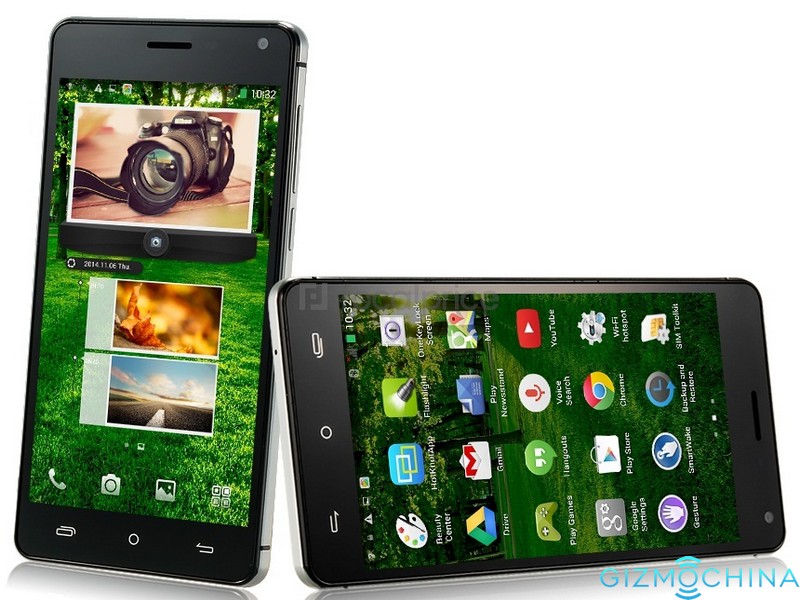
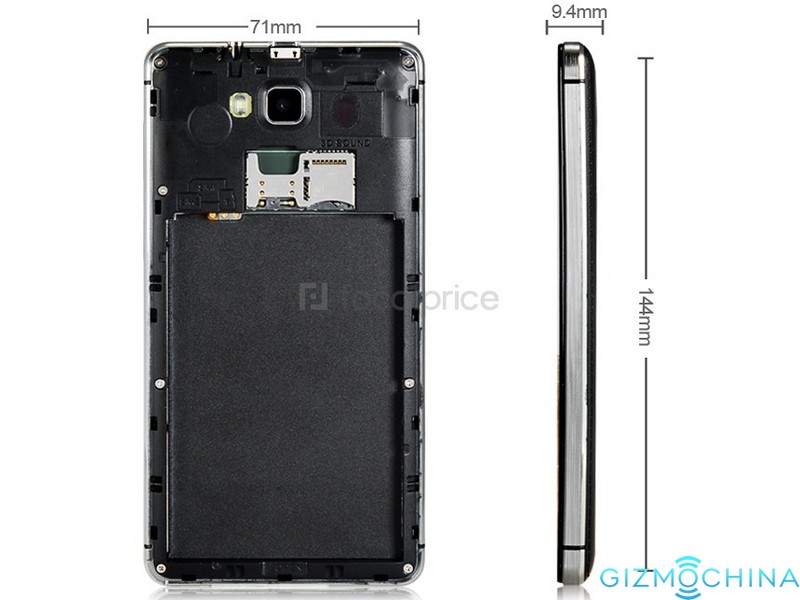
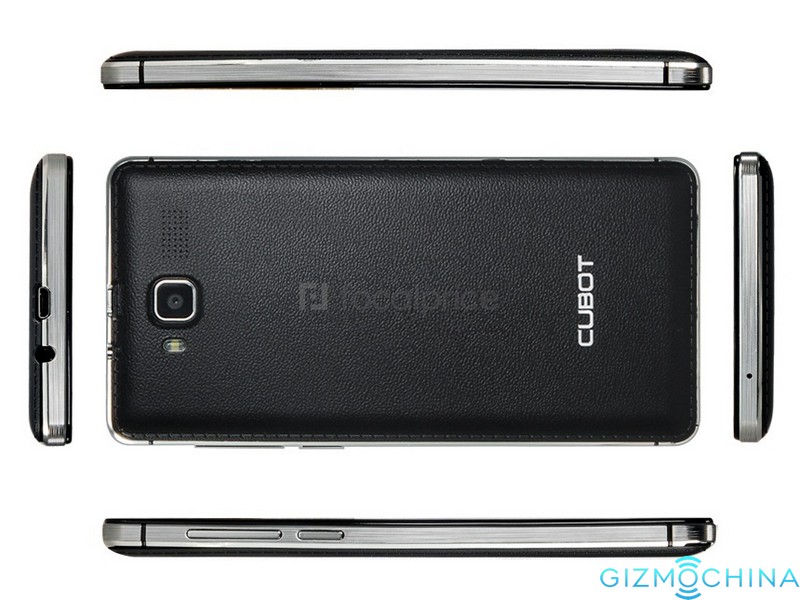
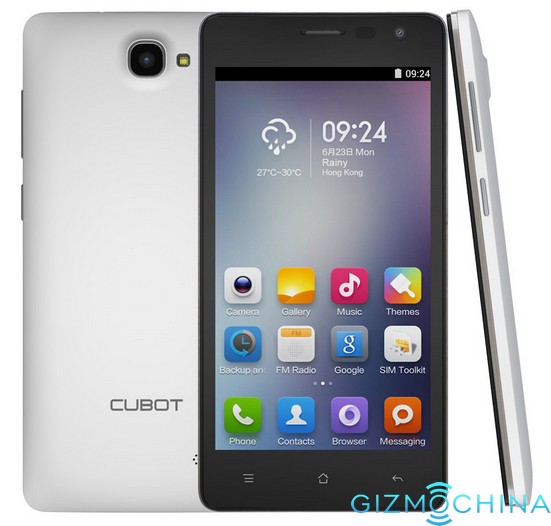
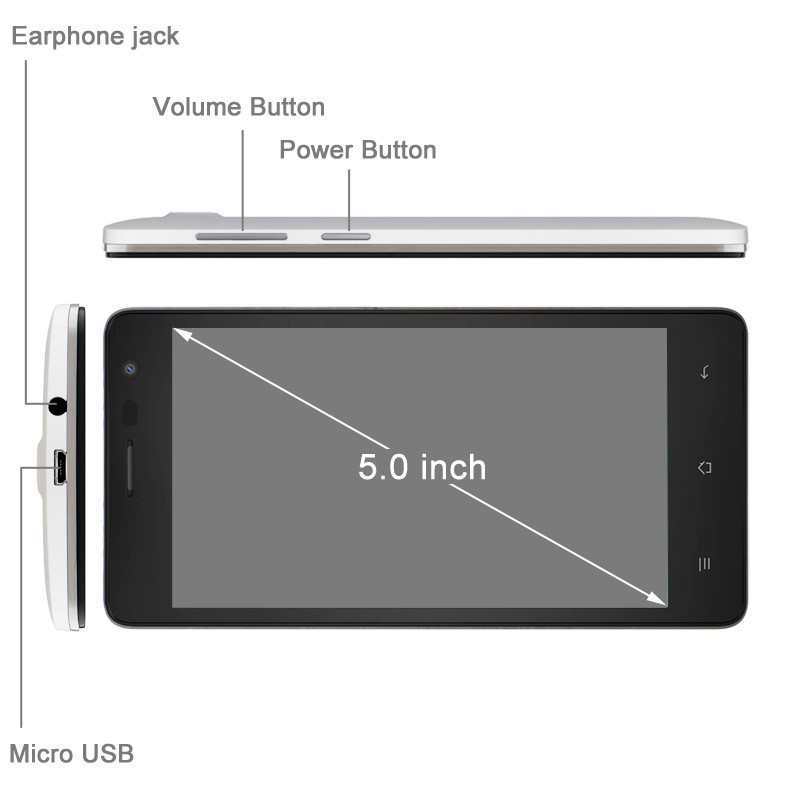
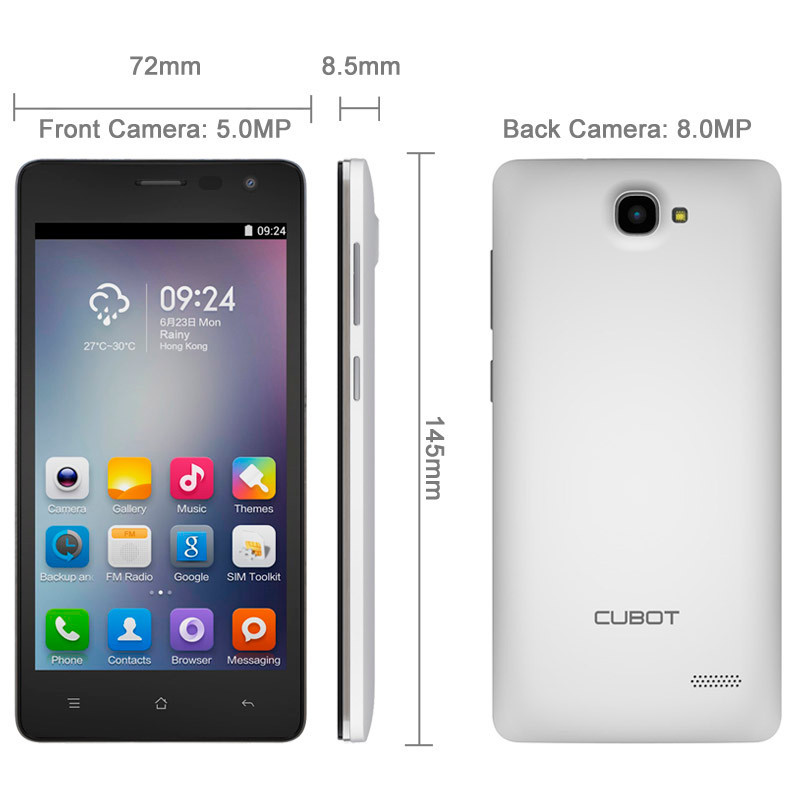
3. CUBOT S200
Those who hate smooth back texture on their phones, can take a look at the Cubot S200 smartphone. Unlike the M4 and the Neo M1, the S200 comes with a rough back panel, which makes it easier to hold the device. It may not be as pretty as the above two, but we know there are some buyers who will like its design.
Internals are more or less the same as other phones in its class. So, you get the 1.3Ghz MT6582 Quad Core SoC, 1GB RAM and 8GB ROM with expandable storage. There’s an 8MP rear camera like the M4 along with a 5MP front shooter. The 5 inch screen up front features a 1280 x 720 pixel resolution.
Now you must be thinking, this is the same as the above two, right? But NO! Cubot comes with one thing that most other smartphones in this price range lacks, a big battery. You get a 3,300 mAh battery inside, which is actually bigger than what most flagships feature these days. As a result, you will get an exceptional battery life on the device, much better than the above two devices.
So, if you are looking for a device under $100 which will last you more than a day long, then Cubot S200 is your best bet.
The phone is available for purchase at Comebuy for just $100. Pretty good deal right?
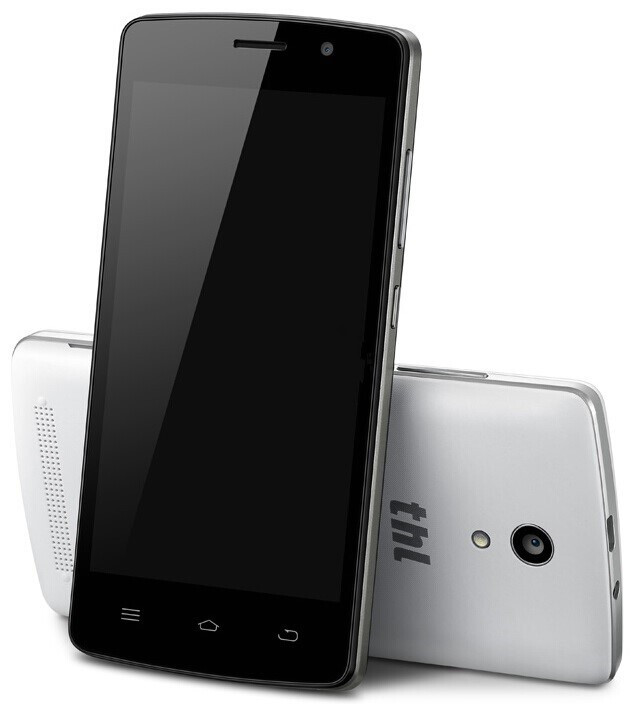
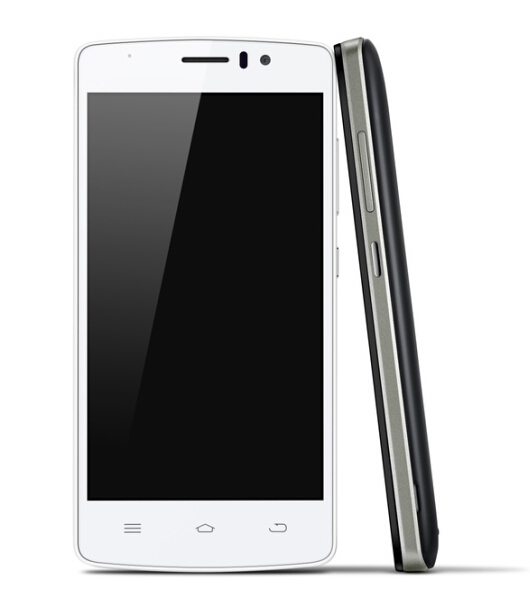
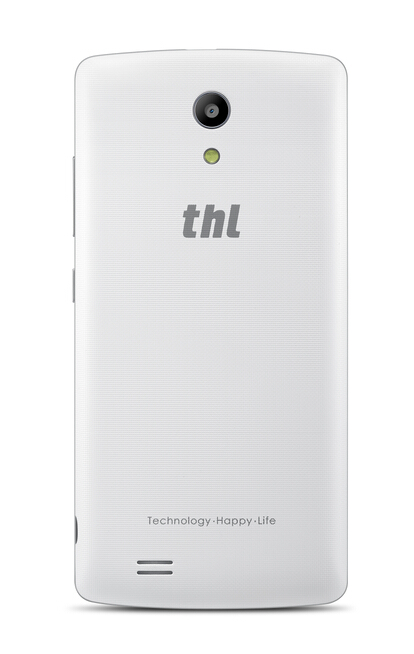
If you are looking for something more powerful, then you can go for the new THL T6 Pro. It comes with a Mediatek MT6592m Cortex A7 processor clocked at 1.4 Ghz. This should give you more than enough power to run any apps or games on the device without any lag. For RAM, you get 1GB and for storage, you have 8GB internal with MicroSD card expansion support.
On the back there’s an 8MP camera which clicks decent pictures while on the front, there is a 2MP sensor. The screen is of 5 inches like the earlier listed models and comes with 720p resolution. Battery is a bit of a disappointment, as it comes with only 1,900 mAh capacity Li-Polymer battery. But even with 8 cores, the device should survive a day, owing to the less powerful power efficient Cortex A7 processor.
Design wise, the device has nothing new to offer, but the it feels well built and the power of 8 cores should definitely attract a lot of new users to the company.
At present, you can purchase the device from comebuy for just $108.5. You can also opt for the German warehouse but it would be a bit more costly.
Cubot S200 isn’t the only smartphone in town with a large battery. In fact, if you are looking for a device that will really last for more than a day, even with heavy use, then the THL 4000 is perfect for you. The THL model makes up for what its elder brother THL T6 lacked, with a large 4,000 mAh battery (hence the Name THL 4000!). This is really the most you can get on a smartphone under $100.
So, you must be wondering why didn’t we list it ahead of the S200. Well, the reason is simple. Apart from the large battery, the THL 4000 is a very average phone Although the basic package remains the same – MTK6582 1.3Ghz Quad Core processor + 1GB RAM + 8GB ROM, the camera sensor and the display are much smaller than what you get from the earlier listed devices. For example, you just have a 4.7 inch screen with 960 x 540 qHD resolution. Rear camera is of 5MP and the front camera is of 2MP.
However, for a smaller camera sensor and display, you have to shell out a lot less than other phones in its class. Usually, you will have to pay around $99 for the THL 4000, but you can get it for $91 from Comebuy for a limited period. There’s also an option to ship it from German Warehouse.
Low resolution 4.7 inch screen (Just qHD instead of 720p HD)
No Gorilla Glass
Very Thick (11.2mm)
Full Tech Specification
Display
4.7 inch 960 x540 qHD
Processor
MediaTek MT6582, 1.3GHz, Quad-core
Memory
1GB RAM + 8GB ROM (MicroD card slot: YES)
Cameras
REAR: 5MP + LED flashFRONT: 2MP
Battery
4,000 mAh
Size and Weight
140 x 68 x 11.2 mm, 145 grams
OS
Android 4.4
Price
$91
Coupon
NONE
6. Cubot S168
Don’t have $100 to spend on your next smartphone or looking for an extremely cheap back up smartphone? We have a device which satisfies this need too. We present the cheapest smartphone in the list, the Cubot 168. Its less than $80 but only sacrifices in some areas to get to this price tag.
For example, the display remains at 5 inches like most other phones in the list, but the resolution is reduced to qHD i.e. 960 x 540 pixels. Also, the battery is small and at 1,900 mAh capacity, it should barely last you an entire day. However, other than this, the features are the same as the S200. So you have a MT6582 Quad Core processor, 1GB RAM and 8GB internal storage with a MicroSD card slot. Camera too remains the same at 8MP rear sensor and 5MP front sensor.
So, the choice is simple. If you are short on cash and are looking for a cheap smartphone, Cubot S168 should serve you well.
Let me remind you that you have a powerful Quad Core processor as well as a decent display in this phone, so things are not as bad as you may think. Its just that you have better options out there, all for less than a $100 which makes this device look a bit weak. But for $80, we think you get much more than your money’s worth.
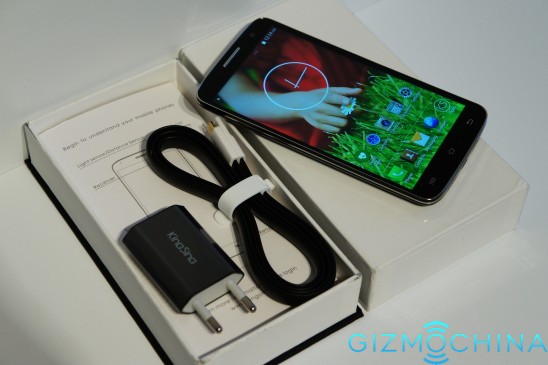
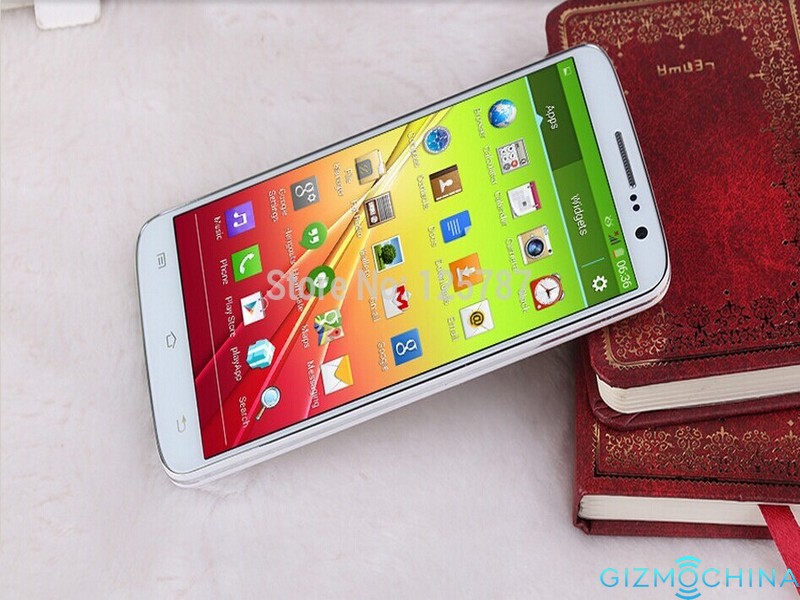
If you didn’t like the design on the earlier listed phones, there’s a very good chance that the KingSing S2 won’t disappoint you. This is because, S2 is a clone of one of the most beautiful smartphones currently available in the market. the LG G3. It even features the same rear volume and power buttons like the G3.
The build is quite solid with a glossy back cover (unlike the metal finish on the G3) and looks wise, you will be impressed for sure (for a device of this price). Surprisingly, there’s even a heart rate sensor on the device, which although isn’t very accurate, it could be something that you can boast about your $100 smartphone.
Inside, the specifications are pretty average. You get a Quad Core 1.3GHz MTK6582 processor with 1GB RAM and 8GB storage with memory card slot. Like most other models, you have a 5 inch display up front, but unfortunately, the resolution is just qHD i.e. 960 x 540 pixels. For camera you have 8MP sensor at the back and a 2MP sensor up front. The battery is also decent, a 2,000 mAh capacity(though we would have loved atleast 2,300mAh), which with the power efficient processor and the lower resolution screen should be just enough to last an entire day.
So, the only reason you would choose this device from other rivals in the market is because of its design. But, there’s one more incentive. The KingSing S2 is available at Giztop for just $89, cheaper than most other phones in the list.
Check out our hands on review below to get more idea about this device.
Full Tech Specification
Display
5 inch 960 x 540 qHD
Processor
MediaTek MT6582, 1.3GHz, Quad-core
Memory
1GB RAM + 8GB ROM (MicroD card slot: YES)
Cameras
REAR: 8MP + LED flash FRONT: 2MP
Battery
2,000 mAh
Size and Weight
135.2 x 69 x 7.9 mm, 141 grams
OS
Android 4.4
Price
$89.99
Coupon
None
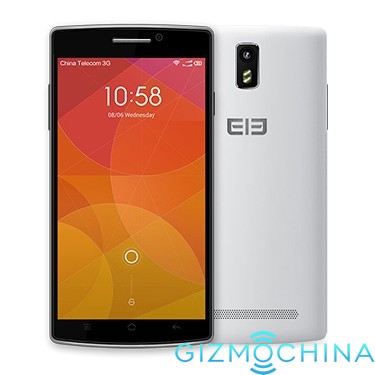
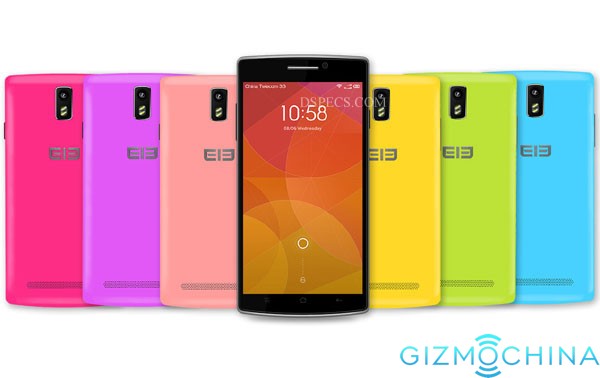
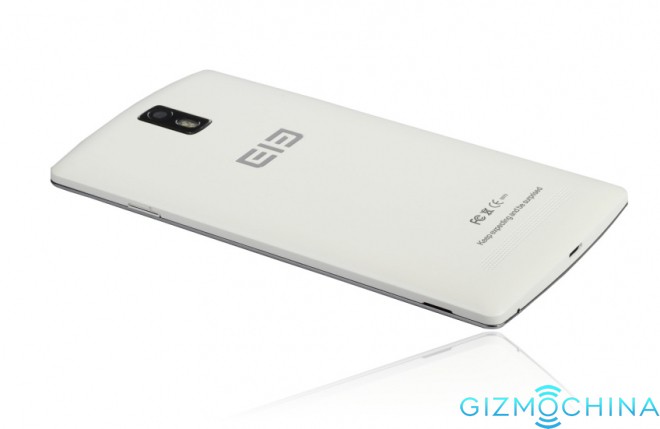
8. Elephone G5
All the phones we have covered till now feature 5 inch screen or less. But those who are looking for something bigger, can go for the new Elephone G5 smartphone. It comes with a 5.5 inch display with a resolution of 1280 x 720 pixels. While this will reduce the pixel density of the screen as compared to other phones in the list, the display still should be clear enough for your everyday use.
G5’s design is inspired by the famous OnePlus One flagship, so you get the same premium soft back finish on the phone that everyone loves. The overall dimensions of both the devices are almost the same, the G5 measures 155 x 78.5 x 7.5 mm while the OPO measures 152.9 x 75.9 x 8.9 mm.
Like all other phones in the list, you have a Cotex A7 1.3Ghz MTK6582 processor inside with 1GB RAM and 8GB ROM. On the back, you get a 13MP camera along with a 5MP front shooter. As you can see, the rear camera sensor is slightly better than the 8MP usually found on phones in this price range. The battery is also decent and at 2,550 mAh, you can easily play around with the device for a day.
Elephone G5 usually sells for $130 on various online stores, but as a part of the holiday season sale, the device is available for just $99 from Giztop.
[NOTE: Many website claims that the Elephone G5 comes with a 3,020 mAh capacity battery, but in reality it only has a 2,550 mAh one inside.]
PROS:
Carries the loved OnePlus One Design
Larger Display (5.5inch)
Gorilla Glass
CONS:
Lower Pixel Density
Here’s our short review on the G5. Also, check out the hands on video to get more idea about the phone.
Full Tech Specification
Display
5.5 inch 1280 x 720 HD
Processor
MediaTek MT6582, 1.3GHz, Quad-core
Memory
1GB RAM + 8GB ROM (MicroD card slot: YES)
Cameras
REAR: 13MP + LED flash FRONT:5MP
Battery
2,550 mAh
Size and Weight
155 x 78.5 x 7.5 mm, 157 grams
OS
Android 4.4
Price
$99.99
Coupon
None
9. Leagoo Lead 3S
Back when we reviewed the Leagoo Lead 2, we were quite impressed with the hardware that it brought to the table. Now, there’s the new Leagoo Lead 3S model, which is ideal for someone who’s looking for a compact phone.
We have made sure that this list contains all types of phones that will suit the needs of different users, and this ‘Lead 3S’ is especially made for people who want a small screen. We know not everyone likes a large 5 inch or 5.5 inch device which is hard to fit in the pocket, so this compact device with a 4.5 inch screen will definitely serve these guys well.
Like we said above, it comes with a 4.5 inch display with a qHD resolution i.e. 960 x 540 which is good for a small device. The processor, RAM and the internal storage are MT6582 1.3Ghz Quad Core, 1GB and 8GB respectively, just like the other models in the list. Similarly, you have an 8MP rear camera and a 2MP front camera on the device. With the smaller screen, you get a smaller battery too, but at 1,600 mAh, the talk time should be at par or slightly lesser than most other devices.
Looking for a cheaper Octa Core running smartphone under $100? Then take a look at the LANDVO L550 model. It comes with the same Octa Core MTK6592 1.4Ghz processor as the THL T6 Pro model. You get 1GB RAM, 8GB ROM along with a memory card expansion slot.
However, for a cheaper price tag, you have to sacrifice in some areas. For example, the 5.0 inch screen up front is of 960 x 540 pixel qHD resolution as opposed to the HD resolution display on the THL T6 Pro. Moreover, you get a slightly smaller 1,800 mAh battery on the device as opposed to 1,900 mAh one found on the latter.
Other specifications are almost the same as T6 Pro, so we are not elaborating further.
I know this was a very long article, but here, we wanted to include all the best phones available to buy this year under $100. Each one has its own USP, which will make your purchase decision much easier.
In fact, to conclude, we are listing ‘THE ONE REASON’ why you should buy each of these devices. We know there would be many other reasons for choosing one among these 10, but here’s what we think.
1. CUBOT S200 : BEAUTIFUL METAL DESIGN
2.ZEAPLUS M4: AMAZING BUILT & DESIGN (Xiaomi Mi4 Clone)
3.CUBOT S200: LARGE BATTERY
4. THL T6 PRO: OCTA CORE PROCESSOR
5. THL T4000: A VERY LARGE 4000 mAH BATTERY
6. CUBOT S168: VALUE FOR MONEY DEVICE (Cheapest on the List- Just $79.99)
We use cookies on our website to give you the most relevant experience by remembering your preferences and repeat visits. By clicking “Accept”, you consent to the use of ALL the cookies.
This website uses cookies to improve your experience while you navigate through the website. Out of these, the cookies that are categorized as necessary are stored on your browser as they are essential for the working of basic functionalities of the website. We also use third-party cookies that help us analyze and understand how you use this website. These cookies will be stored in your browser only with your consent. You also have the option to opt-out of these cookies. But opting out of some of these cookies may affect your browsing experience.
Necessary cookies are absolutely essential for the website to function properly. This category only includes cookies that ensures basic functionalities and security features of the website. These cookies do not store any personal information.
Any cookies that may not be particularly necessary for the website to function and is used specifically to collect user personal data via analytics, ads, other embedded contents are termed as non-necessary cookies. It is mandatory to procure user consent prior to running these cookies on your website.