Advertisement

Vivo Y03 gets certified by Singapore’s IMDA and China’s CQC

Vivo‘s upcoming entry in the budget-friendly smartphone category, the Vivo Y03, is gearing up for release. The device has recently secured Bluetooth SIG certification. And now, the smartphone has received certification from Singapore’s IMDA (Infocomm Media Development Authority) and CQC (China Quality Certification Center). These developments strongly suggest that the Y03’s launch is approaching in multiple markets.

Vivo Y03 IMDA / CQC certification

The IMDA listing confirms the model number V2332 and reveals the phone will have standard Bluetooth and WiFi capabilities. 

IMDA certification.

The CQC certification, on the other hand, reveals support for 15W charging support. These certifications point to the Vivo Y03’s imminent launch in both the Chinese market and globally.

CQC certification.

Although other specifications haven’t been officially announced, the Bluetooth SIG certification suggests that the phone will use Bluetooth 5.0 for connectivity. Apart from this, details about the device remain scarce.

The Vivo Y03 will succeed the Y02 launched back in 2022. It’s an entry-level phone with standard specs for everyday use. It comes with a 6.51-inch IPS LCD panel with HD+ resolution. 

Powering the device is a MediaTek Helio P22 processor, and a PowerVR GE8320 GPU and is paired with up to 3GB of RAM and 32GB of storage. Its camera setup includes an 8MP lens on the rear and a 5MP sensor on the front for selfies and video calls. 

Vivo Y02
Vivo Y02

Keeping it powered up is a 5000mAh battery with support for 10W charging. But it has a micro USB port for charging. We hope Vivo will improve in this area with the upcoming Y03 smartphone. 

As more information comes to light, we’ll be sure to keep an eye on the details of Vivo’s latest affordable smartphone offering.

Related:

Upcoming Smartphones: Redmi A3 and more

There aren’t going to be many smartphone launches next week. Only two brands have confirmed new releases and both of them will take place in India.

The companies that will be introducing new phones are Xiaomi and Honor. The former will debut an entry-level smartphone, while the latter will announce a mid-ranger which is already available in multiple markets.

Let’s take a look at these devices one by one.

Upcoming Smartphones Next Week

1. Redmi A3

Redmi A3

The Redmi A3 is scheduled to launch in India on Valentine’s Day (February 14). It is expected to go official at 12 PM IST.

As per leaks and official teasers, the device will come with a revamped design compared to its predecessors. It will feature a giant circular camera module and a flat frame.

The handset will arrive with a 6.71-inch 90Hz display (LCD), a MediaTek chip, a 13MP rear camera, an 8MP front-facing camera, Android 13 Go Edition, a 5,000mAh battery, and 10W charging support.

The Redmi A3 is tipped to cost around ₹7,000 in India.

2. Honor X9b

Honor X9b
Honor X9b

The Honor X9b will be unveiled in India on February 14. It could be announced at 12 PM IST. The phone will be accompanied by Honor Choice Earbuds X5 and Honor Choice Watch.

Since the smartphone is already official in several markets, we know everything about it. The handset is built around a 6.78-inch 1.5K 120Hz curved OLED display and is powered by a Qualcomm Snapdragon 6 Gen 1 chip.

It comes with a 108MP primary camera, a 16MP selfie camera, and an in-screen fingerprint sensor. The device boots Android 13 and draws energy from a 5,800mAh battery with support for 35W charging.

The Honor X9b is expected to cost around ₹25,000 in India.

RELATED:

Moto G04 India launch date, design, color options officially confirmed

So far, Motorola has launched the Moto G34 5G and Moto G24 Power smartphones in India. The brand recently released a teaser that hinted at the impending announcement of a new smartphone. Today, the brand confirmed that it will unveil the Moto G04 in March in India.

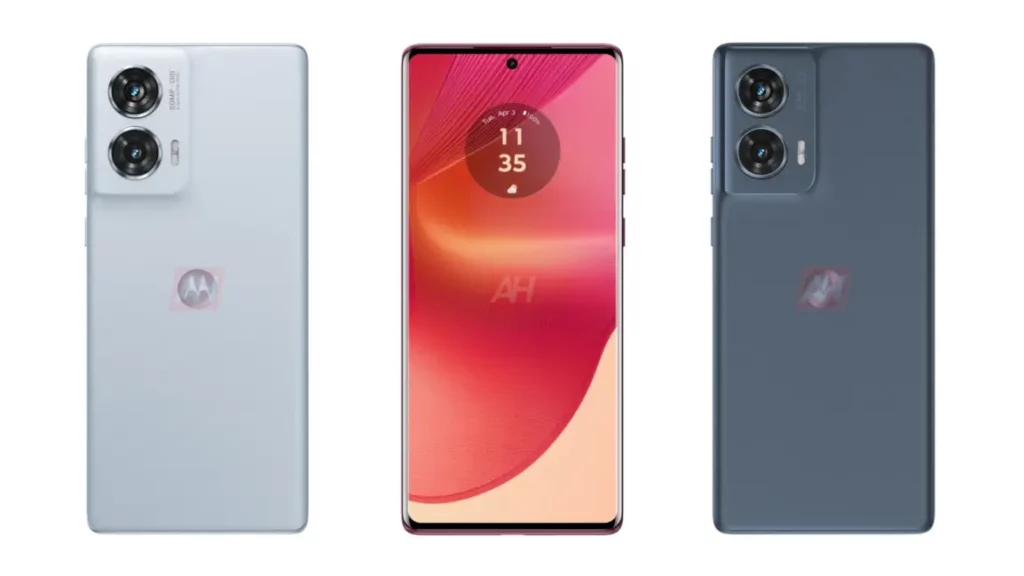
Moto G04 design

The Moto G04’s teaser shows that it will arrive in four shades, such as black, green, blue, and orange. It appears that the G04 will be an entry-level offering priced at under Rs 10,000.

The variant heading to India is likely to pack the same specs that are available on the G04, which went official in some other markets in January. In India, the device will come with 4 GB /  6 GB of RAM and 64 GB / 128 GB of storage. It will be sold via Flipkart.

Moto G04 specifications (expected)

The Motorola Moto G04 will feature a 6.6-inch screen with potential support for a 90Hz refresh rate and HD+ display. It G04 is expected to come equipped with a Unisoc T606 SoC. The phone is likely to offer 4 GB of RAM and 64 GB of internal storage.

When it comes to photography, the Moto G04 could house a 16-megapixel rear camera with an LED flash on the back. On the front, it may feature a 5-megapixel selfie camera. It is expected to come pre-installed with the Android 14 OS overlaid with the MyUX skin.

The G04 is likely to be packed with a 5,000mAh battery with 10W charging support. It may come with other features, such as dual SIM, 4G VoLTE, Wi-Fi, Bluetooth 5.1, a side-mounted fingerprint sensor, a USB-C port, a 3.5mm audio jack, and Dolby Atmos support. Motorola’s new phone might include an IP52 rating for water resistance and being dustproof.

RELATED:

Microsoft Copilot now launches in an expanded window to give you more space to chat

Microsoft recently announced updates to its Copilot for Windows, responding to user feedback with a small yet significant change. Shilpa Ranganathan, Corporate Vice-President for Windows at Microsoft, shared the news on her X (formerly Twitter) account, revealing that the chat windows for Copilot will now launch with a larger chat space by default, addressing a common user request.

Windows CVP Shilpa Ranganathan shared the news on Twitter

Ranganathan emphasized that users can still resize the Copilot chat window according to their preferences, with the option to switch back to a thinner side-by-side window if desired. Moreover, she hinted at the possibility of additional chat window size options in the future, including the potential for the Copilot window to occupy the entire screen or one monitor in a two-monitor desktop PC setup.

In addition to the larger default chat window size, users will now find a dedicated button to make Copilot appear side by side with another open window. This feature allows Copilot to cover half the screen alongside any open app and seamlessly returns to overlay mode with another click of the button.

Responding to a user suggestion for full-screen support, Ranganathan acknowledged that Microsoft is considering this idea. Given that Copilot operates as a web-view implementation and co-exists with the Edge browser, implementing full-screen support should be feasible. Users are advised to ensure they have the latest version of Microsoft Edge installed to access these new features.

The updates to Copilot underscore Microsoft’s commitment to improving user experience and responsiveness to feedback. As Ranganathan indicates, there is much more to come for Copilot in Windows, suggesting ongoing development. Keep an eye here for interesting future additions to Copilot and more.

Related:

WhatsApp to allow cross-platform messaging following EU regulations

WhatsApp, owned by Meta, is preparing to offer cross-platform messaging.  This means WhatsApp users will soon be able to communicate directly with those on apps like Telegram or Signal.

For the past two years, WhatsApp has been developing a technical solution for this integration while ensuring its strict end-to-end encryption standards remain in place. 

WhatsApp cross-platform messaging

While this change offers greater messaging choice, it wasn’t entirely WhatsApp’s idea. It’s more of a restriction for the company, at least at the moment, since recent EU legislation designated Meta a tech “gatekeeper”, mandating WhatsApp to open its communication platform within a six-month deadline.

WhatsApp is now outlining how this messaging interoperability will function as the deadline is nearing. Initially, the focus will be on basic features like exchanging texts, images, videos, voice messages, and files between individuals. 

More advanced features like calls and group chats will be rolled out later. But more importantly, users must actively opt-in to this cross-platform messaging to avoid potential “spam and scams” says Dick Brouwer, an engineering director at WhatsApp. 

Users who opt-in for the service will see conversations received from other platforms in a separate “third-party chats” section within WhatsApp. 

WhatsApp Multi-account feature available for beta testers

Likewise, the messaging apps wishing to connect with WhatsApp will need to sign agreements and abide by Meta’s terms. So, it will certainly take time to fully implement this feature, but detailed plans are expected in March.

The goal of interoperability is pretty straightforward — you shouldn’t have to jump between apps to stay in touch with people, regardless of their preferred messaging platform.  

Ideally, this could even mean chatting between WhatsApp and Telegram or Signal, or even iMessage.  However, the technical and security challenges of connecting large, encrypted messaging apps are pretty significant and not easy. 

So despite the company’s active preparation, it will take time for cross-platform messaging to reach everyday users. We expect official details about interoperability on WhatsApp to come out soon.

Related:

Lenovo is set to unveil a transparent screen laptop at MWC 2024 (February 26-29)

Lenovo is poised to unveil a transparent screen laptop at the Mobile World Congress (MWC) 2024 exhibition, scheduled from 26 to 29 of this month. This device is expected to feature a completely transparent OLED display, marking a unique offering in the product category.

Samsung showcased a similar prototype in CES 2010, although, it never came out

Transparent screen technology, once merely a concept, is rapidly advancing towards commercial viability. Samsung showcased a prototype at CES 2010, but high production costs hindered its availability. However, recent developments indicate a shift, with LG introducing a transparent OLED screen at CES 2024, paving the way for easier mass production.

Lenovo’s transparent laptop is set to showcase a bezel-less design, boasting a fully transparent display and chassis. The main components are strategically housed in the “chin” area, with a thin, non-transparent frame surrounding the entire device. This innovative design not only enhances aesthetics but also reflects Lenovo’s commitment to pushing the boundaries of laptop design.

While specific specifications remain undisclosed, the laptop is confirmed to run on Windows 11, aligning with Lenovo’s signature design language. Its appearance resembles that of a dual-screen laptop, a trend gaining traction in the industry. As anticipation builds for the MWC exhibition, tech enthusiasts eagerly await further details and specifications regarding this groundbreaking device.

The introduction of this innovative device underscores Lenovo’s commitment to innovation and highlights the ongoing evolution of display technology. Stay tuned for more updates as we keep an eye on the developments at the MWC exhibition.

Related:

(Source)

Honor X9b to feature 108MP triple rear cameras

Honor X9b is all set to go official on Feb. 15 in India. So far, the brand has confirmed a lot of information, such as the display, chipset, battery, and configuration of the device. However, it hasn’t revealed anything about its cameras. Today, the brand confirmed that the device’s primary camera.

Honor X9b main camera

The Honor X9b heading to India is confirmed to feature a 108-megapixel primary camera. Like the X9b that is available in other markets, the Indian market might come with a 5-megapixel ultra-wide and a 2-megapixel macro. Htech CEO Madhav Sheth claimed that the X9b features an AI-powered motion-sensing camera that intelligently identifies ideal moments. He added that the design draws inspiration from Rolex watches, featuring a dual-ring aesthetic.

Honor X9b specifications

The Honor X9b is confirmed to feature a 6.78-inch AMOLED display with a curved-edge design and an integrated fingerprint sensor. The screen supports a 1.5K resolution and a 120Hz refresh rate. Under the hood, the device has the Snapdragon 6 Gen 1 chipset.

The X9b will ship with 8 GB of RAM, 8 GB of virtual RAM, and 256 GB of internal storage. The device is confirmed to feature the Magic OS 7.2 UI, but it is unclear whether it will run on Android 13 or 14. The phone will come in two color options, such as Midnight Black and Sunshine Orange.

The Feb. 15 event will also see the arrival of Choice X5 earbuds and Choice Watch. Those who purchase the X9b will get a Rs 2,999 worth mobile protection plan for free, which will offer one-time screen replacement within the first six months of purchase. It will also come with an 18-month warranty and door-to-door assistance. At present, there is no information on the prices of these devices.

RELATED:

Upcoming iPhone SE tipped to support Dynamic Island feature

Apple hasn’t launched a successor to the iPhone SE, which was announced in 2022. The company has been launching one SE model every two years. While there is a possibility that the next-generation iPhone SE may launch this year, there are no concrete leaks that back this claim. Nevertheless, the rumor mill has been gradually leaking details of the upcoming SE model. A new leak reveals that it will arrive with support for Dynamic Island.

iPhone SE’s design language could be similar to iPhone 16 series

Alleged iPhone SE 4 design

According to leaker Majin Bu, the iPhone SE’s design could be similar to the iPhone 16 series, which is expected to launch in September of this year. Like the predecessor model, the next iPhone SE is expected to feature a single camera on the back.

The leak also states that the upcoming SE model will have support for the Dynamic Island feature. He added that its dimensions are similar to those of the iPhone XR, which measures 150.9 x 75.7 x 8.3mm.

In comparison, the iPhone SE (2022) measures 138.4 x 67.3 x 7.3mm. While the leaker has not specifically mentioned it, it seems that the next SE model will have an increased display size and a larger battery.

It was reported in December that the iPhone SE may pack a 3,279mAh battery. Other leaks have claimed that it will have a 6.1-inch OLED panel equipped with a notch for the TruthDepth camera system for Face ID support. It is expected to arrive with a 48-megapixel camera on the back, a USB-C port, and an Action button.

It is advisable to digest the leak with a pinch of salt and wait for further leaks to confirm or refute these speculations.

RELATED:

(source)

Realme 12 Pro+ Explorer Red variant goes on sale today in India

The Realme 12 Pro series has been available for purchase in India since Feb. 6 via Flipkart, Realme India’s website, and offline stores. Both phones have been available in shades, such as Submarine Blue and Navigator Beige. At the launch event, the brand confirmed that the Realme 12 Pro+ will also come in a special Explorer Red shade, which will be available for purchase on Feb. 9. The day has arrived, and the red variant is available for purchase, starting at 12 pm (local time).

Realme 12 Pro+ Explorer Red price, specifications

Realme 12 Pro+ red
Realme 12 Pro Plus’ special red variant announcement

The Realme 12 Pro+ Explorer Red carries the same price as its other color variants. Its variants include 8 GB RAM + 128 GB storage, 8 GB RAM + 256 GB storage, and 12 GB RAM + 256 GB storage. These configurations are priced at Rs 29,999 (~$360), Rs 31,999 (~$385), and Rs 33,999 (~$410), respectively.

Realme 12 Pro+ in Explorer Red

The Realme 12 Pro+ has a 6.7-inch AMOLED display that offers an FHD+ resolution and a 120Hz refresh rate. For security, it has an under-display fingerprint sensor, and it runs on Realme UI 5-based Android 14. The handset is confirmed to get two Android OS upgrades and three years of security updates.

Realme 12 Pro+ in Explorer Red

Under the hood, the Realme 12 Pro+ has the Snapdragon 7s Gen 2 chip, LPDDR4x RAM, UFS 3.1 storage, and a 5,000mAh battery with 67W fast charging. For selfies, it has a 32-megapixel front-facing camera, and its back panel has a 50-megapixel Sony IMX890 main camera with OIS support, an 8-megapixel ultra-wide lens, and an OIS-assisted 64-megapixel periscope telephoto camera with 3x optical zoom.

In related news, Realme Europe CEO Francis Wong recently shared a Realme 12 Pro+ variant featuring a see-through back panel. It is speculated to debut soon in limited quantities.

RELATED:

Samsung Galaxy A55, Galaxy A35 official renders leaked, launch imminent

Samsung is expected to announce the Galaxy A55 and Galaxy A35 smartphones in multiple markets in Q1 of this year. The rumor mill has already leaked a lot of information about both smartphones. In a new X post, prominent leaker Evan Blass shared the leaked official renders of both smartphones to reiterate their design and color options.

Samsung Galaxy A55, Galaxy A35 renders (leaked)

Samsung Galaxy A55 leaked render by Evan Blass

The above render belongs to the Galaxy A55, whereas the other one is of the Galaxy A35. In terms of design, both phones have almost identical designs, with a punch-hole display on the front and an LED-flash assisted triple camera unit on the back. It appears that both phones will come in three shades: Awesome Iceblue, Awesome Lilac, and Awesome Navy.

Samsung Galaxy A35 leaked render by Evan Blass

Samsung introduced the Key Island button design on the Galaxy A15 and Galaxy A25 smartphones that debuted in December. In this design, the portion housing the volume rocker and the power key are slightly raised. The A35 is said to have a plastic bulid, while the company may have opted for a metallic construction for the A55.

Samsung Galaxy A55, Galaxy A35 specifications (rumored)

Reports have claimed that the A55 will have a 6.5-inch AMOLED display, whereas the A35 will feature a 6.6-inch AMOLED screen. Both are expected to support an FHD+ resolution and a 120Hz refresh rate. Both are most likely powered by Exynos 1380 and Exynos 1480 chipsets, respectively. The A-series phones are expected to ship with up to 12 GB of RAM, up to 256 GB of storage, and a 5,000mAh battery with 25W fast charging.

The A35 may feature a 13-megapixel front camera and a 50-megapixel (main, with OIS) + 8-megapixel (ultra-wide) + 5-megapixel (macro) triple camera unit. On the other hand, the A55 will have a 32-megapixel front camera and a 50-megapixel (main, with OIS) + 12-megapixel (ultra-wide) + 5-megapixel (macro) triple camera unit. Both models will run on One UI 6-based Android 14 and arrive with an IP67-rated chassis.

RELATED:

(source)

Tesla reportedly sold just one unit of its entire EV lineup in South Korea in January 2024

In January 2024, Tesla recorded just a single EV sale in South Korea. The company sold just a single unit of the Model Y SUV, highlighting growing concerns in Korea relating to EVs manufactured in China. There are also pricing challenges and a lack of charging infrastructure negatively affecting demand in Korea.

Tesla Model Y

Since July 2022, the sale of a single Tesla EV last month in Korea is the worst-ever sales performance by the American company. It is noted that the data put together by researcher Carisyou and the Korean Trade Ministry indicate an 80% decline in the number of new EV registrations in January when compared with December 2023. Higher interest rates and inflation are believed to be among the factors dampening consumer demand for EVs in the country. There are also issues relating to EV fires due to battery overheating, as well as a dearth of fast chargers in Korean cities. The China-made Tesla Model Y was one of the top-selling brands in 2023.

While overall demand for EVs is on a decline in Korea generally, the dip in sales by Tesla could also affected by its perceived links to China. A recent survey indicates that most Koreans who wanted to buy Tesla cars have bought one, but some people recently started disliking Tesla after finding that some of the models were manufactured in China. Korean consumers are concerned about the quality of manufacturing in China, the survey indicated. The low January sales could also be connected to the seasonal behavior of the Korean consumer. January is not the best time to buy EVs as consumers await the government’s announcement of subsidies. A Tesla spokesperson in Korea also stated that consumers delayed EV purchases before the confirmation of subsidies.

The cost of the Model Y was fixed at 56.99 million won ($43,000) in July 2023 and this made it qualify for a full government subsidy. However, a recent announcement by the regulator has further lowered the threshold for government subsidies to EVs priced below 55 million won, which will result in up to a 50% decline in allowable subsidy for the Model Y. It is unclear whether there will be a reaction by Tesla to the new subsidy regime but the company remains upbeat that demand in Korea will pick up.

Related:

(via)

Yamaha Powers Up Its Electric Dreams in India with River Startup Investment

Yamaha, a giant in the motorcycle industry, has recently made another move to cement its presence in India, one of the world’s largest two-wheeler markets. This move comes with an investment in the electric vehicle startup River, known for its innovative approach to electric scooters. With a booming population and congested city streets, India’s shift towards electric mobility isn’t just a trend; it’s a necessary evolution.

River’s Indie electric scooter seems to have caught Yamaha’s eye, it seems.

River, an emerging name in the electric two-wheeler segment, has caught the eye of Yamaha with its promising electric scooter model, the Indie. Dubbed the “SUV of Scooters,” the Indie stands out with its unique, rugged design and practical features. Its boxy shape and ample storage capacity, including a 55-liter under-saddle compartment and additional luggage racks, make it a standout choice for urban commuters.

Yamaha

At the heart of the Indie is a powerful 6.7-kilowatt electric motor, delivering a top speed of 56 mph and a range of 75 miles on a single charge. These specifications not only promise an efficient urban commute but also align with the growing demand for sustainable transportation solutions.

Yamaha’s investment in River as part of its Series B funding round is a clear indicator of its commitment to the electric vehicle market, especially in India. This partnership not only aims to boost Yamaha’s footprint in the electric mobility space but also supports India’s electrification efforts and its push for domestic production. Moreover, Yamaha’s vision for carbon neutrality by 2050 mirrors the broader industry’s goal towards sustainable development. By backing innovative startups like River, Yamaha is not just investing in products but in a greener future.

RELATED:

(Via)
New FCC Rule Bans AI Voice Robocalls to Protect Consumers

The Federal Communications Commission (FCC) has taken a firm stand against robocalls with a recent decision that bans the use of AI-generated voices in such calls within the United States. This action, effective immediately, marks a significant expansion of the Telephone Consumer Protection Act (TCPA) and is aimed squarely at combating scams that employ sophisticated AI voice technologies to deceive, extort, and misinform the public.

With AI becoming mainstream day by day, we do need laws surrounding its usage

FCC Chair Jessica Rosenosworcel reiterated the urgency of addressing this issue, noting the increasing use of AI voices by scammers to target vulnerable individuals, impersonate well-known figures, and spread false information. The FCC’s bold move underscores its commitment to leveraging existing legal frameworks and regulatory expertise to tackle emerging threats posed by advanced technologies.

Artificial Intelligence

This regulatory update follows closely on the heels of an investigation into Life Corporation, led by the FCC and New Hampshire’s attorney general. The company, under scrutiny for deploying robocalls mimicking President Joe Biden, is now the subject of a criminal probe. This case exemplifies the kinds of abuses the FCC aims to curtail with its latest ruling.

The decision to outlaw AI-generated voice robocalls reflects a broader effort to adapt longstanding consumer protection laws to the challenges of the digital age. Experts like Nicholas Garcia of Public Knowledge applaud the FCC’s proactive stance, acknowledging the agency’s capacity to address new technological threats in real-time while building on the foundations of existing legislation.

RELATED:

(Via)
Hong Kong’s Clearbot is All Set to Tackle Ocean Pollution in India

A new chapter has unfolded in the fight against ocean pollution as Hong Kong‘s Clearbot takes a significant leap forward. The marine tech start-up is rolling out a fleet of advanced solar-powered autonomous boats, set to make a substantial impact in cleaning up India‘s waters. With India contributing approximately 13% to the global ocean plastic issue, the initiative couldn’t be more timely.

Each bot can clear up around 500kg of plastic waste per trip

Clearbot’s innovative approach combines solar power with self-driving technology, allowing these vessels to independently navigate through waters, collecting up to 500kg of plastic and other waste per trip. It marks a groundbreaking advancement in capacity, doubling what was previously possible with Clearbot’s robotic cleaners.

Clearbot

The enthusiasm from Clearbot’s co-founder and chief technology officer is palpable. They draw a parallel to Tesla‘s influence in the automotive industry, aiming to spearhead a similar revolution in marine technology. By introducing these electric-powered boats, Clearbot is not just tackling pollution but also promoting cleaner, renewable energy sources for environmental conservation.

This initiative is not only about cleaning up the oceans but also about setting a precedent for innovation and environmental responsibility. Clearbot’s venture into India’s waters with their next-gen cleaners is a bold step towards healthier oceans and a sustainable future. As these boats are set to begin their journey in March, the world watches in anticipation of the positive ripple effects this could have on marine ecosystems and beyond.

RELATED:

(Via)

Nokia is expected to launch 17+ models in 2024

In the middle of a major change, such as the renaming of NokiaMobile accounts to HMD, some thought Nokia’s legacy was over. But the truth lies in HMD Global’s strategic decision to focus on establishing the HMD brand as a new powerhouse in the smartphone industry.

Nokia is living, not dead

The GSMChina team is dedicated to following developments in the industry and has revealed reliable information pointing to the launch of 17 new Nokia phones in 2024. It is crucial to recognize the current official agreement between Nokia and HMD, which runs until 2026 and ensures that the iconic Nokia brand will continue to grace the mobile market.

  • TA-1603
  • TA-1607
  • TA-1609
  • TA-1610
  • TA-1611
  • TA-1612
  • TA-1613
  • TA-1614
  • TA-1615
  • TA-1616
  • TA-1617
  • TA-1618
  • TA-1619
  • TA-1621
  • TA-1622
  • TA-1625
  • TA-1628

While the IMEI Database does not reveal the detailed specifications of these upcoming devices, the confirmed existence of these 17 models has increased anticipation among Nokia enthusiasts. The model numbers, ranging from TA-1603 to TA-1628, indicate a comprehensive range of options catering to a variety of consumer needs. While these devices are currently in the testing phase and specific release dates remain unclear, there is speculation that some could debut at the upcoming Mobile World Congress.

Now that Nokia’s new devices are undergoing testing, the industry is eagerly awaiting announcements about their features and specifications. While details are yet to be announced, one thing is certain: The Nokia brand is still alive and developing.

Looking ahead, we will see if the frequency of new product announcements will continue beyond 2026. There is a possibility that Nokia will announce products less frequently while maintaining its presence in the market, allowing HMD Global Oy to focus on establishing the HMD brand as a pioneer in the competitive world of smartphones.

Related:

Smartwatch sales in India hit new highs with 50% growth rate in 2023: Counterpoint

The smartwatch market in India witnessed an impressive 50% year-on-year growth in 2023, according to Counterpoint Research, signaling a significant tech evolution where smartwatches are becoming increasingly popular as both fashionable accessories and health monitoring devices.

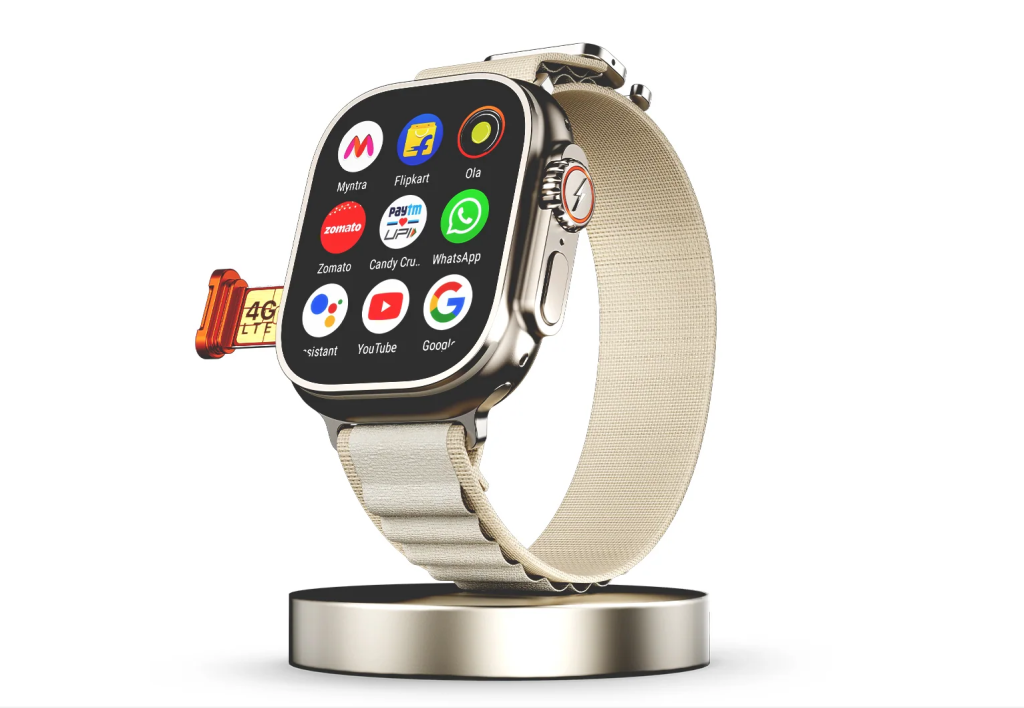
Smartwatch-with-TV

Driving Forces Behind India’s Smartwatch Market Boom in 2023

Remarkably, this growth has been driven primarily by local Indian brands such as Fire-Boltt, which holds a 30% market share, Noise with 26%, and boAt with 17%. These brands have successfully captured the market by offering smartwatches at affordable prices, often below the ₹2,000 threshold, a significant increase from 26% in 2022. Their success is attributed to a combination of aggressive marketing, local manufacturing, and catering to a cost-conscious consumer base, thus making smartwatches more accessible to a broader audience.

India-Smartwatch-Market-2022-vs-2023

Despite the overall market growth, international premium brands like Samsung saw a 3% year-on-year decline, although they did experience a 17% growth in the fourth quarter, with the Galaxy Watch 4 emerging as their most popular model due to promotional pricing. It also became the top-selling WearOS smartwatch in India. Conversely, Apple witnessed a substantial 57% decline in shipments, primarily due to its products’ longer replacement cycles, higher price points, and compatibility exclusively with iPhones. However, Apple still managed to maintain its dominance in the high-end market segment, priced above ₹20,000 and anticipates a gradual increase in Apple Watch shipments in 2024 following a rise in iPhone sales in India during 2023.

The surge in smartwatch popularity isn’t solely about affordability. An increasing emphasis on health consciousness, wellness, and the appeal of tech as a fashion statement are significant factors driving this trend. Consumers are keen on gadgets that enable them to monitor their health metrics, stay physically active, and express their personal style, and smartwatches fulfill these needs.

India’s rapid adoption of smartphones and its young, tech-enthusiastic demographic make it an ideal landscape for the expansion of wearable technology. Unlike the saturated market in China, where Indian brands have been cautious to enter, India presents a promising opportunity for growth and innovation in the wearable tech space.

Looking ahead, market analysts anticipate further consolidation, with the top five brands already commanding 81% of total shipments. The future is likely to bring a wider range of feature-rich, yet affordable smartwatches that cater to various consumer needs, from fitness tracking to fashion. Additionally, the emphasis on local manufacturing is expected to stimulate job creation and support the development of a self-reliant technology ecosystem in India.

RELATED:

(Source)

Poco X6 Neo, Poco F6 India launch timeline tipped

Last month, the Poco X6 series made its debut. The brand released two models, namely Poco X6 and Poco X6 Pro.

As per leaks, there is a third device in the lineup called Poco X6 Neo. This phone’s launch timeline was recently tipped.

Now, yet another source reiterates the same timeline. They also disclose when can we expect the Poco F6.

Redmi Note 13R Pro
Redmi Note 13R Pro

According to tech influencer Yogesh Brar, the Poco X6 Neo will launch in India by March. This piece of information goes in line with the previous leak.

Additionally, he reveals that the Poco F6 will make its way to the country in July. Unfortunately, he does not have any further info on this handset.

On the other hand, it is already known that the Poco X6 Neo is a rebranded Redmi Note 13R Pro. Hence, we know everything about this product, except for its pricing.

The Poco X6 Neo will be built around a 6.67-inch centered puch-hole FHD+ OLED display. This panel will support up to a 120Hz refresh rate, 2160Hz instantaneous touch sampling rate, and 1920Hz PWM dimming.

The smartphone will be powered by a MediaTek Dimensity 6080 SoC. The chipset will be paired with LPDDR4x RAM and UFS 2.2 storage.

On the rear, there will be a 108MP primary camera paired with a 2MP depth sensor. While the front of the device will be fitted with a 16MP selfie camera.

Other features of the phone will include a side-mounted fingerprint sensor, an IR blaster, a 5,000mAh battery, and 33W charging support.

RELATED:

Apple Launches New TV, Music and Devices Apps for Windows Devices

After a long, long wait, Apple is changing how Windows users enjoy its services by launching three new apps: Apple TV, Apple Music, and Apple Devices. The company is aiming towards reducing Windows users’ need for iTunes, offering a more direct and streamlined way to access Apple’s entertainment and device management features.

Apple worked closely with Microsoft to ensure the quality of these apps

After a period of testing and feedback, these apps are no longer just a preview. Apple worked closely with Microsoft to ensure these apps were ready for the public – a joint effort to improve the user experience across different platforms.

Apple

For those who love watching TV shows and movies or listening to music, the Apple TV and Apple Music apps open up a world of content. Windows users can now easily watch their favorite shows or listen to music from their iTunes library or through Apple’s subscription services. The Apple Devices app makes managing iPhones and iPads from a Windows PC easier, offering options to back up, restore, and sync content.

Alongside these new apps, Apple has updated the iCloud for Windows app, making it work better with Windows systems. This is part of a larger effort to ensure Windows users can enjoy a seamless experience with their services. Microsoft has also embraced this collaboration, integrating iCloud Photos into Windows 11‘s Photos app.

These apps are available for PCs running Windows 10 or Windows 11, but they’re currently not out for ARM64-based devices. However, the release does make it clear that the trillion-dollar tech giant is trying its best to cater to a broader audience, ensuring that even those on Windows can easily access and enjoy Apple’s services without relying on iTunes.

RELATED:

(Via)

Tech Giants TikTok and Meta Push Back on EU’s Content Policing Bill

Tech behemoths Meta and TikTok‘s parent company ByteDance are making headlines by challenging a new financial demand from the European Union. This controversy centers around the EU’s Digital Services Act (DSA), which mandates that major online platforms, including these tech giants, contribute to the costs of their own regulation. According to reports, the EU has tallied these costs at a hefty €45.2 million ($48.7 million), a sum that Meta and ByteDance are now contesting.

Meta has been handed a bill for $11.9 million, but Amazon and Pinterest are exempt

The crux of their argument? The method the EU has used to calculate how much each company should pay. As it stands, the fee depends on the size of a platform’s user base, with those having 45 million users or more being asked to pay up. However, not all companies are treated equally under this system. For instance, businesses like Amazon and Pinterest, which reported minimal profits, have been exempted from payment. In contrast, Meta has been handed a bill for €11 million ($11.9 million). ByteDance’s exact dues remain undisclosed, but they’re standing with Meta in questioning the fairness of this approach.

Meta

Meta has voiced concerns that the current system unfairly burdens certain companies, particularly highlighting that firms recording losses are exempt regardless of their user numbers or regulatory demands. This discrepancy, they argue, could leave a disproportionate financial load on the shoulders of profitable companies.

The stakes are high, with non-compliance risking fines up to six percent of a company’s global revenue. Beyond the fees, the DSA imposes obligations for clearer advertising, content moderation, data sharing with the EU Commission, and participation in annual audits. With the DSA now in effect, all eyes are on how this battle over the balance of financial responsibility for online safety and transparency will unfold.

RELATED:

(Via)

Google Officially Rebrands Bard to Gemini, a Unified AI Platform

Google has taken the next big step in revamping its AI strategy by officially introducing Gemini, a unified AI platform that consolidates its previous efforts like the Bard chatbot and Duet AI. By rebranding and enhancing these services under the Gemini name, Google is making its intent clear – they are throwing it down in the AI sector, directly challenging the popularity of OpenAI‘s ChatGPT.

The Gemini AI has a whole new set of advanced features for users

The transformation into Gemini brings with it a suite of advanced features, extending Google’s AI capabilities to text, voice, and image interactions. With a dedicated app for Android users and integration into the Google app for Apple users, Gemini is set to become more accessible and user-friendly.

Google Gemini

At the heart of Gemini’s new offerings is Gemini Ultra, available through Google One‘s AI Premium tier. For a monthly fee of $20, users gain access to advanced AI features, alongside the usual perks of Google One like additional cloud storage. This positions Gemini as a strong competitor to ChatGPT Plus, offering a richer package for the same price.

Google aims to make Gemini stand out by infusing it with a distinct personality. The goal is to move beyond the neutral tone typical of AI interactions, offering users a more engaging and dynamic experience. By understanding user intent and reacting with personality, Gemini hopes to carve out a unique space in the AI chatbot landscape.

Despite the upgrades, there’s a level of skepticism around the ability to distinguish large language models like Gemini from others, such as ChatGPT. The real challenge for Google lies in demonstrating clear advancements and convincing users of Gemini’s unique value proposition.

As Google rolls out Gemini, starting in the US and later expanding to the Asia Pacific region, the AI community and users worldwide are keen to see how this new contender fares against established players like ChatGPT. Google’s commitment to innovation in AI through Gemini marks an exciting chapter in the evolving story of artificial intelligence.

RELATED:

(Via)