Advertisement

Vivo X100 spotted on Geekbench with jaw-dropping multi-core score

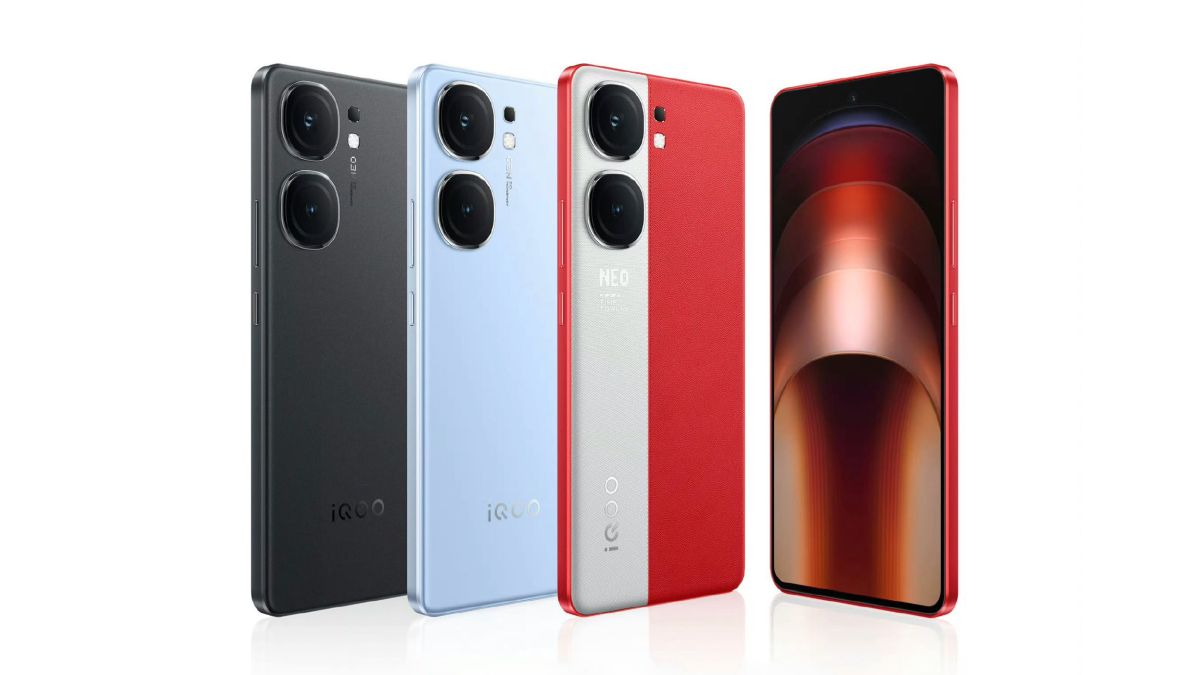
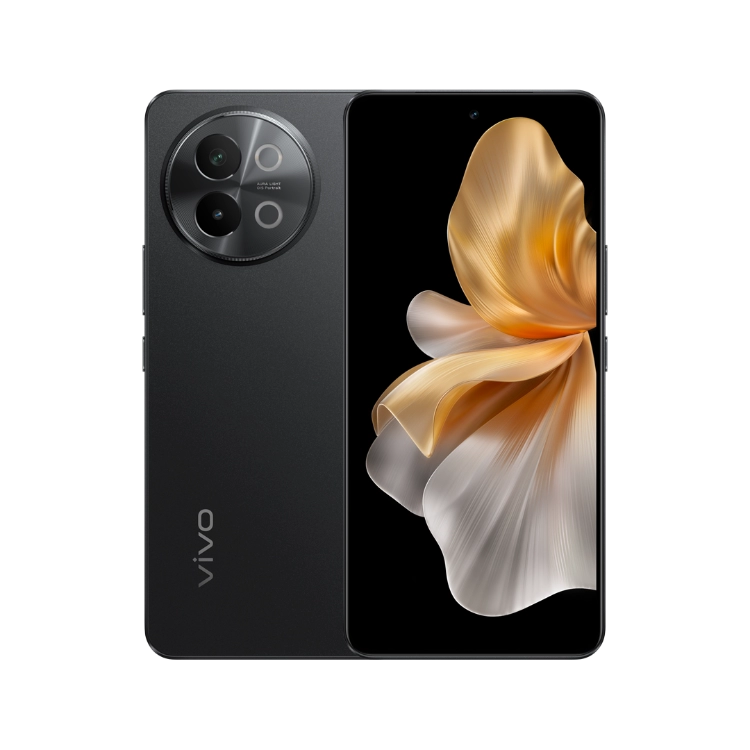
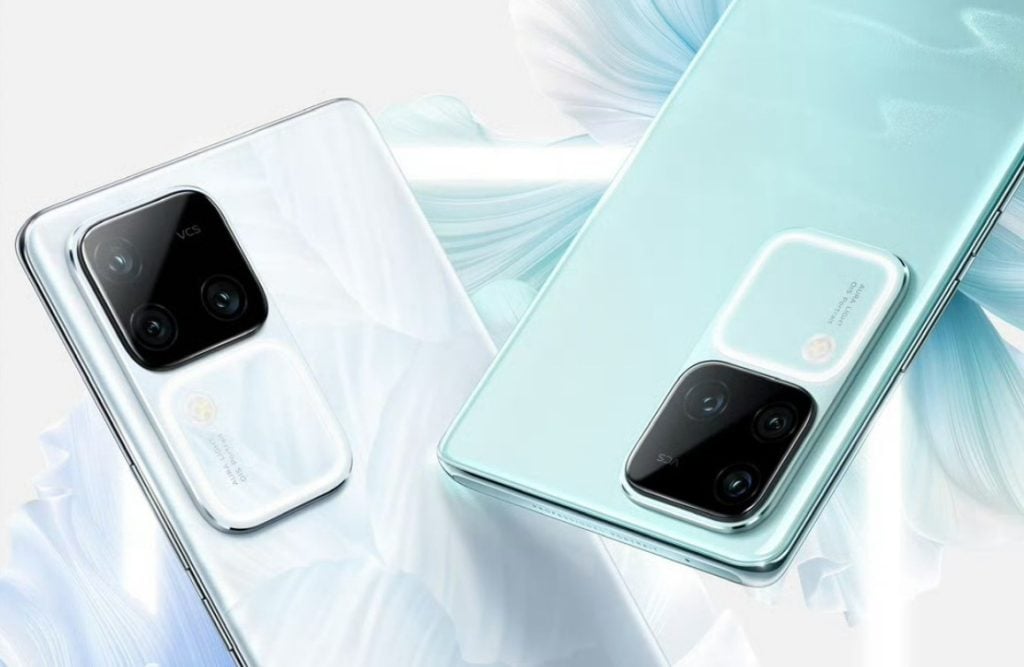
Like every major smartphone OEM, Vivo is also planning to debut a new generation of flagship smartphones soon. This time, it will be called the Vivo X100 series and is scheduled to debut on November 13th in China. Ahead of its launch, the Vivo X100 has appeared on Geekbench revealing some key details.

Vivo X100 Camera Specifications

Vivo X100 powered by Dimensity 9300

The Vivo X100, identifiable by the model number “V2309A,” will run Android 14 out of the box, with the Chinese version expected to incorporate the new Origin OS 4.

Under the hood, the phone is equipped with a motherboard identified as “k6989v1_64,” built on ARMv8 architecture. The processor is an octa-core system-on-chip (SoC) with a configuration of four cores running at 2GHz, three cores operating at 2.85GHz, and one high-performance core clocked at 3.25GHz. This SoC is none other than the MediaTek Dimensity 9300, a flagship-grade processor, and it comes paired with a Mali-G720-Immortalis MC12 GPU.

The listing also confirms that the Vivo X100 will feature 12GB of RAM, though it’s expected that the device will offer various RAM and storage configurations. Moving on to the benchmark results, the device has managed to score 1642 points in the single-core test and 7199 points in the multi-core test of Geekbench 5. It’s worth noting that the multi-core score of the smartphone is unusually high.

Previously, the smartphone was also spotted on AnTuTu Benchmark with a mind-blowing score of 2,249,858 points, which is significantly higher than the Xiaomi 14 series which features the new Snapdragon 8 Gen 3 SoC. A recent leak has also revealed that the smartphone will debut with a new Sony camera sensor.

RELATED:

(via)

Anker unveils the Nebula Capsule 3 projector with a built-in 52Wh battery; launching on November 20

Anker has announced the upcoming launch of the Anker Nebula Capsule 3 portable projector. The Anker Nebula Capsule 3 has a 1080p resolution and comes with a 52Wh built-in battery. The portable projector is billed for release later this month, specifically on November 20.

Anker Nebula Capsule 3 projector

The Nebula Capsule 3 is a successor to the Anker Capsule 3 Laser Projector from 2022. The new projector supports both Google TV and Netflix streaming. Indeed, together with the Mars 3 Air, Anker says the duo is the world’s first portable projector to support both Netflix and Google TV. The light source of the projector has a lifespan of 30,000 hours and has a maximum brightness of 200 ANSI lumens. The projector has a throw ratio of 1.2, with autofocus and automatic keystone also supported.

The projector’s 52Wh battery delivers up to 150 minutes of video playback on a single charge. Correspondingly, the projector can provide up to 8 hours of music playback on a full charge. The gadget can be fully recharged within three hours via USB-C.

Anker Nebula Capsule 3 projector

The Nebula Capsule 3 portable projector has dual 8W integrated speakers and supports Bluetooth 5.0 connectivity. It also has HDMI, USB-C, USB-A, and AUX ports. The projector has a companion app that can be used on iOS or Android devices. The Anker Nebula Capsule 3 weighs 0.85kg and is as small as a soda can. It will retail at $549 in the US when it launches on November 20.

RELATED:

BenQ magnetic LaptopBar with auto-dimming and ambient light released

BenQ has announced its magnetic LaptopBar which can be attached to a laptop easily. The innovative light bar is magnetically attachable to a laptop’s display and its brightness automatically adapts to the environment. The BenQ LaptopBar comes with a magnetic sticker that makes it compatible with any laptop.

https://www.benq.com/en-us/lighting/laptop-light/laptopbar.html

Features

The LED light bar for monitors is a basic component of many workstations. The light bar can also be attached to the base of the laptop and it has a hinge for adjusting the direction. The light has a maximum brightness of 700 nits, providing illumination to the laptop and the immediate surroundings. The illumination provided by the LaptopBar offers protection for the eyes, as it minimizes the differences between the laptop’s display and the environment.

BenQ magnetic LaptopBar

The BenQ LaptopBar can be used in different orientation settings. It also allows the user to adjust the size of the illuminated area. The gadget’s integrated motion sensor makes it possible to activate the light using gestures. In addition, auto-dimming helps to automatically adjust the brightness to ambient light according to the user’s preferences. The color temperature of the LaptopBar can be adjusted between warm white and cool white.

BenQ magnetic LaptopBar

The LaptopBar is available in black or ivory-white colors and can last for up to 160 minutes at 50% brightness. It has a rechargeable battery which can be recharged via USB-C. It has to be noted too that the BenQ LaptopBar is a great accessory that can be used even on the go.

Pricing

The gadget is exclusively available from the BenQ online store for $132.05. It is expected to subsequently be available on online and offline retail platforms.

Related:

(source)

Xiaomi Smart Plug 2 Wi-Fi with energy consumption tracking to launch soon in the EU

Inside sources have indicated that the Xiaomi Smart Plug 2 Wi-Fi is close to entering the European market. The Smart Plug 2 Wi-Fi offers energy consumption tracking and is compatible with Google Home.

Xiaomi Smart Plug 2 Wi-Fi

Product listings of the Xiaomi Smart Plug 2 Wi-Fi EU have been spotted in France and Germany. The smart plug is a gadget that helps to integrate older items like a lamp or heater into the smart home ecosystem. It uses Wi-Fi 2.4GHz and Bluetooth 5.0 connectivity, as well as supports Google Assistant voice commands.

The Xiaomi Smart Plug 2 Wi-Fi can also be controlled by the Xiaomi Home app. You can schedule the switching off/ on of gadgets using the app, as well as view energy consumption details. The Smart Plug 2 Wi-Fi is also capable of operating when there is a power or Wi-Fi outage to ensure minimal disruption. The gadget comes with built-in sensors that safeguard it from overheating or overcurrent. The sensors trigger app notifications and the plug has a flame-retardant housing.

Pricing & Availability

The Xiaomi smart Wi-Fi plug weighs 110g and is available in a white colorway at the least. The gadget’s price listing in France and Germany are €19.99 and €13.99 respectively. It is expected that the Xiaomi Smart Plug 2 will released shortly but the fine optics of the release date is not known at this time. The availability details of the model in other markets outside Europe have also not been specified.

Related:

Spider-Man 2 Hype Triggers Interest in Daredevil’s Forgotten Game

The gaming community is currently abuzz with the impact of Spider-Man 2. Known for being one of the best superhero game series, Spider-Man has truly made its mark. However, there’s a revived interest in Daredevil: The Man Without Fear, a game that was initially unveiled in 2004 but never saw the light of day.

So, why didn’t Daredevil: The Man Without Fear get released?

Recently, playable demos and videos of the canceled 2004 Daredevil project have surfaced on social media. An engineer who worked at the developer 5000ft shared the demo almost two decades ago. This game, intended for PC, PS2, and Xbox platforms, was a third-person beat ’em up style, but it faced challenges. The demo notes reveal that Marvel decided to cancel the game, feeling it had strayed from the original concept presented by Sony.

Earlier reports hinted that the cancellation was due to employee negligence. Allegedly, some team members didn’t dedicate enough attention to the game and were not consistently involved in the project. While the leaked version available online is incomplete, it offers a glimpse into Daredevil: The Man Without Fear, a game developed two decades ago.

Some users speculate that this leak wasn’t accidental. There are allegations that Insomniac Games might be working on a Daredevil DLC for Spider-Man 2. Notably, there have been encrypted shares related to Matt Murdock (Daredevil character) in the past.

RELATED:

Alibaba Cloud unveils cutting-edge AI Tools at Apsara Conference

Alibaba Cloud has unveiled an array of industry-specific artificial intelligence (AI) tools at its annual Apsara Conference in Hangzhou, China. These groundbreaking tools are powered by Alibaba Cloud’s updated Large Language Model (LLM) known as Tongyi Qianwen 2.0.

The suite of AI tools, introduced at the conference, is specifically crafted to assist enterprises across diverse sectors in developing their AI-enabled applications. At least 10 industry-specific AI tools, built on the Tongyi Qianwen 2.0 model, were revealed. These proprietary models, as termed by Alibaba Cloud, harness the transformative potential of generative AI technology, akin to ChatGPT, and are tailored for applications in customer support, legal counseling, healthcare, finance, documentation management, audio and video management, code development, and character creation.

Zhou Jingren, Chief Technology Officer of Alibaba Cloud, expressed optimism about the impact of these models, aiming to enhance operational efficiency and competitiveness for their customers. The unveiling of these tools underscores Alibaba Cloud’s strategic focus on AI and enterprise users, aligning with the vision outlined by the new Group Chief Executive, Eddie Wu Yongming, in an internal communication to employees.

Alibaba Cloud Chairman, Joe Tsai, highlighted the company’s extensive reach, serving around 80% of China’s technology firms and half of the country’s AI LLM companies. Large language models, including Tongyi Qianwen 2.0, are deep-learning algorithms adept at recognizing, summarizing, translating, predicting, and generating content using vast datasets.

Alibaba AI: Transforming Industries:

Alibaba Group’s state-of-the-art AI technology is powered by Alibaba Cloud AI and Data Intelligence. Utilizing cutting-edge cloud infrastructure and sophisticated algorithms, Alibaba AI solutions try to redefine traditional industry boundaries. 

In the financial sector, it’s enhancing operational efficiency, cutting costs, and promoting financial inclusivity through tools like Conversational AI and Intelligent Marketing. Meanwhile, in education, Intelligent Teaching Assistants and Pronunciation Evaluation tools are used by both educators and students. 

In transportation, Alibaba AI is optimizing traffic systems with Electronic Toll Collection and Intelligent Parking. Moreover, in the domain of new retail, it’s using tools like Retail Image Recognition and Precision Marketing techniques. Alibaba AI’s comprehensive approach is transforming businesses and ushering China into an era of unparalleled technological excellence.

Related:

(via)

Boult Mirage smartwatch with 1.39″ AMOLED display & Bluetooth calling launched in India

Boult has recently introduced the Boult Mirage, a smartwatch boasting a sophisticated and elegant design reminiscent of traditional metal bracelet watches. Beyond its aesthetic appeal, the Mirage is equipped with modern hardware, meeting the expectations of contemporary smartwatch technology.

Boult Mirage

The Boult Mirage smartwatch features a stylish design with a Zinc Alloy frame and a stainless steel strap, giving it a modern and durable look. It boasts a 1.39-inch AMOLED display with a resolution of 360 x 360 pixels and an impressive brightness of 500 nits, ensuring vibrant and clear visuals.

This smartwatch offers a wide range of customization with over 300 cloud-based watch faces to choose from. It provides seamless connectivity with Bluetooth 5.3, ensuring a stable connection to your devices. The Boult Mirage also comes equipped with an inbuilt microphone and speaker, allowing you to make calls and use voice commands.

Boult Mirage

For ease of use, it features a rotating crown and two push buttons for intuitive controls. Fitness enthusiasts will appreciate the 120+ sports modes for tracking and enhancing their workouts. Moreover, it offers comprehensive health monitoring, including sleep tracking, SpO2 measurement, blood pressure monitoring, menstrual cycle tracking, heart rate monitoring, stress tracking, and a breathing training mode for overall well-being.

Beyond health and fitness, the Boult Mirage incorporates fun and practical features like mini-games, smart notifications, AI Assistant support, sedentary reminders, drink water reminders, weather details, and a “Find Phone” function. Its IP67 water resistance and dustproof rating make it suitable for outdoor activities, ensuring durability. To keep you connected and make the most of its features, the Boult Mirage offers a battery life of up to 7 days.

Price & availability

Available in Amber Blue, Inox Steel, and Coal Black, the Mirage is competitively priced. You can get it at an introductory rate of Rs. 1,599 on Boult’s website or for Rs. 1,799 on Flipkart.

RELATED:

(via)

ZimaCube: A Kickstarter Campaign for a New Era of Personal Cloud Storage

At Gizmochina, we’re committed to delivering technology articles from all around the world to you as quickly as possible. While doing so, we don’t just provide informative content but also keep you informed about fun, intriguing, and practical products from platforms like Kickstarter. The latest one to catch our attention is the ZimaCube. The ZimaCube is a personal cloud storage device with an enormous storage capacity. Here are the details…

The ZimaCube redefines personal cloud storage with its innovative features

The ZimaCube is a new breed of personal cloud storage device that promises to revolutionize the way we store and access our data. With its massive storage capacity, fast synchronization speed, and versatile collaboration features, the ZimaCube is the perfect solution for individuals and businesses of all sizes. The ZimaCube can support up to 120 TB of storage capacity with six HDD bays and U2 expansion for over 44 TB of SSD storage.

zimacube kickstarter

This means that you can store all of your photos, videos, music, documents, and other files in one place, without having to worry about running out of space. The ZimaCube is equipped with a 2.5GbE Ethernet port and Thunderbolt 4 support, which allows for ultra-fast synchronization speeds. This means that you can access your files from anywhere in the world, instantly.

The ZimaCube makes it easy to share and collaborate on files with others. You can create shared folders, set permissions, and even create public links to share files with anyone. The ZimaCube also supports a variety of collaboration tools, such as Nextcloud and Seafile. The ZimaCube is powered by a 10-core Intel processor and features outstanding codec performance. This makes it ideal for tasks such as video editing and streaming. The ZimaCube also supports PCIe 4.0 and multiple NVMe slots, which allows for incredibly fast transfer speeds.

The ZimaCube is designed to meet the needs of even the most demanding users. It features a durable design, a powerful cooling system, and a variety of ports and expansion options. The ZimaCube also comes with a variety of software options, including ZimaOS, TrueNAS, and unRAID. The ZimaCube is more than just a storage device. It is a complete personal cloud ecosystem. The ZimaCube is co-defined with a vibrant open-source personal cloud community, which means that there is a wide range of apps and plugins available to extend the functionality of the ZimaCube.

If you are looking for a personal cloud storage solution that is powerful, versatile, and affordable, then the ZimaCube is the perfect choice for you. You can click here to get more information about the product and support the project.

RELATED:

Google Discontinues COVID-19 Feature on Android


In 2019, the COVID-19 outbreak started in Wuhan, China, and spread globally, impacting many lives. Even though four years have passed, the pandemic lingers in some places, though not as severely as before. Here are the details…

Google Pulls the Plug on COVID-19 Exposure Notifications for Android

As the pandemic has eased, daily life has returned to normal, and many companies that switched to remote work have gone back to office-based operations. However, Google, the tech giant, has decided to discontinue a COVID-19-related feature for Android. Here are the details: The Exposure Notifications feature has been removed.

Google fined in India

During the critical phases of the COVID-19 pandemic, Apple and Google teamed up to introduce Exposure Notifications in the iOS and Android operating systems. This collaborative feature aimed to inform users if they had potentially been exposed to the virus.

The working principle was simple: Smartphones, when in public spaces, communicated via Bluetooth. If a user who tested positive for COVID-19 was identified, a notification was sent to other phones. Users could check the person’s test status through a health application.

As the virus became less prevalent, Google removed the Exposure Notifications feature for Android. You won’t find it in the Settings application anymore, as the change was part of a Google Play Services update. It’s worth noting that devices yet to receive the update might still show the option, but it will also be removed from them soon.

Even though the Exposure Notifications feature is gone for Android, it’s still available on iOS. Whether Apple will remove it in the future is uncertain.

RELATED:

Dell unveils P-series video conferencing monitors with 90W power delivery & KVM switch in India

Dell has just launched a bunch of new monitors in India including the Dell UltraSharp 27″ U2724DE & U2724D that we recently reported on. In addition to these models, the brand has also unveiled the P-series Video Conferencing Monitors including the 34″ Curved Video Conferencing Monitor (P3424WEB) and the 27″ Video Conferencing Monitor (P2724DEB).

Dell P3424WEB

Dell P2724DEB & P3424WEB specs:

The Dell 27 Video Conferencing Monitor P2724DEB offers a 27-inch display with In-Plane Switching (IPS) technology, providing a 178-degree vertical and horizontal viewing angle for optimal visibility. It features a QHD resolution of 2560 x 1440 pixels at 60 Hz, with an aspect ratio of 16:9 and a pixel pitch of 0.2331 mm x 0.2331 mm, resulting in a pixel density of 109 pixels per inch (PPI). The monitor boasts a brightness of 350 nits and a contrast ratio of 1,000:1, backed by LED backlight technology.

Dell P3424WEB

It has good color accuracy, covering 99% of the sRGB color gamut, and supporting up to 16.7 million colors. Additionally, it includes Low Blue Light and Flicker-Free technologies, making it TÜV-certified for a comfortable viewing experience. Connectivity options are diverse, with HDMI, DP, DP-out with MST, RJ45, headphone/microphone jack, USB Type-C with up to 90W power delivery, and various USB ports.

On the other hand, the Dell 34 Curved Video Conferencing Monitor P3424WEB features a 34-inch curved WQHD IPS display with a 3800R curvature, offering immersive visuals. It provides 178-degree horizontal and vertical viewing angles, covering 99% of the sRGB color gamut and supporting 1.07 billion colors. The monitor’s 300 nits brightness and 1000:1 contrast ratio ensure vibrant and crisp images. It boasts a fast 5ms gray-to-gray response time, making it ideal for video conferencing. In addition to the visual capabilities, it comes with built-in 5W speakers and dual microphones for enhanced communication.

The USB-C connectivity offers up to 90W power delivery and includes KVM ports for easy device switching. You can customize the monitor’s position with height, swivel, and tilt adjustments. It also incorporates features like Low Blue Light mode, Flicker-Free technology, anti-glare treatment, and VESA mount compatibility.

Price & availability

The 34″ Dell P3424WEB MONITOR is currently selling for Rs. 84,999, whereas the 27″ P2724DEB’s price is currently under wraps. It will be made available starting 7th December.

RELATED:

(via)

Samsung Galaxy S24 Rumored to Feature AMD FSR for Improved Console-Like Gaming Performance

The countdown has begun for the Samsung Galaxy S24 series. Almost every day, we eagerly anticipate new leaks about the much-anticipated phones. For example, we recently mentioned that the Galaxy S24 series is set to be unveiled on January 17th and will feature a special Snapdragon 8 Gen 3 processor with overclocking capabilities. However, according to the latest information that has emerged, the special processor won’t be the only thing that sets this phone apart from its competitors. Samsung is partnering with AMD and Qualcomm to bring FSR (FidelityFX Super Resolution) technology to its flagship smartphones.

Samsung Galaxy S24 to Get AMD FSR Boost for Gaming, Ray Tracing

Samsung is the world’s largest smartphone manufacturer. However, despite being at the top in terms of sales volume, it has been struggling with a significant issue for years. A substantial portion of Samsung’s market share comes from entry and mid-range devices. While this brings in revenue in terms of volume, lower-end models are not as profitable as the Galaxy S or Fold series.

In an effort to address this issue, Samsung has devised special plans for the Galaxy S24. The first step involves the use of a specially designed Snapdragon 8 Gen 3 processor with overclocking capabilities, and the second step is the integration of FSR technology. For those unfamiliar with FSR, it is a technology developed by AMD to enhance gaming performance, competing with Nvidia’s DLSS. This technology allows your device to run graphically demanding games more smoothly without overloading the hardware.

FSR, which is also used in AMD’s Radeon series graphics cards, will now be featured in the Samsung Galaxy S24 series. According to reports, Samsung, Qualcomm, and AMD have collaborated on this. The Snapdragon 8 Gen 3 already has technologies like ray tracing to significantly boost gaming performance. Adding FSR to the S24 models will take them to a whole new level. How this will benefit users remains to be seen.

FeatureGalaxy S24Galaxy S24+Galaxy S24 Ultra
Screen Size6.1 inches6.7 inches6.8 inches
Screen TechnologyDynamic AMOLED 2XDynamic AMOLED 2XDynamic AMOLED LTPO
Screen ResolutionFHD+QHD+QHD+
Pixel Density421 ppi525 ppi516 ppi
Screen Refresh Rate120 Hz120 Hz120 Hz
Screen Protection TechnologyGorilla Glass Victus+Gorilla Glass Victus+Gorilla Glass Victus+
ProcessorSnapdragon 8 Gen 3 / Exynos 2400Snapdragon 8 Gen 3 / Exynos 2400Snapdragon 8 Gen 3
RAM8 GB8 GB12 GB
Storage256 GB / 512 GB256 GB / 512 GB256 GB / 512 GB / 1 TB
Rear Camera50 MP + 12 MP + 12 MP50 MP + 10 MP + 12 MP200 MP + 12 MP + 50 MP + 10 MP
Rear Camera Video Recording8K / 60 FPS8K / 60 FPS8K / 60 FPS
Front Camera12 MP12 MP12 MP
Front Camera Video Recording4K / 30 FPS4K / 30 FPS4K / 30 FPS
Cellular4G / 5G4G / 5G4G / 5G
Battery Capacity4500 mAh4900 mAh5000 mAh
Wired Charging45 W45 W45 W
Wireless Charging15 W15 W15 W
SoftwareAndroid 14, One UI 6Android 14, One UI 6Android 14, One UI 6
Weight168 grams195 grams233 grams
Dimensions147 × 70.6 × 7.6 mm158.5 × 75.9 × 7.7 mm162.3 × 79 × 8.6 mm

RELATED:

(via)

BYD Does it Again, Selling Over 300,000 Plug-in Vehicles in October 2023

The electric vehicle (EV) landscape is buzzing with the latest achievement by BYD, a name that’s becoming synonymous with sustainable transportation. In a remarkable feat, BYD has surpassed its own sales records for plug-in vehicles, selling over 300,000 units in October 2023—a first in the company’s history. This marks their sixth consecutive monthly sales record, signifying not just a streak, but a clear trend in the EV market.

This is a huge jump of 38 percent from the previous year

A staggering 301,095 passenger plug-in cars, including 11,500 high-end Denza EVs, were sold by BYD last month, a jump of 38 percent from the previous year. The twist in this electrifying tale? China‘s roads are predominantly traveled by BYDs, with exports only forming a fraction of the total sales. However, that small slice of exports still represents a record-breaking 30,521 vehicles, underscoring BYD’s expanding global footprint.

Peering under the hood of these figures reveals a preference for all-electric vehicles over plug-in hybrids (PHEVs). Pure electric cars made up an impressive 60 percent increase from the year before, eclipsing PHEVs, which saw a comparatively modest 19 percent growth. This shift might hint at a future where charging replaces fueling entirely, a vision BYD has clearly set its sights on since ceasing production of non-rechargeable cars in March 2022.

So far, BYD’s yearly tally for passenger plug-in sales has soared to over 2.37 million vehicles—a 70 percent climb from last year. This includes a substantial lead for all-electric models, which grew by 77 percent, as compared to the 64 percent for PHEVs.

But what does this mean for the everyday consumer? With BYD’s top-selling models like the Song family leading the charge alongside rising stars like the all-electric Dolphin, it’s evident that there’s a plug-in vehicle for every taste and need. These numbers aren’t just impressive digits on a sales report; they represent a wave of consumers choosing a greener path.

BYD’s ambition for 2023 is to hit the 3 million mark in rechargeable car sales. With the final two months requiring consistent performance, it’s clear that BYD isn’t just running a race; it’s paving a highway to the future of transport, one electric car at a time. Only time will tell if any solid competition stands up to the company.

RELATED:

(Via)

StoreDot’s Silicon-Based Battery Prototype Promises to Stay Healthy Despite Fast Charging

In a promising development for electric vehicle (EV) enthusiasts, the Israeli firm StoreDot has made a breakthrough that may change how we think about charging EVs. The company has designed a silicon-based battery prototype that stands up to the rigors of extreme fast charging (XFC) without losing performance.

Fast Charging is a very common concern regarding the life of batteries in EVs

Until now, a common concern about fast charging was the potential damage to battery life. However, StoreDot’s tests showed no significant difference in battery health whether the cells were charged slowly or at lightning speeds. This could mean less worry for EV owners who rely on quick charges.

Battery

StoreDot’s innovation centers on charging times that would feel more akin to filling up a gas tank than waiting hours for a charge. Their testing included boosting a battery’s charge from 10% to 80% in only 10 minutes. Even more impressively, they aim to slash the charging time down to 3 minutes for a 100-mile range by 2028.

While the technology is still in the testing phase with several car manufacturers, the implications are exciting. The batteries have passed muster with independent evaluators, who deem them ready for the commercial stage. This endorsement could speed up adoption among automakers.

The enthusiasm from the automotive industry is apparent, with big names like Daimler and Volvo showing interest. Such advancements by StoreDot could be the key to wider EV adoption, easing the range anxiety that currently holds many potential buyers back.

RELATED:

(Via)

Major US Chip Developer, Micron Technology is Looking to Partner with Chinese Chipmakers

Micron Technology, a major US chip manufacturer, is ramping up its efforts to expand its business within the Asian giant’s borders. CEO Sanjay Mehrotra is taking the helm, steering the company through China’s regulations and expressing his willingness to invest in the market. This strategic pivot comes on the heels of Micron’s prior entanglement with a sales ban imposed by Beijing—a move that threatened to slice a significant chunk from its revenue pie.

The renewed friendship was brought up during Sanjay’s meeting with Wang

The renewed camaraderie was highlighted during Mehrotra’s meeting with China’s Commerce Minister Wang Wentao, where it was made clear that Micron’s growth in China hinged on its adherence to local laws. The dialogue is a smaller part of a wider breakdown in Sino-American business relations, as both superpowers seem eager to smooth out recent wrinkles ahead of a key presidential summit in San Francisco.

Micron

Wang’s words to Micron were welcoming yet firm, emphasizing China’s intention to better its investment landscape for foreign players, while also urging the chipmaker to deepen its roots in Chinese soil. This shift towards a more cordial approach coincides with Micron’s decision to engage with the 6th China International Import Expo—an event China uses to charm international investors.

The change in atmosphere is stark compared to half a year ago when China’s cybersecurity terms struck Micron with a sales prohibition, a decision that posed a risk to Micron’s China-based revenue. While there’s no word if this visit included talks with cyber authorities, the significance of Mehrotra’s discussions on the company’s plans, especially concerning its Xi’an plant, cannot be overstated.

RELATED:

(Via)

Volkswagen and Vivo’s Collaborative Drive Towards Smart Car Connectivity


As Volkswagen works towards enhancing the intelligence of its cars, it encounters various software challenges. The company, with the goal of using its own software across brands within the VW Group, has recently joined forces with Vivo. Together, they will focus on integrating vehicles with mobile devices and have established the M2 Lab. Here are the details…

Revolutionizing Car-Tech: VW’s Partnership with Vivo for Seamless Connectivity

Traditionally, the automotive industry has relied on Google’s Android ecosystem, but Volkswagen, unlike others, creates its own multimedia interfaces. In a significant move, VW’s software unit, Cariad, has partnered with Vivo to create the Mobile & Mobility Fusion Joint Innovative Lab (M2 Lab). This lab’s main objective is to ensure smooth connectivity between cars and mobile devices by leveraging the technologies of both companies.

Vivo Ai

Through the M2 Lab, Cariad will closely collaborate with Vivo to allow users to control both their vehicles and phones through a unified interface. One of the initial projects involves developing the Gamebase application, enabling users to play mobile games on the infotainment screen. Another application, named Touch&Go, will facilitate the operation of certain vehicle functions from the phone. The companies plan to develop more transportation solutions in the future, recognizing the importance of enhancing the information and entertainment experience for Volkswagen owners.

The delays faced by several new models, like the electric Porsche Macan, due to insufficient software, have led to a decline in sales. This emphasizes the need for Volkswagen to reevaluate its approach, and the collaboration with Vivo aims to contribute to these efforts. More details about what Vivo’s collaboration will bring are expected to be revealed soon.

RELATED:

Google Quietly Announces 256GB Storage Option Of The Pixel 8 Pro In India

Google launched the Pixel 8 and Pixel 8 Pro smartphones globally last month. In India, the former has been available in 128GB and 256GB storage variants whereas the latter was released in a sole 128GB option. This was quite disappointing for Pixel fans in the country as the Pro model gets multiple storage configurations in the global markets. However, now the search giant has quietly announced a 256GB storage option of the Pixel 8 Pro in the country. This gives an additional option for interested customers who need higher storage capacity on the smartphone. The latest variant is already available for purchase in India. Read on to know the details. 

Pixel 8 Pro gets 256GB storage option

Google Pixel 8 Pro

The Pixel 8 Pro packs 12GB LPDDR5x RAM. The latest 256GB storage option on the pro model is priced at Rs 1,13,999. SBI cardholders can avail an instant discount of up to Rs 4,000 on the purchase of the Pixel 8 Pro. Additionally, there is also an exchange offer on old smartphones. The Pixel 8 Pro is available for purchase from Flipkart. It’s worth noting that the 256GB configuration is only limited to the Obsidian color option. To recall, the base 128GB Pixel 8 Pro costs Rs 1,06,999 in India. 

As for the core specifications, the Pixel 8 Pro has a 6.7-inch OLED screen with 120Hz refresh rate, 2,400 nits peak brightness, and HDR support. The device is also IP68-certified dust and water-resistant. The Pixel 8 Pro features a 50MP main sensor paired with 48MP ultra-wide and 48MP telephoto lenses. The Pixel 8 Pro is powered by a Tensor G3 SoC. It is backed by a 5,050mAh cell with support for 30W fast charging. The Pixel 8 series ships with Android 14 OS and is eligible for 7 years of OS updates. 

Related:

Google Pixel Watch 2 Plagued With Charging Issues

The second-generation Pixel Watch 2 debuted last month. Additionally, Google released WearOS 4 update for the original Pixel Watch. The latest generation offering packs significant upgrades over its predecessor. However, multiple users are experiencing charging issues with the smartwatch. The search giant is reportedly aware of the issue but has not given an official response on the matter. Read on to know more about the Pixel Watch 2’s charging problems. 

Google Pixel Watch 2 faces charging problems

Multiple users on Reddit have shared that their Pixel Watch 2 units are not charging when plugged in. Users are unsure if this is attributed to a defective charger or the smartwatch itself. One user mentioned that the device was not charging at all. He got a new charger that worked fine initially but stopped eventually as well. The user also tried changing the cable, wall socket, using USB ports on laptop, and more methods but all went in vain. 

The user did not receive a satisfactory response from Google, however, the search giant acknowledged it as an ‘ongoing issue’ with the Pixel Watch 2. He also received a replacement unit of the Pixel Watch 2 which is said to be working fine perfectly. Unfortunately, other users who are facing the same charging issues are not lucky to receive a replacement unit. Hence it remains unclear if the charger or smartwatch is defective. The solution to the problem also remains a mystery. 

Google has a dedicated support page that instructs users on what to do if the Pixel Watch 2 is not charging properly. It mentions that the smartwatch will fit on the charging dock in only one way and it won’t charge if placed in the wrong direction. The search giant introduced a four-pin connector on the latest generation smartwatch compared to wireless charging on its predecessor. 

Related:

Android 14 QPR1 Beta 2.2 released with over 30 bug fixes

Google has released Android 14 QPR1 beta 2.2, a minor update in terms of features but fixes over 30 bugs and other issues. The update is available for all Pixel devices launched after and including the Pixel 5a.

If you are already in the Android 14 QPR1 beta, you can just wait for the OTA update notification. If you want to join the beta now, you can visit Google’s beta enrollment page to get started.

Here is a list of the bug fixes (changelog) in Android 14 QPR1 beta 2.2:

• Fixed an issue that sometimes prevented devices from receiving calls. (Issue #298747690)
• Fixed an issue where tapping or long-pressing a Quick Settings tile sometimes failed to launch the corresponding app or settings menu. (Issue #302147272)
• Fixed an issue that sometimes caused the Settings app to crash when checking for system software updates. (Issue #303739210)
• Fixed an issue that prevented Device Mirroring from working correctly with Pixel Fold devices. (Issue #302003079)
• Fixed an issue that sometimes prevented the system settings for large screen user per-app overrides from loading.
• Fixed an issue that sometimes caused the Camera HAL to apply the wrong tuning profile when an app requested a certain camera mode.
• Fixed an issue that sometimes caused the system UI or device to crash if accessibility magnification mode was toggled rapidly.
• Fixed an issue that sometimes caused the package installer to crash due to a null pointer exception.
• Fixed an issue that sometimes caused the system launcher to crash due to a null pointer exception.
• Fixed an issue that interfered with Bluetooth and Wi-Fi connectivity until the device was rebooted.
• Fixed issues with Face Unlock reliability.
• Fixed an issue that sometimes caused the device unlock animation to stutter.
• Fixed an issue that sometimes caused the screen to flicker when transitioning from always-on display mode to the lock screen.
• Fixed an issue that caused the animation to display incorrectly when a user gestured to open the notification shade.
• Fixed an issue that sometimes caused the system UI to crash or consume more memory than necessary.
• Fixed an issue that caused the picture-in-picture window to stop displaying with rounded corners after locking and unlocking the device.
• Fixed an issue that sometimes caused device-to-device transfer data to be saved to an incorrect account.
• Fixed an issue that caused some UI elements to render incorrectly when the device font scale was increased.
• Fixed an issue that sometimes caused the work profile badge for an app icon to be displayed in the wrong place while viewing the list of recent apps.
• Fixed an issue that caused some text to display in the wrong colors when always-on display features were enabled.
• Fixed issues that sometimes caused a device to crash and reboot.
• Fixed an issue where additional power was still being consumed by mobile network connectivity even after a device connected to Wi-Fi.
• Fixed an issue where audio failed to play back or was interrupted if Adaptive Sound was enabled.
• Fixed issues with audio playback when using spatial audio.
• Fixed an issue that sometimes caused Wi-Fi service to be interrupted and fail to connect until the device was restarted.
• Fixed an issue where the battery level in the status bar sometimes displayed temporarily as 0%.
• Fixed an issue for Pixel Fold and Pixel Tablet devices where the “All Apps” button on the taskbar was slow to appear immediately after launching an app.
• Fixed an issue for Pixel Fold devices where the lock screen was sometimes still displayed if the device was unlocked and unfolded at the same time.
• Fixed an issue for Pixel Tablet devices where a primary user’s live wallpaper selection would sometimes be overridden after a secondary user selected a different live wallpaper.
• Fixed an issue for Pixel Tablet devices that caused an unsmooth animation when tapping to return to an app from the list of recent apps.
• Fixed an issue for Pixel Tablet devices that caused audio to pop when adjusting the volume if a wired headset was connected.
• Fixed an issue for Pixel Tablet where a user was returned to the Home screen instead of the app that was open when the device was locked if they unlocked the device using their fingerprint while a screen saver was active.
• Fixed an issue that caused memory corruption in rare cases.
• Fixed various issues that were impacting system stability, performance, and connectivity

While the update fixes a number of bugs, there are still several significant bugs left on Google’s issue tracker, including Bluetooth audio issues and problems with the lock screen and always-on display. However, the company still has just over a month to iron out these issues before a stable release is expected in the first or second week of December.

Related:

(Via)

Samsung Galaxy S24 Ultra S Pen visits Bluetooth SIG

Samsung is expected to unveil the highly anticipated Galaxy S24 series early next year. We have covered various rumors regarding the upcoming flagship devices, but now, a new certification has hinted at the S Pen stylus, which will be paired with the top end Galaxy S24 Ultra model.

Samsung Galaxy S24 Ultra’s S Pen gets certified

For those unaware, the Galaxy S24 lineup consists of the base Galaxy S24, Galaxy S24+, and the Galaxy S24 Ultra. Similar to the Galaxy S23 Ultra, the Galaxy S24 Ultra model is also expected to launch with a dedicated stylus, which is the company’s S Pen. But prior to any official announcement, the smartphone’s S Pen has been spotted on the Bluetooth SIG website.

Samsung Galaxy S24 Ultra S Pen

Looking at the online listing, the database shows that the Galaxy S24 Ultra’s S Pen carries the model number EJ-PS928. This S Pen model is the same as the SM-S928, which is the stylus associated with the Galaxy S24 Ultra. The Bluetooth certification only confirms that the S24 Ultra will feature an S Pen, but does not reveal any other finer details regarding the stylus or the smartphone.

Since it’s a newer generation smartphone, the latest S Pen might arrive with improvements in design or additions to its features or functionalities. Earlier today (3rd November 2023), we had even reported on the supposed launch date for the Galaxy S24 lineup as well as the leaked color options for the premium grade series. The Galaxy S24 Ultra is rumored to launch with the two other models on January 17 and will feature an exclusive Golden color option. Samsung also announced the Creator Edition of the S Pen last month, so we can expect to see some new features on the S24 Ultra’s S Pen as well.

RELATED:

(Via)

OnePlus Tablets Confirmed To Get Open Canvas Multitasking Feature

The OnePlus Open foldable phone debuted in the global markets last month. It ships with pre-installed OxygenOS 14 based on Android 14 OS out of the box. The device packs top-notch hardware and various software features as well. However, one of the most notable features of the OnePlus Open is the Open Canvas which offers a great multitasking experience. Now, the brand has announced that this feature is all set to make its way to the company’s tablets. 

Open Canvas is coming to OnePlus tablets

Recently, OnePlus held an AMA session on Reddit (first spotted by X user )where it invited everyone to ask anything about the OnePlus Open foldable phone. The company’s social media manager Mingyu Zheng revealed that they received several requests about the Open Canvas feature. The executive added that the company is indeed working on it and it is confirmed to arrive on the OnePlus Pad. However, it remains to be seen if the multitasking feature will also be available on the affordable OnePlus Pad Go. 

The Open Canvas is a multitasking feature that is exclusive to the OnePlus Open foldable phone. It lets users run three apps in a split-screen simultaneously by moving back and forth. Two apps can be displayed side-by-side and the third app can be used in full-screen just a tap or swipe away. Apps can also be resized into full-screen or compact mode depending on the use case. The feature aims to utilize the OnePlus Open’s large 7.82-inch display when unfolded for enhanced productivity. 

The OnePlus Pad has an 11.61-inch screen making the multitasking feature will be more useful. Hence it makes sense for the company to add the Open Canvas feature to its tablets. 

Related: