Advertisement

Rice Robotics is Shattering AI Stereotypes, One Friendly Robot at a Time

While many still look at artificial intelligence (AI) with skepticism, fearing job loss or dystopian nightmares, Rice Robotics is flipping the script. Founded in Hong Kong and deeply rooted in the Japanese market, the start-up aims to redefine how we interact with AI by focusing on one core feature: friendliness.

The robots are installed with ‘puppy eyes’ cameras to make them more personable

Victor Lee, the brains behind Rice Robotics, is deploying a new fleet of these user-friendly bots at the Citic Tower skyscraper in Hong Kong. These aren’t your run-of-the-mill robots, though. Designed with “puppy eyes,” they are integrated into the building’s management system, providing 24/7 service from disinfection to deliveries.

AI

Lee says the success in Japan stems from pressing concerns like an aging population and labor shortages. It seems the Land of the Rising Sun has been quicker to embrace this new friendly face of automation. And according to data, they aren’t alone. A 2022 report shows that sales of service robots increased by 48% year-on-year globally, with the hospitality sector growing at a whopping 125%.

But what sets Rice Robotics apart? According to Lee, it’s the human factor. The design of these robots aims to make the user experience as natural as possible. Lee believes that this tailored approach will catch on in Hong Kong, despite its current focus on “human-enhanced” automation rather than outright labor replacement.

In a world where robots are becoming a common sight—from serving food in Korean restaurants to airport cleaning—Rice Robotics aims to change not just what these robots do but how we feel about them.

Victor Lee has lofty plans for expansion beyond current markets by next year. With the company’s success pivoted on friendly design and seamless user experience, Rice Robotics is not just leading in automation but also in dismantling the age-old fears surrounding it. And perhaps, that’s the real game-changer here, considering people are still skeptical of AI.

RELATED:

(Via)

U.S. Regional Tech Hubs Aim to Break Silicon Valley’s Monopoly in the States

The U.S. Commerce Department has a bold new plan to decentralize America’s tech ingenuity. Out of 370 applicants, 31 regional technology hubs have been selected, opening the door for these areas to share in a $500 million federal funding pie. The goal? To spread innovation beyond known tech havens like Silicon Valley and Seattle.

These tech hubs will deal with projects dealing with AI and aircraft

Commerce Secretary Gina Raimondo laid it plain: “People shouldn’t have to move to get a good job.” By spreading the wealth of tech opportunities across the U.S., the government aims to unlock the hidden potential residing in smaller cities and different states. This initiative is more than just a bid to create jobs; it’s a strategic move to diversify the American economy. These hubs won’t just be coding new apps; they’ll work on projects that range from clean energy to artificial intelligence and even next-gen aircraft materials.

Artificial Intelligence

The White House isn’t just throwing money at these hubs and hoping for the best. Rather, it’s encouraging public-private partnerships. President Joe Biden sees the government’s role as a catalyst for private investments in sectors like electric vehicle batteries and semiconductors. A broader geographic spread of tech hubs could also attract talent that’s less keen on relocating to the usual tech giants’ playgrounds.

Intriguingly, this initiative isn’t isolated. Earlier this month, the Biden administration announced that $7 billion would be allocated to “hydrogen hubs” across 16 states. These are intended to kickstart a burgeoning industry that could play a big part in a more sustainable future.

But let’s not celebrate just yet. Despite Congress earmarking $500 million for these regional hubs, the funding isn’t guaranteed. Only five to ten of these chosen hubs will eventually get up to $75 million each in the coming year. Only time will tell how that goes.

RELATED:

(Via)

Xiaomi 14 series Roundup: Everything from specs, price to the new operating system

Xiaomi has been trying to break into the premium smartphone segment with its flagship number series. The recent Xiaomi flagships, the Xiaomi 13 and 12 series, offer some of the best camera technology and other hardware on the market, and they’re priced competitively. But despite this, Xiaomi still sells more budget and mid-range phones.

It’s clear that Xiaomi could use some consumer trust when it comes to premium phones. The upcoming Xiaomi 14 series, launching on October 26, is the company’s latest attempt to impress flagship smartphone buyers. Keep reading this post to learn more about the new Xiaomi 14 and 14 Pro, and to tell us if you’d choose them over the iPhone 15 or Galaxy S23.

Xiaomi 14 design and display

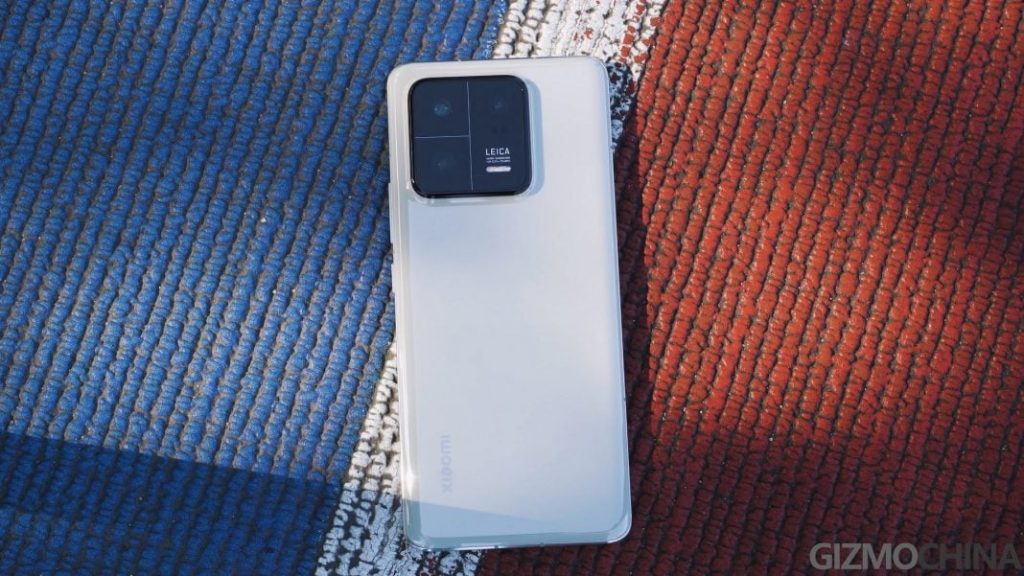
Xiaomi took a more minimalist design approach with the Xiaomi 13 series, especially the Xiaomi 13 and Xiaomi 13 Pro. The company used flat iPhone-like edges and a flat display on the front of the vanilla model. The camera module was redesigned to be square, housing three camera sensors with chic Leica branding. The Pro model, however, featured a curved display and slightly curved sides.

Leaks and rumors suggest that the upcoming Xiaomi 14 and Xiaomi 14 Pro will keep the minimalist design of their predecessors, but the camera arrangement may be different. Gizmochina recently managed to get a hold of protective cases for the two phones, which revealed four large cutouts, likely for the camera sensors. However, one of the cutouts may be for the Leica logo and LED flash.

Xiaomi 14 might feature a 6.44-inch C8 OLED 12-bit display with 1.5K resolution, 120Hz refresh rate, 2,800 nits peak brightness, Dolby Vision, and HDR10+ support. Xiaomi 14 Pro may bring even better display specifications, boasting a 6.7-inch Micro Quad Curved display with a dynamic 1-120Hz LTPO refresh rate, a 2K resolution, Gorilla Glass Victus 2 protection, and remarkably slim 1mm ultra-narrow bezels.

With a peak brightness of 3,000 nits, this display is touted to be the brightest on any smartphone yet, surpassing the OnePlus Open with 2,800 nits brightness. The panel also offers HDR 10+, Dolby Vision, and Pro Colour Tuning. There is also a 2K+Hz PWM dimming to reduce eye strain.

Cameras, processor, battery, and more

The Xiaomi 14 duo is expected to come with top-notch hardware. Both phones will likely be powered by the Qualcomm Snapdragon 8 Gen 3 processor, LPDDR5x RAM, and UFS 4 storage. They may also feature a large VC liquid cooling system for heat dissipation.

The Xiaomi 14 is rumored to have a 4,600mAh battery with support for 90W wired charging, while the Xiaomi 14 Pro is expected to have a 4,860mAh battery with support for 120W charging. The two phones may support 50W wireless charging and 10W reverse wireless charging as well.

Xiaomi 13 Pro

Xiaomi has made significant progress in the camera department, especially after its partnership with Leica. The upcoming Xiaomi 14 series is expected to benefit from this progress, with the Xiaomi 14 Pro rumored to feature a triple-lens rear camera system with three 50-megapixel sensors. The main camera is rumored to feature a massive 1-inch Sony IMX9xx series sensor, and the handset may also get the variable aperture feature from the Xiaomi 13 Ultra.

The Xiaomi 14 may also get a similar 50MP triple camera setup on the rear. Specifically, the handset may bring a 50MP OV50H main lens paired with a 50MP ultra-wide and a 50MP telephoto unit.

Meet the new HyperOS

The Xiaomi 14 series will also introduce an entirely new operating system. The Xiaomi 14 and Xiaomi 14 Pro will be the first devices to feature the new HyperOS on the software front. The company claims to have been working on this software for the past 13 years, dating back to the introduction of MIUI. This new OS is expected to bring significant changes to the user interface, as evidenced by recently leaked screenshots, and may provide users with improved customization options for their lockscreen.

Expected Pricing

The pricing of the upcoming Xiaomi 14 and Xiaomi 14 Pro is yet to be known. However, you can expect them to be priced similarly to the Xiaomi 13 series. For reference, the Xiaomi 13 starts in India at $550, while the Xiaomi 13 Pro is priced at $895.

RELATED:

Samsung’s Solution to the Annoying Issue Plaguing Galaxy Users

Samsung is the world’s largest smartphone manufacturer, selling millions of new devices every quarter. The company stands out for its high-quality hardware components, with a particular emphasis on its displays. However, when it comes to devices, software is as important as hardware, and the Korean tech giant lags behind in this regard. For instance, in recent days, some Galaxy device users have been experiencing a Samsung Messages error that prevents them from using the app. Now, the company is addressing this issue by explaining how to fix the recent ‘harmful app’ error in Samsung Messages. Here are the details…

Samsung Provides a Solution to the Recent ‘Harmful App’ Error in Samsung Messages T

In recent days, many Galaxy users worldwide have been frustrated by a ‘harmful app’ error in Samsung Messages. It appears that this error was triggered by a temporary problem with Google’s systems. Although it has been fixed, some Galaxy device users might still be facing this issue. Samsung has offered a solution for them. But before we delve into the solution, let’s take a look at what caused this error.

The issue of the Samsung Messages app being marked as harmful due to a device security problem popup has been attributed to a temporary outage on Google’s servers, and it has since been resolved for normal use. If users previously chose to stop using harmful apps through Play Protect, they are advised to reset the app settings, ensuring that their existing app data remains intact.

This reset action affects various app settings, including stopped apps, blocked notifications, apps with restricted data usage when not in use, and permission restrictions. So, if your Messages app is still not functioning correctly, Samsung recommends resetting app preferences

  • To reset app preferences, go to the Settings app on your Galaxy device.
  • In the “Apps” section, tap the three-dot menu in the upper-right corner.
  • Select “Reset app preferences” and confirm by tapping “Reset.”
  • This action resets preferences for disabled apps, notification restrictions, background data restrictions, and permission restrictions.
  • Importantly, your existing app data will not be deleted.

RELATED:

(via)

Teclast T60 affordable tablet with a 12-inch display, 8,000mAh battery & Android 13 OS announced

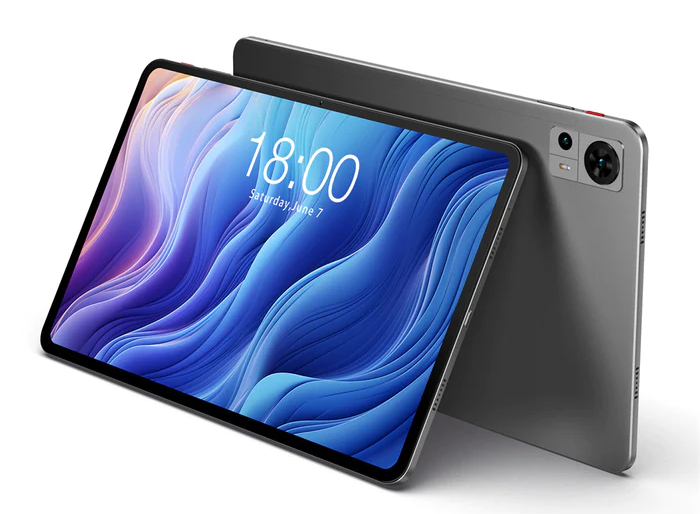
Teclast has announced the T60 Android tablet powered by the Unisoc T616 chipset. The Teclast T60 has a 12-inch IPS display and is a budget tablet priced below $300. It will run on Android 13 and has a resolution of 2000 x 1200 pixels. The T60 integrates light, hail, and proximity sensors to deliver an immersive experience.

Teclast T60

The Teclast T60 will be powered by the UNISOC Tiger T616 SoC

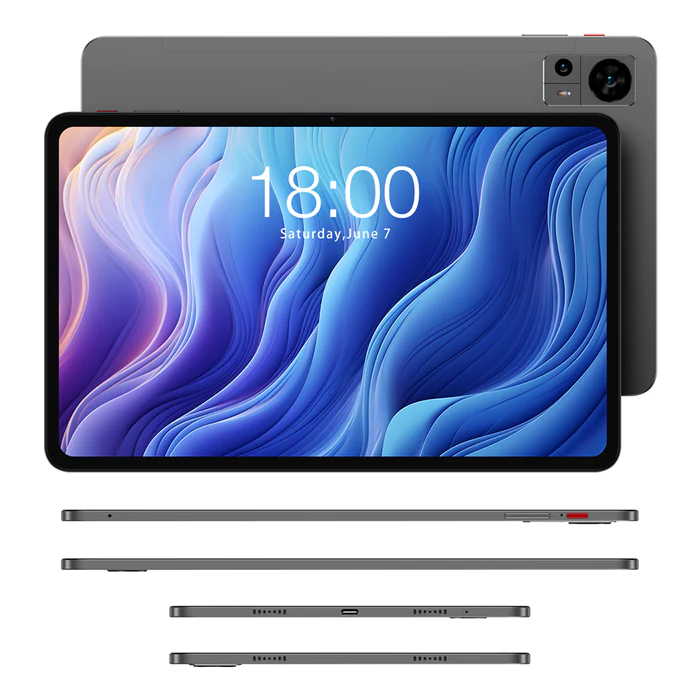
The Teclast T60 tablet has dimensions of 279 x 174 x 7.7 mm and weighs 570g. The tablet has a 92% screen-to-body ratio, a 13MP rear camera, and a 5MP front camera. The Teclast T60 also features an auxiliary lens whose specs are not yet known. The front-facing camera is found within one of the tablet’s horizontal bezels. The Teclast T60 can only stream DRM-protected videos from streaming platforms like Amazon Prime and Netflix at 720p. When paired with the T60 folio case, the tablet delivers smart device wake-up while its gyroscope is excellent in gaming applications.

Teclast T60

The Teclast T60 is equipped with the Unisoc Tiger T616 processor with 8GB of RAM and 256GB of storage. The RAM is expandable by 8GB while the storage is expandable by 1TB. The storage is expandable and the device also features a dual SIM slot. It has an 8,000mAh battery and supports 18W USB-PD rapid charging. The T60 can operate up to 10 hours on a single charge. The Teclast T60 Android tablet is available in a single grey colorway and is priced at $269.99. It is available from Amazon.

RELATED:

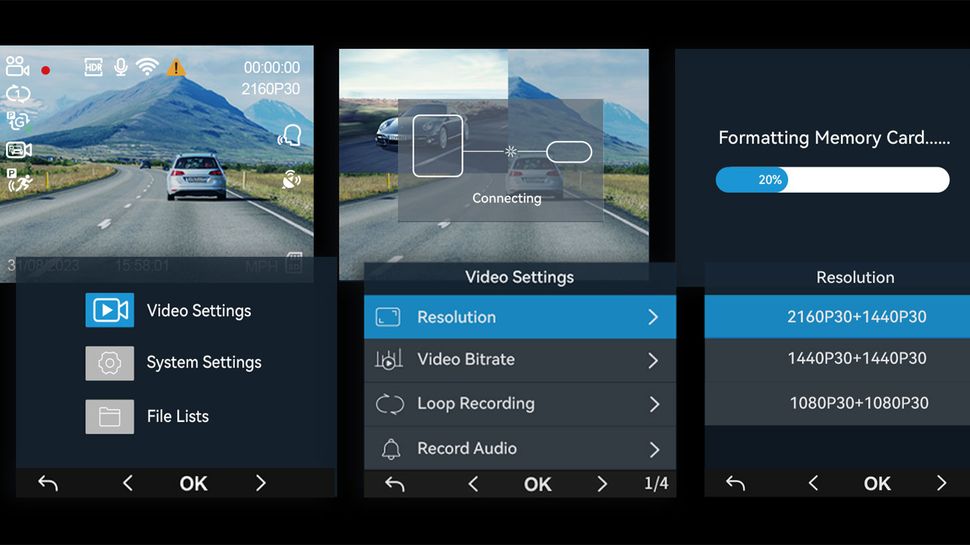
Vofo A229 Pro three-camera dash cam with dual Starvis 2 sensors and 4K output unveiled

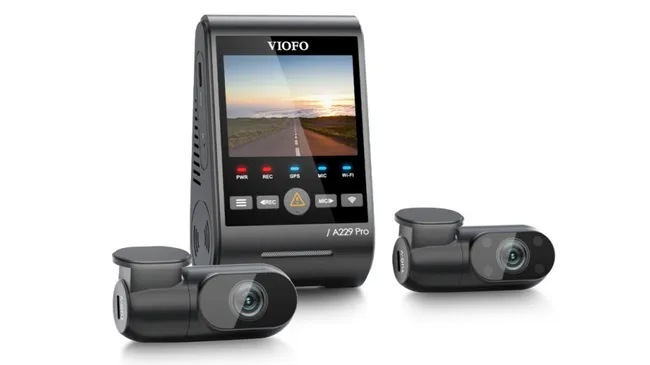
Vofo has unveiled its latest dash cam, the A229 Pro. The Vofo A229 Pro is a three-camera dash cam with 4K and dual Starvis 2 sensors. Its rear-facing camera records at 2K while the interior camera records 1080p content.

Vofo A229 Pro three-camera dash cam

Features

The Vofo A229 Pro is a flagship dash cam with two Starvis 2 sensors and improved HDR recording in all three channels. The dash cam system consists of the main front-facing camera that records 4K video with HDR at 30fps, a wired 2K rear-facing camera, and a 1080p interior camera.

The main camera has a 140º lens while the rear-facing camera has a 160º lens and shoots at 30fps. The new Sony Starvis 2 imaging sensor is featured in both the front and rear cameras. The front sports the IMX678 while the rear camera has the IM675 sensor. The interior camera is an optional accessory to create the three-camera dash cam system.

The 5MP rear camera of the Vofo A229 Pro has a dynamic range that is 2.5 times wider than the earlier Starvis iteration. The 8MP front camera also comes with significant improvements over its predecessor. It delivers footage with less noise and minimal motion blur. The fact that the cameras are HDR-capable is a major talking point for them. The dashcam also supports voice controls and multiple languages including English, Chinese, Russian, and Japanese. It has a microSD card and automatically saves a 45-second pre and pro-impact recording of a crash.

Vofo A229 Pro three-camera dash cam

Pricing & Availability

The Vofo A229 Pro is wired to the car’s system and has a power supply whenever the car is operational. The model is available in the US and prices start at $329.99 originally but are now reduced to $299.99.

RELATED:


(source)

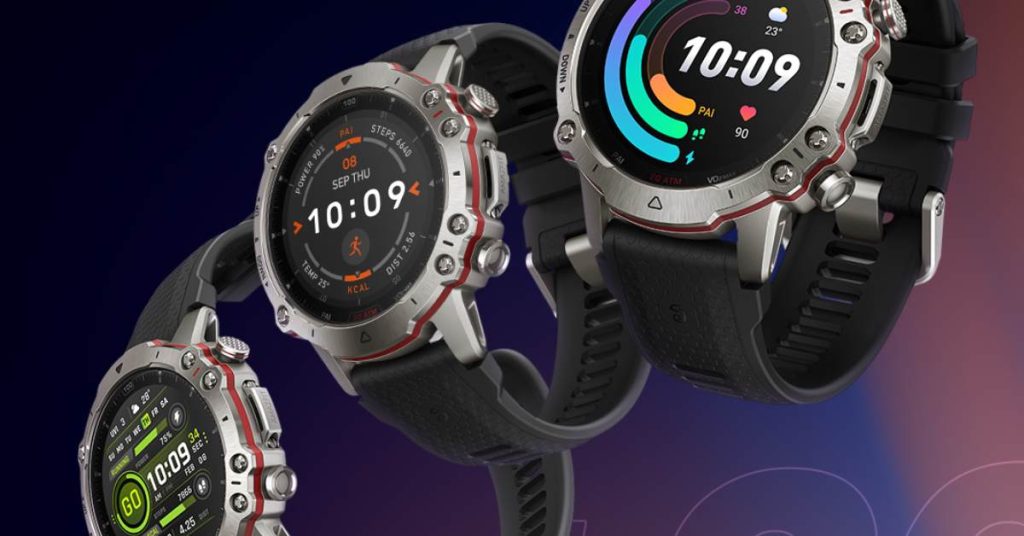
Amazfit Falcon Smartwatch Receives a fitness boost with new update

Zepp Health is releasing a new firmware update for the Amazfit Falcon smartwatch to improve user experience during workouts. This update is an extension of the previous major upgrade, ZeppOS 2.0, which revamped how the watch looks and improved its ability to track your health, like monitoring your sleep and heart rate.

Amazfit Falcon Zepp OS 2.0 Update

The latest update brings several noteworthy enhancements:

  1. Offline Map Access: A new Map app allows users to access offline maps directly from the app list, ideal for adventures in areas with poor signal.
  2. Heart Rate Recovery Notifications: Post-workout, the watch provides insights into cardiovascular health by displaying heart rate recovery results in the notification center.
  3. Optimized Distance Reminders: Users can track their training progress more effectively with improved distance reminders.
  4. Enhanced Zepp Coach Records: Tracking workout progress is now more straightforward with polished Zepp Coach records.
  5. Quick Access to Favorite Sports Modes: Frequently used activity types can be added to the default workout list for easier access.
  6. Customizable Cycling Power Meter Data: Users can personalize their cycling power meter data settings.
  7. Intuitive UI for Performance Reminders: Real-time performance reminders are now presented in a more user-friendly interface.
  8. Smooth Display-Waking: Checking data during workouts is now a seamless experience with enhanced display-waking.

To check for the update, users can access it through the Zepp app by navigating to Profile > Amazfit Falcon > System Update. Whether these new features will extend to other wearables like the Amazfit T-Rex 2 remains to be seen, but it’s a promising sign for the future of Amazfit devices.

RELATED:

(via)

PocketBook InkPad Color 3 e-Reader with a waterproof build & an improved color display unveiled

Colored display-packing e-readers seem to be the in thing these days. PocketBook, not wanting to be left behind, has joined the fray with the InkPad Color 3 e-Reader. The e-reader doesn’t just offer an improved color display, it is also waterproof, with an IPX8 rating. The PocketBook InkPad Color 3 will be available next month and PocketBook is already receiving pre-orders for the gadget.

PocketBook InkPad Color 3

The InkPad Color 3 comes with improvements from its predecessor. It offers water protection up to a meter of water for about 30 minutes. It however lacks dust protection given its IPX8 rating. It has a Kaleido 3 display that can display 4,096 colors and this is 50% better than its predecessor. The 7.8-inch display of the E-Reader has a resolution of 939 x 702 pixels and a pixel density of 150DPI in color mode. The grayscale resolution of the panel is 1404 x 1872 pixels and 300DPI pixel density.

The PocketBook InkPad Color 3 weighs 270g and has dimensions of 134 x 189 x 7.9mm. The InkPad Color 3 supports 25 book and graphic formats. It does not need a conversion for the different formats.

Pricing & Availability

The PocketBook InkPad Color 3 is priced at €319 (~$337) and is available in Europe. It is available in a single Stormy Sea colorway. The InkPad Color 3 will be available from November but the company is already receiving pre-orders. The IPX8 waterproof rating of the PocketBook InkPad Color 3 E-Reader seems to be one of its key selling points. PocketBook says a combination offer for the e-reader which includes a free matching protective cover is available. Deliveries of the E-Reader will begin in mid-November 2023.

RELATED:

Samsung Galaxy Tab A9 & Tab A9+ launched globally

Samsung recently launched the Galaxy Tab A9 and Tab A9+ in markets like India, South America, and the Middle East. Now, the tablet has also arrived in other markets around the globe including the US.

Samsung Galaxy Tab A9+

Samsung Galaxy Tab A9 & Tab A9+ specs

The Galaxy Tab A9 comes equipped with an 8.7-inch LCD display, offering a resolution of 800 x 1340 pixels and a refresh rate of 60Hz. It is powered by the Helio G99 chipset and boasts a 5,100mAh battery with 15W charging support. On the camera front, it features a 2-megapixel front-facing camera and an 8-megapixel rear camera.

Samsung Galaxy Tab A9 Grey-

On the other hand, the Galaxy Tab A9+ steps up its game with an 11-inch LCD screen that delivers a higher resolution of 1920 x 1200 pixels and a faster 90Hz refresh rate. Under the hood, it houses the Snapdragon 695 chip and packs a 7,040mAh battery with 15W charging capabilities. The Tab A9+ features a 5-megapixel front camera and an 8-megapixel rear camera. The tablet has a quad-speaker setup AKG-tuned.

Samsung Galaxy Tab A9 Plus silver

Both tablets offer a range of connectivity options, including SIM support, Wi-Fi 5, and Bluetooth 5.3. Furthermore, they come with a user-friendly One UI-based Android 13 interface. They both are quite slim with the Tab A9 measuring 8mm in thickness and weighing 366 grams. On the other hand, the Tab A9+ measures 6.9mm in thickness and weighs 510 grams.

Pricing & availability

Color options for both tablets include Graphite, Silver, and Navy. Pricing and availability may differ based on the carrier, retailer, and market, so it’s advisable to inquire with local Samsung retail partners or official stores.

RELATED:

(Source)

Foxconn under fire: Urgent probe in China raises alarms ahead of Taiwan Elections

Chinese authorities have launched investigations into several sites of Foxconn Technology Group, the world’s largest electronics contract manufacturer and a key supplier of Apple’s iPhones. The probe, focusing on tax and land use issues, encompasses Foxconn’s facilities in southern Guangdong province and Jiangsu in the east, as well as its land use in central Hunan and Hubei provinces. While the specifics of the investigation remain undisclosed, the timing, just months before Taiwan’s presidential elections, has sparked concerns about political motives.

Foxconn, also known as Hon Hai Precision Industry, responded to the allegations, stating, “Compliance with the law is a basic principle for our group worldwide.” The company pledged active cooperation with relevant authorities but refrained from divulging further details. This development comes at a crucial juncture for Taiwan as it prepares for its upcoming elections in January.

Critics have questioned the investigation’s timing, linking it to the political landscape in Taiwan. Foxconn’s founder, billionaire Terry Gou Tai-ming, who has distanced himself from the company to pursue an independent candidacy in the 2024 presidential elections, has faced scrutiny. Gou, who failed to secure the opposition Kuomintang party’s nomination in 2019, is perceived by some as having close ties with mainland China’s leadership. Despite these allegations, Gou has asserted his independence from Beijing’s influence.

The Taiwanese government swiftly came to Foxconn’s defense, emphasizing that Taiwanese businesses should be shielded from “political interference.” Deputy Premier Cheng Wen-tsan criticized Beijing’s actions, stating, “We do not want Chinese factors to influence the elections.” Premier Chen Chien-jen echoed these sentiments, reaffirming the government’s commitment to supporting Taiwanese businesses amidst the ongoing investigations.

Foxconn, renowned for its massive workforce and technological prowess, operates as China’s largest private-sector employer, employing over a million workers nationwide. Its importance in the global electronics supply chain adds weight to the concerns surrounding the investigation’s potential impact on the industry.

As the situation unfolds, the international community remains watchful, observing the developments in both the investigations and the upcoming Taiwanese elections. 

Related:

(via)

Xiaomi Outdoor Camera CW400 with 2.5K image quality listed on global website

Last year in October, Xiaomi launched the Outdoor Camera CW400 in its domestic market. Now, the brand has listed the camera on its global website, meaning that the security camera will soon be made available in other regions around the globe.

Xiaomi Outdoor Camera CW400

Xiaomi Outdoor Camera CW400 specs

This camera is equipped with a high-gain dual antenna for stable long-distance transmission. It features a 4MP F1.6 aperture sensor with a 2.5K image output for exceptional clarity.

Xiaomi Outdoor Camera CW400

The Xiaomi CW400 offers a resolution of 2560 x 1440p, ensuring a broader transmission range and improved penetration. It comes with a built-in high-gain dual antenna setup for hassle-free data transmission.

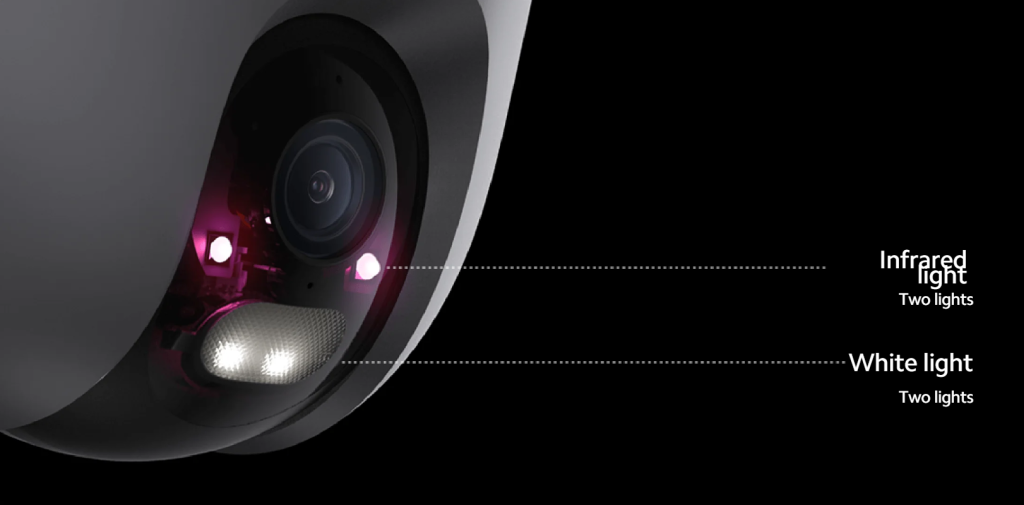
In low-light conditions, the camera’s two infrared and two white lights provide full-color night vision, even in weak light settings.

Xiaomi Outdoor Camera CW400

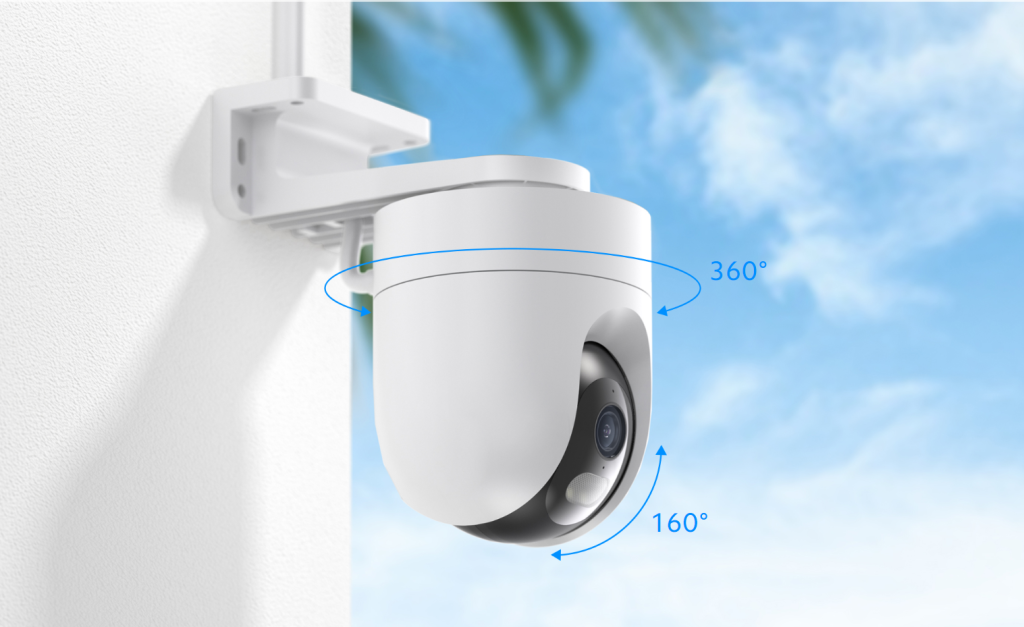
With a 360-degree horizontal and 160-degree vertical viewing angle, the camera covers a wide area. It’s rated IP66 for dust and waterproof protection, making it suitable for outdoor use.

Additionally, the camera offers intelligent noise reduction, a 15-meter sound recording radius, AI humanoid detection, sound and light warnings, time-lapse photography, and cloud storage for local storage backup.

Pricing & availability

The global launch date remains uncertain, but in China, it’s available for 299 yuan (~US$41).

(Source, via)

China imposes Export Controls on Graphite, rattling EV supply chains amid Global tensions

In a move that has sent shockwaves through the global market, China has announced stringent export controls on specific graphite products, effective from December 1, 2023. The Chinese government, citing “national security concerns,” stated that exporters will now be required to obtain permits to ship high-purity, high-hardness, and high-intensity synthetic graphite material, along with natural flake graphite and its derivatives.

The announcement, made by China’s Ministry of Commerce, has raised concerns about disruptions in the supply chain. While Chinese officials maintain that these restrictions are not aimed at any particular nation and permits will be granted if regulations are met, analysts see this move as a potential retaliation against recent US restrictions. Last week, US Commerce Secretary Gina Raimondo unveiled further limitations on the export of AI chips and manufacturing equipment to China, emphasizing the goal of restricting China’s access to advanced semiconductors vital for artificial intelligence breakthroughs.

Graphite Tubes

Graphite, a critical mineral used in electric vehicle batteries, nuclear reactors, steel refractories, and advanced manufacturing processes like graphene production, is a commodity heavily relied upon globally. China’s dominance in graphite production is significant; it is expected to produce 61% of flake graphite and 92% of anode material in 2023. 

The global impact of China’s decision has left key players, including South Korea and Japan, on high alert. Both countries’ trade ministers have expressed concerns, with Hirokazu Matsuno of Japan suggesting involving the World Trade Organization to address the issue. Experts suggest that there is a need for non-Chinese companies to accelerate efforts to develop supply chains independent of Chinese processed materials.

This latest development follows similar export restrictions imposed by Beijing in July on metals like gallium and germanium, also justified on grounds of “national security concerns.” As the world grapples with these trade tensions, experts suggest that diversification of supply chains and international cooperation might become pivotal strategies in navigating this increasingly complex global economic landscape.

Related:

(via)

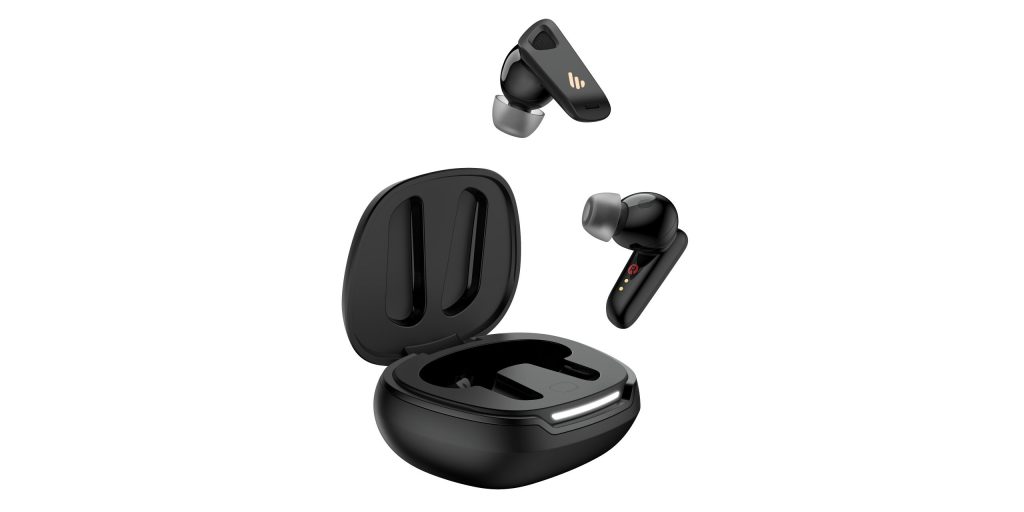
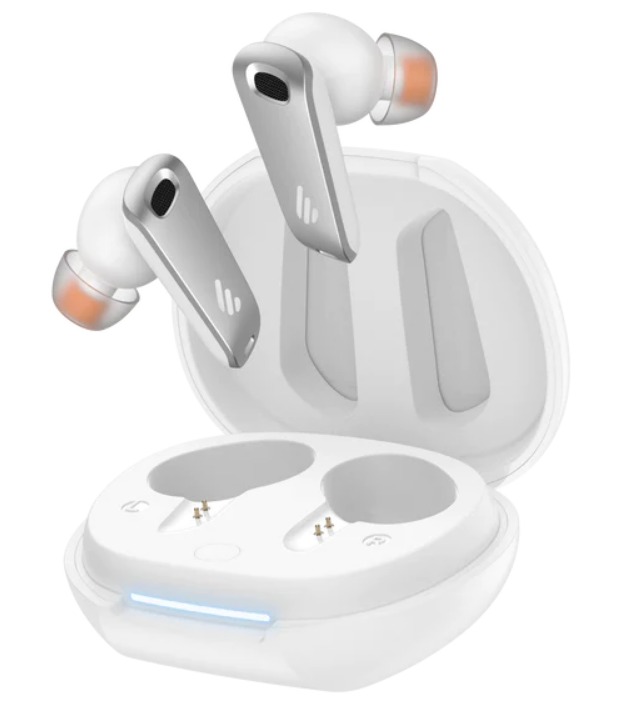
Edifier NeoBuds Pro 2 with wide-band multi-channel ANC launched globally

Chinese audio products manufacturer Edifier has launched the NeoBuds Pro 2 earbuds for the global market. The NeoBuds Pro 2 is the brand’s first model to feature wide-band and multi-channel active noise cancellation (ANC). The TWS earbuds are capable of blocking a broader range of unwanted sounds than standard TWS earbuds.

Edifier NeoBuds Pro 2

Edifier NeoBuds Pro 2 – First in the series with wide-band multi-channel ANC

The Edifier NeoBuds Pro 2 which was earlier announced in India in April this year, comes with upgraded features from its predecessors. The patented ANC technology on the NeoBuds Pro 2 offers up to 50dB in noise reduction. It is augmented with a 5kHz bandwidth in combination with its Knowles RAN Balanced Armature drivers. The new ANC technology allows users of the earbuds to personalize it to suit their needs and the environment. In essence, the user can effectively select the background noise he wants to hear while using the earbuds. Some of the ANC modes are High, Low, and Transparency.

The NeoBuds Pro 2 features Bluetooth 5.3 connectivity for greater range and clarity. It also offers fast charging for the battery and app customization. There are 8 mics on the model for greater noise cancellation. The NeoBuds Pro 2 is available in a black colorway.

Edifier

Pricing & Availability

The new Edifier NeoBuds Pro 2 TWS earbuds offer a low-latency gaming mode and spatial audio. They offer up to 20 hours of battery life and feature LDAC and SBC codecs. The NeoBuds Pro 2 is available for purchase directly from Amazon and comes with a $129.99 price tag. Unlike previous Edifier earbuds, the NeoBuds Pro 2 did not go through the crowdfunding route.

RELATED:

(source)

Snapdragon 8 Gen 3 full specs leak ahead of launch, revealing powerful AI capabilities

Qualcomm is expected to announce its next-generation Snapdragon chip at its annual Snapdragon Summit tomorrow. But a new leak has revealed the full specs of the Snapdragon 8 Gen 3 processor ahead of time. 

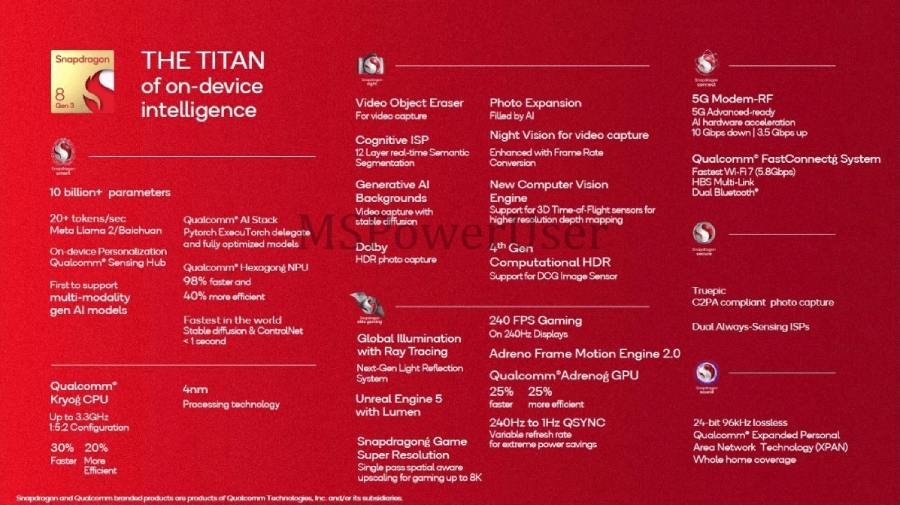
According to leaked marketing materials obtained by MSPoweruser, the new SoC will offer a significant performance boost over the current Snapdragon 8 Gen 2, as well as a variety of new AI features.

First things first, it will feature a 1+5+2 core configuration, with one prime core, five performance cores, and two efficiency cores. The prime core will be clocked at up to 3.3 GHz, while the performance and efficiency cores will be clocked at up to 3.2 GHz and 2.3 GHz, respectively. It will be paired with a new Adreno 750 GPU which will be 50% more powerful than the current Adreno 740. 

Likewise, the chip will have an upgraded Hexagon neural processor (NPU) that is said to be 98% faster and 40% more efficient. This upgraded NPU will enable a variety of AI features on the Snapdragon 8 Gen 3, including expanding photos, removing objects from videos, and generating AI backgrounds. Interestingly, the leaked material reveals the chip will also be able to run AI models such as Stable Diffusion and Meta’s Llama 2.

The Snapdragon 8 Gen 3 will also have some powerful gaming-related features, such as a next-generation light reflection system that allows for global illumination with ray tracing. Additionally, it will be able to handle 240 FPS gaming and upscale graphics to up to 8K resolution.

Xiaomi has already confirmed that it will be launching its Xiaomi 14 series on October 26, so we won’t have to wait long to see the Snapdragon 8 Gen 3 in action.

Related:

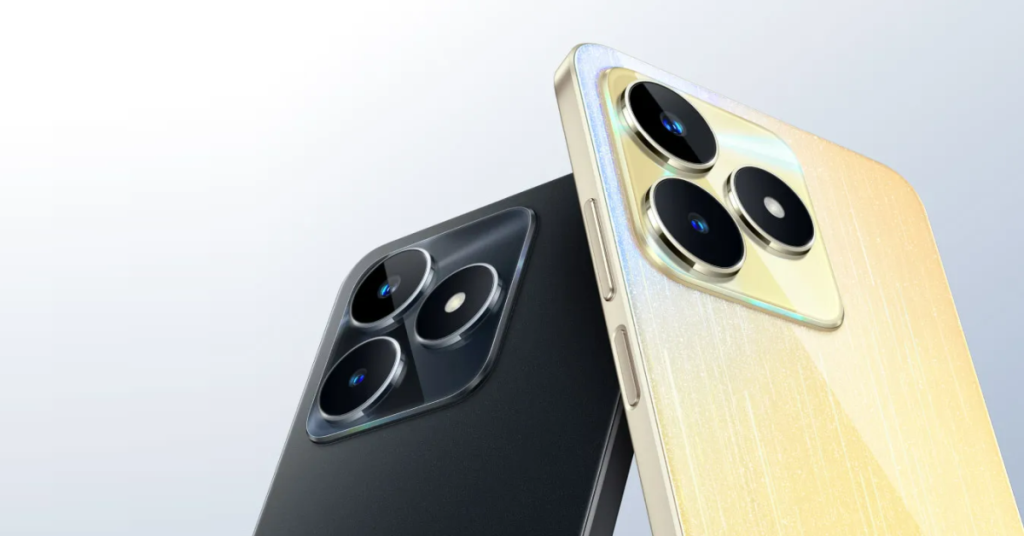
Realme Narzo N53 8GB Variant Launched in India: Price, Specs, and More

Realme has added a new variant of its Narzo N53 smartphone to its lineup in India. The new variant features 8GB of RAM and 128GB of storage and is priced at Rs 11,999. However, the device will be available for purchase at a discounted price of Rs 9,999 in the first sale on October 25, 12:00 PM. You can purchase it online from Amazon.in.

The Narzo N53 was launched back in May in 4/64GB and 6/128GB variants and quickly became India’s number 1 best-selling smartphone under the 10,000 INR segment.

It features a 6.74-inch IPS LCD display with HD+ resolution and a 90Hz refresh rate. It is powered by the Unisoc T612 chipset, paired with up to 8GB of LPDDR4x RAM and 128GB of UFS 2.2 storage. The phone also comes with a microSD card slot for expandable storage.

In the camera department, the smartphone has a 50MP AI triple-camera system on the back, and an 8MP selfie camera on the front. The rear camera system consists of a 50MP main sensor, a 2MP macro sensor, and a 2MP depth sensor.

The Narzo N53 is backed by a 5,000mAh battery with 33W fast charging support. It also comes with a number of other features, such as dual 4G VoLTE, Wi-Fi 5, Bluetooth 5.1, GPS, a USB Type-C port, a 3.5mm audio jack, and a side-mounted fingerprint scanner.

Related:

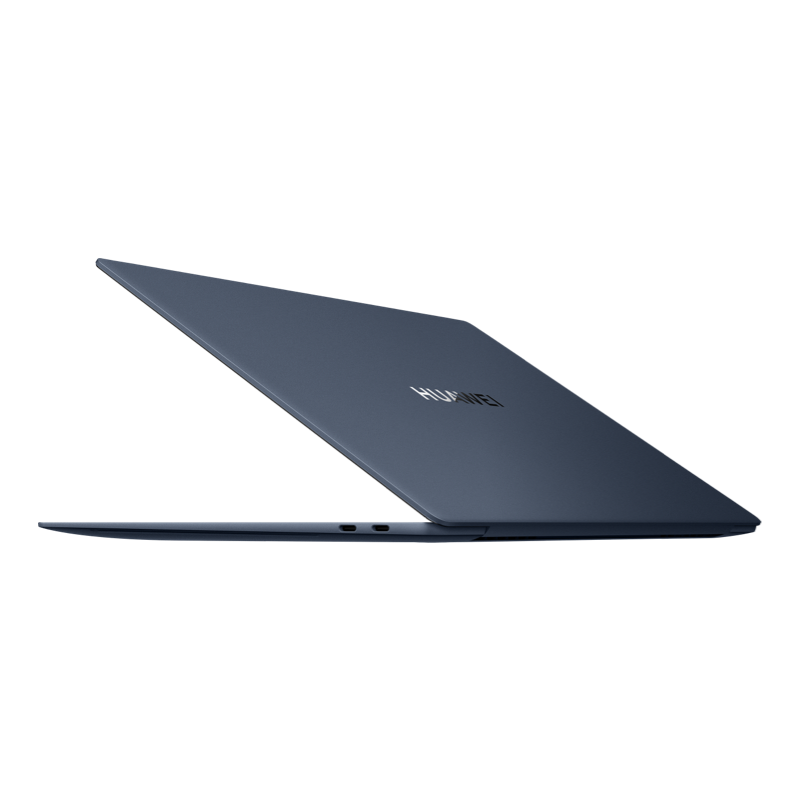
Huawei MateBook X Pro 2023 gets a £500 discount for UK customers

UK customers are in for a treat with Huawei‘s latest offer on the Huawei MateBook X Pro (2023) laptop. The brand has slashed the price of the MateBook X Pro (2023) laptop by £500.

Huawei MateBook X Pro 2023 specs

The Huawei MateBook X Pro 2023 laptop has a 14.2-inch panel with 3120 × 2080 pixels resolution, 264 ppi, and a maximum brightness of 500 nits. The LTPS screen offers a 3:2 aspect ratio and, a 1500:1 contrast ratio. Notably, the notebook supports 10-point multi-touch sensitivity for enhanced user interaction. Additionally, it offers a smooth 90Hz refresh rate, a P3 wide color gamut, and a stunning 1.07 billion colors.

NEWSHuawei MateBook X Pro (2023)

Under the hood, you’ll find the powerful 13th Gen Intel Core i7-1360P processor, paired with Intel Iris X graphics. It comes with 16GB of RAM and a 1TB NVMe PCIe SSD storage. It also comes with Windows 11 Home pre-installed, ensuring you have the latest software for all your computing needs.

Pricing & availability

While the laptop originally had a retail price of £1799.99, it is now selling for £1299.99. As a bonus, Huawei is extending an offer to add discounted accessories to your purchase. You can choose from FreeBuds 5i, FreeBuds 5, and the Band 8 smart band.

RELATED:

(via)

Xiaomi HyperOS architecture officially revealed

Xiaomi’s HyperOS will be officially unveiled on October 26 at the Xiaomi 14 series launch event in China. Ahead of that, the company has started teasing its new software.

Earlier today, the firm shared its breakthrough in system software so far. Also, it revealed the architecture of its new software.

Let’s go through everything that’s known about HyperOS so far.

Xiaomi HyperOS Architecture

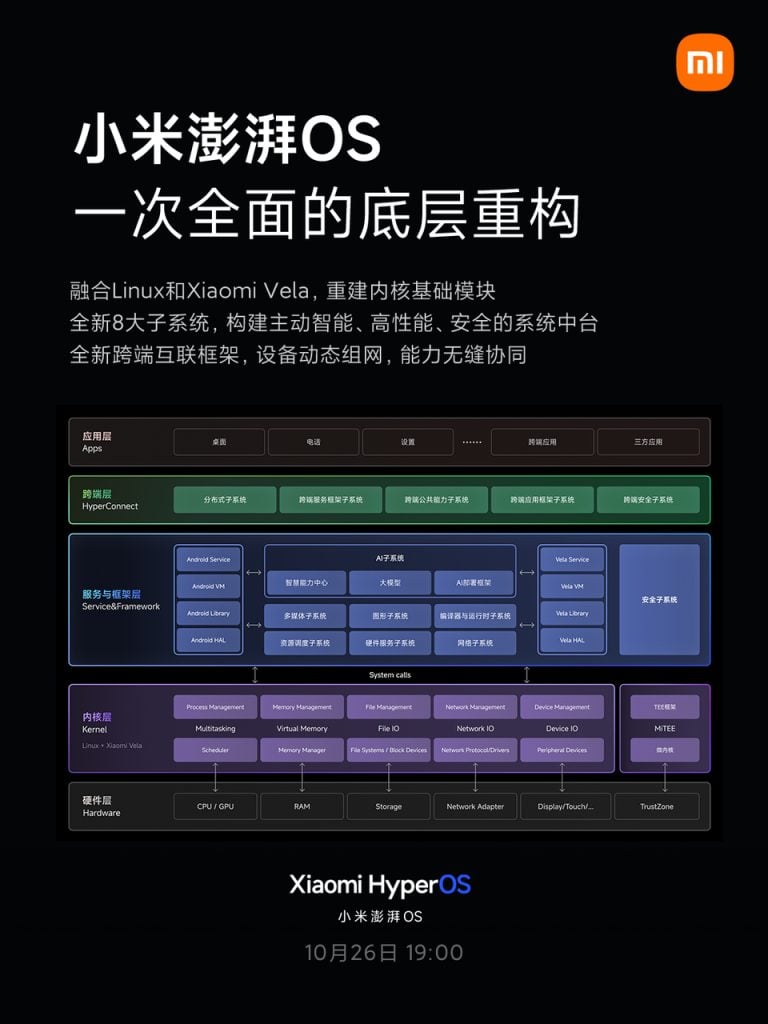
Just as we anticipated, HyperOS seems to be Xiaomi’s answer to Huawei’s HarmonyOS. As per the architecture shared by the company, the software comprises 5 layers.

The bottom layer is hardware, which is followed by the kernel layer. HyperOS uses both Linux and Vela kernels. For the unaware, Vela is Xiaomi’s IoT platform based on NuttX RTOS.

Thus, the third layer uses services and frameworks from Android as well as Vela. The second and third layers will likely vary between devices.

For instance, smartphones and tablets may use Linux and Android. On the other hand, IoT devices may utilize Vela. But nevertheless, both systems will be called ‘HyperOS’, just like how Huawei advertises HarmonyOS.

The fourth layer is HyperConnect. This will enable all devices to communicate with each other despite their third and second layers being different. Finally, the fifth layer consists of apps.

Though Xiaomi doesn’t mention it, we believe the third layer will also include GMS (Google Mobile Servies) for smartphones and tablets sold outside China.

Xiaomi says that HyperOS was 13 years in the making with the launch of MIUI in 2010. However, the actual research and development began 7 years ago with the introduction of Xiaomi Vela in 2017.

You can find all the OS breakthroughs by Xiaomi in the picture below, which also includes the development of the Xiaomi EV operating system.

Xiaomi Software Breakthroughs

RELATED:

(Source 1, 2)

Nothing Festive Sale: Discounts On Phone (2), Ear (2), And More

The festive season is in full swing in India. E-commerce giants Amazon and Flipkart are already running a host of deals and discounts on various categories. Even brands like Xiaomi, Apple, and others are conducting various offers on their official websites. Now, London-based brand Nothing has announced its festive season sale in the country. The company is offering discounts on its products. Read on to know more below. 

Nothing festive season sale in India

Starting first, the Nothing Phone (2) that was announced in July this year is getting a massive discount on all RAM and storage configurations. It is already available at sale prices from Flipkart. Apart from the discounted prices, buyers can also avail bank and exchange offers on the purchase of the smartphone. Check the revised prices for all variants below:

  • 8GB + 128GB – Rs 37,999 (Regular Price – Rs 44,999)
  • 12GB + 256GB – Rs. 38,999 (Regular Price – Rs 49,999)
  • 12GB RAM + 512GB –  Rs. 39,999 (Regular Price – Rs 54,999)

Next up is the Nothing Ear (2) which also debuted this year at a price tag of Rs 9,999. As a part of the sale, it is already available for Rs 6,999 from Flipkart, Myntra, and select offline stores. 

Nothing’s sub-brand’s CMF devices are also available at discounted prices. The CMF Watch Pro is available at Rs 4,499 which is Rs 500 cheaper from its launch price of Rs 4,999. Meanwhile, the Power 65W GaN charger that costs Rs 2,999 can be purchased at Rs 2,699. Both devices are available from Flipkart. 

Related:

Instagram’s New Sticker Creation Feature Lets Users Separate Subjects from Background

Instagram is exploring new ways to give its users more creative freedom. The platform is currently trialing a user-friendly sticker creation feature, allowing users to transform both their personal photos and, in certain instances, others’ photos into custom stickers. These stickers can then be seamlessly integrated into Stories and Reels.

This is similar, but not the same as the new AI-sticker creation feature

Recently, Meta, Instagram’s parent company, has been heavily focusing on AI-driven prompt stickers. However, this upcoming tool takes a different approach. Instead of AI-driven designs, it will effortlessly pinpoint the primary subject in an image, separate it from the background, and generate a versatile sticker that can be superimposed on various content.

Instagram

Instagram’s Adam Mosseri recently showcased this innovative tool in a video on his broadcast channel, giving the world a glimpse of its capabilities. A notable feature he highlighted is the option for users to not only create stickers from photos stored in their devices but also from “permissible images” viewed on Instagram. Although Mosseri remained tight-lipped about the specifics of this feature, it hints at the possibility of users granting permission for their images to be converted into stickers by others.

While this sticker tool is still in its testing phase and has not been introduced to the entire Instagram community, its potential implications are vast. It could revolutionize user interactions, allowing for even more personalized and creative content sharing. Kind of similar to WhatsApp messaging too.

RELATED:

(Via)

Anod’s Latest Hybrid E-Bike is Powered by Supercapacitors and Lithium-ion Batteries

Electric bicycles have come a long way, haven’t they? While many manufacturers focus on enhancing performance with lighter materials and improved motors, it’s heartening to see the growing emphasis on the practical side of these e-bikes. Whether it’s for the daily commuter or the occasional weekend rider, the technology is evolving to make rides smoother, smarter, and more sustainable.

The lifespan of supercapacitors stretches up to 15 years

Enter Anod’s latest offering: the Hybrid E-Bike. But what sets it apart in the crowded e-bike market? It’s a blend of supercapacitors and lithium-ion batteries. This unique combination offers rapid charging, enabling energy storage during braking and rapid energy release for those sudden uphill challenges. If you’re thinking of a quick boost for instant acceleration, this is it.

E-bike

But here’s the green twist: supercapacitors are not just efficient; they’re eco-friendly. Comprising simpler materials like aluminum and coal, these capacitors are easily recyclable. Plus, their longevity is impressive, with a lifespan stretching up to 15 years. However, they discharge quickly, which is why Anod cleverly complements them with a compact lithium-ion battery. This battery extends the Hybrid’s range, ensuring you’re not left stranded after a short ride.

The Hybrid doesn’t skimp on performance either. Powered by a robust MHR1 hub motor, it promises consistent torque. Practicality is also at the forefront with standard components like Sram hydraulic brakes, Continental tires, and a belt-drive system ensuring a silent, low-maintenance ride. And for those always on the move, the added accessories like mudguards and kickstand enhance the urban riding experience.

RELATED:

(Via)