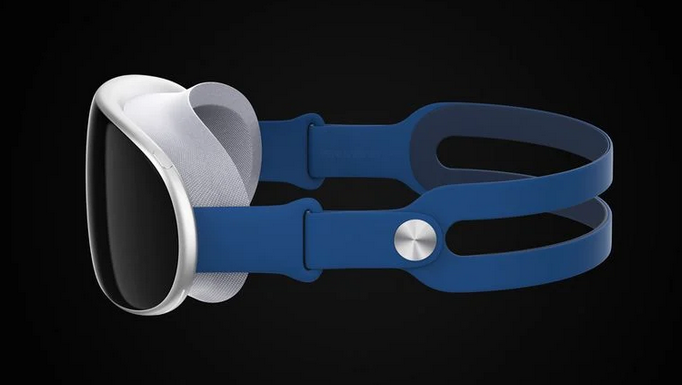
Apple has long been rumored to be working on a mixed reality headset that it is expected to announce sometime next year. However, a new report has suggested that the company’s upcoming wearable product might see a delayed launch in the market.
The news arrives from known analyst Ming-Chi Kuo who claimed that the Cupertino based giant’s AR/VR based headset might be delayed due to unclear “software related issues.” Furthermore, these issues will cause the company to launch the new headset sometime in the second half of next year. Although it is still possible that the brand announces the product earlier in the year, while its actual release will begin in late 2023. For those unaware, Apple usually hosts its WWDC event in June, so we can expect the company to reveal this headset along with an SDK for developers for AR/VR apps for this device during this conference.
The analyst had previously stated that the company will unveil its headset during a media event in January 2023. It will then reportedly begin mass shipments in the second quarter of 2023. But Kuo is unsure whether the delay would lead to the January announcement also being pushed back while also stating that an overly lengthy period between a media event and mass shipments can impact sales. In simpler terms, the longer the delay of shipments after announcements, the sales might be affected. The mixed reality headset is expected to be an expensive product, so Kuo projects that the company will ship around 500,000 headsets in 2023.
Since its launch, Apex Legends Mobile had took the mobile gaming market by storm. It was the newest entry in the popular battle royale genre and had seen great success in various regions across the globe. Now, the game has even achieves the title of the Best Game of the Year on both iOS and Android.
For those unaware, Apex Legends Mobile is the mobile port of the popular Apex Legends franchise from Respawn and Electronics Art. Similar to other battle royale titles, you see individual or teams of players dropping into a map and fight to be the last team or man standing. However, the twist in this game is the specialized characters that bring unique gameplay mechanics like abilities and quirky personalities as well. The PC counterpart is already one of the most popular multiplayer titles in the world, with the Mobile variant now winning the Google Play Best of 2022 Awards.
Similarly, it also won Apple’s iPhone Game Of The Year at the App Store Awards 2022. The game achieved this milestone despite being pit against other major mobile titles like Diablo Immortal. Following the ban of PUBG Mobile and even Battlegrounds Mobile India (PUBG Mobile’s exclusive India variant), Apex Legends Mobile has been the game that most PUBGM fans switched to. Interestingly enough, the Apex Legends PC developers are also the team behind the popular Titanfall franchise as well, with various mechanics being brought to the free to play BR looter shooter.
According to Myke Hoff – Senior Director of Product at Respawn Entertainment and Kevin Childress – Creative Director of Respawn Entertainment “We have servers in 3 cities in India. When BGMI was banned, we strengthened the servers and tried to understand what Indian gamers want. We saw an influx in gamers, and we hope that those gamers stick around.”
BYD had made a major announcement regarding its automobile operations during a conference earlier this year. The company had officially revealed its plans that will have it discontinue the production of vehicles that run on conventional fuels, and now, another Chinese brand appears to be following suit.
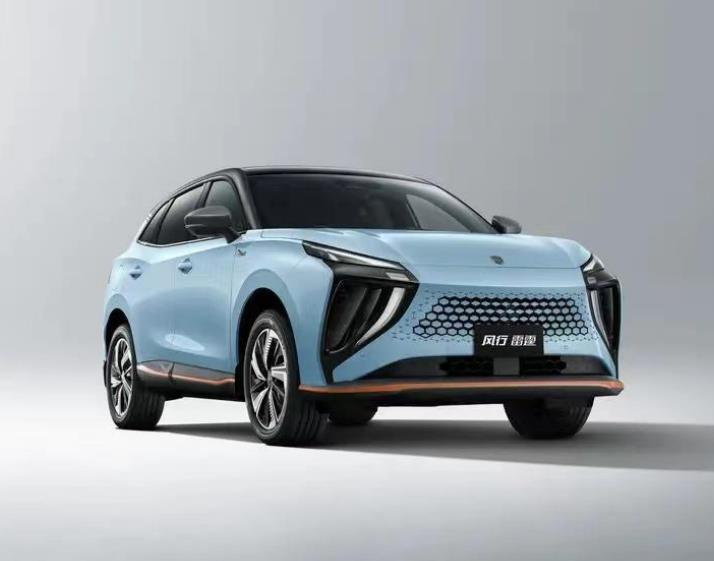
As per official notes on the new energy strategy conference (Via Pcauto), Chinese automobile maker Forthing AKA Dongfeng Fengxing (subsidiary of Dongfeng Motor Group) plans to stop manufacturing fuel based vehicles within just 5 years. In other words, the company plans to completely shift to new energy powered vehicles in half a decade. As of right now, BYD is the only major automobile brand that has announced the discontinuation of fuel vehicles. The company made the announcement following its milestone achievement of becoming the world’s top new energy vehicle maker in terms of sale.
Sp the decision to stop producing fuel vehicles from Dongfeng Fengxing was quite noteworthy. Interestingly enough, the company also announced a new electric SUV model during the same press conference called the SUV Fengxing Leiting, which just recently went on pre-sales. This model is equipped with motors built by BYD, with its heat pump management system being made by Huawei. By the end of 2025, the company is also set to launch 10 new energy vehicle models as well that will include sedans, SUVs, MVPs, and more. So stick around for more updates regarding this matter.
Apple has apparently returned to Twitter and began advertising on the microblogging website again. The company had almost completely stopped advertising on the platform but has now returned its marketing efforts on Twitter.
The news arrives from Elon Musk himself (Via 9To5Mac), who had also previously taken jabs at the company for “mostly stopped advertising on Twitter.” But now, the Cupertino based giant has “fully resumed advertising” on Twitter. As of right now, the iPhone maker has yet to confirm Musk’s claim of ending advertising on Twitter. Furthermore, there have also never been any indication of Apple slowing down advertising on the social media website due to Musk taking over Twitter.
Recently, Elon had also visited Apple Park to meet with Tim Cook. Apparently, the meeting went quite well, with Musk stating that Cook never planned to remove Twitter from the App Store. Musk had confirmed that Apple has once again started raising its advertising on Twitter during its Twitter Spaces event. He stated that it is an important relationship for the company since Apple is the largest advertising client of Twitter, which makes it crucial as other clients have been pausing their spendings.
Elon Musk stated that the brand has “spent an estimated $131,600 on Twitter ads between Nov. 10 and Nov. 16, down from $220,800 between Oct. 16 and Oct. 22, the week before Musk closed the Twitter.” Unfortunately, it is still unclear whether the company actually stopped its ads on Twitter, but promotional campaigns don’t always follow a strict timeline.
Samsung Galaxy A14 5G could be launched soon in India. The reason behind it is that its support page has now gone live on Samsung India’s website. In all likelihood, the Galaxy A14 5G will debut in the country in the next few days.
Earlier this year, Samsung announced the Galaxy A13 in 4G and 5G versions. While the 4G version was made available in India, the company did not release its 5G version in the country. Reports have revealed that the Galaxy A14 will also arrive in 4G and 5G flavors.
Samsung Galaxy A14 5G Support Page Listing
In today’s development, the support page for a Samsung device with the SM-A146B/DS model number has surfaced on Samsung India’s site (via. MySmartPrice). Reports have revealed that the model number belongs to the Galaxy A14 5G. While the A14 will launch in India soon, there is no update on its 4G variant’s arrival in the country Unfortunately, the official listing has no other information on the specifications of the device.
Samsung Galaxy A14 5G specifications (rumored)
Reports have claimed that there are two chipset variants of the Galaxy A14 5G. One of them features the Dimensity 700, while the other has the upcoming Exynos 1330 chip. There is no clarity on which variant will be heading to India.
The Galaxy A14 5G is expected to arrive with a 6.5-inch IPS LCD display that produces a Full HD+ resolution and a 60Hz refresh rate. It may feature a 13-megapixel front camera and a triple camera setup with a 50-megapixel primary snapper. It may come preloaded with the OneUI 5.0-based Android 13 OS.
The Galaxy A14 5G may house a 5,000mAh battery with 15W fast charging. It looks like this will be Samsung’s most affordable 5G phone when it comes to the Indian market.
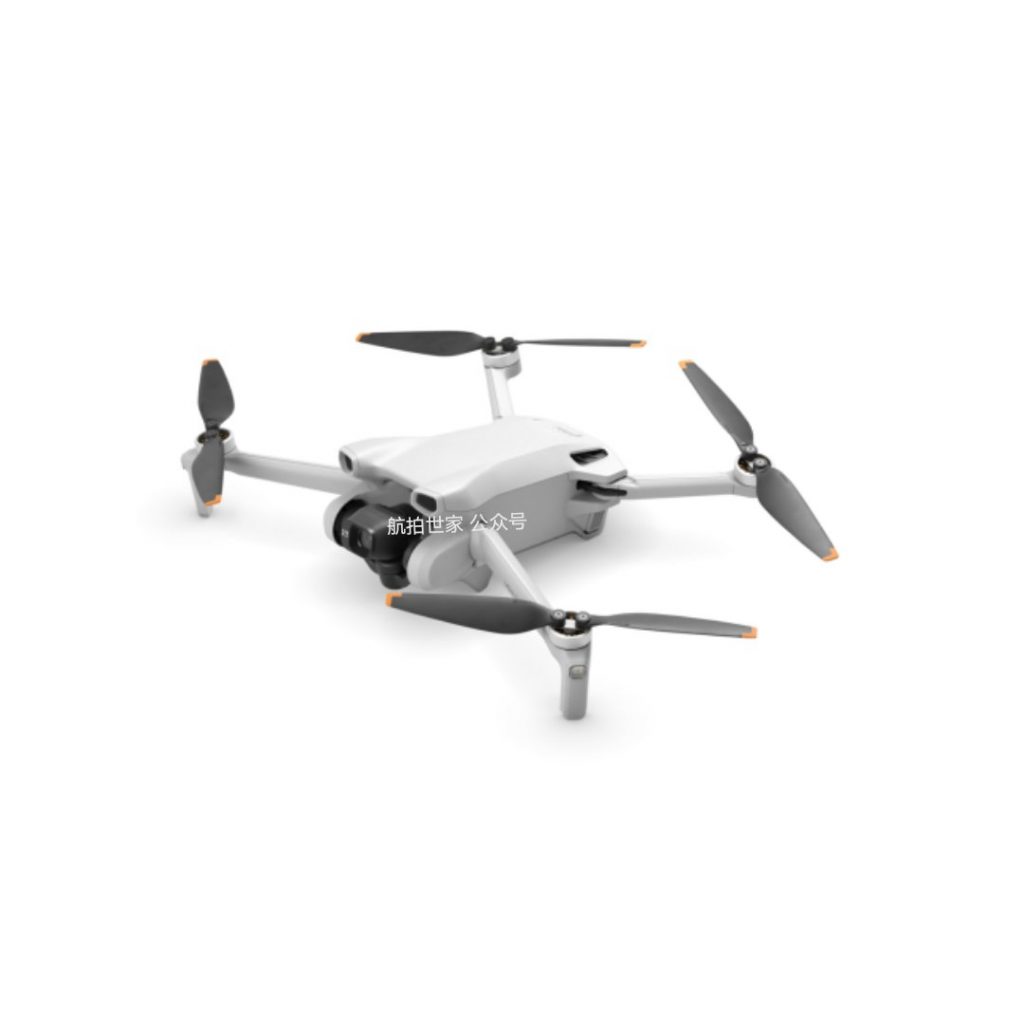
DJI, one of the world’s most popular drone manufacturers, is getting ready to launch the rumored non-Pro version of its Mini 3 drone. According to the posts on Twitter, the unannounced device is already on the shelf at some Best Buy stores, and some people have already bought it. Here are the price and features of DJI’s cheaper Mini 3 drone.
Cheaper DJI Mini 3 could launch very soon
If the photo shared by @ShaneScordamag1 is not fake, the DJI Mini 3 bundle could cost $859.99 with the Fly More kit, which includes the drone and screen-equipped DJI RC remote controller and a two-way charging hub, a shoulder bag, extra propellers, and screws. That’s over $200 cheaper than the $1,098 Mini 3 Pro cost with the same extras. Of course, this price may not seem cheap to some of you, but it should not be forgotten that the Chinese drone aims to professionals.
Non pro version stays in the air longer than its predecessor
This cheaper DJI mini kit also comes with three batteries offering a slightly longer maximum flight time than the up to 34 minutes provided by the batteries included with the Mini 3 Pro. Unfortunately, we only know the Bundle price at the moment, it’s still not clear how much the Mini 3 will cost by itself. Of course, being cheap has some cons.
Source: DealsDrone
According to DealsDrone, the standard Mini 3 may drop the front-facing obstacle sensors on its pricier counterpart, and it’s rumored to support a range of 10km (about 6.2 miles), as opposed to the more extended 10-12km range (about 7.4 miles) on the Mini 3 Pro. It looks like the DJI Mini 3 will weigh around 250-grams like its predecessors, which means you won’t need to register it with the Federal Aviation Administration in order to fly it. However, this may vary depending on the drone rules of your country. For this reason, it is useful to do detailed research before flying the drone. Also some leaks about the drone:
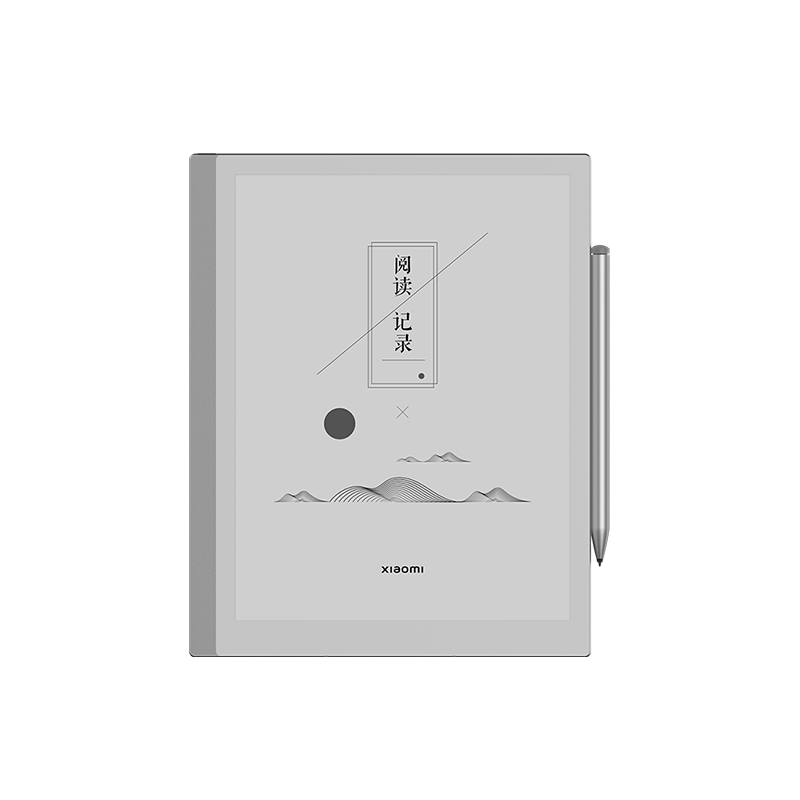
Xiaomi has just launched a new tablet model in its home market of China. The new product is the Note E-Ink tablet, which just announced and is currently available for pre-orders in the market. So here are all the details.
The new device from the Chinese tech giant sports a 10.3 inch E-Ink display. For those unaware, this screen is also commonly known as Electronic Paper Display that is made to look like paper with high visibility and contrast. The device is also quite thin, measuring just 5.35mm and weighs 440 grams. It also arrives with 3GB of RAM and 64GB of internal storage. Under the hood, a 3,000mAh battery pack powers the device that supports up to 18W fast charging.
In the box, the company offers the Note E-Ink Tablet along with the cover a USB Type C cable for charging and even a stylus for additional functionality. The tablet comes with the WPS Office Suite as well. It even features dual band WiFi support. The device is equipped with a quad core Cortex A55 cores and runs on Android 11 OS. As of right now, the Xiaomi Note E-Ink Tablet is priced at 2,699 Yuan (roughly 389 US Dollars), with pre-orders currently for a small deposit fee.
Oppo is known for releasing special red color versions of Reno smartphones for the Chinese New Year. Hence, it was not surprising to see the announcement of Oppo Reno 9 All Things Red a couple of weeks back.
This variant of Reno 9 is now up for pre-order in China. Let’s take a look at it.
The Oppo Reno 9 All Things Red Chinese New Year Edition is the same as the standard model. It has the exact same set of features.
However, it comes with a stunning red color paint job and customized software to go with it (the theme can be installed on other devices too). There’s also a small image of a rabbit below the flash module. That’s because the upcoming Chinese New Year is the year of the rabbit.
The Oppo Reno 9 All Things Red carries the following price tags.
8GB + 256GB – ¥2,499 ($359)
12GB + 256GB – ¥2,699 ($388)
12GB + 512GB – ¥2,999 ($431)
Despite being a special color, it costs the same as the regular versions, such as Bright Moon Black, Tomorrow Gold, and Slightly Drunken.
As mentioned in the beginning, this variant of Reno 9 can be now pre-ordered in China. It is scheduled to go on sale starting December 10.
The primary specs of The Oppo Reno 9 include a 120Hz FHD+ curved OLED display, Qualcomm Snapdragon 778G SoC, ColorOS 13, 64MP main camera, 32MP RGBW autofocus selfie camera, 4,500mAh battery, and 67W fast wired charging support.
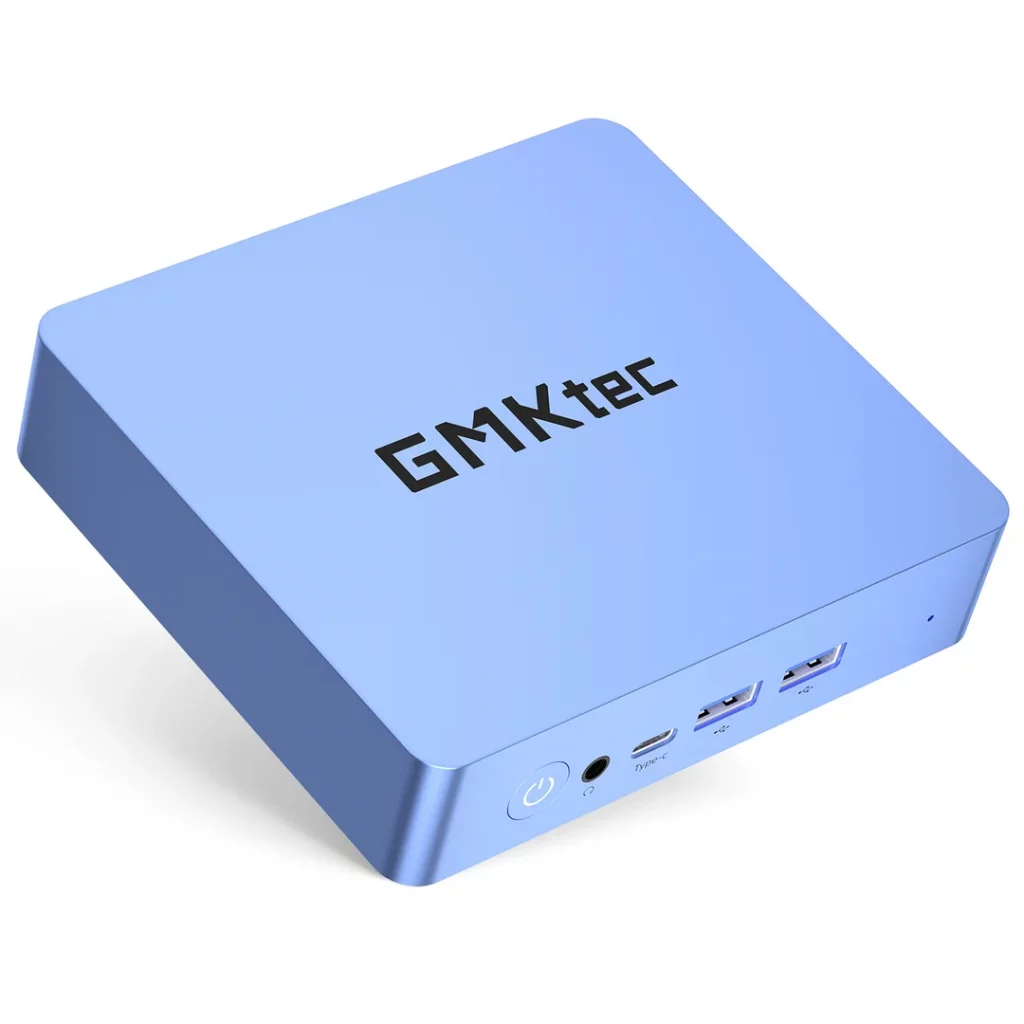
Mini PCs have gained popularity as of late due to them being extremely portable and versatile in multiple use cases. On top of being portable and saving space, mini PCs have gotten quite powerful compared to a few years ago thanks to chip makers like Intel and AMD making breakthroughs with their CPUs when it comes to performance per watt and form factor.
GMK has now launched the GMK NucBox 10, a new mini PC powered by an AMD Ryzen 5000 series processor. To be exact, the NucBox 10 features an AMD Ryzen 7 5800U processor which has a total of 8 cores and 16 threads. Despite being a U-series (mobile) processor, it can boost up to 4.4GHz and maintain it with adequate cooling. Talking about cooling, the NucBox 10 has active cooling via a cooling fan that can expel heat through the air vents on the mini PC.
Although the system now only comes with 16 gigabytes of RAM pre-installed, there are two slots available for additional RAM. It is intended to install an M.2 2280 SSD that connects via PCIe 3.0. It comes with a pre-installed 512 GB SSD.
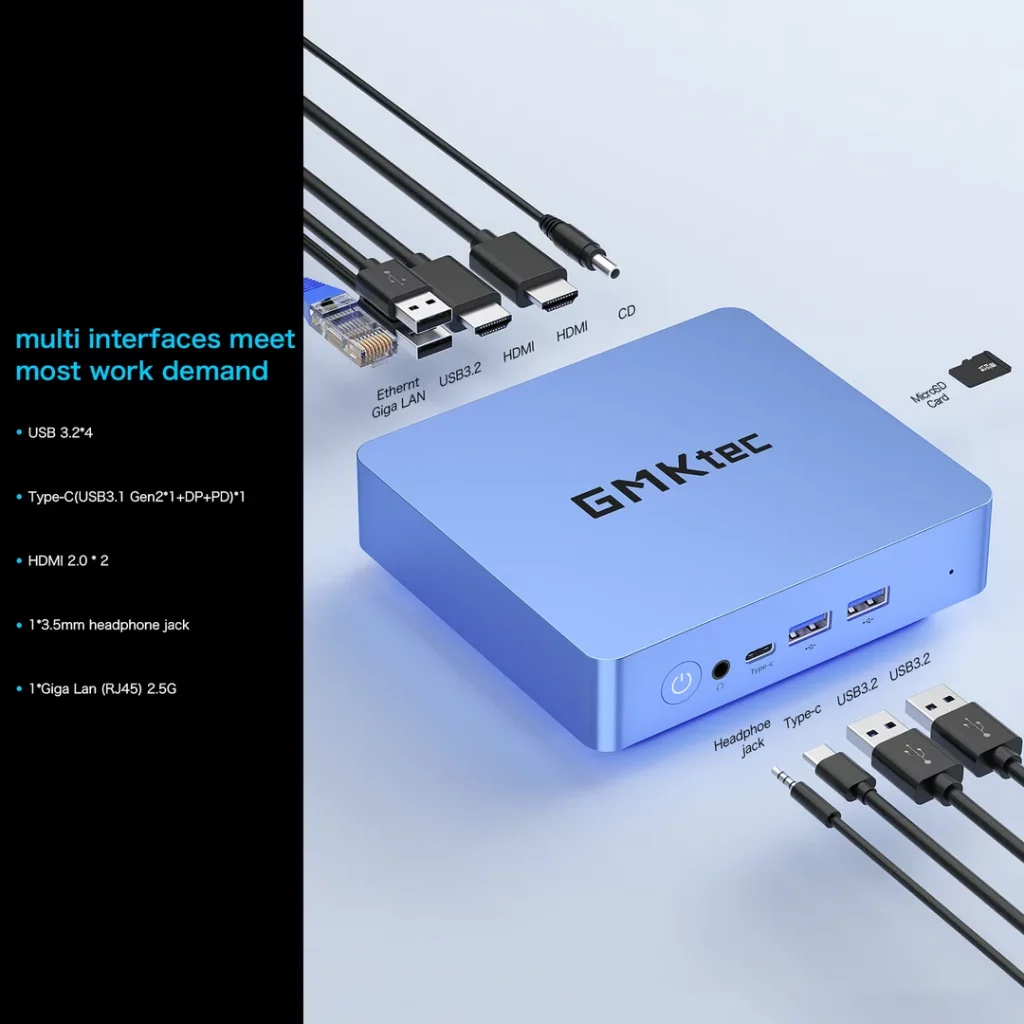
Two HDMI 2.0 ports are included in the 124.5 x 112 x 41-millimeter system, and a USB type C port can also produce image signals. Both Ethernet and WiFi can be used to connect to a network. There are several type A ports, a jack socket, and a memory card slot all available.
The model is currently available for pre-order, and delivery is planned for early December. If GMK is expected to pay for delivery as well as import taxes, the price quoted is $610.
Google is apparently planning on making the time it takes to roll out OTA (Over the Air) updates for its Pixel series of smartphones shorter. A new report has revealed that the company is working on offering faster updates for its Pixel line.
The Search Engine tech giant has submitted new patches to the Android Open Source Project (AOSP) gerrit to reduce the time it takes the Pixel users to install an update. But according to Android Police and Mishaal Rahman, the patches took just 10 minutes or around 43 percent off the time it usually required to install a 2.2GB OTA update on a Pixel 6 Pro. The patches also reduced the time it took to install a small update of 376MB size to 16 minutes from 22 minutes, which also marked a 27 percent reduction.
Google had first introduced Seamless Updates for Android with Android 7.0 Nougat back in 2016. The first smartphones to get this feature the Nexus 6, Nexus 5X, and the Nexus 6P. To put things simply, Pixel phones install OTA updates in the background on an inactive part of the device. Meaning, you can still use the smartphone while till the time the installation is completed. After this, the user will be prompted to reboot their phones as the inactive partition with the update installed switches with the active partition. Now, the company has also reduced the amount of additional storage needed for Seamless Updates with Android 13.
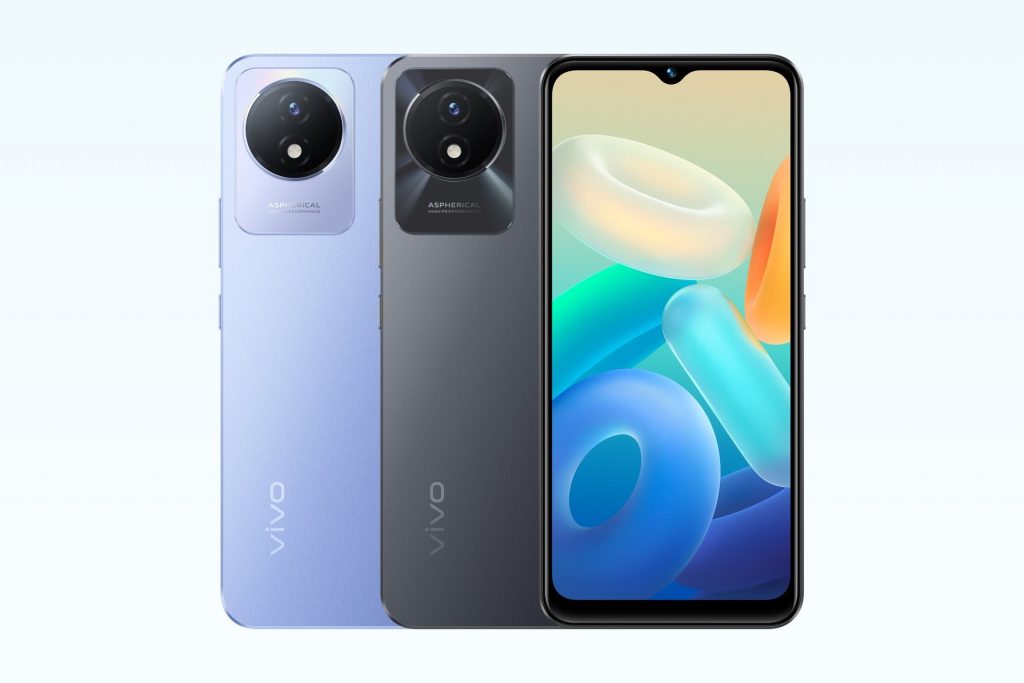
After multiple leaks, Vivo Y02 finally launched in Indonesia last week. Now, this device has made its way to India as well.
As usual, Vivo did not make any official announcement on social media since it is a budget smartphone. The handset is listed on the brand’s official website for sale.
Vivo Y02 Price and Availability in India
The Vivo Y02 comes in a single 3GB + 32GB memory configuration in India. It is priced at ₹8,999 ($110) in the country. It can be availed in either Orchid Blue or Cosmic Grey color options.
It can be purchased from Vivo E-store. We are not sure about its offline availability but it should hit the offline stores like every Vivo Y series device.
Vivo Y02 Speciifcations
The Vivo Y02 features a flat frame design with a 2.5D curved rear panel sporting a matte finish. It measures 8.49mm in thickness and weighs 186g.
The handset flaunts a 6.51-inch display with a dewdrop notch. The LCD screen comes with a resolution of 1600 x 720 pixels (HD+).
The phone is powered by a MediaTek chipset comprising an octa-core processor. Leaks claim that it houses an Helio P22 SoC. On the software front, it boots Funtouch OS 12 based on Android 12 Go Edition.
The smartphone arrives with an 8MP rear camera and a 5MP front-facing camera. It offers multiple connectivity options, such as dual SIM, 4G, dual-band WiFi, Bluetooth 5.0, and GNSS.
The device comes with a MicroUSB port, a MicroSD card slot, and a 3.5mm headphone jack. Last but not least, it is backed by a 5,000mAh battery with support for 10W charging.
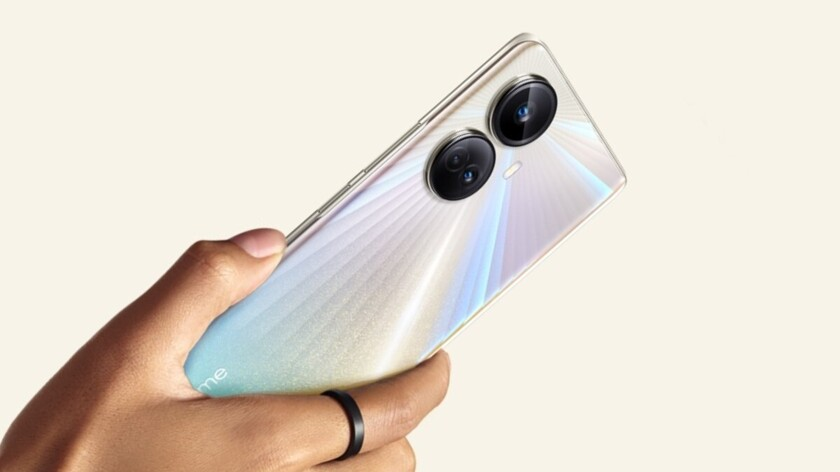
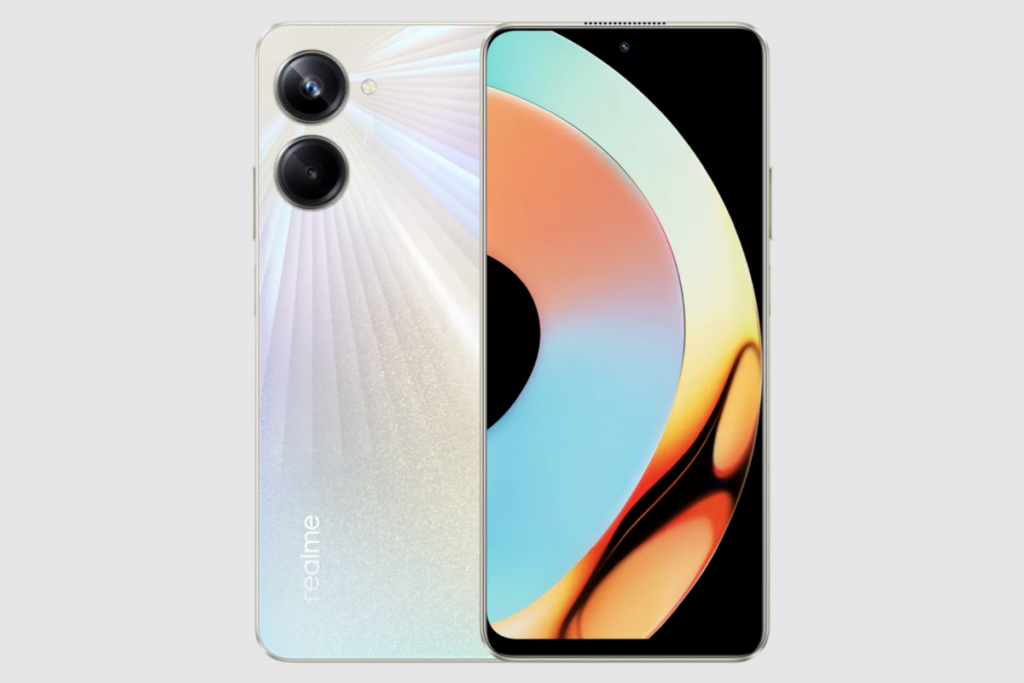
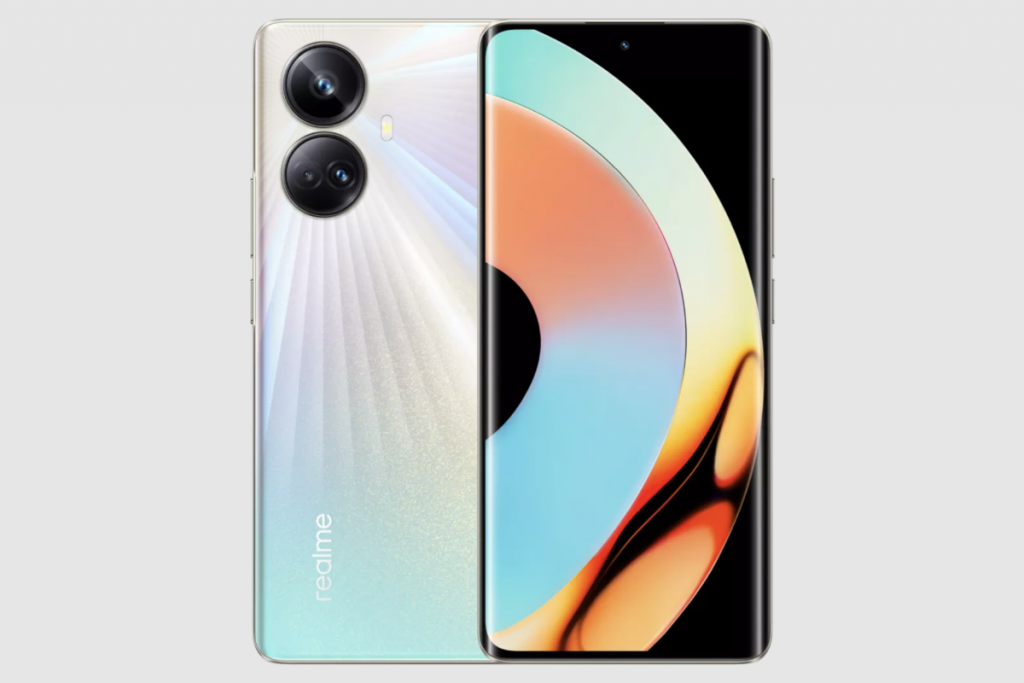
The Realme 10 Pro series was recently launched in China. The series consists of the Realme 10 Pro and Realme 10 Pro+. The global launch of these devices is scheduled for December 8, which will see these devices debut in markets like India, Indonesia, and Malaysia among others.
Ahead of the launch, the pricing for these devices in the Malaysian markets has been tipped. The information comes from known leaker Sudhanshu Ambhore, who has tweeted out the prices of both the Realme 10 Pro and Realme 10 Pro+ for Malaysia.
According to him, the Realme 10 Pro will cost RM 1299 ($297) for the 8GB+256GB version, whereas the Realme 10 Pro+ with 12GB RAM and 256GB storage will cost RM 1799 ($412). These are likely the top-end configurations of these devices intended for the Malaysian market. As revealed in an earlier report, the Realme will be using the older Dimensity 920 chipset in the Realme 10 Pro+ instead of the newer Dimensity 1080 chipset in some markets, including Malaysia.
Realme 10 Pro 5G specifications
The Realme 10 Pro boasts a 6.72-inch 120Hz IPS LCD FHD+ display. A side-facing fingerprint scanner is included. The Snapdragon 695-powered gadget has up to 256 GB of UFS 2.2 storage and up to 12 GB of LPDDR4x RAM.
A 108-megapixel (main) + 2-megapixel (macro) dual camera system is featured on the Realme 10 Pro. It includes a 16-megapixel selfie camera on the front. It has a 5,000mAh battery that supports 33W rapid charging.
Realme 10 Pro+ Specifications
The Realme 10 Pro+ features a curved-edge AMOLED display with FHD+ resolution, a 120Hz refresh rate, and 2160Hz PWM dimming. It also has an under-display fingerprint scanner. The screen has a 61-degree edge curve and a very tiny 2.33mm chin.
The device’s internal components include a Dimensity 1080 processor, up to 12 GB of LPDDR4x RAM, and up to 256 GB of UFS 2.2 storage. In addition to an 8MP ultrawide camera and a 2MP macro sensor, it boasts a 108MP Samsung HP6 primary camera. The front includes a 16MP sensor.
The Realme 10 Pro and 10 Pro+ come preloaded with Android 13 OS, which is overlaid with the latest Realme UI 4.0. A 5,000mAh battery with 67W fast charging powers the smartphone. It has a USB-C connector, dual SIM compatibility, 5G, Wi-Fi 802.11ac, Bluetooth 5.1, GPS, and NFC.
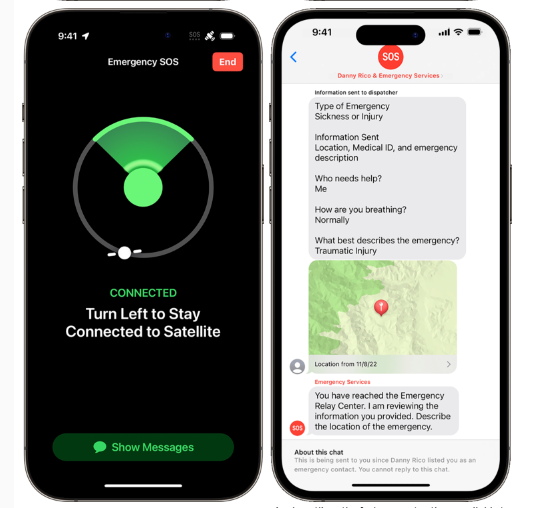
Although Apple’s iPhone 14 has many improvements over the previous model, it has a unique feature. With the latest iPhone 14 series, you can use Emergency SOS via satellite to text emergency services when you’re out of cellular and Wi-Fi coverage. Just a couple of weeks after Apple’s new Emergency SOS service went live in the US and Canada, the first success story is here. A man used his phone to signal a rescue team via satellite after becoming stranded in Alaska.
iPhone 14 saved a man from freezing to death thanks to SOS satellite feature
“On December 1, 2022, at around 2:00 am, the Alaska State Troopers were notified that an adult male traveling via snowmachine from Noorvik to Kotzebue had activated an Apple iPhone Emergency SOS via satellite on his iPhone after becoming stranded. Working with local search and rescue teams, the Apple Emergency Response Center, and the Northwest Arctic Borough Search and Rescue Coordinator, the NWAB SAR deployed four volunteer searchers to the Nimiuk Point area directly to the GPS coordinates provided by the Apple Emergency Response Center. The adult male was located and transported to Kotzebue by the volunteer search team. “There were no injuries reported to troopers,” reads a post by the Alaska Department of Public Safety.
According to Apple emergency SOS via satellite can help you connect with emergency services under exceptional circumstances when no other means of reaching emergency services are available. If you call or text emergency services and can’t connect because you’re outside the range of cellular and Wi-Fi coverage, your iPhone tries to connect you via satellite to the help that you need. Samsung has recently announced that a similar feature will appear in the new Galaxy S series.
You need iPhone 14 or iPhone 14 Pro with iOS 16.1 or later.
To use iPhone 14 SOS satellite feature, open the Settings app.
Tap Emergency SOS.
Under Emergency SOS via satellite, tap Try Demo, then follow the onscreen instructions.
The service is free for the first two years with every iPhone 14 activation. Unfortunately, it is currently unclear how much the price will be after and is also expected to make its way outside North America, to France, Germany, Ireland, and the UK later this month.
Tecno POVA 4 is officially confirmed to launch in India. The brand had put up a dedicated microsite of the smartphone on e-commerce platform Amazon. Now, the POVA 4 is set to debut in the country on December 7th.
Unwrapping the all-new era of Incredible Power, for the ones who #DareToHustle.
The Amazon microsite of the Tecno POVA 4 reveals its key specifications. The device had debuted in Bangladesh last month and the Indian variant is expected to pack the same specifications.
As seen in the listing, the POVA 4 has a centre-aligned punch-hole cutout display and a side-mounted fingerprint scanner. There is a gradient back panel housing three camera rings and an LED flash. The upcoming smartphone is confirmed to be powered by a MediaTek Helio G99 processor based on a 6nm process under the hood. It will feature a dual-game engine. The device will pack 8GB RAM along with 5GB virtual RAM and 128GB onboard storage. The POVA 4 will be backed by a 6,000mAh battery unit with support for 18W charging. The Amazon microsite reveals that the Tecno POVA 4 will be available in Blue and Black colour options.
Other specifications of the Tecno POVA 4 remain unknown at the moment. But since the Indian variant will be similar to Bangladesh, the device will come with a 6.82-inch display bearing an HD+ resolution and a 90Hz refresh rate. The upcoming offering will feature a 50MP primary sensor paired with a secondary lens on the back and an 8MP selfie snapper. Software-wise, the smartphone will run on Android 12 out of the box.
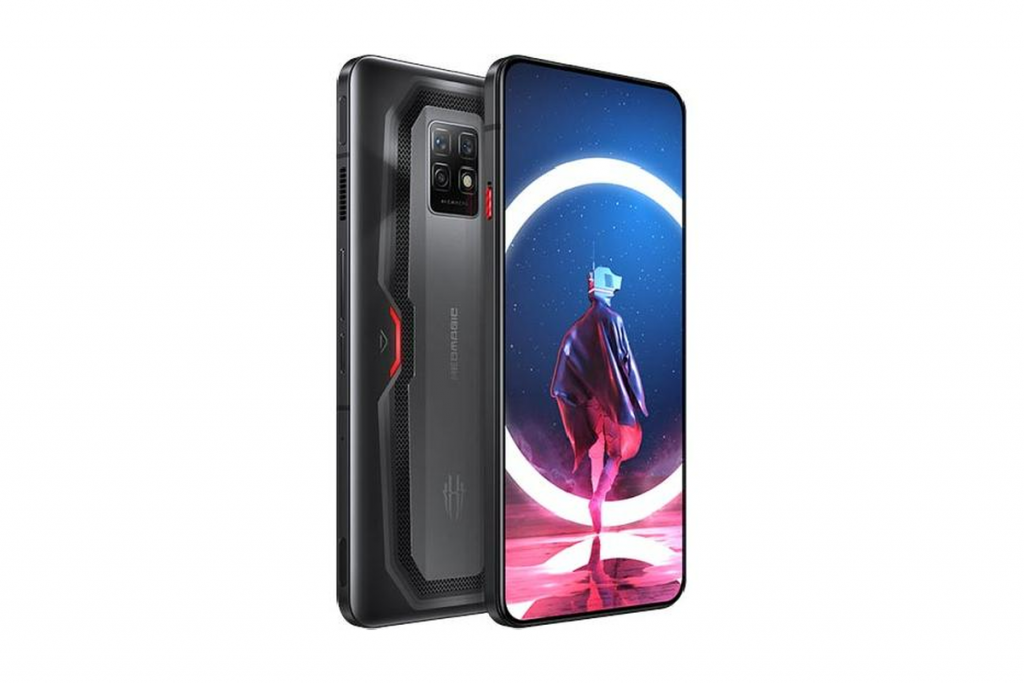
Nubia is reportedly working on the Red Magic 8 and Red Magic 8 Pro for the Chinese market. The Red Magic 8 series is expected to launch as the world’s first gaming phone powered by the Snapdragon 8 Gen 2 mobile platform. Last month, the alleged Red Magic 8 Pro with NX729J model number was found listed in the 3C certification platform of China. The device has now reportedly appeared in the database of the TENAA certification site. It appears that the listing has been taken down. However, some Weibo users (via) were able to spot it and share its details.
Red Magic 8 Pro Specifications (Rumored)
The Red Magic 8 Pro’s TENAA listing shows it has a 6.8-inch OLED display that offers a resolution of 2480 x 1116 pixels. The device is said to provide a full-screen experience due to its narrow bezels and lack of a punch-hole.
Red Magic 7 Pro
The Snapdragon 8 Gen 2 mobile platform will be present under the hood of the Red Magic 8 Pro. It is expected to arrive in multiple configurations, as it will offer up to 16 GB of RAM and up to 1 TB of storage. In all likelihood, the gaming phone may come equipped with LPDDR5 RAM and UFS 4.0 storage to offer a stellar gaming experience.
The Red Magic 8 Pro will come in 5,000mAh and 6,000mAh battery variants. As per the 3C listing of the device, it will offer up to 165W fast charging. It is likely to come preloaded with Android 13 OS.
It has a 16-megapixel under-display camera for selfies. The back panel of the phone features a 50-megapixel + 8-megapixel + 2-megapixel triple camera unit. The handset measures 163.98 x 76.35 x 8.9mm and weighs around 228 grams. With 3C and TENAA certifications under the belt, it appears that Red Magic’s new gaming flagship may go official by the end of this month or by early January 2023.
Transsion Holdings, the parent company of Tecno, Infinix, and Itel, announces a global strategic partnership with Google. This collaboration will involve in-depth cooperation in Android operating system, online advertising, and Google Cloud services.
The two companies aim to serve emerging markets like Africa through this new partnership.
The official press release notes that Google will help Transsion build a ‘smart life ecological platform’. This platform will power ‘digital smart lifestyles’ and serve hundreds of millions of consumers in emerging markets and global mobile developers.
Transsion will use Google advertising tools to transform its digital platform business. The company seeks to improve its advertising monetization efficiency with this move.
Further, Transsion will also utilize Google Cloud technology to enhance its business capabilities in operation. It will introduce Google Cloud’s advanced infrastructure, big data, AI/ML network, and Media CDN technologies to improve user experience and build a Transsion developer cloud platform
Google’s Media CDN is not only safe and efficient but also provides a full range of automated content delivery experiences. Since it brings service content close to end users, it will help developers going to Africa maximize their operational efficiency at a minimum cost.
About 5 billion of the 8 billion world population live in emerging markets. Transsion and Google intend to provide high-quality smart products and efficient mobile internet services to these consumers via their collaboration.
Back in May, Asus unveiled the ExpertBook B9 along with the B7 Flip 2-in-1 laptop in the global market. Out of the two, the brand has finally begun selling the ExpertBook B9 in the US. Let’s take a look at the pricing and availability.
Asus ExpertBook B9 pricing & availability
Asus has a starting price tag of US$1,840.85 on the ExpertBook B9 with 16GB of LPDDR5 RAM and a 1TB SSD. There is also a 32GB/2TB option with a US$2,439.99 price tag, however, it is currently on a 7% discount and is going for US$2,266.89 on Amazon.com in the US.
Asus ExpertBook B9 specs & features
The ExpertBook B9 is a 14-inch business laptop with a 33Whr battery that weighs only 880 grams (1.94 lbs). A larger battery version with a 66Wh battery pack is also available, although it is 1005 grams heavier (2.2 lbs). According to Asus, the larger model’s battery life can last up to 16 hours.
The B9 is powered by Intel’s 12th generation U series CPUs, which range in speed from the Core i5-1235U to the Core i7-1265U. With 10 cores, 12 threads, and a high clock speed of 4.8GHz, the i7-1265U CPU is the fastest available. It may be configured with up to 2TB of PCIe 4.0 SSD storage and 32GB of LPDDR5 RAM.
The laptop boasts a 14-inch Full HD screen with a 16:9 aspect ratio, a backlit keyboard, and a touchpad that serves as both a physical keypad and a virtual one. The webcam supports Windows Hello facial recognition and has a 720p resolution. The laptop also features two Thunderbolt 4 connections, HDMI 2.0, a headphone jack, and one USB Type-A port. The laptop has Wi-Fi 6E and Bluetooth 5.2 for connectivity.
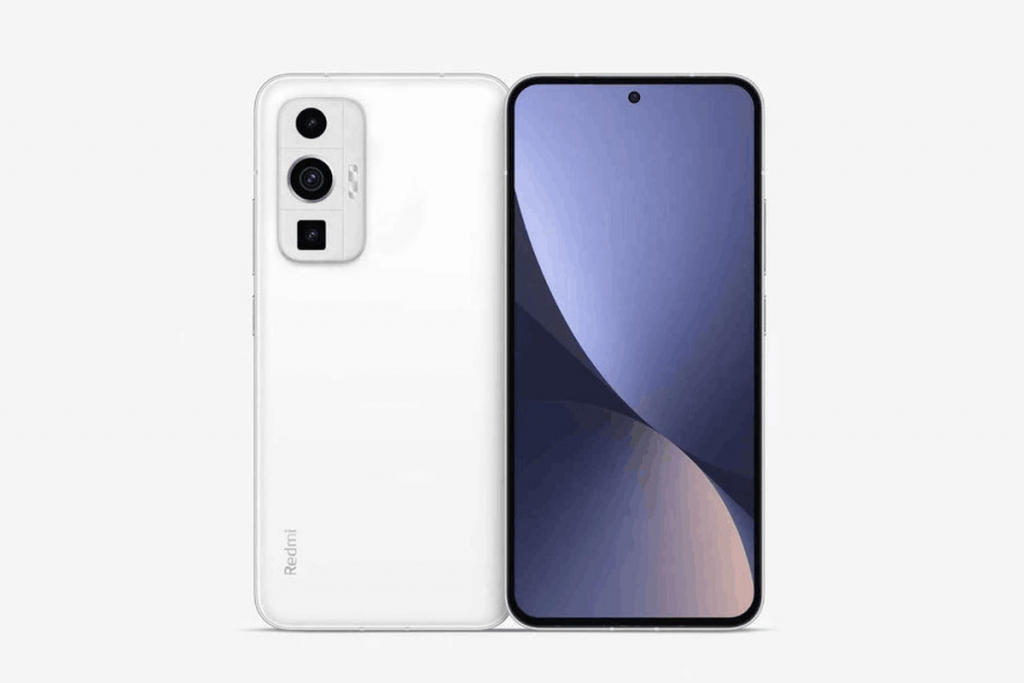
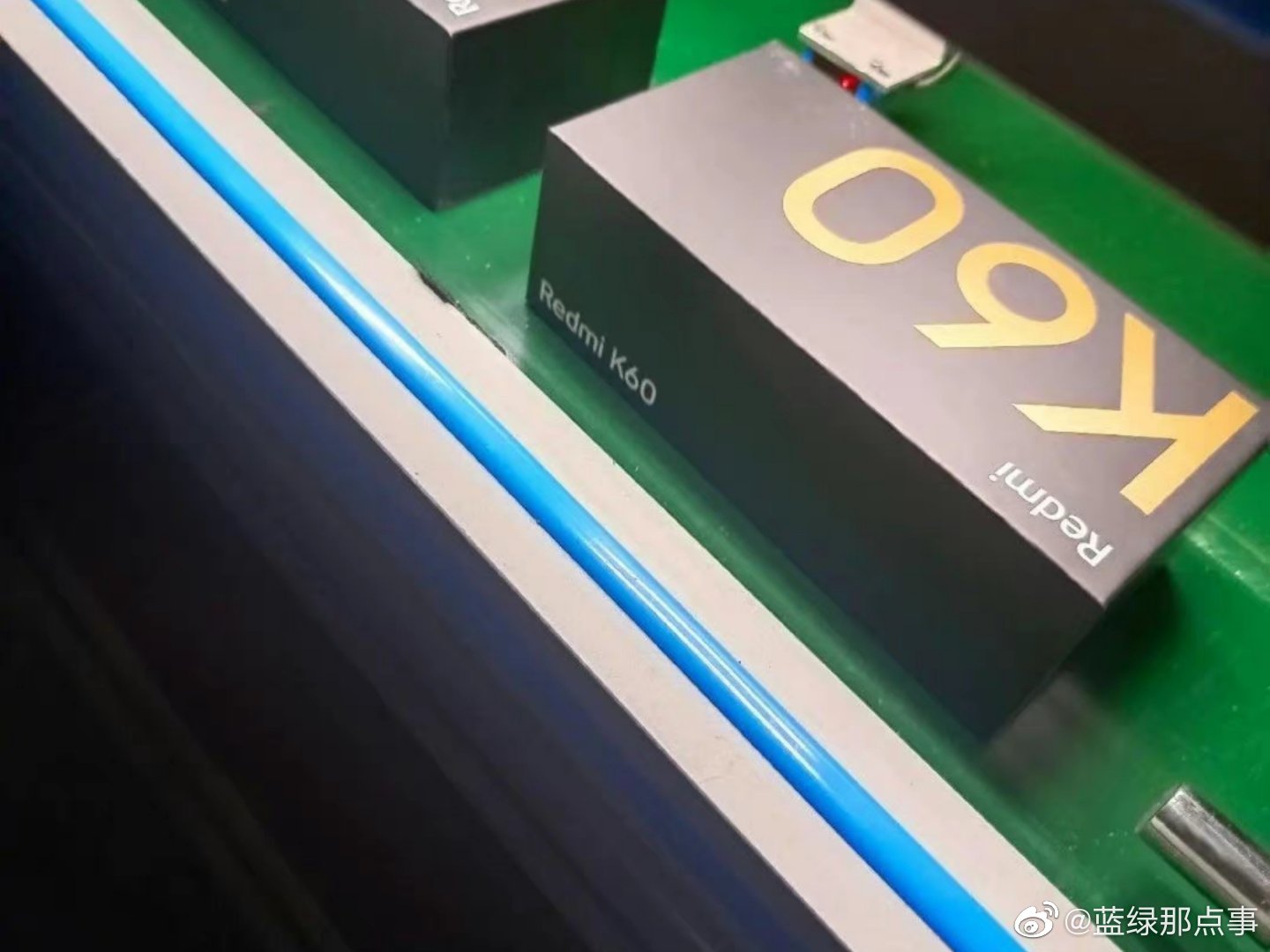
It is no secret that Redmi is working on its next generation of high-performance devices known as the Redmi K60 series. So far, leaks and certifications have revealed that the series will have three models – Redmi K60, Redmi K60 Pro, and Redmi K60E.
Redmi K60 render
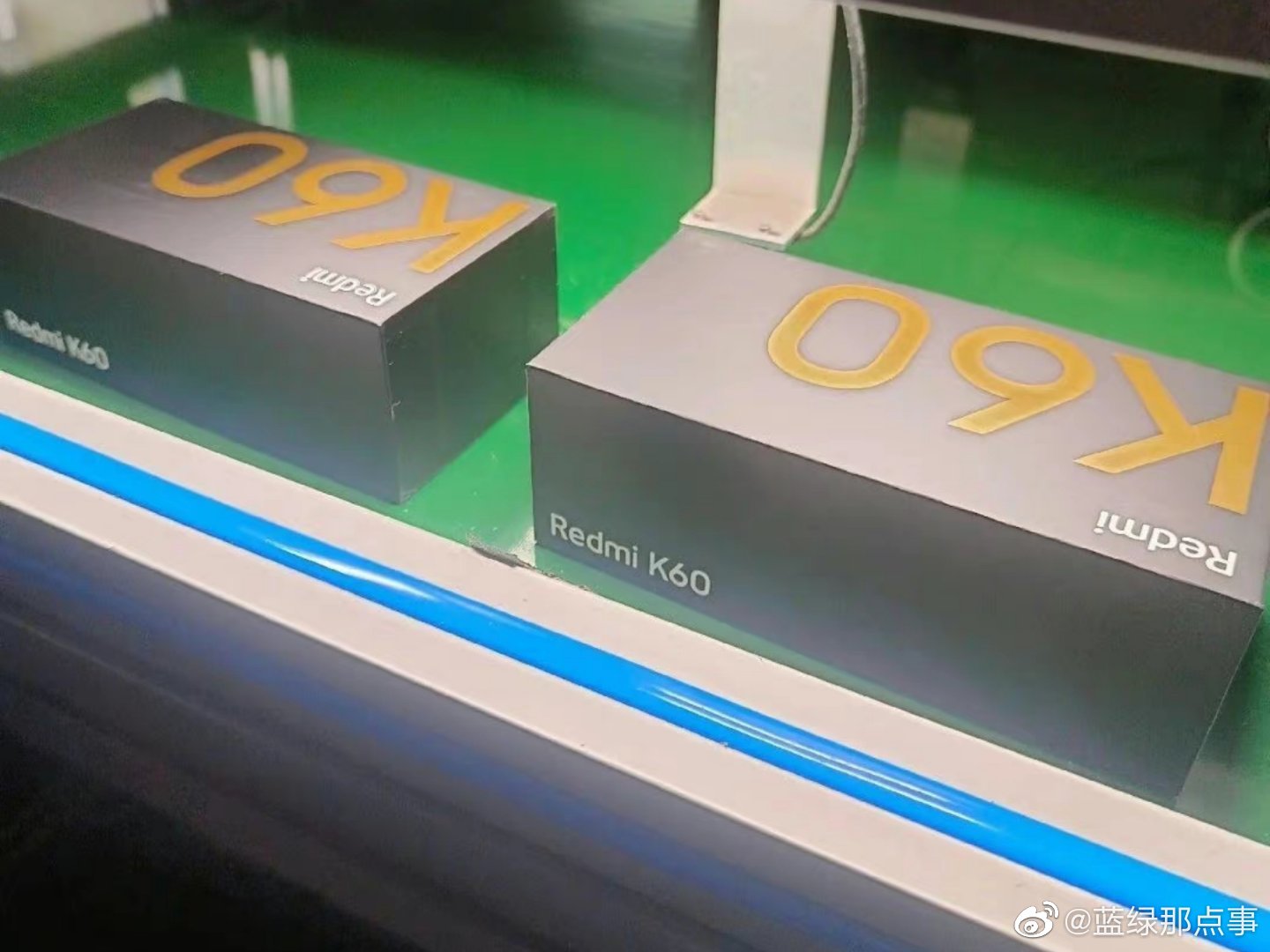
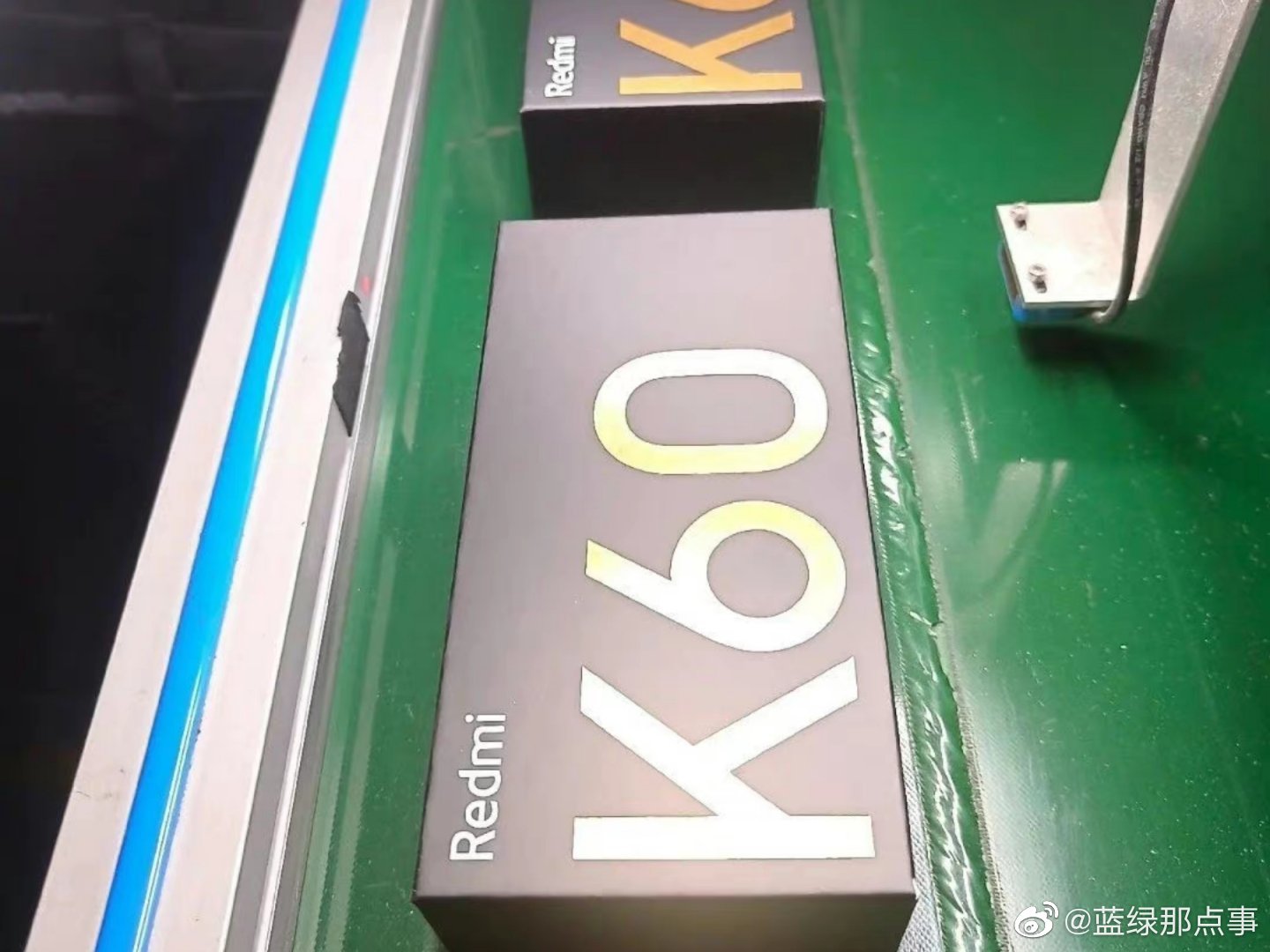
Now, leaked images (via DCS) of the Redmi K60’s box have appeared online, indicating that the device is being mass-produced and the brand is stocking up ahead of the launch. Earlier, the Redmi K60 series was expected to debut by the end of the year; however, due to Xiaomi postponing the launch of the Xiaomi 13 series, the launch timeline of the Redmi K60 series has also been moved to early January.
Xiaomiui has uncovered the internal MIUI builds for the Redmi K60 series, with V14.0.2.0.TMNCNXM, V14.0.0.4.TMKCNXM, and V13.0.1.0.SMMCNXM representing the K60, K60 Pro, and K60E, respectively. It reveals that the Redmi K60 and K60 Pro will debut with MIUI 14, while the K60E will launch with MIUI 13. Xiaomi is expected to officially launch MIUI 14 at the Xiaomi 13 launch event.
The K60E has a Snapdragon 870 or Dimensity 8200 chip, according to previous leaks, whilst the K60 and K60 Pro have Snapdragon 8+ gen 1 and Snapdragon 8 Gen 2 chips, respectively. The Redmi K60, according to reports, will have a 6.67-inch AMOLED 120Hz display. It could have a 5,500mAh battery with 67W fast charging. The Redmi K60 will have a 64-megapixel Sony IMX686 primary camera with OIS on the back.
The K60 Pro, on the other hand, is expected to feature a 2K AMOLED display with support for a 120Hz refresh rate. Additionally, it is said to contain a 50MP main camera sensor, which is claimed to be a modified Sony IMX766 sensor. Unfortunately, the finer details of the Redmi K60 series are not available yet.
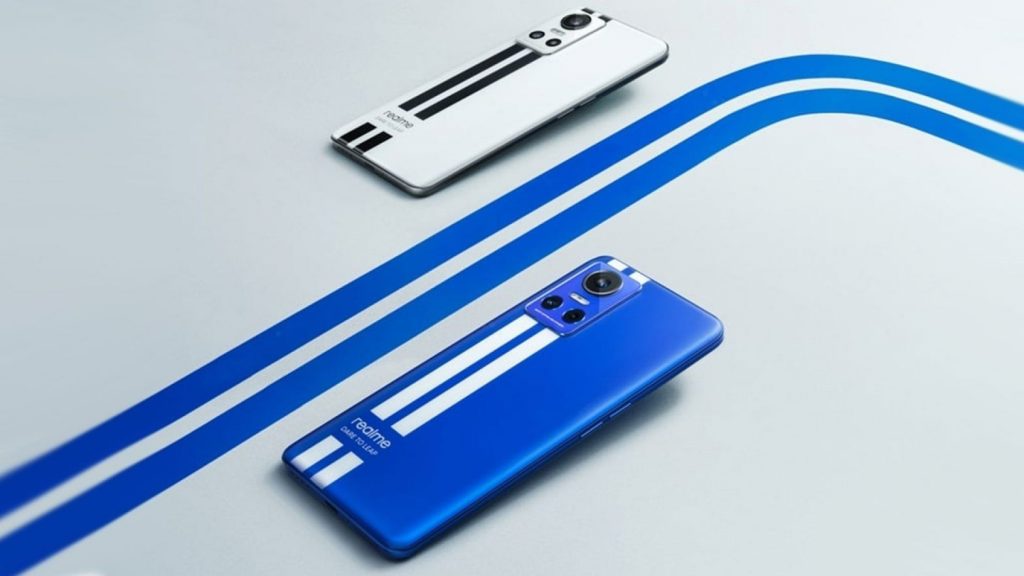
After launching the Realme GT Neo 3 smartphone earlier this year, the OPPO-backed company is gearing up to launch its successor in the form of the Realme GT Neo 5 series — GT Neo 5 and GT Neo 5T, skipping the 4 number as per China’s custom.
Now, ahead of the official launch of the new Realme GT Neo 5 series smartphones, battery specifications and charging capabilities of the two versions of the phones have leaked online.
A well-known tipster Digital Chat Station has revealed that the upcoming Realme GT Neo 5 smartphone will come in two variants based on the battery and charging capacity. The BLP985 is a 5,000mAh battery with support for 150W fast charging, while the BLP987 is a 4,600mAh battery having support for a massive 240W fast charging technology.
Additionally, it is also reported that the Realme GT Neo 5 series will come with Sony IMX890 primary camera sensor with support for Optical Image Stabilization (OIS) and is claimed to offer better performance than the Realme GT Neo 3 series. It will have a triple-camera setup on the back and either 16MP or 32MP front-facing snapper for taking selfies and video calling.
Based on the leaks and reports so far, the smartphone is expected to feature a 6.5-inch Full HD+ AMOLED display with support for a 120Hz refresh rate. Under the hood, the device is likely to be powered by a MediaTek Dimensity 9-series processor, but the exact chipset is not yet known. In the software department, we expect the phone to run the Android 13 operating system out-of-the-box with the company’s own Realme UI 4.0 custom user interface.
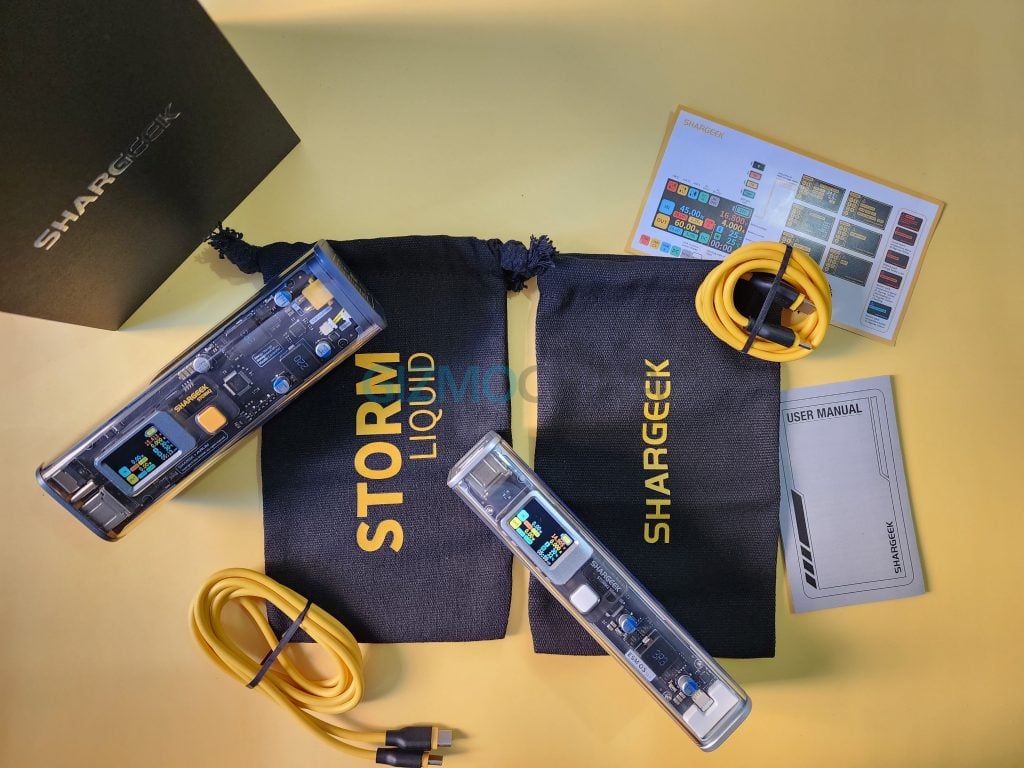
Almost all power banks available on the market have a similar design. They appear like a thick slab with a few ports and a battery indicator. Shargeek sent us the Storm 2 and the Storm 2 Slim, which look completely different from the other power banks. Not only do these power banks have a beautiful see-through design, but they also have multiple ports and can charge at up to 130W. Continue reading to learn more about Storm 2 and Storm 2 Slim.
What’s in the box?
Shargeek Storm 2 and Storm 2 Slim
The Shargeek Storm 2 and Storm 2 Slim come in a big retail package, which comprises of following items:
– Power bank – USB-C to USB-C cable (1,2 metres) – Tote bag – User manual
Design and Build
Shargeek Storm 2
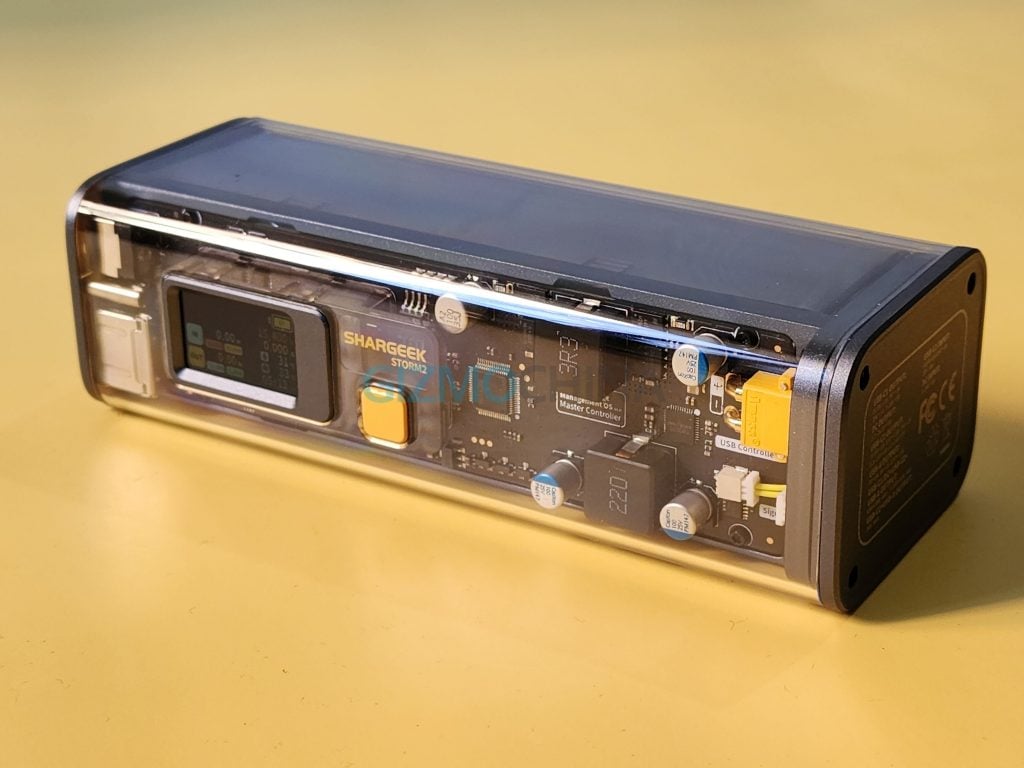
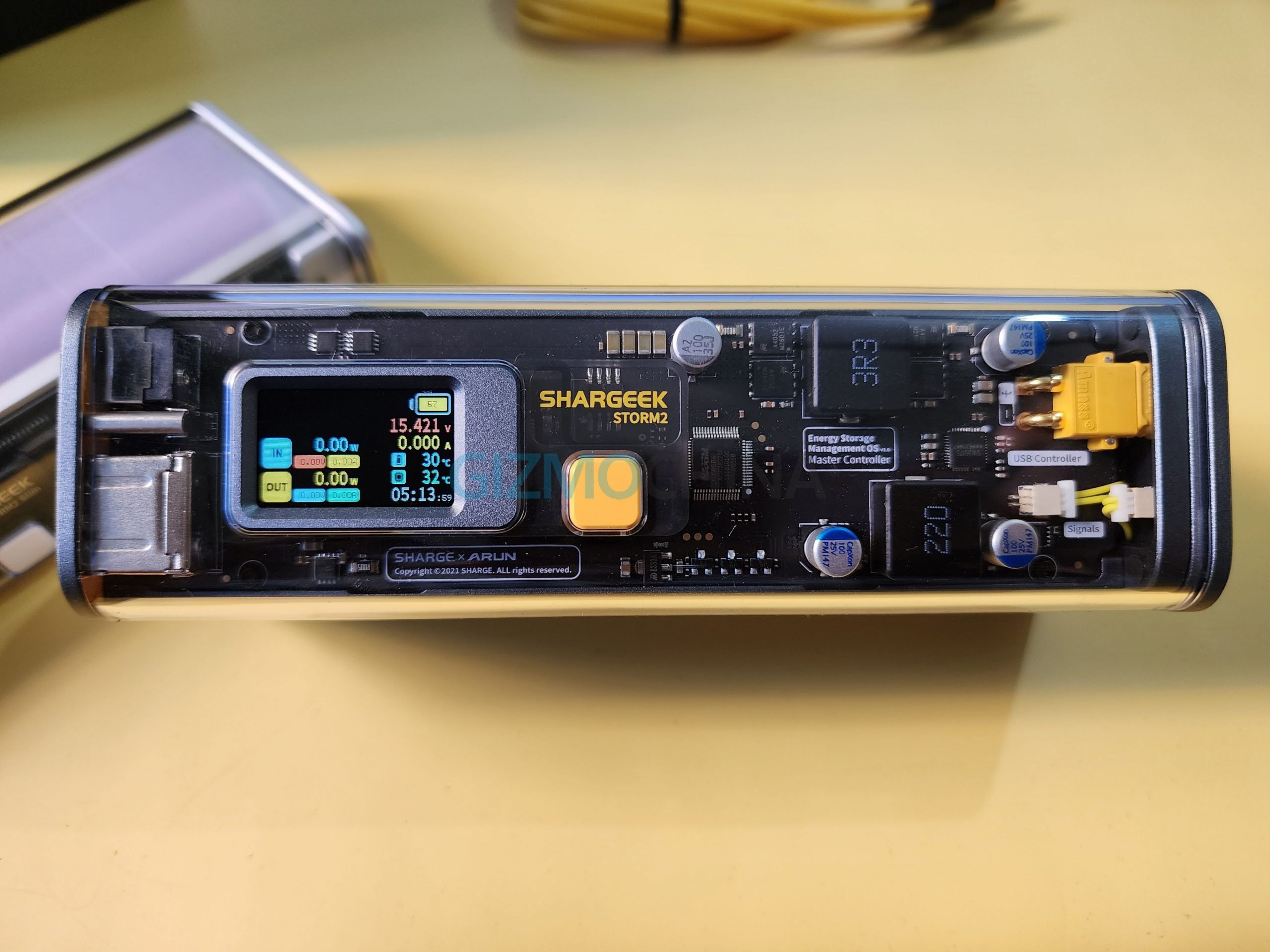
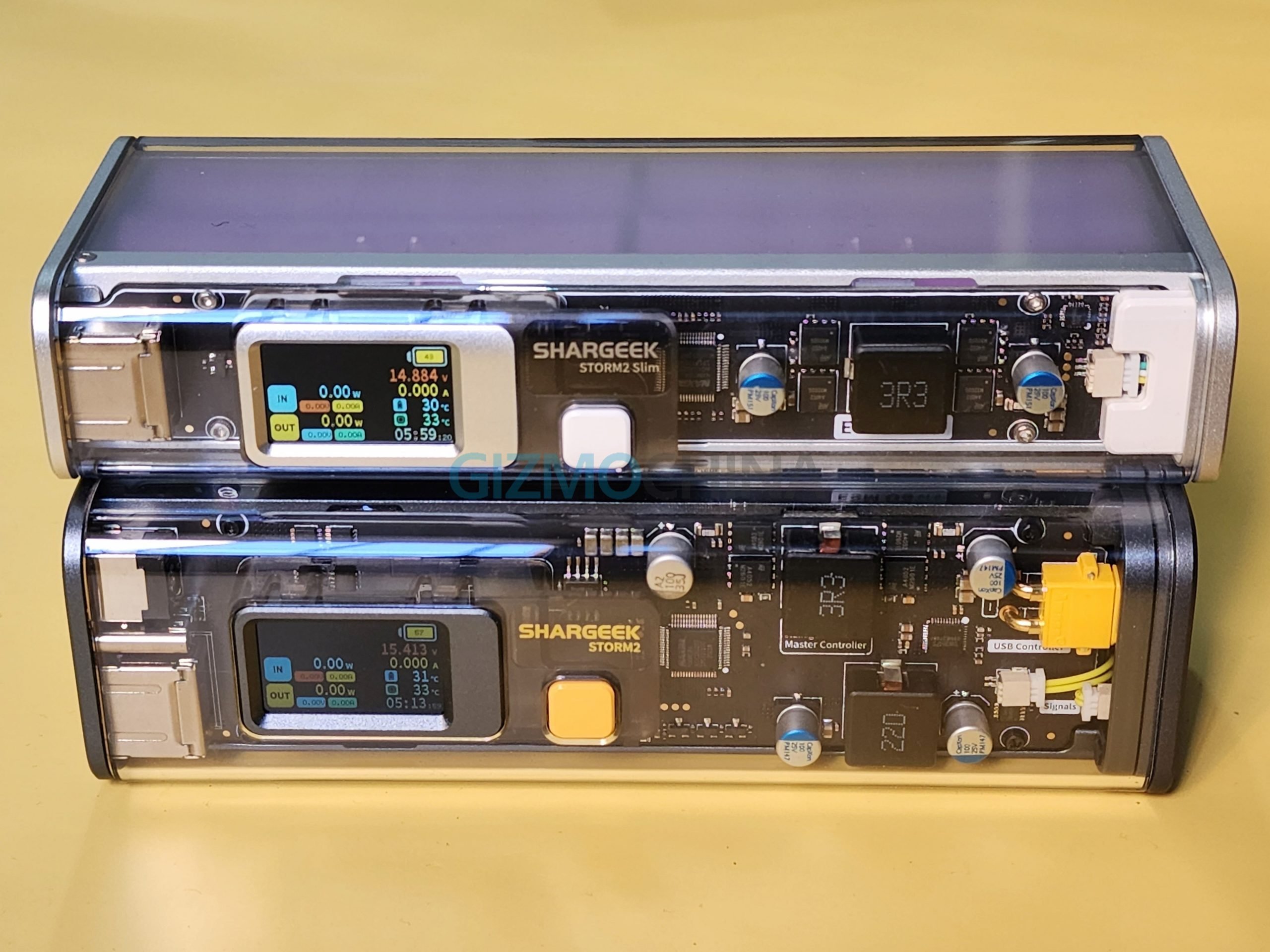
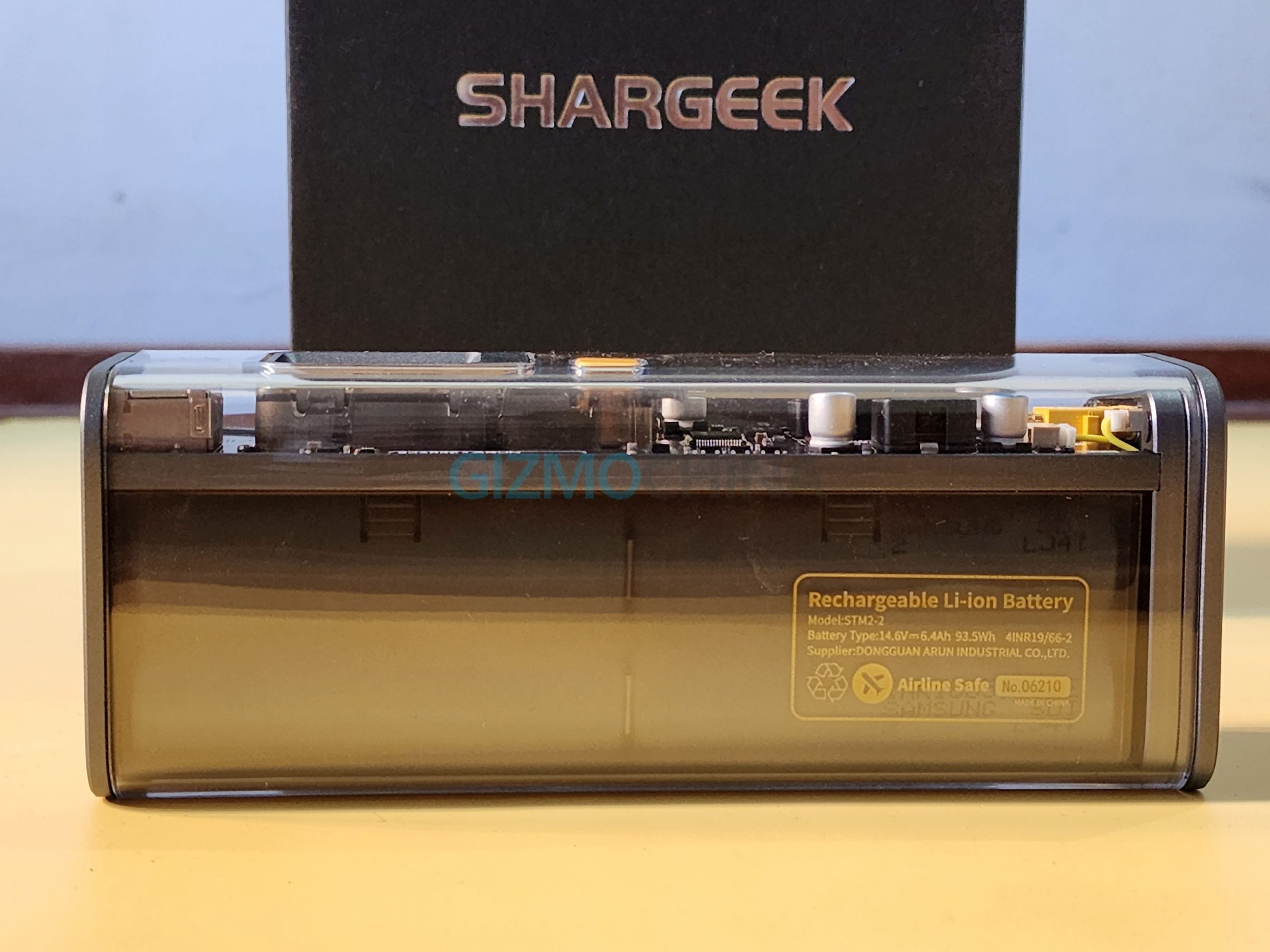
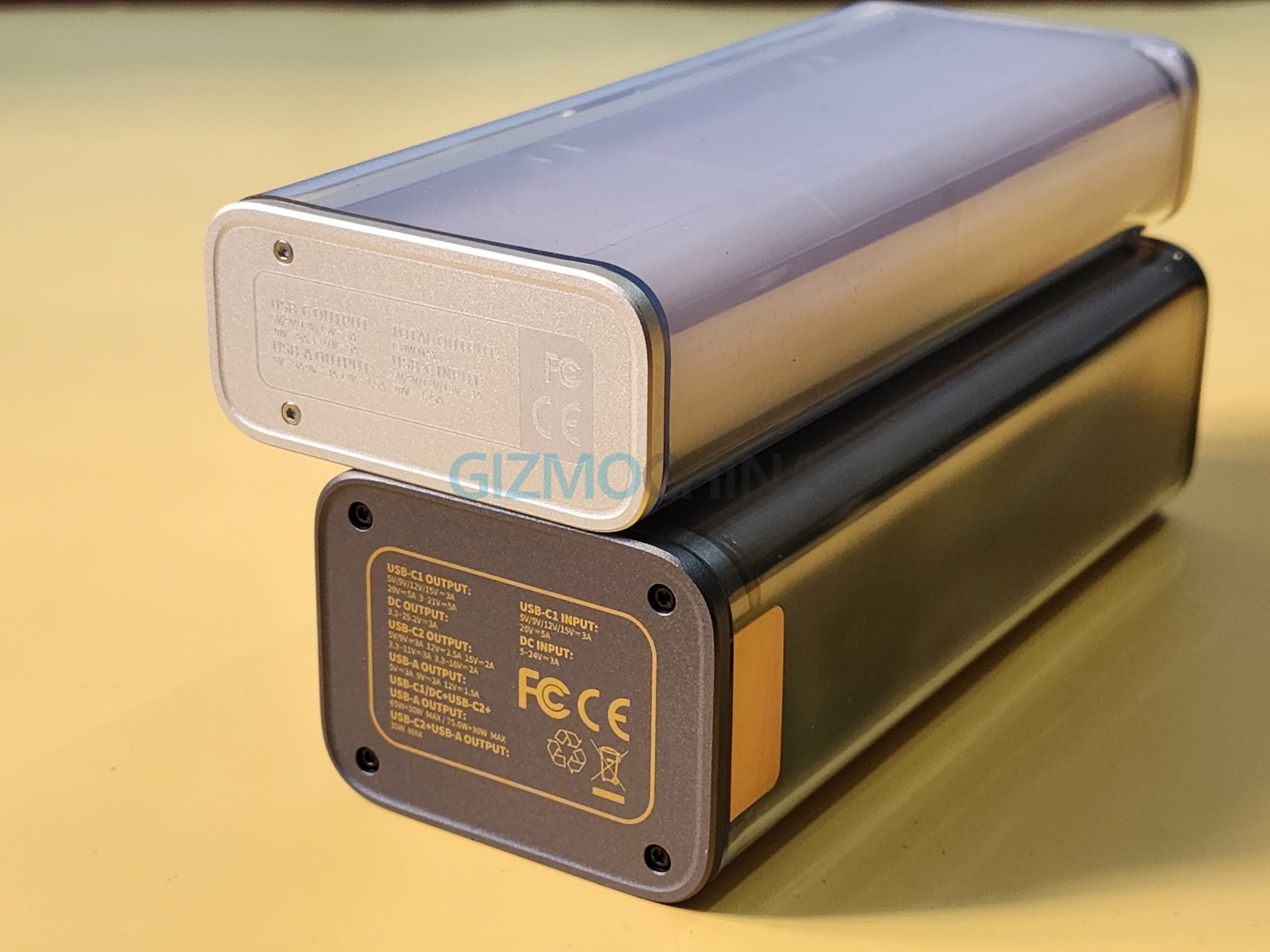
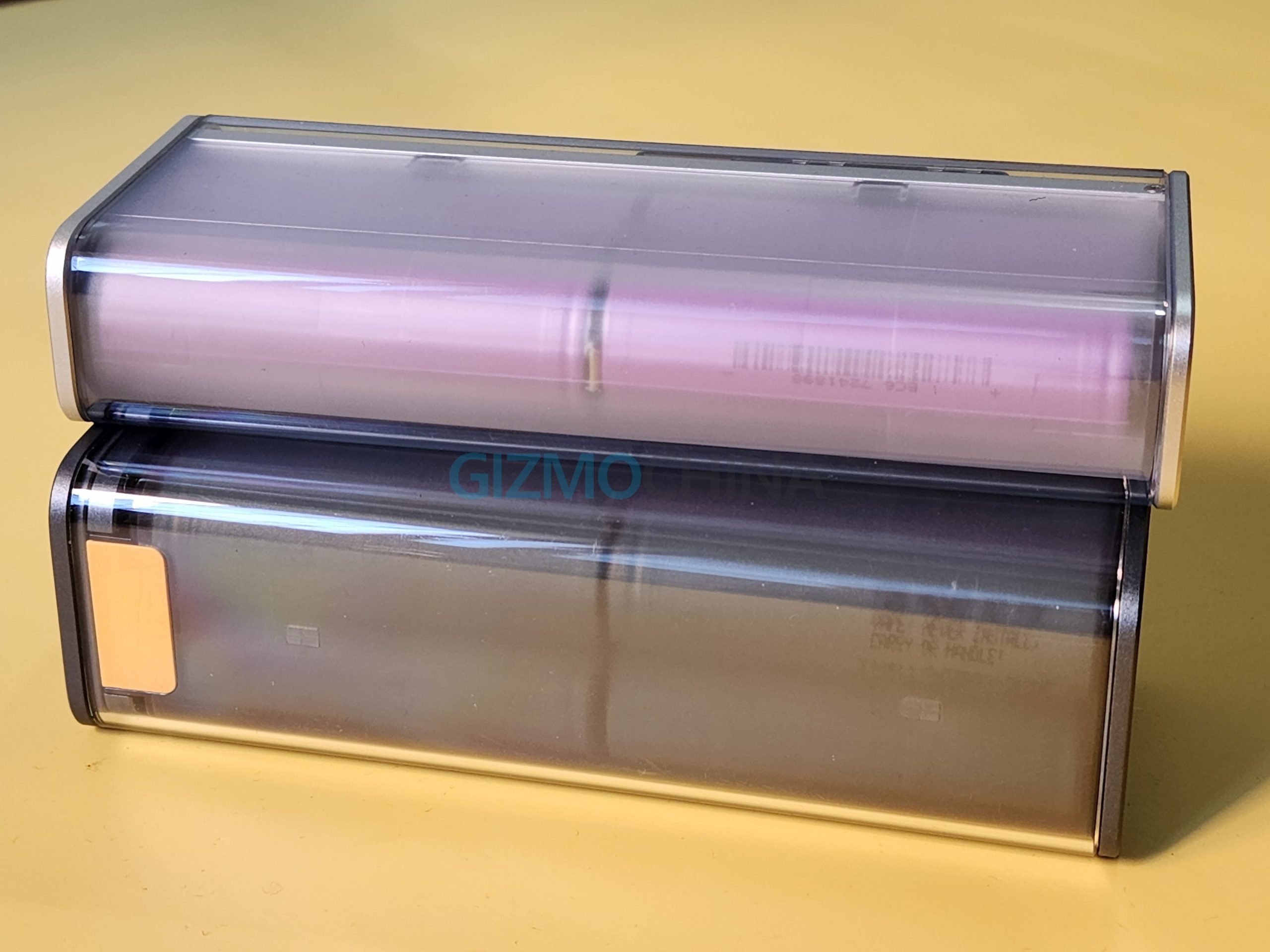
It goes without saying that one of the USPs of Storm 2 and Storm 2 Slim is that they boast a cyberpunk-style transparent design. Almost all power banks available in the market have a monotonous design, as they just appear like a slab with some indicators that show charging levels. The Storm 2 weighs 595 grams, whereas the Storm 2 Slim weighs 450 grams on my weighing scale.
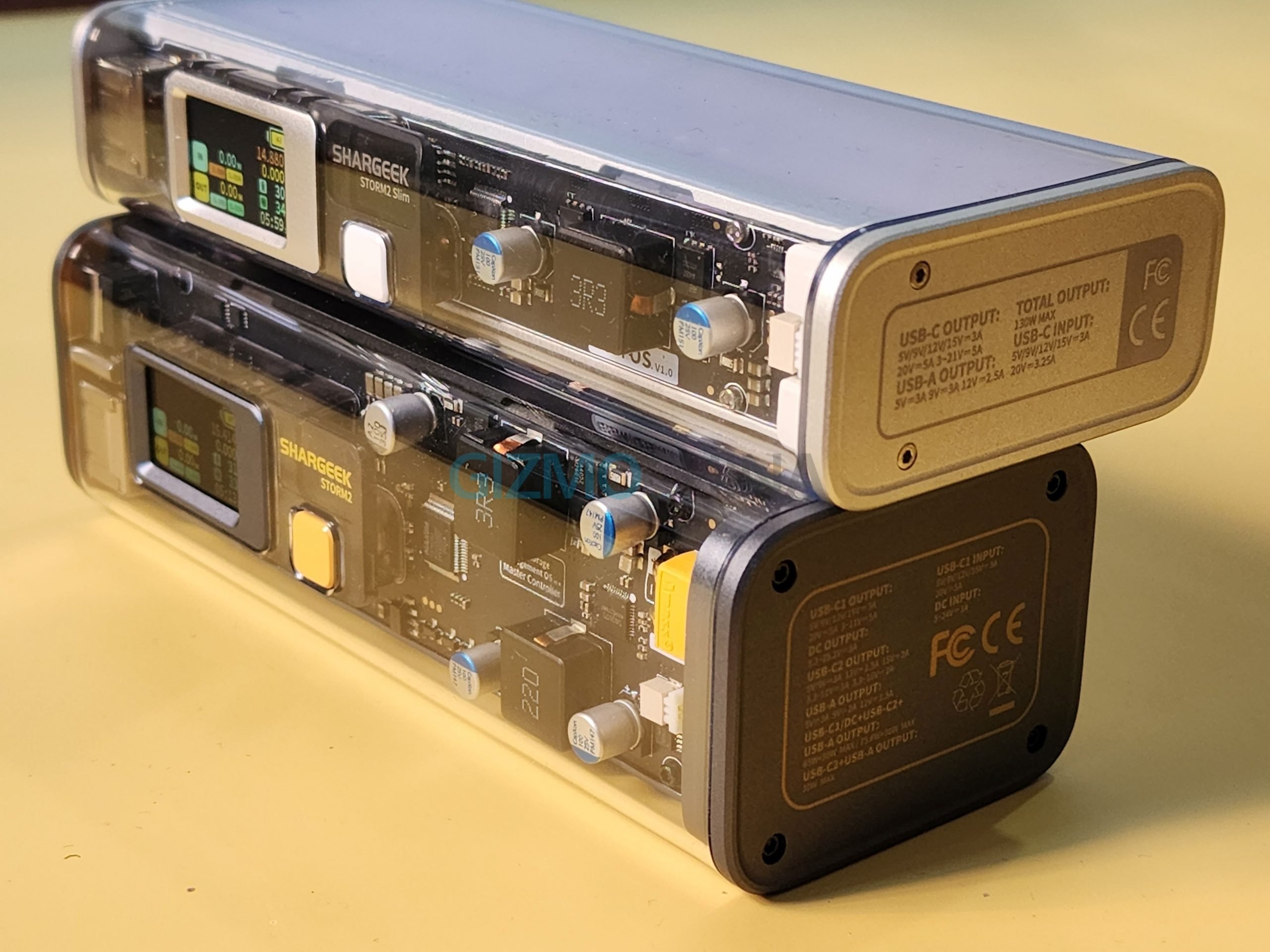
The transparent casing of the Shargeek Storm is made of hard polycarbonate. The top part of Storm 2 features a color display (not a touchscreen), a physical button, the brand name of the device, and the circuit board housing components like capacitors, ICs, connectors, and other items. The remaining part houses Samsung lithium battery cells (UL9504A recognized). Hence, both are airline-safe products, meaning that they can be carried in your hand luggage on an airplane.
The Storm 2 power bank has a 1.14-inch IPS display. As can be seen in the images, the screen is quite clear and shows different colors. The letters V, A, W, and C are displayed on the screen in the units for voltage, current, power, and temperature, respectively.
Shargeek Storm 2Shargeek Storm 2 and Storm 2 SlimShargeek Storm 2 and Storm 2 Slim
The topline on the screen shows the port status. The section below shows the Input Status and Output Status. The power bank’s battery indicator is in the top-right corner. Below it, one can see the temperature of the battery pack, the temperature of the circuit board, and the running time. These are visible on the first level of the GUI.
The second level of the GUI can be accessed by long-pressing the physical button. Here users can configure the DC output parameters, view detailed information about the battery pack, change the temperature unit, reset the system time, configure the display settings, turn off, and return to the first-level GUI.
The GUI is made available through the company’s Energy Management OS (EMOS). The same screen and settings are available on the Storm 2 Slim.
Many power banks advertise their highest charging speeds. However, it is only when a voltage current tester is used in between the power bank and the connected device that one can determine the exact charging speeds. With charging speeds shown on the displays of the Storm 2 and Storm 2 Slim, one can easily check whether their devices are being charged at maximum power. The Storm 2 houses a 25,600mAh battery pack, while the Storm 2 Slim has a 20,000mAh battery pack.
Ports and Power Distribution
Shargeek Storm 2 and Storm 2 SlimShargeek Storm 2 and Storm 2 Slim
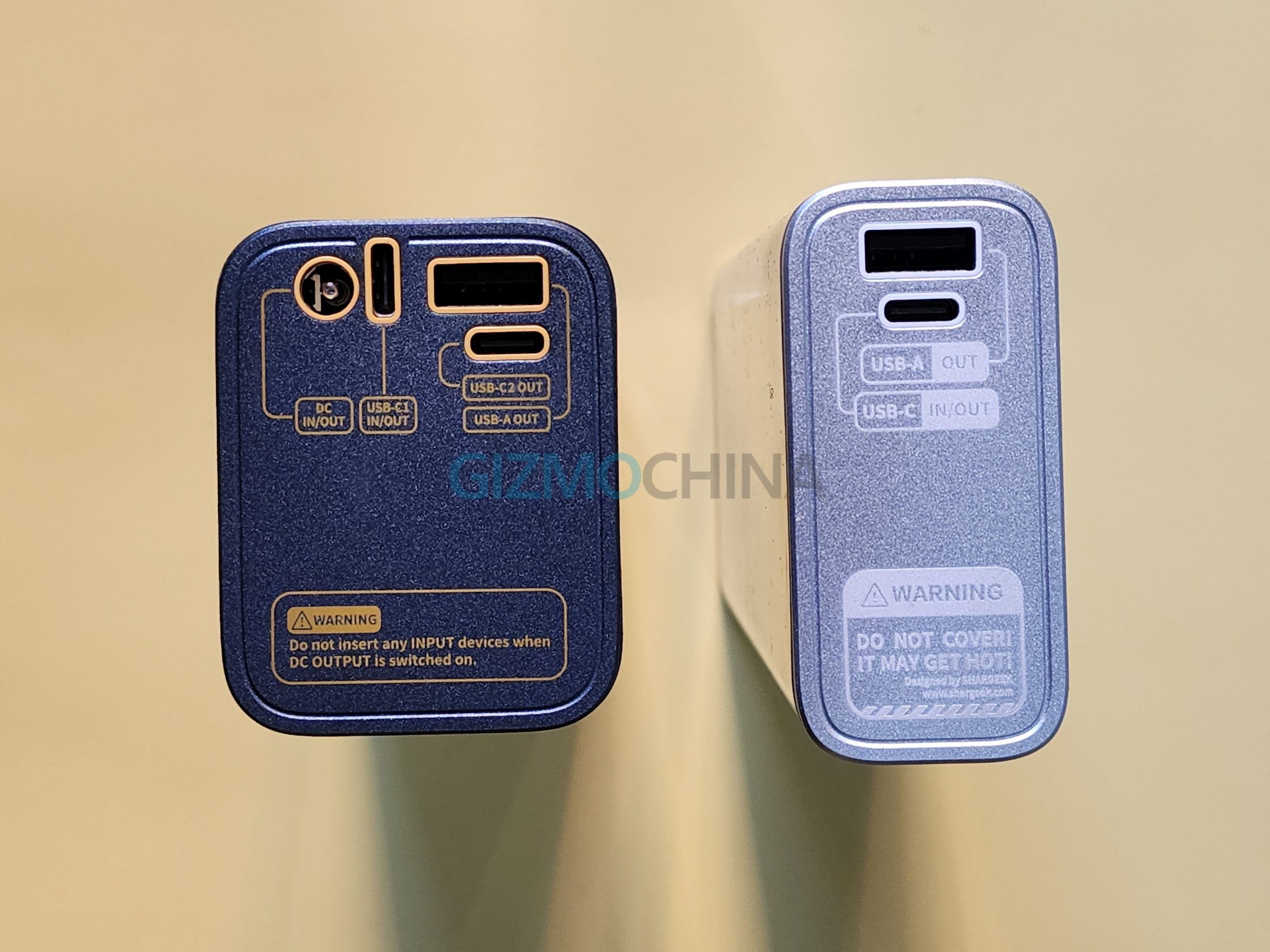
As for the ports, Storm 2 has two USB-C ports, one USB-A port, and a DC port. The Storm 2 Slim, is a more travel-friendly product since it has a slimmer design with two ports: a USB-C and a USB-A. Both products take around 90 minutes to reach full charge when charged at maximum speeds.
The USB-C port (C1 on Storm 2) offers the fastest charging output. The USB-A port is ideal for charging accessories.
Here is a look at the power distribution of Storm 2 and Storm 2 Slim:
Power distribution of Storm 2
Power distribution of Storm 2 Slim
Input: – USB-C1: 100W Max – DC port: 72W
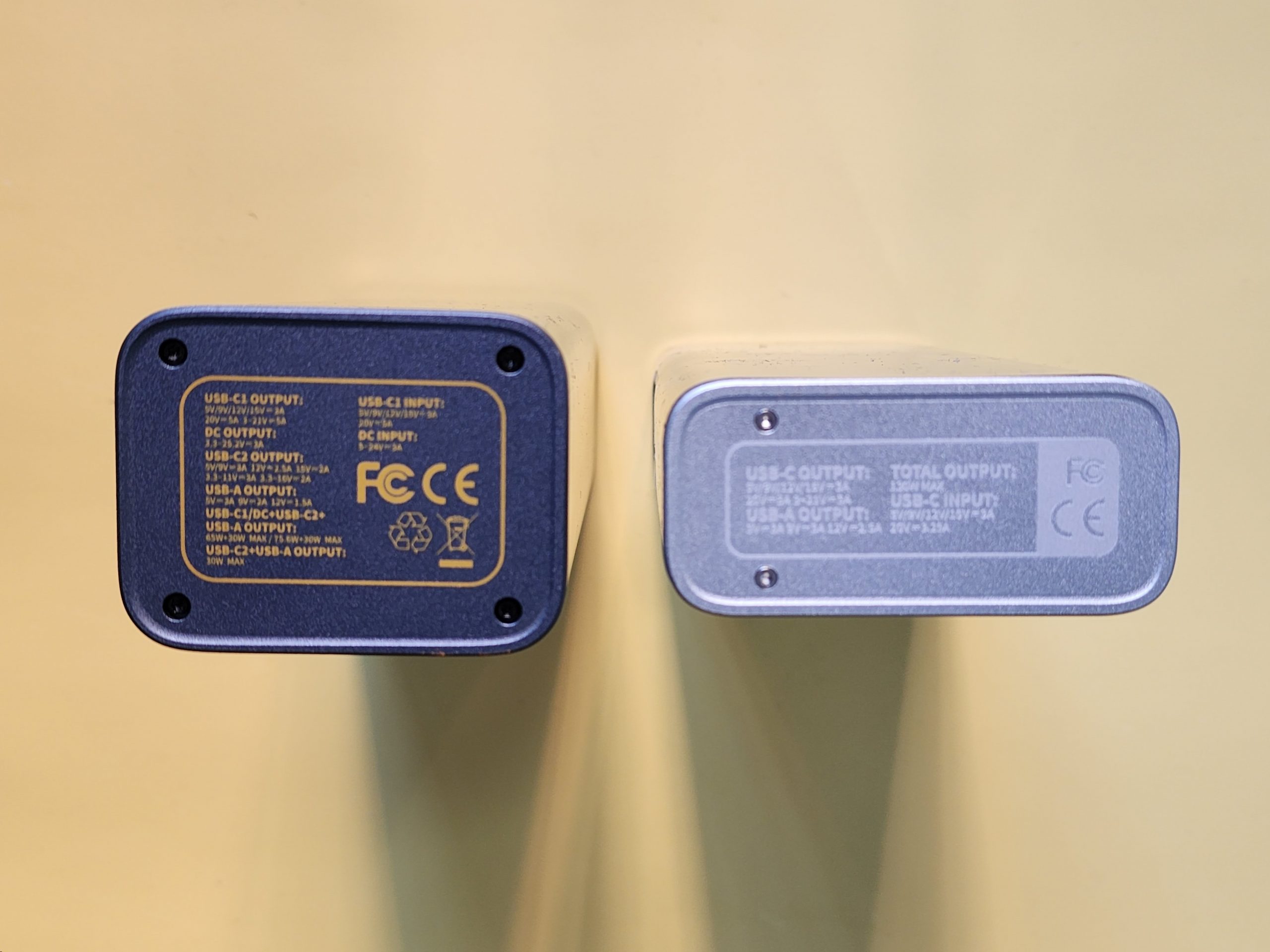
Input: – USB-C only: 65W Max
Output: – USB-C1: 100W Max (PD 3.0) – USB-C2: 30W Max (PD 3.0 and QC 4+) – USB-A: 18W Max (QC 3.0) – DC: 9.9W – 75.6W
Output (when using two ports together): – DC + USB-C2: 65W + 30W = 95W Max – DC + USB-A: 65W + 18W = 83W Max – USB-C1 + USB-C2: 65W + 30W = 95W Max – USB-C1 + USB-A: 65W + 18W = 83W Max – USB-A + USB-C2: 25W Max
Output (when using three ports together): – DC + USB-C2 + USB-A: 65W + 25W = 90W Max – USB-C1 + USB-C2 + USB-A: 65W + 25 = 90W Max
Output: – USB-C: 100W Max (PD 3.0) – USB-A: 30W Max – When using USB-C + USB-A together: 100W + 30W = 130W Max
Safety Standards
Shargeek Storm 2Shargeek Storm 2 and Storm 2 SlimShargeek Storm 2 and Storm 2 Slim
According to Shargeek, Storm 2 and Storm 2 Slim are both equipped with built-in protection systems. It offers input and output high voltage protection, short circuit protection, and extreme low/high temperature protection. The batteries packed inside the Storm 2 and Storm 2 Slim are UL-95404A recognized. In addition, the company claims that these devices have a fireproof polycarbonate chassis.
Verdict
I feel that many users may not use the physical button on the Storm 2 and Storm 2 Slim very often, as it needs to be hit a couple of times to navigate for some functions. Nevertheless, the Storm 2 / Storm 2 Slim is something that you will want to carry when you are travelling. Shargeek has done a good job of adding a display to these products, which makes it possible to check whether the devices are being charged at their highest supported charging speeds.
If you are looking for a power bank with a unique appeal and with support for fast charging and huge battery backup, the Storm 2 and Storm 2 Slim are something you should consider. The Storm 2 and Storm 2 Slim are priced at $199 and $229, respectively. On its official website, the company is offering a $30 coupon code GEEK10, 30-day money-back guarantee, and lifetime customer support for both products.
Disclaimer: The opinions expressed in the Storm 2 / Storm 2 Slim review are solely mine based on my experience, and there has been no editorial input from Shargeek.
We use cookies on our website to give you the most relevant experience by remembering your preferences and repeat visits. By clicking “Accept”, you consent to the use of ALL the cookies.
This website uses cookies to improve your experience while you navigate through the website. Out of these, the cookies that are categorized as necessary are stored on your browser as they are essential for the working of basic functionalities of the website. We also use third-party cookies that help us analyze and understand how you use this website. These cookies will be stored in your browser only with your consent. You also have the option to opt-out of these cookies. But opting out of some of these cookies may affect your browsing experience.
Necessary cookies are absolutely essential for the website to function properly. This category only includes cookies that ensures basic functionalities and security features of the website. These cookies do not store any personal information.
Any cookies that may not be particularly necessary for the website to function and is used specifically to collect user personal data via analytics, ads, other embedded contents are termed as non-necessary cookies. It is mandatory to procure user consent prior to running these cookies on your website.