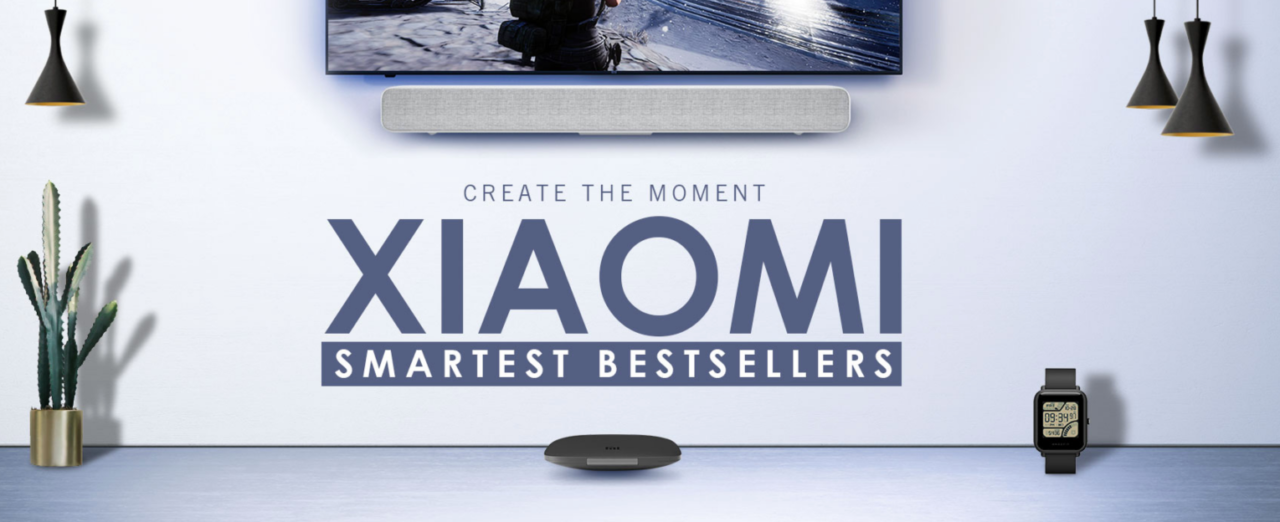
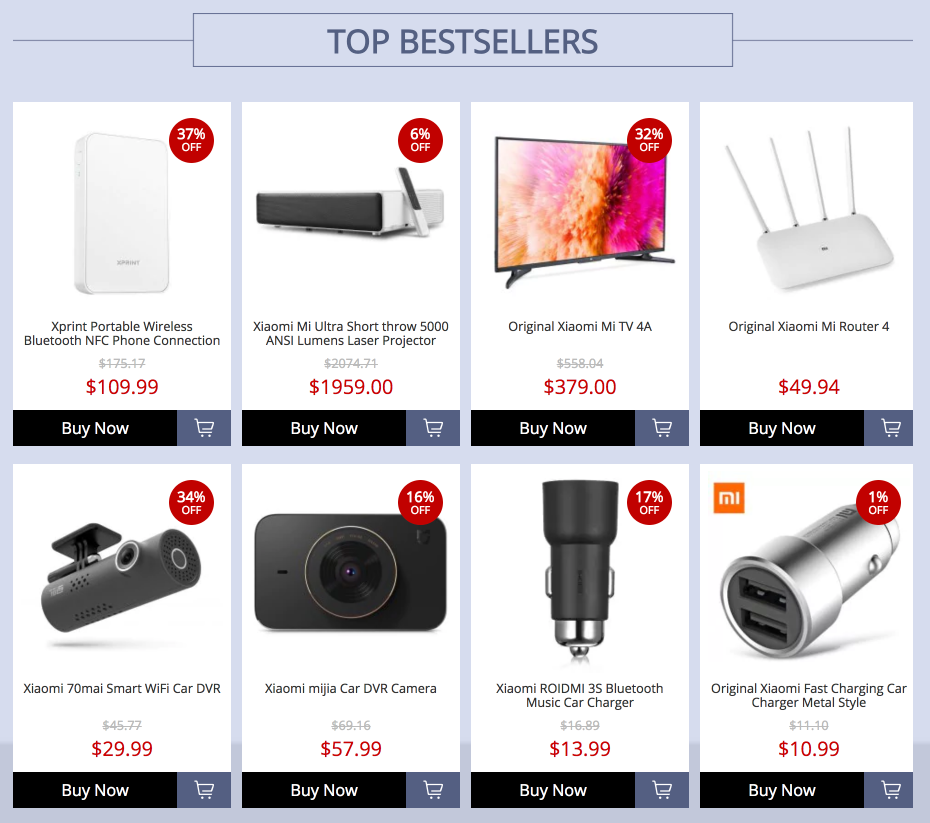
One of my favorite gadgets that I use every day is the Amazfit Bip. After using the Amazfit Bip for more than 3 months, I can see two shortcomings – the silicone band wears off quickly and GPS can get the position a little bit faster.
Besides these two shortcomings, I definitely love my Amazfit Bip. I like the design, comfort, insanely good battery life, display,user interface and the Mi Fit that syncs with the watch.
Is the Amazfit Bip worth the price? Absolutely yes. I will continue using it every single day as it has never let me down. Therefore, I can easily recommend it to anyone after using this tracker for more than 3 months. You can now get the Amazfit Bip for just below $60 which is an amazing deal.
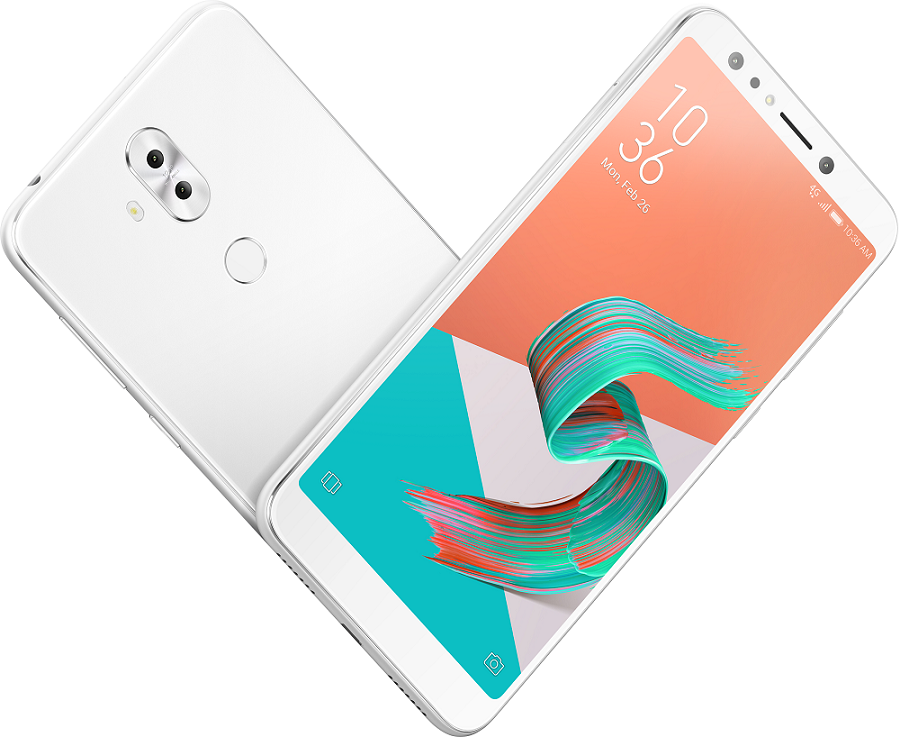
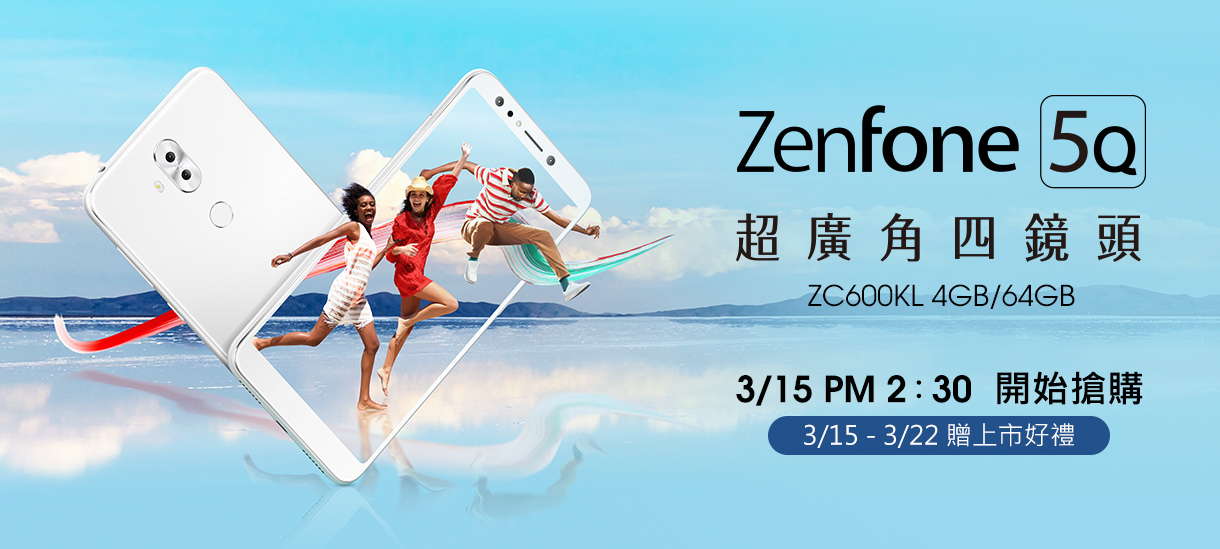
Taiwanese smartphone manufacturer ASUS has officially released the mid-range Zenfone 5Q in the U.S. The ASUS Zenfone 5Q has been on pre-order in the States for about two weeks now. But the tech giant has cut the red tape to open the sales of the device in the U.S market. The Zenfone 5Q is now available to buy on Abt, B&H, Best Buy, Newegg and Amazon.
The ASUS Zenfone 5Q is basically an affordable model, coming in at just $299. The device isn’t among the notch display gang but it packs a 6-inch FullHD+ display with a resolution of 2160 x 1080 pixels. It display adopts the 18:9 aspect ratio, and has Bluelight filter for eye care.
Onboard the Zenfone 5Q, you get a Snapdragon 630 chipset along with Adreno 508 GPU, 4GB of RAM and 64GB of internal storage. The storage is expandable up to 2TB if you are ever going to need that. Alternatively, you can avail yourself of the 100GB cloud storage for 1 year through Google Drive which ASUS is offering.
Further, the Zenfone 5Q comes with a dual camera setup on the back as well as the front. On the back side, there’s a 16-megapixel primary sensor with an 80-degree field of view while the secondary camera sensor offers a 120-degrees field of view. The dual front-facing cameras include a 20-megapixel SonyIMX376 main sensor that offers an 85.5-degree field of view and a secondary sensor that offers a 120-degree field of view. The device runs on ZenUI 5.0 based on Android Oreo operating system. Keeping the lights on is a 3,300mAh battery. The Zenfone 5Q will be available in Midnight Black, Rouge Red, and Moonlight White. Unfortunately, the beautiful Rouge Red variant isn’t available to buy at this moment.
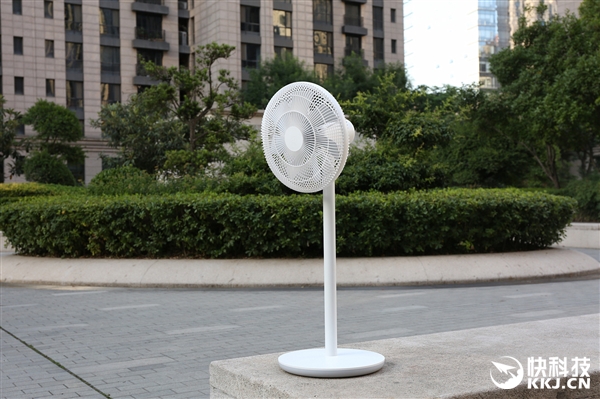
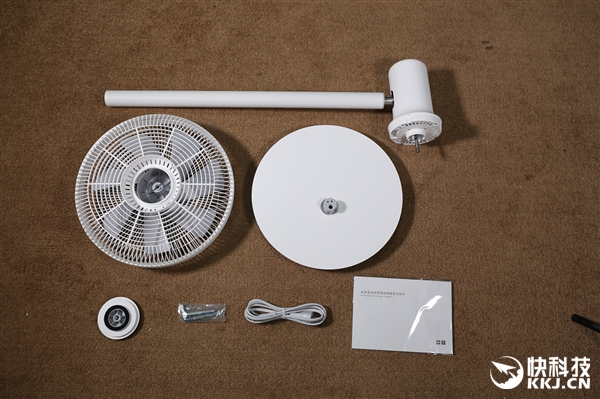
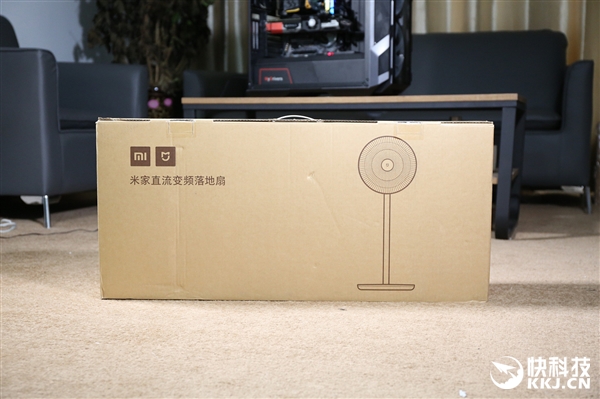
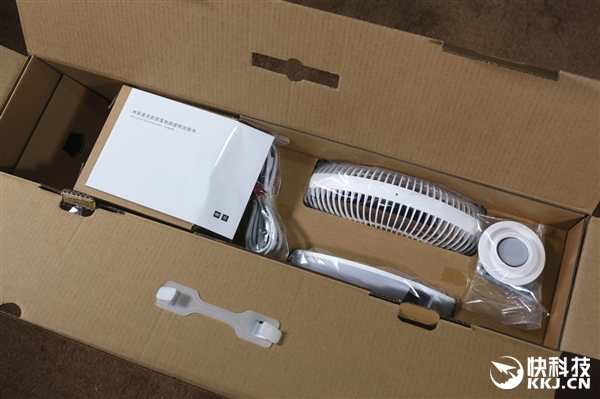
It’s summertime already in China and in some other countries like the U.S. The heat sometimes gets so irritating especially if there’s a power outage or the cooling system at home or in the office is somehow faulty. That is where Xiaomi‘s latest product comes in. The MIJIA DC Inverter fan is obviously designed for use this summer and it has just been launched on Mi Home.
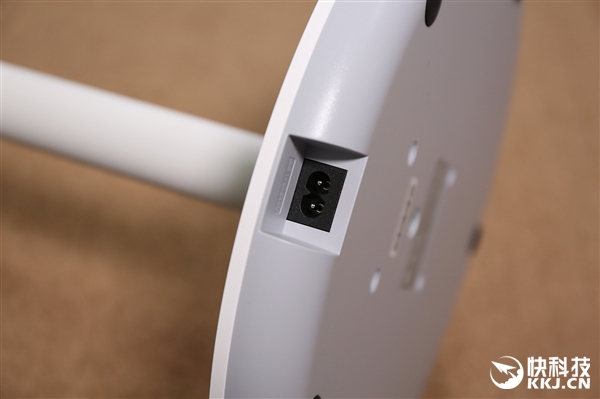
Xiaomi recently launched a portable handheld USB fan in case you are looking for a more portable model. But the MIJIA DC Inverter fan is a bigger and more powerful model which can utilize DC power supply like a rechargeable solar battery or any other DC power supply. The MIJIA DC floor fan will also work when connected to an AC power source.
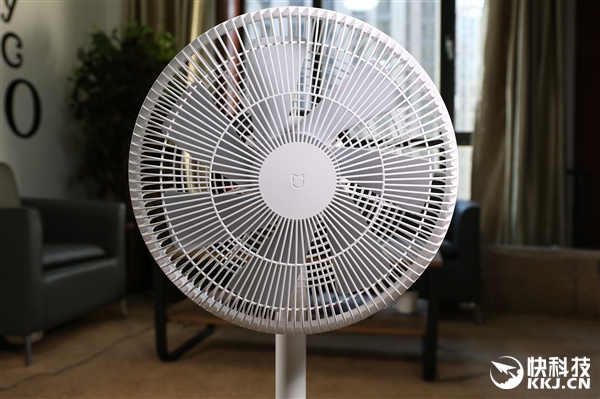
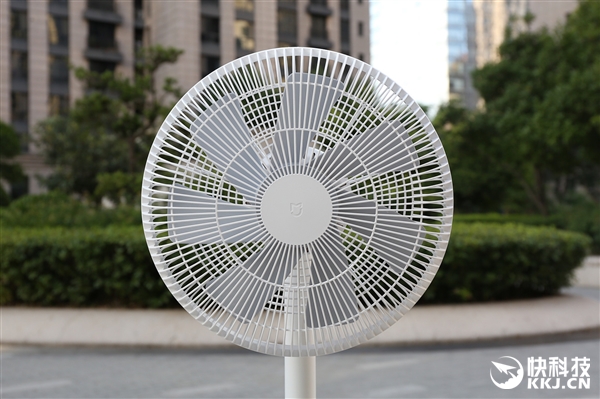
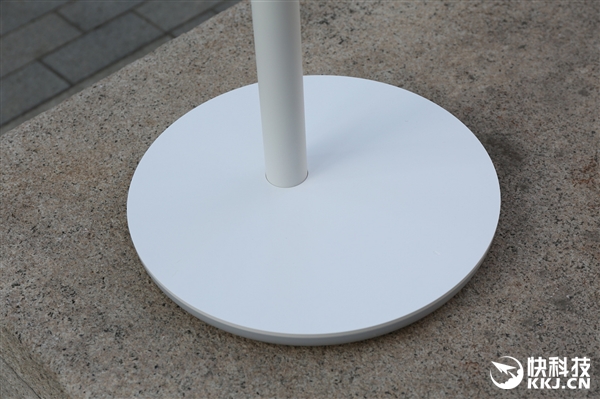
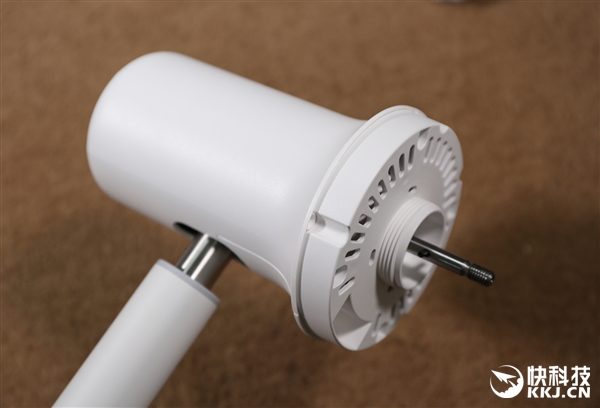
The fan comes with seven blades and the air flows in the same way natural breeze will hit you. The body design is consistent with the quality MIJIA products are known for. It features an all-white design. The outer body is made by injection moulding using anti-ultraviolet ABS material which won’t turn from white to yellow as the product ages or when it is exposed to sunlight for a long time. The pole is an aluminium tube with a round base.
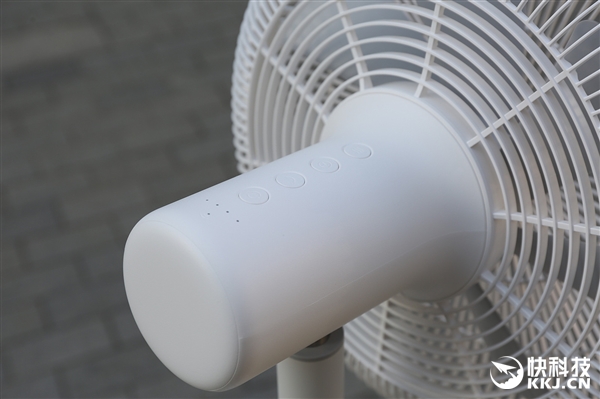
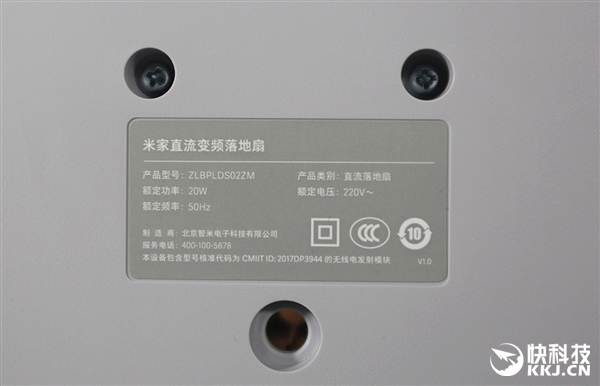
The fan itself uses a brushless DC motor with a silent bearing. The sound is quite low at just 33dB. The brushless motor ensures the fan consumes minimal energy while working, just 1.8W. The control buttons are on the plastic cover concealing the DC motor. In addition, the DC fan can be controlled using the Small Love AI speaker with voice command or via the MIJIA app on a smartphone.
The Xiaomi MIJIA DC Inverter floor fan is presently available on Mi Home for just 349 Yuan ($54). We don’t know when the product will be available outside China. With more of such quality and essential products coming out from Xiaomi’s ecosystem daily, we just can’t help but wish the Chinese company will hasten up efforts to get more of its products to interested buyers outside China. Unfortunately, third-party retailers like Banggood and GearBest, where the Mijia DC fan is already stocked, are our only option for getting some of these products and the prices are usually higher than the recommended retail price.
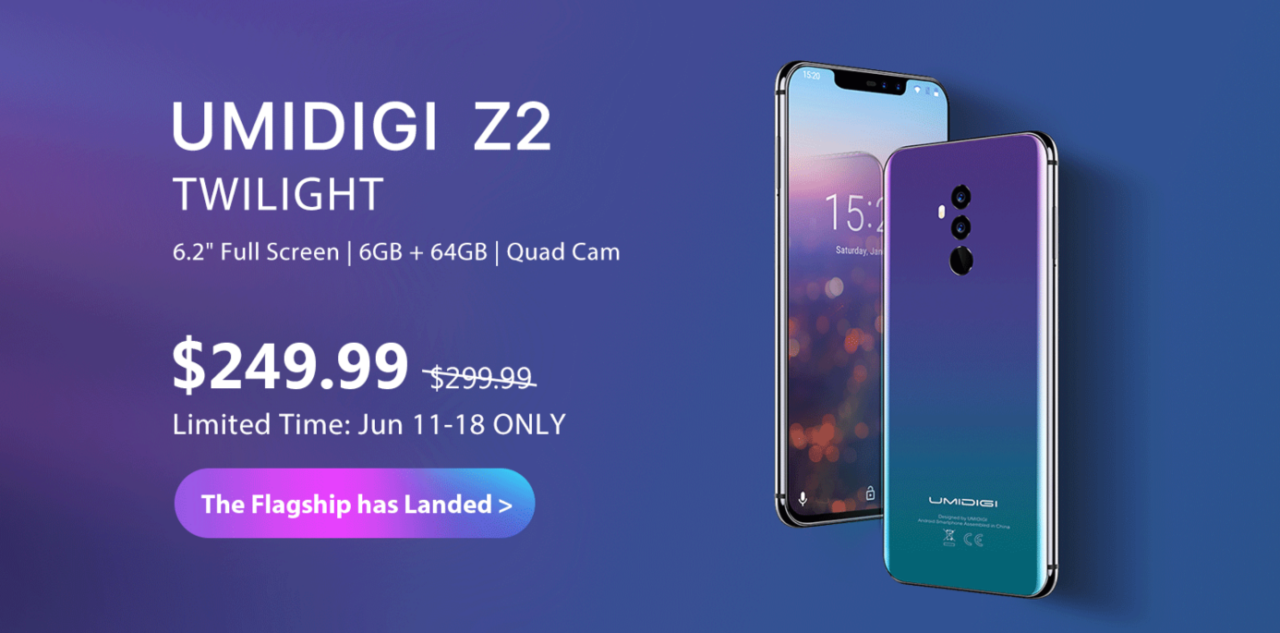
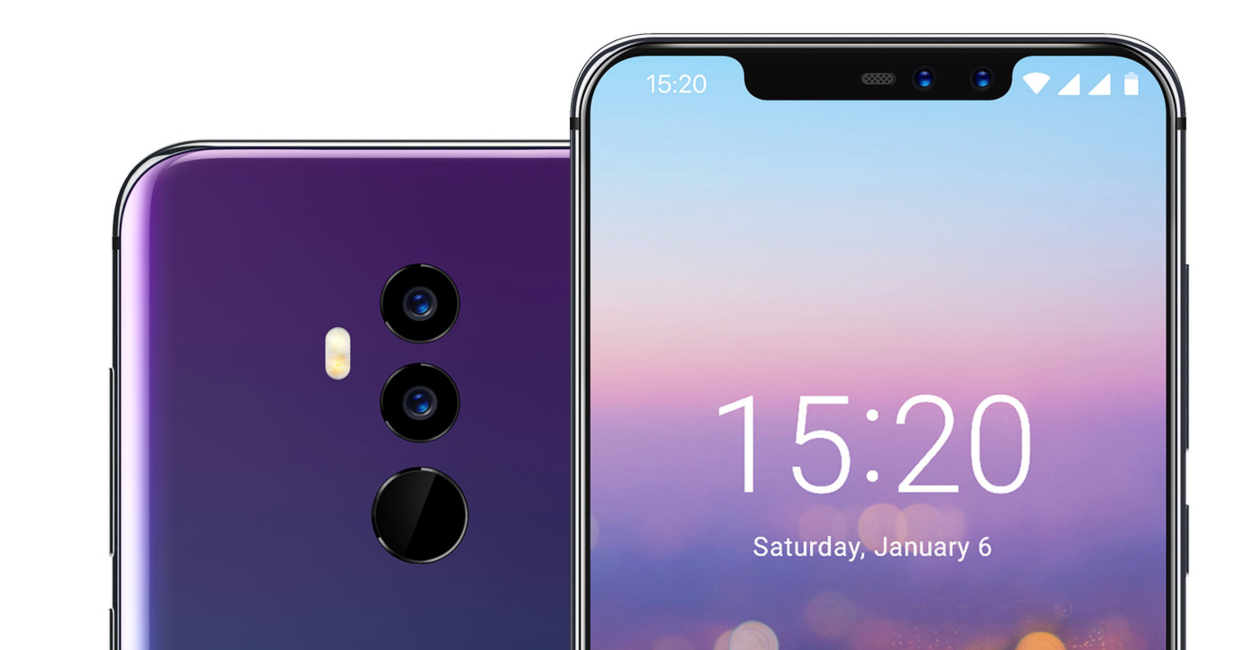
Umidigi is known for making phones that are inspired by the big brands. The Umidigi Z2 has a gradient color finish and it looks very similar to the Huawei P20 Pro. However, the phone has a much lower price tag than the flagships but it has killer specs.
The phone has the notch design, just like most the Android flagships in 2018. In addition, it is available in different colors but the Twilight is definitely the best-looking one. We have a glass on the back and front and a metal trim that goes all around the device.
In addition, the phone has killer specs for the price and here is the complete spec sheet and comparison to the Xiaomi Mi 8:
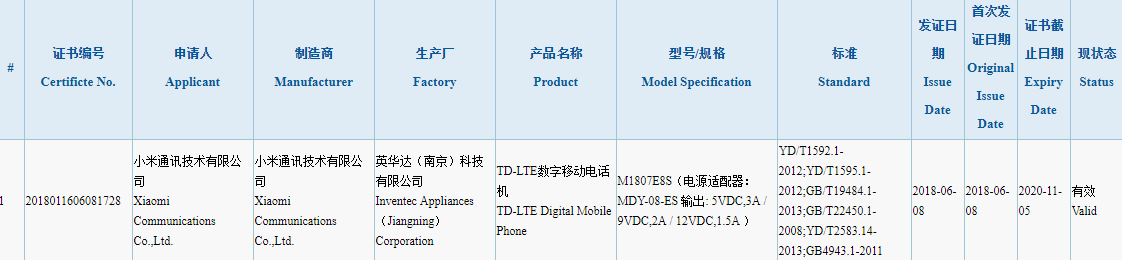
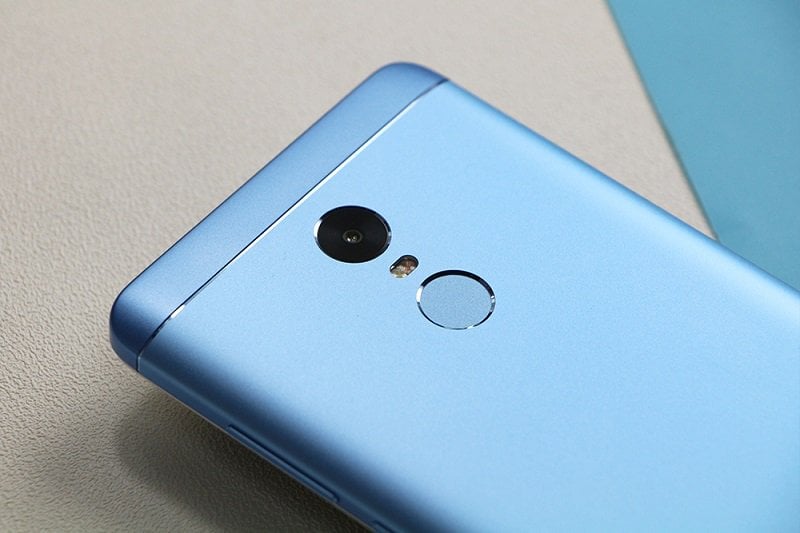
Xiaomi CEO Lei Jun had confirmed in the previous month that the company would be announcing the Mi Max 3 smartphone in July. A new Xiaomi phone with model number M1807E8S enabled with support for fast charging has been approved by 3C certification body in China. It is now being speculated that M1807E8S could be the upcoming Mi Max 3.
As it can be seen in the below image, the M1807E8S Xiaomi device is carries support for 5V / 3A, 9V / 2A and 12V / 1.5A. It means that the handset will be equipped with support for up to 18W fast charging.
Leaked firmware files of the Xiaomi Mi Max 3 smartphone had surfaced four months ago had revealed that it would be equipped with an 18:9 aspect ratio supporting screen. It is also speculated that the handset will be lacking a 3.5mm audio jack.
Also, the phablet is pegged to feature a dual camera setup. It is speculated that Sony IMX363 will be its primary sensor which can be also found on premium phones like Xiaomi Mi MIX 2S and Mi 8. Some of the other features that are expected to arrive on the Mi Max 3 include support for wireless charging and iris scanner.
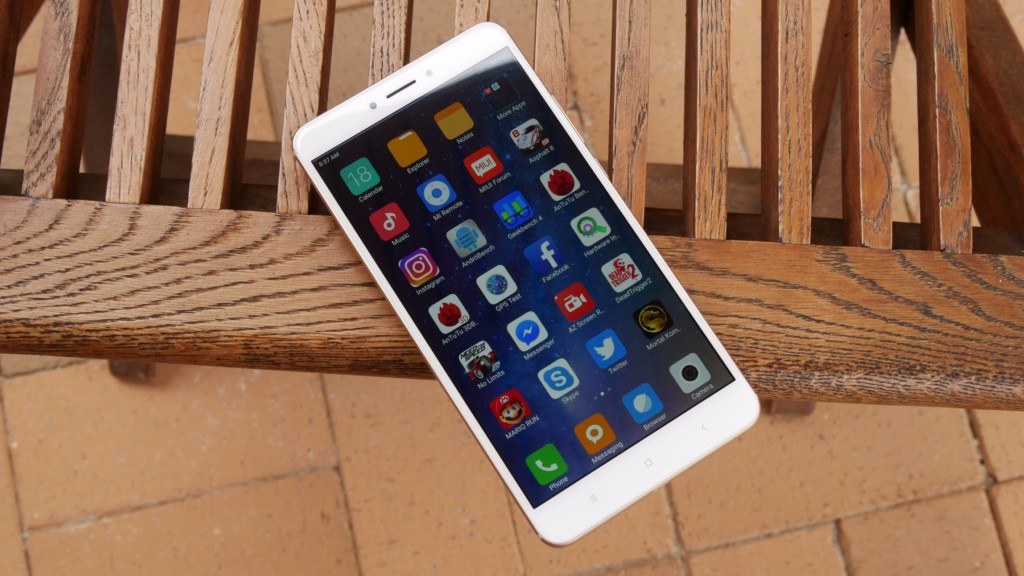
Xiaomi Mi Max 2
Some rumors are speculating that the Snapdragon 710 chipset would be powering the Mi Max 3 phone. Leaked firmware files that had surfaced in April had revealed that Comet and Sirius are the codenames of the two upcoming Xiaomi phones that are powered by the all new Snapdragon 710 SoC. The Sirius smartphone was recently unveiled as the Xiaomi Mi 8 SE phone. The Comet phone has specs like OLED display, Android 8.1 Oreo and 3,100mAh battery which suggests that this SD710 powered device could be some other Mi phone and not the Mi Max 3. There is a possibility that Xiaomi may power the Mi Max 3 with SD660 chipset.
Xiaomi will be launching the Redmi 6 series on June 12. The series is expected to include Redmi 6A, Redmi 6 and Redmi 6 Pro/Plus smartphones. It seems that the Chinese manufacturer will start teasing on the features of the Mi Max 3 after the announcement of the Redmi 6 series.
Huawei, the number one smartphone manufacturer in China and world’s third largest smartphone maker is now preparing premium phones with highest screen size ever, claims The Bell, a South Korean publication. The report has revealed that it has ordered 6.9-inch OLED panels from Samsung Display. The Chinese manufacturer is reportedly planning to use the large-sized OLED panels on phones that will be in launched in Q4 this year or Q1 2019.
Citing industry sources, the publication has claimed that Samsung Display is currently providing samples of flat 6.9-inch OLED panels to Huawei. Full fledged supply of the OLED screens is expected to begin by the end of Q3.
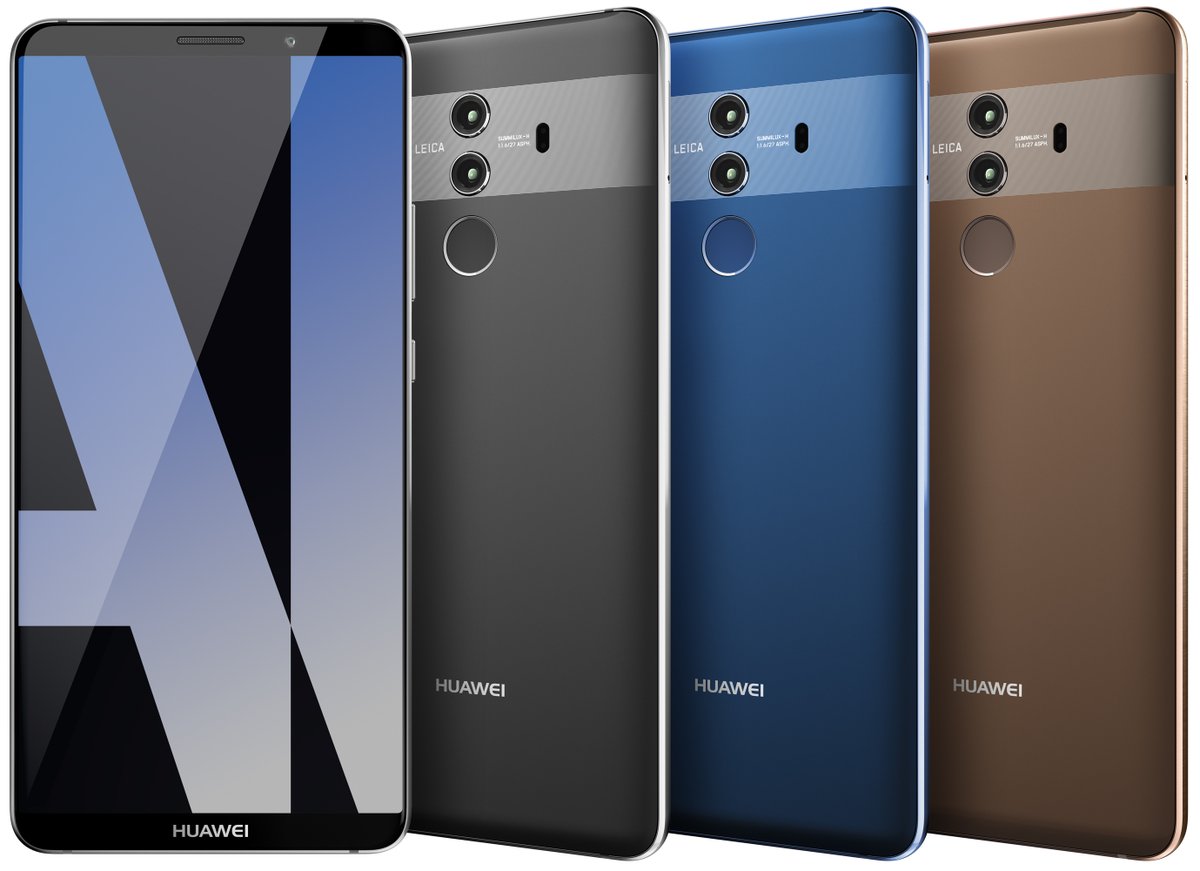
Last year, Huawei had launched the Mate 10 and Mate 10 Pro in Germany on October 16. The timing of the supply suggests that the Chinese manufacturer may use OLED panels on Huawei Mate 20 and Mate 20 Pro smartphones that are expected to debut in the last quarter of this year. The Mate 20 may feature a 6.1-inch display like P20 Pro whereas the Mate 20 Pro may house the largest ever smartphone display of 6.9 inches.
The Samsung Galaxy Note 9 is rumored to arrive with a 6.38-inch OLED screen whereas one of the upcoming iPhones may house a 6.46-inch OLED display. Huawei is now speculated to overpower its rivals by launching a 6.9-inch Mate 20 Pro.
An AnTuTu listing of the Mate 20 phone had surfaced in April. It had revealed that Kirin 980 chipset powered Mate 20 had scored 350,000+ on the benchmarking platform. Hence, the Mate 20 and Mate 20 Pro are most likely to feature the powerful Kirin 980 SoC. A report from the previous month had revealed that it would be a 7nm chipset like the Apple A12 SoC that will be powering the 2018 iPhones.
Since the smartphone has already launched the Huawei Mate RS phone with under-display fingerprint scanner, initial rumors suggest that the Mate 20 will be equipped with an advanced biometric recognition feature.
Last week, LG announced the Q Stylus line of phones which includes the Q Stylus, Q Stylus Plus, and Q Stylus α. It mentioned that availability and pricing will be announced in destination markets such as the US and Asia. If you live in America and have been waiting for the Q Stylus α, direct your searchlight at MetroPCS LG Stylo 4.
A user manual and flyer of the LG Stylo 4 has surfaced online and judging from the specs and design, we believe it is the same device as the LG Q Stylus α.
[envira-gallery id=”195815″]
The Stylo 4 comes with a 6.2-inch FullVision display with a 2160 x 1080 resolution. It is powered by an unnamed Qualcomm Snapdragon octa-core chipset clocked at 1.8GHz which we believe is the Snapdragon 450.
The Q Stylus α has 3GB of RAM but LG has put 2GB of RAM in the Stylo 4. However, storage remains 32GB and can be expanded via a MicroSD card slot. For optics, there is a 13MP sensor on the rear and a 5MP wide-angle sensor above the display. The camera can take portrait photos and capture fast moving objects. There is even a Google Lens-like feature called Q Lens, and DTS:X 3D surround audio.
The phone runs Android 8.1 Oreo and has a 3,300mAh battery and a rear-mounted fingerprint scanner. Like the name says, the device comes with a stylus but don’t expect features like those found on Samsung’s Galaxy Note series. Nevertheless, you should be able to write with the stylus instead of typing with the on-screen keyboard.
[envira-gallery id=”195812″]
The user manual shows the position of the sensors, ports, and buttons. There is a micro USB port at the bottom along with a 3.5mm audio jack, a speaker grille, and a primary microphone.
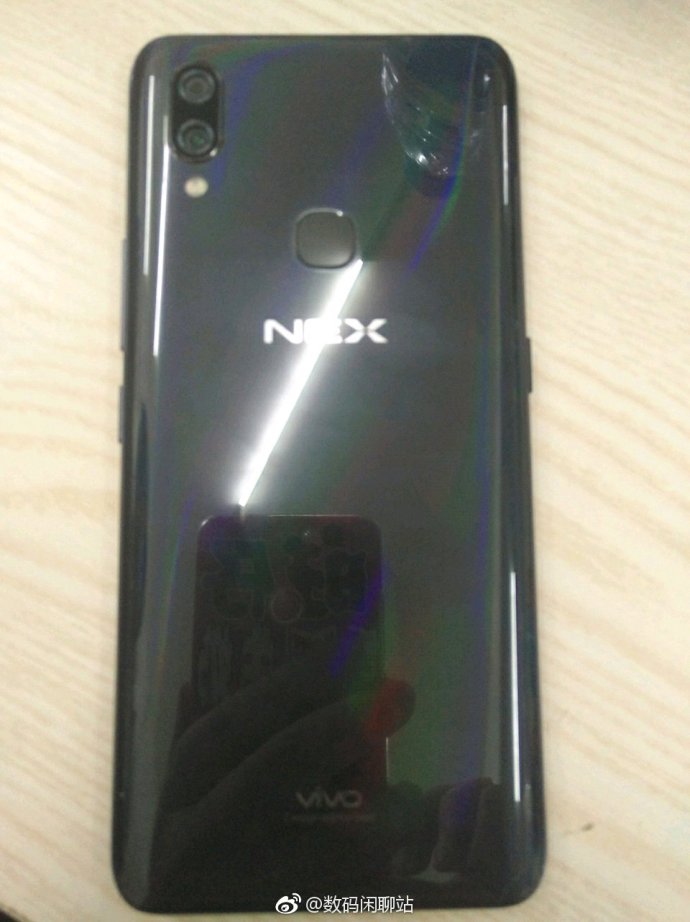
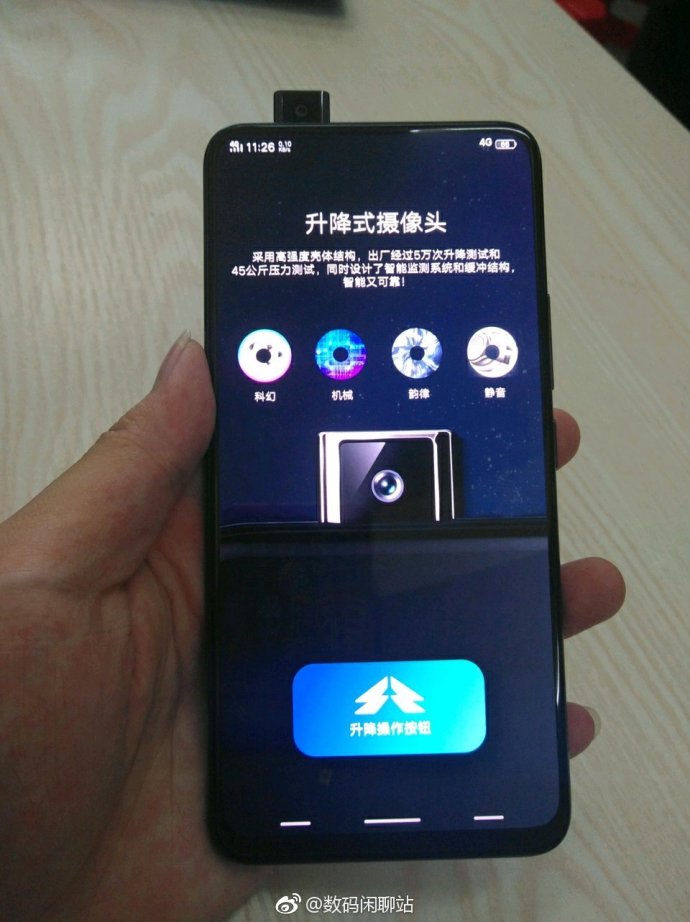
The Vivo NEX smartphone is launching tomorrow and the rumor mill seems to have gone berserk as plenty of information have surfaced on it in the past 24 hours. Apart from a report on the leaked hands-on video, most of the recent leaks have only revealed the specs and pricing of the Vivo NEX, NEX A and NEX S smartphones. Earlier today, a Chinese leakster had shared new photos of the phone on Weibo. The new images have surfaced to show the Vivo NEX in real skin before its official launch.
The rear side of the phone has a vertical dual camera setup that is placed at the top-left corner of the phone. Its posterior also features a squarish fingerprint scanner. This could be the “Vivo NEX” variant that had momentarily appeared with a rear-mounted fingerprint reader on the official website in the previous week. The backside of the handset seems to be made out of glass.
The other two images give a clearer view of the frontside of the Vivo NEX. The pop-up camera is clearly in one of the images. The handset is expected to arrive with a massive display of 6.59 inches. The leaked photos suggest that smartphone will indeed offer an impressive screen space. As it can be seen in the image, the chin of the device is a bit thicker than other bezels that surround the screen. It is speculated that the Vivo NEX will deliver a screen-to-body ratio of around 91 percent.
Recent reports have revealed that the Vivo NEX and NEX A are both powered by Snapdragon 710. The Vivo NEX has SD710 SoC and 6 GB of RAM whereas the Snapdragon 845 variant is likely to arrive as Vivo NEX S and it expected to feature 8 GB of RAM and 128 GB of storage.
There are conflicting rumors on the variants and pricing of the Vivo NEX phone. This suggests that Vivo may unleash the Vivo NEX in multiple variants to target flagship and upper mid-range phone buyers. The exact information on the Vivo NEX variants will be confirmed tomorrow through its launch event.
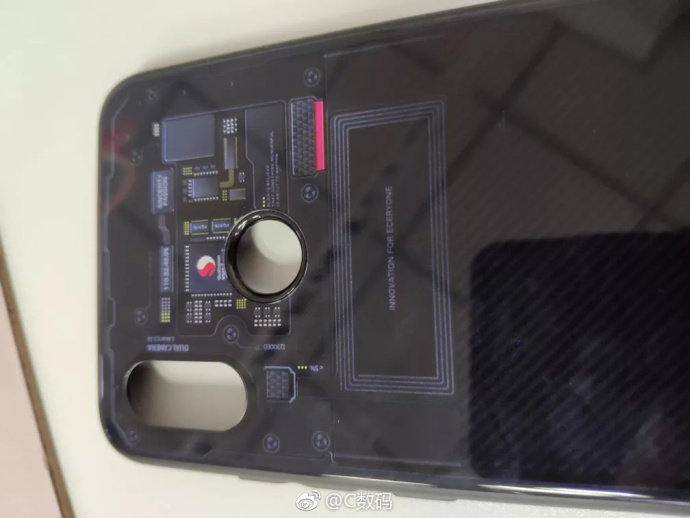
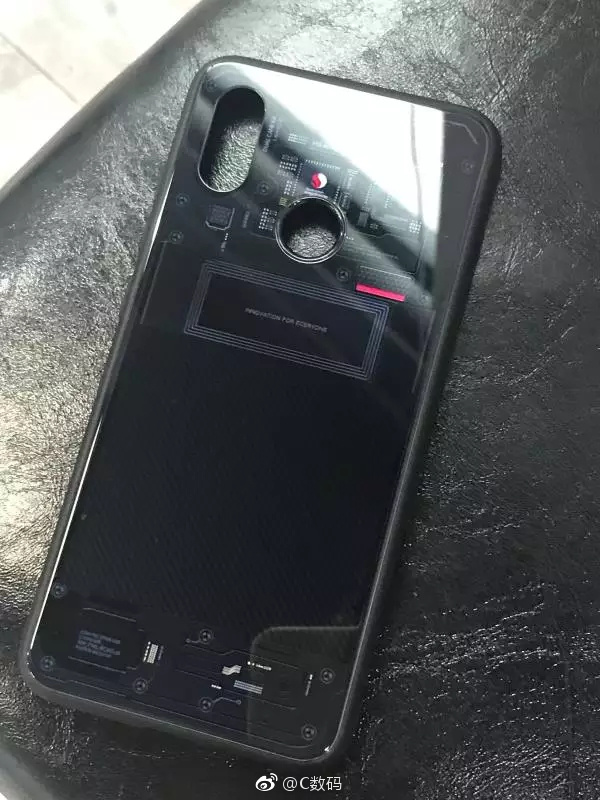
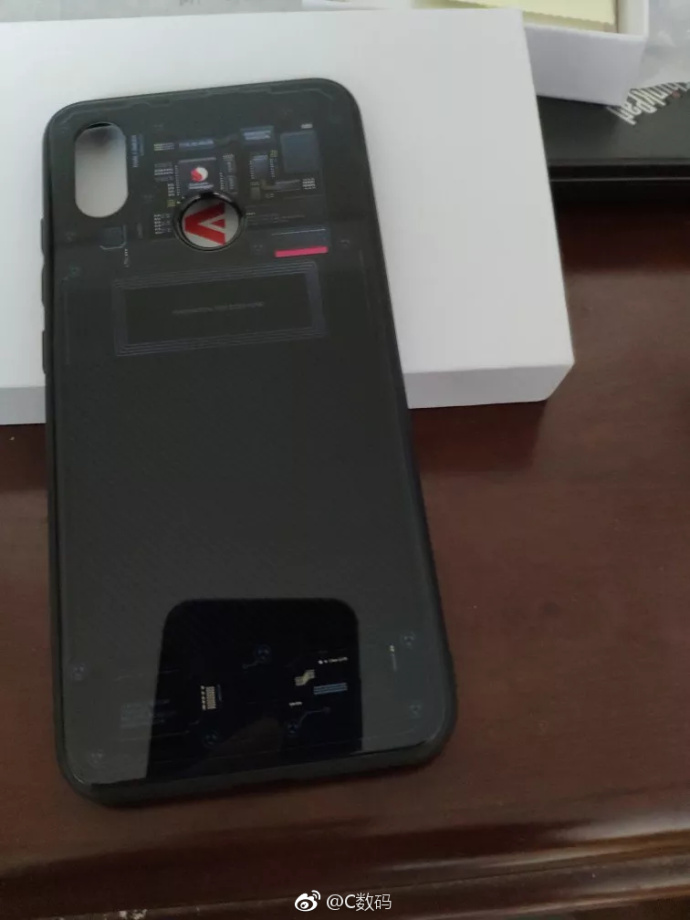
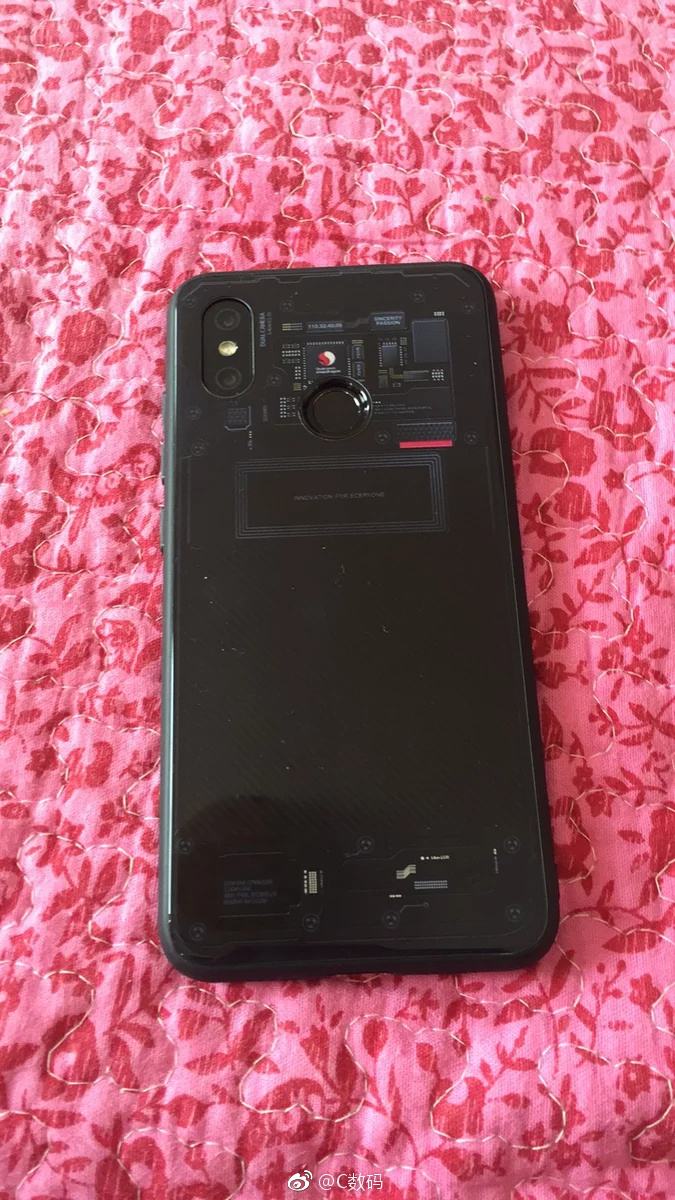
Xiaomi Mi 8 Explorer Edition was launched alongside the Mi 8 and Mi 8SE and the smartphone turned out to be the high-end model among the lot. All three models come with almost similar designs but in the case of the Mi 8 Explorer Edition, it features a translucent glass back which shows the internal components in a beautiful way. The device equally comes with an in-display fingerprint technology and of course, a steep price tag.
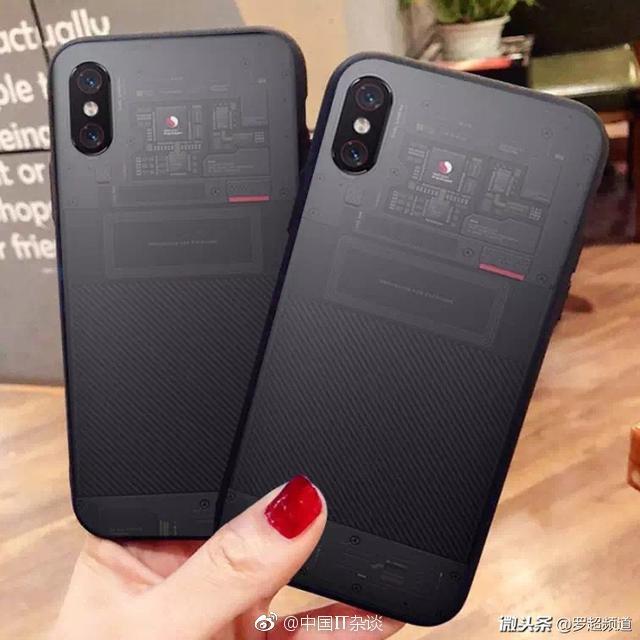
The Xiaomi Mi 8 Explorer Edition comes only with 8 GB of RAM and 128 GB of storage and it is priced at 3,699 Yuan (~$577). This is quite modest for a Snapdragon 845-powered flagship but the Mi 8SEis way cheaper at 1799 yuan (~$280) for the 4GB + 64GB version. Even the 6GB + 64GB version is still affordable at 1999 yuan(~$312). So, if you fancy the glass panel of the Explorer edition but won’t want to spend so much on a smartphone, this casing could be your saviour. A third-party protective casing has been spotted in China. The casing comes with a translucent glass back just like the Mi 8 Explorer and it fits the Mi 8SE perfectly. The casing cost just 29 yuan (~$4).
So, for just 29 yuan ( $4), you can pick up the casing and get to upgrade to the Mi 8 Explorer Edition. We don’t know about the material used for the casing or its weight but it looks like a laminated vinyl phone skin. We do hope this gets available outside China.
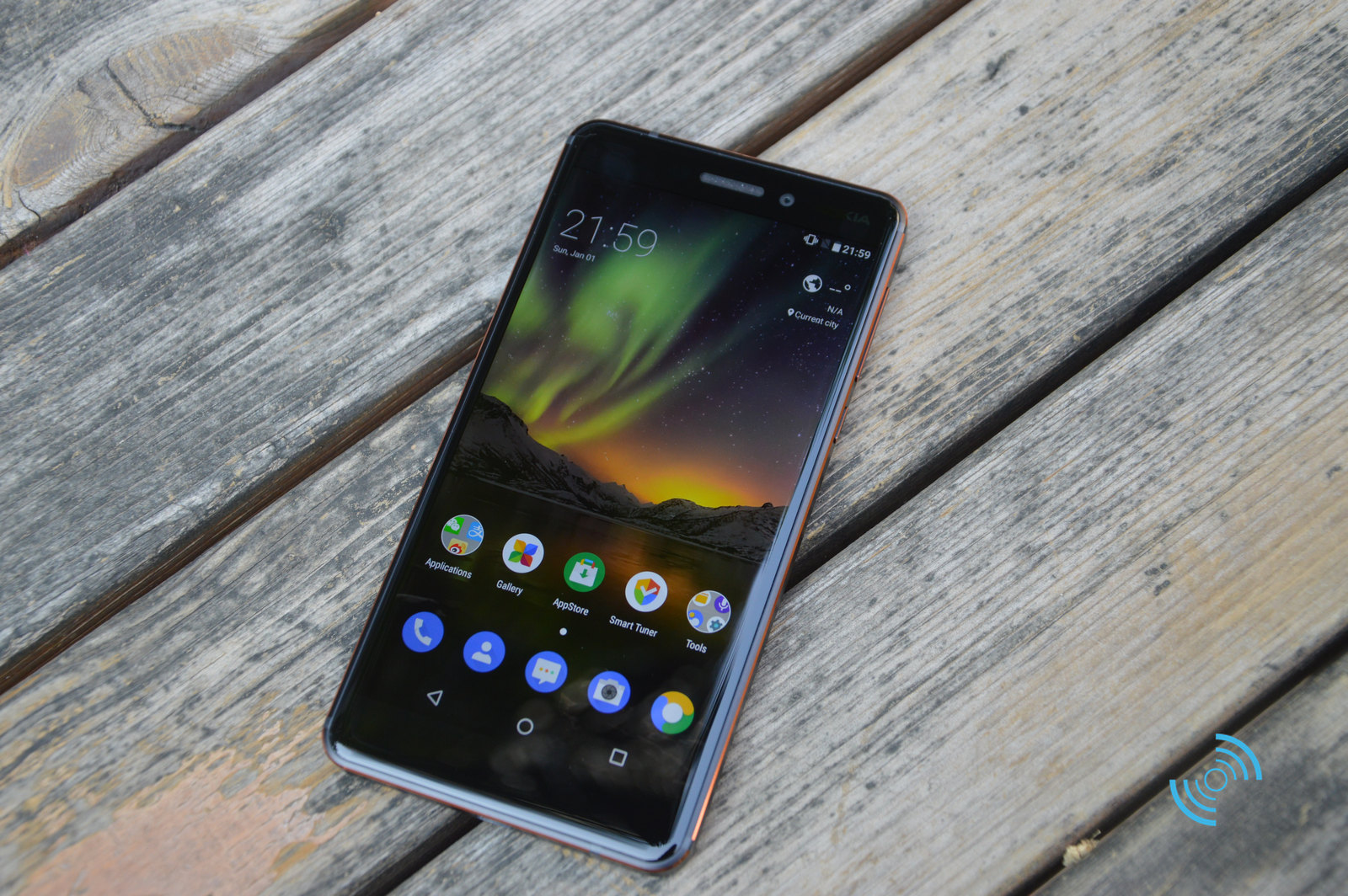
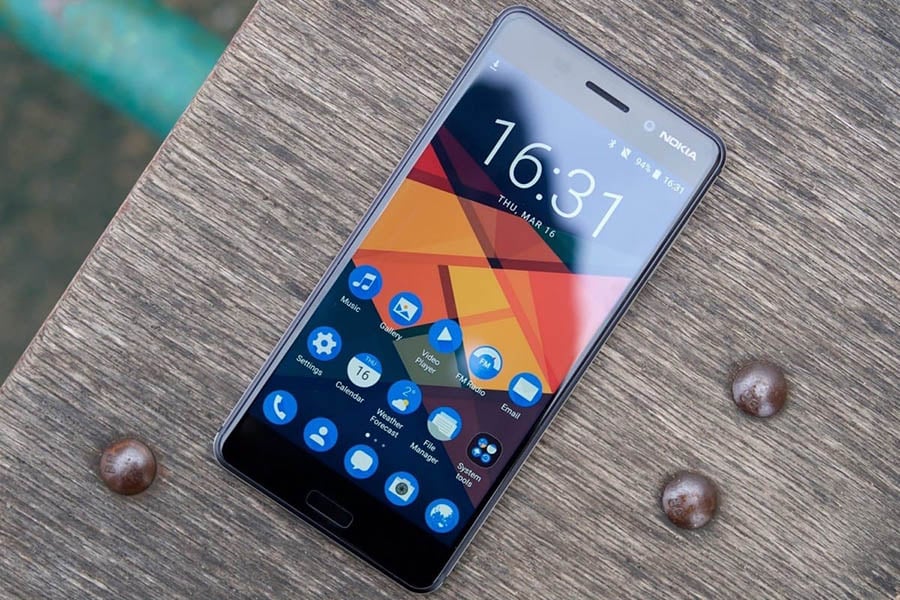
Earlier this year, in February, HMD Global launched a new version of its Nokia 6 smartphone, dubbed as Nokia 6.1 (or Nokia 6 2018) during the Mobile World Congress in Barcelona. The phone went on sale in April this year.
While the company had earlier confirmed the 4GB RAM model of the Nokia 6.1 along with 64GB internal storage, there was no news about the phone going on sale. However, the company has now quietly launched the Nokia 6.1 with 4GB RAM and 64GB storage which is now available for purchase in Germany.
In Germany, the smartphone is now available for a price of €302 or $355 through retailer ComStern. Additionally, Amazon Germany is also offering the smartphone for purchase, but at a higher price tag of €302, which roughly converts to $380. The shipments are expected to start in the coming days, while Amazon suggests June 19.
The phone is not a huge departure from the previous-generation model, but there are few meaningful changes that could improve the experience. The company claims that the smartphone is over 60 percent faster compared to its predecessor.
It comes with a 5.5-inch 2.5D display with ‘damage-resistant’ Corning Gorilla Glass on top. It features Full HD display with 1920 x 1080 pixels screen resolution, having a pixel density of 401ppi. Under the hood, the device is powered by Qualcomm‘s Snapdragon 630 processor clocked at 2.2GHz. There’s also a microSD card slot, which enables users to further expand the phone’s storage capacity.
There’s a 16-megapixel camera on the back which has f/2.0 aperture, phase detection autofocus, and dual-LED flash. The phone also features an 8-megapixel front-facing camera with a 1.12um sensor and f/2.0 aperture for taking selfies and video calling. There’s a fingerprint sensor placed on the back panel for added security.
On the connectivity front, the phone offers hybrid Dual SIM slot, 4G VoLTE, Wi-Fi 802.11 b/g/n, Bluetooth v5, GPS, USB Type-C port, 3.5mm audio jack, FM Radio. It also features dual speakers, dual smart amplifiers, and Dolby Atmos.
The phone is running on Android Oreo operating system. Given that it’s an Android One device, there is no bloatware on the phone as well as no custom user interface from the company. The Nokia 6 2018 is powered by a 3,000mAh non-removable battery.
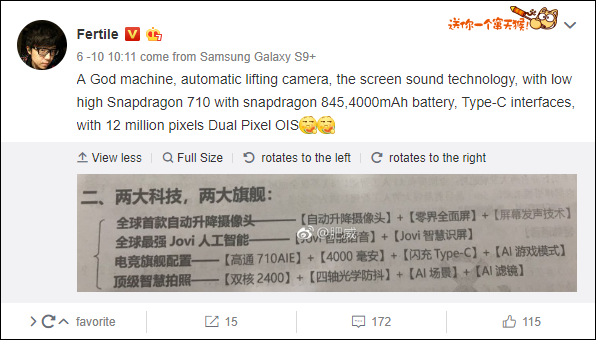
We really have had enough of leaks already about the Vivo NEX and would prefer to finally meet the device. That would happen in a couple of hours time as the NEX models will go official on June 12. Ahead of that, we have sotted another leaked details of the NEX.
Previous leaks about the Vivo NEX had shown that there will be a NEX, NEX S and NEX A model but the specs of the NEX A has been elusive. In this case, the key specs of all three models are listed. This new leak indicates that NEX A and NEX S are both Snapdragon 710-powered variants while the Vivo NEX is the Snapdragon 845 flagship model. All three models will come with a full-screen bezel-less design which is one of the major highlights of the NEX models. The screen ratio is said to go p 95%. There is also a pop-up camera on all models, a feature that is already confirmed.
The leaked specs sheet shows the models will come with a 4000mAh battery and the charging interface is a USB Type-C interface. This could be the first Vivo model to come with Type-C since the Vivo APEX is yet to go official, that is if it will ever be commercialized. There are rumours that the NEX is the commercial version of the APEX but Vivo is yet to confirm that. The phones are also expected to come with Vivo’s JOVI AI technology. The cameras will also have AI capabilities and this includes the dual rear cameras. The Vivo NEX will redefine bezel-less concept with its design and we just can’t wait to see if its design is exactly as we have seen in leaks and official renders.
With the emergence of dual camera phones came portrait mode. However, some manufacturers like Google have proved that you do not need an extra camera to take portrait photos. Xiaomi seems to have also figured out how to achieve portrait mode with only one camera and has announced the feature will roll out along with MIUI 10.
If you own a Xiaomi phone with a single camera, then you should check out the list of supported devices below to know if you will get the feature:
Do note that the above devices will only support portrait mode on the rear camera. However, Xiaomi says the Mi 6 and the Redmi Note 5 (India) will get front camera portrait mode.
Xiaomi says other devices will be supported soon but there is no time frame yet. So if your device is not on the above list, there is a chance it may get the feature later.
Qualcomm recently launched its new smartphone chipset in the Snapdragon 700-series — Qualcomm Snapdragon 710. Now, Huawei’s HiSilicon Technologies is reportedly working on Kirin 710 processor, which will take on Snapdragon 710.
According to the report, the HiSilicon Kirin 710, a mobile chipset for the mid-tier market could get launched in July this year. Sources aware of the development have said that it will directly compete with the Snapdragon 710.
The Kirin 710 will be an upgrade of its predecessor Kirin 659 CPU and will come with Huawei’s own chipset architecture based on the Cortex A73 CPUs. It is reportedly being built using a 12nm process at Taiwan Semiconductor Manufacturing Company (TSMC).
In comparison, the Snapdragon 710 chipset from Qualcomm is built using the 10nm node at Samsung Electronics and feature a multi-core AI engine and neural network processing capabilities.
The chipset includes two cores of Kryo 360 Cortex A75 clocked at 2.2GHz and six cores of Kryo 360 Cortex A55 that offers a processing speed of 1.7GHz. The octa-core processor is coupled with Adreno 616 graphics that promises 35 percent better rendering of graphics.
There are a few smartphones announced recently which are powered by the Snapdragon 710 processor. Xiaomi recently launched Mi 8 SE and the Vivo is using the same chipset for its upcoming Vivo NEX smartphone. Further, companies like HMD Global (Nokia) and Google are also said to be working on a phone powered by Snapdragon 710.
While not much information is known about this upcoming chipset, the first Kirin 710-powered model is likely to be Huawei’s Nova 3 (which is codenamed Paris) or Huawei P20 Lite. The smartphone is expected to be launched in July, featuring 19.5:9 all-screen display and the dual-lens camera.
The company is also working on two other models with serial numbers PRA-AL00 and PRA-TL00. The phone has been verified for meeting 3C (China Compulsory Certification) standards. This year, the company is expected to ship over 140 million smartphones in 2018. According to the source, the mid-range smartphone from the China-based company accounts for at least 50 percent of its total shipments.
The launch of the Honor Play and the Honor 9i doesn’t mean the Honor 10 has been put on the back burner. The flagship has received a new update that brings a number of new features and improvements.
The first of the features the update brings is an app called Party Mode. Party mode lets owners of the Honor 10 pair up multiple units of the phone together via NFC and play the same song at the same time. The feature is said to be available on the Honor View 10 too but there is no confirmation you can pair both phones together.
Another feature included in the update is an enhancement for the camera app. The AI camera now shows a text informing you of the photo effect in use when it detects the scenery in focus.
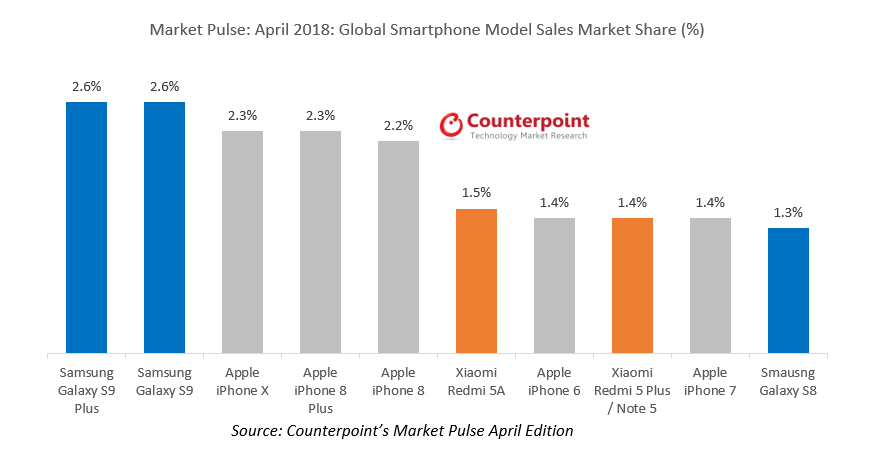
A new report by the popular research firm Counterpoint has just revealed the top-selling smartphones of April 2018 in the global market. The top 10 published by Counterpoint highlights the supremacy of Samsung and Apple in the mobile sector, and Xiaomi is the only other brand which appeared in the ranking. At the first place, there are Samsung Galaxy S9 and S9 Plus, followed by Apple iPhone X, iPhone 8 Plus and iPhone 8.
The second half of the ranking starts with Xiaomi Redmi 5A, which is the most entry-level and affordable smartphone by the Chinese hi-tech giant. At the 7th place, there is again Apple with its older iPhone 6, while at the 8th place there is Xiaomi Redmi 5 Plus that is known as Redmi Note 5 in India.
The last two spots are taken by iPhone 7 and Samsung Galaxy S8. Note that every phone in the ranking except the ones by Xiaomi is a flagship or a former flagship. The success of Samsung Galaxy S8 derives from consistent price cuts by the Korean giant on its former flagship.
It is good to see that most people still prefer to buy a flagship, even though the differences between them and affordable devices are decreasing day by day.
The smartphone industry has never been this competitive and most of the competition could be attributed to the increase in innovations among OEMs. Phone manufacturers are investing massively in R&D and daily, new patents applications keep hitting patent offices around the globe. china is presently a hotbed for new patents and it is no wonder, Chinese companies are almost dominating the industry except for Samsung and Apple who have kept their strong grip on the top 2 spots. Huawei is one company that has invested massively in R&D and the results are becoming visible. The Chinese giant recently revealed that it spent close to $14 billion USD in its Research and Development efforts last year and that it will spend even more this year.
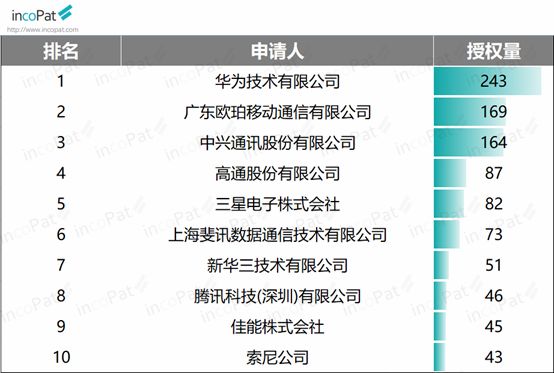
That promise seems to be in action as a recent data of the top 10 patent filings before the Chinese Intelectual Property office shows that Huawei had the most patents granted in the HO4 segment (electrical equipment technology). The top 10 companies in this segment are mostly smartphone manufacturers and aside from Huawei which had a total of 243 approved patents, OPPO was also in second place with a massive 169 patent approvals in May 2018. Embattled tech company ZTE Corporation came in third place with 164 new approved patents. At the fourth spot, is U.S chipmaker Qualcomm Corp while Samsung had 82 approved patents to occupy the fifth spot.
The rest of the list is dominated by electronics manufacturers with concerns outside smartphones. The sixth spot is occupied by the Shanghai Feixun Data Communication Technology Co. Ltd (73 patents). Others are Huashan Technology (51) at number 7, Tencent (46 new patents) at the eight spot, Canon Corporation (45) at number 9 and finally, Japanese firm Sony Corporation (43 approved patents) at the tenth spot.
This data of approved patents sure indicates that we may be looking at more innovative products from OEMs this year as they try to outwit their rivals in the world’s second-largest smartphone market and of course globally.
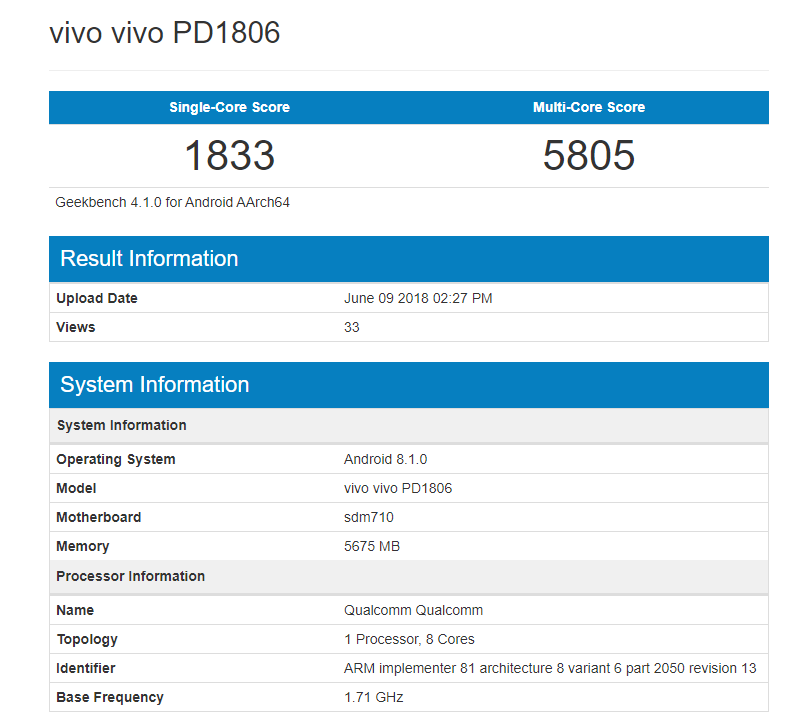
Less than 24 hours before the launch of the Vivo NEX and the device has appeared on Geekbench. Actually, this is not the first Vivo NEX to be seen on the benchmark site. A few days ago, the Snapdragon 845-powered Vivo NEX S was spotted on the site. This variant is the one coming with a Snapdragon 710 SoC.
The device was benchmarked on June 9 as the “vivo vivo PD1806”. It runs Android 8.1 Oreo and has a sdm710 chipset paired with 6GB of RAM. The octa-core SoC is the first of the Snapdragon 700 series and appeared first in the Xiaomi Mi 8 SE.
The Vivo NEX scored 1833 points in the single-core test and 5805 points in the multi-core test. The scores are in the same range as that of the Mi 8 SE.
In its latest campaign to push its new flagship, OnePlus has partnered with Gameloft to create a racing competition for its fans in India.
The OnePlus Asphalt Cup 2018 is a special competition within Gameloft’s Asphalt 8: Airborne mobile game. The competition is open to residents of India alone but both Android and iOS users. During the period of the competition which runs from June 13 to July 8, participants will race against each other to top the leaderboard.
OnePlus is giving out some mouth-watering prizes to the winners. Below are the prizes for the top three winners:
OnePlus will also give the top five racers each week a pair of Bullets Wireless Earphones. The top 25 racers will also get exclusive gifts courtesy of OnePlus and Gameloft. Lastly, all participants will get in-game rewards worth up to $300 every week.
If you are interested, head to the source link and follow the instructions. Participants can play as many times as they like to top the scoreboard.
Xiaomi is slowly inching closer towards an IPO this year and the necessary steps have already been set into motion. The company’s CDR (Chinese Depository Receipts) application revealed some important figures about the company’s financials earlier today. Let’s take a look at the key figures from this application.
Xiaomi is expected to be valued anywhere from $75 billion to $80 billion in its IPO in Hong Kong later this year. It will be the first Chinese enterprise to raise CDRs, which is usually reserved for companies in the high-tech industry. The application revealed that Xiaomi has shipped over 28 million smartphones in Q1 2018. During the same quarter, the company posted a net loss of 7.03 billion Yuan (~$1 billion).
In 2015, 2016, and 2017, Xiaomi’s revenues were 66.8 billion Yuan, 68.4 billion Yuan, and 114.6 billion Yuan respectively. Last year’s growth in revenue has been significant and some of the credit goes to the company’s shift in strategy after a less than impressive 2016. However, despite the growth in revenue, the company still posted a net loss of 43.9 billion Yuan (~$6.85 billion) in 2017.
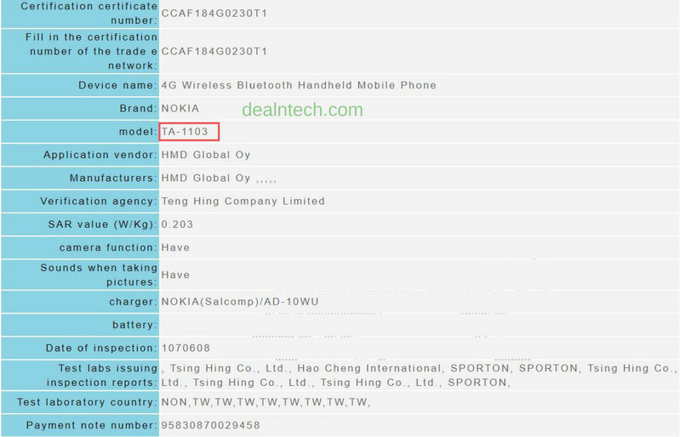
HMD Global launched the Nokia X6 in China last month and since then, the device has gone on several record-making flash sales which get sold out in a matter of seconds. The fourth flash sale was over the weekend and the device was equally sold out. This is as a result of the high interest in the smartphone in China. The Nokia X6 also garnered a high level of interest outside China. Even though Nokia did hint at a global launch in the future, no timeline was set for that. However, the Nokia X6 may launch soon outside mainland China and Taiwan looks like the destination. The device has just got certified by Taiwan’s NCC.
The device is listed with the model number TA-1103 and even though it wasn’t listed as Nokia X6, the model number is similar to the China version (TA-1099). The same model (TA-1103) also got its Bluetooth certification a couple of weeks back which confirms it is the international variant. The Taiwan NCC’s listing doesn’t reveal any other details apart from the fact that it is built by HMD Global and will support 4G.
The specs sheet of the international version isn’t expected to be different from the China version. This means consumers can expect a large 19:9, 5.8-inch display complete with a notch, alongside Qualcomm’s Snapdragon 636 on the inside and the choice of either 4GB or 6GB of RAM. Additionally, 32GB or 64GB will be present depending on the user’s preference. The Nokia X6 equally comes with a dual camera setup at the rear consisting of a 16MP main sensor and a 5MP secondary camera. At the front, there is a 16MP selfie camera and keeping the lights on is a 3060mAh battery. The International version is expected to ship with stock Android 8.1 Oreo as part of the Android One program.
We use cookies on our website to give you the most relevant experience by remembering your preferences and repeat visits. By clicking “Accept”, you consent to the use of ALL the cookies.
This website uses cookies to improve your experience while you navigate through the website. Out of these, the cookies that are categorized as necessary are stored on your browser as they are essential for the working of basic functionalities of the website. We also use third-party cookies that help us analyze and understand how you use this website. These cookies will be stored in your browser only with your consent. You also have the option to opt-out of these cookies. But opting out of some of these cookies may affect your browsing experience.
Necessary cookies are absolutely essential for the website to function properly. This category only includes cookies that ensures basic functionalities and security features of the website. These cookies do not store any personal information.
Any cookies that may not be particularly necessary for the website to function and is used specifically to collect user personal data via analytics, ads, other embedded contents are termed as non-necessary cookies. It is mandatory to procure user consent prior to running these cookies on your website.