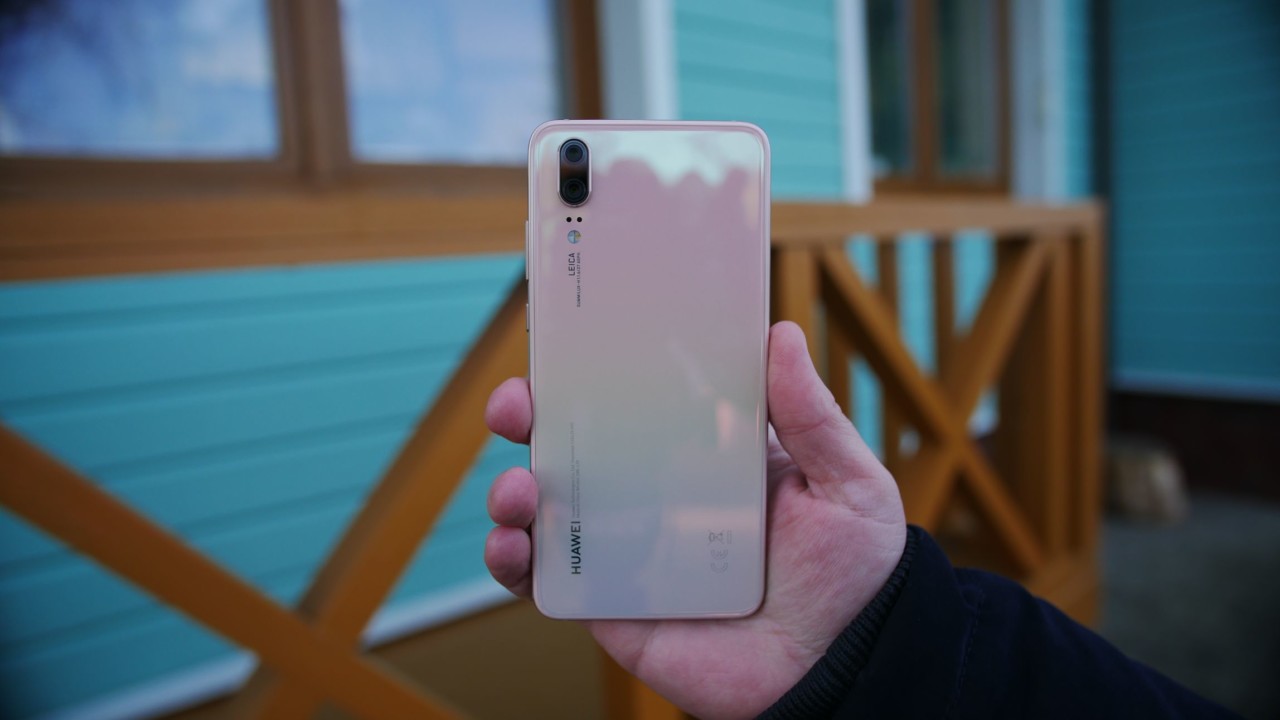
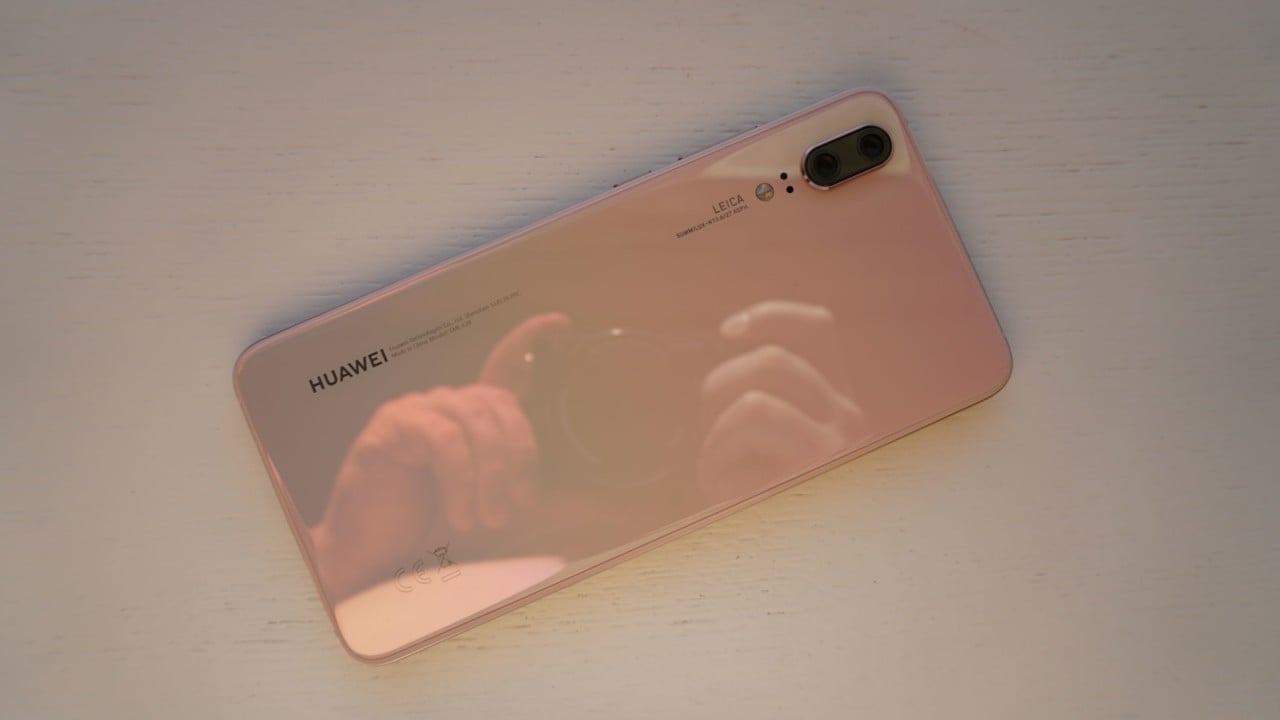
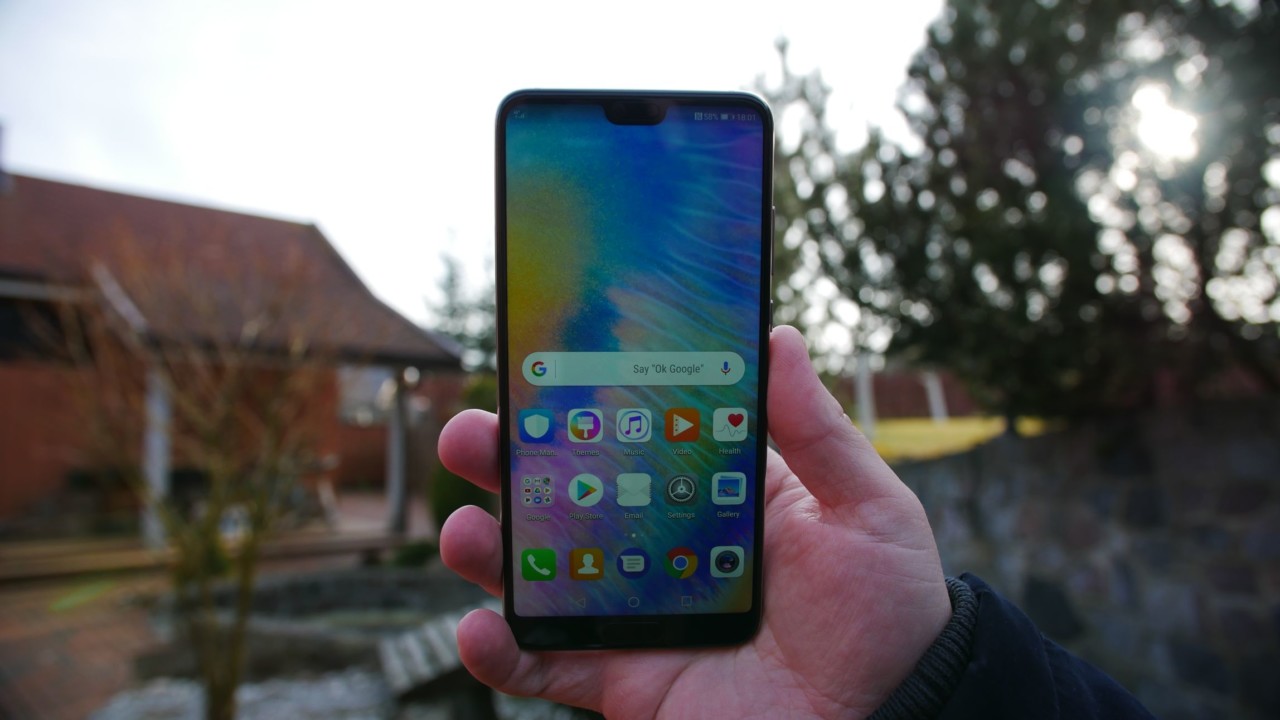
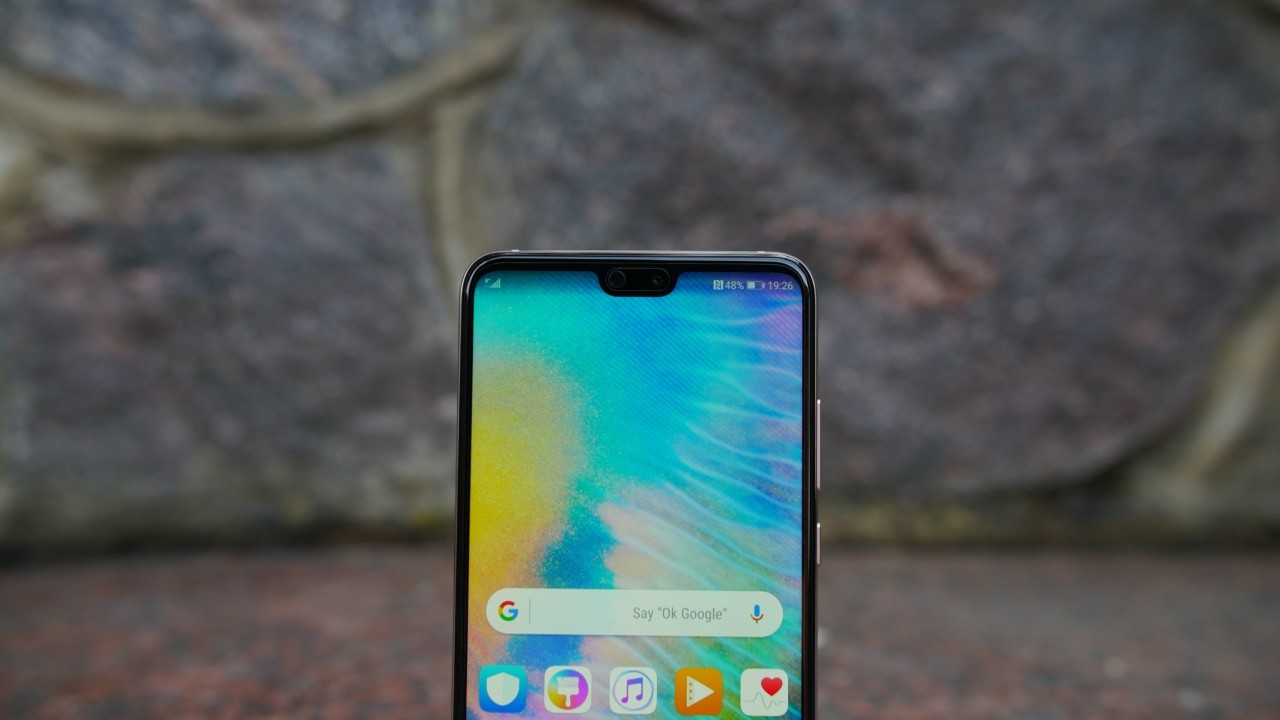
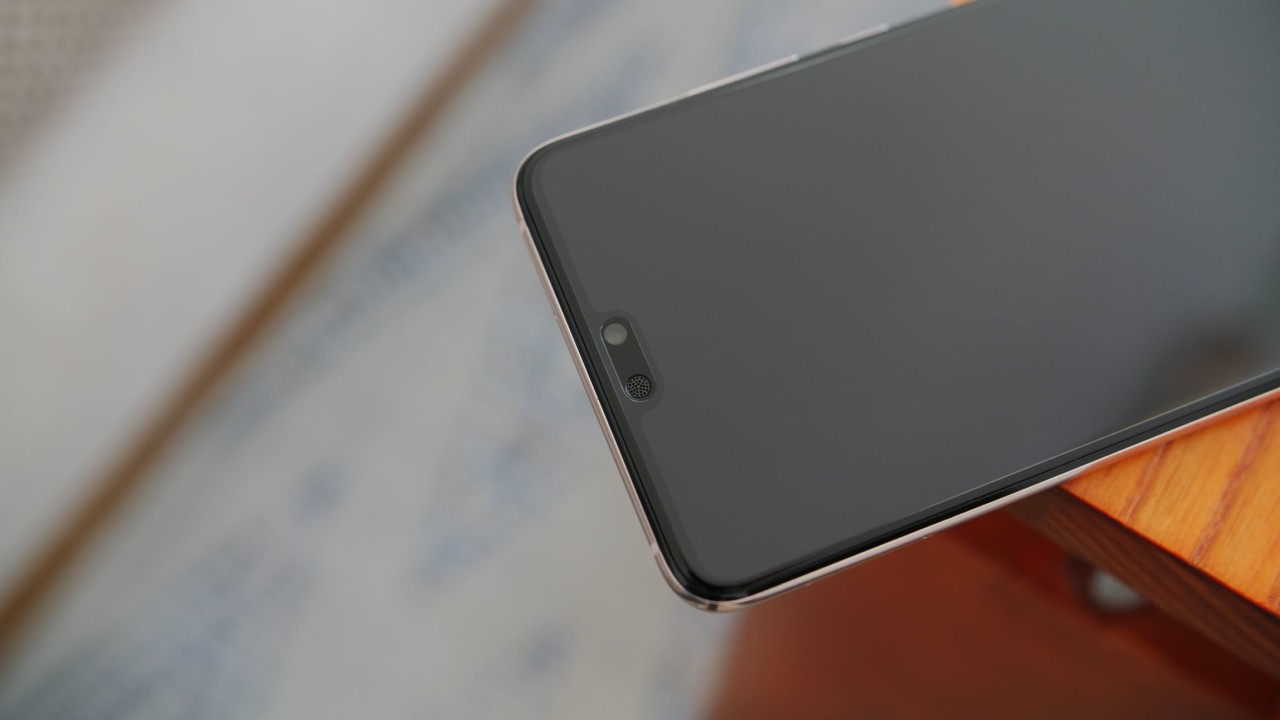
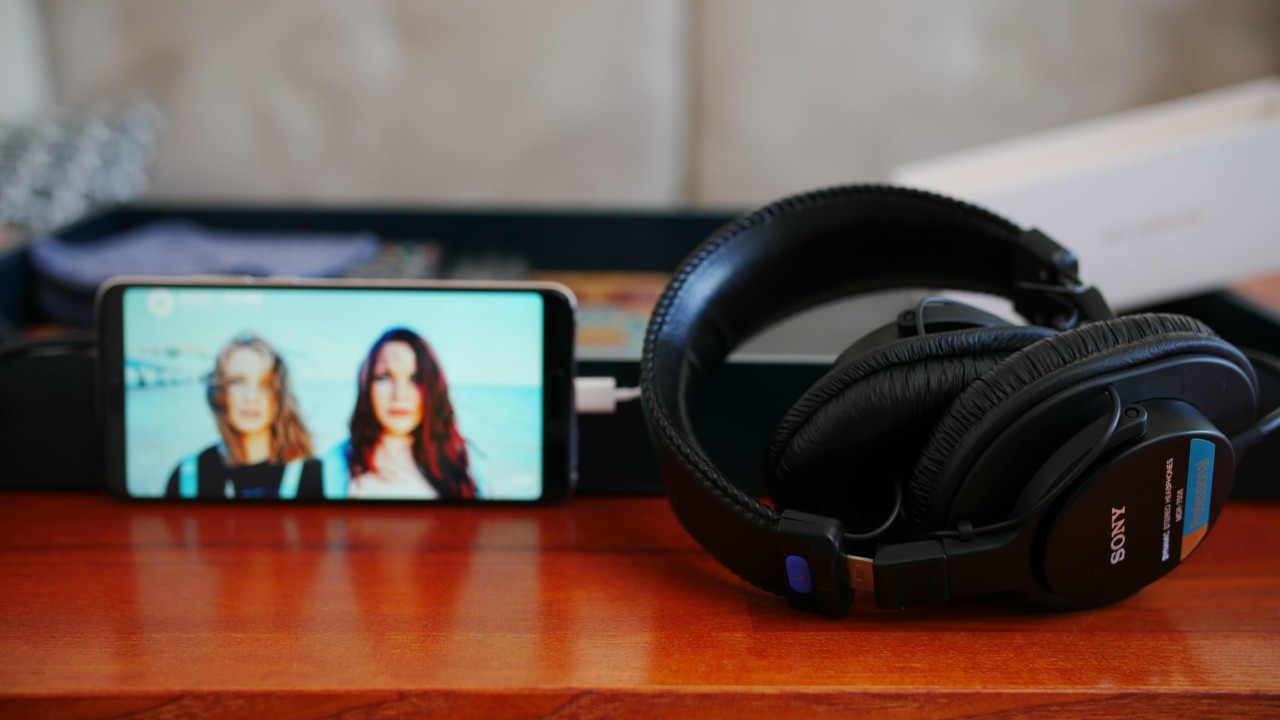
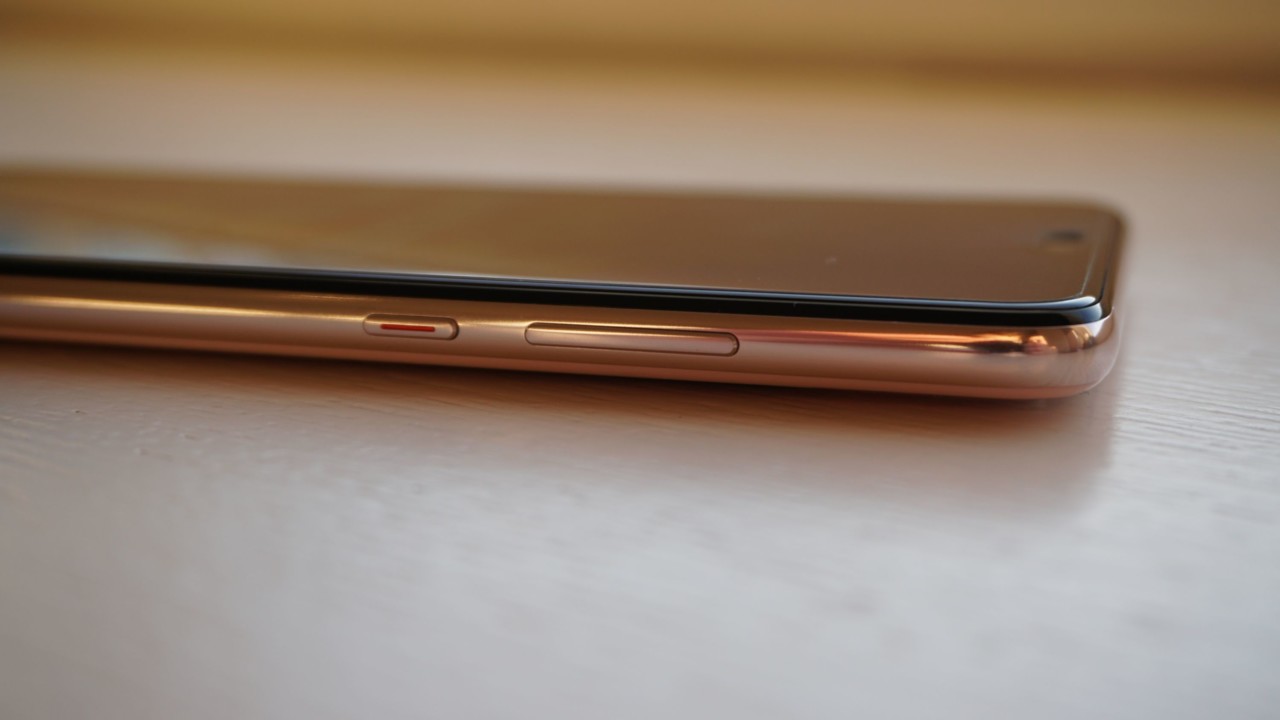
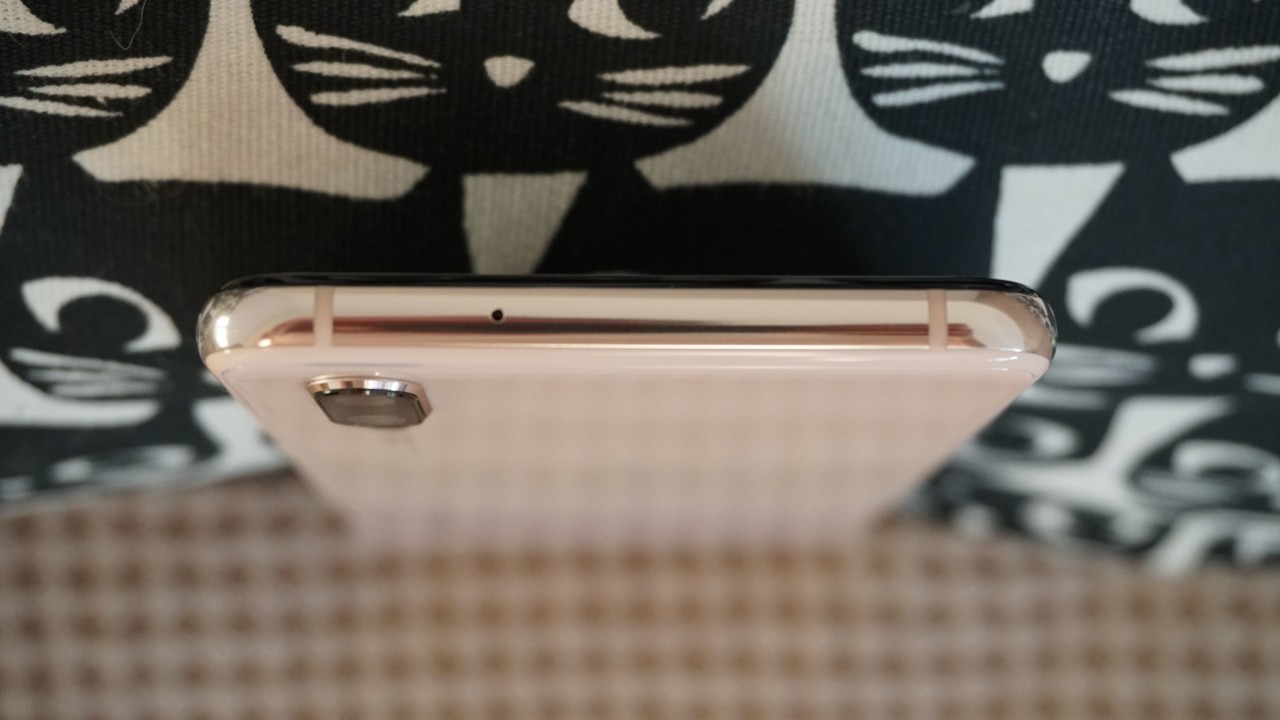
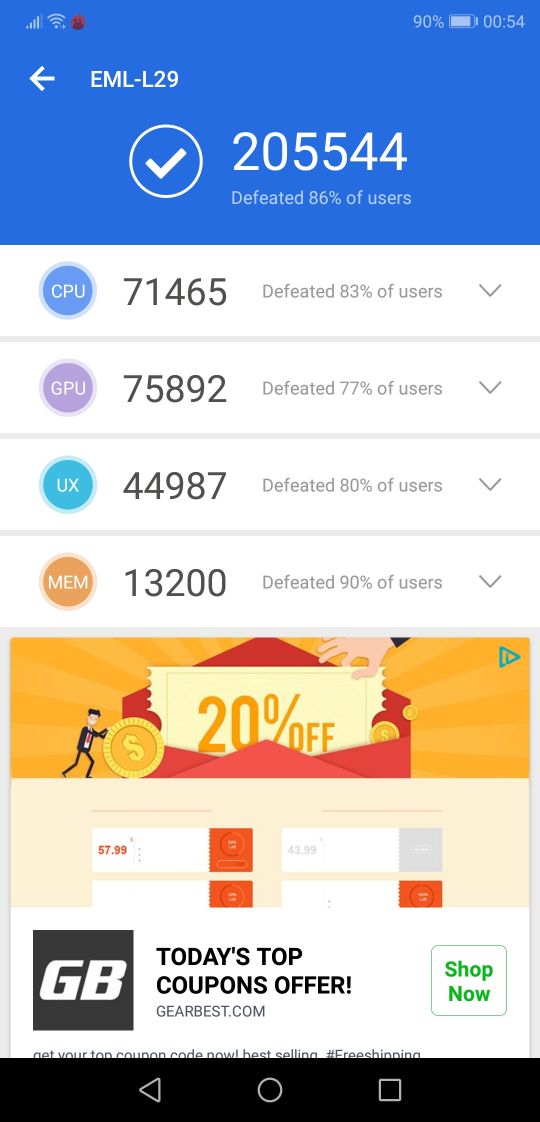
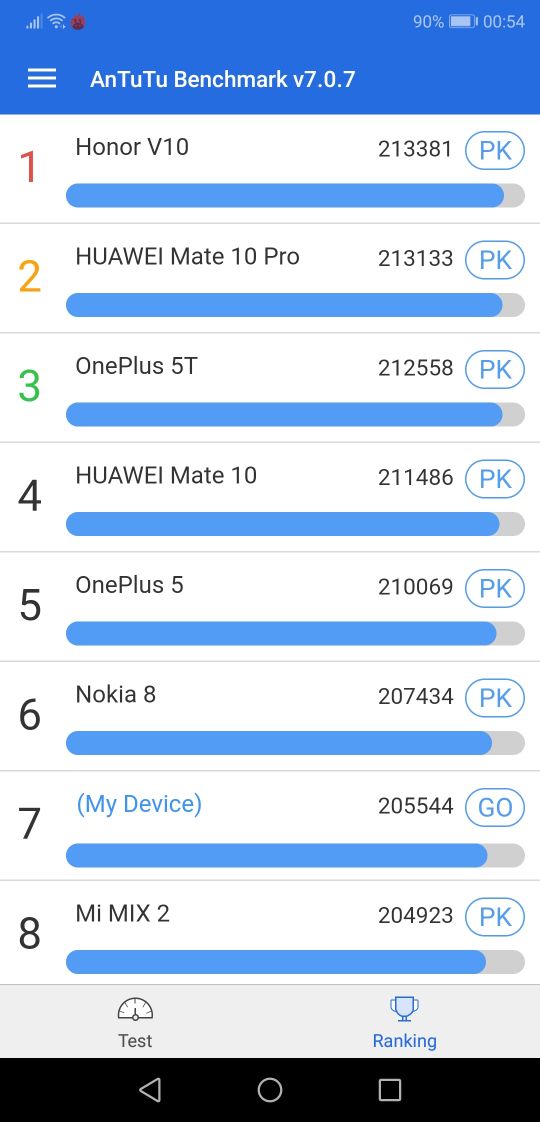
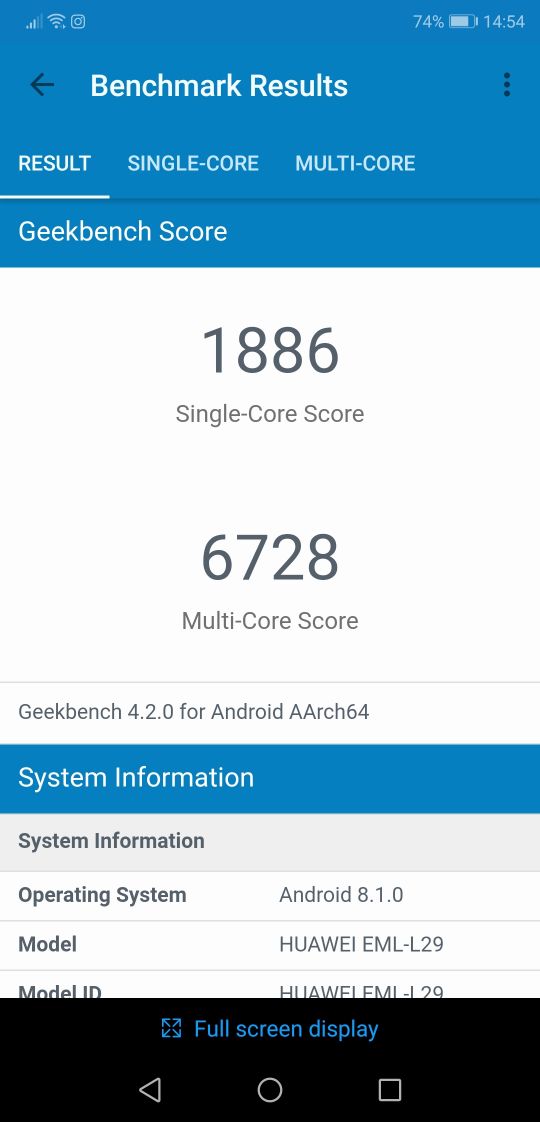
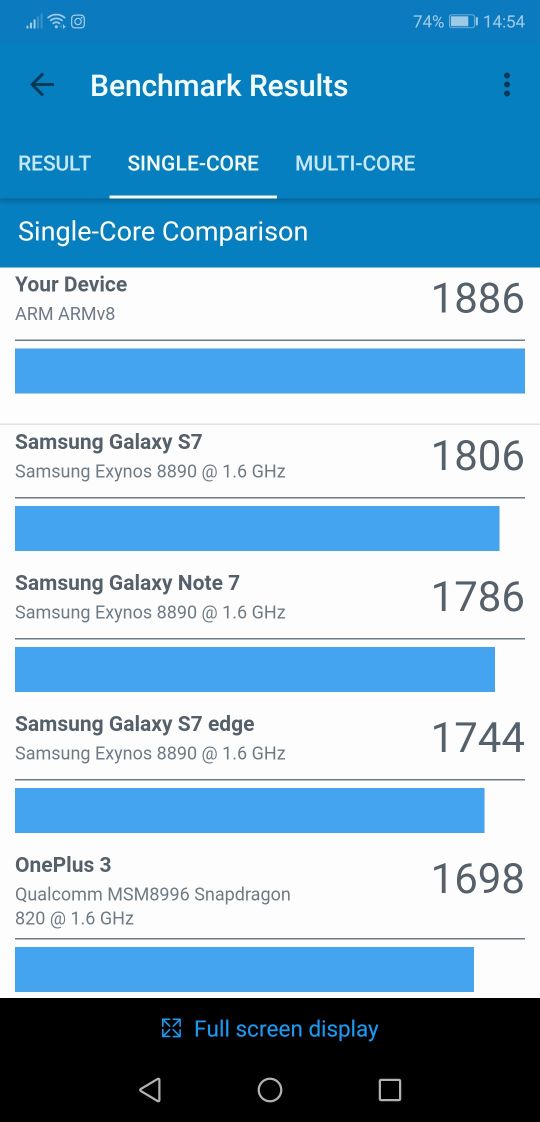
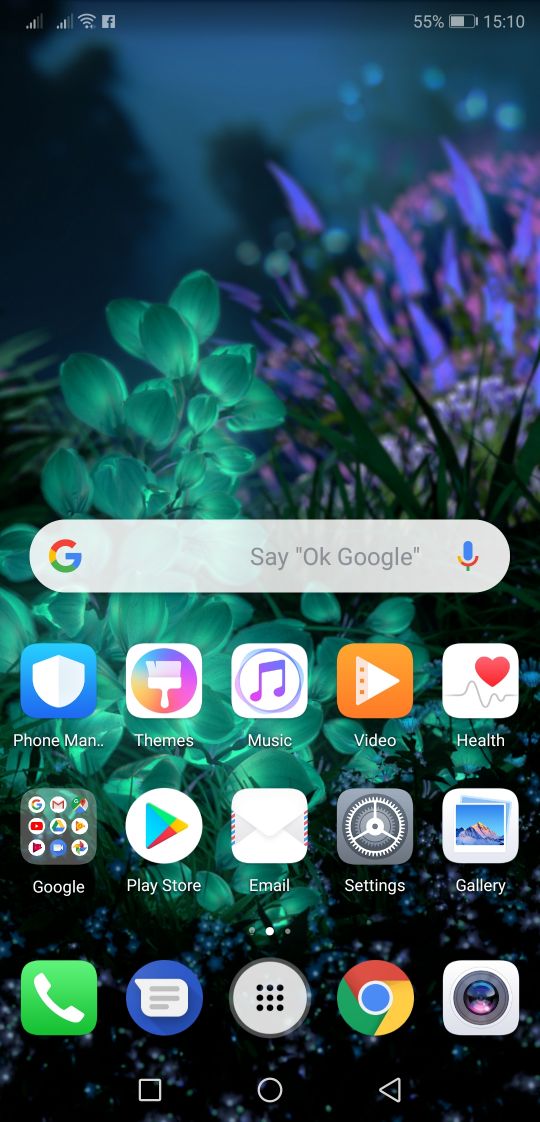
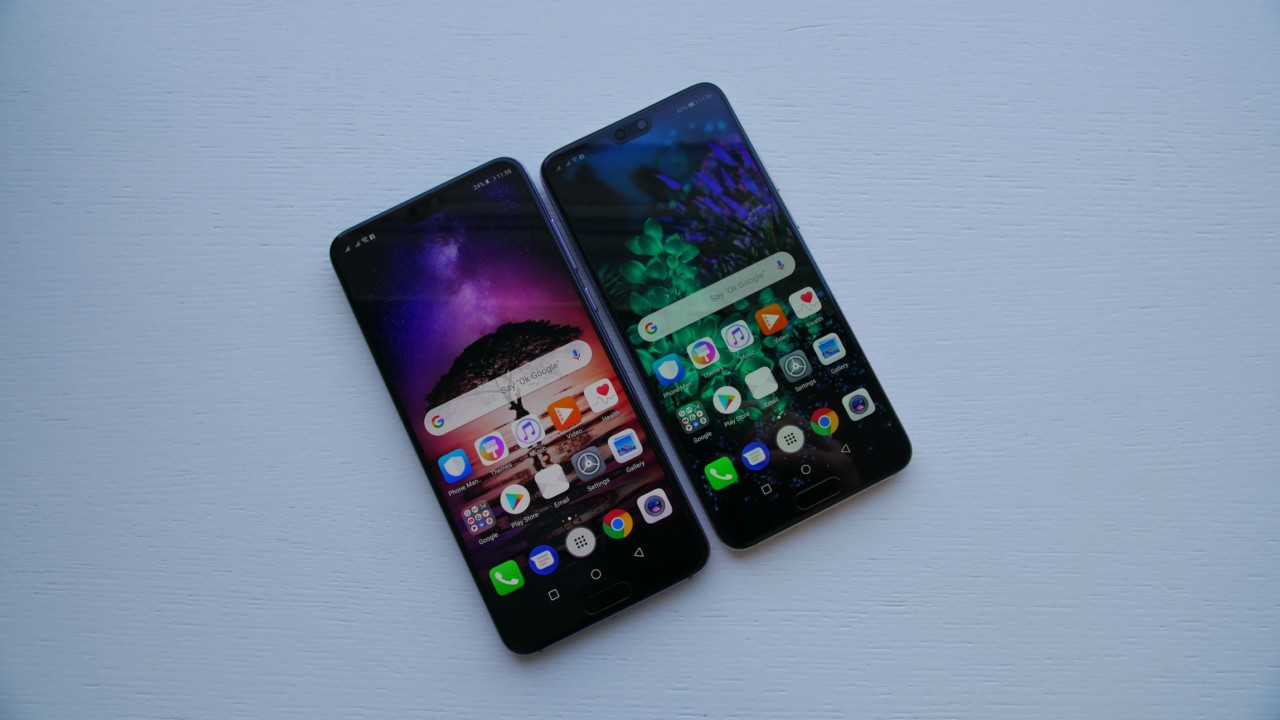
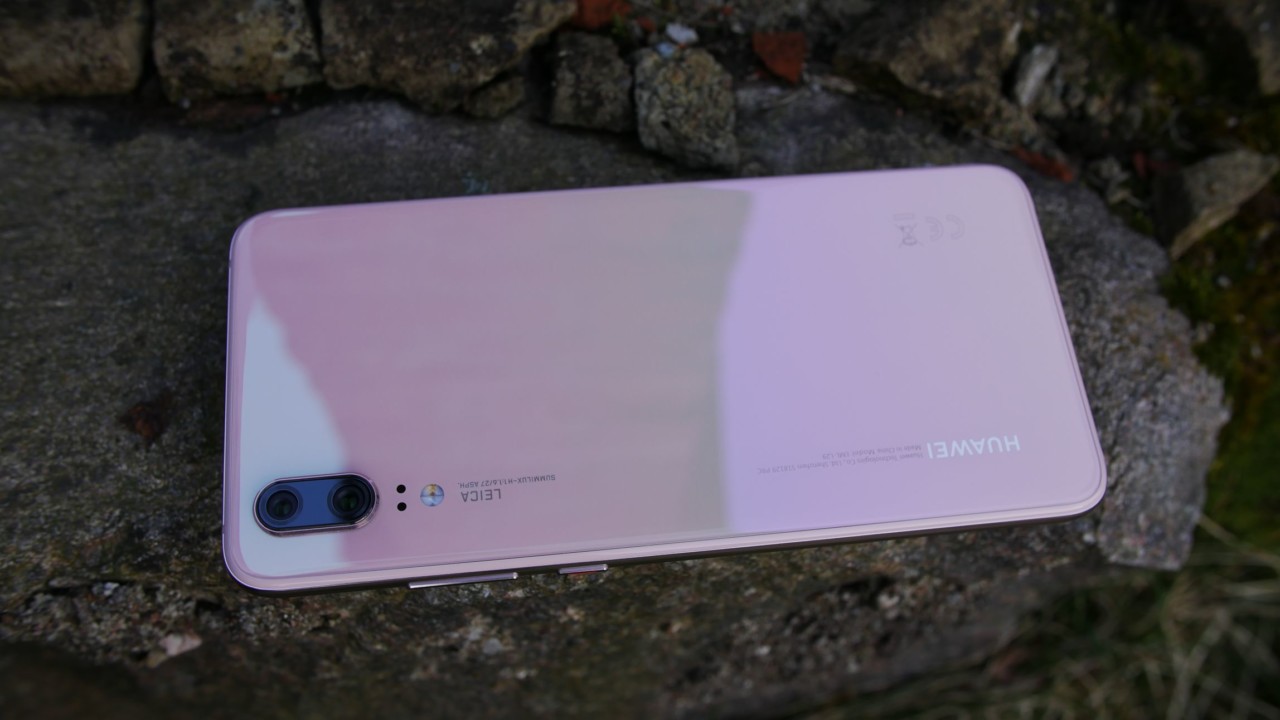
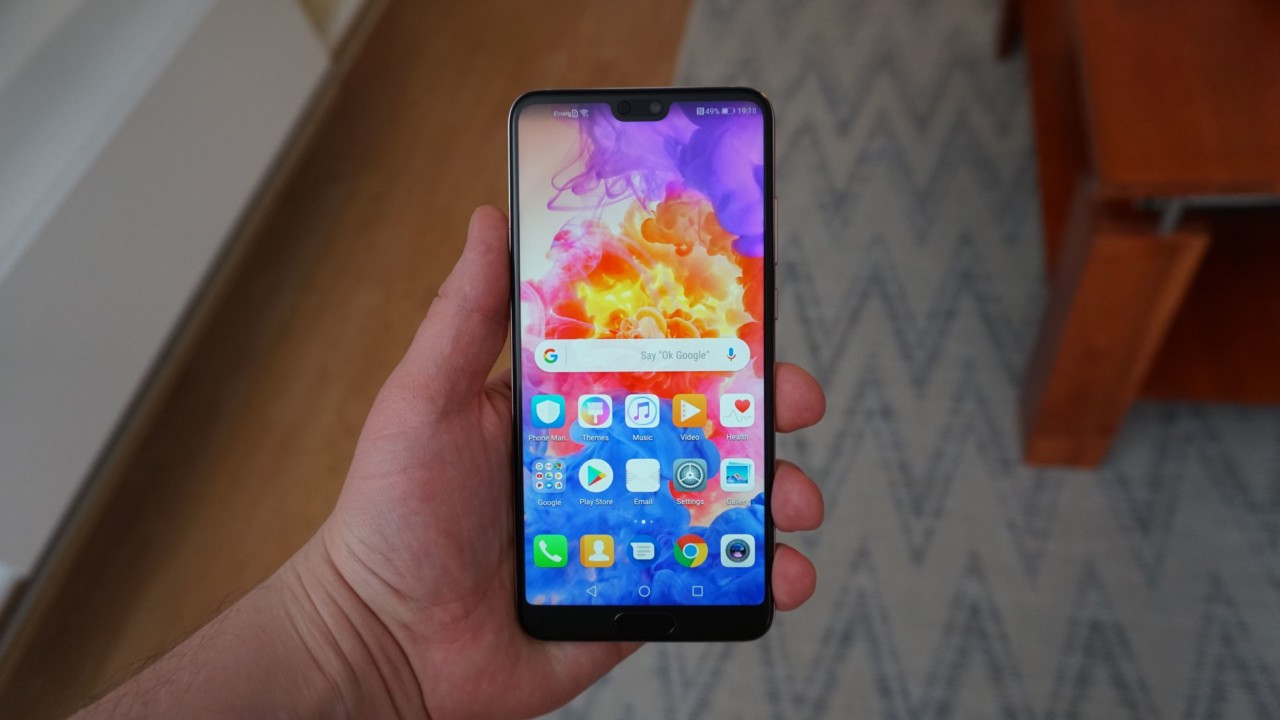
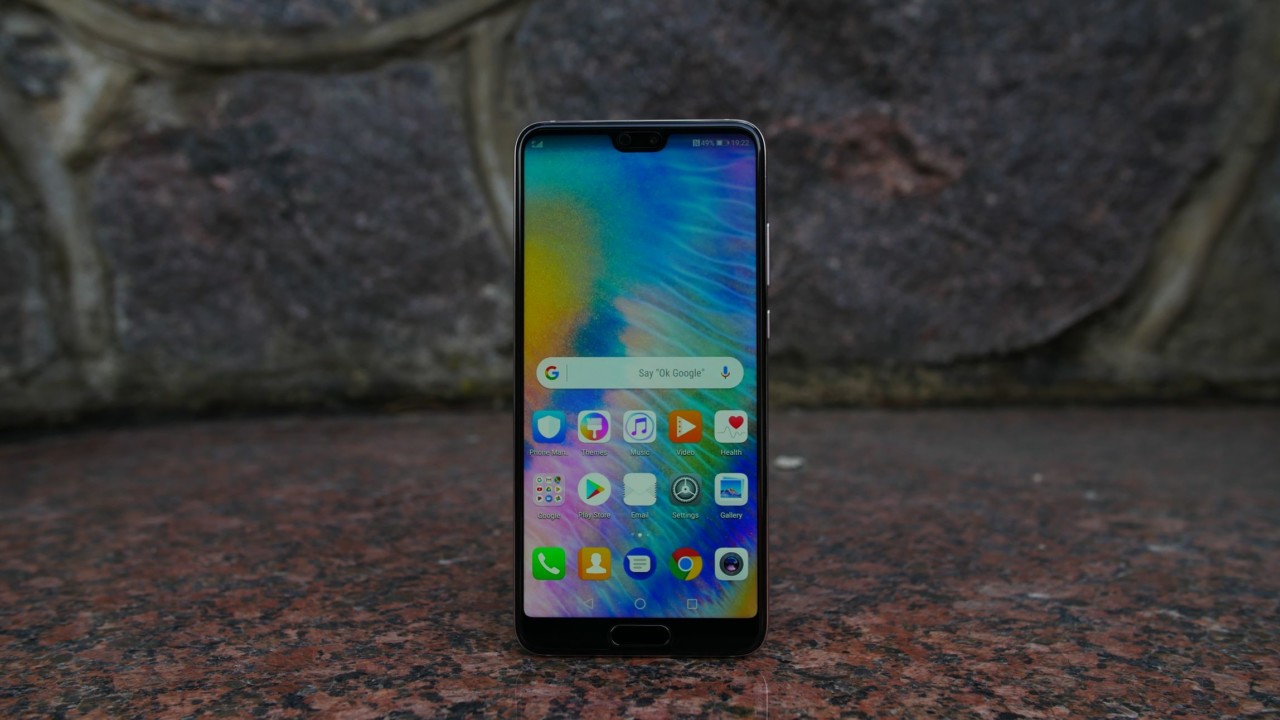
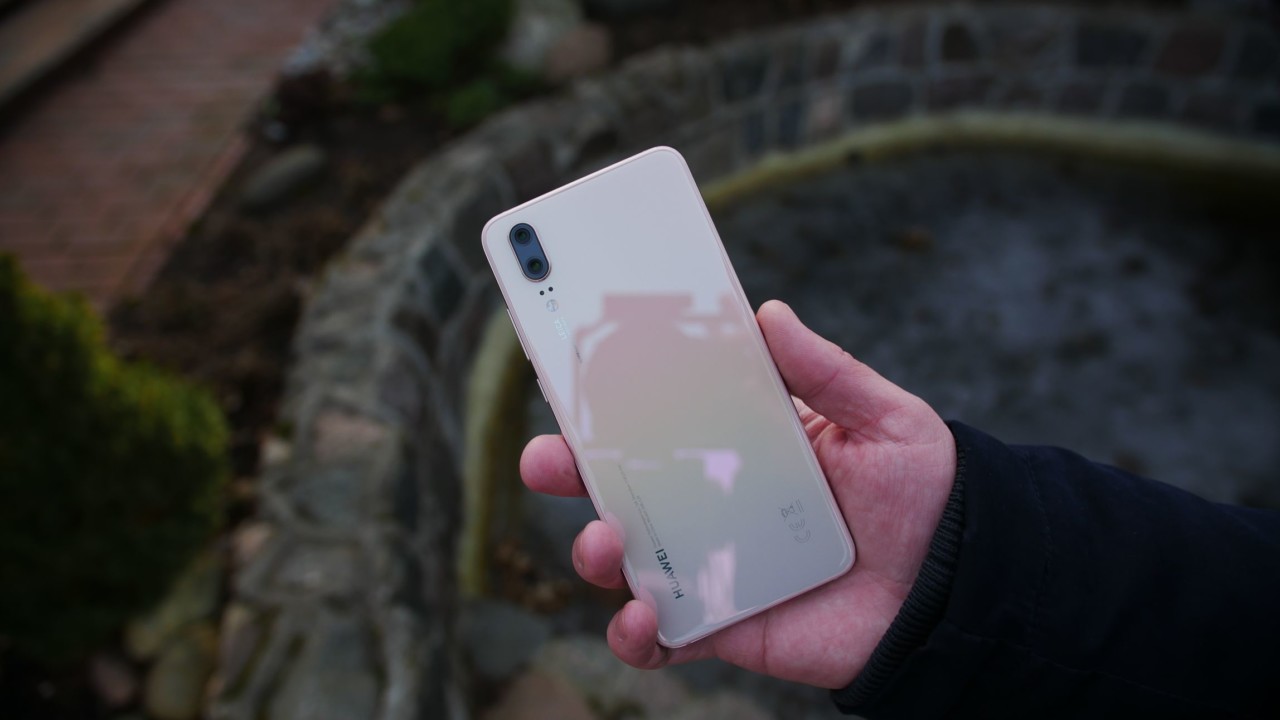
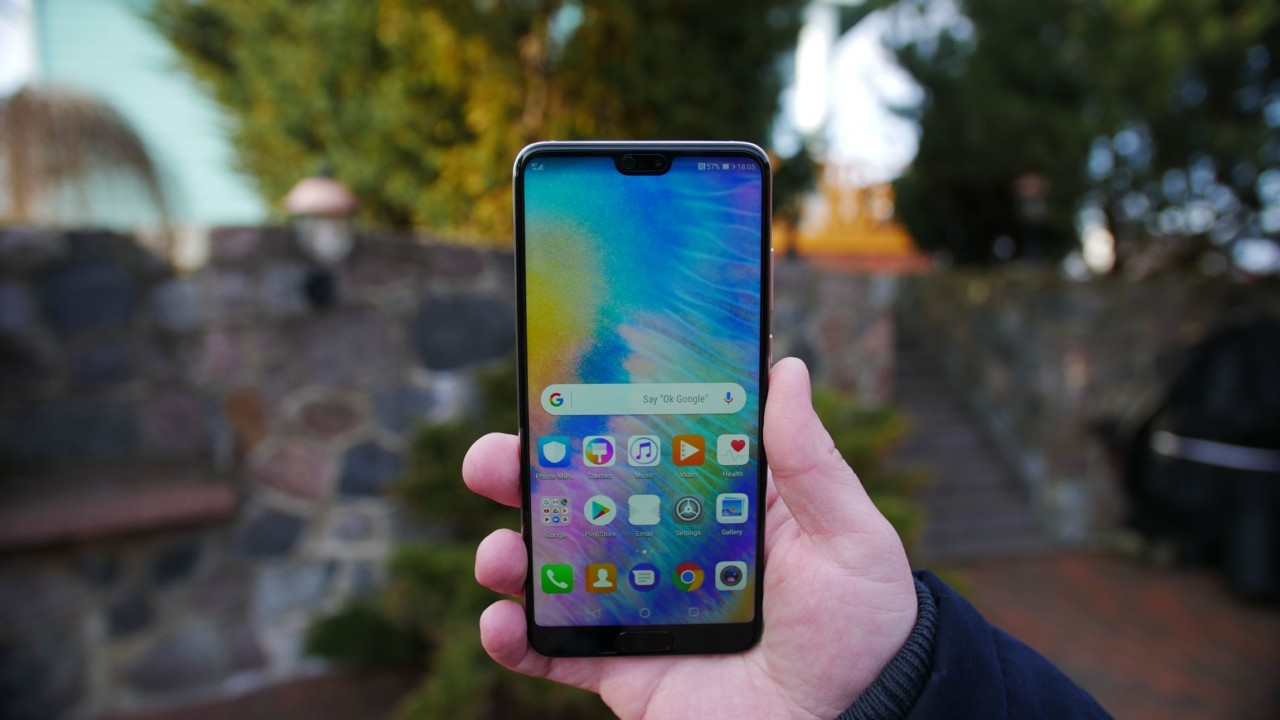
A recent report has revealed that the upcoming Honor 10 flagship will be featuring a notched display like the Huawei P20. However, instead of the vertical dual camera setup found on the P20, the Honor 10 is expected to feature horizontally arranged dual rear cameras. Four network variants of the Honor 10 namely COL-TL00, COL-TL10, COL-AL10 and COL-AL00 have been recently certified by China’s TENAA regulatory body. The Chinese authority has revealed the entire specs of the phone, albeit its images.
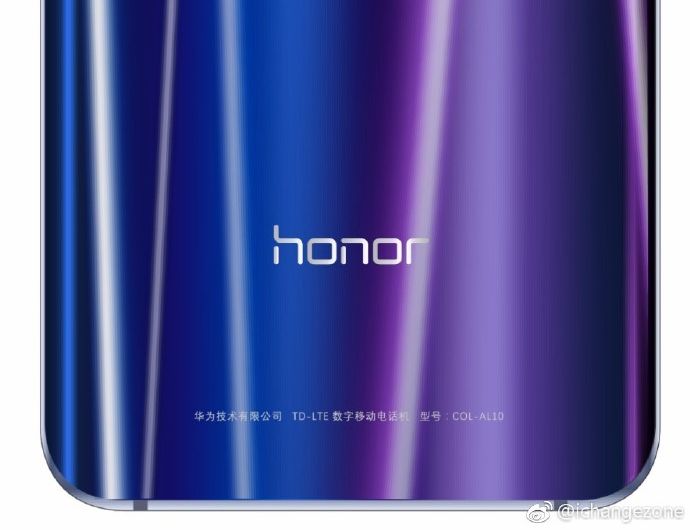
A recently leaked image showing the rear view of the Honor 10 phone had revealed the COL-AL10 model number. Its TENAA listing reveals that it will be available variant like 4 GB RAM + 64 GB storage and 6 GB RAM + 128 GB storage. The Honor 10 phone with model number CLO-AL00 includes 4 GB of RAM and 64 GB of storage.
The COL-TL10 Honor 10 has 128 GB of storage and 6 GB of RAM. The COL-TL00’s listing shows that it has an internal storage of 128 GB and it would be available in RAM options like 4 GB and 6 GB. These network variants are driven by Kirin 970 chipset and pre-installed with Android 8.1 Oreo. None of the variants seem to feature microSD card slot. The dimensions of the Honor 10 include 149.6 x 71.2 x 7.7 mm and it weighs 153 grams. It is fitted with a 5.84-inch IPS LCD display that produces 2280 x 1080 pixels resolution.
It is packed with a 3,320mAh battery. For photography, it includes 24-megapixel + 16-megapixel dual camera setup whereas its front panel is fitted with a 24-megapixel selfie camera. It is powered by an octa-core processor that clocks at 2.36 GHz. Since it is a flagship phone, it is speculated to be powered by the Kirin 970 chipset that also the Honor View 10, Huawei P20, Huawei P20 Pro, Mate 10 and Mate 10 Pro.
The TENAA listings of the Honor 10 may get updated with images before its official launch on April 19. Huawei’s sub-brand will be also holding an exclusive launch event for it in London on May 15.
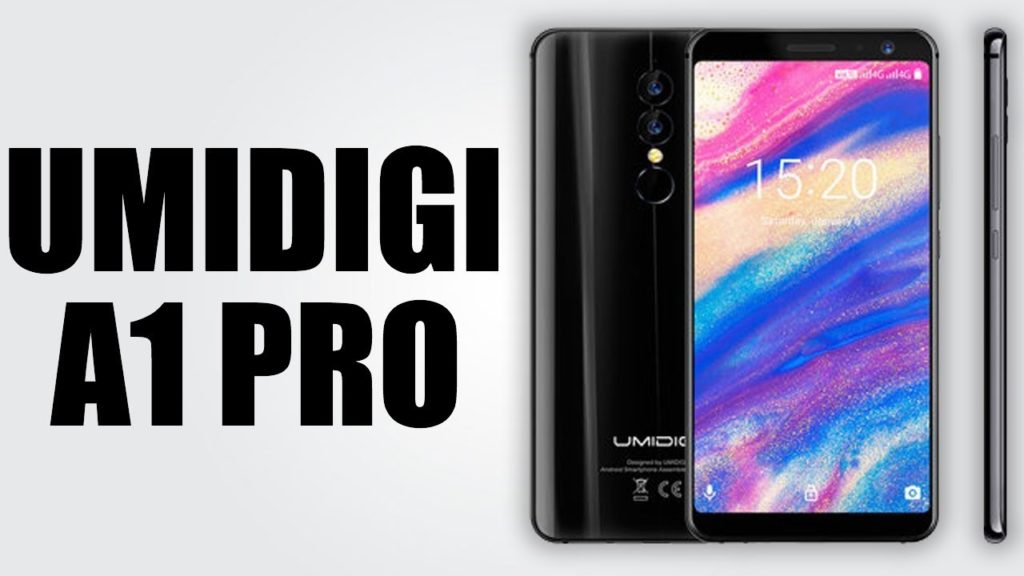
The UMIDIGI A1 Pro smartphone garnered huge popularity among smartphone lovers after hitting the store shelves in March this year. The phone is crammed with a slew of amazing specs and features that make it a bargain under $150.
But if you’re on a tight budget and not willing to shell out that kind of money on a smartphone, we have good news for you. GearBest, DX, and Desoon online stores are giving buyers an opportunity to get their hands on the recently released A1 Pro smartphone at a considerably lowered price via AliExpress.
GearBest Online Store (via AliExpress)
AliExpress, the Zhejiang-based online retail service is currently offering the A1 Pro smartphone for only $99.39 on its GearBest online store. This is a 29% reduction in the device’s retail price.
The discount will be valid for the black as well as the blue color version of the smartphone for a limited period of time. You can head straight to this link to take advantage of the promotion before it wraps up.
DealeXtreme Online Store (via AliExpress)
Likewise, the DealeXtreme (DX) store on AliExpress is offering a 35% off on UMIDIGI A1 Pro smartphone’s retail price of $152.99. As a result, you can now buy the black color version of the coveted handset by shelling out only $99.99.
DX is also offering a 28% off on the blue color version of the UMIDIGI A1 Pro, which brings your grand total down to $109.99. Note that the promotion was on the verge of wrapping up at the time of writing.
The discount is valid for only 200 pieces. If you’d like to avail this deal, follow this link right away.
Desoon Online Store (via AliExpress)
The Umidigi A1 Pro smartphone normally sells for $139.99 on Desoon online store on AliExpress. But for a limited period of time, you can buy the power packed phone for only $99.39.
In other words, you can get a considerable 29% discount on the phone’s original selling price. However, it is imperative for you to bear in mind that the promotion is slated to end soon, and the A1 Pro will go back to its retail price once the promotion concludes.
You can click here to take advantage of the promotion before it comes to an end in 2 days. You can visit this link to check out Desoon AliExpress homepage.
China-based smartphone manufacturer Xiaomi is gearing up to launch its Initial Public Offering (IPO). Previous reports suggested that the company could soon launch its IPO, the latest information reveals that Xiaomi could submit the application for listing in Hong Kong in early May.
While the company has not yet officially commented on this development, Hong Kong Economic Times published an article that says that the China-based company will file an application for IPO in the beginning of May this year and the company could be valued somewhere around $65 billion to $70 billion.
The latest report from Hong Kong Economic Times suggests that the Xioami could be valued around $65-70 billion but the earlier reports related to the China-based company’s IPO suggested that Xiaomi plans an IPO with $100 billion valuation, which could make it the largest tech float of 2018.
The company has reportedly roped in Morgan Stanley and Goldman Sachs Group for its initial public offering (IPO). Along with them, Credit Suisse Group AG and Deutsche Bank AG have also been selected by the company to work on the IPO.
Earlier, Xiaomi’s Senior Vice President Wang Xiang said in an interview with CNBC that the company is presently gathering the “resources” it needs for a major push in the U.S., which many believed as a hint for preparing for the IPO. A successful IPO will grant Xiaomi the much-needed inflow of funds to expand further into newer markets.
Xiaomi was valued at around $45 billion when it last raised a funding round in 2014. Once, it held the title of the world’s most valuable technology company. Xioami also successfully achieved its annual revenue target of 100 billion Yuan ($15 billion) in October 2017. The company broke its target by 18 percent and recorded as much as $1 billion in net profit. For 2018, Xiaomi has set a target of $2 billion in profits.
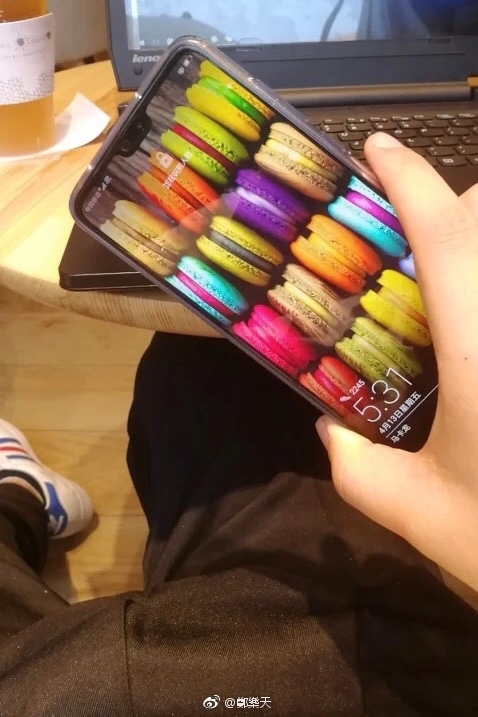
A high-quality render of the Honor 10 that had appeared in the last week had revealed its attractive design, but the rumor mill has been leaking conflicting information on the appearance of its frontside. Some rumors have claimed that it would be sporting a notch like the Huawei P20, but there are some other sources that have claimed that it may feature a display that offers 100 percent screen-to-body ratio. A fresh photo showing the front view of what appears to be the real Honor 10 handset has surfaced today on Weibo. It reveals that it will be arriving with a notch enabled display like the P20.
The Honor 10 is slated to get unveiled on April 19. The Honor flagship is expected to borrow plenty of specs and features from the Huawei P20. Also, the below image also reveals that it also sports a notched display like the P20.
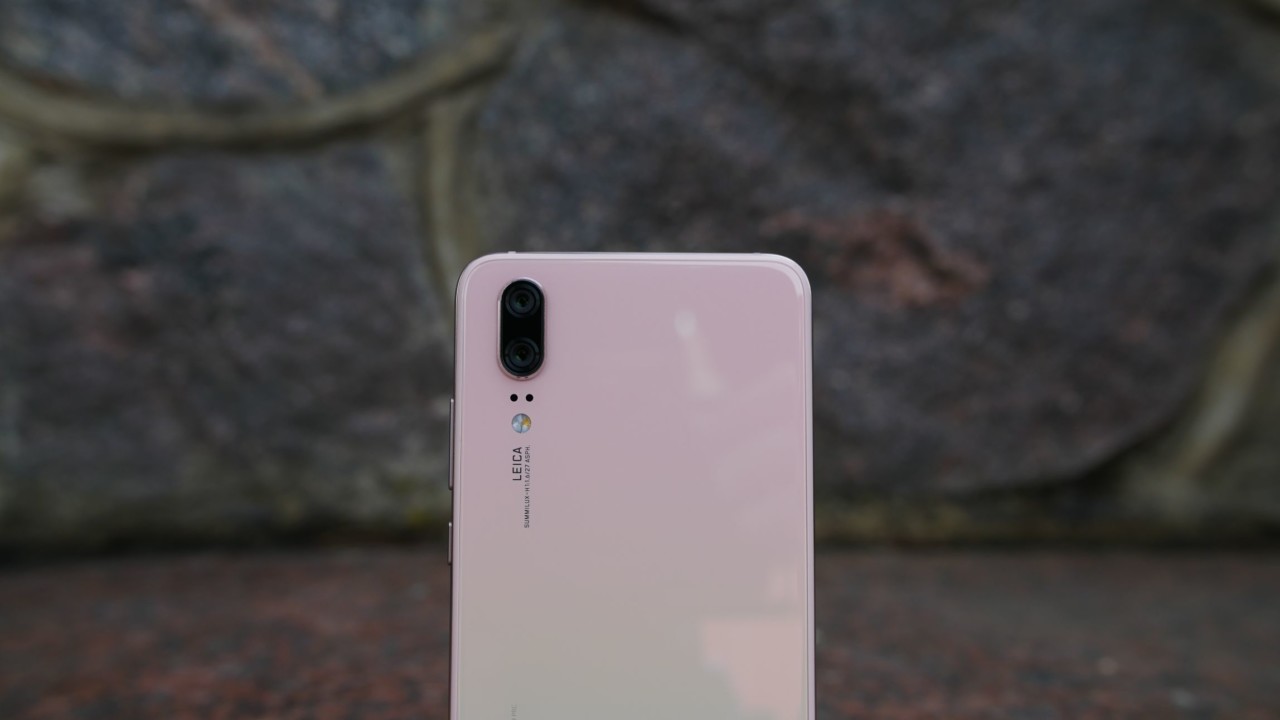
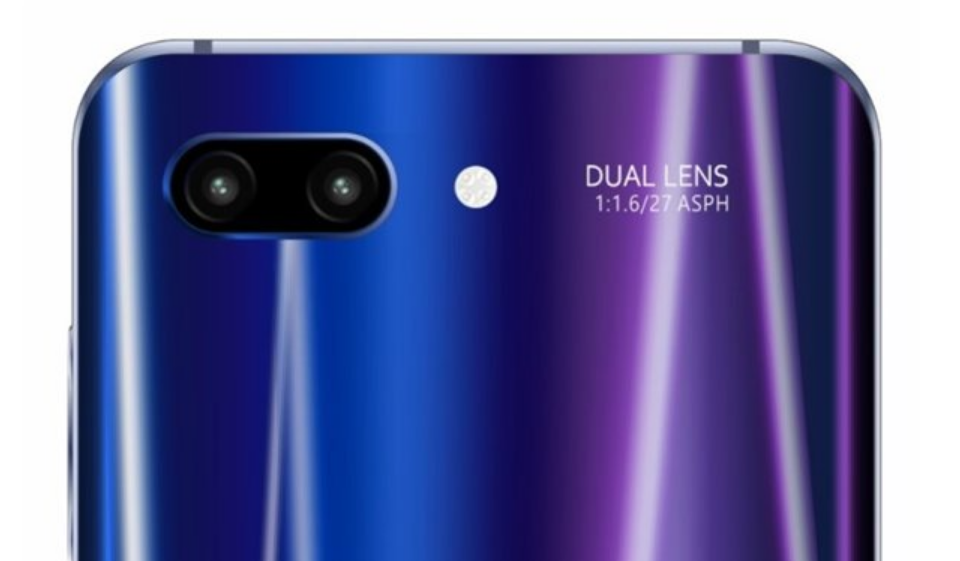
The rear view of the phone has already revealed that at least one of its color models will feature a color gradient finish of blueish purple. It is speculated that it may sport the same dual camera setup that is available on the Mate 10, albeit Leica and SUMMILUX branding.
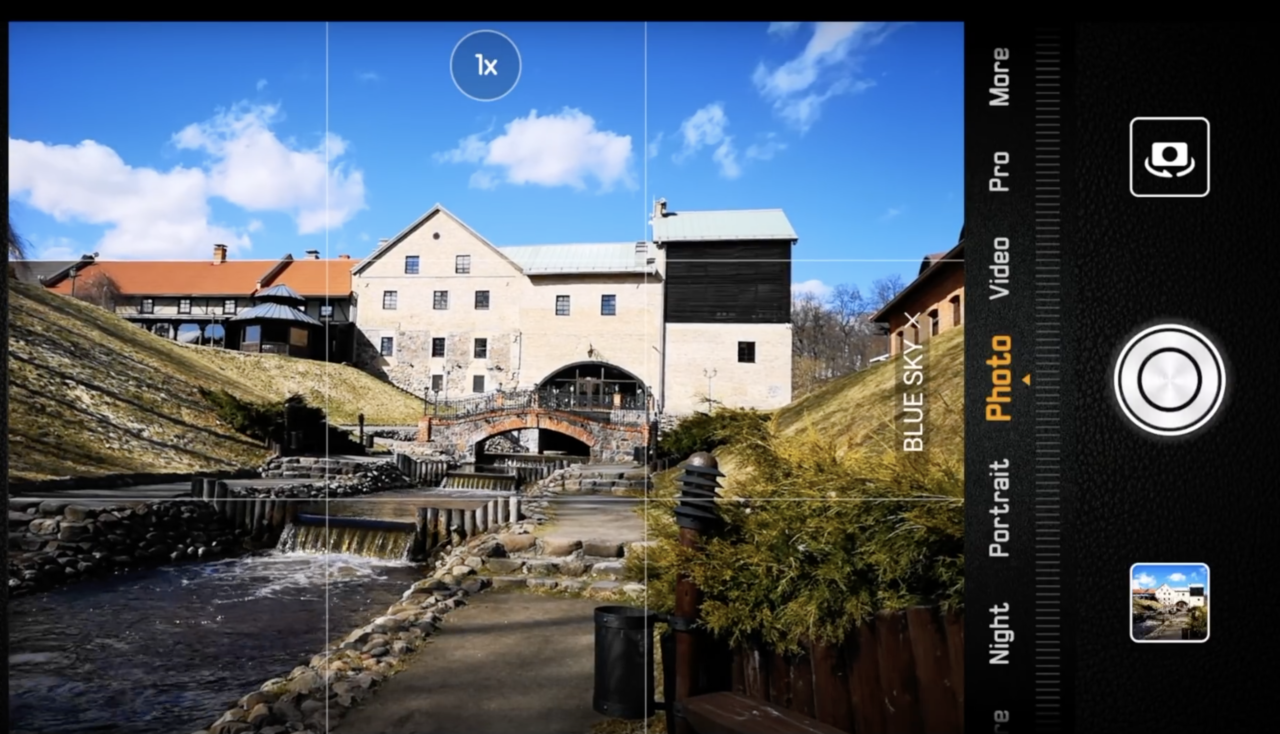
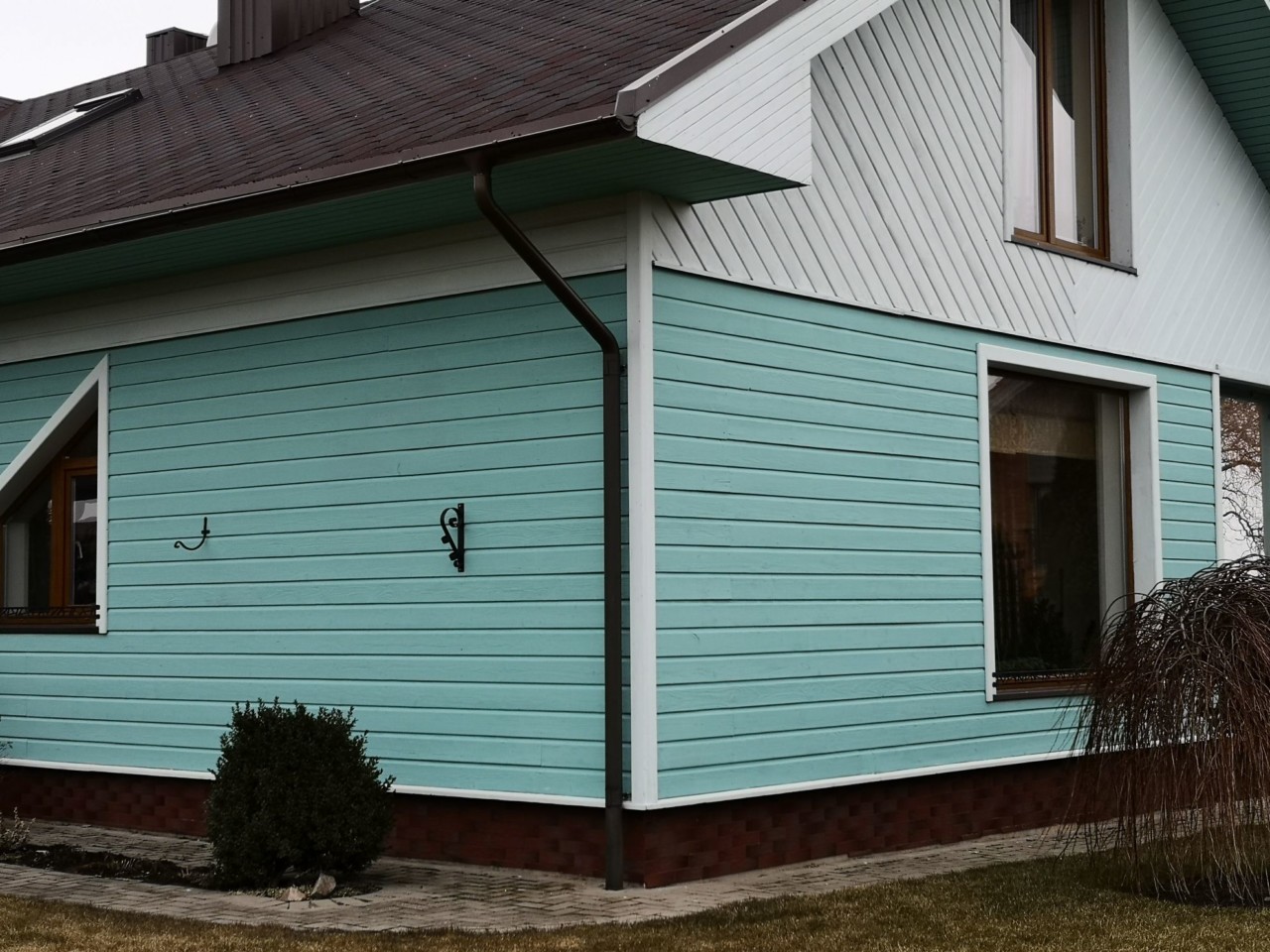
Recent reports have claimed that the cameras of the Honor 10 will deliver AI driven photography experience. Leaked photos that were reportedly snapped using the Honor 10 reveals that it will carry support for semantic image segmentation mode.
Rumors have revealed that the handset will be equipped with a 5.84-inch display and it would be fueled by Kirin 970 chipset. The highest configuration variant of the Honor 10 is speculated to be packed with 6 GB of RAM and 256 GB of storage. Nothing much is known on the other specs of the Honor 10. After getting unveiled in China on April 19, the handset is also scheduled to go official in London on May 15.
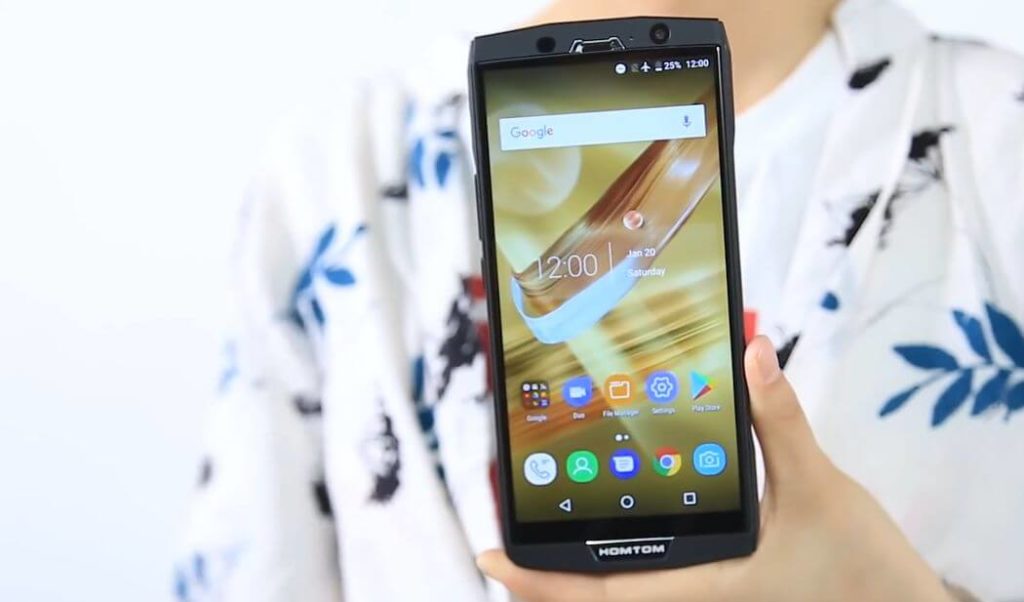
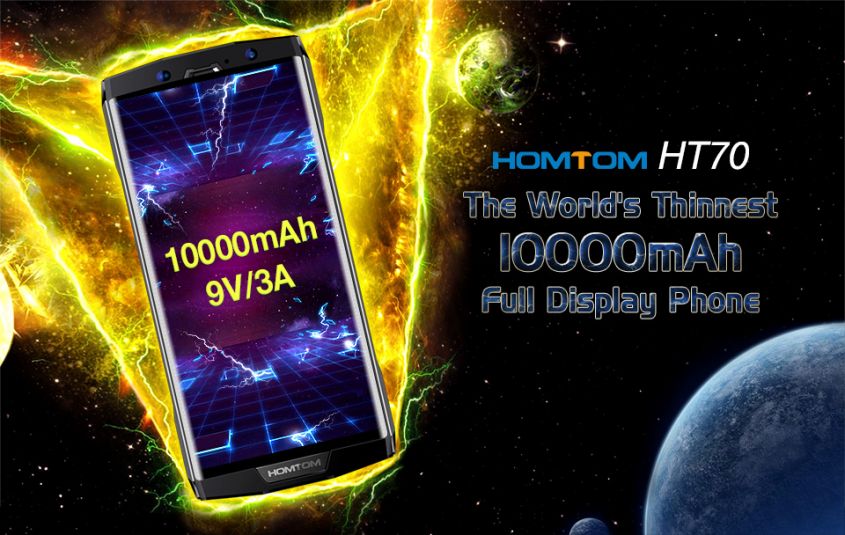
The long-awaited HOMTOM HT70 4G Phablet was finally made available to the public in March this year. Despite boasting an array of awe-inspiring specs and features, it failed to garner popularity among cost-conscious buyers, but that’s about to change.
GearBest is giving a 12% off on the black color version of the HOMTOM HT70’s original asking price. As a result, you can now get your hands on the well-received phablet by shelling out just $164.99.
Aside from that, the site is handing out a considerable 21% off on the silver-tinted HOMTOM HT70 phablet, bringing its retail price down to only $164.99. It’s worth noting that the Flash Sale price will be valid for the remaining 97 pieces of both black and silver color versions for 6 days.
The HT70 is an irresistible phablet, given that it sports a mammoth 6.0 inches HD+, IPS, LCD display with a screen resolution of 1440 x 720 pixels. Moreover, the device is housed in an aluminum alloy and plastic body and features an appealing full view display.
Aside from a fingerprint sensor, there’s a 16-megapixel camera with dual-LED flashlight and AF placed on the back. Up front, there’s a 13-megapixel selfie shooter.
The dual-SIM smartphone runs on Android 7.0 Nougat operating system. It draws its juices from a fast charging technology-equipped 10,000 mAh Lithium-Polymer battery, which is non-removable.
The device packs a powerful MediaTek MT6750T, 64-bit processor along with an ARM Mali-T860 MP2, 650MHz, 2-Cores GPU, under the hood. It offers 4GB of RAM and 64GB of internal storage that can further be expanded up to 128GB using SIM 2 slot.
You can visit this link in order to check out the full specification and avail the deal. Note that the HOMTOM HT70 phablet will retain its original selling price once the promotion comes to an end.
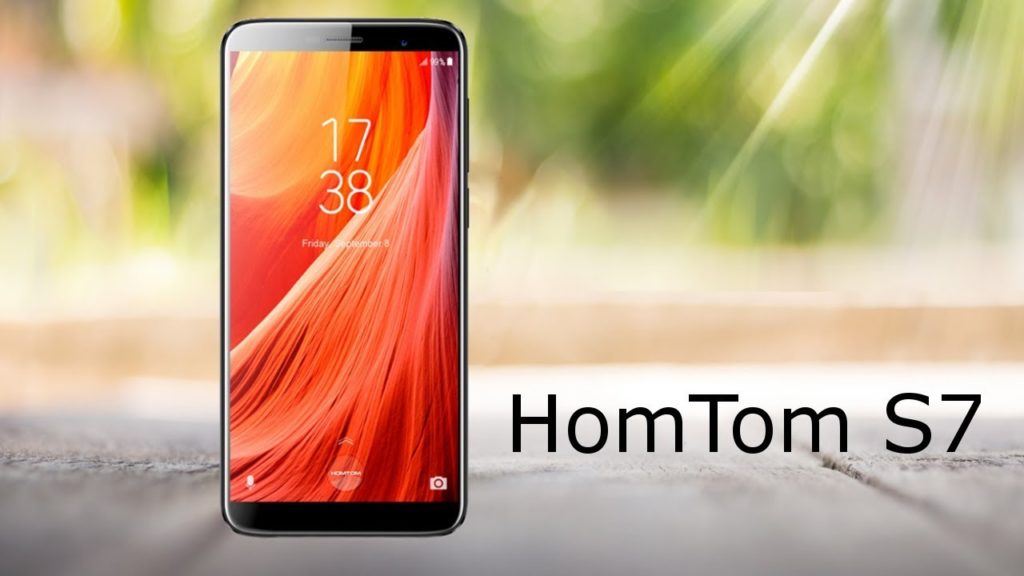
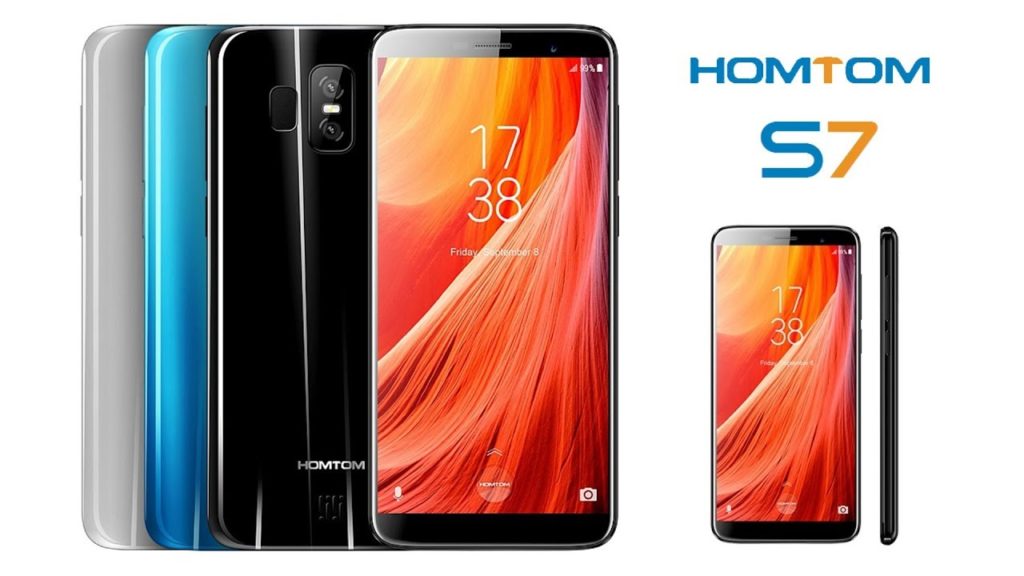
The HOMTOM S7 4G Phablet was launched in September, last year. The device wasn’t particularly designed keeping cost-conscious buyers in mind.
But if you’ve restlessly been waiting to get your hands on the well-received phablet without emptying your pocket, we have good news for you. As part of its latest Flash Sale, GearBest is offering the HOMTOM S7 phablet at a reduced price of $109.99.
This is a considerable 4% reduction in the HOMTOM S7’s retail price, and it will be valid for the black, blue and silver color versions of the device. Note that there were 45 pieces of the black, 15 pieces of the blue and only 8 pieces of the silver color version left at the time of writing.
As a phablet, the HOMTOM S7 sports a big 5.5 inches IPS, LCD display with a screen resolution of 1280 x 640 pixels. It features eye-catching rounded edges, coupled with an equally appealing bezel-less design.
The S7 is powered by a MediaTek MT6737, 64-bit processor and it uses an ARM Mali-T720 MP2, 600 MHz, 2-Cores GPU, under the hood. The device offers 3GB of RAM and 32GB of expandable onboard storage (up to 64GB).
There’s an 8-megapixel camera with dual-LED and AF placed on the back and a 5-megapixel selfie camera positioned in the front. The dual-SIM phablet is powered by a built-in 2,900 mAh Lithium-Ion battery and it runs on Android 7.0 Nougat operating system.
You can head straight to this link in order to check out the full specification and take advantage of the Flash Sale price before the promotion ends.
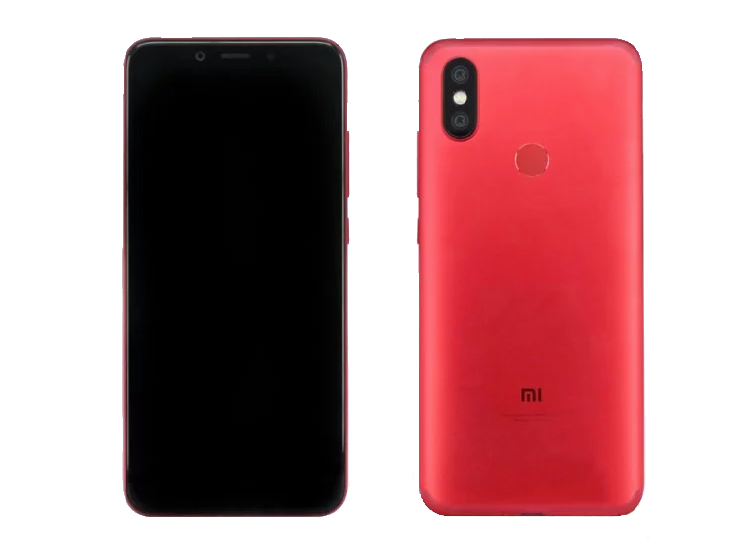
A teaser that was released over the weekend had confirmed that Xiaomi’s next smartphone would be the all new Mi 6X mid-range smartphone. It will be arriving as a successor for the Xiaomi Mi 5X that was launched in July last year. A new teaser released by the Chinese manufacturer on its official Weibo account reveals the new phone in real. Moreover, it also confirms that the rear and front sides of the phone will be equipped with 20-megapixel camera.
As it can be seen in the below, Xiaomi will be announcing the Xiaomi Mi 6X phone through an unveil event at Wuhan University in China on April 25. The poster gives a rear view of the blue-colored Xiaomi Mi 6X. It reveals that its rear panel seems to be made out of metal and it is fitted with a dual camera setup at the top-left corner. The vertically stacked dual cameras resembles with the dual camera setup found on the iPhone X. A fingerprint scanner is also available on the backside of the Mi 6X.
The official Weibo post that accompanies the teaser confirms that a 20-megapixel sensor will be available on the front and rear sides of the Mi 6X. Recent reports have revealed that the frontside of the smartphone is fitted with a 20-megapixel Sony IMX376 sensor while the dual camera setup on the backside includes a 12-megapixel Sony IMX486 sensor and a 20-megapixel Sony 376 sensor. The front and rear cameras of the Mi 6X are expected to offer stellar photography experience as they are expected to be equipped with AI.
The TENAA listing of the Mi 6X has already revealed that it features a 5.99-inch display that produces Full HD+ resolution of 2160 x 1080 pixels. It could be fueled by Snapdragon 660 that comes with an Artificial Intelligence Engine. It is expected to arrive in 4 GB / 6 GB RAM options and storage sizes like 32 GB, 64 GB and 128 GB. A 2,910mAh battery with support for Quick Charge 3.0 is expected to power the smartphone.
The Xiaomi Mi 6X is likely to be exclusively available in China. Outside of the home market, the handset may debut as Xiaomi Mi A2 under the Android One initiative. The arrival of the Mi A2 seems imminent as the Mi A1 that was introduced in September last year has been discontinued.
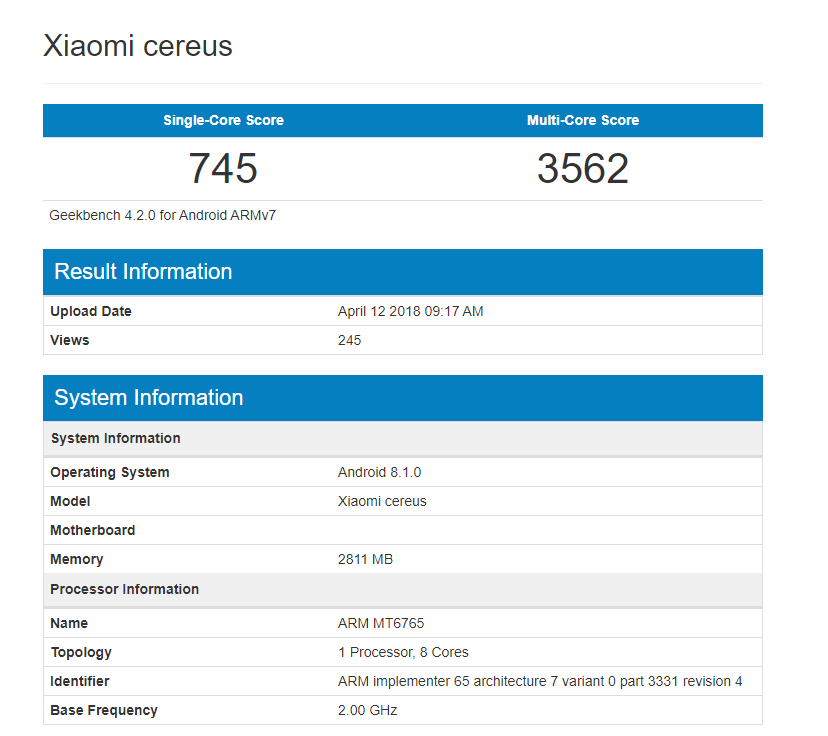
None of Xiaomi’s new Redmi phones is powered by a MediaTek processor but it may not remain like that for long. A new Xiaomi smartphone codenamed Cereus powered by a MT6765 SoC has been seen on Geekbench, and there are rumors it may be the Redmi 5X.
The Xiaomi Cereus was benchmarked a few days ago. It runs Android 8.1 Oreo and has 3GB of RAM. Powering it is a MediaTek MT6765, an octa-core processor clocked at 2.0GHz.
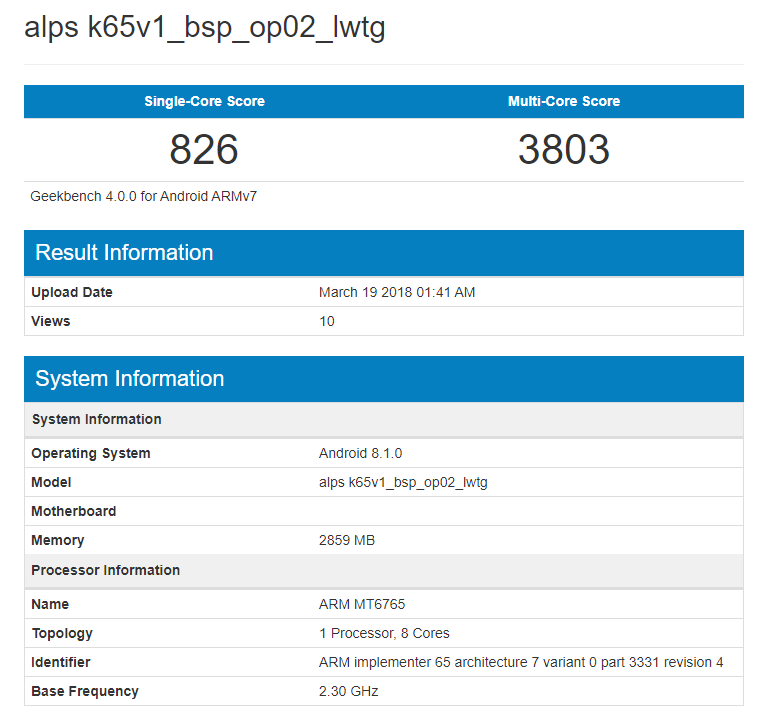
Information on the web says the chipset is built on a 12nm node like the Helio P60 which means it should have better efficiency and performance than the 14nm Snapdragon 450. A Geekbench test for the SoC from last month shows that the chipset reaches up to 2.3GHz in clock speed.
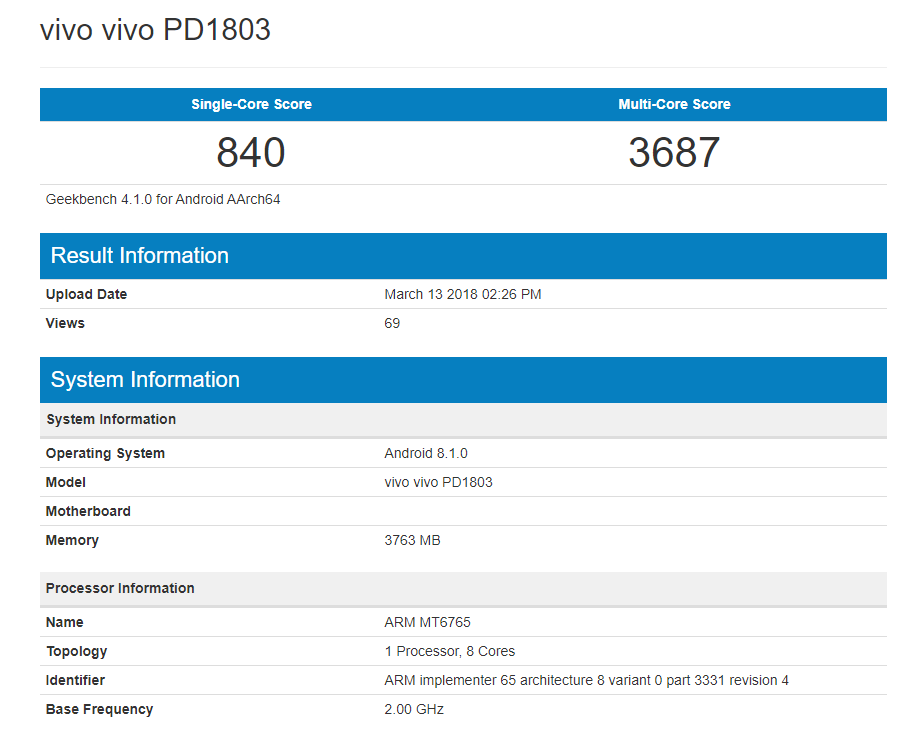
There is also another Geekbench listing that shows that Xiaomi isn’t the only one developing a device powered by the processor. A Vivo phone was benchmarked last month with the same chipset but has 4GB of RAM.
The Xiaomi Cereus’ scores are a bit lower than that of the test device and the Vivo phone. This may be due to the higher clock speed on the test device although it also has 3GB RAM, and the Vivo having 4GB RAM.
The big question is what device is this? There are some saying that this may be the Xiaomi Redmi 6A but seeing that the Redmi 5A is just 4 months old, that may be far-fetched. Others say this may be the Redmi 5X. This makes sense since the Redmi 4X doesn’t have a successor yet.
The Redmi 4X was released in May 2017. The Cereus showing up just a month to the 1st year anniversary of the Redmi 4X doesn’t look like a coincidence. So there is a chance the Redmi 5X will launch next month. We may actually be in for a surprise and get it much earlier, possibly alongside the Mi 6X on April 25.
After just 7 months of existence, it appears the reign of the Mi A1 has come to an end. The device which was first launched in India in September 2017 is an Android One version of the Mi 5X which sold in China.
Latest reports say Xiaomi has discontinued the Mi A1 in India. According to 91mobiles who first reported the news, it may be related to the arrival of a successor – the Mi A2.
Xiaomi partners in Delhi are reported to have said that supplies of the Mi A1 have been halted by Xiaomi and that the last billing was done months ago. The same was said by partners outside Delhi.
At the moment, the official Mi India website doesn’t have the phone in stock but you can sign up to be notified when it is available.
Just like last year, the Mi A2 will launch in China first but as the Mi 6X and with MIUI. However, since the Mi 6X is arriving earlier than its predecessor, the Mi A2 should also launch earlier in India. Xiaomi has announced it has an event on April 25 and the Mi 6X is the device expected to be unveiled.
The Xiaomi Mi A2 will have a 5.99” display with a 2160 x 1080 resolution. Have AI features on board thanks to the processor which at this point is still not confirmed but is an octa-core processor. It will also have dual rear cameras, a 20MP front-facing camera, rear-mounted fingerprint scanner, and a 2910mAh battery. Instead of MIUI, the Mi A2 will run pure Android, most likely Android 8.1 Oreo.
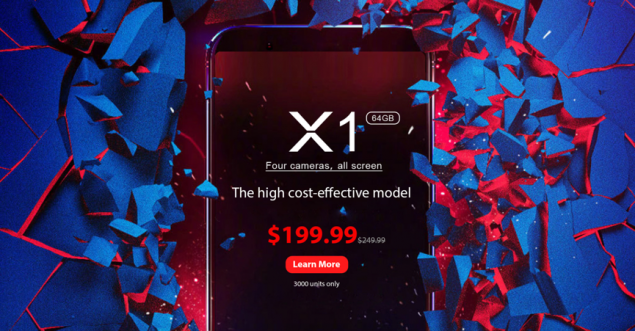
After the great success with Vernee X, the Chinese brand Vernee has decided to launch a new version of its powerful and affordable mid-ranger: Vernee X1. The new smartphone will be available to purchase on the famous online store Bangood starting for tomorrow 16th April. Until April 22, the device will be available to purchase with a price tag of just $199.99 (about €162), which makes it one of the most convenient mid-range smartphones in the market. The company has also launched a contest on its official website which will allow a lucky winner to get a Vernee X1 for free.
But what are the differences between the new X1 and the old Vernee X? Well, first of all, the memories configuration is different. The standard X has been launched in two variants: one with 4 GB of RAM and 64 GB of internal storage and another with 6 GB of RAM and 128 GB ROM. The new Vernee X1 sits just in the middle with 6 GB of RAM and 64 GB of internal storage. The cameras are now supported by a new algorithm which will allow shooting better photos and selfies. Vernee X1 has a total of four cameras. On the rear side, there is a dual camera setup with resolutions of 16 and 5 MP, a f/2.0 aperture and a Sony IMX258 sensor.
The front panel houses another dual camera with resolutions of 13 and 5 MP. The front camera supports face recognition to unlock the phone. The display has a size of 6 inches, a high screen-to-body ratio, an 18:9 aspect ratio and a Full HD+ resolution of 1080 x 2160 pixels. Under the hood, there is a midrange MediaTek Helio P23 chipset running at a max frequency of 2.5 GHz, which also includes the Mali G71 GPU. Alongside the Helio P23, there is a monster battery with a capacity of 6200 mAh. According to the company, the battery can last up to 4 days of use and 76 days in standby. You can order the device or take part to the contest using the links below.
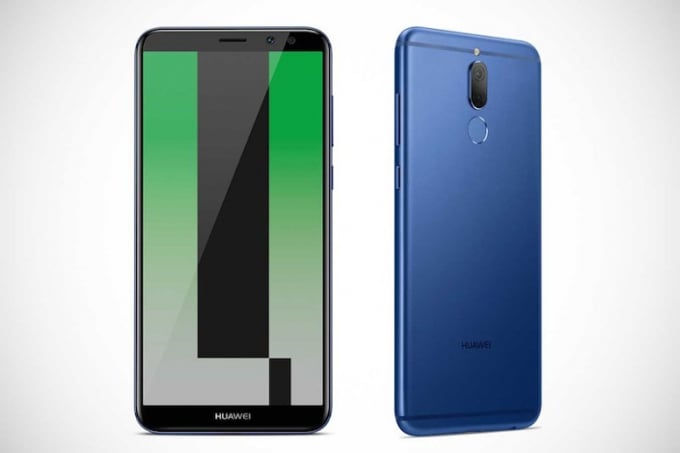
Huawei launched a lot of midrange smartphones in the last year, but the company always supports its devices by releasing several updates every month, even the ones which are not among its most expensive flagships. Huawei Mate 10 Lite is the affordable version of the Mate 10 and it was released back in October 2017. Recently, the mid-end phablet started receiving a new OTA notification. According to reports coming from Italy, the handset has received a software update weighing about 451 MB. From the size and the changelog, we can understand that this update for Huawei Mate 10 Lite brings important improvements to the handset.
First of all, the update includes the Android security patch for the month of April. Google releases Android security patches every month, and the April security patch is the latest one released by the Mountain View giant. Besides improving the security, the update is also bringing important system optimizations which are expected to improve performance and stability. The software update is identified by the build number RNE-L21C432B134 and it should reach every unit of Huawei Mate 10 Lite in the coming days.
So, if you still did not get the OTA notification on your handset, do not worry as it is a gradual roll out. In the meantime, you can try to force the arrival of the update by heading to the Settings. Once you are in the settings menu, you just need to tap on Software updates, then on Check for updates in order to see if the update is already available. To download this update, we suggest you connect to a Wi-Fi network in order to save your data traffic. You should also make sure to have at least 50 percent of battery charge before installing the update.
You can let us know if the update is rolling out in your country by using the comment box below.
For the first time, Huawei P20 Pro and Apple iPhone X have been compared in a speed test video and it comes via the popular YouTuber SuperSaf TV. These devices are the most powerful flagships from Huawei and Apple, respectively, and both performed very well in the speed test. The test consisted of opening 16 apps and games in order to see which of the two handsets is faster at opening them. While Huawei P20 Pro has been faster at launching lightweight apps such as such as Twitter, Instagram, and YouTube, Apple iPhone X has opened the heaviest apps and games a lot faster, such as Temple Run 2, Dead Trigger 2 and Asphalt 8.
But when it comes to re-opening apps, the P20 Pro wins. The latest flagship by Huawei has managed to keep every app opened in background, while Apple iPhone X has reloaded most of the apps and games. This has happened because the Apple device does not have enough RAM to keep all those apps open at the same time. Indeed, Huawei P20 Pro comes with 6 GB of RAM, while Apple iPhone X comes with just 3 GB of RAM. So, even though Apple iPhone X is faster in the most-demanding scenarios and iOS is better optimised than Android, its opponent does better in multi-tasking and lightweight apps.
Under the hood, the Apple iPhone X has an hexa-core Apple A11 Bionic chipset: the first SoC which can make every core work at the same time. Huawei P20 Pro has an octa-core Kirin 970 which we already saw on the Huawei Mate 10, Huawei Mate 10 Pro and Honor View 10. It is an octa-core chipset running at a max frequency of 2.4 GHz with an NPU (Neural Processing Unit) dedicated to artificial intelligence.
Which of these handsets do you prefer? Apple iPhone X with its higher speed at opening heavy apps or P20 Pro which provides better performances in multi-tasking?
The Nokia 1 launched at MWC 2018 as the first phone on the Android Go platform. It is also the least-powerful phone from HMD Global, the new licensee of the Nokia brand.
The Nokia 1 and other Android Go devices run a specially made version of Android 8.1 Oreo designed for phones with 1GB or less of RAM. They also have specially designed apps that do not take up much space and consume less data.
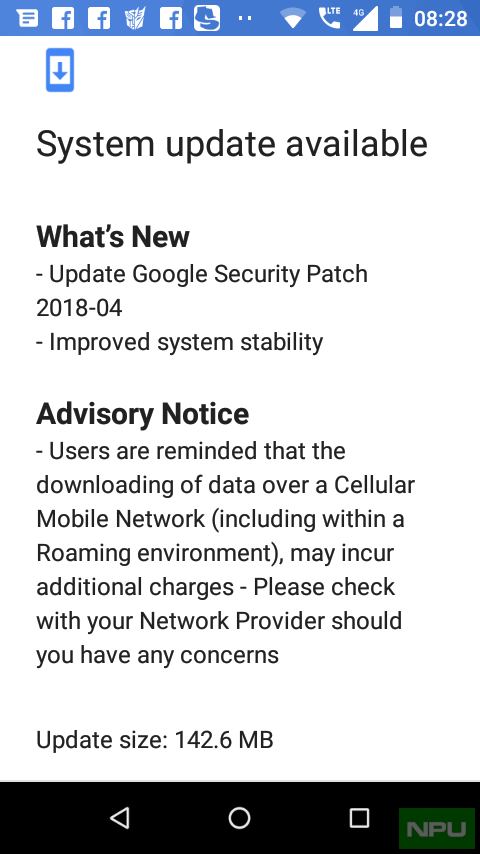
Nokia is known for pushing out updates as fast as possible and it has proved that once again by pushing out April’s security update to the Nokia 1. The update is 142.6MB in size and also improves system stability. It is already rolling out in India and Iraq.
The Nokia 1 has a 4.5” display with a resolution of 854 x 450. it is not the sharpest out there but should not require much juice from the 2150mAh battery.
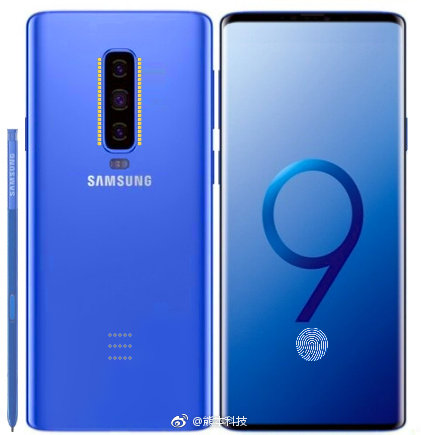
The Galaxy Note series can be said to be the most successful stylus-toting phones ever released. This year, Samsung will be releasing the 8th gen-model called the Galaxy Note 9.
There have been details of the Galaxy Note 9 floating around, from specs to design to benchmark results. Notwithstanding, a “new” info about the device has been released online by Evan Blass.
In a tweet by the leaker, it is revealed that the Galaxy Note 9 is codenamed Crown.
This is actually not new info. Earlier this year, the guys at XDA Developers published the codenames for 26 unreleased Samsung devices. The Galaxy S9 and S9+ which were not yet released at that time are two of the flagship devices on the list. The other two are the Galaxy S9 Active and the Galaxy Note 9.
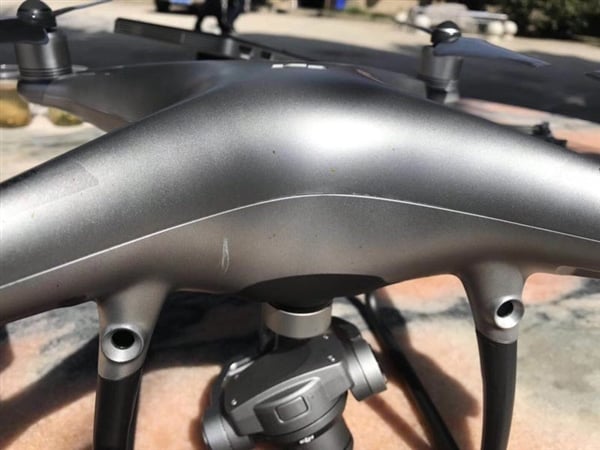
Last week, DJI announced two new Gimbal systems. It also launched the Zenmuse XT2 – the first drone with a thermal imaging camera a few weeks ago. But DJI isn’t done yet. Alleged photos and specifications of the Phantom 5 have surfaced online.
The DJI Phantom 5 is said to come with an interchangeable lens head camera. The camera has a 1-inch CMOS sensor just like the Phantom 4 Pro. It also has new DL-M Lens mount for 15mm, 24mm, 35mm, and 50mm DL-M mount lenses.
The maximum speed for the drone is 55 miles per hour (88.5kph). It also has a maximum flying distance of 7km and 33 minutes of battery life.
The DJI Phantom 5 is said to measure 16 x 8.6 x 12.6 inches and weighs 8.5 lbs (3.85 Kg). Its price is put at about $1,600.
Hisense, the Chinese household electronics manufacturer that also makes phones has revealed that it will release 5G smartphones in 2019.
The info was revealed in an interview by Fang Xueyu, the general manager of Hisense Communications. She said Hisense has been researching and developing 5G technology for about 3 years now.
Back in 2015, Hisense joined the IMT2020 5G team formed by the Chinese Ministry of Industry and Information Technology, theMinistry of Science and Technology, and the National Development and Reform Commission. They were also involved in the development of NB-IoT standard projects for the China Communications Standard Association.
Hisense also joined the 5G Terminal Initiative Plan set up by China Mobile this year to develop the 5G industry.
Ms. Fang Xueyu says the company will begin developing prototype 5G devices this year and then begin testing next year. It will also participate in network testing. The first set of 5G phones should launch later in 2019.
Hisense is reported to have been a key player in the mobile industry for over a decade now. It is said to own one of the most powerful R&D teams in China. However, restructuring in 2014 led to other brands overtaking them.
OnePlus, the China-based smartphone manufacturer is gearing up to launch its new flagship smartphone — OnePlus 6 later this month. Ahead of the phone’s official announcement, almost all information related to the device has been leaked online.
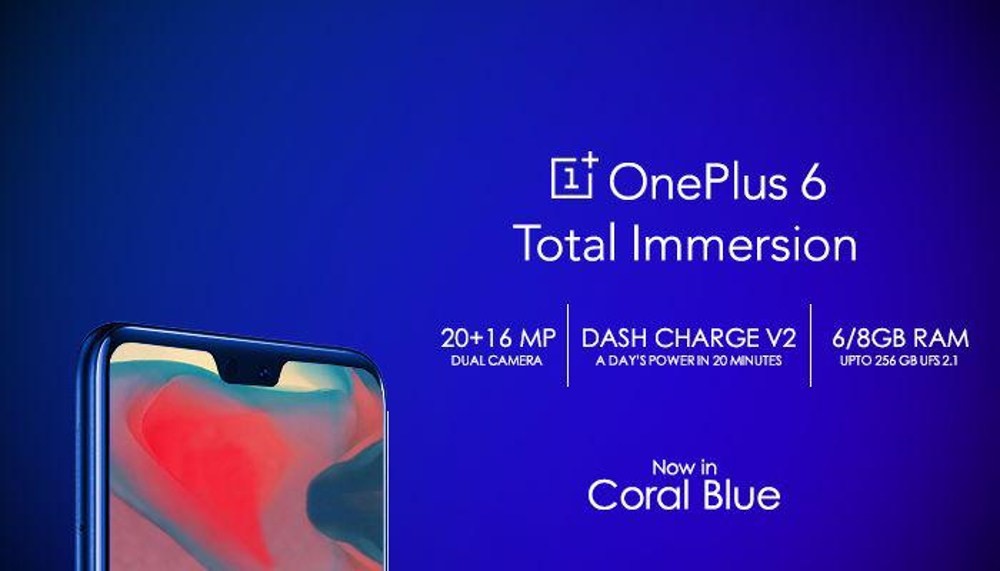
Earlier, there were reports that along with Black and White color variants, the smartphone will also be made available in a Blue color variant. Now, a promotional poster of the Coral Blue colored OP6 has surfaced online, confirming that the company will certainly launch this variant.
Along with the Coral Blue color, the promotional poster of the smartphone also confirms some of the key specifications. The poster reveals that the OnePlus 6 will come with 6GB/8GB RAM and up to 256GB of internal storage.
It will feature a dual camera setup at the back with a 20-megapixel sensor and a 16-megapixel sensor. Further, it says that the phone will have Dash Charge V2, which is claimed to provide full day’s power with just 20 minutes of charging.
Previous reports related to the smartphone has revealed that the OnePlus 6 will feature an edge-to-edge full-screen display along with the notch. However, the company has confirmed that the smartphone will come with an option to hide the notch.
Under the hood, it will come equipped with Qualcomm‘s flagship chipset — Snapdragon 845 SoC, which powers majority of the flagship devices launched this year. As for the pricing, the 8GB RAM + 256GB storage model is expected to be priced at 4,399 Yuan (~$697). It is also expected to arrive in two more variants — 6GB RAM + 64GB storage and 6GB RAM + 128GB storage, with a price tag of 3,299 Yuan (~$523) and 3,799 Yuan (~$570) respectively.
Previously leaked images of the OnePlus 6 hinted that it may also come in a wood-inspired back panel design. Additionally, OnePlus has also disclosed that it is teaming up with Marvel Studios, and is expected to launch an Avengers-themed variant of the OP6. Since the movie’s release date is April 27, we may see the phone’s official launch around that date. In China, the phone is expected to launch on 5th May.
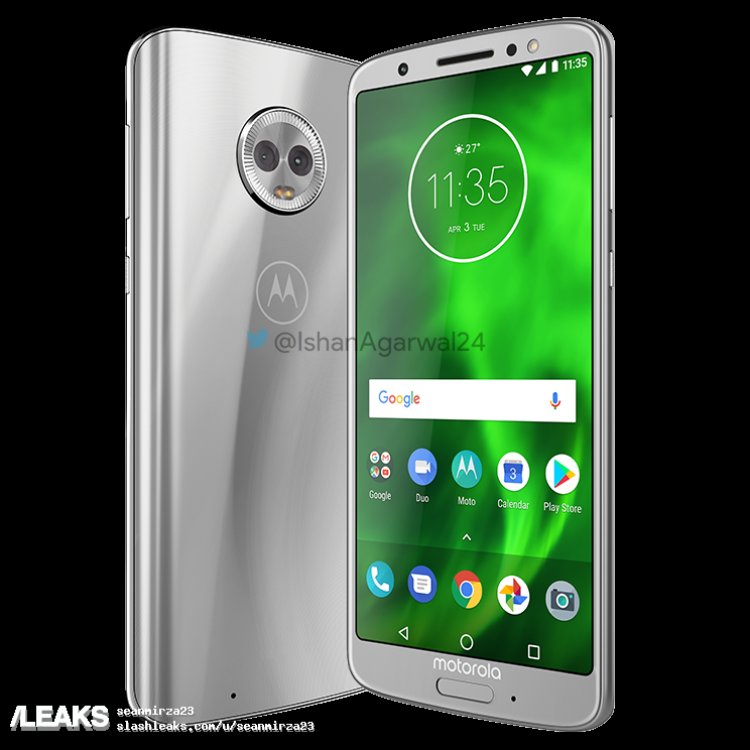
After several leaks and certifications, Motorola Moto G6, G6 Plus, and G6 Play have just shown up in detailed renders published by a 15-year-old leakster on Twitter. Besides confirming the design surfaced in the previous leaks, these renders reveal several color variants of the trio. According to the images, Motorola Moto G6 will be released in at least three color variants: Silver, Rose, Blue, and Black. The G6 Plus will be released in Blue and Gold hues, and the cheaper G6 Play will be available in Gold and Blue as well.
Even though the prices will be different depending on the model, Motorola Moto G6, G6 Plus and G6 Play will have very similar designs. But note that the Play version will be the only one which will not feature a front-mounted fingerprint reader. According to leaks, Moto G6 will come with a 5.7-inch display boasting a Full HD+ resolution and the Gorilla Glass protection.
On the hardware side, the handset will feature an octa-core Snapdragon 450 chipset, 4 GB of RAM and 64 GB of internal storage. There will also be a dual camera setup with 12 and 5 MP resolution, and a 3000 mAh battery. On the other hand, the Moto G6 Plus will have a 5.93-inch Full HD+ display, a Snapdragon 630 SoC, and 6 GB of RAM, while the Play version will be the most affordable one with a 5.7-inch HD+ display, a Snapdragon 430 SoC and a 4000 mAh battery.
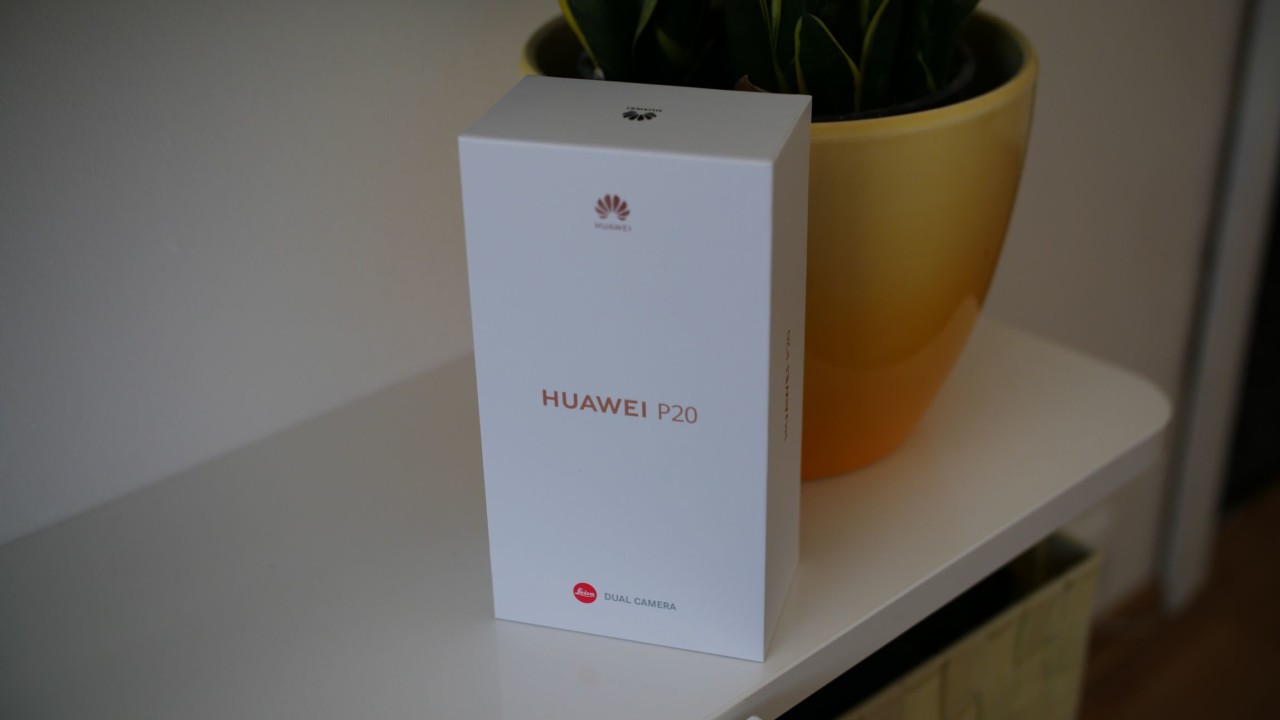
It seems that everyone’s talking about the Huawei P20 Pro but the regular P20 is also a flagship phone that was recently announced. It has a similar design with a notch display, all new dual Leica camera setup, and great specs. As always, if you want to learn all the pros and cons of this device, read out full Huawei P20 review.
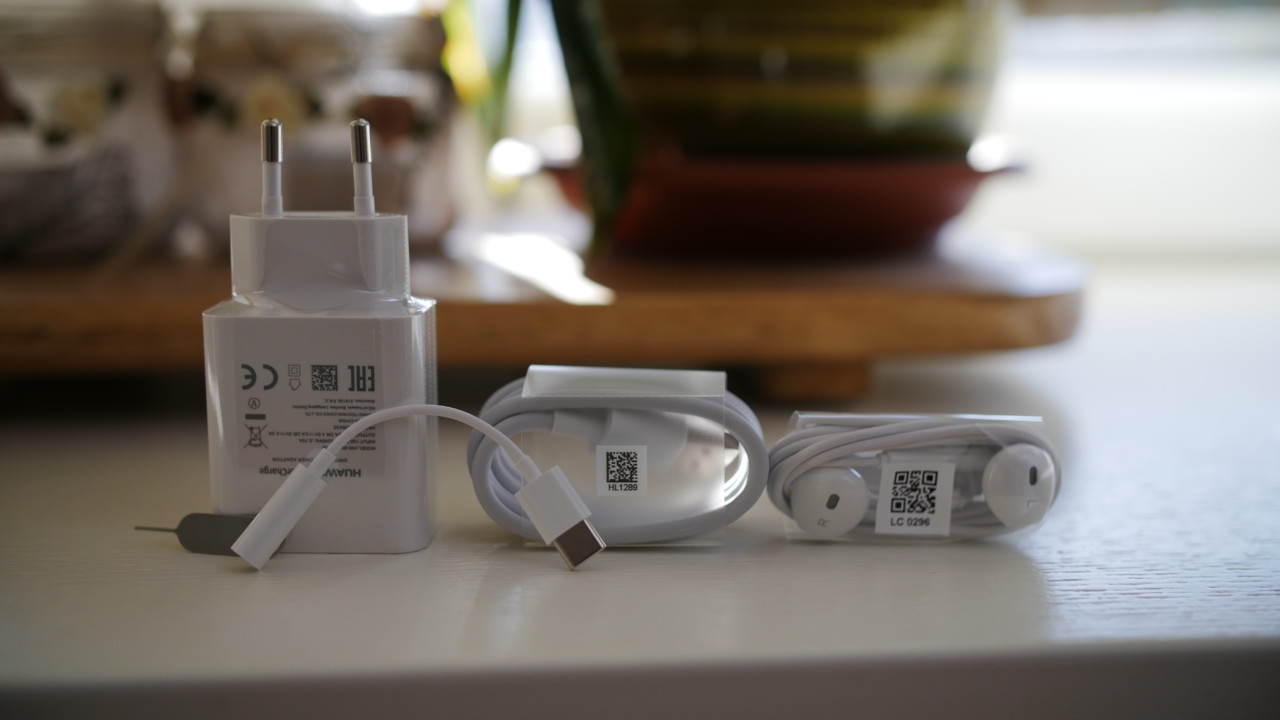
The P20 ships just with a cable, a charger, a pair of earphones, a headset jack adapter and SIM ejector pin.
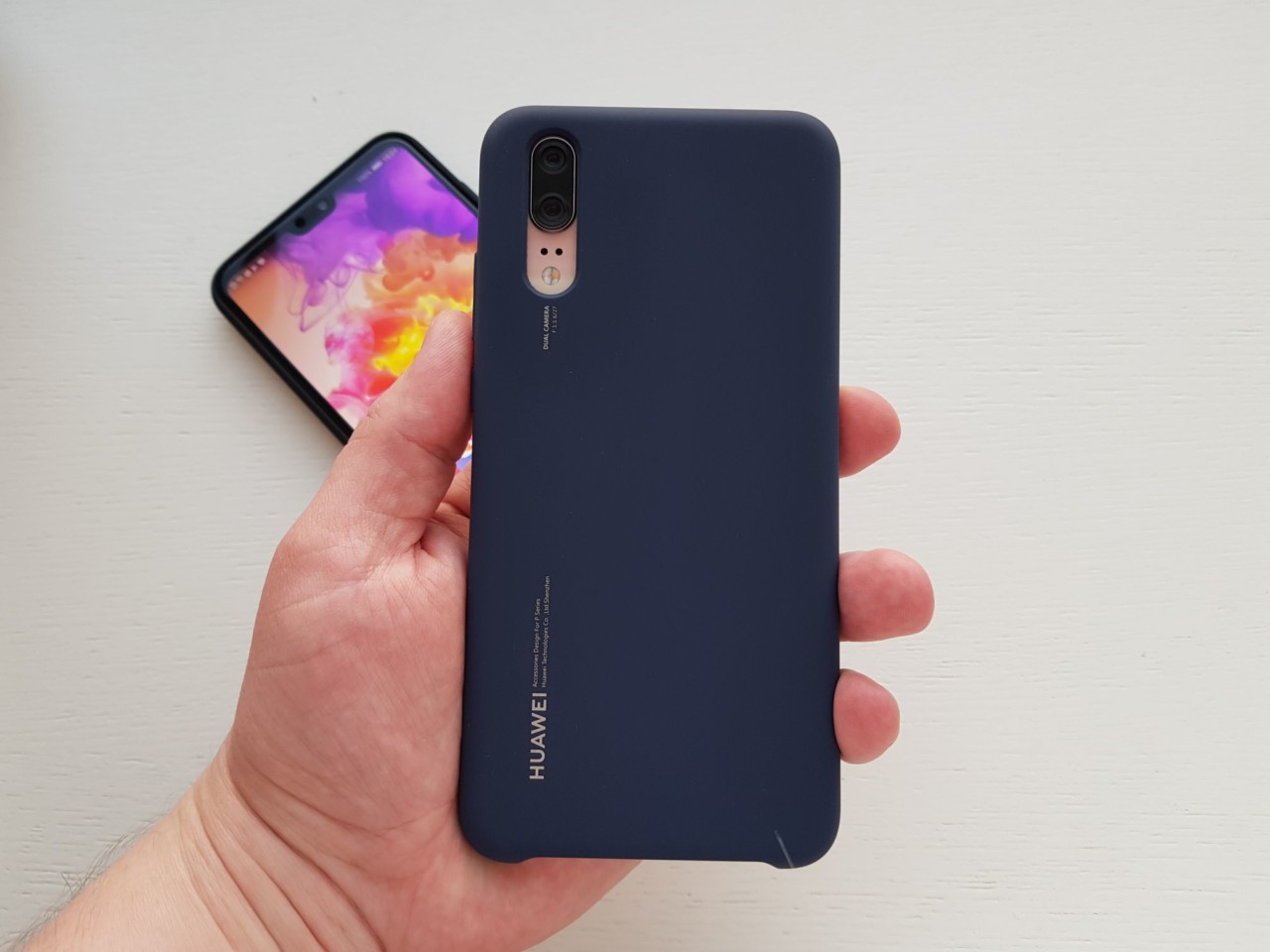
Finally, retail units will have a case but I’m not sure if it will look the same as the one I have, which is really nice.
DESIGN and DISPLAY
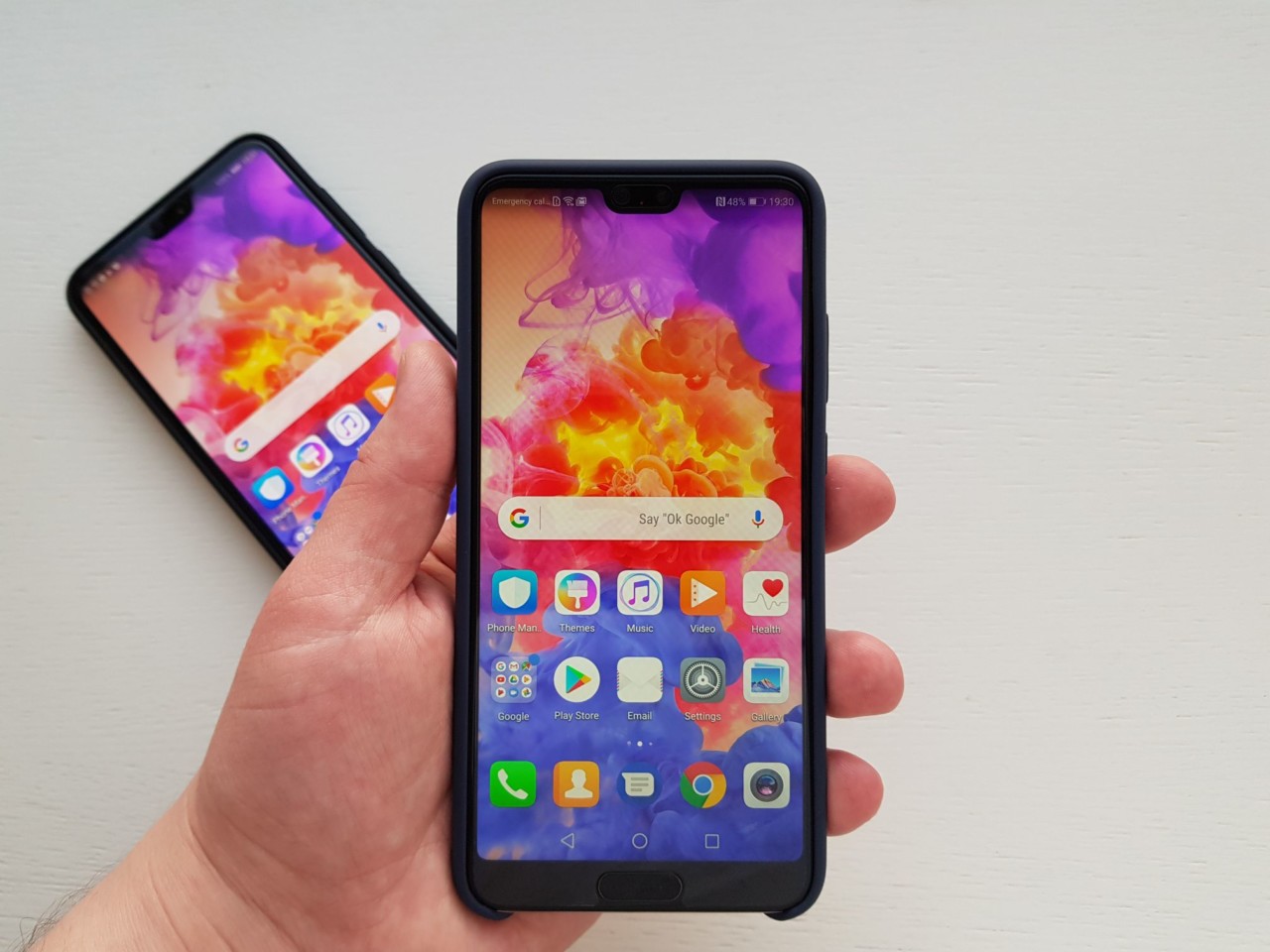
Once you pick the P20 up, you are definitely going to feel that it is a smaller phone than the P20 Pro and that’s a good thing – it’s easier to manage the device in one hand.
I have a pink gold color option that has a gradient finish. That means that the phone changes the looks in different lighting. In practice, I love the way the P20 looks and feels. The build quality is nothing short of a true flagship thanks to the metal frame and slightly curved glass backplate.
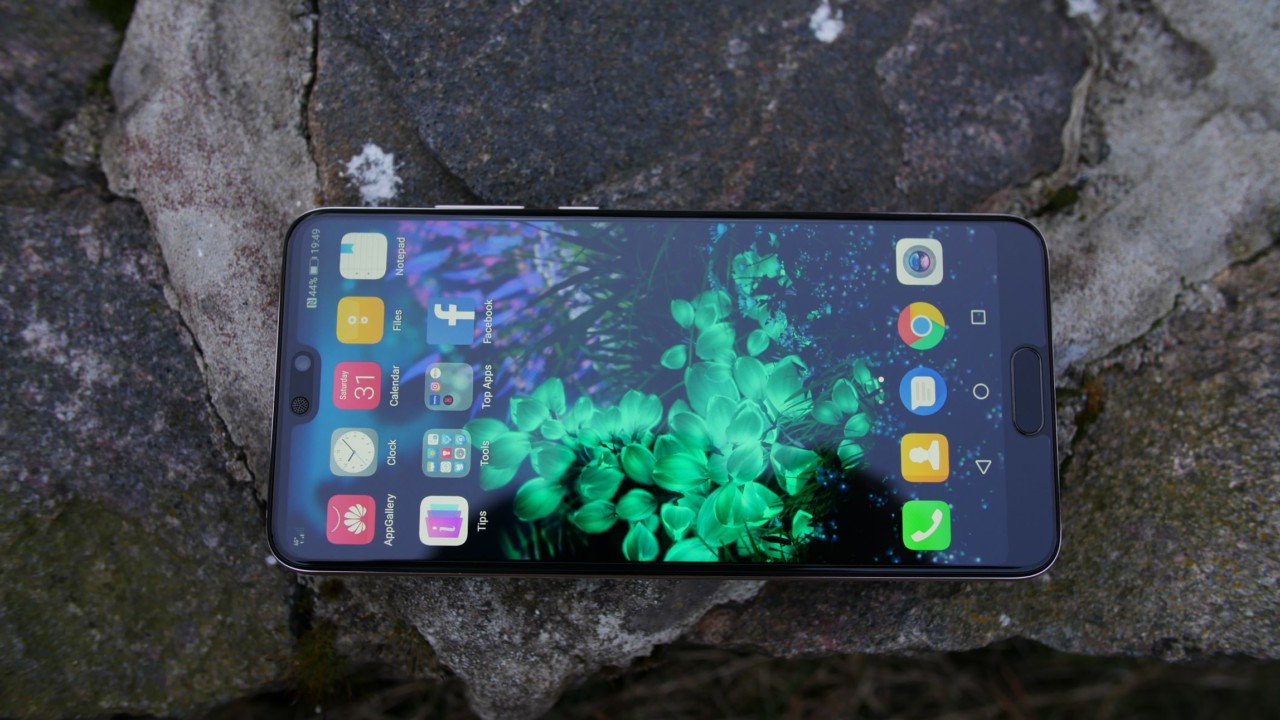
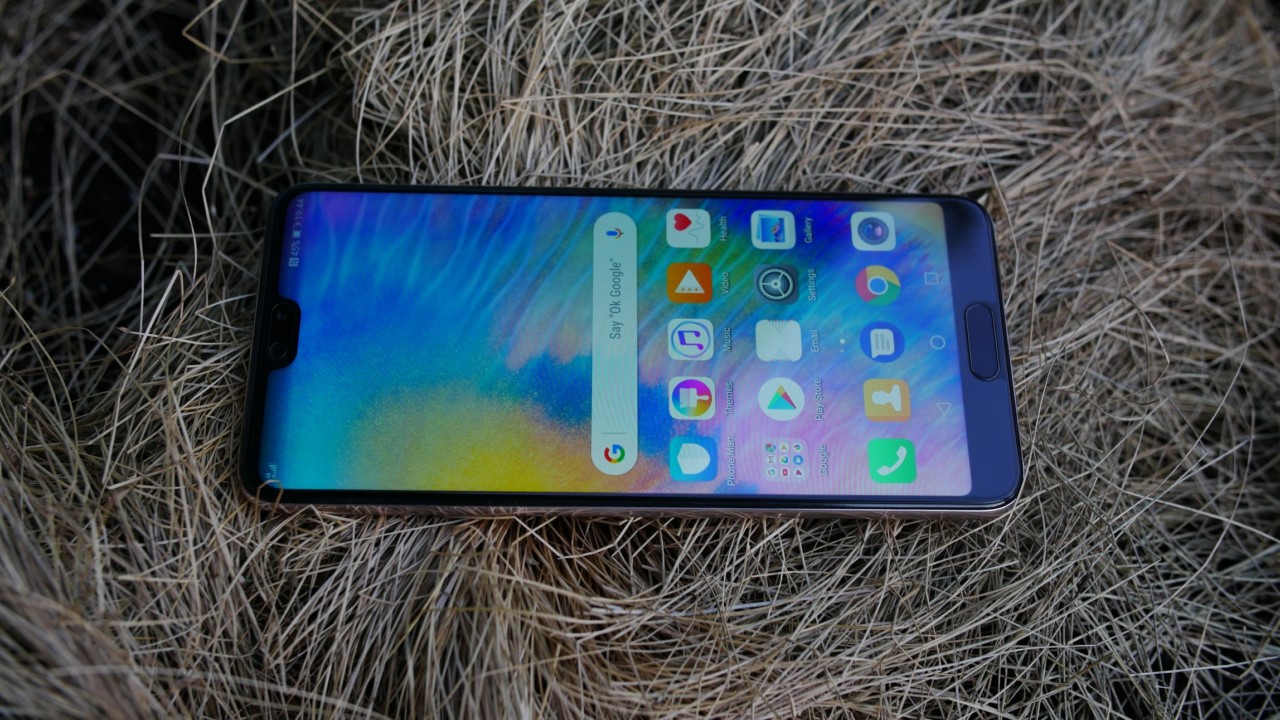
Even though the display on the P20 is slightly smaller than the one found on the P20 Pro, it sports the same resolution. The phone uses LCD panel instead of OLED but I found the quality of screen to be very good.
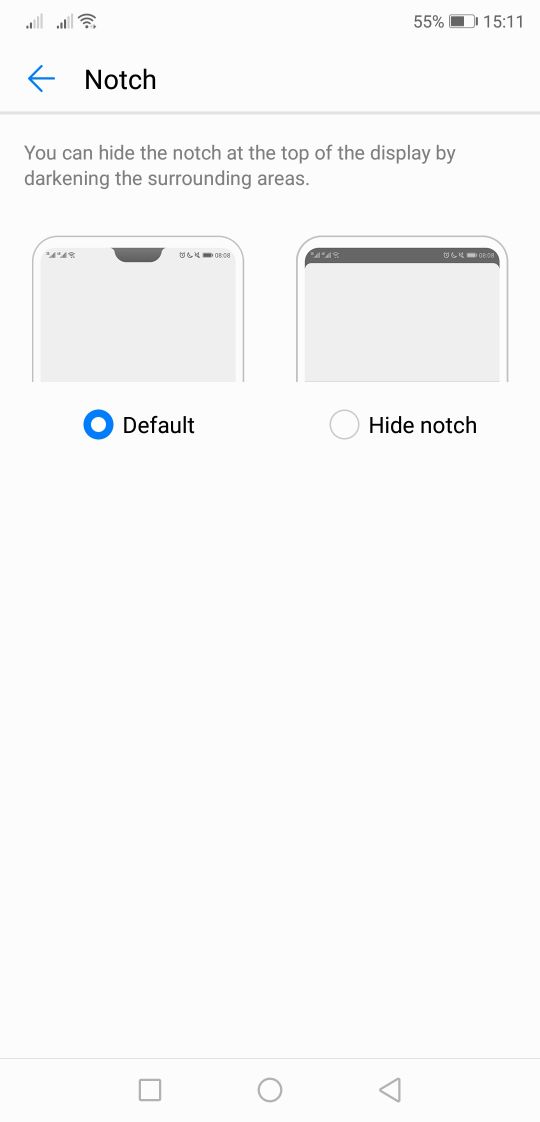
Inside the notch, you can find a beefy 24MP selfie shooter. Just a bit more info about the notch: you can hide it if you don’t like it.
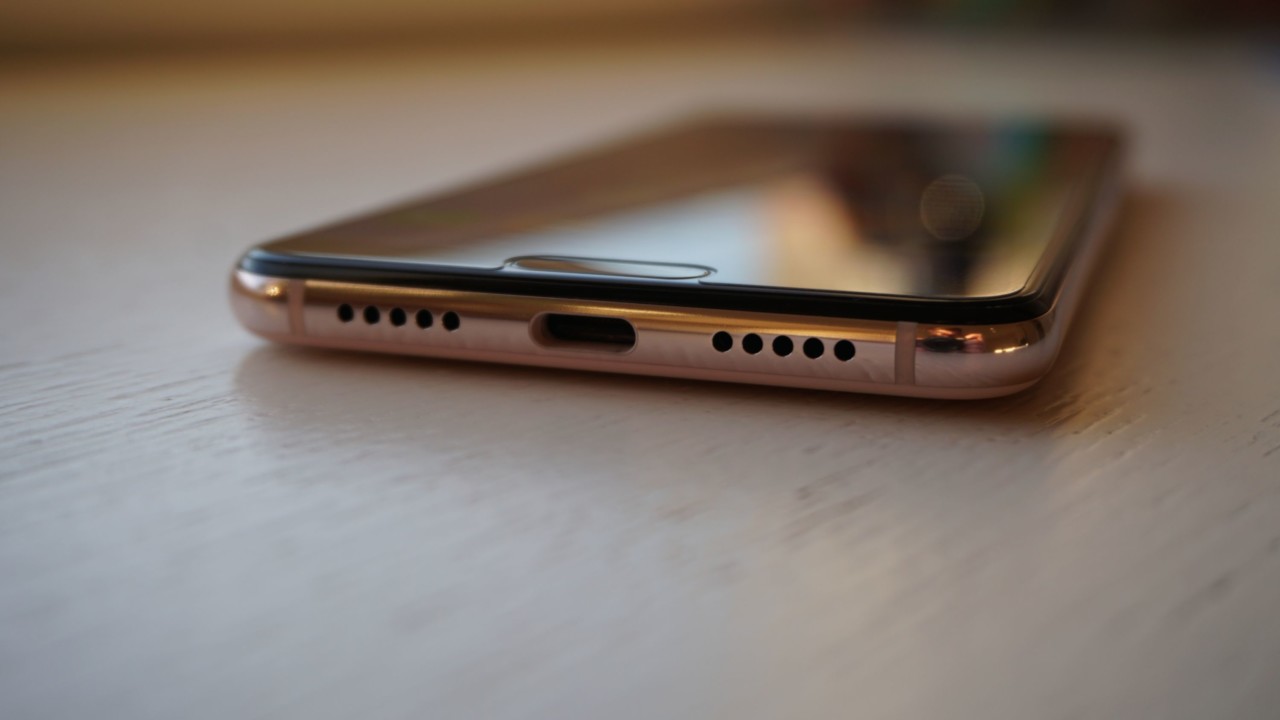
There is a loudspeaker on the bottom of the device. It may not sound as great as the dual stereo system on the P20 Pro but it is also pretty good.
One major difference between the Huawei P20 Pro and the P20 – camera setup. The P20 does not have 3 cameras but it ships with a brand new dual Leica system that is capable of taking very good images too. The device ships with a 12MP RGB sensor and 20MP monochrome lens. I will talk about cameras in detail a bit later in this review.
Another difference – the P20 has a lower IP53 water and dust resistance rating. Honestly, I forgot about it when I was reviewing this phone and I kept the phone underwater for quite some time. Good news is that the phone survived and works as new. However, I don’t recommend you submerging your P20 underwater like I did.
Other features are pretty much identical to the P20 Pro: you get a super fast and reliable fingerprint scanner and Face ID that usually works very well and it allows you to unlock the phone very fast. You also get a nice LED notification light but the phone does not have a headset jack, so you would need to listen to music using the supplied adapter. Sound quality is really good, just like on the P20 Pro.
HARDWARE and PERFORMANCE
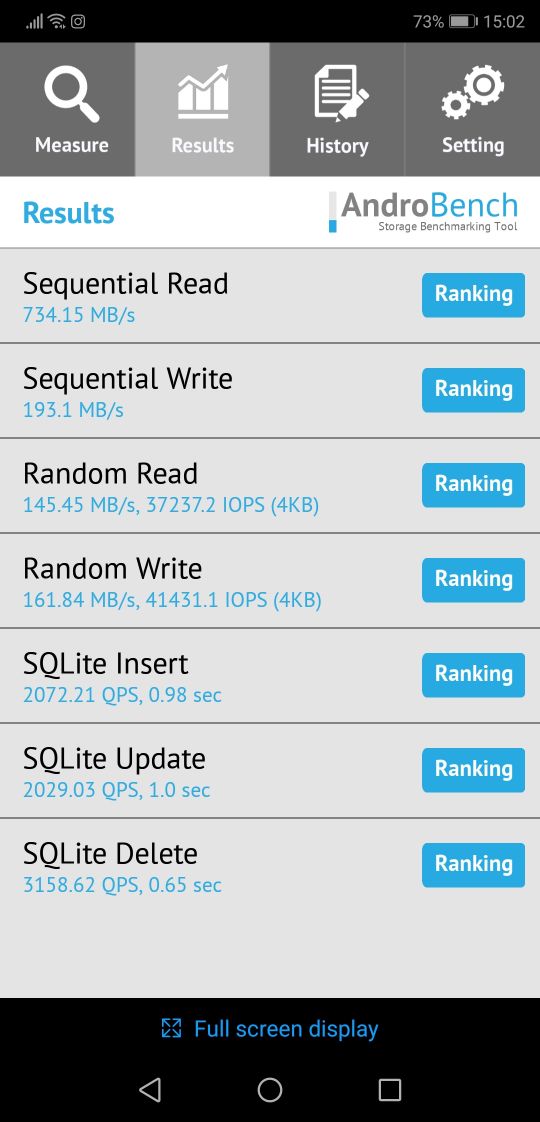
The Huawei P20 ships with almost the same specs as the P20 Pro but it has just 4GB of RAM instead of six (Kirin 970 chipset and 128GB of non-expandable storage).
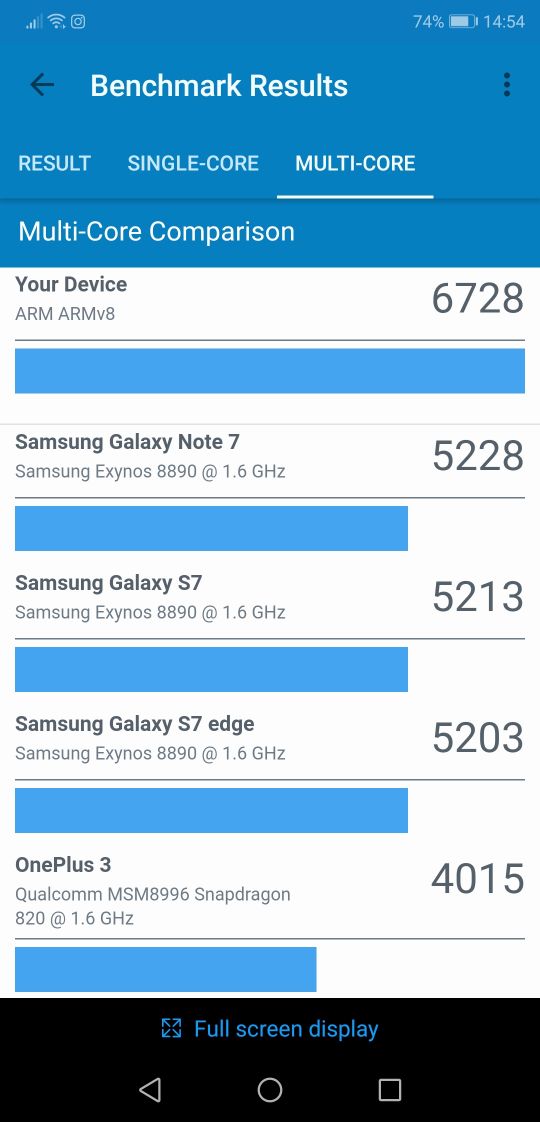
In practice, I didn’t really notice that the P20 has less RAM than the P20 Pro. I usually start testing phones with playing 3D games to make the processor and GPU work. The overall gaming experience is great as games usually load fast, there is no stutter or lag even if you play the most demanding titles. The performance is great, identical to the P20 Pro.
USER INTERFACE
Just like the Huawei P20 Pro, the P20 runs on Android 8.1 but it looks a lot different than stock Google’s user interface.
As I said in the P20 Pro review that I suggest you check out, I got used to using Huawei phones that run on the EMUI. Yes, it’s different but it has grown on me and I mostly like it for its speed and flexibility. I’ve used the P20 for more than 2 weeks and I’m yet to see the phone lag or stutter. Huawei assures that the phone will remain fast even after 2 years since the AI-powered Kirin 970 chipset has integrated neural processing unit that helps allocate resources to the specific task every time you use the phone. Well, so far so good.
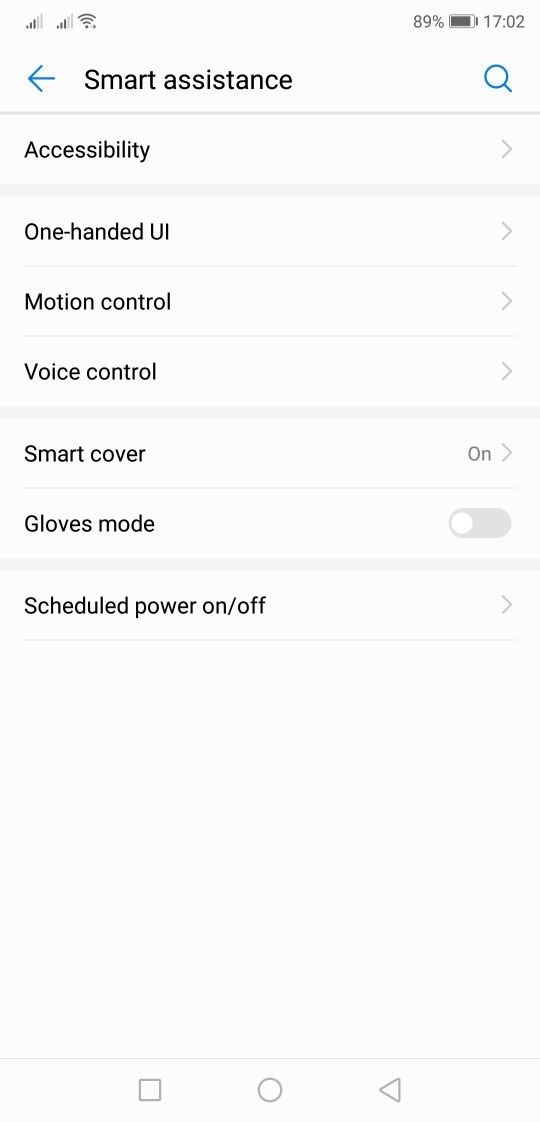
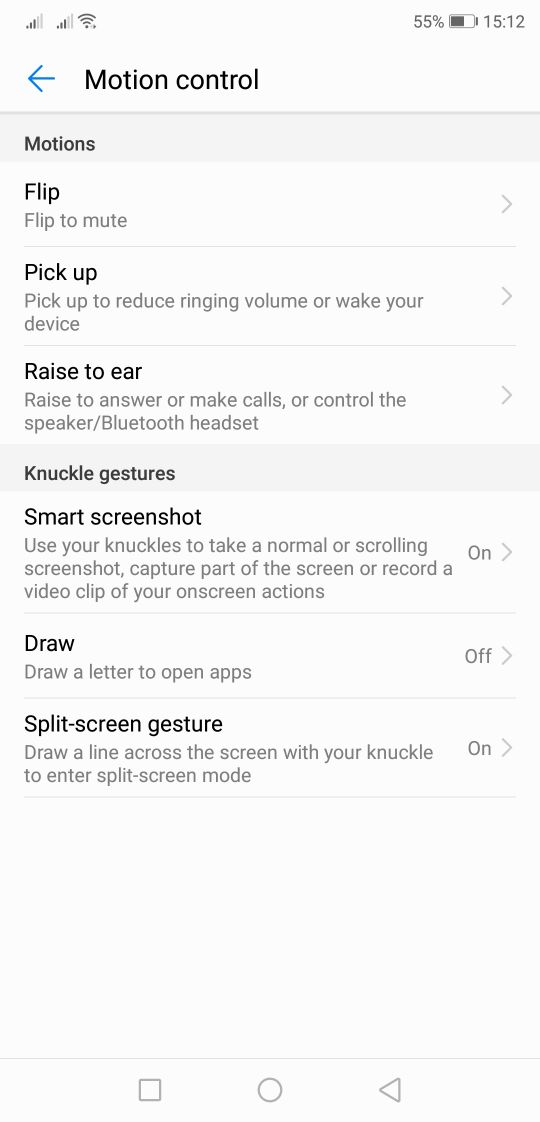
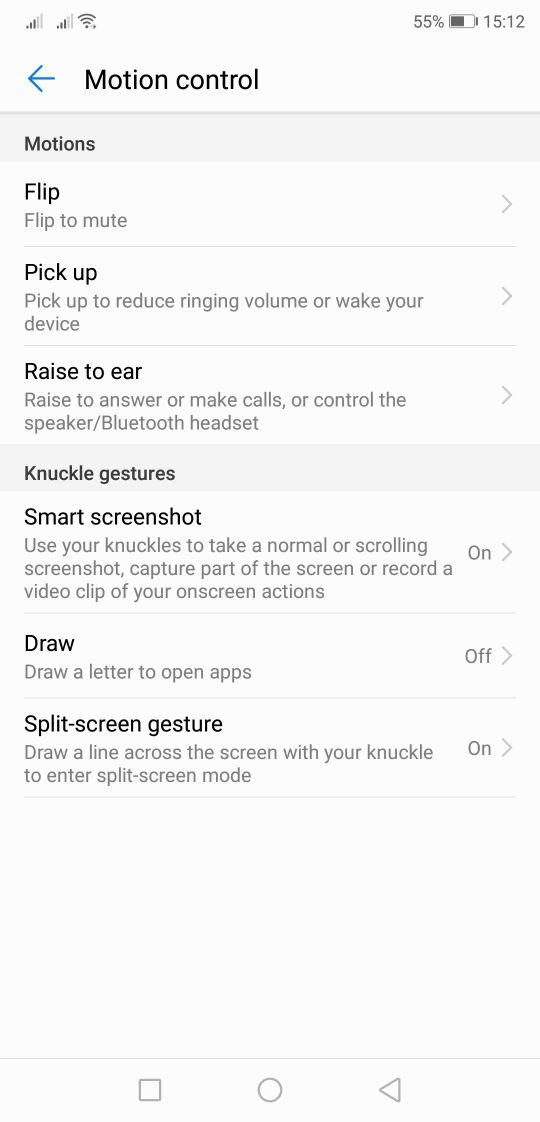
I also like the extra features and customization options Huawei implemented. I can’t say that I need all of them but I found some features to be very useful. It may feel weird at first but I love running two apps side by side by drawing a line in the middle of the screen using a knuckle. That’s just one of many features Huawei gives you with this phone.
CAMERAS
I found the camera app to be really fast and easy to use. My favorite shooting modes include a pro, portrait, aperture and a night mode. One thing that bothers me is that you need to switch the resolution to 10MP if you want to use optical zoom. It’s really annoying and I wish resolution could switch automatically.
Speaking of that zoom, pictures look really nice and sharp.
Daylight image quality is very good thanks to no small part of an AI-powered camera app that detects the scene and applied the best camera settings automatically. As I said in the full P20 Pro review, some images may look oversaturated and punchier than usual but I don’t think it’s a bad thing since most of the images you take are probably going to end up on social media anyway, and they will look nice out of the box. To be honest, it’s hard to see a difference between the quality of daylight pictures of the P20 and the P20 Pro. Both phones can take wonderful photos.
Portrait and aperture modes are used to take pictures with bokeh effect and I think that the overall image quality is pretty good. The objects are sharp and nicely separated from the background with just minimal artifacts.
Low-light is where the P20 shines. Well, if you use the auto-mode, the pictures could have less noise and grain but a dedicated night mode does all the magic. You can take long exposure shots without using a tripod thanks to AI-powered OIS system. While the quality of pictures is slightly worse than on the P20 Pro, it’s still very good and among the best in the game.
Selfies look really nice even though the beauty mode is pretty aggressive.
4k video is very sharp, detailed, continuous auto-focus is reliable and super fast but… video stabilization does not work in 4K mode and you end up with shaky footage. That’s really frustrating but hopefully, this can be improved with the future software updates since the hardware is there.
If you don’t need 4K, 1080p video looks much better in terms of smoothness. The footage is very stable and it looks nice but obviously, you are losing the sharpness of 4K. It’s worth mentioning that quality of the video is very similar or even identical to the Huawei P20 Pro’s quality.
The P20 is equipped with great mics and earpiece that assure good call quality. I also found signal reception to be very good and other connectivity options like Bluetooth, Wifi and GPS work fine. Finally, there are plenty of sensors to choose from, just like on the Huawei P20 Pro.
BATTERY LIFE
Battery life is definitely one of the strong sides of the P20. Even though it has a smaller power bank than the P20 Pro, it has a less power hungry display to power up. On average, I was able to achieve about 7 hours of screen-on time, which is a very impressive result. Finally, you can charge the device in just about 1,5h using the supplied Huawei’s fast charger.
CONCLUSIONS
The Huawei P20 shapes up to be a solid all-around smartphone that costs less than the P20 Pro and other flagships out there. It’s smaller and lighter than the P20 Pro, yet it sports the same good build and very similar design. I also like the P20 for it’s nice and sharp display, great overall performance, very good cameras and solid battery life.
However, the P20 shares similar issues to the P20 Pro: 4K video lacks image stabilization, there is no headset jack, no microSD card slot, and no wireless charging.
At the end of the day, the P20 is still a very good smartphone, despite a few flaws. In fact, it is a legit flagship phone that costs less than the P20 Pro but it has most its essential features that are packed into a premium metal and glass body. With a notch.
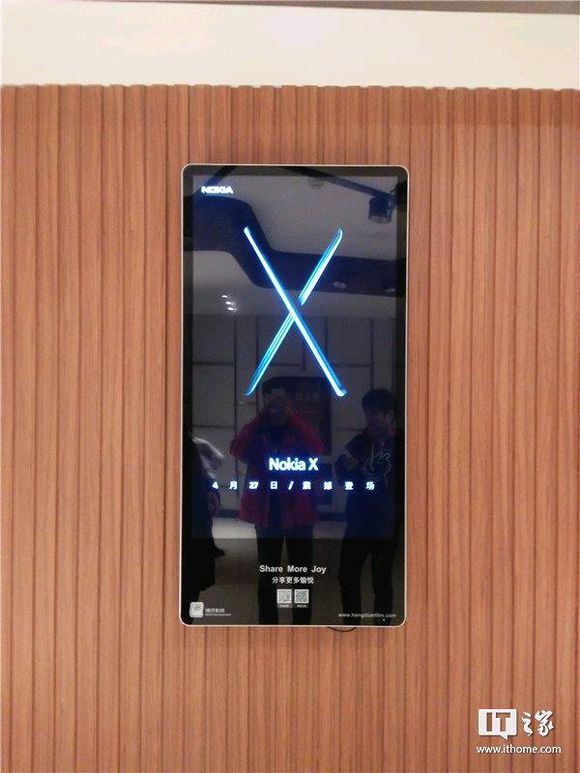
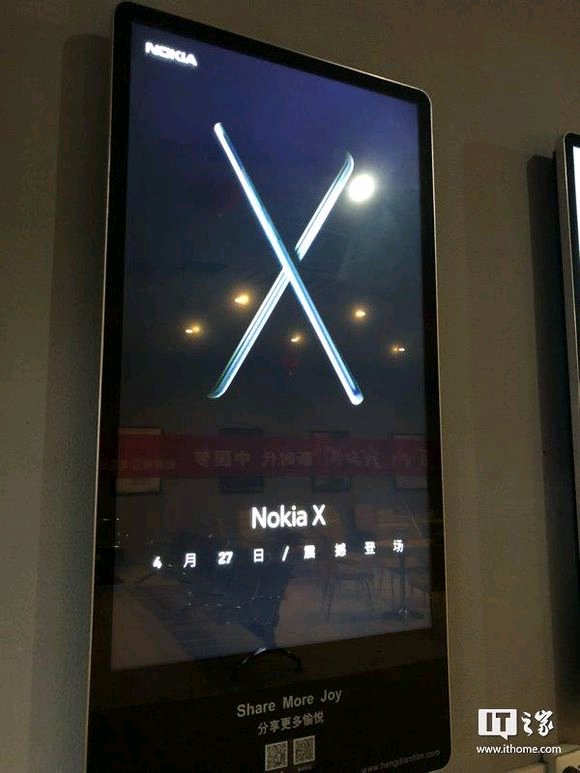
Do you remember the Nokia X? It was Nokia’s first Android smartphone that never felt like an Android phone. I’m sure Nokia doesn’t want you to remember because it was pretty much a failure. HMD Global, on the other hand, wants to bring it back on April 27.
Yes, photos have revealed that HMD Global has a launch scheduled for April 27 in China and the device is called the Nokia X. The photos show digital signposts that have silhouettes of two phones crossed against each other to form an X and the date of the launch- 27th of April.
The few details we can make out of the image is that the phone has a 2.5D curved display and a metal back. The metal body is also curved at the corners.
The upcoming Nokia X is a big surprise as no-one seems to have heard of it before now. We can’t say if it will be a mid-range phone or a flagship device. Nevertheless, we believe HMD Global will want to keep a tight lip until the launch day.
We use cookies on our website to give you the most relevant experience by remembering your preferences and repeat visits. By clicking “Accept”, you consent to the use of ALL the cookies.
This website uses cookies to improve your experience while you navigate through the website. Out of these, the cookies that are categorized as necessary are stored on your browser as they are essential for the working of basic functionalities of the website. We also use third-party cookies that help us analyze and understand how you use this website. These cookies will be stored in your browser only with your consent. You also have the option to opt-out of these cookies. But opting out of some of these cookies may affect your browsing experience.
Necessary cookies are absolutely essential for the website to function properly. This category only includes cookies that ensures basic functionalities and security features of the website. These cookies do not store any personal information.
Any cookies that may not be particularly necessary for the website to function and is used specifically to collect user personal data via analytics, ads, other embedded contents are termed as non-necessary cookies. It is mandatory to procure user consent prior to running these cookies on your website.

 The HOMTOM S7 4G Phablet was launched in September, last year. The device wasn’t particularly designed keeping cost-conscious buyers in mind.