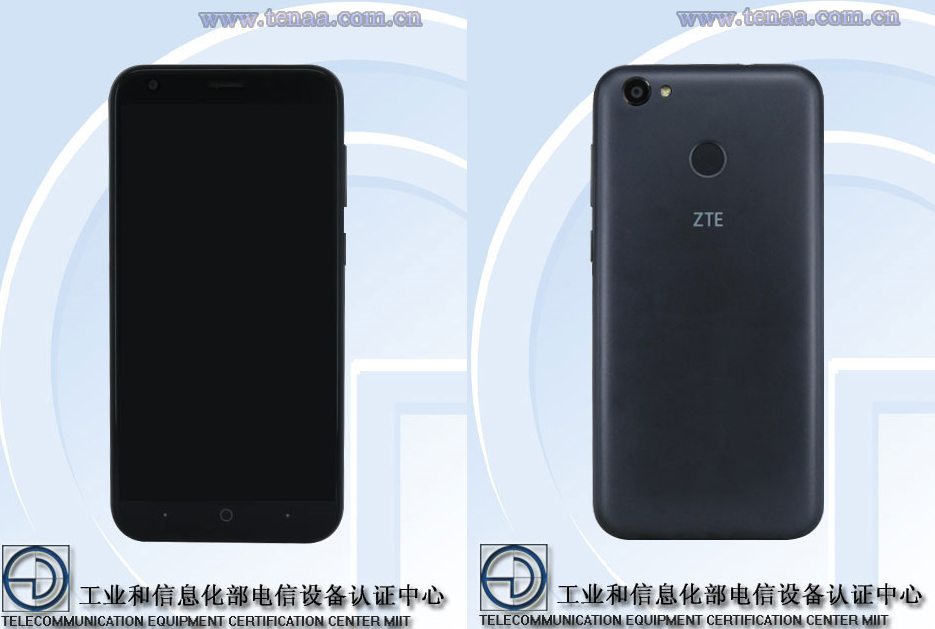
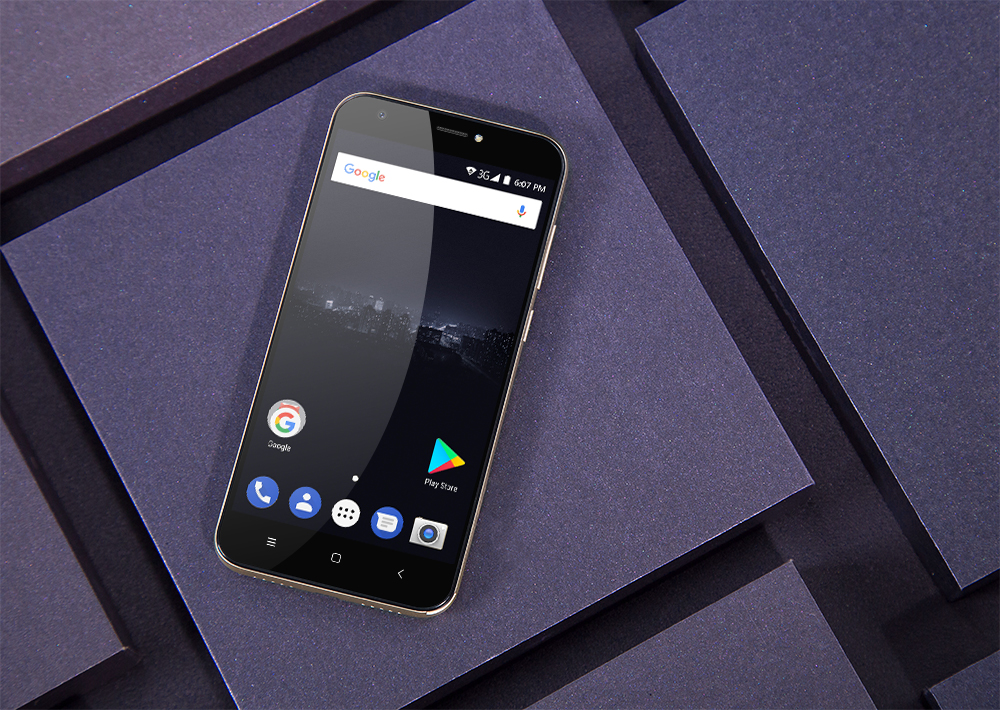
Following the launch of the foldable dual-screen Axon M, ZTE is going with a single screen for its next mobile phone. The ZTE A0620 has been seen on TENAA and the specs put it in the mid-range category.
The A0620 has a 5.2” HD display. There is a 1.4GHz octa-core processor on board paired with 4GB or 3GB of RAM. Depending on the variant, you either get 32GB or 64GB. Fortunately, both models have a MicroSD card slot for expansion.
The ZTE A0620 may not have dual displays like the Axon M, but it beats it with a massive 4,870mAh battery. That should see you through close to two days of moderate usage.
There is a 13MP rear camera gracing the back and a 5MP selfie camera. It also features a rear-mounted fingerprint scanner. It runs Android 7.1.1 and will come in black, gold, and silver.
The ZTE A0620 measures 147 x 71 x 8.5 mm and thanks to its massive battery, it comes in a bit heavy at 160g.
There is nothing spectacular about the design. The body appears to be made of polycarbonate reinforcing the point that this will be an affordable device. The rear camera sits at the top left corner and there is the ZTE branding below the fingerprint scanner.
Gizmochina along with Ulefone is conducting a Uelfone S7 phone as giveaway gift to one of our lucky readers. Like always, you just have to follow the steps mentioned on the Gleam widget to get a chance to win this budget phone.
How to entry this giveaway? Just follow these steps via Gleam widget
1. The giveaway is an international giveaway.
2. We are not responsible for lost shipments.
3. We are not responsible for any duties, import taxes that you may incur.
4. We reserve all rights to make any changes to this giveaway.
5. The prize will be shipped in a week when the giveaway end.
Just follow the steps mentioned in the Gleam widget to participate in the giveaway.
Once again, good luck.
Chinese innovative tech company Xiaomi has perfected plans to launch its products in the Western Europe market. The company’s Senior VP Wang Xiang officially disclosed via his Twitter handle that it would be launching in Spain on November 7, signalling its entry into Western Europe.
Already, the company has got a dedicated Twitter handle for its Mi Espana arm and it is believed that an online Mi store for the market would be unveiled after the launch. The launch event would hold on November 7 in the Spanish capital city of Madrid. They left off without revealing the pilot products that would be unveiled in the market. If we are to go by the teaser poster which contains the Xiaomi Ninebot Self-balancing scooter, Spain may likely get more than just smartphones. However, the company may take things slowly by introducing just a few products.
Heading to #WesternEurope with @Espana_Xiaomi as our first stop!
We’ll have to wait until the launch to know the sales channels Xiaomi would employ to sell its products. No doubt, the success of the brand in Spain would determine how soon the company would enter other countries in Western Europe like France, Netherlands, U.K, Belgium and others. It could be recalled that Xiaomi made its foray into the Eastern part of Europe earlier this year with its launch in Russia.
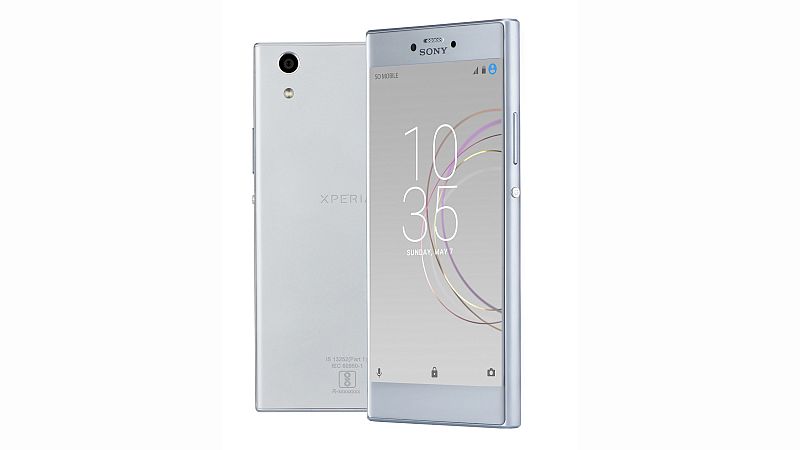
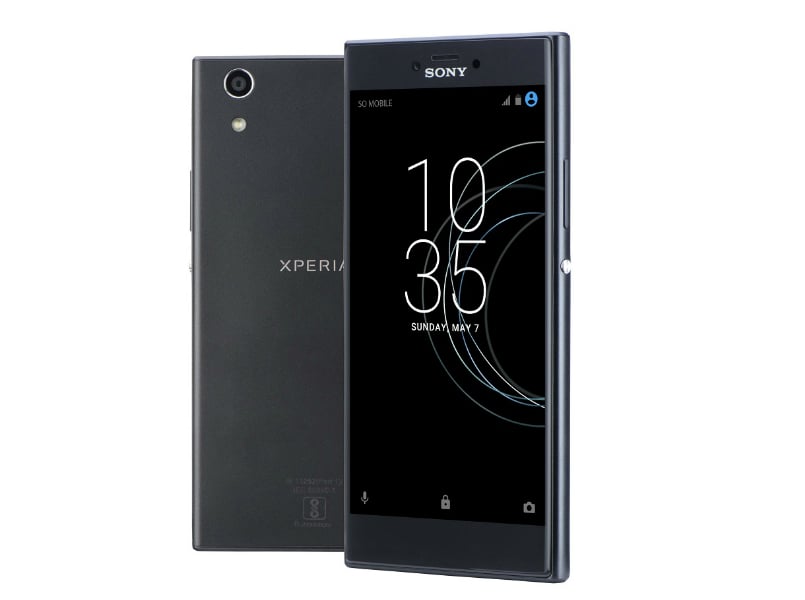
Sony is making a comeback in the mid-range smartphone segment and has announced two new smartphones for the Indian market — Xperia R1 and Xperia R1 Plus.
According to the company, the smartphones are designed exclusively for the Indian market and will be manufactured locally at Sri City facility in Andhra Pradesh.
This is an unexpected step from Sony as it had decided to exit the mid-range smartphone segment last year and said that it will only offer premium Xperia handset to ensure better profitability.
The Sony Xperia R1 features a 5.2-inch TFT LCD display with a screen resolution of 1280 x 720 pixels. It is powered by Qualcomm Snapdragon 430 processor with 2GB of RAM and 16GB of expandable storage. It has a microSD card slot for expanding storage.
As of imaging, the phone comes with a 13-megapixel camera on the back with LED Flash and Sony‘s own Predictive Hybrid Autofocus which uses object tracking and motion prediction to focus on moving objects. On the front, there is an 8-megapixel camera that also has the same Predictive Hybrid focusing system.
On the other hand, the Sony Xperia R1 Plus comes with the same set of specs except for the RAM and storage. It packs 3GB of RAM and 32GB of internal storage. All the other specs, including display, processor and camera sensors remains same.
The devices are running on Android 7.0 Nougat operating system but the company has promised an upgrade to Android 8.0 Oreo. The smartphones are powered by a 2,620mAh battery.
Both the smartphones support Dual SIM, Wi-Fi, Bluetooth 4.2, GPS and 4G VoLTE. It comes with a USB Type-C port for charging and data transfer.
The Xperia R1 and R1 Plus are priced at Rs 12,990 (~ $200) and Rs 14,990 (~ $231) respectively. Sony is offering two color options for both devices — Black and Silver. They will be available starting November 10 across all Sony Center, major mobile stores and e-commerce platforms like Amazon and Flipkart.
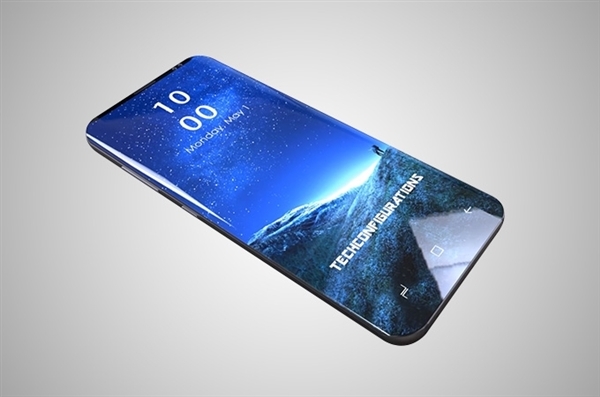
Several rumours have been making the rounds that Samsung may be working on an optical fingerprint recognition technology which would enable the company to integrate a fingerprint sensor into the display of its phones. Samsung was earlier tipped to utilise the technology on the Galaxy S8 but that never came to fruition. Now, with the sighting of a patent application which Samsung had filed back in April 2016 for a fingerprint technology integrated into the display, speculations of its inclusion on the Galaxy S9 became rife.
Samsung Galaxy S9 Render
However, a new rumour out of China has emerged, stating that the next-generation Galaxy S9 would not feature the optical fingerprint technology where the sensor would be on the display. The report was short of stating why the tech giant would choose to stay put on that for the Galaxy S9. So, we may likely see a repeat of the rear-mounted fingerprint design as used on the Galaxy S8 and Galaxy Note 8 or one embedded on the home button. It must be noted that Samsung’s decision to relocate the fingerprint sensor to the back was not met with accolades rather, a whole lot of fans were left disappointed.
100% sure, Galaxy S9 no screen fingerprint recognition
Samsung isn’t the only company rumoured to be working on the optical fingerprint technology. U.S. chipmaker Qualcomm showcased its under-display fingerprint technology a few months back at the Shanghai Asian Mobile World Congress held in June. The technology was demonstrated onboard a prototype Vivo smartphone that looked like the XPlay 6. Subsequently, the Vivo XPlay 7 is tipped to come with the technology. For sure, this won’t be the last we’d be hearing about t the Galaxy S9’s fingerprint sensor.
Xiaomi has revealed that it would be releasing the MIUI 9 Global ROM in the Indian market on November 2. The company made the announcement via the newly created MIUI India Twitter handle. The launch is a response to the yearnings of numerous Mi fans in the fast-growing Indian market.
We listened to your requests. Global MIUI 9 is coming to India on 2nd Nov. Are you excited? #LightningFast ⚡ 500 RT & we'll reveal more. pic.twitter.com/FCdpM286Zv
The MIUI 9 Global ROM has gone through the beta testing stage so we expect the company to start rolling out the Stable ROM even though there was no indication as to which ROM would be released. The tech giant was discovered to have started pushing MIUI 9 Stable ROM updates to select Mi users in China but is yet to disclose when the ROM would be released fully in China. There are speculations, though, that the release would take place before the end of this October. This disclosure of a November 2 launch date in India also elicit suggestions that its launch in China is close by. Xiaomi may likely push updates in China before doing same in India.
Xiaomi has already scheduled a launch event for India on November 2. An earlier teaser from the Redmi India Twitter account had tipped that the tech giant would be unveiling a new series which seems to be geared towards taking on OPPO. The teaser hints of a selfie-focused model as it also contained the hashtag #YourBestSelfie. After India, we do hope the tech giant push the MIUI 9 Global Stable ROM updates to other regions where Mi users are located as soon as possible.
One of the leading names in display technology is Chinese firm – BOE display technology. The company has always dedicated itself to advancing innovation in semiconductor display technologies such as TFT-LCD and AMOLED, for the purpose of providing quality display products and services. Manufacturing LCD panels have been BOE’s stronghold where it utilises its proprietary (Advanced Super Dimension Switch (ADSDS) technology for liquid-crystal (LCD) panels. This technology is characterized by ultra-high definition, ultra-slim bezel, high contrast-ratio, ultra-thinness, integrated touch solution, great energy efficiency, and environmental friendliness but is restricted to LCD panels.
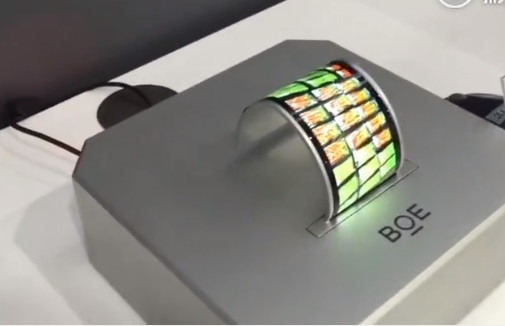
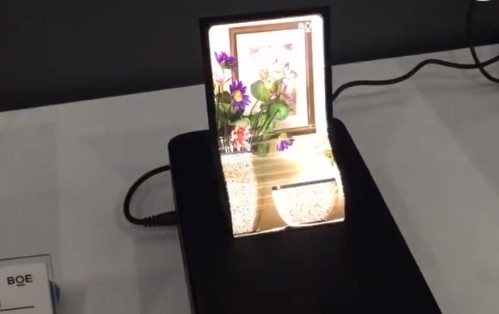
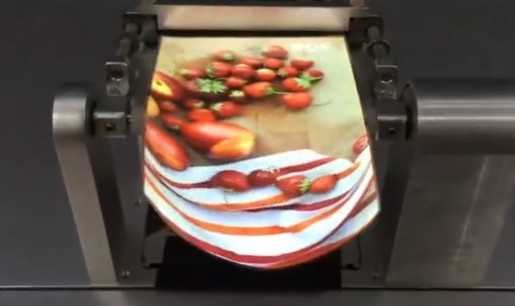
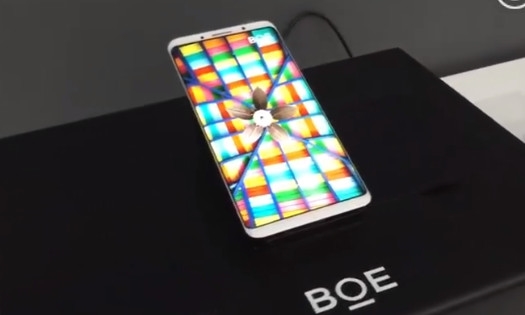
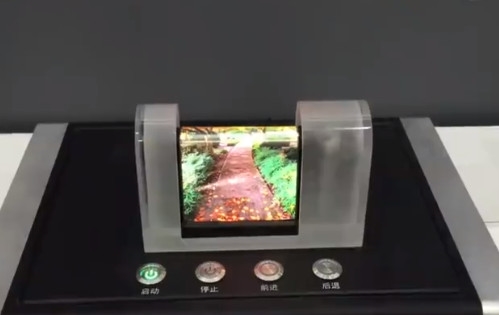
However, in an industry where there is a rapid shift to OLED displays, BOE has unveiled its sixth generation of flexible AMOLED production line in a ceremony held in Chengdu, China. The production line is the wold’s second production line for flexible AMOLED panels and China’s first. The line is expected to break the monopoly enjoyed by Korean companies Samsung, LG and others. Already, there are indications that Huawei, Xiaomi, OPPO, Vivo and other OEMs are showing interests in patronizing the BOE AMOLED display.
The company showcased a wide variety of flexible AMOLED panel designs at the ceremony and there is even a video showing all the samples they’ve got. As you’d expected OLED panels with 18:9 aspect ratio where included, as well as thin, paper-like foldable screens. There was even a display exhibited which looked like the iPhone X display. With this development, Samsung is likely going to be the hardest hit since it enjoys a large share of patronage.
Those conversant with the recent happenings in the tech industry would be aware of the display problems that have been encountered on the Pixel 2 XL, Google’s latest flagship model. A number of users have reported issues with viewing angles and display burn-in. For a phone with such high price tag, the snag experienced were not expected.
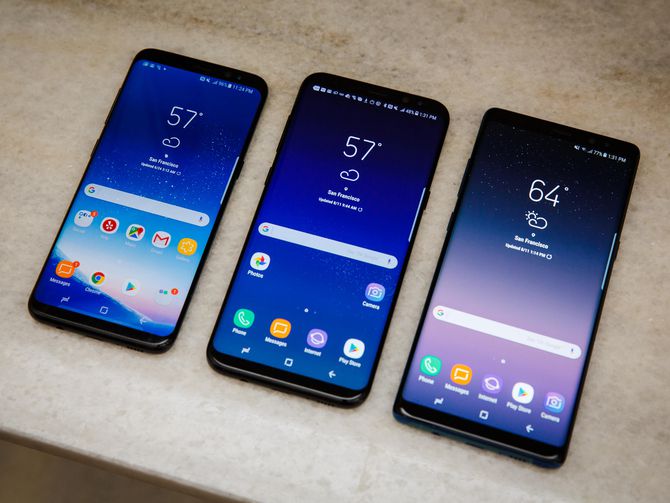
Samsung seems to have seen this as a perfect opportunity to project its own flagship models. The tech giant recently released a video which is basically a compendium of positive reviews the display of its latest phones had received from different reviewers. Samsung is a leader in OLED displays and apart from using its displays on its models, their displays are supplied to other OEMs including Apple who utilises Samsung OLED panels on the latest iPhone X. The video is a short 30 seconds clip but it features some of the top tech reviewers that you find on YouTube. The clips were taken from their reviews of the Galaxy S8, S8 Plus and the latest Galaxy Note 8.
Samsung’s latest flagships all come with the company’s display technology. Most importantly, they use a full-screen design with an infinity display. This has placed the Galaxy S8 and Note 8 some steps ahead of the competition in terms of display. Despite that, Samsung isn’t lying low while the competition tries to gain ground especially with Google’s latest drive in hardware.
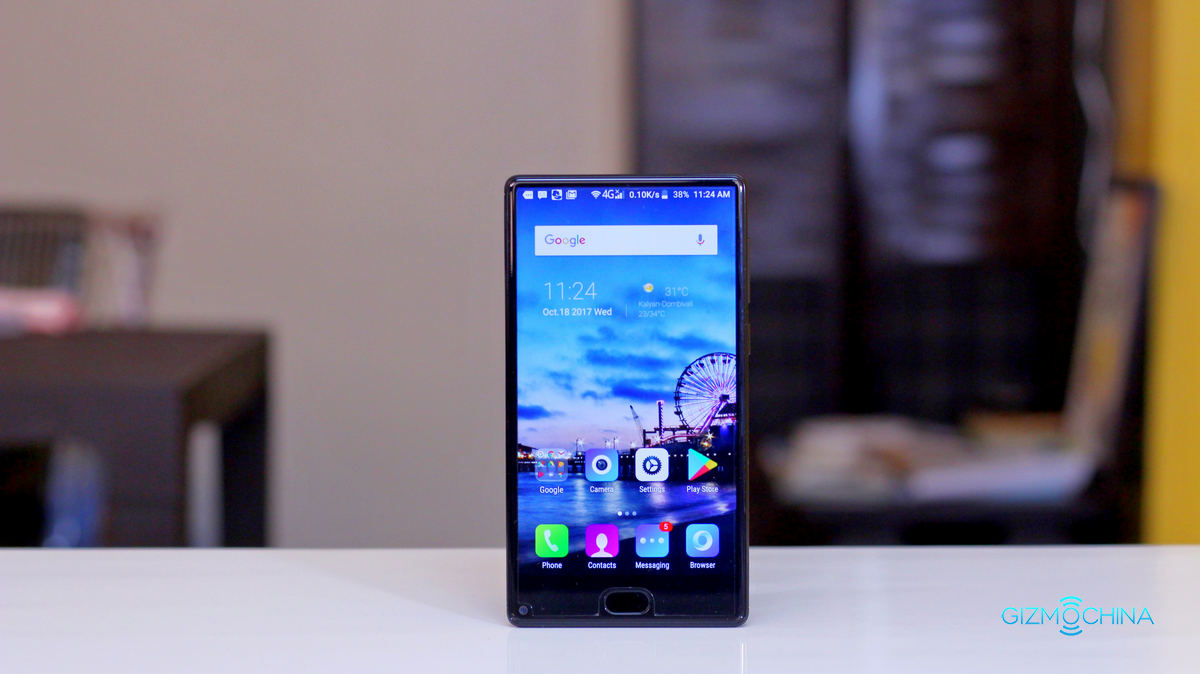
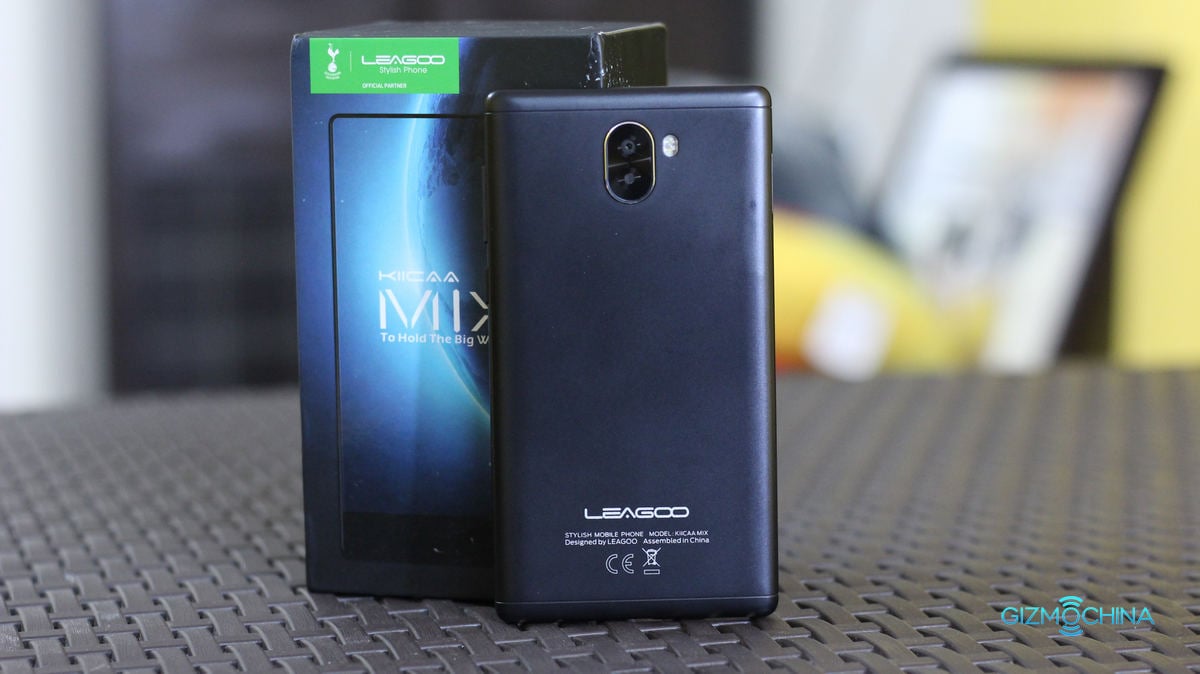
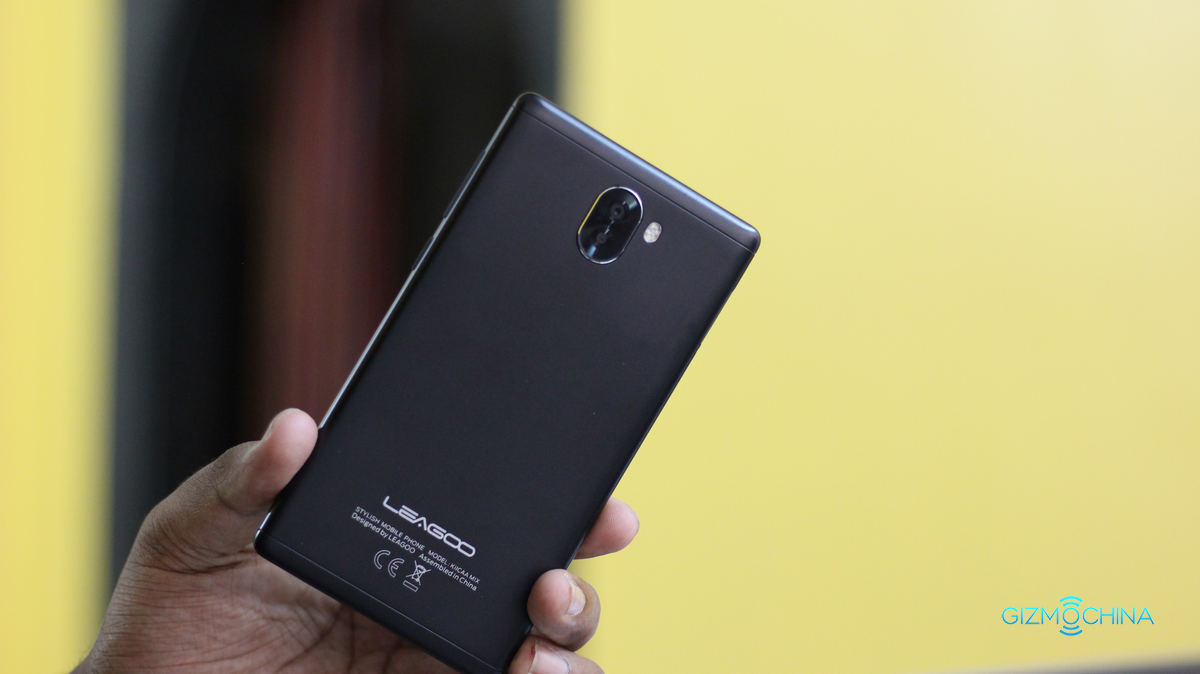
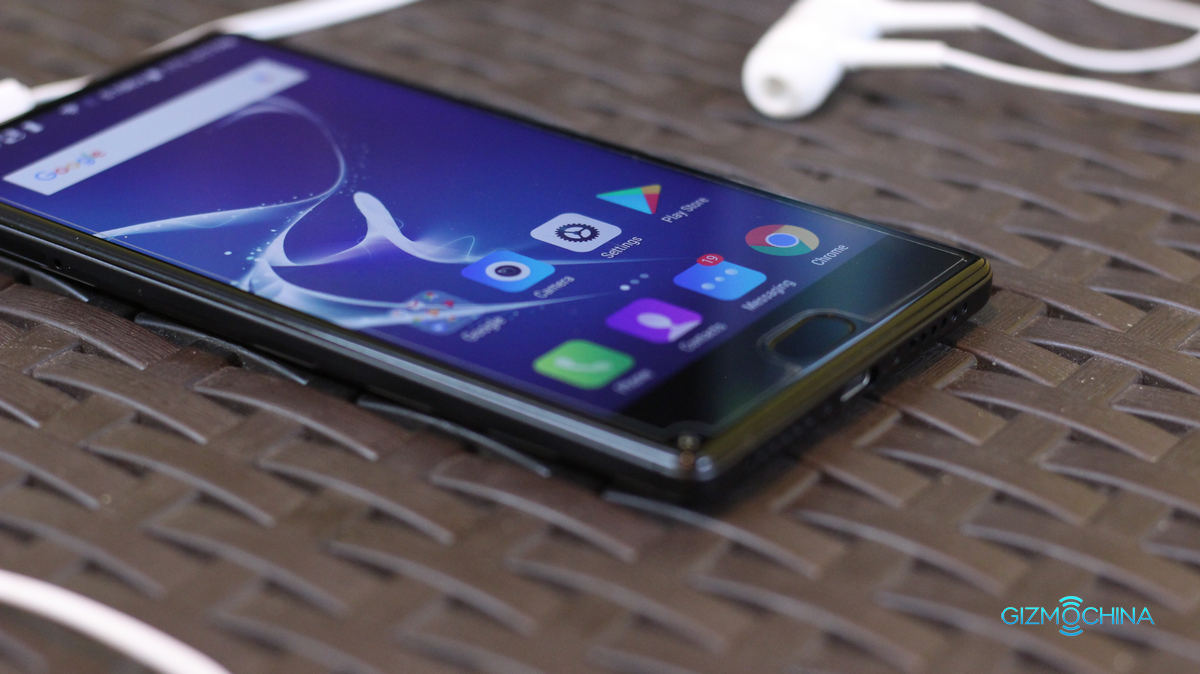
It’s the year of bezel-less smartphones and now, you can get one for as less as $110. Well, at this price, you don’t exactly have a true bezel-less screen, but there are a few options that take you near the bezel-less design. The Leagoo KIICAA Mix is one of these cheap bezel-less options that’s available in the market right now and today we try to find out whether the phone is as good as it seems on paper in the Leagoo KIICAA Mix Review.
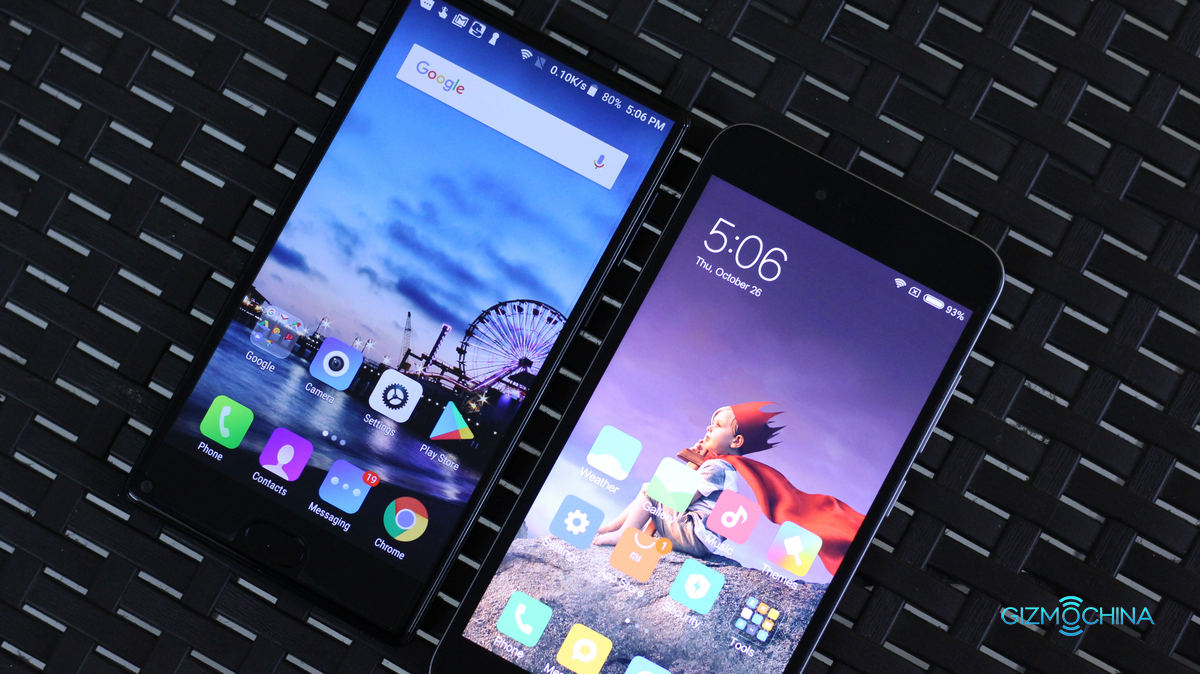
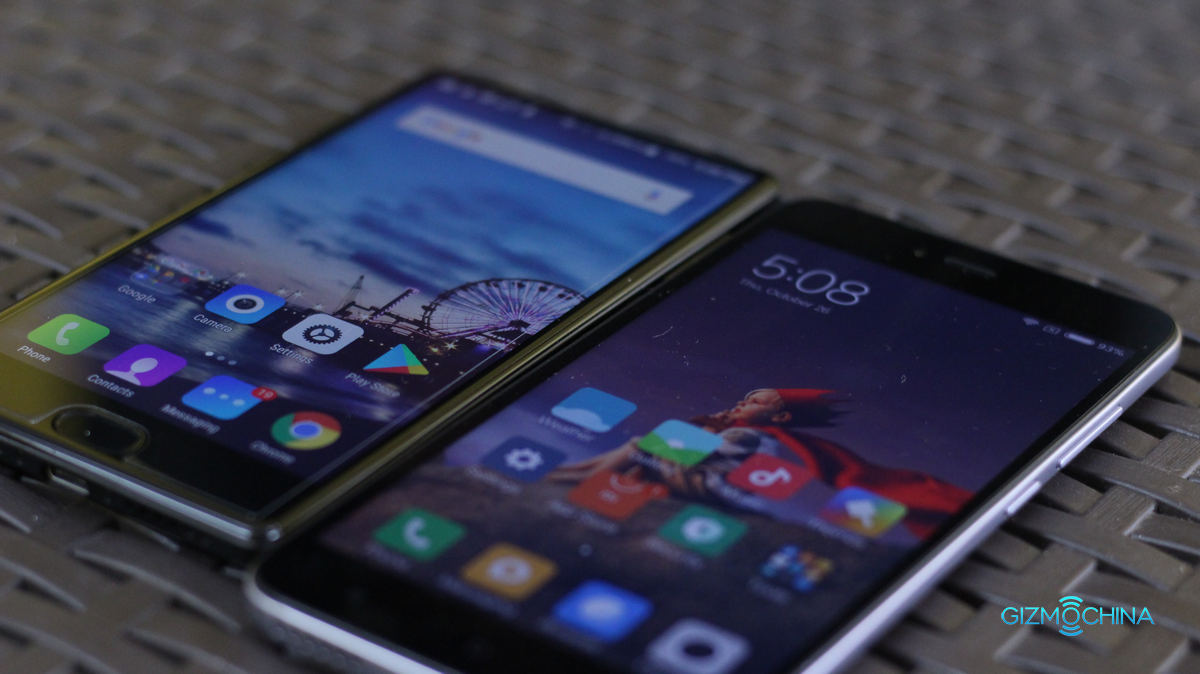
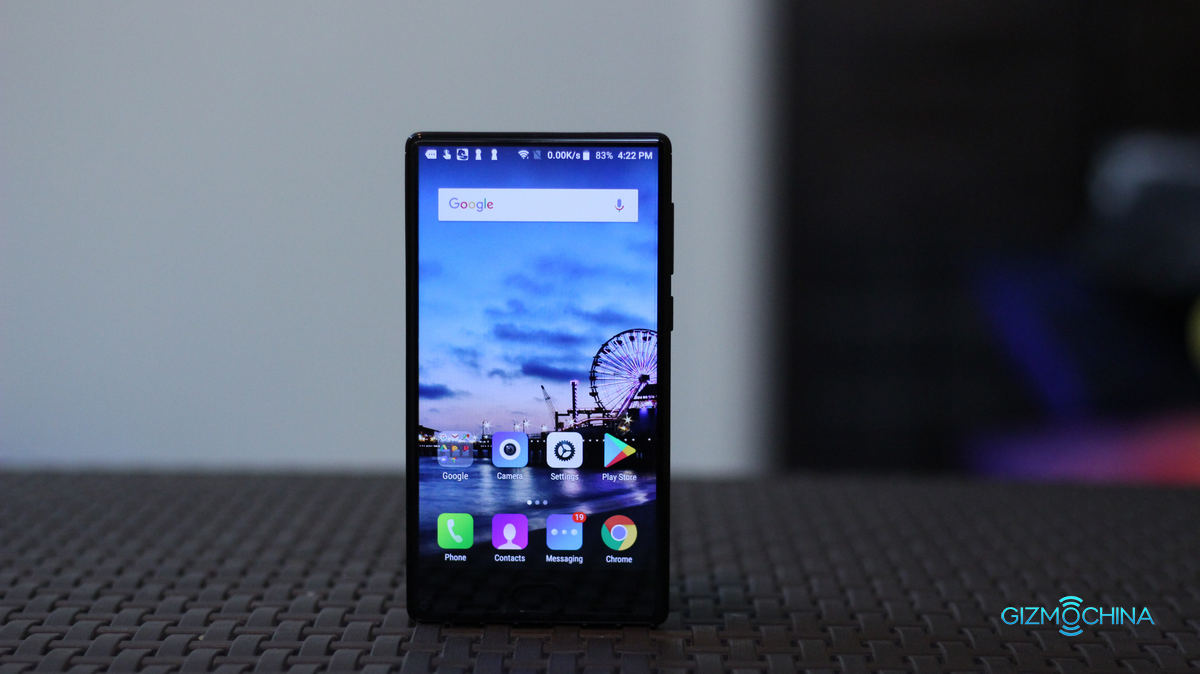
The first thing you notice about the phone is that its compact. And not just compact according to 5.5-inch standards, it’s as small as a 5-inch smartphone. For example, comparing the 5-inch Redmi 4A with the 5.5-inch KIICAA Mix reveals that the phone is only as tall as the 4A. It does compensate the larger screen size with a few additional mm in width, but overall, it’s one of the most compact 5.5-inchers that you’ll find in the market. Given its $110 pricing, this is really a commendable feat.
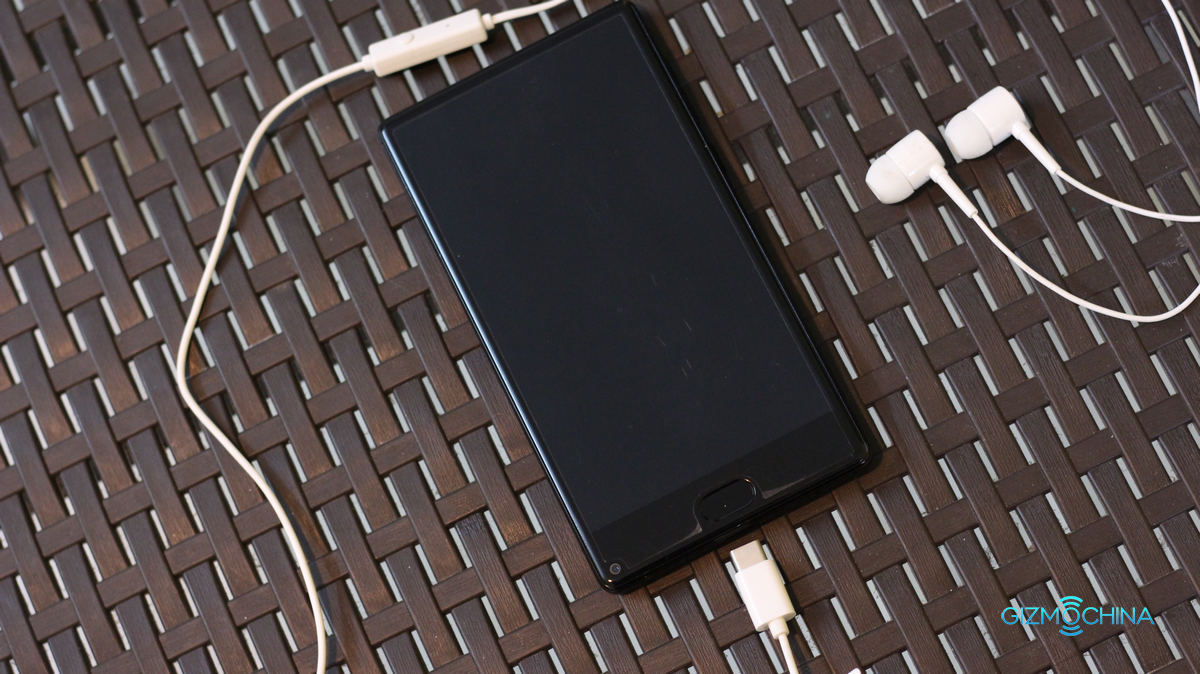
One hand operation is going to be easy with its compact form factor and 157 g weight. The overall design is pretty simple. Buttons on the right are tactile and responsive, the bottom features USB Type-C port and a speaker, on the left you have the dual SIM hybrid slot and on top you have the earpiece. Yes, this brings us to one of the biggest design flaws in the KIICAA Mix. The earpiece, which traditionally lies on the front, is shifted to the top to accommodate the bezel-less design. But this results in bad call quality. I mean, you can hardly hear what the person on the other side is trying to say. It’s that bad! I have been using the phone for more than a week and I always had to ask the person calling on my phone to call back on my second number. You can’t have a conversation lasting more than a couple of minutes on the KIICAA Mix, and even if you try hard enough, you’d start missing a lot of sentences in between.
[envira-gallery id=”155511″]
Moving on, the front features a fingerprint embedded home button and it’s as good as other phones in this segment. It’s actually a multi-purpose button that acts as a home button, back button, and a recent apps button.
Apart from the earpiece, rest of the design is pretty solid. It’s actually a shame that the ear piece is this bad. The compact form factor makes this phone a very comfortable handset for everyday use. It’s really hard to find an equally compact 5.5-incher anywhere near this price, especially with FHD 1080p display.
DISPLAY
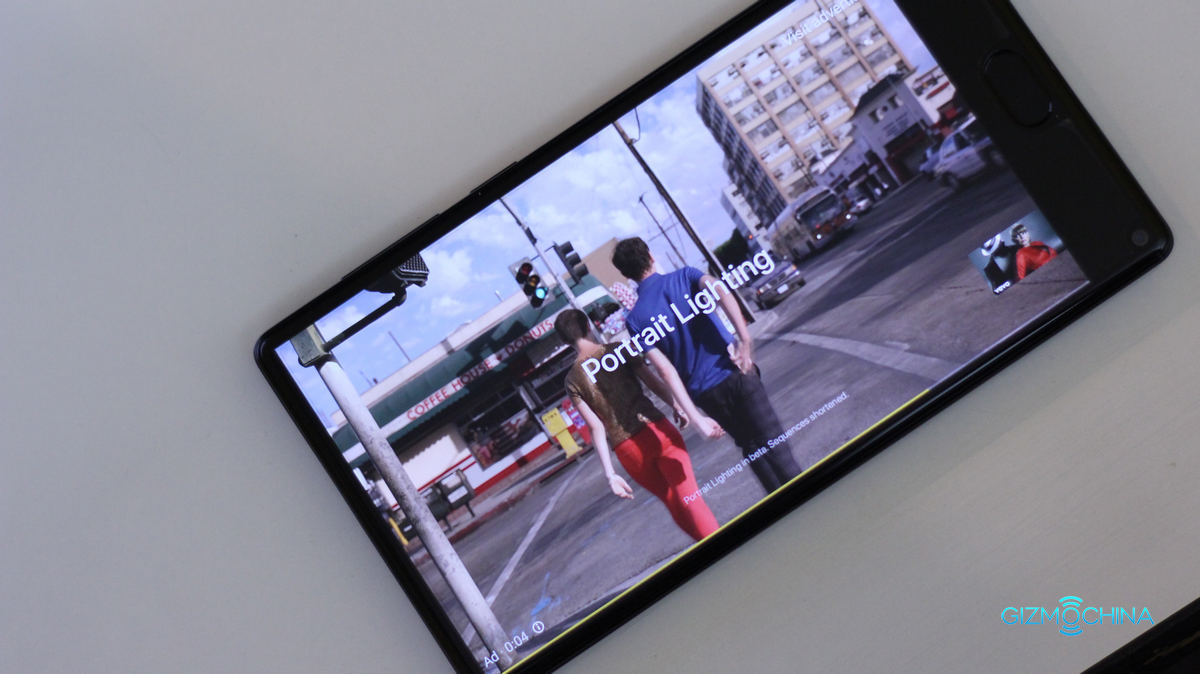
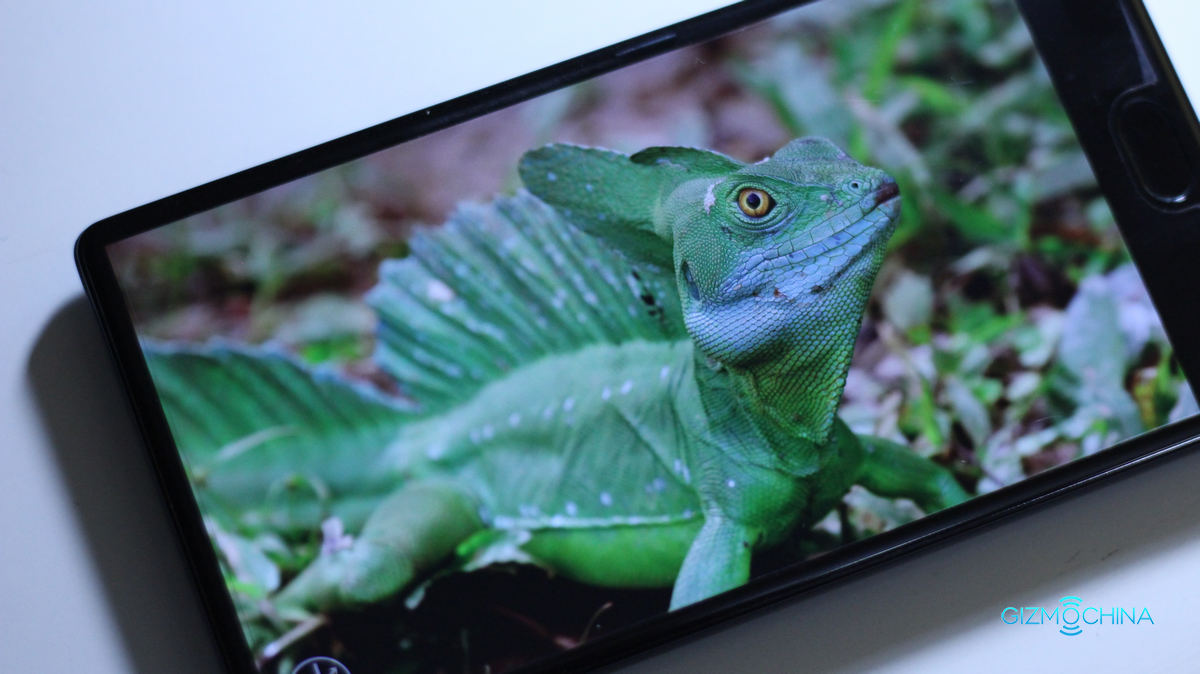
The display is kind of a surprise. Considering its $110 price, when I got the Leagoo KIICAA Mix review unit, I expected an average screen with dull levels of saturation. That wasn’t the case with the phone. The phone has a vibrant display, which is nearly bezel-less on three sides. It’s a FHD 1080p panel and the overall quality is better than the similarly priced Redmi Note 5A.
The brightness levels are good and even outdoor visibility is satisfactory. Thanks to this 1080p display panel, watching videos on the screen is a pleasure.
At this price, it’s really hard to find a better screen.
PERFORMANCE
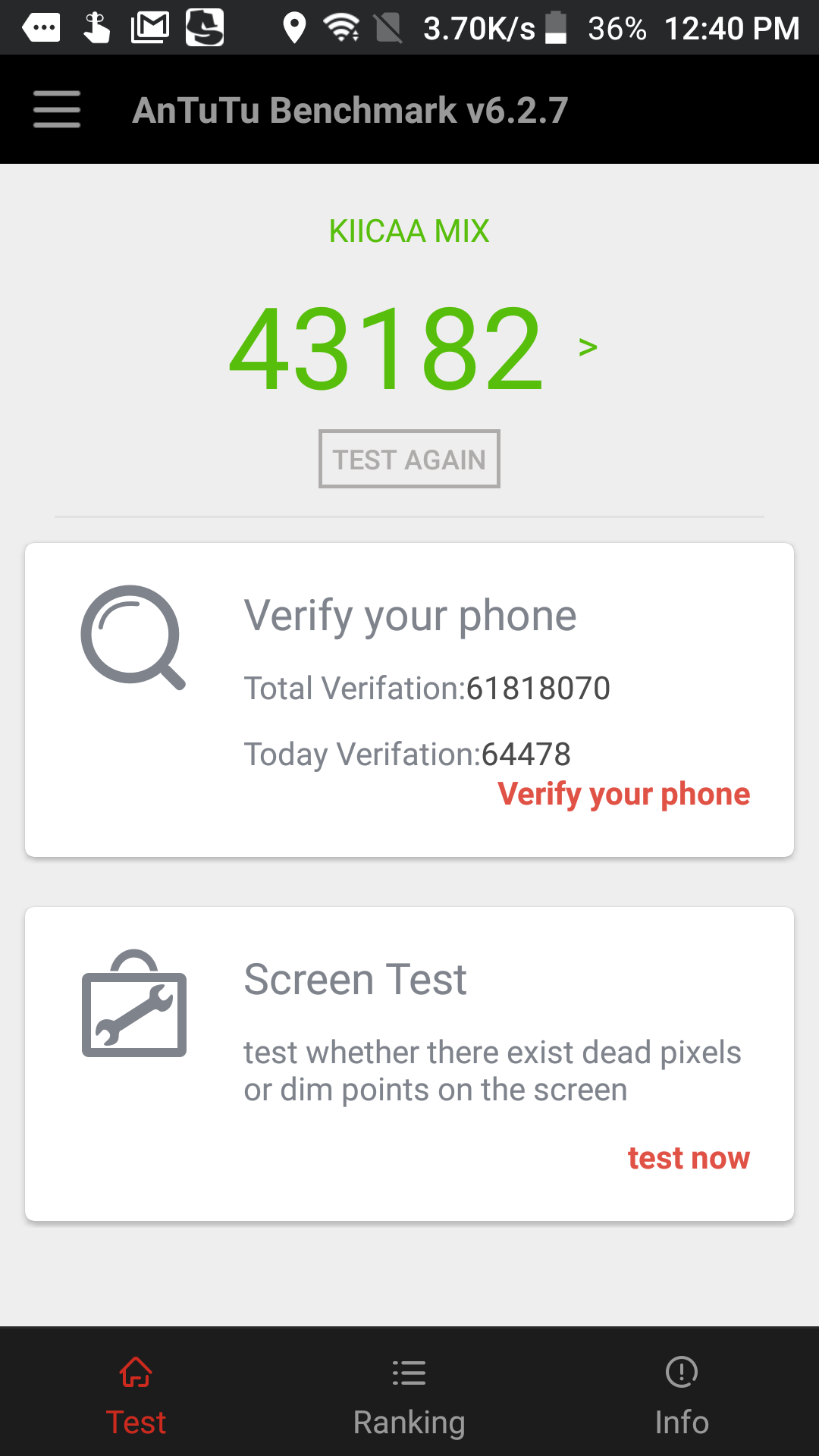
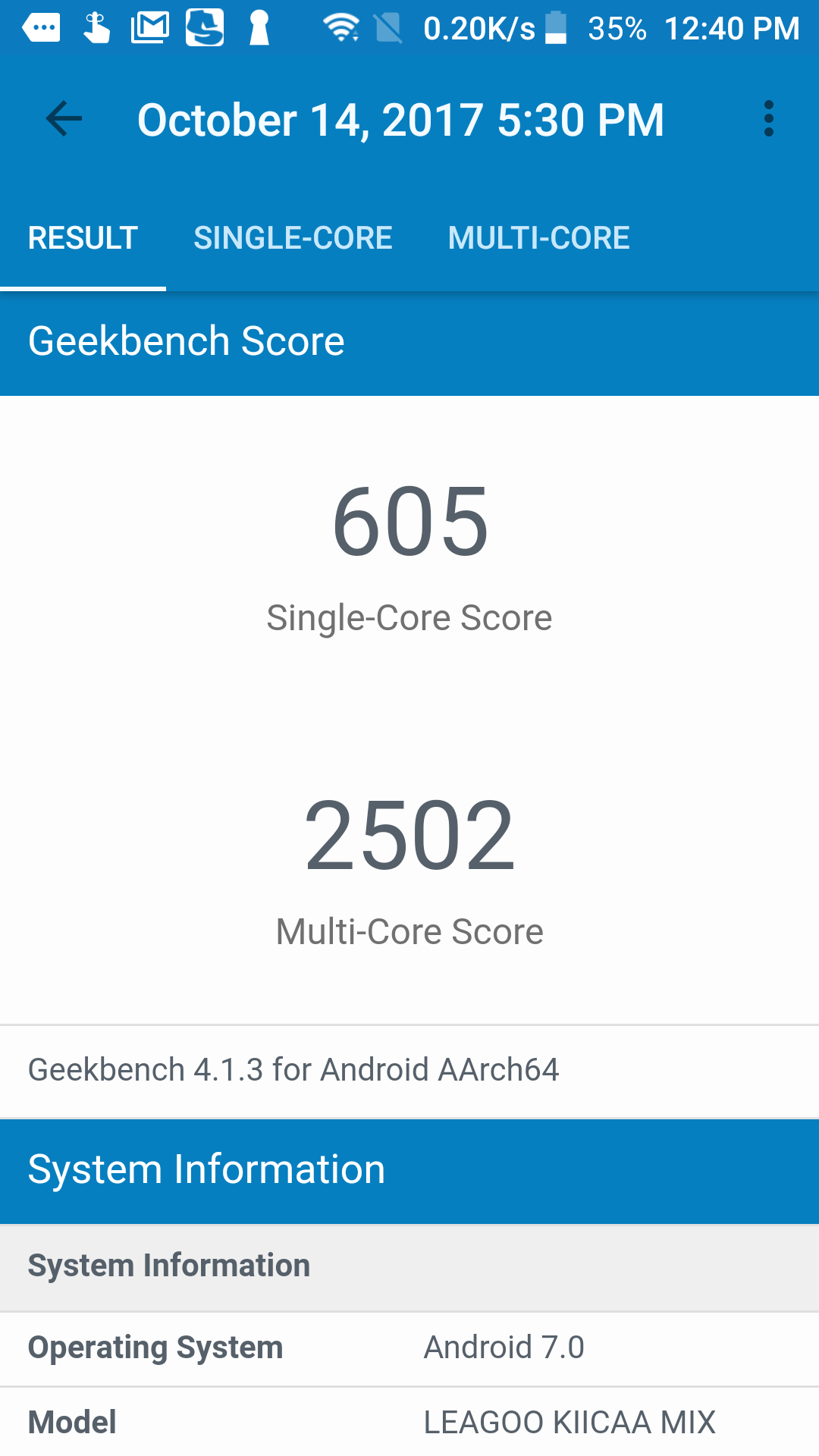
The MT6750T octa-core chip manages to handle everything with ease. The UI is snappy and apps open up pretty quickly. For some reason, youtube took more time to load than the Snapdragon 425 powered 5A, but in most cases, the KIICAA Mix was faster to open up applications.
Games like subway surfer run with ease, but what’s really impressive is that even higher-end graphic games like Modern Combat 5 run well with minimal lag on the device. Considering how the same game lagged on the Redmi Note 5A, I would have to say that the graphics performance of the device is pretty good.
In short, the performance of the $110 Leagoo KIICAA Mix is quite impressive for its price! Plus, you get ample 32GB of storage for all your videos and docs.
Here are some key specs of the Leagoo KIICAA Mix.
Display: 5.5 inch, 1920 x 1080 Pixel screen
CPU: MTK6750T Octa Core 1.5GHz
System: Android 7.0
RAM + ROM: 3GB RAM + 32GB ROM
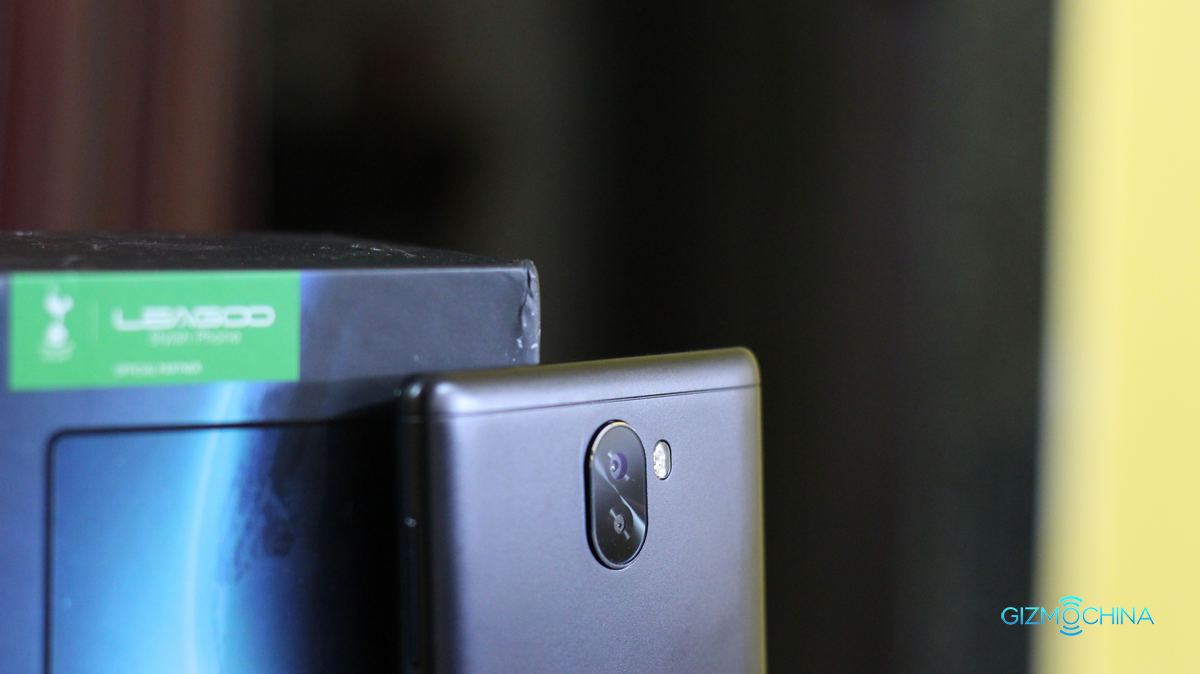
Camera: 13MP front camera + 13MP + 2MP rear cameras
SIM Card: dual SIM dual standby. Nano + Nano SIM
Feature: GPSA / GPS
Bluetooth: 4.0
SOFTWARE
The Leagoo KIICAA Mix runs on Android 7 Nougat and the overall UI performance is smooth. Unlike other companies who have moved towards stock Android UI, Leagoo has a customized launcher, which I’m not a big fan of! There’s no app drawer and the overall UI is quite different from vanilla Android experience. It’s not too bad, but I always prefer stock Android over custom launchers, and I wish the company would have opted for a simple setup. That said, you get used to the UI quickly and its something that won’t bother you in the long run.
[envira-gallery id=”155559″]
CONNECTIVITY
Connectivity wise, everything is good. Bluetooth, Wi-Fi, GPS, all have solid coverage. But speakers are a let down. The sound output is low and the quality is mediocre. Plus, there’s no headphone jack and you have to live with the provided USB Type-C earphones, which suck. The sound comes out hollow and its noway near to the good quality 3.5mm headphones that we are used to. Now I might be a bit too harsh in saying that the provided Type-C headphones suck, but the company didn’t even provide a 3.5mm to Type-C connector inside the box. So, even though its as good as other stock headphones that you get with cheap phones, you can’t use any other headphones, simply because there’s no connector. I feel the company could have included the adapter to make things a lot easier.
BATTERY
The 3000mAh battery is not very large, but it manages to power the device for a day. Moderate usage ranging from watching a few videos, playing a game and browsing on 4G brought the battery down to 10% by the end of the day. But that’s pretty decent. The phone also charges pretty quickly – it goes from 10% to 100% in less than 1.5 hours.
CAMERA
I always tend to keep camera at last for local Chinese phones, simply because they tend to suck. Things are the same in this Leagoo KIICAA Mix review because the phone, as usual, comes with issues like slow focus, unusable portrait mode, and dull colors ruining the camera experience. That said, I could take a few decent shots a couple of times, but the results are never consistent. There’s nothing more to elaborate about the camera, so its best to look at the provided samples to check out its quality. Be advised, it’s just average.
To sum up, the Leagoo KIICAA Mix is a fantastic phone with a couple of big flaws. I loved the compact body, its vibrant display and snappy performance, but things like bad call quality and no headphone jack does ruin the experience. In many ways, the phone could have outdone the Redmi Note 5A which is currently one of the best 5.5-inchers in the price range. But it’s the simple things like call quality and headphone jack that matter the most to a regular user and if that’s flawed, it’s really hard to recommend the phone for everyday use.
OnePlus is yet again in the news and as you would guess, it is connected with the OnePlus 5T. A new poster has leaked and it teases the launch of the OP 5T as taking place on November 16.The poster has all the colouring of an Amazon advert grabbed from their website and was likely first spotted by Gizchina considering the presence of their watermark on the photo. The poster is suggesting the OP 5T would be an Amazon Exclusive product, perhaps in the region where it emerged from.
The OnePlus 5T is also revealed on the poster to go on sale in November right after the launch. In addition, the poster contains the render of the OP 5T showcasing the front and rear design. Once again, the renders noticeable look like the OPPO R11s which would launch on November 2. The features include a full-screen design and a dual camera setup at the rear.
The OnePlus 5T is expected to feature a 6-inch display with 2160 x 1080 pixels resolution which means they would adopt an 18:9 aspect ratio. The flagship model is also expected to pack a Snapdragon 835 flagship processor like the OP5. The device is expected with a 8GB RAM + 128GB memory while there may likely be a 6GB RAM + 64GB storage variant. On the camera end, we expect a 20MP + 16MP dual camera setup at the rear while there will be a 20MP selfie camera at the front.
OnePlus is still yet to officially confirm the OnePlus 5T’s existence and subsequently hasn’t revealed a launch date for the model. So, these leaks keep confusing us and as such we advise you take this with a pinch of salt.
Samsung’s A series is known as a mid-range series but are always adorned with premium designs. The global market leader traditionally releases the Galaxy A series models towards the end of the year. In this case, the Galaxy A7 2018 and A5 2018 are already seen to be in the works. Not too long ago, the Galaxy A8 2018 appeared on GFXBench revealing its specs. Right now, the Galaxy A8 2018 has appeared on yet another benchmark app – Geekbench database.
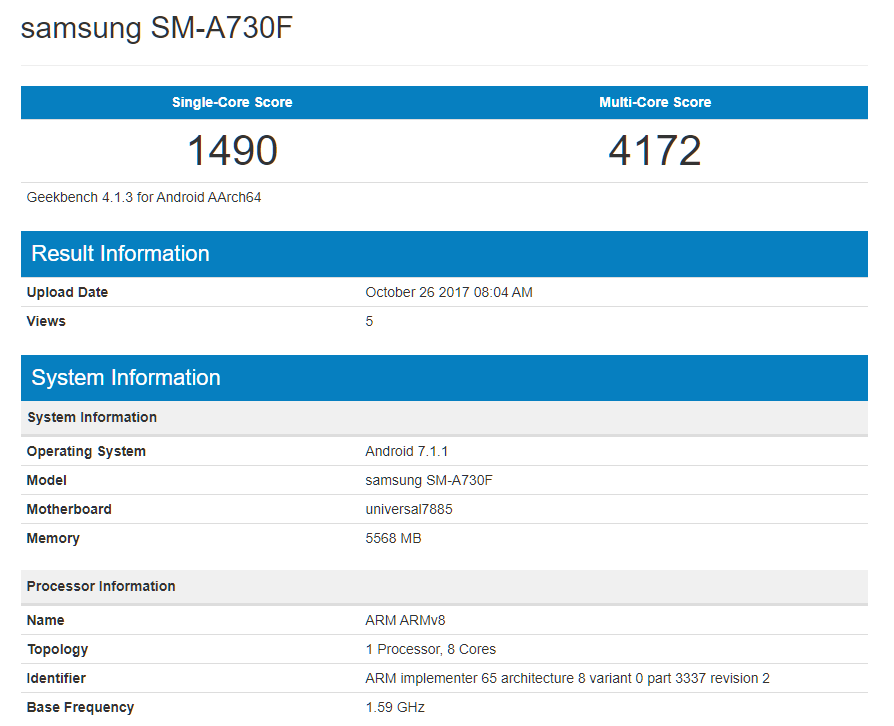
The major highlight of the listing is that the upcoming Galaxy A7 with model number SM-A730F will launch with an Exynos 7885 chipset. The Exynos 7885 is yet to be announced but a previously leaked appearance details the chipset as a 14nm octa-core processor with 2 Cortex- A73 cores + 6 Cortex-A53 cores. The processor is accompanied by a Mali-G71 GPU. The Galaxy A7 2018 is also listed with a 6GB RAM which is quite a surprise inclusion on a mid-range Samsung phone. There is also an Android 7.1.1 Nougat OS on board.
As for the Geekbench score, the device posted a 1490 score on the single core test and 4172 points on the multi-core test. This score places the Exynos 7885 chip on par with Qualcomm’s mid-range Snapdragon chipsets. The A7 (2018) was earlier tipped to launch adorning a Snapdragon 660 version in addition to the Exynos 7885 variant. There is no word yet as to when the model will go official.
Huawei Technologies, which is up against Apple for the second position in the world’s top smartphone vendors, has reportedly shipped 112 million smartphones between January 2017 and September 2017.
Earlier, the company had forecasted smartphone shipments to be around 140 million-150 million this year. Huawei has shifted its focused towards chasing profits instead of volumes by selling more high-end phones.
The company has already shipped 73 million smartphones in the first half of this year. Last year, the company had shipped around 139 million smartphones, which was up 29% compared to the year before.
The smartphone shipments from the China-based Huawei is expected to grow even further after the launch of its latest Mate 10 smartphone series. The company is also planning to launch new models under its Honor brand, which focuses on mid-range to premium smartphones.
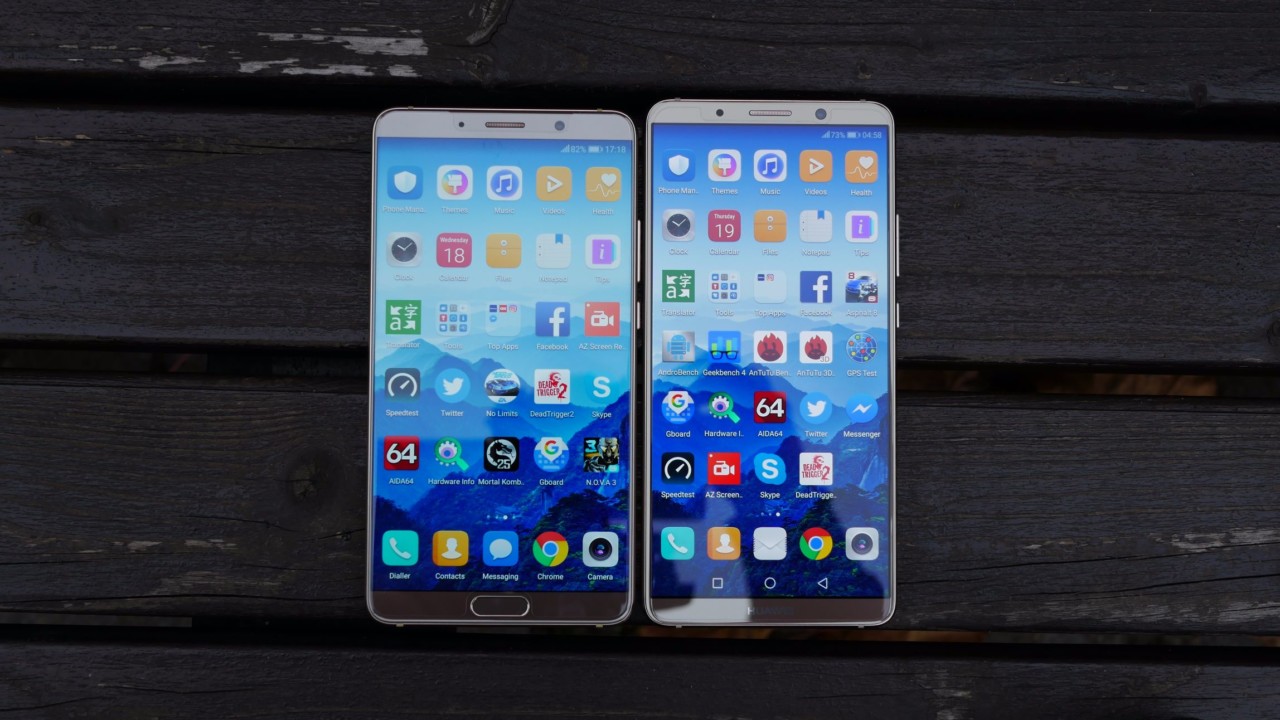
While the Mate 10 series has already been launched in China and selected European countries, Huawei is expected to start selling Mate 10 and Mate 10 Pro in more than 15 countries and regions including Spain, UAE, Saudi Arabia, Malaysia, Singapore and Australia.
According to International Data Corporation (IDC), Huawei had a market share of 11.3 percent in Q2 2017, hitting double digits for the first time. The Chinese smartphone company is getting awfully close to Apple. IDC has also predicted that it will overtake Apple in global market share either this year or next.
While Apple reported that iPhones sales in the second quarter increased by 2 percent to reach 41 million, Huawei sold 38 million smartphones in the quarter, witnessing a 20 percent increase.
In the first half of this year, Huawei increased its mobile phone shipments in Southeast Asia, Japan and South Korea by more than 45%, while shipments in Europe increased by 18% year-on-year.
Now it seems that the company will try to crack the US market as it has been investing heavily in Research & Development. It has shifted its focus to high-end and mid-range products.
Richard Yu, CEO of Huawei’s consumer business group had earlier said that the company has given up the ultra low-end segment. He also added that the average selling price of Huawei phones rose 28 percent in the first half of 2017.
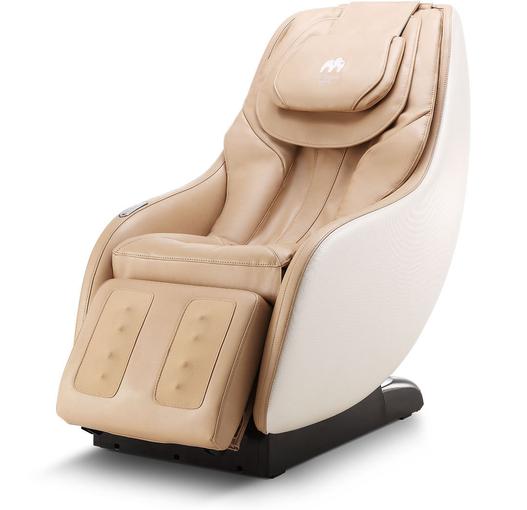
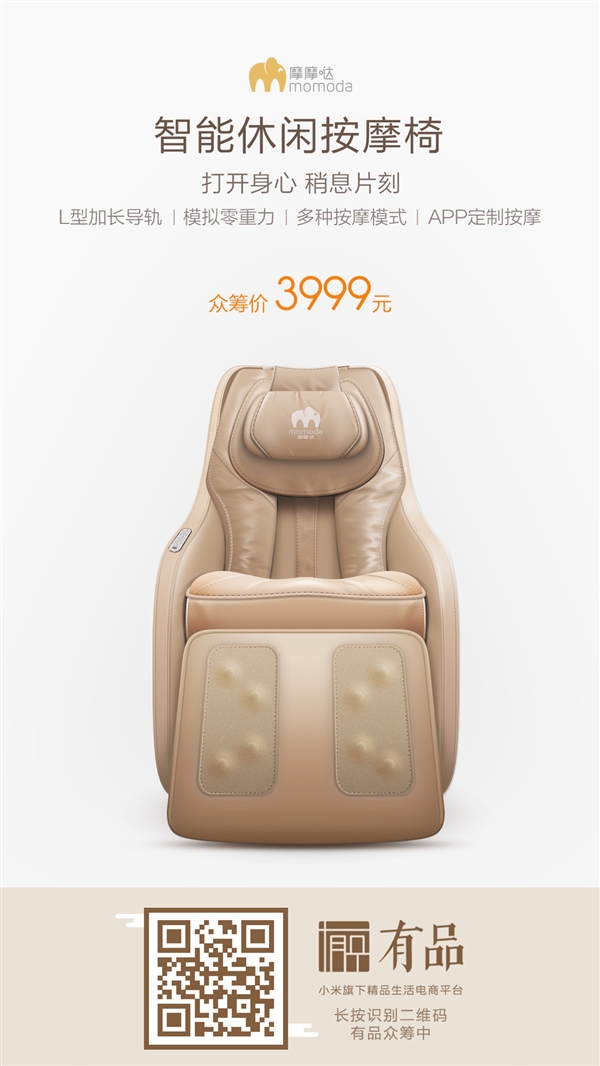
Xiaomi has continued to expand its MIJIA lineup even as it strives to ship more smartphones. The MIJIA sub-brand has been a silent cash cow for the tech giant and now, there has been another crowdfunded product, the 124th product. The product is a Smart Leisure Massage Chair with a hefty price tag of 3,999 Yuan (~$602).
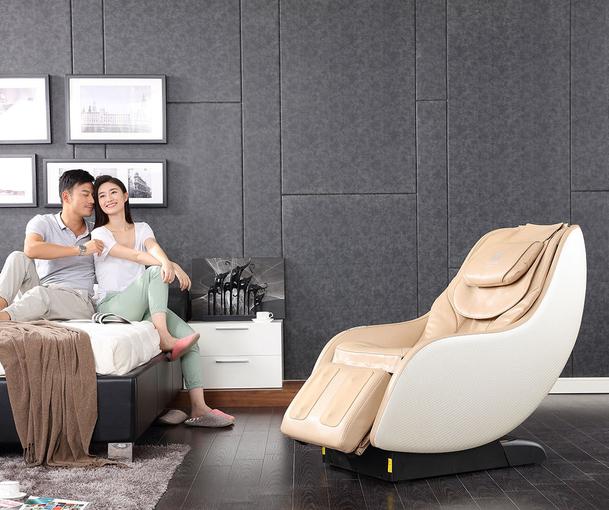
The Xiaomi Smart Leisure Massage chair is manufactured by Momoda and actually carries the company’s logo. The chair comes with an L-shaped extended rail design and at the same time uses a high bionic robot design. The Xiaomi Smart Massage chair performs a complex massage of the entire body from the neck to the shin. The intensity can be adjusted independently. You can also choose from several modes (for example, kneading or acupressure). The device is made of environmentally friendly, durable Polyurethane (PU) leather. The leader has low odour, zero stimulation and has been tested to be resistant to hydrolysis, wear and tear and can stand the test of time. There are silicone massage balls under the leather which gives it a soothing feel.
The Momoda Smart Massage Chair easily translates into a Zero Gravity position with an angle of 126 degrees in which the person loses the sense of gravity like a space capsule. During the massage the Smart Massage Chair consumes about 100 watts but while in the standby mode it consumes only 0.5 watts.The noise level does not exceed 55 db.
The smart massage chair can be connected to the MIJIA app on your smartphone and users can then use the phone to set the functions and can customize their own massage combination. There are various modes like exercise mode, soothing mode, sleep improvement. Apart from that, users also can manually adjust the posture angle, massage techniques, massage parts and so on.
Xiaomi Momoda Smart Leisure Massage Chair has been priced at 3,999 yuan ($602) and is currently available for funding under crowdfunding platform. The product will start shipping from December 9.
All the teases and leaks come to an end today as the OPPO F5 has now been officially launched. The OPPO F5 is the first full-screen smartphone from the top Chinese manufacturer. However, instead of unveiling it in its home country, it has done so in the Philippines.
OPPO F5 Design
The OPPO F5 is a sleek device that will surely turn heads. It doesn’t have glass on both sides but the finish is nothing short of impressive.
One of the highlights of the design is the 0.4mm laser thin antenna line carved using vacuum radium technology. It looks good on the gold and black unit but is better appreciated on the red variant.
OPPO F5 Specs
The OPPO F5 has a 6.0-inch LTPS TFT display with a 2160 x 1080 (FHD+) resolution and an 18:9 aspect ratio. It is the same screen size as the OPPO F3 Plus but won’t feel like a behemoth in your hand thanks to its reduced bezels which brings the height to 156.5mm (compared to the F3 Plus’ 163.6).
The F5 is powered by MediaTek’s Helio P23 SoC. There are two memory variants – 4GB RAM +32GB ROM and 6GB RAM + 64GB ROM. Both versions have a dedicated MicroSD card slot for up to an additional 256GB storage.
Under the metal back of the OPPO F5 is a 3,200mAh battery. All that shaving off as to give away something, right? There are two nano SIM slots, dual band Wi-Fi, and Bluetooth 4.2.
The OPPO F5 comes with the new ColorOS 3.2 based on Android 7.1.2 Nougat. It brings new features such as O-Share – a wireless transfer technology between OPPO devices; gaming DND; Night Shield which lets you choose between normal, warm, and black and white modes so your eyes are protected; and face unlock.
OPPO F5 Cameras
The OPPO F5 packs impressive camera specs. The highlight is the 20MP AI Beauty selfie camera. The AI Beauty enhances more than 200 facial features to make sure that those selfies turn out better than you can imagine.
The F5 can also detect the scene of the picture to determine the luminance it adds to your photos by differentiating between the different background lighting conditions. The F/2.0 aperture and 1/2.8” sensor can also take pretty nice portrait images with bokeh effects as well as bright pictures in low-light conditions. Below are camera samples taken with the selfie camera.
Front Camera Sample
The rear camera is a 16MP F/1.8 sensor. It has a small bump and there is a LED flash on its right. OPPO has also provided camera samples.
The Honor V9 was one of the first flagships released this year. It also launched as the the Honor 8 Pro outside China a few months later. Huawei’s sub-brand has a new phone launching in December 5 and some sources say it is the Honor V10.
The front panel of a phone said to be the V10 leaked last month, revealing one of the major changes coming to the series – an 18:9 display. But while most 18:9 phones have their fingerprint scanners at the back, this may have its own in front judging from the cut-out on the bottom bezel. This is also unusual since the Honor V9 has its fingerprint scanner on the back even though it has a regular 16:9 display.
An alleged render of the Honor V10 has also surfaced online. While it does appear to have a full-screen display, there is no physical home button on the chin. This makes us wonder if this render is genuine.
Honor V10 Front Panel
Come to think of it, the poster for the December 5 launch does show the front of the unknown phone, which no doubt packs an 18:9 display judging from the size of the bezels. However, it doesn’t have a physical home button. Huawei’s CEO also said at IFA 2017 that the next Honor flagship will arrive early 2018 with an AI chip on board.
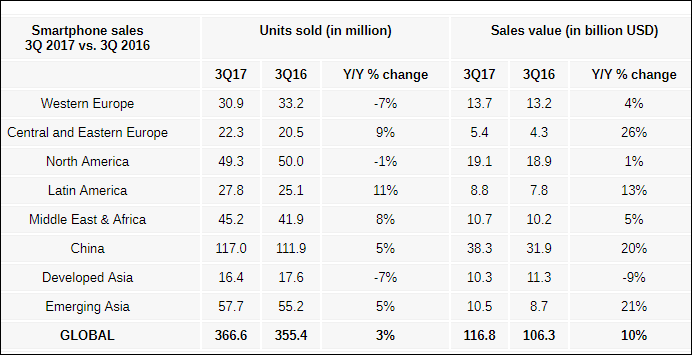
A recent research by GfK has shown that there was a record rise in the average selling price (ASP) of phones for the third quarter of this year. The average selling price of phones went up by 7% compared to the same period last year. This isn’t much of a surprise, though, because there is a noticeable rise in the unit cost of smartphones lately
Despite the increased price, the global demand for phones is said to have risen moderately by 3% year on year, pitching at a total of 367 million units. This is the highest figure ever recorded for this period of the year. The Latin America market spearheaded by Brazil led the growth with shipment rising by 11% YoY, followed by Central and Eastern Europe with 9% growth. The analysis also shows that traditionally strong markets are seeing a decline. Shipment in Western Europe stood at 30.9 million phones, a 7% reduction from last year’s Q3 estimate. But in general, smartphone makers amassed more revenue as a result of the 11% rise in the average selling price (ASP). One in eight smartphones sold over the three month period cost above $900. Last year only one in sixteen cost that much.
Even the ASP in China rose significantly by 15% despite that the market is home to tons of budget-friendly models. A total of 117 million units were sold in the quarter in China alone. Aside from China, demand rose significantly in other Asian countries like Malaysia and Bangladesh where sales rose by 25% and 22% respectively. The Middle East and Africa also saw rising sales and GfK predicts that Sub-Saharan and South African countries will continue to drive demand as smartphones displace the still-popular feature phones in the region.
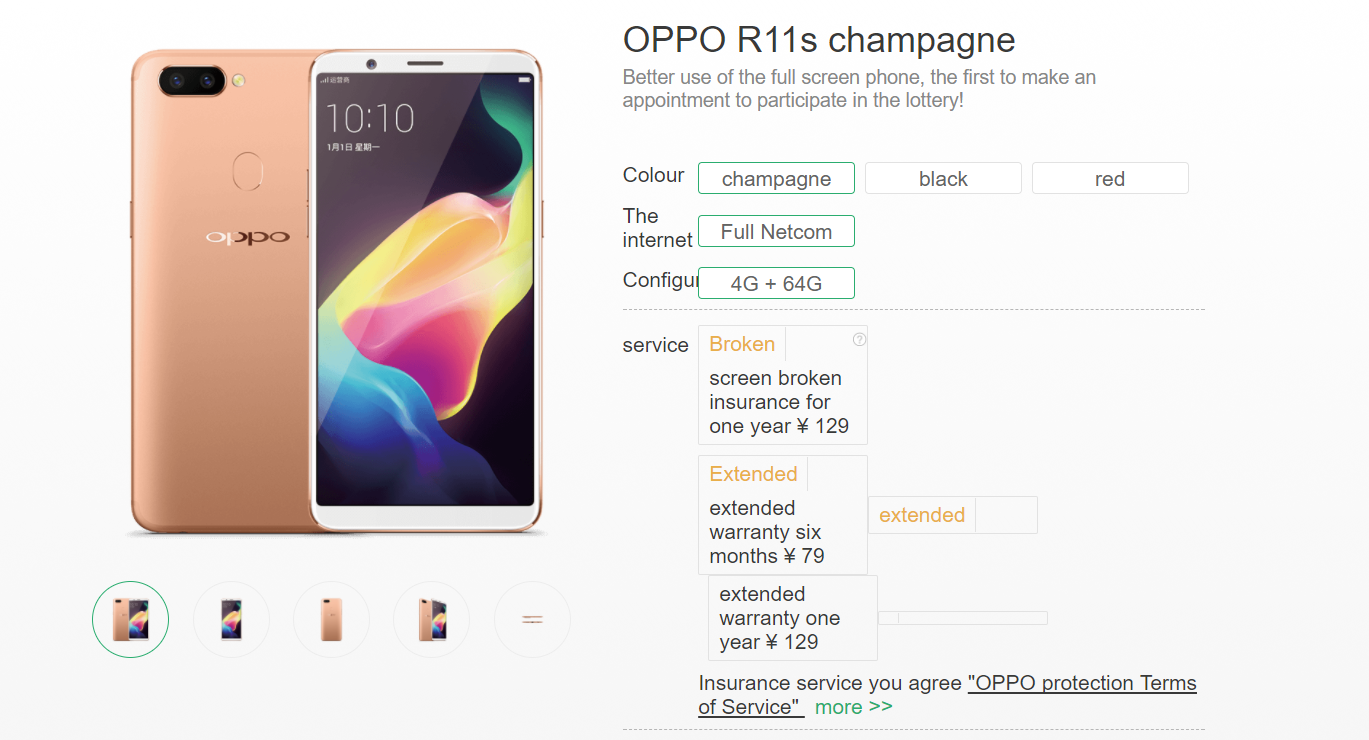
The OPPO R11s is now live on the official site. Some details are still missing though since the launch is still about a week away.
OPPO has highlighted a few features of the new phone such as the new immersive 18:9 display, improved 20MP primary rear camera, and AI camera software. More details will be revealed on the 30th and 31st of October.
OPPO is also running a competition where you have to guess the correct price of the OPPO R11s. The selected winner will go home with a drone. The competition runs from the 26th of October to the 1st of November.
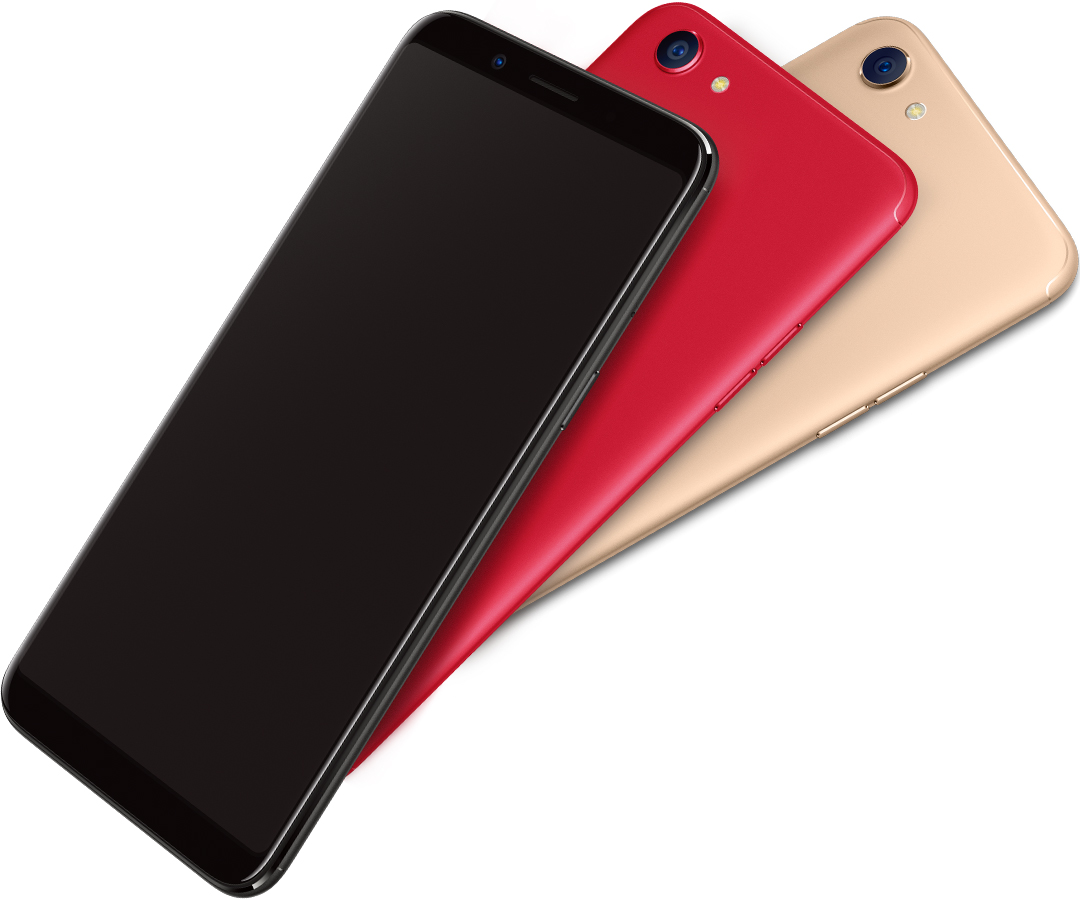
There is also an early registration page for those looking forward to purchasing a unit. The page confirms that the OPPO R11s will come in red, black, and champagne gold and will have 4GB of RAM and 64GB of storage.
OPPO has collaborated with independent fashion designer Shangguan Zhe, to launch trendy OPPO R11s sweaters.
OPPO is a brand associated with youths and it is obvious from the features packed into their phones. From being camera-centric to coming in bright and trendy colors to having limited edition models associated with boy bands and popular video games.
The limited edition OPPO R11s sweaters come in yellow, black, and red – the same colors the OPPO R11s will launch in. The sweaters are hooded and have OPPO written on the arms in a retro design. OPPO has signed international supermodels Wu Yue and Sato Wing to serve as models for the new sweaters.
OPPO’s sister company, OnePlus is the one known for partnering with fashion houses or designers, while OPPO is known for partnering with football clubs, boy bands, and game manufacturers. But like they say, change is the only thing that is constant.
This is not the first time OPPO has partnered with a fashion designer though. Back in June, they worked with Wang Tianmo on a commemorative t-shirt to mark the launch of the OPPO R11.
Philips, the Netherlands based electronics manufacturer, has today announced the launch of a new entry-level smartphone in China — Philips X596. This is the same smartphone that was certified by TENNA last month. It comes with an aviation grade aluminium alloy material body.
The Philips X596 features a 5.5-inch Full HD display with screen resolution of 1920 x 1080 pixels and 2.5D curved touchscreen. Under the hood, it is powered by a Qualcomm Snapdragon 435 octa-core processor clocked at 1.4GHz.
It packs 4GB of RAM and comes in two onboard storage options — 32GB and 64GB. The smartphone comes with a 16-megapixel rear camera and a 16-megapixel front-facing snapper. The back camera comes with LED Flash, Auto Focus and 1080p video recording support.
Just below the camera module on the back, there is a fingerprint sensor for added security. It comes with the usual set of connectivity options like Wi-Fi, Bluetooth and GPS.
The phone has a 4,000mAh battery that also supports 9V/2A fast charging. The device runs on Android 7.1 Nougat operating system. There is no information regarding when or if the company will roll out an update to Android 8.0 Oreo. It measures 156.4 × 77.4 × 8.35 mm and it weighs 177.8 grams.
The 4GB RAM + 32GB storage model of Philips X596 is priced at 1,299 Yuan (~ $171) while the 4GB RAM + 64GB storage version costs 1,499 Yuan (~ $227). It is currently available for pre-order on JD.com and will start shipping from November 5.
OPPO‘s upcoming smartphone – OPPO R11s has been in the news quite frequently lately. The Chinese phone maker has already begun its countdown to the launch of the model scheduled to take place on November 2 and ahead of the launch, several teasers have been released promoting the model. The known details include the presence of a dual camera setup at the rear and the biggest of them all is the 18:9 full-screen design it would adorn.
OPPO has now revealed that the upcoming R11s will have a feature that has not been seen on any of its previous models. The device will come with artificial intelligence on its selfie camera which would aid it to detect the facial features more accurately in order to implement the accurate beauty settings. The front camera on the R11 is already revealed to be a 20MP shooter and to further enhance the beauty of selfies, the smart AI will collect up to 254 facial features, intelligently analyze the gender, age, color and skin information in order to provide up to 2 million different types of beauty effects. Sounds too good to be true or just like some hype? As they say, the taste of the pudding is in the eating so, we’ll wait until some independent reviews come out before rating the technology. OPPO shared a camera sample captured by the R11s’ front camera, though, and it shows the camera may be able to capture selfies with vivid clarity. aided by the AI technology.
With a 20MP + 16MP dual camera at the rear and an f1.7 aperture on the main sensor, the R11s is positioned to provide a rich camera experience. The premium mid-range Snapdragon 660 chip which the R11s will be equipped with, no doubt has the capability to coordinate these functions efficiently.
We use cookies on our website to give you the most relevant experience by remembering your preferences and repeat visits. By clicking “Accept”, you consent to the use of ALL the cookies.
This website uses cookies to improve your experience while you navigate through the website. Out of these, the cookies that are categorized as necessary are stored on your browser as they are essential for the working of basic functionalities of the website. We also use third-party cookies that help us analyze and understand how you use this website. These cookies will be stored in your browser only with your consent. You also have the option to opt-out of these cookies. But opting out of some of these cookies may affect your browsing experience.
Necessary cookies are absolutely essential for the website to function properly. This category only includes cookies that ensures basic functionalities and security features of the website. These cookies do not store any personal information.
Any cookies that may not be particularly necessary for the website to function and is used specifically to collect user personal data via analytics, ads, other embedded contents are termed as non-necessary cookies. It is mandatory to procure user consent prior to running these cookies on your website.