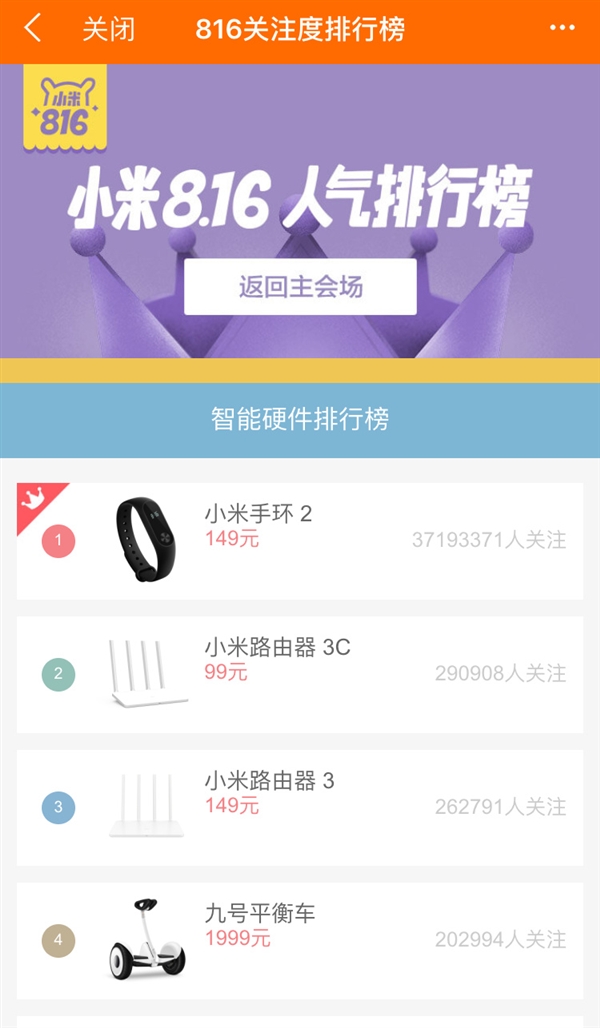
Its been three months since Xiaomi released the Mi Band 2 yet the wearable device is still very difficult to come by. The Mi Band is officially sold for 149 yuan ($23) but due to scarcity the device sells for as high as 200 yuan ($30) in some online retail shops and even higher than that.
Huami, the company that produces the Mi Band had hinted at plans to double production of the Mi Band 2 two months back. Even at that, Huami’s CEO Huang Wang as well as Xiaomi’s Lei Jun expressed concerns that the increase in production still wont be enough to meet the high demand.
True to their prediction, the Mi Band 2’s production is still not meeting the demand for the intelligent wrist band despite increased production. The Mi Band 2 still tops the popularity chart of Xiaomi’s most wanted gadgets with well over 37 million persons still interested in having the wearable device.
There is good news though. Reacting on Weibo to the chart-topping performance of the popular Mi Band 2, Huami’s CEO, Huang Wang has stated that the company will double production of the Mi Band 2 again by next month. Wang admitted they had indeed doubled production as stated but due to the large volume of demand, it obviously was not enough.
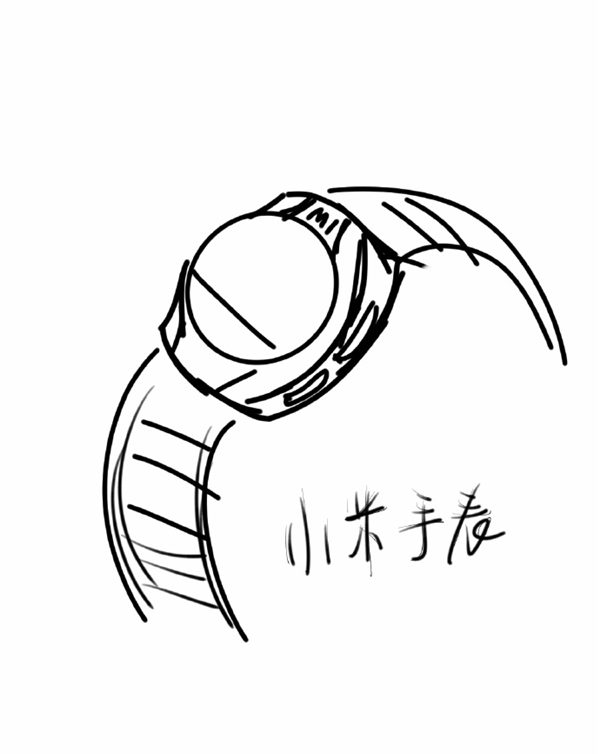
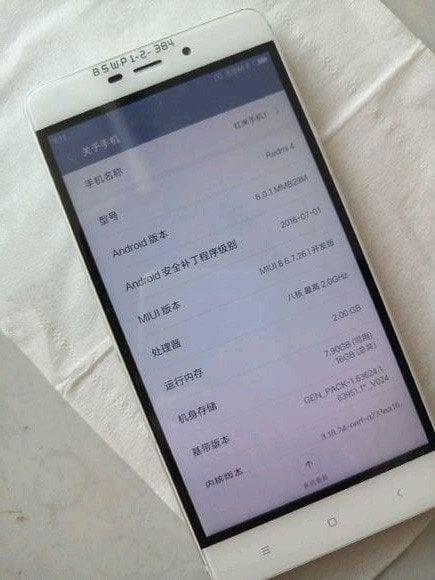
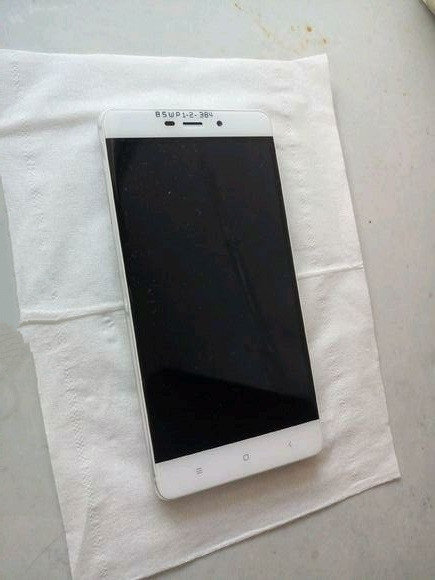
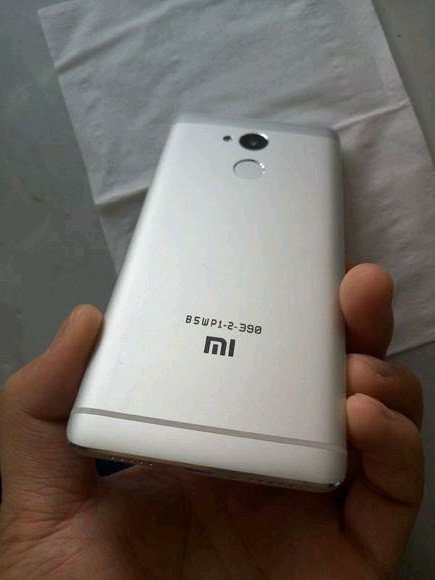
Xiaomi is said to be preparing for the launch of a new product on August 25. While Redmi 4 is one likely launch candidate, it’s now being said that the Xiaomi smartwatch could be announced as well.
This news comes from the Chinese Mobile Phone League Secretary General on Weibo, who revealed that Xiaomi smartwatch will be released this month itself, but the pricing may not be very cheap. We are used to seeing Xiaomi products priced at super affordable figures and maybe, he meant to warn that the price may not be as cheap as we expect.
In case you are wondering, initially, we were expecting Xiaomi’s first watch to be priced under 999 Yuan ($150). However, after this comment, maybe we can higher our expected price tag. Xiaomi is not new to wearables, but this would indeed be its first every smartwatch. Launching a brand new product, especially its first product in the segment is never easy or cheap, so it remains to be cheap whether the upcoming Xiaomi smartwatch is priced aggressively.
Hopefully, we’ll hear about the new watch from the company in the next few days.
Pokemon Go has taken the world by storm. If you’re not already playing it, then you should be! Join in the fun and get started by downloading the app now. Before you do though, you might be asking yourself which device is going to give you the best gameplay. This all depends on what devices you have available to you but generally speaking it’s going to be your phone. Let’s analyse the options below before you get started.
Your Phone
Whether you have an iOS device or an Android operating system on your phone, you’ll be all set to download the app. However, it’s all going to depend on the sensors your phone has, how much RAM it offers and how recent your last operating system update was. Even if you have an iOS or Android device, if it’s been too long since you last updated you mightn’t be able to play until you do.
Pokémon Go for Android requires 2GB of RAM and if you didn’t already know it there’s no way to get more of it unless you purchase a new phone. As for the required software, you’ll need Android 4.4 or a more recent update. Anything older and you won’t be able to download the app from the Google Play Store.
On your iOS device, thankfully Apple makes it pretty easy to play Pokémon Go on whatever device you choose, especially your iPhone. So long as you have iOS 8.0 or newer you’ll be able to play, though all features may not be supported on older systems.
Your Tablet
Of course your phone should be your preferred method of play for Pokémon Go due to its ease of use but you can still download the app on your Apple or Android tablet if it meets the above requirements.
Unfortunately even if you meet all the software requirements, you still won’t be able to download Pokémon Go from the Google Play Store if your tablet has an Intel processor.
Other specifications
Of course, you’ll also need to have an internet connection available to you, and a good one at that to make sure the game runs smoothly. Unless you’re chasing Pokémon in a capital city, you probably won’t be able to rely on Wi-Fi alone, so you’ll need to use your phone data to allow the game to work properly. Pokémon Go runs on three sensors to make the augmented reality features of the game possible. These are a compass, gyroscope and camera. Unfortunately, if your device is missing any of these, augmented reality mode may not work.
Devices that won’t work
Niantic announced before the game was out that it would not be bringing Pokémon Go to devices using Microsoft Windows Phone or Windows 10 operating systems. With just a small team behind them the developers had to focus on reaching the widest audiences. Though all hope for Windows fans isn’t totally lost just yet. A new app named PokeGo gave access to Windows users for a brief moment in time. Unfortunately the app no longer works after the most recent update but the developer has hinted that it will be returning soon.
And for those who would prefer to play the game on a Nintendo 3DS or 2DS, unfortunately Pokémon Go will not be playable on the devices. However, this autumn’s release of Pokémon Sun and Moon will have Pokémon and Nintendo fans rejoicing.
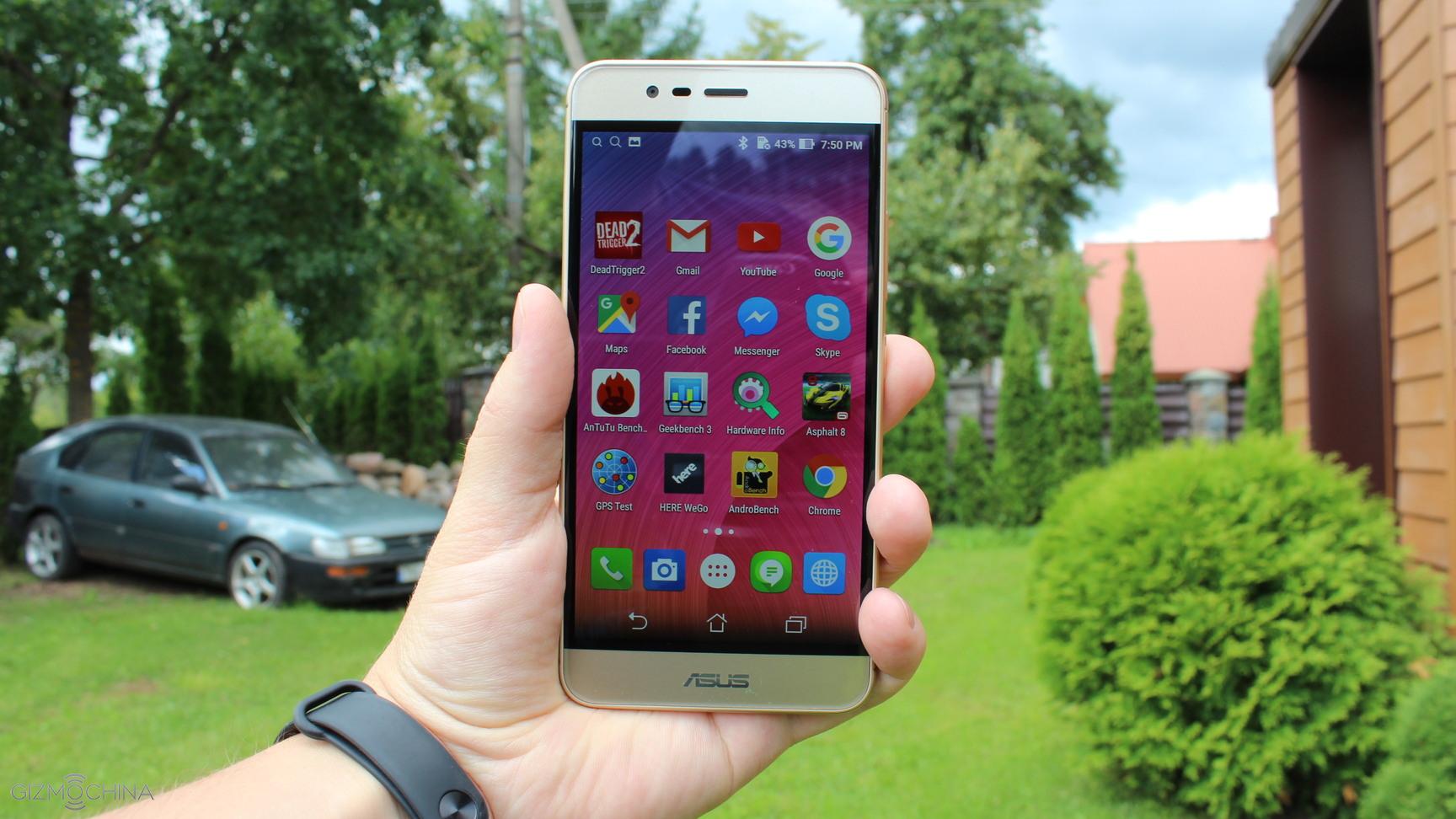
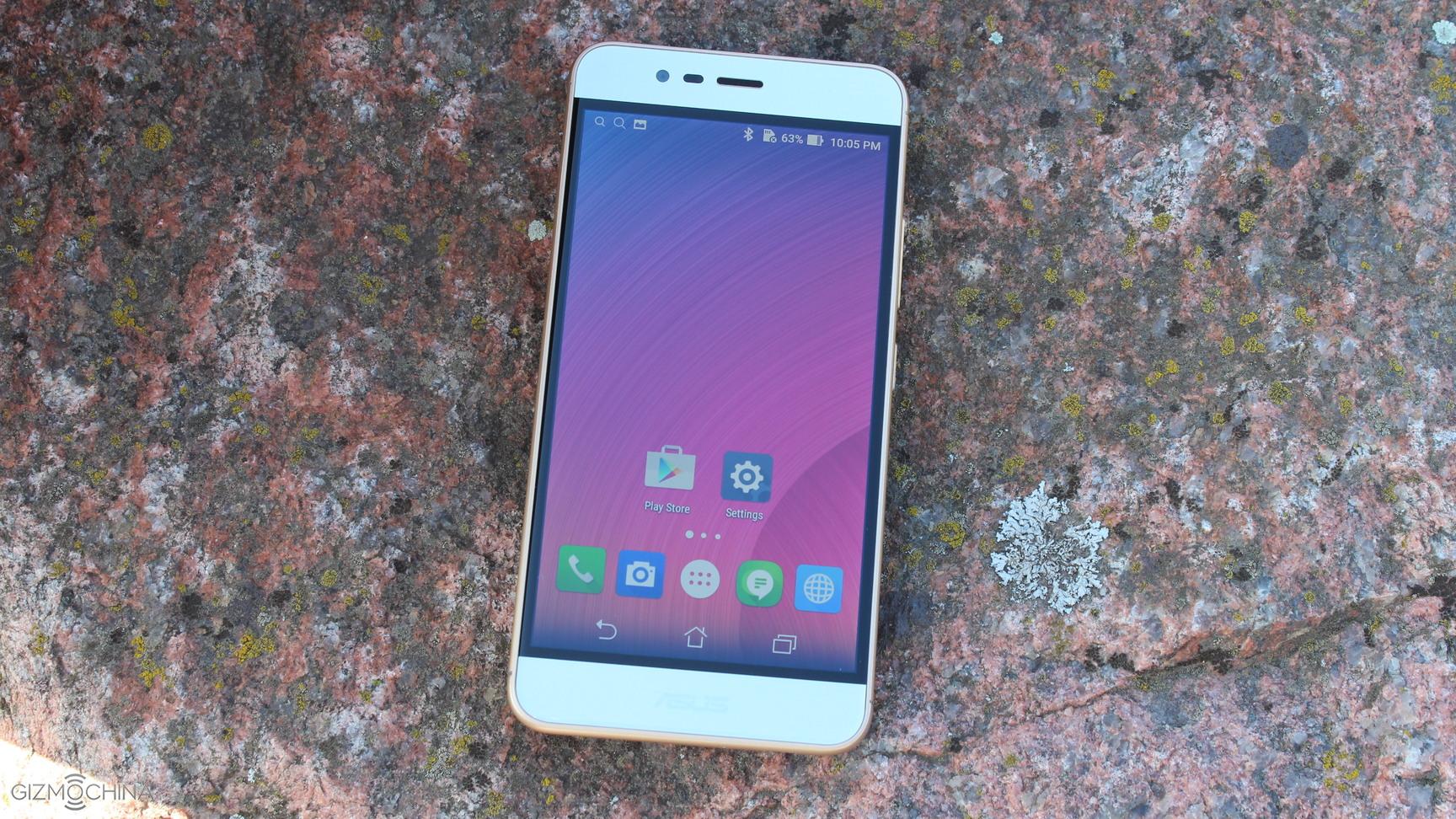
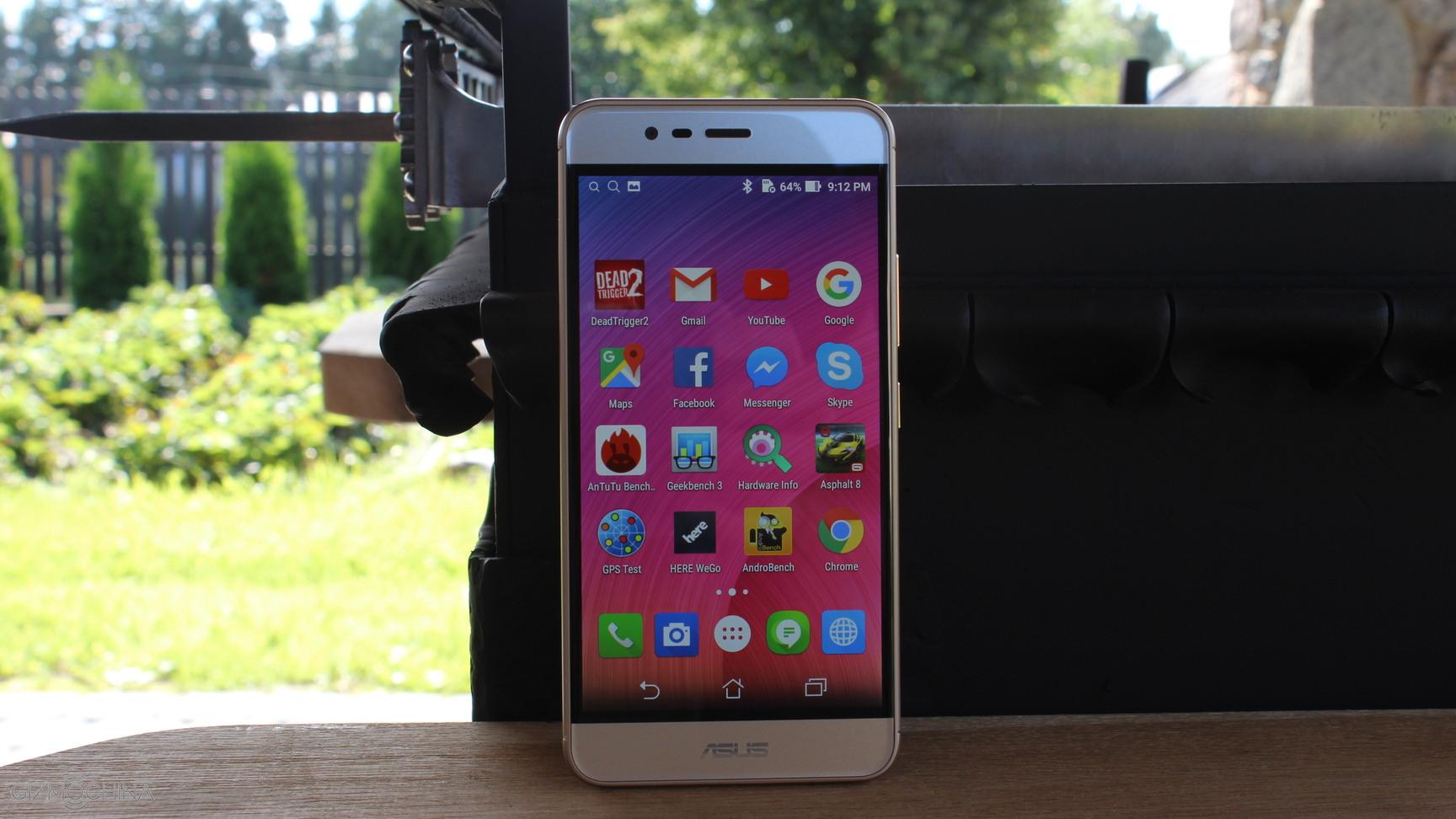
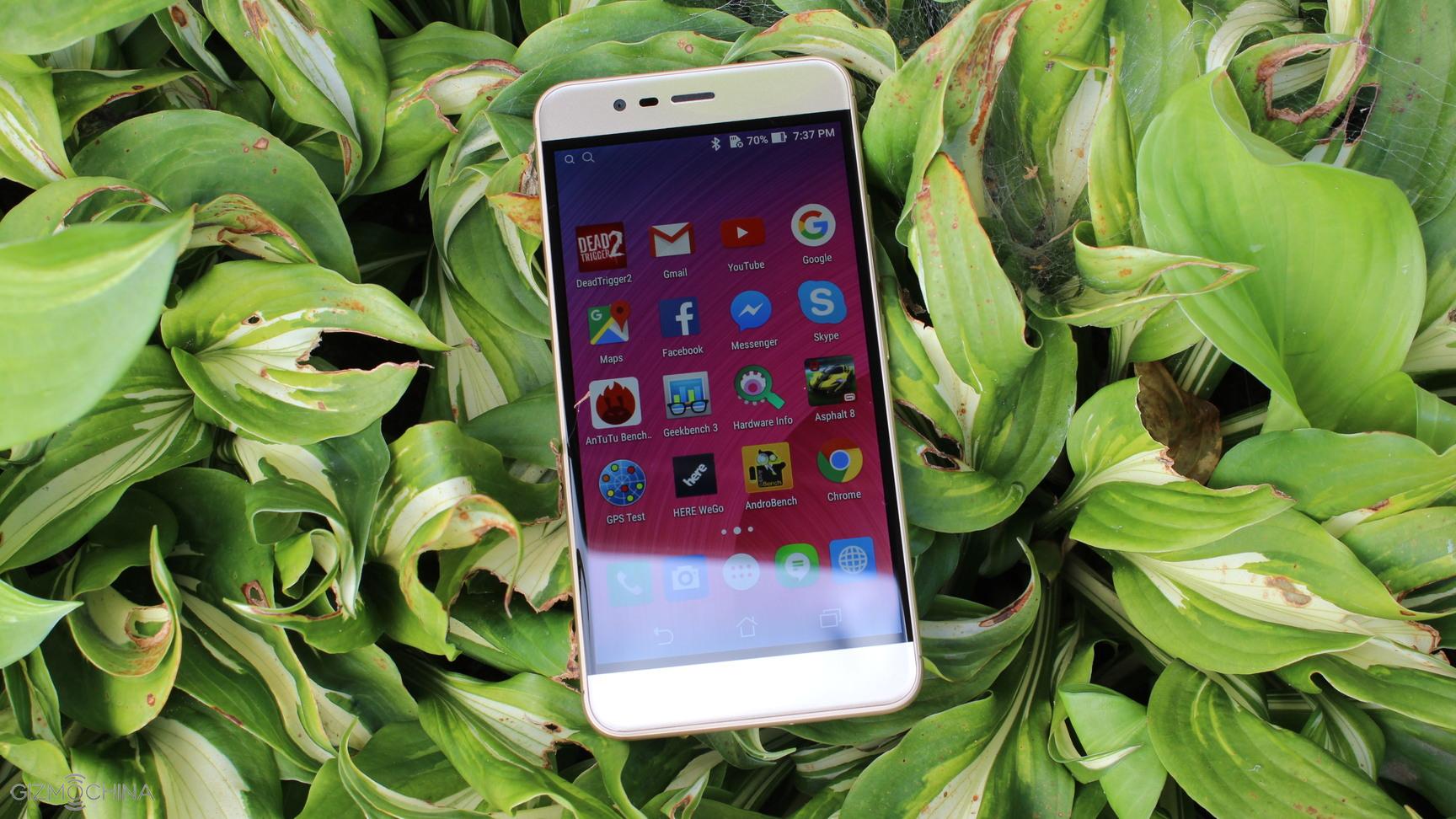
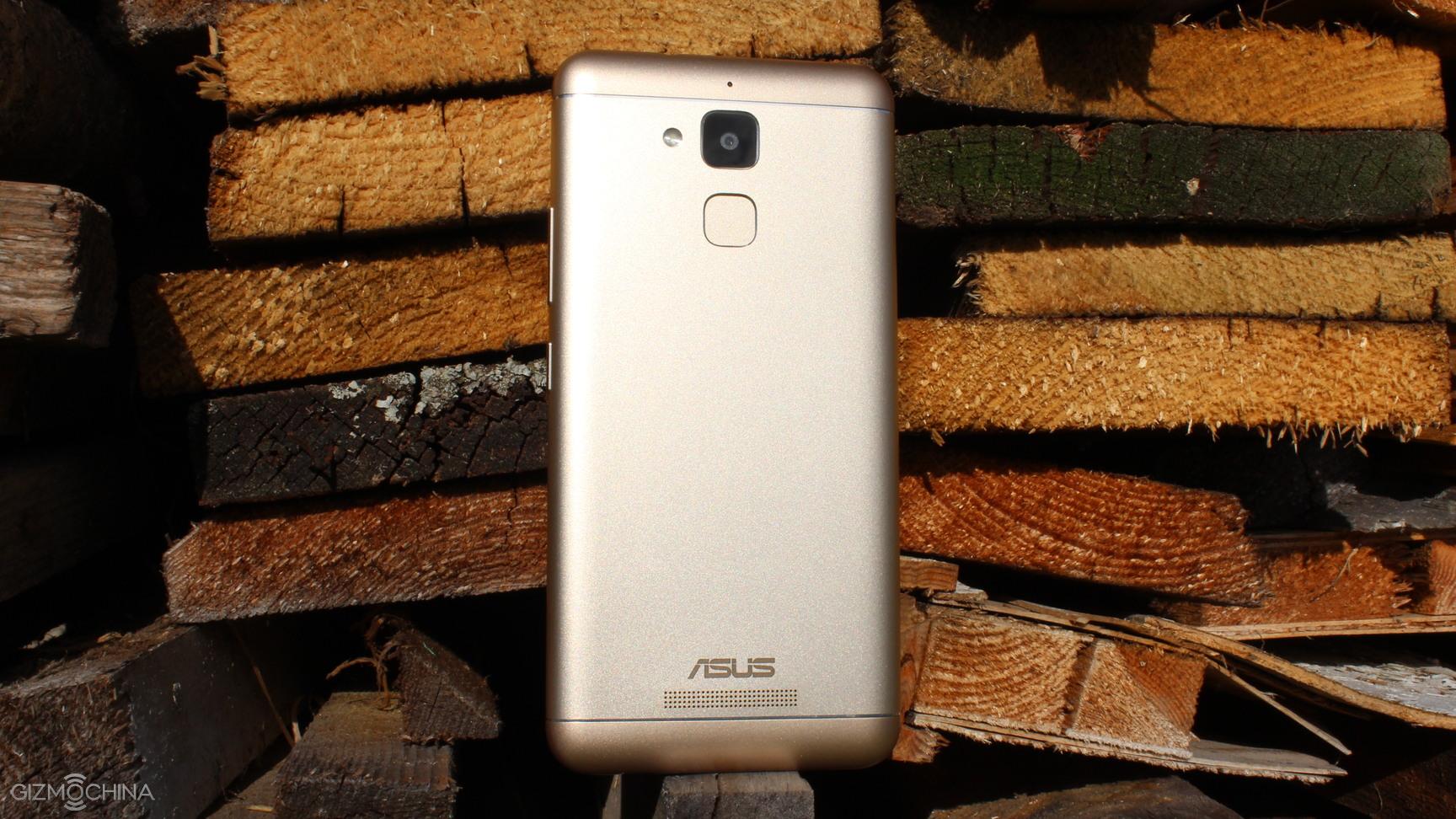
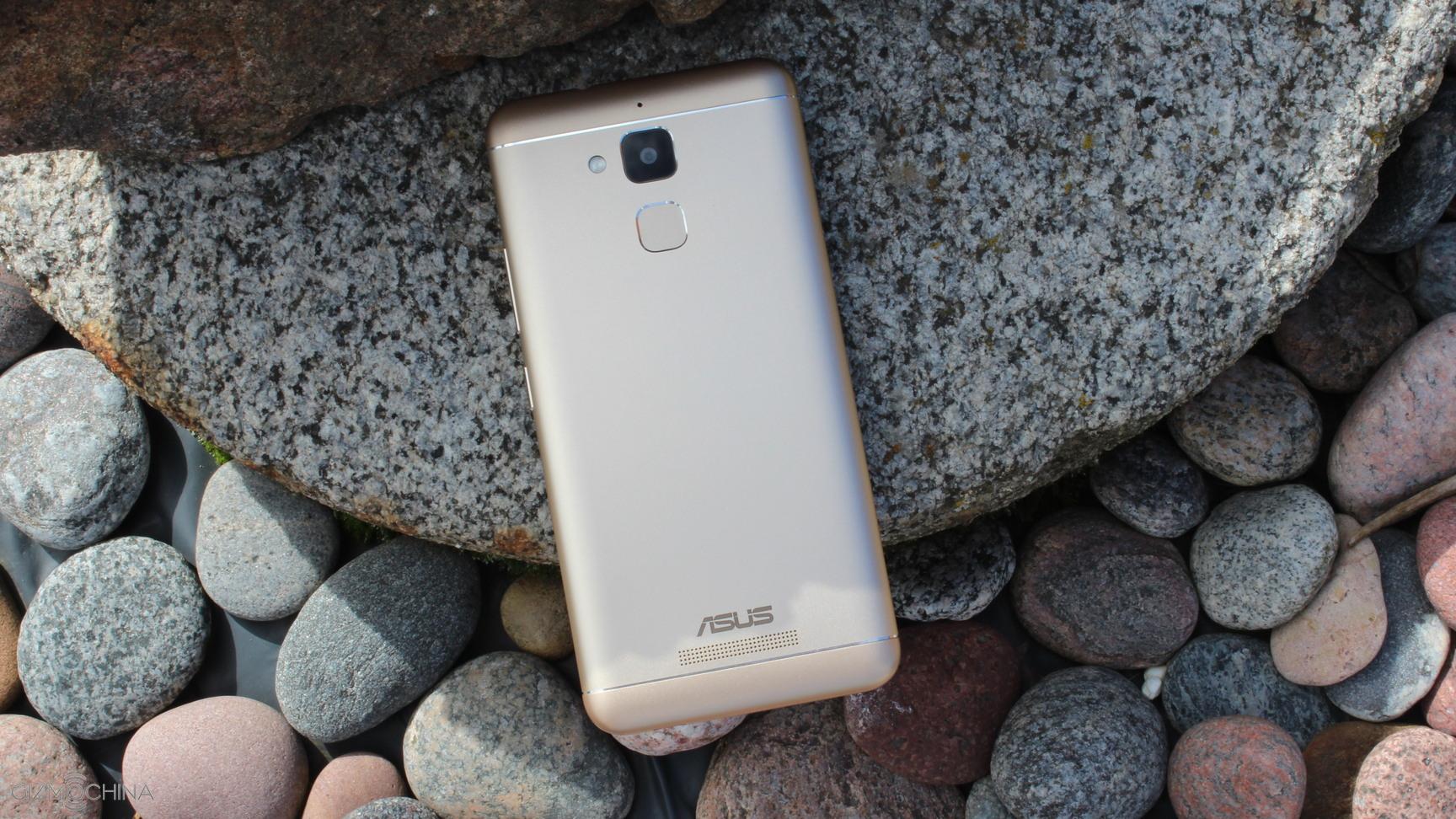
You may better know Asus as a computer brand but they also make some pretty good phones. The Asus Zenfone Pegasus 3 is the smartphone that costs just $150, it is made out of metal and it is beautiful. Learn more in our full review.
16GB (expandable via microSD card slot up to 64GB)
Asus Pegasus 3 Review: DESIGN and DISPLAY
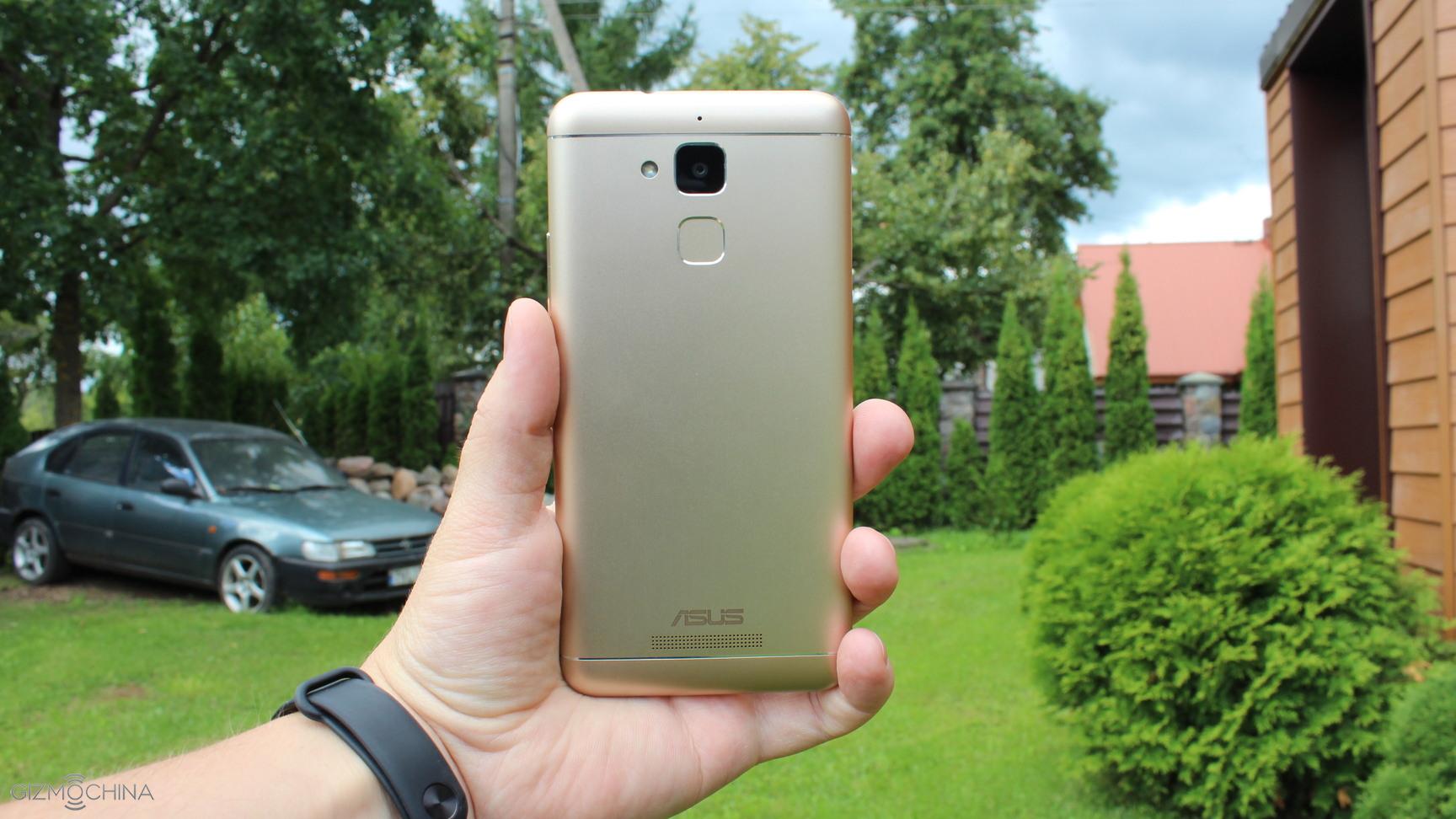
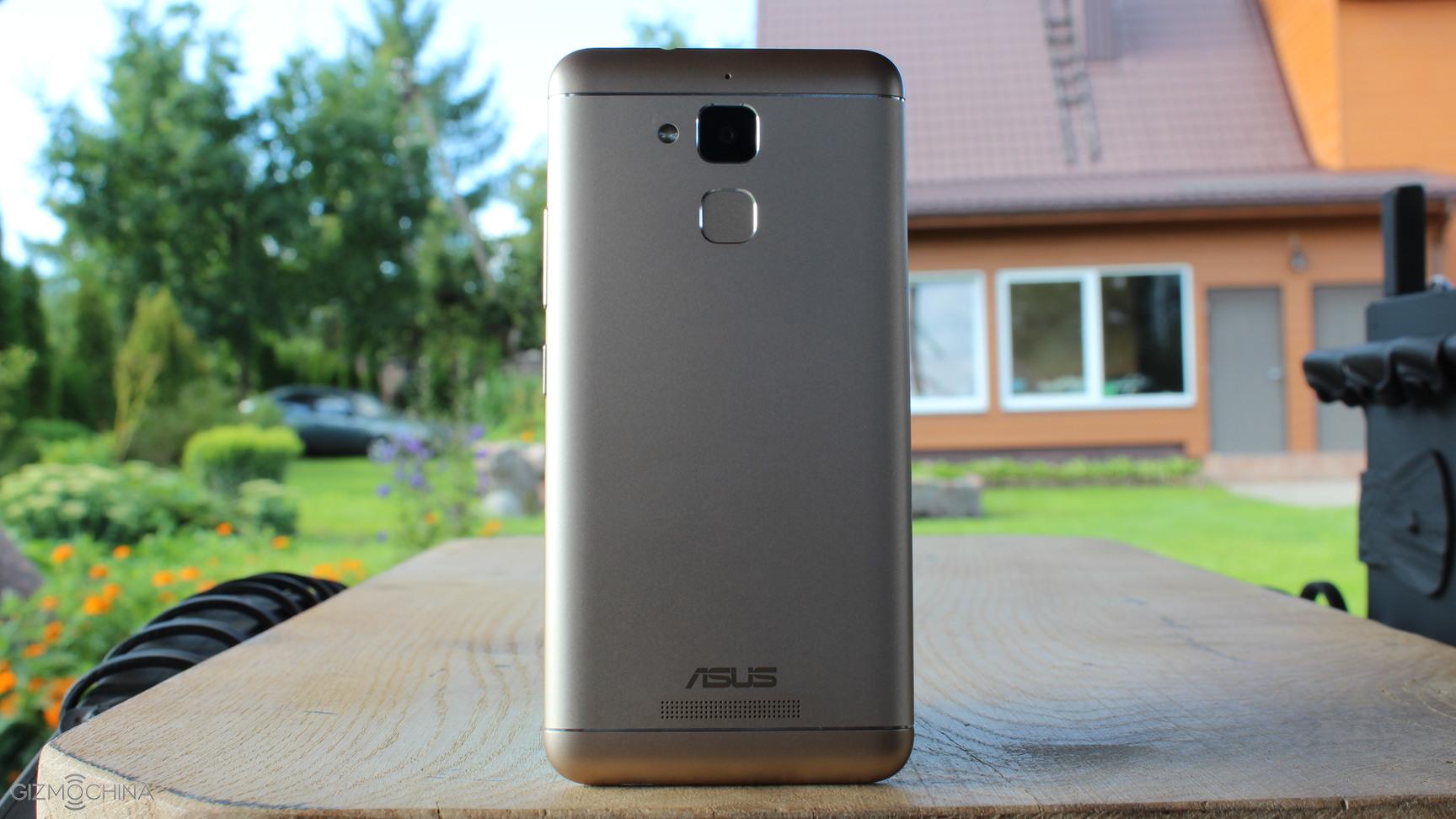
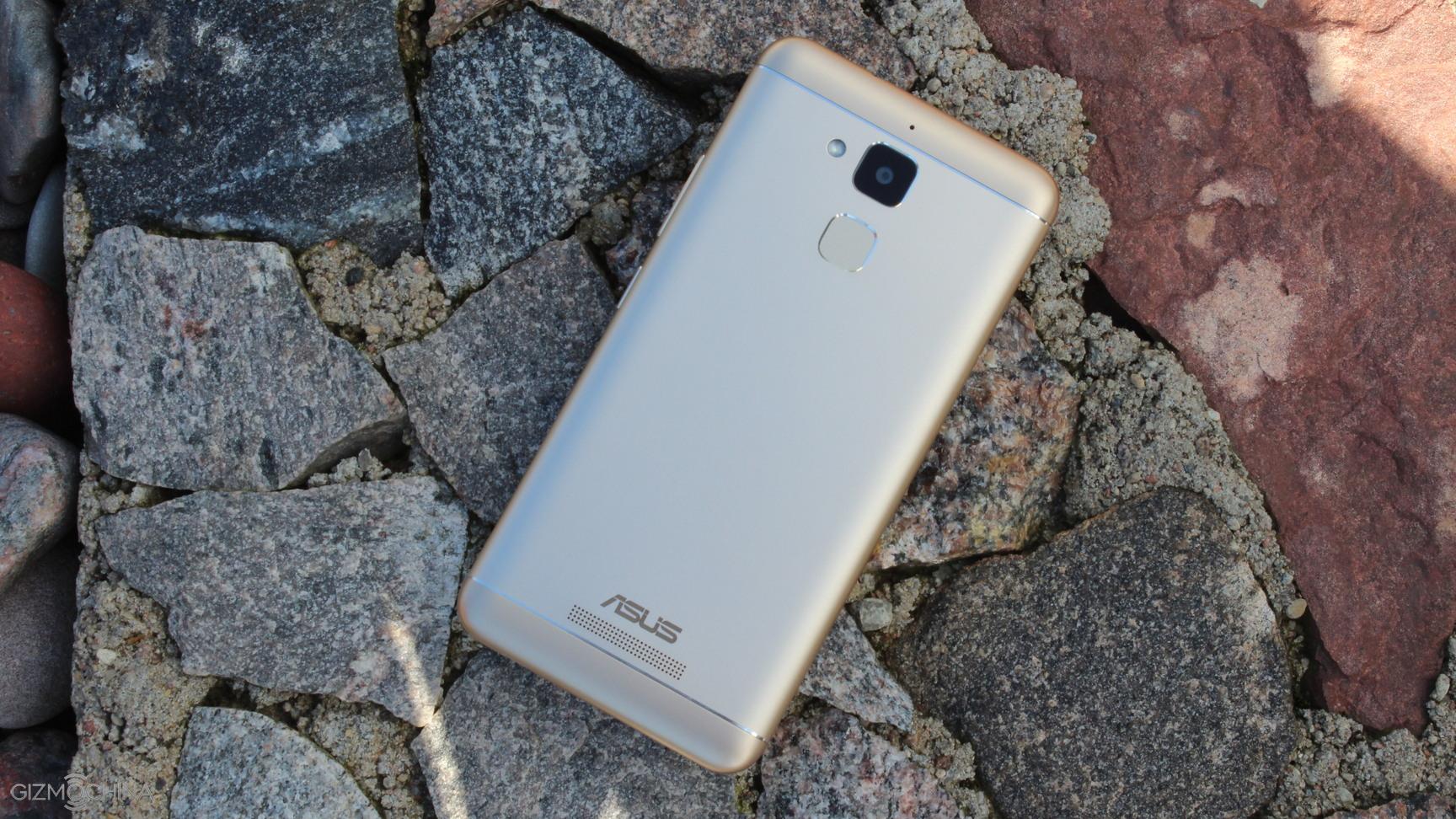
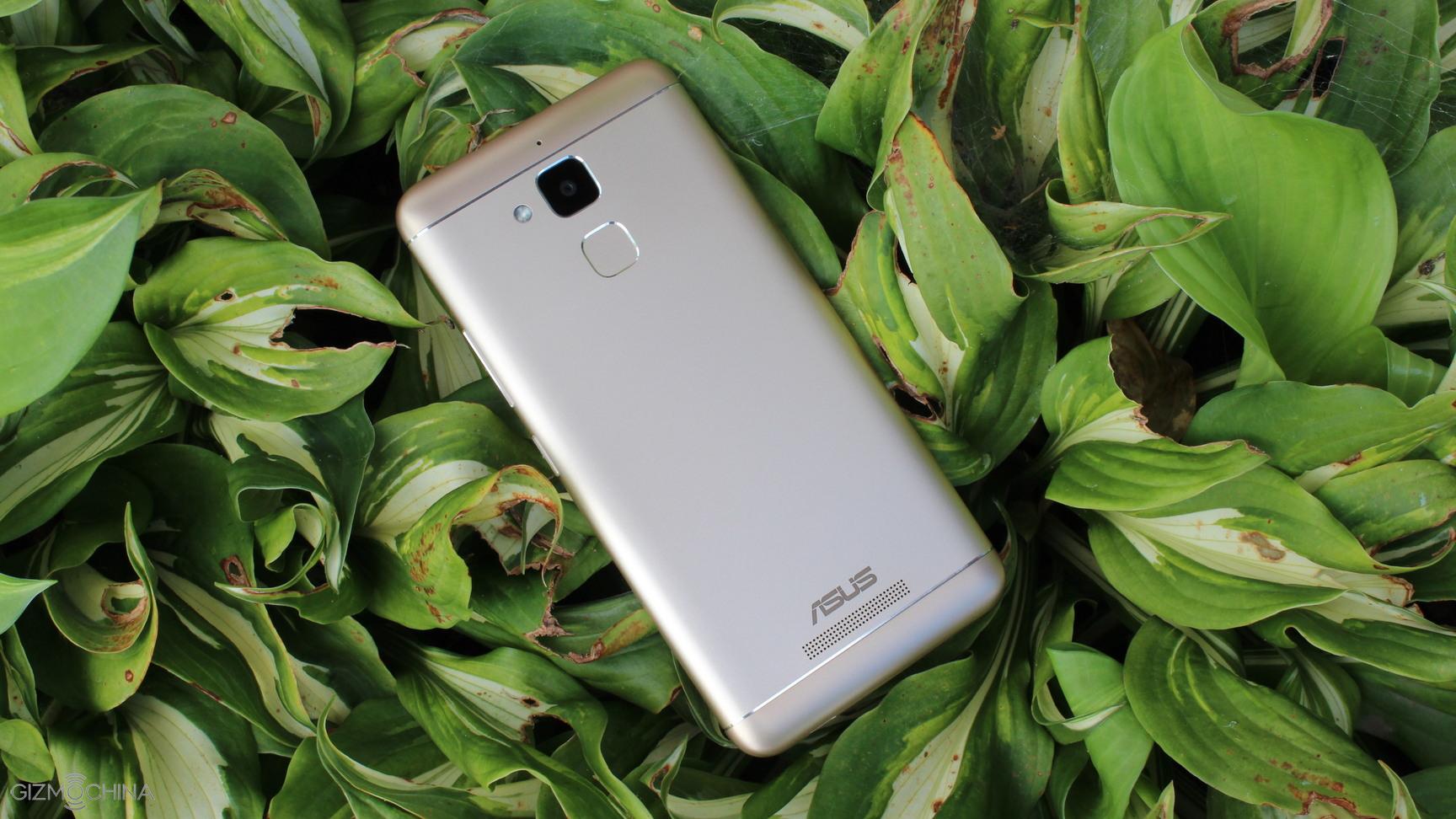
Design is definitely one of the strong points of this device. The phone sports a metal shell, except for the plastic top and bottom parts for antennas.
I love the way the device feels in the hand due to rounded corners on the back and due to the fact that it is a rather compact phone.
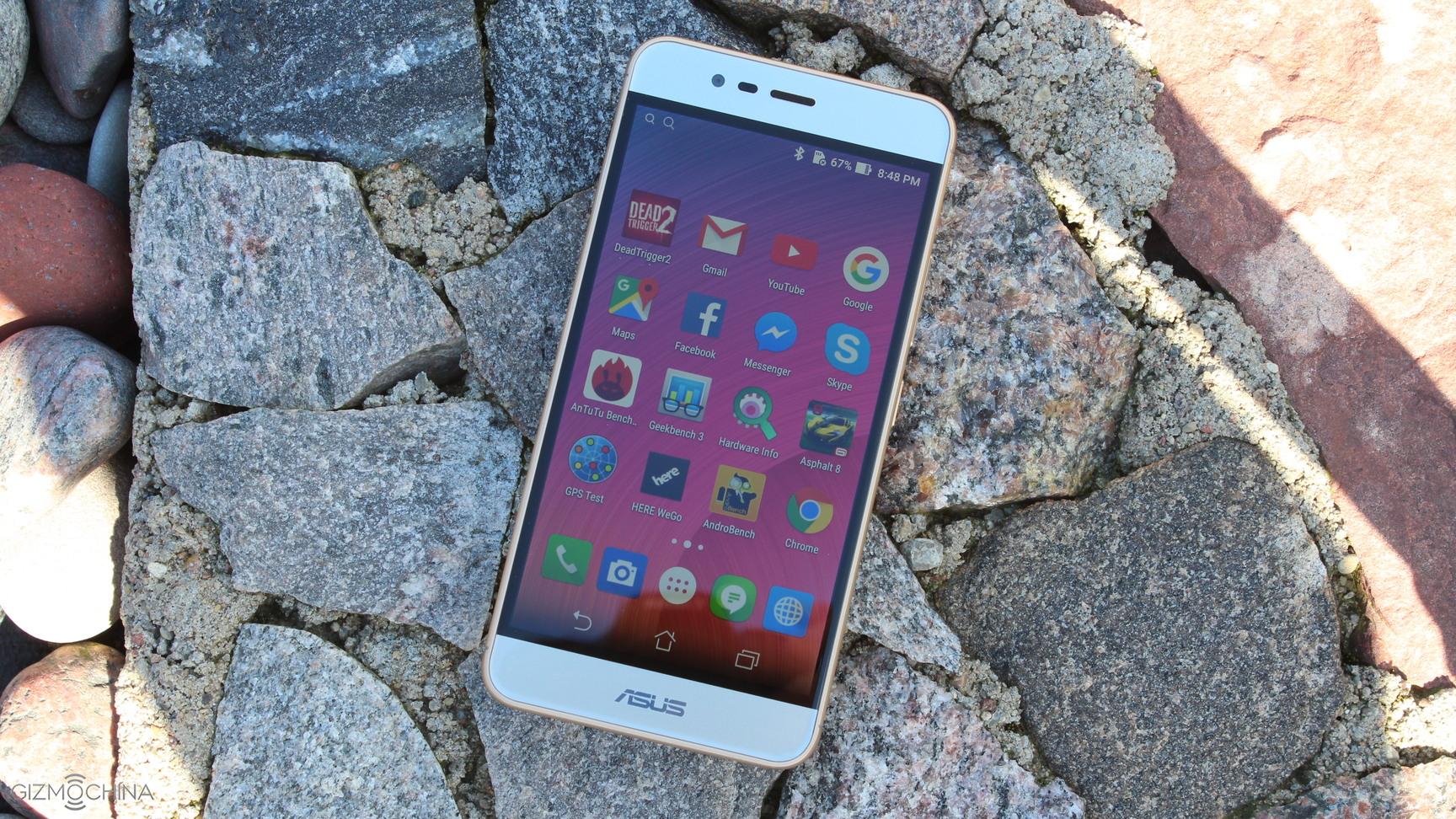
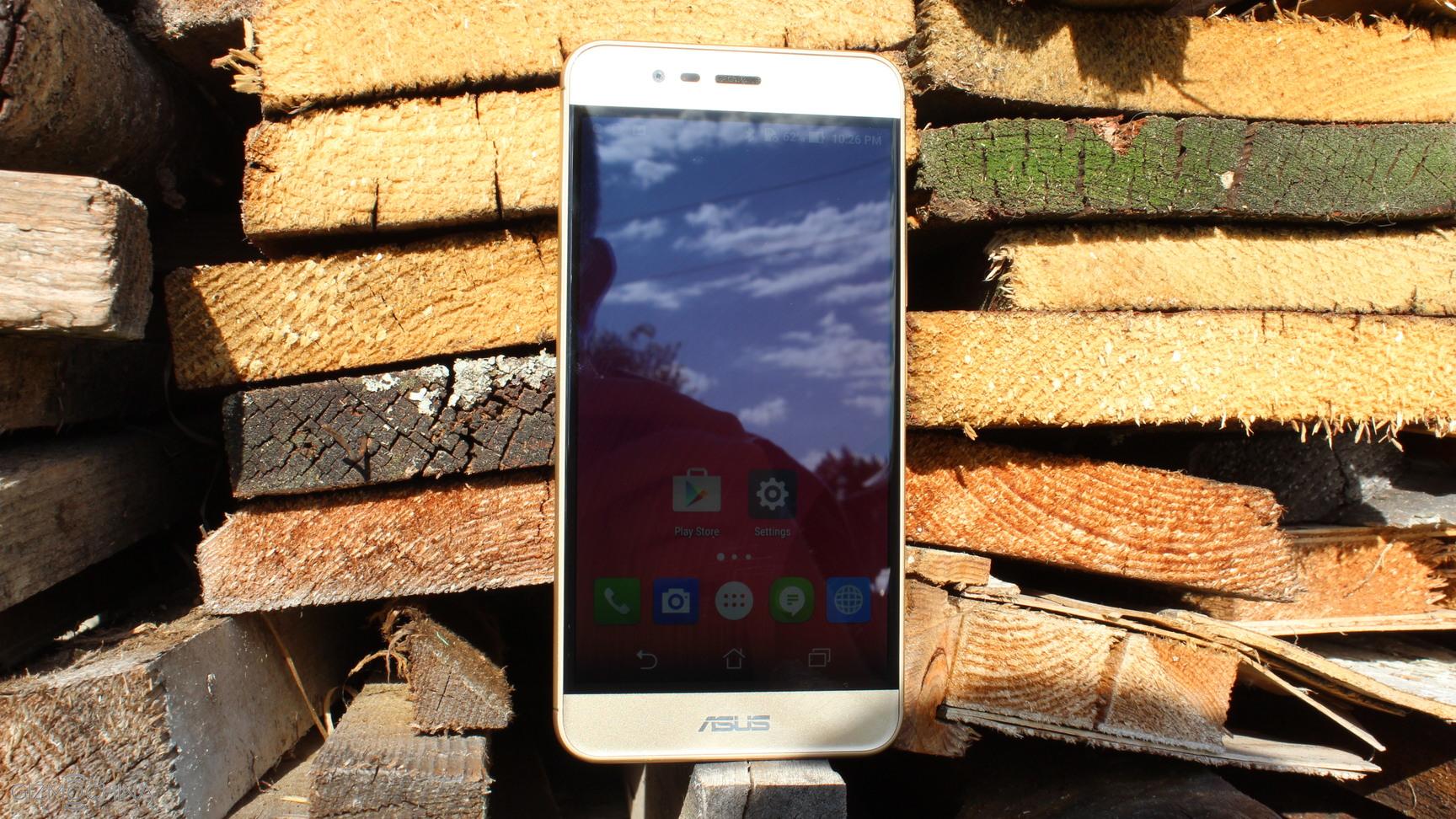
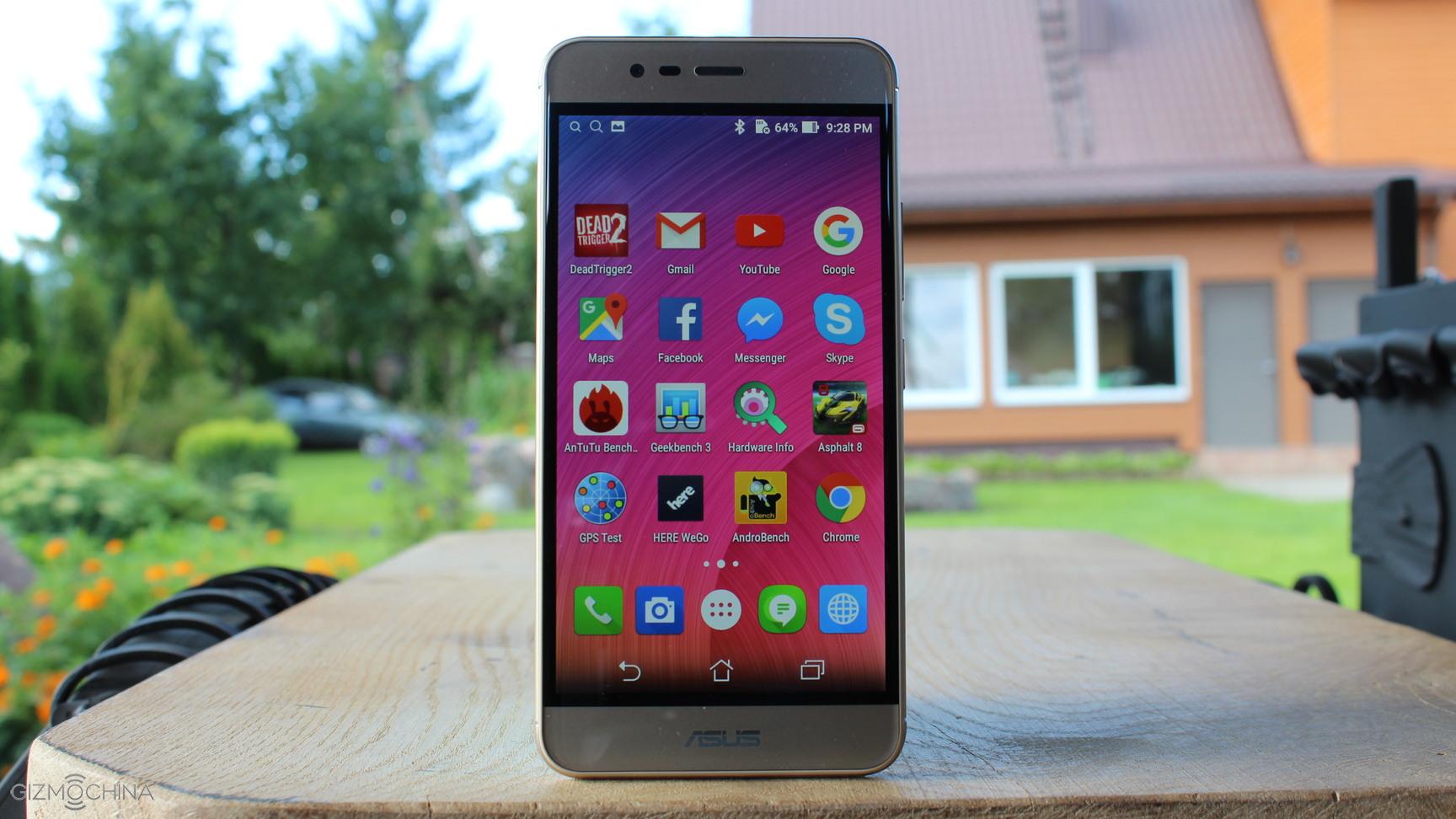
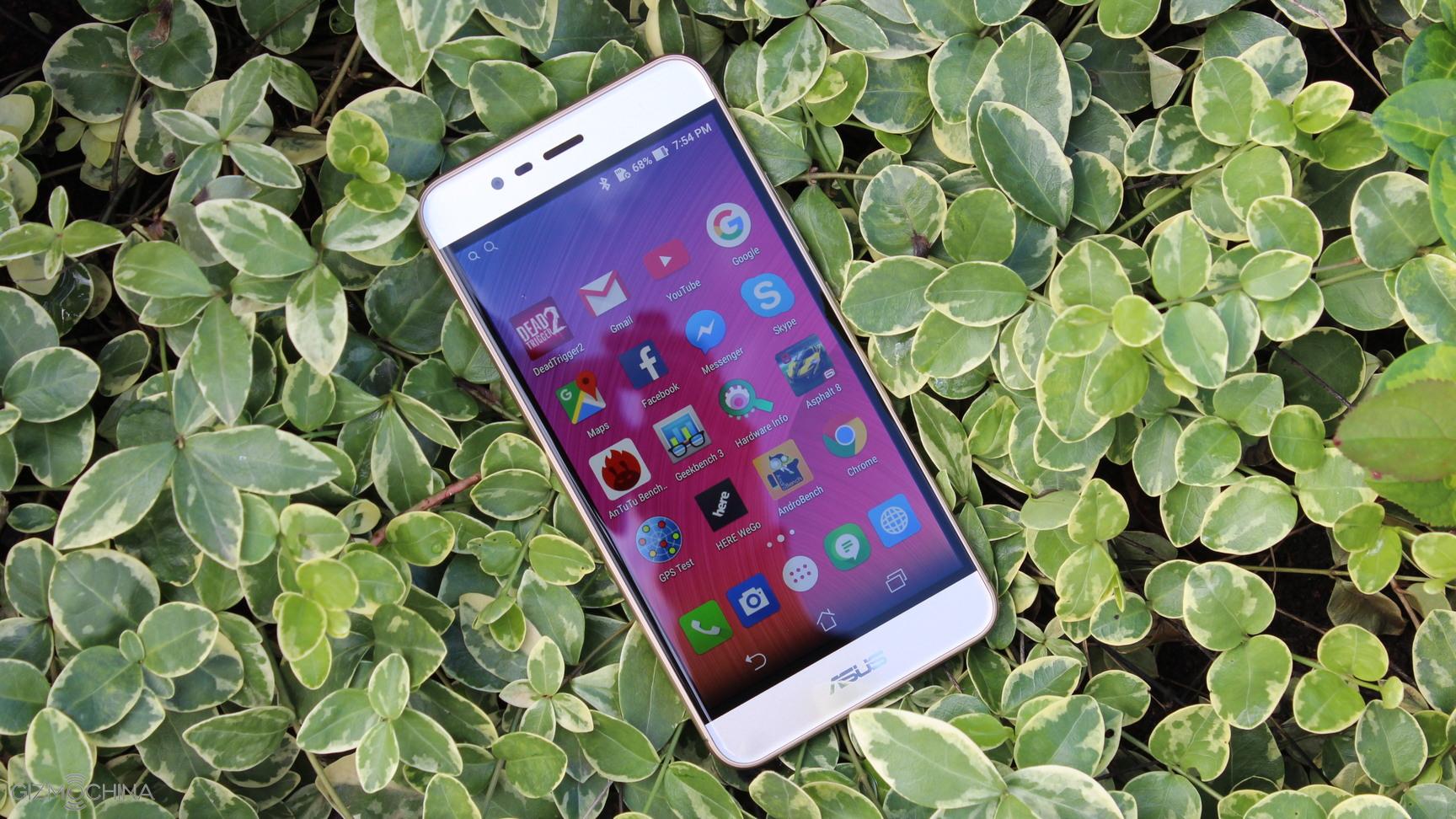
We have a 5.2” display, which only has 720p resolution. Still, it is a pretty good LCD panel and it should be enough for most users. The only shortcoming is that it could have a slightly better sunlight legibility.
It’s great that the phone has a notification LED light, which sits next to the 5MP selfie shooter. However, we only have the on-screen navigation buttons that cannot be customized. Well, at least you can press the multitasking button to take a screenshot.
As for optics, we have a 13MP shooter and a single LED flash.
The fingerprint scanner is pretty accurate and it unlocks your phone straight from the standby mode. However, it is not the fastest I’ve seen, especially if you want to use it a couple of times in a row. On the other hand, if you don’t need to unlock our phone every 2 seconds, the fingerprint sensor works just fine.
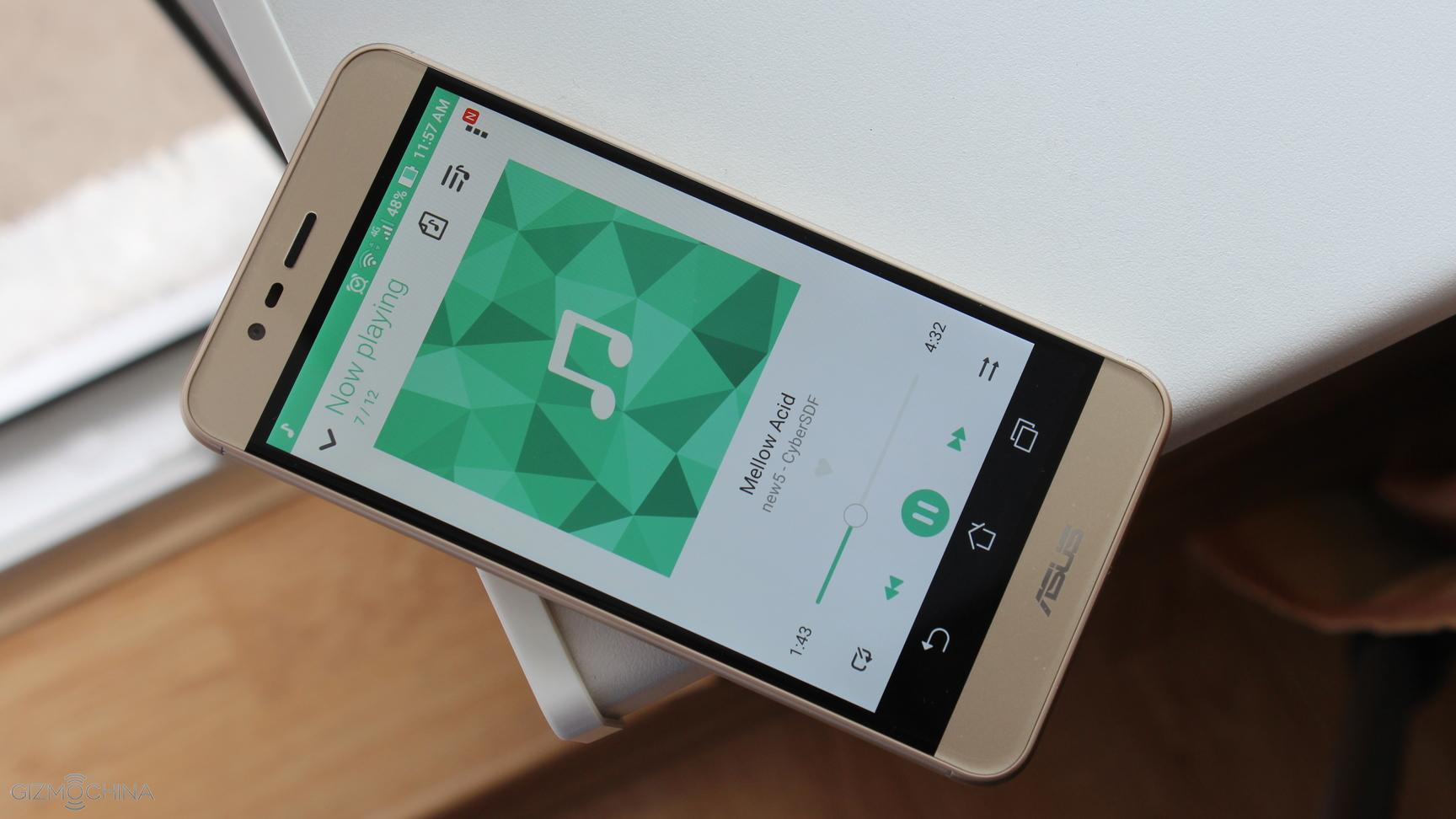
The loudspeaker can get pretty loud but don’t expect very good sound quality. You can tweak the audio settings if you want but my biggest concern is that the sound gets a little distorted at the highest volume settings.
The metal-made buttons do not rattle and they have a good tactile response.
Asus Pegasus 3 Review: HARDWARE and PERFORMANCE
The $150 Asus Pegasus 3 is not going to be your next flagship device as it sports a quad-core MTK6737 chip with the max. clock speeds of 1.3GHz, 2GB of RAM and 16GB of storage, which can be expanded via the microSD card slot.
The 720p display means that the phone doesn’t need to push too many pixels and thus, the gaming performance is good. I played a few games on the highest graphics and there were just a few skipped frames. Finally, the phone does not have any overheating issues.
Asus Pegasus 3 Review: BENCHMARKS
Asus Pegasus 3 Review: USER INTERFACE
As for user interface performance, it is pretty good too as I didn’t have any lag or hiccups.
As for the UI itself, the phone runs on the Asus ZenUI, which is built on top of Android 6.0. It’s up to you whether you like the looks of it but you can always download a third-party launcher.
We have a few added features, customization options and pre-installed apps to play with. Just to name a few, you can turn on the blue light filter of the display or select from a variety of gesture and motion controls that work pretty well. Finally, a photo-collage app allows you to stitch a few photos if you feel creative.
Asus Pegasus 3 Review: CAMERA
The 13MP camera takes pictures fast. We have a few shooting modes but many of them require a tripod to get usable photos.
I took most of the shots using the auto-mode and the daylight picture quality is really good for a $150 phone. There is a decent amount of detail, and the images look pretty sharp. However, dynamic range adjustment is usually off.
In general, cheap phones don’t take great photos in low-light. The Pegasus 3 will not impress you but it is not that bad either. You can get some okay looking shots considering the category of this phone.
The selfie camera, however, could be better. Images have quite a lot of noise and the level of detail is pretty low.
The 1080p video quality is pretty good for the class. As usual to most of the cheap phones, there is no continuous auto-focus feature. See a video review for a video sample.
When it comes to connectivity, the Asus Pegasus 3 will not disappoint you.
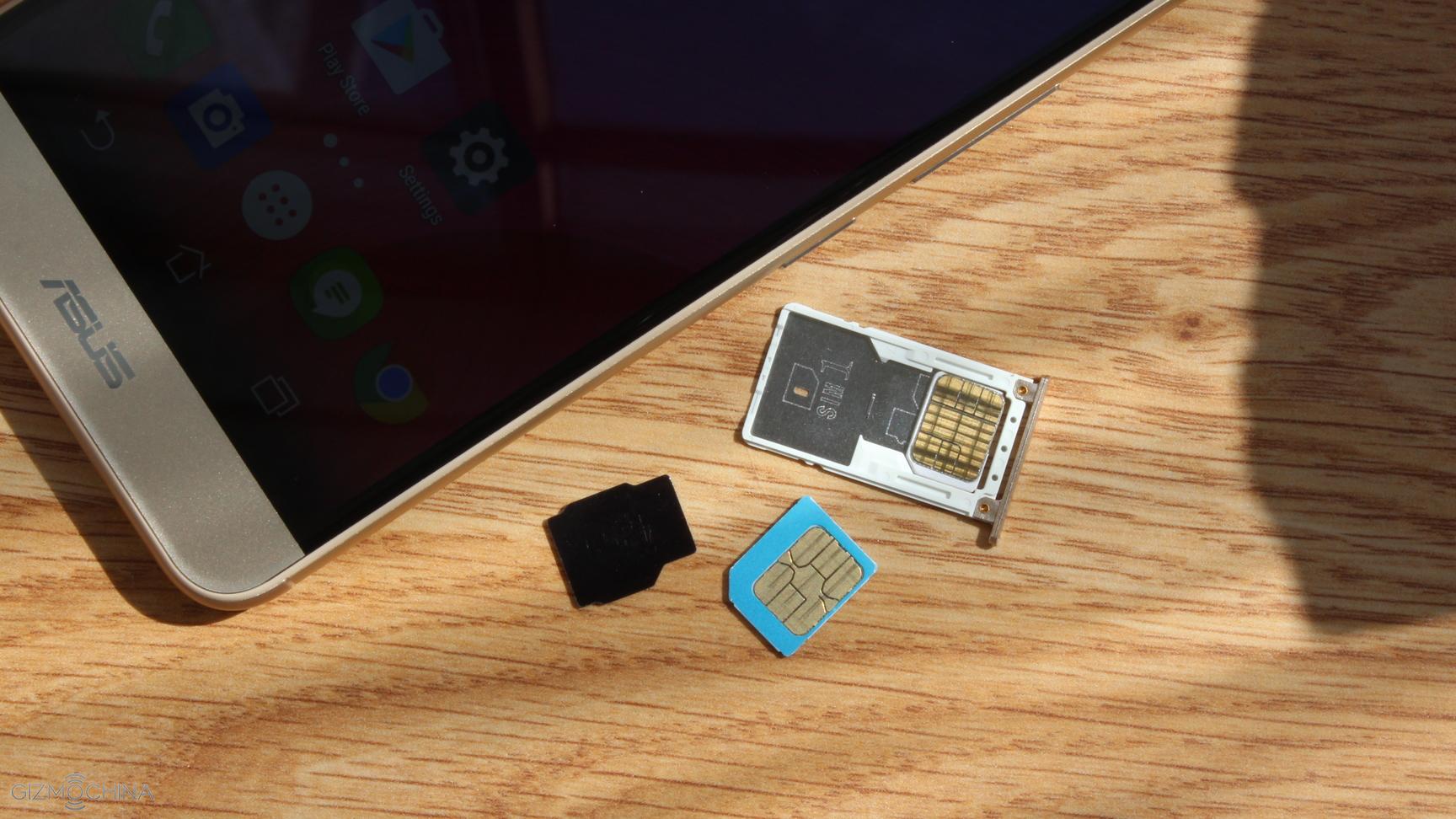
It comes with a dual-SIM card tray, which can take either 2 SIMs or 1 SIM and the microSD card.
The call quality and signal reception are good, the GPS is fast and accurate. The Wifi also works fine but the phone does not always reconnect to the last used Wifi network, which is kind of annoying and hopefully this will be fixed soon. Also, keep in mind that the phone does not support 5GHz connection.
Asus Pegasus 3 Review: BATTERY LIFE
One of the key highlights of the phone is a huge 4100mAh battery that performs very well. I could get almost 7 hours of screen-on on a mixed use that translates to at least 1.5 or 2 days of usage.
Also, you can use a variety of power saving options to get even better results.
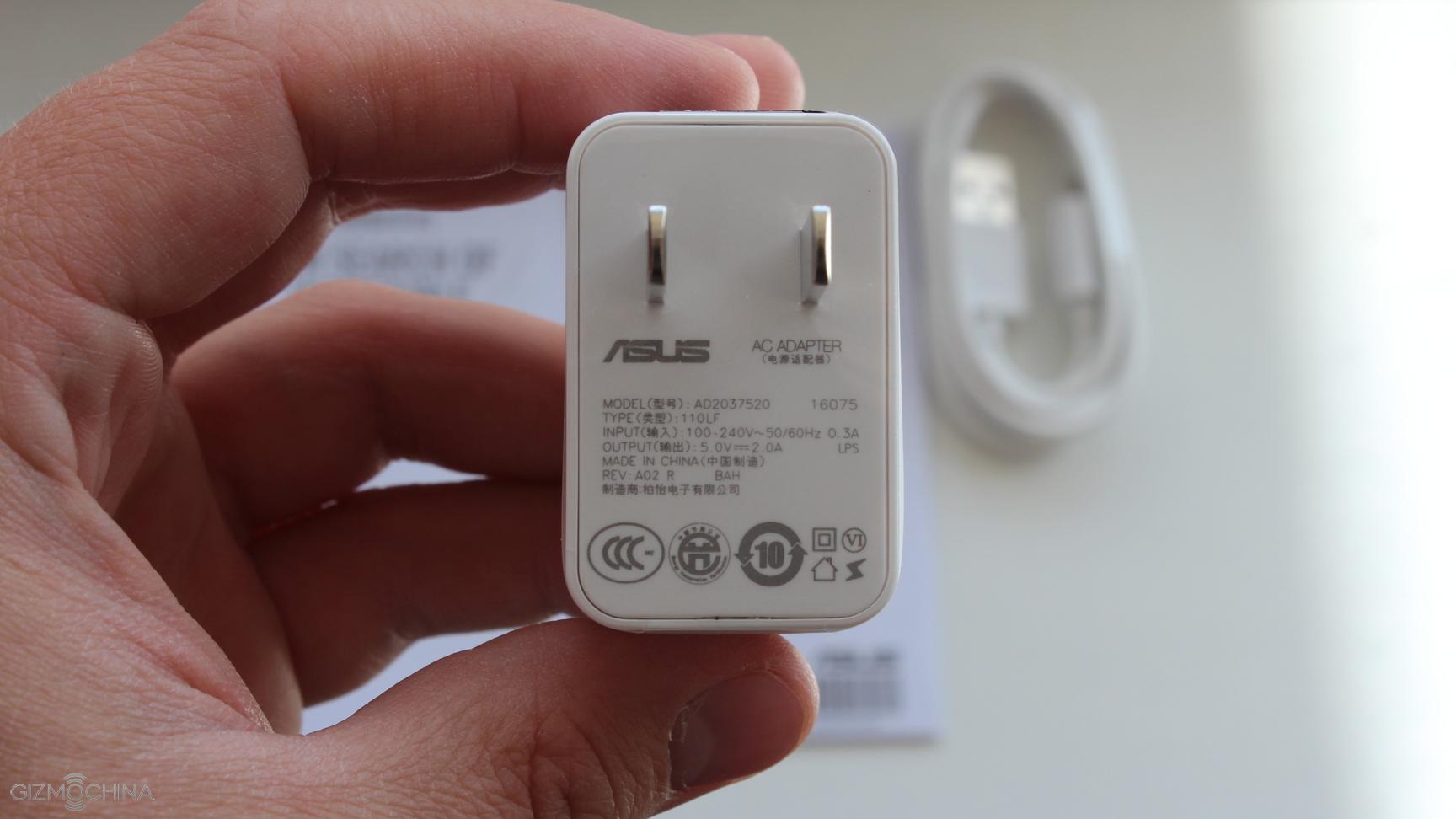
However, the phone does not support quick charging feature and it takes around 4 hours to fully charge it.
Asus Pegasus 3 Review: CONCLUSIONS
The Asus Pegasus 3 is the cheapest phone from their Zenfone line and it is a pretty good phone for the price.
It is well-constructed and feels premium due to its metal build, it performs well whether you use the phone for basic tasks or gaming. Also, the phone takes great photos in daylight and it has a fantastic battery life.
On the other hand, you have to know that the phone sports only a 720p resolution display, and you can’t switch the position of on-screen navigation buttons.
Although the selfie camera may be enough for social media, the image quality does not impress. Also, there is no 5GHz Wifi support and the sometimes the phone struggles reconnecting to the last used Wifi network. Finally, the phone’s battery life may be fantastic but it does not support fast charging feature.
At the end of the day, the Asus Zenfone Pegasus 3 has a few shortcomings like most of the cheap phones but it is still a good buying option at the price of just $150.
Research firm Gartner has released its market report for the second quarter of 2016 which showed how the mobile phones brand fared in the last quarter. Overall, the report shows smartphone sales for the second quarter grew by 4.3% when compared to last year’s growth.
In the overall rankings, three Chinese smartphone makers, Huawei, Oppo and Xiaomi ranked from third to fifth in that order. Huawei maintained its third position in global sales for the second quarter of 2016 selling over 30 million smartphones during that period, representing 8.9% of the market share and a 0.9% growth for Huawei from last year’s Q2 figures.
On the other hand, OPPO continued its run of booming sales during the second quarter fueled by the success of the R9. Whereas last year the company sold a little over 8 million phones during the second quarter, it recorded a monumental figure of over 18 million.
Xiaomi’s shipments for Q2 2016 recorded the smallest growth margin of just 0.2% leaping from 4.5% in Q2 2015 to 4.7% this year. In addition, Vivo (listed as BBK) also made it into the list of top 10 brands in overall sales volume for the second quarter of 2016.
Meanwhile, Samsung was the top smartphone seller, with 76.7 million smartphones sold, compared with 72 million sold a year earlier. That increase boosted its share to 22.3%, up from 21.8%. Gartner attributed Samsung’s increased sales to have been benefited by sales of the Galaxy A and Galaxy J series of smartphones which competed well against devices from Chinese smartphone makers.
Gartner’s report also revealed Apple’s iPhone sales dropped 7.7% in the second quarter, with 44.4 million phones sold globally, down from 48 million a year earlier. This decreased Apple’s market share to 12.9%, down from 14.6% a year earlier. Even at that, Apple maintained the second position in global smartphone sales.
In all the overall smartphone sales reached 344 million, slightly higher than last year’s second quarter figures of 330 million. In terms of operating system, Android devices occupied 86% of the total market in sales, compared to 14.6% for iOS and 2.5% for Windows.
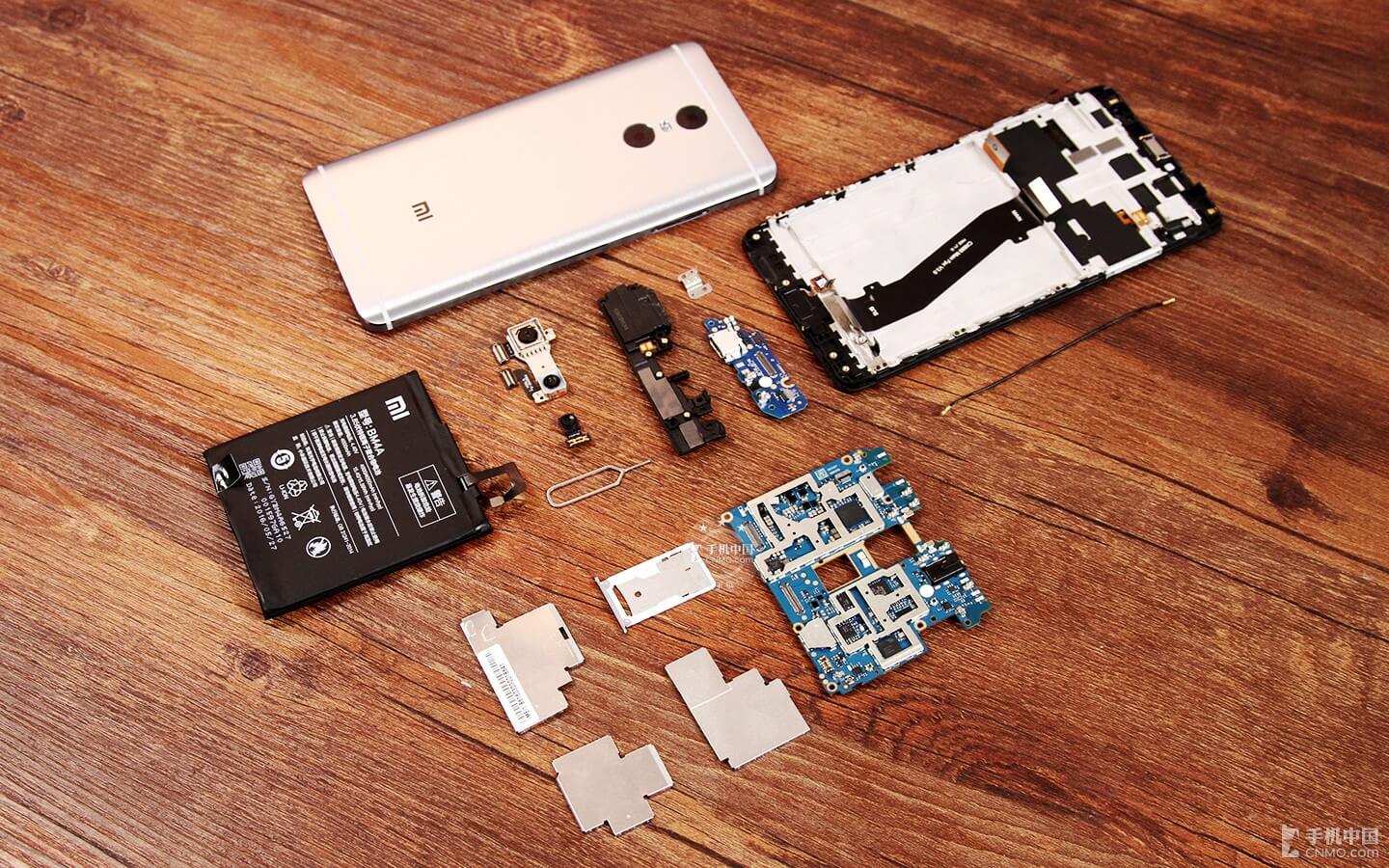
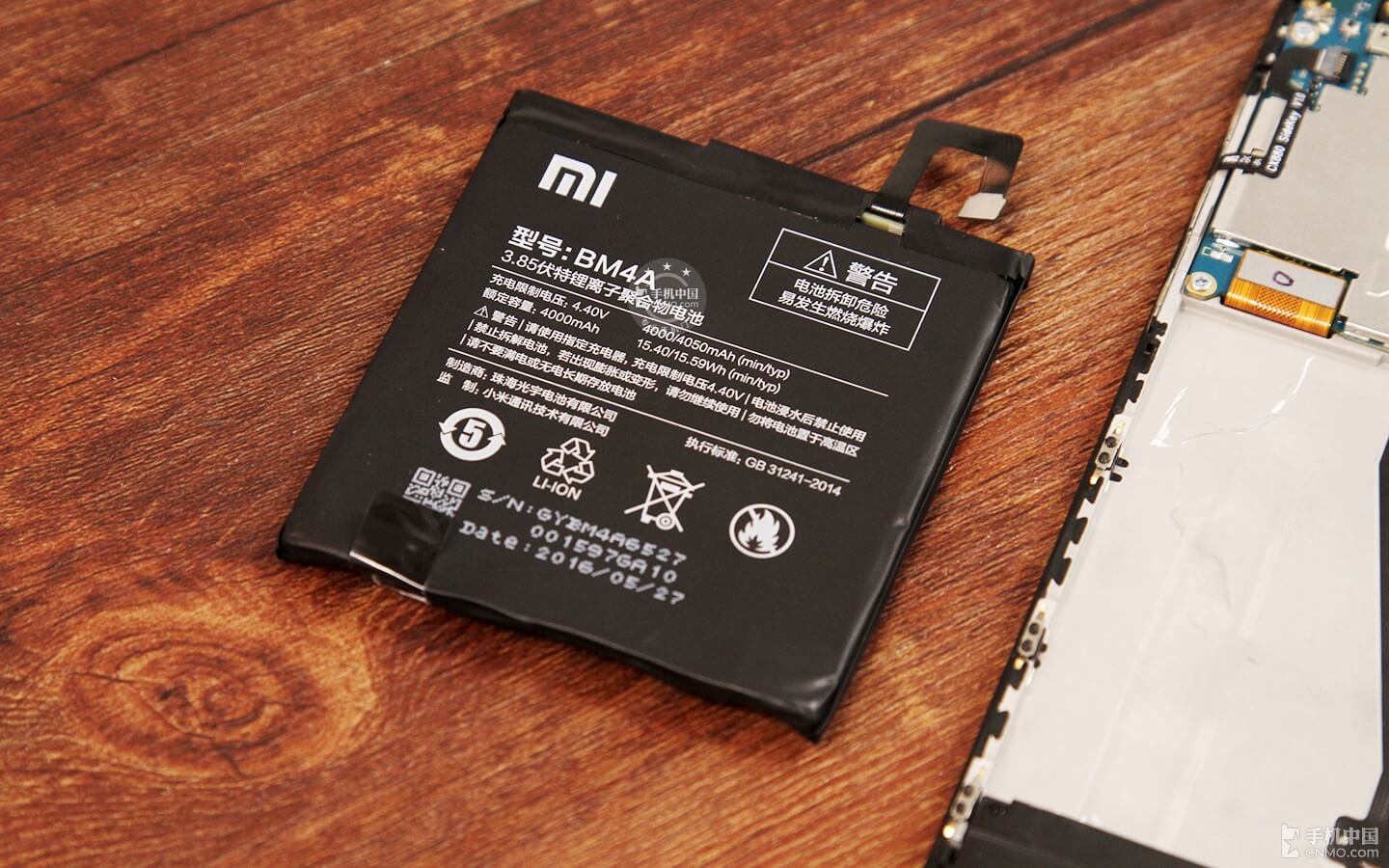
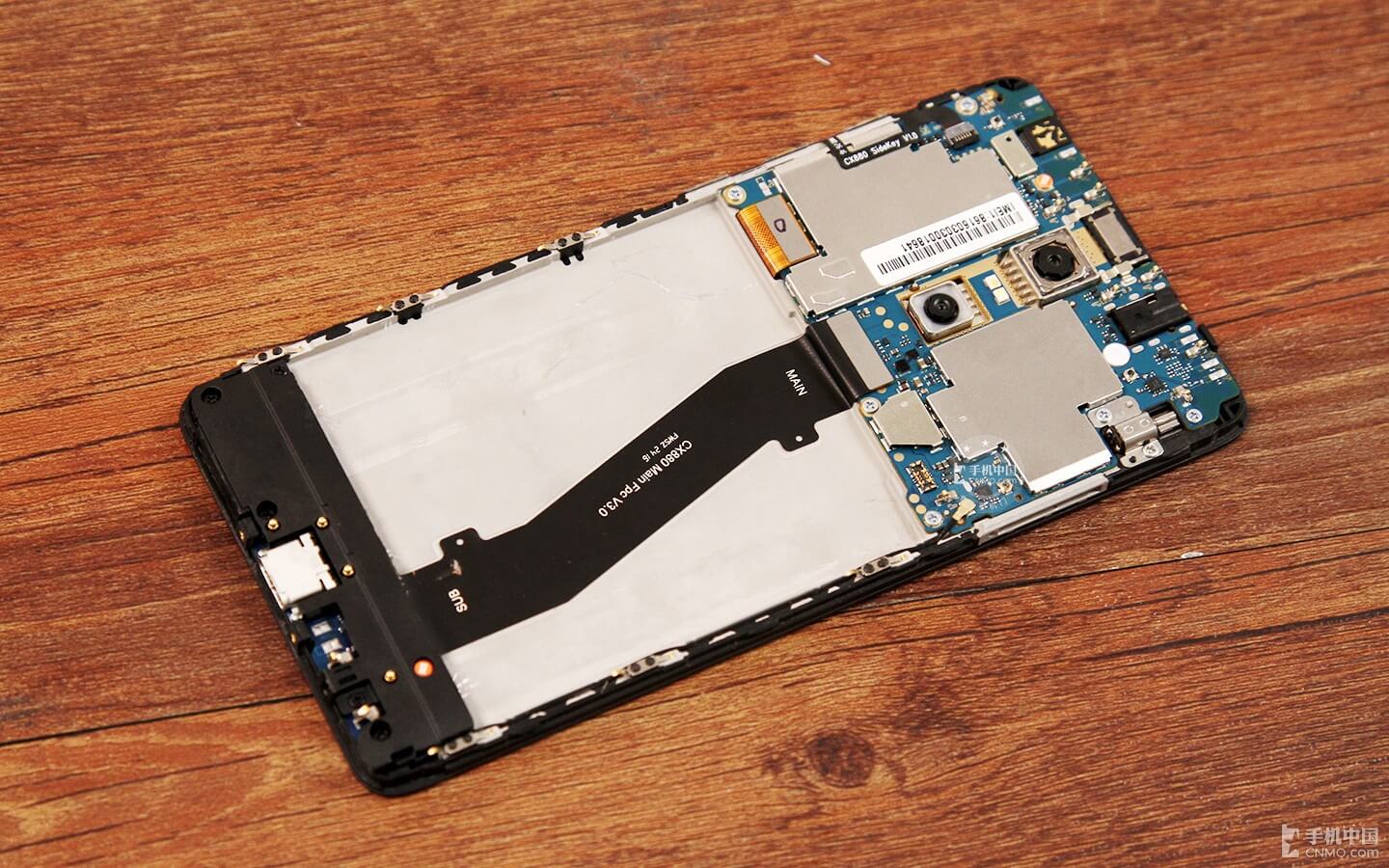
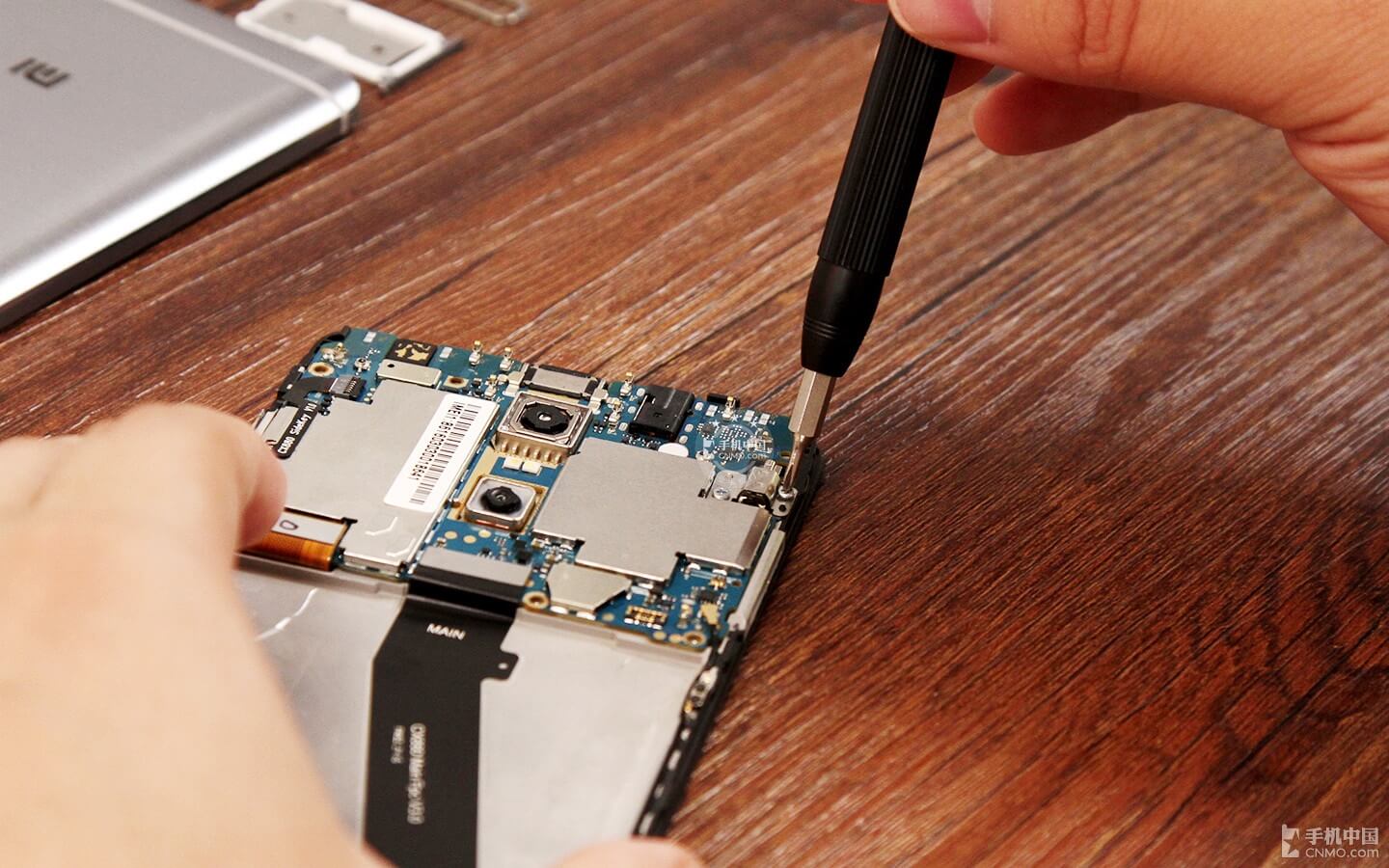
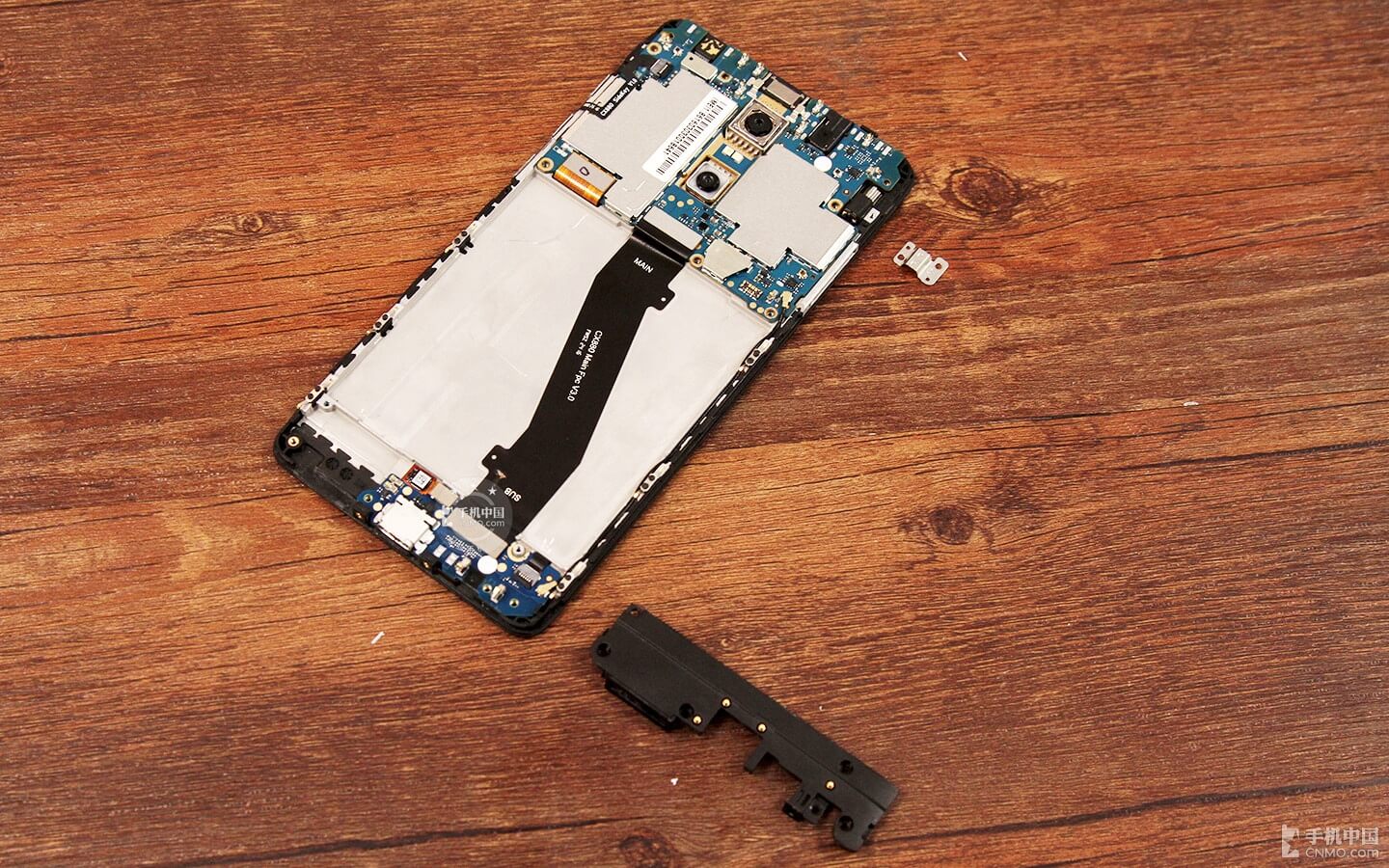
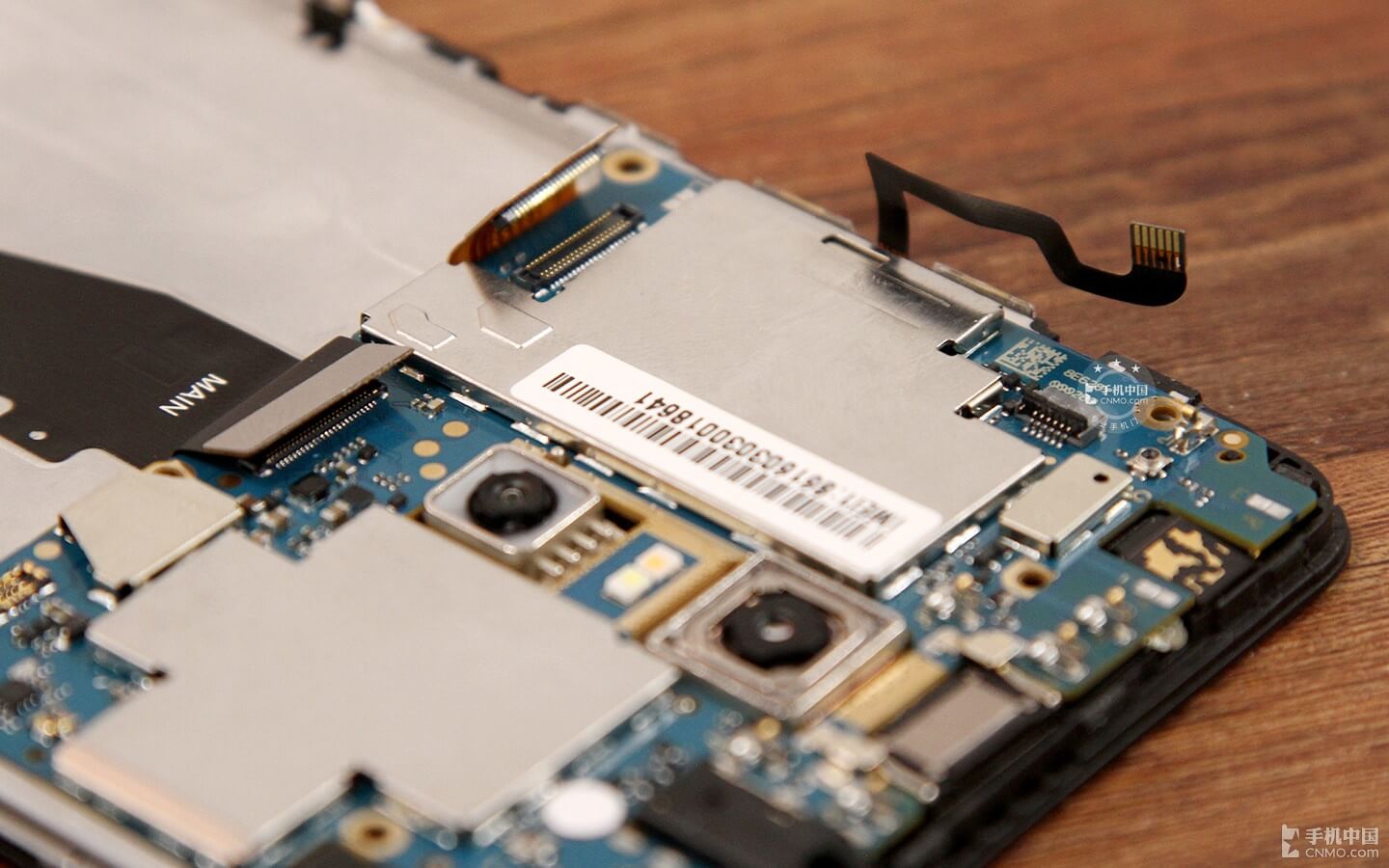
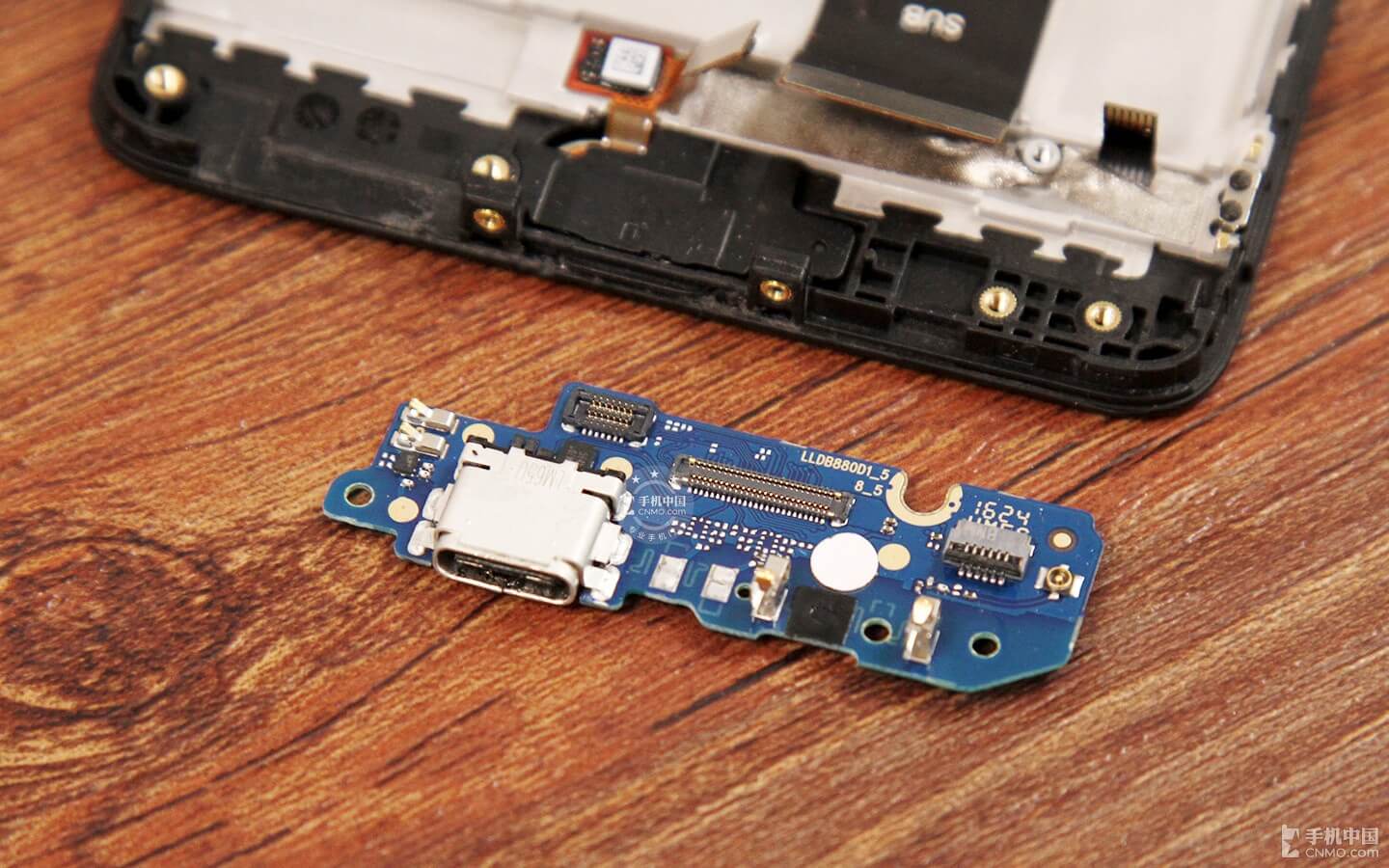
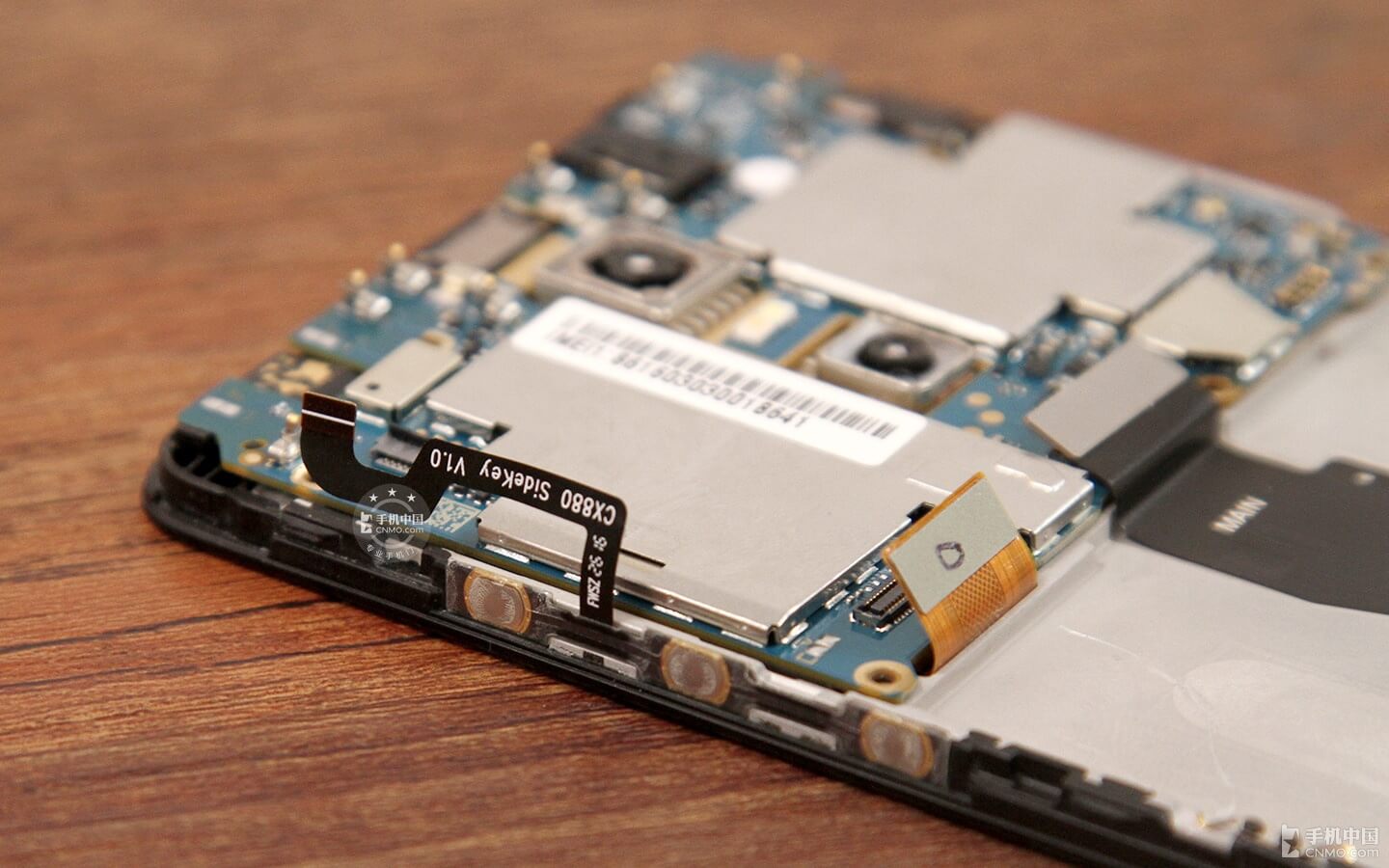
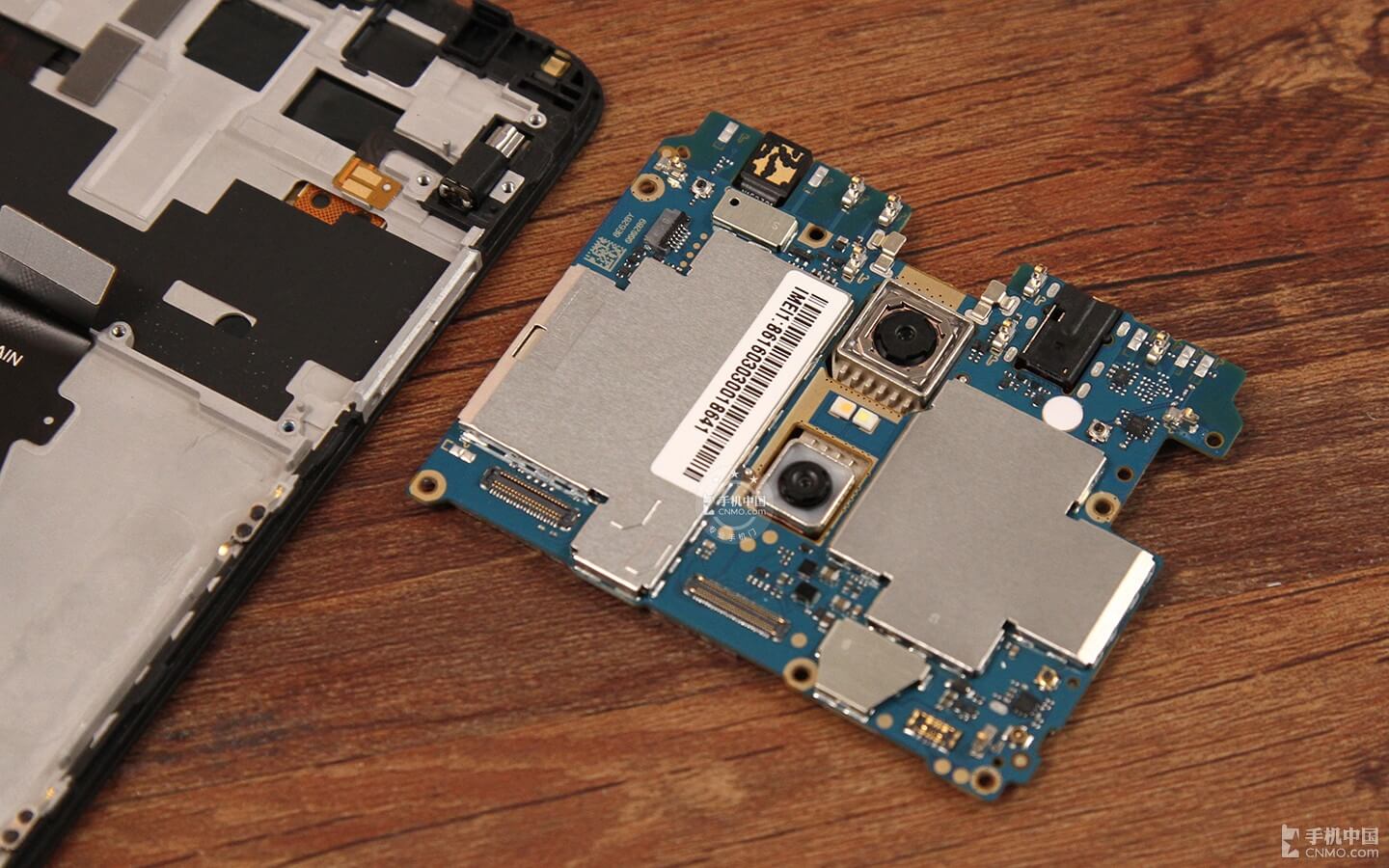
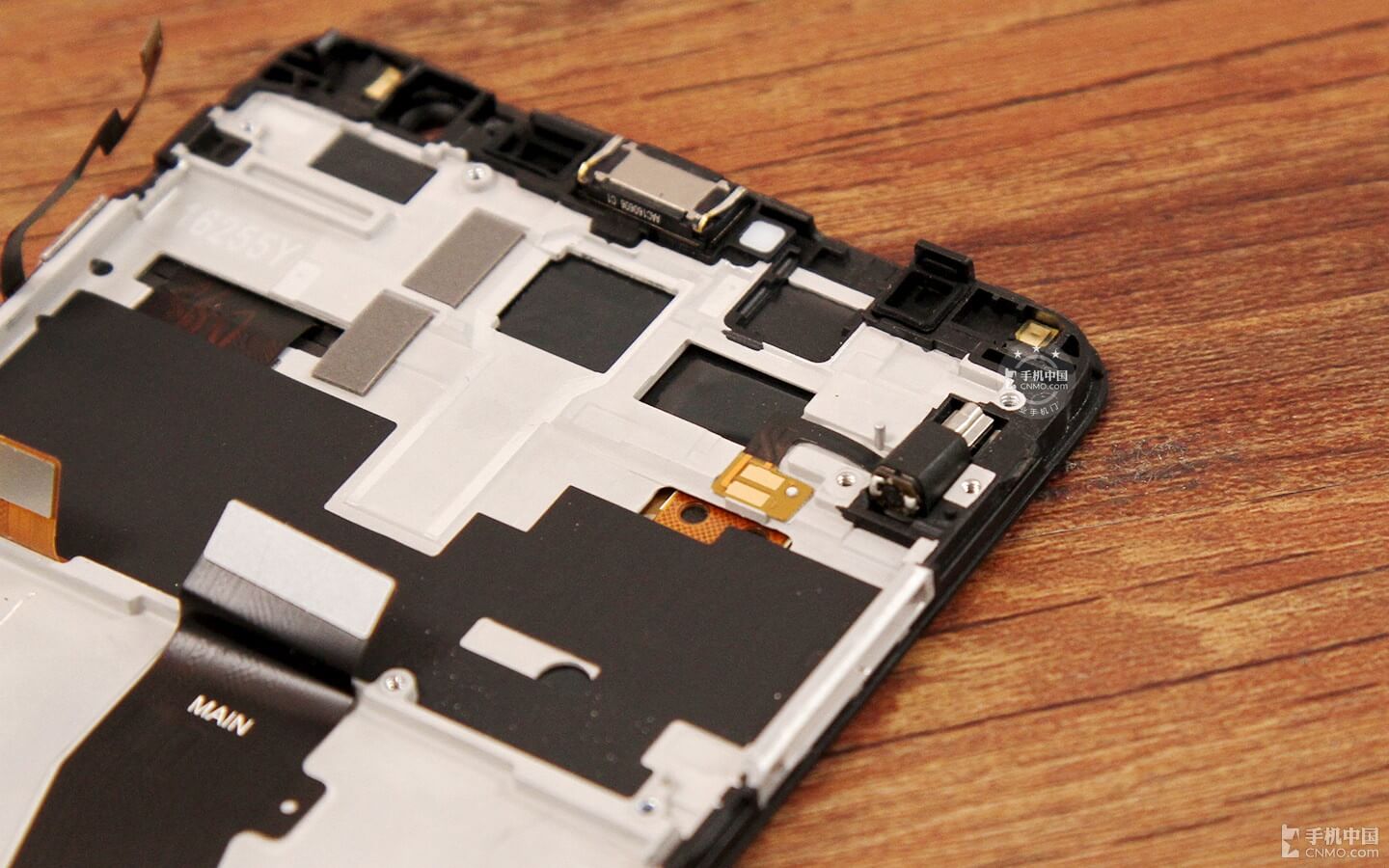
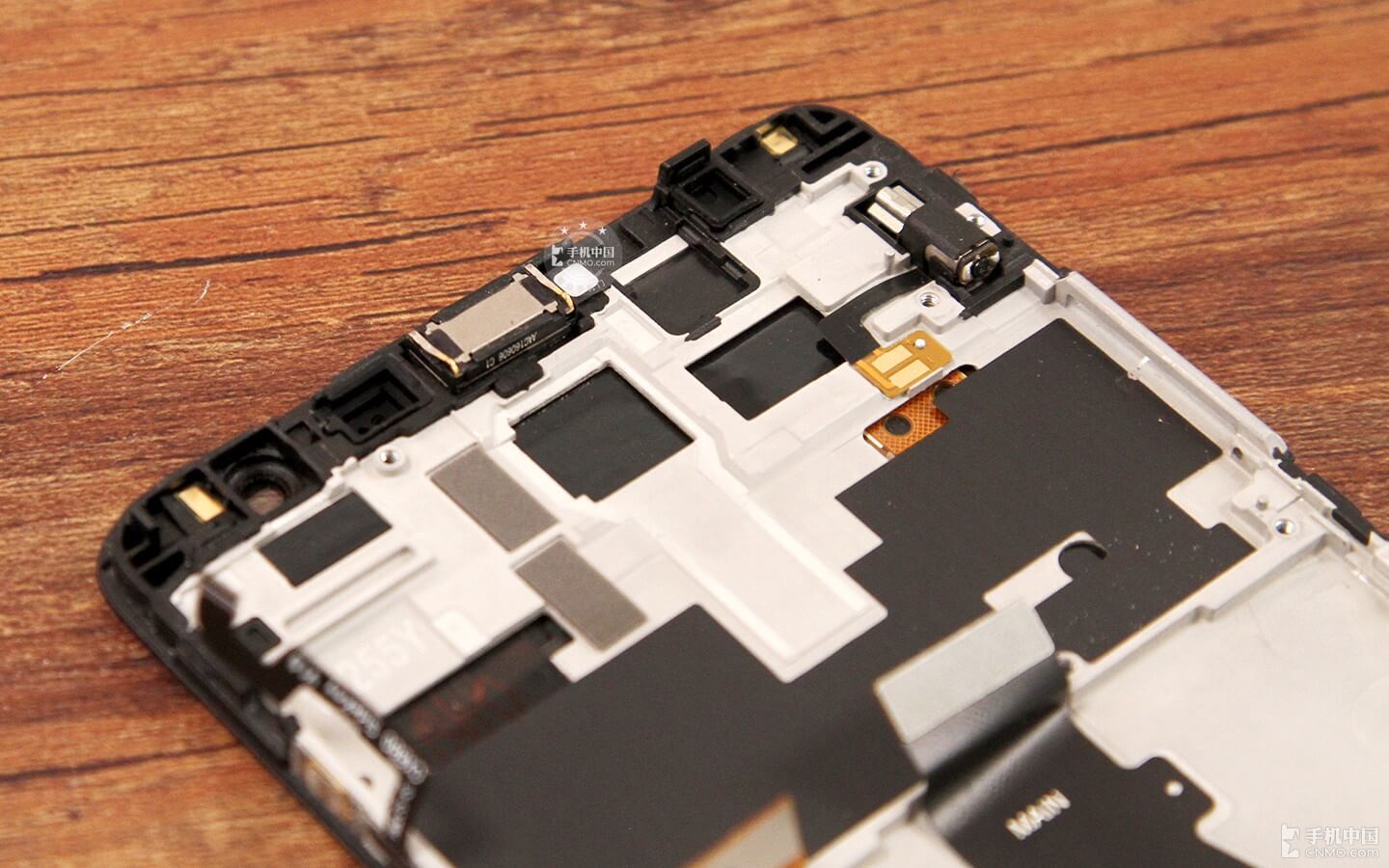
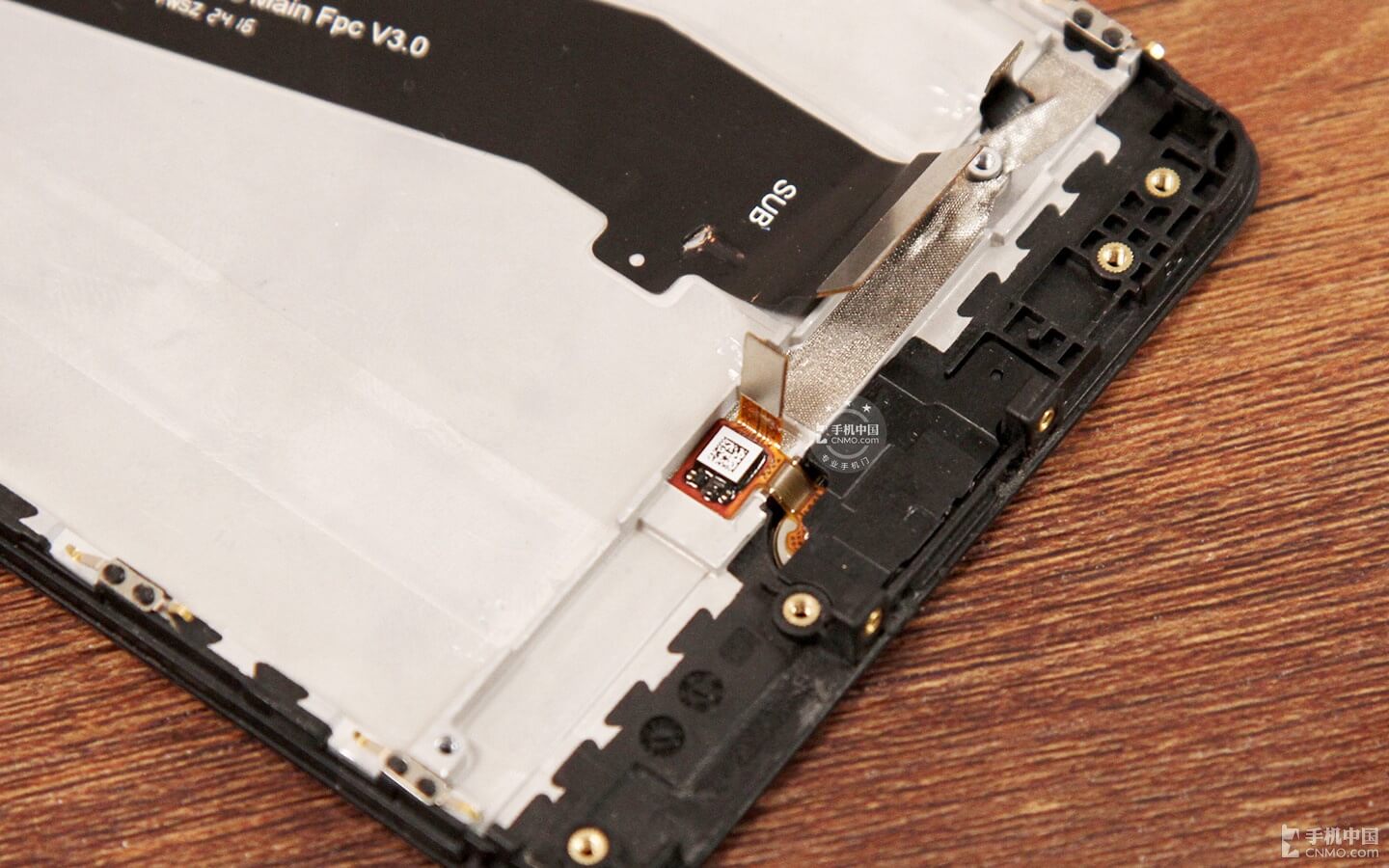
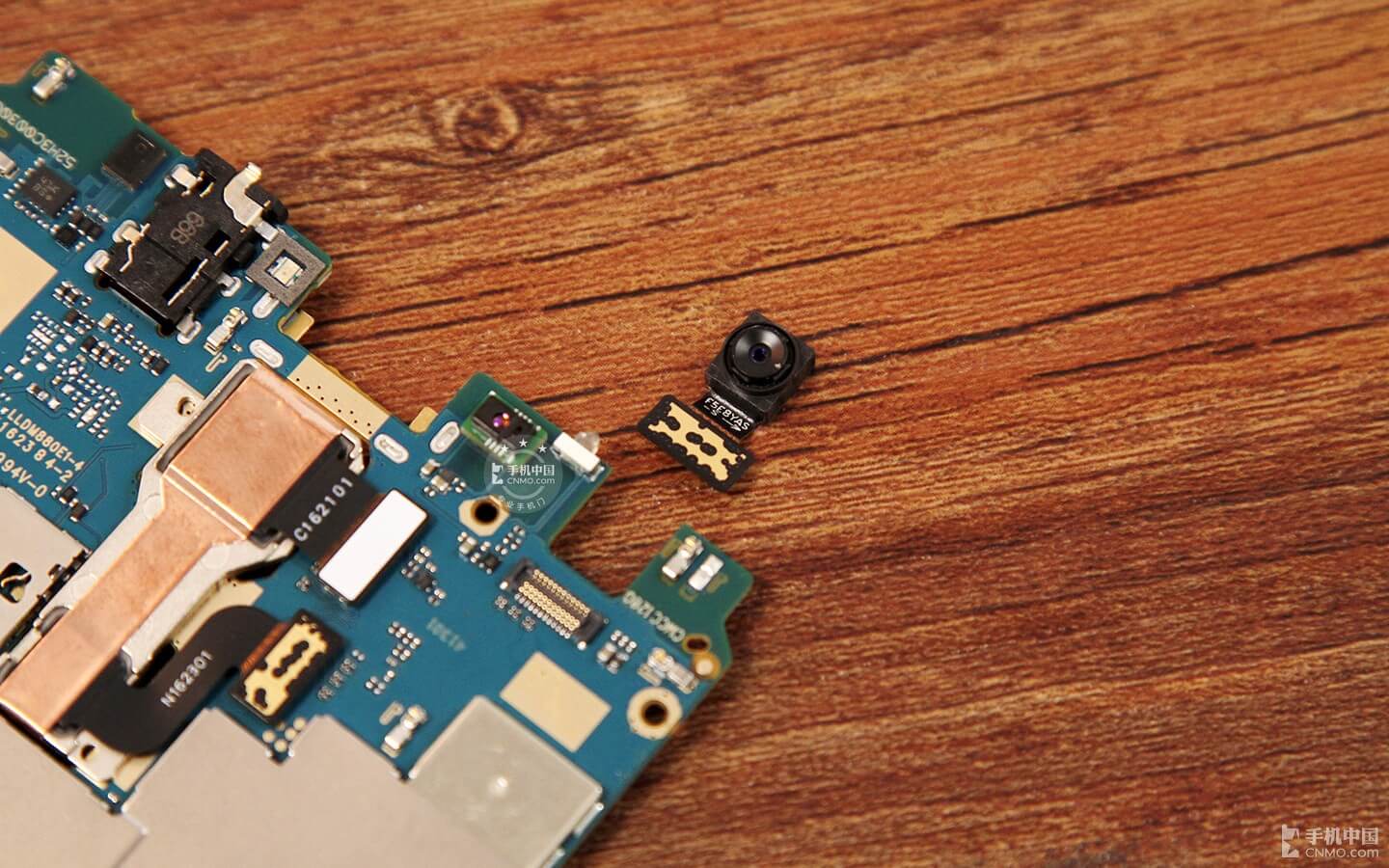
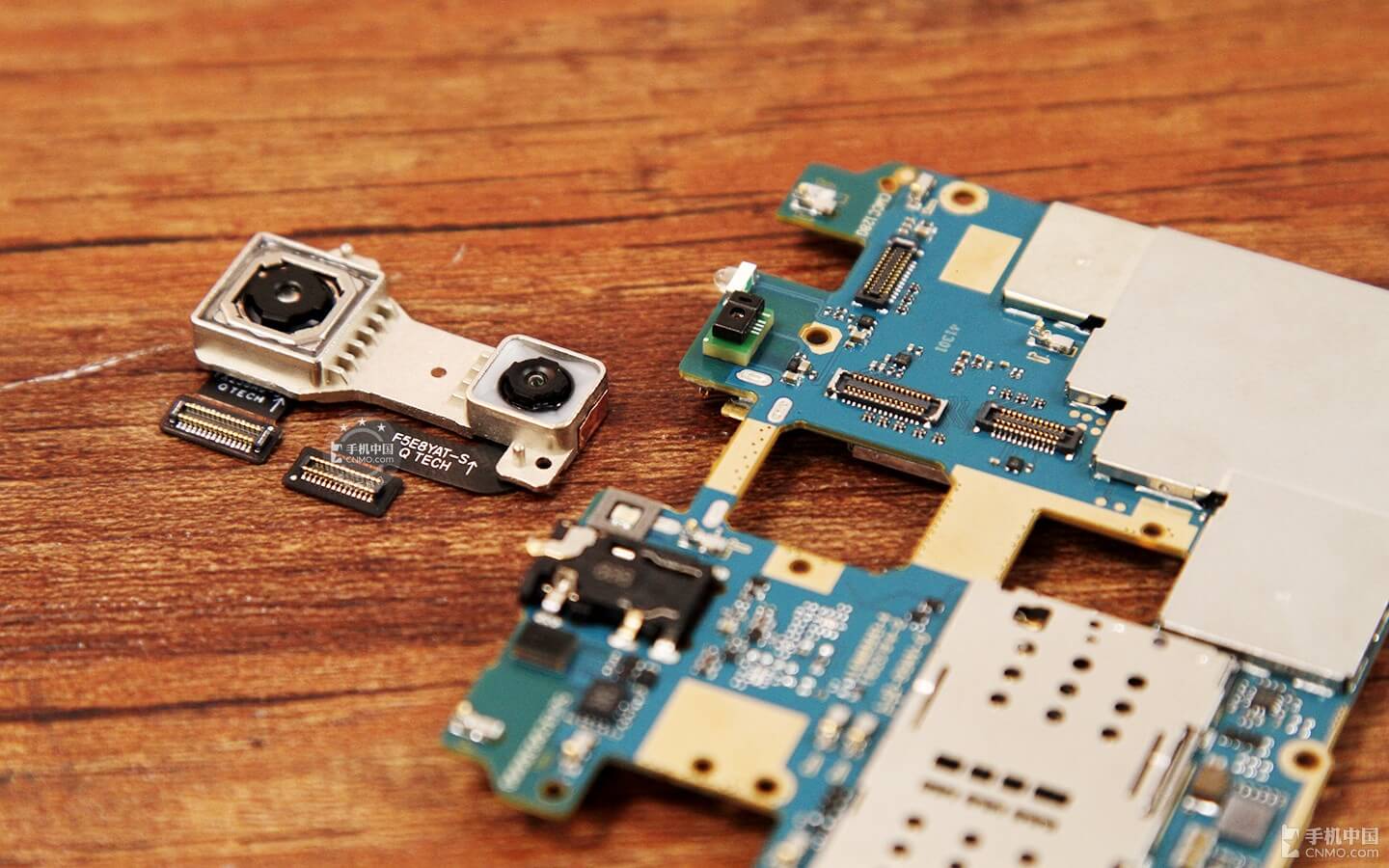
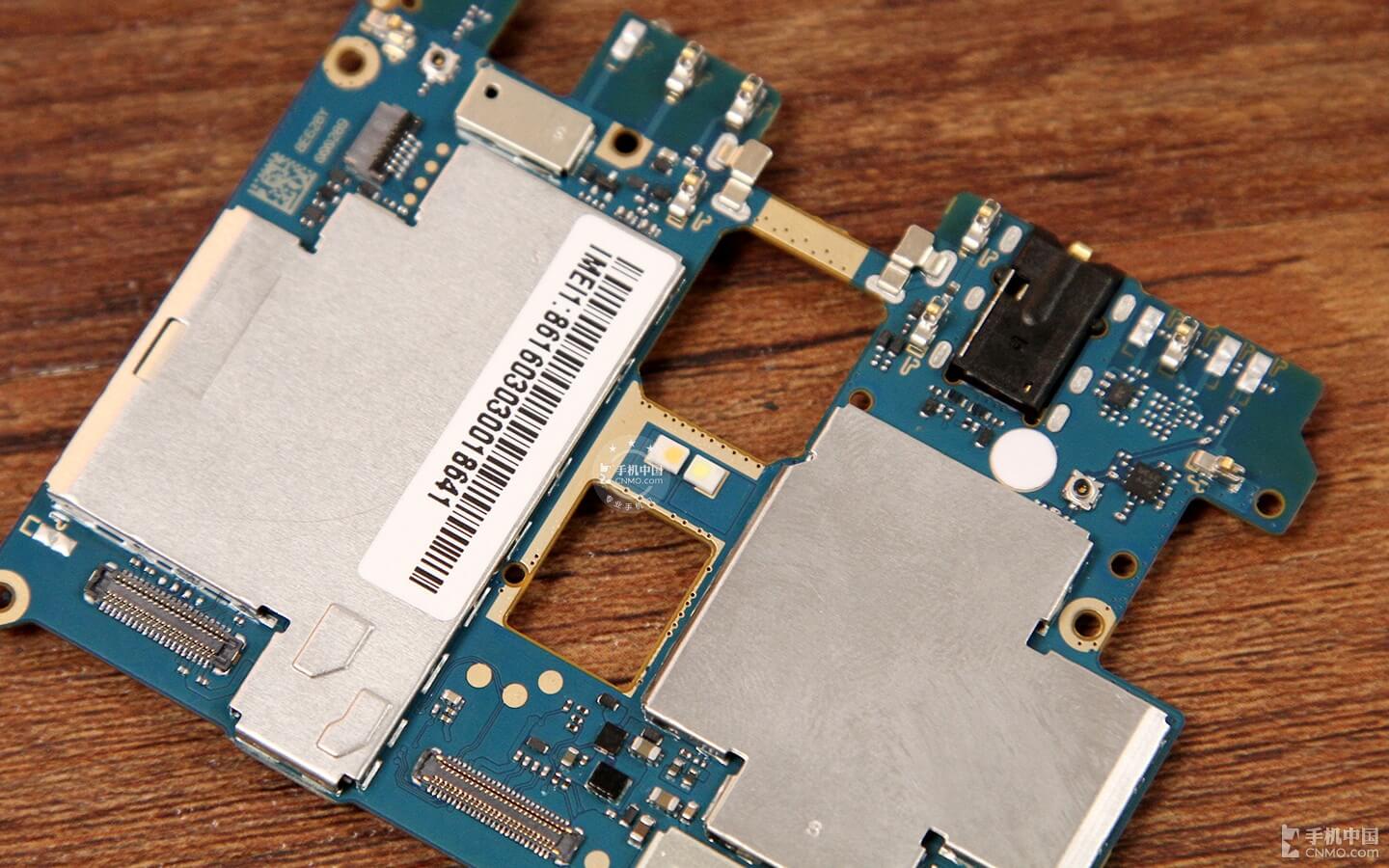
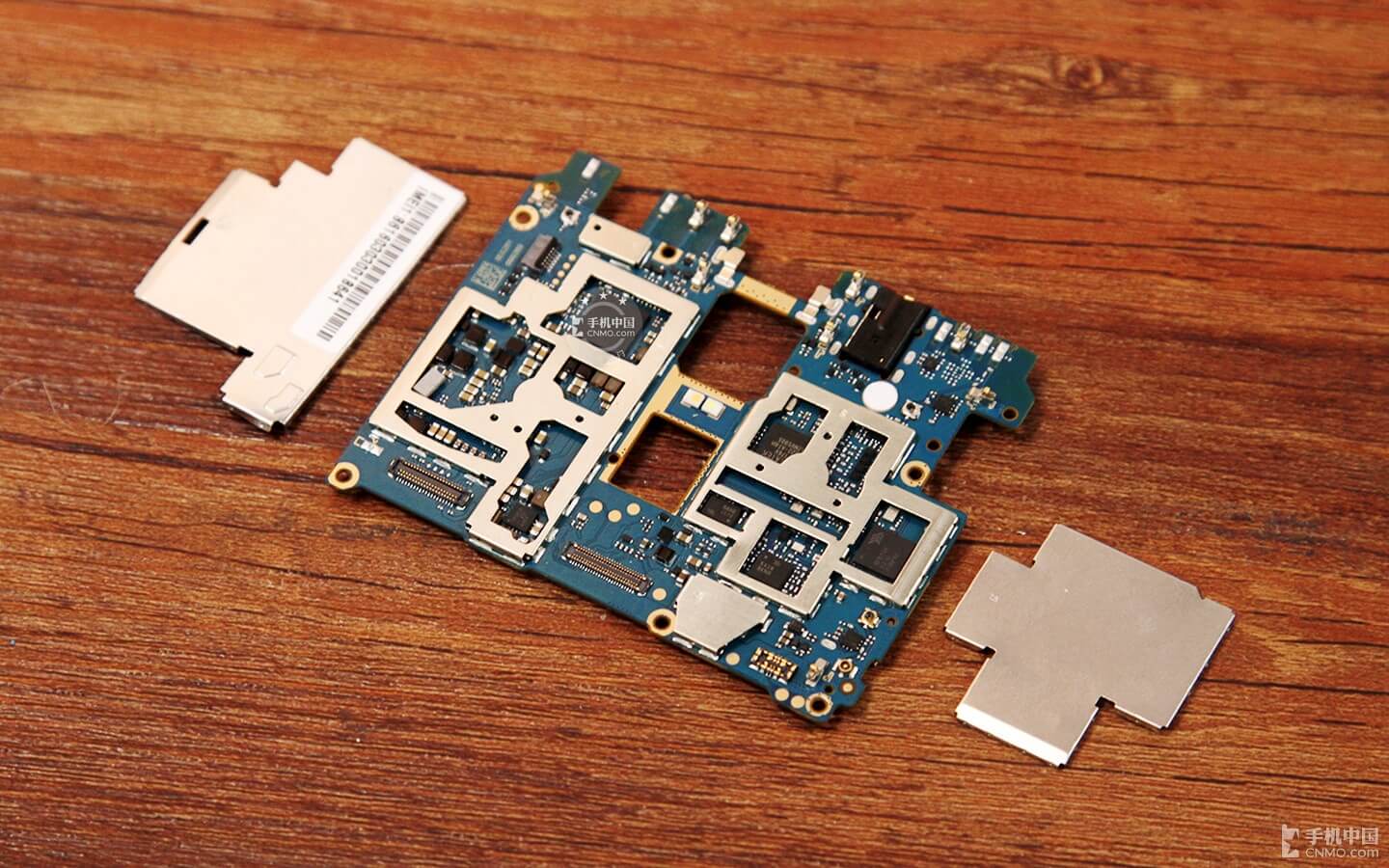
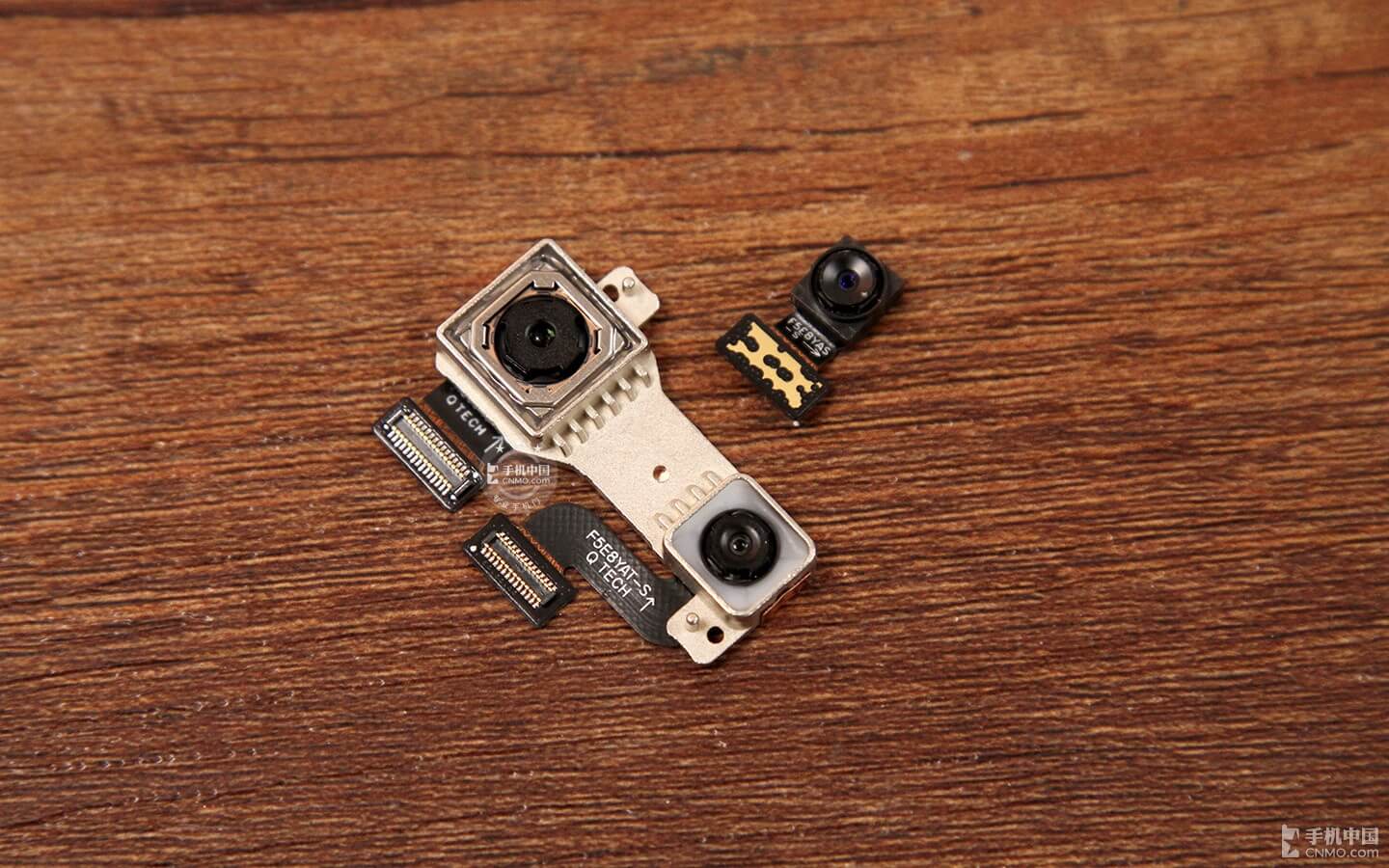
The Redmi Pro is Xiaomi’s latest flaghsip smartphone which was introduced at July’s end but just went on sale a few weeks back and already it’s got the teardown treatment.
The practice of dismantling an entire smartphone to see what lies under its hood isn’t just for fun but also to see if it’s easy or difficult to fix it if it gets to that point. We’ve got the entire teardown in photos right here.
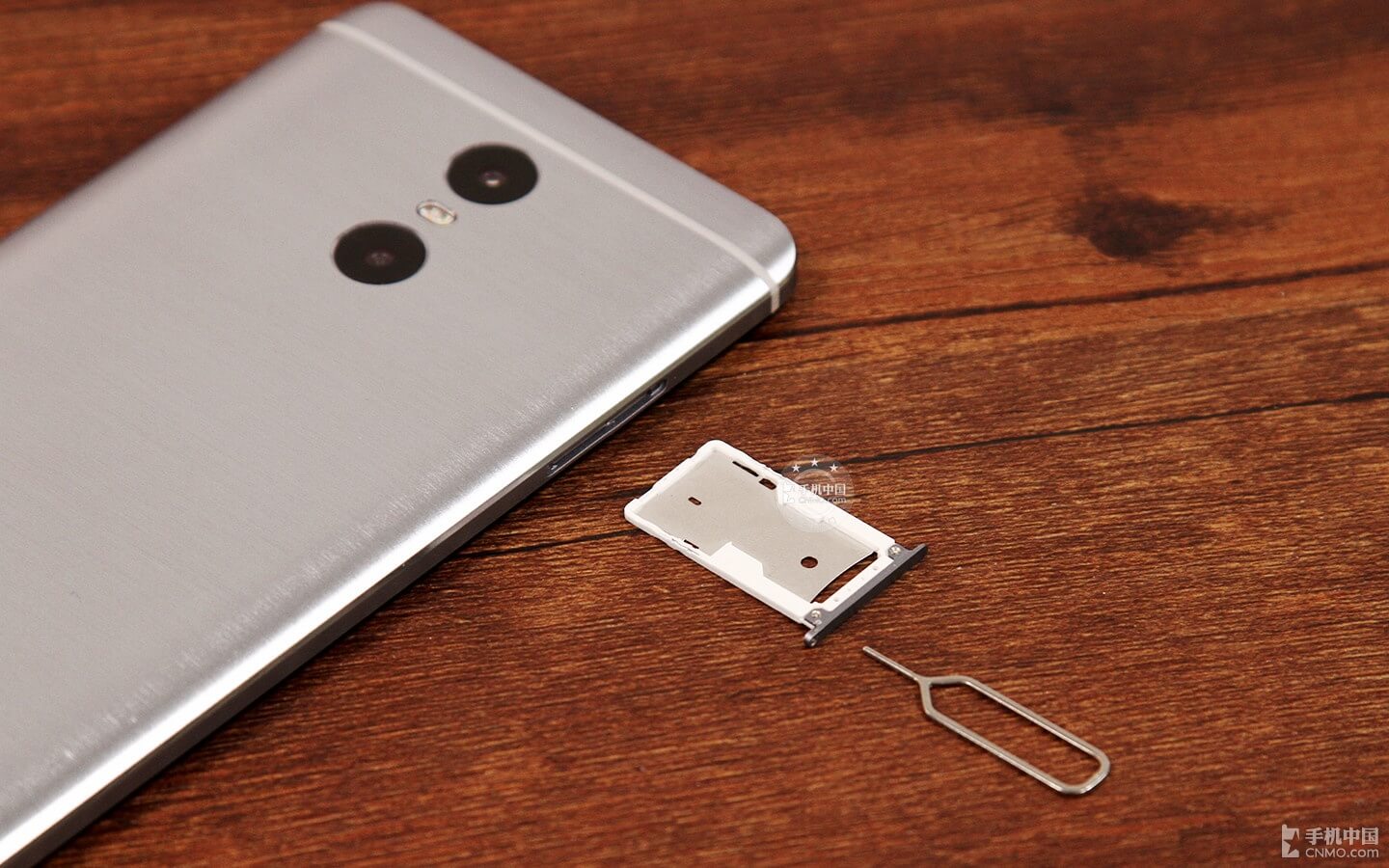
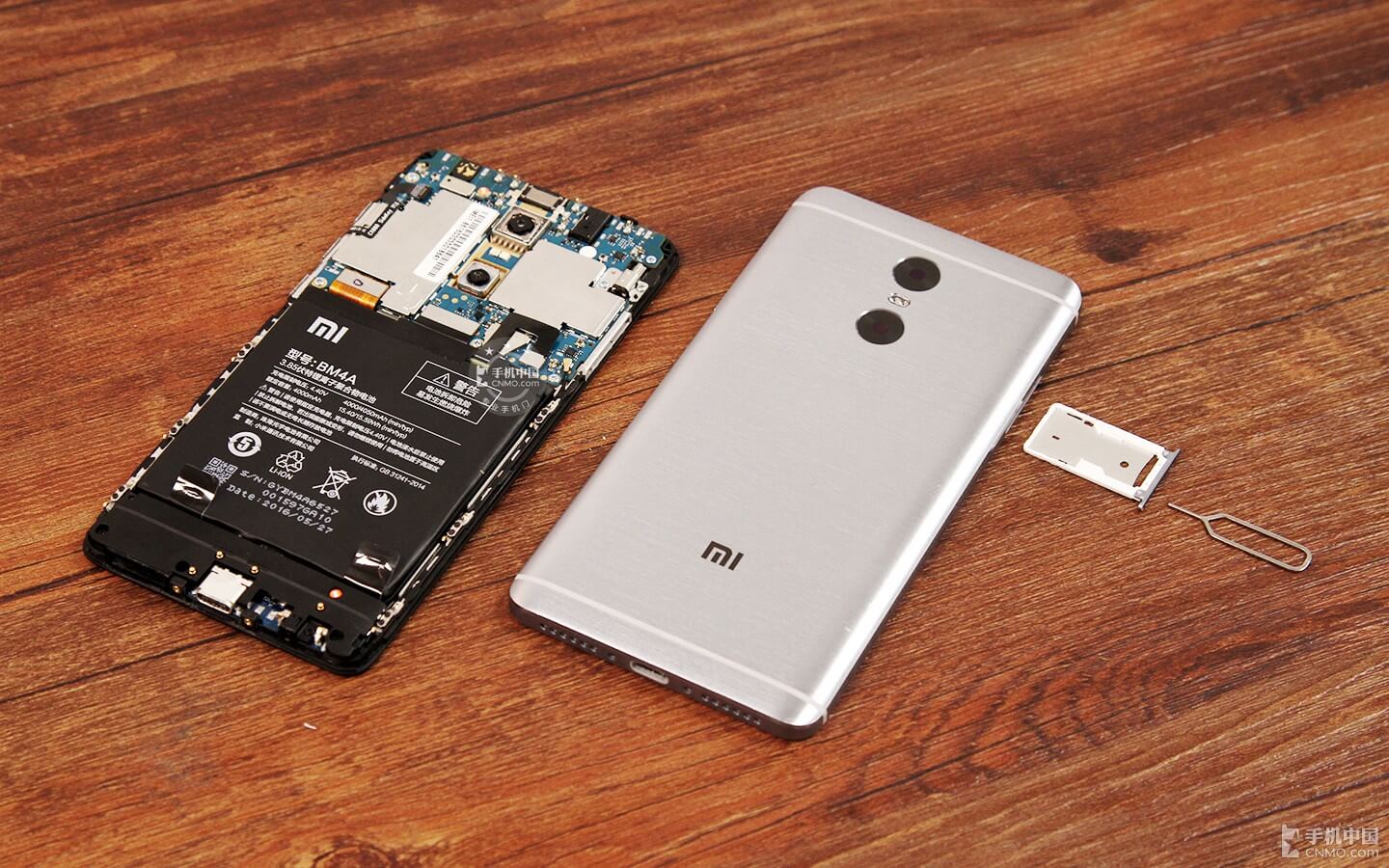
The teardown starts by removing the SIM card tray from its slot with the special ejector that comes with the device. Once the SIM tray is out, the back casing is the taken off, revealing the internals components. Pretty easy isn’t it?
Although the Redmi Pro comes with non-removable battery, the battery is also easy to take out once the back frame is off.
Once the battery is out, all the other components can easily be dismantled with a screw driver. Some components like the camera sensors are even removable without using a screw driver. You can follow the entire procedure in photos from the gallery down below but please don’t try this at home if you haven’t got the expertise.
As a reminder, the Redmi Pro features a 5.5-inch Full HD display with the display made from OLED, Xiaomi’s first device to have such. The smartphone comes powered by the Helio X20 and the X25 chipset for the higher 4GB RAM + 128GB version. What that means is that there are more than one versions, up to three specifically. There is a 3GB RAM + 32GB ROM version, another with 3GB RAM + 64GB ROM and a third with 4GB RAM and a whopping 128GB ROM. Another highlight of the Redmi Pro is the dual camera setup at its rear with a 13MP main camera and a 5MP depth of field sensor.The dual-SIM device crams a large 4,050mAh battery under its hood and there is a fingerprint sensor embedded inside the physical home button.
This is not a regular post, rather an advertisement to inform readers that xiaomiInsider.com (some of you must have visited this blog) is up for sale. So, anyone who is interested to make a living out of blogs, could contact the buyer to purchase the website.
XiaomiInsider, like the name suggests is a Xiaomi focused blog, reporting everything about the Chinese tech giant. The blog was started back in August 2015 and there are quite a number of published posts live on the website.
You can check out more about XiaomiInsider from this link.
If you want to contact the blog owner for purchase related queries, the contact details are as mentioned below.
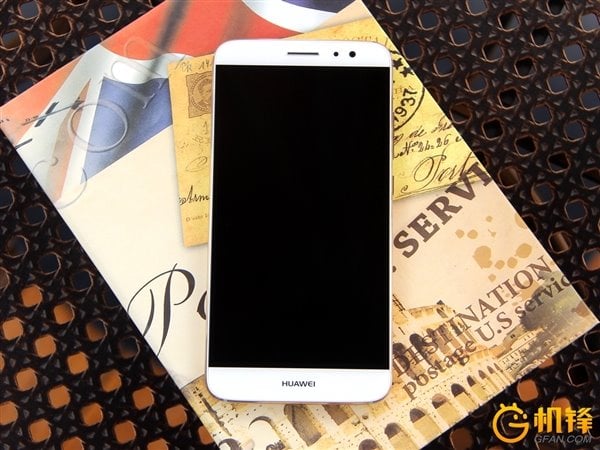
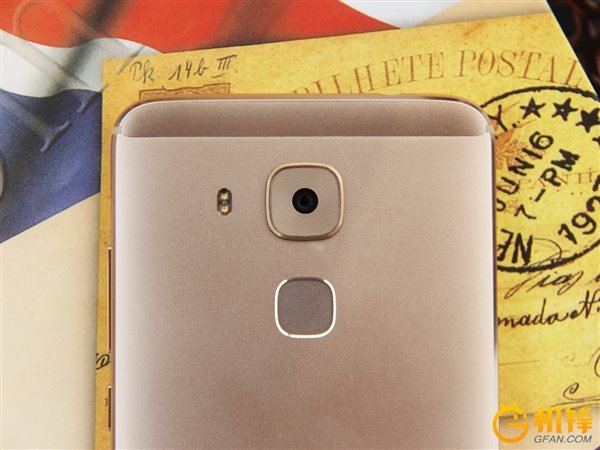
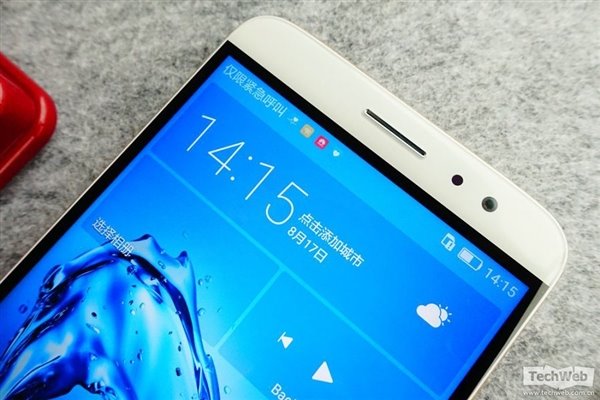
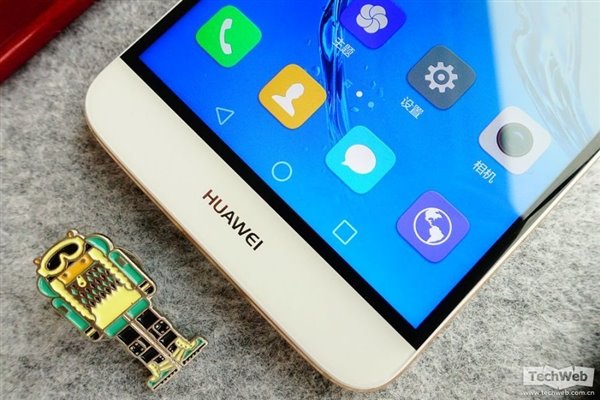
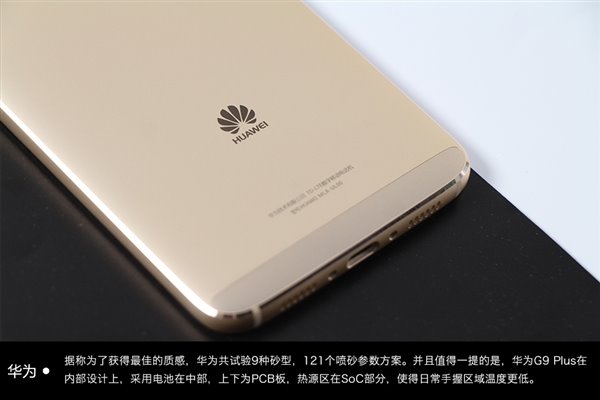
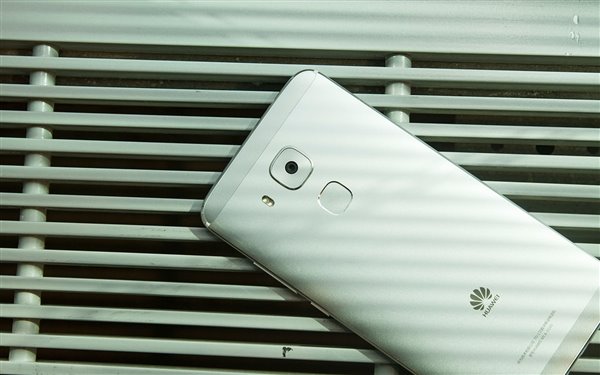
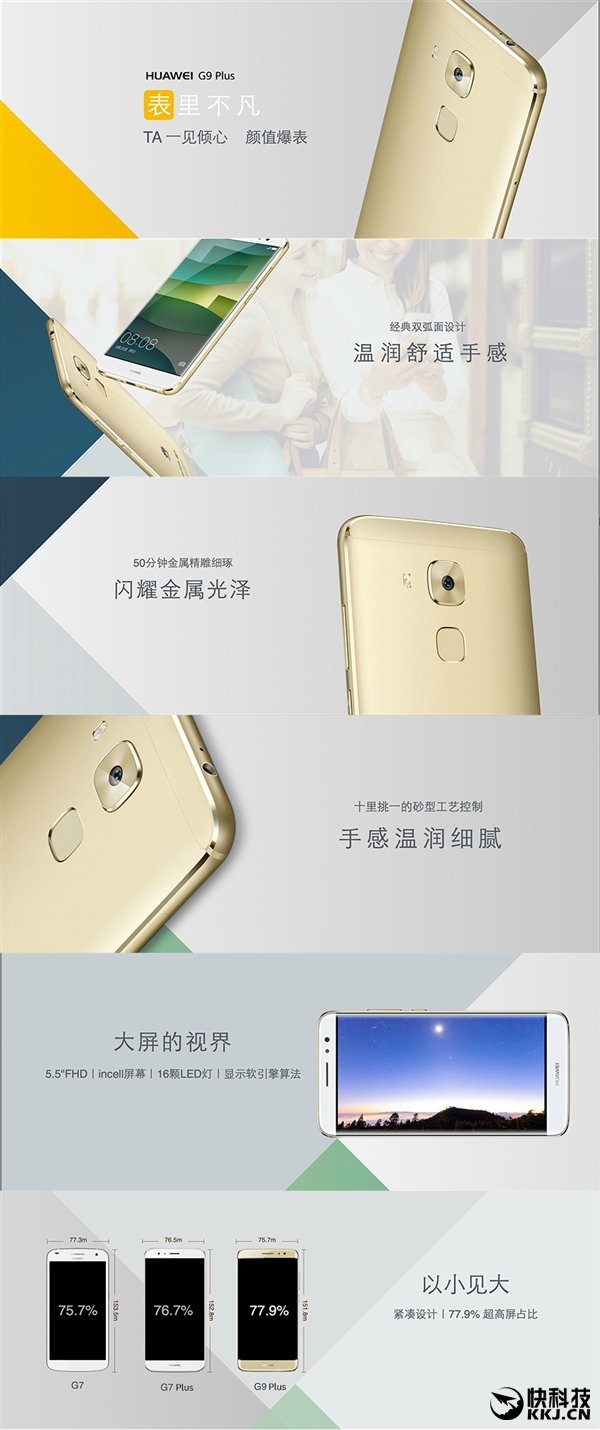
Huawei has unveiled its latest smartphone in China and it is called G9 Plus. The Huawei G9 Plus looks very much like the Huawei Maimang 5we saw about a month back and the specs also bear striking similarities except for some few things like the RAM size.
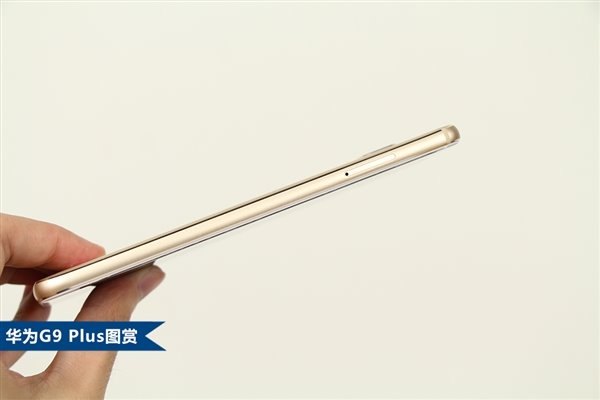
The Huawei G9 Plus sports an all-metal unibody available in elegant gold and platinum moonlight silver colors. The smartphone sports a 5.5-inch display with 1080p resolution a 3D fingerprint sensor at the back. There is are tiny design bezels surrounding the display on all sides and no physical Home button is present on the device.
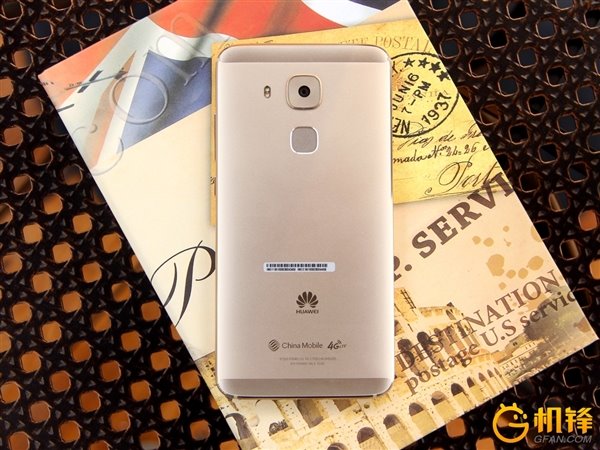
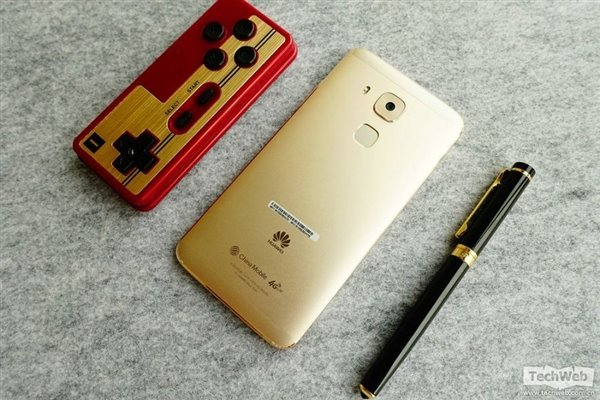
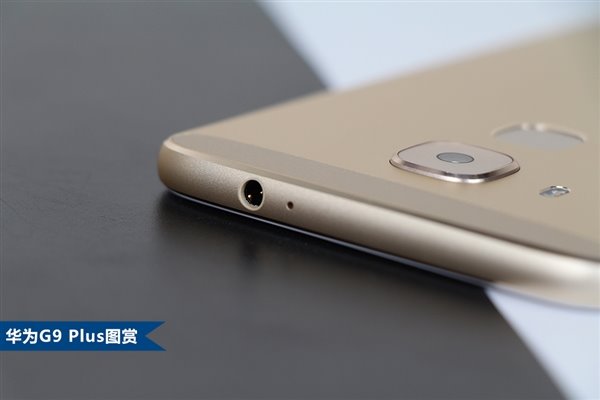
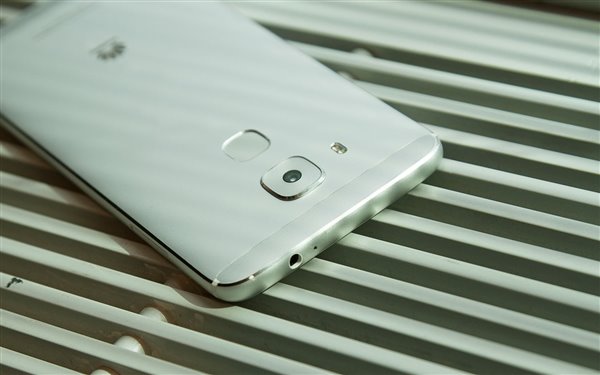
At its rear sits a 16MP rear camera unit which projects out of the body to form a sort of square bump. The dual-tone LED flash is just by the side of the camera which comes with support for Beauty 3.0 to enable you to tweak the photos you snap. Despite the 3,340mAh battery under its hood, Huawei G9 Plus still boasts of a flat body in terms of thickness.
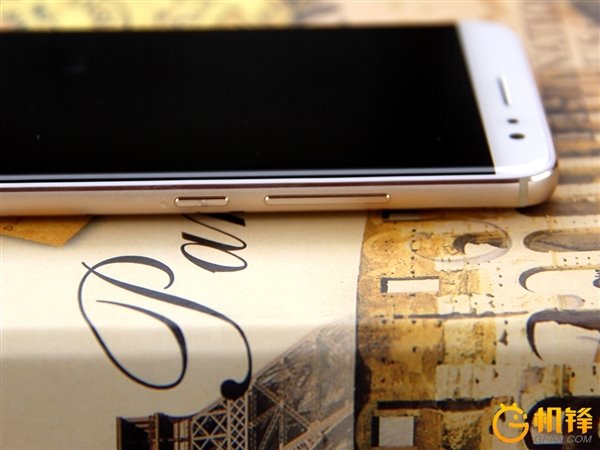
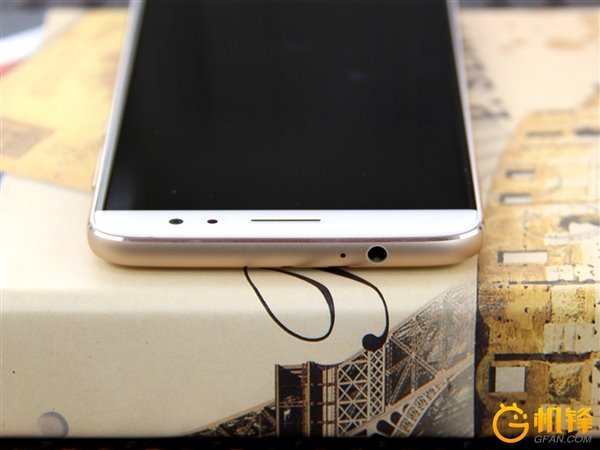
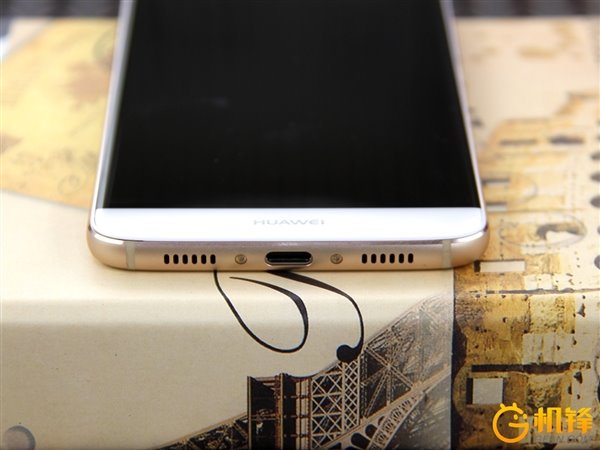
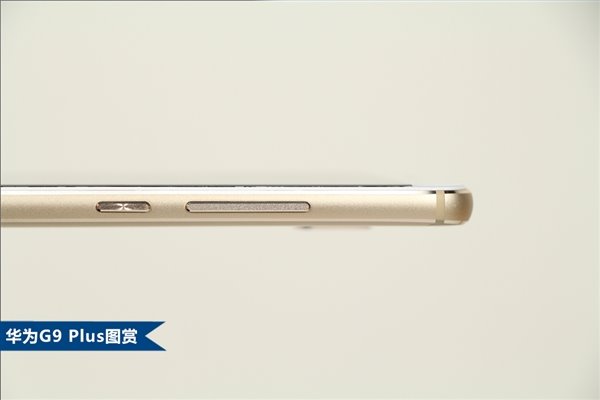
The sleek 2399 Yuan ($362) device also comes with a 3.5mm audio jack at the top edge and at the bottom, there is the USB Type-C charging port. There are also cool looking speaker grills on the sides of the USB port at the bottom edge. The volume control and power button are located on the right side of the device.
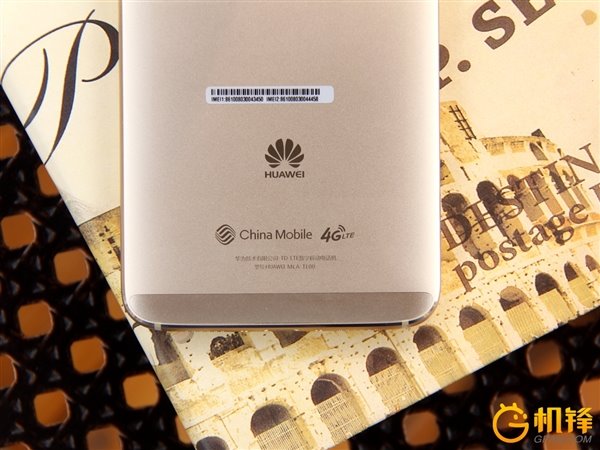
At the rear, the version meant for China mobile is clearly stated while there is no inscription of such on the non-carrier based model. Just like the Maimang 5’s design, the thin white colored antenna lines are visible at the top edge and at the bottom as well.
We found it difficult differentiating the G9 Plus from the Huawei Maimang 5 but you can check out more stunning photos of the Huawei G9 Plus in elegant gold and platinum moonlight silver color variants from below. Perhaps you can spot the difference.
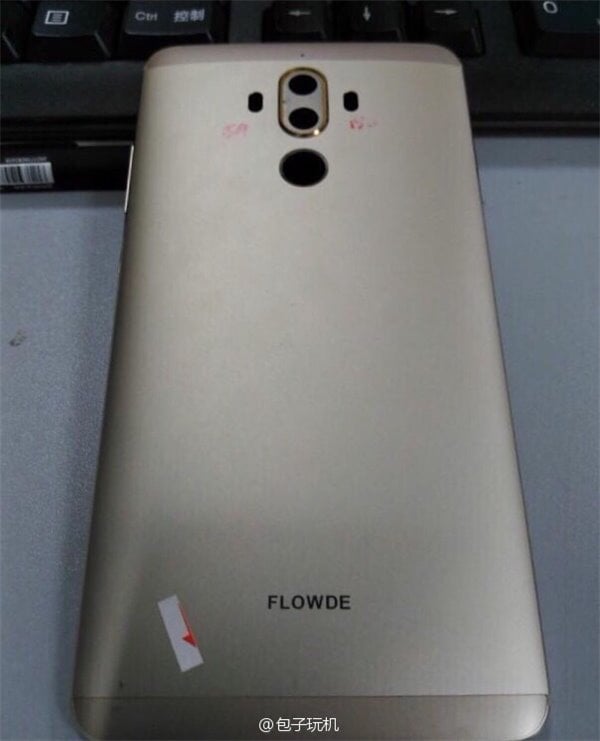
Huawei launched the G9 Plus a few hours ago and it is different from what we expected. First, there are no dual cameras, no 4K recording, and no 5.9” screen. The image we assumed to be the G9 Plus is definitely another phone. And turns out this is the Maimang 5 that was announced a month back, but for the China Mobile network.
Specifications
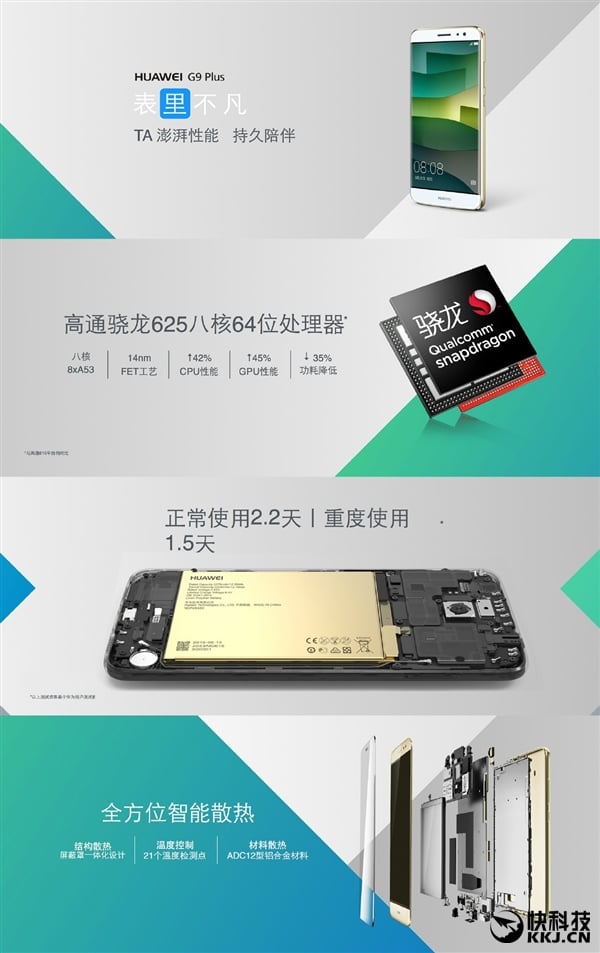
The Huawei G9 Plus features a 5.5” screen with a 1080p resolution. Huawei says the G9 Plus has a higher screen to body ratio than the G7 and G7 Plus. Underneath is a Snapdragon 625 processor clocked at 2.0GHz, 3GB of RAM, and 32GB of built-in storage.
It comes wth Android 6.0 Marshmallow with EMUI 4.1 overlay out of the box. The phone has a 16MP rear camera which is said to be on par with the Sony IMX298 sensor in the Xiaomi Mi 5. There is a 3340mAh battery which Huawei says should get you 2.2 days of normal use and one day and half of heavy usage. There is also a 3D fingerprint scanner positioned below the rear camera. Huawei says the phone is a China Unicom exclusive.
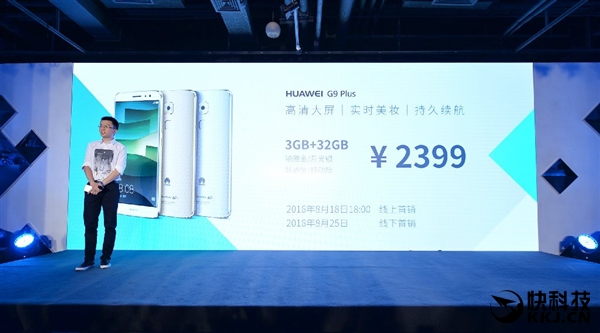
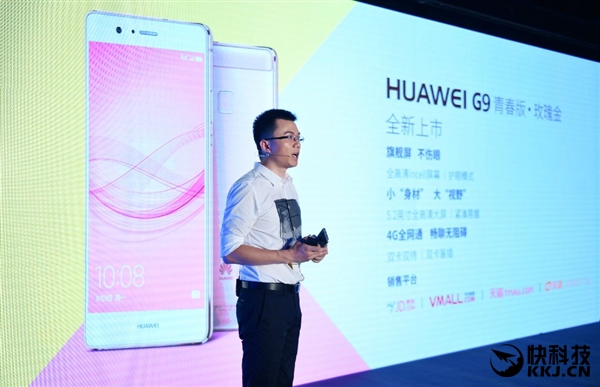
The Huawei G9 Plus will sell for 2399 Yuan ($362) and come in elegant gold and moonlight silver. It will be available for purchase today as from 1800hrs (Beijing time). Huawei also says the rose gold version of the G9 Youth will be available as well for 1699 Yuan ($256).
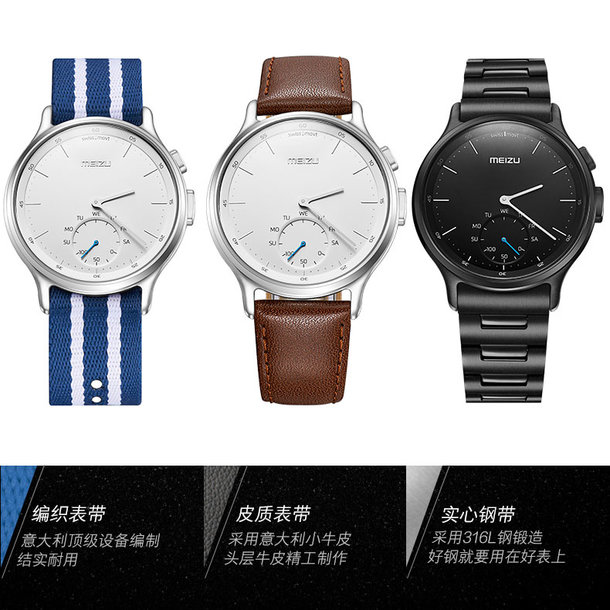
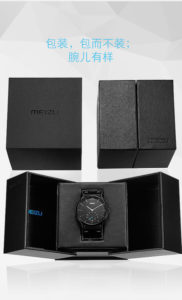
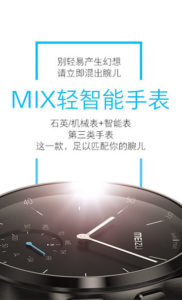
Meizu has launched its smartwatch on Taobao’s crowdfunding platform. The watch which is called Meizu Light Smartwatch looks like a regular watch but has some functions your regular watch doesn’t have.
There’s no AMOLED screen nor Android Wear (or regular android) and neither will you be able to change watch faces like you can do on the Huawei Watch. Do you remember the Elephone W2 Smartwatch? That’s what Meizu’s new watch reminds me of.
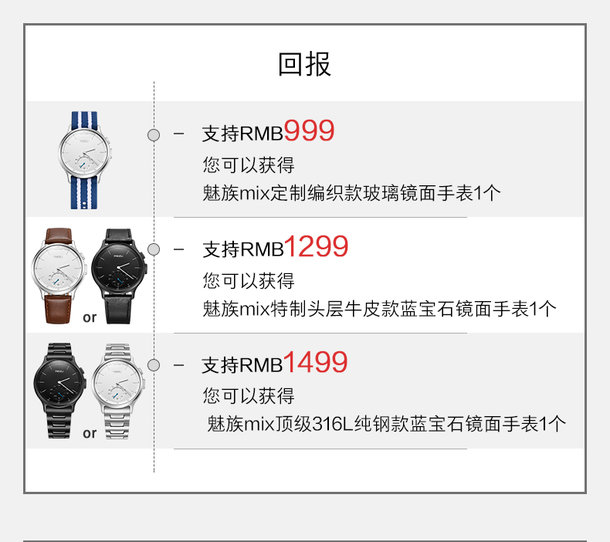
The Meizu Light Smartwatch however has it’s own strong points such as its stylish design and 240 days of standby power which is pretty impressive. The watch comes in 5 varieties to match different occasions/activities. There’s one with a chain-strap that comes in gun metal black and silver colours; if you prefer leather, you can also pick one of two colour options, brown or black; and a final one that has a blue and white nylon strap.
Specifications/Connectivity
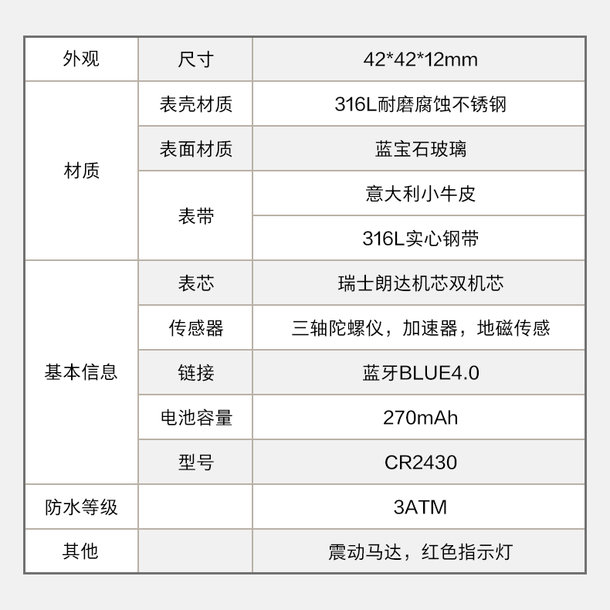
Dimensions for the watch says it will have a 42 mm diameter dial and 12 mm thickness. The Meizu light smartwatch’s surface is protected by sapphire glass and features a 316L solid steel band and frame. The leather version has its straps made from Italian leather. There’s bluetooth 4.0, a three-axis gyroscope, an accelerometer (for measuring steps), magnetic sensor, and a 270 mAh battery built-in. It is also water resistant up to 99 ft/30 meters (3 ATM).
Pairing the watch to your phone should be pretty easy after downloading the app as long as your phone supports bluetooth 4.0 and above.
Price
The watch is priced according to the straps. The unit with the nylon strap costs 999 Yuan ($150), the version with the leather strap costs 1299 Yuan ($196), and the one with the chain strap costs 1499 Yuan ($226).
If you want to purchase this watch, you should head to Taobao’s crowdfunding page and save yourself some cash as the price will definitely increase if you decide you want to wait for re-sellers.
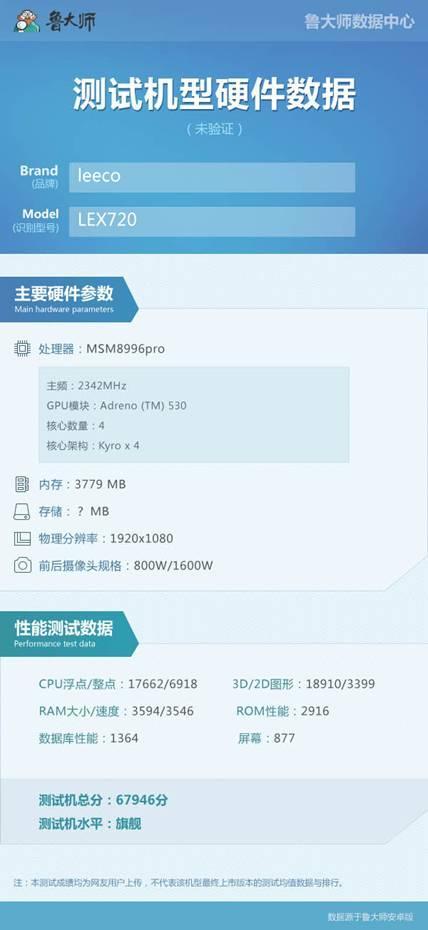
While, most people are only familiar with benchmarking apps and sites like GFXBench, Antutu, and Geekbench; Ludashi has been around for a while and has had many high end flagships benchmarked on it before their release in China.
Other specifications revealed for the phone says it will have 4GB of RAM, 32GB ROM, a Full HD screen, Adreno 530 GPU and the processor will have a clock speed of 2.4 GHz. It will also feature a 16 MP rear camera and an 8 MP front-facing camera. The RAM, ROM, and camera are the same as the one of GFXBench.
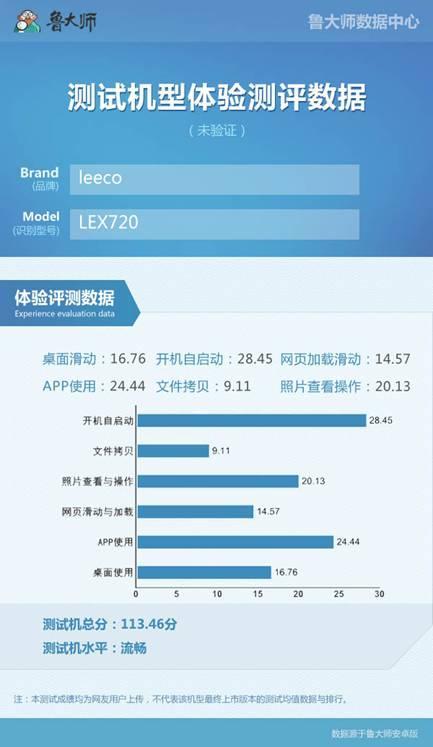
The images also reveal test scores. The phone scored a total of 67946 points for the performance test and 113.64 points for the experience evaluation data test.
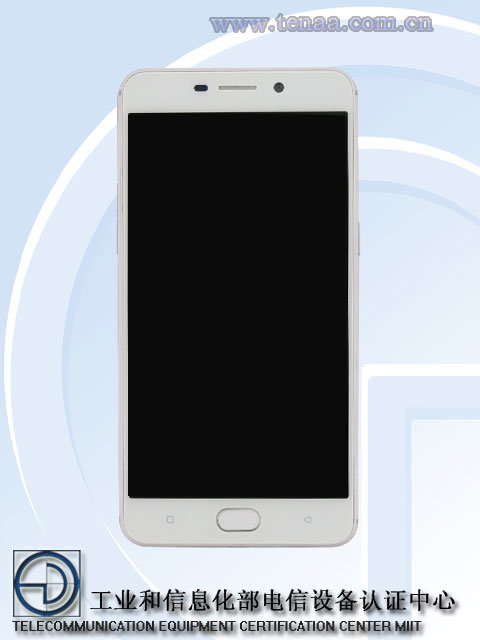
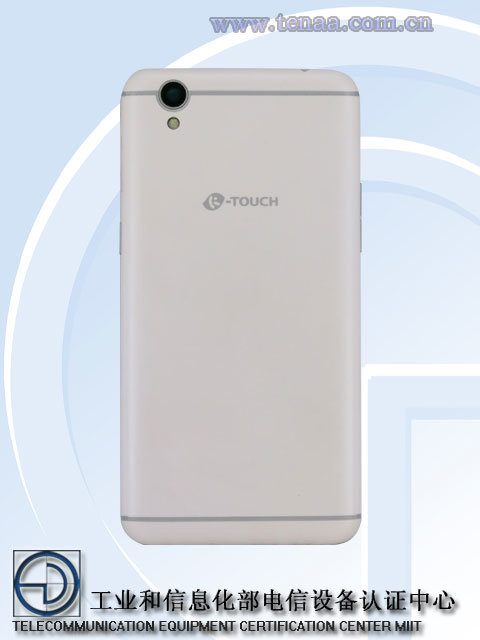
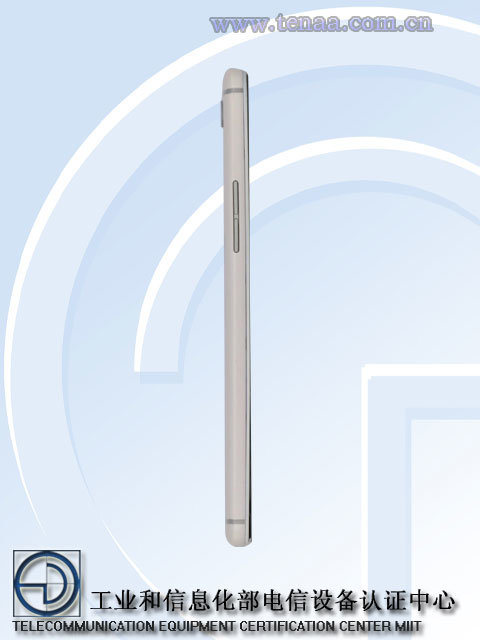
A new TENAA listing of a device is surprisingly identical to the OPPO R9has surfaced on the regulatory agency’s website. That, however, is not the shocker. The surprising thing is that this OPPO R9 lookalike is nothing like the flagship in terms of specs. The specs inside, including the display, are so bad, that only those who literally don’t care about the specs will want this handset.
The device spotted on TENAA looks very much like the OPPO R9. The power and volume keys are all located at the same place, so too is the antenna lines on the back of the device as well as the SIM card slot on the side. This is indeed an OPPO R9 clone, made by a company called K-Touch. In case you are wondering, this is the K-Touch X7 model.
The difference, however, lies in the display resolution and other specs as listed. The TENAA device is listed as featuring a 5.5-inch display with a rather low resolution of 960 x 540 pixels whereas the OPPO R9 had a 1080p resolution. Going further, the TENAA device is listed as equipped with a 1.3GHz processor as against the 1.95GHz processor on the OPPO R9. I understand there will be some who would be able to live with a 1.3GHz quad-core processor, probably the MT6735. However, I don’t know anyone who would settle for a 5.5-inch 540p display! In this day and age, 720p is standard, even in $50 phones, so I don’t know what K-Touch was thinking when they decided to make this model.
Other details listed include a 1GB RAM, 8GB of internal storage, and another version with 2GB RAM and 16GB of internal storage. Furthermore, the device is listed to run on YunOS out-of-the-box and not Android OS as well as having a 2000mAh battery. The TENAA device is listed as having a dimension of 154.5 × 77.4 × 7.8 mm as against the R9’s 163.1 x 80.8 x 7.4 mm dimension. So, its pretty close.
Although this phone is not yet released, do you think anyone in their right mind would buy this device just for the sake of its resemblance to OPPO R9?
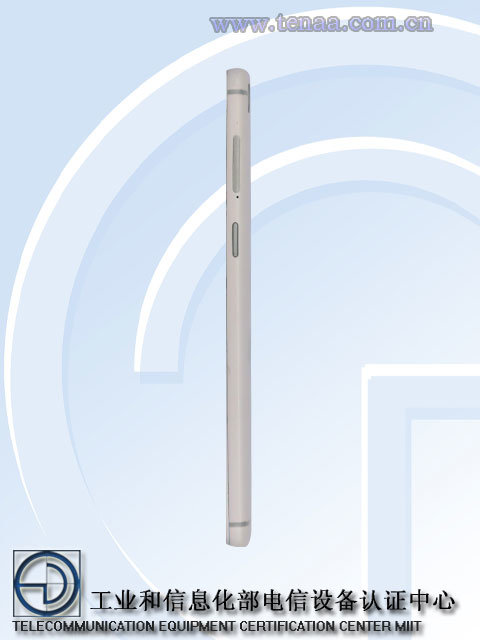
Two of Xiaomi’s expected devices, suspected to be the Redmi 4 and Redmi Note 4 have been spotted on China’s regulatory agency TENAA’s website, revealing some key specs of the device but the images of the smartphones were not revealed.
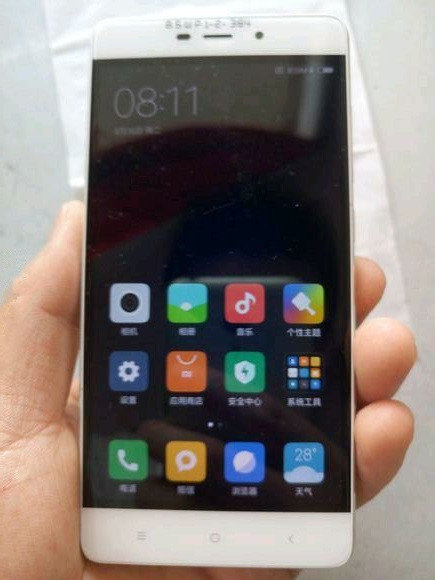
Before now, there has been rumors that Xiaomi will hold a news conference on August 25 where it is billed to release two new smartphones in the Redmi series. This TENAA listing comes just in time to lend some credence to the rumor, considering August 25 is by the corner. In addition, we spotted leaked images of what is likely the Redmi Note 4 with the on screen specs matching those listed on TENAA.
Xiaomi Redmi 4 TENAA
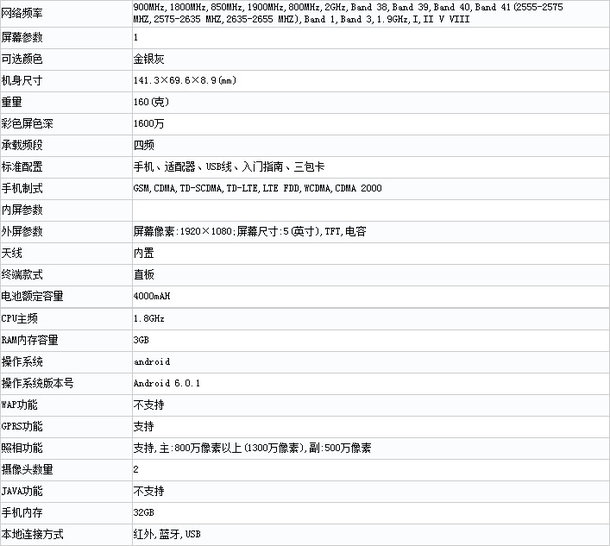
According to the TENAA listing the one suspected to be Xiaomi Redmi 4 features a 5-inch display with 1080 resolution and would be powered by a 1.8GHz processor which is to be the MediaTek Helio P10 chipset. The device is also listed as having 3GB RAM and 32GB of built-in storage . There’s also a 13MP rear camera sensor and a 5MP front camera. The suspected Redmi 4 is also listed to boot Android 6.0 Marshmallow out-of-the-box and will have a huge 4,000mAh under its hood. Quite curiously, the device is also listed to feature infrared transmission.
Xiaomi Redmi Note 4 TENAA
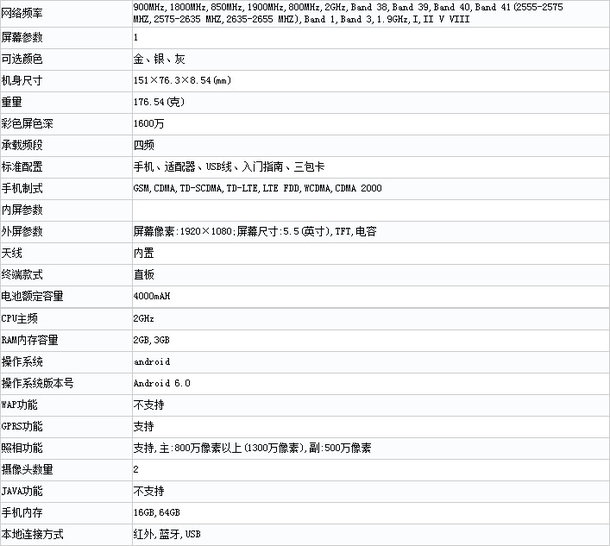
On the other hand, the Xiaomi Redmi Note 4 is listed as having a 5.5-inch display with a resolution of 1080p. The smartphone also said to be powered by a 2GHz processor which is suspected to be the Helio X20 chipset as against the Snapdragon 652 processor earlier rumored to be on the device. The Redmi Note 4 is listed as having two versions, one with 2GB RAM and 16GB of internal storage and a higher version with 3GB RAM and 32GB of internal storage.
In addition, the Redmi Note 4 is listed to feature a 13MP rear facing camera as well as a 5MP front facing camera. There is the Android 6.0 Marshmallow oprating system to run the show and the device also support infrared transmission as well as packs a massive 4,000mAh battery under its hood.
Xiaomi Redmi Note 4
We were also gifted leaked images of what is likely the Xiaomi Redmi Note 4 on Weibo and the device looks quite stunning. Apart from the beautiful design Xiaomi is planning to offer us, we also had an on-screen peek of the specs of what is likely the 2GB RAM + 16GB ROM version of the Redmi Note 4 and they align properly with the TENAA data.
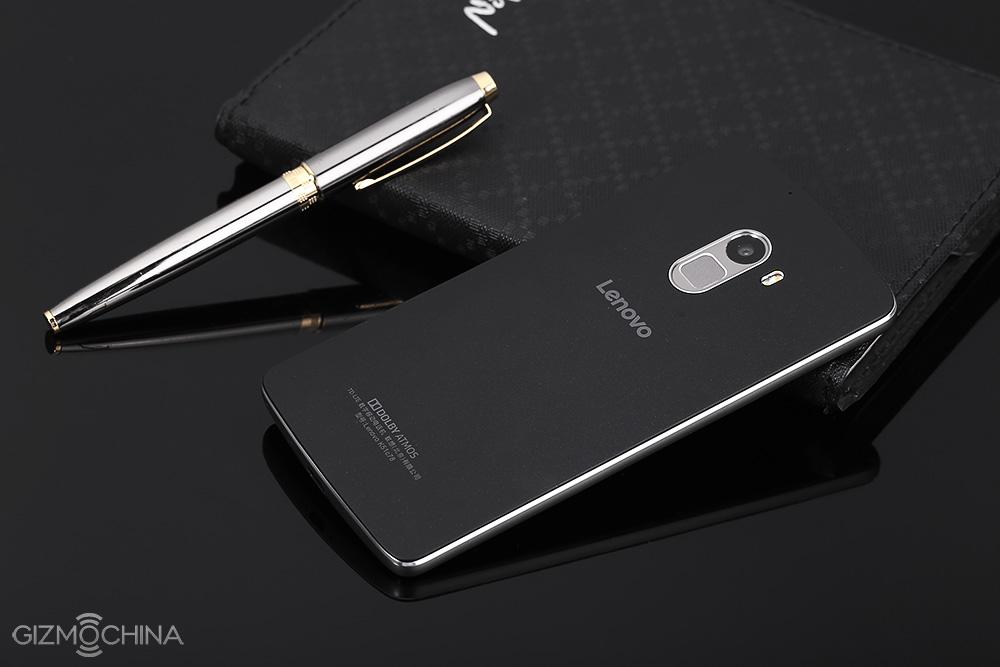
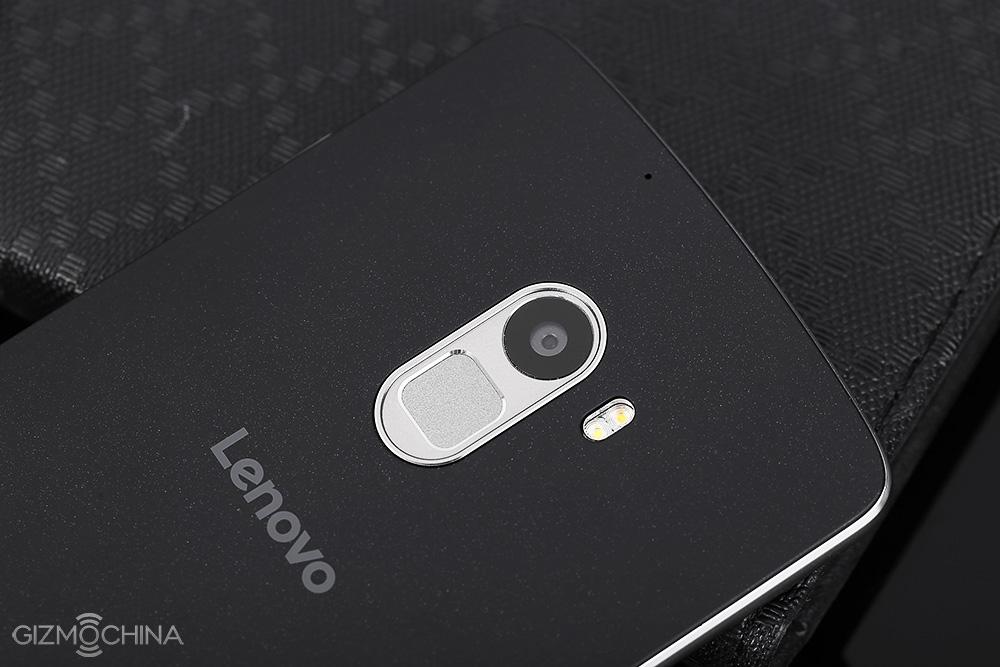
Lenovo has been known for making great devices at affordable prices. Their X3 Lite is a pretty phone for the price and now you can get it for just 133.99$ from Everbuying.net with a coupon code that you will find at the end of this article.
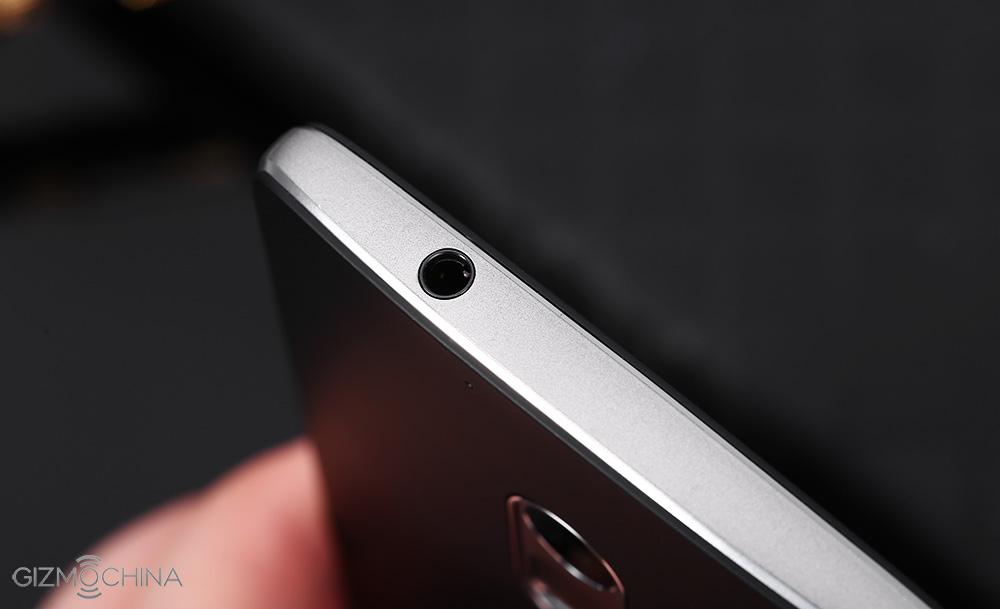
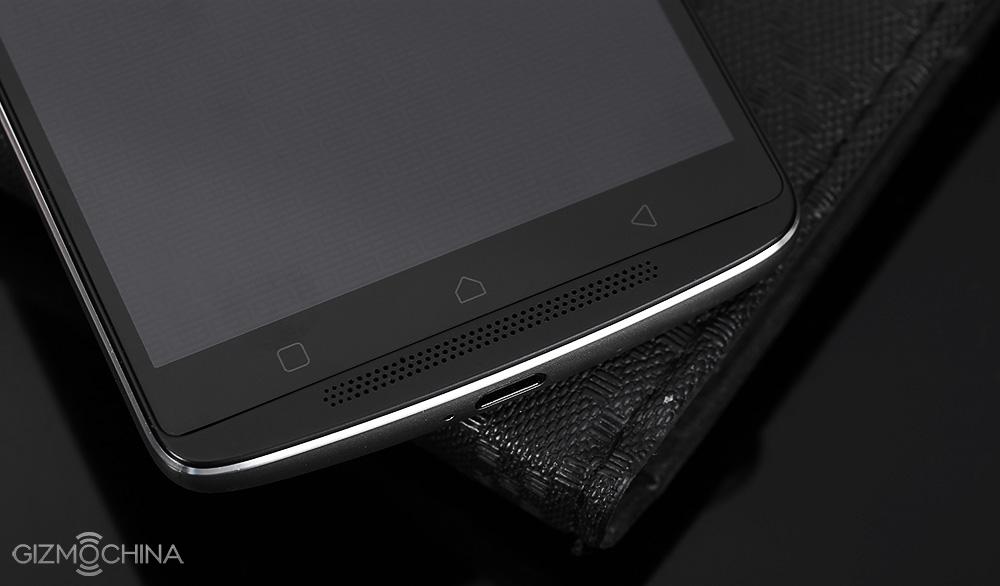
It sports some premium materials like metal in its design. There is nothing we haven’t seen before as far as aesthetics go, but the phone definitely looks a bit more expensive than it is.
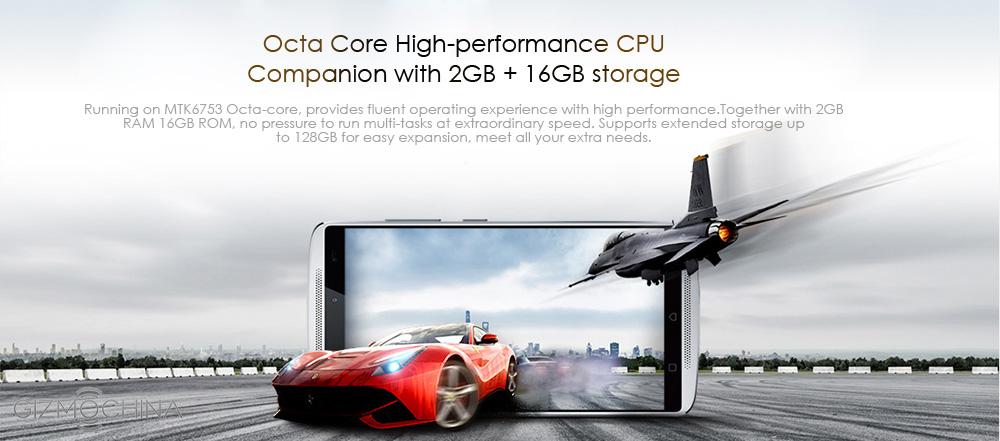
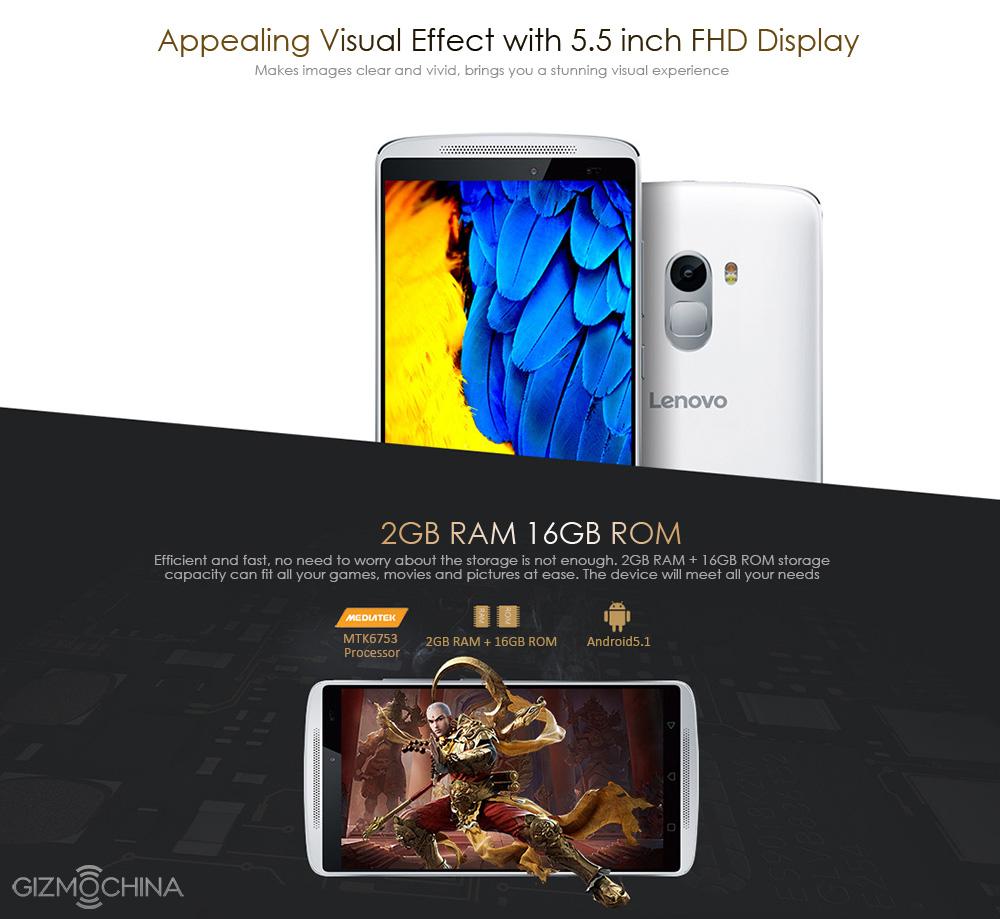
Lenovo put some powerful internals to power up this budget smartphone. It has an octa-core MTK6753 chip, 2GB of RAM and 16GB of expandable storage via the microSD card slot. These specs have already proven to be enough for day-to-day and even some 3D games on medium graphics on many Chinese smartphones. We are sure that the Lenovo X3 Lite is no exception.
It’s not all the time we get a 5.5″ IPS 1080p display with 401PPI at this price point (usually sub-$130 phones have 720p panels).
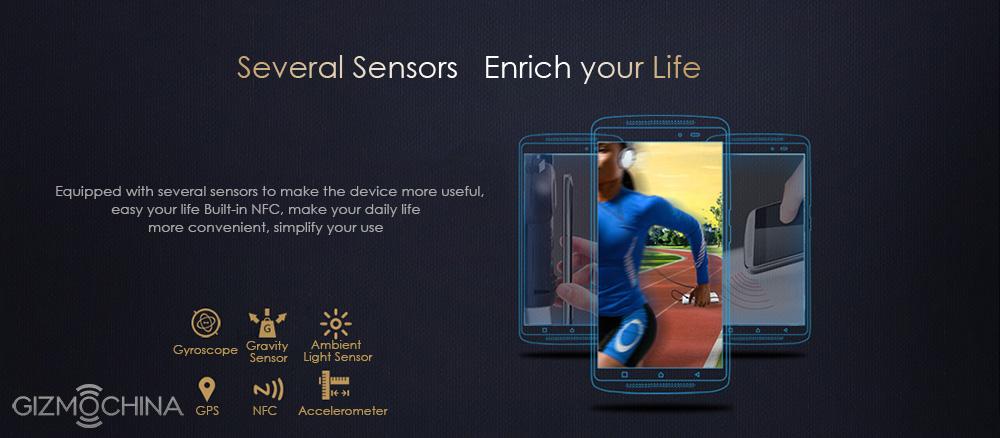
The Lenovo X3 Lite also has a variety of connectivity options and sensors to ensure a great all-around user experience.
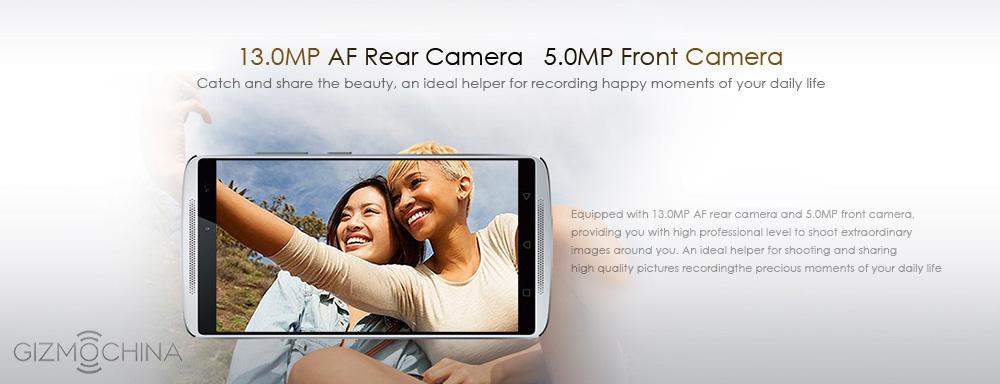
As far as optics go, the phone is equipped with a combo of 13MP/5MP cameras. Usually, we don’t expect much from budget devices but Lenovo has been known for putting great camera sensors even in their affordable smartphones’ lineup.
Lenovo X3 Lite is indeed a compelling offering considering the overall package it offers.
Another day, another giveaway. This time, we are here to giveaway a brand new Pepsi P1S smartphone that has been in the talks for the past few days on our website. Linas has already reviewed it and he thinks its a great smartphone for just $93. Considering the specs, it is indeed a decent phone at this price and make sure you check out our extensive review of the device.
You can participate in the giveaway by following the instructions given in the gleam widget. We would like to thank banggood for sending in the unit for review. Make sure you check out the website for awesome deals on phones, tablets and other gadgets.
One accessory which affects the size and weight of smartphones is the battery. Usually, smartphones with large batteries often weighs more and are thicker than those with moderate to small battery capacity and unfortunately smartphone makers haven’t been able to give us phones with massive capacity battery but thin and light weight.
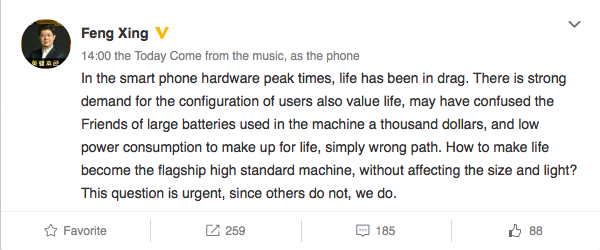
LeEco has however hinted at the possibility of them having the solution to the snag and we’ll see that when it launches its expected Le 2s. The LeEco Le 2s which is said to cram a massive battery (most likely 5000mAh) with a thin battery design, according to a Weibo post by Feng Xing who is the President of Mobile business at LeEco. Mr Xing disclosed that LeEco has got the answer to the question of how to produce flagships with large batteries without it affecting the size and weight of the device. A solution, which he thinks others haven’t got.
There’s a good reason why we think he’s talking about the Le 2S. If you have been a regular reader of gizmochina, you would know that Weibo often reveals the device used to submit the post. In this case, the model is unknown as it’s just shown as LeEco phone, which should be a good indication that this is being posted using an unannounced model, most likely Le 2S.
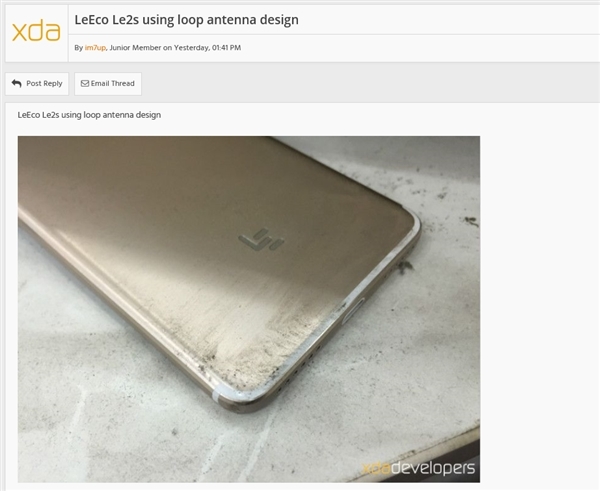
The LeEco Le 2s will be an upgraded version of the LeEco Le 2 which was released in April. The Le 2s is said to come with 4GB of RAM, 64GB of built-in storage and 5000mAh battery. The smartphone is also rumored to be powered by a Qualcomm Snapdragon chipset which could be the SD820 or latest SD821 variant.The Le 2s is also said to have two versions, one with dual camera set up at the back and a second version with single camera.
Rumour has it that the LeEco Le 2 flagship will likely be launched on September 9.
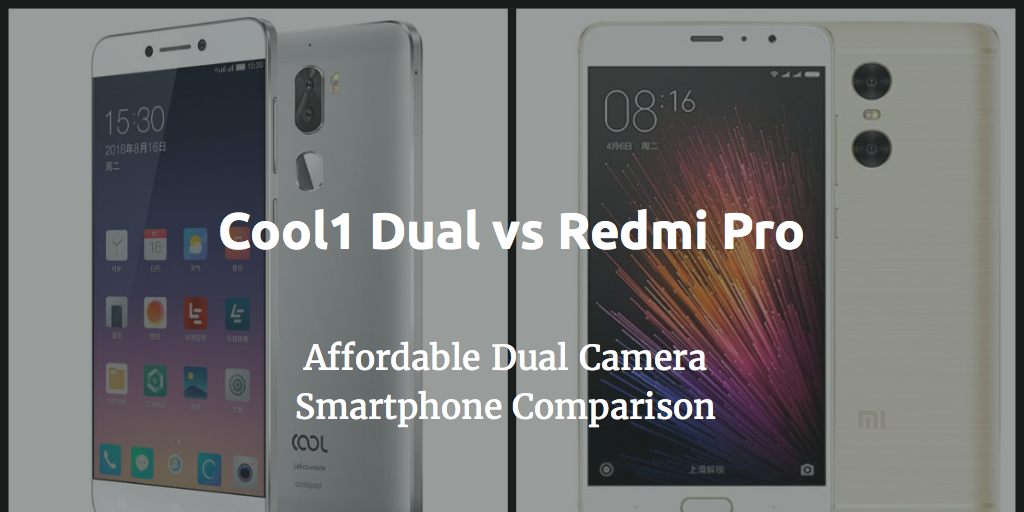
First, there were single camera smartphones. As smartphone cameras progressed, the MegaPixel count increased, as did the aperture size. Then came the craze for dual camera phones. The craze died down for a while and this year, all thanks to a few companies like Huawei and LG, dual cameras are back in action. But looks like this time, dual cameras are here to revolutionize the smartphone camera segment as almost all major smartphone companies are reportedly working on a dual camera phone this year.
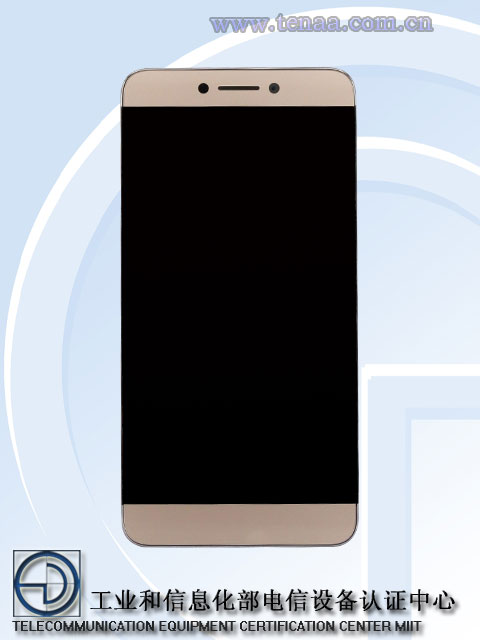
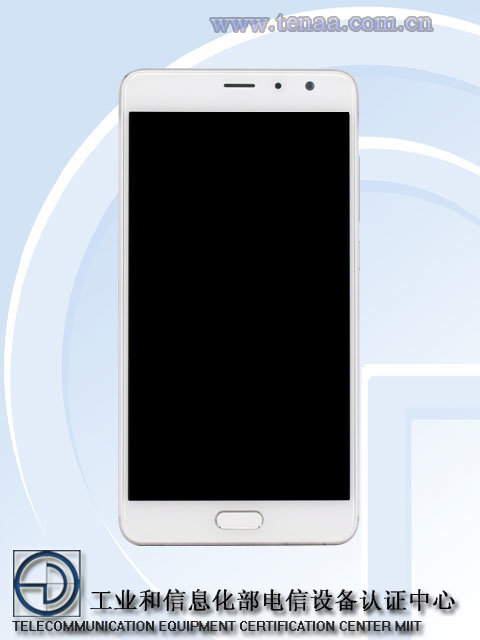
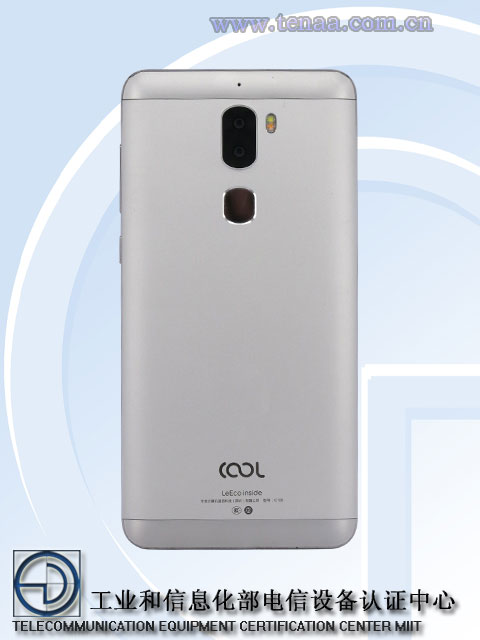
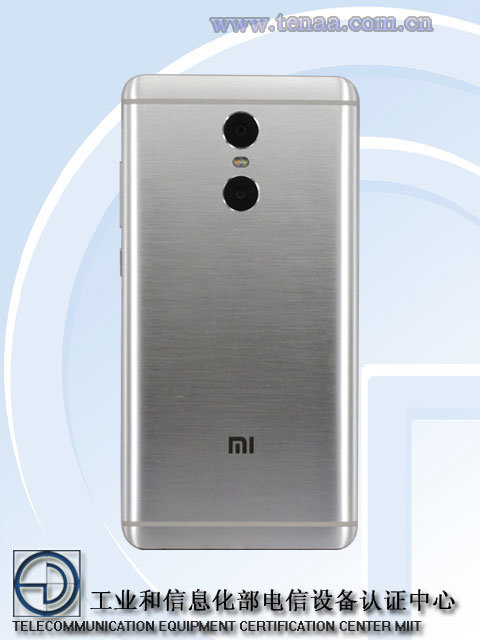
Xiaomi unveiled its first ever dual camera smartphone, the Redmi Pro, a few days back and like always, the phone brings tremendous value for your money. But LeEco was very quick to fight back, and now, we have an even cheaper dual camera device, the Cool1 Dual, released by LeEco in collaboration with Coolpad. We know both LeEco and Xiaomi are top notch Chinese companies and they have changed the way we look at budget smartphones.
Now that you have two dual camera smartphones available in the mid-range price segment, it’s quite hard to choose between the Cool1 Dual vs Redmi Pro. This is where the article comes into the picture, as today we compare the key specs and features of the Cool1 Dual vs Redmi Pro to see whether any particular model has an edge over the other. Turns out, there are a few key differences and some major ones which could affect your buying decision.
Cool1 Dual vs Redmi Pro: DESIGN
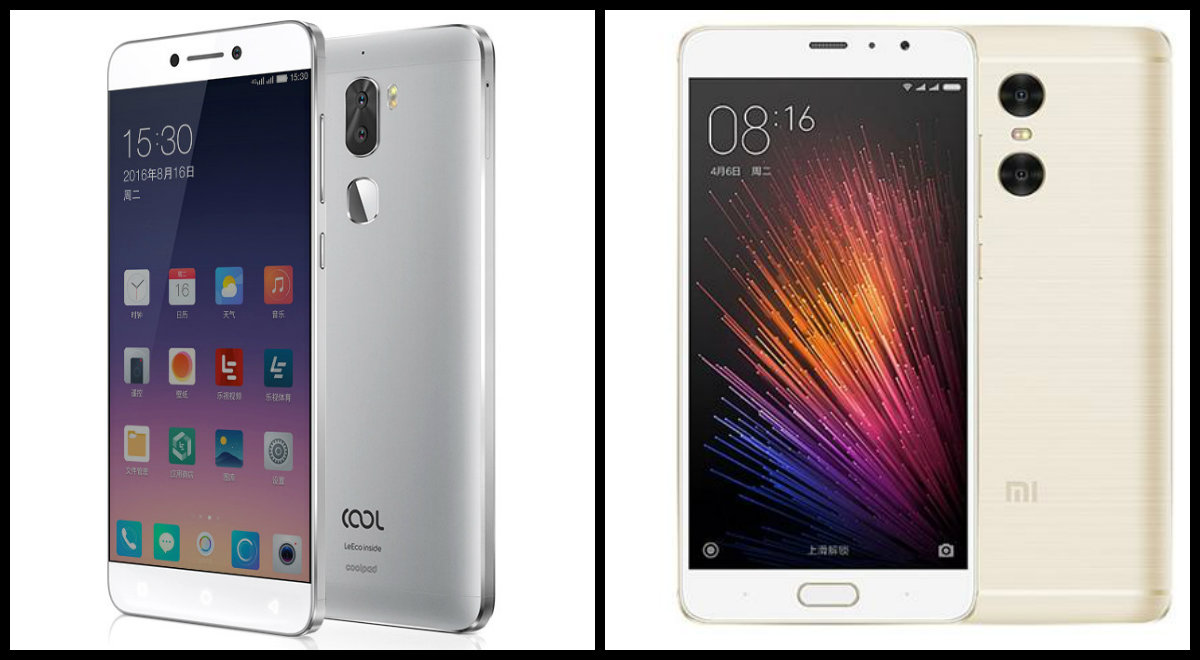
As always, design is going to be something that’s based on your personal preference. Both are pretty good looking smartphones and there will be some who prefer the Xiaomi Redmi Pro’s design and some others who like the Cool1 Dual’s Design.
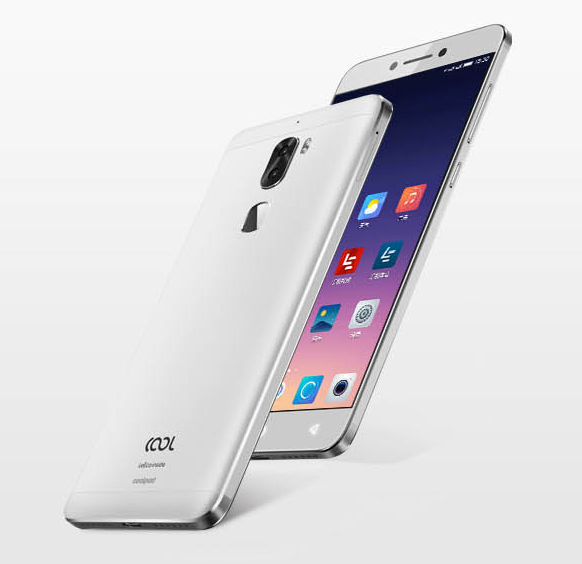
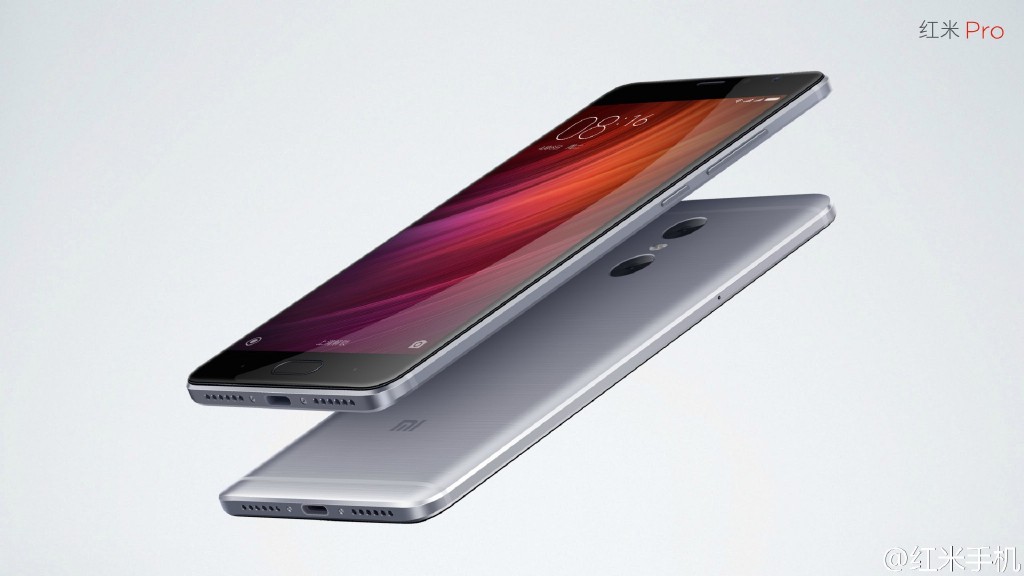
Both feature metal bodies but the LeEco Cool1 Dual comes with a smooth texture. On the other hand, the Redmi Pro has a brushed metal texture. Personally, I like the brushed metal finish on the Pro but I am sure there will be some readers who’ll disagree.
There are other differences as well. The Cool1 dual comes with capacitive keys, while the Redmi Pro comes with a home button up front with two capacitive buttons. As you might have guessed, this means that the fingerprint sensor is also on the front of the Redmi Pro. On the other hand, the Cool1 Dual features a fingerprint sensor at the back of the device. The dual cameras are arranged vertically on both the models, but the Cool1 Dual’s module is integrated in one single housing, while you will clearly see two separate sensors on the Redmi Pro. Both have USB Type-C port as well.
Cool1 Dual Dimensions: 152 x 74.8 x 8.2mm Weight: 173 grams
Redmi Pro Dimensions: 151.5 x 76.2 x 8.15mm Weight: 174 grams
Considering both are 5.5-inch smartphones, they have very similar dimensions. Even the thickness is almost the same, measuring around 8.2mm. As for the weight, it’s once again surprisingly similar, as you can see above.
So, looks like LeEco Cool1 Dual was made for taking on the Redmi Pro from the start. Can’t really pick out a winner here, as both have very similar figures.
Cool1 Dual vs Redmi Pro: DISPLAY
These two phones are using very different displays.
The Cool1 Dual comes with a 5.5-inch 1080p IPS display with 72% NTSC and 450 nit brightness. On the other hand, the Redmi Pro comes with a 5.5-inch 1080p OLED display with 100% NTSC color gamut but with a brightness of 350 nits. Redmi’s OLED panel should be richer in color but the Cool1 Dual should have a brighter screen.
Cool1 Dual vs Redmi Pro: HARDWARE
Once again, both smartphones have different specs. The Cool1 Dual comes with the Snapdragon 652 octa-core chip (4x Cortex A72 + 4 x Cortex A53) clocked at 1.8GHz. Since we want to level the playing ground, in this comparison, I am going to consider the mid-range variant of the Cool1 Dual that features 4GB RAM and 32GB of internal storage, costing 1499 Yuan, exactly as the Redmi Pro’s standard edition.
The Redmi Pro, on the other hand, comes with MediaTek’s Helio X20 chip clocked at 2.15GHz (2xA72 + 4xA53 + 4xA53) with 3GB of RAM. Yes, the base variant of the phone, which retails at 1499 Yuan comes with just 3GB of RAM. There’s 32GB of internal storage as well.
Now, at this point, the Cool1 Dual really looks like the better smartphone with SD652 and 4GB RAM. However, there’s one major flaw in the Cool1. The phone does not have a MicroSD card slot, which is a big disappointment. So, for the two variants (which have just 32GB ROM) of the device, you will be stuck with 32GB of internal storage. On the other hand, the Redmi Pro has an edge in this department, considering it comes with MicroSD card slot (although a hybrid one) expandable up to 128GB.
Now, it comes down to your choice. Either you can opt for a faster processor (better GPU), larger RAM and better third party ROM support (hail Snapdragon!) by choosing the Cool1 Dual (i.e. if you can somehow be satisfied with 32GB internal storage), or you can choose the Redmi Pro, whose Helio X20 is also quite a good performer and comes with expandable storage.
In case you are wondering, both have eMMC 5.1 storages.
Cool1 Dual vs Redmi Pro: Cameras
Now, this is one area which I am sure everyone is interested to see. Once again, the two companies have used different technologies on their respective smartphones. Both have dual cameras and both are aligned vertically, however, the technology is different.
The Redmi Pro as we know comes with two camera sensors, a primary Sony 13MP sensor along with a 5MP sensor from Samsung that acts as a secondary sensor for depth information. The setup is said to take amazing Bokeh images, replicating similar quality as a DSLR.
Other features of the Redmi Pro’s camera module include 5P lens, f/2.0 aperture, PDAF, and color temperature flash. The phone is capable of capturing 1080p and 720p videos at 30fps. Slo-motion videos are captured at 720p @ 120fps. Up front, you get a 5MP shooter with f/2.0 and 85-degree wide angle lens.
Coming to the Cool1 Dual, it uses a slightly different setup. There are two 13MP sensors in the module, one RGB sensor and another monochrome sensor. Information from both the sensors are combined to create images, which should technically feature less noise and better clarity, especially in low light conditions.
Other features of this module include 4K and 1080p video support at 30fps, Slo-mo videos at 720@120fps, f/2.0 aperture, PDAF, 6P lens and color temperature flash. Up front, you get an 8MP f/2.2 aperture sensor with 80-degree wide angle lens.
On paper, the Cool1 Dual seems to have an edge over the Redmi Pro. In fact, during the announcement, LeEco had mentioned that its phone uses dual camera 2.0 technology (RGB + Monochrome setup) as compared to Dual Camera 1.0 tech used by Redmi Pro (Primary cam + Depth sensor). Cool1’s ability to take 4K videos is also a big advantage.
So, at least on paper, Cool1 Dual’s camera could have an edge. We hope that real life images taken from both the phones will confirm this.
Cool1 Dual vs Redmi Pro: BATTERY
As I mentioned above, it’s clear that the company is targeting the Redmi Pro, trying to beat the competition in the segment. So, even in this department, they both have almost identical specs. The Cool1 Dual comes with a 4060mAh battery while the Redmi Pro comes with a 4050mAh battery. Both have fast charging, so it won’t take too long to fill the juice up to 100%. Can’t really choose a particular model in this department.
Cool1 Dual vs Redmi Pro: CONNECTIVITY
Both have very similar specs, with Bluetooth 4.1, Wi-Fi Direct and Wi-Fi display, Infrared sensor, GPS, AGPS, GLONASS, Beidou, USB Type-C common on the two models. However, the Cool1 Dual comes with 5GHz Wi-Fi ac standard which is faster than the Wi-Fi n standard on the Redmi Pro.
Both have fingerprint sensors, with Redmi Pro having it on the front, embedded into the home button, while the Cool1 having it at the back of the phone.
Both the models come with Android Marshmallow running out of the box. The Cool1 Dual features EUI 5.6 while the Redmi Pro, as tradition comes with MIUI 8.
There are two color options for the Cool1 Dual — Silver and Gold, while there are three colors available for the Redmi Pro — Gray, Silver, and Gold.
Cool1 Dual vs Redmi Pro: PRICING
Cool1 Dual is priced cheaper than the Redmi Pro, starting at 1099 Yuan ($167). There are two other variants, retailing at $226 and $257. On the other hand, the Redmi Pro starts at 1499 Yuan ($226) and goes on till $300.
Cool1 Dual vs Redmi Pro: VERDICT
It’s actually easy to pick out a winner in this comparison. The LeEco Cool1 Dual would be a great option if you want a phone which is cheaper, probably with a slightly better camera, 4K video support and Wi-Fi ac.
On the other hand, if you can’t live with 32GB storage (a major deal breaker), want a richer OLED display and love MIUI, then Redmi Pro would be a good buy.
If not for the non-expandable storage, the LeEco would have been the ultimate Redmi Pro killer bringing 4K video support, Wi-Fi ac and better graphics performance at a cheaper price tag.
As you may have already heard, Gearbest.com sells quite a lot of different products and this time around they have the “Back to School” promo going on. Thus, we decided to share with some better tech deals.
The promo starts on August 15thand ends on August 19th. GearBest has FOUR amazing “celebration waves” to share with its customers.
The first celebration wave allows you to get a coupon code for a certain product by simply sharing the product link. Keep in mind that you have to click the share button under the product. Once you’ve shared it, the corresponding coupon code will appear.
Everyone can share different product to get a different coupon code. However, you have to hurry up as it is on from AUG 16 @ 9:00 UTC TO AUG 17 @ 17:00 UTC.
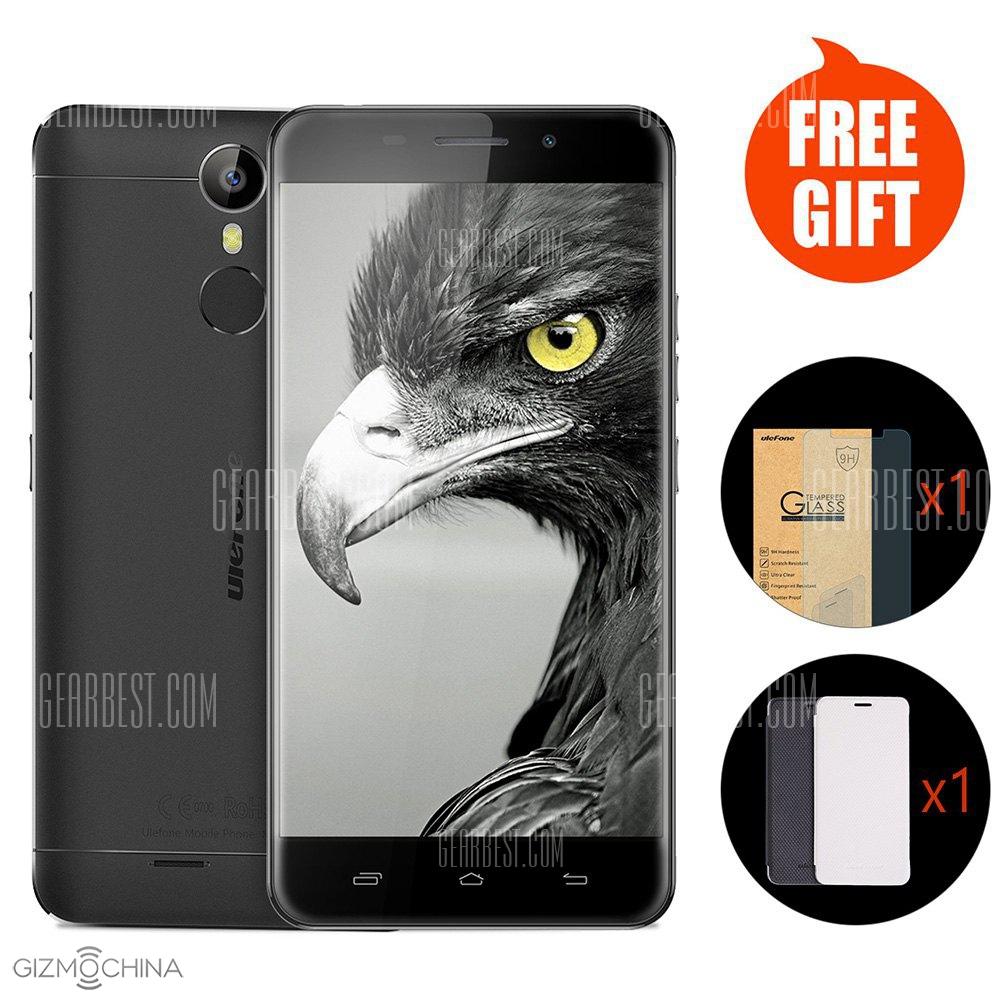
Some of the cool products that we thought you would be interested in:
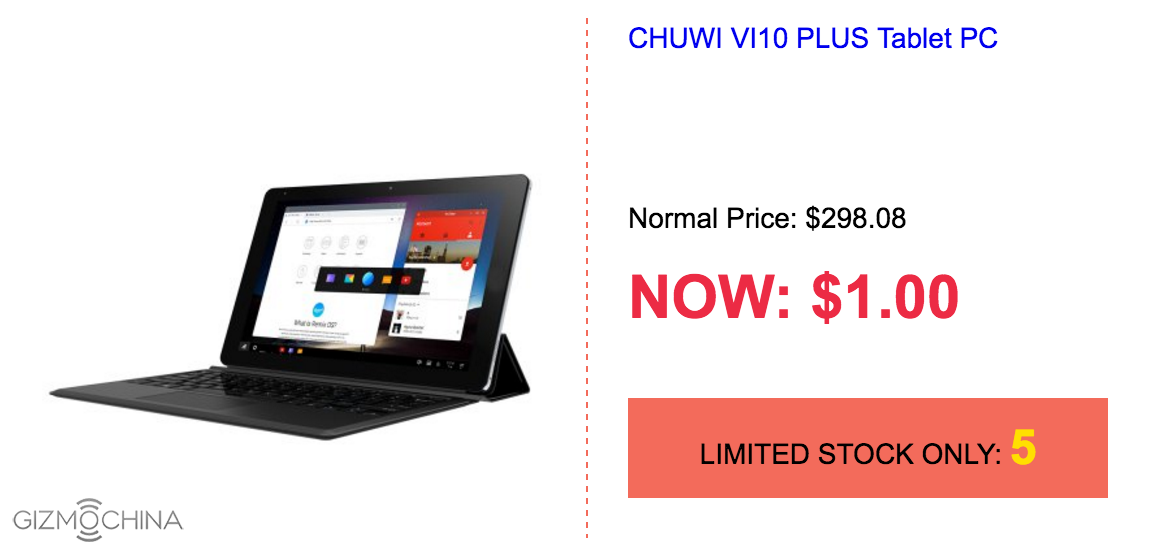
The second celebration waveis called “Grab it at $1”. That means that Gearbest picks up 8 amazing products for you which you can grab it at $1! In this part, the Gearbest will change the product everyday during AUG 16 to AUG 19, you can grab it at every @9:00 UTC and @17:00 UTC. Every product has a quantity limitation, SO BE FAST!
The third celebration wave gives you 10% OFF coupon for all product categories during the Back to School Sale. CouponCode: BTS10OFF(valid till Aug 20th). Customer could use this code ONLY once.
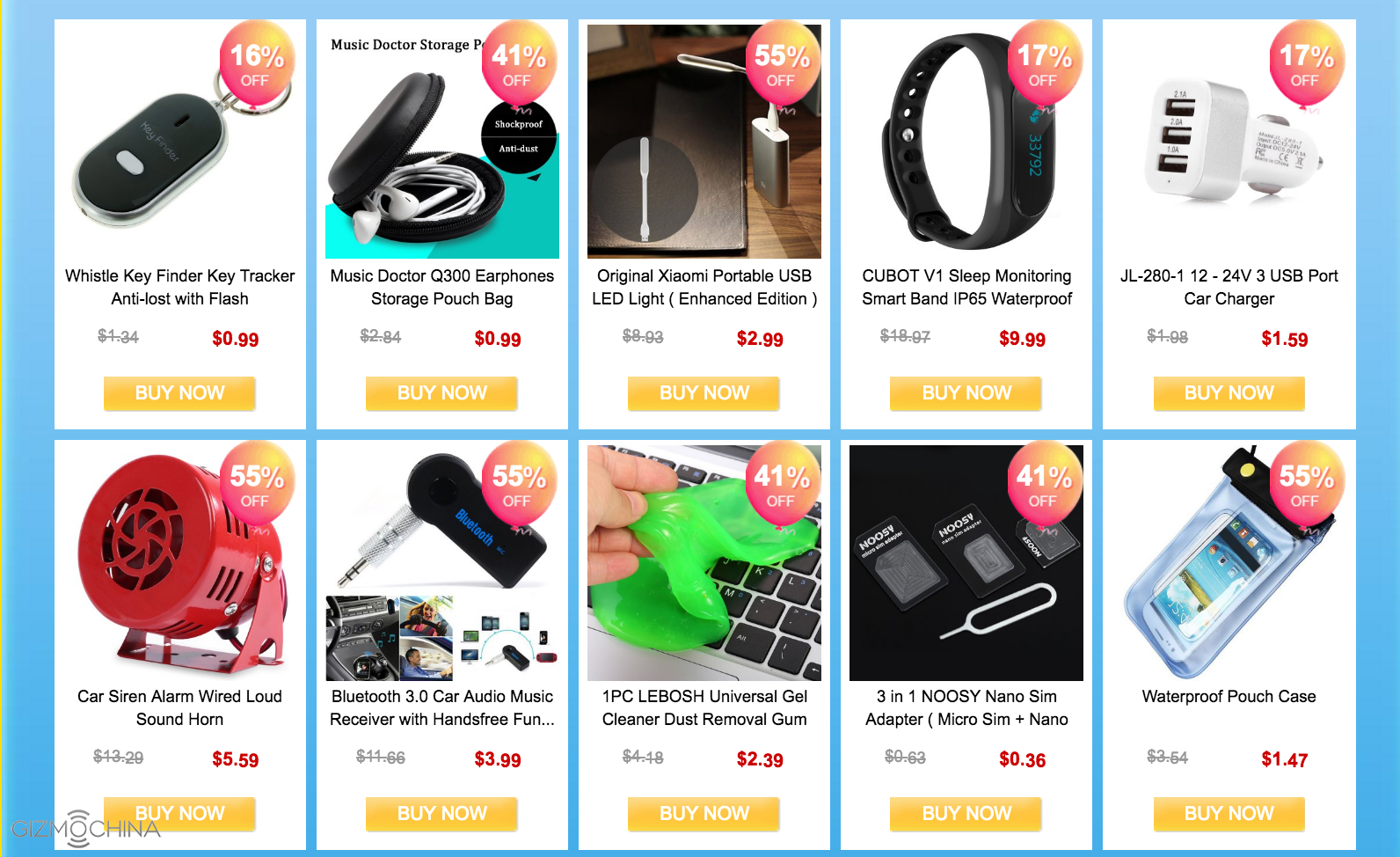
The fourth celebration wave includes a lot of items that start at just $0.99.
Please share your opinions with Gizmochina readers for the best deals you can find!
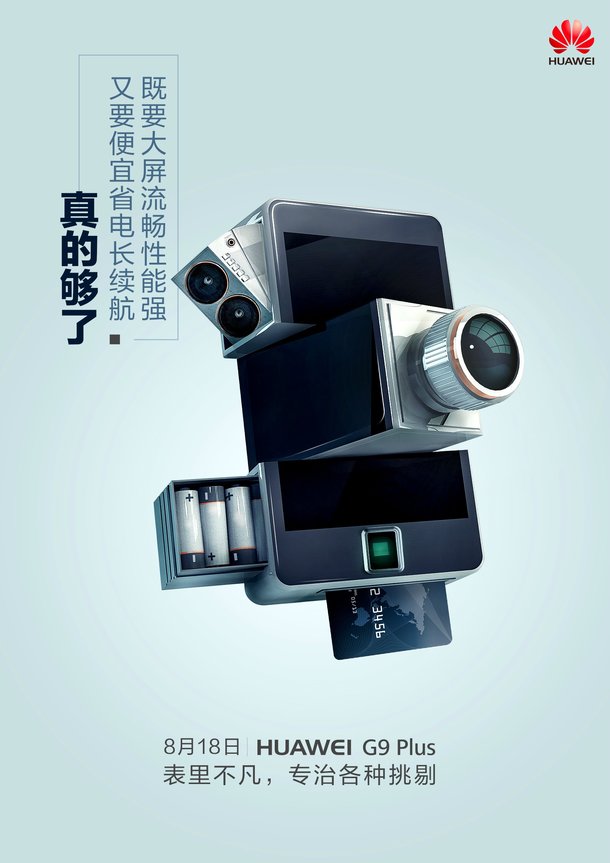
Huawei has released an official poster for the Huawei G9 Plus which is expected to launch tomorrow, 18th of August. The poster teases some features such as dual cameras, a large battery, video recording (maybe 4K), a fingerprint scanner, NFC (for mobile payments), and mentions a large screen.
There is still a lot we don’t know about the Huawei G9 Plus such as the camera configuration and if the processor type will be one of Huawei’s Kirin chips like the Huawei G9 Lite or a snapdragon processor. RAM and ROM details are also currently unknown. The good thing is we don’t need to wait for long to know these details as the launch is tomorrow.
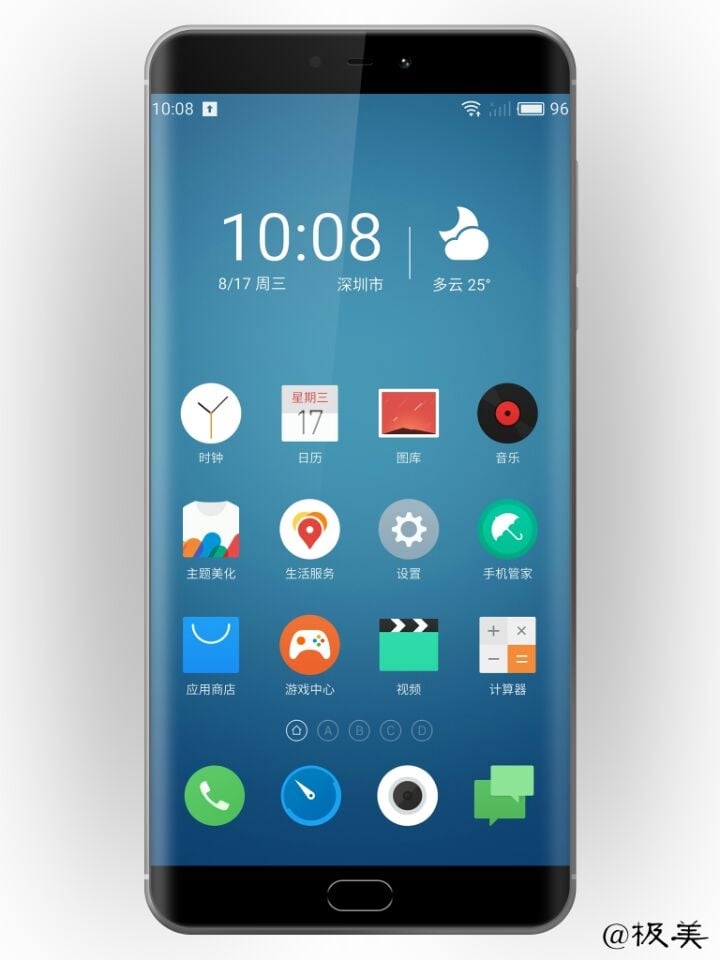
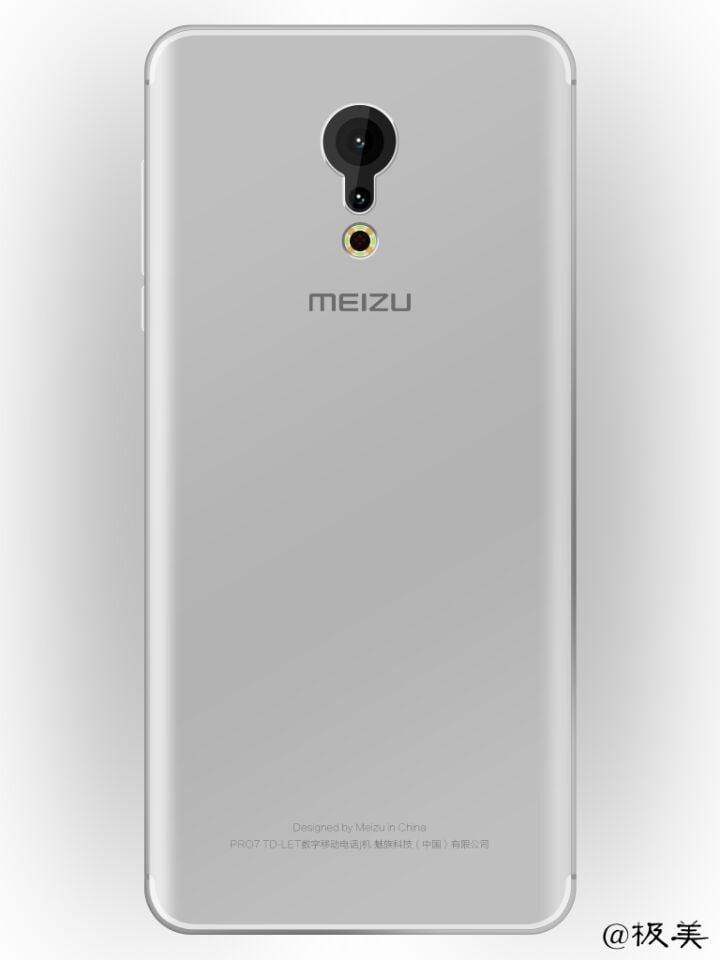
Meizu’s rumored Pro 7 flagship smartphone which was spotted on AnTuTu Benchmark few days back have appeared in image renders spotted online. The device which is said to feature Samsung’s Exynos 8890 chipset is displayed on the Interactive community section of Meizu’s forums.
Meizu Pro 7
One notable feature of the expected flagship revealed on the leaked images is that it would have a curved display screen that extends to the sides. There is an oval-shaped physical Home button as well, just under the display screen.
Meizu Pro 7
The Meizu Pro 7 renders also reveal a dual camera set up which is visible at the back of the flagship. There’s a large primary camera and just underneath is the supporting camera which perhaps should provide depth of field only. There is also the Meizu exclusive “Ring Flash” just under the second camera. Also visible at the back are antenna lines both at the top and bottom edges.
The name of the device is also clearly written at the rear as Pro 7, shown also to be designed by Meizu in China. According to the AnTuTu records, the device sports a 5.5-inch display which is rumored to have a resolution of 2560 × 1440 pixels.
In other aspects, the Meizu Pro 7 is said to run on Android 6.0 Marshmallow from the go, cram 4GB RAM and 32GB of internal storage space under its hood. The flagship phone also features a 12MP rear camera and a 5MP front-facing camera. The pixel size of the second camera at the back is unknown at this point in time.
We use cookies on our website to give you the most relevant experience by remembering your preferences and repeat visits. By clicking “Accept”, you consent to the use of ALL the cookies.
This website uses cookies to improve your experience while you navigate through the website. Out of these, the cookies that are categorized as necessary are stored on your browser as they are essential for the working of basic functionalities of the website. We also use third-party cookies that help us analyze and understand how you use this website. These cookies will be stored in your browser only with your consent. You also have the option to opt-out of these cookies. But opting out of some of these cookies may affect your browsing experience.
Necessary cookies are absolutely essential for the website to function properly. This category only includes cookies that ensures basic functionalities and security features of the website. These cookies do not store any personal information.
Any cookies that may not be particularly necessary for the website to function and is used specifically to collect user personal data via analytics, ads, other embedded contents are termed as non-necessary cookies. It is mandatory to procure user consent prior to running these cookies on your website.