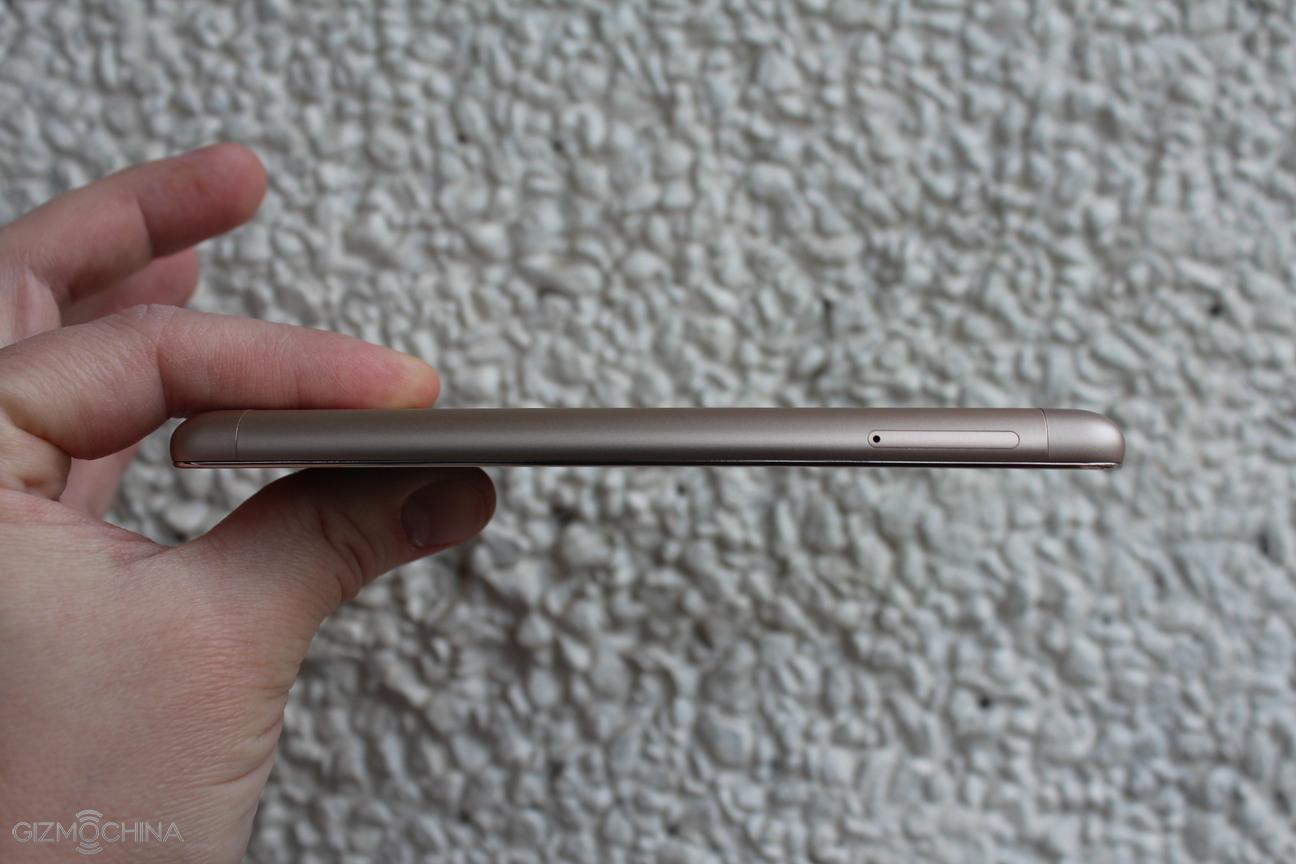
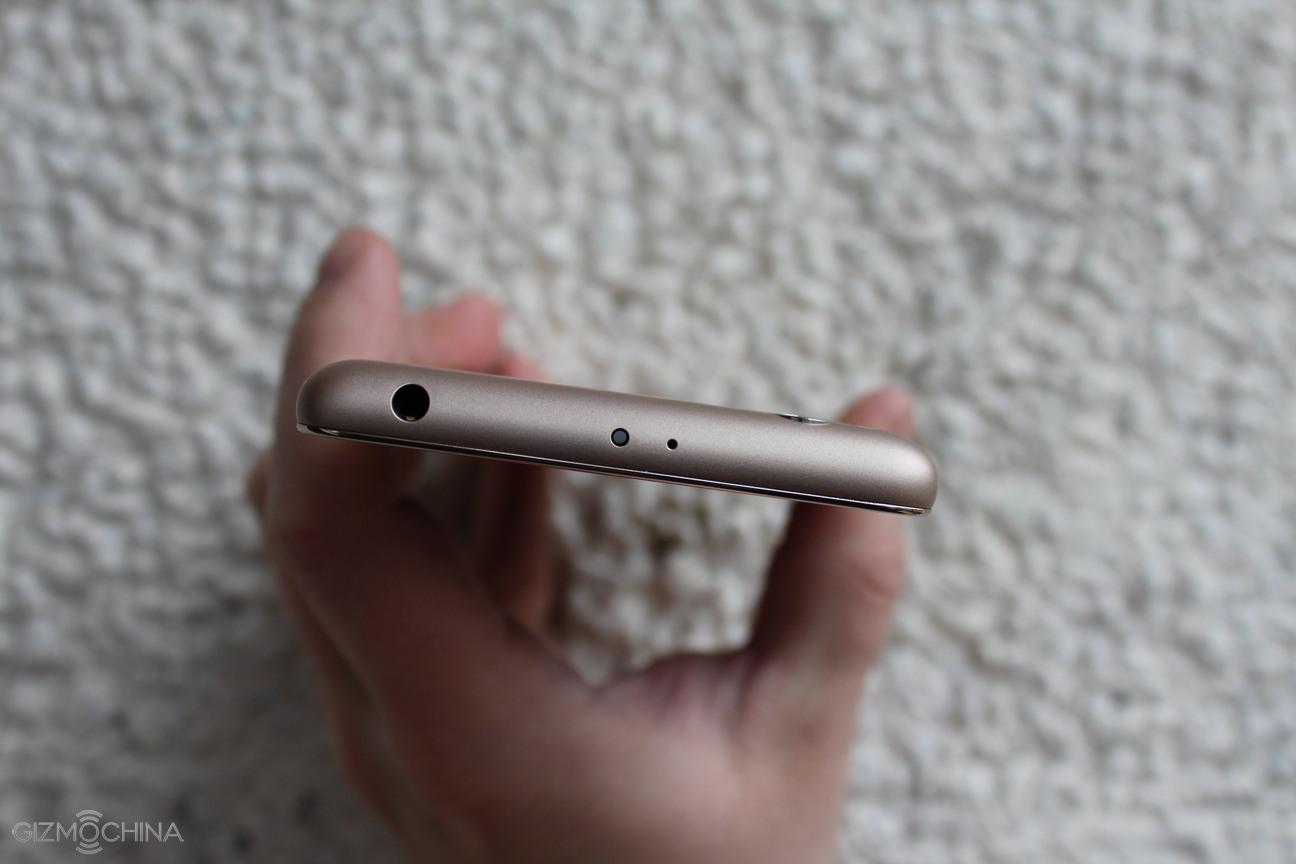
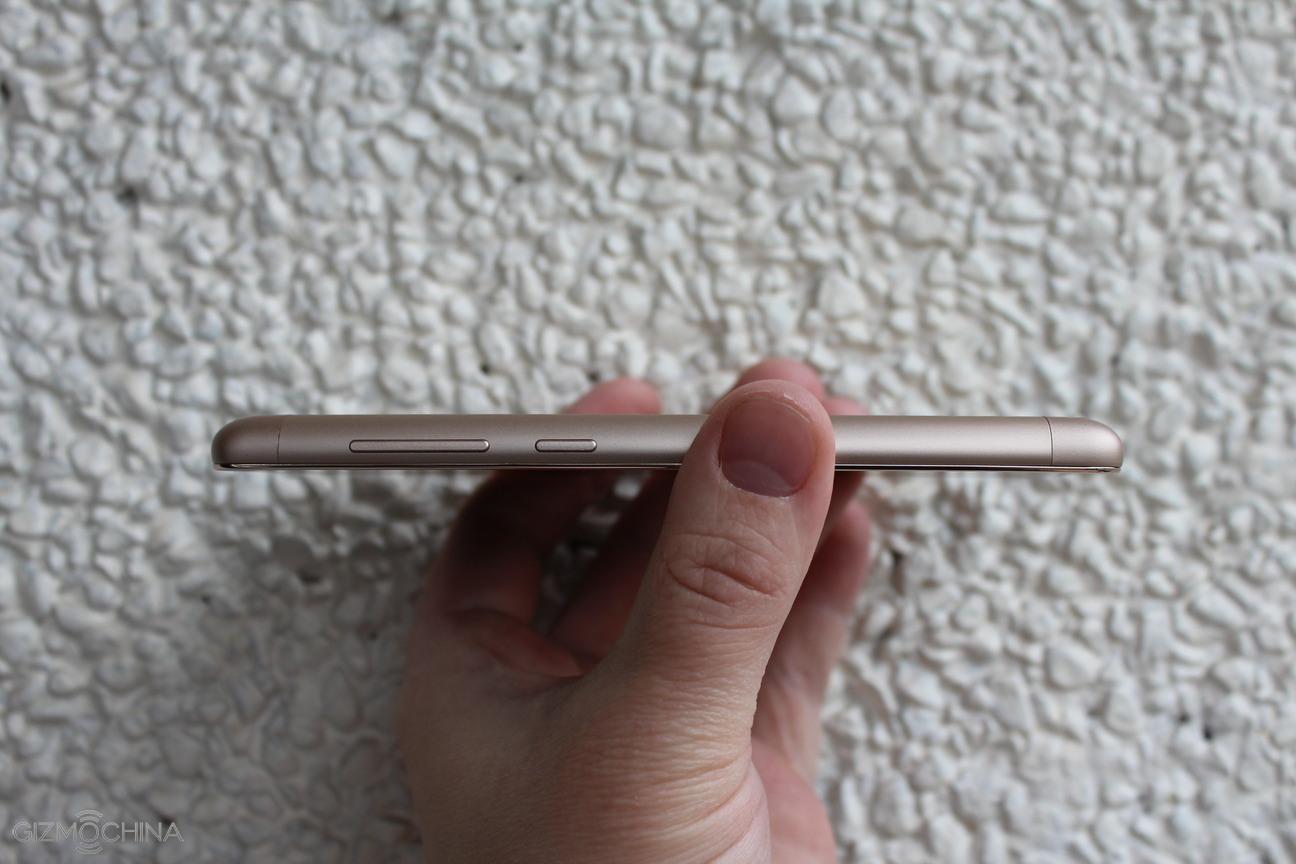
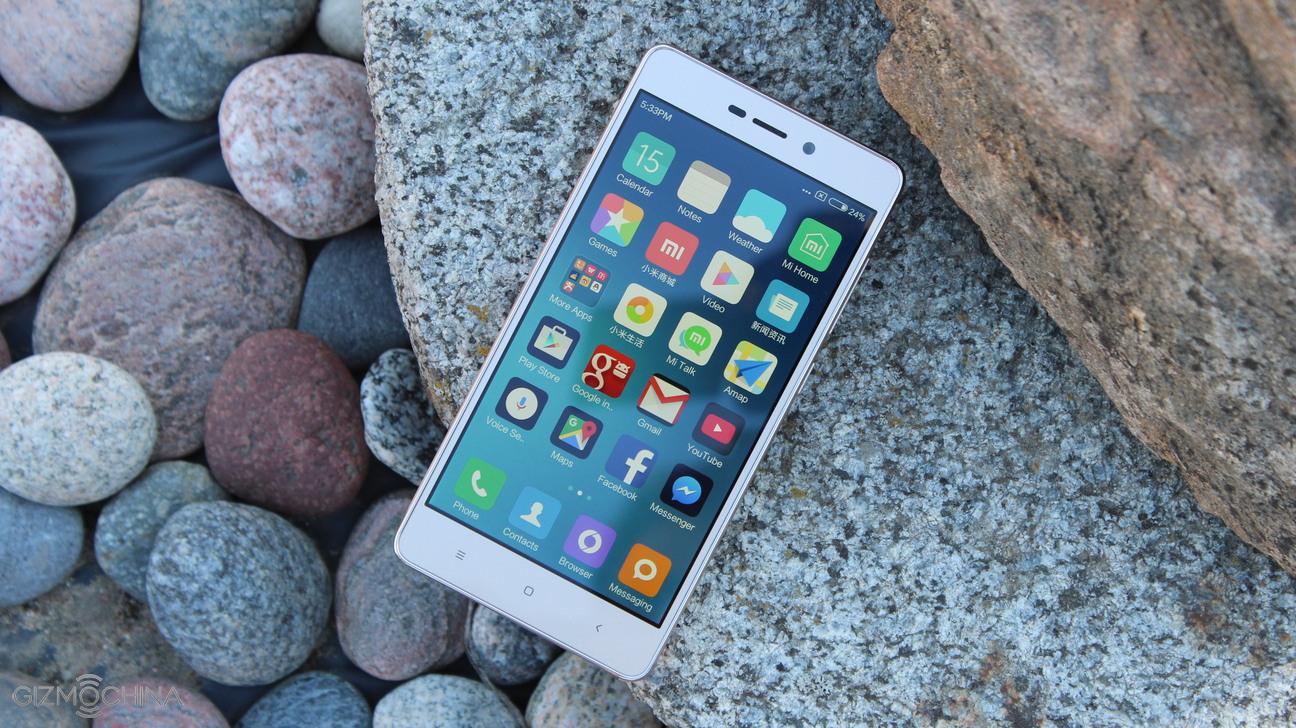
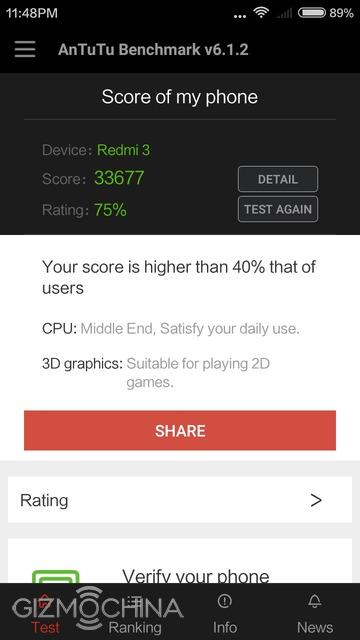
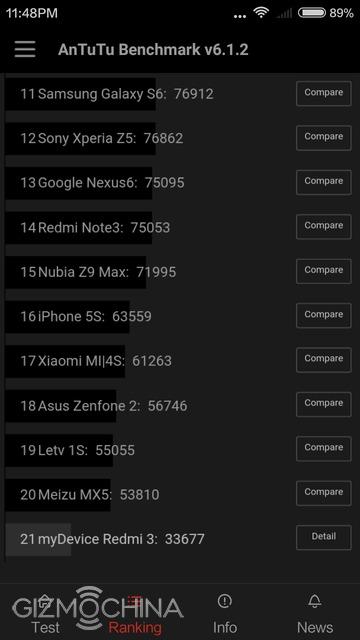
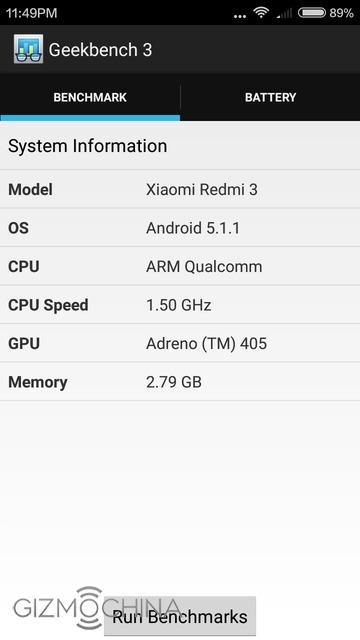
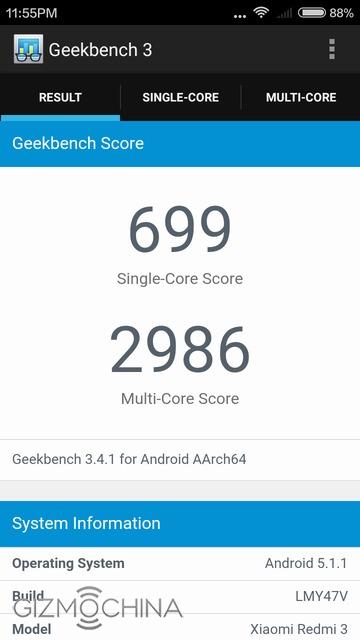
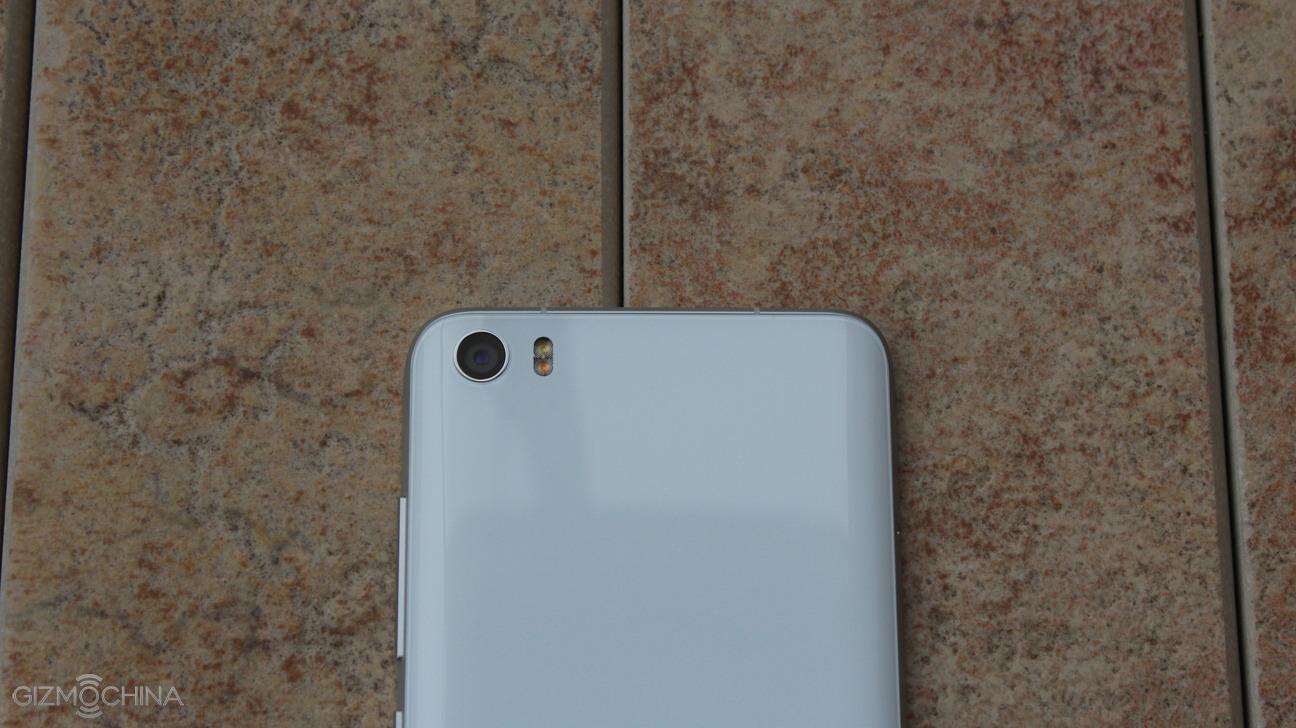
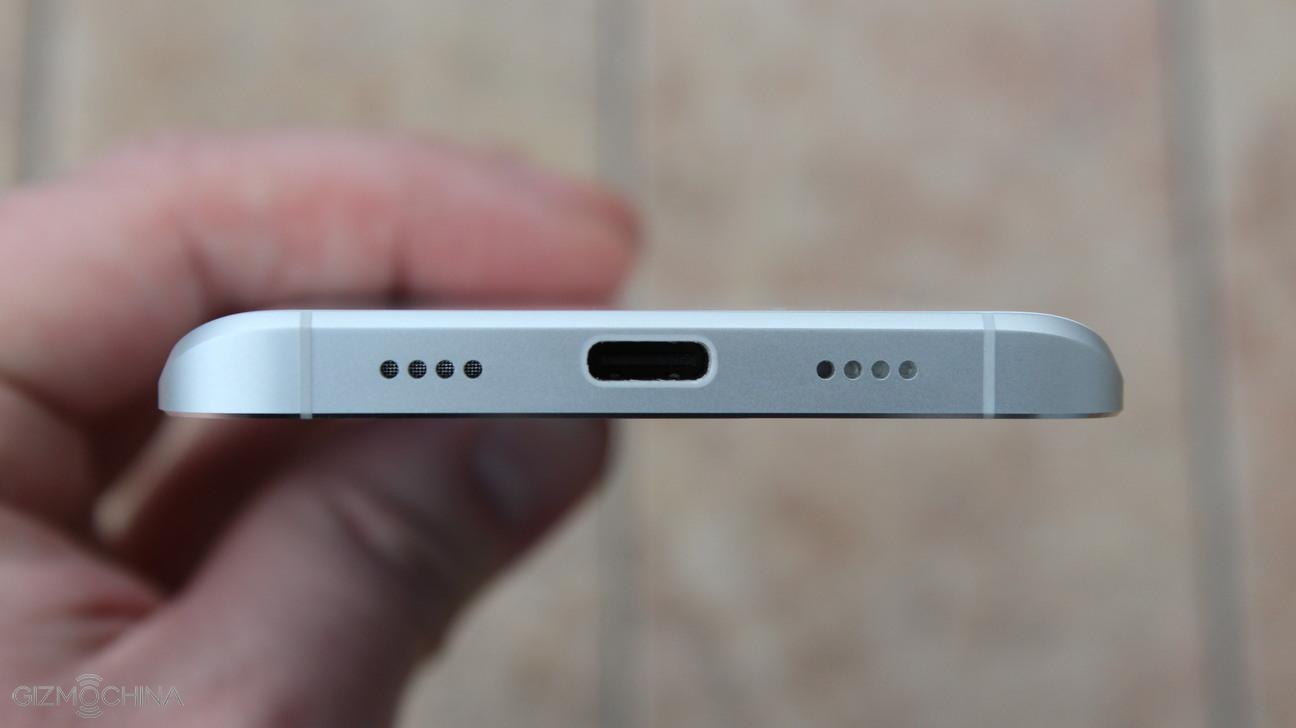
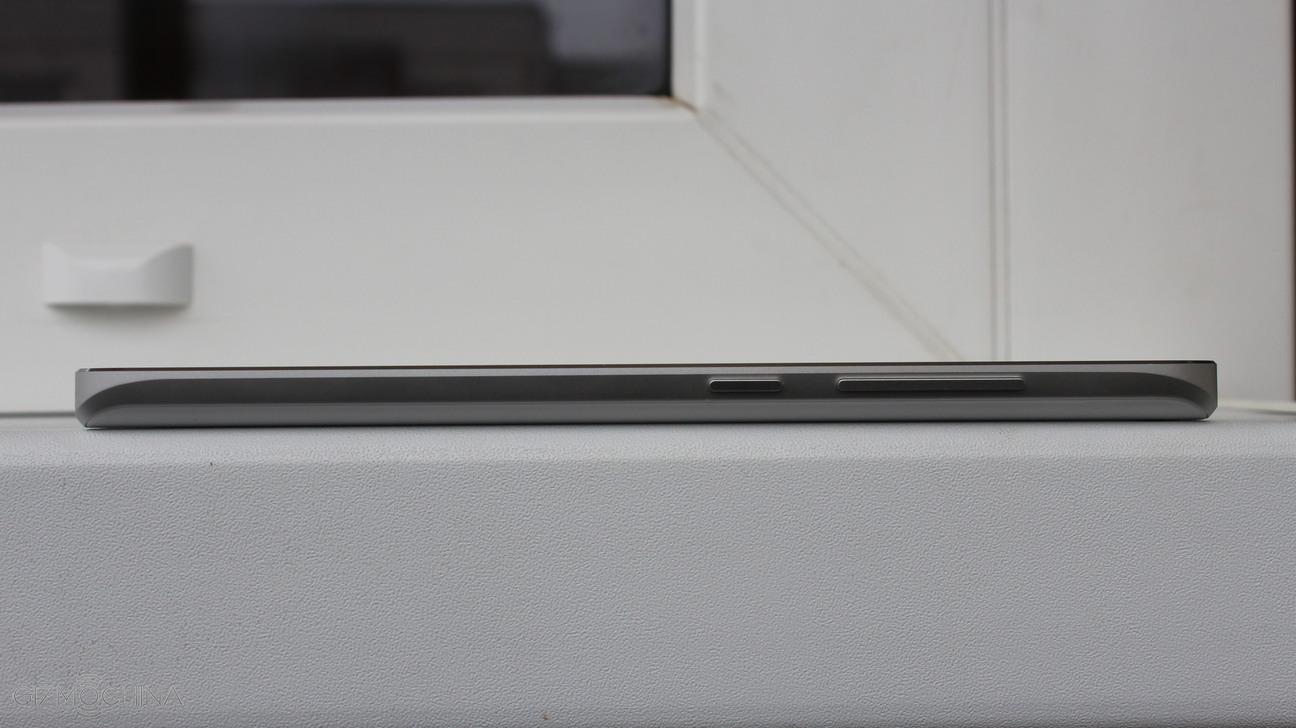
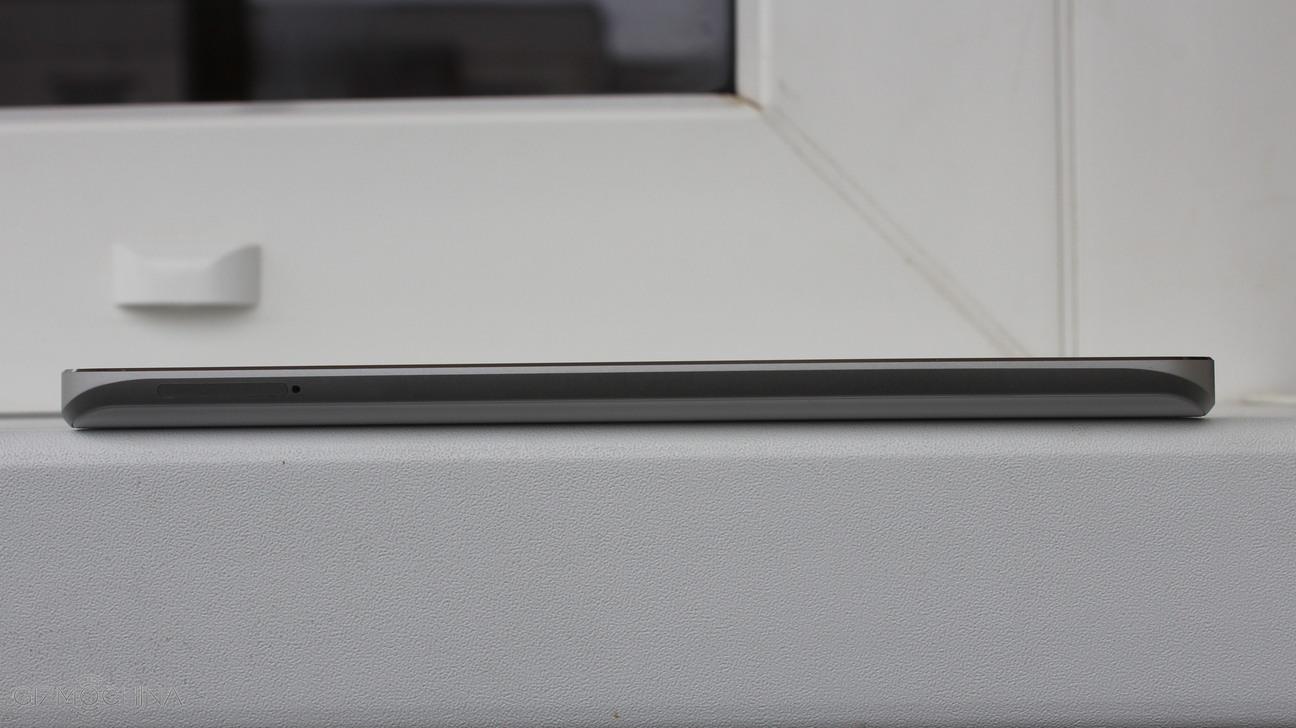
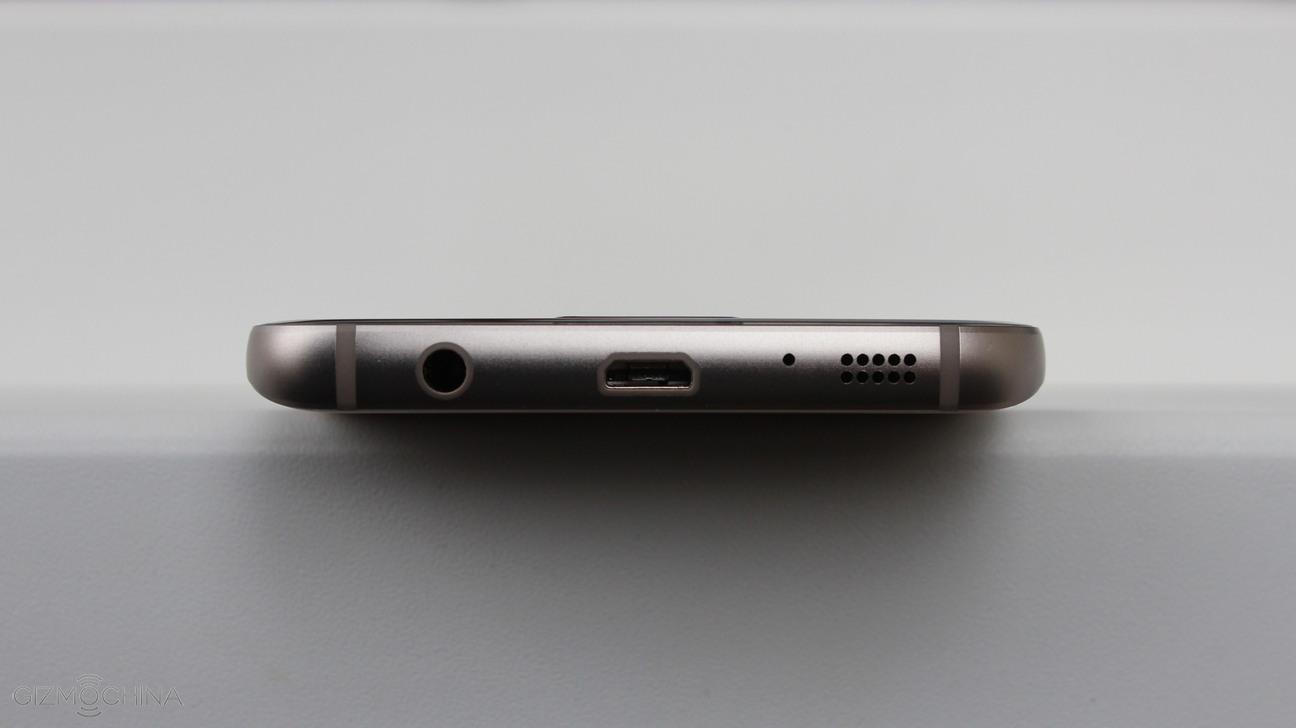
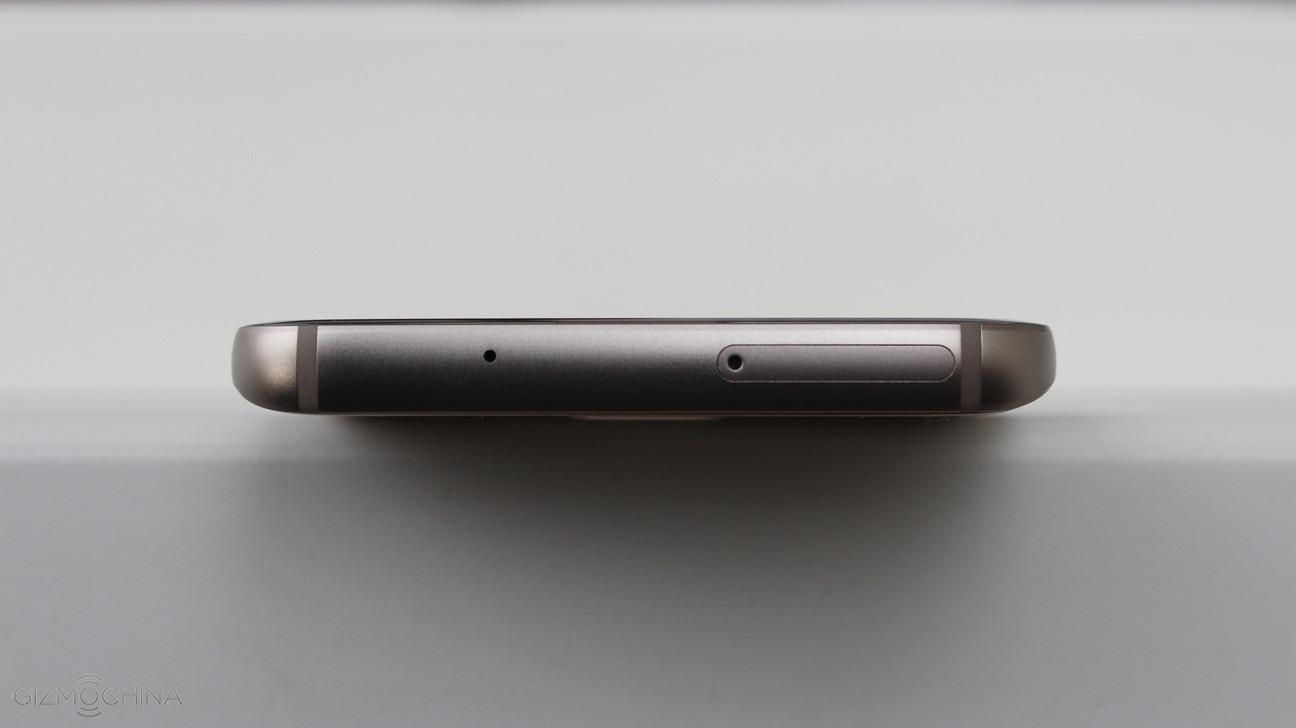
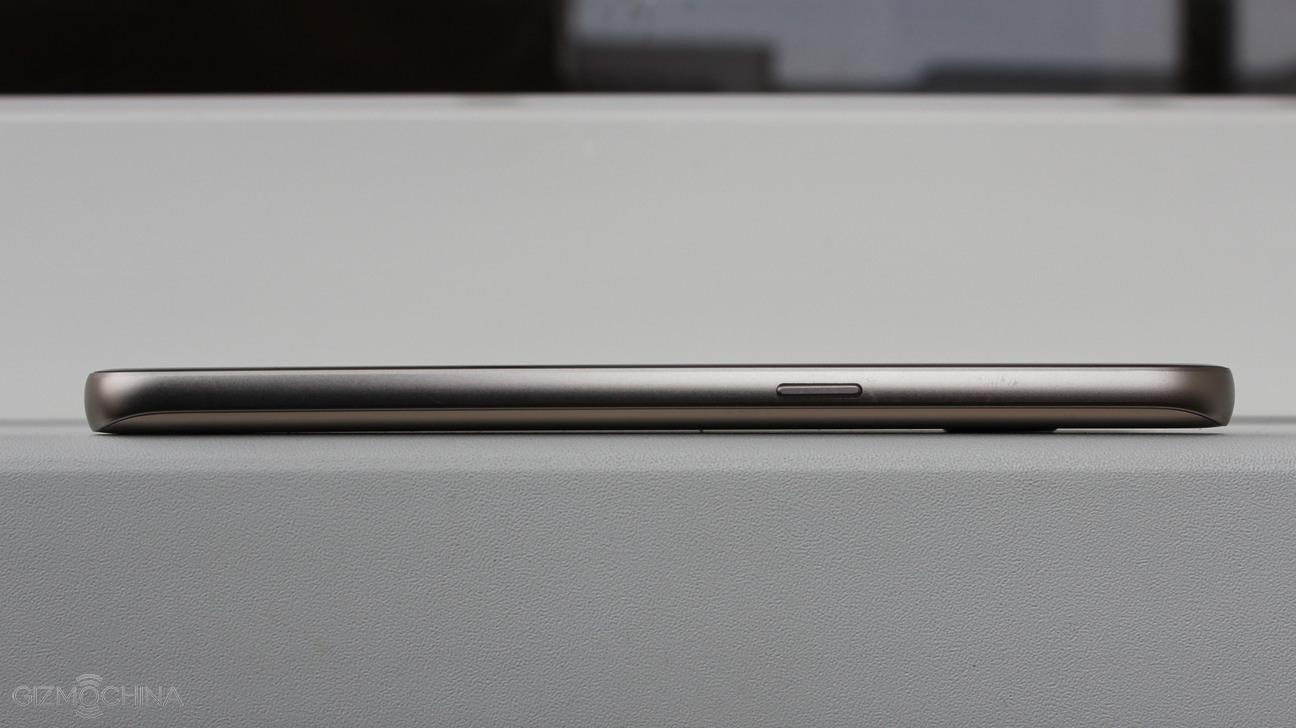
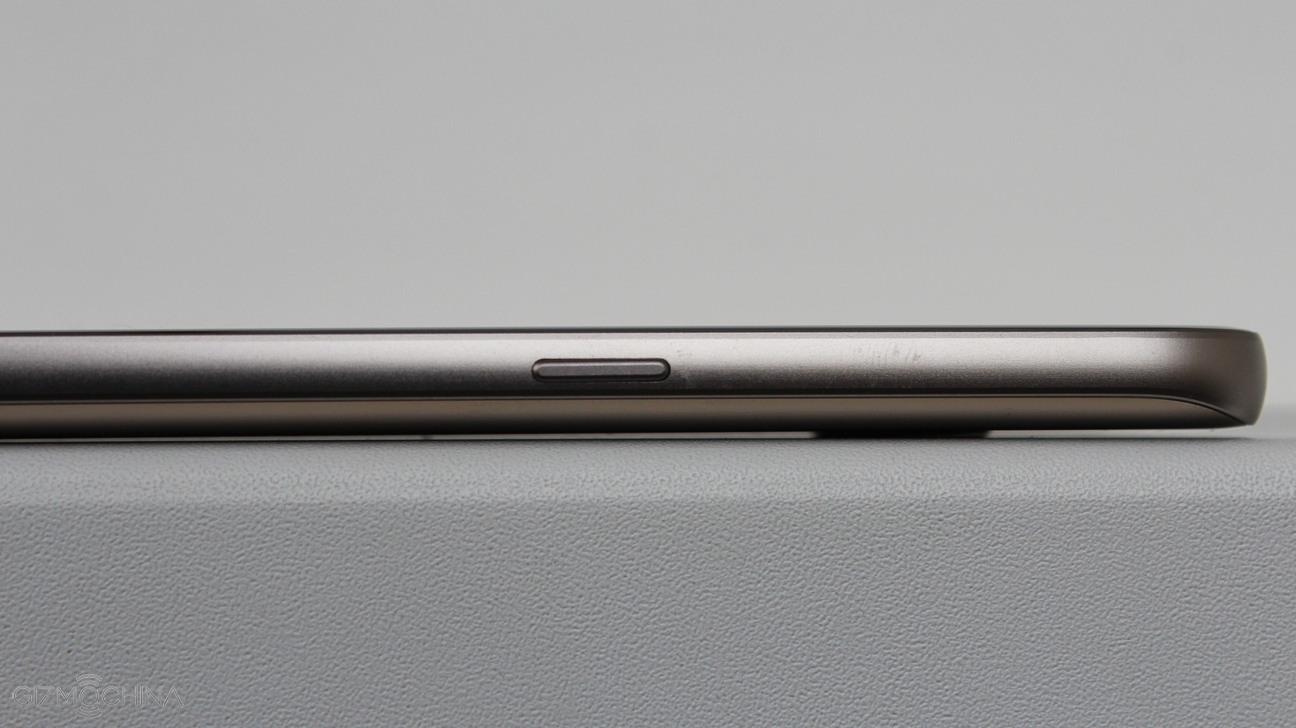
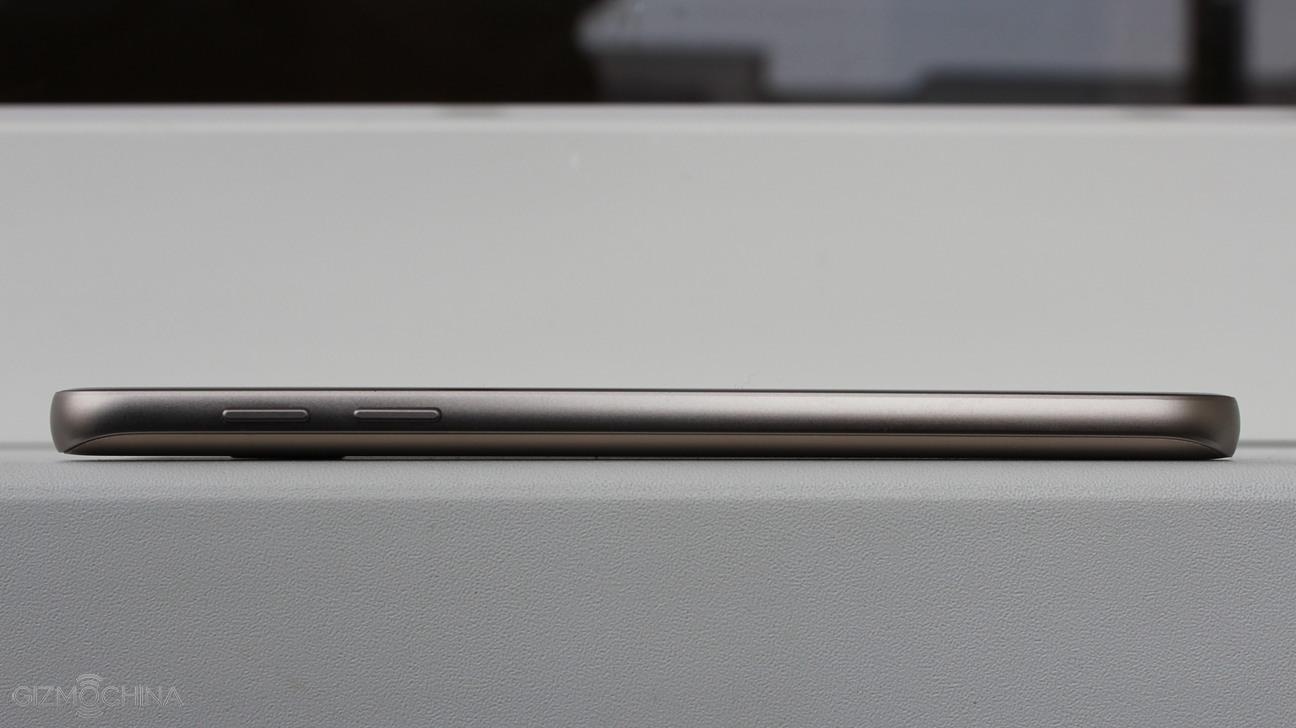
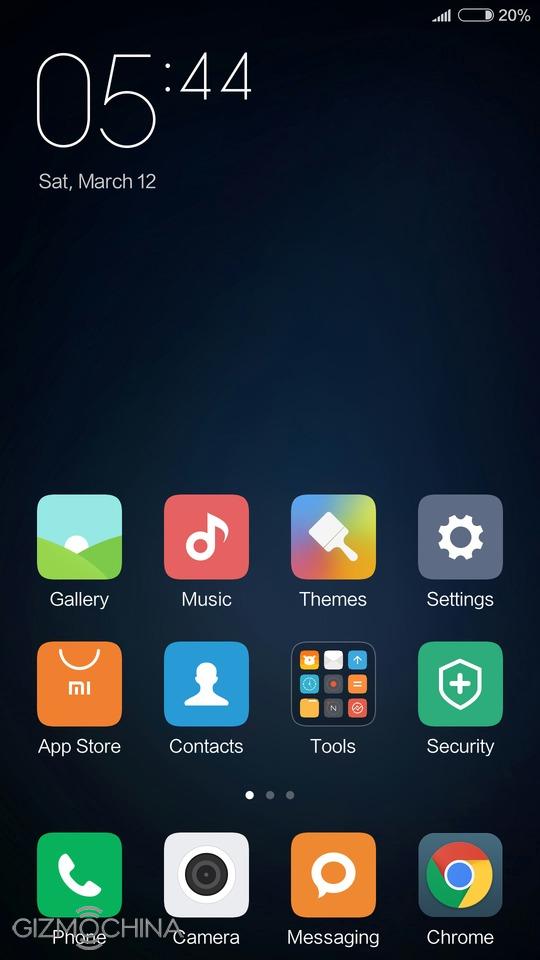
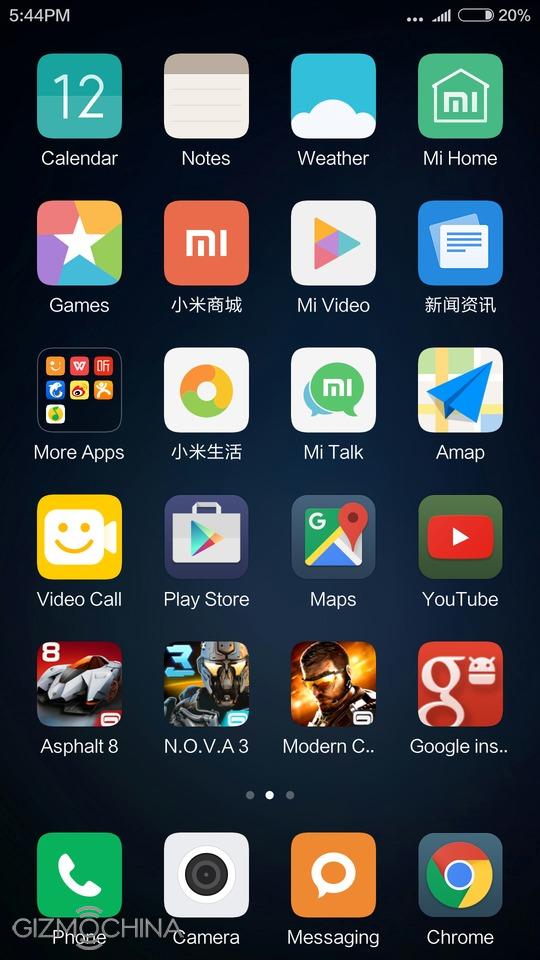
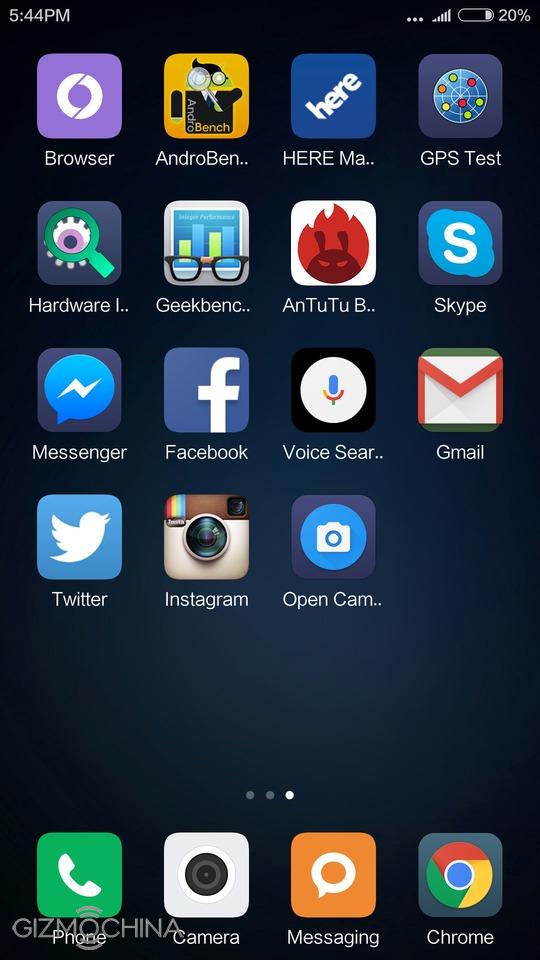
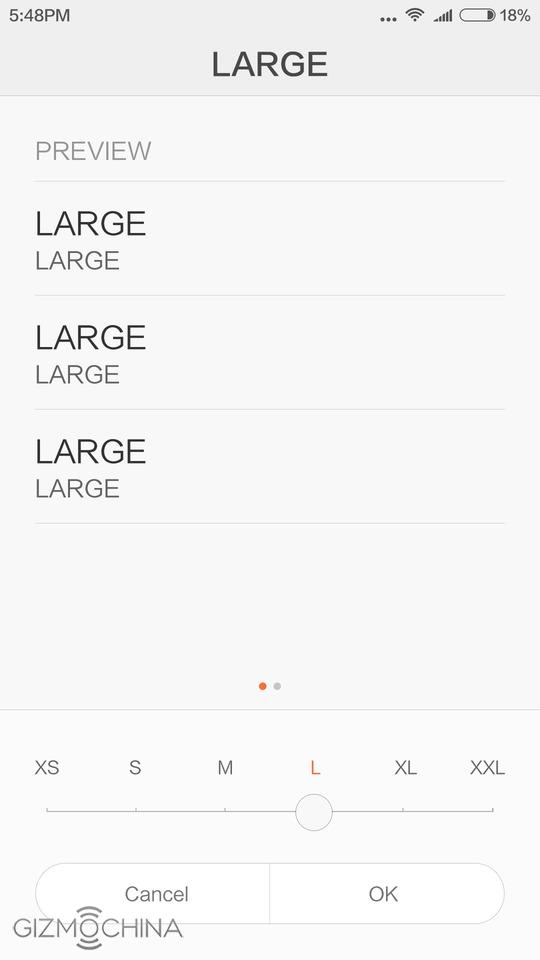
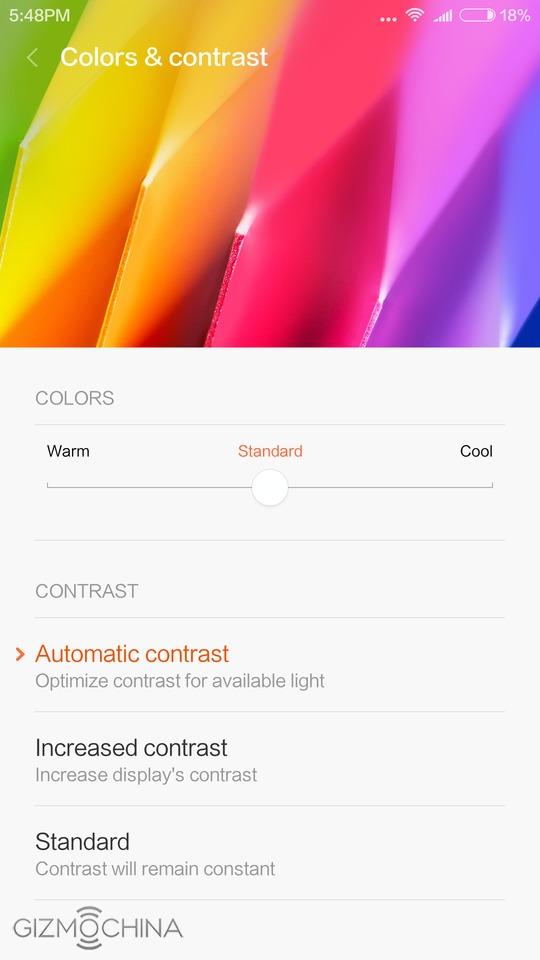
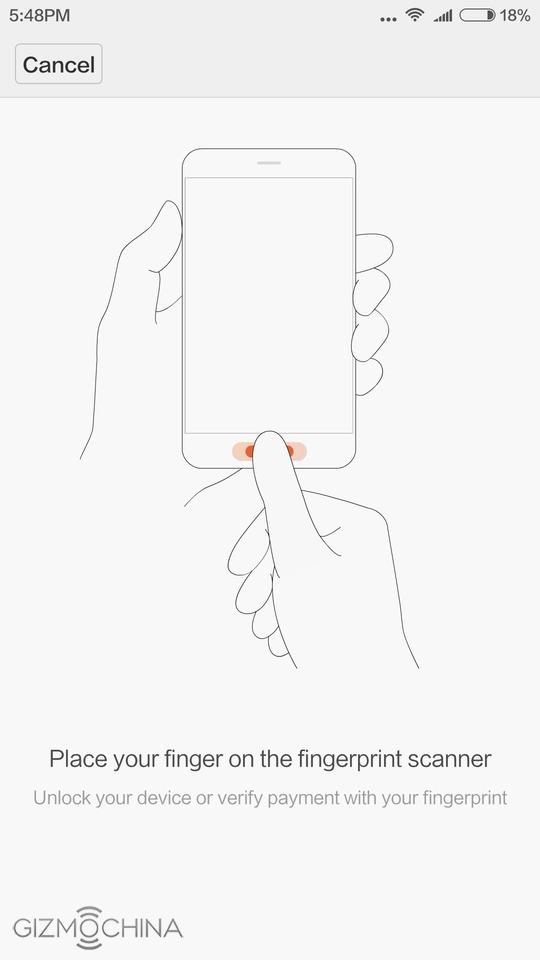
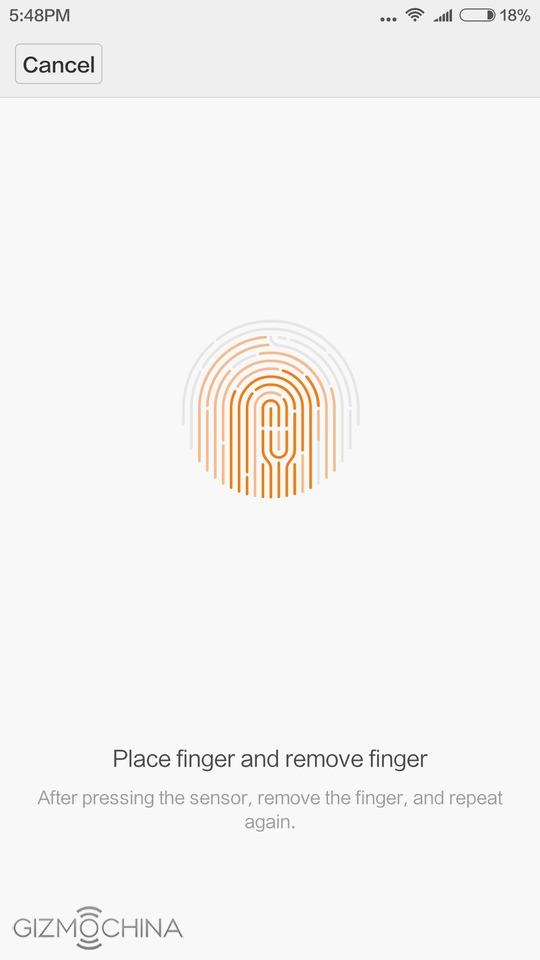
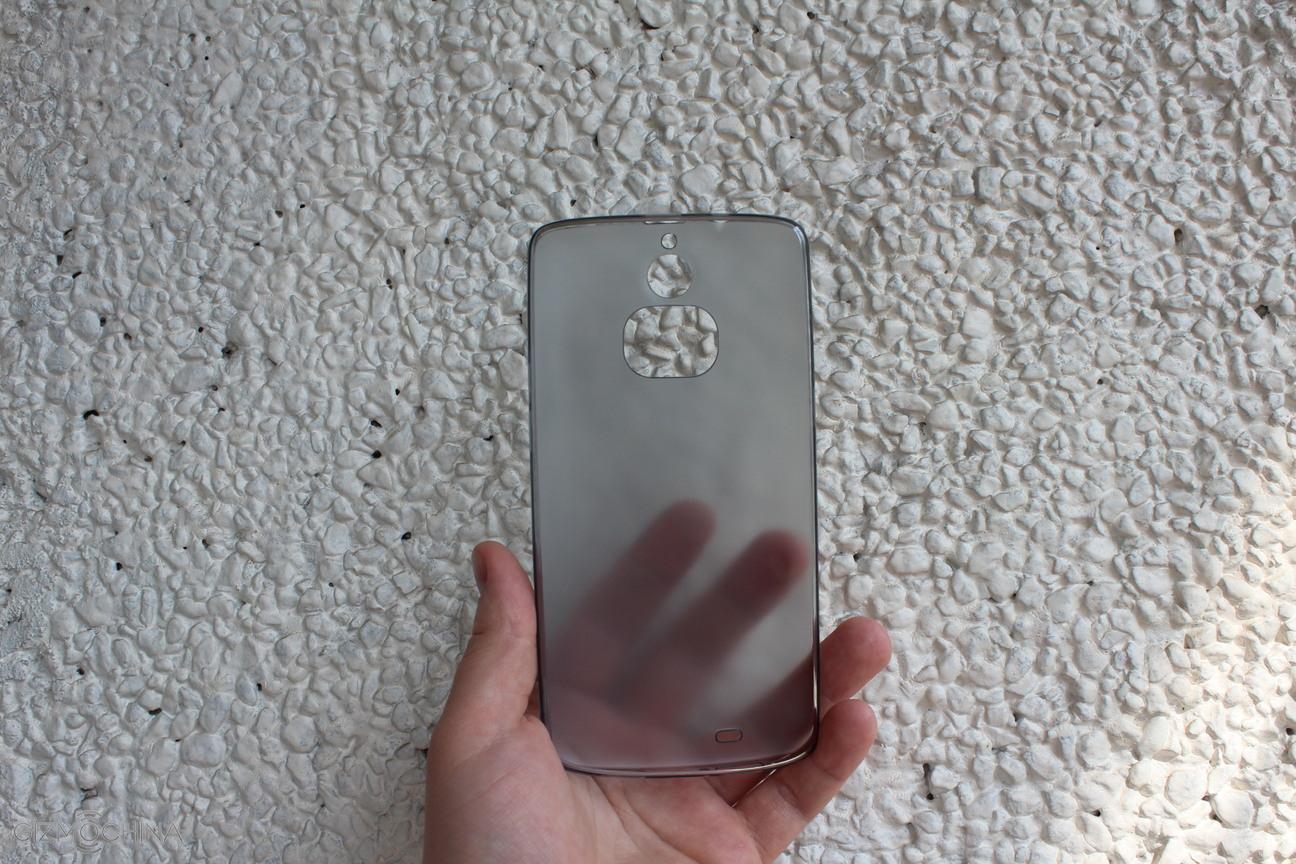
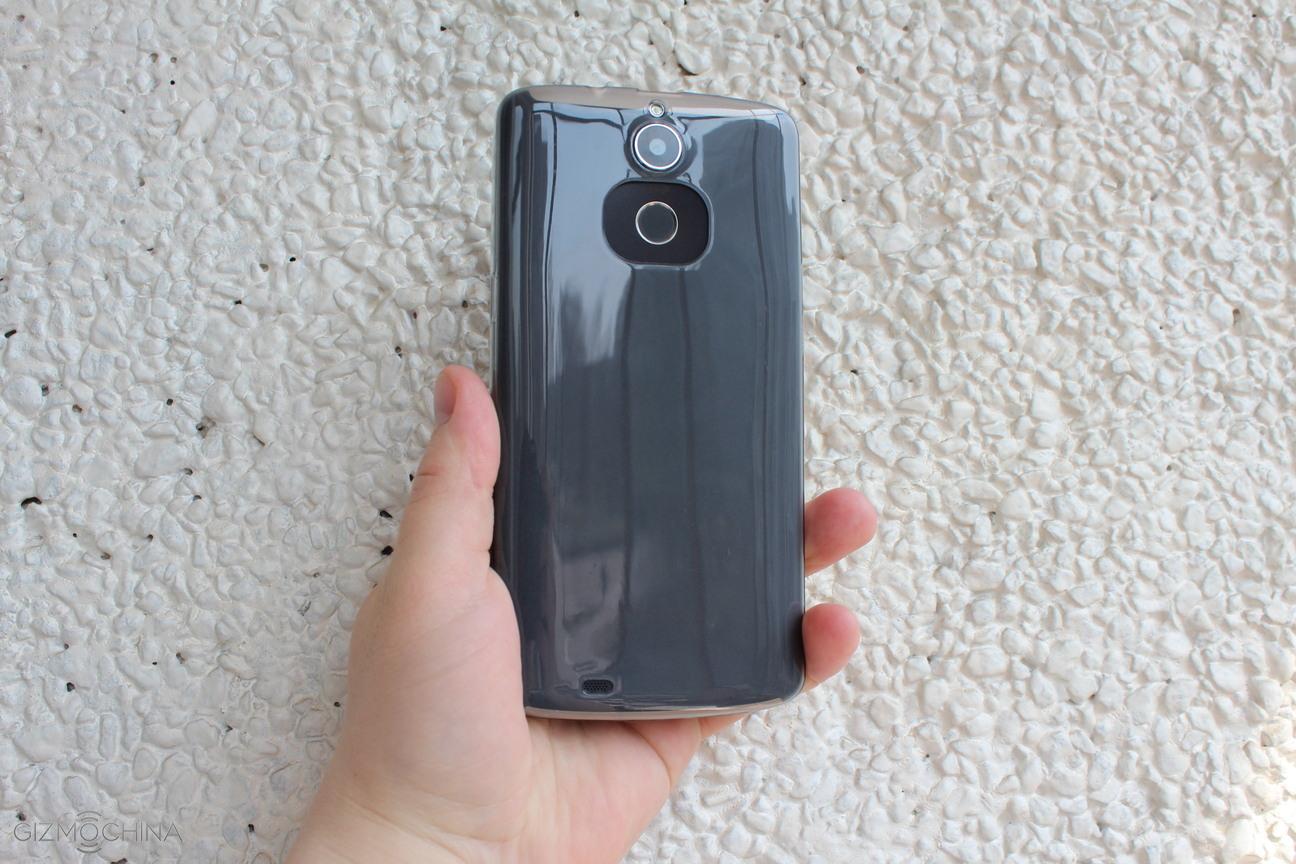
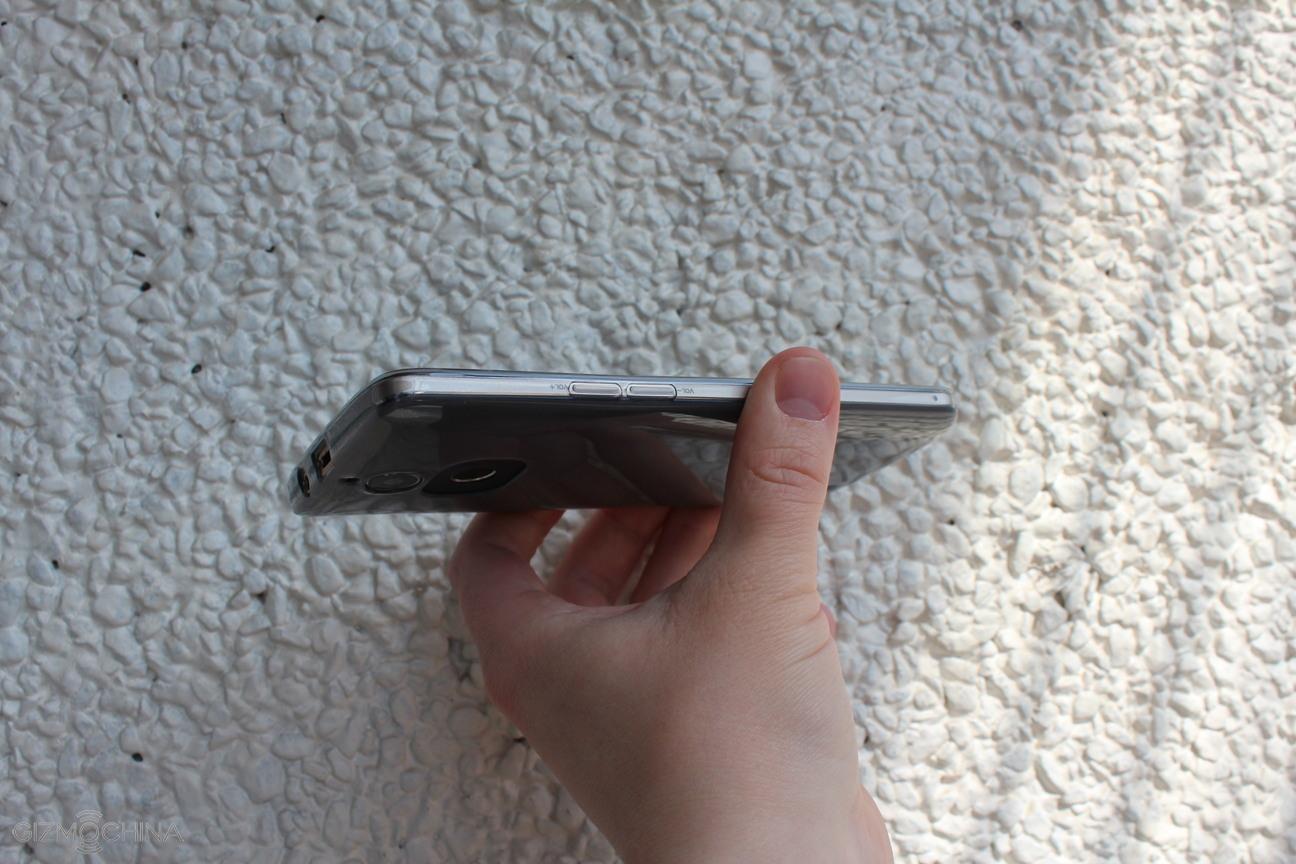
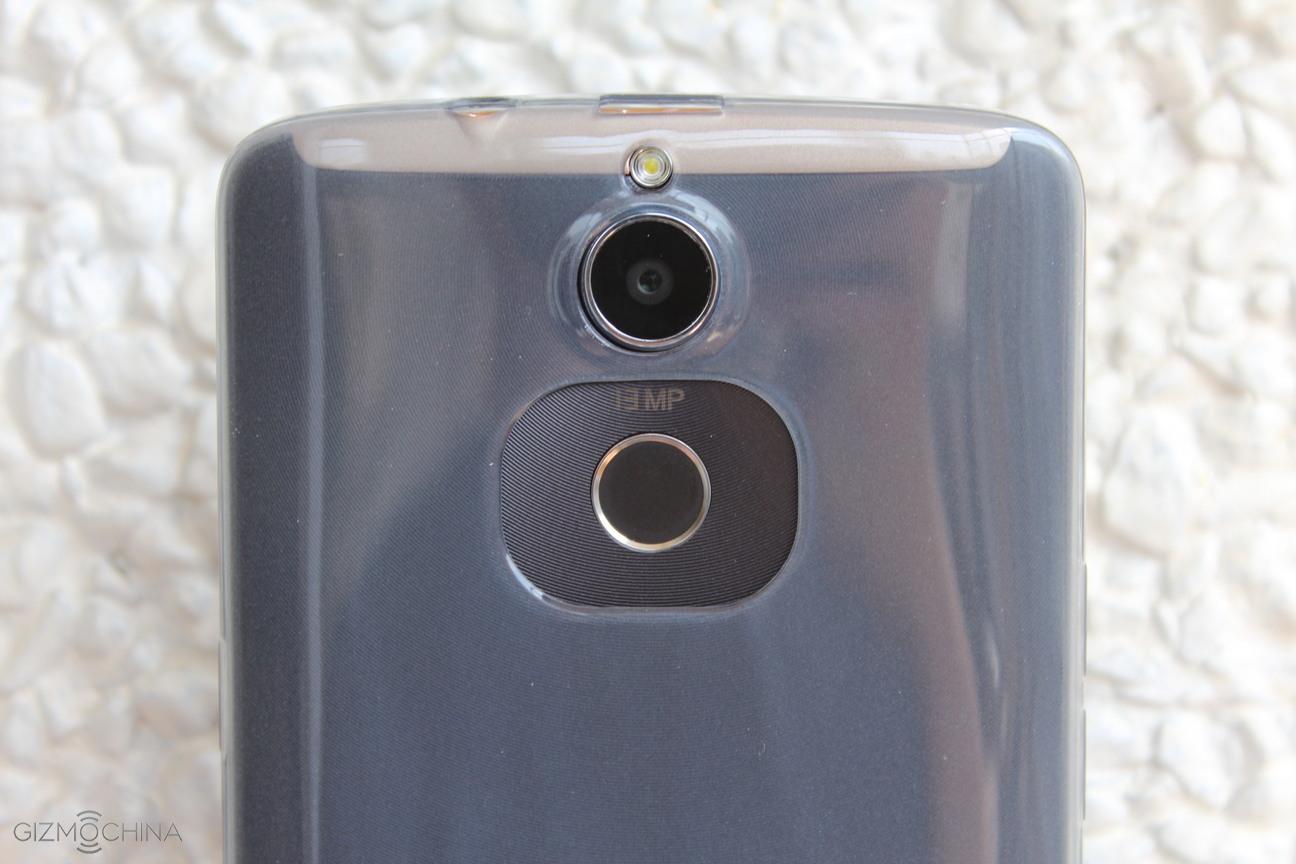
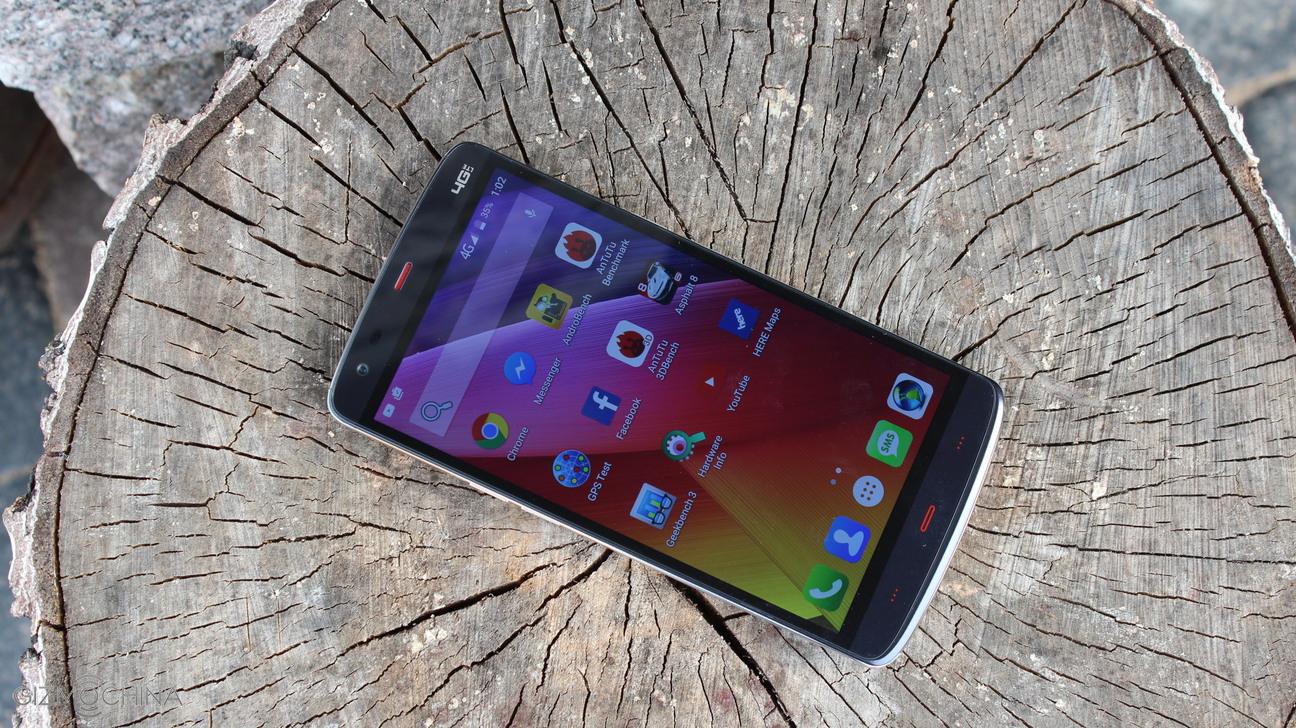
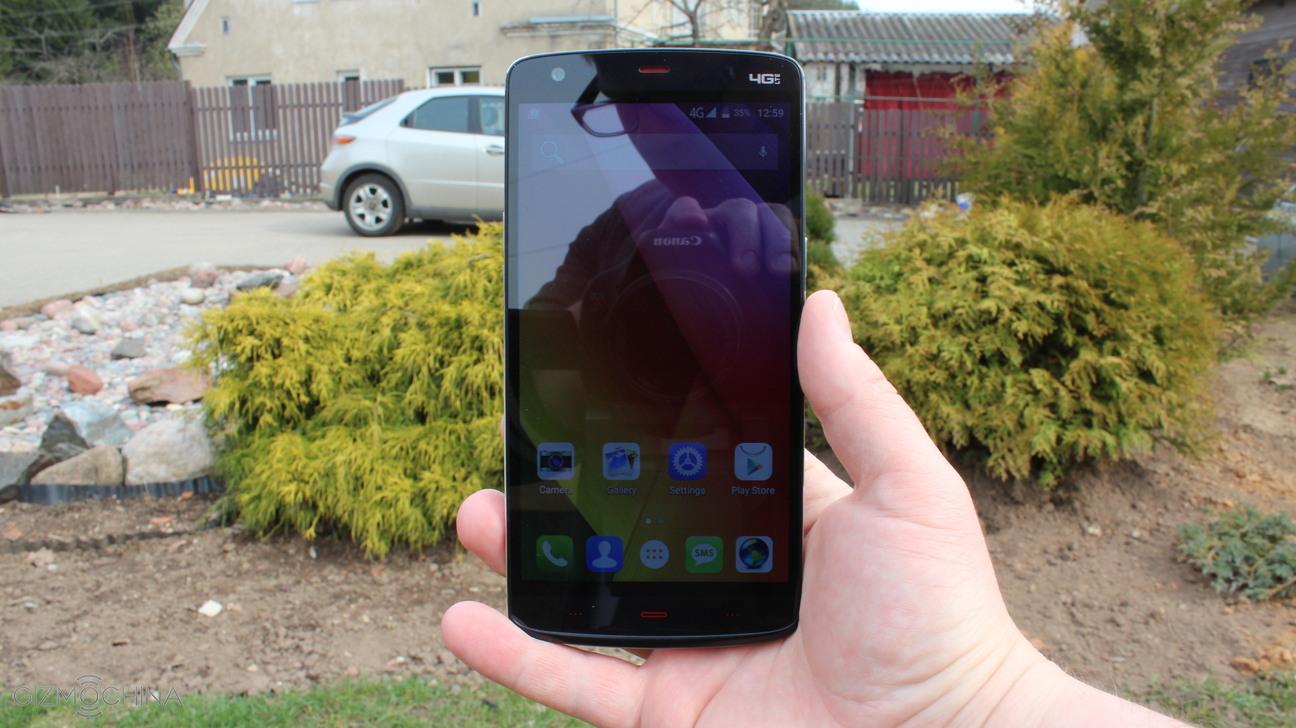
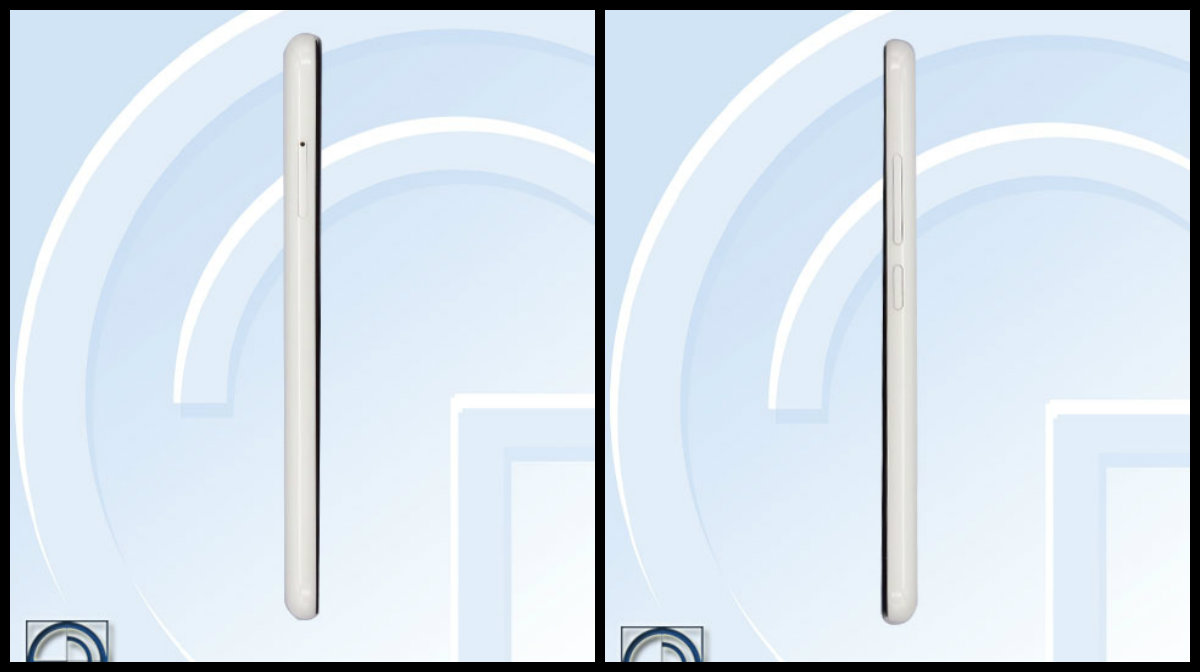
April has surprisingly turned out to be an important month for Meizu, with the company all set to release its third smartphone within a month. Earlier, we had seen the Meizu M3 Note mid-ranger, followed by the Meizu Pro 6 flagship model. Now, the company is all set to announce the Meizu M3 budget handset, taking the total to three smartphone launches in a month.
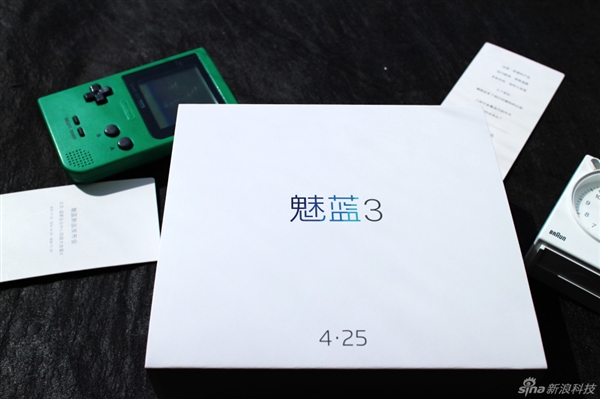
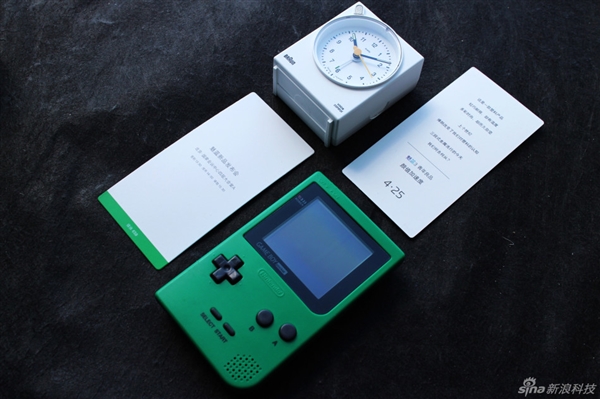
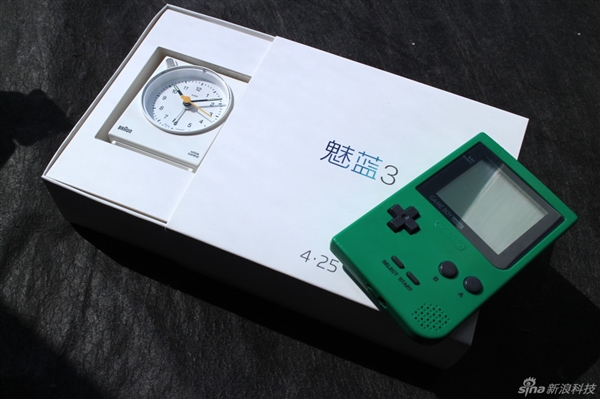
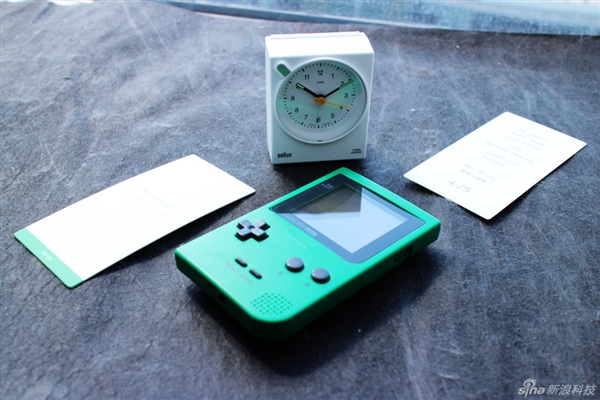
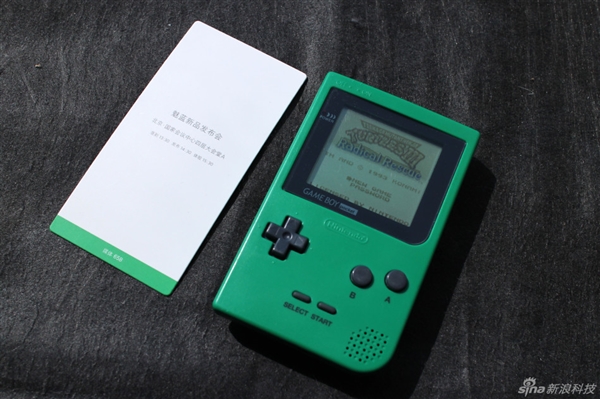
If you are an avid fan of the company, you would know that Meizu likes to keep things interesting, sending out unique products in the invites for its events. Remember the time where Meizu had sent in a Nokia smartphone inside its invite for a Blue Charm phone event? Well, now, the latest teasers for the Meizu M3 launch feature two interesting products — a gameboy and a Braun Alarm Clock.
Nothing special about these two products, except that they are made out of plastic. So, it’s possible that the new Meizu M3 also comes with a plastic body. During the early launch days of Meizu Blue Charm series, the company had sent out the polycarbonate back covers of the iPhone 5C to hint the upcoming phone’s material. So, we can expect the same thing from this new invite. Also, both Gameboy and Braun Alarm clock are considered to be simple yet practical products, so the M3 could also come with a simple plastic design.
As for the specs, the Meizu M3 is expected to come with Snapdragon 616 processor with 2GB of RAM and 16GB of internal storage. The screen is of 5-inches with 720p resolution. At the back, there is a 13MP camera while up front, you will find a 5MP front shooter. Finally, the phone is said to run on Android 5.1 based on Flyme 5.1.3.0. Other rumored features include an 8.3mm body, 130 grams weight, 2800mAh battery and five different color options — white, blue, gray, pink and gold.
Expect more features of the device via teasers in the coming days.
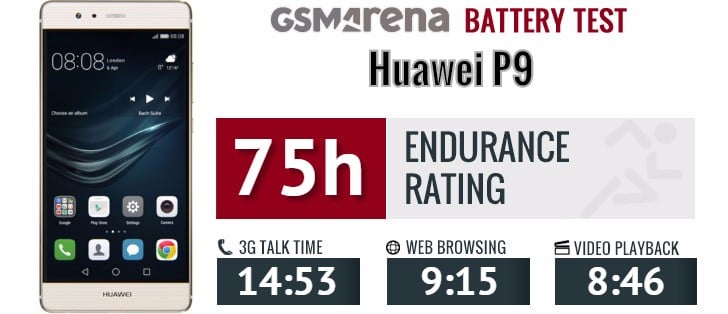
Huawei announced the P9 and the P9 Plus smartphone a few week back. The phones cost a lot, much higher than traditional Chinese flagships, but in its defence, it comes with a few extraordinary features to kind of justify the price. While the camera and the looks of the phone might be better than average, when it comes to the battery life, the P9 just got a 3000mAh capacity battery on board. That’s just average according to today’s standard. But thanks to GSMArena’s thorough battery life testing, we got to know that it’s not so bad.
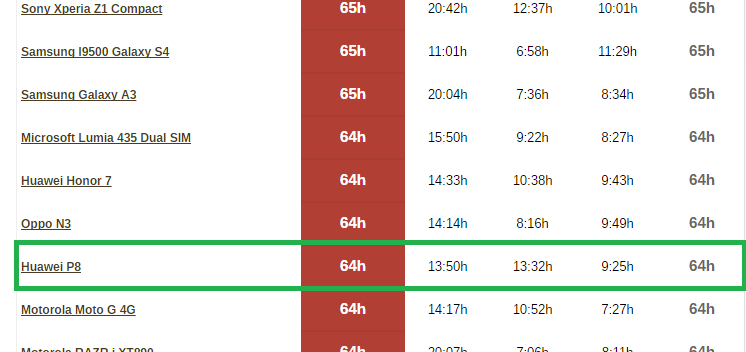
According to the Huawei P9 battery review of GSMArena, the phone got an endurance rating of 75 hours which is pretty decent. Now, this figure is definitely an upgrade from the Huawei P8, which only got a rating of 64 hours. Further, the review said that the battery life was balanced, with the standard and ultra-saving modes adding a few more precious hours to the device.
If you want the numbers, then the Huawei P9 battery gives 3G talk time of around 14:53 hours, with web browsing for just over 9 hours and video playback for a good 8:46 hours. Not the best we have seen on a flagship smartphone, but still pretty good. The compact screen size and the 1080p resolution does help in keeping the phone running throughout the day.
To recap, the Huawei P9 features a 5.2-inch display with 1080p resolution. Under the hood, the phone features the new and improved Kirin 955 chipset with 3GB / 4GB RAM and 32GB / 64GB storage. At the back, there will be a dual 12MP camera setup powered by Leica, while up front, you will find an 8MP selfie shooter. Other features include a non-removable 3000mAh battery with fast charge, NFC, USB Type-C and fingerprint sensor located at the back.
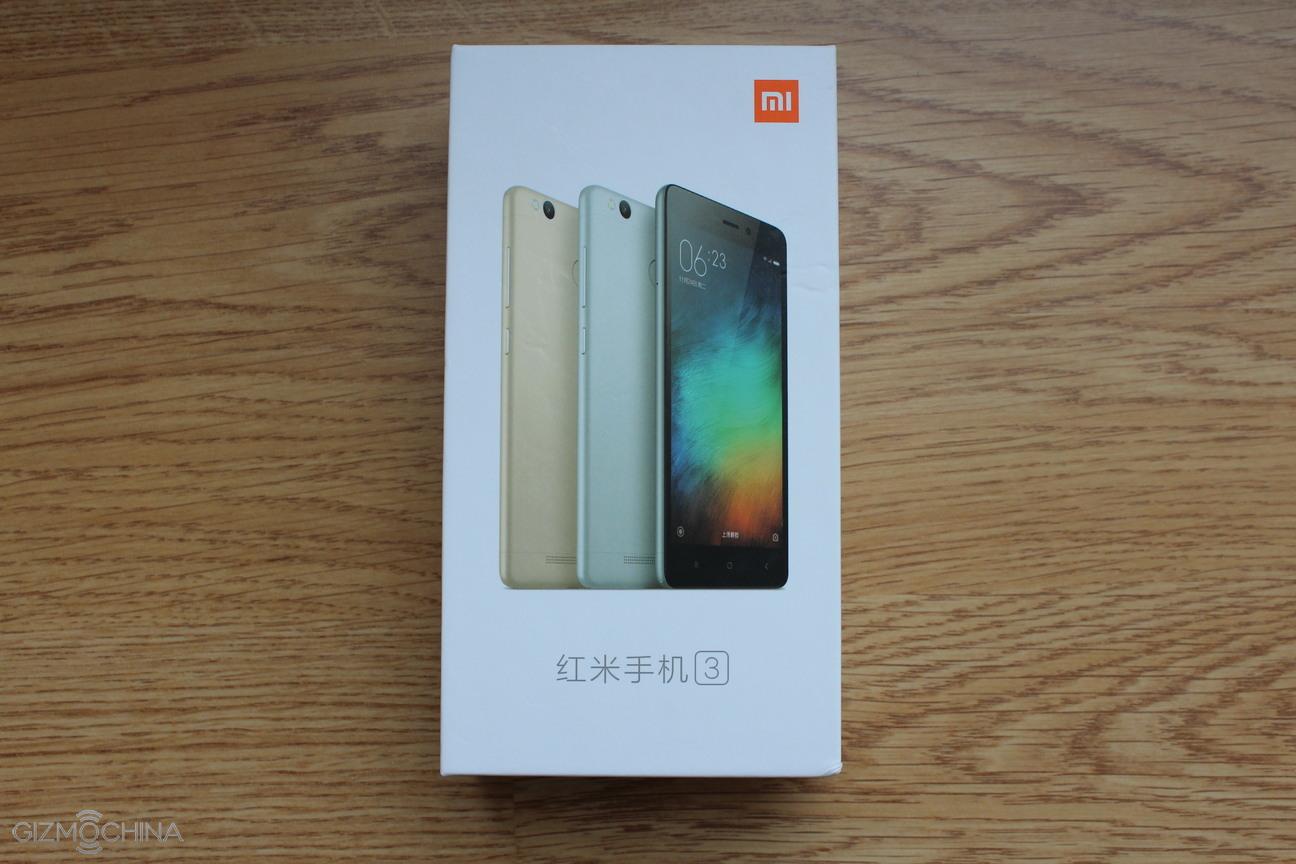
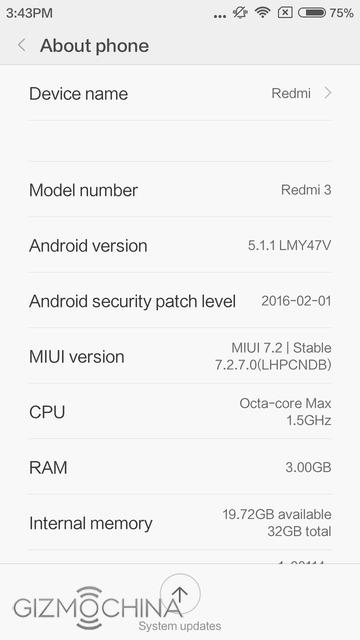
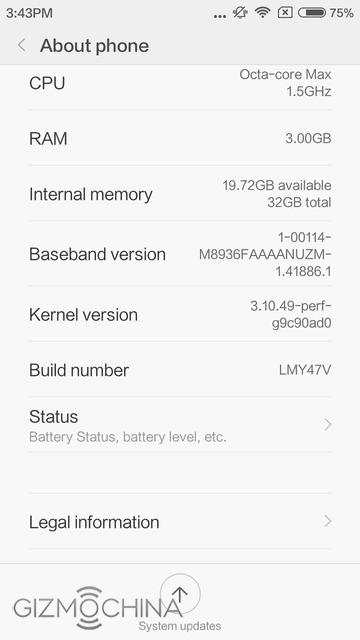
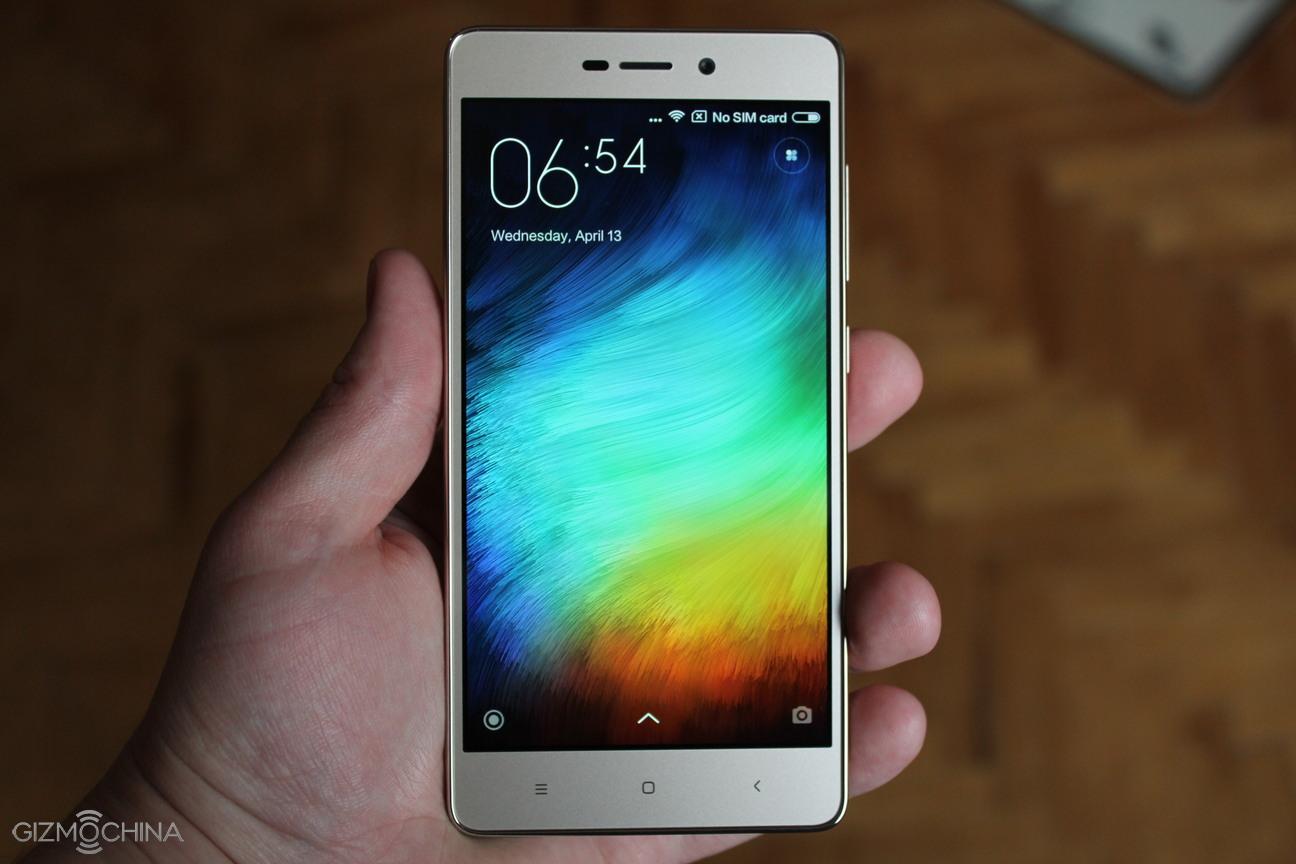
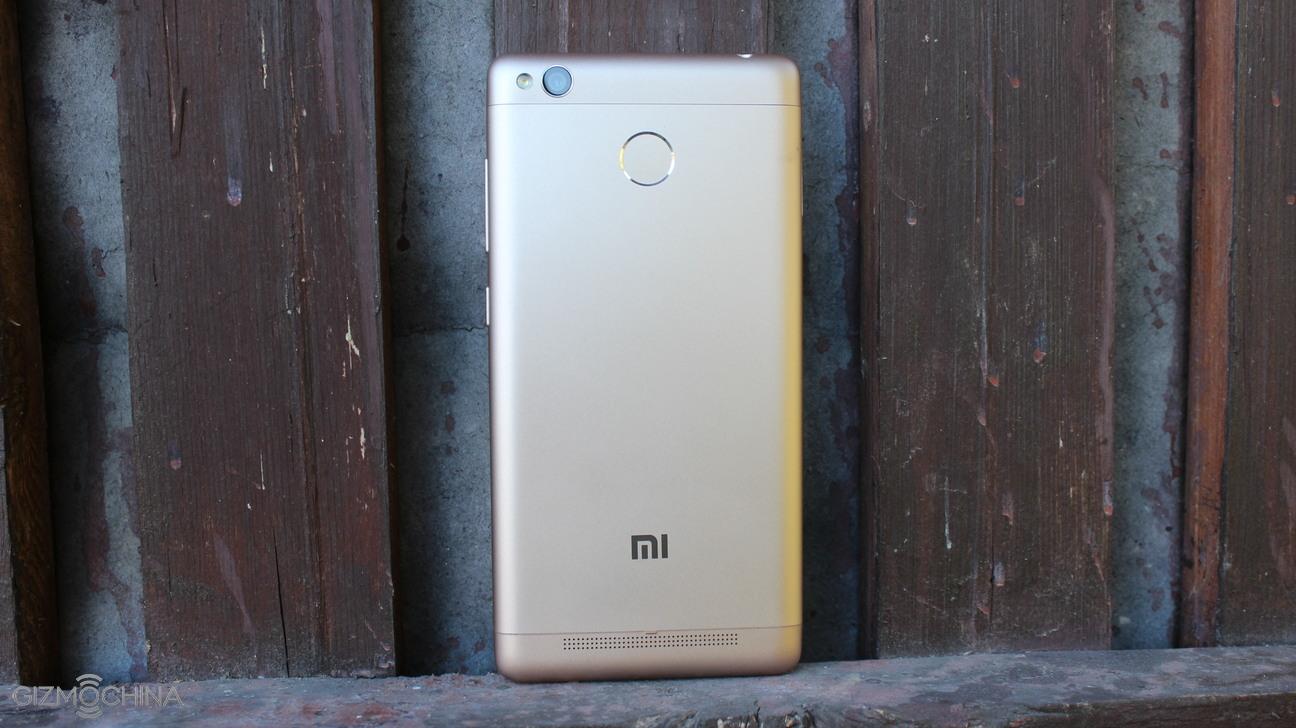
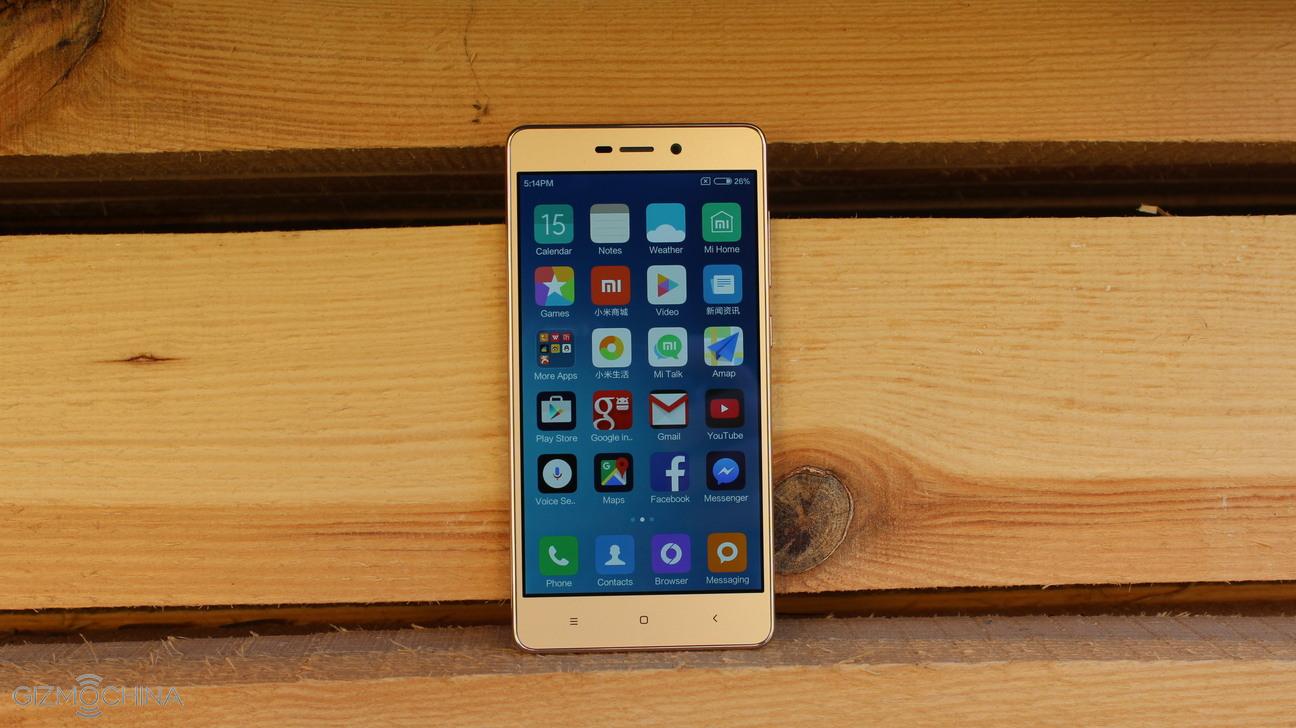
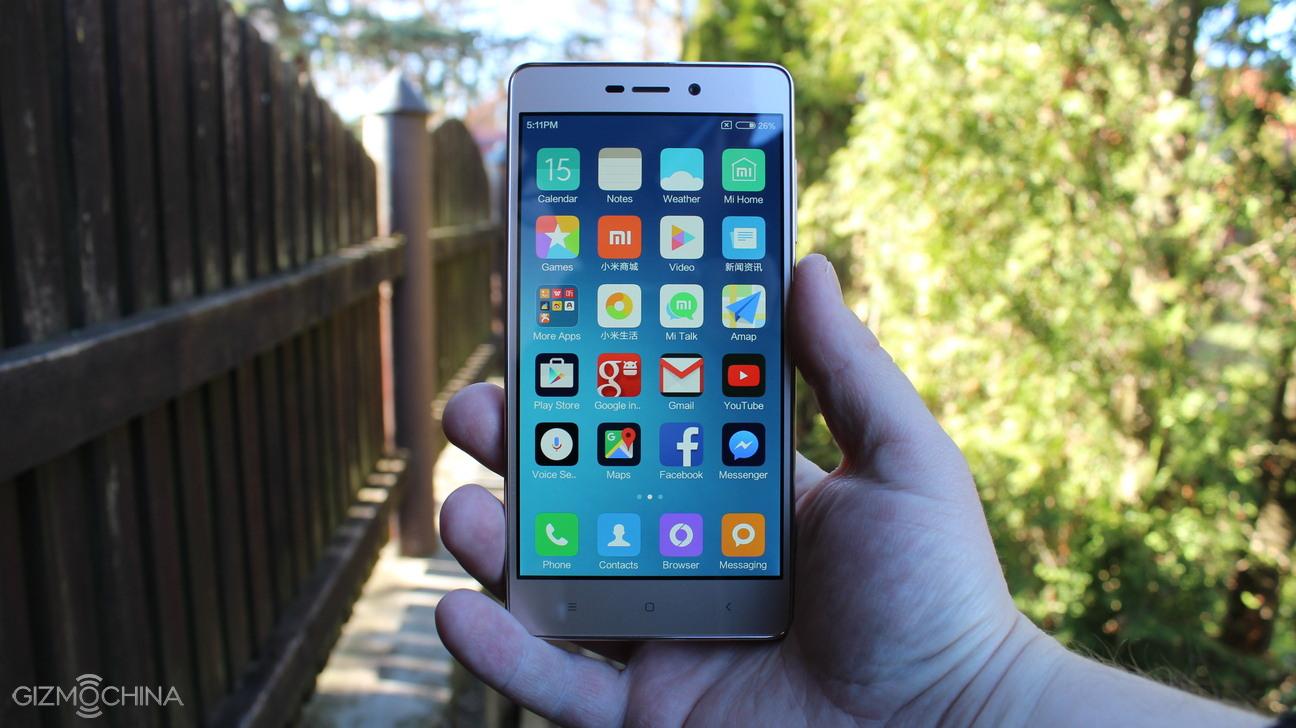
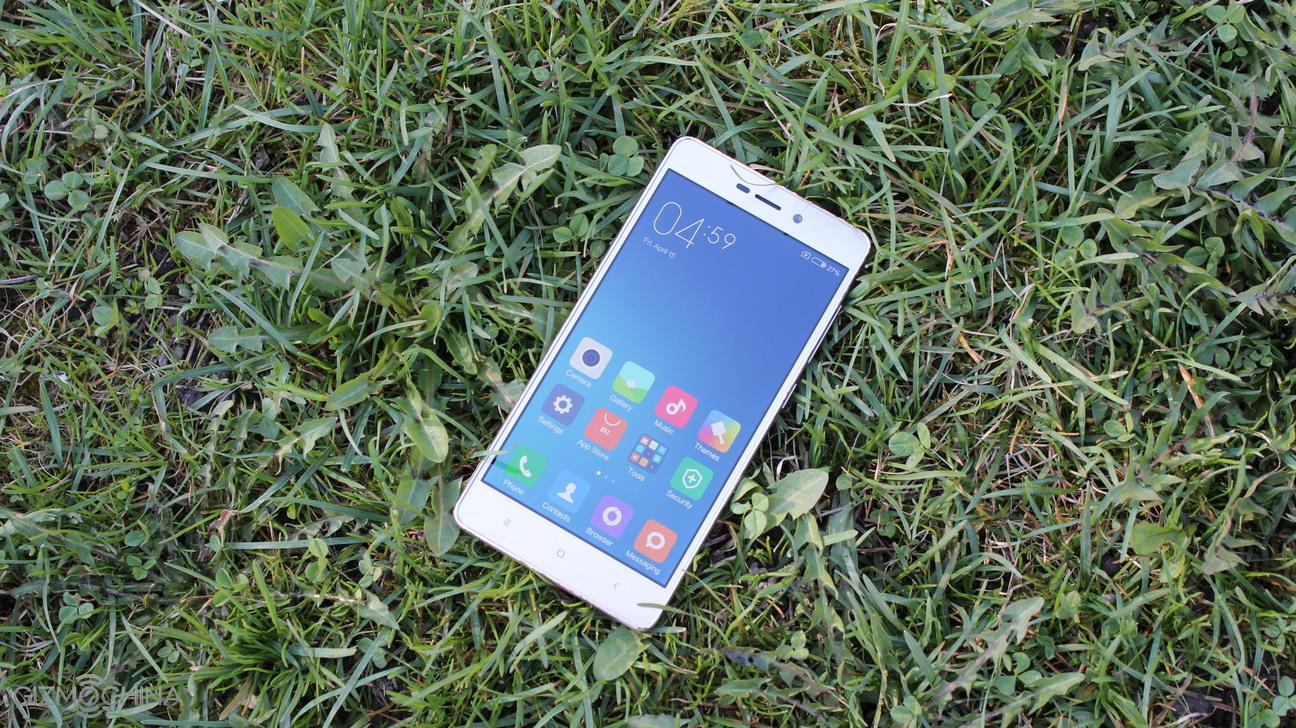
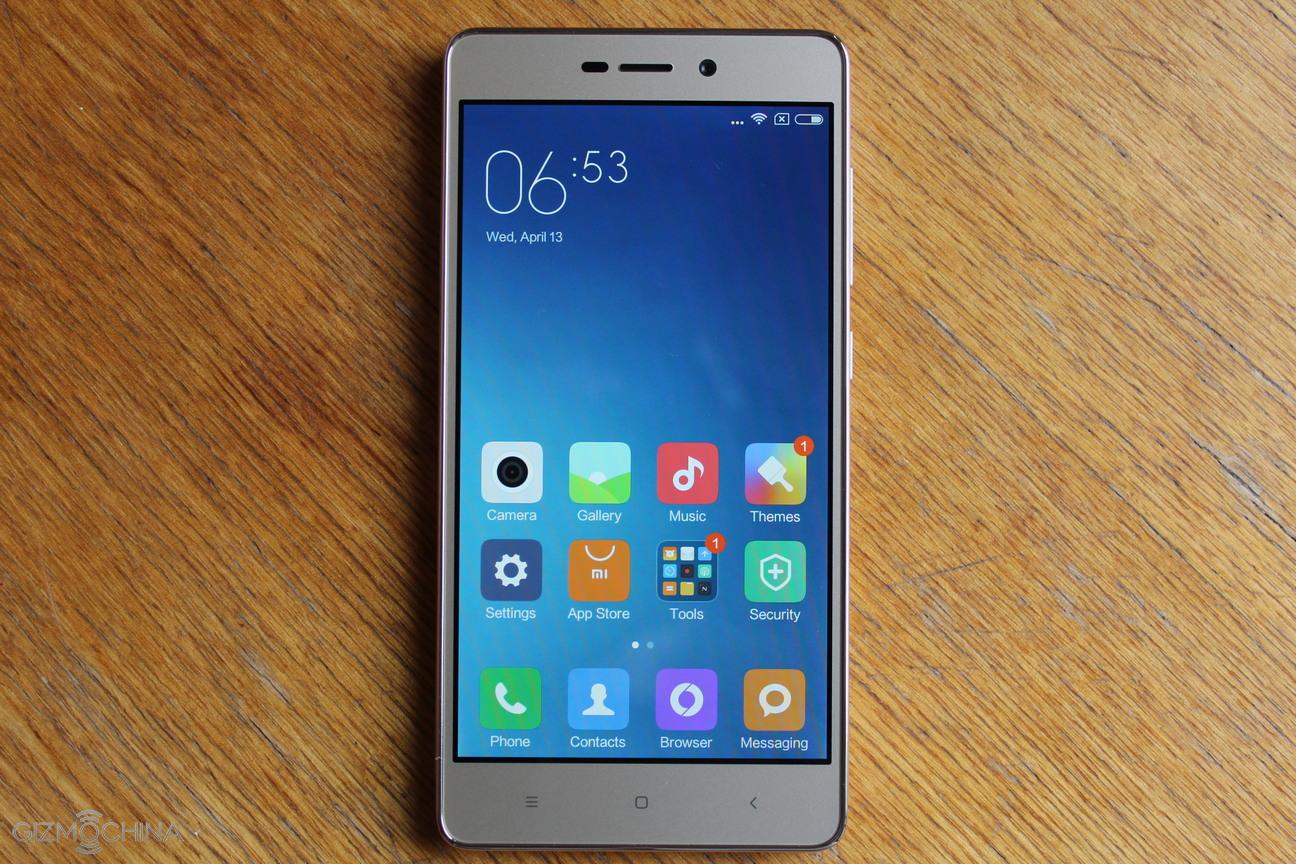
The device had a lot to offer for a very low price. It seems that Xiaomi wants to take cheap phones to a new level with the Redmi 3 Pro. We have all the great features of the Redmi 3 but the company added some significant upgrades to the device. Learn more in our Xiaomi Redmi 3 Pro review.
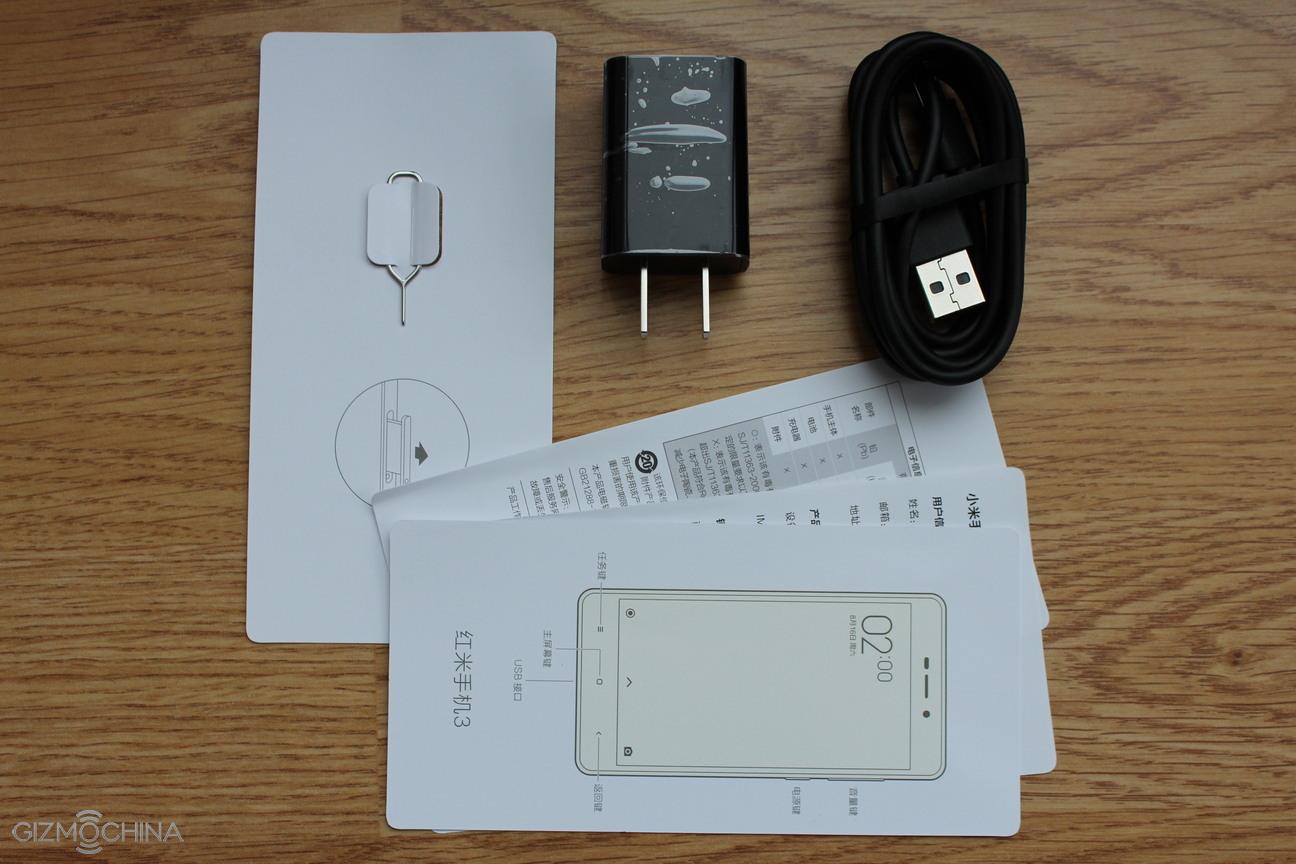
The packaging is the same as the one that came with the Redmi 3. The contents of the box include a power plug, USB cable, instruction manuals and SIM ejector pin.
Xiaomi Redmi 3 Pro Review: SPECS
Display
5″ 720p (HD)
Processor
Qualcomm Snapdragon 616, 64-bit, octa-core (up to 1.5GHz)
139.3 x 69.6 x 8.5 mm (5.48 x 2.74 x 0.33 in) / 144g
OS
MIUI 7.2 (based on Android 5.1.1)
Storage
32GB (expandable via microSD card slot up to 200GB)
Xiaomi Redmi 3 Pro Review: DESIGN
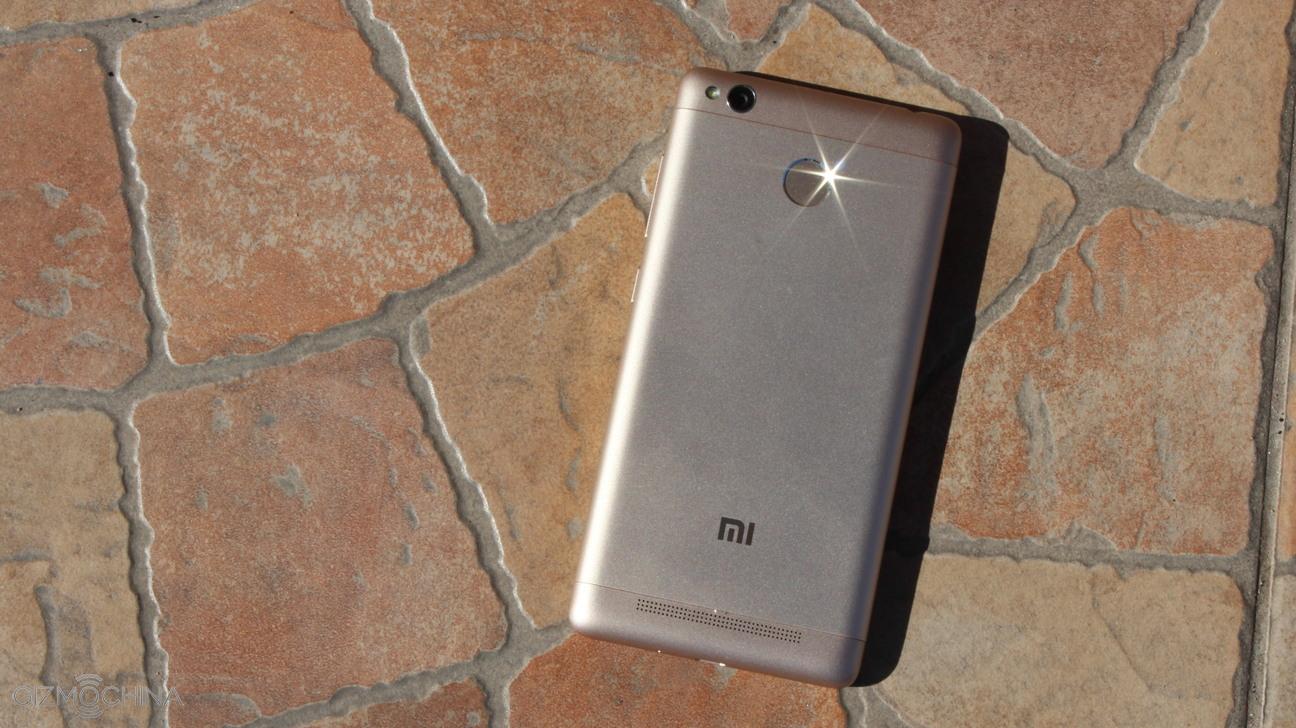
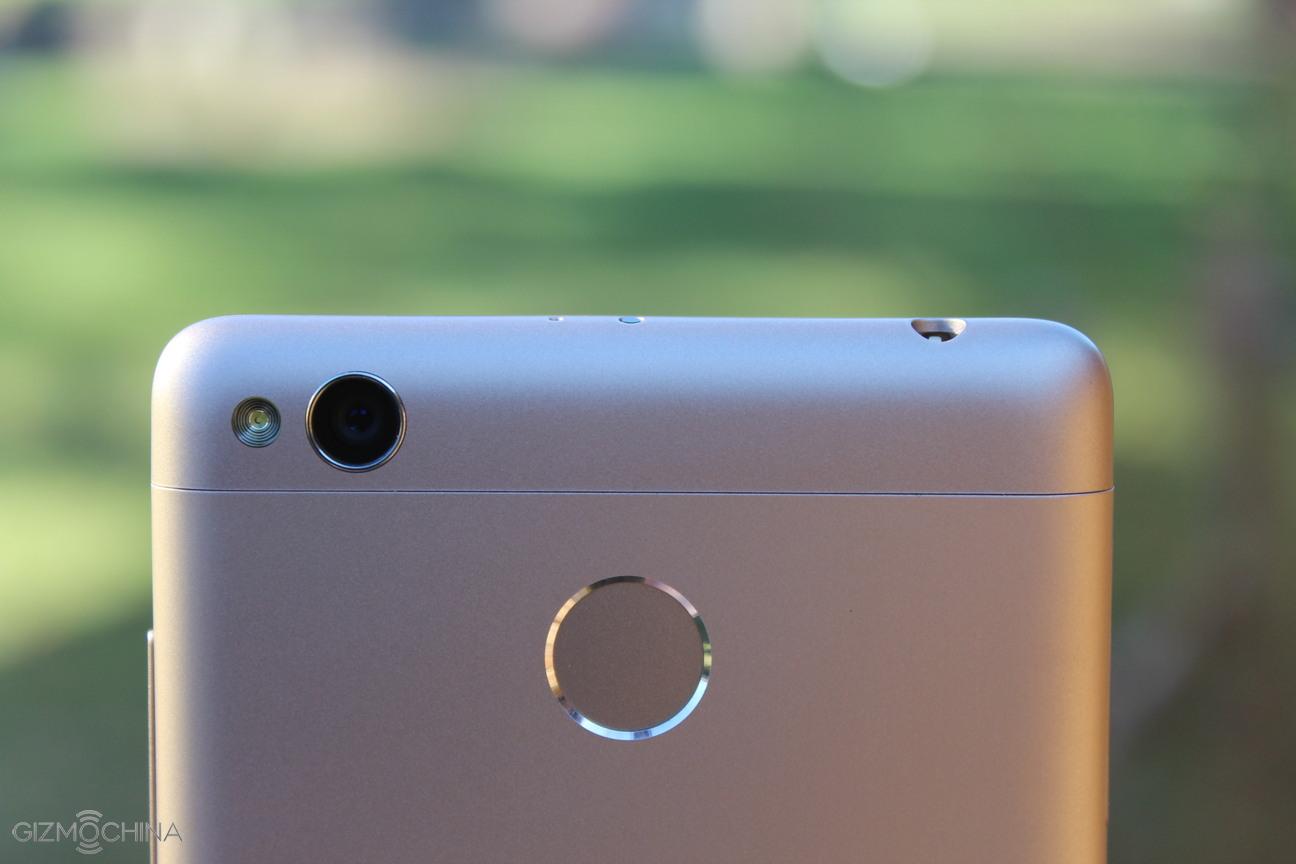
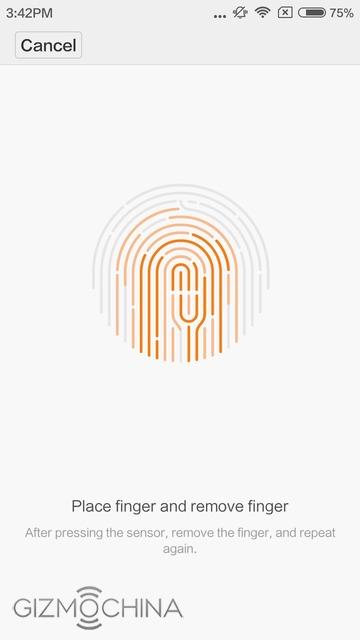
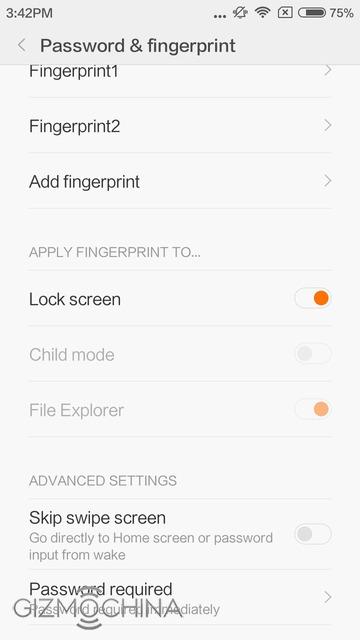
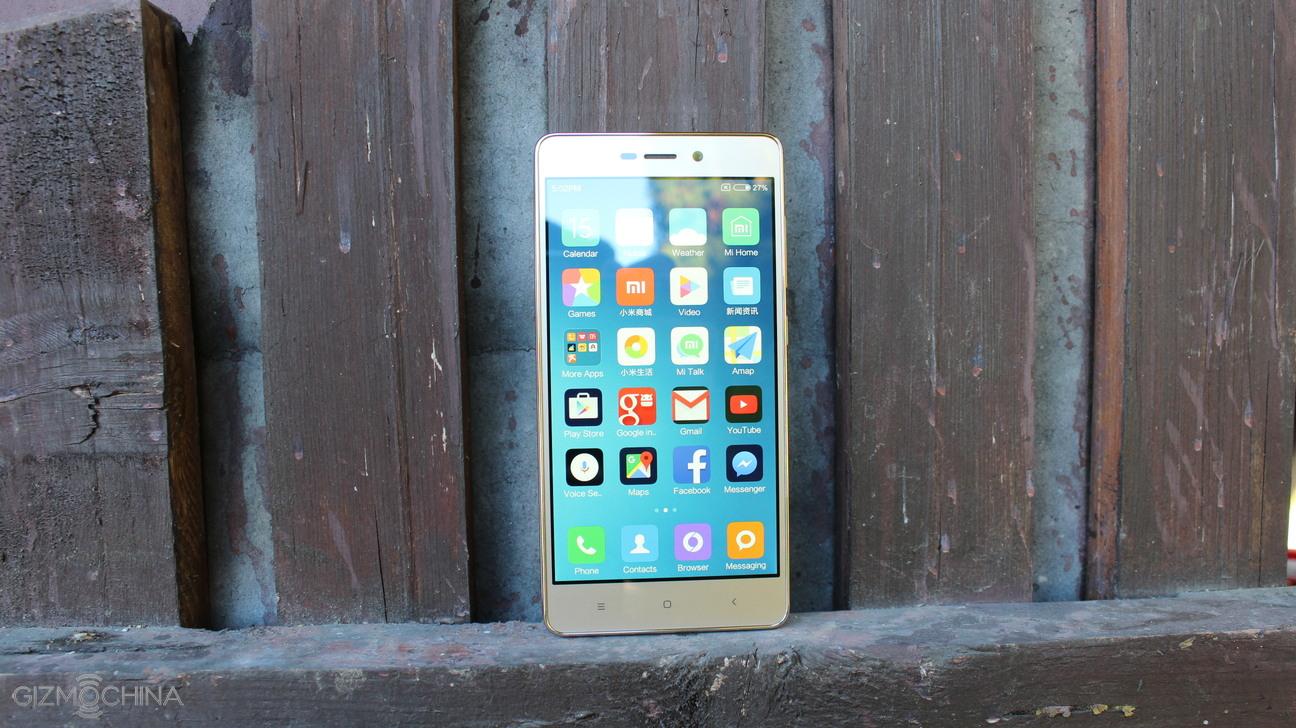
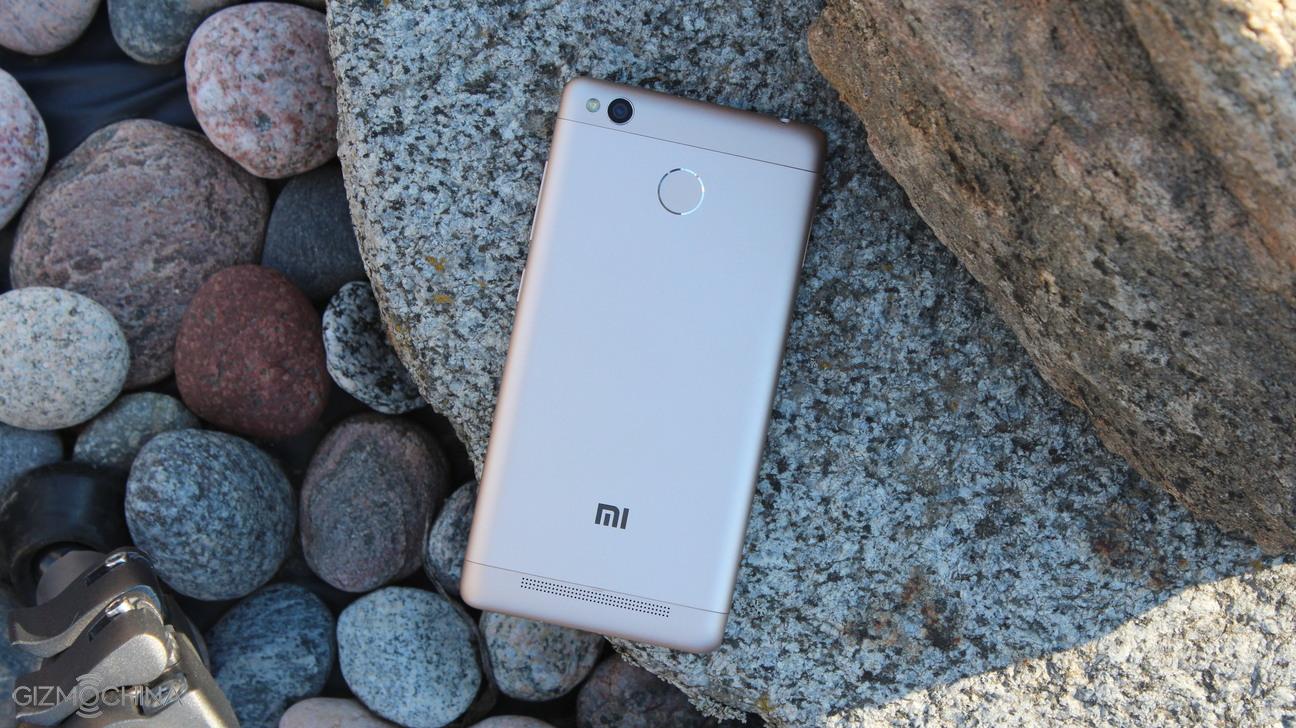
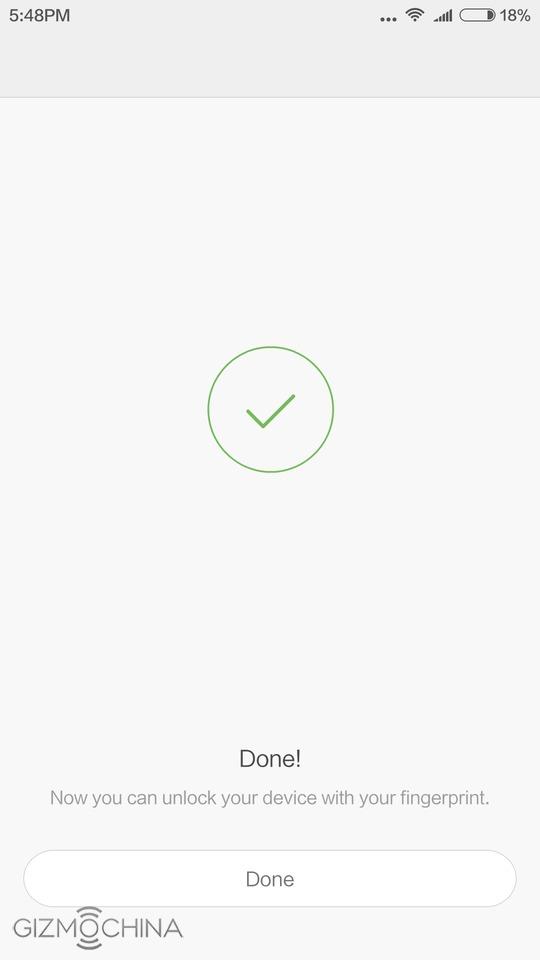
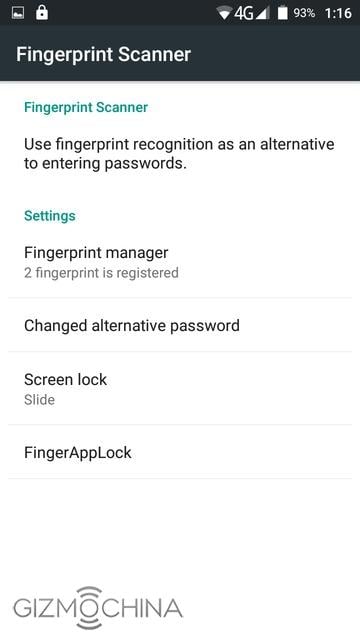
As for design, nothing really changed except for the fact that Xiaomi added a fingerprint scanner on the back. It is very accurate and it works straight from the standby mode.
Once I first picked the phone up I noticed that the build quality is slightly better than the Redmi 3.
There is no major difference but the buttons have a slightly better tactile feedback and there are absolutely no moving parts on the device (the Redmi 3’s back cover moved a little bit if pressed harder).
Other than that, we have the same button placement, the same ports, camera and it is the same phone in terms of the design as the Redmi 3 except for a fingerprint reader.
One thing is that the gold model looks much better to me than the silver model of the Redmi 3 we reviewed previously.
Xiaomi Redmi 3 Pro Review: HARDWARE and PERFORMANCE
A hardware department is where the Redmi 3 Pro has improved. Well, it uses the same octa-core Snapdragon 616 chip with the maximum clock speeds of 1.5GHz. However, now we are getting 3GB of RAM and 32GB of expandable storage via the microSD card slot.
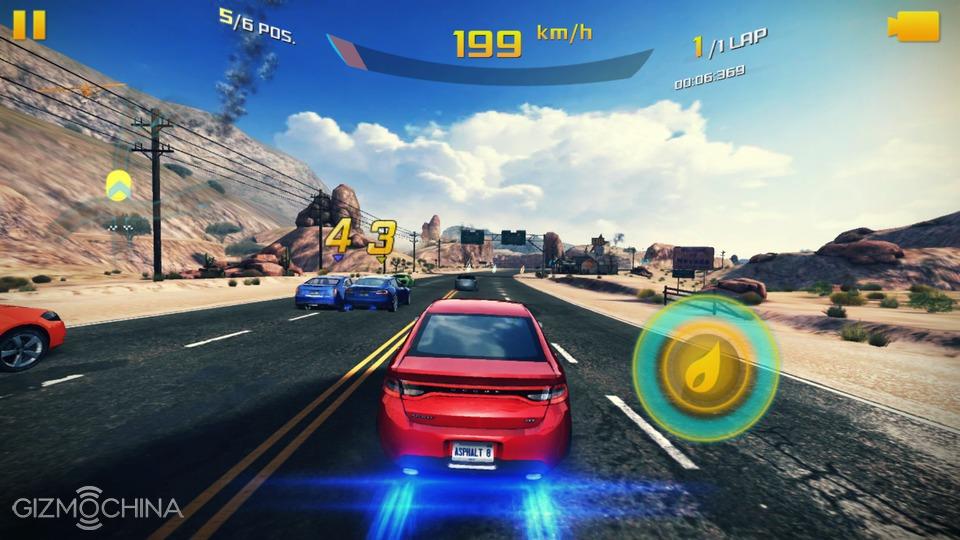
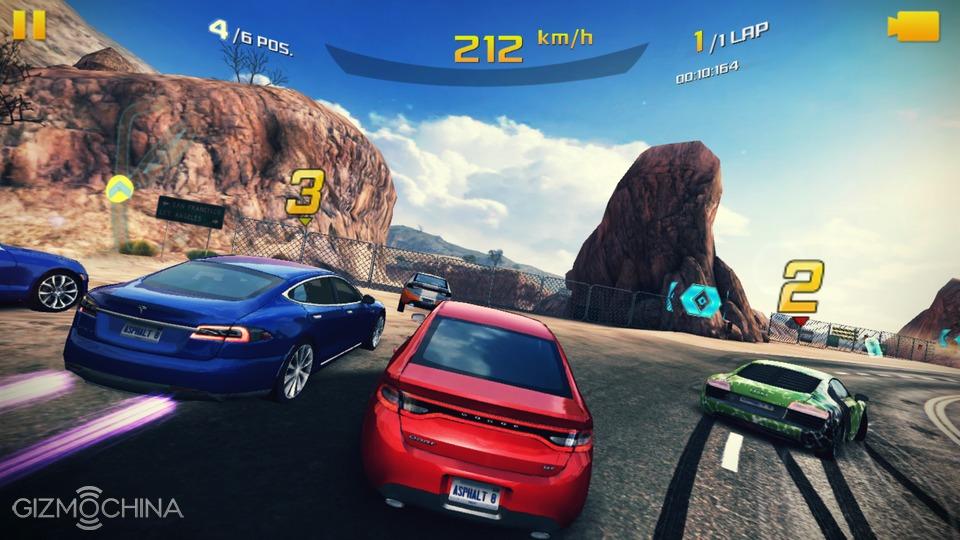
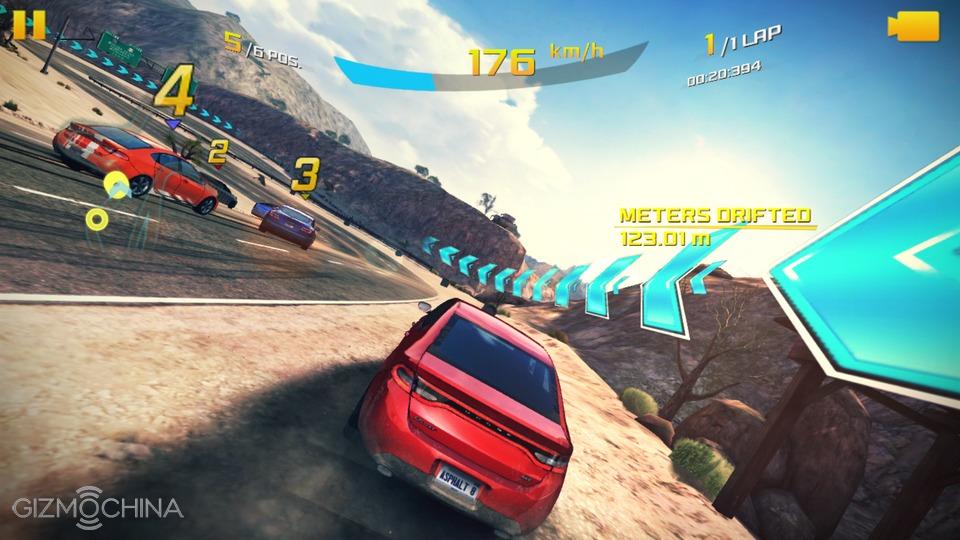
As expected, gaming performance is good. Asphalt 8 runs perfectly on medium graphics and there were just a few minor skipped frames on the highest graphics settings, so you may enjoy playing even the most demanding games on the Redmi 3 Pro.
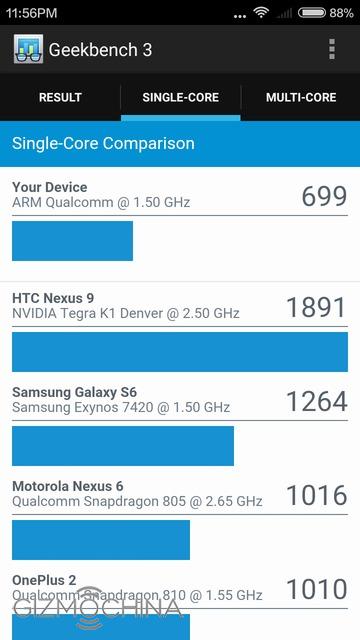
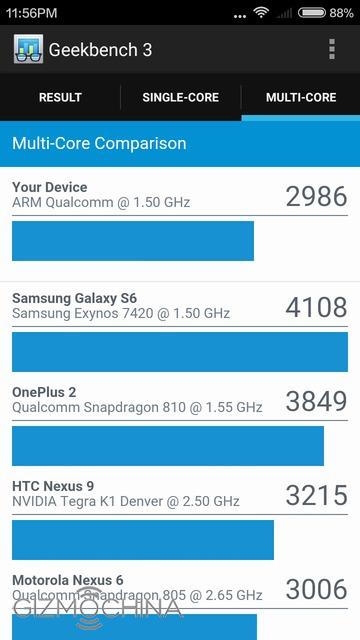
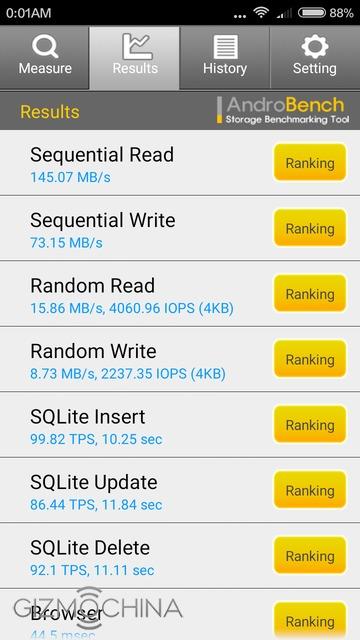
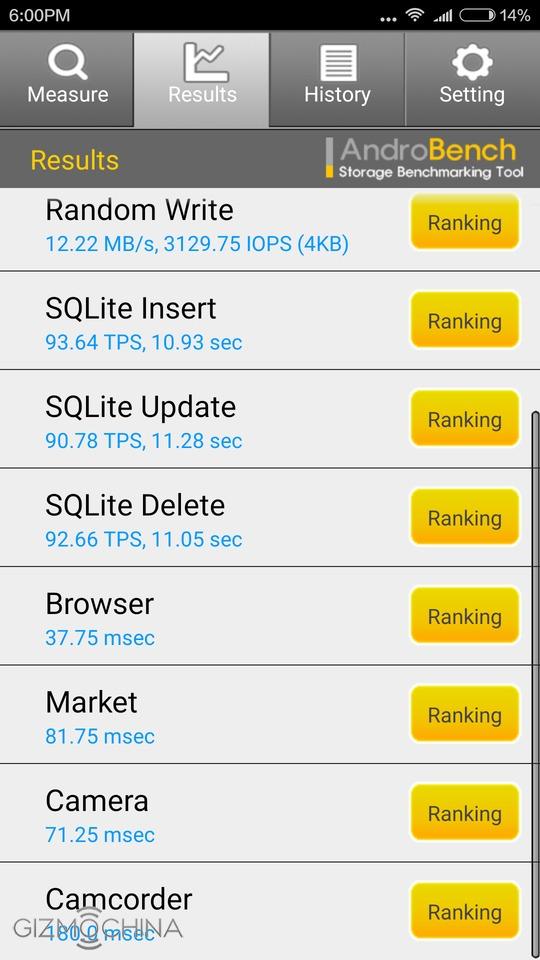
Xiaomi Redmi 3 Pro Review: BENCHMARKS
Xiaomi Redmi 3 Pro Review: UI
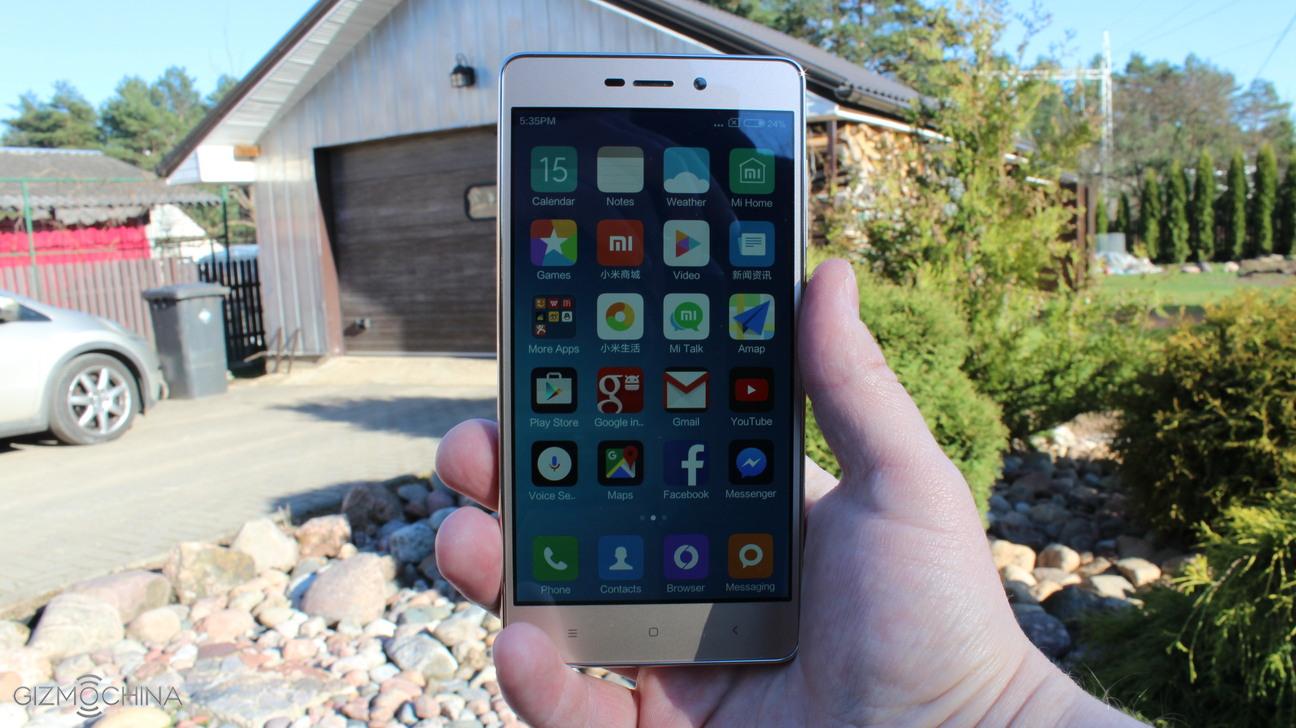
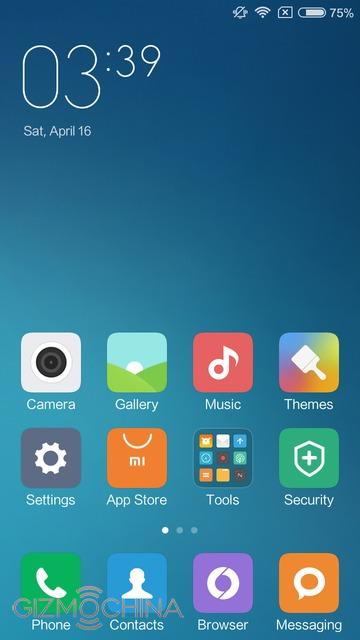
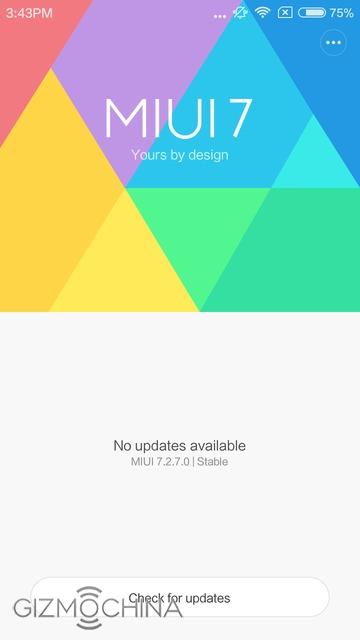
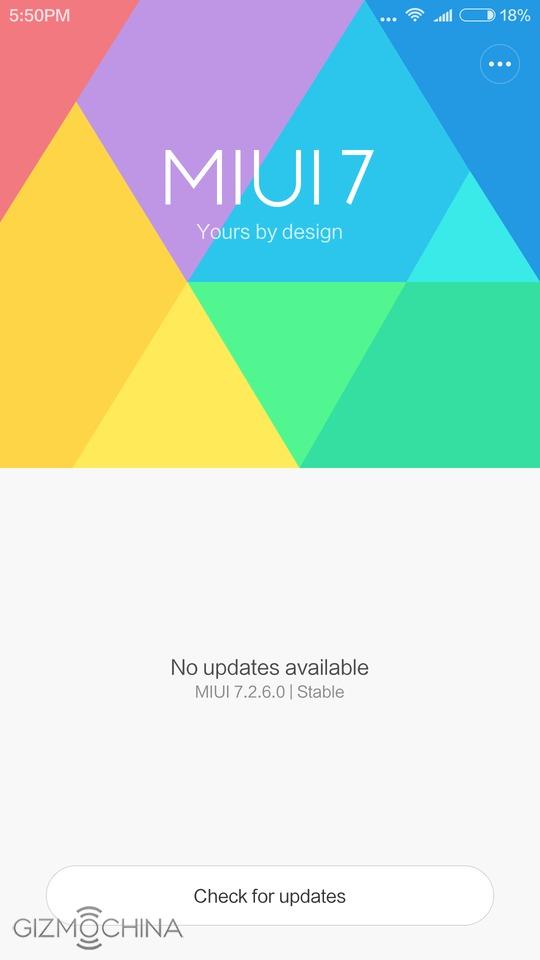
Xiaomi Redmi 3 Pro comes with MIUI 7.2, which is built on top of Android 5.1. Hopefully, Xiaomi updates this phone to Marshmallow soon.
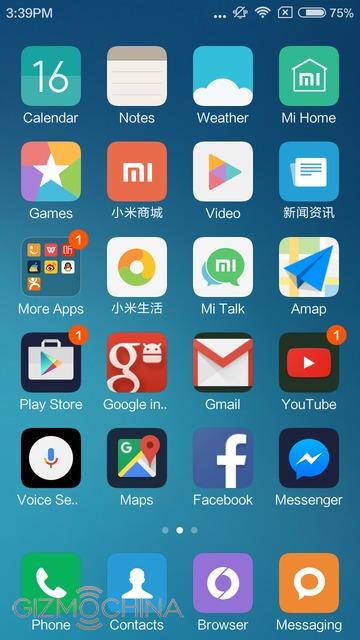
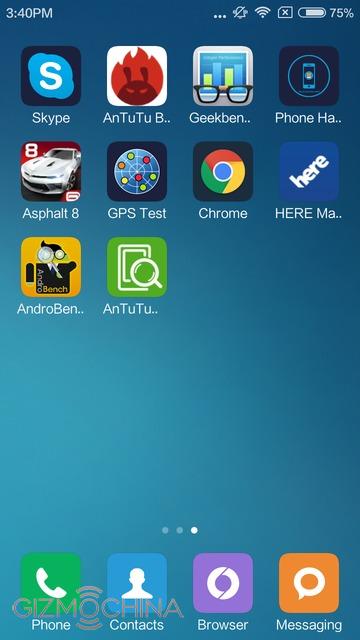
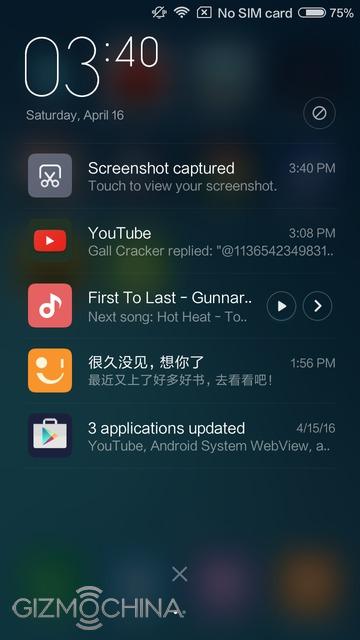
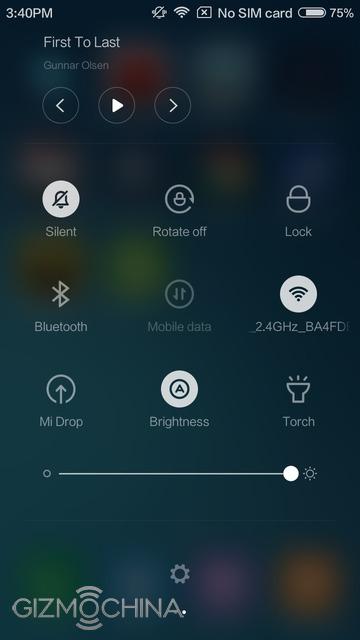
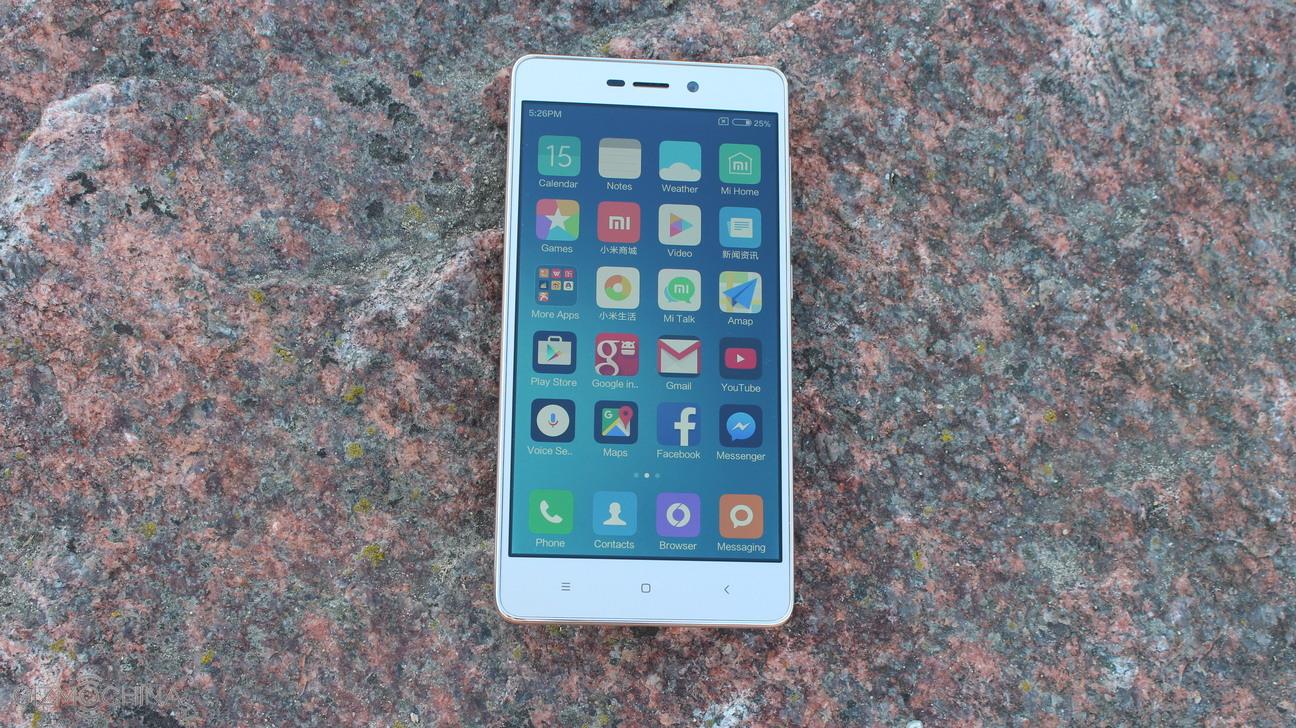
The UI looks the same as on any other Xiaomi phone. As usual, there is no app tray and all apps sit on the home-screens.
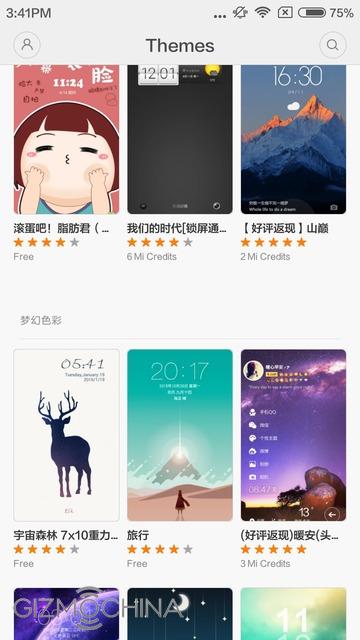
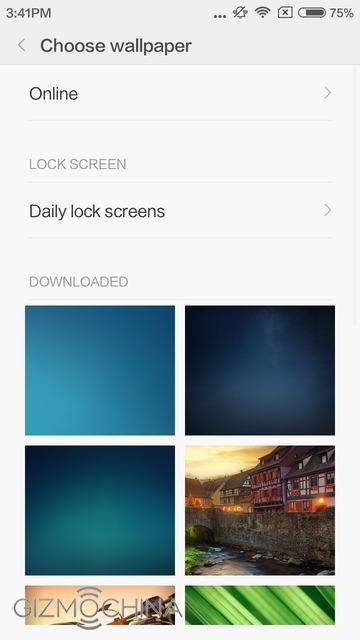
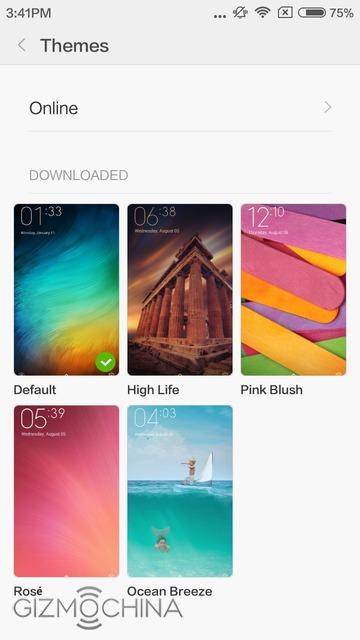
If you are not yet familiar with the MIUI, it has tons of customization options, which include a wide choice of themes, wallpapers, fonts and so on.
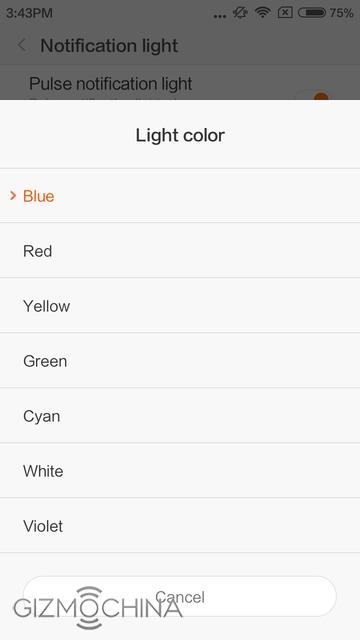
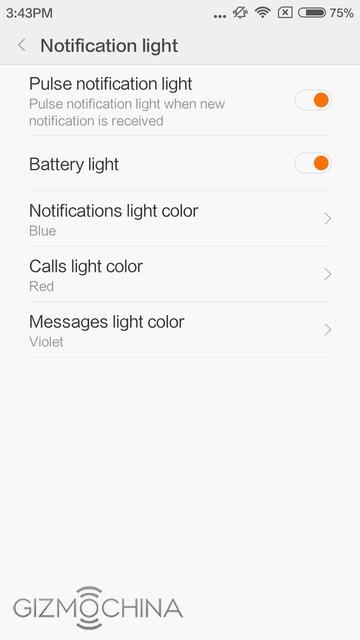
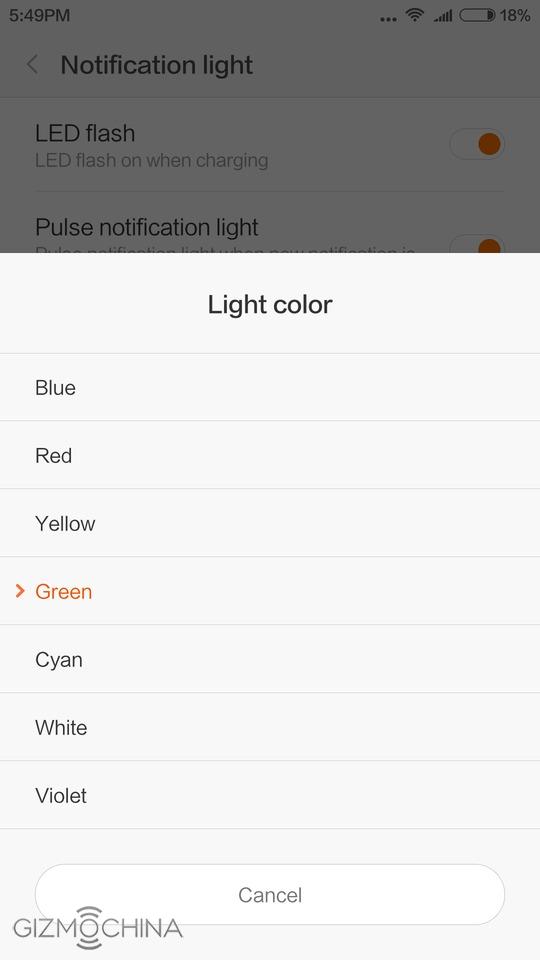
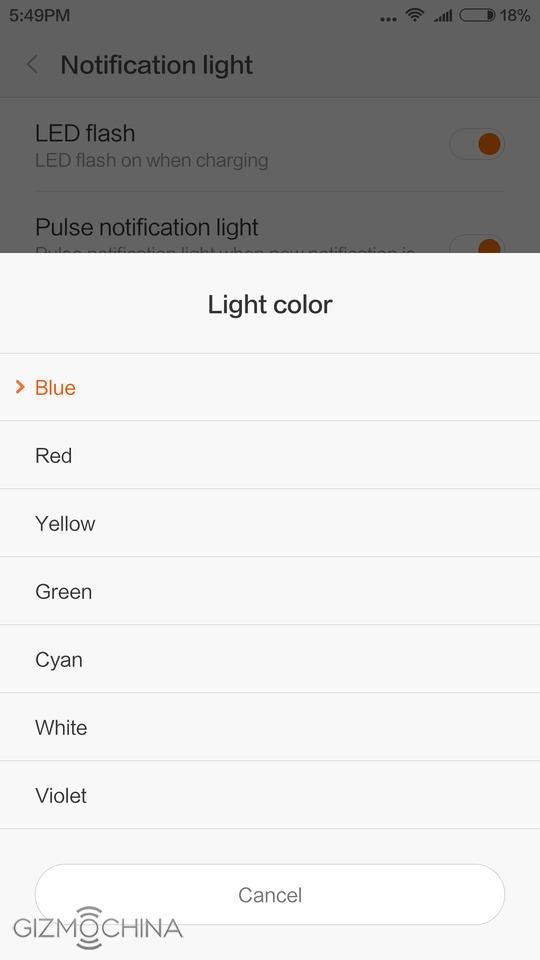
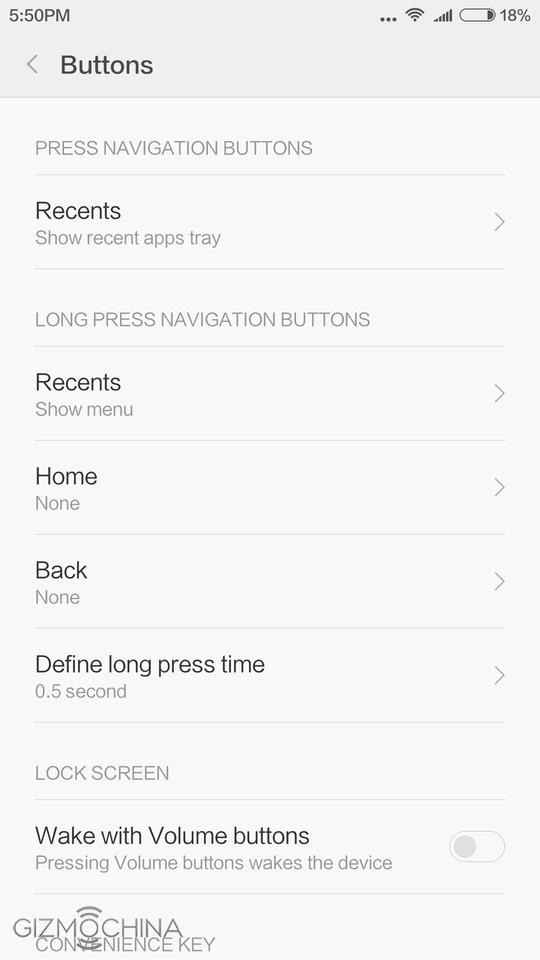
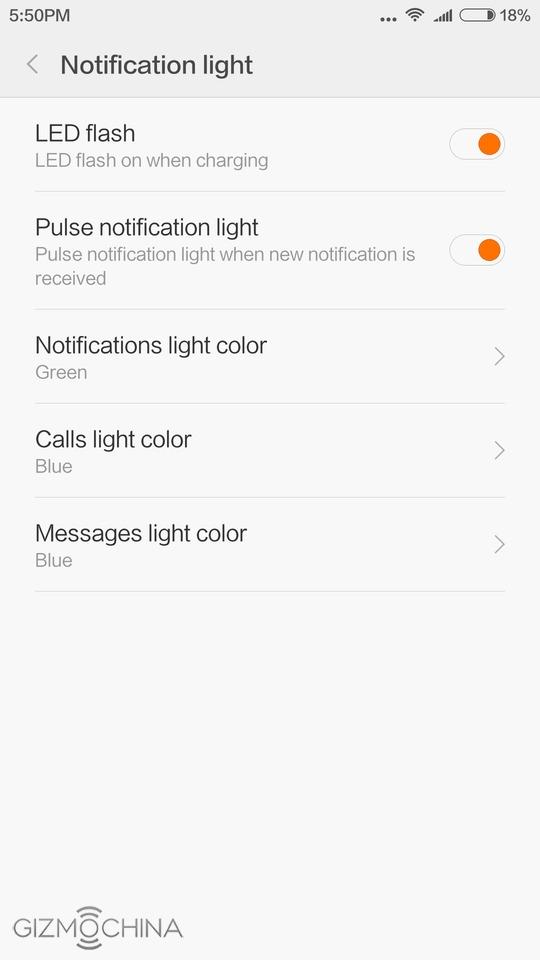
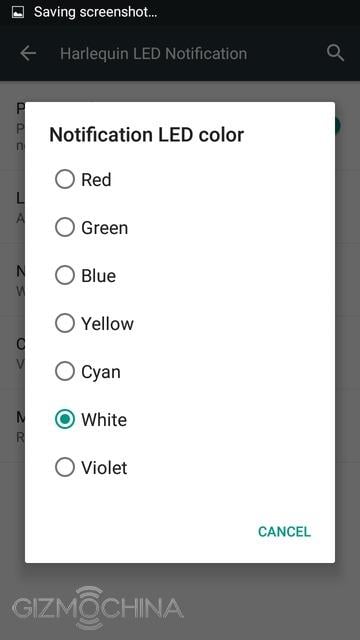
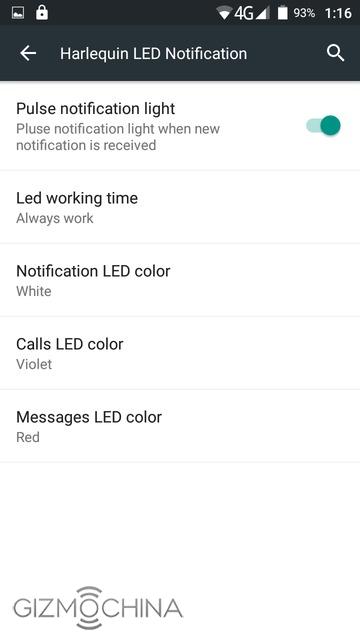
Also, you can highly customise the LED light, assign different tasks to capacitive buttons, do various tweaks and personalise the phone in a lot of different ways.
All in all, MIUI 7.2 runs fast and fluid most of the times and I didn’t really have any hiccups or lags.
Xiaomi Redmi 3 Pro Review: MULTIMEDIA
Watching full-HD content is a blast as videos in different formats play smoothly. The sound via earphones is pretty good with a loud volume output and clear sound for a budget device.
As far as the loudspeaker, it is pretty good too. While it is definitely not the best but it has a reasonable amount of depth and it does not sound tinny like a lot of cheap phones.
Xiaomi Redmi 3 Pro Review: IMAGE QUALITY
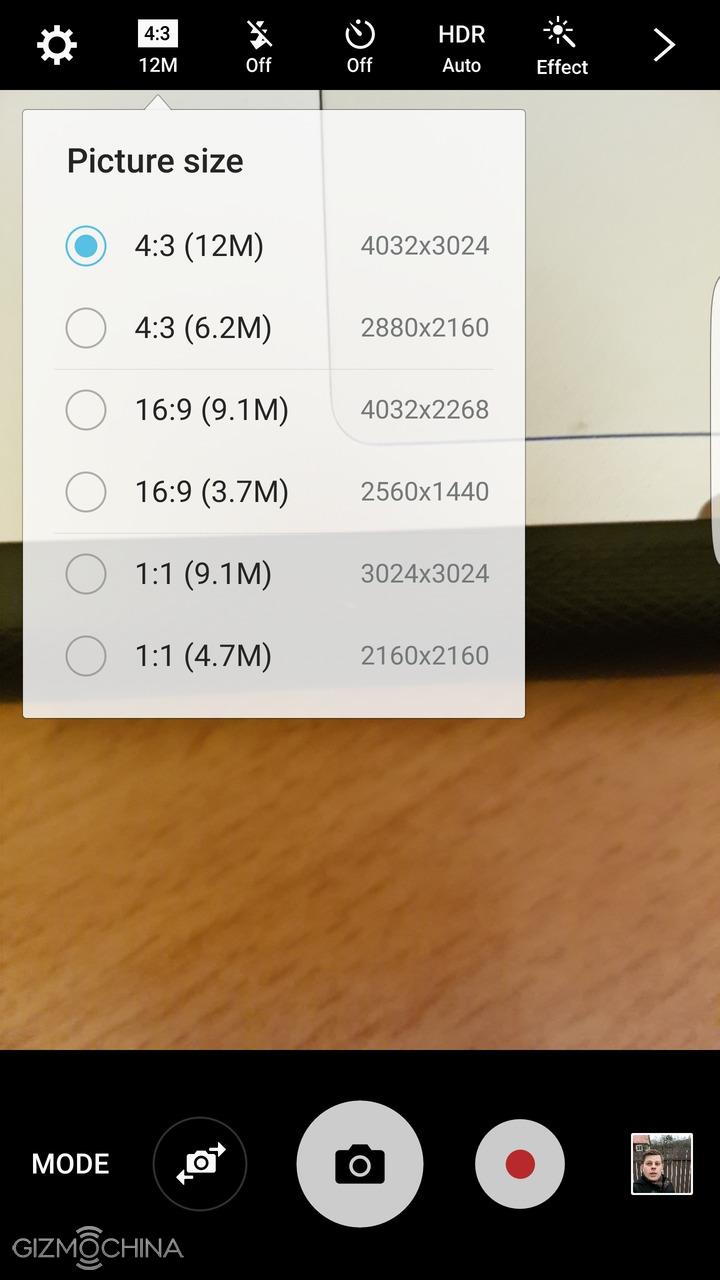
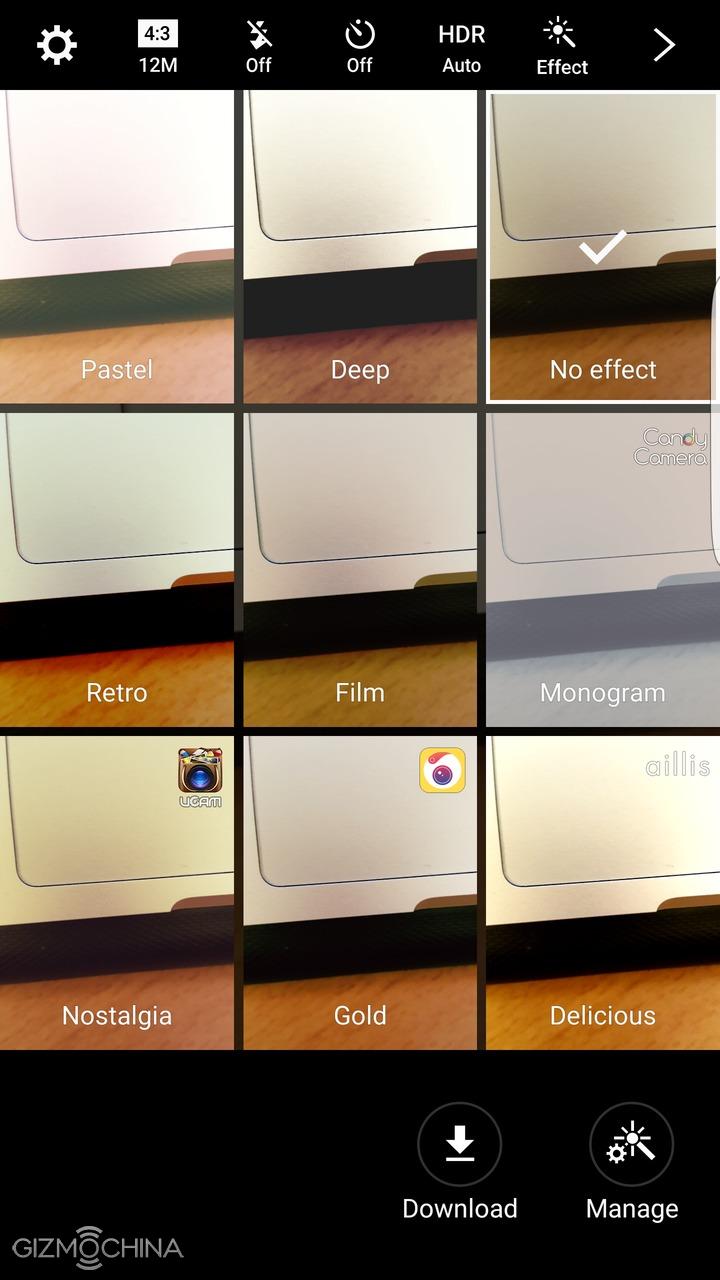
The 13MP camera takes pictures very fast thanks to PDAF system. Also, I see a slight improvement over the Redmi 3 and that is thanks to the updated software.
The camera has become more consistent with the daylight shots and it does not struggle with focusing. If you take pictures in good lighting, you can achieve some great results. The images are sharp and detailed almost every time you take a photo.
The only downsides are that sometimes there is a softer focus on the corners and the dynamic range was off in a few shots.
The indoor and low-light shots have less detail and more noise but they are still not bad for the phone this cheap if we compare the Redmi 3 Pro to other devices in this price range.
The selfie camera is pretty good for social media needs.
The video quality is good but not great. The level of detail is decent but there is some noise in the video, the footage could have more sharpness and the lack of OIS leads to a kind of shaky footage. Well, I believe it is too much to ask for OIS in a budget phone anyway. See a video review for a video sample.
All the connectivity options work great. Call quality is okay and signal reception is excellent. Also, Wifi, GPS and Bluetooth are working fine. However, I was disappointed as the phone does not support 5GHz Wifi connection.
Xiaomi Redmi 3 Pro Review: BATTERY LIFE
The Xiaomi Redmi 3 Pro has a huge 4100mAh non-removable battery and it performs just like the regular Redmi 3.
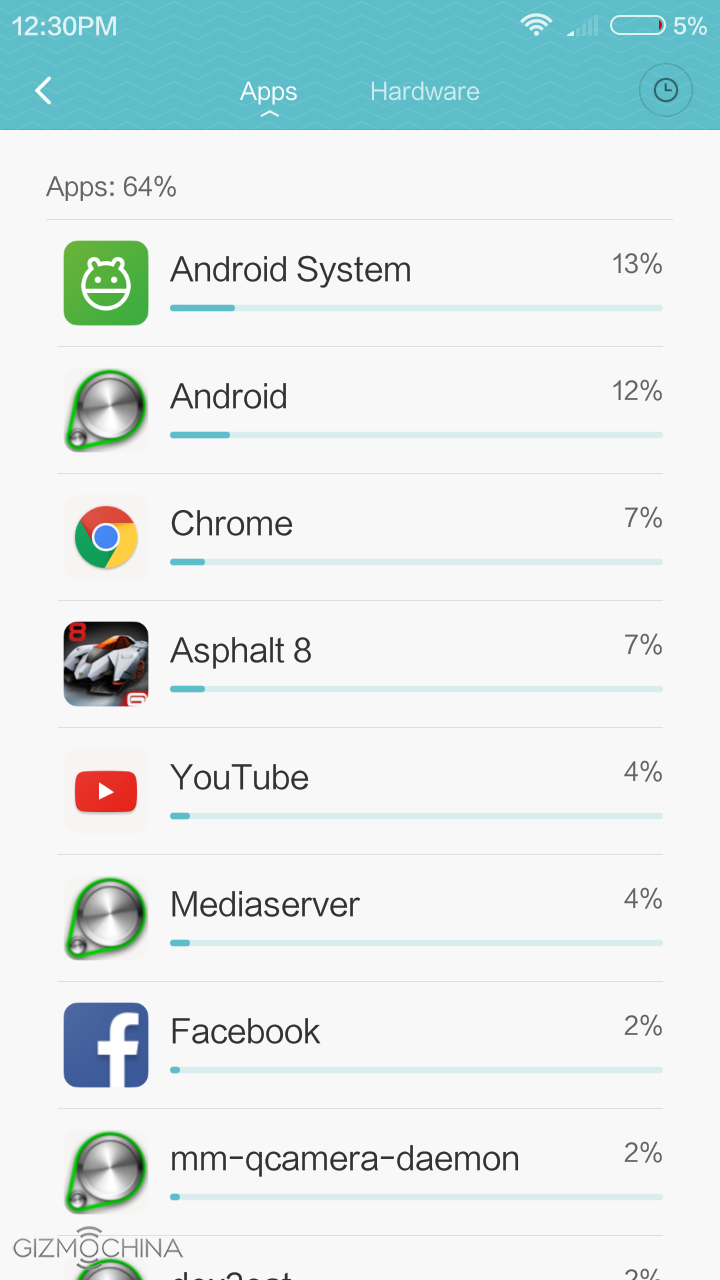
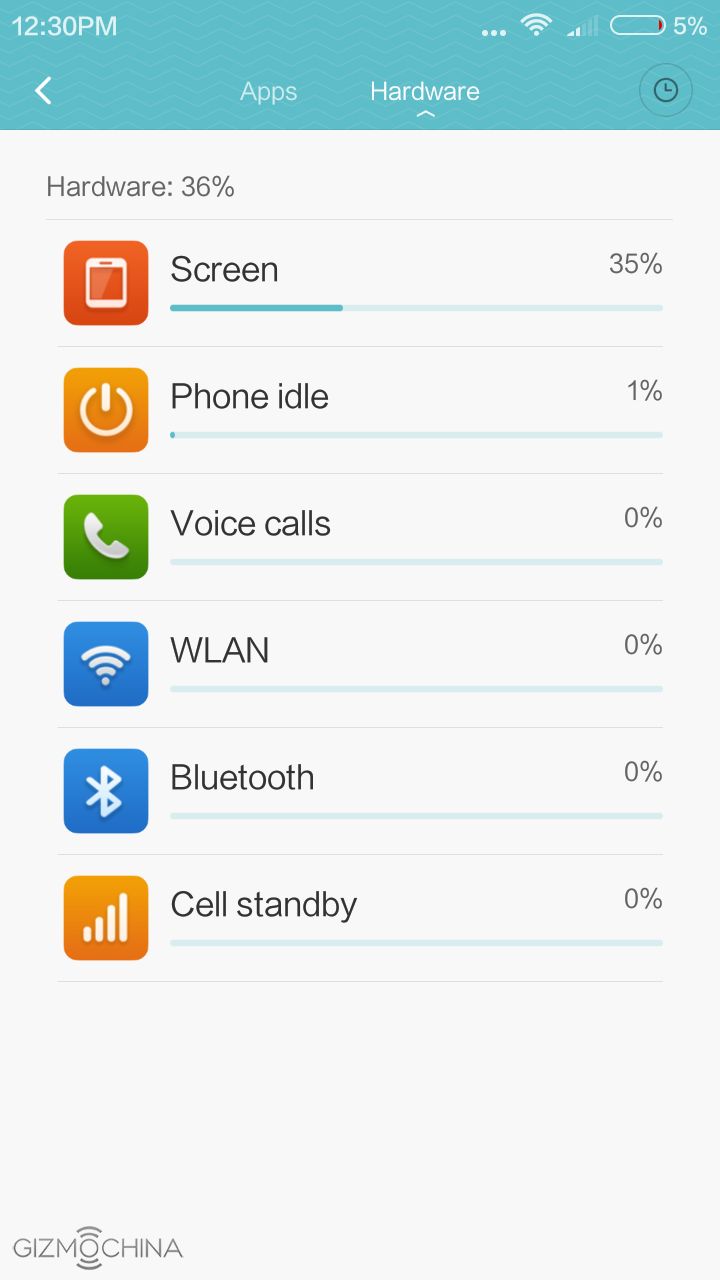
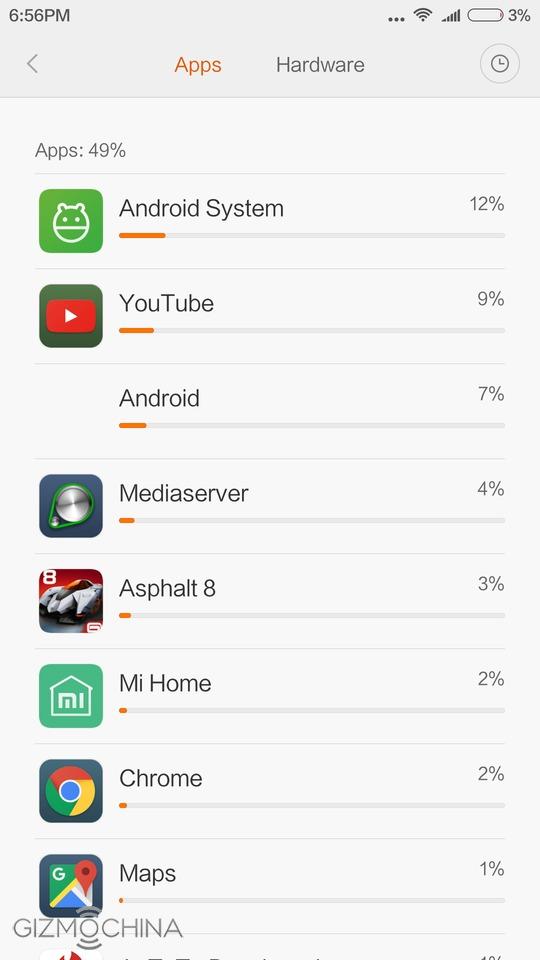
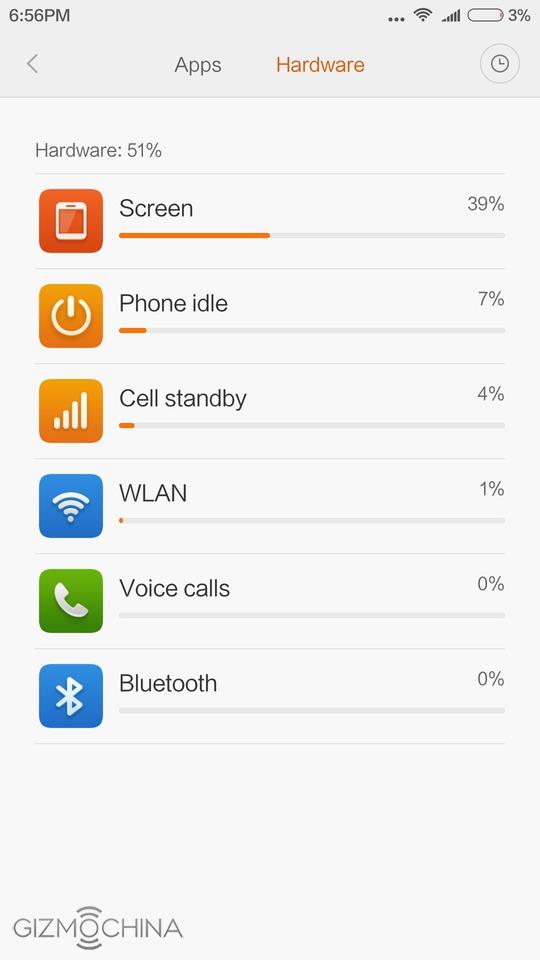
In short, battery life is fantastic. I could not squeeze the battery out in one day even on heavy usage that involved gaming, installing lots of apps, watching a lot of videos, taking pictures, browsing the web and so on.
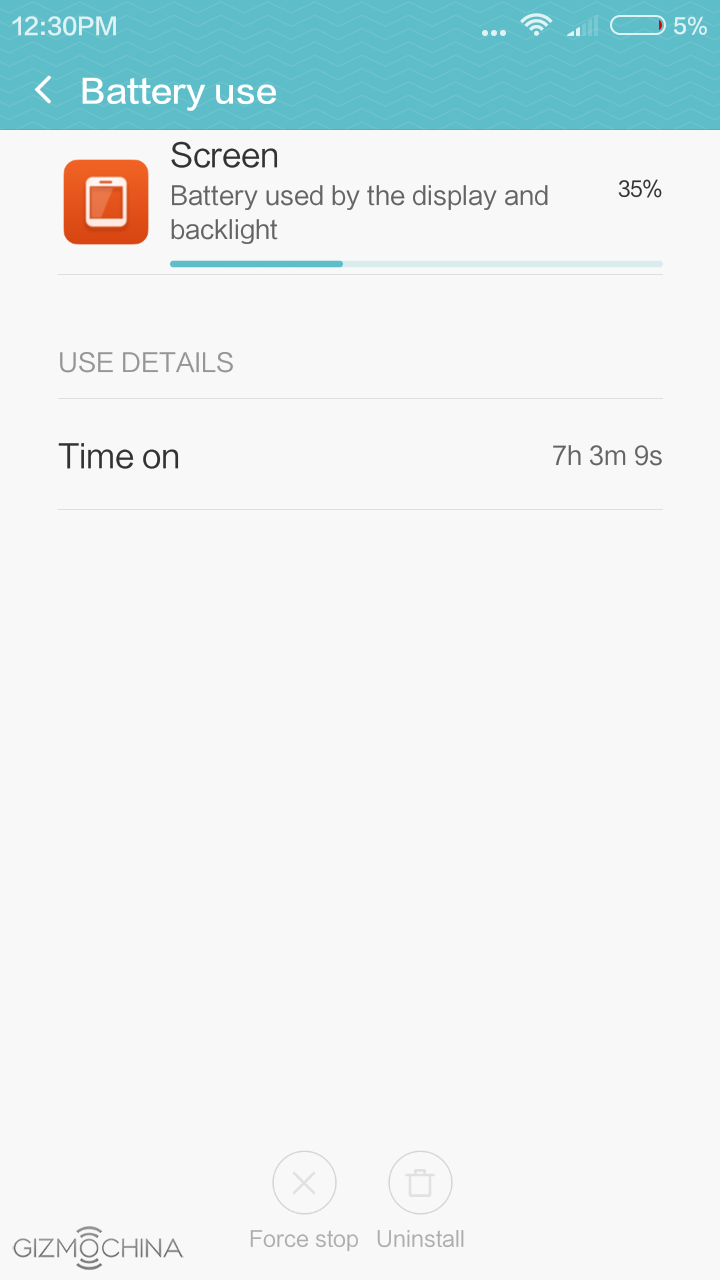
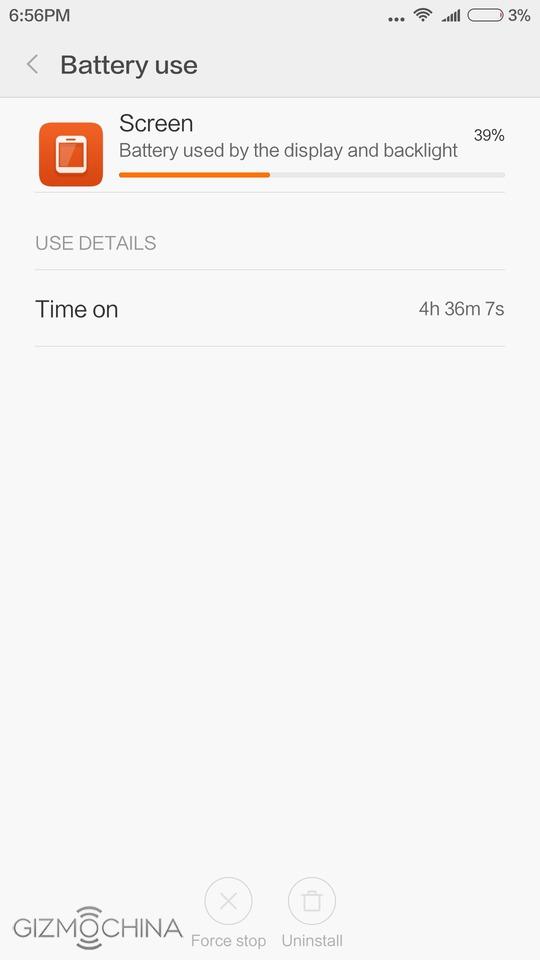
I was able to achieve over 7 hours of screen-on time with max. auto brightness setting of the screen. That means that you can achieve even more impressive results if you reduce the brightness or don’t use the phone that heavily like I did during my testing period.
Finally, Xiaomi claims that the Redmi 3 Pro has a fast charging feature. However, it took me just over 3.5h to charge the phone with the original charger. That means that you would need to buy a fast charger separately to charge your phone fast.
Xiaomi Redmi 3 Pro Review: CONCLUSIONS
So here it is, the Xiaomi Redmi 3 Pro, an upgraded model over the Redmi 3.
It has preserved great looks of the Redmi 3 and it even sports a better build quality. Right now the phone feels more solid in the hand. Also, the addition of a fingerprint scanner, which is fast and accurate, is a great feature to have in a compact phone.
You are not going to see a major difference in terms of UI or gaming performance with the additional 1GB of RAM or more storage space but these specs make the Redmi 3 Pro a more solid and future-proof phone.
The daylight image quality seems to have become more consistent and that is thanks to software optimisation. However, don’t expect any stellar results in low-light scenarios.
Some may agree, some may not but if you asked me, I would have loved to see backlit capacitive buttons on the Pro model. Also, while the 720p display is pretty good, the 1080p panel would have better justified the Pro moniker.
All in all, the Xiaomi Redmi 3 Pro is a very solid device and it is very hard to beat it in this price range. It brought some welcome features and slight improvements over the Redmi 3 and it is highly recommended to buy if you are in the market of great affordable smartphones.
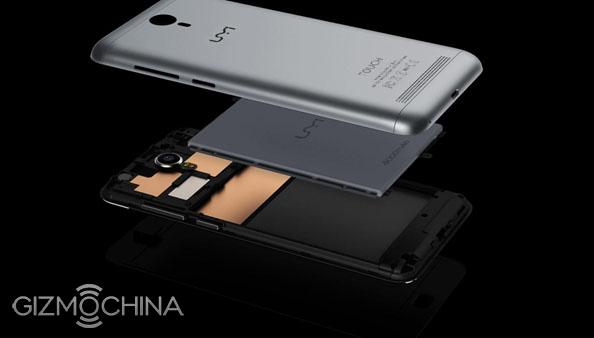
UMi TOUCH packed with a 4000mAh internal big battery, from the spec it says 15 days standby time.
Here we took one out for test to see what is the real capacity inside the UMi TOUCH.
Battery number: SHT-436588PL
Size: 4.5mm
Label capacity: 3800~4000mAh
Input: 4.35V
Test procedure:
Charge battery: Charging in 0.2c constant current till 4.2v, then set to constant voltage, current should be smaller than 0.1c, cut off the current immediately after fulling charge.
Let it sit for 5 mins
Release battery: release battery in 0.2c constant current till it finish
Let it sit for another 5 mins
24 hours Circulate testing from step 1 – step 4
Analyzing Results First test result doesn’t count in the report, the second and third run test result show the difference capacity based on different temperature.
After 24 hours testing result:
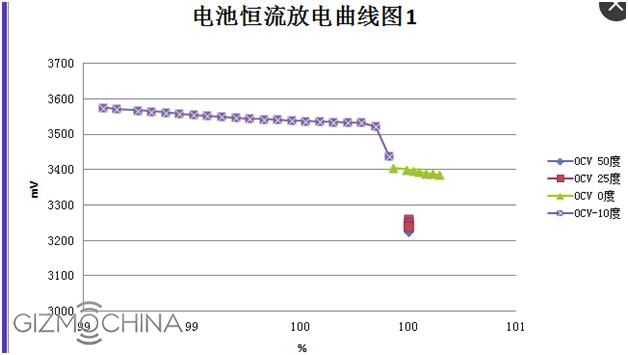
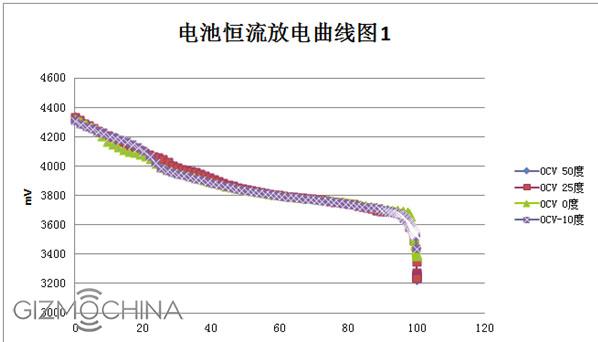
Battery release test result Graph 1 : Different color represent different temperature, result shows battery capacity at almost 4400mAh when fully charged, and 3200mAh when battery is 100% released.
Here is what it looks like when Graph 1 zoom in, look at line 25°(in pink) and -10°, from 99% – 100% released, battery capacity would be test as it’s between 3200mAh – 3300mAh. Look at line 0° (in green) , battery would be test as 3400mAh more or less and at 50°(in purple), battery would be 3600mAh more or less.
Conclusion
Normally we will only see the result tested at 25 degree as it’s the regular temperature. According to the result, the first thing we learn from this test is that battery’s actual capacity would be changed based on different temperature and the current capacity when testing, as well as tester machine and electronic current.
The second thing we learn is that, after 24 hours charging and releasing, we see that UMi TOUCH’s battery could reach up to 4400mAh and as low as 3200mAh. During the testing mostly it shows 3800 – 4000mAh. So the number stated at UMi TOUCH battery is reasonable.
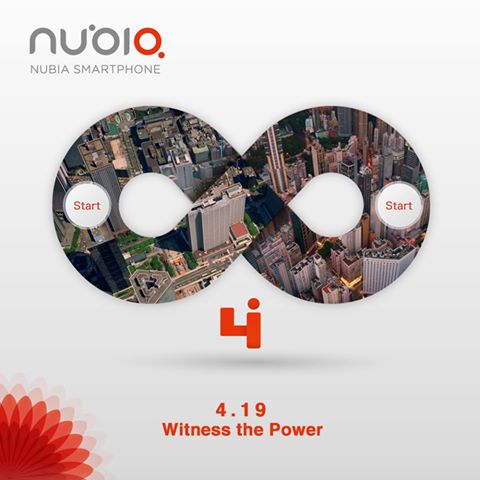
ZTE’s Nubia division is soon going to unveil a brand new smartphone, namely the Nubia Z11 Mini. The company has been teasing the features of the device for the past few days and till now, we know that the phone will be compact and will feature 2.5D glass design on both the front and the back. Now, Nubia has revealed a few details about the camera of the upcoming Z11 Mini.
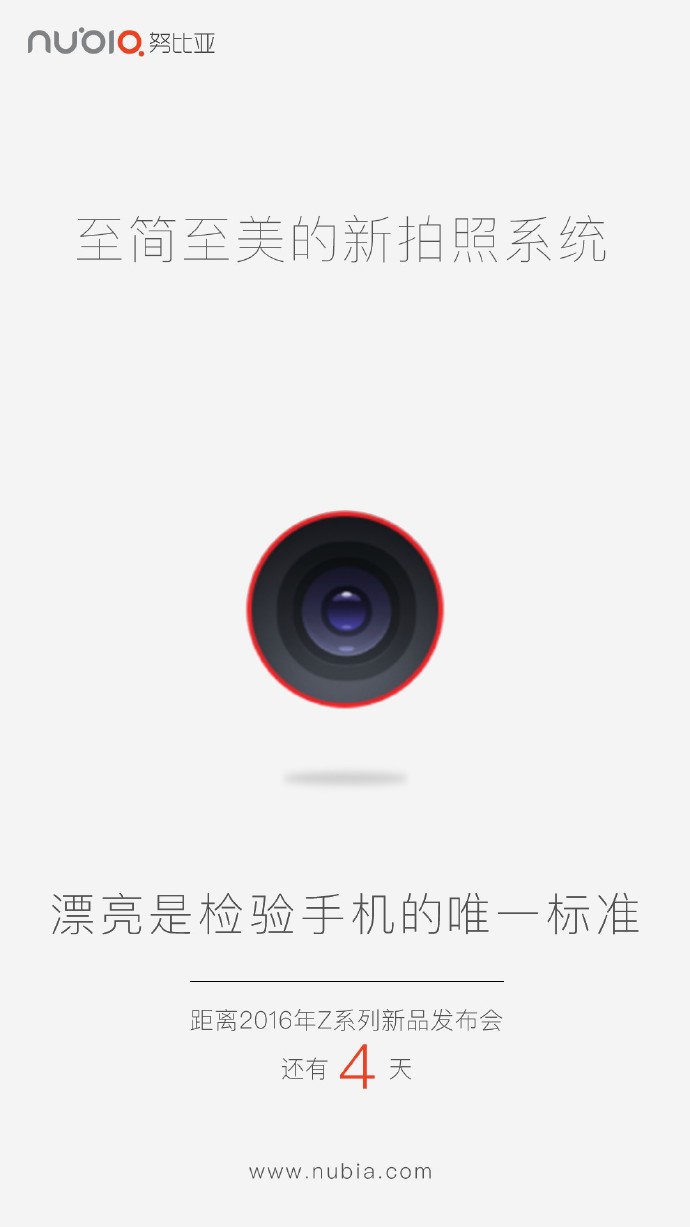
First of all, the teaser confirms that the new handset will feature an updated NeoVersion camera system. Nubia is famous for its camera technology, so it would be interesting to see what new features comes with the updated version. However, the company failed to give out specific details. All we know is that the camera will be “Simply Beautiful”.
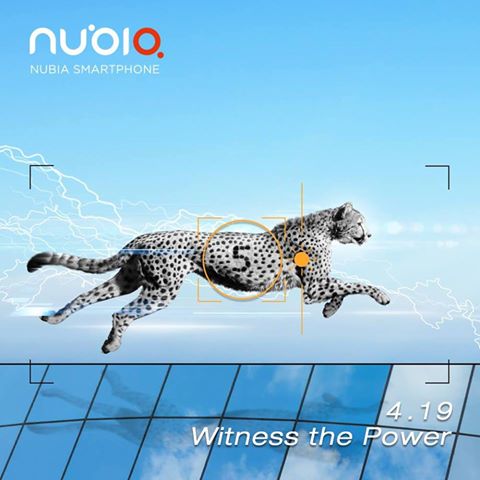
Nubia is no longer restricted to the Chinese market, with its presence now in a couple of markets outside. The company is teasing the new Z11 Mini launch via its official Facebook page as well, which could hint at a simultaneous international launch of the device. Till now, we have seen two main teasers for the device, focusing on the camera. One of the teasers is even hinting that the camera on the Z11 Mini will be fast.
Company’s GM Ni Fei also revealed a new feature of the device, called as the Clone Mode. And guess what, the feature was revealed via the Nubia Z11 Mini smartphone itself, which you can see from the image below. We are not entirely sure how the clone mode works but expect more details at the conference on April 19.
Huawei P9 Lite was recently spotted in an hands on review on a russian website. Later, the same phone was reportedly announced in Russia. However, since then, we haven’t seen any official news about the device. For some reason, Huawei has not released it officially, but details about the phone continue to come.
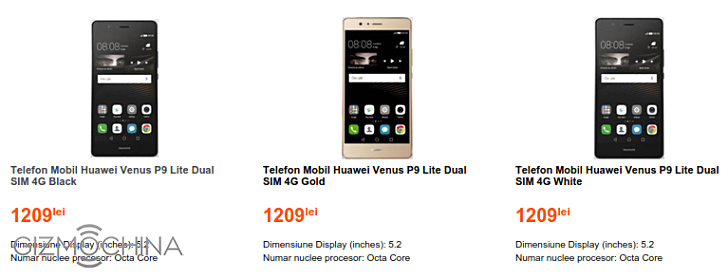
Now, the Huawei P9 Lite is spotted on the Romanian website, Cel.ro. The phone is reportedly in stock and comes in black, gold and white color options. When converted to dollars, the pricing comes to nearly $300. As for the specs, they are in line with what we have been hearing before.
The Huawei P9 Lite comes with the new Kirin 650 chipset from Huawei for mid-range smartphones. The phone will have 2GB of RAM and 16GB of internal storage on board. There will be a 3000mAh battery as well. At the back, the phone has a 13MP shooter while up front, there is a 5MP camera. Other features of the P9 Lite include Android 6.0, 4G LTE, and fingerprint sensor.
Well, if you can want to check out more about the phone, you can check from here.
So, what do you think about the P9 Lite? Without the dual cameras on board, the phone turns out to be just another offering in the mid-range segment. So, do you think the specs are justified for its $300 price tag?
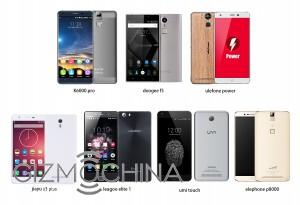
There is a plenty of reasons to buy a mid-tier smartphone. If you have a tight budget or just need a new device for regular daily use, you could go for some midrange options. Top 7 popular Chinese smartphones are listed in the video. They offer a variety of functions at much lower prices than famous flagships, and some of them have the features that flagships don’t have. In the video you’ll see the comparison of the key factors like software, design, hardware, battery, and charging. 7 smartphones are Jiayu S3+, Doogee F5, Ulefone power, Oukitel K6000 Pro, Leagoo Elite 1, Umi touch and Elephone P8000.
Hopefully, this video will help you find the one that’s right for you.
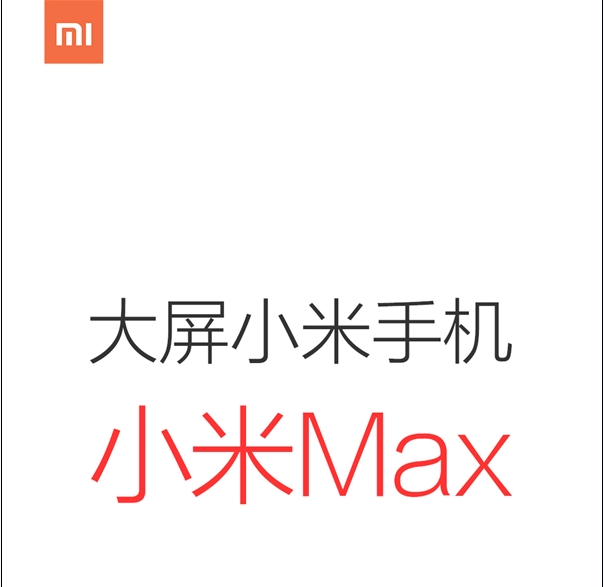
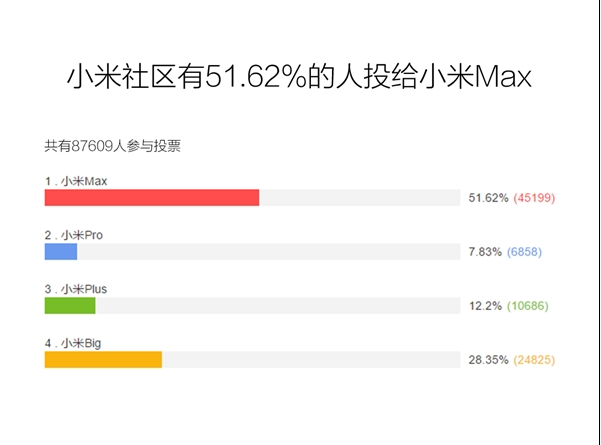
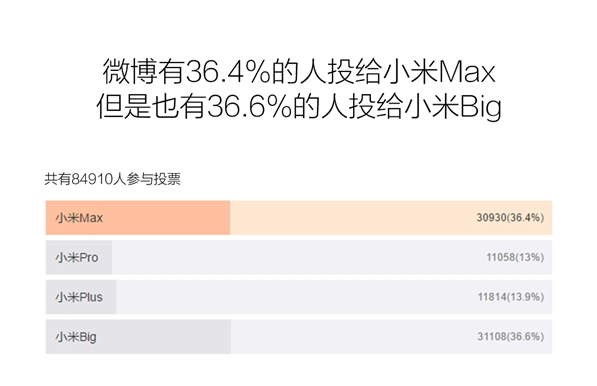
For the past couple of days, Xiaomi has been conducting a poll online to see which was the most popular large screen smartphone name according to its fans. There were a lot of voters, and two names were leading among them, the Xiaomi Max and the Xiaomi Big. Although initially, Xiaomi Big was leading, which was a bit worrisome (considering we wouldn’t want a new phone called as the Mi Big, it just doesn’t sound right..), Xiaomi Max soon got some well-deserved love and finally, around half of the votes from the 245,000 total votes were for the Max.
So, now, it is confirmed. The large screen phablet from the company will be called as the Xiaomi Max. Personally, I prefer the Max from other names like the Plus or Pro. If you had to choose, which name would you have picked?
So, it looks like another Xiaomi device is on its way soon. Only recently the company unveiled a number of devices including the new Redmi 3 Pro with a fingerprint sensor. There were other products announced as well, from the company’s Mi ecosystem, now called as MIJIA. For example, we all remember the Mijia electric rice cooker that can be controlled via an app.
And now comes the Xiaomi Max. At this moment, the company has not revealed anything apart from the name, but rumors say that the phone will feature a 6.4-inch display. The phone will be made out of metal and the powerful Snapdragon 820 will be inside. Other rumored features include support for entire network in China and fingerprint ID.
Given that Xiaomi never had a phablet in its lineup (unless you want to call the 5.7-inch Mi Note a phablet), it would be interesting to see Xiaomi’s take on large screen phone. Will the company bump up the resolution, or increase the battery capacity significantly? At present, we know very little about the Xiaomi Max, but expect more details very soon.
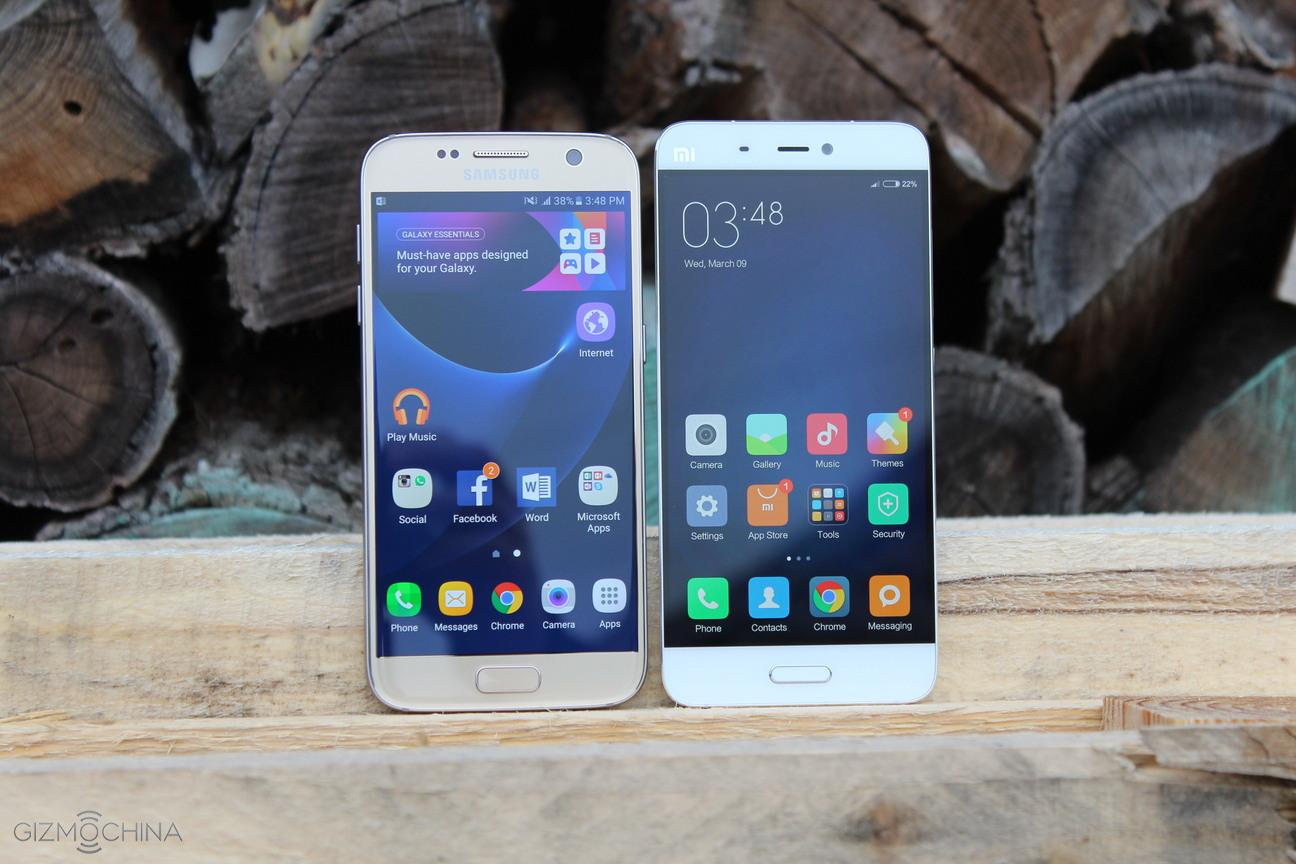
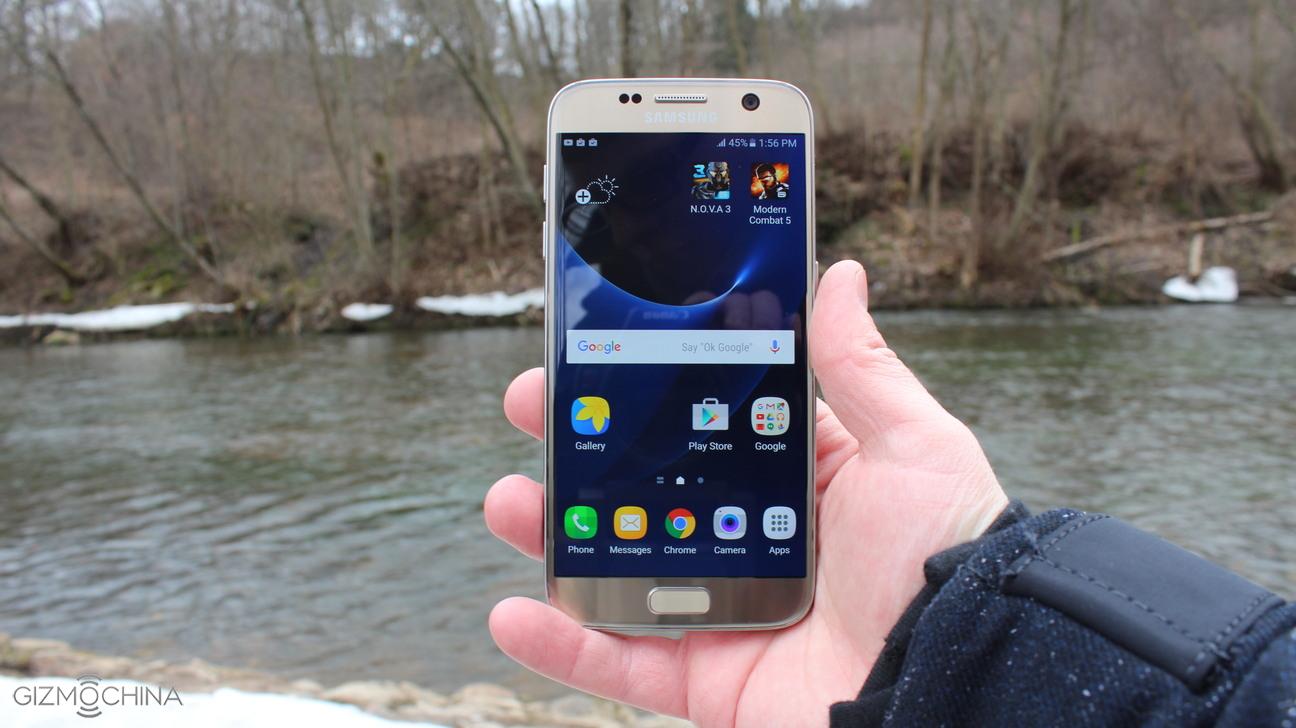
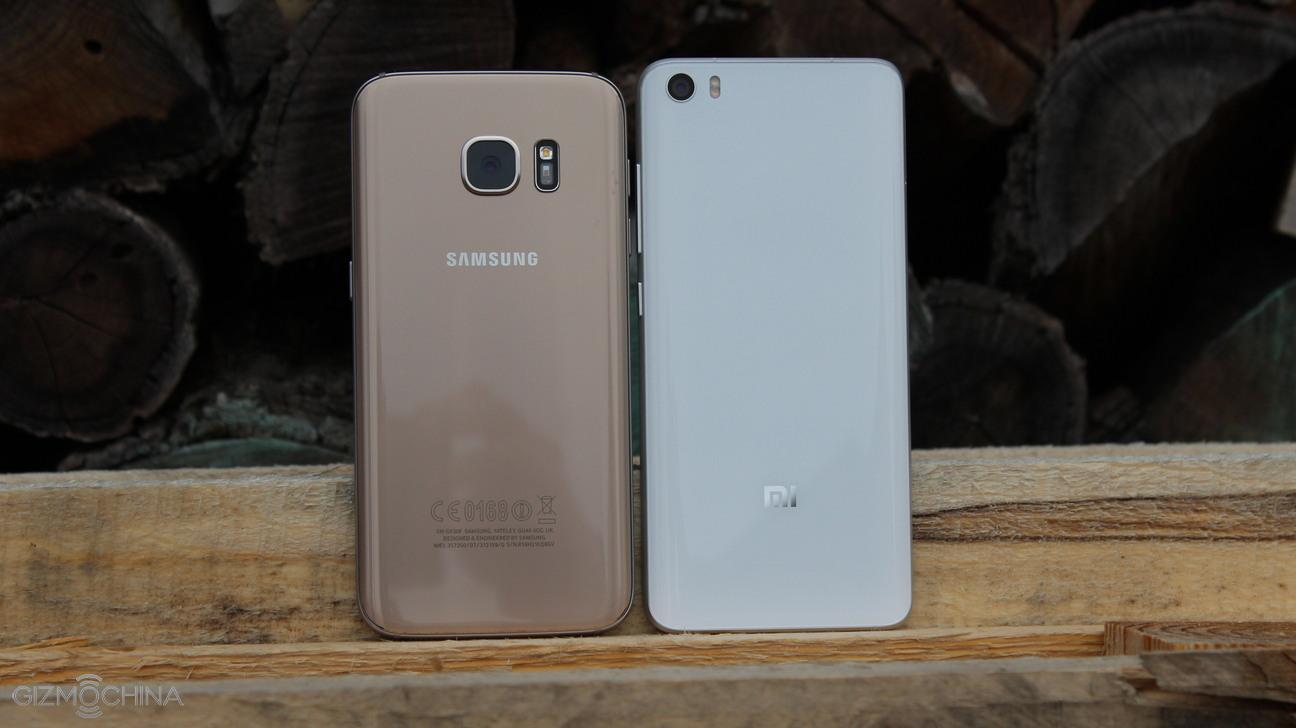
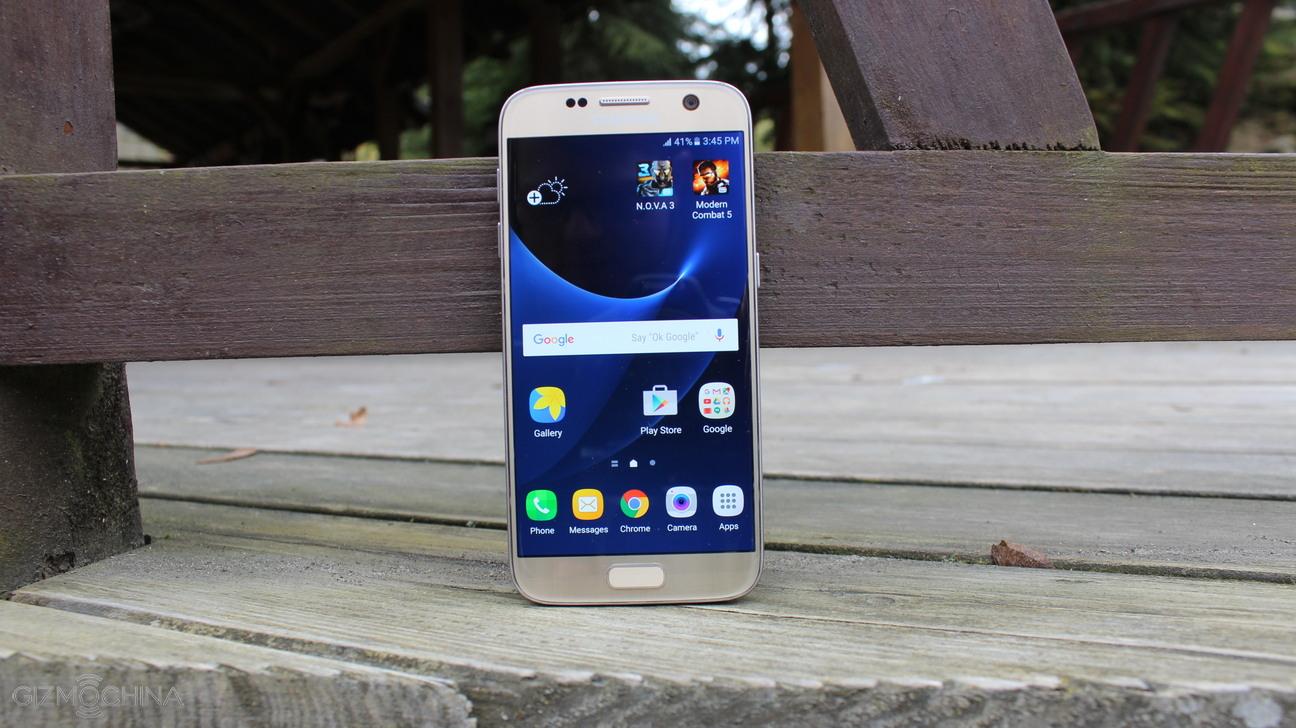
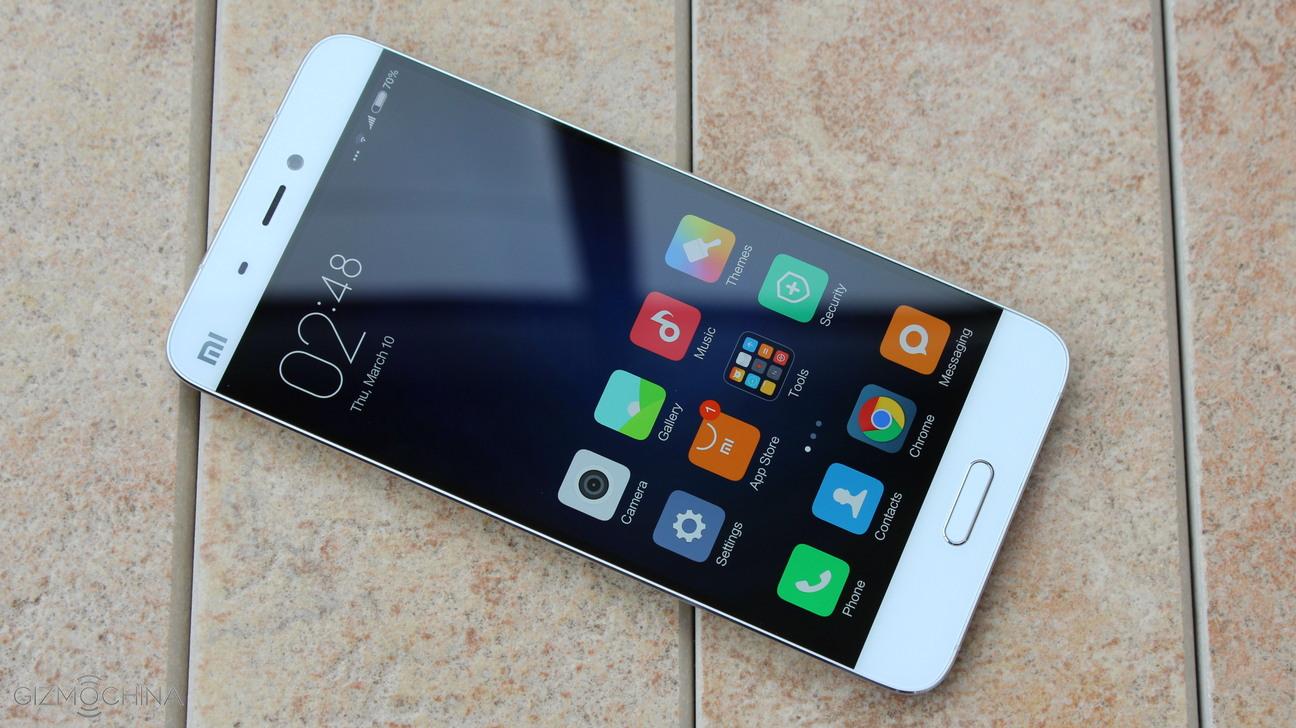
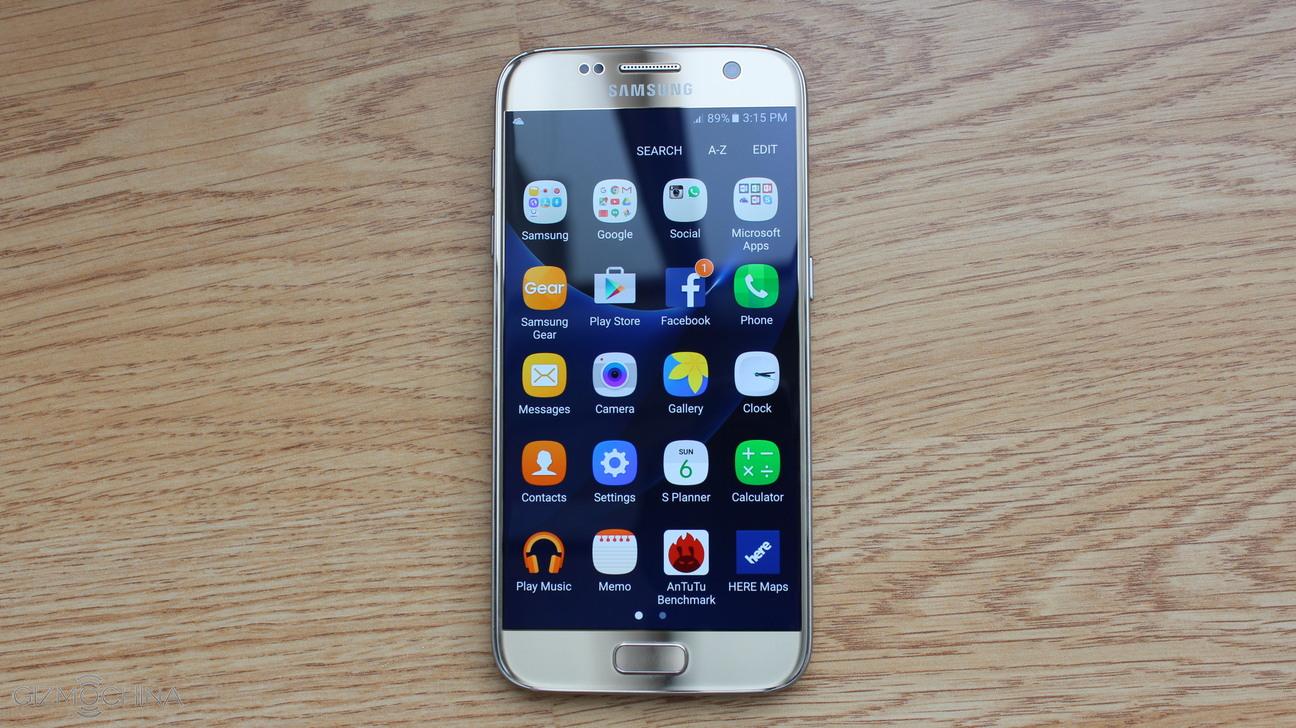
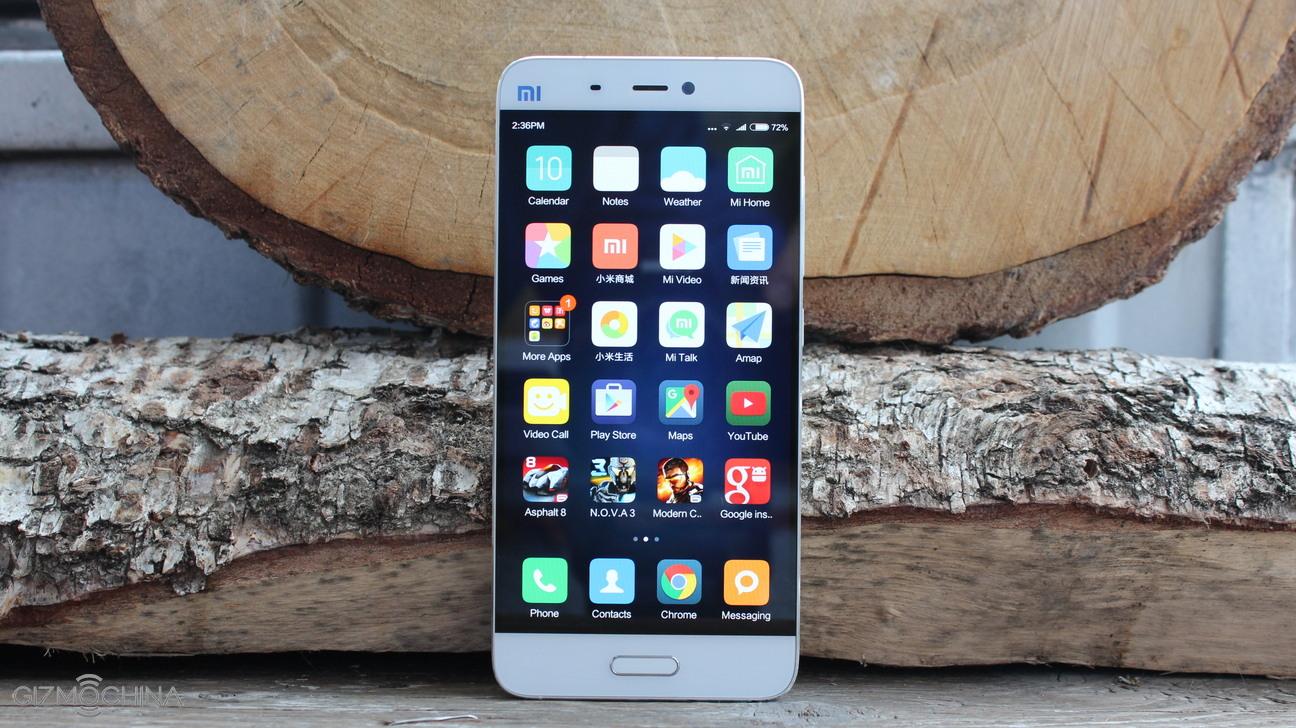
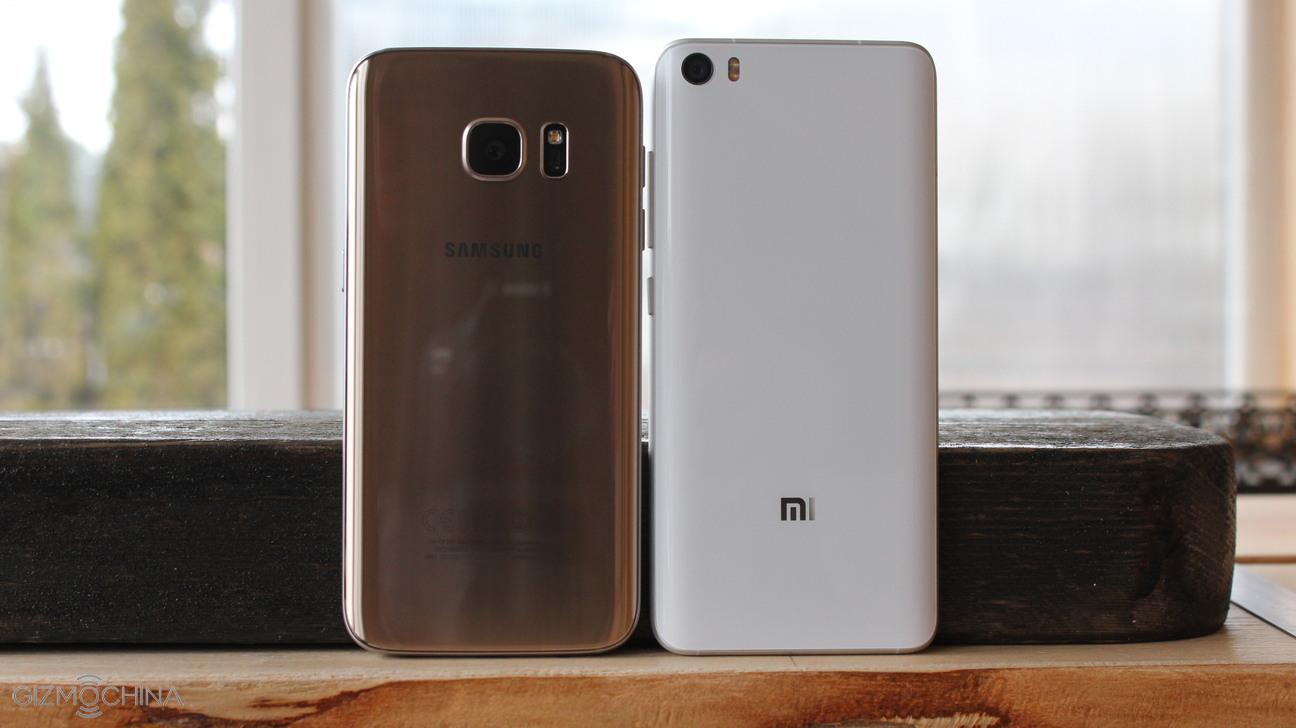
When it comes to the high-end smartphones, they usually cost a lot. But what if there is a device that challenges the concept of it. Meet the Xiaomi Mi5, the phone that costs as twice as less as the Samsung Galaxy S7. Can it really make the new Galaxy phone run for its money? Learn more in a full comparison review.
Xiaomi Mi5 vs Samsung Galaxy S7: DESIGN and DISPLAY
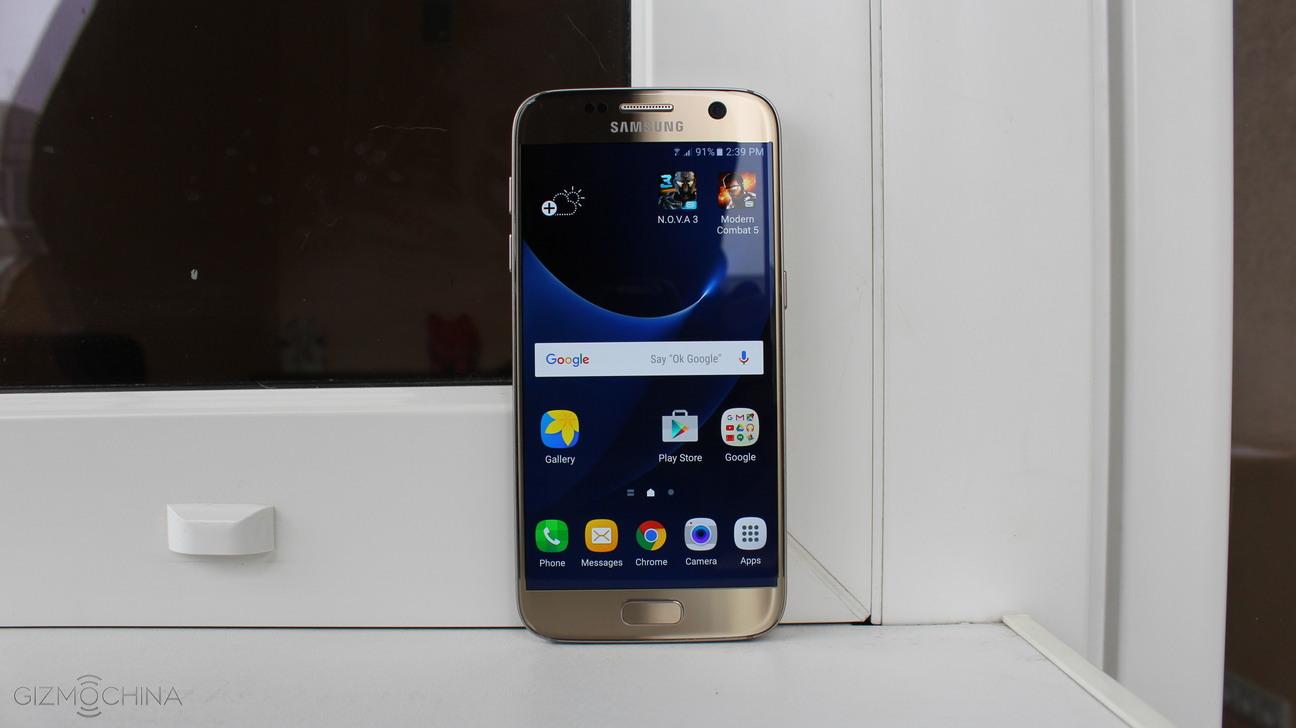
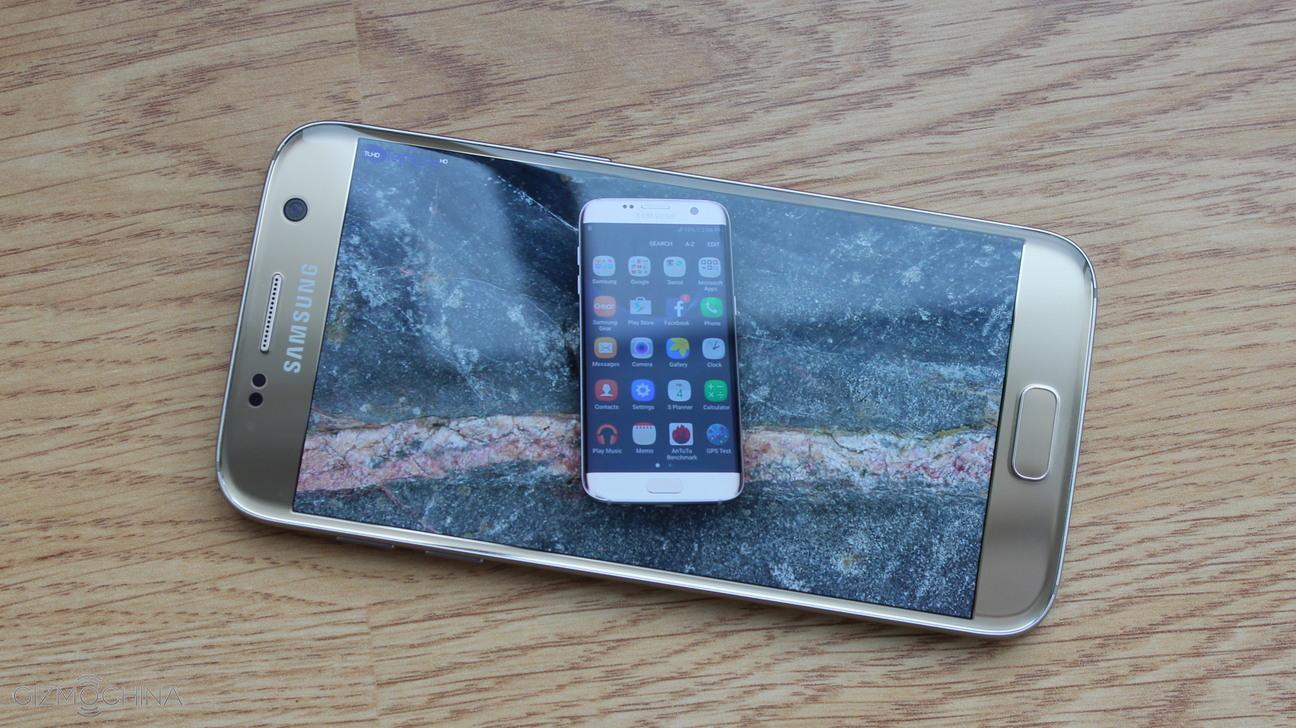
Both phones are very similar in a lot of ways. First, they are fairly compact as they have the 5.1” displays and thus the devices can be managed in one hand.
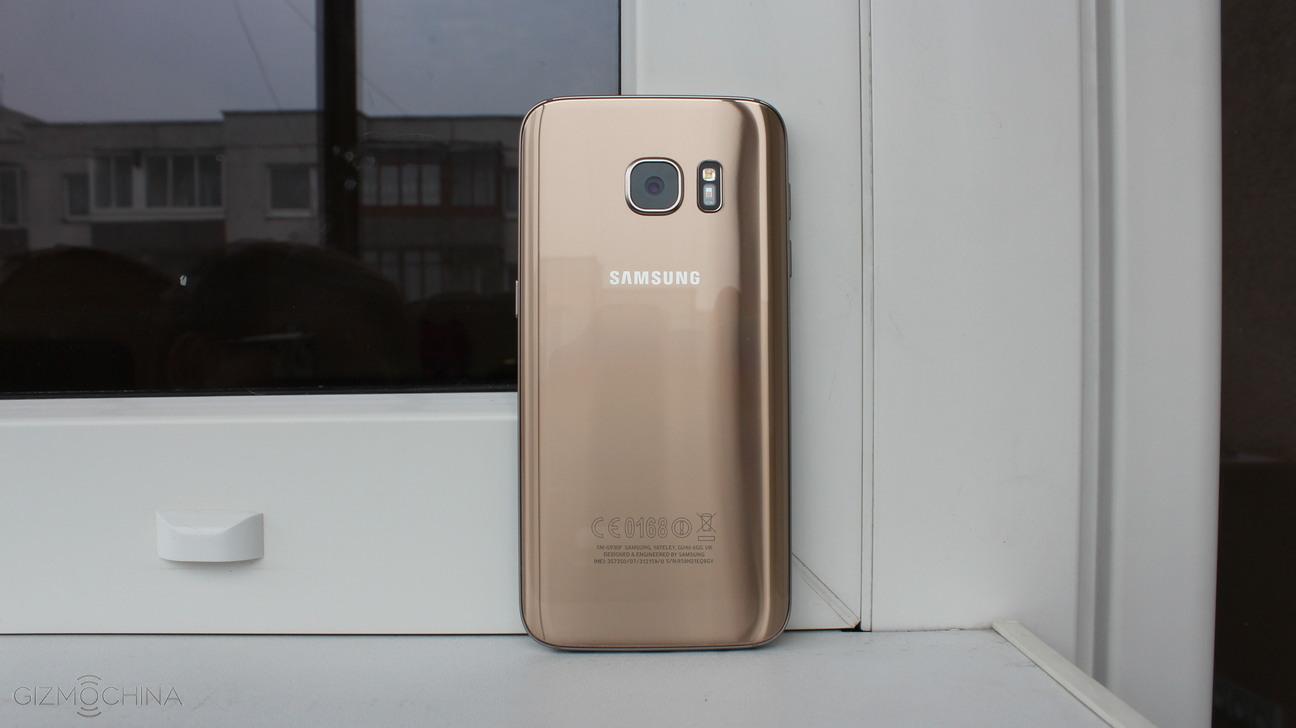
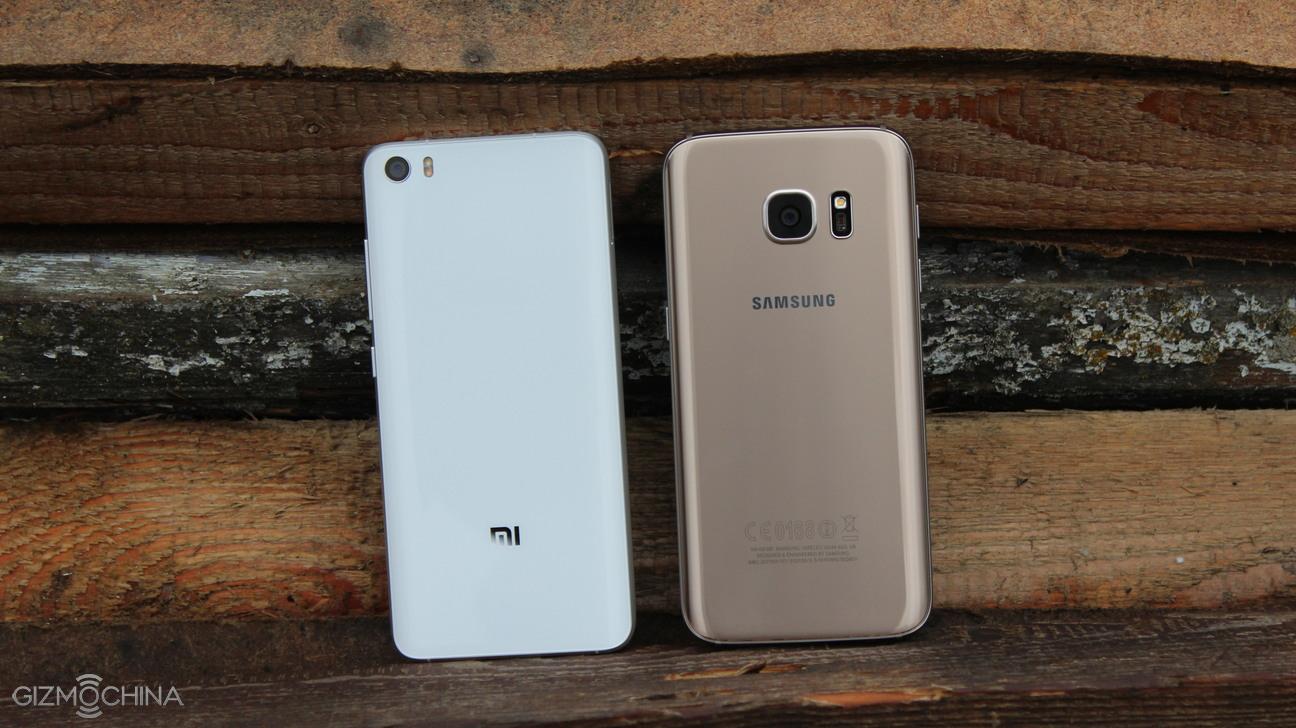
Both phones use metal and glass in the construction and both have curved edges on the back to help with the grip and add a little bit of aesthetics. The Galaxy S7 has one major advantage though. Its IP68 rating assures that the phone is water and dust resistant.
As for displays, the S7 brings the latest and greatest Amoled technologies. Whether you like Amoled or not, the panel is one of the best we’ve seen on any phone.
However, it doesn’t mean the Xiaomi has a bad screen. Well, its colours may not look as punchy or saturated, and the 1080p resolution means that it is not as pixel dense, the display is still very sharp, vibrant and it is pleasure to look at. It’s worth mentioning that the Galaxy phone uses a Gorilla Glass protection while the type of protection the Mi5 is not yet officially confirmed.
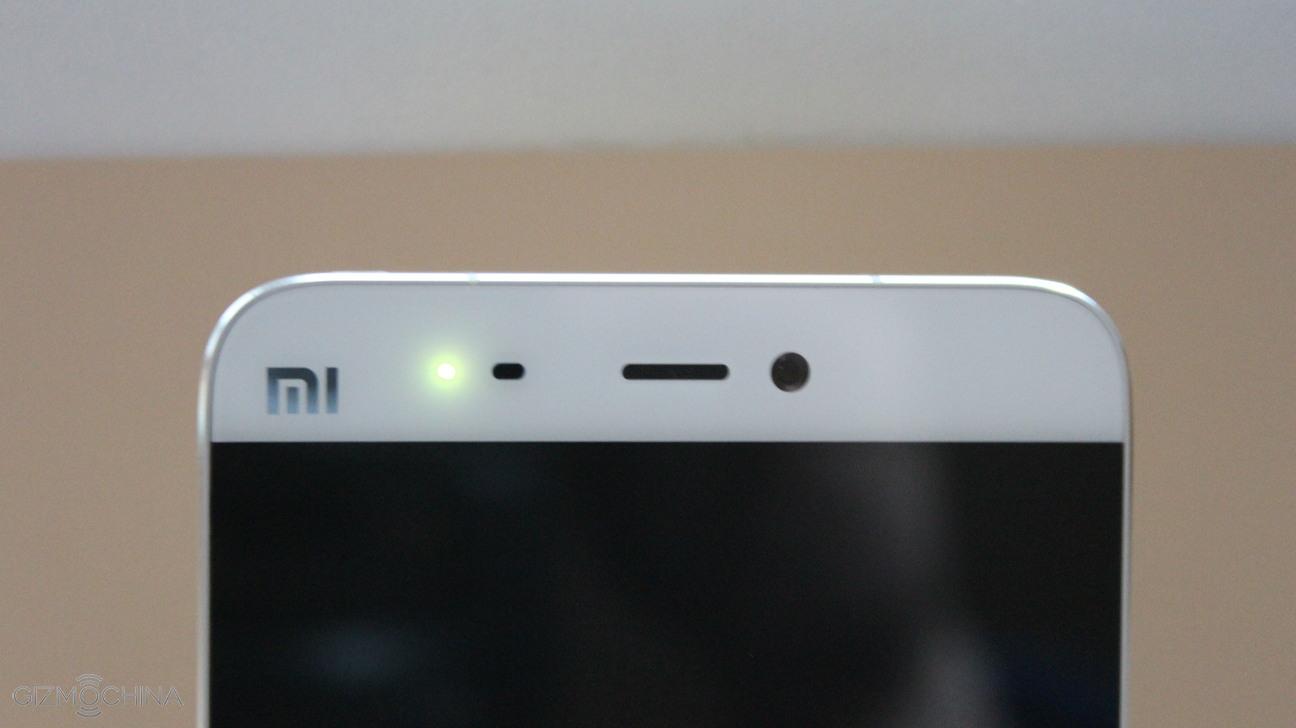
Just above displays we have a 4MP camera on the Xiaomi phone and 5MP snapper on the S7. Right next to it each phone has the LED light but only the one found on the Mi5 can be highly customised.
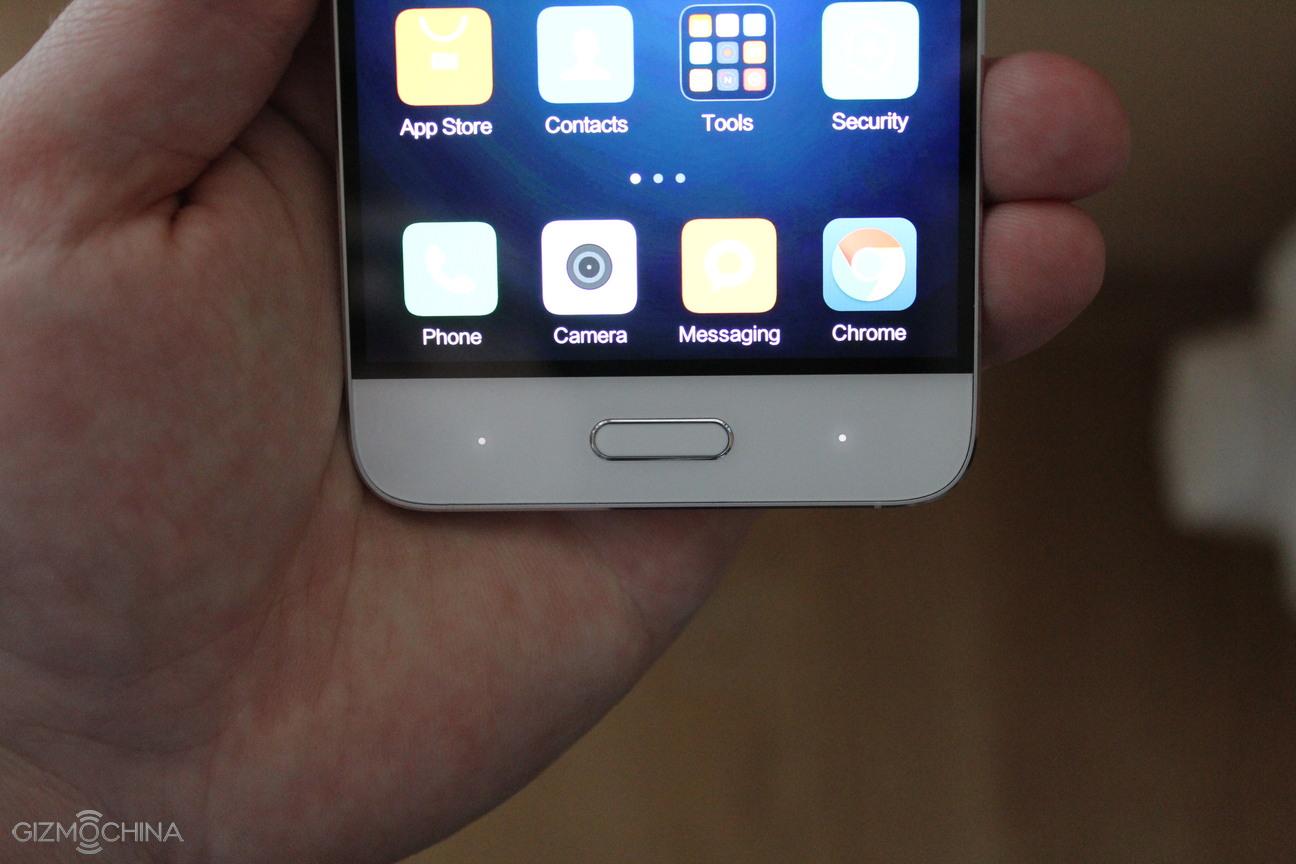
We have identical button layout on the bottom on each device that includes an embedded fingerprint scanner in the physical home button. Both scanners work equally fast but neither of them work straight from the standby mode. The Mi5 has an edge as its home button can be also tapped not only physically pressed.
The glass back panels on both phones are enormous fingerprint magnets as any other glass surfaces. As for cameras, the Mi5 sports a 16MP Sony sensor with f/2.0 aperture, and dual LED flash. The Galaxy S7 has a 12MP shooter with a very bright f/1.7 aperture, single LED flash. Both phones sport OIS and PDAF.
The buttons on each device are clicky and tactile but I found the power key to be rattling on the Mi5 while the S7 does not have this issue.
The Xiaomi phone has the IR blaster while the S7 does not and I don’t really understand why Samsung took this feature away this year.
Also, Samsung decided to be more conservative as the phone still uses the micro USB port while the Mi5 has a more future-proof USB type C port.
Overall, both phones are worth being called flagships. However, the Galaxy S7 has an edge here. It is more rounded, it does not have sharp edges, its power button does not rattle and its metal frame looks and feels more premium.
Xiaomi Mi5 vs Samsung Galaxy S7: USER INTERFACE
Xiaomi Mi5 UI:
When it comes to the user interface, both phones have different implementations.
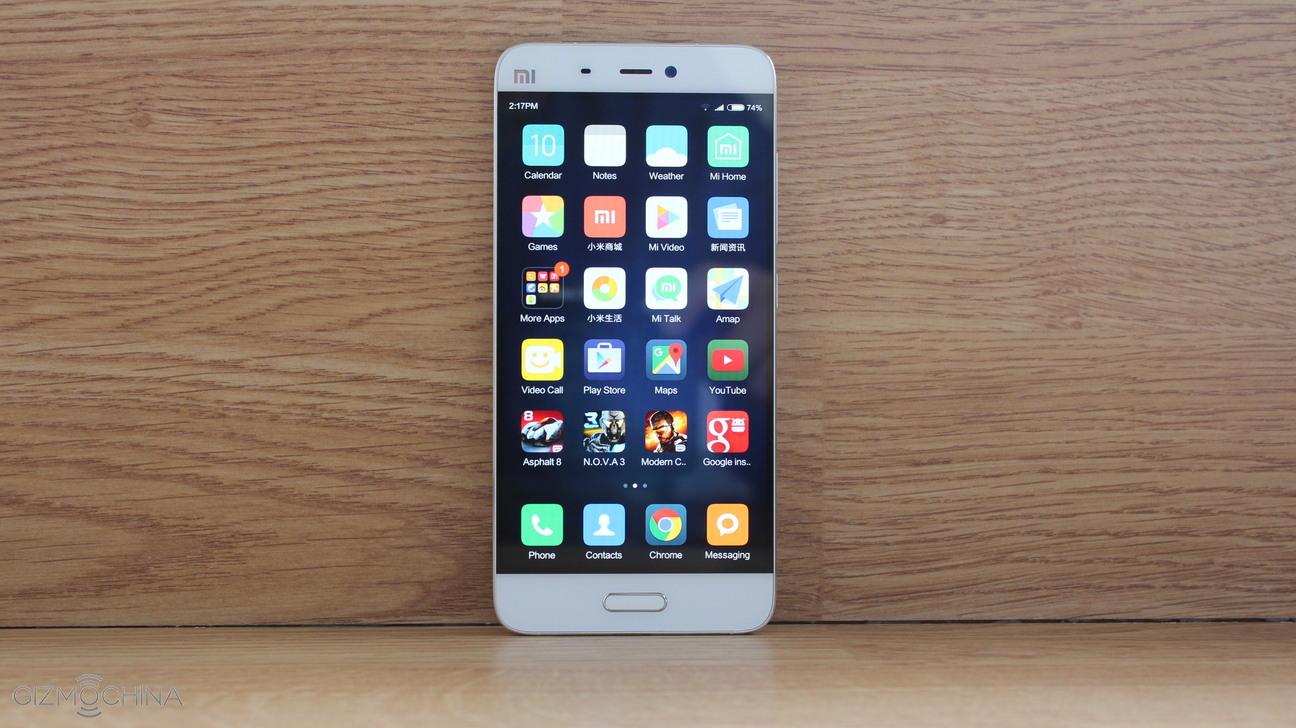
People who say that the Touchwiz is a heavily customised version of Android, never saw the MIUI 7.2, which is built on top of Android 6.0 on Xiaomi Mi5.
All the apps sit on the home screens, you have your notification shade and quick settings toggles.
The Xiaomi Mi5 can be highly customised. You can choose from a ton of wallpapers, a huge variety of themes, fonts, assign different tasks to capacitive buttons and do other things to make the phone look your own.
Most importantly, the UI is running fast and fluid. I didn’t have a single hiccup or lag and I’m really happy with the performance.
Samsung Galaxy S7 UI:
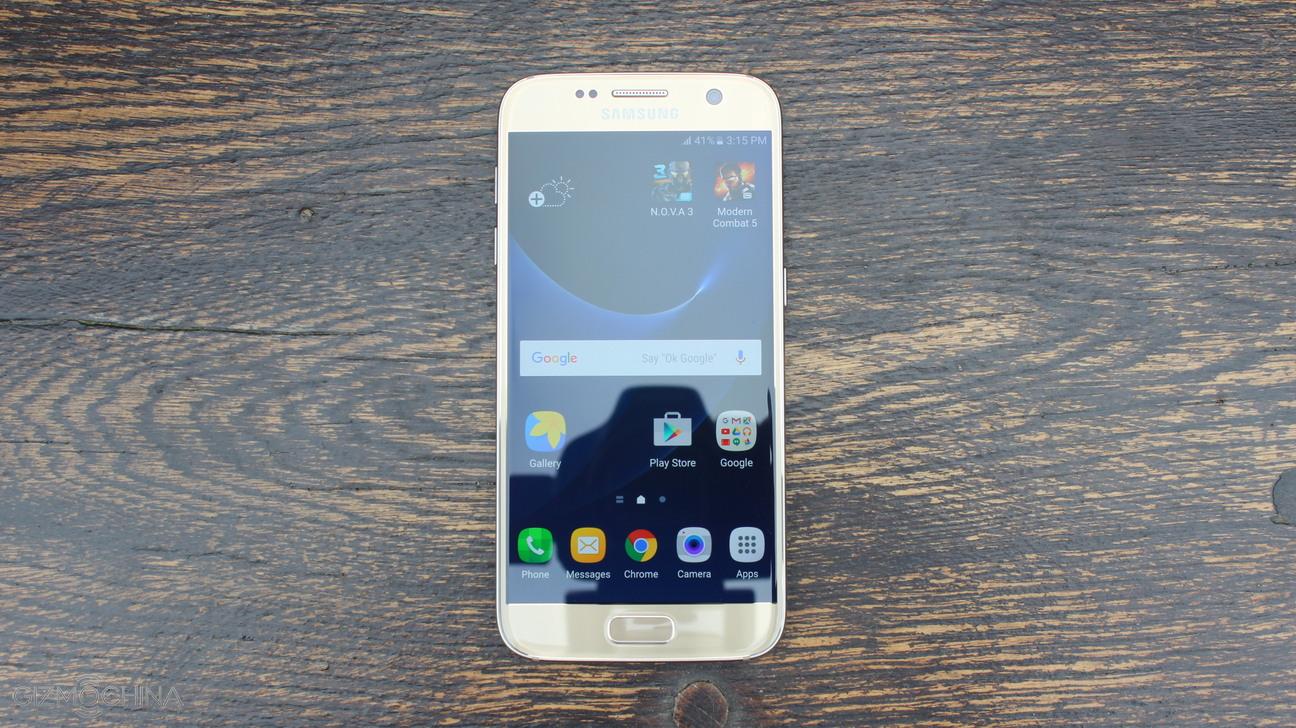
The Samsung Galaxy S7 is still a heavily skinned iteration of Android 6.0 but it offers more conventional look of the UI especially if you care about the app tray.
In short, the performance of the user interface is fast. The transitions, animations, opening, closing and switching between the apps is fast and fluid.
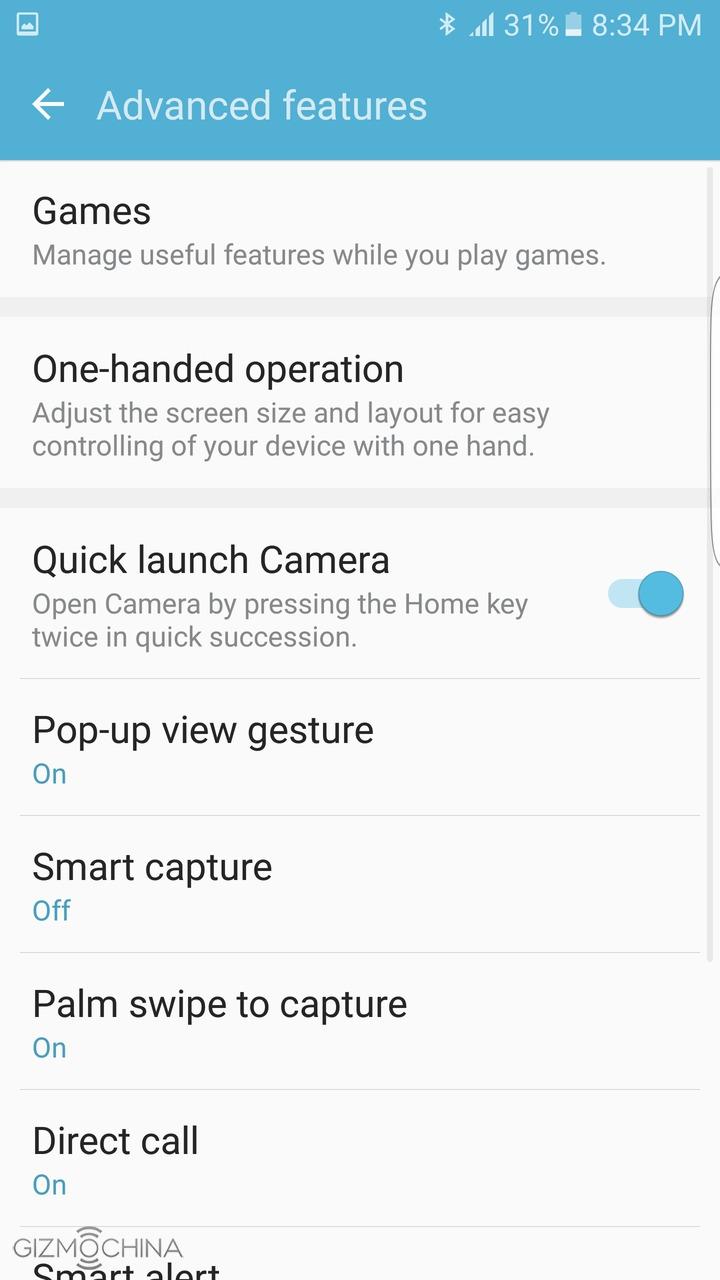
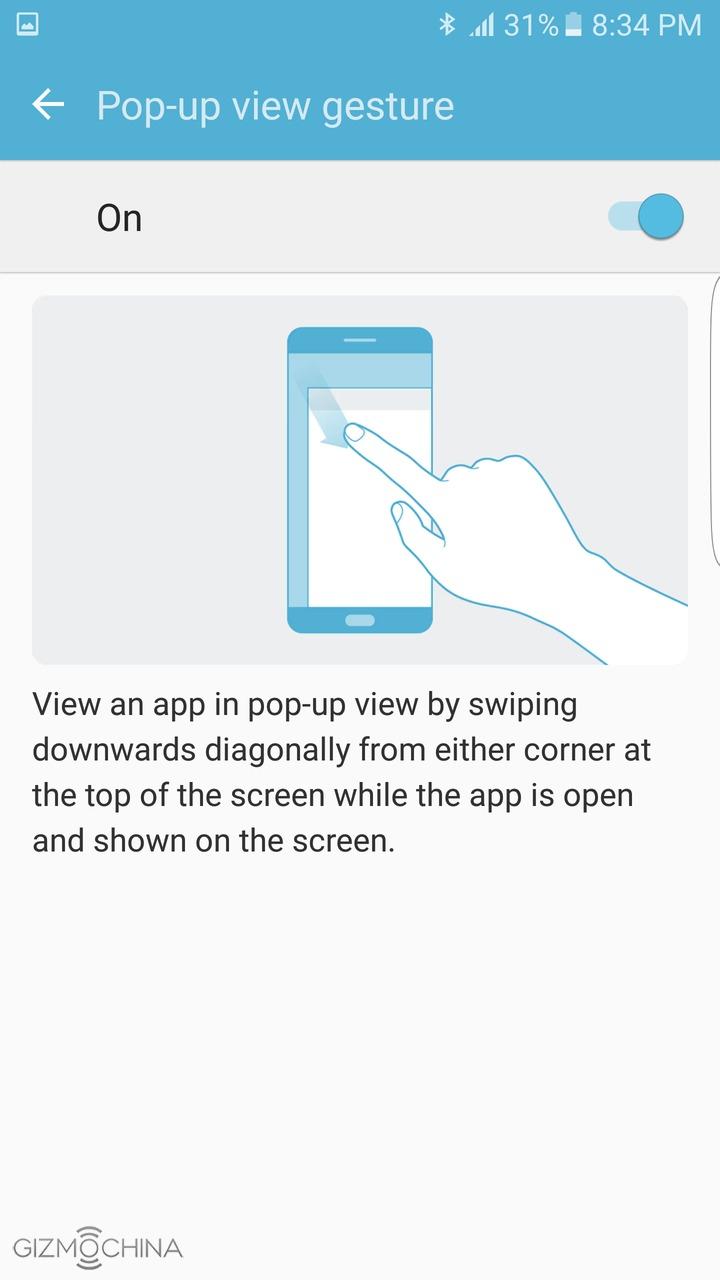
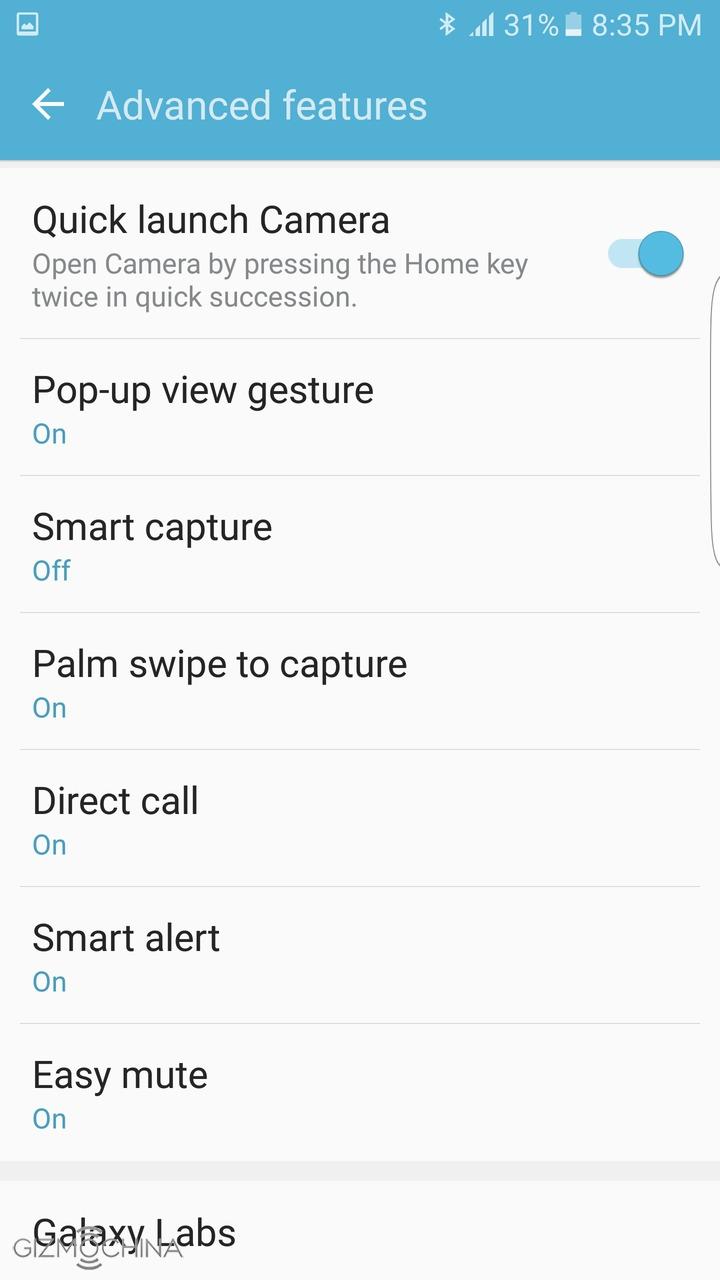
We have some features that we’ve seen on other Samsung phones for quite some time now. Just to name a few, you can run two apps simultaneously or open up the app in a pop-up window. Also, you can launch the camera straight from the standby mode.
In addition, we have some customisation options. You can choose from a variety of themes from a dedicated themes store, change the wallpapers, fonts and so on.
At the end of the day, it all comes to a personal preference as both user interfaces are fast and I didn’t have any stutter or lag.
Just keep in mind that the Xiaomi Mi5 is currently released in the Chinese market only meaning that it comes without Google Services pre-installed. Sure, it is very easy to install them but you have to keep in mind that the phone does not have multi-languages and there are quite a few Chinese aspects like some apps or some missed translation left in the UI.
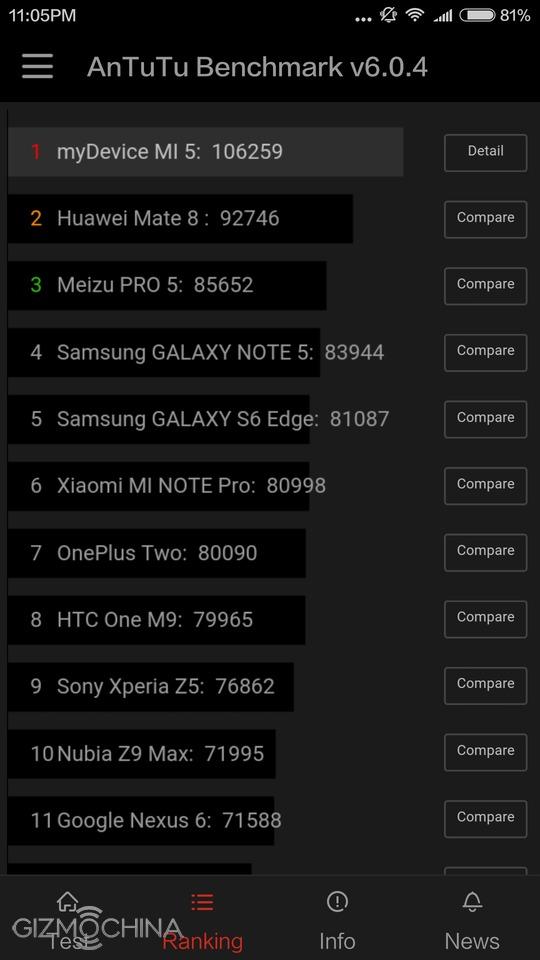
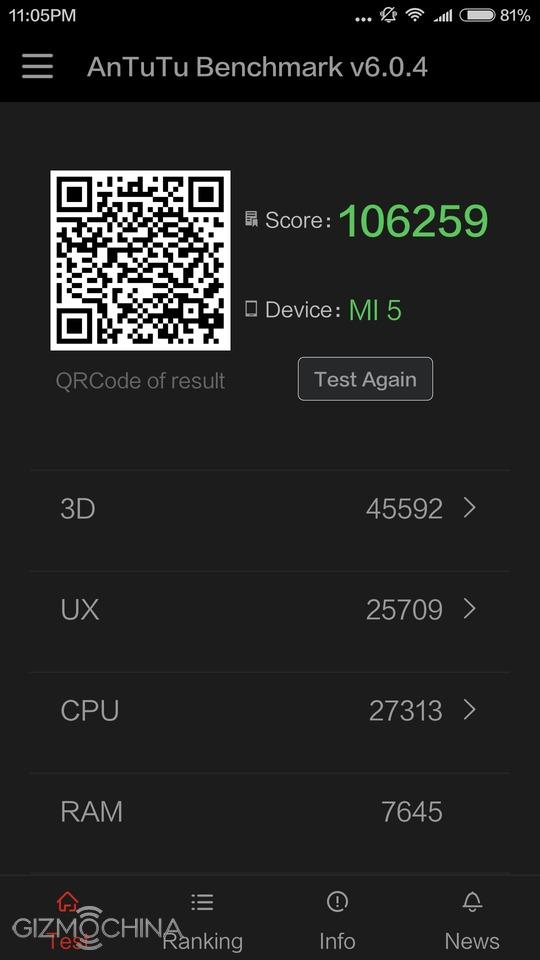
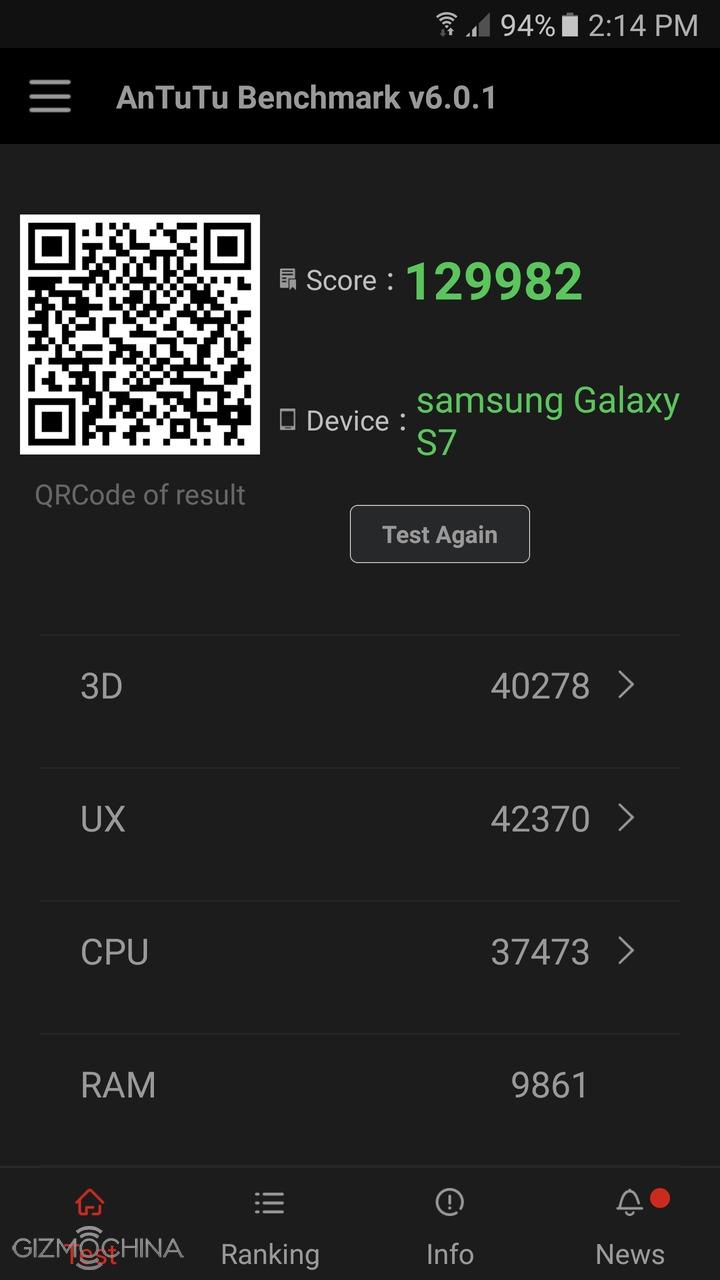
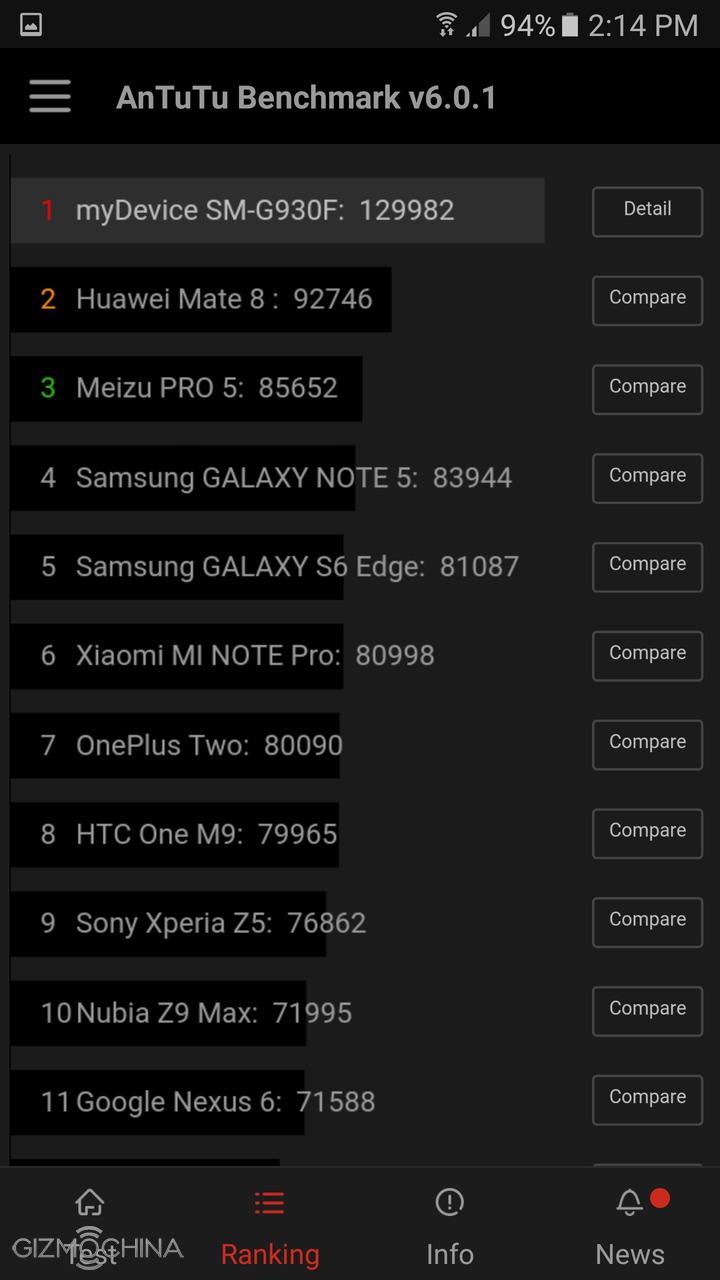
Xiaomi Mi5 vs Samsung Galaxy S7: BENCHMARKS
Xiaomi Mi5:
Samsung Galaxy S7:
Xiaomi Mi5 vs Samsung Galaxy S7: HARDWARE and PERFORMANCE
Samsung flagships have been known to bring all the best hardware components currently available and the Galaxy S7 is no exception.
I have an international model and it sports an octa-core Exynos 8890 chip with the maximum clock speeds of 2.6GHz, 4GB of RAM and 32GB of storage, which is expandable via the microSD card slot.
But that doesn’t mean the Xiaomi Mi5 brings a knife to a gun fight.
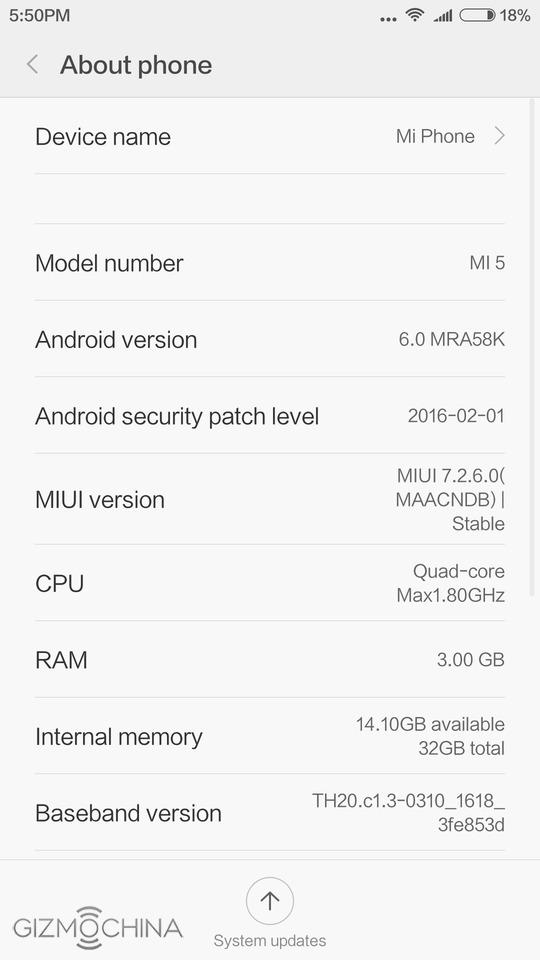
I have a standard model, which has a Snapdragon 820 chip with the clock speeds of 1.8GHz, 3GB of RAM and 32GB of storage, which is, however, non-expandable. If you really need even more power, the Pro model offers a more powerful chip, 4GB of RAM and 128GB of local storage.
The gaming performance is top-notch on each device. There is no stutter or lag and and graphics look stunning.
However, I found the Xiaomi Mi5 to get a little warm quickly while the Galaxy S7 remained cool to the touch and that is thanks to the liquid cooling system.
Anyway, you can be rest assured that neither of the devices have overheating issues.
Xiaomi Mi5 vs Samsung Galaxy S7: MULTIMEDIA
The sound via earphones is great on each phone but the Mi5 has a much louder volume output that I could not even listen to music at the highest volume setting.
Both phones sport good but not great loudspeakers. The quality of sound that is coming out the Xiaomi Mi5 is good but I would love to hear more depth and bass. The Galaxy S7’s speaker has more depth but the sound is a little bit muffled due to its waterproof properties.
Xiaomi Mi5 vs Samsung Galaxy S7: CAMERA
Xiaomi Mi5:
Galaxy S7:
The camera apps on each phone are similar but at the same time different. There are some shooting modes and settings to play with but I have to say that Samsung did a better job. The settings and shooting modes can be accessed quicker but most importantly, picture taking and video shooting modes are not separated like on the Mi5.
The daylight shots have more detail, sharpness and the dynamic range adjustment is better. However, its images tend to be overexposed and the colour reproduction is not always accurate as most of the shots have warm colours or even yellowish tint.
The Xiaomi Mi5 tends to do a better job with a colour reproduction but that’s the only department where this phone shines.
The low-light image quality is a department where the Galaxy S7 shows its strength and a great implementation of powerful hardware. The photos have more detail and less noise than the ones taken with the Mi5. Also, the Galaxy S7 tends to brighten up the scene quite a lot in night shots. Some people may like it, some may not.
Both selfie cameras can take good looking images but S7’s photos tend to have more detail.
When it comes to video, Galaxy S7 wins again. Its footage is sharper, the OIS works much better and continuos auto-focus is more graceful. In fact, the continuos auto-focus can become annoying on the Xiaomi Mi5.
Xiaomi Mi5 vs Samsung Galaxy S7: CONNECTIVITY
I didn’t have any connectivity issues with neither of the phones. Wifi, Bluetooth and GPS worked fine. However, I found that the earpiece was louder and the sound had more clarity on the GS7.
If you live in the U.S., you have to know that the Xiaomi Mi5 does not support 4G connectivity with neither of the major carriers but the 3G network will work fine.
Make sure to check out the 4G compatibility in your region and I will leave a link to a website where you can check that out in the description down below the video.
Xiaomi Mi5 vs Samsung Galaxy S7: BATTERY LIFE
Xiaomi Mi5:
Samsung Galaxy S7:
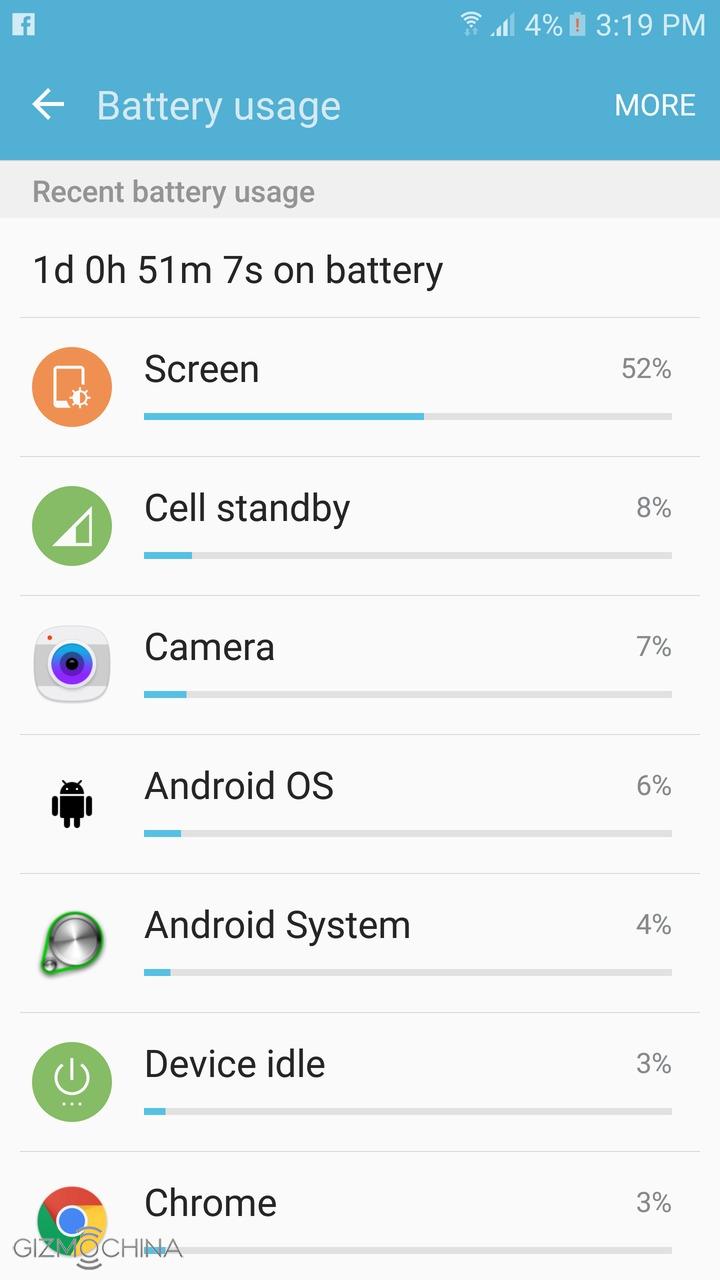
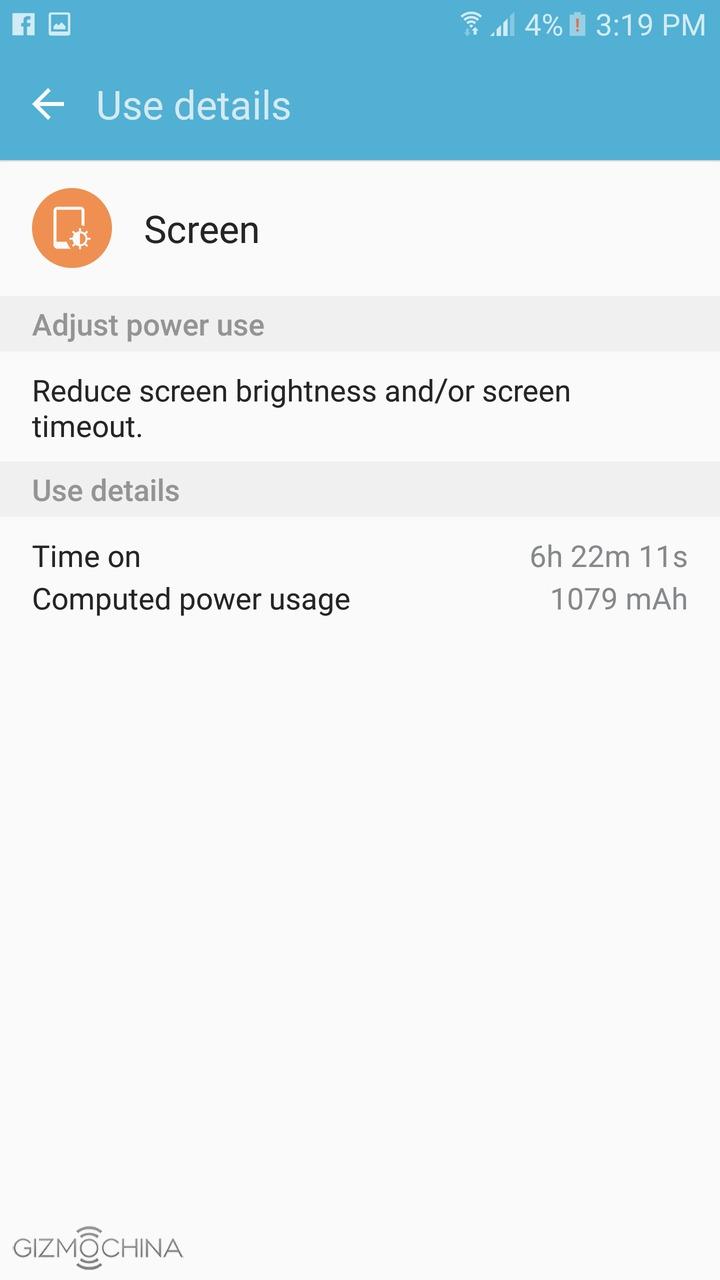
Both phones sport 3000mAh batteries but the Galaxy S7 tends to perform better. I could get 5 or 6 hours of screen-on time (depending on the usage).
I could reach only around 4 hours of SOT on the Xiaomi Mi5 and hopefully, this can be improved with future software updates.
A great thing that both phones support a fast charging feature and they can be fully charged in just 1:15 h.
The Galaxy phone has an edge as it has an embedded wireless charging feature.
Xiaomi Mi5 vs Samsung Galaxy S7: CONCLUSIONS
Overall, the Samsung Galaxy S7 is a better phone in almost each and every department and it’s got the Xiaomi Mi5 beat… but of course it does! But here’s the thing, the latest Galaxy phone costs as twice as much as the Mi5.
If you are looking for a phone that has a better build quality, water resistance, higher resolution display, better camera or you just simply want one of the best devices the money can buy – the Galaxy S7 is your choice.
If you are on a budget or simply believe that the S7 is overpriced, go with the Xiaomi Mi5. It is still a great phone. It sports a processing power that easily rivals the S7, its design and display are gorgeous, the UI is running fast and it has tons of features.
At the end of the day, both phones are great at their respective price categories. It all comes to your personal preference – if you need a top-shelf phone for a premium price or saving money is more important for you. Of course, if you don’t mind a few shortcomings.
Xiaomi Mi 5 by itself is a pretty good smartphone, featuring one of the best processors in the market today, Snapdragon 820. It is also one of the best value for money flagships in the market right now, starting at just 1999 Yuan in China which comes to around $310. But there are a lot of Xiaomi fans outside of China as well and for them, third party retailers are the best bet. Most have a pretty good markup on the base price, mainly because it’s still hard to get hold of the device, even in China.
Now, OPPOMART is trying to make your purchase of the Xiaomi Mi 5 sweeter, as the retailer is throwing in a free VR headset along with your new flagship. The Mi 5 32GB version is currently in stock and is available for $369. Considering that now you are getting a free VR headset, this turns out to be a good deal.
The VR headset is worth $30 and will be shipped separately after your purchase of the Mi 5. You can check out more details about the deal from the link below.
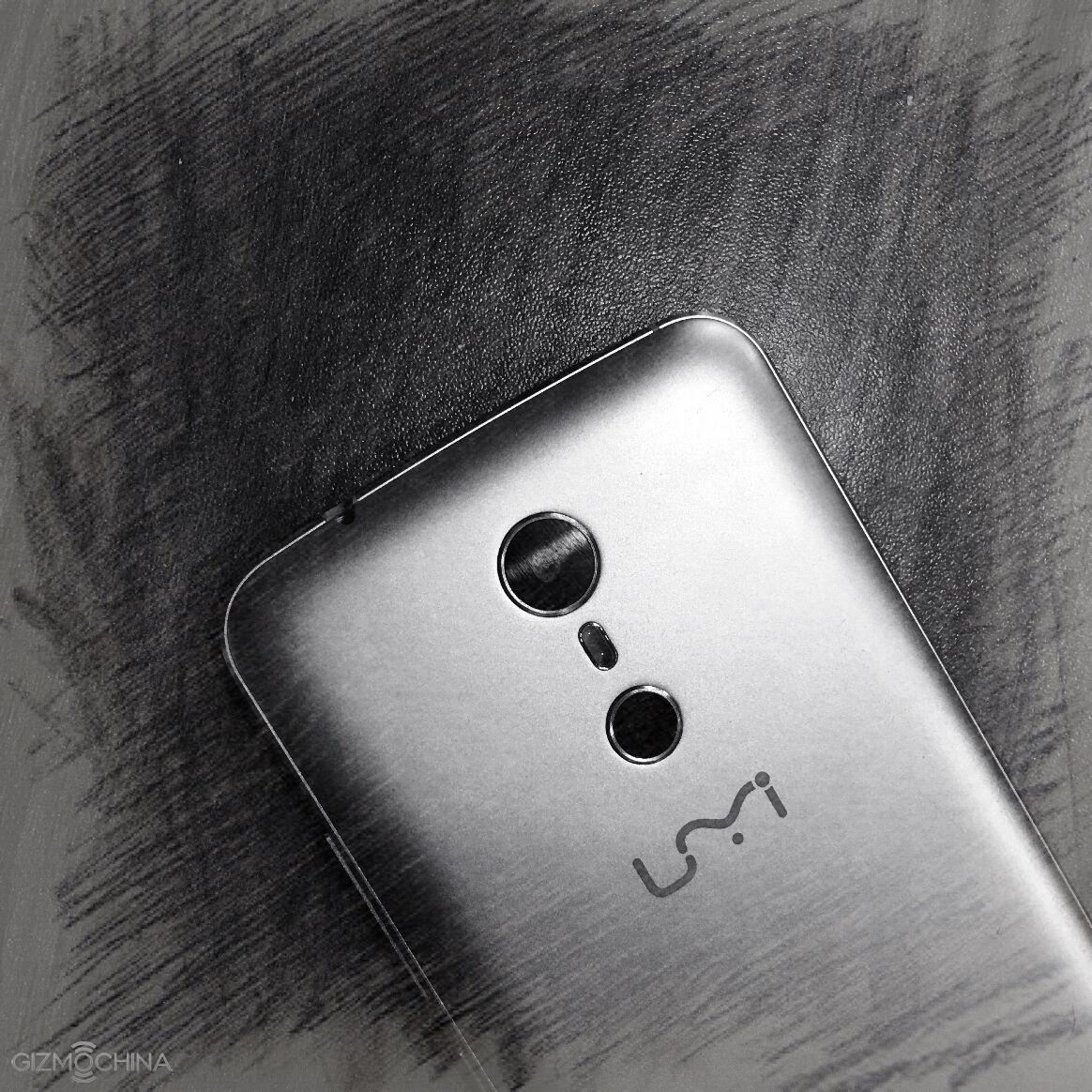
We have been hearing about a rumored smartphone from UMi called as the UMi Touch X. It was said that the phone was going to be bezel-less. Now, we have new information which states that the UMi X is actually going to be called as the UMi Super and will come with much more than a bezel-less display. The upcoming device is now said to come with dual cameras at the back, a feature which only the top smartphone makers can boast of.
2016 seems to be the year of dual cameras, with this particular setup being seen on a number of smartphones lately. Dual cameras did see some popularity a couple of years back, but it soon faded away. Now, looks like manufacturers are all set to give this setup a second try, making it much better than before.
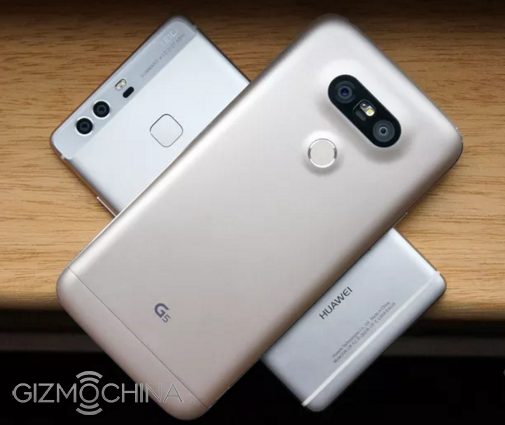
Along with the new name and the features, we also have the first image of the UMi Super. As you can see, the company seems to be experimenting with a different design than smartphone manufacturers like Huawei and LG. Instead of placing the two cameras parallel to each other, UMi Super comes with two cameras, one below the other. In between, we can see what should be a dual tone flash. Apart from the interesting dual camera design, rest of the looks seem to be similar to the recently launched UMi Touch.
Placing two cameras at the back is not an impossible task, but getting them to work together to capture the best possible images and videos is something that’s going to be a challenge for UMi. We will have to wait and see how the dual cameras on the UMi Super will work together to take pictures.
As of now, this is all we have on the Super. Stay tuned for more details on the device in the coming days.
In the past couple of months, we have come to know of the new brand called as Vernee. The company has managed to make headlines mainly because of its two smartphones, the Apollo, and the Thor. But if you would like to know more about the brand Vernee, read on.
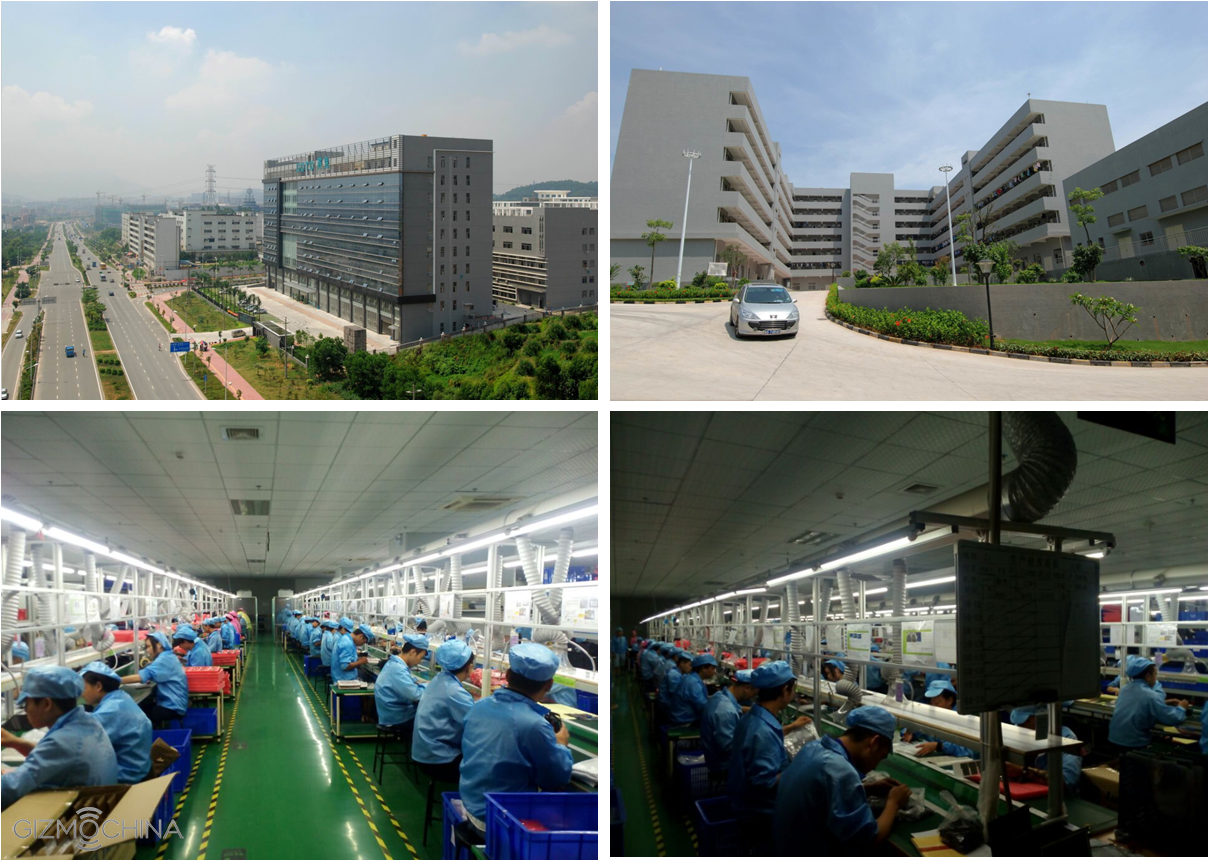
Vernee is headquartered in Shenzhen, China which is the heart of the manufacturing hub of the world. The brand is comprised of young people dedicated to designing and producing great smartphones. The company belongs to the New-Bund Network Technology Co Ltd, established back in 2014. Its R&D team is composed of over 210 engineers and they have several subsidiaries in Xi’an, Shanghai, and Hongkong for research and sales. New-Bund reportedly has done well in foreign trades and have managed to gain some popularity in South America, Southeast Asia, India and other regions.
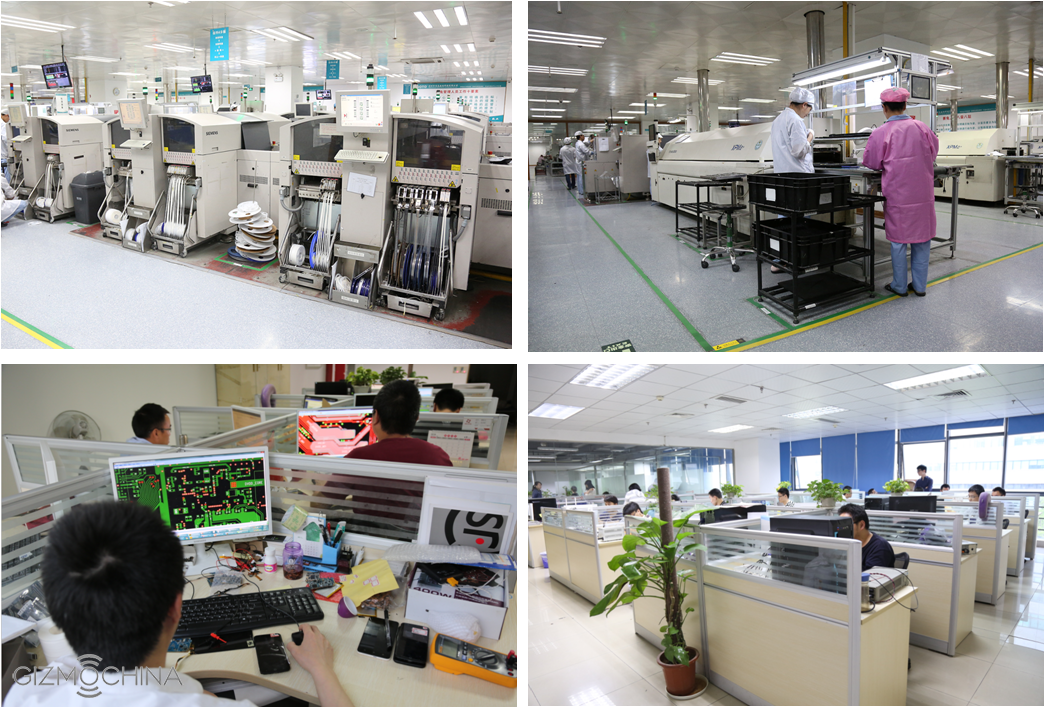
The company has also revealed pictures and details of its operations in different regions in China. You can check that out below.
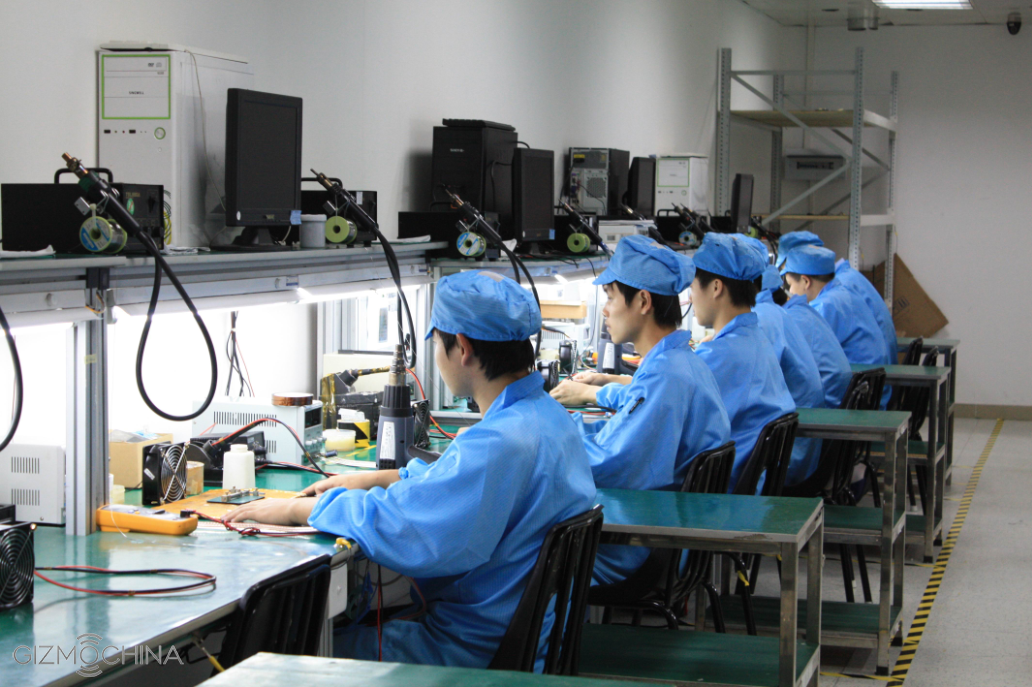
Research and Manufacture Capacity
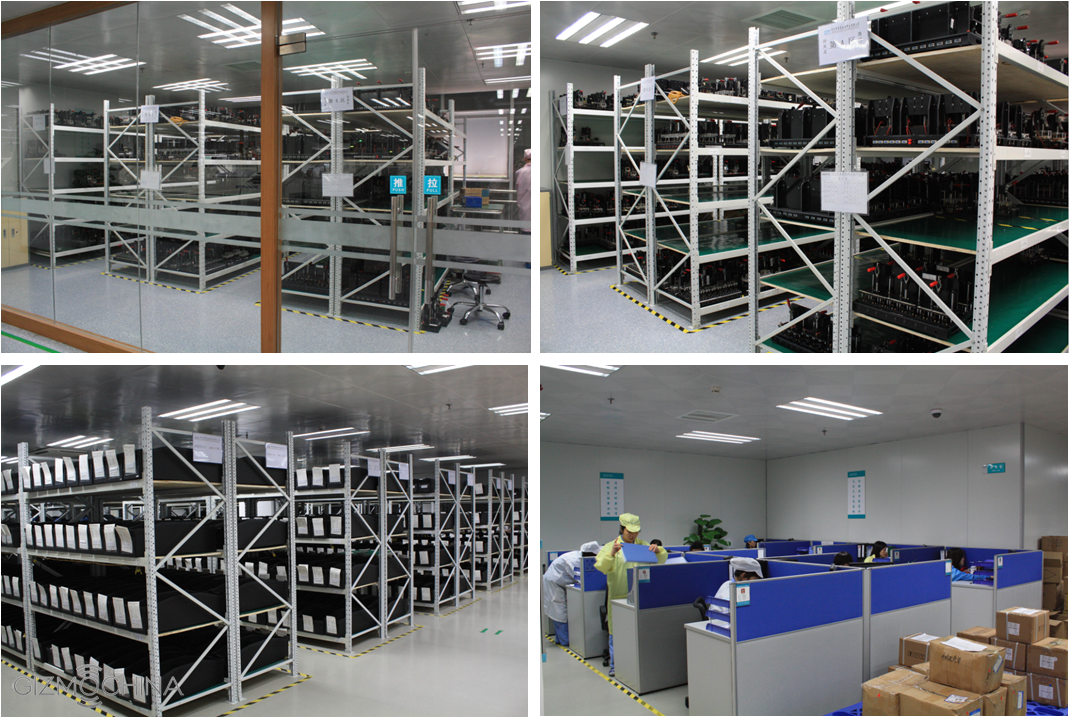
New-Bund’s integration and assembly factory, in Bao’an District, Shenzhen, China
R&D team
(New-Bund’s research and development team, in Nanshan District, Shenzhen, China )
Warehouse
(New-Bund’s warehouse and logistics center, in Bao’an District, Shenzhen, China)
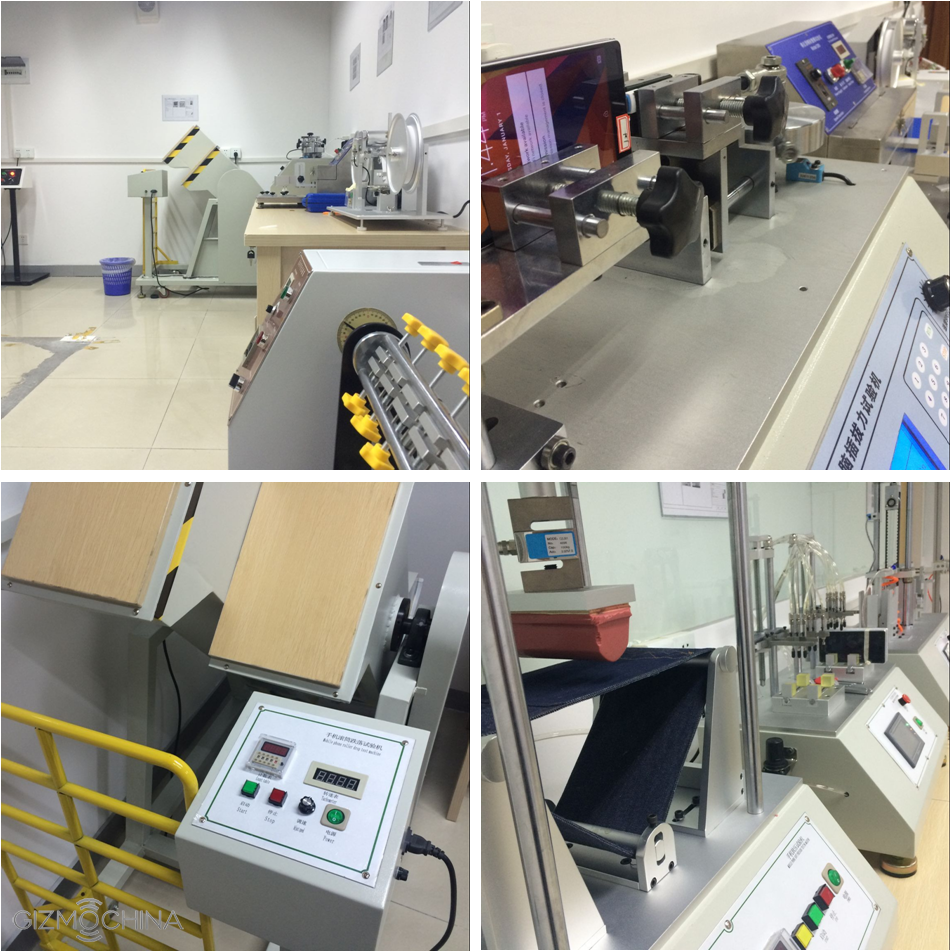
Quality Control
New-Bund’s quality inspection laboratory, in Nanshan District, Shenzhen, China
If you are looking to get a Chuwi tablet anytime soon, then this might be the right time to purchase one. Chuwi along with Geekbuying have a special promotion wherein three of the popular Chuwi tablets are being offered at a discounted price. Here are the details of the three tablets which will be available for sale from today till April 22, 2016.
Chuwi Hi8 Pro:
The Chuwi Hi8 Pro comes with a 14nm Intel X5 series CPU (Cherry Trail Z8300) with an 8-inch display and 1920 x 1200 pixel resolution. Some of the key features of the Hi8 Pro include the new USB Type-C port for faster transmission and Dual Boot Windows 10 + Android 5.1 support. You can check out the full specs from the link below.
Usually, the tablet retails for $109.99 but during the sale i.e. until April 22, you can get the tablet at 15% off, at $95.23. Not a bad deal considering the specs on board.
If you are looking for something bigger, you can check out the Chuwi Hi10 tablet. The device comes with a 10.1-inch 1920 x 1200 display and a full metal body for premium looks. Inside, the tablet will be powered by the Intel Cherry Trail Z8300 CPU with 8th Gen Intel HD Graphics. Other features of the tab include 4GB of RAM, 64GB of eMMC ROM, 64-bit Windows 10, a large 8000mAh battery, 2MP back and front cameras.
This is a pretty good large screen tablet, and you can get it for just $169.99 i.e. at 10% OFF the regular price tag. Check out the link below for more details.
If you want the largest possible tablet from Chuwi, then look no further than the Chuwi Hi12. This recently launched tab is available at a promotional price right now. It comes with a massive 12-inch 2160 x 1440 display and Intel Z8300 CPU with 8th Gen Intel HD Graphics. Other features such as 4GB RAM, 64GB eMMC expandable ROM and 64-bit Windows 10 are same as the Hi10. But you get a lot of additional connectivity ports such as 2 x USB ports, one MicroUSB and one Micro HDMI. Then, there’s a larger 11000mAh battery along with a 5MP rear and 2MP front cameras.
Right now, you can purchase the Chuwi Hi12 tablet for just $249 which is a steal, thanks to a good 10% discount on the original $269 price tag.
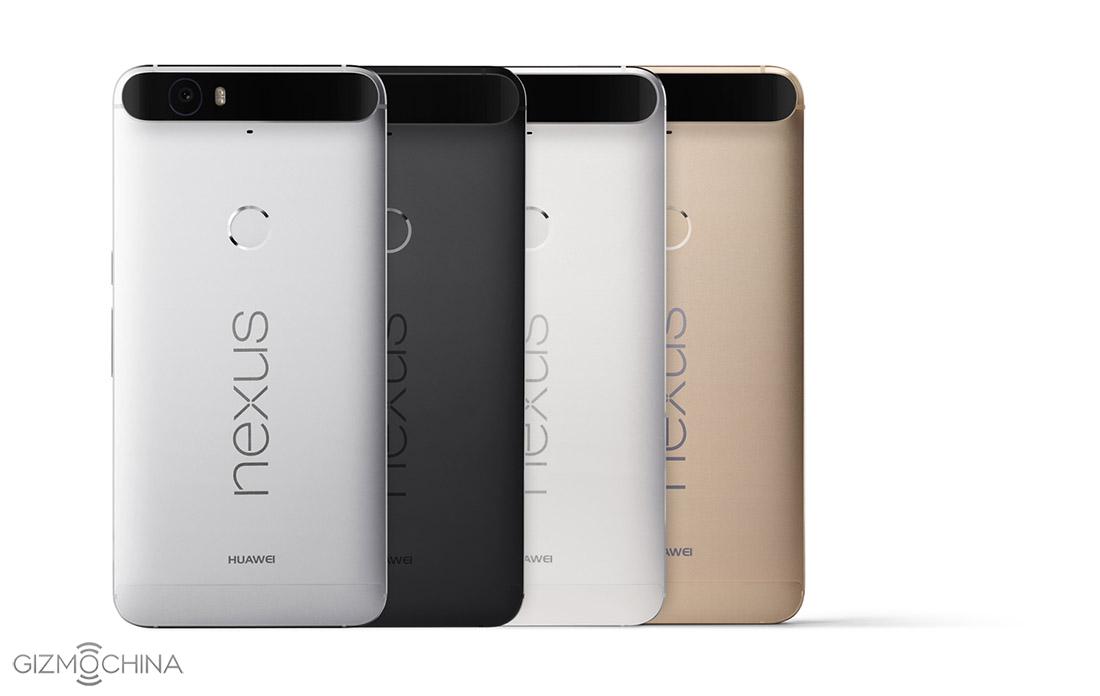
Last year, Huawei became the first Chinese company to manufacture a Nexus device. This wasn’t surprising because, in the past couple of years, the company has really stepped up its smartphone game, releasing some pretty interesting phones. And the Nexus 6P was no exception, being one of the best devices of last year. The phone came with powerful hardware as well as fluid stock software to make sure that the overall experience was top notch.
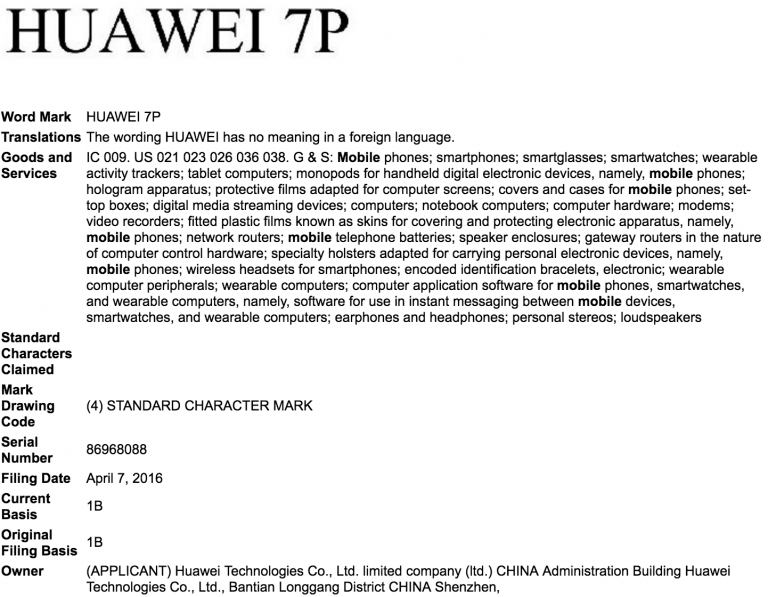
While we are not entirely sure whether Huawei will continue as the Nexus maker for the second consecutive year, a trademark for “Nexus 7P” has surfaced online. This could be an indication that the company will be partnering up with Google for a new Nexus device.
Now, the Nexus 7P could be a new smartphone, going forward with last year’s naming scheme, or it could be a tablet. It has been a good three years since we saw an update to the Nexus 7 2013 tablet, which was very popular back then. Hence, a powerful tablet from the Chinese company would not be a bad idea. The description in the trademark application most likely hints at a mobile device, but we can’t be sure of that. Also, just because Huawei has trademarked the name “Nexus 7P” it does not confirm that such a device exists. We have seen time and again many patents and trademarks do not materialize into anything. So, we better not get too excited until we receive more details.
So, what do you think about a Huawei made Nexus 7P tablet? Would it be something that would attract your attention?
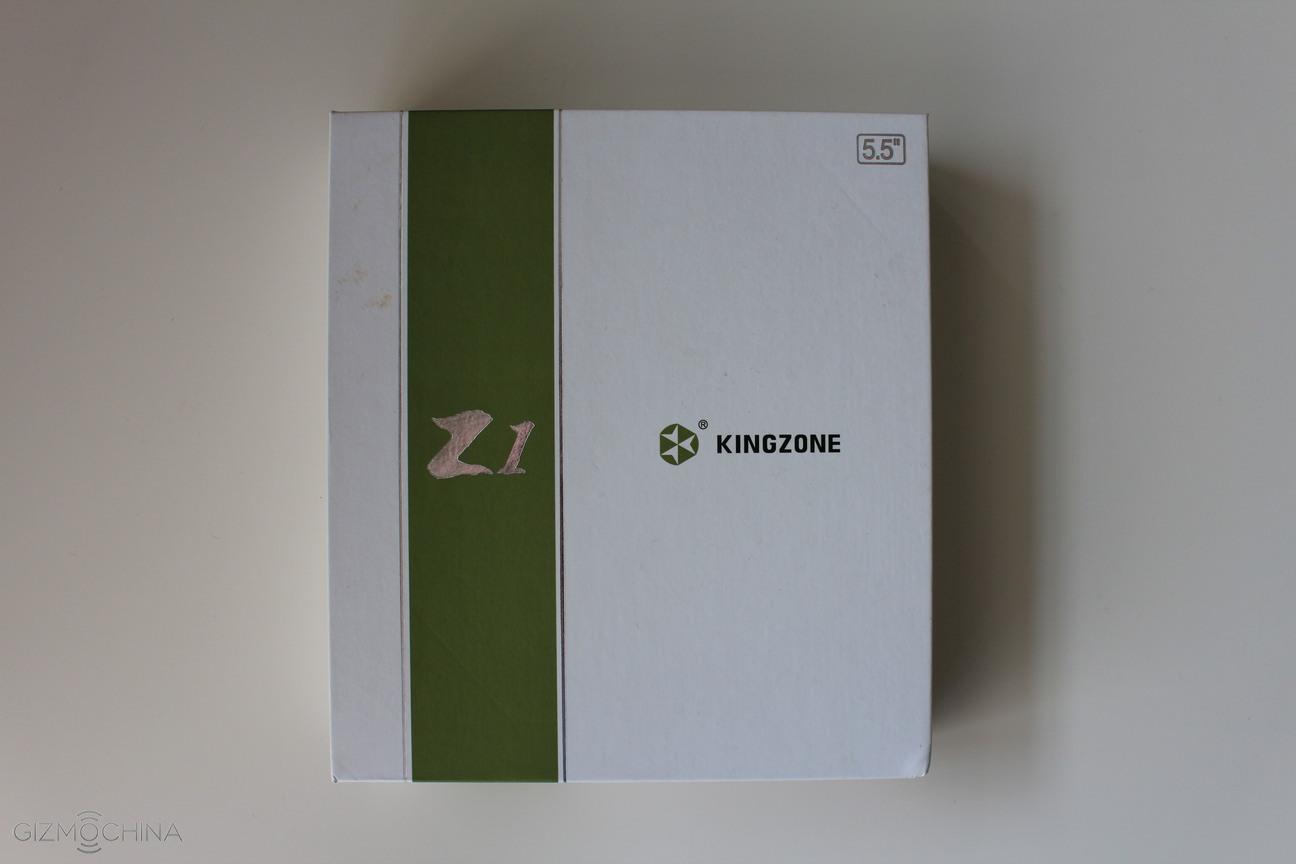
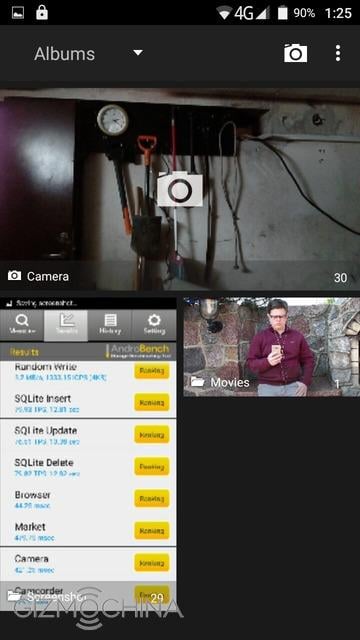
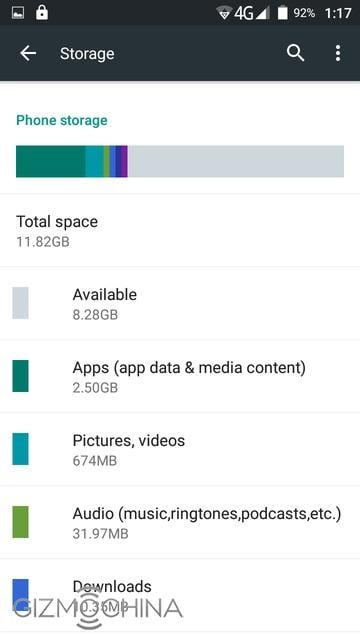
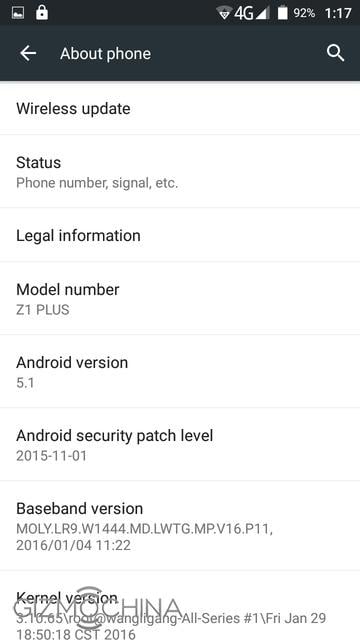
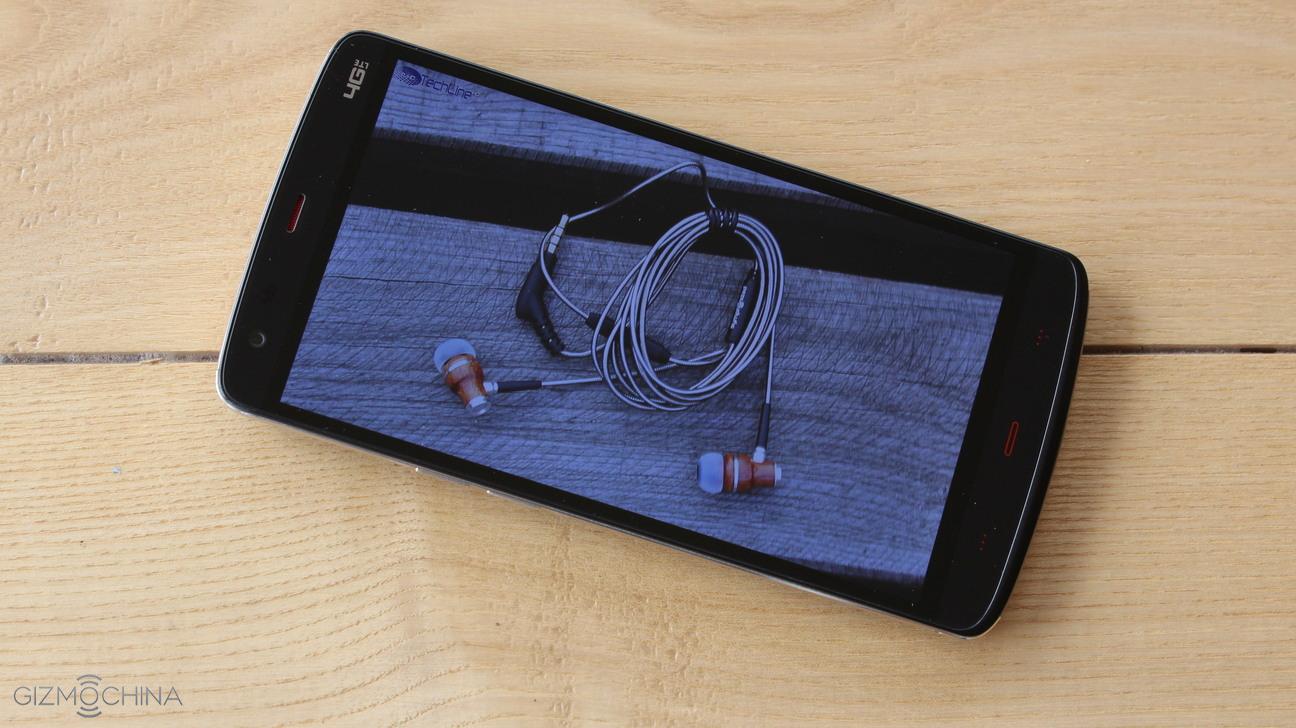
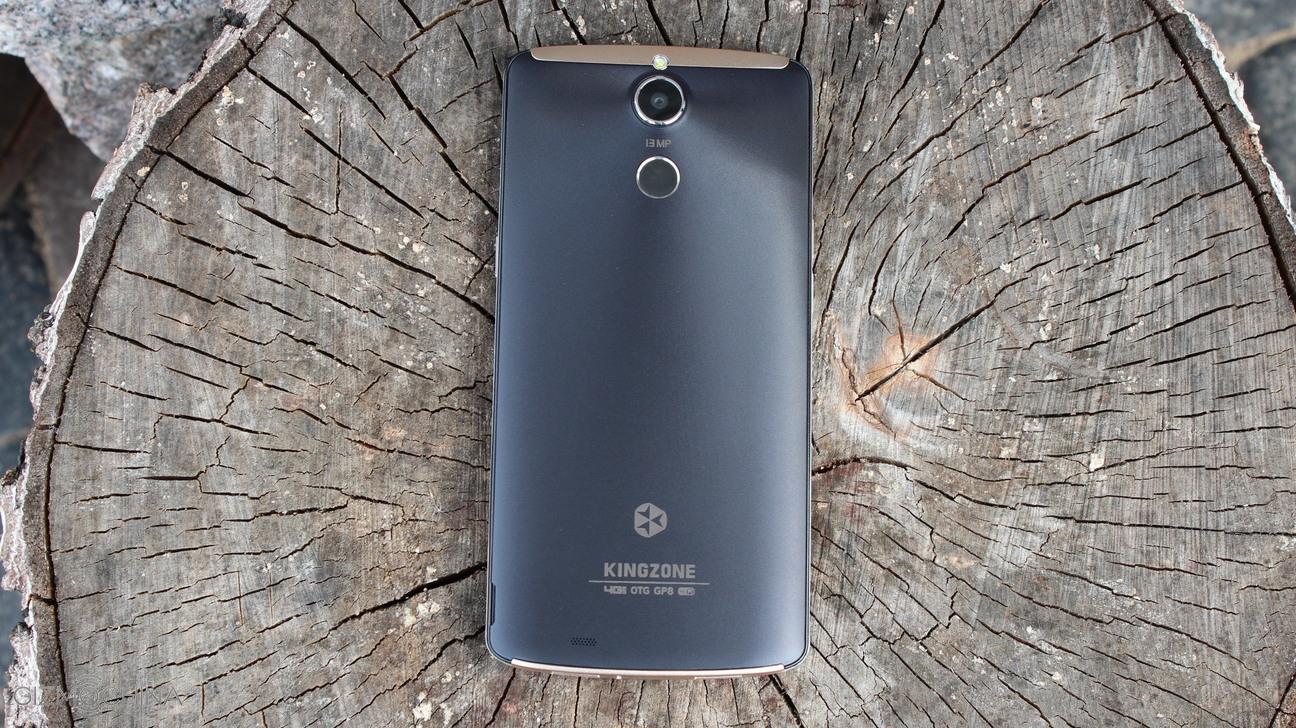
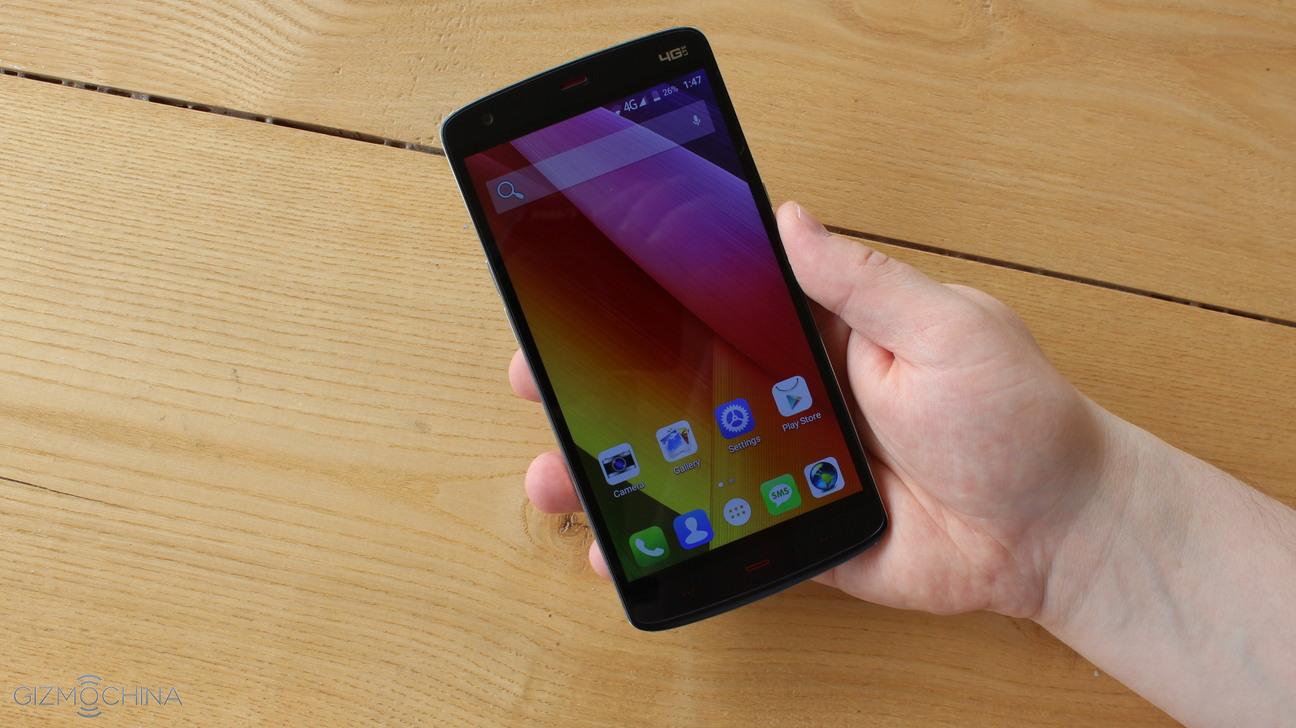
We don’t review a lot of phones made by Kingzone but we came across the Z1 Plus. It has quite an interesting looking design but it costs more than $150. Is it worth the price? Learn more in the full review.
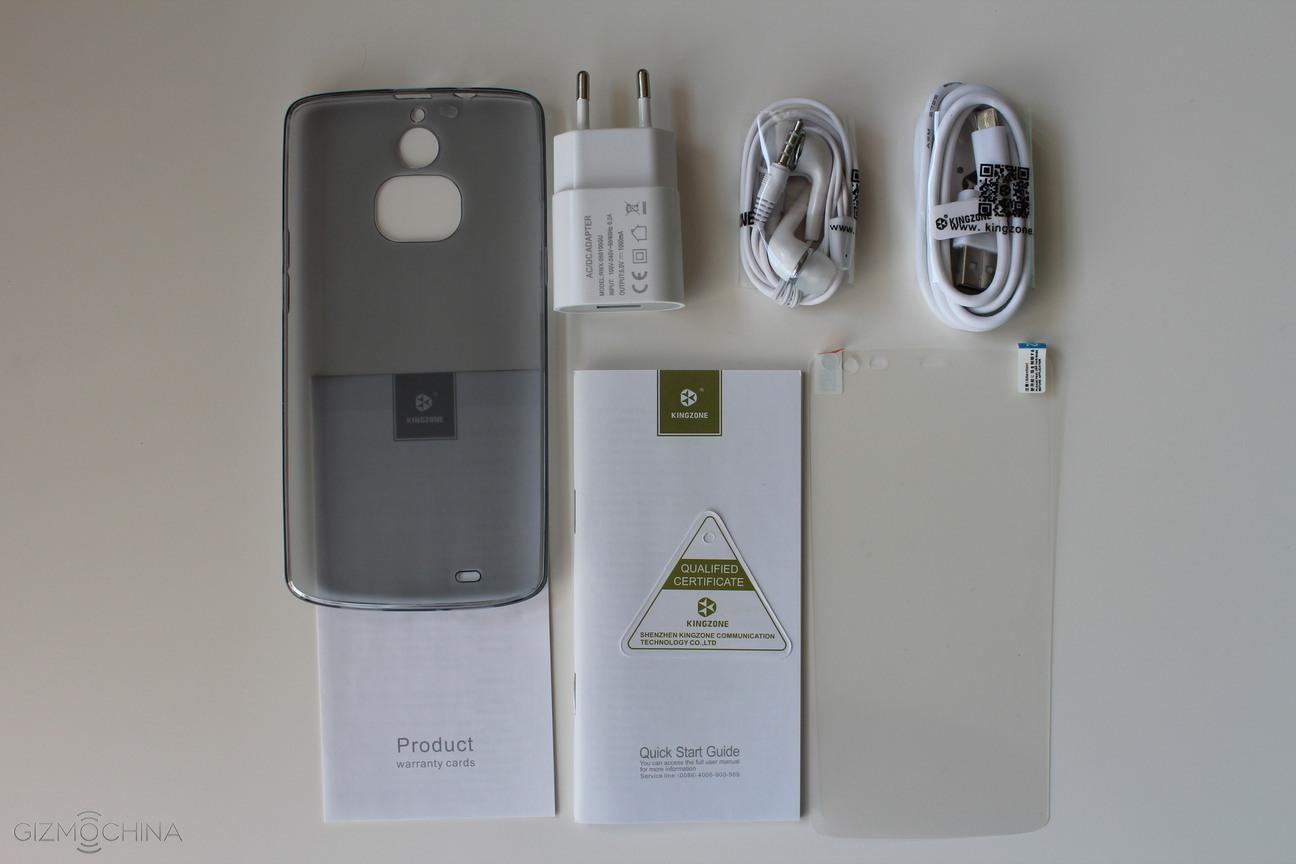
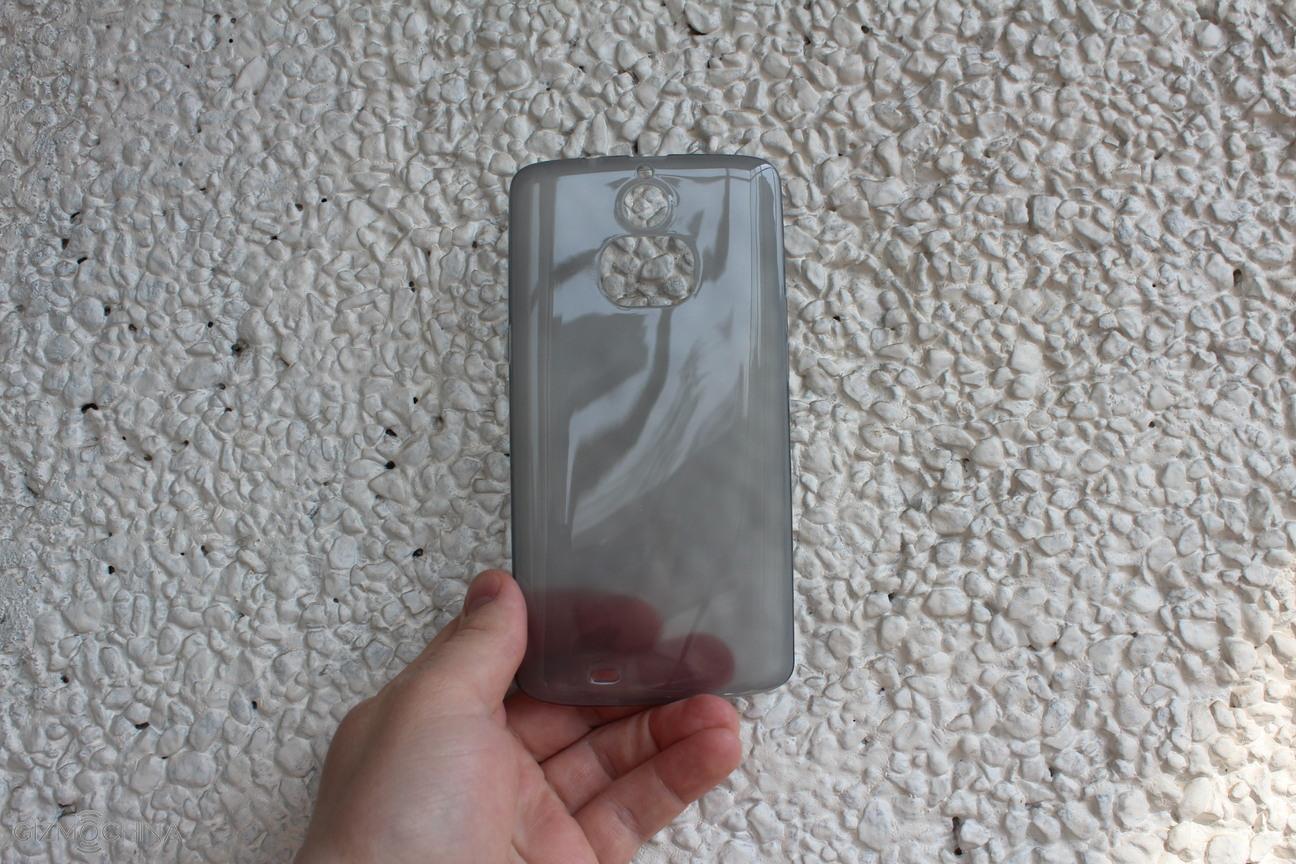
Besides all the usual stuff that comes with almost any phone, Kingzone added a pair of earphones and a nice soft TPU case.
Kingzone Z1 Plus Review: DESIGN and DISPLAY
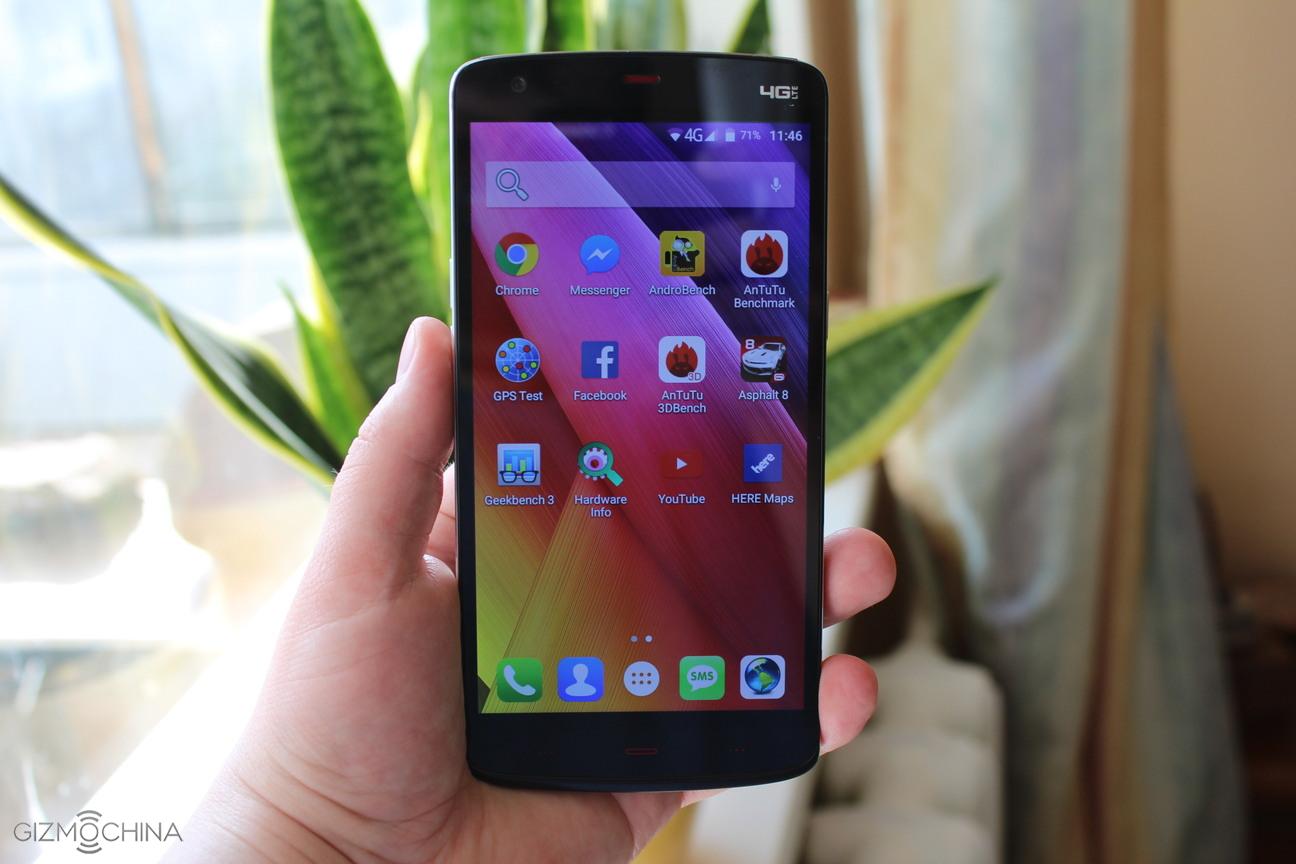
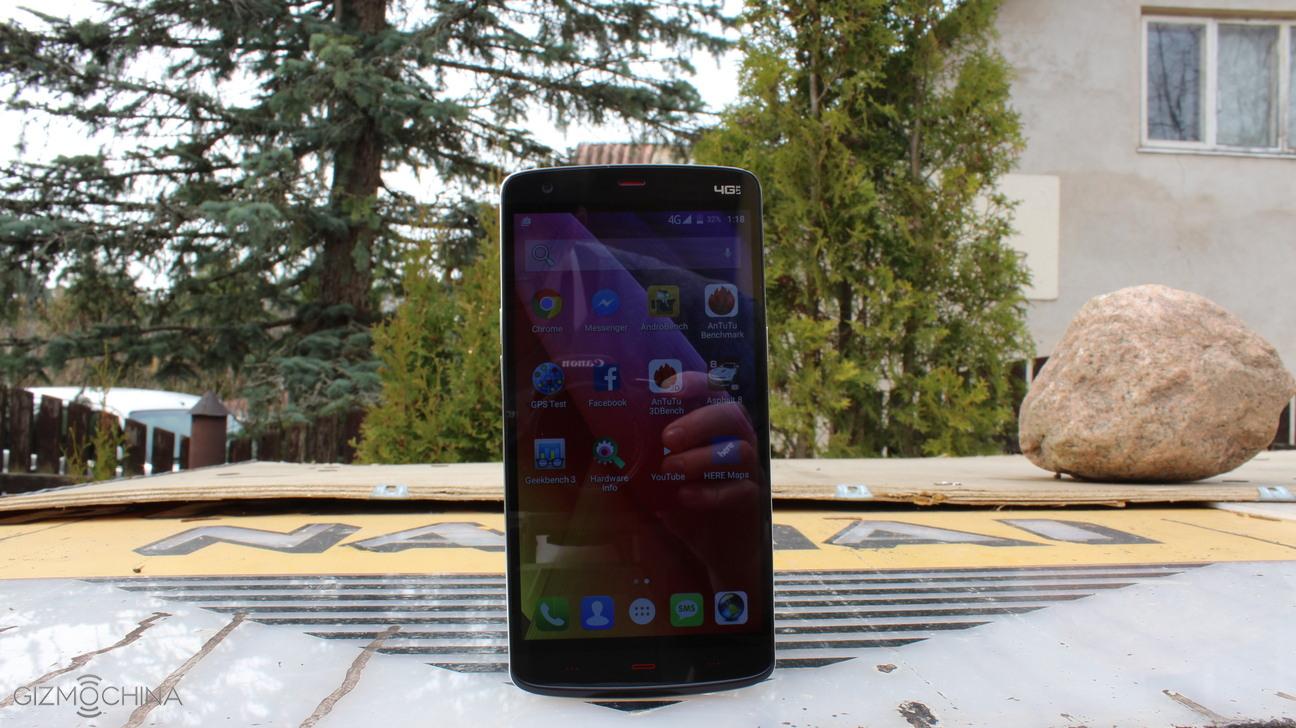
The device is not the smallest out there as it has a 5.5” display but it has only 720p resolution. Still, it is a pretty good panel as it is sharp enough to look at.
The only problem is that it could be slightly brighter as it was difficult to see something under direct sunlight.
The phone has 13MP shooter on the front, which is quite a lot for the sub-$150 phone. Right next to it we have a notification LED light, which can be customised by assigning different colours.
On the bottom we have 3 nicely backlit capacitive buttons.
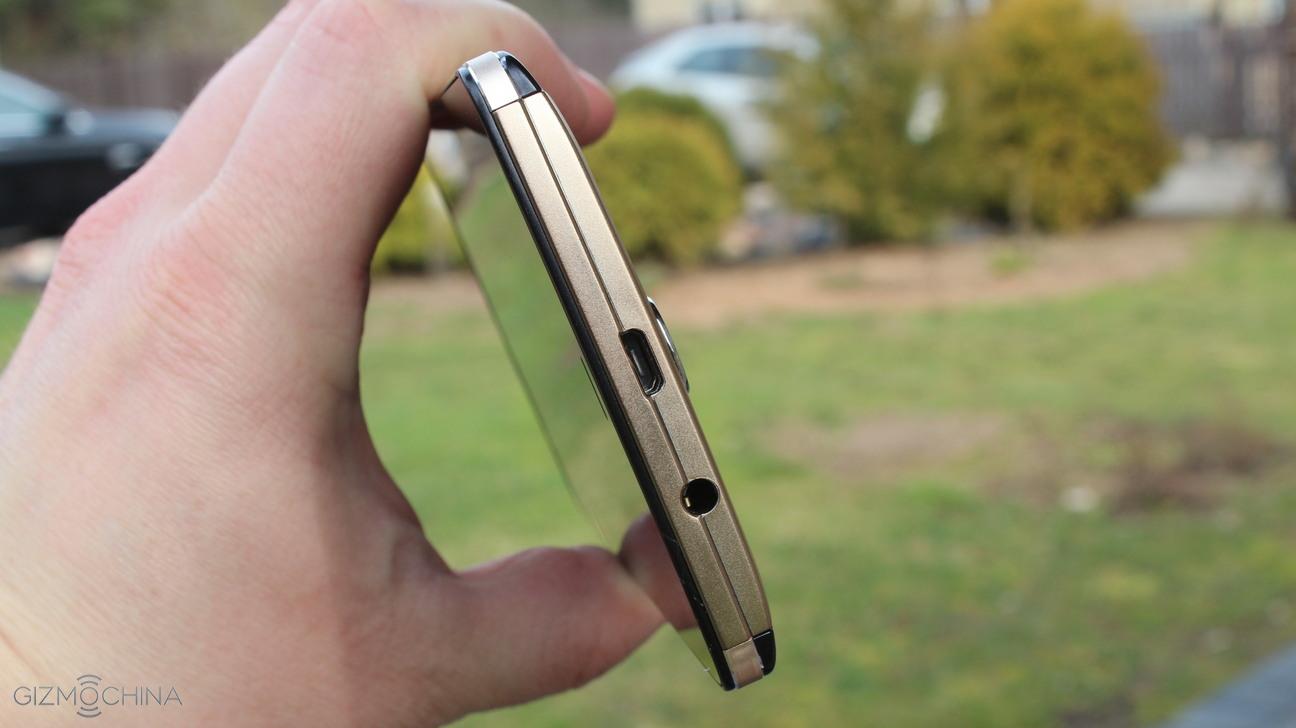
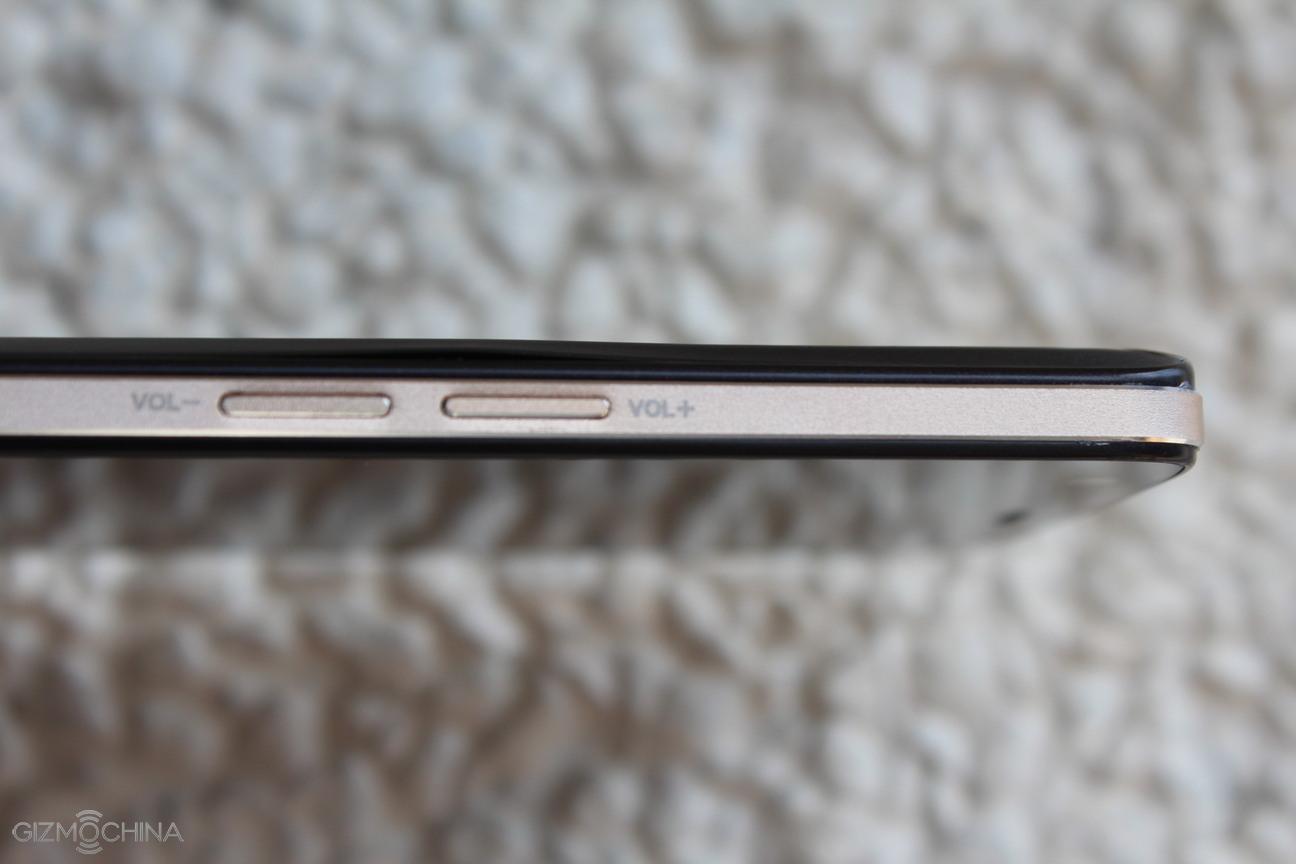
The sides of the device are made of metal but the problem is that the metal frame does not go all around the device. What I mean is that the top, where you can find a headset jack and charging port, and bottom parts are made of plastic. At least we have buttons with a great tactile feedback. The power key is on the right and the volume keys are on the left.
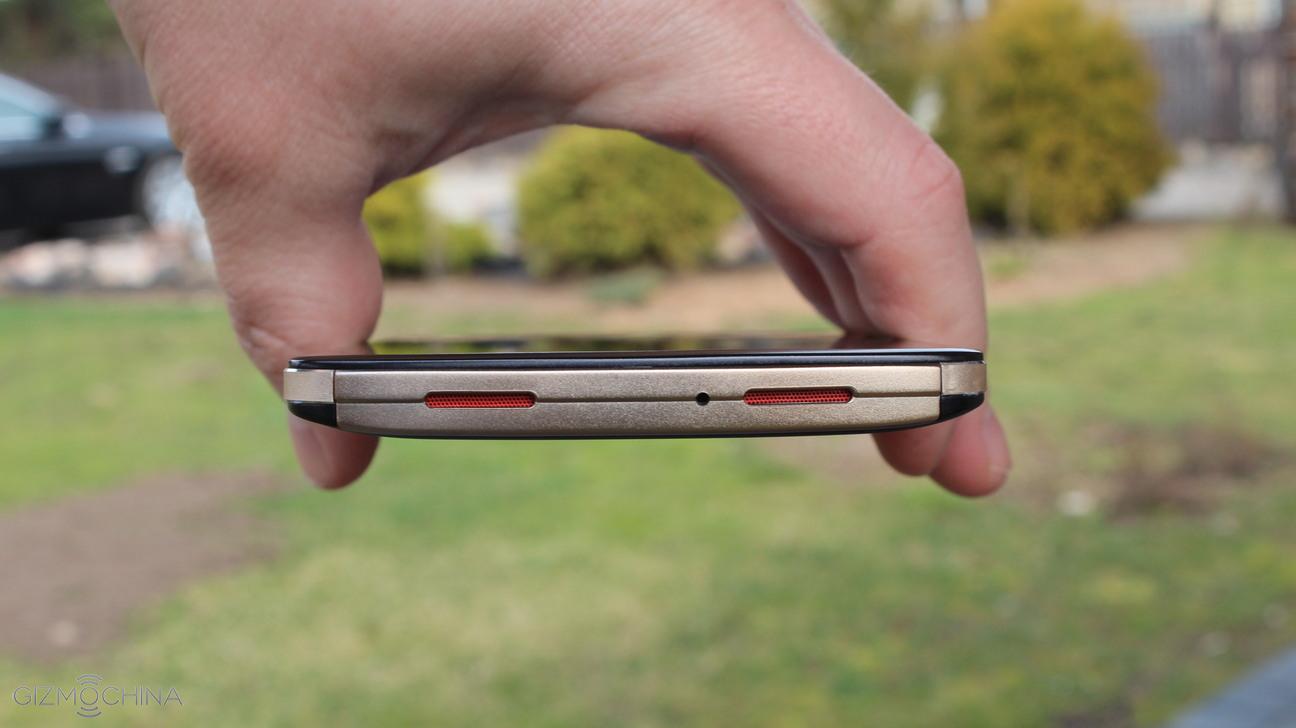
On the bottom we have what looks a like a dual stereo speaker setup but it seems that these grills are just used as a design element, because the actual speaker is mounted on the back. The quality of sound is not bad but it could have more depth.
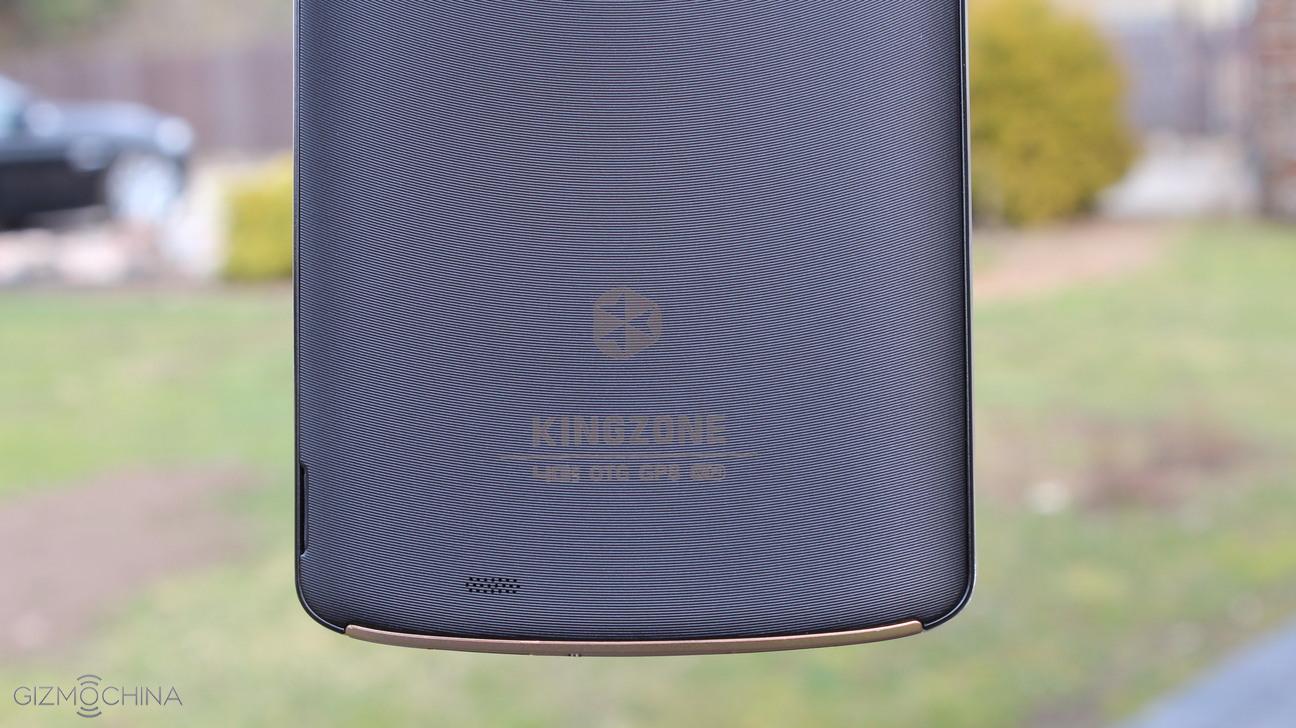
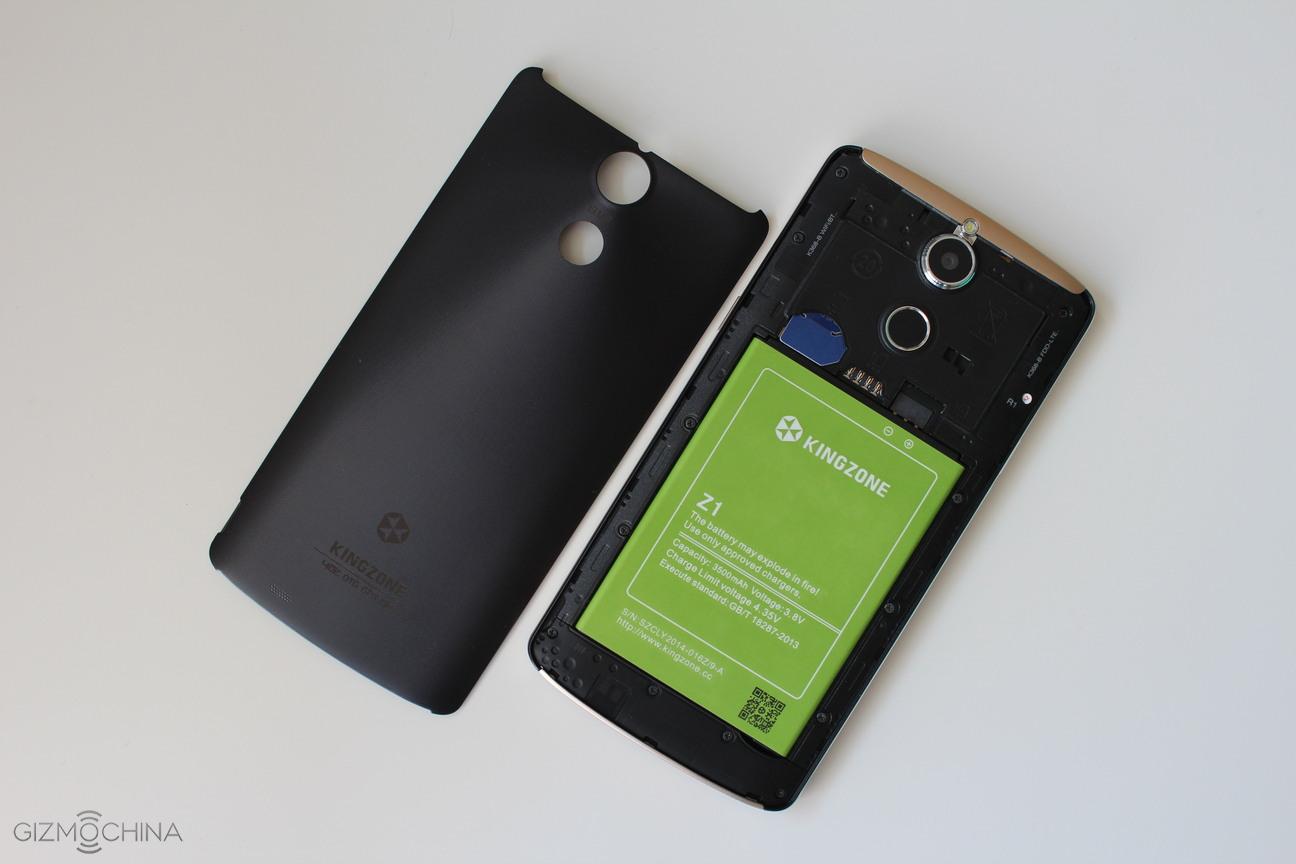
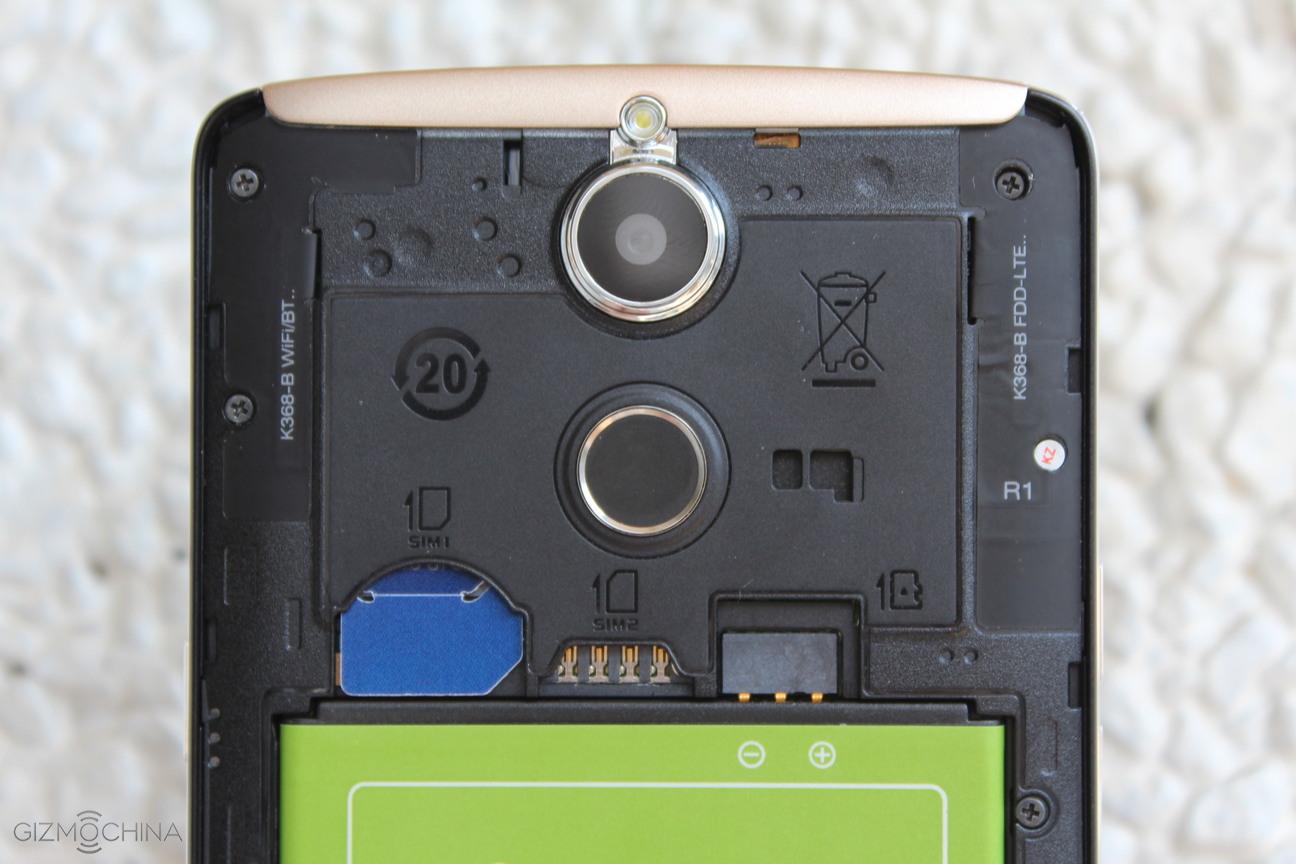
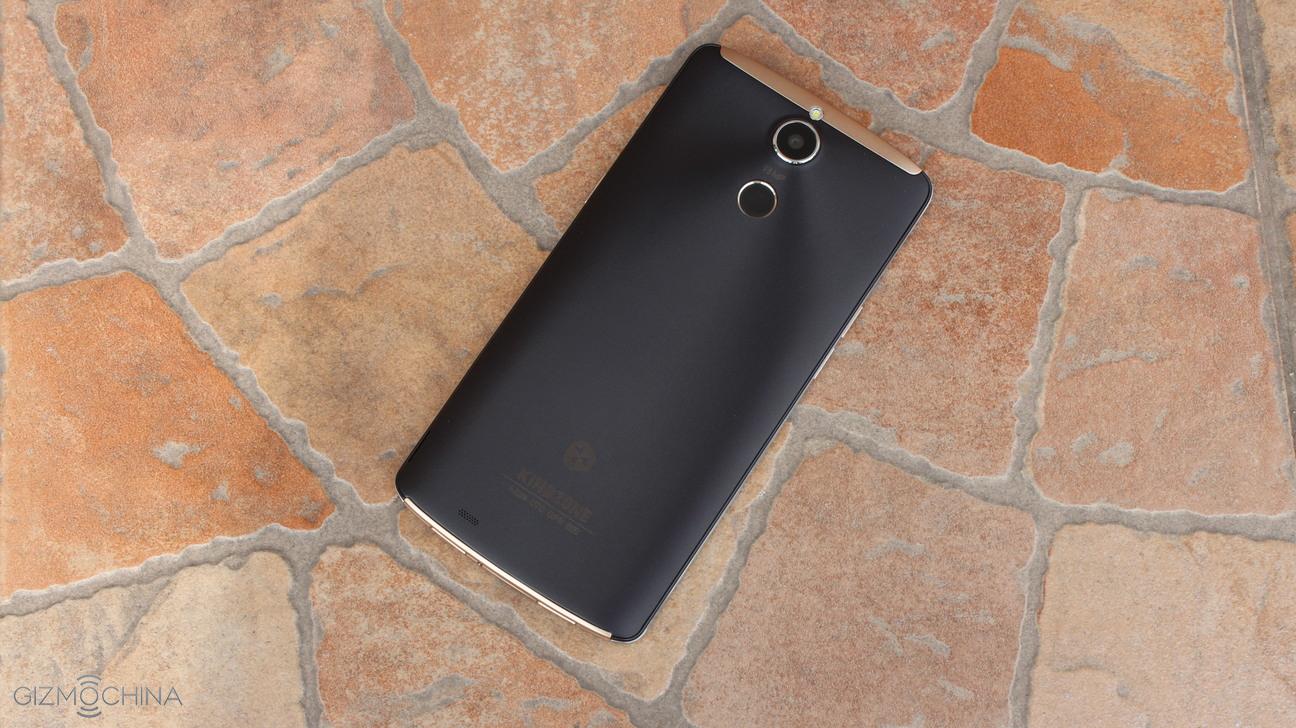
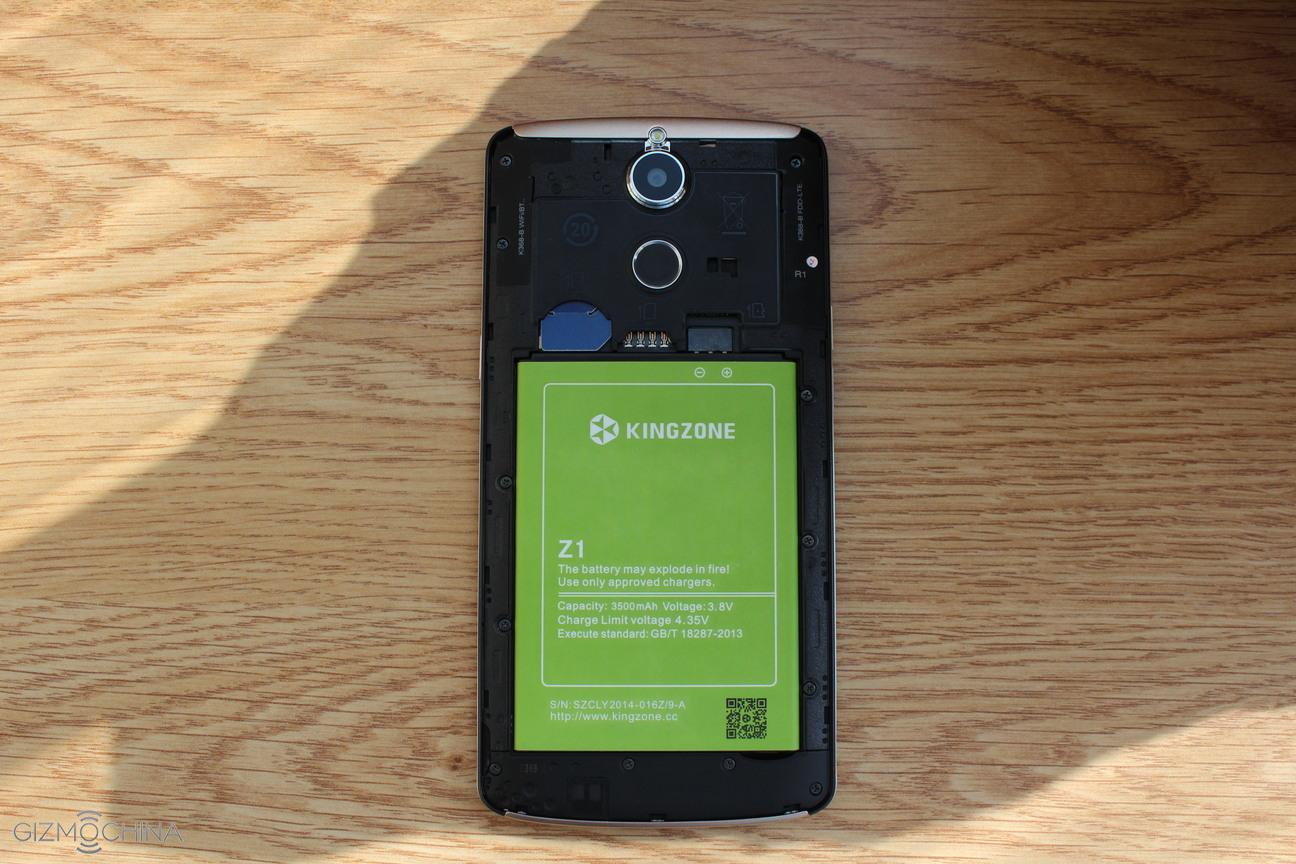
Speaking of backplate, it has a vinyl-like finish and it can be easily removed. Underneath it you can find two SIM cards and the microSD card slots, and a removable 3500mAh battery.
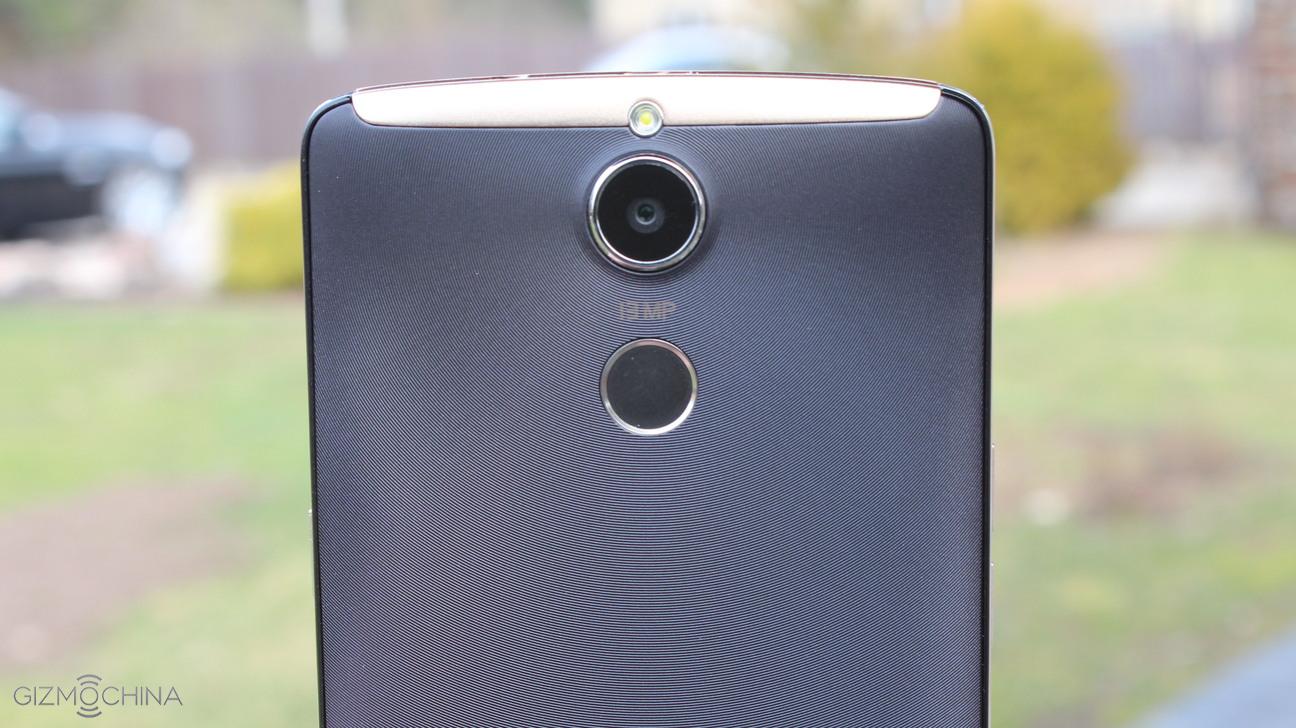
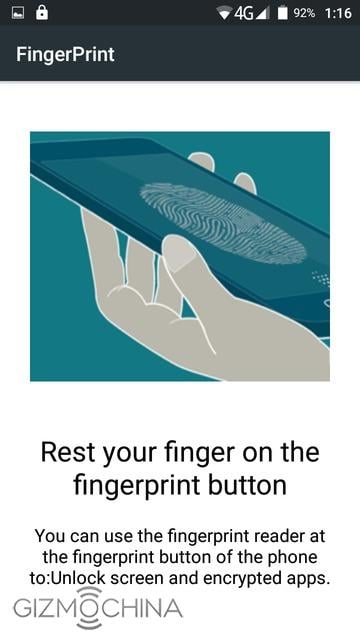
We have a 13MP camera with a single LED flash and a fingerprint sensor, which is not the fastest we’ve tested but it is pretty accurate and it works straight from the standby mode.
Overall, the phone is comfortable to hold in the hand and it has a decent design. However, all-metal frame would have added more premium look and feel to the device. Also, I’m not a huge fan of the textured backplate but this is very subjective and it all comes to a personal taste.
Kingzone Z1 Plus Review: HARDWARE and PERFORMANCE
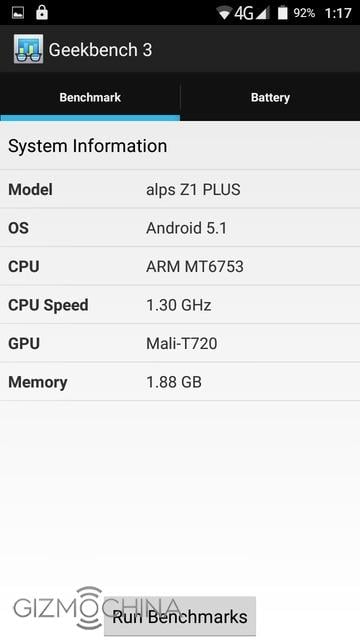
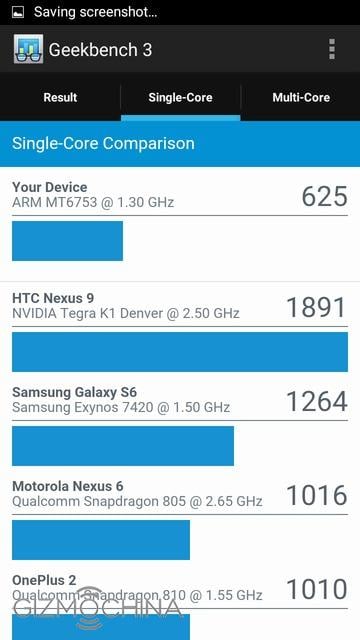
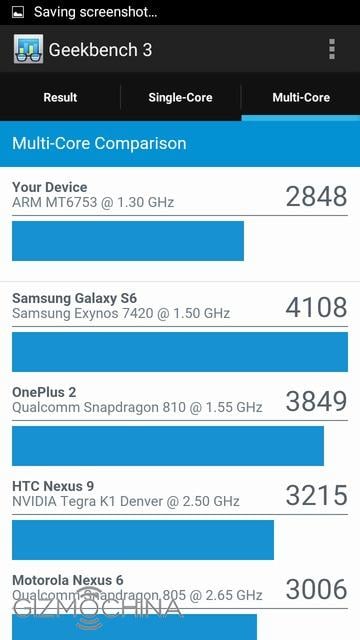
The Kingzone Z1 Plus ships with an octa-core MTK6753 chip with the maximum clock speeds of 1.3GHz, 2GB of RAM and 16GB of expandable storage.
The phone handles 3D games pretty well. Asphalt 8 runs fine with just a few skipped frames and the phone does not overheat.
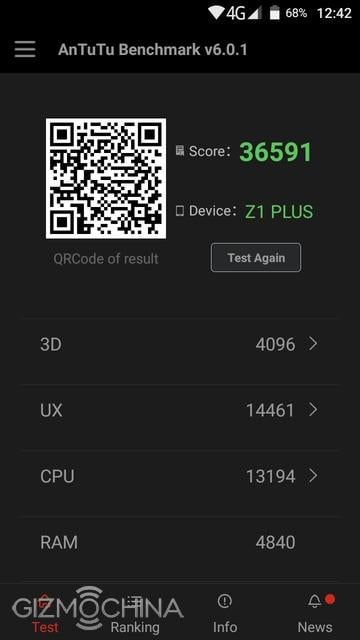
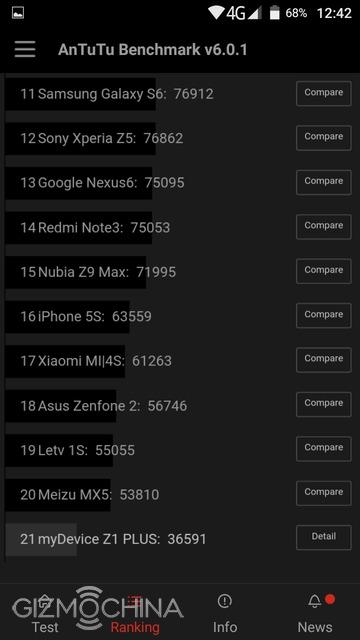
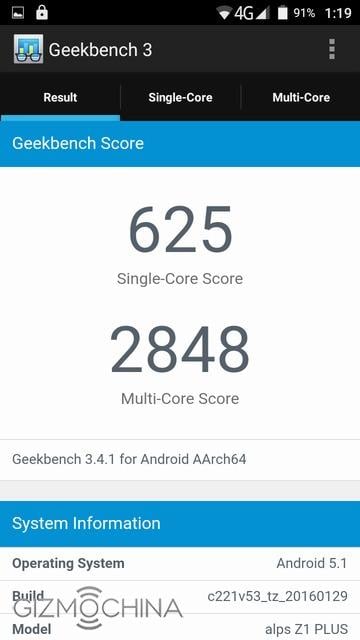
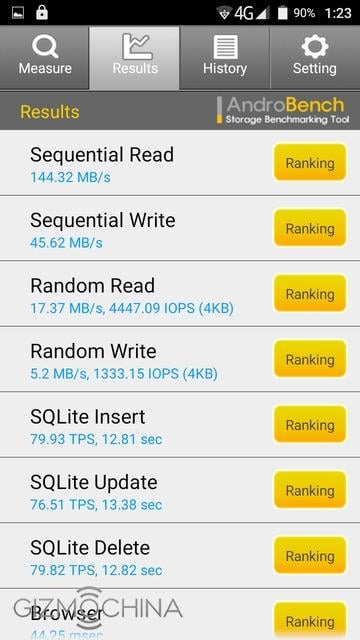
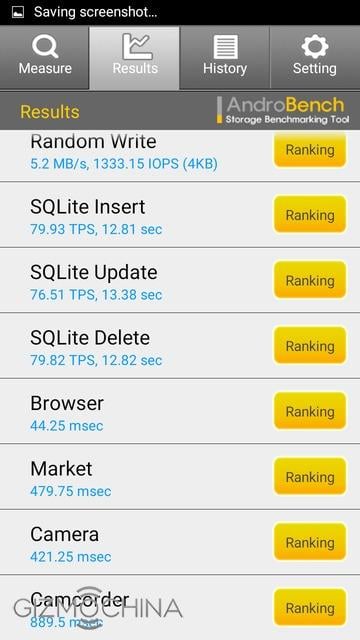
Kingzone Z1 Plus Review: BENCHMARKS
Kingzone Z1 Plus Review: UI
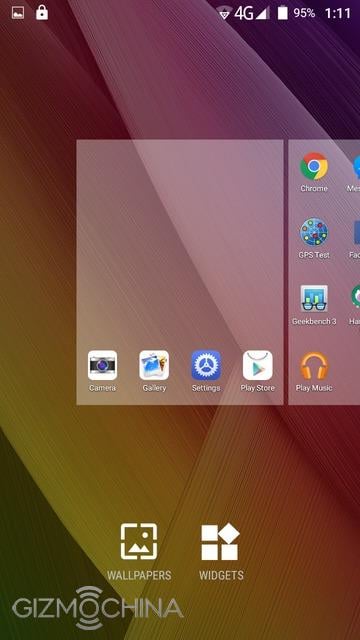
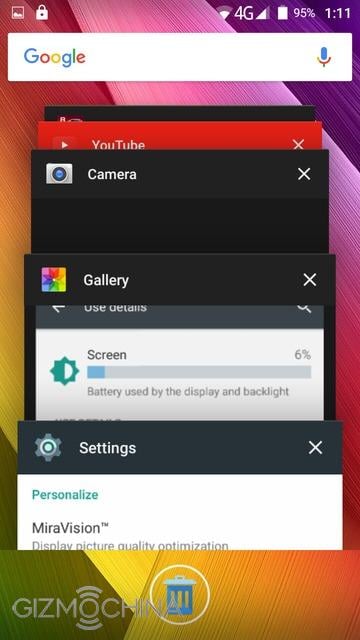
The phone runs on Android 5.1. We have a pretty much stock Android except for the fact that Kingzone redesigned some icons and added a few extra features.
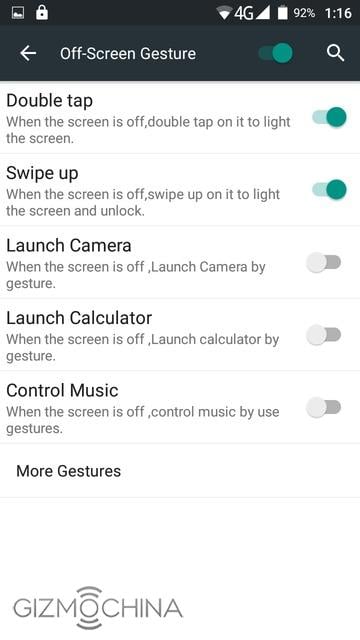
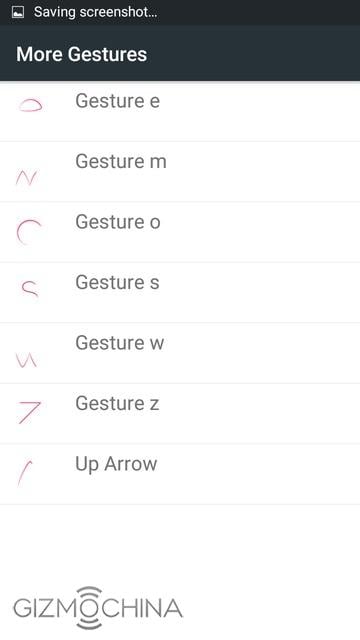
Some notable features of the UI include a lot of different gesture and motion controls. They work great but I’ve seen faster response times.
Other than that we have a stock looking UI and it is working fast and fluid most of the times. I didn’t have a single hiccup and that is an impressive result.
Kingzone Z1 Plus Review: CAMERA
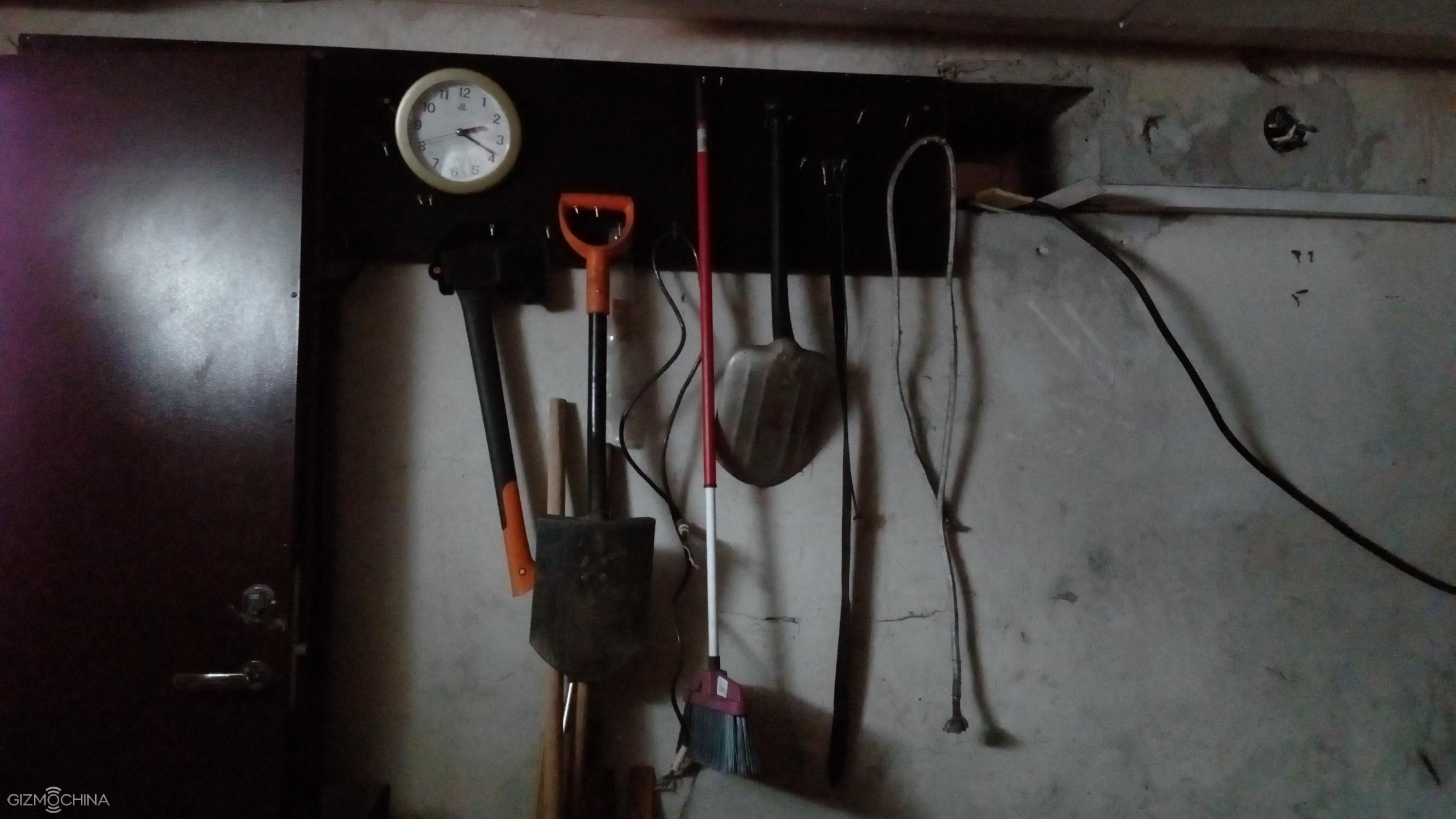
The 13MP camera on the back is capable of producing some decent looking images in good lighting conditions. Most of the shots have a reasonable amount of detail and colour reproduction is pretty accurate. However, dynamic range and white balance adjustment could be better.
Good indoor shots are also possible but the quality decreases significantly with a lower amount of light.
The low-light camera performance could be better as there is plenty of noise and the level of detail is low.
The front facing shooter is pretty good and you can definitely take some good looking selfies with it.
The video quality is above average I would say. The footage looks good for the price of the phone but as always, the stabilisation could be better. See a video review for a video sample.
All the connectivity options work well. I didn’t have any issues with Wifi, GPS, call quality or signal reception.
Kingzone Z1 Plus Review: BATTERY LIFE
The 3500mAh battery performs well in real life. I could constantly get around 5 hours of screen-on time using auto-brightness setting of the display.
Kingzone Z1 Plus Review: CONCLUSIONS
The Kingzone Z1 Plus has a decent design but it would have been nice to see a metal frame going all around the device, not just the sides of the phone.
The handset costs over $150 but we are getting just a 720p display and that is a downside. On the other hand, it is sharp enough for daily use but it could be slightly brighter.
The customisable LED as well as backlit capacitive buttons are nice, the fingerprint scanner works well, the UI is running fast, the camera takes good looking images in daylight and battery life is good.
However, we have a lot of other decent phones in the sub-$150 category and the Kingzone Z1 Plus is not really exceptional. It is a good device and it does most of the things right but you can also check out what the competition has to offer in this price range.
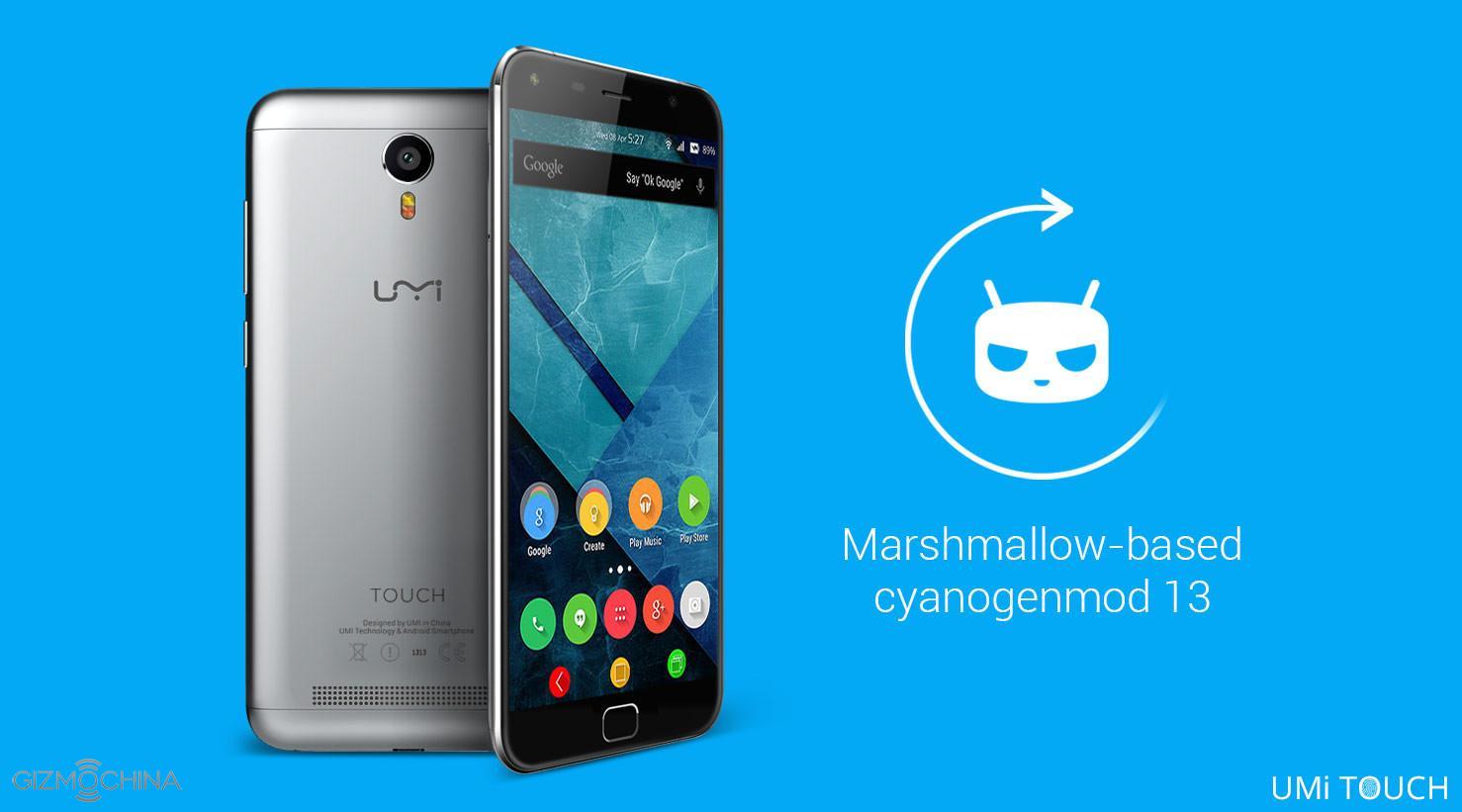
We love Mediatek SoCs for their cheap pricing and competitive performance. However, one of the biggest drawbacks of MTK based smartphones is the lack of software support. Even the latest smartphone from UMi, the UMi Touch features a MediaTek MT6753 chipset under the hood. However, that reportedly won’t be a hindrance for the company for developing CM13 for the device.
UMi is said to be working on the Android 6.0.1 based CM13 release for the UMi Touch, which would be welcome news for all Touch users. According to the company, it has finally come to an agreement and has received codes to work on the CyanogenMod OS 13.
The company seems to be focused on software updates for its new device. We have already seen the two updates for the UMi Touch within two weeks of launch via OTA. But don’t expect the CM13 OS to be released for the device very soon. While the company has not given us a time frame for the new release, we’ll probably have to wait for a few weeks at least to hear more about the OS.
So, did you update your Touch with the second OTA update?
To recap, the UMi Touch comes with a 5.5-inch 1080p display with MT6753, 3GB of RAM, 16GB of internal storage, 13MP Sony IMX328 camera, dual SIM cards and a front facing fingerprint sensor. There’s also a large 4000mAh battery on board the device. You can check out UMi’s other devices from its official website.
Oukitel K6000 review including gaming and Antutu scores
Oukitel K6000 review
Screen
The Oukitel K6000 comes with an HD 720p display IPS display, it is bright and clear even in bright daylight (for what bright days we get in the UK), the screen features 2.5D ARC glass giving it a very premium look and feel
Bezels are present and measure in at around 2.5mm all round, whilst not to everyones taste, they do provide a good contrast to make colours on the screen pop more.
Processor and GPU
The Oukitel K6000 handset is all about battery life and it would appear that Oukitel have optimised their component choice to reflect this.
The Oukitel K6000 handset is powered by an Mediatek MT6735P which features 4x Arm Cortex A53 cores running at 1GHZ, the CPU is coupled to an Arm Mali-T720 MP2 GPU with 2 cores running at 4oomhz making it very efficient.
In every day usage this CPU and GPU combo proves to be more than adequate enough to run the OS and most apps and games that you care to throw at it (all be it with some reduction in frame rate and detail levels on really intensive games).
Storage RAM/ROM
The Oukitel K6000 handset comes with 2GB of Ram and 16GB of Rom, and is user upgradable via Micro SD
Battery
This is the killer feature of the Oukitel K6000 handset, the phone features a non-user changeable 6000mAh Li-Polymer battery.
So far since I have been reviewing the handset, time between charges has been around 3 days! for those of you that are fed up with constantly charging your phone every night, this should be more than enough reason to get your hands on an Oukitel K6000.
It is so refreshing not having to worry about turning off wi-fi and other features, for fear of your battery running out before the end of the evening.
Antutu Benchmarks*
1st Run – 18165
2nd Run – 14277
3rd Run – 17893
Average – 16778
Check out the video below to see the Antutu benchmarks being run (the video has been speed up to make viewing easier)
Given the low Antutu scores and the use of the Mediatek MT6735P CPU running at just 1Ghz I was honestly expecting the Oukitel K6000 to seriously struggle, but how did it fair when pitched against Real Racing 3?
Check out the video below, I think you will be impressed loading times were a little slow and detail was not maxed out, but the game was certainly playable and when you consider the fact that most users would squirm at the thought of using up their fast dwindling battery life, the Oulitel K6000 goes on like a Duracel bunny.
The rear camera on the Oukitel K6000 handset is an 8.0MP unit, which is boosted to 13MP via Interpolation, whilst talking about the rear camera it is worth noting that a dual LED flash can be found next to it (unfortunately not Dual tone). Up front you will find a 2.0MP selfie camera, this has again been boosted through Interpolation to 5.0MP
Images taken on the rear facing camera are fairly good, but do lack the levels of fine detail you would find on shots taken with say a Samsung S5 or iPhone, if you are using it to capture shots for apps like facebook or instagram it is certainly good enough.
Firmware development
When the Oukitel K6000 handset arrived the first thing I did (after giving it a 24 hour charge) was to check for OTA updates, I was not disappointed as waiting right there for me was a new system update dated 27th of November 2015 its always nice to see a very recent release as it should hopefully indicate ongoing development.
Design
The Oukitel K6000 handset is not a small phone, but its styling does a good job of trying to hide that fact.
Upfront the 5.5″ screen with 2.5D ARC screen sits pretty much flush in to the metal chassis giving it a smooth look, the black bezels are not visible when the screen is off.
The bottom chin is where you will find three capacative buttons, on the left the Menu, in the middle is the home button with the Back button on the right.
The Top chin is home to the front facing camera, ear piece and proximity sensor.
The rear of the Oukitel K6000 handset features a metal cover with the Oukitel logo and CE mark, this is set between the two plastic sections, the top of these two is home to the 8/13mp camera and dual LED flash, whilst the bottom is home to the phones speaker output (a rectangle of small holes)
The left side of the phone is home to the dual sim slot, accessed with a sim removal tool or paper clip
The right side of the phone has the power button and volume rocker, these have a nice tactile feel to them.
The Oukitel K6000 handset comes with a 6000mAh li-polymer capacity non removable battery
Over the week or so I have been testing the phone it has averaged two to two and a half days of average usage, this could be eked out further still using the Roms built in power saving modes.
It seems strange now having gone back to my trusty Galaxy S5 and seeing the battery dropping so quickly, often needing to be put back on charge by around 8pm.
Final thoughts
The Oukitel K6000 handset is a nice looking handset, its large size is at first a bit of a shock having got used to manufacturers constantly looking to trim both size and weight from their handsets, however once you start using it and feel the true benifits of the large 6000mAh battery you soon forget about the size.
Whilst many people complain that phones batteries are not keeping up with the increasing demands placed upon them by constantly evolving hardware and smaller batteries being fitted as standard, the Oukitel K6000 fills the needs of users that want and need a phone to last more than a day before having to recharge.
My time spent with the Oukitel K6000 handset has been a bit of an eye opener and leaves me excited about the soon to be released K6000 Pro.
*Antutu Benchmarks are provided to give a comparative view of handsets performance.
Whilst they do give an indication of a handsets overall potential. they do not fully take in to account hardware and software optimisation.
Manufacturers have also been known to include cheat software built in to handsets, to deliberately make handsets operate faster in tests than they might otherwise in real world usage.
Antutu benchmarks on gadgetz.tv are run 3 times in close succession to see if any throttling occurs due to heavy CPU/GPU usage.
**Gaming videos are recorded using AZ Screen Recorder
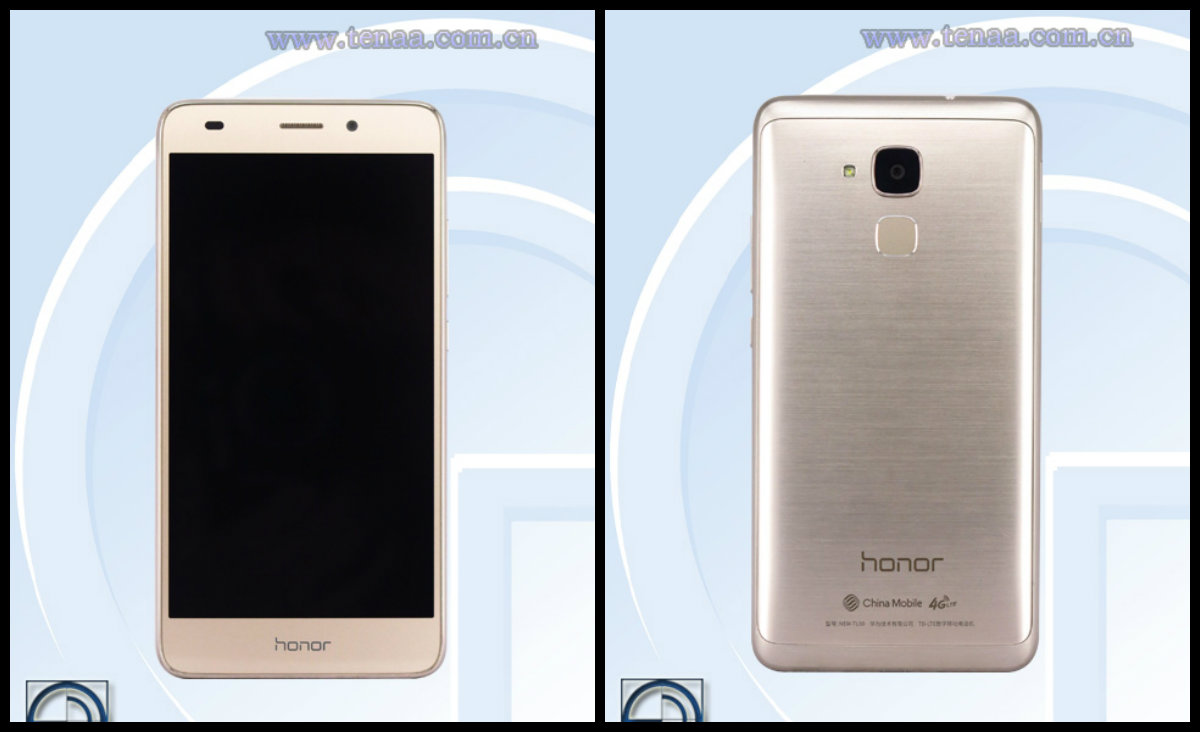
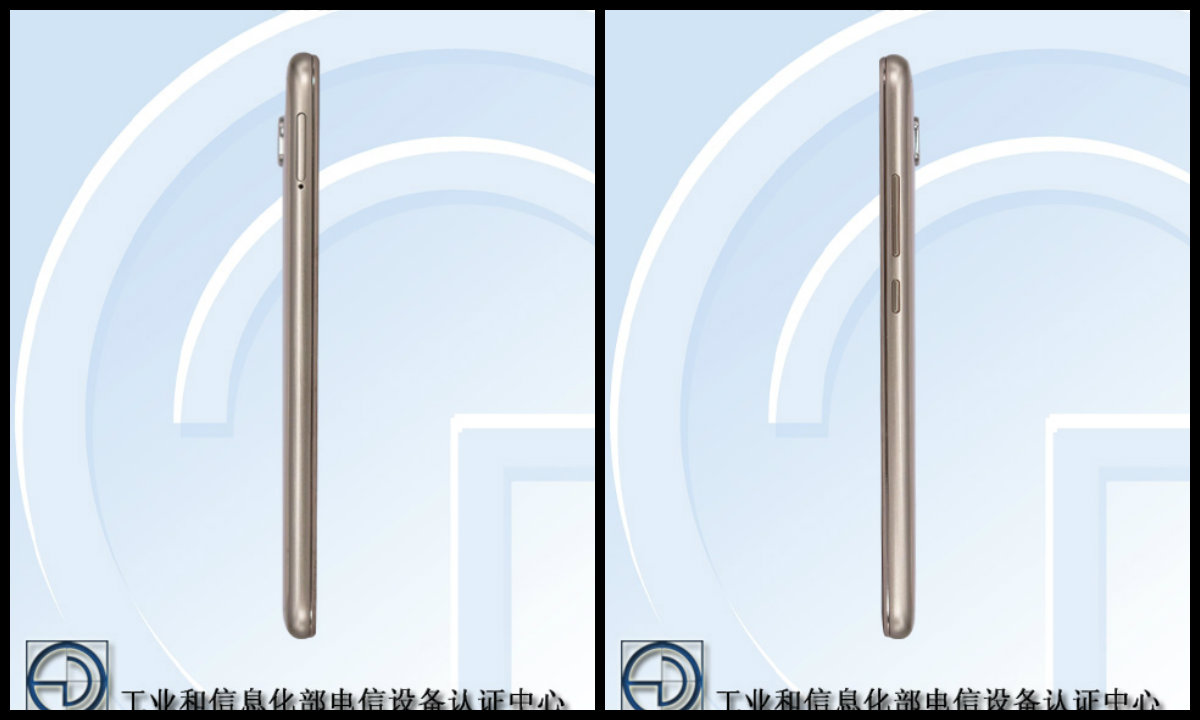
Today seems to be a busy day at TENAA, as a lot of new Chinese handsets were spotted on the certification website. The latest model certified is the NEM-TL00 from Huawei, which is most likely the upcoming Honor 5C smartphone. Naturally, with the phone now listed on TENAA, we have a lot more details about the device.
First of all, April seems to be the right month for the successor to the Honor 4C mid-ranger as the device was announced back in April ’14. Also, yesterday, the company kind of confirmed the Honor 5C and it is said that the phone will be released on April 28.
Now, coming back to the TENAA listing, the Honor 5C will feature a different design as compared to its predecessor 4C. The phone comes with a metal body and a fingerprint sensor located at the back of the phone. As for the specs, the phone comes with a 5.2-inch 1080p display along with an octa-core processor clocked at 2GHz. This should be the Kirin 650 chipset, which we have heard about previously. What’s interesting is that the phone supports all three network carriers in China, which would be a big upgrade for the Kirin family.
Other specs of the Honor 5C include a 13MP rear camera, 8MP front-facing shooter, 2GB of RAM, 16GB of storage, 2900mAh battery, fingerprint sensor and Android 6.0 Marshmallow.
As for the pricing, the Honor 5C is expected to be launched at 999 Yuan or less, which would be a competitive price tag. We are also excited to see how the Kirin 650 performs as compared to competitors like Snapdragon 650 and Helio P10.
For some reason, Chinese manufacturers have decided to make April an exciting month for fans. After the release of Huawei P9, Meizu Pro 6 and M3 Note, we will soon be seeing Nubia Z11 series phones as well as LeEco devices later this month. Now add ZUK Z2 Pro to the list as the phone is confirmed to meet us on April 21, which is exactly a week away.
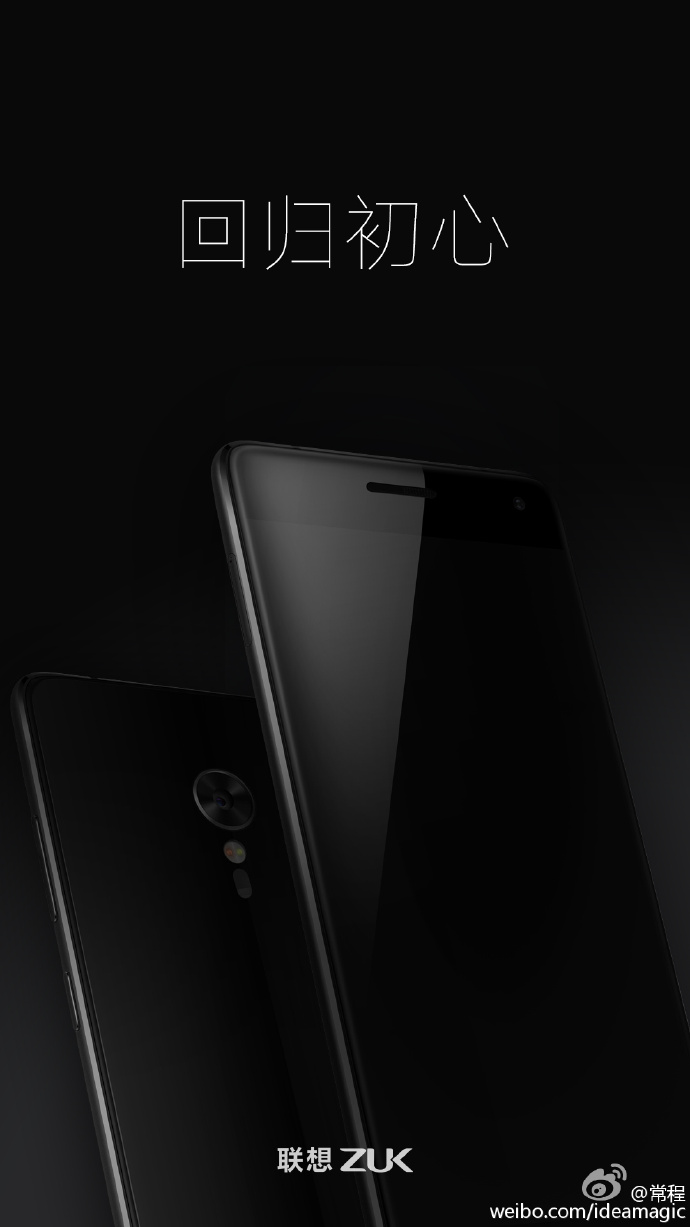
Like tradition, ZUK CEO is not wasting any opportunity to promote its upcoming flagship. Last year, CEO Chang Cheng had revealed renders of the ZUK Z1 before launch. Now, continuing with the tradition, he has just revealed a new render for the ZUK Z2 Pro. Design seems to be a different than the previous generation and the phone does look sleeker. However, we hope that doesn’t come at a compromise in the battery capacity since we loved ZUK Z1’s large battery inside.
The new render does reveal some information about the upcoming handset. First of all, it looks like the Z2 Pro will come with 2.5D glass up front. At the back, we can see a camera sensor, dual tone LED flash as well as what looks like Laser Autofocus. One interesting thing is that we don’t see a fingerprint sensor at the back, which most likely means that the phone will come with a home button embedded fingerprint ID up front. Because, in 2016, no manufacturer can afford to skip on an important feature such as a fingerprint sensor.
Now, alongside the render, CEO Chang has written Tremble xx5, x9, xxx6. This is directed at the three important Chinese flagships in the market right now, namely the Xiaomi ‘Mi5’, Huawei ‘P9’ and the Meizu ‘Pro6’. Looks like Cheng believes that the ZUK Z2 Pro can beat these three devices.
As for the specs, the phone should come with Snapdragon 820 with 3GB /4GB RAM options, 32GB storage, 1080p screen and 13MP rear camera. These specs were revealed by yesterday’s AnTuTu listing, but we hope to get more details pretty soon.
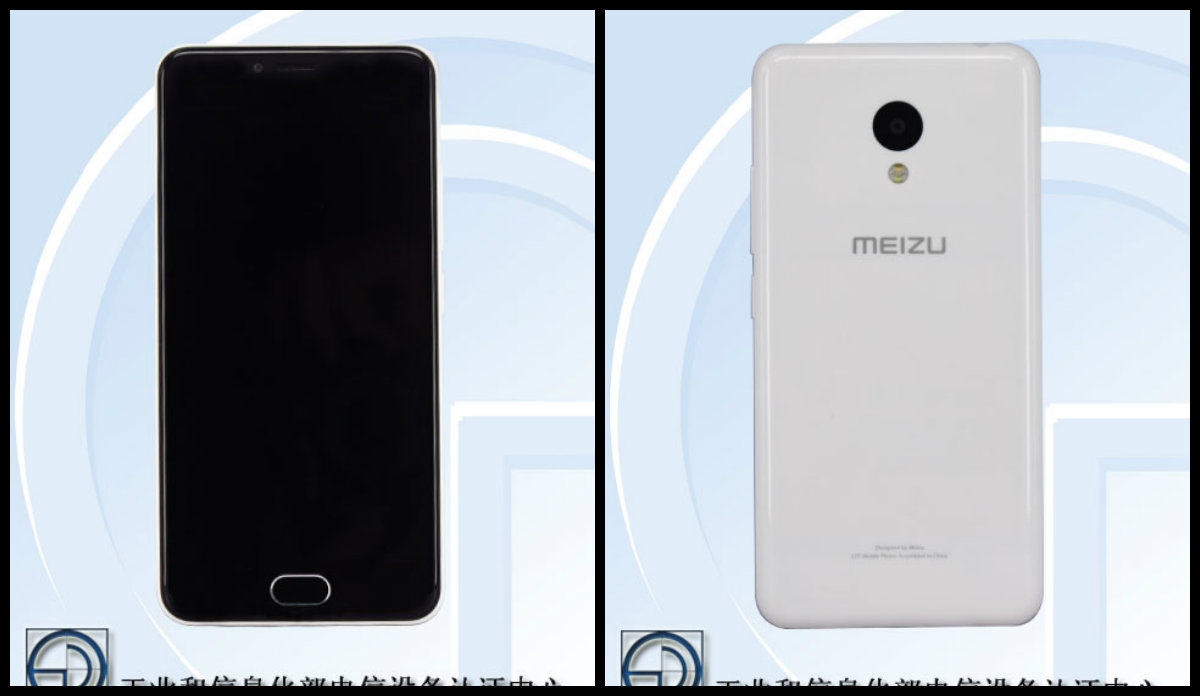
Meizu seems to be on a roll this year. The company unveiled two new handsets in two different events held within 15 days, a rarity among top manufacturers. Usually, companies wait for at least a few weeks before unveiling two different devices, but for some reason, Meizu thought this would be a good idea. Now, it looks like there would be a third smartphone that would meet us soon, as the budget oriented Meizu M3 smartphone seems to have just passed through the Chinese network certification website, TENAA.
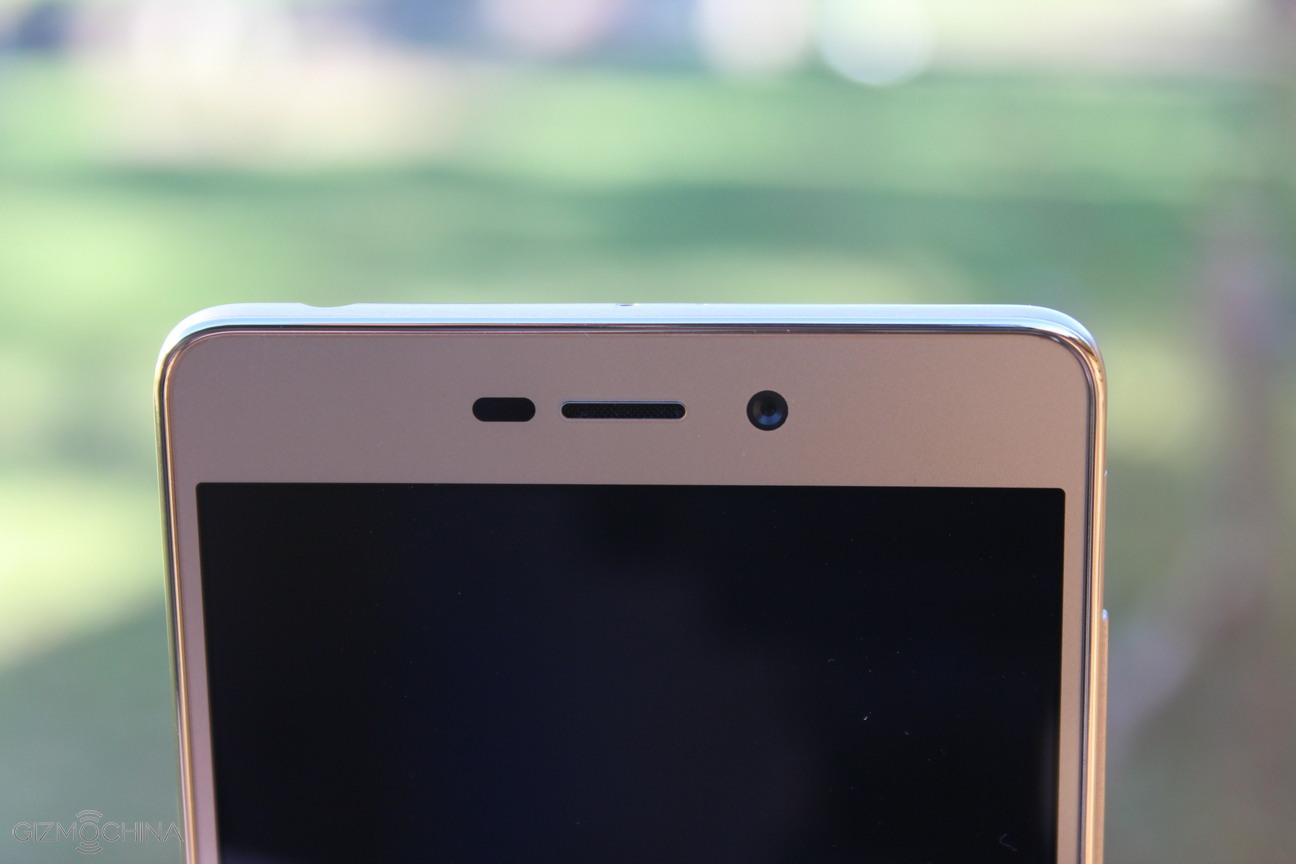
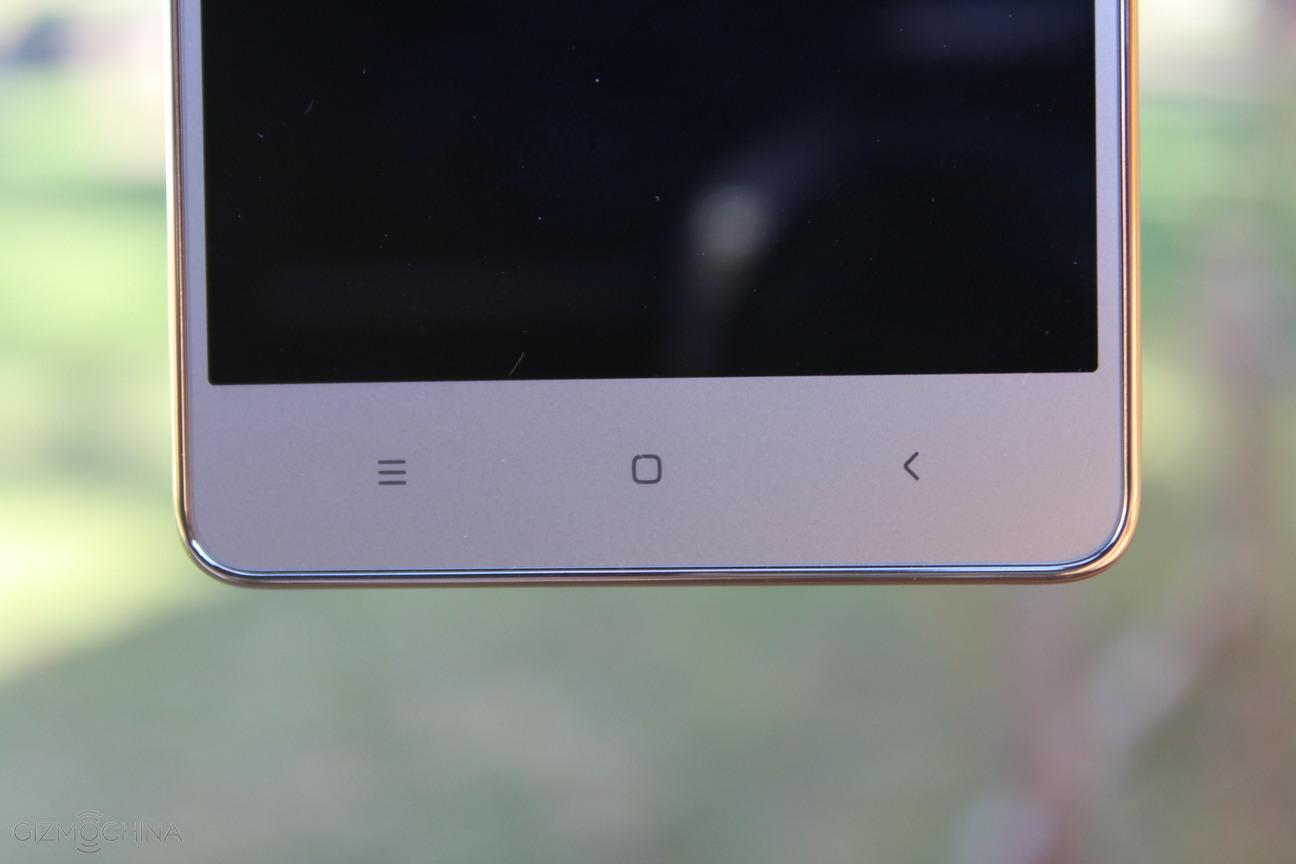
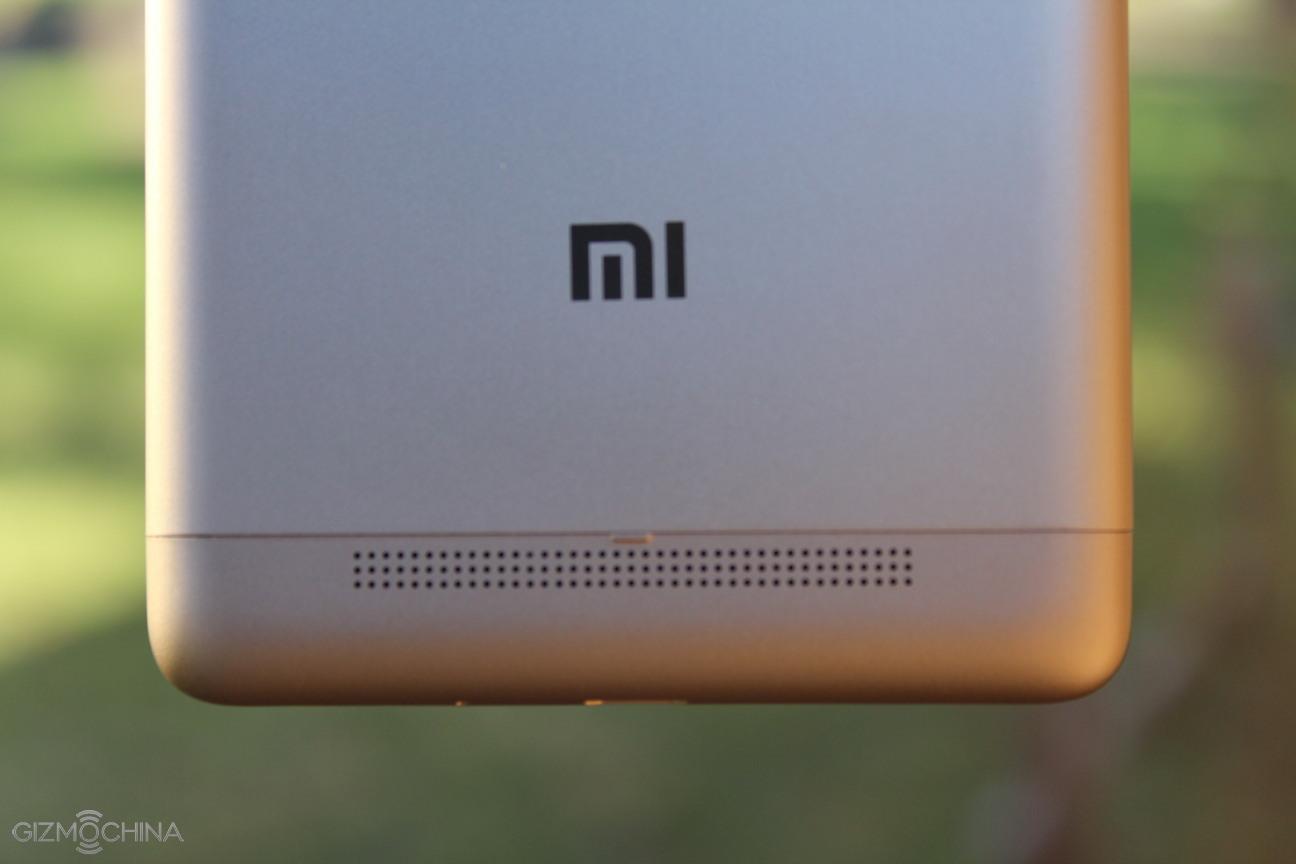
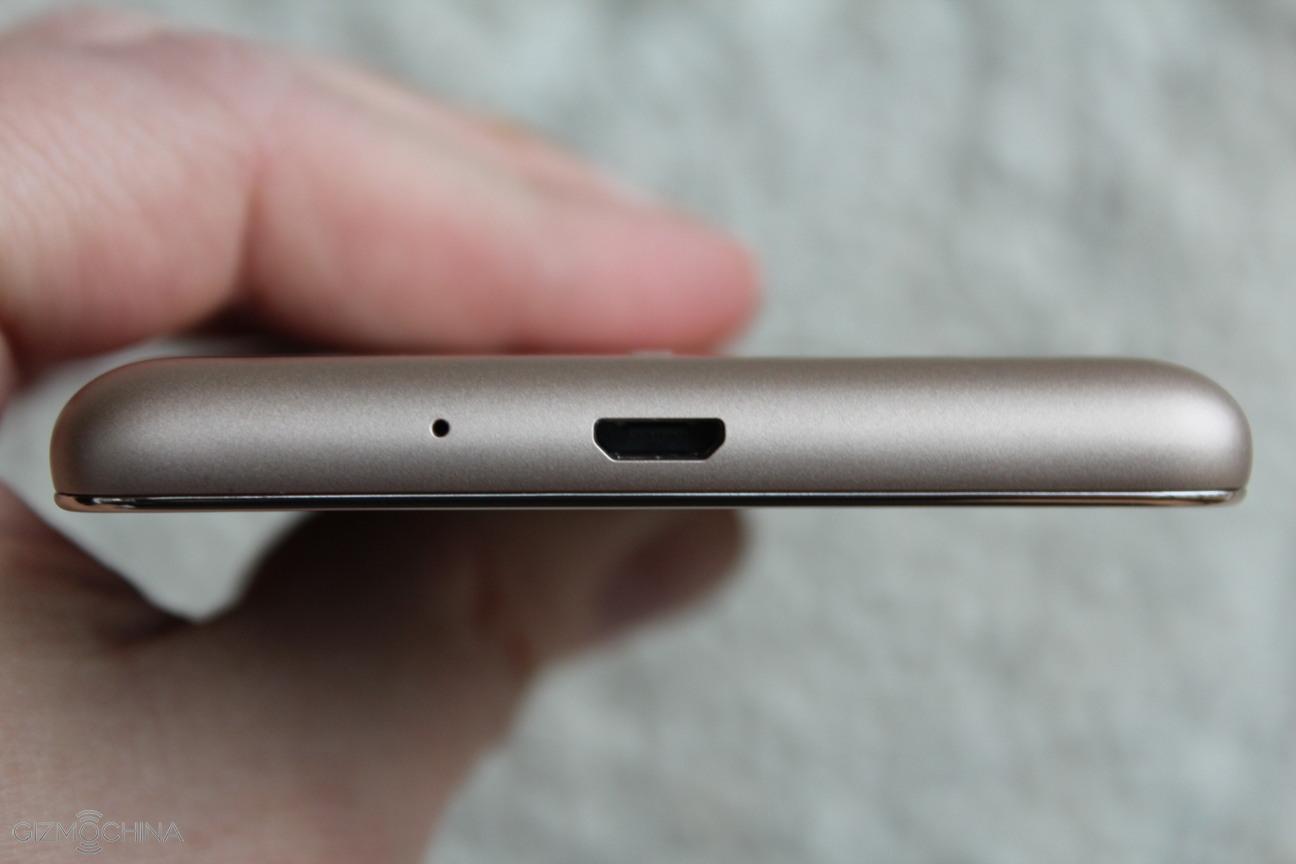
Looks wise, there seems to be hardly any change. In fact, everything is like last year’s M2 Note, except for the placement of the new logo, which is now placed at the center of the back cover. Rest of the design, including the polycarbonate body seems to be carried forward.
Moving on to the specs, there seem to be some important changes. First of all, the Meizu M3 will come with an octa-core processor clocked at 1.5GHz and it is most likely going to be Snapdragon 616. Compared to the MT6735 inside last year’s device, this is a pretty good upgrade. The battery also gets a slight upgrade, from 2500mAh to 2800mAh. Rest of the specs are the same, including 2GB of RAM, 16GB storage, 5-inch 720p display, 13MP rear camera and 5MP front shooter. It is a bit thinner, with an 8.3mm body rather than an 8.7mm body found on the previous version.
Considering Meizu has used the same design and has only upgraded the CPU on board, this could be a variant of the M2. For example, it could be called as the Meizu M2S. But this is just a guess. On the other hand, what Meizu could do with the new M3 is that sell it for cheap. So, discontinue the existing M2 smartphone and instead, start selling the Meizu M3 with upgraded specs for the same price as before, i.e. 599 Yuan which as of today comes to just $92. That would turn out to be a pretty good deal.
We use cookies on our website to give you the most relevant experience by remembering your preferences and repeat visits. By clicking “Accept”, you consent to the use of ALL the cookies.
This website uses cookies to improve your experience while you navigate through the website. Out of these, the cookies that are categorized as necessary are stored on your browser as they are essential for the working of basic functionalities of the website. We also use third-party cookies that help us analyze and understand how you use this website. These cookies will be stored in your browser only with your consent. You also have the option to opt-out of these cookies. But opting out of some of these cookies may affect your browsing experience.
Necessary cookies are absolutely essential for the website to function properly. This category only includes cookies that ensures basic functionalities and security features of the website. These cookies do not store any personal information.
Any cookies that may not be particularly necessary for the website to function and is used specifically to collect user personal data via analytics, ads, other embedded contents are termed as non-necessary cookies. It is mandatory to procure user consent prior to running these cookies on your website.