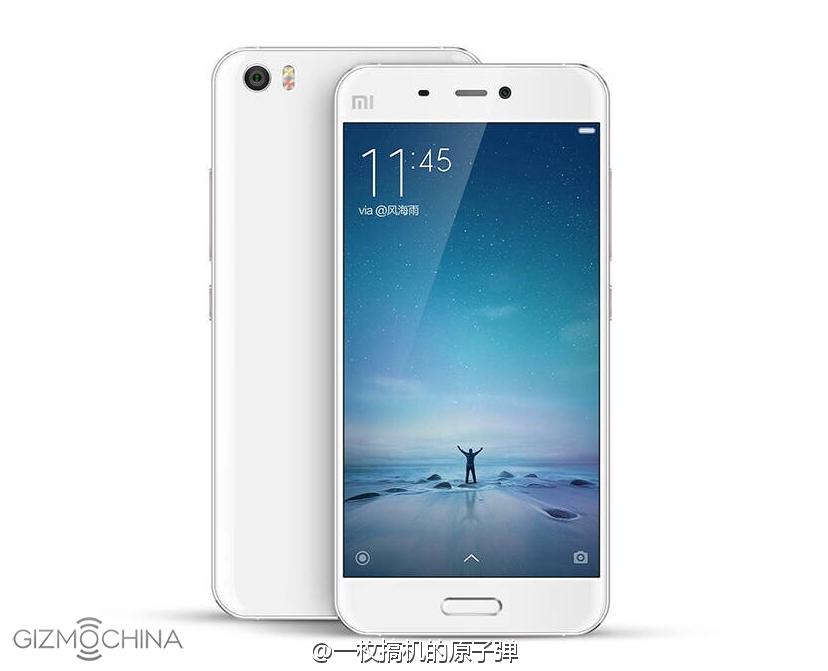
Xiaomi is all set to launch the Xiaomi Mi 5 handset at its Spring Conference tomorrow in China. We have all been waiting patiently for this event for the past few weeks and our wait has almost come to an end. In less than 24 hours, the event kicks off and we will meet the one of the most awaited smartphones of the year, the Xiaomi Mi 5. However, it looks like this may not be the only product that will meet us at the event tomorrow.
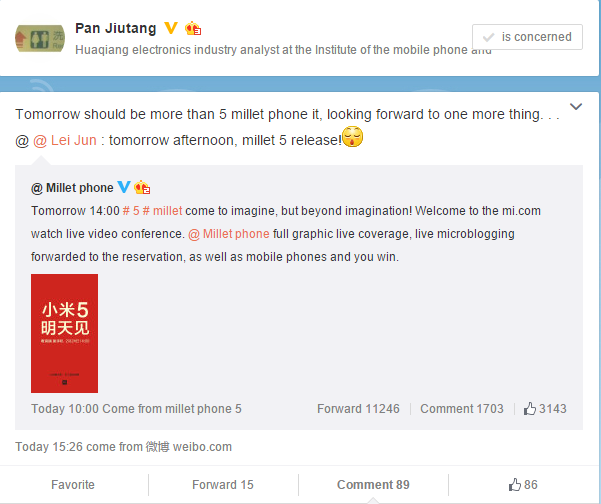
According to the noted analyst, Pan Jiutang, Xiaomi may announce another product at the event tomorrow. This is possible since the event goes on for a whole two hours, which is long enough for a couple of product announcements. The analyst revealed this info via his weibo page. He said that there would be more products in addition to the Xiaomi Mi 5 and that he was looking forward to ‘one more thing’.
At this point of time, there are a couple of guesses for the second product. It could be the rumored Xiaomi drone, that we all have seen in renders and pictures. But given that an executive claims that the drone would be announced later, we are not quite sure of this.
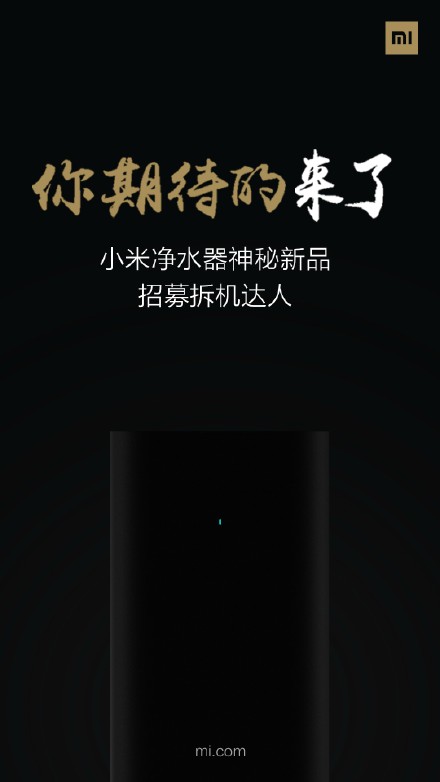
However, what seems to be more likely is a new Mi Water Purifier. Now you may think that this possibility has come out of the blue. But there’s some backing to this reasoning. The company’s Mi Purifier account released a new teaser image a few hours back, which shows off a product that’s likely the next generation purifier. You can check out the image from above.
There could be other products as well, but Xiaomi is yet to reveal anything about them. Anyways, let’s wait for the event tomorrow, to get official details about the company’s new products.
Also, you can check out the live stream of the event tomorrow directly on Youtube from below.
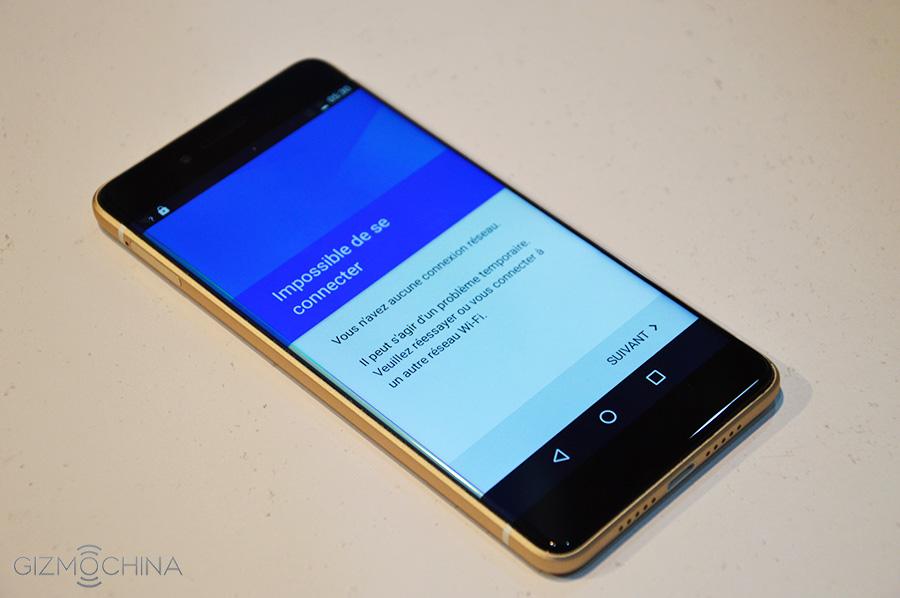
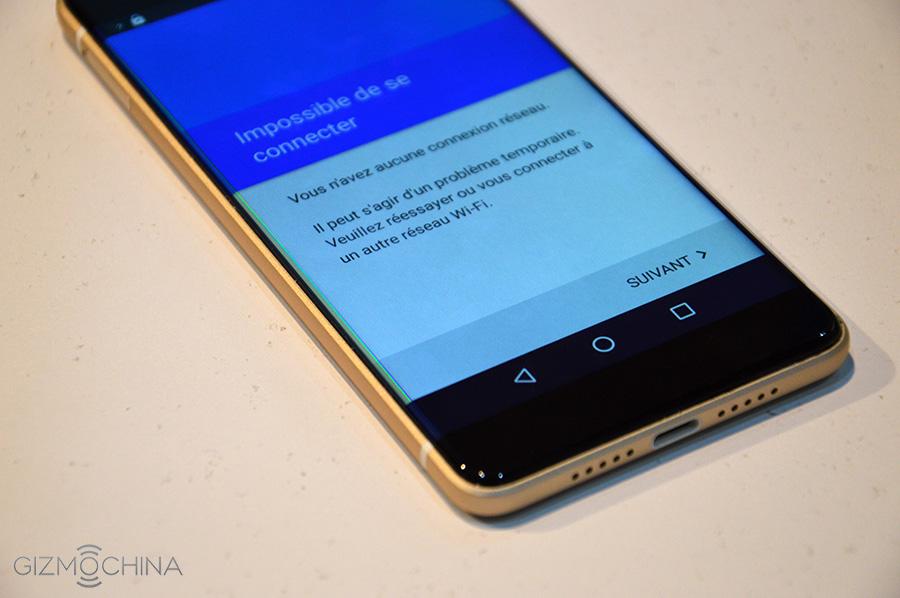
Ulefone has been in the market for the past couple of years and in this time, we have seen some value for money devices from the company. Recently, Ulefone teased its latest flagship in the market, namely the Ulefone Future, which claimed to come with a bezel-less design. Given that a small time Chinese company is making such a big claim, we all were a bit skeptical whether the final product would be anywhere close to bezel-less. Now, after visiting their booth at MWC 2016, it looks like, yes, the Ulefone Future is indeed bezel-less.
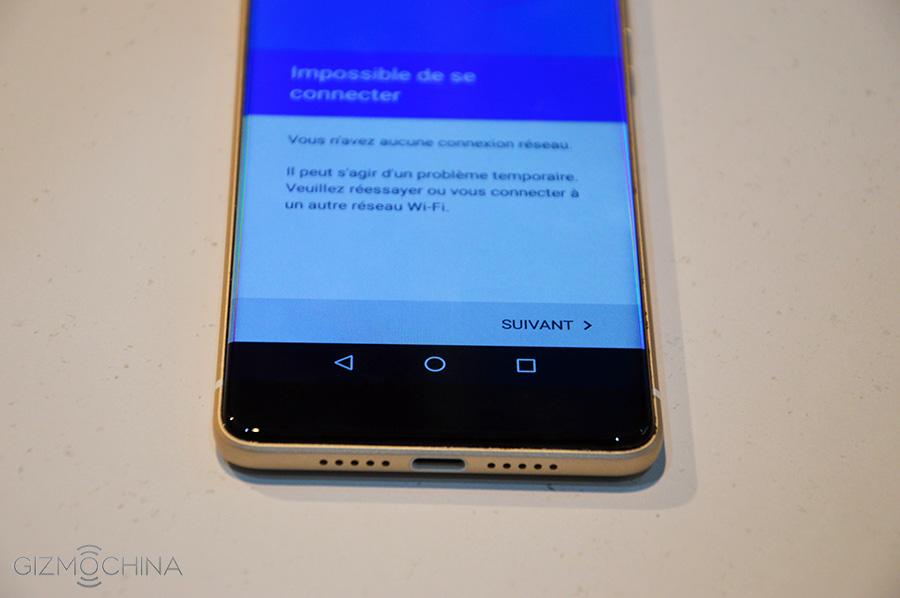
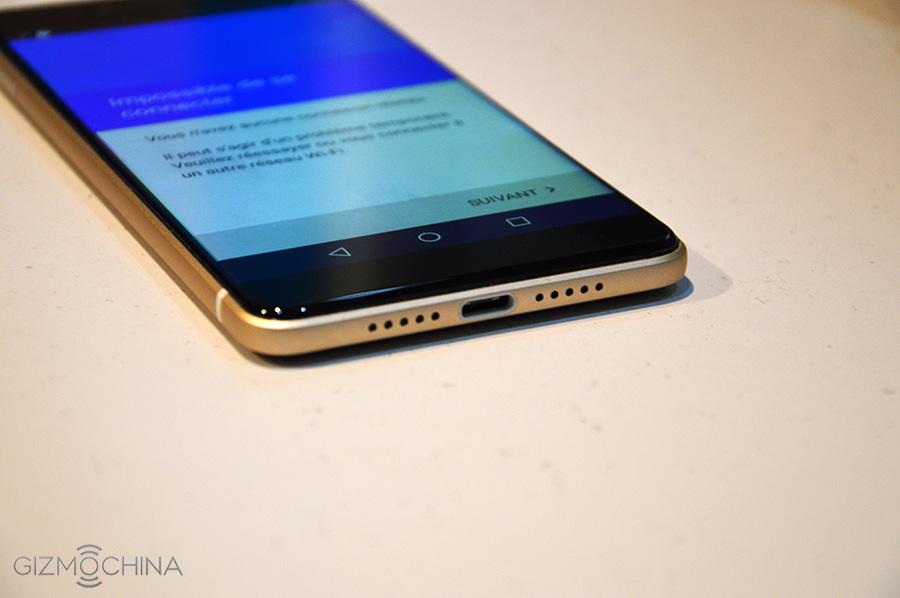
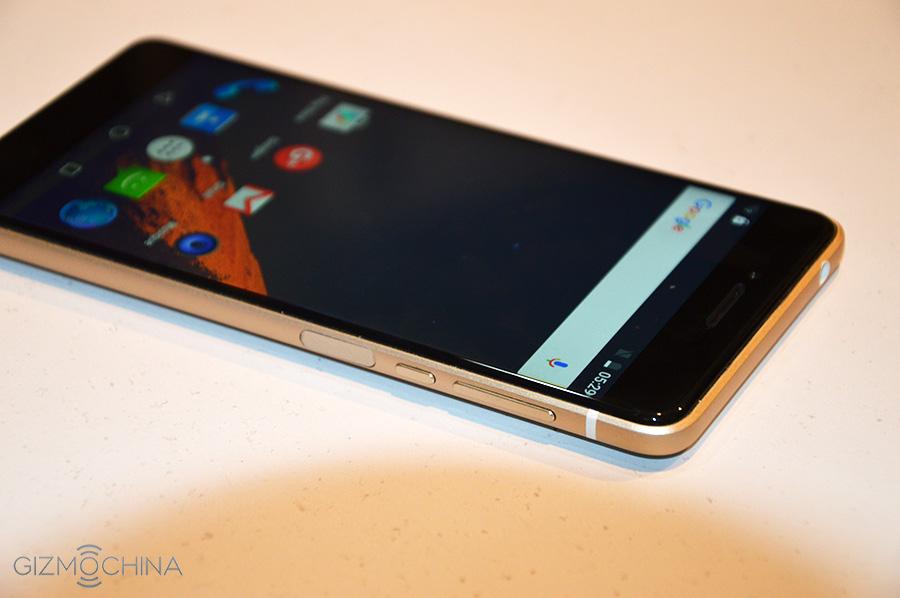
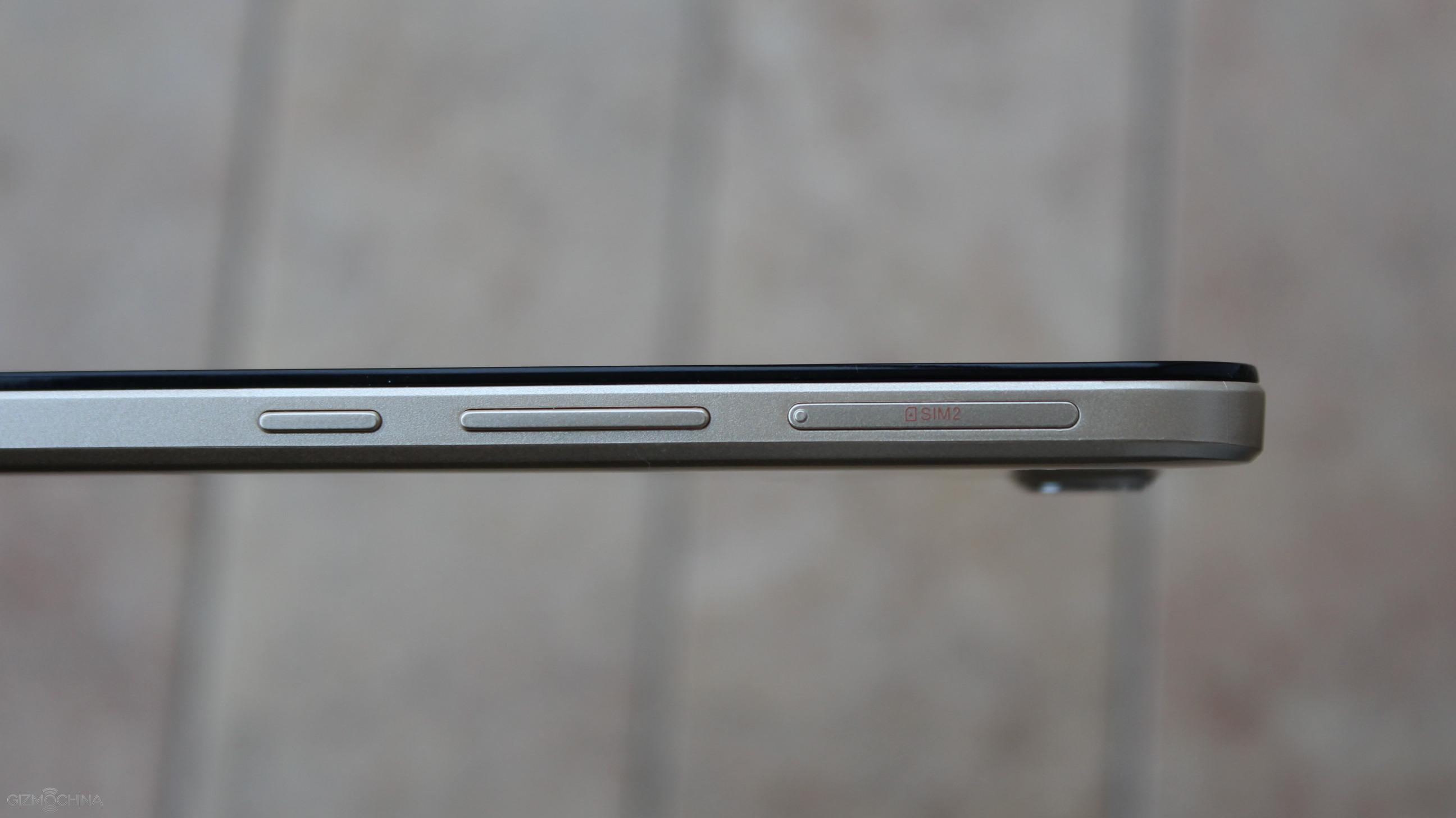
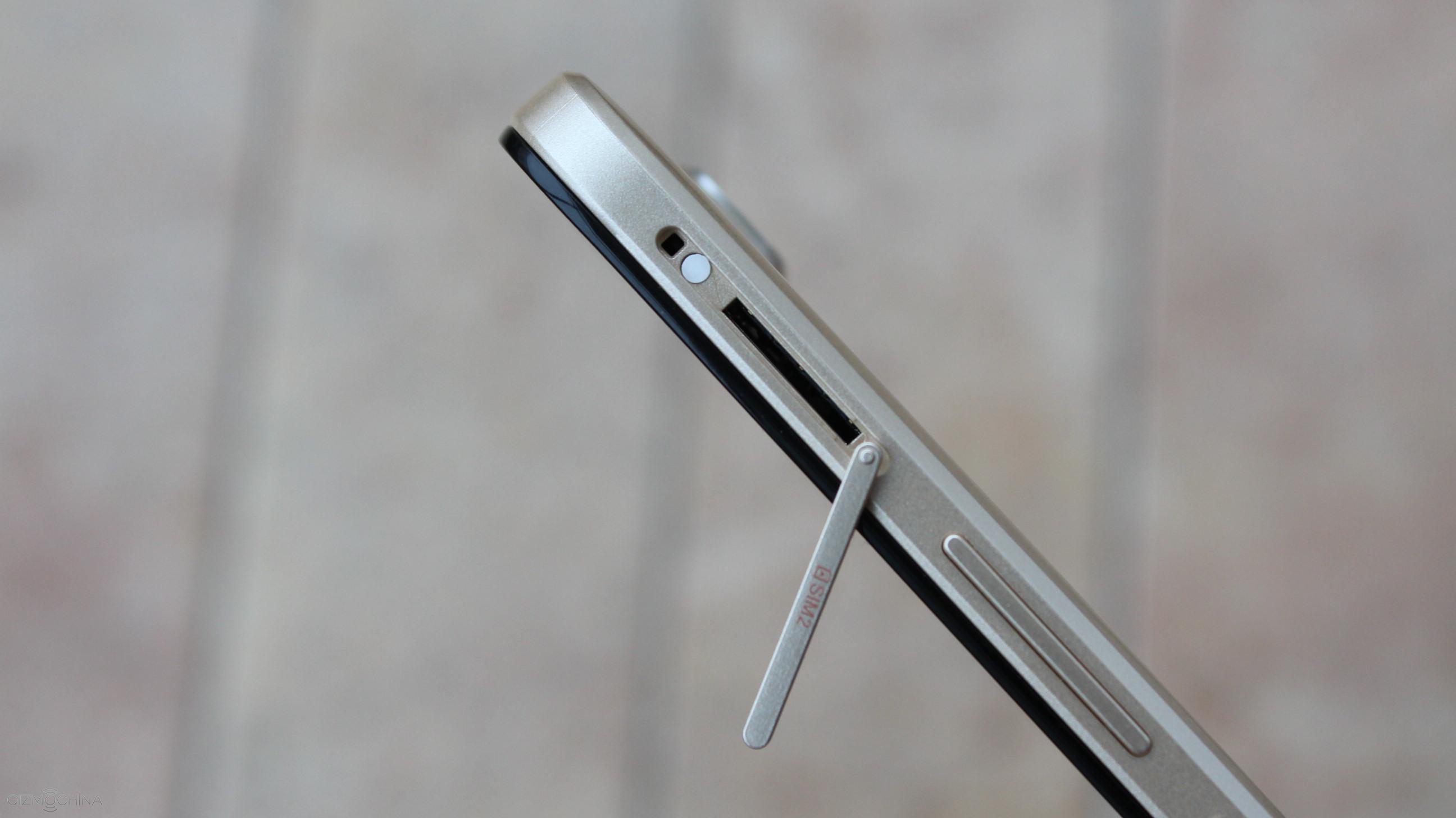
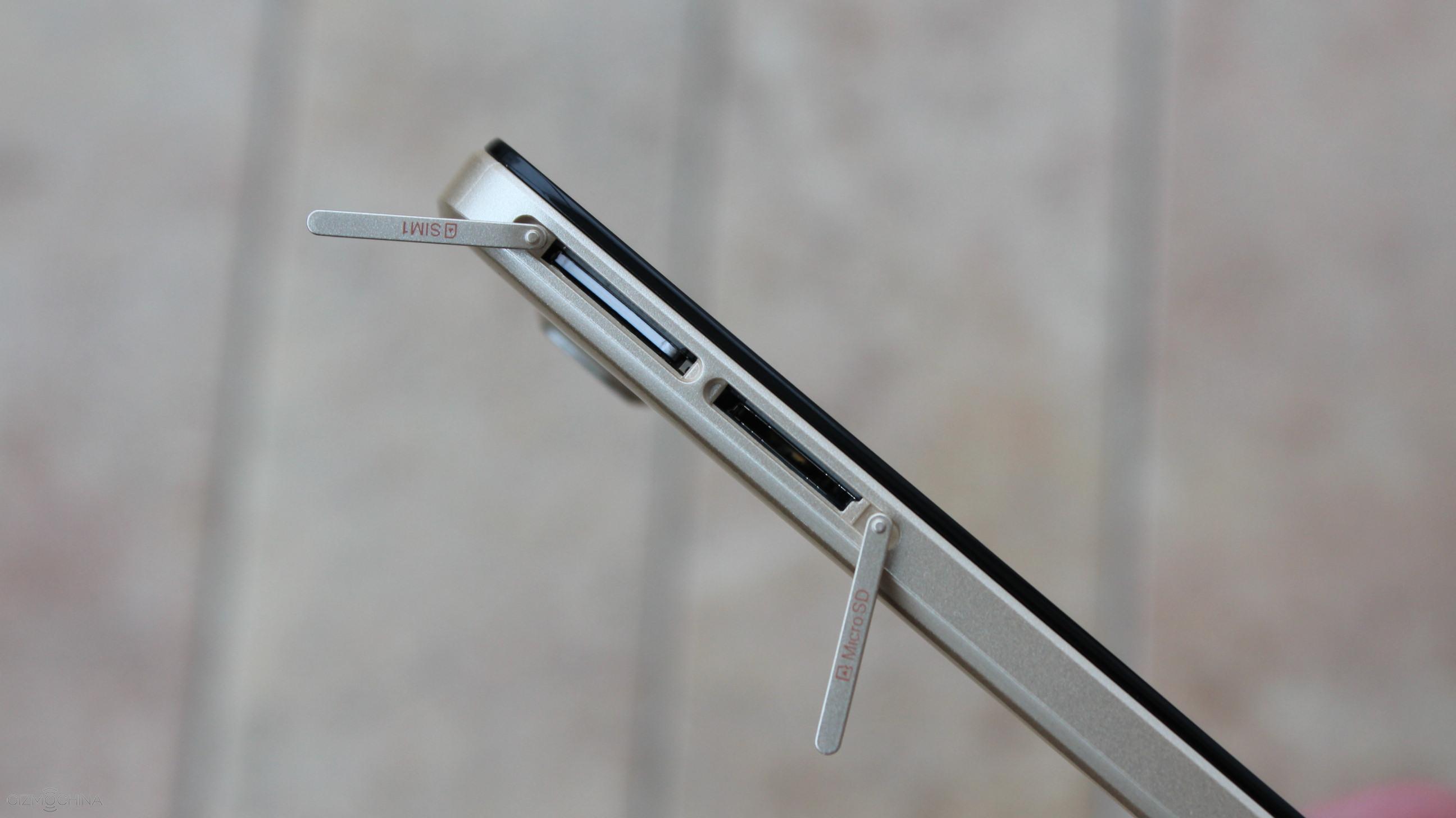
The company seems to have kept the design quite simple on the Ulefone Future. The phone is indeed bezel-less with zero visible borders. This makes the display stand out pretty well and therefore, the front looks good. All the buttons are located on the right side of the phone. So, you have the volume keys as well as the power button on that side. You even get a side mounted fingerprint sensor on the same side, which is placed perfectly for your thumb. On the left side, you have the SIM card slots.
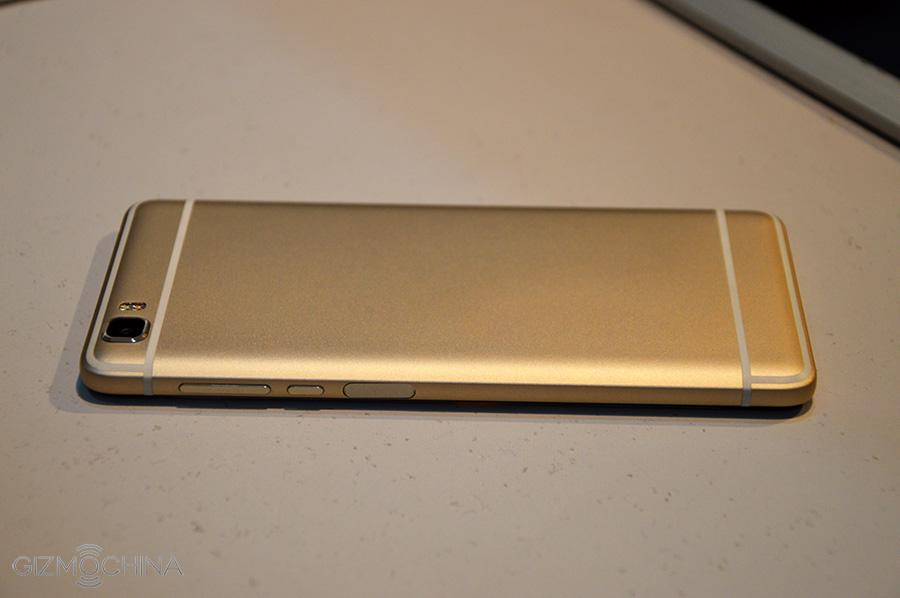
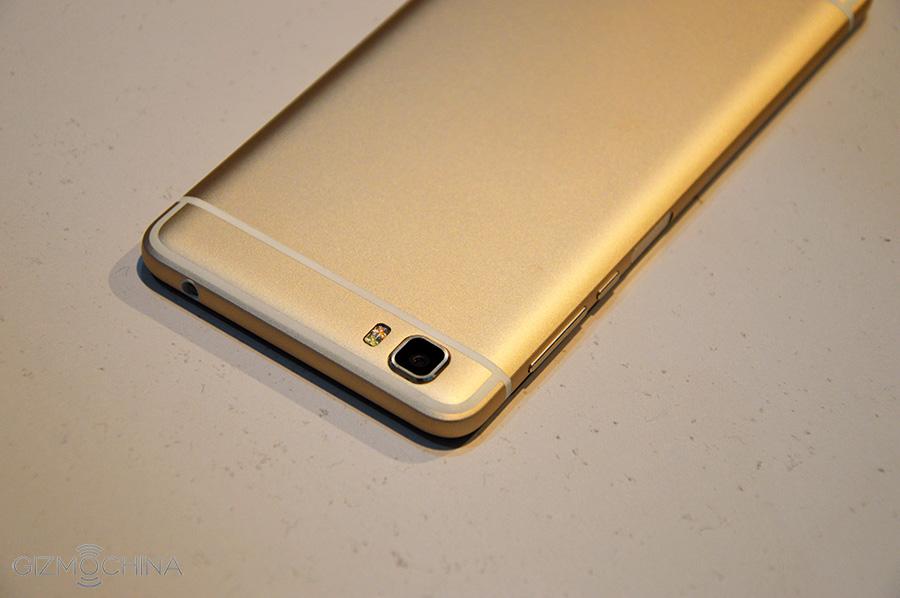
Coming to the back, it’s pretty plain. This is the company’s first unibody metal smartphone, and it has decided to keep things simple. You don’t even find a Ulefone branding at the back, but that’s because this is not the final commercial unit. The 16MP camera and the dual LED dual tone flash lies on the top left corner at the back. Finally, coming to the bottom, you can see dual speaker slots, but we are still not sure whether thy are just there for a symmetric design or if there are indeed two speakers on board. In between, you will find the USB Type-C port.
The company is marketing the Ulefone Future as a powerful flagship. It features the Helio P10 MT6755 chipset inside with 4GB RAM and 32GB of storage. The phone will be running on Android 6.0 Marshmallow OS right out fo the box.
1 of 6
Here’re the Ulefone Future specs Summary:
5.5-inch 2.5D Bezel-less display with 1920 x 1080 pixel resolution
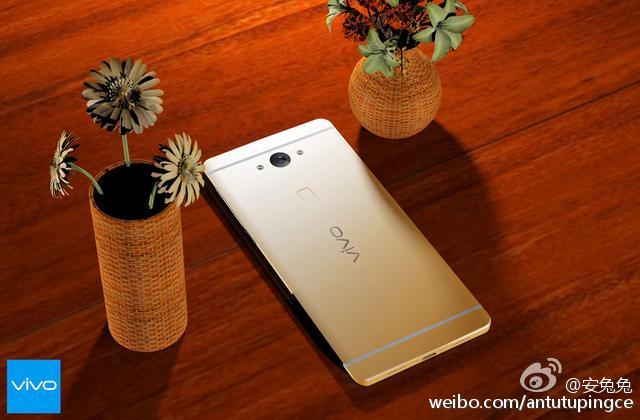
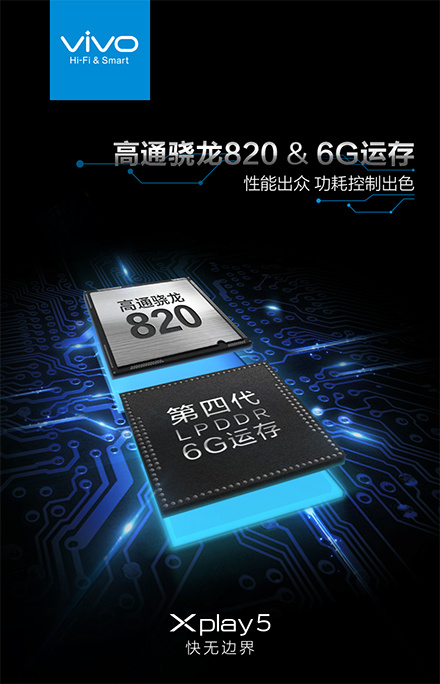
Vivo is going big with its upcoming Vivo XPlay 5 flagship. The phone is confirmed to be the first 6GB RAM smartphone in the market. Along with such a large RAM module, the XPlay 5 will also feature one of the fastest chips this year, the Snapdragon 820. What’s more, the company has also confirmed that the phone will come with dual curved edge display, adding to the beauty of the device. As you can see from the specs, the phone is really going to be extraordinary.
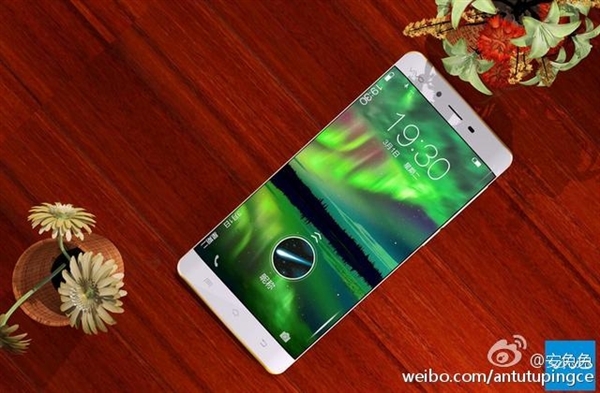
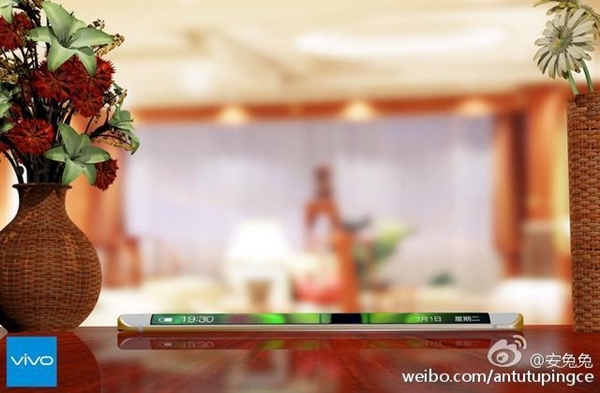
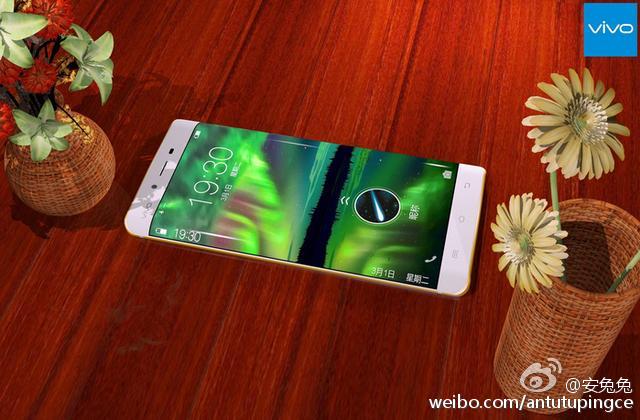
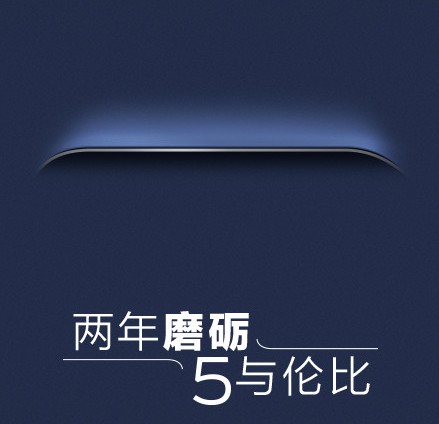
Now, we might have a first look at the phone, thanks to the leaked Vivo XPlay 5 renders. To be honest, they look quite good and if the phone is anything like the one in the renders, then Vivo has done a very good job with its upcoming flagship. The phone features a borderless design, with the edges curved on both the sides like the Galaxy S6 Edge.
Taking these Vivo XPlay 5 renders into consideration, the phone most likely comes with a beautiful design. Plus the specs are powerful as confirmed by the company in the past few days, which is a deadly combination.
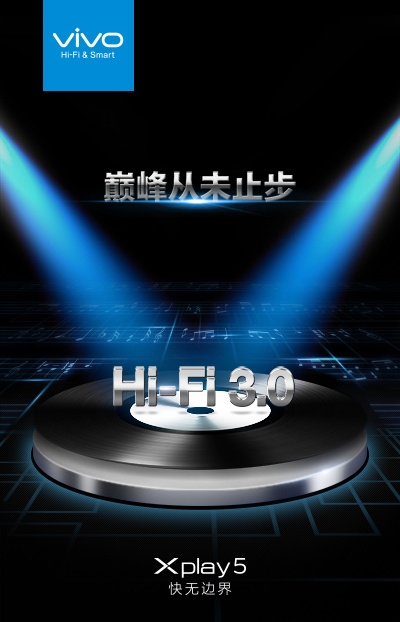
In fact, Vivo is sticking with its tradition of revealing a new feature every day, as a few hours back, the company confirmed that the Vivo XPlay 5 will come with Hi-Fi 3.0. In case you follow the brand, you would know that Vivo’s smartphone have always been known for their Hi-Fi audio, so its no surprise that the company decided to use the new Hi-Fi 3.0 standard in its flagship device.
Vivo XPlay 5 is turning out to be a beast with these features and we are now all the more excited to meet the device at the launch on March 1. However, considering Vivo’s pricing strategy, don’t expect this beast to be cheap. You might want deep pockets if you are planning to get hold of this device sometime in the coming weeks.
But if the phone is priced somewhere around $500-$600, would you be interested?
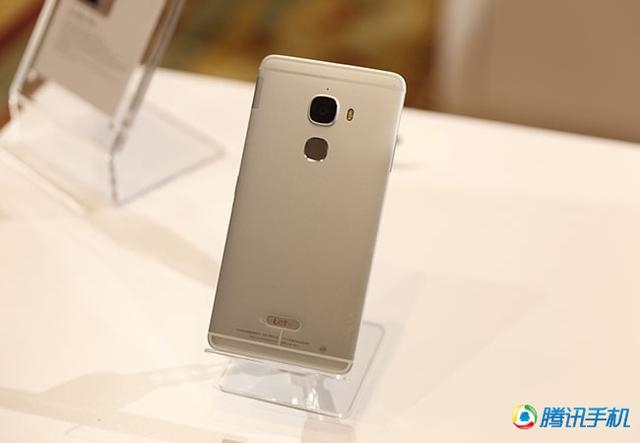
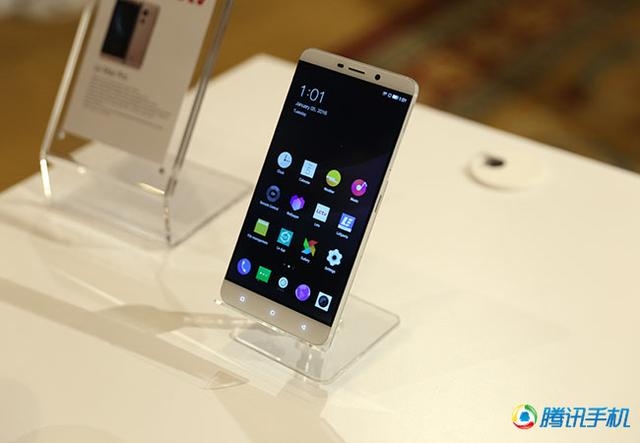
Le Max Pro holds the title of the world’s first Snapdragon 820 smartphone, but despite its announcement back in January, the phone was not yet available for sale. However, earlier today, LeEco announced that the Le Max Pro with SD820 on board will also be the first phone with this chip to go on sale.
The company made limited 1000 units of the flagship available for purchase to its fans today at 12:00 PM (Feb 23). These are not commercial versions of the device, rather engineering models. So, it looks like the company rushed the sale as it wanted to bag the title of “first SD820 smartphone to go on sale”.
Now, coming to the most surprising part of the sale. The Le Max Pro engineering models are being sold at a throwaway price of 1999 Yuan ($306). We call it throwaway price because many rumors suggest that the commercial version of the phone is going to go on sale for a price around $500. In fact, the company claims that it incurs a loss on the sale of each unit. What’s more, the company is offering a number of add-ons like subscription to 3 months of LeTV Music. So, if you happen to live in China, this would have been a great opportunity to get your hands on this beast.
As for the specs, the powerful Le Max Pro comes with Snapdragon 820 chip under the hood with Adreno 530, 4GB LPDDR4 RAM and 64GB of internal storage. At the back, you have a large 21MP sensor while up front, you will find a 4MP Ultrapixel shooter. The screen is massive, measuring 6.33-inches with 2K resolution. Inside, you have a 3400mAh battery to power these specs. Other notable features of the phone include Qualcomm’s Ultrasonic Fingerprint sensor (at the back), Hi-Fi audio, Dolby sound, and dual card dual standby.
At 1999 Yuan, the Le Max Pro was really a steal deal! However, at the time of publishing this article (an hour after the sale), the phone would most likely be sold out.
Considering the specs on board, how much would you be willing to pay for the commercial version of the Le Max Pro?
Huawei announced the Mate 8 flagship late last year, however, the phone was finally available for sale only in 2016. The company announced and released the device in China, and now those who are looking to get hold of the flagship internationally can get it via the retailer lightinthebox. The store has listed the Mate 8 flagship for sale at a price tag of $599, but you can get it for $20 OFF if you buy it soon. The sale starts from 12AM on February 23 Beijing time. Just use the coupon HUAWEIMATE8 for availing the discount.
[NOTE: The coupon can be added in the payment section during checkout.]
Mate 8 with the new Kirin 950 chipset on board is considered as one of the best phablets in the market. The phone features a beautiful sleek body with premium specs, making it a powerful flagship in this price segment. In case you were looking forward to buy this beast, this would be a good time since you can get it for just $579. But there’s a catch, only the first 20 units sold from 12AM (Beijing time) tomorrow will be eligible for the $20 discount.
In case you are one of the unlucky customers, who miss the 20 unit limited sale ($579) price, then you may still have something to cheer about. The retailer is promising free shipping for the device. So, still you get to save a few dollars on your purchase.
As for the specs, the Huawei Mate 8 sports a large 6-inch 1920 x 1080 pixel resolution IPS display with the Cortex A72 powered Kirin 950 chipset under the hood. The model being offered for sale comes with 3GB RAM and 32GB internal storage which is further expandable up to 128GB via MicroSD. There are dual SIM card slots with 4G LTE support. For optics, you have a powerful 16MP rear camera while up front, there is an 8MP Selfie shooter. The battery is pretty large as well, of 4000mAh capacity.
The overall package is quite attractive. The Mate 8 is costlier than other Chinese flagships out there, but Huawei has always aimed to compete with the likes of Samsung and Apple flagships. So, if you were planning to purchase the device, then head over to the listing and check out the device.
Remember that the $20 discount is only applicable for the first 20 units, so if interested, do hurry up on the purchase (starts in about an hour from the time of publishing this post).
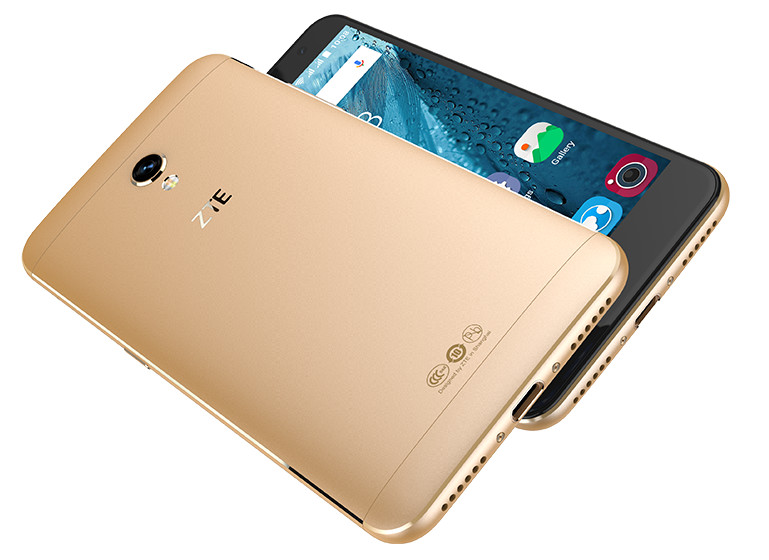
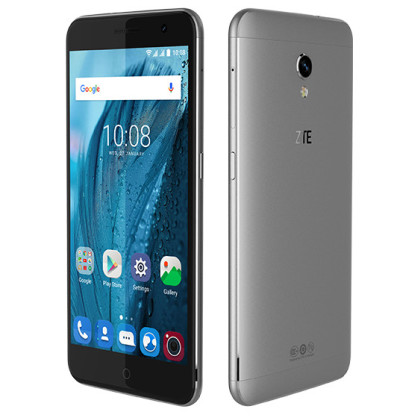
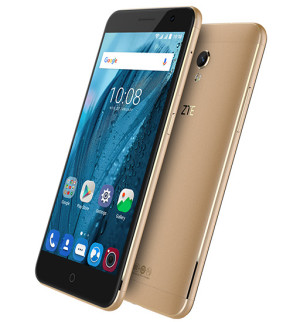
Yesterday, ZTE officially unveiled its brand new ZTE SPro Plus smart projector. We hoped to see a new smartphone from the company at the event, but we were instead greeted by the new model in the projector series. But today, ZTE has unveiled two new models in its Blade series, namely, the Blade V7 and the V7 Lite. In case you are familiar with the company’s Blade series, you would know that these handsets are targeted at the mid-range markets.
Coming to the first model, the ZTE Blade V7, it features a larger 5.2-inch FHD IPS display with Mediatek’s MT6753 octa-core chip under the hood. There’s 2GB of RAM on board along with 16GB of storage, further expandable via MicroSD. At the back, there’s a 13MP standard shooter, while up front, you will find a 5MP shooter. The battery isn’t big, and is of 2500mAh capacity. Its pretty slim as well, with a 7.5mm thin body. You get Android 6.0 Marshmallow OS on board with ZTE’s UI on top.
As for the second and less powerful device, i.e. the ZTE Blade V7 Lite, it sports a 5-inch 720p display with Mediatek’s MT6735P quad-core chip under the hood. You get the same 2GB and 16GB expandable storage options as the larger model. At the back as well as front, there are 8MP shooters. Under the hood, you get a 2500mAh battery as well, and that’s inside a 7.5mm body.
Both phones support 4G LTE networks and run on Android 6.0. The phone will be available in Mexico, Spain, Germany and Thailand by Spring this year (same release period as the SPro Plus). However, the company is yet to announce pricing details for both these devices.
Last year, Lenovo’s sub-brand ZUK released its first smartphone, the ZUK Z1 aimed at the affordable flagship market. The phone came with a neat design and good specs which made it quite an attractive package for its $300 price tag. Given that its been more than six months since the Z1 debuted, news about a second generation ZUK Z2 have started to come out. We already have heard rumors about the second gen device featuring a rotating camera module and Snapdragon 820, and now the CEO has confirmed that the phone will launch sometime in March.
It looks like the next few weeks are going to be pretty amazing for smartphone fans all around the world. We have already seen the innovative LG G5, Samsung Galaxy S7 and the Huawei Matebook 2-in-1 and there are a lot more announcements coming our way at MWC 2016. Further, the world’s first 6GB smartphone, Vivo XPlay 5 is all set to debut in March as well as this ZUK Z2 flagship, possibly with a rotating camera.
Unfortunately, we haven’t received much news about the ZUK Z2 yet, but we can expect pretty powerful specs on the device. ZUK revealed via its official weibo page that the phone will come with innovative technology. It could be hinting at the rumored rotating camera or some other new tech. We will have to wait and see what this relatively new brand has in store for us.
Also, we hope that the ZUK Z2 is as affordable as the Z1. Since, its almost confirmed that the Z2 will launch in March, expect a lot more details about this upcoming flagship in the coming days.
It looks like nearly two years of waiting for the Vivo XPlay 5 flagship was totally worth it. A few minutes ago, Vivo confirmed via its official weibo page that its upcoming Vivo XPlay 5 flagship will feature a whopping 6GB of RAM onboard. Yes, this is not a typo, and it’s confirmed directly by the company. So, on March 1, at Beijing’s Water Cube Convention Center, we will probably meet the world’s first 6GB RAM smartphone (unless Xiaomi Mi 5 comes with a 6GB version).
The Vivo XPlay 5 will really mark a new era of powerful smartphones with 6GB of RAM. Last year, we reported that Samsung’s new age DRAM chips made it possible for smartphones with 6GB of RAM. So, the RAM inside the Vivo flagship should be supplied by Samsung.
What’s more, you get the powerful Snapdragon 820 quad-core processor inside, which is once again confirmed by the company, to ensure that the phone performs better than most other flagships. Even the LG G5 and Galaxy S7 flagships which were announced yesterday came with just 4GB of RAM. So, Vivo seems to be have done a great job providing the additional 2GB RAM on board the XPlay 5 handset.
As for the specs, it’s confirmed that the phone will feature a dual edge display, probably with 2K resolution. Other rumored specs include a large 6-inch screen, 16MP rear camera, 8MP front camera and a 4300mAh battery. Given that Vivo has decided to reveal its important features via teasers ahead of its release, we can expect most of these specs to be confirmed before Vivo XPlay 5 releases officially.
The company is all set to announce the device on March 1, which is a week away. So, after the exciting series of announcements at MWC 2016, we will meet the powerful XPlay 5.
So, what do you think about adding 6GB RAM inside a smartphone? Is it overkill or do you think its practical?
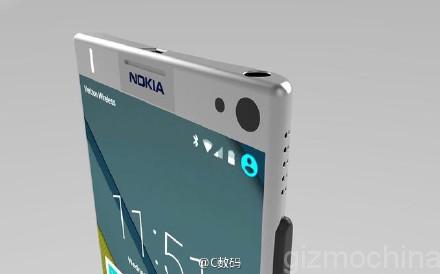
Nokia, who was once the top selling smartphone manufacturer, has undergone a lot of changes in the past couple of years. The company’s smartphone business was sold out to Microsoft at just over $7 billion in 2014, after which only a small portion of the original company was left. However, Nokia has been busy working and developing its other projects, like 4.5G / 5G technology and acquiring the network equipment manufacturer Alcatel-Lucent recently.
Given that Microsoft’s contract barred the company from entering the smartphone industry for a couple of years, Nokia was tight-lipped about any future plans to re-enter the industry. However, at MWC 2016, which is currently going on in Barcelona, Spain, Rajeev Suri, the CEO of Nokia, confirmed plans to re-enter the smartphone industry. This is definitely good news for all loyal Nokia fans still out there, wanting to see the manufacturer of their first phones, make a comeback in the market.
However, Rajeev didn’t give out a timeline for a smartphone release. The company can reportedly start selling smartphones under its name from Q4 2016, but we are not quite sure whether we will see handset from the company so soon. His exact words were “There’s no timeline, there’s no rush. It could happen in 2016, it could happen later.”
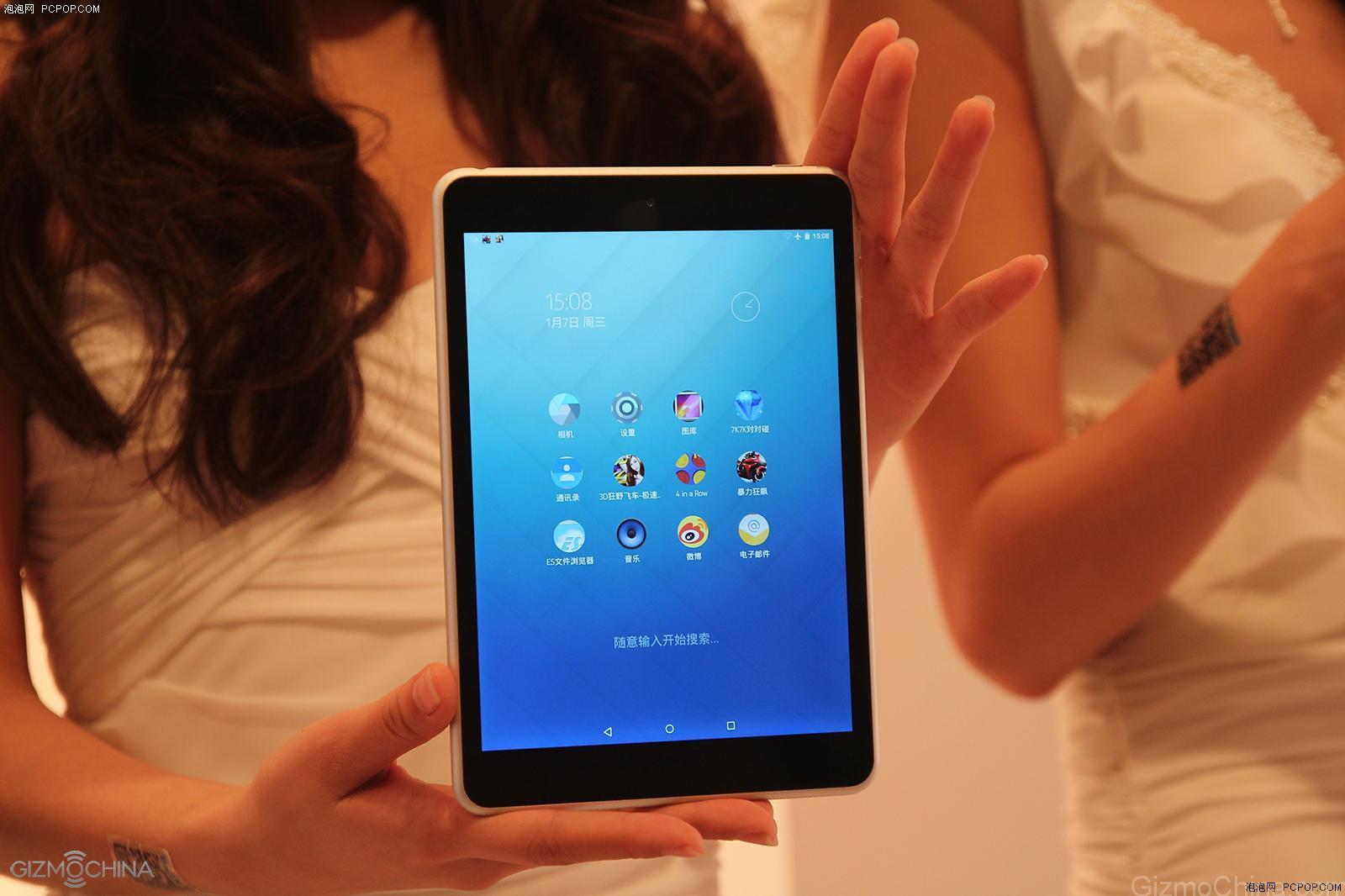
Less than a year after Microsoft’s acquisition, Nokia released its first tablet, the Nokia N1 based on Android. The company partnered with Foxconn to build the N1 tablet and we could see a similar strategy where the company controls the design for its upcoming products.
Anyways, this clears a lot of doubts regarding Nokia’s re-entry into the smartphone industry. Now, the question has changed from “Whether Nokia will enter the industry” to “When they will launch a new smartphone”. Like CEO said, it could be this year, or maybe next. But for now, we wait and watch.
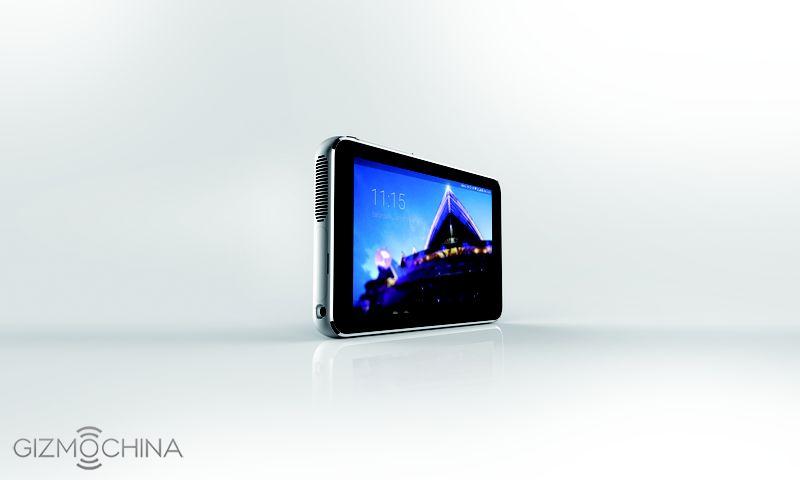
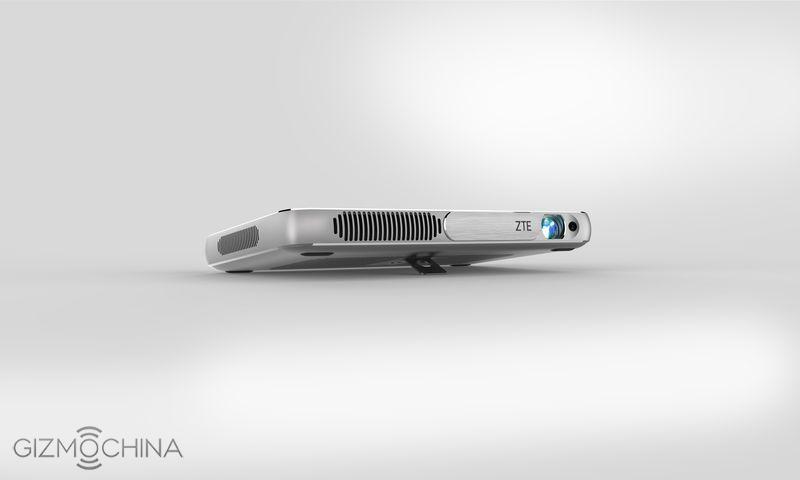
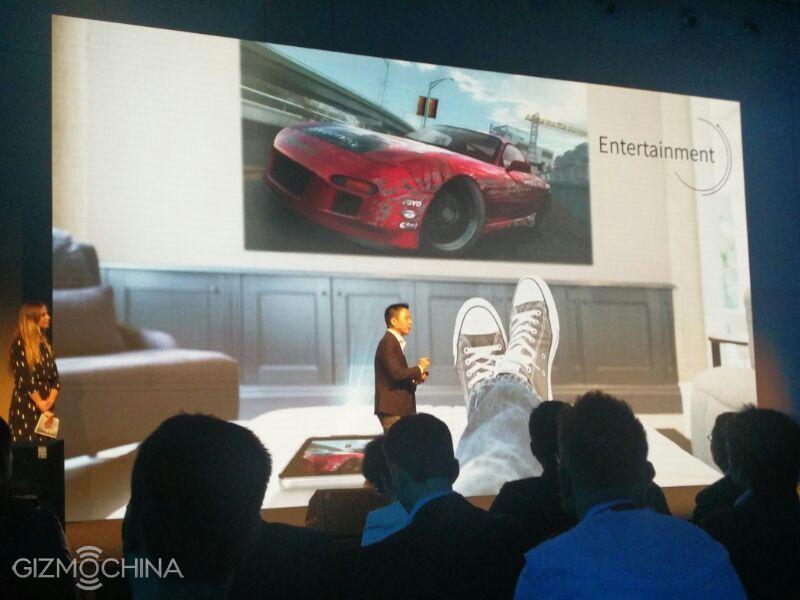
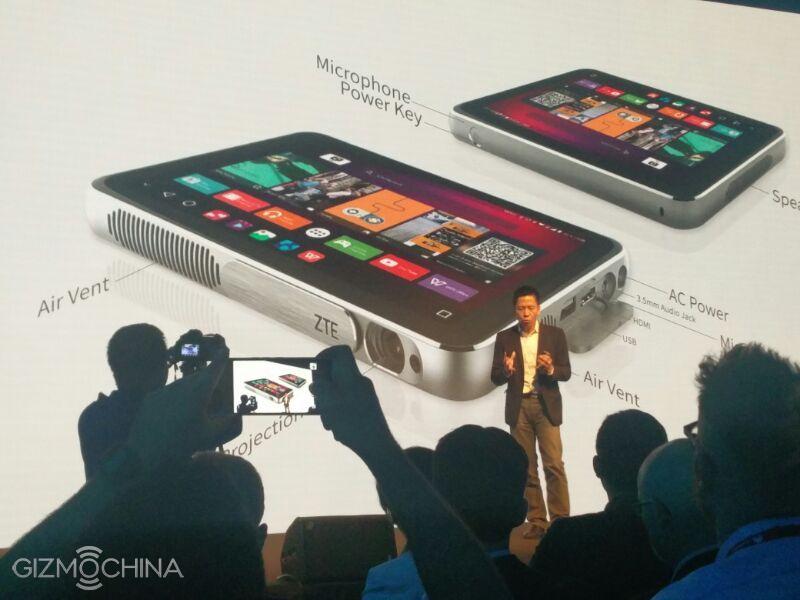
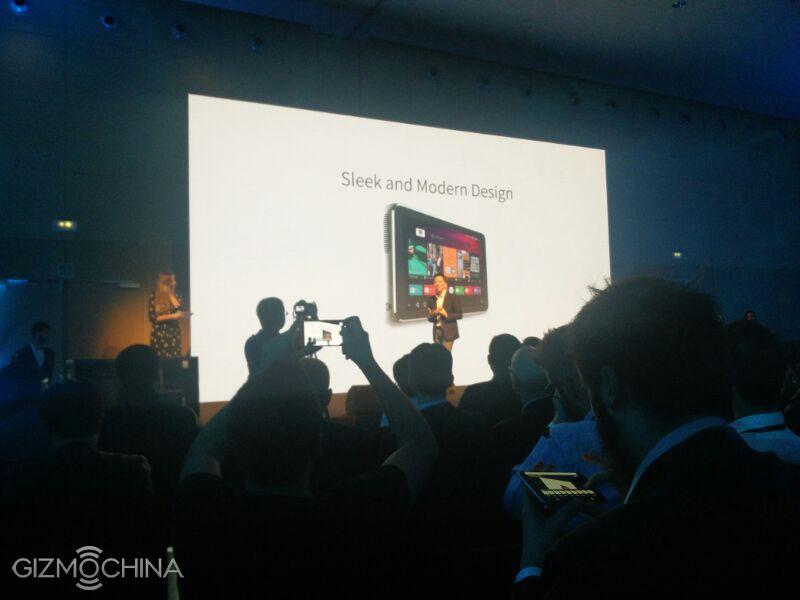
ZTE unveiled its brand new ZTE SPro Plus smart projector at MWC 2016. The SPro series has always been a niche product, but the company always managed to impress us with all the features on the device. Now, ZTE has updated the SPro lineup with the new SPro Plus and it’s much cooler, better looking and faster than before. In fact, we are quite surprised with the amount of features that the SPro Plus comes with, most of them being quite practical and handy for users.
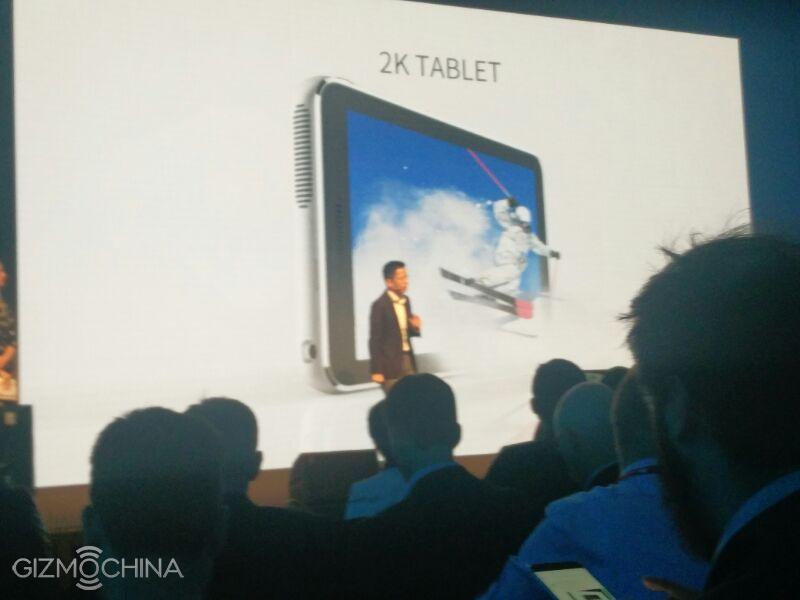
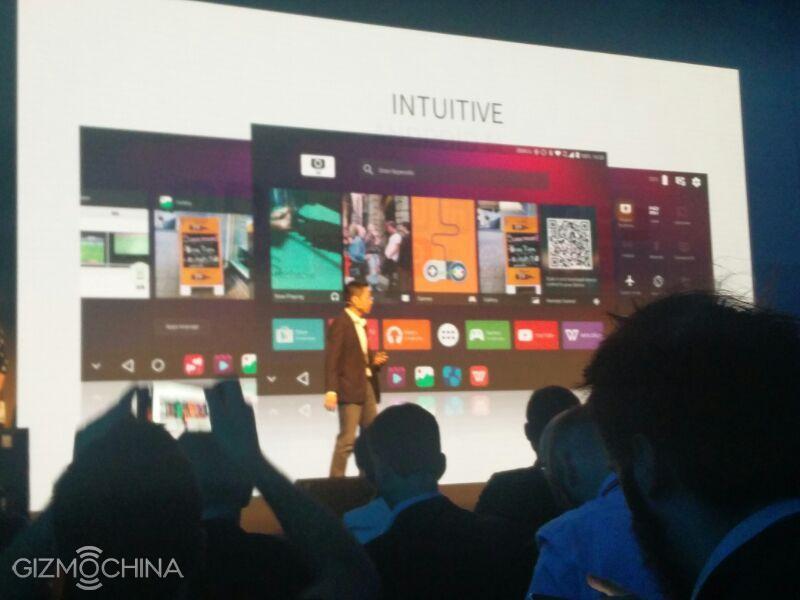
The SPro Plus is bigger and faster than its predecessors. In fact, it also doubles up as a full-fledged tablet, featuring an 8.4-inch AMOLED display with 2560 x 1600 resolution. It’s pretty big, that’s for sure, but inside, you get the powerful Snapdragon series processors. There are two variants, one running on Snapdragon 801 and another on Snapdragon 625. You have Wi-Fi and LTE (with VoLTE support) variants as well. The SPro Plus smart projector also runs on the latest version of Android 6.0 Marshmallow platform.
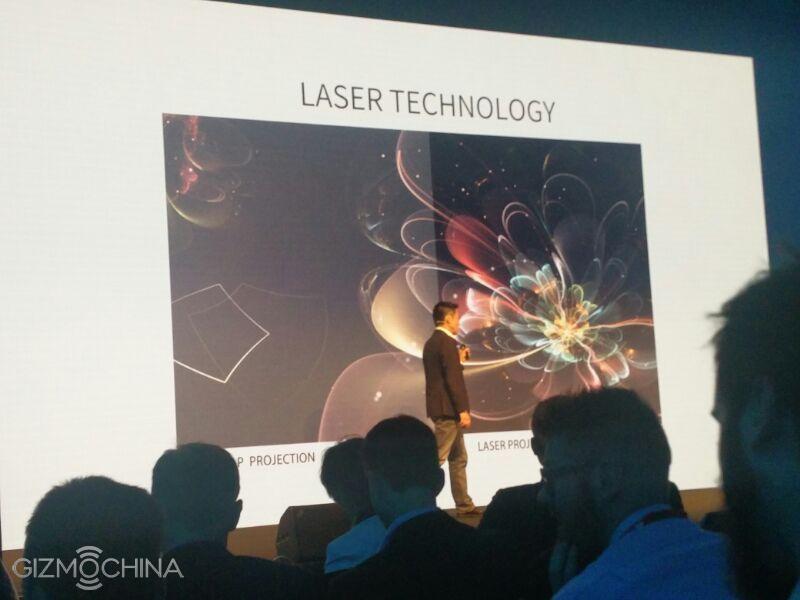
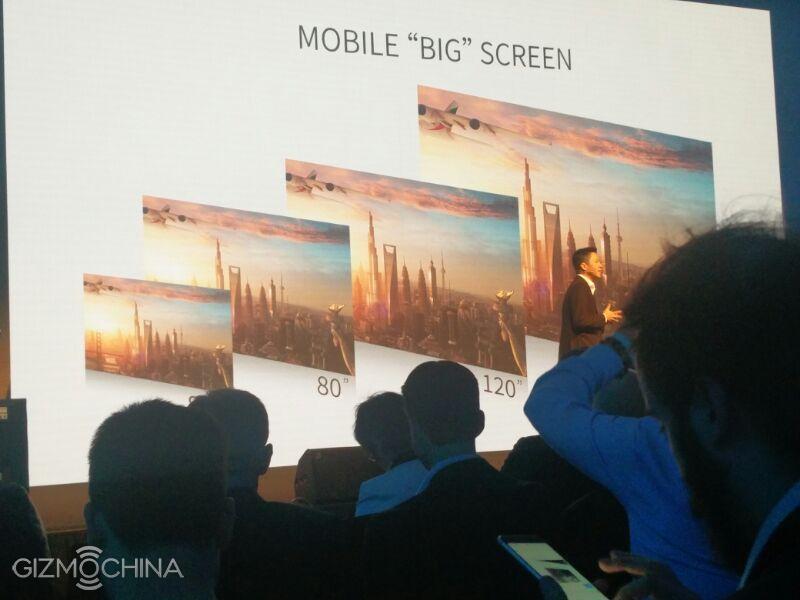
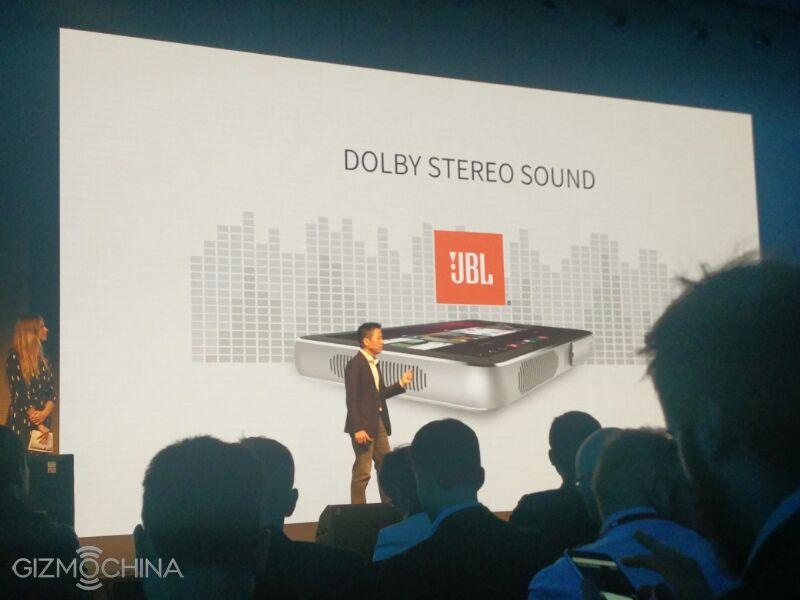
As for the projector specs, the new SPro Plus comes with lasers instead of traditional LED bulbs for sharper and detailed projection. The laser unit does make a significant difference to its projection capability. At 500 Lumens, it’s twice as bright as the Spro 2. The device is built for the business environment, as it comes with a camera as well as JBL speakers for video conferencing as well.
The device features with a number of connectivity options like 4G LTE, Wi-Fi, Bluetooth, HDMI, and USB Type 3.0. You can even control the projector via voice commands.
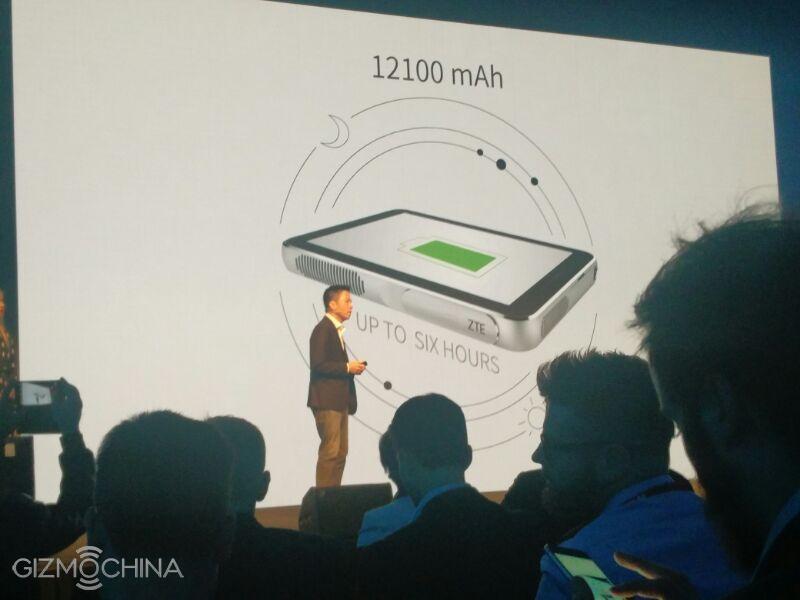
Now, considering these specs, you would be worried about SPro Plus’s battery life. But once again, ZTE has ensured that the device is top notch, as it comes with a large 12,100mAh battery on board which the company claims is good for about 6 hours of usage. This does make it a bit heavy, weighing around 1kg, but considering the features on board, this shouldn’t be a big issue.
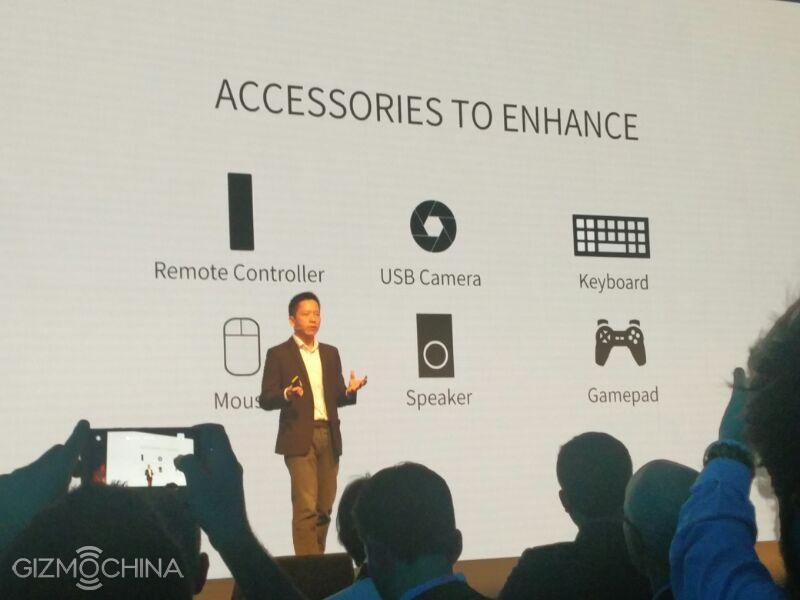
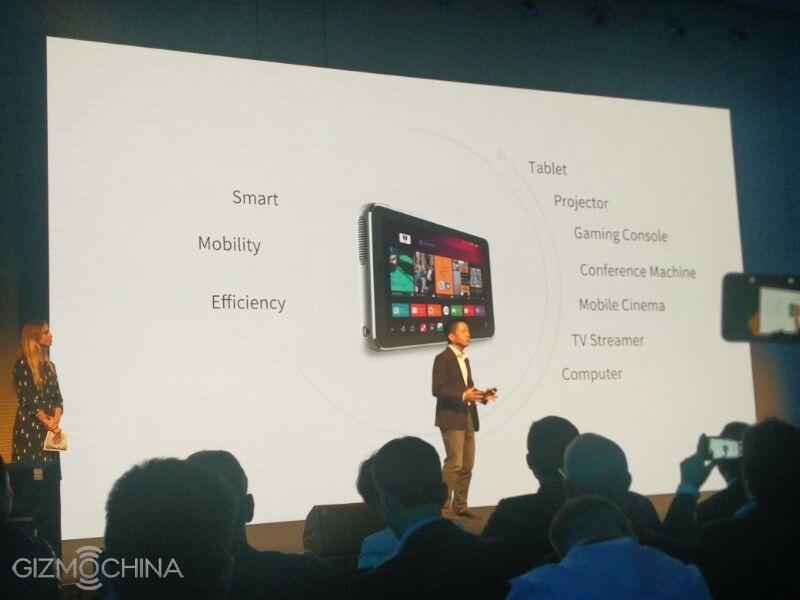
It looks like ZTE has outdid itself with the SPro Plus smart projector, offering much more than a regular smart projector. There are so many features on board, that it can act as a tablet, projector, gaming console, conference machine, mobile cinema, tv streamer and even a computer. You just have to connect an appropriate accessory like a gamepad, keyboard, speaker or a mouse to enhance its functions. So, it’s much more than a projector, customized for today’s needs.
ZTE has only revealed that the SPro Plus will be available by Summer 2016. There’s still no word on the pricing, but we can expect more details pretty soon.
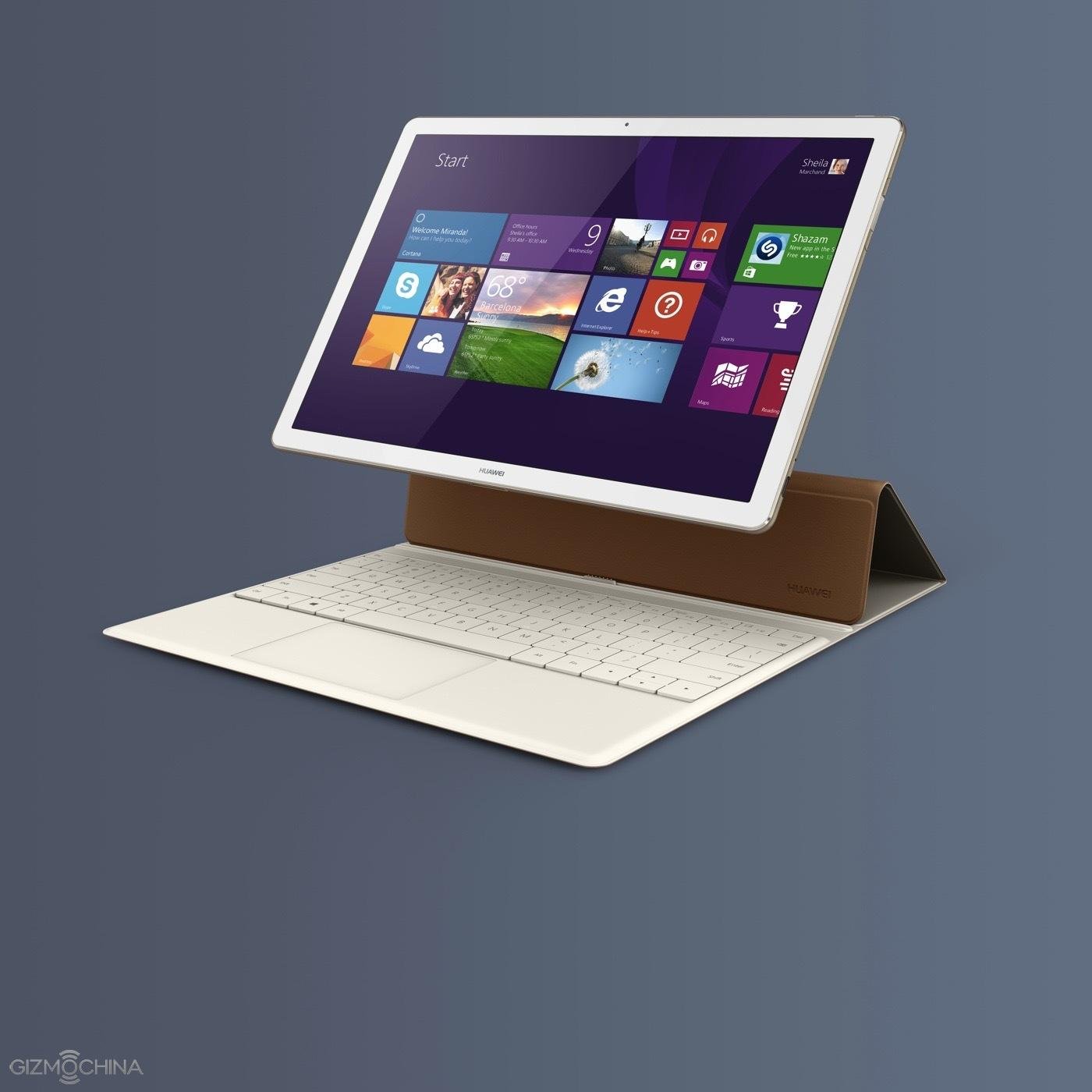
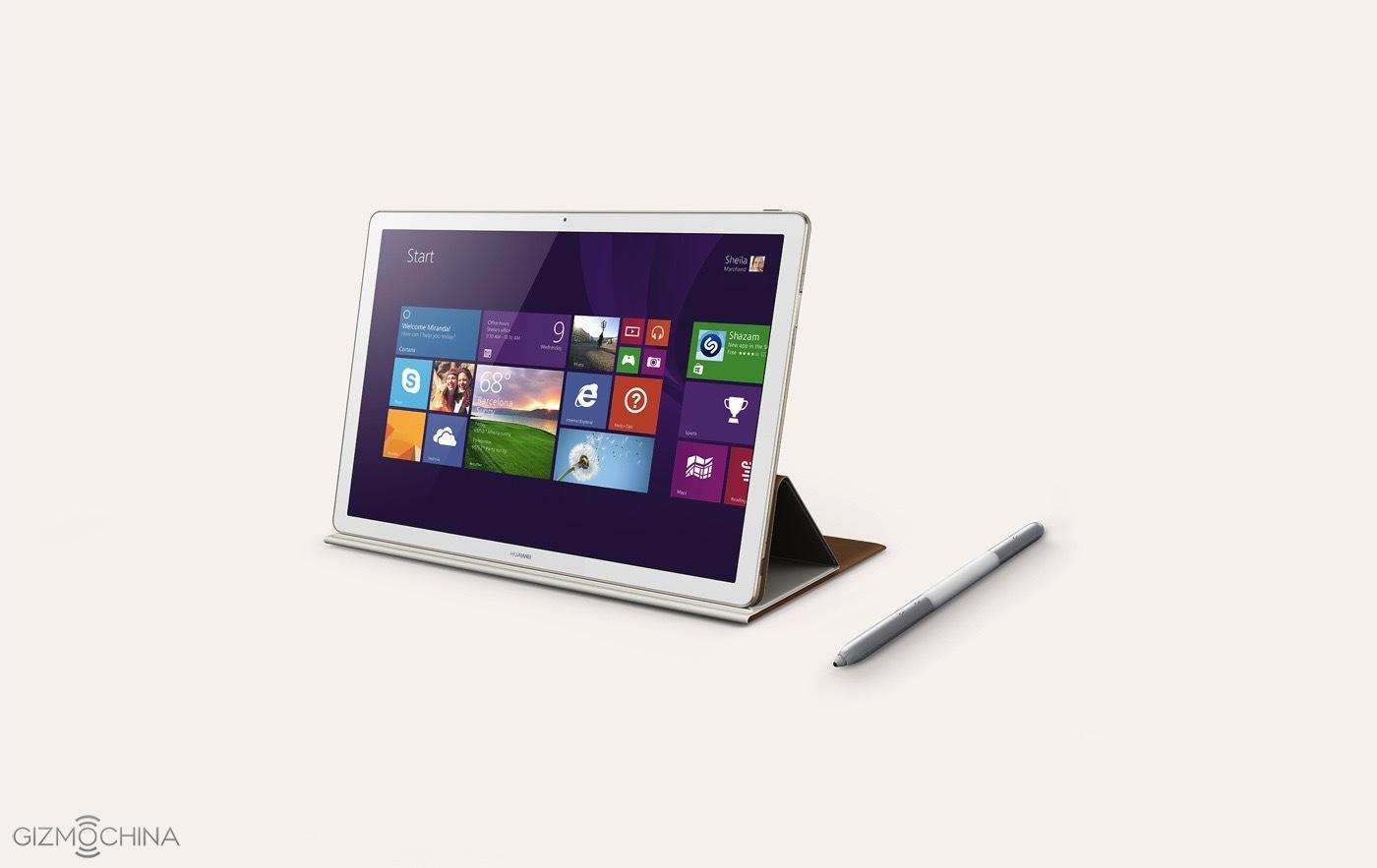
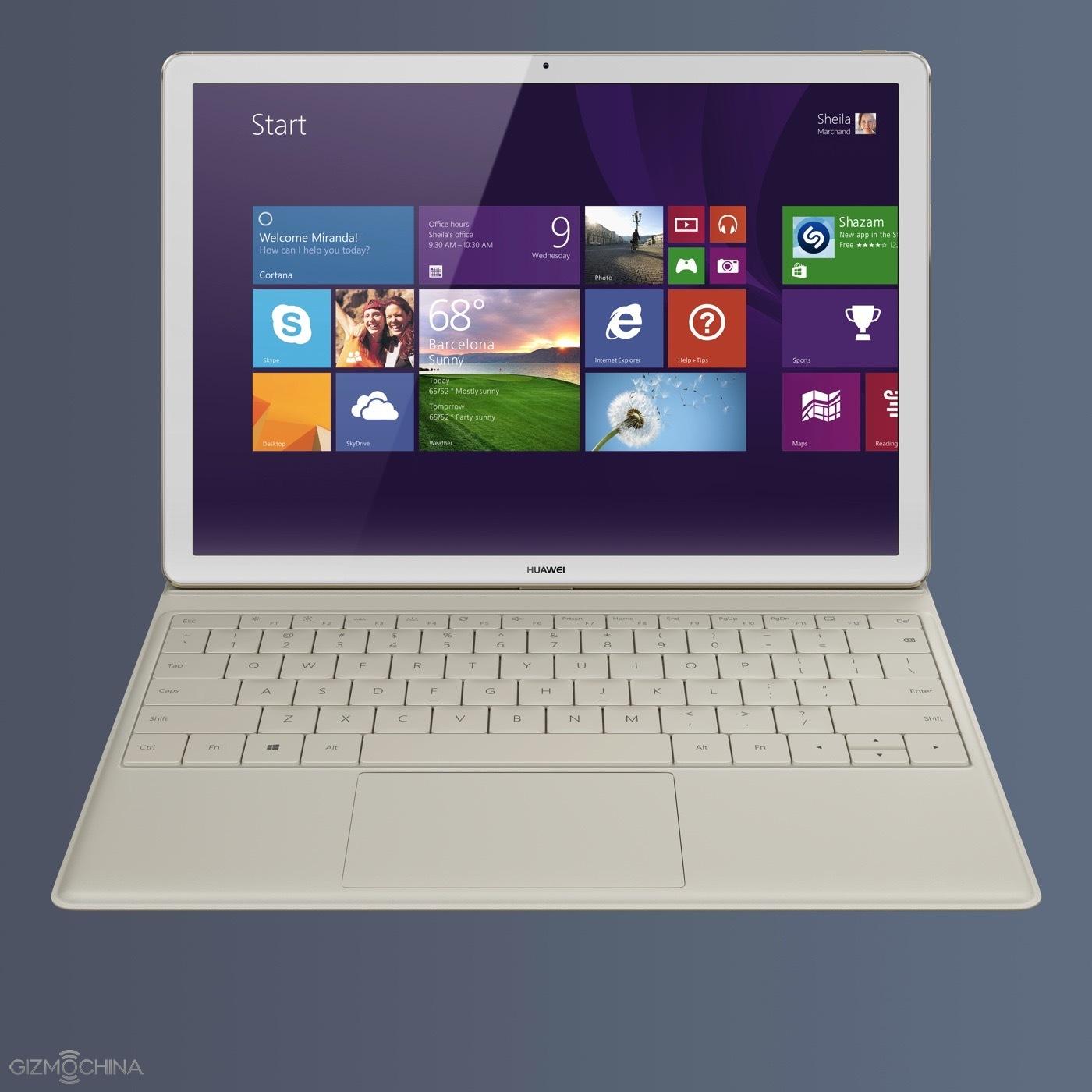
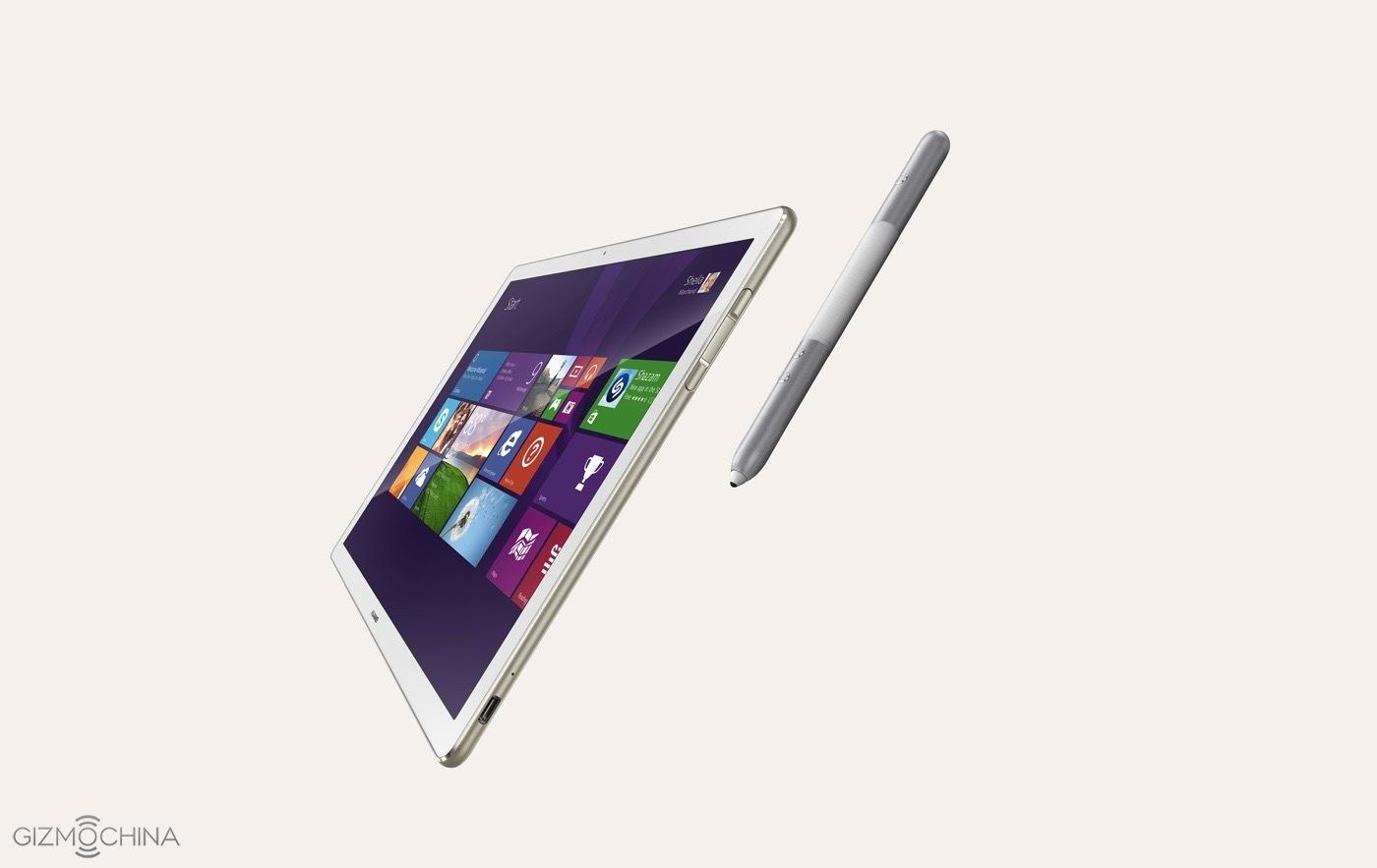
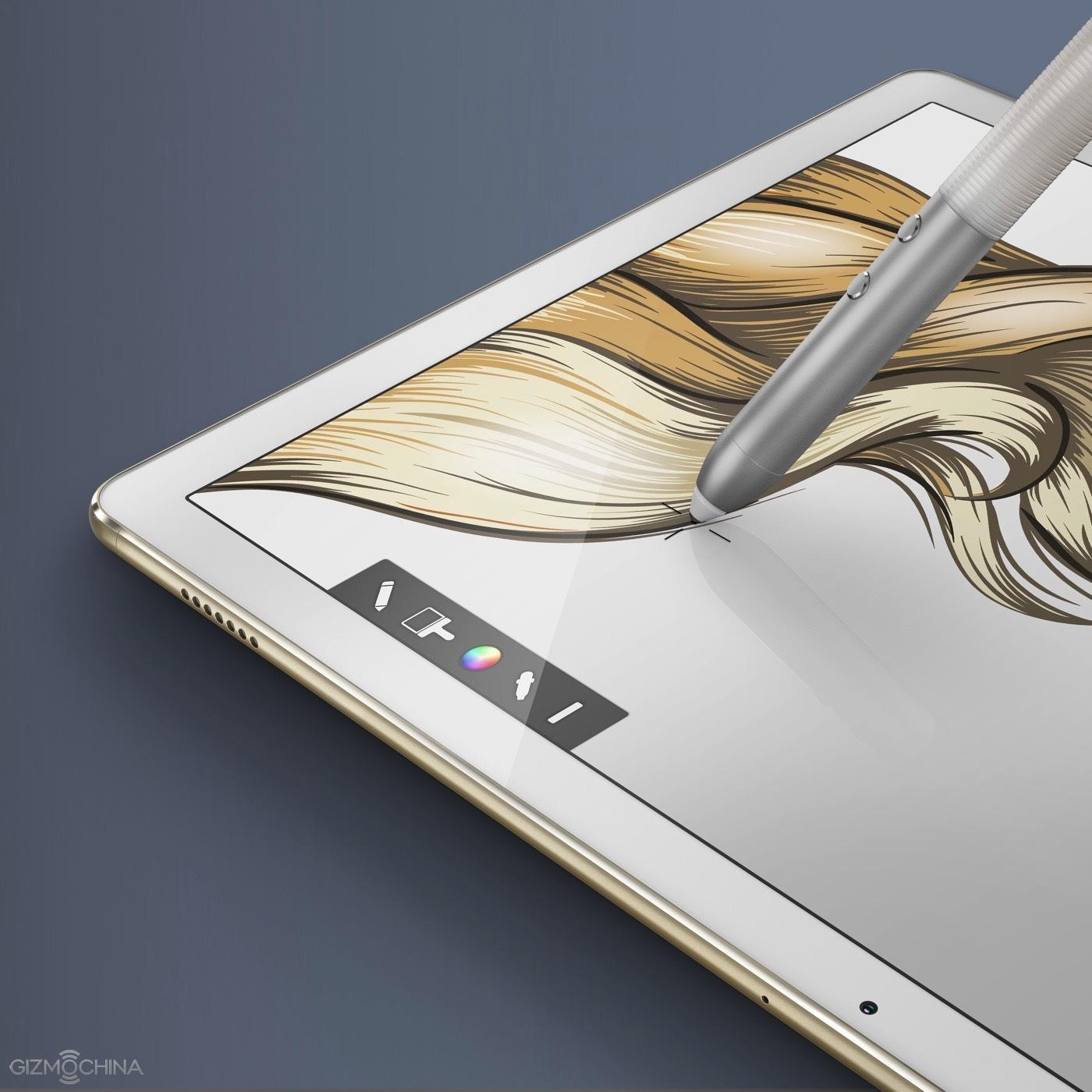
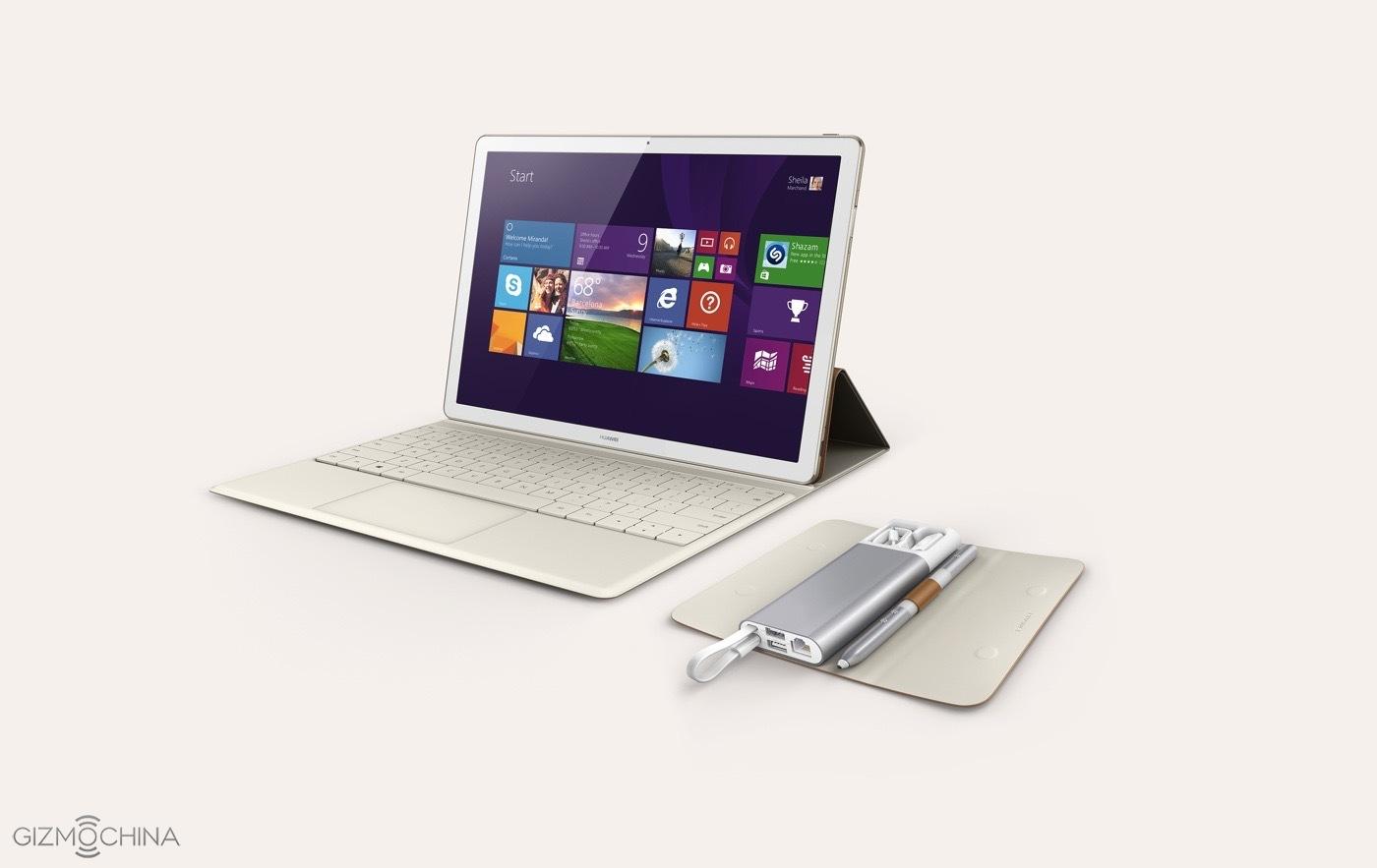
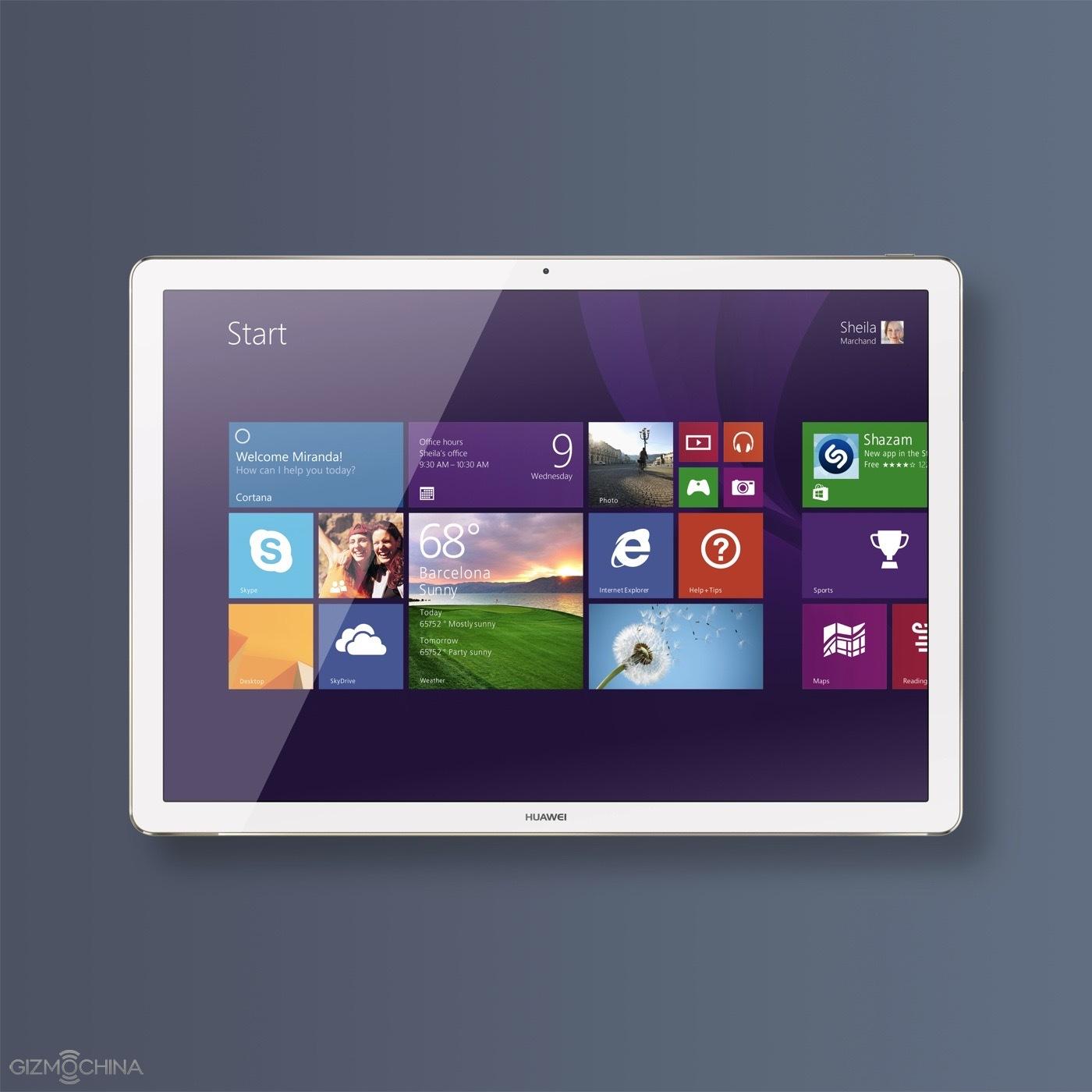
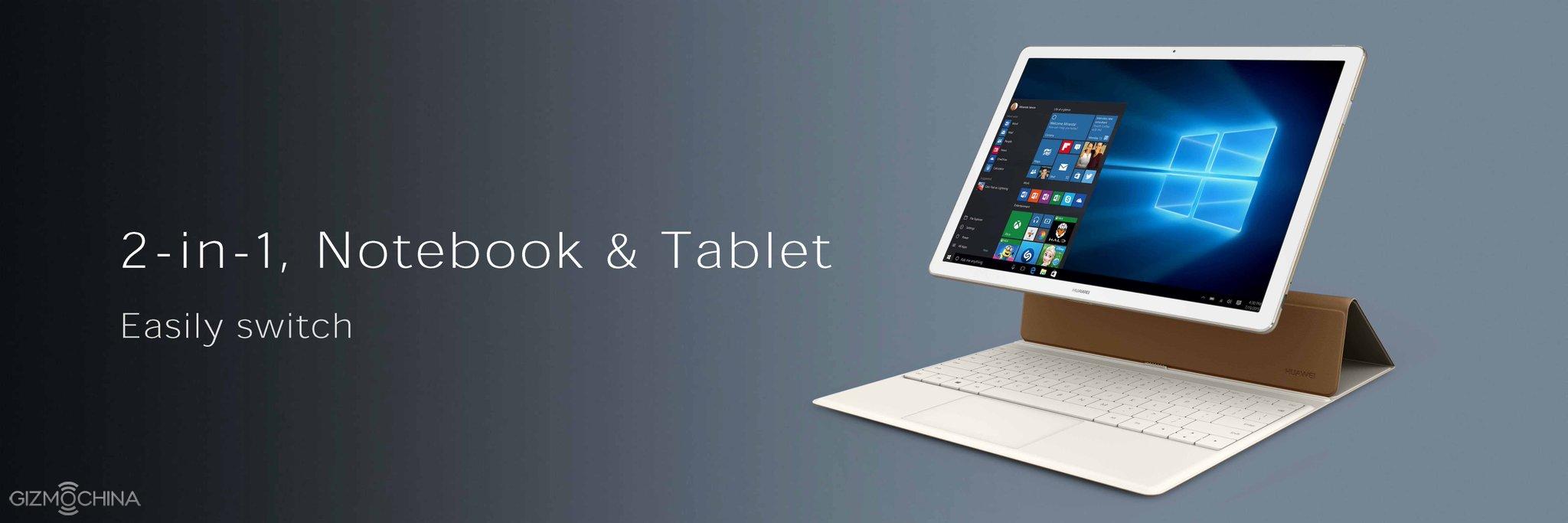
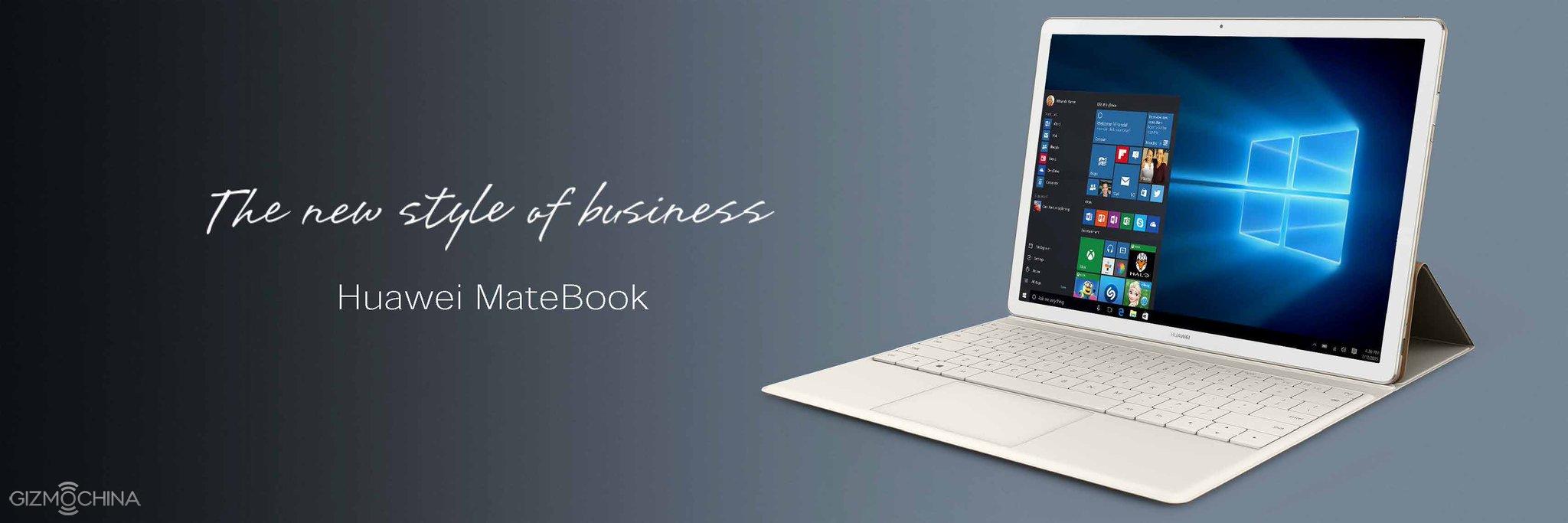
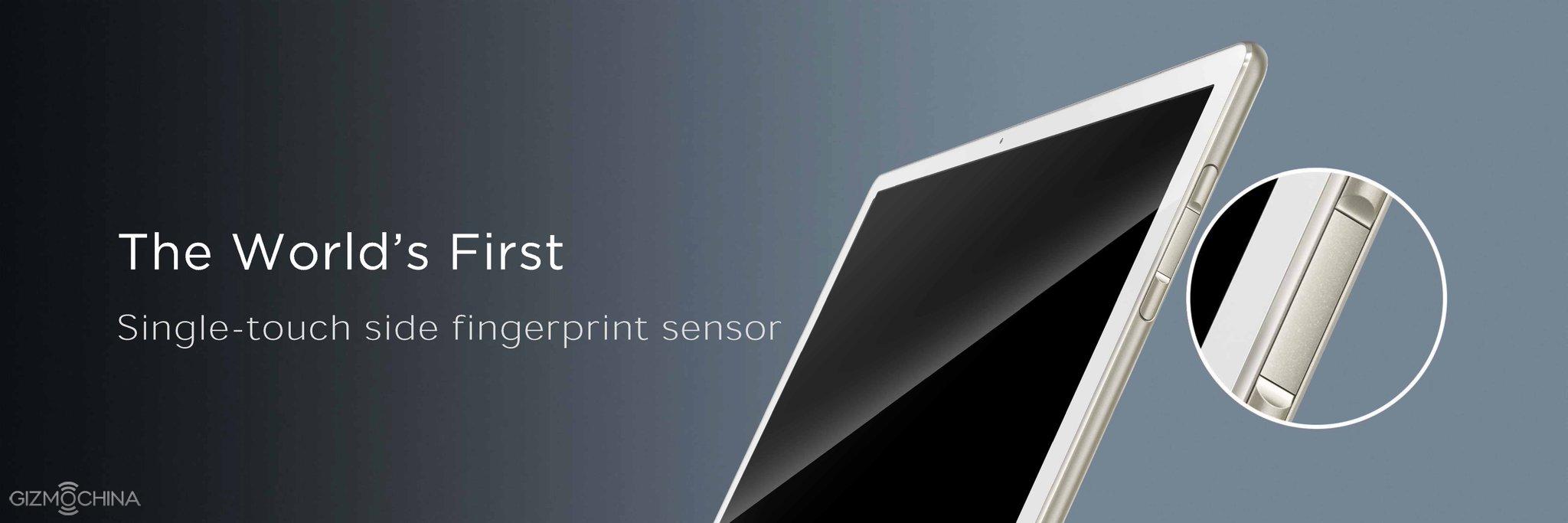
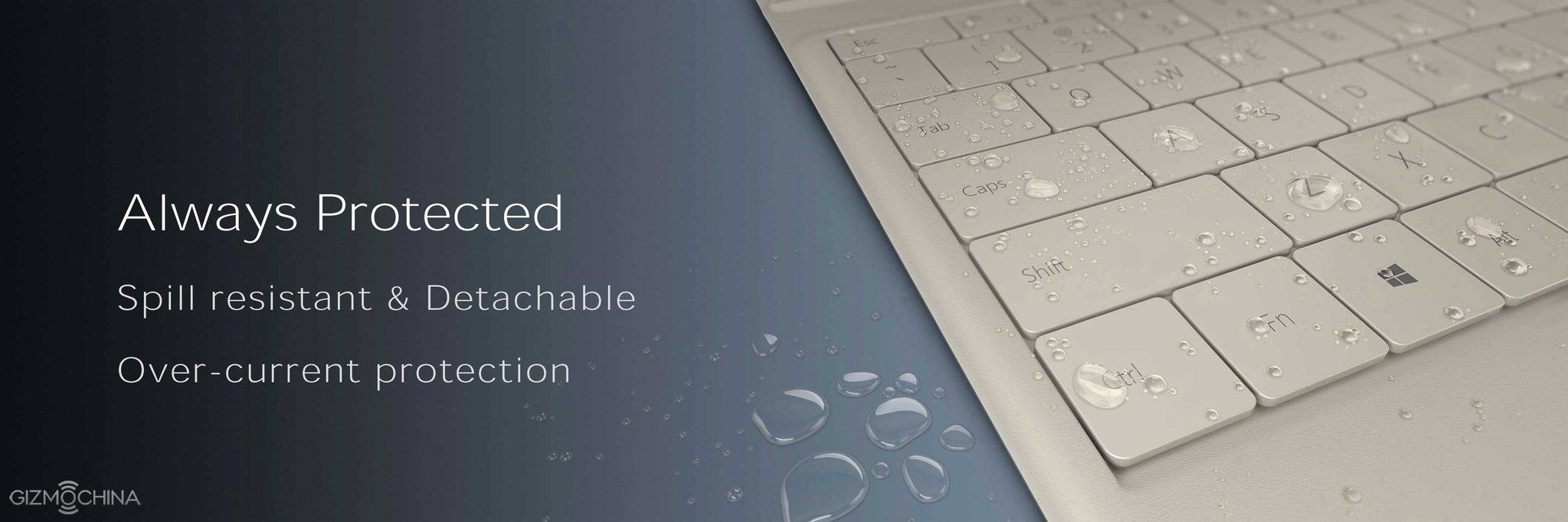
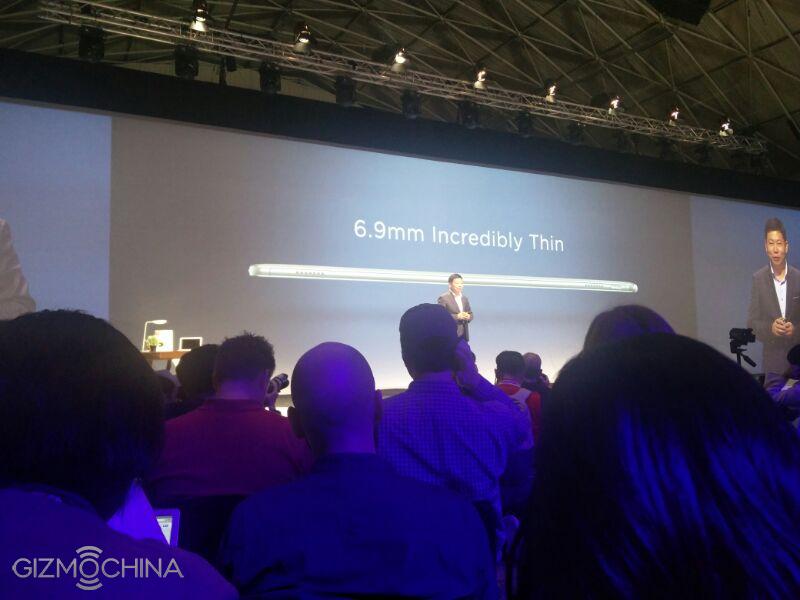
Huawei officially unveiled the Matebook 2-in-1 an hour ago and it’s everything that we expected. The notebook hybrid is targeted at business users and comes with a premium body and a detachable spill-proof keyboard. The tablet itself is super thin measuring just 6.9mm in thickness. You get the world’s first side mounted single-touch fingerprint sensor on the device as well.
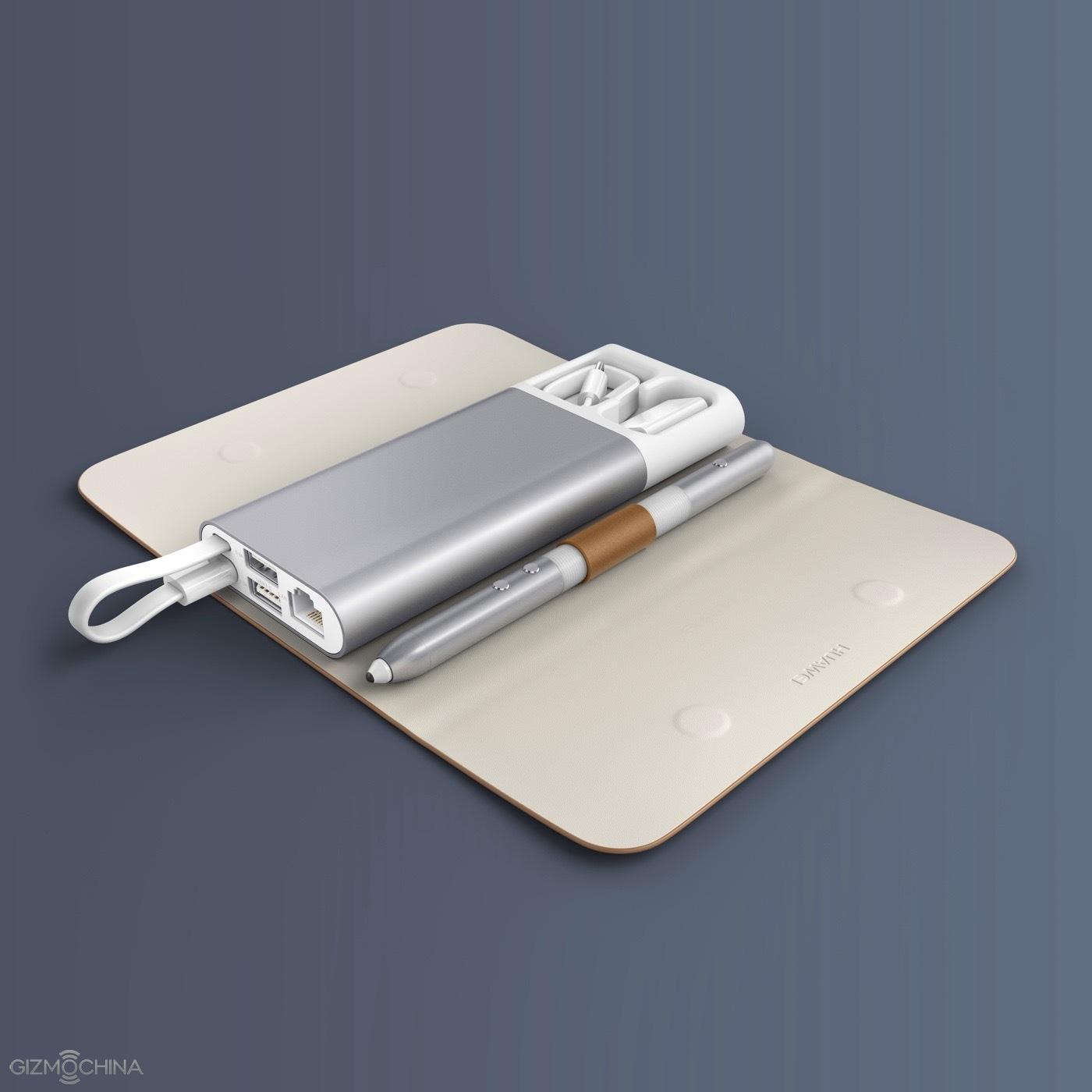
We have detailed everything about the Matebook 2-in-1 in our previous article. You can check that out to know all about the new launch. Here we will be taking a look at the official images of the Matebook hybrid as well as its accessories like MatePen Stylus, Smart dock, ultra-thin charger and covers.
Considering the specs and the pricing, the Huawei Matebook hybrid will be competing with rivals such as the Microsoft Surface Pro 4 and the iPad Pro. In fact, the design, as well as the overall concept seems to be similar to the Surface Pro and other hybrid laptops in the market. And Huawei’s take on the concept doesn’t look too bad either.
You can check out all the official images of the Matebook 2-in-1 from the gallery down below.
Huawei Matebook 2-in-1
1 of 9
Now that you have seen the official images, let us know what you think about the Matebook’s design.
After nearly months of rumors and leaks about an upcoming 2 in 1 Notebook from Huawei, the company has officially taken the wraps off the device at MWC 2016. We were present at the Matebook launch and here are all the details that you need to know. Given that the iPad Pro and the Surface Pro 4 are the company’s two major competitors, whenever possible, we bring in both the devices for comparison.
The company has taken a similar route as Microsoft’s Surface laptop hybrids. So, you get a detachable tablet which is pretty sleek. The company also includes the keyboard inside the package, so you don’t have to purchase it separately. The tablet features a 100% Aluminum Unibody design which looks quite premium and refined. It’s pretty thin as well, measuring just 6.9mm in thickness. The tablet is lightweight as well, weighing just about 640 grams. This is way lighter than the iPad Pro (713g) or even the Surface Pro 4 (766g).
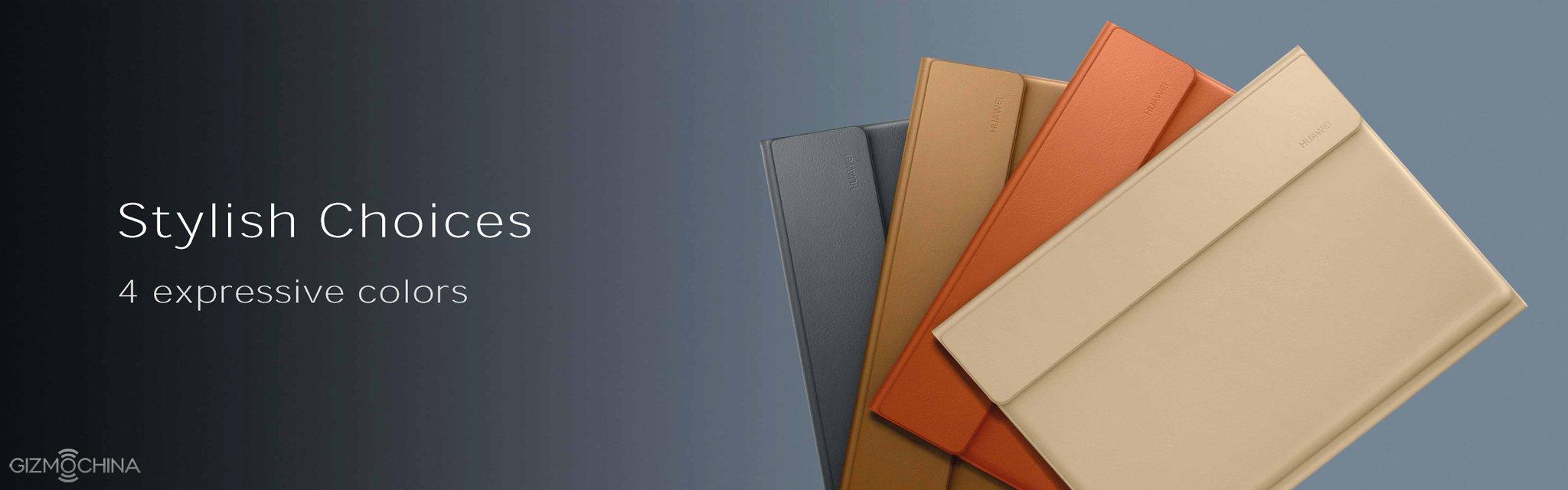
The company will make two colors available for the Matebook 2 in 1, one featuring a black colored panel with gray body and the other with a white panel and golden body. If you are looking for something even more colorful, you can choose between two rich colors (check out the image below) for the Huawei Matebook’s case.
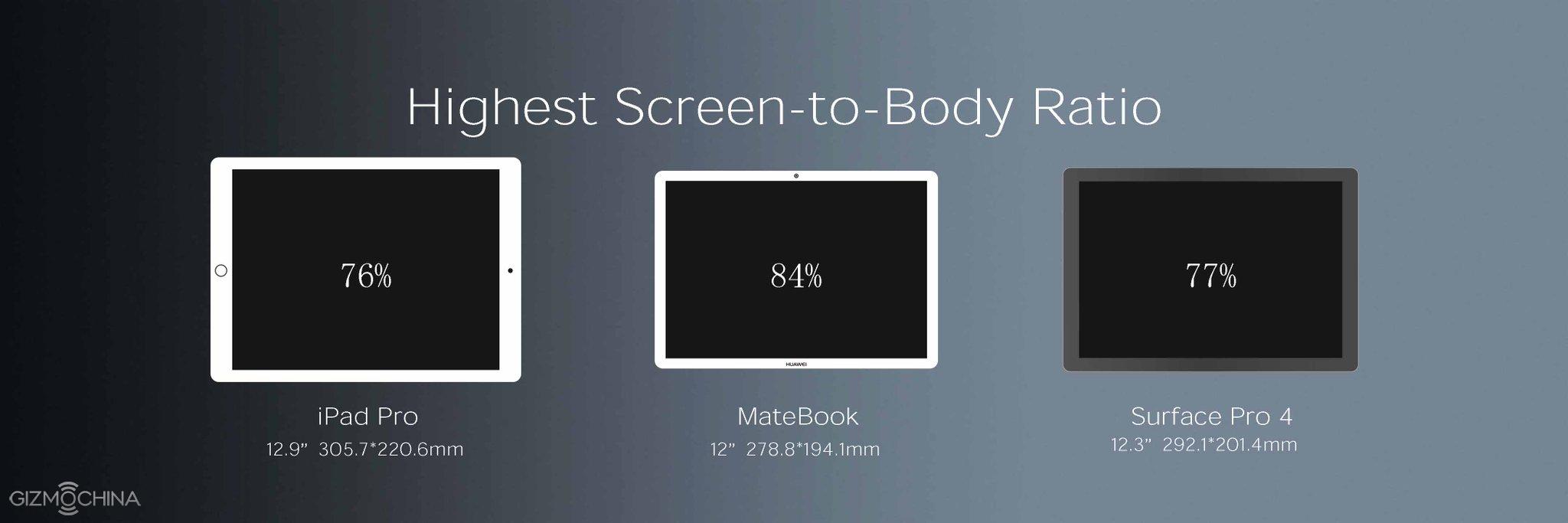
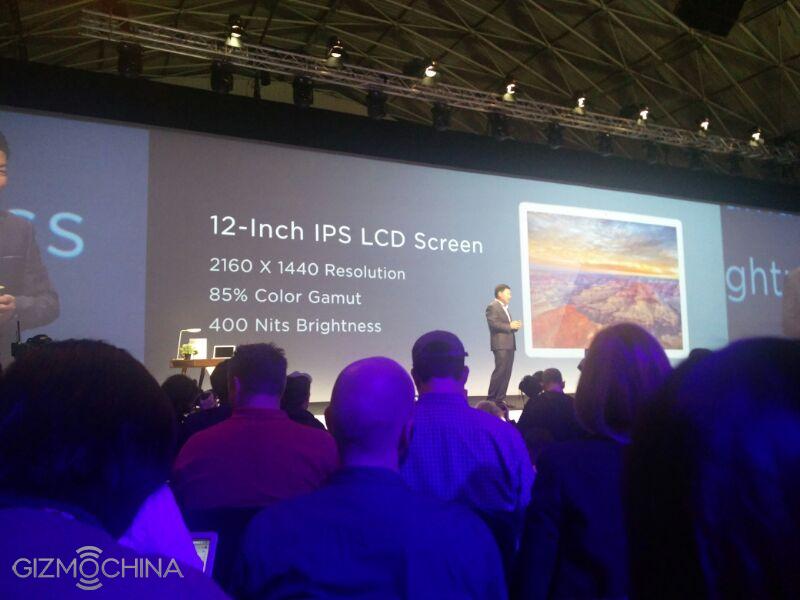
Coming to the specs, the Huawei Matebook 2 in 1 will feature a 12-inch IPS LCD display with 2160 x 1440 pixel resolution. In comparison, both the iPad Pro (2732 x 2048) and Surface Pro (2736 x 1824) feature better resolutions. However, the Matebook bests these two devices when it comes to the screen-to-body ratio. Huawei’s new 2 in 1 boasts of an impressive 84% screen to body ratio, while the iPad Pro and Surface Pro 4 feature just 76% and 77% respectively.
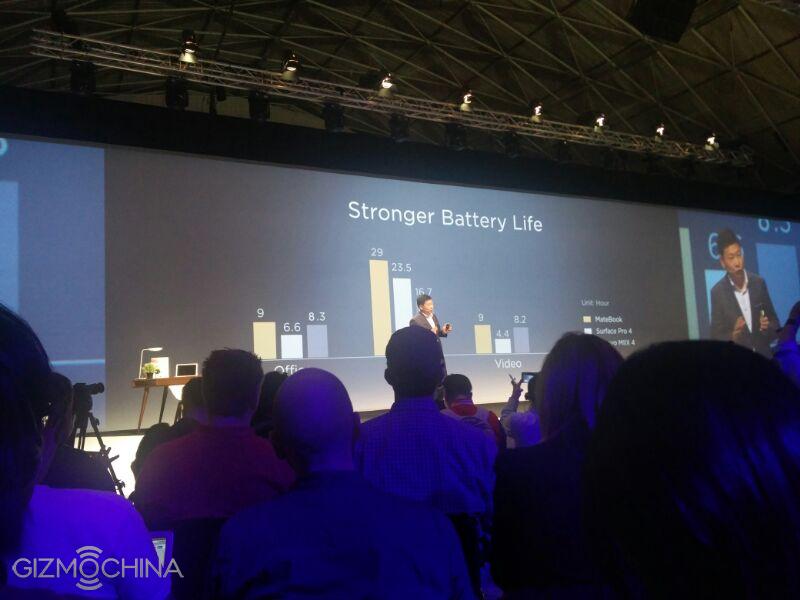
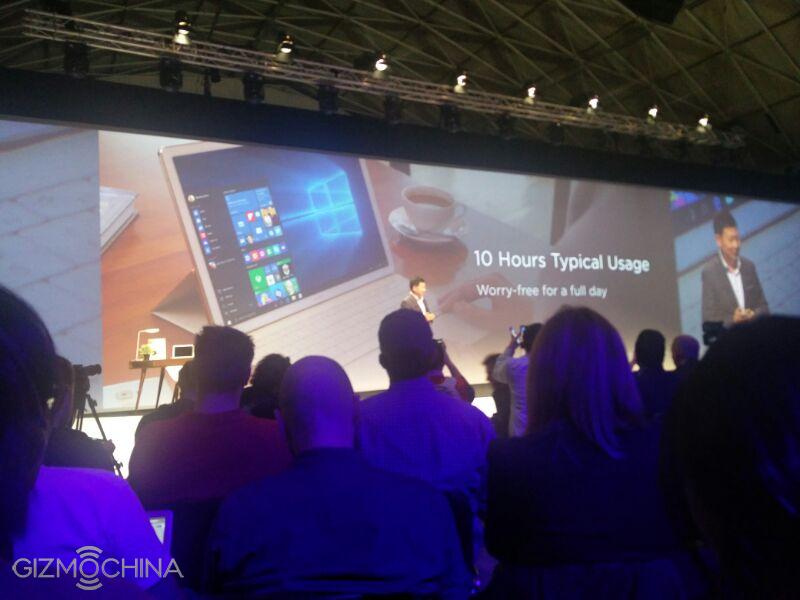
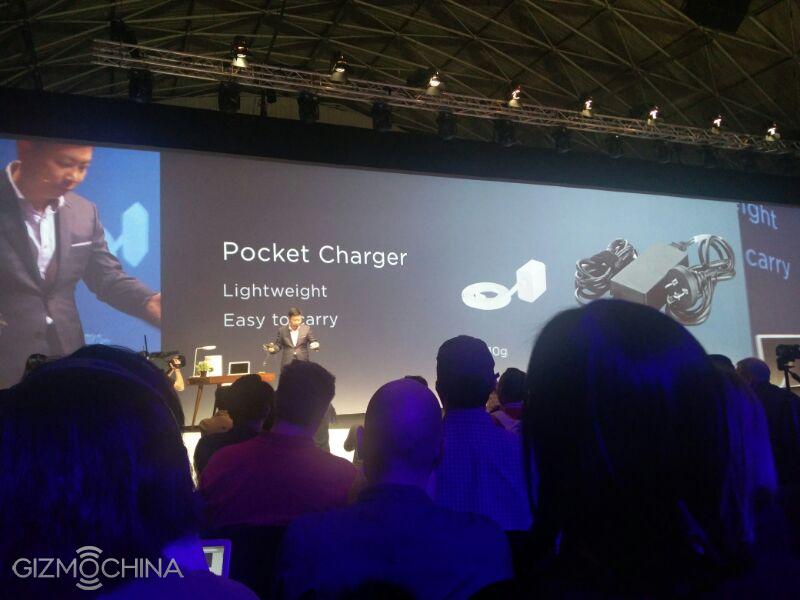
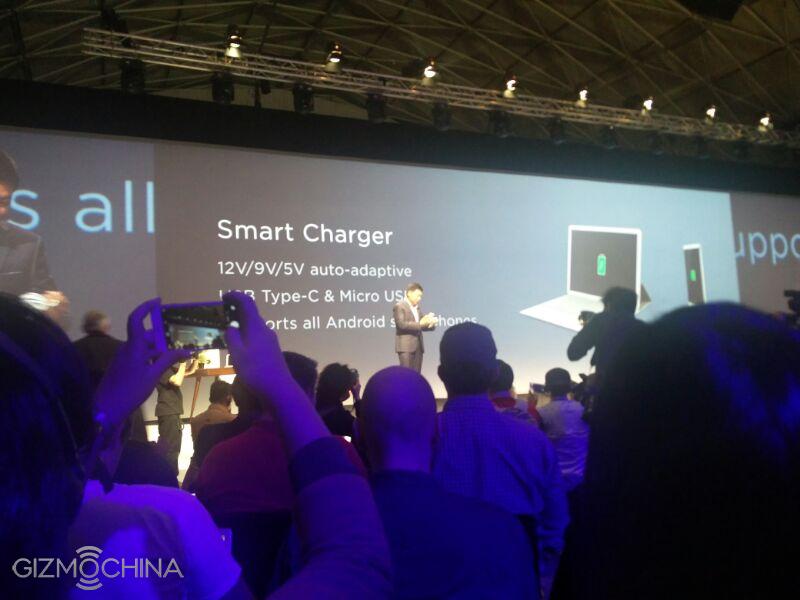
The battery is not very big, probably because Huawei wanted to keep the tablet thin. It comes with a 4430mAh high-density battery which the company claims last 25% longer. Despite its small size, Huawei claims that the tablet should give about 10 hours of typical usage. To help with the charging needs, the company is offering an ultra weight portable charger with 12V/ 9V / 5V auto-adaptive charging. It can charge your smartphones as well.
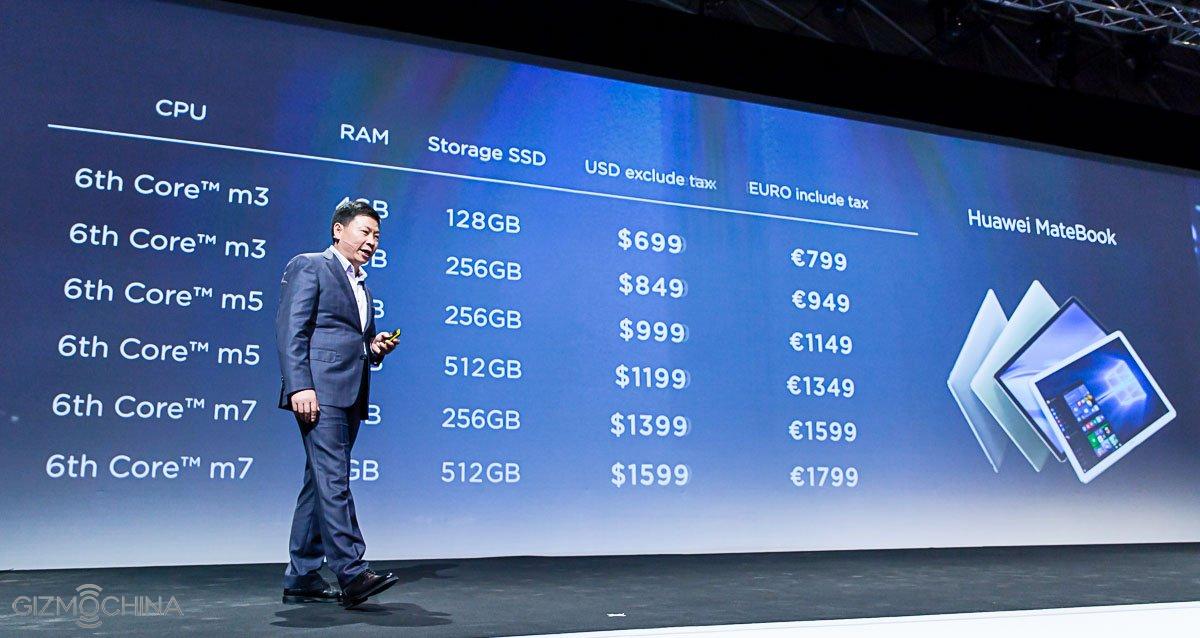
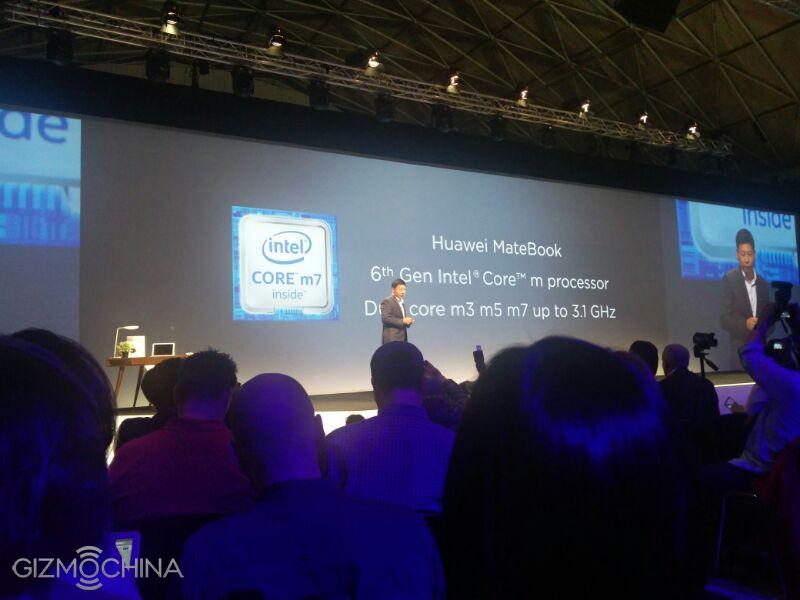
Inside, you get the 6th Gen Intel Core M Processors. You can choose between the dual-core Core M3/ M5 / M7 processors clocked up to 3.1GHz. Further, there are different RAM and storage options. You can choose between 4GB and 8GB of RAM and storage SSD option from 128GB to 512GB. As for the OS, like predicted, the Matebook 2 in 1 hybrid will come with Windows 10 on board. You can choose between Windows 10 Home and Professional editions.
The Matebook hybrid comes with a side mounted fingerprint sensor as well. The company claims this is the world’s first single-touch side fingerprint sensor. You can use different fingers for different accounts too. The tablet features two speakers for stereo sound with Dolby noise reduction. You get noise cancelation headsets as well.
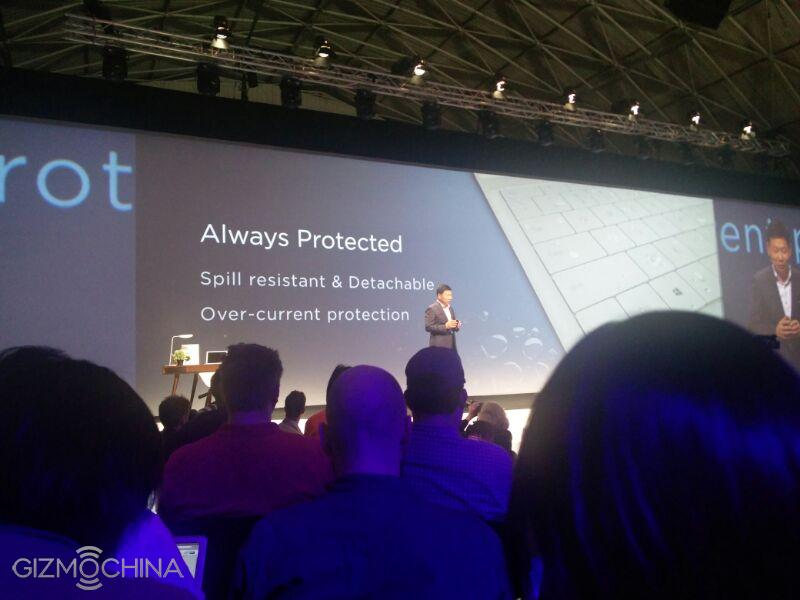
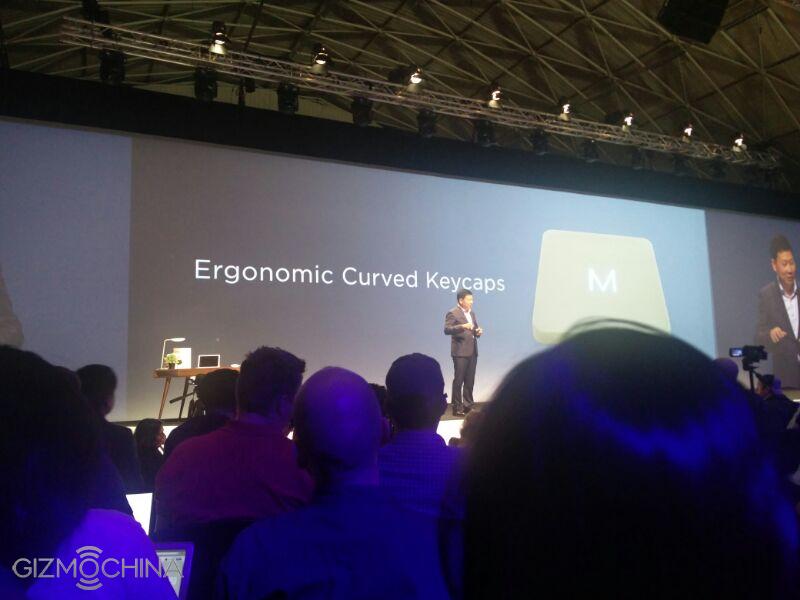
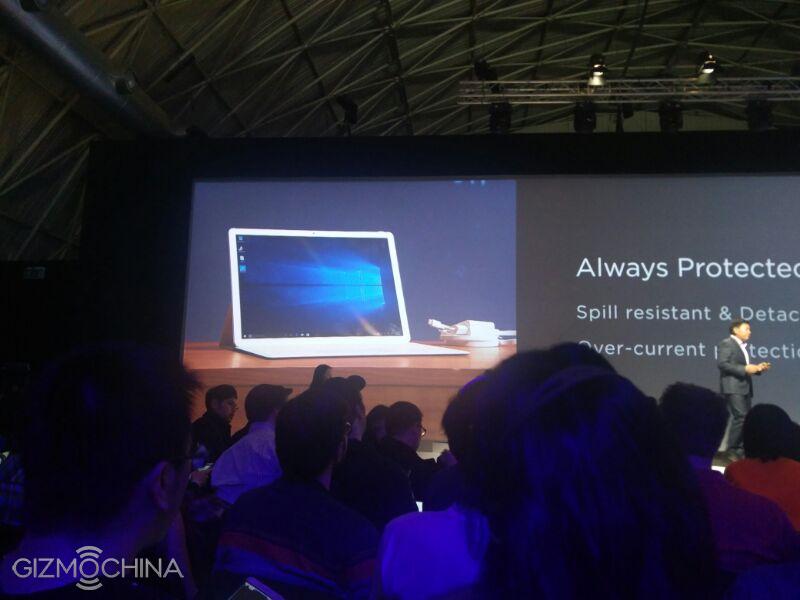
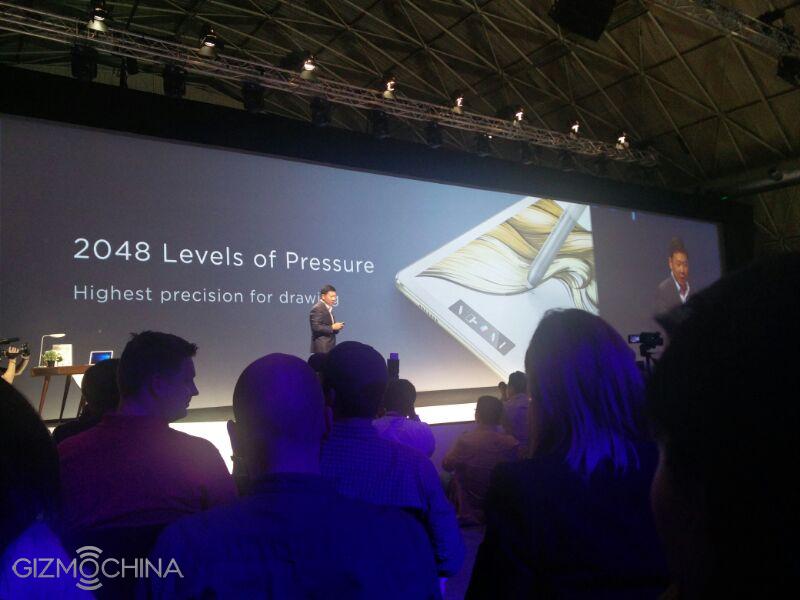
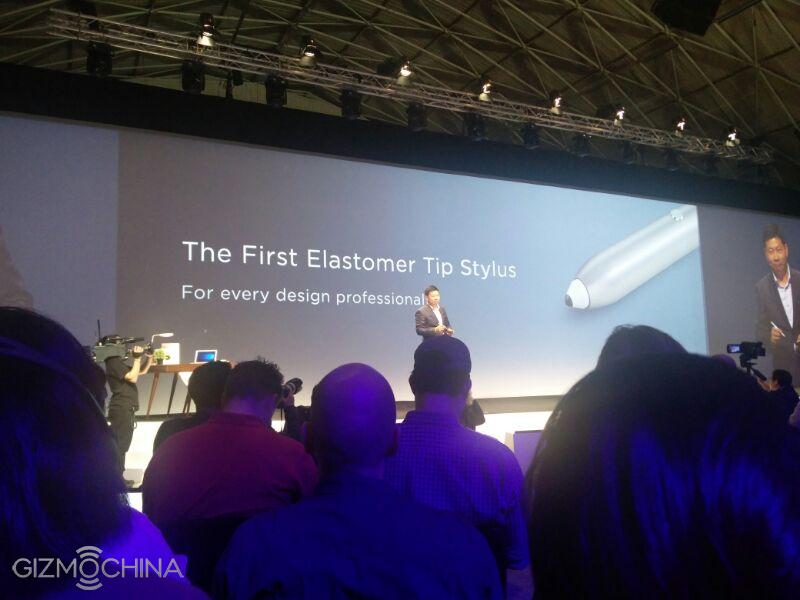
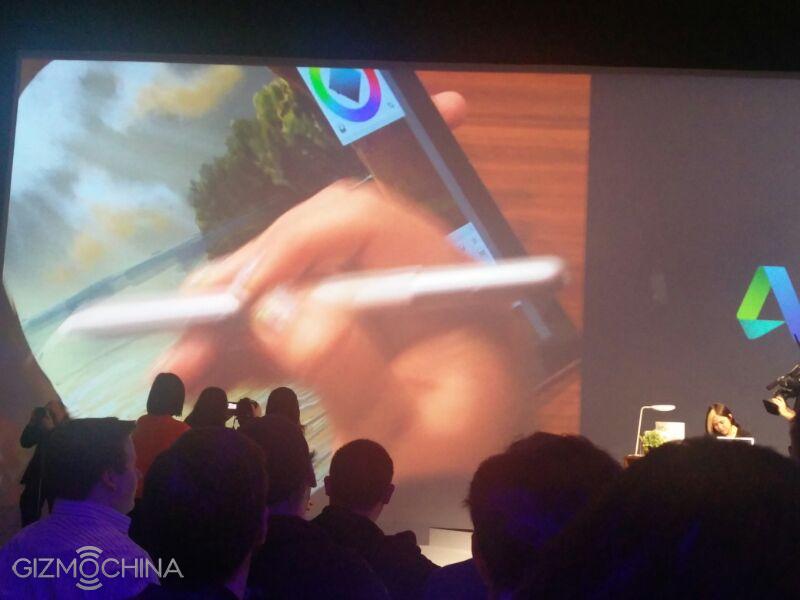
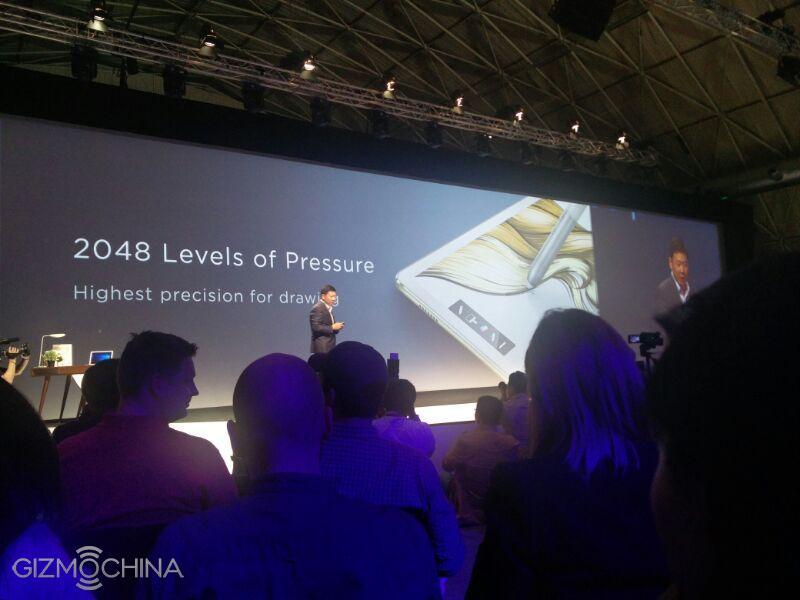
The provided keyboard is ergonomic as well as spill proof. Then, there’s the MatePen Stylus as well, which you can use to draw, or write on the tablet. Huawei adds that the stylus is ideal for drawing since it comes with 2048 levels of pressure. Since the notebook is aimed at business professionals, the MatepPen comes with a laser pointer and presentation clicker as well. It’s powered by a battery which gives up to a month of usage in just one hour of charging.
I know this has been a long article, but it covers basically everything about the device. Now, coming to the most important part of the event, i.e. the pricing. The Huawei Matebook 2 in 1 will start at $699 (799 Euros) for the Core M3 model with 4GB RAM and 128GB SSD variant and will go up to $1599 (1799 Euros) for the Core M7 With 8GB RAM and 512GB SSD.
So this was all about the Matebook 2 in 1 from Huawei. What do you think?
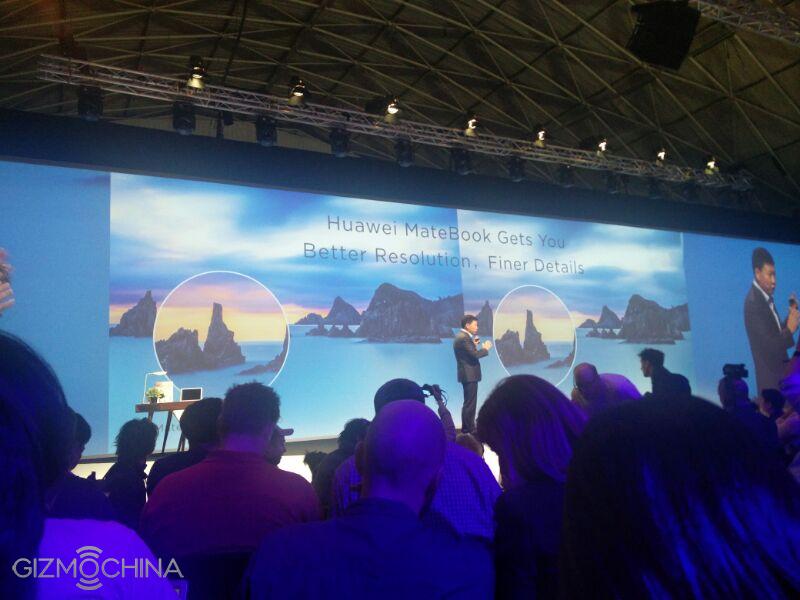
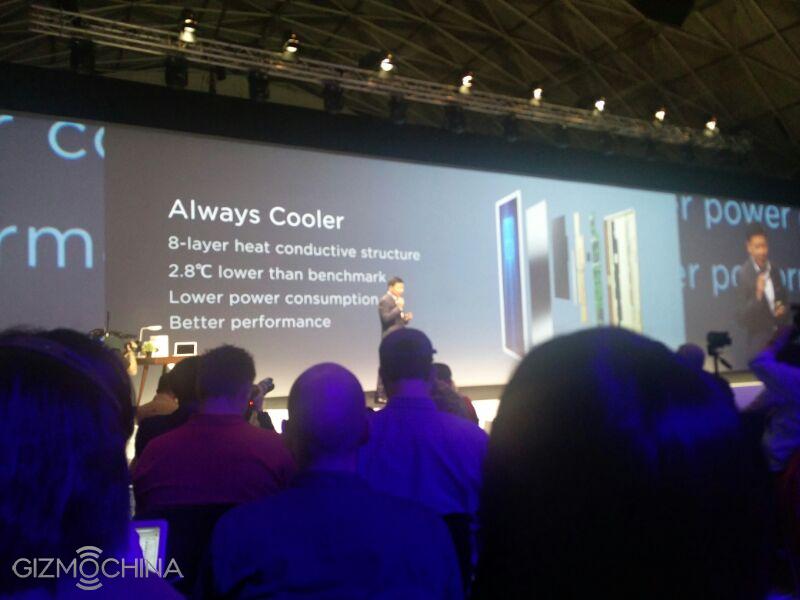
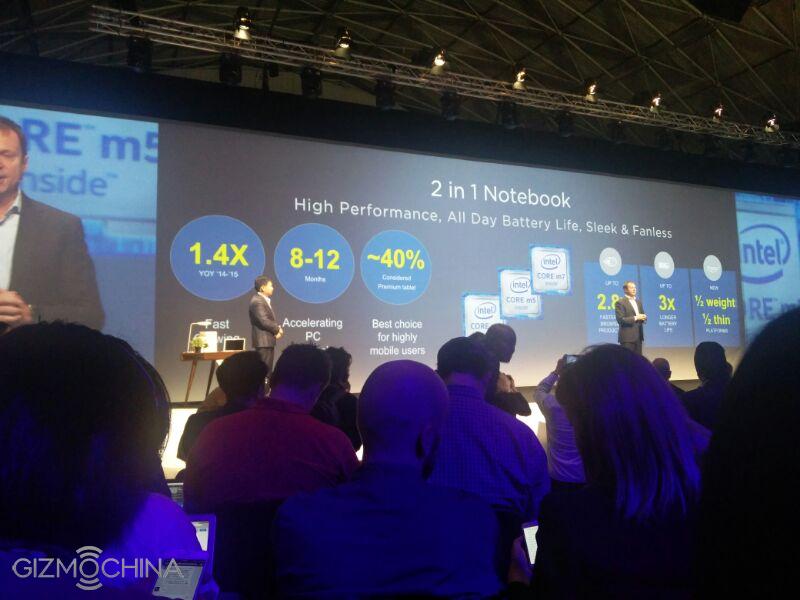
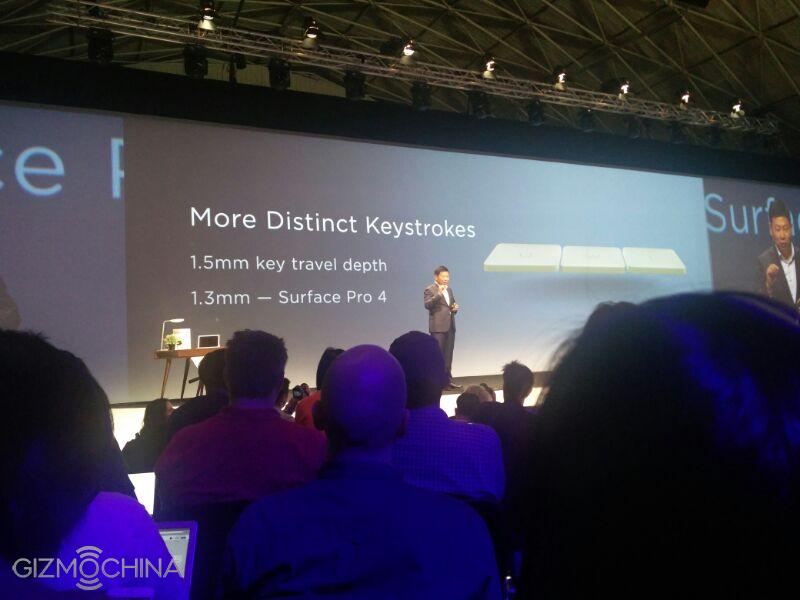
In case, you are a bit more curious about the conference, here are some photos of the Matebook launch event live.
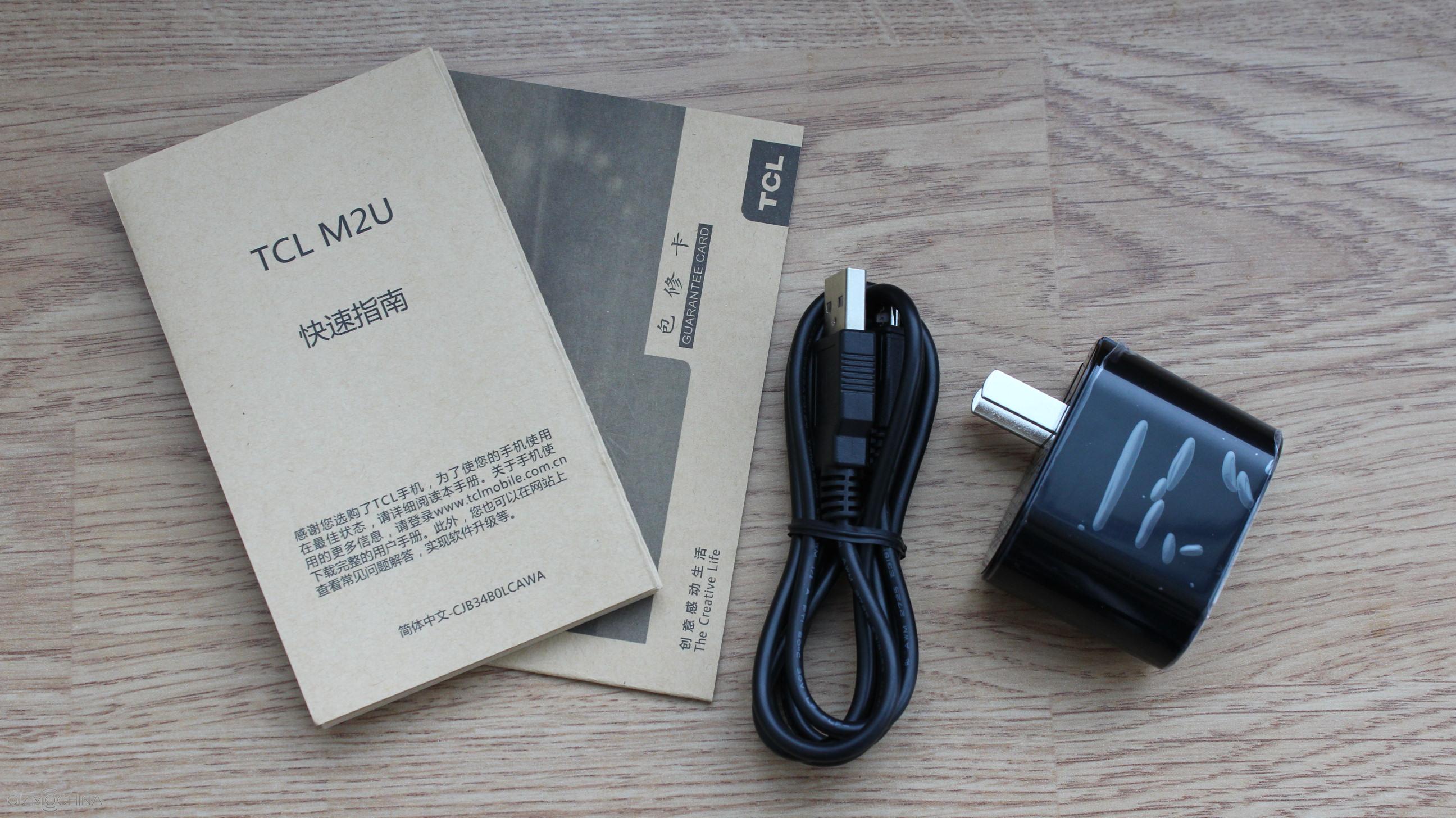
The device comes with the USB cable, charging plug and some documentation.
TCL M2U Review: DESIGN and DISPLAY
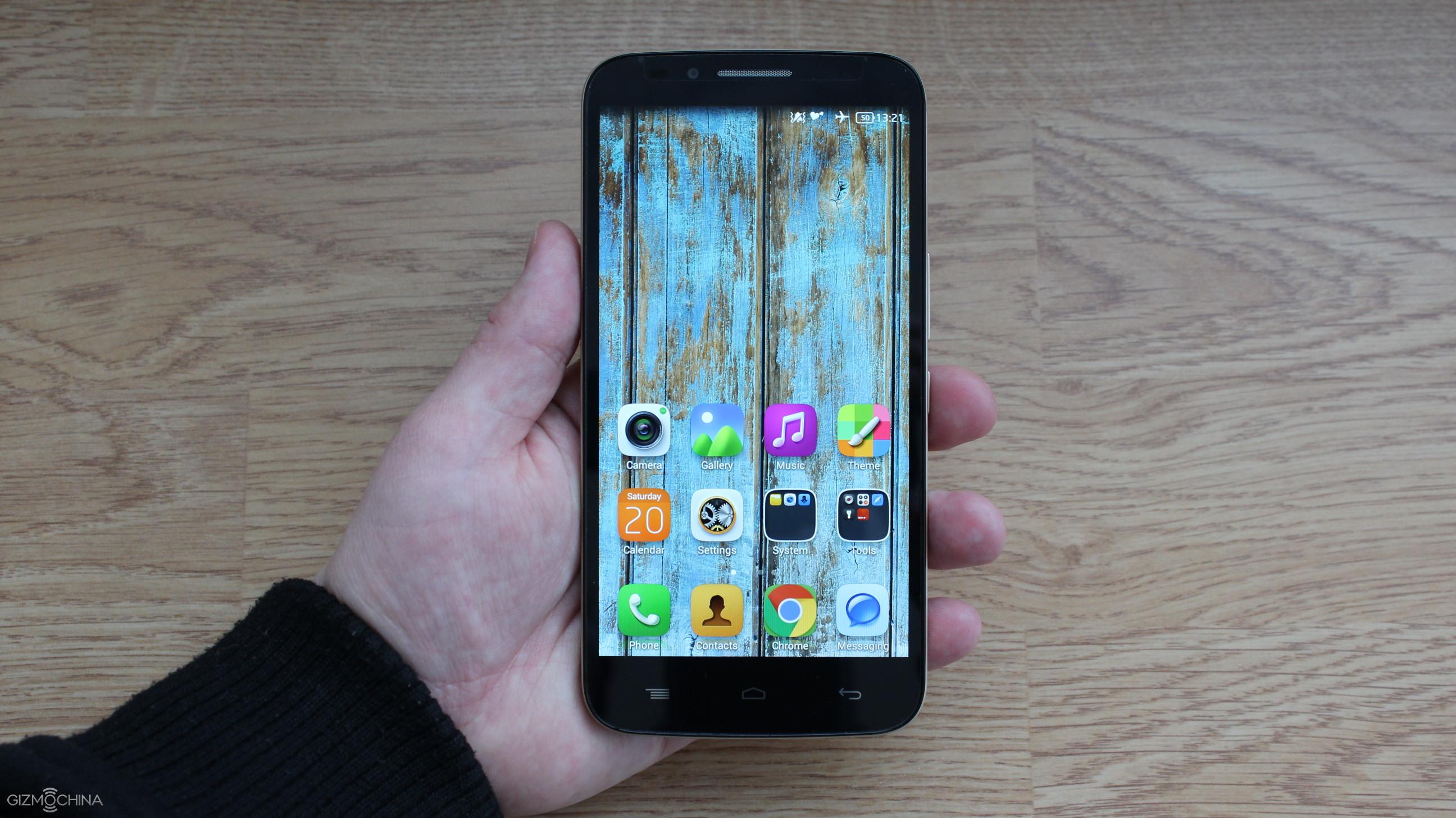
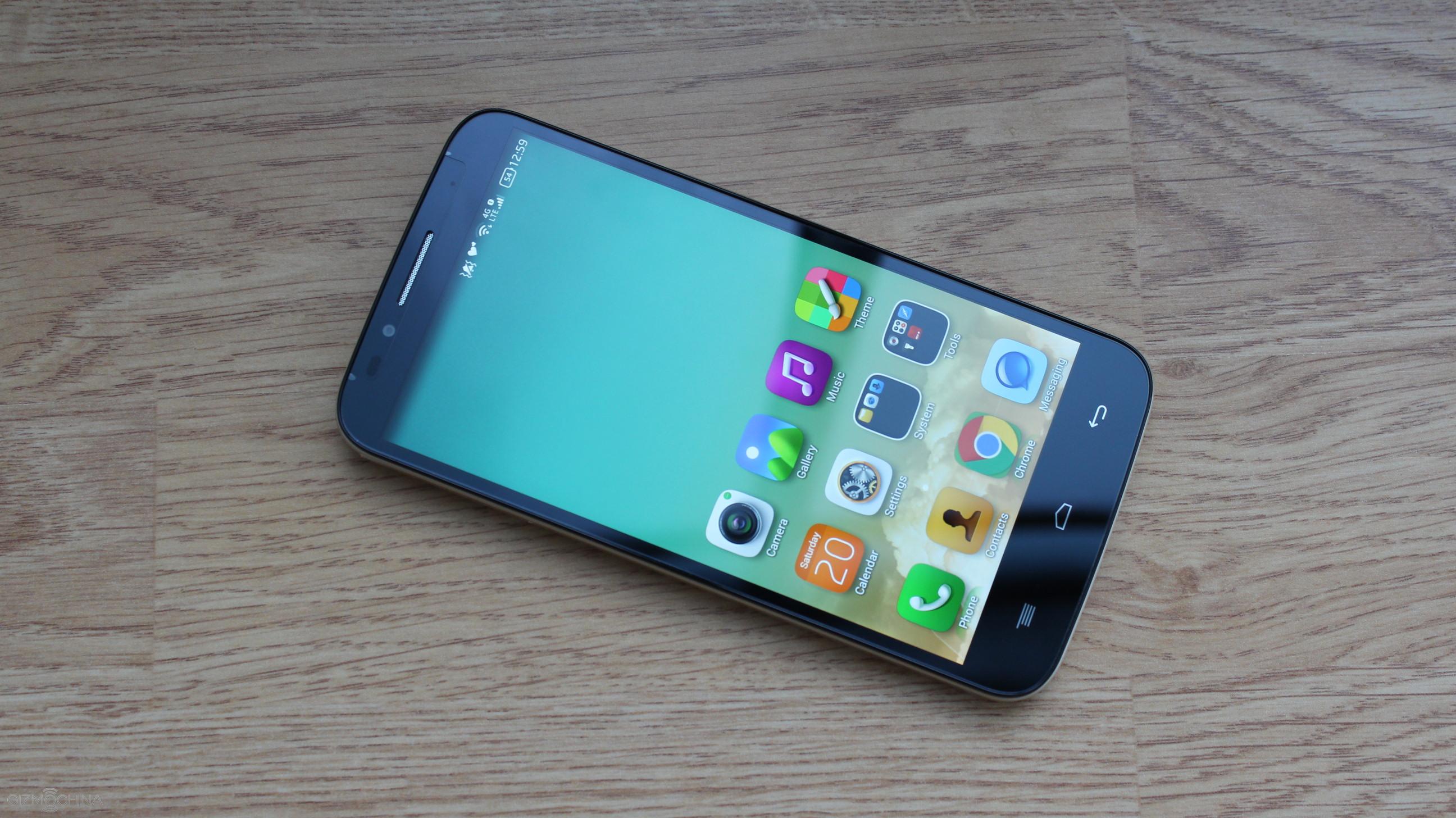
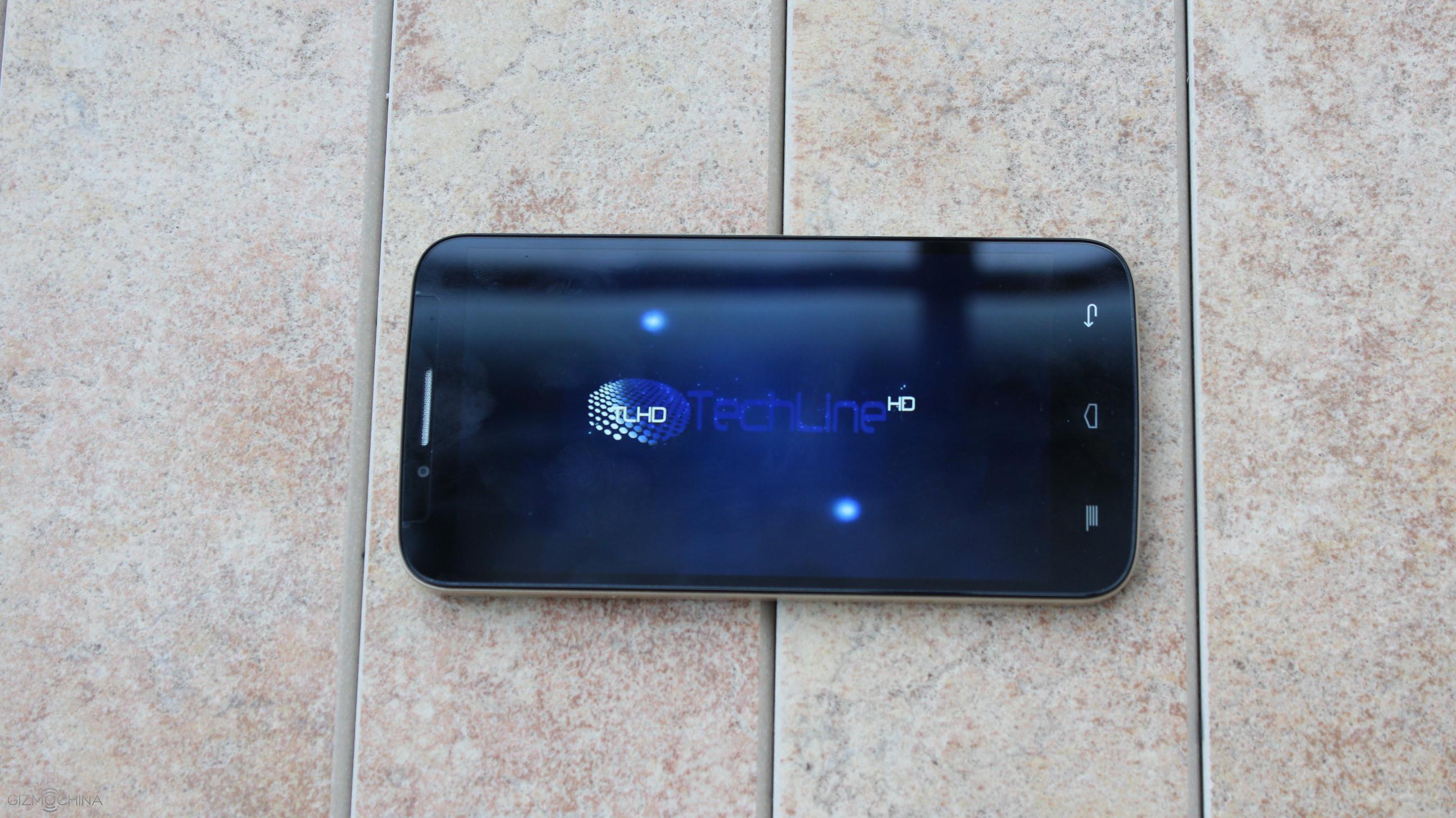
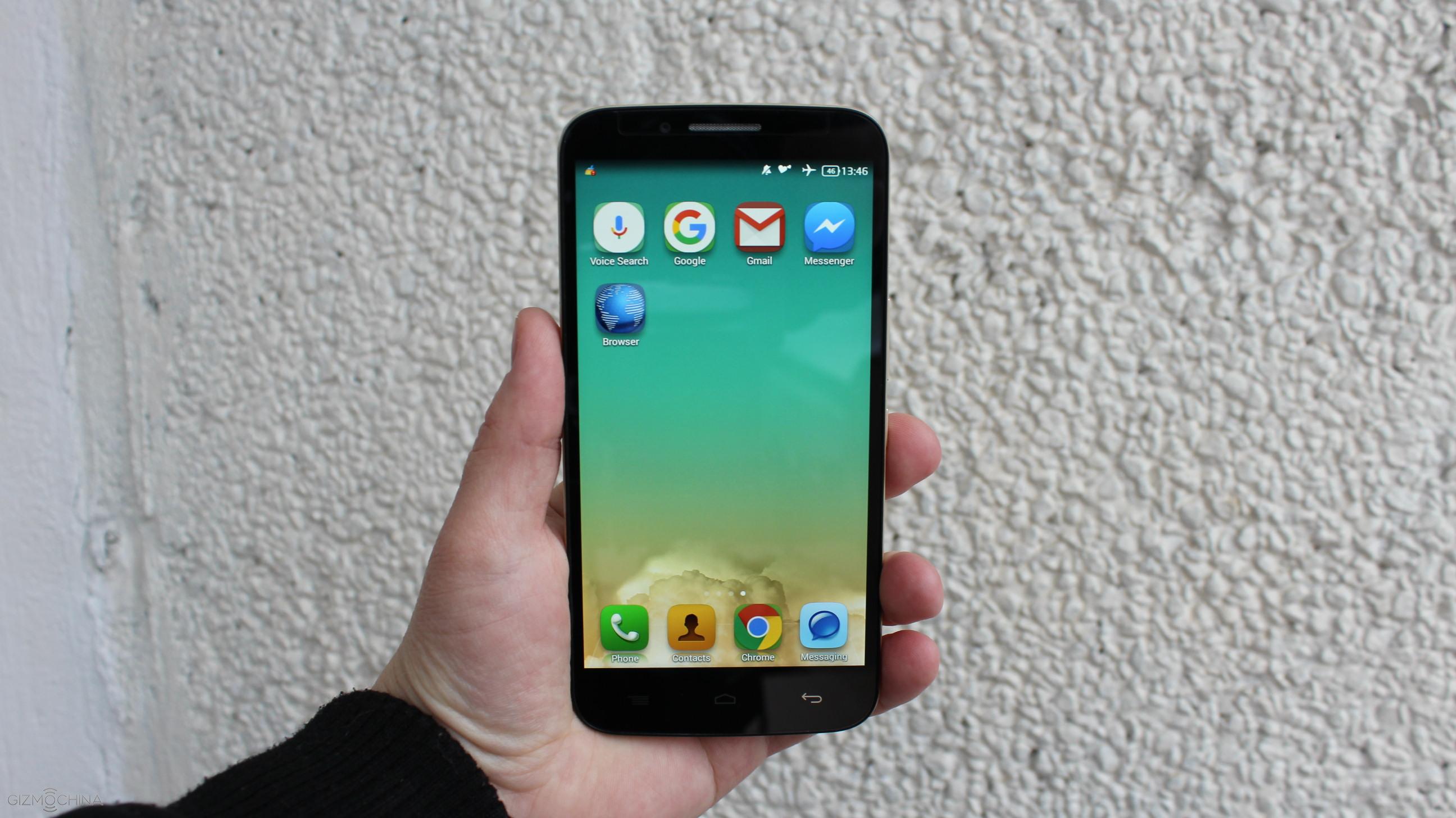
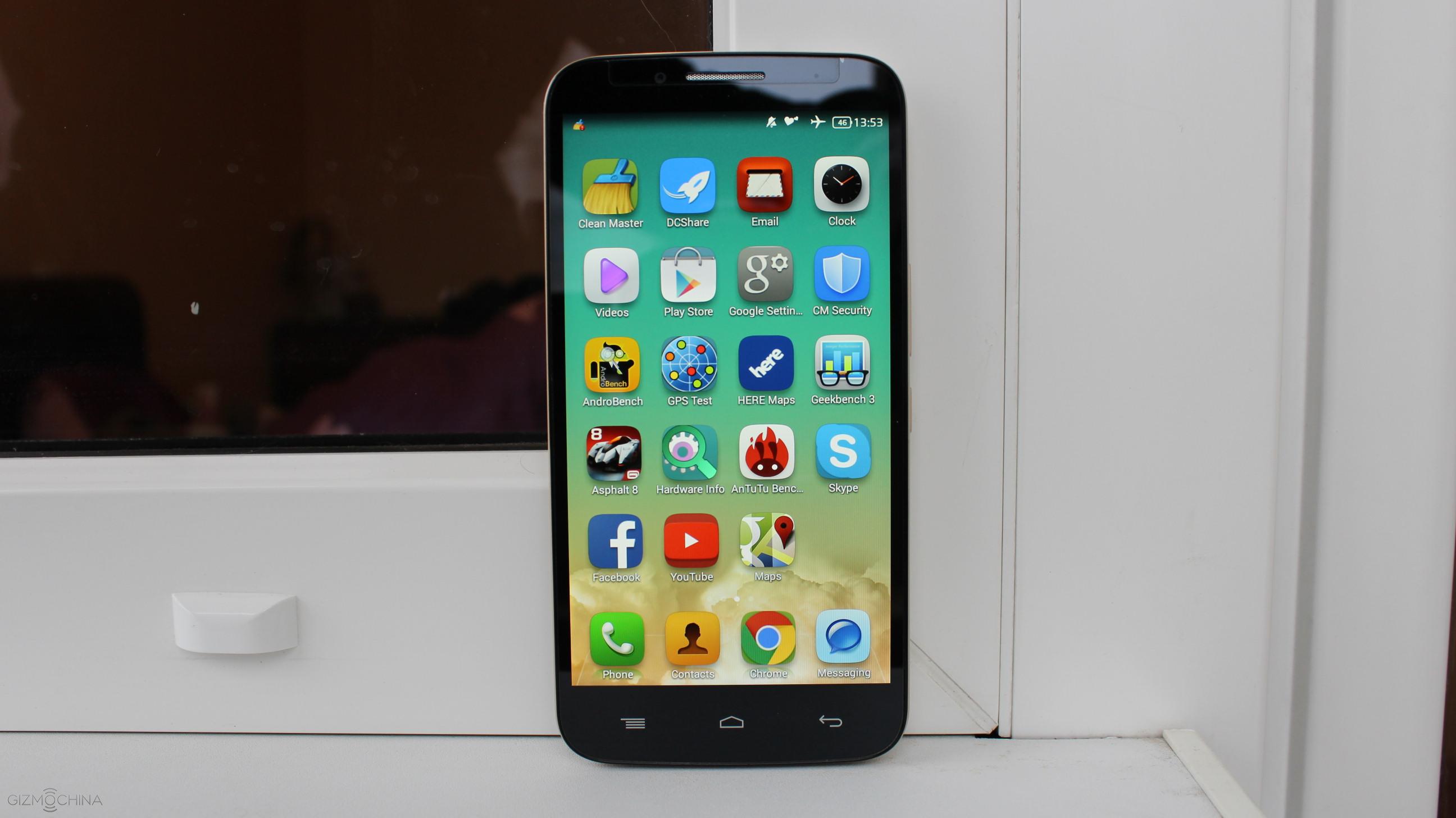
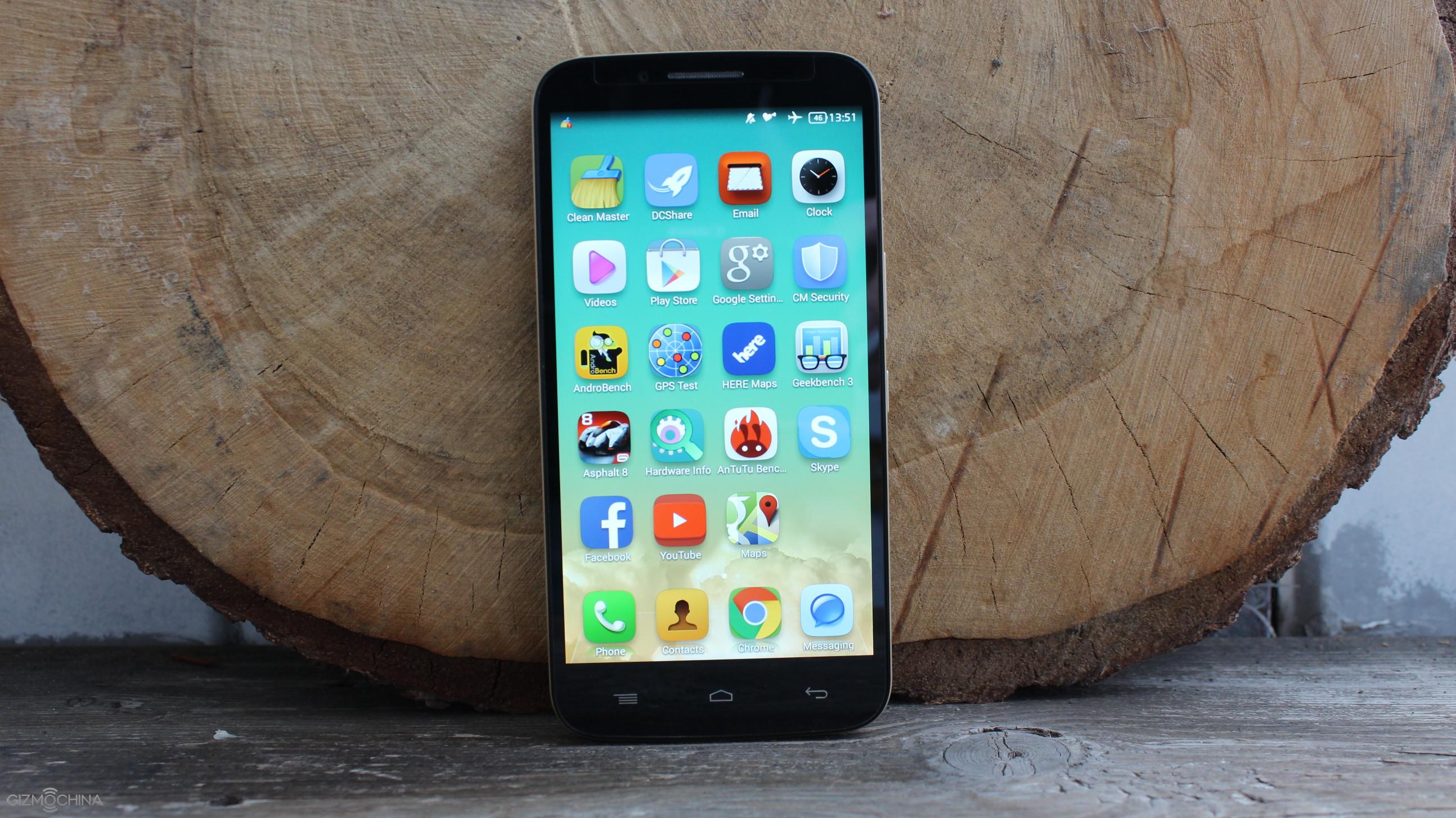
TCL M2U is not a small device as it has a 5.5” display, which has only 720p resolution but it is actually not bad.
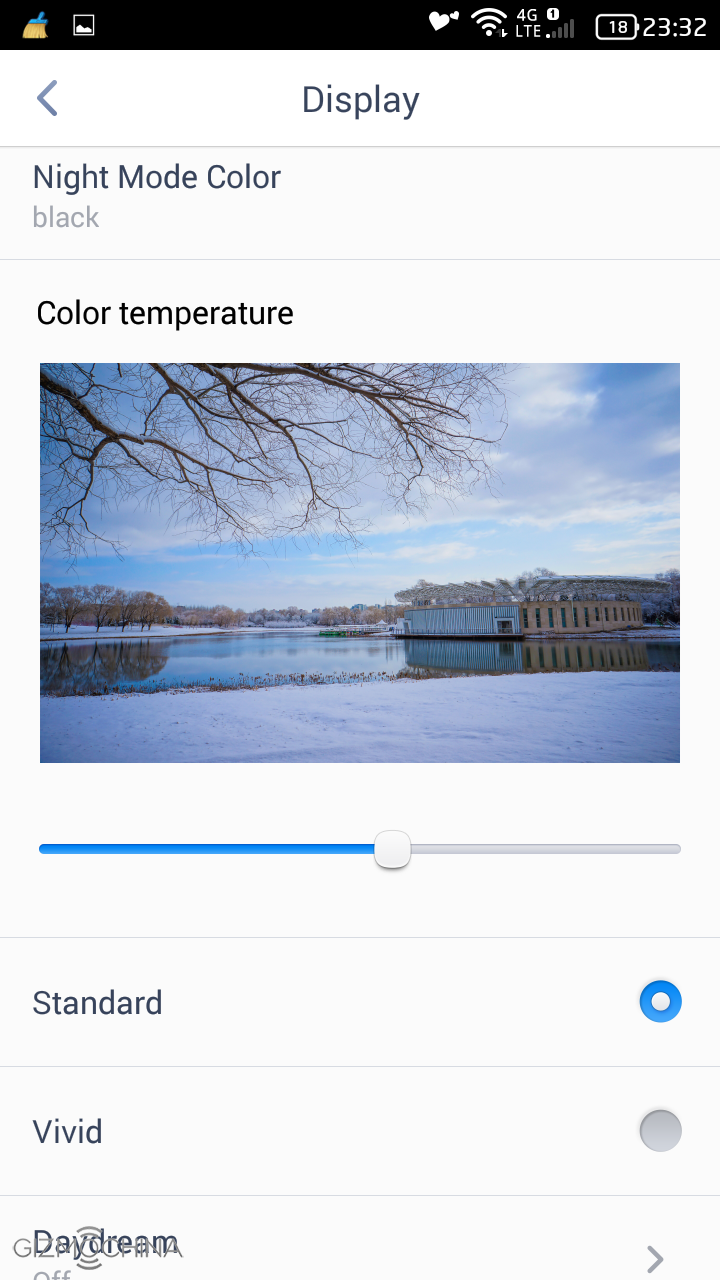
It is not on par with the 1080p panels but the display is quite sharp and bright, and you can also adjust the colour temperature in the settings.
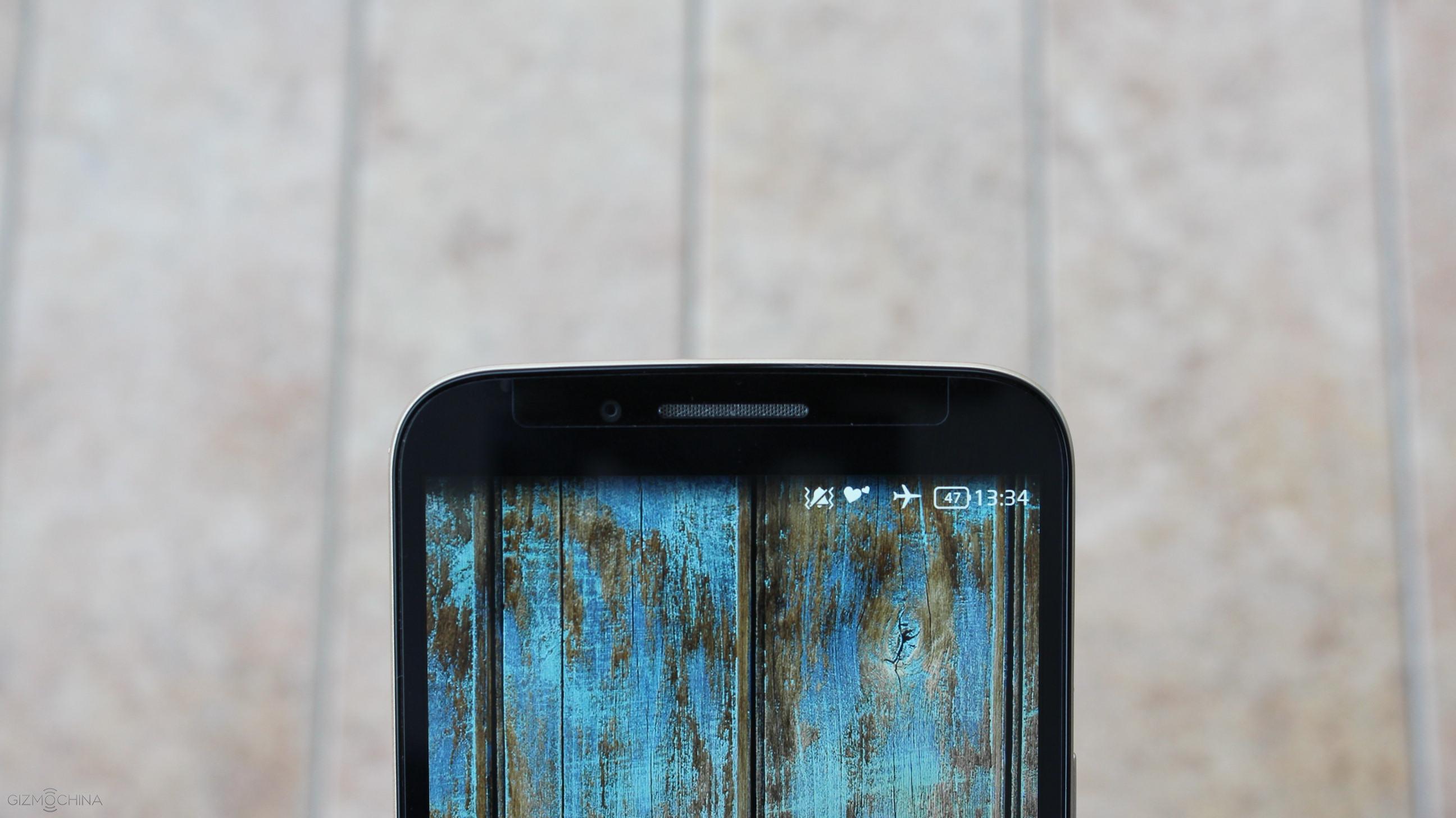
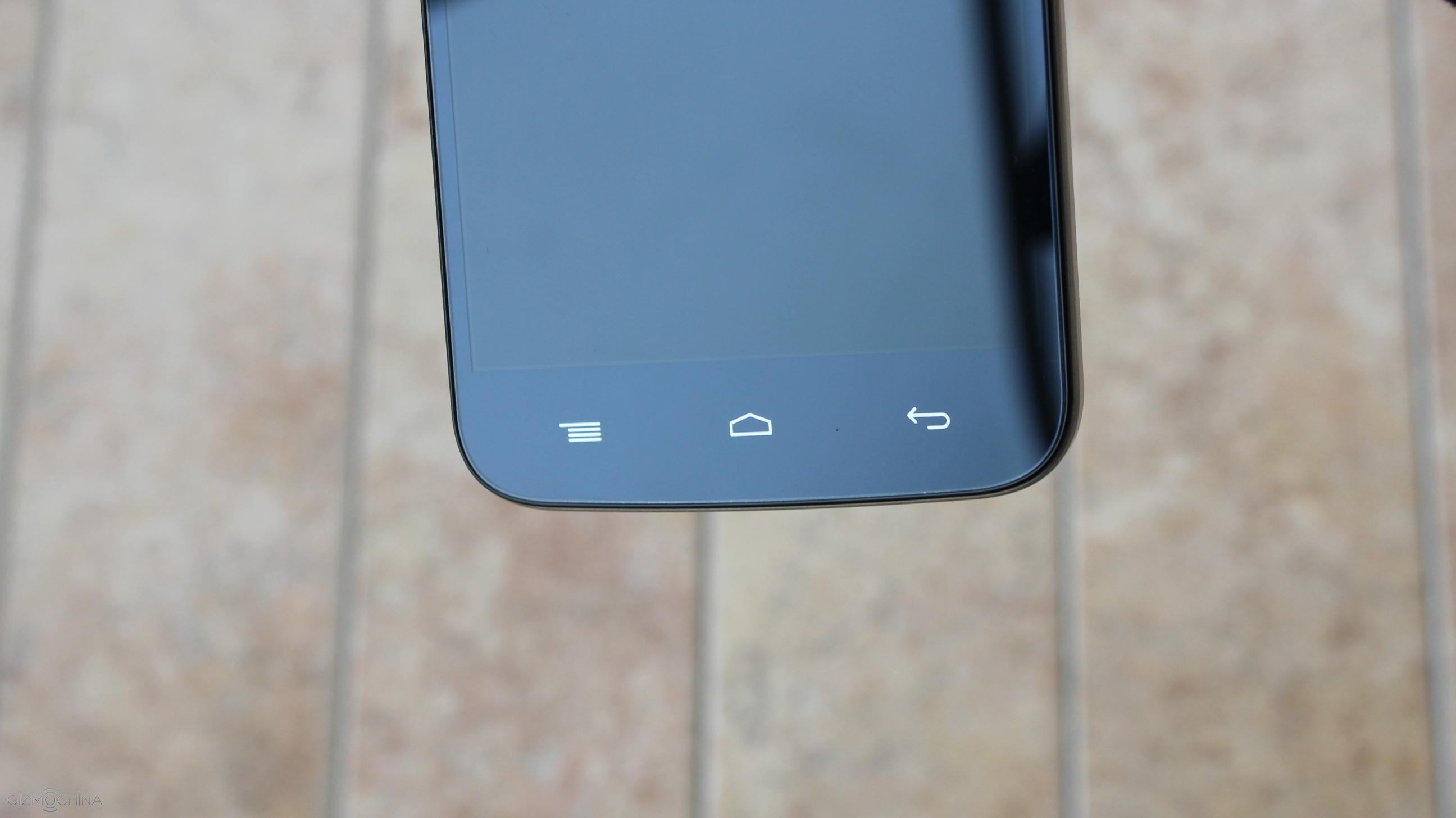
On the front we have an 8MP selfie shooter, some other usual stuff and the capacitive buttons, which, however, do not have a backlight.
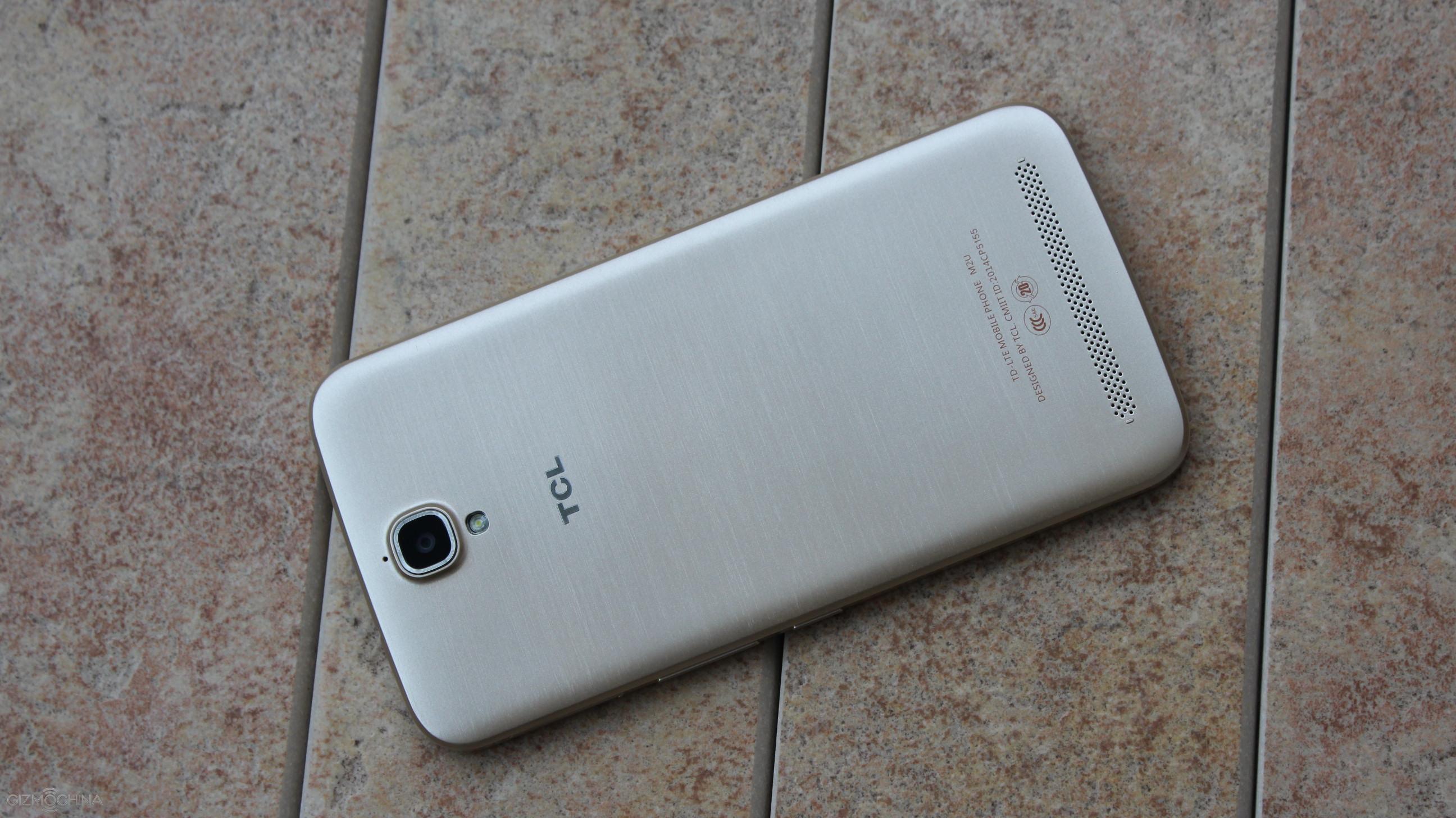
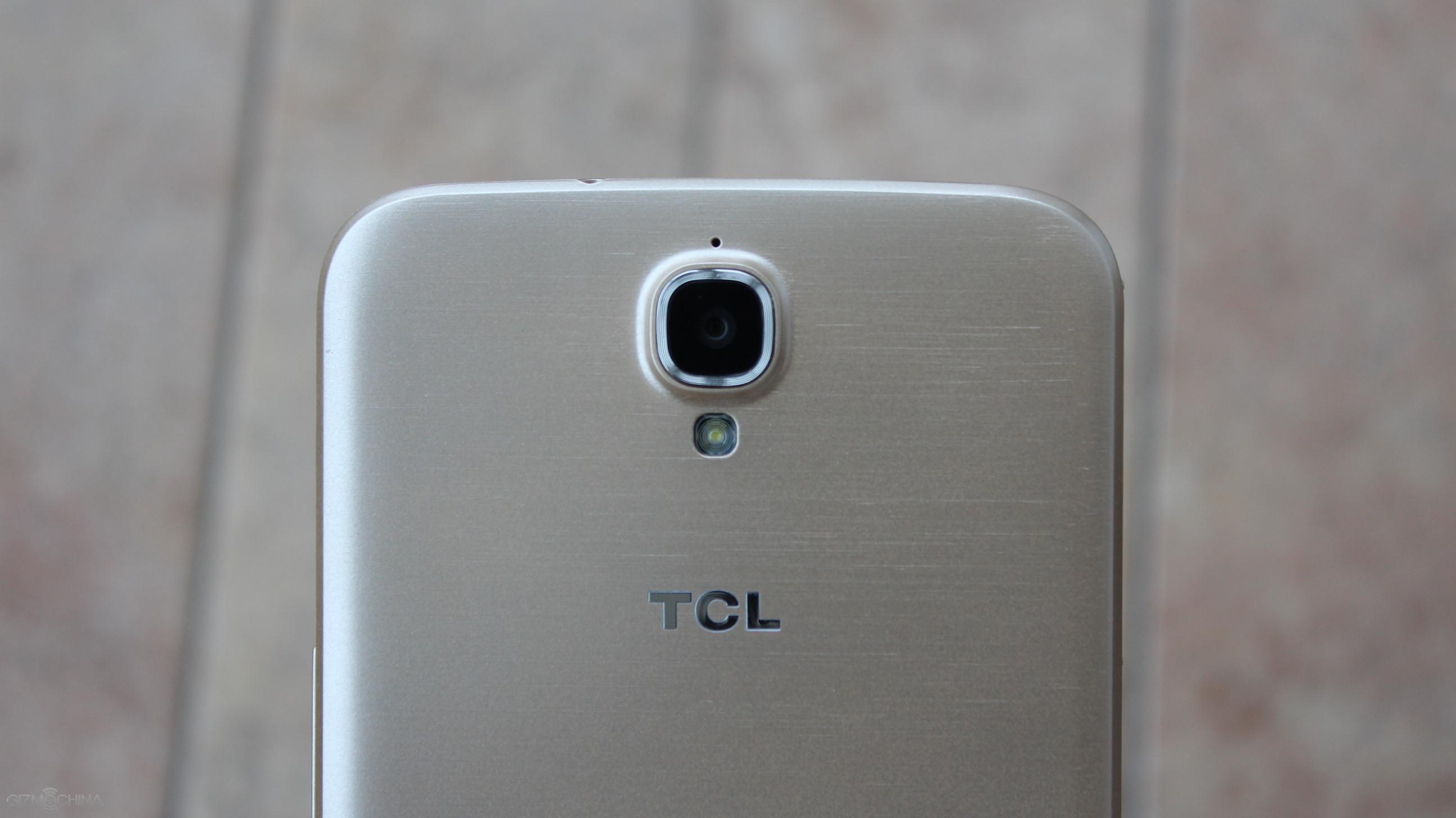
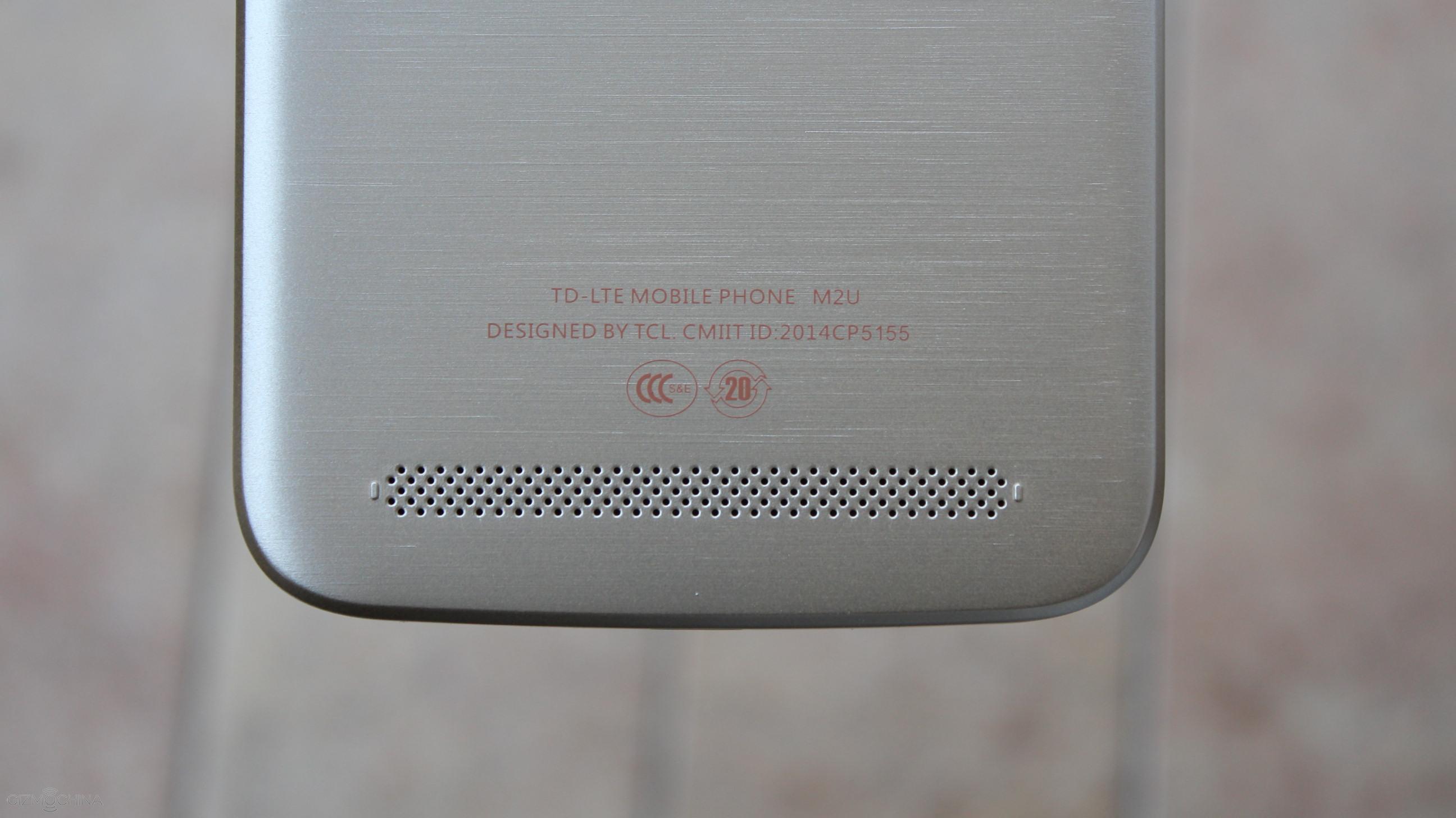
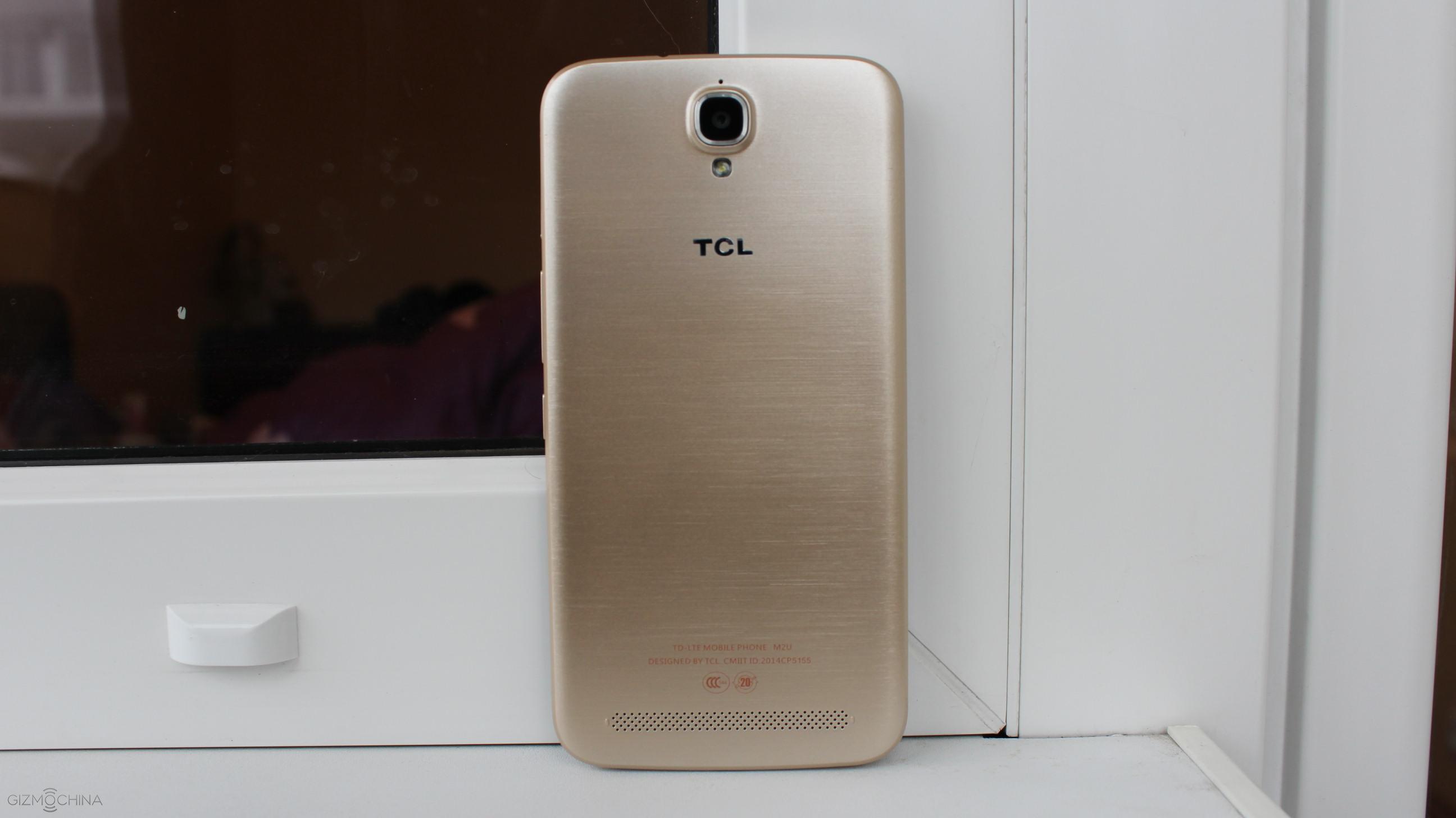
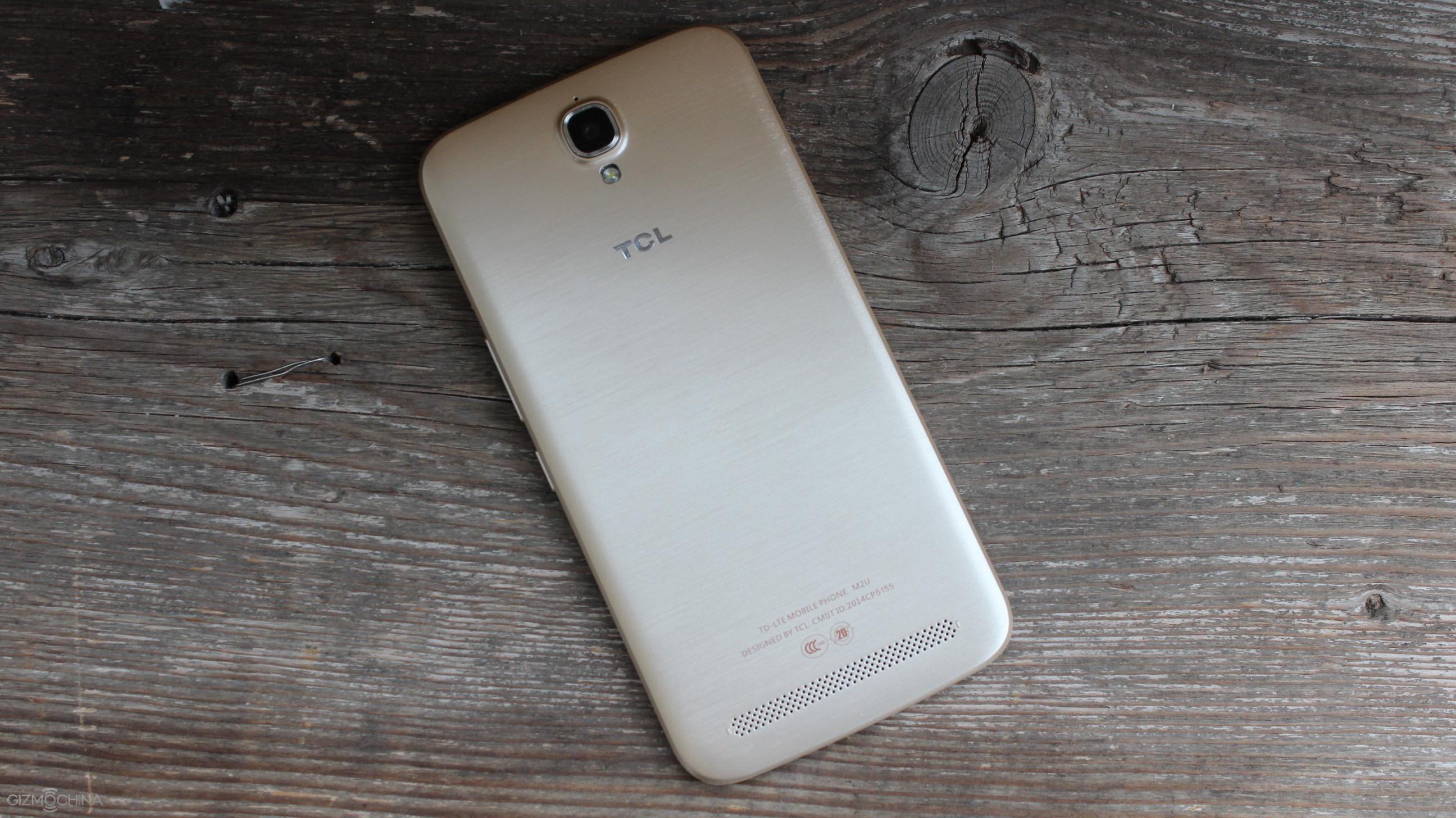
The backplate is non-removable, it is made of plastic and here we have a 13MP camera with a single LED, and the rear-mounted speaker on the bottom.
The buttons are located on the right, they are clicky and tactile.
An interesting thing is that we have 3 slots for each SIM card and the microSD card. That’s actually really convenient as you can easily hot-swap all the cards and you can do it very easily by just simply pushing a little button on the flap.
On the top there is a headset jack and on the bottom you can find your micro USB port, and the mic.
Overall, the phone feels solid and it is well-constructed despite using mainly plastic materials in its design.
TCL M2U Review: UI
When it comes to the UI, we have TCL’s own take on Android but the phone is still rocking outdated 4.4 Kitkat version. A funny thing is that there is no software update feature in the settings menu and I couldn’t find any newer firmware on the Internet. On the other hand, the UI is running fast and fluid and I had just a few minor hiccups.
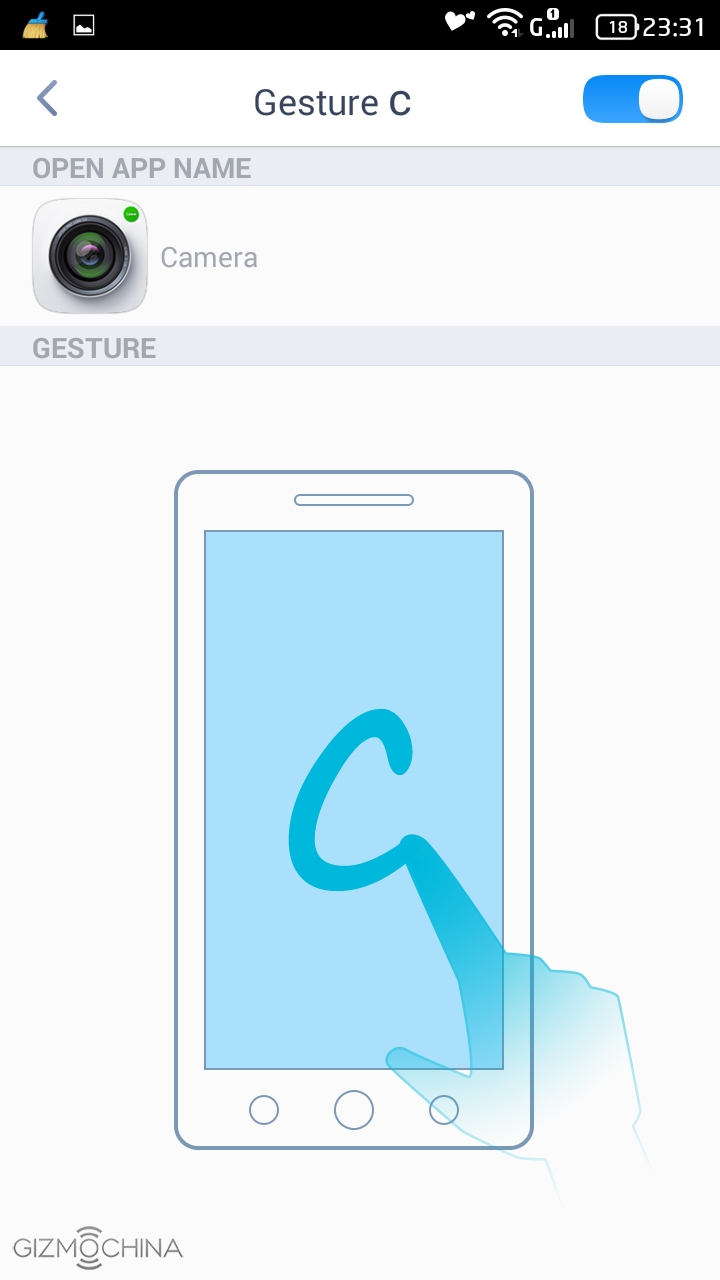
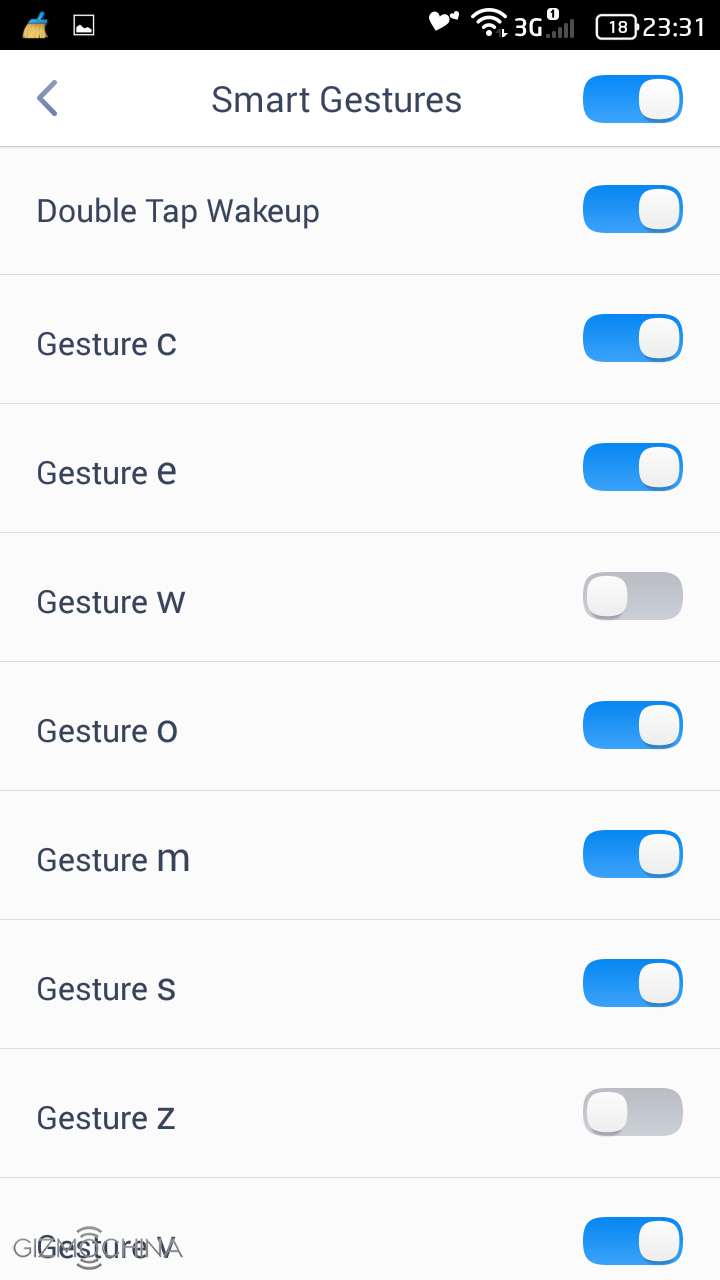
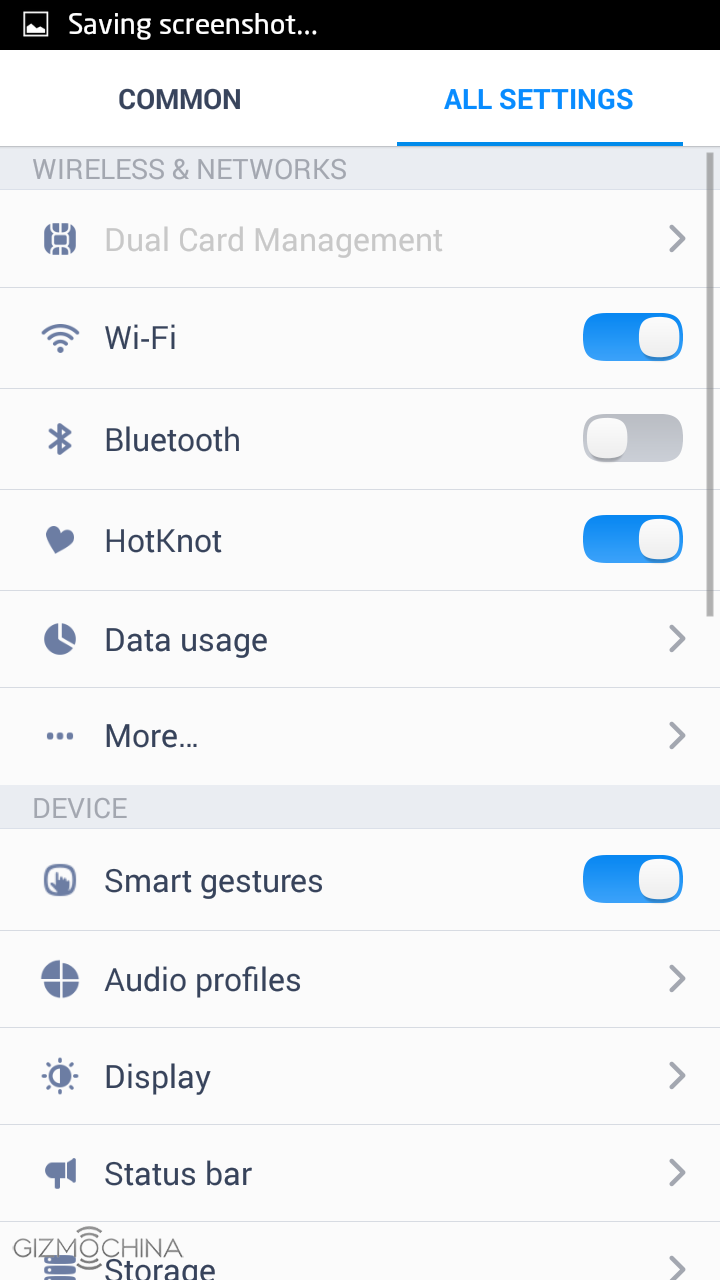
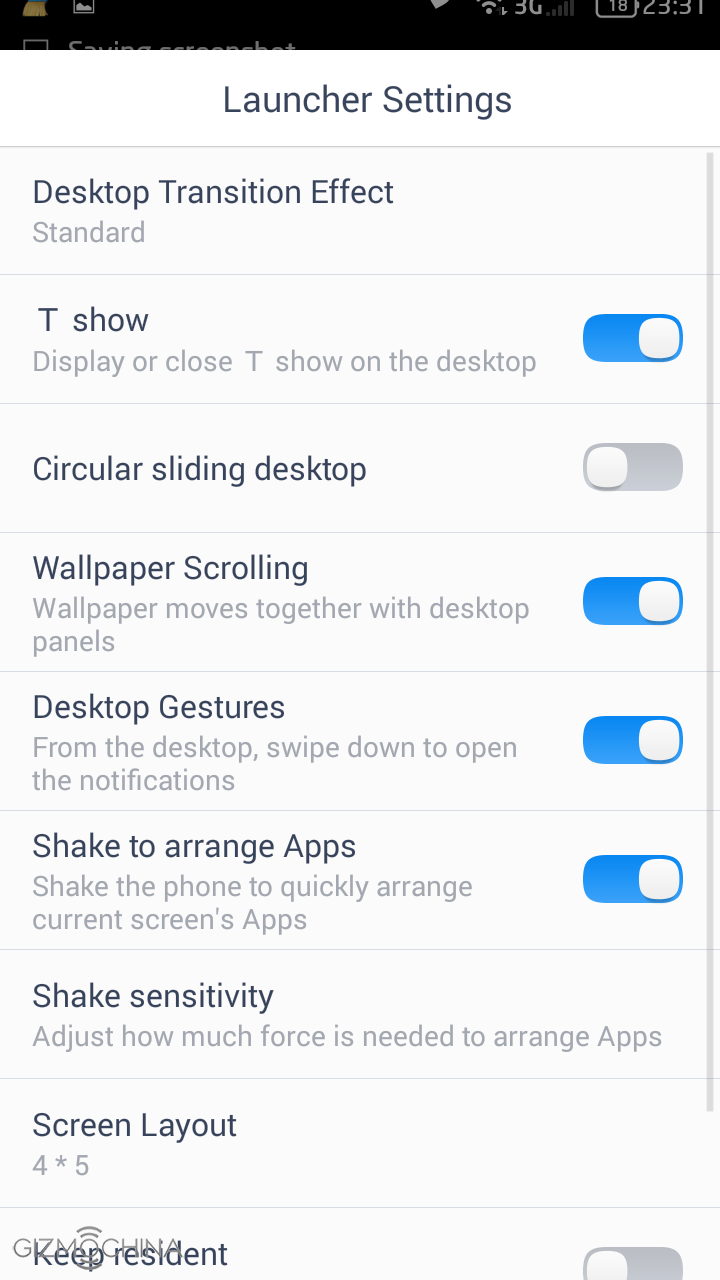
There is no app tray but there are plenty of customisation options and features. Just to name a few, you can shake the device to quickly re-arrange the icons, use and customise plenty of gesture controls, which are actually working fine; customise quick toggles and so on.
Overall, the UI is fast and responsive but the thing that the phone is still rocking Android 4.4 is kind of disappointing.
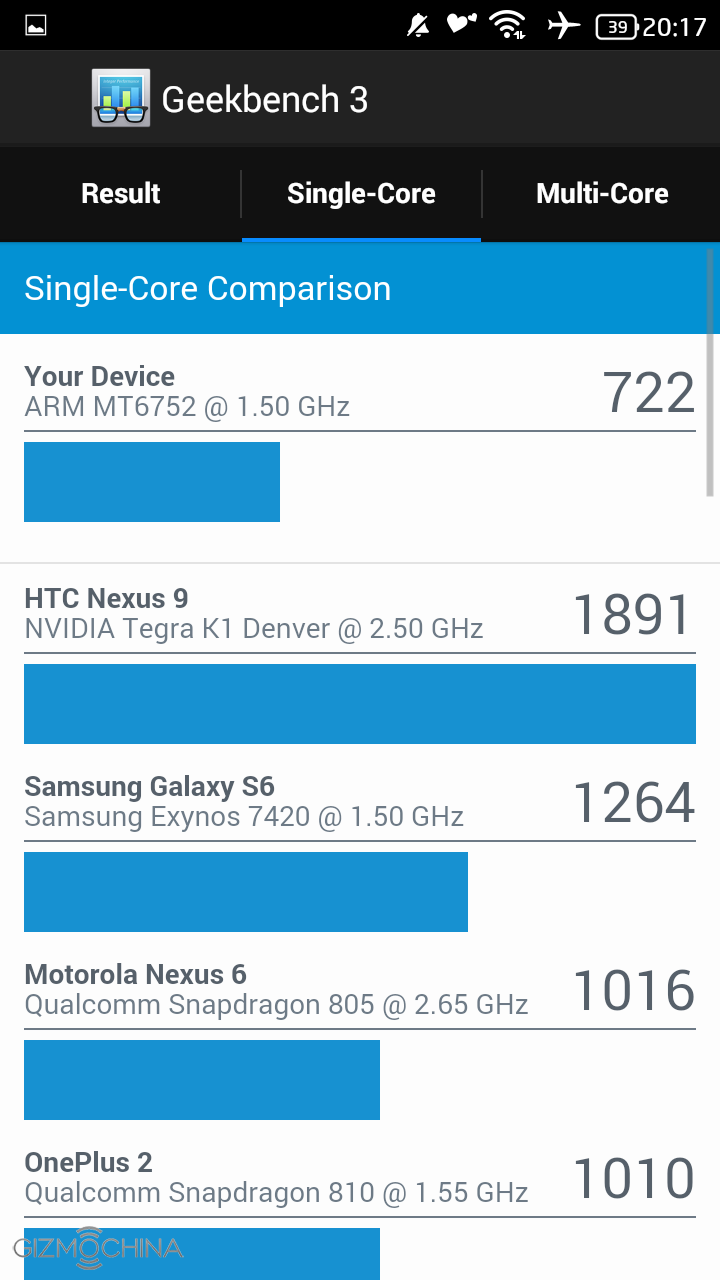
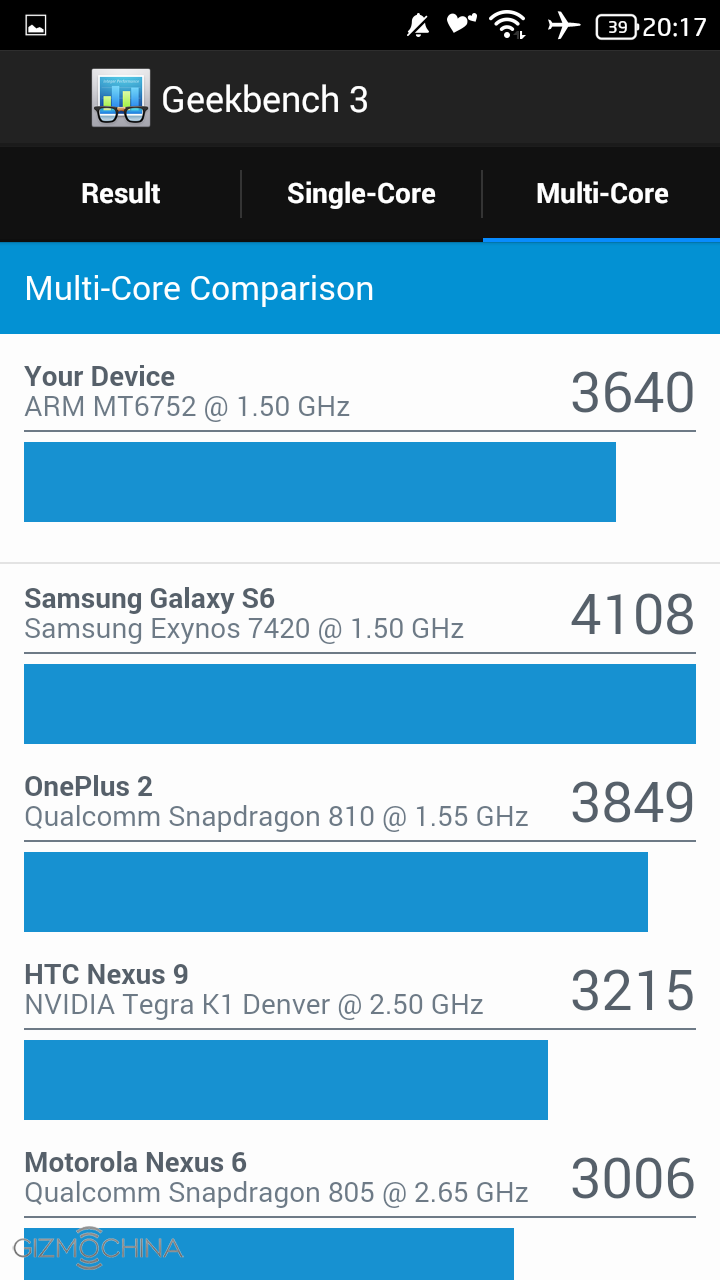
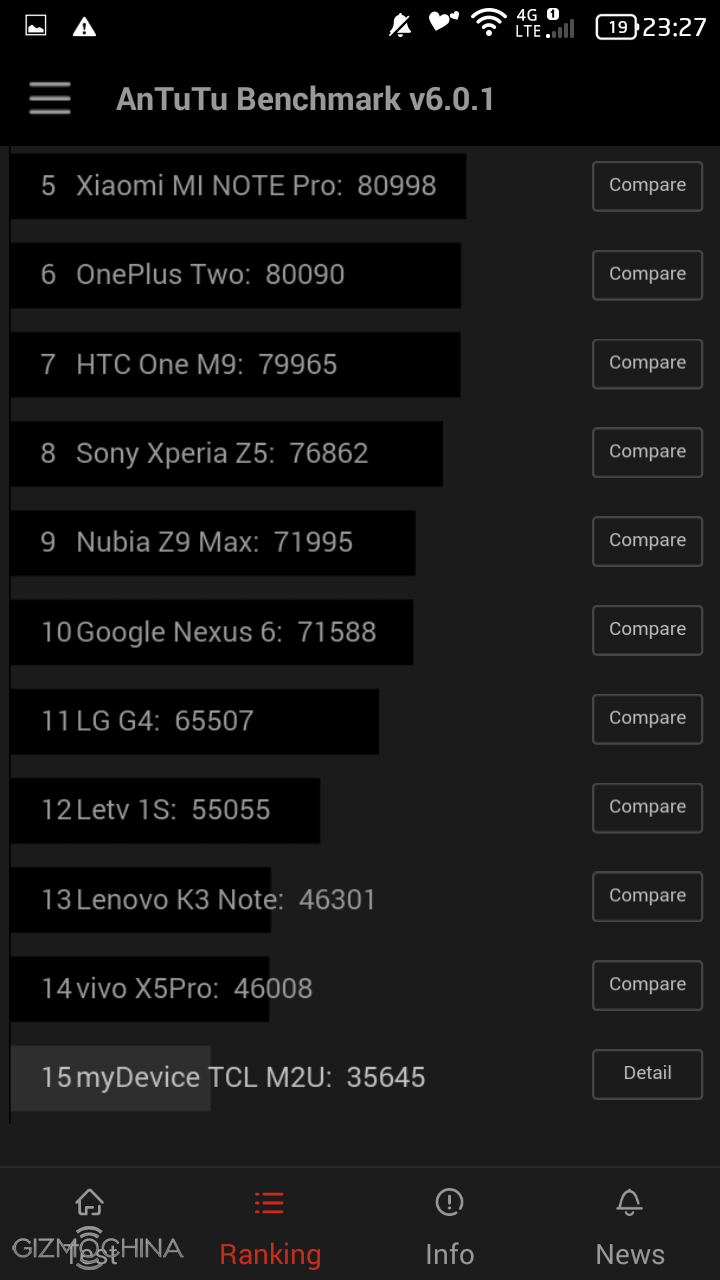
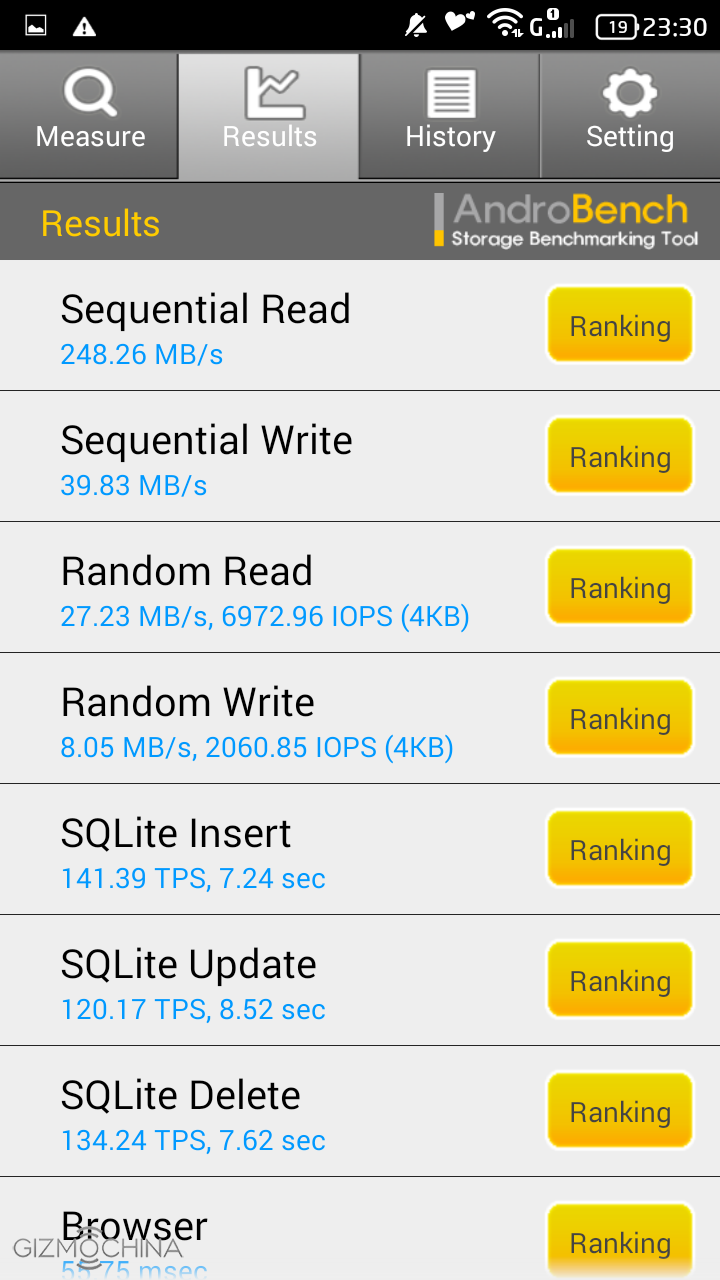
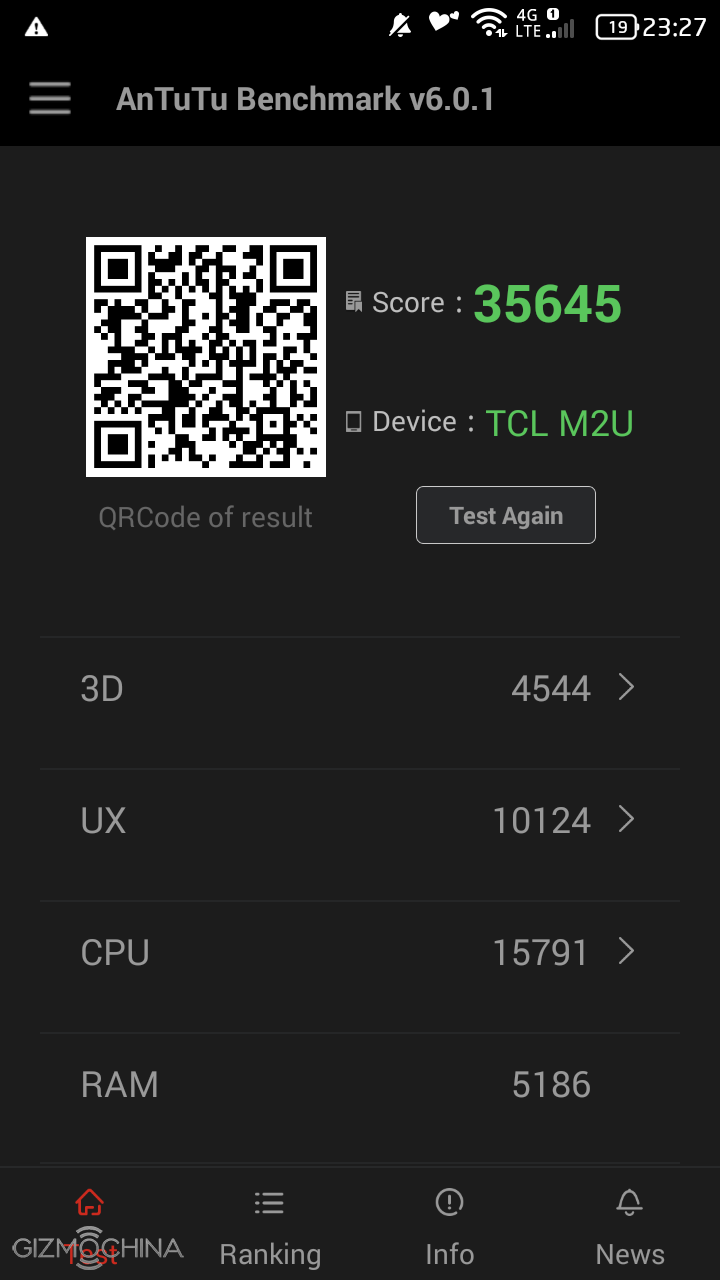
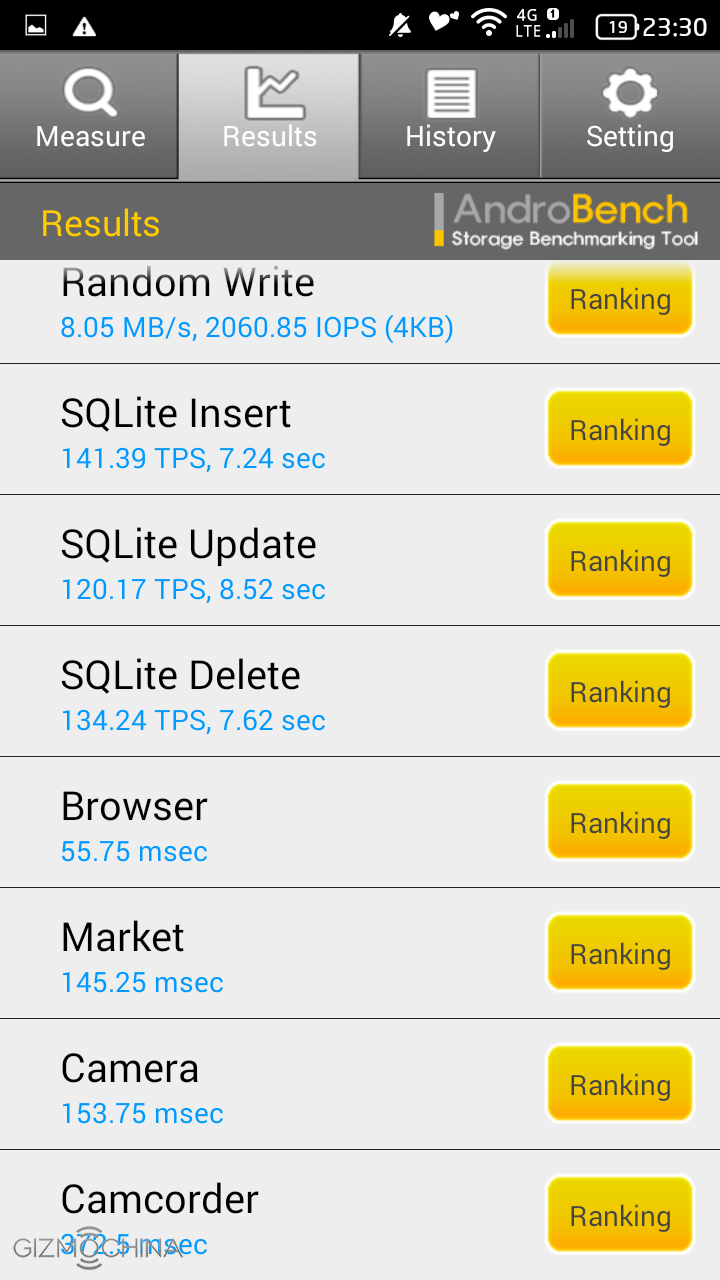
TCL M2U Review: BENCHMARKS
TCL M2U Review: HARDWARE and PERFORMANCE
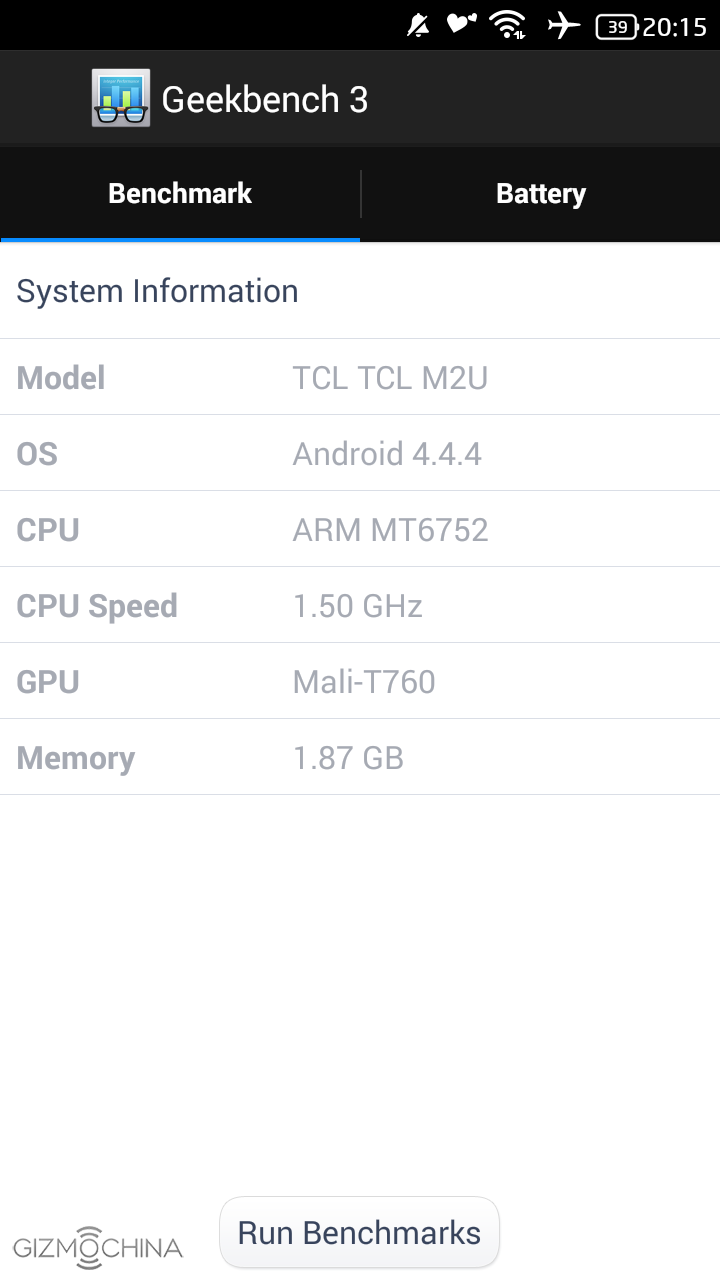
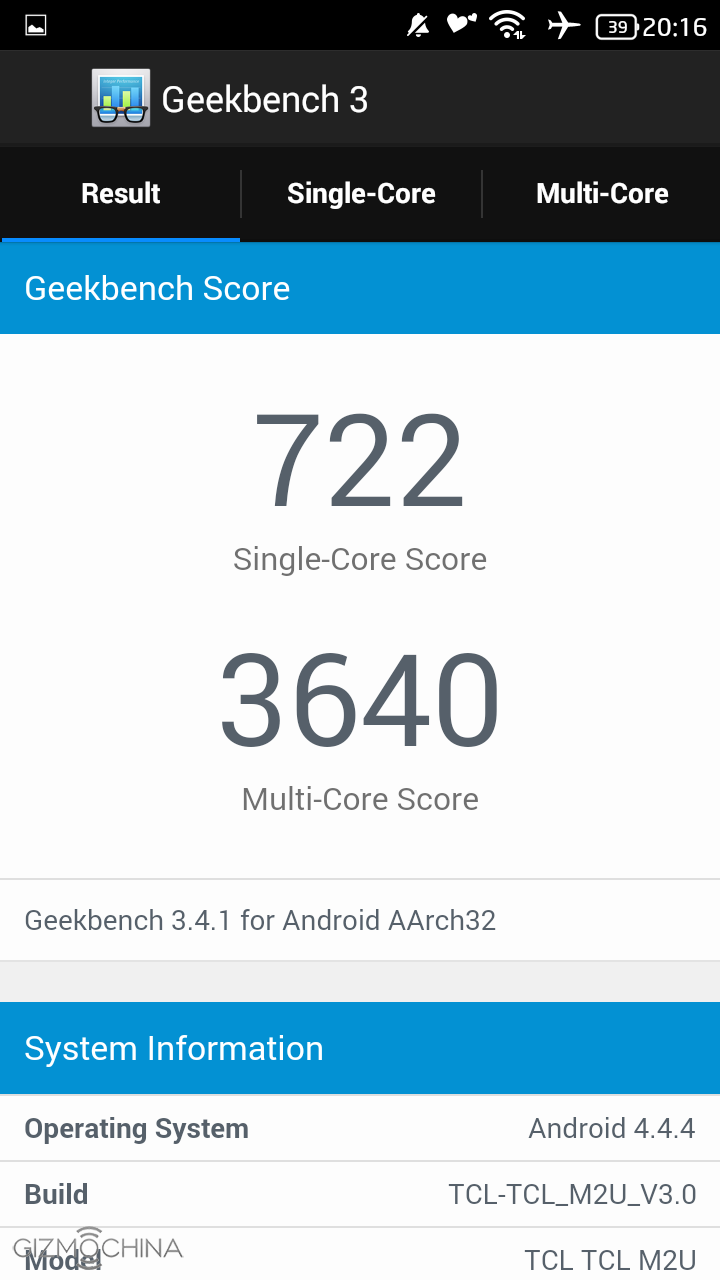
TCL M2U rocks a quad-core MTK6752M chip with the clock speeds of up to 1.5GHz, 2GB of RAM and 16GB of expandable storage.
Surprisingly, Asphalt 8 runs absolutely fine even on the highest visual settings with just a few skipped frames. Also, the phone does not overheat to uncomfortable levels.
TCL M2U Review: MULTIMEDIA
The sound via earphones is not bad and the loudspeaker is actually pretty good for the price of the phone. It is pretty loud and it has a decent amount of depth in its sound.
TCL M2U Review: CAMERA
1 of 30
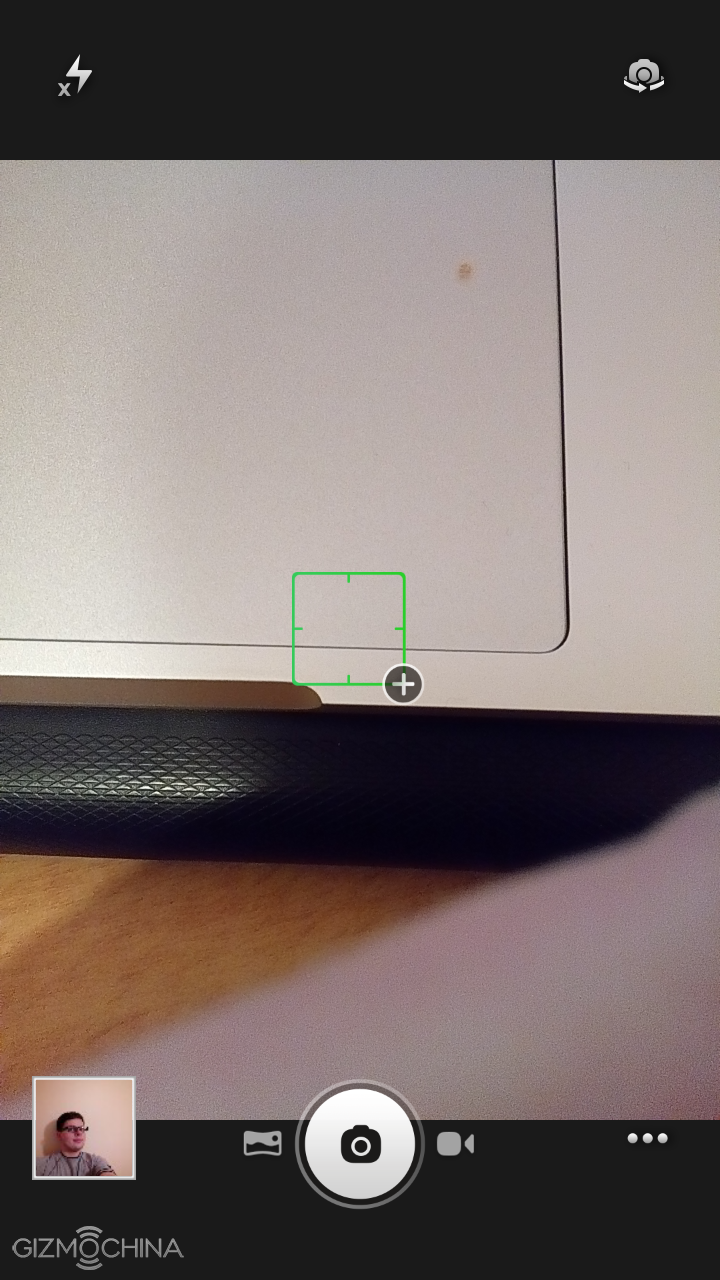
The image quality is not always impressive. While decent looking pictures are possible but most of the shots lack in detail and the noise levels are high.
1 of 11
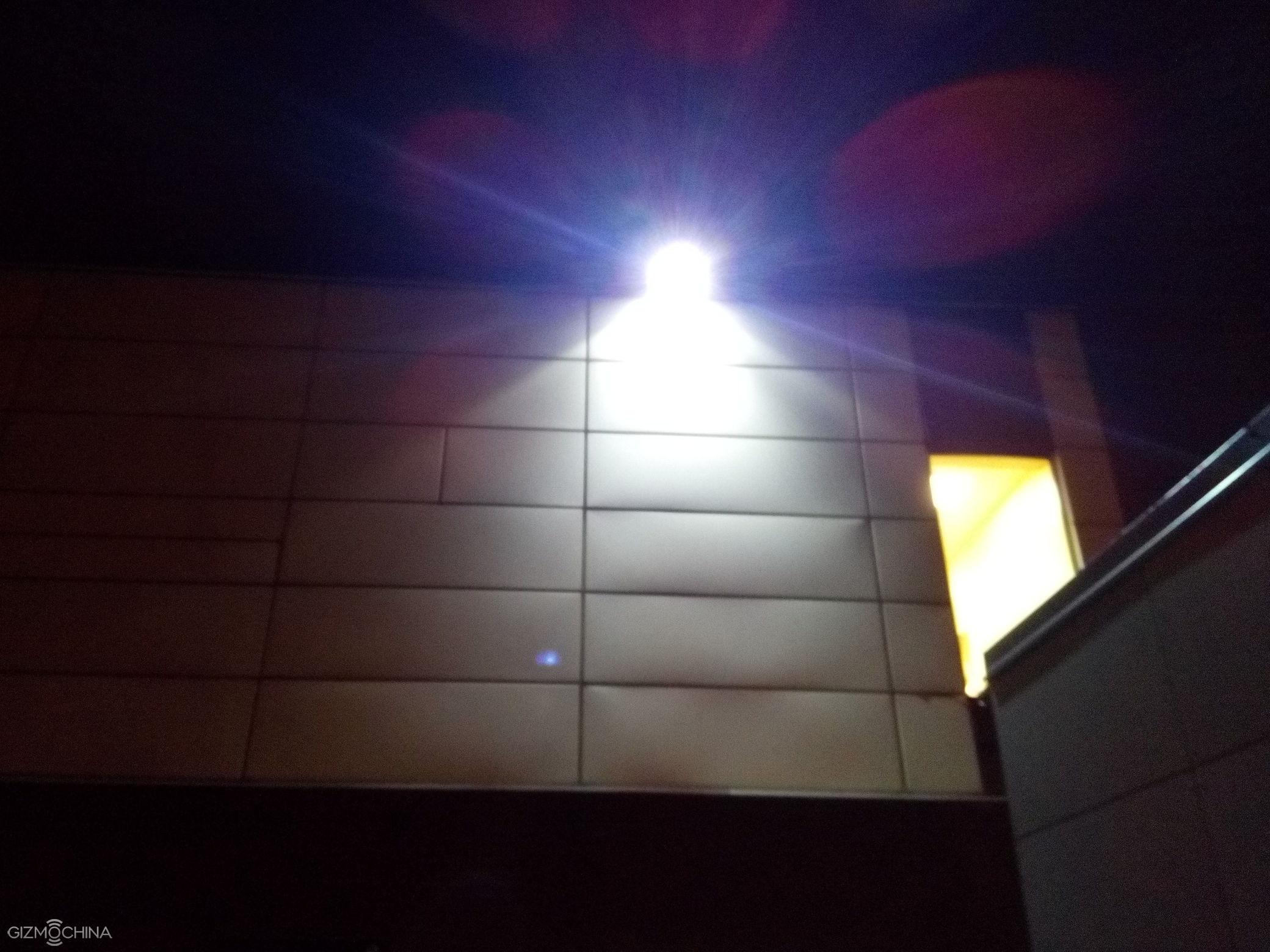
The night shots don’t look spectacular either. The biggest concern is that most of the shots are affected by the purple tint and the level of detail is quite low.
The phone can shoot up to 720P videos and they look just mediocre.
As for selfies, the 8MP shooter will do the trick for social media but the image quality is not very good.
All the connectivity options that include Wifi, Bluetooth and GPS are working fine. Also, the signal reception is excellent and the call quality is good.
TCL M2U Review: BATTERY LIFE
The phone has a generous 3500mAh battery, which is not user replaceable. The performance of the battery is very good. I could get over 5 or even 6 hours of screen-on time on light usage.
TCL M2U Review: CONCLUSIONS
So, here it is, TCL M2U. It was released quite a while ago but it still looks like a decent phone given the current price of under $120.
The phone is well-built, the dedicated slots for each SIM and microSD card are really convenient, user interface is fast, the performance and the battery life are great.
However, the image and video quality are not really impressive and the phone is still rocking the outdated Android 4.4 and there is almost zero chances of getting a software update.
All in all, TCL M2U is a decent phone for the price as it does most of the things well. However, make sure to take the shortcomings into consideration.
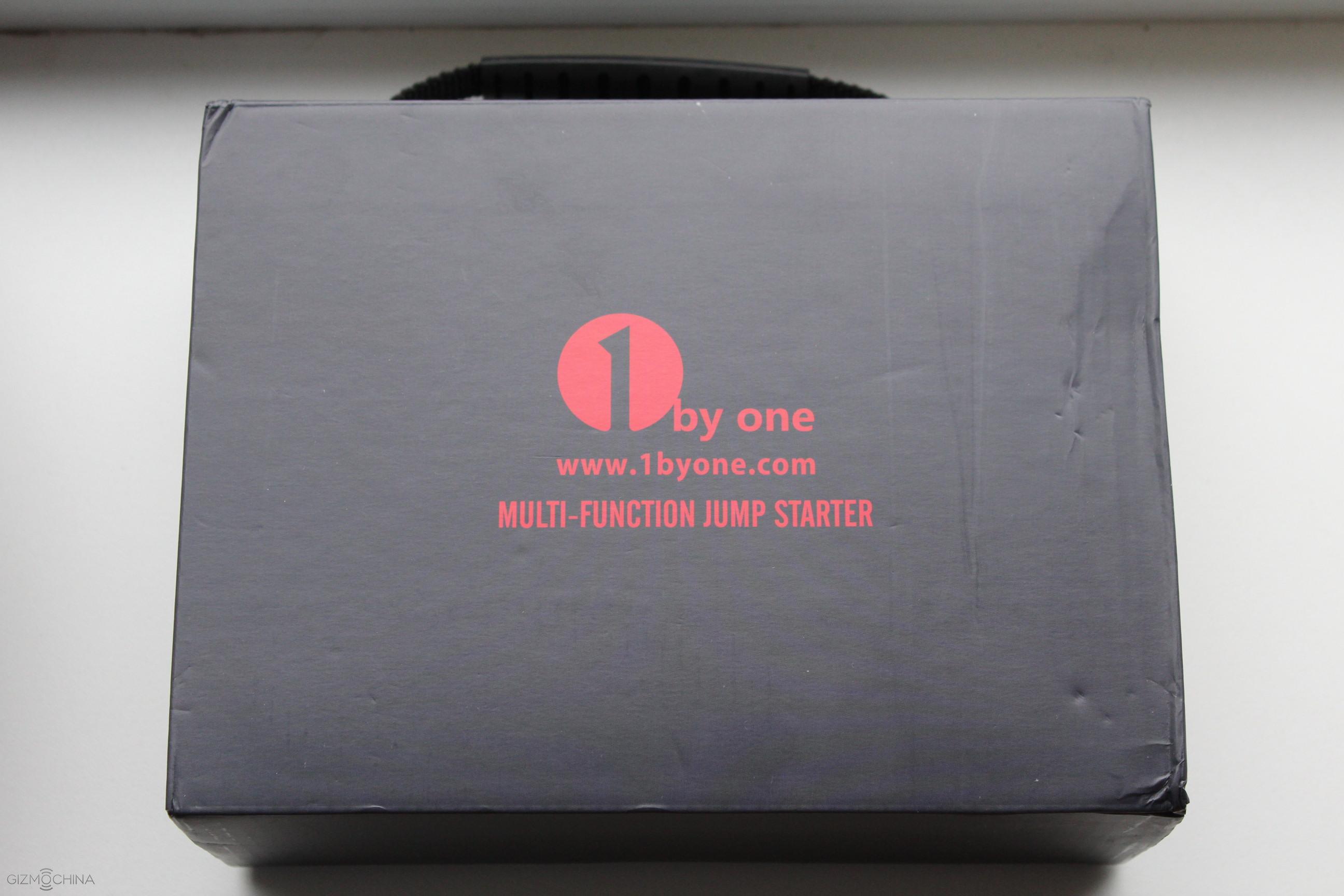
The device comes in a really neat and high quality suitcase where all the items are packed neatly.
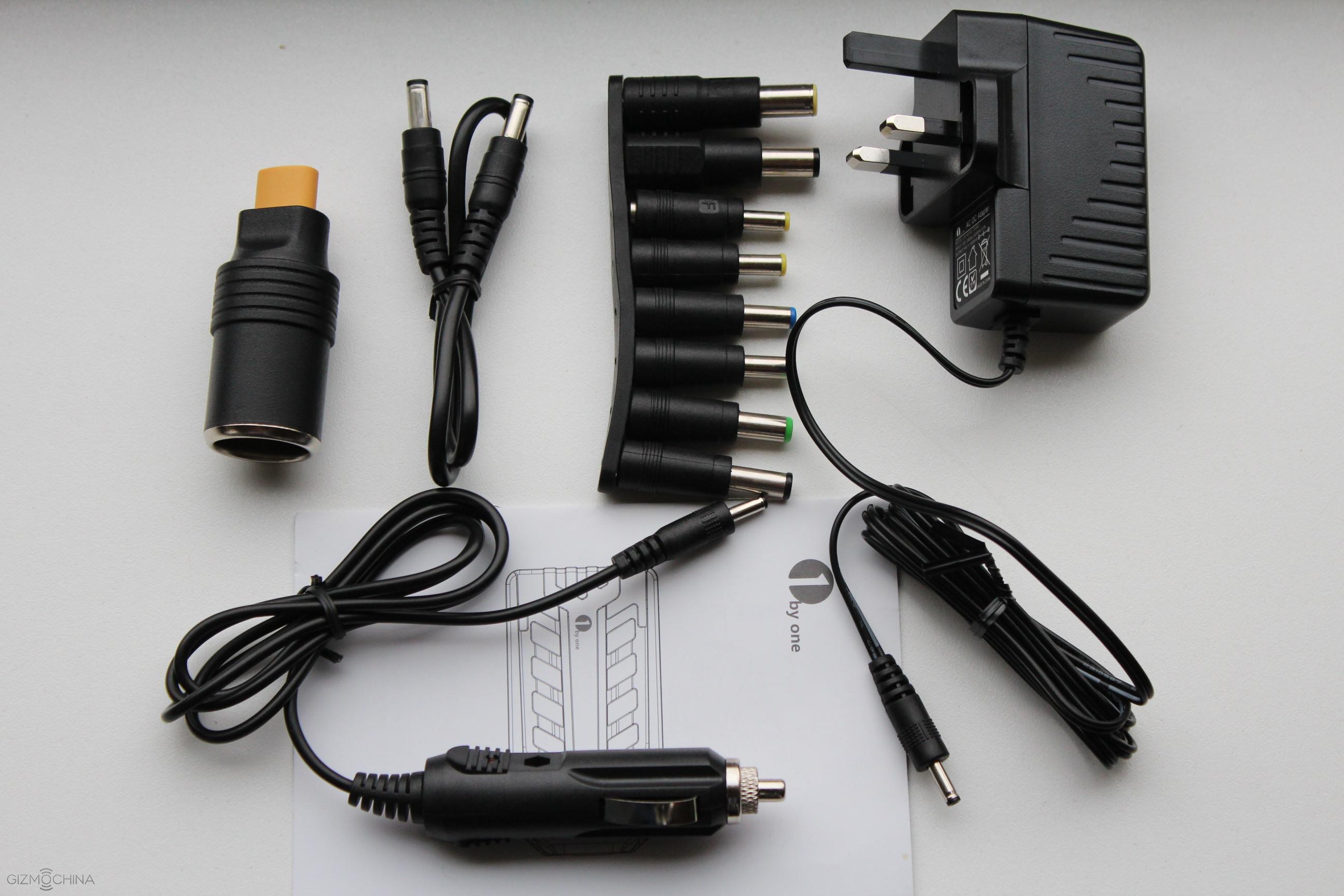
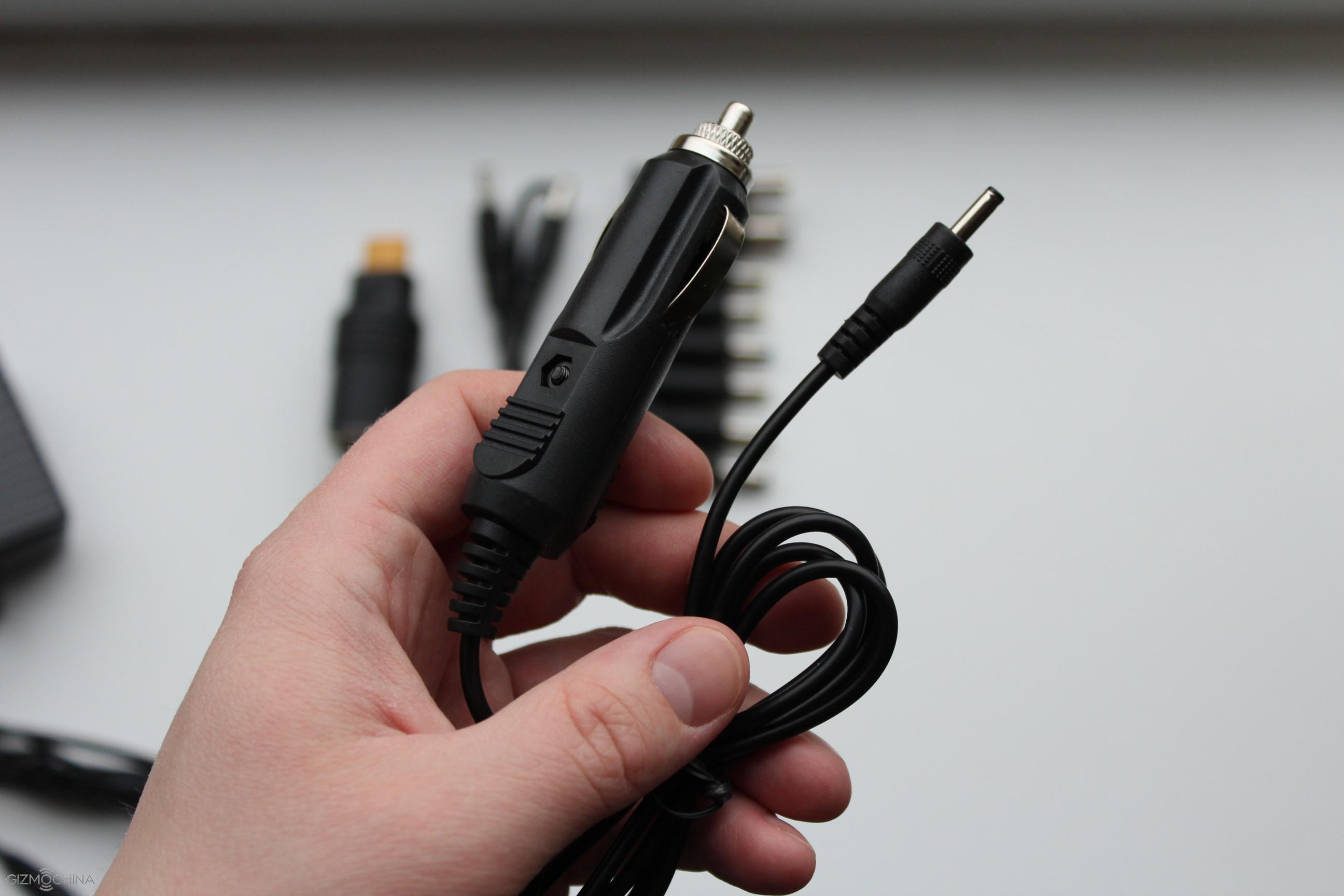
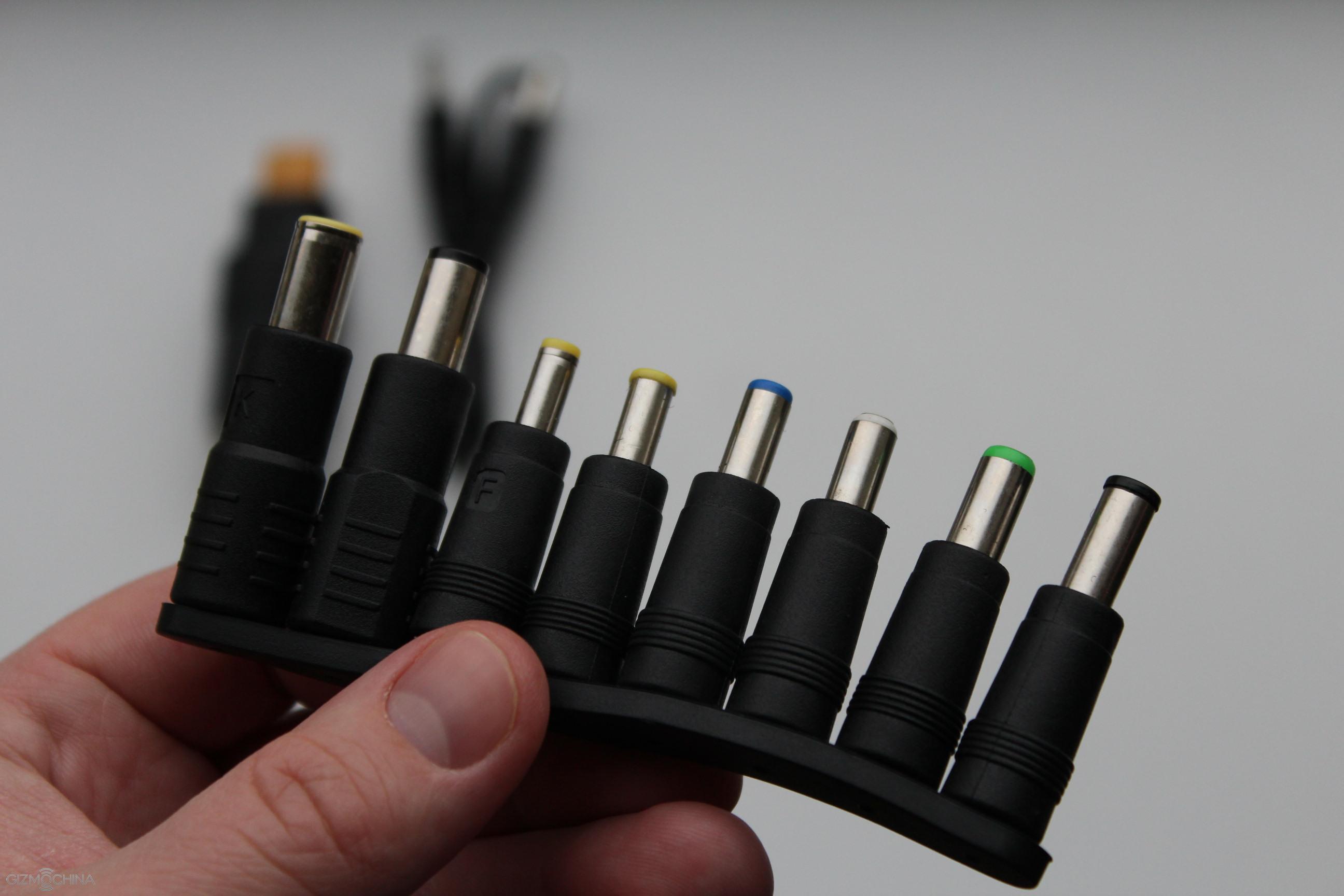
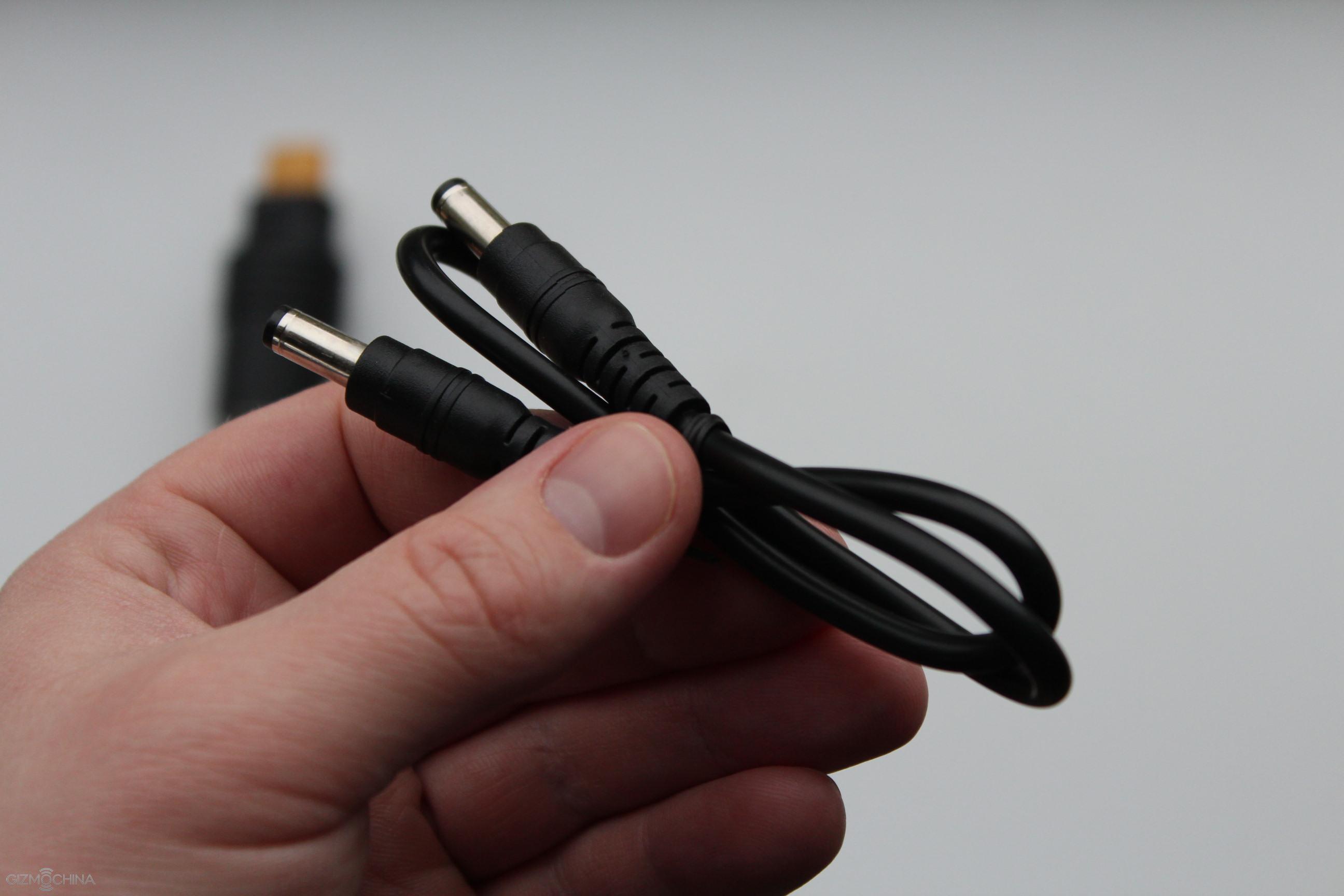
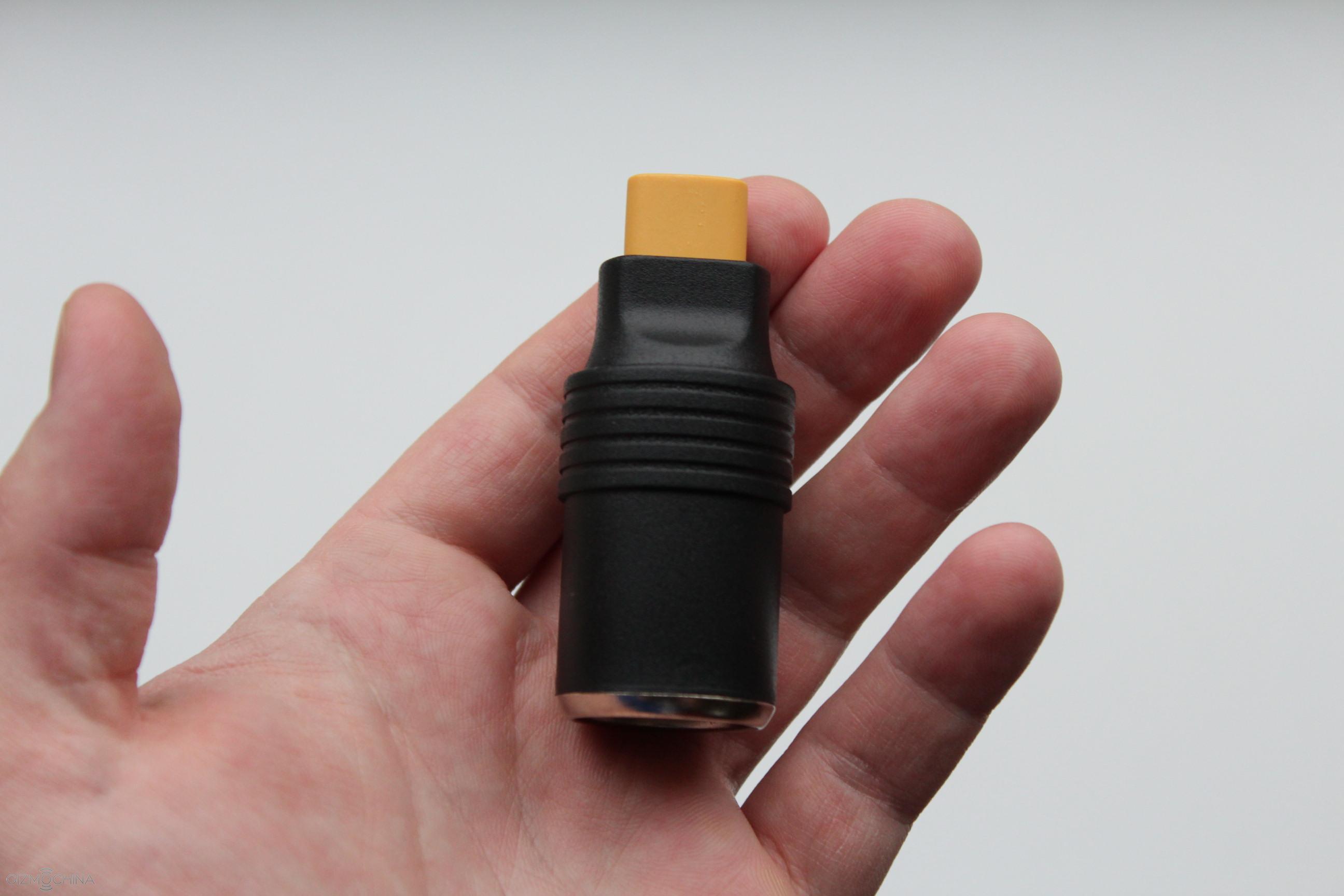
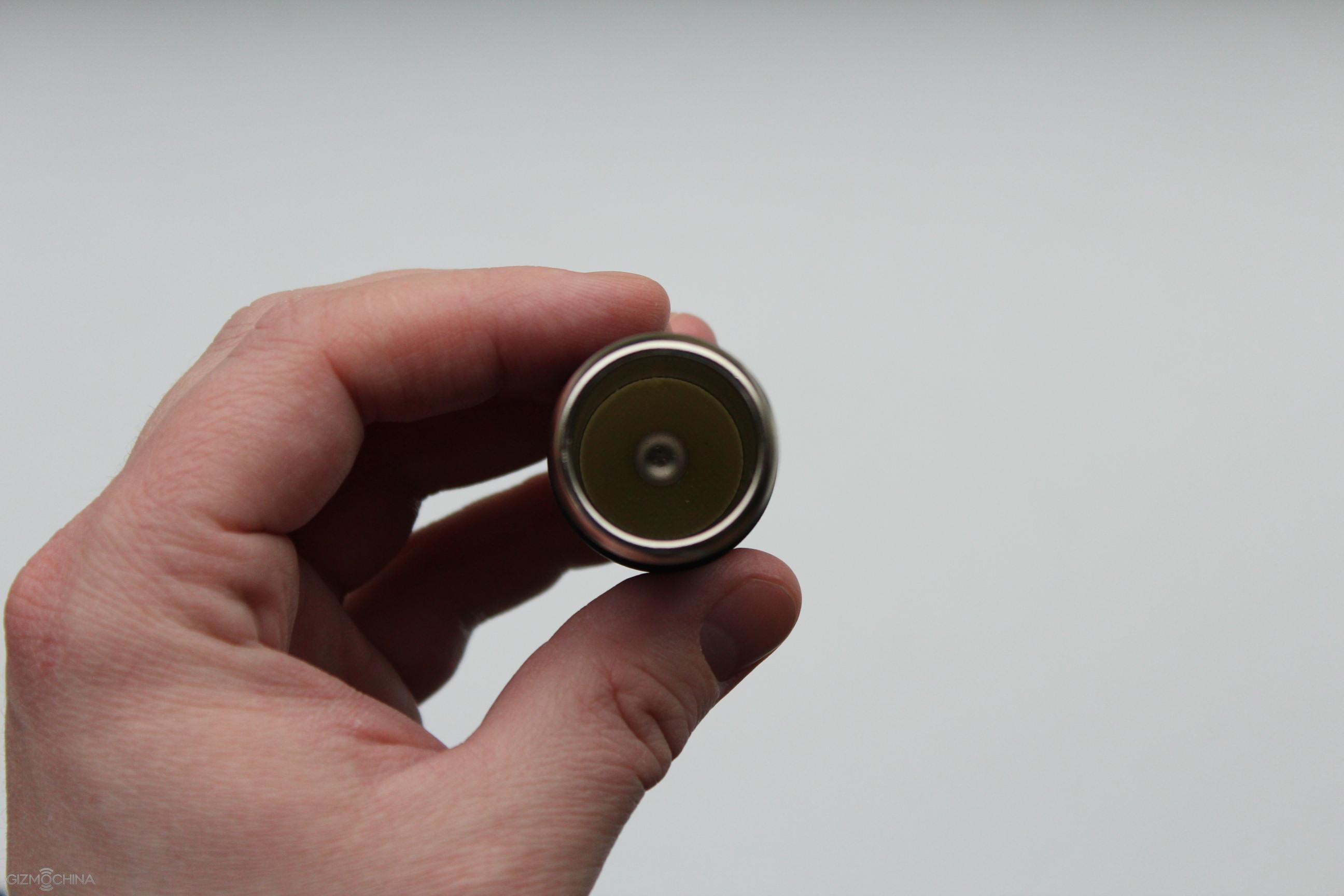
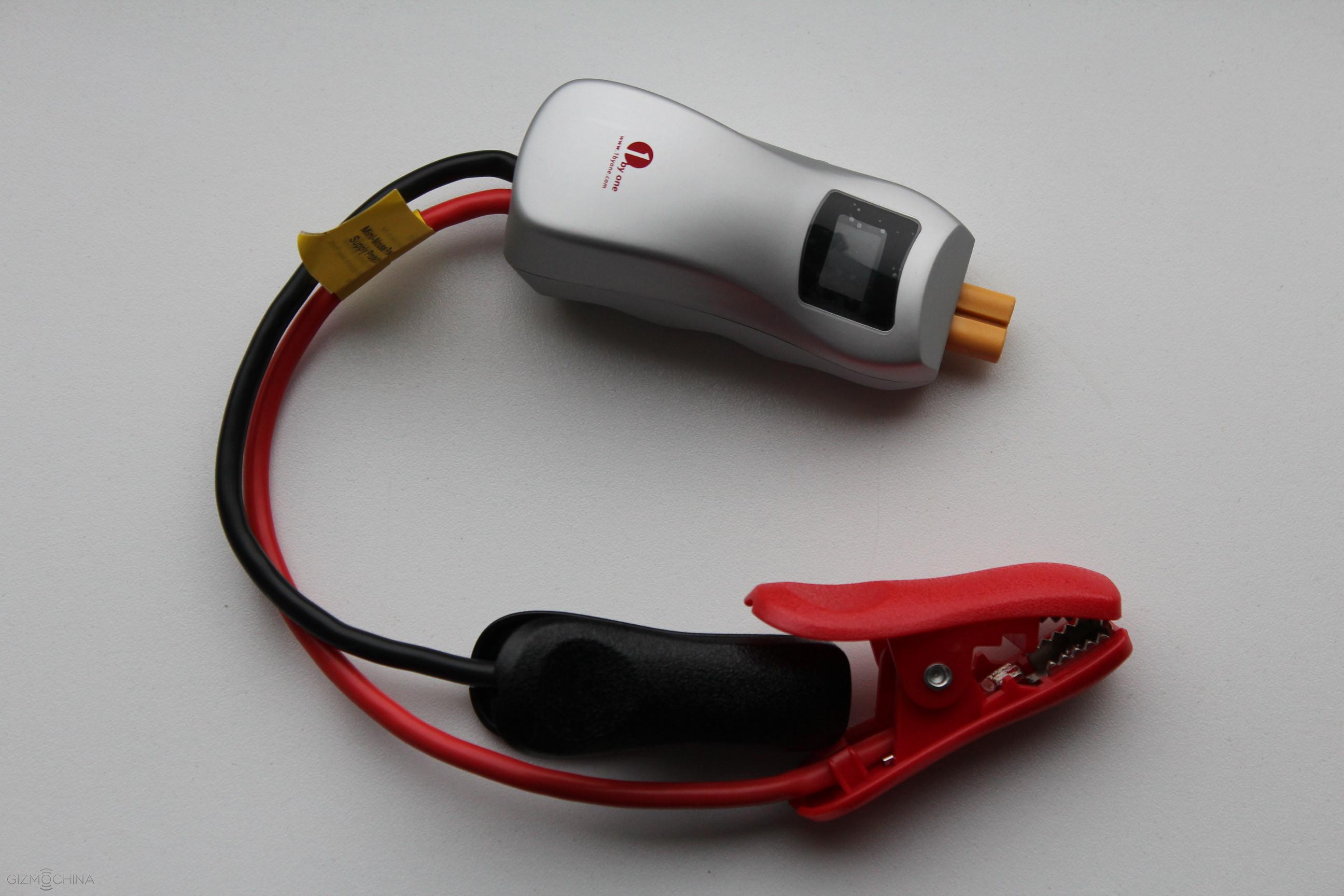
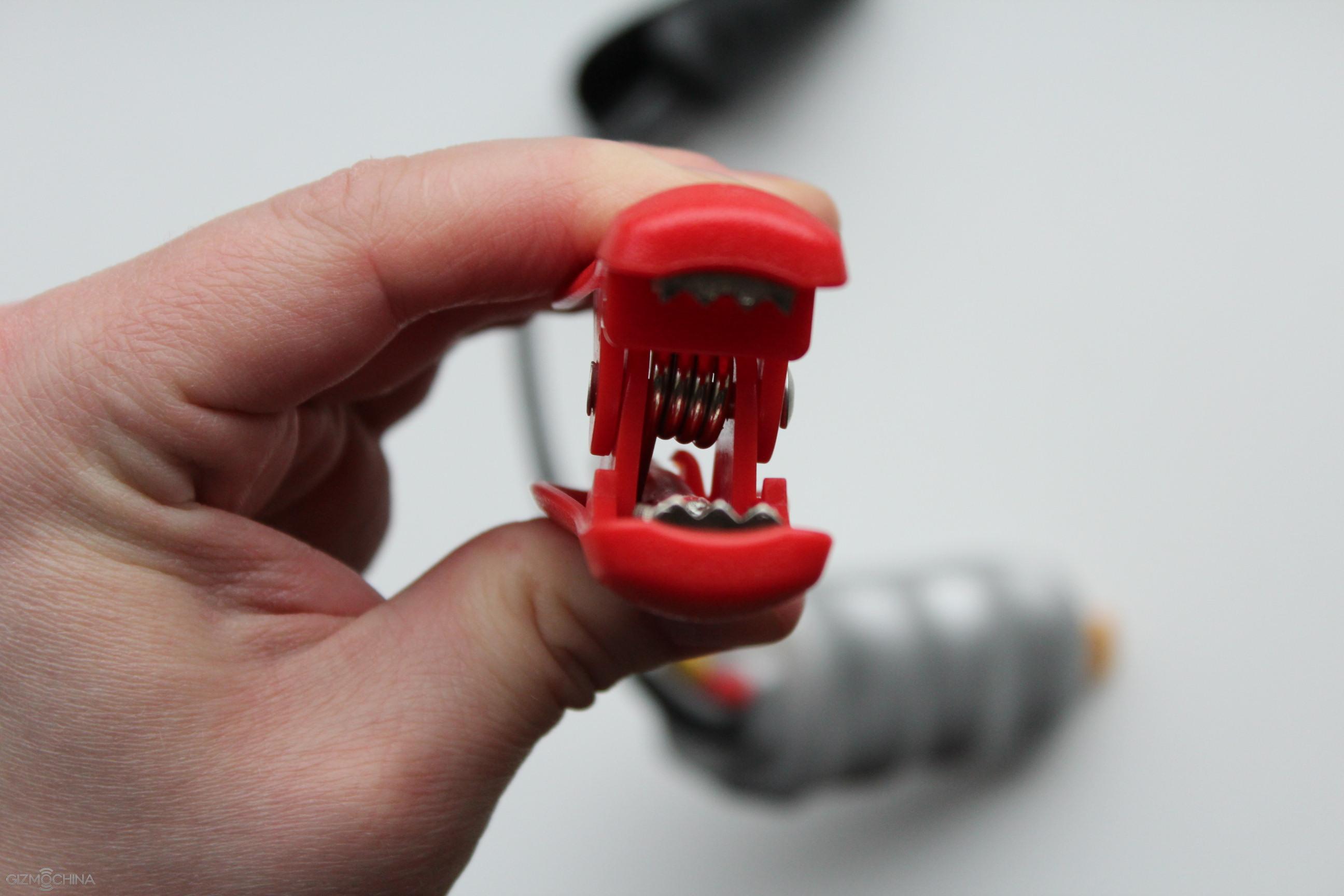
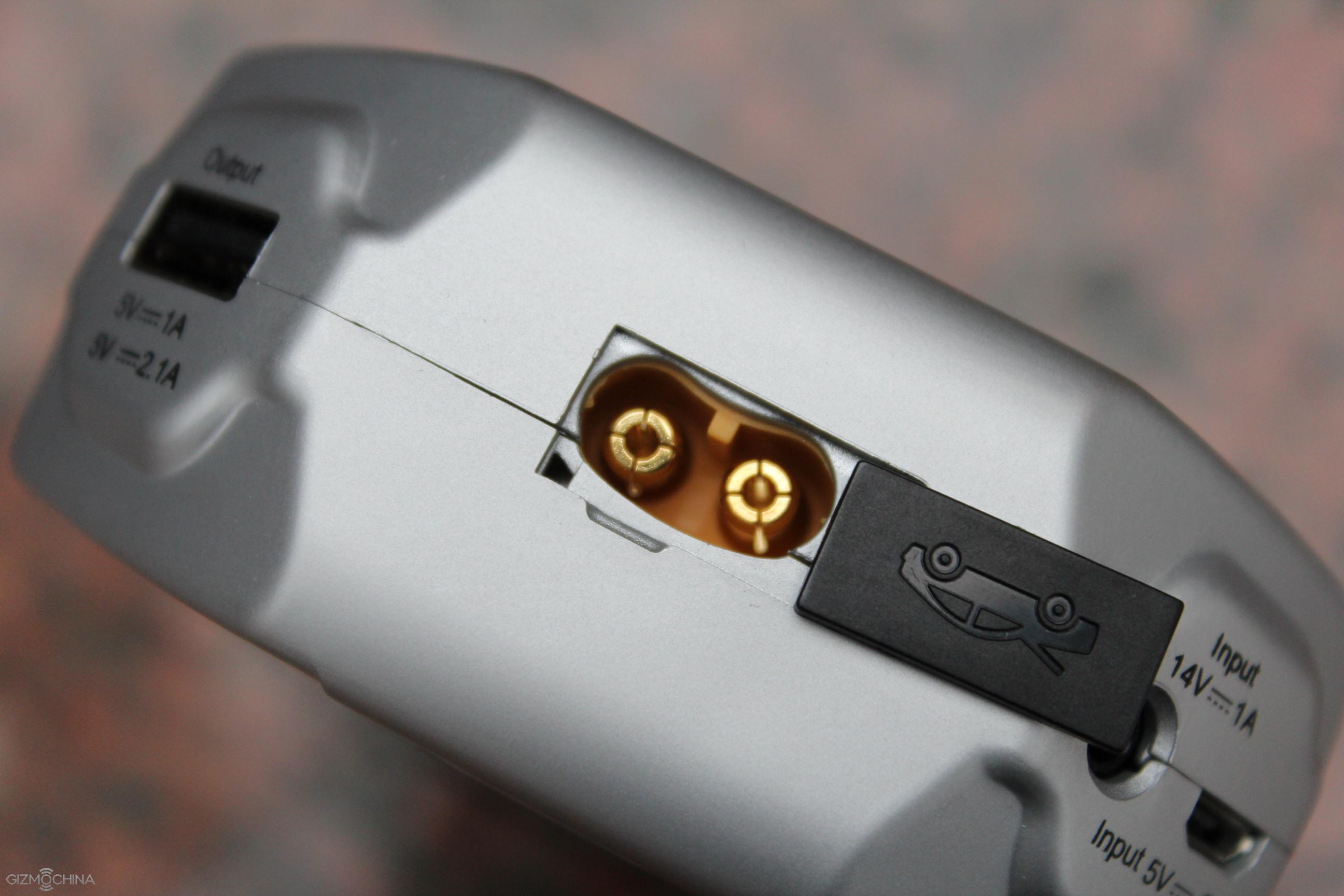
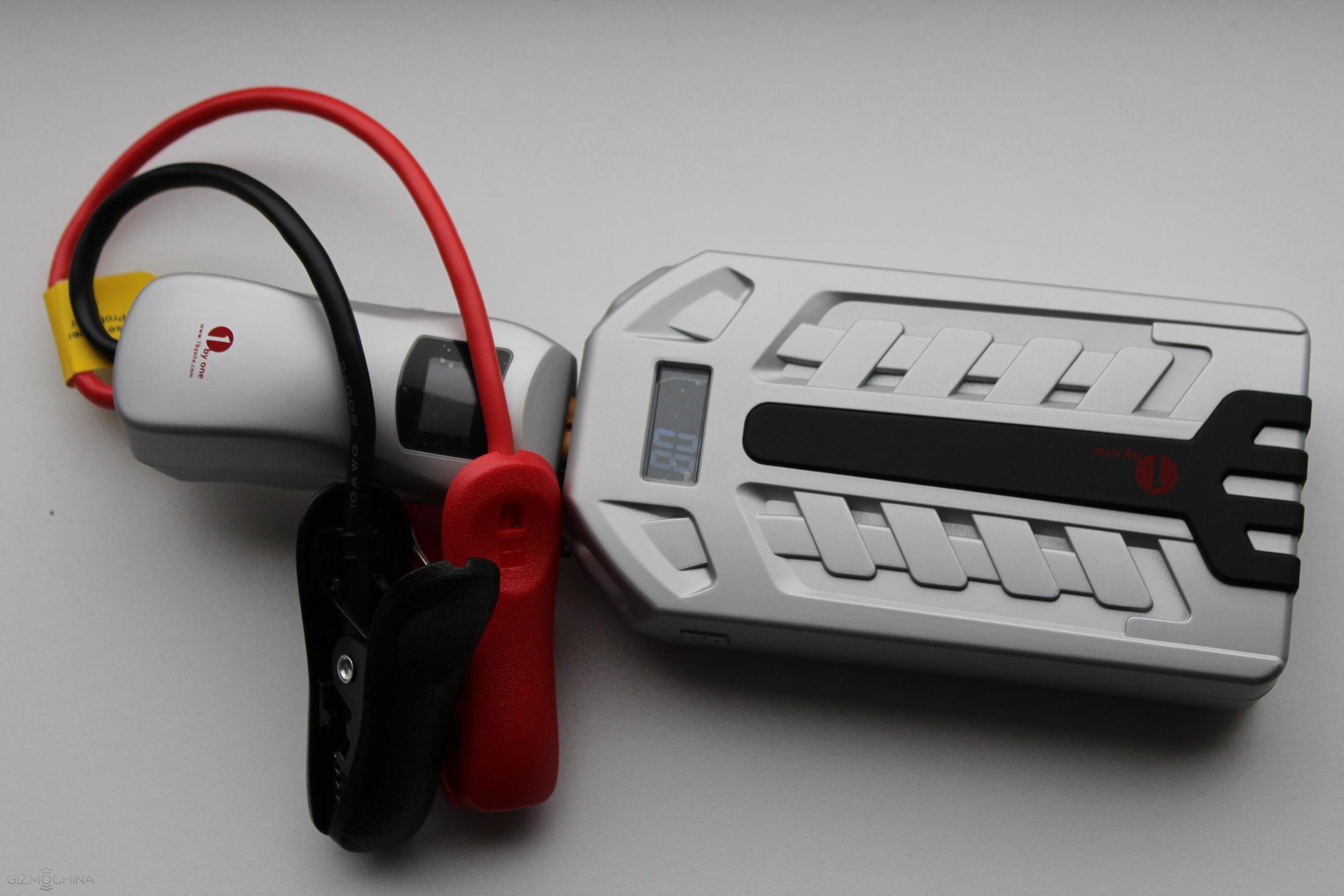
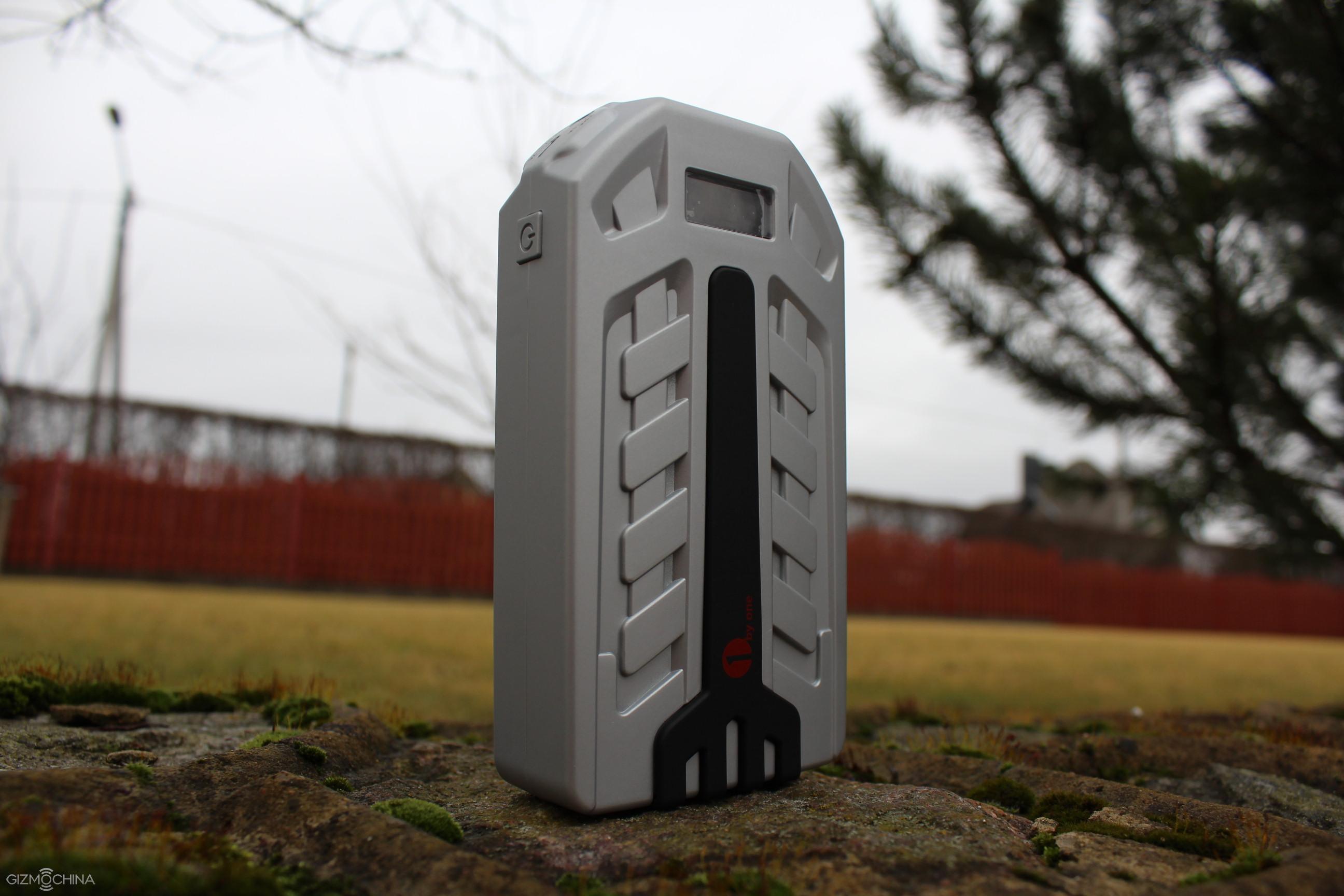
Inside of it you can find the battery, jump starter clips with a smart control, some documentation, a wall charger, car charger and a computer charging cable with different charging plugs. Finally, there is an EC5 adapter, so you can use the device as a power bank to power up some gadgets (e.g. air compressor).
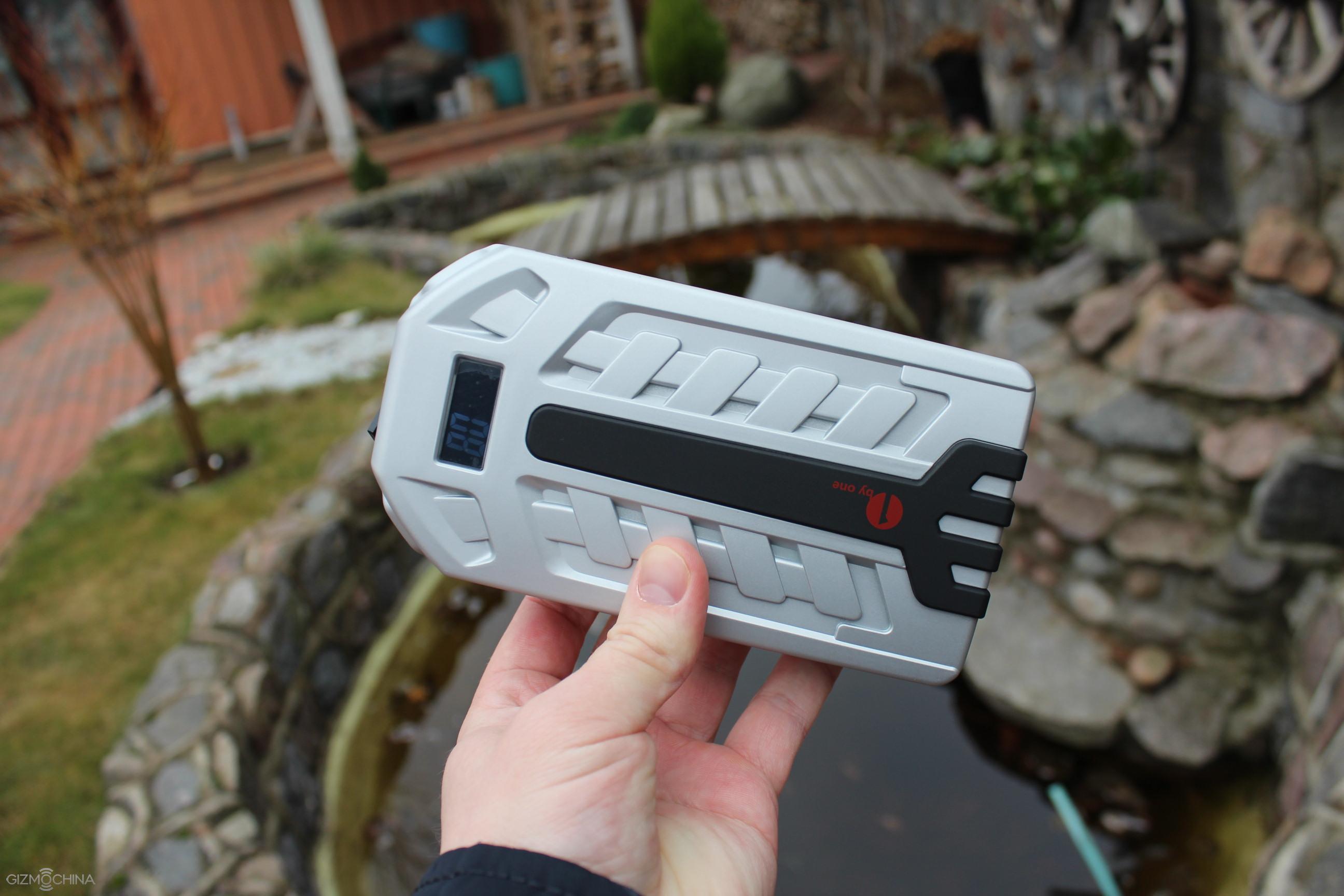
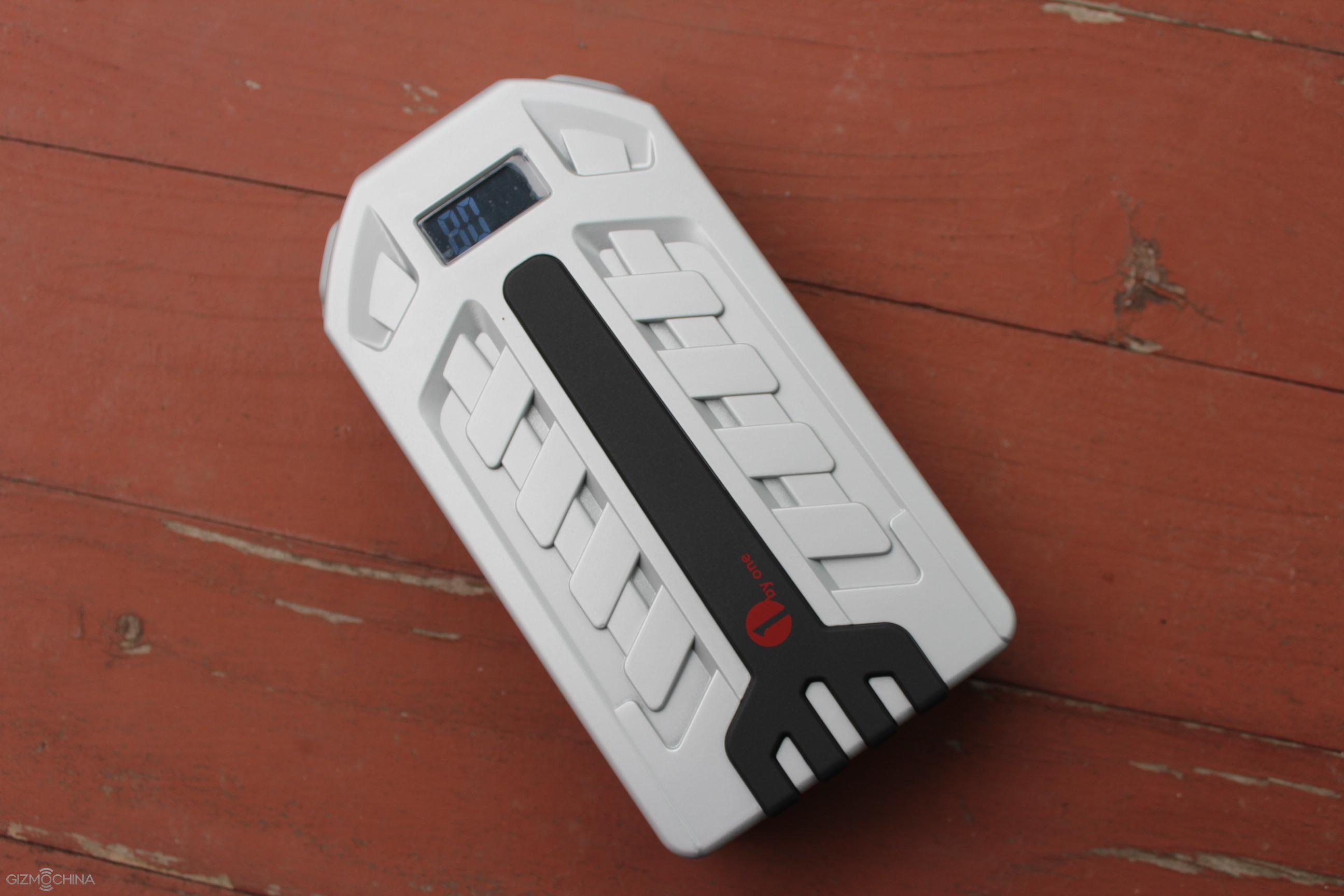
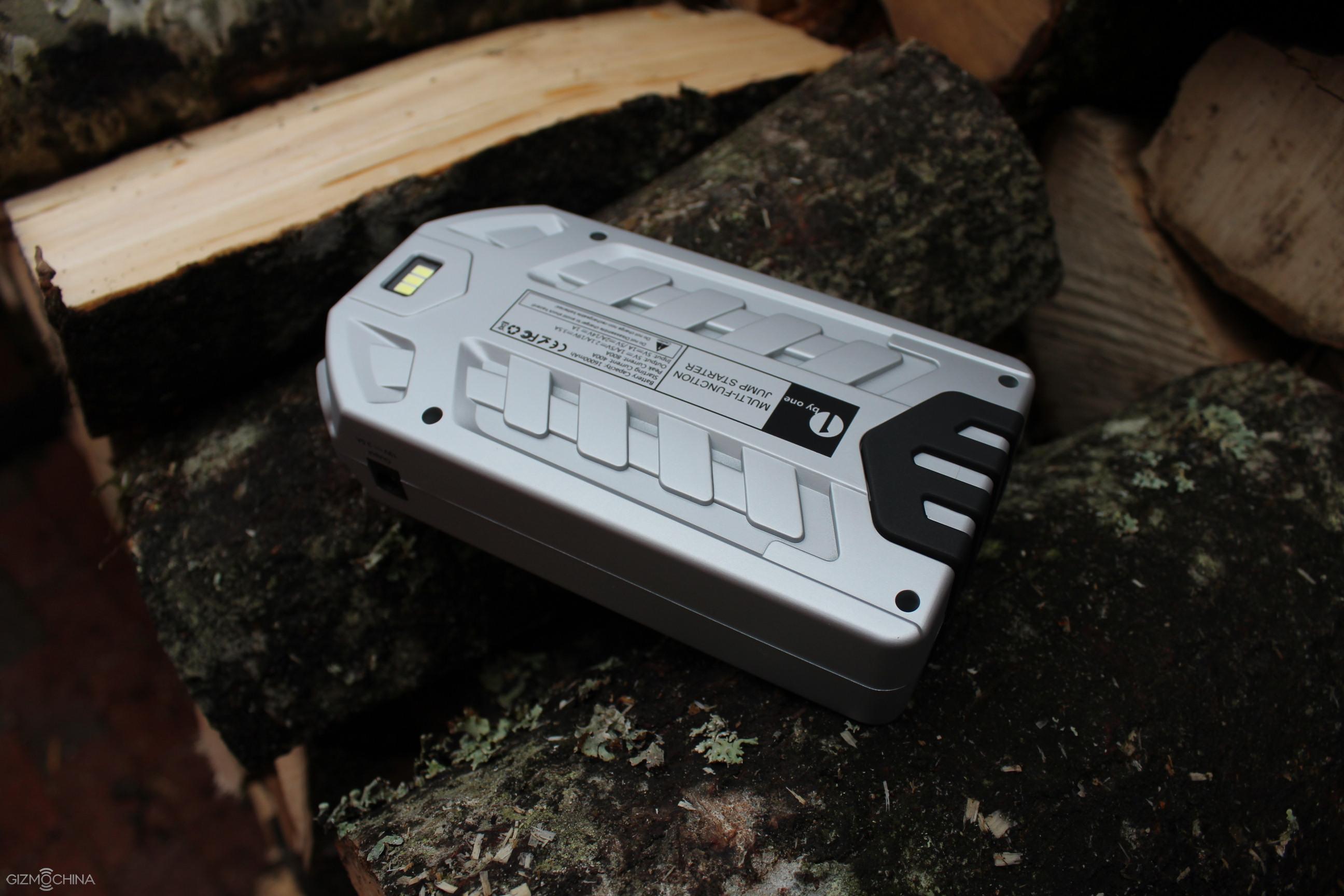
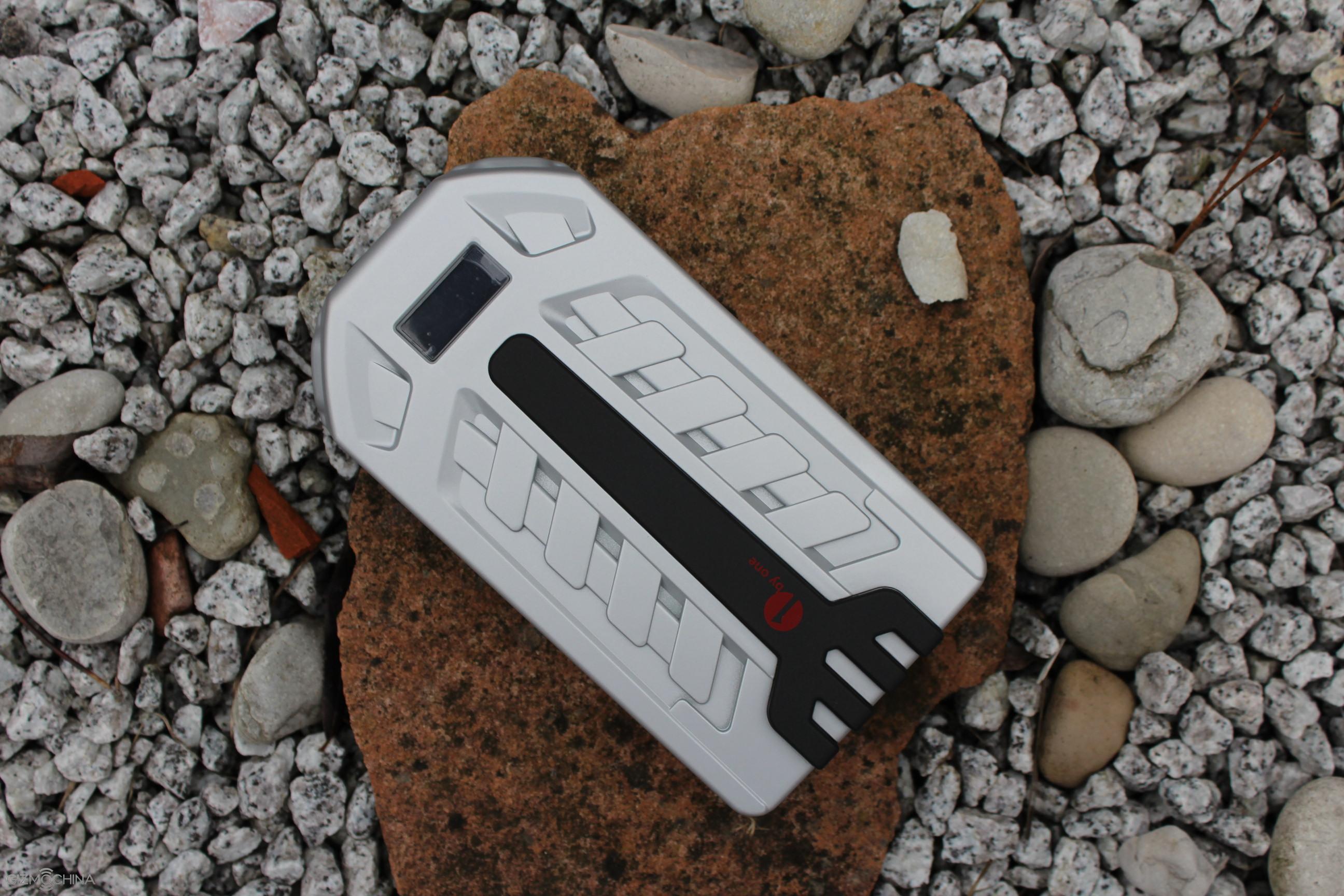
The 1byone car jump starter is made sports a really awesome looking design and it feels very nice in the hand.
It is made of rubberised plastic and on the front side we have a little LCD display, which show the amount of juice left in the battery.
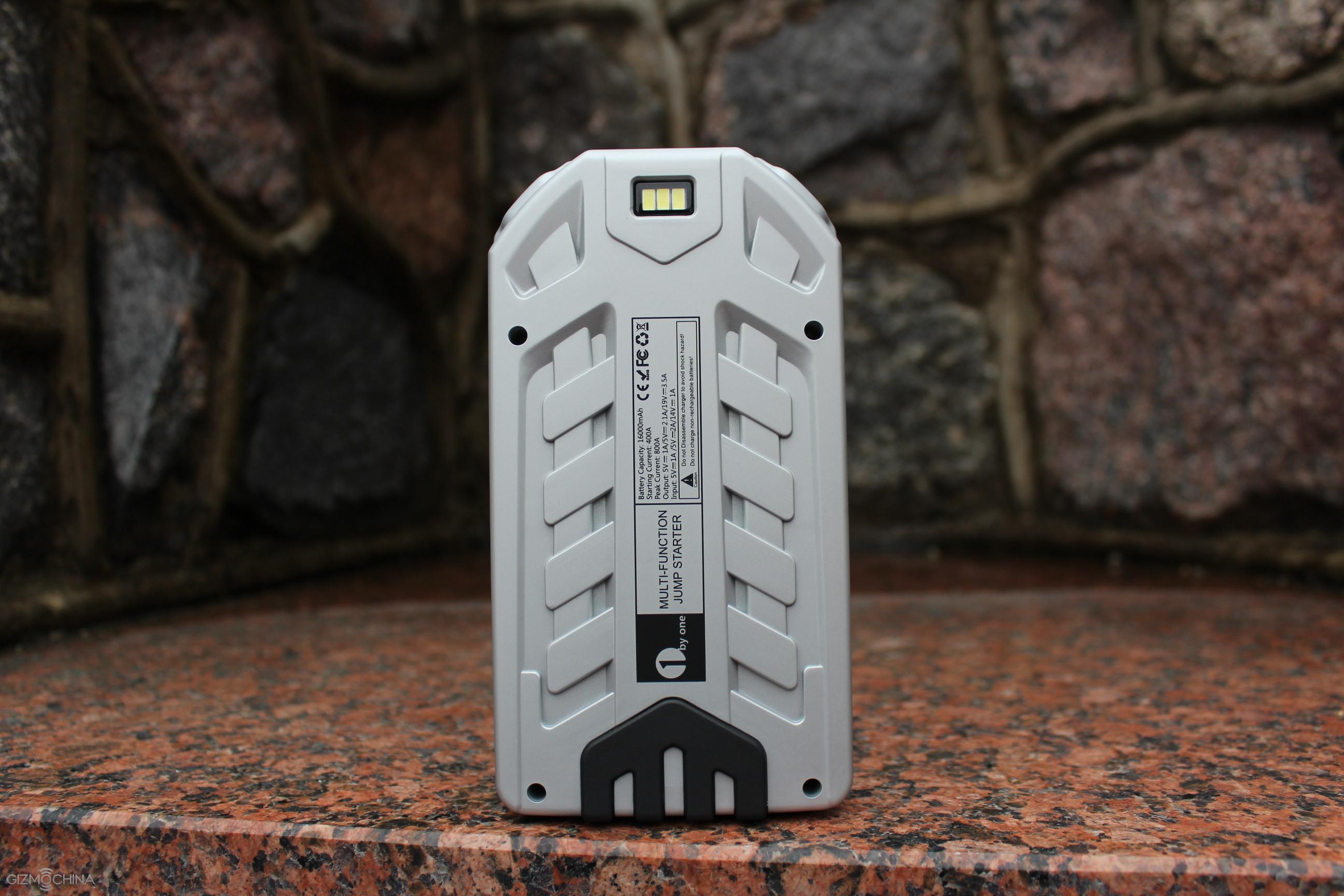
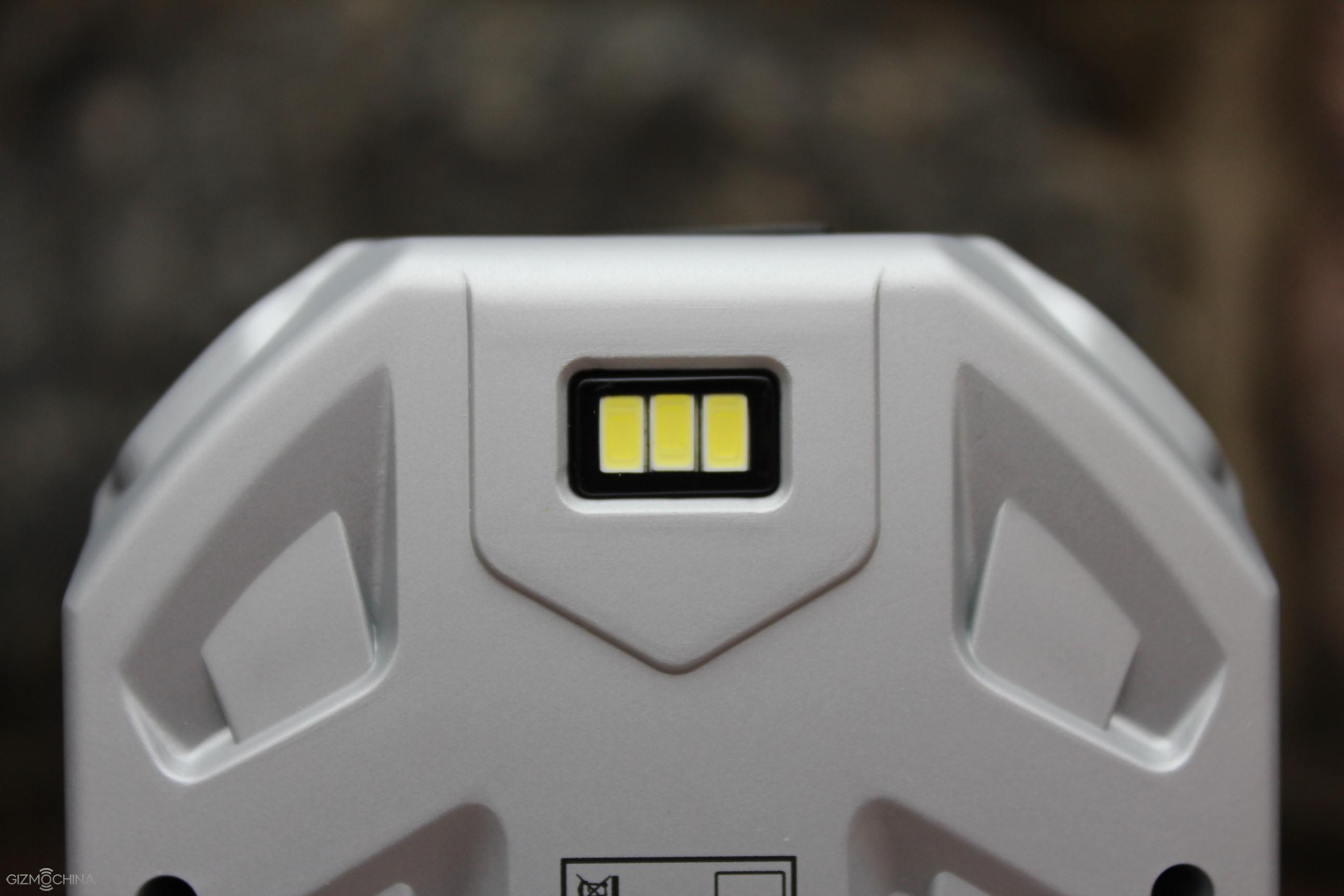
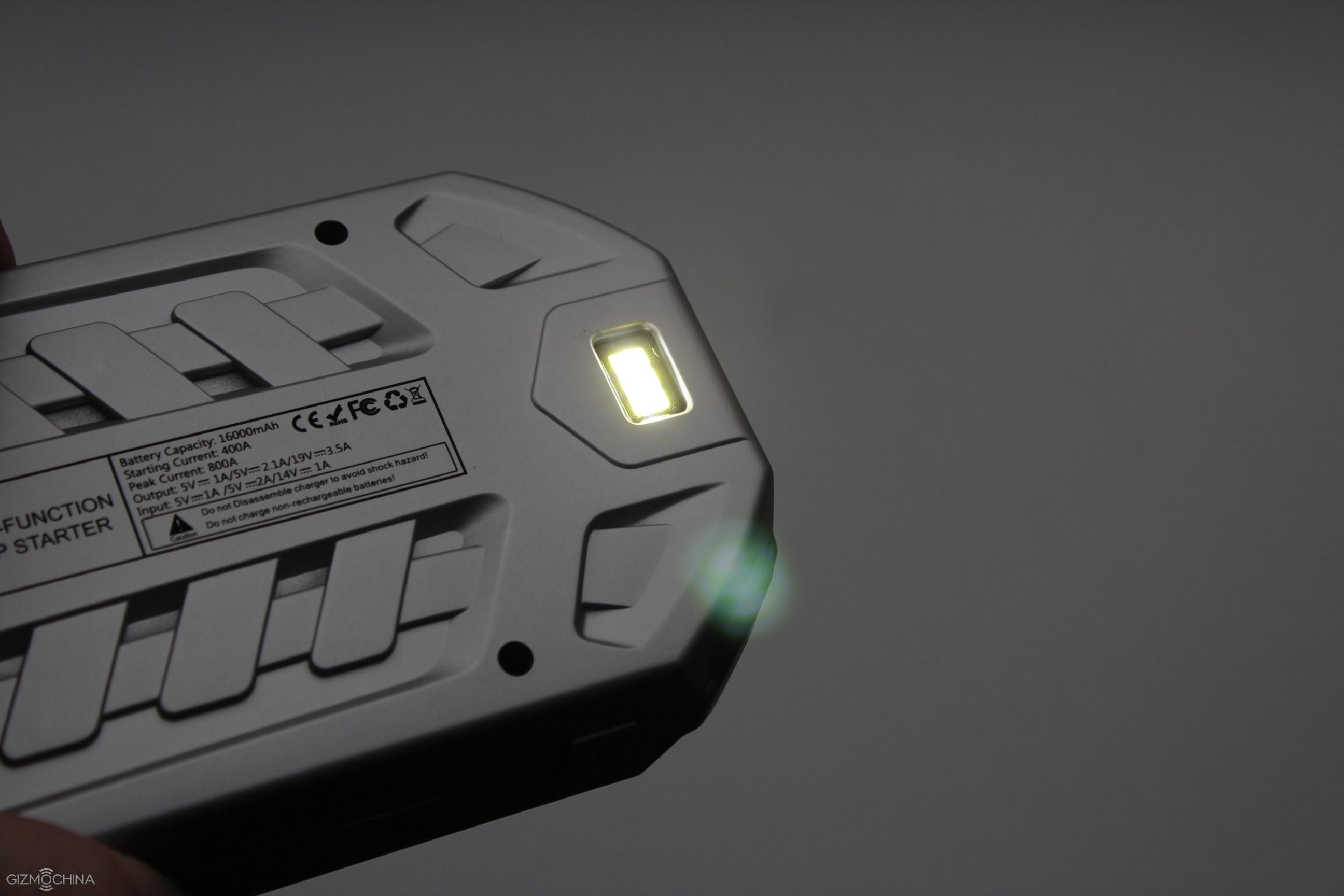
On the back there is a flashlight with 3 different flashing modes and it can be turned on by pressing and holding the power key, which is located on the right.
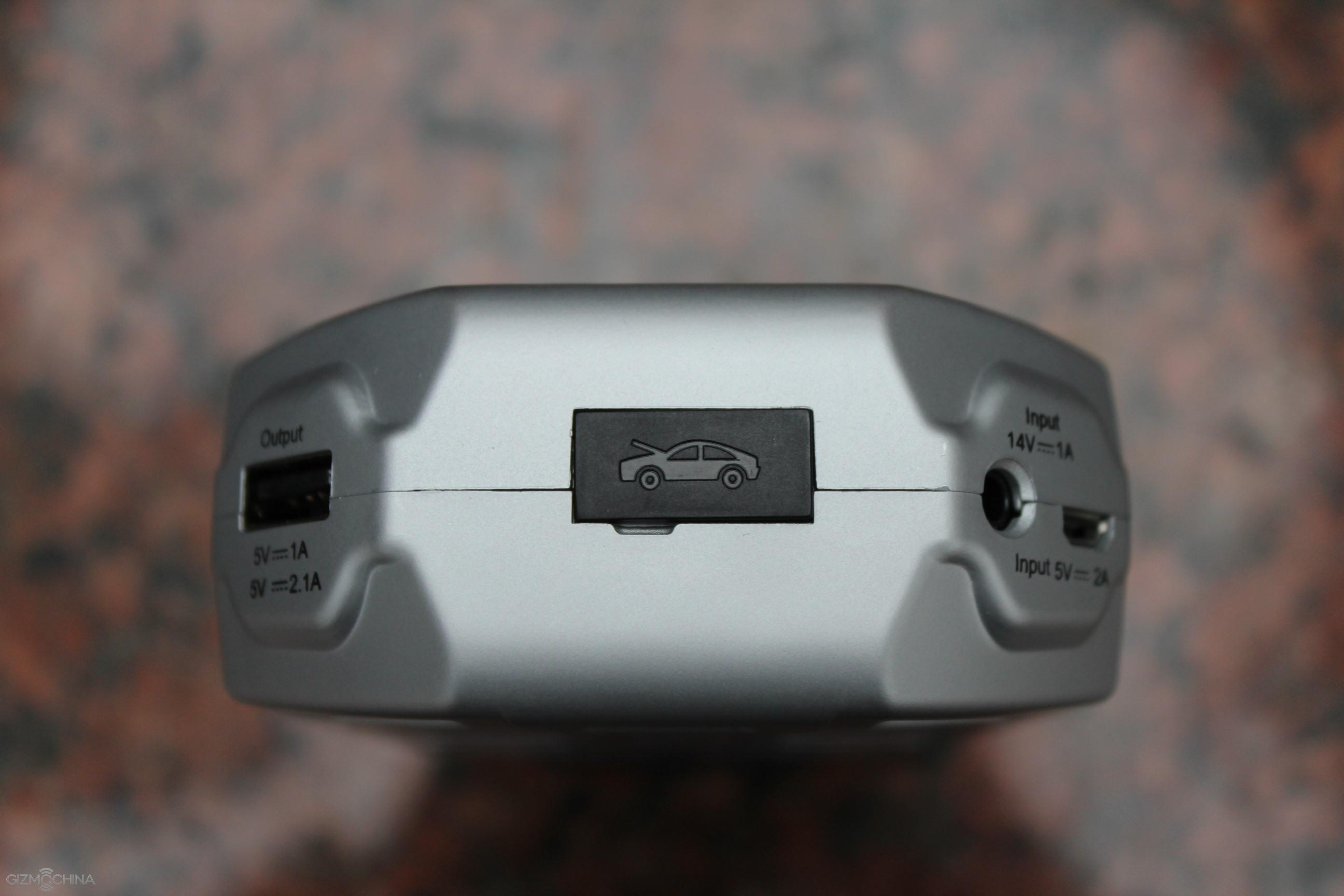
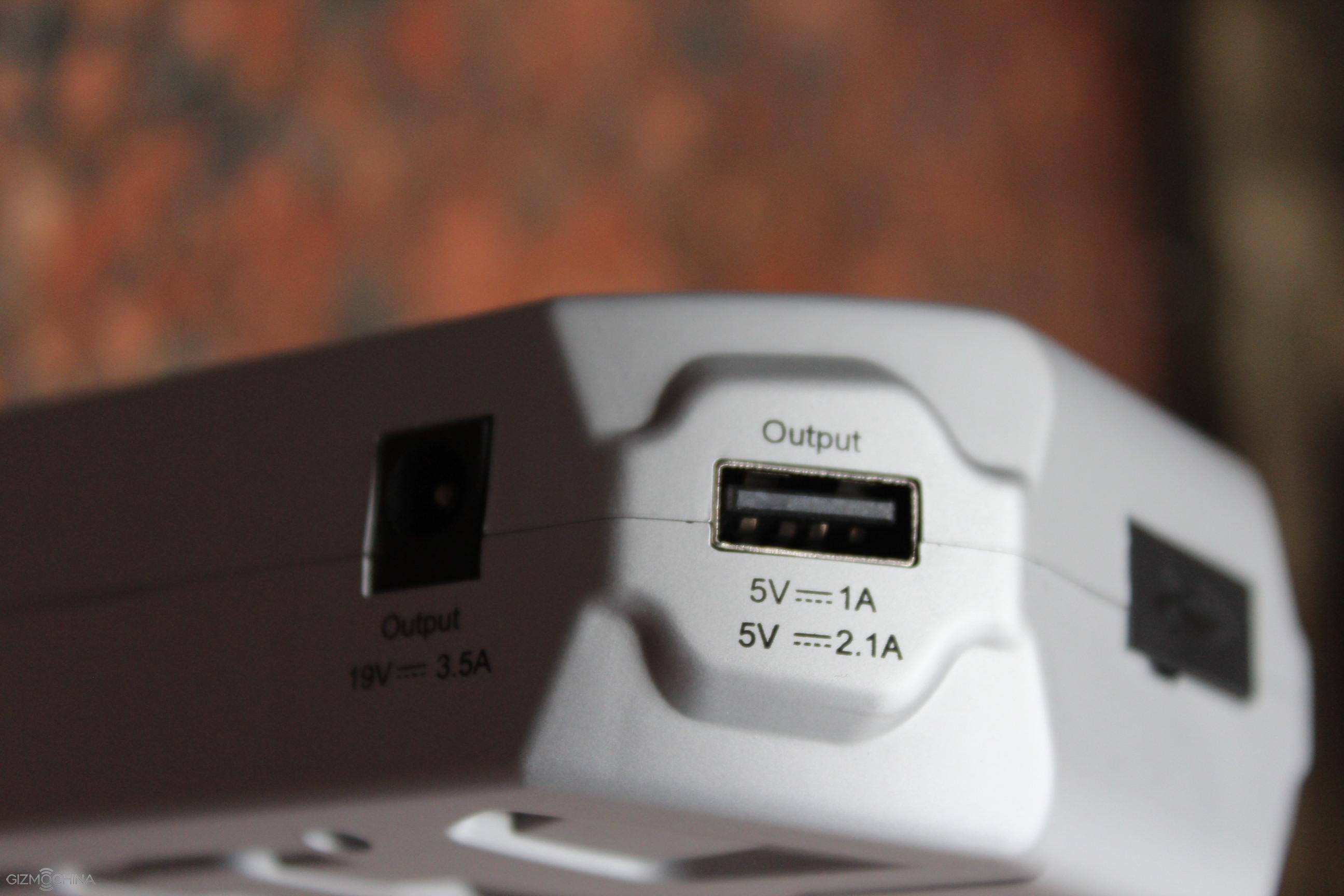
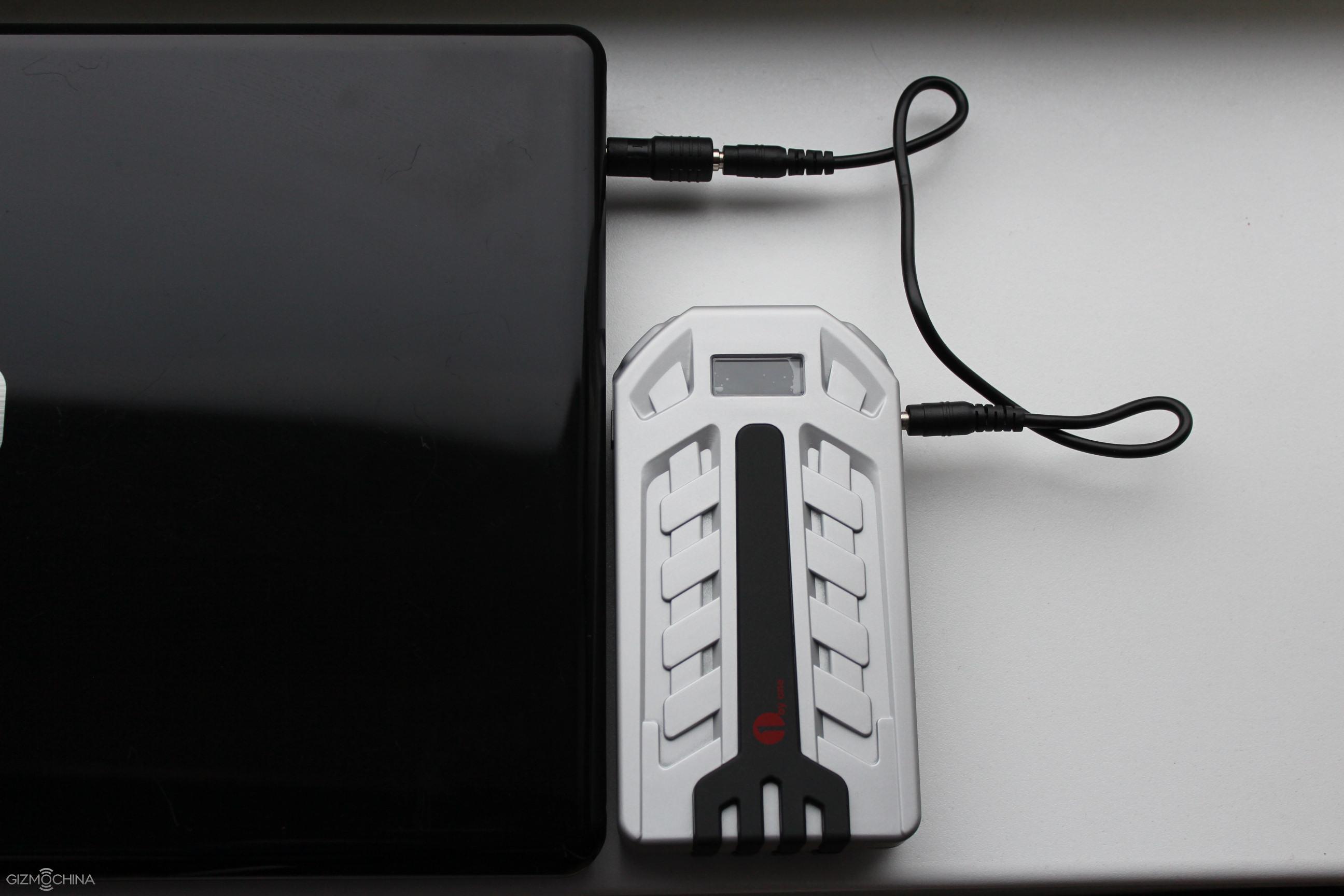
On the top we have output ports for the car jump starter cables and the USB port, which lets you charge any USB powered devices (with the included different power plugs to fit most of the laptops).
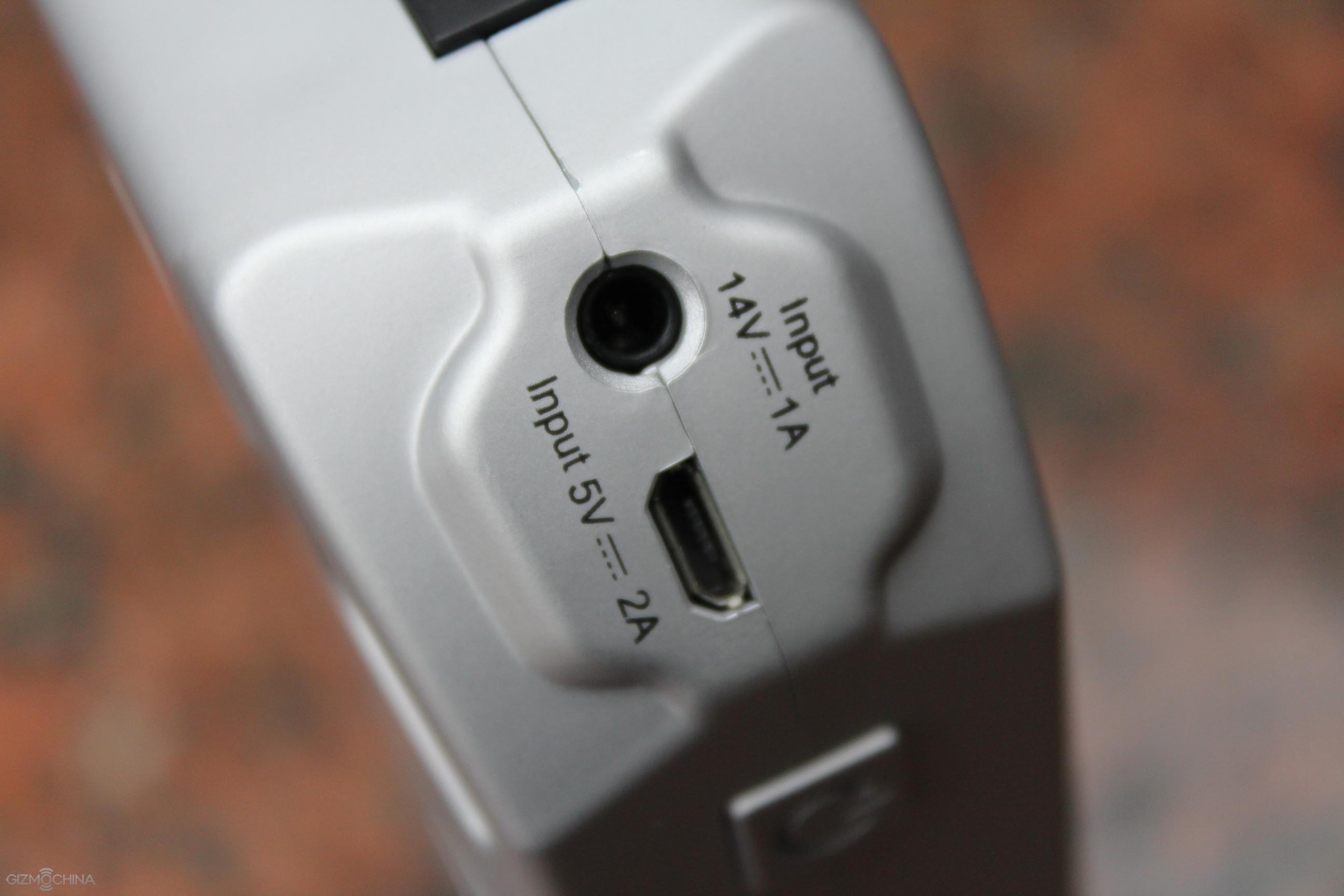
Also, there are two power input ports meaning that you can charge this device either with the supplied AC adapter or via any micro USB cable.
Finally, on the left there is another output port to charge your laptop.
Overall, the battery is very compact and lightweight considering the size of the cell inside and the overall feature set.
1byone Car Jump Starter Review: IS IT GOING TO JUMP START MY DEAD CAR’S BATTERY?
Allright, a lot of batteries can charge your phone or laptop, or any other device but is this device capable of jump starting an old car with a completely dead battery?
The thing is that the battery is completely dead that the car doesn’t even make any sound when I try to start it. That’s even worse situation that the last time I tried to start this vehicle.
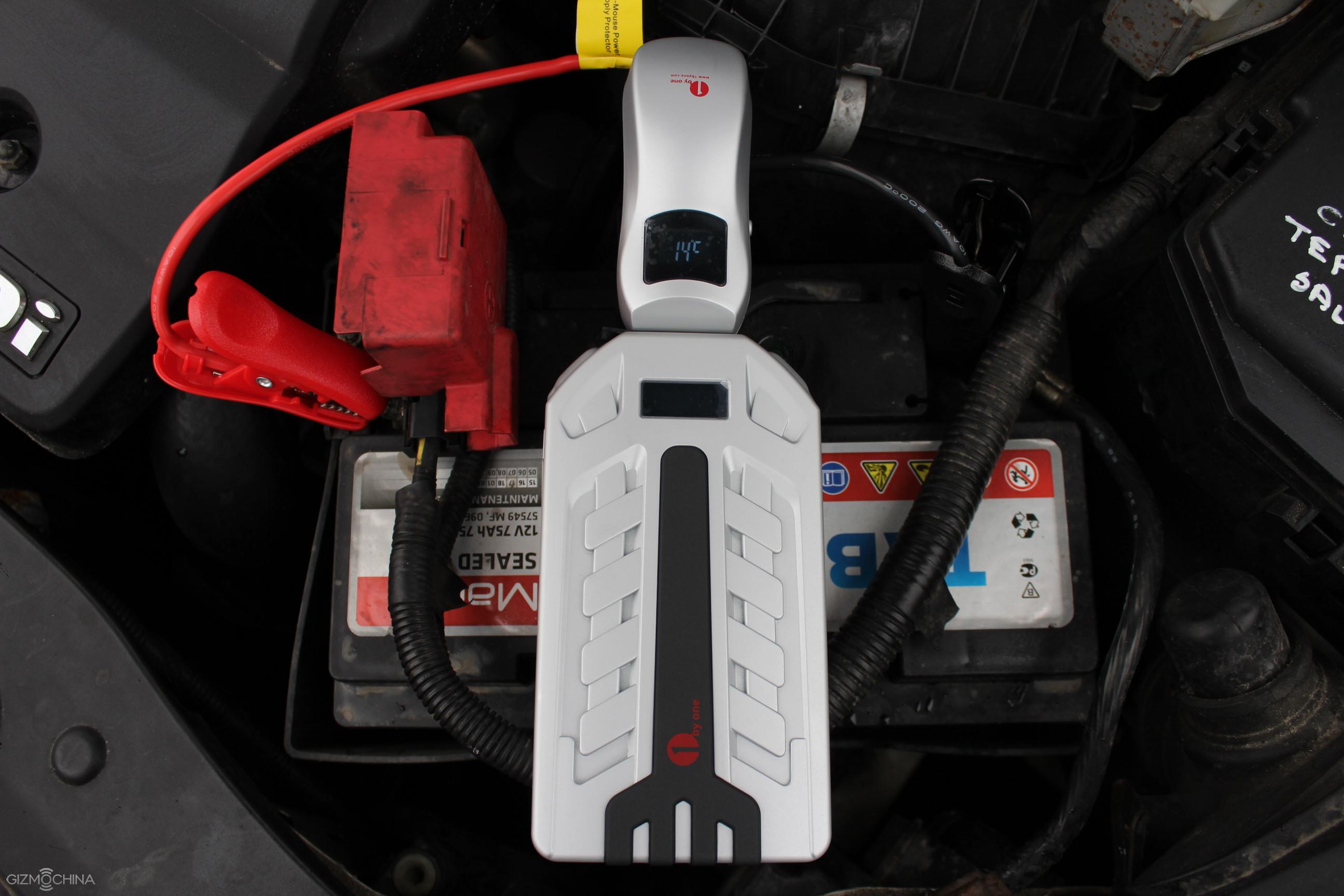
Allright, so what you have to do is to connect the jump start cables to the car’s battery. However, I highly recommend you cleaning both terminals of the car’s battery with a dry cloth to make sure there is a good contact with jump starter cables.
The connecting part is pretty easy as you need to connect a positive red colour cable to the positive terminal of the car’s battery and a negative black colour cable to the negative terminal of the car’s battery. Then, you have to connect the cable to the jump starter and after that you have to press a start switch on the control with a little monitor and start your car within 30 seconds.
1byone Car Jump Starter Review: CONCLUSIONS
This little gadget is definitely working. Honestly, I’ve tested a previous model that I am still using till now like 20 times with this car and 2009 Honda Civic and only a few times it didn’t start the car from the first time.
A few complaints would be regarding the design, though. Yes, the build quality is great but that rubberised plastic is prone to fingerprints and it is quite easy to scratch.
All in all, I believe this gadget is really useful either for ones who have old car batteries or for those who just want to have a useful gadget in their toolbox that can come handy in emergency situations.
BRELONG E27 12W Bluetooth Music Bulb Review: UNBOXING
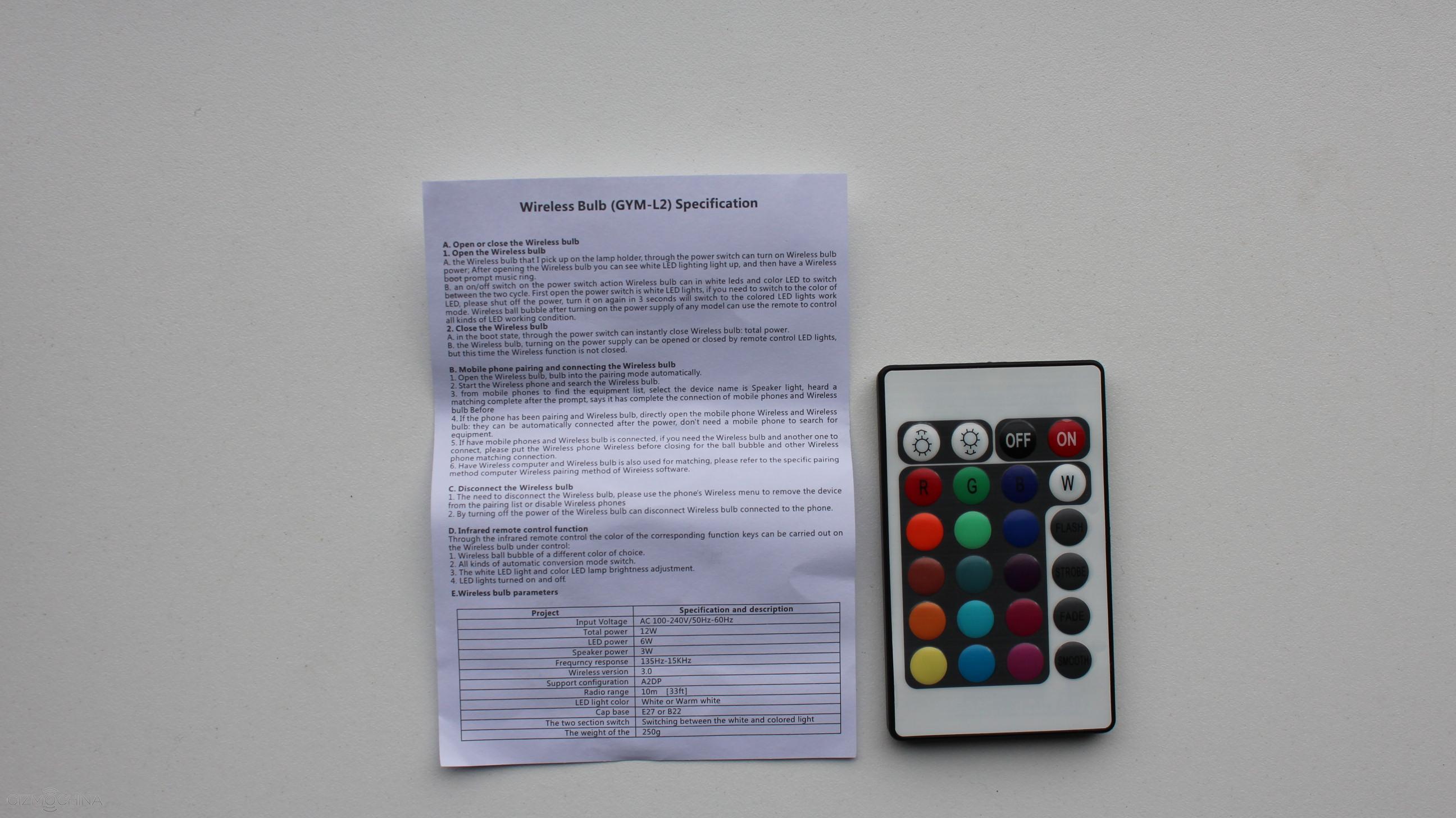
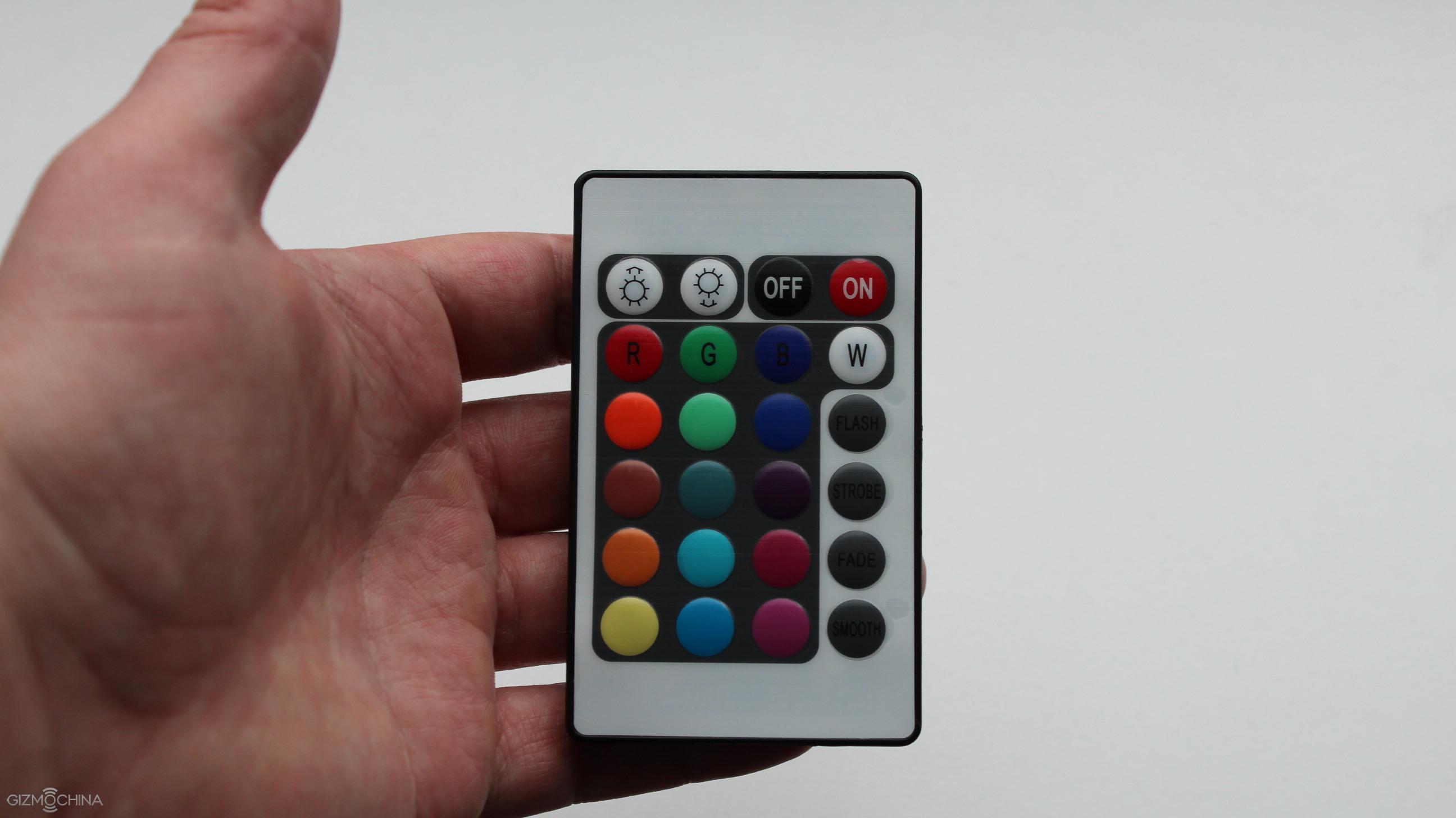
The device comes with some instruction manuals and a remote control, which has a pre-installed removable battery.
BRELONG E27 12W Bluetooth Music Bulb Review: DESIGN and BUILD
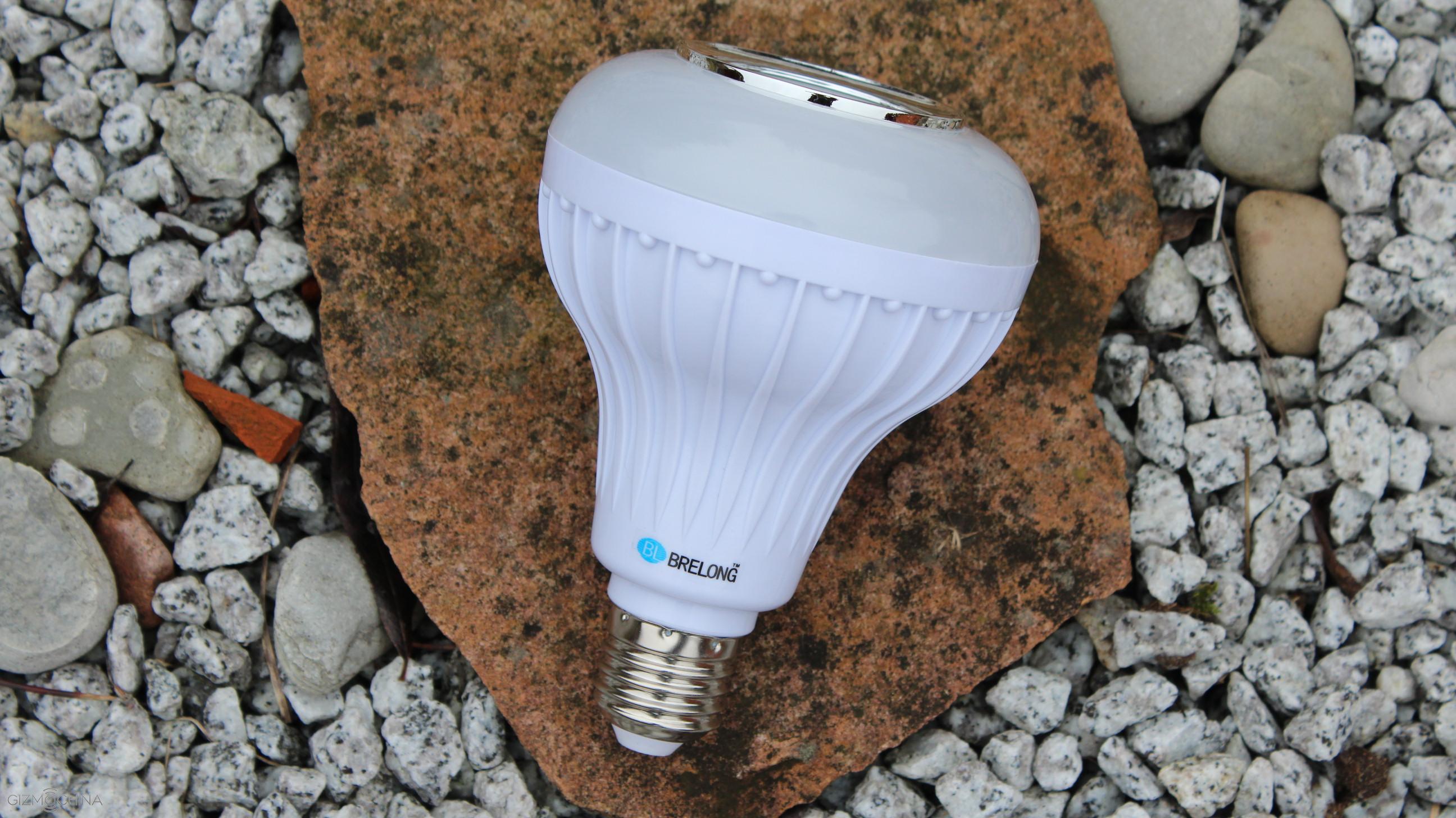
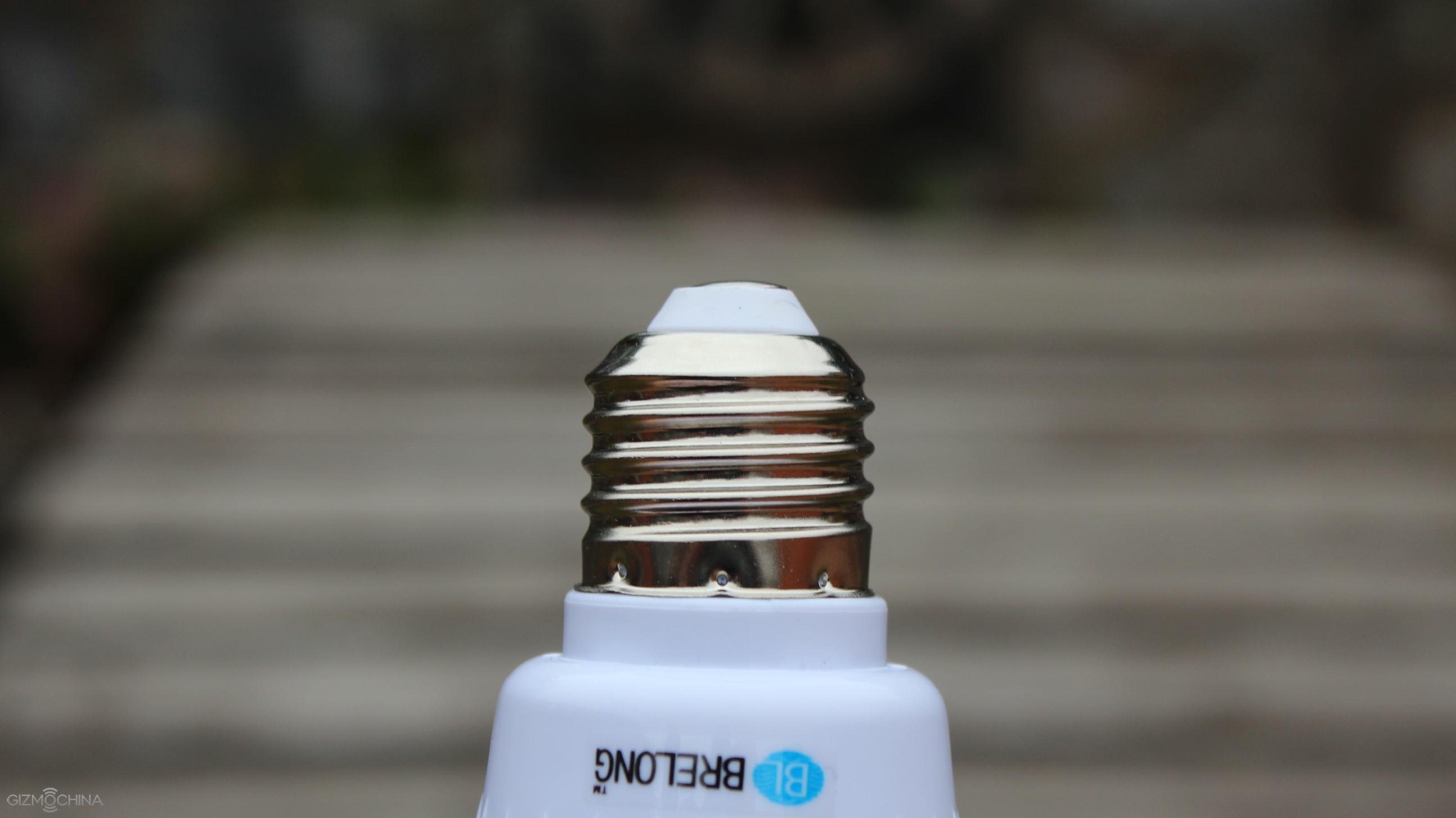
The lightbulb comes in E27 size, so make sure it fits the lamp you want to use it with.
It is well made and you simply can’t ask more at this price point.
BRELONG E27 12W Bluetooth Music Bulb Review: FEATURES and FUNCTIONALITY
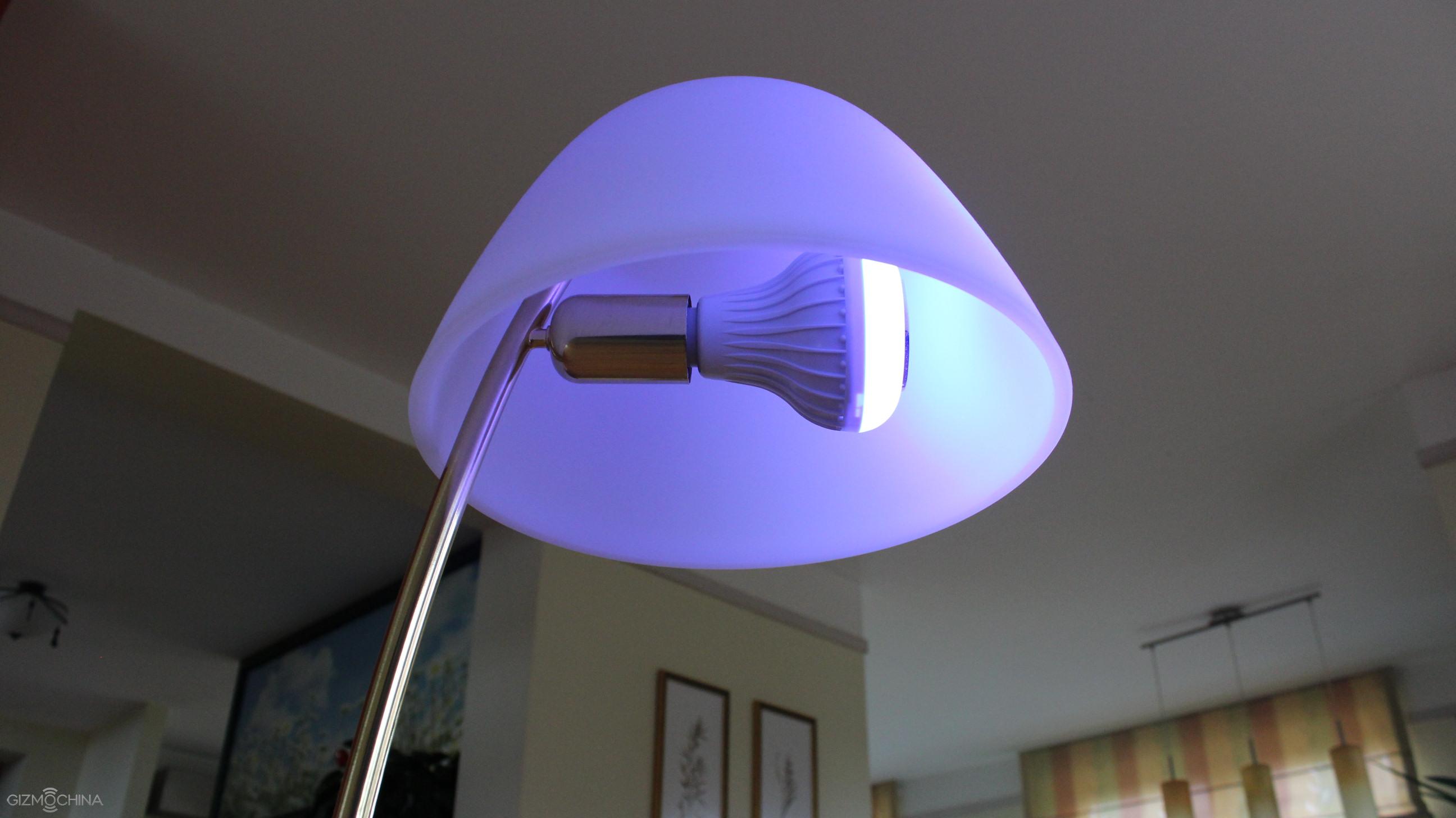
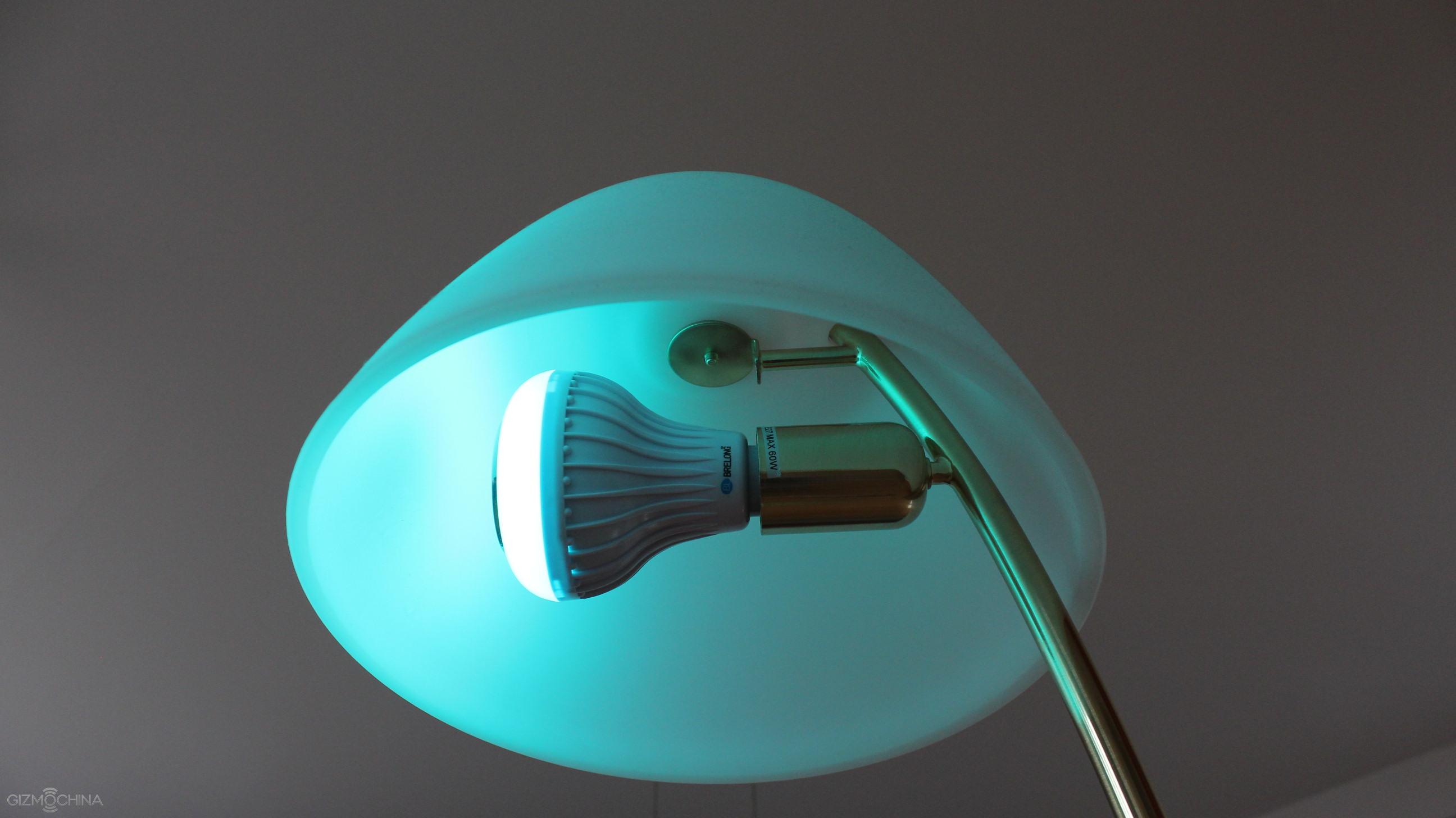
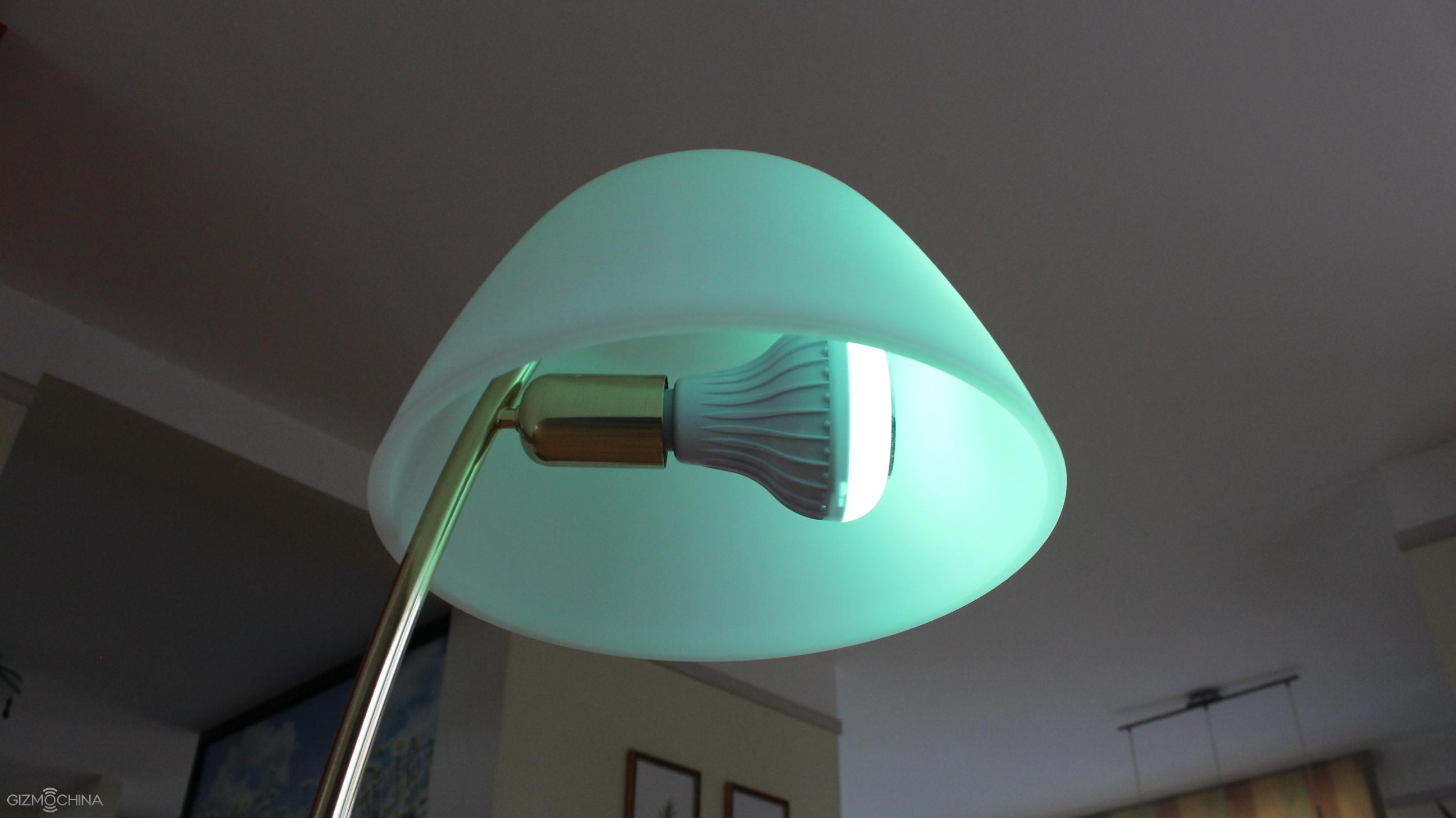
The setup of the lightbulb is super easy. You just have to install it and use the remote control to change colours, adjust brightness levels or select different modes like flash, strobe, fade or smooth.
All the modes are working fine except for the strobe as it looks the same as the flash mode.
If you select a white colour, you can use the bulb as any other regular bulbs. Unfortunately, the bulb only has 12W of power output, which is not enough to illuminate a large room.
Another feature is the built-in Bluetooth speaker. While it will not knock your socks off, it is pretty good and the bulb is quite loud for the size. Just make sure not to listen to music at the highest volume settings as you will hear some distortions.
BRELONG E27 12W Bluetooth Music Bulb Review: CONCLUSIONS
The Breelong Bluetooth music bulb is a great gadget and it has a lot to offer for the price of under $15. While it is not perfect, it does most of the things right and you simply can’t ask more at this price tag.
Its been more than a month since LeEco announced the world’s first Snapdragon 820 powered smartphone, Le Max Pro. However, until now, the company has not yet revealed when the phone will go on sale. We all have been waiting to hear the news, and the new teaser from the company did come as a relief to some extent. The new teaser is probably for the international launch of the Le Max PRo and the subsequent release of the device.
However, if you can’t wait for the official announcement, here’s some interesting rumor. Now, it is being said that the Le Max Pro could be made available for sale globally on February 23, a day before the Xiaomi Mi 5 officially launches.
The rumor comes via the famous leakster from China, Upleaks. Apparently, he had revealed a set of numbers on his weibo page yesterday: “223,120,036,991,000”. At that time, it didn’t make any sense. However, thanks to one weibo user, it looks like these numbers actually make a lot of sense.
So, these numbers could mean that the Le Max Pro will go on sale on 2/23 i.e. February 23 at 12:00 PM, for a price tag of 3699 Yuan ($567) and only 1000 limited units will be made available for sale on that day. While we are not entirely sure whether this will turn out to be true, since LeEco is yet to make these details official, it would actually make sense for LeEco to make the phone available for purchase a day before Mi 5 releases. It would then beat Xiaomi not only by becoming the first manufacturer to announce a SD820 device but also the first maker to release the device in the market.
The phone features powerful specs, including a 6.33-inch 2K display, 4GB RAM, 21MP rear camera, SD820, ultrasonic fingerprint sensor, USB Type-C and 3400mAh battery. For these specs, would you be ready to shell out $567?
Sometime mid last year, we heard rumors that Xiaomi was developing in-house chipsets to power some of its low-end smartphones. This topic has come to light a few times in the past few months, however, neither the company nor related parties were ready to comment. Now, a new report from Reuters throws some more light into the company plans for its in-house chipsets. The agency reports that one of the sources with direct knowledge of the matter has said that the company plans to release smartphones with its own chipsets by the second half of 2016.
Xiaomi has traditionally sourced chipsets for its smartphones from market leaders such as Qualcomm and Mediatek. The company even has a low-end smartphone with a Leadcore chipset. But, if this news turns out to be true, this would be the first time the company is venturing into the chipset market.
However, this move is not really surprising. Xiaomi seems to be simply following the footsteps of top end smartphone manufacturers like Samsung and Apple. These two, and even Huawei use in-house designed chipsets inside its smartphones.
As for Xiaomi, at the moment, the source reveals that the self-designed chipsets would most likely end up in the company’s mid-range and low-end devices. Its not known whether Xiaomi aims to completely rely on its own chipsets in the coming years, but at least we can expect to see models from the Redmi Note series to feature in-house designed processors.
Given that only three major companies, namely Apple, Samsung and Huawei have successfully managed to release smartphones with their self-designed processors, it would be interesting to see whether Xiaomi manages to become the fourth one on the list this year.
Second half of 2016 isn’t very far and if this report is correct, expect a lot more information about Xiaomi’s processor plans in the coming months. Stay tuned.
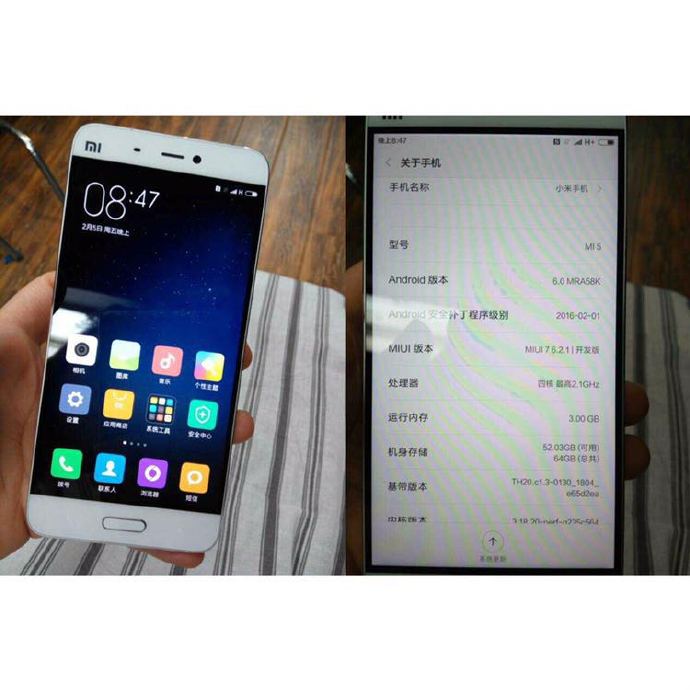
Next week, Xiaomi will officially unveil the much anticipated Xiaomi Mi 5 flagship. Given the immense fan following of the company, it’s no surprise that there are multiple rumors and leaks about the device every single day.And today is no exception, as a couple of live images of the Xiaomi Mi 5 in action were leaked. We have already seen some of the renders of the device, but this will be the first time that we are seeing pictures of the device all booted up.
The device in the leaked image has a very striking resemblance to the one showed off in the earlier renders. Hence, it’s quite likely that the phone in today’s leaked images is the real deal. Like the one in the renders, even this phone comes with an oblong home button, which most probably harbors a fingerprint sensor.
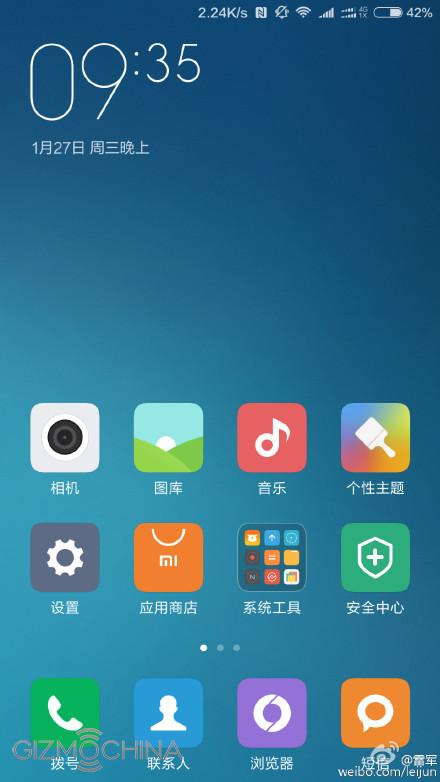
In the first image, we can see that the phone is running on MIUI OS, and thanks to the dark wallpaper, we don’t notice any bezels. It looks like the company has done a good job with the design. However, in the second image, which shows off some of the specs of the phone in a white background, we can see some bezels on all the four corners of the device. They look pretty thin, and I am sure these borders won’t stand out as much in the black colored model.
We still don’t have a real life image of the back panel, but from the renders, the camera should be located on the top left corner. The second image also reveals some of the specs of the Xiaomi Mi 5, like 3GB RAM, and 64GB storage. The phone was running on MIUI 7 developer edition based on Android 6.0 Marshmallow OS.
From the specs point of view, the Xiaomi Mi 5 leaked today is probably the low-end variant. There should be at least another variant with 4GB of RAM. And if rumors are to be believed, then there’s the possibility of a 6GB RAM variant as well.
But for now, this seems to be our first glimpse of the Mi 5 in action. Let’s hope there are more images coming our way in the next few days.
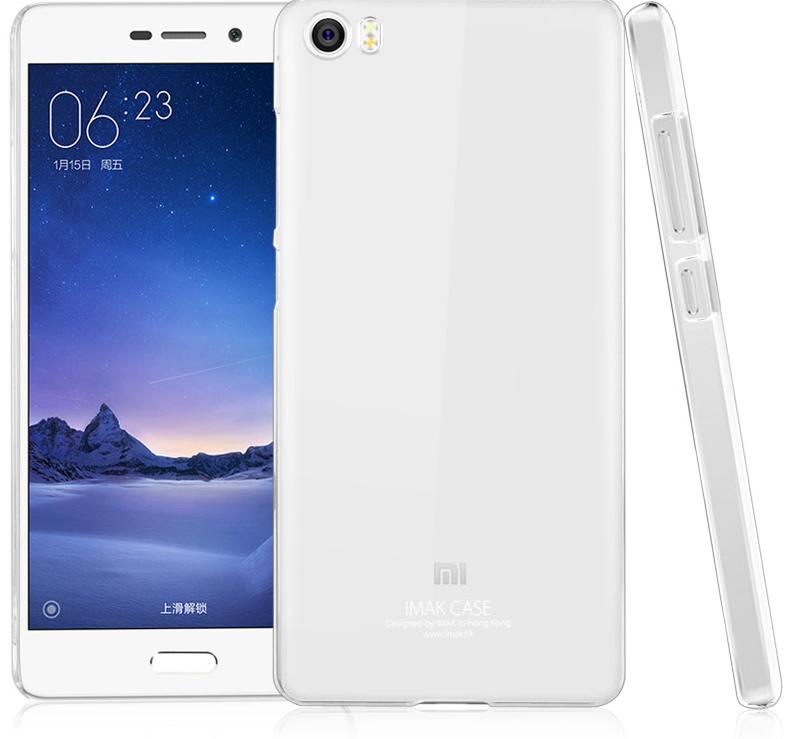
UPDATE: Thanks to one of our reader @Der_Tweet_Baer on twitter, we now have another image of the Mi 5 with a silicon case. Check that out from down below.
Yesterday, Apple officially unveiled Apple Pay in China, which is one of the most important markets for the Cupertino giant. However, it looks like Apple may not be the only smartphone company in China to work on a mobile payment service. IHS Analyst Kevin Wang revealed late last night that Chinese tech giants like Xiaomi, Huawei, ZTE etc are all planning to release their own payment service in the country.
So, Chinese users could soon be flooded with a number of options for paying at a store. Given their experience in the local market, they could very well provide features which are more convinient to its users. Could this be why Xiaomi decided to bring back NFC on the Mi 5 flagship?
Lei Jun, the CEO of Xiaomi, confirmed via a screenshot that the phone will come with NFC. Back in 2014, the company had said that there weren’t enough NFC users for them to include it inside its Xiaomi Mi 4 flagship. But looks like a feature like Xiaomi Pay can be a compelling reason for the company to incorporate NFC inside its latest flagship.
As of now, Xiaomi has not revealed anything about a possible feature like Xiaomi Pay. But let’s wait for the official announcement of the Mi 5, which is on February 24, for more details.
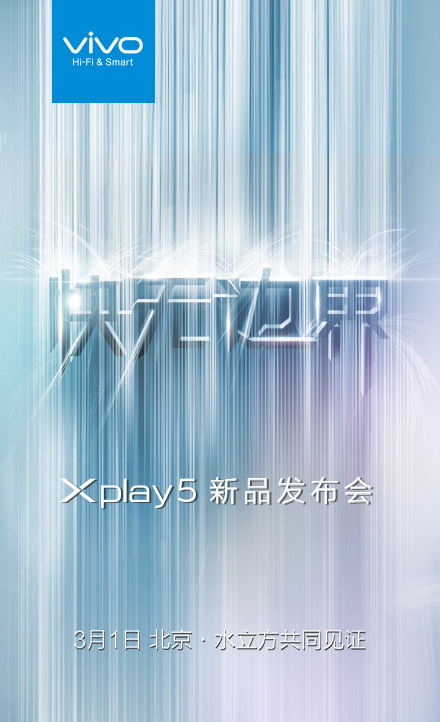
For the past few days, Vivo has been teasing the Vivo XPlay 5 flagship. The company confirmed the name yesterday and now, it has revealed the release date of the device as well. According to the latest teaser from the company, Vivo XPlay 5 release date is set for March 1, just after MWC 2016 concludes. Following the tradition of most Chinese smartphone releases, the XPlay 5 will also be launched at the famous Beijing Water Cube Center aka National Aquatics Center at 19:30 on the above-mentioned date.
We have been hearing a lot of powerful stuff about the upcoming Vivo XPlay 5 flagship. In fact, the company has said that the upcoming flagship will bring a lot of innovations and breakthroughs in its screen structure, materials, and other technology. Well, we can imagine what the company is hinting at from the innovative screen structure, as it has already kind of confirmed that the phone will feature dual curved screen display. Even in the software department, the phone will reportedly have a few innovations.
So, could Vivo finally unleash the beast this year? After nearly two years of waiting, the upcoming XPlay 5 flagship could satisfy our hunger for innovation and power. Other rumored specs of the device are also quite powerful. The phone is said to come with Snapdragon 820 quad-core chipset with a whopping 6GB of RAM. There are some other hard to believe rumors about the device like solar charging and a 31MP camera. In fact, you can read all about the leaked specs of the phone from this article.
Interestingly, noted analyst from China, Pan Jiutang had said back in January that the Vivo XPlay 5 flagship may come with 6GB of RAM. So, even if that’s going to be true, with SD820 on board, the phone will be super fast.
But apart from the Vivo XPlay 5 release date and dual edge screen, nothing else is confirmed about the device. We will have to wait and see what the company meant by saying that the phone had several innovative features.
We use cookies on our website to give you the most relevant experience by remembering your preferences and repeat visits. By clicking “Accept”, you consent to the use of ALL the cookies.
This website uses cookies to improve your experience while you navigate through the website. Out of these, the cookies that are categorized as necessary are stored on your browser as they are essential for the working of basic functionalities of the website. We also use third-party cookies that help us analyze and understand how you use this website. These cookies will be stored in your browser only with your consent. You also have the option to opt-out of these cookies. But opting out of some of these cookies may affect your browsing experience.
Necessary cookies are absolutely essential for the website to function properly. This category only includes cookies that ensures basic functionalities and security features of the website. These cookies do not store any personal information.
Any cookies that may not be particularly necessary for the website to function and is used specifically to collect user personal data via analytics, ads, other embedded contents are termed as non-necessary cookies. It is mandatory to procure user consent prior to running these cookies on your website.